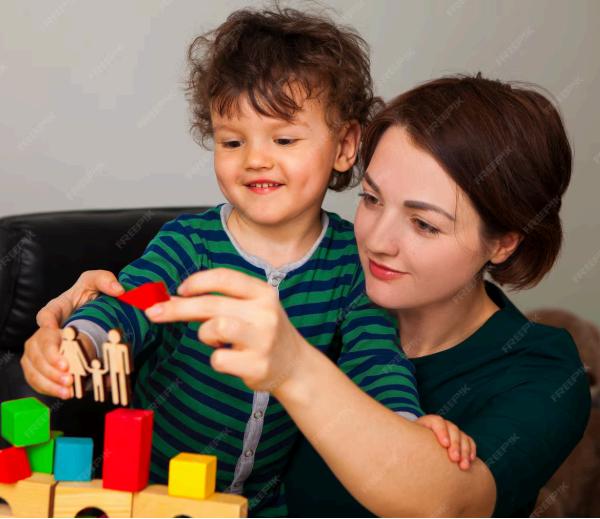




A structured and predictable home environment helps autistic children feel safe and comfortable. Consistent routines for meals, play, learning, and sleep reduce anxiety. Visual schedules and clear instructions help children understand expectations, improving cooperation, independence, and emotional stability in daily life.
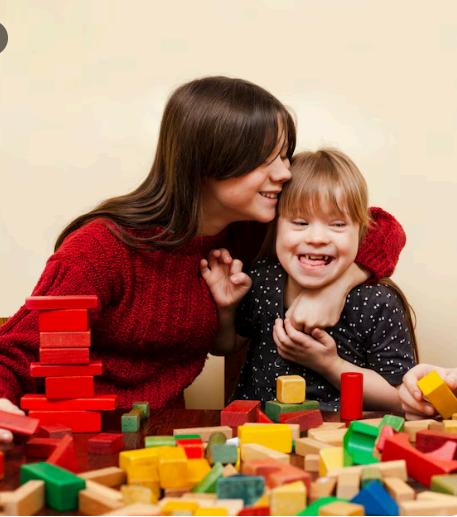
Supporting communication at home care for autistic children. Parents can encourage speech, gestures, or visual communication tools during daily activities. Simple conversations, reading together, and interactive play help improve language development and social engagement.
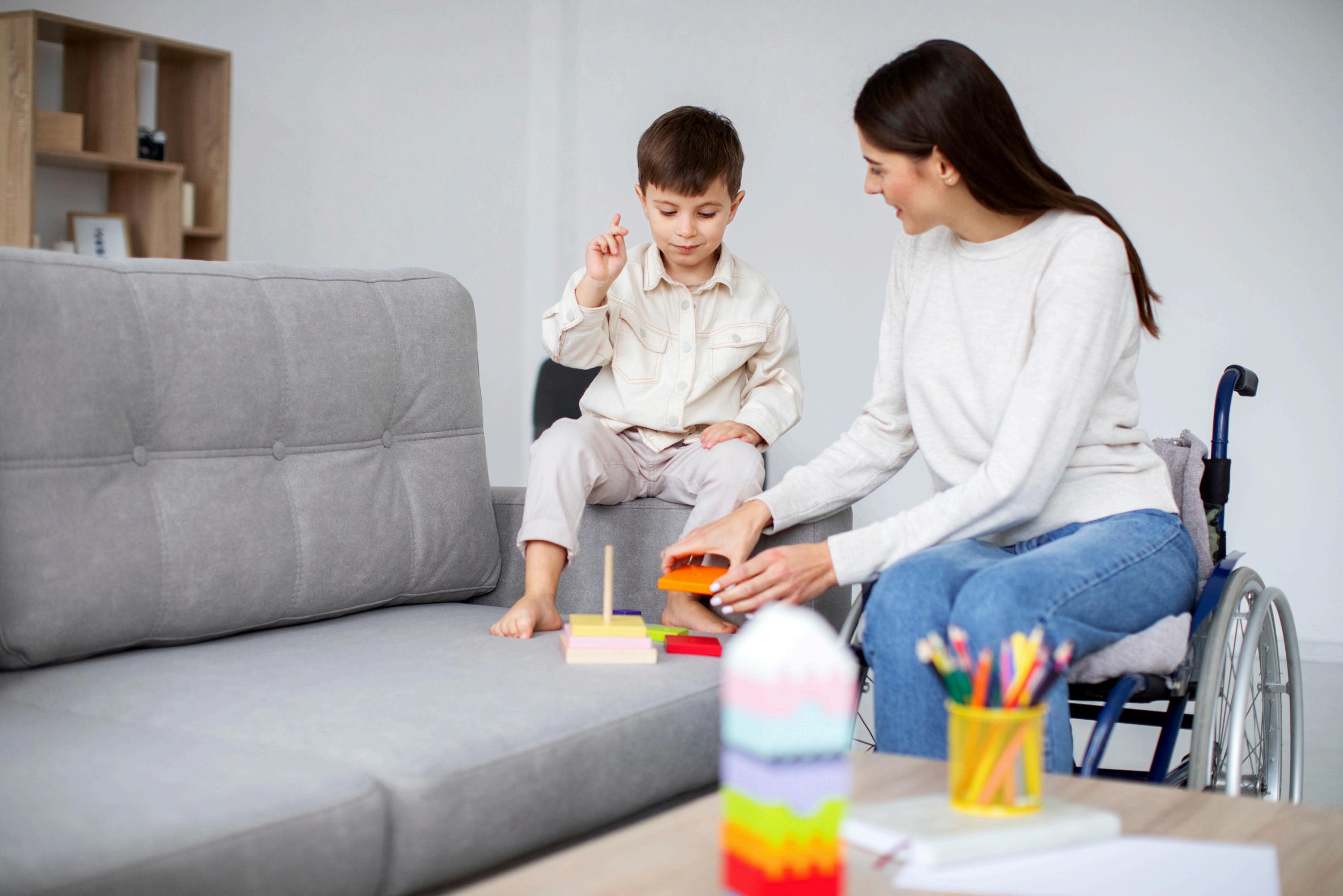
Many autistic children experience sensory sensitivities to sounds, textures, lights, and movement. Creating a sensory-friendly home with quiet spaces, soft lighting, sensory toys, and calming activities can improve comfort, help regulate emotions, and reduce overstimulation during stressful moments or daily routine transitions.

Home care helps autistic children develop independence through daily life skills. Tasks like dressing, brushing teeth, organizing toys, and simple chores become learning opportunities. Breaking activities into small steps and praising progress builds confidence, responsibility, and problem-solving abilities over time.

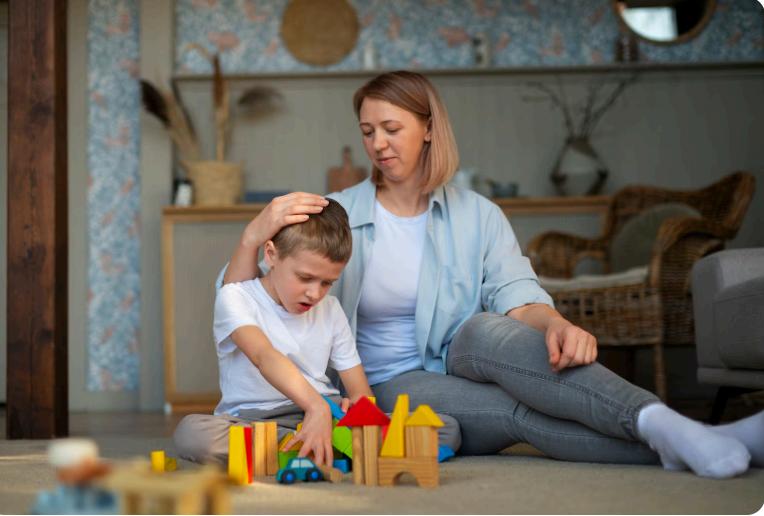



Effective home care involves collaboration with therapists, educators, and caregivers supporting a child’s development. Parents reinforce therapy strategies at home, ensuring consistent learning and behavior support while maintaining open communication to provide personalized, comprehensive care.