SUITS YOUR STYLE. FITS YOUR FRAMES.
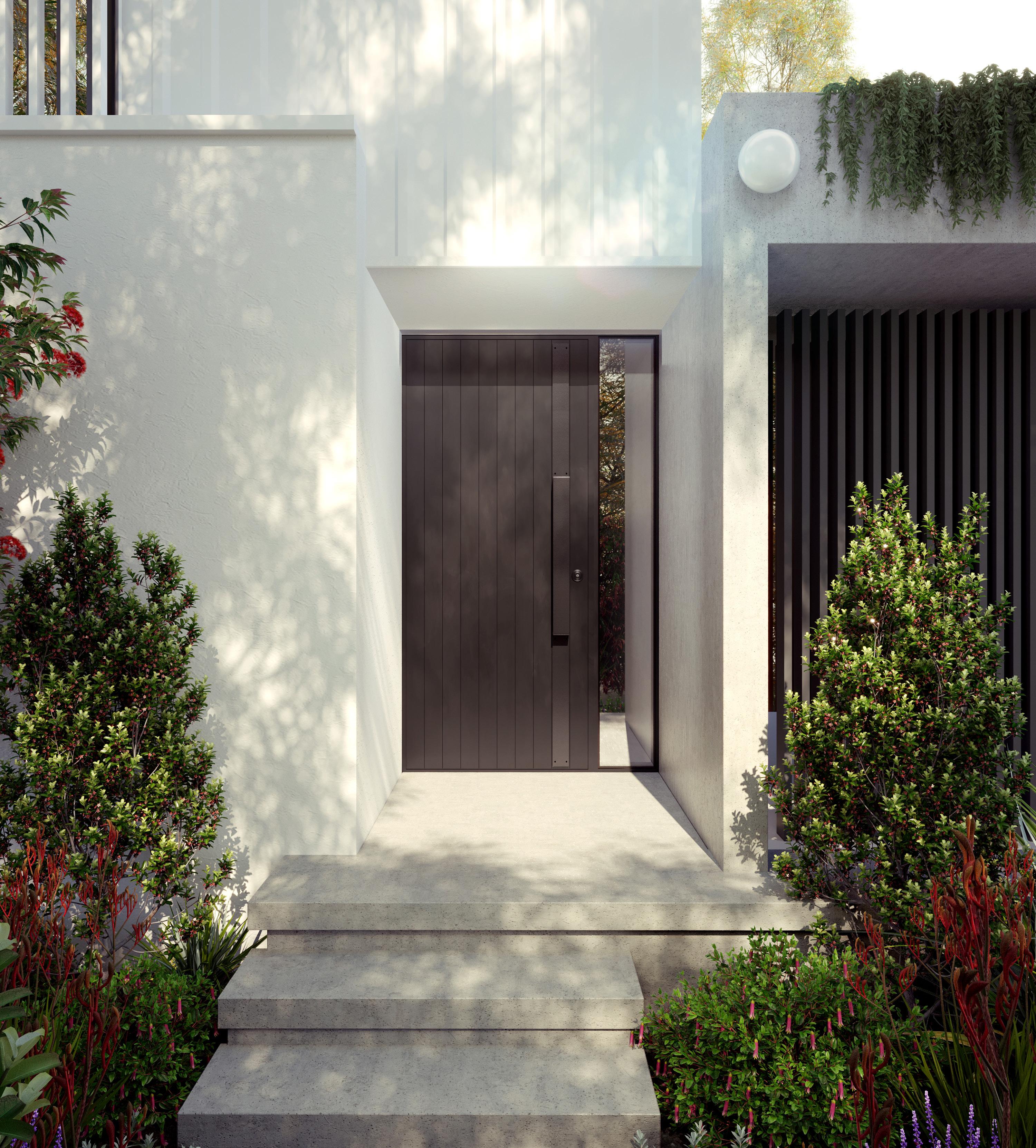
Connect with a door specialist on 1800 681 586, at sales@parkwooddoors.com.au or visit parkwooddoors.com.au Bold, beautiful aluminium front doors, custom made to fit your own frames. Add Parkwood’s premium doors to your product offering, powder coated in any colour, for the complete exterior joinery package.
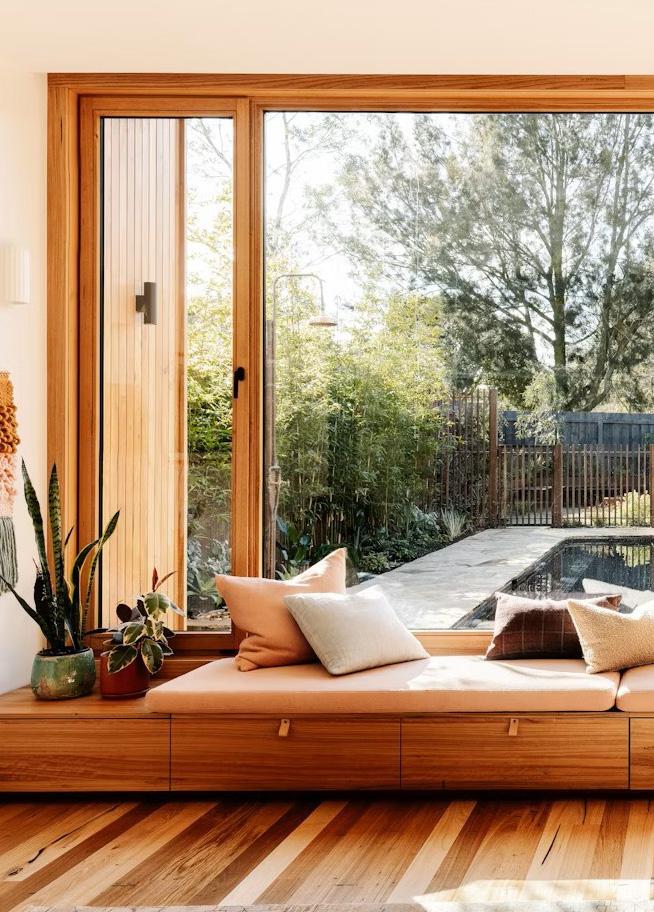
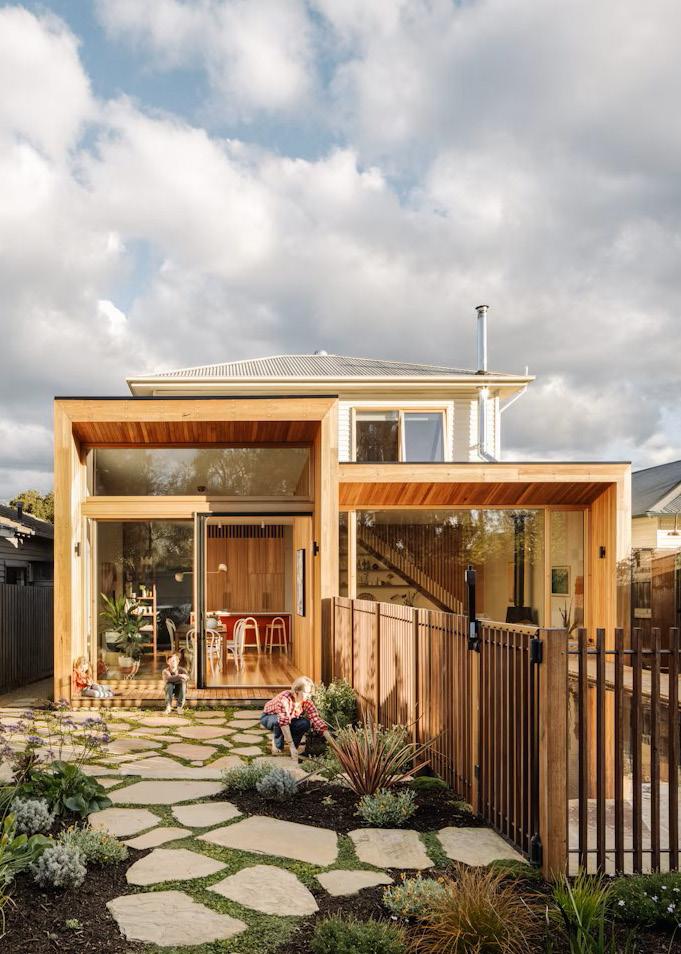
AGWA 2025 National Winner and Victorian State Design Award Winner Residential Retrofit Project Glint House by BINQ Windows
The Award-winning Glint House by BINQ Windows represents an important case study for how existing homes can be adapted to meet today’s challenges. Retrofitting the heritage architecture, while improving the home to better cope with energy costs, extreme weather, and changing lifestyles, without pushing people into financial stress, was the challenge overcome by this project. Glint House Retrofit demonstrates that sustainable, comfortable living is possible within existing neighbourhoods, without knocking everything down and starting over.
BuiltView Magazine is a quarterly publication of the Australian Glass & Window Association.
EDITORS
Melissa Baker
Ingrid Pagura
SUB EDITOR
Helen Dawes
DESIGN
Webqem Pty Ltd
Sehar Maniar, AGWA
EDITORIAL & ADVERTISING ENQUIRIES
Helen Dawes
+61 2 9498 2768 marketing@agwa.com.au
PUBLISHED BY
AWA-AGGA LIMITED
ABN 57 629 335 208
Suite 1.01B, Level 1, Building 1, 20 Bridge Street, Pymble NSW 2073
+61 2 9498 2768 admin@agwa.com.au www.agwa.com.au
COVER IMAGE & CONTENTS PAGE IMAGES
AGWA 2025 National Winner and Victorian State Design Award Winner Residential Retrofit Project BINQ Windows
Glint House
Architect: Imogen Pullar Architecture
Builder: J &RC Builders
Photographer: Marnie Hawson
CONTRIBUTORS
Clinton Skeoch, Maurice Tapang, Melissa Baker, Ingrid Pagura, Tim Johnston, Jesse Ross, Rebekah Brown, Kellie Moore, Francesco Querci, Angela Bevitt-Parr, Jelena Ninkovic, Elizabeth Dimabuyu, Michael Kruger, Gavin Hayes, Mari Lehtinen, Lido
Russo, Mike Ward, Daniella Stornelli, James Whitehouse, Helen Dawes, Sehar Maniar and Tyler Gonzales.
PRINTED BY
SOUTHERN IMPACT
southernimpact.com.au
Our printer conforms to the ISO-14001 environmental management standard and the ISO-9001 quality management standard.
DISTRIBUTED BY
D & D MAILING SERVICES
www.ddmail.com.au BuiltView Magazine is proudly packaged in Biowrap, 100% degradable plastic wrapping.
DISCLAIMER
Copyright © 2026. All rights reserved. Reproduction in whole or part without written permission from AWA-AGGA Limited is strictly prohibited. It is impossible for the publisher to ensure that the advertisements and other material herein comply with the Australian Consumer Law Competition and Consumer Act 2010. Readers should make their own inquiries in making decisions and where necessary, seek professional advice.

Clinton Skeoch Executive Director and CEO AGWA
The last couple of months have been a timely reminder that, even in a volatile operating environment, our sector’s strength still comes back to connection, shared understanding and pride in what we build. It was genuinely great to see so many members and industry partners turn up to our recent forums across the country. Those sessions aren’t just a diary item, they are an opportunity for communication, where we can let members know what’s happening in markets and regulation, share practical compliance lessons, and hear directly from you about the issues affecting your business and our industry.
In the same spirit, it has been excellent to see strong engagement with our 2026 Design and Industry Awards program. The quality of work across glazing, windows and façade delivery in Australia is outstanding, and the Awards remain one of the best ways we can showcase that capability publicly and celebrate the teams behind it.
Of course, in a 24-hour news cycle that feels increasingly saturated with change, it’s hard not to conclude that the broader environment remains uncertain. Cost pressures, supply chain variability and shifting geopolitical settings continue to translate into real project risk and tighter commercial decision making. In times like these, one of the simplest ways an industry association can add tangible value is by equipping members with practical tools that strengthen business resilience. That’s why I want to highlight 2 benefits, in particular: our free member access to the Essential CreditorWatch plan, and our free Glass and Glazing Set Standards access offering. Together, these are genuinely useful resources, helping members identify credit risk earlier, protect cashflow where insolvency risk can emerge quickly, and make more confident, compliance-aligned decisions by having the right technical references at hand. If you haven’t activated these benefits, it’s worth doing.
On the policy and technical front, we continue to operate in a period of heightened regulatory attention, with reform agendas evolving across building, energy and product assurance. A particularly important development has been the Victorian Energy Upgrades Program (VEU) formally aligning its eligibility settings with the Window Energy Rating Scheme (WERS), adopting the WERS library as the compliance pathway requirement for retrofit window and door installations. This represents a significant step forward, replacing legacy product lists with a current, independently audited and industry backed dataset, and providing a clear, consistent compliance pathway for retrofit projects.
Alongside this progress, the anti-dumping investigation into aluminium windows and doors from China continues to move through its evidence gathering and verification phases, with Anti-Dumping Commission teams undertaking verification work in China ahead of the Statement of Essential Facts review scheduled for September.
As always, there is a great deal happening. Against that backdrop, it is particularly pleasing to see the completion of our federally supported timber window testing program, together with the continued rollout of our prime system accreditation framework. Both initiatives are squarely focused on strengthening confidence in compliant products and supporting a more sustainable, well regulated industry.
Clinton Clinton Skeoch Executive Director and CEO

James Whitehouse graduated in Structural Engineering in the UK before discovering building facades. Working initially for systems’ companies before becoming a Facade Engineer at LendLease. Over the last decade working in Australia, he has worked for two of the largest WA commercial fabricators and then Capral Aluminium before joining AGWA in 2022.
He is a cricket fanatic and former state longbow champion.

Maurice graduated with a Bachelor of Economics from the University of Sydney in 2021, majoring in Financial Economics and Econometrics. He joined the HIA in 2023, and his responsibilities involve contributing to HIA’s suite of publications and articles. Maurice comes from a construction background, with his family involved in the quarrying, hauling, earthmoving, and waste business in the Philippines.

Melissa Baker is the AGWA Head of Industry Development, having worked in the training industry for more than 20 years. She has a wide range of training and management experience across a variety of sectors. Working with our industry subject matter experts, Melissa has developed member resources including training courses, safety resources, the AGWA website, events and AusFenEx25. Melissa is also the co-editor of BuiltView Magazine.

Tim joined AGWA in July 2023. With a degree in Architecture from the University of New South Wales, as well as postgraduate qualifications in environmental management and economics, Tim has more than 25 years’ experience working in the built and natural environment, not for profit industry associations, private and government sectors.

Jesse Ross holds a Bachelor of Civil Engineer (Honours) Degree with research and practical experience in testing the structural resistance of timber composite members as a part of his thesis project. Having graduated from university, Jesse joined AGWA full-time in the beginning of 2025 to take on the AFWI Modernising Timber Windows project.
Digital measuring for the window, door and glass industry, eliminating errors and wasted time onsite.
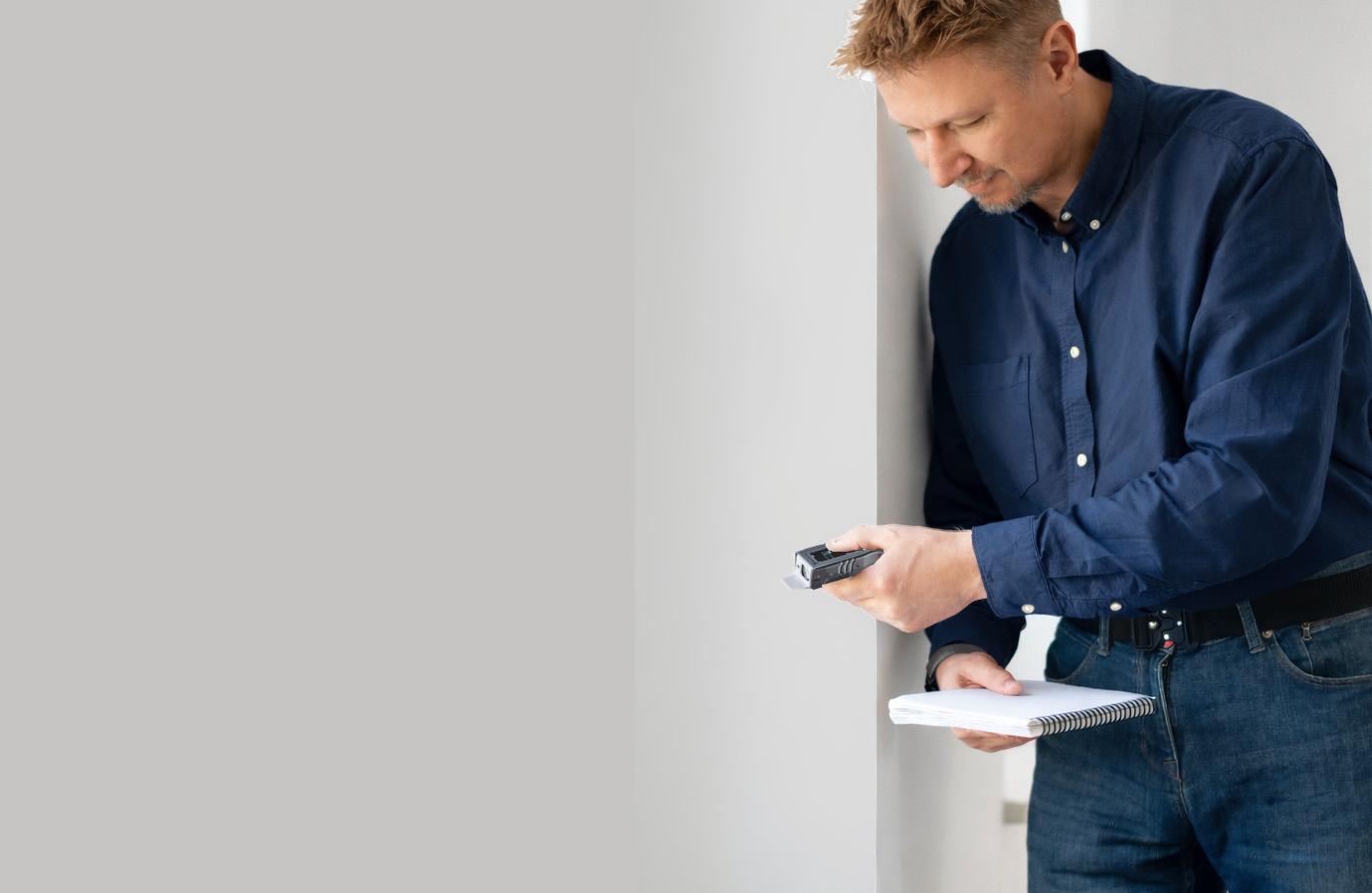
Solaflex replaces manual measuring, notes, and rework with a streamlined digital workflow. Capture precise measurements on-site and instantly convert them into structured outputs - ready for production, quoting, or install.
Built specifically for fabricators and installers, Solaflex improves accuracy, reduces admin, and keeps projects moving.
Measure onsite with Solaflex
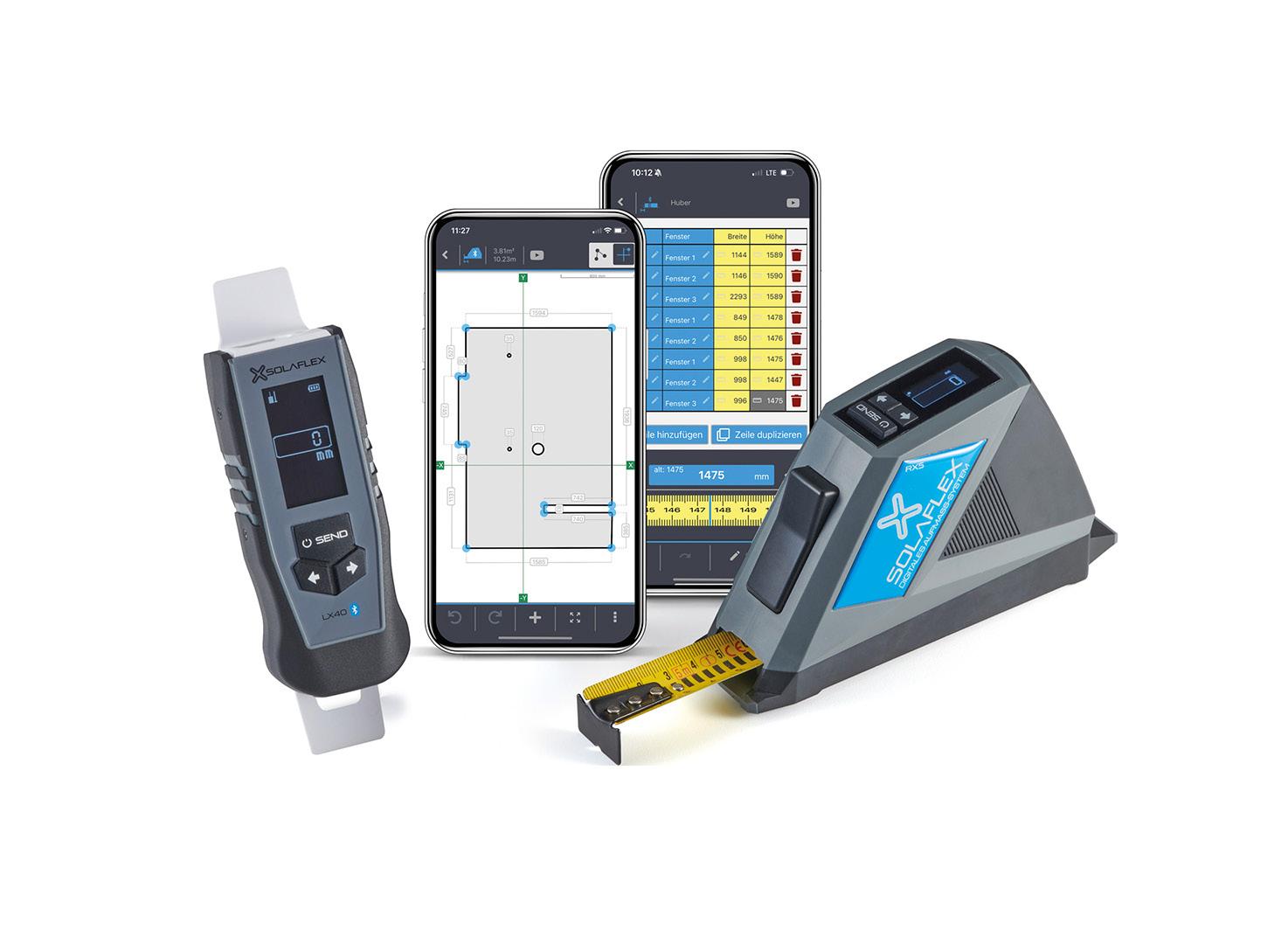
generate DXF, PDF or CSV Send to office or team instantly Custom templates for window & doors
errors and costly mistakes Faster quoting to the client
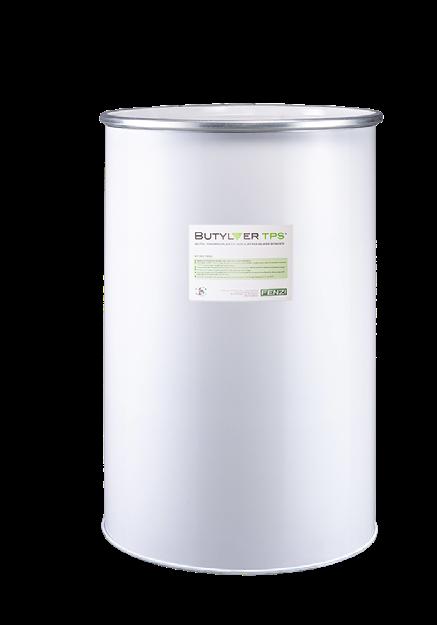
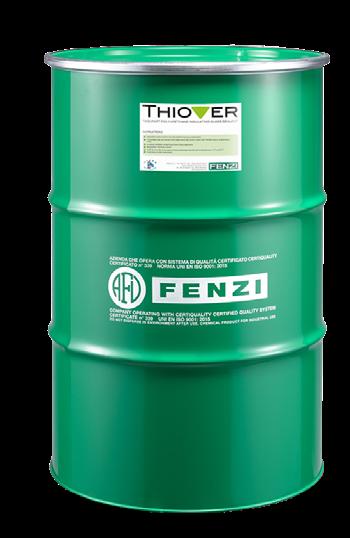
Fenzi Butylver TPS a one part thermoplastic solvent free polyisobutylene based spacer with integrated desiccant especially formulated for manufacturing of insulating glass, replaces hollow spacer, molecular sieve, and primary seal.
Fenzi Butylver TPS-NRG a one part, polyisobutylene base with integrated desiccants, ensuring perfect adhesion, minimal permeability and excellent rigidity and stability, all factors that translate to excellent thermal insulation and durability over time.
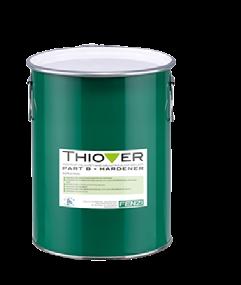
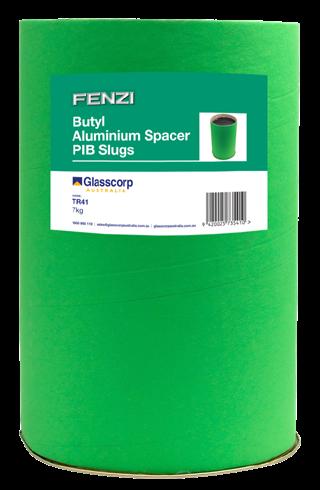
Fenzi IGU Polysulphide Sealant Kit are formulated for sealing insulating glass units. Thiover sealants are produced in different types to suit the individual requirements of the operator and of the equipment in use. Solvent free and can be used either to produce double and triple panels.
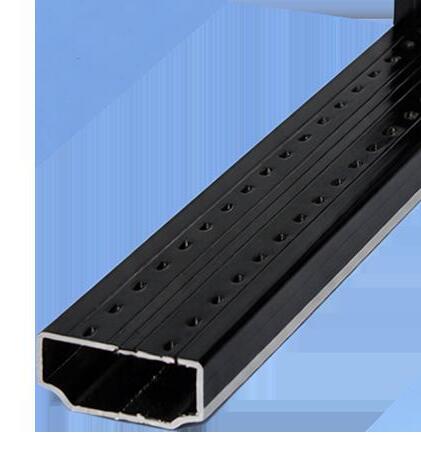
Fenzi Spacer Bars offer strong mechanical support and precise edge spacing for insulating glass units in structural glazing applications. Crafted from high quality aluminium, providing excellent dimensional stability.
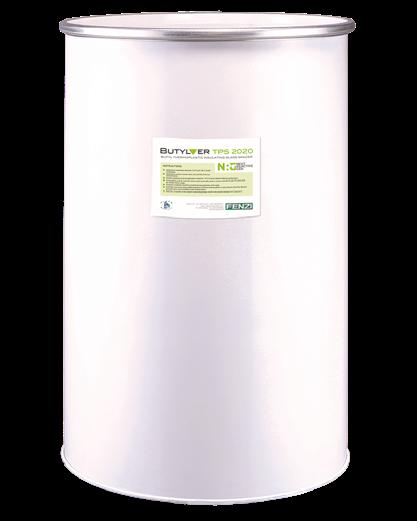
Fenzi Butyl Alum Spacer Pib Slugs a one part sealant totally solvent free especially formulated for internal insulation (first-barrier) of double glazed units. For Aluminium Spacer only.
Fenzi IGU Desiccant designed to be used in insulating glass industry. This product shows high adsorption capacity and can be used in any insulating glass system which foresees Polysulphides, Silicone, Polyurethanes and Hot Melt as second barrier sealant.
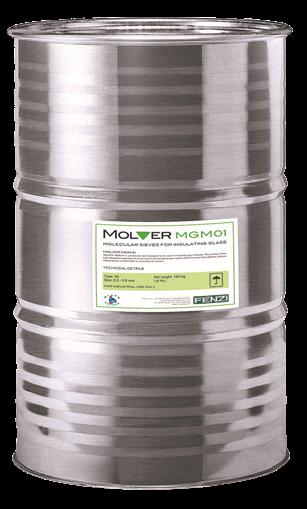

A global leader in glass‑processing chemicals since 1941, Fenzi delivers trusted, high‑performance IGU solutions. By stocking the full Fenzi range, Glasscorp Australia brings world‑class quality and proven reliability to the Australian market.
Maurice Tapang Senior Economist, HIA
Fuel costs are understandably receiving increased attention in the context of recent global uncertainty. For the construction sector, fuel matters through its effect on transport, materials and site operating costs, much like it does across most parts of the economy.
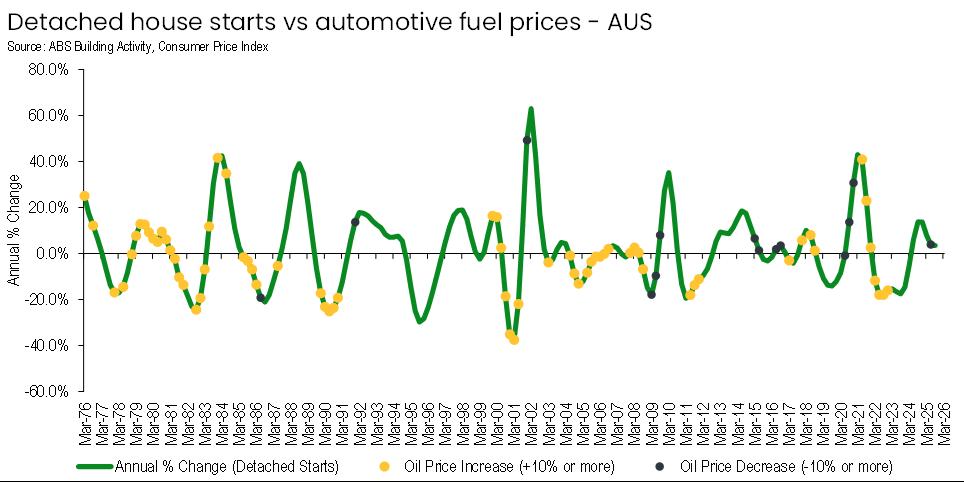
Nonetheless, history suggests that fuel prices, alone, have not been a decisive driver of housing demand. The relationship between detached housing starts in Australia and transport fuel prices have historically been weak, with a correlation coefficient of -0.185.
As shown in the chart below, periods of sharp fuel price increases have not consistently resulted in lower levels of detached home construction. Detached housing starts continued to rise during several major oil price shocks, including those of the 1970s. Even in more recent decades, the pattern between changes in fuel prices and building activity remains uneven, rather than consistent. This reinforces the view that fuel prices are not, in isolation, a strong predictor of detached housing commencements.
The more dominant drivers of home building activity are interest rates, tax and regulatory settings (particularly as they pertain to the cost of land) and labour availability. Higher fuel prices matter more indirectly, to the extent that they can reinforce all three, as they can add to inflation and wage pressures, pushing up interest rates, driving tax bracket creep, and exacerbating house and land price pressures, thereby slowing housing starts.
Sharp rises in fuel prices also add to cost pressures across the economy and can increase uncertainty for households and
businesses. For housing, the most significant effects are less about diesel prices at the worksite and more about the cost of finance and the overall economic environment in which investment decisions are made.
The renewed conflict in the Middle East in 2026 has understandably revived memories of the severe supply chain disruptions experienced during the pandemic. However, it is important to recognise the key differences between the current situation and that earlier period.
During the pandemic, governments restricted both passenger and freight movement. Global supply chains were directly and severely disrupted, while domestic production and logistics were impaired. In contrast, the current conflict is geographically concentrated and has not led to broad trade or transport restrictions, nor systematically reduced global production capacity.
What the evidence suggests, so far, is that markets are responding primarily to a price shock. Heightened uncertainty has driven precautionary behaviour, pushing prices higher in the short term. Australia continues to receive fuel imports, holds strategic reserves and maintains some domestic fuel production capacity. There has been no indication of a widespread disruption to the physical supply of fuel into Australia, other than the distribution problems that arise as a result of precautionary behaviour and forward buying.
While Australia imports the majority of its refined fuels, domestic production provides an additional layer of resilience. Prices tend to adjust quickly to uncertainty, reflecting shifts in expectations. More material supply constraints typically emerge only if disruptions are prolonged and sustained.
The key consideration is not just the size of the initial shock, but its duration. A relatively quick resolution would help fuel prices stabilise, keep inflationary impacts contained and reduce longerterm pressure on interest rates. If disruptions persist, higher fuel costs are more likely to continue feeding into inflation, influence expectations and keep interest rates higher for longer. Even in that scenario, fuel would remain only one factor among several shaping housing market outcomes.
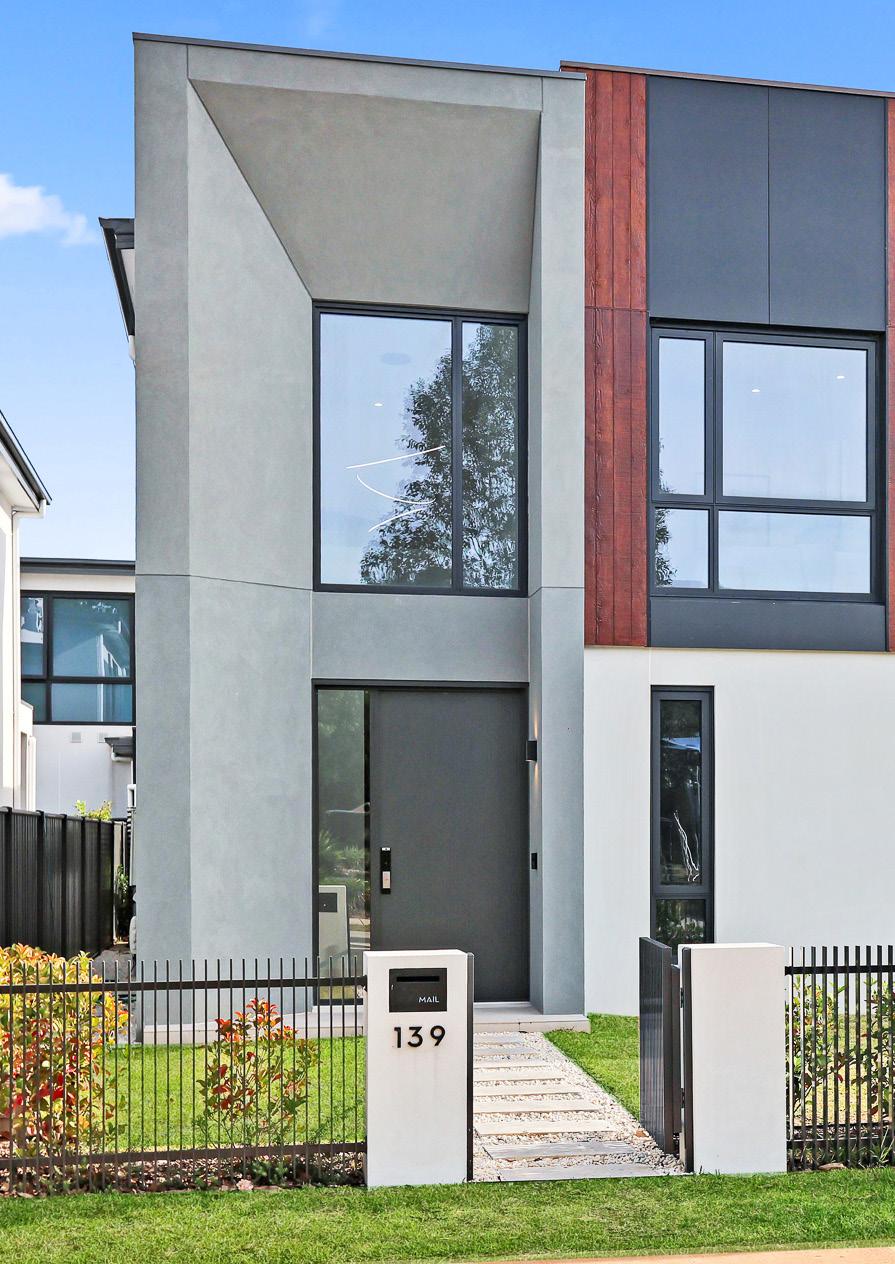
Project Details
Project: Bellefair, Norwest, Sydney, NSW
Builder: Steland Project
Developer: HGA Group
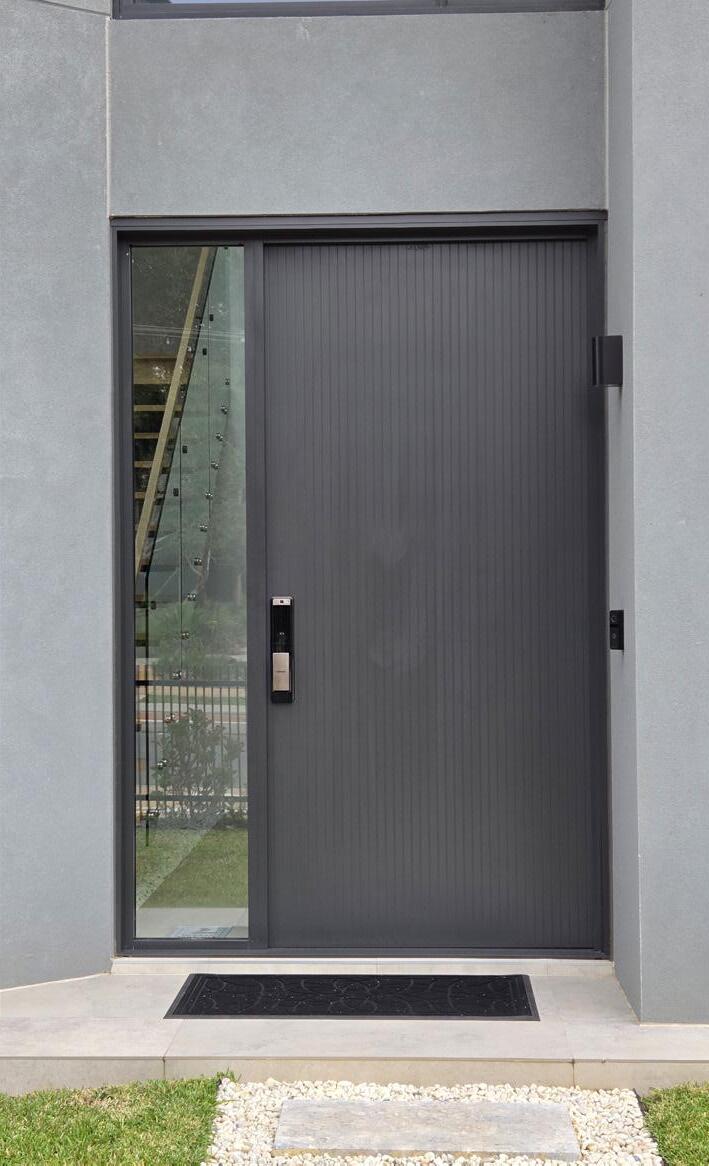
Product: Parkwood Doors Thermtek VV50 − Batten 25 in Monument Matt
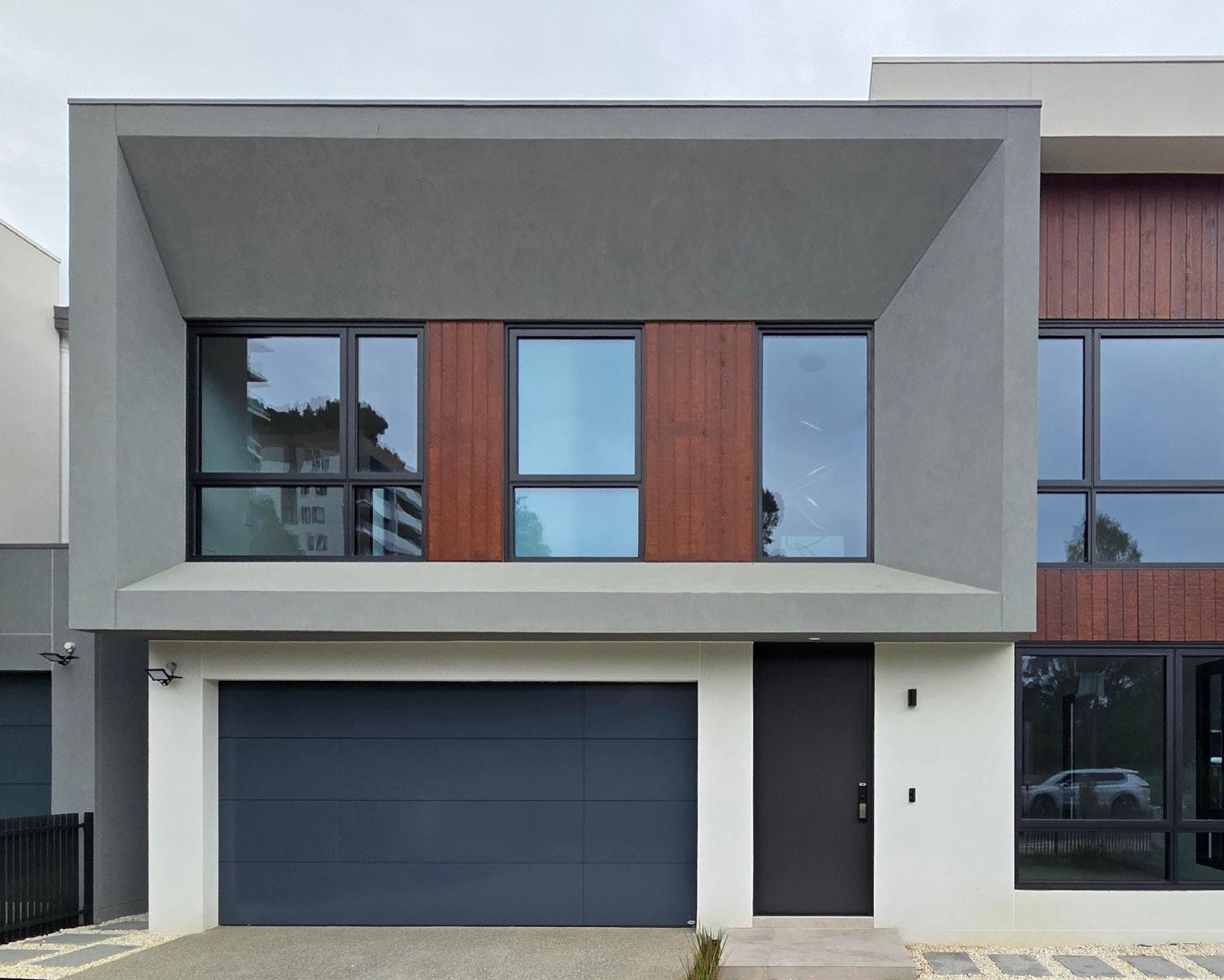
In Sydney’s Hills District, the master-planned Bellefair community at Norwest has set a benchmark for contemporary residential design. Architecturally designed townhouses and terrace homes draw from a consistent palette, clean lines and premium finishes — the kind of development where specification details matter, and where product shortfalls can become a costly problem.
The heat is on
The originally specified timber front doors looked the part on paper. However, when painted dark and exposed to intense sun, they couldn’t take the heat. Warping, cracking and surface degradation compromised both the look and performance of every entry point while the builds were still in construction, undermining the aesthetic the development was designed to achieve. Everyone knew a replacement was needed.
The right door for the climate
Any replacement entry door had to check off a demanding checklist:
• Carry the architectural weight of the original design intent;
• Take a dark finish; and
• Hold up against the harsh Australian climate long-term.
The replacement also had to integrate cleanly with the aluminium window frames already installed across the site.
One spec change that changed everything
Parkwood Doors had the answer. Their Thermtek powder coated aluminium door ticked every box, as it was built to handle dark finishes and full sun without moving or bowing. The profile and finish sat consistently alongside the existing window joinery, preserving the architectural coherence that made Bellefair stand out. The doors didn’t just replace what had failed, they delivered what was originally promised.
The door behind the window
For aluminium window fabricators, Bellefair is a sign of things to come. More residential projects are demanding entry doors that match aesthetically, perform in Australian conditions, and hold their integrity over the life of the building. Timber, particularly in dark finishes, increasingly can’t meet that brief, but aluminium can.
For fabricators already supplying window packages, adding architectural entry doors to the mix is a natural extension giving them higher job revenue, better margins and a single-supplier solution that builders actually want (fewer trades, simpler procurement and faster lock-up). The demand is there. The door is ready. And opportunity is knocking.
For more information, please visit parkwooddoors.com.au




The Australasian Institute of Surface Finishing (AISF) is currently preparing to launch QUALI‑SURE™, a new Accreditation & Audit Program for Powder Coating and Anodising finishes used in Australia.
QUALI-SURE™ will be recognisable as Australia’s eminent powder coating and anodising accreditation program that the AISF will administer. It will be a symbol to architects, specifiers, engineers, fabricators, builders, asset owners, end users and other stakeholders of an applicator’s compliance with relevant process controls for different surface finishing systems that will be supported by verification audits.
The QUALI-SURE™ program supports powder coating and anodising applicators put in place practical technical processes to help achieve the performance levels for architectural aluminium substrates required under Australian Standards AS 3715:2025 and AS 1231:2000, coupled with the specification levels set by the powder coating and chemical manufacturers/ suppliers.
For more information or to register your interest in QUALI‑SURE, enquiries are welcome, please contact the AISF.
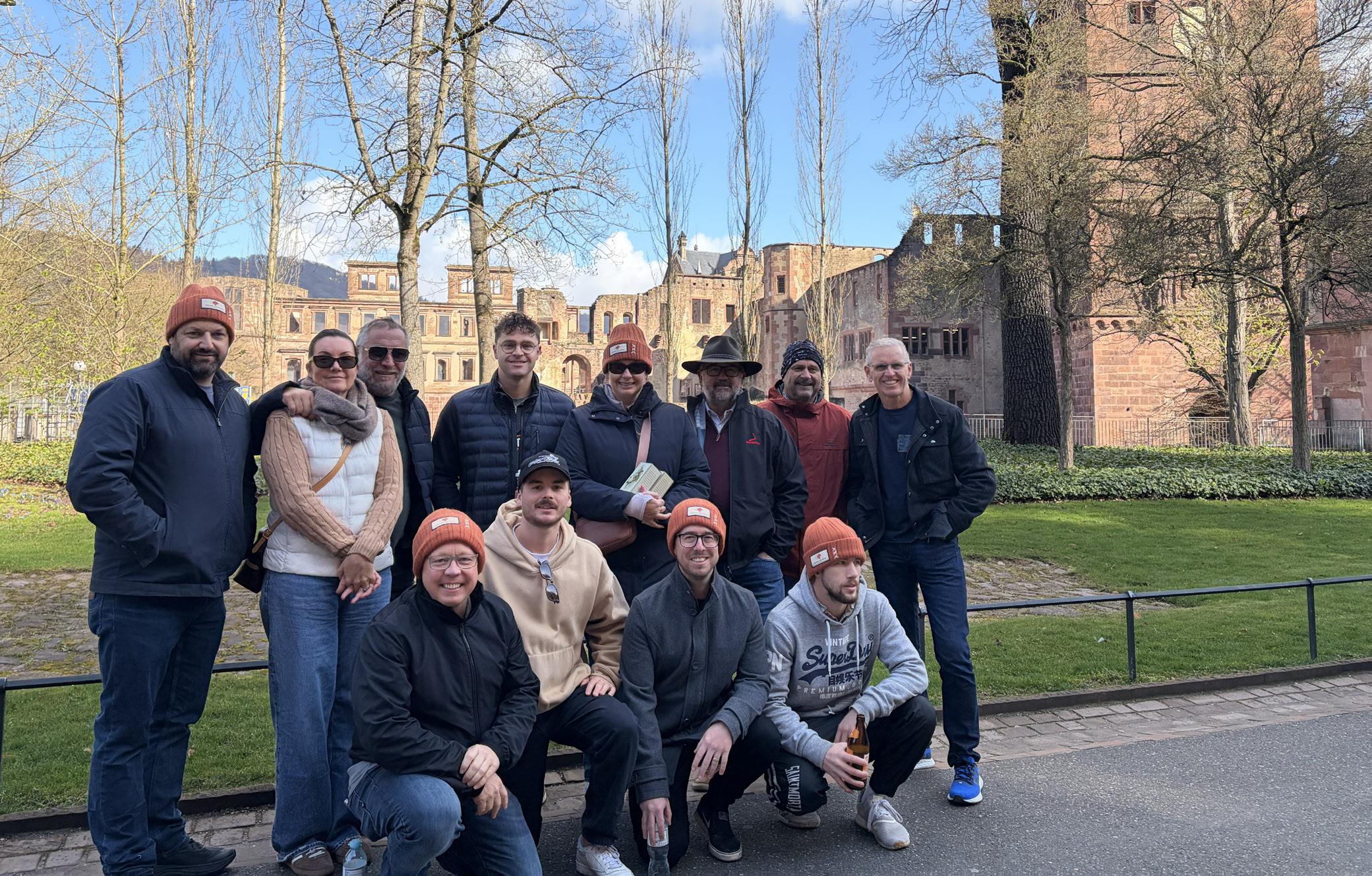
A 9-day industry experience from Munich to Nuremberg, Heidelberg and Frankfurt reminded me why relationships matter as much as product.
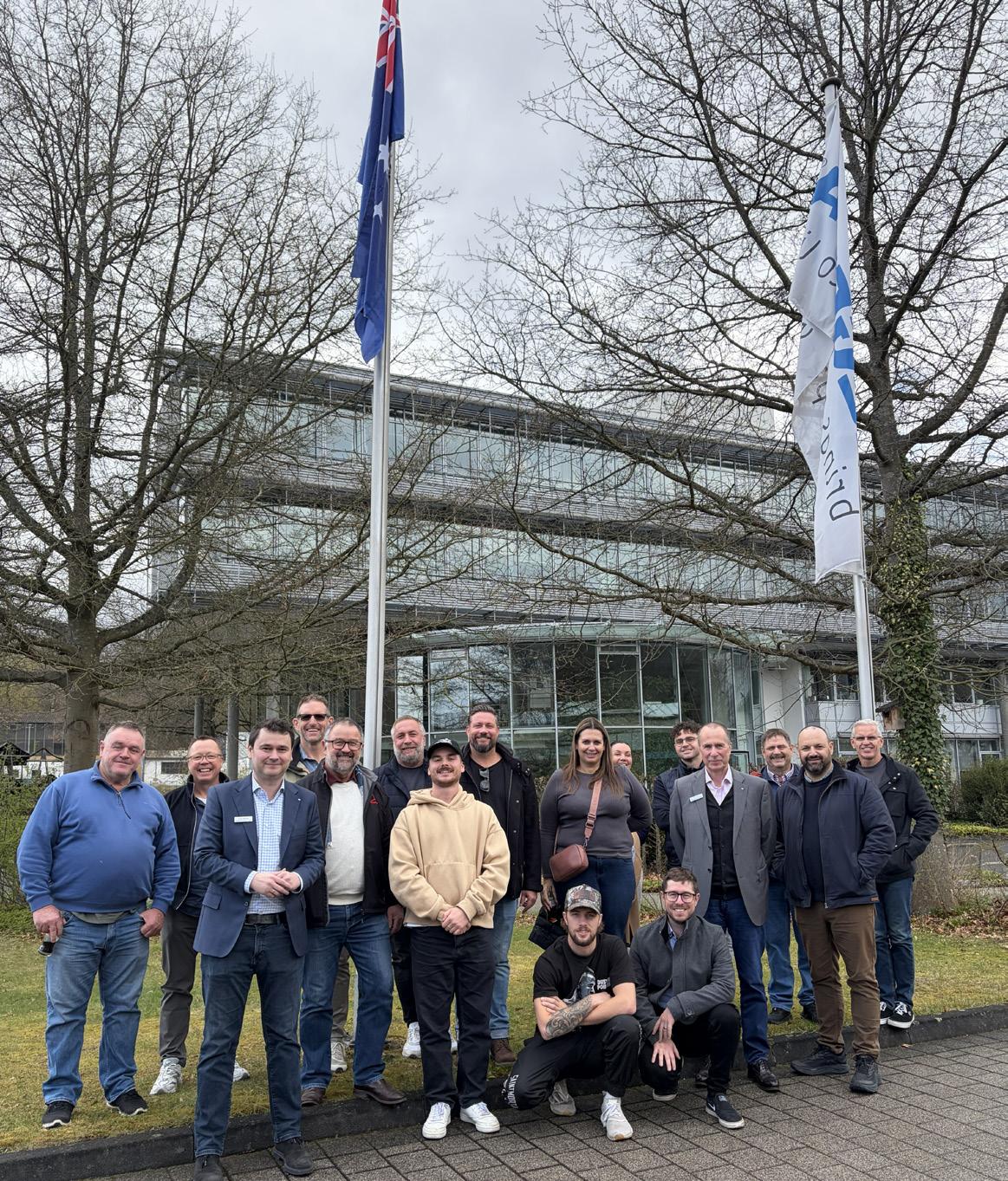
An Industry Study Tour over 9 packed days across Germany (24 March–1 April 2026). I was expecting to come home with a notebook full of product innovation and ideas, strategies for our own AGWA conference, and maybe a handful of business cards. Instead, I came home with something even bigger: a renewed respect for how our window and glass community works best — when we’re genuinely connected.
The 15 of us on the AGWA Study Tour, from various states of Australia and New Zealand, met up in Munich, then spending 4 nights in Nuremberg, 2 in Heidelberg and 2 in Frankfurt. Somewhere between the huge crowds, long dinners and early starts, the group stopped feeling like ‘participants’ and started feeling like friends. By the end of the Study Tour, people were talking about reunions and interstate catch ups, like it was the most natural thing in the world.
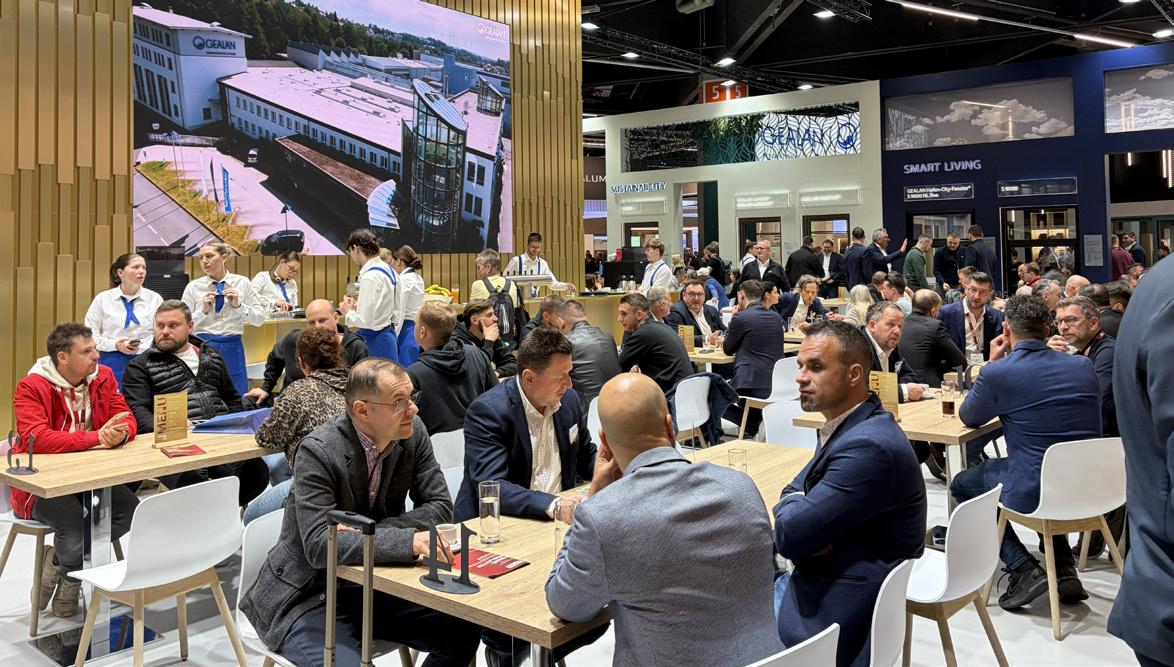
The headliner of the AGWA Study Tour was the Fensterbau Frontale Exhibition in Nuremberg. Even with 3 days and with 13 exhibition halls of over 1000 exhibitors, and an average of 22,000 steps per day, I still didn’t see it all. The scale of the exhibition was unlike anything I had ever seen before. I’d imagined an exhibition where the product did all the talking, but what I saw was a relationship machine. Stands weren’t just displays; they were meeting places. Some stands were the size of a football field, yet others were a simple 3 x 3, but
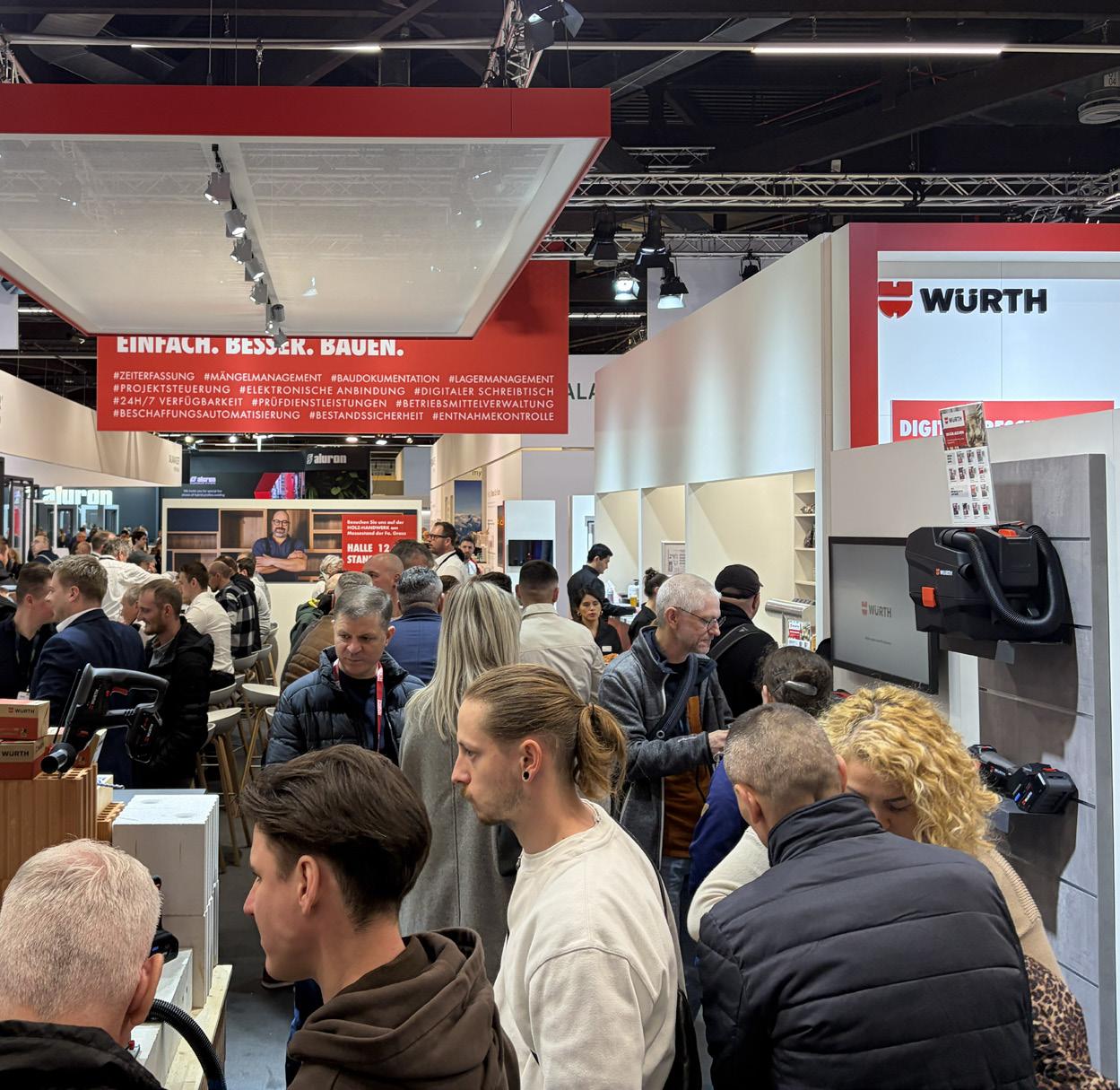
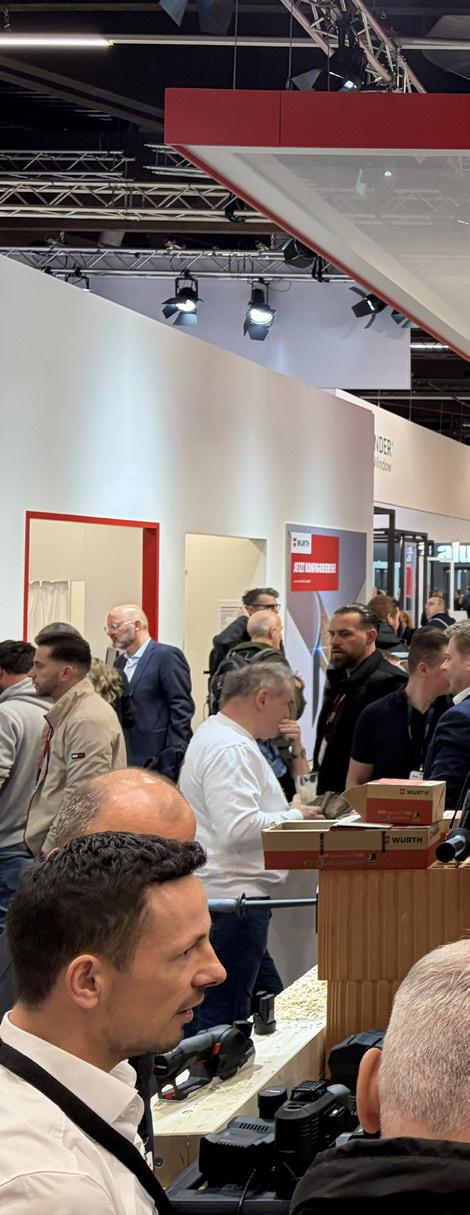
the one constant was hospitality. Licensed bar setups, fully functioning kitchens, tables full of customers and partners sharing food and negotiating the year ahead. Product mattered, of course, but it often felt like the secondary focus. The real business relationship building.
From a suppliers’ perspective, the message was crystal clear: if you’re not at Frontale, you’re not a serious player in the market. Deals and plans for the following year are made in those halls, in conversations that start with a handshake and end with a commitment. Watching that play out helped me properly understand why visibility at home matters too. It gave me a fresh lens on the important role that AGWA plays as an industry membership association in bringing members together for events like member forums, awards dinners and AUSFENEX, not just to ‘be seen’, but to belong to the conversations that shape the market.
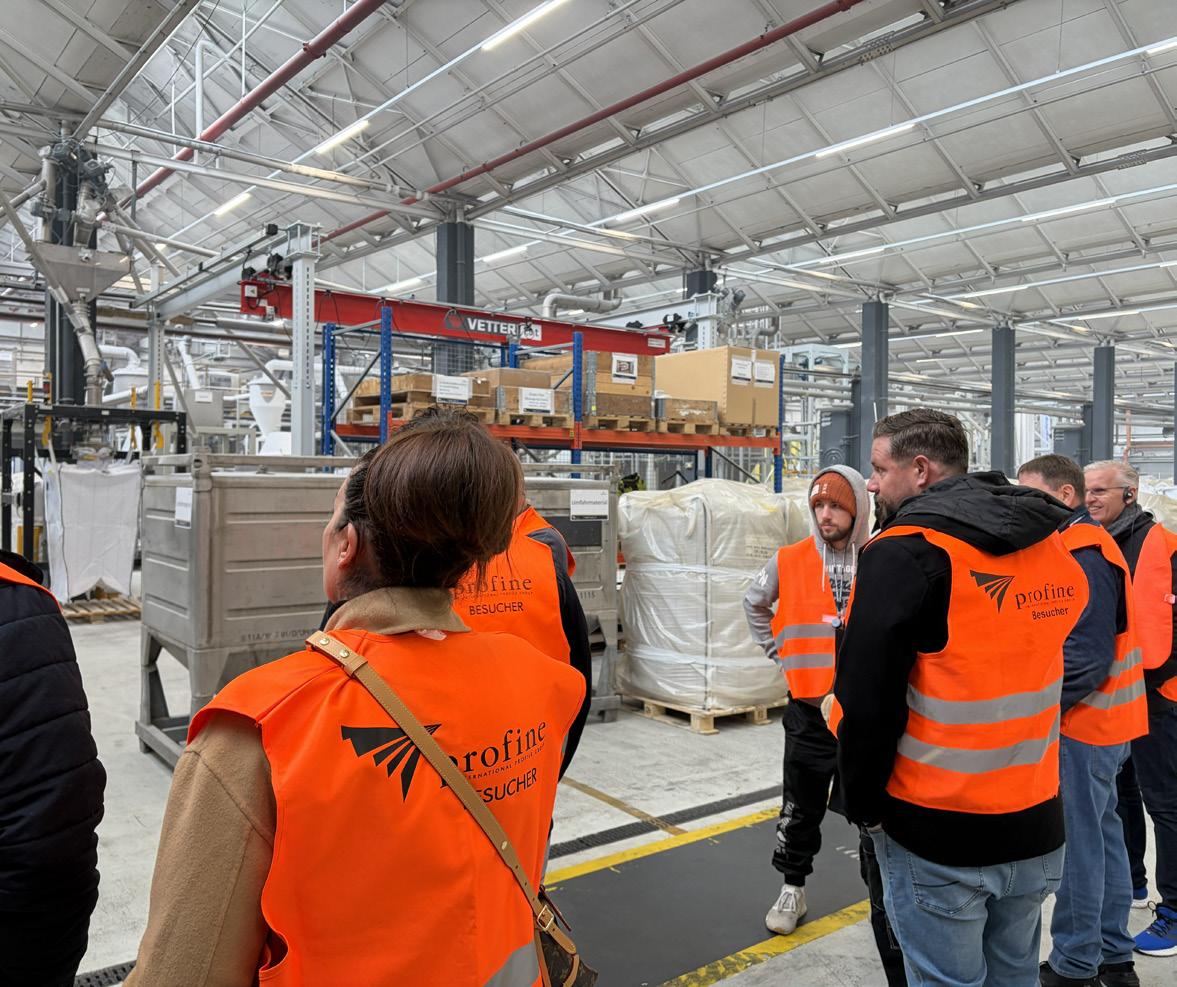
Beyond the exhibition halls, the Study Tour offered us the invaluable opportunity to participate in several factory tours, allowing a close-up view of European manufacturing techniques. These visits enabled us to engage directly with production teams, ask in-depth questions, and observe a variety of fabrication strategies and processes in action. At each site, we were struck by the extraordinary precision and sheer scale of the operations, showcasing levels of efficiency
‘I came to learn from the tour but learnt from you all …’.
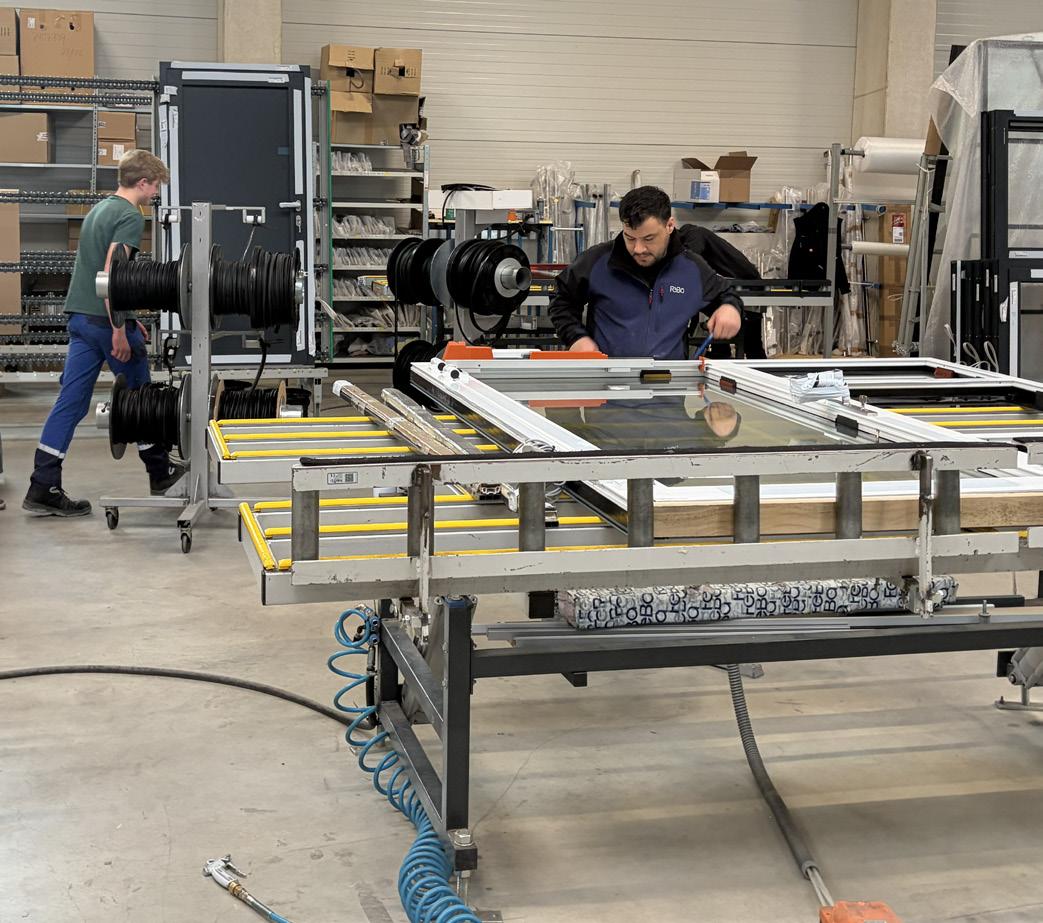
and output that many of us had never witnessed before. One of the most remarkable impressions was the cleanliness of these facilities. The factory floors were so immaculate that, as the saying goes, you could have eaten your lunch right there. Perhaps, just as valuable, was the peer-to-peer learning on the bus and at the dinners, the little operational tricks, the candid stories, the shared frustrations and wins. It was summed up perfectly by someone in the group saying, ‘I came to learn from the tour but learnt from you all …’
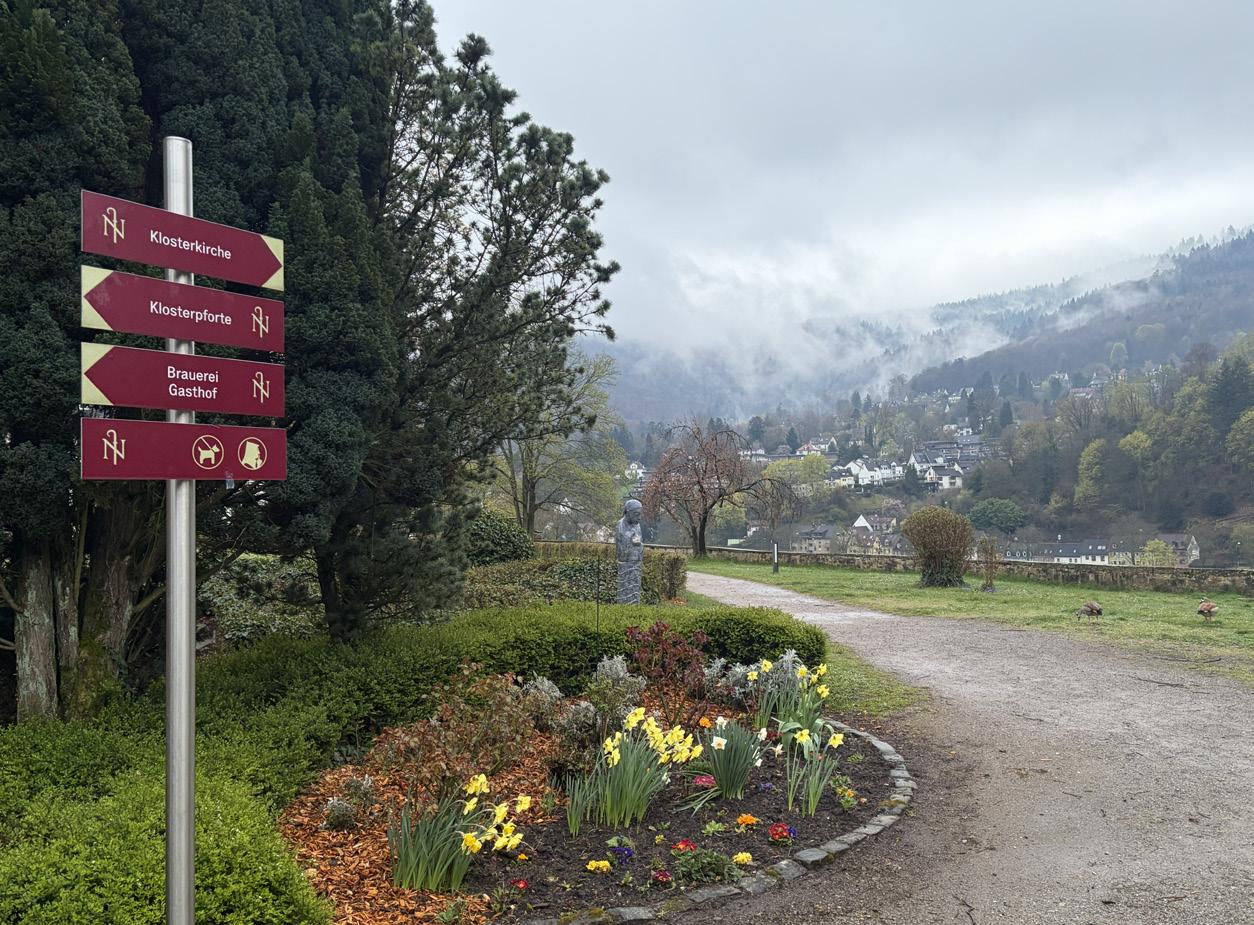
But it wasn’t all business, as we managed some sightseeing as well. Heidelberg gave us one of the coldest and rainiest days of the trip, but we enjoyed a castle tour, river cruise and a brewery tour that warmed everyone up quickly. Hot Rods through Frankfurt streets was a tour highlight for most of us.
On the final night, the mood was a little bittersweet. The Study Tour had been an incredible week with an extraordinary bunch of people, and we weren’t quite ready for it to end. I learnt a lot about industry, but more than that I learnt that business is built on relationships, and our sector is at its best when we’re there to support each other. Spending 9 days ‘celebrating windows and glass’ sounds cliche on paper, but in real life it was a privilege. I feel lucky to have shared it with such an outstanding bunch of people.
Founded in 1954 and based in Ovada, Piedmont, Italy, Bovone is now an industrial company recognised internationally for developing solutions dedicated to the secondary processing of flat glass. Since its beginnings, the company has set several milestones in the sector’s technological evolution by introducing innovations that have become established benchmarks, such as the vertical bevelling machine, which redefined glass processing standards. This capacity for innovation has built a solid foundation for growth, supported by engineering expertise, technological integration, industrial vision and a high standard of service, leading to the company’s consolidation of partnerships with leading local organisations in Australian and New Zealand. This latter aspect has also been successfully implemented in the Australian and New Zealand markets, thanks to the company’s consolidation of partnerships with leading local organisations, capable of guaranteeing concrete elements of operational security.
Innovation as a Tangible Benefit for the Customer
The ability to understand the developments in the various sectors represents a tangible benefit for customers. Anticipating change means, in fact, designing technologies that enable companies to
tackle increasing production complexity, the growing demand for customisation and the need to maintain high quality standards with ever-shorter lead times with greater confidence.
In this context, Bovone’s solutions are developed to ensure operational continuity, reduced production times and greater process control. The result is more efficient, predictable and scalable production.
Complete
Bovone’s range of technology is divided into 3 main areas:
1. Stand-alone machines
Edging, bevelling and washing machines form the core of the range. These machines stand out for their high level of customisation and their ability to adapt to specific production requirements, ensuring high-quality finishes, fast processing speeds and long-term reliability. The integration of robust mechanical components with advanced electronic technologies, ensures consistent performance even in intensive production environments.
Bovone also develops complete lines for applications such as mirroring and laminating, custom-designed to suit the customer’s production layouts and objectives. These systems enable the optimisation of workflows, the reduction of inefficiencies and the assurance of high-quality consistency in both high-volume and more flexible production runs.
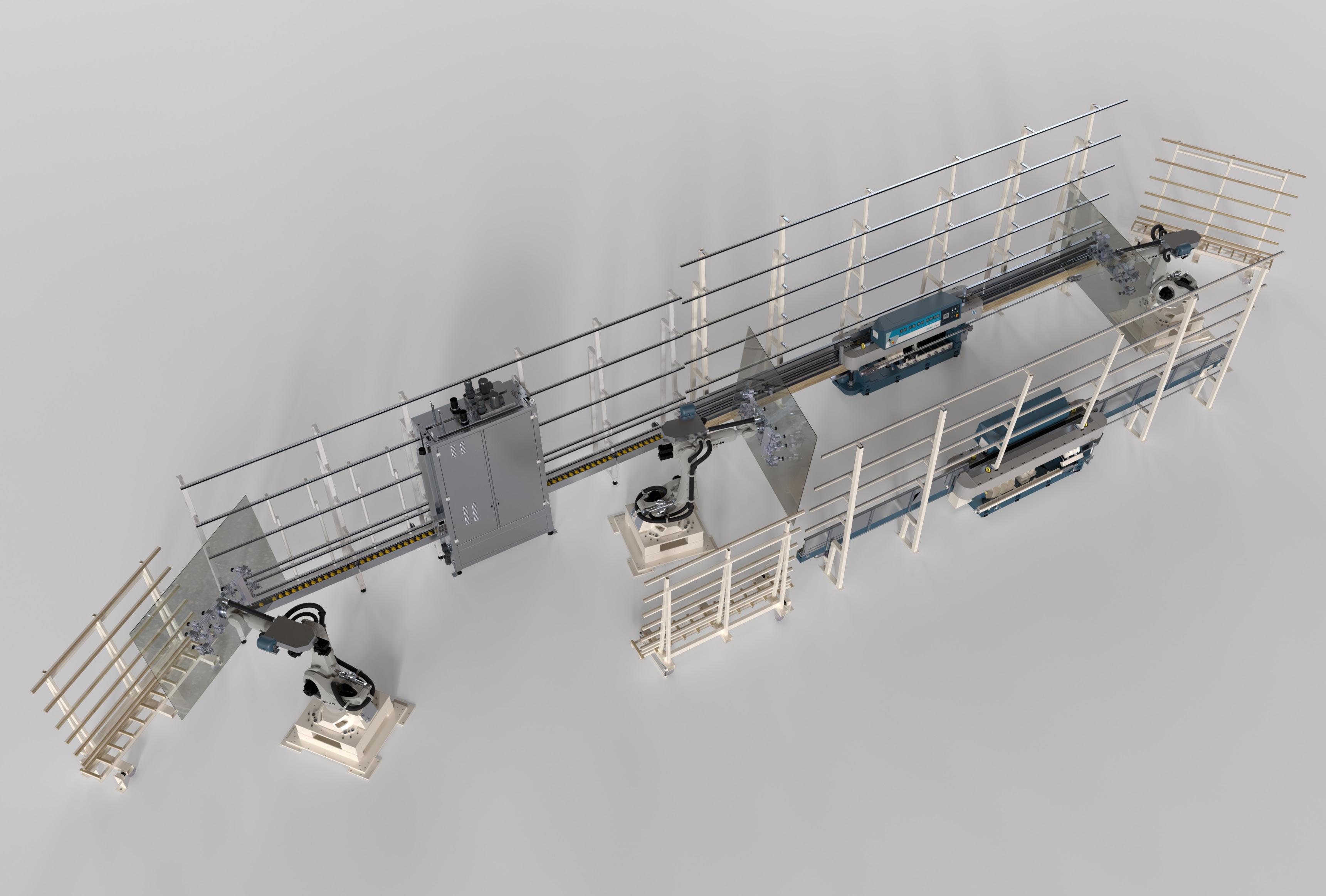
The most advanced development in its range is represented by the BRS robotic systems, which integrate anthropomorphic robots and processing machines into a single framework. The latest configurations, based on 7-axis robots, allow for an increased operating range, optimised use of space and the smooth management of multiple stages of the production process. Increased productivity, reduced operating costs, high precision and consistent quality of the finished product, as well as greater safety for operators are the major benefits. The system’s flexibility also allows it to adapt easily to changes in production and even complex layouts.
In the architectural and interior design glass sector, automation is no longer merely a tool for boosting productivity, but a strategic lever for managing the complexity of processes.
Bovone’s solutions are part of this evolution, offering an integrated production model in which machines, robots and management systems operate in a coordinated manner. This approach reduces the need for manual intervention, improves the repeatability and quality of machining, and makes the entire production process more stable and predictable.
Recent experiences in Australia demonstrate how the introduction of automated edging systems has led to a significant improvement in operational efficiency, product quality and resource management, confirming the value of a technology-driven approach focused on integration.
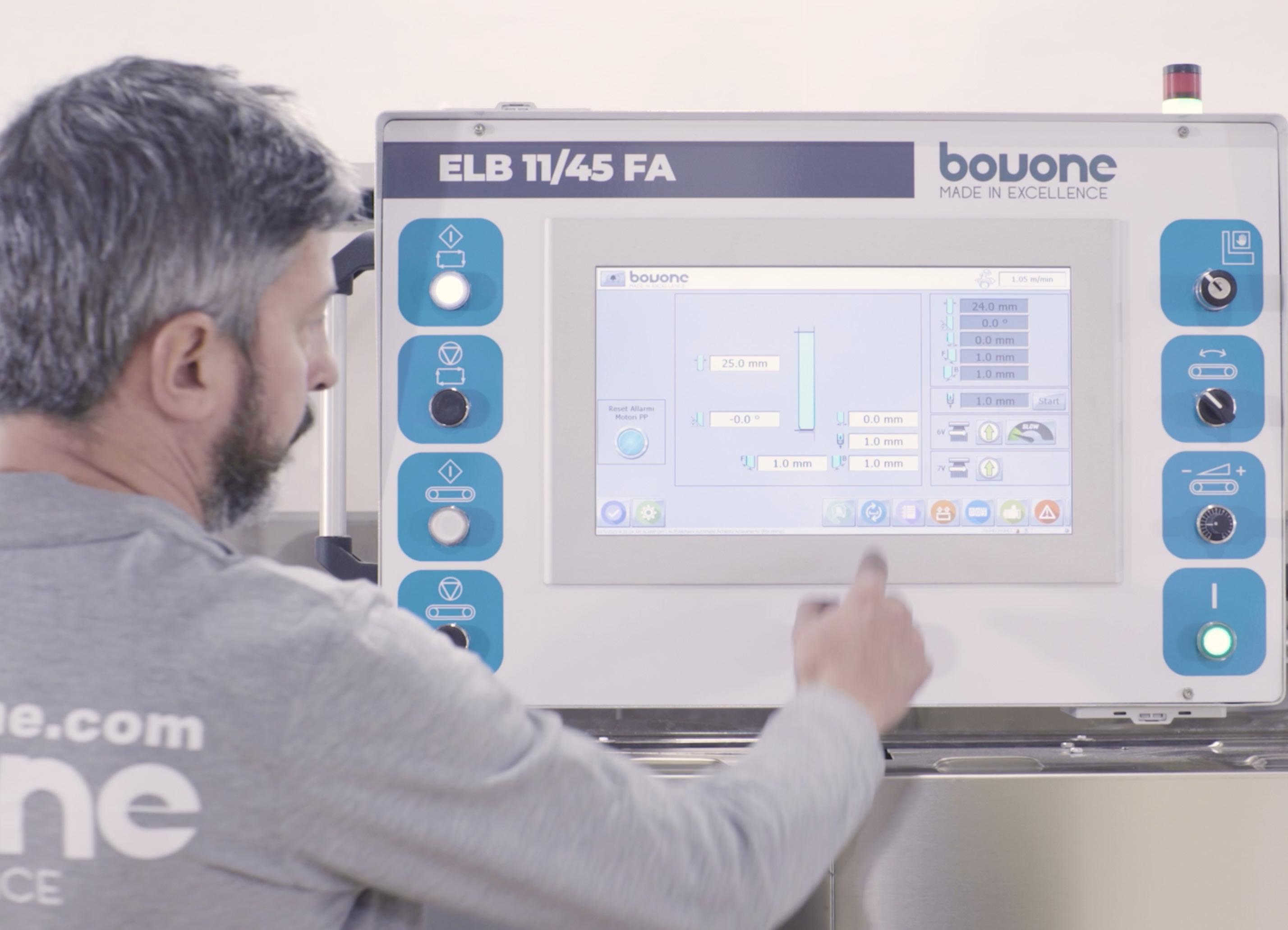
Over the last 12 months, Bovone has strengthened its presence in Australia with the installation of 3 fully automatic edging machines: two ELB 11/45 FA and one ELB 12 FA, the latter at A Touch of Glass in Melbourne.
The choice of the FA configuration directly addressed one of the most pressing needs in the sector: reducing the reliance on highly skilled personnel, while maintaining consistently high-quality standards over time. The system is also capable of automatically monitoring and managing operating conditions, thanks to features such as the grinding wheel change alert with audible and visual signals and the quick setup with auto-alignment. Added to this is advanced software management, that dynamically adjusts parameters such as speed, pressure and angle, ensuring operational continuity, precision and performance stability even in highly automated production environments.
Alongside the technology, Bovone has developed a comprehensive organisational structure capable of guaranteeing effective and continuous support. In Australia and New Zealand, Bovone operates through its distributor, Innovync, a company capable of supporting customers throughout the entire lifecycle of the machine. The presence of such a well-organised and serviceoriented local partner ensures rapid response times, ongoing support and efficient plant management, which are fundamental elements for ensuring production continuity and helping to maximise return on investment.
Bovone’s approach is based on an industrial vision that combines technological innovation, customisation and reliability. The aim is not simply to supply machines, but solutions capable of evolving over time alongside the customer’s needs.
For more information on Innovync, please see www.innovync.com.au.

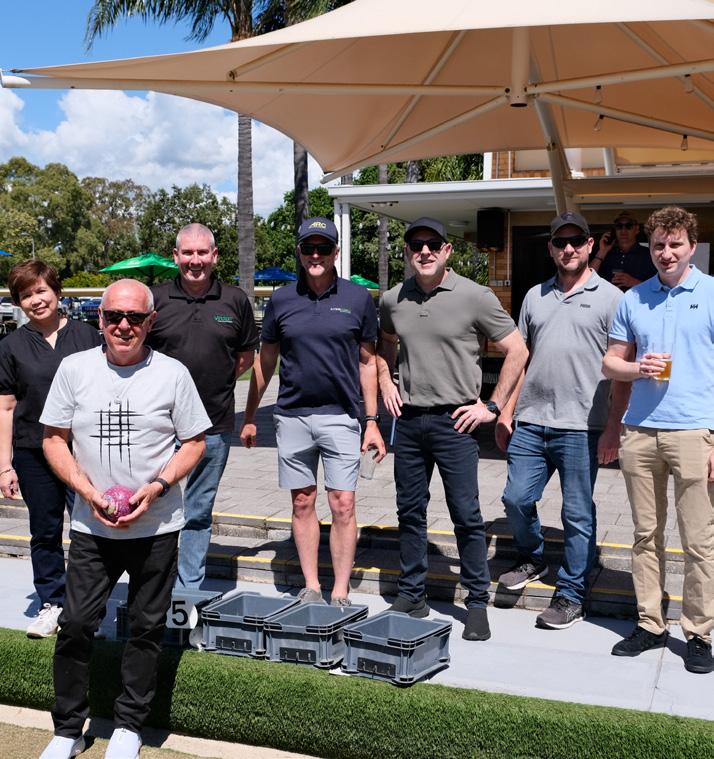
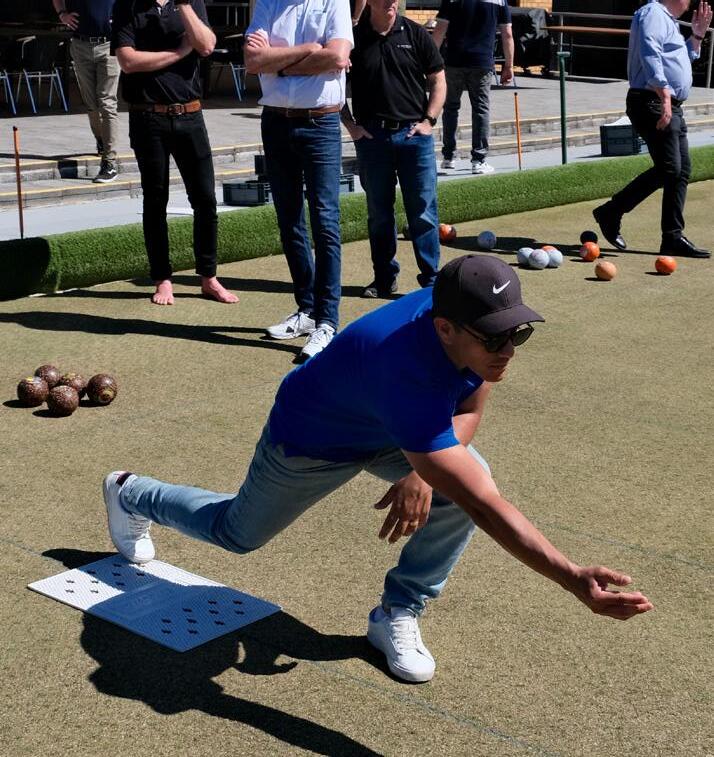
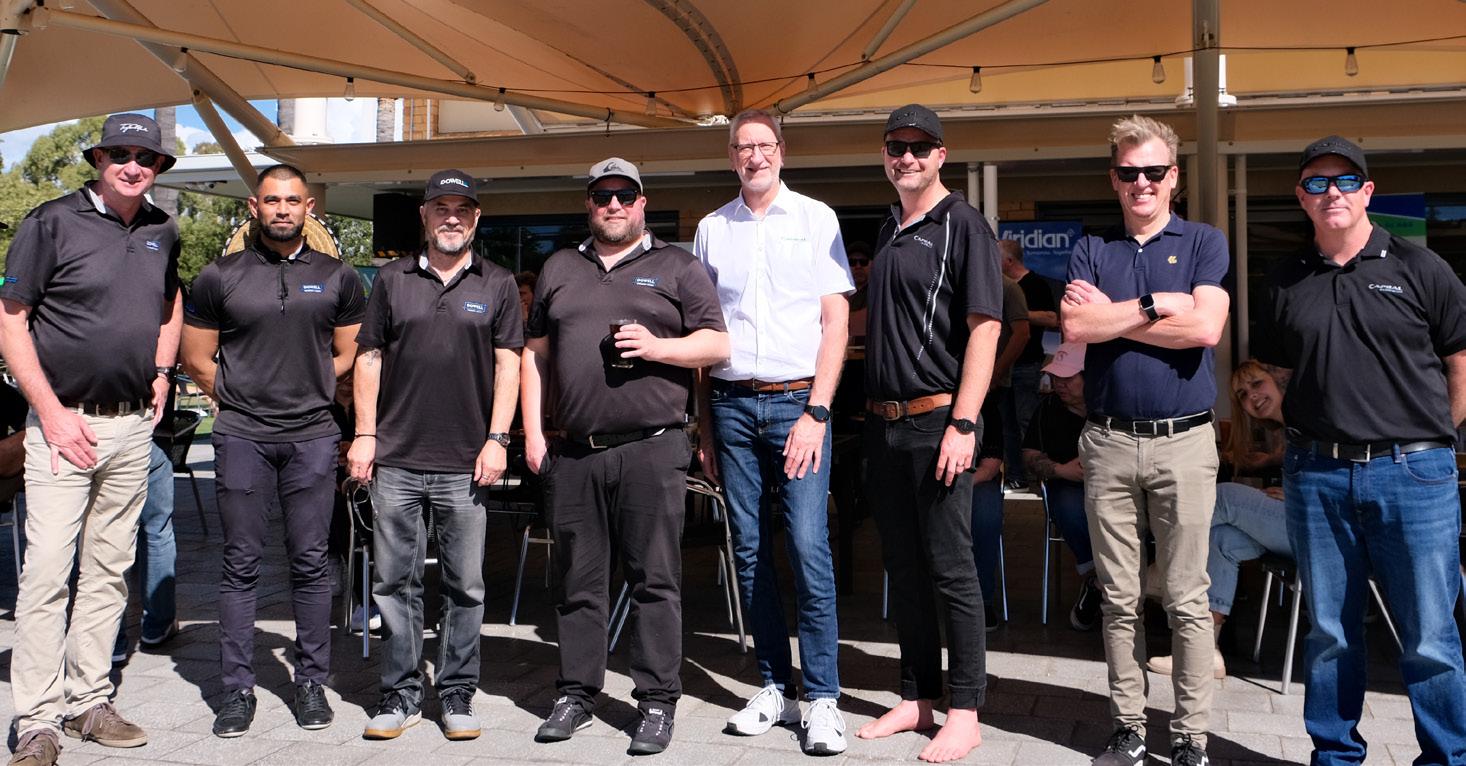
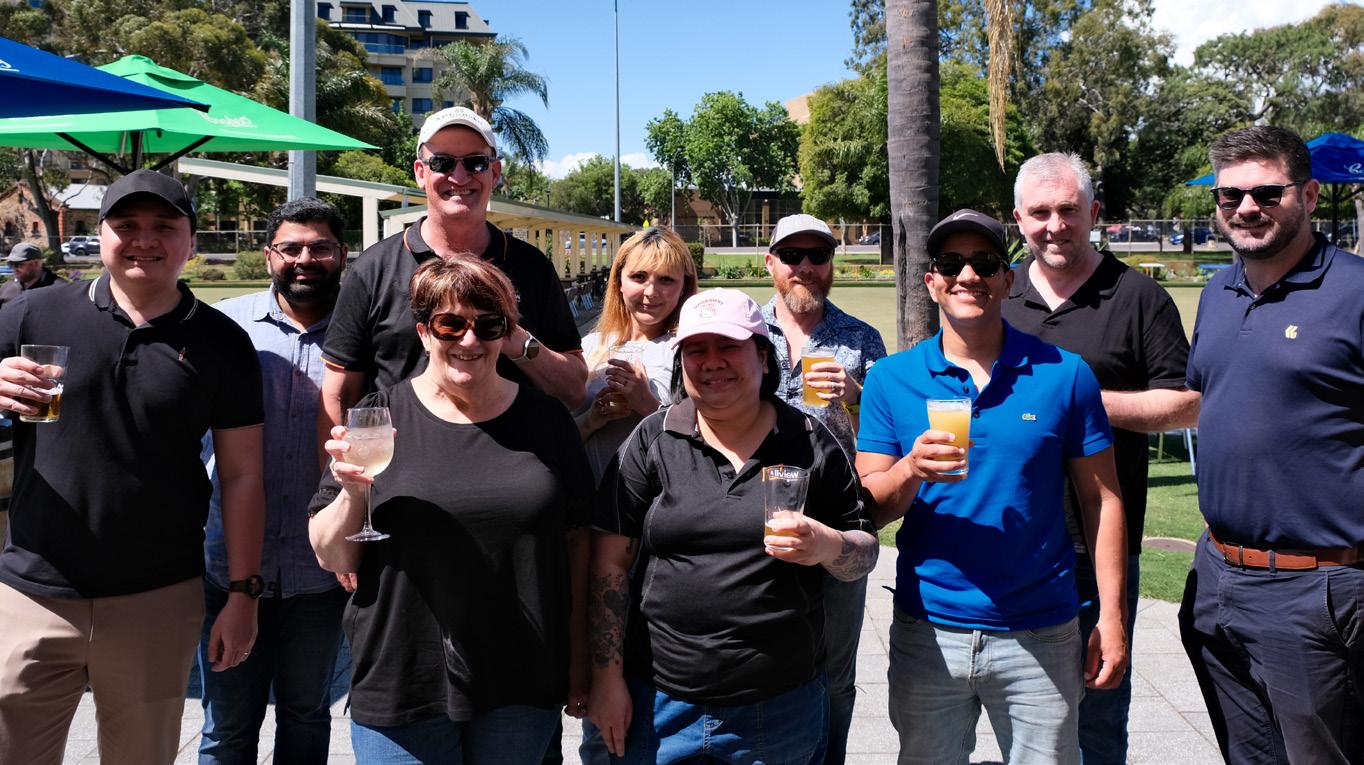
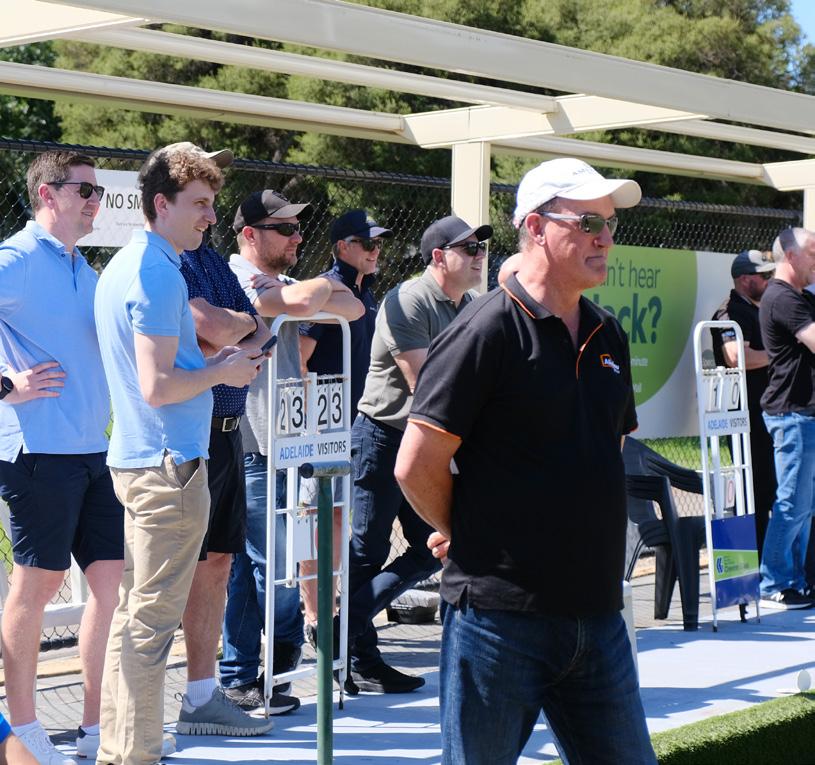
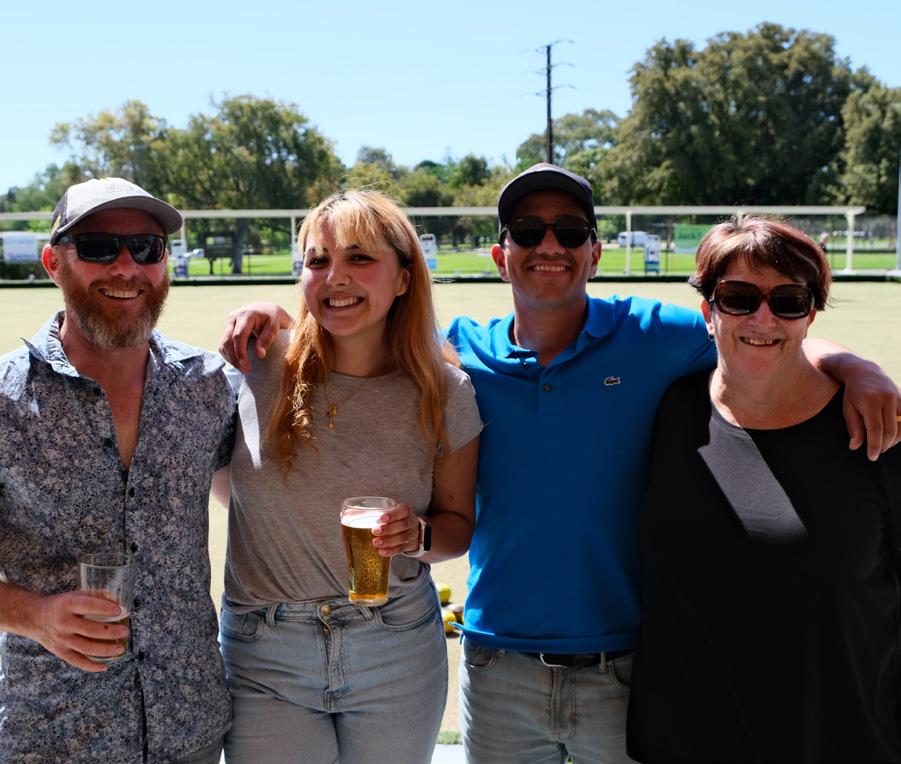
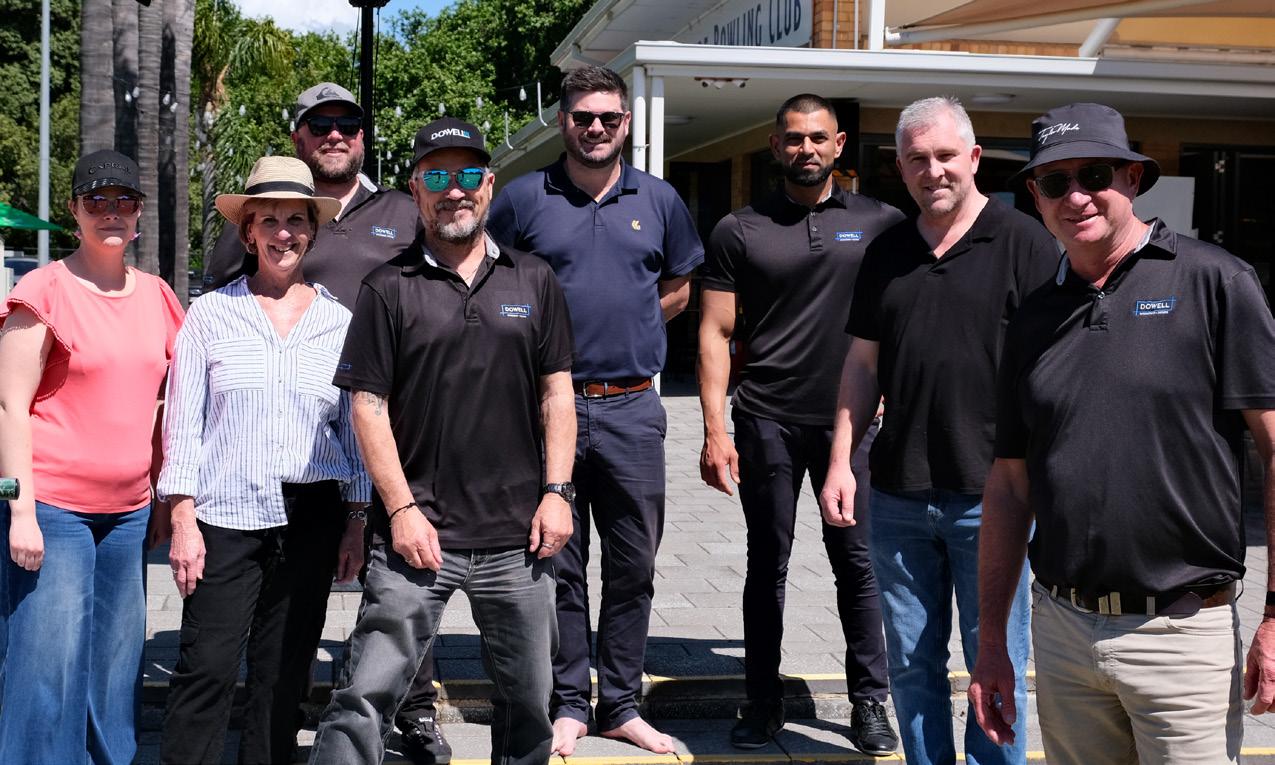
The AGWA South Australian Chapter celebrated their inaugural AGWA Bowls Day on Friday, 31 October 2025, at Adelaide Bowling Club. Members and their guests enjoyed a game of bowls (for some their first ever game of bowls!) and a chance to relax and network with their colleagues.
Many thanks to our sponsors for their support.
Platinum Sponsor: Viridian Gold Sponsor: Chevron Glass


As Capral marks 90 years of Australian manufacturing in 2026, it reflects on a long and defining role in the development of aluminium window, door and façade systems. This is not simply a history of supply, but one shaped by system design, fabrication, testing and close collaboration with Australian manufacturers.
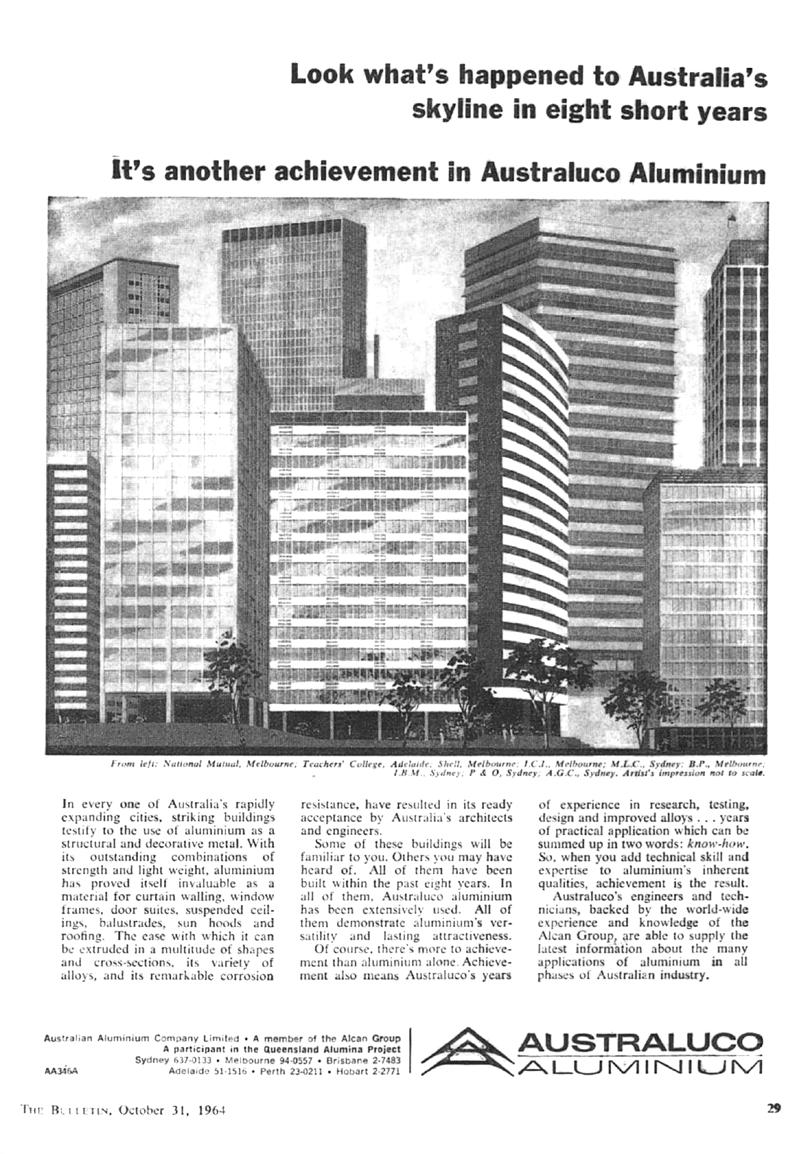
That story begins with the business originally established as British Aluminium Company in Australia, later renamed Australian Aluminium Company and then Australuco. From these foundations, aluminium was already being used in major commercial buildings nationwide, including early window, door and curtain wall applications. At a time when aluminium was still emerging as a construction material, it enabled a new architectural language defined by lighter structures, larger spans and greater design flexibility. Landmark
projects such as the MLC Building in North Sydney demonstrated what was possible and helped establish aluminium’s role in the Australian built environment.
Under Alcan, the business became part of a global aluminium group with deep technical capability and international reach. The acquisition of Kawneer Products Australia in 1969 connected the business to one of the world’s most established architectural aluminium system brands. Originating in the United States, Kawneer was known for engineered façade, window and curtain wall systems, supported by rigorous design, testing and technical documentation. With the formation of Alcan’s Architectural Products Division soon after, the focus shifted from supplying components to delivering complete fabricated systems. As these systems were introduced locally, they were adapted to meet Australian

conditions. High wind regions, coastal exposure and rising performance expectations required more than imported solutions. They required systems that could be proven to perform.
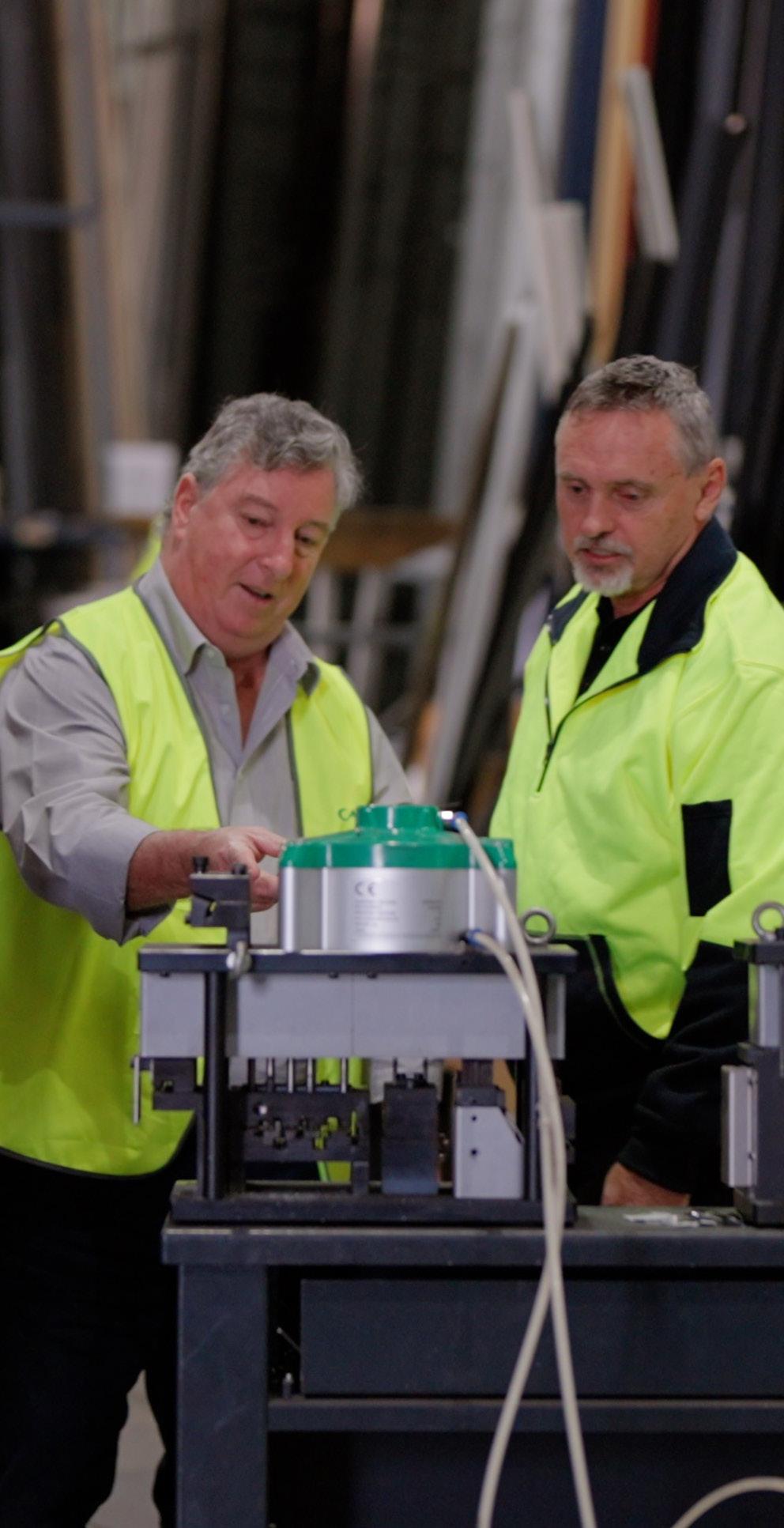
Testing became central to the business’s approach and remains so today. From early wind pressure testing by CSIRO through to the development of dedicated NATAaccredited facilities on site, the organisation has consistently invested in verifying system performance under Australian conditions. One of the earliest test rigs was NATA-certified in the 1970s, setting a benchmark for independent testing of window and façade systems. That capability continues today, with testing underpinning compliance, performance and confidence.
Through the 1970s, the business expanded its architectural capability, bringing together design, extrusion and construction expertise to deliver complete systems across commercial projects. At the same time, it strengthened its position in residential windows and doors. The acquisition of Trimview in 1982 expanded
together Australia’s two leading commercial window system portfolios along with expanded manufacturing capability and a national fabricator network. This foundation was further built upon with the acquisition of Crane Aluminium in the mid2000s, expanding the residential systems offering and deepening connections with independent manufacturers across the country.
Today, Capral operates as both a major extrusion supplier and a systems provider, supporting fabricators across Australia who manufacture windows, doors and façades locally. With manufacturing, powder coating, and distribution sites nationwide and a workforce of more than 1,000 people, the business combines national scale with local capability.
Its role extends beyond supply to include system design, testing, tooling, software and ongoing business support. This is complemented by dedicated specification support for architects and designers, including BIM files, detailed system documentation and access to architectural showrooms where systems can be experienced at full scale. These capabilities help bridge the gap between design intent and fabrication, ensuring systems are correctly specified and delivered as intended.
its footprint in Western Australia and South Australia, while Vincent Windows supported the growing volume housing market. Together, these businesses contributed practical fabrication knowledge and helped embed aluminium window and door systems into everyday residential construction.
By the late 1980s, the business shifted away from manufacturing finished windows and doors, focusing instead on system design, extrusion and technical support. Trimview was divested to Stegbar and Vincent to Trend, with both businesses later forming part of what is now Ventora. While ownership changed, the knowledge and systems thinking, developed through these businesses, continued to shape the approach that would define Capral.
In 1995, the business was renamed Capral, marking its transition from a global Alcan subsidiary to an independent Australian business. In the same year, the acquisition of Comalco’s extrusion and distribution assets strengthened its position, bringing
This local capability is reinforced by Capral’s position as a licensed member of the Australian Made campaign and the only aluminium extruder in Australasia certified to the Aluminium Stewardship Initiative (ASI) Performance and Chain of Custody Standards, providing confidence in both provenance and responsible sourcing.
In 2022, Capral standardised LocAl ® lower carbon aluminium across its window and door systems, embedding lower embodied carbon into its core offering. This initiative supports customers seeking to reduce project emissions while maintaining performance and local supply.
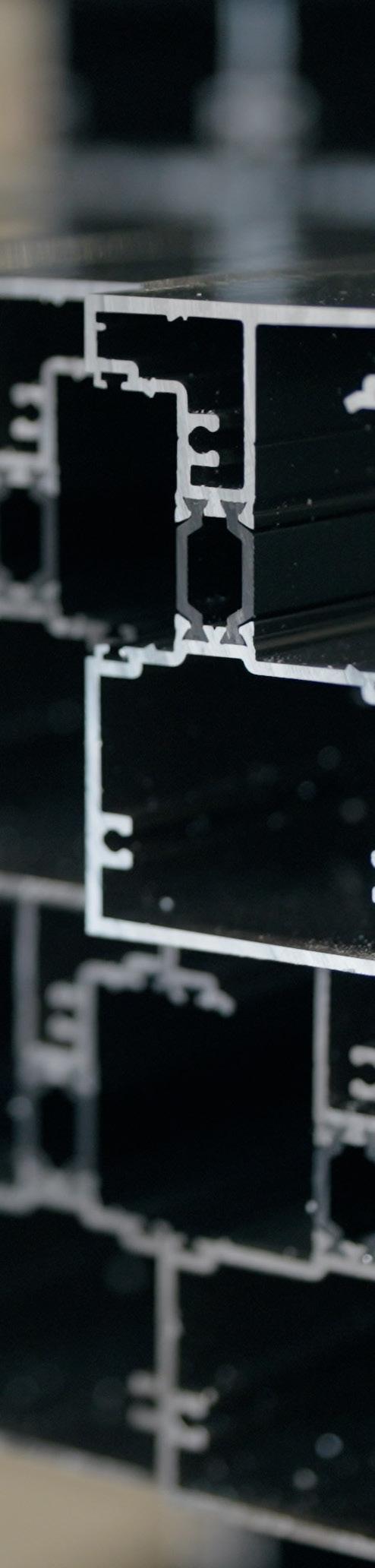
System platforms such as AGS, Urban and UrbanPlus reflect decades of refinement, with an increasing focus on thermal performance and the development of thermally broken systems to meet evolving energy efficiency requirements.
Ninety years on, Capral’s role in Australia’s industry continues to be defined by design, testing and partnership, supporting Australian fabricators delivering projects across the country.

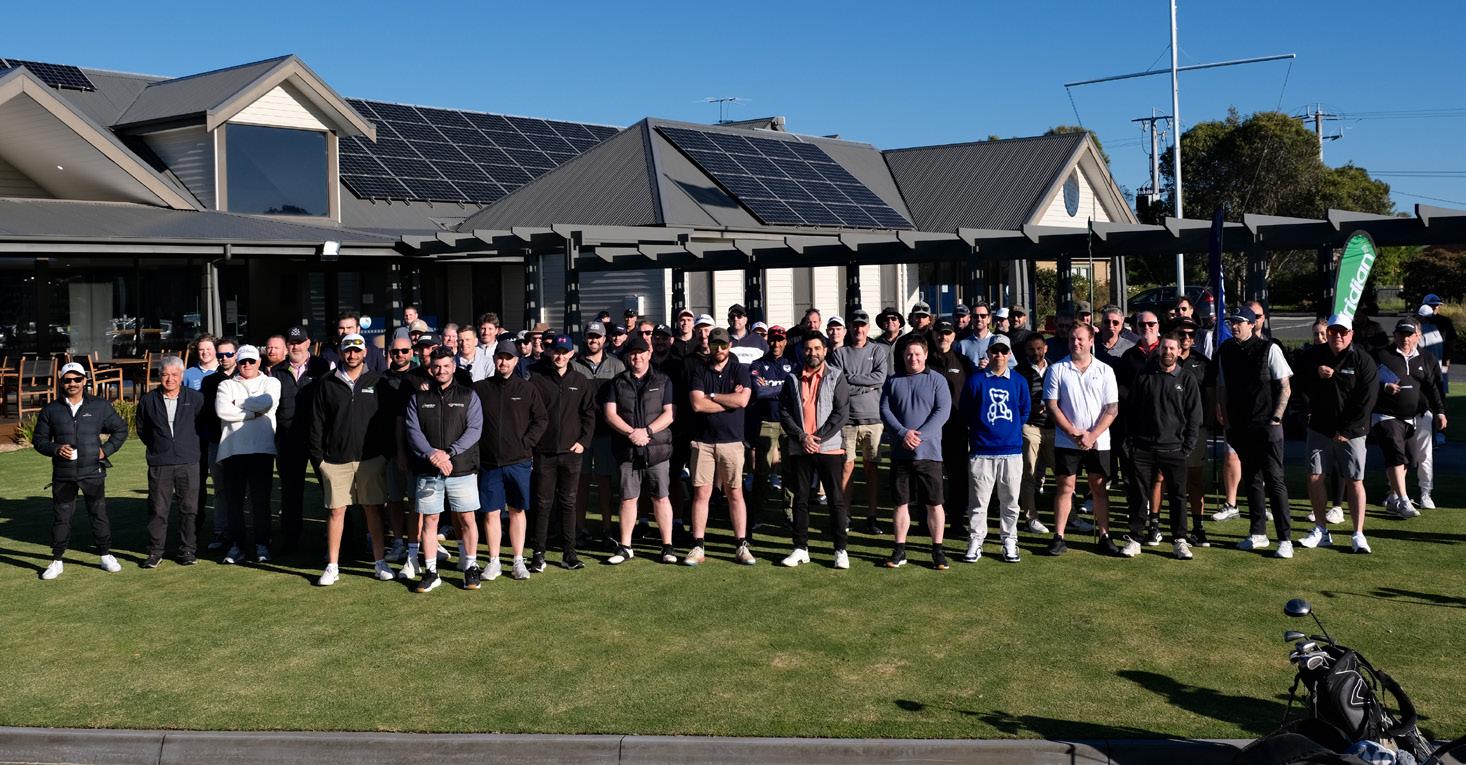
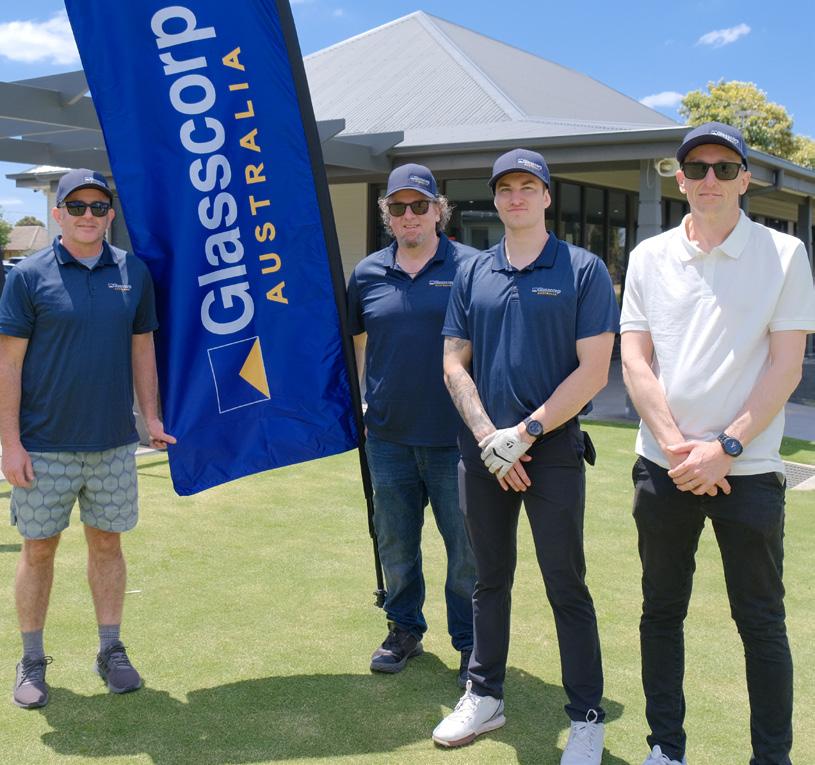
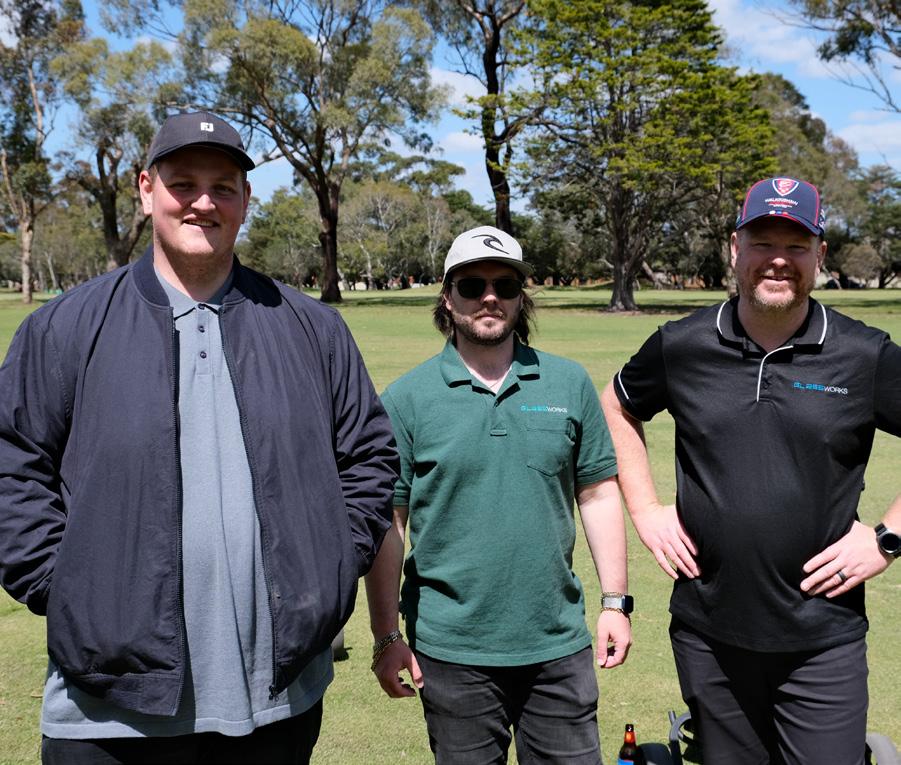
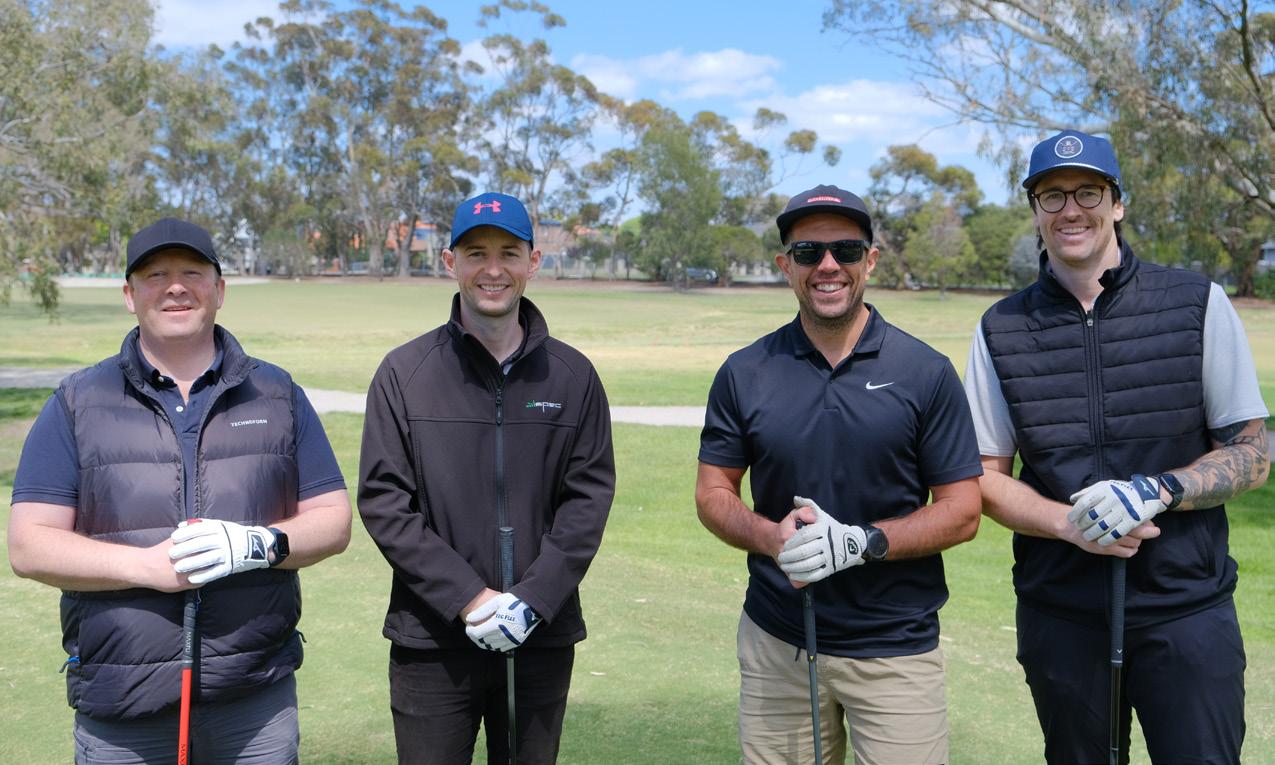
On Friday, 21 November 2025, the AGWA Victorian Chapter continued its annual tradition of hosting a day of fun, networking, and friendly competition at the Northern Golf Club.
Many thanks to our sponsors for their support.
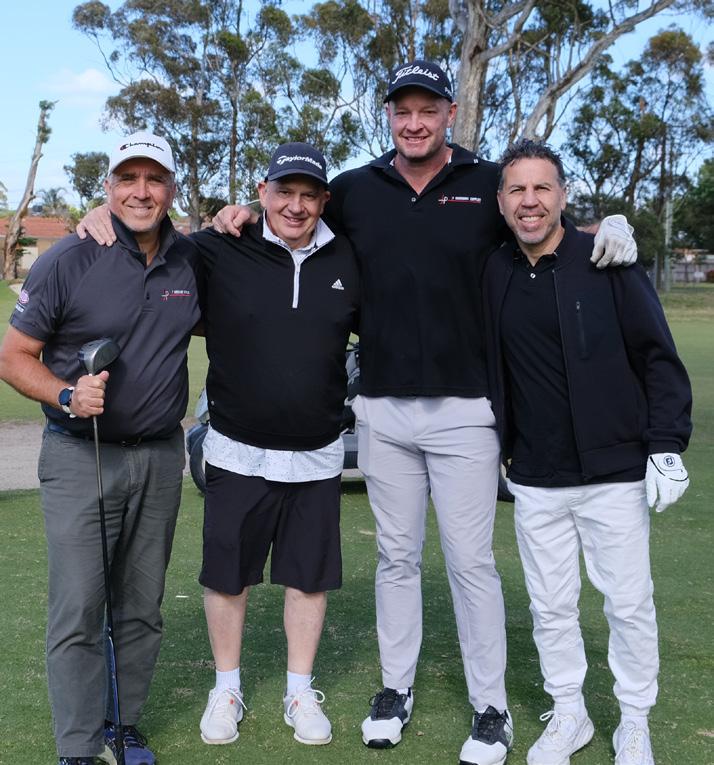
Drinks Sponsor: Viridian Prize Sponsor: Jewel Slashless Windows

Lunch Sponsor: Elegant IG


Specialty Hole Sponsors: Glasscorp and AWS


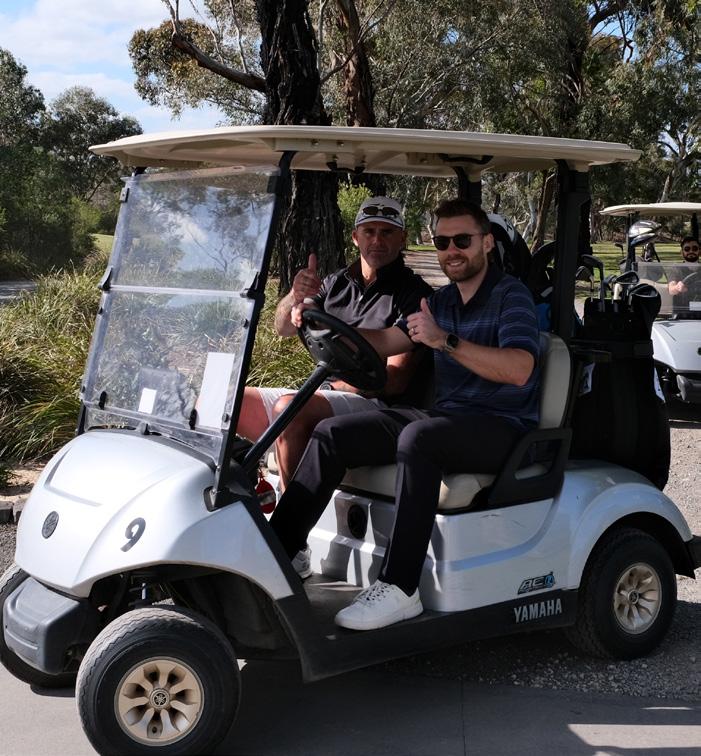







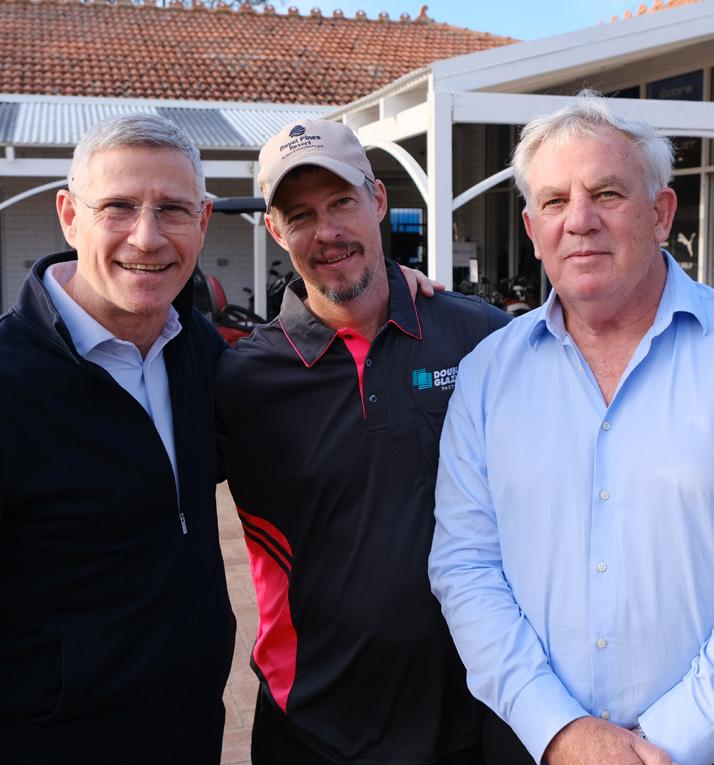
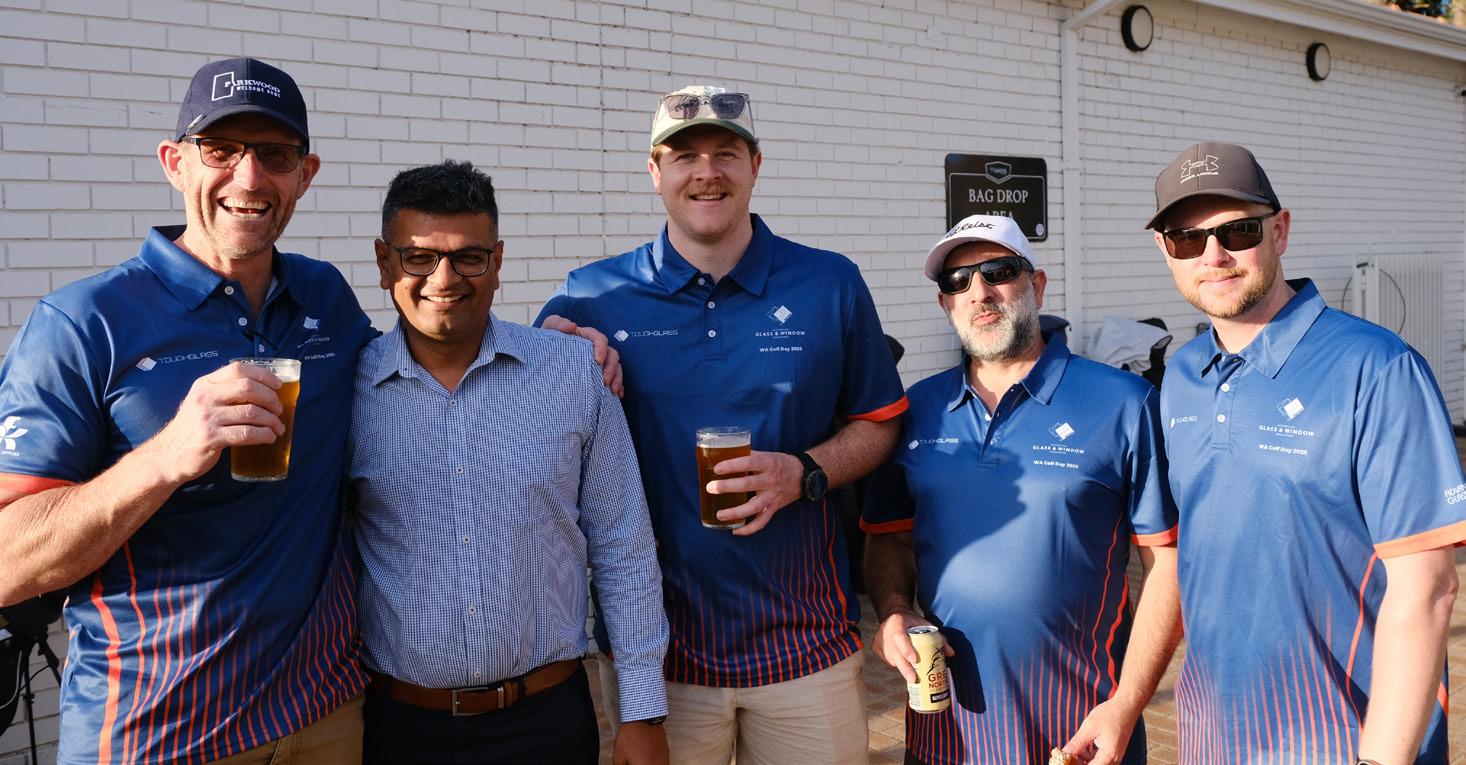
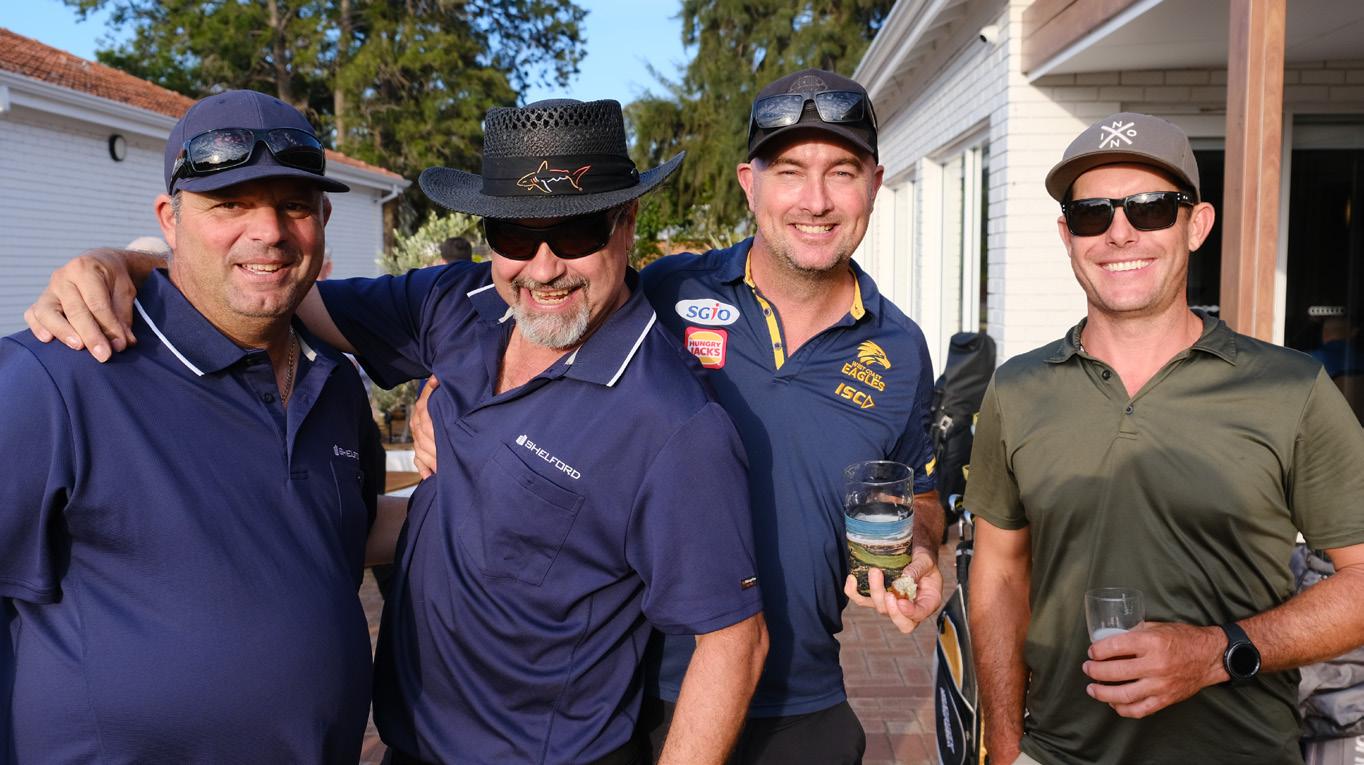
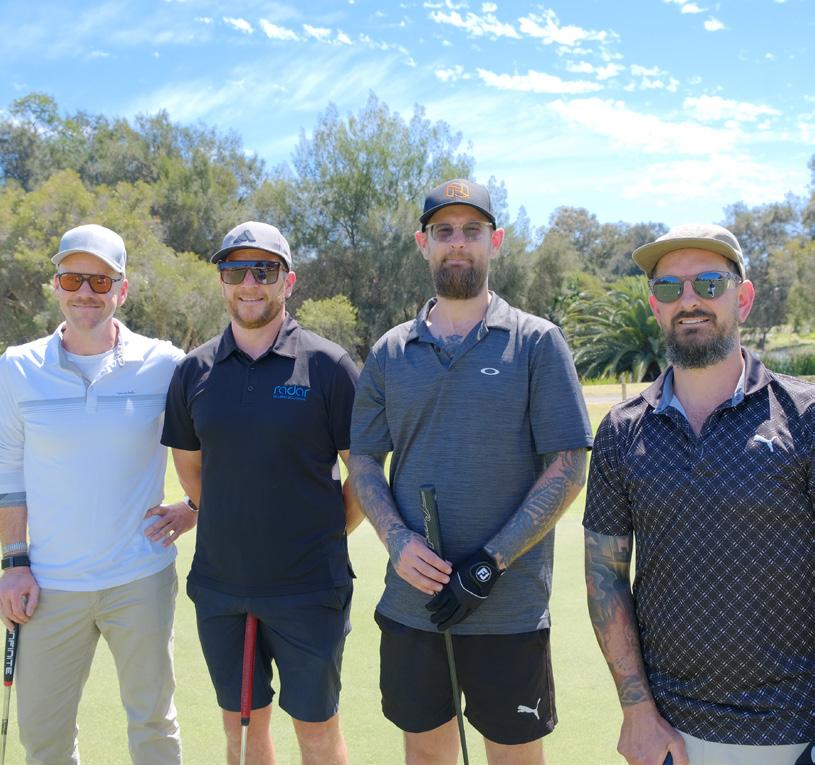
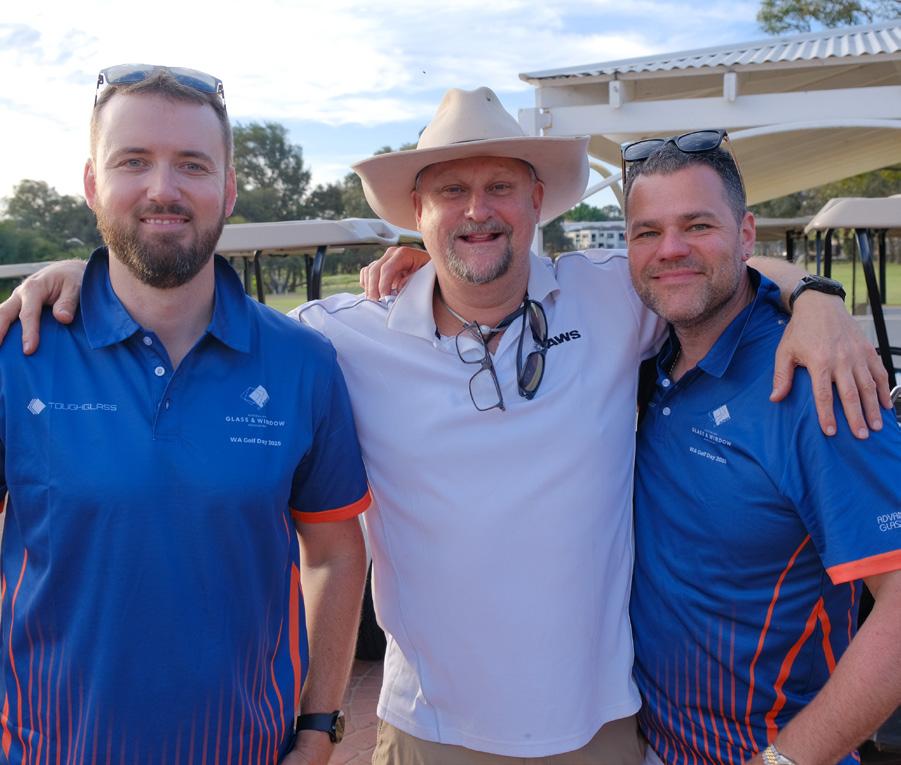
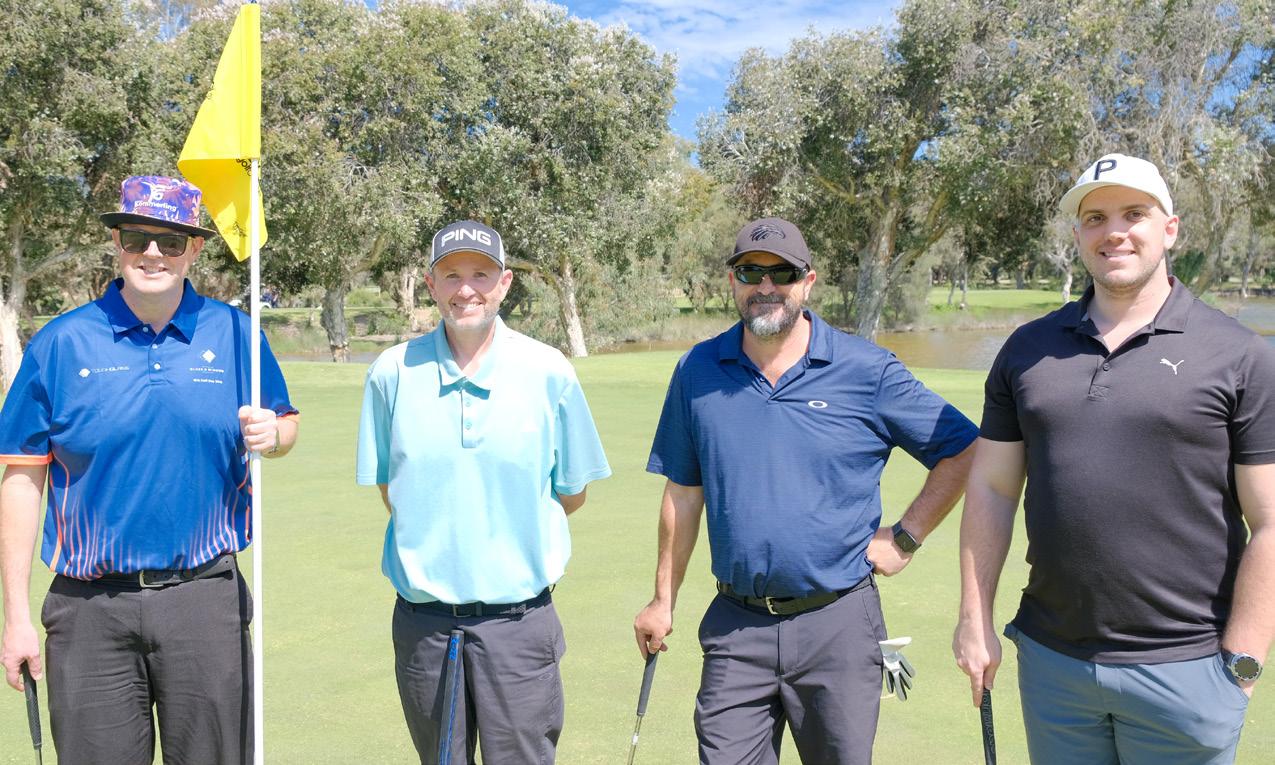
The AGWA Western Australian Chapter enjoyed a fantastic day on the greens on Friday, 17 October 2025 at Maylands Golf Club, followed by drinks and the everpopular prize presentations.
Many thanks to our sponsors for their support and making this event possible.
Shirt Sponsors: Advantage Glass, NFK Glazing & Industrial Supplies and Tough Glass


Ball Sponsor: Glass Co Metro

Hole Sponsors: AWS, Breezway, Concept Windows, Cooling Brothers, Glass Co, Jason Windows, Tough Glass, WA Glass and Walshs Glass.

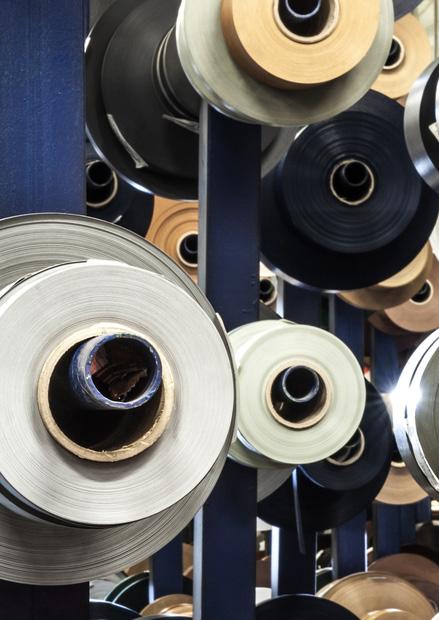
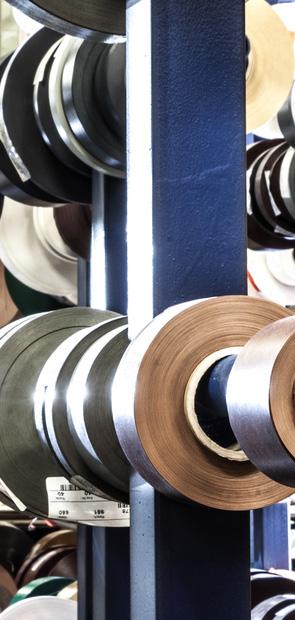
As Australia’s construction industry faces increasing pressure to meet stringent energy performance standards, the importance of high-quality window and door systems has never been more critical. At the forefront of this evolution is Kömmerling Australia, a company that is not only supplying window and door systems but actively participating in shaping the future of building efficiency and design across the nation.
Having established a solid reputation through its uPVC window and door offerings, Kömmerling has dedicated recent years to enhancing its presence in the market with a focus on performance, innovation, and durability. As a proud member of the Australian Glass & Window Association (AGWA), the company is engaging in essential dialogues that help set industry standards and promote best practices throughout the sector.
In a shift from traditional approaches, the industry is now looking at the overall performance of systems rather than isolated materials. Kömmerling exemplifies this trend by introducing thermally-broken aluminium solutions such as the WarmCore system, which cleverly combines a thermally efficient core with an aluminium exterior. This innovation not only meets local design preferences, but also enhances energy efficiency, a crucial aspect as building standards continue to tighten.
Kömmerling’s commitment to meeting evolving design expectations has led to significant investments in local lamination capabilities. This expansion allows for a wider variety of finishes and textures that reflect contemporary architectural trends, from sleek neutral tones to appealing timber finishes, without compromising performance. The ability to process materials locally also ensures quicker responses to project timelines, making for a more agile supply chain.
A critical component of Kömmerling’s strategy lies in fostering a robust network of fabricators across Australia. This national network ensures that window and door systems are not only installed correctly but also comply with Australian Building Codes. Kömmerling emphasises the importance of empowering fabricators with the technical expertise they need to achieve high-quality outcomes, regardless of varying environmental challenges.
Recognising that the connection between system design and on-site execution is vital for overall building performance, Kömmerling advocates for a comprehensive approach throughout the supply chain. Quality and compliance, they suggest, are achieved not merely through superior products, but through collaboration and coordination among all stakeholders involved.
As Kömmerling continues to engage with industry peers, regulators, and other stakeholders through its participation in AGWA, the company remains committed to addressing the challenges that face the construction sector. By contributing to forward-thinking solutions, Kömmerling is paving the way for a future where building practices are not only compliant but also durable and innovative.
In this era of heightened expectations for building performance, Kömmerling Australia’s ongoing commitment to collaboration and innovation positions it as a key player in the evolution of window and door systems, an essential partner in realising the goals of the Australian construction industry.
Jesse Ross Graduate Engineer, AGWA
Phase 2 the Modernising Australian Timber Windows project, delivered through Australian Forest and Wood Innovations (AFWI), has now wrapped up. Stage 2 is where the work really moved from concept into reality: full fabrication, structural testing, and thermal simulation. It involved building the technical evidence needed to take new timber window systems closer to industry uptake and future regulatory acceptance.
The objective of this phase was to validate a new suite of traditional and European style timber window and door systems capable of meeting N3 wind loads, while accommodating double glazing and thicker IGUs.
Achieving this meant rigorously testing the systems to confirm compliance with:
• AS 2047 Windows and External Glazed Doors in Buildings
• AS/NZS 4420.1 Methods of Test for Windows, Doors and Other External Building Components
• AFRC simulation protocols for energy performance modelling.
Following this pathway gives manufacturers and specifiers confidence that these products can align with NCC requirements, backed by robust and repeatable performance data.
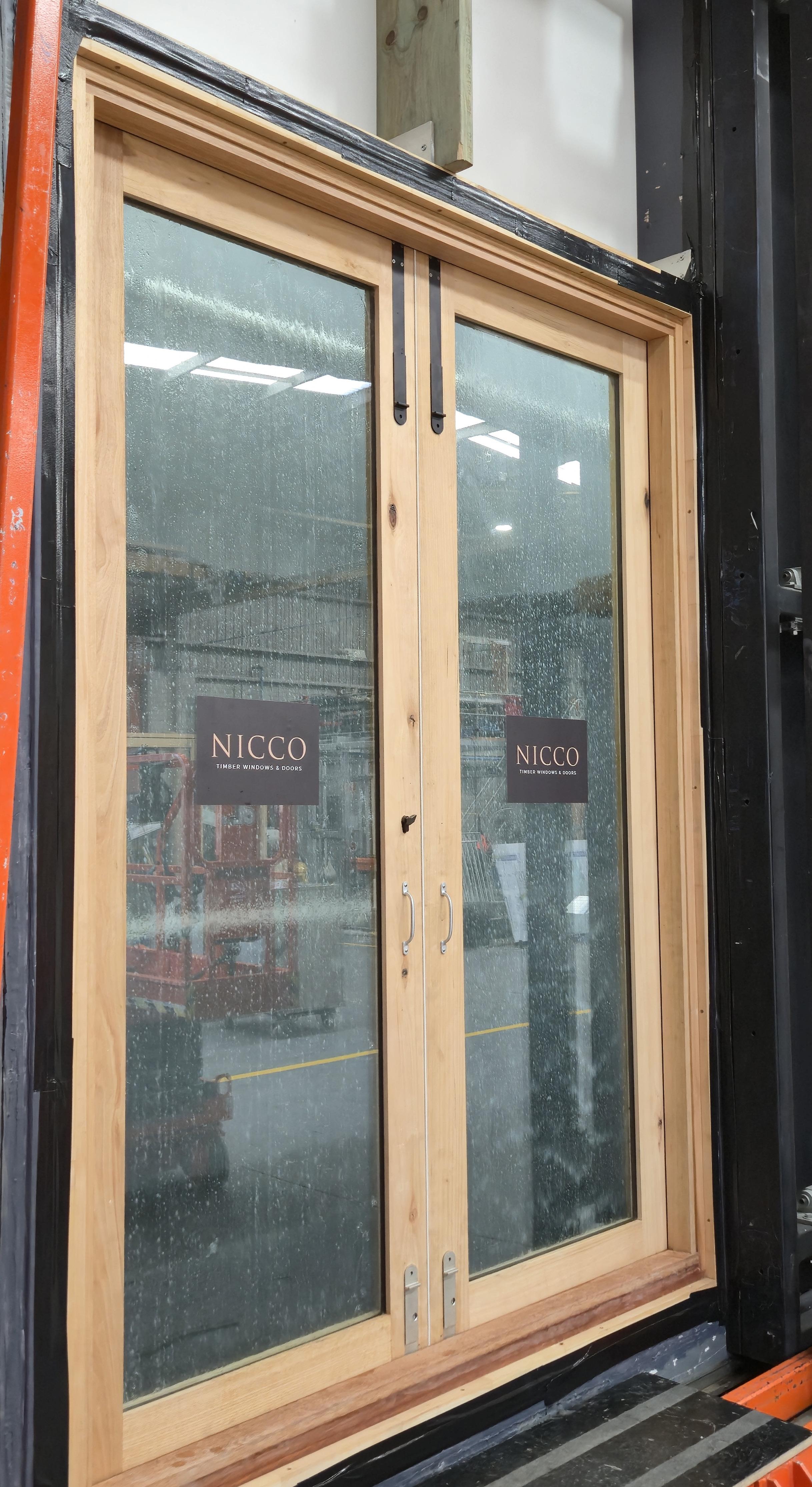
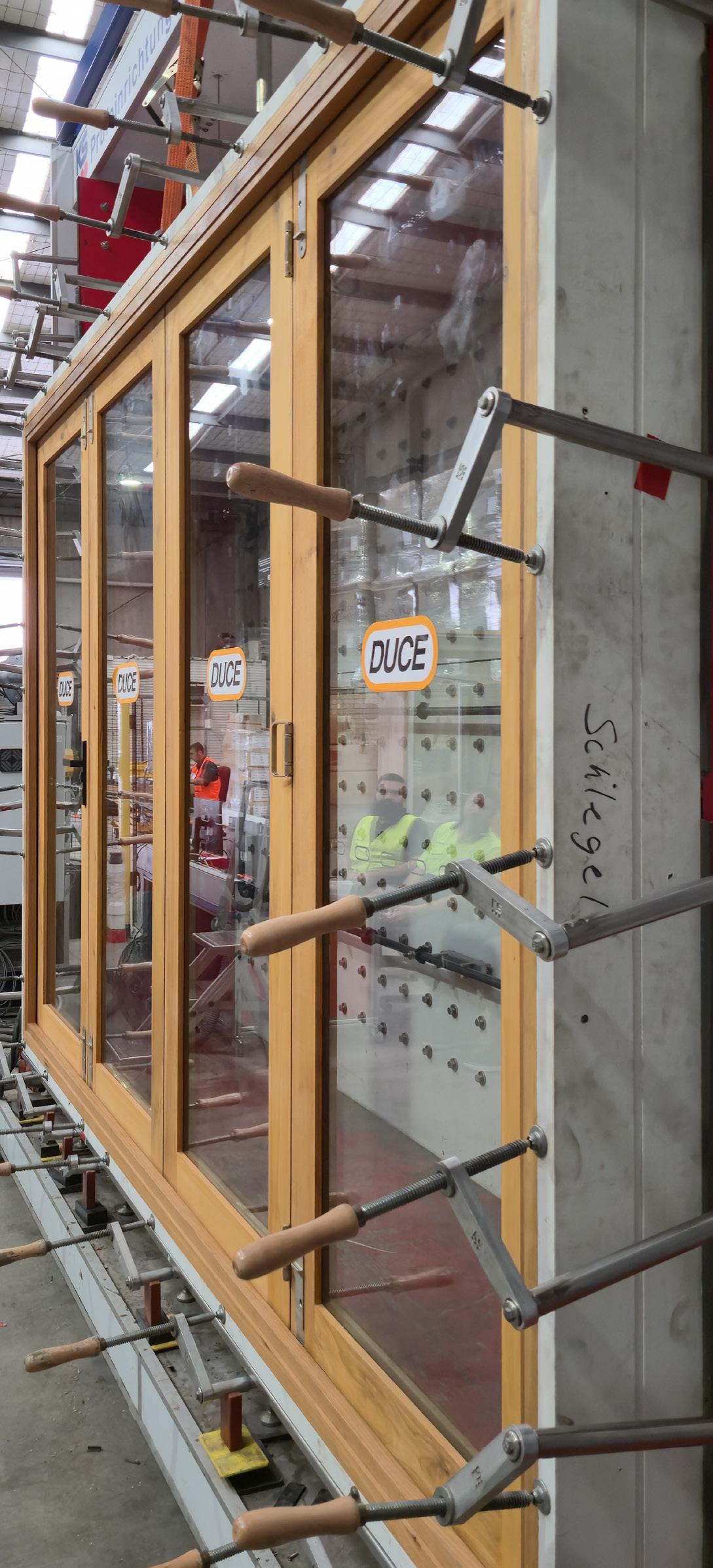
Working with stakeholders across Australia, we fabricated 16 full scale window and door prototypes using Eucalyptus Nitens (Shining Gum). By utilising one of the weakest species available, we could ensure that the tests were inherently conservative and therefore supported the opportunity to substitute stronger alternatives. Traditional timber window manufacturing in Australia relies on a narrow range of high density or imported species.
The full AS 2047 testing program carried out by the labs validated this approach. The timber substrate itself was not a limiting factor, achieving N3 ratings across the board, with most systems reaching N3 corner/exposed. That was a key confidence boost for the use of domestically grown plantation fibre in Australian joinery. It showed that even the lower-mass, high-feature hardwoods could deliver the structural performance, dimensional stability and consistency
needed for N3-rated systems, when used within engineered and laminated design approaches. It also directly supported the wider timber substitution framework by reducing reliance on those legacy species, improving use of plantation resources, and strengthening supply chain resilience, while aligning with long term sustainability and carbon-efficient construction goals.
These new systems exceeded AS 2047 Appendix F performance characteristics, while accommodating modern joinery requirements, including drained glazing pockets for large IGUs and support for high efficiency energy specifications.
This is a significant outcome, particularly given the introduction of a new timber species into joinery systems and the ambition to standardise a set of designs capable of being manufactured nationwide.
Each system also went through AFRC-compliant thermal simulation to assess energy performance. The models were run across 5 indicative IGU configurations, chosen to reflect commonly specified glazing options used in the Australian market. Nearing the conclusion of the project, these ratings will be added to WERS.
Introducing these ratings allows for:
• a credible and independent compliance pathway for industry;
• meaningful comparison between different frame types;
• clearer guidance for climate specific design decisions;
• a solid foundational dataset for both regulatory and industry use.
These simulations provided an important link between physical test results and real world application, helping designers and joiners better understand how the systems will perform across different climates and performance expectations.
What
With Phase 2 complete, the project now moves into Phase 3: Documentation and Guidance development.
This next stage will focus on:
• Comprehensive technical documentation covering system design, fabrication, hardware, installation, and maintenance.
• Development of timber species strength testing and substitution guidelines.
• Consolidating all test results, simulation data, and design learnings into accessible industry resources.
Much of this work has already begun, but the focus now is on refining it into practical, well structured documents that genuinely support industry uptake and day-to-day use.
To close out the testing phase, AGWA will soon host a Testing Open Day, to display the final prototype and provide an in-depth look at the testing process and the progress made so far. If you are interested in attending, please contact AGWA at jesse.ross@agwa.com.au.
We would like to extend a special thanks to the prototype manufacturers Windoor Joinery, Nicco Timber Windows & Doors, Duce Timber Windows & Doors and Paarhammer for their dedication and expertise, the testing labs Schlegel and Azuma Design for their invaluable experience and flexibility, as well as the countless other contributors along the way that have helped pave the path forward.
As the project continues, we look forward to sharing more outcomes that will contribute to the future of Australian timber windows with systems that are modern, compliant, sustainable, and ready for real-world use.



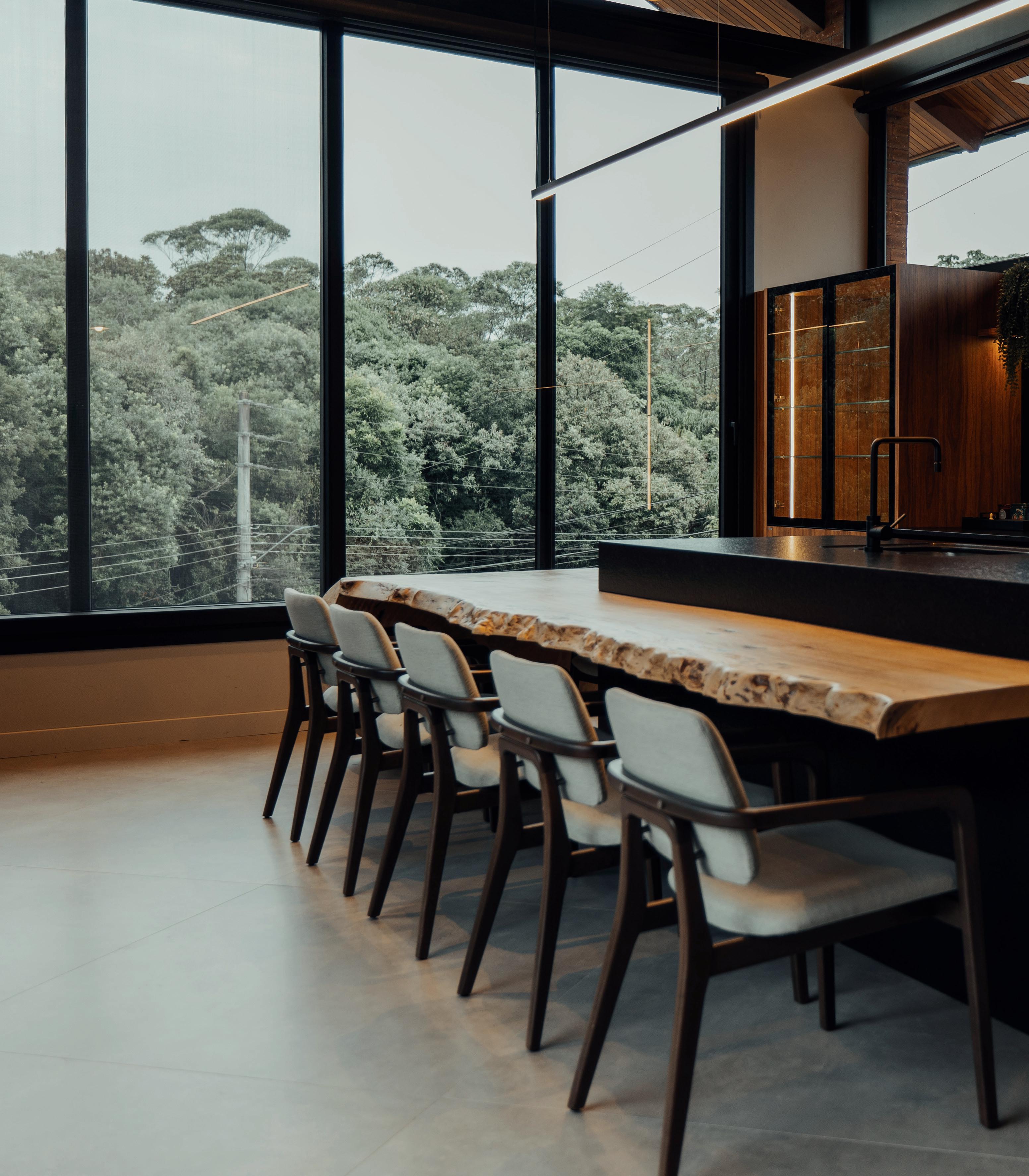
Kömmerling’s advanced colour technology brings timber and aluminium aesthetics to uPVC windows and doors – delivering long-term colour stability, thermal efficiency and zero ongoing maintenance.
Kömmerling’s new Melbourne Lamination Centre now produces the complete Australian colour range locally, supporting faster delivery, greater specification flexibility and finishes engineered specifically for regional climates. With UV-stable, weather-resilient lamination, Kömmerling uPVC systems deliver the design versatility of timber and aluminium with the energy efficiency, durability and zero-maintenance benefits of advanced uPVC- optimised for Australian performance and backed by local support.

James Whitehouse Technical Manager, AGWA
While not responsible for the energy design, window companies are often the party held accountable when an assessment proves unachievable with real world products. With the adoption of 7-star housing across most Australian jurisdictions, window companies are encountering increasing challenges around thermal compliance. Energy reports are frequently treated as ‘fixed’, even though they are modifiable and negotiable when supported by verified performance data. This article outlines the common issues emerging in energy assessments and explains how window companies can proactively support compliant, practical outcomes without assuming responsibility for redesign.
Like wind loads, energy performance requirements should be provided at the project pricing stage, otherwise, it is extremely difficult to prepare an accurate and compliant quotation. Energy reports specify window and door performance requirements, including U-values and Solar Heat Gain Coefficients (SHGC). The role of the window supplier is not to redesign the energy assessment, but to identify when the specified values do not align with the products they supply, and to provide verified alternatives.
• Using multiple framing materials and suppliers (eg, a mix of uPVC, timber, aluminium).
• Single performance value applied across all openings ignoring the different doors and windows values.
• Inconsistent glazing and colour selections (a mix of single and double glazing, along with different glass colours clear, neutral, grey, green).
These factors can make providing a compliant quotation extremely difficult, or in some cases impossible.
The NatHERS Assessor Handbook (©Commonwealth of Australia, 16 April 2024) outlines a recognised pathway to amend assessments using realistic framing and glazing combinations. Using this, the project can be reassessed using real-world glazing and framing
systems. In many cases, the project will still comply. Where it does not, rather than forcing impractical window or door specifications, minor adjustments to other building elements can restore compliance.
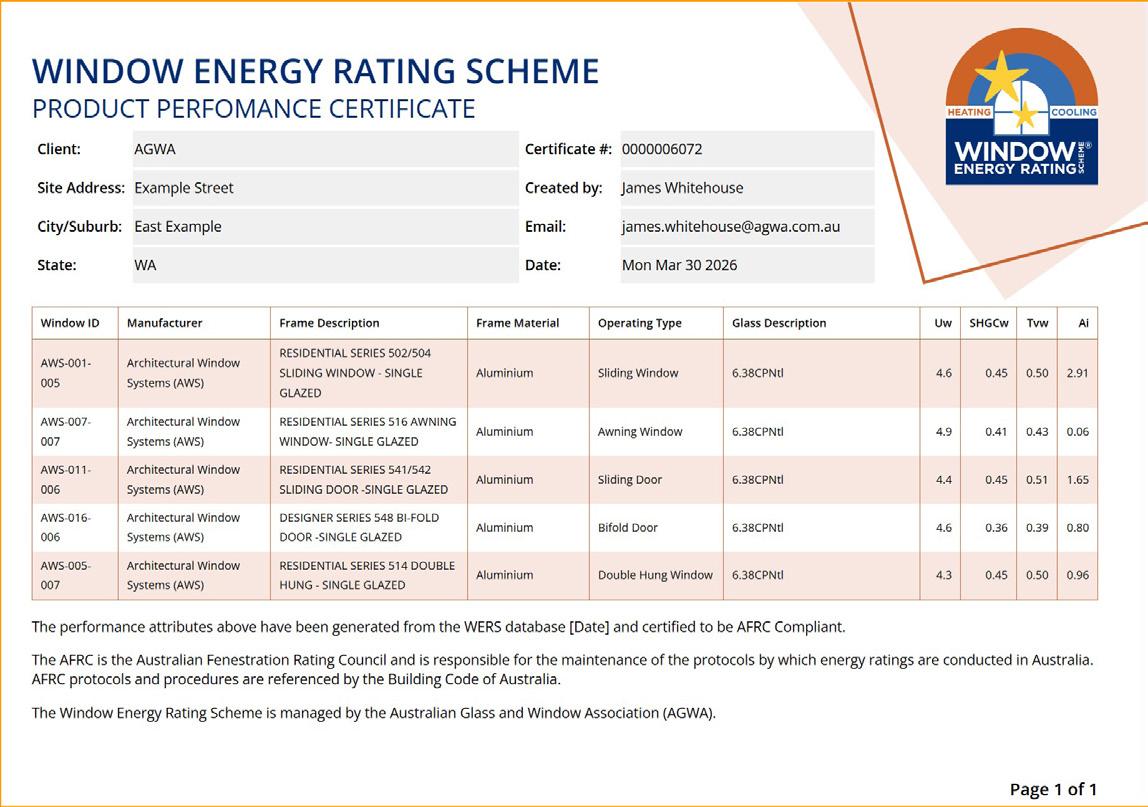
Window companies can use the WERSlink tool (access via www. agwa.com.au) to search for glazing and framing combinations using the filters to:
• Select consistent framing systems and glass make-ups.
• Build a project-specific ‘Job’ by selecting each window and door type.
• Generate a WERS Certificate.
Quoting and Requesting a Reassessment
Submitting a WERS Certificate when quoting, clearly identifies discrepancies in the original energy report. Provide this to the builder, as it is the builder’s obligation to request this reassessment from the energy assessor. Your requirements are to clearly state what values the products you are offering rate to.
If the SHGC requirements are not met by the portfolio of products you supply, a good rule of thumb is to ensure that products have a lower U-value, indicating better insulation properties, and an SHGC as close as possible to the specified value in the energy report. While this is not a guarantee of compliance, it often provides assessors with sufficient flexibility to achieve a compliant outcome after reassessment.
Supplying products that do not meet the contractual energy requirements is no different to supplying non-compliant safety glazing or frames that fail wind or water performance requirements.
The identification of non-compliance may result in the removal and replacement of installed products, at significant cost to the business. Ensuring energy compliance upfront protects not only the project, but the member’s commercial and legal position as well.
This article has been prepared as a general informational resource only. It may summarise legal principles, rights, obligations, and procedural matters, but it does not purport to address the full legal position in any particular case and does not constitute legal advice or a legal opinion. The operation of the law depends on the facts of each matter and on the applicable jurisdiction. While care has been taken in preparing this article, no representation or warranty is given as to its completeness, accuracy, or currency. To the maximum extent permitted by law, the author, firm, and publisher accept no responsibility or liability for any loss or damage arising from reliance on this article.
Background
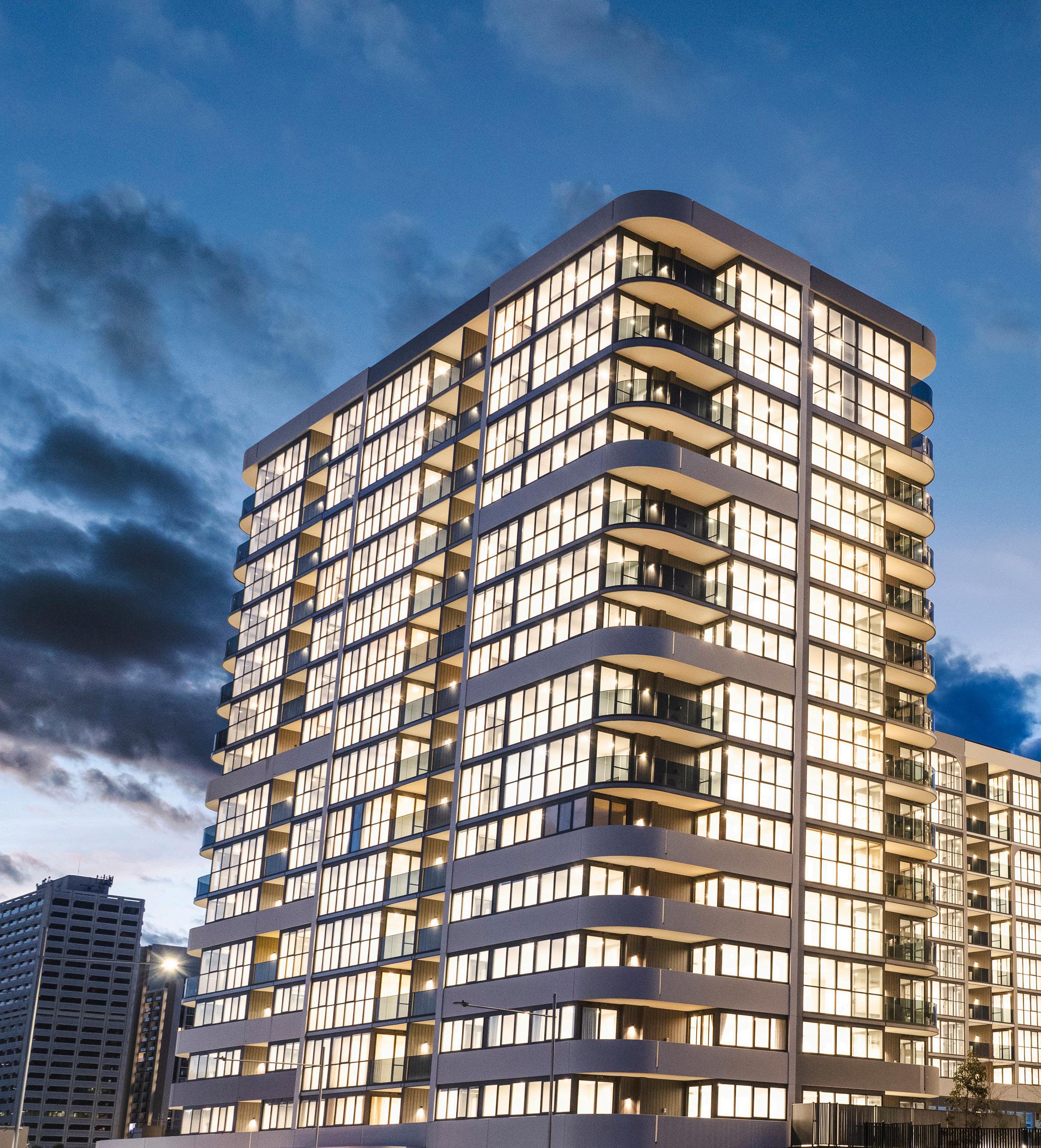
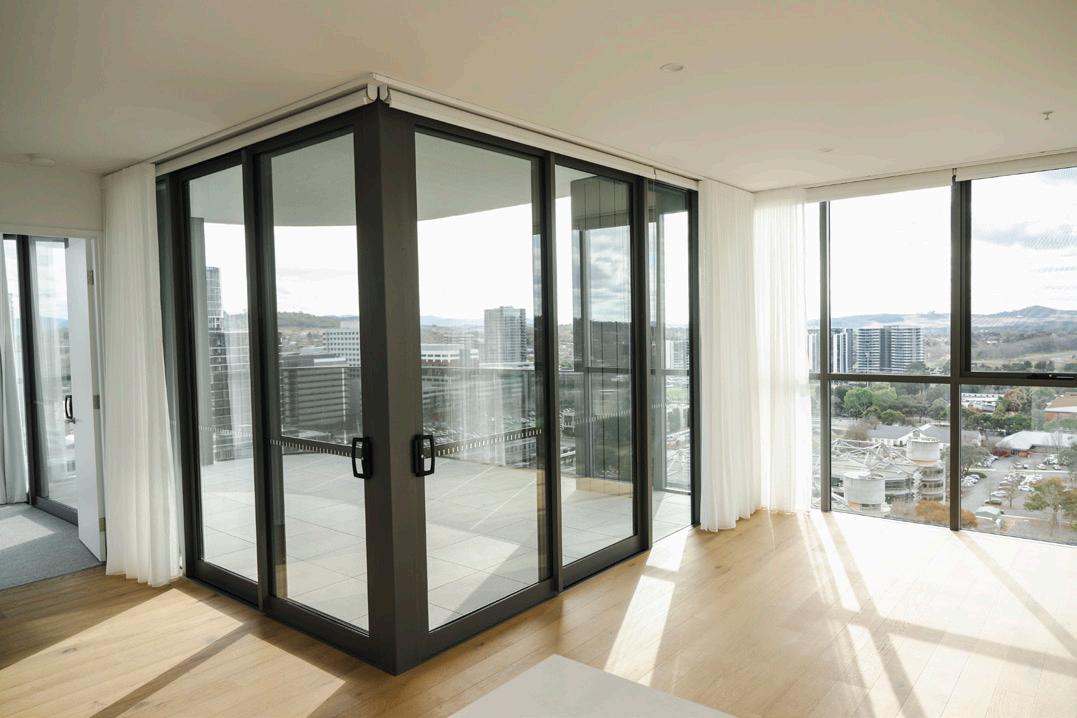
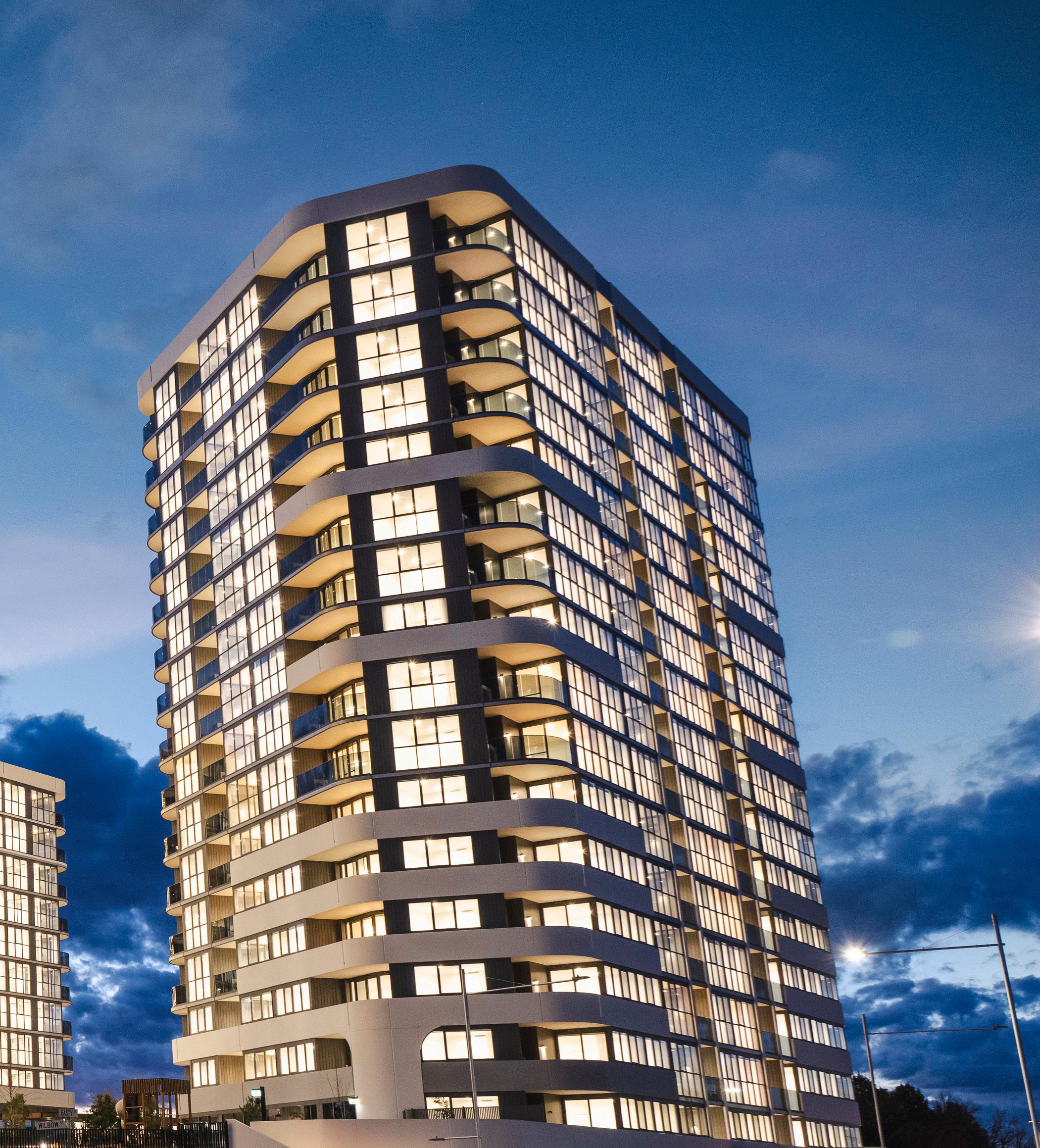
Woden Green is a landmark $257 million residential development comprising 419 apartments across 3 buildings in the heart of Woden, Canberra. Designed by DBI and delivered by Hindmarsh Constructions, the project blends urban density with expansive green space to create a connected, community-focused environment.
Positioned as a social sanctuary, Woden Green offers apartment residences designed to maximise views, natural light and liveability. Generous glazing, modern finishes and carefully considered detailing contribute to a refined architectural expression that balances scale with warmth.
Central to achieving this vision was the integration of highperformance façade systems capable of responding to Canberra’s demanding climate, while maintaining the clean, contemporary aesthetic set out in the architectural brief.
Challenge
Delivering over 13,000 m² of glazing across 3 buildings presented both technical and logistical complexities. Canberra’s harsh environmental conditions required façade systems that could achieve strong thermal and structural performance. Extensive testing to AS 2047 and AS 4284 Standards was essential to ensure compliance at scale.
A key challenge was translating the initial architectural concept into a fully engineered, project-specific solution. This required Bespoke systems to meet the design intent, particularly across balconies and slab edges, where visual consistency and performance needed to work in tandem.
Coordination across disciplines was critical. Window and door systems had to integrate seamlessly with mechanical and fire services, as well as slab edge treatments and cladding interfaces. Maintaining consistent finished floor levels and aligning sill heights across hundreds of apartments, demanded detailed design and precision fabrication.
Solution
To realise the project vision, DBI the project architect, and Hindmarsh Constructions partnered with Taylors Window Supplies, an experienced AWS fabricator serving the ACT and Southern NSW regions. Leveraging AWS systems, including Series 426 Double Glazed FrontGLAZE™ Framing (102 mm), Series 704 SlideMASTER™ Sliding Doors, Series 466 Architectural Awning Window and Series 52 Hinged Doors, Taylors developed a comprehensive façade package tailored specifically to Woden Green.
A bespoke semi-frameless balustrade system was engineered for the project, incorporating both straight and curved configurations. The installation spanned approximately 1,500 m², including 500 m²
of curved glass. The balustrades delivered a refined edge detail, while preserving sightlines and reinforcing the development’s architectural softness.
The project-specific AWS Interlocking Cladding System was used across internal balcony areas, contributing over 8,000 m² of durable, cohesive façade treatment.
Tubular subheads and spandrel subheads/subsills were purposedesigned to accommodate slab edge coverings and ensure seamless integration with surrounding elements. Custom 170 mm tubular subheads were introduced to align with finished ceiling levels and to incorporate mechanical and fire services without compromising the architectural line.
Existing suites were carefully re-engineered to ensure the consistent alignment of all product sills to finished floor heights, enhancing both visual continuity and constructability across the 3 buildings.
The result is a technically robust and visually cohesive façade solution supporting the project’s ambition — delivering highperformance glazing and façade systems at scale, while reinforcing Woden Green’s identity as a modern, connected and enduring residential address in Canberra.


Queensland
Rydges South Bank Friday | 31 | July 6:30 pm - 10:30 pm
Rydges Esplanade Fremantle Friday | 4 | September 6:30 pm - 10:30 pm South pm
Australia Esplanade September pm
Western Australia
Victoria
Rydges Melbourne
Friday | 14 | August
6:30 pm - 11:00 pm
South Australia
Penfolds Magill Estate
Friday | 11 | September
6:30 pm - 10:30 pm
Tasmania
Hotel Grand Chancellor (Hobart)
Friday | 21 | August
6:00 pm - 10:30 pm
Fullerton Hotel Sydney
Friday | 18 | September
6:30 pm - 10:30 pm











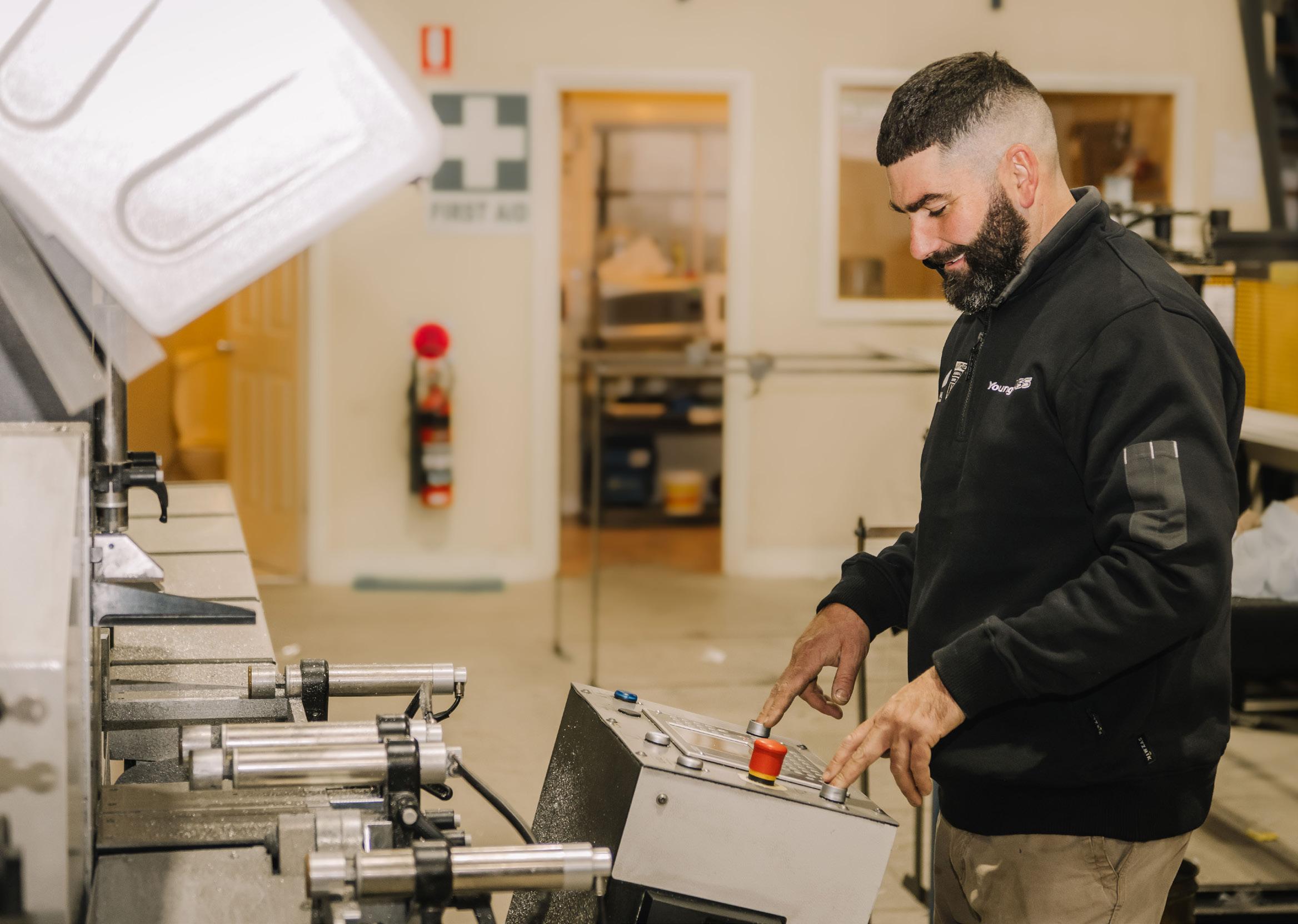
Fully automatic doublemitre sawfor Aluminium,uPVC &Timber. 3operation modes: Manual,Autofeed r epetitive cutting, andimportcuttinglist viaUSB/Ethernet/Wi-Fi.
Boostthroughput,fewererrors, rejects Save labourcostswithautomatedfeeds Integratewith digitalworkflows
“TransformYourCuttingLine.Automated PrecisionfromStarttoFinish”
Fully automaticoperation Network-ready cutting listimport Singlemachine formultiple materials Time,waste &laboursavings
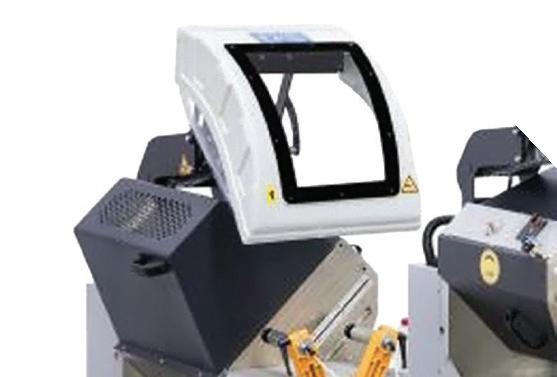

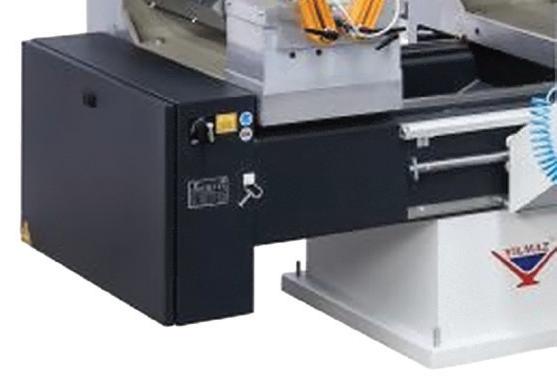
Highproductivity, reducestime &wastewith computerisedcontrols. WindowsPCcontroller,large cutting capacity
Optional extras-barcodeprinter, swarfextractor.





It is with deep sadness that we share the passing of Ray Long, co-founder of the Alchin Long Group.
Ray was not only the founder of a business, but he was also the architect of a legacy that has shaped the Alchin Long Group, our industry, and the lives of many people who over the past 6 decades.
Ray grew up in Western Sydney and left school at just 14 years old to help support his family. From those early beginnings he developed the work ethic, resilience and determination that would define his life. Those who knew Ray often speak about his belief in doing the very best you can with whatever role you are given — a mindset that became deeply embedded in the culture of this organisation.
In the late 1960s, Ray took a leap of faith and purchased the remains of a small casting business, beginning the journey that would eventually become the Alchin Long Group. Together with Roy Alchin and their respective wives Patricia Alchin and Carey Long, Ray built a lifelong friendship and partnership grounded in hard work, innovation, and a shared belief that they could create something meaningful for their families and for the many people who would come to be part of the business.
What began as a modest operation grew into a group of respected Australian brands serving the building and construction industry across Australia and beyond. Through decades of growth, challenge

and change, Ray remained deeply committed to building a business that valued people, relationships, and long-term thinking.
For many across ALG, Ray was more than a founder. He was a mentor, a leader, and an inspiration, who helped create a community of people connected by shared purpose and values.

Mark Beeston, Doric’s Queensland Regional Manager retired on 10 April, concluding an exceptional 28-year career with the business.
Across nearly 3 decades, Mark has made a significant contribution, not only to Doric’s Queensland operations, but to the broader strength and stability of the Group. He played a pivotal role in transforming the Queensland branch from its early agency model into the established, highperforming operation it is today. His steady leadership, commercial judgement and deep industry expertise have helped shape longstanding customer relationships and build the strong platform we continue to grow from.
Beyond his operational achievements, Mark has been a respected and trusted figure across the business, building enduring relationships and is widely regarded as a supportive leader, generous with his time and knowledge.
Doric’s National Business Manager, Tony Peek, recently marked his 20-year anniversary with the Alchin Long Group. Throughout his 2-decade tenure, he has played an important role in supporting Doric’s national presence and contributing to the broader growth and reputation of the Group.
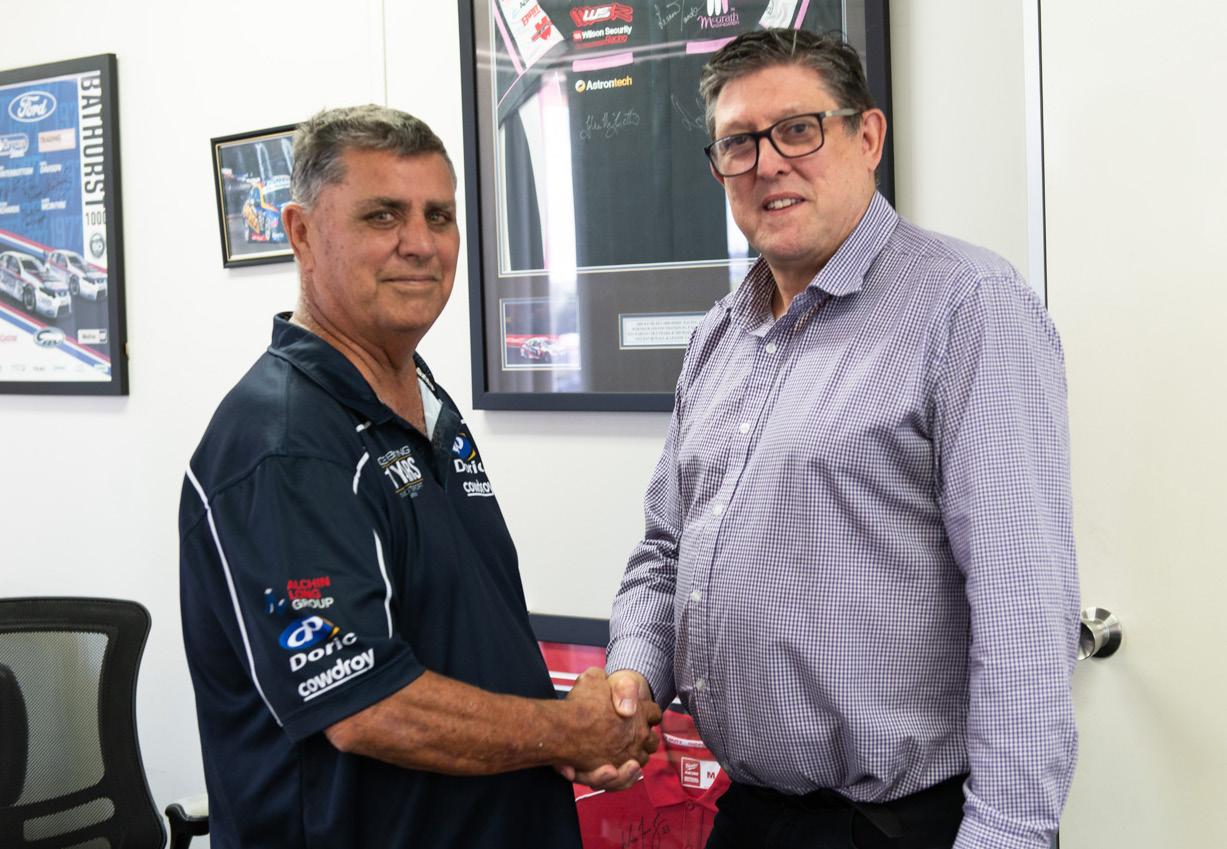
Reaching 28 years of service is a remarkable milestone and a testament to both Mark’s commitment and the role he has played. He was farewelled at a morning tea with all staff.
Congratulations Mark on an outstanding career and we wish you every success and happiness in the next chapter ahead.
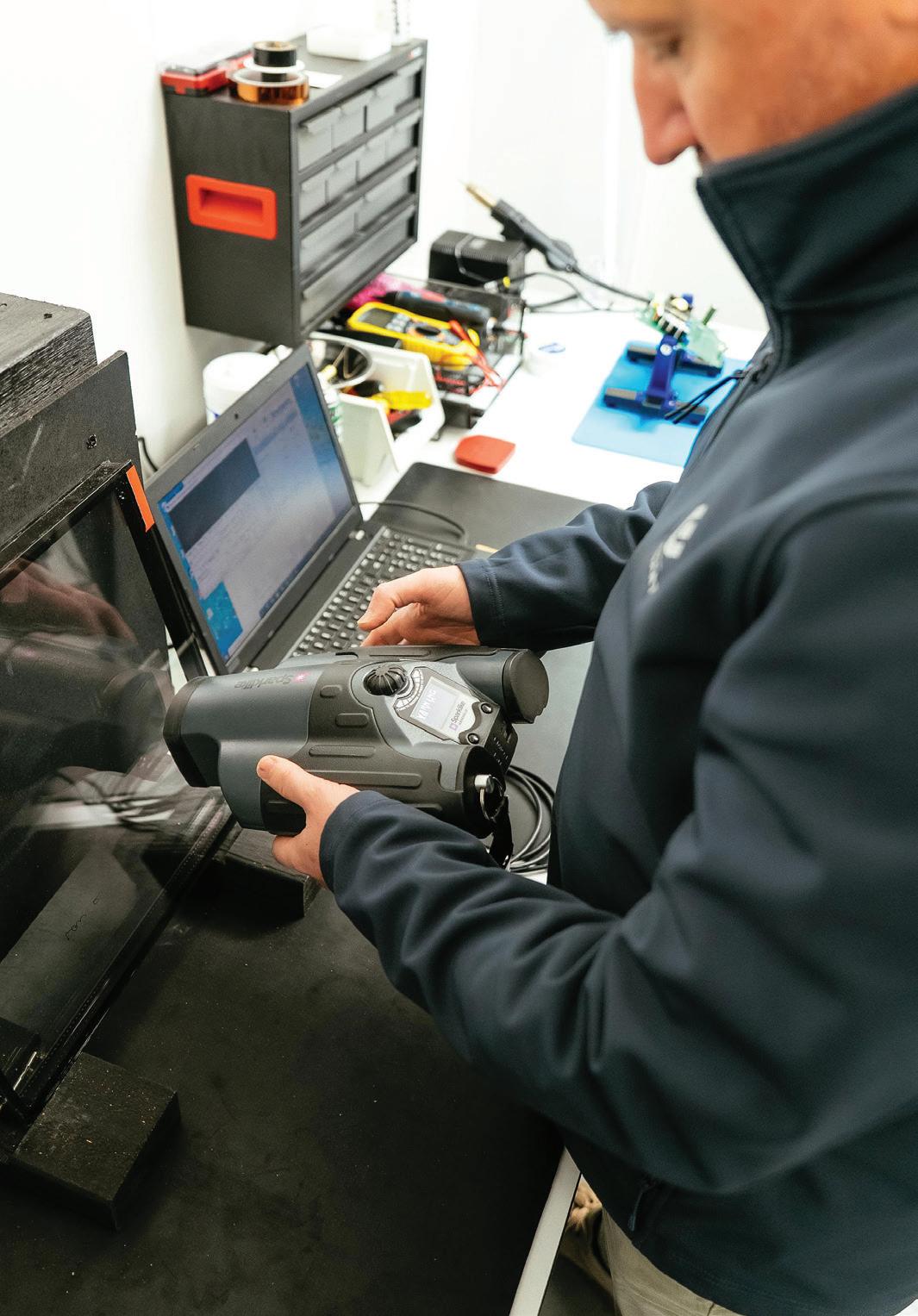
A small glimpse inside our calibration room — where precision, consistency, and trust come together.

Tony, known for his calm and considered leadership style, expressed his appreciation for the recognition, and reflected on what has made his time with the organisation so meaningful.
‘I’ve thoroughly enjoyed my work here’, Tony shared with those gathered. ‘One of the best parts has been the people. The relationships and the team around me have made it a very rewarding place to be.’
Reaching 20 years of service is a notable achievement in any organisation, and Tony’s milestone stands as a testament to both his personal commitment and the culture of long-term relationships that underpins Alchin Long Group.
Two years into Sparklike calibration, and the results speak for themselves.
We’ve successfully calibrated over 52 handheld units, welcoming equipment from Southeast Asia, Australia, and New Zealand.
If you would like further information on all Sparklike products please visit our website www.elegantig.com.au or contact one of the Elegant team on 02 94736500.
Being able to clearly demonstrate competence, compliance and professionalism in an increasingly competitive market, has never been more important. Clients, builders and certifiers are looking for confidence — and AGWA’s Glaziers Assessment Program (GAP) provides exactly that.
What is GAP — and why Does it Matter?
GAP is an online accreditation assessment designed to verify that your business meets key industry expectations across compliance, skills and safety. Certificates are issued once all requirements have been satisfactorily met.
Importantly, the GAP is not about ‘catching people out’. It is about recognising the knowledge, experience and systems that reputable glazing businesses already have in place — and helping to strengthen them where needed.
The Three Pillars of GAP Accreditation
The assessment is built around 3 clearly defined pillars:
1. Compliance
A 20 question online quiz conducted with an AGWA auditor, focusing on AS 1288, NCC requirements and AGWA technical resources. This quiz is designed to explore your industry knowledge and expertise.
2. Skills and Training
Evidence that at least one employee has undertaken AS 1288 training within the past 3 years, ensuring current knowledge of critical glazing requirements.
3. Safety
Evidence that your business maintains minimum WHS documentation, reflecting the industry’s shared responsibility for safe work practices.
What you Receive
Upon successful completion of the assessment, your business will receive:
• A GAP Compliance Certificate
• The AGWA Accredited Company logo.
The certificates can be an excellent tool to use in your business with customers by:
• Strengthening tender submissions.
• Supporting compliance certification on projects.
• Reassuring builders, architects and clients.
• Promoting their business as independently assessed and industry endorsed.
In a market where credibility matters, GAP accreditation visibly reinforces your professionalism and experience.
Simple, Efficient and Respectful of your Time
AGWA will provide a clear checklist outlining the information and documentation required before your assessment is scheduled. This allows you to prepare with confidence and avoid unnecessary delays.
An AGWA auditor will conduct a desktop review online, at a mutually agreed date and time. Typically taking only 30–45 minutes, the auditor will also provide some key industry updates relevant to your business.
Ready to get started? Act Now
With demand increasing and assessment schedules filling quickly, book your GAP assessment as soon as possible by getting in touch with the accreditation team at

SPIL Glass Software streamlines every step of your glass business from order entry to delivery while linking seamlessly with your accounting systems and any factory machinery It boosts productivity, cuts wastage, and maximises ROI Customisable and scalable, SPIL adapts to the needs of small to large-scale glass fabricators, helping you scale faster, serve better, and run a smar ter, more profitable operation.





SUPPORTING FABRICATORS WITH
• Marketing Services
• Software & manufacturing automation software (EXPRO)
• Technical Support
• Innovative New Products
• Training
• Business Support
• End to End Supply
To find out more contact marketing@awsaustralia.com.au
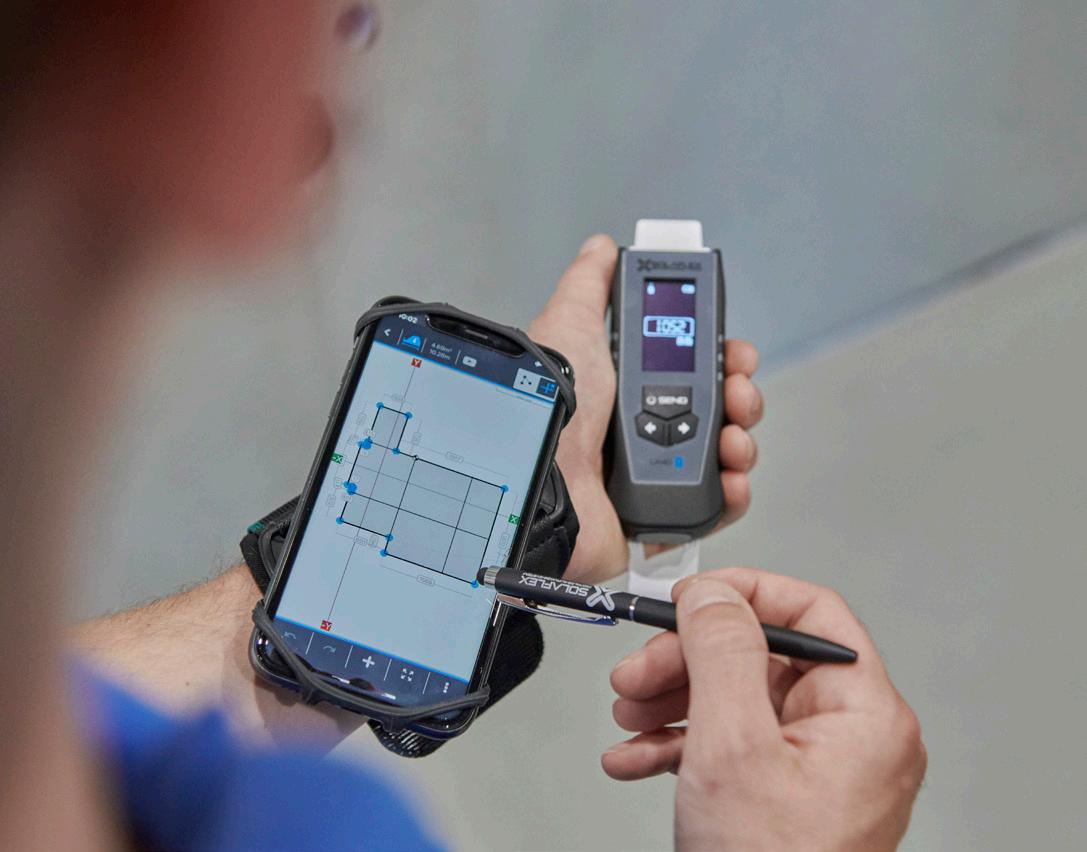
In an industry where precision is everything, the way measurements are captured and managed can make or break a project. Solaflex is redefining this process for window and door professionals by removing the friction, inefficiencies, and risk that come with traditional methods.
For many fabricators and installers, site measurements still rely on manual notes, photos, and later rework in CAD. It’s a fragmented workflow that invites errors, slows down production, and creates unnecessary back-and-forth between teams. Solaflex eliminates this entirely with a fully digital measurement system designed specifically for the fenestration industry.
Using the Solaflex App, measurements are captured on-site and instantly structured into clear, consistent formats. Data can then be exported as DXF, PDF, or CSV files, ready for manufacturing or quoting — no double handling, no interpretation errors. The platform’s table-based templates ensure every critical dimension is recorded accurately, even for complex shapes, cut-outs, and angles.
The result is a faster, more professional workflow from measure to manufacture. Businesses can reduce costly mistakes, improve turnaround times, and present a more polished experience to their clients.
But beyond efficiency, Solaflex represents a shift in how the industry operates. As labour pressures increase and expectations around speed and accuracy continue to rise, digital tools are no longer optional — they’re essential. Solaflex positions fabricators and installers ahead of the curve, giving them the confidence to scale without compromising quality.
The Solaflex App is available to download via the App Store and Google Play, making it easy get started onsite immediately.
For more information, please contact the team at info@solaflex.software or see www.solaflex.software.

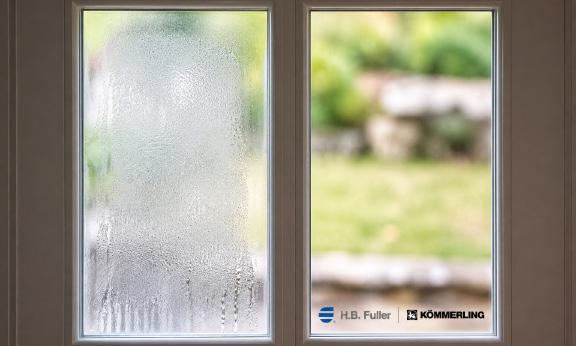
Elegant IG and Kömmerling/HB Fuller are working with global and local legal teams to introduce a new 5-year complete IGU warranty in Australia for selected manufacturers operating approved Kömmerling/HB Fuller sealing systems, including 4SG. The initiative aims to provide greater confidence for both IGU manufacturers and end users by covering in-field performance, including condensation and related IGU failures.
The first 5 years of an insulating glass unit’s life are widely recognised as the most critical period, when most seal-related and moisture-ingress issues are likely to emerge. By directly addressing performance during this timeframe, the proposed warranty is designed to strengthen confidence across the supply chain — from builders and architects to specifiers and building owners.
Under the proposed framework, HB Fuller will warrant that approved products, used as part of a complete Kömmerling sealing system, will not act as a source of chemical fogging or moisture condensation between glass panes for 5 years from the IGU’s date of manufacture, subject to standard warranty terms and conditions.
The warranty will apply only where both the primary and secondary sealant systems are supplied by Kömmerling/HB Fuller and used with compatible glazing products in accordance with the company’s
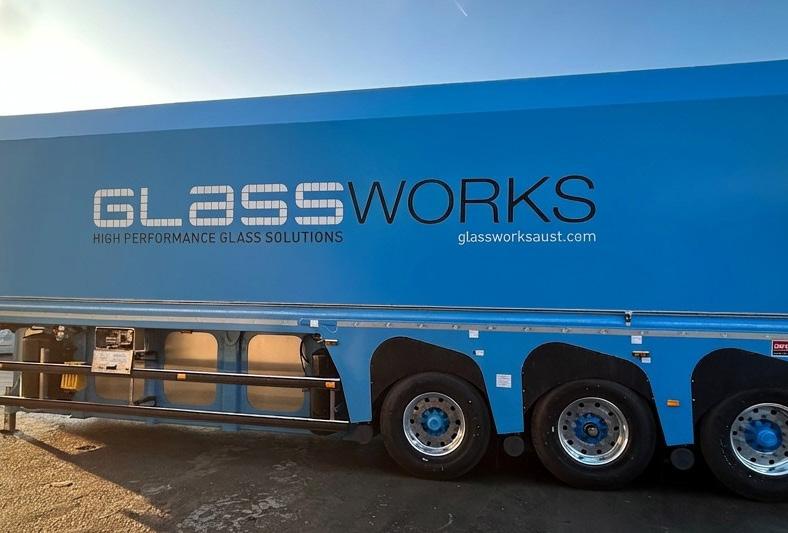
Glassworks Australia is proud to announce a new partnership with Pilkington North America, marking the return of many much-loved glass and coated glass products that have long been trusted by the Australian glazing and construction industry.
Glassworks Australia has worked closely with Pilkington North America to ensure even greater choice for Australian customers in a changing market by reintroducing familiar, proven glass solutions.
Coated glass products making a comeback
Through this partnership, Glassworks Australia will offer a comprehensive range of coated glass products including:
• Energy Advantage Clear and Grey.
• Solar E Clear and Grey.
• Eclipse Advantage Clear, Grey, Arctic Blue and Bronze.
Introducing enhancements to some industry favourites
In addition to these returning favourites, Glassworks Australia will exclusively supply a new low-haze version of Energy Advantage, offering enhanced clarity, while maintaining strong energy performance. The offering is further strengthened with a range of Low-E laminated glass products supporting high-performance glazing solutions across residential and commercial projects.
‘This partnership reflects our commitment to supporting the Australian glass industry with reliable supply, trusted performance and ongoing innovation’, said Michael Gleeson, Executive Director
technical guidelines. Participation will be limited to selected manufacturers who meet defined system and quality criteria.
For participating fabricators, the program offers clear market differentiation, increased confidence for project stakeholders, reduced long-term risk exposure, and direct backing from a global system supplier. The requirements supporting the warranty focus on consistent, high-quality manufacturing practices and align closely with existing audits, technical support, and quality processes already in place.
Please note that conditions apply for HB Fuller warranty offer. Please contact Elegant IG for further information at office@elegantig.com.au.

at Glassworks Australia. ‘By working with Pilkington North America, we’re able to provide even greater choice for our customers while also introducing improvements that respond to evolving market expectations.’
The range, available from May, will be available in jumbo and half-jumbo sizes across most products, subject to availability.
In additional news, Glassworks Australia has invested in floatliner delivery trailers as well as modified containers for ease of transport and unloading for interstate deliveries. They will now be able to deliver coated glass products in bulk, efficiently and reliably across the entire east coast and into South Australia. This investment ensures customers benefit not only from the return of trusted glass solutions, but also from improved availability, scale and service as demand continues to grow. For more information, please see sales@glassworksaust.com.




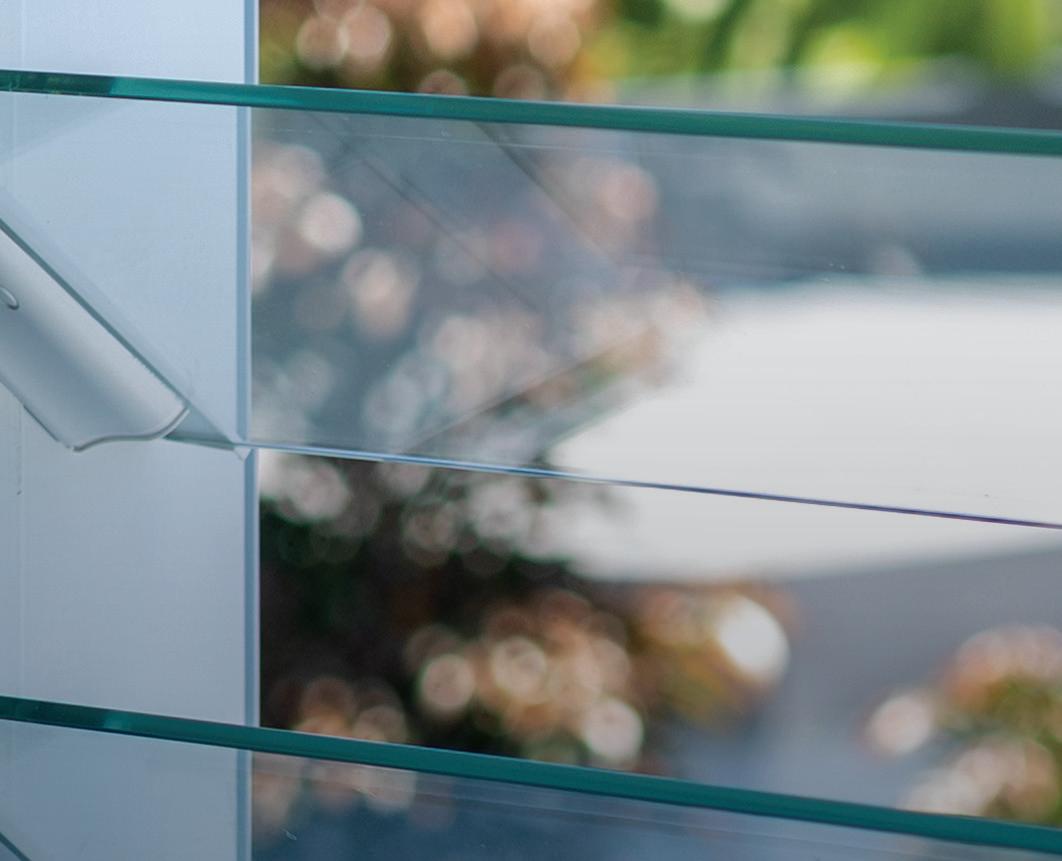
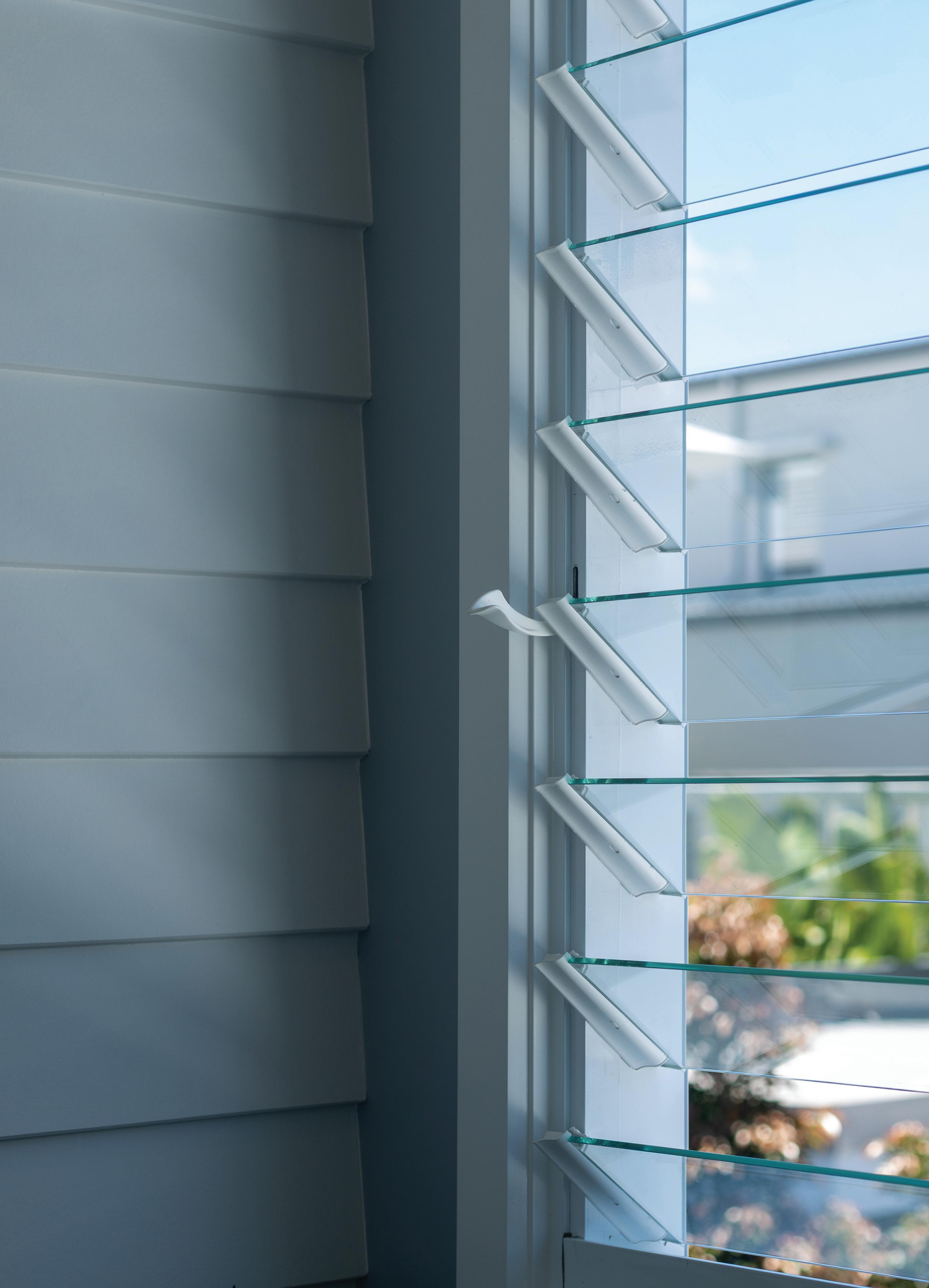
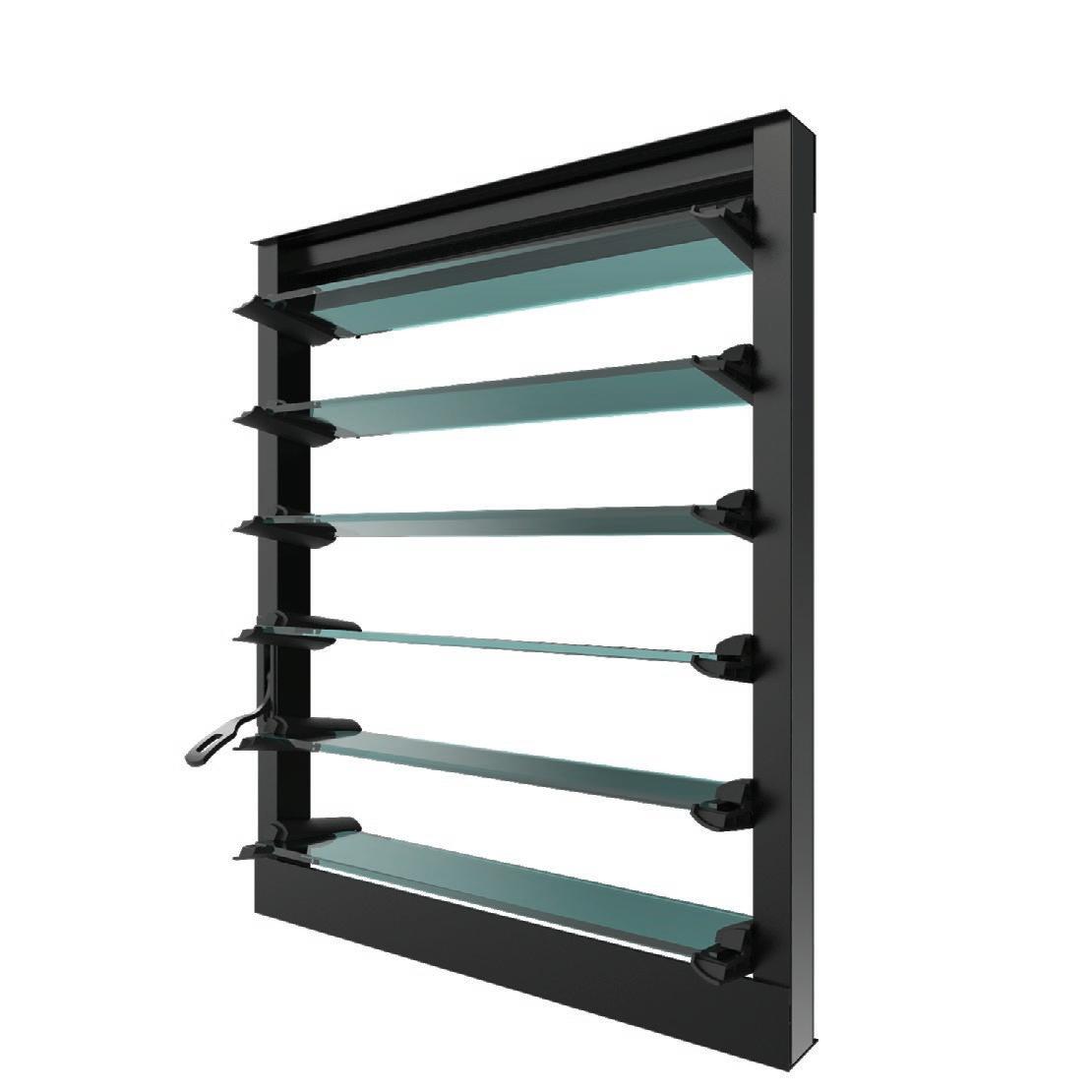
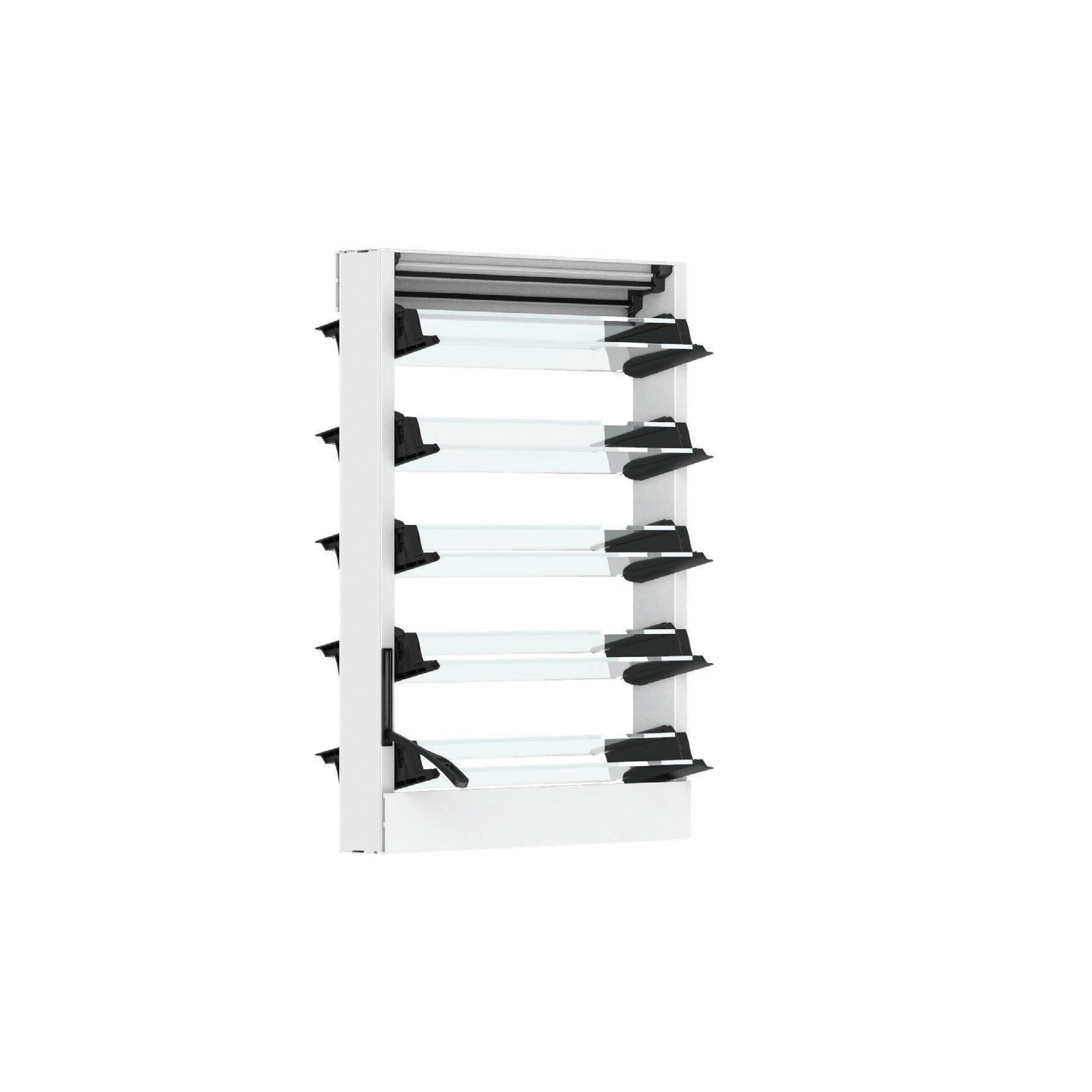
A locally controlled, fully supported louvre systemdesigned for performance, confidence and compliance
Developed and assembled in Australia, Doric’s louvre hardware supports builders, fabricators and specifiers with reliable performance and supply. Continued advancements in manufacturing, tooling, quality assurance and technical support have strengthened capability.
The result is two louvre systems designed for airflow and aesthetics, while delivering compliance, durability and performance across residential and commercial applications.
Compliance & Performance
Designed to meet AS 2047
Water Performance up to Ultimate Wind Load Tested
Proven for Australian conditions
Local Control. Measurable Confidence.
Doric’s end-to-end involvement across:
Manufacturing & Tooling
Assembly & Quality Assurance
Technical Sales & Support

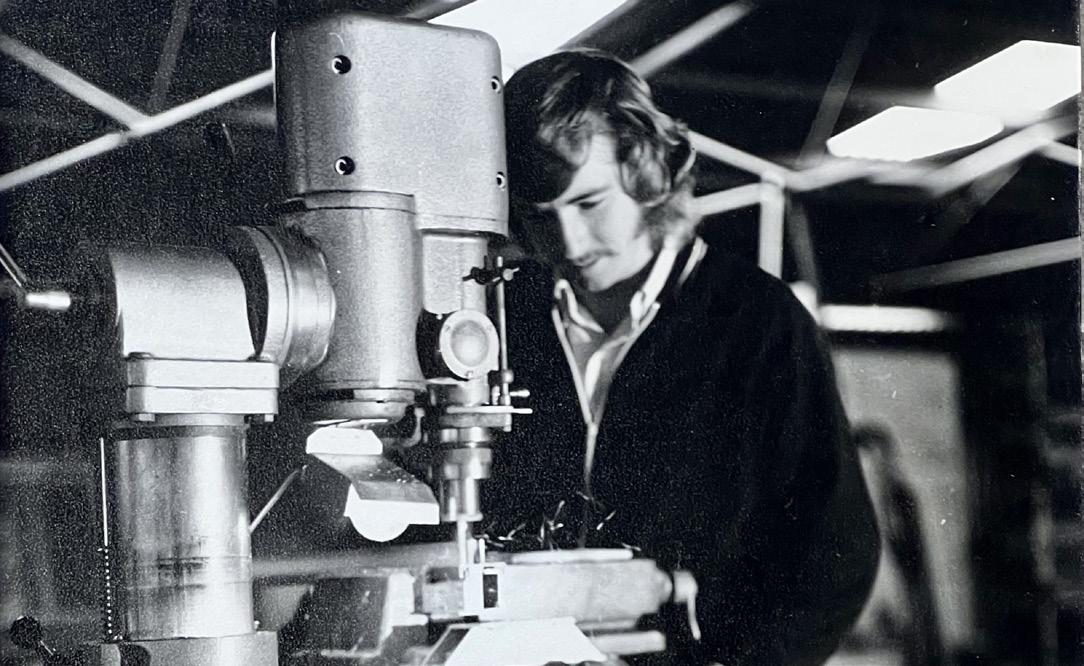
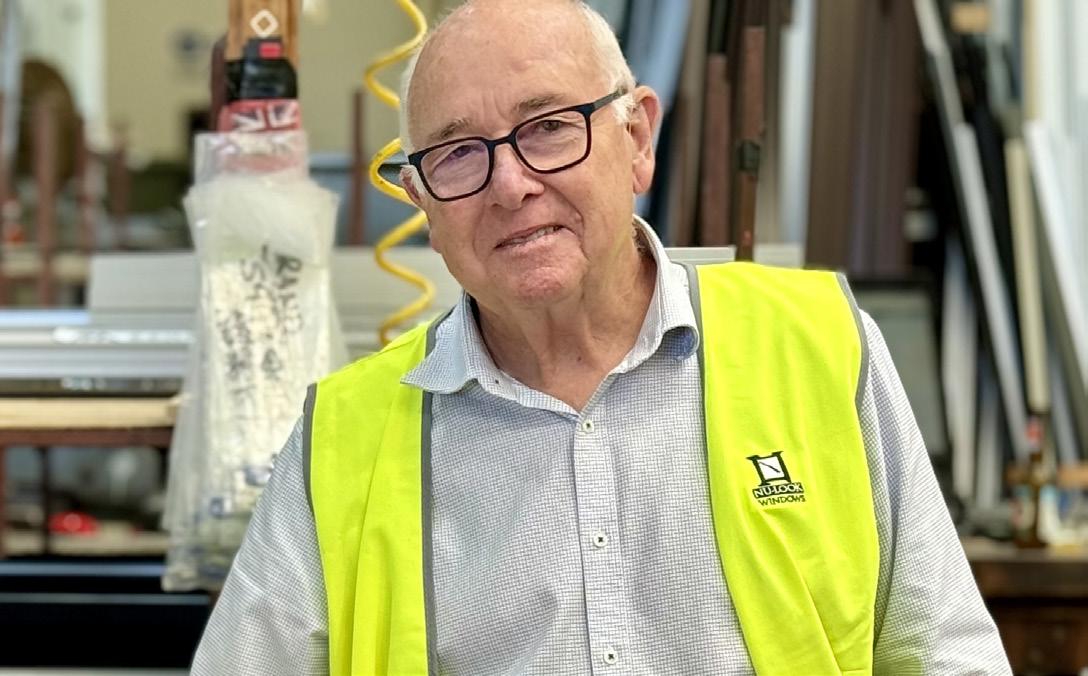
After working in the window industry for 59 years, Roy Loftus has retired. Roy’s contribution has extended beyond his own business, supporting industry collaboration and raising the bar on compliance for fabricators across Western Australia
He joined the family business, W Loftus & Co, in 1968, not long after leaving school. The business had traditionally manufactured timber windows, but in Roy’s early years, he had the opportunity to learn the skills of both timber and aluminium windows. When his father retired in 1978, Roy took over day-to-day management of the business.
The 1980s were a busy time, as Roy was raising a young family while growing the business, which by then was focused solely on aluminium window fabrication. By the late 1980s, compliance was becoming a growing consideration across the window industry, and Roy’s involvement in local industry bodies was ignited.
He was involved in the merger of the Architectural Aluminium Fabricators Association (AAFA) and the Glazing and Window Association (GWA) and became passionate about ensuring local fabricators understood their obligations under increasingly complex Australian Standards.
By the 1990s, W Loftus & Co had become Nu-Look Windows, and Roy’s company was an early Western Australian member of the Australian Window Association (AWA). Roy served as a board member of AGWA for 6 years and was a vocal supporter of the AGGA/AWA merger. He continues to be a passionate advocate for local manufacturing.
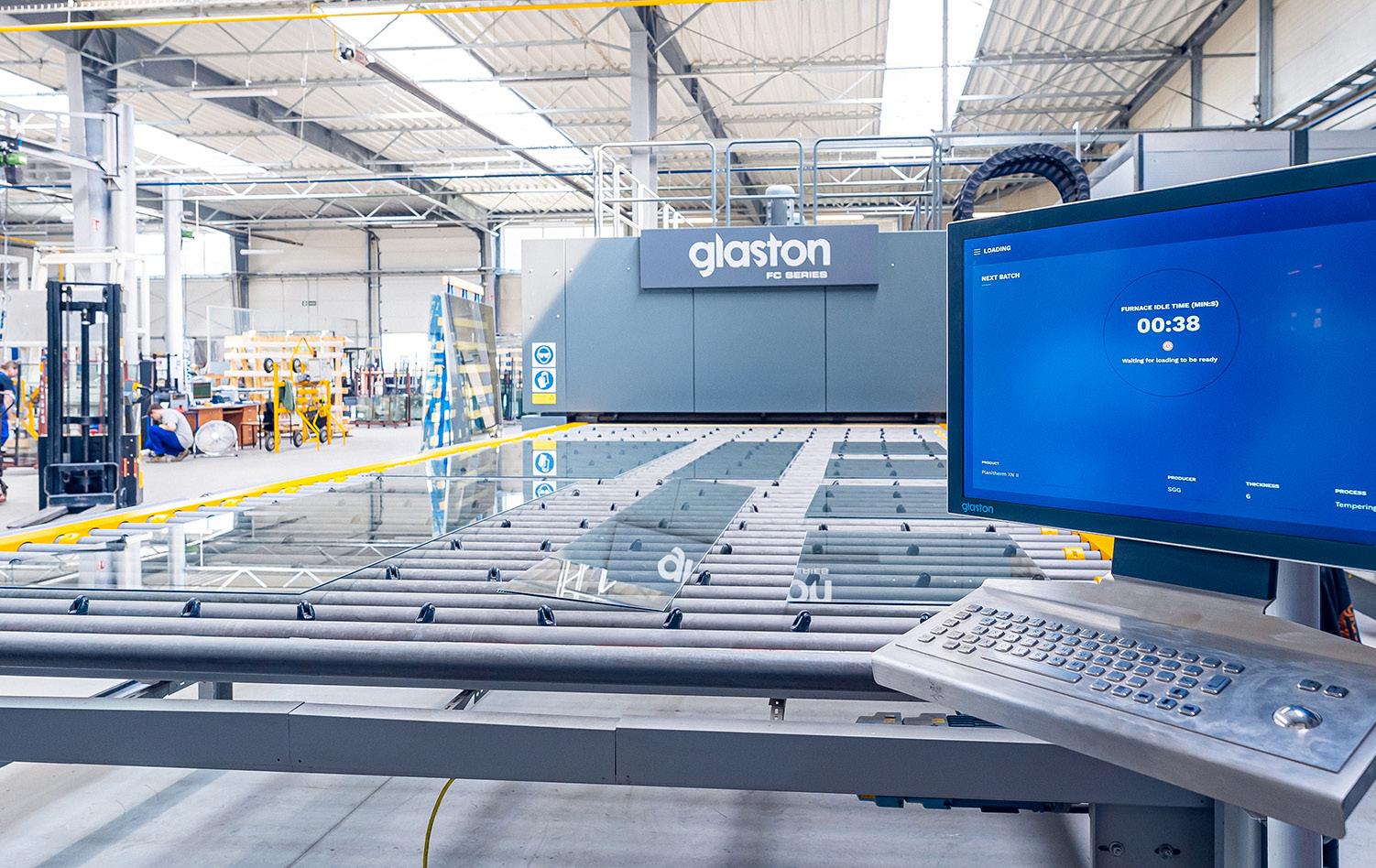
Flat glass producers face a double bind: rising expectations for yield and quality and a shrinking pool of seasoned operators. That gap is precisely what Glaston tempering line Autopilot closes by shifting process control from people to the line itself.
Autopilot brings parameter- free tempering to life. Using sensors and advanced algorithms, the system continuously monitors the - adjusts heating, cooling and other key settings to match the glass type, size, and loading, so setup is instant and repeatable, with fewer rejects and less manual tweaking. In practice, it’s like having an expert operator on duty every shift, keeping the process stable without intervention.
The payoff shows up fast on the shop floor. Because the machine selects the right parameters, even new operators can run the line confidently after minimal training, relying on supervision rather than guesswork. That consistency reduces human error and smooths production, which many users say makes work less stressful while improving quality.
world references back this up. Bojar Glass in Poland has operated with Autopilot since 2021, citing better control, efficiency and safety. Tryba Industrie in France moved to night shifts staffed by inexperienced operators and maintained quality and productivity. Baros Vision in Bulgaria accelerated its move into
In 2011, Roy welcomed his son Glen as a partner at Nu-Look, bringing the business, which has now grown to almost 30 staff, into its third generation of family ownership.
Congratulations on your retirement Roy and enjoy the next chapter.
tempered glass without long training cycles. In New Zealand, Architectural Glass Products (AGP) reports stability, reliability and consistency with the three tempering lines with Autopilot.
For plants juggling mixed production, tight deadlines and volatile labour markets, Autopilot turns tempering into a predictable, scalable process, boosting throughput, repeatability and confidence across shifts. In short, it’s a smarter, more autonomous way to deliver consistently high - quality tempered glass. If you’re ready to replace parameters and guesswork with push - button certainty, Autopilot is your next competitive edge. Talk to our experts to see what Autopilot could do on your line, from upgrade options to new builds.
For more information, please contact Konstantin.petrov@glaston.net

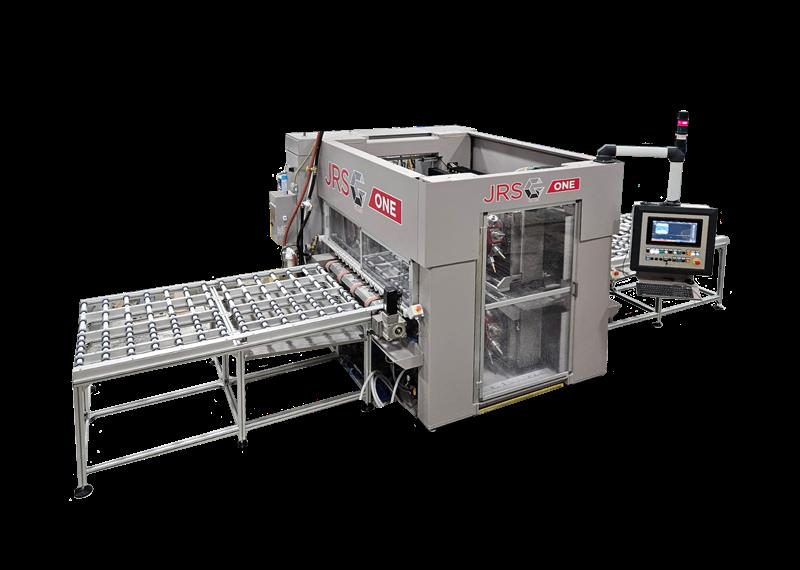
The Elegant IG team will head to Italy in May for factory training on the JRS ONE, JRS’s new compact horizontal CNC machine for glass processing. The visit has been timed ahead of the JRS ONE’s mid-2026 planned availability in Australia, and aims to ensure local readiness for sales, installation and support.
Training with JRS engineers will cover setup, CNC programming, HMI operation and routine maintenance. The JRS ONE’s plug and play design is a focus, promising fast on site commissioning and simplified integration into existing production lines.
The JRS ONE pairs a compact standalone horizontal gantry layout with integrated vacuum/automated handling, to suit shops with limited floor space, while maintaining high throughput. Its multi-operation capability supports drilling, milling, notching and edge processing in a single flow to reduce handling and cycle times.
A key mechanical feature is the machine’s tooling capacity: 20 spindles in total, configured as 2 turrets with 10 tools each. The large, sealed tool magazine reduces the number of tool changes and allows more machining operations to run without interruption, improving uptime and production flexibility.
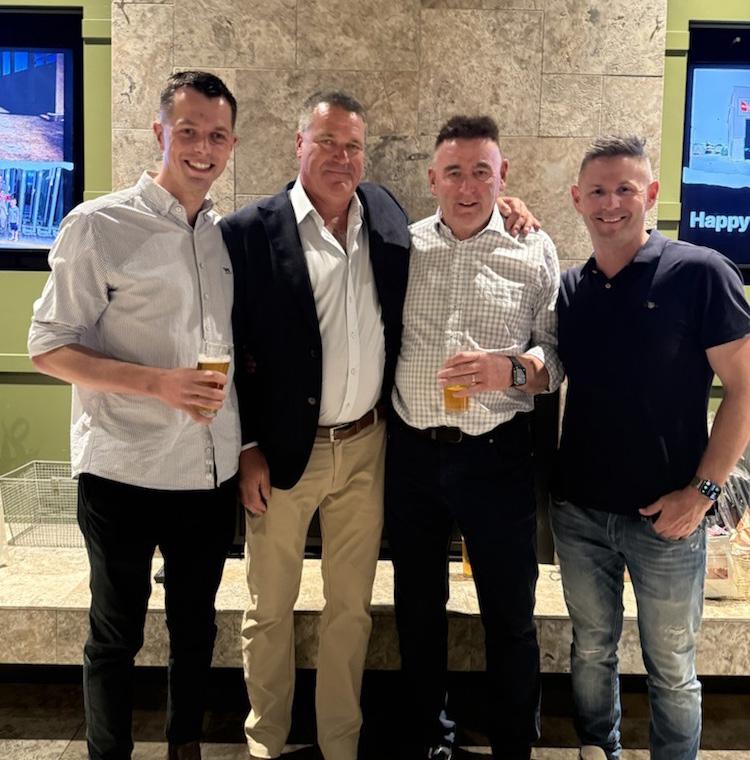
Celebrating the retirement of Phil Menzel from Menzel Glass in Geelong, Victoria, marks the close of an extraordinary career spanning nearly 5 decades in the glass and glazing industry.
Phil began his apprenticeship with Yenken Sandy Glass 47 years ago, before moving on to Diamond Glass & Glazing. It was there he was presented with the opportunity to take over the business, which led to the creation of Menzel Glass. From those early days, Phil built the company from the ground up, earning a reputation for integrity, hard work, and loyalty to customers, suppliers and staff. Over time, he grew Menzel Glass into one of the largest glass and glazing businesses, delivering significant projects across the region and far beyond, leaving a lasting mark on the industry.
In 1996, Phil took a significant leap of faith, building his own factories in South Geelong. Under his leadership, Menzel Glass continued to grow from strength to strength, at one point employing 36 staff across two branches.
Phil’s son, Dave, along with the rest of the team at Menzel Glass, will continue under new ownership of Ross and Jase McGregor from Westcoast Windows. Both companies have enjoyed a strong working relationship for many years, so this transition represents a natural and seamless next chapter.
The JRS ONE also offers water jet capabilities for cutting and specialised operations, expanding its application range for insulated glass units, architectural panels and specialty glass work. Combined with a user-friendly HMI, recipe storage and remote diagnostics, the platform is aimed at raising repeatability and lowering labour requirements.
For more information on JRS, please contact the Elegant team office@elegantig.com.au.
Throughout his career, Phil has built genuine, lasting relationships within the industry, many of which have become lifelong friendships. He will be remembered not only for the business he created, but for the people he supported along the way.
Reflecting on his journey at his retirement party, Phil said, ‘If I had to sum it all up — I never really had a plan, but I’m incredibly proud of where we got to’.
Congratulations on an outstanding career and all the very best in this well-earned next chapter.
Max. 400Kg. Lift Capacity
• Overload Sensor & Alarms form Safety
• Outrigger Legs for Lateral Stability
• Lightweight machine at 835 Kg. with Counterweights
• Rechargeable 24V Electrical System
• All day Run Time via upgraded Deep Cycle Batteries
• Dual Pump Vacuum System with Alarms
• 4 x Adjustable 300mm H/duty Vacuum Cups
• Arrange Vacuum Cups in an H configuration or In-line
• Highly Manoeuvrable and Narrow Footprint
• Manually Pivots panels to side for transport through doorways
• Installs Overhead Roof Canopies
• Lays Panels from Racks onto Bench tops
• Wired Remote with Variable Speed Dial
• 5 x Powered, Multiple (mm.) Precision movements… Lift, Extension, Tilt, Side-shift & 360° Rotation
• Optional; Fully Enclosed; Lockable; Drive on/off Trailer



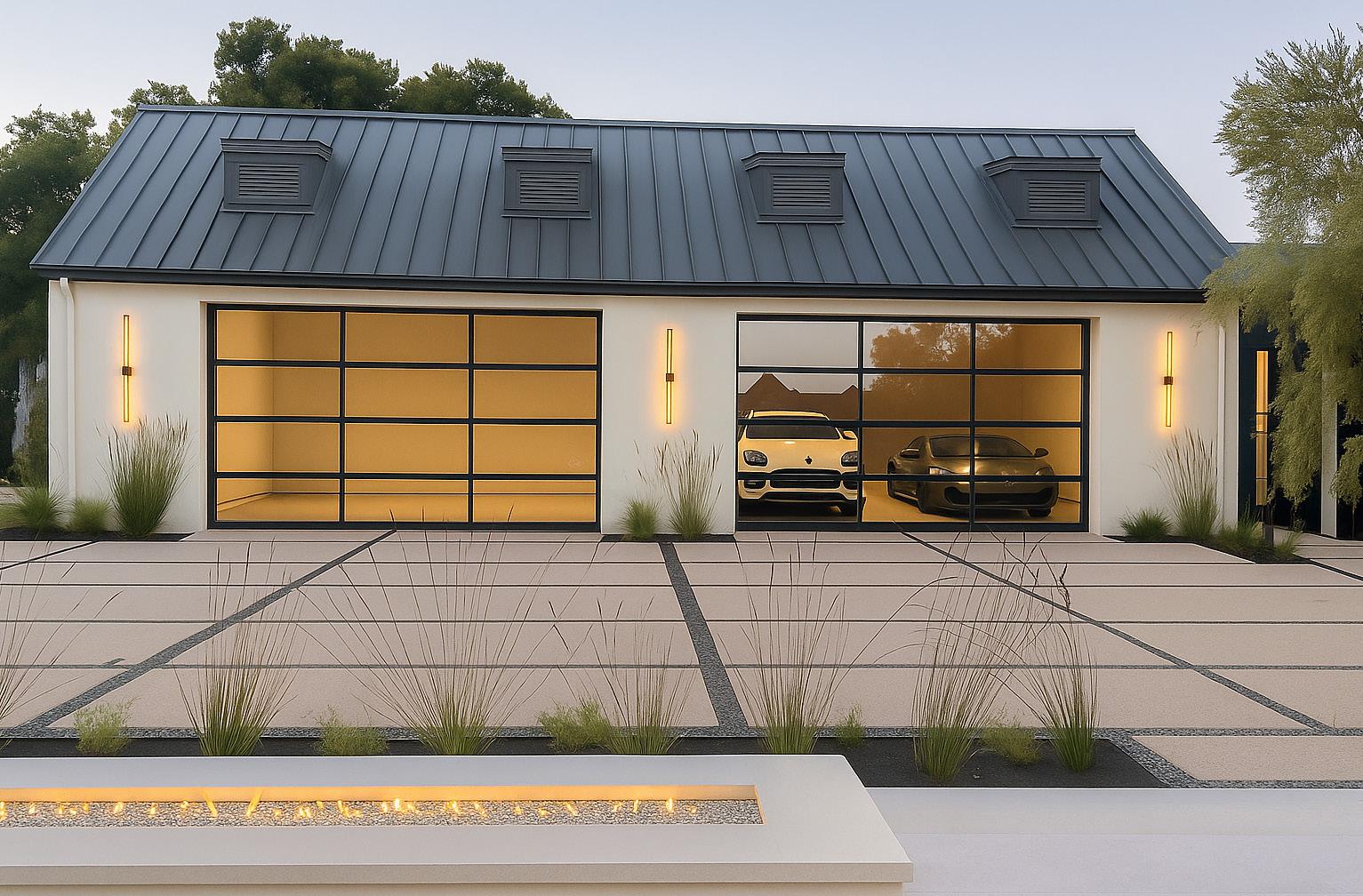
Garage doors are often one of the largest visual elements on a residential facade, yet they are frequently treated as a secondary inclusion. Smartech’s recent residential project in California, USA, highlights how glazed folding garage door systems can be integrated more deliberately into the architectural outcome.
In this application, a full-height glazed folding garage door was used to align the garage opening with the home’s broader material palette and façade composition. Full-height glazing aluminium framing allows the garage to read as part of the building envelope, while also introducing natural light into the internal space.
From a performance perspective, the system incorporates precision-engineered folding mechanisms to enable smooth, controlled operation across large, glazed panels. This is particularly relevant in residential applications where ease of use and reliability are essential.
Material selection also plays a role in long-term outcomes. Powder-coated aluminium frames and appropriate double-glazing specifications support durability, resistance to environmental exposure, and reduced maintenance over time.
Available in customised dimensions and finishes, the system can be adapted to suit a range of architectural styles and project
requirements. Glazing configurations can be specified to align with performance and design objectives.
As residential design continues to prioritise façade cohesion and natural light, garage door systems are increasingly being considered earlier in the design process, with implications for both fabrication and installation.
Ready to transform your space? For more information, please see www.smartechdoorsystems.com.au.

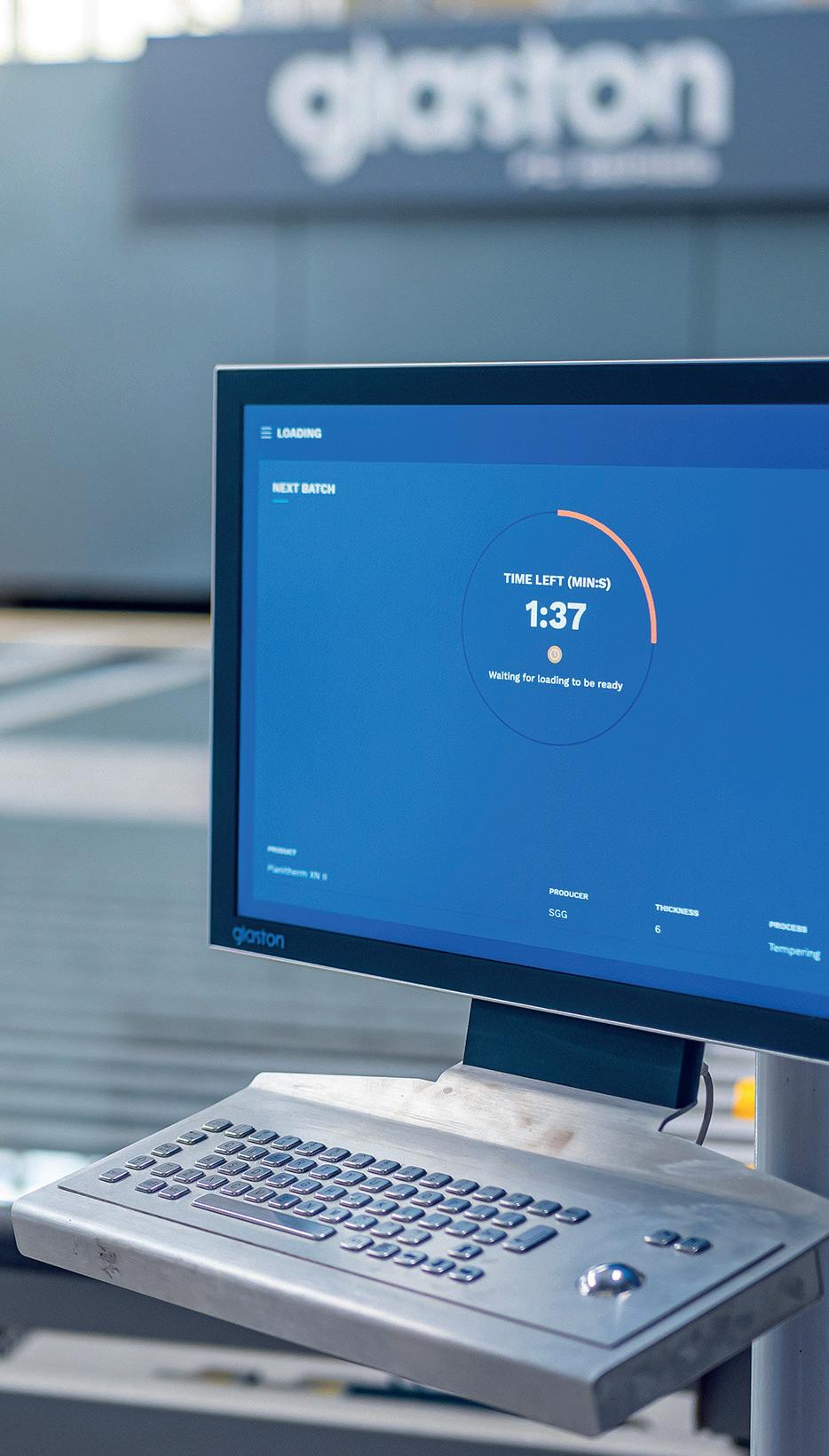
Glaston Autopilot automates glass tempering with parameter‑free control. It reads sheet placement, sets everything automatically — and operators simply monitor.
Ask us more!
Three more members of Bradnam’s Windows & Doors team celebrated receiving their AGWA Fabricator Certificate. They join a large group of people from Bradnam’s NSW branches who have received the AGWA Fabricator Certificate, and the Diploma previously. In the last 2 years alone, we have celebrated: John Nguyen, Lee-Anne Mclean, Raelene Hammond and Vicki Hughes. Bradnams also have another 6 team members currently enrolled in various stages of completion.
The AGWA Fabricator Certificate requires a lot of commitment and hard work, involving completing 9 On Demand courses, 1 Instructor Led course and an exam. Such an achievement also requires support from the business and colleagues.
Congratulations on receiving the AGWA Fabricator Program Certificate and well done to you all:
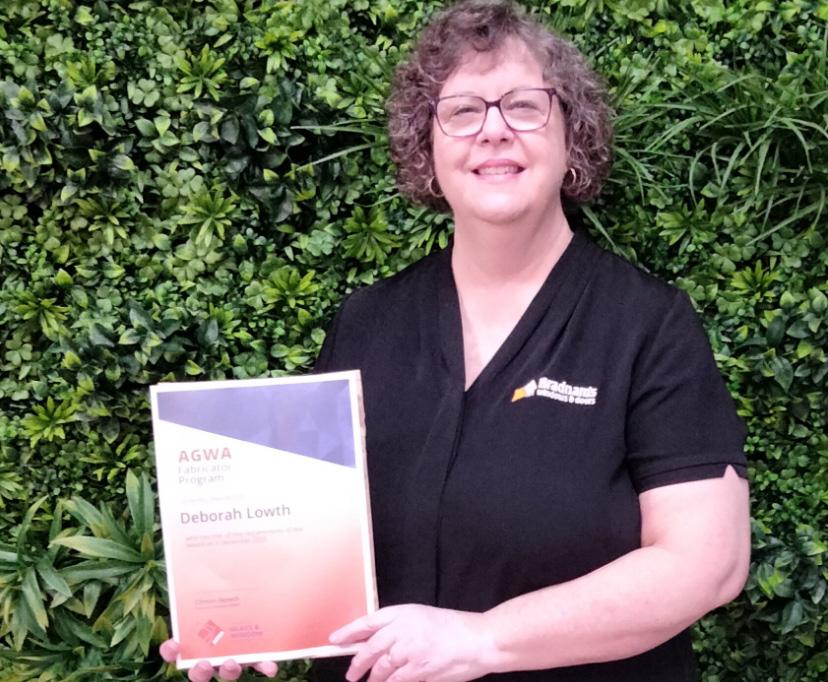
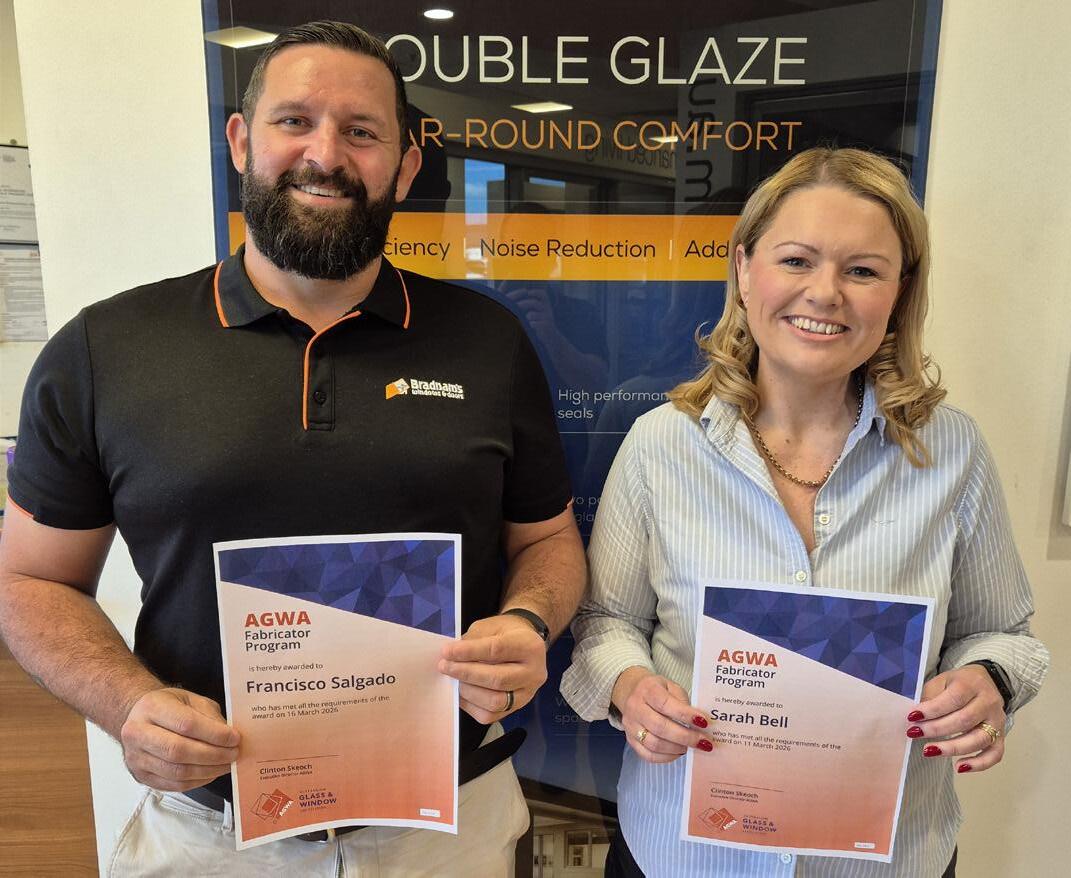





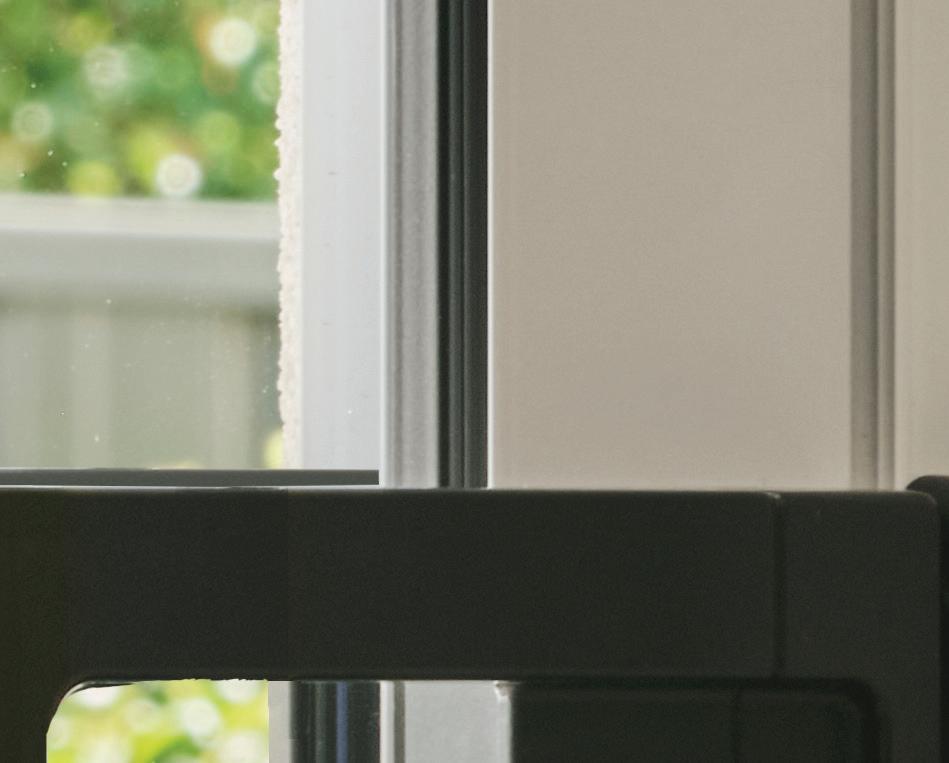
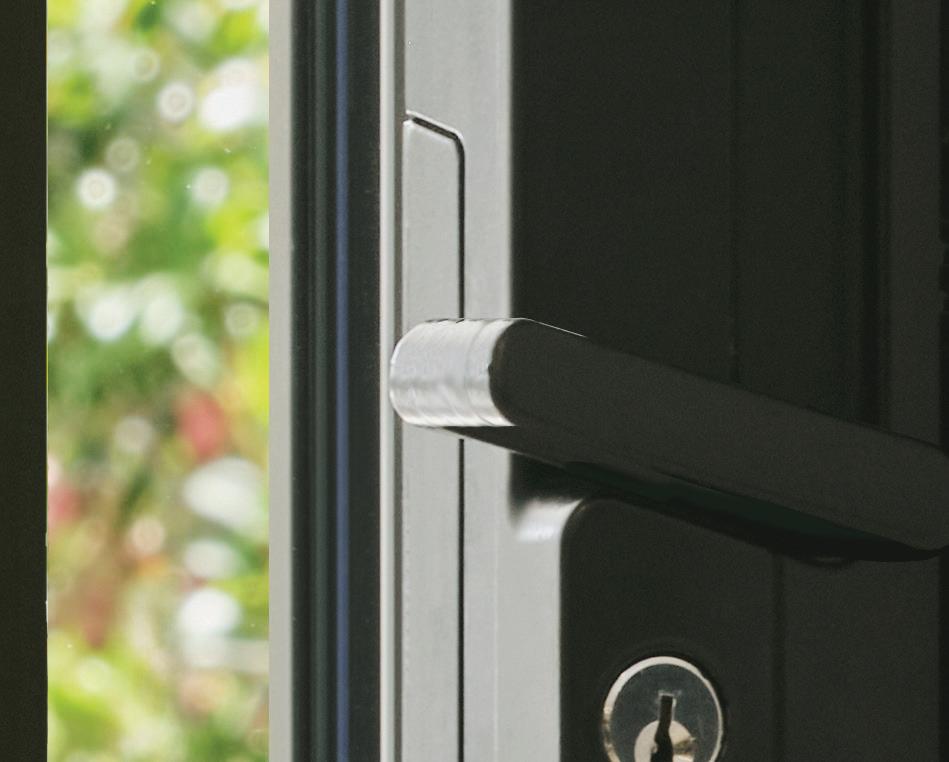
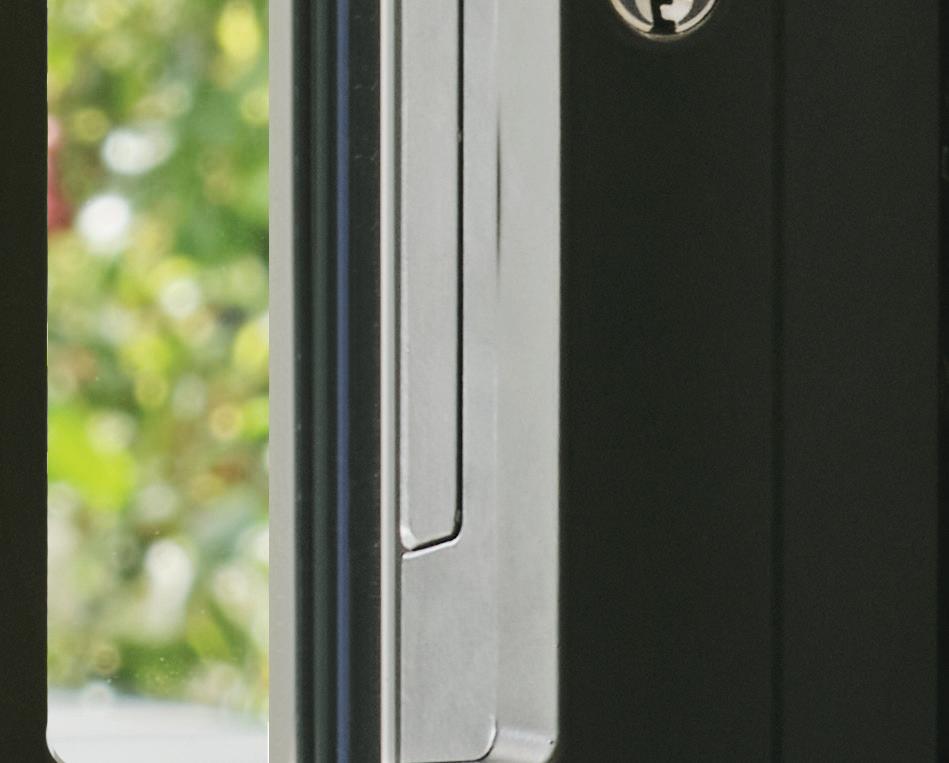

Inclusive design with security you can trust
Specifically designed to meet the requirements of AS 1428.1 (Access and Mobility), our new sliding patio door lock ensures effortless operation for all abilities. Australian made, it delivers a modern aesthetic for homes and accessible accommodation, with all the trusted benefits of the Yarra Horizon plus:

▪ Interior and exterior D handles with 60mm opening
▪ Larger clearance between handle and door panel
▪ Raised, 50mm long turn snib for high visibility and easy use
▪ Safe egress with internal snib unlocking.



Ideal for panels of up to 400kg
Face adjustable making installation and on-site servicing easy.