SUPPORTING, PROMOTING AND ADVANCING THE WAGYU SECTOR
SUPPORTING, PROMOTING AND ADVANCING THE WAGYU SECTOR
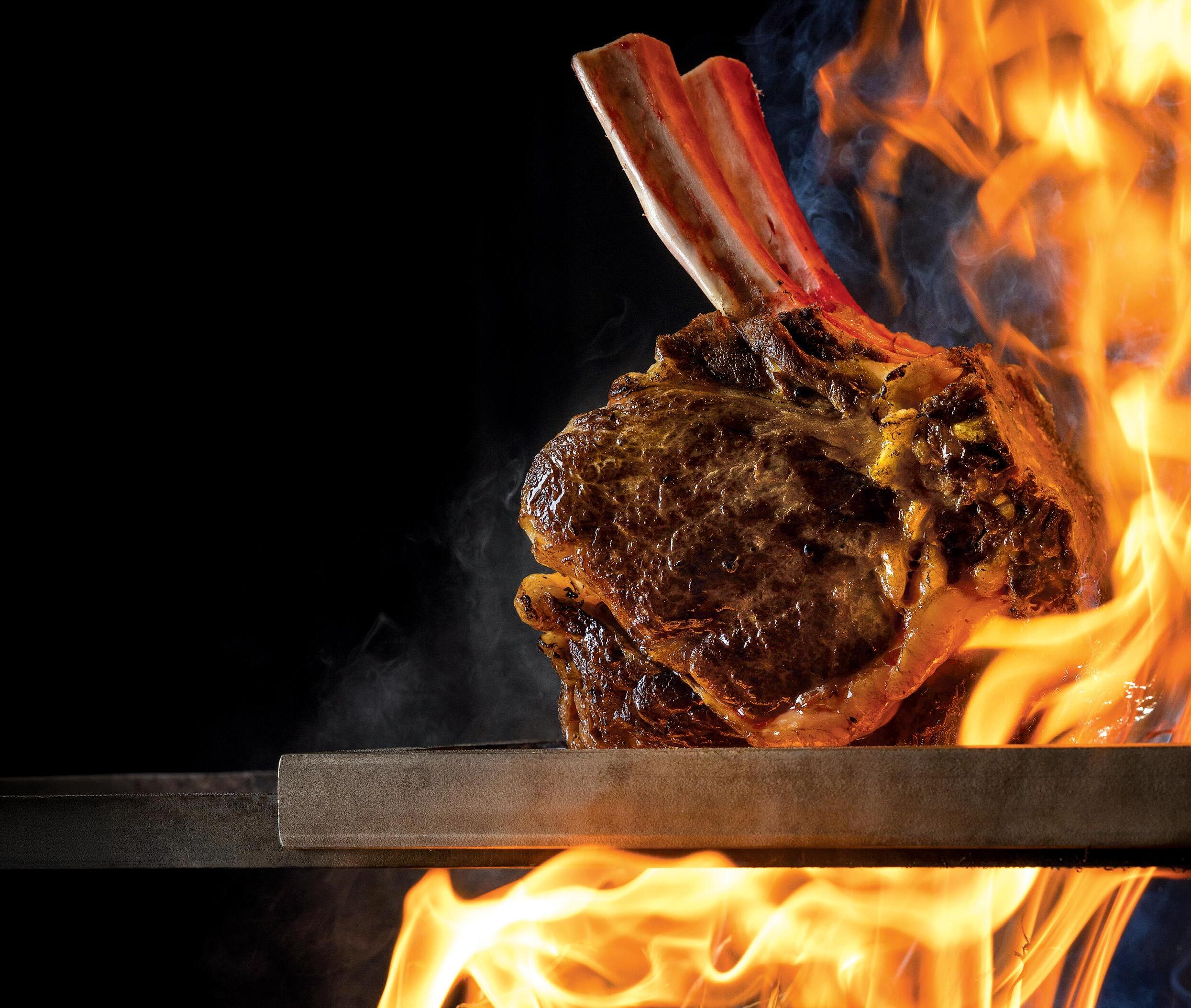
MIJ in Wagyu driving premium eating quality & refined carcase differentiation
Wagyu Breeding Values Frequently Asked Questions
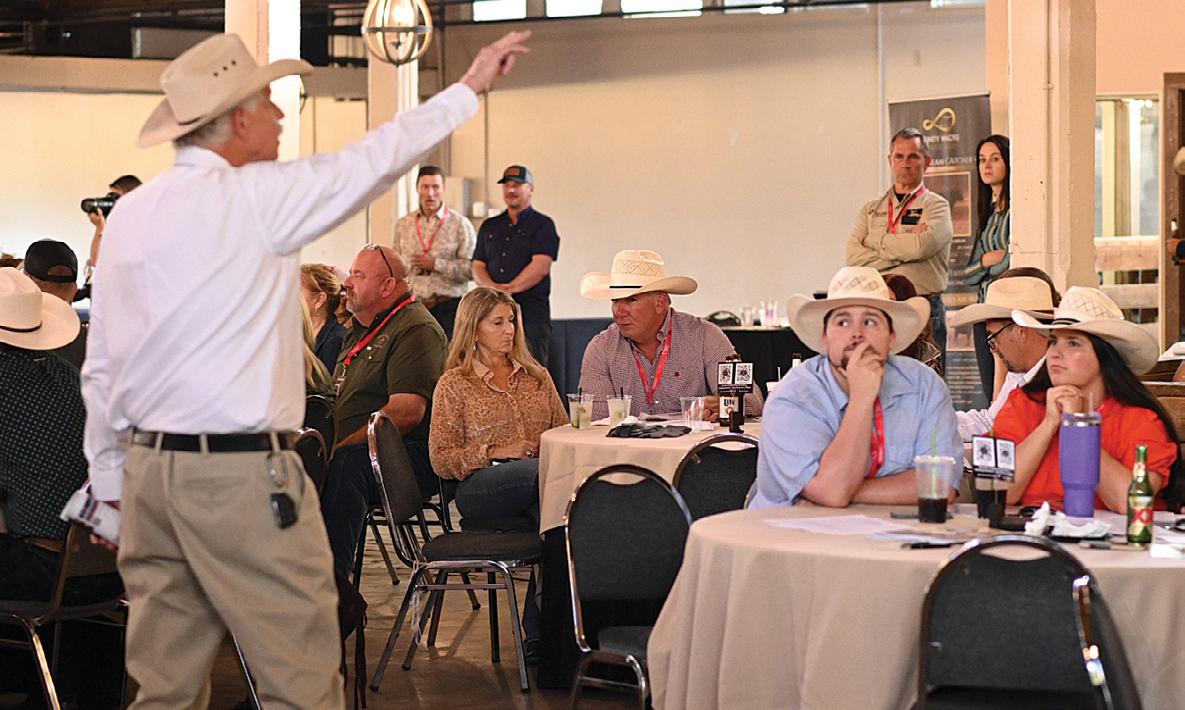
Big Texas hits Fort Worth in May: Innovation meets collaboration
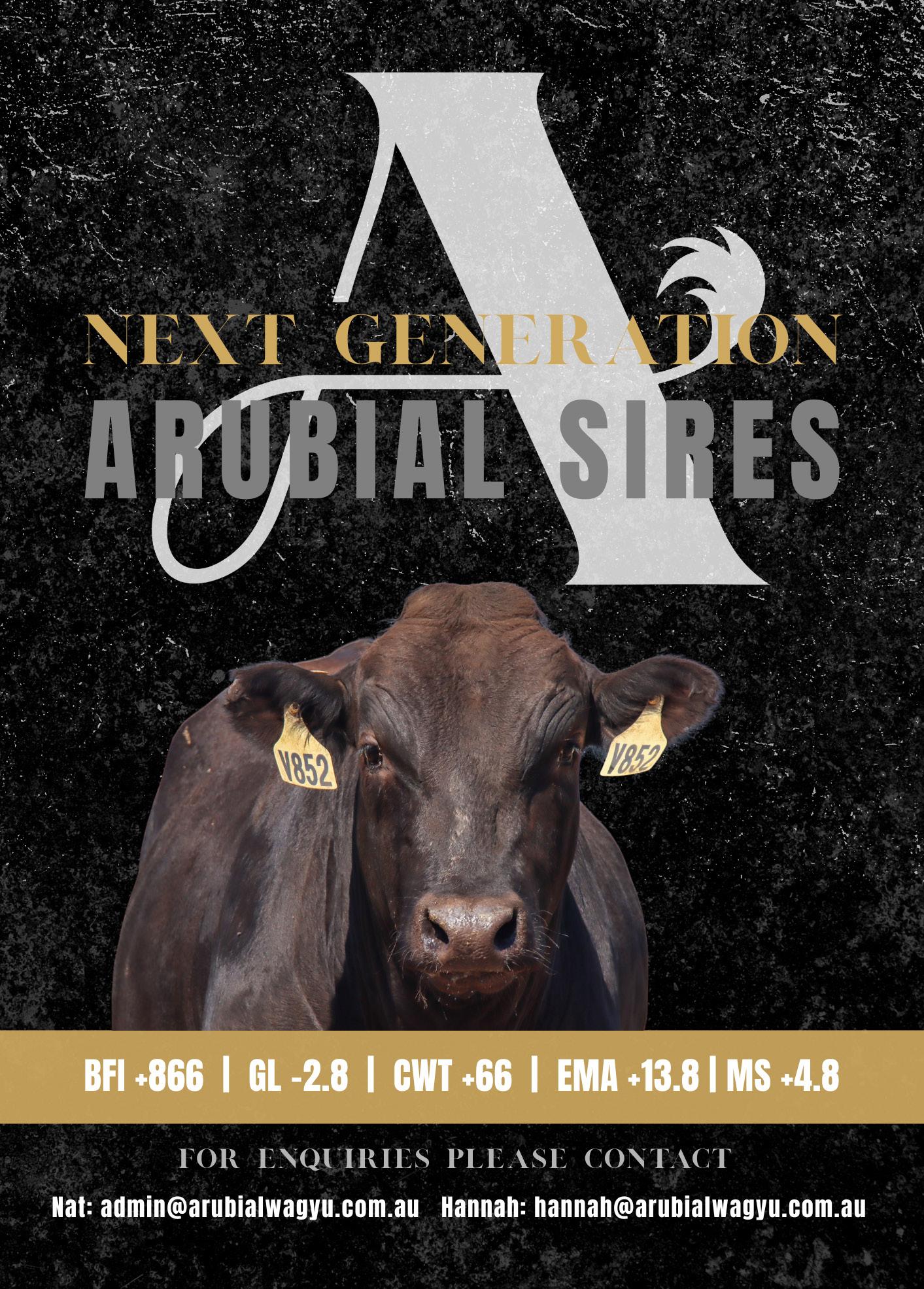
From young sires to proven performers, nominate a sire for the AWA-PTP
Building a Paddock-toPlate Legacy Through Vision, Data and Discipline

Publisher/ Distributor
Australian Wagyu Association ABN: 35 003 700 721
Suite 6, 146 Marsh Street Armidale NSW 2350 Australia
Advertising
To advertise with us, contact the AWA Communications team | communications@wagyu.org.au
Disclaimer
All content subject to copyright and may not be reproduced in any form without the written permission. Opinions expressed in The Wagyu Quarterly Update are not necessarily those of the Association.
Acceptance of an advertisement does not imply endorsement of any product or service by the magazine or the association, nor support any claims by the advertisers. Every effort is made to ensure information contained in this magazine is correct at the time of publishing.
At Agripro,


Members are supported by robust science, transparent systems, and a clear long-term vision for genetic improvement.
Dear Members,
As I reflect on my participation as an AWA Board member since 2020, and President for the past two years, I recognise the Wagyu industry has evolved at a rapid pace, and with that, comes both opportunity and responsibility for the AWA to ensure our members are supported by robust science, transparent systems, and a clear long-term vision for genetic improvement. I am extremely proud to have worked alongside the Association’s outstanding staff and fellow Board members during a period of significant progress. I believe history will show that the decisions made during this time will be among the most important and beneficial developments our breed has undertaken.
Reflecting the continued growth in the Wagyu Sector and the AWA, I am eagerly awaiting WagyuEdge’26 in Brisbane 15-17 April. This years’ program of speakers is a truly remarkable line up, from Ministers, to Department of Trade experts, market analysts, nutritionists and artificial breeding specialist, along with representatives from some of Australia’s largest Wagyu feedlots and its most innovative breeders. As part of WagyuEdge’26, I am excited by the opportunity for the AWA team to provide some in-depth information to you on our new Wagyu genetic evaluation. It is essential that our genetic evaluation tools are designed specifically for Wagyu, rather than relying on models developed for the broader beef industry. Our transition from Australia’s traditional beef industry genetic evaluation system, BREEDPLAN, to our own Wagyu-specific, data-driven genetic evaluation marks a pivotal step forward. This change allows us to focus directly on the traits that matter most to Wagyu producers and our end markets, while accelerating the rate of genetic gain within the breed.
By developing a system specifically tailored to Wagyu genetics and Wagyu production, the AWA has created a platform that will better support breeders, researchers, and the industry into the future. BREEDPLAN has served the industry well and was the best system available in its time. As science, technology, and database recording systems continue to advance, it is our responsibility as a Board to ensure that the AWA adopts and utilises the best tools available for maintaining scientific integrity and transparency. A useful analogy of this is, as good as the 1976 Toyota Landcruiser was for its time, the 2026 model is better.

Reflecting on today’s digital environment, there is certainly an abundance of various opinions and information available, not all of it well-founded. It is therefore, more important than ever, to rely on structured scientific methodology and properly validated data, particularly when interpreting changes in population-wide data relationships, or perceived changes in these. Identifying relationships in data does not demonstrate cause and effect.
The same principle applies to understanding changes in AWA’s genetic evaluation. Without rigorous scientific methodology, controlled analysis, and proper interpretation of such a large and complex dataset, it is easy to draw conclusions out of data relationships that don’t reflect reality.
Quantitative geneticists represent a highly specialised group of researchers working within a demanding scientific discipline. Becoming a quantitative geneticist typically involves years of undergraduate and postgraduate study. Beyond that, many years of further research, data analysis, and peer-reviewed publication are required before an individual can be recognised as a leading authority in the field.
Globally, there are relatively few individuals who possess this depth of expertise. I am proud to say that the architect of the AWA’s new genetic evaluation system, Dr Vinzent Boerner, is among the most highly respected specialists in this field. His work, together with the contributions of the broader scientific and technical team supporting the AWA, has been instrumental in building a system that is both scientifically rigorous and specifically designed for the Wagyu breed.
The AWA’s new genetic evaluation represents a significant step forward for Wagyu breeders worldwide. It provides a powerful platform to support the breed’s future growth and development, free from the constraints that arise when Wagyu genetics are applied within models designed for broader industry systems.
I look forward to seeing you at both the WagyuEdge in Brisbane in April and/or Big Texas in May.
The transition to a Wagyu-specific genetic evaluation represents a major milestone for our Association and for the global Wagyu industry. While change naturally encourages discussion and differing perspectives, our focus remains firmly on decisions guided by sound science, transparency, and a long-term vision for the breed.
I am confident that the foundations we are building today will support the continued growth, credibility, and success of Wagyu breeders around the world.
The potential benefits are substantial. The progress achieved in the Japanese Wagyu industry over the past decade, including much larger carcase weights, significantly increased eye muscle areas, and consistently high levels of fine marbling combined with favourable fat composition, demonstrates what targeted genetic improvement can achieve when all components of the genetic evaluation can work together without artificial model-based restrictions being imposed.
Our new genetic evaluation enables improvement across multiple economically important traits simultaneously. By gaining a deeper understanding of the genetic architecture of these traits within Wagyu populations, breeders can make more informed selection decisions and achieve meaningful genetic progress while maintaining the unique characteristics that define Wagyu beef.
I am confident that the foundations we are building today will support the continued growth, credibility, and success of Wagyu breeders around the world.
In working through the transition from EBVs to WBVs, we have gained valuable insights, including some highly constructive feedback from members on areas that they would like to seek additional information on. AWA is committed to communicating further technical and applied information relating to our change to WBVs. Like any genetic evaluation though, the depth and quality of submitted data plays an important role in both the breeding value outcomes and accuracy. Herds with more comprehensive data submissions, regardless of country of origin, experienced greater stability and higher accuracy through the transition. This highlights the importance of continued data contribution across the industry to maximise the value of the system for all members.
For members seeking further understanding, I encourage you to revisit the technical workshop videos that are available online from November 2025 along with the broader communications shared through our network.
As always, please contact our staff or any of your Board members for further explanations and support. I look forward to seeing you at both the WagyuEdge in Brisbane in April and/or Big Texas in May.

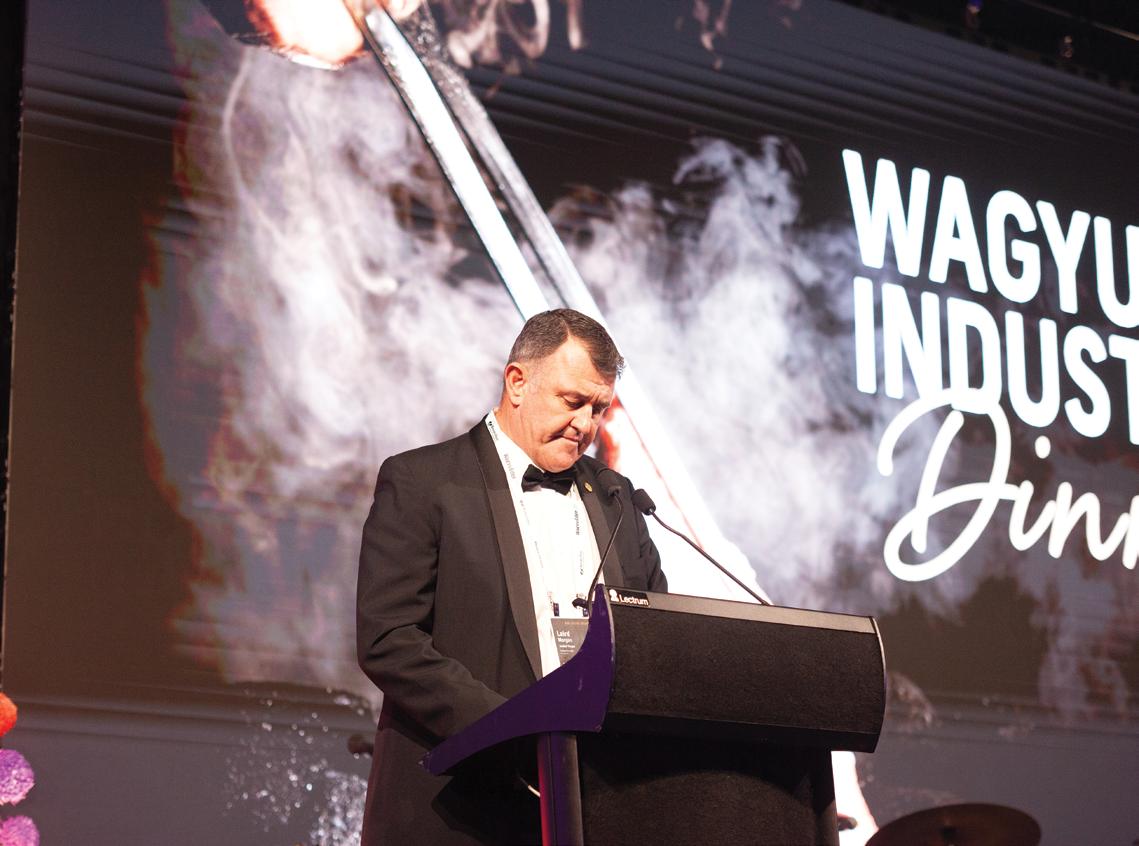
Laird Morgan President | Australian Wagyu Association
Autumn 2026
Dear AWA Members,
Following a four-year systematic review and process of planning, investment and development, the AWA has delivered one of the most significant achievements in the Association’s history. In February 2026, the AWA released its own independently run genetic evaluation, designed to produce the next generation of Wagyu Breeding Values (WBVs), including old and new traits, and further supporting AWA’s delivery of breed sustainability and industry success.
The February 2026 WBV release introduced a modern framework for Wagyu breeders that delivers greater accuracy, deeper insights and a broader range of economically important traits. These enhancements will equip breeders with the most comprehensive tools available to make confident, data driven decisions for herd improvement.
This forward-looking approach significantly improves our speed and capability to deliver improvements to Wagyu genetic tools, reflecting advancement in technologies and trait definition that is important for Wagyu breeders as well as preserving the long-term integrity of our genetic evaluation.
Weekly genetic evaluation runs and publication of WBVs allow for a shorter lead-time between DNA sampling, parent verification, registration and production of WBVs for newly registered animals. In most cases, we can provide registration information and WBVs for registered animals within 6 weeks of DNA samples being sent for testing, if members process available registrations immediately.
navigate global uncertainty
The upcoming WagyuEdge’26 Conference in Brisbane 15-17 April, is a long-awaited homecoming for the industry’s big gig. We anticipate that WagyuEdge’26 will be the largest AWA conference yet, with high interest in the Wagyu industry locally and from abroad. We are aligning the conference with a post-event tour through some of the major producers, feedlots and processors in Southern Queensland.

The 2026 WagyuEdge conference will feature our Wagyu Branded Beef Competition awards BBQ and ceremony on the opening night (15 April), hosted again by the Hardcore Carnivore herself, Jess Pryles.
The program of speakers for WagyuEdge’26 features some of Australian Agriculture’s biggest hitters, including the Federal Minister for Agriculture, the Hon Julie Collins, the President of the National Farmers Federation and Wagyu producer Mr Hamish McIntyre, and the First Assistant Secretary of the Office of Global Trade Negotiations (and Chief Negotiator on the Au-EU FTA), Ms Cathy Raper.
The timing of WagyuEdge’26 has coincided with significant change within the global trade landscape including our major trade partners and conflict in the Middle East. Our conference will have a strong focus on the challenges presented to Wagyu as the highest value component of Australian red meat exports.
Another theme for WagyuEdge’26 is the continued changing face of the Australian Wagyu production landscape. We will have a panel session on Day 1 featuring speakers from three of Australia’s most diverse and largest Wagyu feeders. We will also hear from exemplars of Northern vs. Southern Wagyu production systems and trends impacting commercial production and feedlot supply.
The Elite Wagyu Sale evening will be on 16 April and feature a reduced number of very high genetic merit lots in live auction with our Sale partners Ray White Rural Dalby.
Our final night will be the Industry Gala Dinner, this year celebrating the induction of Peter Gilmour as an AWA Honorary Life Member and some world-class Wagyu from last year’s Wagyu Branded Beef Competition Grand Champion Stanbroke and Reserve Champion Mayura Station.
CHARLIE PERRY, CATTLE PRODUCER, NSW
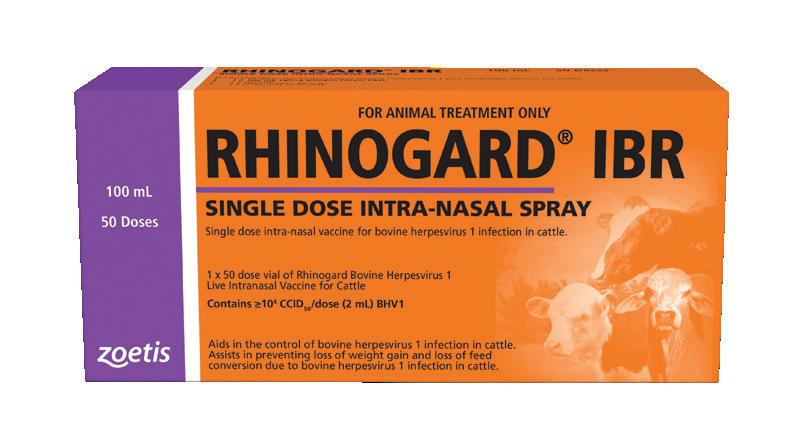
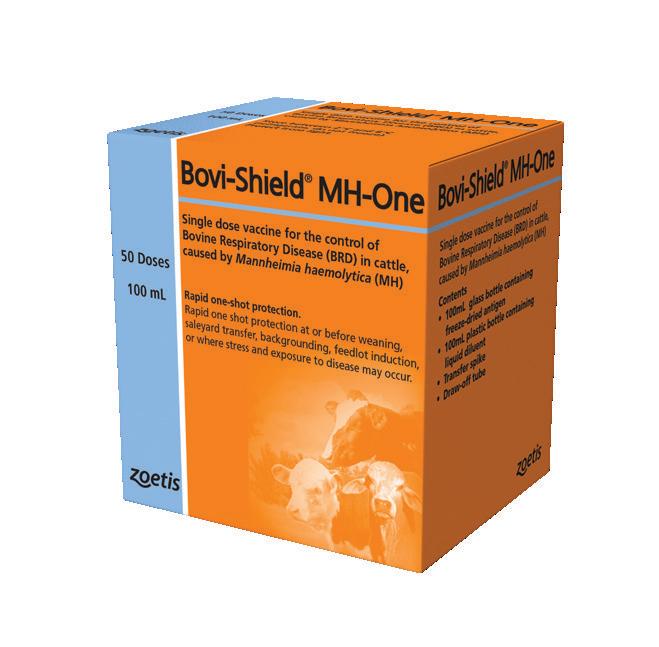
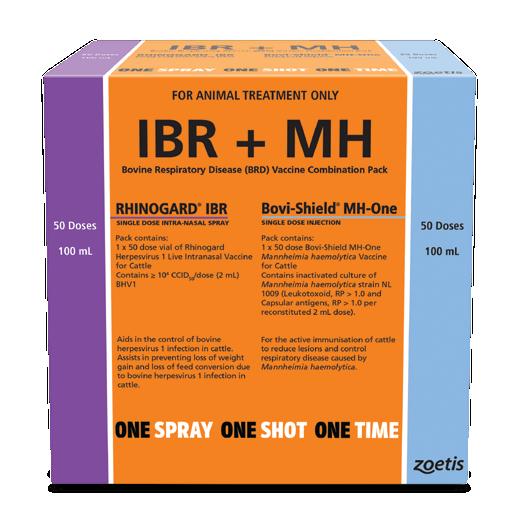
For weaners, IBR and MH are two of the leading causes of Bovine Respiratory Disease. Young cattle are susceptible at weaning. However, rapid control of IBR and MH is easy. Just one spray of Rhinogard for IBR and one shot of Bovi-Shield MH-One delivered one time on-farm, and your weaners are covered. There’s no need to muster twice.
Don’t wait! Rapid BRD protection is available from your cattle vet and local reseller now.
ONE SPRAY ONE SHOT ONE TIME NOW IN ONE
The AWA Board met 28 January 2026 in Brisbane Queensland with the following items considered:
1. The meeting reviewed a proposal for an AWA managed independent carcase competition, focussing initially on Fullblood and Purebred cattle. The AWA carcase competition is now being fully scoped, and details will be provided to members shortly.
2. The meeting received updates on the new China beef quota and potential implications on Australian Wagyu Exports. A letter from the Australian Meat Industry Council was reviewed by the meeting, noting actions being investigated through the Australian Department of Foreign Affairs and Trade.
3. The meeting reviewed operational performance of the AWA against targets for the end of the second quarter FY2026, noting satisfactory progress against all KPIs and financial targets. Implementation of Helical and cessation of the BREEDPLAN database with ABRI is enabling improved efficiency within the AWA office and reduced turnaround time in responding to member enquiries.
4. In light of AWA’s transition from EBVs to WBVs in February 2026, the AWA Bylaws were reviewed, with references to EBVs removed from the Bylaws. The Board also approved recommended changes to its website disclaimer following legal review. These are now updated for AWA members.
5. The WagyuEdge’26 program and budget were reviewed, noting that the WagyuEdge conference is AWA’s largest single event expense, typically with more than 600 persons attending annually. Sponsorship and registration revenue, along with expenses were noted as on-track against forecasts year to date.
6. It is a requirement that the AWA Board approve all new membership applications to the Association. The Board approved 49 new applications for membership between 18 November 2025 to 22 January 2026.
On behalf of the AWA Board, it is my pleasure to provide this report to you.
Matt McDonagh CEO |
Australian Wagyu Association

February 2026 marked the switch over of AWA’s genetic evaluation service to Wagyu Breeding Values (WBVs) run on AWA’s independent genetic evaluation pipeline.
The timing of the WBV launch was deliberate, aligning with communication activities leading up to AWA’s major member engagement events (WagyuEdge’26 and Big Texas’26) and to allow sufficient time for delivery of educational and technical explanations before these events.
Here we address some frequently asked questions about the Wagyu Genetic Evaluation (WGEN) and WBVs.
Why do WBVs change and how can I manage this in my breeding program?
Wagyu Breeding Values (WBVs) are tools that help Wagyu breeders make better informed, genetic-merit based decisions for their breeding programs. The global Wagyu population is making consistent genetic gain year-on -year for many traits reported in the AWA genetic evaluation. AWA’s WBVs are breeding tools to assist breeders to make gain in genetic merit through successive generations and we are seeing the commercial results of this improvement through increasing marble score, eye muscle area and carcase weight year on year, with shorter days on feed.
Because WBVs are estimates built from all available information, they may naturally change over time as new data enters the evaluation. Every weight record, scan, carcase result, pedigree update (new animal added), genomic test, or related animal performance record adds to the understanding of each animal’s genetic merit. These updates do not mean the animal has changed, only that the estimate describing its genetics has become more accurate through the addition of new data.
A recent example of this is the addition of around 1000 new Fullblood carcase data records for slaughter registered animals. This carcase data was included in the WBV evaluation published on the 4th March 2026 and caused some natural data-driven WBV changes (up or down) for the direct animals and their relatives, along with WBV accuracy increases.
WBVs can also shift when enhancements are made to the evaluation model itself and may involve some previously ‘proven’ type animals. This was the situation with the recent transition from EBVs to WBVs. As research advances, better ways of describing traits, modelling performance traits, accounting for environmental effects, and incorporating genomic information are introduced. These system updates are designed to increase accuracy across the breed. Although WBVs may change when a new model is implemented, the outcome is always to have a more reliable prediction of genetic merit.
In addition, the Wagyu breed as a whole is genetically progressing, and WBVs are always expressed relative to the current population, particularly on the percentile rank basis. As the Wagyu population improves, the reference population is updated to include contemporary animals, causing some animals to reposition on a percentile basis even if their own data has not changed.
Because WBVs are estimates that evolve with more information, breeders can actively manage the risk of WBV movement within their programs. One of the most effective tools is paying close attention to accuracy values alongside the WBVs themselves. Accuracy reflects the amount of information behind each estimate and indicates how likely an EBV is to change in the future. Young or animals with limited data (i.e. short pedigree, no genotype, limited performance data) in the evaluation have lower accuracy and therefore a higher chance of movement.
In contrast, older animals with progeny data, or genotyped animals that are well related to the Wagyu genotype and phenotype refence population, tend to have higher accuracy and more stable WBVs. When selecting sires or making breeding decisions, considering both the WBV and its accuracy allows breeders to balance opportunity with risk.
Another important strategy is taking a team approach rather than relying or focussing heavily on an individual young or low accuracy animals. Using a team (or population) approach naturally spreads the genetic risk, reduces the impact of unexpected WBV changes for any single animal and creates a more stable pathway for herd improvement. For example, figure 1 shows that the WBV accuracy of a team, is much greater than an individual, with this example based on an individual with an WBV of 50% accuracy.
Graphic based on an individual EBV accuracy of 50%
Ref: Lohuis and Smith 1994 WCGALP 18:298-301
Figure1.ConsideringateamapproachwillreducetheriskofWBV change,throughhigheraccuracyforthe'team’comparedtotheindividual.
From a sire perspective, a ‘team’ may combine proven, high accuracy sires with younger genomically tested sires that offer fresh genetic options. Distributing matings across several bulls ensures no single WBV adjustment has an outsized impact on herd direction.
In summary, WBV changes are normal and reflect the continuous improvement of both the data and the evaluation system
Finally, breeders can contribute to WBV stability, particularly to their own herds, by actively recording effective performance data and genomically testing. Submitting accurate weights, scans, and carcase results, and genotyping animals, strengthens the evaluation and accelerates the accuracy of WBVs for the entire population. The greater amount of higher quality information that feeds into the system, the more dependable and less volatile WBVs become.
In summary, WBV changes are normal and reflect the continuous improvement of both the data and the evaluation system. By understanding why WBVs shift including evaluation model enhancements, paying attention to accuracy, using a team approach strategy and recording effective data, Wagyu breeders can confidently navigate WBV changes and use them to strengthen their breeding programs.
What is the reason for some of the larger changes in EBVs to WBVs, particularly for more recent high-ranking animals that have significantly reranked?
Significant addition of new data including genomic profiles for >100,000 crossbred animals has enabled more accurate attribution of genetic merit to the sire and dam for a large number of animals in the population.
As we have communicated previously, overall, the relationship across the entire analysed population of 500,000 individuals is generally strong for most traits, with more variation seen in the 200 day Maternal and Eye Muscle Area traits. These traits show additional change due to improved parameters within the AWA genetic evaluation model.
Although strong relationships are seen across the population between EBVs and WBVs, over 500,000 animals, we can see larger variations in individual animals that result in significant re-ranking. AWA has investigated some of these changes and will be reporting on these within future communications.
Overall, where animals are linked to actual performance records, the re-ranking of animals is lower, due to higher concordance between the prior BREEDPLAN analysis and the AWA genetic evaluation. Both BREEDPLAN and the AWA genetic evaluation are single-step analyses, using pedigree, performance data and genomic information. Where significant performance data existed to support the EBVs of animals, we see less reranking of animals based on WBVs and vice versa.

pilbara
pilbara
pilbara




Why have we seen changes in the carcase breeding values for some high accuracy animals in the transition to WBVs?
On a population level, the EBV to WBV correlations for the carcase related WBVs are generally high. However, we acknowledge that over 500,000 animals, some individuals, including some high accuracy sires, have changed more significantly.
Much of the change between prior EBVs and current WBVs can be attributed to the genetic evaluation model implemented to generate the carcase related WBVs. This model (and enhanced genetic evaluation software) essentially removes the requirement to pre-adjust (pre-correct raw data) carcase traits to a standard carcase weight end point.
Commercial Wagyu carcase production is typically not to a standard carcase weight. Rather, commercial Wagyu supply chains operate to fixed days on feed, which allows measurement of the expression of traits at a given age. The AWA’s new genetic evaluation fits age of the animal as a fixed covariable for carcase weight (ie. accounting for age differences), with the relationship between carcase traits captured by their actual correlations to other traits, not using data pre-adjustments.
Pre-adjustment of data is a process of regressing data to a mean, to simplify the genetic analysis of large population datasets by removing variation. In Wagyu BREEDPLAN, it included the adjustment of carcase trait raw data. For low carcase weight animals, these were adjusted up to a mean and the carcase trait records for high carcase weight animals were adjusted down to a mean. This ‘correction’ of data adjusted all raw carcase data to a carcase endpoint standard (i.e. previously a 420 kg weight end point was applied).
With this model change (without pre-adjustment to a common carcase weight) we have generally observed higher growth animals increase for the carcase traits in the transition to WBVs, while lower growth animals have generally decreased. This is a direct result of the analysis model change and because data pre-adjustments to a standard carcase weight have been removed from the genetic evaluation model.
To demonstrate this change, we have compared marbling score and rump fat prior EBVs to current WBVs for high use sires with more than 200 progeny. Shown in Figure 1 is the relationship between prior EBVs and current WBVs for marbling score (MS) for animals in the top quartile for carcase weight (blue dots) vs animals in the bottom quartile for carcase weight (orange dots).
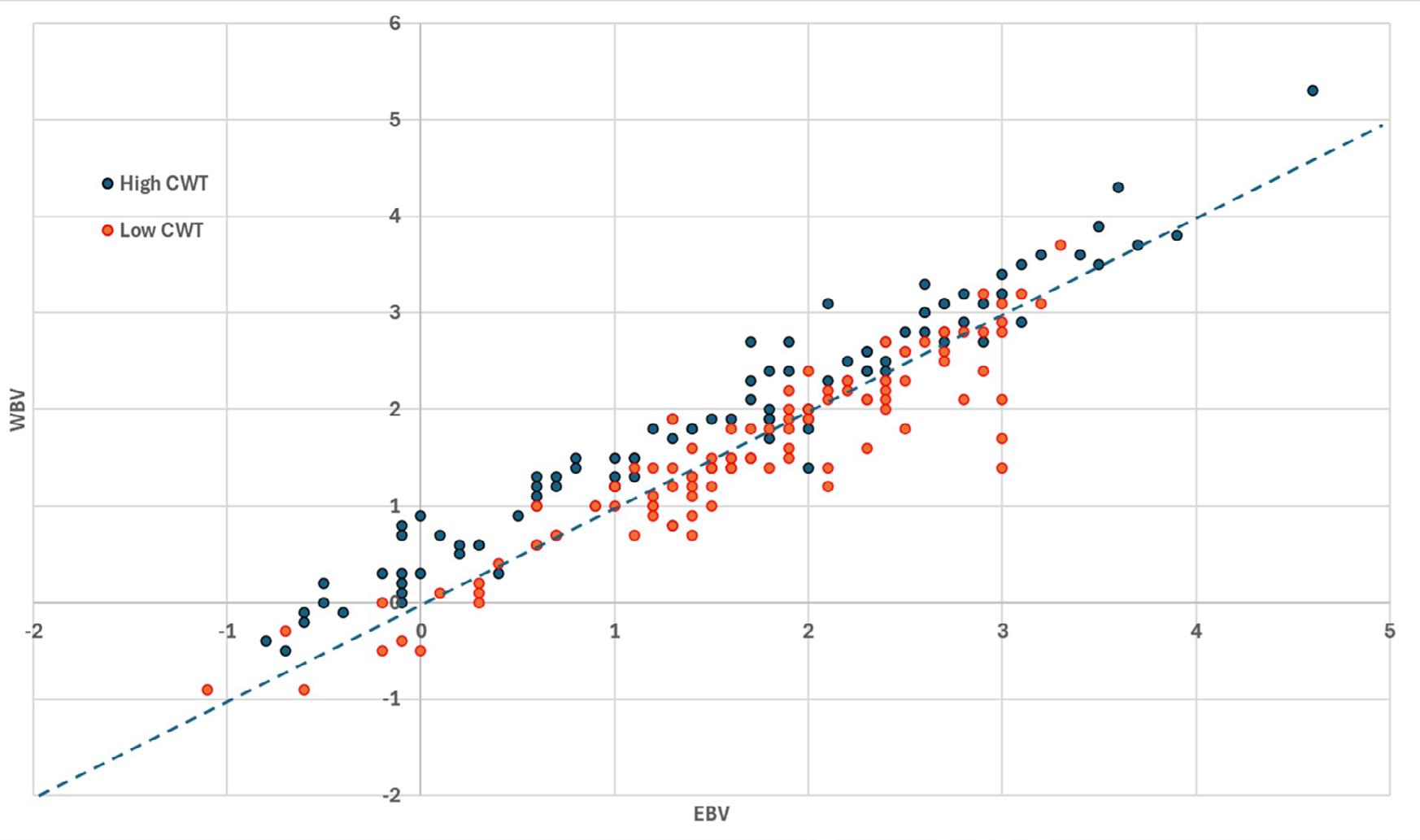
Figure 2. The relationship between Marble Score (MS) EBV to WBV change comparing high-use, Full blood or Purebred Wagyu sires with divergent carcase weight WBVs (high CWT sires blue, low CWT sires orange).
Although these sires range in CWT WBVs from +90 to -50 (a 160kg CWT WBV range), there is significant overlap between the marbling score EBV to WBV relationship for high and low growth animals (vertical change). However, we see a general trend for a slight increase in MS WBV for higher growth animals (blue dots tend to sit higher on the vertical axis) at any given MS EBV.
Importantly, we still observe high growth and low growth sires that rank high for MS WBVs (right hand side of x axis) and low for MS WBVs (left hand side of x axis). This is a reflection that the genetic correlations between growth and marble score are low and you can select for marbling score independent of growth if you want to. Equally, you can select for high growth sires that are also high marbling.
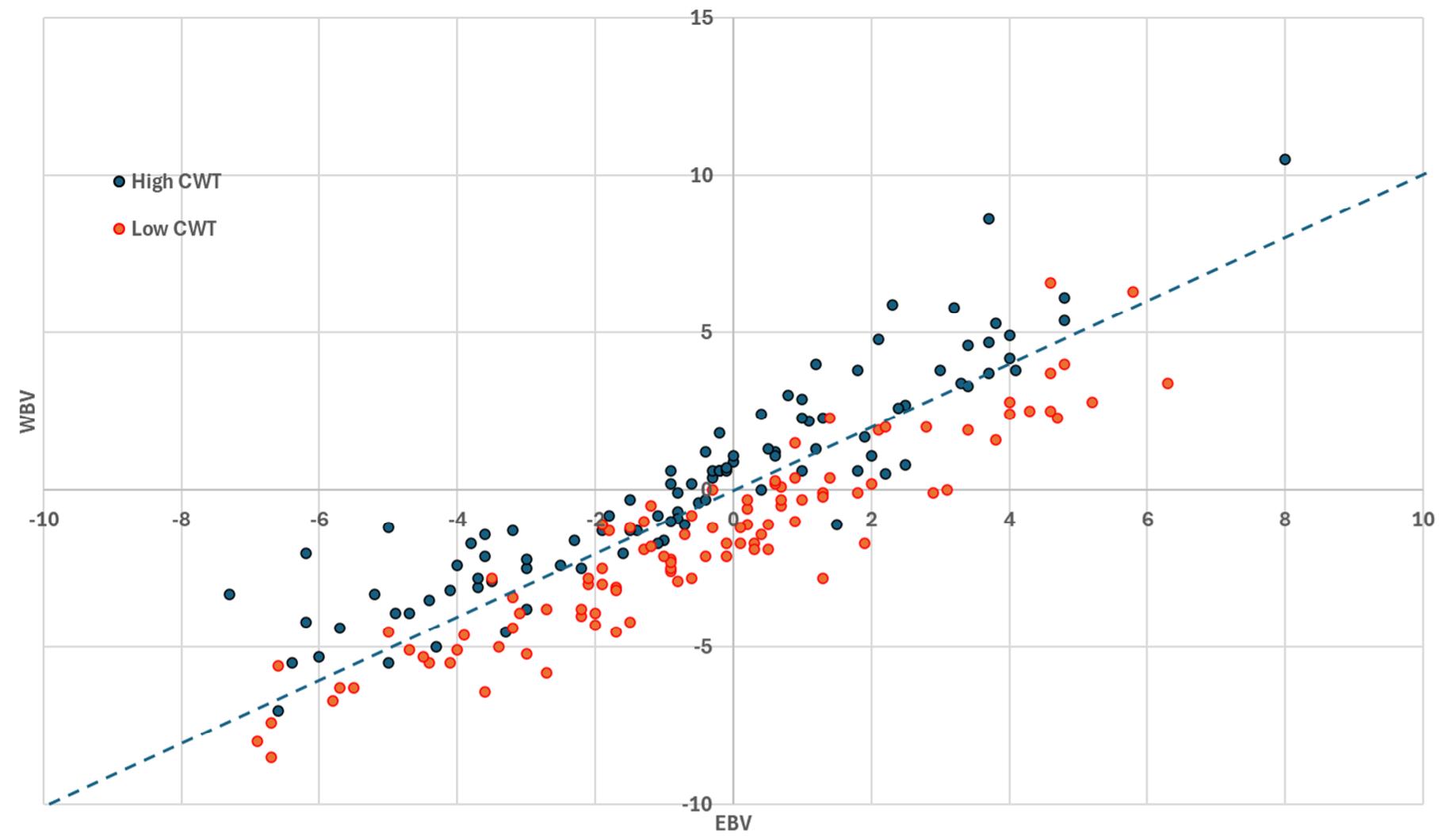
Looking at a non-eye muscle area measured trait, Figure 2 shows a similar relationship for the Rump fat WBV.
– 3 –
Figure 3. Rump Fat EBV to WBV change comparing high-use, Full blood or Purebred Wagyu sires with divergent carcase weight WBVs (high CWT sires blue, low CWT sires orange).
Across sires with a significant range of 160kg CWT WBV range, there is significant overlap between the Rump Fat EBV to WBV relationship (vertical change). However, we also see a general trend for an increase in Rump Fat WBV for higher growth animals (blue dots tend to sit higher on the vertical axis) at any given Rump Fat EBV. This is aligned with a moderate positive genetic correlation between carcase weight and rump fat.
...we see a general trend for a slight increase in MS WBV for higher growth animals (blue dots tend to sit higher on the vertical axis) at any given MS EBV.
With the transition from EBVs to Wagyu Breeding Values (WBVs), some members have noticed changes in the carcase related breeding values for traits such as Marble Score. Across the population, the new WBVs generally remain highly correlated with the previous EBVs, but it is expected (and has been observed) that certain individual animals, including some high accuracy sires, will show larger shifts than others.
Much of the change stems from the introduction of a new genetic evaluation model designed specifically for calculating carcase-related WBVs without raw data pre-corrections. Under the previous model, carcase traits were preadjusted to a fixed carcase weight endpoint (ie a 420 kg carcase). The updated model, supported by enhanced genetic evaluation software, no longer requires these precorrections and includes Wagyu-specific parameters.
By removing the forced adjustment to a standard weight, the WBVs better reflect how Wagyu cattle express carcase traits under commercial longfed systems, where animals are generally fed to a specific number of days on feed rather than harvested at a uniform carcase weight. This aligns the evaluation with the way most Wagyu are grown to optimise marbling based on economics and production goals, instead of a fixed weight market end point. Where previously high-ranking animals have changed significantly between EBVs to WBVs, this is a result of the genetic evaluation model change and removal of data pre-correction.
In short, the new WBVs better reflect Wagyu raw data and the Wagyu commercial production system. We continue to see both high growth and low growth sires ranking extremely well for traits like Marbling Score and Rump Fat, and vice-versa. This reflects the fact that the genetic correlations between carcase weight and these traits are not 1:1, meaning that while growth influences the expression of some carcase traits, they remain genetically distinct. The updated WBVs simply provide a clearer, more commercially relevant picture of these genetic differences within the breed.

From live data to monitor your cold storage energy consumption, to price efficient irrigation, Flow Power can match your business to the right energy solution. With more than 1 in 5 customers in agribusiness, we can help you take control of your business’ energy.
Shift energy-intensive operations to cheaper, cleaner price periods. Small changes can lead to significant savings.
Just like shopping at your local farmers market, there are benefits to choosing energy from the wholesale market. Get control of your power costs and pay for electricity at wholesale market prices.
Shape how and when your site uses electricity to avoid high prices and use more electricity when prices are low. Small changes could mean large power bill savings for your business.
Flow Power is connecting the meat processing industry to cleaner, cheaper energy. Speak to an energy specialist today or say hello to our friendly team exhibiting at WagyuEdge, 15 - 17 April 2026.
08
08 | hello@flowpower.com.au | flowpower.com.au
Link your usage to a local renewable energy generator and help support our mission of making the renewable future a reality.
Why have we seen changes to Carcase Eye Muscle Area in the EBV to WBV change?
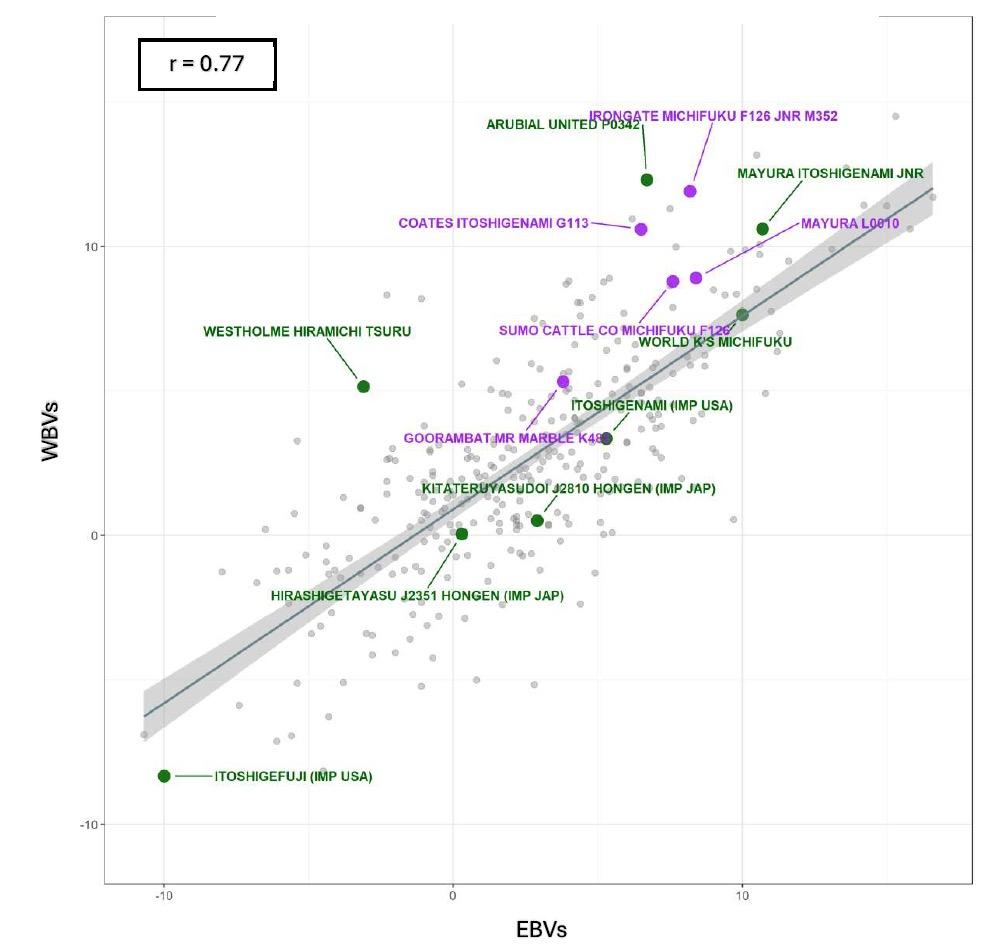
With the transition from EBVs to WBVs, one of the more noticeable changes has occurred in the Carcase Eye Muscle Area (EMA) breeding value. Compared with most other traits, EMA has shown a larger degree of reranking between the previous EBV system and the new WBV evaluation. This is illustrated in Figure 1, where the correlation between EMA EBVs and EMA WBVs for 245 influential sires is 0.77, being still a strong relationship, but lower than for many other traits in the evaluation.
A key driver of this change is the update to the Wagyu data-driven genetic parameters used in the model. Under WBVs, EMA is now more strongly and positively correlated with growth traits, carcase weight and marbling score. These relationships are better aligned with what many producers observe in commercial carcase performance and aligned with correlations reported by Japanese researchers in Japanese Black cattle (Oyama 2011 (82), Animal Science Journal pp367-373) By updating the parameters on how EMA interacts genetically with these economically important traits, the evaluation now provides a more realistic picture of the way EMA contributes to overall carcase merit and allows for simultaneous gain in CWT, EMA and MS as the Japanese industry have achieved. Another major enhancement comes from removing the pre-adjustment of carcase traits to a standard carcase weight endpoint. In the past, raw EMA data was corrected to a standard 420 kg before entering the evaluation. Under the WBV system, EMA is modelled directly from the raw measurements, with non-genetic effects built into the model, allowing the evaluation to account for the genetic variation rather than relying on precorrections.
Together, these enhancements mean the WBV evaluation provides better and more biologically consistent genetic prediction of Carcase EMA. While this has resulted in some re ranking, breeders should have confidence that the new WBVs better reflect the underlying genetic merit for EMA in the Wagyu population
– 4 –r = 0.77
Figure 4. Carcase Eye Muscle Area EBV to WBV relationship for 245 influential Wagyu sires
How is cross-bred data now being used to generate WBVs?
The new WBV evaluation system is now able to use all available data from crossbred Wagyu, including their genotypes, which leads to higher accuracy breeding values across the entire population.
For example, across F1, F2 and F3 Wagyu, there are approximately 14,000 animals with both genotype information and carcase performance records (such as marbling score, eye muscle area, rump fat and carcase weight). This data is now fully incorporated into the Wagyu genotype and phenotype reference population, which, together with Fullblood and Purebred records, forms the foundation of the WBV single-step evaluation.
Under the previous EBV system, performance data from crossbreds could be used, but it could not be combined with genomic information. As a result, only high-grade
animals closely related to the Fullblood Black Wagyu population contributed genomically. The new WBV approach overcomes this limitation by integrating both performance and genomic data from crossbred Wagyu, substantially broadening the information base and improving the precision of the evaluation.
By using all available genomic information and performance information, we can calculate genomically influenced WBVs for the 14,000 crossbred animals with performance data recorded and compare them to the prior BREEDPLAN EBVs. The below example shows the prior Marble Score (MS) EBV based on performance data and pedigree on the x-axis plotted against the MS WBV based on performance data, pedigree and genomic information. Continued page 21.
We are a global leader in cattle genomics, delivering cutting-edge genotyping solutions for Wagyu producers.
Trusted partner of the Australian Wagyu Association, our science-backed tests provide earlier, more accurate insight into fertility, growth, efficiency and carcase traits.
We are the first genomics provider to offer cost-effective genotyping and Annexin A10 testing to support improved fertility, calving rates and genetic progress.


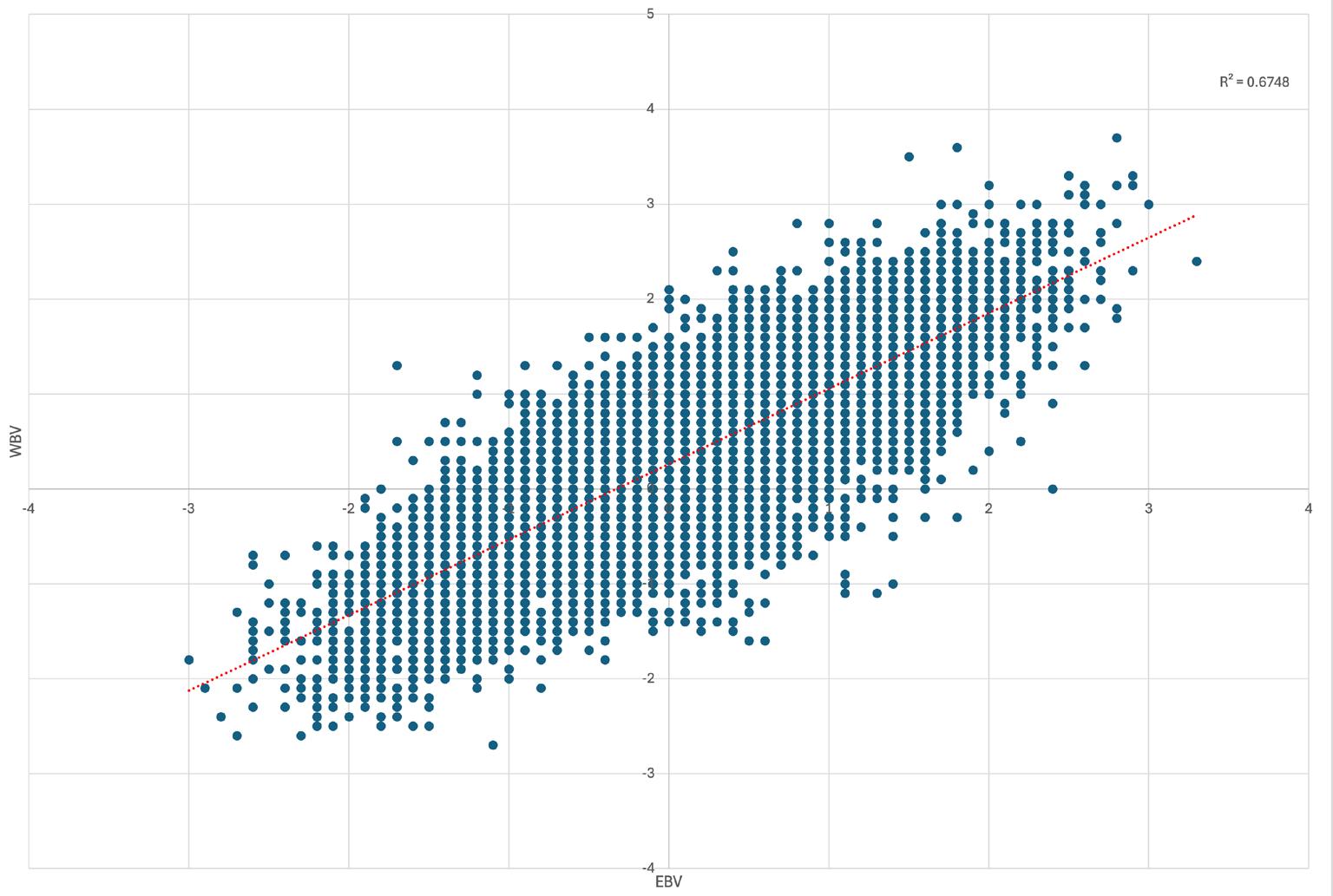
Figure – 5 –
Figure 5. MS breeding value comparison for crossbred animals
The Figure shows that generally, there is a moderately strong relationship between EBVs and WBVs for crossbred animals for the Marble Score trait. However, there is significant variation around the line of best fit between EBVs and WBVs, meaning that including genomic information for crossbred animals in the genetic evaluation has a large impact on the breeding value estimate and this will impact the sire and dam of the crossbred progeny.
With this change to AWA’s genetic evaluation, we can now more effectively use the genomic information of the crossbred progeny to better attribute the crossbred animals genetic merit including for carcase performance to relatives up or down the pedigree.
Further, as in both the previous and current evaluations, performance data from crossbred Wagyu only contributes when breed effects are accounted for in the contemporary group formation. This ensures that crossbred animals are only compared against animals of the same crossbred type, maintaining meaningful comparisons.
WBV percentile rankings, compared to EBVs, have generally dropped due to an update to the population of animals used to form the percentile reference group. Simply, a higher benchmark has been set.
Further, with the transition to WBVs, the percentile rank reference population is now based on all 2024 born
r = 0.6748
EBV to WBV change comparing 14,000 crossbred Wagyu MS EBVs with sire and performance data (X-axis BREEDPLAN EBV) to WBVs including sire, performance and genomic data (Y-axis AWA WBVs).
Japanese Black animals. With the last set of EBVs, percentile ranks were based on all animals in the evaluation born in 2023, including grading up animals.
Note that is usual to roll forward the percentile group at the start of each year so to base the reference group from the current year minus two years. For example, in 2026, we based it from the 2024 born animals, in 2027 it will roll forward to the 2025 born group. This ensures we are using the most current genetic benchmark that has the chance to be recorded (for genotypes and performance data).
The direction of percentile ranking for the Rump Fat EBV to WBV has changed so to better reflect the general selection direction for this trait.
Animals that now have a lower, more negative Rump Fat WBV will now be ranked higher on a percentile basis compared to higher, more positive Rump Fat WBVs. As this WBV relates to the Wagyu carcase, selection to reduce subcutaneous fat (while improving marbling and muscling), will improve carcase yield with less wastage.
Saying this, all WBVs should be considered specifically to the breeding objective of the Wagyu herd. That is, consider which way a trait needs be selected and move to benefit the specific Wagyu herd, rather than assuming a high percentile value will be appropriate in all cases.
Is the 200 Day Maternal WBV the same as the Milk EBV?
In short, yes, they are very similar traits. However, it was determined to change the WBV name to 200 Day Maternal to better reflect the trait.
The trait being defined as genetic differences in the 200-day weight in the progeny due to maternal influences including milk production, maternal behaviour and mothering ability. That is, it is more than just milk production.
Further, with the transition to WBVs, 200 Day Maternal now include enhanced genetic parameters, including heritability and genetic correlations.
Has there been any country bias observed in the change to WBVs?
No bias has been observed, with consistent EBV to WBV changes seen across the Wagyu populations from different countries.
Analysis of all data held by the AWA for Japanese Black Fullblood and Purebred animals born in Australia or the USA, demonstrates that there is no bias built into the AWA’s genetic evaluation model to favour Australian-born animals. The table below shows the average EBVs (pre change) and WBVs (post change) for animals born in Australia and the USA.
the
Feeder Index for all Australian born and USA born Japanese black Fullblood and Purebred animals between 2000 and 2025.
EBV summary 2000 - 2025 born animals
AVERAGE BW 600D CW EMA MS
WBV Summary 2000 - 2025 born animals
AVERAGE BW 600D CW EMA MS
2000 - 2025 born animals
EBV summary
AVERAGE BFI Diff 2000-2025
AUS EBVs 220 +$165
USA EBVs 235 +$171
Overall, USA born animals rank slightly higher on Marble Score and in the BFI in both EBVs and WBVs compared to Australian born animals. This reflects that there is a higher proportion of USA animals born in the last 5 years with these animals tending to have higher BFI values than for animals born in prior years.
The total change in average BFI from 2000 – 2025 born animals from the USA and Australia is shown in the right-hand column for BFI derived from EBVS vs. WBVs. Again, the magnitude of change is consistent between EBVs and WBVs, depending on country of birth, with slightly more change in WBVs compared to EBVs for both USA and Australian born animals. Continued page 25. Table – 1 –


WBV Summary AVERAGE BFI Diff 2000-2025
AUS WBVs 216 +$177
USA WBVs 239 +$182


Commercial selling without unnecessary overheads.

Staggered lot closing keeps buyers engaged




A further study looked at the EBV to WBV change comparing the Australian, USA and other countries (being 14 countries including Canada, Great Britain and New Zealand). This involved Fullblood and Purebred Wagyu females born in 2024 with the total study population including 26,226 heifers with 23,359, 2,267 and 640 from the Australian, USA and Other Country populations respectively.
The results, across EBV traits and Selection Index, again demonstrated a similar level of changes (and no bias) when comparing the Australian to the USA population (figure 1 –Marbling Score EBV example), and the Australian to Other Country population (figure 2 – marbling score EBV example).
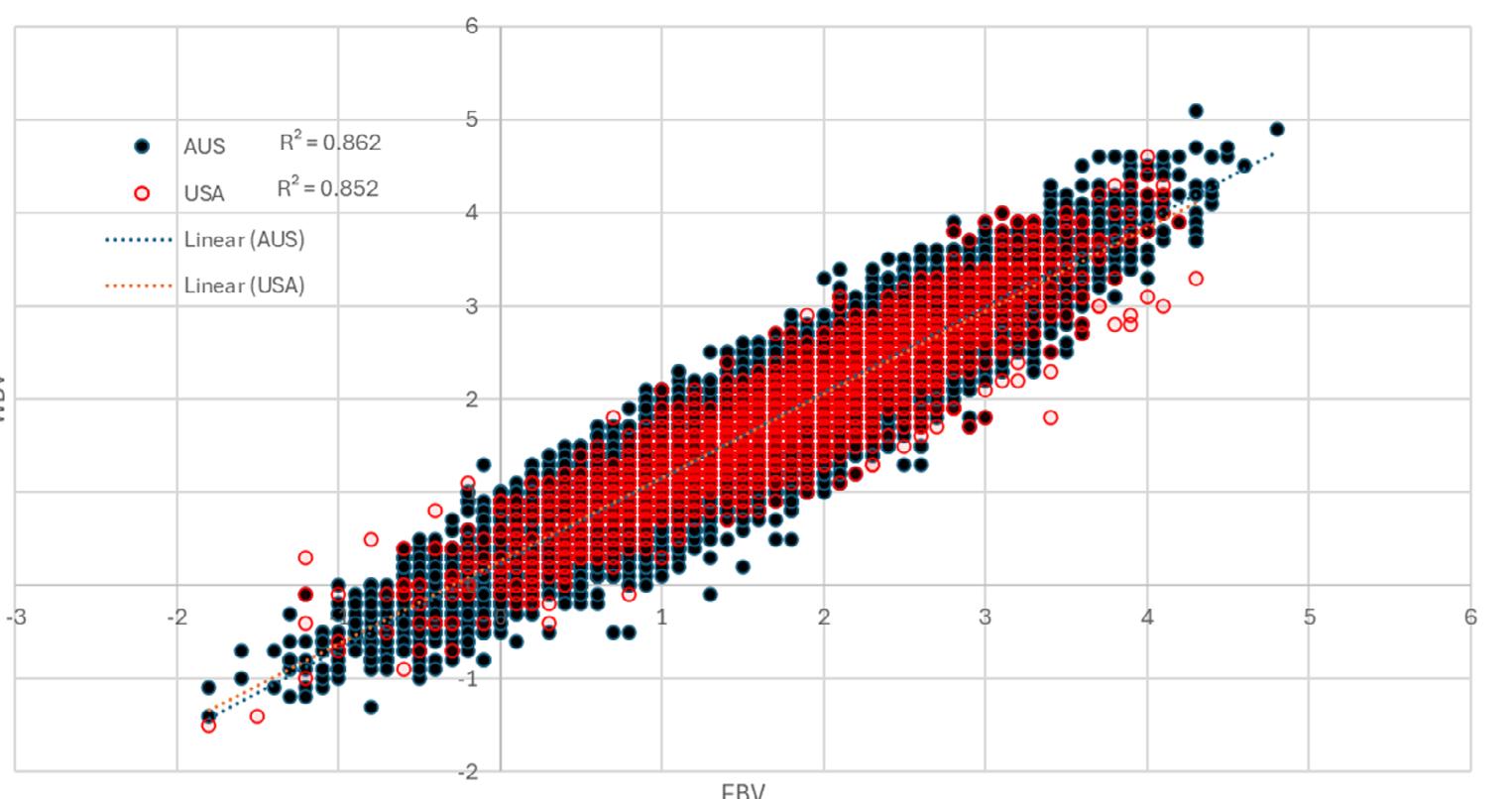
Figure – 6 –
Figure – 7 –
Figure 6. Marbling Score EBV to WBV change comparing Fullblood and Purebred 2024 drop heifers from the Australian (black data points) and USA (Red Data Points).
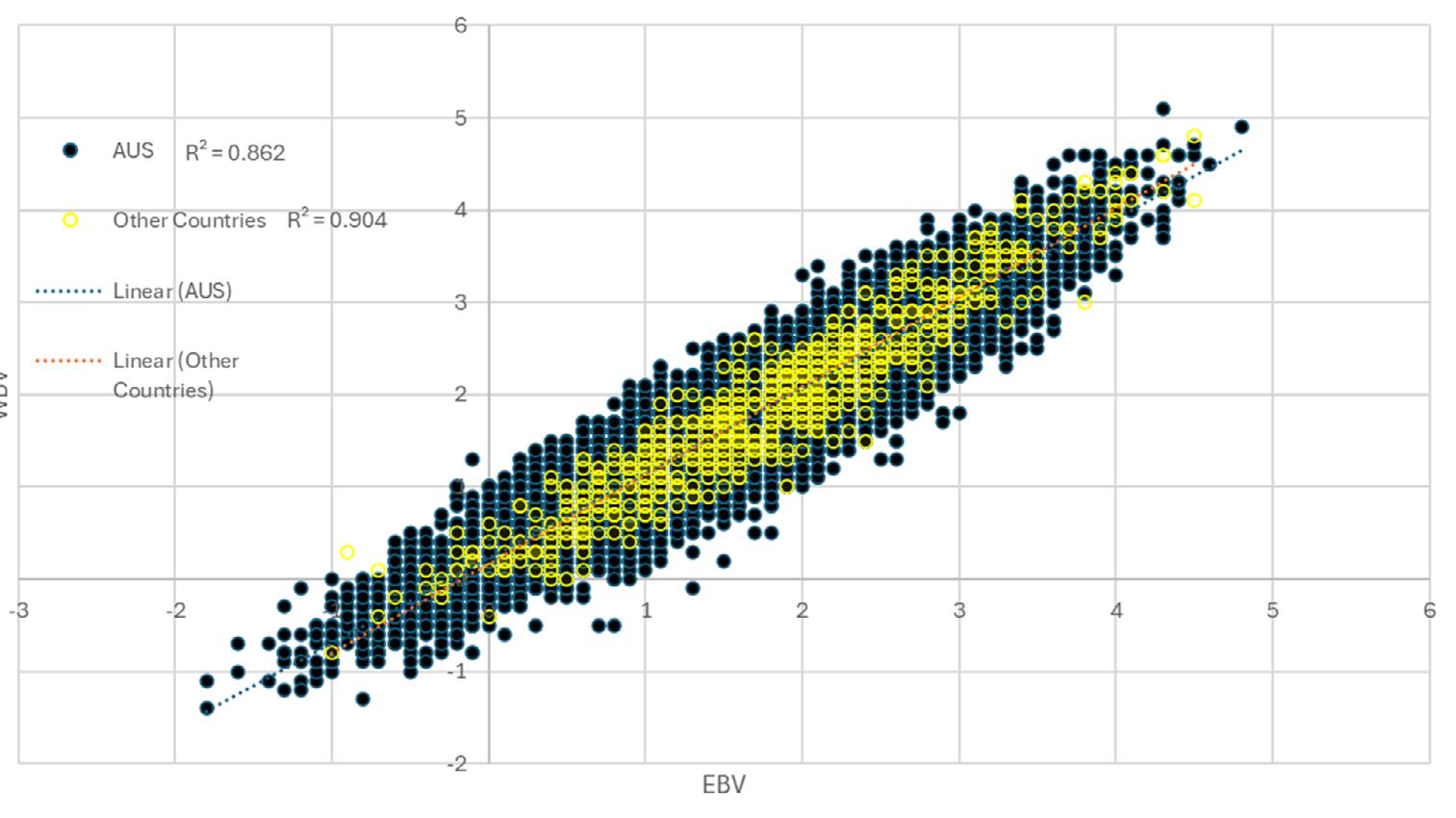
Figure 7. Marbling Score EBV to WBV change comparing Fullblood and Purebred 2024 drop heifers from the Australian (black data points) and Other Countries (yellow data points).
Does the WBV evaluation account for non-genetic factors like age, age of dam and carcase weight (i.e. fixed effects)?
Yes, it does, as it is critical to account for non-genetic effects, like an animals age, in an effective Genetic Evaluation.
However, compared to the previous EBV evaluation, the WBV evaluation now uses a more modern approach. Through an efficient evaluation pipeline it accounts for the non-genetic effects in the analysis model, rather than through precorrection (also known as pre-adjustment) of data.
Several recent studies have shown that this approach represents an efficiency gain for the genetic evaluation due to being data-driven, always current and, avoids the maintenance of adjustment factors (i.e. to pre-adjust data). Importantly it results in more accurate breeding values (i.e. WBVs).
Further, genetic interactions between carcase weight and other carcase traits (like marbling score and EMA) are now better accounted for in the co-variance matrix (i.e. correlations between traits on a multiple trait basis.). For this reason, pre-adjustment to a standard carcase end-point (e.g. 420 kg carcase) is no longer required.
The AWA evaluation pipeline was developed by Dr Vinzent Boerner, supported by an Australian Research Council research partnership project involving the University of Queensland and the University of New England.
For avoidance of doubt, the AWA Board did not design, influence, or apply the new Wagyu Breeding Values (WBVs). The development of the new genetic evaluation model was carried out completely independent of the Board.
The Board has had no access to the model’s parameters, nor has it played any role in deciding how the model is structured or how it may influence results for any individual animals or herd. To avoid any conflicts of interest, all herd-level and animal-level data was kept confidential and not shared with the Board.
Throughout the project, the Board reviewed only anonymised, high-level summary information. This same information was also shared with members at the AWA Technical Workshop on 25 November 2025, and has since been made available online for all members.
If you have further questions or would like clarification on any aspect of the WBVs, please don’t hesitate to, contact the AWA office.
Ph: 02 8880 7700
E: office@wagyu.org.au
Resources
Scan for 2025 Technical Workshop Videos
Scan for Knowledge Centre
Scan for A new era of Genetic Evaluation






Fort Worth, Texas May 28th – 30th
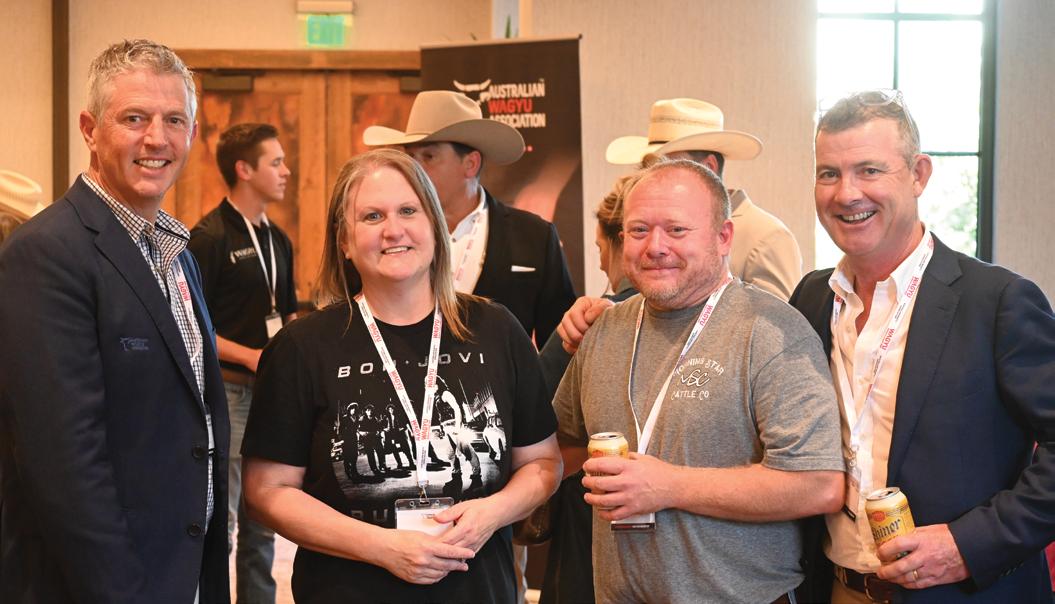
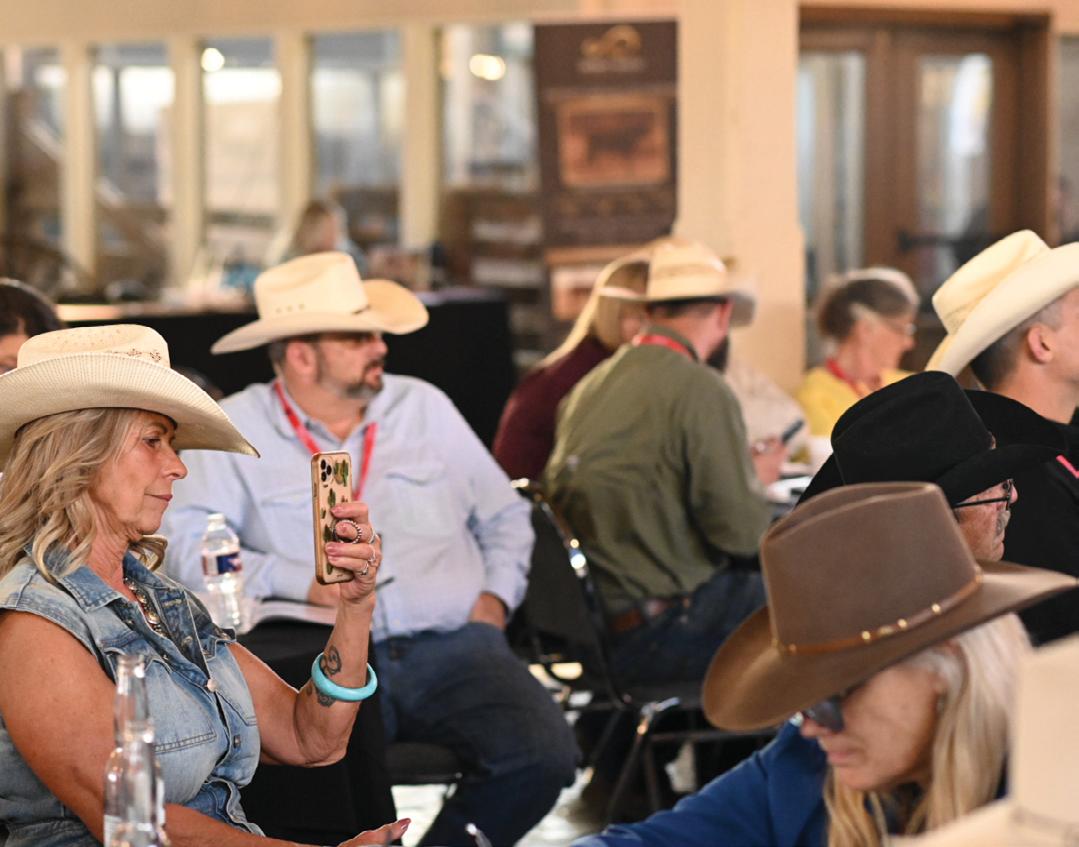
In May, the global Wagyu community will come together in Fort Worth, Texas, for a joint event hosted by the Australian Wagyu Association (AWA) and the Texas Wagyu Association (TWA). Bringing together producers, industry leaders, researchers and supply chain partners, the event is designed to strengthen collaboration, share knowledge and support the continued growth of the international Wagyu sector.
Over several days of education, networking and industry discussion, the program will explore the challenges and opportunities shaping Wagyu production today, from genetics and data innovation to market access, herd management and global trade.
For both organisations, the event represents a unique opportunity to connect two of the world’s most influential Wagyu production regions.
While Australia and the United States operate in different environments and markets, both industries share a common goal: producing high-quality Wagyu beef while driving genetic improvement, productivity and long-term industry success.
Through shared discussion and collaboration, the event aims to build stronger relationships across the global Wagyu network while equipping producers with the insights and tools needed to navigate an evolving agricultural landscape.
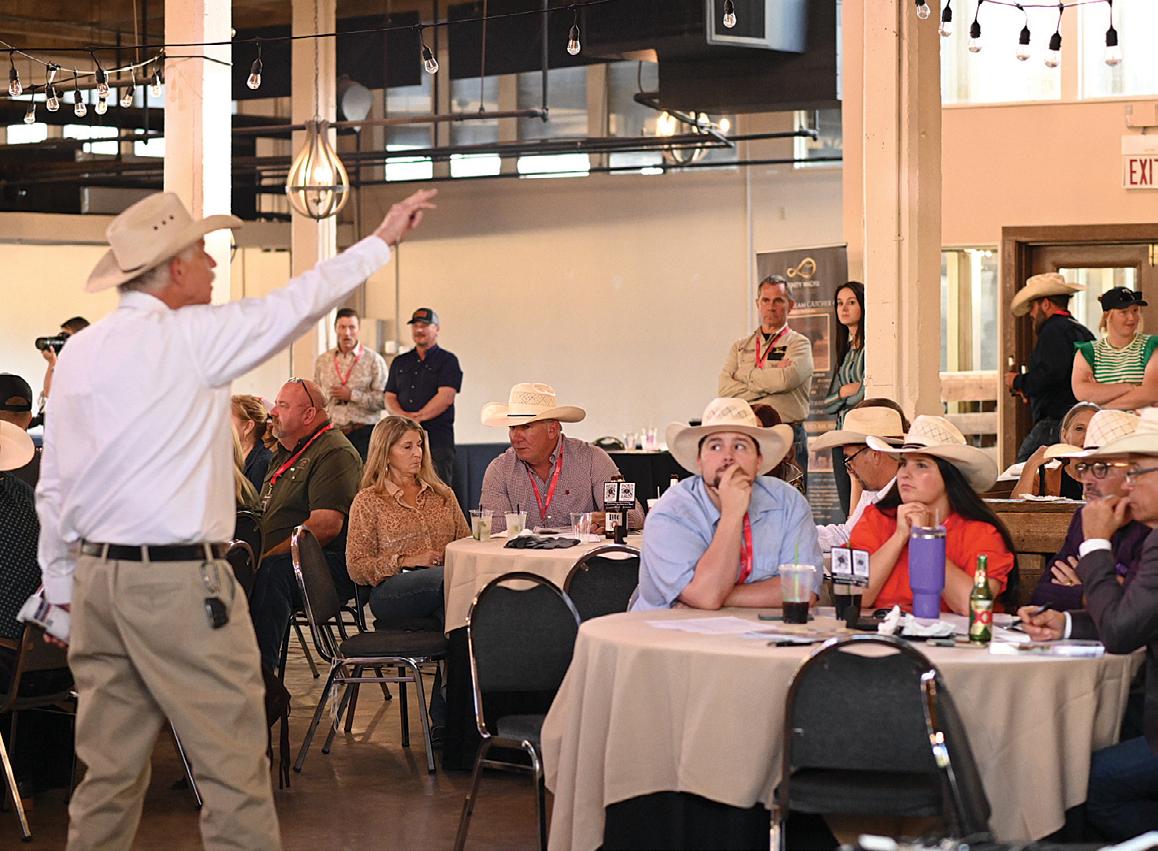
The multi-day program has been designed to combine practical learning with meaningful industry discussion.
The event begins in Bowie, Texas, with a hands-on field day that provides producers with the opportunity to observe emerging reproductive technologies and practical cattle management approaches.
A live OPU/IVF demonstration presented by Vytelle will showcase advanced breeding techniques that are increasingly shaping the future of genetic progress in Wagyu herds.
Participants will also take part in a Beef Quality Assurance and cattle handling workshop led by Dr Ron Gill from Texas A&M, focusing on practical handling practices that support animal welfare, productivity and beef quality outcomes.
Beyond the technical demonstrations, the field day offers an important opportunity for producers to connect and exchange ideas in a practical on-farm setting.
One of the key themes of the event is the future of genetic evaluation and data systems within the Wagyu industry.
During the opening conference sessions, representatives from the Australian Wagyu Association will outline major developments in genetic analysis and data management that are set to shape the next phase of industry progress.
AWA staff, CEO Dr Matt McDonagh, COO Dr Chistian Duff and International Office & Data Systems Manager Hannah Kirkwood, along with Dr Vincent Boerner, GHPC Consulting and services will introduce the industry to the Association’s newly launched independent Wagyu Genetic Evaluation (WGEN) and Wagyu Breeding Values (WBVs), tools designed to provide breeders with robust and transparent data to support genetic decision-making.
The session will also highlight Helical, the Association’s database platform developed to modernise data capture and analysis across the Wagyu supply chain.
Daniel Garrick of Helical Systems, will provide further insight on data innovation with Helical and how advanced data platforms can support accurate recording, analysis and informed decision-making within breeding programs.
A highlight of the program will be a producer panel bringing together leading Wagyu breeders from Australia and the United States to discuss real-world production systems.
Among the speakers will be Jeremy Cooper of Circle 8 Wagyu, who will share insights from Australian production
systems and market expectations. While Kevin Moore from M6 Ranch and Loren Ruth from Synergy will provide the USA point of view.
The discussion will explore the similarities and differences between the two countries’ approaches to breeding, feeding and marketing Wagyu cattle.
While production environments and supply chains vary significantly, the exchange of ideas between producers offers valuable lessons for improving efficiency, consistency and profitability across the industry.
As Wagyu continues to grow in international markets, understanding these global perspectives is increasingly important for producers operating within a connected supply chain.
Representatives from USA Meat Processors will also join the sessions to provide their insights into the impact that Wagyu Production is having on the US beef market.
The final day of the event will focus on the broader policy and industry environment affecting Wagyu producers in the United States.
The Texas Wagyu Association Annual Business Meeting will provide members with updates on the organisation’s strategic direction and priorities for the coming year.
Expand the reach of your sales catalogue – market your upcoming sale direct to the Wagyu Sector online through AWA’s Weekly Sales email published every Tuesday or, publish your sale catalogue in our new Helical database, free of charge!
Contact the AWA Marketing & Communications team to discuss options available.
May 28th - 30th
Two full conference days (Friday & Saturday)
• Optional on-farm workshop in Bowie, Texas (Thursday)
As Wagyu continues to grow in international markets, understanding these global perspectives is increasingly important for producers operating within a connected supply chain.
• Three evening networking functions
• Meals across all events
HIGHLIGHTS INCLUDE
Field Day – Bowie, Texas
• OPU/IVF demonstration by Vytelle
• Beef Quality Assurance workshop – Dr Ron Gill (Texas A&M)
Conference Sessions – Billy Bob’s, Fort Worth
• Advances in Wagyu Breeding Values (WBVs)
Further discussion will explore the implications of U.S.–Mexico border issues for the cattle industry, with insights from Texas Agriculture Commissioner Sid Miller.
The program will also feature a presentation from Dr Bruno Sanches of Vytelle, continuing the conversation around reproductive technologies and their role in improving herd productivity.
Beyond the presentations and technical discussions, one of the most valuable elements of the event will be the opportunity to build relationships across the Wagyu community.
Three evening functions, including a welcome reception and an international member dinner will provide a relaxed environment for producers, researchers and industry stakeholders to connect and share experiences.
As the Wagyu industry continues to expand globally, cooperation between organisations such as the Australian Wagyu Association and the Texas Wagyu Association will play an important role in shaping its future.
By bringing together expertise, innovation and producer experience from across continents, the event represents an important step toward strengthening the Wagyu sector and supporting the long-term success of its members.
Big Texas will culminate in the Annual Big Texas Sale, with live lots and frozen genetics auctioned live and online from 7pm.
• Demonstrations of the Helical data platform
• Producer panel: U.S. and Australian Wagyu production systems
• Insights into Wagyu in the meat processing sector
• TWA AGM & Wagyu State of the Union
Industry Networking
• Welcome reception
• International Wagyu dinner
• Big Texas Wagyu Sale
Registration is compulsory and must be completed individually.
SCAN TO REGISTER





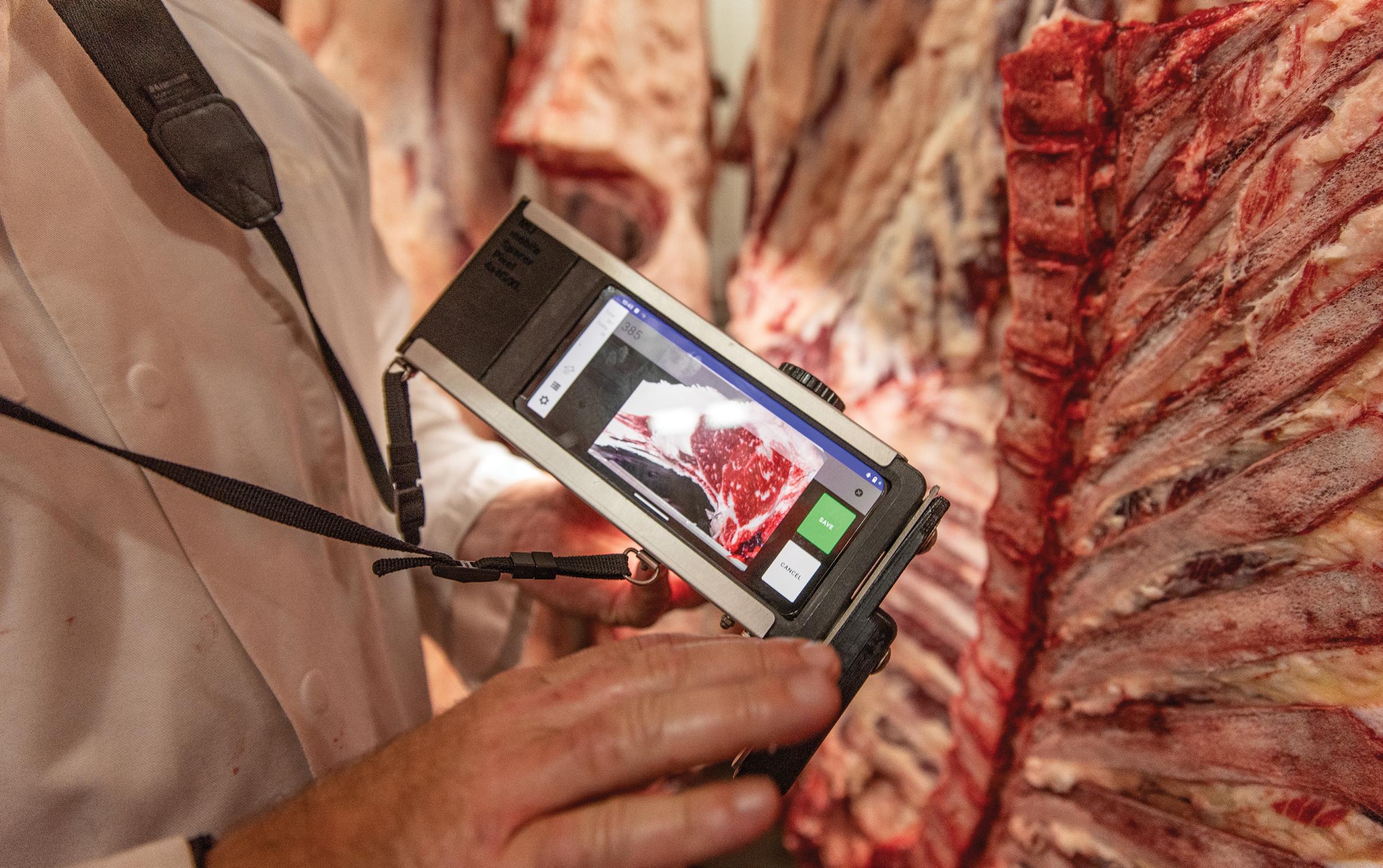
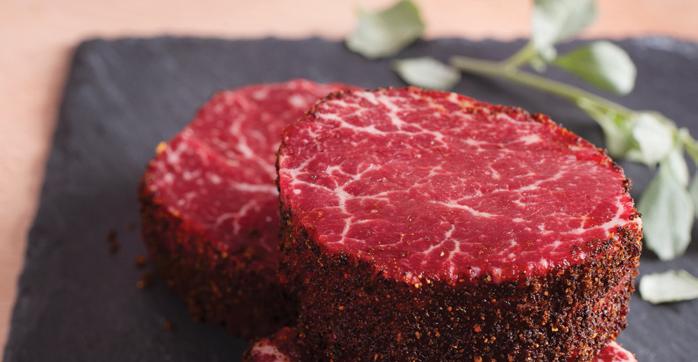
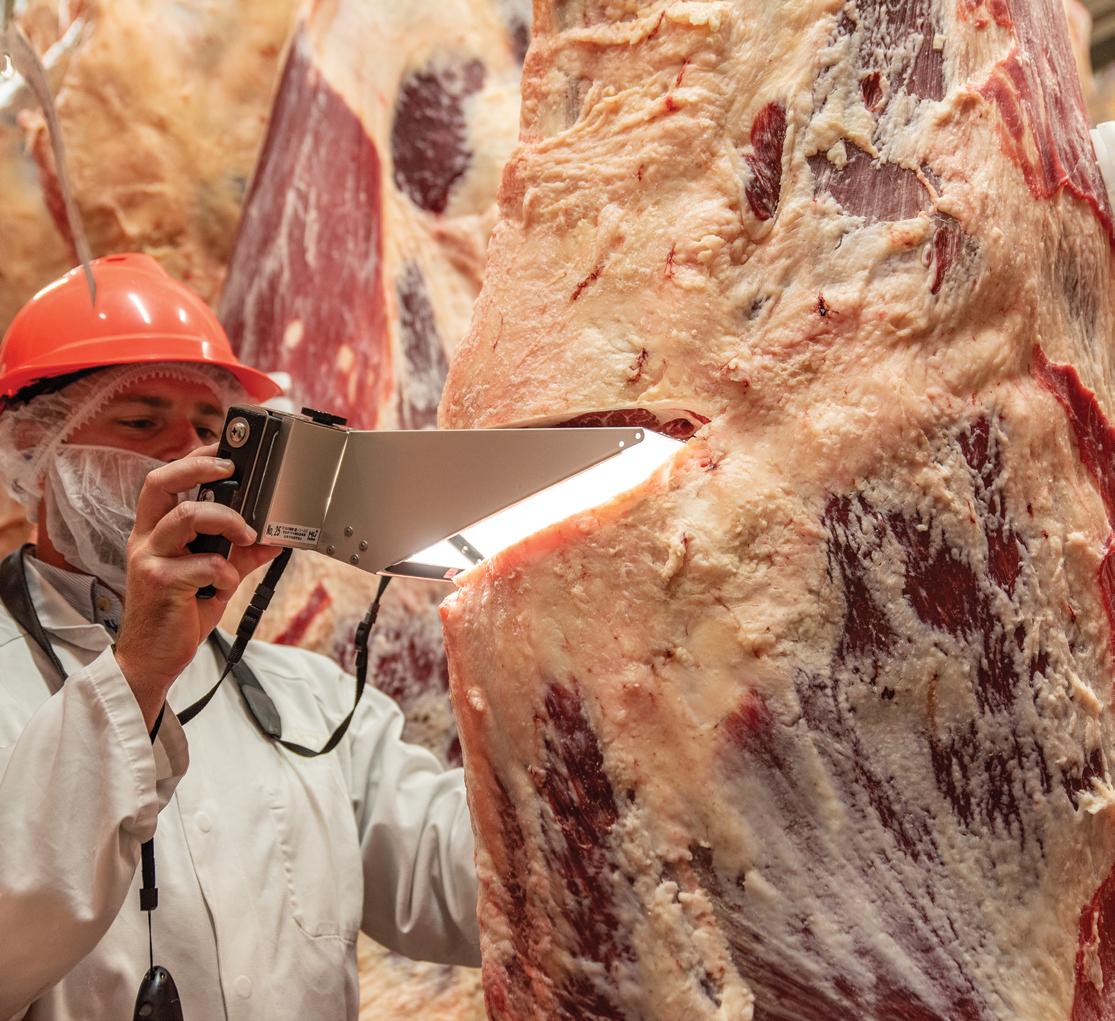
Since entering commercial use in Australia in 2022, the MIJ mobile grading camera has become an increasingly important tool for objective carcase assessment, genetic improvement and premium beef supply chain feedback. With more than 100,000 carcase images annually captured across the Australian Wagyu industry, the technology is delivering value well beyond image collection alone.
Following its introduction into Australian Wagyu supply chains, Meat Image Japan (MIJ) technology has become an increasingly important tool in objective carcase assessment, genetic improvement and premium beef supply chain feedback.
In its mobile form, the MIJ system is now well adopted commercially. Today, it is better understood as an established and expanding technology platform delivering measurable value to Wagyu breeders, processors and brand programs.
For the Australian Wagyu industry, the significance of MIJ lies not simply in image capture, but in the quality of information generated from each carcase. In a sector where marbling performance, consistency and genetic progress directly influence commercial returns, objective and repeatable data has become increasingly important.
The MIJ technology has been adapted and refined for Australian conditions, culminating in the release of the MIJ-30 mobile objective grading camera for local use. The mobile system has expanded access to MIJ’s analytical capability by offering a lighter, lower-cost and more portable alternative to the original MIJ-30 unit.
Importantly, the MIJ incorporates a unique configuration, including a stainless steel imaging BEAK. This local adaptation has been central to making the technology practical and robust for use in Australian chillers and grading stations and later international use.
While the mobile device is physically smaller, its role remains the same. The MIJ-30 and MIJ mobile are both input devices designed to capture ribeye images for automated analysis. Considerable development work has gone into refining each unit to ensure reliable image capture under commercial operating conditions.
One of the major strengths of the MIJ platform is that all MIJ devices connect to the same carcase database and use the same cloud-based analysis system. This means the MIJ mobile delivers the same output fields as the established MIJ-30 commercial grading camera.
That consistency is important. It allows different users, sites and supply chains to work from a common analytical platform while benefiting from hardware options suited to their operational requirements. The Australian Wagyu Association has extensively tested the MIJ mobile alongside the MIJ-30, confirming the mobile platform’s ability to produce the same core data outputs used for carcase assessment and genetic analysis.
The analytical capability behind the system draws on more than 30 years of Professor Keigo Kuchida’s research and patented technology. That long-term scientific foundation is one reason MIJ has developed a strong reputation in highmarbling carcase evaluation.
MIJ has become particularly valuable in Wagyu because of its ability to objectively assess carcases with high marbling performance, including both marbling abundance and marbling fineness. This is increasingly relevant as the industry continues to focus on premium eating quality and refined carcase differentiation.
Traditional grading language remains important for trade, but objective imaging provides a deeper layer of information. In high-performing Wagyu programs, some carcases extend well beyond the upper end of conventional marbling descriptors. MIJ helps identify and quantify those outliers more accurately, giving breeders and brand owners a clearer understanding of true performance across a kill group.
That additional precision has important implications. For breeders, it improves the quality of phenotypic data available for selection. For branded beef programs, it supports segmentation of elite carcases into ultra-premium categories. For processors and supply chains, it delivers more consistent and objective carcase feedback.
A key reason MIJ has gained traction is that it has been designed to work in real processing environments. Under Australian conditions, the MIJ-30 mobile is capable of imaging more than 200 carcases per hour in the chiller or grading stations. Trials and commercial use have also demonstrated the ability to complete up to 500 carcase assessments in a little over two hours.
This level of throughput is critical. Any technology used on the processing floor must support commercial pace while maintaining data quality.
The MIJ mobile includes several features that improve usability and reliability in-plant:
• Optimised configuration for carcase grading
• Suitability across recognised grading site locations
• Immediate image review and retake capability
• Bluetooth barcode pairing of carcase tags to image IDs
• Automatic upload to the online database where connectivity is available
• Analysis returned within 5 to 10 seconds in real time
• Total device weight of about 1.2kg
These features are not just convenient; they improve confidence in the data. The ability to review an image immediately after capture and retake it where necessary helps maintain image quality. Bluetooth pairing also strengthens traceability by linking images accurately to carcase identities.
The most telling measure of MIJ’s relevance in Australia is the scale at which it is now being used.
Across the Australian Wagyu industry: 37 MIJ cameras are used within the Australian domestic market and 38 MIJ cameras are used in international Wagyu supply chains.
• more than 206,000 carcase images and associated data records have been captured
• around 26,000 Fullblood carcases have already been incorporated into the AWA genetic evaluation system since MIJ adoption began
These numbers demonstrate that MIJ isis a rubust and meaningful data collection tool contributing to industry-wide evaluation and decision-making.
The growing volume of scanned carcases is particularly important because large, standardised datasets are what turn useful technology into a strategic industry asset. Each image captured contributes to a better understanding of carcase performance, genetic merit and commercial consistency.
One of the clearest benefits of MIJ has been its contribution to genetic improvement in Australian Wagyu.
Much of the data generated through the platform feeds into the Australian Wagyu Association’s genetic analysis, while some supply chains also use the data for internal evaluation. Objective measurement of traits such as marbling abundance, marbling fineness and eye muscle area has improved the strength of carcase information available for WBVs and related genetic tools.
Industry reporting indicates that since MIJ technology began contributing to Australian Wagyu analysis, the estimated heritability for marbling traits has lifted from about 0.3 to around 0.6. That is a substantial shift, because it means a much larger share of the observed variation is being explained by genetics rather than noise or measurement inconsistency.
At the same time, average AUSMEAT performance in Fullblood Wagyu has increased from around 7.3 to Marble Score 8 over the past five years. Just as importantly, MIJ has enabled better identification of elite outliers at the upper end of the marbling spectrum, animals that may otherwise have been grouped together under broader scoring systems.
For breeders, that means stronger selection decisions. For the breed, it means faster and more targeted genetic gain. And for branded beef programs, it supports improved consistency in the supply of high-performing ultra-premium Wagyu.
Although MIJ’s strongest immediate value in Australia has been in carcase feedback and genetic improvement, the technology also has broader relevance for the beef industry.
The system provides detailed ribeye image analysis and supports reporting on standard carcase traits. Its usefulness is also expanding beyond Fullblood and F1 Wagyu into other premium marbled beef categories, particularly long-fed and mid-fed Angus programs.
Real time grading functionality can further improve the value of the system in commercial processing by enabling faster sortation decisions before boning, especially in branded programs handling large slaughter groups.
A technology update with industry-wide significance
The MIJ mobile camera should now be viewed as part of the Global Wagyu industry’s objective measurement infrastructure. Since entering commercial use in 2022, it has moved from new technology to proven application, with expanding deployment, a growing national dataset and increasing relevance to both breeding and processing decisions.
Its value lies in the combination of portability, affordability, speed, standardised outputs and scientifically validated analysis. For Wagyu breeders, it provides stronger data for genetic progress. For processors and supply chains, it offers practical, repeatable and commercially relevant carcase feedback. And for the broader beef sector, it points to a future where objective imaging plays a larger role in quality differentiation and value capture.
As adoption continues and the number of scanned carcases grows, MIJ is helping the industry do something increasingly important: measure premium beef performance more precisely, and use that information more effectively.
75 cameras worldwide Used in 20 different countries
206,500 records on the AWA MIJ database
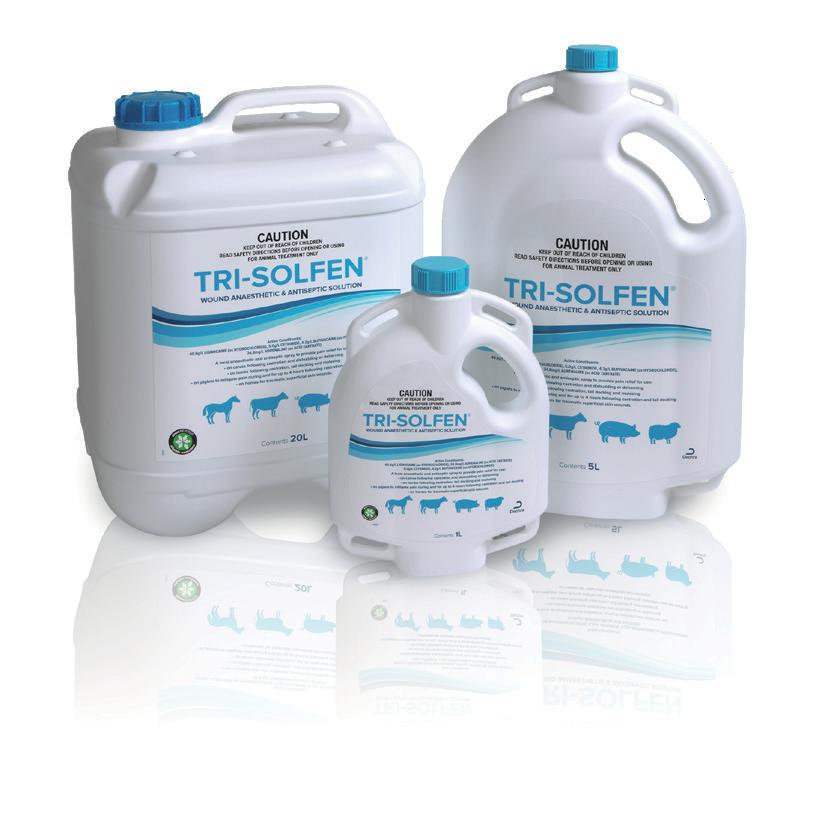
Tri-Solfen® is the first step in delivering best practice pain relief for calves during disbudding, dehorning and surgical castration. This easy-to-apply, spray-on gel provides immediate and lasting relief against acute pain for up to 24 hours1, reduces bleeding; protects against infection; and facilitates wound healing.
Tri-Solfen is ideal for use in combination with non-steroidal anti-inflammatory drugs (e.g. meloxicam) to provide comprehensive, longer-lasting relief from both acute and chronic pain.2 Contact Dechra, your rural reseller or veterinarian and find out how providing pain relief using Tri-Solfen is a better choice for your livestock, your business and your industry.
24-MONTH SHELF LIFE
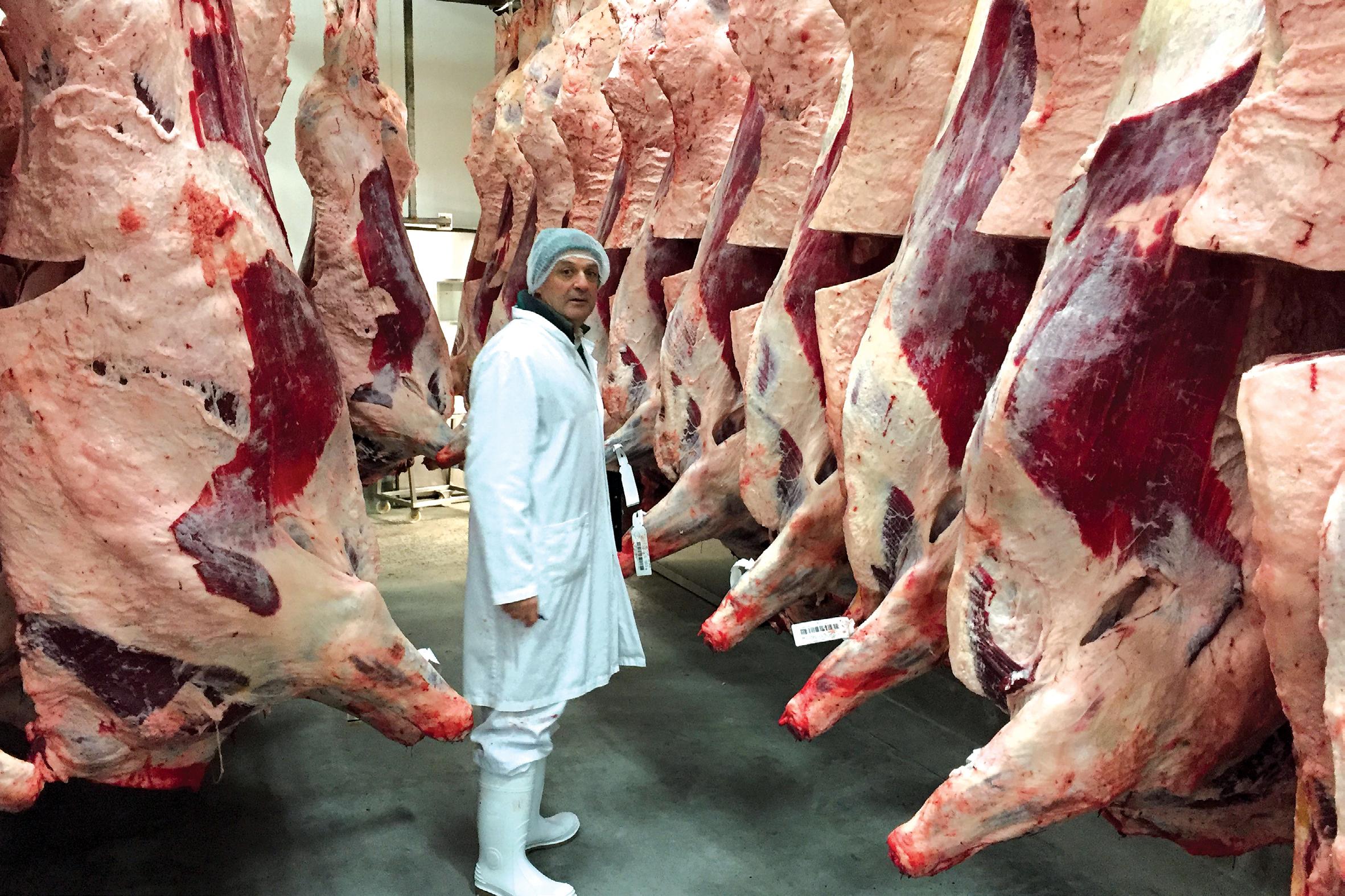
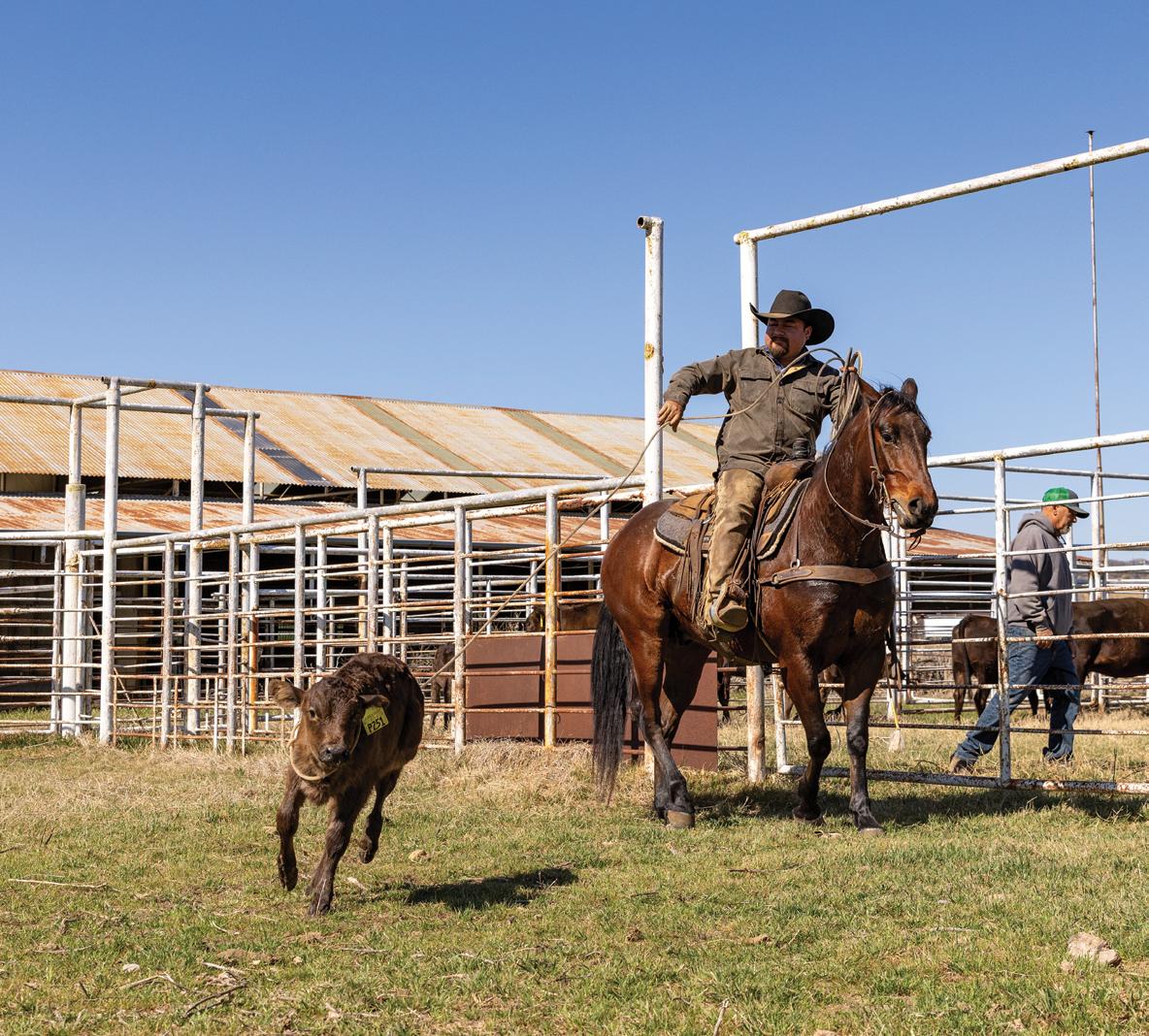
Building a Paddock-to-Plate Legacy Through Vision, Data and Discipline
Few Australian Wagyu operations can claim to have been there at the very beginning of the industry. Sher Wagyu is one of them.
From importing embryos in the early 1990s to building a vertically integrated paddock-to-plate business supplying beef to more than 15 countries, the Sher Wagyu story mirrors the growth of the Australian Wagyu industry itself. What began as a bold idea, breeding highly marbled Japanese cattle in Australia, has evolved into a sophisticated breeding, feeding and marketing enterprise built on decades of genetic selection, innovation and market development.
Today Sher Wagyu manages approximately 18,000 head of cattle, feeds around 12,000 cattle at any one time and processes about 7,000 animals annually. Yet the philosophy behind the business remains the same as when it began: long-term thinking, steady growth and an uncompromising commitment to quality.
Jack Sher, Feedlot Director, has grown up immersed in the Wagyu industry, witnessing firsthand the vision and determination of his parents as they built Sher Wagyu from the ground up.
“Sher Wagyu is a family-owned, paddock-to-plate business. We do all stages of production from genetics, breeding, backgrounding. We feed our cattle at our feedlot and then have the cattle custom processed. Then we market and sell domestically and export around the world,” said Jack.
But that integrated model was not the original plan. Like many successful agricultural businesses, Sher Wagyu evolved step by step.
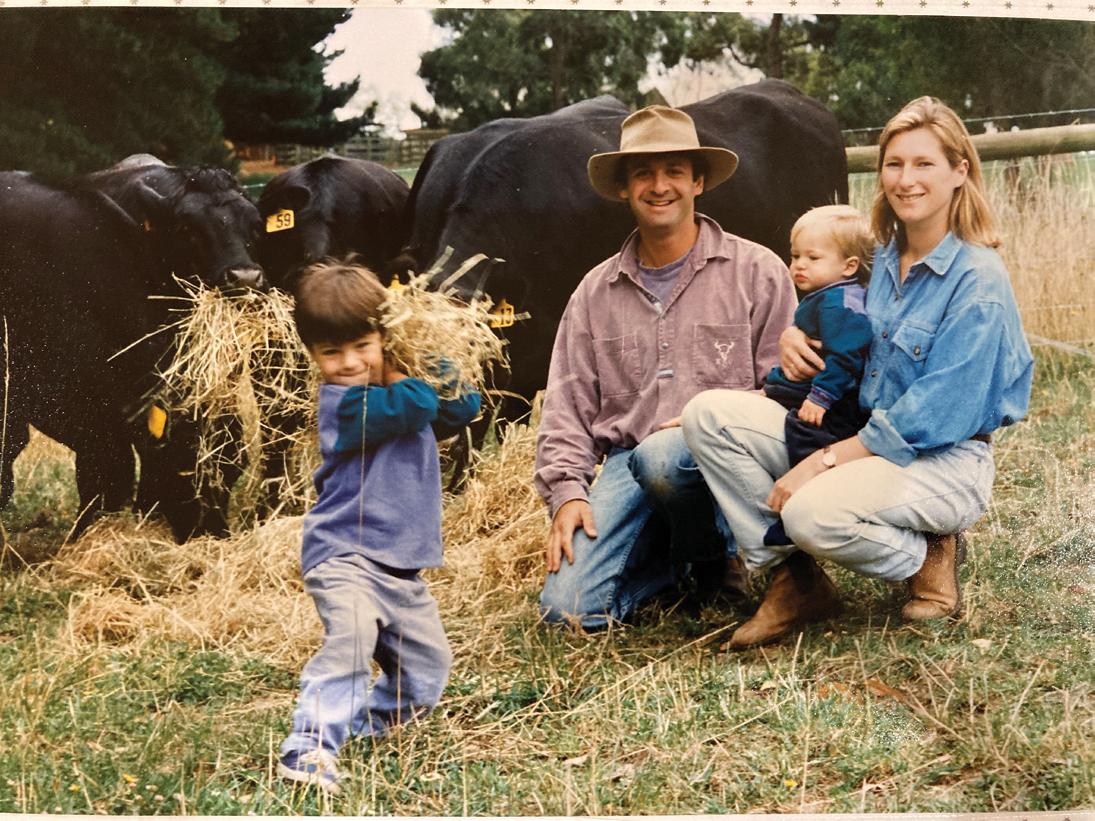
The Sher Wagyu journey began in the late 1980s, when Nick Sher first read about Wagyu cattle and their unique marbled beef.
Raised in Melbourne, Nick had always dreamed of being involved in cattle production. After studying Agricultural Science at the University of Melbourne, he worked as an agronomist and Ag Consultant. When news emerged that Wagyu genetics were being imported into Australia via the United States, it captured his attention.
At the time Wagyu cattle were virtually unknown outside Japan.

Nick recalls, “When the Japanese market was opening up to Australian beef, I thought there was a real commercial opportunity to supply the market with the beef they loved.”
The early years required both persistence and patience. Nick’s decision to breed Wagyu was driven by both instinct and insight. “Here was an established market, they knew what they wanted, appreciated quality and were prepared to pay for it. We just had to get over the fact that Wagyu cattle looked different and work out how we could build numbers, so we had something to sell”, said Nick.
In an industry where competing at a commodity level was difficult, Wagyu provided a niche where precision and quality could deliver significant returns. Nick saw that success would lie in doing the small details exceptionally well.
In 1991 Nick and Vicki Sher purchased some of the first Wagyu embryos available in Australia. On February 11, 1992, those embryos produced what are widely recognised as the first purebred Wagyu embryo calves born in Australia.
That moment marked the beginning of one of the country’s foundation Wagyu herds.
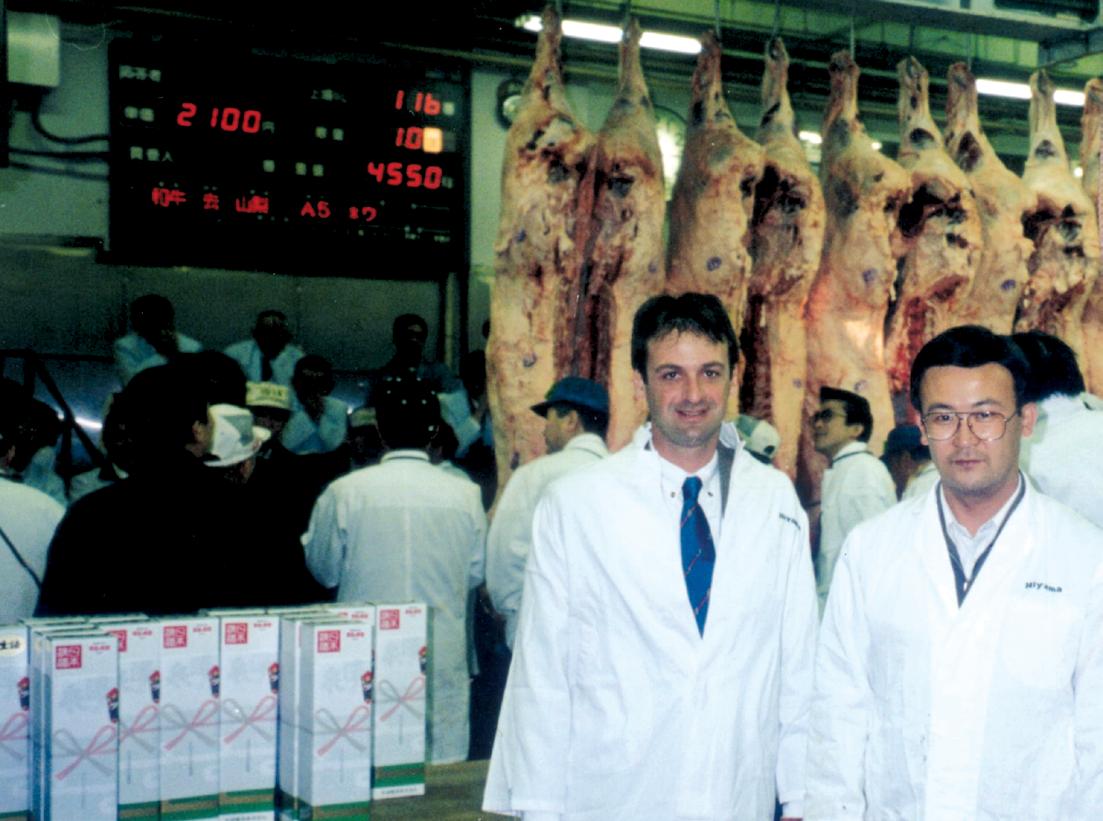
Throughout the 1990s Nick travelled extensively to Japan to study Wagyu bloodlines, nutrition and the Japanese beef market. These trips were crucial in shaping the Sher Wagyu production philosophy.
Building this vision required relentless persistence. In his early visits to Japan, Nick knocked on doors, cold-called trading houses, and repeatedly returned to Japan to establish relationships. His tenacity and belief in the product ultimately laid the foundation for what would become a pioneering Wagyu business in Australia.
The first commercial milestone came in 1994 when the Shers sent the first shipment of Australian Wagyu x Angus cattle to Japan by air freight. The shipment demonstrated that Australian raised Wagyu could be supplied to Japan.
“We started with the aim of supplying feeder cattle but soon realised that the real value in Wagyu was the beef”, said Nick.
“Vicki and I discussed whether we should embark on feeding our own cattle as it added significant costs, time and risk. Vicki asked me who was going to buy the meat. My answer was, I’m not sure, but there is a good market in Japan. She replied. “Well, you’ve got a year to work it out!”
Around the same time Japanese customers encouraged the Shers to replicate Japan’s traditional Wagyu x Holstein F1 production system.
In response, the Shers pioneered Wagyu x Holstein breeding in Australia.
In 1996 they established Beefcorp Australia, working with dairy farmers throughout Victoria to produce Wagyu x Holstein calves. Many of those original dairy partnerships continue today, 30 years later.
“When we started the Wagyu x Holstein it was all new and we had to build the program from the ground up. Supplying semen to dairy farmers, contracting back the calves, setting up calf rearers, then backgrounding the cattle. It was a steep learning curve.” Nick said.
That willingness to innovate, and step outside the box has been a defining feature of the Sher Wagyu business.
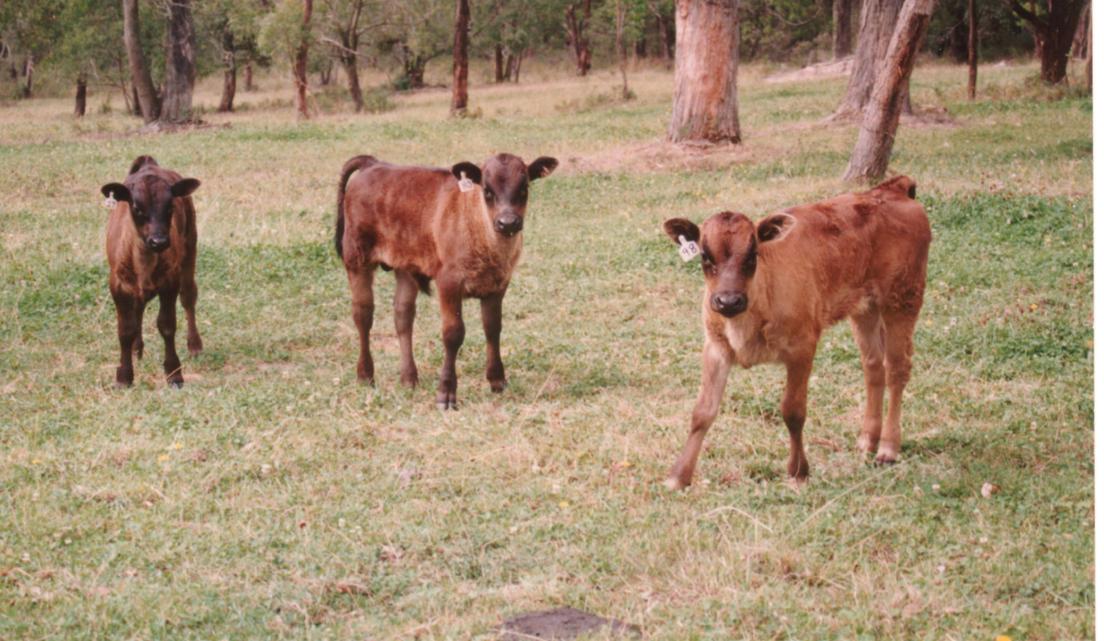
At the same time the Shers continued expanding their fullblood Wagyu herd. They imported fullblood embryos from Canada and sourced additional genetics internationally to broaden their breeding base. In 1996 they also purchased a fullblood Wagyu bull at the first Wagyu auction ever held outside Japan, in Oklahoma City, USA.
The bull, Kikushige 406E was collected for semen, which was then imported to Australia to support their breeding program.
Nick recounts, “We bought the bull in partnership with a US breeder. We paid US$5,000 which was good buying, as Aussies were paying top prices for Wagyu genetics. When our partner registered the bull, the auctioneer said, “If I knew an Aussie was involved, I would have run you up!”
Jack explains, “We have a 500 head fullblood breeding herd, which is the genetics core. Then we have around 3,000 crossbred cows in our commercial herd plus the Wagyu x Holstein from our contract dairies.”
Fullblood beef accounts for less than 10 percent of total production. Instead, the herd provides the elite genetics that drive Sher Wagyu’s crossbred and dairy-cross programs.
The Sher Wagyu production system has now developed into a fully integrated supply chain.
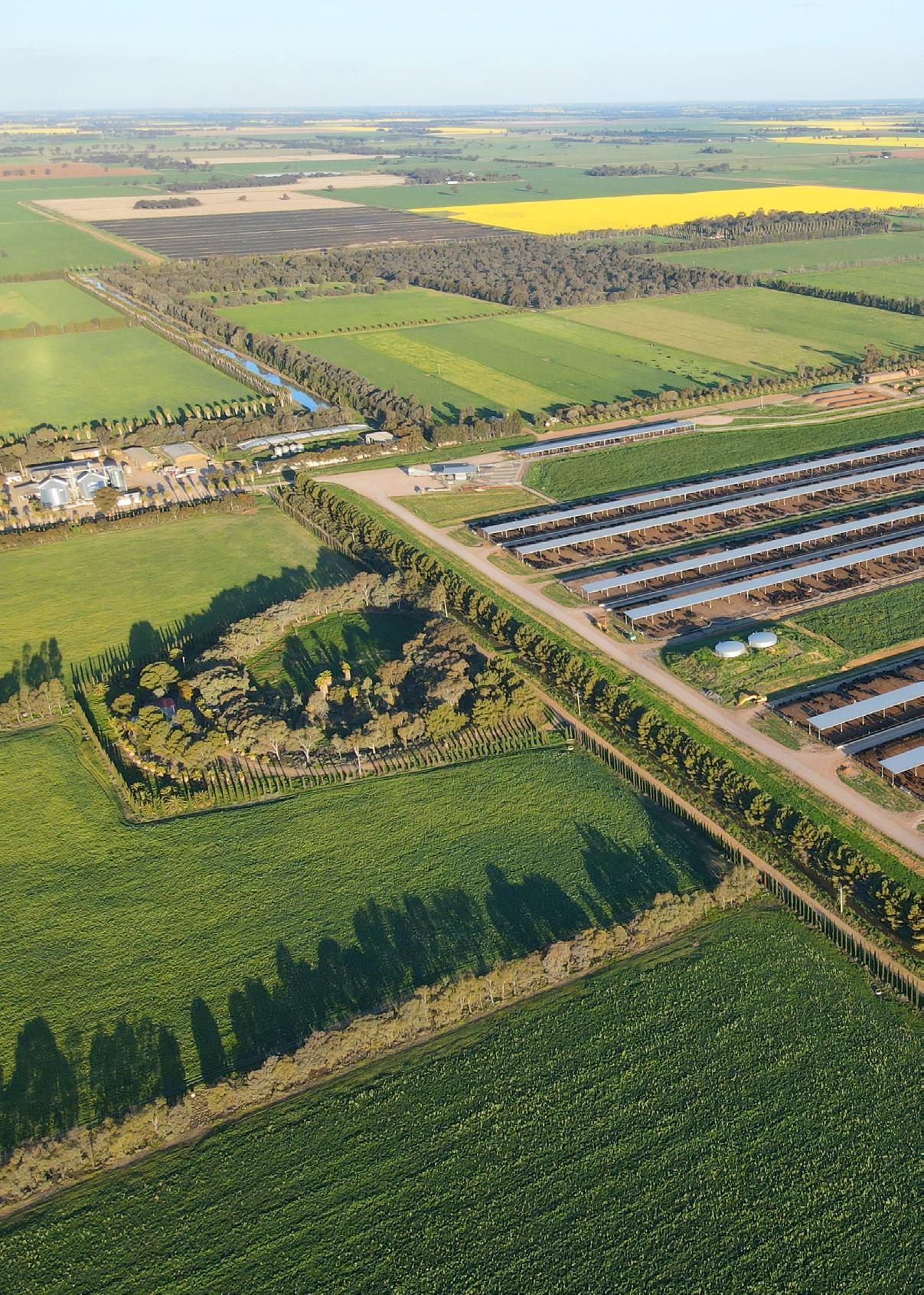
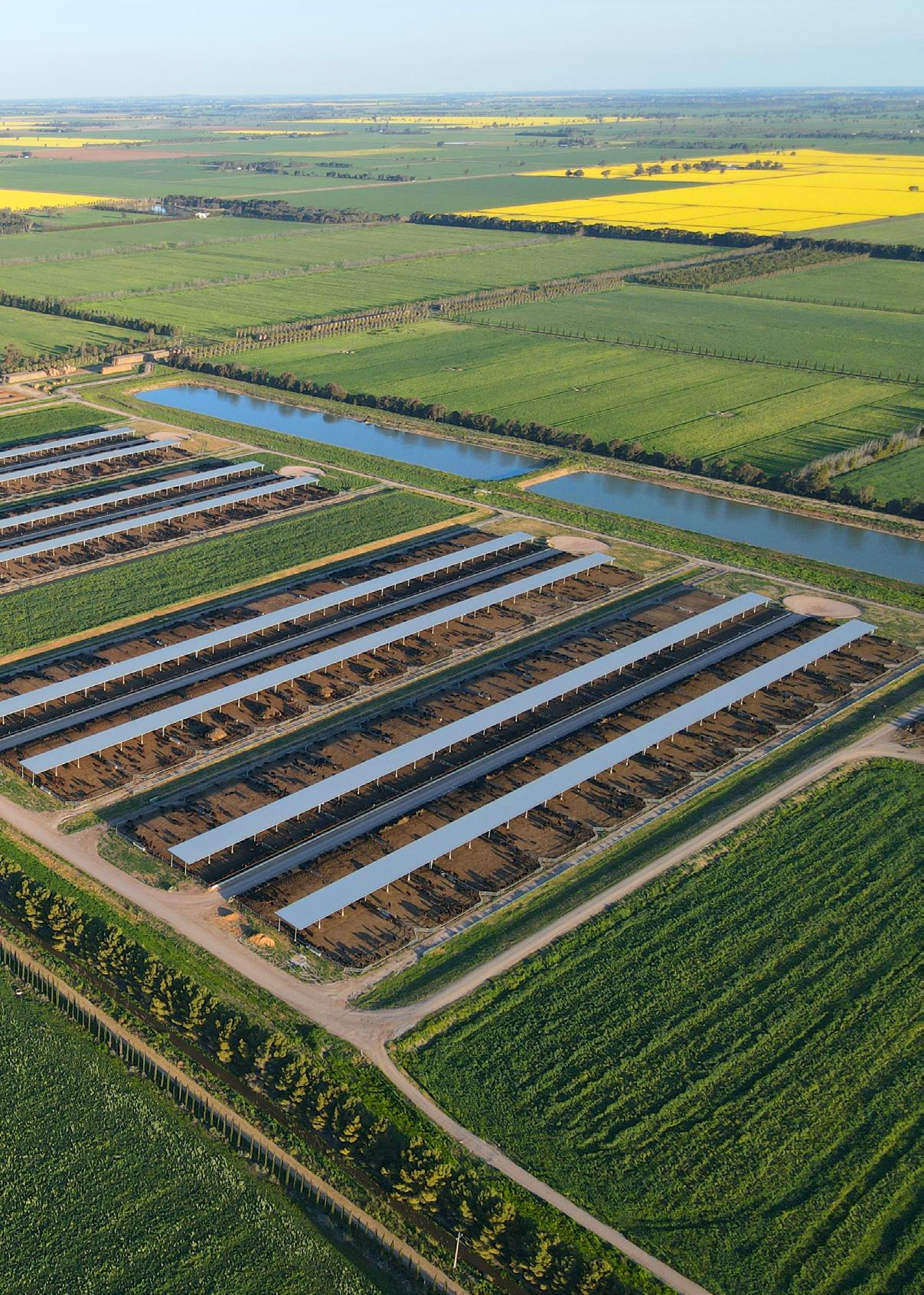
Cattle are bred and backgrounded on properties across Victoria and the Riverina, including the family’s home farm at Ballan in central Victoria, a major grazing property in the Tallangatta Valley in north-east Victoria plus 3 more properties in Western Victoria. The geographic spread of properties helps mitigate seasonal risk.
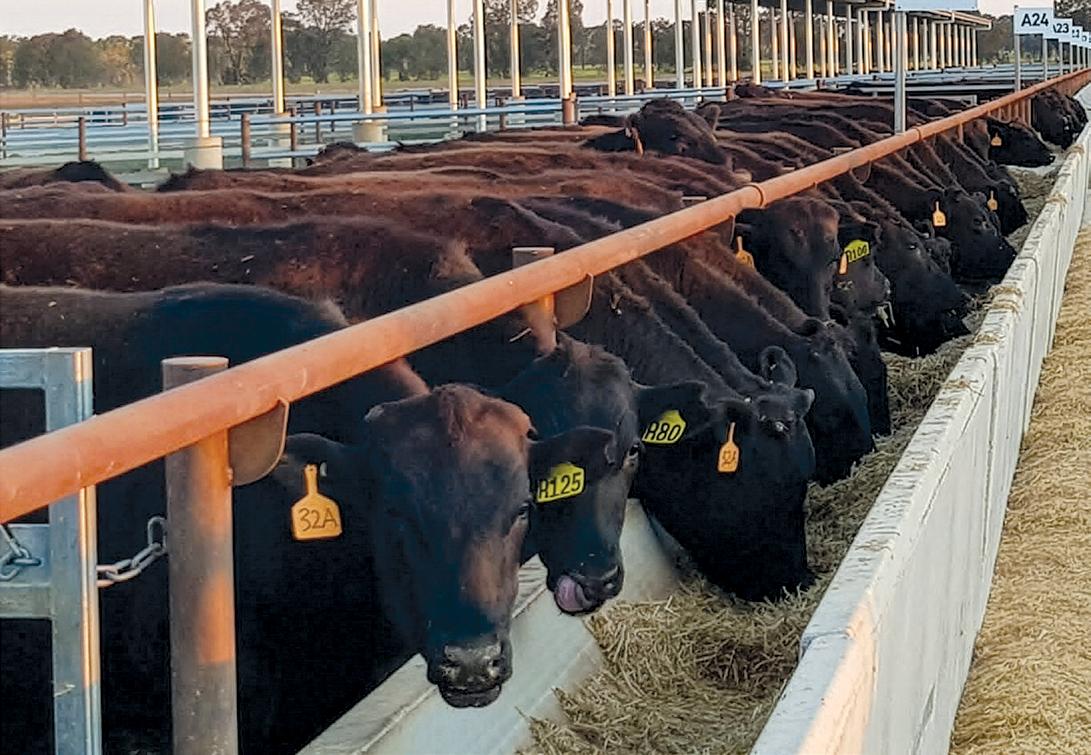
During the grazing stage cattle are grass-fed until 15-18 months of age, allowing them to develop frame before entering the feedlot on a 400 plus day feeding program.
After custom feeding for over two decades the Shers built their own feedlot “Palm Grove”, Finley, NSW.
“Palm Grove” is a modern 13,000-head facility operating under the National Feedlot Accreditation Scheme (NFAS). Jack, who has a Master of Chemical Engineering, joined the company in 2021 to manage the construction and commissioning of the new feedlot.
The Shers work closely with an animal nutritionist to formulate a proprietary ration which supports slow, steady growth, optimal animal health and marbling development. The ration is all-natural, free from antibiotics and growth hormones, reflecting the company’s emphasis on natural production and consistent eating quality.
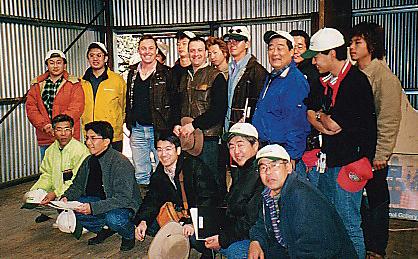
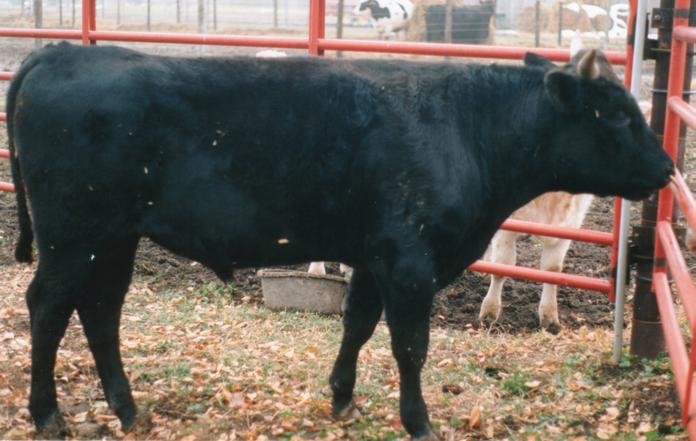
Initially all Sher Wagyu beef was exported to Japan as unbranded quarter beef, until a major industry event reshaped the company’s marketing strategy.
Nick explains, “When Japan had BSE in September 2001, the market collapsed and we had no brand relationship with the end users. At the time we were selling all our beef into one market, which was not a very smart business strategy. We realised we had to establish a brand with our customers and diversify markets.”
The shift to branded boxed beef allowed the business to expand into new markets including Singapore, Hong Kong and the United States.
Domestic sales also developed gradually. In 2006 Sher Wagyu began supplying small quantities of loin cuts to a handful of Melbourne restaurants and butchers. At the time Wagyu was still largely unknown among Australian chefs and consumers.
“When Japan had BSE in September 2001, the market collapsed and we had no brand relationship with the end users.
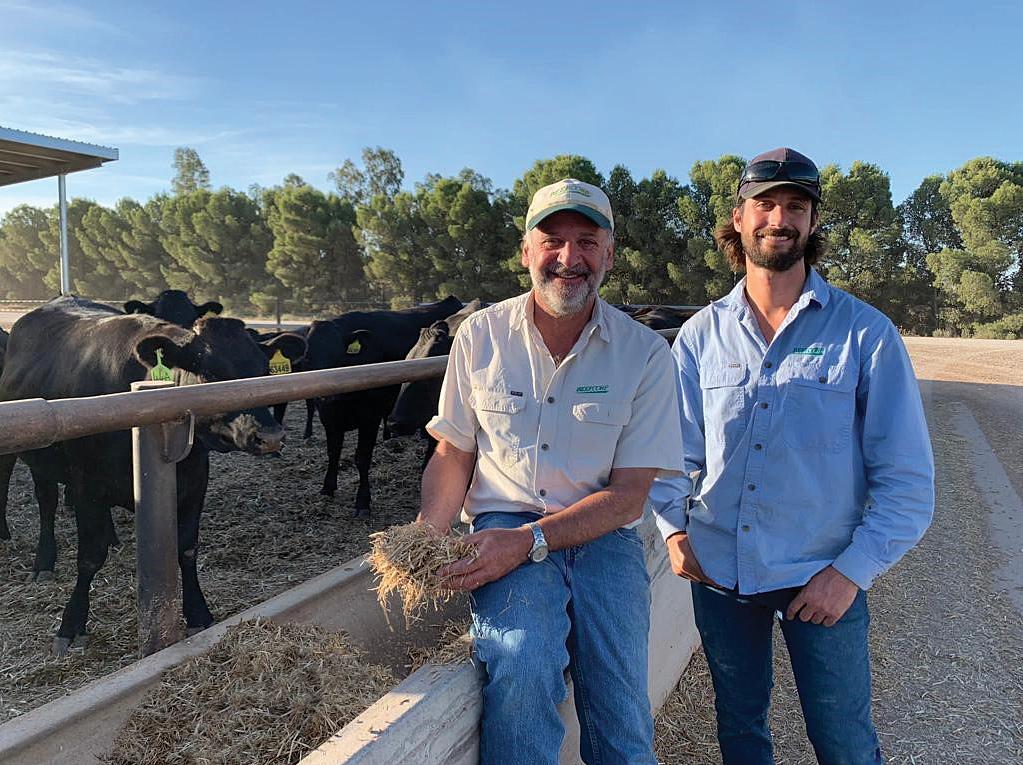
Vicki recalls, “When we started selling in Melbourne I was knocking on doors. Many chefs hadn’t heard of Wagyu, and those that had didn’t really understand it. It was many years of educating chefs, butchers and the public with tradeshows, tastings and restaurant events. It was a very busy time, as we were also bringing up our three boys and Nick was busy on the farms and regularly travelling overseas”.
Today Sher Wagyu exports to more than 15 countries and supplies a loyal domestic customer base directly to restaurants and specialty butchers Australia wide.
For Sher Wagyu, marbling alone does not define quality.
“Quality means that awesome eating experience every time. As we market Fullblood and Crossbred Wagyu, we continually encourage restaurants to describe the grade, marble score and cut on their menus. This is to make sure customers know what they are getting and helps manage customer expectations” Vicki says
Achieving high quality and consistency requires attention to detail across every stage of production.
Nick says, “There’s no compromising on feed quality, no compromising on animal welfare, and no compromising on genetics. Good land stewardship and looking after our people is a core philosophy of our business. We have many staff that have been with us over 15 years. We couldn’t do it without them.”
One of Sher Wagyu’s greatest assets is their extensive carcase database.
Over decades the business has accumulated over 100,000 carcase records, allowing highly informed breeding decisions. Historically selection relied on progeny performance.
Today combining genomics with carcase data allows the program to accelerate genetic progress. The Sher’s have invested heavily in developing in-herd selection based on high quality data and science-based evaluation.
Sher Wagyu also utilises advanced carcase imaging technology through the MIJ camera system. When nearly all fullblood carcases grade nine plus, Aus-Meat marble score is insufficient to differentiate elite animals.
Jack explains, “Out of the last 500 fullblood carcases we scanned, 470 were nine plus. So how do you differentiate between the 10’s and the 18’s? The MIJ camera does this and provides accurate data for genetic selection”.
While the Wagyu industry continues to expand globally, that growth brings new challenges.
Vicki explains, “The quantity of high-grade Wagyu being produced is increasing as is the supply of Japanese Wagyu in many markets. The challenge is continually developing markets and customers that value this product”.
Despite these pressures, Sher Wagyu continues to focus on differentiation through authenticity, quality and traceability.
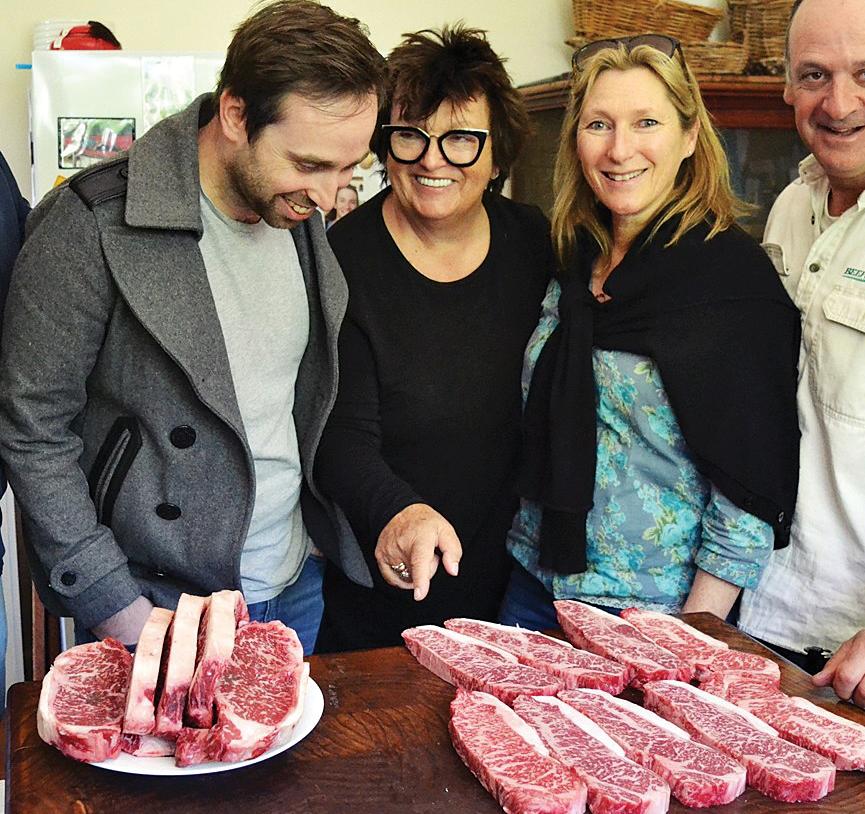
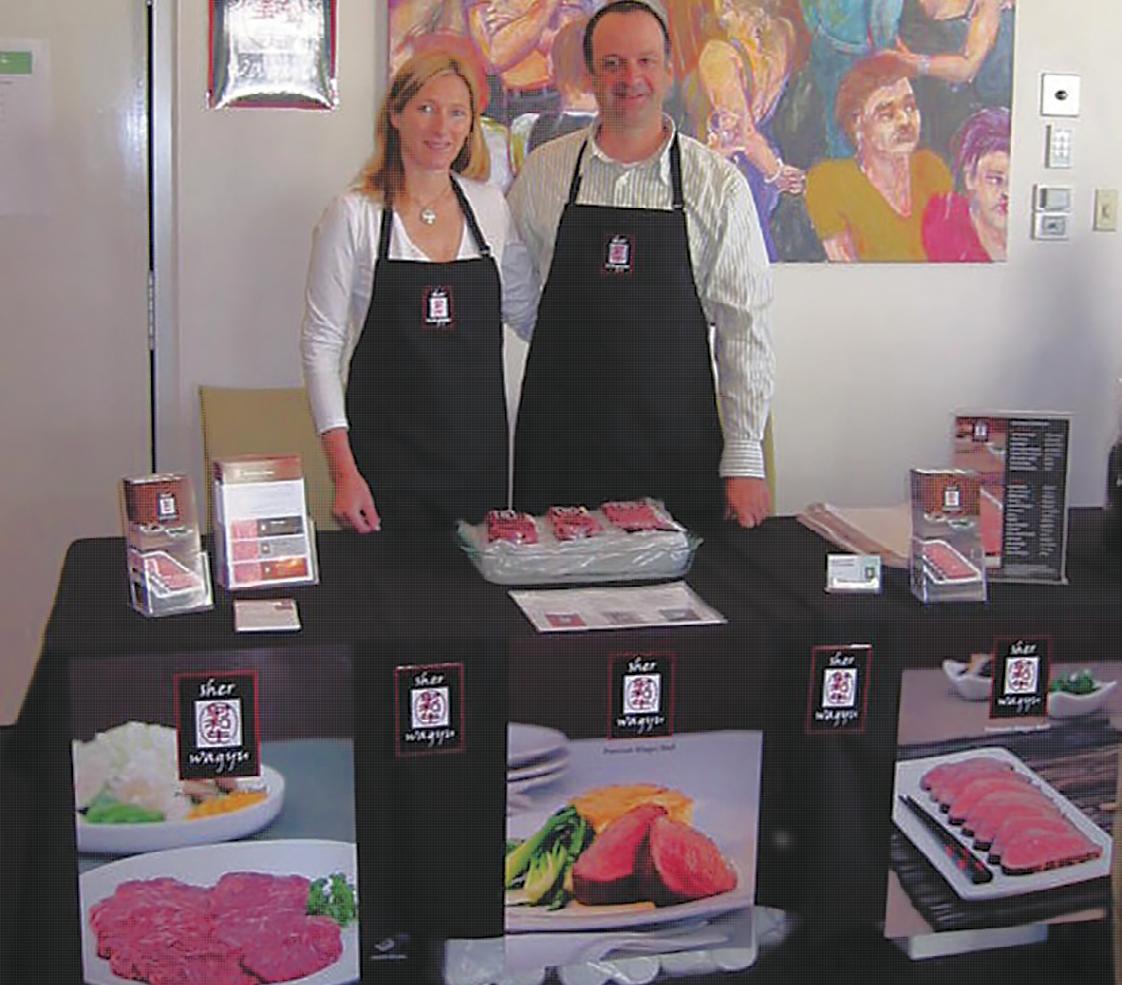
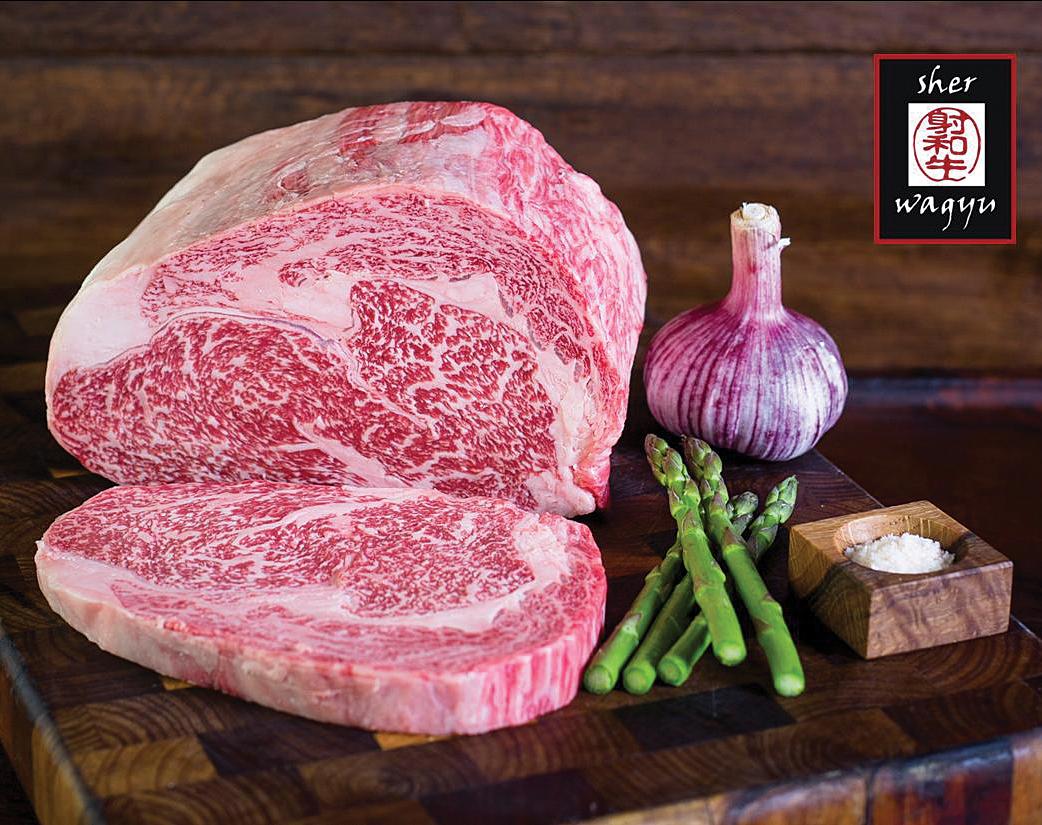
Perhaps the most important lesson from the Sher Wagyu story is its disciplined growth strategy.
More than three decades after those first embryos arrived in Australia, Sher Wagyu remains a family-owned business dedicated to producing outstanding wagyu beef.
The company continues investing in genetics, feeding systems and market development while maintaining the principles that guided its founders.
From pioneering Wagyu x Holstein programs to adopting advanced genomic technologies, Sher Wagyu has consistently balanced tradition with innovation.
“Our philosophy has been steady, continuous improvement and steady growth. We don’t chop and change with short term trends.” says Nick.
The Sher’s passion since 1991 has remained the same. Attention to detail, innovation, perseverance and a customer focus in producing delicious Wagyu beef.
Vicki adds, “While we are very proud to receive many awards over the years our best award is our long-term customers that continue to re-order our beef week after week, year after year…and the regular feedback from customers saying, “that’s the best steak I’ve ever had”.
Tender, richly marbled and full of flavour, Sher Wagyu aims to deliver the ultimate eating experience.
Vicki emphasises the importance of those relationships: “Most of our distributors we’ve been working with for a very long time, many for over 20 years. Loyalty and commitment are fundamental to how we operate.”
Have
It’s
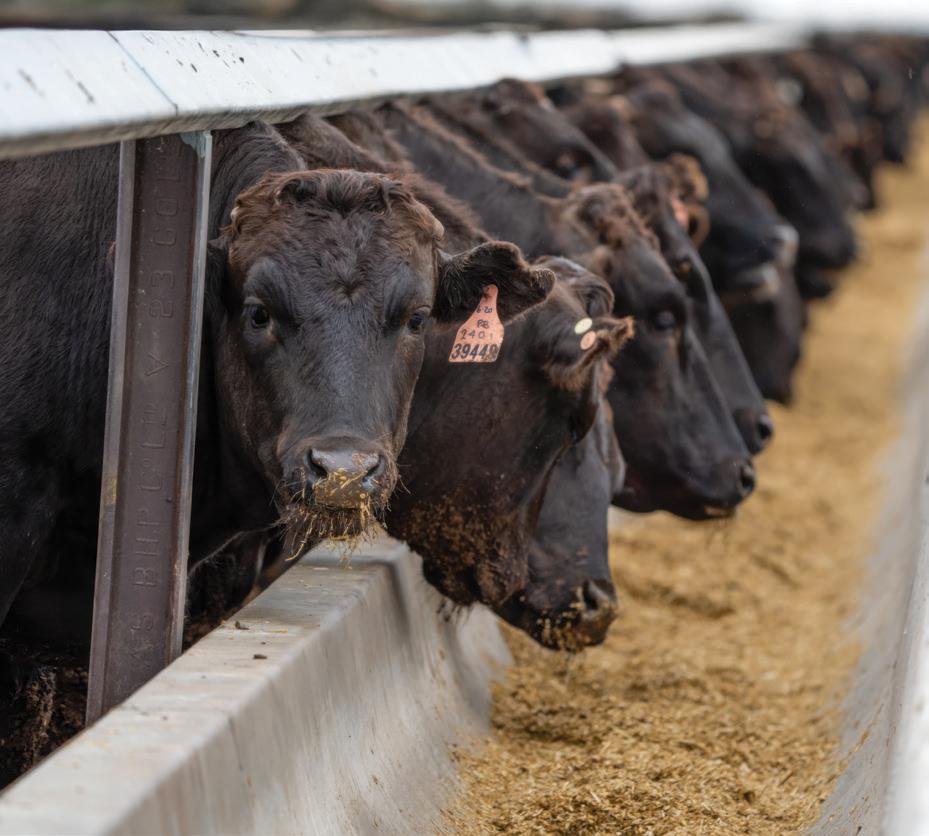
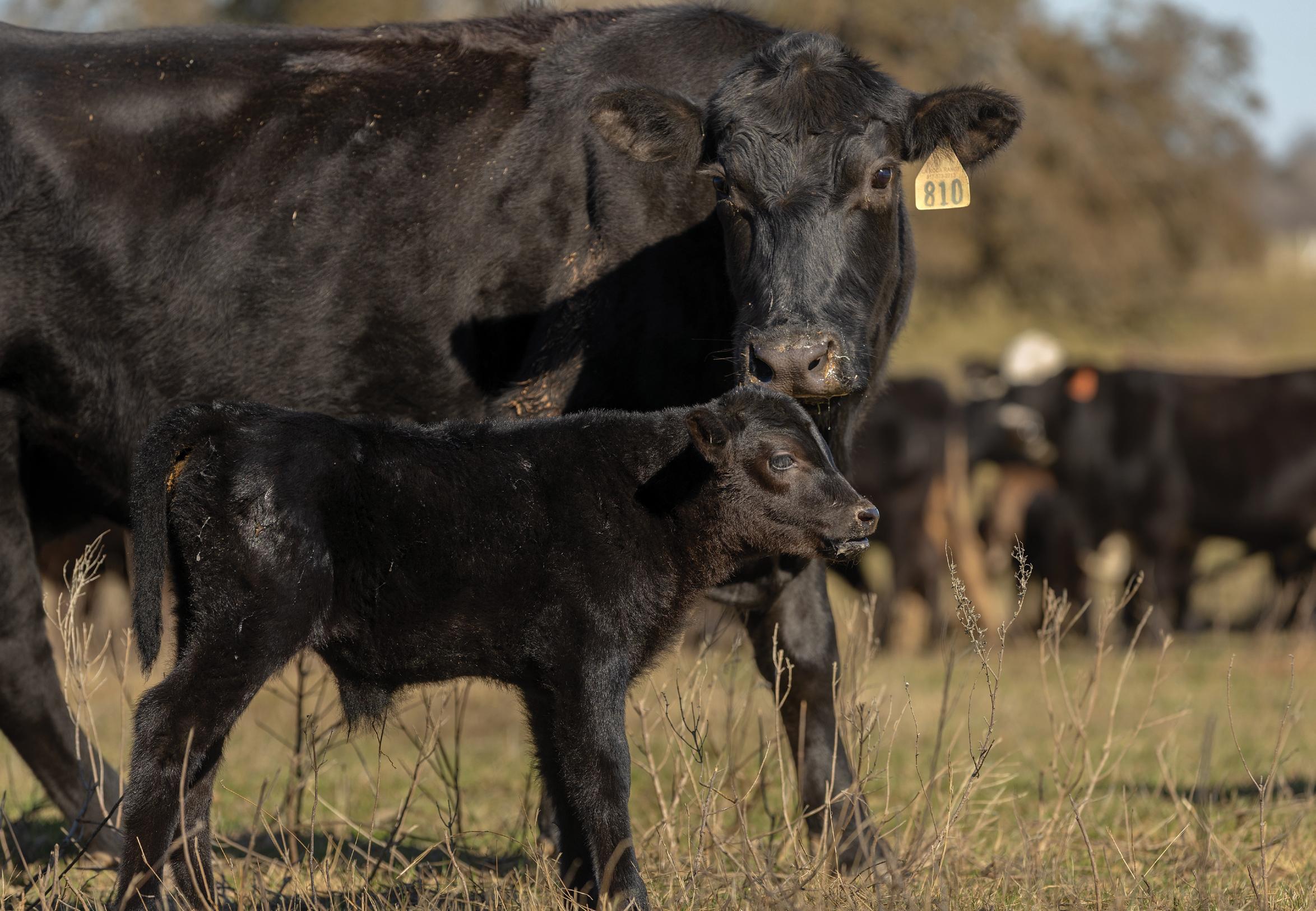
In the rolling countryside of north-central Texas, La Roca Range has steadily built a reputation as an emerging Wagyu program focused on balanced genetics, data-driven decisions, and cattle that thrive in real-world conditions. Located near Santo and Comanche, Texas, the operation spans more than 12,000 acres across three properties, giving the Beard family ample room to develop a herd designed for both performance and resilience.
Owned and operated by Rick Beard and his familyJanice, Tanner, Lexie, Rachel and Harley, La Roca Range is very much a family enterprise. Supporting the family is a dedicated team of 12 employee: The cattle sector of the ranch Steve Frisina, Cesar Ontiveros, Juan Castillo, Leah Self and Kari Von Krosigk; and the other La Roca team members, Johnny Moon, Jackson Brewster, Cathey Jennings, Dillon Self, Gerardo Angel, Sergio Hernandez and Cade Glover.
This dedicated team help manage the ranch’s day-to-day operations and meet weekly to discuss and evaluate the current events and breeding strategies for the operation.
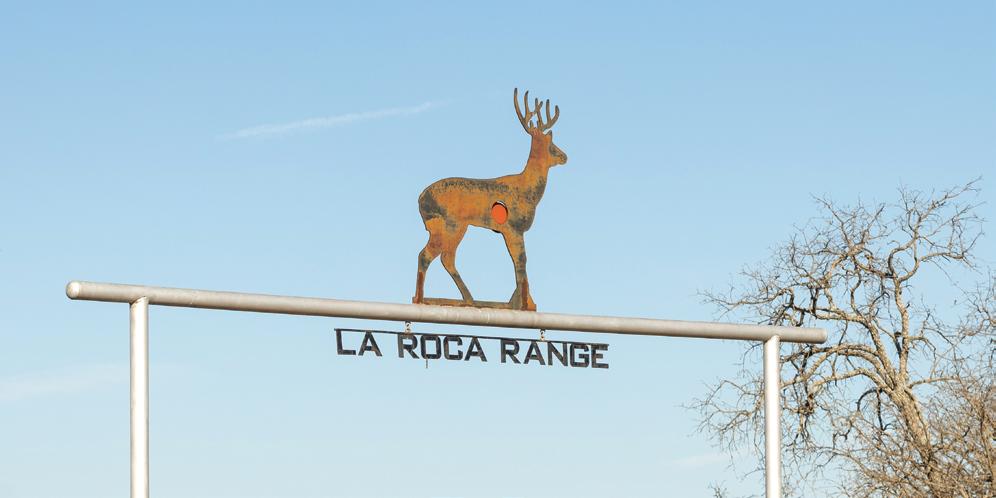
The ranch is largely self-sufficient in several areas of production as well, including producing its own hay, an approach that allows the operation to maintain greater control over feed resources and input quality.
While the Wagyu herd is still relatively young, the program has grown quickly and thoughtfully since its launch in 2021. Today, La Roca Range is focused on building a herd that can deliver both genetic progress and consistent, high-quality beef for a range of markets.
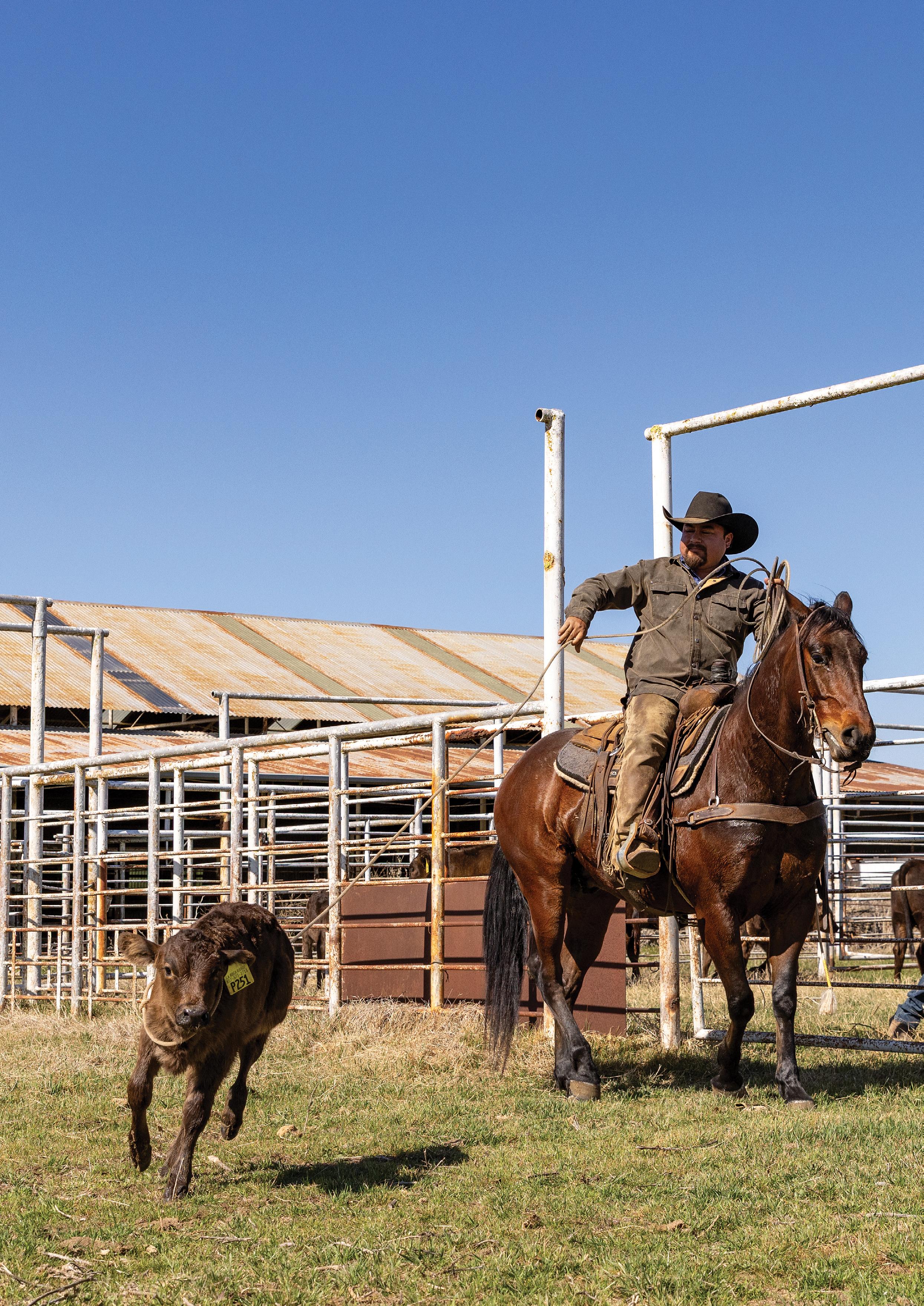
La Roca Range is focused on building a herd that can deliver both genetic progress and consistent, highquality beef for a range of markets.
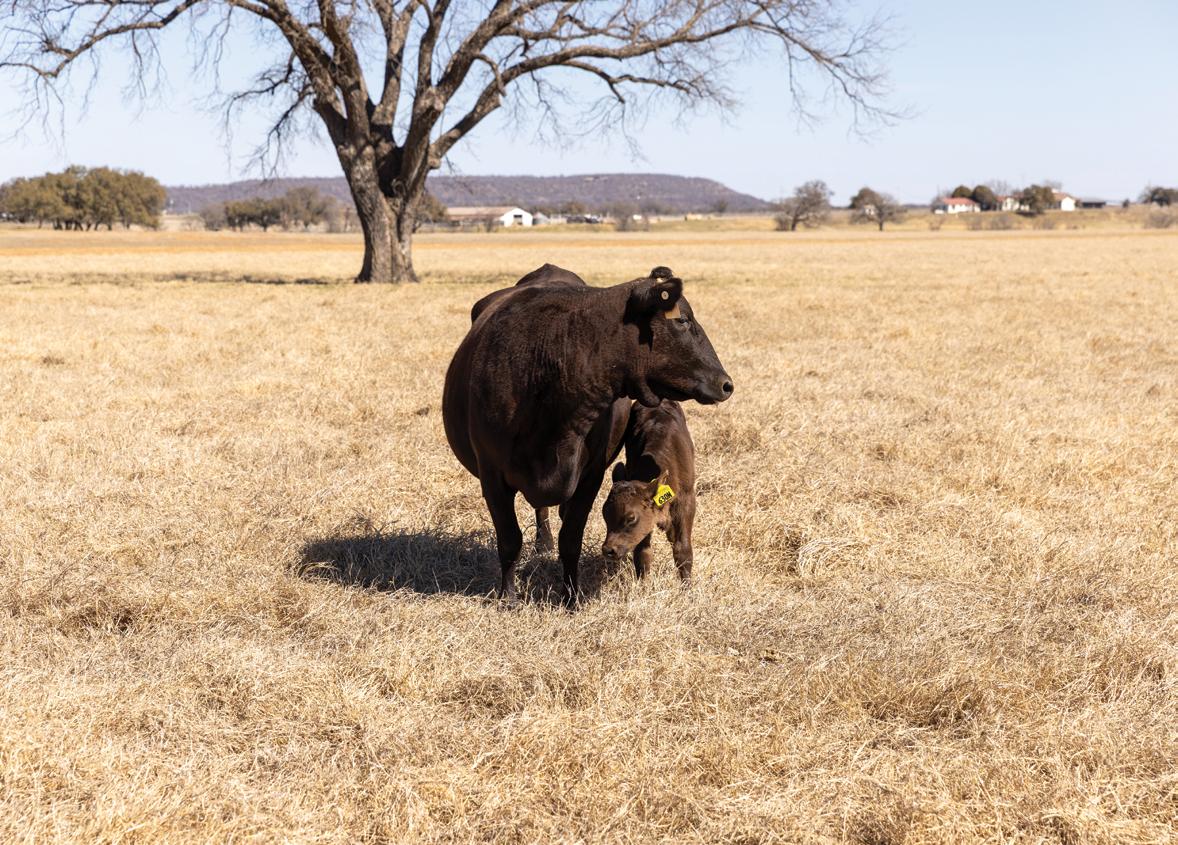
Interestingly, La Roca Range did not originally begin as a cattle enterprise. The ranch’s roots were in whitetail deer breeding, alongside a small herd of Red Angus cattle.
However, changes in the Texas wildlife industry created a turning point.
“When CWD became more prevalent in the state of Texas, we decided to phase out of the deer breeding operation and move into the cattle sector,” the Beard family explains.
For Rick Beard, the shift into Wagyu happened quickly once he began exploring the breed.
“Rick went to his first Wagyu auction and liked both the breed and the people within the industry. And then once he tried the meat, he was really excited about raising it.”
That combination of community, product quality, and production potential convinced the family that Wagyu was the right direction for the future of La Roca Range.
Today the ranch runs approximately 1,000 females across its operations, including around 250 Wagyu females. The program continues to expand as the family increases its investment in Wagyu genetics and breeding stock.
La Roca Range currently has around 300 cattle on feed and is processing about three animals per month, with plans to increase that number as the program grows.
While the herd includes both Fullblood and crossbred Wagyu, the program currently leans toward crossbred production. However, the balance is beginning to shift as the ranch increases its number of Fullblood animals.
One reason for that change is the ranch’s commitment to the seedstock sector. As Rick and his team prepare for their first production sale, the number of Fullblood cattle in the program has expanded significantly.
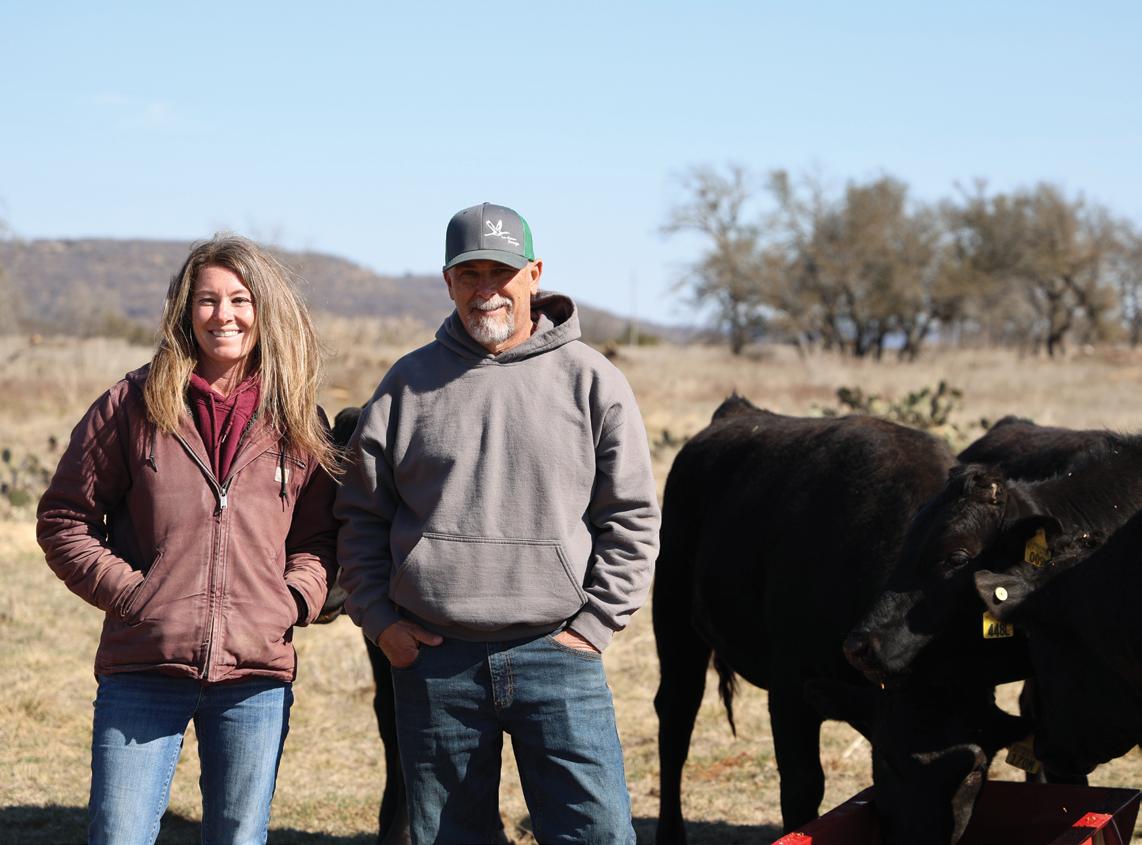
One of the most exciting milestones for the operation is La Roca Range’s first production sale, scheduled for April 25, 2026.
The sale represents the largest undertaking the ranch has pursued since entering the Wagyu industry.
“We have sold animals private treaty as well,” Rick notes, “and we have other buyers interested in our cattle whether they are feeder calves or replacement cattle.”
Historically, most cattle have moved through feeder channels, but the long-term goal is to establish La Roca Range as a reliable source of high-quality Wagyu seedstock for both new and established programs.
To accelerate genetic improvement, La Roca Range employs a full suite of reproductive technologies, including Artificial insemination (AI), Embryo transfer (ET) and natural service breeding
Using multiple breeding approaches allows the ranch to combine elite genetics with practical herd management, while also providing opportunities to test sires in natural service settings.
This flexibility is especially valuable as the ranch works to build both commercial and seedstock genetics simultaneously.
At La Roca Range, breeding decisions are guided by a philosophy that combines objective data with visual evaluation.
“We look at both data and phenotype,” Rick and his team say. “We really want a well-rounded animal in both structure and data because we believe it takes both to make the best animal you can.”
That balanced approach extends across every stage of the breeding program from sire selection to replacement female development.
Ultimately, the ranch’s philosophy is captured in a simple but powerful motto, “Leave a good set of tracks.”
For the Beard family, that phrase reflects their commitment to producing cattle that will perform well not just on their ranch, but for the producers who buy and raise those animals in the future.
Operating in Texas brings its own environmental challenges, particularly heat, forage variability, and large pasture environments.
For that reason, the ideal La Roca animal is not defined solely by genetic indexes.
Instead, the goal is a balanced animal with strong data that can also thrive under real ranch conditions.
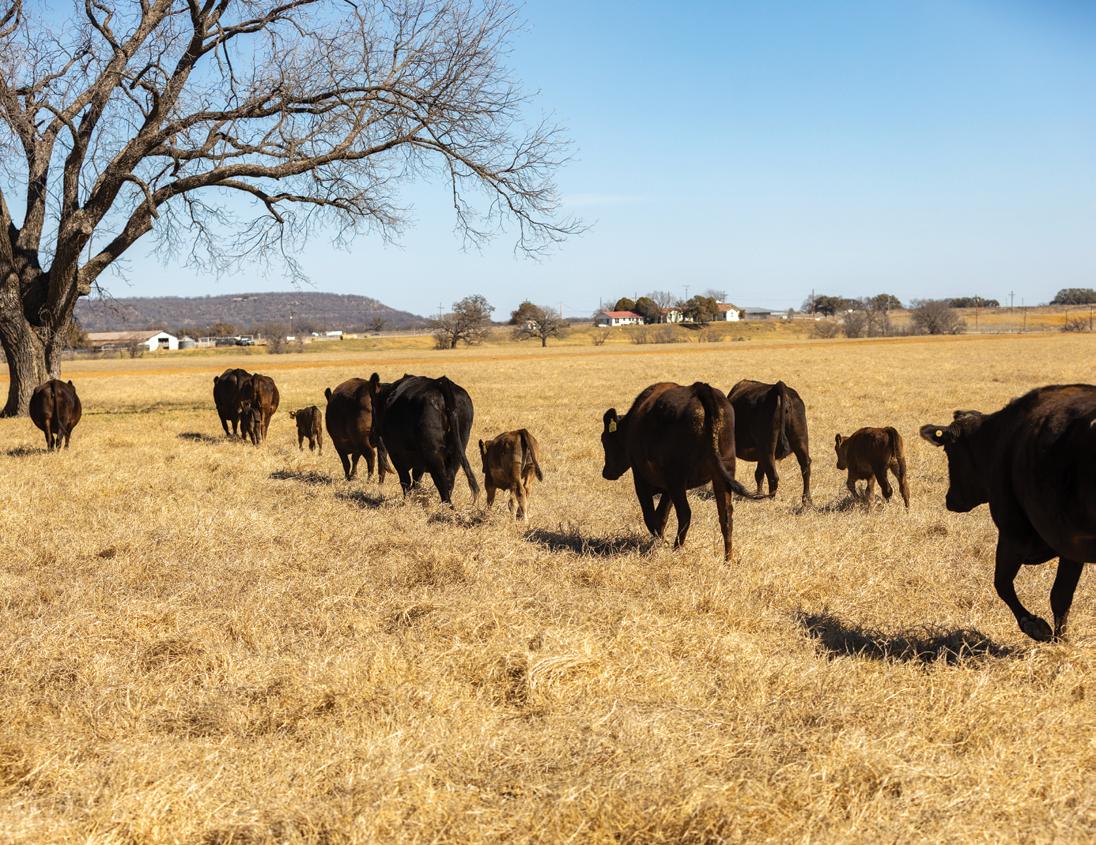
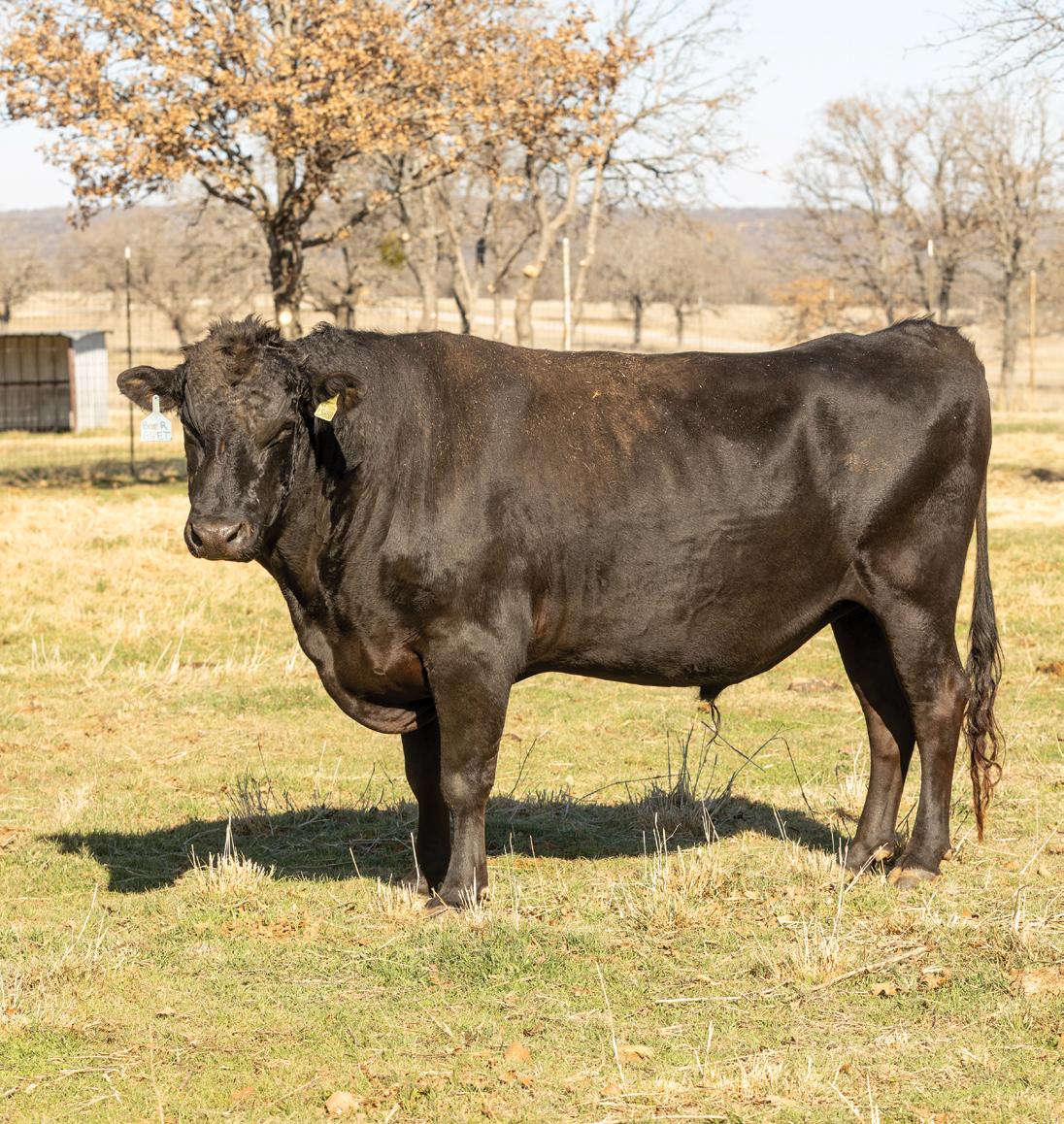
“Our ideal animal is well balanced by data but can also hold up to the hot Texas sun and graze native grasses out in the pasture.”
In other words, the cattle must deliver both carcase quality and durability.
To track progress, La Roca Range relies on a combination of genetic predictions and real performance data.
The ranch utilises genetic analysis information and realworld performance data including weights, ultrasound scans, and height measurements.
“Then we try to enhance these numbers further by providing real data to back up the predictions.”
This approach allows the ranch to continually refine its herd while contributing valuable data back into the broader Wagyu evaluation system.

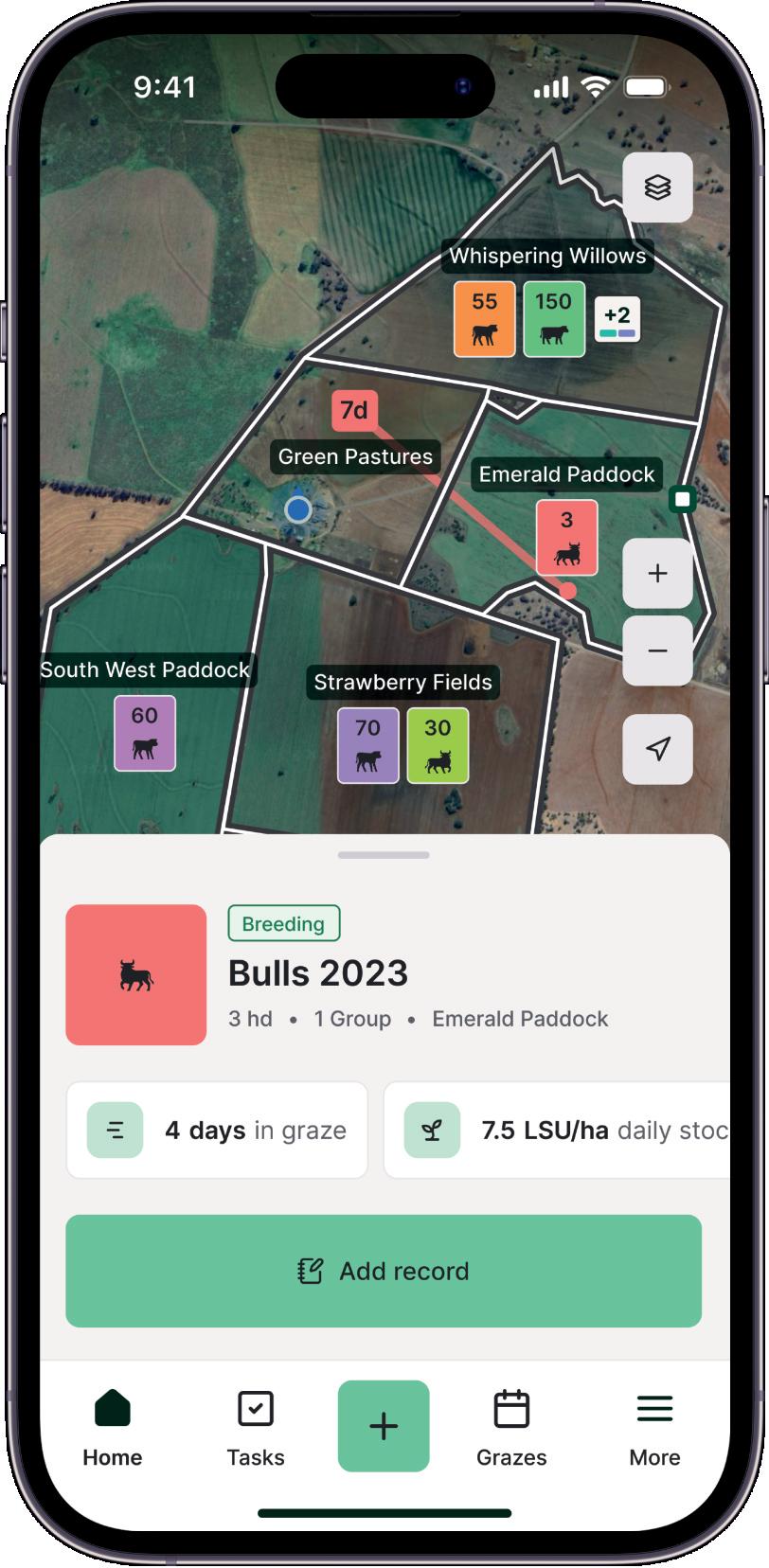



Genomic testing has been part of the program since the very beginning in 2021.
As a newer entrant to the Wagyu industry, Rick and his team saw genomics as an important tool for learning the breed’s genetic landscape more quickly.
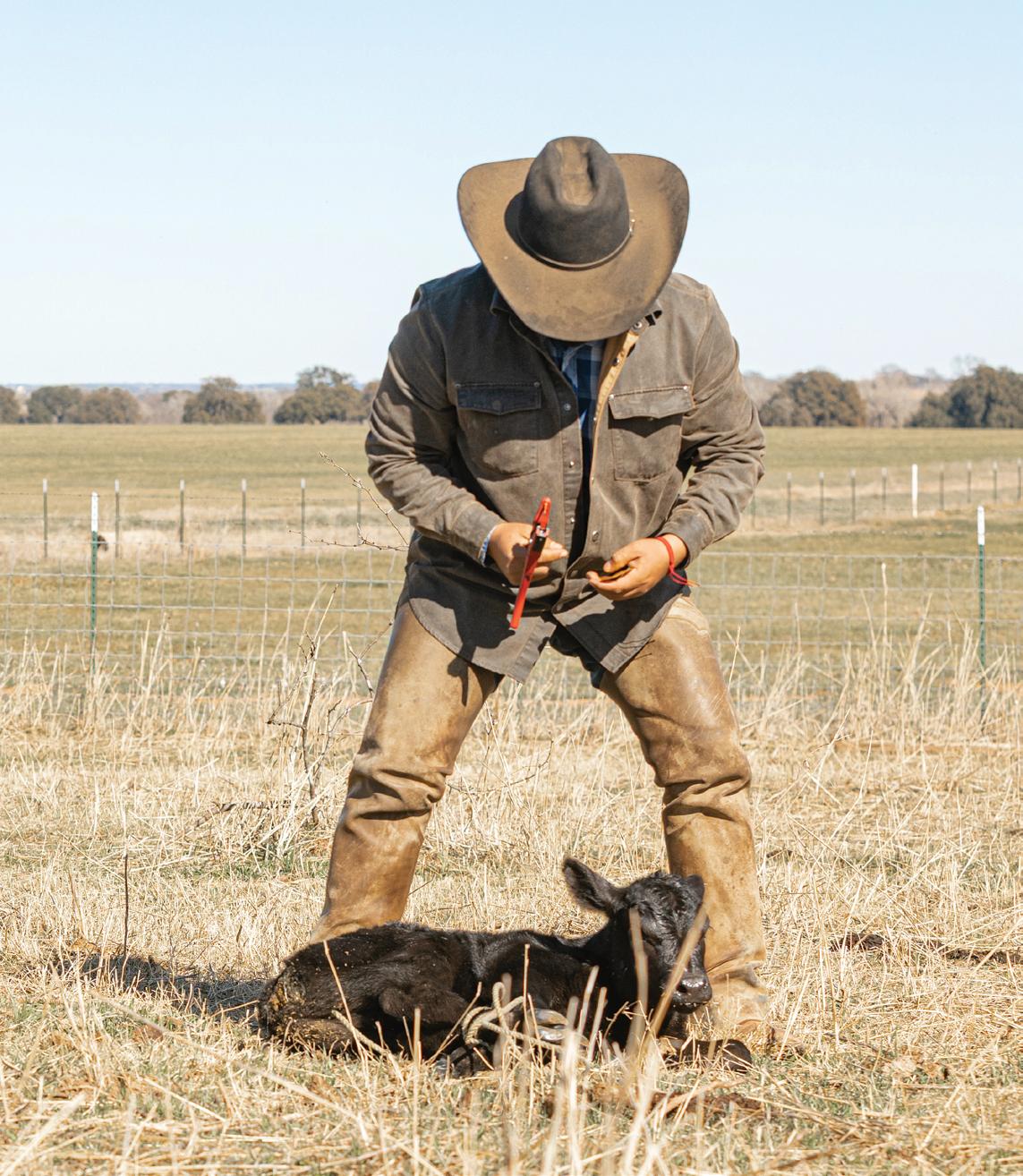
“We are new in the industry so we still have a lot to learn about proven Wagyu family lines. Genomics helps us make decisions on how to breed different animals together.”
At the same time, they recognise the value of traditional pedigree knowledge, especially in cases where certain family lines may not yet have full genetic evaluations.
La Roca Range also recently adopted objective carcase imaging technology through the use of an MIJ (Meat Image Japan) camera, beginning in 2025.
The ranch had previously registered only Fullblood cattle but recently expanded its evaluation efforts to include F1 animals at slaughter as well.
The motivation behind adopting the MIJ system reflects the ranch’s broader philosophy of validating genetic predictions.
“We like backing up predictions with real data, and we feel the MIJ camera does just that. We also scan yearlings with ultrasound for similar reasons.”
Because the technology is new within their system, it is still early to fully assess its impact on selection decisions. However, Rick and his team believes the data will play an important role in identifying performance sires for natural breeding herds and helping bull buyers make more informed decisions.
The immediate focus for La Roca Range is the 2026 production sale, which will showcase the progress the ranch has made since entering the Wagyu industry.
Beyond that milestone, the team has ambitious goals.
They aim to: Continue improving herd genetics through strategic breeding decisions; Expand their reputation as a source of high-quality Wagyu seedstock; Support both new and established Wagyu programs and, Grow their Wagyu beef production
While the program may be relatively young, the foundation at La Roca Range is already clear, data-driven genetics, practical cattle, and a long-term commitment to the Wagyu industry.
And as the Beard family likes to say, the goal is simple, Leave a good set of tracks for those who follow.
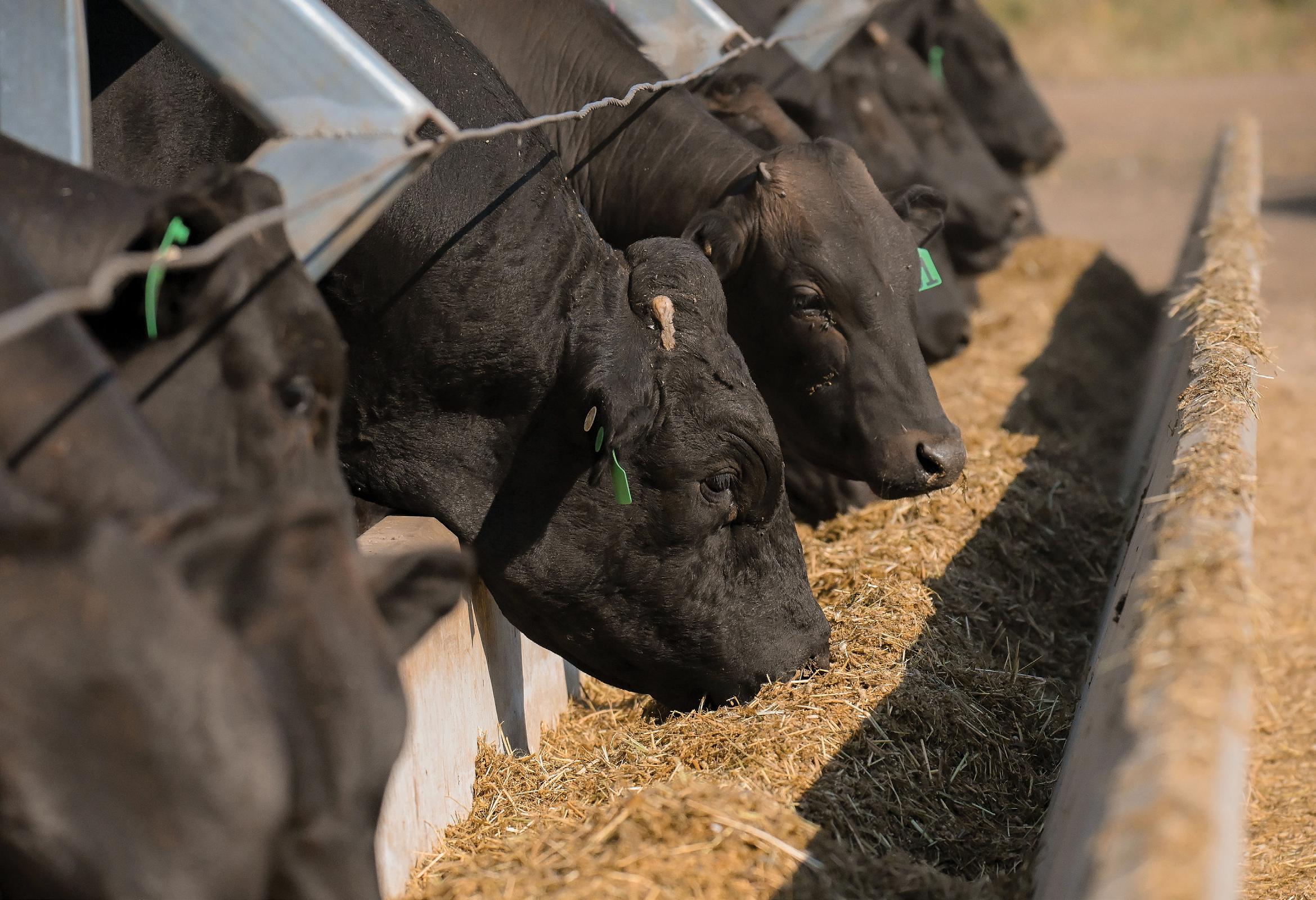
The Australian Wagyu Association (AWA) is accepting nominations for sires to be included in Cohort 6 of the AWA Progeny Test Program (AWA-PTP).
With the program scoped for just seven cohorts, this is your final opportunity to nominate a sire as a Link Sire across Cohorts 6 and 7. Don’t miss this critical chance to benchmark your genetics not only across herds, but across years, creating powerful, long-term comparative data.
Nominating a sire positions your genetics against the industry under consistent, commercial conditions, delivering high-value insights across growth, net feed intake, carcase, eating quality and female reproduction.
• Validate Young Sires
Accelerate proof of your emerging sires without the cost, time, and risk of running your own progeny test.
• Independent, High-Value Data
All progeny are measured under standardised conditions, ensuring credible, comparable data the industry trusts.
• Boost WBV Accuracy
Robust phenotypes feed directly into the Wagyu Genetic Evaluation (WGEN) and Wagyu Breeding Values, increasing accuracy and confidence in your breeding decisions.
• Real-Time Benchmarking Tools
Monitor performance as it happens and compare your sire against industry cohorts with clear, datadriven insights.
• Drive Future Trait Development
Your participation contributes to research that expands trait recording and strengthens the future of Wagyu genetics.
• Increased Exposure via the PTP Semen Sale
Gain additional data and visibility across multiple herds, strengthening WBVs and market demand.
• Access Leading Industry Partnerships
Leverage cutting-edge technology, expertise, and additional data streams through AWA’s network of partners.
Like
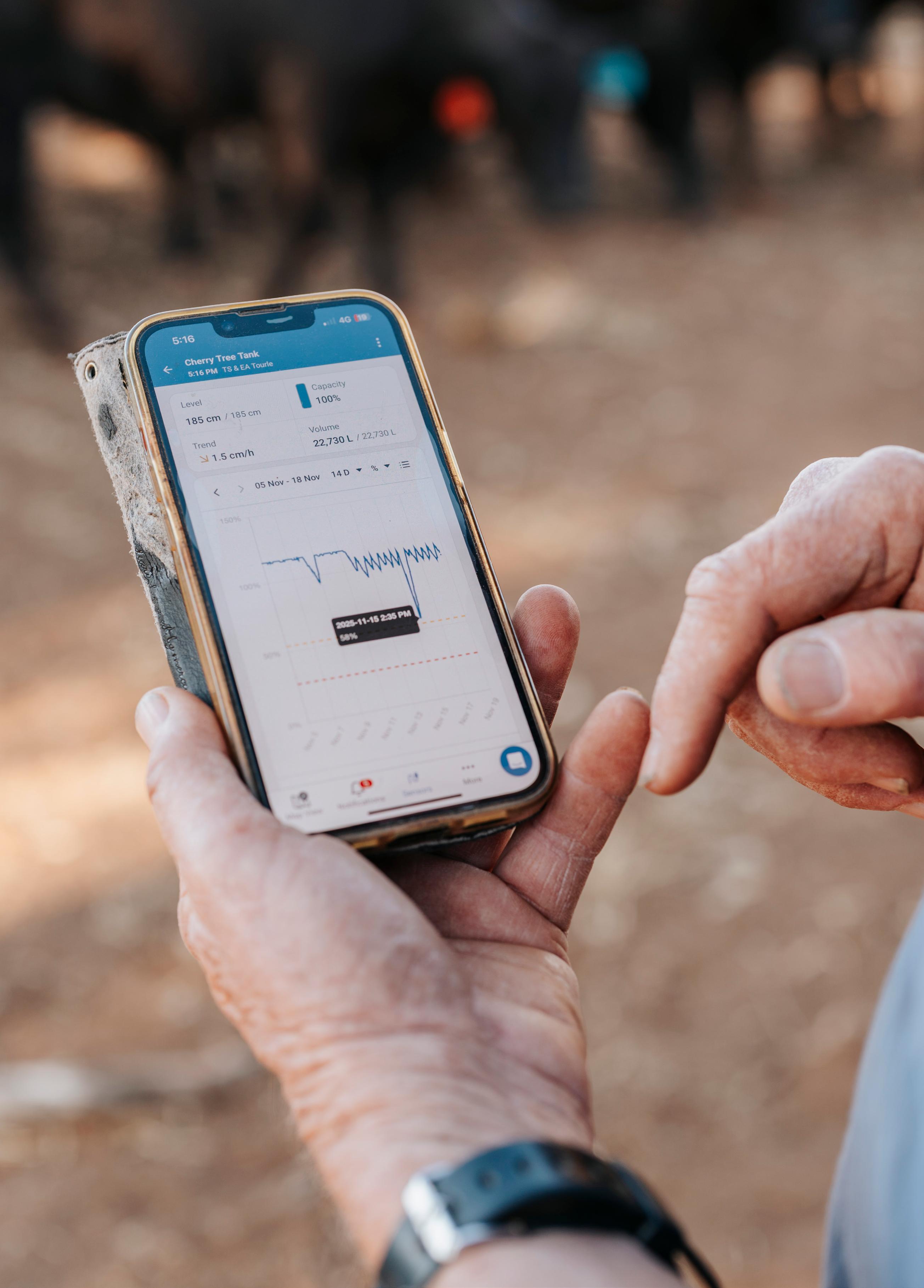

New Opportunity: Red Wagyu Expression of Interest
As part of its commitment to innovation and long-term genetic advancement, the AWA is also inviting expressions of interest to incorporate Red Wagyu genetics into the Progeny Test Program.
This is a significant and timely initiative. While Black Wagyu remains the foundation of the Australian herd, formally evaluating Red Wagyu under Australian commercial feeding and processing conditions will deliver critical insights into performance, adaptability and complementary traits.
Red Wagyu are recognised for their fertility, structural soundness and adaptability, traits that can enhance breeding programs when strategically integrated. By testing these genetics alongside established bloodlines, the AWA is creating new opportunities for producers to diversify, strengthen and future-proof their herds.
The AWA is seeking:
Sire nominations (Australian and international Red Wagyu sires)
• Contributor herds willing to participate using Red Wagyu semen in a fixed-time AI program
Importantly, participation does not compromise genetic integrity or registration outcomes:
• Red-on-Red progeny are eligible for Akaushi Register (Fullblood)
• Red-on-Black progeny are eligible for Composite Cross registration while maintaining Fullblood status
This initiative represents a proactive step toward expanding genetic diversity, unlocking new breeding strategies, and strengthening industry resilience and profitability.
The AWA is also actively seeking sires with strong genetic diversity. If you have two sires with a diversity score of 80+, you may be eligible for the $10,000 Genetic Diversity Grant.
With limited cohorts remaining, this is your final opportunity to benchmark your genetics across herds, environments, and years.
NOMINATIONS CLOSE 24TH APRIL 2026
NOMINATE YOUR SIRE NOW!
SCAN for the DOMESTIC NOMINATION FORM
SCAN FOR THE INTERNATIONAL NOMINATION FORM
FORM

The Respiratory Advantage
The Australian beef industry is strongly reliant on feedlotting, ensuring young cattle arrive healthy and resilient is essential for optimal productivity and animal welfare. Bovine Respiratory Disease (BRD) has become the most common health problem in feedlot cattle and poses significant threats during this transition. Fortunately, with strategic management and the addition of Bovi-Shield MH-One and Rhinogard IBR to your vaccination program; producers can set their young cattle up for success and have them ready to perform on farm and in a feedlot environment.
BRD is no longer just a “feedlot disease.” It’s a threat at every stage of beef production, especially during stressful events like weaning, transport, commingling and induction into new environments. Each stress event can compromise immune function, making cattle susceptible to respiratory viruses like Infectious Bovine Rhinotracheitis (IBR) and bacteria such as Mannheimia haemolytica (MH). The cost to the producer is significant:
- BRD can reduce average daily gain by 10–20%1, - reduce feed conversion efficiency, - lower meat quality (especially marbling)1, - lifelong impacts on the animal’s growth and reproductive potential2,3,
- increase sickness and treatment cost, - and, in severe cases, lead to death.
Often, the disease is masked until feedlot and abattoir surveillance but even after cattle have been through feedlots, carcase inspection reveals twice as many cattle with lung lesions (BRD) as were visibly sick on-farm4. This means that invisible losses can erode profitability and reputation. For young cattle, known for their growth potential, any setback between weaning and feedlot entry can mean massive losses for producers.
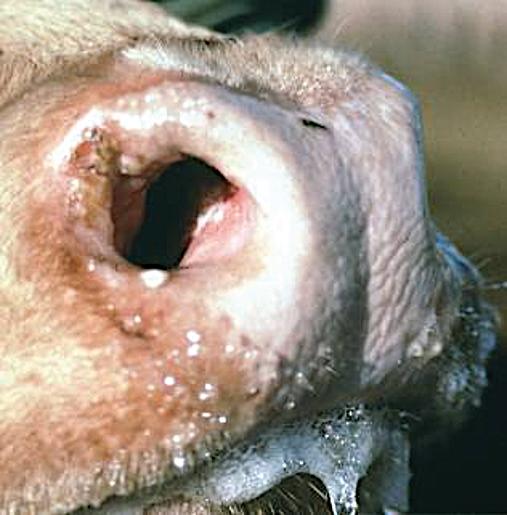
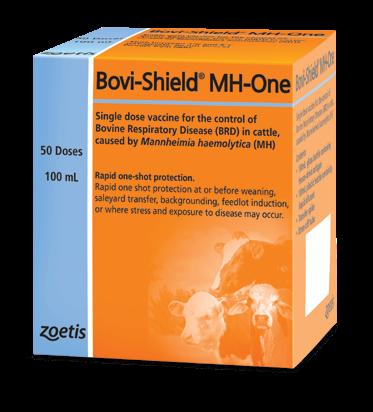

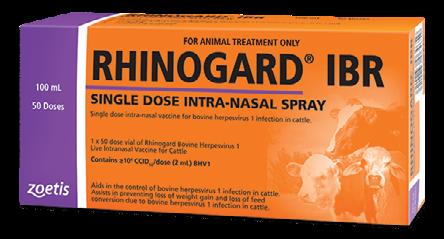
Stress is the primary trigger for BRD. Events such as weaning, transportation, cohort mixing, and dietary changes all compromise immune defences, allowing viruses and bacteria to take hold. Infectious Bovine Rhinotracheitis (IBR) and Mannheimia haemolytica (MH) have been the agents most isolated which both commonly present in Australian herds5 and both capable of turning healthy cattle into a sick animal in a short period of time.
Rhinogard IBR
• Single-dose, intranasal spray: Rapid onset of protective immunity, producing local and systemic protection.
• Stops IBR at the entry site: Prevents the virus from gaining a foothold in the respiratory tract.
• No interference from maternal antibodies: Suitable for calves at any age.
• Convenient, cost-effective: Saves labour by requiring only one muster.
• Single-dose, subcutaneous injection: Protection against MH in as little as 7 days, lasting at least 17 weeks.
• Reduces risk of severe pneumonia and pleurisy: Critical for young cattle entering high-risk environments.
Convenient, cost-effective: Saves labour by requiring only one muster.
Administering both vaccines at or prior to weaning and feedlot entry offers broad protection at multiple stages of the BRD disease cascade. Rhinogard tackles IBR, a key viral threat early, while Bovi-Shield prevents secondary bacterial pneumonia. Ensuring calves are correctly vaccinated with a clostridial vaccine (e.g., 5in1 or 7in1) ticks the boxes for the Immune Ready6 program and ensures your weaners are not only Immune Ready but “feedlot ready”.
Vaccination is only one piece of the puzzle. The following management practices are essential for preparing your weaner cattle for the feedlot:
1. Optimal Weaning
Wean calves at a weight of at least 130kg; in tough conditions, as light as 100kg is acceptable7.
• Batch wean if group sizes exceed 100 to maintain stable social groups and minimize stress.
• Yard wean - Hold calves in a yard for 5-10 days with feed provided from troughs and hay feeders to accustom calves to a feedlot environment.
2. Nutrition
• Feed a nutrient-dense ration (11.5MJ/kg DM, 16–18% crude protein7) and ensure constant access to clean water (minimum 3cm trough space per head).
• Seek nutritional advice to avoid digestive upsets and maximize growth.
3. Parasite Control
• Drench weaners with an effective product (e.g., Dectomax-V) at induction to control worms, which can significantly reduce daily gains.
4. Low-Stress Handling
• Use low-stress stock handling techniques during movement and yarding to minimize physiological stress and accustom cattle to regular handling.
5. Environmental Management
• Minimize dust and mud in yards.
6. Record Keeping
• Document all vaccinations and complete the National Cattle Health Declaration when the cattle are sold as per Immune Ready guidelines.
Producers who vaccinate with Bovi-Shield MH-One and Rhinogard IBR at weaning and before feedlot entry report:
• Reduced illness and death rates,
• Improved average daily gains and feed conversion,
• Better meat quality and marbling,
• Labour and time savings,
• Greater overall profitability without BRD set-backs.
As Scott McMahon, NSW cattle producer, notes: “Any setback between weaning and feedlot entry could mean massive losses. To prevent meat quality and marbling losses it’s vital to get on top of BRD early with the one-time program of Rhinogard IBR and Bovi-Shield MH-One.”
Pre-vaccination protocols are mandatory for many commercial feedlot operations. Administration of a single dose of Rhinogard IBR, in conjunction with Bovi-shield MH-One, provides effective coverage against infectious bovine rhinotracheitis (IBR) and Mannheimia haemolytica, respectively. This combined approach supports respiratory disease prevention and aligns with best practices for maximising feedlot health and market access. Check with your feedlot buyer on their individual requirements.
Healthy weaner cattle are not just a product of good genetics, they’re the result of proactive management and vaccination. By implementing yard weaning combined with robust nutritional and parasite control, and a targeted vaccination protocol including Bovi-Shield MH-One and Rhinogard IBR, producers can ensure their weaners are resilient, productive, and ready to thrive in lot feeding systems. A single dose of Rhinogard IBR and also Bovi-shield MH-One is a great fit for the prevaccination requirements for many feedlots.
The message is clear: prevention is easier, more effective, and more profitable than treatment. Protect your young cattle before they enter the feedlot - your cattle, your business, and your bottom line will thank you.
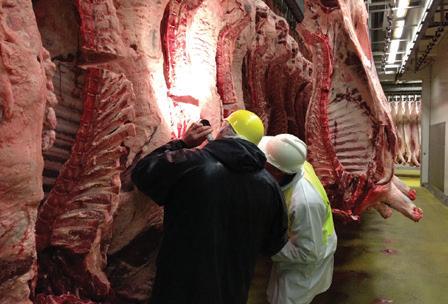
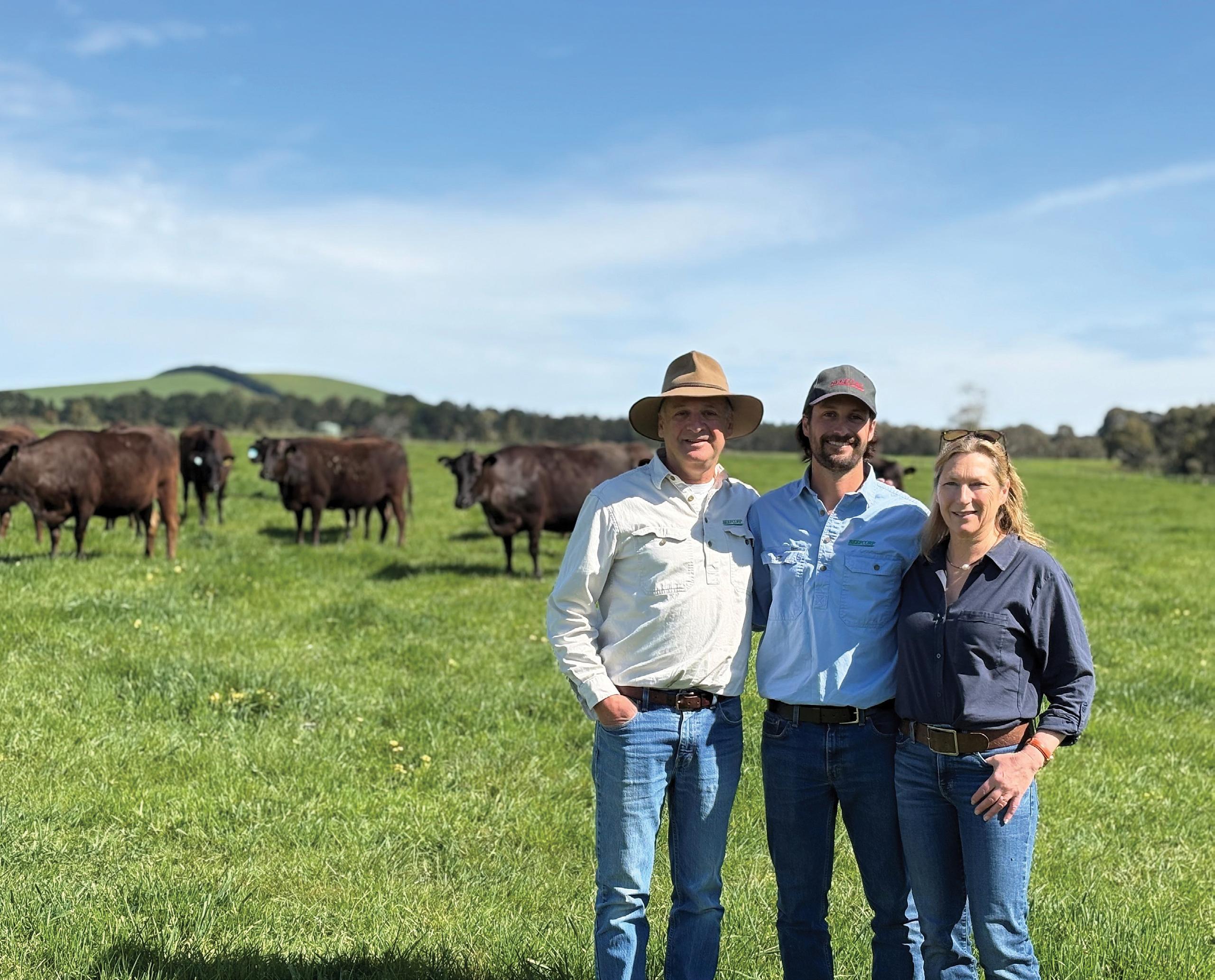
References
5.
Livestock Australia
6. https://www.immuneready.net.au/ Accessed 19/09/2025.
7. https://www.mla.com.au/news-andevents/industry-news/what-to-feed-weaners Accessed 19/09/2025