Specialising in stainless steel and its applications
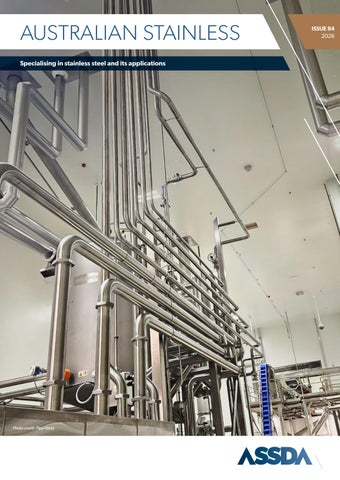
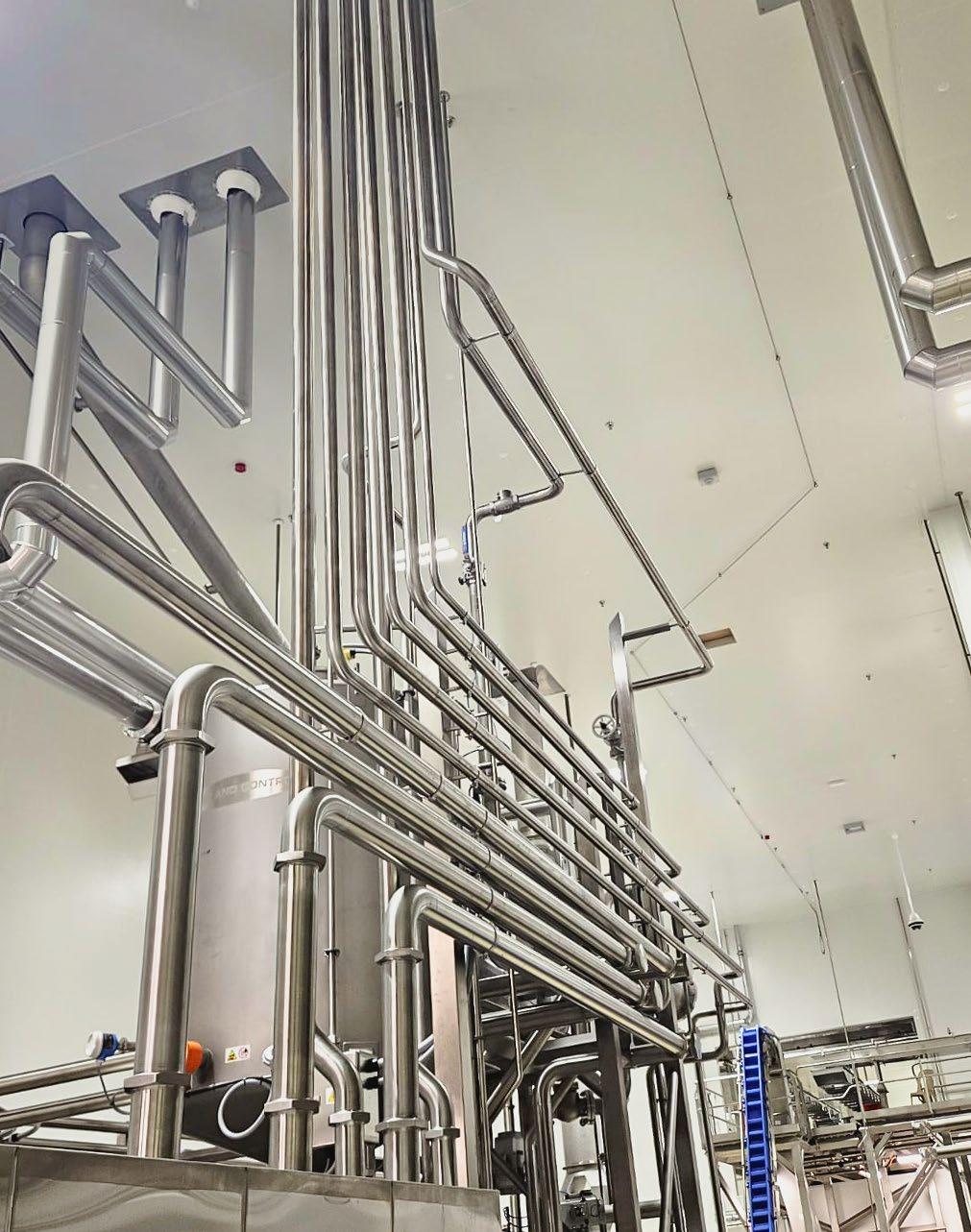
Photo credit: Pipe-Weld
AT A GLANCE...
PAGE 6
CRAFTING EXCELLENCE IN STAINLESS STEEL:
Pipe-Weld delivers for Snackbrands
Australia’s Project Horizon
STAINLESS STEEL POWERING
AUSTRALIA’S DIGITAL FUTURE:
Aflex delivers for Melbourne hyperscale data centre
PAGE 10
HANGING SUSTAINABILITY: Coastal Clotheslines at Habitat
PAGE 14
PacRim Stainless 2026
PAGE 8
STAINLESS STEEL ON THE EDGE: The Clifftop Walkway at Vaucluse
ASSDA Members and important information PAGE 3 | FEATURE
PAGE 12
LOCAL EXPERTISE, LASTING INFRASTRUCTURE: Stainless steel solutions for long-term water performance

PAGE 15

The $222 million Project Horizon expansion has reshaped Snackbrands Australia’s Orchard Hills facility into a 22,225m2 advanced manufacturing and distribution hub. Delivering this transformation relied on disciplined application of stainless steel throughout the plant, expertly fabricated and installed by ASSDA Member and Accredited Fabricator Pipe-Weld, supported by a network of ASSDA Member suppliers to ensure performance, hygiene, and longterm durability at every level.
Stainless steel at scale
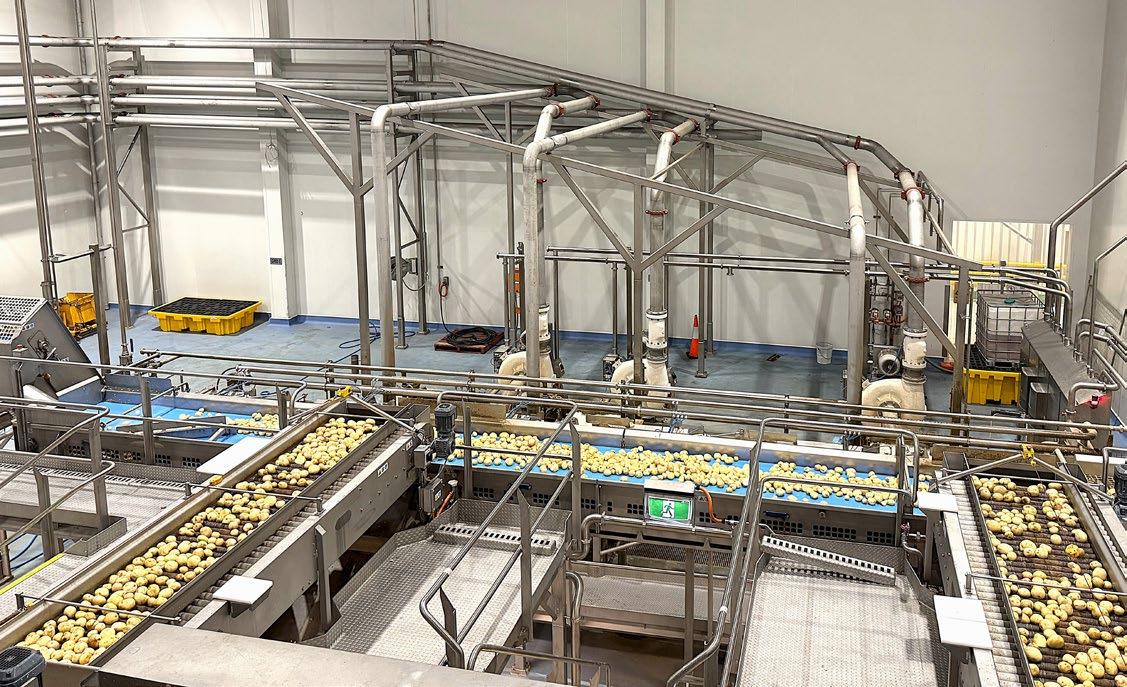
Pipe-Weld delivered the full stainless steel mechanical works package, including process pipework, structural platforms and gantries, pollution and stack ducting, flumes, heat exchanger connections, fryer integration and electrical conduits. The project required more than 180,000 man-hours, coordinated through two fabrication workshops located within 20 minutes of site to enable rapid manufacture, finishing and delivery in tightly sequenced installation windows.
Stainless steel grade selection was carefully matched to operational duty:
• Grade 304 for platforms, stairs, handrails and dry-area frames where formability, structural efficiency and hygienic finishing were key.
• Grade 316 for process tubing, Clean-In-Place (CIP) headers, utilities and conduits in wet zones exposed to chlorides and cleaning chemicals.
• Grade 316L in weld-intensive applications to minimise sensitisation and protect heat-affected zones from intergranular corrosion.
• Grade 2205 for elevated chloride dosing lines, selected for its high strength and superior resistance to both chloride pitting and stress corrosion cracking, allowing reduced section sizes and longer unsupported spans.
Pipe-Weld delivers for Snackbrands Australia’s Project Horizon Setting

The development includes a 3,500m2 food manufacturing hall integrated with existing warehousing and distribution infrastructure, forming a consolidated national hub for some of Australia’s most recognised potato and corn chip snack brands. Within this environment, stainless steel was not simply a material choice – it was a performance-critical engineering solution underpinning cleanability, corrosion resistance, structural integrity and lifecycle value.
In total, the works incorporated:
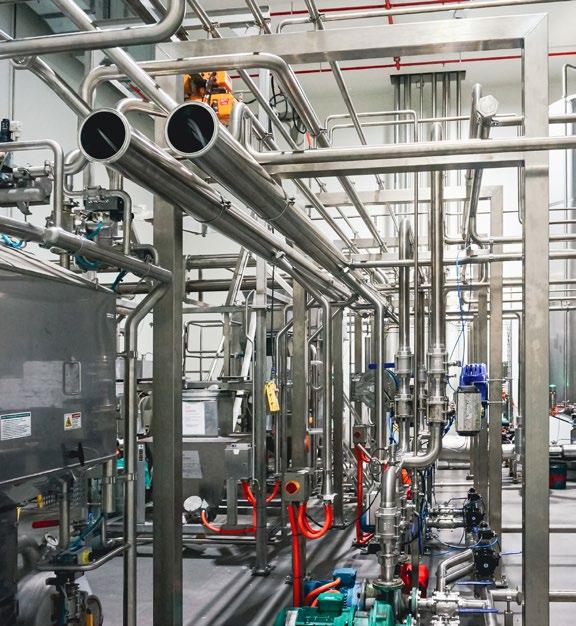
• 26km of 316 stainless steel tube for process liquids, CIP, compressed air and utilities
• 4,500m2 of stainless steel platforms and access structures
• 8km of fully purged 316 stainless steel conduits forming a sealed services network
• Approximately 22,000m of fully sealed platform joints.
More than $2.3 million in stainless materials were sourced exclusively from ASSDA Member suppliers, including Atlas Steels, A&G Stainless Steel, Midway Metals, Dalsteel Metals, Prochem Pipeline Products, Stirlings Performance Steels, and Allmach Piping Systems, ensuring full traceability from mill certification through to installed works.
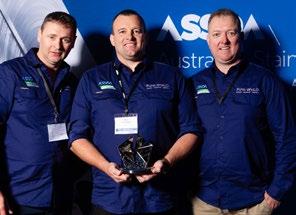

Terry Reilly, Billy O’Connor, and Brendan Roche. Pipe-Weld received the 2025 ASSDA Fabricator Project of the Year Award in the Food, Beverage, and Pharmaceutical category for their outstanding work on Snackbrands’ Project Horizon.
Welding excellence and fabrication precision
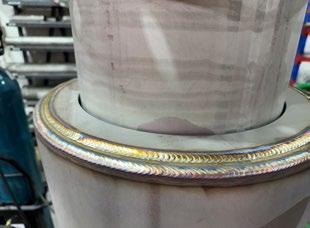
Workmanship followed stringent preparation and execution standards. Tube ends were saw- or laser-cut to achieve square, burr-free profiles before solvent cleaning. Welding was undertaken using orbital GTAW or qualified GTAW/Pulse MIG procedures under controlled argon purging to minimise oxygen ingress and limit heat tint to a pale straw finish.
All welding procedures were supported by qualified Welding Procedure Specifications (WPS) and Procedure Qualification Records (PQR) documentation. Structural and pipe welds complied with AS/NZS 1554.6 Structural steel welding: Welding stainless steels for structural purposes, while high-risk thermal oil services met AS 4041 Pressure piping Class 1 acceptance criteria. Welder competency was maintained through ongoing qualification testing aligned with AS/NZS ISO 3834 quality requirements.
Distortion control was achieved through engineered jigs, copper backing bars and controlled heat input, particularly on long seam welds. The introduction of Fronius Pulse MIG and FlexTrack 45 Pro systems ensured repeatable seam accuracy, while two Orbitalum 180 Smart welders delivered thousands of consistent tube welds across the facility. Following fabrication, components were bead-blasted as matched to 2B finishes where appropriate, then pickled and passivated in accordance with ASTM A380 Standard Practice for Cleaning, Descaling, and Passivation of Stainless Steel Parts, Equipment, and Systems or ASTM A967 Standard Specification for Chemical Passivation Treatments for Stainless Steel Parts. These processes restored and stabilised the passive chromium oxide layer, enhancing corrosion resistance and reducing both long-term chemical and water consumption under frequent CIP regimes.
Every weld and component was captured within weld maps, Inspection and Test Pans (ITPs) and Manufacturer’s Data Reports (MDRs), providing end-to-end traceability. All welds underwent visual inspection to AS 3978 Nondestructive testing – Visual inspection of metal products and components acceptance criteria, with non-destructive testing applied to risk-critical joints and verified by thirdparty inspection.
Hygienic design in a live environment
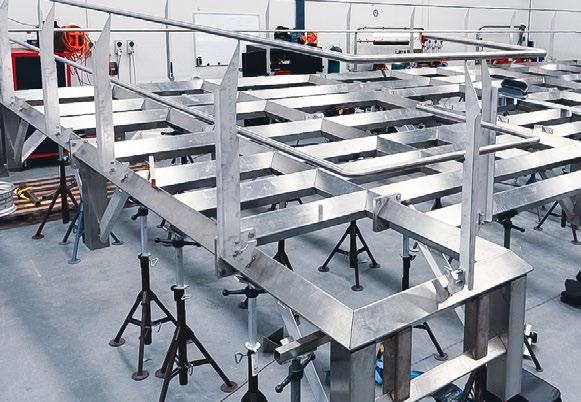
Works progressed within a tightly sequenced, live construction environment under strict Good Manufacturing Practice (GMP) and Health, Safety and Environment (HSE) controls. Platforms were detailed to eliminate soil traps, with square hollow section members rotated on the diamond to shed debris. Fully sealed welds were executed at interfaces, and process lines were installed as selfdraining with hygienic spacing and movement allowances.
Pipe-Weld’s fabricated and installed platforms were designed and certified in accordance with AS 1170.0
Structural design actions; General principles, AS 1170.1
Structural design actions; Permanent, imposed and other actions and AS 4100 Steel structures for structural performance. High-pressure and high-temperature services were engineered to Australian pressure standards, including thermal oil circuits operating at approximately 250 degrees Celsius.
A notable innovation was the adoption of 316 stainless steel tube conduits in preference to conventional tray and PVC systems. The result is a closed, cleanable and durable services spine capable of withstanding wet washdown environments while maintaining hygienic integrity.
An in-house 5-tonne fully electric spider crane enabled more than 200 precision indoor lifts in constrained packaging halls, supporting the assembly of complex platform grids with over 700 legs welded in situ. This approach improved safety, reduced thirdparty reliance and enhanced schedule certainty.


Lifecycle durability and environmental performance
Stainless steel was selected not only for immediate operational performance but for its lifecycle durability and recyclability. Its corrosion resistance and structural longevity minimise replacement cycles and whole-of-life emissions.
Environmental controls were integrated into the stainless scope. Exhaust and duct systems recover fryer oils for reuse as burner fuel, reducing environmental discharge and reclaiming energy. Engineered stacks manage emissions and noise, while relocation of roof tanks indoors eliminated spill-to-stormwater risk and extended asset life.
Bead-blasted finishes provide a uniform, non-directional surface that supports effective cleaning while reducing chemical and water demand over decades of operation. The electric spider crane further reduced on-site emissions during installation, aligning construction methodology with the project’s environmental objectives.
Setting a new benchmark
Project Horizon demonstrates how petrochemical-grade rigour can elevate stainless steel performance within a food manufacturing environment. Through disciplined material selection, advanced fabrication technology, standards-based QA systems and meticulous hygienic detailing, Pipe-Weld has delivered infrastructure engineered not only for compliance, but for confidence.
From 26km of process tube to thousands of documented welds, Project Horizon reflects stainless steel craftsmanship at industrial scale. In recognition of this achievement, Pipe-Weld was awarded the 2025 ASSDA Fabricator Project of the Year Award in the Food, Beverage and Pharmaceutical category, a fitting acknowledgement of a project that has set a benchmark for stainless steel performance in Australia’s food sector.

ASSDA MEMBER CONTACTS
Pipe-Weld \ Brendan Roche, Director \ 0466 264 269 \ brendan@pipeweld.com.au \ www.pipeweld.com.au
Atlas Steels \ Marc McAllister, Service Centre Manager – Sydney \ 0475 462 862 \ marc.mcallister@atlassteels.com.au \ www.atlassteels.com.au
A&G Stainless Steel \ Karl Russell, Operations Manager \ 0448 235 322 \ krussell@stainlessag.com.au \ www.stainlessag.com.au
Midway Metals \ Hayden Wilson, Account Manager \ 0413 834 206 \ haydenw@midwaymetals.com.au \ www.midwaymetals.com.au
Dalsteel Metals \ David Platt, NSW Manager \ 02 9758 1444 \ sales@ dalsteel.com.au \ www.dalsteel.com.au
Prochem Pipeline Products \ Anil Bhatia, Business Development Manager \ 0448 152 570 \ abhatia@prochem.com.au \ www.prochem.com.au
Stirlings Performance Steels \ Mark Rossbridge, Commercial and Operations Manager NSW/ACT \ 0422 408 485 \ markr@stirlings.com.au \ www.stirlings.com.au
Allmach Piping Systems \ Roy Pugh, Director & Head of Sales \ 0439 006 955 \ roy.pugh@allmach.com.au \ www.allmach.com.au
STAINLESS STEEL POWERING
AUSTRALIA’S DIGITAL FUTURE:
Aflex delivers for Melbourne hyperscale data centre
Australia’s data centre sector is experiencing unprecedented growth, driven by artificial intelligence, cloud computing and the increasing demand for secure, high-performance digital infrastructure. With more than $26 billion in forecast investment by 2030 to support AI infrastructure and economic growth, data centres represent one of the most exciting and rapidly expanding markets in the country.
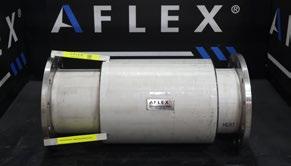
Contributing a critical piece of infrastructure to this transformation, ASSDA Member and Accredited Fabricator Aflex designed, manufactured and supplied stainless steel expansion joints for a major hyperscale data centre in Melbourne. While compact in scale compared to the overall facility, these precision-engineered components play a vital role in ensuring the efficiency, reliability, and long-term performance of the centre’s high-purity cooling systems.
Engineering for hyperscale performance
A hyperscale data centre is engineered for extreme scalability, supporting large-scale workloads through optimised network infrastructure, streamlined connectivity and minimised latency.
With that power comes significant energy demand. Cooling systems are critical to performance, reliability and efficiency. Even small improvements in hydraulic design can deliver substantial energy savings across a facility of this scale.
Rethinking expansion in highpurity cooling systems
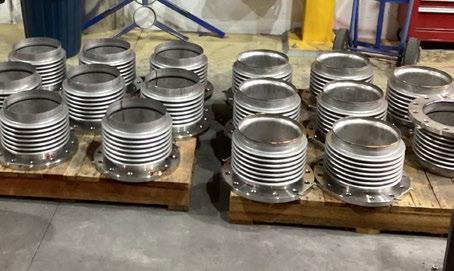
Traditionally, water lines with low thermal growth rely on pipe loops to accommodate expansion. Aflex demonstrated innovation by applying compact stainless steel bellows in high-purity cooling water systems, an approach not typically used in this setting.
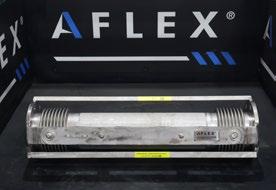
Expansion joints are engineered connectors designed to absorb movement through their flexible and convoluted design. They manage thermal expansion, vibration, and mechanical movement in pipelines and vessels. Each assembly typically comprises one or more bellows, end connections and tie rods depending on the application.
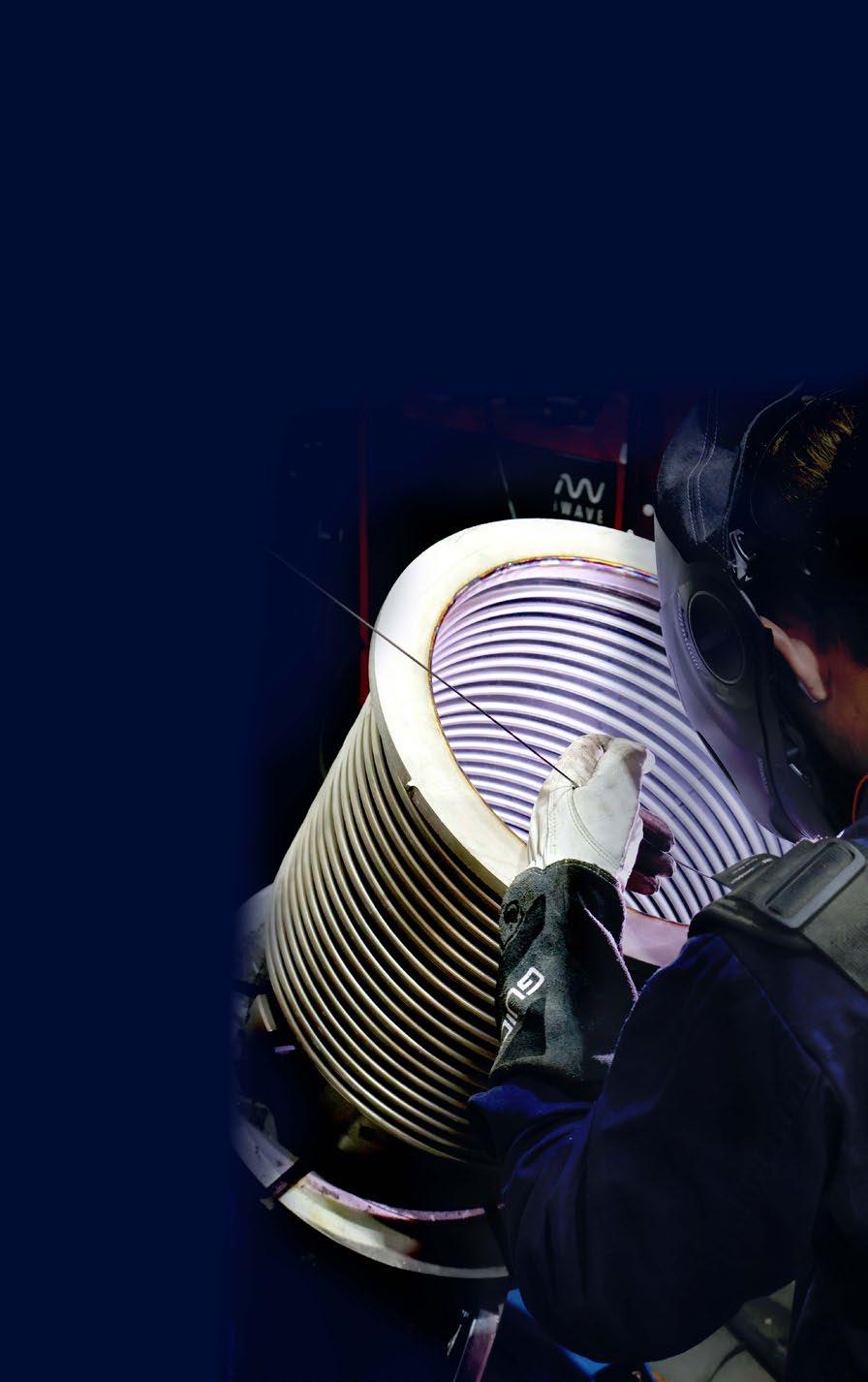
Aflex’s stainless steel bellows boost cooling efficiency, save space, and reduce energy use.
Photo credits: Aflex
For this project, compact grade 316 stainless steel bellows were installed in straight pipe runs. The result?
• Reduced pumping energy
• Improved cooling efficiency
• Significant space savings
• Simplified installation
By outperforming conventional pipe loops, Aflex’s solution delivered measurable gains in operational efficiency while maintaining the integrity of ultra-pure cooling systems.
Why stainless steel was critical
More than 10 tonnes of grade 316 stainless steel pipe, sheet, and flanges were used across the project, supplied by ASSDA Members Stirlings Performance
Steels, Vulcan, and Midway Metals. Materials were provided in 2B finish, machined surfaces and mill finish to suit specific application requirements.
The bellows were formed from fully annealed 316 stainless steel sheet and electropolished using a TIG brush. This ensured compatibility with ultra-pure cooling water – which in data centres is often cleaner than everyday drinking water –while delivering long-term corrosion resistance and durability.
In this critical infrastructure environment, stainless steel offers:
• Exceptional corrosion resistance in high-purity water systems
• Strength and flexibility to withstand thermal cycling
• Resilience to building settlement and seismic movement
• Long service life with minimal maintenance
• 100% recyclability and reduced lifecycle costs
Stainless steel sets the foundation for efficient, resilient and high-performance infrastructure. In modern data centres, it is the material of choice for mission-critical applications.
Quality, traceability and local capability
Manufactured under ISO 9001 certification, Aflex’s expansion joints were produced with full traceability and rigorous inspection. Quality assurance extended to accredited standards ISO 9002 and ISO 45001, advanced welding practices and comprehensive testing protocols.
Each assembly was supplied with a detailed Manufacturer’s Data Report (MDR), including bellows calculations, material certificates, weld procedures and weld records.
Further reinforcing its leadership, Aflex is commissioning a cycle testing and spring rate testing machine to become Australia’s first bellows company compliant with EMJA (Expansion Joint Manufacturers Association) cycle testing requirements. Cycle testing demonstrates stainless steel’s superior resilience under stress, proving its ability to flex reliably over thousands of movements.
Award-winning innovation
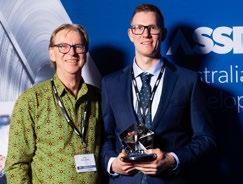
In recognition of its excellence in design, engineering and fabrication, Aflex was awarded the 2025 Australian Industry Stainless Steel Fabricator Project of the Year Award in the Small Project, Big Impact category.
As Australia accelerates investment in digital infrastructure, this project highlights how local expertise, advanced fabrication and the intelligent application of stainless steel are enabling the next generation of high-performance facilities.
ASSDA MEMBER CONTACTS
Aflex \ Stephen Klosowski, General Manager \ 02 9457 7530 \ sales@aflex.com.au \ www.aflex.com.au
and
Stirlings Performance Steels \ Mark Rossbridge, Commercial & Operations Manager NSW/ACT \ 0422 408 485 \ markr@stirlings.com.au www.stirlings.com.au
Vulcan \ Tony Gatt, Site Leader \ 0408 258 035 \ stainless.nsw@vulcan.co \ www.vulcan.co
Midway Metals \ Adam Sindel, Account Manager \ 0413 834 010 \ adams@midwaymetals.com.au \ www.midwaymetals.com.au
John Klosowski
Stephen Klosowski of Aflex accepting the 2025 ASSDA Fabricator Project of the Year Award –Small Project, Big Impact.
STAINLESS STEEL ON THE EDGE:
The Clifftop Walkway at Vaucluse
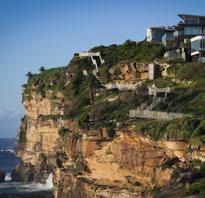
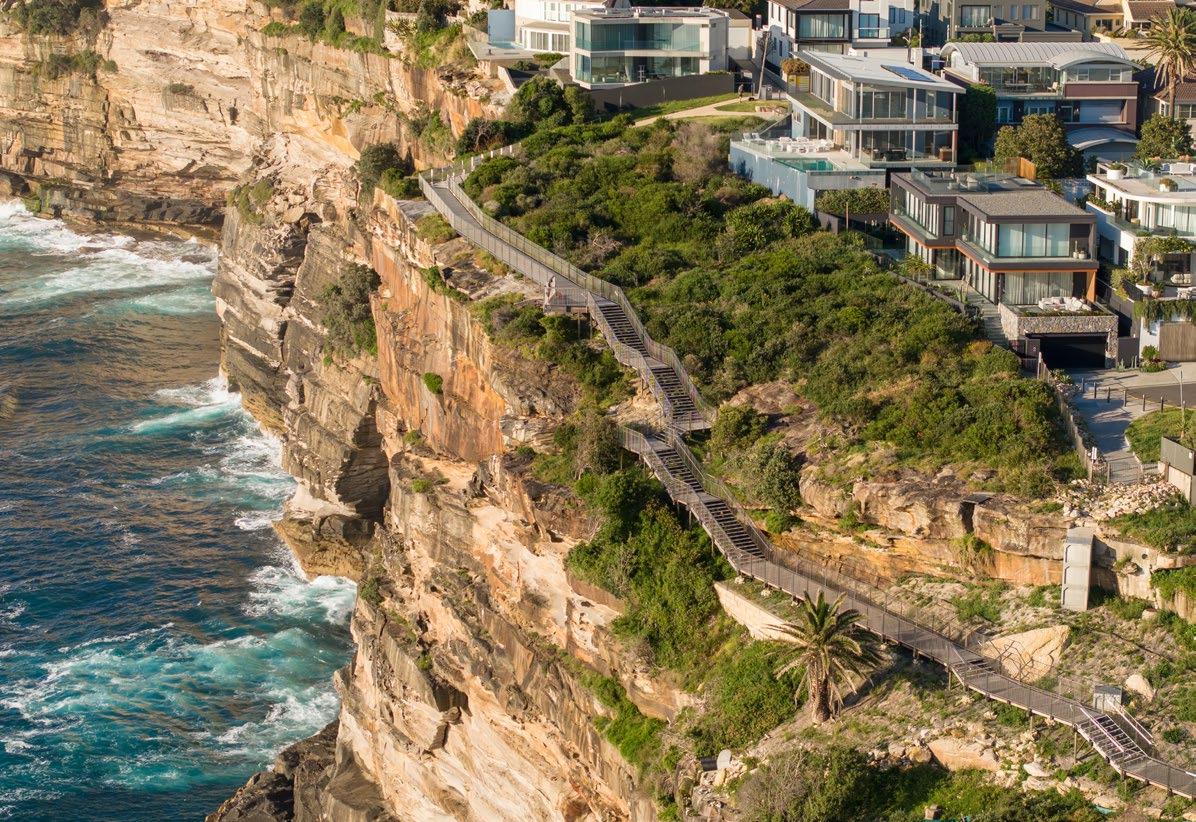
Set against the dramatic sandstone cliffs of Sydney’s eastern coastline, the Clifftop Walkway at Vaucluse is a striking example of how stainless steel can elevate infrastructure in harsh environments. Delivered for Waverly Council by Head Contractor Land & Marine – Ocean Engineering across the Diamond Bay and Eastern Reserves, the expansive boardwalk stretches more than a kilometre along the coastline, providing safer access, improved connectivity and uninterrupted ocean views
Behind its refined architectural presence is the extensive use of stainless steel, delivered by ASSDA Members Frontier Assembly and Elite Metal Fabrication, who together fabricated and assisted in installing approximately 65 tonnes of components. The stainless steelwork underpins the structure’s durability, safety, and long-term performance in a highly corrosive marine setting.
Engineering for an exposed marine climate
Sydney’s eastern headlands present constant exposure to salt-laden winds, airborne chlorides and elevated humidity.
Grade 316 stainless steel was specified throughout for its superior corrosion resistance, structural integrity and low maintenance requirements in coastal applications.
Material supply was coordinated through ASSDA Members Midway Metals and Vulcan Stainless, with bulk procurement strategies implemented to maximise efficiencies. Imported sections were sourced where necessary to meet specification and program demands.
The stainless steel scope included:
• Over 1,000m of balustrade panels, flat bar posts, square hollow section (SHS) posts and continuous handrails
• Coastal fencing posts and panels
• Structural brackets and connection plates
• Stair stringers and stair brackets
• Suspension bridge anchor and sheave brackets, plates, and hardware
• Seat frames
• Gates and associated hardware.
Beyond corrosion resistance, stainless steel was selected for its strength and vandal resistance, critical in an exposed public environment. Its refined surface finish complements the hardwood deck structure, preserving the natural character of the coastline while delivering a projected service life exceeding 50 years.
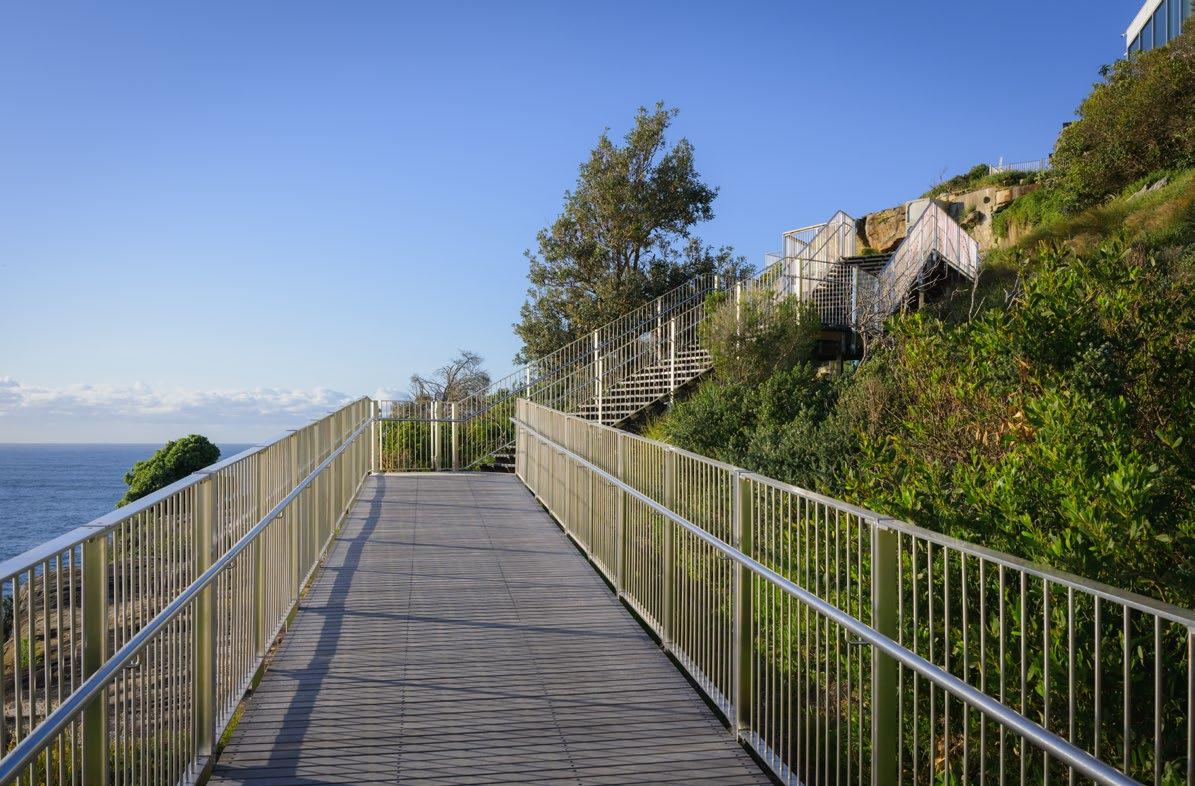
Stainless steel ensures lasting durability and safety in harsh coastal environments.
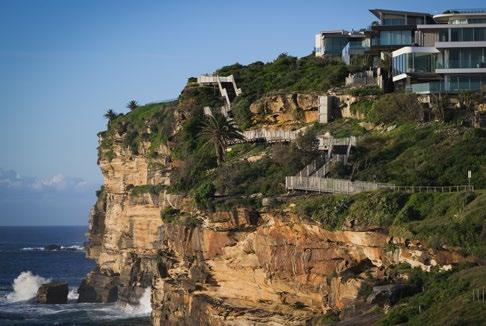
Photo credits: Frontier Assembly
Digital modelling, fabrication precision and installation
The entire boardwalk structure was modelled in 3D during the workshop documentation phase, enabling prefabrication of balustrades, brackets, stair components, and other modules prior to on-site assembly. Strict survey controls ensured components fit seamlessly onsite, minimising adjustment work and preserving both structural and visual integrity.
Precision laser cutting of plates and profiles delivered dimensional accuracy across all structural elements, while minimising offcuts. Frontier Assembly’s ISO 9001-certified quality management system governed fabrication, supported by:
• Inspection and Test Plans (ITPs)
• Qualified weld procedures and welder qualifications
• Independent weld testing
• Full material certification documentation.
Prototype samples were produced at project commencement to confirm weld detailing and surface finish acceptance with Waverly Council and consultants before full-scale production began.
On-site, prefabricated modules were craned into position along constrained cliff-top access points in a sequence carefully coordinated with civil and landscaping works, minimising disruption and maintaining program certainty. Capped tube ends, self-draining design features and careful orientation of SHS posts were incorporated to minimise corrosion and maximise longevity.
Surface finish and corrosion protection
Given the extreme coastal exposure, surface preparation was critical. ASSDA Member Australian Pickling & Passivation was engaged to undertake the weld cleaning and electropolishing services.
Components were mechanically polished to a 600-grit finish before electropolishing, producing a smooth, refined surface with enhanced corrosion resistance. This finish reduces surface contaminants, strengthens the chromium layer and ensures long-term performance in chloride-rich conditions while maintaining the architectural quality demanded of a landmark public project.
Structural innovation
A key engineering challenge arose when the alignment crossed an area of geological instability within the cliff shelf. Rather than diverting the walkway, engineers developed a 36.5m suspended section incorporating underslung steel cables beneath the deck.
Frontier Assembly and Elite Metal Fabrication fabricated substantial cable anchor and sheave brackets from 32mm plate, together with custom hanger brackets supporting the deck structure. The underslung cable system functions as a protective catch mechanism should rock movement occur, mitigating risk without compromising alignment or accessibility.
The solution highlights the structural capacity of stainless steel in demanding terrain, combining high tensile performance with long-term corrosion resistance.
A durable community asset
Completed in early 2025, the Clifftop Walkway transforms a previously vulnerable pathway into a resilient and accessible community asset. Safer stairs, viewing platforms and upgraded fencing enhance public safety and inclusivity, while the stainless steel structural framework ensures long-term reliability in a harsh marine environment.
During fabrication, material nesting strategies optimised yields and minimised offcuts, with surplus stainless steel recycled wherever possible. Combined with the material’s inherent durability and low maintenance requirements, this significantly reduces lifecycle environmental impact and long-term capital costs.
The project demonstrates how thoughtful specification, advanced fabrication and planning, and collaborative delivery can produce infrastructure that is architecturally refined, structurally robust, and environmentally responsible.
Against the backdrop of the Pacific Ocean, the Clifftop Walkway stands as a testament to stainless steel’s capability to balance beauty, strength and sustainability on the edge of Australia’s coastline.
Frontier Assembly \ David Tennant, General Manager \ david@frontierassembly.com.au \
Elite Metal Fabrication \ Graham Gault, Director \ graham@elitemetalfabrication.net \ 0405 784 080 \ www.elitemetalfabrication.com.au
Midway Metals \ Jason Platt, Account Manager \ 0413 834 003 \ jasonp@midwaymetals.com.au \ David Crebert, Account Manager \ 0413 834 009 \ davidc@midwaymetals.com.au \ www.midwaymetals.com.au
Vulcan Stainless \ Tony Gatt, Site Leader \ 0408 258 035 \ stainless.nsw@vulcan.co \ www.vulcan.co Australian Pickling & Passivation \ Richard Raper, Director \ richard@apaps.com.au \ 0400 816 290 \ www.picklingandpassivation.com.au
Hanging sustainability: Coastal Clotheslines at Habitat
The Habitat Live-Work Precinct at 1 Porter Street in Byron Bay is a thoughtfully designed community where residents can live, work and recharge in one integrated space. Developed by Bayshore Development, Habitat has been over 20 years in the making, blending the spirit of “old Byron” – creativity, community and environmental respect – with modern sustainable design principles, including renewable energy, shared mobility, and hybrid live-work spaces.
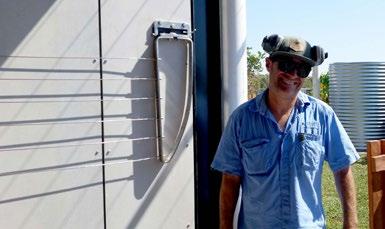
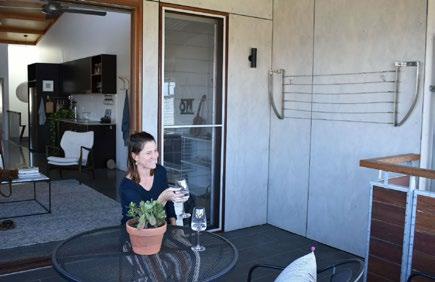
Among the many elements contributing to Habitat’s sustainable and functional design is something deceptively simple: clothes drying. For this, ASSDA Member Coastal Clotheslines was engaged to supply and install more than 80 stainless steel clotheslines, delivered in four stages from 2018 through to 2025. Designed to withstand harsh coastal conditions with minimal maintenance, these clotheslines exemplify how clever design and stainless steel innovation can make everyday sustainability effortless.
Designing for compact coastal living
Habitat’s double-storey one- and two-bedroom terraces, designed by DFJ Architects, combine timber, steel, cement sheeting and concrete to create compact, durable living spaces. Integrating practical drying solutions in this context presented a unique design challenge.
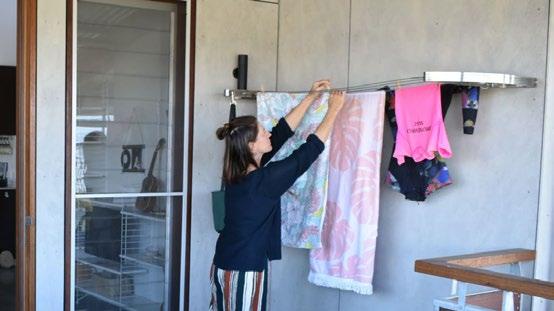
To meet these demands, Coastal Clotheslines created a custom folding curved bracket system using stainless steel. The innovative design was refined over a 12-month period, including extensive prototyping, salt bath testing, and collaboration with architects to ensure every bracket fit perfectly in its intended space. This effort resulted in an Australian-first patent for folding curved flexing clothesline brackets, submitted in 2017.
The design leverages stainless steel’s work-hardening properties, achieving a structure that combines rigidity with flexibility, without the need for additional postforming hardening or welding. Cold-forming the steel not only ensures strength and durability but also reduced fabrication energy.
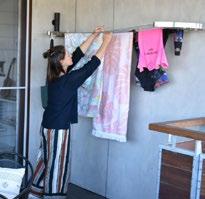
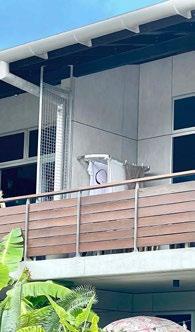
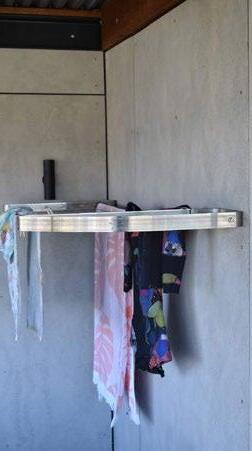
The result is a stylish, highly functional clothesline that discreetly folds away when not in use yet provides ample space for everyday laundry. Installed on cement sheet stud walls, each 1800mm x 600mm unit accommodates up to six lines, maximising usable space in compact terraces while remaining easy to operate and maintain.
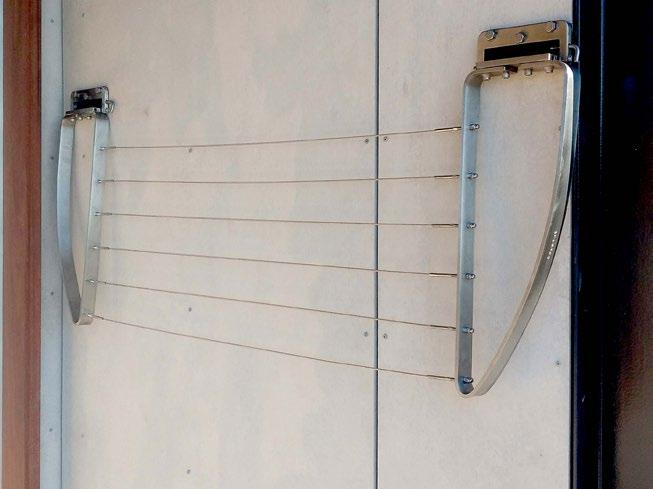
Hand fabricated from 8mm thick HRAP 316L stainless steel flat bar, finished to a mirror polish for high performance
Why stainless steel was essential
Sustainable innovation in fabrication
Located 700 metres from the coastline in a subtropical landscape, Habitat demanded materials that could ensure harsh marine conditions. Stainless steel was the only material capable of combining durability, low maintenance, and sustainability in this environment. Each clothesline is hand fabricated from 8mm thick HRAP 316L stainless steel flat bar, finished to a mirror polish for long-term performance and easy cleaning. Over the eight years since the first installation, there has not been a single failure or need for maintenance, including fixings, fasteners, cables or corrosion related issues.
Collaboration across the stainless steel supply chain further strengthened the outcome. Coastal Clotheslines partnered with ASSDA Member Arcus Wire Group to source 2205 duplex stainless steel wire rope cable for the lines, while all fixings and fasteners were supplied in 316 stainless steel, ensuring consistent strength and longevity throughout the system.
Beyond performance, stainless steel supports Habitat’s passive sustainable design philosophy. The fabrication of more than 80 clotheslines produced just 11 kilograms of swarf, all recycled back into the stainless steel circularity loop. With stainless steel’s global recycling rate of approximately 95%, these clotheslines will remain part of the circular economy for decades to come.
Coastal Clotheslines’ workshop is 100% solar-powered, and fabrication involves zero welding, eliminating emissions and noise pollution. The company is also working with its steel supplier toward ISO 14001 certification and has begun the initial phase of GECA certification for its stainless steel product range.
Proven durability and design longevity
The Habitat Live-Work Precinct project demonstrates how careful material selection, innovative design, and stainless steel expertise can deliver lasting, sustainable infrastructure in a coastal environment. Eight years on, the clotheslines continue to perform flawlessly, reflecting both Coastal Clotheslines’ engineering precision and the sustainable durability of stainless steel.
By combining function, design, and sustainability, Coastal Clotheslines has created a solution that quietly enhances everyday life while supporting circular, low-maintenance, and resilient urban living – one clothesline at a time.
Coastal Clotheslines’ workshop is 100% solarpowered, and fabrication involves zero welding, eliminating emissions and noise pollution.
LOCAL EXPERTISE, LASTING INFRASTRUCTURE
Stainless steel solutions for long-term water performance

Critical wastewater infrastructure at the Alfred Street Pumping Station in Slacks Creek, Queensland, has been future-proofed through the design and manufacture of two custom stainless steel penstocks – the heavy duty gates that control water flow through a pumping station – by ASSDA Member and Accredited Fabricator Australian Water Engineers (AWE).
Engaged by Logan Water Alliance as part of Logan Water’s Wastewater Pipeline and Maintenance Hole Renewal Program, AWE was tasked with replacing outdated, non-functional penstocks essential to the isolation and control of inflow to the pumping station. The project forms part of a broader strategy to extend the lifespan and operational efficiency of existing water assets.
Stainless steel built for harsh environments
Operating in aggressive sewage conditions demands materials that will not corrode, pressure, and constant cycling. Grade 316L stainless steel was selected for its superior and proven corrosion resistance, strength and long-term cost effectiveness. Stainless steel materials for the project were supplied by ASSDA Members Midway Metals, Stirlings Performance Steels, and Vulcan.
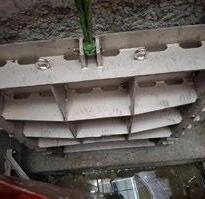
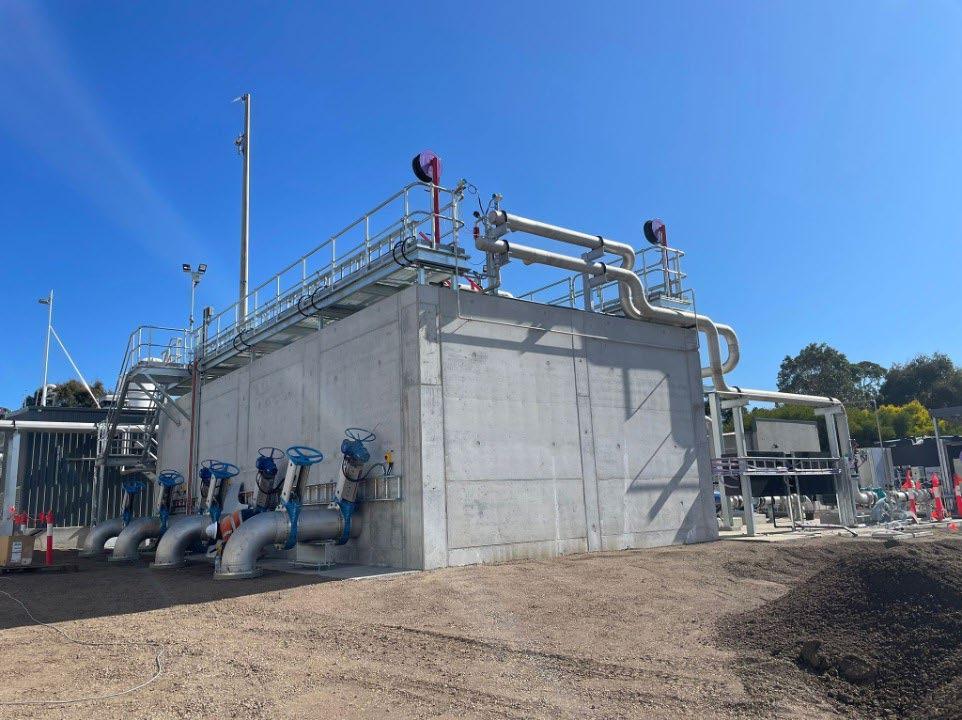
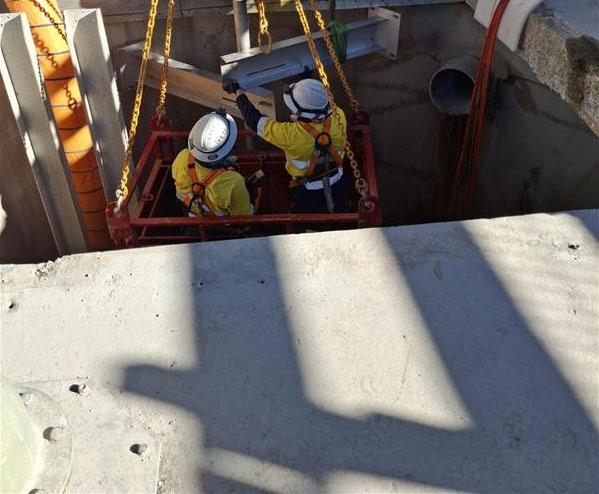
The two custom penstocks – one DN1500 and one DN1050 size – were fabricated using 12mm, 10mm, and 6mm plate, along with stainless steel angles, round bar and pipe. The larger gate weighed more than 2 tonnes, with the smaller gate weighing approximately 1.3 tonnes. Both were designed to operate against 8m of head pressure while achieving very tight water leakage performance. All major components, including hydraulic cylinders, spindles, and support brackets, were manufactured from 316 stainless steel, ensuring durability and material consistency throughout. Designed to exceed a specified 20-year service life, the penstocks are expected to perform reliably for decades in one of the most demanding water sewage environments.
Stainless steel ensures durable, reliable performance in critical water assets.
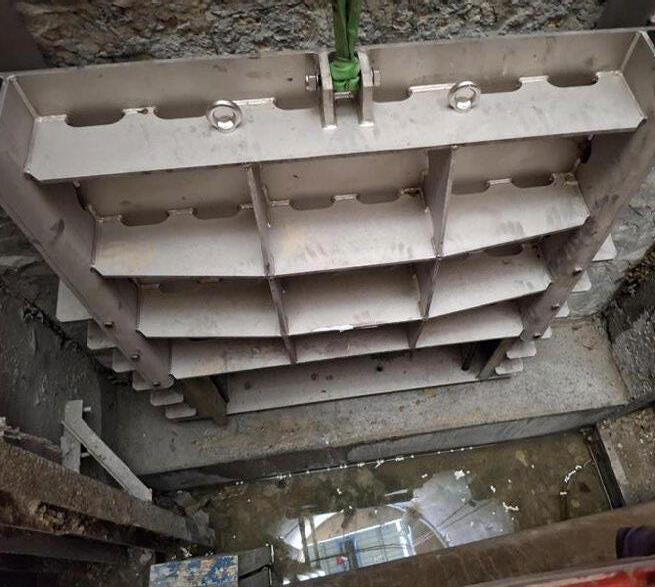
Photo credits: Australian Water Engineers
Precision design under complex constraints
Installation at depths of up to 13m, integration within existing concrete block-outs and mountings and accommodation of a sloping chamber wall required tailored engineering solutions.
AWE’s in-house design and fabrication teams worked closely to ensure precise fitment and performance. Flatness tolerances of less than 1mm across seating faces were achieved, critical to ensuring a reliable sealing under pressure. This level of precision highlights the technical capability behind locally manufactured stainless steel solutions.
Quality assured through local fabrication
As an ASSDA Accredited Fabricator, AWE maintained rigorous quality standards throughout the project.
Fabrication was completed in accordance with AS/NZS 1554.6 Structural steel welding: Welding stainless steel for structural purposes, with all welding undertaken using prequalified procedures to mitigate risks such as crevice corrosion. The finished penstocks were pickled and passivated to ASTM A380 Standard practice for cleaning, descaling, and passivation of stainless steel parts, equipment, and systems to further enhance corrosion resistance.
The penstocks were thoroughly tested at the workshop under different pressures and repeated operational cycles to ensure reliable performance before delivery.
Local fabrication enabled close collaboration between designers and trades, strict quality control, and full compliance with Australian standards, delivering confidence in long-term performance for critical water assets.
Stainless steel protects essential water infrastructure for decades.

Sustainability through longevity
Stainless steel’s durability plays a significant role in reducing lifecycle impacts. Its extended service life minimises the need for premature replacement, lowering material consumption and whole-of-life costs. Stainless steel is also 100% recyclable, with a recycling rate of approximately 95%, further strengthening its sustainability credentials.
The upgraded penstocks also enable safer and more efficient maintenance of surrounding components, improving the overall serviceability and resilience of the pumping station.
Addressing ageing water infrastructure
With water utilities across Australia facing the growing challenge of ageing infrastructure, target renewals such as the Alfred Street Pumping Station upgrade demonstrate the value of intelligent material selection and quality fabrication.
By choosing stainless steel and partnering with an ASSDA Accredited Fabricator, Logan Water has invested a long-term solution designed to enhance reliability, reduce maintenance costs, and strengthen the resilience of critical water assets.
Through precision engineering, advanced stainless steel fabrication, and a commitment to quality, Australian Water Engineers has delivered a durable, future-ready solution that will support the local community and protect essential water infrastructure for decades to come.
PacRim Stainless 2026
Australia’s only dedicated stainless steel conference event
21–22 October
THE ISLAND GOLD COAST QUEENSLAND,
AUSTRALIA
Powering Productivity, Strengthening Resilience
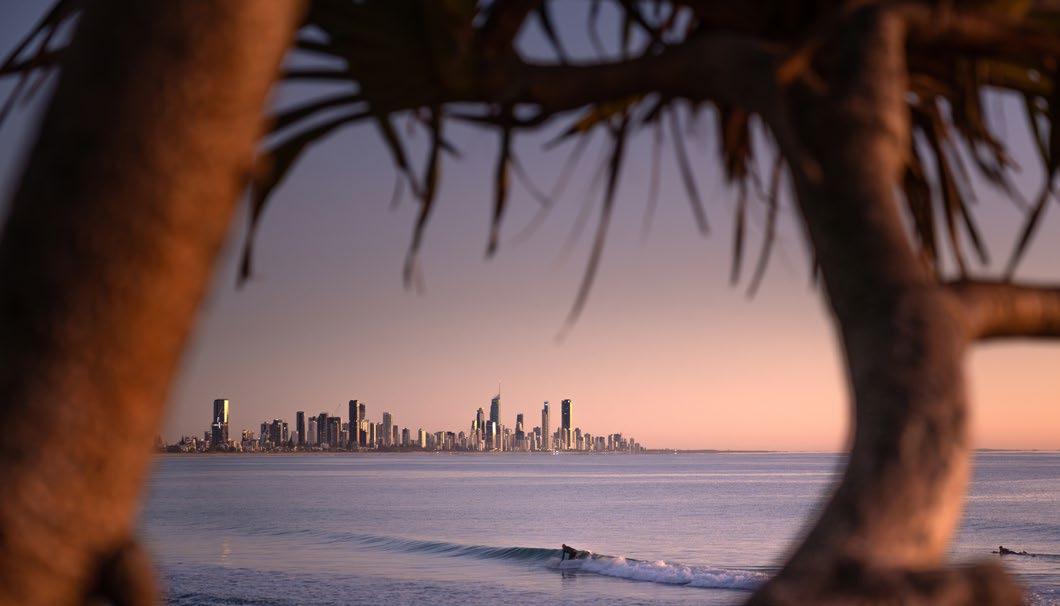
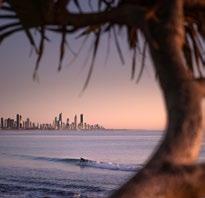
PacRim Stainless 2026 will bring together Australia’s stainless steel industry leaders to explore the forces shaping our sector today, and the strategies required to succeed tomorrow. Under this year’s theme, Powering Productivity, Strengthening Resilience, the program will examine how businesses can lift operational performance, embrace innovation, and strengthen long-term industry capability.
Sessions will span high-growth opportunities in critical infrastructure, alongside real-world stainless steel applications, national and global market analyses, and economic outlooks. We will also explore the evolving policy landscape and the role of emerging technologies such as AI in driving productivity across manufacturing and fabrication.
Together, these insights will equip businesses with the knowledge, tools, and confidence to plan, invest, and thrive in a rapidly changing and increasingly competitive environment.
Conference overview:
Two half-day speaker sessions
Gala dinner: Australian Industry Stainless Steel Fabricator Awards 2026
Social program: 2-ball golf Ambrose and YOT 75 private charter
National ASSDA Young Professionals Network event
Speakers:



Alastair Lynch
Former footballer, author, businessman, television commentator, radio host and podcaster.
Markus Moll
Managing Director, SMR – Steel & Metals Market
Research
Warren Beard CEO, Pantheon IQ
ASSDA Members and important information





Daming International Import & Export Co., Ltd.
Prochem Pipeline Products
Stanch Stainless Steel Co., Ltd.
Stoddart
Venues Pipes and Tubes
YC Inox Co., Ltd.
AUSTRALIAN STAINLESS MAGAZINE
MORE INFO: Enquiries or further information on any material presented in this publication should be directed to ASSDA: Level 6, 200 Adelaide St, Brisbane Qld 4000 \ +61 7 3220 0722 \ assda@assda.asn.au \ www.assda.asn.au
EDITORIAL: Contributions of story ideas specialising in stainless steel and its applications are welcome from Members of ASSDA.
ADVERTISING: Advertise in the only publication that reaches a targeted group of 5000+ in the Australian stainless steel industry. Rates available at www.assda.asn.au
CONTACT: Lissel Pilcher, Editor: lissel@assda.asn.au