Spring2026
KAIROS
ReadOnlineat
The Voice of Austin Presbyterian Theological Seminary Students and Community


Inside This Edition
StudentCreativeSubmissions
AnInterviewwiththepastor,agraduatingsenior
AnInterviewwiththeIA,agraduatingsenior
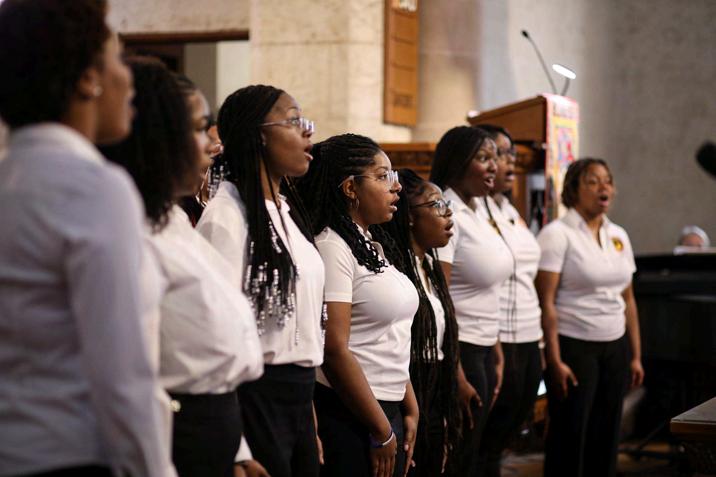
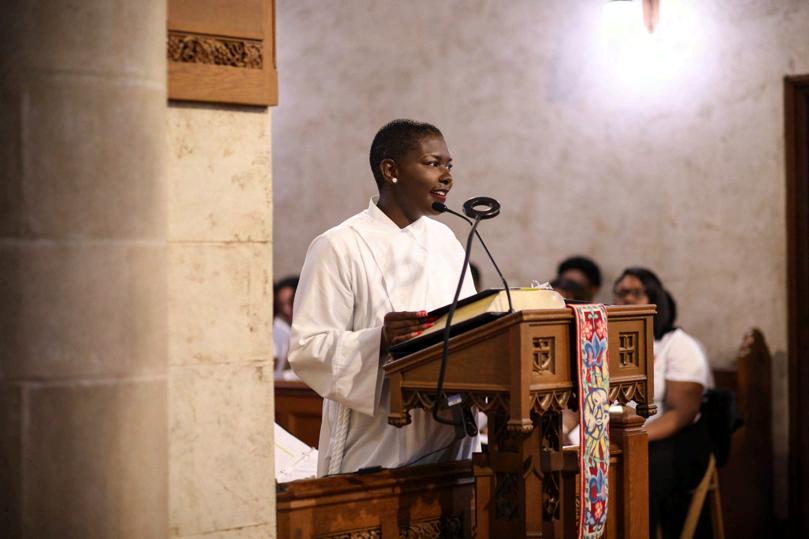
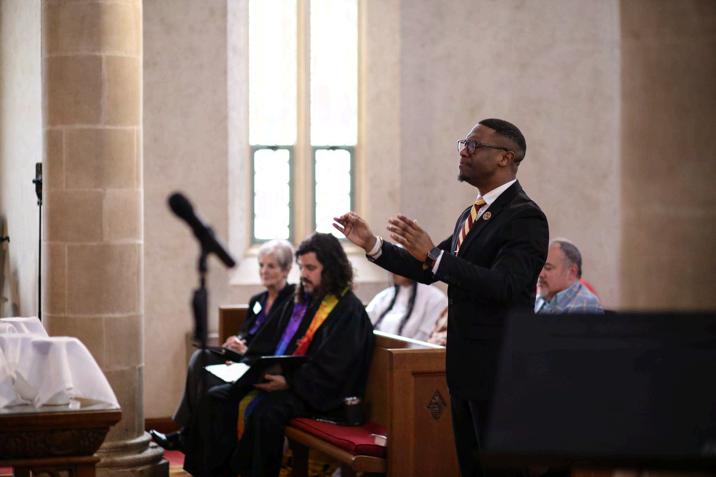
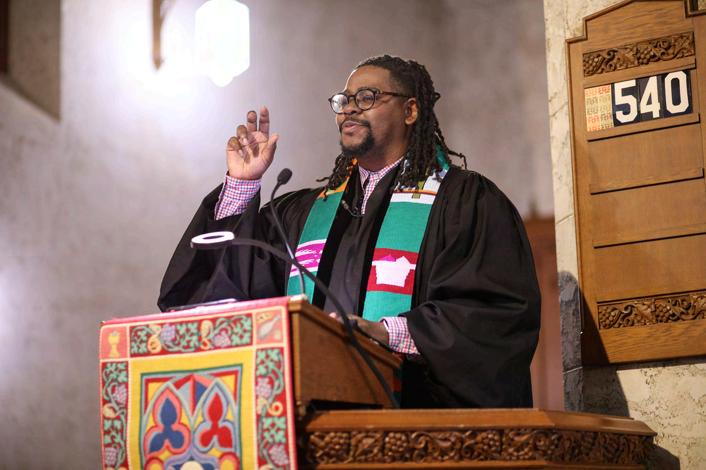
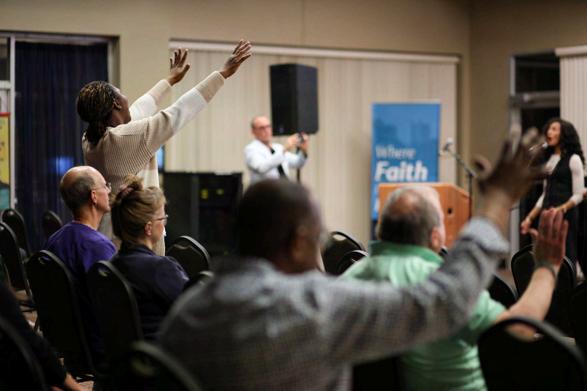
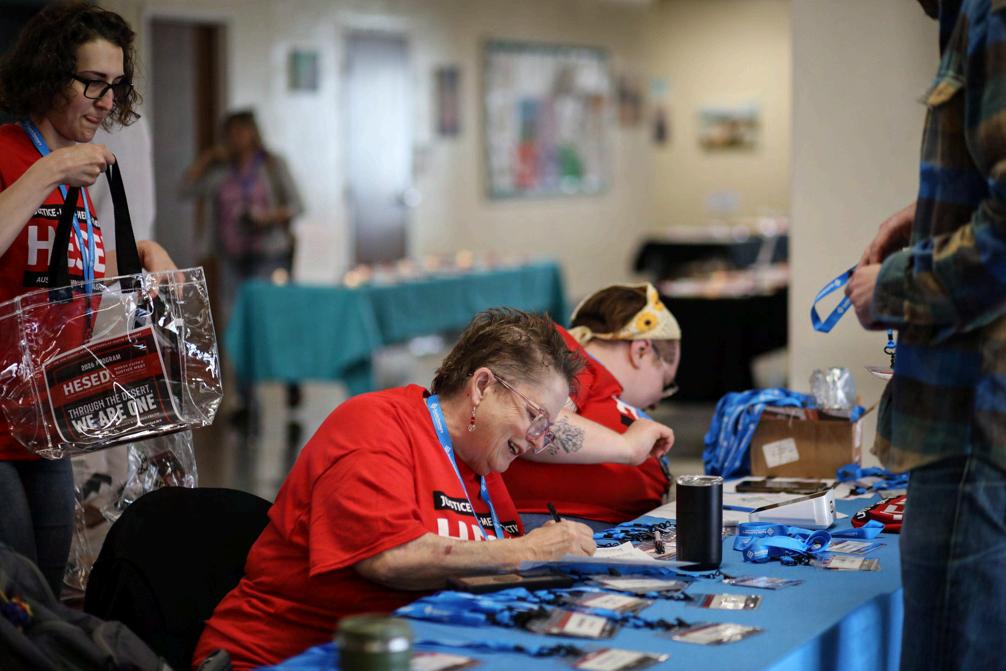
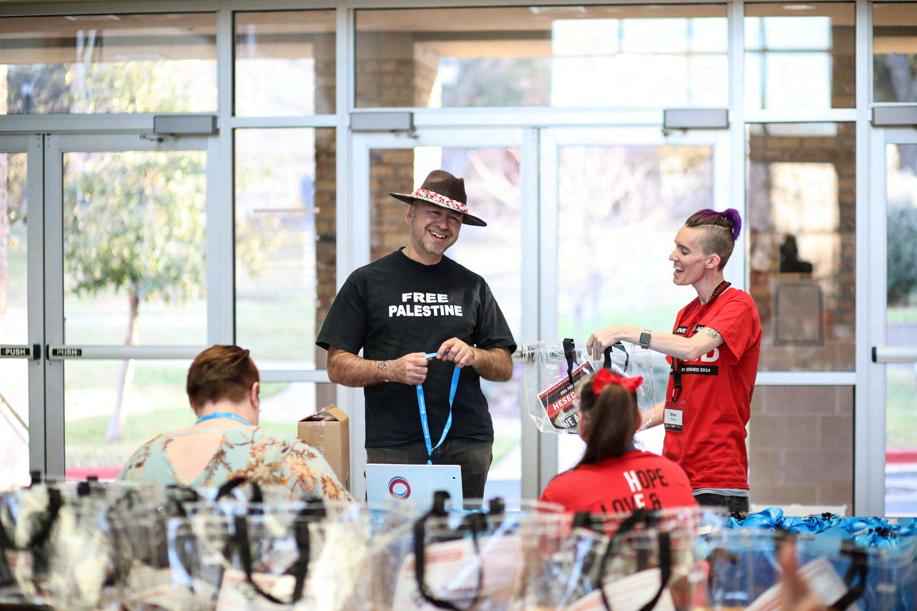
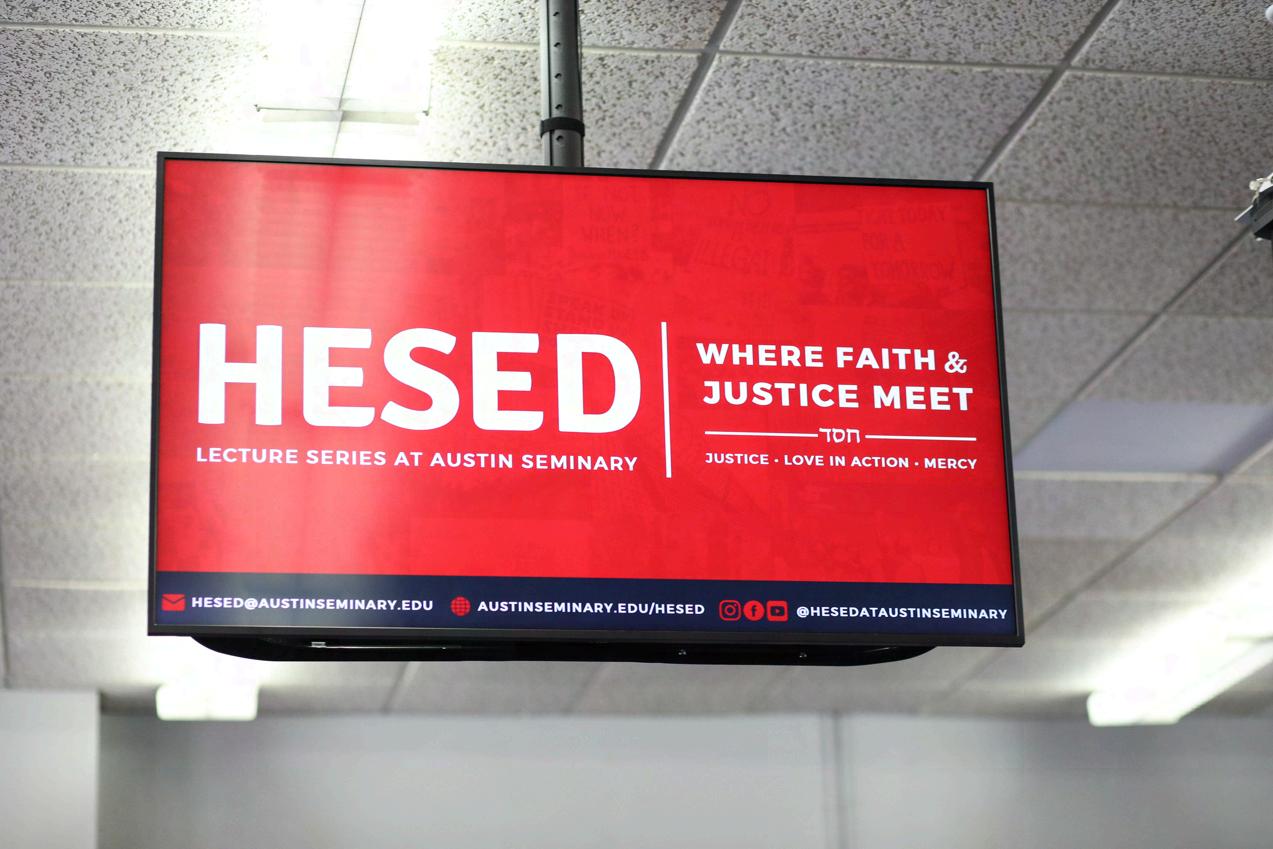
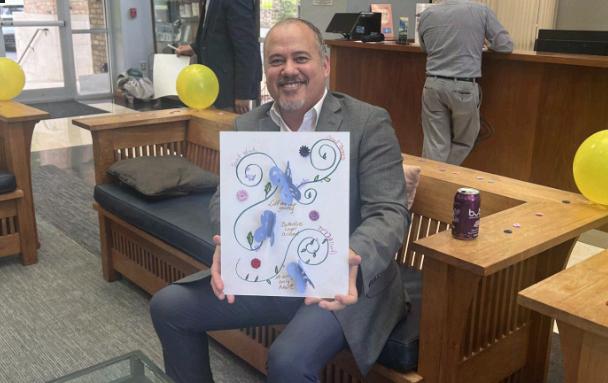
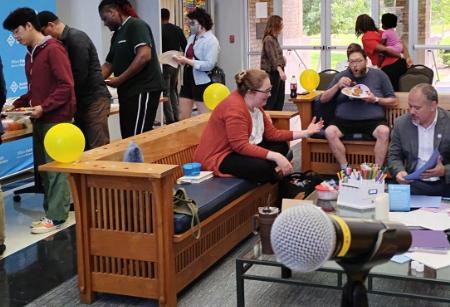
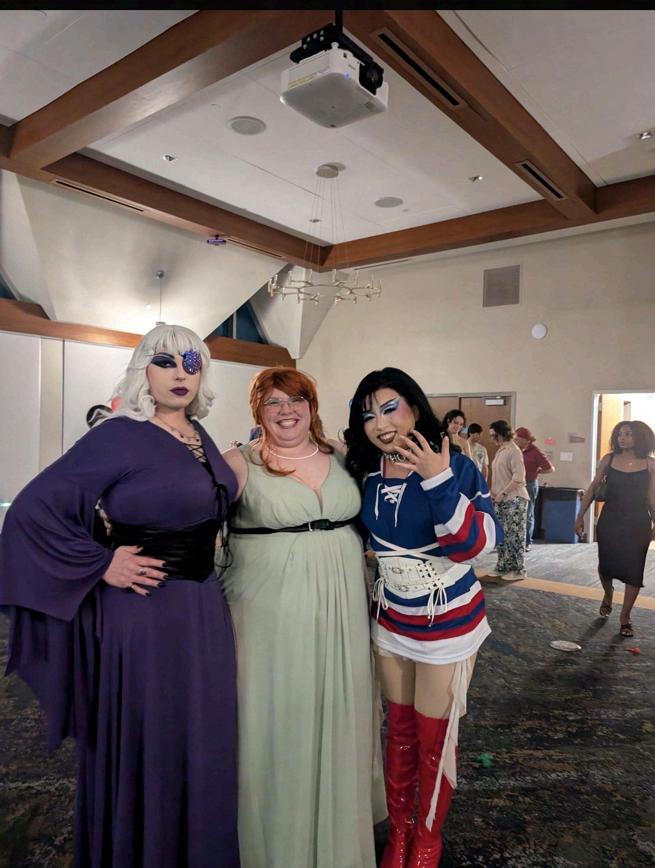
Celebrated:BlackHistoryMonth,MLKchapel,HESED, Triduum,QueerProm,MAYM,PoetsNightOut
CongratulationstoourGraduatingSeniors! HelpWanted&PulpitSupplySubmissions...
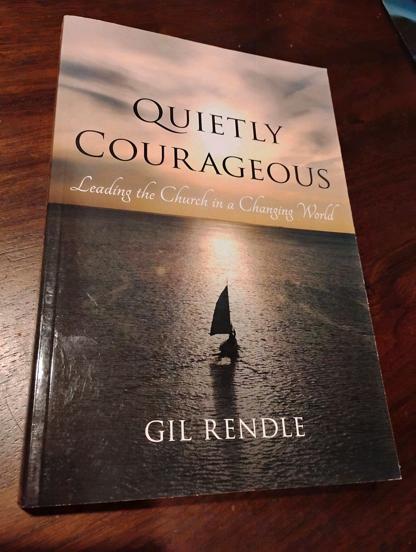
BookPicksforthesummer
NoteFromTheEditor



THEOPHANEIA
John Fritz Ballenas Guarte - Graduating Senior
What does it mean to encounter God?
What does such an encounter make us feel? Does it change us, and if so, in what way?
People who choose to enter seminary or ministry often do so because they have encountered God in one way or another. Some experience God in dramatic ways through dreams. Others meet God in moments of crisis, accident, or deep love. Scripture itself tells many stories of divine encounter: God appears as a man who laughs and converses with a doubtful Sarah, as a mysterious figure wrestling with a troubled Jacob through the night, or as a pillar of cloud protecting the Israelites from the soldiers of Egypt. One of the encounters that speaks to me most deeply is God’s appearance to Moses in the burning bush, burning yet not consumed. God reveals Godself through nature, through the very world God created. This raises a difficult question for me: if God reveals Godself through nature, why have indigenous spiritualities that revere nature so often been condemned?
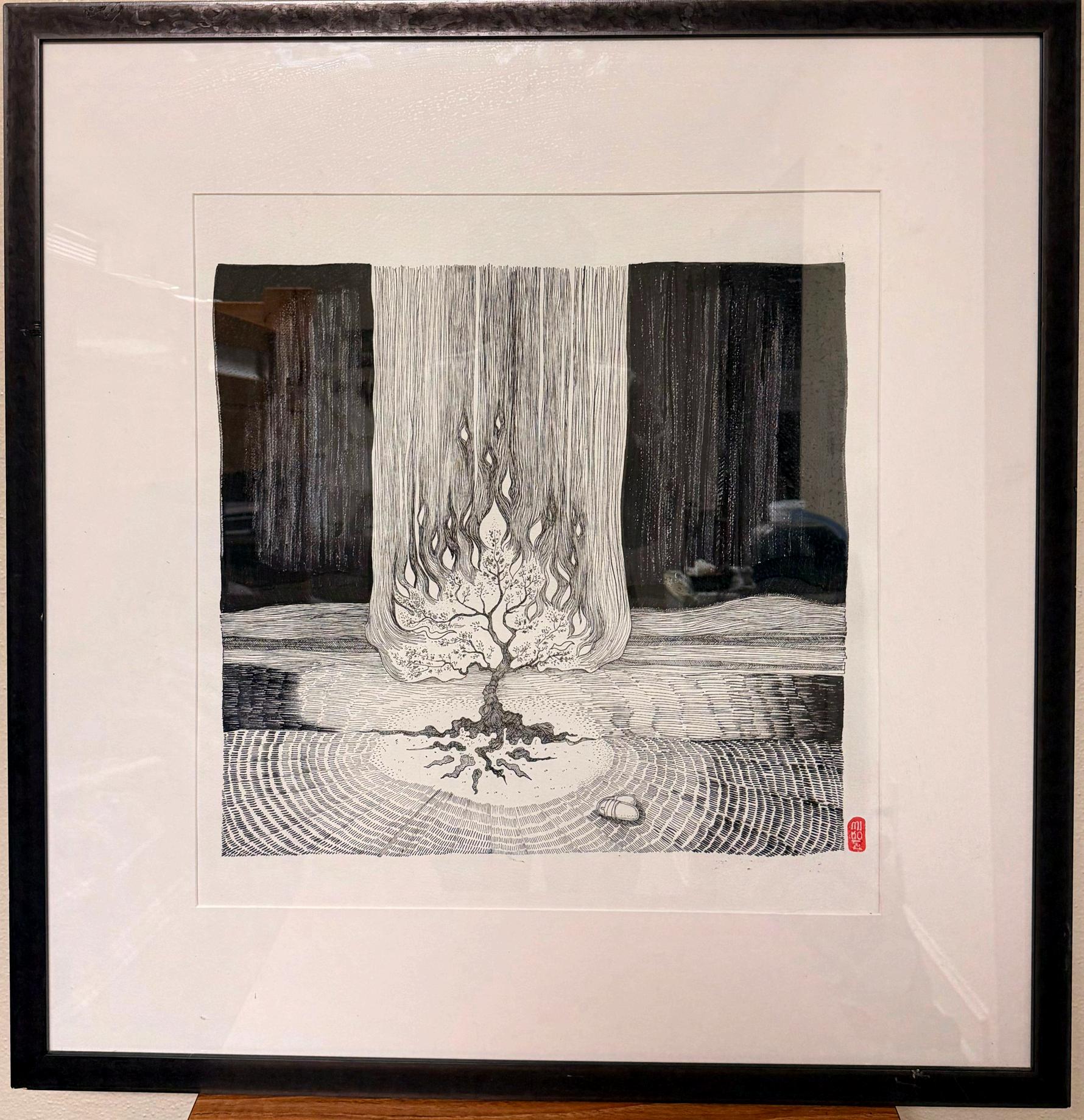
I have been drawn to the burning bush long before I created this artwork for class. I attempted to paint it many times using different media—coffee, oil, and pastel—but each attempt felt incomplete. Something was missing. Perhaps I fell short in understanding what the story truly meant, yet at the same time, I recognize that no one can fully grasp it. This artwork, then, is not a final explanation of the burning bush, but my own burning bush moment.
THEOPHANEIA (continued)
I grew up loving art, but there were seasons when I did not know what to do with it or how to make it feel true. Like a teenager experiencing an identity crisis, I went through a period where I felt I had lost my ability to express myself through color and line. I longed to create something meaningful, even a socalled masterpiece. When I entered seminary, I found myself doodling during class. It became my way of grounding myself and staying focused, though not every professor appreciated it. One day, as I looked back at the pages filled with lines and marks, I realized that there was more these lines could do.
My Old Testament professor in the Philippines often spoke of three words to describe moments when God appears, possibly drawing from Rudolf Otto: tremendum, the sense that this presence is overwhelming; fascinosum, the sense that one is drawn toward it; and mysterium, the reality that what is encountered cannot be fully explained. These three words helped me imagine what it felt like being in the presence of the divine. In this art I wish to evoke three messages too:
First is betweenness. The burning bush appears in a moment when nothing is settled. Moses is neither fully Egyptian nor fully Midianite. Israel is neither fully abandoned nor fully delivered. The questions remain: Who is this God? What is God’s name? To whom does God belong? This in-between state is not a failure of faith, but the very soil where faith begins. The unfinished black background of the artwork reflects this unresolved space. It is neither night nor day, neither clarity nor confusion. It is the space where fear, doubt, courage, and attentiveness coexist. Unlike Moses, whose encounter was clear and direct, many of our own burning bush moments take place in ambiguity. Encounter often comes before understanding.
Second is incandescence, the power of faith that burns without being consumed. The fire does not erase the bush’s identity; it intensifies it. This resists triumphal ideas of faith as control or certainty. Instead, faith is shown as the capacity to remain alive within tension. Incandescent faith does not escape the fire. It holds the fire without being destroyed by it. It faces difficult questions without surrendering hope. The intertwining of flame and branch in the artwork reflects this truth: faith is not the absence of struggle but the endurance of presence. One of the most important things I learned in this course is that faith must be like the burning bush—burning with questions and uncertainty, yet never consumed by them.
Lastly, the artwork speaks of holy disruption. Encountering God strips us of comfort. This disruption is not chaos or confusion, but reorientation. The sandals left behind in the image symbolize this moment. They represent what must be released in order to stand on holy ground. If a person encounters God and remains unchanged, I would question whether an encounter truly happened. Knowing God introduces discomfort because it brings responsibility. Moses does not leave empowered to dominate; he leaves burdened with calling. The sandals remain because the one who wore them must now walk differently, carrying both the discomfort and the peace that come from knowing God.


JANETBREHMTAYLOR,GRADUATINGSENIOR


Not Allowed
Humanity is Gods greatest creation
Made in the image of divine mystery
Worthy of the highest dignity
A safe place, proclaimed home
Defiled by indifference to acceptance.
Who proclaims to be Christian? What does it really mean?
Am I only Christian when you are just like me?
We are not allowed to dwell in lack of tact
Devoid of value because another missed the memo of sameness, which equals lameness!
Of tiny parameters
Of code switchers like hammers
Doing what they gotta do to survive, thrive, and not turn blue.
Dissension, destruction, disrespect are not allowed.
Hypocritical hatred, hiding Hennessey
Hold up the mirror, closer, closer
See what I see...see what we see...
Formation, unformed/Growth stunted
Self-reflection, self-perspective null and void/vision tainted. The christian dimensions of dissension run deep. Tribicide, somebody has lied.
We are not allowed to deceive ourselves, while shading another.
Liberation and Justice isn’t a solitatry function.
You are not allowed to determine who must be freed; Live & Let Live.
Each one taking their turn in the sun
Joy, Jesus and Juice for All Souls
You are not allowed to determine who amongst us deserves your distain. Not allowed to disrespect those you don’t understand.
Leadership demands a level head
Contribute heart, not harm
Consider yourself in someone else’s shoes; consider yourself in someone else’s blues.
If my brother or sister falls down
Be the one to lift them up, not stomp the wounds, attempting to strip worth.
We are not allowed
To call ourselves Christians Then act like stray dogs.
Rochelle
“ThePoet”Henderson,MDivSenior
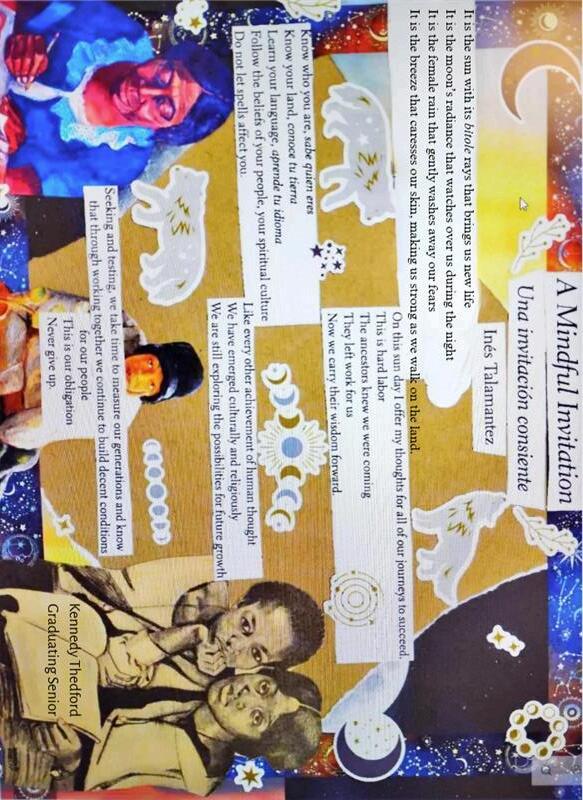
HESED Poetry Mashup*
These two seminary poets combined their individual
The Wilderness, the wilderness
Wild and bleak, showing me daily to be mild and meek
Peace, they say! Who is they?
In my anger, I do not sin
But God knows I burn with desire to not see my enemies win.
The oppressor or the oppressed?
Many lie in wait; they look at time and place to strike
A forethought, an afterthought
The wilderness shines
Sensing my sensitivities to reclaim/reframe and rewind
But our God has not called us to be this way.
The desert dust, sets on my soul thick as mold
It's silent now
The land is desolate where buffalo once roamed
The way of light is to put on the armor of light
The wilderness, wild and woolly, is furious.
Its flames flicker and blow.
The armor is Jesus Christ; he cared for all children, young and old.
A well-worn traveller is she
The strength of a warrior he meets wisdom’s gaze
He spoke truth; he spoke love
He mended and tended
He was not afraid of accountability.
Heavy lids close and flicker once more
A transformation is supposed
Seeking and searching along the edge,
Praying for Christ's incarnate hand
Guide me, Lord, I’m choking on desert sand.
He died for love; he rose to life by love
He ascended to continue love’s work
Filled with mystery
We share a common history
Yearning for the well of life
In this wilderness of strife
Guided by faith, I cling to life
As the wilderness wounds, reshaping all life.
Love casts out fear
Love casts out hate
Love binds us all to a better fate.
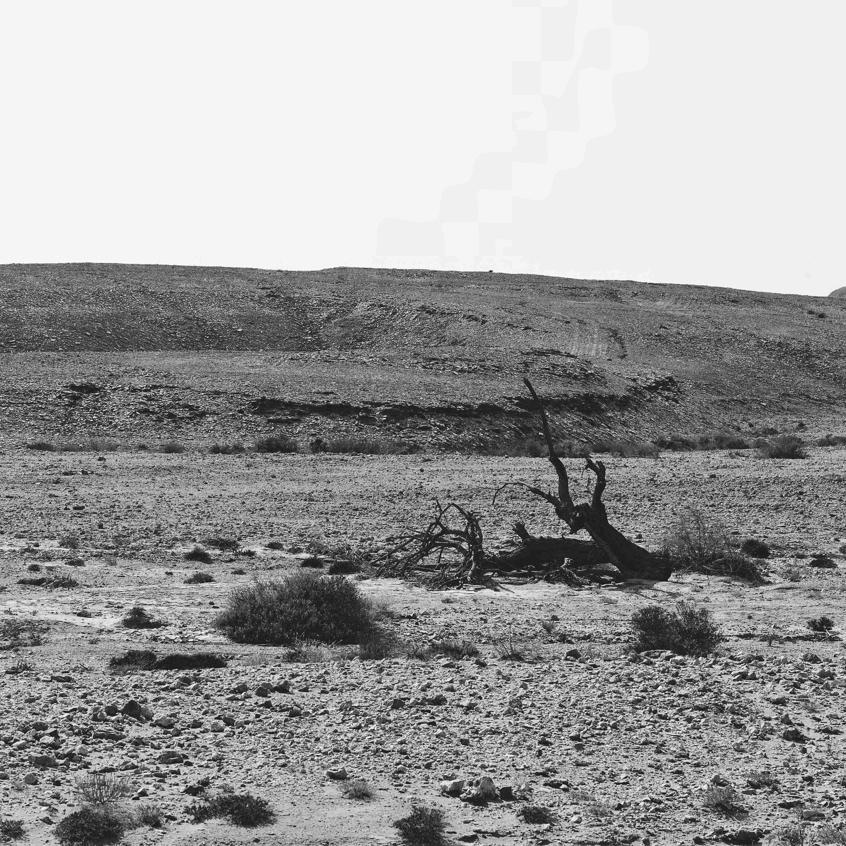
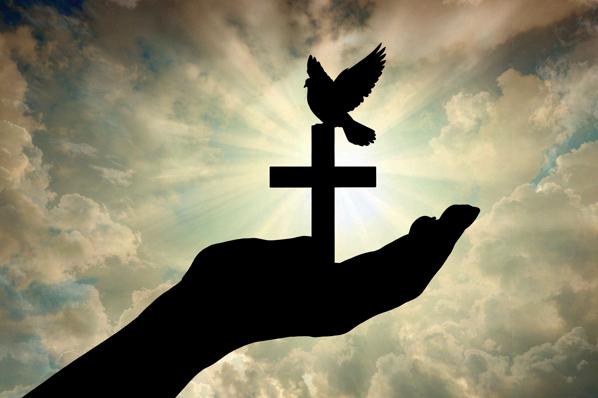
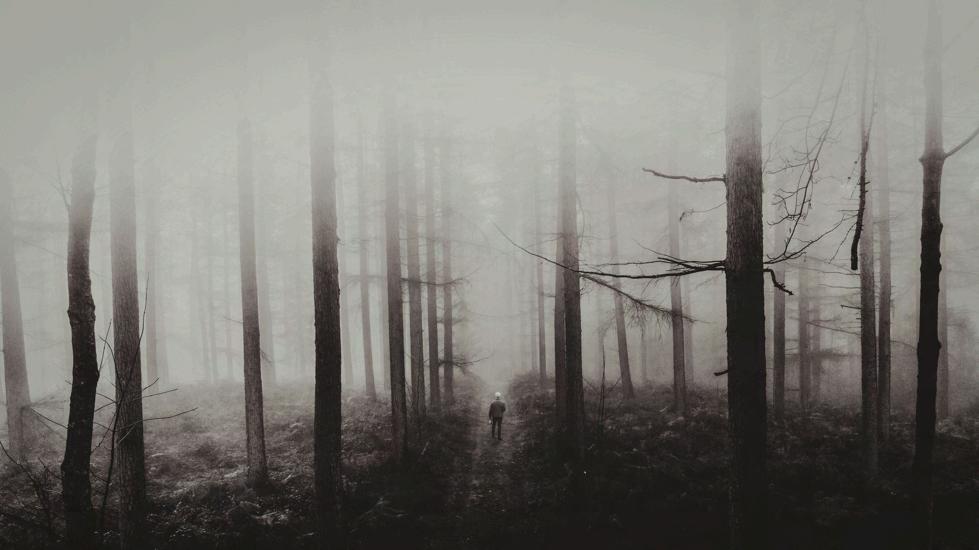
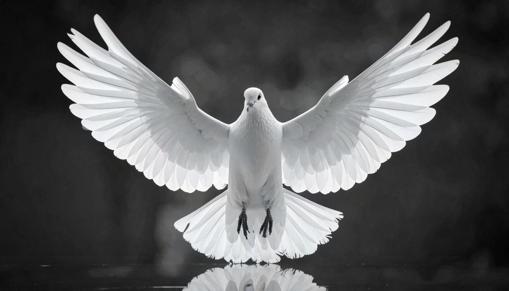
poems: Love by Taina Specie & The Wilderness by Rochelle Henderson
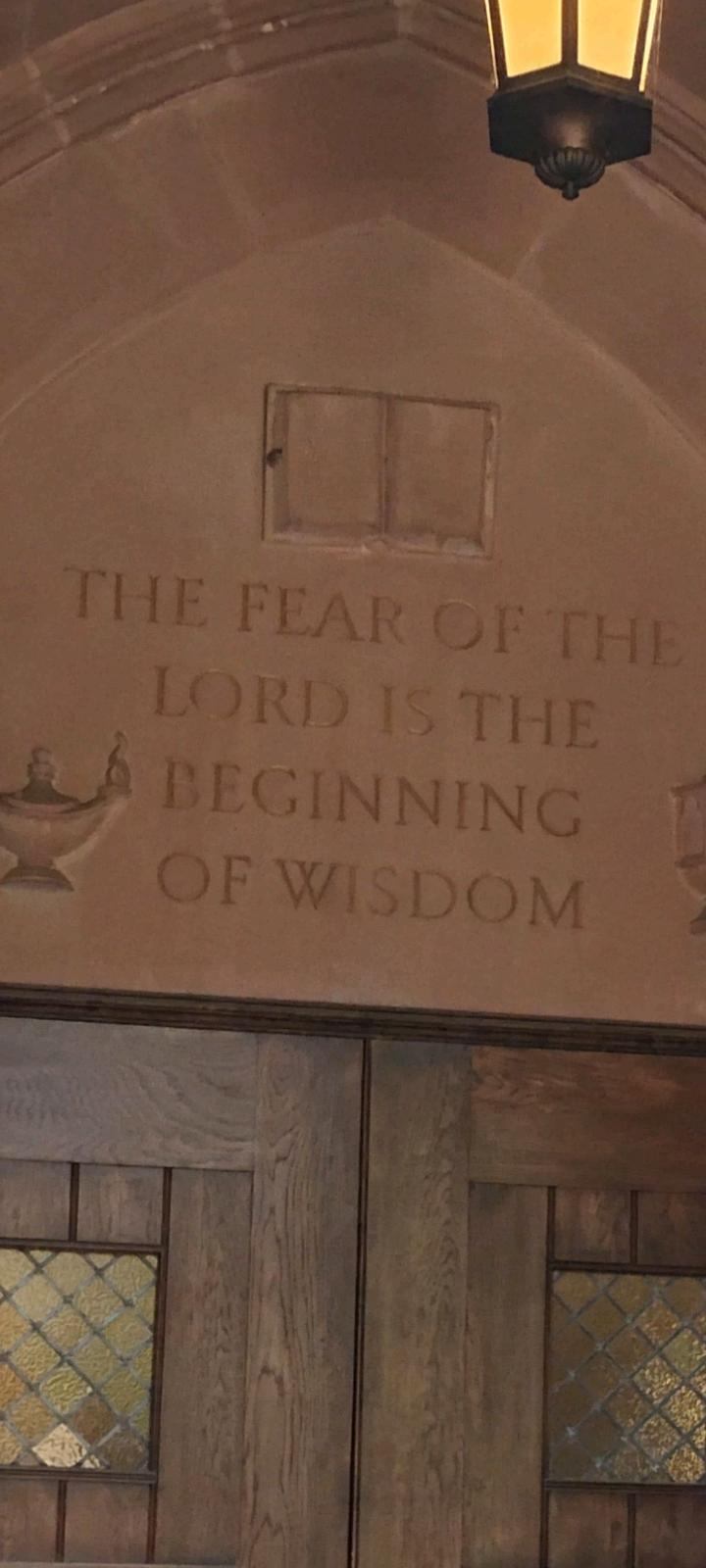
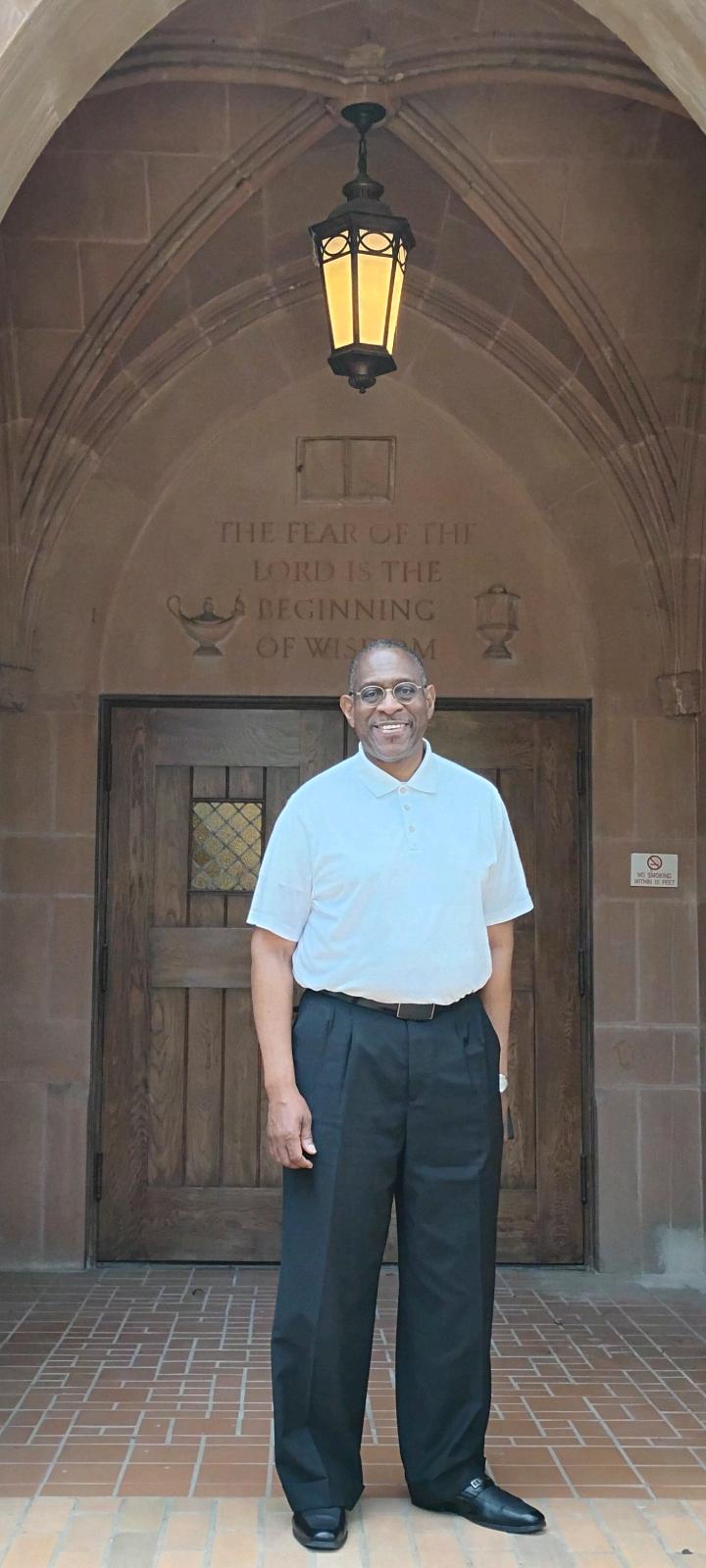
Interview with Graduating Senior, Pastor Gary Renfro
RH: What are your plans after graduation?
GR: I will continue to pastor the people of Corinth Missionary Baptist Church. After next week, I am retiring from State Farm. I will no longer be bi-vocational. My retirement date is July 31 but next week at the annual convention, I will share my retirement date with my st fellow State Farm agents. After a brief breather, some rest, and relaxation, somewhere, somehow, I will be focusing my full attention on the church.
RH: What is one thing you wish you knew about seminary before starting 4 years ago?
GR: I wish I knew that I wasn’t going to be able to complete all the reading, but now, I know where to go to get the information I need.
RH: What one piece of advice would you give to an entering seminarian?
GR: Lean into the community. At times, I can be a loner but definitely lean into the community and maintain a devotional time.
RH: What is one thing you will miss about APTS?
GR: I will miss chapel. It is the one thing I was familiar with when I started seminary. I am familiar with church, and at this seminary it kept me grounded. I appreciated how Eric (Eric Wall, former Dean of the Chapel) included various faith traditions and cultures throughout each semester.
RH: How do you want to be remembered at Austin Seminary?
GR: As a friend to my fellow seminarians, somebody they could talk to and go to if there was something they needed; I want to be remembered as someone that was there for them.
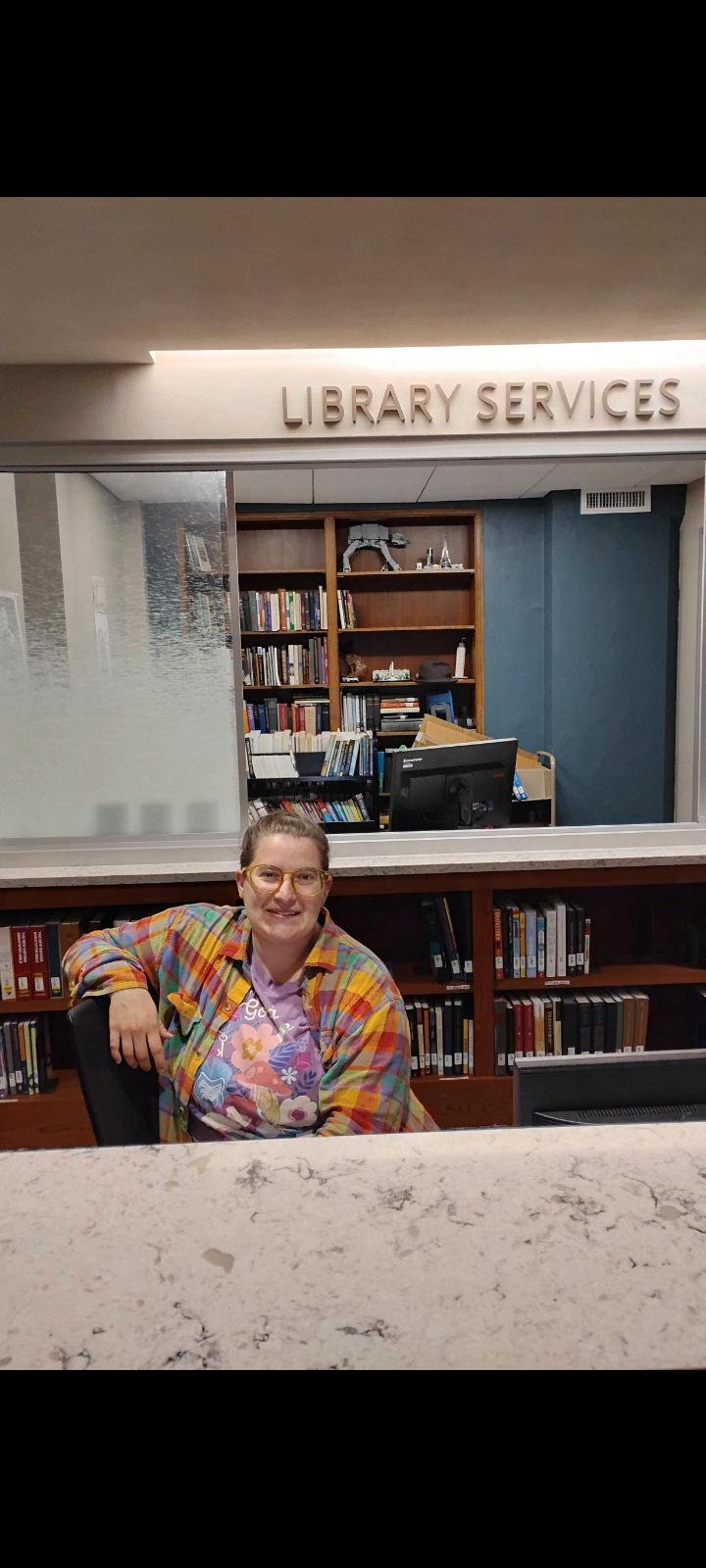
Interview with Graduating Senior, Instructional Aide (IA) Abbie Ryon
RH:Howdoesitfeeltobegraduating?
AR: It’s weird because this is the first time I have reached a change in my life and I am not worried about what is coming next. It is a relief to be done. I don’t feel worry or fear about the future, like every other time I have graduated or come to a milestone in my life. I feel at peace about moving forward.
RH:Whatwillyoubedoingaftergraduation?
AR: I am going to do a 2 unit of CPE (Clinical Pastoral Education) at the Austin State Supported Living nd Center (SSLC), with hopes to do all 4 units of CPE at the SSLC. I hope to seek board certification and continue on doing chaplaincy work for the state department. I originally did not plan on doing chaplaincy. I always disliked chaplaincy until I was in this position in seminary and my supervisor encouraged me as time went on in CPE. I discerned a calling in chaplaincy, and this is very suitable to me. So much so that my CPE supervisor has offered me a partial scholarship towards my chaplaincy certification. And when God opens a door, I have learned to follow through the door.
RH:Whatisonethingyouwishyouknewasajunior(1 -yearseminarystudent)enteringAPTS4years ago? st
AR: I knew certain things, but I didn’t know how important they were at the time. It’s the feeling like when you’re a kid and your mom tells you, "This is important," and you’re like, "Yeah right." Then you hit 35 years old, and you’re like, “OMG, Mom was right!!” You don’t stop discerning just because you are in seminary. Always be discerning and be open to that discernment, even though it might scare you, because remaining always open to discernment is valuable wisdom for entering seminarians.
RH:WhatisonethingyouwillmissaboutAPTS?
AR: Working with biblical languages closely and being able to nerd out with Hebrew. I will not find this
RH:HowwouldyouliketoberememberedatAustinSeminary?
AR: I hope I am remembered as a friend and a person you can go to openly with any kinds of questions or concerns, whether academic or personal. I hope I have made a meaningful impact on at least one person. To know that I have helped one person is more than I could ask for. Ultimately, I want to be remembered for offering support, however I could.

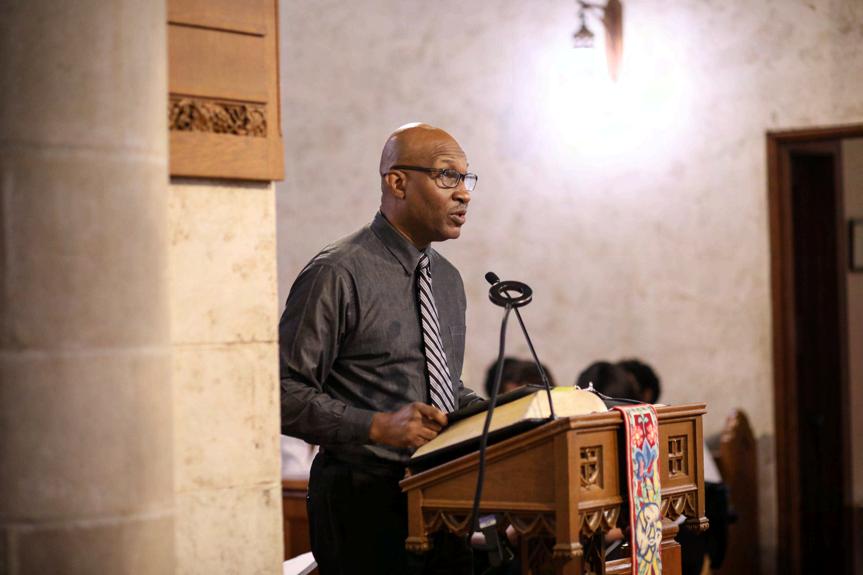
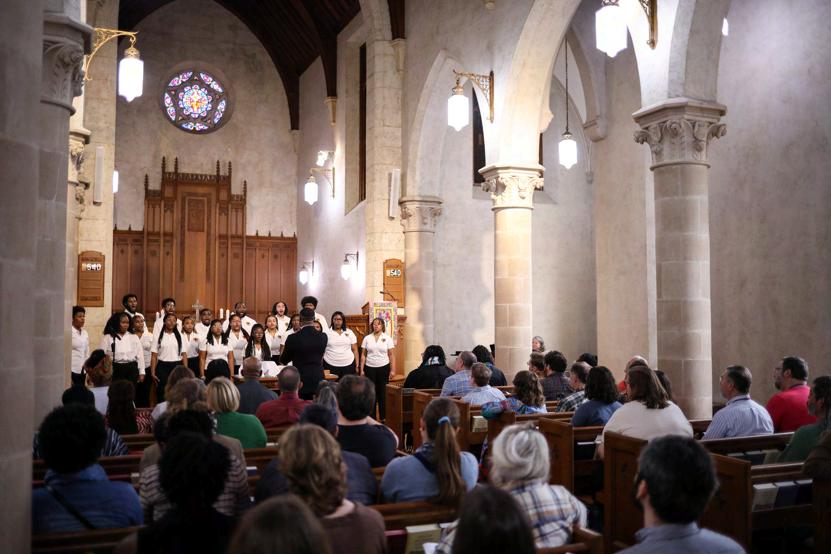
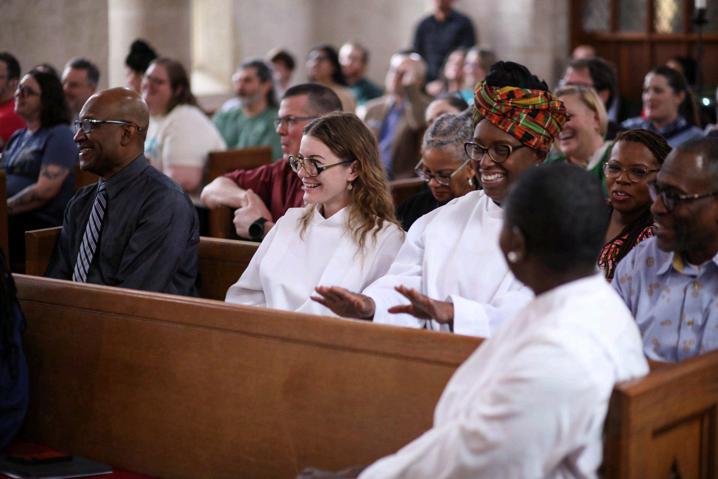
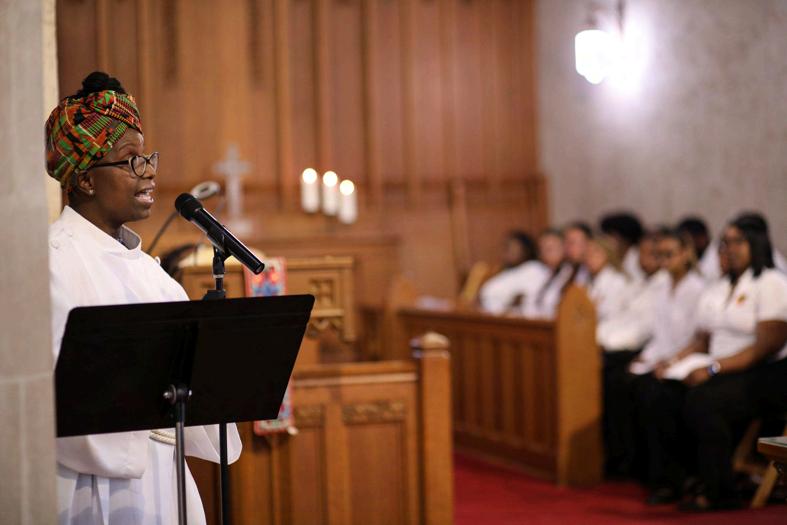
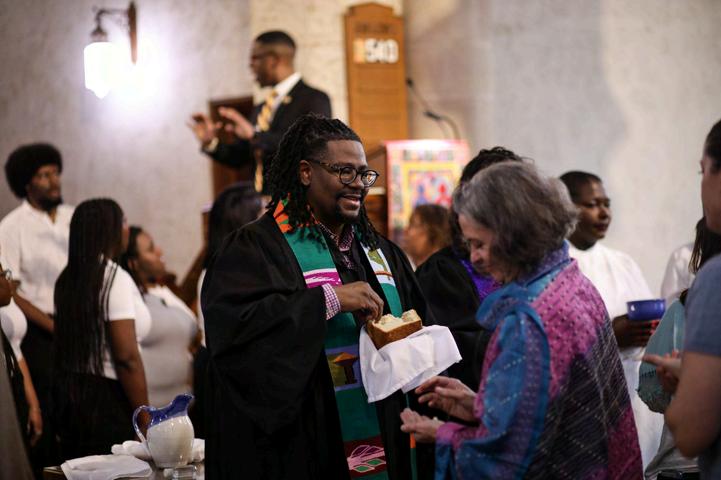
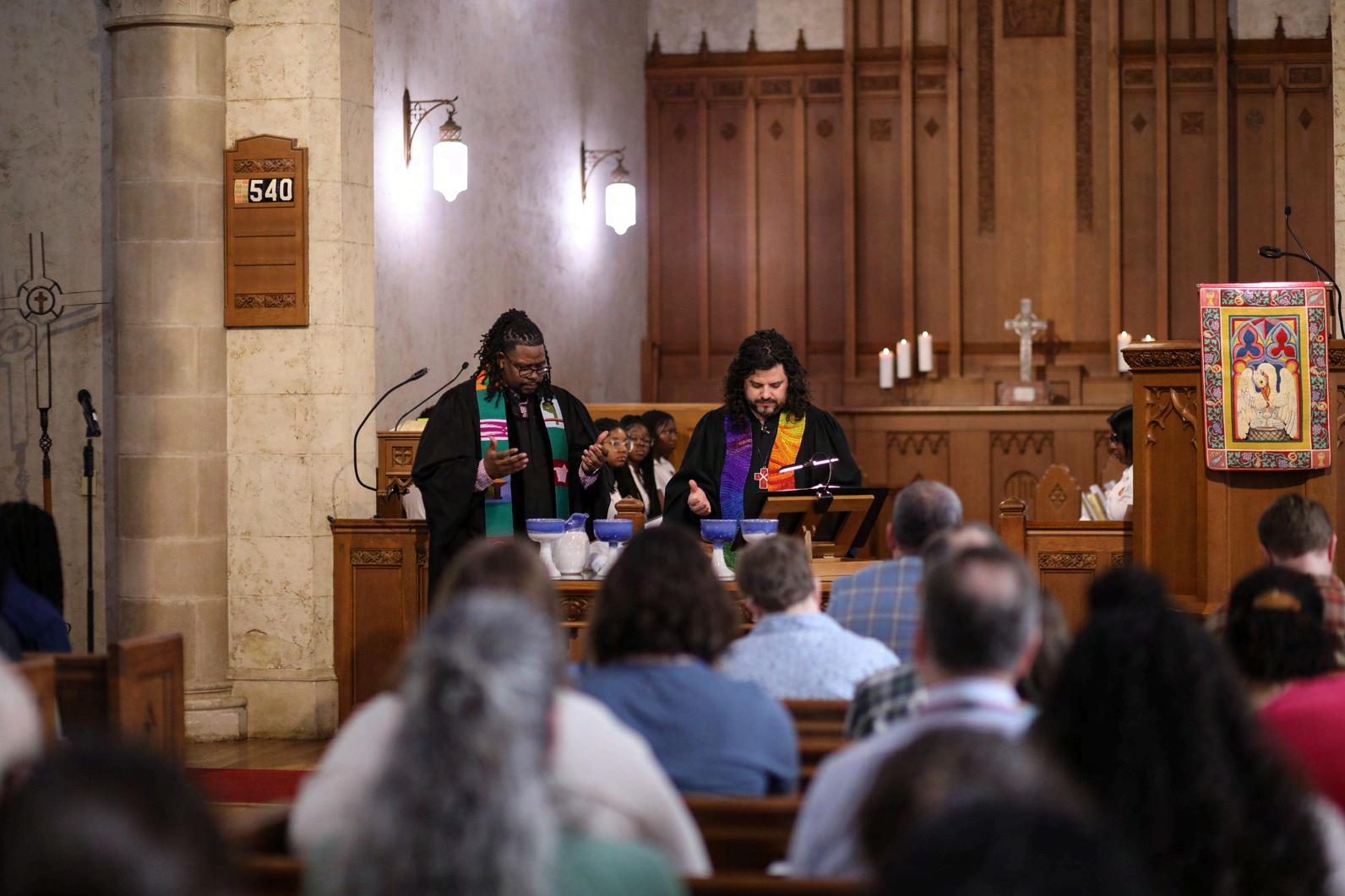
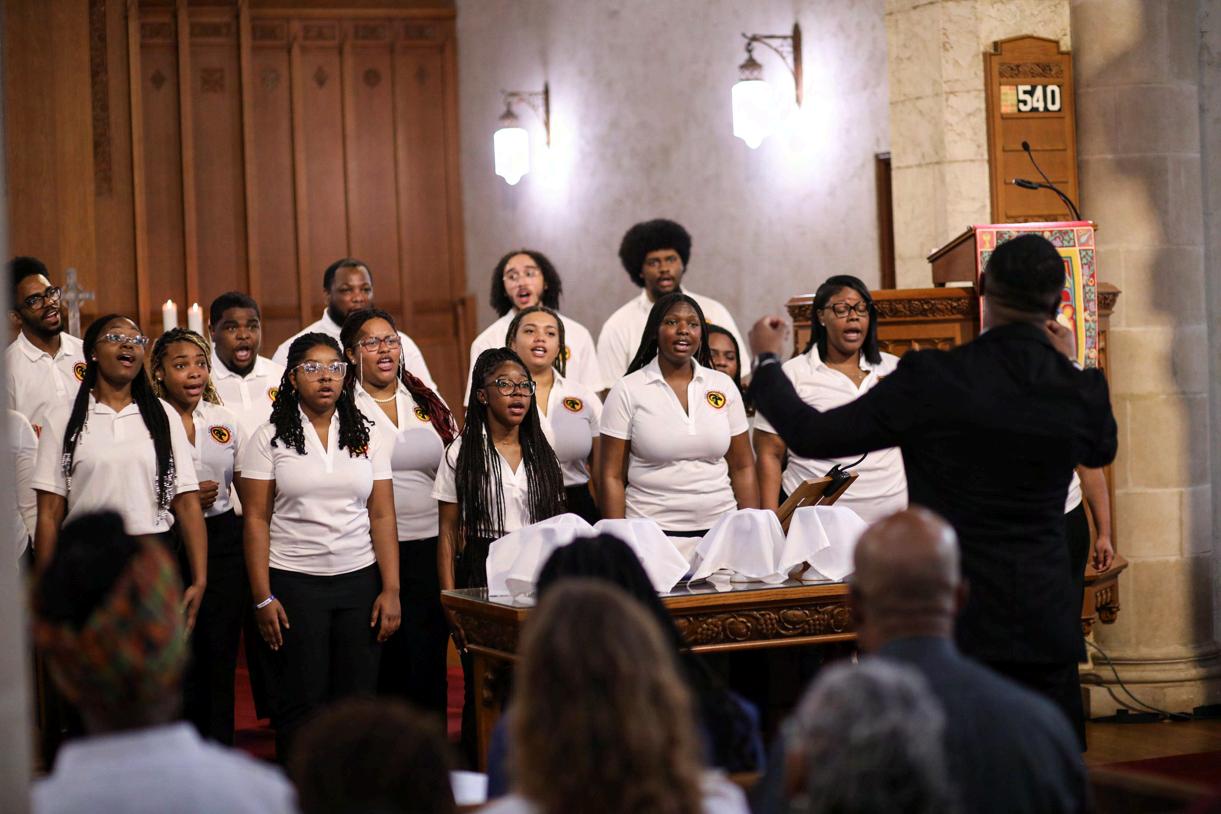
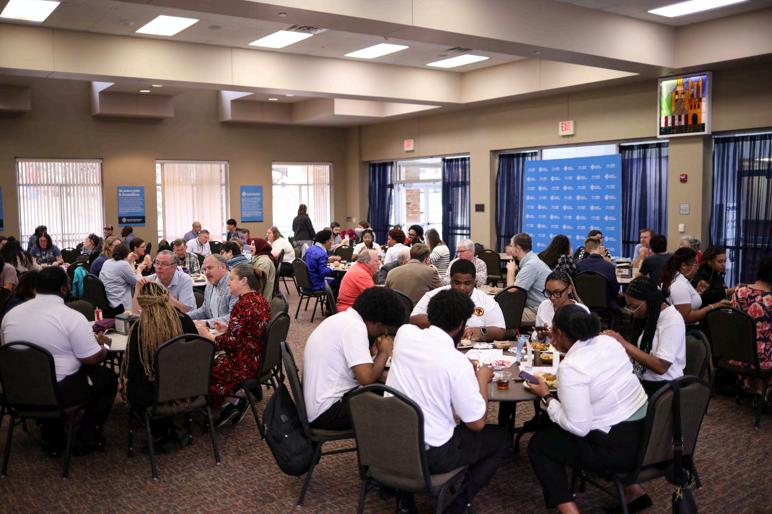
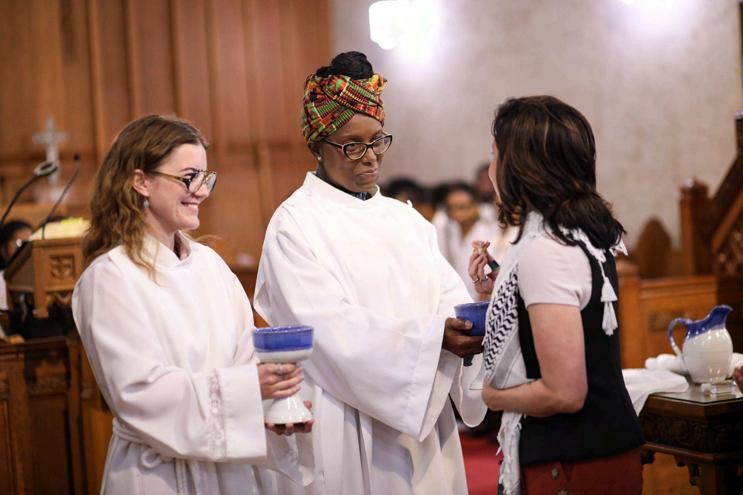
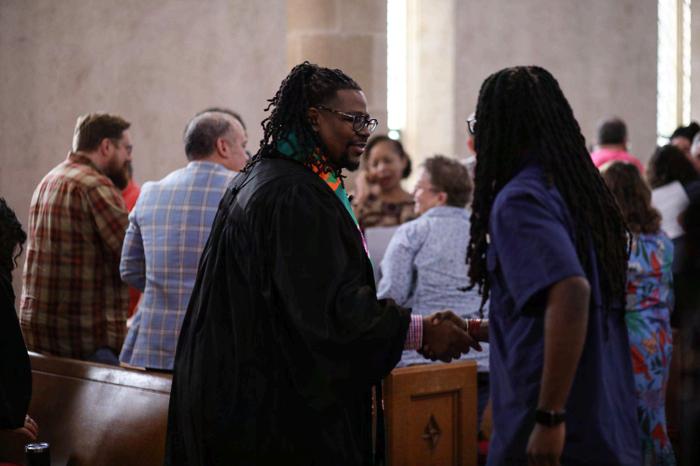
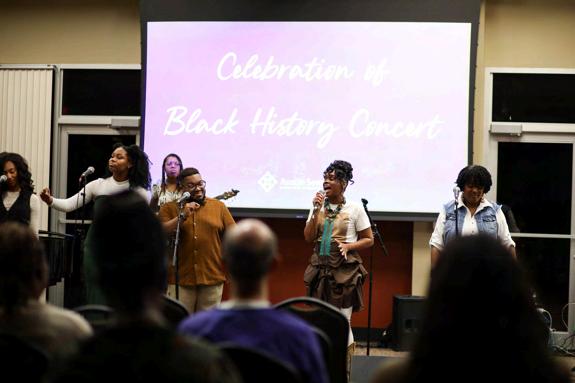
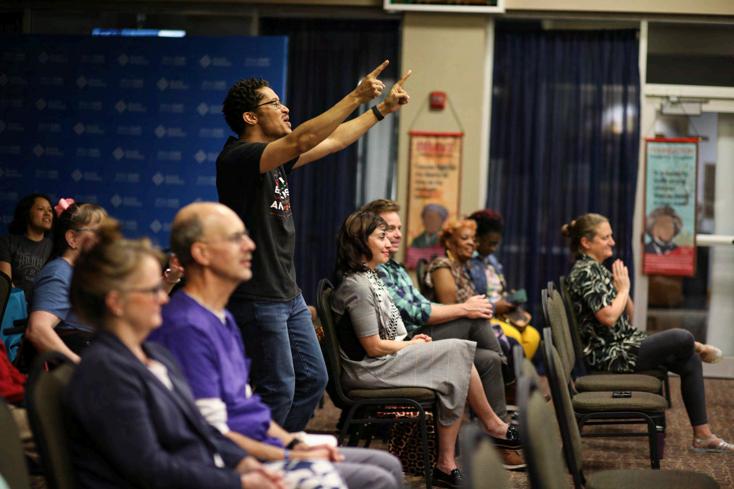
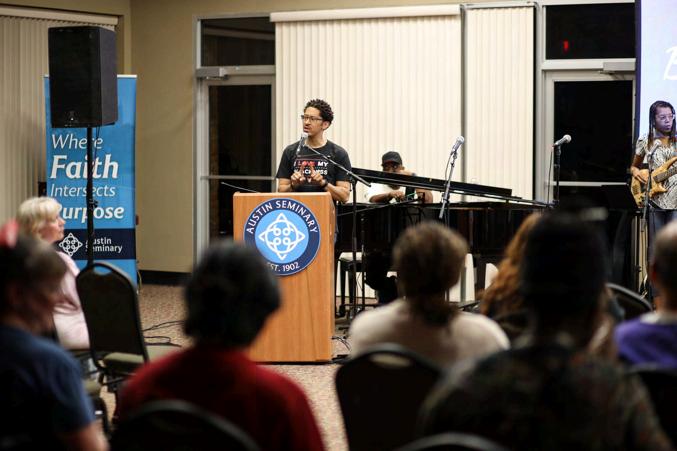
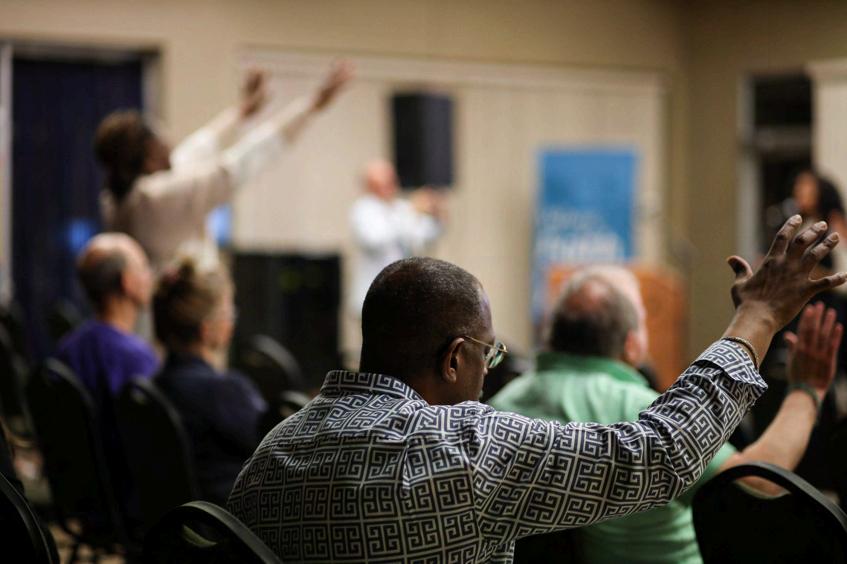
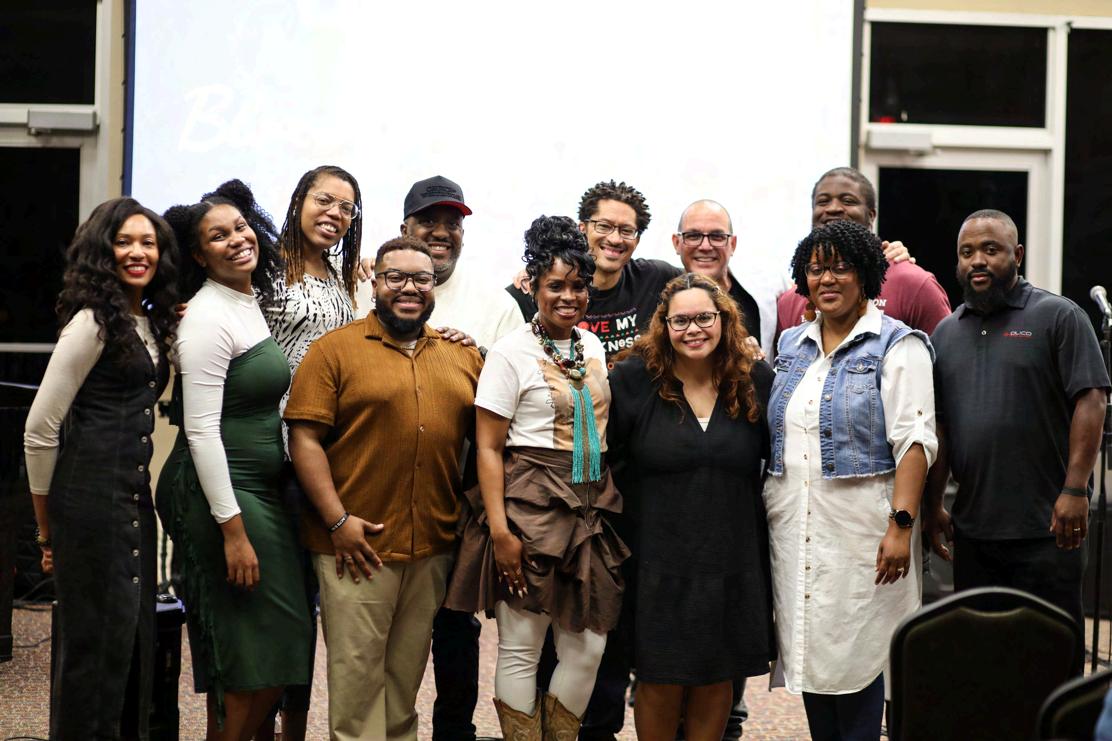
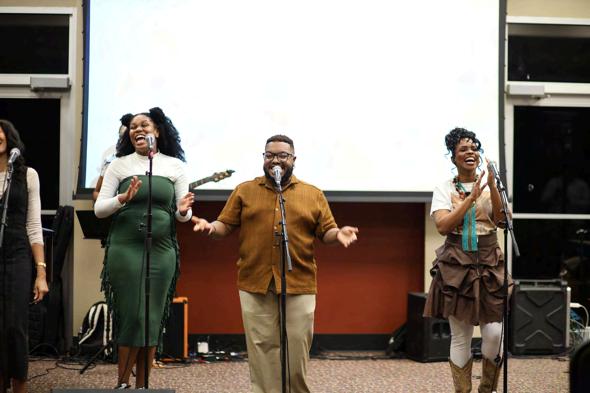
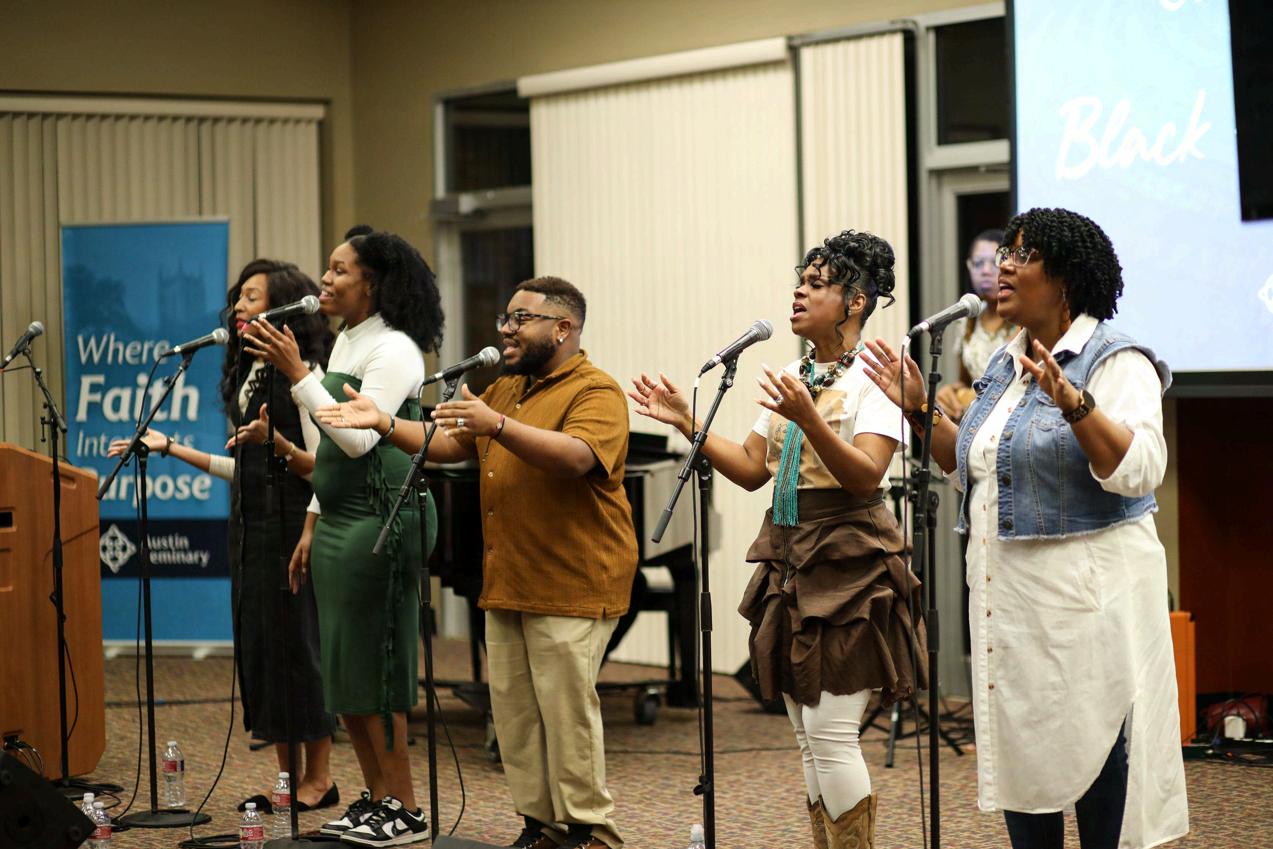
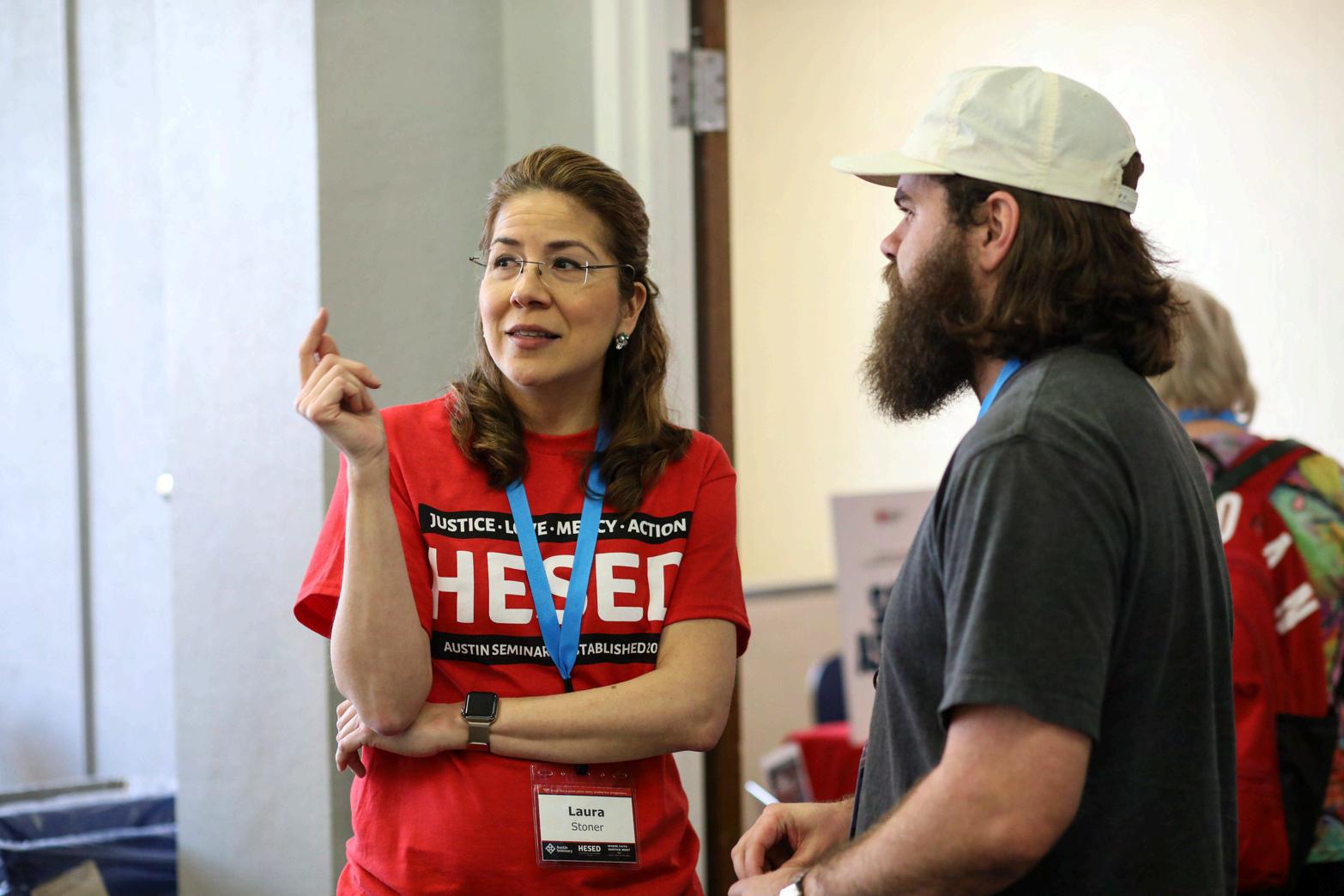
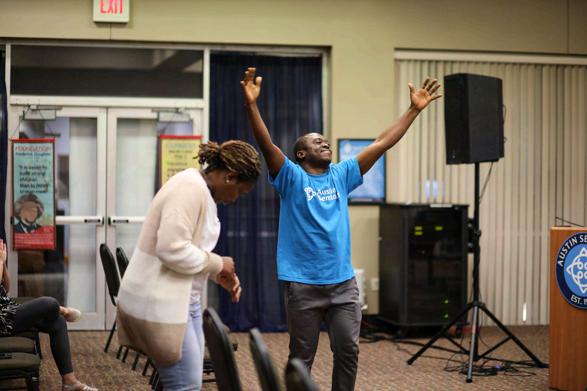
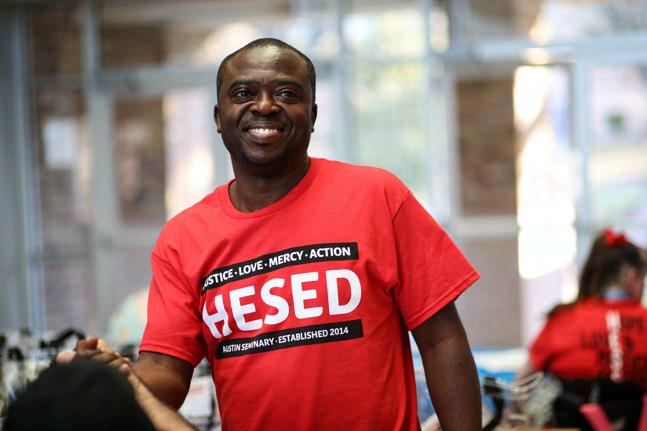
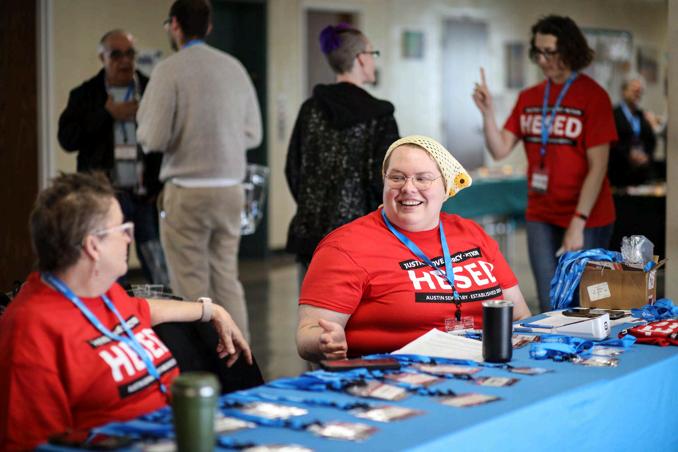
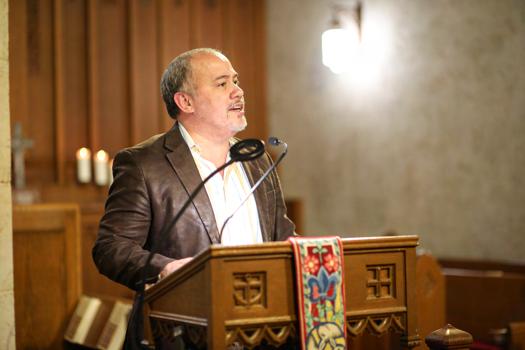
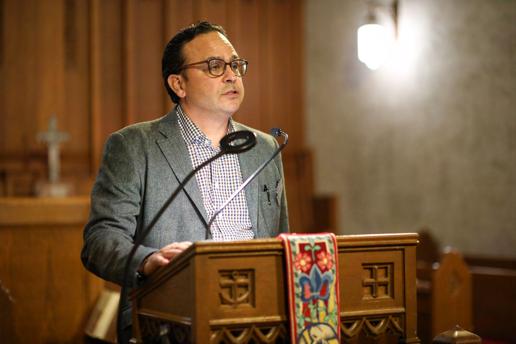
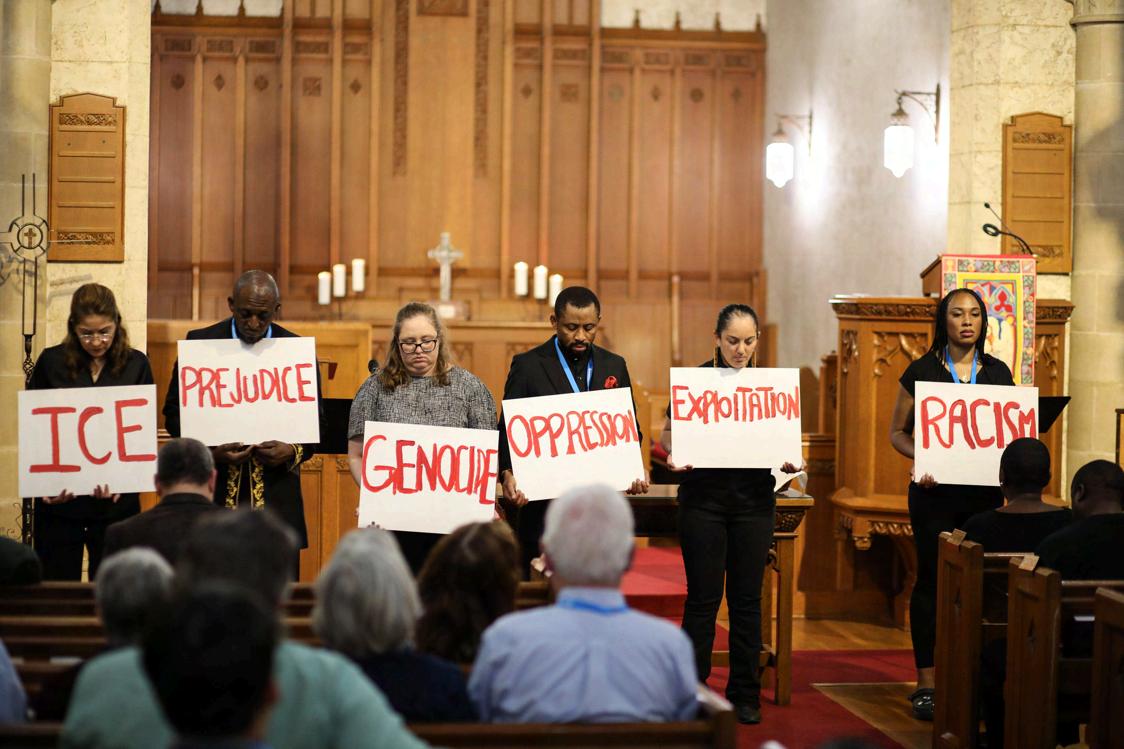
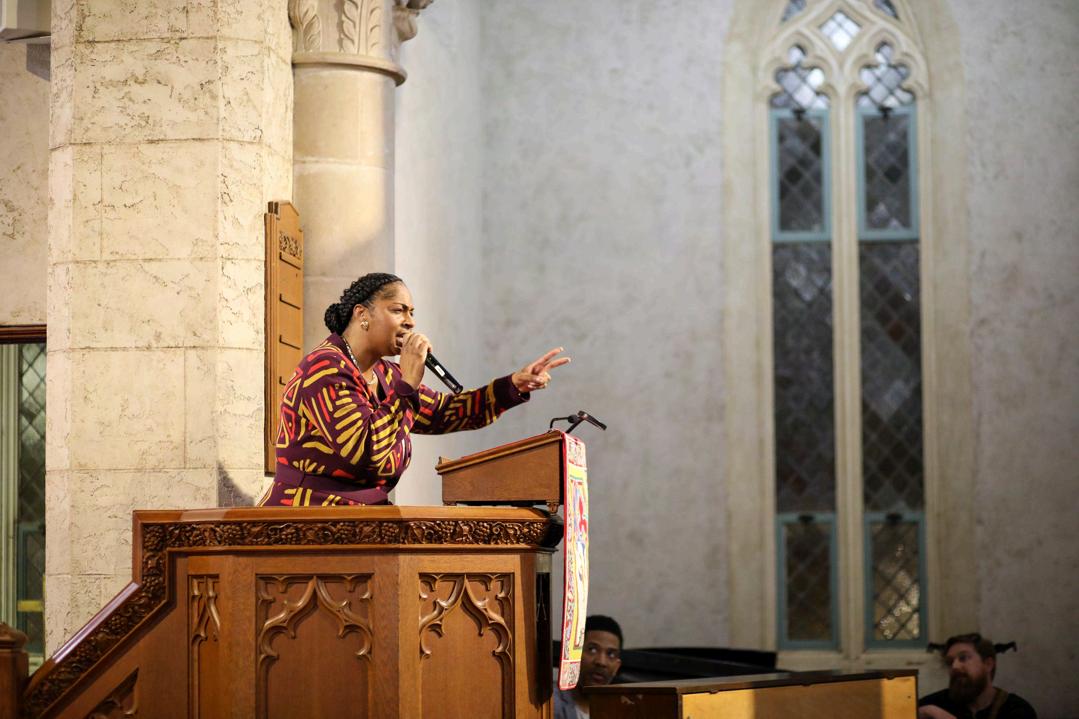
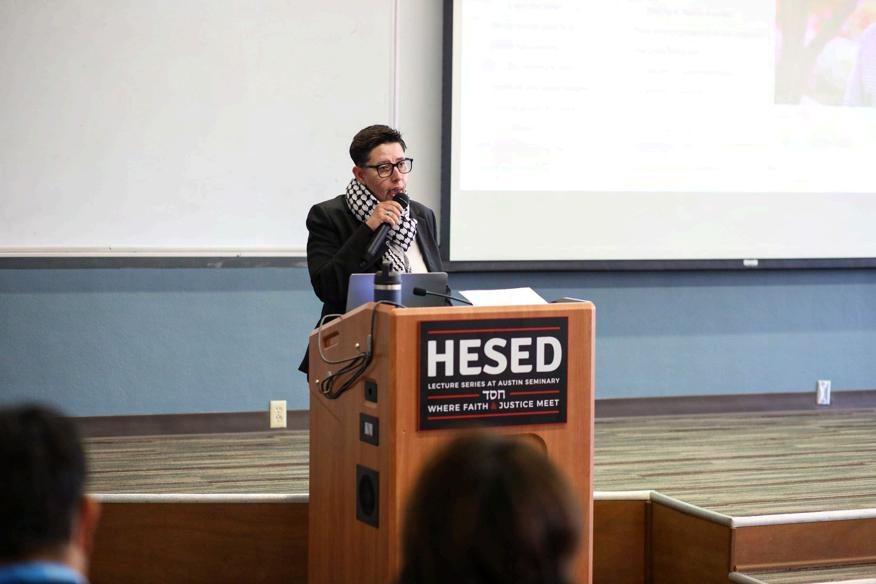
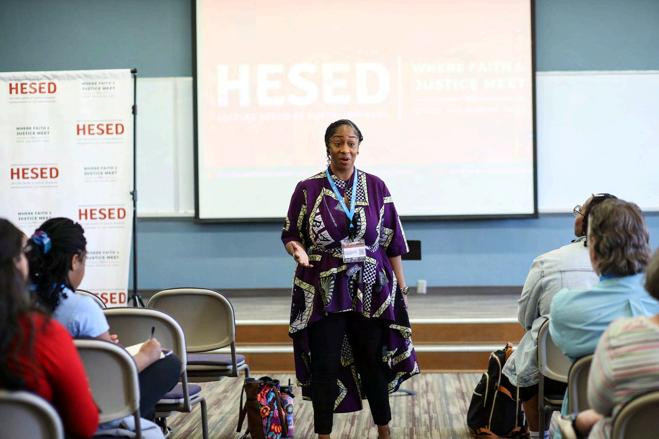
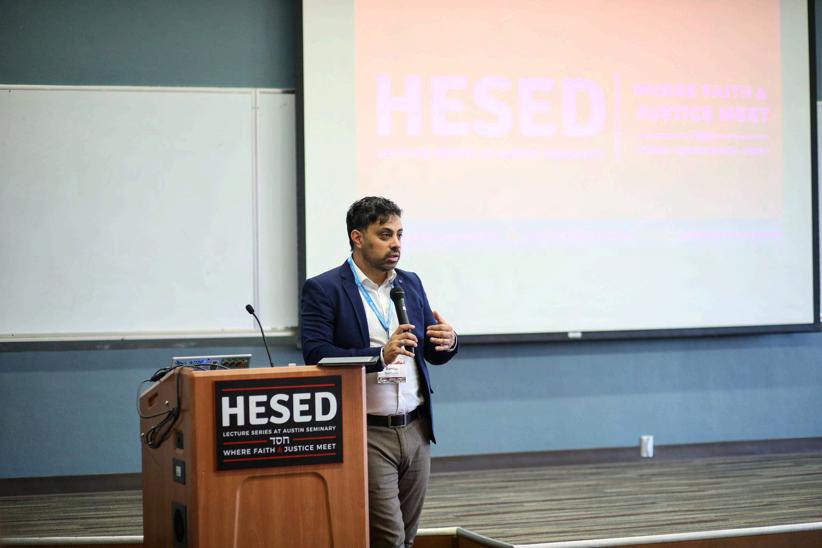
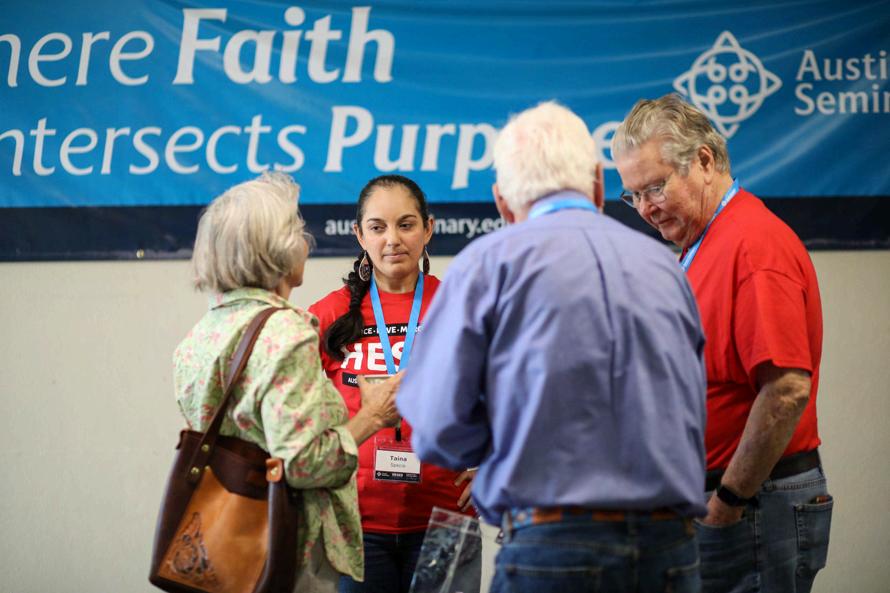
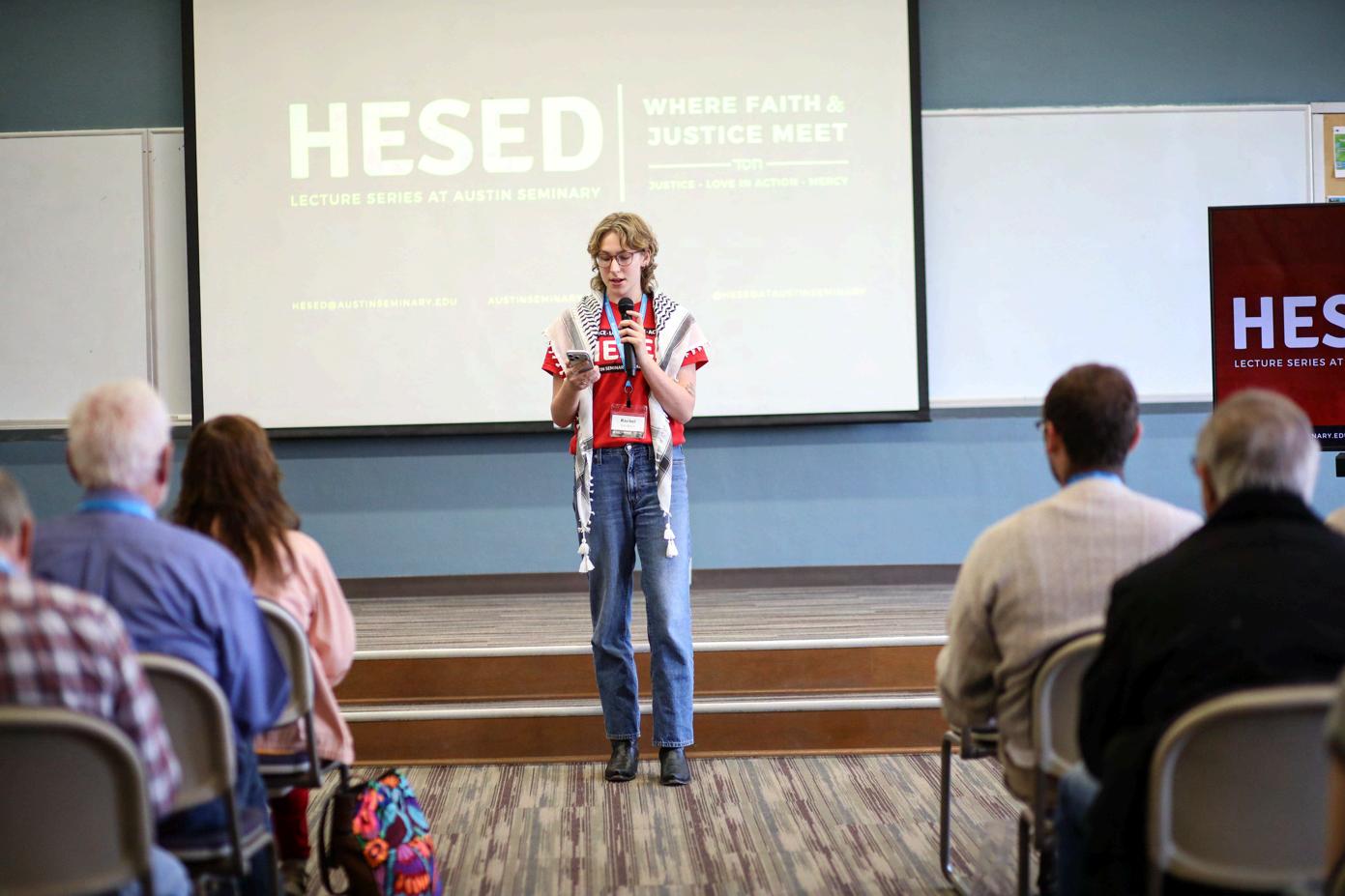
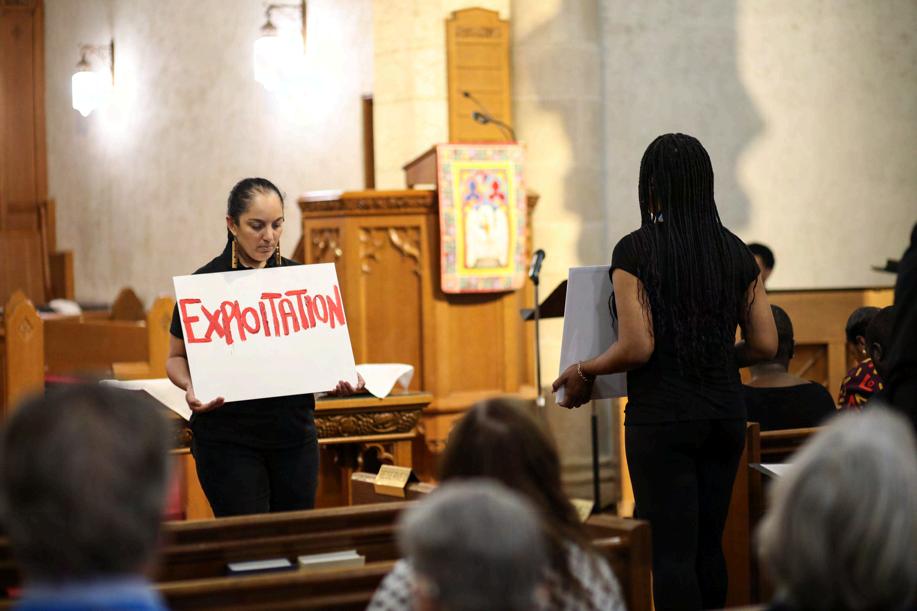
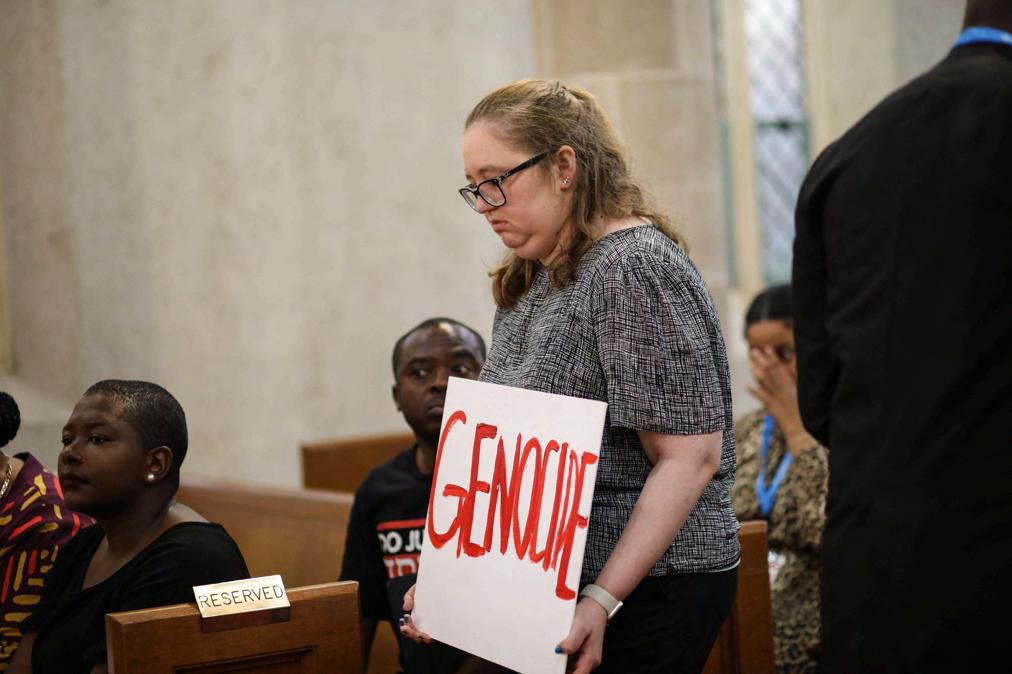
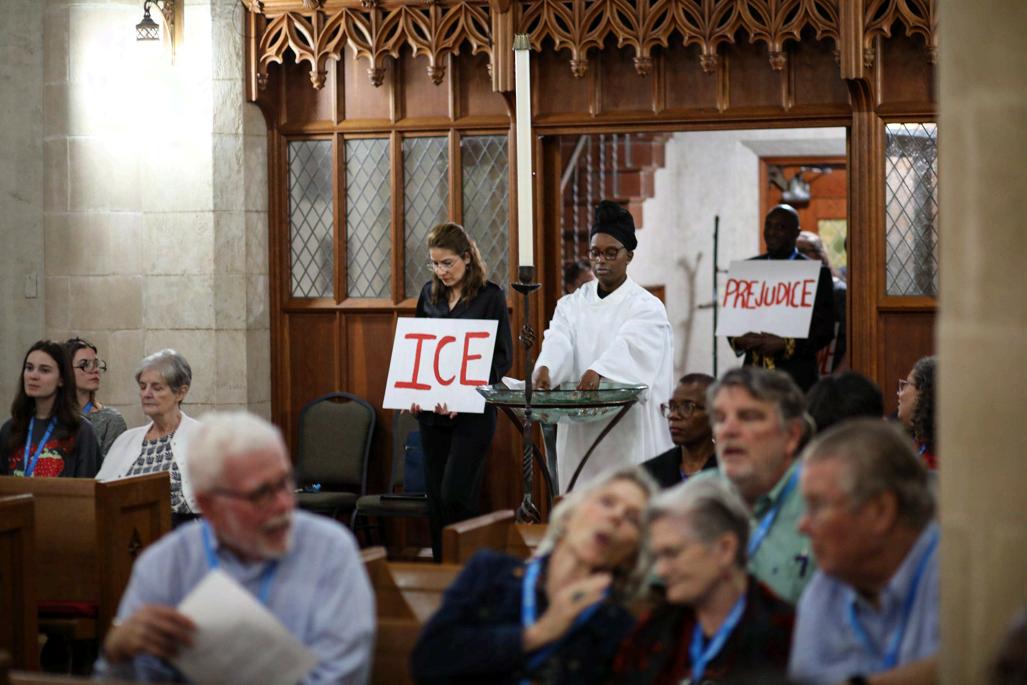
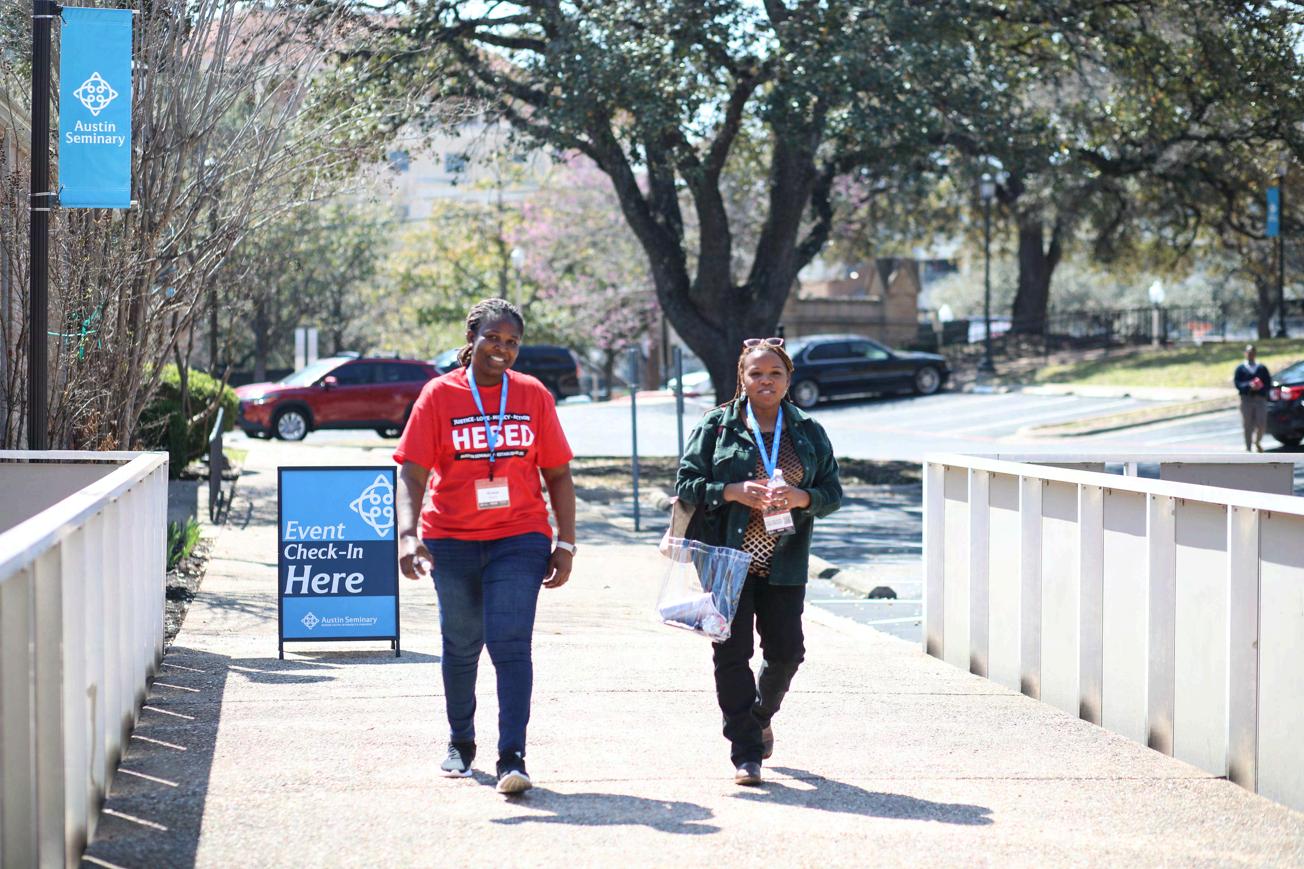
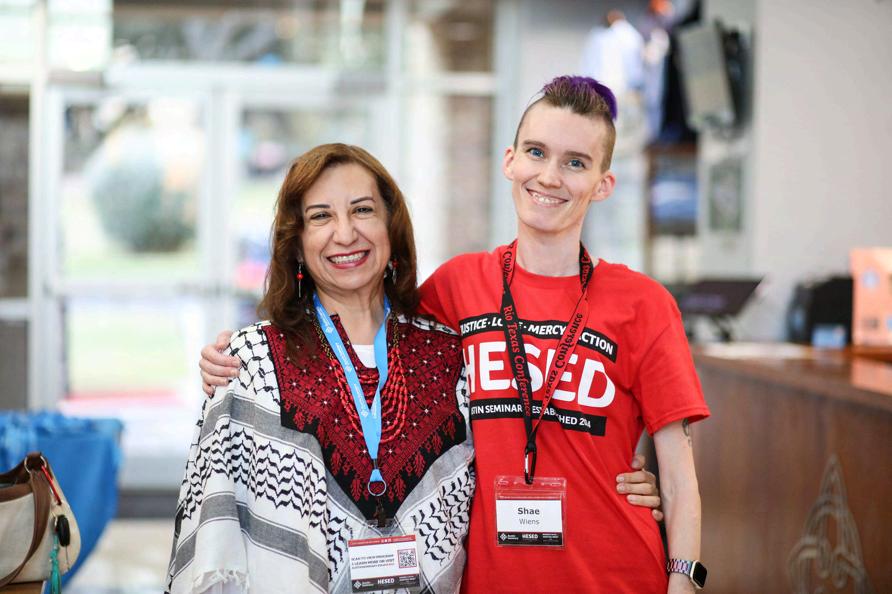
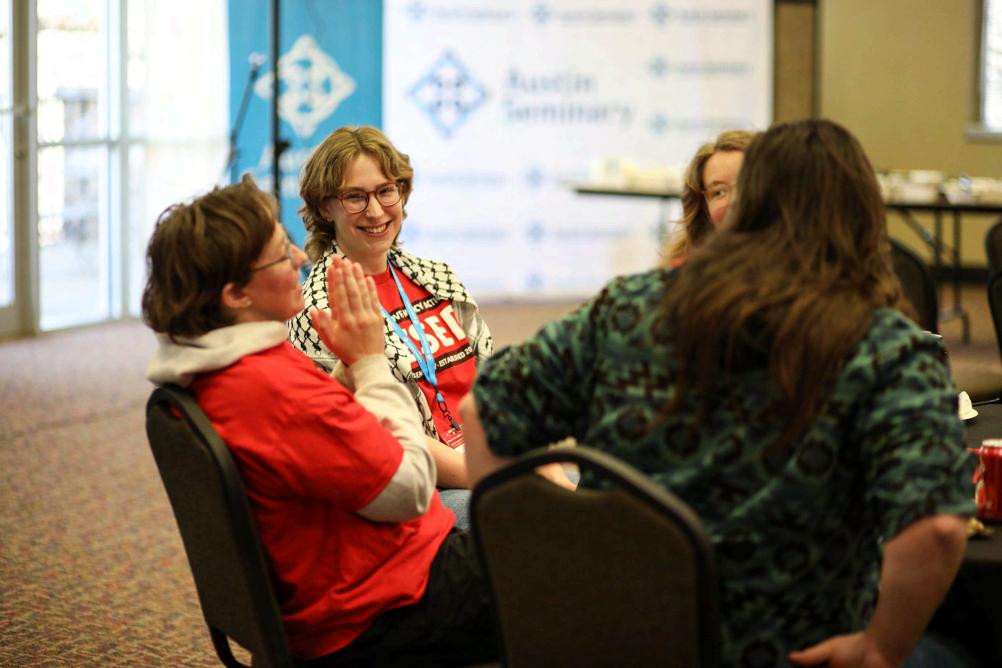
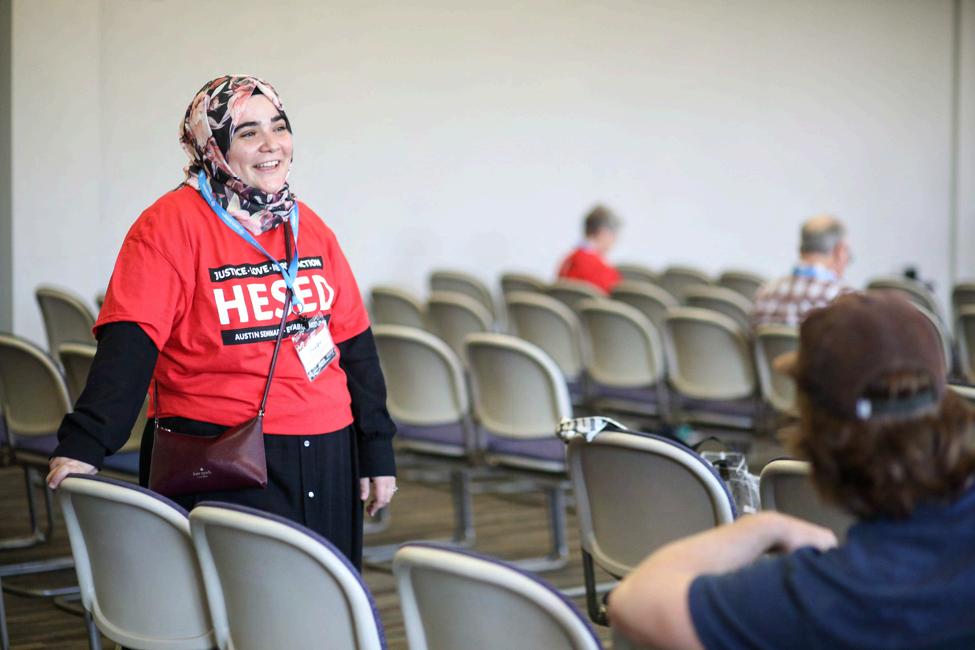
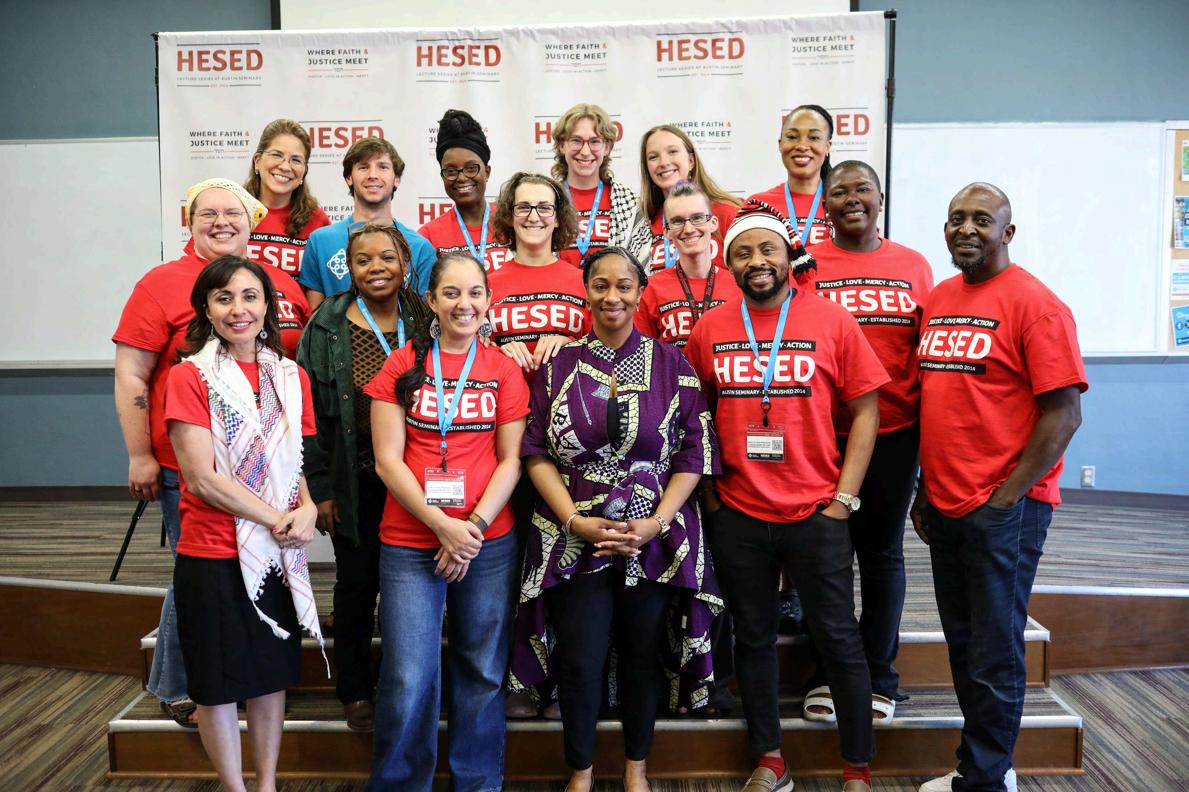
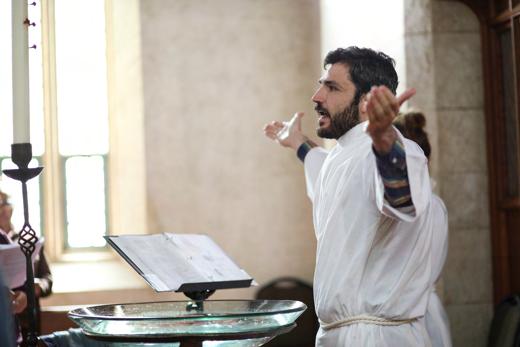
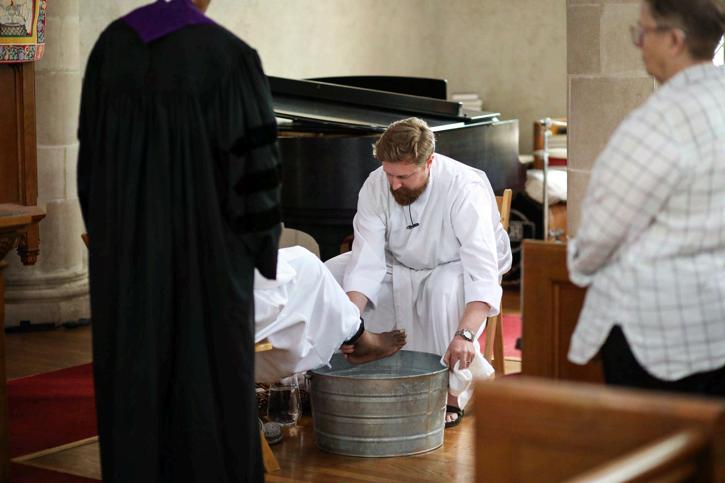
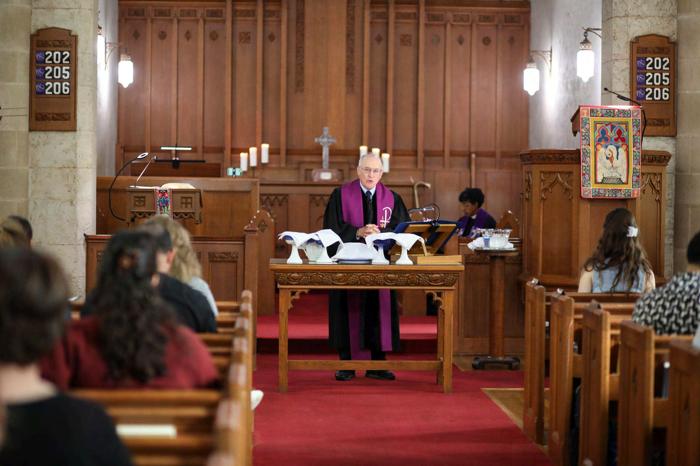
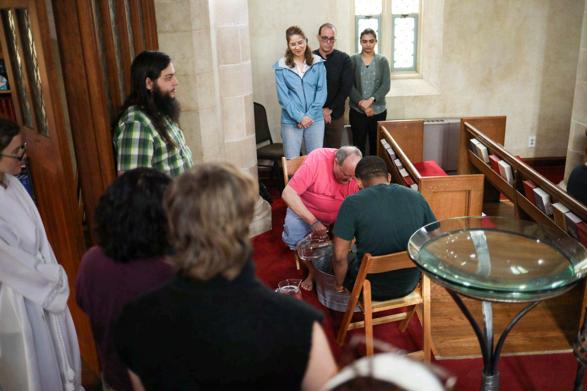
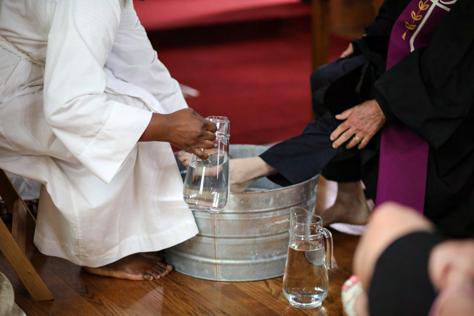

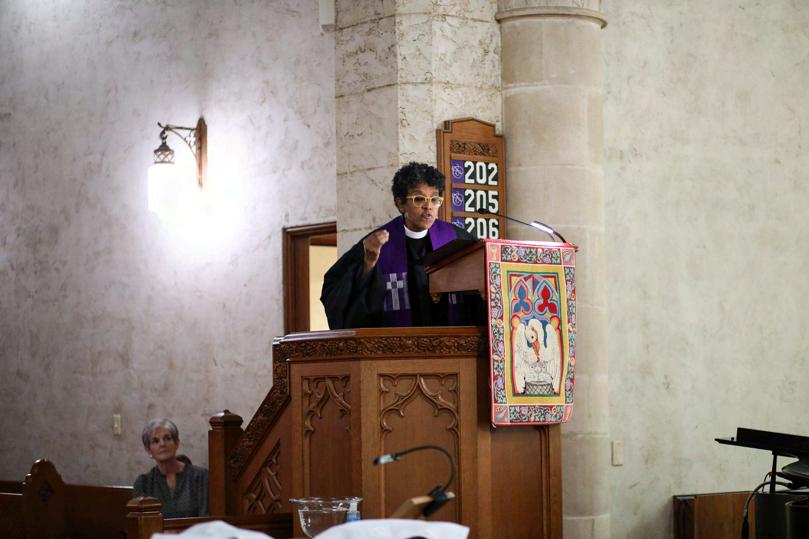
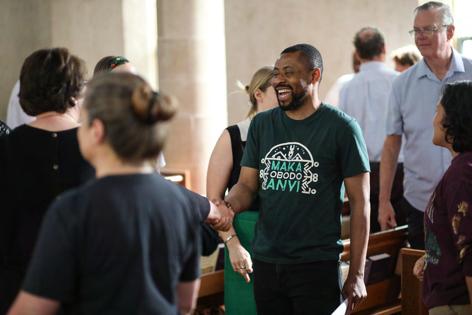
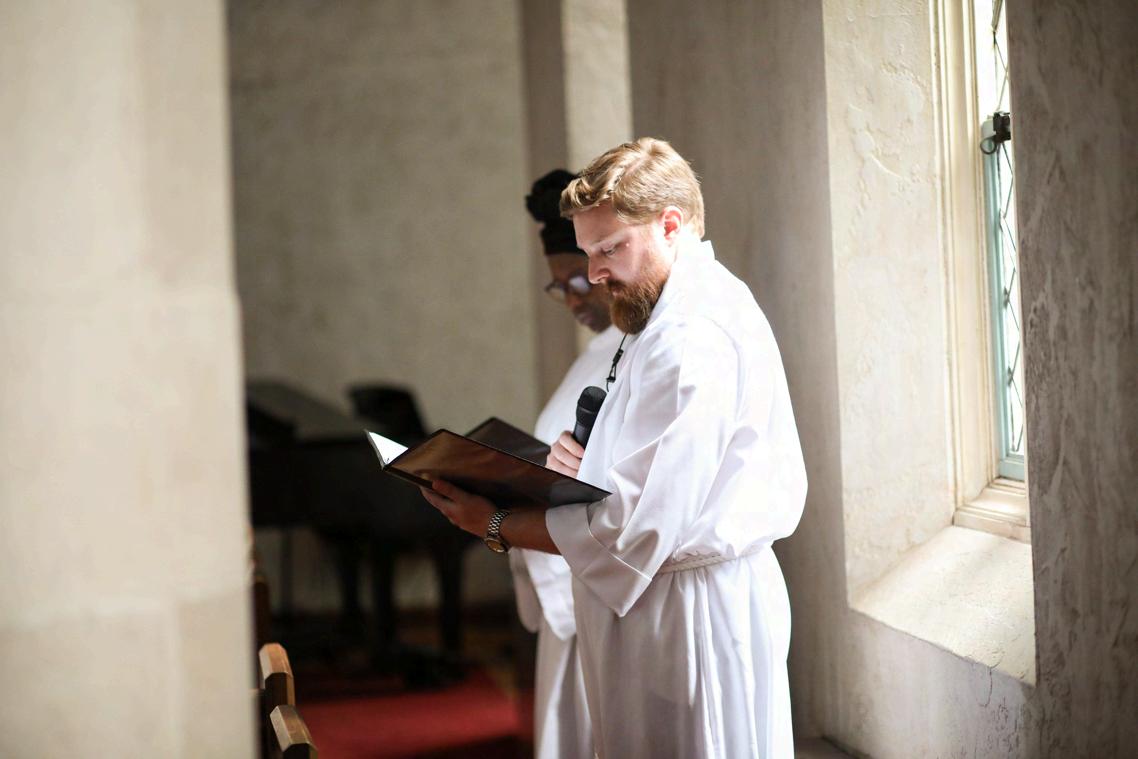
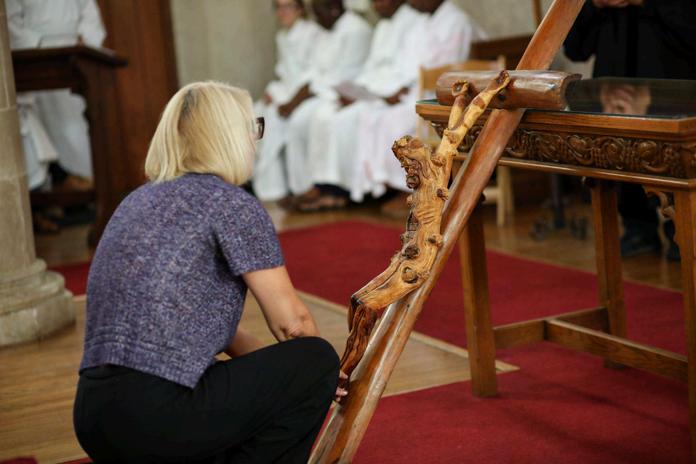
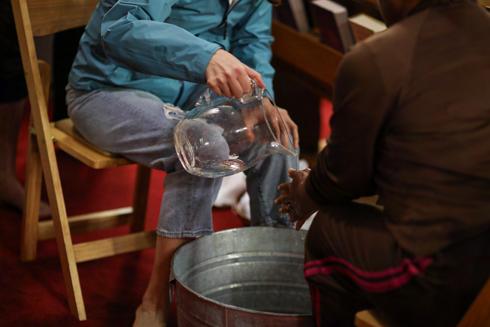
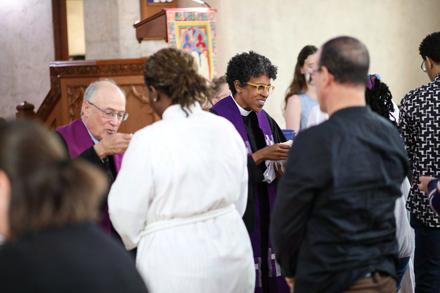
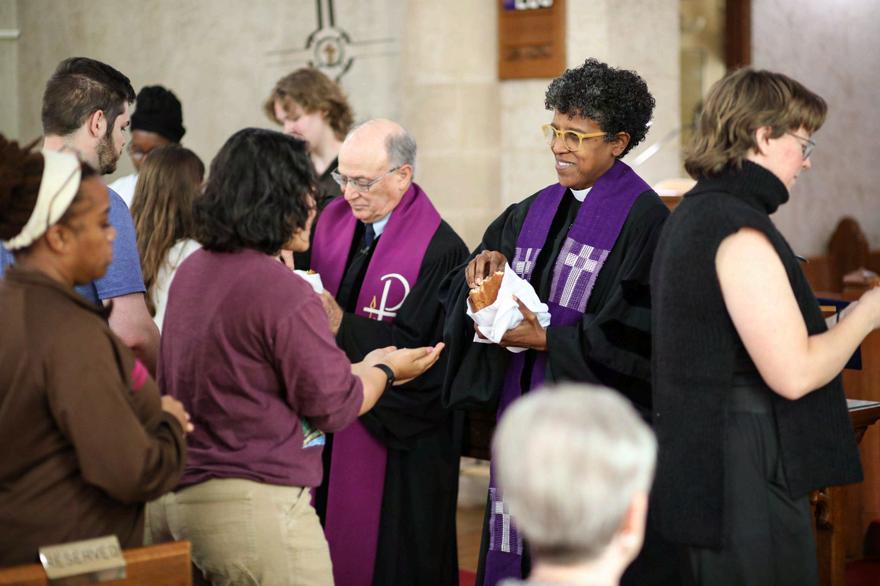
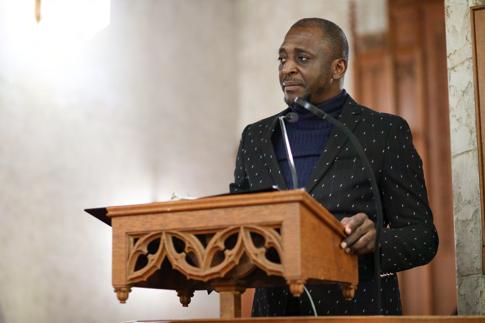
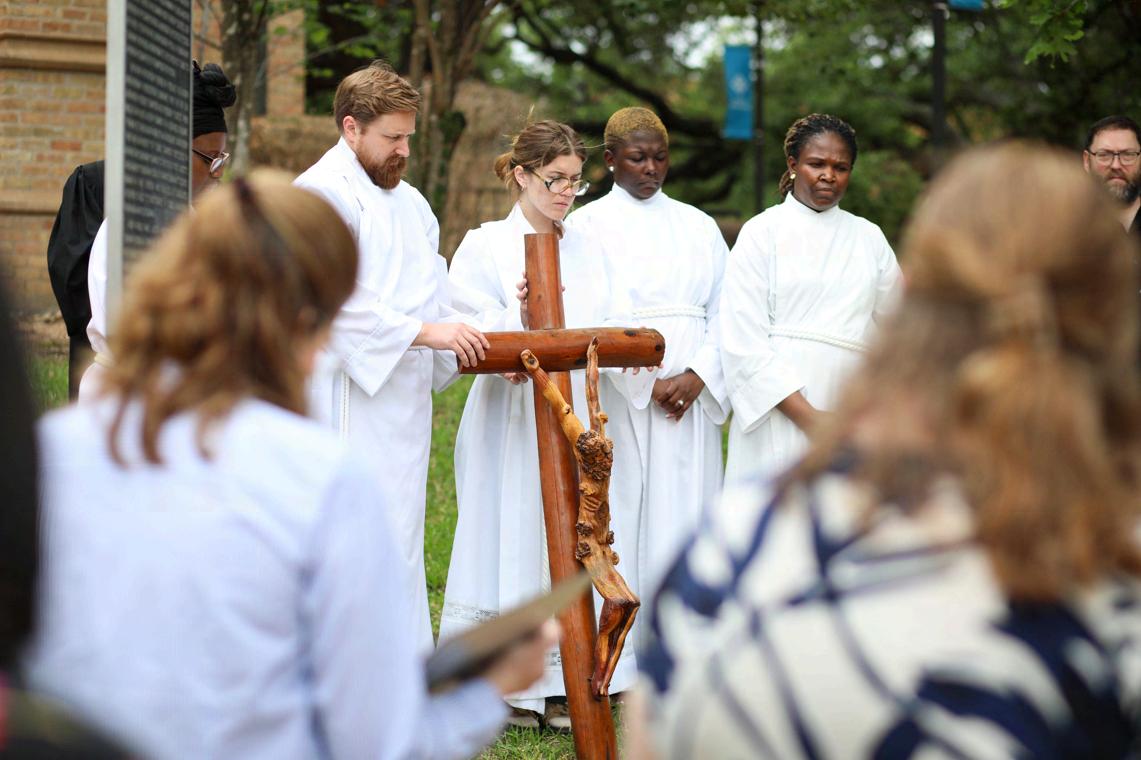
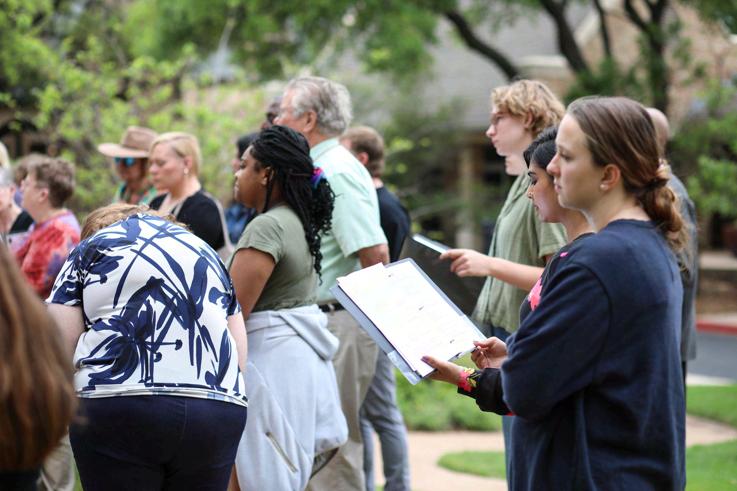
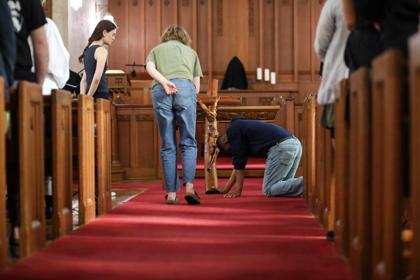
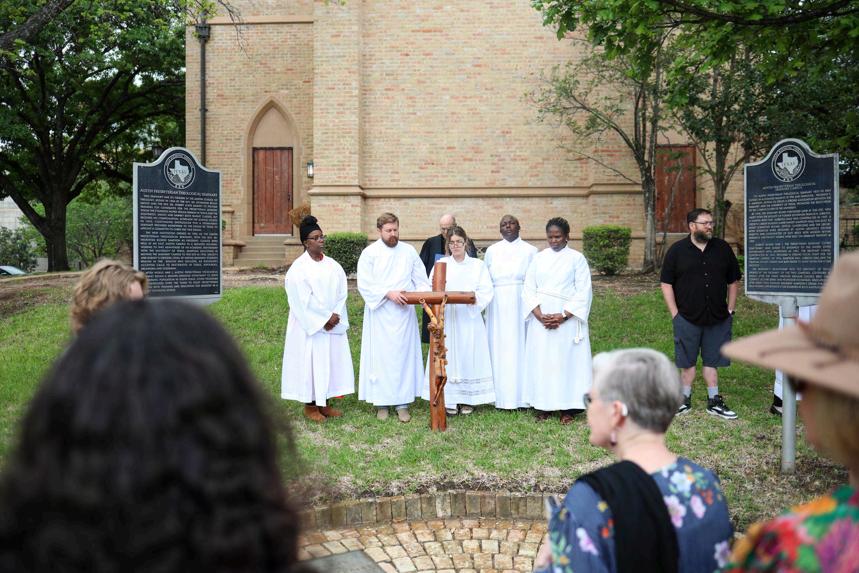
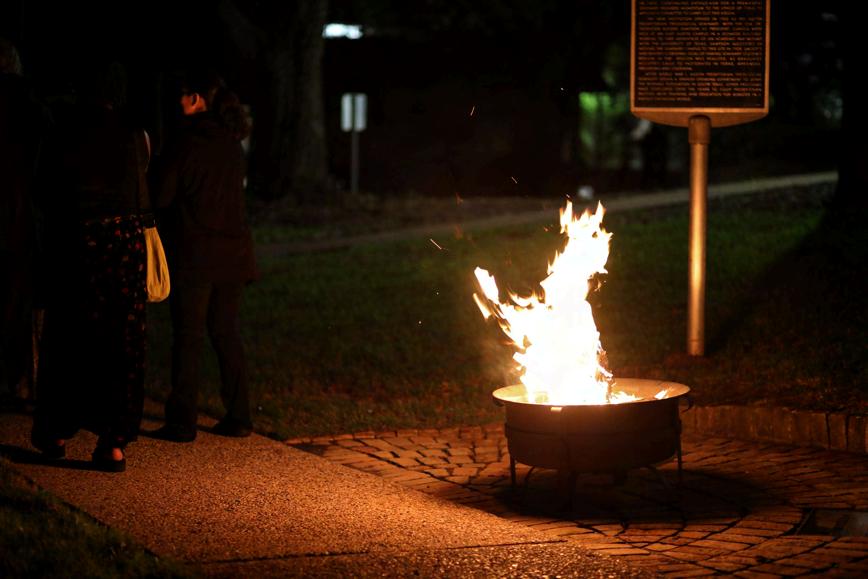
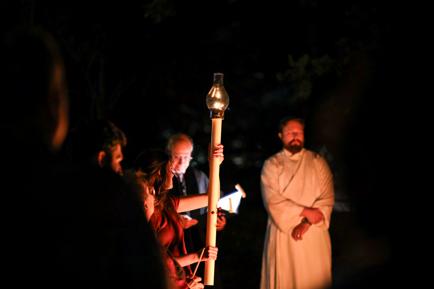
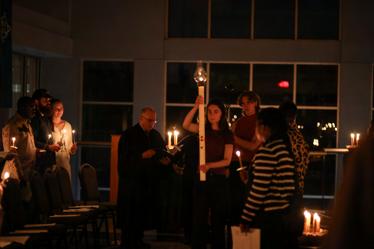
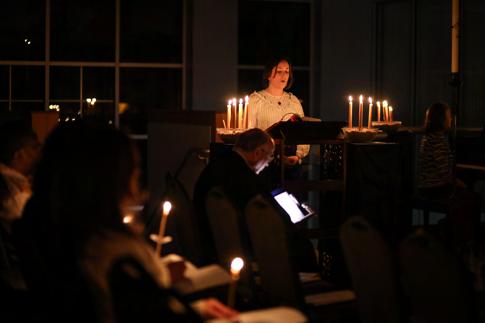
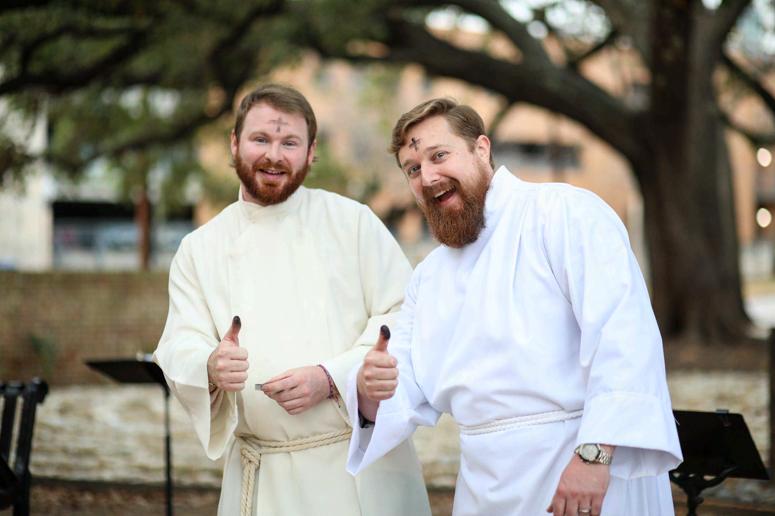
Seenaroundcampus...
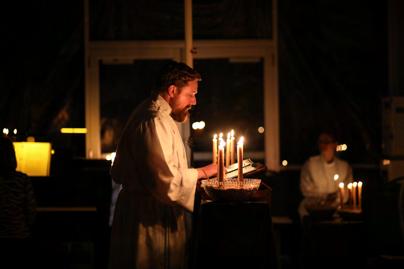
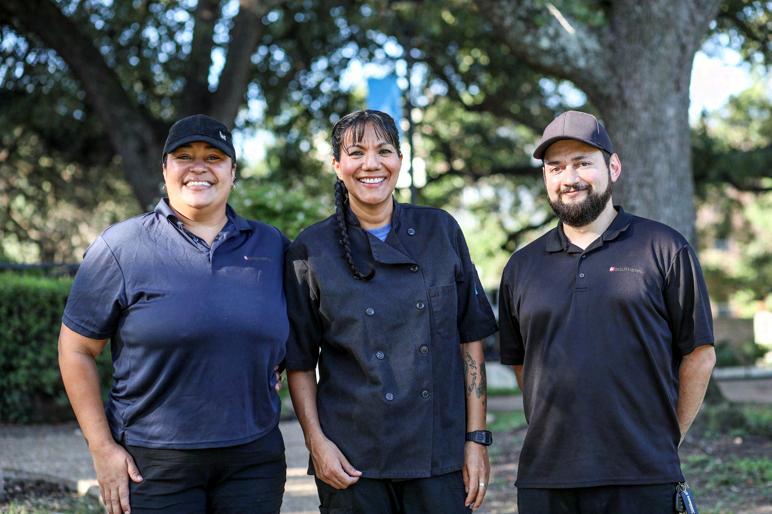
Thechefsareinthehouse!Yum.
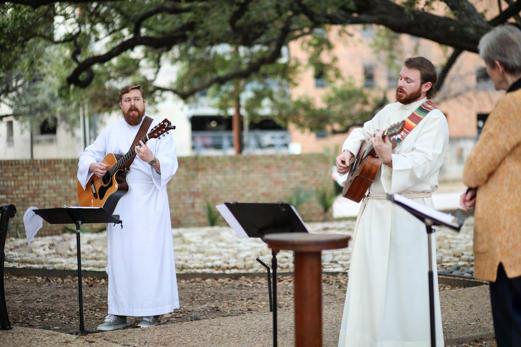
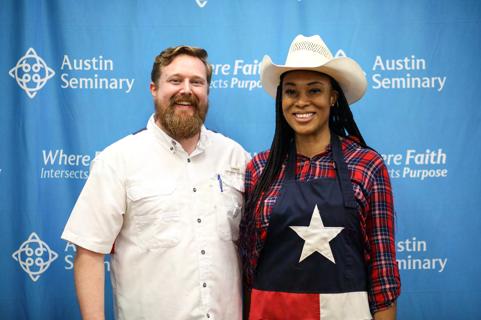
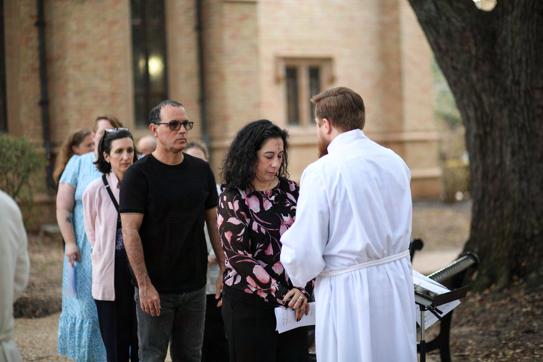
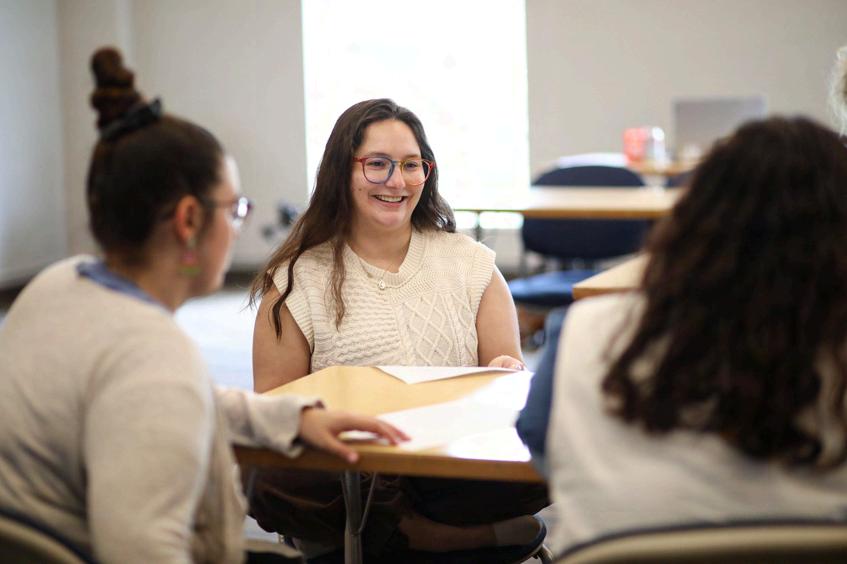
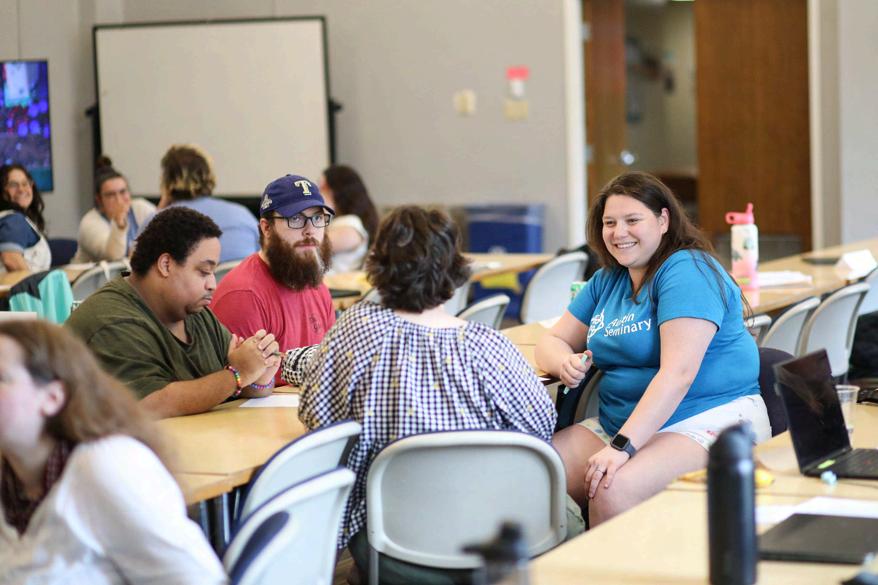
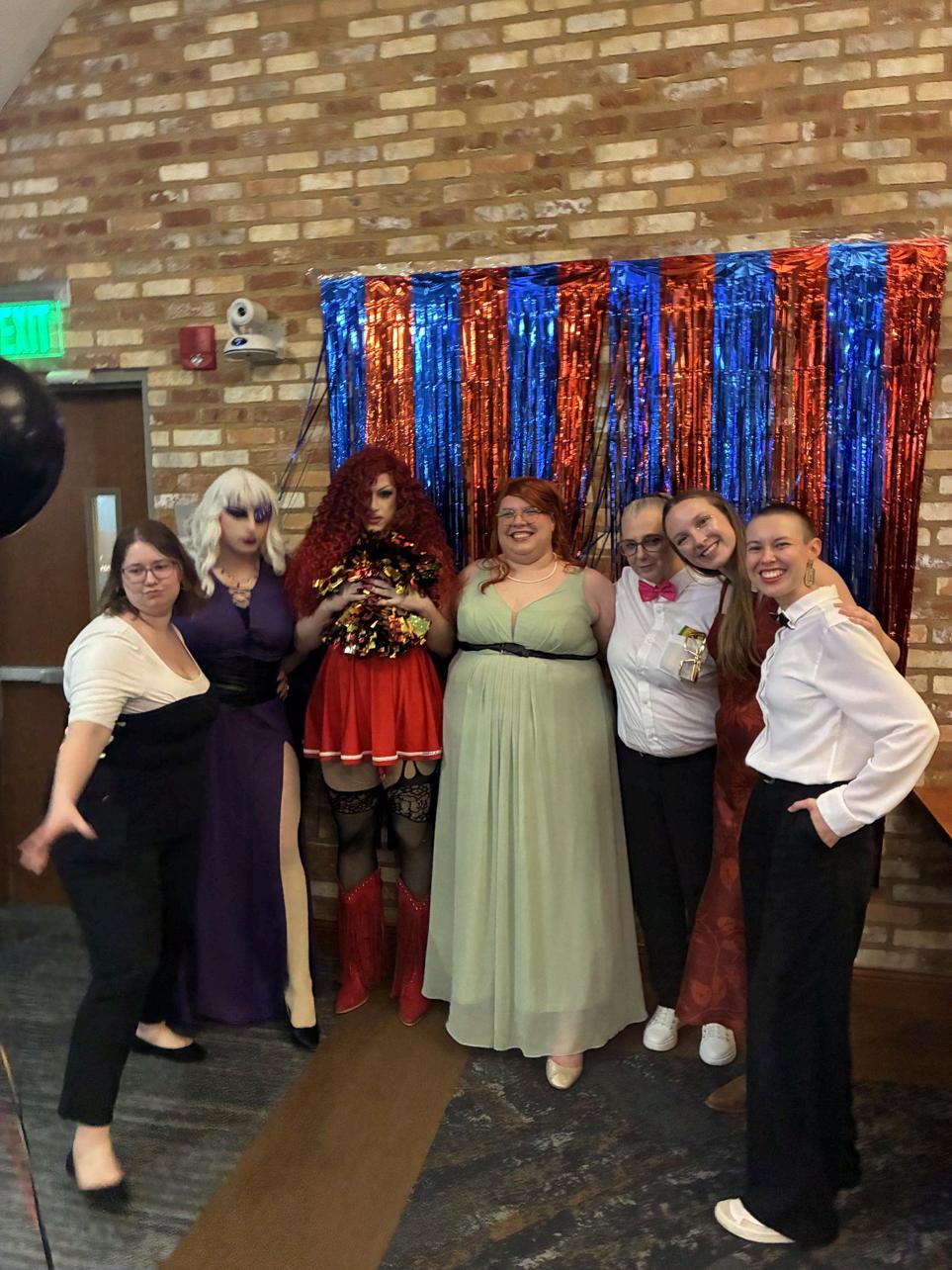
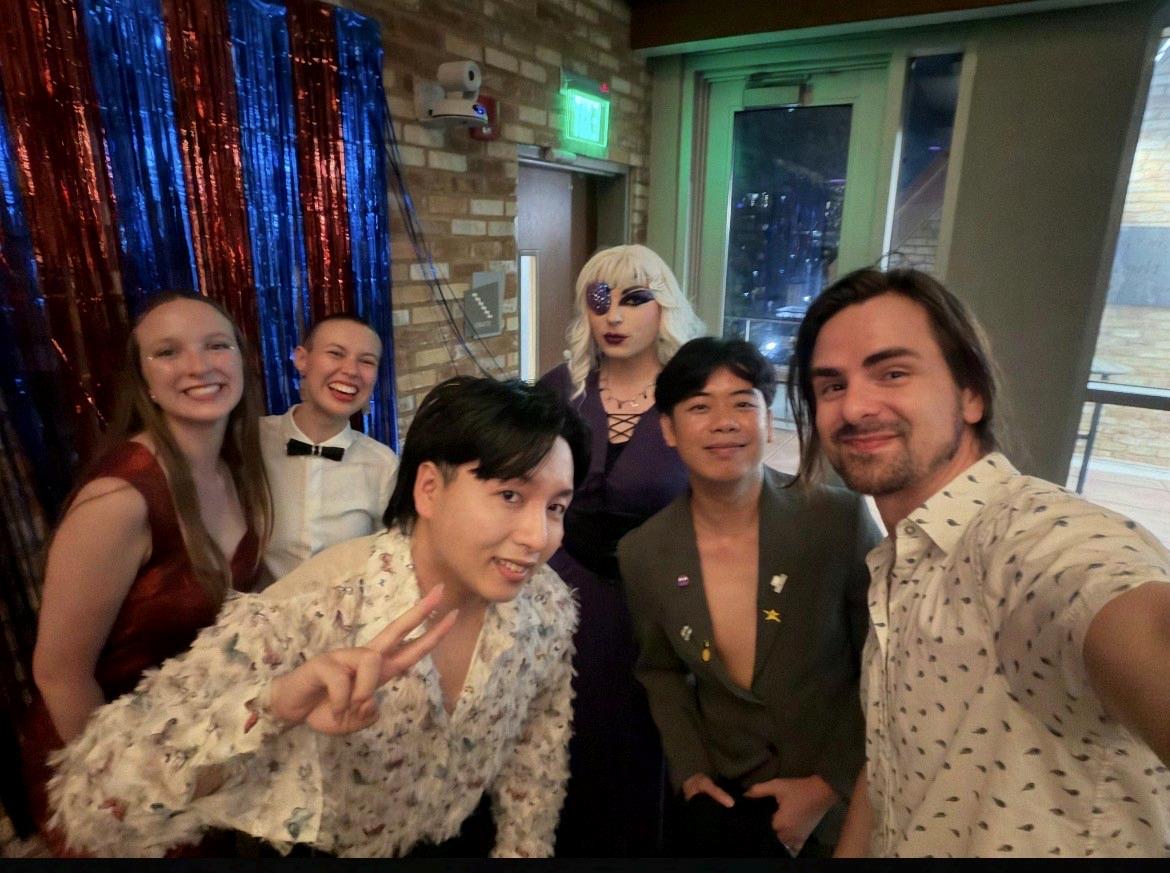
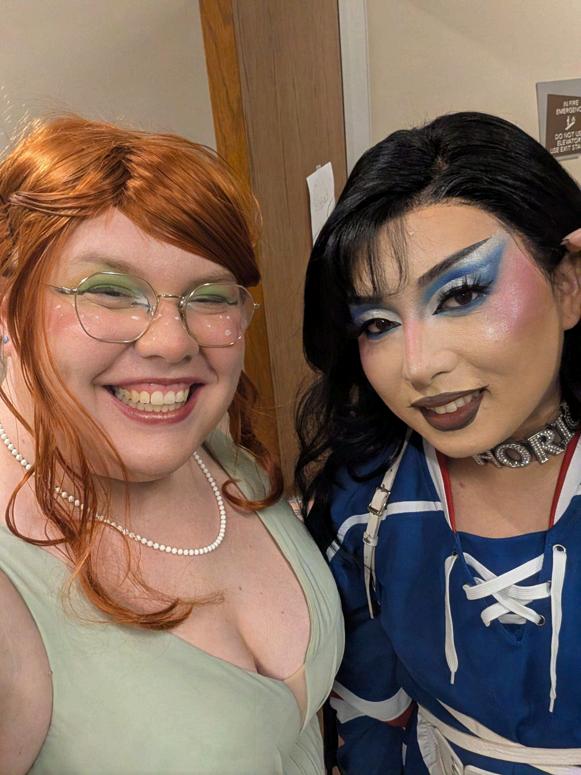
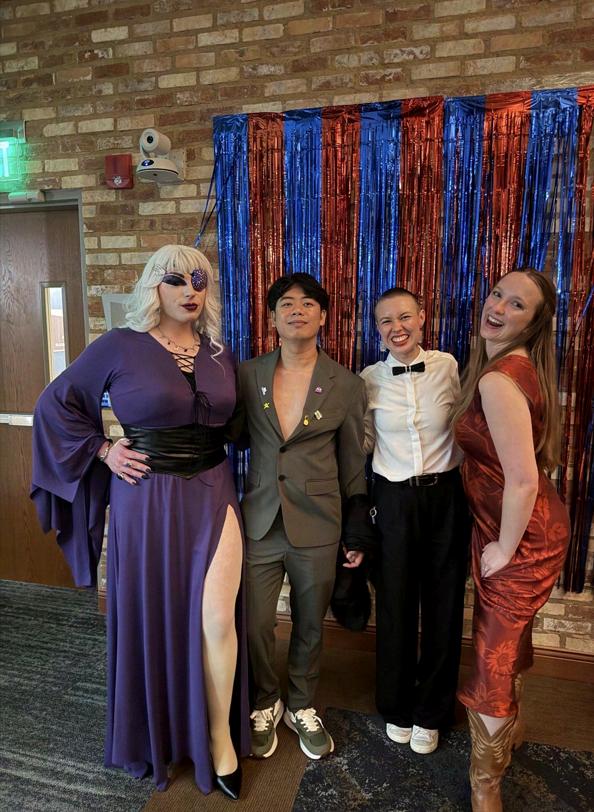
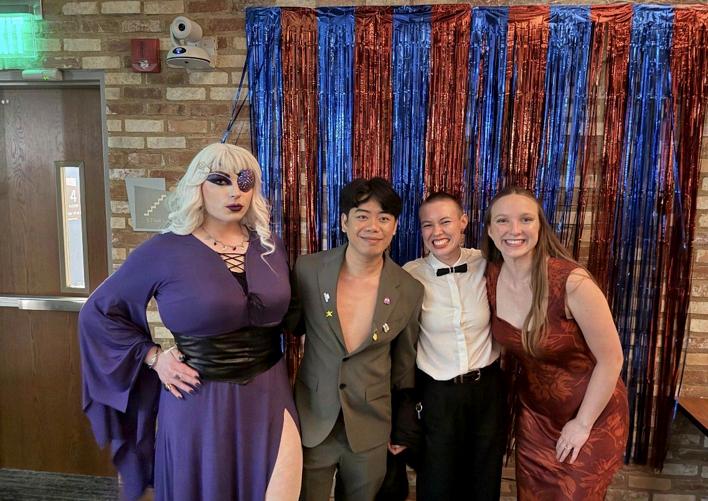
~POETSNIGHTOUT~
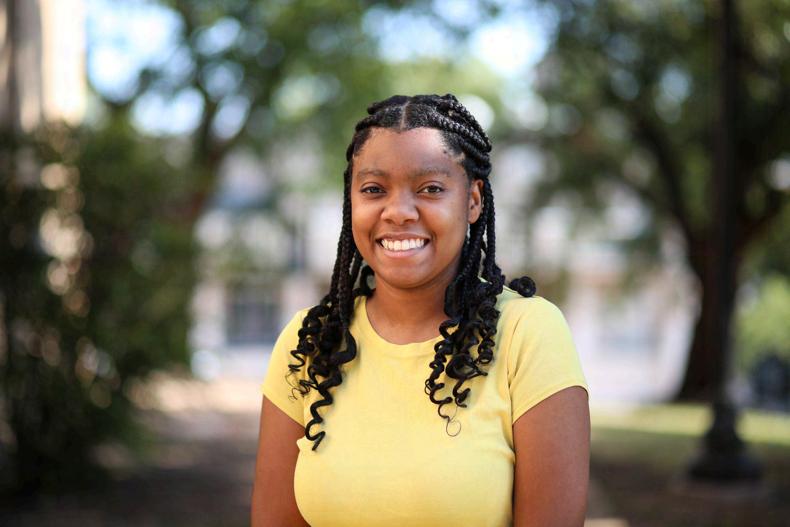
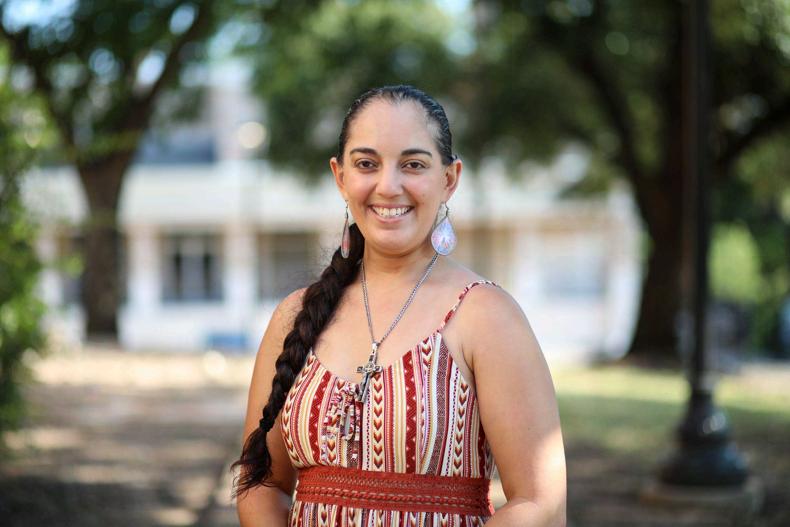
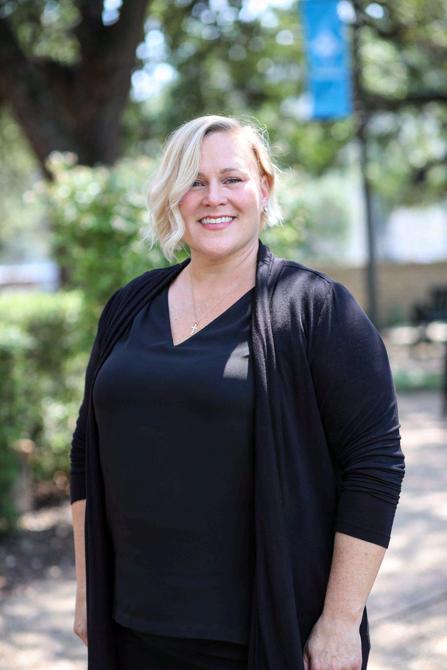

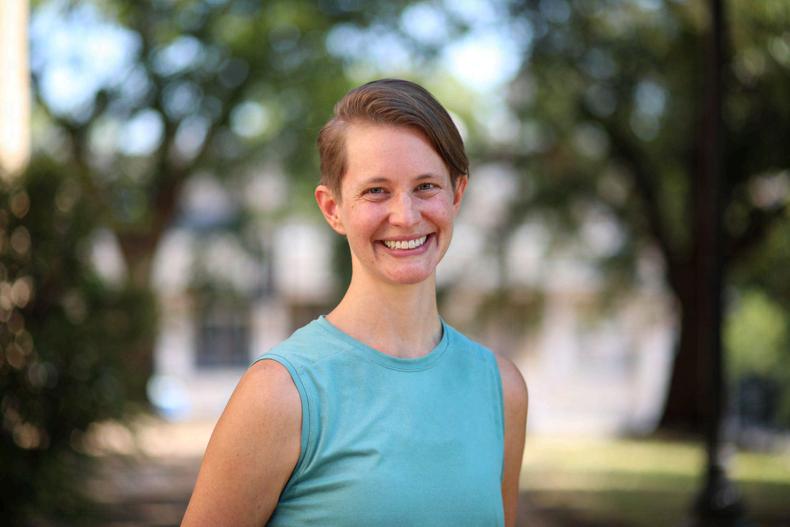

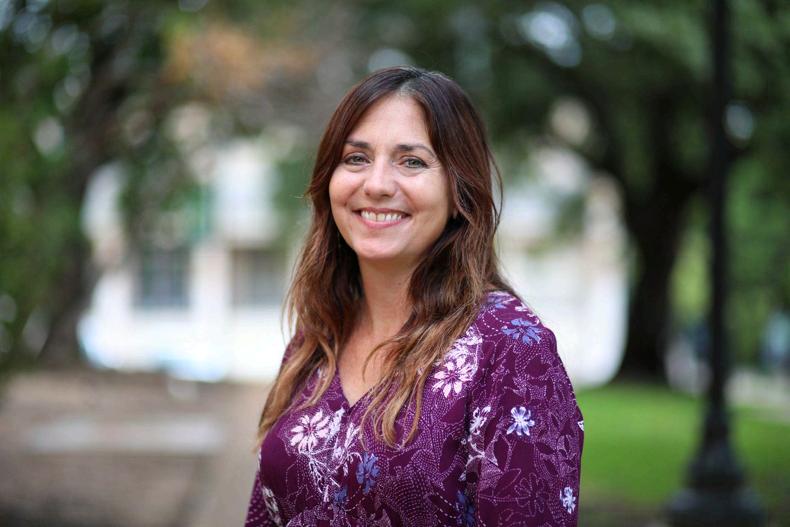
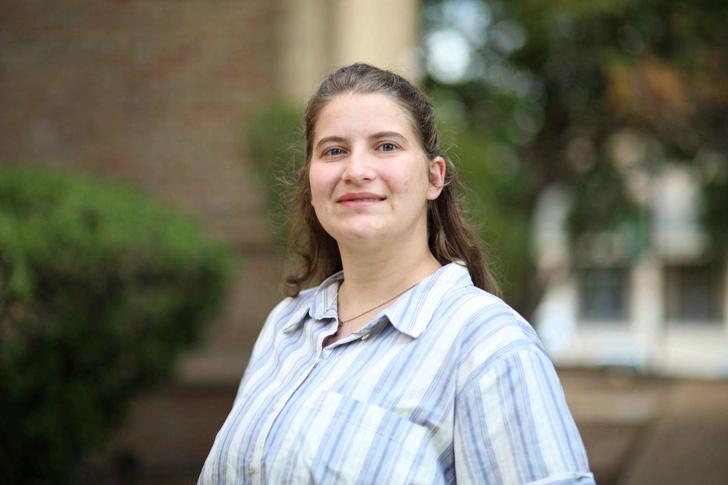
Congratulations! Your APTS Family is so proud of you!


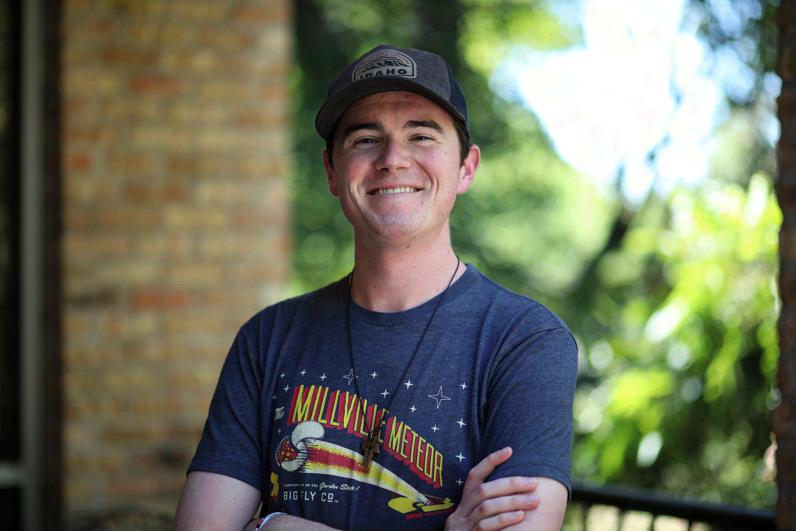
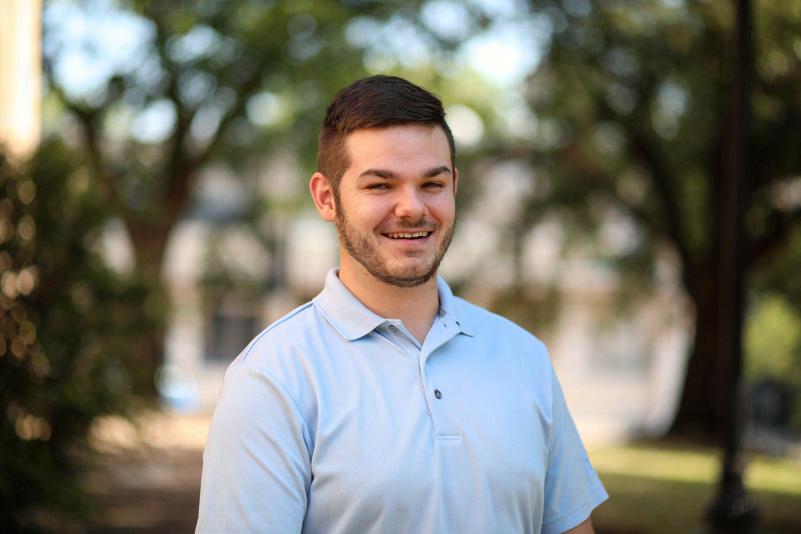
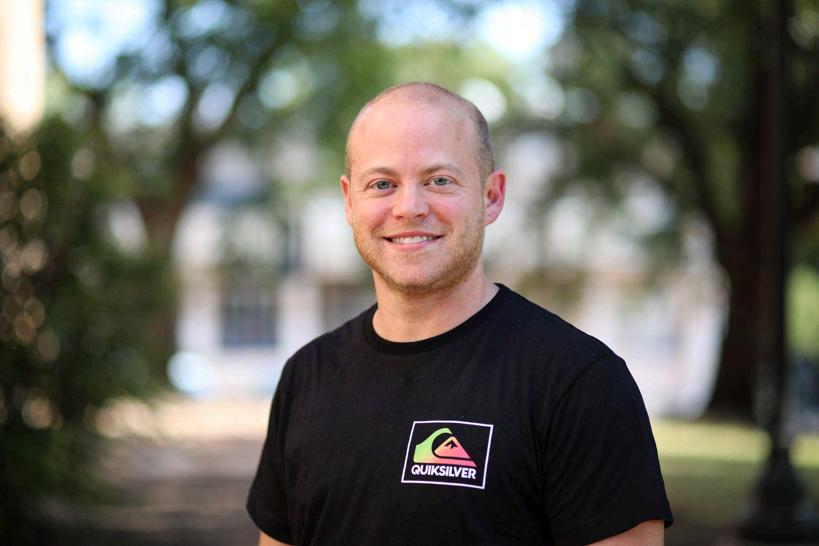
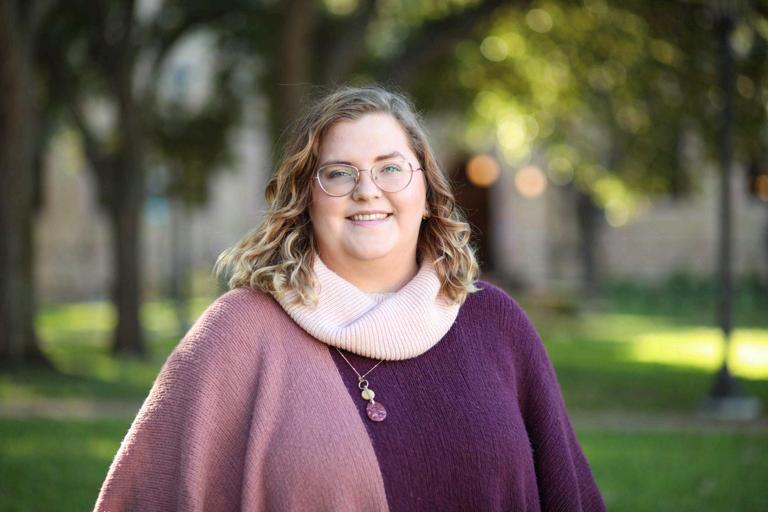
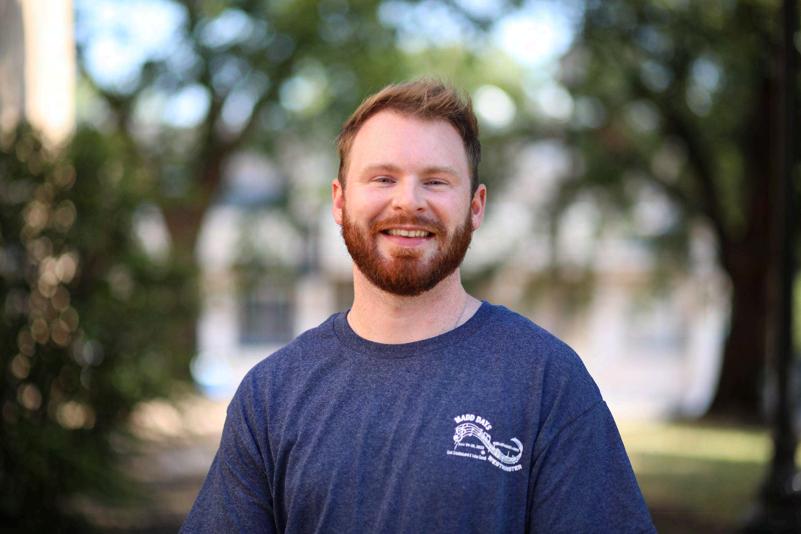
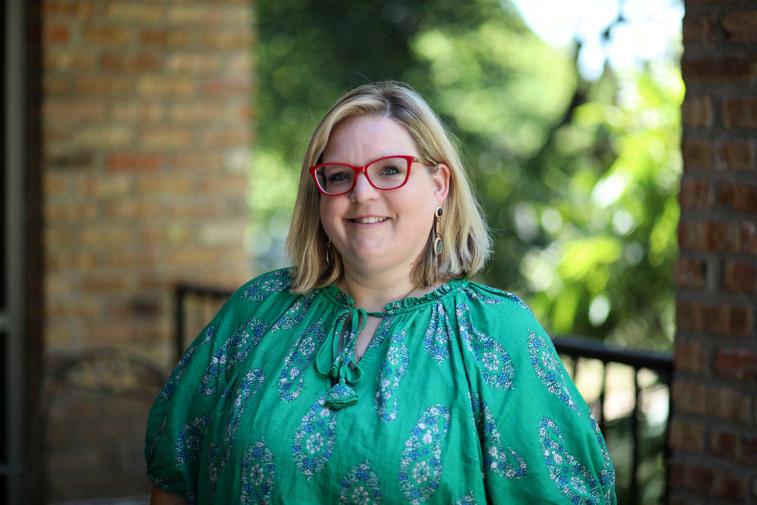
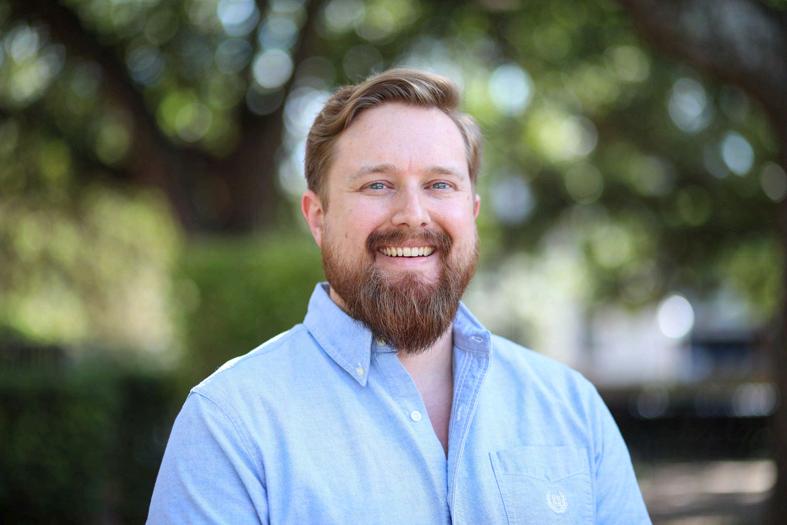
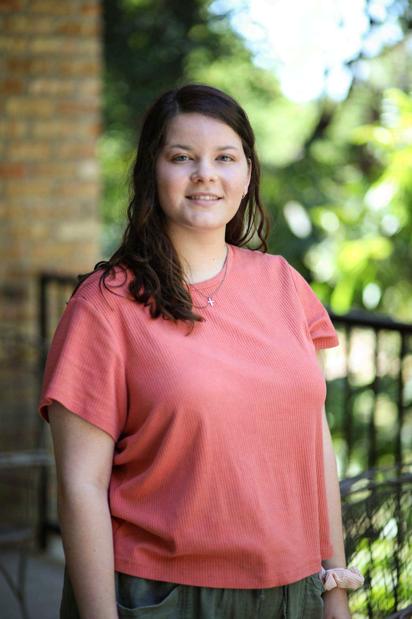
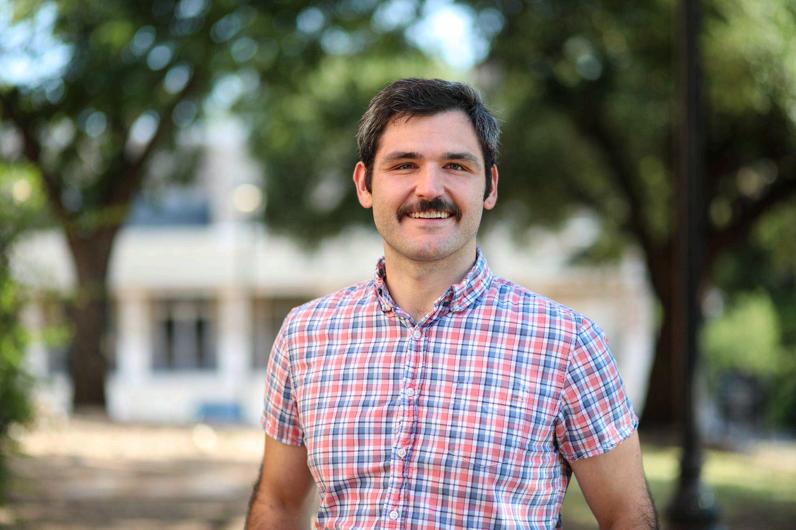
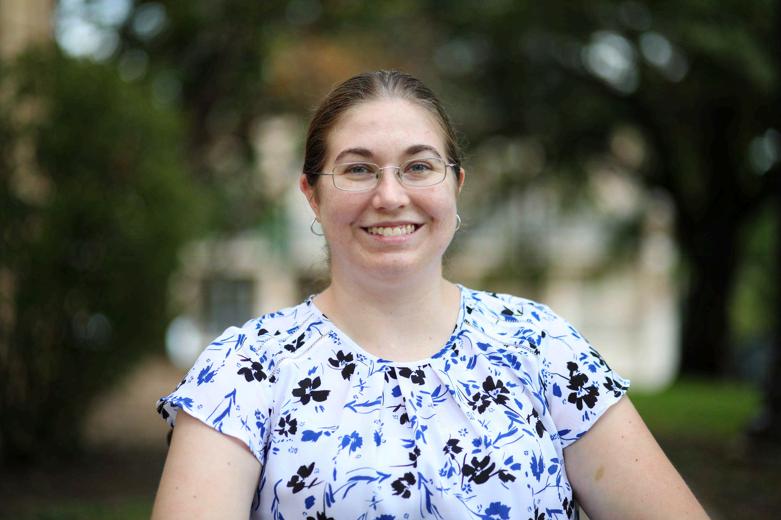
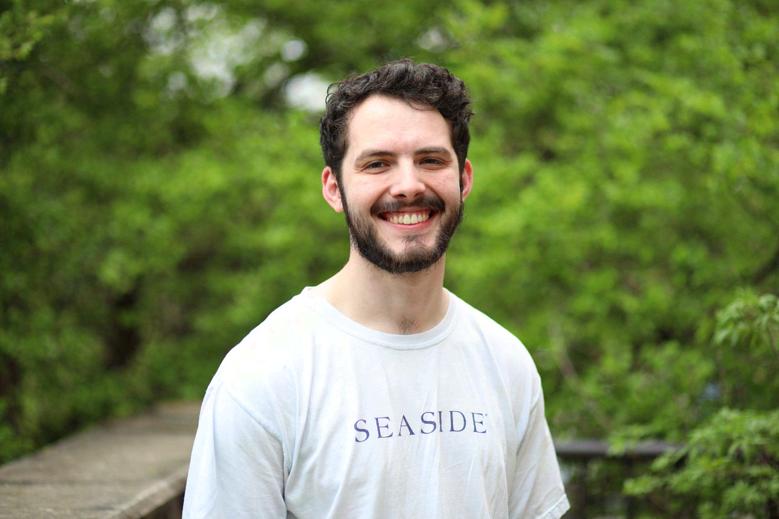
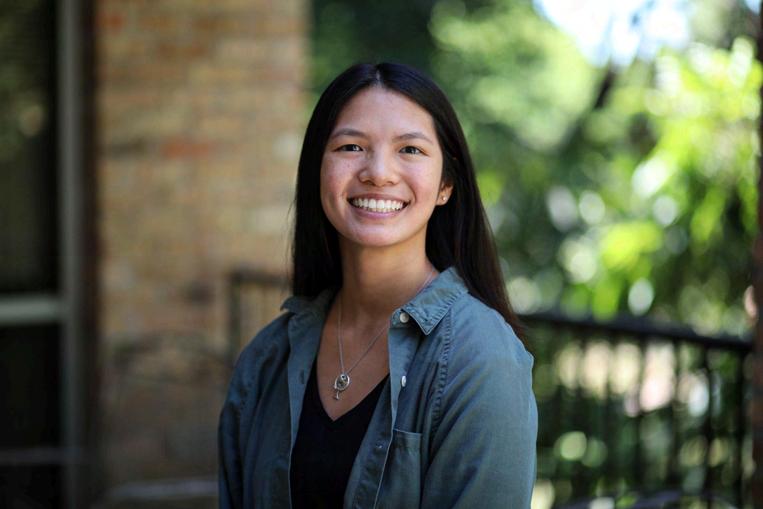
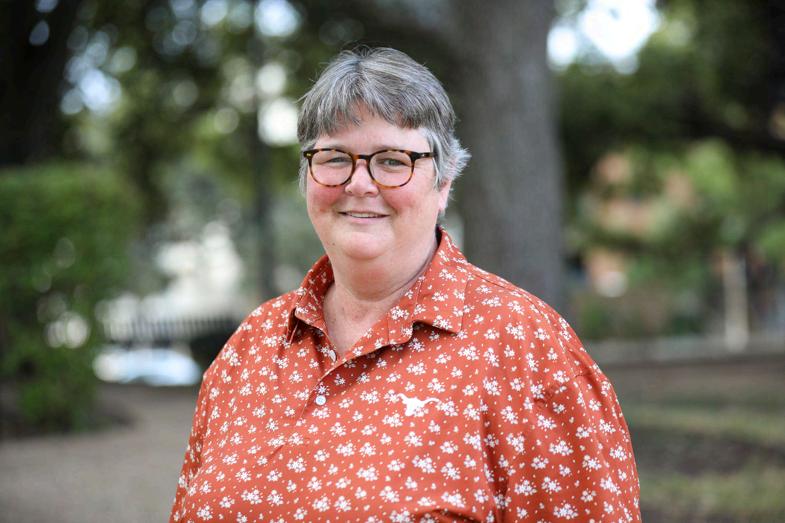
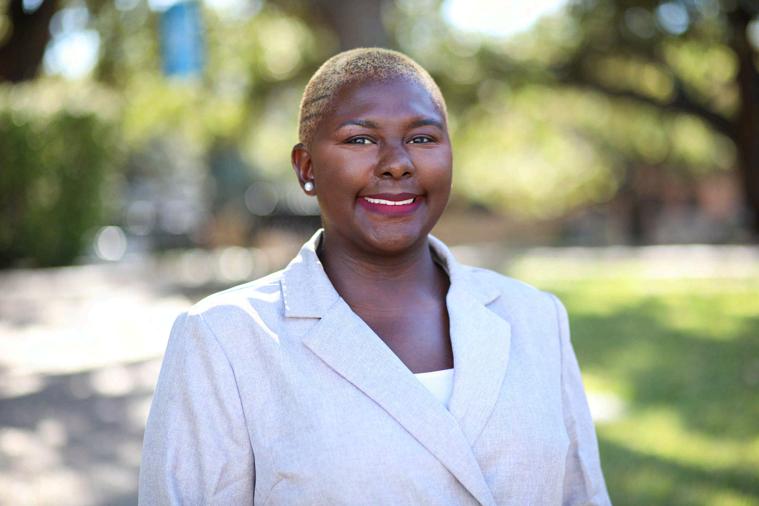
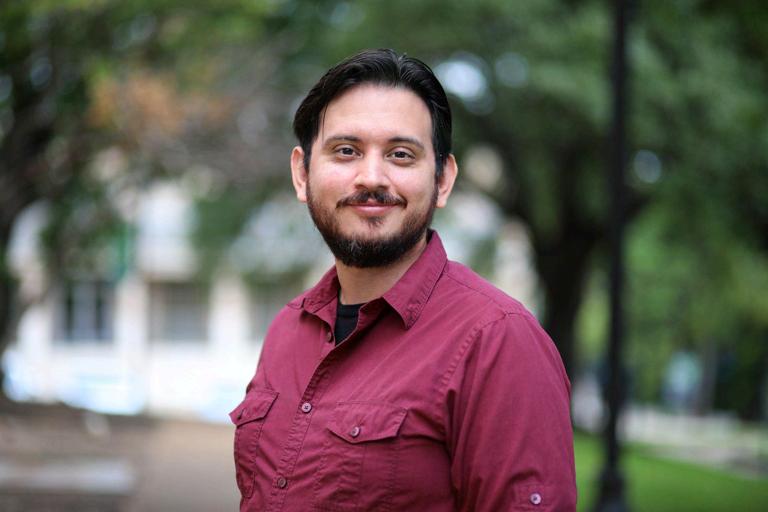
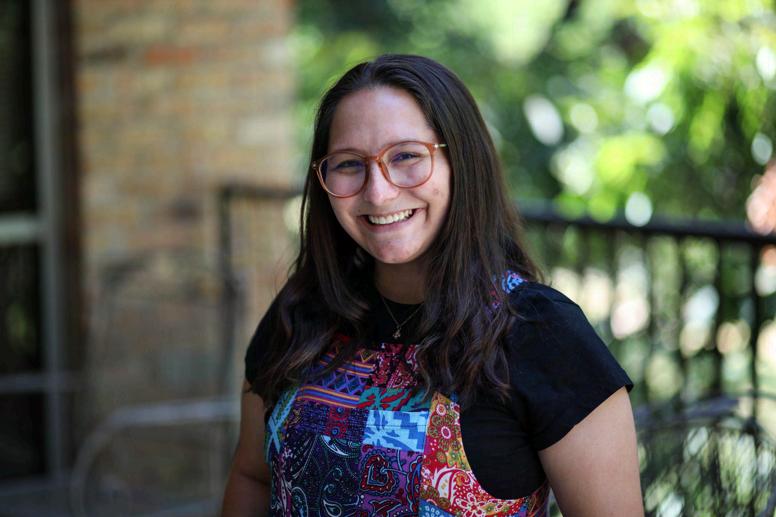
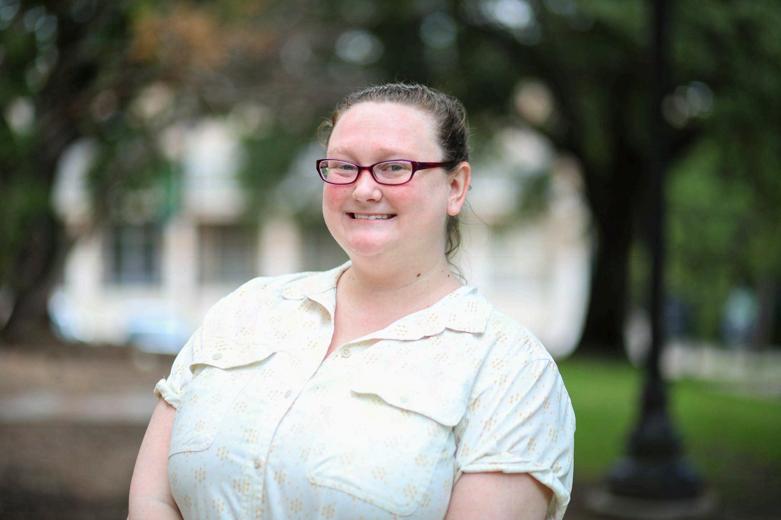
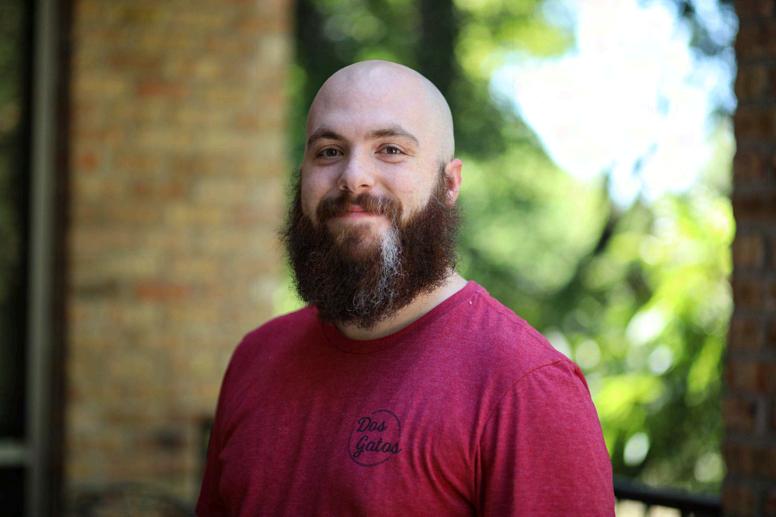

Doctor of Ministry Graduates Congratulations! Your APTS Family is so proud of you!
AnnCherry,KarenWareJackson,JenKindsvatter,ChrisReyes,CraigHunter,CharlesJohnson-Kelly, AshleySanders,JCCadwallader,JulieRowe,BrittAerhart,AndyCooke,MonicaHall,JennyDavant
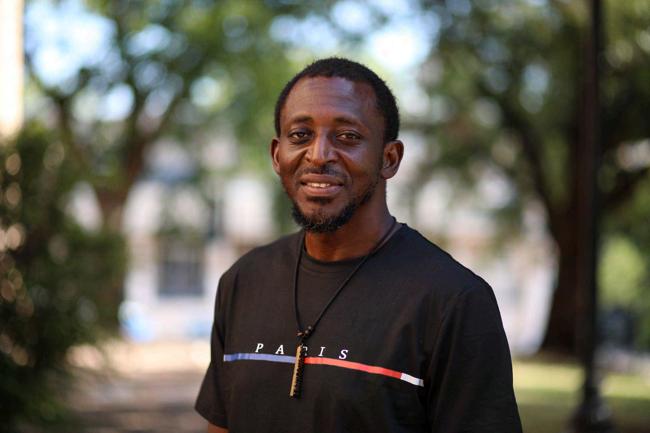
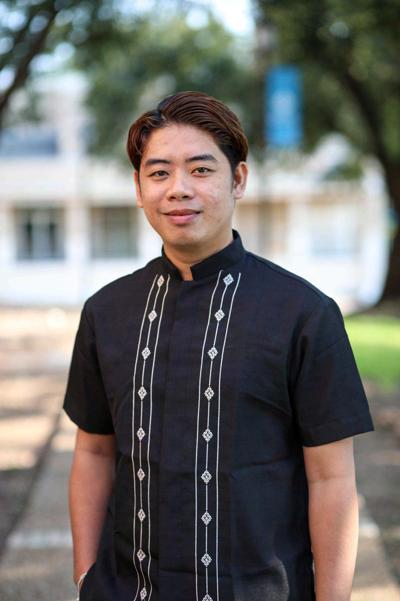
Congratulations to our 2026 International Graduates!
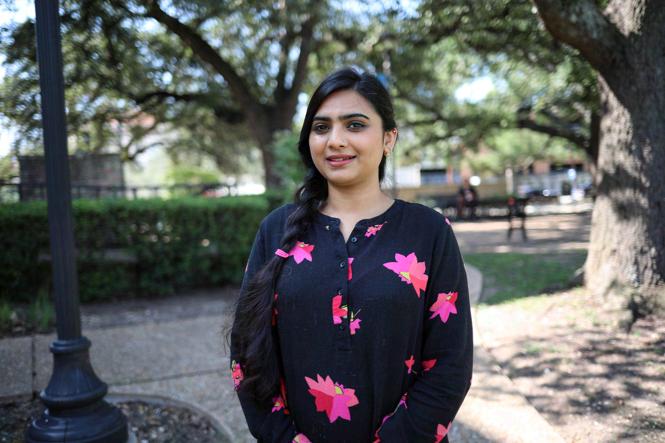

Awrish Javed, MDiv
Master of Divinity Lahore, Pakistan
Manasseh Yusuf, MDiv
Master of Divinity Jos, Plateau State, Nigeria
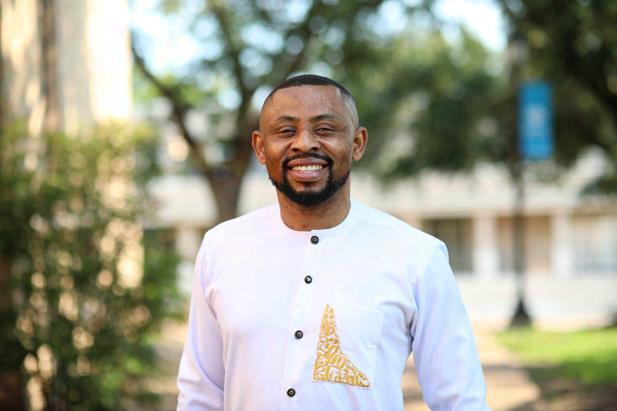
Ochuba Okam Ochuba, MDiv
Master of Divinity Abia State, Nigeria
John Fritz Ballenas Guarte, MA
Master of Arts in Religion Culasi, Antique, Philippines

“ForthegiftsandthecallofGodareirrevocable.”
-Romans11:29(RSV)
Kairosneedsafriend.Are you a gifted editor? Undercover editor? Or would just love the opportunity to nerd out as an editor? Or are you wanting to stretch and learn new skills while here at seminary?
HelpWanted: Seeking an assistant editor for Kairos that is called to become the Kairos Editor in 2027! This is a campus job. Please reach out to Maryelle and feel free to send Rochelle an email to ask any questions. Confidentiality is respected. Kairos awaits your gifts and dedication.
The Pulpit Supply Diaries...
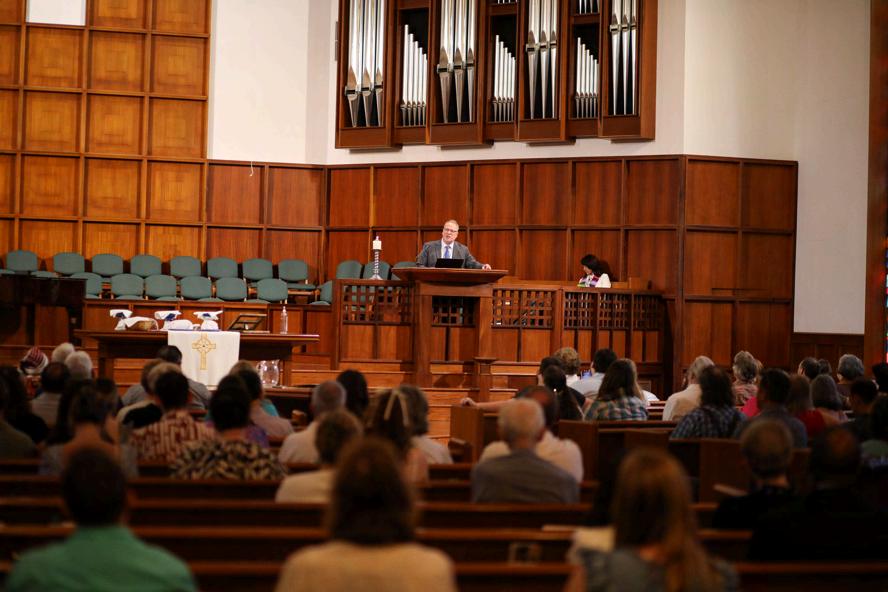
Do tell your pulpit supply joys & pitfalls. What is it really like to preach at a church you have never been to? What is your process? How to best prepare? And so much more! Taking stories and advice now, please submit to your Kairos to be featured in the Fall 2026 edition of Kairos. Tell us what it is really, really like. See ya next time!
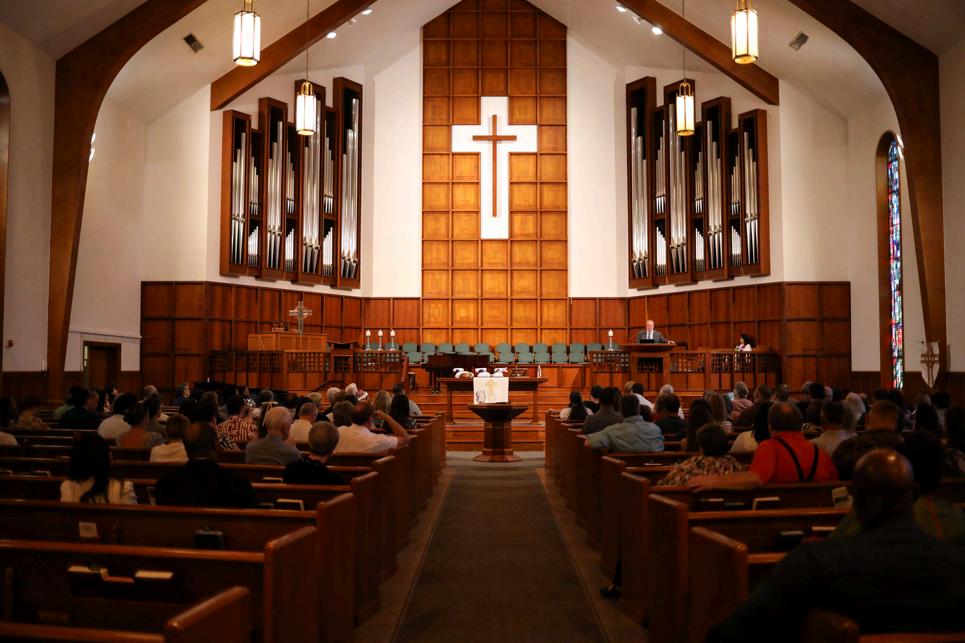

Transitions
Whether we welcome transitions or not, they will always come. The seasons are transitions from spring to summer. From new beginnings to endings. From one semester to the next and from graduation to whatever is next. Ponder Matthew 9:3738: Then he said to his disciples, “The harvest is plentiful, but the laborers are few; pray therefore the Lord of the harvest to send out laborers into his harvest.” (RSV)
May we all find a blessing in the harvest this summer and a co-laborer to be our steadfast companion in life’s transitions.
Rochelle

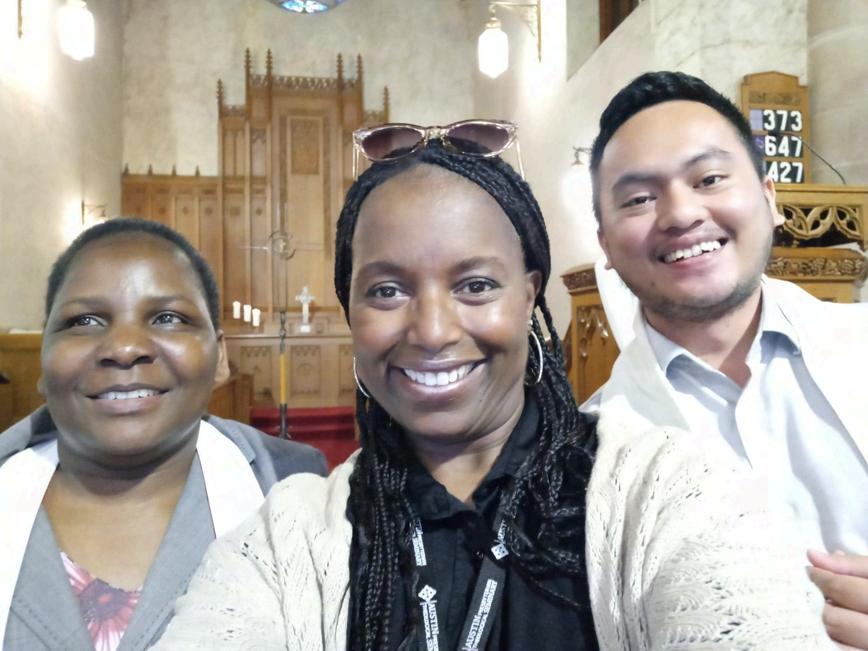
Kairos is a publication for all members of the APTS community to share their visual art, photographs, poems, opinion pieces, and creative writing with each other. Submissions for Kairos are accepted ongoing throughout Fall & Spring semester only. Themes will be posted periodically. Feel free to reach out if you have any questions or would like to discuss ideas.
Rochelle Henderson, a Senior MDiv student, is the editor of Kairos. You can reach her by emailing kairos@student.austinseminary.edu

The Editor would like to thank Maryelle & Usama for everything Kairos :) THANK YOU.
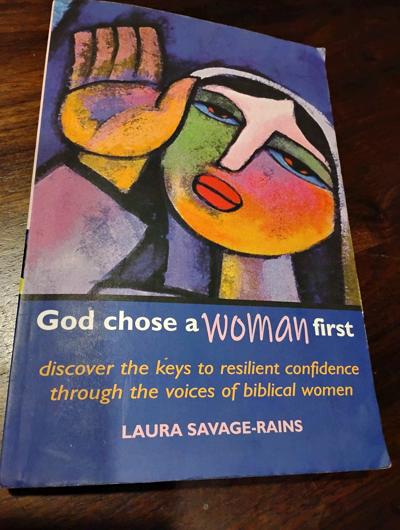
Book Picks from the Editor