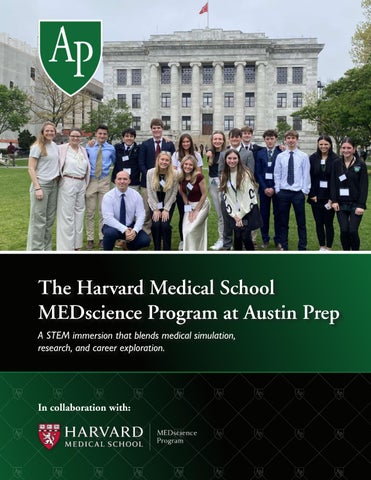


Students at Austin Prep step into a learning experience that bridges physics, anatomy, biology, medicine, Artificial Intelligence, and robotics. Through a year-long collaboration with Harvard Medical School’s MEDscience program, upper school students explore physics principles in action through surgical robotics, medical diagnostics, and immersive clinical simulations.
Guided by Mr. Francesco Donati, Science Faculty, and Mrs. Amy Foley, Dean of STEM, this collaboration connects hands-on learning with real-world impact. Students do not simply study science. They perform surgical procedures, diagnose patient cases, and apply scientific principles to solve authentic medical challenges grounded in curiosity, discovery, and the Augustinian belief that knowledge grows when used in service of others.
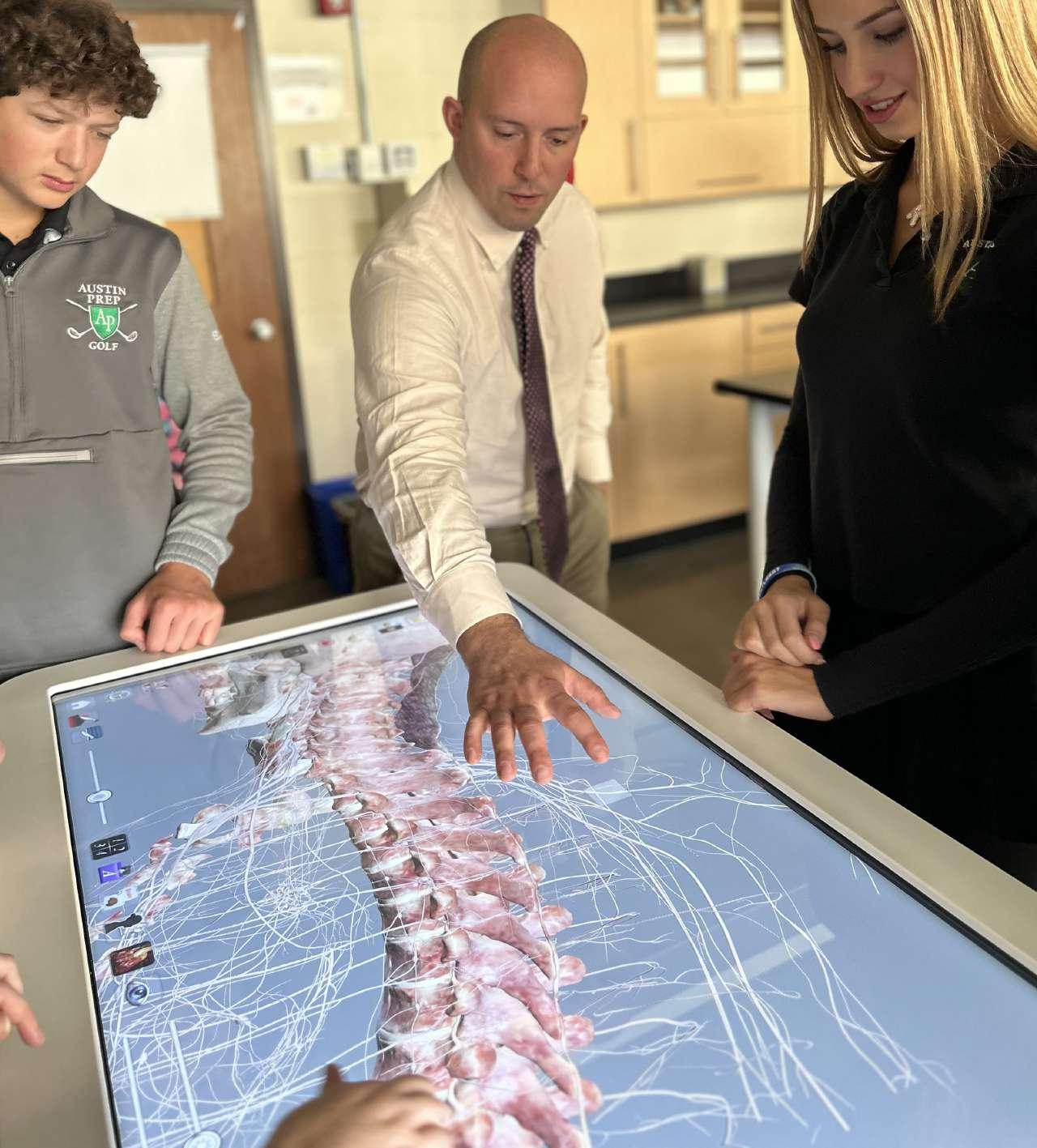
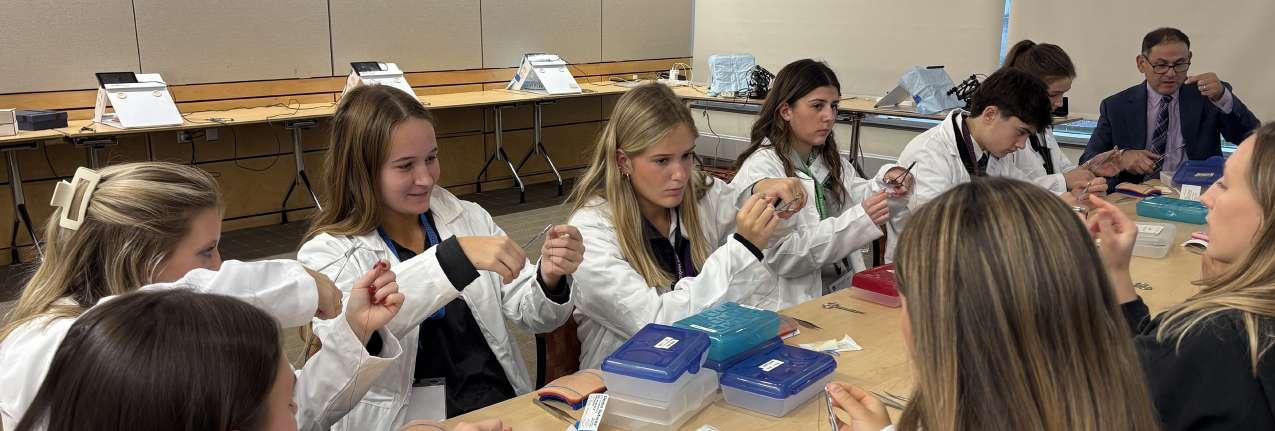
Throughout the year, students learn in Harvard Medical School’s emergency simulation suites, conduct patient interviews, interpret diagnostic tests, and practice procedures such as suturing, laparoscopic surgery, and robotic-assisted surgery. Back on campus, they master cross-curricular concepts through model surgical robots, the Anatomage table, and the Digital Fabrication Lab.
• Student Outcomes woven throughout the program
• Mastery of foundational and advanced physics principles
• Technical skills in robotics, anatomy, and AI
• Confidence in clinical communication and teamwork
• Early exposure to careers in healthcare and biomedical engineering
• A deeper sense of purpose and service through real-world learning

“This hands-on program has been transformative in ways I’ve never seen before. The level of student excitement and engagement is remarkable— they’re not just learning, they’re passionate about what they’re discovering. As an educator, there’s no greater joy than seeing students this invested in their learning. What makes this truly special is that it’s equally rewarding for us as facilitators. This has evolved into something far beyond a traditional classroom experience.”
— Amy Foley, Dean of STEM, Austin Prep
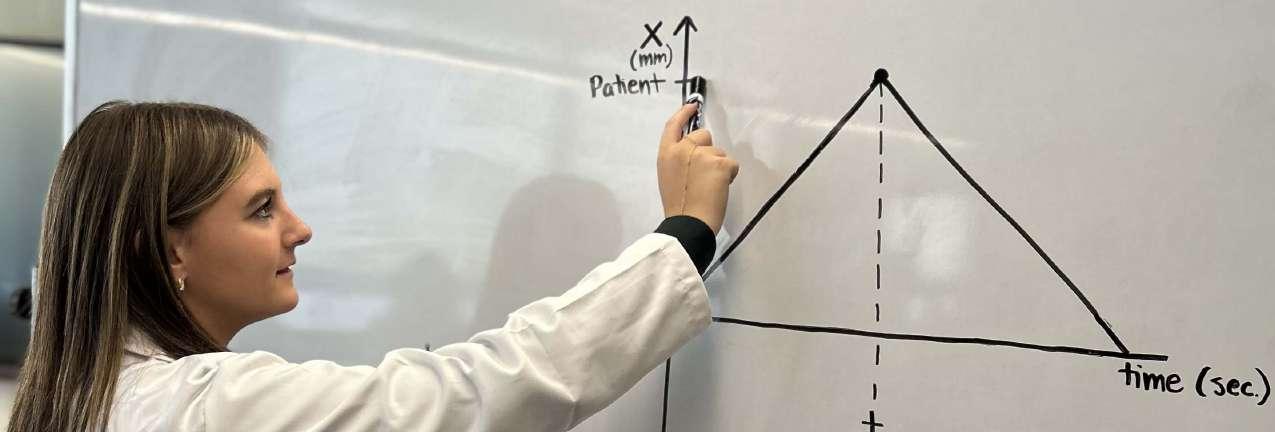
Traditional physics becomes transformative when students apply it through the lens of surgical robotics and medical innovation. Each class session builds technical skill and scientific understanding through guided discovery.
Students learn core and advanced science principles by:
• Programming robotic arms to perform precise surgical motions
• Using the Anatomage table to visualize skeletal, cardiovascular, and neurological structures
• Applying Newtonian mechanics to improve surgical accuracy
• Constructing and testing 3D-printed anatomical models
• Training artificial intelligence to assist in medical diagnostics
The program creates a learning environment where students collaborate, problem-solve, and work with the confidence expected of future scientists, surgeons, and engineers.
• Improved scientific reasoning
• Strengthened communication and presentation capability
• Comfort operating within professional, high-stakes settings
• Preparedness for college-level laboratory work
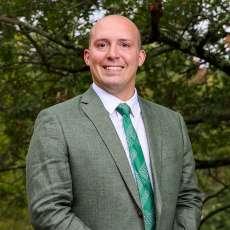
“What makes this program so effective is the power of teaching science through real-world applications. Students aren’t just learning physics in isolation - they’re seeing how physics, biology, medicine, and technology all interconnect. This approach helps students understand concepts more deeply and retain them much longer. When they can see why something matters, the learning becomes fun, meaningful, and lasting.”
— Francesco Donati, Science Faculty, Austin Prep

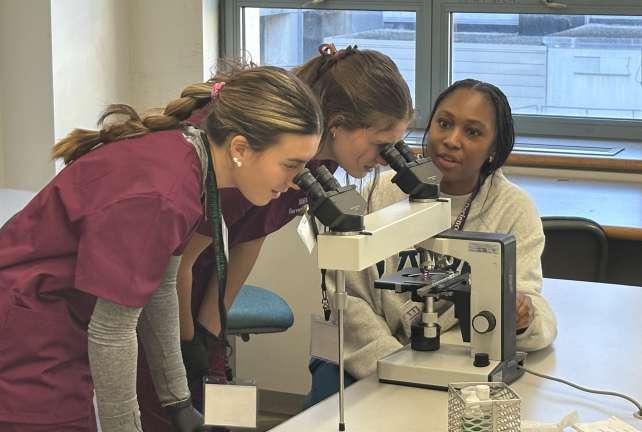
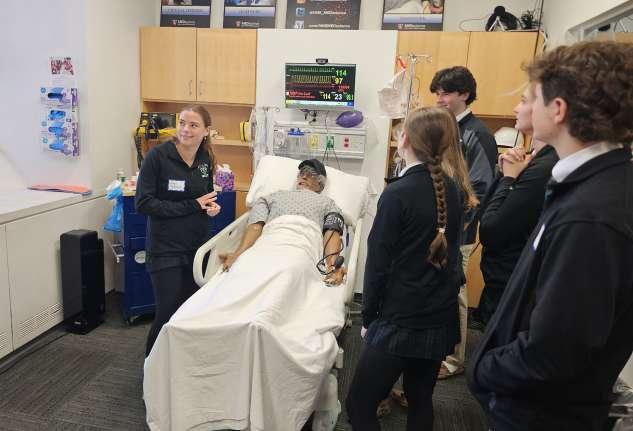
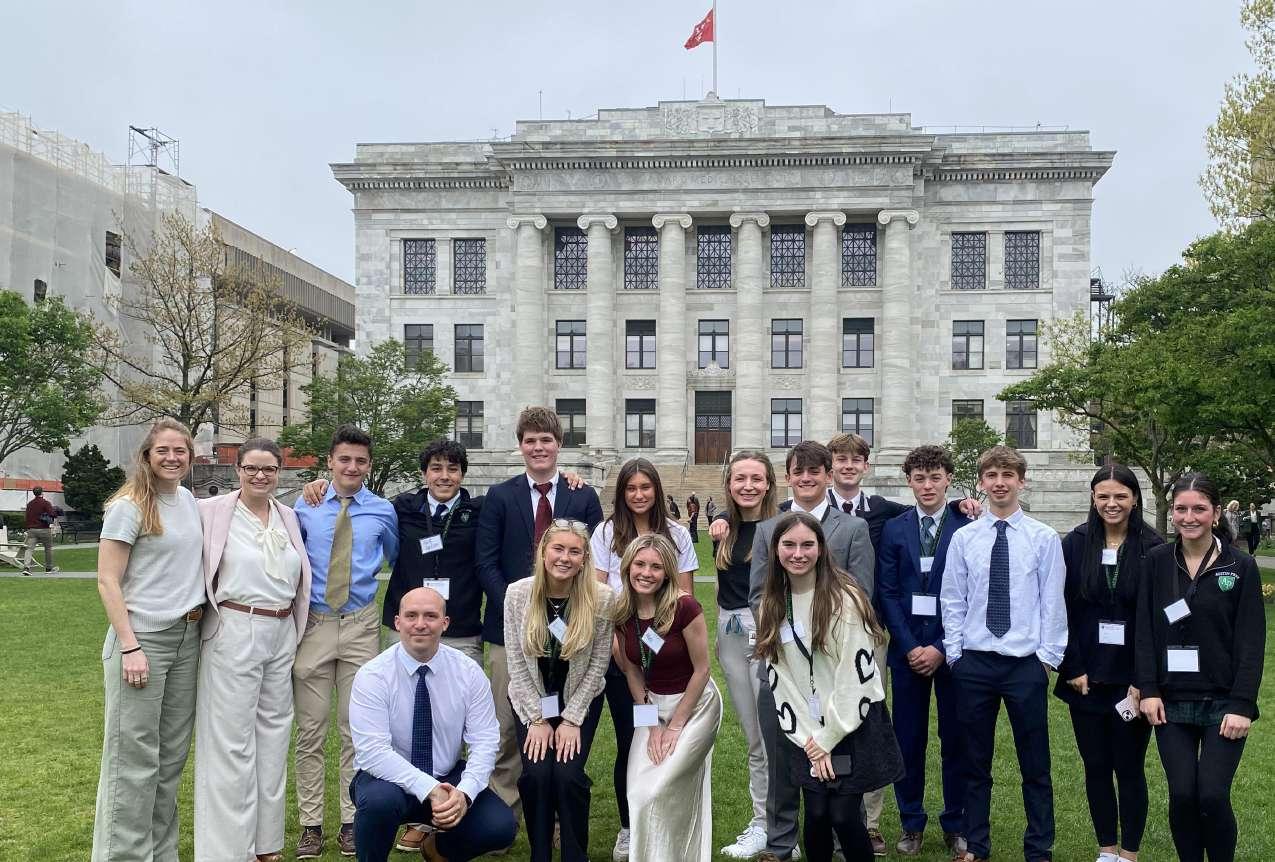
The first Harvard Medical School visit of the year marks the moment physics becomes real. Students enter the same simulation suites used for professional medical training. There, they are confronted with fully immersive patient cases that require teamwork, communication, and decision-making. During the visit, students:
• Interview simulated patients and assess symptoms
• Order and interpret imaging and diagnostic tests
• Develop treatment plans using clinical reasoning
• Practice suturing and laparoscopic techniques
• Perform robot-assisted surgery with precision instruments
• Work under time pressure similar to real medical teams
The learning is fast-paced, engaging, and fun! Students quickly discover the importance of listening, clear communication, and a calm presence under pressure. These skills shape confidence that extends beyond the classroom and prepare students for future academic and career pathways.
Across five total visits each year, students engage with new medical cases, deepen their physics knowledge, and build an evolving skillset in robotics, anatomy, and medical technologies.
• Sharpened problem-solving under pressure
• Greater confidence in professional communication
• Hands-on comfort with medical tools and robotics
• Real exposure to medical career pathways
“I
think I’m able to learn better when I’m able to do it physically and learn it in person instead of reading it out of a textbook.”
– Jack Ellis, Austin Prep Student
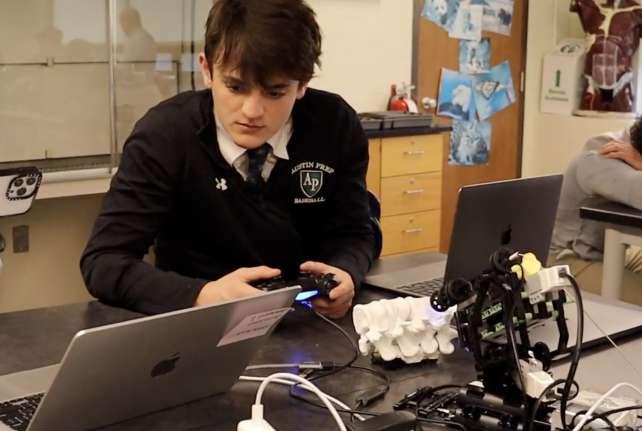
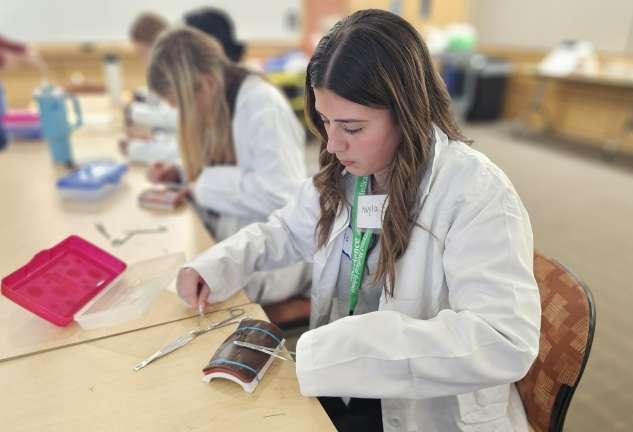
What sets the program apart is the way students learn every day. Even when not at Harvard Medical School, class time at Austin Prep is fully active. Students work in teams, design surgical robots, refine their coding, and test new robotic configurations for accuracy and safety.
Classroom experiences include:
• Modeling laparoscopic camera motion with velocity and displacement diagrams
• Using the Digital Fabrication Lab to print anatomical structures
• Training RoboFlow AI software to visually recognize tumors using real datasets gathered by the students
• Exploring neurological, skeletal, cardiovascular, and immunological systems in 3D using the Antomage Table
Students discover their own capacity for leadership and innovation. They grow more confident each time they step forward to diagnose a patient, present a treatment plan, or defend a design decision. These are the skills that serve them in college and beyond.
• Leadership and initiative
• Resilience through demanding problem-solving
• Fluency in advanced scientific tools
• Inspired motivation to pursue service in medicine, science, or engineering
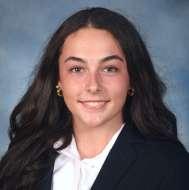
“We’re not being graded on our notes or testing. We’re actually learning more because we get to see real life examples of what’s going on. At the beginning of the year, Mr. Donati said physics is everywhere. And we just we’re like, ‘yeah, yeah, okay.’ But then we went to Harvard and got to see actually how physics is everywhere.”
– Grace Monagle, Austin Prep Student
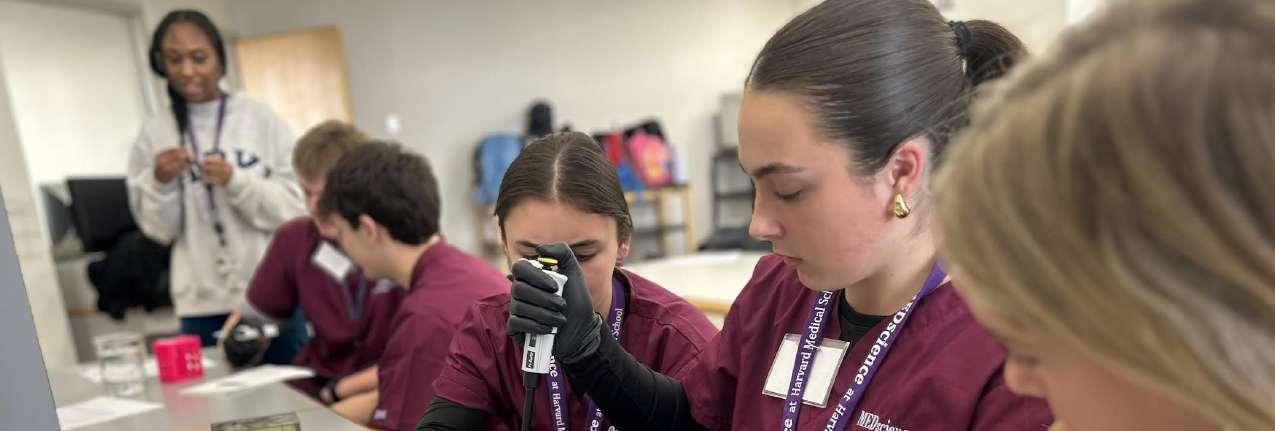
This program represents the very best of Austin Prep education. Rooted in our mission to inspire hearts to unite, minds to inquire, and hands to serve, the Harvard Medical School experience encourages students to explore their gifts and understand how those gifts can impact the world.
By the end of the year, students have:
• Worked alongside Harvard Medical School MEDscience educators
• Executed multiple surgical simulations
• Designed and optimized surgical robots
• Trained AI technologies to recognize disease
• Delivered a professional innovation pitch to industry leaders
• Connected their scientific learning to service, empathy, and leadership
Students leave the program not only stronger in science but also transformed in confidence, purpose, and clarity. They begin to see a world in which they can serve others through science, medicine, and innovation.

“Students leave sessions at HMS MEDscience recognizing their loved ones within the simulated patients they diagnose, and they become motivated to create better solutions to diagnose and care for them. Their self-confidence skyrockets when they see what they are capable of, and from then on they are much more comfortable sharing their ideas and less fearful of being wrong.”
– Livia Rizzo, Senior Associate Director, HMS MEDscience
Students learn to apply complex scientific principles to real medical challenges, gaining confidence as the year progresses. As a high school STEM inspiration program, each module asks students to think like scientists and innovators while building skills for future STEM pathways. Communication, teamwork, and problem solving run through every module, preparing students to tackle complex challenges collaboratively.
Before their Harvard visits, students study the skeletal system, cancer metastasis, and cardiovascular anatomy using the Anatomage Table. The table is a life sized, virtual dissection system that displays real human anatomy in high resolution. They then apply this knowledge by designing and fabricating lumbar spine models with 3D printers in Austin Prep’s Digital Fabrication Lab.
Students diagnose an orthopedic injury in Harvard’s emergency simulation suites, order imaging, interpret results, and perform robot-assisted laparoscopic surgery on 3D-printed bone structures. They learn kinematics, constant velocity, accelerated motion, and how precision in robotics depends on physics principles.
Students begin by diagnosing an oncology patient in Harvard Medical School’s Simulation Suite. They then study microscopic pathology to understand how cancer is identified at the cellular level. Next, they collaborate with AP Biology peers to explore the biology of metastasis. Finally, they train AI models so their surgical robots can detect tumors, using data driven automation and machine learning to build diagnostic tools.
Back at Harvard, students diagnose a cardiovascular blockage and manage a complex mock surgery that requires teamwork, crisis communication, and precise execution. They learn fluid dynamics, Bernoulli’s principle, and how pressure and viscosity affect blood flow.
Students design a surgical procedure and optimize robotic tools for spinal foraminotomy using rotational dynamics. They analyze torque and angular velocity, then use performance metrics and 3D anatomical visualization to select the safest surgical pathway.
Students create and pitch medical-technology innovations to Harvard faculty, biotech leaders, and venture capitalists, integrating physics, robotics, anatomy, and business strategy into a professional presentation.