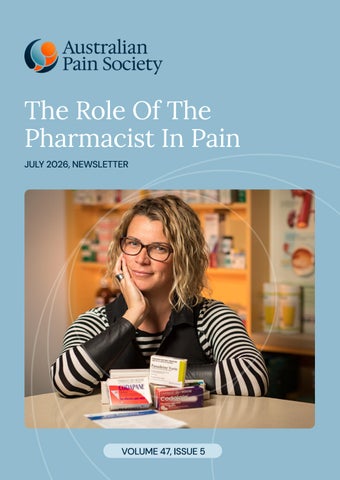

The Role Of The Pharmacist In Pain
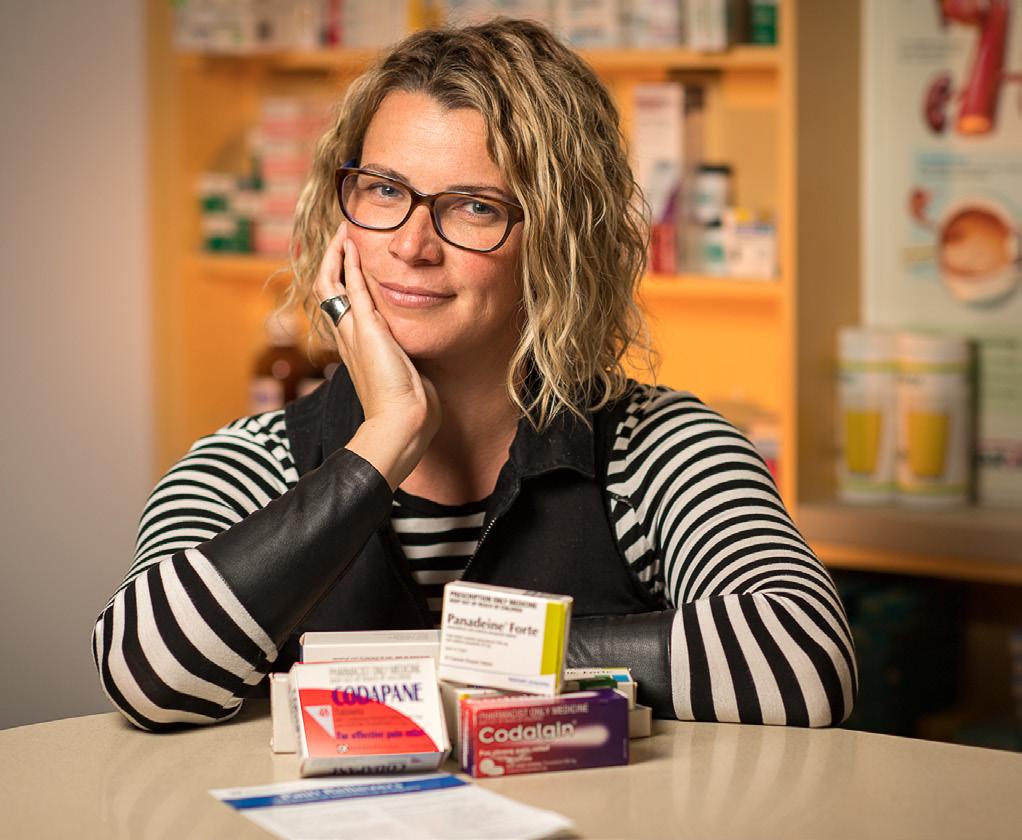
Editor’s Note
Dr Jo Harmon
Hi everyone,
The winter solstice has officially past, and now until spring, all we need to do is sit back and stay toasty.
July is national pain week, and an overarching theme present in this edition is a focus on the role of pharmacists in pain care provision. A point for reflection is- Do you have a pharmacist-sized hole in your pain team?
Also for this month’s newsletter you will be struck by the inspiring stories present. It is heartwarming to read about a personal pain journal from a mountaineer, the impacts of the APS travel grants have had, and the opportunities provided for attendance at the conference. Additionally, work is underway to launch new special interest groups, with early career research network among others being developed.
Plus- great news, the dates for the next APS 2027 conference have been released. Yay Gold Coast here we come!
Stay warm and keep sharing your stories,
Until next time, take care, Dr Joanne Harmon

WE’RE LOOKING FOR AN ASSISTANT EDITOR
On a personal note, I have been volunteering as the assistant editor of APS newsletter for almost six years now. Its time for me to hang up the hat and pass it onto another person. Please do reach out and consider how much of a fantastic opportunity it is to be part of the APS newsletter. I have met so many people and have been able to see so much. I do recommend considering undertaking this opportunity for the networking it provides.
13 - 16 April 2027
President’s Reflection
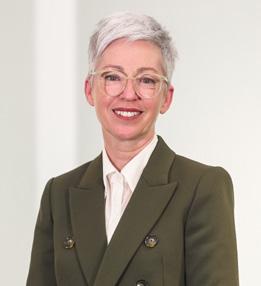
Bernadette Smith
Hi all,
For those of us in the southern states, the good news is we’ve officially passed the winter solstice, so brighter days are now heading our way. For our colleagues in the northern parts of Australia, you may be wondering what all the fuss is about!
Either way, there is something reassuring about the winter solstice. Spring is not here yet, but the days are beginning to lengthen. It’s a gentle reminder that change is often underway long before we can clearly see it.
SHAPING THE FUTURE OF OUTCOMES MEASUREMENT
One of the strongest themes to emerge over the past month has been collaboration.
As President-Elect Laura Prendergast reflected in the last newsletter, APS 2026 provided an important opportunity for pain sector leaders to come together and discuss shared priorities. Since then, those conversations have translated into meaningful action, with organisations across Australia and Aotearoa New Zealand working together to ensure the experiences and outcomes of people living with pain continue to be seen, measured and valued.
For many working in pain care, research and advocacy, ePPOC has been far more than a registry. It has helped services understand outcomes, improve care, support research and inform policy. Most importantly, it has helped ensure that people living with pain remain visible within our health systems.
Over recent months, APS has worked closely with our pain sector colleagues, including the Faculty of Pain Medicine, Australian Pain Solutions Research Alliance, Pain Australia, Chronic Pain Australia and the New Zealand Pain Society, alongside ePPOC leadership and the University of Wollongong, to explore options for the future of outcomes measurement in pain care.
This collaboration culminated in a joint statement following notification of ePPOC’s proposed disestablishment. The statement recognised ePPOC’s extraordinary contribution while calling for urgent action to ensure Australia and Aotearoa New Zealand do not lose the ability to measure, understand and improve pain care.
Over the past 13 years, more than 145,000 people living with pain have contributed to ePPOC,
alongside thousands of clinicians and services. Together, they have created one of the most significant collaborative achievements in pain care across our region.
While ePPOC may be ending in its current form, the need for meaningful outcomes measurement has never been greater. This is not about recreating the past. It is about building on what has been achieved and ensuring the sector has a contemporary, sustainable and consumer-centred way of understanding outcomes and improving care.
What must not be lost is the capability itself. The ability to measure outcomes, benchmark services, support research and understand the lived experience of people with pain remains critical.
Put simply, pain must remain visible.
At the same time, the sector faces an immediate challenge. With no confirmed interim solution currently in place, APS and our sector partners are actively exploring options to support services to continue collecting meaningful outcomes data while longer-term solutions are developed.
To every person living with pain who completed a questionnaire, every clinician who collected data, every service that contributed, and the ePPOC team who stewarded this work over many years -, thank you. Together, you have helped ensure that people living with pain are seen, heard and counted.
APS and our sector partners will continue to keep members informed as this work progresses. While the future model may look different, the collective commitment to ensuring people living with pain remain visible has never been stronger.
GROWING OPPORTUNITIES FOR MEMBERS
Creating opportunities for members to connect, collaborate and build capability remains a priority for APS.
I am pleased to share that work is underway to launch:
• Acute Pain Special Interest Group
• Pelvic Pain Special Interest Group
• Early Career Research Network
These initiatives have emerged directly from the conversations and connections fostered at the Adelaide Annual Scientific Meeting and reflect the diversity of interests, expertise and career stages amongst our membership. Thank you to the members who have championed these ideas and helped bring them to life. The APS Board and Secretariat are excited to support these initiatives and the opportunities they will create for networking, professional development and knowledge exchange.
Further information will be shared in the August/September newsletter.
LOOKING AHEAD TO 2027
Planning for the APS 47th Annual Scientific Meeting and Joint International Symposium of Paediatric Pain on the Gold Coast in 2027 is gathering momentum, with national and international speakers now confirmed.
Built around Helen Slater’s powerful ‘Listen to Me, Learn from Me’ framework, the conference is already generating strong interest and promises to bring together lived experience, clinical expertise and research in ways that challenge, inspire and inform practice.
Preparations are also underway for APS to have a not-for-profit booth at the International Association for the Study of Pain World Congress in Bangkok later this year. This is a wonderful opportunity to showcase APS internationally, strengthen relationships across the global pain community and promote both APS and the 2027 conference.
And if you happen to be in Bangkok, please come and say hello. We will be in the Australian corner next to OPEN The Pain Education Network and, apparently, very close to the food, which feels like excellent conference planning. I look forward to seeing some familiar faces there.
INVESTING IN THE FUTURE
Our webinar program continues to go from strength to strength, attracting strong attendance from both Australian and international participants. Members also continue to enjoy access to recordings on demand.
The success of these webinars reflects both the value members place on accessible, high-quality education and the generosity of experts who continue to share their knowledge and experience with our community.
LOOKING AHEAD
If there is one thing that stands out from the past month, it is the value of working together.
Whether responding to changes in outcomes measurement, supporting research, expanding educational opportunities or creating new ways for, strengthening members to connect and contribute, APS members continue to demonstrate a deep commitment to improving the lives of people living with pain.
Pain remains one of the most significant health challenges facing our communities. Yet across APS and the broader pain sector, there is extraordinary expertise, commitment and goodwill. The work ahead is substantial, but so too is our collective capacity to make a difference.
Thank you for your ongoing contribution to the APS and improving the lives of people living with pain.
Warm regards

Bernadette Smith
The Pain Journey: The Mountaineer and Amputee:
Choice, Consequence, and Living with
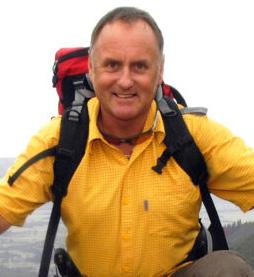
Mark Inglis
Pain
From an early age, pain has accompanied my journey through life.
As a young mountaineer, every challenging climb involved stretching my body beyond its limits. Add to that a passion for off-road motorcycling—where my enthusiasm often exceeded my talent—and injuries became a regular part of life. The result was a continuous cycle of injury, recovery, and learning.
This is what I think of as conscious pain. I know it’s going to hurt, but I choose to step into it. Every challenge creates a new benchmark, constantly redefining what a pain scale of 0 to 10 really means.
Then came frostbite.
At 23 years old, after being trapped in an ice cave for 13½ days, survival meant accepting severe frostbite to my feet. The alternative was hypothermia—and that kills you. Frostbite doesn’t.
What followed was tingling, stinging, and throbbing as my body fought to restore circulation. Pain relief in 1982 was a blunt instrument at best.
The “relief” of amputation marked the beginning of a different pain journey.
Initially there was the post-operative pain, followed by the daily discomfort of learning to live and move with new stumps. Like many amputees, I was always trying to do more than my stumps were ready for. Again, much of this was conscious pain—the kind that comes from pushing boundaries. Do less, and there is less pain. But that’s not how I wanted to live. Then came the unconscious pain.
For me, it wasn’t traditional phantom pain. In fact, I treasure phantom feeling, instead, I experience what “I call” phantom shock: a jolt of electricity that travels down the outside of my leg, around the ankle, and finishes in the big toe that is no longer there.
The shock lasts only two or three seconds, fades, then returns 20 or 30 seconds later with a jolt.
Sometimes this cycle continues for hours. A tired, dehydrated, overworked body is often the trigger— a siren call reminding me to pay attention.
Hydrate. Massage. Take some basic pain relief—not enough to cloud my thinking, just enough to take the edge off.
It’s my body’s way of reminding me to take better care of myself.
As I write this, I have a painful lesion on the patella bar of my left stump. No, I can’t simply leave the prosthesis off. Too much time without it and you lose the fit. The injury is the result of several weeks of intensive mountain bike trail building combined with the reality of a 66-year-old body that has been thoroughly abused!
Again, conscious pain.
I often explain that being a double amputee is like living every day in a pair of uncomfortable ski boots. Some days they’re Ok, other days it’s like having a stone in your boot that you can’t quite get rid of.
You learn to adapt. For me, that has meant a 44year apprenticeship in prosthetics, physiology, and understanding my own body.
So what is the advantage of this journey? Pain, for me, is rarely permanent. Strength is.
Pain is often the price of pursuing the things that matter most to me.
Decades of experience have changed my relationship with it. I don’t fear it, and I don’t see it as an enemy. More often than not, it is a teacher, a warning, or simply a companion on the road.
It reminds me that I am still moving forward and that, for me, is a way of life.
APS ASM 2027 Opening Plenary Speaker: Mark Inglis — The Pain Journey
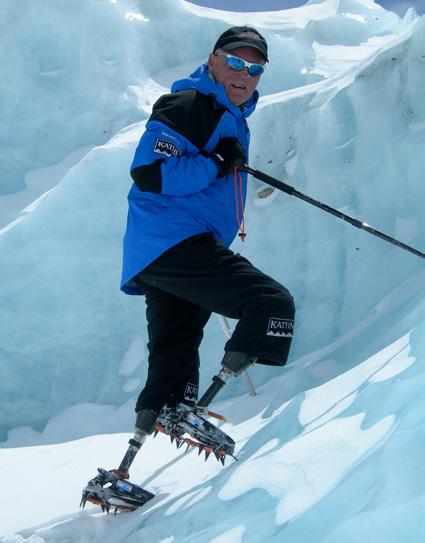
Reflecting the conference theme of Pain Across the Lifespan, the APS 47th Annual Scientific Meeting will open with a powerful lived experience plenary, The Mountaineer and Amputee: Choice, Consequence, and Living with Pain. Through a deeply personal account of adventure, injury, recovery and adaptation, our opening speaker will share a unique perspective on pain experienced across different stages of life—from the pain consciously embraced in pursuit of challenge and achievement to the profound and life-changing experience of pain following frostbite and amputation. His story highlights the complex physical, psychological and social dimensions of pain and serves as a powerful reminder that pain is not merely a clinical phenomenon, but a human experience that shapes lives, identities and futures.
Opening the conference with a lived experience perspective reinforces APS’s commitment to ensuring that the voices of people living with pain remain central to research, education, policy and care.



The Rising Star Award Supporting what’s next.
Celebrate emerging pain researchers making a difference and help shape the future of pain science.
KNOW A RISING STAR?
Nominate a colleauge
BE A RISING STAR
Apply for yourself

APPLICATIONS CLOSE
7 OCT 2026
Winner announced by November 2026
The Rising Star Award provides the opportunity to attend the Australian Pain Society Annual Scientific Meeting in 2027 and connect with leaders in the field.
NOMINATE OR APPLY NOW!
Help recognise talent. Drive impact.
Overview of the Monash Women’s and Children’s Health Summit
Kiara Corso

Kiara Corso is a Health and Design Researcher at the Murdoch Children’s Research Institute and Monash University. With a background in neuroscience and co-design, Kiara’s work focuses on improving pain communication through creative and participatory research. She holds a Master’s degree from the University of the Arts London and is currently working on an MRFF-funded project to co-design health education resources for children with cerebral palsy.
The Monash Women’s and Children’s Health Summit held on the 28th of May, brought together research, clinical practice, policy and industry to highlight advancements in women’s and children’s health in Australia.
The summit opened with a line-up of leaders and policymakers, including the Honourable Professor Jill Hennessy, Professor Sharon Pickering, Professor Eugine Yafele, the Honourable Harriet Shing and Estelle Griepink, all of whom set the tone for a day that stressed the urgency of improving outcomes for women’s and children’s health.
Key highlights of the day included the ‘Endometriosis and pelvic pain – accelerating diagnosis and care’. We were reminded of inequalities in pain diagnosis and management, however, we were given hope by works in the lab at the Hudson Institute of Medical Research and the NECST Network, to practice and policy with Professor Danielle Mazza and Sally Hasler.
Professor Jane Fisher chaired an important multiperspective session on translating research into policy and impact, with experts in health equity sharing their work shaping policy, education, and research frameworks. We heard from Professor Helena Teede about her 14-year international campaign to rename PCOS as PMOS, a change that represents decades of advocacy centred on lived experience.
Professor Jayashri Kulkarni stopped the room with her dedication to women’s mental health as director of HER Centre Australia. Professor Kulkarni’s work on the intersection of hormones, mental health and women’s neuropsychiatry challenges a medical system that historically dismissed, misdiagnosed and undertreated women. Listening to her speak was both touching and encouraging, returning us to the ‘who’ and ‘why’ of what our research centres.
In the breakout sessions, the Early Life, Neurodevelopment and Child Health Equity session was chaired by Professor Katrina Williams. Here, we moved from the placenta with Dr Emily Camm to community care with Professor Nicole Rinehart. Dr Erin Mills emphasised the importance of lived experience and how a worried parent is a vital sign of their child’s health, while Dr Sara Di Simone guided us through improvements in long-term outcomes for preterm babies. The session was inspiring in that it highlighted the teams that are actively dismantling the old narrative around children’s pain and health Upon reflection of the day, Professor Nicole Rinehart summed it up quite nicely, in our work we are “building the plane while flying it”. For those of us working in pain, and in particular paediatric pain, days like this serve as a reminder that the critical questions we are asking sit within a much larger narrative about who has historically been left out of research. The Summit emphasised a collective responsibility, that as a community we are building the infrastructure for a more equitable approach to pain. This means continuing to ask who is not yet in the room, whose pain stories are missing, and what is needed to change that. For me, building that plane is both terrifying and thrilling, but at least we are building it together.
DECLARATION: Kiara has nothing to declare. ‘Listen to me, learn from me’ framework is adapted with permission from Slater H, Jordan JE, O’Sullivan PB, Schütze R, Goucke R, Chua J, Browne A, Horgan B, De Morgan S, Briggs AM. “Listen to me, learn from me”: a priority setting partnership for shaping interdisciplinary pain training to strengthen chronic pain care. Pain. 2022 Nov 1;163(11):e1145-e1163. doi: 10.1097/j.pain.0000000000002647.
Artificial Intelligence in the Pain World: From Promise to Practice
Dr Joshua Pate
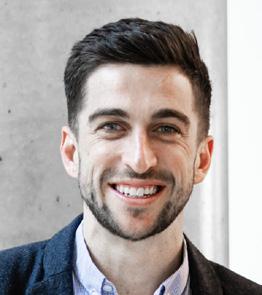
Dr Joshua Pate is a senior lecturer at UTS, leading the Health AI Research Node which is a team of 39 multidisciplinary health researchers working on AI projects.
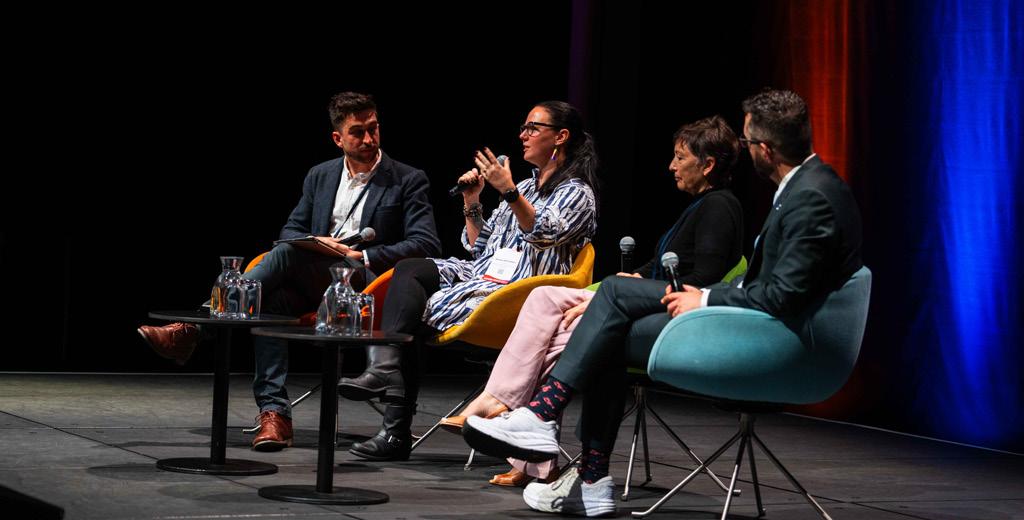
At APS 2026, I chaired the topical session Artificial Intelligence in the Pain World: From Promise to Practice. I had the privilege to speak alongside A/ Prof Melissa McCradden, Prof Helen Slater, and Prof Mark Hutchinson. I came away energised by the conversation. The room had moved past the novelty of artificial intelligence. People were asking practical and urgent questions: which tools are already entering pain care this year, where do the risks sit, who carries responsibility, how should services respond, and what should good governance look like while practice possibilities are changing so quickly.
The format gave us space for discussion. Each speaker gave a short presentation, followed by around 60 minutes of Q&A. Even then, we felt as though we were only scratching the surface. By the end, around 30 audience questions were still waiting in the conference app.
One theme became clear early: “AI” is becoming too broad a term to carry the conversation on its own. A clinical scribe, a patient chatbot, an evidence synthesis tool, an AI-enabled service platform, and an agentic workflow raise very different questions. As AI becomes embedded within ordinary systems, the umbrella label may become less useful. We rarely talk about electricity as the defining feature of a kettle, scanner, or ventilator. We focus on what the device does, where it is used, and how safely it performs its role. Healthcare may need a somewhat similar shift with AI conversations: less attention on the label, more attention to task, context, risk, and relationship.
A/Prof Melissa McCradden opened with an ethics and governance lens on AI agents. Her presentation pushed us beyond text outputs and toward the consequences of systems acting within
workflows, accessing data, triggering decisions, and compounding small errors over time. She emphasised privacy, confidentiality, security, evidence, value, and relational care. It was very helpful! One line from her slides stayed with me: “Care is our product, not productivity”. For health services under pressure, I think that line offers a useful anchor.
Prof Helen Slater grounded the discussion in service design and implementation. Her presentation on strengthening the pain care ecosystem showed how quickly AI questions become service questions. What do young people living with pain value in digital support? How should hybrid (synergistic human and digital) models preserve care while improving access? What does human oversight look like when a digital health solution is tested in a real service, highlighting the tension between system-level health policies on use of AI in health services and real world implementation and operational challenges. Helen also raised education as an active frontier. Students and staff are already using AI, so health programs need approaches that support appropriate use while still assessing clinical reasoning, communication, and real-world capability.
My contribution focused on the human side of AI interactions, especially for people waiting for pain care. People waiting for services are already searching online, asking chatbots questions, and using generated answers to make sense of symptoms, treatment options, uncertainty, and hope. A chatbot can under-validate and leave someone feeling dismissed. It can also over-validate and reinforce an unhelpful interpretation. Pain care needs to pay close attention to both possibilities, because meaning, distress, and uncertainty are incredibly
influential in most clinical encounters.
Prof Mark Hutchinson brought a technical and research perspective, particularly around large language models and knowledge synthesis. His reminder that “this is maths, not magic” was important here. These tools can produce fluent, confident prose without having a model of truth. Mark’s discussion of retrieval-augmented generation (RAG) also helped explain why a system that appears to cite evidence may still be limited by what it retrieves. His analogy that k-nearest neighbours can behave like the “first page of PubMed” landed strongly: useful and familiar, yet far from a careful judgement of quality or relevance. Critical thinking is clearly an increasingly valuable human attribute.
The audience questions crossed clinical practice, education, research, service delivery, procurement, regulation, and patient safety. Some questions were practical: should a clinic use a scribe, and under what conditions? Others reached into the deeper purpose of care: how do we protect clinical relationships when tools are designed around efficiency? Several sat between those points: what should be documented, who checks the output, and how do we know when a system is doing more than we intended?
A take-home message for me was that healthcare probably needs imperfect AI policy sooner than perfect AI policy later. By imperfect, I mean dynamic and adaptable to context. Local teams need enough structure to decide who can use which tools, for which purposes, with what oversight, and with which limits. Waiting for perfect certainty gives convenience too much room to become the default rule.
Public sentiment toward AI is becoming more sceptical, often with good reason. Healthcare should meet that scepticism with active curiosity: careful testing, consumer involvement, transparent limits, and a steady focus on care.
Overall, the APS discussion left me encouraged. Pain clinicians, researchers, educators, and service leaders are asking grounded questions. If we keep asking them together, the field has a real opportunity to guide AI use in pain care.
DECLARATION
JWP has received speaker fees for presentations on pain and rehabilitation and receives royalties for educational children’s books.
HAVE YOU RECENTLY HAD AN ARTICLE ACCEPTED OR PUBLISHED?
We love celebrating the achievements of APS members and sharing new pain research across our community. Please contact our Assistant Editor, Joanne Harmon and we will send you the submission template. We look forward to showcasing your work in an upcoming issue.
Pharmacists: A Rapidly Growing Force in Pain Management
Katelyn Jauregui

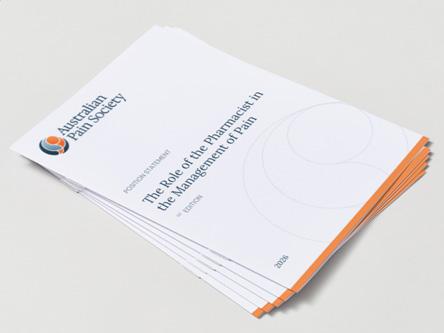
The brand-new Australian Pain Society Position Statement on the Role of the Pharmacist in Pain Management highlights what many in practice already know: pharmacists are an essential part of the pain team.
Their contribution spans the entire healthcare system and is central to improving safety, optimising medicines, and supporting people living with pain.
FROM A SMALL PRESENCE TO A GROWING VOICE
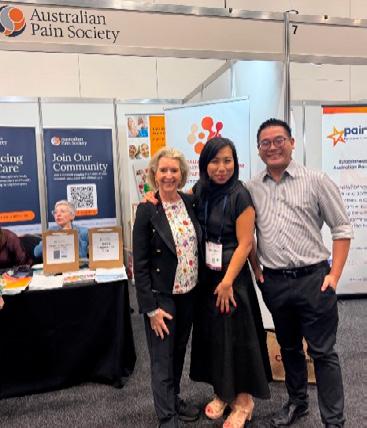
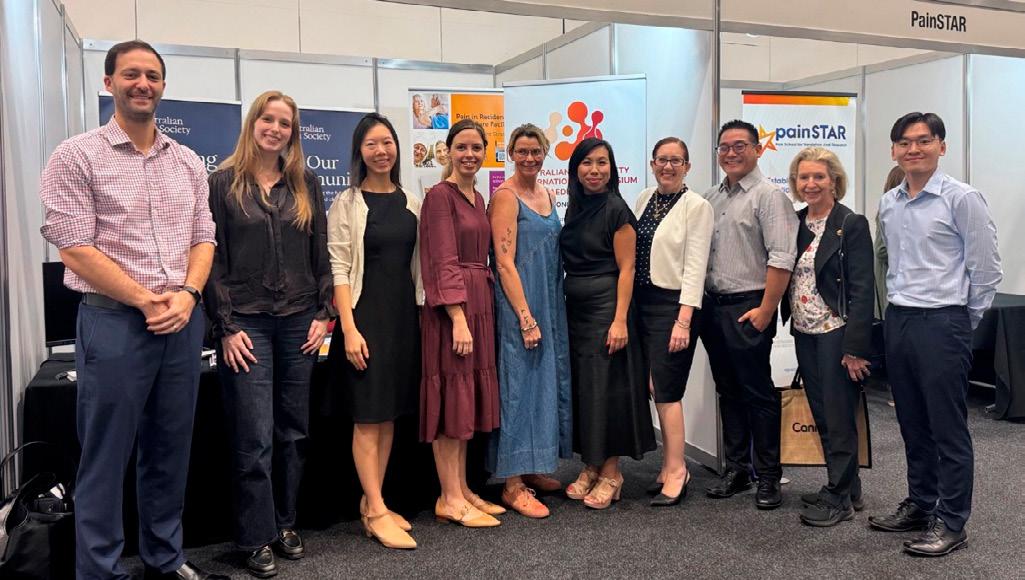
Over the past couple of decades, pharmacist involvement in pain management has grown significantly. What was once a small group of dedicated professionals has expanded into a strong and visible workforce. That growth is reflected clearly in our profession, from a handful of longstanding members who have championed this space for years, to the 2026 APS Conference where pharmacist participation has multiplied and their presence in pain discussions is now firmly established.
WHAT PHARMACISTS BRING TO PAIN CARE
• Pharmacists play a practical and often pivotal role in improving pain outcomes by:
• Reviewing and optimising pain medicines
• Supporting safe opioid use, tapering, and deprescribing
• Reducing medication-related harm
• Assisting with transitions of care
• Educating patients and carers to improve safe, effective use of medicines
They also help ensure pain management is not limited to medicines alone, supporting multimodal and biopsychosocial approaches to care.

ACROSS THE SYSTEM AND ACROSS DISCIPLINES
Pharmacists contribute across community pharmacy, hospitals, aged care, Aboriginal Community Controlled Health Organisations, outpatient services, and home medicines reviews. Many also contribute to research, policy development, and analgesic stewardship initiatives that shape national practice.
AN ESSENTIAL AND EVOLVING ROLE
All pharmacists can contribute to pain management, with many advancing their expertise through further training and credentialing. As multidisciplinary care continues to evolve, pharmacists are no longer a peripheral voice. They are becoming an increasingly recognised and integral part of the pain team.
THE TAKEAWAY
Pharmacists have always had an important role in pain management. This position statement reinforces their essential contribution to safer, more effective, and more person-centred pain care, and reflects a profession that continues to grow in strength, recognition, and influence.
Opioids, Pain and Person-Centred Care: Insights from the Opioid Safety Toolkit and RELIEVE
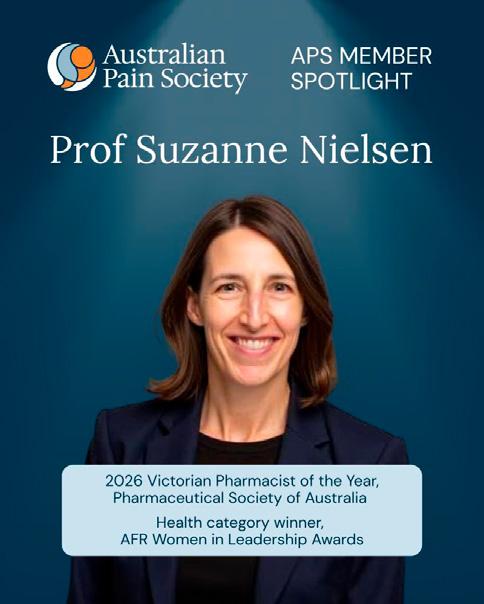
Professor Suzanne Nielsen

Professor Suzanne Nielsen (BPharmSc[Hons] PhD MPS) is the Deputy Director of the Monash Addiction Research Centre at Monash University in Melbourne. She has been a registered pharmacist for over 20 years. Her research focusses on understanding prescription and over-the-counter drug-related problems, and identifying effective policy and practice interventions to reduced opioid-related and other drug-related harm.
Pharmacists play a critical role at the intersection of pain management and medication safety — an area that has become increasingly complex in the context of prescription opioid use and opioidrelated harms. As healthcare continues to respond to these challenges, there is growing recognition that improving outcomes requires both practical tools for clinicians and deeper, person-centred approaches to care.
Two recent projects I have been working on (the Opioid Safety Toolkit and the RELIEVE project) reflect this focus. While distinct in purpose and design, both sit within the important and evolving interface between pain, opioid use, and patientcentred care.
The Opioid Safety Toolkit project, now completed, was developed so pharmacists can support patients in reducing opioid-related harm in everyday practice. With a strong emphasis on usability, the Toolkit (https://saferopioiduse.com.au/) provides structured, evidence-informed resources to guide clinical decision-making and patient conversations. This includes helping patients identify their own risks and support better conversations about opioid safety, including keeping naloxone in the home. Importantly, the Toolkit also recognises that opioid stewardship is not simply about reducing or stopping medicines. Instead, it emphasises quality, safety, and continuity of care. Central to this is non-judgemental communication particularly when conversations about opioids may feel sensitive or stigmatising.
The impact of the Opioid Safety Toolkit has been substantial, demonstrating both strong engagement and national relevance. Since its launch in August 2024, the Toolkit has been accessed more than 130,000 times, highlighting the clear demand for accessible, consumer-focused opioid safety information. Its quality and innovation have also been recognised through a 2025 Good Design Award Gold Winner for public sector services and a Victorian Premier’s Design Award. Combined with widespread uptake across community pharmacy and integration into platforms such as Healthdirect, this reach underscores the Toolkit’s value as a trusted, practical resource supporting safer opioid use.
Alongside this work, the RELIEVE project highlights a related, but distinct, area of need.
RELIEVE — Research into Effective treatments for pain and opioid dependence incorporating LIved Experience Voices and Evidence — focuses on people receiving treatment for opioid dependence with concurrent chronic pain. This group often sits at the margins of both pain management and addiction services, and their experiences are frequently underrecognised in traditional models of care.
Almost half of all individuals receiving opioid agonist treatments (i.e. receiving methadone and buprenorphine for opioid dependence) live with ongoing, and sometimes poorly managed, pain. At the same time, they may encounter stigma, fragmented care, and uncertainty about how their pain should be assessed and treated. RELIEVE seeks to better understand these experiences and to identify ways to improve care through a codesign pain management program that centres lived experience and evidence together.
By working in partnership with people who have direct experience of both pain and opioid dependence treatment, and pain management experts, RELIEVE aims to develop and test a more responsive pain management program.
While the Opioid Safety Toolkit and RELIEVE operate in different spaces, together they underscore the complexity of opioid-related care. One provides
practical resources to support safer use and harm reduction in clinical practice; the other seeks to amplify patient voices and rethink how care is designed for those with overlapping needs.
Looking ahead, we are excited to continue sharing insights from this work as it evolves, including at upcoming APS conferences. The RELIEVE project is now approaching the end of its co-design phase, with a trial of the co-designed pain management program planned to commence later this year
DECLARATION
Suzanne Nielsen reports no conflicts of interest
Australian Pain Society Congratulates Member Suzanne Nielsen For Winning the 2026 Pharmaceutical Society of Australia Victorian Pharmacist of the Year and winner of the Health category in the AFR Women in Leadership Awards.
Spotlight on Pharmacists: Beyond the Counter - Meet Dr. Pene Wood
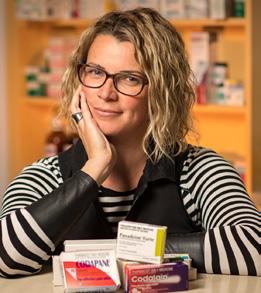
Dr. Pene Wood is an addiction and pain specialist pharmacist currently working across hospital and primary care. Her PhD thesis titled “Opioids: What Role Can the Pharmacist Play?” explored the impact pharmacists can have across various settings in ensuring the quality use of medicines in managing pain and supporting opioid dependence.
When most people think of pharmacists, they picture someone in a white coat behind a large counter, dispensing medications. And while that role is undeniably important, the expertise of a pharmacist can reach far beyond the dispensary.
Dr. Pene Wood is a perfect example of just how wide that reach can be.
Pene’s pharmacy career began in community pharmacy, where she worked in a practice with a large opioid dependence treatment program. It was here that she first encountered the complex intersection of pain and medication — because behind many of those referrals were people whose pain had simply not been well managed. That early experience sparked a longterm commitment to the quality use of medicines, particularly those used to manage pain, a thread that has run through every role she has held since.
And those roles have been many and varied. Across her career, Pene has consistently brought her pain expertise to new and evolving contexts — from academia, to working within an Aboriginal Community Controlled Health Organisation (ACCHO), to serving as the lead for the pharmacotherapy area-based network at Western Victoria Primary Health Network (PHN). Today, she works as part of a unique multidisciplinary pain team in community health, and holds roles as both an analgesic stewardship pharmacist in a large regional hospital and a GP practice pharmacist. She also works at headspace, supporting young people navigating mental health and, often, pain.
That dedication eventually led Pene to pursue her doctorate. Her PhD thesis, titled Opioids: What Role Can the Pharmacist Play?, examined the impact that pharmacists can have across a range of settings in ensuring the quality use of medicines for pain management and in supporting people with opioid dependence — a natural evolution of the questions she first encountered on the dispensary floor.
Pene’s commitment to advancing pharmacists’ involvement in pain care has seen her break new ground on more than one occasion. She was the first pharmacist in Australia to complete Pain Revolution — an initiative focused on transforming how communities understand and respond to pain. Since then, she has gone on to mentor two pharmacist Local Pain
Educators through the program, helping to grow the presence of pharmacists within that movement. It is a contribution that speaks to both her drive and her belief that pharmacists have a vital, underutilised role to play in pain management.
That belief extends into research. Pene is currently involved in two pain research projects: one focused on youth and pain, and another — led by her pharmacist colleague and mentor Professor Suzanne Nieslen— examining opioid dependence treatment and pain. She has also contributed to the development of medicinerelated learning modules for the Neuro Orthopaedic Institute (NOI), further extending her influence into pain education.
Recognition of her expertise and leadership has continued to grow. Pene has recently been elected to the Victorian State Branch Committee of the Pharmacy Society of Australia (PSA), a position she is eager to use to push the role of pharmacists in pain management firmly into the spotlight. She is also a valued member of the APS Relationships Committee, where she continues to champion collaboration between pharmacists and the broader pain community.
Through her new role on the PSA Victorian Branch Committee, Pene has an ambitious agenda for the profession. She is keen to work with key organisations to ensure pharmacists across all settings — community, GP practice, and accredited — are workforce-ready to work in pain management. Her vision includes expanding training pathways, promoting contemporary pain science education that goes beyond medicines and the biomedical model, and increasing awareness among pharmacists of the value of joining the APS and engaging with the pain community. She is also exploring potential partnership and mentoring opportunities that could help grow the next generation of pharmacist pain specialists, building on the strong foundation of leaders already working in this space.
Dr. Pene Wood’s career is a compelling reminder that pharmacists are not simply the last stop before a patient takes their medication home. They are clinicians, researchers, educators, and advocates —they are powerful allies for people living with pain
DECLARATION Pene Wood has nothing to declare


Start with OPEN — An online Clinical Pain Training Program for all healthcare professionals, in partnership with the Australian Pain Society.
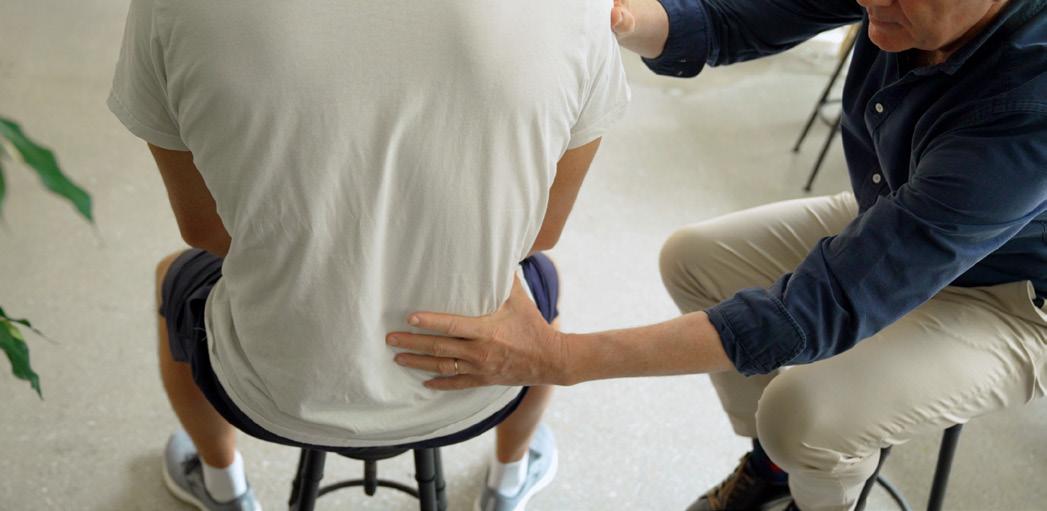

“OPEN equips clinicians with the confidence and skills to apply their knowledge at the coal face, enabling pain care to be delivered directly at the point of care.”
JOYCE MCSWAN, CEO OPEN & PAINWISE





Pain Sector Calls For Urgent Action
As Binational Outcomes Program Ends
“Without a cohesive strategic approach to collecting and learning from pain outcomes data, we risk fragmenting more than a decade of progress and losing the visibility needed to improve policy, strengthen health systems and deliver better care for people living with pain.”
BERNADETTE SMITH, PRESIDENT, AUSTRALIAN PAIN SOCIETY

“Ensuring pain remains visible within our health systems is essential if we are to improve equity, access and outcomes for people living with pain.”
DR KAREN JOSEPH, PRESIDENT, NEW ZEALAND PAIN SOCIETY

“Data collection and benchmarking are fundamental to quality improvement and help ensure pain services remain accountable, evidence-informed and focused on patient outcomes.”
PROFESSOR MICHAEL VELTMAN, DEAN, FACULTY OF PAIN MEDICINE, ANZC
At a time when persistent pain is one of the leading causes of disability across Australia and Aotearoa New Zealand, leading peak pain organisations are warning that the loss of the electronic Persistent Pain Outcomes Collaboration (ePPOC) risks eroding a nationally and internationally significant capability to measure, understand and improve pain care.
For more than a decade, ePPOC has enabled clinicians, researchers, health services and governments to track outcomes, benchmark performance and better understand the experiences of people living with persistent pain. Its decommissioning represents not only the loss of a dataset, but the loss of a vital lens through which pain care has been monitored, evaluated and improved.
In response, the Australian Pain Society (APS), Faculty of Pain Medicine ANZCA (FPM), Painaustralia, Chronic Pain Australia (CPA), New Zealand Pain Society (NZPS) and the Australian Pain Solutions Research Alliance (APSRA) have issued a joint statement recognising ePPOC’s extraordinary contribution while calling for an urgent commitment to a contemporary, sustainable and consumer-centred approach to pain outcomes measurement.
Persistent pain affects millions of people and carries profound consequences for individuals, families, communities and economies. It influences a person’s ability to work, participate in daily life, maintain relationships and manage other chronic health conditions. Yet without meaningful outcomes measurement, health systems risk losing the ability to understand whether care is improving lives, where services are succeeding, and where investment and reform are most needed.
The message from the pain sector is clear: while the ePPOC program may be ending, the need to measure, understand and improve pain outcomes has never been greater.
The signatory organisations recognise ePPOC as one of the most significant collaborative achievements in pain care across Australia and New Zealand. It has supported benchmarking, quality improvement, research, service development and policy discussions, while helping ensure that the voices and experiences of people living with pain are reflected in the evaluation of care.
Over the past 13 years, more than 145,000 people living with pain have contributed to ePPOC. Together, they have invested more than 217,500 hours completing outcome measures—the equivalent of almost 25 years of uninterrupted effort. This contribution has been matched by thousands of hours from healthcare professionals committed to improving pain care and ensuring that outcomes, not simply activity, remain at the centre of service delivery.
The organisations also acknowledge the University of Wollongong for its stewardship of ePPOC and its leadership in building a program that has significantly enhanced the visibility of pain within healthcare systems.
At the same time, the sector recognises that healthcare delivery, technology, consumer expectations and data standards have evolved substantially since ePPOC was established. The pain sector is not advocating for a return to the past or the preservation of systems simply because they exist. Rather, it is united in the belief that this moment presents an opportunity to design a more contemporary, integrated and sustainable model for pain outcomes measurement.
What must not be lost is the national capability itself. The ability to measure outcomes, benchmark services, support research and understand the lived experience of people with pain is too important to disappear. The future model may look different, but the commitment to making pain visible—and ensuring that people living with pain remain seen, heard and counted—must remain.
The loss of nationally coordinated outcomes measurement would have implications beyond individual services. High-quality outcomes data supports benchmarking, service improvement and clinical accountability, helping ensure people living with pain receive evidence-informed care.
Pain is often described as an invisible condition. Without meaningful outcomes data, pain risks becoming lost in the healthcare system and therefore more difficult to prioritise in policy planning and funding decisions.
The signatory organisations are united in the view that the decommissioning of ePPOC must not result in the loss of binational coordinated pain outcomes measurement. Rather, this moment presents an opportunity to build on ePPOC’s legacy and create a contemporary, sustainable and fit-for-purpose model for the future.
The end of ePPOC should not be the end of measuring pain. It should be the beginning of building a better system.
The signatory organisations call on governments, health services, researchers, funders and consumers to work with the pain sector to create a contemporary, nationally coordinated approach to pain outcomes measurement that is sustainable, interoperable and centred on the needs of people living with pain.
Pain must remain visible. Because what is not measured is too often ignored—and millions of Australians and New Zealanders living with pain deserve better.
“If pain is not measured, it risks being overlooked. Robust outcomes data is essential to ensuring pain remains visible and informing decisions about services, workforce development and system reform.”
MONIKA BOOGS, CEO, PAINAUSTRALIA

“Consumers should be at the centre of the next generation of pain outcomes measurement-not only as contributors of data, but as partners in how it is governed, accessed and used.”
NICOLETTE ELLIS, CHAIR, CHRONIC PAIN AUSTRALIA

“The opportunity before us is not simply to preserve the past, but to create a next-generation pain outcomes platform that supports research, innovation and better outcomes for people living with pain for decades to come.”
PROFESSOR MARK HUTCHINSON, CHAIR, AUSTRALIAN PAIN SOLUTIONS RESEARCH ALLIANCE

An Exciting First Step For A PhD Student’s Journey Into Research
Jackson Karrasch
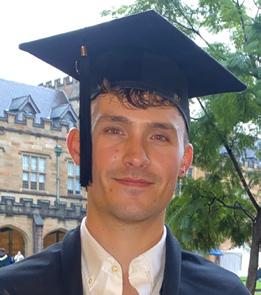
I’m a PhD student in the Laboratory of Neuroimmunology and Behaviour at the Brain and Mind Centre, at The University of Sydney. I conduct highparameter imaging studies of human peripheral tissues from patients with chronic pain conditions, such as complex regional pain syndrome and chemotherapy-induced peripheral neuropathy. My research seeks to elucidate the peripheral neuroimmune mechanisms underlying persistent human pain, with a particular focus on how immune cells and nerve fibres interact in the skin and lymph nodes.
In April this year, I was fortunate to attend the Australian Pain Society’s 46th Annual Scientific Meeting (ASM) in Adelaide, South Australia with the generous support of a Travel Grant. As a PhD student investigating the neuroimmune mechanisms of human chronic pain, the ASM provided an invaluable opportunity to share my research, learn from leaders in the field, and connect with like-minded clinicians, researchers, and fellow early-career investigators who are equally passionate about improving the lives of people living with pain.
Receiving the Travel Grant made a meaningful difference to my ability to attend the ASM. Conferences are an important part of research training, however, the associated costs can be challenging for students (even when flights and accommodation are paid for by an institution). The Travel Grant support helped offset other travel-related expenses, such as public transport, Ubers, groceries, meals, and enabled me to fully engage with the scientific and social program without the same financial pressure. I am very grateful to the Australian Pain Society for continuing to support students and early-career researchers in this way.
At this year’s ASM, I presented a poster summarising a pilot study examining nerve fibre-immune cell interactions in skin biopsies from people living with post-herpetic neuralgia (PHN), a disabling complication of the shingles rash. This is caused by infection with herpes zoster virus, whereby severe neuropathic pain persists in the same skin area (dermatome). PHN is thought to be caused primarily by nerve fibre damage in the skin, but the peripheral neuroimmune mechanisms of pain chronicity are not well understood. Using Imaging Mass Cytometry, we identified higher Langerhans cells and skin-homing T cells in PHN-affected skin compared to skin from healthy controls. Importantly, we also identified altered anti-inflammatory macrophage-dermal nerve fibre interactions in PHN-affected skin, indicating selective neuroimmune remodelling. Our data may help shift the understanding of PHN pathophysiology beyond a model of skin denervation alone. It was exciting to share this work with an audience that included clinicians, basic scientists, and translational researchers, and I was
encouraged by some of the thoughtful questions and constructive feedback I received.
A highlight of the meeting was hearing presentations that connected mechanistic research with lived experience, especially those from the BPR SIG PreConference Workshop. These talks were particularly sobering, reminding me that pain research isn’t just biologically interesting, but also profoundly meaningful to pain patients and their families. Several sessions prompted me to think more deeply about how peripheral tissues may share common pain-promoting neuroimmune mechanisms. I was utterly fascinated and very impressed with the depth and rigor of research on endometriosis and other pelvic pain conditions. Moreover, developments in the field of serum biomarkers for human chronic pain were promising!
The ASM also allowed me to reflect on how much I have developed since first attending as a Research Assistant in 2023. I felt confident presenting, asking questions, and speaking with other researchers during the morning tea and lunch breaks, and I felt that my knowledge of pain mechanisms was sufficient for me to contribute meaningfully to discussions occurring in the BPR SIG Pre-Conference Workshop and Free Paper Sessions. Each year, the ASM becomes less intimidating and more rewarding, and I leave with new ideas and a renewed sense of motivation, purpose, and belonging within the Australian Pain Society.
I am already looking forward to returning to the ASM in 2027. I hope to present the next stage (completion!) of my PhD studies, continue building relationships and collaborations, and learn from diverse clinical and scientific perspectives that make the ASM such a valuable event. I am sincerely grateful to the Australian Pain Society for supporting my attendance and investing in emerging pain researchers.
DECLARATION Jackson Karrasch and his supervisor Associate Professor Paul Austin are supported by a philanthropic donation from the Neil and Norma Hill Foundation and a research grant from the Australian and New Zealand College of Anaesthetists (ANZCA).
Presenting PhD Research at the APS Annual Scientific Meeting 2026
Martjie Venter
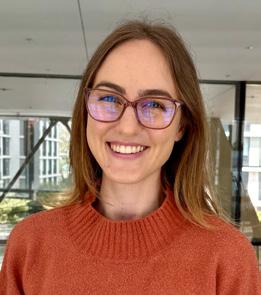
Martjie is a PhD candidate in the Centre for Pain IMPACT at Neuroscience Research Australia and the University of New South Wales. Her research focuses on the translation of evidence-based treatments for chronic low back pain, from research to clinical practice.
Attending the Australian Pain Society Annual Scientific Meeting is always a highlight in the year, and it would not have been possible without the support of the APS Travel Grant. The grant covered my travel to the conference, removing a significant financial barrier that would otherwise have made attendance very difficult as a postgraduate student. I am deeply grateful for this support and the opportunity it afforded me to engage fully with the Australian pain science community.
I presented two posters at the meeting, both centred on graded sensorimotor retraining, a new treatment approach for people with chronic low back pain. The first poster was about treatment effect modifiers of graded sensorimotor retraining, exploring which patient characteristics are associated with better or poorer outcomes. The second poster focused on adapting graded sensorimotor retraining from a controlled research setting into everyday clinical practice, a challenge that sits at the heart of my PhD. Bridging the gap between efficacy in trials and effectiveness in the real world involves navigating issues of training, resources, and fidelity, and it was rewarding to share this work with clinicians and researchers who face the same translational challenges. The response from attendees was enthusiastic, with several clinicians expressing strong interest in how graded sensorimotor retraining might be implemented in their own services.
Beyond presenting my own work, the meeting offered a rich program of sessions that both challenged and inspired me. Two workshops in particular stood out. The first was a thoughtprovoking session on placebo analgesia and nocebo hyperalgesia, which explored how expectations may shape pain experiences and treatment outcomes. For clinicians and researchers alike, this is a reminder that the therapeutic encounter itself is an active
ingredient and one that deserves far more attention in how we design and deliver pain interventions. The second workshop that resonated with me addressed the understanding and evaluation of complex interventions, with a specific focus on measuring intervention fidelity. Fidelity, ensuring that a treatment is delivered as intended, is a central concern of my PhD, and it was valuable to hear how other researchers are grappling with the same methodological challenges. The workshop reinforced my thinking and offered practical frameworks that I intend to bring back to my own work.
This was my third APS Annual Scientific Meeting, and each year I am reminded of what makes it such a special event. As both a physiotherapist and a PhD candidate, the APS meeting occupies a unique space, it brings together clinicians and researchers in a way that feels genuinely collaborative. There is an openness to ideas and a commitment to improving outcomes for people in pain that permeates every session and conversation. Compared to larger international conferences, the APS meeting has an intimacy that makes it easier to have meaningful conversations with leaders in the field, and I always leave feeling motivated and connected to the broader pain science community in Australia. I look forward to returning next year, hopefully with new data to share as my PhD continues to develop.
DECLARATION
Martjie is supported by a University Postgraduate Award and a Baxter Family Postgraduate Top-Up Scholarship from the University of New South Wales; and a PhD Pearl Top-Up Scholarship from Neuroscience Research Australia.
Annual Scientific Meeting Travel Grant
Recipient Report
Moges Gashaw

Moges Gashaw is an overseas-trained physiotherapist and PhD candidate in Physiotherapy at the University of Technology Sydney under the supervision of Associate Professor Bruno Saragiotto. His PhD research focuses on developing and evaluating a co-designed pain education program for people with chronic pain, aiming to enhance chronic pain self-management in low- and middle-income countries. Moges is keen to enhance pain research in low-resource settings.
As a PhD candidate at the University of Technology Sydney (UTS), I received support from UTS and the Australian Pain Society Travel Grant, which gave me the opportunity to participate in a national scientific conference, a pivotal moment in my early research career. This generous grant support allowed me to participate in all four conference days in full, an opportunity that proved far more valuable than I had anticipated.
I arrived at the conference with two posters to present: a scoping review on how pain management interventions are co-designed, and a Delphi study identifying the core components of co-design interventions in chronic pain management. The feedback during the poster walk was genuinely encouraging. Delegates provide positive feedback, and those conversations have already informed how I plan to present two further posters at the IASP 2026 World Congress. Presenting at APS gave me practical experience in communicating research to an international audience and boosted my confidence considerably. This was my first APS event, and it exceeded expectations on every count. The conference was very well organised. APS’s hallmark of accessibility and collegial engagement was evident from the opening session to the final plenary. Over the four days, Moges visited numerous other posters, discovering studies remarkably similar to my own, conducted across different settings and population groups. The conference programme offered a wide variety of sessions. If there was a crowd favourite, it was the Five-Minute Pain Pitch Shark Tank, a session that proved as very entertaining. I really enjoyed how artistic the presenters were, and the panel was so funny. In an era when researchers are increasingly asked to communicate their work to broader audiences, watching colleagues distil complex ideas into compelling pitches was an object lesson in scientific communication.
The presentation I found most directly relevant to my own work was delivered by Sarah Wallwork, Louise Wiles, and Carrie Taylor, whose session on harnessing co-design to improve pain outcomes across diverse groups and the life span deepened my understanding of co-design principles and strengthened the conceptual framework
of my PhD project. I also visited numerous other posters and discovered studies closely aligned with my own, conducted in different settings and with different population groups, a reminder of the breadth of pain research being done across Australia and beyond.
A standout moment came on Tuesday, when I attended the workshop “Advancing the Management of Sciatica: Where Should We Go?”, a session led by distinguished experts in the field, including my own co-supervisor Associate Professor Rafael. It was here that Professor Annina’s presentation on controversies in diagnosis and classification, and their relevance to treatment, proved particularly thought-provoking. Her research made me seriously consider how clinicians in low- and middleincome countries diagnose and manage sciatica and distinguish it from other conditions. It was the kind of moment that a conference uniquely produces: a single presentation opening a window onto an entirely new research territory.
One of the most rewarding aspects of the conference was meeting, in person, researchers I had previously known only through LinkedIn and published work. Conversations with chronic pain researchers and fellow PhD students working on pain education programmes and co-designed research led to the exchange of ideas and the possibility of future collaborations. The APS conference fosters exactly the kind of open, participatory environment where these connections flourish naturally.
Attending the APS 46th Annual Scientific Conference has set a strong foundation for the rest of my PhD journey. I leave Adelaide with sharper research communication skills, a wider professional network, and fresh insights that will directly shape my work. I am already looking forward to the 2027 APS conference on the Gold Coast, and I am deeply grateful to the Australian Pain Society for a travel grant that made this experience possible.
DECLARATION Moges Gashaw is receiving the University of Technology Sydney Presidential and International Research Scholarship for his PhD studies.
Turning the Page: Reflections on the Australian Pain Society Annual Scientific Meeting
Katelyn Jauregui

Katelyn Jauregui is a clinical pharmacist at Campbelltown Hospital and a PhD candidate at the University of Sydney, focused on improving safe and effective opioid use. She chairs the Pain Management Leadership Committee at Advanced Pharmacy Australia (AdPha) and was lead author of the 2026 APS Position Statement on the Pharmacist’s Role in Pain Management.
Do you know the feeling of being deep in a really good book? Staying up later than you intended, telling yourself, “Just one more chapter,” even though you know you should probably stop. The kind of book where time seems to disappear while you are reading.
I have had that feeling many times. Books such as Jane Austen’s Pride and Prejudice, Harriet Beecher Stowe’s Uncle Tom’s Cabin, and Jodi Picoult’s My Sister’s Keeper have all drawn me in in that way. They are stories that make it difficult to put them down, and even harder to forget once they are finished.
That experience of being completely absorbed is what I find most memorable, not only in reading, but in experiences that fully engage you and remain with you long after they end.
The Australian Pain Society Annual Scientific Meeting in Adelaide was one of those experiences. Supported by a travel grant, I was able to attend the meeting in a way that would not otherwise have been possible during my final year of PhD study. The grant enabled both travel and registration, allowing me to fully participate in the program and engage meaningfully across scientific, clinical, and networking activities.
Beyond attending sessions, I contributed actively to the meeting. I chaired the topical session, “Do you have a pharmacist-sized hole in your pain team?”, which highlighted how pharmacists can contribute across the patient pain management journey, from optimising medicine use to supporting interdisciplinary decisionmaking across all settings.
I also presented two posters, titled, “Effectiveness of organisational strategies to reduce persistent opioid use post-surgery: A systematic review” and “Minimum clinically important differences of functional pain tools used post-surgery: A systematic review”. These presentations enabled me to share findings from my PhD research with clinicians and researchers from across Australia, and to discuss their relevance to both clinical practice and future research. The discussions were engaging and reflected a strong interest in how these findings could inform post-operative pain management strategies.
In addition, I delivered a 90-second lightning talk to the plenary audience based on the organisational strategies to reduce persistent opioid use poster. This experience challenged me to distil complex systematic review findings into a clear and accessible message for a broad audience and was particularly rewarding in highlighting the broader relevance of my work to a diverse audience.
The meeting also provided the opportunity to reconnect with researchers and clinicians I had met at previous conferences, including other pharmacists who share a strong interest in pain management. Meeting again in person strengthened these professional relationships and added depth to ongoing conversations that had previously taken place at earlier conferences. It was valuable to continue these discussions face-to-face and reflect on how our respective work has developed over time, reinforcing a sense of shared purpose within the pain management community.
As the scientific meeting drew to a close, the experience shifted from being part of the story to reflecting on it as a whole.
Do you know the feeling when you finally finish a really good book? You close the cover feeling satisfied, reflective, and slightly reluctant to let it go, knowing that the story will stay with you long after you have closed it.
That was how I felt returning home after the Australian Pain Society Annual Scientific Meeting. While the event itself had concluded, its impact felt ongoing. The experiences, discussions, and connections formed during the meeting continue to influence my perspective and engagement within pain management research.
Like a book that remains with you well beyond its final chapter, this meeting has left a lasting impression and a strong sense of anticipation for what comes next.
DECLARATION Katelyn Jauregui has nothing to declare
Webinar: Early Intervention in Musculoskeletal Injury with Professor Michael Nicholas
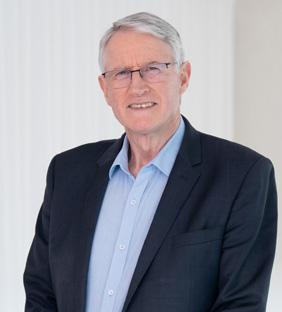
Review by Bernadette Smith
What do you get when a leading Australian pain researcher, a slightly stubborn slideshow, and Vimeo all meet in the first few minutes of a live webinar? A very human start to a genuinely excellent session.
After a few relatable technical hitches, Professor Michael Nicholas was away, and the audience was treated to a rich, practical, and thought-provoking presentation on early identification of psychosocial risk factors after workplace injury.
Hosted by APS Victorian Director Alison Sim, the webinar focused on a question that sits at the heart of pain care and recovery: why, despite decades of research and growing awareness, do so many people still go on to long-term pain, disability, and delayed return to work after injury?
Professor Nicholas made a compelling case that the answer is not a lack of evidence, but a lack of early, coordinated, biopsychosocial action. He outlined why waiting for people to become chronic is a costly mistake, and why stepped care and trial-and-error approaches often create delay rather than recovery. Instead, he argued for early screening, individual case formulation, and matched care that responds to the specific barriers facing each person.
The webinar explored the evidence behind the WISE (Work Injury Screening and Early Intervention) study, conducted in New South Wales. Widely regarded as landmark research in occupational health, the WISE study helped transform understanding of how workplace injury and compensation cases can be managed more effectively.
The findings demonstrated that early, targeted intervention can improve return-to-work outcomes while reducing costs. Importantly, the message extended beyond psychology and beyond the injured worker alone. Success depended on coordinated collaboration between the worker, clinician, employer, insurer, and case manager, supported by training and a shared understanding of the biopsychosocial factors that influence recovery.
While Professor Nicholas characteristically presented the work with humility, the significance of this body of research is difficult to overstate. These Australian studies have helped shape international thinking about the prevention of chronic pain and work disability, providing some of the strongest evidence that early identification of psychosocial risk factors and coordinated intervention can improve outcomes. The principles discussed in the webinar are increasingly reflected in contemporary approaches to occupational rehabilitation and pain management worldwide.
There was also a strong sense of optimism. Alongside the challenge to do better, Professor Nicholas highlighted practical tools, scalable models, and the role of training programs such as the OPAL pain education initiative in lifting workforce capability. The discussion that followed brought out the broader relevance of this work, including its application beyond workers compensation settings and the real-world barriers to implementation.
If you work with people recovering from injury, support return-to-work pathways, or care about bringing pain science into real-world systems, this webinar is well worth your time. The message came through loud and clear: early identification,
Early Intervention in Musculoskeletal Injury
WITH PROF. MICHAEL NICHOLAS
UPCOMING WEBINARS
COMING UP NEXT
AUGUST
Prof Toby Newton-John
Partnering with the partner: why family matters in chronic pain care
SEPTEMBER
Dr Joshua Pate
7PM AEDT, 5 AUGUST 2026
Partnering with the Partner: Why Family Matters in Chronic Pain Care WITH PROF. TOBY NEWTON-JOHN
Why family and partner dynamics are central to chronic pain outcomes.
REGISTER YOUR SPOT
How children learn what pain means, and why clinicians should care
OCTOBER
Prof Claire Ashton-James
Communication and the social dimensions of pain
NOVEMBER
Prof. Damien Finniss
Harnessing Placebo Effects to Enhance Clinical Outcomes in Acute Pain
FEBRUARY 2027
Assoc Prof Gila Moalem-Taylor
APS MEMBERS RECEIVE
• Exclusive access to webinar recordings
• Ongoing learning aligned to CPD development
• Priority access to future APS education initiatives
BE PART OF IT
This series marks an important step in strengthening accessible, high-quality pain education across Australia.
Explore the full series via the new APS website

Gold Coast Convention & Exhibition Centre 13 - 16 April 2027
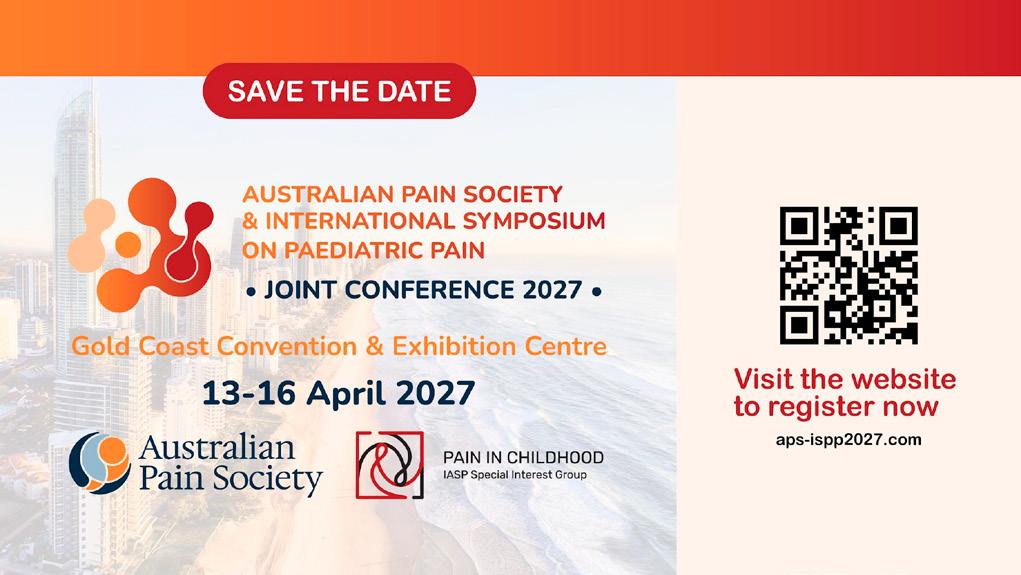


APS ASM 2027- THE GOLD COAST AWAITS
We are delighted to announce the first confirmed speakers for ASM 2027:





PROFESSOR Fiona Blythe
Dr Yann Quidé
PROFESSOR David Spanswick

Dr Hemakumar Devan
PROFESSOR Andrew Briggs
REGISTER YOUR INTEREST AND STAY UPDATED ON SPEAKER ANNOUNCEMENTS AND PROGRAM RELEASES BY VISITING THE ASM 2027 WEBSITE



Pain is common in older people, yet it is often missed or undertreated in residential and community aged care settings.
WHY PAIN TRAINING MATTERS
IF STAFF DON’T KNOW THE SIGNS OF PAIN, IT CAN EASILY GO UNNOTICED — IMPACTING QUALITY OF LIFE, MOBILITY, MOOD, AND CARE OUTCOMES.
WHAT IS PAINACT?
• 7 short, pain-focused training modules
• Practical and realistic videos and conversations with staff and residents in care settings
• Designed to be delivered as simple in-service sessions by a Registered Nurse
• Suitable for residential aged care, home care, community care and NDIS providers
THROUGH PAINACT, PERSONAL CARE WORKERS LEARN TO:
• Listen to residents’ concerns
• Validate and acknowledge pain experiences
• Recognise when pain requires further action or escalation
Improve pain care across your facility with this accessible, evidence-based training program.
Calendar of Events
July
19–22 JULY 2026
Rehabilitation Medicine Society of Australia & New Zealand
RMSANZ 2026 9th Annual Scientific Meeting –Bridging the Rehabilitation Gaps
Darwin Convention Centre, Darwin, NT
26—30 JULY 2026
Chronic Pain Australia
National Pain Week
National Pain Week is Australia’s annual week of action that raises awareness of chronic pain and its impact on everyday life.
August
07–09 AUGUST 2026
Neuromodulation Society of Australia & New Zealand
2026 NSANZ 19th Annual Scientific Meeting
Sheraton Grand Mirage Resort, Gold Coast, QLD
September
14–16 SEPTEMBER 2026
National Rural Health Alliance 18th National Rural Health Conference
Equity & Innovation: shaping rural health, disability & ageing
Adelaide Convention Centre, Adelaide, SA
October
3 OCTOBER 2026
Faculty of Pain Medicine (FPM)
Spring Meeting
RACV City Club, Melbourne
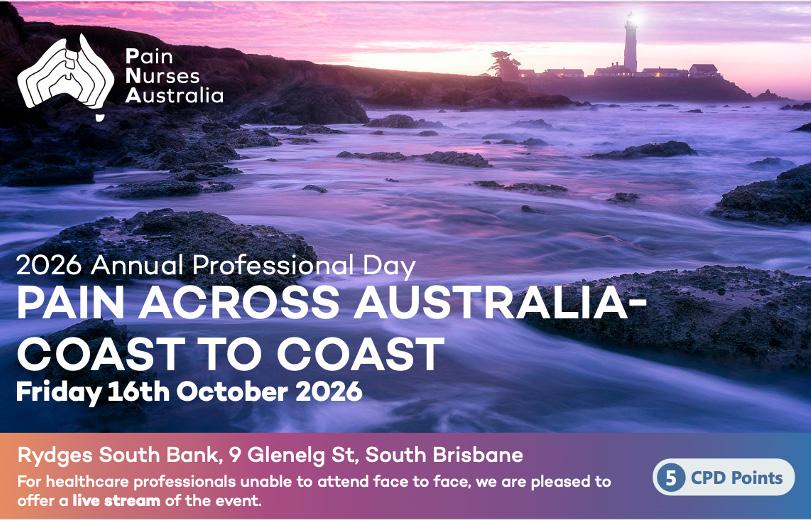
16 OCTOBER 2026
Pain Nurses Australia (PNA)
Annual Professional Day
Rydges Southbank, Brisbane
26–30 OCTOBER 2026
International Association for the Study of Pain (IASP)
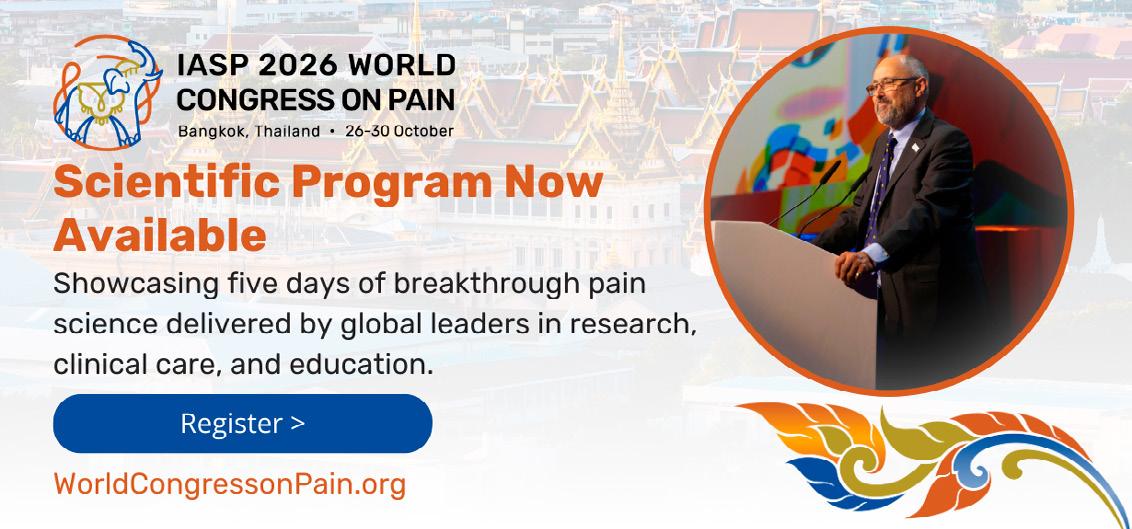
IASP 2026 World Congress on Pain
Bangkok International Trade & Exhibition Centre (BITEC), Bangkok, Thailand
November
15—19 NOVEMBER 2026
Australian Pain Society 2026 PainSTAR — Pain School for Translation and Research
Novotel Barossa Valley Resort, Adelaide Hills
February 2027
9—12 FEBRUARY 2027
SOCIETY FOR INTERDISCIPLINARY PLACEBO STUDIES
The 6th International Conference of the Society for Interdisciplinary Placebo Studies (SIPS 2027)
State Library of NSW, Sydney
PROMOTE YOUR EVENTS THROUGH APS COMMUNICATIONS
The Australian Pain Society is pleased to support the promotion of conferences, workshops, educational activities and events relevant to the pain community.
If your organisation has an upcoming event, initiative or opportunity you would like shared with APS members through the APS newsletter, website or social media channels, we would be happy to hear from you.
APS also welcomes opportunities to promote APS initiatives and events through partner and stakeholder newsletters and communication channels as part of a reciprocal communications approach across the broader pain sector.
To discuss opportunities for cross-promotion or to submit content for consideration, please contact: office@australianpainsociety.org
Australian Pain Society Directors





President
Mrs Bernadette Smith
Psychology Plus
South Burnie TAS 7320 03 6431 9959 03 6431 9950
President Dr Laura Prendergast
Persistent Pain Management Service
Northern Health
Broadmeadows VIC 3047 03 8345 5166
Workdays Mon & Thu
Secretary Ms Jacintha Bell
Lifeworks Occupational Therapy
Mount Lawley WA 6050 0451 178 880 08 6323 3329
Treasurer & SPC Co-Chair
Dr Duncan Sanders
Pain Management Unit, Sydney Medical School, University of Sydney/Managing Pain Clinic and E3 Physio
Gold Coast QLD 07 5620 1234 07 3009 0420
ACT Director Mr Anjelo Ratnachandra
Beyond Pain Pty Ltd
Belmont VIC 3216 0400 202 803
NSW Director
Dr Connor Gleadhill
Department of Health and Aged Care
Primary Care Division
Newcastle NSW 2308 0405 203 661






NT Director
Dr Amelia Searle
Flinders Medical Centre Pain Management Unit
Bedford Park SA 5042 08 8204 5499 08 8204 5440
QLD Director
Mrs Karla Wright
Fernvale Priceline Pharmacy
Fernvale QLD 4306 07 5427 0695 07 5427 0698
SA Director
Ms Heather Gray
Royal Adelaide Hospital
Adelaide SA 5000 heather.gray@sa.gov.au
TAS Director
Mr Sinan Tejani
Launceston General Hospital
Launceston TAS 7250 0469 967 841
VIC Director
Dr Alison Sim
10 South Sports Medicine
Geelong VIC 3220 0488 988 315
WA Director
Dr Katrina Liddiard
Senior Lecturer
Edith Cowan University Joondalup WA 6027
Australian Pain Society Office Bearers






Immediate Past President
Mrs Joyce McSwan
Gold Coast Primary Health Network
Persistent Pain Program, QLD and PainWISE 0412 327 795 07 3539 9801
SPC Co-Chair
Dr Karin Plummer
Research Fellow
Queensland Children’s Hospital, Department of Anaesthesia and Pain
Brisbane QLD
IASP Liaison
Professor Fiona Blyth AM
Sydney School of Public Health
Faculty of Medicine and Health
University of Sydney
Camperdown NSW 2006
Fiona.blyth@sydney.edu.au
Communications Coordinator
Mrs Bernadette Smith
Psychology Plus
South Burnie TAS 7320 03 6431 9959 03 6431 9950
Newsletter Editor
Clinical A/Prof Kylie Bailey
Sagacity Services
Mount Hutton NSW 2290 0447 905 085
Newsletter Assistant Editor
Dr Joanne Harmon
School of Clinical and Health Sciences
University of South Australia
Adelaide SA 5000 08 8302 1442
Grant Selection Subcommittee Co-Chairs


Emeritus Professor Maree Smith AC
Centre for Integrated Preclinical Drug Development
University of Queensland St Lucia QLD 4072
Professor Luke Henderson
Anatomy & Histology, School of Medical Sciences
Brain & Mind Centre
University of Sydney
Camperdown NSW 2006
The Australian Pain Society is a multidisciplinary association whose purpose is to advance pain management through education, research, and advocacy for transformational improvements in clinical care.
EMAIL US YOUR FEEDBACK GET IN TOUCH VISIT APS WEBSITE