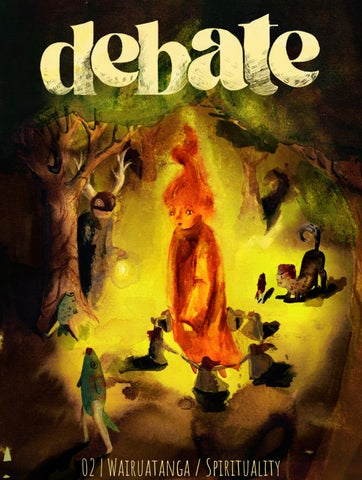
Debate 2026 | Issue Two | Wairuatanga / Spirituality
About Us
Kia Ora! We’re Debate, your free student magazine at AUT. Each fortnight we scatter magazines across campus talking about student news, art, and culture. Each issue is made by us and a small team of contributors - no AI was used in the production of any work to our knowledge.
Editor Associates Editor Te Ao
Māori Editor
Social Media Coordinator
Graphic Designer
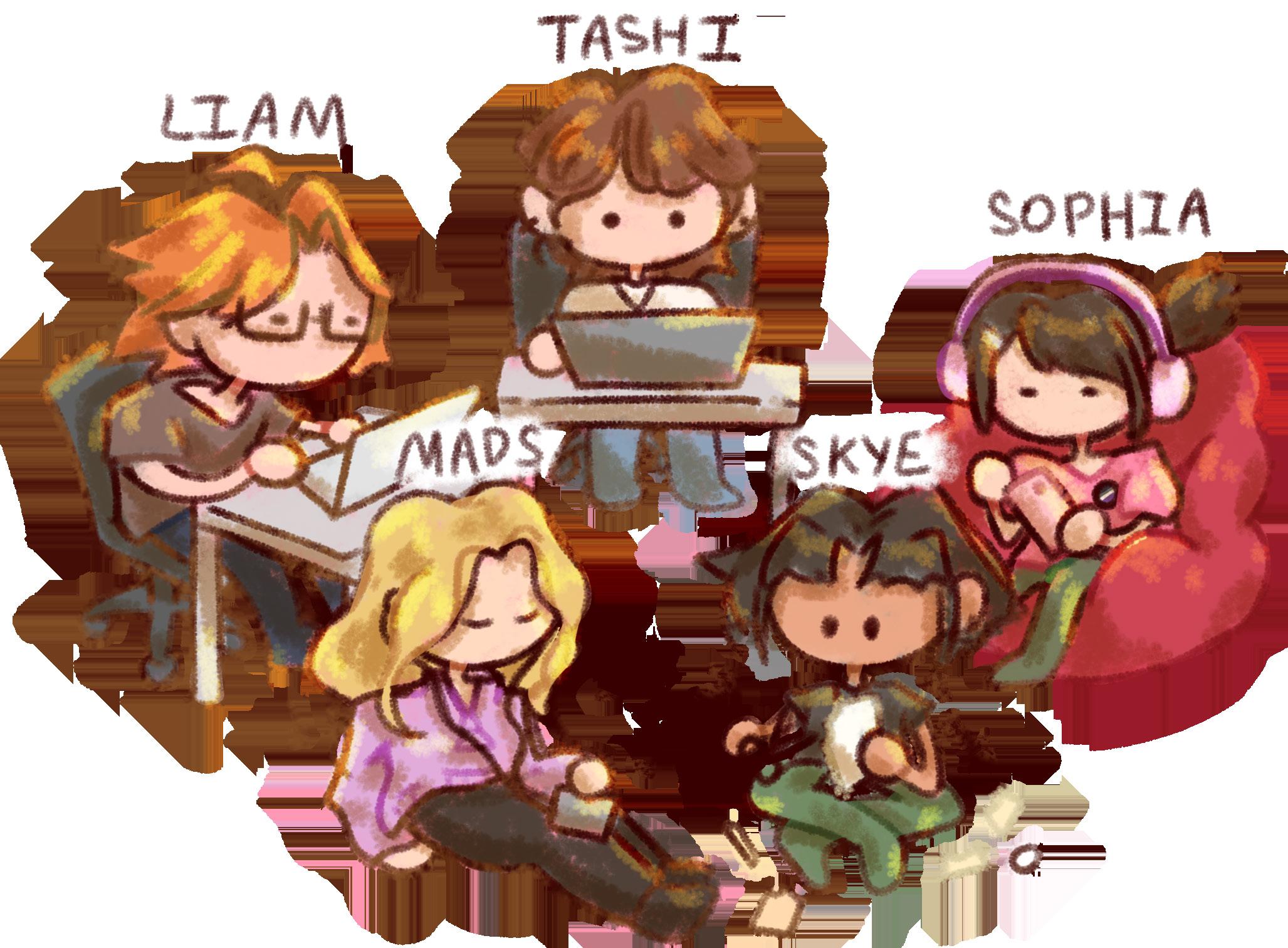
Tashi Donnelly Liam Hansen Skye Lunson-Storey Madeline Bradley Sophia He
[COLUMN] [COLUMN] [FEATURES]
[COMIC] [FEATURES] [Visual] [FEATURES] [FEATURES]
[Visual] [FEATURES] [FEATURES]
[FEATURES] [COLUMN] [COLUMN] [COLUMN]
DISCLAIMER
TITLE---
No Communion for Me, Thanks, I’m Having Tarot News - Ghosts of AUT Trans-Buddhism - A Case for Paradoxical Spiritual Identity
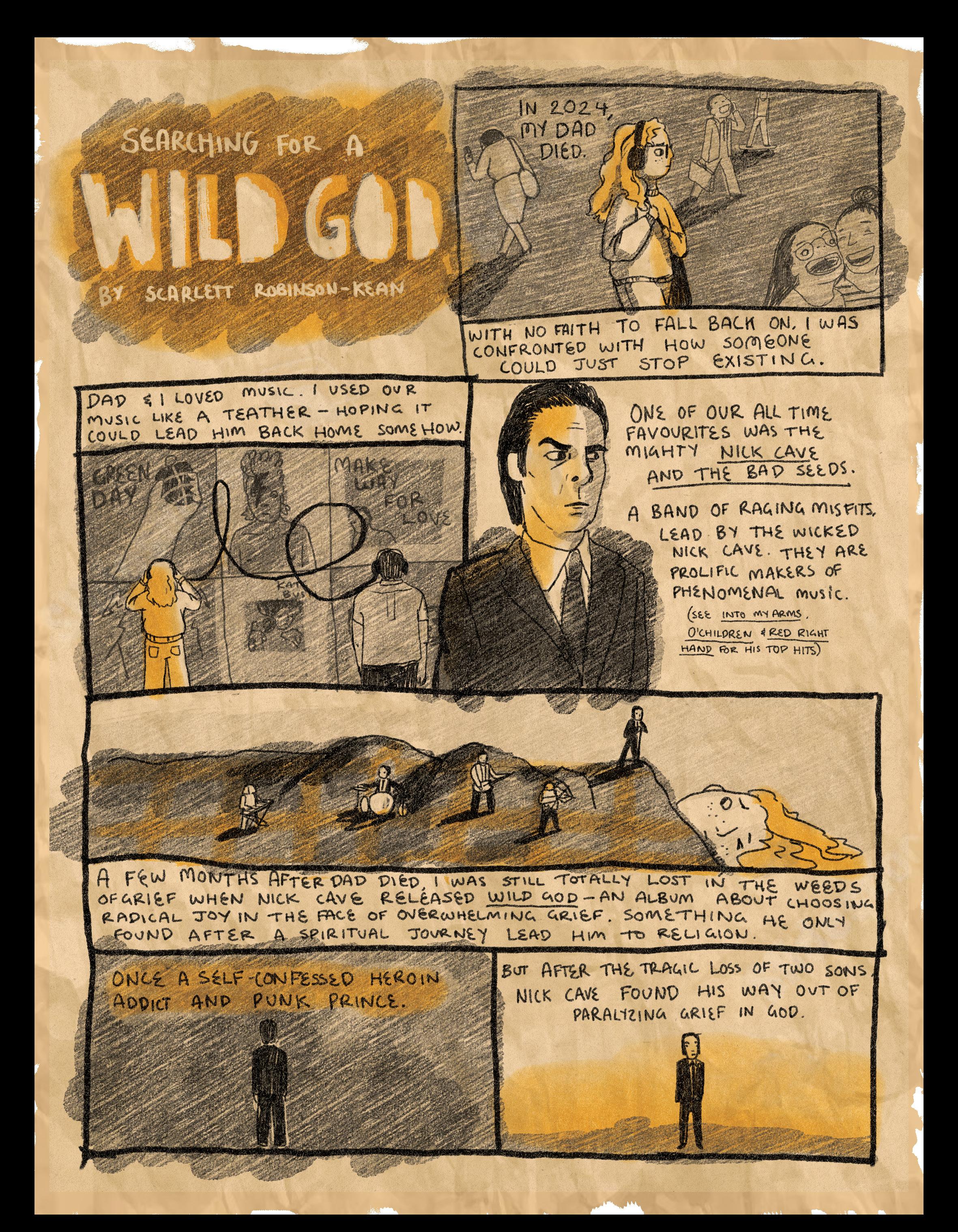
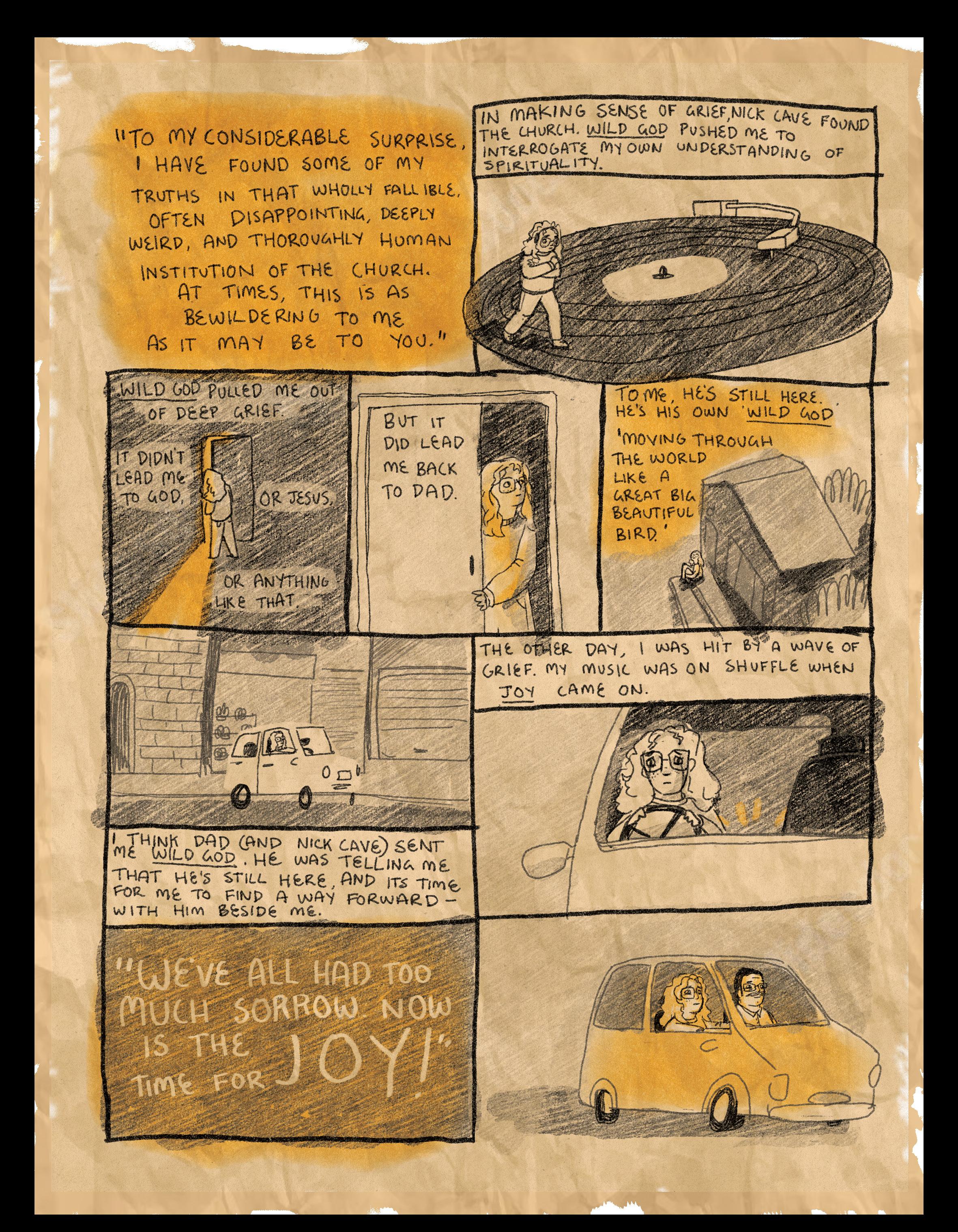
Searching for a WILD GOD Lucky Girl Syndrome: The Student Edition Ouija Board
Material contained in this publication does not necessarily represent the views or opinions of AUTSA, it’s advertisers, contributors, Nicholson Print Solutions or its subsidiaries.
This publication is entitled to the full protection given by the Copyright Act of 1994 (“the Act”) to the holders of the copyright, being AUT STUDENT ASSOCIATION (“AUTSA”). Reproduction, storage or display of any part of this publication by any process, electronic or otherwise (except for educational purposes specified in the Act) without express permission is a break of the copyright of the publisher and will be prosecuted accordingly. Inquiries seeking permission to reproduce should be addressed to AUTSA.
Debate is a member of the NZ Media Council and subject to its complaints procedure. Complaints about stories must first be directed in writing to us (provide link) within a month of the story being published. If you are not satisfied with our response you can complain to https://www.mediacouncil.org.nz/complaints/. You will need to attach a copy of the article complained about and any correspondence you have had with us.
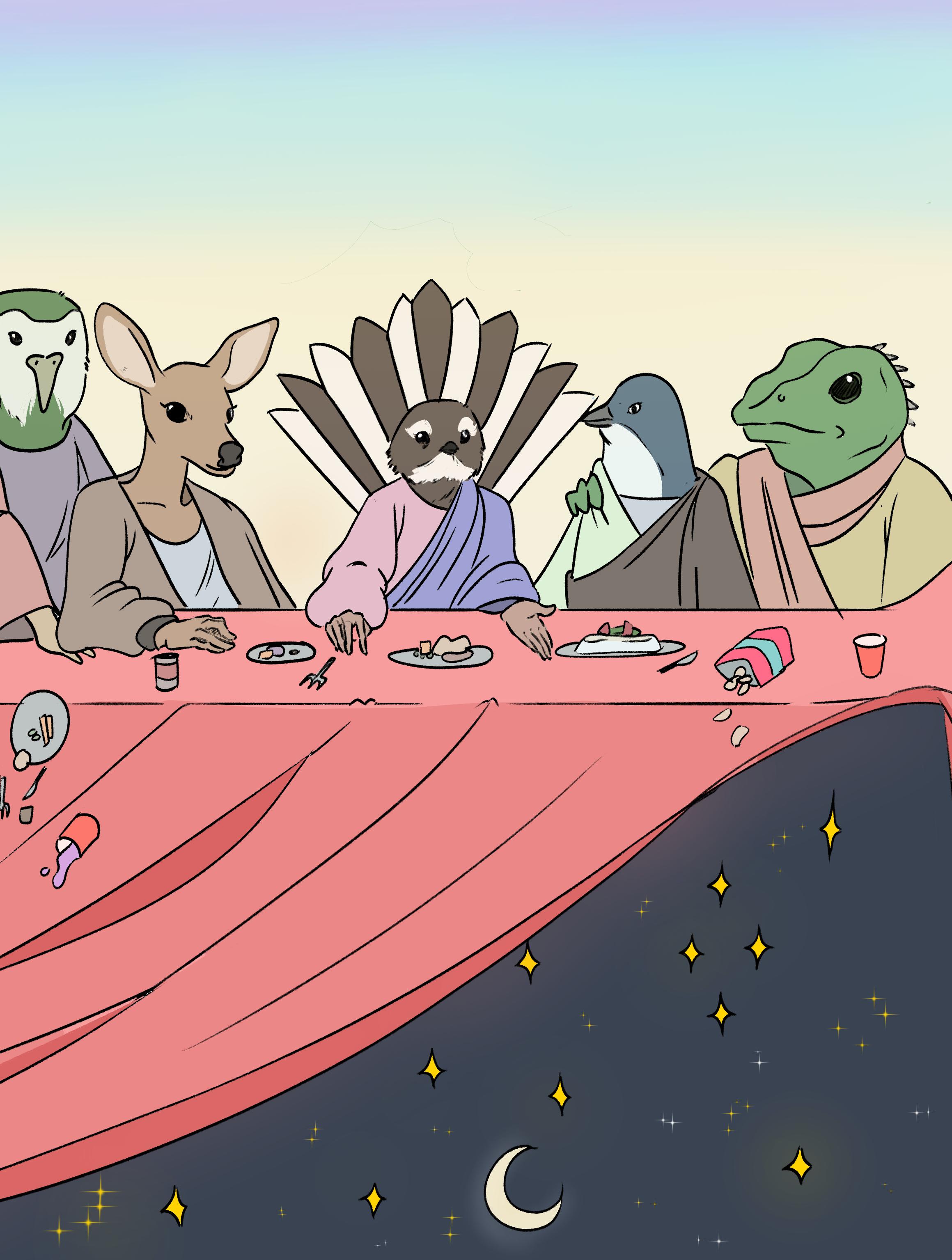
COVER
Scarlett Kean
CONTRIBUTORS
Caeden Tipler, Scarlett Kean, László Reynolds, Luke Fisher, Maira (Husna Harmi), Elise Sadlier, Noesheen, Ricky Lai, Stu Paul
Haere mai, welcome to issue number two. Here we will celebrate the voices, experiences, and perspectives that make our community vibrant and diverse. That’s right, we’re covering Spirituality. The existence of the human spirit, or soul, is a hot topic of debate. While some atheists question the existence of the soul, theologians study its divine nature, and agnostics remain uncertain, embracing the mystery. Wherever you sit on the spectrum of belief, there is something here for you. But I have one humble request…
Keep your mind open to the possibility of something beyond our physical existence that matters.
While I love science and the clarity it brings, there are realms it can’t fully explore. Realms of spirit, meaning, and mystery. As 19th-century biologist and anthropologist Thomas Huxley wisely noted, “the truth about ultimate realities is unknown and possibly unknowable”. In short, you can’t prove God exists. And you can’t prove He doesn’t. Sometimes we simply have to sit with the unknowable. Scary, I know.
Now, to be clear, spirituality and religion may be deeply intertwined, but they aren’t the same thing. Spirituality is a personal, subjective experience of meaning, purpose, or connection to something greater than oneself. Religion, on the other hand, is a structured system of beliefs and practices shared by a
community. As a neurodivergent, genderquestioning gay, I have gripes with religion and the way it’s used.
For myself, spirituality is something that exists whether we want to admit it or not. It exists in the quiet moments between loved ones eating kai around a table. It seeps into my I Ching coins and my tarot cards. It exists in the shaky leaves of trees and where the dappled sunlight turns the ground into luminous puddles. It manifests as goosebumps on my skin and fire in my bones. Inside every living being, there is something unknowable, something ethereal, something we can’t touch. It’s that ‘something’ that connects us all.
In this issue, we explore spirituality in all its shapes: from the ways we try to invite luck and positivity into our lives, to the cosmic nudges and guidance of horoscopes; from the struggle of reconciling cultural and religious identities and loss of faith, to asking what it means to live authentically in traditions like Buddhism. We reach the strange and unseen, where ghosts remind us that the world can hold mysteries beyond what we can touch or measure. Each piece invites reflection, challenges assumptions, and celebrates the many ways people seek meaning.
P.S, I have to acknowledge that many religions have not been safe spaces for queer communities, or for anyone who doesn’t fit the mould. It is so often the case that the religious source material
has been twisted to suit the wants and desires of those in power, and doesn’t truly reflect what the religion originally stood for. From exclusion to downright violence, the structures meant to guide and comfort can sometimes wound instead. Recognising this doesn’t dismiss spirituality; it just reminds us that belief and practice can be complicated, and that safety and acceptance should always come first.
If you or someone you know is suffering from religious trauma, I suggest talking with trusted friends or whānau, and below are some services that may be able to help:
AUT Rainbow Student Support – Book through MyAUT / AUT app. Walk-ins available with possible wait times.
Mental Health Foundation – free call/ text 1737 any time to speak with a trained counsellor.
Women’s Refuge National Helpline –0800 733 843
Lifeline Aotearoa – 24/7 emotional support by call or text (0800 543 354 / text HELP).
Written by Tashi Donnelly (She/Her)
@tashi_rd
EDITOR-IN-CHIEF
The ghosts haunting AUT’s past
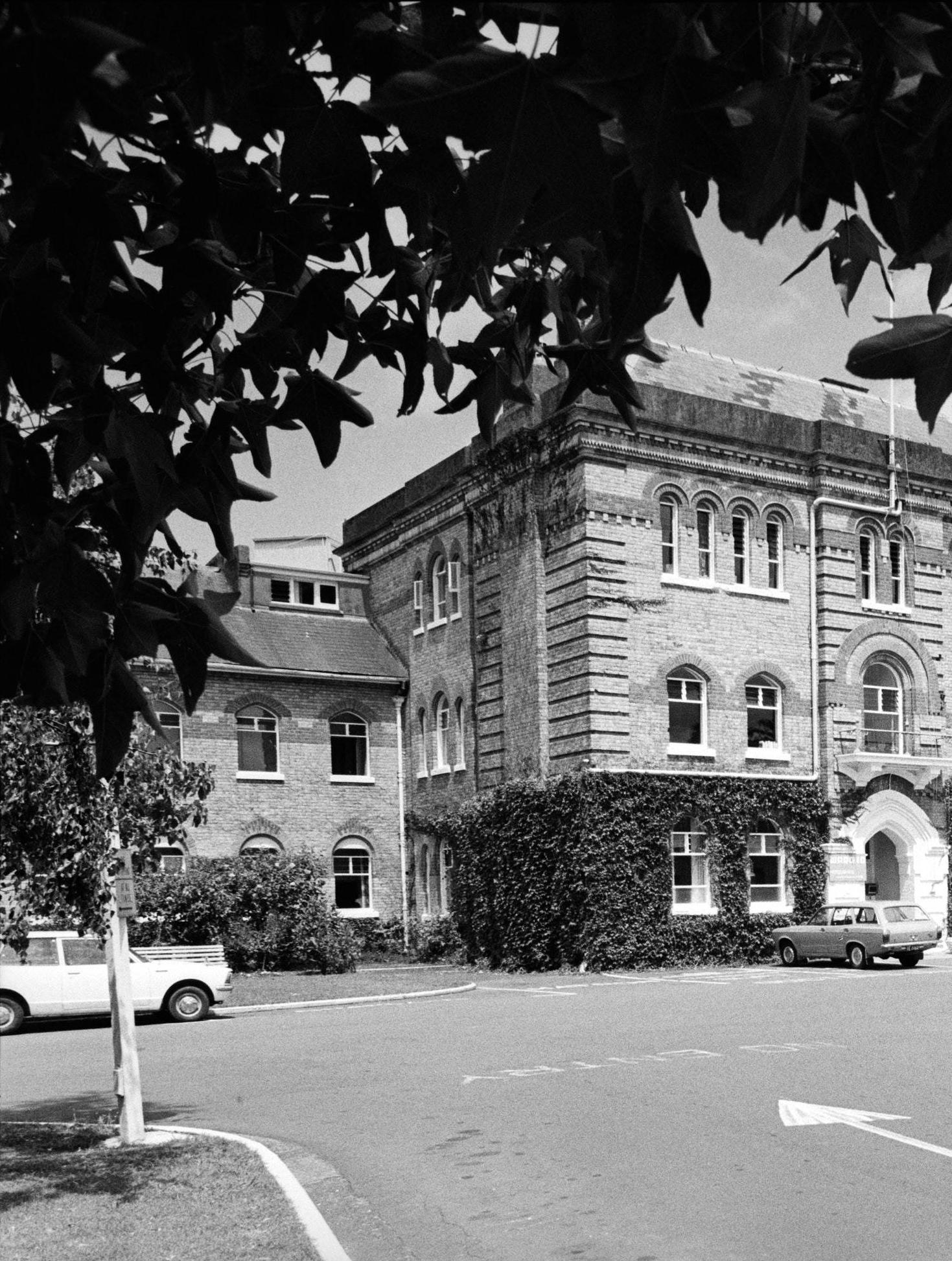
Have you ever felt a chill at the back of your neck while walking through campus late at night? Felt like you were being watched, but knew nobody was there? Heard a whisper and a giggle far too shrill for a uni-aged student? What you’re experiencing is probably the wind, but there’s no fun in that. Every stonemason who laid the first bricks of our tertiary education buildings in Tāmaki Makaurau has since carked it, leaving behind centuries of history between our city streets and, according to some, sticking around to cause some mischief. With the learning quarter of Tāmaki Makaurau holding some of the city’s oldest heritage buildings, it’s no wonder students lurking in the shadows of the night tell tales of paranormal activity between their lectures. With spirits abound and a fair need to break up any religious trauma divulged in this issue, let’s take a look at the supernatural stories that might make you look twice over your shoulder next time you’re studying late. Carrington Hospital
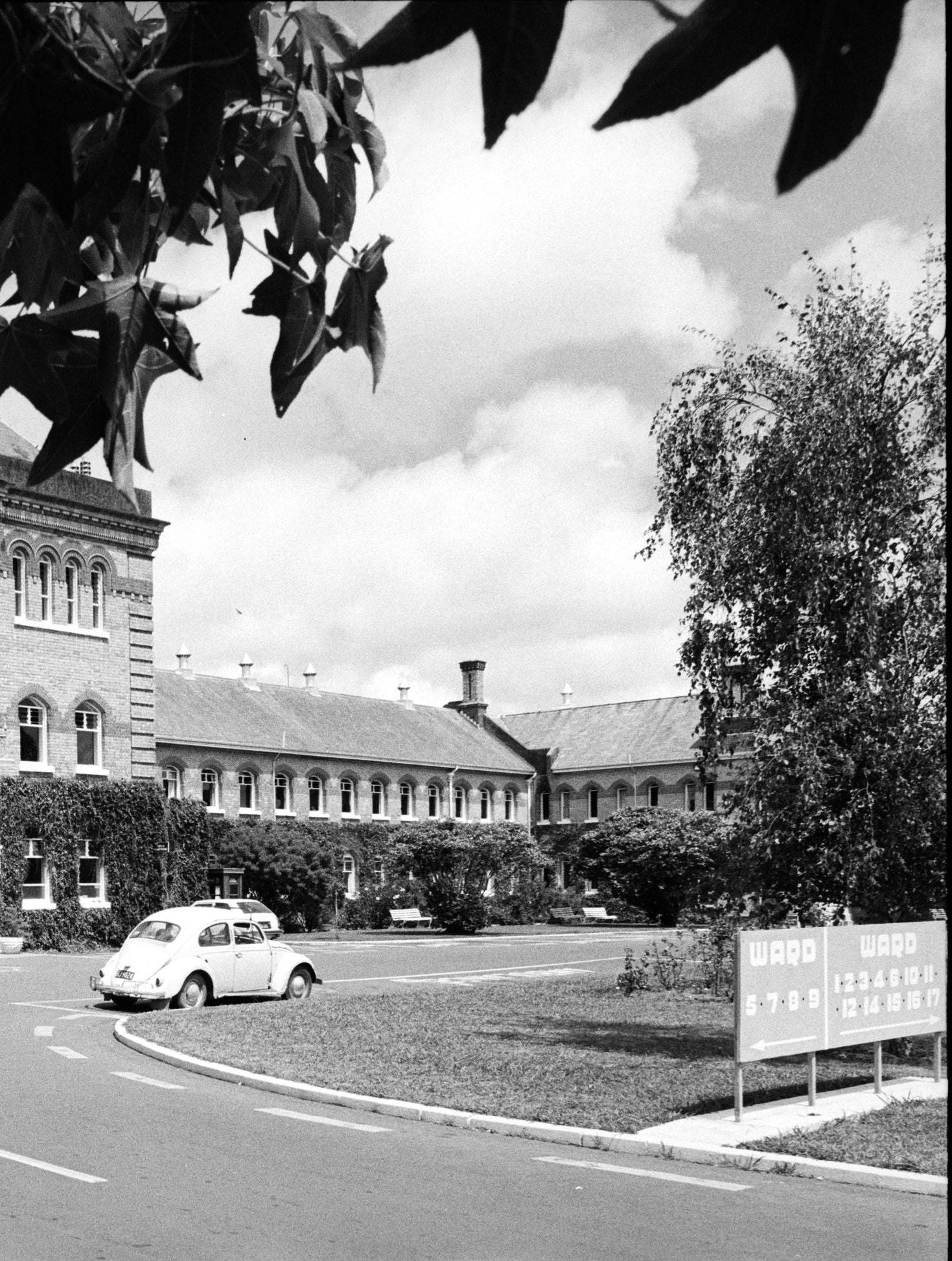
The former psychiatric facility and eventual home for Unitec’s architecture and design school is possibly the most iconic supernatural location in Auckland, behind Kingseat Hospital, which spun its haunted history for profits in 2005 with the opening of Spookers. The Carrington Hospital leers over spaghetti junction in Point Chevalier, initially built in the 1860s as the Auckland Lunatic Asylum, roughly twenty years after the Lunatics Act was passed in 1846, forcing those deemed insane into state confinement
across the old Queen Street Gaol and a new facility on Grafton Hospital grounds, which quickly became overcrowded. Immediately, the building was marred with difficulties that continued to haunt the asylum’s operation until its closure, having been gutted by a deadly fire in 1877 and, in 1922, seeing various inmates perish in a localised Mt Albert typhoid epidemic due to unclean drinking water and poor sanitation. We’ll never know how many patients passed away due to suicide, neglect, or various other abuses inflicted upon them by wardens and other inmates - all we know for sure is that the spirits have a good reason to be pissed off.
Carrington Hospital changed with the times, taking on a more community-focused approach as the deinstitutionalisation of psychiatric care across Aotearoa saw asylums, sometimes haphazardly, decommissioned and vacated. With an iconic neoclassical look and unignorable location, the building became a satellite campus of our very own Auckland Technical Institute before breaking off into its own new institution, Carrington Polytechnic - later rebranding permanently to Unitec Institute of Technology in 1994. Unsuspecting architecture and design students have reported feeling the presence of the building’s history throughout its Unitec ownership - particularly in the main hub of Building One, and the holder of the asylum’s most dangerous patients, Building 76. With the polytech having sold the building to the government in 2018 for urban housing developments,
the fate of Carrington Hospital has been hanging in the balance throughout the pandemic and changes in leadership. While wings of the building have already been partially demolished to make way for roads, locals hope what remains can be used as a community space that brings out the best in the hospital’s rocky 150 years of history. When asked about the proposed development, the ghosts of the asylum decided not to comment.
Te Ara Poutama
The oldest building of AUT’s City Campus has been partially vacated this year, as the Student Counselling and Health services, City Gym, Rainbow Room, and more have moved to their shiny new facilities at WQ on Wakefield Street. However, what is now the WB building, sandwiched between Hikuwai Plaza, Ngā Wai o Horotiu, and Wellesley Street East, was first built as the day school of Auckland Technical College, later becoming Seddon Memorial Technical College, and then Auckland Technical Institute, and then Auckland Institute of Technology, and then Auckland University of Technology. While the names changed, the building didn’t, with the school expanding outwards and the building standing as the sole survivor of the institute AUT was. According to some AUT staff, the building isn’t the only thing that stuck around.
Elim Ahlers is the Rainbow Student Inclusion Manager at AUT, and recently joined the move of student services from WB to WQ. Some might see it as a sad move, vacating the last bastion of AIT/ATI/
Written by Liam Hansen (they/them) @liamhanse.n
ASSOCIATE EDITOR
SMTC/ATC for yet another glass tower - but for Elim, it’s goodbye and good riddance. He spoke to Debate of “Things in our locked office would frequently be moved overnight. Not stolen or anything, but things in drawers might be in different drawers or on the table, etc. We’d often hear weird noises, particularly early in the morning, or in those first couple weeks of Jan when most staff aren’t back from leave.”
It wasn’t just noises and chills explainable by wind; “We would also get people coming into the space randomly for air flow testing. They’d set up mysterious devices and sometimes needed to get into the ceiling at short notice, or at strange hours. I’d often ask what they meant or what they were testing for, and they’d just look at me funny.”
It’s hard to say whether or not anything truly unbecoming took place in the halls of the oldest technical college, but it’s unlikely the ghosts will vacate sooner than the humans. “I’m old enough to have taken classes in WB, and remember it being creepy back then, too. This has me wondering it did have a rather lastcentury in-patient ward feeling to it, don’t you think?”
Have you seen anything out of the ordinary in the halls of AUT? Let us know at debate@autsa.org.nz, and we might share your stories alongside an investigation into the decrepit buildings across the road.
Trans-Buddhism - A Case for Paradoxical Spiritual Identity
I considered myself a Buddhist long before I ever realised that I was transgender. I grew up within the confines of mainstream Christianity in a family that was not particularly religious, but with a worldview that I would describe as culturally Catholic. This was a world where men were men, women were women, and queerness was an abnormality to be quietly tolerated but never celebrated.
I rejected Christianity as a child (my first distinct memory of doing so was praying to God for a Blastoise in the Pokémon trading card pack I got for my birthdayreceiving a bunch of weak cards instead was the beginning of the end for my faith in a monotheistic creator). As I got older, I found myself being drawn to Eastern philosophies such as Buddhism, Daoism and Advaita Vedanta. Of all these spiritual traditions, Buddhism resonated with me the most, particularly the concept of ‘anattā’ or “non-self”. This is an idea that carries with it an enormous level of nuance and complexity, with literally thousands of years of expansion and commentary on the subject by countless Buddhist scholars over the centuries. For most in the West, it is an idea entirely foreign to us and in direct contrast to most of the history of Western thought and psychology, which focuses on (and claims as fact) the unitary reality of the indivisible Self and its attributes. One God, one Self. To put it simply, Buddhism is a philosophy of No God, no Self.
Without getting into the weeds of modern neuroscience (and the fact that
most scientists studying the brain have observed that the traditional Eastern view of mind is more accurate than the traditional Western view), it became apparent to me as the years went by that there was something deeply, metaphysically True (capital T) about the concept of anattā. Who am I? What is “I”? Who is asking the question? Meditation is a technique for observing the truth about ourselves and the relationship between mind and body; when all mental activities cease, there is only awareness - the observer. This observer is non-self - anattā. This is an extremely simplified take on the idea, from a layperson with no formal study or training in Buddhism - but for the purposes of this article I think it will suffice. The Buddha taught to explicitly not identify with the self, to see it as illusion - a falsity perpetuated by one’s craving and clinging to personal, material, and environmental circumstances.
Time went by, I got older, and while remaining engaged with Buddhism and learning much, I focused on other key elements of the teaching, such as impermanence, suffering, and dependent origination. Anattā seemed less important a concept to me at that time; I thought I understood it well and actively practised non-identification with the self. How to alleviate suffering for myself and my loved ones was a more pressing and significant train of thought to follow within my own personal Buddhism. I studied at university, worked jobs, had relationships, read books about psychology, history, religion, and Western philosophy (as well as a lot
of great fiction). In time, I almost forgot about anattā altogether. Then I started to realise that I was transgender. At first, this wasn’t a problem. It made a lot of sense to me, and re-contextualised a lot of my thoughts and memories about myself and my gender identity throughout my life. But then an uncomfortable thought struck me - if identity is an illusion and self nonexistent, how can I truly be both Buddhist and transgender?
This would prove to be a bit of a prickly issue the more that I thought about it. I could either be truly Buddhist, and therefore not transgender (instead identifying with the gender-less nonself of observing awareness) - or truly transgender, and therefore not Buddhist (instead accepting my gender identity as essential and true and not an illusion). I was mentally stuck in a philosophical paradox. Thankfully, I was not the first confused transgender Buddhist to encounter this problem. Very quickly, I found a wealth of information and discussion about this issue on the internet, what it means for one’s identity, and how to make sense of being both transgender and Buddhist. At its core, it seemed to me that most takes on the issue were that although gender IS indeed illusory (like all elements of identity), in a practical sense, we DO live our lives within the context of these illusions. As one online commenter put succinctly, “you cannot meditate your way out of gender dysphoria”. Summarily - it doesn’t matter. I was a boy who became a woman - this, in fact, highlights an
Written by Stu Paul (Any pronouns)
CONTRIBUTING
WRITER
alternate view of the incongruity between gendered self and Buddhism - it doesn’t matter because it’s all illusion, therefore might as well have fun with it all right?
These days, I don’t see as much of a clash between these two identities as I once did. Actually, I have found them to complement and reinforce one another in interesting and surprising ways. The fluidity of gender identity is in line with Buddhism’s teachings on impermanence and the constant, dynamic changing of physical reality. There are no Buddhist texts that condemn queer people to suffering or punishment for their mere existence. Although some figures in various schools of Buddhism have expressed misogynistic views at times (including the view that a woman must be reborn as a man in order to attain enlightenment), others have made the claim that gender is irrelevant to Buddhist practice, and others still have declared that women are actually of a superior nature to understand and enact the teachings of Buddhism in comparison to men.
Regardless of one’s opinion, this here transgender Buddhist thinks that Brian Tamaki and JK Rowling should, at the very least, shut the fuck up and read about the Buddha’s teachings. Compassionate, loving-kindness, and empathy for their fellow human beings might be a good start - who knows, they might just learn something.
Illustrated by Scarlett Kean
Lucky Girl Syndrome: The Student Edition
I am so lucky
The universe has my back Everything always works out for me
If you’ve ever ventured into the world of ‘manifesting’, then you’ll probably recognise these phrases as daily affirmations at the heart of Lucky Girl Syndrome. Being a ‘lucky girl’ is more than just wishing something will happen — it’s about intentionally maintaining a positive mindset in your everyday life. Rather than focusing on making a single dream or goal real, Lucky Girl Syndrome centres on being the best version of yourself, whether or not you have a specific outcome in mind. When you truly believe you’re lucky, you begin to enter an abundance of life-changing experiences: both the ones you anticipate and the ones that surprise you, as they did for me.
My Story
Two years ago, I was a struggling PhD student. A lot of what I had planned before enrolling didn’t work out, and watching my savings slowly dwindle left me feeling broke, lonely, and deeply unhappy. During that time, Pinterest became a small source of comfort, and it was there that I first encountered Lucky Girl Syndrome.
I’d heard about manifesting before, but I never connected with it. Much of the messaging seemed to rely on the idea that something external would magically deliver what you desired. Lucky Girl Syndrome felt different. Instead, it places responsibility on you — on cultivating
a mindset that attracts the good you want into your life. Rather than waiting for opportunities to appear, I began moving myself towards them, aligning my thoughts and beliefs with the life I hoped to build.
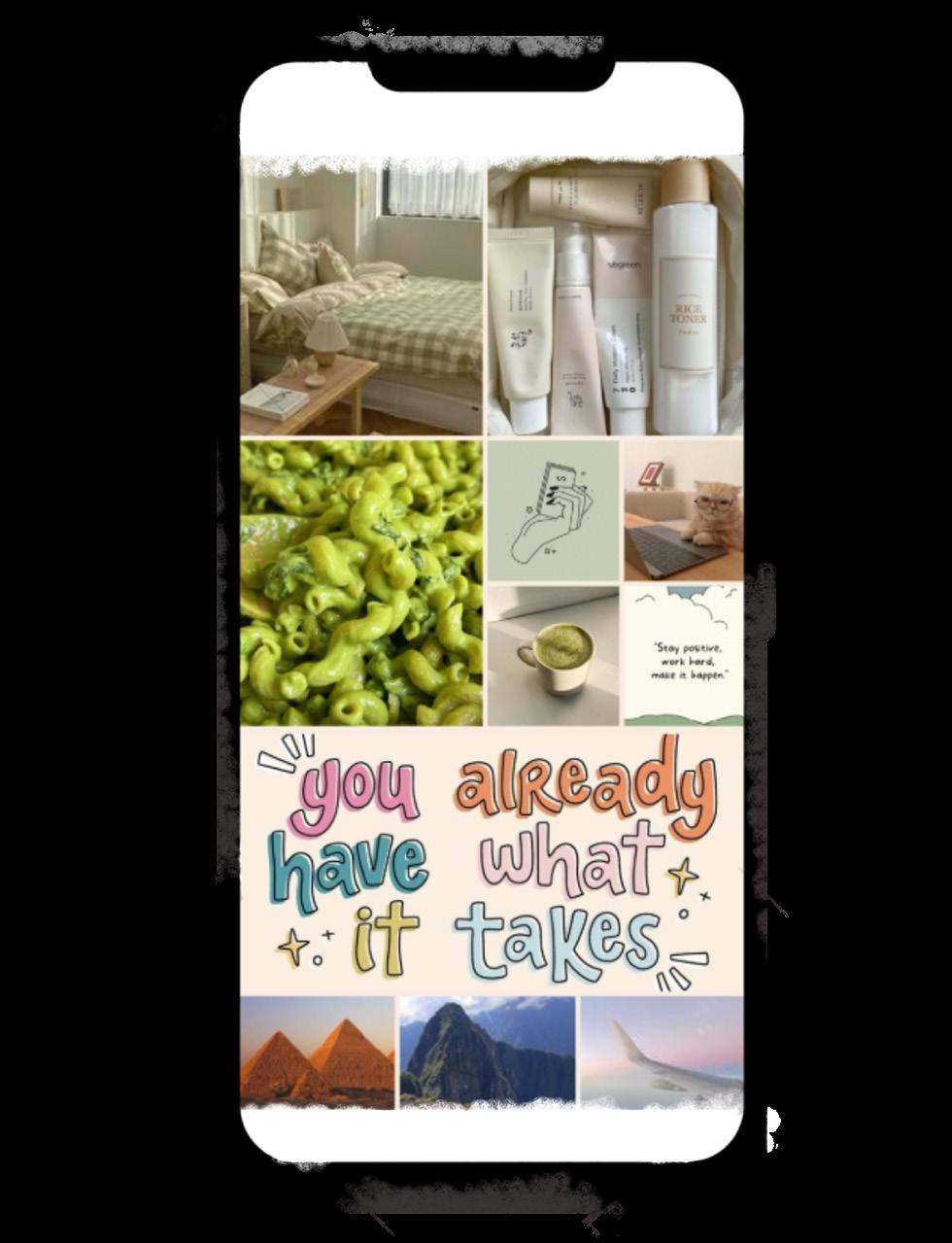
Although sceptical, I really didn’t have much to lose and began my lucky girl journey by, you guessed it… creating a vision board. I set it as my phone background and each day I repeated the same affirmations to myself: I’m lucky. The universe supports me. Everything works out in my favour.
If I could just secure three things, I thought, I’d finally be able to focus on my PhD:
1. Improve my financial situation
2. Build healthier social relationships
3. Travel abroad
I didn’t know if any of it would work. Some days, I felt ridiculous believing that repeating a few sentences could change anything at all.
And yet, slowly, almost imperceptibly at first, things began to shift.
After several months of financial insecurity, I received what felt like a dream opportunity: a scholarship. Not just any scholarship, but one that covered my tuition and provided a stipend. I was shocked. The financial support motivated me to finally delete the dating apps, where I’d had a streak of disappointing dates. I’d matched with one last person — someone who seemed genuinely good for me. As it turned out, we were both PhD students and had plenty else
in common, too. He has become one of the most supportive and caring people in my life. Unexpectedly, meeting him led to some truly meaningful memories that fulfilled my second goal: healthier social relationships.
As for the final goal, travelling abroad hasn’t quite happened yet. However, we’ve recently booked a trip to visit my birth country this year so that I can introduce my partner to my parents. I was hoping for a more exciting destination that I’d never been to — but I suppose I never did specify that I wanted somewhere completely new and unfamiliar!
What I learnt as a Lucky Girl
None of the things I manifested happened overnight. Each one unfolded gradually, and I never knew exactly when or how they would materialise. I also want to acknowledge that I put in real, practical effort. I kept asking around for opportunities, took on teaching and marking jobs to get by, and carefully managed my spending to stretch every dollar. Meanwhile, I kept pushing through my PhD milestones, putting in the mahi so I didn’t fall behind. Having a PhD partner who understood what I was going through made a huge difference, supporting me as I worked toward the life I wanted, all while progressing with my studies.
grateful for all the opportunities and people who have transformed my dark days into brighter ones. I’m excited for what’s to come, and I hope that by reading this, you’ll find some good things coming your way.
Here’s to my final year of study and finding a little more luck everyday!
For me, Lucky Girl Syndrome has been valuable in restoring my sense of confidence and agency. Now that I feel more in control of my life, I’m deeply
Written by Maira (Husna Harmi) (She/Her)
CONTRIBUTING
WRITER
Live, Laugh, Lesbian
I’ve always had a complicated relationship with religion. When I was younger, I saw no issue with my somewhat religious upbringing. But as I grew older, the shadows became harder to ignore. As a lesbian, I carried an internal battle with internalised homophobia, something that is hard to unlearn in spaces that quietly (or loudly) tell you that you are wrong.
I think that’s why visibility feels so important to me, even in the smallest ways. Sometimes it’s just about existing. There’s something deeply reassuring about knowing you’re not the only one. Especially in spaces like a university, where so many of us are figuring out who we are in real time.
Being takatāpui adds another layer to that relationship with religion and spirituality. In much of my Māori whānau, religious beliefs sit alongside te ao Māori. It’s a blend that exists in many of our whare. When my older cuzzy came out, it was very hush-hush. Prime gossip material for the whole whānau. So when it was my turn? Let’s just say nothing gets past the aunties. The news spread like wildfire before I even had the chance to speak out on my own terms. That hurt.
Six or seven years later, things are better. They like my partner. I think it helps that she’s Māori, funnily enough. My nan especially loves that she can kōrero Māori with her. I’ve learned that shared language builds bridges in ways that disagreements never could.
But I’ve been told by other whānau that even if the aunties are nice to our faces, some still hold their religious beliefs against homosexuality. But yeah, apparently rumour has it that they’ve been caught saying ‘it’s just a phase.’ Ummm, a phase… idk I’m pretty committed to the Gay Agenda. Pre-coming out, my fave statement said to my face was, “God will still love you if you’re lesbian.” Damn, that’s wild, because apparently they clocked me before I did.
When I think about the rangatahi in my whānau (who are, respectfully, quite fruity), I feel like maybe it’s worth being the one who helps normalise it and adjust the aunties to the gays. We soften edges while quietly challenging what people think they know. Doesn’t change the fact that it still stings for both my partner and me. We’re out here doing the hard māhi. Changing hearts. Changing minds.
Then there’s my partner’s whānau. Māori, but not religious. When she came out, they said, “That’s good, bub.” That was it. Like that’s so cute! Her dad regularly takes us out to dinner and the movies. Honestly, icon behaviour. Just a tradie dad taking his gay daughter and her partner out for a feed.
Experiences like that show that homophobic views weren’t always inherent in us. They were introduced. Colonisation didn’t just take land; it imposed belief systems, including rigid ideas about gender and sexuality. Diverse
identities have always existed across cultures. In ancient Greece, relationships between women were written about by Sappho from the island of Lesbos (ugh, take me there). Which is literally where the words “lesbian” and “sapphic” come from. Still, religion continues to feel exclusive to me. I’ve had people approach me to join church groups. The vibes are friendly until I ask about queer people. Then it gets awkward. I’ve been told they “accept” gay people, but that we’re sinners because we’re lying about who we are. That’s the part that makes me hōhā. I can’t even dip my toes in without being told my identity is deception.
So yeah. Moral of the story, religion isn’t for me.
Stepping away from the idea of organised religion pushed me to find my wairuatanga elsewhere. Being Māori means I was never disconnected from spirituality, just from a particular version of it. I feel most grounded when creating art. Through the making methods of my practice, I activate elements of our atua and the mātauranga of my tīpuna. I also feel spiritually grounded in who I am. Lesbian love is emotional and definitely spiritual. If life feels empty, convert to lesbianism today!
returning to whenua, art, and creativity is stabilising.
My nan reminded me that music and art are spiritual too. Creation itself is interwoven with wairuatanga. When we make something, a painting, a song, a poem, even this piece, we are connecting. To ourselves, others, and our tīpuna who came before us.
That reminder shifted something for me. Spirituality doesn’t have to mean religion. It doesn’t have to sit inside a church building. Even someone who calls themselves an atheist still has things that move and ground them in life.
I think the heavy connotations attached to the word “spirituality” have done harm. They’ve made people feel excluded from something that is actually deeply personal and expansive. Your spirituality is what speaks to your wairua. It’s what brings you joy and reminds you that you are alive and connected.
This is just my own experience. But take it from a Hot Lesbian if there’s anything I’ve learned, it’s this: you are allowed to define your own spirituality. Especially in a university space where so many identities intersect and evolve. Allow yourself to question and build something new.
At university, where life is fast and overwhelming, that grounding matters. It’s rough when assignments pile up, when identity feels heavy, and you’re trying to balance who you are at home vs who you are on campus. Remind yourself that
Your wairua belongs to you.
Live, laugh, love, The Hot Lesbian xx
Written by The Hot Lesbian (She/They)
@hot_lesbian_initiative
Kōrero Toi: Noesheen Sherreeze Buksh
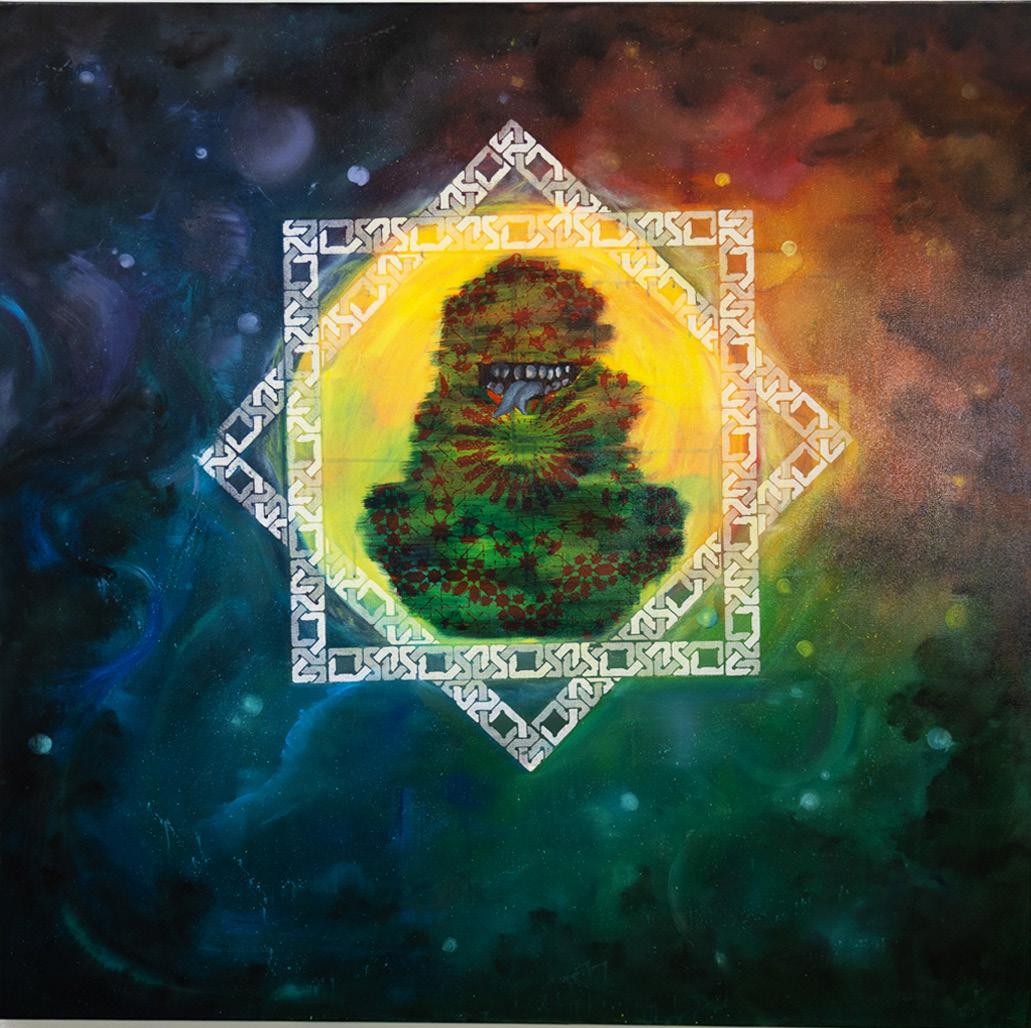
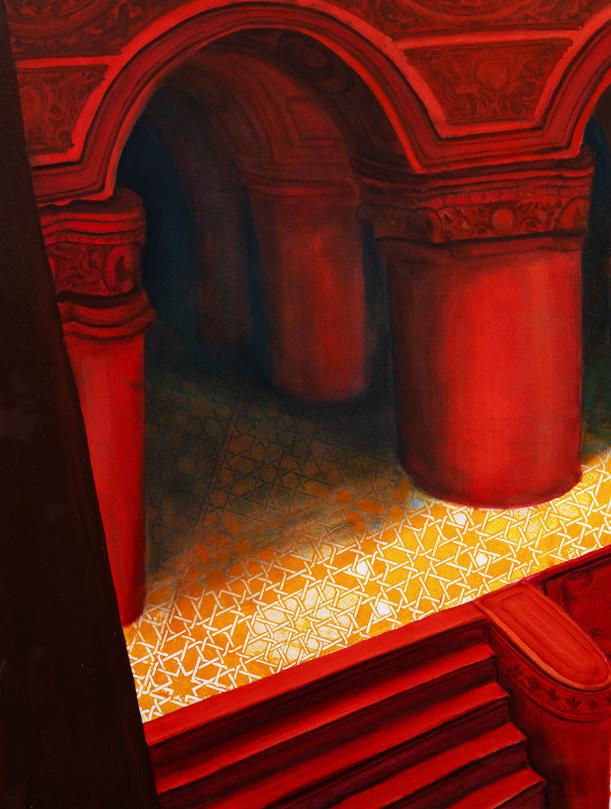
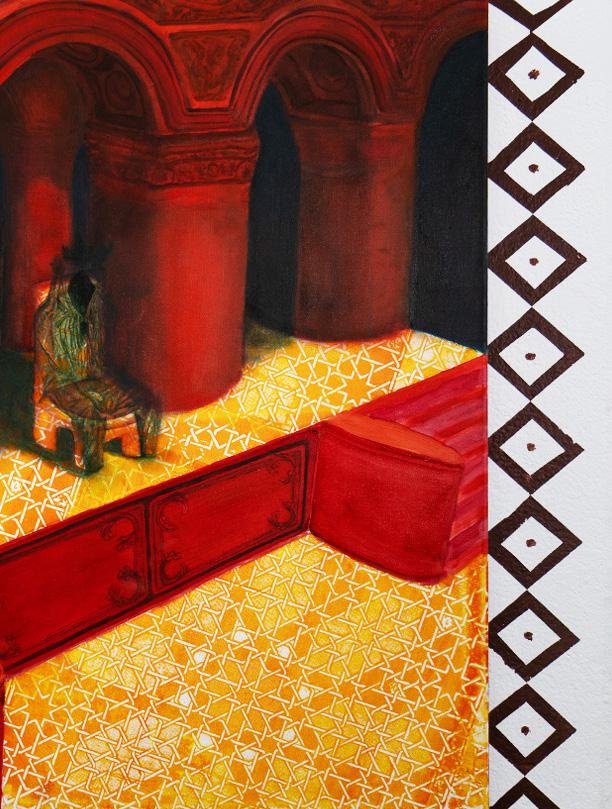
My art practice examines mortality. Through my interpretation of the apocalypse, my practice is shaped by my interfaith Christian-Islamic upbringing and Fijian-Indian heritage.
Painting is a tool I use to escape the never-ending dread I feel in the pit of my stomach when the topic of religion and spirituality are brought up. I use the means of creating art to distance myself from my own head. Placing a barrier between my mind and soul, so as not to attempt to think about how uncomfortable I get. However, as I have grown older I can’t seem to escape it. It seemed to have slithered into every aspect of my life, hissing questions and asking what I believe in. Faced by these questions, I found myself hesitating. Perish the thought that I say nothing, or worse, I believe in them all.
But what should I say? When I grew up in a home with presents wrapped under the Christmas tree every December and an Eid celebration thrown every year to mark the end of the fasting month. It made sense that I would believe in both. Yet I’m told that isn’t the right answer; I need to choose just one. Listening to what was told of me was never my strong suit. So I did what I do best… whatever I wanted.
I combined both religions that had influenced me into a series of paintings, blending carefully selected iconographies that tell the story of how the apocalypse would come near. The way I approached
this concept, which was not unheard of, was by reading the Qur’an and the Book of Revelation. I resonated with verses where a picture was painted in my head. Another aspect of my artworks was a conversation I had with my mother on faith. Forcing myself to sit and listen, no matter how badly I wished to disappear. The final aspect of my practice was finding the common link in the midst of it all. Although each of my parents believed in separate faiths, they were united in one thing; our Fiji-Indian heritage. I wanted a way to showcase this link in my paintings, and I achieved this through the use of framing. By framing my paintings with Fijian patterns, I could highlight the symbols of my family’s common heritage amidst their faiths. Through my valiant efforts, I was able to create apocalyptic scenes depicting the events leading up to the end.
The process and thought behind my artmaking is incredibly important to my practice. As it is through this that I can confront the conflicted nature of my upbringing and how it shaped me. Giving me the ability to navigate past the discomfort I have, and attempt to reconcile and embrace my own spirituality.
Written by Noesheen Sherreeze Buksh (She/Her)
CONTRIBUTING CREATOR
table top sermon
the lord is my shepherd I shall not want he leads the lamb to the table
you taught me how to pray the very act of wanting how to fold my limbs in like a paper crane backhanded me when I used the Lord’s name in vain still I would build a shrine to you if I could
I think you’d rather I be split sticky figs broken bread you say that good and evil have no nuances I would eat locusts with honey if you told me to I could be your acolyte
Weren’t you the one who taught me how to sneak the wine with eucharist? topping it off with water lighting incense to mask the scent of your sin polish yourself into a mirror and make our Lord’s ways backwards I am bent to your will
I don’t thank him for the meal nor the hands that have prepared it I can’t bring myself to tell you that when I say our memory verse I only hear an echo his countenance is turned from me I no longer find him in his word
Elise Sadlier (She/Her) @elise_sadlier
CONTRIBUTING WRITER
Chorus of the River Souls
We, the dreamers, ‘neath the tide
Breathing where no breath abides
Nothing holds currents fold and blend
Motion neither starts nor ends
Shadows winding between each braid
Drowning the past, in motion made
The river bends, the shadows dance
Drowning in silence, waking in trance
What continues cannot return
The rivers remember not what burned
In an instant, memory relieved
Crossing the river, Nothing retrieved
In every drop, a fallen flame, In every wave, the echo’s name
With each braid, the echo fades
Until at last the name erased
Each braid a trace, each trace a thread
Woven through what time has bled
The past inside a presence disguised
Between what eyes cannot contain
Beyond the reach of fixed reply
All that moves yet bears no name
We are the passing without an end
What passes through us cannot mend
A wake watching, wordlessly whispering
Niwa van Leeuwen (He/Him)
CONTRIBUTING WRITER
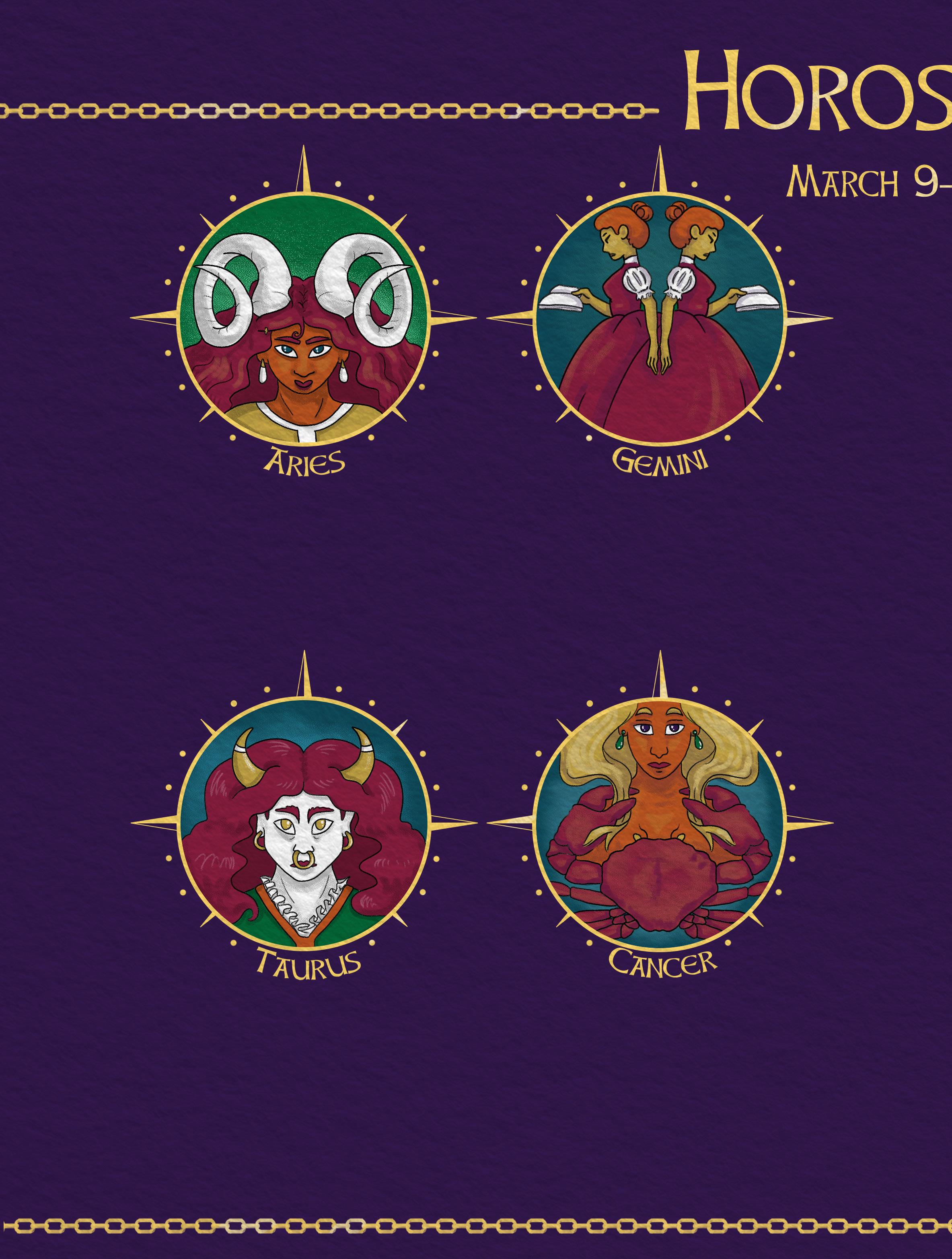
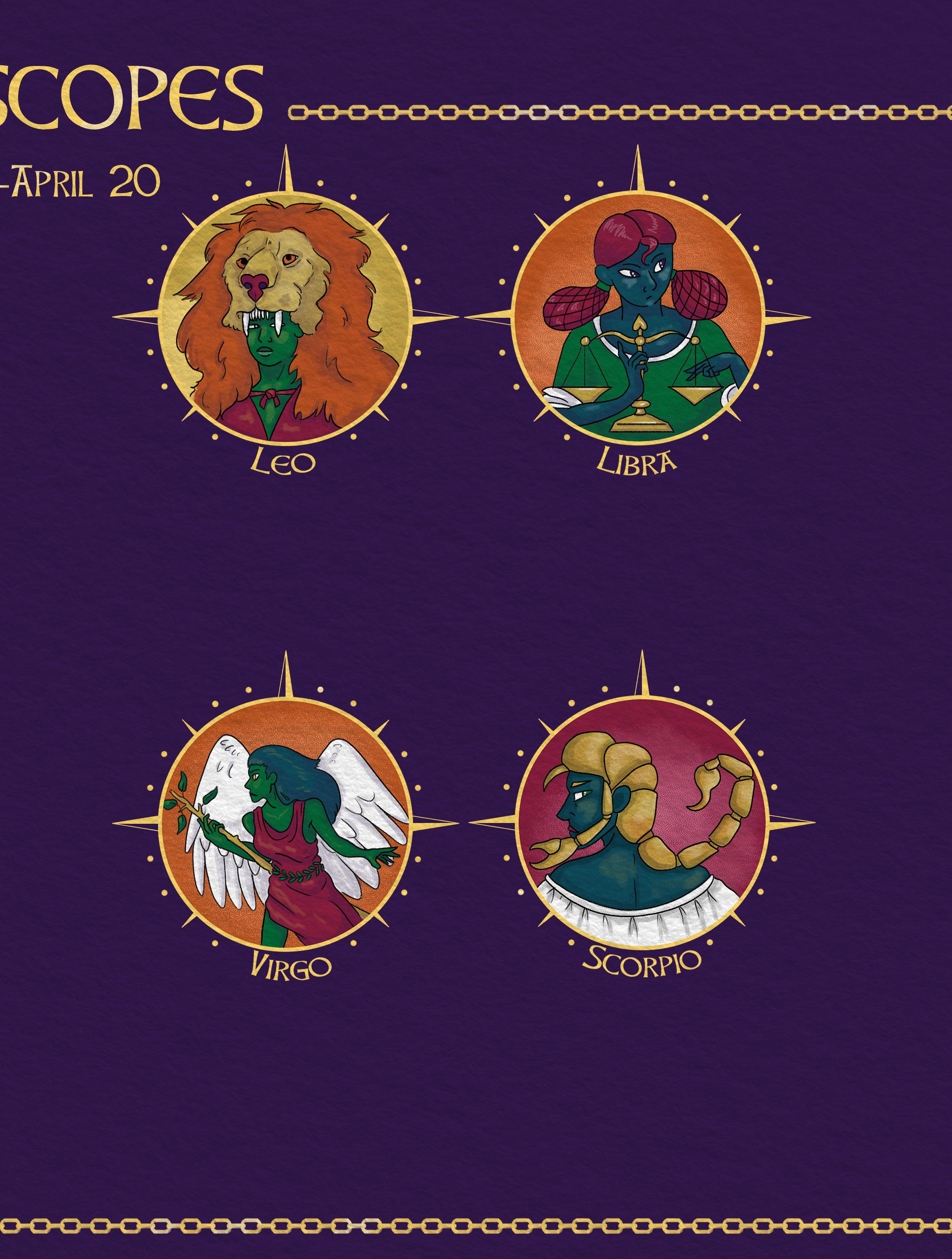
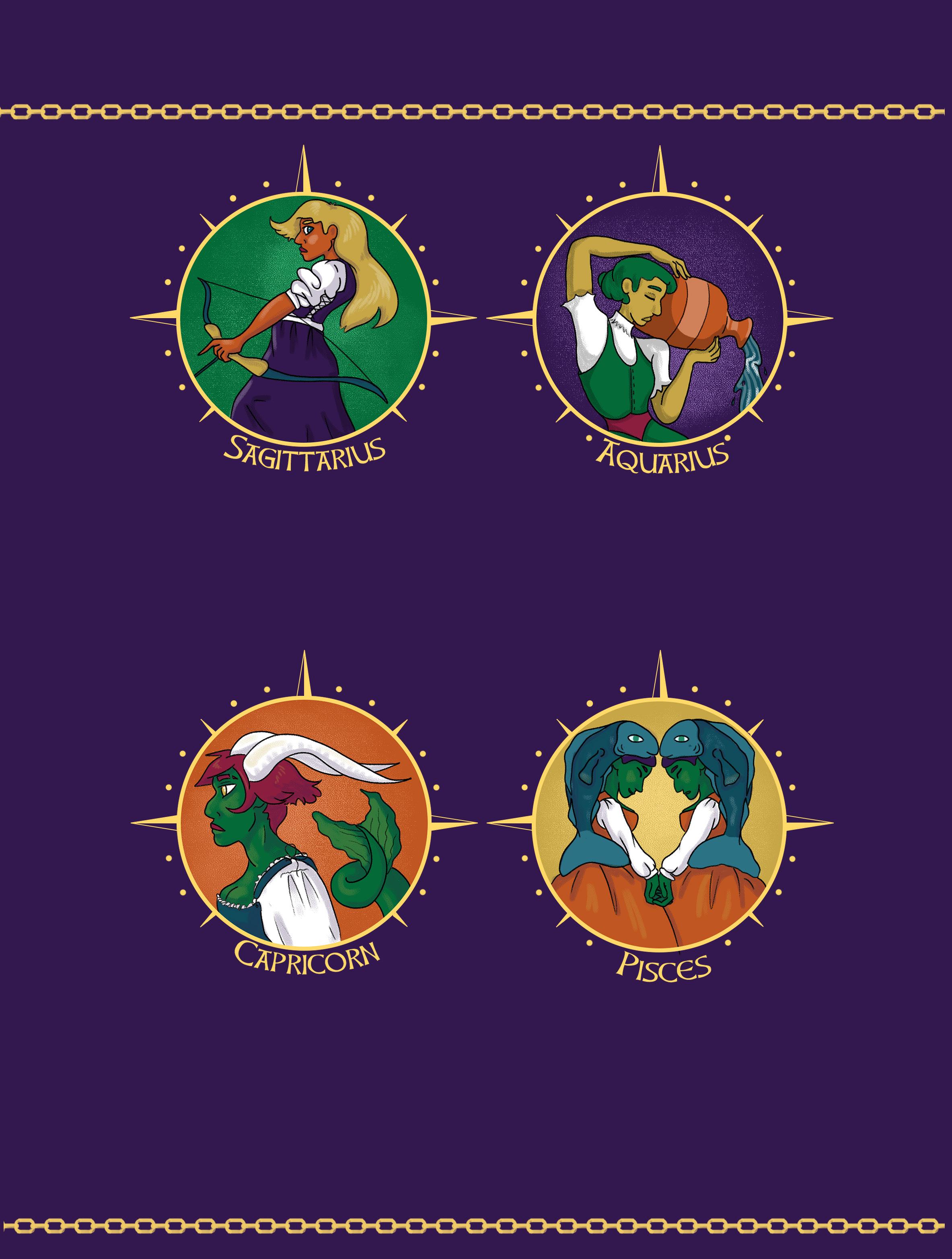
Resist the urge to postpone everything, but also refrain from sprinting ahead too quickly with your tasks; you will simply be forced to go over them again. Ignore half-lies exchanged between hidden enemies. If you like someone, let them make the first move. Deeply scrutinise everything coming your way; the World is trying to rebirth itself through you.
Something solid cracked for you last year (around July–November). Don’t worry, more of that is coming at the end of April. Now’s a vital chance to begin a practice of total surrender; you’ll need it over the coming years. It can be fun if you let it; it’s a special opening to make yourself into whatever you want. You don’t have to finish every single book you start. More things can become a joke than previously imagined.
You’ve got one last shackle to throw off your mind, body, and life breath but this one is extra tight. Let yourself melt; you’ll continue on after it finally breaks. You have until May to see to that. In the meantime, don’t back down from a political debate. Sing and cook very luxurious meals in April (or if it’s not your style, have someone sing or cook for you).
Tremendous things are slowly coming back your way. Keep watering your bare earth because you can’t yet see how many sprouts are climbing up to the surface. Generosity comes back as soon as you give it; see if you can slightly expand the circle of who you think deserves it. Beware of anyone claiming to be a spiritual warrior; they’re probably lying.
The most pressing theme recently has been “spiritual death” but the subsequent rebirth is fighting to get underway. Rejoice in the fact that the baby boomers won’t be running things forever; cultivate divine patience. Even the most simple mindfulness practice can help you build an animallike sense of directly inhabiting the body from within the body. If you can start this while times are tough, then 2026 could be historic for you.
Fatigue and strain have been setting in on relationship. At best it looks like consolidation, firmer boundaries, and commitment; at worst: utter confusion, delay, or unhappy revelations. Appreciate the variety of distractions available. Support will keep flowing towards your career and life direction through Winter. Don’t take it as an excuse to drown yourself in work, rather you should aim to take every opportunity seriously.
A leaden weight has been sitting on your partnerships – romantic, business, or platonic –since early 2023. You’ve been feeling it dissipate but this might not truly make sense until April. Whether you’re pushing it off or the other is lifting it from above (or both), now you must do things purely for yourself. “Aim for perfection, settle for excellence” is only true if no one’s looking over your shoulder offering pointless criticism.
Be extremely careful and conservative when it comes to physical activity. You’ll regret every stupid risk, especially those that were taken to impress a boss or superior. Similarly, if they attempt to put you through such a test, kindly explain that you won’t do it. Listen for warning signs in the body. Breathe deeply and forgive yourself for not yet knowing the root cause of a thing. In a month or two you’ll find it much easier to rely on your lover than in the past.
Overseas travel is an attractive idea from July; start planning now if you have the means. If that’s off the table, then higher learning of some form (especially a language or a belief system) would stand in as a worthwhile substitute. As always, good fortune lies just beyond the edge of what you know. As for this current moment, arguments in (or about) the home may be firing off; try to keep the place clean and tidy.
The recent set of eclipses did a number on your body and identity (also your mortgage / joint bank account if you have either of those). Having agency over your life force will return, but gradually. You’re near the beginning of a long cycle which culminates in a historic influx of power; by now it’s obvious to you that this doesn’t feel very good. You can only fail by not trying. Knives, lighters, and power tools are safe for you to use again.
Feel free to plan your dream home but don’t let it distract you from your immediate surroundings; there are fires to put out. Siblings, cousins, other family members may try to tell you the way it really is. Be compassionate because they’ve never read the full story; if they had they’d already be enlightened. Don’t take on their fear or guilt but listen on: there could hide a grain of good advice (or not).
Everyone has been getting you utterly wrong over the past few weeks. Let them talk nonsense; they’ll get distracted and move onto another topic once Mercury stations direct on March 20th. If someone tries to sell you a dream, look them right in the eye and don’t give them your cash. The ocean is happy to swallow any negative emotions building up but please wear sunblock. Higher risk of cuts and inflammation at the moment.
László Reynolds is an astrologer based in Auckland. He is available for consultation: WhatsApp: +64 210 818 8442
Instagram: @laszloreynolds
It is recommended to read your rising sign first, then the Sun after. You can read for your Moon sign as well, especially if you were born at night.
Written by László Reynolds (He/Him) @@laszloreynolds
CONTRIBUTING
WRITER
From dawg to kitty cat: a faltering competitive spirit
“I believe sport is actually a chance for us to have other human beings push us to excel.”
Though I can’t say I’ve ever recited a line from a poem as part of a football drill, this quote resonated with me. It felt like a suitable one to start this piece with, not least because I look like every student from the Dead Poet’s Society put together.
I relish the chance to excel on the sports field. Win: feel good. Goal: feel good too. However, a motif of my brief foray into adult life has been my casting of judgement upon opposition players in social football leagues whom I think were trying too hard. No, not trying too hard as such (as a former Sanitarium Weetbix TRYathlon athlete, there is no such thing), but rather being a tryhard. Trying hard, but doing it in a way that doesn’t match up perfectly with my moral, cultural and spiritual values. I think people who do not fit this rigorous criteria should be ejected from competition immediately.
In all seriousness, my often unquenched thirst to play to a high level and win it all I possessed playing regional competitive sport in high school has been mostly replaced by excitement for the Yate’s lawn seed I sowed into a bare patch of my flat’s lawn to take hold. I’m no longer set on an unhealthy quest for self-esteem via a relentless pursuit of cricket runs. Instead, I seek purpose in life serving mates juicy chicken drumsticks hot off the WeberQ I
got for Christmas.
So, in the famously healthy spirit of comparing myself to others, I looked inwards and outwards to answer some questions, including whether the unfortunate euthanasia of that dog in me was actually for the best.
Where does it come from?
Competitiveness is an evolutionary trait in humans and many animals – stemming from a need to rise above the rest in the Burgerfuel-less survival environments of previous ages. We saw this resurface during Covid with lesser-evolved Karens fighting for the last package of Purex. Our competitive instincts didn’t just fade away with our need to spear mammoths to get by. Instead, they’ve been channelled into areas like sports, academics, careers and social status.
According to Psychology Today, the competitive trait can be influenced by both genetic and environmental factors. A child of an elite athlete is likely to inherit the personality traits that made that athlete elite. Similarly, anyone who has siblings knows the struggle of competing for their parents’ attention; or the dream of being recognised in a public ceremony as the favourite child. ‘Environmental’ can apply to countless parts of life. To name a few: high-stakes careers, professional sports teams, and bowling dates.
For me, and most other guys I imagine, competitiveness peaked during
adolescence. This can be explained partly by the bulk testosterone pumping through our systems during high school – but the overwhelming need to forge an identity for ourselves at that time must also get a mention. No one wants to be known as the slowest in the team. Or the one that can’t catch. Or throw. I fought tooth and nail to keep my name away from these categories. Unfortunately, not everyone can be the fastest kid in school, and while I won’t say I sat at the bottom, I did hover around that lower quartile.
In high school I staked my identity on being a cricketer, despite my career having a dismal mahi to treats ratio. During one of my rare successes, an article in the local newspaper quoted my coach:
“Luke’s been training since July, and is one of the hardest-working players around. To see him make runs for us here was heart-warming. He batted beautifully.”
A diligent student of tall poppy politics, I was quick to set the record straight:
When asked about his innings, the Bay’s first batsman to make a score of consequence at this tournament was typically self-deprecating.
“I was put down three times and also was nearly stumped, but it was my day and I backed myself,” Fisher said.
For those not versed in cricket chat
(don’t worry, it’s probably one of the most inaccessible sports there is), I was pointing out that the opposition missed numerous opportunities to get me out. The point is that this was the only thing I was known for, and my main source of purpose – of course I was going to be competitive. But that wasn’t sustainable. Where does it go?
It’s different for everyone, but for me leaving my hometown to go to university in the big smoke was liberating. I’d escaped the place where everybody had known me since age seven. No longer handcuffed by the identity I’d incoherently constructed for myself there, I had the opportunity to rebuild my life around more than just a sport where even professional players ‘fail’ around 75% of the time. I wrote, tried new sports, found love … fumbled it. After eighteen long years, I became multi-dimensional.
As for sport, I still want to play well and I still want to win. But it isn’t the be all and end all, and I have so much more fun as a result. I’ve come to terms with not being a national sporting hero, and now live my life like a retired greyhound – sleeping most of the day, occasionally getting up for a nice run around the local park.
The competitive drive stays with many into adulthood. This isn’t a bad thing. If it left everyone, people like me wouldn’t have professional athletes to criticise from the safety of our couches. Thirteen years ago, a college football coach delivered an uber-American rant that hammers this
point home better than I ever could:
“I told our players: you needa be more like a dawg, we don’t need a bunch a cats in here. Meowwwwww, lookin’ in the mirror…
‘Do I look goooood? Got my extra bands onnnn, got my other shoes up-’ BE A DAWG.”
But there are healthy and unhealthy types of competitiveness. The healthy kind focuses on a drive to constantly improve and push your limits. It leads to personal growth, achievement and resilience. The unhealthy kind is fueled by an obsession with outperforming others at all costs. It often results in stress, anxiety and poor sportsmanship. This harks back to the tryhards featured at the beginning of this piece. This doesn’t belong at a social football game on a Wednesday evening after work.
Am I simply perfect?
I realise in writing the previous paragraph I have appointed myself judge, jury and executioner of all things moral. But I am no competitive Jesus, and will forever be striving for that perfect balance of caring enough, but not too much. In sport and in life, too.
I’m not immune to unhealthy competitiveness. I feel stress and selfdoubt when I see my coworkers excelling, and yet struggle to find the drive to pursue excellence myself. Only getting my arse into gear when my fear of mediocrity overtakes lazy complacency can’t be a recipe for success. Add a penchant for
(addiction to) Instagram reels to the mix and the big leagues shan’t be calling. Sometimes I wouldn’t mind having a little bit of that dog in me.
But no matter how cliché this sounds, the important thing to remember is that everyone is on their own journey. A massive advantage I’ve found in my life is that no one can read my mind. So we all have time to work on solutions to our issues while everyone else assumes we’re doing pretty damn well for ourselves.
Until then, well, there’s always beer.
Written by Luke Fisher (He/Him) @lukefish7__
CONTRIBUTING WRITER
Rick’s Reel Recommendations | 3 Spiritual Films
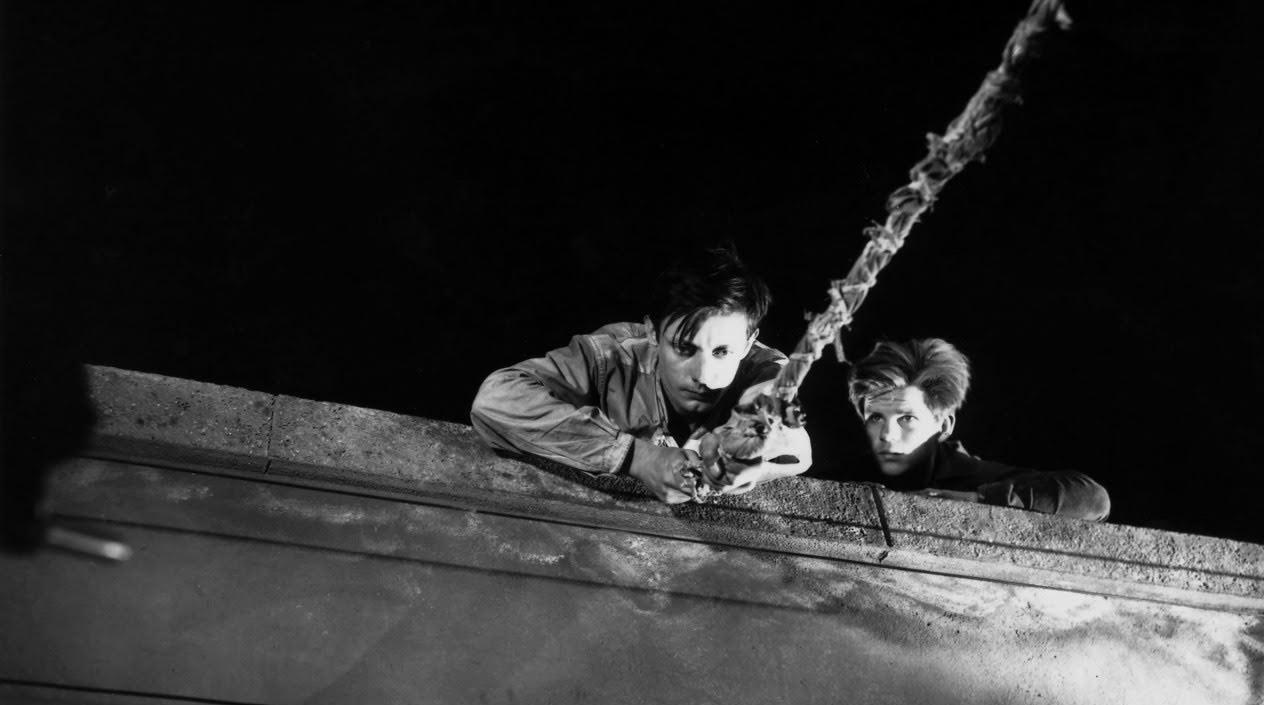
1.A Man Escaped (Robert Bresson, 1956)
The goal is to escape. It’s the only goal. Hours, days, and months pass while Fontaine, a captured French Resistance fighter, chips away at the door of his prison cell. Sweeping away the wood shavings on the floor, he plies the frame of his bed for a wire with which to weave a rope. Bresson is famously a director who leaves sentimentalism at the door, much like the way Fontaine ditches his shoes on the rooftop. With his approach to action being so careful and cerebral, I cannot overstate how long I spent on the edge of my seat watching this. Despite its coldness, I was deeply moved by this prisoner’s devotion to his goal. I recognised a religiosity in Fontaine’s slow but single-minded pursuit of life, with the leaps of faith growing vaster
as he shares communion with a younger cellmate and becomes attuned with the sounds thrumming from his surroundings. You’re there, listening closely with him; the creaking of the door frame, the tearing of fabric, and the squeak of a bicycle as it circles the moat. ‘With both hands, I restrained the beating of my heart.’
2. The Company of Strangers (Cynthia Scott, 1990)
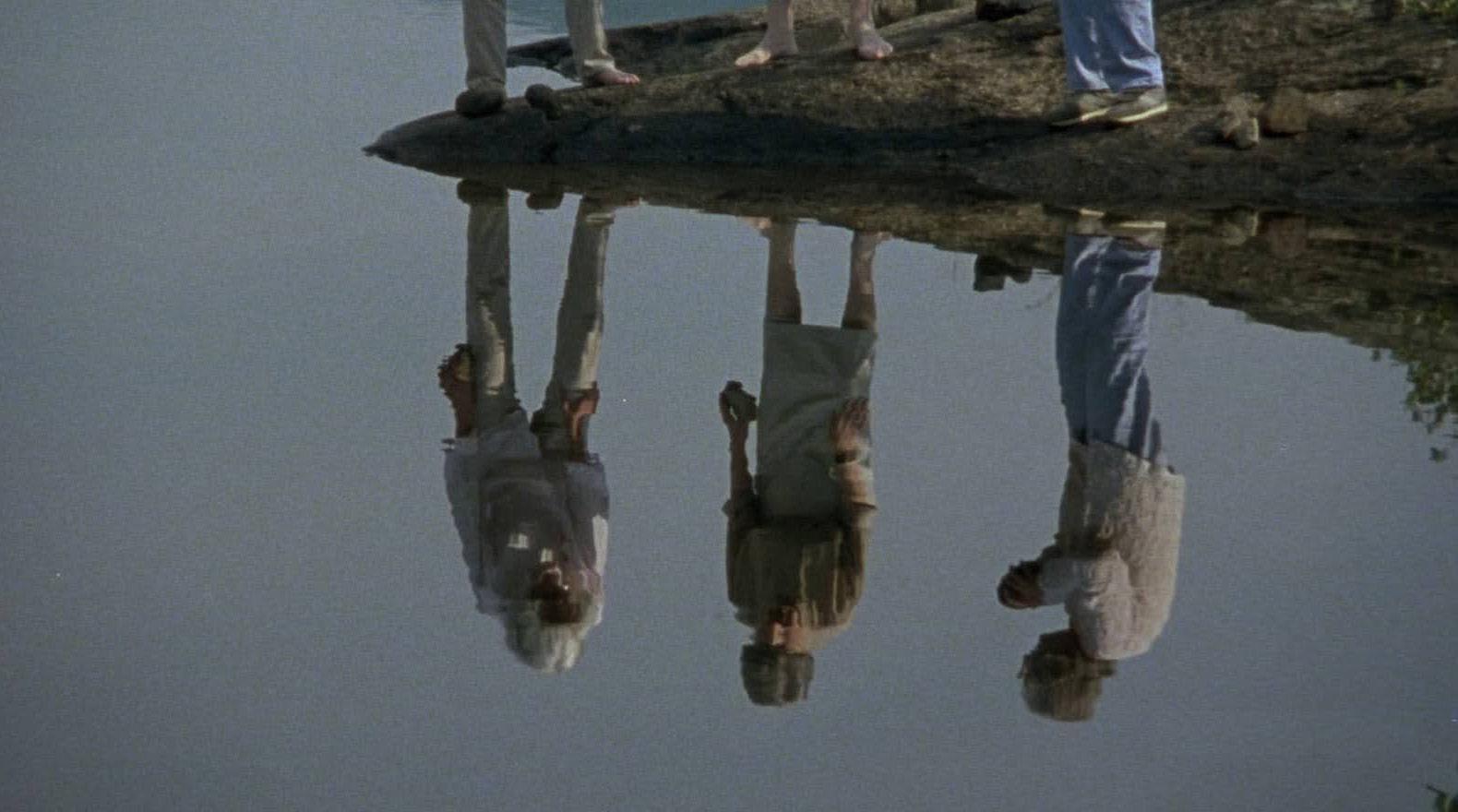
After the 27-year-old Michelle’s tour bus breaks down in the Quebecois countryside, it’s not long before she goes out to survey the damage – and sprains her ankle too. The passengers on the bus, seven elderly women, accompany her to safety at a nearby cottage as they wait for rescue. Yet what wonderful company this troupe turn out to be, and how gradually this hinterland becomes Edenic as their friendship gently blooms. This is a largely improvised film where women with decades of accrued wisdom sit in overgrown meadows and exchange open-hearted stories of their lives; whether fond, sad, or both at once. They watch birds, they sleep on hay; they catch and cook frogs, they talk about death; they sing songs they remember
well and dance like there’s a radio in the room. It’s like a meet-cute between Fellini’s ‘Amarcord’ and a Fannie Flagg novel, and I’d call it cosy if it didn’t make my eyes well up so often. In my favourite scene, Michelle (the young bus driver) reassures Beth, a lady 53 years her senior, that she doesn’t need a wig to hide her thinning hair. (‘I may surprise you any minute, though.’ ‘Shock me.’) Then, during a remarkably tender confession from Beth about the heaviest grief in her lifetime, we witness a vast difference of optimism between generations. Although this is crucially a film about women listening to and raising one another, I staunchly believe watching it would strengthen the empathy of so many young men too. Indeed, these people are in the middle of nowhere, but it’s a wonderful nowhere to be.
3. It Ends (Alexander Ullom, 2025)
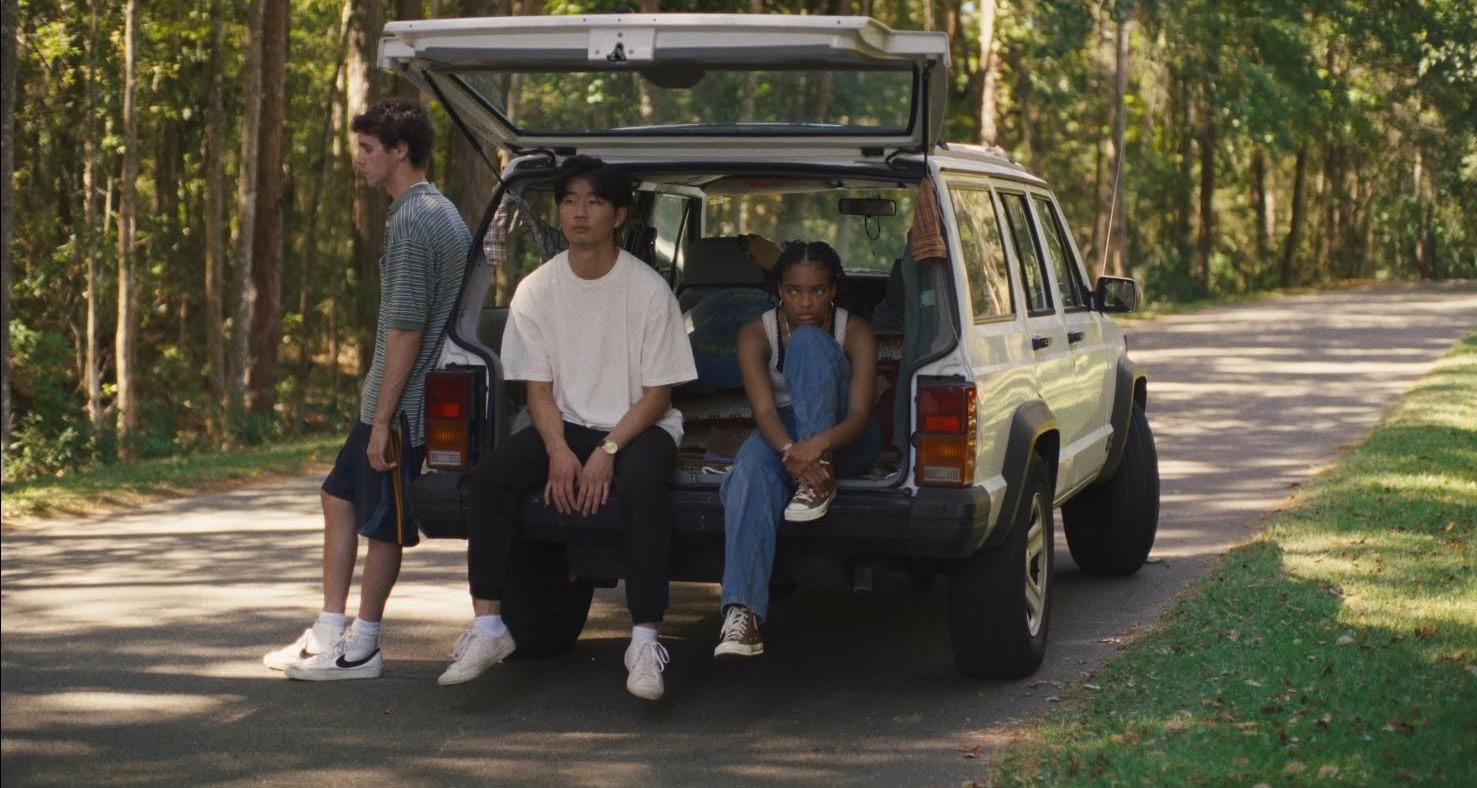
As a ‘Twilight Zone’ fan, I knew I’d like this, but I didn’t expect how much I’d feel it. It’s a simple horror premise: on a nightride, four college-age friends accidentally turn onto a never-ending road. They can’t call or message anybody, and for a rather terrifying reason, they can’t leave the car and wander out into the woods either. The only option is to drive, and the crushing sound of tires against tarmac becomes synonymous with the odometer’s steady climb towards infinity. Empty cars on the roadside imply the tale of other drivers once upon a time, doomed to the same thoroughfare and having given up. Ullom’s less-is-more approach makes ‘It Ends’ a remarkably minimal film, so much like any road trip you’re left with plenty of time to think to yourself: what does it all mean? Catching my reflection in a cast and crew my own age, I couldn’t help but see this film as a dirge for my fellow Gen Z and our passage into adulthood; anxiously perceiving a world of hell that we’ve inherited as a vicious blur hemmed in by the void. When one character
encounters a bout of rain, their response is a sigh of relief: ‘This is good. This is new.’ But it’s not new – it has rained on Earth for millions of years, and hasn’t meant anything since. And yet I am moved by this character’s frayed hope that, in Old Testament fashion, the rain could mean something the next time it falls. To quote a once-in-a-lifetime sage: ‘Letting the days go by / Same as it ever was / Same as it ever was’.
Written by Ricky Lai (He/Him) @rickthelai on IG & Letterboxd
CONTRIBUTING WRITER
Debate Staff Recommendations
Tashi:
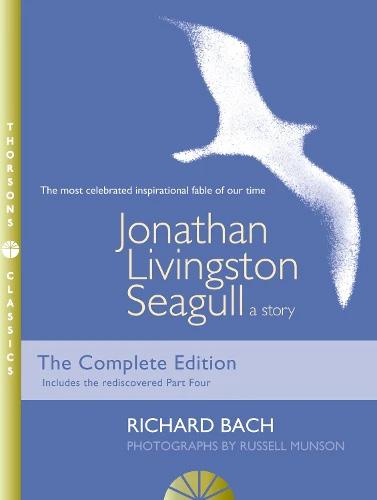
Johnathan Livingston Seagull by Richard Bach (1970) is a kind of modern Allegory of the Cave (Plato), illuminated by the influence of Hinduism and Buddhism. It traces one seagull’s quest for freedom and self-realisation. Profound yet refreshingly free of dense philosophical jargon (and readable in one sitting), this slim novel will have you staring up at the sky and catching a glimpse of yourself.
Sophia:
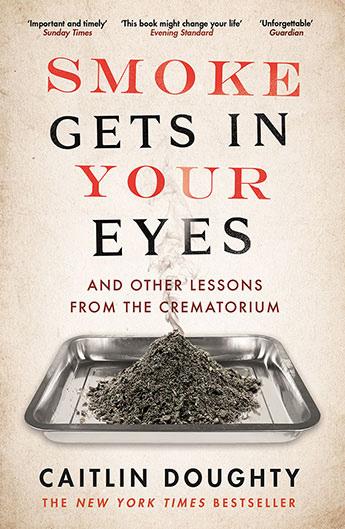
Smoke Gets in Your Eyes & Other Lessons from the Crematory by Caitlin DoughtyWant to think about death? What better way to dive into the topic than a memoir from a former crematorium worker, now licensed mortician? Read on as Caitlin Doughty goes into detail about caring for dead bodies, the history of cremation and different cultural practices around funerals. Recommended for anyone curious about death, dying and dealing with death/the dead.
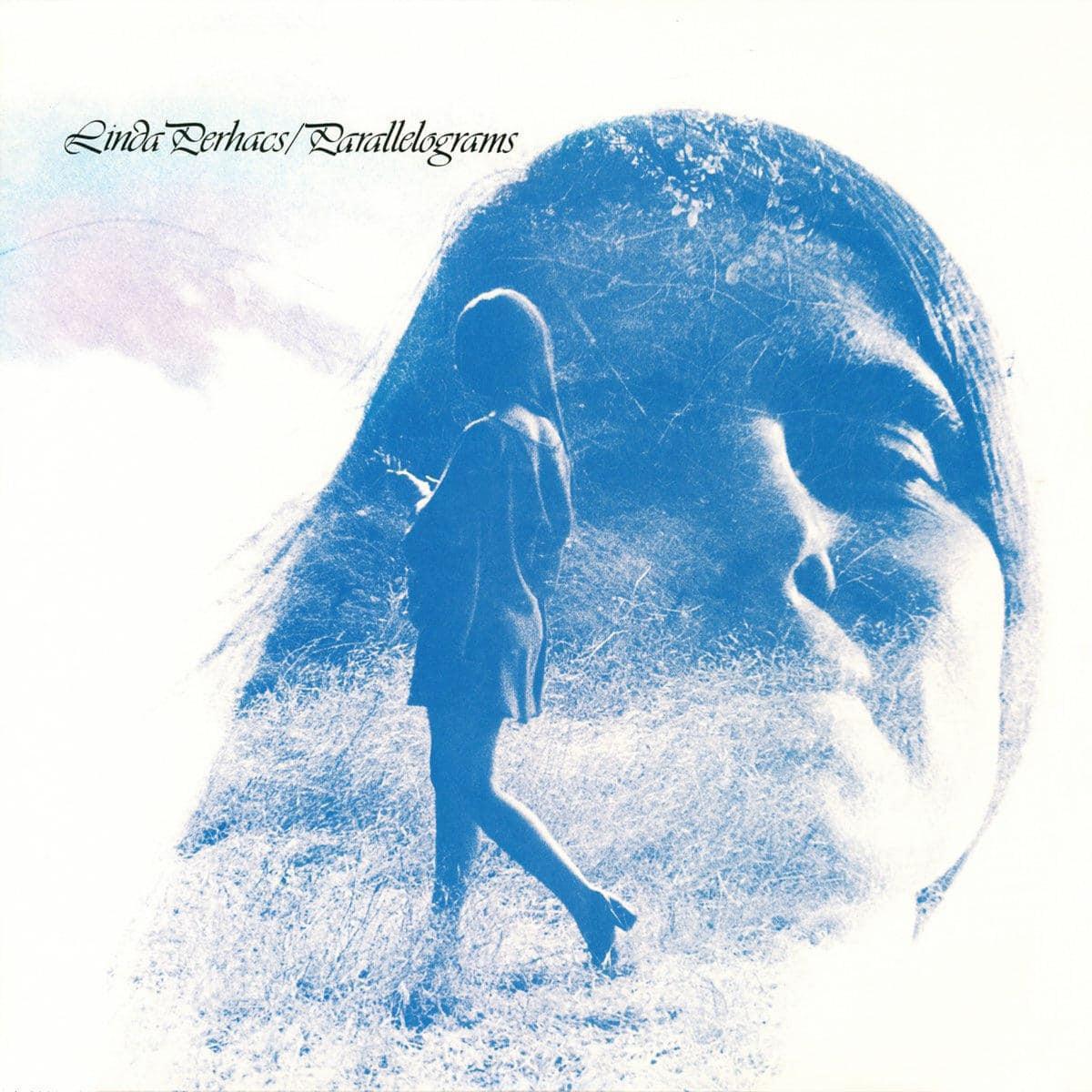
Mads: Linda Perhacs - Parallelograms (1970)
Skye:
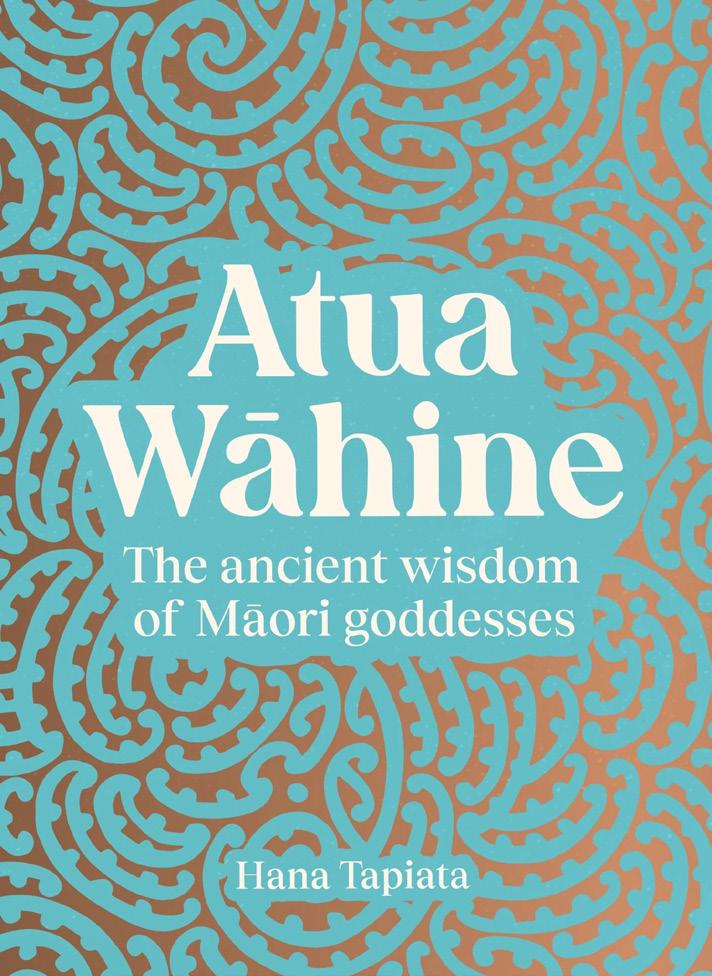
Atua Wāhine: The Ancient Wisdom of Māori Goddesses by Hana Tapiata
This pukapuka is a powerful return to the puna mātauranga that has shaped her life, weaving together pūrākau, whakapapa and lived experience to illuminate the wisdom of 16 Māori goddesses. Blending ancestral insight with practical wānanga for today, this transformative book guides us to walk with courage, creativity and self-determination in the modern world.
Liam:
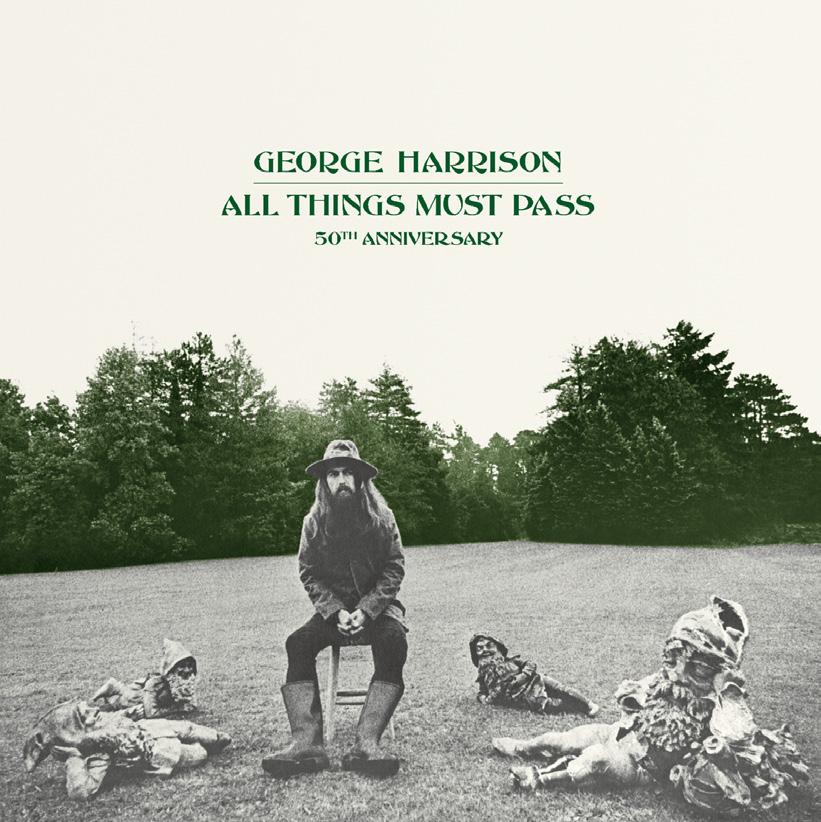
‘All Things Must Pass’ - LP by George Harrison, 1970
I’m struggling to think of an album that better exemplifies the kaupapa of this issue - not talking about spirituality solely through religion, gods, and whatever books are written about them, but rather how faith in something, anything, guides people through their studies, mahi, and daily life. The former Beatles first proper solo album isn’t advocating for christianity, hinduism, or any religion specifically - all that matters is the unity and inner peace he’s found through faith in a god of any kind. My Sweet Lord explains my point and why this is the best solo Beatle album.