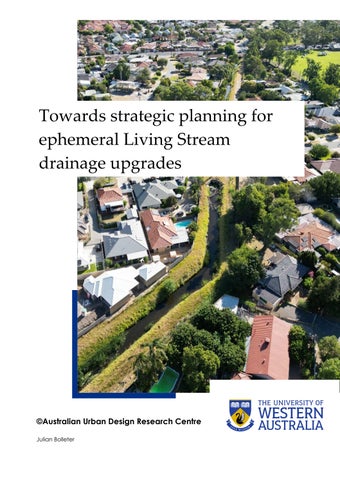

Towards strategic planning for ephemeral Living Stream drainage upgrades
©Australian Urban Design Research Centre
Julian Bolleter


Acknowledgements
The authors would like to thank Jeremy Maher from the Water Corporation for his generous support of this research.
3.3.4.
3.3.9.
3.3.10.
Figure 1. The middle ring suburbs of Australian cities are often interwoven with open drainage networks. (a) Open drain. (b) Suburban housing. ................................................. 2
Figure 2. An open drain upgraded into Living Stream. (a) Living Stream with macrophytic plantings. (b) Adjacent pedestrian path with artworks. 3
Figure 3. Perth’s rainfall is highly seasonal, compared to other Australian cities, which often results ephemeral hydrology in summer. ....................................................................... 6
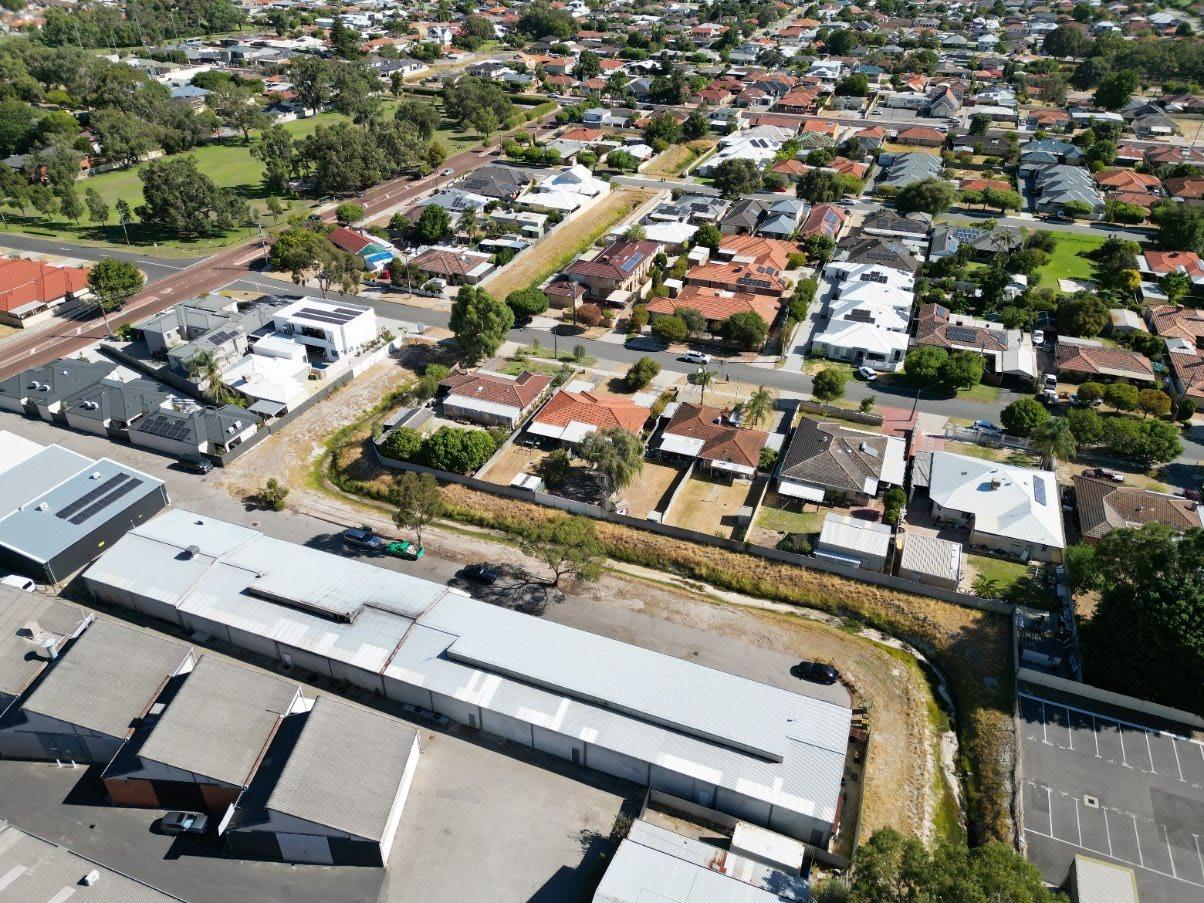
Figure 4. A drainage corridor in amongst middle-ring suburban housing. Given the highly seasonal rainfall the hydrology of this drainage system is also often ephemeral over summer. (a) Open drain. (b) Suburban housing..................................................................... 6
Figure 5. Case study location. (a) The case study area for this research is the middle-ring Local Government Area of Bayswater is located on Perth’s inner eastern corridor. (b) Bayswater contains numerous open drains with potential to be upgraded to Living Streams. ....................................................................................................................................... 9
Figure 6. Urban criteria. (a) Areas with limited Public Open Space availability. Source: The Department of Planning Lands and Heritage, 2020. (b) Areas with higher urban densities (residential lot areas in m2). Source Landgate, 2025. (c) Areas that are zoned residential. Source: The Department of Planning Lands and Heritage, 2013. Maps by the author with data from sources above. 9
Figure 7. Societal criteria. (a) areas that have populations experiencing high levels of psychological distress (number per 100 people). Source: the Public Health Information Development Unit, Torrens University, 2014. (b) Areas that have populations experiencing socio-economic disadvantage (Socio-Economic Indexes for Areas, scores). Note, a lower
score means more disadvantage). Source: The Australian Bureau of Statistics, 2021. (c) Areas that have populations engaging in low or no exercise (number per 100 people). Source: the Public Health Information Development Unit, Torrens University, 2014. (d) Areas with Aboriginal heritage. Source: Department of Planning, Lands, and Heritage, 2023. Maps by the author with data from sources above. ................................................. 10
Figure 8. Environmental criteria. (a) Areas with high Land Surface Temperatures (C°) in 2018 summer conditions in the middle of the day. Source: CSIRO, 2019. (b) Areas with threatened ecological communities. Source: Department of Biodiversity Conservation and Attractions, 2016. (c) Areas with water requiring nitrogen and phosphorus reduction (%). Source: Department of Biodiversity Conservation and Attractions. (d) Areas with shallow depth to groundwater, minimum (m) in Autumn conditions. Source: Department of Water and Environmental Regulation. (e) Areas with low urban forest canopy cover 2020 (%). Source: Department of Planning, Lands, and Heritage. Maps by the author with data from sources above. 10
Figure 9. The suitability analysis map shows areas that should receive the highest priority for Living Stream upgrades based on the survey results. Areas with a score of one denote very low priority, four medium priority and eight very high priority. 18
Figure 10. Areas with urban densification and industrial/ commercial areas both rated highly for Living Stream upgrades .......................................................................................... 19
Tables
Table 1. Criteria in the Drainage for Liveability survey 8
Table 2. Occupations of survey respondents. The mix of occupations remains fairly consistent between stage 1 and 2. ........................................................................................ 11
Table 3. Criteria rank order and weighted averages. 12
Table 4. Classifications Table, with the weightings of the criteria for selecting drains to be upgraded as Living Streams. ................................................................................................... 16
ABSTRACT
Many Australian suburbs are threaded with open drainage networks. However, a preoccupation with drainage functions means most of this drainage land delivers few liveability benefits to surrounding communities. As a result, numerous Local and State Governments are engaged in providing Living Stream upgrades to drainage land. Nonetheless, questions remain about where such improvements should be targeted for maximum benefit. In response, this paper documents a Delphi survey of experts and a related geospatial suitability analysis using a wide-ranging set of urban, societal, and environmental criteria to determine which areas of drainage land are most suitable for upgrades in Perth, Western Australia; a city which experiences a Mediterranean climate. The highly seasonal rainfall and related ephemeral summer hydrology distinguish Perth from many other cities where Water Sensitive Urban Design is well-established. Moreover, the inclusion and evaluation of both tangible criteria (e.g., areas with a shortage of Public Open Space) and more intangible criteria (e.g., areas with population experiencing psychological distress) in the suitability analysis is comparatively rare. As such, the findings of this paper provide a novel contribution. The results indicate that Living Stream-oriented Public Open Space should be deployed in areas with limited Public Open Space reserves, urban forest degradation, increasing urban densification and Urban Heat Island challenges.
1. INTRODUCTION
1.1. Public Open Space Provision
As Australia’s sprawling cities incrementally densify, the question of the appropriateness of existing Public Open Space provision is regularly raised [1]. Furthermore, although Australia’s middle-ring suburbs (which typically comprise low density, detached and ageing housing) generally contain a fair number of parks, many provide limited amenity and experiences of biodiversity [1]. Indeed, such suburban parks typically comprise wide expanses of irrigated grass and a scattering of solitary trees, and cater for organized active team sports while passive recreation and wildlife habitat opportunities are overlooked [2, 3]. This situation is concerning because parks need to become more multifunctional as urban density increases, climate change impacts escalate, biodiversity is increasingly threatened, and stubborn public health challenges persist. In the face of such increasing pressures and growing demand for urban liveability, traditional watermanagement systems are facing challenges [4]. Indeed, in a 2020 review, the Productivity Commission found that while the current urban water management regime is effective in delivering a safe water supply and wastewater disposal it is falling-behind in integrating stormwater into the water cycle and providing amenity and liveability benefits to residents [5].
1.2. Drainage Networks
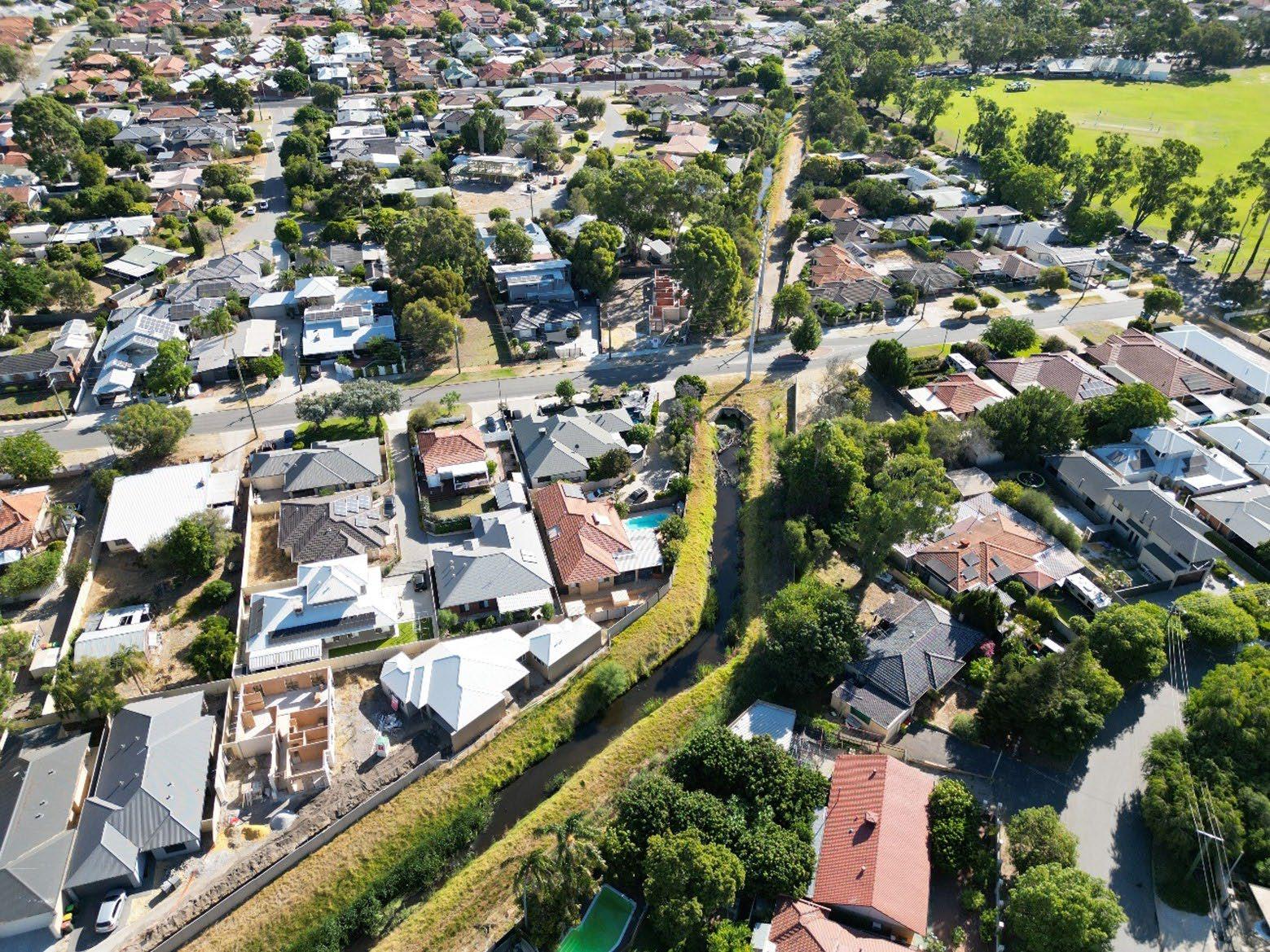
Reflecting this situation, the middle ring suburbs of Australian cities are often interwoven with open drainage networks [6] (Figure 1). The typical open drain is a straight, deep ditch located along a narrow drain reserve. Historically, engineers and public works managers have sought to maintain physical channel stability through unchanging drain shape and dimensions [7]. In urban areas, the sides of the drain typically host dense growths of introduced grasses and weeds, while the bed is often overrun with aquatic weeds and algae and mosquito blooms. Periodic cleaning is necessary to prevent blockages caused by accumulated plant debris, sediment, and litter. This
cleanup is usually carried out using herbicides, lawn mowers, and backhoes, which can make the drain banks susceptible to erosion and collapse [6].
These open drains are primarily valued for their drainage function and are often fenced. Little attention is paid to other possible benefits such as wildlife habitat, ecological corridors, erosion prevention, pollutant biofiltration, landscape enhancement and recreational opportunity [6]. Furthermore, few native plants and animals can thrive in the highly disturbed drain environment. As a result, people often regard drains as dull or unattractive corridors that hold little significance in their daily lives, even though they are often nearby [6].
1.3. Living Streams
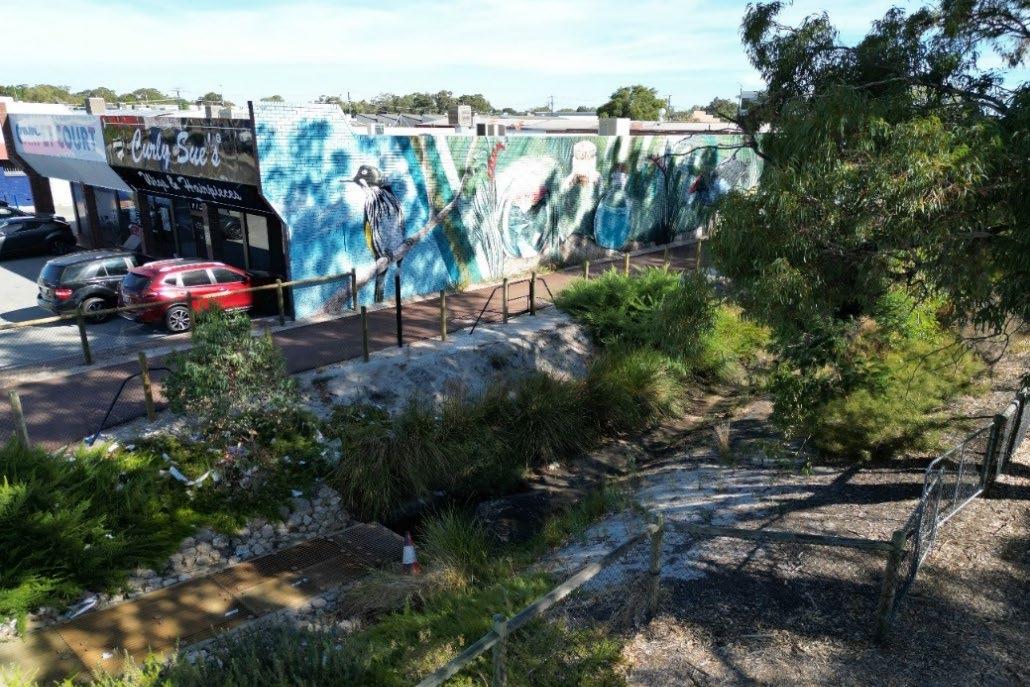
Given their singular use, the potential of drains being converted into Living Streams, multiple-use corridors to deliver a broad range of benefits to residents and the environment, is of interest to Local and State Governments [8, 9] (Figure 2).
Figure 1 The middle ring suburbs of Australian cities are often interwoven with open drainage networks. (a) Open drain. (b) Suburban housing.
1.3.1. Origins of Living Streams
The Living Stream concept has evolved out of Water Sensitive Urban Design, an approach to planning, urban design and engineering, which aspires to the ‘integration of urban planning with the management, protection and conservation of the urban water cycle, that ensures that urban water management is sensitive to natural hydrological and ecological processes’[10]. Water Sensitive Urban Design in Australia relates to similar concepts such as Low Impact Development (LID) in the US, Sustainable Urban Drainage Systems (SUDS) in the UK and Sponge Cities in China [11].
Water Sensitive Urban Design recognises the importance of water in enhancing the liveability of cities, highlighting the multiple benefits that water infrastructure can provide. Water Sensitive Urban Design planning is highly complex, because it aspires to ‘protect, maintain and enhance the multiple benefits and services of the total urban water cycle’ [12]. These include ‘supply security, public health protection, flood protection, waterway health protection, amenity and recreation, greenhouse neutrality, economic vitality, intra and inter-generational equity, and demonstrable long-term environmental sustainability’ [12].
Although Living Streams are a key element of Water Sensitive Urban Design theory, they also evolved out of the parkway and greenway traditions [13], and relate to contemporary, green infrastructure approaches [14]. In such movements ‘system of parks, greenways and undeveloped open spaces’ are regarded ‘integral components of urban environments’ [14], thinking which aligns directly with the concept of Living Streams.
Figure 2 An open drain upgraded into Living Stream. (a) Living Stream with macrophytic plantings. (b) Adjacent pedestrian path with artworks.
1.4. The Functions of
Living Streams
The principal benefits of Living Streams are outlined below and range from the tangible to more intangible. Firstly, Living Streams are expected to retain drainage function and to provide flood control and conveyance [15]. Living streams also provide an added value to flood control as they slow down the flow, as they increase the roughness of the surface and extend the water's path, through meandering. Properly planned Living Stream revegetation helps this role, as the roots of trees and large shrubs stabilize the soil of stream banks and prevent erosion [6]. Secondly, aside from drainage functions, Living Streams can yield water quality improvement [16] through acting as a biological filter where plants (both fringing and aquatic) trap and process both organic and inorganic materials, also assimilating some nutrients washed from the catchment [6]. Indeed, reed beds and other wetland growth can be used to improve water quality through natural oxygenation and other processes [17].
Thirdly, Living Streams can enhance biodiversity protection [16] through offering a variety of habitats that support diverse plants and animals. Vegetation along the edges serves as a habitat for spiders, insects, lizards, and birds. Additionally, submerged and emergent aquatic plants, combined with stream debris, provide shelter for frogs and fish [6]. Moreover, Living Streams provide a corridor along which animals can safely travel [6].
Fourthly, creating such Living Streams from drains likely provides one of the most widespread and aesthetically pleasing [16] means of contributing to an awareness of local ecology [6, 18]. Biodiversity in urban areas also allows people to both engage with, and learn about, nature, and ‘compensate’ residents living in higher density settings for a relative lack of private green space [19]. As cities globally sprawl, residents are increasingly less likely to experience nature where they work and live [18]. Living Streams' flowing water encourages city residents to observe the natural water cycle, highlighting daily and seasonal changes. By directly experiencing dynamic flows of stormwater, residents are more inclined to both value and understand the urban water cycle [17].
Fifthly, Living Streams can improve the mental and physical health of residents through enhancing the recreational and aesthetic amenity of the area and offering recreational opportunities such as running, walking, or birdwatching [10]. Visitation of -high quality green-spaces reduces stress and the psychological toll of urban living [20, 21], improves mental health [22], attention restoration [23], and plays a crucial role in the cognitive development of children [24]. Living Streams (and other open spaces) provide a venue for interacting with friends and neighbors, thus bolstering social connections [25] which can lead to improved self-reported health [21]. Visiting open spaces such as Living Streams, and contact with nature generally, are associated with improved physical health, including lower levels of obesity [26] through increased activity [27].
Sixthly, Living Streams offer potential micro-climate benefits [11] including reducing the Urban Heat Island effects through the provision of shade and evaporative cooling [28, 29]. Indeed, plants consume water and transpire, and water bodies exposed to heat, and sun evaporate. This process lowers the temperature and increases the humidity [17].
Seventhly, Living Streams can also affect property values in adjacent urban areas. While the construction of a Living Stream may initially have a negative effect on house prices within several years, a substantial, statistically significant boost to house prices typically occurs [10]. Indeed, living streams generate greater value than other types of Public Open Space, particularly if they support active recreation [16]. Moreover, properties that are enhanced through proximity to a Living Stream can result in higher tax revenues for municipalities [14].
1.5. The Problem of Opportunistic Decision-making
Bolstering Public Open Space provision through converting open drains to Living Streams is undoubtedly beneficial. However, limited resources are available for such projects and, in most cities, investment in such systems has been relatively low [4]. The decision of which drainage land to upgrade into Public Open Space is contested, and rather than strategic planning that considers a diverse range of influential variables, there is a danger that some decisions on which sites to upgrade are made intuitively, which risks investments in upgrades that fail to deliver optimal benefits.
Indeed, despite the strong and continuing emphasis of planning literature on the need for strategic planning and policies [30] research shows that Water Sensitive Urban Design is often implemented on an opportunistic and ad hoc basis, wherever capital works are planned or public land and funding become available [11, 31]. Indeed, a common Water Sensitive Urban Design planning strategy is for assets to be added when an opportunity arises during other works. The negative impacts of these opportunistic practices are becoming more evident, such as system failures, rising maintenance costs, and worsening public opinion towards Water Sensitive Urban Design [31]. Eminent enthusiasm and goodwill from local practitioners are sometimes challenged by the disappointing performance of Water Sensitive Urban Design systems [11].
To address this issue, systematic decision support system for evaluating prospective Water Sensitive Urban Design projects are available, with multicriteria analysis (MCA), cost effectiveness analysis, and benefit: cost analysis (BCA) being the three most commonly used frameworks [4]. Nonetheless, the question of how best to incorporate the wide range of location-specific variables likely to influence decision-making during the Water Sensitive Urban Design planning process is still unclear [31]; particularly in relation to locations with different climates, hydrologic cycles (including rainfall patterns and streamflow) urban morphologies and densities, and indeed cultures. It is important to resolve such questions so that resultant Public Open Space projects can most effectively address urgent issues such as escalating climate change impacts, threats to biodiversity, and enduring public health challenges according to locally specific needs.
1.6. The Research Question
In response to a lack of a multicriteria analysis framework to guide upgrades to drainage land into Living Streams in Perth, Western Australia this research posed the question:
‘Where in Perth’s middle ring suburbs should planners and policymakers invest in Living Stream upgrades to open drains and basins for the greatest liveability impact?’
2. MATERIALS AND METHODS
2.1. The Case Study
This research question is explored in relation to the middle ring suburbs of Perth, Western Australia’s capital city. Perth is a sprawling city of 2.3 million people, which traditionally has a Mediterranean climate (Köppen classification Csa), with hot, dry summers and mild, wet winters [32]. Rainfall is strongly seasonal and approximately 77% of the city’s annual rainfall (an average of 723mm) happens between late Autumn and early Spring (between May and September) [32]. This contrasts significantly with other major Australian cities whose rainfall is much less seasonal (Figure 3).
3 Perth’s rainfall is highly seasonal, compared to other Australian cities, which often results ephemeral hydrology in summer.
Perth is located within the Swan Coastal Plain, which features a complex network of rivers, estuaries, lakes, swamps, and geomorphic wetlands. Since European colonization commenced in the early 19th century, more than 200,000 hectares of wetlands have been drained for urban and agricultural development [33]. Due to the historic draining of hundreds of hectares of wetlands, Perth’s middle ring suburbs are dotted with drainage corridors and compensation basins (Figure 4). However, a preoccupation with drainage functions (providing flood control and conveyance) means that most of this drainage land delivers little in terms of liveability benefits to surrounding urban areas. Moreover, given the highly seasonal rainfall the hydrology of this drainage system is often ephemeral.
Figure
Figure 4 A drainage corridor in amongst middle-ring suburban housing. Given the highly seasonal rainfall the hydrology of this drainage system is also often ephemeral over summer. (a) Open drain. (b) Suburban housing.
2.1.1. The Drainage for Liveability program
In response to opportunities afforded by open drains, the Western Australian Department of Water and the Water Corporation, have been working collaboratively, via the Drainage for Liveability program (also now known as the ‘Liveable Communities’ program), to improve drainage management. This has focused on ‘reframing drainage’ to meet the expectations of the community through understanding current arrangements, assessing options to enhance drainage management and selecting priority areas for improvement [34]. The conversion of open drains to Living Streams (with tree canopy cover, instream habitat diversity and recreational access), as a form of Public Open Space, is central to the Drainage for Liveability program [15, 35].n response to opportunities afforded by open drains, the WA Department of Water and Water Corporation have been working collaboratively, via the Drainage for Liveability program (also now known as ‘Liveable Communities’), to improve drainage management. This has focused on ‘reframing drainage’ to meet the expectations of the community through understanding current arrangements, assessing options to enhance drainage management and selecting priority areas for improvement [31]. The conversion of open drains to Living Streams (with tree canopy cover, instream habitat diversity and recreational access), as a form of POS, is central to the Drainage for Liveability program [13, 32].
2.2. The Drainage for Liveability Delphi survey
To assist such efforts and identify suitable drainage land for upgrades, this project utilized an online survey [36] as per the Delphi method to collect judgements and establish a consensus among expert respondents. Delphi is a systematic method for the solicitation and aggregation of informed opinions from a cohort of experts. It allows for structured communication among respondents, allowing them, as a group, to effectively respond to complex problems [37]. A Delphi generally involves a first stage survey which respondents complete without seeing the judgements from other respondents. Subsequently in a stage 2 survey respondents can view the collective yet anonymous judgements of others and then are invited to reconsider their own judgements relative to the collective opinion. Because the Delphi technique ensures the anonymity of experts it thus obviates the bias which can result from the dominance of a particular person or people which often occurs in in-person group exercises [37].
The researchers used a non-random purposive sampling technique [38] to identify experts in related fields, who nonetheless often experience conflicting professional objectives [39]. Water Sensitive Design planning, once solely a domain of civil engineering, is generally implemented by a team of other professional planners and government employees from different sectors, such as hydrology (e.g., hydrologists or eco-hydrologists), environment (e.g., environmental planners, sustainability experts or urban ecologists) urban development (e.g., urban planners or urban designers), and landscape (e.g., landscape architects or arboriculturists) [17]. As such, the survey was disseminated to colleagues of the researchers in related disciplines, and members of a Waterwise practitioner group using the email addresses provided by the Water Corporation. A sample of >20 respondents was targeted based on similar research projects [40, 41]. Approval to conduct the research was provided by the University of Western Australia, in accordance with its ethics review and approval procedures (2025/ET000831).
2.2.1. The Stage 1 survey
The Stage 1 Drainage for Liveability survey asked respondents to evaluate different geospatial criteria for selecting drainage land for Public Open Space upgrades. The survey stated:
Converting drainage land into Public Open Space, generally in the form of Living Streams – with trees, shrubs, macrophyte planting, seats, and walking paths – can have important benefits. What geospatial criteria should be considered when selecting drainage land for conversion to Public Open Space for maximum liveability benefits?
Subsequently, respondents were asked to rate on a Likert scale of ‘very unimportant’ to ‘very important’ the geospatial criteria in relation to their importance (Table 1) and explain their reasoning for the ratings in a comments box. The criteria relate to the possible benefits offered by Living Streams, identified through a literature review of peer reviewed source material related to Public Open Space provision, Water Sensitive Urban Design and Living Streams, as outlined in the introduction. By way of one example, the potential benefit of Living Streams to function as a biological filter, sieving out nutrients, is represented through criteria related to areas with stormwater requiring nitrogen and phosphorus reduction). These geospatial criteria range from the tangible (e.g., areas with water requiring nitrogen and phosphorus reduction) to the comparatively intangible (e.g., areas that have populations experiencing high levels of psychological distress) to facilitate the assessment of a broad range of potential factors [42].
A typical suburban middle-ring Local Government Area, the City of Bayswater, was selected as a project case study. Bayswater is six kilometers northeast of Perth’s center in Perth’s middle-ring suburbs and has an extensive system of open drains (Figure 5). The geospatial criteria were accompanied by related maps (Figure 6, Figure 7, Figure 8). Respondent data relating to their primary occupation was also collected.
Qualitative comments were collected categorized into broad themes and further into subcategories. Responses were edited for both grammar and clarity. For example, where respondents presented more than a single theme, responses were divided and categorized accordingly.
Likert scale responses were converted into numbers (i.e., very unimportant (-2), unimportant (-1), neutral (0), important (1) and very important (2) to allow for the calculation of ‘criteria’ scores, rankings and weighted averages [36]
Subgroup
Criteria
Urban Areas with higher urban densities
Regions that are zoned residential as opposed to other land uses
Areas with limited Public Open Space availability
Societal Areas that have populations engaging in low or no exercise
Areas that have populations experiencing high levels of psychological distress
Areas that have populations experiencing socio-economic disadvantage
Areas with Aboriginal heritage
Environmental
Areas with threatened ecological communities
Areas with high Land Surface Temperatures
Areas with shallow depth to groundwater (e.g., where there tends to be surface water)
Areas with water requiring nitrogen and phosphorus reduction
Areas with low urban forest canopy cover
Table 1. Criteria in the Drainage for Liveability survey
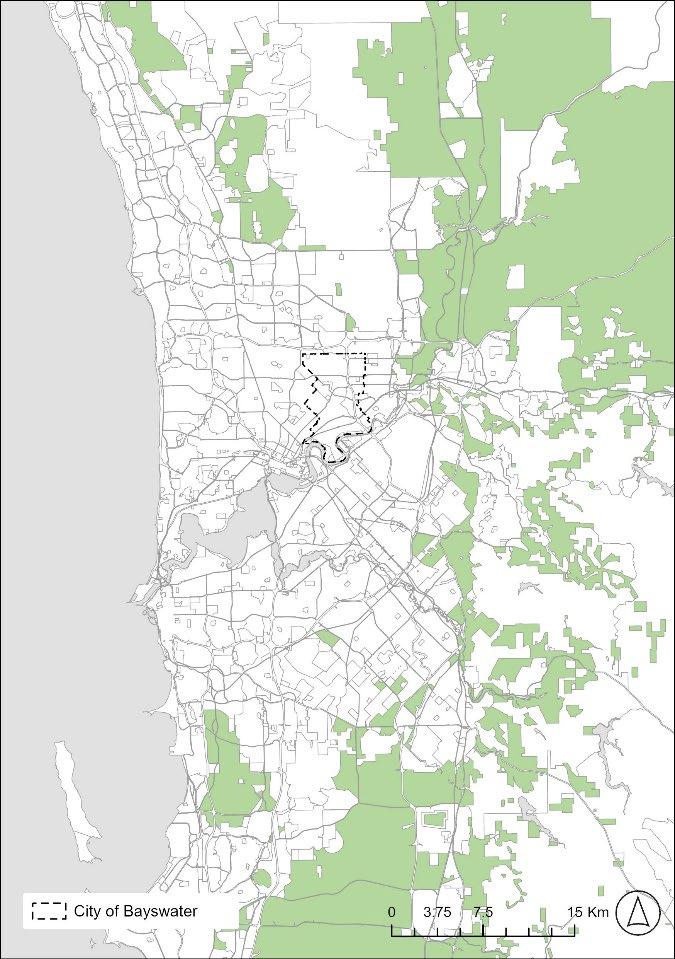
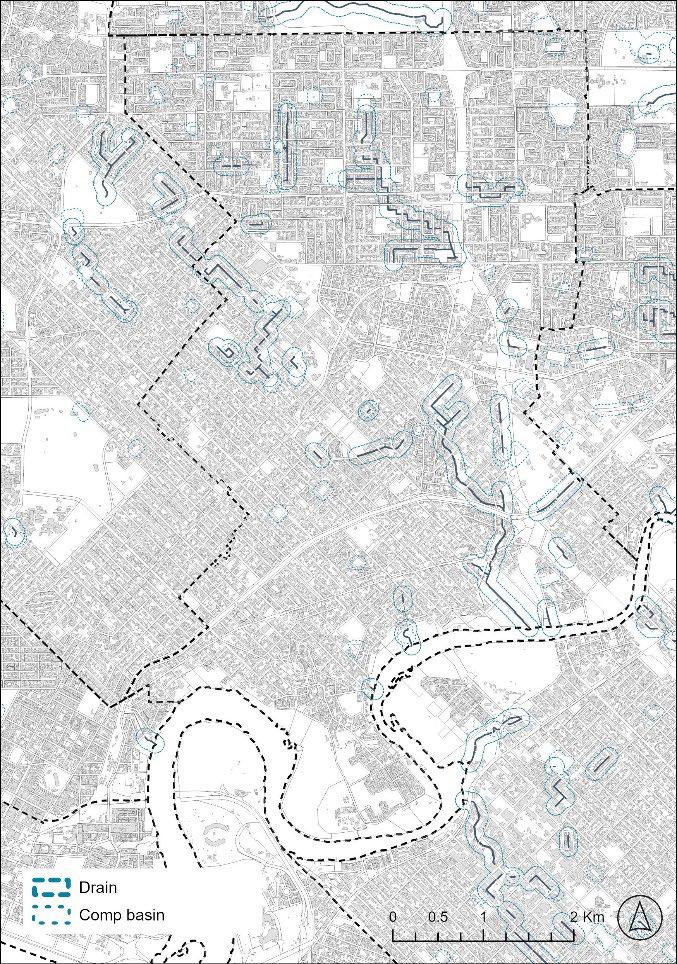
Figure 5 Case study location. (a) The case study area for this research is the middle-ring Local Government Area of Bayswater is located on Perth’s inner eastern corridor. (b) Bayswater contains numerous open drains with potential to be upgraded to Living Streams.
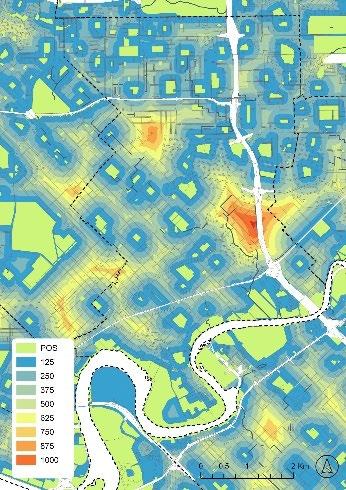
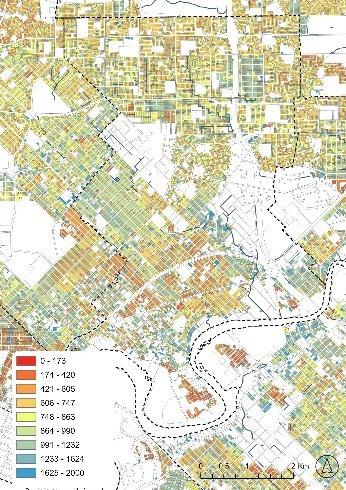
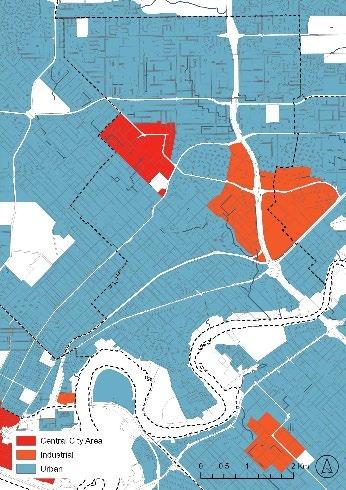
Figure 6 Urban criteria. (a) Areas with limited Public Open Space availability. Source: The Department of Planning Lands and Heritage, 2020. (b) Areas with higher urban densities (residential lot areas in m2). Source Landgate, 2025. (c) Areas that are zoned residential. Source: The Department of Planning Lands and Heritage, 2013. Maps by the author with data from sources above.
(a)
(b)
(a)
(b) (c)
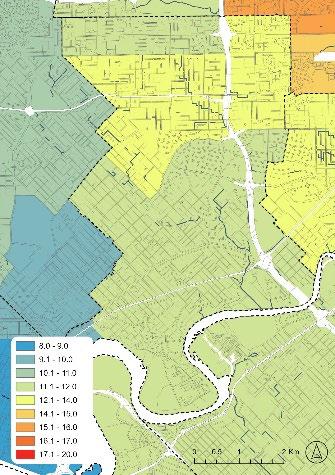
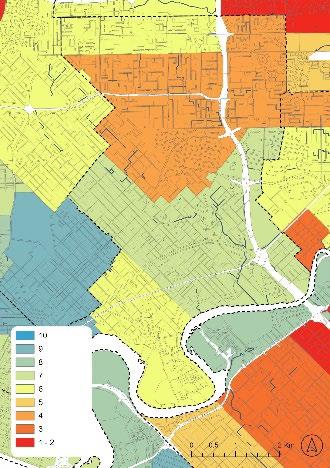
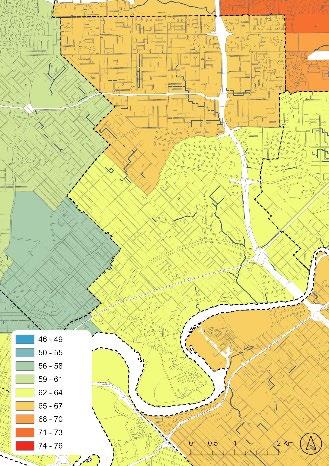
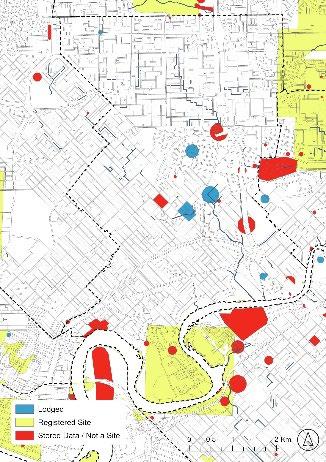
Figure 7 Societal criteria. (a) areas that have populations experiencing high levels of psychological distress (number per 100 people). Source: the Public Health Information Development Unit, Torrens University, 2014. (b) Areas that have populations experiencing socio-economic disadvantage (Socio-Economic Indexes for Areas, scores). Note, a lower score means more disadvantage). Source: The Australian Bureau of Statistics, 2021. (c) Areas that have populations engaging in low or no exercise (number per 100 people). Source: the Public Health Information Development Unit, Torrens University, 2014. (d) Areas with Aboriginal heritage. Source: Department of Planning, Lands, and Heritage, 2023. Maps by the author with data from sources above.
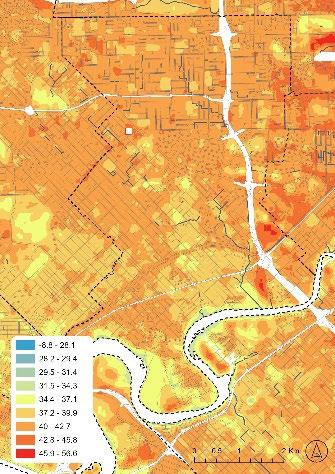
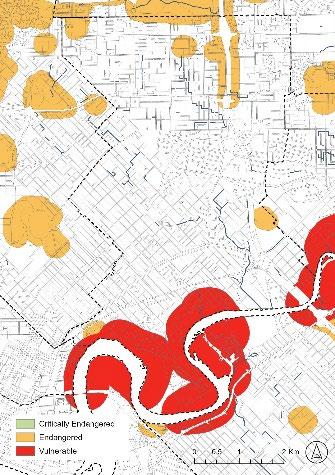
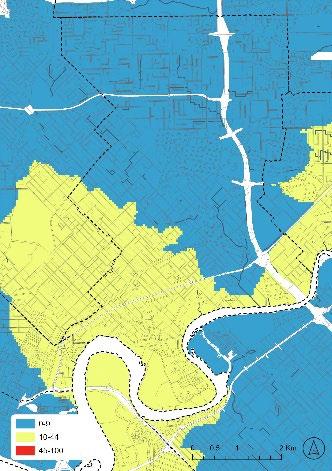
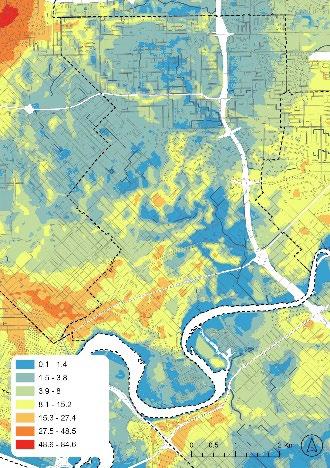
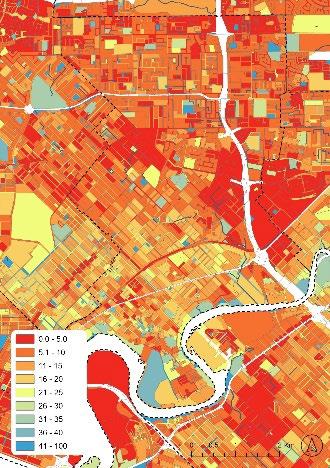
Figure 8. Environmental criteria. (a) Areas with high Land Surface Temperatures (C°) in 2018 summer conditions in the middle of the day. Source: CSIRO, 2019. (b) Areas with threatened ecological communities. Source: Department of Biodiversity Conservation and Attractions, 2016. (c) Areas with water requiring nitrogen and phosphorus reduction (%). Source: Department of Biodiversity Conservation and Attractions. (d) Areas with shallow depth to groundwater, minimum (m) in Autumn conditions. Source: Department of Water and Environmental Regulation. (e) Areas with low urban forest canopy cover 2020 (%). Source: Department of Planning, Lands, and Heritage. Maps by the author with data from sources above.
(a)
(b)
(c)
(d)
(a)
(b)
(c)
(d)
(e)
2.2.2. The Stage 2 survey
Respondents who completed Stage 1 of the Drainage for Liveability Survey were followed up three weeks later via email and invited to complete Stage 2 of the survey. In the Stage 2 survey, respondents were presented with the weighted average results from the Stage 1 survey. They were offered the opportunity to revise their initial response by selecting their three most important criteria (in order of importance) when selecting drainage land to be upgraded into a Living Stream Public Open Space. First preferences were assigned three points, second preferences were allocated two points, and third preferences were allocated one point. Preference scores were calculated by summing the scores provided by respondents, and the criteria were ranked in order of highest preference to enable a direct comparison with the rank order identified in Stage 1
2.3. Suitability analysis
After the survey results were computed, the Stage 2 criteria rankings were converted into weightings (out of 100) in a suitability analysis (conducted using ArcGIS Pro) to identify where investments in Living Stream upgrades to open drains should be directed for the greatest liveability impact. The ‘weighted overlay’ function in ArcGIS Pro was used to overlay raster files representing the criteria using a common measurement scale and weights each according to the level of importance established in the survey.
Suitability analysis is one of the most effective applications of Geographic Information Systems for urban and regional planning practice [43]. There is also a swathe of academic literature concerning suitability analyses relating to various geographic contexts, including China [44-46], India [47], Iran [48], Uganda [49] and Spain [50] and to the strategic implementation of Water Sensitive Urban Design projects [11, 40].
3. Results
3.1. Delphi survey results
3.1.1.
Expert survey panel
In total, 33 responses were received for the stage 1 survey, and 23 for the stage 2 survey (a reduction of 24%). Occupations of the stage 1 and 2 survey respondents are outlined in Table 2 Respondents broadly reflected the occupations typically involved in planning Water Sensitive Urban Design projects.
Table 2 Occupations of survey respondents. The mix of occupations remains fairly consistent between stage 1 and 2.
3.2. Overall criteria ratings
Overall urban factors (e.g., areas with limited Public Open Space availability and higher urban densities) were consistently ranked as the most important criteria across both the stage 1 and 2 surveys (Table 3). Conversely, in the Stage 2 survey, societal criteria (e.g., areas with populations experiencing socio-economic disadvantage and engaging in low or no exercise) tended to be rated as less important; except for areas with Aboriginal heritage which rose significantly in the rankings. Environmental criteria (e.g., areas with high Land Surface Temperatures or threatened ecological communities) tended to be ranked in the middle of the set of criteria except for areas with low urban forest canopy cover which ranked second. There was consistency the stage 1 and 2 surveys in terms of the top 3 ranked criteria but reasonable revaluation in lower order criterion
Table 3. Criteria rank order and weighted averages.
3.3. Qualitative commentary
Generally, respondents noted the difficulty of assessing the criteria with multiple comments indicating ‘all of the listed criteria are considered very important when selecting drainage land for conversion to public open space due to their direct impact on community wellbeing and equity’ and because ‘many of these areas will be correlated with each other.’ Commentary regarding the criteria is included below (in the Stage 2 order of preference).
3.3.1. Areas with limited Public Open Space availability (1st highest priority)
Respondents identified that drainage corridors in areas with limited Public Open Space availability should be prioritized for conversion into Living Streams. Commentary indicated that they ‘offered the opportunity to provide Public Open Space in underprovided areas without challenging additional land take.’ Other respondents noted that a focus on areas with limited Public Open Space would ‘maximize outcomes across socio-economic and environmental domains of sustainability.’
3.3.2. Areas with low urban forest canopy cover (2nd highest priority)
Survey participants noted that drainage corridors in areas with low urban forest canopy cover should be given a high priority for change into Living Streams. As one respondent explained, ‘a greater weight should be given to areas where the most benefit can be gained, i.e. where canopy is limited.’ Nonetheless, other respondents noted, ‘Urban forests are important; however, I believe it’s better to have canopy in the right area as opposed to just “canopy”.’
3.3.3. Areas with higher urban densities (3rd highest priority)
Respondents felt that drainage corridors in areas with higher urban densities should be given high priority for adaptation into Living Streams. Commentary noted that such denser areas have ‘a lack of private green space, reduced canopy cover due to density of buildings and also experience Urban Heat Island effects.’ Another respondent noted, ‘increasing access to public open space in areas of higher density and with limited available Public Open Space would strategically be a strong starting point as it would have benefits for a larger portion of the population’, and ‘residents would be more likely to use the Living Streams.’ Moreover, it was felt that Living Streams in higher-density areas with mixed land uses would benefit not just residents but also workers. Respondents noted areas with a zoned residential density of greater than 20 dwellings per Hectare and regions identified as Activity Centers by State Government planning as logical places to focus upgrades.
3.3.4.
Areas with high Land Surface Temperatures (4th highest priority)
Survey participants noted that drainage corridors in areas with high Land Surface Temperatures should be given reasonably high priority for upgrading into Living Streams. As one respondent explained, ‘I believe urban heat is the most critical factor impacting liveability in inner city suburbs due to the impacts on physical and mental health.’ Others saw the potential of Living Streams with ‘surface water’ and reduced ‘hard stand surfacing’ (which may have been integrated into previous drainage designs) and ‘increased canopy as heat refuges’ which could be an ‘important public health consideration and part of climate adaptation for urban landscapes.’ Nonetheless, others cautioned that it was ‘unclear that Drainage for Liveability will have largescale impacts on temperature if done in isolation’ and that high Land Surface Temperatures in urban areas can ‘be managed in other ways.’
3.3.5. Areas with Aboriginal heritage (5th highest priority)
Respondents identified that drainage corridors in areas with significant Aboriginal heritage should be given reasonably high priority for conversion into Living Streams. As one respondent implored, ‘recognition and preservation of areas with Aboriginal heritage is critical to respecting cultural values and providing urban spaces which can provide opportunity to connect to Country’ (Country is the term often used by Aboriginal peoples to describe the lands, waterways and seas to which they are connected). Others noted that ‘water is one important factor amongst many,
and Aboriginal heritage generally aligns with natural waterways; Restoring a drain to a more natural system, collocated with space for recreation, is an opportunity to engage with and protect heritage for the whole community.’
Nonetheless, other respondents noted that: ‘Each Aboriginal heritage site is unique and will require deep engagement with the elders. Depending on this engagement, the final direction may require a different outcome than what the [Drainage for Liveability] program aspirations are, including no further disturbance.’ Moreover, others cautioned that while ‘Aboriginal heritage is an important feature to highlight,’ it is a ‘secondary consideration – rather, select projects with the greatest good fixing the greatest inequity approach, and then find opportunities to support Aboriginal heritage.’
3.3.6.
Areas with shallow depth to groundwater (6th highest priority)
Participants were relatively ambivalent about drainage corridors in areas with shallow groundwater depths being converted into Living Streams. Respondents reasoned that ‘retrofitting drainage infrastructure with shallow groundwater by adding vegetation and other ecosystem structures/services could increase the biodiversity of the area due to the available water (e.g. more frogs, turtles, birds and insects) and the water might help cool down the new Public Open Space that has been constructed at the retrofitted drainage system.’ Moreover, ‘retrofitting those areas might provide opportunities for groundwater quality improvement’ and ‘areas with shallow groundwater will require less irrigation and have higher planting success.’ Nonetheless, other respondents noted ‘areas with shallow depth to groundwater (surface water expression) may have limited useability as Public Open Space’ and as such would be ‘best to keep that as drainage.’
3.3.7.
Areas that have populations experiencing high levels of psychological distress (7th highest priority)
Participants felt that drainage corridor areas with populations experiencing high levels of psychological distress should be given fairly low priority for conversion into Living Streams, relative to other criteria. Respondents noted that ‘communities experiencing high levels of psychological distress require supportive environments that promote mental wellbeing; well-designed green spaces can provide restorative spaces that alleviate stress and enhance social connection.’ Nonetheless, others cautioned the factors leading to psychological distress may have little to do with access to nature (e.g. high levels of shift work) and while ‘there is a lot of research into the benefits of being in nature, but it may take years for societal level change to take place, and other programs may be required to support the use of new Public Open Space to realize the health benefits.’
3.3.8.
Areas with threatened ecological communities (8th highest priority)
Survey respondents noted that drainage corridors in areas with threatened ecological communities should be given relatively low priority for conversion into Living Streams. Respondents noted that ‘inner-city drainage land will not necessarily be co-located with threatened ecological communities, so this is unlikely to be a useful weighting criterion’ and that threatened ecological communities in Perth typically relate to ‘Banksia woodlands, which are an upland community.’ Nonetheless, other respondents countered that: ‘threatened ecological communities desperately need natural corridors, such as drains, to facilitate genetic transfer and potential new habitats. Wetlands are shrinking annually, and any new wetland areas will help combat species extinctions.’
3.3.9. Areas with water requiring nitrogen and phosphorus reduction (9th highest priority)
Respondents identified that drainage corridors in areas with water requiring nitrogen and phosphorus reduction should be given relatively low priority for upgrading into Living Streams. Respondents noted that ‘pretty much all stormwater in urban catchments is going to be high in contaminants, including nutrients, so this is unlikely to be a useful weighting criterion’ and that there are other means of reducing this nitrogen and phosphorus.’ Nonetheless, others countered that ‘our drainage infrastructure discharges water with high nutrient levels to wetlands and rivers’ and ‘eutrophication should be avoided for public and environmental health reasons (e.g. ensuring safe recreation opportunities for children).’
3.3.10. Areas that have populations experiencing socio-economic disadvantage (10th highest priority)
Survey participants felt that drainage corridors in areas that have populations experiencing socioeconomic disadvantage should be given low priority for conversion into Living Streams. Respondents felt that the ‘disadvantaged are unlikely to be attracted by upgraded drains.’ Other respondents countered that ‘socio-economically disadvantaged areas often face limited access to quality public amenities; prioritizing these areas ensures equitable distribution of resources’ and ‘can lift the desirability of an area, and increase community wellbeing, belonging and pride.’
3.3.11.
Areas which are zoned residential (11th highest priority)
Survey respondents identified that drainage corridors in areas that are zoned residential should be given very low priority for conversion into Living Streams. Respondents explained: ‘It's essential to provide canopy and Public Open Space in both non-residential and residential areas.’ Sufficient canopy is especially important in commercial and industrial areas because these areas often have a high ratio of impervious surfaces and tend to be significantly hotter than residential areas. Therefore, increasing canopy cover and then reducing temperatures is crucial for nonresidential areas. Additionally, providing Public Open Space areas where workers can see and interact with nature during breaks is important for their physical and mental health.’
3.3.12. Areas which have populations engaging in low or no exercise (12th highest priority)
Survey participants identified that drainage corridors in areas which have populations engaging in low or no exercise should be given the lowest priority for conversion into Living Streams, relative to the other criteria. Respondents noted that while it was ‘good to increase Public Open Space access but won't necessarily make folks get up and use it’ and ‘it’s unclear that Drainage for Liveability will always provide exercise benefits - this likely depends a lot on scale and nature of the projects.’
3.4. Suitability analysis results
Table 4 shows the respective weighting of the geospatial criteria based on the Stage 2 Drainage for Liveability survey results. The resultant suitability analysis mapping reveals areas that should receive the highest priority for Living Stream upgrades (Figure 9).
Table 4. Classifications Table, with the weightings of the criteria for selecting drains to be upgraded as Living Streams.
Societal criteria
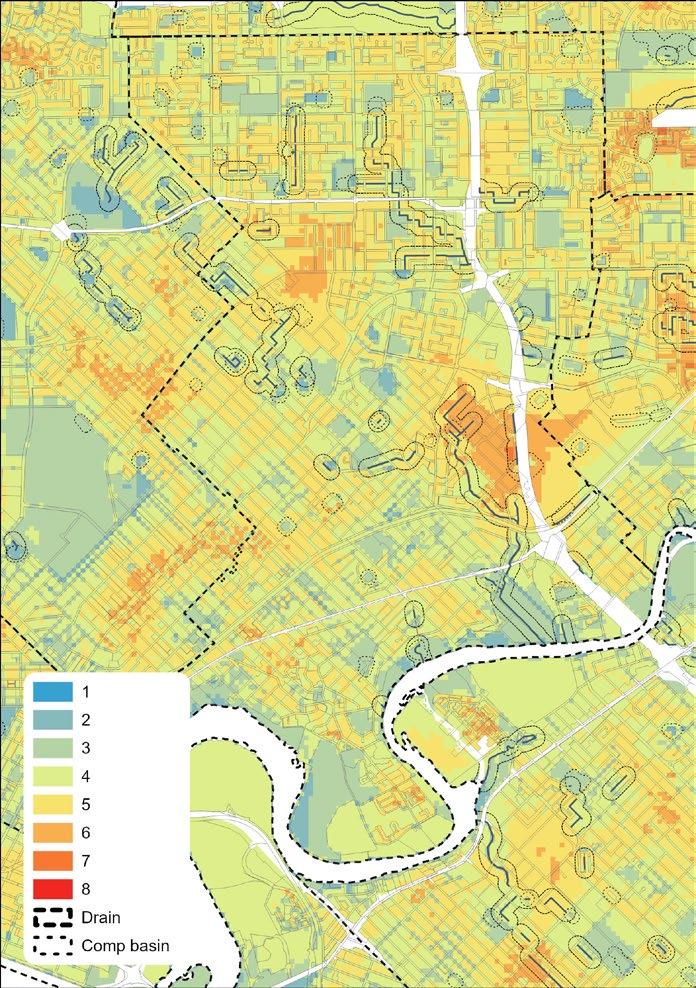
Figure 9 The suitability analysis map shows areas that should receive the highest priority for Living Stream upgrades based on the survey results. Areas with a score of one denote very low priority, four medium priority and eight very high priority.
4. Discussion
The results are discussed in detail, along with the related literature and the barriers to the possible implementation of Living Streams. In summary, the survey respondents felt that Living Streamoriented Public Open Space should be deployed in areas where the total area of Public Open Space reserves and urban forest canopy cover are low (ranked 1st and 2nd respectively) and where Land Surface Temperature is typically high (ranked 4th). These conditions are most pronounced in areas of increasing urban density (3rd in the criteria rankings) and in industrial or commercial areas (focusing just on residential areas, ranked 11th). (Figure 10).
4.1. The findings in relation to the literature
The agenda for higher density living through infill development represents a fundamental change in how Australians live. Both apartment and background infill [51] residents typically have reduced private open space, and when it is allocated, it is often supplemented by limited communal open space. A significant and related concern in such densifying cities is the potential under-provision of open space of all kinds [52]. In areas zoned for urban densification, a persistent debate occurs concerning the optimal amount of public open space required as densities increase and private open spaces become more constricted (i.e., through the development of backyards). These concerns often presume that residents will compensate for reduced private open spaces by visitation to Public Open Spaces, a dynamic referred to as the ‘compensation hypothesis’ [1].
Such concerns are compounded by a reduction in urban forest canopy cover in Perth’s inner and middle suburban rings, resulting from background infill (the subdivision of suburban lots to create typically two to five new dwellings) [41, 51, 53]. The dominant reason for this is that a substantial proportion of trees have been planted on private land, where they are afforded scant ‘protection against the exigency of meeting development aspirations’[53]. Finally, increasing urban density can compound Urban Heat Island effects as ‘impervious’ urban surfaces with high solar absorptivity and heat capacity, such as roads, pavements and building surfaces, retain solar
radiation-induced heat [54], which is often released at night [55]. Living Stream investment in such areas accords with the literature that suggests that compact city strategies should be coupled with strategies to combat unwanted effects, such as promoting urban design and focused investment in the public space, and encouraging green buildings [56].
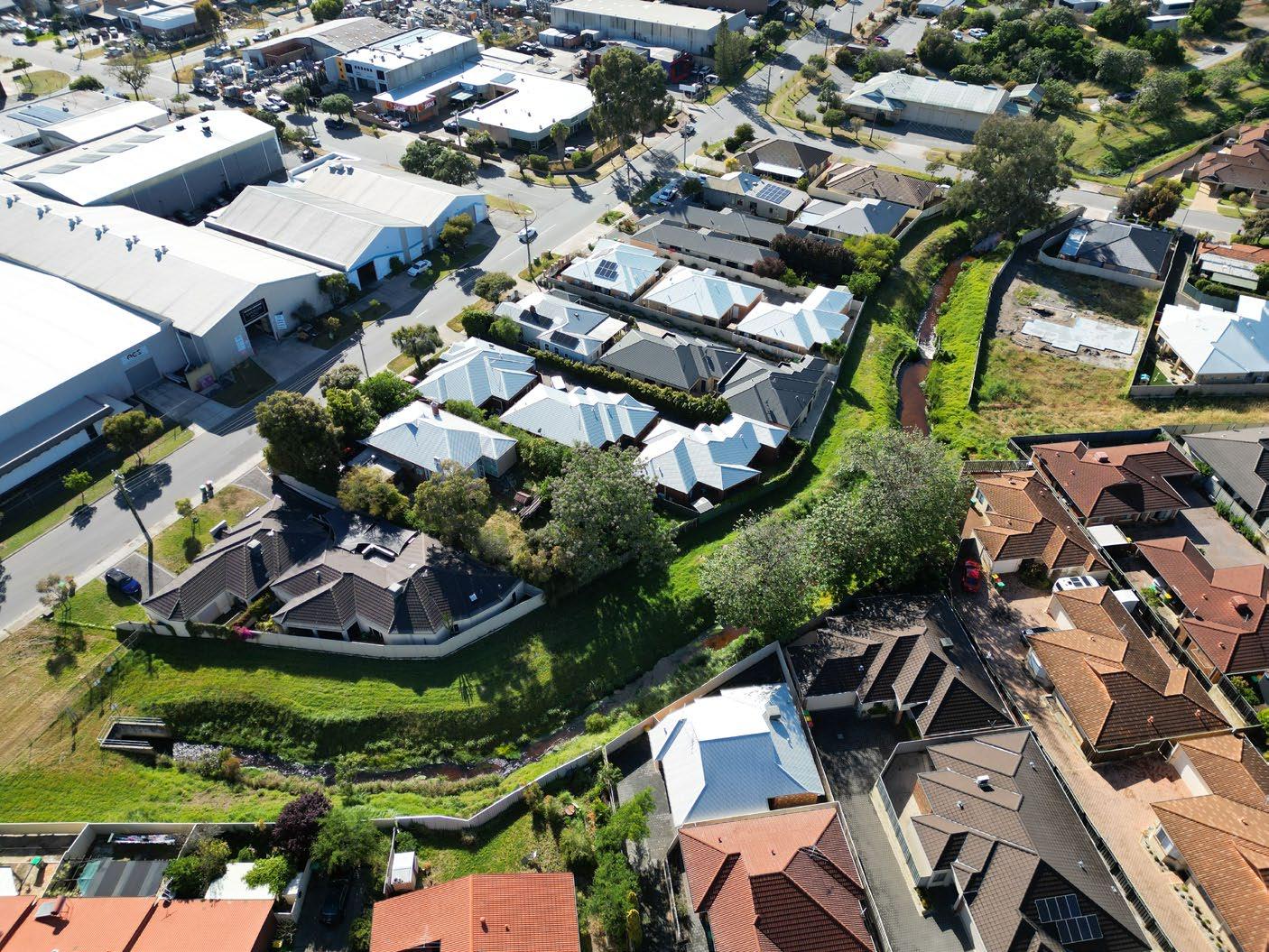
Figure 10 Areas with urban densification and industrial/ commercial areas both rated highly for Living Stream upgrades
Industrial and commercial areas employ a significant proportion of people in Perth [57] Nonetheless, industrial areas (in particular) have poor canopy cover [58], a lack of Public Open Space and large areas of impermeable materials with high thermal mass that absorb and reradiate heat [54]. The results is an urban environment which provides little natural amenity or climate comfort for workers (noting that most industrial warehouses are unairconditioned). The consequences of a lack of climate adaptation are increasing workplace injuries [59] and decreased productivity on hot days [59]. Living Stream investment in appropriate industrial and commercial areas could provide vital amenity and some climate comfort for workers whose needs tend have been overlooked in much current development.
4.2. Living Streams: a misnomer in the Perth context
While urban criteria (e.g., areas with limited Public Open Space and increasing urban density) rated highly, hydrology-related criteria, such as areas with water requiring nitrogen and phosphorus reduction (ranked 9th most important) and areas with shallow groundwater depth (ranked 6th), received comparatively low rankings. Perhaps this is because Perth’s seasonal rainfall, which is experienced mostly in winter, often leaves many drains dry during the city’s long and hot summers. As such, while the term "Living Stream" is undoubtedly appropriate in Australian cities with more consistent rainfall and perennial hydrology (e.g. Sydney or Brisbane), it is often a misnomer in Perth during the summer months because of ephemeral hydrology [60]. Indeed, while in WA Living Streams are required by the state government regulator, Water Corporation, to provide flood control and conveyance; the reality is that for some of the year, those Living Streams can be dry. Climate change, combined with already rapidly depleting aquifers, will likely
exacerbate this situation. Indeed, the coastal southwest is projected to dry by 9% by 2050 and 1424% by 2100 [61] according to different scenarios [62]
4.3. The dominance of spatial criteria
Societal criteria ranked lowly in the survey: areas with populations experiencing high levels of psychological distress (7th), areas with populations experiencing socio-economic disadvantage (10th), and areas with populations engaging in low or no exercise (12th). This likely reflects that resulting benefits to such cohorts would be comparatively intangible and difficult to quantify [4].
This finding also likely reflects the proportionally significant number of spatial designers (landscape architects and urban designers) in the group of survey respondents who tend to see the world through spatial lens and are generally most interested in ‘utopias of form’ rather than ‘utopias of process’ [63] which would seek to address economic and socio-political process [64]. There was also a perception among some respondents that societal criteria, such as areas with populations engaging in low or no exercise, would be found in spatial areas with increasing density and limited Public Open Space. Therefore, by selecting such spatial criteria, these groups would be encompassed regardless. Nonetheless, the criteria ‘areas with Aboriginal heritage’ ranked in a reasonable 5th position. Such support perhaps reflects a seeping disquiet about the smothering of Indigenous sites within Australian cities [65]. Indeed, it is important that indigenous voices are heard in discussions concerning the design and management of Living Streams.
4.4. Challenges in the Implementation of Living Streams
While Water Sensitive Urban Design concepts have been promoted for several decades, adoption has been relatively slow [10]. Accordingly, the implementation of Living Streams across Perth’s drainage network is likely to experience headwinds. One of the principal challenges relates to governance. While the drainage network is owned and managed by the Water Corporation (the principal state-owned supplier of water, wastewater, drainage, and bulk irrigation services in Western Australia) the benefits of converting drains to Living Streams flow to the local community. However, Local Governments often expect the Water Corporation to fund and maintain the upgrades [35] while conversely the Water Corporation encourages Local government to assume responsibility for providing communities with Living Stream greenspace [66].
While specific Living Streams projects in Perth have resulted in greater increases to property values than they have incurred costs, because costs and benefits accrue to different parties, this situation is unlikely to spur the construction of a greater number of Living Stream projects [10]. Importantly, value-enhancing projects (e.g. Living Streams) can result in ecological gentrification [67], green gentrification [68, 69], environmental gentrification [70] or eco-gentrification [71], which can potentially displace the communities that such projects aim to serve. In industrial lands, such value enhancing projects risks exacerbating a trend in which industrial land is being occupied by higher end commercial uses [57].
Issues related to the perceived public safety risk and liability associated with allowing the public (and particularly children) into the drainage networks – which are exacerbated by water quality issues associated with contaminants and high nutrient levels – also prevent project construction [72]. Indeed, a longer-term management, maintenance and liability agreement needs to be reached between both the Local Government and the Water Corporation, however this continues to represent a major challenge [35]. Quotidian concerns as maintenance are often not
taken into account or are carelessly facilitated, but have the potential to stall projects or see them fail if implemented [17].
Other barriers to Living Streams in Perth relate to increasingly ephemeral water flows due to climate change, and in particular, more prolonged dry periods and increased evapotranspiration [17] and some long-standing concerns that linear parks (and by implication Living Streams) are ‘an extended venue for crime’ because of a lack of passive surveillance from surrounding housing [73].
4.5. Limitations
The authors acknowledge that the survey results are directly related to the sample of respondents achieved. While it is believed that the sample accurately represents the professionals typically involved in the planning and design of living Streams, an alternative sample would no doubt deliver different rankings of drainage land upgrade criteria. Additionally, while the survey and suitability analysis incorporated a substantial number of criteria, the overall number is necessarily limited to keep the survey manageable for harried respondents. As such, the author acknowledges that some possible criteria were necessarily excluded (e.g., proximity to schools for the educational co-benefits of Living Stream upgrades). Moreover, potential limitations include that expert respondents may not be representative of the broader community, and can hold personal biases about the preferred benefits of Living Stream projects [39].
Finally, the suitability analysis maps can be used to assess drainage areas generally for their suitability to be upgraded to Living Streams, however Water Sensitive Urban Design projects are typically very site-specific, and it is therefore always necessary to conduct a place-based assessment [17]. Such an assessment should include hydrologic–hydraulic constraints not able to be embedded in the suitability model such as drain hydraulic capacity, freeboard, maintenance access, or bank stability. In settings where such geospatial data is available it should be added as an exclusion/constraint layer set in the suitability analysis.
5. CONCLUSIONS
Maximizing the benefits and optimizing the performance of Water Sensitive Urban Design projects require strategic planning that considers a diverse range of influential criteria. Nonetheless, ad hoc decision-making and opportunistic planning are sometimes important drivers behind the status quo in Water Sensitive Urban Design investment [31]. In response, this paper has surveyed the professionals typically involved in planning Living Streams to understand which geospatial criteria should be emphasized in the selection of drains for enhancement as Living Streams, to deliver the greatest liveability. The results clearly indicate that survey respondents believe Living Stream-oriented Public Open Space should be deployed in areas where there is limited Public Open Space reserves, urban forest degradation, increasing urban densification and Urban Heat Island challenges.
6. REFERENCES
1. Byrne, Jason, and Neil Sipe. "Green and Open Space Planning for Urban Consolidation – a Review of the Literature and Best Practice." In Urban Research Program. Brisbane: Griffith University, 2010.
2. Bolleter, Julian, and Cristina Ramalho. "The Potential of Ecologically Enhanced Urban Parks to Encourage and Catalyze Densification in Greyfield Suburbs." Journal of Landscape Architecture 9, no. 3 (2014): 54–65.
3. . Greenspace-Oriented Development: Reconciling Urban Density and Nature in Suburban Cities. London: Springer, 2019.
4. Iftekhar, Md Sayed, and David J. Pannell. "Developing an Integrated Investment Decision-Support Framework for Water-Sensitive Urban Design Projects." Journal of hydrology (Amsterdam) 607 (2022): 127532.
5. Productivity Commission. "Integrated Urban Water Management Why a Good Idea Seems Hard to Implement." 2020.
6. Pen, Luke, and Karen Majer. "Drains Versus Living Streams." Paper presented at the How Do You Do It? Water Sensitive Urban Design Seminar 1994; Proceedings, Perth 1994.
7. Bernhardt, Emily S., and Margaret A. Palmer. "Restoring Streams in an Urbanizing World." Freshwater Biology 52, no. 4 (2007): 738–51.
8. Bolleter, Julian. "Living Streams for Living Suburbs: How Urban Design Strategies Can Enhance the Amenity Provided by Living Stream Orientated Public Open Space." Journal of Urban Design 23, no. 4 (2017): 518–43.
9. . "Green Dream: Examining the Barriers to an Innovative Stormwater and Public Open Space Structure Plan on Perth’s Suburban Fringe." Australian Planner (2020): 1–15.
10. Polyakov, Maksym, James Fogarty, Fan Zhang, Ram Pandit, and David J. Pannell. "The Value of Restoring Urban Drains to Living Streams." Water Resources and Economics (2016).
11. Kuller, Martijn, Megan Farrelly, Ana Deletic, and Peter M. Bach. "Building Effective Planning Support Systems for Green Urban Water Infrastructure Practitioners’ Perceptions." Environmental Science & Policy 89 (2018): 153–62.
12. Wong, T. H. F., and R. R. Brown. "The Water Sensitive City: Principles for Practice." Water Science and Technology 60, no. 3 (2009): 673–82.
13. Ignatieva, Maria, Glenn H. Stewart, and Colin Meurk. "Planning and Design of Ecological Networks in Urban Areas." Landscape and ecological engineering 7, no. 1 (2011): 17–25.
14. Scott Shafer, C., David Scott, John Baker, and Kirk Winemiller. "Recreation and Amenity Values of Urban Stream Corridors: Implications for Green Infrastructure." Journal of Urban Design 18, no. 4 (2013): 478–93.
15. Water Corporation. "Drainage for Liveability Fact Sheet: Living Streams in Water Corporation Assets." Perth: Water Corporation, Department of Water, 2016.
16. Akbari, Saloomeh, Maksym Polyakov, and Md Sayed Iftekhar. "Capitalised Nonmarket Benefits of Multifunctional Water-Sensitive Urban Infrastructure: A Case of Living Streams." The Australian journal of agricultural and resource economics 67, no. 4 (2023): 524–40.
17. Hoyer, Jacqueline, Wolfgang Dickhaut, Lukas Kronawitter, and Björn Weber. Water Sensitive Urban Design: Principles and Inspiration for Sustainable Stormwater Management in the City of the Future. Hamburg: Jovis, 2011.
18. Miller, James R., and Richard J. Hobbs. "Conservation Where People Live and Work." Conservation Biology 16, no. 2 (2002): 330–37.
19. Chiesura, Anna. "The Role of Urban Parks for the Sustainable City." Landscape and Urban Planning 68, no. 1 (2004): 129–38.
20. Peschardt, Karin Kragsig, and Ulrika Karlsson Stigsdotter. "Associations between Park Characteristics and Perceived Restorativeness of Small Public Urban Green Spaces." Landscape and Urban Planning 112 (2013): 26–39.
21. De Vries, Sjerp, Sonja Me Van Dillen, Peter P Groenewegen, and Peter Spreeuwenberg. "Streetscape Greenery and Health: Stress, Social Cohesion and Physical Activity as Mediators." Social Science and Medicine 94 (2013): 26–33.
22. Francis, Jacinta, Lisa J. Wood, Matthew Knuiman, and Billie Giles-Corti. "Quality or Quantity? Exploring the Relationship between Public Open Space Attributes and Mental Health in Perth, Western Australia." Social science & medicine 74, no. 10 (2012): 1570–77.
23. Nordh, Helena, Terry Hartig, CM Hagerhall, and Gary Fry. "Components of Small Urban Parks That Predict the Possibility for Restoration." Urban Forestry & Urban Greening 8, no. 4 (2009): 225–35.
24. Dadvand, Payam, Mark J Nieuwenhuijsen, Mikel Esnaola, Joan Forns, Xavier Basagaña, Mar Alvarez-Pedrerol, Ioar Rivas, Mónica López-Vicente, Montserrat De Castro Pascual, and Jason Su. "Green Spaces and Cognitive Development in Primary Schoolchildren." Proceedings of the National Academy of Sciences 112, no. 26 (2015): 7937–42.
25. Kaźmierczak, Aleksandra. "The Contribution of Local Parks to Neighbourhood Social Ties." Landscape and Urban Planning 109, no. 1 (2013): 31–44.
26. Bell, Janice F, Jeffrey S Wilson, and Gilbert C Liu. "Neighborhood Greenness and 2-Year Changes in Body Mass Index of Children and Youth." American Journal of Preventive Medicine 35, no. 6 (2008): 547–53.
27. Lachowycz, Kate, and Andy P Jones. "Greenspace and Obesity: A Systematic Review of the Evidence." Obesity reviews 12, no. 5 (2011): e183–e89.
28. McPhearson, Timon, Christopher M. Raymond, Natalie Gulsrud, Christian Albert, Neil Coles, Nora Fagerholm, Michiru Nagatsu, Anton Stahl Olafsson, Niko Soininen, and Kati Vierikko. "Radical Changes Are Needed for Transformations to a Good Anthropocene." npj Urban Sustainability 1, no. 1 (2021).
29. Grace, Bill, Julian Bolleter, Maassoumeh Barghchi, and James Lund. "Unpacking Park Cool Island Effects Using Remote-Sensed, Measured and Modelled Microclimatic Data." Land 14, no. 8 (2025): 1686.
30. Albrechts, Louis. "Strategic (Spatial) Planning Reexamined." Environment and Planning B: Planning and Design 31, no. 5 (2004): 743–58.
31. Kuller, Martijn, David J. Reid, and Veljko Prodanovic. "Are We Planning Blue-Green Infrastructure Opportunistically or Strategically? Insights from Sydney, Australia." Bluegreen systems 3, no. 1 (2021): 267–80.
32. Bureau of Meteorology. "Climate Statistics for Australian Locations." Australian Government, http://www.bom.gov.au/climate/averages/tables/cw_003003_All.shtml (accessed 07.07).
33. Seddon, George. Sense of Place. Perth: The University of Western Australia Press, 1972.
34. Water Innovation Advisory Group. "Water Innovation Advisory Group Report to Minister." Unpublished: Department of Water, 2016.
35. Anonymous government representative. "Interview with Government Representative." edited by Julian Bolleter. Unpublished, 2016.
36. SurveyMonkey. "Surveymonkey." SurveyMonkey, www.surveymonkey.com (accessed 15.04).
37. Perveen, Sajida, Md Kamruzzaman, and Tan Yigitcanlar. "Developing Policy Scenarios for Sustainable Urban Growth Management: A Delphi Approach." Sustainability 9, no. 10 (2017): 1787.
38. Kelley, Kate, Belinda Clark, Vivienne Brown, and John Sitzia. "Good Practice in the Conduct and Reporting of Survey Research." International Journal for Quality in Health Care 15, no. 3 (2003): 261–66.
39. Skrydstrup, Julie, Herle Mo Madsen, Roland Löwe, Ida Bülow Gregersen, Agnethe Nedergaard Pedersen, and Karsten Arnbjerg-Nielsen. "Incorporating Objectives of Stakeholders in Strategic Planning of Urban Water Management." Urban Water Journal 17, no. 2 (2020): 87–99.
40. Rodríguez-Espinosa, Víctor Manuel, Aguilera-Benavente Francisco, and Montserrat and Gómez-Delgado. "Green Infrastructure Design Using Gis and Spatial Analysis: A Proposal for the Henares Corridor (Madrid-Guadalajara, Spain)." Landscape Research 45, no. 1 (2020): 26–43.
41. Bolleter, Julian, and Paula Hooper. "Green Dreams: A Delphi Analysis of Suburban Forest Concepts." Perth: Australian Urban Design Research Centre, 2020.
42. Gunawardena, Asha, Sayed Iftekhar, and James Fogarty. "Quantifying Intangible Benefits of Water Sensitive Urban Systems and Practices: An Overview of Non-Market Valuation Studies." Australasian Journal of Water Resources 24, no. 1 (2020): 46–59.
43. Pettit, Christopher J, Richard E Klosterman, Phillip Delaney, Amy L Whitehead, Heini Kujala, Andrew Bromage, and Marcos Nino-Ruiz. "The Online What If? Planning Support System: A Land Suitability Application in Western Australia." Applied Spatial Analysis and Policy 8, no. 2 (2015): 93–112.
44. Zhang, Xiaorui, Chuanglin Fang, Zhenbo Wang, and Haitao Ma. "Urban Construction Land Suitability Evaluation Based on Improved Multi-Criteria Evaluation Based on Gis (Mce-Gis): Case of New Hefei City, China." Chinese Geographical Science 23, no. 6 (2013): 740–53.
45. Liu, Renzhi, Ke Zhang, Zhijiao Zhang, and Alistair GL Borthwick. "Land-Use Suitability Analysis for Urban Development in Beijing." Journal of Environmental Management 145 (2014): 170–79.
46. Wang, Yi, Cheng Jin, Mengqiu Lu, and Yuqi Lu. "Assessing the Suitability of Regional Human Settlements Environment from a Different Preferences Perspective: A Case Study of Zhejiang Province, China." Habitat International 70 (2017): 1–12.
47. Kumar, Manish, and Vasim Riyasat Shaikh. "Site Suitability Analysis for Urban Development Using Gis Based Multicriteria Evaluation Technique." Journal of the Indian Society of Remote Sensing 41, no. 2 (2013): 417–24.
48. Lotfi, Sedigheh, Kiomarth Habibi, and Mohammad J Koohsari. "An Analysis of Urban Land Development Using Multi Criteria Decision Model and Geographical Information System (a Case Study of Babolsar City)." American Journal of Environmental Sciences 5, no. 1 (2009): 87–93.
49. Bolleter, Julian, Richard Vokes, Anthony Duckworth, Grace Oliver, Tony McBurney, and Paula Hooper. "Using Suitability Analysis, Informed by Co-Design, to Assess Contextually Appropriate Urban Growth Models in Gulu, Uganda." Journal of Urban Design (2021): 1–25.
50. Criado, Marco, Antonio Martínez-Graña, Fernando Santos-Francés, Sergio Veleda, and Caridad Zazo. "Multi-Criteria Analyses of Urban Planning for City Expansion: A Case Study of Zamora, Spain." Sustainability 9, no. 10 (2017): 1850.
51. Bolleter, Julian. "Background Noise: A Review of the Effects of Background Infill on Urban Liveability in Perth." Australian Planner 10 (2016): 1–14.
52. Searle, Glen. "Urban Consolidation and the Inadequacy of Local Open Space Provision in Sydney." Urban Policy and Research 29, no. 02 (2011): 201–08.
53. Brunner, Julie, and Paul Cozens. "‘Where Have All the Trees Gone?’ Urban Consolidation and the Demise of Urban Vegetation: A Case Study from Western Australia." Planning Practice & Research 28, no. 2 (2013): 231–55.
54. Mills, Gerald, and Iain D. Stewart. The Urban Heat Island. San Diego: Elsevier, 2021.
55. Nardino, Marianna, and Nicola Laruccia. "Land Use Changes in a Peri-Urban Area and Consequences on the Urban Heat Island." Climate (Basel) 7, no. 11 (2019): 133.
56. OECD. "Compact City Policies: A Comparative Assessment." OECD Green Growth Studies, 2012.
57. Department of Planning, and Western Australian Planning Commission. "Economic and Employment Lands Strategy: Non-Heavy Industrial Perth Metropolitan and Peel Regions." Perth: Western Australian Planning Commission, 2012.
58. Department of Planning Lands and Heritage. "Urban Forest Mesh Blocks." edited by Department of Planning Lands and Heritage. Perth, 2020.
59. Park, Jisung. Slow Burn: The Hidden Costs of a Warming World. New Jersey: Princeton University Press, 2024.
60. Anonymous civil engineer. "Interview with Civil Engineer,." edited by Julian Bolleter. Unpublished, 2016.
61. Clim Systems. "Simclim Ar6." Clim Systems, https://climsystems.com/simclim/ (accessed 08.09).
62. IPCC. "Ipcc Working Group 2 Sixth Assessment Report." 2022.
63. Harvey, David. Spaces of Global Capitalism. London: Verso, 2005.
64. Thompson, Ian "Ten Tenets and Six Questions for Landscape Urbanism." Landscape Research 37, no. 1 (2011): 7–26.
65. Fredericks, Bronwyn. "'We Don't Leave Our Identities at the City Limits': Aboriginal and Torres Strait Islander People Living in Urban Localities." Australian Aboriginal Studies, no. 1 (2013): 4.
66. Boulton, Chris, and Aysin Dedekorkut-Howes. "How Funding Scarcity and Ineffective Governance Tools Inhibit Urban Greenspace Provision: An Exploration of Municipal Greenspace Managers’ Insights." Landscape and Urban Planning 251 (2024): 105172.
67. Dooling, Sarah. "Ecological Gentrification: A Research Agenda Exploring Justice in the City." International Journal of Urban and Regional Research 33, no. 3 (2009): 621–39.
68. Gould, Kenneth A., and Tammy L. Lewis. "The Environmental Injustice of Green Gentrification." The world in Brooklyn: gentrification, immigration, and ethnic politics in a global city. Plymouth: Lexington Books (2012): 113–46.
69. Calderón-Argelich, Amalia, Isabelle Anguelovski, James J. T. Connolly, and Francesc Baró. "Greening Plans as (Re)Presentation of the City: Toward an Inclusive and Gender-Sensitive Approach to Urban Greenspaces." Urban Forestry & Urban Greening 86 (2023): 127984.
70. Checker, Melissa. "Wiped out by the “Greenwave”: Environmental Gentrification and the Paradoxical Politics of Urban Sustainability." City & Society 23, no. 2 (2011): 210–29.
71. Wolch, Jennifer R., Jason Byrne, and Joshua P. Newell. "Urban Green Space, Public Health, and Environmental Justice: The Challenge of Making Cities ‘Just Green Enough’." Landscape and Urban Planning 125 (2014): 234–44.
72. Anonymous hydrologist. "Interview with Hydrologist." edited by Julian Bolleter. Unpublished, 2016.
73. Kullmann, Karl. "Thin Parks/Thick Edges: Towards a Linear Park Typology for (Post) Infrastructural Sites." Journal of Landscape Architecture 6, no. 2 (2011): 70–81.