
Future Climate, Future
Home
Evidence-based adaptive urban design strategies for Western Australia
Open space experts survey results


Acknowledgement
This research is supported by the Western Australian Planning Commission (WAPC), the Department of Planning, Lands and Heritage (DPLH), Development WA, the Department of Housing and Works (DHW) and the Water Corporation. The research is also supported by WA Local Governments - the City of Karratha, the City of Greater Geraldton, the Shire of Toodyay, the City of Wanneroo, the City of Cockburn, the City of Vincent, and the City of Perth.
1. Executive summary
Extreme heat is the most hazardous natural disaster in Australia. It poses a higher health risk to marginalised groups, low socio-economic populations, and residents of areas with little tree canopy cover. In response, this report assesses the effectiveness of strategies to improve thermal comfort in hot daytime conditions across several climate regions in Western Australia, in Local or Neighbourhood parks. This assessment is conducted through a survey of related experts (n=87) from Local Government, State Government and private practice. The results indicate a consistent preference for nature-based solutions to improve thermal comfort on hot days. This preference raises questions about water availability for irrigation due to reduced rainfall and reduced evapotranspiration-related cooling owing to increasing humidity. Despite such challenges, the survey findings provide an evidence base for reimagining existing parks as climate refuges with improved thermal comfort in summer conditions.
2. Introduction
2.1 Research objectives
Through a rare collaboration between experts in urban, landscape and architectural design, public health, climate science, engineering and climate, energy and water modelling, this project aims to:
Generate evidence to inform solutions and policy decisions concerning the climate change adaptation of urban precincts and housing to projected temperature and rainfall changes and foster healthy and climate-resilient communities across WA’s climate regions.
The specific objective of the previous phase (Phase 2) was to:
• Identify changes between the current and likely future performance of urban precinct and housing case studies due to climate change-induced variations in temperature and rainfall.
The related Phase 2 reports are available on the AUDRC website The objective of this Phase 3 research is to:
• Develop and evaluate the performance of design proposals to adapt urban precinct and housing case studies to projected climate change using micro-climatic, building energy, and water modelling and community engagement
This report summarises Phase 3 of the project in relation to the climate adaptation of open spaces
Subsequent phases will:
• Develop CSUD principles for adaptation of WA urban precincts and housing to temperature and rainfall changes for inclusion in the revision of future state and local government policies and design guidance (Phase 4)
2.2 Project governance
This project capitalises upon a long-term successful research collaboration with four partner organisations: The Western Australian Planning Commission (WAPC), the Department of Planning Lands and Heritage (DPLH), Development WA, and the Department of Housing and Works (DHW). The project also forges collaborations with CSIRO, the Water Corporation and WA Local Governments - the City of Karratha, the City of Greater Geraldton, the Shire of Toodyay, the City of Wanneroo, the City of Cockburn, the City of Vincent, and the City of Perth. Project coordination and reporting occur through biannual Partner Organisation meetings. Project updates are also provided to AUDRC’s Advisory board, which comprises Emma Cole – Chair of the WAPC; Anthony Kannis–Chair of DPLH; Dean Mudford – CEO of Development WA, and Garrick Allen – Executive Director of Strategy Planning and Policy at the DHW and the Urban Design Research and Education Committee which includes officer level staff from the State Government Partner Organisations.
2.3 Background
Hot conditions significantly impair people's ability to regulate body temperature and pose serious health risks such as heat rash, cramps, exhaustion, dehydration, kidney failure, and breathing
difficulties (Sanda Lenzholzer, 2015) Indeed, extreme heat is the most hazardous natural disaster in Australia, contributing significantly to heat-related morbidity (Sharifi, Sivam, & Boland, 2016) and causing surges in mortality and hospital admissions (Bhoge, Nolan, & Pojani, 2020), Vulnerable groups including children, seniors, obese individuals, and those with heart, lung, or blood pressure issues, as well as pregnant women are especially at risk (Mason, C King, E Peden, & C Franklin, 2022; Mayrhuber et al., 2018) Recent analyses have also shown that increased exposure to warm temperatures results in negative impacts across an array of socio-economic indicators, including income, crime, sleep, and labour productivity (Duncan et al., 2019) Heat stress is compounded in cities by the Urban Heat Island effect. This effect results from the retention of solar radiation-induced heat in urban surfaces with high solar absorptivity and heat storage (e.g., roads) (Mills & Stewart, 2021)
The Urban Heat Island effect, which is more pronounced at night, can result in urban surface temperatures 10°C higher than those in peri-urban areas (Nardino & Laruccia, 2019; Sharifi et al., 2016)
2.3.1 Park Cool Island effects
In comparison, vegetation in parks absorbs and re-radiates less heat, which lowers temperatures, a phenomenon referred to as the Park Cool Island effect (Sanda Lenzholzer, 2015). Urban designers and associated professionals are increasingly concerned about the potential of Park Cool Island effects to improve summer thermal comfort in urban settings, particularly the role of parks as refuges in hot conditions Reflecting this surge of interest, parks are defined as mitigating Urban Heat Island effects in Australia’s recently released National Urban Policy, which explains that ‘Green spaces play a key role in mitigating the urban heat island effect by providing shaded pathways, cooler environments and more comfortable conditions’ (Australian Government, 2024).
Numerous studies have examined the Park Cool Island effect, which is assessed by measuring the temperature differential between the park and surrounding urban areas. This indicator has shown a wide range of values across different studies, locations and measurement procedures (García-Haro, Arellano, & Roca, 2023). The literature includes studies based on the measurement of surface temperatures using remotely sensed surface temperature data (Cheng, Wei, Chen, Li, & Song, 2015) or thermographic cameras (Spronken-Smith & Oke, 1998) (Figure 1). Other studies involve the measurement of air temperature (Motazedian, Coutts, & Tapper, 2020; Vanos et al., 2012). The literature also implies that the Park Cool Island gives rise to the mitigation of the Urban Heat Island through the cooling of surrounding urban areas (Sanda Lenzholzer, 2015; Yu, Guo, Jørgensen, & Vejre, 2017).
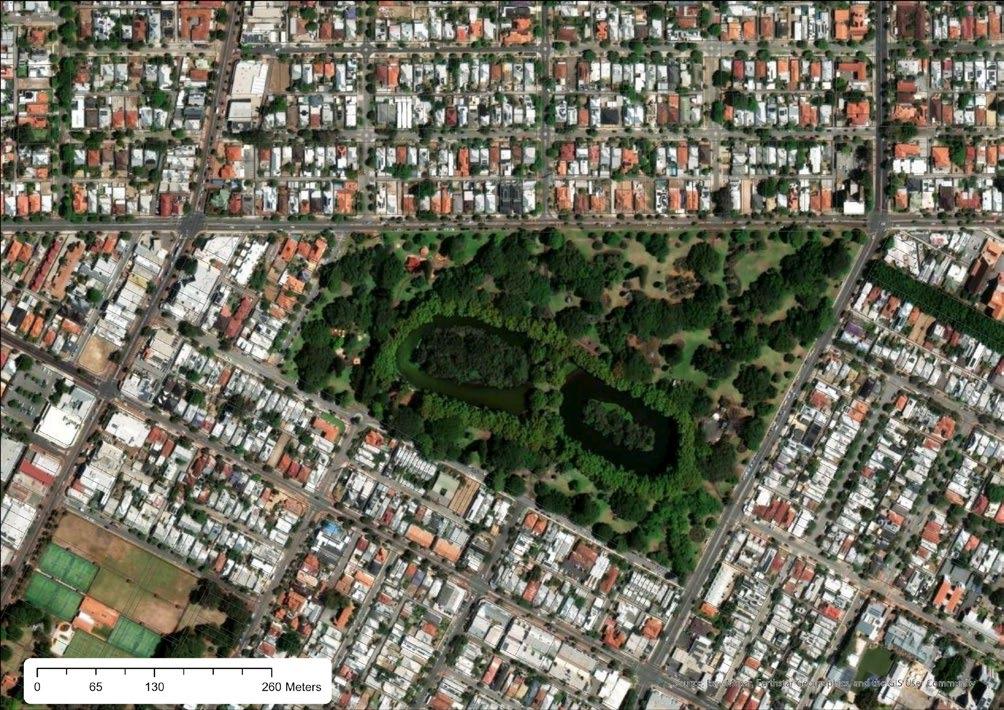
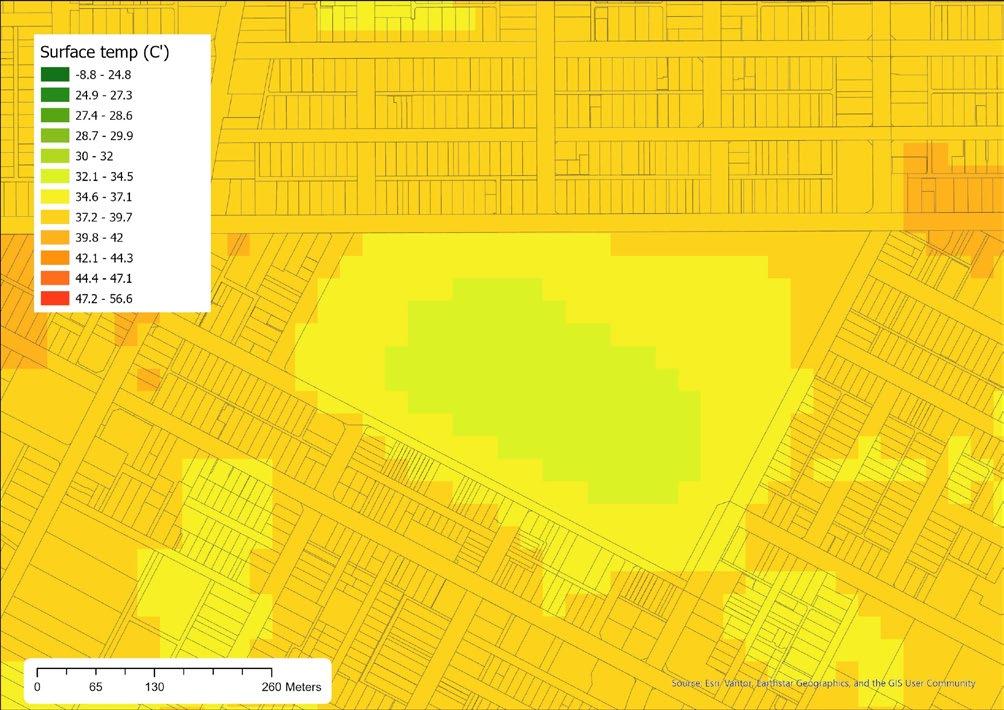
Figure 1. Remote-sensed surface temperature data for Hyde Park in Perth reveal a measurable Park Cool Island effect.
2.3.2 Heat stress and the use of parks
Heat resilience in parks can support more lively, healthy and safer urban settings (Sharifi et al., 2016). While a thermally comfortable environment can support people spending more time outdoors, and provide a refuge for residents without air conditioning (Lo, Jim, Cheung, Wong, & Cheung, 2022), excess heat load can result in thermal discomfort, shifting the frequency and patterns of outdoor behaviours (Sharifi et al., 2016). Indeed, the impacts of heat stress include a retreat into interior airconditioned environments (homes and shopping malls) and increased private vehicle use, which, in turn, leads to higher energy consumption (Shooshtarian, Lam, & Kenawy, 2020), public health impacts, and declining liveability
Indeed, previous research indicates that necessary and optional activities in open spaces start to decline after the apparent temperature reaches the threshold of 28°C, while activities in parks with more urban greenery show higher resilience to heat stress (Sharifi et al., 2016). Optional activities (e.g., sitting, eating, playing and sport) are highly sensitive to heat stress and start to decrease after a public space reaches its neutral thermal threshold for heat sensitivity; necessary activities (e.g., walking to work or for daily shopping) are more resilient in relation to heat stress and begin to decline after higher neutral thermal thresholds. This is particularly in public spaces with a greater diversity of functions and related land uses, urban greenery and shade (Sharifi et al., 2016)
2.3.3 Climate adaptation of parks through Climate Sensitive Urban Design
Climate-sensitive urban design aims to create more climate-adapted outdoor spaces that deliver improvements in thermal comfort (Andrew M Coutts, Tapper, Beringer, Loughnan, & Demuzere, 2013) Below, we summarise from the related Climate Sensitive Urban Design literature, adaptation strategies for improving thermal comfort in parks (Table 1).
Table 1: Adaptation strategies for parks.
Adaptation strategy name
Increase tree canopy cover
Increasing areas of planting
Description
Trees both reflect and absorb solar radiation for photosynthesis, reducing heat absorption by hard surfaces and preventing heat from returning to the urban environment. Evaporative cooling also occurs through transpiration from leaf stomata.
Increasing vegetation can lower ambient air temperatures by providing evaporative cooling through transpiration from leaf stomata.
Construct shade structures Shade structures both block and reflect solar radiation.
Nature of the cooling effect
Shade/ evapotranspiration
References
(Andrew M Coutts et al., 2013) (Australian Government, 2024) (Klemm, van Hove, Lenzholzer, & Kramer, 2017)
(Oke, Mills, Christen, & Voogt, 2017) (Cooperative Research Centre for Water Sensitive Cities, 2020)
Evapotranspiration (Andrew M Coutts et al., 2013) (Lo et al., 2022)
(Sharifi et al., 2016)
(Shashua-Bar, Pearlmutter, & Erell, 2009)
Shade (Lo et al., 2022)
Install water features As water evaporates from water features, it absorbs heat, cooling the air
Install misting systems Installing misting systems cools air and human bodies, as the increased surface area of fine water droplets enhances evaporation-driven cooling
Increase irrigation rates
Irrigating grass and plants increases evapotranspiration, cools the adjacent air, and helps trees and plants maintain their leaf area density and, therefore, shade in hot conditions.
Introduce seasonal engineered wetlands As water evaporates from the wetland and its vegetation, it absorbs heat, cooling the air
2.3.4 The gap in the research
Evapotranspiration (Oke et al., 2017) (Lo et al., 2022) (S. Lenzholzer, 2016)
Evapotranspiration (Oke et al., 2017) (Nouri & Matzarakis, 2019) (Oke et al., 2017) (Sanda Lenzholzer, 2015)
Evapotranspiration (Andrew M Coutts et al., 2013) (Cooperative Research Centre for Water Sensitive Cities, 2020) (Mueller & Day, 2005) (Oke et al., 2017)
Evapotranspiration (Oke et al., 2017) (Andrew M Coutts et al., 2013) (Sanda Lenzholzer, 2015) (Saaroni & Ziv, 2003)
Designers strive to design places that encourage urban activities, places where people will want to spend their time; however, unless people are thermally comfortable in the space, they typically won’t use it. Indeed, a ‘thermally comfortable microclimate is the very foundation of well-loved and well-used outdoor places’ (Nouri & Matzarakis, 2019) While there is a significant body of literature on the urban climate effects of parks generally (Oke et al., 2017), and possible cooling in the urban catchments of parks (Grace, Bolleter, Barghchi, & Lund, 2025), less academic attention has been paid to the detailed microclimates offered by nature-based solutions (e.g. tree canopy) relative to constructed solutions (e.g., shade structures) and mechanical solutions (e.g., misting jets) within parks. Moreover, the effectiveness and, importantly, feasibility of strategies to improve thermal comfort in parks vary across climate regions and urban centres, and little has been written about this in the context of Western Australia (the case study of this report)
While Western Australia’s urban centres contain extensive systems of parks, many provide limited amenities (Byrne & Sipe, 2010), and local governments frequently cover such spaces with expanses of irrigated grass and a scattering of solitary trees catering for organised active team sports (Bolleter & Ramalho, 2014, 2019) (Figure 2). Moreover, during summer heatwaves, parks are frequently warmer than the human thermal comfort level in a majority of Australian cities (Sharifi et al., 2016), and particularly in Western Australian cities where summer temperatures tend to be extreme.
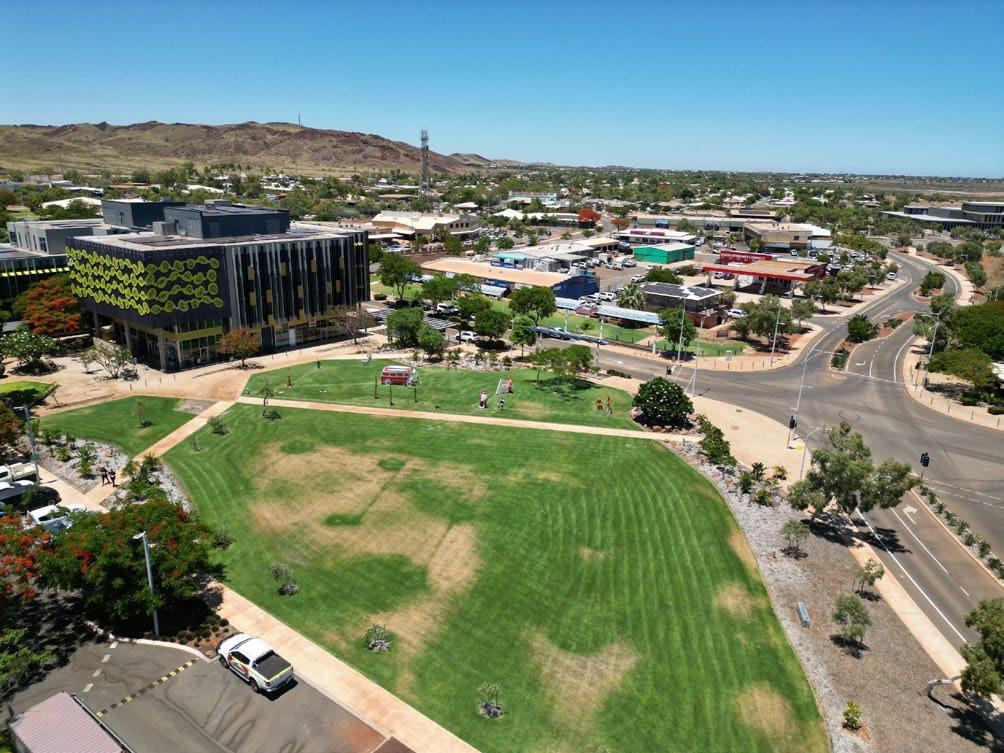
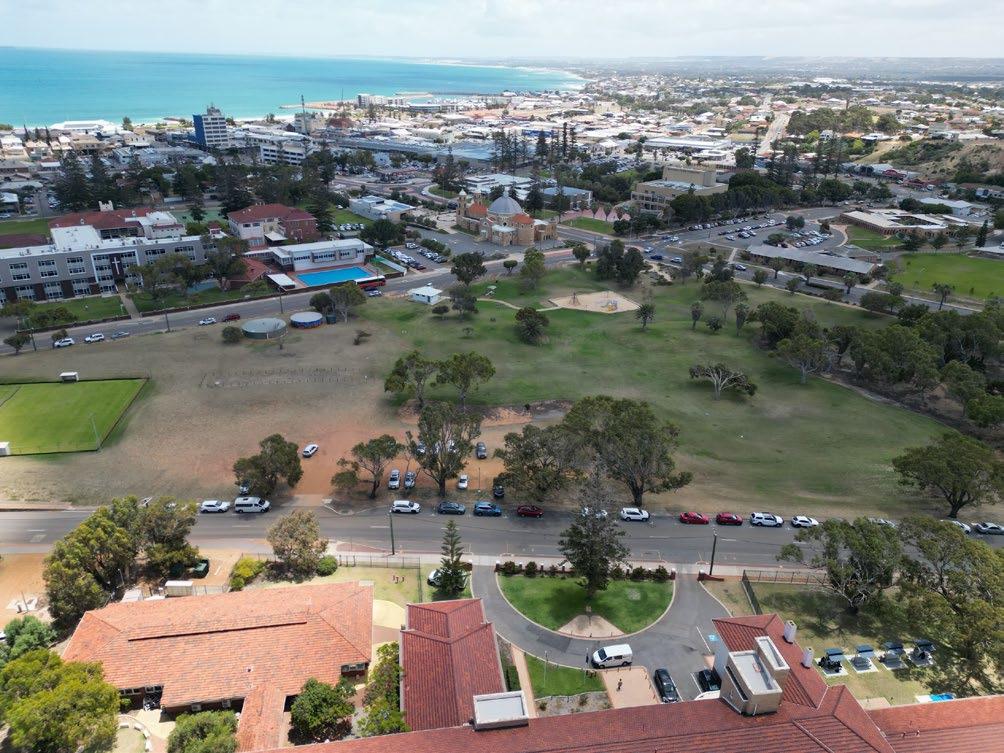
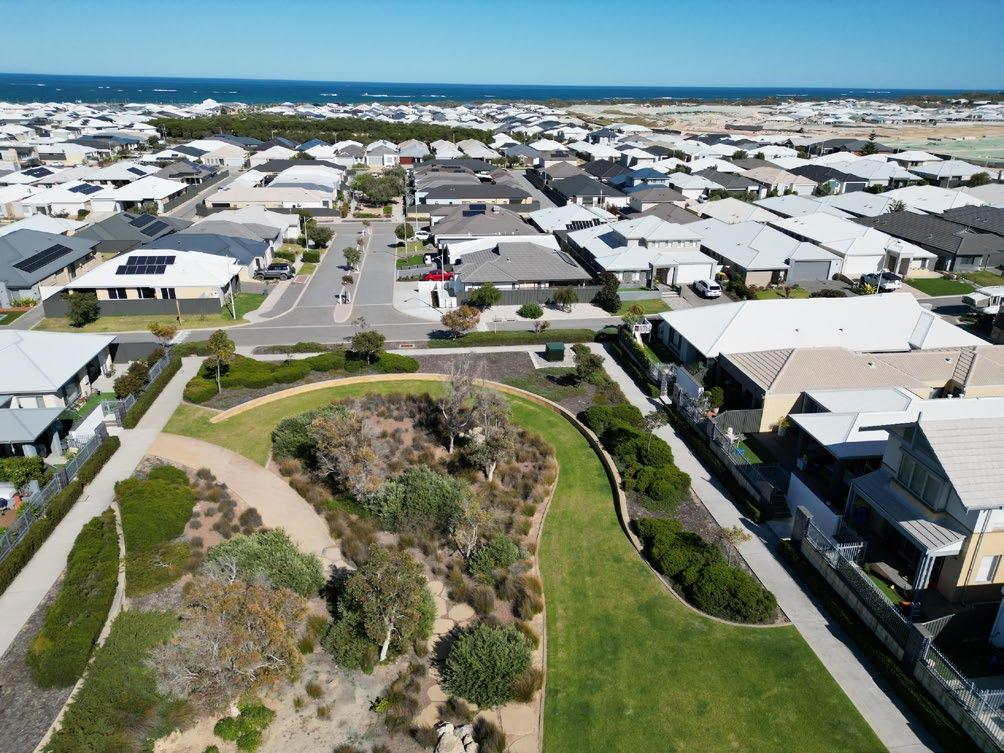
Figure 2 Typical parks in Western Australian case study regions provide little thermal comfort in hot conditions. (a) Town centre park in Karratha. (b) Maitland Park in Geraldton. (c) Midsummer Park in Jindalee, Perth.
The appropriate design of climate-adapted parks across climate regions relies on expertise informed by the lived experience of these regions and their climatic conditions. To draw on this local knowledge and address the gaps in our understanding, the central research question guiding this enquiry is:
What do urban professionals think are the most effective strategies for minimising heat stress in local or neighbourhood parks in Western Australia, and how does this vary by region?
(a)
(b)
(c)
3. Materials and methods
3.1 The study areas
The case study of this report is the state of Western Australia. The northern Kimberley and Pilbara regions experience a Hot semi-arid climate, and the Mid-west, Perth and Peel, and Southern areas a Mediterranean climate (Australian Academy of Science, 2021; Bureau of Meteorology, 2025) with varying climate change projections (Australian Academy of Science, 2021) (Table 2 and Figure 3).
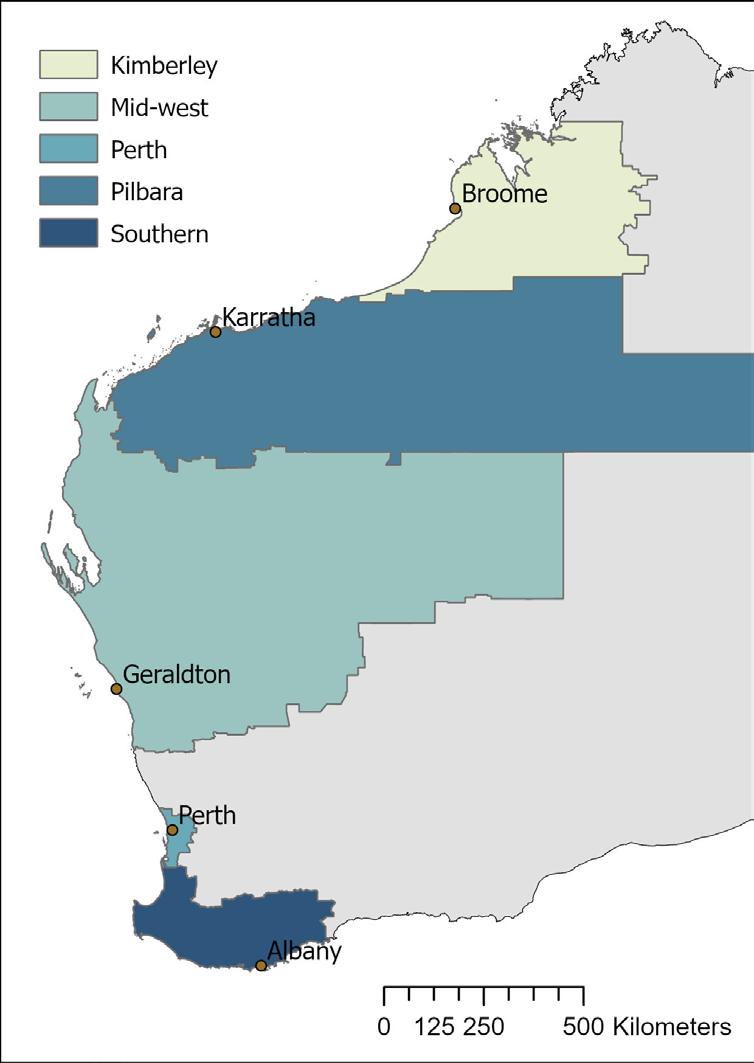
Figure 3: Case study Western Australian regions
Table 2: The case study regions, climate zone descriptions, and projections
Region Dominant urban centres Köppen climate zone
Kimberley Broome Hot semi-arid climate (BSh)
Description
Pilbara Karratha Hot semi-arid climate (BSh)
Broome has a hot semi-arid climate Broome experiences two main seasons: a dry period and a wet period The summer wet season, has mean maximum temperatures of 33.5°C, high humidity, frequent tropical downpours and occasional cyclones
Karratha has a hot semi-arid climate. Summers are very hot, with mean maximum temperatures of 36°C, and are mostly dry, but the monsoon can sometimes bring high humidity, thunderstorms, and occasional cyclones
Climate change
projections (RCP2.6 low; RCP8.5 high scenarios) for 2090 relative to 1995
Annual temperature increase of 2.7 to 4.9°C and rainfall changes of -26 to 23%
Annual temperature increase of 2.9 to 5.3°C and rainfall changes of -32 to 18%
Mid-West Geraldton Mediterranean climate (Csa) Geraldton features a Mediterranean climate with some semi-arid characteristics. Summers are hot with mean maximum temperatures of 31.3°C
Perth and Peel Perth Mediterranean climate (Csa)
Southern Albany Mediterranean climate (Csb)
3.1.1 Data Collection
Perth has a Mediterranean climate marked by hot, dry summers and mild, rainy winters. Summers have a mean maximum temperature of 29.7°C
Albany has a Mediterranean, warm summer climate Summers have a mean maximum temperature of 22.5°C
Annual temperature increase of 2.7 to 4.2°C and rainfall changes of -26 to 4%
Annual temperature increase of 2.7 to 4.2°C and rainfall change of -26 to 4%
Annual temperature increase of 2.7 to 4.2°C and annual rainfall change of -26 to 4%
To obtain expert local knowledge of adaptation strategies for hot conditions in Western Australian regions, we surveyed industry and government experts in urban planning, management, and design. The survey was developed to capture data across two domains: Streetscapes and Open Space. The survey was distributed via email to State and Local Government partners (e.g., the City of Perth, the City of Cockburn, the City of Vincent, the City of Wanneroo, the Shire of Toodyay, the City of Greater Geraldton, the City of Karratha and the Shire of Broome). The survey was also promoted through (a) the Australian Urban Design Research Centre (AUDRC) and University of Western Australia School of Design (UWA) social media networks (e.g., LinkedIn). Survey dissemination occurred between June and September 2025
3.2 The survey tool
To identify and unpack expert preferences for climate adaptation strategies for parks, the authors developed a survey (The Streetscapes and Open Space Adaptation survey) using the online tool Survey Monkey® (2021). Initially, respondents were asked to nominate the region listed where they had professional experience: the Kimberley region (e.g., Broome), the Pilbara region (e.g., Karratha), the Mid-west region (e.g., Geraldton), the Perth and Peel region (e.g., Perth) and the Southern region (e.g., Albany).
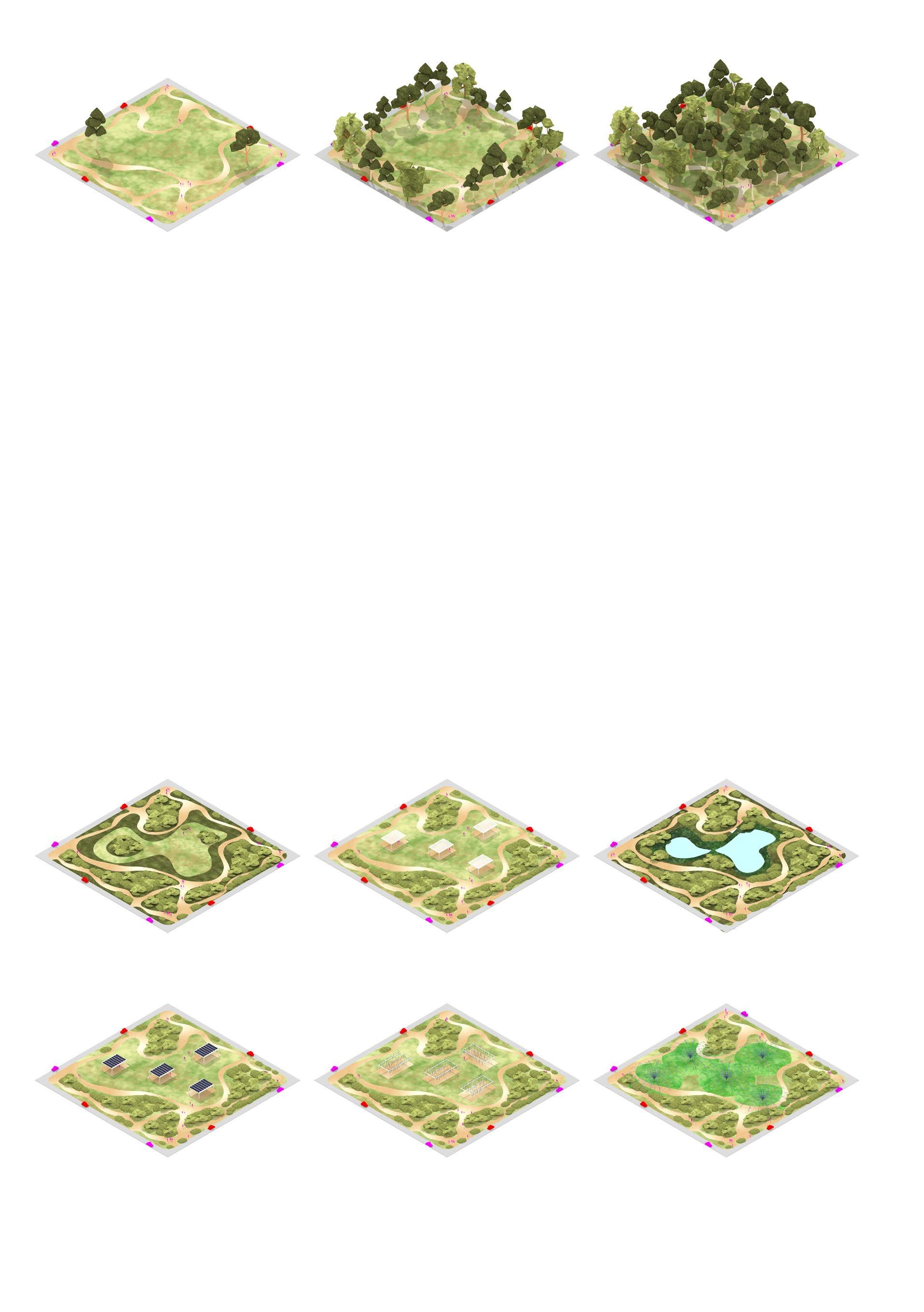
Whilst the full survey collected responses across two domains (i.e., streetscapes and open spaces), this report is focused on the open space responses. For this study, open space was defined as a typical Local or Neighbourhood Park. Respondents were told to presume it contains few trees, lightly irrigated turf and no ovals as infrastructure for team sports is provided in larger parks.
A visual was provided to describe this hypothetical park (Figure 4). A Local or Neighbourhood park was selected because of its proximity to housing (within a 5-10 minute walk of houses) and the lack of constraints posed by formal active recreation, both of which suit such parks to act as a refuge in hot conditions (Department of Sport and Recreation, 2012).
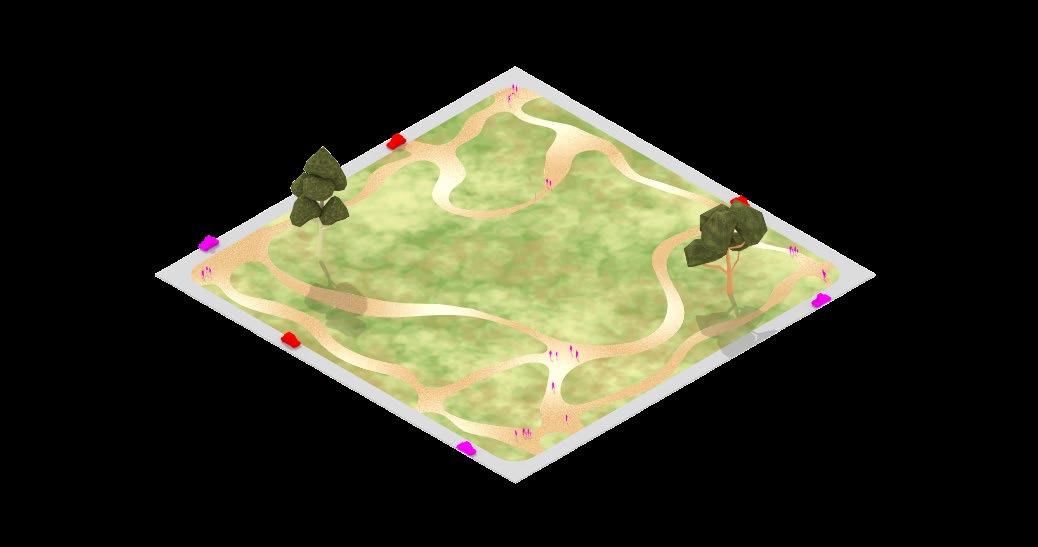
Figure 4: A typical Local or Neighbourhood Park
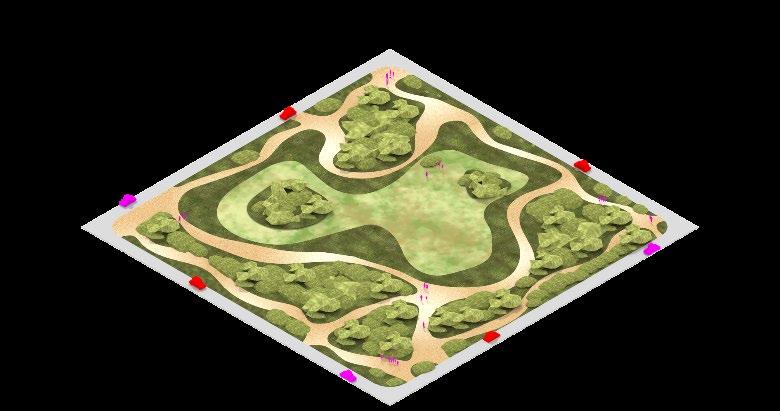
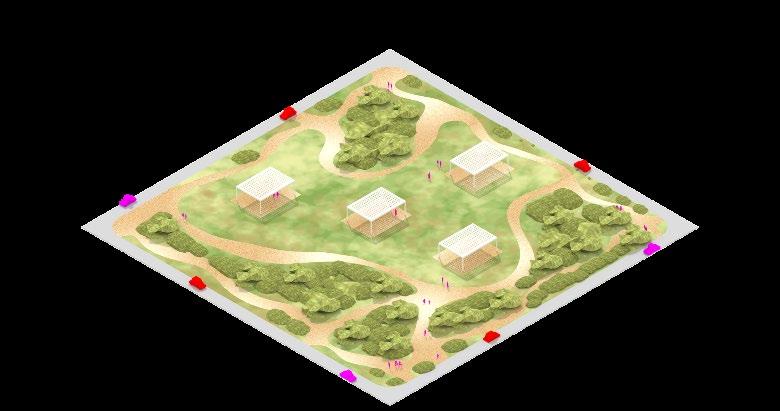
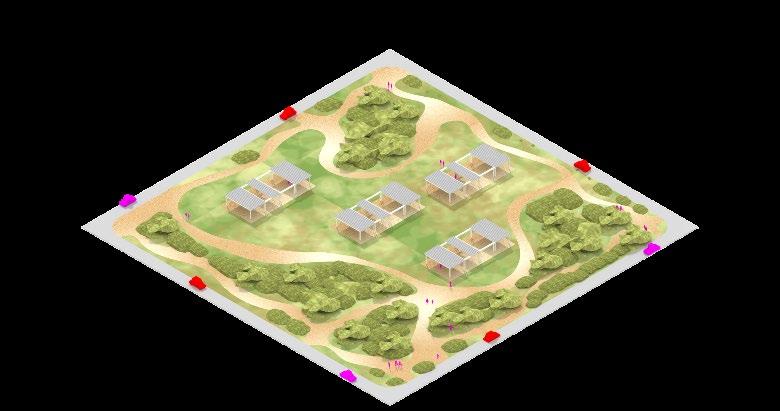
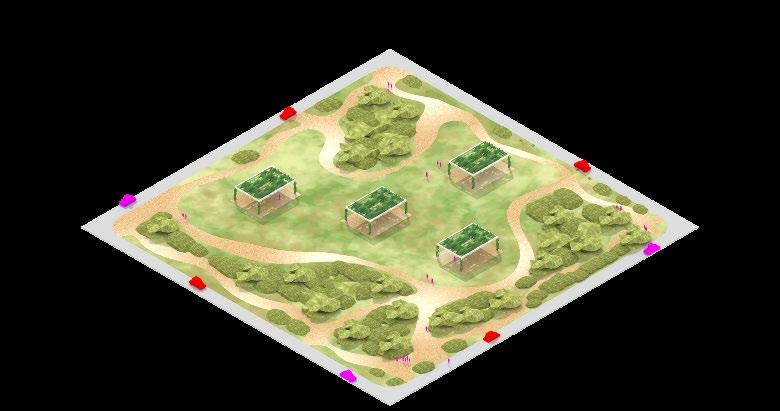
Next, adaptation strategies, identified in Climate Sensitive Urban Design and related literature as effective for heat adaptation, were described and illustrated (Figure 5) (Andrew M Coutts et al., 2013; Klemm et al., 2017; Sanda Lenzholzer, 2015; Nouri & Matzarakis, 2019; Oke et al., 2017; Sharifi et al., 2016; Shashua-Bar et al., 2009) These adaptation strategies were drawn from the literature set out in the Introduction section (Table 1) Respondents were asked to indicate the potential effectiveness of each strategy using a 5 point Likert scale based on the question: How effective would [insert adaptation strategy] be in improving the thermal comfort of park users in hot daytime conditions (~35°C) in your region?
A temperature of 35°C was nominated as it is broadly reflective of higher summer daytime conditions in the case study regions (Table 2) Possible Likert scale responses included Very ineffective, ineffective, neither ineffective nor effective, effective, very effective (Alabi & Jelili, 2023) Qualitative responses were examined and categorised into positive, negative, and neutral to provide additional context for the quantitative responses to the designs presented.
P-values were used to examine differences between regions across different strategies.
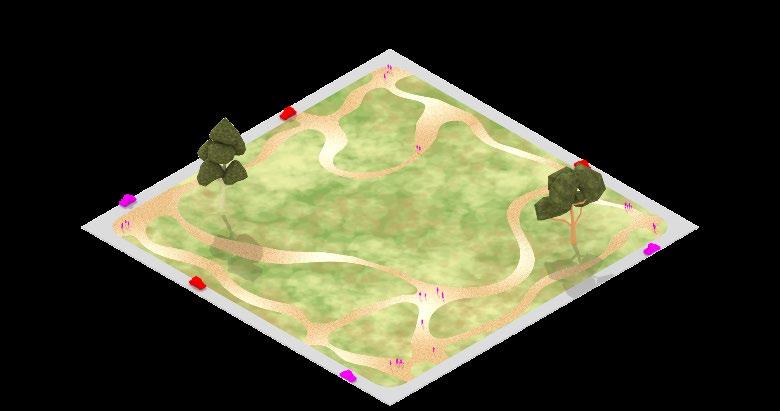
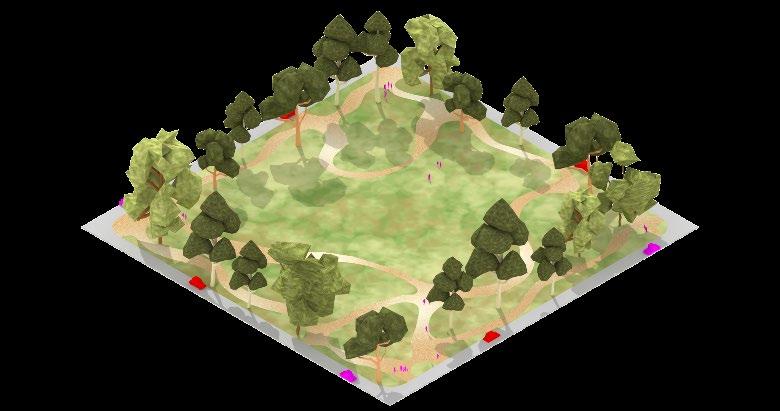
Base Increase tree canopy cover around edges Increase tree canopy cover throughout Increase plants and reduce grass
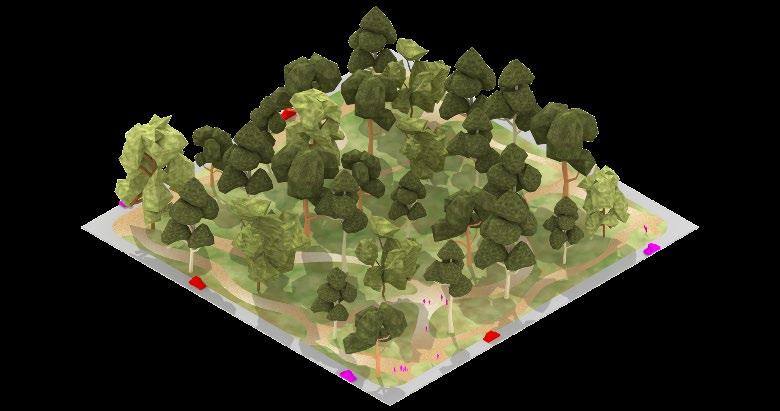
fixed shade structures
trellises with vines
Install removable shade sails. Install misting systems.
Increase irrigation rates.
Install a splash pad.
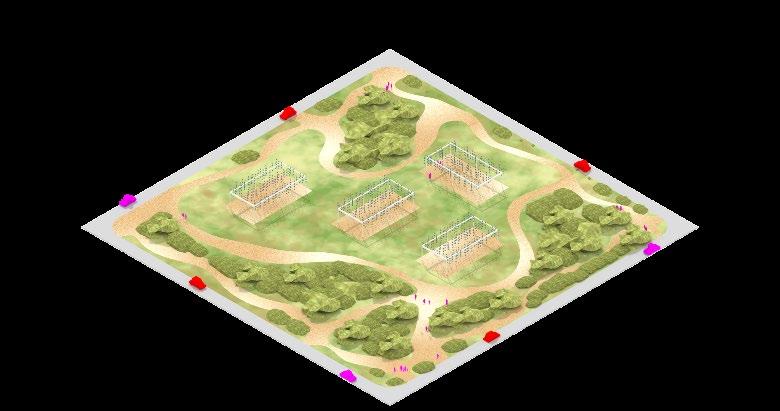
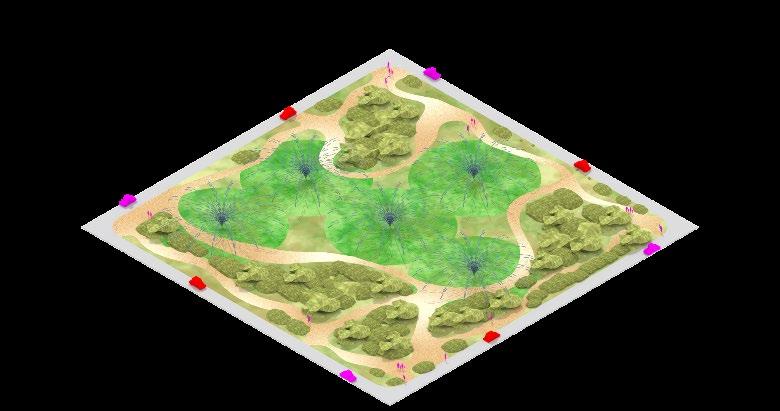
Introduce seasonal engineered wetlands
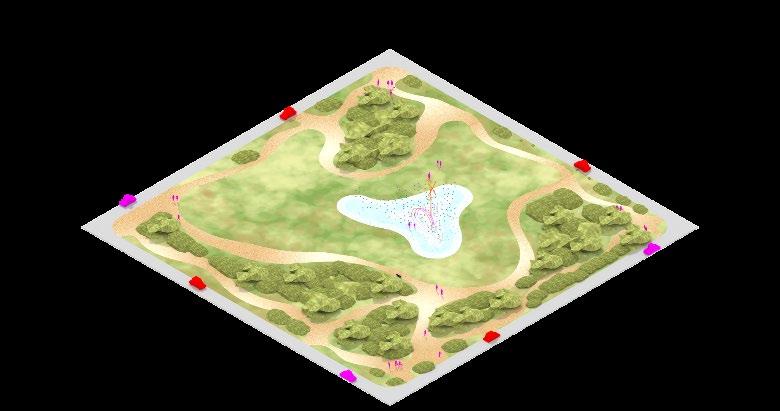
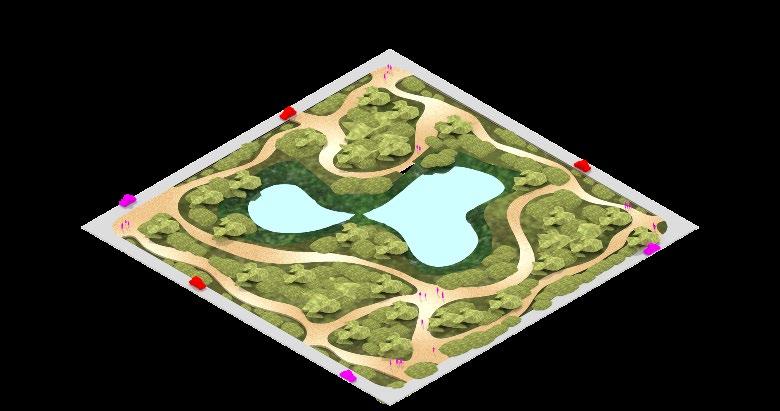
Figure 5 Park adaptation strategies presented in the Streetscape and Open Space survey
Subsequently, respondents were asked to briefly explain – with respect to the region – how projected rainfall changes could affect the implementation of park adaptation strategies, why or why not exotic or endemic tree types would be a feasible option for providing thermal comfort in parks and finally, what other strategies for parks would be effective to improve thermal comfort in hot conditions.
Respondents were then asked to provide details about their area of expertise, level of education and residential postcode. Respondents could report more than one area of expertise from a list. Approval to conduct the research was provided by the University of Western Australia, in accordance with its ethics review and approval procedures (2024/ET000384).
3.2.1 Analyses
The Streetscape and Open Space Adaptation Survey was mailed to 11 experts, who then shared it with their networks Data were cleaned to remove respondents (n=2) who did not provide a regional location for their responses. This process resulted in a final study sample of 87 participants across six climate regions. The data was analysed using SPSS version 28. The authors conducted cross-tabulations and chi-square analyses across climate regions with 5 or more responses (i.e., Pilbara, Perth and Peel, and Mid-west) to identify differences in adaptation preferences (p < 0.05).
4. Results
4.1
Demographic characteristics
A total of 87 respondents completed the open space survey questions. Demographic data of respondents, including their professional area of expertise, is presented in Table 3 It should be noted that respondents were able to report expertise across multiple areas.
Table 3: Caption: Demographic characteristics of survey respondents
*Missing data not reported
4.2 Respondent preferences for climate adaptation strategies
The table below (Table 4) presents the effectiveness of adaptation strategies for improving the thermal comfort of park users in hot daytime conditions (~35°C) across regions, as assessed by survey participants.
Table 4: The effectiveness of park adaptation strategies by region.
Observed p-values for Perth/Peel, Mid-West and Pilbara regions only
In the Perth region, increasing tree canopy throughout was most highly ranked for likely effectiveness, closely followed by increasing tree canopy around park edges Ranked equal third was increasing planting and reducing grass and trellises with vines. In the Perth and Peel region, misting systems and increased irrigation were ranked last and second last, respectively. Significant differences were observed between expert opinions across areas in the two adaptation strategies presented. Splash pads were reported to be effective by a greater percentage of experts in the Pilbara region than in the Perth/Peel and Mid-West regions (p<0.001). Removable shade sails were reported to be effective by similar percentages of experts in the Pilbara and Mid-West, compared with Perth, where experts reported lower expectations of effectiveness Qualitative commentary from respondents is summarised below, in order of the relative popularity of each open space adaptation strategy among the numerically dominant Perth-based cohort Unless otherwise noted, quotes are from Perth respondents.
4.2.1 Increase tree canopy throughout (1st highest rated effectiveness)
Respondents identified that increasing tree canopy cover throughout Local or Neighbourhood Parks would be most effective in improving thermal comfort of park users in hot daytime conditions (~35°C). Commentary indicated that this approach would ‘increase the overall shading of the park’ (Southern respondent) and that it would be ‘indisputably cooler’ than the base condition and would reduce the water demands of turf. Others noted that this strategy would enable ‘more people to meet people and walk their pets in the warmer months’ and that ‘mental wellbeing’ would be boosted given the greater ‘naturalness’ (Pilbara respondent). Nonetheless, some participants worried about a lack of ‘solar penetration in the winter to make the park inviting’ (Mid-West respondent), a lack of possible ‘passive surveillance which is critical to creating a safe space’ (MidWest respondent) and a reduction of the ‘usability of the park for active recreational purposes Moreover, in the Kimberley region, concerns were expressed about the difficulties of securing large trees during cyclones.
4.2.2 Tree canopy around park edges (2nd highest rated effectiveness)
Respondents identified that increasing tree canopy around Local or Neighbourhood Parks would be effective in improving the thermal comfort of park users in hot daytime conditions. Commentary indicated that this approach would allow ‘high canopy with plenty of gaps at lower level for breezes to penetrate’ (Mid-West respondent), and that ‘edge coverage still provides cooling to the park at various times due to shadow translation throughout the day ’ Moreover, other participants noted that by leaving the central area unplanted, ‘recreational activities in the middle area’ could be retained. In contrast, other participants pointed out that the cooling effect would be limited by the ‘lack of interconnectedness of the tree canopy’ and it ‘would still be hot in the middle of the park.’
4.2.3 Increased planted and reduced grass (3rd highest rated effectiveness)
Participants identified that increased planting and reduced grass areas in Local or Neighbourhood Parks would be reasonably effective in improving thermal comfort of park users in hot daytime conditions and that ‘less reticulation would be required once established with the correct plant choice.’ Despite its relatively high ranking several other respondents were more cautious noting, ‘turf has cooling effects due to the irrigation... so the shift from turf to other (assumedly) non-irrigated vegetated surfaces does not necessarily add significant cooling effects’ and it ‘depends if the plants are irrigated; if they are dry planted they struggle in the urban environment, whereas lawn perspires which has a cooling effect whereas most natives do not’. Finally, another participant warily noted, ‘we already have this, these areas remain no-go zones in summer’ (Pilbara respondent).
4.2.4 Trellises with vines (4th highest rated effectiveness)
Respondents identified that trellises with vines in Local or Neighbourhood Parks would be reasonably effective in improving the thermal comfort of park users in hot daytime conditions. As one participant noted, ‘trellises with vines intercept most of the sun’s energy and cool air temperatures through the evaporation of moisture from leaves.’ However, others worried that they are only ‘effective where patrons wish to stay in one place (e.g., over BBQs) but should not be considered as an alternative to trees’ because they would have minimal benefit to the whole park. Moreover, some participants were concerned that the ‘cost of installation, maintenance and renewal is high, established planting would be destroyed when structures need to be renewed and maintained’ and that ‘you won't find a species that could tolerate the heat, and would require irrigation as well’ (Pilbara respondent).
4.2.5 Seasonal engineered wetlands (5th highest rated effectiveness)
Participants identified that seasonal engineered wetlands in Local or Neighbourhood Parks would be modestly effective in improving the thermal comfort of park users in hot daytime conditions Positive commentary indicated that ‘if the site has a history of wetland systems and ecologies, then these have significant cooling and ecological benefit’ and would mean that ‘vegetation would be more likely to survive’ hot conditions and that ‘with drier summers, we need to have a way to retain and store some of the moisture to release through the seasons.’ Others noted the potential of seasonal engineered wetlands in conjunction with existing stormwater drainage networks that are generally co-located with footpaths (Pilbara respondent).
Nonetheless, other participants noted a fundamental issue, because of their ‘seasonal nature, they are likely to be dry in warmer months and therefore be less effective ’ However, responding to this seasonality, shade trees could be planted to stop the water ‘evaporating at a high rate’. Other concerns swirling around engineered wetlands were ‘mosquitoes and sand flies’ (Pilbara/ Kimberley respondent), the ‘growth of algae,’ high costs and that ‘damp land would hold onto heat for longer’.
4.2.6 Fixed shade structures (6th highest rated effectiveness)
Participants identified that fixed shade structures in Local or Neighbourhood Parks would be mostly ineffective in improving the thermal comfort of park users in hot daytime conditions Nonetheless, positive commentary indicated that fixed shade structures are ‘effective in providing respite,’ provide protection from rain (Mid-West respondent) and can be used ‘until canopy grows
sufficiently to provide shade.’ Moreover, they ‘reduce the risk of injury due to limb drop from trees’ and could be installed with ‘PV panels on the roof for powering of park lighting.’
However, negative comments were numerous, ‘they are effective where patrons wish to stay in one place (e.g., around BBQs) but are ‘not a cost-effective strategy for the broader park.’ As a Pilbara participant noted, ‘you have to walk through a lot of heat to get to them.’ Others noted fixed shade structures ‘should not be considered as an alternative for trees’ as they ‘do not give the added benefit of transpiration that you get with trees.’ Finally, respondents considered that the ‘cost of installation, maintenance and renewal is high.’
4.2.7 Splash pad (7th highest rated effectiveness)
Respondents identified that splash pads in Local or Neighbourhood Parks would be mostly ineffective in improving the thermal comfort of park users in hot daytime conditions. Nonetheless, some noted that the ‘cooling effects of water might actually have a broader effect - a plume of sorts...’ as the ‘source of water would provide some evaporative cooling of surrounding air ’ Others noted that splashpads are ‘good for keeping the interest of, and cooling down, kids on a hot day and activating a space ’ Nonetheless, negative commentary abounded. Splashpads are ‘costly to install, and Councils tend to push back on installation due to high maintenance costs’ and that ‘this would be unlikely to provide overall benefits, unless you were in the water.’
4.2.8
Removable shade sails (8th highest rated effectiveness)
Participants identified that removable shade sails in Local or Neighbourhood Parks would be mostly ineffective in improving the thermal comfort of park users in hot daytime conditions. Nonetheless, positive commentary noted the removable shade sails ‘improve the flexibility of sunshade space’ (Southern respondent) because they ‘allow shade in the summer and sun in the winter’ (Mid-West respondent). Concerns however were that while they would ‘provide some small-scale benefit’ they would provide ‘minimal benefit to the park as a whole’ and no ‘air temperature reduction,’ that ‘cost of installation, maintenance and renewal is high’ and that in the Pilbara and Kimberley they ‘would need to be taken down at least three times every summer due to cyclone preparation’ (Pilbara respondent).
4.2.9 Increase irrigation (9th highest rated effectiveness)
Respondents identified that increased irrigation in Local or Neighbourhood Parks would be generally ineffective in improving the thermal comfort of park users in hot daytime conditions. Nonetheless, a reasonable amount of positive commentary was provided. Some participants noted that ‘an increasing pursuit of a lack of water could lead to less watering, resulting in dry hot parks ’ As a Perth respondent described, ‘you just need to see all the parks on reduced water (6,500 Kilolitre per Hectare), and it feels noticeably hotter than other parks nearby that are on higher water allocations (7,500 Kilolitre per Hectare).’ Other participants noted that the reason for this was that ‘damp turf rereleases less radiation and cools the air’ and that increased irrigation means ‘vegetation is more likely to survive’. As such it was regarded ‘we will need to prioritise irrigation for trees, then gardens, then lawns in that order’
Nonetheless, the strategy received a slew of negative commentary. Some noted that increased irrigation would ‘increase humidity, would not reduce direct heat from the sun and that damp land would hold onto heat for longer.’ Others worried about the environmental implications because ‘potable water is becoming scarce and expensive’ and ‘bores are becoming saline’ (Mid-West
respondent) and ‘groundwater allocation will be reduced, challenging expectations of ratepayers for kerb-to-kerb green areas ’ Other problems were that the cooling effects of irrigation are ‘only effective when irrigation is running’ and that ‘operating irrigation sprinklers may discourage use of the area’. Moreover, in the Pilbara region, ‘most irrigation uses recycled water and cannot be used during the day when people are using the facility’ (Pilbara respondent).
4.2.10 Misting systems (10th highest rated effectiveness)
Respondents identified that misting systems in Local or Neighbourhood Parks would be ineffective in improving the thermal comfort of park users in hot daytime conditions. Nonetheless, positive comments noted misting systems could be effective in providing cooling in playgrounds and ‘areas of high traffic’ and that the ‘system can be turned on and off to suit the seasons ’ Nonetheless, issues were noted, including ‘initial upfront and maintenance costs,’ a lack of ‘overall cooling benefits,’ people not wanting ‘to sit in a misted area,’ and ‘increased humidity, potentially making it feel hotter’ as ‘misting could make it harder for bodies to regulate their temperature via sweating.’ Others noted that misting would be ‘dissipated too quickly in parks to deliver any real benefits’ unless deployed in ‘low-lying’ areas. Finally, others felt that ‘reduced rainfall means water has to be used more efficiently’, such as for irrigation.
4.2.11 Other strategies
Participants identified several additional adaptation strategies to improve the thermal comfort of park users in hot daytime conditions. These included sculpting the landform to create sunken cool spots, ‘reduce the amount of hard surfaces for car parking,’ planting trees in clumps to provide diverse micro-climatic conditions beneath and survive with minimal water supply over time,’ and ‘considering prevailing winds (cool and hot) and how to either channel cooling winds, or block hot winds’. Other proposals were for ‘umbrella-type structures that can be either brought by users or put up and down to suit needs and user-controlled,’ ‘improved drink fountain availability, for hydration and for people to splash themselves with water’, and a ‘reduction in heat-absorbing materials/albedo-reducing surfaces around installed features such as seating and play areas ’ Some survey participants noted important locational factors proposing that ‘parks should be co-located with community centres, shopping centres, and public transport nodes to allow for improved access to relief from heat waves.’ Several respondents noted the need for greater sensitivity to climatic factors in park design:
Sometimes I don't think landscapers consider wind or sun direction and plop seats in the middle of nowhere along a path, not realising that at midday, those seats are in the sun, not shaded by the nearby trees
Others noted that the ‘location and angle of trees and structures should be carefully considered, like in building design, to provide the best shade.’
Further participants identified how a changing regime of park use could improve thermal comfort on hot days, ‘we need to talk about people adapting to how parks get used, i.e. evening and early morning use, etc. You need to adapt current ways of thinking rather than reinventing parks completely ’ Others referred to the need for better park maintenance budgets, stating, ‘great park design tends to be quashed by Local Governments due to ongoing maintenance costs ’
4.2.12 Tree-type commentary
The comparison of the virtues of endemic and exotic tree types received considerable commentary. Some participants felt that ‘native trees are adapted to heat stress in peak summer and also far less likely to lose leaves in summer months, therefore providing more consistent shade, and if larger, provide a much bigger radius of cooling.’ In the Pilbara region, a respondent noted:
Endemic trees are adapted to our arid climate. These trees will require less watering once established and provide good shade. Endemic trees are more cyclone-resistant. Exotic trees will require more water over the long term, and they are less cyclone-resistant
In the Midwest region, participants noted that exotic trees ‘require too much water and native trees are preferred because of their resilience and adaptation to the climate’ (Mid-West respondent). Respondents also identified the co-benefits provided by endemic trees:
While native trees provide less shade, they are way better for biodiversity. A Eucalyptus Rudis has over 1200 insects and many birds that nest in them.
Nonetheless, others noted the better thermal comfort provided by exotic trees, ‘exotic trees like the London Plane are super hardy and provide amazing shade’ and identified that ‘native trees tend to transpire less in summer than exotic trees’ and hence ‘exotic trees (if suitably irrigated) are likely to provide more cooling benefits ’ The deciduous canopy of many exotic trees was noted as desirable as it allows ‘solar penetration in winter’ and they were reported as being more ‘suitable for an urban environment’ (Mid-West respondent).
Commentary varied by region, with a Pilbara participant noting that ‘native plants don't get very tall here, so therefore they provide little shade.’ Similarly, in the Kimberley region, respondents indicated that ‘the ecosystem in Broome has very few endemic trees that provide effective shade. Conversely, exotic, evergreen trees with large, dense canopies are very effective (e.g. African Mahogony).’ Nonetheless, some participants noted the vulnerability of exotic trees to cyclones in the Pilbara region due to wet clayey soils:
Exotic plants also struggle to penetrate the soil deeply, so they blow over during cyclones. However, implementing tree pruning to encourage short, wide trees and planting with root-ball and trunk support structures will help exotic species be more stable in high winds and better tolerate cyclones
Regardless of arguments for and against, the dominant theme in commentary, however, was that designers need to move beyond the simplistic binary of endemic versus exotic tree selection: Native or exotic no longer matters. We need trees suited to the changing climate (hotter temperatures and less water). Otherwise, the trees planted won't last, and years of revegetation efforts will be lost (Mid-West respondent).
As an example, other participants noted, ‘some native tree species are failing in areas where they have historically thrived due to lower rainfall, so considering species that are native to other drier areas is required to ensure tree survival’. In the Perth region, it was noted this could involve ‘adapting to climate change by bringing trees from more northern latitudes.’ Some felt that the binary logic of the appropriateness of endemic versus exotic trees overlooked other key considerations:
More relevant than exotic versus native debates is an overall strategy that prioritises Family, Genus and Species diversity, quality tree stock, proper planting site preparation, effective tree establishment and maintenance practices.
Moreover, other respondents noted the need for a ‘diversity of trees to be selected to increase resistance to environmental threats (pollution, pestilence) Planting combinations of endemic and exotic trees was regarded as:
The ideal approach . Exotic trees can provide excellent tree canopy; however, this should be balanced with native trees. A scatter of larger exotic trees where solar requirements are acute, supplemented with smaller native trees to improve urban ecology outcomes
4.2.13
Respondent preferences synthesised
The figure below represents a synthesis of Perth and Peel region respondent preferences for adaptation strategies for improving thermal comfort of park users in hot daytime conditions (Figure 6).
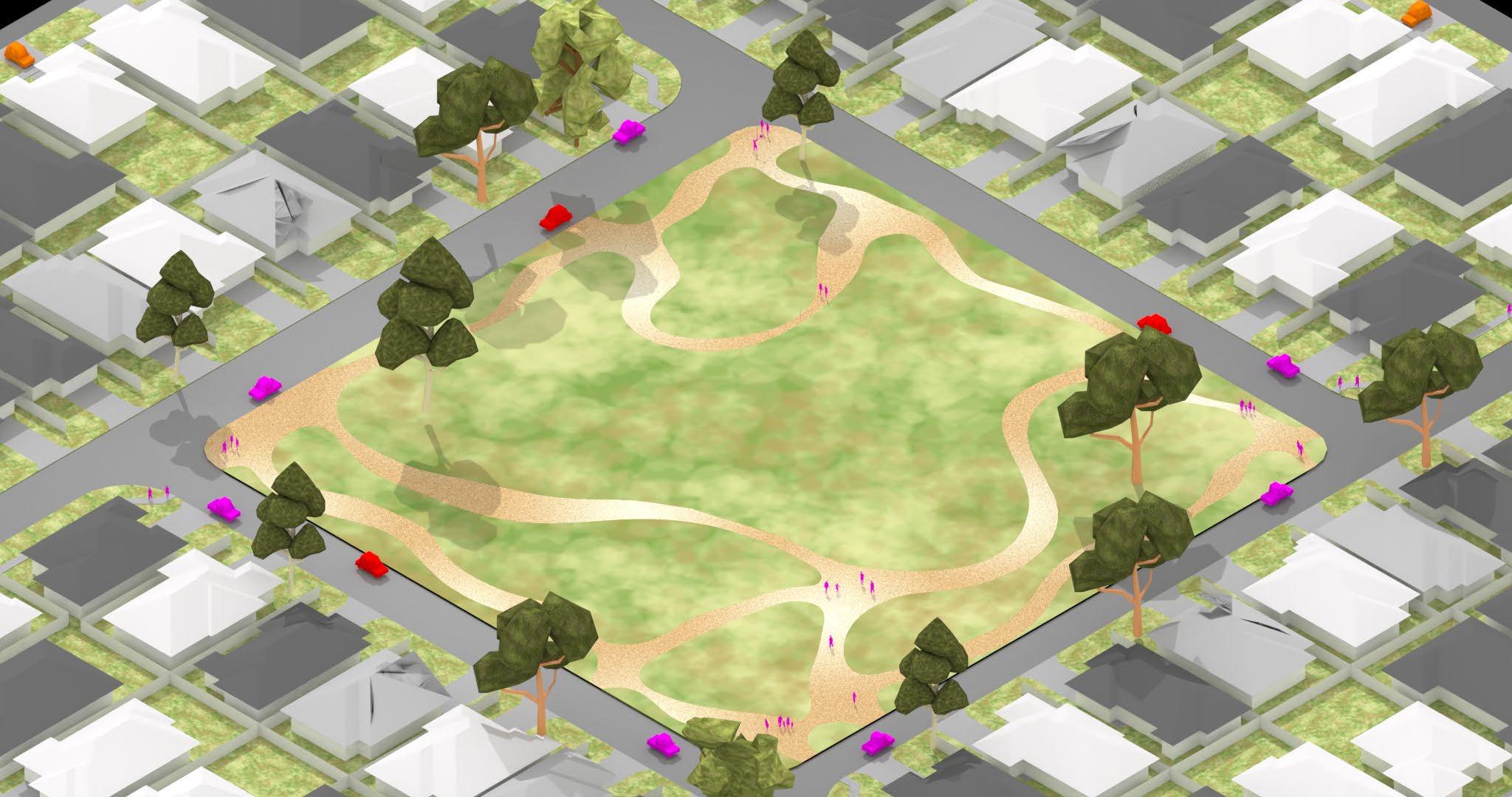
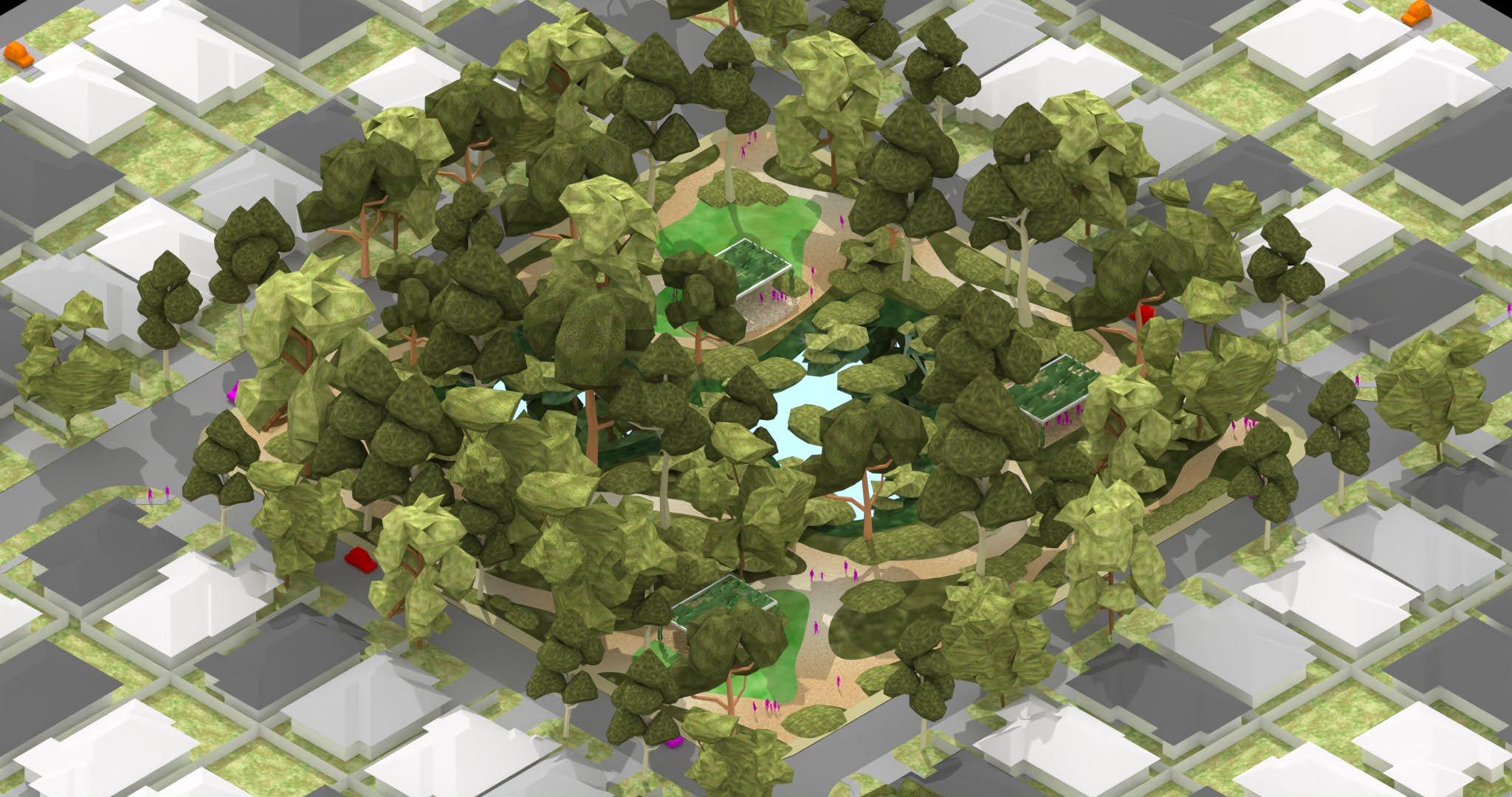
Figure 6: A synthesis of Perth and Peel region respondent preferences for adaptation strategies for improving thermal comfort of park users in hot daytime conditions. a) Existing. b) Post-adaptation with a mix of endemic and exotic trees throughout (first preference) and extending into park edges (second preference), increased planting and reduced turf (3rd preference), trellises with vines (4th preference) and seasonal engineered wetlands (5th preference).
(a)
(b)
5. Discussion
Below we discuss the findings of the Future Climate Future Home survey in relation to the related literature, consider challenges and risks such strategies may face and consider limitations and areas fertile for future research.
The results of our survey indicate an expert preference for nature-based solutions (e.g. canopy cover, planting or engineered wetlands) to improve thermal comfort in parks on hot days and conversely rated constructed solutions (e.g. shade sails or misting systems) typically poorly. This preference resonates with the related literature which advocates for investing in nature-based solutions, particularly vegetation, because of its feasibility and effectiveness in reducing heat intensity and improving thermal comfort across the park more broadly (Australian Government, 2024; Andrew M. Coutts, White, Tapper, Beringer, & Livesley, 2015; Howe, Hathaway, Ellis, & Mason, 2017; S. Lenzholzer, 2016), as well as delivering a host of co-benefits. The co-benefits of nature-based solutions include cultural ecosystem services such as supporting the mental well-being of park users (Georgiou, Morison, Smith, Tieges, & Chastin, 2021; Wood, Hooper, Foster, & Bull, 2017), and regulating ecosystem services such as improving water quality (Hoyer, Dickhaut, Kronawitter, & Weber, 2011)
5.1 Challenges to nature-based adaptation solutions
Despite their evident appeal, nature-based adaptation solutions confront challenges in application in Western Australian climate regions
5.1.1 Decreasing water availability for irrigation
As our respondents noted, however, cooling an urban area with nature-based solutions can face a ‘bottleneck situation.’ If there is not enough water available in the soil for vegetation during a heat wave, the plants’ evapotranspiration will be limited, as will their contribution to cooling (Andrew M Coutts et al., 2013) Moreover, water-stressed trees can lose a proportion of their canopy coverage, reducing leaf area index (Hsiao, 1973) and transpiration, and become less efficient at shading urban surfaces (Shashua-Bar et al., 2009). Extreme conditions can lead to tree embolism and death (Gaspar et al., 2002).
So, especially during heat waves, sufficient irrigation is needed (Sanda Lenzholzer, 2015), which can exacerbate water shortages, particularly in the Perth and Peel and Mid-West regions (Rogers, Hammer, Werbeloff, & Chesterfield, 2015). The issue is also that in Mediterranean regions, the vast majority of irrigation demand occurs in summer and thus does not coincide with the time when water is available owing to winter rainfall (Grace, 2007). This means water harvested in winter needs to be stored for summer, which would incur significant costs (Grace, 2007). While aquifer storage and recovery is likely the most feasible storage solution in these regions (Grace, 2007), such a program is expensive to roll out across major urban centres. Irrigation during hot, dry summers can also, to some degree, be met through potable water supplies, but this has evident limits Such challenges will be compounded by climate change, with projections of declining rainfall (up to 26% by 2090 relative to 1995) and increasing evapotranspiration, particularly in the south-west of Western Australia (Australian Academy of Science, 2021).
5.1.2 The time required for nature-based solutions to reach maturity
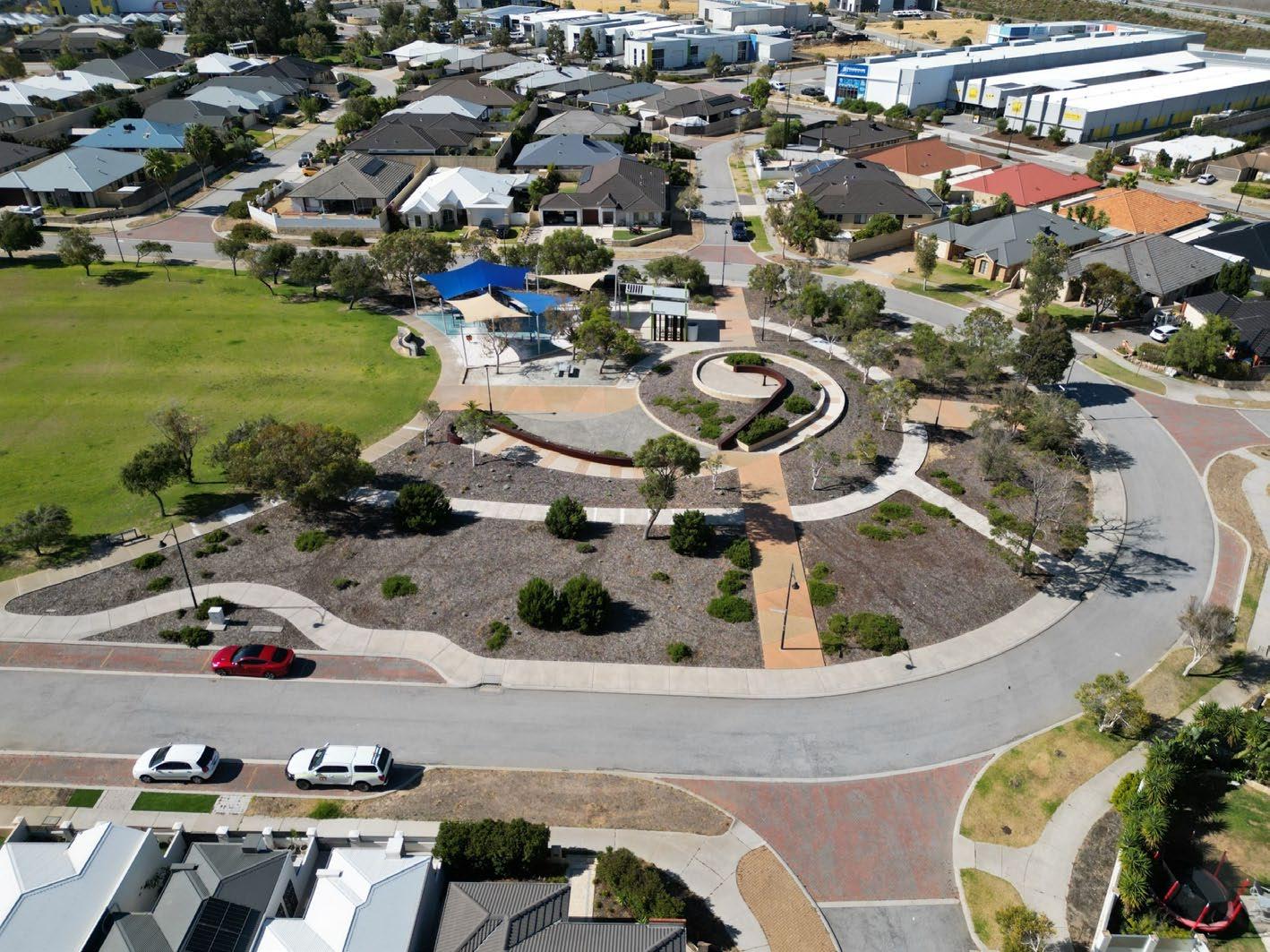
Another challenge of climate adaptation efforts relying on tree canopy cover for shade (for instance) is the time that such tree canopy will take to mature, more than a decade for many tree species (Figure 7). This reinforces the urgency of the climate adaptation of parks. Indeed, the pace at which the climate is changing, and impacts are emerging is potentially at odds with the need to enable more effective and faster adaptation (Australian Climate Service, 2025) Local government is at the forefront of providing communities with urban green space (Boulton & Dedekorkut-Howes, 2024) and is responsible for the design and maintenance of Local and Neighbourhood parks. Nevertheless, local governments’ efforts to urgently provide more elaborate and climate-adapted parks are limited by their capacity and financial sustainability (Boulton & Dedekorkut-Howes, 2024) This is concerning because adaptation options that are feasible and effective today will become constrained and less effective with increasing global warming (Lee et al., 2024)
5.1.3
Increasing humidity and reductions in evapotranspiration-related cooling
As our respondents noted, one key advantage of nature-based adaptation solutions over constructed solutions is evaporative cooling, which occurs when moisture evaporates from leaf stomata. However, this rate of evaporative cooling is influenced by the surrounding air's moisture deficit Relatively dry air passing through a tree canopy is both cooled and humidified, but the degree of these changes relies on the moisture deficit (Oke et al., 2017) As air temperatures increase across Western Australia with projected climate change, absolute humidity will also increase (as warmer temperatures can hold more moisture), and a decrease in evaporative cooling by vegetation will likely occur, reflecting that evaporative cooling from vegetation is most pronounced under warm and dry conditions (Andrew M Coutts et al., 2013).
Figure 7: Comparatively juvenile tree specimens provide little shade in a Perth park.
5.1.4 Threats posed by increasingly intense cyclones in the Pilbara and Kimberley regions
The north of Western Australia currently experiences a dramatic wet-dry seasonality (Dale, 2014), and in the Monsoon season, destructive cyclones are common (Woinarski, Mackey, Nix, & Traill, 2007). Most climate change models for northern Australia project that there will be an increase in the proportion of tropical cyclones that are in the more intense categories, but a possible decrease in the total number of cyclones (Hugo, 2012). As our respondents noted, nature-based solutions involving tree canopy will need to be specifically designed to withstand such extreme events. Responses include planting trees in stands rather than isolated individual trees and using built form to protect trees. Nonetheless, residual cyclone risks remain.
5.1.5 Eco-gentrification and vulnerable households
Disadvantaged people and households are the most vulnerable to the impacts of climate change (Australian Climate Service, 2025) However, one concern with the nature-based solutions proposed by our respondents is environmental gentrification, in which ecological improvements increase property values, thereby displacing lower-socioeconomic-status residents (Curran & Hamilton, 2012; Wolch, Byrne, & Newell, 2014). Such dynamics need to be countered through policy to ensure a minimum percentage of social and affordable dwellings in the park catchment, rent stabilisation programs, and incentives for homeownership and shared equity housing projects to enable existing residents to retain housing in an improving neighbourhood (Wolch et al., 2014) Otherwise, the park upgrades could ‘naturalise’ the disappearance of vulnerable, lowersocioeconomic-status residents, as the neighbourhood with the more attractive park becomes ripe for development (Curran & Hamilton, 2012)
5.2 Policy implications
Across Australia's three levels of government, planning to adapt to climate change is shambolic, and the obstacles to building resilience appear insuperable. To the extent that adaptation is underway, it is predominantly reactive rather than proactive, incremental rather than transformational (Hamilton & Wilkenfeld, 2024). While Local Governments are increasingly at the sharp end of adaptation (IPCC, 2022) their views on the relative benefits, costs and risks of development differ widely and swing back and forth according to election outcomes (Hamilton & Wilkenfeld, 2024) Moreover, councils today are ill-equipped for climate change adaptation, often ‘barely having the resources to carry out their normal tasks’ (Hamilton & Wilkenfeld, 2024).
The design of climate-adapted parks in Western Australia has also received little policy focus at the State Government level. The state Classification Framework for Public Open Space does not explain which classification of parks should seek to provide heat refuges for the surrounding communities (Department of Sport and Recreation, 2012). Other policy documents, such as the Public Parkland Planning and Design Guide, makes a cursory reference to the role of parks in ameliorating the impact of the urban heat island effect, but carries little authority anyway, in that the guide is only intended to function as a ‘reference point for discussion’ (Government of Western Australia, 2014, p. 2).
In the present era of climate emergency, such discretionary and flexible guidelines planning may not be effective or in the public interest (Bhoge et al., 2020) Rather strong ‘design, execute, and maintain’ policies must be adopted at the Local Government level (Bhoge et al., 2020) In relation to parks, these could stipulate a minimum level of shade in summer conditions relative to different
zones and also ensure existing tree protection (Hamilton & Wilkenfeld, 2024) Of course, there are no universal rules for Climate Sensitive Urban Design, and such state-wide regulation of park design would need to respond to regional weather and climate (Oke et al., 2017).
However, as Australia’s recently released ‘National Climate Risk Assessment’ warns, while adaptation can reduce climate risks, it may not eliminate them entirely (Australian Climate Service, 2025) Given the extremity of climate projections for Western Australia (Australian Academy of Science, 2021), it will be increasingly challenging to provide a safe microclimate in parks
5.3 Limitations
The authors acknowledge the limitations of the report Firstly, our respondents were primarily from Perth, so the findings are most relevant to this setting. Secondly, our survey questions (and related responses) typically focused on daytime conditions, such as providing shade through increased tree canopy cover. Nonetheless, we note that solutions such as extensive tree cover can inhibit nighttime comfort due to the reduced Sky View Factor (Rohinton, 2005) Thirdly, as our respondents noted, the selection of tree species and spacing of tree planting is vital, but the current understanding of the water use and climate performance of different tree species is patchy (Andrew M Coutts et al., 2013) Future region-specific research in this area is much needed. Fourthly, all the evidence indicates that those in the best position to adapt to a warming world will be those living in cooperative, considerate and resilient communities (Hamilton & Wilkenfeld, 2024) The role of region-specific park design in fostering such connected communities remains under-researched. Finally, future research by the authors will test the cooling offered by the various strategies using ENVI-met microclimatic modelling (ENVI-met, 2021).
6. Conclusion
Indeed, extreme heat is the most hazardous natural disaster in Australia and poses a higher health risk to marginalised groups, low socio-economic populations, and residents of areas with little vegetation or tree cover. In response, this report has assessed the effectiveness of strategies to improve thermal comfort in parks in hot daytime conditions across several climate regions in Western Australia, based on local expert opinion. The results indicate a consistent preference for naturebased solutions to improve thermal comfort on hot days. This preference raises questions about water availability in the south-west due to reduced rainfall and reduced evapotranspiration-related cooling owing to increasing humidity. Despite the challenges, the survey findings provide evidence for designers to reimagine parks for thermal comfort under current and likely future climate conditions.
7. Next steps
Subsequent phases of the project will:
• Develop and evaluate the performance of design proposals to adapt urban precinct and housing case studies to projected climate change using micro-climatic, building energy, and water modelling (Phase 3)
• Develop CSUD principles for adaptation of WA urban precincts and housing to temperature and rainfall changes for inclusion in the revision of future state and local government policies and design guidance (Phase 4)
8. References
Alabi, A. T., & Jelili, M. O. (2023). Clarifying likert scale misconceptions for improved application in urban studies. Quality & Quantity, 57(2), 1337–1350.
Australian Academy of Science. (2021). The risks to Australia of a 3°c warmer world. Canberra. Retrieved from www.science.org.au/warmerworld
Australian Climate Service. (2025). Australia’s National Climate Risk Assessment: An Overview. Retrieved from https://www.acs.gov.au/pages/national-climate-risk-assessment
Australian Government. (2024). National Urban Policy: Consultation draft. Retrieved from https://www.infrastructure.gov.au/sites/default/files/documents/draft-national-urbanpolicy.pdf
Bhoge, R., Nolan, H., & Pojani, D. (2020). Designing the subtropical city: an evaluation of climatesensitive policy effects in Brisbane, Australia. Journal of Environmental Planning and Management, 63(10), 1880–1901.
Bolleter, J., & Ramalho, C. (2014). The potential of ecologically enhanced urban parks to encourage and catalyze densification in greyfield suburbs. Journal of Landscape Architecture, 9(3), 54–65. https://doi.org/10.1080/18626033.2015.968418
Bolleter, J., & Ramalho, C. (2019). Greenspace-Oriented Development: Reconciling urban density and nature in suburban cities. London: Springer. https://doi.org/10.1007/978-3-030-29601-8
Boulton, C., & Dedekorkut-Howes, A. (2024). How funding scarcity and ineffective governance tools inhibit urban greenspace provision: An exploration of municipal greenspace managers’ insights. Landscape and Urban Planning, 251, 105172. 10.1016/j.landurbplan.2024.105172 Bureau of Meteorology. (2025). Climate statistics for Australian locations. Retrieved from http://www.bom.gov.au/climate/averages/tables/cw_003003_All.shtml
Byrne, J., & Sipe, N. (2010). Green and open space planning for urban consolidation – A review of the literature and best practice Urban Research Program (Vol. 11). Brisbane: Griffith University.
Cheng, X., Wei, B., Chen, G., Li, J., & Song, C. (2015). Influence of Park Size and Its Surrounding Urban Landscape Patterns on the Park Cooling Effect. Journal of urban planning and development, 141(3). 10.1061/(asce)up.1943-5444.0000256
Cooperative Research Centre for Water Sensitive Cities. (2020). Designing for a cool city–Guidelines for passively irrigated landscapes. Melbourne.
Coutts, A. M., Tapper, N. J., Beringer, J., Loughnan, M., & Demuzere, M. (2013). Watering our cities: The capacity for Water Sensitive Urban Design to support urban cooling and improve human thermal comfort in the Australian context. Progress in Physical Geography, 37(1), 2–28.
Coutts, A. M., White, E. C., Tapper, N. J., Beringer, J., & Livesley, S. J. (2015). Temperature and human thermal comfort effects of street trees across three contrasting street canyon environments. Theoretical and Applied Climatology, 124(1), 55–68. 10.1007/s00704-015-1409-y
Curran, W., & Hamilton, T. (2012). Just green enough: contesting environmental gentrification in Greenpoint, Brooklyn. Local Environment, 17(9), 1027–1042. 10.1080/13549839.2012.729569
Dale, A. (2014). Beyond the north-south culture wars: reconciling Northern Australia's recent past with its future. New York: Springer. Department of Sport and Recreation. (2012). Classification framework for public open space. Perth: Department of Sport and Recreation.
Duncan, J., Boruff, B., Saunders, A., Sun, Q., Hurley, J., & Amati, M. (2019). Turning down the heat: An enhanced understanding of the relationship between urban vegetation and surface temperature at the city scale. Science of the Total Environment, 656, 118–128. ENVI-met. (2021). ENVI-met: decoding urban nature. Retrieved from https://www.envi-met.com/ García-Haro, A., Arellano, B., & Roca, J. (2023). Quantifying the influence of design and location on the cool island effect of the urban parks of Barcelona. Journal of Applied Remote Sensing, 17(3), 034512–034512.
Gaspar, T., Franck, T., Bisbis, B., Kevers, C., Jouve, L., Hausman, J.-F., & Dommes, J. (2002). Concepts in plant stress physiology. Application to plant tissue cultures. Plant growth regulation, 37(3), 263–285.
Georgiou, M., Morison, G., Smith, N., Tieges, Z., & Chastin, S. (2021). Mechanisms of Impact of Blue Spaces on Human Health: A Systematic Literature Review and Meta-Analysis. International Journal of Environmental Research and Public Health, 18(5), 2486.
Government of Western Australia. (2014). Public Parkland Planning and Design Guide WA. Perth: Department of Sport and Recreation.
Grace, B. (2007). Sustainable Urban Living – a Perth Perspective. Australian Journal of Multidisciplinary Engineering, 5(1), 49–59.
Grace, B., Bolleter, J., Barghchi, M., & Lund, J. (2025). Unpacking Park Cool Island Effects Using Remote-Sensed, Measured and Modelled Microclimatic Data. Land, 14(8), 1686. https://doi.org/10.3390/land14081686
Hamilton, C., & Wilkenfeld, G. (2024). Living Hot : Surviving and Thriving on a Heating Planet (1st ed.). Richmond: Hardie Grant Books.
Howe, D. A., Hathaway, J. M., Ellis, K. N., & Mason, L. R. (2017). Spatial and temporal variability of air temperature across urban neighborhoods with varying amounts of tree canopy. Urban Forestry & Urban Greening, 27, 109–116. https://doi.org/10.1016/j.ufug.2017.07.001
Hoyer, J., Dickhaut, W., Kronawitter, L., & Weber, B. (2011). Water sensitive urban design: principles and inspiration for sustainable stormwater management in the city of the future. Hamburg: Jovis.
Hsiao, T. C. (1973). Plant responses to water stress. Annual review of plant physiology, 24(1), 519–570. Hugo, G. (2012). Population distribution, migration and climate change in Australia: an exploration. Urban Management, Transport and Social Inclusion, 1–101.
IPCC. (2022). IPCC Working Group II Sixth Assessment Report. Retrieved from https://www.ipcc.ch/report/ar6/wg2/
Klemm, W., van Hove, B., Lenzholzer, S., & Kramer, H. (2017). Towards guidelines for designing parks of the future. Urban Forestry & Urban Greening, 21, 134–145.
Lee, H., Calvin, K., Dasgupta, D., Krinner, G., Mukherji, A., Thorne, P., . . . Ruane, A. C. (2024). Climate change 2023 synthesis report summary for policymakers. CLIMATE CHANGE 2023 Synthesis Report: Summary for Policymakers
Lenzholzer, S. (2015). Weather in the City: How Design Shapes the Urban Climate. Rotterdam: nai010. Lenzholzer, S. (2016). Weather in the City: How Design Shapes the Urban Climate. Hungarian Geographical Bulletin, 65, 198–199. 10.15201/hungeobull.65.2.10
Lo, A. Y., Jim, C. Y., Cheung, P. K., Wong, G. K. L., & Cheung, L. T. O. (2022). Space poverty driving heat stress vulnerability and the adaptive strategy of visiting urban parks. Cities, 127, 103740. 10.1016/j.cities.2022.103740
Mason, H., C King, J., E Peden, A., & C Franklin, R. (2022). Systematic review of the impact of heatwaves on health service demand in Australia. BMC health services research, 22(1), 960. Mayrhuber, E. A.-S., Dückers, M. L. A., Wallner, P., Arnberger, A., Allex, B., Wiesböck, L., . . . Hutter, H.-P. (2018). Vulnerability to heatwaves and implications for public health interventions–A scoping review. Environmental Research, 166, 42–54.
Mills, G., & Stewart, I. D. (2021). The Urban Heat Island. San Diego: Elsevier. Motazedian, A., Coutts, A. M., & Tapper, N. J. (2020). The microclimatic interaction of a small urban park in central Melbourne with its surrounding urban environment during heat events. Urban Forestry & Urban Greening, 52, 126688.
Mueller, E. C., & Day, T. A. (2005). effect of urban ground cover on microclimate, growth and leaf gas exchange of oleander in Phoenix, Arizona. International Journal of Biometeorology, 49(4), 244–255. 10.1007/s00484-004-0235-1
Nardino, M., & Laruccia, N. (2019). Land use changes in a peri-urban area and consequences on the urban heat island. Climate (Basel), 7(11), 133. 10.3390/cli7110133
Nouri, A. S., & Matzarakis, A. (2019). The maturing interdisciplinary relationship between human biometeorological aspects and local adaptation processes: An encompassing overview. Climate (Basel), 7(12), 134. 10.3390/cli7120134
Oke, T. R., Mills, G., Christen, A., & Voogt, J. A. (2017). Climate-Sensitive Design. In (pp. 408–452). United States: Cambridge University Press. 10.1017/9781139016476.016
Rogers, B., Hammer, K., Werbeloff, L., & Chesterfield, C. (2015). Shaping Perth as a Water Sensitive City: Outcomes and perspectives from a participatory process to develop a vision and strategic transition framework. Melbourne.
Rohinton, E. (2005). An Urban Approach to Climate Sensitive Design: Strategies for the Tropics. London: Taylor & Francis. Retrieved from http://ebookcentral.proquest.com/lib/uwa/detail.action?docID=200671
Saaroni, H., & Ziv, B. (2003). The impact of a small lake on heat stress in a Mediterranean urban park: the case of Tel Aviv, Israel. International Journal of Biometeorology, 47(3), 156–165.
Sharifi, E., Sivam, A., & Boland, J. (2016). Resilience to heat in public space: a case study of Adelaide, South Australia. Journal of Environmental Planning and Management, 59(10), 1833–1854. https://doi.org/10.1080/09640568.2015.1091294
Shashua-Bar, L., Pearlmutter, D., & Erell, E. (2009). The cooling efficiency of urban landscape strategies in a hot dry climate. Landscape and Urban Planning, 92(3-4), 179–186.
Shooshtarian, S., Lam, C. K. C., & Kenawy, I. (2020). Outdoor thermal comfort assessment: A review on thermal comfort research in Australia. Building and Environment, 106917.
Spronken-Smith, R. A., & Oke, T. R. (1998). The thermal regime of urban parks in two cities with different summer climates. International journal of remote sensing, 19(11), 2085–2104. SurveyMonkey. (2021). SurveyMonkey. Retrieved from www.surveymonkey.com
Vanos, J. K., Warland, J. S., Gillespie, T. J., Slater, G. A., Brown, R. D., & Kenny, N. A. (2012). Human Energy Budget Modeling in Urban Parks in Toronto and Applications to Emergency Heat Stress Preparedness. Journal of Applied Meteorology and Climatology, 51(9), 1639–1653. 10.1175/jamc-d-11-0245.1
Woinarski, J., Mackey, B., Nix, H., & Traill, B. (2007). The Nature of Northern Australia: Natural values, ecological processes and future prospects. Canberra: ANU Press.
Wolch, J. R., Byrne, J., & Newell, J. P. (2014). Urban green space, public health, and environmental justice: The challenge of making cities ‘just green enough’. Landscape and Urban Planning, 125, 234–244. 10.1016/j.landurbplan.2014.01.017
Wood, L., Hooper, P., Foster, S., & Bull, F. (2017). Public green spaces and positive mental health–investigating the relationship between access, quantity and types of parks and mental wellbeing. Health & place, 48, 63–71.
Yu, Z., Guo, X., Jørgensen, G., & Vejre, H. (2017). How can urban green spaces be planned for climate adaptation in subtropical cities? Ecological Indicators, 82, 152–162. https://doi.org/10.1016/j.ecolind.2017.07.002