
Contents lists available at ScienceDirect

Contents lists available at ScienceDirect
journal homepage: www.elsevier.com/locate/landurbplan
Julian Bolleter a, * , Paula Hooper a, b , Alex Kleeman c , Nicole Edwards a , Sarah Foster c
a Australian Urban Design Research Centre, University of Western Australia, Perth, Australia
b Nutrition & Health Innovation Research Institute, School of Medical & Health Sciences, Edith Cowan University, Australia
c Centre for Urban Research, School of Global Urban and Social Studies, RMIT University, Australia
• This paper establishes a novel typology of communal outdoor space within apartment buildings.
• The paper then systematically accounts for their respective green space provision and usage by residents.
• Dominant communal outdoor space typologies on podiums and rooftops deliver poor access to green space.
• Dominant communal outdoor space typologies on rooftops deliver are poorly used.
ARTICLE INFO
Keywords:
Communal Open Space
Communal Outdoor Space
Green space
Apartments
Urban densification
Public Open Space
Greenery
There is a consensus that higher-density urban settings need to be accompanied by communal outdoor space (COS) to bolster the well-being of apartment residents. Nonetheless, there is a lack of studies identifying COS types in apartment buildings and systematically assessing the degree to which they provide greenery and are used by residents. In response, this study developed a COS typology for apartment buildings in Australian cities, measured the degree to which each COS type provides access to greenery, and examined which COS types received the most frequent visitation via a resident survey (n = 975). Results show that some dominant COS typologies provide scant access to greenery and are underutilised. For instance, the Podium Terrace and Roof Terrace types only contained 24 and 8 % vegetated area, with the remainder hard surfaces. Moreover, the Podium Terrace and Roof Terrace types averaged no substantial trees. Conversely, ground floor types such as Parks and Setback Gardens contained 51 and 53 % planted area, respectively and significant numbers of trees. Policy requirements that target specific COS types could elevate their naturalness and increase use.
Since the adoption of sustainability goals in the 1990s, the compact city model has been enshrined in urban planning policy in most nations (Angel, 2012). Anticipated positive outcomes of the compact city model include reduced automobile dependency and carbon dioxide emissions (Matsumoto, Sanchez-Serra, & Ostry, 2012), the conservation of productive farmland and natural habitat (McDonald, 2015), reduced infrastructure investment for transport, energy and water supply, and waste disposal systems, and a greater diversity of local services and employment opportunities (Matsumoto et al., 2012). Nonetheless, the compact city model has elicited concerns. The adverse effects of higher
densities can include traffic congestion, air and water pollution, expensive housing, diminished quality of life, increased urban heat island effects, high energy demands, and the loss of green spaces (Matsumoto et al., 2012).
Australia is a microcosm of this situation and is amidst a surge in apartment living. In 2021, the Australian Census of Population and Housing found that an unprecedented 2,620,903 people (10.3 % of the population) resided in apartments. Furthermore, the proportion of apartments continues to increase, comprising 31 % of the rise in privately owned dwellings since 2016 (The Australian Bureau of Statistics, 2022). Surging apartment dwelling is partly due to the prevalence of compact city planning policy in all Australian capital cities.
* Corresponding author at: The Australian Urban Design Research Centre, University of Western Australia (M433), School of Design, Clifton St, Nedlands UWA, Perth, Western Australia 6009, Australia.
E-mail address: Julian.bolleter@uwa.edu.au (J. Bolleter).
https://doi.org/10.1016/j.landurbplan.2024.105040
Received 4 October 2022; Received in revised form 27 November 2023; Accepted 14 February 2024
Availableonline26February2024
0169-2046/©2024TheAuthors.PublishedbyElsevierB.V.ThisisanopenaccessarticleundertheCCBYlicense(http://creativecommons.org/licenses/by/4.0/).
Increasing apartment living in Australia prompts questions about the required amount of communal outdoor space (COS) residents need to bolster physical and mental health and well-being and engender social interactions and a sense of community (Kleeman et al., 2022; Huang, 2006; Lee, 2011; Wu & Ge, 2020). While apartment residents can access outdoor space via private open space (e.g., balconies or private courtyards) and the broader neighbourhood Public Open Space (POS), private balconies and courtyards provide limited space for vegetation and POS might be a substantial walk away. As such, COS (e.g., terraces or roof gardens), is usually the most proximate and potentially verdant space (Kleeman et al., 2022).
A slew of international studies has found that the provision of COS can impact residents’ satisfaction with their living environment (Huang, 2006; James & Carswell, 2008; Kleeman et al., 2022). For example, in the USA, COS access and quality are instrumental in determining the residential satisfaction of apartment dwellers (James & Carswell, 2008). This finding was echoed in a Sri Lankan study that identified a positive relationship between resident satisfaction with COS and general satisfaction with an apartment development (Bandara, Rathnayake, Mahanama, & Wickramaarachchi, 2020). Conversely, a Taiwanese study found that 52 % of the residents of apartment complexes are unsatisfied with their domestic environments, and ‘the lack of open space’ was the highest-ranked factor (Wang & Chien, 1998). Together, these studies suggest a universal desire among apartment residents to access quality COS, regardless of their country or setting (Wu & Ge, 2020).
Some research has concluded that high-rise apartments can incubate a slew of social problems. These problems include a decline in the mental health of residents (Fanning, 1967; Richman, 1974), a diminished sense of belonging (Husaini, Moore, & Castor, 1991), and a lack of surveillance that can result in an increased crime rate (Wu & Ge, 2020), and children exhibiting more behavioural problems, stress and poor social development (Andrews, Warner, & Robson, 2019). Conversely, high-quality, verdant COS is the basis for forging healthy neighbourly relationships, maintaining a sense of belonging and cohesion, and helping address possible social problems in high-rise apartment complexes (Wu & Ge, 2020).
1.2.
In apartment complexes, just having a view of greenery in COS (in the form of trees, shrubs, and groundcovers) benefits residents’ wellbeing. Studies have shown that such ‘natural’ window views enhance well-being through physiological calming and improve mood and focus (Peters & Halleran, 2020) and cognitive functioning (Wells, 2000). Further studies of apartment dwellers have shown that a ‘natural’ apartment outlook can increase the usage of private balconies (Aydin & Sayar, 2020) and communal indoor areas (Kleeman et al., 2022). Moreover, the occurrence of trees reliably predicts more regular use of COS by children and adults (Kweon, Sullivan, & Wiley, 1998). The health benefits of COS became even more critical to consider when residents spent more time at home during the COVID-19 pandemic (Peters & Halleran, 2020), although residents were not permitted in some cases to use such spaces (Ibrahim, 2021).
The mere provision of COS is not sufficient to catalyse social ties. In some apartment complexes, COS can be barren, uninviting, and uncomfortable (Kuo, Bacaicoa, & Sullivan, 1998). Indeed, a lack of greenery in COS in apartment buildings has been associated with perceived crowding, which can detrimentally affect sociability (Queensland University of Technology, 2010). Conversely, research indicates that the presence of trees and grass is some of the most critical
features of COS for promoting social ties (Kweon et al., 1998), which in turn contributes to feelings of cohesion and belonging among residents (DePooter, 1998; Huang, 2006; Kweon et al., 1998; Wu & Ge, 2020), mitigating rising anxiety and loneliness (Peters & Halleran, 2020; Skjaeveland & Garling, 1997). This finding is pertinent for older adults, with research concluding that those with greater exposure to green COS report a more robust sense of community, unity, and ‘belonging’ (Kweon et al., 1998). However, the sociability of children also increases with greenery. Indeed, one Chicago public housing case study observed greater social play interaction between children in vegetated rather than ‘barren’ COS (Kweon et al., 1998). The development of social ties can be explained as a factor of how long residents spend in COS; in this respect, the presence and number of trees have been found to predict the duration of time residents inhabit COS (Coley, Sullivan, & Kuo, 1997). Moreover, vegetation in COS (e.g., a flowering Frangipani) adds visual intrigue, attracts people to stay and stimulates conversation (Huang, 2006). Of course, providing greenery in COS must be accompanied by ongoing maintenance. Spaces without adequate maintenance can result in reduced use of COS and related social interactions (Bandara et al., 2020).
Australian state governments have enacted comprehensive performance-based apartment design policies, recognising the importance of apartment and building design to residents’ well-being. Because they are performance-based, developers are not required to meet all standards if they apply innovative solutions that satisfy the ’qualitative intent’ of the objectives. The New South Wales (NSW) State Environmental Planning Policy 65 (SEPP65) (NSW Department of Planning and Environment, 2015) was the first of these policies (and is the only policy that preceded the building sample studied in this paper). The Western Australian (WA) State Government has since developed SPP7.3 Residential Design Codes Apartments (WA Department of Planning Lands and Heritage, 2016) (effective 2019), and the Victorian State Government the Better Apartments Design Standards (BADS) (Vic Department of Environment Land Water & Planning, 2021) (effective 2021). The design guidance in these three state policies for the provision of COS relates to COS minimum size (area and dimensions), functionality, greenery, and location.
1.5. Communal outdoor space greenery
All three apartment design policies emphasise the provision of COS greenery through the provision of lawn, shrub plantings and canopy trees and the retention of significant vegetation within a development site (NSW Department of Planning and Environment, 2015; Vic Department of Environment Land Water & Planning, 2021; WA Department of Planning Lands and Heritage, 2016). In addition, the policies suggest that canopy trees, plants, and other greenery should be provided to yield many benefits. These benefits include delivering amenity and views for residents, sequestering carbon dioxide, lessening stormwater runoff, modifying microclimate, assisting environmental and water cycle management, creating habitat for native species, and lessening the visual impact of apartment complexes (NSW Department of Planning and Environment, 2015; Vic Department of Environment Land Water & Planning, 2021).
1.6. Communal outdoor space functionality
The policies outline several functions for COS. For example, the NSW policy suggests that COS should cater to various age groups and provide opportunities for individual and group activities (NSW Department of Planning and Environment, 2015). The Victorian policy suggests that COS should integrate a variety of recreation facilities for residents of all ages, such as playgrounds, productive gardens, and comfortable seating
spaces (Vic Department of Environment Land Water & Planning, 2021). The WA policy suggests that COS may include seating and play areas, pools, basketball courts, tennis courts, dog recreation areas or productive garden plots so that residents can recreate and socialise (WA Department of Planning Lands and Heritage, 2016).
1.7. Communal outdoor space location and distribution
The NSW policy advocates that COS be located preferably on ground level in deep soil areas (NSW Department of Planning and Environment, 2015). In contrast, the WA and Victorian policies advocate that the size and location of COS can vary in relation to the scale, typology and context of development (Vic Department of Environment Land Water & Planning, 2021; WA Department of Planning Lands and Heritage, 2016). The policies provide differing guidance on the distribution of the COS. For example, SPP7.3 (WA) suggests that designers consolidate COS on smaller development sites into a single identifiable and useable COS. On more significant sites, the policy proposes that COS consist of a series of integrated yet complimentary spaces distributed across the apartment complex (WA Department of Planning Lands and Heritage, 2016). Ambiguously, SEPP65 (NSW) proposes that the location of COS will vary in relation to the site context and the development’s scale (NSW Department of Planning and Environment, 2015).
1.8. Communal outdoor space and the development process
Despite the benefits of high-quality COS and policy guidance for its provision, the delivery of COS in Australian apartment developments has been shaped by varying views from developers. Some commentators suggest that many developers are producing higher volumes of small, cheap apartments at the expense of providing high-quality COS (Birrell, 2012; City of Melbourne, 2013). Nonetheless, some high-end developers have seized on COS provision as a powerful tool for marketing their apartment development (Kaur, 2017). In Australia, the imagery of elegantly designed and furnished COS epitomises a ‘new sophistication’ , differentiating boutique apartment projects from more utilitarian varieties (Domain, 2022). Not content with just delivering dwellings, the rhetoric of such high-end apartment complexes is that developers are now ‘building communities in the sky’ catalysed by COS ‘blessed by the Australian climate and outdoors lifestyle’ (Domain, 2022). In such projects, developers offer prospective buyers a lifestyle replete with an authentic ‘community feel’ (Domain, 2022). Hence, COS can be a critical attraction for enticing buyers (Sharam, Bryant, & Alves, 2015). However, despite the alluring marketing, it is not clear that these luxury projects are delivering the COS promised due to the exigency of the development process.
Despite the evident importance of COS provision, there is a lack of studies systematically assessing COS types for their usage by residents. Prior research has studied indoor and outdoor communal areas of apartment complexes in Australia for the critical design features that encourage residents’ usage (e.g. BBQs) (Kleeman et al., 2022). However, such work does not address broader questions about whether policymakers should encourage roof terraces over ground-level courtyards, for instance, to achieve greater use. Research focussing on the merits of respective COS types is crucial because it is a digestible classification for policymakers, designers and developers. There is also a relative lacuna of studies systematically assessing COS types for their provision of greenery. Indeed, it is unknown what types of COS generally deliver the most significant amount of trees or shrubs despite their evident importance to resident health, well-being and sociability.
Moreover, current Australian apartment design policies generally only address the design of COS generically, eschewing detailed references to different morphological types that require very different
treatments (e.g., roof terrace or front setback garden). This situation is surprising as, historically, in architecture and landscape architecture, the use of types to classify gardens or buildings (for instance) is well established (Condon, 1994; Forty, 2000; Pevsner, 1976). Huang (2006) did propose a general typology of COS, e.g., ‘seating space’ , ‘activity space,’ or ‘vague space’; however, these referred to the dominant function rather than the development of a typology based on a more comprehensive morphological analysis.
In response, this paper establishes a novel typology of COS within contemporary apartment complexes (developed within the past ~ 20 years) in the three major Australian cities of Perth (WA), Melbourne (Victoria) and Sydney (NSW). It examines the prevalence of COS types across Australian apartment developments and systematically accounts for the area of COS provision, the amount of greenery delivered, and, notably, the usage by residents. Establishing a clear COS typology, including the respective provision of greenery and testing associations with resident usage, is vital because policymakers can devise more targeted policy recommendations appropriate for specific kinds of COS.
The research questions guiding this study are:
1) What are the dominant types of COS in contemporary Australian apartment developments?
2) To what degree do the dominant types of COS in Australian apartment developments deliver policy recommendations for access to COS greenery?
3) How frequently do residents use the different types of COS in Australian apartment developments?
This study examined COS in apartment complexes (n = 113) selected for inclusion in the High Life study – a cross-sectional research project investigating the implications of apartment design for health and wellbeing in Australia (Foster et al., 2019). Apartment developments were chosen across Perth (n = 51), Melbourne (n = 32), and Sydney (n = 30). Eligible complexes required more than 40 apartments, be at least three storeys in height, have been constructed between 2006 and 2016, and have accessible endorsed development or architectural plans (Foster et al., 2019). This date range restricts the apartment complex sample in Sydney to those constructed under SEPP65 (NSW Department of Planning and Environment, 2015). In Perth and Melbourne, the complexes pre-dated the release of apartment design policies – BADS (Vic Department of Environment Land Water & Planning, 2021) and SPP7.3 (WA Department of Planning Lands and Heritage, 2016), respectively. The apartment complex selection method ensured variety in the distance to the respective city centres (i.e., <5, 5 to 10, 10 to 20, 20 to 30 and > 30 km). All residents of the selected apartment buildings were invited to participate, except for larger buildings where a maximum of 200 households were contacted. Apartment complex residents were asked to complete a survey on apartment design and health and well-being, including questions on their use of COS (Foster et al., 2019).
For this study, we defined COS as outdoor/external communal spaces within or adjacent to the apartment building that belonged to or was provided by the development, e.g., courtyards, terraces, and roof gardens (which may or may not include substantial greenery). Internal communal spaces such as lobbies, corridors, gyms, libraries, games rooms, and lounge or dining rooms were outside the scope of this paper.
Historically, in architecture, the two most common methods to classify types have concerned function (Pevsner, 1976) or morphology (e.g. tower or perimeter block) (Forty, 2000). Classifying landscapes into a series of morphological types based on their form, shape or structure (e.g. the cloister, the square, the backyard or the bosque) is also well-developed (Condon, 1994). Building on such precedents, we
conducted a morphological analysis to distil the COS types based on four criteria extracted from the architectural or development plans:
(1) The building type These were determined with reference to building types from SEPP65 and its companion Apartment Design Guide, including narrow infill apartments, row apartments, shop top apartments, courtyard apartments, perimeter block apartments, tower apartments and hybrid developments (NSW Department of Planning and Environment, 2015). This criterion, to some degree, determines the type of COS possible. For instance, a tower on a podium ensemble will generally result in podium terrace COS.
(2) The degree of spatial enclosure. This criterion determined the spatial experience of the COS type and was assessed by recording how many sides of the COS were defined by a building edge.
(3) The location of the COS This criterion was determined by identifying whether the COS was situated on the ground floor, podium or roof.
(4) The structural condition of the COS. This criterion assessed whether the COS was located on a building structure or deep soil zone. COS positioned immediately above a car park or other constructed spaces was considered ‘on structure.’
Using an inductive analysis (Swaffield & Deming, 2011) based on these criteria, a series of consolidated morphological COS types were then derived and assigned to each apartment complex.
Three measures were extracted to determine the amount of greenery provided in the COS, including (1) the area (m2) of COS provided per apartment; (2) the presence or absence of significant trees; (3) the percentage area of vegetated and hardscaped surfaces within the COS. For each apartment complex, the COS measures were extracted from scaled drawings of the endorsed architectural or development plans and crossreferenced with measurements taken in Nearmap using high-resolution aerial photography (Nearmap, 2022) to validate what had been provided on-ground. The presence of a significant tree was defined by it being established and having a full canopy that could provide adequate shade and shelter for people.
2.3. Usage of communal outdoor space types
The High Life survey asked residents about their use of COS within their apartment complex using the question, ‘How often do you use the following facilities or spaces in your apartment building or complex?’ Response options included never or almost never, a few times a year, at least once a month, at least once a week, and almost daily or daily. If a participant used multiple COS, we coded the highest use-value. A dichotomous use variable capturing more frequent/habitual use was then created – those who used their COS at least once a month, week, or daily were coded as a ‘frequent user’ and those who used their COS ‘a few times a year’ or ‘never’ was coded as an ‘infrequent user.’ After excluding respondents with missing data, the sample for this research included 975 participants.
2.4. Statistical analysis
One-way analysis of variance (ANOVA) was used to test whether residents’ sociodemographic characteristics differed by city. Pearson’s chi-square tests (χ2) were used to examine whether the COS typologies had different levels of use by apartment residents, and additional post hoc tests identified which specific types significantly differed by the level of use.
Table 1 presents summary statistics of the apartment complex sample (n = 113), showing the size, number of units, and presence of COS. Most of the complexes analysed (80 %) contained a COS. A higher proportion of buildings in Sydney provided a COS (93 %), whilst Melbourne and Perth had lower proportions of buildings providing COS (82 % and 65 %). Overall, the apartment complexes averaged 4.2 m2 COS per apartment. Sydney complexes provided 6.8 m2 of COS per apartment, while the figures for Perth and Melbourne were 3.7 m2 and 1.8 m2, respectively.
Seven unique COS types were identified: (1) Park, (2) Setback Garden, (3) Courtyard Garden, (4) Urban Space, (5) Podium Courtyard, (6) Podium Terrace, (7) Roof Terrace (Fig. 1) (Table 2).
3.1. Communal outdoor space types
The dominant COS type was the Podium Courtyard (31.86 %), followed by the Setback Garden (15.93 %). The ground-level Park COS type was the least prevalent (0.88 %). The prevalence of the different types was reasonably consistent across the three cities, with the podium courtyard being the dominant COS type in each. The most common COS types in Sydney were the Setback Garden (9.73 %) and Podium Courtyards (9.73 %); in Perth, the Podium Courtyard (12.39 %) and Podium Terrace (8.85 %), and in Melbourne, the Podium Courtyard (9.73 %) and Roof Terrace (3.54 %).
3.2. Communal outdoor space types greenery
The ground-level COS types, notably the Park and Setback Garden, provided a greater area of COS on average (13.28 m2 and 7.16 m2 per apartment, respectively) than the COS types built on structures such as the Roof Terrace type (2.23 m2 / apartment), Podium Terrace type (3.96 m2. / apartment) and Podium Courtyard type (3.57 m2 / apartment).
The Ground-level COS types (i.e., Park and Setback Garden) generally contained more significant trees in the dedicated COS areas (an average of 15 and 2.89 trees per COS, respectively) (Fig. 2). In contrast, the COS types on building structures, such as the Podium Terrace of Roof Terrace types, did not contain significant trees (defined by having a full canopy that could provide adequate shade and shelter for people) (Figs. 3 and 4). In addition, the ground-level Park, Setback Garden, Courtyard Garden, and types typically provided the highest percentage of vegetated surfaces such as lawn or shrub planting (50.94 %, 53.02 % and 34.73 %, respectively) and the lowest proportion of hardscape ground coverings, e.g., paving (Fig. 5). Conversely, the Podium Terrace and Roof Terrace types provided minimal vegetated surfaces (24.18 % and 7.63 %, respectively).
Table 1
Overview of the apartment complex characteristics.
Table reports averages.
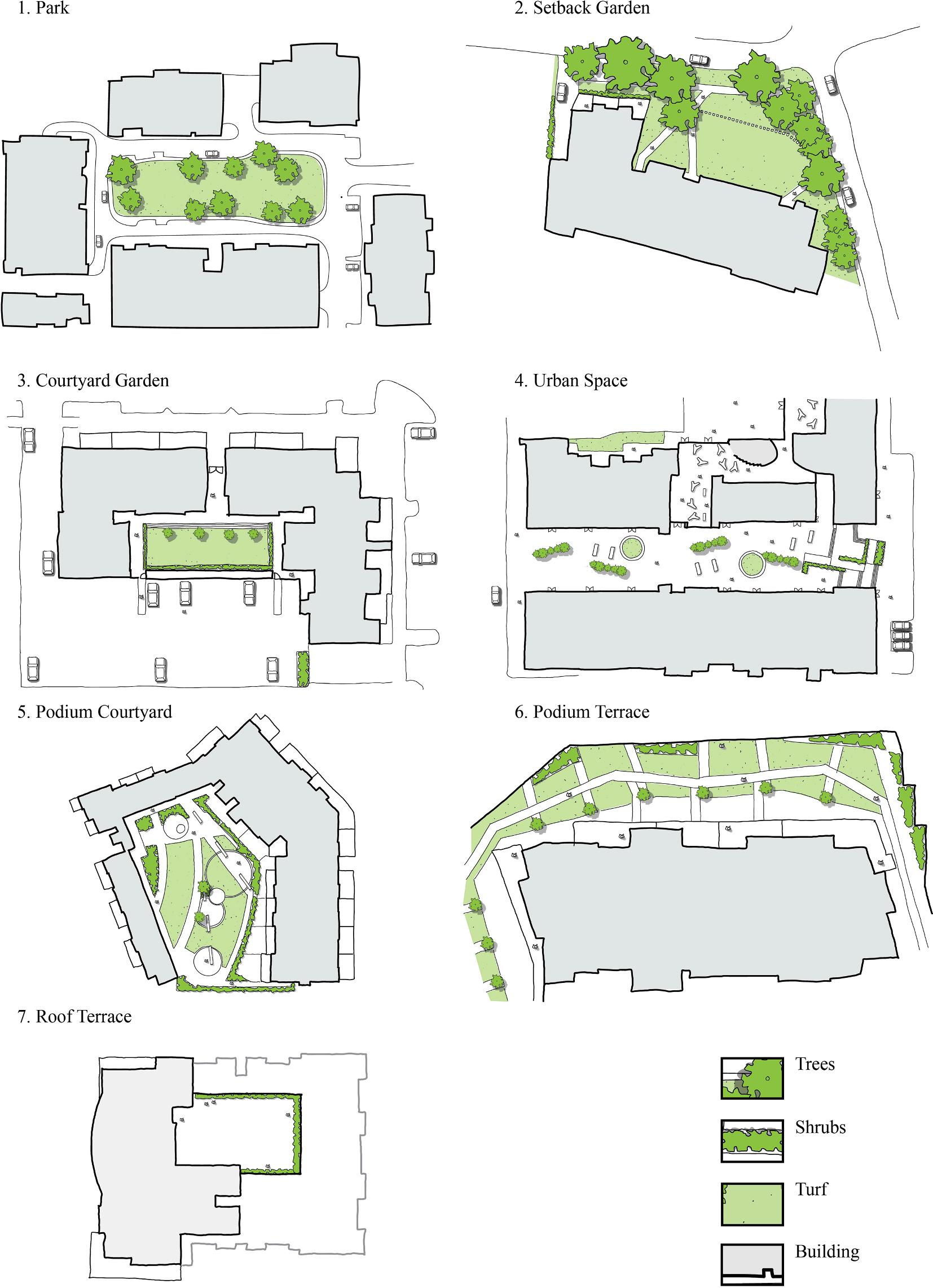
Fig. 1. The COS typology. These plans are indicative only as our ethics approval prevents the release data identifying the study buildings.
3.3. Communal outdoor space type usage
Table 3 presents the sociodemographic characteristics of the resident sample (n = 975), stratified by city location. Females accounted for 60 % of the sample, and the average age was 43. Approximately half of our sample lived with a partner (52 %) and had an annual household income of over $100,000 (49 %), while two-thirds were tertiary educated (67 %). In terms of city differences, residents in Sydney were more likely to be older, more educated, and live with a partner than Melbourne or Perth residents.
The residents’ use of the identified COS typologies is presented in Table 4. Overall, almost one-third of residents (32 %) were frequent users of COS (at least once a month), while 68 % were infrequent users. We also identified significant differences in COS use between cities: 32 % of Perth residents frequently used their COS, compared to 29 % in Sydney and 15 % in Melbourne. A higher proportion of residents with a Park type used their COS frequently (i.e., 63 %) – although notably, just 1 % of the sample had this typology – followed by the Courtyard Garden type (43 %), Podium Terrace type (40 %) and Podium Courtyard type (34 %) (Figs. 6 and 7). The lowest levels of frequent use were among
Table 2
The COS typology key statistics of all apartment complexes (n = 113), including those without COS.
COS
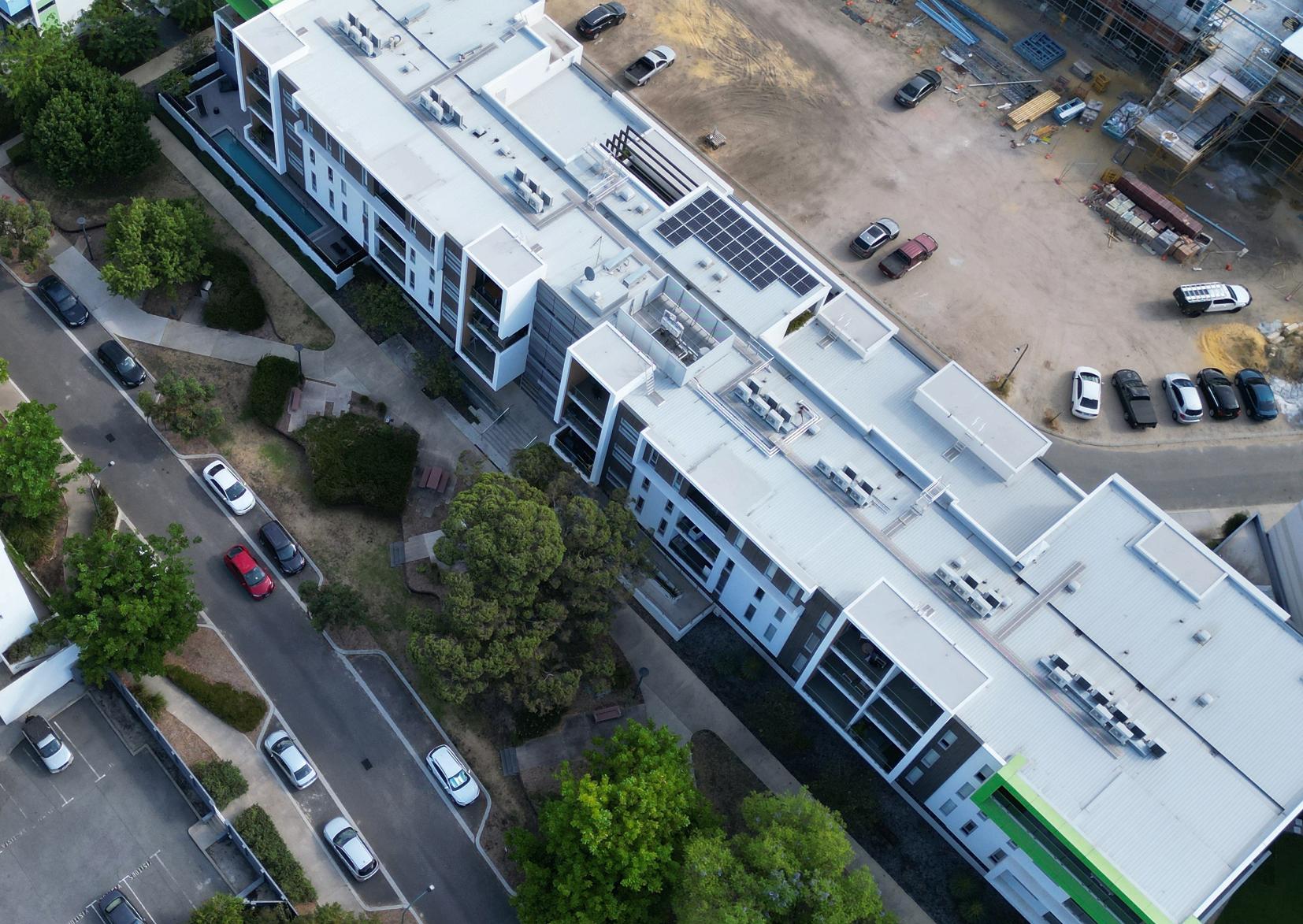
study buildings.
participants with a Roof Terrace type (14 %). Post-hoc tests revealed that Courtyard Gardens and Roof Terraces had statistically significant differences in COS use (p < 0.001).
4. Discussion
This paper presented a novel morphological typology of COS designs in Australian apartment developments. It analysed how the respective types deliver on policy recommendations for greenery. It also explored
how residents use their COS and if this differed by the COS type provided.
The results indicate that aspirational policy measures for greenery in COS have not been consistently implemented in the design and development of particular COS types. For instance, the Podium Terrace and Roof Terrace types contained minimal softscape and had no substantial trees, while Podium Courtyards averaged less than one. This situation is concerning and represents a missed opportunity for health promotion, given the documented importance of greenery in COS for resident
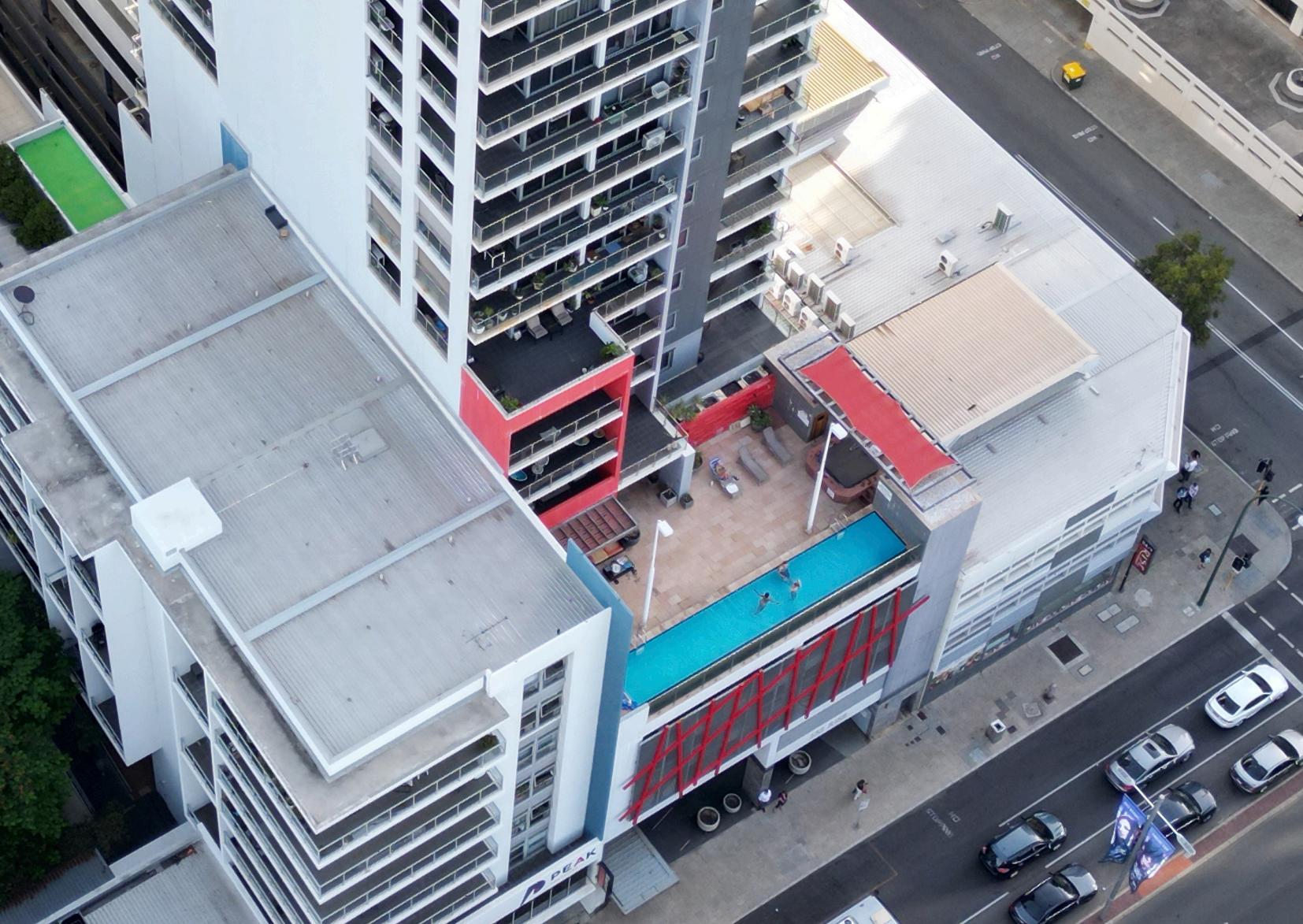
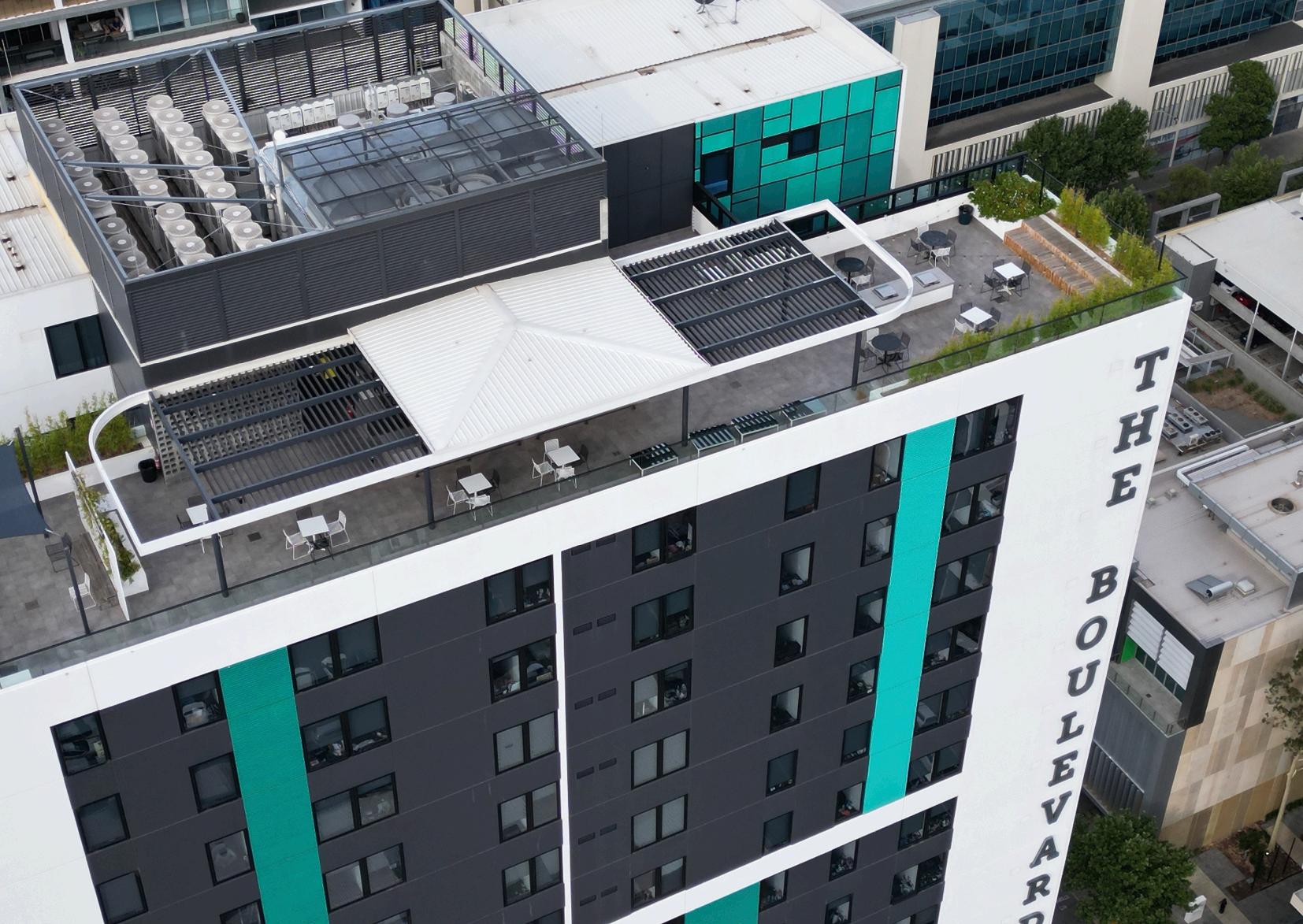
health, well-being and sociability (Peters & Halleran, 2020; Wells, 2000).
This finding relates to previous research by the authors that a lack of
comprehensive policy guidance resulted in less application of policy objectives and related design features that might improve residents’ health (Foster et al., 2022). Furthermore, the results indicate a potential
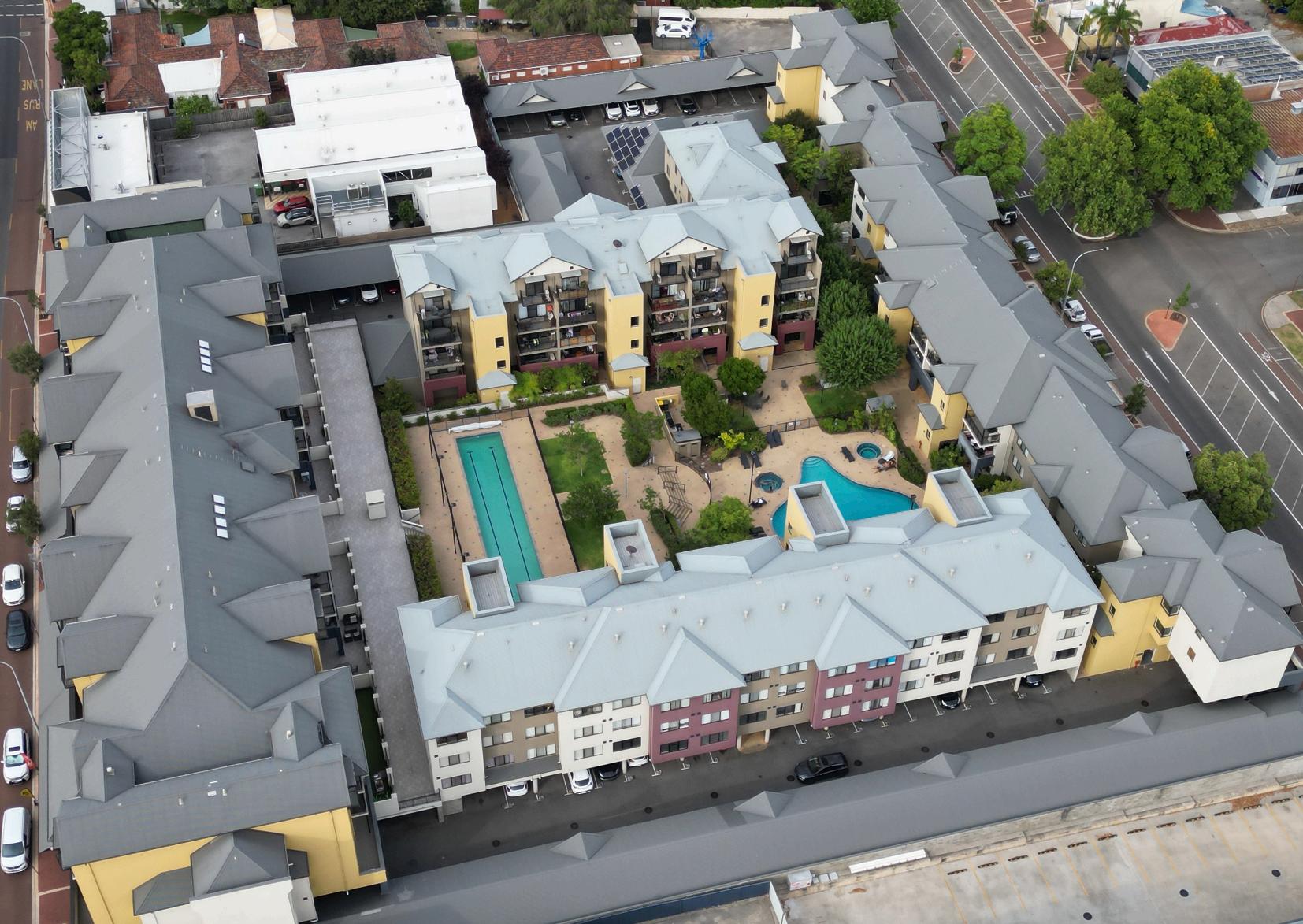
Fig. 5. The ground-level COS types, such as the Courtyard Garden (pictured), typically provided the highest percentage of vegetated surfaces such as lawn or shrub planting, in part because of the presence of deep-soil zones. Note: This photograph is an indicative example only as our ethics approval prevents the release data identifying the study buildings.
mismatch between the delivered COS and that residents prefer. For example, whilst the park typology was rarely delivered, it was associated with the highest levels of frequent use. Conversely, while the Roof Terrace typology was commonly delivered, it was associated with the lowest levels of frequent use.
4.1. Explaining constraints within communal outdoor space types
4.1.1. A lack of vegetated landscape and significant trees in communal outdoor space
Our analysis shows a disjunction between policy aspirations for verdant COS and the relative barrenness of constructed COS, particularly concerning a lack of significant trees. Interestingly, the endorsed architectural or development plans often show a proliferation of large trees in the Podium Courtyard and Podium Terrace types. However, validating the plans through analysis of recent high-resolution aerial imagery (Nearmap 2022) typically revealed a reduced number of small stunted trees and, in isolated cases, substituting lawn with artificial turf (Fig. 8). Moreover, the lack of significant trees is unlikely to be attributed to juvenile tree specimens, as even the newest apartment developments assessed were constructed six years ago (in 2016) (Foster et al., 2019).
So, why are many COS types providing a paucity of significant trees, shrubs and groundcovers? Some developers resist substantial groundlevel COS, which could accommodate substantial greenery in deep-soil zones, because of a perceived loss of commercial floor space, particularly when they need to accommodate buffer zones around mature trees (Frecker, 2019). Material and labour costs also make buildings higher than four storeys more expensive than other housing types, financing to develop such apartment projects is hard to obtain (Kelly & Donegan, 2015), and banks require developers to pre-sell as much as 90–100 % of the properties before they build (Kelly & Donegan, 2015). In the protracted period between the apartment development’s inception and completion (Sharam et al., 2015), uncertainties and last-minute
compromises can see developers shirk the cost and complications of providing verdant COS. For instance, the construction complications associated with Roof Terrace and Podium Terrace types, such as craning the soil to provide a growing medium for trees, can concern developers (Frecker, 2019). Moreover, when designers plan for well-vegetated COS or significant trees on structure, developers must provide tree pits with deep soil, waterproofing membranes, irrigation systems, drainage, and extensive maintenance (Fig. 9).
These constraints particularly stymie the provision of significant trees. Indeed, a medium-sized tree with a canopy 4.5 m in diameter requires a sizeable 28 m3 of planter soil (Vic Department of Environment Land Water & Planning, 2021). This demand represents a ‘loss’ of potentially developable area and a substantial increase of weight born by the structure of the building. For example, a cubic metre of moderately damp soil can weigh between 1.2 and 1.7 metric tons. One modest tree can add up to 46 metric tons of soil, which needs to be supported by the building structure. Moreover, it is a genuine challenge for developers to retain existing ground-level trees during construction (Kelly & Donegan, 2015). Finally, a lack of significant trees may be because building management has had to replace them, as tree planting in constrained tree pits can lead to soil degradation over time, requiring the replacement of both the tree and soil (Jim, 2019).
The result of such constraints can be small fragments of COS on podiums or rooftops that are ‘barren’ and entirely paved and can quickly assume a derelict feel. Such COS can feel like a tacked-on ‘afterthought’ that residents summarily ignore. Indeed, small areas of COS in apartment complexes are typically underutilised and, in many cases, are empty for extended periods (Mahdavinejad, Mashayekhi, & Ghaedi, 2012). This situation can lead to the assumption that residents do not want or use COS and, therefore, it is superfluous.
4.2. Explaining differences in communal outdoor space type usage
The very high usage of the Park type (recognising its limited
Table 3
Demographic characteristics of study sample.
Living with partner
Household income
P values comparing differences by city from Pearson Chi-Square (categorical variables) and one-way ANOVA (continuous variables). aMean and standard deviation (SD) for continuous variables.
Table 4
Use of COS types by the resident sample.
% (n)
COS typology
Setback Garden
Courtyard Garden
Urban Space
Podium Courtyard
Podium Terrace
(9 7 5)
(1 1 2)
(4 4 4)
(1 1 4)
Roof Terrace 100 (1 0 4)
(6 6 4)
(3)
(5)
(27)
(25)
(1 4 9)
(69)
(45)
(90) 13.5 (14) ***
P comparing differences from Pearson Chi-Square. *** For post hoc tests on significant chi-square p-values, denote in which predictor categories the significant difference between infrequent/frequent use lies.
occurrence) likely flows from the presence of mature trees, generous size, and recreational utility. On the other hand, the high usage of Courtyard Gardens, Podium Terraces, and Podium Courtyards may stem
from various factors. Firstly, they are most likely to have facilities, particularly pools (Bandara et al., 2020), and are generally integrated with indoor COS, such as gyms and games rooms, and thus are easily accessed (Kleeman et al., 2022) (Fig. 10). Indeed, a previous study audited apartment buildings’ indoor and outdoor communal areas in Perth, Melbourne and Sydney for the critical design features that encourage residents’ usage (Kleeman et al., 2022 The odds of using COS were highest if there was a pool, included any greenery and provided dining furniture and food preparation facilities. This finding conforms with the high use of Courtyard Gardens, Podium Terraces, and Podium Courtyards in this study.
Passive surveillance of the Courtyard Garden, Podium Terrace, and Podium Courtyard types from surrounding apartments could also make them feel safer to residents. Furthermore, the framing of the building envelope provides some shelter from adverse weather. Finally, these COS are generally more central and accessible than isolated COS, such as Roof Terraces (Kleeman et al., 2022). The Urban Space type recorded moderate use levels, plausibly because of its proximity to building entrances and, in some cases, the presence of cafes and restaurants and resulting urban activation.
Other factors may explain the relative lack of use of certain COS types. Interestingly, despite its provision of mature trees and vegetated landscape, the Front Setback type was relatively poorly used by residents. One factor explaining this could be that residents are not as comfortable using interstitial spaces and are neither semi-private (for building residents) nor public. Perhaps this flows from suburban settings where front gardens are more a space for public ‘display’ than backyards, which are private with a greater emphasis on utility (Seddon, 1994). It might also relate to the building location – high-traffic roads would make these unpleasant spaces to use (an analysis of the building setting was beyond the scope of this study). However, it is worth noting that even if residents do not frequently utilise a Front Setback type, it does not mean it does not serve practical purposes. For instance, a verdant Front Setback with low usability levels may bolster mental health through green space views (Peters & Halleran, 2020), screen major roads from apartment balconies, support biodiversity and help shade apartments from the afternoon sun.
The Roof Terrace type received the lowest usage by residents, possibly due to their spatial isolation, weather exposure, a lack of significant recreational facilities, e.g., a pool or significant trees, and a lack of connection with internal communal spaces (Kleeman et al., 2022). Indeed, our finding confirms that the most valued spaces are familiar and easily accessed (Huang, 2006). The relative isolation of Roof Terrace types means, for example, that a resident hosting a barbeque must lug food and utensils up a lift to the roof. In addition, while they generally provide views, some people experience a fear of heights and could feel uncomfortable (Ng, 2017), and parents may have safety concerns regarding their children using such spaces. Finally, apartments do not generally provide passive surveillance of Roof Terrace types, and as a result, some building residents could perceive them as unsafe, particularly at night (Merry, 1981).
Usage of the COS types could be boosted by actively catering for children. However, our analysis revealed that no apartment complexes provided outdoor spaces or equipment for children’s activities. This worrying situation confirms observations in the relevant literature (for example Spencer & Woolley, 2000) that many ‘high-rise complexes do not provide any spaces inside or out for children’s activities’ (Costello, 2005, p. 57) or enough bedrooms (Young, 2022). This situation is concerning because our survey found that 12 % of all respondents lived with children. A lack of children’s play facilities in COS may result from developers pitching apartment dwellings to ‘empty nesters’ or young professionals (Fincher & Gooder, 2007) and ‘virtually ignoring the needs of children and families’ (Andrews et al., 2019). Indeed, some developers consider that child-free spaces are, in most instances, preferable (Costello, 2005).
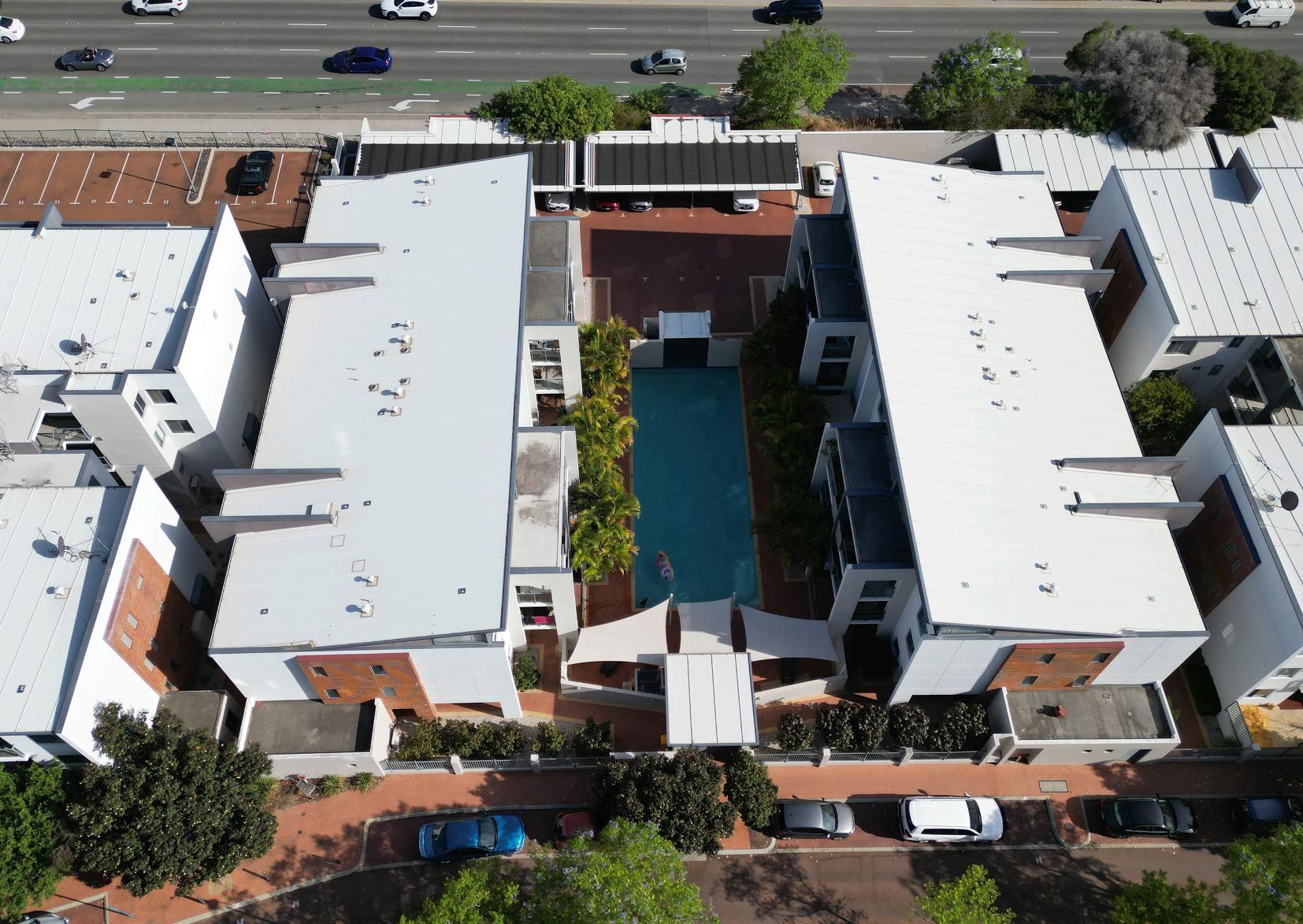
A higher proportion of residents with a Courtyard
type
used their COS frequently. Note: This photograph is an indicative example only as our ethics approval prevents the release data identifying the study buildings.
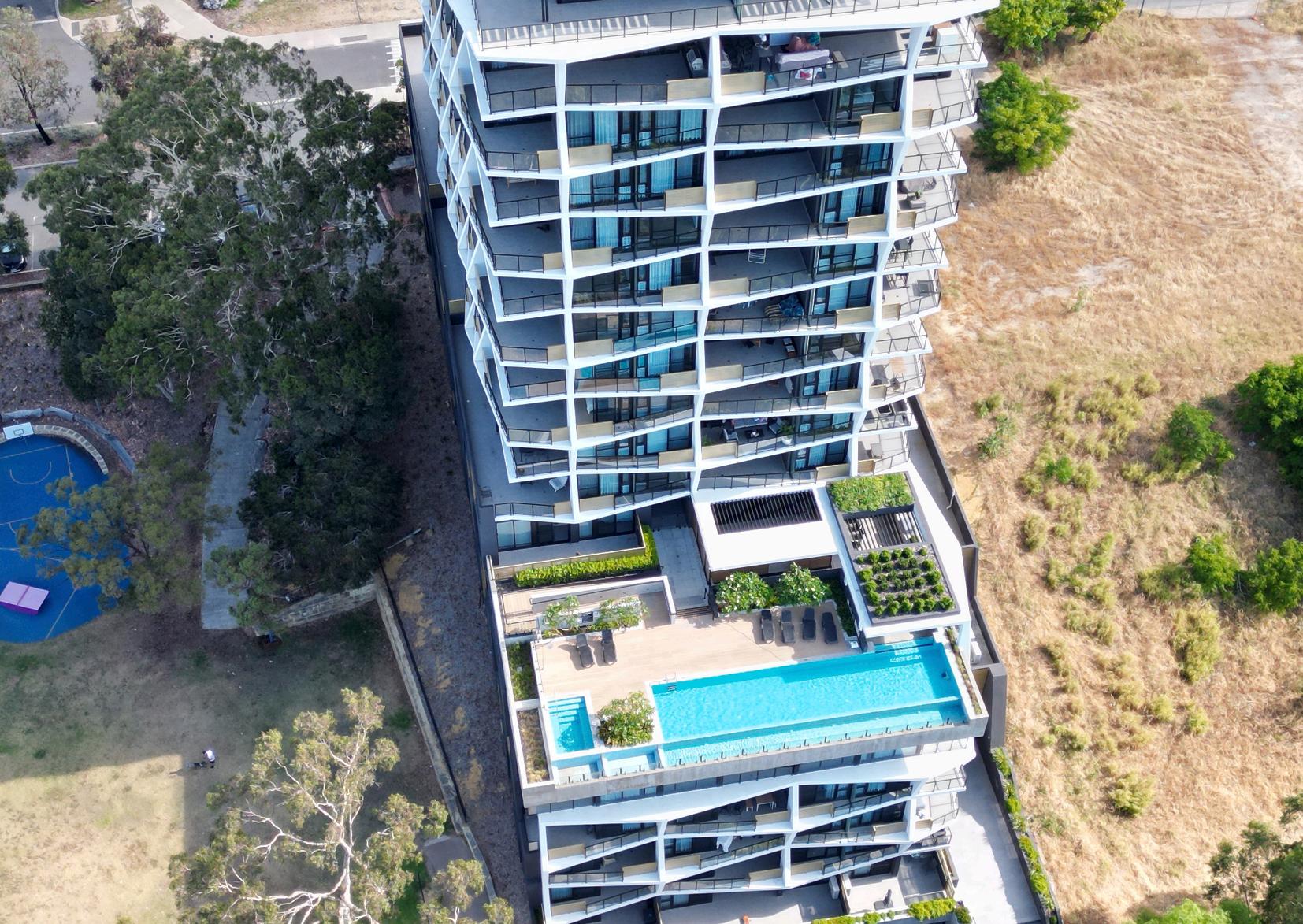
This photograph is an indicative example only as
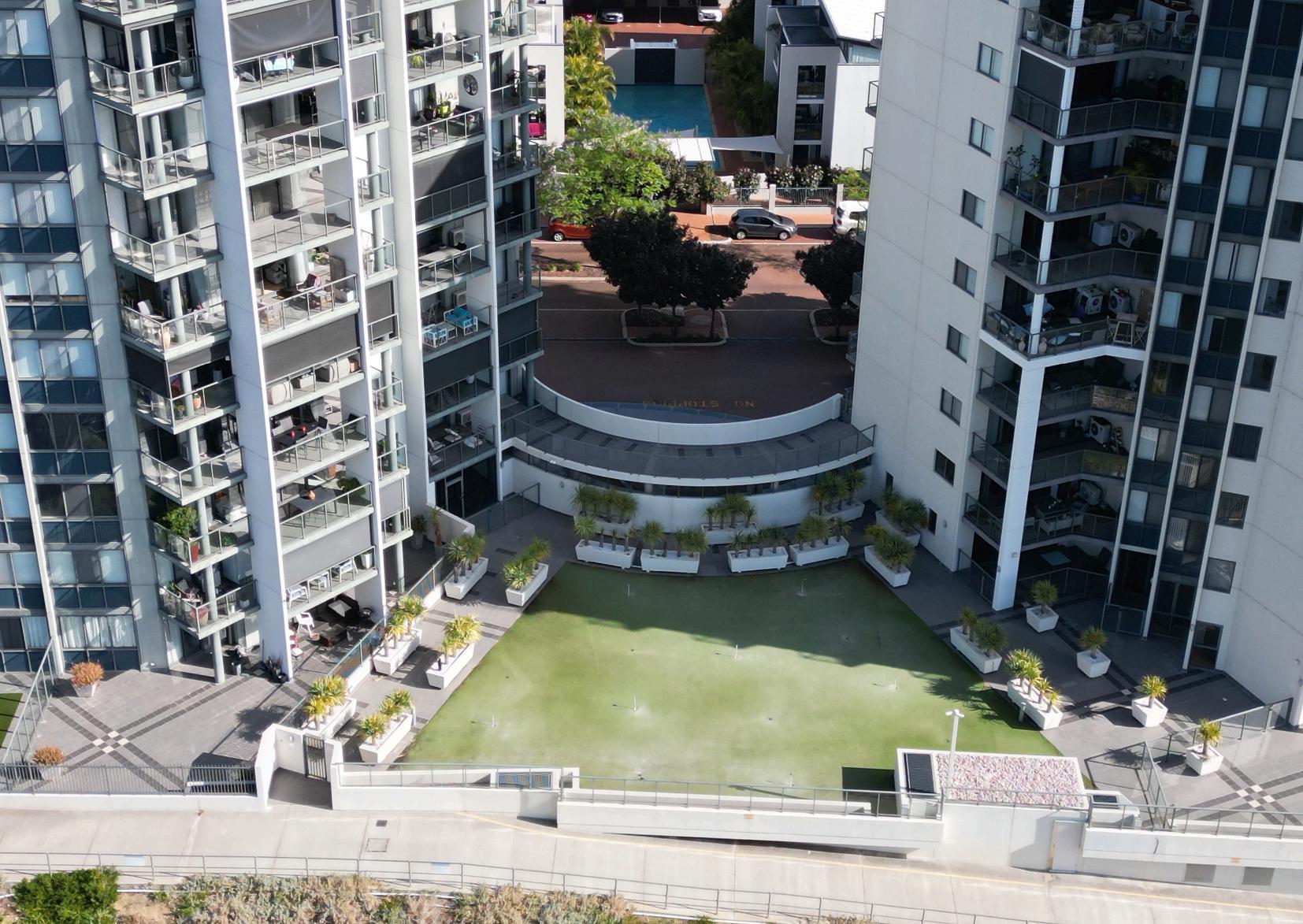
Fig. 8. Our analysis shows a disjunction between policy aspirations for green COS and the relative barrenness of constructed COS. Note: This photograph is an indicative example only as our ethics approval prevents the release data identifying the study buildings. (For interpretation of the references to colour in this figure legend, the reader is referred to the web version of this article.)
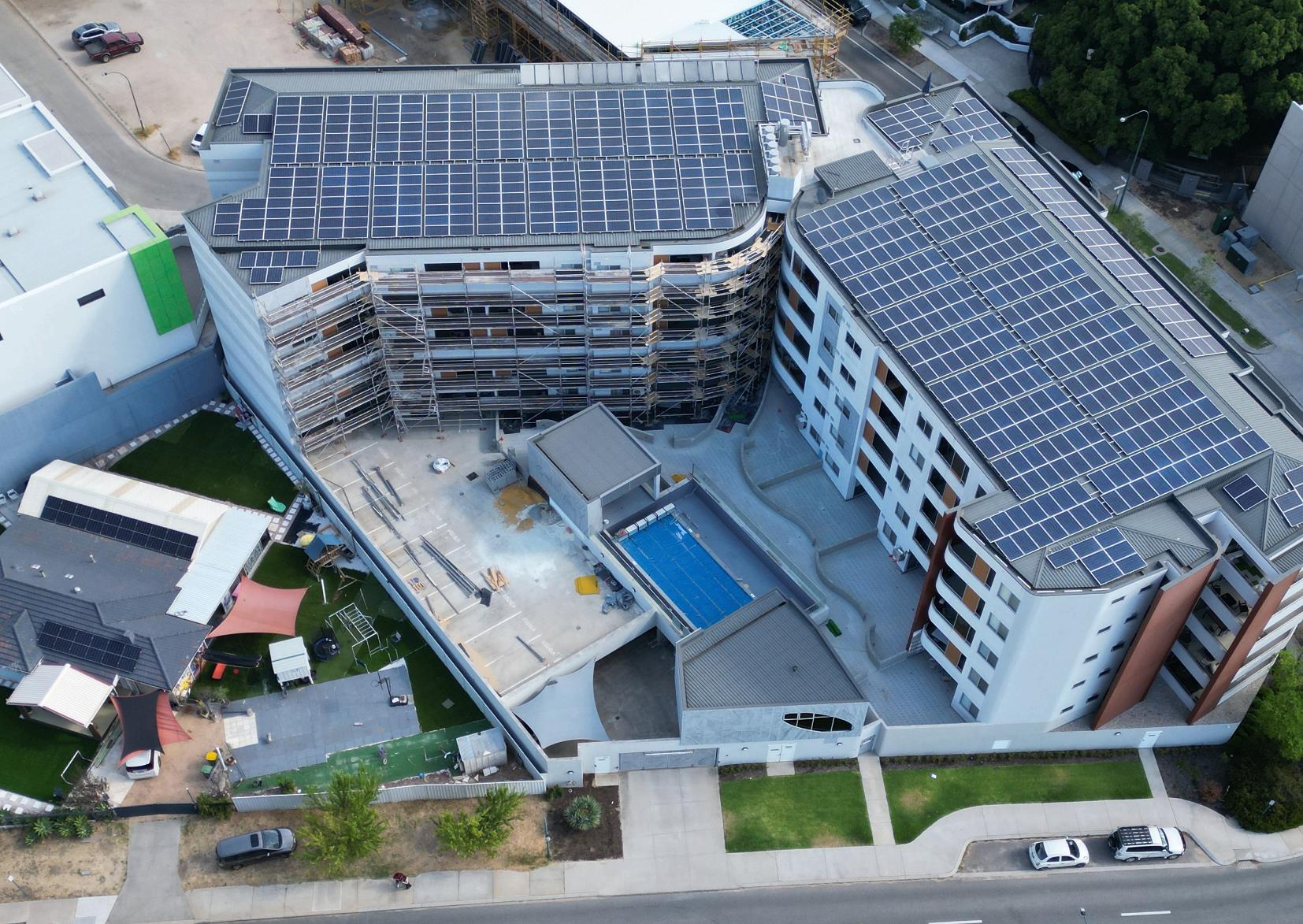
is an indicative example only as our ethics approval prevents the release data identifying
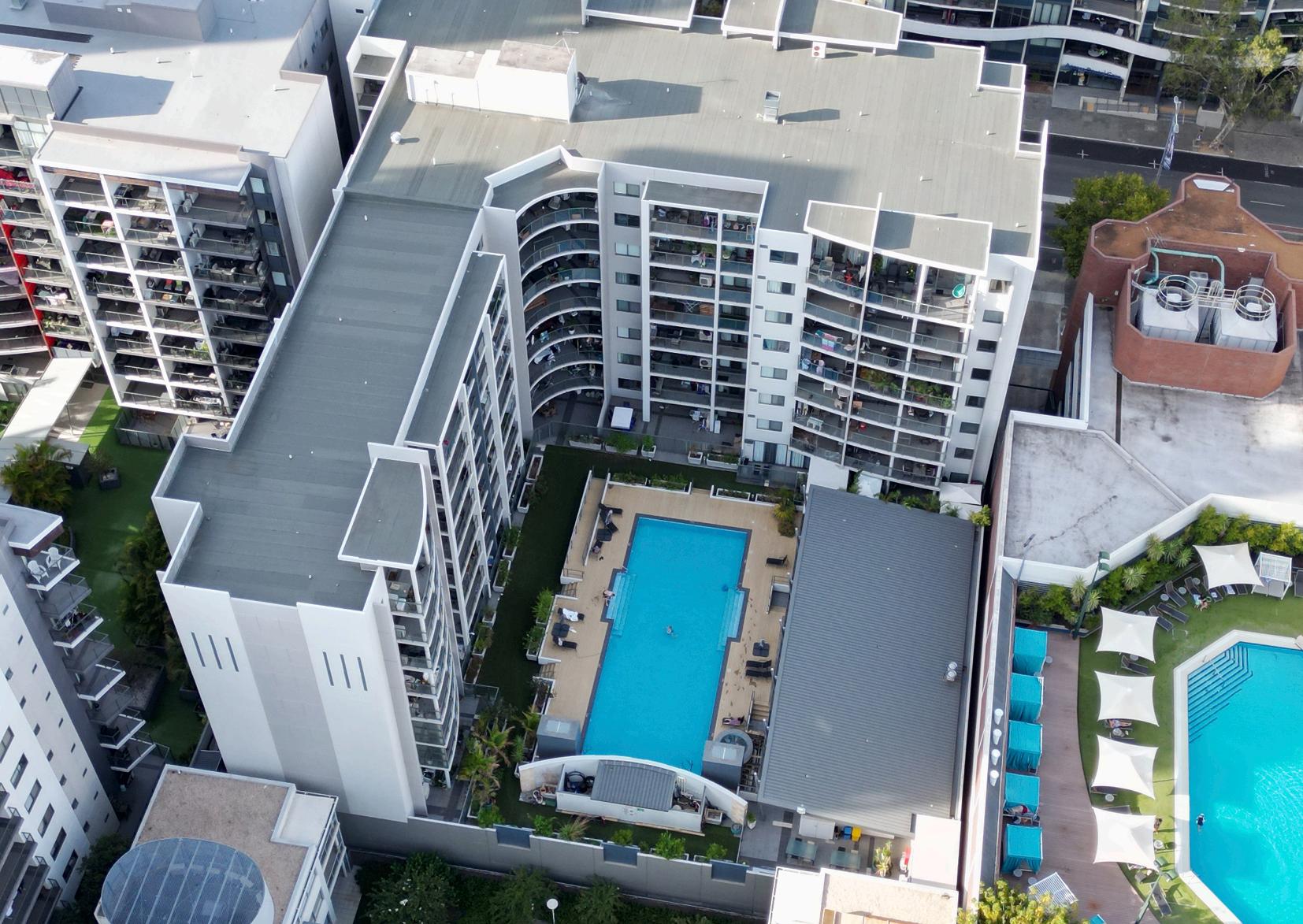
from available facilities, particularly pools, their integration with indoor COS, and their general acces-
This photograph is an indicative example only as our ethics approval prevents the release data identifying the study buildings.
4.3. Implications for Australian apartment design policy
Below, we set out some critical suggestions for augmenting the provision and delivery of communal green space.
4.3.1. The need for mandatory provision of COS
Notably, 20 % of the apartment complexes delivered no COS for apartment residents. In NSW, this situation results from SEPP65, which does not mandate COS provision if developers ‘provide larger balconies or increased private open space for apartments’ and ‘demonstrate good proximity to public open space and facilities and/or provide contributions to public open space’ (NSW Department of Planning and Environment, 2015). Similarly, the Victorian policy (BADS) stipulates that only developments with ten or more dwellings must provide COS larger than 30 m2 (Vic Department of Environment Land Water & Planning, 2021). In this respect, it is interesting that the provision of COS is contingent on the number of dwellings in a development when the perceived ‘intensity’ of development stems from many factors (e.g., building type, location), not just the reductive metric of dwelling yield. Moreover, we argue that POS in the neighbourhood does not necessarily replace COS, given that accessibility and the overall experience vary. For example, elderly residents or parents with young children could be less inclined to use POS in the neighbourhood than appropriately designed COS more conveniently located within the apartment complex. Indeed, the literature suggests that the most appreciated open spaces are not an extended distance from home but are familiar and close (Huang, 2006; Wu & Ge, 2020). Moreover, meeting and developing a genuine connection with fellow building residents is presumably less likely to occur in a park at some distance (for instance) than in COS in the apartment building – although we recognise the myriad factors involved in this process.
4.3.2. The need for policy guidance addressing different types of COS
Given the morphological diversity of COS types identified, it would be beneficial for policymakers to target planning guidance to different
COS types. This typological approach would avoid ambiguous and confusing statements such as ‘the size, location and design of communal space will vary depending on the site context and the scale of development’ (WA Department of Planning Lands and Heritage, 2016). Rather than trying to stretch generic policy guidance across such a diversity of COS types, targeted policy guidelines could address these markedly different iterations of COS (e.g., the Park type compared to the Roof Terrace Type) and how they deliver an experience of green space. For instance, if apartment guidelines adopted the COS typology developed as a framework (with some provision for the area), they could realistically stipulate the number of significant trees of any type, contingent on COS size limitations.
COS type-specific design guidance should prioritise bolstering experiences of nature for children growing up in apartments (Sarkissian & La Rocca, 2003). Ideally, policymakers should consider each COS type identified for what it offers children residing in the building. Unfortunately, while the apartment design policies refer to the need to provide for children in COS design, these recommendations find little expression in built reality. As such, mandatory standards could be considered, for example, for leveraging the provision of playgrounds. While Australia has no explicit child-friendly policy on apartment complex design (Andrews et al., 2019), it could refer to those developed elsewhere, such as Vancouver, as a model (City of Vancouver, 1992).
4.4. Are communal outdoor space standards needed?
The literature confirms that access to COS is contingent on the support of government policies (Foster et al., 2022; Glaeser & Sacerdote, 2000). Spatial and functional standards for the provision of POS (For example, Lancaster, 1990) provide a template for future COS standards. Policymakers could target a future COS standard to the COS types established in this paper, stipulating tree and vegetation cover and provisions for children. Nonetheless, we recognise that POS standards have been, in some cases, controversial and challenging to apply and that ‘pure quantitative standards without consideration of quality are
not meaningful’ (Haaland & van den Bosch, 2015). A future COS standard must balance quantitative standards with qualitative measures while affording flexibility to avoid constraining innovation. Moreover, it should address how COS provision should relate to POS provision in the surrounding neighbourhood, a current grey area.
We acknowledge the paper’s limitations. Firstly, it focuses on a sample of relatively recent apartment buildings (i.e., the findings are generalisable to other contemporary buildings but may not apply to older buildings). However, there is variability in the building location (i. e., city location and distance to the CBD) and area disadvantage (Foster et al., 2022). Moreover, the High Life sample is a relatively well-educated and high-income population. Future research could explore the impact of improved COS provisioning from an equity perspective (for example, whether high-quality COS is primarily only available to more affluent populations, with underprivileged groups displaced to older, under-provisioned apartment buildings) (Foster et al., 2019). Furthermore, the paper does not explore the degree to which apartment dwellers use POS in their neighbourhood (or elsewhere) and how this POS use is affected by the presence of COS. Nonetheless, this is a worthy area of future research. Finally, while this paper primarily investigates COS provision from the perspective of its value and benefits for residents, future research could adopt other frameworks relating to climate adaptation strategies, including biodiversity conservation, thermal regulation, and ecosystem management, and how such strategies can enhance COS resilience to environmental change.
To our knowledge, this is the first study to develop a novel typology of COS in apartment buildings and quantify their use by apartment residents. The typology included the following types: (1) Park, (2) Setback Garden, (3) Courtyard Garden, (4) Urban Space, (5) Podium Courtyard, (6) Podium Terrace and (7) Roof Terrace. The paper then systematically accounted for their respective green space provision and usage by residents. Dominant COS typologies on podiums and rooftops delivered comparatively poor access to green space – in the form of significant trees and vegetated landscapes. There was also a relative mismatch between the types provided and their use – the Park type was extremely rarely delivered but popular among residents, whereas Roof Terraces were widespread but less frequently used. These findings are essential in the context of a slew of international studies that found that well-designed, verdant COS is a significant driver of resident satisfaction (Huang, 2006; James & Carswell, 2008; Kleeman et al., 2022), which supports resident mental and physical health (Peters & Halleran, 2020), are the basis for forging positive neighbourly relationships, maintain a sense of belonging and cohesion, and help address possible social problems (Wu & Ge, 2020). Nonetheless, we note the challenges to quality COS provision, including increased complexity and expense, a loss of yield, and the need to replace trees periodically.
Given the evident importance of COS and the challenges to its provision, policy shifts should rectify the issues we have identified by including targeted requirements that specifically address the design and provision of the different COS types.
CRediT authorship contribution statement
Julian Bolleter: Conceptualization, Data curation, Formal analysis, Investigation, Methodology, Writing – original draft. Paula Hooper: Conceptualization, Funding acquisition, Investigation, Methodology, Writing – review & editing. Alex Kleeman: Data curation, Formal analysis, Investigation, Methodology, Writing – review & editing. Nicole Edwards: Methodology, Writing – review & editing. Sarah Foster:
Conceptualization, Data curation, Funding acquisition, Investigation, Methodology, Writing – review & editing.
Declaration of competing interest
The authors declare that they have no known competing financial interests or personal relationships that could have appeared to influence the work reported in this paper.
Data availability
The authors do not have permission to share data.
The High Life Study is funded by an Australian Research Council, Discovery Early Career Researcher Award DECRA (DE160100140) and the Western Australian (WA) Health Promotion Foundation (Healthway; #31986). Sarah Foster is supported by an ARC Future Fellowship (FT210100899). Nicole Edwards was supported by an Australian Research Council Linkage Project (LP190100558). Study collaborators providing in-kind support include the Department of Planning Lands and Heritage (WA), Office of the Government Architect (WA), Planning Institute of Australia (PIA), Development WA and Heart Foundation. The assistance of apartment residents, resident associations, architects, developers and local government in the study is gratefully acknowledged.
Andrews, F. J., Warner, E., & Robson, B. (2019). High-rise parenting: Experiences of families in private, high-rise housing in inner city Melbourne and implications for children’s health. Cities & Health, 3(1–2), 158–168
Angel, S. (2012). Planet of Cities Cambridge: Lincoln Institute of Land Policy
Aydin, D., & Sayar, G. (2020). Questioning the use of the balcony in apartments during the COVID-19 pandemic process. Archnet-IJAR: International Journal of Architectural Research.
Bandara, W. D., Rathnayake, R., Mahanama, P., & Wickramaarachchi, N. (2020). An investigation on community spaces in condominiums and their impact on social interactions among apartment dwellers concerning the city of Colombo. Social Sciences & Humanities Open, 2(1), Article 100043
Birrell, R. (2012). The end of affordable housing in Melbourne?: Centre for Population and Urban Research, Monash University
City of Melbourne. (2013). Future living: A discussion paper identifying issues and options for housing our community. Retrieved from https://www.melbourne.vic. gov.au/SiteCollectionDocuments/future-living-discussion-paper.pdf. City of Vancouver. (1992). High Density Housing for Families with Children Guidelines. In: City of Vancouver.
Coley, R. L., Sullivan, W. C., & Kuo, F. E. (1997). Where does community grow? The social context created by nature in urban public housing. Environment and Behavior, 29(4), 468–494. https://doi.org/10.1177/001391659702900402
Condon, P. (1994). A Built Landscape Typology: The Language of the Land We Live In. In K. Franck, & L. Schneekloth (Eds.), Ordering Space: Types in Architecture and Design (pp. 79–94). New York: Van Nostrand Reinhold
Costello, L. (2005). From prisons to penthouses: The changing images of high-rise living in Melbourne. Housing Studies, 20(1), 49–62
DePooter, S. F. (1998). Nature and neighbors: Green spaces And social interactions in the inner-city. University of Illinois at Urbana-Champaign Domain. (2022). Communal spaces in modern apartment designs are being given an Australian edge. Retrieved from https://www.domain.com.au/sponsor/communal -spaces-modern-apartment-designs-given-australian-edge/
Fanning, D. M. (1967). Families in flats. British Medical Journal, 4(5576), 382
Fincher, R., & Gooder, H. (2007). At home with diversity in medium-density housing. Housing, Theory and Society, 24(3), 166–182. https://doi.org/10.1080/ 14036090701374530
Forty, A. (2000). Words and Buildings London: Thames and Hudson Foster, S., Hooper, P., Duckworth, A., & Bolleter, J. (2022). An evaluation of the policy and practice of designing and implementing healthy apartment design standards in three Australian cities. Building and Environment, 207, 108493
Foster, S., Maitland, C., Hooper, P., Bolleter, J., Duckworth-Smith, A., Giles-Corti, B., & Arundel, J. (2019). High Life Study protocol: a cross-sectional investigation of the influence of apartment building design policy on resident health and well-being. BMJ open, 9(8), Article e029220. https://doi.org/10.1136/bmjopen-2019-029220 Frecker, J. (2019). The Good, the BADS and the Green in Future Apartment Living. Retrieved from https://www.urban.com.au/news/the-good-the-bads-and-the-green Glaeser, E. L., & Sacerdote, B. (2000). The social consequences of housing. Journal of housing economics, 9(1–2), 1–23
Haaland, C., & van den Bosch, C. K. (2015). Challenges and strategies for urban greenspace planning in cities undergoing densification: A review. Urban Forestry & Urban Greening, 14(4), 760–771
Huang, S.-C.-L. (2006). A study of outdoor interactional spaces in high-rise housing. Landscape and Urban Planning, 78(3), 193–204
Husaini, B. A., Moore, S. T., & Castor, R. S. (1991). Social and psychological well-being of black elderly living in high-rises for the elderly. Journal of Gerontological Social Work, 16(3–4), 57–78
Ibrahim, T. (2021). Communal areas of apartment blocks risky for Delta coronavirus variant, health authorities warn. Retrieved from https://www.abc.net.au/news/ 2021-07-14/coronavirus-variant-can-spread-easily-in-apartment-blocks/1 00290838
James, R. N., III, & Carswell, A. T. (2008). Home sweet apartment: A text analysis of satisfaction and dissatisfaction with apartment homes. Housing and Society, 35(1), 91–111.
Jim, C. Y. (2019). Resolving intractable soil constraints in urban forestry through research–practice synergy. Socio-Ecological Practice Research, 1(1), 41–53
Kaur, J. (2017). Livability in high rise apartments through open space. International Journal of Civil Engineering & Technology, 8(5), 1295–1301 Kelly, J.-F., & Donegan, P. (2015). City limits: Why Australian cities are broken and how we can fix them Melbourne: Melbourne University Press Kleeman, A., Hooper, P., Edwards, N., Bolleter, J., & Foster, S. (2022). Research note: Associations between the implementation of communal open space design guidelines and residents’ use of these spaces in apartment developments. Landscape and Urban Planning, 230, Article 104613
Kuo, F. E., Bacaicoa, M., & Sullivan, W. C. (1998). Transforming inner-city landscapes: Trees, sense of safety, and preference. Environment and Behavior, 30(1), 28–59
Kweon, B.-S., Sullivan, W. C., & Wiley, A. R. (1998). Green common spaces and the social integration of inner-city older adults. Environment and Behavior, 30(6), 832–858 Lancaster, A. (1990). Recreation, Park and Open Space Guidelines and Standards. Retrieved from Ashburn Lee, J. (2011). Quality of life and semipublic spaces in high-rise mixed-use housing complexes in South Korea. Journal of Asian Architecture and Building Engineering, 10 (1), 149–156
Mahdavinejad, M., Mashayekhi, M., & Ghaedi, A. (2012). Designing communal spaces in residential complexes. Procedia-Social and Behavioral Sciences, 51, 333–339 Matsumoto, T., Sanchez-Serra, D., & Ostry, A. (2012). Compact City Policies: A Comparative Assessment (9264167846). Retrieved from http:/ldx.doi.org/10.1787/ 9789264167865-en.
McDonald, R. (2015). Conservation for Cities: How to Plan and Build Natural Infrastructure Washington: Island Press Merry, S. E. (1981). Defensible space undefended: Social factors in crime control through environmental design. Urban affairs quarterly, 16(4), 397–422 Nearmap. (2022). nearmap. Retrieved from https://www.nearmap.com/au/en Ng, C. F. (2017). Living and working in tall buildings: Satisfaction and perceived benefits and concerns of occupants. Frontiers in built environment, 3, 70 NSW Department of Planning and Environment. (2015). SEPP65 Apartment Design Guide: Tools for improving the design of residential apartment development.
Retrieved from NSW Department of Planning and Environment: https://www.pla nning.nsw.gov.au/apartmentdesignguide
Peters, T., & Halleran, A. (2020). How our homes impact our health: Using a COVID-19 informed approach to examine urban apartment housing. Archnet-IJAR: International Journal of Architectural Research
Pevsner, N. (1976). A history of building types, (Vol. 257): Thames and Hudson London Queensland University of Technology. (2010). High-density liveability guide. Retrieved from http://www.highdensityliveability.org.au
Richman, N. (1974). The effects of housing on pre-school children and their mothers. Developmental Medicine & Child Neurology, 16(1), 53–58
Sarkissian, W., & La Rocca, S. (2003). Working Paper 6: Guidelines for Children in the Outdoor Residential Environment. Retrieved from https://sarkissian.com.au/wpcontent/uploads/sites/13/2010/11/Working-Paper-6-children-in-outdoorresidential-envt1.pdf.
Seddon, G. (1994). The Australian Back Yard. In I. Craven (Ed.), Australian Popular Culture (pp. 22–35). Cambridge: Cambridge University Press
Sharam, A., Bryant, L., & Alves, T. (2015). De-risking development of medium density housing to improve housing affordability and boost supply. Australian Planner, 52(3), 210–218
Skjaeveland, O., & Garling, T. (1997). Effects of interactional space on neighbouring. Journal of Environmental Psychology, 17(3), 181–198
Spencer, C., & Woolley, H. (2000). Children and the city: A summary of recent environmental psychology research. Child: Care, health and development, 26(3), 181–198
Swaffield, S., & Deming, E. (2011). Research strategies in landscape architecture: Mapping the terrain. Journal of Landscape Architecture, Spring, 2011, 34–45
The Australian Bureau of Statistics. (2022). 2021 Census count includes Australians living on wheels and water, but most of us still firmly on land. Retrieved from https://www.abs.gov.au/media-centre/media-releases/2021-census-count-includesaustralians-living-wheels-and-water-most-us-still-firmly-land#:~:text=The% 202021%20Census%20separately%20identified, us%20now%20live%20in%20apa rtments
Vic Department of Environment Land Water & Planning. (2021). Apartment Design Guidelines for Victoria. Retrieved from https://www.planning.vic.gov.au/__dat a/assets/pdf_file/0021/514164/220202_Current_WebVersion_ADGV-2.pdf
WA Department of Planning Lands and Heritage. (2016). State Planning Policy 7.3 Residential Design Codes - Apartments. Retrieved from https://www.dplh.wa.gov. au/getmedia/5926602c-ab14-46f0-be6f-56dc31c45902/SPP-7-3-R-CodesApartments.
Wang, M.-S., & Chien, H.-T. (1998). Environmental behaviour analysis of high-rise building areas in Taiwan. Building and Environment, 34(1), 85–93
Wells, N. (2000). At home with nature: Effects of ’greenness’ on children’s cognitive functioning. Environment and Behavior, 32(6), 775–795
Wu, W., & Ge, X. J. (2020). Communal space design of high-rise apartments: A literature review. Journal of Design and Built Environment, 20(1), 35–49
Young, E. (2022). Perth, why can’t you provide apartments families want to live in?. Retrieved from https://www.watoday.com.au/national/western-australia/perth -why-can-t-you-provide-apartments-families-want-to-live-in-20220708-p5b08w.ht ml