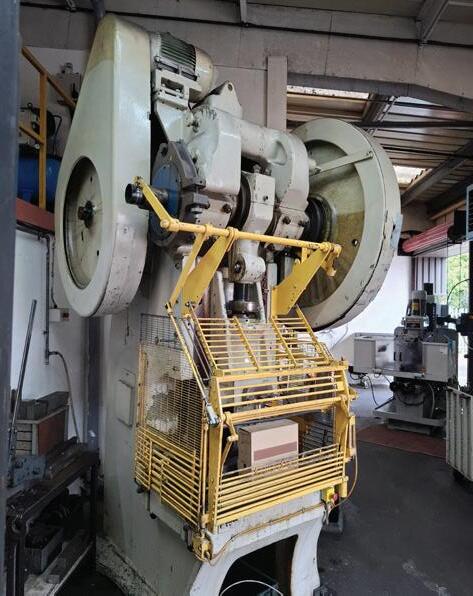
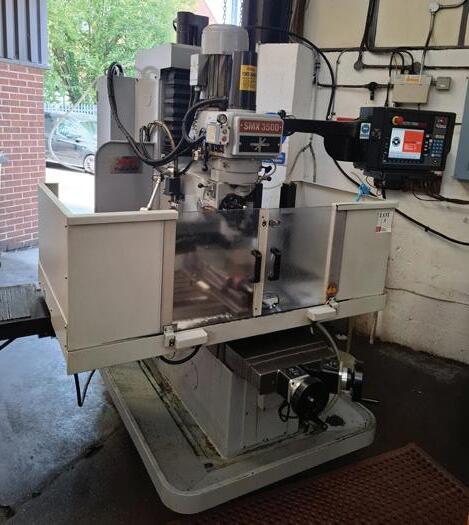
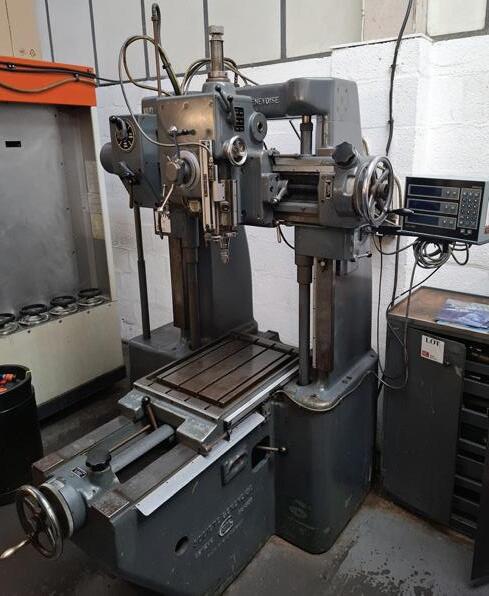
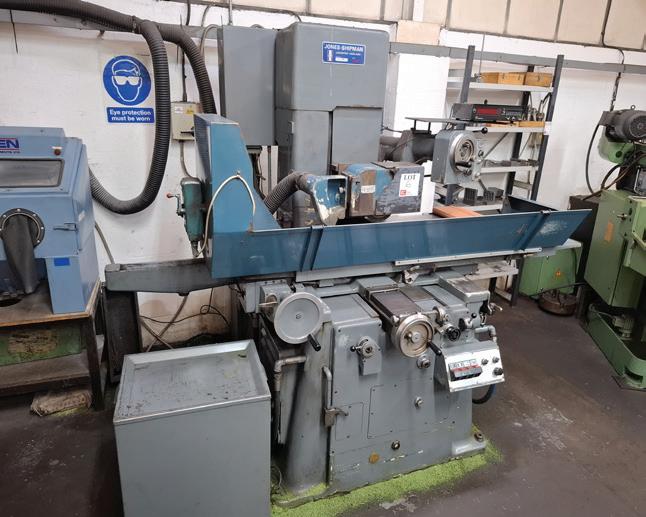
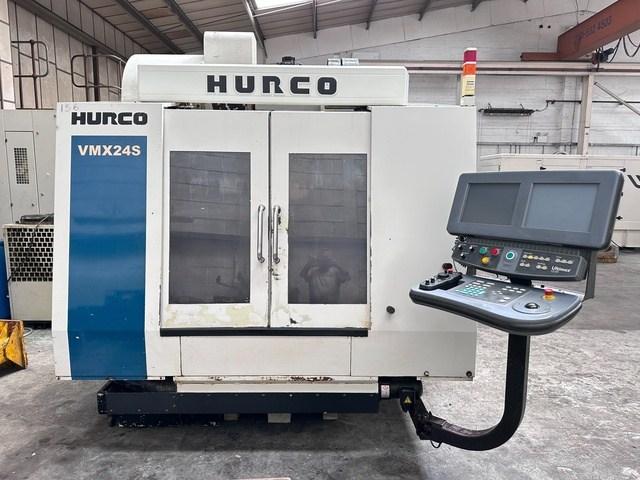
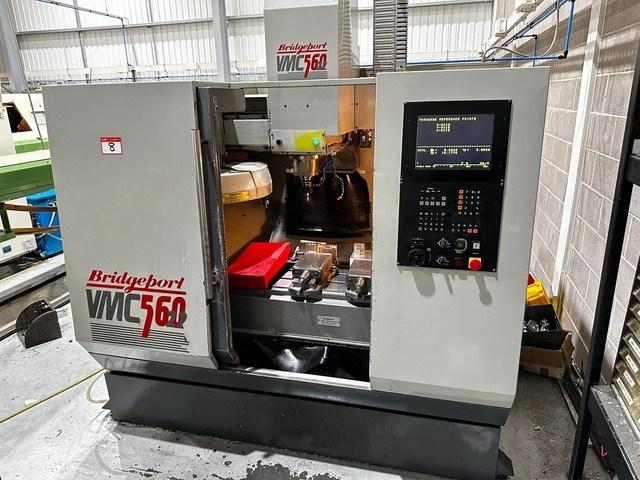
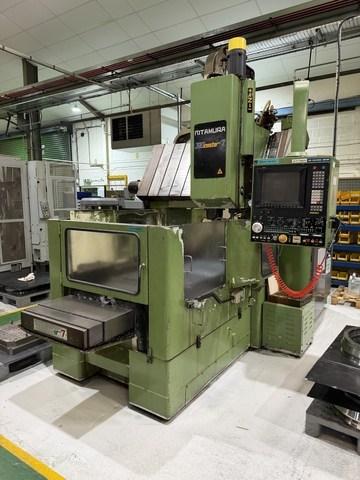
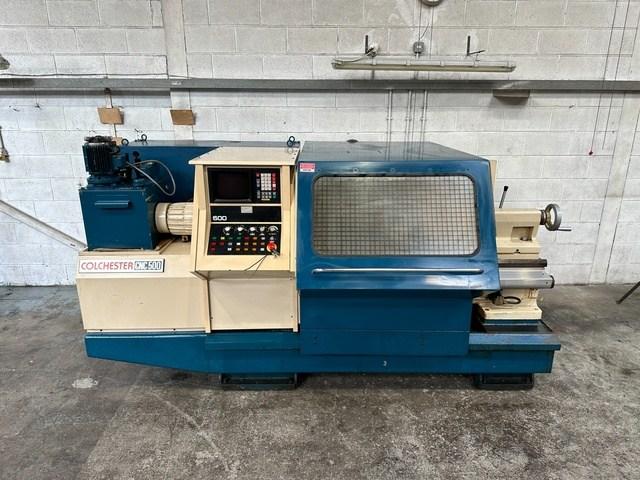
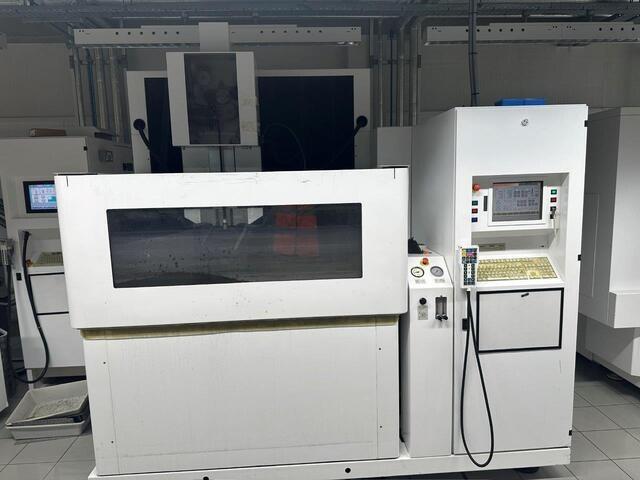
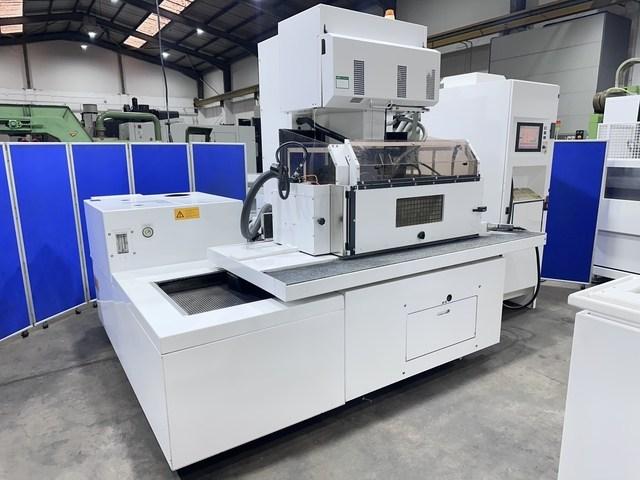
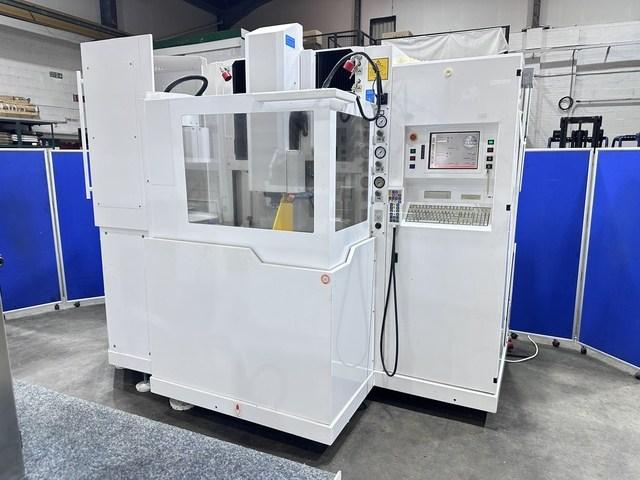
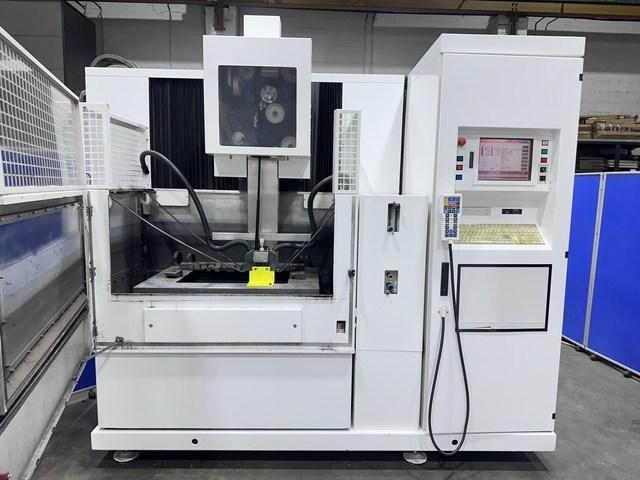
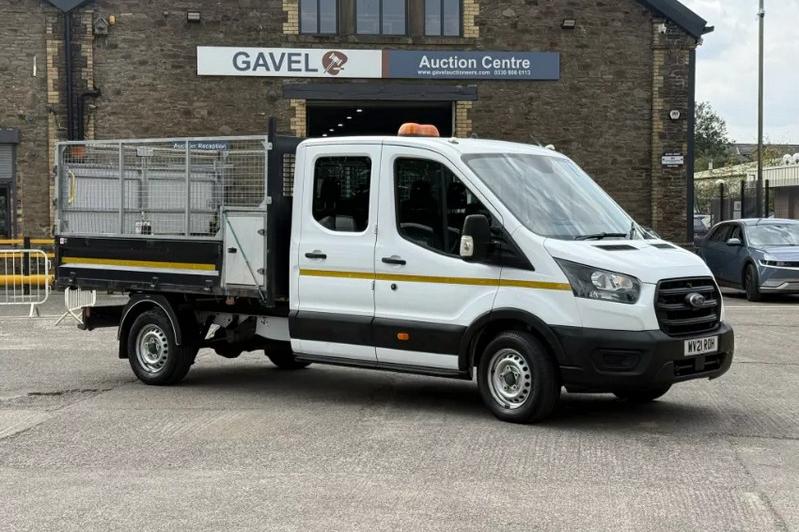
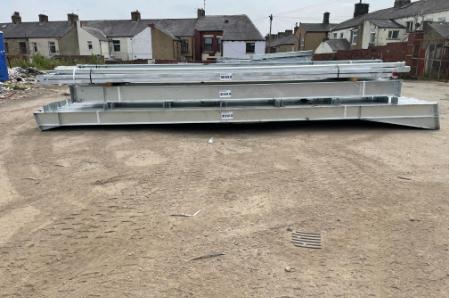
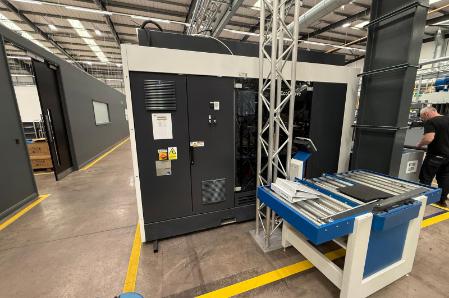
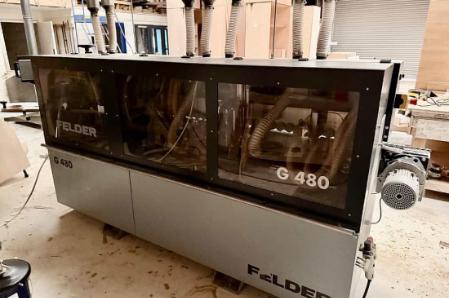
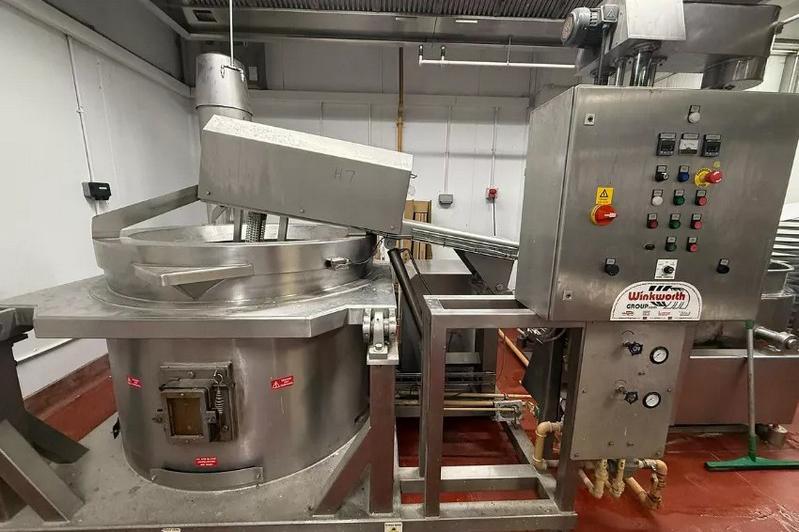
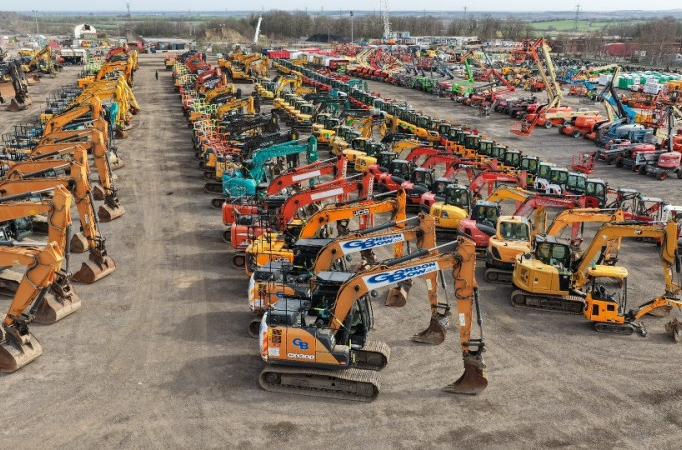
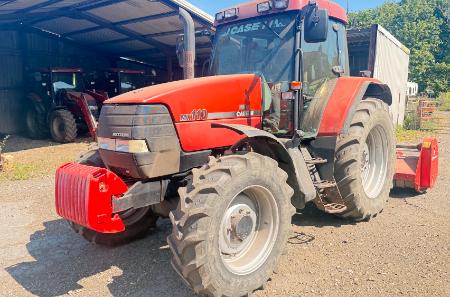
Olivia Proudley, Director and Chartered Surveyor at Proudley Associates, shares her insight into what influences plant and machinery values.
Understanding the true value of plant and machinery is an important part of effective asset management. Whether businesses are looking to sell equipment, secure finance, restructure operations or plan future investments, accurate valuations provide the insight needed to make confident decisions.
However, determining the value of plant and machinery is rarely straightforward. A range of factors can influence an asset’s worth and values can vary significantly depending on market conditions, usage and the method of sale.
Drawing on her experience in plant and machinery valuations, Olivia Proudley, Director at Proudley Associates, explains the key factors that influence asset value, the different approaches to valuation and how businesses can make informed decisions when managing their equipment.
“A range of factors can influence an asset's worth and values can vary significantly depending
on market conditions, usage and the method of sale.
”
What determines asset value?
The value of plant and machinery is influenced by several key factors, including age, condition, specification, maintenance history and market demand.
Well-maintained equipment with comprehensive service records will generally achieve stronger values than similar assets that have been poorly maintained or heavily used. The manufacturer's reputation, availability of spare parts and reliability of the equipment can also affect buyer confidence and, ultimately, sale price.
In addition, external factors such as economic
conditions, industry trends and supply chain pressures can have a significant impact on asset values. In some sectors, demand for certain types of equipment can fluctuate rapidly, causing values to rise or fall accordingly.
Different types of value
When discussing plant and machinery valuations, it is important to understand that there is no single definition of value. Different circumstances require different valuation approaches.
Market value
Market value represents the estimated amount an asset would achieve in a transaction between a willing buyer and willing seller, with both parties acting knowledgeably and without undue pressure.
This is often the most commonly requested valuation basis and provides a realistic indication of what an asset may be worth in the current marketplace.
Forced sale value
Forced sale value reflects the likely price achieved when assets must be sold within a restricted timeframe, often due to insolvency, business closure or financial restructuring.
Because buyers recognise the urgency of the sale, forced sale values are typically lower than open market values.
Auction value
Auction value considers the likely price an asset may achieve when offered through a competitive auction environment. Factors such as bidder interest, marketing exposure, lot presentation and timing can all influence the final result.
Well-marketed auctions often generate competitive bidding that can exceed expectations, particularly where demand is strong and assets are scarce.
The importance of accurate valuations
Obtaining an accurate valuation provides businesses with valuable information for a variety of purposes.
Valuations are commonly required for asset disposal programmes, financial reporting, insurance, refinancing, mergers and acquisitions, insolvency proceedings and business planning. They can also help companies understand the strength of their asset base and identify opportunities to realise capital from underutilised equipment.
Without a realistic understanding of value, businesses risk underestimating assets, missing opportunities or setting unrealistic expectations when selling equipment.
Why market knowledge matters
Plant and machinery markets are constantly evolving. Equipment values can be affected by changing regulations, technological advancements, fuel costs and shifts in industry demand.
For example, machinery that was highly sought after several years ago may have reduced appeal due to newer, more efficient alternatives entering the market. Conversely, shortages of new equipment can increase demand for quality used machinery, pushing values higher.
This is why professional valuers and auctioneers rely not only on asset specifications and condition reports but
Well-marketed
also on current market intelligence and recent sales evidence when assessing value.
Maximising asset returns
For businesses looking to sell plant and machinery, presentation and preparation can play an important role in achieving the best possible outcome.
Ensuring equipment is clean, operational and supported by maintenance records can improve buyer confidence. Highquality photographs, accurate descriptions and effective marketing also help attract a wider audience of potential purchasers.
Choosing the right method of sale is equally important. Depending on the asset type, market conditions and timeframe involved, options may include private treaty sales, online auctions, live auctions or negotiated transactions.
Conclusion
Understanding the value of plant and machinery is an important part of effective asset management. While factors such as age and condition remain important, market demand, economic conditions and the chosen method of sale can all have a significant influence on final values.
Obtaining accurate and up-to-date valuations allows businesses to make informed decisions, whether they are buying, selling, refinancing, restructuring or planning for future growth. With specialist knowledge and a clear understanding of market trends, professional valuers can help businesses identify opportunities and maximise the return on their assets.
Olivia Proudley Director & Chartered Surveyor
op@proudleyassociates.com 01425 200 366
Contents of a Luxury 54-Bedroom Boutique Hotel and Spa
Online bidding and Photographs via www.sw.co.uk/services/machinery-business-assets/
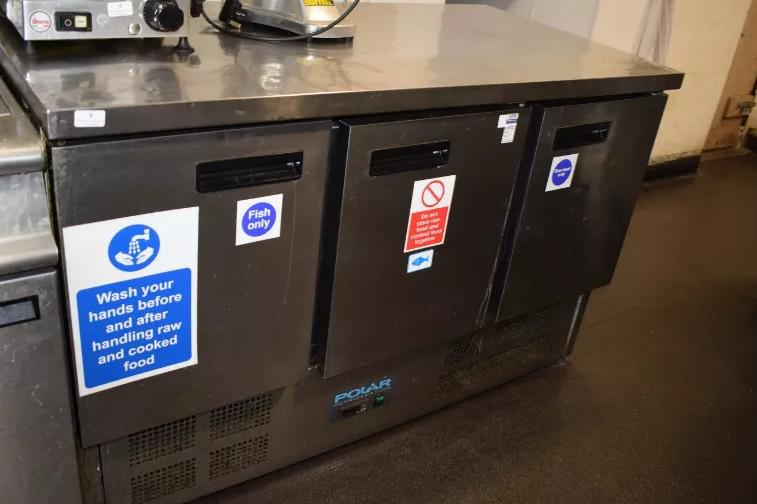
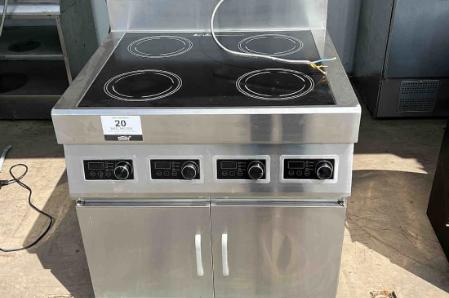
• Four Commercial Kitchens including: Convection Ovens, Gas Hobs, Fryers, Mixers, Grills, Hot Plates, Hot Cupboards, Refrigeration Equipment, Microwaves, Hot Water Boilers, Extraction Hoods, Tray Washers, Dishwashers, and StainlessSteel Sinks and Preparation Tables. Manufacturers include Lincat, Falcon, Xtra, Bravilor Bonamat and Blue Seal
• Furniture and Fixtures including: Four Post Beds, Decorative Wardrobes, Cupboards, Chairs, and Mirrors, Framed Prints, Light Fittings, Ornate Chandeliers, Curtains, Luggage Carts and Reception Desk
• Contents of Six Bars including: Fitted Bars, Roller Shutter Doors, Refrigerators Wine Coolers, Glass Washers, Glassware, Audio and Lighting Equipment, Dance Floors, Electronic Point of Sale Equipment, Function Tables, Decorative Function Chairs, Tray Racks, Hot Water Urns, Food Trolleys, Crockery and Cutlery
• Restaurant Equipment including: Restaurant Tables, Upholstered Seating and Chairs, Fitted Bars, Drinks Pumps, Refrigerators, Audio and Lighting Equipment, Electronic Point of Sale Equipment, Function Tables, Decorative Function Chairs, Tray Racks, Hot Water Urns, Food Trolleys, Crockery and Cutlery
• Contents of Site Chapel including: Hardwood Pews, Audio and Lighting Equipment, Chandeliers and Wall Lights
• Gym Equipment including: Treadmills, Rowing Machine, Exercise Bike, Bench and Free Weights. Manufacturers include Elite Fitness , Concept , Powerline and Hammer Strength
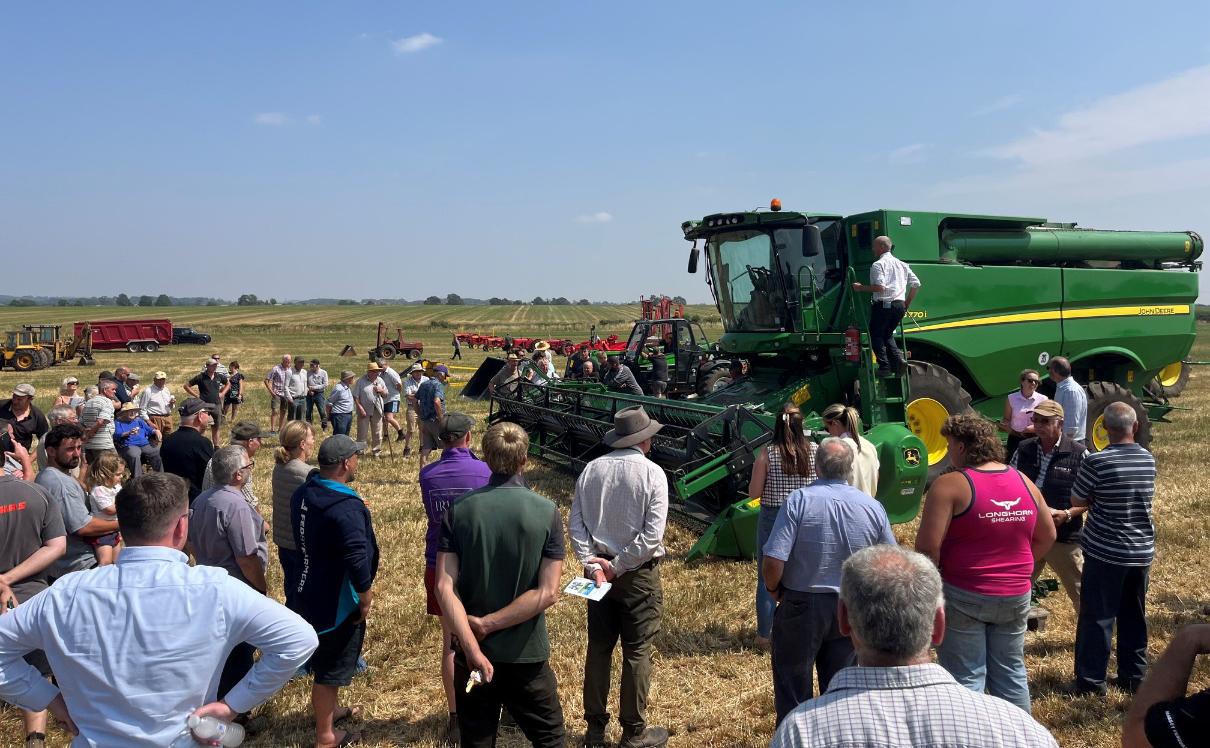
Strong bidding from buyers across the UK and Europe saw quality tractors, combines and agricultural machinery achieve impressive prices at the Foston Hall Farm dispersal sale.
A genuine farm dispersal on behalf of Mr Ian Renshaw at Foston Hall Farm, Foston, near Leicester, attracted strong interest from buyers across the UK and Europe, with quality machinery achieving impressive prices throughout the sale.
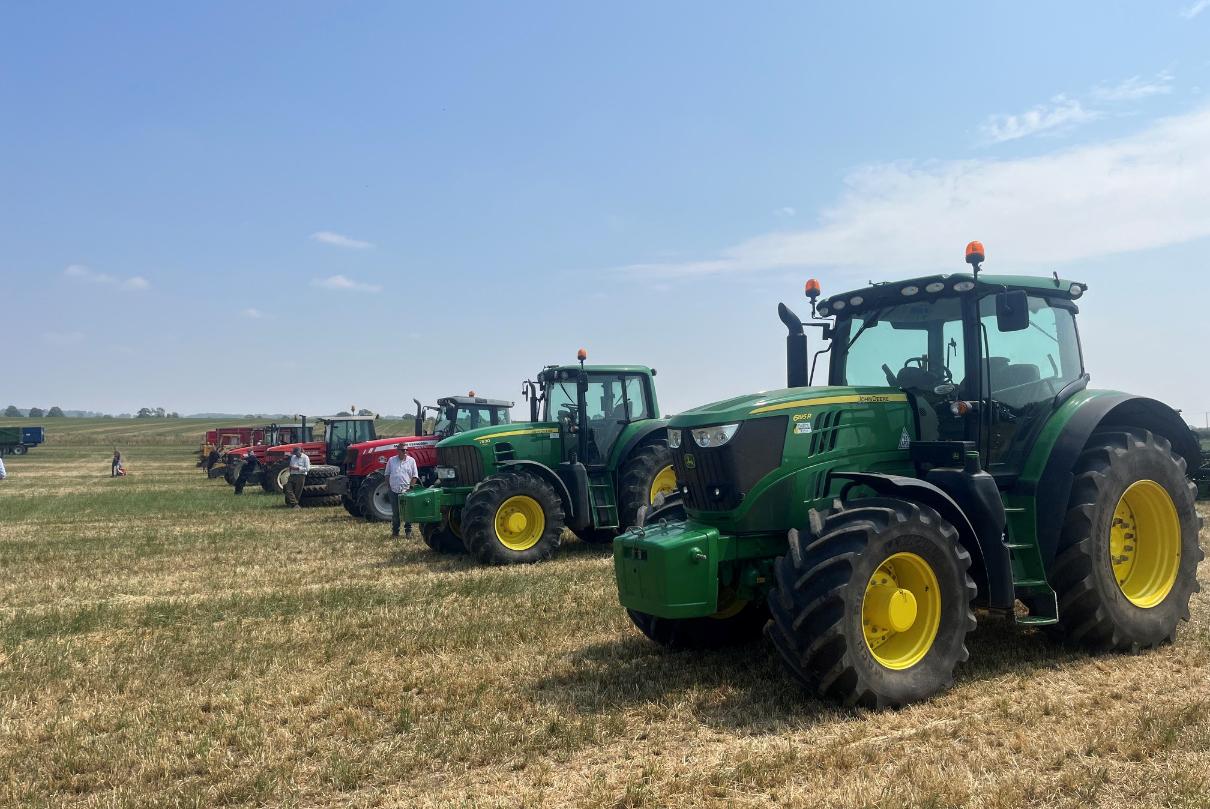
The Bagshaws auction featured a diverse range of wellmaintained equipment from leading manufacturers including John Deere, Massey Ferguson, Same, Kverneland and McConnel. With interest from England, Scotland, Ireland and mainland Europe, bidding remained competitive throughout the day, with several tractors and machinery items achieving excellent results.
The grassland and arable machinery section performed particularly well, led by a McConnel PA6570 mounted hedgecutter which sold for £14,500. Other notable results included a Marshall QM1800 18-tonne twin axle grain trailer at £14,000, a Weaving 6-metre mounted tine drill at £9,600, a Kverneland Visio 200 hydraulic folding disc harrow at £8,600, an Opico HE-VA hydraulic folding disc cultivator at £8,300 and a Transpread fertiliser and lime spreader at £7,100.
The tractor line-up proved to be a major highlight, with two Same tractors owned from new by the farm attracting particular interest from buyers in the Scottish Borders and Islands. The 2003 Same Silver 100.6, with just 4,900 hours, sold for £17,800, while the 1998 Same Titan 160 achieved £20,600. A Massey Ferguson
6475 Dyna-6, showing 4,114 hours, also performed strongly, selling to a Lincolnshire farmer for £36,400.
John Deere machinery dominated the top results, with both the 2010 John Deere 7530 Premium 4WD and 2016 John Deere 6195R 4WD achieving £80,000. The 7530, fitted with a 50kph gearbox and full Premium specification, had completed just 3,461 hours and was purchased by a Staffordshire farmer, while the 6195R had recorded only 1,967 hours and sold complete with a John Deere 6000 Series Dome.
The highest price of the day went to the farm’s 2018 John Deere S770i Standard combine harvester, which sold for £114,000 to a buyer in the South East. A low-hour 2016 Deutz Agrovector 37-7 telehandler also attracted strong bidding, achieving £38,000.
A collection of David Brown tractors from a local vendor added further interest, with a David Brown 880 selling for £3,550, a Cropmaster making £3,500 and a David Brown 990 Diesel achieving £2,500.
With widespread buyer interest and competitive bidding throughout the catalogue, the Foston Hall Farm dispersal delivered an excellent set of results and highlighted continued demand for well-maintained agricultural machinery.
Retail returns & clearance stock
All lots start at £2, no reserve VAT & buyer' s premium included 14-day buyer protection Register free now bid.stocs.com
Understanding auction terminology can help you bid with confidence. Here's a guide to some of the key terms every buyer and seller should know.
hether you're attending your first auction or have been buying and selling for years, there's always new terminology to get to grips with. While every auctioneer may have slightly different processes, understanding a few key terms can help you bid with confidence and avoid any surprises on sale day.
Here are some of the most common auction terms you'll come across.
Hammer Price
The hammer price is the final bid accepted by the auctioneer before the gavel falls. It's the amount the item sells for, but it's not always the total amount you'll pay.
In many auctions, additional costs such as a buyer's premium and VAT may be added to the hammer price, so it's always worth checking the auction terms and conditions before placing a bid.
The 3-Minute Rule
If you've taken part in an online auction, you've probably seen the countdown clock extend just as you thought the auction was about to end.
This is known as the 3-minute rule (or extended bidding). If a bid is placed during the final three minutes of a lot, the countdown resets, giving other bidders time to respond.
The rule helps create a fairer bidding environment by preventing lastsecond "sniping" and ensuring everyone has an equal opportunity to place their best bid. Not every auction uses extended bidding, so
it's worth checking the auctioneer's terms beforehand.
Auction Lots
A lot is simply an item, or group of items, being sold together under one lot number.
Some lots may consist of a single piece of machinery, while others could include an entire workshop's worth of equipment. Reading the lot description carefully will help you understand exactly what's included before you bid.
Reserve Price
A reserve price is the minimum amount the seller is willing to accept for a lot.
If bidding doesn't reach the reserve, the auctioneer may withdraw the item or mark it as unsold. Reserve prices are often confidential, so bidders won't necessarily know what figure they're aiming for.
Absentee Bid
Can't be at the auction when the lot you're interested in comes up?
Many auctioneers offer absentee or commission bidding, allowing you to leave your maximum bid in advance. The auctioneer will then bid on your
behalf, only increasing your bid as much as needed, up to your stated limit.
It's a useful option if you're unavailable on the day or bidding across multiple sales.
Read the Conditions Before You Bid
While these are some of the most common auction terms, every auction house has its own terms and conditions covering registration, deposits, collection times, payment methods and buyer's premiums.
Taking a few minutes to read the catalogue and sale information before bidding can save confusion later and help you bid with confidence.
Whether you're buying a single item or investing in a complete business asset disposal, understanding the language of auctions makes the process far less daunting. With a little preparation, you'll be in a much stronger position to spot opportunities, avoid unexpected costs and make informed bidding decisions.
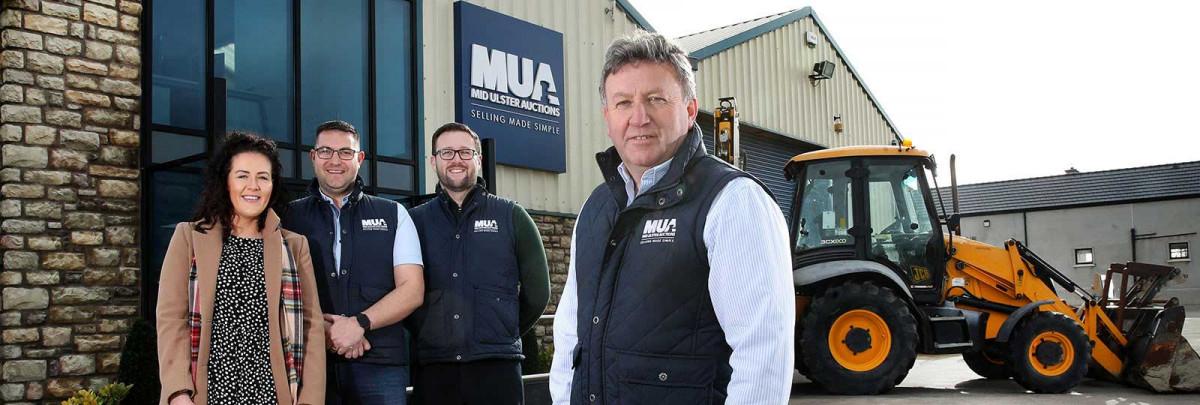
MUA are the chosen auc�on house for maximising asset residuals while minimising costs. We provide commercial solu�ons whether it is a single item or an en�re business asset register with an enviable reputa�on providing advice, insight and valua�ons to Insolvency Prac��oners, Financial Ins�tu�ons and Private Clients.
Buying with MUA
There’s nothing complicated about buying at MUA. We like to keep things straigh�orward and make every effort to offer our customers what they are looking for in price, choice and convenience.
Selling with MUA
Using a professional saves you �me and money in the long run, and gets you the best result. Selling at MUA means we take care of everything. You have less hassle, and be�er returns. When selling with MUA, we provide an all-inclusive service. There are no hidden costs, no charges for marke�ng and no charges for appraisals.
We hold over 1000 auc�ons annually across the UK and Ireland, covering a wide range of sectors from cars and vans to agricultural and plant machinery, to engineering and woodworking across the UK and Ireland.
Have a story to tell?
Share it with Auction News
We’re planning upcoming issues around the stories, expertise and knowledge that help buyers and sellers navigate the auction market.
The story behind the sale
Factory closures, fleet renewals, farm dispersals, restructures and surplus stock.
Buying assets with confidence
Inspections, condition reports, due diligence and how to assess assets before bidding.
Understanding asset value
Market pricing, sale results, buyer demand and the factors influencing asset values.
Moving assets post-sale
Transport, logistics, loading and the practicalities of moving larger or complex items.
How AI is changing the auction landscape
How AI is shaping marketing, cataloguing, valutations, customer service and auction operations.
The future of auctions
Industry trends, evolving buyer expectations and what could shape auctions in 2027 and beyond.
If you have a story to tell or expertise to share, we’d love to hear from you.