DISCOVER THE STORIES BEHIND 60 YEARS OF LEGACY

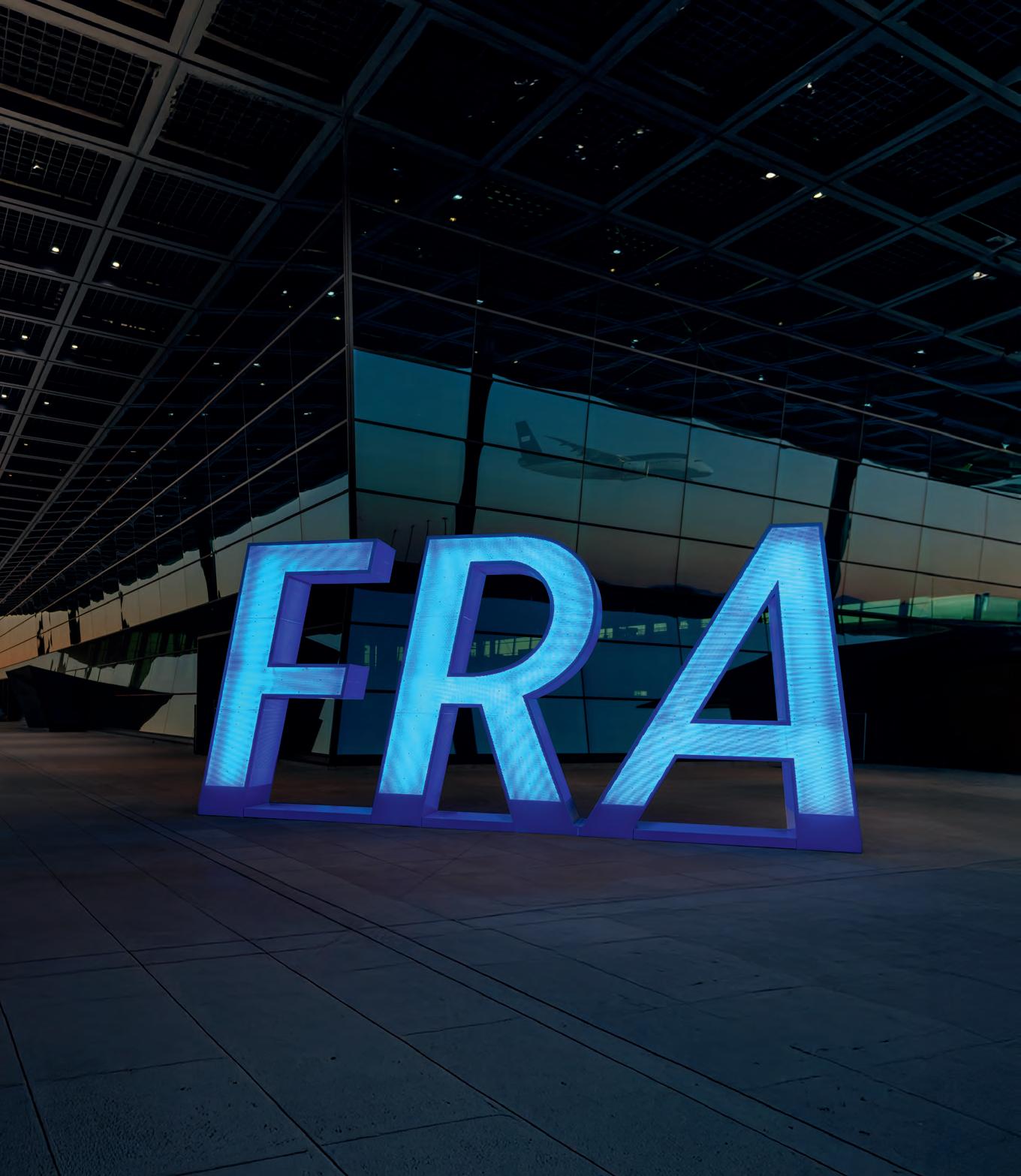
Terminal 3 opens April 22, 2026
Truly international – a new home for over 50 global airlines. Inspirational and innovative architecture – creating mindful experiences. Smart connections – effortless journeys and seamless mobility beyond the runway.
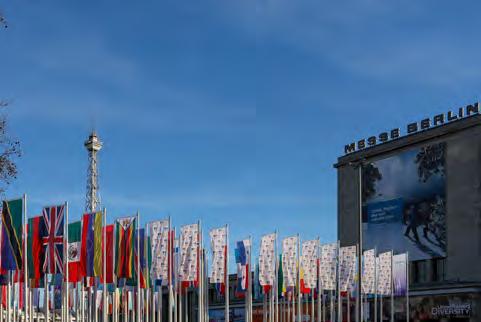


LEADING TOURISM INTO BALANCE
122 Tourism at a turning point
124 Tackling overtourism
128 UNESCO
130 Climate adaptation in tourism
132 The EU Ecolabel
134 World Sustainable Hospitality Alliance
136 Cruise leads the balancing act
DIVERSITY & INCLUSION
138 LGBTQ+ tourism and ITB Berlin
142 IGLTA
AFRICA
144 Africa tourism data
146 South Africa
ASIA PACIFIC
148 Asia-Pacific tourism data
150 Macao
154 Langkawi
THE AMERICAS
158 Americas tourism data
160 ITB Americas 2026
162 Peru
LUXURY TRAVEL
164 Luxury travel data
166 Luxury travel trends
172 The future of wellness tourism
THE FUTURE OF TRAVEL
178 Tourism Economics data
134 Trend watch
190 2086 and beyond
194 Tech trends impacting travel
198 Industry voices: leaders speak

Published by GT Media (Europe) Ltd.
Publisher and Managing Director: Khaled Algaay
Editorial Director
Gemma Greenwood
Art Director
Stefan Castel
Director of Markets
Beth Thomas
Outreach Manager
Alison Readings
Partnerships Manager
Hayley Field
Contributors
Emily Eastman
Felicity Cousins
Victoria Balfour
Contact:
GT Media (Europe) Ltd.
20 to 22 Wenlock Road
London N1 7GU
Tel: +44 207 981 2579
Email: ads@gtmediame.com
DISCLAIMER:
The publisher, editor and contributors reserve their rights in regard to the copyright of their work. No part of this work covered by copyright may be reproduced or copied in any form or by any means without the written consent of the publisher. No person, organisation or party should rely on, or in any way act upon, any part of the contents of this publication without first obtaining the advice of a fully qualified person.
This publication and related products are sold and distributed on the terms and conditions that:
• The publisher, contributors, editors and related parties are not responsible in any way for the actions taken or results arising from any person, organisation or party acting on the basis of information, stories or contributions contained in this publication or related products.
• The publisher, contributors and related parties are not engaged in providing legal, financial or professional advice or services. The publisher, contributors and editors disclaim any and all liability and responsibility to any person or party—whether purchaser, reader, advertiser or consumer of this publication or otherwise—in respect of the consequences of anything done or omitted in reliance, whether in whole or in part, on the contents of this publication and related products.
• The publisher, editors, contributors and related parties shall have no responsibility for any action or omission by any other contributor, consultant, editor or related party.
The ITB Global Travel Collection 2026 is printed on FSC-certified paper. GT Media (Europe) Ltd also prioritises carbon-neutral logistics organisations for all courier services and bulk deliveries of its publications.

ITB Berlin at 60; reflecting on six decades of change and the responsibilities ahead
Sixty years ago, when ITB Berlin first opened its doors, international travel was still the preserve of a relatively small, privileged share of the world’s population. Borders were harder to cross, air travel was expensive, and tourism was only just beginning to emerge as a global industry. In 1966, few could have imagined the scale, complexity and influence travel and tourism would one day command, or the responsibilities that would come with it. Today, tourism plays a major role in the global economy and society.
According to Tourism Economics, international travel has more than doubled over the past two decades alone: from around 700 million international trips 20 years ago, to 1.5 billion in 2025. By 2030, that figure is expected to reach two billion journeys a year, rising to three billion by 2045.
This extraordinary growth reflects rising incomes, expanding middle classes, improved connectivity and an enduring human desire to explore, connect and experience the world beyond our own borders.
Yet growth on this scale brings both opportunity and responsibility. Tourism creates jobs, supports communities, fosters cultural exchange and drives investment in infrastructure, education and innovation. At the same time, it places pressure on natural environments, cultural heritage and local ways of life.
The central question facing the industry today is no longer whether tourism will grow, but how it grows, who benefits, and whether it can do so in a way that is balanced, inclusive and resilient. This is the context in which the
ITB Global Travel Collection has been created. Marking the 60th anniversary of ITB Berlin, this publication looks back at how far the industry has come, while looking forward to the choices that will define its next decades.
Over six decades, ITB Berlin has evolved alongside the industry itself. What began as a post-war trade fair has grown into the world’s leading travel trade show and a global network of events spanning Asia, China, India and the Americas. Throughout this journey, ITB has remained a constant: a place where markets meet, innovation is showcased, and difficult conversations are not only encouraged but required.
As tourism has expanded in scale and influence, so too has ITB’s responsibility to help guide it. The challenges facing tourism, including climate change, workforce shortages, overtourism, inequality, to name a few, demand collaboration, evidence-based decision-making and a willingness to learn from one another. This has always been at the heart of ITB Berlin’s purpose.
The next chapter of global travel must be defined not only by scale, but by stewardship. Not only by innovation, but by intent. And not only by connection, but by balance. This publication is both a reflection on where we have been and an invitation to consider, together, where tourism should go next.

GEMMA GREENWOOD Editorial Director GT Media Europe


DEBORAH ROTHE, DIRECTOR, ITB BERLIN
A personal reflection on ITB Berlin’s journey, its impact on global tourism, and the vision for the next decades
While preparing for the 60th anniversary of ITB Berlin, it was the perfect moment to take a look back. We rummaged through old relics, such as pictures, brochures, love letters, and advertising materials, and uncovered the stories that have defined this milestone event.
My first ITB Berlin experience came as a student, and it was unforgettable.
Bustling halls, dozens of languages, colourful booths, and the energy of people coming together to share ideas. It was clear from the start that ITB Berlin was more than a trade show. It was where the global tourism community shaped the journeys of tomorrow.
Looking back is inspiring, but looking forward is even more important.
ITB Berlin has grown into the World’s Leading Travel Trade Show, offering new ideas, innovations, and opportunities for people across the globe to connect, collaborate, and shape the future of travel.
Over the years, that pioneering spirit has remained the same, even as the world around ITB has changed almost beyond recognition.
Back when ITB first started, travel was slower, information moved cautiously, and destinations were discovered mostly through
word of mouth or printed travel guides. Today, everything moves fast, digital tools connect us instantly, and travellers expect more than ever before. Through all these changes, ITB has adapted, remaining a place where ideas take flight, partnerships are formed, and global conversations about tourism happen.
This 60th edition has been particularly meaningful. With the convention theme ‘Leading Tourism into Balance’, ITB Berlin has highlighted what really matters: sustainability, responsibility, and respect for the people and places that make travel possible.
Walking through the halls, I notice discussions about conservation, inclusive travel, and innovation everywhere: from panels and booths to informal chats over a cappuccino. Every conversation is a reminder that tourism connects people and cultures while protecting our planet.
Over the past 10 years, I’ve had many unforgettable moments. Being pulled into a spontaneous Cumbia dance at the Colombia stand while heading from South Africa to Italy. A shared smile with a colleague after mastering a last-minute challenge together. Watching young startup teams turn bold ideas into reality and sensing their pride when

“This publication captures a glimpse of the destinations, the people, and the moments that have defined ITB Berlin over six decades”

the industry finally takes notice. Or just a simple coffee conversation that turns into a collaboration across continents.
These genuine connections, the curiosity and enthusiasm people bring to the halls, are what make ITB special: a place where ideas grow, people inspire one another, and the future of travel takes shape.
Looking ahead, the next 60 years will bring new challenges and surprises: technological shifts, evolving traveller expectations, environmental pressures, and new ways to explore the world. ITB Berlin will continue to grow with the industry: not just as a trade show, but as a hub for dialogue, a platform for ideas, and a source of inspiration for tourism professionals, new and experienced alike.
This publication captures just a glimpse of that journey: the destinations, the people, and the moments that have defined ITB Berlin over six decades.
It is a celebration of the past and an invitation to imagine the future. On behalf of ITB Berlin, I warmly thank everyone who has contributed to this story and look forward to the next chapter, full of curiosity, creativity, and a shared love of travel.
David Ruetz, Senior Vice President, Messe Berlin, the home of ITB Berlin, reflects on the trade show’s six decades of innovation, connections, and milestones, and looks ahead to the future of tourism
I’ve been with Messe Berlin for a quarter of a century now, and ITB Berlin has been part of my life almost as long, and let me tell you, I’ve seen a lot.
I remember sitting by one of the beautiful lakes surrounding Berlin, where Prof Manfred Busche, the founder of ITB Berlin, once lived, and talking with him about the vision that started it all.
I had joined ITB Berlin in the early 2000s, when travel was a very different world: digital tools were rare, information moved slowly, and the idea of a truly global marketplace for the travel industry seemed almost impossible. Yet even then, ITB Berlin had a clear purpose: to bring the world together, to share ideas, and to imagine what the future of travel could look like. Over the decades, ITB Berlin has grown from a local trade show into a truly global brand. Its expansion beyond Berlin, with international spin-offs in Singapore, Shanghai, Mumbai, and Guadalajara, Mexico, mirrors the growth of the travel industry itself and underlines the need for a global platform that sets trends and shapes the conservation in travel worldwide. But ITB’s role goes beyond the show floor. It’s a place where ideas spark, collaborations blossom, and innovation takes the spotlight.
It’s where newcomers meet professionals, bold ideas collide with experience, and what once seemed
impossible becomes reality. Some of my most memorable moments at ITB Berlin are surprisingly small. I’ve shaken hands with robots like Pepper on the exhibition floor, marvelling at today’s technology.
I’ve watched a previously overlooked destination finally receive the international attention it deserves like Albania or Botswana.
I’ve seen young entrepreneurs pitch bold new ideas, such as sustainable travel apps that change the way we think about exploration.
But above all, it’s the people, the relationships built over decades, that make me truly believe I have the best job in the world. Moments like these – the 60th anniversary of ITB Berlin –remind me that what started as an exhibition has evolved into a stage for stories, for connections, and for ideas that send waves far beyond the halls of Messe Berlin.
Looking ahead, the travel industry remains as lively and unpredictable as a bustling airport terminal.
Travellers navigate new routes, digital tools help plan trips in an instant, and destinations experiment with ways to welcome visitors more responsibly. In this evolving world, ITB continues to bring people together: hosting debates over sustainable tourism practices, showcasing the
latest tech that makes journeys smoother, and connecting innovators with the partners who can turn their ideas into reality. Celebrating 60 years of ITB Berlin is not just a milestone, but a launchpad into the future. What began as a simple idea – to connect people through shared knowledge and passion – has evolved into a global movement. For six decades, ITB Berlin has inspired, connected, and transformed the travel industry, and it will continue to do so, embracing



“Even simple interactions, like a hallway chat that later on, turned into a partnership spanning continents, remain unforgettable”
Mario Tobias, CEO, Messe Berlin, reflects on his journey with ITB Berlin – from first-time visitor to host of one of the world’s most influential travel gatherings – and the show’s enduring impact, far beyond the exhibition halls
As CEO of Messe Berlin, I am constantly on the move, attending events of all sizes and immersing myself in a wide range of industries. Yet what continues to inspire me about ITB Berlin each year is the drive and enthusiasm that brings everyone together. I still remember my first visit to ITB Berlin many years ago not as a host, but as a guest: It was immediately clear that ITB was something truly special. I could never have imagined just how central this event would become, not only for Messe Berlin, but for the city of Berlin, the global travel industry, and the people shaping it worldwide.
Over 60 years, ITB Berlin has grown from a modest national exhibition into a truly global platform where destinations, innovators, and decision-makers meet, exchange ideas, and inspire one another.
It is one of our flagship events – the heartbeat of Messe Berlin – and its impact is remarkable, driving revenue, enhancing our international profile, supporting the Berlin economy, and even influencing the areas around our venues.
ITB Berlin is not only a trade show, but a catalyst for ideas, collaboration, and growth that reaches far beyond the exhibition halls.
Some of the moments I cherish most are unexpectedly human. During the opening tour, light-hearted conversations with officials and colleagues brought smiles and laughter. Witnessing bold new ideas unveiled on the exhibition floor, such as the world’s first AI digital human cabin crew, and seeing the excitement they generated stayed with me. I also recall moments like a life-sized humpback whale gliding across the CityCube on the giant LED screen.
These small spectacles that brought joy to everyone around.
Even simple interactions, like a hallway chat that later on turned into a partnership spanning continents, remain unforgettable.
These are the moments that make ITB Berlin truly special. It is proof that the trade show is never just about booths or presentations, but about the people, ideas, and connections that shape the travel industry. Nowhere else will you meet so many who are passionate about travel and who firmly believe that exploring the world and connecting with other people and cultures can make our world a more peaceful and better place.
ITB Berlin’s growth also reflects the broader vision of Messe Berlin. Expanding the ITB brand over continents, evolving our facilities, and increasing the sophistication of our events demonstrate the ambition, innovation, and dedication behind the scenes. Every detail, from planning hall layouts to hosting complex international delegations, adds up to an experience greater than the sum of its parts.
Looking ahead, the future promises to be equally exciting and challenging.
Technology, sustainability, and changing traveller expectations will continue to shape the industry. ITB Berlin will remain a vital platform for business, dialogue, and inspiration, a place where the next generation of travel leaders can imagine, create, and shape the future.
As Messe Berlin continues to grow and innovate, ITB Berlin will stay at the heart of our vision: connecting Berlin to the world, and the world to Berlin.






Dr Christoph Ploß, Federal Government Coordinator for Maritime Economy & Tourism, on ITB Berlin as a meeting point for global travel and its role in putting Berlin on the world tourism map every year
Every spring, the city of Berlin transforms into a global tourism hub – a potpourri of inspirations, ideas, images, voices, colours, talks and visions. ITB Berlin connects travel buyers and sellers from all over the world, bringing continents, countries and people closer together. With every expansion of the ITB fair and brand, the world seems to get a bit smaller.
Tourism is a key driving force for the economy, ensuring millions of jobs and making a substantial contribution to global prosperity. However, tourism is far more than numbers. Tourism is about getting in touch with other people, about seeking, yearning for and discovering something new. These very human needs shape not only the industry but are also a key element of Germany’s identity as a country that takes pride in its hospitality. For 60 years now, Germany has done a great job as a host and will continue to do so in the future.
There is no city that is better suited to host ITB than Berlin. The German capital has everything that makes ITB so special: diversity, openness, energy and a good deal of humour. People come to the ITB not only to negotiate but also to celebrate, laugh and be amazed. The programme spans three fascinating days, for eight thrilling hours a day.
ITB’s impressive history shows how strong the passion for travel, dialogue and exploration is, and how it can grow. In 1966, the first ITB marked a
start: it was a small but nonetheless forward-looking event, that recognised the potential of global tourism even before the age of colour TV. Nine courageous exhibitors from five countries took part in the show, laying the foundation for a tradition that continues up to this day. Today, ITB is the tourism industry’s global market place, right at the heart of Berlin. Alongside ITB Berlin, Germany has developed into an important hub for global tourism – a country open to the world that welcomes innovation and helps shape the future.
And the Germans themselves have regularly been Europe’s, or even the world’s travel champions.
The travel industry has shown a great deal of resilience and optimism, not least as it emerged from those tough pandemic years. People want to travel, engage in dialogue with others, and have memorable experiences; it is part of human nature. For 60 years, this resilience and energy has been part of ITB Berlin’s DNA. It is a place to look to the future with fresh optimism every year. ITB has also demonstrated that it can adapt to new developments: the digital transformation, new forms of communication and changed travel habits have transformed the way in which travellers seek information, and the industry has transformed accordingly.
ITB Berlin is simply the place to go for the world’s tourism industry professionals, bringing together in its own unique way

experts, visionaries and decision-makers from business and politics, offering networking opportunities and inspiration. We can be optimistic about the road ahead: the younger generations are contributing fresh ideas; new technologies are opening up entirely new possibilities, and sustainable travel is transforming from a niche market into the new standard. If ITB has been able to show one thing over the past 60 years, it is that even though the world is changing, the love for travel persists. Congratulations to 60 years of ITB Berlin and to all the stakeholders involved. May you continue to bring the world to Germany and to Berlin. We look forward to it! I wish you many more years of continued success, growth, good contacts, pioneering innovations and thrilling new developments.



Tourism is a driving force of global prosperity, creating jobs, funding infrastructure and connecting communities. The next step is to make that momentum work harder for more people, in more places.
BY GEMMA GREENWOOD
Tourism is one of the defining industries of the global economy, generating jobs, investment and innovation on a scale few others can match. It accounts for more than 10% of global GDP and supports hundreds of millions of workers in sectors ranging from aviation to cruise, tour operations to hotels.
Its influence continues to grow faster than the wider economy. The World Travel & Tourism Council (WTTC) estimates that the sector contributes more than US$10 trillion a year to global output and supports more than 350 million jobs.
In 2025, it was on track to reach $11.7 trillion, representing 10.3% of global GDP, with 371 million jobs supported worldwide. Longer-term
projections point to $16.5 trillion and 460 million jobs by 2035, confirming tourism as a central engine of global prosperity.
The World Economic Forum (WEF) describes travel and tourism as “a catalyst for inclusive prosperity”, noting that more than two-thirds of the sector’s total economic value arises indirectly through local suppliers, small businesses and wider consumer spending. Its reach makes tourism not only a reflection of demand, but also a strategic driver of sustainable growth and resilience.
Tourism growth has returned across all major regions since the pandemic, but challenges remain. Labour shortages
are a pressing concern. The WTTC warns that without decisive action, more than 43 million tourism roles could remain unfilled by 2035, risking a drag on expansion.
“Travel and tourism is on course to support one in three new jobs worldwide by 2035,” the organisation says, underlining the need for skills and mobility policies that can keep pace with demand. Border modernisation is another opportunity, with a joint WTTC and SITA study revealing that digital visas, biometric processing and pre-clearance systems could add $401 billion to global GDP and create 14 million jobs by 2035 across the G20, EU and African Union.
The report concludes: “Technology now allows us to achieve what was once thought impossible: stronger borders and smoother travel.”
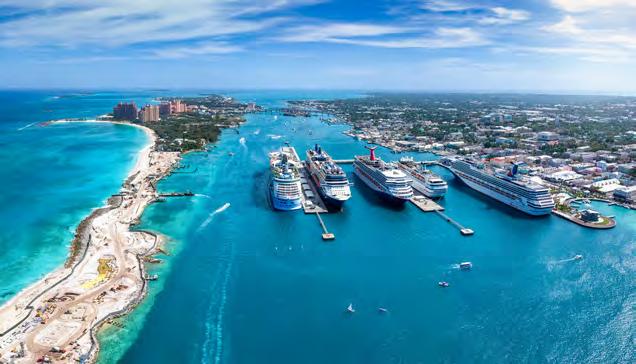
Cruise remains one of the fastest-growing segments in global travel and recovered more quickly from the pandemic than the general global tourism market.
In its latest ‘state of the industry report’, Cruise Lines International Association (CLIA) reveals that in 2024, the sector supported $168.6 billion in economic output and 1.6 million jobs, as passenger volumes climbed to 34.6 million. CLIA notes that “more than 75% of jobs supported by cruise activity are generated onshore”, highlighting its role in stimulating local economies.
Cruise currently accounts for just 2.7% of global tourism GDP, suggesting strong potential for growth.
Each port call supports transport, food services, retail and cultural attractions, enabling smaller coastal towns to capture visitor spend that might otherwise bypass them.
An economic impact study by MedCruise and Cruise Europe found that more than 40% of destinations report higher revenues for local businesses thanks to cruise activity.
In 2024, global passenger cruise spend reached $29 billion, according
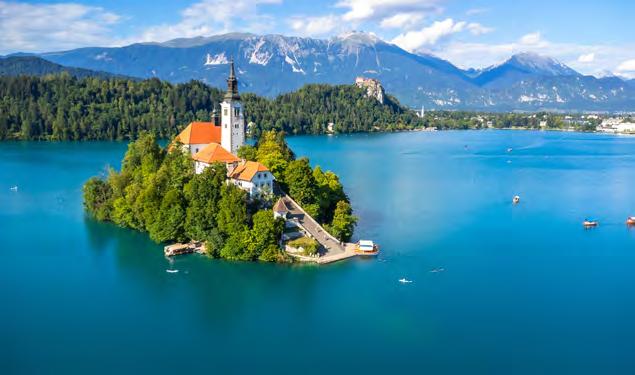
to Tourism Economics. And it’s not only passengers who contribute: crew spending also delivers a meaningful boost. Cruise staff income totalled $9.2 billion in 2024, much of which goes toward essentials and leisure in port communities, further multiplying the value of each cruise call.
Aviation underpins the global visitor economy. The Air Transport Action Group (ATAG) found that in 2023, civil aviation supported 86.5 million jobs and contributed $4.1 trillion to world GDP, or 3.9% of total output.
The sector carries about a third of global trade by value and enables 58% of international tourist arrivals.
According to the International Air Transport Association (IATA), airlines were expected to handle more than five billion passengers and 40 million flights in 2025.
Each additional million passengers generates around 1,000 direct on-airport jobs, while expanded air networks drive wider economic productivity by linking regional markets.
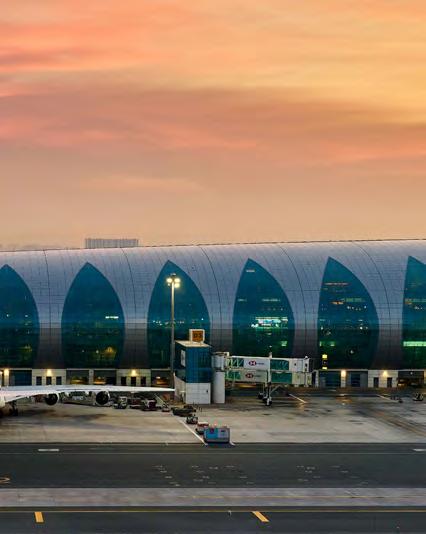
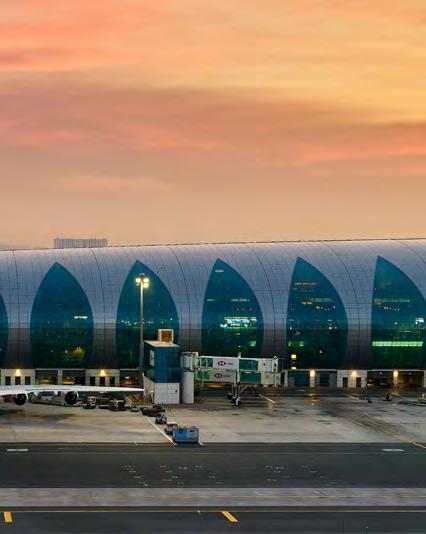
A standout market where aviation is the lifeblood of economic growth in comparison to other industries is the UAE. A 2023 IATA study found the sector contributed $92 billion in economic output, or 18.2% of GDP, spanning wider supply chain, employee spending and tourism activities, and supporting 992,000 jobs.
Dubai is the country’s aviation
THE CONTRIBUTION OF TRAVEL AND TOURISM TO CURRENT GLOBAL GDP
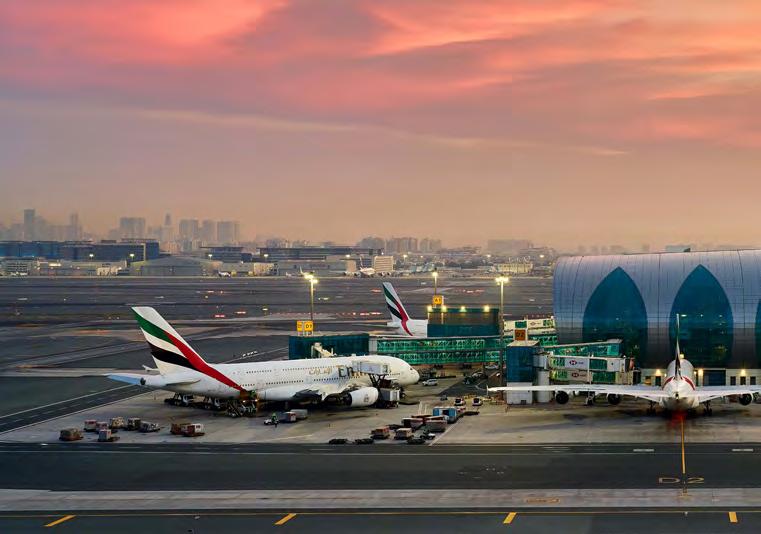
epicentre, with the sector contributing 27% of Dubai’s GDP in 2023 ($37.3 billion), set to rise to almost one-third (32%) of GDP by 2030. “The UAE is a critical hub for global connectivity. And the benefits of its super connector role brings trade, tourism, investment, and jobs to the UAE.
The leadership of the UAE has a strategic vision for aviation, supported by smart regulation and investment in world-class infrastructure,” said IATA Director General Willie Walsh.
“We can be confident this contribution will strengthen as the UAE continues to facilitate opportunities for aviation to thrive.”
Aviation will contribute 32% of Dubai’s GDP by 2030
The Meetings, Incentives, Conferences and Exhibitions (MICE) sector generates some of the highest yields in travel and tourism. In Berlin, the home of ITB Berlin and Messe Berlin, the events and congress industry generated €1.4 billion ($1.6 billion) in 2024, attracting 12.9 million participants, according to the Berlin Convention Office.
Franziska Giffey, Senator for Economics, Energy, and Public Enterprises for the state of Berlin, Germany, says: “The events and congress industry is a key economic factor for Berlin.”
Local authorities project 3% growth in 2025, supported by Messe Berlin’s continued investment in venue capacity and digital infrastructure.
Germany entered 2025 as one of the world’s strongest tourism economies, with the sector set to break all-time records in economic output, employment and visitor spending, according to the World Travel & Tourism Council (WTTC). The country’s travel and tourism industry was forecast to contribute €499 billion ($579 billion) to GDP – 11.6% of total economic output, well above the global average – and support 6.5 million jobs, equivalent to 14% of national employment.
International visitor spending was expected to reach €57 billion ($66 billion), with domestic tourism contributing an additional €425 billion ($493 billion). When the findings were reported in mid-2025, the WTTC’s then President and CEO, Julia Simpson said: “This is a landmark year for travel and tourism in Germany. The sector’s strength underlines its importance to
the national economy and its capacity for long-term, sustainable growth.”
Germany’s performance positioned it as Europe’s largest travel and tourism market and the third largest worldwide, behind only the United States and China. WTTC forecasts suggest that by 2035, the sector will contribute €579 billion ($672 billion) to Germany’s GDP and support 7.6 million jobs, with inbound spending expected to rise to €74 billion ($86 billion).
Crucial to this success is Berlin, where the meetings and events sector has become a powerful engine of tourism growth. Messe Berlin, the city’s exhibition and congress group, reported €480.8 million ($559 million) in turnover and more than €50 million ($58 million) in profit for 2024, hosting 121 events, 31,000 exhibitors and 1.9 million visitors. “Despite tough international competition, the group of companies is extremely successful economically,” said Dr Mario Tobias, CEO of Messe Berlin.
Within that portfolio, ITB Berlin plays a defining role. The 2025 edition gathered 5,800 exhibitors from over 170 countries and welcomed 100,000 participants, consolidating the city’s
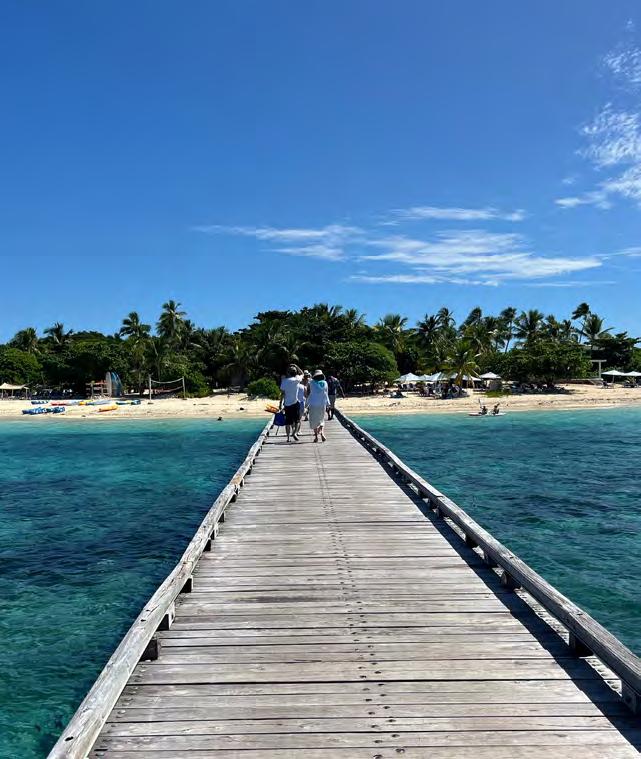
Tourism supports 13% of all jobs on Fiji’s Mamanuca Islands
position as one of the world’s leading tourism marketplaces. Tobias described ITB Berlin as “an unrivalled industry experience that paves the way for future-oriented growth in the global tourism industry”.
Together, Messe Berlin and ITB Berlin generate significant spill-over effects on the city economy, from hotels and transport to restaurants, culture and retail.
A joint study by visitBerlin and Messe Berlin found that Berlin’s convention infrastructure is operating at near-full capacity, and that a new multifunctional venue could add €78 million ($91 million) in annual value.
The findings underline how strategic investment in business events infrastructure can sustain competitiveness and support the next
phase of Germany’s record-breaking tourism growth. With the study pinpointing an urgent need for medium-sized conferences with 1,000 to 5,000 participants, Messe Berlin already has concrete plans: on the exhibition grounds, at the current site of Hall 9, a new, multifunctional conference venue will be built in direct response to this growing demand.
While cities remain an important cog in the tourism engine, industry growth increasingly depends on dispersal, encouraging visitors to explore beyond major cities and peak seasons.
The European Travel Commission (ETC) reported that 7% of Europeans planned to travel between October
2025 and March 2026, with growing interest in southern and rural destinations.
“Off-season travel helps distribute economic benefits more evenly and reduces pressure on peak destinations,” said ETC President Miguel Sanz. The WEF called for a shift from volume to value, urging countries to view tourism as “a catalyst of resilience and inclusive prosperity”. That means investing in smaller cities, regional transport and community led tourism models that share benefits across regions.
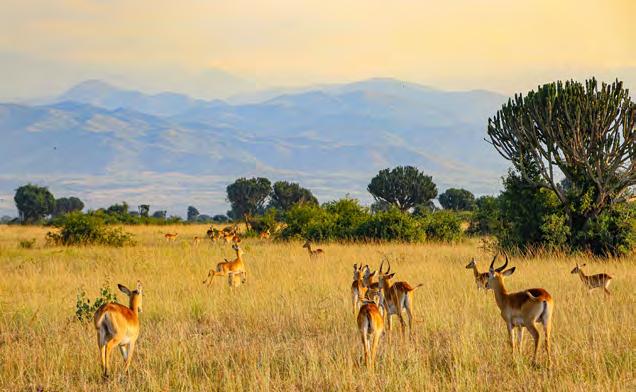
The World Bank highlights well-managed nature-based tourism as a “massive development opportunity”. In countries such as Uganda and Madagascar, each tourist dollar spent near protected areas has been shown to more than double local incomes, while also financing conservation and community projects.
UN Tourism’s Best Tourism Villages 2025 recognised 52 rural communities worldwide for linking visitor spending with heritage preservation and environmental stewardship.
The trend signals a long-term move towards travel that supports both people and nature.
Germany plays a central role in advancing tourism for development in transition economies through its Federal Ministry for Economic Cooperation and Development (BMZ).
The ministry funds more than 100 tourism-related projects, helping partner countries create jobs, strengthen local economies and reduce inequality. “Tourism offers great opportunities for emerging economies and developing countries,” BMZ stresses. “It creates jobs, strengthens the local economy, helps conserve the environment and can reduce poverty and inequality.”
The initiatives BMZ supports range
from rural agrotourism in Albania to trans-frontier nature tourism in southern Africa, showing how partnerships can deliver both economic and environmental gains.
World Bank analysis around Queen Elizabeth National Park found that every tourist dollar generates up to $2.03 in local income, with 20% of park entry fees and $10 from each gorilla permit channelled into community projects.
The approach funds infrastructure, education and livelihoods, while sustaining biodiversity that underpins future tourism.
WTTC ranks Mexico among the world’s top 10 travel and tourism economies, contributing $274.4 billion to GDP in 2024. Investment in airports, cruise terminals and hospitality is diversifying the sector. A growing network of secondary destinations, from colonial towns to coastal states, is capturing off-season and domestic demand, spreading benefits beyond the main resort zones.
India ranked ninth globally for total tourism GDP in 2024 at $249.3 billion, with steady expansion forecast. Its vast domestic market supports year-round cashflow, enabling investment in air and rail infrastructure that links second-tier cities and heritage circuits. Simplified visas and digital border systems are strengthening international arrivals, while local businesses capture more value through integrated supply chains.
Europe's tourism industry contributed nearly €1.9 trillion ($2.2 trillion) to the EU's GDP in 2025, representing about 10.5% of the economy and generating almost 26 millions jobs, according to the European Travel Commission (ETC).
Key economic drivers include
“Travel and tourism is on course to support one in three new jobs worldwide by 2035”
significant international and domestic visitor spending, a rise in overall spending despite inflation, and recovery in both air traffic and arrivals, though trends like value-seeking and off-peak travel are reshaping the market.
WTTC reveals France and Spain are the world’s top two destinations in terms of visitor numbers and continue to lead the region’s resurgence, powered by “smart investment and global appeal”.
Saudi Arabia stands out as a global outperformer, with WTTC highlighting record infrastructure funding for airports, cruise terminals and hospitality projects (worth $8 billion to 2030),
driving job creation and non-oil diversification. The kingdom’s travel and tourism sector was set to contribute SAR 447.2 billion ($119 billion) to the economy in 2025, representing more than 10% of national GDP (higher than the global average) and to support an all-time high of 2.7 million jobs.
International visitor spending was projected to reach nearly SAR 200 billion ($ 53 billion), with domestic spending hitting new records too.
In Fiji’s Mamanuca Islands, the World Bank estimates tourism supports 8,300 jobs, representing 13% of local employment. Community partnerships and marine conservation initiatives
have created a model for balancing tourism growth with environmental stewardship.
Diversified visitor flows across islands and seasons provide resilience for small island economies.
As the world’s most dynamic service sector, tourism remains a cornerstone of global economic growth.
Yet its future depends on finding equilibrium, between scale and sustainability, speed and stewardship.
That focus will take centre stage at ITB Berlin 2026, where the theme ‘Leading Tourism into Balance’ reflects the industry’s shift from rapid expansion to responsible progress.
Several priorities are clear: modernise borders to make travel smoother and more secure; strengthen connectivity to open up new destinations; scale nature-based tourism that supports both livelihoods and conservation; expand business events that generate investment and knowledge; and close workforce gaps to sustain long-term competitiveness. Together, these priorities pave the way for tourism-led growth that is both economically resilient and socially inclusive.
Tourism’s impact now rivals that of sectors such as manufacturing and finance. With trillions in GDP and hundreds of millions of jobs supported worldwide, it remains one of the great engines of global prosperity.
The task ahead is to ensure that power is used responsibly – that growth reaches more regions, benefits more people and protects the environments and cultures that sustain it.
As the Federal Ministry for Economic Cooperation and Development (BMZ) notes, tourism can strengthen economies, conserve natural assets and reduce inequality. Led with foresight, partnership and purpose, the world’s most travelled industry can also become its most balanced.
Tourism has a unique power. It brings people, cultures and economies together, generating livelihoods and strengthening understanding across borders. That is the purpose of UN Tourism. And for 60 years, ITB Berlin has been where that power is on display and where the sector’s direction is set. This month, I will attend ITB Berlin for the first time as Secretary General, to listen to Member States and industry and to advance practical cooperation for the year ahead.
Today, tourism stands at a crossroads. International travel continues to expand, with another year of growth taking international arrivals towards 1.6 billion. The question is not growth. It is the terms of growth and what we are willing to trade for it.
As Secretary General of UN Tourism, I believe the future of our sector depends on balance and that will define my mandate. For too long, success has been measured largely by volume: arrivals, occupancy and spending. Growth has delivered benefits. It has also created pressure. Destinations strained by overtourism and emissions rising show that expansion without safeguards is neither sustainable nor resilient.
This is why tourism in balance must guide global tourism policy and why I am encouraged to see this principle shaping conversations at ITB Berlin. Balance means
Attending ITB Berlin as Secretary General of UN Tourism for the first time, Shaikha Al Nuwais sets out why the future of travel must align economic opportunity with environmental stewardship and community benefit
aligning economic opportunity with environmental stewardship, social inclusion and long-term resilience.
It means measuring success not only by how many visitors arrive, but by whether communities benefit, heritage is protected and emissions fall.
Tourism cannot thrive without community consent, protected heritage and healthy natural assets. Balance protects what makes destinations worth visiting.
No country can deliver this transition alone. Climate risk, destination capacity and digital influence do not

UN Tourism’s role is to turn shared ambition into standards that work and projects that deliver, while ensuring developing and rural destinations can
cooperation, tourism remains one sustainable development. It creates jobs, especially for women and young people, supports small businesses and strengthens investment in culture and conservation. And at a time of fragmentation, travel can still widen
The connections forged at ITB Berlin
come. If we embrace balance now and work together with discipline, tourism can deliver shared prosperity, cultural sustainability in a world that needs all three.
Gloria Guevara Manzo, President and CEO, World Travel and Tourism Council (WTTC) highlights ITB Berlin’s role in demonstrating the real economic and social impact of travel and tourism, and why the sector’s scale, responsibility and value to global economies have never been more visible
As ITB Berlin celebrates its 60th anniversary, it stands not only as a reflection of the industry’s past, but as a platform shaping the future of Travel & Tourism for decades to come. For sixty years, ITB Berlin has been the heartbeat of the global travel and tourism industry. What began as a pioneering trade show has evolved into one of the world’s most influential convening platform for tourism; a place where ideas are tested, partnerships are formed, and the direction of an entire sector is debated and defined. Few events can claim such continuity, relevance, and impact across generations of industry leaders.
Today, that role is more critical than ever. Travel and tourism has become a systemically important sector, operating at national-economy scale.
Globally, the sector is forecast to contribute US$11.7 trillion to GDP in 2025, representing 10.3% of the global economy, and to support 371 million jobs worldwide, nearly one in every nine jobs. This marks a full recovery beyond pre-pandemic levels and reinforces travel and tourism’s position as one of the world’s most powerful economic engines.
In Germany alone, the industry is expected to have contributed EUR 498.8 billion to GDP in 2025, accounting for 11.6% of the total economy, exceeding pre-pandemic levels by 3.7%. The sector supports 6.5 million jobs, representing 14% of
total employment, and is forecast to reach 7.6 million jobs by 2035, with 1.2 million new roles created over the next decade. These figures underline a simple truth: travel and tourism is no longer just about mobility and leisure; it is a foundation of economic resilience, social stability, and long-term growth.
With that scale comes responsibility. Millions of livelihoods depend on how well the sector is governed, not just how fast it grows. Workforce shortages, skills transitions, infrastructure capacity, and destination pressures are now macroeconomic challenges, not isolated operational issues. When tourism is poorly managed, it risks eroding community trust and long-term value. When it is managed well, it becomes a powerful force for job creation, regional development, and shared prosperity.
This is why ITB Berlin’s convening power matters so profoundly. No part of the travel and tourism ecosystem functions in isolation.
Airlines, hotels, destinations, governments, investors, and technology providers are deeply interconnected. As risks become more structural, from climate change and geopolitical uncertainty to labour constraints and shifting traveller expectations, coordination becomes essential.
ITB Berlin creates the space for that coordination, bringing public and private leaders together at global scale to align priorities, share responsibility, and turn ambition into action.

The ITB Berlin 2026 convention theme, Leading Tourism into Balance, captures the defining challenge of our time. Balance is not about limiting growth, but about guiding it wisely. It is about aligning economic performance with environmental stewardship, community wellbeing, and workforce resilience. It recognises that leadership, governance, and collaboration are now as important as investment and demand. Above all, it reflects a growing consensus that the future success of travel and tourism will be measured not only by volume, but by value.
As we look ahead to the next 60 years, the choices made today will shape the legacy of travel and tourism for generations. The sector has the potential to be one of the world’s most powerful drivers of inclusive, sustainable growth, but only if it continues to evolve, adapt, and work together. ITB Berlin will remain central to that journey, not simply as a showcase of innovation, but as a catalyst for collective leadership.
At the WTTC, we see firsthand what is possible when governments, the private sector, and industry act with shared purpose. For six decades, ITB Berlin has enabled that spirit of collaboration. As the industry enters its next chapter, its role in leading tourism into balance will be more important than ever, ensuring that growth delivers lasting value for economies, communities, and people worldwide.

Relevance comes from the courage to rethink, renew and rise again, says Sven Liebert , Secretary General, Federal Association of the German Tourism Industry (BTW), reflecting on the profound, ever-evolving nature of ITB Berlin
Ilook at the 60 year history of ITB Berlin with a mix of respect and excitement. To me, it is an impressive symbol of how an industry can continuously evolve and how important it is to embrace new ideas without losing sight of what has proven itself. This mindset also shapes my approach to our work at the Federal Association of the German Tourism Industry (BTW): dynamic, entrepreneurial, and open to change.
Since its start in 1966, it has repeatedly reinvented itself to become what it is today: the world’s most important platform for the global tourism industry. What started with just nine exhibitors has grown into a gathering of the entire international sector, bringing together entrepreneurs, policymakers, destinations, academics and creatives. This trade fair is a living example that change is not only necessary, but a tremendous opportunity.

In my role as BTW Secretary General, I am particularly pleased with the close cooperation with Deborah Rothe, the Head of ITB Berlin. Our work together is defined by openness, exchange, and a shared determination to move things forward. This spirit of partnership makes so much possible.
One example is the conneXion Tourism Night for young professionals in the industry, which celebrated a highly successful debut last year. It is a project born out of joint ideas and demonstrates what can be achieved when we are willing to try new things together.
Such creative collaboration within BTW and with many partners beyond it is of immense value to me. It enables us to implement initiatives that truly advance the tourism industry and creates space for formats that inspire, connect, and foster innovation.
I am very much looking forward to the years ahead and to further expanding this strong cooperation, especially with ITB Berlin.
On the occasion of its 60th anniversary, the show is once again looking ahead. Its 2026 theme, ‘Leading Tourism into Balance’, fits perfectly with our time.
It reflects the reality that we can only meet today’s major challenges – from sustainable business practices to digitalisation to shifting societal expectations – by acting collaboratively and responsibly.
From my perspective, this theme is not only a guiding principle, but a call to action for the industry, for destinations, and for political decision makers. ITB Berlin 2026 builds on six decades of trade fair and industry history while opening a new chapter for the future. It offers orientation, defines priorities, and creates an environment in which the industry can grow together. And I am convinced that this is exactly what it will continue to do in the decades to come.
My priority is to position the BTW as modern, agile, and as forward looking as ITB Berlin has been. I firmly believe this is the right path into the future, for all stakeholders – associations, companies, and trade fairs alike. Because it is only by continually reinventing ourselves that we remain relevant, for our members, for the industry, and for the people who want to explore the world.
With that in mind: Congratulations, ITB Berlin, and all the best for everything the future holds!
Sören Hartmann, President of the Federal Association of the German Tourism Industry (BTW), reflects on the moments and milestones that have shaped his career and why ITB Berlin remains irreplaceable in a changing world

Sixty years of ITB Berlin mark an impressive anniversary that is far more than just a round number. For me personally, having served in various roles, including as CEO of DERTOUR Group and member of the REWE Group Executive Board, and today as President of BTW, ITB Berlin has always been a highlight of the tourism calendar. It is a place that has provided our industry with orientation, inspiration, and momentum for six decades.
What ITB Berlin makes possible has been evident throughout my entire professional life. In hotel purchasing, for example, it was an extremely efficient place for me to build reliable partnerships in a very short time.
Nowhere else do you meet so many destinations and potential business partners in such close proximity. In just a few days, I was able to hold more conversations and sign more contacts than during weeks of individual business trips. As CEO, ITB Berlin was a strategic meeting point, bringing together the most important players in the global travel industry. It was an ideal setting to strengthen alliances and networks, while gaining fresh insights for the development of my company.
Today, as President of the association, ITB Berlin has taken on an additional dimension. It is not only a marketplace, but also a political platform of international importance. Tourism ministers from around the world, national political decision-makers, and associations like ours at BTW come together here to discuss economic, regulatory and societal questions about the future. In this way, ITB Berlin combines a marketplace, a strategic hub, and a political forum for our industry, all in one place.
Looking back, I see a trade fair that has continuously reinvented itself. What began in 1966 with nine exhibitors from five countries has grown into today’s leading global platform of the tourism industry.
ITB Berlin sets impulses that reach far beyond the exhibition grounds.
It has anticipated developments and made emerging trends and future topics visible for the industry, politics, and media.
Whether digitalisation, sustainability, new business models, or changing travel preferences, many of the major debates of our time began, or were further developed here. ITB Berlin is a space where conversations turn into cooperation and ideas become concrete projects.
In 2026, on its 60th anniversary, ITB Berlin once again demonstrates its strength to evolve while staying true to its core. It’s motto, ‘Leading Tourism into Balance’, is symbolic: it precisely describes the challenge we face today.
We want to enable growth, but responsibly. Preserve freedom to travel while protecting resources. Achieve economic success, but always with people, regions, and the climate in mind.
ITB Berlin provides the framework to discuss this balance – and to develop viable solutions. Looking ahead, the event will continue to hold its significance.
The world is becoming more connected, mobile, and digital, yet the desire for personal encounters and reliable partnerships is growing.
ITB Berlin unites both like almost no other event. It will continue to be a place where the tourism industry reinvents itself, innovation becomes visible and where we assume responsibility together. For me, it will remain a highlight of every year.
Our industry needs a strong and reliable platform like this – today, and in the future.
GLOBAL TOURISM 2025
1.5bn people travelled outside country of residence +80mn v. 2024
219,000 international arrivals per day $2.2tn total export revenues from tourism
GLOBAL AIR TRAVEL 2025 (FORECAST)
9.8bn total global passengers 5.3% growth in international traffic 5.2 - 5.8% global air traffic growth (RPK) 2.4% growth domestic traffic 1.52bn international tourist arrivals +4% v. 2024 (1.4bn) 10.3% of global GDP $11.7tn global GDP value +6.7% v. 2024
GLOBAL TOURISM OUTLOOK 2026 3% to 4% y-o-y growth
CRUISE TRAVEL PASSENGER VOLUME
34.6mn+ in 2024 (+9.3% v. 2023)
N. AMERICA LARGEST SOURCE MARKET
20.53mn passengers 2024 (+13.4% v.2023)
MEDITERRANEAN #2
1 out of every 6 cruise passengers sailed to the Med in 2024

CARIBBEAN/BERMUDA/ BAHAMAS TOP DESTINATION
15mn
passengers in 2024 (+17% v. 2023)
46% of cruise passengers sailed to the Caribbean in 2024
GLOBAL CRUISE CAPACITY
651K
berths in 2025 (+2.5% v. 2023)
310 ships in 2025 (+2.3% v. 2023)
GLOBAL BUSINESS TRAVEL 2025
$1.57tn spend +6.6% v 2024
TOP 2 SPEND MARKETS representing 58% of total US $395.4bn China $373.1bn
BUSINESS TRAVEL SPEND (FORECAST)
+8.1% 2026 +6.4% 2027 +6.3% 2028
$2tn spend by 2029
ATTENDEE PROFILE
100,000
Attendees
190+ Countries and regions
EXHIBITOR PROFILE
5,800+
Exhibitors
24,000 Participants
400
170+
10,000+ Exhibitors


A new era of travel begins ITB Berlin launches with just nine exhibitors from five countries: Egypt, Brazil, the Federal Republic of Germany, Guinea, and Iraq. Envisioned by Prof. Dr. Manfred Busche as a “super travel agency,” the modest debut coincides with Laker Airways’ launch of budget transatlantic flights, pioneering mass-market tourism and setting the stage for what becomes The World’s Leading Travel Trade Show®.
To the moon and back
The story of modern travel and tourism is inseparable from the story of ITB Berlin. For six decades the show has led the industry’s evolution; a place where ideas became movements, partnerships became breakthroughs, and milestones became history. This timeline traces the moments that transformed both the fair and the world of travel, with ITB Berlin at the heart of change, every step of the way.
East Germany’s German Democratic Republic (GDR) participates in ITB Berlin for the first time. In a divided Europe, this symbolic step underscores tourism’s power to connect people across borders. At the same time, the exhibition’s Advertising In Tourism congress attracts a full house.
The historic moon landing ignites a new era of exploration. The achievement continues to inspire for decades, surfacing again at ITB Berlin 2007 where the world’s longest-serving astronaut, Neil Armstrong, shares his vision of space tourism.

Air Berlin makes holiday history
Berlin’s futuristic International Congress Centrum (ICC) opens, hosting more than 20,000 attendees and anchoring the city as a MICE destination. That same year, Texas International Airlines pioneers the first frequent flyer programme with paper coupons, an idea that will become a cornerstone of modern aviation.
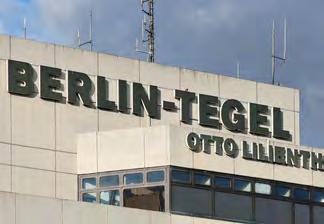
Founded by American pilot Kim Lundgren, Air Berlin’s first charter journey from Berlin Tegel to Palma de Mallorca becomes an iconic route, offering Germans new ways to holiday affordably and often. Years later in 2004, the airline makes its ITB Berlin debut.
1981
American finds a global ‘AAdvantage’
American Airlines launches AAdvantage, the first global frequent flyer programme. Initially met with scepticism, it revolutionises air travel and becomes the model for airlines everywhere. More than four decades on, loyalty in travel remains one of the most debated and innovative topics shaping discussions at ITB Berlin.

MICE moves in, cruises questioned
ITB Berlin introduces a dedicated space for convention organisers, reflecting the emergence of the MICE sector and ITB’s evolution from showcase to business hub. The same year, a famous New York Times article laments the demise of round-the-world cruises!

The flight that launched Europe’s low-cost era
Ryanair launches with a modest Waterford–Gatwick route, planting the seeds of Europe’s low-cost revolution. Now a regular participant at ITB Berlin, the airline spoke at the 2025 Convention under the theme ‘The Power of Transition Lives Here’.
Motorola’s DynaTAC 8000X – bulky, expensive, and groundbreaking – becomes the first mobile phone for public sale. Travellers can now connect on the go, hinting at a future of real-time, mobile-enabled tourism. Fast forward 40+ years, and the ITB Berlin mobile app is the perfect show companion!

China goes global at ITB Berlin
China makes its debut at ITB Berlin, marking a milestone in opening its tourism industry to the world and foreshadowing its future as both a key source and destination market for global travel.
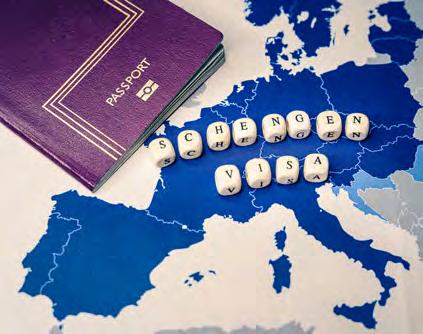
The Schengen Agreement opens border-free travel between Belgium, France, Germany, Luxembourg, and the Netherlands, transforming intra-European tourism. Today, with 29 countries in the Schengen Area, Europe’s interconnected travel market drives visitor interest – and exhibitor presence – at ITB Berlin.
GDS provides major connectivity boost
Amadeus, Galileo, and Sabre, transform travel booking, giving agents unprecedented access to flights, hotels, and car rentals and heralding a more connected industry. ITB Berlin fast emerges as a vital platform for these GDS providers to meet with key trade partners.


Borders fall, and the Web is born
The Berlin Wall falls, and East Germans gain long-awaited travel freedom, with many making their first plans at ITB Berlin. At CERN, Tim Berners-Lee proposes the World Wide Web, paving the way for a game-changing digital travel revolution.
ITB Berlin champions sustainable tourism
OTAs digitalise and disrupt
The first Online Travel Agency (OTA), Expedia.com, launches to market, giving consumers direct control over their bookings. The age of digital travel begins, disrupting traditional agency models and raising new discussion points at ITB Berlin, which continue today.
ITB Berlin elevates environmental and human rights issues as travellers grow more conscious of their impact. This year marks a pivotal turn toward responsible tourism.

New currency, new horizons
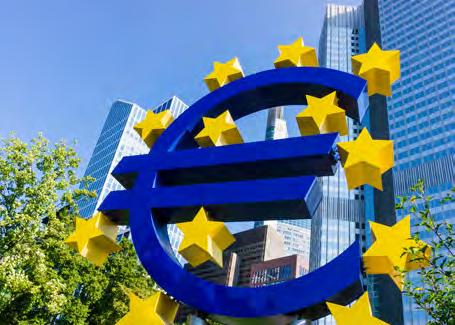
The euro launches as an invisible digital currency, with coins and banknotes introduced three years later, streamlining travel across 12 European countries. ITB Berlin debuts its Youth Travel Centre, tapping into one of tourism’s most energetic growth markets.
The EU bans smoking on flights within its airspace, a move soon adopted by airlines worldwide. ITB Berlin has since provided a platform for airlines to showcase innovations in passenger comfort, safety, and in-flight experiences.

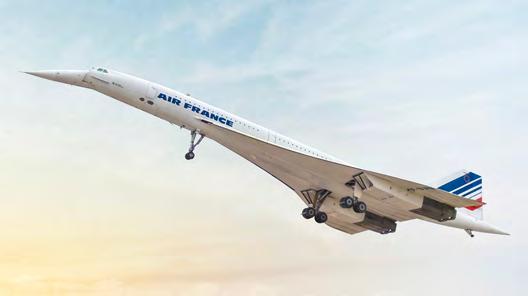
Travel technology and mobile internet debut at ITB Berlin, just as the supersonic dream falters. A fatal Concorde crash marks the end of ultra-fast air travel, but in 2026, new supersonic aircraft remain under development.
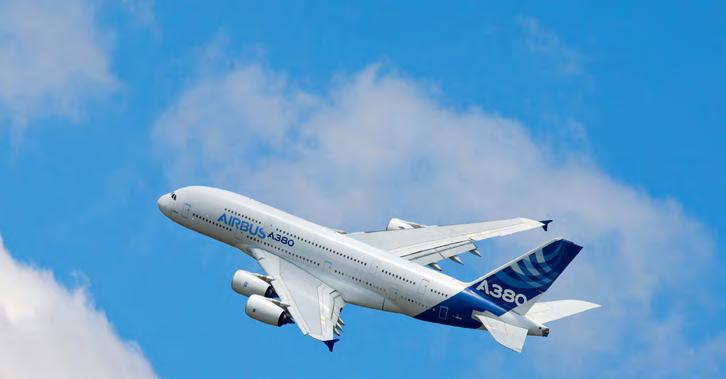
The A380 has redefined long-haul travel since 2005
The 9/11 attacks send shockwaves through aviation and tourism, globally. New security protocols, traveller anxieties, and industry losses mark a profound turning point, as discussed by stakeholders from many sectors at ITB Berlin the following year (2002).
The Airbus A380 completes its maiden flight, redefining long-haul travel with double-decker luxury and quiet cabins. The same year, Google Maps is unveiled, replacing paper maps and transforming how we plan, navigate, and explore the world – and of course, find our way to ITB Berlin every year!
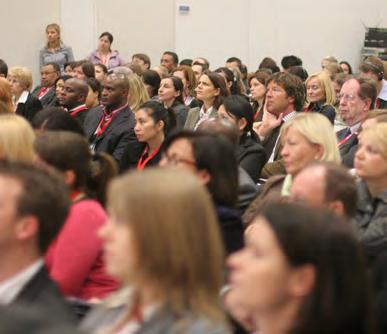
ITB Berlin Convention debuts as the industry's biggest knowledge platform. Meanwhile, Facebook makes its online presence felt, ushering the era of social sharing and influencing travel behaviour.
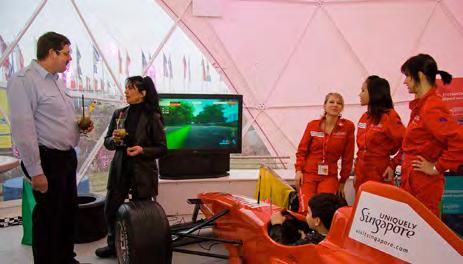
ITB Asia debuts in Singapore, becoming a vital B2B hub for the region’s vast and diverse travel market. The destination raises its profile at the Berlin show in 2008 with an F1 Grand Prix theme.
Airbnb, iPhone, climate
Airbnb and the iPhone launch, revolutionising how we travel and where we stay. ITB Berlin also shines a spotlight on climate change, signalling a growing urgency around sustainable travel.
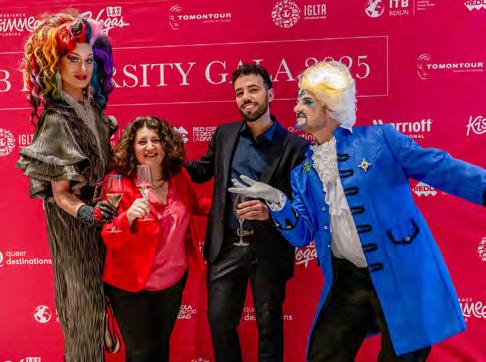
ITB Berlin introduces a dedicated LGBTQ+ segment, affirming its commitment to equal travel rights. Instagram comes online too, transforming global travel storytelling through pictures.

The digital frontier expands
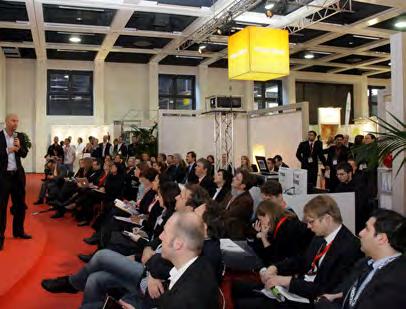
eTravel World debuts at ITB Berlin, offering a dedicated stage for technology innovations that will drive tourism’s future. Today, the event’s Travel Technology segment serves as the international hub for cutting-edge solutions, showcasing industry leaders alongside emerging tech providers.
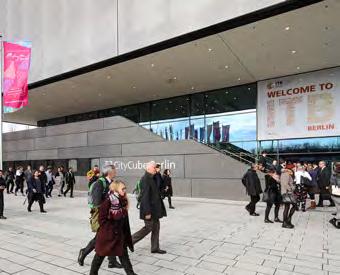
pictured in 2019, four years after launch, boosts ITB Berlin's capacity
ITB Berlin grows in space and scope
CityCube opens, boosting ITB Berlin’s capacity by adding 22,000 sqm of event space to the Messe Berlin event grounds. At the ITB Berlin Convention, big data, privacy, and luxury trends dominate conversations.
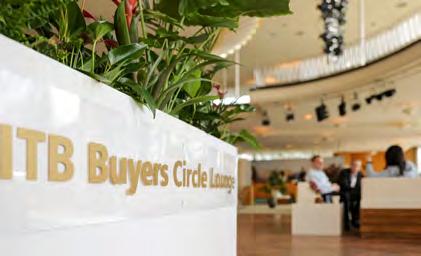
The ITB Buyers Circle offers free membership to 1,000 selected leisure, MICE, and business travel buyers, giving decision-makers with significant budgets a platform to negotiate deals, discover new products, and connect with partners.
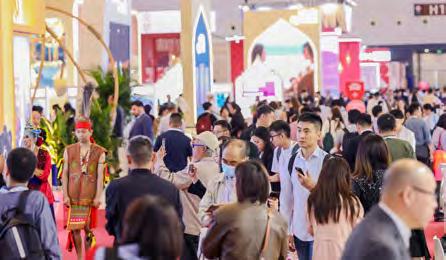
ITB China launches in 2017 – eight years later in 2025 it attracted almost 21,000 attendees
Tapping China’s potential
ITB China premieres in Shanghai, unlocking opportunities in the world’s largest outbound travel market. In 2025, show attendance picked up 35% year-on-year to more than 20,500.
A golden milestone celebrated
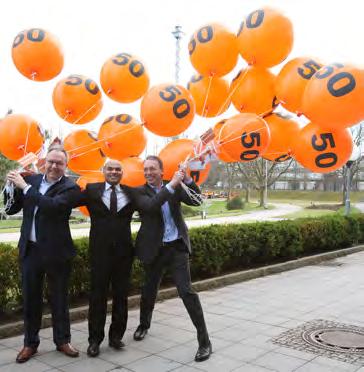
ITB Berlin celebrates its 50th edition, honouring five decades of travel milestones and cementing its reputation as the global tourism industry’s beating heart.
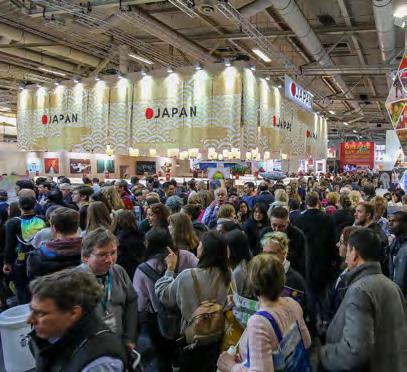
ITB Berlin hits new highs with 10,000 exhibitors from 181 countries. Meanwhile, Japan’s first robot-staffed hotel hits the headlines for retrenching half of its droids, reminding the world that tech can’t replace human hospitality.
Every Moment Tells a Story: a flashback to 1968 when a tour operator
The year the world paused
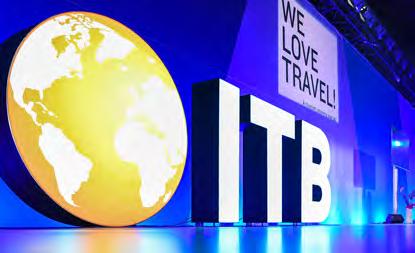
For the first time in history, ITB Berlin is cancelled due to the COVID-19 pandemic. The show quickly pivots online the following year (2021) under the ‘WE LOVE TRAVEL’ tagline, demonstrating agility, innovation, and global solidarity.
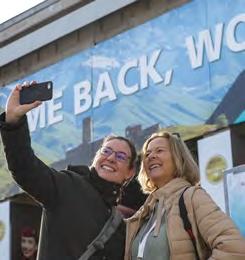

ITB Berlin reopens live with the theme ‘OPEN FOR CHANGE’, bringing the global travel community together for face-to-face interaction after four years apart, underscoring the value of human connection. ITB India is staged in person for the first time.
ITB Berlin NOW launches as a fully virtual event as the pandemic continues to take its toll on global travel and events. ITB India also launches as a virtual event, reflecting growth in one of the world’s most dynamic travel regions.
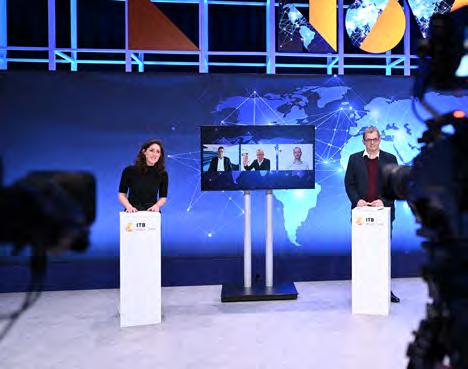
show of scale and
ITB Berlin welcomes 100,000 attendees and 5,800 exhibitors from 170 countries. A new Meet & Match platform generates 80,000 business connections, while cruise and tech segments thrive. ITB Americas is also announced, set to launch in Guadalajara in 2026.
2026
60 years of ITB Berlin
ITB Berlin marks its diamond anniversary with a photographic marketing campaign entitled ‘Every Moment Tells a Story’. Nostalgic Polaroids, evocative music, and compelling storytelling honour six decades of travel milestones and position the event as a bridge to the future, inspiring the next era of innovation, connection, and exploration in travel.
The ITB brand also expands into new territory with the launch of ITB Americas (November 10-12, 2026)
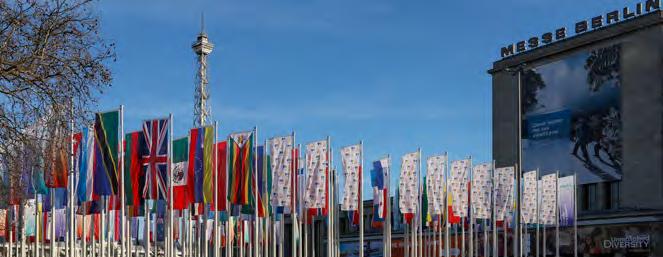

Held annually in March in Berlin, Germany
USP: ITB Berlin reflects the entire global tourism industry
itb.com
Held annually in May in Shanghai, China
USP: The leading B2B exclusive travel trade show for the Chinese travel market
itb-china.com
Held annually in September in Mumbai, India
USP: ITB India brings together all different facets of the Indian Travel Market
itb-india.com
itb-asia.com Held annually in October in Singapore
USP: ITB Asia is the primary event for the Asia Pacific travel industry

annually in November in Guadalajara, Mexico
USP: ITB Americas is the first and only travel trade show for North, Central and South America as well as the Caribbean
For six decades, ITB Berlin has stood at the crossroads of global travel. It has been the place where ideas are exchanged, partnerships are forged and the direction of the industry is debated. Over that time, travel has been transformed by geopolitics, technology, shifting consumer behaviour and unprecedented global disruption.
Yet progress has consistently been driven by people: leaders willing to take risks, challenge convention and build institutions, platforms and policies that enable travel to
grow, adapt and endure. The ITB Berlin Power 60 brings together a curated group of individuals whose influence has been felt across aviation, hospitality, destination management, technology, policy, culture and more.
Some are architects of global brands; others have shaped regulatory frameworks, advanced sustainability agendas or opened travel to entirely new audiences. Spanning pioneers, operators, innovators and public-sector leaders, the list reflects the breadth of forces
that have propelled the industry forward over the past 60 years.
This is not a ranking, nor a definitive roll-call, but a snapshot of leadership across eras and disciplines, from historic figures whose decisions changed international mobility forever, to contemporary executives navigating complexity in a more connected, scrutinised and fast-moving world. Together, these voices illustrate how global travel has evolved and the responsibility carried by those guiding its next chapter.
By Wim van Rossem for Anefo

BUILDING BRIDGES THROUGH TRAVEL
Former Chancellor of West Germany; Nobel Peace Prize laureate (1971)
Willy Brandt (1913-1992) was a German statesman whose vision extended well beyond politics: he championed reconciliation, human connection and cross-border understanding in the tense Cold War era. As Governing Mayor of West Berlin (1957-66), German Foreign Minister and then Chancellor (1969-74), he pursued Ostpolitik –policies of détente with Eastern Europe that recognised post-war borders. Awarded the Nobel Peace Prize in 1971 for helping heal divisions, his legacy laid foundational ideas for mobility, dialogue and tourism as instruments of peace.
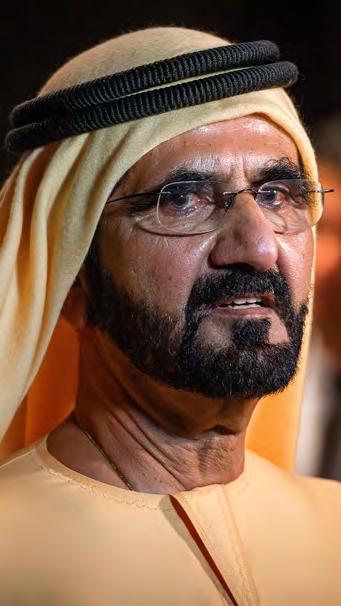
ARCHITECT OF DUBAI’S SUCCESS
Ruler of Dubai; Prime Minister & Vice President of the UAE
Over the past two decades, His Highness Sheikh Mohammed bin Rashid Al Maktoum has spearheaded Dubai’s remarkable transformation into a global tourism and aviation powerhouse. Under his leadership, the city welcomed 19.59 million international visitors and 95.2 million guests at Dubai International in 2025, both the highest figures on record, cementing its status as one of the world’s most-visited destinations. Flag carrier Emirates has established itself as one of the world’s largest international airlines, complemented by low-cost carrier Flydubai’s rapid rise, while bold projects like the $35 billion expansion of Dubai’s second airport, Al Maktoum International, will redefine global air connectivity.
STEERING TOURISM THROUGH GLOBAL COMPLEXITY
President & CEO, WTTC; Ex-Tourism Minister of Mexico
Gloria Rebeca Guevara Manzo is recognised globally for her ability to lead travel and tourism through periods of disruption, transition and structural change. Reappointed President & CEO of the World Travel & Tourism Council in 2026 (her first stint was 2017-2021), she brings a track record of uniting governments and industry to address critical issues including mobility, resilience, sustainability and economic competitiveness. At WTTC, she strengthens its position as the private sector’s voice at the highest levels of global policy-making, working closely with heads of state, ministers and international institutions. Guevara is widely regarded as one of tourism’s most effective strategic leaders.


SHAPING THE DIGITAL TRAVEL REVOLUTION
Founder & Chairman, Phocuswright
Philip C. Wolf (1956-2021) founded Phocuswright in 1994, creating one of the travel industry’s foremost research and events platforms just as online travel was in its infancy. Wolf’s sharp insight into digital distribution and innovation helped define how travel companies think about data, technology and industry disruption. He also served on the boards of more than 25 travel- and tech-oriented firms globally and was a sought-after speaker at gatherings like ITB Berlin. His legacy endures through the Philip C. Wolf Foundation, created to support the next generation of travel innovators.
GIVING TRAVELLERS A VOICE
Co-Founder & former CEO, TripAdvisor
Stephen Kaufer co-founded TripAdvisor in 2000 with Langley Steinert to give everyday travellers candid, user-generated reviews – a radical shift from brochure and agent-led recommendations. He led the company for 22 years through its IPO, growth into the world’s largest travel community site, and expansion across dozens of languages and markets. After stepping down in 2022, Kaufer continues to influence travel through his roles in tech startups and philanthropy.


GERMANY’S LAST-MINUTE TRAVEL PIONEER
Media & Tourism Entrepreneur
Karlheinz Kögel is a German media and tourism entrepreneur renowned for pioneering the “last-minute” travel concept. In 1987, he founded L’TUR, leveraging surplus hotel and flight capacity to create affordable, last-minute holidays. He later launched hlx.com and the HLX Touristik group in 2011, embedding digital platforms and price-comparison tools into mainstream travel planning. A lifelong innovator, Kögel also established Media Control for media analytics and has played a defining role in shaping Germany’s holiday travel habits for decades.

MAKING CRUISING ACCESSIBLE TO EVERYONE
Founder, Carnival Cruise Lines
Ted Arison (1924-1999) was a trailblazing businessman who reshaped cruising by establishing two of the industry’s biggest names. After co-founding Norwegian Cruise Lines in 1966, he launched Carnival Cruise Lines in 1972, envisioning affordable seafaring adventures for all, not just the privileged few. Under his leadership, Carnival grew rapidly, went public in 1987, and evolved into what is now the world’s largest cruise operation. Beyond his professional achievements, he founded the Ted Arison Family Foundation, which continues his philanthropic legacy.
LOW-COST AIR TRAVEL
DISRUPTOR
Group CEO, Ryanair
Michael O’Leary is the Irish businessman who transformed Ryanair from a struggling regional airline into Europe’s leading low-cost carrier. Appointed CFO in 1988 and CEO in 1994, he drew inspiration from U.S. carrier Southwest Airlines to develop the Ryanair low-cost model — built on ultra-low fares, a single fleet of fuel-efficient Boeing 737s with rapid turnarounds, and strong ancillary revenues. His uncompromising strategy, bold network expansion and no-frills ethos democratised flying for millions, reshaping the continent’s aviation landscape and setting the template for modern budget travel.


SIMPLIFYING FLIGHT SEARCHES FOR MILLIONS Co-Founder & Chair, Skyscanner
Gareth Williams co-founded Skyscanner in 2003, after studying Mathematics and Computer Science at the University of Manchester. He aimed to solve a common problem facing millions of travellers: endlessly comparing flight schedules and prices across multiple sites. He built one of the travel industry’s first metasearch engines — aggregating fares from airlines, OTAs and price-comparison sources to offer transparent choice. Under his leadership, Skyscanner expanded globally, was acquired in 2016 for $1.75 billion, and today remains a benchmark for travel search innovation.
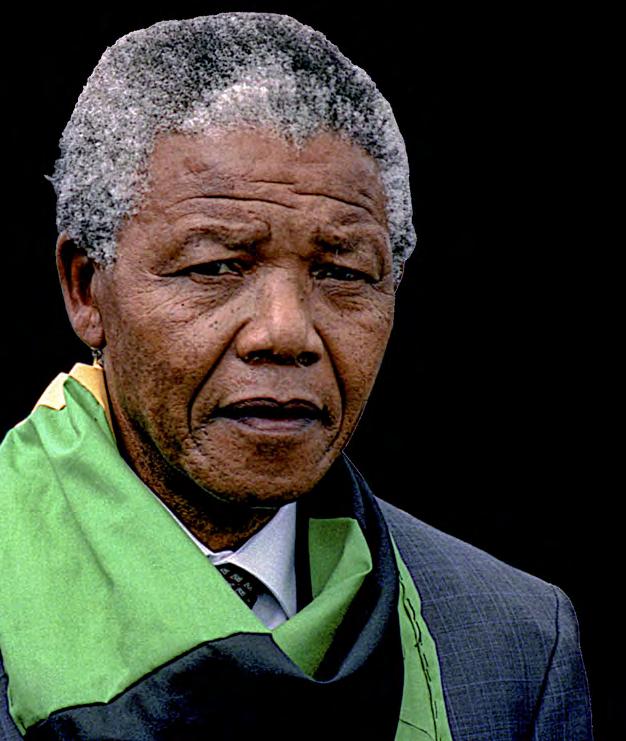
Former President of South Africa; Nobel Peace Prize laureate (1993)
Nelson Mandela (1918–2013) transformed South Africa from an isolated pariah state into a democratic nation open to the world. Following his election as President in 1994, global perceptions changed rapidly, with tourism becoming both a symbol and a driver of reconciliation.
International arrivals rose sharply during the 1990s as South Africa re-emerged as a welcoming and accessible destination. Mandela recognised tourism as a tool for economic and social development. His government introduced the 1996 White Paper on Tourism, laying the groundwork for South African Tourism as the country’s official international marketing body. He also supported the growth of “memory tourism”, with sites such as Robben Island, the Apartheid Museum and Vilakazi Street in Soweto becoming central to South Africa’s visitor narrative and global identity.
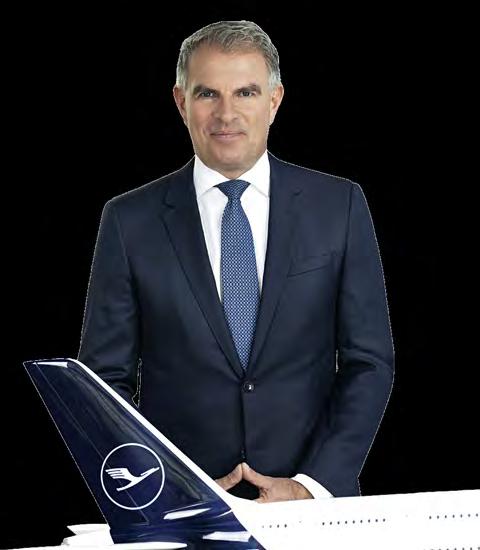
GUIDING LUFTHANSA INTO ITS NEXT ERA
Chief Executive Officer, Deutsche Lufthansa AG
Carsten Spohr has led the Lufthansa Group since 2014, steering Europe’s largest airline through transformation and growth. A qualified industrial engineer and licensed Airbus A320 pilot, he blends technical expertise with strategic vision. Under his leadership, Lufthansa has expanded its global network, strengthened its multi-brand portfolio including Swiss, Austrian and Brussels Airlines, and invested heavily in sustainability and digitalisation. Spohr’s focus on innovation and efficiency continues to shape the future of this European aviation giant.
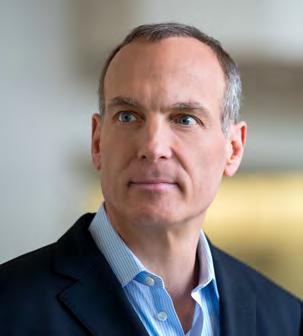
CONNECTING THE WORLD THROUGH SEAMLESS TRAVEL CEO & President, Booking Holdings
Glenn D. Fogel has led Booking Holdings since January 2017, and Booking.com since June 2019, steering one of the world’s largest online travel companies whose global portfolio includes Agoda, Kayak, Priceline and OpenTable. During his 25-year career with the company, he has pursued strategic growth through key acquisitions and pushed for regulation that supports innovation. He’s now focused on integrating AI into the “connected trip” concept –uniting flights, hotels, transport and activities – to deliver more personalised, seamless travel experiences.


REDEFINING THE TRAVELLER EXPERIENCE
Co -Founder & CEO, GetYourGuide
Johannes Reck co-founded GetYourGuide in 2008/09, turning a simple idea born from missing out on guided tours into the world’s go-to marketplace for travel experiences. Under his leadership, GetYourGuide today offers more than 200 million booked experiences in more than 12,000 cities, collaborating annually with 35,000+ experience providers. With degrees in biochemistry from ETH Zurich and a strong entrepreneurial spirit, Reck continues to push the boundaries of how travellers discover the world and embark on unique adventures.
LEADING EXPEDIA’S DIGITAL TRANSFORMATION
Chief Executive Of ficer, Expedia Group
Ariane Gorin became CEO of Expedia Group in 2024, drawing on over a decade of leadership within the company and earlier senior roles at Microsoft and the Boston Consulting Group. Celebrated for her inclusive style and visionary approach, she has championed digital transformation while forging stronger collaboration across the global travel ecosystem. Today, Gorin leads one of the world’s largest online travel platforms, inspiring innovation, connectivity, and female leadership that is shaping the future of travel.

EXPANDING ACCOR’S GLOBAL FOOTPRINT
Chairman & CEO, Accor
Sébastien Bazin has led Accor since 2013, transforming it from a European hotel giant into a diversified global hospitality leader. Since taking the helm, he has tripled the group’s brand portfolio to more than 40 brands, acquiring iconic names such as Fairmont, Raffles and Swissôtel, taking stakes in lifestyle pioneers like Mama Shelter, and launching new concepts including Jo&Joe. He has expanded Accor’s footprint across Asia, the Middle East and beyond, while embedding digital tools, advancing sustainability and reorganising the business into Luxury & Lifestyle and Premium, Midscale & Economy divisions to sharpen focus and pursue global growth.
Chief Executive Officer, Uber
Since becoming CEO of Uber in 2017, Dara Khosrowshahi has expanded the company beyond ride-hailing, steering it into travel-adjacent services and seeking to make Uber a platform for seamless journeys. Under his leadership, Uber for Business bookings leapt 50% YoY in late 2024, reflecting growing demand for integrated travel solutions. He is advancing robotaxi operations, striking partnerships with the likes of Waymo, Lucid and Nuro to scale autonomous and electric vehicles. Ultimately, Khosrowshahi envisions an AI-powered future where booking transport or accommodation is as effortless as ordering a ride.


LEADING THE CRUISE INDUSTRY’S SUSTAINABILITY DRIVE Executive Chairman, Cruise Division, MSC Group; Chair, MSC Foundation
Under Pierfrancesco Vago’s leadership, MSC Cruises has become a pioneer in sustainable cruising, introducing LNG-powered flagships such as MSC World Europa and MSC Euribia, launching the Group’s Energy Transition Plan, and pledging net-zero GHG emissions from marine operations by 2050. MSC has expanded shore-power connections in ports, cut tens of thousands of tonnes of CO2 through optimisation tools, and advanced conservation through the MSC Foundation, which leads coral-restoration, Protectours, and ocean stewardship programmes.
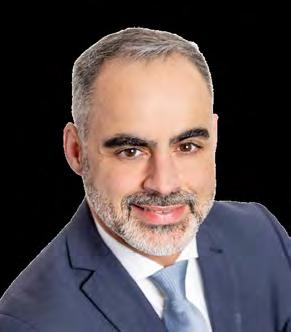


STRENGTHENING EUROPEAN TOURISM THROUGH COLLABORATION
Executive Director & CEO, European Travel Commission (ETC)
Eduardo Santander leads the European Travel Commission (ETC), the umbrella organisation of national tourism boards across Europe that boasts more than 75 members. Under his leadership, ETC has broadened its impact through the launch of an Associate Membership Programme, stronger partnerships with the European Commission for the promotion of “Destination Europe” in long-haul markets, and advocacy for sustainable, inclusive travel. Santander brings over 15 years’ experience in tourism marketing, public affairs and brand development to the role, holds a PhD and MBA, and is fluent in multiple European languages.
BREAKING DOWN BARRIERS IN GLOBAL TOURISM
Secretary- General, UN Tourism
Shaikha Al Nuwais has made history as the first woman to lead UN Tourism, with her term starting in January 2026. An Emirati business leader with more than 16 years’ experience in hospitality and tourism, she previously served as Corporate Vice President at Abu Dhabi-headquartered Rotana Hotels. During her candidacy, Al Nuwais advocated for a more transformative UN Tourism, calling to shift from purely policy to action, embed sustainability, digital inclusion and equitable governance in global tourism, and empower women and youth in the sector. Her election by the Executive Council in Madrid marks a significant milestone for the peak industry body.
A VANGUARD OF CRUISE INNOVATION
President & CEO, Royal Caribbean International
At the helm of Royal Caribbean International for more than a decade, Michael Bayley has cemented the cruise giant’s reputation for bold, guest-focused innovation. He championed the launch of Icon of the Seas – the largest cruise liner to ever sail – which has introduced unique concepts including a Central Park and the largest waterpark at sea. Under his leadership, Royal Caribbean has pioneered other industry firsts such as rock-climbing walls, ice rinks, and skydiving simulators at sea, while expanding into emerging markets and defining the cruise sector’s identity as an innovation leader.

INVENTING THE MODERN THEME PARK Founder, The Walt Disney Company
Walt Disney (1901–1966) created the modern theme park and turned it into a powerful driver of travel and tourism. Beginning with Disneyland in 1955 and later Walt Disney World, he introduced immersive, multi-day destinations built around storytelling, scale and infrastructure – a model that continues to influence global tourism development. Walt Disney World transformed central Florida into one of the world’s leading tourism regions. Today, Disney’s Florida operations generate more than $40 billion in annual economic activity and support more than 263,000 jobs, while Disney’s U.S. parks and resorts contribute nearly $67 billion to the economy each year. Disney’s approach to large-scale destination planning established a template replicated across Europe and Asia, anchoring tourism growth far beyond the parks themselves.

DRIVING HILTON’S GLOBAL EXPANSION President & CEO, Hilton Worldwide
Chris Nassetta has led Hilton Worldwide since October 2007, transforming the US-based operator into a truly global hospitality powerhouse. Under his direction, Hilton’s presence has expanded to nearly 140 countries and territories, with its brand portfolio, property count and room inventory more than doubling in size. He has overseen record growth in the hotel pipeline (as of 2024, one in five new hotels worldwide carries a Hilton brand) and expanded the firm’s loyalty programme to fuel owner investment incentives. His strategy unites brand-led expansion, digital innovation and sustainability, reinforcing Hilton’s status as one of the industry’s biggest names.

BRAINCHILD OF THE AIRBNB EXPERIENCE ECONOMY
Co-Founder & CEO, Airbnb
Brian Chesky co-founded Airbnb in 2008, transforming a simple idea – renting out air mattresses – into one of the world’s leading holiday rental platforms. As CEO, he has expanded the company beyond lodging into Experiences and Services, reimagining Airbnb as a lifestyle marketplace where travellers can book local tours, classes and creative offerings alongside accommodation. Chesky’s design-driven leadership and bold vision continue to push Airbnb toward a future where travel, community and daily life converge in a seamless, immersive platform powered by advanced AI.
BRINGING AFFORDABLE
URBAN STAYS TO EUROPE
Founder & CEO, a&o Hostels
Oliver Winter founded a&o Hostels in 2000 from the basement of a Berlin liquor store, creating a new model for affordable, central, and sociable urban stays. Today, he has scaled it into Europe’s largest privately owned hostel chain, with more than 40 properties across 11 countries. Known for bold branding and a focus on youth travel, Winter is driving a&o’s next chapter with sustainability at its core, including a commitment to reach Net Zero operations by the end of 2025.


STEERING MARRIOTT’S GLOBAL GROWTH
President & CEO, Marriott International
Anthony Capuano was appointed CEO of Marriott International in 2021, after more than two decades with the company. He presides over the world’s largest hospitality company comprising of more than 9,000 properties, 30+ brands, and a robust global pipeline of new developments planned or underway. Under his leadership, Marriott recorded record growth in 2024, driven by new signings and development deals in key global markets. His vision combines brand innovation, operational excellence, and guest value to solidify Marriott’s position at the apex of global hospitality.
Founder & Co-CEO, Ennismore
Sharan Pasricha founded hospitality and operating company Ennismore in 2011, and in 2021 formed a joint venture (JV) with Accor, creating a global lifestyle hospitality powerhouse. Under his leadership, Ennismore – which is today two-thirds owned by Accor – has become one of the fastest-growing companies in the lifestyle hospitality segment, with more than 14 brands in its portfolio. Pasricha has pushed the group toward hybrid models – coworking, mixed-use event spaces, co-living elements – and platform thinking across brands such as Jo&Joe, The Hoxton, and Mama Shelter. A former investor turned hospitality innovator, he now leads the firm into a new era of brand ecosystems and experiential hospitality at scale.
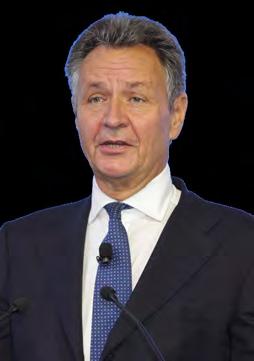
Former CEO, TUI AG & President, BTW
Michael Frenzel led TUI AG (formerly Preussag) from 1994 to 2013, transforming it from a diversified industrial group into a European travel powerhouse. Under his leadership, the company acquired Thomson, Nouvelles Frontières, and integrated tour operators, airlines and hotel assets to build one of Europe’s largest and most diversified tourism groups. Frenzel also served as President of Germany’s Federal Association of the Tourism Industry (BTW), advocating for policies promoting cross-border cooperation and strategic alignment across European tourism markets.

FOR
Former President, DRV & BTW; Chair Emeritus, ITB Supervisory Board
Klaus Laepple is one of the German travel industry’s best-known identities, having long served as a public face and spokesperson for the sector. He has previously led both the German Tours and Travel Association (DRV) and Federal Association of the German Tourism Industry (BTW). As Chair of the ITB Supervisory Board and in his honorary roles, he has championed sustainable growth, industry cohesion and policy alignment between trade bodies, government and travel operators.







PIONEERING ONLINE TRAVEL IN THE DIGITAL AGE
Co-Founder & Former Managing Director, Lastminute.com
Martha Lane Fox co-founded Lastminute.com in 1998, making her a true pioneer of online travel services. As MD, she helped build the company into Europe’s leading digital platform for spontaneous deals before its £577 million acquisition by Sabre in 2005. She later became known as a digital advocate, serving as the UK’s Digital Champion from 2009 to 2013, helping launch gov.uk and promoting digital literacy and inclusion. Today, as a life peer in the UK House of Lords and Chancellor of the Open University, Lane Fox remains a powerful voice for technology and social progress.
INVENTOR OF TRAVEL META-SEARCH
Co-Founder & CEO, KAYAK
Steve Hafner co-founded KAYAK in 2004 (launched publicly in 2005), helping invent the modern travel metasearch engine that aggregates flight, hotel and rental car offers across providers. As CEO, he’s shepherded KAYAK through evolving eras of personalisation and AI, pushing for deeper integration with enterprise travel tools and smarter predictive search. Hafner’s vision continues to drive innovation in travel discovery, making global content transparent and accessible at scale.
PROMOTING EQUALITY AND CONSCIOUS TRAVEL
Former First Lady of Iceland & UN Tourism Special Ambassador
Eliza Reid served as Iceland’s First Lady from 2016 to 2024, bringing bold advocacy to gender equity, inclusion and international dialogue. A published author, Reid has become a sought-after speaker at global forums, including at ITB. Appointed a United Nations Special Ambassador for Tourism & the SDGs in 2017, she uses her platform to champion socially conscious travel and a more equitable global tourism ecosystem.



LEADING CARNIVAL’S SUSTAINABLE CRUISE REVIVAL
President, CEO & Chief Climate Officer, Carnival Corporation & plc
A 20-year veteran of Carnival, Josh Weinstein assumed leadership of the cruise giant as President, CEO and Chief Climate Officer in August 2022, having earlier served as COO and President of Carnival UK. He led critical plans for the company’s COVID-era recovery and now presides over a global fleet of 90+ ships across nine brands, serving nearly 13 million guests annually. Under his vision, Carnival has positioned sustainability at its core – balancing innovation, guest experience and environmental responsibility as it reinvents cruising for the future.
ADVOCATE FOR INCLUSIVE & SUSTAINABLE TOURISM
Founder & CEO, Millennium Destinations; GSTC Trainer & Board Advocate
Catherine Germier-Hamel is a seasoned expert in sustainable tourism development, branding and capacity building, with more than 30 years’ experience working in Africa, Latin America and Asia. She founded Millennium Destinations to support impact-driven tourism ventures and earlier served as Director of Global Programmes for the UN’s ST-EP Foundation. A certified GSTC Trainer since 2018, she contributes to global standard-setting in sustainable tourism. In 2021, she became CEO of Destination Mekong and in 2024 re-established Millennium Destinations in Phnom Penh to lead missions in sustainable tourism across the region.


POWERING TRAVEL'S GROWTH THROUGH TECHNOLOGY
President & CEO, Amadeus IT Group
Luis Maroto has led Amadeus as President & CEO since January 2011, guiding the company’s evolution from a global distribution system to a diversified travel-tech powerhouse. He joined Amadeus in 1999 as Director of Marketing Finance, later becoming CFO in 2003 and Deputy CEO before taking the top role. Under his leadership, Amadeus has expanded across airlines, hotels and airports, invested heavily in R&D, and continues to champion innovation in AI, distribution and infrastructure, powering seamless travel for millions worldwide.

EXPANDING CHINA’S PRESENCE IN GLOBAL TRAVEL
CEO & Director, Trip.com Group
Jane Jie Sun has been CEO of Trip.com Group since 2016, having risen through roles as CFO, COO and Co-President. Under her tenure, the company has expanded its global footprint, rebranded from Ctrip to Trip.com, and integrated acquisitions like Skyscanner to drive international growth. She is recognised for promoting gender equity and has been recognised as one of Fortune’s Top 50 Most Powerful Women on multiple occasions. Before joining Trip.com, she worked at Applied Materials (SEC & external reporting) and KPMG in Silicon Valley.

TRANSFORMING EUROPE’S BIGGEST
TOUR OPERATOR
CEO, TUI Group
Sebastian Ebel was appointed CEO of TUI Group in 2022. The long-time senior executive previously served as CFO and led the group’s hotels and cruises division, giving him a clear view of where complexity had built up across the business. As chief executive, Ebel has focused on financial discipline, rationalising the firm’s vast operations and reconnecting distribution with owned assets. His approach has been pragmatic rather than expansive, stabilising the business, protecting margins and positioning Europe’s largest tour operator to successfully compete in a leaner, more demanding travel market.
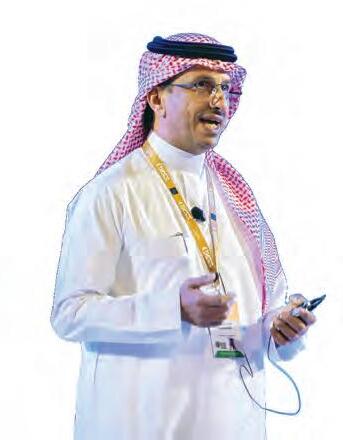
MAKING TOURISM A CORE ECONOMIC SECTOR
Minister of Tourism, Saudi Arabia
His Excellency Ahmed Al Khateeb was appointed Saudi Arabia’s Minister of Tourism in 2020, as the kingdom opened to international leisure travel. Since then, he has played a central role in positioning tourism as a pillar of Saudi’s Vision 2030 strategic roadmap, shifting it from a peripheral activity to a core economic sector. With a background spanning healthcare, infrastructure development and quality-of-life initiatives, Al Khateeb’s focus has been on building confidence among investors, operators and travellers, positioning Saudi Arabia as an emerging global tourism hub.
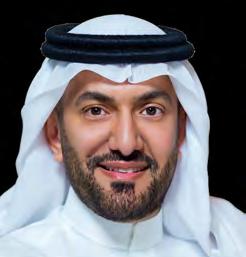
BUILDING THE VISIT
SAUDI PLATFORM
Founding CEO and Chair of the Board, Saudi Tourism Authority
Fahd Hamidaddin was tasked with a rare challenge: building and scaling a national tourism authority from scratch. Appointed founding CEO of the Saudi Tourism Authority (STA) in 2020, he led the launch of the Visit Saudi brand and the rapid development of the organisation’s global trade partnerships, marketing channels and digital platforms. Established as a key pillar of Saudi Vision 2030, STA has been instrumental in changing global perceptions of the kingdom and accelerating its emergence as a major tourism destination. Under Hamidaddin’s leadership, STA has expanded its presence across priority international markets through integrated trade, air connectivity and marketing initiatives. This approach led to Saudi welcoming more than 109 million visitors in 2023, surpassing its 2030 tourism targets seven years early. Working across government and industry, Hamidaddin continues to position Saudi as one of the world’s fastest-growing destinations.
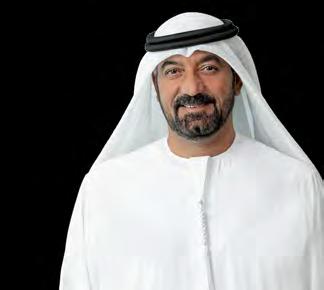
ARCHITECT OF DUBAI’S GLOBAL AIR CONNECTIVITY
Chairman & Chief Executive, Emirates Airline and Group
His Highness Sheikh Ahmed bin Saeed Al Maktoum has led Emirates since its founding in 1985, overseeing one of aviation’s most remarkable growth stories. Under his leadership, Emirates expanded from a small regional carrier into a global airline that has reshaped long-haul travel and transformed Dubai into the world’s busiest international air hub by passenger traffic. As chairman of the Emirates Group, including dnata, he has also helped establish aviation as a pillar of Dubai’s economic diversification strategy.
LEADING AVIATION THROUGH CRISIS YEARS
Former Director General & CEO, IATA
Alexandre de Juniac led the International Air Transport Association (IATA) from 2016 to 2021, a tenure that ended with aviation facing its most severe crisis in modern history. A former CEO of Air France-KLM, he became one of the industry’s most visible and credible advocates during the COVID-19 lockdowns, pressing governments for coordinated action and state support. His time at IATA reinforced the organisation’s role as aviation’s collective voice at a moment when the industry’s survival was openly in question.
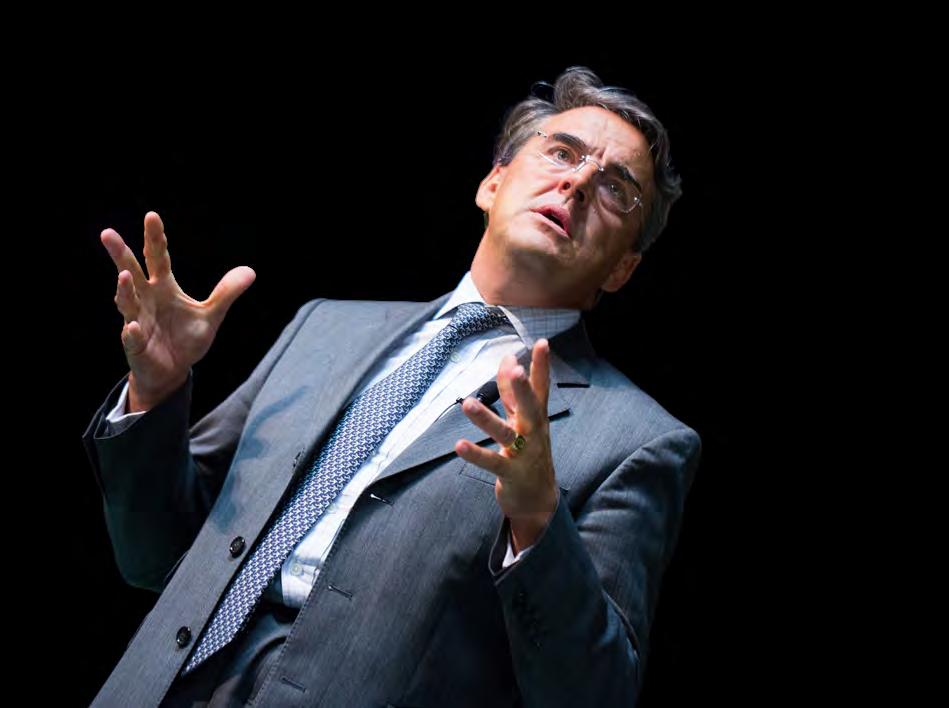

AN ADVOCATE FOR AIRLINE ECONOMICS
Director General, IATA
Willie Walsh was appointed Director General of IATA in 2021, bringing an operator’s directness to an industry body often required to tread carefully. A former pilot and CEO of Aer Lingus, British Airways and IAG, Walsh understands airline economics from the inside. He has used IATA’s platform to challenge airport inefficiencies, rising regulatory costs and supply-chain bottlenecks, while backing the industry’s net-zero ambitions. His leadership has sharpened IATA’s stance on costs, infrastructure and regulation, with a consistent focus on airline viability.

SETTING THE RULES FOR GLOBAL AVIATION President of the Council, ICAO
Salvatore Sciacchitano became President of the ICAO Council in early 2020, just weeks before the COVID-19 pandemic forced the grounding of hundreds of scheduled flights worldwide. Elected by member states, he has overseen international coordination on safety standards, pandemic response and long-term sustainability frameworks. Formerly Italy’s civil aviation authority chief, Sciacchitano is a regulator by training rather than a politician. His role rarely attracts attention, but it shapes the rules that keep global aviation interoperable — a task that became far more visible during years of disruption.
ADVANCING TECHNOLOGY FOR SMARTER TRAVEL
CEO, Destination Solutions (HRS Group)
Christian Bauer has led Destination Solutions, HRS Group’s vacation-rental tech arm, since April 2024, overseeing strategy and scaling SaaS platforms for DMOs, agencies, and hosts. Bauer was previously CEO of resmio, a leading supplier of cloud-based reservation and guest management systems for hospitality firms. Under his remit, Destination Solutions has advanced AI-based dynamic pricing and Data Insights tools and maintains a broad channel-connectivity stack – prioritising open, modular, partner-friendly systems designed to streamline and enhance the holiday-rental segment.

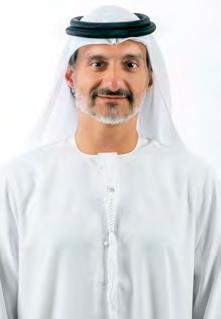
TAKING ABU DHABI’S TOURISM CASE GLOBAL
Director General for Tourism, DCT Abu Dhabi
Appointed Director General for Tourism at DCT Abu Dhabi in 2022, Saleh Mohamed Al Geziry leads the emirate’s global tourism strategy at a pivotal moment in its growth. With more than two decades of experience in the sector, he has been instrumental in advancing the Abu Dhabi Tourism Strategy 2030, strengthening international partnerships and expanding the emirate’s reach across priority markets. Under his leadership, Abu Dhabi has sharpened its focus on distribution, collaboration and year-round demand, positioning the destination as culturally rooted yet globally competitive. From elevating major international events such as the UFC and NBA to expanding a network of 15 overseas offices across 25 countries, Al Geziry continues to drive a long-term vision that places Abu Dhabi firmly
CHAMPION OF GERMANY’S SUSTAINABLE TOURISM PUSH
Chief Executive Officer, German National Tourist Board (GNTB)
Petra Hedorfer has led the German National Tourist Board (GNTB) since 2003, steering it through two decades of transformation into a data-driven, future-focused organisation. She has positioned Germany as a global leader in sustainable tourism, achieving Green Globe certification in 2013 and embedding sustainability at the heart of strategy. Under her leadership, GNTB has embraced digitalisation – from AI tools and open data to smart marketing and destination management –while advocating resilience and climate alignment as cornerstones of Germany’s tourism growth.


BENCHMARKING HOSPITALITY
ACHIEVEMENTS
President & CEO, STR
Amanda Hite leads STR, the hotel benchmarking business whose data underpins investment decisions and reports market trends worldwide. She has served as president since 2011 and now oversees STR as part of CoStar Group. In an industry often shaped by sentiment, STR’s core metrics – occupancy, ADR and RevPAR – impose discipline. That consistency makes STR a reference point for owners, brands and lenders when assessing market performance.
PROFESSIONALISING LUXURY TRAVEL DISTRIBUTION
Chairman and CEO, Virtuoso
In 1986, Matthew Upchurch began guiding Allied Percival International toward a bold vision – one that would become Virtuoso in 2000. Under his leadership, Virtuoso has grown into an influential luxury travel network, connecting leading hotels, cruise lines, tour operators and specialty providers with top-tier travel advisors worldwide. Central to that growth is Matthew’s conviction that technology enhancing human connection has a bright future. Automating the predictable to humanise the exceptional has shaped his approach, transforming relationship-led service into a structured, scalable and measurable business model and setting a new benchmark for luxury travel distribution.


TAKING ROYAL CARIBBEAN INTO THE FUTURE
President & CEO, Royal Caribbean Group
Jason Liberty was appointed CEO of Royal Caribbean Group in 2022 after more than a decade with the company. He took over at a time when the cruise sector was recovering from the impact of the COVID-19 pandemic, despite facing the dual challenges of rising costs and capital pressure. Liberty’s focus has been on disciplined growth – deploying new ships, expanding private destinations and converting demand into sustainable margins.

BUILDING AN ASIAN HOSPITALITY POWERHOUSE
Founder & Chairman, Minor Hotels
Bill Heinecke founded what became Minor International as a teenager and spent decades scaling it into a diversified global hospitality group. As founder and chairman, he led the expansion of Minor Hotels from its Asian base through brand development and targeted international acquisitions. Under his leadership, the group has grown into a significant global operator, with more than 80,000 rooms across more than 550 hotels. Heinecke is renowned for backing markets early, staying close to execution and building hospitality businesses with both entrepreneurial speed and institutional scale.

SAFEGUARDING CREDIBILITY IN TRAVELSTORYTELLING
CEO, National Geographic Society
Jill Tiefenthaler was named CEO of the National Geographic Society in 2020, becoming the organisation’s first female chief executive. With a background in academic leadership, she oversees National Geographic’s science, education, exploration and storytelling work. At a time when travel content can easily slide into promotion, Tiefenthaler has reinforced the Society’s editorial credibility, keeping its work grounded in evidence, curiosity and respect for place. Her leadership continues to link travel with conservation and cultural understanding.

MAKING SINGAPORE A SMART TOURISM LEADER
Chief Executive, Singapore Tourism Board
Keith Tan has led the Singapore Tourism Board (STB) since 2018, bringing forward a bold vision to fuse data, technology and content to transform destination management. Under his stewardship, Singapore has branded itself a “living lab for the future of travel”, piloting AR tourism, immersive content creation and smart visitor experiences. Partnerships such as STB’s collaboration with Mastercard on contactless ticketing and data tools highlight his commitment to seamless, digital travel – an approach that has helped establish Singapore as one of the world’s most future-focused destinations.
NAVIGATING CRUISE THROUGH CHANGE
President & CEO, CLIA

Bud Darr was appointed President and CEO of the Cruise Lines International Association in 2025, returning to the organisation after earlier leading its technical and regulatory affairs. Darr’s background lies in maritime policy, environmental standards and international regulation. As CEO, Darr has recommitted to ensuring the industry’s growth aligns with regulatory frameworks, port infrastructure and community expectations.
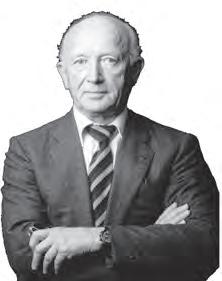
GUIDING LUFTHANSA THROUGH THE JET AGE
Chairman, Deutsche Lufthansa AG (1972–1982)
Herbert Culmann led Lufthansa between 1972 and 1982, a formative decade for the airline’s international expansion. A trained lawyer who joined the company in the post-war period, he rose steadily to the top role. During his tenure, Lufthansa expanded its global network and modernised its fleet as aviation entered the widebody era. Culmann’s leadership reflected the realities of the time – a European flag carrier navigating growth, regulation and geopolitics – yet his years at the helm helped establish Lufthansa as one of the world’s biggest and most influential airlines.

STABILISING A FLAG CARRIER UNDER PRESSURE
CEO, Air France–KLM Group
Ben Smith became CEO of Air France-KLM in 2018, arriving from Air Canada as the first non-French chief executive of the Franco-Dutch aviation group. He took charge of a group facing labour tension and strategic drift. Smith moved quickly to restore credibility, improving labour relations, clarifying fleet strategy and reinforcing financial discipline. His tenure has been about stabilisation rather than reinvention, despite achieving strong revenue growth in both 2024 and 2025.

CULTURE AS THE BACKBONE OF GLOBAL TRAVEL
Director-General, UNESCO (2017–2025)
Audrey Azoulay served as Director-General of UNESCO from 2017 to 2025. During her tenure, the organisation placed renewed emphasis on heritage protection, education and international cooperation – foundations that shape how destinations are preserved and experienced. Azoulay’s leadership successfully reinforced the role of culture and shared stewardship in sustaining global travel.

REPOSITIONING MALTA FOR LONG-TERM SUCCESS
CEO, Malta Tourism Authority
Carlo Micallef was appointed CEO of the Malta Tourism Authority in 2022 after serving in various senior marketing roles within the organisation. His focus has been on broadening Malta’s appeal across new niche segments and international source markets. Those efforts have translated into measurable results: in 2025, nights spent in tourist accommodation rose by 10% year on year – the largest increase recorded in the EU for the period – underscoring Malta’s strengthening position in a competitive European travel landscape.

CLARIFYING GEORGIA’S TOURISM STORY
Head, Georgian National Tourism Administration
Maia Omiadze was appointed head of the Georgian National Tourism Administration in 2022. With a background in government communications, she has worked to sharpen how Georgia presents itself internationally –culturally rich, geographically-diverse and highly accessible. Omiadze’s focus has been on consistent messaging and stronger alignment with trade partners, giving Georgia a more defined presence across its key source markets.
ALIGNING TOURISM, CULTURE AND MEDIA IN AJMAN
Director General, Ajman Department of Tourism, Culture and Media
Mahmood Khaleel Alhashmi was appointed Director General of Ajman’s tourism authority in 2022 and, in 2025, assumed an expanded mandate as tourism, culture and media were brought together under one department. This integrated role reflects Ajman’s focus on presenting a more coherent destination story, aligning tourism development with cultural identity and coordinated communication. By unifying these areas, Alhashmi is helping to support Ajman’s tourism direction as a heritage-led, community-focused destination, with a clearer profile across regional and international markets.
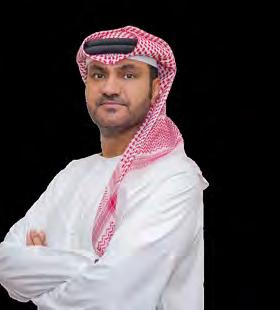

FORECASTING THE FUTURE OF GLOBAL TOURISM
Managing Director, Caroline Bremner Associates
A leading authority in global travel intelligence, Caroline Bremner has shaped industry research and forecasting for nearly three decades. After 29 years spearheading travel and tourism research at Euromonitor International, she founded Caroline Bremner Associates, an international consultancy dedicated to future-proofing travel. She delivers sharp, data-driven insight that helps destinations and brands anticipate change, navigate disruption, and seize opportunity, translating complex global trends into strategic direction for the industry.
ADVANCING EUROPE’S VISITOR
CEO, European Tourism Association (ETOA)
Tom Jenkins is the long-serving CEO of the European Tourism Association (ETOA), where he represents the interests of Europe’s tourism suppliers, destinations and intermediaries at a policy and industry level. Since taking on the role in 2003, Jenkins has become a leading voice on destination management, sustainability and the practical realities of managing tourism growth in Europe’s most visited cities. He is widely respected for bridging the gap between industry, government and communities, advocating for tourism that delivers economic value while addressing pressure on infrastructure, residents and heritage.

Tourism performance 2025
$2.9tn economic impact
10% of European GDP
+5.1% v. 2024
2025 FORECAST
11.1mn flights
+3.7% v. 2024
2026 FORECAST
11.4mn flights
+3.1% v. 2025
8.44mn cruise passengers from Europe in 2024
+2.8% v 2023
€55.3bn economic impact of cruise in 2023
€2.8bn awarded in EU grants under the Connecting Europe Facility (CEF)
94 transport projects covered
77% of grants awarded to rail transport projects
Record tourism spend predicted 2025
France
€75.1bn international visitor spend
€144.2bn domestic visitor spend
Germany
€57bn international visitor spend
€425bn domestic visitor spend
Italy
€60.4bn international visitor spend
€124.6bn domestic visitor spend
SOURCES: UN TOURISM, WTTC, OXFORD ECONOMICS, ECAC, EUROPEAN COMMISSION, CLIA, THE WORLD HAPPINESS REPORT
For six decades, ITB has been part of Berlin, a city defined by openness, diversity and exchange. In this reflection, Governing Mayor Kai Wegner considers how Berlin’s values of cosmopolitanism, tolerance and respect continue to underpin the fair and international tourism
Congratulations on 60 years of ITB – and on 60 years of ITB in Berlin! Sixty years of ITB means six decades of showcasing the international tourism industry. Sixty years of the world’s largest and most important platform for information on all aspects of travel, and many years of enormous growth, with tourism and the tourism industry developing in ways that hardly seemed possible back in 1966 when ITB was founded.
From very small beginnings, ITB has grown to be one of Germany’s largest trade fairs and a top industry event in Berlin. In 1966, the Beatles’ first German tour took place and Frank Sinatra’s Strangers in the Night was the year’s number one song.
Two science fiction series, Star Trek and Germany’s own Raumpatrouille Orion had their premieres.
In the football World Cup final that same year, the German national team faced England at London’s Wembley Stadium – a match that remains unforgettable even today.
And in West Berlin, the first ITB opened its doors.
The Economic Miracle was underway in the Federal Republic of Germany.
For the first time, millions of Germans could afford a vacation, and the
country was gripped by travel fever. People wanted to see the world.
They longed to discover distant countries and cultures, swim in the ocean and hike through the mountains, and experience famous sites firsthand.
Wanderlust was unstoppable in East Germany too, even in the face of barbed wire and the Wall.
Tourism has undergone an impressive evolution over the past 60 years, not only in terms of visitor numbers, but also in the diversity of destinations that draw people to even the world’s
most far-flung places. The range of travel experiences has expanded just as significantly, with new forms of holidays and activities continually reshaping how people explore the world.
Over this period, tourism has grown into a major global industry.
In parallel, ITB Berlin has established itself as a leading trade fair and a central platform for exchange between exhibitors, visitors and the wider global travel community.
Every year, tourism professionals from around the globe come together, discuss industry trends and innovations, and develop ideas for the future.
ITB has been part of Berlin for 60 years. After all, Berlin, the City of Freedom – a place of openness and diversity – precisely embodies the qualities and values that make international tourism possible: cosmopolitanism, tolerance, and respect.
Thank you to the ITB for standing with Berlin for 60 years.
I hope that the 2026 ITB Berlin exhibitors enjoy much success and every visitor has a wonderful stay and makes new discoveries.
For the readers of the ITB Global Travel Collection, I wish you interesting, exciting glimpses into the world of travel and tourism.
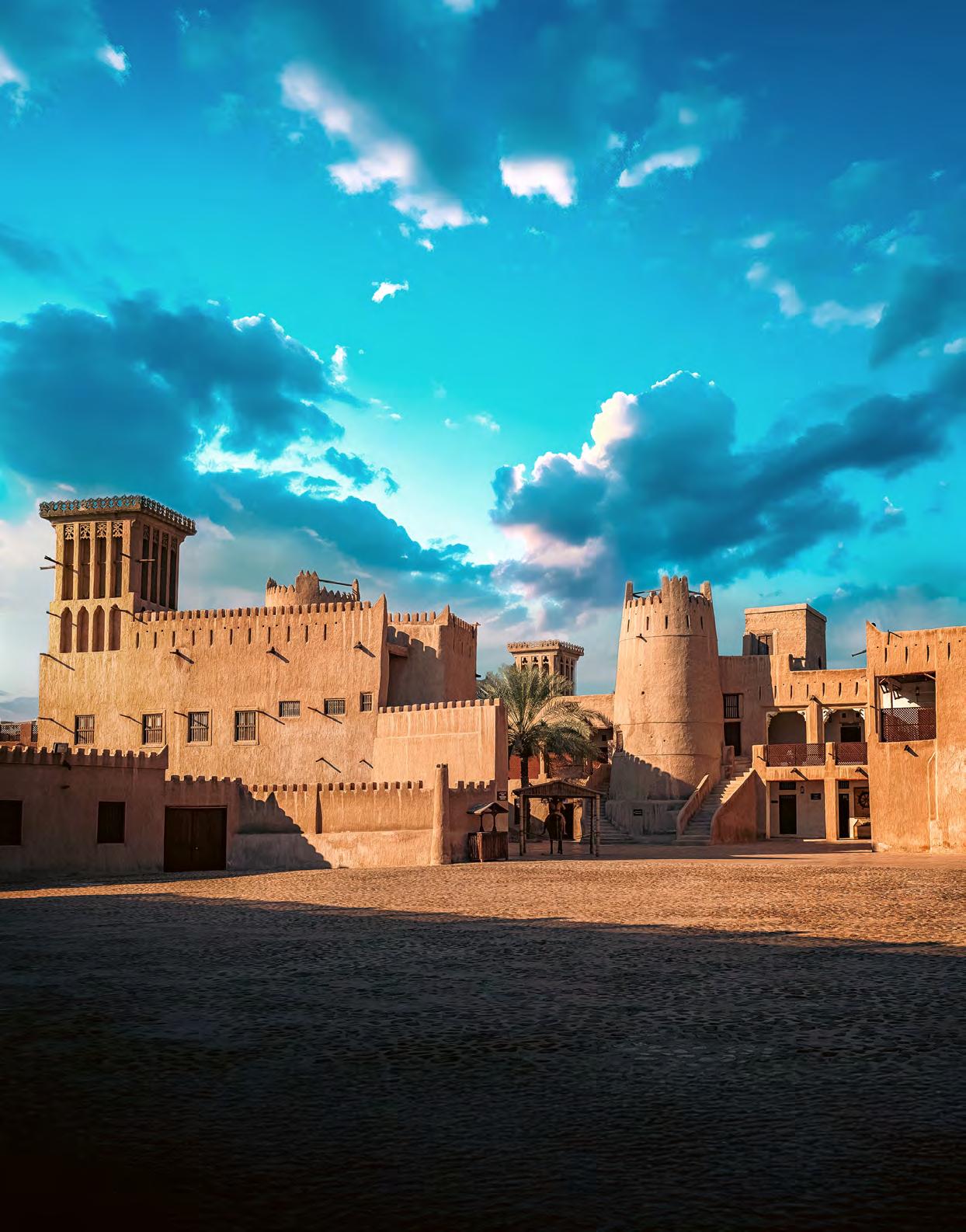
Sincerely
As ITB Berlin marks its 60th anniversary, Albin Loidl, President of the German Travel Association (DRV), reflects on the trade show’s unique role as a global platform for dialogue, cooperation and innovation, and why it remains a driving force for the travel industry’s future
Sixty years is more than a milestone anniversary. It is a moment to pause, to look back with pride – and above all, to look ahead with confidence. For six decades, ITB Berlin has stood like few other institutions for the success story of the German and international travel industry.
What began as a modest trade fair with only a small number of exhibitors has grown into the world’s leading meeting place for the global tourism sector. Over the years, ITB Berlin has consistently identified trends at an early stage, connected markets across continents and made innovation visible. It has been – and continues to be – a powerful engine for exchange, inspiration and progress, and thus a key pillar in the dynamic development of our industry in Germany and around the world.
For the German Travel Association (DRV) and its members, ITB Berlin has always held a very special significance. It is the place where tour operators, travel agencies, service providers, destinations and political decision-makers come together. It is where partnerships are strengthened, new business models are initiated and shared positions are developed. Especially in times of profound transformation, this platform for dialogue and collaboration is indispensable for our industry.
At the same time, ITB Berlin reflects the central issues shaping travel and tourism today: digitalisation, sustainability in all its dimensions, securing skilled labour, changing travel behaviour and increasingly complex geopolitical conditions. Nowhere else are these challenges discussed with such openness, international perspective and solution-oriented focus.
This makes ITB Berlin a crucial source of impetus for the strategic development and long-term resilience of the travel industry. We should also not forget the immense economic importance of our sector.
Travel and tourism are powerful drivers of growth in Germany


and worldwide, securing millions of jobs and fostering innovation across the entire value chain.
Our industry combines economic success with cultural exchange and social responsibility. ITB Berlin plays a vital role in making this performance visible and in strengthening the position of tourism within the broader economic and political debate. Furthermore, ITB Berlin has made a decisive contribution to reinforcing Germany’s reputation as one of the world’s most important travel and tourism hubs.
Today, Berlin is a global showcase for the travel industry. It is a place where international cooperation is actively lived and from which important signals for the future of tourism are sent out into the world.
The close and trusting partnership between DRV and ITB Berlin is a key factor in this success. It is built on a shared understanding of responsibility for the industry and a common commitment to actively shaping its future. This partnership also has a long and proud tradition: the development of the trade fair was significantly shaped by DRV itself, helping to establish Germany as a central hub of the global travel and tourism industry.
Looking ahead, I am firmly convinced that the travel industry is entering a new era of opportunity. DRV will continue to represent the interests of the industry with determination and to support its members in navigating the challenges and opportunities ahead.
ITB Berlin will continue to play a central role in this journey, as a stage for ideas, as a catalyst for progress and as a place where the future of travel is actively shaped.
My congratulations on 60 years of ITB Berlin; it’s a milestone that reflects the strength of our industry and points confidently towards the future.
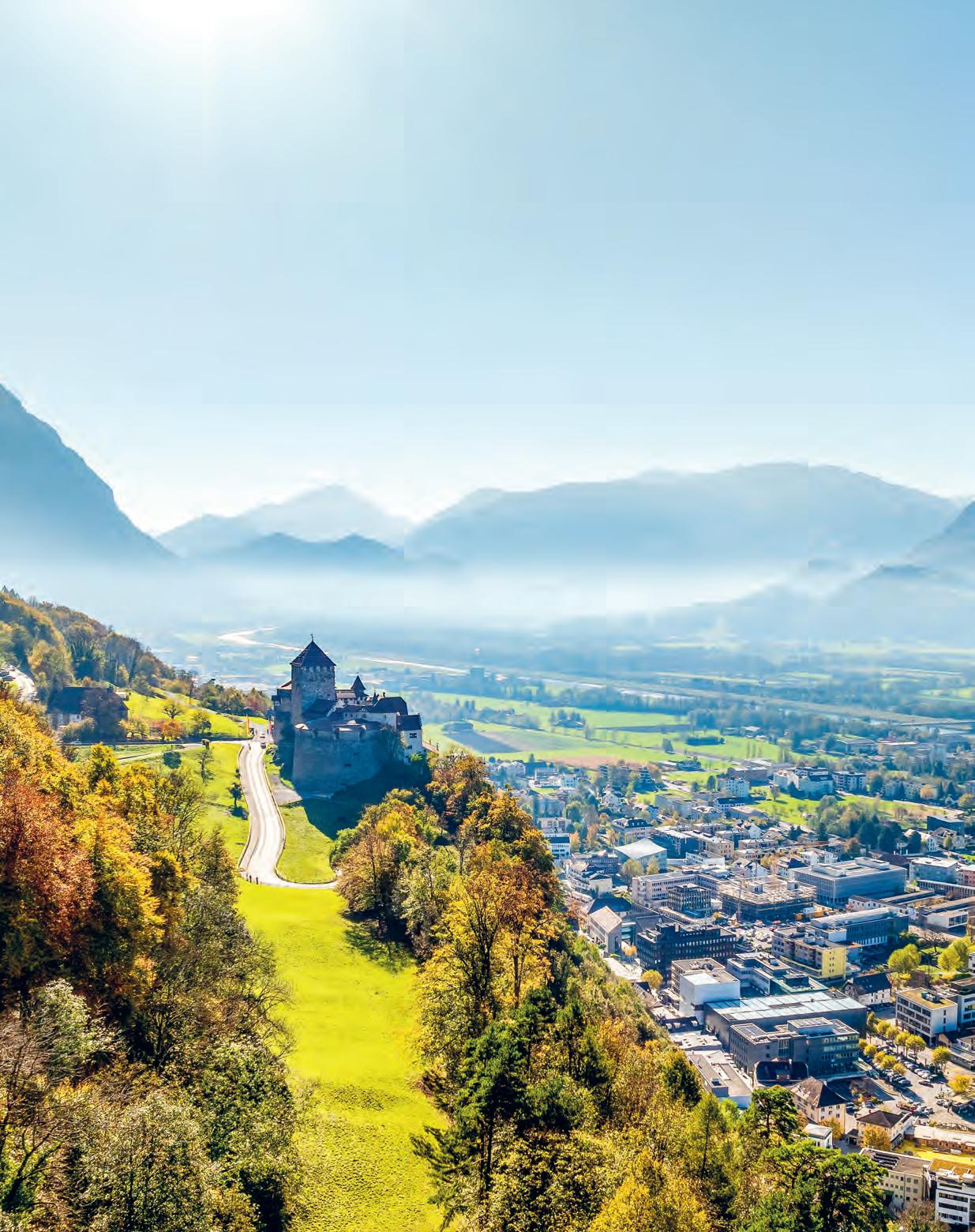
Experience the beauty of Liechtenstein, where true luxury lies in time slowing down and nature shining brightly.
You are always welcomed with a warm and friendly “Hoi”.
→ tourismus.li
Opening on April 22 after a decade in development, Terminal 3 marks a new chapter for Frankfurt Airport. From easy access and intuitive arrival to smart, seamless processes and human-centred spaces, the terminal is designed to create an authentic sense of place, offering passengers a fresh and distinctly German welcome from the very first moment.
When it opens next month, the hotly anticipated Terminal 3 will set a new benchmark for how airports frame the start of a passenger journey. Purpose-built as Frankfurt Airport’s newest gateway, it moves away from the idea of the terminal as a hurdle to overcome, but rather a destination to be enjoyed in its own right. What sets Terminal 3 apart is the care taken in designing the passenger experience. Every element, from accessibility and effortless flow, to art, design and carefully curated spaces, works together to create environment that feels coherent, stress-free and easy to navigate. This is not a terminal that simply moves people through efficiently; it is a considered final encounter, sending travellers on their way with a positive and lasting
impression of the airport, city and country. Here, we walk through the passenger experience, step by step, from arrival to departure.
An easy and accessible arrival
Ease of arrival is fundamental to the Terminal 3 passenger experience. Connectivity within the airport and beyond has been carefully planned to ensure smooth transitions, even across Frankfurt Airport’s vast footprint. The new people mover links the airport’s northern and southern areas in about eight minutes, making transfers fast and predictable. Whether passengers arrive by train, car or connecting flight, clear wayfinding guides them effortlessly towards the terminal.
At curb side, a large-scale ‘FRA’ installation marks the moment of


Above: The curb-side ‘FRA’ gives a sense of place
• One of Europe’s most advanced airport facilities
• 10 years in development since ground-breaking
• Opens in April following inauguration on April 22
• First flight departs on April 23
• Designed for both Schengen and non-Schengen traffic
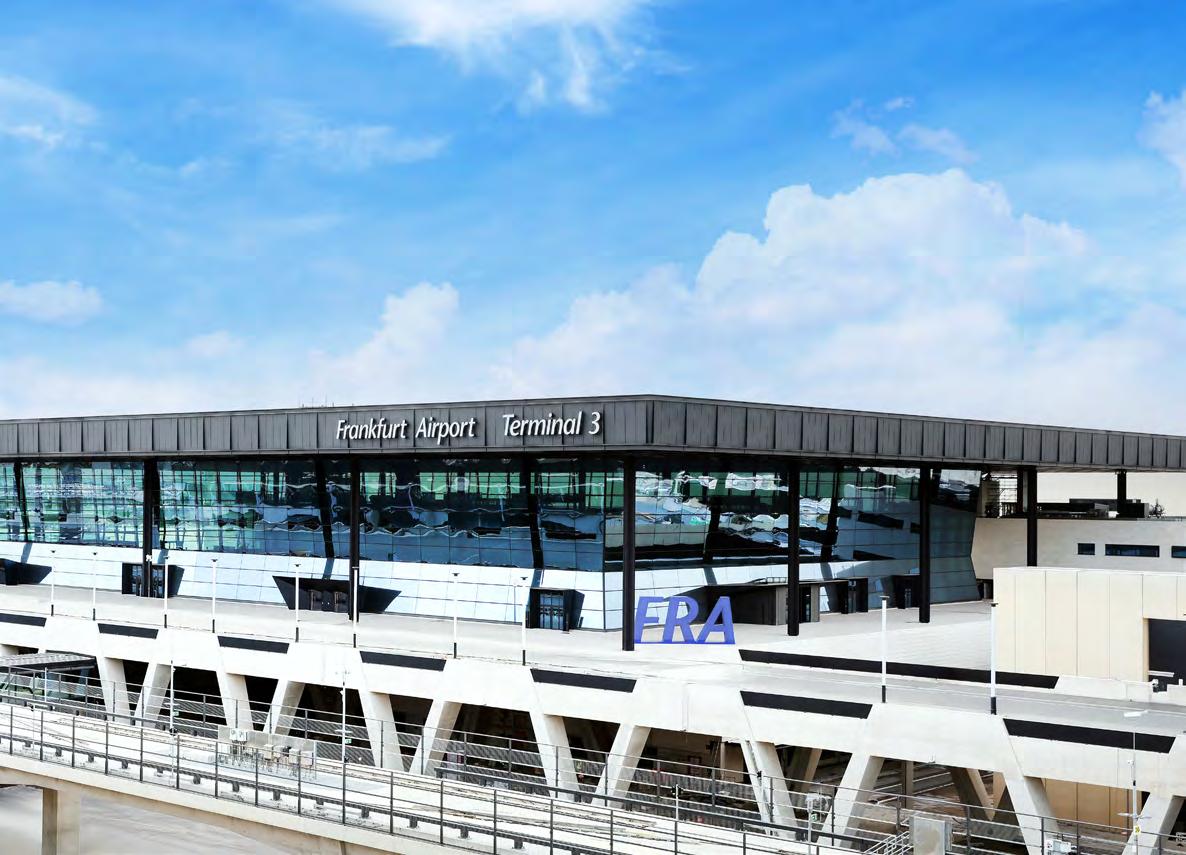
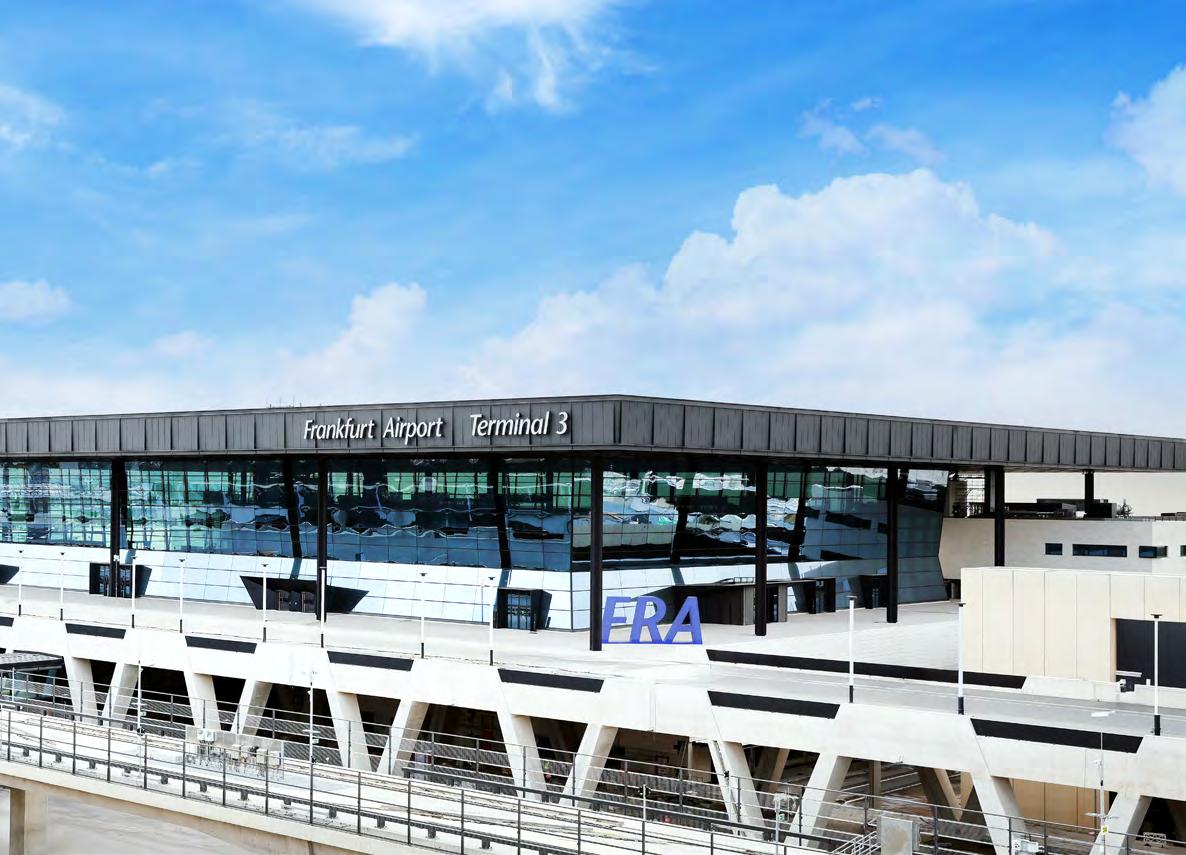
arrival, creating a strong sense of place and an immediate visual anchor. It clearly signals: this if Frankfurt Airport and this is where the journey begins.
The check-in hall – a ‘wow’ moment that sets the tone Stepping inside, passengers enter a check-in hall designed to surprise and set the tone for the entire journey. The space is open, calm and light-filled, offering clarity at a moment that is often associated with stress in large hub airports. Suspended above the hall is a striking large-scale art installation by German artist Julius von Bismarck, titled The First, the Last, Eternity. Encountered immediately on entry, the work introduces culture as an integral part of the passenger experience rather than an afterthought.
Visible from multiple angles, the installation invites passengers to pause briefly, offering a powerful visual counterpoint to the efficiency of the processes below. Comprising three imposing ring-shaped sculptures (Tori), the work references time and movement – arrivals, departures and transition – becoming the terminal’s first emotional ‘wow’ moment and setting the tone for what follows.
and seamless check-in and security
T3 is one of Europe’s most advanced airport facilities, but technology here is deliberately understated. The goal is not to impress passengers with innovation and gimmicks for the sake of it, but to ensure processes feel fast, user-friendly and almost invisible.
“Our goal is to give passengers an authentic and memorable experience that feels unique and

• 57 airlines relocating from T2
• Transition takes place in four phases
• Moves begin mid-April and conclude in early June
• T2 will undergo full refurbishment once vacated
Extensive self-check-in options and fast bag-drop facilities give travellers greater control over their time, reducing queues and uncertainty. Security screening has been modernised with cutting-edge CT scanners and a new lane concept, enabling passengers to keep liquids and electronics in their hand luggage and ensuring a smoother flow.
Smart processes like these give passengers greater freedom to relax and enjoy the terminal beyond the essentials.
Beyond security, passengers arrive at the Marketplace, the social and spatial heart of Terminal 3. Conceived as a place to pause and connect, it brings together retail, dining and relaxation in one clearly defined hub.
Architecturally, the Marketplace is distinguished by its striking ceiling design, which creates a strong spatial identity and makes the area instantly recognisable. Natural light and open
sightlines encourage movement while also inviting passengers to linger. Retail and dining concepts have been carefully curated to reflect both international expectations and local character. Understated German offerings, including a traditional bakery, sit alongside global brands, adding
a subtle sense of place discovered almost incidentally. The intention is not simply to fill time, but to create a place passengers want to arrive early to.
Beyond the initial impact of the check-in
hall’s impressive installation, art and culture stay with passengers as they travel through airport as a defining feature of Terminal 3. Throughout the destination, materials, spatial quality and carefully considered details reference Germany’s openness, craftsmanship and contemporary culture. This cultural layer adds depth to the passenger experience, reinforcing a sense of authenticity without overwhelming the journey. As Doris Rösner, Senior Manager Customer Experience at Frankfurt Airport, explains: “Our goal is to give passengers an authentic and memorable experience that feels unique and shows Germany in a fresh and surprising way.”
As passengers move towards their gate of departure, the focus shifts to proximity and comfort. Everything required is close at hand, reducing unnecessary walking and creating a more relaxed pre-boarding experience.
Clockwise from far left: Kids’ play zones are near departure gates; the check-in hall’s eye-catching art installation
21
security check lanes equipped with state-of-the-art CT scanners
Seating areas are designed as calm, living-room-style landscapes that support a range of needs, from working and charging devices to simply unwinding before a flight. For families, specially designed children’s play zones are integrated directly into the gate areas, enabling younger travellers to move freely while remaining close to their parents. These details make passenger centricity tangible. Rather than treating gates as functional areas, Terminal 3 recognises them as crucial to the overall journey.
One of Terminal 3’ defining strengths is the collaboration behind it. The passenger experience has been developed across teams and disciplines, ensuring that architecture, processes, retail, art and services all support a shared narrative. This consistency is intentional. When every touchpoint aligns, the journey feels coherent rather than fragmented; an increasingly important quality for travellers navigating complex global itineraries.
When airlines start operating from Terminal 3 from April 23, Frankfurt Airport will enter a new phase in its evolution. Built over 10 years and designed to meet the changing expectations of travellers, the terminal reflects confidence in the future of aviation, and in the importance of experience as part of the journey itself. Terminal 3 invites passengers to arrive with anticipation, pause with enjoyment and depart with a positive final impression, rather than just pass through. This reinforces Frankfurt’s role as a leading global hub and sets a new benchmark for how airports can welcome the world.
+30% higher throughput at security compared with older checkpoints without CT technology
Up to
19 million passengers a year capacity when T3 and first three piers completed
Possibility to increase to
25 million when a fourth pier is added
6,000sqm
futuristic Marketplace at the heart of the terminal
8 min
travel time from T1 to T3 via the new people mover, with a short stop at T2
5.6km
total track length for the people mover connection
8,500 parking spaces next to T3
Several hundred bicycle spaces support sustainable access to the terminal

Liechtenstein might be a small country, but what it lacks in size, it makes up for in big experiences, explains Mathias Ulrich, Managing Director, Liechtenstein Marketing, in this interview with ITB Global Travel Collection
Q: Liechtenstein is often described as one of Europe’s hidden gems. What sets the destination apart for travellers and the international travel trade?
The sixth smallest country in the world, nestled in the Alps between Switzerland and Austria, Liechtenstein offers visitors an incredible range of cultural, natural and culinary highlights packed into just 160 km². With a fascinating diversity of museums, great restaurants, and idyllic spots in the valley as well over 400 km hiking trails in the Alps, it has much to offer for families, outdoor fans and gourmets, far away from mass tourism.
Q: How is sustainability embedded in Liechtenstein’s tourism strategy?
Sustainability is firmly embedded in the national tourism strategy, ensuring responsible enjoyment and nature protection go hand in hand. This makes the principality a model for thoughtful,
future-focused tourism. Visitors enjoy eco-friendly transport, certified accommodations, and local organic cuisine. The Welcome Adventure Pass encourages public transport use and longer stays.
Offering rich and natural experiences in a compact area, Liechtenstein is an ideal destination for conscious travellers.
Q: What role does the Welcome Adventure Pass play in enhancing the visitor experience and sustainable mobility?
Valid from the day of arrival until departure, the Welcome Adventure Pass offers free, unlimited public transport access, making it easy and eco-friendly to explore the country. Guests also benefit from discounts on cultural and natural experiences, encouraging longer stays. Complementing the pass is the Welcome App, which provides added comfort through
real-time information and digital access, while increasing visibility for local service providers, supporting both guests and partners alike.
Q: Why is Liechtenstein well suited to short stays and multi-destination trips?
Liechtenstein is perfect for short breaks: hike scenic trails in Malbun with views to Lake Constance, explore Vaduz’s art museums and royal treasures, or enjoy wine tastings at the winery. In just three days, you can experience alpine nature, rich culture, and local cuisine – all easily accessible with free public transport.
The compact size means less travel, more adventure. Whether it’s strolling past sculptures in Vaduz or relaxing in a mountain hotel, Liechtenstein offers high experience density in a small space and making it an ideal stop on any multi-destination trip through Europe.
Q: As ITB Berlin marks 60 years as a global industry platform, how does the event support Liechtenstein’s visibility, partnerships and tourism growth?
ITB Berlin offers valuable opportunities for smaller countries like Liechtenstein to present themselves to an international expert audience. For us, being present here carries special significance. On this occasion, we extend our warmest congratulations on the 60th anniversary – a milestone worth celebrating.
We may be the smallest country here, but we warmly invite you to visit us and discover the rich variety of experiences our alpine gem has to offer. Encounters at ITB help us strengthen international partnerships, raise visibility, and inspire future visitors.




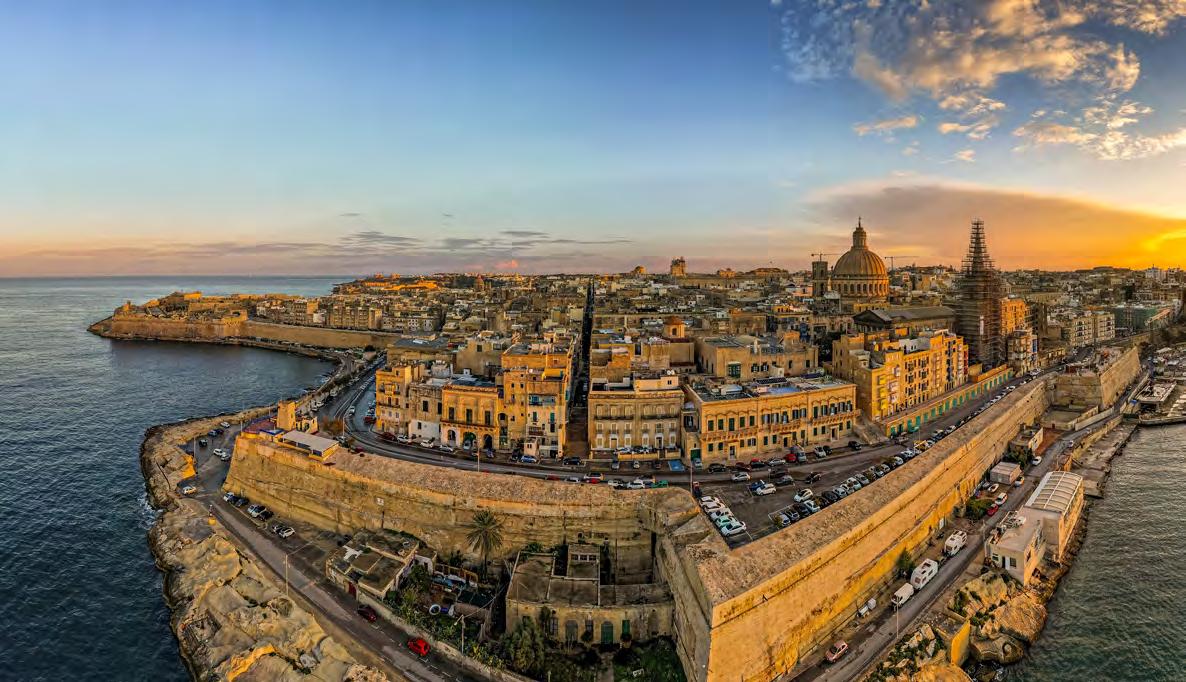
Malta may be small in scale, but it delivers big on visitor experiences. A Mediterranean gem, this archipelago offers a melting pot of history, nature and lifestyle in a way that is accessible and endlessly rewarding. Whether explored over a few days or a longer stay, Malta encourages travellers to slow the pace, move beyond the obvious and engage with the destination on their own terms.
Malta’s story unfolds across prehistoric temples, medieval cities and baroque architecture, all within short distances of one another. The UNESCO-listed capital Valletta is a highlight, with visitors attracted to this walkable city of grand palaces, intimate cafés and sea views framed by historic fortifications.
Beyond Valletta, the Three Cities offer a quieter, more local perspective, while ancient temple sites such as Ħaġar Qim and Mnajdra connect visitors to one of Europe’s earliest civilisations. History is woven into every aspect of the tourism experience, through village traditions, local crafts and centuries-old rituals.
Sun-soaked yet sophisticated, compact yet richly layered, Malta , known for its beach escapes, offers much more. From ancient cities and outdoor adventure to contemporary culture, local food and year-round experiences, the Mediterranean archipelago invites travellers to explore deeply, travel well and find balance between discovery and downtime.
With a mild climate and abundant sunshine, Malta is made for outdoor exploration. Coastal walking trails, countryside paths and clifftop routes enable travellers to discover the islands at a human pace, revealing hidden chapels, rural landscapes and panoramic sea
views along the way. The Mediterranean is central to the experience. Malta is internationally recognised for diving, thanks to clear waters, underwater caves and historic wrecks, while kayaking, sailing and swimming offer quieter ways to connect with the coastline. The island of Gozo, in particular, appeals to

For families
Interactive museums, boat trips, gentle coastal walks, family friendly beaches and village festivals that blend fun with discovery.
For adventurers
Diving and snorkelling in clear Mediterranean waters, kayaking along the coast, hiking clifftop trails, cycling rural routes and exploring underwater wrecks.
For food lovers
Cooking classes, farmers’ markets, olive oil tastings, vineyard tours, seafood experiences and Michelin-starred dining across Malta and Gozo.
For culture seekers
Guided city walks, archaeological sites, heritage tours, village festas and live performances in historic settings.
For slow travellers
Boutique hotels, eco retreats, agritourism stays in Gozo, wellness experiences and rural life encounters.
those seeking space, calm and a closer relationship with nature. Here, boutique accommodation, eco hotels and retreat-style stays that prioritise character, sustainability and a sense of place are increasingly popular. Think converted farmhouses, small-scale design hotels and rural retreats that blend traditional architecture with modern comfort.
Where culture is lived
Culture in woven into daily Maltese life rather than packaged for display. Village festas fill streets with music and colour, church bells mark the passing of time, and local squares remain social hubs long after sunset.
Valletta has emerged as a creative centre, hosting festivals, exhibitions and performances throughout the year.
Contemporary design, quirky hotels and modern galleries sit comfortably alongside historic architecture, giving the city a dynamic energy that feels authentic rather than curated.
Experiences play an increasingly important role in how visitors engage with Malta and Gozo. Beyond sightseeing, travellers can take part in hands-on activities that reveal everyday island life, from guided walking tours and craft workshops to sailing excursions and countryside experiences.
Malta’s cuisine reflects its long history as a crossroads of cultures, combining Mediterranean simplicity with distinctive local flavours. Traditional dishes showcase seasonal ingredients, local produce and fresh seafood, while a new generation of chefs is reinterpreting Maltese classics with creativity and restraint. Local street-food favourites are an essential part of the experience, from bakery counters to village squares, with the iconic pastizzi – crisp pastries filled with ricotta or spiced peas – a must-try.
From family-run trattorias to refined fine-dining addresses, food in Malta is ultimately about connection: to land, to sea and to community. Markets, vineyards and coastal restaurants provide relaxed, authentic settings where meals become part of the journey rather than a pause from it. For travelling food lovers, Malta has firmly established itself on the gourmet map, now home to five Michelin-starred restaurants.
Food experiences extend well beyond the table too. Across Malta and Gozo, visitors can take part in cooking classes, food trails and market visits that showcase the islands’ culinary identity.
Gozo’s rural charm enhances this appeal through olive oil tastings, vineyard tours, cheese-making experiences and farm visits that connect gastronomy directly to the land.
One of Malta’s greatest strengths is its
“Malta offers the rare freedom to experience culture, nature and the sea in a single day, without feeling rushed”
accessibility. Short distances make it easy to combine city exploration, countryside walks and coastal experiences within a single trip. Ferry links and local transport connect the islands efficiently, encouraging travellers to explore beyond headline locations and discover lesser-known corners.
Completing the island trio is Comino, a small, car-free island known for its crystal-clear waters and protected natural landscapes. Best explored on foot or by boat, Comino offers a striking contrast to urban life, with swimming, snorkelling and coastal walks as its main draws. As part of Malta’s wider commitment to balance, visits to Comino increasingly focus on nature appreciation and responsible enjoyment of its fragile environment. This ease of movement supports a more balanced style of travel, spreading visits across regions and seasons while enhancing both visitor experience and local quality of life.
As a mature destination, Malta is looking to achieve quality over quantity.
Initiatives to promote off-peak travel, highlight alternative locations and invest in sustainability help protect the islands’ character while offering visitors a more meaningful experience.
The result is a destination that rewards curiosity, respects its communities and invites repeat visits, each revealing a different side of the islands.
In an exclusive interview with ITB Global Travel Collection, Carlo Micallef, CEO of the Malta Tourism Authority, reflects on Malta’s transformation into a year-round, high-value Mediterranean destination and outlines his vision for sustainable growth
Q. What achievements stand out under the Malta Tourism Strategy 2021–2030?
With a team of 200-plus professionals, the Malta Tourism Authority today manages a broad remit that includes industry regulation, industry training programmes, quality assurance, product development, research, destination marketing, and air route development: an essential function given that 98% of visitors to the Maltese Islands arrive by air. Among MTA’s most significant achievements has been its role in enabling sustainable industry growth through close collaboration with the private sector. This partnership has supported a very quick recovery after the pandemic and record performances year on year since, while engineering the development of a year-round tourism industry to spread tourism throughout the 12 months of the year, diversification of tourism source markets and niches and attracting a profile of tourists that are higher spending and experience driven. This has been achieved with the development of a wide reaching air network in partnership with a balanced mix of legacy carriers and LCCs, a finely focused marketing strategy, the creation of a wide-ranging events calendar, including cultural and music festivals,
international sports events, as well as a major push in the MICE sector, all of which help to create and diversify demand throughout the year.
A fundamental shift occurred when Malta moved away from a tour-operator-led model towards a more direct, technology driven approach. Similarly transformative was the liberalisation of air access in 2007-2008, which expanded airline participation and dramatically improved connectivity, reshaping Malta’s tourism landscape. Another milestone was the evolution of Malta’s marketing strategy. Campaigns that were once designed locally based on internal assumptions
were replaced with market-led messaging informed by consumer research and focus groups in target markets. Today, our brand positioning, ‘Explore more stories, more taste, more romance’, reflects a personalised, experience-focused approach.
Q. How is Malta responding to demand for niche and sustainable tourism?
Diversification has become central to Malta’s tourism strategy, enabling the destination to sustain demand throughout the year. While many source markets experience harsh winter conditions, Malta’s mild climate and high number of sunny days make it particularly appealing outside of the peak summer months.
Active and sports tourism are key pillars of this approach. Malta is promoted as a destination for sports tourism, hosting football, water polo, sailing, cycling, athletics and a wide range of aquatic activities for training camps and tournaments. Strategic partnerships, including collaboration with the Polti-VisitMalta Cycling Team, the VisitMalta Cup with the participation of Champions League teams, and marketing sponsorship of events such as the Giro d’Italia, have significantly enhanced Malta’s international exposure.
Gastronomy is another important niche. Maltese cuisine reflects centuries of Mediterranean exchange, blending Italian traditions with Middle Eastern and North African influences. Malta partnered with Michelin and today the islands host seven Michelin-starred restaurants, with 35 establishments featured in the Michelin Guide, an exceptional achievement for a destination of Malta’s size.


Sustainability underpins every initiative. A key development in Malta’s tourism industry in the past two years is active introduction and promotion of the Green Label certification following GSTC criteria. Plans are underway to integrate its criteria into legislation, making sustainable practices a
mandatory requirement and embedding environmental responsibility across Malta’s tourism sector.
Q. How is Malta appealing to luxury guests?
High-net-worth travellers are increasingly discovering Malta through targeted digital campaigns, bespoke PR and curated social media engagement.
Luxury tourism represents a growing segment in our multi-layered tourism mix. Interest from globally recognised luxury brands such as Four Seasons, Six Senses, The Ritz Carlton along with signature restaurants that have opened their doors reflect Malta’s rising profile within the luxury travel space.
Our approach balanced, supporting premium growth while ensuring it aligns with our sustainability, quality, and long-term value objectives.
Q. Which flagship events drive demand?
Malta has established itself as a leading destination for major live events, particularly in the music sector. International artists such as Robbie Williams, Lady Gaga and André Rieu have performed on the islands, alongside orchestral events featuring the BBC Concert Orchestra and large-scale productions like the Isle of MTV.
Our strategy focuses on maintaining a diverse events calendar that appeals to different demographics and travel motivations. High-energy summer events such as Isle of MTV, SummerDaze, Glitch, and World Club Dome attract younger audiences, while concerts and cultural performances appeal to more mature travellers. This variety enables Malta to reach multiple age groups and nationalities throughout the year.
Malta also hosts a strong portfolio of international sporting events, including marathons and triathlons.
A key strategic partnership is our collaboration with Manchester United as a global destination partner. With an estimated fan base of around 800 million supporters in Asia, this alliance significantly enhances Malta’s exposure in long-haul markets.
Malta is renowned as a Mediterranean yachting destination of distinction
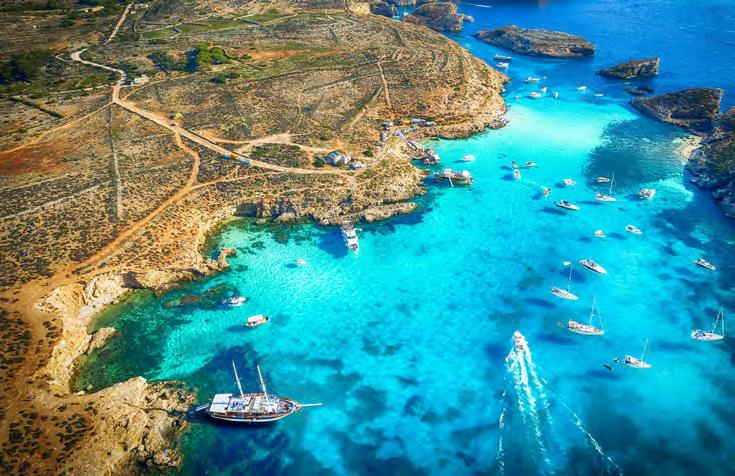
Q. How is Malta maintaining its position as a Mediterranean yachting hub?
Malta’s central Mediterranean location has defined its maritime importance for centuries. Its proximity to Europe and North Africa, combined with naturally sheltered harbours, continues to position the islands as a centre of excellence for yachting. Significant investment has been made to upgrade marina infrastructure, with government efforts focused on enhancing facilities and expanding capacity.
Valletta delivers a rich mix of history, culture, and contemporary life. The Cottonera Cities are a treasure trove of history, Sliema and St Julians are cosmopolitan and multicultural, the North of Malta and Gozo are greener and more relaxed, and the South West of the Island is more rugged, perfect for walks and active sports. First time visitors are often surprised by the diversity of experiences available within such a small geographical area. The combination of professional maritime services, cultural richness, and lifestyle appeal ensures Malta remains a distinctive and competitive yachting destination in the centre of the Mediterranean.
Q. What is your leadership vision for Malta’s tourism future?
My focus is on guiding Malta’s tourism
sector towards a more responsible tourism industry that seeks to find a balance between the quality of life of the local community while seeking to achieve higher value and long-term profitability. Tourism remains a cornerstone of the Maltese economy, contributing up to 20% of GDP. Looking ahead, tourism must be firmly anchored in sustainability, resilience, and intelligent diversification. The challenge lies in striking the right balance between volume and value. While flight and accommodation viability is essential, the emphasis must increasingly shift towards yield rather than sheer numbers.
Since becoming CEO in 2022, our results have spoken for themselves. By 2023, we had surpassed pre-Covid record performance levels. 2024 was again a record year and 2025 was superb with tourism expenditure reaching €3.9 billion, a growth of 18.6% on 2024, tourism arrivals surpassing the 4 million mark, with the larger share of growth registered in the off peak months of the year, and tourism guest nights reaching 25.4 million, the best y-o-y performance in Europe as per Eurostat report.
All this is in line with MTA’s long-term goal of long-haul visitors to account for around 25% of total tourist arrivals.
From legacy defining founders to modern disruptors and and tomorrow's rising stars, the ITB Global Travel Collection spotlights the individuals who have revolutionised how the world travels, setting new sector benchmarks and inspiring innovation across generations
Travel has always been shaped by the people who dare to reimagine it, from the early pioneers who built global hotel chains to today’s digital disruptors and purpose-driven entrepreneurs. Behind every major shift in how we explore the world is a visionary leader who set the pace for change. In this feature, ITB Global Travel Collection spotlights legendary founders, creative minds, and rising stars who continue to transform the industry across generations, turning challenges into opportunities and ideas into lasting legacies.

Founder, Hilton Hotels
Conrad Hilton’s ambition to “fill the earth with the light and warmth of hospitality” laid the foundation for one of the most iconic hotel brands in history. With his focus on consistency, comfort and service excellence, Hilton reshaped the concept of standardised accommodation, helping global travellers feel at home wherever they went. He was one of the first to grasp the power of international hotel franchising, and his approach still serves as a guiding framework for the sector.
The first Hi
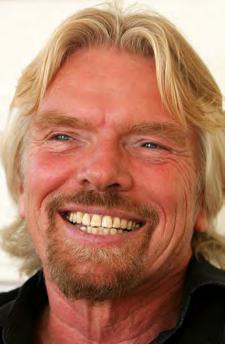
SIR RICHARD BRANSON | THE MAVERICK MARKETER
Founder, Virgin Group
By launching Virgin Atlantic with a single leased B747 aircraft, Branson challenged aviation heavyweights through flair, customer service and showmanship. His belief that flying could be fun and stylish changed airline marketing forever. Beyond aviation, his later ventures into cruises and even space tourism exemplify his ability to identify and electrify niche segments of the travel market.

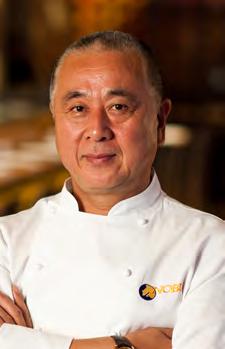

CEO, AirAsia
Taking a struggling airline and transforming it into the region’s largest low-cost carrier, Fernandes unlocked the skies for millions in Southeast Asia. His approach, based on simple online bookings, budget-friendly fares and widespread access, sparked an aviation boom across ASEAN. Fernandes redefined air travel as a basic right, not a luxury, improving accessibility to secondary and tertiary destinations and inspiring other airlines to do the same.
Chef and Co-Founder, Nobu Hospitality
Fusing Japanese culinary finesse with Peruvian flair, Nobu Matsuhisa created a lifestyle brand that seamlessly blends hospitality and gastronomy. His hotels are an extension of his restaurants, with the onus on design, mood and the senses, offering an integrated luxury experience now emulated across the sector.

Founder, Joie de Vivre Hospitality; Strategic Advisor, Airbnb
Conley reshaped boutique hospitality by making emotion and experience part of a brand’s DNA. Later, at Airbnb, he helped humanise tech-led travel by nurturing its host culture and experience-based philosophy. He remains a strong advocate for emotional intelligence in business leadership.
Under Sir Tim Clark’s leadership, Emirates became one of the world’s most influential airlines. His hub-and-spoke model centred on Dubai put the city on the global map as an aviation nexus, while his focus on fleet innovation, particularly the Airbus A380, redefined long-haul luxury. Clark’s foresight has driven global connectivity and set a gold standard in international aviation.



Founder, ITB Berlin
A visionary in tourism diplomacy, Dr. Manfred Busche launched ITB Berlin in 1966, laying the groundwork for what would become the world’s largest travel trade show. Recognising the power of convening governments, companies and buyers under one roof, Busche helped professionalise and globalise the travel industry. ITB continues to set the global tourism agenda each year.
Co-Founder, TUI AG & Willy Scharnow Foundation for Tourism
A pivotal figure in the creation of TUI AG, Willy Scharnow also founded the Willy Scharnow Foundation for Tourism, dedicated to advancing travel education. His vision combined entrepreneurial drive with a commitment to professional development, shaping both the growth of one of the world’s largest tourism companies and the training of future travel leaders.
Broadcaster & Natural Historian
Through his landmark documentaries, Sir David Attenborough has inspired millions to value and protect the planet’s wild places. His powerful storytelling has encouraged travellers to seek out ecotourism experiences, support conservation efforts and make conscious choices, influencing the industry toward more sustainable practices and a deeper respect for nature.

CEO & Founder, TravelDaily China
Charlie Li is the architect of China's travel tech ecosystem. As the founding investor of TravelDaily.cn, he transformed it into the country's leading platform for travel distribution, marketing, and technology. With nearly 30 years in aviation and online travel, including leadership roles at China Southern Airlines and eLong, Charlie is a sought-after voice at global forums like ITB China and ITB Berlin. His insights connect the dots between Chinese and global markets.
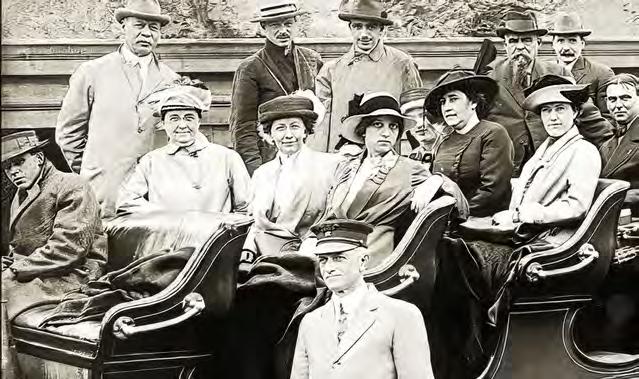
Founder, Thomas Cook & Son
In 1841, Thomas Cook organised his first package holiday – a 22-mile train journey that introduced hundreds to the thrill of travel. Over the decades, he pioneered accessible tourism, from UK excursions to global tours, and adapted to every new mode of transport. While the original business changed hands many times, the Thomas Cook brand continues to evolve, blending modern technology with its founder’s enduring vision of convenient, joyful travel.

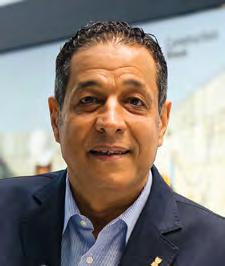
Founder, Conscious Travel
Anna Pollock has spent decades rethinking tourism’s role in society, advocating for regenerative and values-led models. Through her Conscious Travel platform, she has inspired destinations and businesses to design experiences that restore ecosystems, empower communities and create lasting wellbeing for hosts and guests alike.

Founder, Chiva-Som International Health Resort
When Boonchu Rojanastien opened Chiva-Som in Hua Hin in 1995, he reimagined the holiday as a path to health and renewal. Blending Thai hospitality, holistic therapies, and serene surroundings, he created Asia’s first destination spa – a place where guests could transform their wellbeing, not just escape everyday life. Boonchu’s vision paved the way for the global wellness tourism movement, inspiring a wave of retreats that fuse travel with mind-body balance.
Founder & Chief Executive Officer, TIME Hotels
Mohamed Awadalla is the driving force behind TIME Hotels, one of the Middle East’s fastest-growing homegrown hospitality groups. Founded in Dubai, the brand is built on regional identity, operational discipline and long-term value, positioning TIME Hotels as a strong alternative to international chains. Under Awadalla’s leadership, the company has grown into a multi-brand group operating across the UAE, Qatar, Saudi Arabia and Egypt, with a pipeline extending into Africa, Asia and the Indian Ocean.

As the newly appointed CEO of the Uganda Tourism Board, Juliana Kagwa is promoting tourism that starts with Ugandans themselves, encouraging local exploration as a foundation for sustainable growth. Her vision blends national pride with international appeal, spotlighting Uganda as the “Pearl of Africa”.


Founder,
Cat Jones is on a mission to make flight-free holidays the norm. She launched Byway in 2020 – the first-of-its-kind route planner for multi-stop adventures by train, boat and bus across the UK and Europe. Every trip is fully personalised and designed for the joy of the journey, not just the destination. A lifelong car-free traveller herself, Cat has already sent 10,000+ holidaymakers off on low-carbon escapes, earning 95% five-star reviews and B Corp certification along the way.
Founder & CEO, Goodwings
Christian Møller-Holst is transforming business travel with Goodwings, a platform that makes sustainable trips simple. Every booking automatically offsets carbon and comes with transparent emissions reporting, letting companies achieve net-zero travel without hassle. By turning everyday travel into a force for climate action, Christian is setting a new standard for corporate responsibility.

ADITI BALBIR | ECO-LUXURY ENTREPRENEUR Founder, V Resorts
With V Resorts, Balbir created boutique experiences in rural India that blend luxury with sustainability. Her model supports local communities, promotes regional heritage and attracts global travellers looking for meaningful escapes.
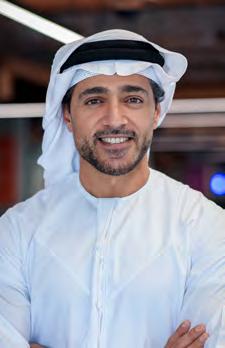


CEO, Dubai Corporation for Tourism and Commerce
Marketing
Kazim is the architect behind Dubai’s meteoric rise as a global tourism hotspot. His campaigns blend bold vision with cultural nuance, promoting Dubai as more than a stopover –a destination for experience, innovation and inclusivity. His work is a blueprint for emerging destinations.
VISIONARY
Co-founder & Managing Director, Zoku
Hans Meyer reimagined urban living for the modern nomad. As Co-founder of Zoku, he created a new hybrid concept that fuses home, office and hotel for people who live and work anywhere. Previously the founding partner of citizenM, Meyer has long championed innovation, design and community in hospitality. Drawing on his experience as a digital nomad, he continues to shape the future of work and travel through creativity and connection.
Travel blogger & author
Jessica Nabongo made history as the first Black woman to visit all 195 countries, a feat she chronicled in her bestselling book The Catch Me If You Can. Through her writing and photography, she champions underrepresented voices, reshaping how the world sees travel and inspiring a new generation of explorers.

CEO, Intrepid Travel
Appointed CEO of Intrepid Travel in 2017, James Thornton has steered the adventure specialist toward its twin goals of expanding the sustainable travel market and balancing purpose with profit. Under his leadership, Intrepid became a certified B Corporation and, in 2023, earned a spot on Time Magazine’s list of the world’s 100 Most Influential Companies. Thornton champions travel as a force for good, inspiring a generation of travellers to explore more responsibly.



Author & Travel Trends Expert
A sought-after keynote speaker at global forums including ITB, Doug Lansky is known for his fresh thinking on destination marketing, tourism strategy and visitor experience. His ideas challenge industry norms, pushing stakeholders to adapt to shifting traveller expectations and new forms of competition.
Founder, Nomadic Matt’s Travel Site
Better known as Nomadic Matt, Matt Kepnes transformed a personal blog launched in 2008 into one of the internet’s most influential travel resources. Specialising in budget travel advice, his work has reached millions, spawned bestselling books and inspired countless others to turn wanderlust into a sustainable lifestyle.

SUNDAR PICHAI | THE SEARCH GIANT’S STRATEGIST
CEO, Google & Alphabet
THE LOCAL TRAVEL INNOVATORS
Co-founders, Evaneos
Eric La Bonnardière and Yvan Wibaux co-founded Evaneos in 2009 to reshape travel by connecting travellers directly with handpicked local experts in over 160 countries. Their platform empowers travellers to design authentic, personalised journeys while ensuring that the majority of the trip's cost stays within the destination, supporting local economies. Evaneos has grown to serve over 500,000 travellers, positioning itself as a pioneer in sustainable, experience-driven tourism.
As CEO of Google and Alphabet, Sundar Pichai oversees products that have become integral to travel – from flights and hotels to Maps and translation tools. Google’s reach has reshaped how travellers plan and book trips, while its advertising platform has become a critical lifeline for the industry’s biggest players.



Founder & Group CEO, OYO
Ritesh Agarwal founded OYO at just 20 years old, turning a modest start-up into one of the world’s largest hospitality chains. Focused on affordable accommodation, his model has changed the face of budget travel in India and beyond, making quality stays more accessible to millions.
Founder, Travel Massive
Ian Cumming launched Travel Massive as a grassroots meet-up for travel professionals, which has since grown into a global community spanning more than 180 cities. The network fosters collaboration, learning and new opportunities across the tourism ecosystem, with Travel Massive members representing some 10,000 travel companies worldwide.
Founder, Good Hotel
Marten Dresen’s Good Hotel concept transforms unused buildings into hubs of hospitality and social impact. By reinvesting profits into community training and employment, he proves that a hotel stay can change lives far beyond its walls.

CAPTAIN AISHA AL MANSOORI | BREAKING BARRIERS IN THE SKIES Pilot, Etihad Airways
Captain Aisha Al Mansoori made history as the UAE’s first female Emirati captain in commercial aviation. Her achievement is a milestone for gender representation in the industry, inspiring women across the region to pursue careers in aviation.
As AI moves from insight to execution, travel payments must evolve to support greater automation, control, and scale. In this exclusive ITB Global Travel Collection interview, Visa shares how payment infrastructure, data, and governance are becoming critical enablers of AI‑ready B2B travel commerce, with insights from Tania Platt, Global Head of B2B Travel, Visa.

Q: AI is everywhere in travel right now, but what feels genuinely different about this next phase?
What feels different is that AI is beginning to move beyond advising humans toward executing tasks on their behalf. We’re seeing the early emergence of agentic AI systems that can research options, apply predefined rules, and initiate transactions with human oversight.
In this environment, some traditional payment approaches are increasingly challenged. Many weren’t designed for real‑time decisioning, structured data exchange, or automated reconciliation at scale.
As expectations shift, travel
intermediaries and issuers are looking for payment infrastructure that supports real‑time authorisation, predictable settlement, and embedded controls, foundations that allow automation to scale responsibly.
Q: Why are B2B travel payments at a turning point and what challenges is the industry facing?
B2B travel payments were already complex, with multiple suppliers, currencies, reconciliation models, and risk profiles to manage.
AI accelerates that complexity by increasing transaction volume, speed, and automation.
As automation increases, legacy
payment models can introduce operational strain, slower settlement, manual reconciliation effort, and limited visibility into risk or working capital.
These challenges become more pronounced as AI‑driven systems expect faster decisioning and cleaner data flows.
What’s changed most is expectation. AI driven commerce assumes real‑time authorisation, structured data, predictable settlement, and embedded controls.
Intermediaries and issuers that modernise around these principles will be better positioned as AI increasingly drives B2B travel commerce.
Q: What role can issuers play as AI agents begin to manage payments autonomously?
Issuers have an opportunity to become a critical enablement layer as automation increases.
As AI‑driven systems are designed, they will rely on payment capabilities that deliver consistent authorisation performance, low latency, global acceptance, and enriched data.
This places greater emphasis on programmable credentials, real‑time controls, scalable settlement, and strong API connectivity, capabilities that help issuers support automation while maintaining oversight and risk management.
Visa supports this ecosystem by providing global reach, resilient infrastructure, and data‑driven controls that help issuers enable travel sellers to operate with confidence as payment flows become more automated.
Q: How does agentic AI change customer experience, even when it’s operating behind the scenes?
Even when travellers never see it, agentic AI can significantly improve the experience. Faster supplier settlement helps reduce disruption impact.
Automated re‑issuance of credentials supports quicker rebooking.
Smarter reconciliation reduces errors, delays, or disputes that can affect customers indirectly.
On the front end, AI enables real‑time personalisation, dynamic offers, and seamless payments across devices. On the back end, it ensures those experiences are supported by reliable and secure payment flows.
Visa’s work across tokenisation, virtual cards, and AI‑powered authorisation helps ensure that both sides of the journey, customer and supplier, remain efficient, trusted, and resilient.
Q: Fraud is evolving just as fast as AI. How should the travel industry think about security in this new environment?
AI is a double‑edged sword. While it improves efficiency and experience, it also enables more sophisticated fraud, from synthetic identities to AI‑driven social engineering and agent manipulation.
The key is applying AI to security at scale. Visa’s fraud solutions analyse billions of transactions globally, using machine learning to assess hundreds of risk factors in milliseconds.
This helps maximise approval rates for legitimate transactions while reducing fraud, particularly important
“The organisations that succeed will be those that modernise early”
for high‑value, cross‑border travel payments. Trust is foundational. AI only works when security, transparency, and accountability are built in from the start, and that’s an area where Visa brings decades of experience.
Q: What makes Visa the right partner as travel companies take their next steps with AI?
AI’s impact doesn’t depend on algorithms alone; it depends on partnerships. Visa brings together global acceptance, trusted infrastructure, deep AI expertise, and transaction data.
We’ve been applying AI to payments for over 30 years, from fraud prevention to authorisation optimisation. Today, that experience translates into solutions that are automation‑ready, data‑rich, and built for scale from tokenisation and virtual cards to real‑time risk scoring and settlement intelligence.
Our goal is to empower issuers with the capabilities they need to support the travel ecosystem helping OTAs, airlines, hotels, and TMCs operate with greater confidence, insight, and control as AI adoption accelerates.
Q: Looking ahead, what should travel leaders be doing now to prepare for agentic AI?

The organisations that succeed will be those that modernise early.
That means investing in structured data, reliable payment performance, strong APIs, and scalable controls, so AI agents can operate with speed, confidence, and oversight.
Agentic AI has the potential to increase efficiency and transaction volumes over time, but humans will continue to govern strategy, risk, and relationships. That hybrid operating model requires payment systems that provide transparency, control, and reliability alongside automation.
Visa remains committed to supporting this evolution, working with the travel ecosystem to help enable payments that are intelligent, efficient, secure, and ready to support automation at global scale.
Q: How does Airbnb contribute to local economies, job creation, and other sectors within the travel ecosystem?
Airbnb helps people discover new places, distributing travel beyond traditional hotspots and channelling visitor spending to small businesses and communities that haven’t traditionally benefited from tourism. In Germany, we’ve observed a lasting shift toward rural, less crowded destinations with family stays as a major driver – Airbnb bookings by families increased by more than 250% between 2019 and 2024.
We’re also proud that Airbnb helps people earn meaningful extra income by welcoming guests to their communities. The Airbnb host community has grown to more than 5 million hosts around the world, to whom hosting offers a flexible and accessible form of income, helping people to pay for expenses in uncertain times and beyond. In Germany, 30% of hosts said they rent out their place to fund renovations in their home.
Q: What role does Airbnb play in helping smaller and emerging destinations gain visibility on the global stage?
The majority of listings on Airbnb and the majority of Airbnb guest nights in the EU in 2024 were in locations outside of cities. In the long run, we believe stays on Airbnb have the power to revitalise rural communities, sustain cultural traditions and offer young people real incentives to stay or return.
Many of these lesser-known places are home to exceptionally unique hosts and accommodations that appeal to travellers seeking distinctive, authentic experiences like staying in a cabin in the mountains or a house boat on the lake. Airbnb empowers hosts to showcase the places they call home and introduce guests to the natural beauty and character of destinations they might not otherwise consider. We also
Since its inception in 2007, Airbnb has transformed how people travel, connect, and experience the world. Today, the company is entering a new phase – expanding beyond home sharing into services, experiences, and even hotels. By enhancing offerings and making it easier to become a host, Airbnb is broadening access to travel while strengthening its economic impact on local communities. In this interview with ITB Global Travel Collection, Airbnb’s Co-Founder and Chief Strategy Officer, Nathan Blecharczyk , explains how Airbnb’s evolving model supports global growth, fosters inclusivity, and sets new standards for responsible, experience-driven travel.


work with communities around the world to help promote what makes them special, for example, through a long-term commitment to rural tourism in Spain, where we launched a three-year, $50 million investment aimed at revitalising small towns and villages by supporting local businesses, restoring heritage homes, and promoting lesser-known destinations in partnership with tourism organisations. In the UK, Airbnb launched the Best of British Fund in the UK supported by VisitBritain to help communities and local businesses across the UK transform into must-do cultural experiences. In Italy, Airbnb supported UNESCO World heritage rural sites in the Italian region of Veneto. In France and the UK, we partnered with Strava to inspire rural ‘run-cations’ and shared a range of beautiful stays within trending Gen Z rural destinations
Q: As a champion of travel democratisation, how does this vision guide Airbnb’s corporate responsibility initiatives and community engagement?
We aim to create a platform where anyone, anywhere, can experience travel – whether it’s a short city trip, a countryside stay, or a longer month-long visit. We back initiatives that protect neighbourhoods, preserve cultural heritage, and foster inclusion. For example, Airbnb was a partner of last year’s Freedom Week in Berlin, supporting an event that aims to position Berlin as an international hub for dialogue on freedom, human rights, and democracy. Additionally, in 2020, Airbnb founded Airbnb.org, a non-profit dedicated to providing free, emergency stays in times of crisis. Over the last five years, Airbnb.org has provided free, temporary housing to more than a quarter of a million people globally, including more than 130,000 refugees from Ukraine. At ITB Berlin 2025, Airbnb welcomed a delegation of Ukrainian cities at our booth, to reaffirm our commitment to support the recovery of tourism in Ukraine after the war.
Q: As ITB Berlin marks its 60th anniversary, how do you see Airbnb’s role evolving over the next 60 years?
We believe in tourism that benefits everyone: guests, hosts, and the communities they call home. When we started Airbnb, the idea of inviting strangers to stay in your home was unheard of. Since then, Airbnb has fundamentally changed the way people travel and scaled globally. More than ever, we believe that travellers want more than just sightseeing. They’re seeking authentic connections with local people and cultures. That’s what Airbnb offers. We’re now expanding beyond stays and last
“Ultimately, we want to keep bringing people together in the real world”
year launched ‘Experiences’, which are activities led by local experts, and ‘Services’ like private chefs, photography and personal training. These help enhance trips for guests and offer additional economic opportunities for locals. Through stays and experiences, we’re creating meaningful connections between travellers, hosts, and local communities. Our vision for the future at Airbnb is to become much more than a place to book a home, rather a platform that offers an expanded array of services, unique experiences, and broader living solutions, creating a marketplace for travel and local life. Ultimately, we want to keep bringing people together in the real world.
Q: What specific measures is Airbnb taking to promote climate-conscious travel?
We’re focused on helping hosts and guests adopt more sustainable practices. Hosts are passionate about sustainability, with nearly 80% globally incorporating at least one sustainable practice into their hosting, like recycling or composting, and providing guidance on using public transit to their guests. In Germany, we partnered with green electricity provider Polarstern to make it easier and more affordable for hosts across Germany to switch to clean, certified renewable electricity. Hosts will get a discount of €300 off their annual Polarstern electricity bill from Airbnb. German guests can also access a climate contribution tool at checkout and more than 130,000 guests have already made contributions to these key partners since July 2023.
We also support Community Greening initiatives designed to fund urban greening and climate resilience projects in public spaces, including “Coole Orte Hamburg”, launched in 2024 where Airbnb funded a project to green the city centre square in Hamburg over the next four years.
The company also invested €500,000 in nature and climate protection initiatives during major events such as UEFA EURO 2024 and Lollapalooza Berlin 2025, supporting local partner organisations for reforestation or biodiversity.
INSIGHT
From mega training schools in Saudi Arabia to student-led councils in Europe, destinations, travel companies and industry organisations worldwide are working to reposition travel and tourism as a long-term career path for young people
BY GEMMA GREENWOOD
The global travel and tourism industry – employing one in 10 people worldwide – is at a critical juncture. The sector has rebounded strongly after COVID-19, yet a stubborn talent gap remains. The World Travel & Tourism Council (WTTC) estimates around 70 million people in travel and tourism lost their jobs during the pandemic, with workers under 30 among the hardest hit. The industry supported 19 million young workers aged 15-24 in 2019, falling to 16 million in 2022, representing a 15% decline. Although recovery is underway, youth employment still lags pre-pandemic levels in many regions, particularly where work is seasonal or based on casual contracts. Many younger people continue to view the sector as volatile or offering limited progression.
“Young workers… make up a greater share of the travel and tourism workforce compared to the wider economy,















but they face particular challenges in accessing stable employment,” says the WTTC
Against this backdrop, a new wave of public–private initiatives aims to reshape perceptions and rebuild a resilient workforce, attracting young talent while giving them the skills and experience needed for a future ready industry. From pioneering academic institutions to association-led efforts and destination strategies, here are standouts that are reframing tourism as a viable, vibrant career.
As the world’s leading travel trade show, ITB Berlin champions career development through dedicated platforms. The Talent Hub, formerly the Career Centre, brings universities, employers, training providers and policymakers together to inspire and connect the next generation of tourism professionals. Each year around 20 national and international universities, colleges and academies
participate, giving prospective students a window into academic programmes, vocational training and international study options. Students and alumni share first hand experiences, while recruiters from major hotel groups, tour operators and technology firms advertise internships, graduate schemes and full time roles.
The German Federal Employment Agency offers on site career coaching, including CV workshops and free professional headshots, so attendees leave with both opportunities and practical tools. Talent Hub exhibitors include leading hotel groups, destination marketing organisations, travel tech firms and institutions such as the University of Surrey, MODUL University Vienna, and École Hôtelière de Lausanne. A dynamic new feature – the NextGen Tourism Solutions Lab – enables students tackle real world industry challenges (from sustainable visitor experience design to digital marketing strategies) and pitch solutions to experts.
Bridging classroom learning with industry realities, ITB Berlin is becoming a catalyst for workforce transformation.
Beyond the show floor, ITB Berlin’s host country, Germany, which has long been a tourism powerhouse, offers a model for aligning sector growth with workforce development.
The WTTC forecasts the country’s travel and tourism sector to break all time records in 2025, contributing more than €443 billion to the economy and supporting 6.3 million jobs.
To meet rising demand, Germany has expanded its apprenticeship and dual study programmes, long regarded as vocational education benchmarks.
Leading travel and tourism companies such as DER Touristik and TUI Group run structured schemes that blend academic study with paid, on the job training across hotel management, travel operations and digital services.
Meanwhile, German carrier flag
BY THE NUMBERS
1 in 10
Share of the global workforce employed by travel and tourism
70mn
Estimated number of travel and tourism jobs lost during the pandemic
15%
Drop in youth employment (15-24) from 19mn (2019) to 16mn (2022)
20
Universities, colleges and academies that participate each year in ITB Berlin’s Talent Hub
1,000+
Lufthansa apprentices and dual study students welcomed in 2024.
150mn
Saudi Arabia’s 2030 visitor target supported by new training pathways.
2024
Dubai College of Tourism launched international pathways to top up diplomas with UK degrees; online modules scaled nationwide.
2033
Dubai’s D33 agenda aims to double GDP, with tourism a central pillar
Lufthansa welcomed more than 1,000 apprentices and dual study students in 2024, spanning roles from aircraft engineering to hospitality services, ensuring young people gain practical experience and recognised qualifications. The airline also regularly holds dedicated student fares to introduce young people to the world of aviation career opportunities.
Government initiatives complement employer programmes: the Federal Ministry for Economic Affairs and Climate Action funds tourism SMEs to hire apprentices, while regional authorities in Bavaria and North Rhine Westphalia run school campaigns promoting tourism careers. Together, these efforts recast tourism not as low paid or seasonal, but as a diverse sector that includes sustainability officers, event planners, revenue analysts and digital experience designers.
Across Europe, the European Commission’s Jobs and Skills in Tourism initiative addresses workforce shortages via policy coordination, vocational training and support for SMEs. The Blueprint for Sectoral Cooperation on Skills in Tourism aligns curricula with the industry’s digital and green transitions. Pilot projects in Spain, Italy and Greece now offer micro credentials and modular courses tailored to seasonal workers, enabling upskilling in low periods and a stronger return each season.
Meanwhile, the European Travel Commission (ETC) has partnered with the UK’s University of Surrey to launch a children’s book series promoting tourism careers, sparking interest well before students make career choices.

LENGTH OF HSMAI
EUROPE’S COMMERCIAL
CAREER START PROGRAMME
LAUNCHED IN MARCH 2025
Industry associations are pivotal too. HSMAI Europe (Hospitality Sales and Marketing Association International Europe), for example, has built a robust ecosystem to support newcomers to
travel and hospitality.
Connecting Future Leaders events –now in Oslo, London, and soon, Paris, Madrid, Amsterdam and Athens –inspire, connect and empower young professionals through lively, informal, after work networking across brands and companies.
HSMAI’s FUTURE YOU programme is also making its mark, introducing students to careers in sales, marketing,
revenue management and branding through panel debates and sessions with industry leaders.
As HSMAI Europe President and CEO Ingunn Hofseth notes: “What began as a local initiative in Oslo has grown into a pan European platform connecting young professionals with mentors, role models and real world career insights. Our goal is to ensure that every student sees hospitality not as a temporary job, but as a sector offering lifelong growth and leadership potential.”
Building on momentum, March 2025 saw HSMAI Europe launch its Commercial Career Start Programme, a four month course designed by students for students.
Focusing on sales, revenue and marketing, it blends weekly online masterclasses with in person workshops led by hoteliers, tech providers and destination marketers. Students gain practical skills, from interpreting financial reports to crafting digital campaigns, while exploring
commercial career paths often overlooked in traditional hospitality degrees. The programme reflects a broader shift to industry co creation in education, preparing graduates to contribute from day one.
The World Sustainable Hospitality Alliance (the Alliance) ensures the industry not only develops talent but also drives inclusive and sustainable growth. Its Youth Employment Programme equips young people, particularly those from disadvantaged backgrounds, with the skills, confidence and connections to build hospitality careers. Working with leading hotel companies, the Alliance supports pre-employment training that bridges education and the workplace, creating pathways to stable jobs worldwide. Since inception, the initiative has given thousands access to training and employment, addressing industry shortages while promoting long term careers. Through collaborations with NGOs, governments and hospitality schools, the Alliance nurtures life skills, technical training and work placements, positioning hospitality as both a career full of opportunities and a force for social impact.
Across the GCC, governments are weaving human capital development into long term tourism strategies. Nowhere is this clearer than Saudi Arabia, where the kingdom’s Vision 2030 socio-economic transformation blueprint has overwhelmingly positive ramifications for the young workforce.
A flagship initiative is the Riyadh School of Tourism and Hospitality, a US$1 billion project due to open in 2027 at Qiddiya – a new destination where culture meets sport, and one of Saudi’s many ambitious giga projects.
Combining vocational and academic pathways aligned with global standards in hospitality and events management, the school’s student centric model will serve domestic and international markets, supporting the kingdom’s goal to welcome 150 million tourists by 2030. It is also central to Saudi’s robust Saudisation policy, aimed at developing local talent for a sector historically reliant on expatriates.
On the ground, Red Sea Global’s Vocational Training Programme has already graduated hundreds of Saudis into luxury resort roles, while the Boutique Group’s Diploma Programme, launched in 2025, partners with international hospitality schools to deliver world class curricula in Arabic
In 2026, the former CareerCenter becomes the ITB Talent Hub in Hall 4.1. This now has an even greater emphasis on skills development. Partners and exhibitors include the Federal Employment Agency, which is offering free job application photos and checks, plus numerous companies as co-exhibitors, among them AIDA, Robinson, Motel One and Premier Inn. The programme on the stand includes pitch sessions for vocational schools. The Lighthouse Stage will feature formats on alumni paths and career paths in the tourism industry, content on female leadership and a Masterslam on Thursday afternoon. In addition, the Travel Industry Club is hosting talks with managing directors from small and medium-sized enterprises under the slogan ’Mutmacher & Macherinnen’ (Encouragers & Doers), while a sustainability panel in cooperation with HWR Berlin will provide the latest outlook on responsible career paths. In the Next Generation Pitch competition, AIDA, A&O Hostel and Eurowings will set specific tasks for young professionals to work on in the space of three hours –including a pitch to the jury in the evening and prizes from the exhibitors. Reduced-rate tickets are available for trainees and students of all ages. Rounding off events will be Connexion Night, a joint networking event for young professionals organised by ITB Berlin, the German Tourism Association (BTW) and ’connected’, an agency that gives young professionals the opportunity to exchange ideas, network and celebrate.

and English. Over in Dubai in the UAE, the Dubai College of Tourism (DCT) – established by the Department of Economy and Tourism (DET) – has become a regional leader in vocational training.
DCT offers courses in tourism, hospitality, events and culinary arts, alongside Medyaf, which prepares Emirati youth through mentorship and on the job training.
in hospitality, tour operations and cultural guiding, often in collaboration with local resorts and tour operators.
Japan has expanded tourism focused university programmes; institutions such as Rikkyo University offer bilingual degrees in Global Hospitality Management, while private sector partnerships (including internships with major hotel brands) ensure students apply theory in real world settings.
In Australia, the government’s Tourism and Hospitality Skills Taskforce identifies young people as a priority for sector growth.
As an incentive, industry led apprenticeships and certifications via the TAFE system enable students to earn while they learn. The Tourism Careers Campaign, part of the broader Skills for Jobs initiative, is repositioning tourism as a stable, rewarding long term profession.
€443bn/ 6.3mn jobs
WTTC’s forecast for Germany’s 2025 travel and tourism contribution and employment
€840mn & 2027
Cost and target opening year for Saudi Arabia’s Riyadh School of Tourism and Hospitality at Qiddiya
In 2024, DCT launched international pathways so students can top up diplomas with UK degrees, while online modules delivered via the Dubai Tourism Dirham platform expanded access across the UAE.
These efforts support Dubai’s Economic Agenda D33, which aims to double the city’s GDP by 2033, with tourism as a central pillar, underpinned by a future ready and multicultural workforce. “Tourism is a key pillar of Dubai’s economy and our role is to provide the skills and a clear pathway into the industry either studying full time classes or via the UAE’s first apprenticeship programmes in Culinary Arts and Hospitality,” says Jeff Strachan, Associate Vice President, DET.
Across Asia Pacific, countries are taking pragmatic steps to engage youth in tourism careers. Thailand has embedded tourism education within technical and vocational colleges (supported by the Ministry of Tourism and Sports), delivering market aligned training
In South Africa, the National Tourism Careers Expo (NTCE), organised by the Department of Tourism with the Culture Arts, Tourism, Hospitality & Sport Education Training Authority (CATHSSETA), brings thousands of students together for exploration, workshops, exhibition booths and mentorship, showcasing the sector’s breadth.
In Kenya, Utalii College remains a cornerstone of hospitality training with diplomas and certificates that lead to domestic and international employment, and recent collaborations with Chinese and European institutions are broadening global outlooks.
Across Latin America, Peru’s Cenfotur is among the region’s most respected tourism schools, offering specialisations in gastronomy, tour guiding and sustainable tourism.
Government backed regional scholarships, especially in Indigenous communities, are ensuring inclusive industry participation.
In Canada, institutions such as Ryerson University and George Brown College have long-standing hospitality programmes in place. In line with industry trends and skills gaps, recent curriculum upgrades reflect digital transformation and ESG priorities.
Tourism HR Canada supports the effort with micro credentials and employer toolkits that ease onboarding and retention.
Across Europe, the hospitality industry is grappling with a long-term structural challenge: a shrinking workforce.
According to recent research by Teneo, birth and fertility rates have been falling steadily for decades, reducing the pool of younger workers entering the general labour market.
The global CEO advisory firm’s latest analysis reveals that in 2023, the European Union's total fertility rate dropped to 1.38 live births per woman, a historic low and far below the 2.1 needed for population replacement.
Birth rates have been declining in most European markets since the mid-2010s, and the effect is now rippling through the hospitality sector – fewer school leavers, fewer vocational applicants, and a smaller pipeline of early-career talent.
This demographic squeeze is converging with stubbornly high vacancy and turnover levels.
According to the European Commission, accommodation and food services hold one of Europe’s highest vacancy rates, reaching 2.5% in Q2 2025, while the UK’s staff turnover rate hit 38.7% in 2024, the highest of any sector. Labour costs across EU services rose 4.6% year-on-year, and even as hotel and holiday accommodation enterprises expand

(forecast +3.3% CAGR to 2031), employment growth lags behind at just 2.1%, widening the talent gap.
Layered on top are shifting worker expectations. Younger generations increasingly seek flexibility, work-life balance, and meaningful career progression; nearly half of Gen Z and Millennials identify as “job-hoppers”, and two in five hospitality workers plan to leave the sector within a year In parallel, competition from adjacent industries such as aviation and restaurants is intensifying, with both sectors facing their own shortages and offering attractive alternatives. But amid these headwinds, solutions are emerging.
Drawing on its work helping organisations to become future-ready, Teneo advises that the most successful hotel operators need to rethink both their business and people strategies.

Automation is one powerful lever: adopting self-service check-in, AI-enabled housekeeping, and predictive scheduling systems can reduce labour dependency while enhancing guest experience. Technology, however, must
The scars of the pandemic endure, but so does an unprecedented opportunity.
Around the world, governments, educators and businesses are proving tourism can be a career for life, not just a stepping stone. By investing in skills, sustainability and meaningful career pathways, the
In Europe, labour shortages are being felt in the accommodation and food sectors
complement, not replace, human service.
Equally, the workforce itself must be reimagined. With employment among 55–64-year-olds in Europe climbing from 50.6% in 2014 to nearly 64% in 2023, there is a growing opportunity to recruit and retain older workers, supported by ergonomic roles, mentorship schemes and upskilling programmes.
At the same time, flexible contracts, micro-credentials and clear career pathways can help attract younger employees seeking variety and growth.
As Andreas Scriven, Senior Managing Director at Teneo, who leads the firm’s global travel, leisure and hospitality practice, explains: “Demographics and shifting worker expectations mean the old hiring playbook won’t cut it.
“Hotels that pair intelligent automation with thoughtful job design – and open their doors to experienced, older talent –will turn labour scarcity into a strategic advantage.”
In short, while Europe’s population curve may be flattening, the hospitality sector’s opportunity curve is not.
By blending digital innovation with inclusive recruitment and purpose-driven career design, hotels can build a more resilient, adaptable workforce for the decade ahead.
industry secures its greatest asset: people. As ITB Berlin and other platforms spotlight innovation and collaboration, the message is clear: the future of tourism will be defined not by the destinations we visit, but by the people who shape the journeys.
For tomorrow’s workforce, travel and tourism offers purpose, resilience and limitless potential.
Sources: EuroStat, Retail Times, Statista, UK Hospitality, Lodging Econometrics, The Times, Teneo research and analysis).
Six decades of industry leading success, in photos
Modest beginnings: In September 1966, the first ITB Berlin hosted nine exhibitors from five nations across just 580sqm.

German flag carrier Lufthansa captures the spotlight at ITB Berlin 1969.
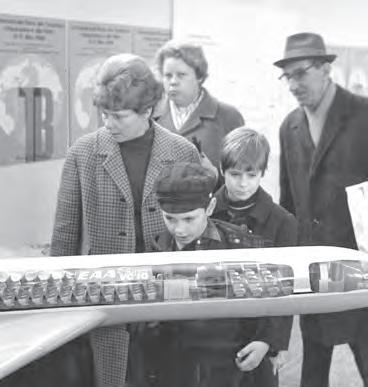
A model of a Vickers VC10 from East African Airways (EAA) draws attention at ITB Berlin 1968.
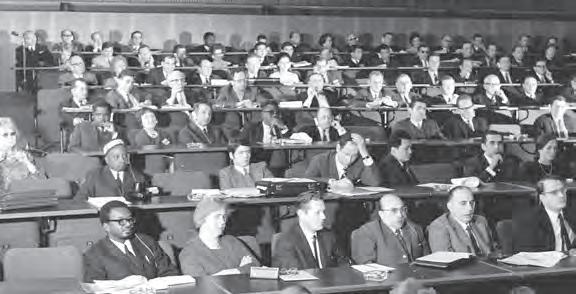
Industry leaders convene at ITB Berlin’s third edition, setting the stage for decades of dialogue. 1960s
Yugoslavia’s delegation showcases the Balkan destination before its 1990s dissolution.

�� 1970
Industry experts gather at the 1970 ITB Berlin congress to shape the future of travel.


1976 ��
Step into Virginia City: A miniature Wild West street captures imaginations in the USA exhibit.

1978 ��
Portugal brings rhythm to the opening: a folklore group shares traditional tunes from a musical suitcase.
�� 1971
Travel meets style: A 1971 fashion show brings flair to the ITB Berlin stage. �� 1973
A glimpse into Hall 5 at ITB Berlin 1973 – retro booths and global ambition on display.



�� 1979
A milestone moment: 842 exhibitors from 88 nations join the 13th ITB Berlin.
1980 ��
Paraguay at ITB Berlin 1980 –South America steps onto the global stage.


�� 1989
Medical tourism, but not as we know it: an historic journey through the health travel in 1989.
1988 ��
A special shuttle bus hits the road for ITB Berlin 1988.

Bavarian tradition proves a hit with visitors at ITB Berlin 1981.

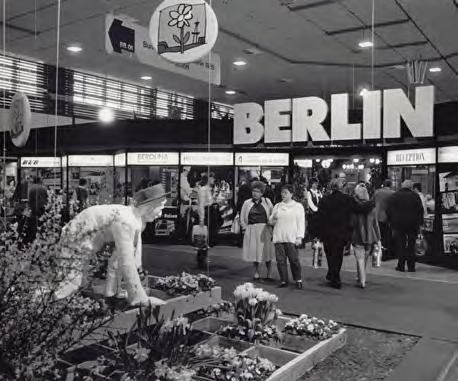
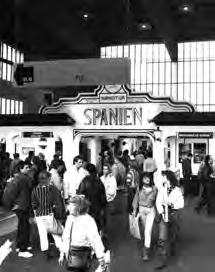
�� 1986
Spain brings Mediterranean flair to the show floor in 1986.
�� 1985
Berlin goes bold with a dynamic showcase in the host city spotlight.
1990 ��
Malaysia showcases its rich heritage and natural beauty at ITB Berlin 1990.


�� 1994
Uzbekistan piques the interest of travel buyers at ITB Berlin 1994.

�� 1992
Berlin Mayor Eberhard Diepgen joins ITB Berlin’s opening tour in 1992, alongside Dutch and German tourism leaders.
A historic moment: East Germany joins ITB Berlin after the fall of the Berlin Wall.
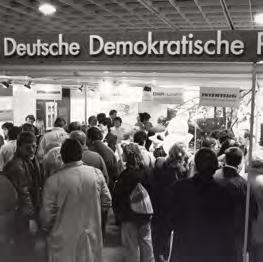
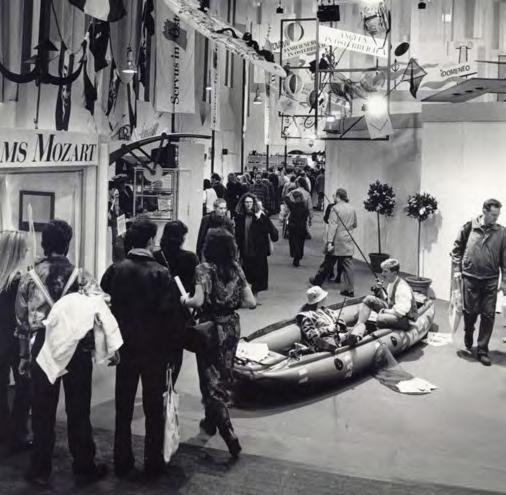
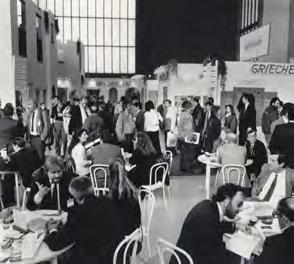
From Mozart to mountain lakes – Austria charms with both culture and wit.
�� 1991
Greece draws the crowds with a buzzing stand at ITB Berlin 1991.
Travel professionals stream through the South Entrance as ITB Berlin 2008 gets underway.
2009 ��
Germany’s second-largest airline at the time, Air Berlin, makes its mark on home turf.
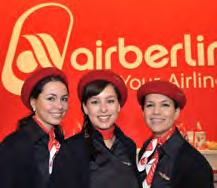
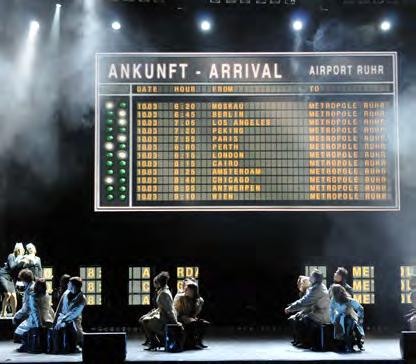
�� 2009
A travel-themed opening at ITB Berlin 2009 brings destinations to life with dance and a giant departure board.
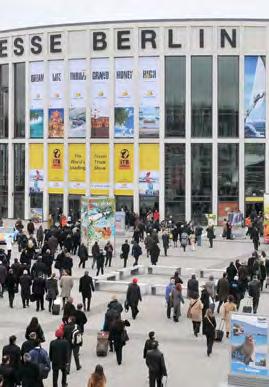
2009 ��
A packed South Entrance shows ITB Berlin’s pull as the World's Leading Travel Trade Show.
��
Emirates makes a bold statement with its rotating globe stand, reflecting Dubai’s growing global reach.
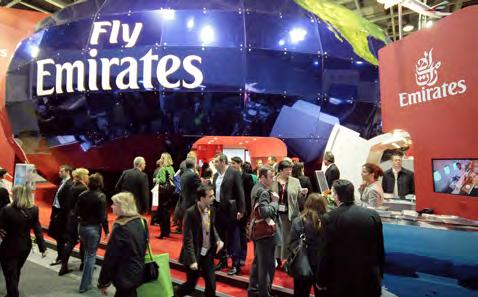
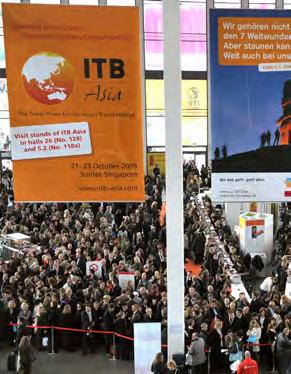
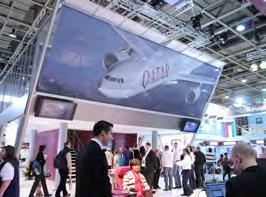
Qatar Airways joins the show floor, highlighting the Gulf’s rising influence in global aviation.
Berlin-born hospitality brand Kempinski feels at home in 2010, showcasing its signature elegance.
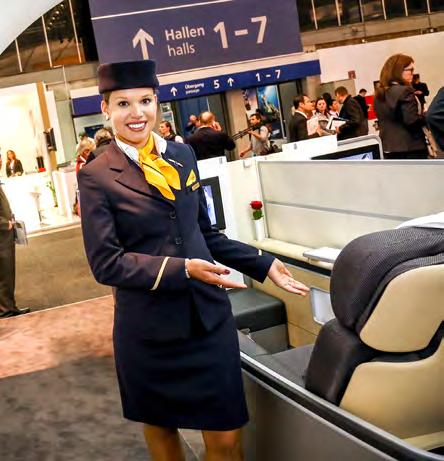
��
A cabin reveal for German flag carrier Lufthansa at ITB Berlin 2014.
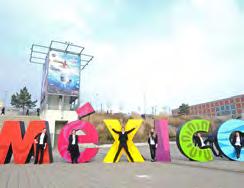
Mexico, the Partner Country for ITB Berlin 2018, gets its branding on point.
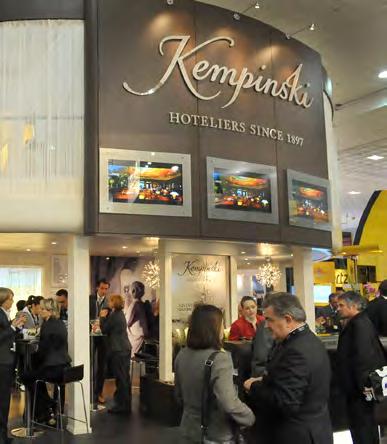
�� 2011
Thai boxers take the floor – a knockout moment from Thailand at ITB Berlin 2011.


Indonesia delights with vibrant dance performances and bold colour in 2013.
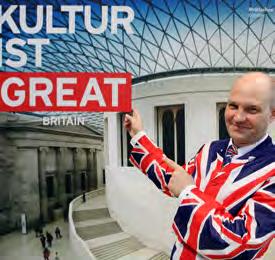
Great Britain champions culture with a stylish statement at ITB Berlin 2012.
Mongolia shines as Partner Country in 2015, spotlighting bold new transport connections across land and sky.
The 2025 ribbon-cutting duties, with Host Country Albania showcasing its immersive ‘All the Senses’ campaign.
Oman’s Minister of Tourism, H.E. Salim bin Mohammed Al Mahrouqi, kicks off the 2024 edition, with the Sultanate ITB’s Partner Country that year.

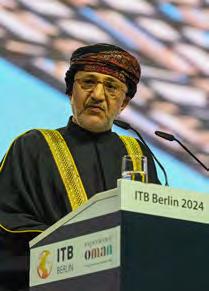
Back in business: ITB Berlin returns live, post-pandemic, in 2023 with Georgia headlining as Partner Country.

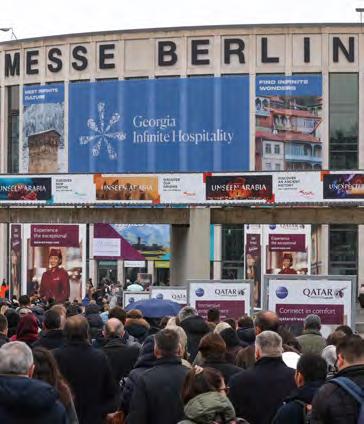
Lights, camera, action at the ITB Berlin Convention 2022 studio. The online ITB Future & Resilience Track discusses ‘From Covid to Climate Crisis and Ukraine, Are Policies in Place to Minimise Crises’ Impact on Travel and Tourism?’
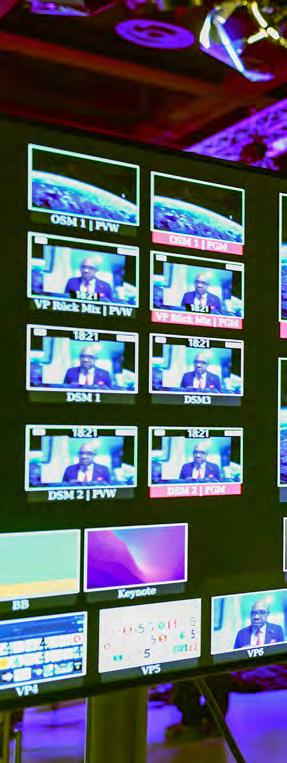



Island magic: The Maldives celebrates ITB Berlin’s 50th anniversary with a splash of tropical charm.
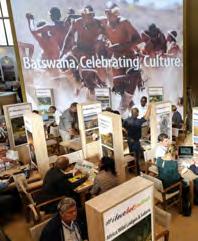
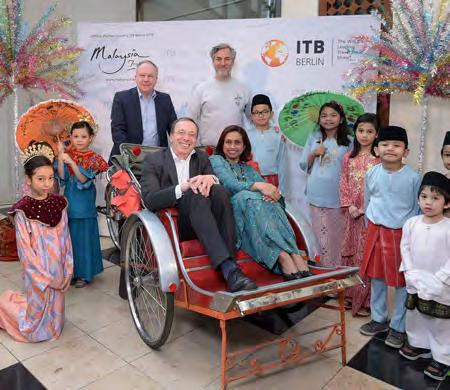

ITB Berlin NOW brings the industry together in a successful hybrid format, with content produced in a studio and broadcast digitally. Pictured are presenter Katie Gallus with David Ruetz, Head of ITB Berlin; and Dr. Martin Buck, Senior Vice President Travel & Logistics, Messe Berlin
Botswana’s culture, wildlife and hospitality take centre stage as the 2017 Partner Country.

Germany’s Mecklenburg-Vorpommern leads with green tourism in 2018 – joined by Zambia as Culture Partner. Pictured are TV presenter Judith Rakers (l) in discussion with Manuela Schwesig, Minister President of Mecklenburg-Vorpommern.
Malaysia rolls in as Partner Country in 2019: pictured behind the rickshaw are David Ruetz, Head of ITB Berlin and Bernd Neff, Co-Founder, Berlin Travel Festival (r), and in the rickshaw are Dr. Martin Buck, Senior Vice President Travel & Logistics, Messe Berlin and I.E. Datin Sarah Albakri Devadason, Botschafterin, Malaysia (r.)
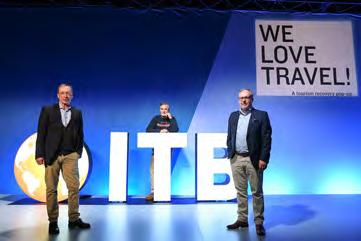
The show goes on: ITB Berlin pivots online in 2020 with a digital press conference. Pictured speaking at the opening online press conference are Dr. Martin Buck, Senior VP Travel & Logistics, Messe Berlin; Bernd Neff, Founder, Berlin Travel Festival; and David Ruetz, Head of ITB Berlin.
As ITB marks 60 years at the heart of the global travel industry, leaders from across the ITB portfolio reflect on how the brand has grown from a single trade show into a network of events influencing tourism markets and partnerships around the world
When ITB Berlin first opened its doors in 1966, it was conceived as a practical response to a rapidly expanding travel industry in post‑war Europe. What began as a meeting place for destinations, tour operators and service providers soon evolved into something far more influential: a global reference point for how the travel industry connects, collaborates and conducts business.
Over six decades, ITB Berlin has grown into the World’s Leading Travel Trade Show®, setting standards not only in scale but in substance.
Its development mirrors the evolution of travel itself – from packaged holidays and charter flights to complex global networks defined by technology, sustainability and shifting traveller expectations. Crucially, ITB Berlin also demonstrated that tourism could serve as a platform for international cooperation and build cultural bridges,
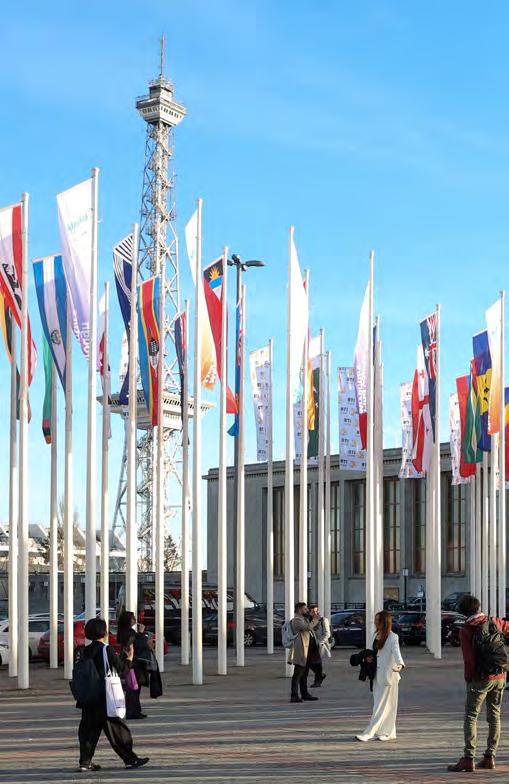
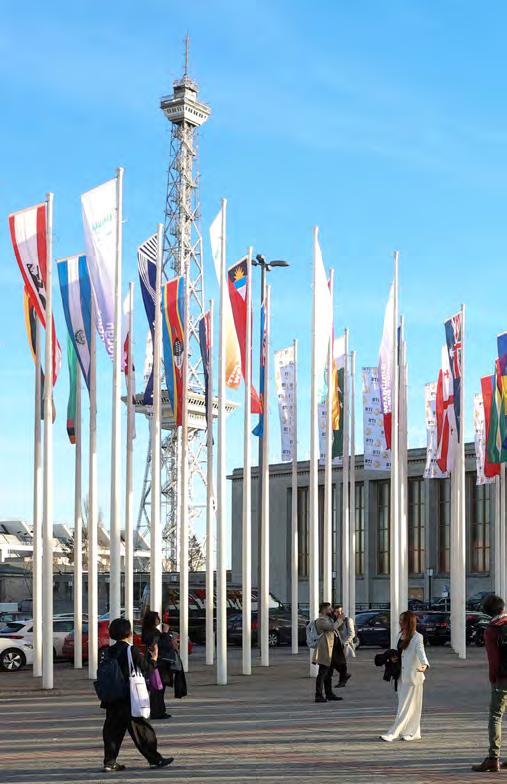
long before globalisation became an industry buzzword. That original vision laid the foundation for what ITB is today: a global ecosystem rather than a single event. As markets diversified and travel flows shifted east, south and west, the ITB brand followed – expanding beyond Berlin while retaining a shared philosophy and purpose.
At the core of ITB’s evolution is a clearly defined brand identity built around innovation, inclusivity, sustainability and leadership. These values have defined everything from programme design and conference content to the way ITB supports industry dialogue year‑round.
Visually and conceptually, ITB has transformed from a traditional trade fair into a multi‑layered platform. Today, its role extends well beyond exhibition halls, encompassing
knowledge exchange, data‑driven insights and thought leadership across global markets. Initiatives such as ITB 360° reflect this shift, reinforcing the brand’s relevance between annual events. Importantly, the ITB identity is not rigid. While the brand provides a common framework, each regional show is designed to respond to local market realities. This balance of global consistency and regional flexibility has been central to ITB’s successful international expansion.
As the travel industry became increasingly decentralised, ITB recognised that meaningful engagement needed to happen closer to the markets driving growth. The result was a carefully staged international expansion, with each new event addressing a distinct regional need while contributing to the overall ITB network. From Asia‑Pacific to China,
ITB: uniting the global industry under one brand since 1966
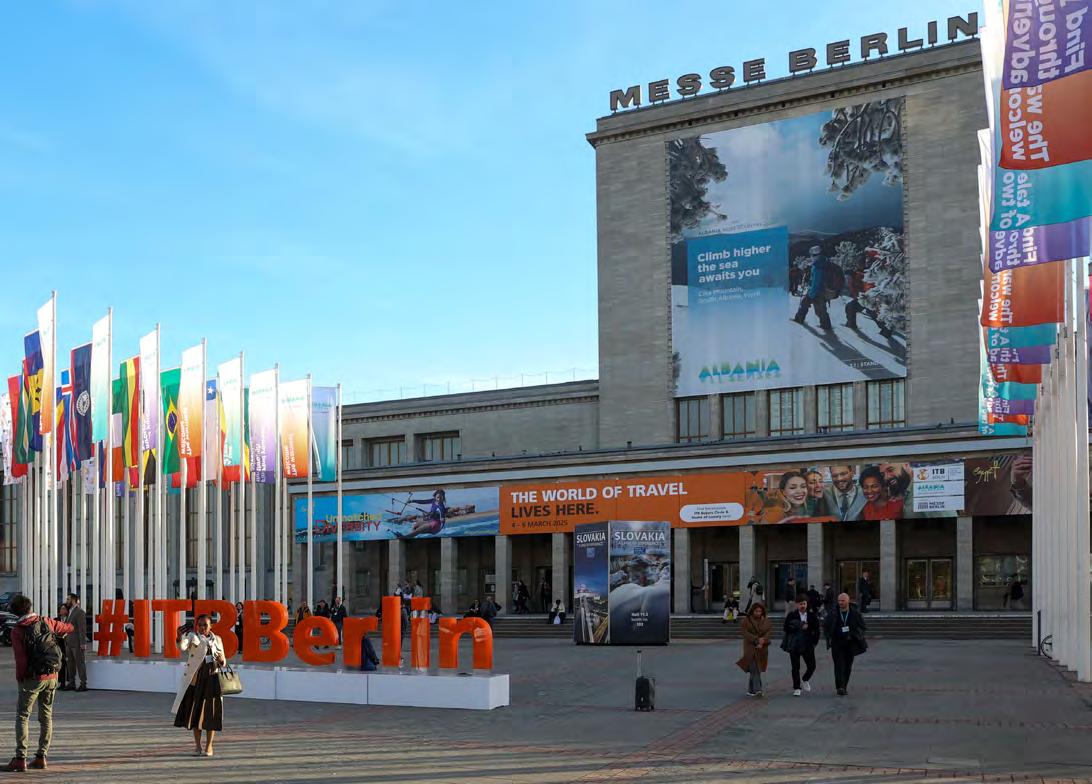
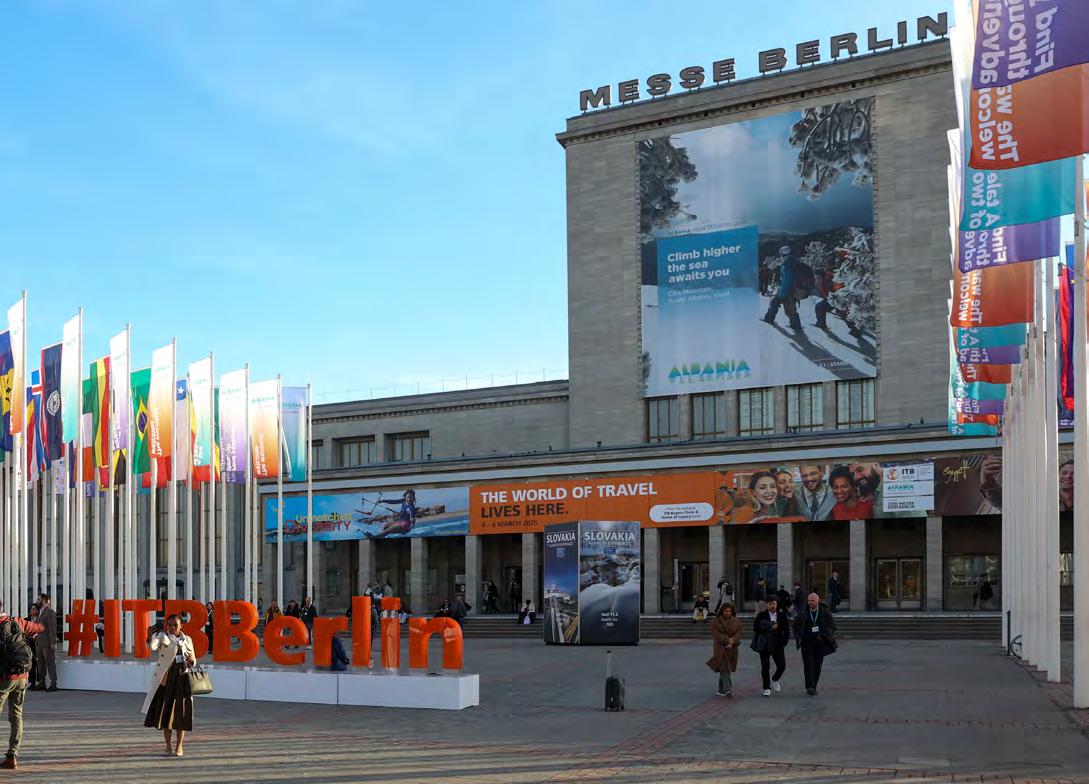
India and now, in 2026, the Americas, each ITB show acts as both a regional hub and a gateway into the global travel economy. Together, they form an interconnected portfolio that reflects both the diversity and interdependence of modern tourism.
As the flagship event, ITB Berlin remains the foundation of the ITB brand and its primary point of global convergence. Deborah Rothe, Director of ITB Berlin, reflects on the show’s origins and enduring role: “ITB Berlin was born in 1966, during Germany’s ‘Wirtschaftswunder’, a time of rapid growth and optimism.
The travel industry back then was booming, with Germans taking more trips than ever before, and there was a clear need for a hub where destinations, tour operators, and service providers could meet, exchange ideas, and create
opportunities. Berlin became that hub. From the start, ITB Berlin was far beyond a trade show: it brought the travel industry together, fostering business, partnerships, and connections across the entire value chain, and it still does today.”
Rothe underlines Berlin’s unique position as both a national and international meeting point for the industry: “Germany is one of the world’s leading travel nations, with Berlin at its heart: a vibrant, open capital city where ideas, cultures, and businesses converge. ITB Berlin reflects the reliability, professionalism, and organisational strength Germany is known for, while bringing the international travel industry together in one place.”
That sense of responsibility was most clearly tested during the industry’s most difficult period. As Rothe recalls: “Even in the most challenging times after we had to cancel ITB Berlin 2020 last minute, we’ve managed to organise a digital

DIRECTOR OF ITB BERLIN
“From the start, ITB Berlin was far beyond a trade show: it brought the travel industry together, fostering business, partnerships, and connections across the entire value chain, and it still does today.”
version of ITB Berlin, when in person meetings weren’t possible due to the Corona pandemic. This demonstrated our resilience and commitment to the industry, keeping the core of our

Darren Seah EXECUTIVE DIRECTOR, MESSE BERLIN, ASIA P ACIFIC
“ITB Asia was launched in Singapore in 2008 to serve the rapidly growing and technologically forward-looking travel markets of Asia.”
existence up by enabling connections and keeping business opportunities alive.
“When we returned full force in 2023, ITB Berlin came back stronger than ever: exhibitors, partners, and attendees were thrilled to meet face to face again. In the end, the pandemic made many people realise that no digital format can replace the energy of live interactions. And this again sharpened the ‘raison d’etre’ of ITB Berlin very strongly.” Beyond hosting the annual event, ITB Berlin acts as the engine of the wider ITB portfolio.
“As the flagship of the global ITB brand family, it provides practical support to other ITB shows worldwide, helping them establish, grow and reach new markets and stakeholders,” says Rothe.
Launched in Singapore in 2008, ITB Asia marked the first step in extending the ITB brand beyond Berlin, responding to the rapid growth and increasing influence of Asia Pacific travel markets. From the outset, the show was conceived as a dedicated B2B platform for a region emerging as both a demand powerhouse and a centre of innovation.
Hosted in Singapore, a highly
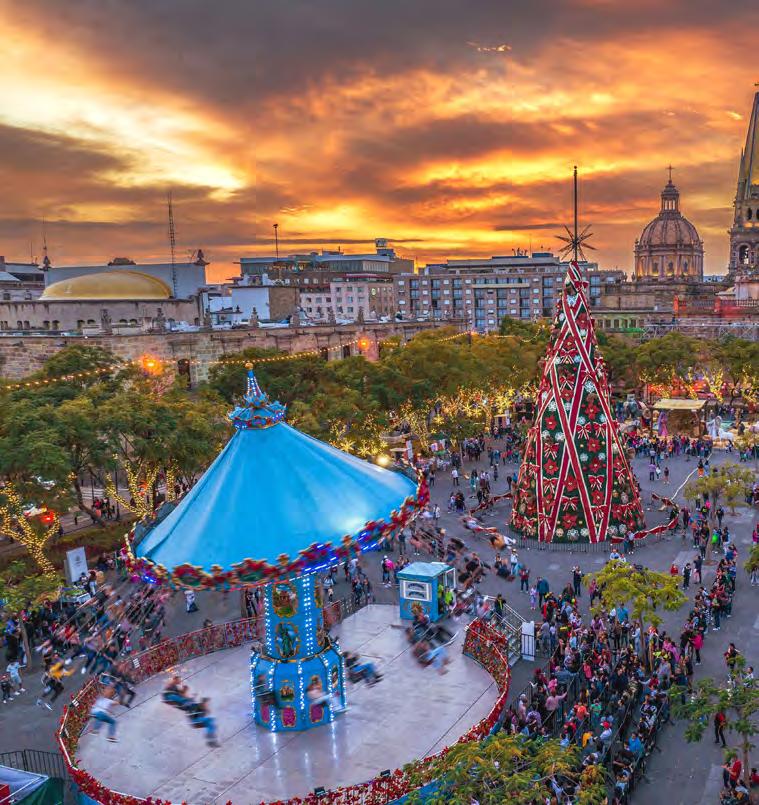
connected destination, ITB Asia brings together destinations, operators, technology providers and strategic partners from across Asia Pacific, while linking them to global markets. Its scope spans leisure, MICE and corporate travel, alongside travel technology, reflecting the diversity and complexity of the region’s travel economy. A strong emphasis on curated meetings and business outcomes has helped establish ITB Asia as a central annual meeting point for the industry.
As Darren Seah, Executive Director, Messe Berlin Asia Pacific, explains, the show was designed to serve a region that was already looking ahead: “ITB Asia was launched in Singapore in 2008 to serve the rapidly growing and technologically forward looking travel markets of Asia.
The region was emerging as a global innovation hub, and we wanted a platform where destinations, operators, tech providers, and strategic partners could come together to do real business, create partnerships, and connect across the travel value chain.”
Over time, ITB Asia has evolved in step with the region itself, from the rise of outbound travel to the growing importance of intra regional flows, digitalisation and experiential travel. Within the wider ITB portfolio, it plays a central role in strengthening connections across Asia Pacific while reinforcing the brand’s global reach.
For Seah, scale and collaboration have been central to ITB Asia’s development: “Huge partnerships with TripAdvisor, the
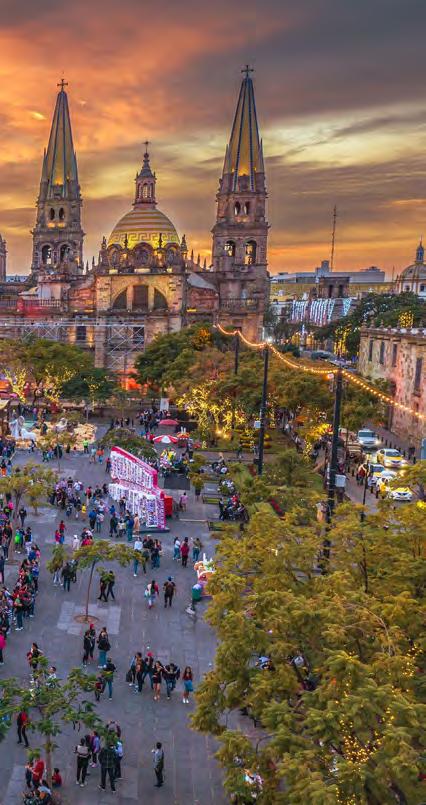

Lydia Li DIRECTOR, ITB CHINA, MESSE BERLIN CHINA
“ITB China stands as the leading travel industry platform in China, engineered specifically for the market’s unique dynamics.”
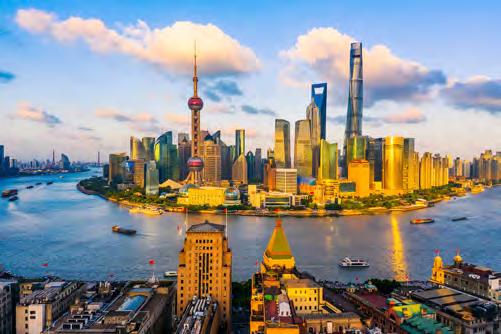
Singapore Tourism Board, and other associations amplify our impact across Asia,” he says. “A major milestone was expanding into India with a regional office to support partners and reps. Travel Meet Asia, our focused B2B platform in Jakarta, has become a trusted marketplace, facilitating thousands of pre scheduled meetings across Leisure, MICE, and Corporate sectors, and proving the show’s ability to generate tangible business outcomes.”
Following ITB Asia’s resounding success and the fast paced evolution of a vast region, ITB China was launched in Shanghai in 2017, addressing the rapid rise of China as one of the world’s most influential travel markets. The event was conceived as a specialised, dedicated platform, recognising that the scale and complexity of the Chinese market required deeper, more tailored engagement than a broader regional show could provide.
As Lydia Li, Director of ITB China, explains: “The launch of ITB China in 2017 was driven by the global recognition that China had become one of the world’s most powerful and transformative travel markets. The opportunity was clear and compelling: while Chinese travellers were increasingly exploring the world, the international tourism industry lacked a dedicated,
high quality, purely B2B platform within China to effectively engage with this vast market. ITB China was created to address this critical gap.”
From the outset, the show positioned itself as a highly curated, business‑focused platform, tailored to the specific dynamics of the Chinese market. As Li notes: “It aimed to move beyond traditional trade shows by establishing a bespoke, industry focused gateway designed exclusively to connect global tourism suppliers with elite Chinese travel buyers and professionals.”
Today, ITB China plays a dual role, facilitating both outbound and inbound tourism while providing the industry with valuable market intelligence. Li highlights the importance of insight‑driven programming: “Each year, we deliberately define the event and conference agenda to reflect China’s most relevant trends, from niche travel segments to digital tourism services.”
And when it comes to milestone moments, there are many, but Li is proud of the “record breaking 2025 edition”, with more than 700 exhibitors from 85 plus countries and regions, plus 1,400 buyers. Together they attended 38,800 business meetings.
“This scale was not an isolated achievement,” says Li, “but the result of strategic groundwork laid in earlier years: the launch in 2017, the creation of the elite ITB China Buyers Circle in 2018, the
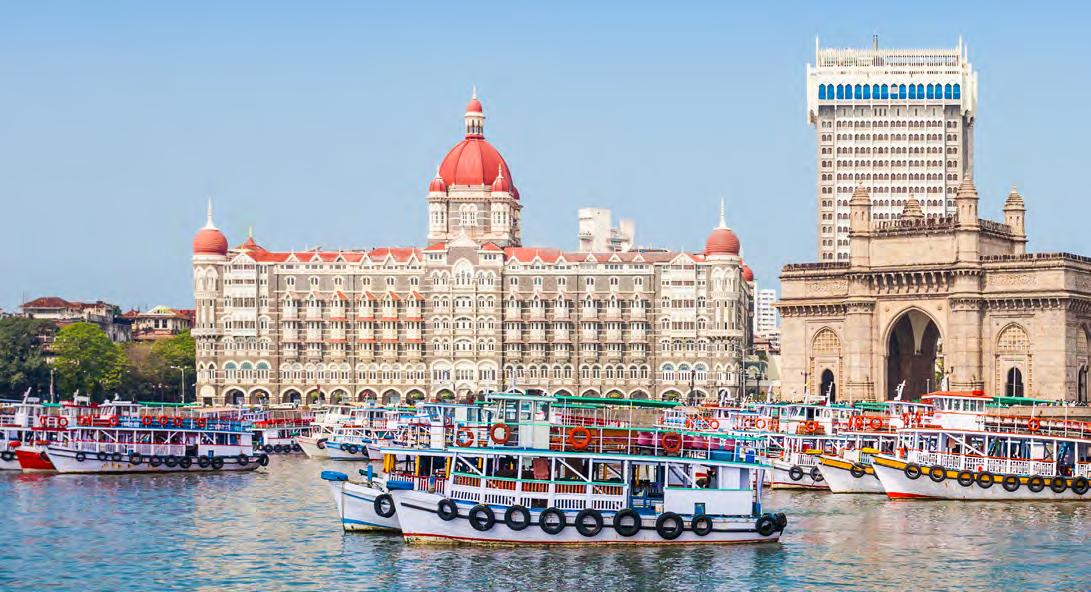
ITB Berlin: March 3-5, Berlin ExpoCenter City
ITB China: May 26-28, Shanghai World Expo Exhibition Centre
ITB India: September 1-3, Jio World Convention Centre, Mumbai
ITB Asia: October 21-23, Sands Expo & Convention Centre, Singapore
ITB Americas: November 10-12, Expo Guadalajara, Mexico
introduction of industry meetup events in 2020, and the strong comeback in 2023 as the first travel trade show held in China since the pandemic, which helped accelerate industry recovery.”
Just as China has consolidated its position as a global travel powerhouse; India has emerged as one of the industry’s most significant growth markets. With a rapidly expanding middle class, strong
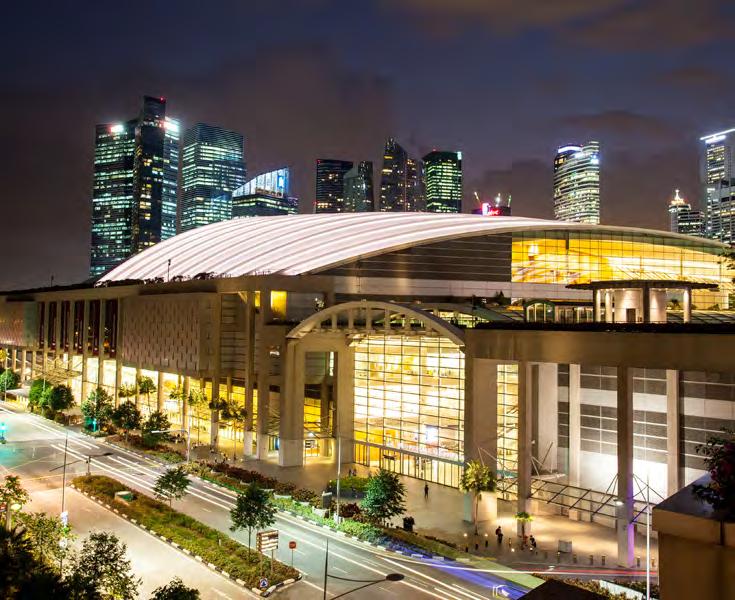
domestic demand and rising outbound travel, India represents a key pillar in the future of Asia Pacific tourism.
ITB India reflects this momentum. Originally announced as a new B2B platform in Mumbai in 2020, the event launched virtually in 2021, followed by another virtual event in 2022, before moving to an in person format as market confidence returned post pandemic in 2023. Structured as a three in one platform combining ITB India, MICE Show India and Travel Tech India, it addresses the interconnected nature of India’s travel, meetings and technology sectors. From a regional perspective, India also plays a strategic role within the broader ITB Asia Pacific framework, as Seah notes: “Asia Pacific is the world’s growth engine for travel, with a rising middle class and highly digital savvy consumers. India, with its massive population, represents enormous outbound potential, while Singapore acts as a central hub connecting the region.”
Providing a focused gateway into South Asia, ITB India supports international suppliers looking to engage with the market while enabling Indian travel companies to expand their global reach. Together with ITB Asia, it strengthens ITB’s presence across Asia Pacific, linking two of the region’s
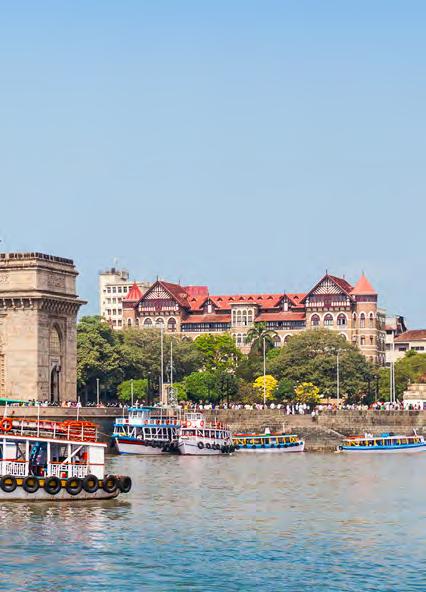
most influential growth engines within the wider global network. Seah emphasises that both platforms are evolving in parallel to reflect where the market is heading: “By integrating technology and sustainability, and offering high quality matchmaking and conference content, both ITB Asia and ITB India will continue connecting the most innovative destinations and buyers, shaping the future of travel in Asia Pacific and beyond.”
On the other side of world, ITB is stamping out its presence on a new continent. This year’s launch of ITB Americas marks a significant milestone in the brand’s international journey, extending the trade fair into a region previously served by fragmented B2B platforms. With the new three day trade show taking place at Expo Guadalajara, Mexico (November 10 12), Vicente Salas Hesselbach, Managing Director of ITB Americas, explains the opportunity: “ITB Americas was born to fill a clear gap: there was no single platform connecting North, Central, South America, and the Caribbean.” The concept, he adds, emerged directly from industry demand. “The
idea emerged during ITB Berlin, when exhibitors and buyers repeatedly asked for a unified B2B space. We designed ITB Americas not just as a trade show, but as a place where the right people meet, partnerships form, and measurable business happens.”
With a strong regional focus balanced by global connectivity, ITB Americas aims to deliver tangible outcomes for participants: “By consolidating fragmented regional events, it delivers efficiency, quality contacts, and business opportunities. Exhibitors and buyers leave with tangible results, not just impressions, precisely what the market has been asking for.” Hesselbach is also clear about the priorities: “The immediate focus for ITB Americas is to make the first edition at the end of 2026 a success. This first event will lay the foundation for ITB Americas to grow sustainably, attract new markets, and become the go to meeting place for the Americas travel industry.”
As ITB marks its 60th anniversary, the focus across the portfolio is firmly on what comes next. In every market, the priorities are aligned: enabling meaningful connections, supporting sustainable growth and delivering practical value in an increasingly complex travel landscape.
Across Berlin, Asia, China, India and the Americas, each ITB show plays a distinct but complementary role, responding to regional market needs while contributing to a shared global framework. Together, they provide year round platforms for business exchange, market access and industry insight, reinforcing ITB’s relevance at both local and international levels. What began in Berlin in 1966 as a response to a growing industry has evolved into a worldwide network defining how travel does business. One world. One industry. One brand –connected by ITB.
1966
ITB Berlin opens its doors as travel in post war Europe flourishes
2008
ITB Asia debuts, addressing the surge in Asian tourism
2017
ITB China launches in recognition of this booming global travel market
2021
ITB India launches as a virtual event (and 2022), then in person in 2023
2025
ITB Americas announced to bridge gap between four regions of Americas
2026
ITB celebrates 60 years; ITB Americas to open its doors in November

MANAGING DIRECTOR,
“The first event will lay the foundation for ITB Americas to grow sustainably.”
Technology is being used to make events more seamless

As technology accelerates and expectations rise, organisations are redesigning the systems behind smarter, greener and more seamless ways of bringing people together
BY EMILY EASTMAN
Business travel is evolving as once-peripheral forces shift from the margins to the core of how organisations move people and convene them at scale. The result is a near-total redesign, where a new architecture of business travel and events prioritises efficiency, accountability and impact. According to the Global Business Travel Association (GBTA), international business travel spending was projected to reach a new historical high of $1.57 trillion in 2025. This compares to $1.48 trillion in 2024, already surpassing pre-pandemic levels. Predictions of business events moving online have not come to pass, instead proved wrong with renewed value placed on face-to-face meetings.
And the meetings themselves have metamorphosised, becoming more curated and purposeful, whether that’s making new business connections, increasing brand awareness or boosting profits.
“Organisations are continuing to adapt to evolving traveller expectations, with a greater emphasis on creating experiences that deliver value while also improving their programmes, processes and efficiencies,” explains Catherine Logan, GBTA Executive Vice President, Global Operations. GBTA’s latest Business Travel Index Report reveals several
key trends influencing business and travel meetings. “We are seeing a strong focus on training and knowledge exchange, with seminars and training sessions cited as a top reason (37%) for business travel and events.”
The report also identifies a shift towards more productive trips, including multi-purpose, multi-destination trips and fewer day trips. Plus, says Logan, “Blended or ‘bleisure’ travel continues to be desired and operationalised, with 43% of surveyed professionals saying their companies now have defined policies.”
A growing emphasis on keeping travellers happy, managing risk and reducing carbon impact is in part driving these trends.
Underpinning these changes is a structural shift as AI – particularly Agentic AI – ESG obligations and end-to-end digitalisation, whereby technology is used to manage every aspect over the entire lifecycle of an event, now determine how business events are designed and experienced.
AI has shifted from a helpful tool to the operating system of business travel. AI-driven platforms now optimise itineraries against multiple variables simultaneously: price, emissions, policy compliance, risk exposure and traveller preference. Predictive engines flag non-compliant bookings before they are made, suggest lower-carbon alternatives in real-time and manage disruption with a speed that would once have required an entire operations team. In the 2025 State of AI in Corporate Travel survey conducted by Serko and Sabre, more than 90% of respondents reported using AI or generative AI, primarily for cost savings (71%), enhancing the traveller experience (68%) and improving data analysis (63%).
Nearly half of corporate travel managers believe AI will have a “significant” or “transformative” impact on their travel programmes over the next five years, particularly in areas such as forecasting, duty of care and supplier optimisation.
In the events world, AI-led agenda-building and matchmaking algorithms are replacing static programmes. Some large venues now deploy digital twins – virtual replicas of physical spaces – to model crowd flow, energy use and safety scenarios before doors open.
Business travel is not immune to wider tourism trends, and ESG considerations loom large in event planning. A 2022 GBTA sustainability report found that sustainability is now a top priority for corporate travel buyers, with 89% of global respondents saying sustainability is a priority for their company
“What we are observing is a clear bottom-up reconfiguration of events organisation and policy, driven by digitally empowered travellers who expect relevance, responsiveness and value co-creation at every touchpoint”
and 76% of travel buyers either incorporating or planning to incorporate sustainable practices into travel policies.
As travel modes become more environmentally sound, there is justified pressure on events to grow greener. Dr Renée Nicole Wagner, Corporate Director ESG and Quality Management, Orascom Hotels Management AG, says in the next few years we can expect event organisers to measure and report impacts systematically, using recognised sustainability standards and third-party verification; adopt low-carbon operations and transparent carbon accounting; implement circular economy principles; prioritise sustainable supply chains with local sourcing, supplier codes of conduct and ethical procurement practices; and leverage digital tools, including apps for sustainable attendee behaviour and hybrid/virtual formats to reduce travel-related emissions. Wagner anticipates a future where sustainable event models will not only minimise environmental impact but actively contribute to societal and ecological wellbeing, setting a new standard for the events industry.
“Looking beyond 2030, event models are expected to evolve towards net-zero or even regenerative impacts, where events actively improve local communities and ecosystems,” she says. “Circularity will extend to all aspects of design. Events will also become more socially inclusive, embedding equity and community co-creation as core elements of sustainability strategy," she adds.
As technology is utilised to make events more seamless, it is filtering into more areas. Digital identity, biometrics, eSIM connectivity and integrated mobility platforms are enabling journeys that are increasingly touchless, making for a
BY THE NUMBERS
37% Seminars and training cited as the top reason for business travel and events
43% Companies with defined policies for blended or ‘bleisure’ travel
71% Using AI primarily for cost savings 89% Corporate travel buyers saying sustainability is a priority for their organisation 61% Using AI to enhance the traveller experience
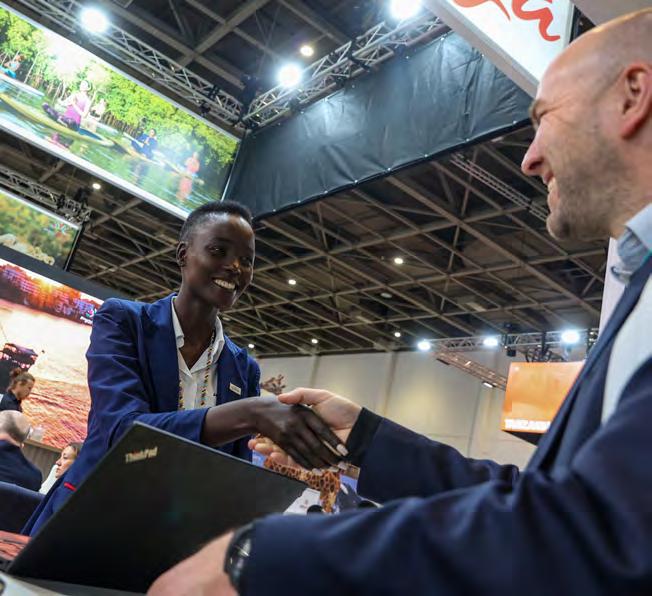
smoother experience. The digital layers introduced during COVID-19 now complement live attendance. Virtual participation has become a standard option, making events more accessible; studies suggest that digitally enhanced events have expanded total audience engagement by 20-40% compared with pre-2020 formats.
Crucially, digitalisation has opened the floodgates of data, offering organisers a wealth of intelligence from which to curate content, optimise scheduling and quantify ROI.
Looking ahead, Anke Hsu, Chief Growth Officer at Chain4Travel and ITB Berlin speaker, says that by 2030 technology will move business travel from fragmented bookings to fully orchestrated journeys. “For travellers, the experience becomes frictionless,” she says. “Business travel will no longer feel daunting as a sequence of transactions. Instead, it will become an effortless, even enjoyable experience, enabling travellers to focus entirely on their work, rather than on logistics, because the complexity of travel itself has already been resolved.”
Technology may be driving things forward, but human demand remains central to the evolution underway within the MICE sector.
“Traveller expectations around digitalisation and AI are no longer incremental; they are transformative,” says Professor Dimitrios Buhalis, Director eTourismLab, Bournemouth University.
“What we are observing is a clear bottom-up reconfiguration of events organisation and policy, driven by digitally empowered travellers who expect relevance, responsiveness and value co-creation at every touchpoint. They expect hyper-personalisation, real-time information,
Messe Berlin – Berlin’s largest exhibition venue and the long-standing home of ITB Berlin – illustrates how sustainability, digitalisation and operational efficiency can be embedded into large-scale events in practice. The Berlin venue provides a real-world setting where many of the themes debated at ITB Berlin are actively implemented across infrastructure, operations and visitor experience.
Sustainability is integrated into Messe Berlin’s corporate strategy, with a commitment to operate in a more climate-friendly, socially responsible and resource-efficient way by 2040.
A central element of this approach is the “energy transition under the radio tower”, a programme designed to decarbonise the exhibition grounds while retaining the ability to host major global events.
A key milestone in 2025 was the commissioning of Berlin’s largest photovoltaic rooftop system, installed across approximately 50,000 sqm of exhibition hall roofs. The system generates around 7.3 GWh of renewable electricity annually, reducing CO2 emissions by 2,500 to 2,900 tonnes per year, with around 80% of the electricity consumed on-site to support exhibition operations, including heating
frictionless access and ethical data use.” In events, says Buhalis, this translates into demand for seamless digital journeys: intelligent registration, adaptive scheduling, personalised content, smart crowd management and immersive hybrid experiences. When these expectations are not met, dissatisfaction is immediate and publicly amplified through social and review ecosystems, forcing organisers and destinations to rapidly adapt.
“This bottom-up pressure is reshaping policy,” he adds. “Rather than technology-led strategies, we now see demand-led governance, where data protection, accessibility, sustainability and inclusion are embedded because travellers expect them. AI is increasingly used not only to optimise operations, but to enable co-creation: attendees shape

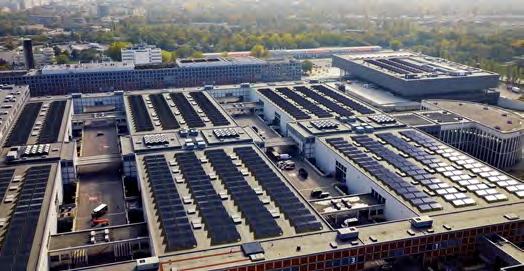
and cooling systems. These gains are reinforced by energy-efficient heating and cooling upgrades, including waste-heat recovery, expected to deliver additional CO2 savings of up to 5,400 tonnes annually once fully implemented. Beyond energy, Messe Berlin is working towards more circular event operations, including modular and reusable stand systems, improved waste management, sustainable catering and responsible supply chains.
Digital building and venue management systems support smarter resource use, improved safety and smoother crowd flows, demonstrating how sustainability and efficiency can be engineered into venue operations at scale.
Within this context, ITB Berlin functions as a practical testbed for digital event design. The show is heavily focused on digitalisation, using AI for personalised travel experiences, smart booking systems and virtual assistants, while showcasing a wide range of travel and tourism technologies that are transforming the sector.

Intelligent matchmaking, enhanced wayfinding, integrated scheduling and data-driven attendee insights reflect the same tools reshaping business travel and events globally. A central element of this digital layer is the ITB Navigator and ITB event app, which support both pre-event planning and on-site navigation.
The app requires no login and offers a comprehensive exhibitor and product directory, an interactive venue map, and an up-to-date event and convention programme with practical filter options.
Users can bookmark sessions, save personal highlights, add notes and access all key trade show information at a glance. Content within the app is aligned with the ITB Navigator, creating a cohesive digital orientation system across the show.
The app is available in German and English for iOS and Android.
Digital access extends beyond the venue. Selected sessions are livestreamed on YouTube, enabling remote participation and extending reach, while QR-code-based
agendas, personalise learning pathways and influence event design before, during and after participation.
Policy frameworks are therefore evolving to support interoperability, data sharing across ecosystems and responsible AI deployment, rather than isolated technological adoption.”
The tools that lend themselves to experience-first, frictionless design will ultimately become the tools that are retained and honed as we move towards the events of the future.
Things once on the fringe have become baselines for global best practice.
By 2030 and beyond, Buhalis says events will function as intelligent service ecosystems.
AI will anticipate needs rather than respond to them, enabling predictive crowd flows, dynamic pricing aligned
Digital scanning at ITB Berlin
Messe Berlin has commissioned the largest photovoltaic roof system in Berlin
accreditation streamlines entry and reduces friction at arrival points. ITB Berlin also actively promotes digital solutions that support sustainability and seamless guest experiences, including eSIM connectivity, smart technologies and digital key management, reducing reliance on physical materials and enabling more efficient, connected journeys.
Visitors benefit from AI-driven insights, digital navigation tools and exposure to a broad spectrum of technology innovations showcased across the exhibition halls, from booking platforms and data analytics to sustainability tools and smart mobility solutions. Increasingly, the event experience mirrors the ideas discussed on stage: smarter, more efficient and more accountable.
Taken together, Messe Berlin and ITB Berlin offer a real-world working model of how AI, sustainability and digitalisation can be applied in real time, under real-world constraints, not simply discussed in theory, but embedded into the design and delivery of large-scale global events.
with social value, and adaptive experiences that respond to emotional and behavioural signals.
“Metaverse and digital twins of events and destinations will support scenario planning, resilience and sustainability governance,” he adds.
“Crucially, power will continue to shift towards travellers, who will expect transparency, agency and meaningful participation in shaping experiences.”
As we approach the end of the decade, the operators thriving in the MICE sector will be those engineered for digital and ESG success.
The strategic challenges for policymakers and organisers is orchestrating trust-based ecosystems that align AI capabilities with human values. As Buhalis notes, those who listen to travellers and design from the bottom-up will lead the next era of events and tourism.
3% international arrivals growth v. 2024 Dubai remains a Middle East tourism hotspot with visitor numbers hitting record higs year-on-year
Tourism performance 2025 100 m
INTERNATIONAL VISITORS IN 2025
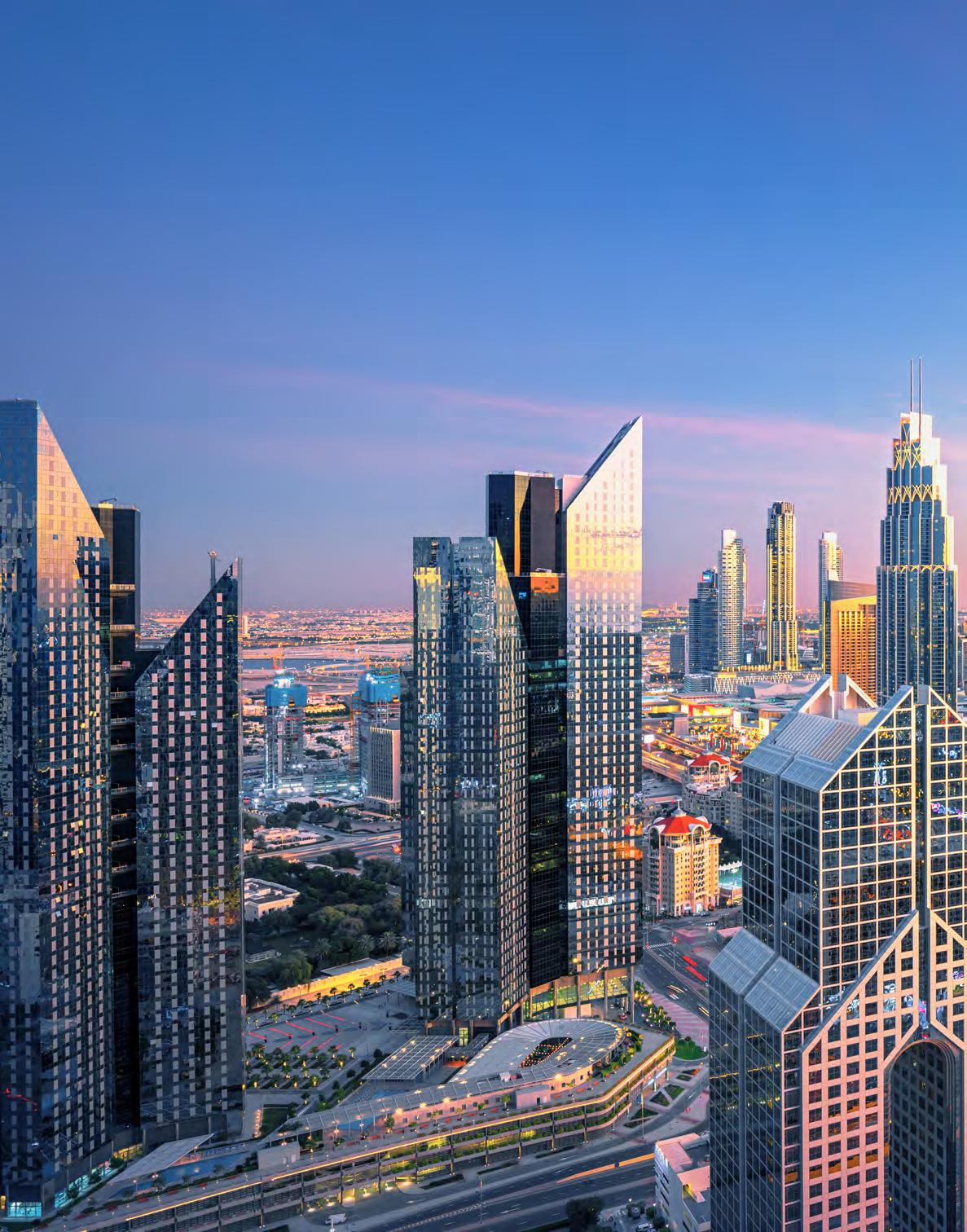
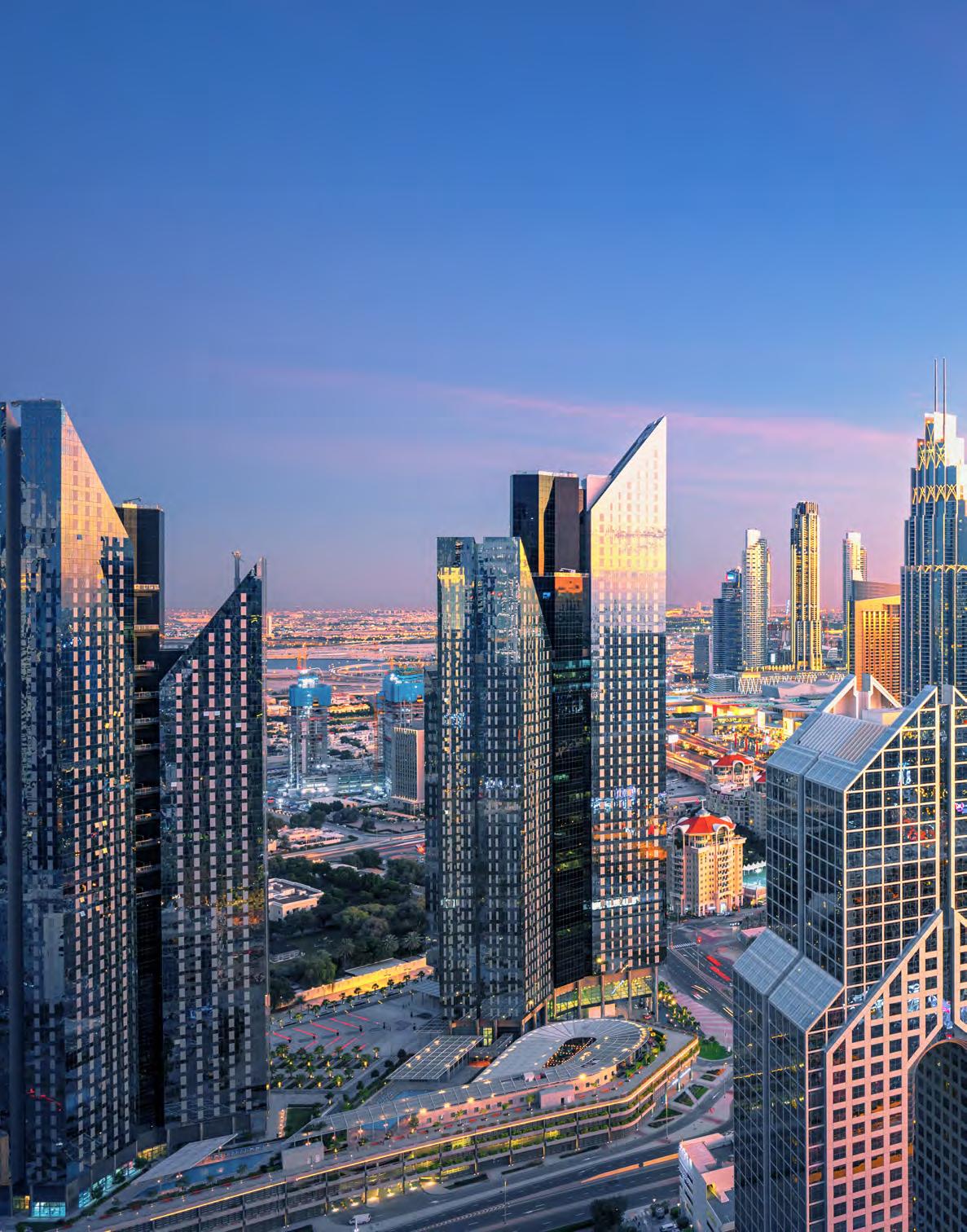
2025 PREDICTION
$367.3bn contribution to national economy
7.7mn jobs
$194bn international visitor spending
$113bn domestic visitor spending
2025 FORECAST
466mn air passenger traffic +59% v. 2024 +123% v. 2019
6.4% increase in passenger traffic (RPK)
DEMAND FOR CRUISING IN MIDDLE EAST
+90.6% in 2023 (v. 2022)
ONE TO WATCH: QATAR 2024/25 CRUISE SEASON
360,000 visitors
10% of them starting in Doha
87 cruise calls
19% growth in port calls
Dubai World Central
$35bn expansion
5 runways
260mn passenger capacity
12mn tonnes cargo capacity
The Gulf Railway 2,177km
6 Gulf States
$250bn investment
2030 completion
TOURISM SUCCESS STORIES
Record economic impact predictions
Saudi Arabia
SAR447.2bn economic impact in 2025
10% of GDP
2.7mn jobs
SAR200bn international visitor spending
SAR162.5bn domestic visitor spending
UAE
AED267.5bn economic impact in 2025
13% of GDP
925,000 jobs
AED228bn international visitor spending
AED60bn domestic visitor spending
SOURCES: UN TOURISM, WTTC, OXFORD ECONOMICS, IATA, US TRAVEL ASSOCIATION, CLIA, MASTERCARD ECONOMICS INSTITUTE, BLACKRIDGE RESEARCH & CONSULTING
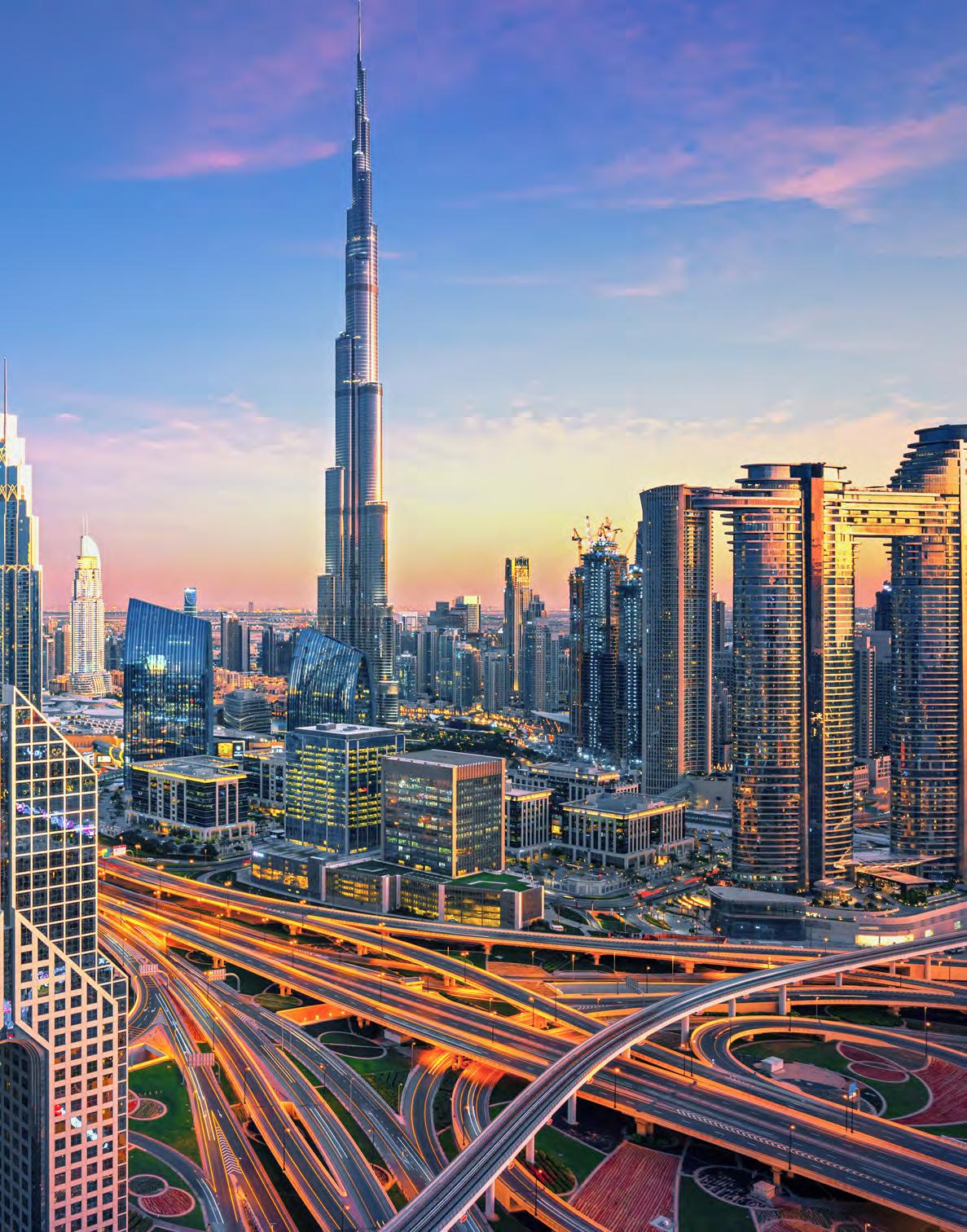
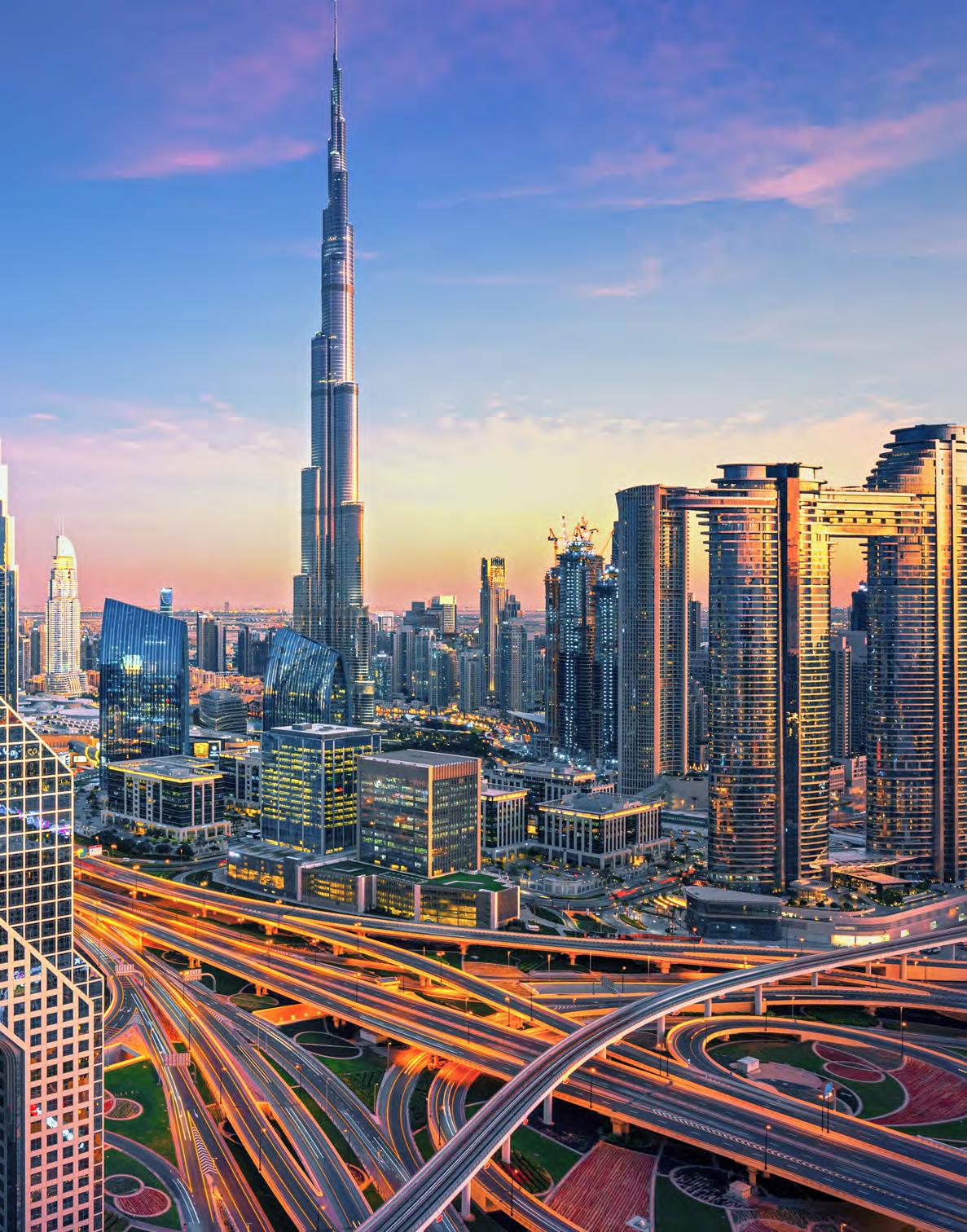
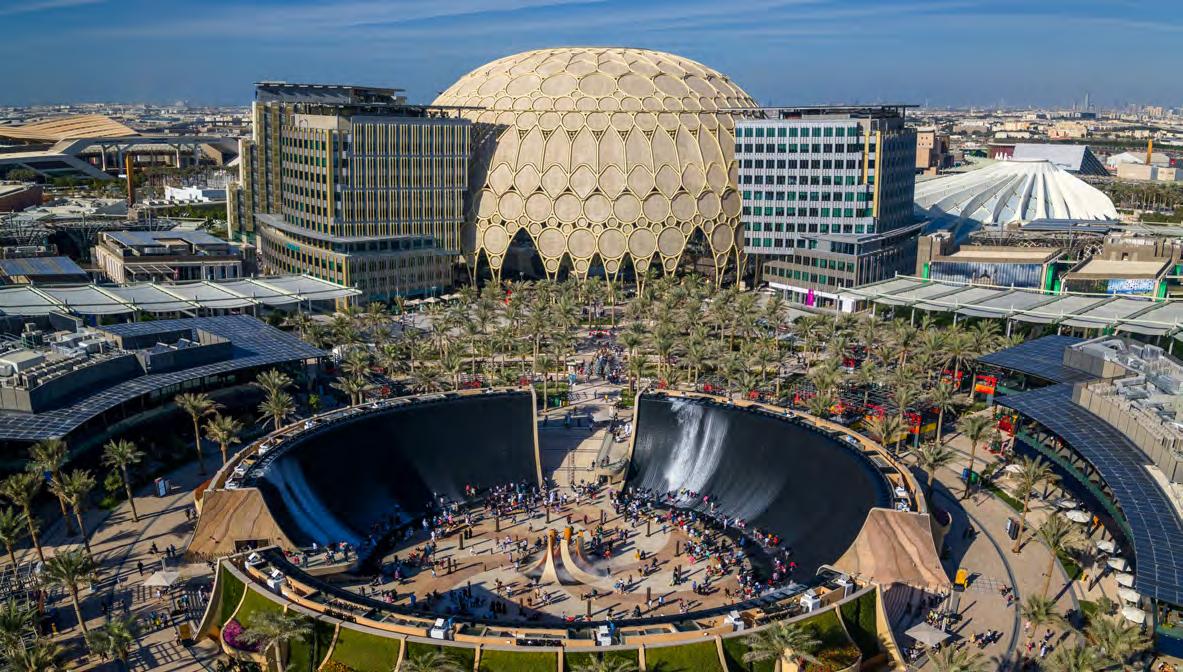
Dubai is showing the world what is possible with Expo City – a model for sustainable, connected, future-focused urban living, explains Sholto Douglas-Home, Chief Sales and Marcomms Officer, Expo City Dubai

Building on the powerful legacy of Expo 2020 Dubai and the global momentum of hosting COP28 UAE in 2023, Expo City Dubai is now evolving into “a vibrant community, dedicated to sustainable development, enhancing quality of life and creating an environment where businesses thrive," says Sholto Douglas-Home. From the outset, the city was guided by the belief that a broad coalition of people, including residents, businesses, visitors and partners, can work together to drive purposeful progress, he explains. That ethos, central to the World Expo movement, permeates every facet of the city’s master plan. Today, with a growing roster of multinational businesses and a steady flow of visitors drawn to its cultural attractions, Expo City is emerging as one of the most ambitious urban regeneration projects of a generation.
As a young and growing destination, the destination has a unique opportunity to tackle traditional urban challenges from the outset with its people-centric approach, robust infrastructure and care for the environment, says Douglas-Home. Unlike many mature cities confined by legacy constraints, it has been designed from the ground up with clarity of purpose: to demonstrate how connectivity, sustainability and liveability can work in harmony. Expo City Dubai’s master plan, unveiled in 2024, outlines a clear vision as a “fully integrated city designed for connectivity, walkability and sustainability”, he adds. Five districts are arranged in a highly efficient grid system, supported by smart transportation, a network of green spaces, and clear performance indicators
covering biodiversity, wellness, economic growth, energy use and more. This blueprint positions Expo City as a key pillar of the Dubai 2040 Urban Master Plan – a strategy to future-proof the emirate’s long-term growth. Its location strengthens this role: situated near Al Maktoum International Airport (DWC), set to become the world’s largest once fully operational; Jebel Ali Port, already the globe’s largest man-made port; and the expanding, on-site Dubai Exhibition Centre (DEC). Combined, these assets establish Expo City as a strategic enabler of Dubai’s ambitions across logistics, technology, tourism, innovation and global events.
While most cities around the world are rethinking how people live and work, Expo City is taking action with its pioneering Central Social Districts (CSDs) concept, merging business, leisure and community into one interconnected environment. Designed around 15-minute planning principles, residents, professionals and visitors have convenient access to homes, green spaces, hospitality, dining, retail and state-of-the-art workplaces, all within a short walk or bike ride. Pedestrian-friendly shaded walkways, micromobility options like e-bikes and scooters, plus easy Dubai Metro access enhance connectivity while improving air quality and safety.
For business travellers attending major global conferences at DEC, this integrated experience is a major draw.
Wellbeing is also a foundational value of Expo City, with clear benefits, says Douglas-Home: “Being part of a community that prioritises your wellbeing and quality of life makes you more engaged, and more likely to contribute to its resilience and growth.”
This philosophy is visible in how the city approaches environmental responsibility, community engagement and economic sustainability too. The on-site Food Rescue Programme, for example, collaborates with the city’s
“Being part of a community that prioritises your wellbeing and quality of life makes you more engaged”
earning pre-certification for WELL Community, the leading international standard for health and wellbeing in built environments, and LEED Cities and Communities Platinum pre-certification, with buildings designed to cut energy and water demand by 30% and 50% respectively versus international standards. Circularity underpins material waste management systems, minimising landfill and setting a regional example of regenerative urban development.
F&B partner, Terrazo, to redirect surplus meals to those in need, reducing waste and supporting vulnerable communities.
As of November 2025, more than 14,000 meals had been rescued and redistributed, preventing seven tonnes of food waste and avoiding more than 15 tonnes of CO2e emissions.
Similarly, the Seeds of Change initiative encourages visitors to voluntarily offset their event-related carbon footprint. Expo City matches each offset purchased, doubling the impact and reinforcing accountability.
“Both these initiatives highlight our belief that it is not only possible but imperative to find a balance between sustainability ambitions and business objectives if both internal and external stakeholders are engaged in the process,” says Douglas-Home. This approach extends to the creation of the UAE’s first Green Innovation District, a dedicated free zone for businesses committed to decarbonisation and circular economy practices.
This circularity mindset shaped Expo City from the start. In a powerful example of repurposing at scale, more than 80% of Expo-built infrastructure has been retained. The city’s master plan has achieved major global recognitions,
Expo City inspires too. Retaining key attractions from Expo 2020, including Alif, Terra, Vision Pavilion and the iconic Al Wasl Plaza, the city “continues to deliver the magic and cultural diversity that defined the World Expo experience”. Its events calendar is robust and imaginative, packed with immersive projections, multicultural celebrations, and the Annual Al Wasl Season featuring concerts, community festivals and family entertainment.
With more than 30 event venues and the ongoing US$2.72 million expansion of DEC, Expo City is fast becoming the UAE’s events powerhouse. Once complete, DEC will offer 180,000 sqm of indoor space, 26 halls and capacity for 65,000 daily visitors. Major global events, including COP28, have already been hosted here, and Gulfood and GITEX, two of Dubai’s largest economic drivers, relocate to the centre in 2026.
In the next few years, Expo City will house 35,000 residents and more than 40,000 professionals, but the wider vision extends further. With DWC set to become the world’s largest air hub and the continued expansion of DEC, the surrounding district is poised to evolve into what Douglas-Home describes as a potential “second city of Dubai”, re-mapping the emirate’s economic and cultural geography. “We are excited to see how this bold vision takes shape,” he says, “and to welcome partners who share our determination to build a more connected and sustainable future.” vision takes shape”.
Compact in scale but rich in character, Ajman remains one of the UAE’s more understated emirates, offering depth and diversity in equal measure. It brings together historic neighbourhoods, open coastline, protected wetlands and a surprising mountain landscape all within easy reach by air and by road. It is this combination – of heritage, nature and thoughtful modern development – defining Ajman’s growing profile as a destination to watch.
This evolution is now guided by the Ajman Department of Tourism, Culture and Media, which adopted its new name in late 2025.
The change in name reflects a broader vision: one that places culture and heritage at the centre of tourism growth, while embracing innovation, sustainability and global engagement under Ajman Vision 2030.
“Our approach is built around balance,” says H.E. Mahmood Khaleel Alhashmi, Director General of the Ajman Department of Tourism, Culture and Media. “We are developing Ajman as a modern destination while staying true to its identity, its people and its history.”
Culture anchors the experience
Culture in Ajman is not confined to a single district or attraction. It is woven into daily life, from working souqs and historic homes to the rhythms of the coast. The emirate’s past as a trading and fishing community remains visible, lending Ajman a sense of continuity that resonates strongly with today’s travellers.
One of the clearest expressions of this is the Ajman Heritage Path, a walkable route connecting the Ajman Museum, Souq Saleh, the Heritage District and Bait Rashid Al Khadar.
Designed to encourage exploration on foot, the path brings visitors into direct contact with Ajman’s architectural heritage and living culture, while supporting local businesses and artisans along the way. This emphasis on walkability and authenticity reflects Ajman’s wider philosophy: cultural tourism should feel natural and accessible.
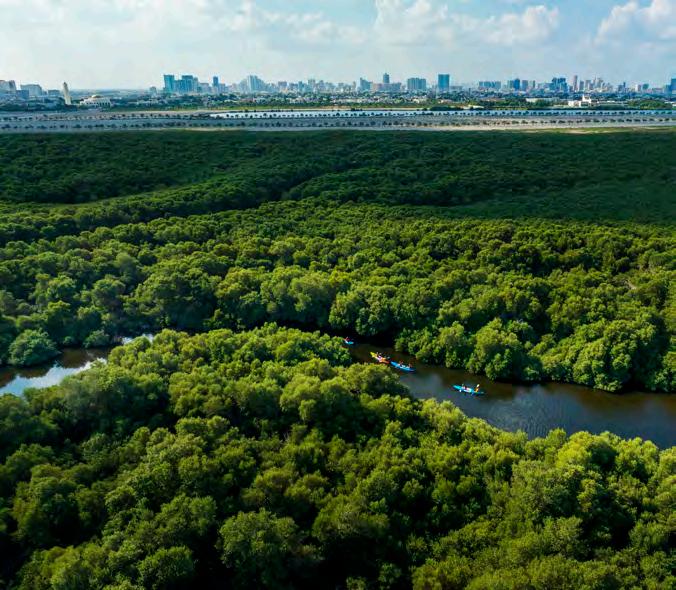
Ajman, a hidden UAE tourism gem, is entering a new phase of growth under Ajman Vision 2030. Led by the Ajman Department of Tourism, Culture and Media, and guided by its Director General H.E. Mahmood Khaleel Alhashmi, the emirate is strengthening its position as a destination where culture, heritage and contemporary development move forward together.
Masfout: heritage in the mountains
Ajman’s cultural story extends inland to Masfout, the emirate’s mountain enclave located within the Hajar range. Known for its cooler climate, rugged terrain and agricultural traditions,
Masfout offers a striking contrast to the coast and adds a distinctive dimension to Ajman’s tourism offering. In 2025, Masfout gained international recognition when it was named one of the UN Tourism Best
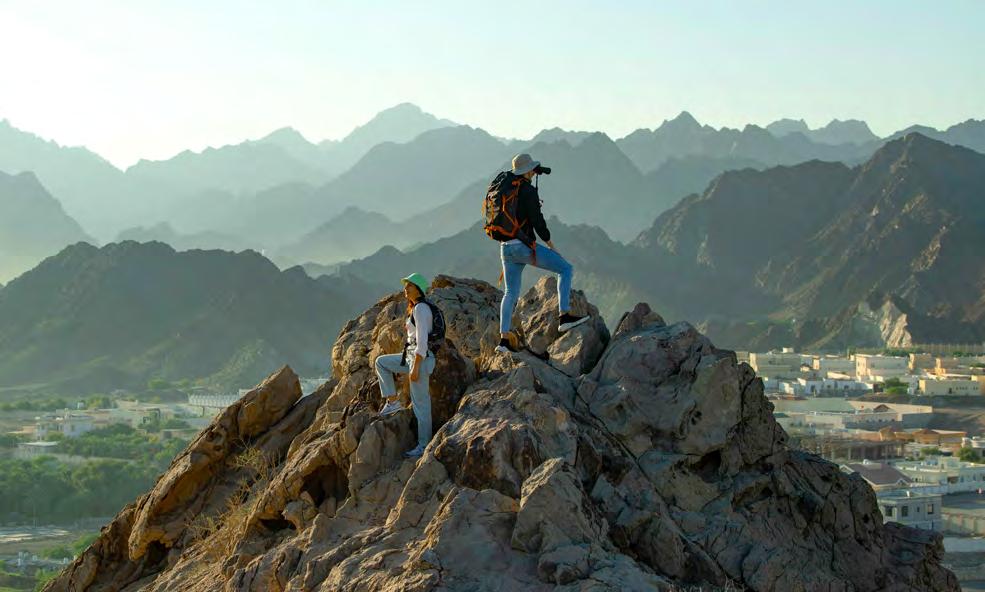
Tourism Villages, an accolade awarded to destinations that use tourism to support rural development while safeguarding cultural and natural heritage. The designation highlights Masfout’s careful approach to growth, where outdoor activities, hiking trails and community-led experiences are developed in harmony with village life.
Ajman’s coastline remains one of its defining features. Stretching along the Arabian Gulf, the emirate’s beaches are notably open and relaxed, offering space to unwind without losing connection to the city.
Coastal development under Ajman Vision 2030 focuses on enhancing public access, green spaces and amenities, while maintaining the area’s understated character.
Just inland, the Al Zorah Nature Reserve showcases Ajman’s environmental credentials.
The protected mangrove ecosystem supports rich biodiversity and offers low-impact activities such as kayaking and birdwatching. Conservation and education play a central role, reinforcing Ajman’s belief that nature-led tourism must be carefully managed to remain sustainable.
Together, coast and wetlands add depth to the destination, appealing to travellers seeking outdoor experiences alongside culture and comfort.
Ajman’s commitment to heritage does not mean standing still. Under Ajman Vision 2030, the emirate is advancing a series of urban and cultural projects designed to enhance liveability and visitor experience alike.
The revitalisation of Musherief Creek is restoring ecological balance while creating new public spaces for recreation and community life. The Ajman Corniche Beach Development continues to improve the coastline with upgraded infrastructure and landscaping, reinforcing its role as a focal point for residents and visitors.
Looking ahead, initiatives such as the Art, Culture and Entrepreneurship District aim to support creative industries and cultural enterprise, positioning Ajman as a place where tradition and contemporary expression coexist. Smart city initiatives and sustainability programmes further support a future-ready urban environment.
Ajman’s measured approach is delivering
Compact emirate combining coast, mangroves and mountain landscapes
Masfout recognised as a UN Tourism Best Tourism Village 2025
Culture-led approach aligned with Ajman Vision 2030
Strong emphasis on walkability, conservation and community life
Rising visitor stays driven by experience, not scale
tangible results. Recent figures point to rising visitor numbers, improving hotel occupancy and longer average stays, reflecting growing interest in the emirate’s diversified offer.
New hospitality openings, including high-quality beachfront resorts, are expanding choice while aligning with Ajman’s focus on quality and experience.
Rather than rapid expansion, Ajman’s tourism growth is guided by clarity of purpose, offering visitors a destination that feels complete, welcoming and easy to explore.
As Ajman moves towards its Vision 2030 goals, the emirate is carving out a clear identity within the UAE’s tourism landscape. Culture and heritage remain central, not as static assets but as living elements that shape how Ajman evolves. Modern infrastructure, sustainable planning and creative ambition support this foundation, ensuring the destination continues to grow with confidence.
Ajman’s story is one of continuity and change, where past and present sit comfortably side by side. For visitors, it offers a chance to experience the UAE through a lens of culture, nature and everyday life, and to discover an emirate entering a confident new chapter.
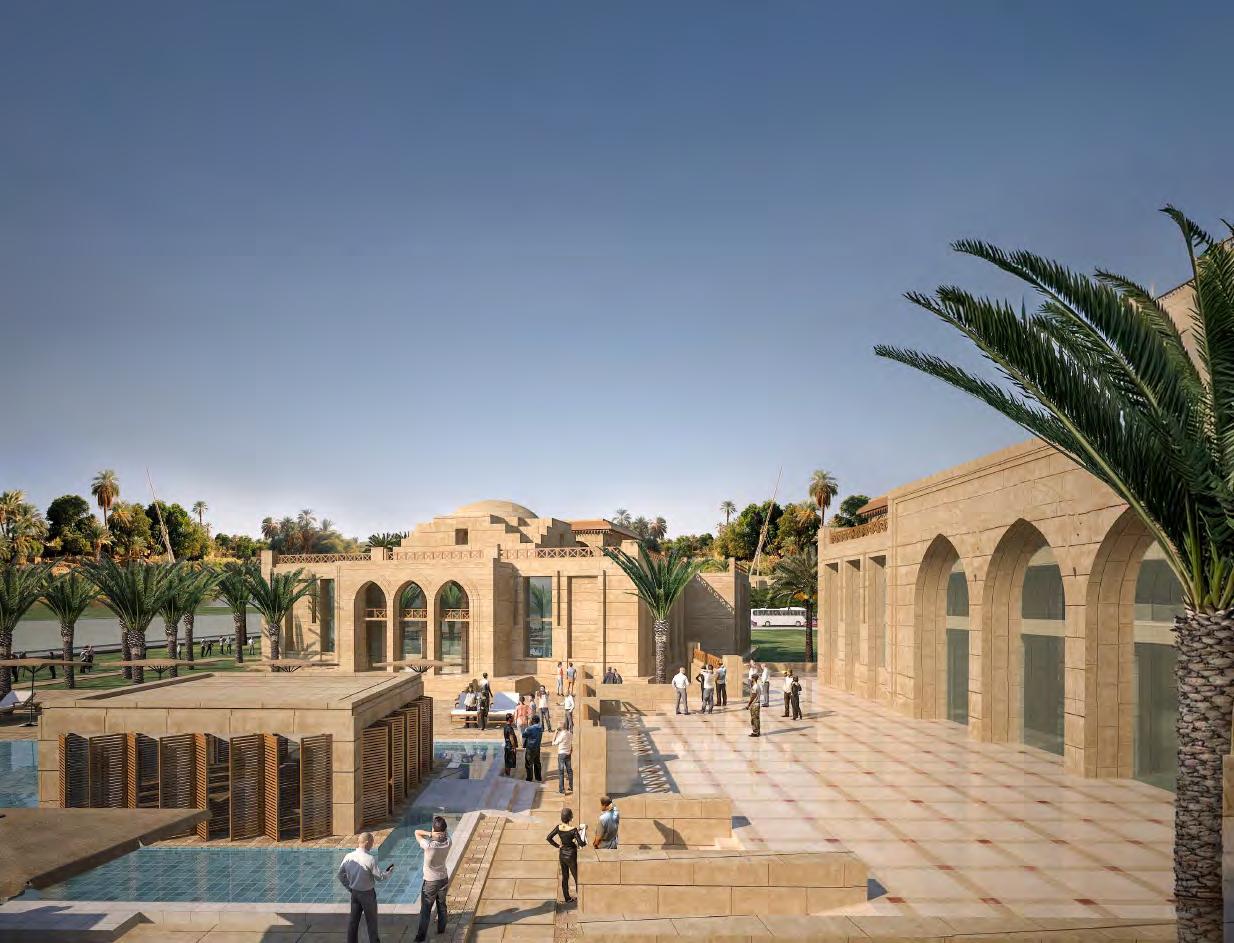
TIME Hotels stands as a model for how hotels can navigate change and achieve growth while creating a more resilient and responsible future for travel, as CEO Mohamed Awadalla reveals in this exclusive interview with the ITB Global Travel Collection

TIME Hotels' story is one of intentional, values-driven growth, as CEO Mohamed Awadalla explains: “When TIME Hotels was founded, our vision was clear from day one: to create a homegrown hospitality brand born in Dubai that delivers authentic service, real value, and responsible growth.”
What began as a modest regional operator has, over 13 years, transformed into a multi-brand group spanning the Middle East, North Africa, and the Indian Ocean
Today, TIME Hotels operates 17 properties across the UAE, Qatar, Saudi Arabia and Egypt, with a pipeline of 12 additional hotels representing some 5,000 keys, including upcoming openings in Saudi Arabia, Tanzania, and Morocco.
Despite rapid expansion, the group’s guiding philosophy has remained constant:
“Our evolution has been defined by balancing innovation with authenticity while staying true to our roots,” says Awadalla. A people-first mindset, including guests, employees and communities, continues to anchor its future strategy, he explains.
As TIME Hotels’ portfolio has grown, so too has its clarity of purpose. Awadalla describes the company’s identity today as “clearer, more defined, and more confident”. The brand is guided by three core pillars, he says: culturally inspired service, delivered from the heart, value-driven operational design, and responsibility to communities and the environment. Growth, Awadalla adds, is measured not by scale alone but by “the quality of the experiences we create and the positive impact we leave behind”.
To meet evolving guest expectations, TIME Hotels has expanded its portfolio with three distinct brands. HALO by TIME delivers premium comfort and tranquillity; VIVI by TIME targets youthful, socially driven travellers; and Rotella marks the group’s foray in the luxury segment, offering “exclusivity, sophistication, and elevated cultural immersion for discerning travellers who expect high-end service and meticulously curated experiences”.
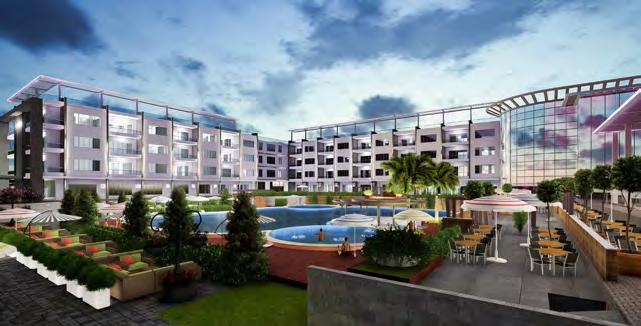
Awadalla says: “This aligns with the continued strength of luxury travel in our key markets and the rising demand for meaningful, personalised hospitality.”
Together, the three new brands enable expansion into new and high-growth markets such as Egypt, Saudi Arabia, Tanzania and Morocco, while staying lifestyle relevant. “Our goal is for every guest to feel that the space they are staying in was designed specifically for them,” says Awadalla.
Tech to boost human connection
TIME's guest and people-first strategy also applies to technology: “True innovation is the kind that enhances human connection without ever replacing it,” Awadalla says. Smart check-in systems, mobile-based support, digital payments and advanced CRM tools now streamline the guest journey across the portfolio, enabling deeper personalisation and enabling teams to anticipate preferences and tailor services seamlessly.
By removing friction from routine interactions, technology frees staff to focus on what matters most, Awadalla continues – the “small gestures, personalised attention and genuine care that create lasting connections”.
Sustainability and balanced tourism remain core differentiators for TIME Hotels. “It’s far more than a corporate pledge, but a defining part of how we grow, operate, and contribute to the future of global tourism,” says
“Our evolution has been defined by balancing innovation with authenticity while staying true to our roots”
L-R: TIME Luxor Hotel, Luxor, Egypt; TIME Marina Hotel, North Coast, Egypt; TIME CPA Hotel & Suites, Dodoma, Tanzania

education, health, and broader CSR activations, ensure our impact is felt no only by guests, but by the people and places surrounding our hotels”, stresses Awadalla. From a destination perspective, TIME Hotels takes a long-term value approach, ensuring expansion benefits local economies through community partnerships and localised supply chains.
TIME’s partnership with artisans in Morocco is one example of the company supporting local enterpreise while reducing the carbon footprint associated with imported materials.
Awadalla. In recent years, the group has accelerated efforts to reduce its footprint, investing in energy management, water conservation and waste reduction, implementing smart energy systems, water-efficiency technologies and alternatives to single-use plastics across multiple properties. These activities support clear milestones in the group’s sustainability roadmap, including a 30% reduction in single-use plastics, a 20% increase in renewable energy adoption, and annual water savings of 500,000 litres at selected hotels.
Social responsibility is equally embedded. TIME invests in youth training, employment pathways and community initiatives across its regions, while fostering an internal culture focused on inclusion, development and long-term retention.
“Beyond employment, our community support initiatives spanning
“Sustainability is not an optional component of hospitality; it is the path forward," stresses Awadalla.
As the industry gathers under ITB Berlin 2026’s theme, 'Leading Tourism into Balance', Awadalla’s perspective resonates strongly.
“The future of hospitality depends on our ability to create harmony among growth, people and the planet,” he says. TIME Hotels’ global expansion continues with intention: brands aligned to evolving traveller expectations, projects that respect local ecosystems, and operations that embed sustainability at every level.
“Hospitality must serve more than economic ambition,” Awadalla concludes. “We will continue championing balanced growth, where innovation, sustainability and human connection shape a more resilient future for our industry.”
TOURISM GROWTH GAINS PACE
Expanding 1.5x
faster than the global economy by 2034

TRAVEL DEMAND IS SHIFTING EAST
India + China = 25%+ of global outbound travel by 2030
LEADING TOURISM INTO BALANCE
Tourism growth brings opportunity and risk, so balance matters, as these figures reveal
TENSION POINTS
GREATER SENSITIVITY TO GLOBAL DISRUPTIONS
Geopolitical tensions, climate change, demographic shifts could reach
$6trn
losses by 2030 = need to increase resilience
TRAVEL EXPERIENCES ARE FUELLING GROWTH
Live events tourism: 16% CAGR
Ecotourism: 14% CAGR ($760bn by 2032)
MICE: 9% CAGR
Wellness tourism: 8% CAGR
TECH USE IS ACCELERATING, EMPOWERING TRAVELLERS
Global travel tech market: $10bn (2024)
Expected to double by 2033
COMMUNITIES FEELING THE STRAIN
Visitor-to-resident ratios could rise by 50%+
Housing, infrastructure and liveability pressures
GROWTH PRESSURE ON PLANET, ENVIRONMENTAL IMPACT, HIGH GHG EMISSIONS FROM TRAVEL & TOURISM
• Could rise to 11-15% as travel volumes grow
• =10% of global energy consumption
• 7% of global solid waste
1.6kg of waste per tourist per day (2x global average)

EFFICIENCY IS IMPROVING, BUT NOT FAST ENOUGH
More economic value, fewer emissions
• GHG share down to 7.3% in 2024 (from 8.3% in 2019, -9.3%)
$10tn
GDP in 2024, +6% vs 2019
• -15% emissions intensity (2019–2024)
• +16.6% adoption of low-carbon energy
• -5.7% use of fossil fuels
• Emissions profile: 40% transport |
19% purchased electricity | 57.4% supply chain
CAPACITY GAPS ARE WIDENING
100m+
new tourism jobs needed by 2034 SMEs represent 80% of the sector, need supporting as travellers demand local experiences
INFRASTRUCTURE MUST CATCH UP WITH INDUSTRY GROWTH
30bn tourist trips projected globally 25mn hotel rooms needed by 2034
CULTURE & HERITAGE NEEDS PROTECTING
Cultural homogenisation and heritage degradation pose critical risks
97% of survey respondents say locals are adopting tourist culture over traditions
70% of heritage sites threatened by inadequate management plans
NATURE-BASED TOURISM A MAJOR ECONOMIC ENGINE
$600bn+ in annual revenues
Millions of jobs supported 80%+ of T&T goods and services rely on nature
Every $1 invested in ecosystem restoration generates $3-$75 in economic benefits
BUT NATURE LOSS NOW A SYSTEMIC GLOBAL RISK
Biodiversity loss and ecosystem collapse rank among the top
3 global risks over the next decade
Sources: WTTC, WEF, UN
While the drivers of overtourism are well understood, the solutions are not so easy to come by. Attention is now shifting from growth-centric tourism models to stewardship-based approaches.
BY FELICITY COUSINS

According to UN Tourism and the World Tourism Barometer, more than 1.1 billion international tourists travelled globally between January and September 2025, which is about 50 million more people than during the same period in 2024. By 2030 that figure will reach 1.8 billion arrivals. It's good news for the tourism industry but without sustainable frameworks in place, can host communities, infrastructures and ecosystems thrive, or even survive? ITB Berlin’s ‘Leading Tourism into Balance’ theme is a response to this reality. Here we explore how that shift is taking shape around the world, showcasing destinations, sectors and initiatives that are recalibrating tourism to be more responsible, resilient and inclusive.
Randy Durband, CEO, The Global Sustainable Tourism Council (GSTC) says overtourism is not a new phenomenon but how it is successfully managed, with eight billion people on the planet and a growing percentage enjoying frequent travel, is an urgent work in progress.
“Historically, tourism was hardly managed at all, with the public sector paying for promotion but not management and development. Now a
growing number of destinations have formed management structures, but those are still mostly in infancy and less common than one might assume,” he says. In 2025, the World Travel & Tourism Council (WTTC) published Managing Destination Overcrowding: A Call to Action, highlighting that when well-managed, tourism fosters cultural exchange, global understanding and environmental protection. Without smart planning, however, these benefits risk being undermined, impacting both residents and visitors. The paper outlines six actions to help destinations better manage tourism.
Debbie Hindle, Chair of ICRT global says: “Responsible tourism is about making better places to live in and better places to visit. The order of that sentence is crucial. The balance for locals and tourists can be tipped off kilter in many different ways. Each destination needs to understand the specific causes and therefore the tools to address
The Faroe Islands has launched self-navigating tourist cars guiding visitors to lesser-known areas


local economies, which have come to rely on the tourist dollar. The answer is not in small individual reactions, but joint actions working together.
them.” Some forward thinking efforts from destinations across the globe include Dubrovnik’s partnership with Cruise Lines International Association (CLIA) reducing congestion through cruise coordination and community dialogue; Iceland, which reinvests tourism levies directly into environmental protection; Turisme de Barcelona Consortium, which operates under a public-private partnership model, guided by the principles of sustainable development goals; and Amsterdam introducing a 12.5% tourist tax, restricted large buses, and imposing a €14.50 charge per cruise passenger.
A 2025 Responsible Tourism Award winner, The Netherland’s Brabant’s region, launched a digital route planner, Wandelstarte, to manage hordes of hikers, and the Faroe Islands has launched self-navigating tourist cars guiding visitors to lesser-known areas.
Outside Europe, Japan has capped numbers and introduced trail fees on Mount Fuji, while Tanzania and Kenya have raised permit costs and limited numbers following incidents of overcrowding during the Great Migration.
However, curbing numbers or raising fees alone is not a complete solution. Better infrastructure can increase access, and therefore numbers, while higher costs may exclude many travellers and harm
Huilo Huilo Biological Reserve in Patagonia won the South American Responsible Tourism Award at the World Travel Awards as Chile prioritised partnerships with indigenous and rural communities. The GSTC provides destinations with GSTC Destination Criteria, global standards for sustainable management guiding policy-makers on strategy and implementing plans for long-term sustainability. CEO Randy Durband says: “Success stories come from those destinations that have developed true management mechanisms that include three key components: a whole-government approach led by the tourism agency but reaching out to other public agencies, interaction with the private sector, and some means of gaining community input into planning and development.”
Iconic locations such as Rome, Machu Picchu, and the savannahs of East Africa are unlikely to see declining demand, but the challenge is whether pressure can be deflected to lesser-known destinations. Skyscanner’s Travel Trends report found that 34% of travellers now actively seek quieter places, while 31% plan to visit popular destinations in shoulder seasons, indicating that overtourism is influencing decisions.
However, the same research found that 77% of travellers revisit the same destinations for at least 20% of their holidays.
This may reflect how destinations market themselves and who they reach, with 17% continuing to visit overcrowded places simply
“Responsible tourism is about making better places to live in and better places to visit”
because they do not know where else to go.
In Australia, travel intelligence provider, Riskline, found that although many Australians want to explore more of their country, high costs, limited options, and expensive interstate travel act as barriers. International visitors face similar accessibility challenges, prioritising iconic destinations such as Sydney, the Great Ocean Road, and the Great Barrier Reef.
Tour operators such as MEJDI Tours is using tourism as a “tool for peacebuilding, cultural understanding, and economic justice” partnering with communities in more than 40 countries to create “transformative journeys that elevate marginalised voices, foster empathy, and inspire long-term social impact.”
Others fostering a community approach include France’s Normandy region’s Low-Carbon Rate where attractions and museums offer discounts to visitors arriving by train, bus or bike.
Denmark’s DestinationPay initiative similarly rewards tourists for actions which give back to local communities, such as litter picking or using bikes instead of taxis.
Copenhagen’s CopenPay has seen more than 30,000 “voluntourists” since its 2024 pilot. Berlin has followed with BerlinPay.
“Tourists don’t just want to see a city anymore – they want to be part of it. CopenPay gave them that opportunity. DestinationPay is how we scale this mindset to the world,” says Søren Tegen Petersen, CEO of Wonderful Copenhagen.
Accessibility is also being pushed to the fore. Inclu Group’s IncluCare, designed for the luxury market, launched its B2B platform Inclusive Luxury Hotels last year, focusing on the built environment to ensure destinations are inclusive for travellers with visible and hidden disabilities.
Technology as a force for good Advances in technology have enabled the industry to use clearer, more measurable data. The World Sustainable Hospitality Alliance’s Universal KPIs initiative, part of the COP29 Declaration, provides a global framework for hospitality businesses to measure and report key ESG metrics.
Glenn Mandziuk, President and CEO of the World Sustainable Hospitality Alliance says: “Overtourism showed us the limits of ‘growth at all costs.’ By aligning around Universal Sustainability KPIs and interoperable data, the industry is gaining a common language and framework to measure impacts and manage visitor flows with transparency and consistency. Supported by technology and collaboration, this shift is critical to creating tourism that benefits communities and the planet as much as it does visitors.”
Travalyst’s Data Hub is aiming for industry alignment in identifying and tracking community impact metrics alongside revenue to help grow tourism more sustainably and help local


Clockwise from top:
Iconic destinations like Australia’s Great Ocean Road are overvisited due to many factors
Denmark’s DestinationPay initiative rewards tourists for actions which give back to local communities
Iceland reinvests tourism levies directly into environmental protection

communities thrive. Julie Cheetham, CEO, Travalyst says: “The future of tourism needs to be more balanced. We have seen brilliant examples of localised strategies, but our industry needs to move at scale. We need a fairer eco-system that benefits destinations and local communities, and I believe that credible, consistent and compliant data sits at the heart of making this happen.
“Coupled with AI in the future, this presents an incredibly powerful opportunity to help drive systems change. It’s why in 2026 we are continuing to scale the Data Hub and we need industry alignment to make it a reality across the sector,” she adds.
Lemongrass’ Travel Trend Report 2026 found companies like Byway are using AI to improve complex, analogue systems, such as rail planning to nudge travellers toward “sustainability, accessibility, and the human experience”.
Looking to the future ICRT Global Chair Debbie Hindle stresses early intervention: “Destinations that claim they don’t have overtourism should be listening closely to residents and acting quickly when signs of imbalance emerge.
We would like to see local sentiment research become standard practice across all destinations.”
ICRT global supports this through its 12-week online course Rebalancing Tourism, offering practical tools and destination case studies. A new 10-week course on Creating Shared Value will also launch this year. Finding the balance requires a fundamental shift from “more visitors” to “better outcomes” for destinations, communities, and visitors.
This demands coordinated policy, data-driven decision-making, and strong leadership across both the public and private sectors.
The Travel Foundation’s Where Next? Action Agenda provides a global framework for tourism’s climate transition, outlining four interconnected strategies to enhance climate resilience, economic viability, and social equity. CEO Jeremy Sampson says: “The climate crisis is already reshaping tourism. The question is whether we respond piecemeal or take coordinated action.”
By Xxxxxxxxxxx
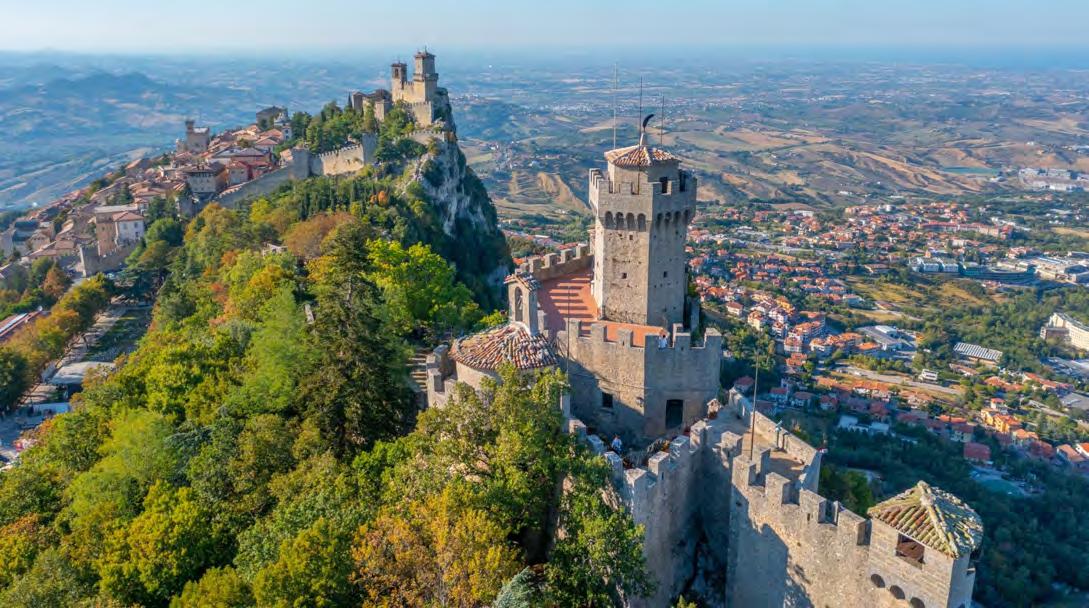
UNESCO plays a pivotal role in safeguarding the world’s cultural and natural heritage while supporting tourism that is sustainable, inclusive and locally beneficial. Through its World Heritage and Intangible Cultural Heritage programmes, the organisation works with governments, communities and the tourism industry to ensure that growth does not come at the expense of authenticity, identity or long-term resilience.
Tourism can be a powerful driver of economic opportunity, but if mismanaged, growth can erode the very assets that attract visitors. UNESCO promotes approaches that balance access with protection, encouraging destinations to plan for carrying increased capacity, community participation and long-term stewardship rather than focus on short-term gain.
According to a recent World Economic Forum (WEF) report, travel and tourism growth can inadvertently
From World Heritage sites to living traditions, UNESCO works to protect cultural and natural heritage while guiding tourism towards models that respect communities, preserve identity and sustain the places people value most
undermine cultural authenticity, traditions and heritage – core elements of a destination’s appeal. Rising visitor numbers and intensifying commercialisation make the balance between preservation and cultural evolution increasingly complex. One of the most significant risks is cultural homogenisation. Studies show that as tourism expands, local
communities may adapt behaviours, lifestyles and expectations to meet visitor norms, particularly Western patterns. In one community survey, 97% of respondents agreed that locals were adopting tourist behaviour rather than maintaining traditional practices. This shift is often most pronounced among younger generations, who can become disconnected from their
cultural roots as tourism reconfigures social norms and aspirations.
At the same time, tourism-driven standardisation can transform historic cities into uniform retail landscapes, diluting the distinctive character that originally drew visitors.
Cultural sites also face physical degradation from visitor pressure. Many lack effective carrying-capacity limits or robust protection frameworks.
A long-term statistical analysis found that nearly 70% of threats to World Heritage sites were linked to inadequate or poorly implemented management plans. Beyond physical damage, intangible cultural heritage – including traditional practices, crafts, knowledge systems and performing arts – faces subtler challenges. Commercialisation can lead to “performed authenticity” that satisfies tourists but disconnects from living traditions, while economic benefits often bypass the communities who sustain these practices.
More effective approaches treat cultural heritage as living practice rather than static commodity. Empowering cultural stewards with decision-making authority, fair compensation and a central role in tourism planning is essential.
When managed thoughtfully, tourism can support cultural revitalisation, sustaining traditional skills, inspiring contemporary interpretation, prove economic value to younger generations and fostering creative ecosystems where heritage informs innovation across art, design and local industries.
In late 2025, UNESCO’s World Heritage Committee added 26 new sites, reflecting an increasingly broad and inclusive understanding of heritage.
Notable inscriptions included Cambodian memorial sites recognising the victims of the Khmer Rouge; King Ludwig II’s Bavarian palaces in
“Fragile
yet essential, living heritage remains a pillar of cultural diversity in a world that can at times feel fragmented and divided. Living, creative, and carried by communities, it reminds us of what binds us together. Let us keep alive the hope that unites us: to share knowledge, strengthen connections, and build bridges across borders”
Germany; and Maratha military forts in India. Several nations, including Saudi Arabia and Vanuatu, received their first inscriptions, highlighting the expanding global reach of the list.
Today, the World Heritage List comprises 1,248 properties of outstanding universal value: 972 cultural, 235 natural and 41 mixed sites across 170 countries. Together, they form a shared global map of humanity’s most significant places.
At the December 2025 session of the Intergovernmental Committee, 67 new cultural practices were inscribed on the Intangible Cultural Heritage list.
A key theme was “practice by hand”, highlighting traditional craftsmanship –from musical instruments and foodways to performing arts – rooted in specialised skills passed down through generations.
For many communities, these traditions are not only cultural expressions but vital sources of sustainable livelihoods.
Their recognition reinforces UNESCO’s growing focus on the economic dimensions of safeguarding living heritage.
Highlights included the inscription of Italian cuisine as the first entire national cuisine on the list, and Diwali, the Indian festival of lights.
Several countries, including Barbados, Chad, Comoros, El Salvador, Gabon, Libya, and São Tomé and Príncipe, also celebrated their first Intangible Heritage inscriptions last year.

Khaled El-Enany, Director General,
UNESCO
1,248 World Heritage properties worldwide
170 States Parties represented on the World Heritage List
972 cultural sites
235 natural sites
41 mixed cultural and natural sites
26 new World Heritage properties inscribed in 2025
67 new elements added to the Intangible Cultural Heritage list in 2025
First-time World Heritage inscriptions (2025): Saudi Arabia, Vanuatu, Papua New Guinea, San Marino
First-time Intangible Heritage inscriptions (2025): Barbados, Chad, Comoros, El Salvador, Gabon, Libya, São Tomé and Príncipe
Source: UNESCO
why the industry needs a global reality check now


As mascontour GmbH launches a joint survey on climate adaptation
with ITB Berlin, the consultancy firm’s Managing Director, Matthias Beyer and Project Lead, Thomas Frommhold, explain why the time is right to find out how prepared destinations are for a climate-altered future
For 60 years, ITB Berlin has been at the centre of global tourism, reflecting the industry’s evolution, amplifying innovation, and convening the conversations that matter.
In 2026, as ITB Berlin celebrates its 60th anniversary and the tourism consultancy mascontour marks 20 years of advising destinations worldwide, the global tourism sector finds itself at a pivotal moment.
Tourism has proven remarkably resilient in recovering from shocks, yet one challenge is fundamentally different from previous crises: climate change is not a temporary disruption. It is a structural condition that is already reshaping destinations, tourism products, infrastructure, and governance frameworks around the world.
Against this backdrop, ITB Berlin and mascontour have jointly launched a global survey on Climate Adaptation in Tourism. The purpose is not to present ready-made answers, but to ask
the right questions at the right time – and to understand how prepared destinations really are for a climate-altered future.
Climate adaptation has long been discussed in tourism, but often in fragmented, reactive or highly technical ways. What has been missing is a global, destination-oriented perspective that cuts across regions, development levels and destination types. “We felt that the conversation had reached a turning point,” says Matthias Beyer, Managing Director of mascontour. “Most destinations no longer question whether climate change matters for tourism.
The real issue now is: are we adapting fast enough, and are we adapting in ways that actually strengthen long-term competitiveness and sustainability?”
Several developments made this the right moment for a global survey:
• Climate impacts are no longer abstract future risks; they are operational realities for destinations.
• Many destinations have initiated adaptation measures, but with very different levels of maturity.
• There is growing uncertainty about which approaches work, under which conditions, and at what scale.
• Policymakers, destination managers and tourism businesses are increasingly asking for practical orientation rather than abstract principles.
The study was designed to respond to these needs by capturing how destinations perceive climate risks, how they are responding today, and where they see their biggest barriers and support needs.

What distinguishes this study is its explicit focus on adaptation, rather than mitigation alone, and its ambition to capture a global snapshot of destination readiness.
While climate mitigation remains essential, adaptation has become unavoidable – particularly for destinations already experiencing heat stress, water scarcity, flooding, ecosystem degradation or seasonal instability.
“Adaptation is no longer about technical fixes only,” Thomas Frommhold, Project Lead at mascontour, notes.
“It is about governance, investment priorities, stakeholder coordination and the ability to rethink tourism models under changing climatic conditions.”
The survey was open to all tourism actors and required respondents to answer from a specific geographical perspective – international, national, regional or local. This reflects a core assumption underpinning the research: climate adaptation ultimately happens in places. While global agendas matter, the decisive questions are addressed at destination level:
• Which risks are most relevant here?
• Which assets are vulnerable?
• Which actors need to be involved?
• Which trade-offs are unavoidable?
The study seeks strategic relevance: identifying patterns, tensions and emerging directions that matter for destination decision-makers worldwide.
The survey is guided by a set of underlying questions that many destinations are currently grappling with, often in isolation. First, there is a need to understand how seriously destinations perceive climate risks in the near term. Climate adaptation is frequently framed as a long-term agenda, yet many impacts are already affecting tourism operations, visitor experiences and investment decisions today. Second, the industry needs clarity on where destinations actually stand in terms of adaptation readiness. Do strategies exist only on paper, or are they being implemented? Are responsibilities clearly assigned? Are adaptation efforts monitored and financed in a sustainable way? Third, there is growing demand for insight into what kinds of adaptation measures are being prioritised – and why. From nature-based solutions and infrastructure upgrades to product diversification and visitor management, destinations are making very different choices, often under tight constraints.
Finally, the study seeks to illuminate where the main bottlenecks lie. Is funding the primary barrier, or governance? Is it a lack of data, expertise, political support, or coordination across sectors?
The ultimate value of the survey lies not in the data itself, but in how it can be used. For destinations, the findings are expected to provide a reality check: Where do we stand compared to others? Are we focusing on the right issues?
“The real issue now is: are we adapting fast enough”
Are we underestimating certain risks or overestimating our preparedness?
For policymakers, the study aims to highlight systemic gaps that cannot be addressed at destination level alone – such as funding frameworks, regulatory alignment or access to climate data and services.
For the wider tourism industry, the insights can help shift the conversation from pilot projects towards scalable approaches and shared standards for climate-resilient tourism development. Importantly, the study is intended as a foundation for further work. The findings will inform the development of practical guidance, tools and peer-learning formats that support destinations in translating adaptation concepts into concrete action.
Climate adaptation offers a powerful opportunity to redefine destination competitiveness. Destinations that invest early in resilience can enhance visitor safety, protect natural and cultural assets, stabilise seasonality and strengthen local value creation.
“Adaptation should not be framed as a cost,” Matthias Beyer argues. “It is an investment in the future relevance of destinations. The later we start, the greater the risks and the more expensive it will be.” Climate adaptation will be a defining test of the industry’s ability to evolve in the future. The Climate Adaptation in Tourism study is one contribution to this journey –not as a final answer, but as an invitation to reflect, discuss and engage.
ITB Berlin has long been more than a marketplace. It is a global convenor, bringing together decision-makers from across the tourism ecosystem – public and private, global and local, strategic and operational. For a topic as complex and cross-cutting as climate adaptation, this role is crucial. Adaptation cannot be addressed by destinations acting alone, nor by individual companies or ministries in isolation. It requires shared learning, honest dialogue and coordinated action. By anchoring the study within the ITB ecosystem, the aim is not only to present findings, but to stimulate a broader industry conversation: about priorities, responsibilities and the pace of change.
The results of the survey will be presented during a dedicated session at the ITB Berlin Convention , on Thursday, March 5, 2026 , as part of the Responsible Tourism Track on the Orange Stage A comprehensive whitepaper with aggregated findings and insights will be published by mascontour thereafter.
As sustainability moves from aspiration to expectation, tourism finds itself under growing pressure to demonstrate real, measurable progress. Travellers are increasingly alert to environmental claims, regulators are tightening the rules, and businesses must navigate a crowded landscape of labels and promises. Against this backdrop, the EU Ecolabel has emerged as one of the most established and credible reference points for sustainability in tourism accommodation.
The EU Ecolabel is the official environmental label of the European Union. Introduced by the European Commission in 1992, it identifies products and services that meet high environmental standards across their entire life cycle. In tourism, the label has been awarded to hotels and campsites since 2000, signalling reduced environmental impact without compromising comfort or performance.
Today, more than 900 holiday accommodations across Europe and beyond carry the EU Ecolabel – a figure that continues to grow as sustainability becomes central to competitiveness. For Dr Kristin Stechemesser, Research Assistant at the German Environment Agency (UBA), the importance of such a recognised and credible label lies in clarity and trust. “There are currently too many labels and claims on the market. This makes it really difficult for consumers to make the right choice,” she explains.
In an environment where sustainability language is widely used but unevenly defined, a common benchmark is essential.
This challenge is one reason why the EU has introduced the Empowering Consumers for the Green Transition (EmpCo) Directive. Its aim is to combat greenwashing and protect consumers from misleading environmental claims, requiring EU member states to transpose the rules this month (March 2026), with enforcement beginning on September 27, 2026. EmpCo is significant for all “credible and trustworthy labels”, says Stechemesser. By choosing the EU Ecolabel, accommodation providers can demonstrate that their environmental claims align with European legislation, offering reassurance to guests and partners alike, she adds.
At its core, the EU Ecolabel helps tourism businesses systematically reduce their environmental footprint. It is classified as a Type I environmental label under ISO 14024, meaning it considers the full range of relevant environmental impacts associated with a service. “This means that we take into account the whole life cycle of the tourist accommodation service and
EU ECOLABEL

Dr Kristin Stechemesser, Research Assistant at the German Environment Agency, explains why the EU Ecolabel has become a vital point of reference for sustainable tourism, and how it helps accommodation providers balance environmental responsibility, economic viability and traveller trust

consider various environmental impact categories,” Stechemesser notes. In practical terms, this translates into a strong focus on areas where accommodation providers can make a tangible difference: energy, water, waste and wastewater. Reducing energy consumption supports climate protection and improves carbon performance, while lower water use addresses growing concerns around freshwater scarcity. Waste prevention, sorting and recycling contribute to more efficient resource use, and the choice of environmentally friendly cleaning products reduces risks linked to human toxicity and ecotoxicity.
While the EU Ecolabel does not explicitly require a quality management system, Stechemesser points out that sustainability measures often go hand in hand with higher operational standards. “Some of the criteria of the EU Ecolabel increase quality, such as training employees in the use of technical equipment or in cleaning issues,” she says. Well-trained staff, efficient systems and clearer processes tend to improve both environmental outcomes and the guest experience.
Crucially, these improvements also make economic sense. “By applying these criteria, the company saves resources and thus money,” she says.
In a sector facing rising energy costs and tighter margins, resource efficiency is no longer just an environmental consideration but a business imperative. The EU Ecolabel, Stechemesser adds, “is therefore the right choice for investing in a ‘proper’ label and for remaining competitive in the long term”.
The structure of the EU Ecolabel reflects this balance between ambition and practicality. It addresses four key environmental areas – energy, water, waste and wastewater – alongside criteria related to general administration and management. These include environmental concepts with monitoring
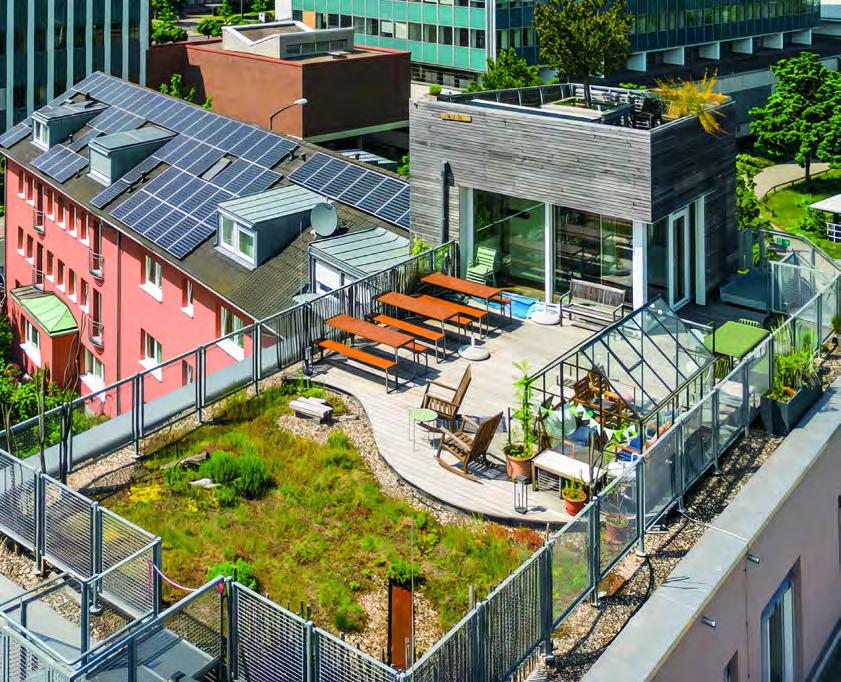
systems, staff training, consumption tracking and the maintenance of technical equipment. Compared with many other labels, the requirements are demanding, combining 22 mandatory criteria with 45 optional measures that enable accommodation providers to tailor their approach while maintaining a high overall standard.
For travellers, this translates into confidence that environmental claims are meaningful. For businesses, it offers a structured way to identify environmental “hotspots” and address them systematically. Although the EU Ecolabel does not currently calculate a product carbon footprint, its comprehensive scope ensures that the most significant impacts of accommodation services are addressed in a coherent way.
Stechemesser says it is “conceivable that the EU Ecolabel will introduce a product carbon footprint in the future”.
As sustainability claims multiply, trust has become one of the most valuable currencies in tourism. Independent and credible environmental labels play a
crucial role in maintaining that trust, particularly as regulation tightens.
Stechemesser emphasises that the EmpCo Directive will change the landscape by only allowing labels introduced by public bodies or based on robust, independently monitored systems. “Independent and credible sustainability labels are very important,” she says. For accommodation providers, this means that choosing a recognised label such as the EU Ecolabel is not only a signal to guests, but also a way to prepare for future regulatory requirements. “Companies can be sure that they comply with upcoming European legislation on environmental information for consumers when they choose the EU Ecolabel.”
Looking ahead, Stechemesser hopes that credible labels such as the EU Ecolabel will become clear points of distinction in the tourism market.
“We hope that credible sustainability labels for environmental excellence will become established in the future and that hotels and campsites will focus
The Hotel Luise in Erlangen, Germany, was EU Ecolabel certified in 2023
• Official environment label of the European Union
• Introduced by the European Commission in 1992
• Certification of hotels and camping sites since 2000
• 900+ awarded holiday accommodations globally
• Independent verification in Germany through three bodies: German Environment Agency (criteria development); Independent auditors (on-site assessment); and RAL gGmbH (certificate review and issuance)
• Also certifies a range of environmentally friendly products, including detergents, cleaning agents cosmetics, textiles and paints
on these types of labels,” she says. A more transparent landscape would make it easier for travellers to factor sustainability into their decisions and reward businesses that invest seriously in reducing their impact. Industry platforms have an important role to play in this transition. By highlighting credible standards and explaining why they matter, events such as ITB Berlin can help build awareness and understanding across the sector. “This will make tourists more aware of these labels and encourage them to consider sustainability and sustainability labels when planning their next holiday,” Stechemesser concludes. In a tourism industry striving to align growth with responsibility, the EU Ecolabel stands as a practical tool for turning ambition into action.

INTERVIEW
Glenn Mandziuk , President & CEO of the World Sustainable Hospitality Alliance, on aligning global hospitality behind credible standards, collective action, and recent milestones including an ESG data breakthrough
The World Sustainable Hospitality Alliance brings together the sector’s foremost leaders to drive responsible growth across the industry. Representing a significant share of global hotel rooms, the Alliance works pre-competitively to create common frameworks, practical tools, and shared commitments that decarbonise operations, protect destinations, and strengthen communities. As market dynamics evolve and stakeholder expectations intensify, its focus has sharpened from pledges to verifiable proof, with milestones including industry wide alignment on Net Positive Hospitality and the launch of Vera-FY, an ESG data management initiative designed to bring unprecedented consistency and credibility to sustainability performance.
Q: How has the industry’s approach to sustainability matured in recent years?
The industry’s maturation reflects a profound recognition that sustainability is now inseparable from commercial viability. What began as fragmented, compliance-led programmes has transformed into strategic integration across governance frameworks and brand architecture.
We have evolved from operational efficiencies to science-based targets, Scope 3 engagement, and nature risk assessment, all aligned with the Paris Agreement and Glasgow Declaration.
This maturity positions us well for the complexities of today’s operating environment, where regulatory landscapes differ across jurisdictions and stakeholder scrutiny continues to intensify. Leaders understand that sustainability underpins resilience against market volatility, risk management across diverse regions, and investor confidence regardless of short-term economic cycles. It is no longer a side programme but a strategic imperative that strengthens our businesses while positioning us for long-term value creation.
At the Alliance, we witness a decisive shift from ambition statements to measurable delivery, and from isolated action to pre-competitive collaboration that transcends borders and market differences.
Q: How does ITB Berlin’s convention theme, ‘Leading Tourism into Balance’, translate to the hospitality sector?
Leading tourism into balance means embedding a dual-mandate consciousness into every operational and investment decision. For hospitality operators, balance translates into decarbonising operations and supply chains aligned with 1.5°C pathways, even as implementation challenges arise.
It means protecting natural capital through water stewardship and biodiversity conservation, investing in local communities as social expectations evolve, and ensuring fair employment practices that build workforce resilience.
Practically, this requires the credible universal standards we have developed through our Universal Sustainability
KPIs, empowered workforces trained through our Academy, and responsible procurement that strengthens local economies while reducing supply chain emissions. Balance is not about slowing growth amid uncertainty; it is about redefining growth through resilience, equity, and long-term destination stewardship that delivers enduring value across all stakeholder groups.
Q: What recent milestones best reflect how far the Alliance and its members have come?
Our journey reflects a sector increasingly unified around shared, measurable goals despite an increasingly complex operating environment. From establishing industry-wide commitments on Net Positive Hospitality to developing practical methodologies supporting implementation, we have moved decisively from ambition to action.
The creation of common reporting frameworks through our Universal Sustainability KPIs and the updated Hospitality Carbon Measurement Instrument has been transformative.
Our Academy has built capacity across thousands of properties, while our Employability Programme has addressed systemic workforce challenges from youth unemployment to vulnerable worker protection.
The launch of Vera-FY represents our most significant milestone; a purpose-built ESG data platform delivering independent verification aligned with global sustainability criteria. For the first time, competing global brands align on shared metrics, demonstrating that pre-competitive collaboration accelerates progress at global scale.
Our responsible resourcing initiatives and Impact Fund further demonstrate that systemic change requires collective leadership, not isolated innovation, particularly when market fragmentation threatens to undermine individual action.
Q: Why is independent verification becoming so critical for the hospitality industry?
Independent verification has become

essential as stakeholder expectations grow more demanding and regulatory frameworks more sophisticated. Vera-FY represents our response to a world where investors, guests, and employees demand uncompromising authenticity in sustainability claims. In this environment, credibility is our most valuable asset and our strongest foundation for trust.
Stakeholders – from investors navigating ESG integration to guests making values-based choices and employees seeking purpose-driven employers – demand standardised, evidence-based disclosure.
As sustainability reporting matures across major markets and best practices emerge globally, robust verification builds trust, eliminates greenwashing risk, and creates a transparent level playing field. Vera-FY provides industry-specific verification ensuring performance claims remain credible, measurable, and comparable at global scale, demonstrating that our commitments translate into measurable outcomes.
Q: Where do you see the greatest opportunity for the sector to deliver positive change at scale?
Hospitality’s greatest opportunity lies in our unique position as the world’s most embedded industry; operating in nearly every community, employing millions, and touching every corner of the global economy. This proximity creates both profound responsibility and extraordinary potential for positive impact.
Through our Employability Programme, we demonstrate how coordinated action addresses systemic workforce challenges,
transforming youth unemployment into career pathways, protecting vulnerable workers, and building economic resilience in destination communities.
Our responsible resourcing initiatives channel collective purchasing power toward local enterprises, strengthening community economies while advancing sustainability goals. The Impact Fund accelerates investment in destination regeneration and nature-based solutions. Simultaneously, advancing decarbonisation and resource efficiency collaboratively – through renewable energy aggregation and circularity in amenities – significantly reduces environmental impact while strengthening operational resilience and cost predictability.
Few industries enjoy such embedded proximity to local economies; that privilege demands we deliver measurable, positive transformation.
Q: What’s the Alliance’s long-term vision for the hotel sector?
The Alliance’s future role is to serve as the unifying force guiding hospitality toward verifiable, scalable action. We will continue bringing the industry together behind frameworks, tools, and partnerships that enable members to move faster and further together than any could alone, providing stability as market conditions evolve.
Our ambition is to shape a hospitality sector that grows responsibly regardless of external pressures, delivering enduring value for business, people, and planet across generations. Through our Universal KPIs providing consistent measurement, Vera-FY ensuring credible verification, HCMI offering rigorous methodology, Academy building workforce capacity, Employability strengthening communities, responsible resourcing protecting destinations, and Impact Fund catalysing regeneration, we are constructing an architecture for resilience that serves all stakeholders United hospitality for measurable impact: this is our commitment, our compass, and our contribution to an industry leading with courage, credibility, and collective purpose.
Tourism is searching for new ways to align growth with responsibility, and the cruise sector is quietly leading the way. Anne-Marie Spinosi, Senior Vice President of MedCruise, explains how data, collaboration and community engagement are helping destinations grow better – not just bigger
As ITB Berlin marks 60 years of global tourism leadership, the cruise sector stands at a critical juncture. Representing less than 10% of visitor numbers yet delivering measurable destination benefits – with more than 40% of ports reporting increased local business revenue – the focus has shifted from growing more to growing better.
MedCruise, the world’s largest association of cruise ports, represents 160 port members and 59 associate members across 22 countries in the Mediterranean and adjoining seas. It sits at the forefront of a cruise model that aligns economic value with environmental responsibility, digital innovation and social acceptance – a future increasingly defined by data, digitalisation and collaboration.
From an economic perspective, cruise tourism delivers measurable benefits when managed strategically. Across the MedCruise network, ports capture value through passenger and crew spending, port services and excursions, helping diversify local economies and extend the tourism season. Ajaccio, Corsica, offers a clear example of what cruise tourism can deliver. In 2023, more than 400,000 cruise passengers generated over €20 million in turnover, including €13 million in passenger spending, €1.3 million from crew and more than €6 million from excursions. Beyond organised tours, 76% of passengers and crew spent money ashore, supporting around 240 local jobs and helping extend the season into
spring and autumn. High satisfaction levels (81%) and a strong intention to return within three years (96%) further reinforce cruise tourism’s lasting value for the destination.
Recognising the importance of credible, comparable evidence, MedCruise has launched an Economic Impact Assessment Working Group with the University of Piraeus.
The aim is to develop a harmonised methodology to measure direct, indirect and induced impacts across ports and regions. In 2026, 10 pilot ports will begin data collection, with initial results expected in 2027.
This work will support evidence-based decision making, strengthen transparency with communities and help identify ways to increase local value through better excursions, port–city integration and partnerships with local SMEs. Measuring impact is not an end in itself; it is a tool to shape smarter outcomes. Digitalisation plays a central role in this shift.
Through its Blue Community initiative, MedCruise supports members in becoming digital leaders via a collaborative learning platform focused on data management, port ecosystem integration and visitor experience. Anticipation – rather than reaction –is key. By using data to better manage flows and resources, ports can improve efficiency while balancing the impact of cruise activity on destinations.
Sustainability and governance underpin these efforts. Across the MedCruise

network, ports are investing in infrastructure and management models aligned with EU priorities such as Fit for 55, including onshore power supply, environmental charging schemes and digital monitoring tools.
These investments are essential to building trust and social acceptance, particularly in destinations facing high tourism pressure. Recent research across more than 400 European cruise ports reveals cruise visitors represent a small share of total arrivals yet generate comparatively high local spending, often distributed beyond historic centres through secondary destinations. Collaboration with cities and communities is equally critical. Since 2021, MedCruise has partnered with NGO AIVP through a joint Cruise Port City working group, developing the Cruise Port City Compass – a practical guide to strengthening port–city relations. The initiative’s second phase now turns to governance, citizen engagement, mobility and flow management, helping ensure cruise tourism enhances quality of life for residents as well as visitors.
In this context, ITB Berlin's theme Leading Tourism into Balance reflects the course already set by MedCruise and its members. Through cooperation, evidence-based planning and digital innovation, MedCruise demonstrates that cruise tourism can support a competitive, climate-neutral and inclusive tourism economy, turning purpose into practice for the Mediterranean and beyond.

As regulatory scrutiny intensifies and capital markets demand measurable performance, industry alignment is no longer optional.
Fragmentation is a liability. Alignment is an asset.
The World Sustainable Hospitality Alliance unites the industry’s brightest minds to de-risk sustainability transformation at scale. We are the engine for action, transforming competitors into collaborators. But vision requires infrastructure. That is why we built the tools to turn intent into EBITDA:
The Pathway to Net Positive Hospitality:
A financial-grade roadmap that replaces guesswork with a clear, standardized route to value creation—aligning your portfolio with global standards and investor expectations.
Vera-FY: The industry’s digital backbone. A data and benchmarking platform that does not just measure performance—it manages, distributes, and monetizes it. We turn ESG data into financial-grade assets.
Responsible Resourcing & Employability: Transforming supply chains and workforce development from risk into value drivers.
The World Academy: Embedding efficiency and innovation from the boardroom to housekeeping.
Through our coming soon Impact Funds, you co-invest directly in growth stage start-ups that scale innovation across the sector.
We don’t just talk about the business case. We build it.
us to shape the standards that will define the future of capital, operations, and hospitality.

As ITB Berlin celebrates more than 60 years of connecting the global travel community, its long-standing commitment to diversity and inclusion continues to set the agenda. ITB Global Travel Collection speaks to Thomas Bömkes, Managing Director, Diversity Tourism and LGBTQ+ Tourism Advisor, ITB Berlin, about the progress and prospects for this important tourism market sector


When Thomas Bömkes became involved in LGBTQ+ tourism in the mid-1990s, it was very much a niche segment, “often under the radar and driven mainly by community networks, independent travel agents, and a few pioneering destinations”. Over the years, the market has evolved tremendously, he says. “What was once a small, somewhat underground movement has become a recognised and respected part of the global travel industry.”
Today, LGBTQ+ travellers are seen not only as a valuable market – worth an estimated $357 billion in 2025 (Coherent Market Insights) – but integral to inclusive tourism development.
“Destinations and brands have learned that visibility, authenticity, and genuine engagement with the community are key to success,” says Bömkes. “We’ve moved from marketing to the LGBTQ+ community to truly welcoming them, and that’s a major shift. The conversation has also broadened to include intersectionality, safety, and social impact, making the sector more sophisticated and purposeful than ever before.” Here, Bömkes reflects on the rise of the LGBTQ+ travel and his future vision.
Q: What milestones stand out in how destinations and brands have engaged with LGBTQ+ travellers?
An early turning point was when major destinations like Amsterdam, San Francisco, and Sydney began to actively promote themselves as LGBTQ+-friendly, not just during Pride, but year-round.
This set a global benchmark for visibility and inclusion. Another was mainstream travel brands and hotel groups integrating diversity and inclusion into their core strategies rather than treating it as a marketing niche.
The launch of dedicated LGBTQ+ initiatives by companies like American Airlines, Hilton, and VisitBritain marked a real shift toward authenticity. Equally important has been the rise of digital and social media, giving LGBTQ+ travellers their own voice and influence.
More recently, the focus on responsible and inclusive tourism, where equality and representation are tied to broader sustainability goals, has become a defining evolution. These moments together have transformed the sector from symbolic gestures to genuine, values-driven engagement.
Q: How has industry perception of LGBTQ+ tourism shifted?
In the early years, LGBTQ+ tourism was often seen as a niche or even risky market, something ‘separate’ to mainstream travel. Many viewed it through the lens of marketing potential rather than inclusion. Over time, that perception has changed dramatically.
Today, LGBTQ+ tourism is recognised as a vital part of the global tourism ecosystem and as a benchmark for how inclusive and progressive a destination or brand truly is.
The conversation has matured from focusing on spending power to emphasising human rights, authenticity, and equality.
The best destinations and companies now understand that being LGBTQ+-inclusive isn’t a campaign, but a commitment that reflects their values and shapes their reputation in a more diverse and socially conscious world.
Q: Why is LGBTQ+ travel such a valuable and resilient part of the global tourism economy?
Because it is built on strong community ties, openness to new experiences, and a deep appreciation for destinations that make travellers feel welcome and safe. Historically, LGBTQ+ travellers have been early adopters, exploring new places, supporting inclusive brands, and driving trends that later reach the mainstream.
Economically, LGBTQ+ travellers often demonstrate above-average spending power and loyalty to destinations that genuinely embrace diversity. Beyond numbers, resilience comes from purpose.
Even in times of crisis, the community continues to travel to connect, celebrate, and support equality.
That sense of shared identity and global connection makes LGBTQ+ tourism a movement that continually reinvents itself and contributes positively to the wider industry.
Q: What are the wider social and cultural benefits of embracing LGBTQ+ tourism?
LGBTQ+ tourism encourages more open, inclusive, and forward-thinking societies.
When destinations welcome LGBTQ+ travellers, they send a powerful message about equality and human rights, both to visitors and to their own citizens. This visibility fosters understanding, reduces prejudice, and encourages dialogue across cultures.
Culturally, LGBTQ+ tourism also enriches destinations by promoting creativity, diversity, and authentic storytelling. Pride events, festivals, and inclusive campaigns often become platforms for artistic expression and community engagement.
Ultimately, it’s not about who travels but how tourism can be a catalyst for positive social change, creating spaces where everyone feels seen, respected, and free to be themselves.
Q: Where should destinations and brands start when developing LGBTQ+ inclusion strategies?
The opportunities are significant. Destinations and brands can build trust and authenticity from the outset by listening to the community, partnering with local LGBTQ+ organisations, and creating genuinely welcoming experiences. Early engagement also helps differentiate in a competitive market by demonstrating values of inclusion and social responsibility.
Digital storytelling and staff training further ensure that inclusivity is authentic, not just a marketing claim.
Those who lead with sincerity and collaboration will earn long-term loyalty, a stronger reputation, and a model for sustainable, values-driven tourism.
Q: What challenges still face LGBTQ+ travellers, and what steps can the industry take to ensure genuine inclusion and safety?
Despite major progress, barriers remain. In some regions, legal restrictions, stigma, and safety concerns still limit where LGBTQ+ people can travel freely.
For the industry, the challenge is to make inclusion more than symbolic – through staff training, clear policies, accessible information, and safe spaces across every stage of the
journey. Intersectional factors such as race, gender identity, and disability add complexity and demand nuanced approaches. The goal is to move beyond “LGBTQ+-friendly” labels to truly inclusive and empowering travel experiences, where everyone can explore the world with confidence.
Q: How can destinations align commercial aims with genuine LGBTQ+ inclusion?
Balancing commercial objectives with authentic representation requires a values-driven approach.
Destinations must ensure that marketing campaigns, partnerships, and events are grounded in genuine respect and understanding of the LGBTQ+ community, rather than being purely transactional. This means actively engaging with local LGBTQ+ organisations, supporting policies that protect rights, and investing in education and training for staff Transparency and accountability matter; travellers can tell when messaging is authentic versus performative. When ethical principles
BY THE NUMBERS
$357bn
Estimated value of the global LGBTQ+ tourism market in 2025
$604bn
Projected market size by 2032
7.8% CAGR
Compound annual growth rate (2025–2032)
Source: Coherent Market Insights
shape strategy, destinations not only win loyalty and trust but also strengthen their reputation and long-term commercial success.
Q: Which destinations and brands are leading LGBTQ+ tourism development and why?
Cities such as Berlin, Madrid and New York have long stood out for their inclusive, year-round engagement, while Fort Lauderdale, Gran Canaria, Palm Springs, Malta and Thailand are very progressive in celebrating inclusive tourism. Among global brands, Hilton, Marriott and Accor have embedded LGBTQ+ inclusion into their core strategies, offering staff training, clear policies, and dedicated marketing that feels authentic rather than performative.
Travel platforms like Booking.com, Expedia and TripAdvisor have also improved accessibility and visibility for LGBTQ+-friendly options, empowering travellers to make informed choices. What unites these leaders is genuine commitment, recognising that inclusion is both the right thing to do and a sound business strategy.
Q: What initiatives have raised the bar for creativity and inclusion?
Pride events in New York, São Paulo and Madrid have evolved from celebrations into global platforms for cultural exchange, social advocacy, and community visibility, drawing millions of visitors. On the commercial side, Marriott’s ‘Love Travels’ campaign and Hilton’s global LGBTQ+ inclusion programmes pair storytelling with real-world action by training staff, funding advocacy partners and publishing visible policies.
Local collaborations, from tourism boards supporting queer festivals to community-led travel guides, show how creativity and inclusion can drive both impact and innovation.
Q: How are digital platforms and influencers making an impact on LGBTQ+ travel?
Digital platforms, influencers, and social storytelling have transformed
“ITB Berlin has played a pivotal role in bringing LGBTQ+ tourism into the mainstream conversation since the late 1990s”
Late 1990s: LGBTQ+ tourism first represented at ITB Berlin, initially focused on visibility and networking.
2010: ITB Berlin formally recognises LGBTQ+ Tourism as an official, equal segment within its CSR strategy and launching the LGBTQ+ Tourism Pavilion
2018: The ITB LGBTQ+ Pioneer Award is introduced.
2023: The inaugural ITB Diversity Gala celebrating diversity and inclusion takes place on the last day of ITB Berlin.
2025: Expansion of the LGBTQ+ Travel Pavilion (Hall 4.1) and the introduction of the LGBTQ+ Travel Risk Map, developed in collaboration with A3M Global Monitoring Diversity Tourism, and ITB Berlin. It provides travellers and industry professionals with up-to-date real insights on risks, legal protections, and safe destinations worldwide, helping to ensure informed and confident travel decisions.
2026: LGBTQ+ travel themes to include safety, authentic inclusion strategies, the role of digital platforms and influencer stroytelling in shaping travel trends.
LGBTQ+ travel in profound ways. Social media enables travellers to share authentic experiences, spotlight inclusive destinations, and build community connections across borders.
Influencers in particular amplify underrepresented voices, highlight safe and welcoming spaces, and inspire new travel trends that might not emerge through traditional marketing.
At the same time, Instagram, TikTok and dedicated travel apps now provide real-time feedback loops between destinations and audiences, making marketing more transparent, interactive and community-driven.
Online storytelling no longer just promotes places; it builds trust and empowers travellers to explore the world confidently and safely.
Q: How has ITB Berlin’s role as an LGBTQ+ champion evolved?
ITB Berlin has played a pivotal role in bringing LGBTQ+ tourism into the mainstream conversation since the late 1990s. Its initial focus was on visibility, creating the LGBTQ+ Tourism Pavilion where destinations, brands and travel professionals could learn about and engage with the market. Over time, this evolved from awareness to thought leadership and advocacy, extending beyond Berlin through ITB LGBTQ+ conferences in Poland, Malta, India, Brazil and Japan. Today, ITB Berlin fosters dialogue on best practice, inclusion and responsible tourism, connecting industry leaders with community voices and policymakers. Its commitment is also reflected in the annual LGBTQ+ Pioneer and Tourism Company Awards presented at the ITB Diversity Gala.
Q: What impact has the LGBTQ+ Travel Pavilion had on awareness and business?
The Pavilion has been instrumental in turning dialogue into action. It provides a dedicated platform for destinations and brands to showcase inclusion while forging new partnerships. Events such as the LGBTQ+ Media Brunch and Diversity Gala offer education on best practice and market trends, helping

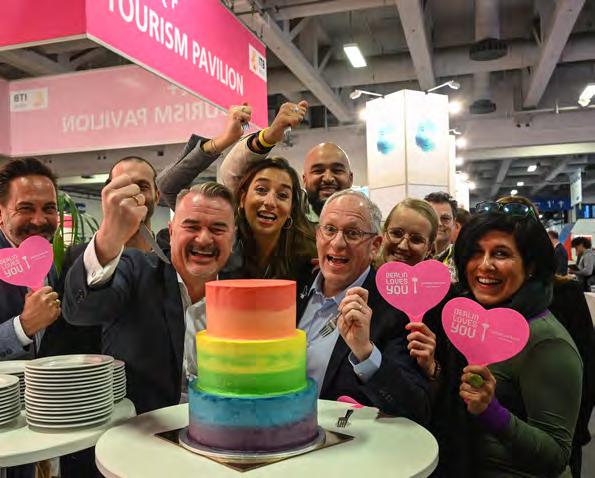
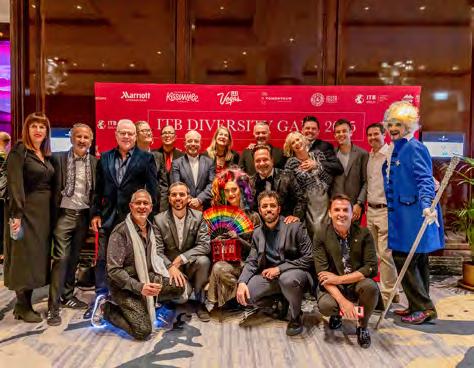
companies move from symbolic gestures to meaningful engagement. The result is stronger relationships, more informed travellers and a measurable shift towards inclusive growth.
Q: How does ITB Berlin’s LGBTQ+ commitment resonate beyond the show floor?
By consistently highlighting diversity and inclusion, ITB Berlin encourages all sectors of the travel industry to prioritise equality and representation. This commitment shapes programming, panel discussions, and networking opportunities, ensuring that topics like LGBTQ+ inclusion, safe travel, and community engagement are integrated into the broader agenda, not only in Berlin, but globally, from Asia to the Americas.
Q: How do you see LGBTQ+ travel evolving in the next decade?
LGBTQ+ travellers are increasingly values-driven, seeking experiences that reflect authenticity, sustainability and social responsibility. They expect safe, welcoming destinations that engage
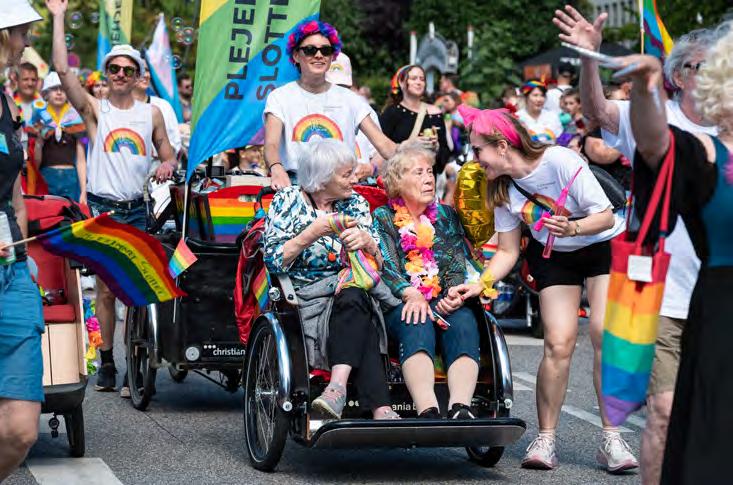
meaningfully with local communities and cultures. Intersectionality, including race, gender identity and accessibility, will increasingly shape expectations. While some countries continue to restrict LGBTQ+ rights, these efforts are unlikely to prevail as global momentum for equality strengthens. For the industry, the priority is to move beyond slogans and deliver genuine inclusivity at every stage, from booking to on-the-ground experiences. Transparent policies, digital innovation, staff training and partnerships with local LGBTQ+ organisations will be essential. Brands that act with integrity will build lasting
trust, loyalty and resilience in an increasingly conscious travel market.
Q: What would you like ITB Berlin’s legacy to be?
Genuine leadership in promoting diversity, inclusion and belonging across global tourism. Beyond showcasing destinations and business opportunities, ITB Berlin can set standards, inspire best practice and foster dialogue between industry and community. Its success should be measured not by campaigns but by the cultural shift it has helped create, where every traveller feels seen, respected and safe.
Expo City Dubai
COMMENT
Renato Gagliardi, Vice President of Global Membership at the International LGBTQ+ Travel Association (IGLTA), reflects on the evolution of LGBTQ+ travel at ITB Berlin, from a single booth to a global platform for inclusion, visibility and sustainable business growth
Picture it: Berlin, 1999. Back then, the global travel landscape looked nothing like we see today. The International LGBTQ+ Travel Association (IGLTA) was still early on its path to becoming the leading network for LGBTQ+ welcoming tourism businesses globally, and it was our first year to have a booth at ITB. The conversation around LGBTQ+ travel was relatively narrow, primarily focused on a few established urban centres in the Americas and Western Europe. At the time, the idea of a dedicated, large-scale presence for our community at a major trade show was still a distant goal.
Research helped our community to change the narrative. Armed with data showing that businesses supporting LGBTQ+ travel reap economic benefits, we saw that one booth evolve into a dedicated LGBTQ+ Tourism Pavilion. Serving as a queer business hub at ITB Berlin for more than 15 years, the pavilion has transformed from its humble beginnings into a highly visible meeting spot where partnerships are forged and celebrated, and IGLTA has been proud to be a part of it each year. The expanding interest in LGBTQ+ travel is not just a ‘Western trend’.
Destinations across Asia, Africa, and other emerging markets are realising that being inclusive is simply part of being a modern travel destination.
In 2026, LGBTQ+ travellers are looking for destinations that take their safety and experience seriously, and they are rewarding those that do. For the travel industry, paying attention to this group of travellers is no longer a niche marketing tactic; it’s just good business in a competitive global marketplace.
IGLTA has expanded its programming to embrace these shifts, addressing the need for accountability and diversified support. Programs like IGLTA Accredited™ give hotels a way to prove that they meet clear, professional standards that travellers can trust. The IGLTA Foundation’s Emerging Destinations and Communities Programme champions queer-led businesses in emerging destinations, helping these innovative entrepreneurs to change the face of travel in even the most unexpected places.
After ITB Berlin, the IGLTA Global Convention will offer the next major opportunity in Europe to amplify the business of LGBTQ+ travel. This November, the industry will gather in Seville, Spain, for the 2026 event (November 17-21). Much like Berlin, Seville is a great example of a city that respects its history while being open and welcoming to everyone. The convention provides the ideal setting to move beyond the initial handshake and into the strategic plans that drive the sector forward, ensuring that the momentum started in Berlin results in measurable growth for the year ahead.
Looking back to that first booth in 1999, the progress is obvious. But with progress comes a responsibility to move beyond words. We have passed the time of simply asking to be seen and into an era where LGBTQ+ travel is a respected, professional part of the global market. As we look at the future of the ITB Global Travel Collection, IGLTA is here to make sure the industry keeps moving toward a world that isn’t just ‘friendly’ on paper, but truly welcoming in practice.

Progress isn’t just about market growth; it’s about making sure no one has to travel – or work –in the shadows. If you’re looking for a welcoming space to learn, connect, or simply be yourself among peers and allies, our booth is open to you.
Stop by the IGLTA Booth in the LGBTQ+ Tourism Pavillion to say hello and find your place in our global community.
Earn more from each reservation with Exely Booking Engine. Have your high-converting website made by choosing Hotel Website Development, or create it yourself in Hotel Website Builder!
Increase your occupancy by selling on as many booking platforms as you want with Exely Channel Manager. Benefit from the seamless syncing to free up your hotel staff’s time. Eliminate overbooking and human errors.
Elevate your hotel’s online image with Reputation Manager. Create a successful pricing strategy by tracking your competitors’ rate changes in Price Monitor and managing the dynamic pricing in Price Assist.
Reduce repetitive tasks with our Property Management System. Manage bookings and housekeeping from any device. Generate performance reports. Store guest details to check guests in with just a couple of clicks.
Booking Engine for Hotel Websites

$25.29bn market value in 2025
7.31% annual growth rate
$35.98bn market value by 2030
2025 PREDICTIONS
273mn passengers +9.4% v. 2024
113mn passenger for African carriers +15.3% v. 2024
2026 PREDICTIONS
6% growth in air travel v. 2025
Demand for cruising in Africa
+253% in 2023 (v. 2022)
ETHIOPIA TO BUILD AFRICA’S BIGGEST AIRPORT
40km south of Addis Ababa , 110mn passenger capacity
4 runways
VISION 2035 PLAN LINK
$10bn value
$500m contribution from African Development Bank
ONE TO WATCH: CAPE TOWN CRUISE TERMINAL
2024-2025 cruise season best yet
83 ship calls in total
22 ship calls in March 11 inaugural calls
+16% y-o-y passenger and crew numbers
Record-breaking results
Egypt
EGP1.4tn economic impact in 2024
8.5% GDP contribution
4.9% GDP growth prediction to 8.6% in 2025
EGP726.9bn international visitor expenditure 2024
EGP768.2bn predicted in 2025

UN
Discover what truly makes you happy in South
ometimes, it takes just a single moment to change everything. A moment of awe, stillness or pure joy. This is the essence of South African Tourism’s inspiring global campaign, ‘Come Find Your Joy’. South Africa is not simply a destination – it is a place where travellers reconnect with what truly fulfils them.
Find your joy in encounters with the wild
There are moments that make you hold your breath – an elephant calmly crossing the road, or a lion bathing in the golden light of the savannah. Time seems to stand still, and joy feels real and profound. South Africa is where moments like these happen – with safari experiences to suit every travel style, from world-renowned national parks such as Kruger National Park to exclusive private game reserves.
Home to the iconic Big Five, the country also boasts extraordinary biodiversity, with countless bird and mammal species. Along the coastline, the wildlife experience expands to the Big Seven, where whales and great white sharks add another thrilling dimension. Whether exploring on safari, a guided bush walk, horseback safari or even a hot-air balloon flight, each perspective offers new moments of wonder. Importantly, safaris in South Africa are accessible across a wide range of budgets, from authentic bush camps to luxurious lodges.
Find your joy in vast, open landscapes
South Africa opens spaces – both outwardly and within. From the iconic Table Mountain and God’s Window to the dramatic Blyde River Canyon, the country reveals a landscape of striking contrasts: towering mountains, open plains, rugged
coastlines, red sand dunes and lush gorges. Nature lovers are drawn to the scenic Garden Route, while the untouched beauty of the Wild Coast offers a sense of raw authenticity.
The country’s plant life is equally remarkable.
The Cape Floral Kingdom – one of only six floral kingdoms in the world – the vibrant spring blooms of Namaqualand, and the ancient baobab trees of the north showcase nature at its most inspiring. With nearly 3,000 kilometres of coastline, South Africa invites travellers to find their own special place by the sea – whether on the beaches of Camps Bay, the surf breaks of Jeffreys Bay, or the subtropical shores of KwaZulu-Natal.
Find your joy in adventure, or in stillness
South Africa offers the freedom to choose your own pace. For those seeking adrenaline, there is hiking in the Drakensberg Mountains, kayaking along the coast, canopy tours through forest treetops and unforgettable whale-watching experiences. Thrill-seekers can leap from the Bloukrans Bridge on the world’s highest commercial bungee jump, abseil down Table Mountain or try sandboarding on towering dunes. Equally rewarding are the quieter moments:

“South Africa is not simply a destination – it is a place where travellers reconnect with what truly fulfils them”
walking through ancient forests, watching the sun set over the ocean or simply listening to the sounds of nature. South Africa balances excitement and calm in a way few destinations can.
Find your joy through the senses
South Africa tastes, sounds and feels like celebration. Cities such as Cape Town and Johannesburg blend African heritage with creativity, contemporary culture and a vibrant urban energy.
The culinary scene reflects this diversity, from fresh seafood and Karoo lamb to Cape Malay cuisine and innovative fusion dishes. Durban and the province of KwaZulu-Natal (KZN) are the culinary heart of South Africa when it comes to bold spices, cultural fusion and fresh coastal cuisine. Here, Zulu heritage meets the massive influence of

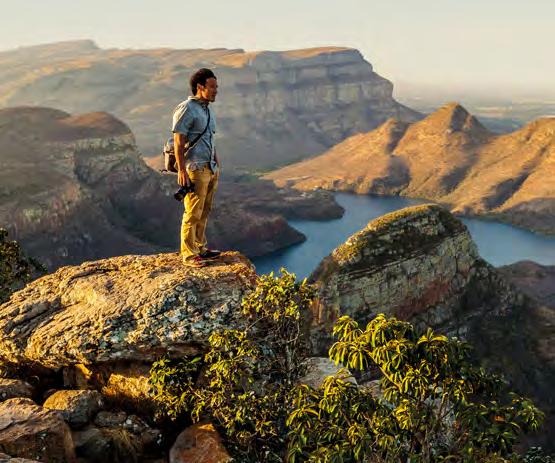
the largest Indian community outside India. Thanks to excellent value for money, indulgence here feels effortless and unhurried.
Find your joy in meaningful connections
Joy is often found in human connection. In South Africa, people welcome visitors with warmth, openness and stories to share – in cultural villages, bustling markets, townships and wine cellars.
Places such as Soweto, Robben Island and Nelson Mandela’s former home speak powerfully of the country’s history, resilience and hope. Music, dance and genuine hospitality turn encounters into lasting memories – authentic, heartfelt and deeply moving.
Come find your joy
South Africa is a country of endless possibility. A place that inspires, restores and energises. For those who travel in search of more than just a holiday, South Africa offers the chance to discover something truly meaningful – and perhaps, to find exactly what brings them joy.
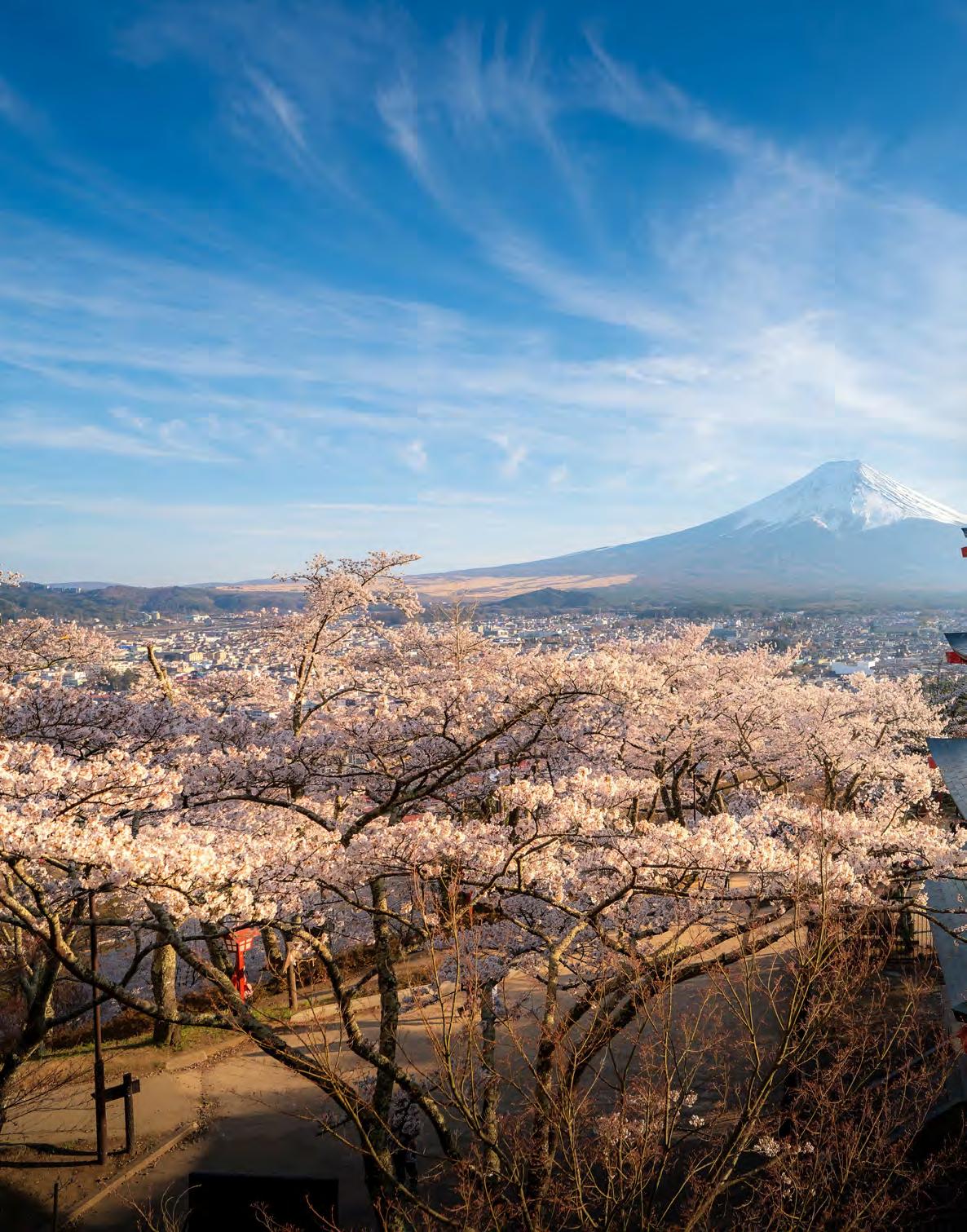
ASIA DOMINANCE
7% direct contribution to GDP by 2034, positioning Asia as the world’s fastest-growing tourism economy
CHINA AND INDIA LEAD
Accounting for 25% of international outbound travel by 2030
2025 FORECAST
3.6bn air passenger traffic +5.6%-9% v. 2024
Region contributing 50% of global growth
4.03mn cruise passengers from Asia & Oceania in 2024 +9.8% v 2023
2.65mn from Asia & China +1.5% v 2023
1.33mn from Australia/New Zealand/Pacific +3.8% v 2023
$17bn: Long Thanh International Airport, Ho Chin Minh, Vietnam
100mn passenger capacity
5,580 hectares
2050 completion
TOURISM SUCCESS STORIES
ECONOMIC IMPACT PREDICTIONS
Australia
A$314bn economic impact in 2025
11.4% GDP contribution
1.7mn jobs
11.5% of national employment
A$39bn international visitor spend
+22% v 2024
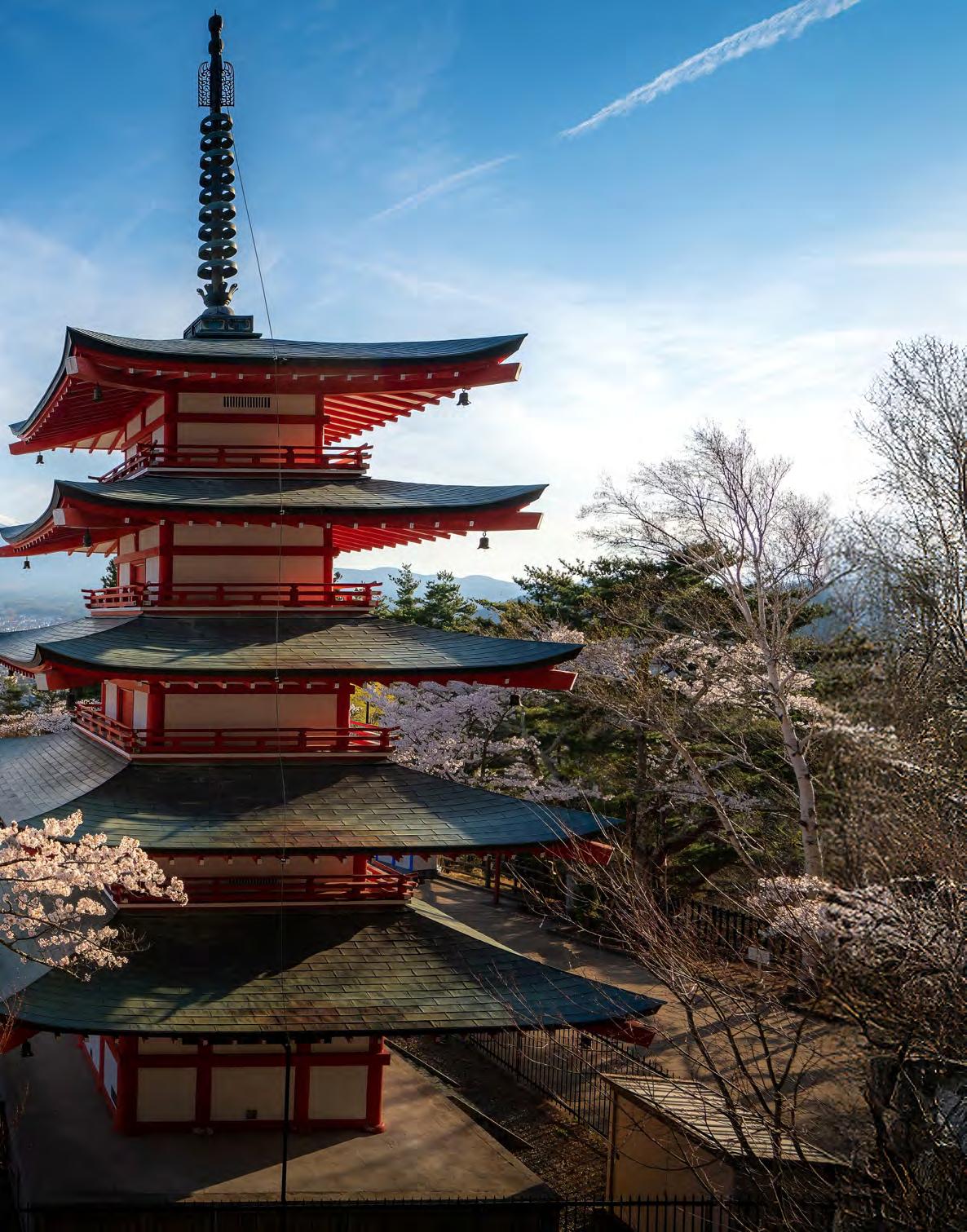
BY 2035
A$406bn economic impact
12% GDP contribution
2.1mn jobs
A$52bn international visitor spend
SOURCES: UN TOURISM, PATA, WTTC, OXFORD ECONOMICS, IATA, ACI ASIA PACIFIC, CLIA, EUROMONITOR INTERNATIONAL, WORLD ECONOMIC FORUM, JNTO, INTERAIRPORT SOUTHEAST ASIA
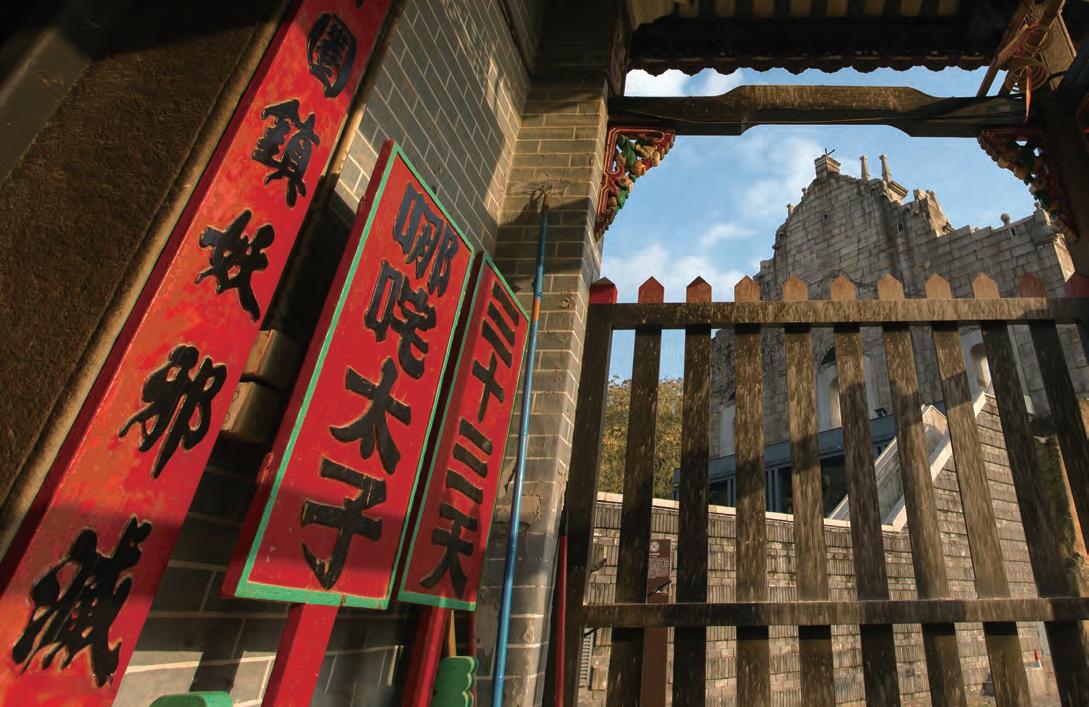
DESTINATION
With a UNESCO-listed historic centre, a globally recognised gastronomic scene and a striking contrast between old and new, Macao is a destination defined by centuries of cultural exchange and lived experience
When you arrive in Macao the layers of its history are immediately visible. Cobblestone streets lead to baroque church façades; incense drifts from centuries-old Chinese temples; Cantonese and Portuguese street names perch above multi-lingual conversations. Few places embody cultural exchange as vividly as Macao – a city with more than 400 years of interaction between China and Europe behind it, and an identity that continues to evolve. This distinctive ‘East meets West’ character is the result of Macao’s unique history as a Portuguese trading post from the mid-16th century until 1999. Positioned on China’s southern coast, the city has become a gateway between East Asia and the wider world, embracing European architecture, Catholic traditions and Lusophone culture while remaining deeply rooted in Chinese beliefs, language and customs. The result is not a simple merging of influences, but a rare fusion that continues to define Macao today.

Nowhere is this cultural crossroads more clearly expressed than in the Historic Centre of Macao, inscribed on the UNESCO World Heritage List in 2005, in recognition of its role as a crucial port in East-West trade and cultural dialogue. Rather than a single landmark, the UNESCO designation acknowledges a connected urban landscape of more than 20 sites –churches, temples, squares and civic buildings – that together tell the story of centuries of exchange.
At its heart lies Senado Square, a lively civic space paved in wave-patterned Portuguese stonework and framed by pastel-coloured buildings.
Nearby, St Dominic’s Church and the dramatic Ruins of St Paul’s stand as testimonies of the city’s European past. Just blocks away, the ancient A-Ma Temple, dedicated to the sea goddess Mazu, anchors Macao firmly in Chinese spiritual tradition.
The proximity of these sites enables visitors to move between cultures, often within the same street.

Visitors to ITB Berlin are invited to discover Macao’s East-meets-West character at the Macao booth (Hall 26, Stand 317) and by participating in a questionnaire. Click on the QR code printed above to access the questionnaire, which will also appear across Macao’s outdoor advertising at ITB Berlin. Participants will also have the chance to win a hands-on workshop experience at the booth, offering a closer introduction to Macao’s culture and creativity. They can also discover the Magic of Multi-Stop Adventures of Macao at the China stand (Hall 26, Stand 315).
This coexistence, rather than contrast, is what gives Macao its distinctive sense of place.
But there’s more to Macao’s heritage than its monuments and museums.
Chinese festivals, temple rituals, Cantonese opera and traditional crafts continue alongside Catholic processions and civic traditions.
In neighbourhoods beyond the main squares, daily life unfolds much as it has for generations, with cafés, markets and family-run businesses forming the social fabric of the city.
This sense of continuity gives Macao a rare authenticity.
Heritage here is lived rather than staged, enabling visitors to experience culture as part of everyday life rather than as a curated attraction.
Macao’s cultural fusion finds one of its most expressive forms in its food. In 2017, the city was designated a UNESCO Creative City of Gastronomy, recognising a culinary tradition that has emerged through centuries of maritime exchange. Macanese cuisine is often described as one of the world’s earliest fusion cuisines.
Developed in home kitchens over generations, it blends Chinese cooking techniques with Portuguese ingredients and influences from Southeast Asia, Africa and beyond Delicious dishes such as minchi, African chicken and spice-inflected seafood, reflect a global history distilled into deeply local flavours.
Alongside these sit Portuguese baking traditions, most famously the
Historic Centre of Macao
(UNESCO World Heritage Site) Senado Square, the Ruins of St Paul’s, and St Dominic’s Church.
A-Ma Temple
One of Macao’s oldest landmarks and a cornerstone of its Chinese spiritual heritage.
Taipa Village
A blend of historic streets, temples and local eateries that reflect everyday life in Macao.
Cotai Area
Contemporary resorts and entertainment that showcase the city’s modern identity.
Local bakeries and eateries
Macanese cuisine and iconic egg tarts (pictured below) offering a taste of cultural fusion.


pastel de nata. These crisp, caramelised egg tarts, perfected in Macao, have become an international symbol of the city, while bakeries and cafés remain central to community life.
Traditional Cantonese dining, from dim sum to seafood banquets, continues to thrive, offering a rich and varied culinary selections to suit all tastes.
Adding another layer to the city’s identity is its contemporary role as a global entertainment and leisure destination.
Across the Cotai area, large-scale resorts introduce a dramatic modern skyline, with theatres, shopping malls, dining outlets and hotels operating at international scale.
Yet even here, Macao’s East-meets-West character is infused.
European architectural references sit alongside Asian design influences, while cultural performances and dining concepts reflect both traditions.

The juxtaposition of Cotai’s modernity and the intimacy of the Historic Centre adds to the charm of this multi-dimensional city.
Despite its global profile, attractions in Macao are often within walking distance.
Visitors can explore with their own comfort from historic squares to local neighbourhoods, from temples to cafés, often within minutes.
This compactness encourages exploration and rewards curiosity, revealing layers of history etched into streets, buildings and daily rituals.
Macao’s appeal lies in this density of experience; a place where centuries of trade, faith and cultural exchange have created a destination that is both historic and remarkably contemporary.
Its close proximity and seamless transport links to the Chinese mainland also make Macao an easy and convenient addition to a multi-destination journey.


Below: ITB Berlin provides a platform for Macao to engage with Germanand European-speaking markets
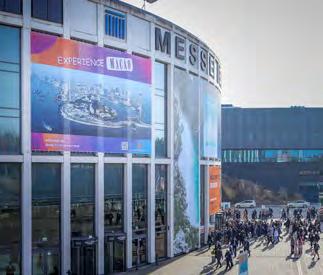
To strengthen engagement with German-speaking and other European markets, the Macao Government Tourism Office uses ITB Berlin as a platform to expand its long-haul market presence and support international visitor growth. Alongside the China booth, Macao presents itself at ITB Berlin as a Special Administrative Region of the People’s Republic of China, reflecting its unique status and role within the wider national tourism framework, as a gateway city and more.
This year, a crossover event bringing together the China booth, the Macao Special Administrative Region booth and the Hong Kong Special Administrative Region booth will highlight the ease and appeal of multi-destination journeys across mainland China, Hong Kong and Macao.
For a virtual tour of Macao’s East-meets-West character, scan this QR code














A tropical archipelago in Malaysia’s Andaman Sea, Langkawi brings together white-sand beaches, ancient rainforests and a UNESCO-listed geopark alongside world-class resorts and eco-adventures

Rising majestically from the Andaman Sea off Malaysia’s north-west coast, Langkawi is a fascinating archipelago of 99 islands, anchored by the main island of Pulau Langkawi. This tropical haven is bursting with natural attractions, bringing together idyllic blonde beaches, jungle-clad hills, limestone cliffs and ancient rainforests in one vivid easy accessible package.
Langkawi’s appeal lies in its contrasts: untouched landscapes alongside world-class resorts; adventure paired with stillness; and a strong ecological identity, supported by modern-day comforts.
It is a destination that invites visitors to slow down without sacrificing variety; a natural counterpoint to Malaysia’s urban energy, where days can be filled with exploration or left intentionally unplanned.
At the heart of Langkawi’s identity is its natural environment. The island is part of the UNESCO Global Geopark, recognised for its geological heritage, biodiversity and commitment to conservation. This is not nature viewed from a distance, but something that actively defines how visitors move through and experience the island where mountain and sea function as one living geo-forest.
Mangrove forests, hidden caves and winding waterways can be found in Kilim Geoforest, where boat journeys reveal limestone formations, eagle-filled skies and quiet channels framed by dense greenery. Inland, forest trails lead through ancient rainforest, while viewpoints across the island unveil a dramatic meeting of land and sea.
Wildlife encounters, from macaques and monitor lizards to hornbills and sea eagles, dusky leaf monkeys and possibly dolphins, are all part of the experience. Eco-adventures are increasingly central to Langkawi’s tourism offer.
Guided hikes, kayaking routes, nature walks, mangrove tours, and responsible wildlife experiences enable visitors to engage with Langkawi’s landscape at a human pace, reinforcing the island’s reputation as a destination where nature remains accessible, protected, and respected.
Langkawi’s coastline stretches from lively beachfronts to quieter, lesser-known coves.
Pantai Cenang is the island’s social heart, with restaurants, cafés and water sports creating a relaxed energy from day into night.
A short distance away, Pantai Tengah offers a calmer alternative, popular with families and those seeking space without isolation.
Elsewhere, more secluded beaches reward exploration, often backed by jungle or rolling hills rather than dense development. The emphasis across the island is on openness, with space to walk, swim, linger and watch the light change across the water. Calm extends beyond the beach. Even at its busiest points, Langkawi avoids the intensity associated with larger resort destinations, making it particularly well suited to longer stays and unhurried travel.
Langkawi has built a strong reputation for high-quality accommodation, with a portfolio of resorts that prioritise privacy, design and connection to the surrounding environment.
Many are set along quiet stretches of coast or integrated into natural landscapes, offering sea views, shaded gardens and understated luxury.
The presence of internationally recognised luxury and boutique hotel collections and wellness-focused resorts reflects the island’s appeal to travellers seeking comfort without excess.
Spa experiences, yoga sessions, beachfront dining and sunset rituals are woven naturally into the everyday travel experience, rather than positioned as headline attractions..
For couples, families and solo travellers alike, Langkawi offers a sense of ease. It’s an environment where time feels flexible and routines quickly fall away.
Dining in Langkawi is varied, affordable and easy to fit into everyday plans. Options range from beachfront cafés and seafood restaurants to small local eateries serving Malaysian classics, with most meals enjoyed in relaxed, informal settings. Evenings are often spent at night markets or open-air restaurants rather than enclosed dining spaces, giving the island a social, laid-back feel after dark.
Local Malay dishes feature prominently on menus, including asam pedas, a sour and spicy fish stew, and nasi goreng flavoured with belacan.
For nature lovers
Mangrove cruises in Kilim Geoforest, rainforest hikes, wildlife watching and ecoadventures across the UNESCO Global Geopark.
For relaxation seekers
Beachfront resorts, spa retreats, wellness programmes and quiet beaches ideal for long, unstructured days.
For adventurers
Cable car rides, Sky Bridge walks, sailing, diving, kayaking and island-hopping excursions.
For lifestyle travellers
Duty-free shopping, Night markets, souvenir shopping, casual dining, beach cafés, coffee places and sunset experiences.
For golfers
Scenic championship courses set between mountains and sea.
Fresh seafood is widely available, with prawns, fish and shellfish prepared simply and served at accessible prices.
Alongside this, Langkawi also offers a growing number of higher-end dining options, particularly within resort hotels, where chefs combine regional ingredients with contemporary techniques. The result is a dining scene that is easy to navigate, with plenty of choice for both everyday meals and more special occasions.
Beyond its beaches and forests, Langkawi offers a broad mix of activities that reflect both its geography and its culture. The Langkawi Cable Car and Sky Bridge provide sweeping views across the archipelago and beyond to Thailand on clear days, offering a dramatic perspective on the island’s scale and terrain. On the water, sailing,
island-hopping and diving reveal quieter corners of the archipelago, including Dayang Bunting Island, known for its freshwater lake and surrounding jungle, where landscape and legend are deeply intertwined. Golf has also emerged as a key draw, with scenic courses framed by mountains and sea.
Cultural life in Langkawi is understated but present. The predominantly Malay culture is warm and invites you to partake in its simple phrases and gestures. Night markets rotate across the island, offering local food, crafts and a glimpse into everyday life.
In Kuah, the island’s main town, the iconic eagle statue stands as a symbol of Langkawi’s name and maritime heritage, while viewpoints such as Maha Tower offer a contemporary contrast.
Langkawi’s duty-free status has been part of its identity since 1987 and while it is a mainstay of the tourist shopping areas, today, it has evolved into a specialist duty-free offering.
Popular shopping destinations include Kuah Town, known for its luxury items and electronics; Pantai Cenang, ideal for picking up souvenirs, beach gear and clothing; and for chocolates and imported treats, Ram’s Duty-Free is a visitor hotspot.
Langkawi’s accessibility is part of its enduring appeal. Its nature is diverse, varied and ever so accessible.
You could snorkel on the islands, visit a miracle and fabled lake and head on up a mountain all easily in a day.
Externally, the island is well connected by air to mainland Malaysia and regional hubs, while road infrastructure makes it easy to explore independently by car or e-hailing. Distances are manageable, encouraging exploration without the pressure of rigid planning.
The destination is widely regarded as safe, clean and welcoming, with a strong tourism infrastructure that supports visitors while maintaining a relaxed, community oriented feel.

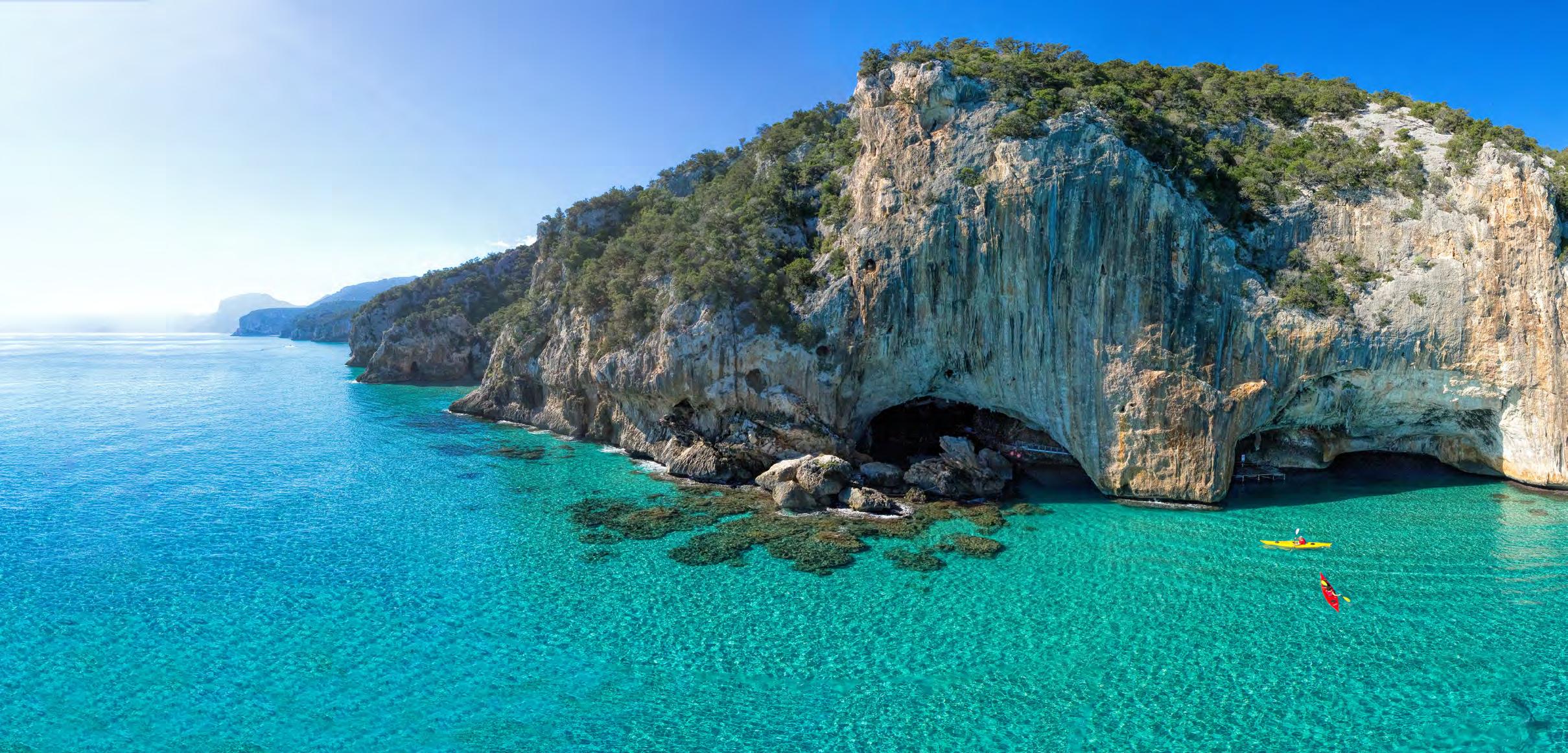

LATIN AMERICA & CARIBBEAN (LAC) 2035 OUTLOOK
$944.8bn economic contribution of tourism to region 35.4mn jobs
2025 FORECAST
North America 9.8bn air passenger traffic +0.2% v. 2024
LAC
789mn air passenger traffic +4.1% v. 2024
20.53mn cruise passengers from North America in 2024
+9.3% v 2023
1.17mn cruise passengers from South America in 2024 +7.8% v 2023
$135bn California high-speed railway
$42.9bn Los Angeles Metro 28 by ’28 initiatives
$19bn JFK Airport expansion, NYC
Record economic impact predictions
Canada
$183bn economic contribution in 2025
$233.5bn economic contribution by 2035
Peru
$23bn economic contribution in 2025
$34.3bn economic contribution by 2035
Costa Rica top wellness destination
Cartagena favoured by international food fanatics
Argentina a hotspot for adventure seekers

SOURCES: UN TOURISM, WTTC, OXFORD ECONOMICS, IATA, US TRAVEL ASSOCIATION, CLIA, MASTERCARD ECONOMICS INSTITUTE, BLACKRIDGE RESEARCH & CONSULTING
With the inaugural ITB Americas set to launch in Guadalajara in November, Vicente Salas Hesselbach, Managing Director of the new event, explains why the time is right for a dedicated ITB platform for the region, and how it aims to connect North, Central and South America, the Caribbean and the global travel industry through one integrated marketplace
The 2026 launch of ITB Americas marks a major expansion of the ITB Global Travel Portfolio and reflects the growing weight of the Americas in the global travel economy. Announced at ITB Berlin last year, the new three-day B2B trade show will take place at Expo Guadalajara from November 10–12, establishing a dedicated ITB platform for the region.
With momentum building across markets and demand rising for more efficient, cross-regional engagement, ITB Americas is designed to bring structure, scale and focus to business across the continent. Here, show Managing Director Vicente Salas Hesselbach explains why the timing is right, and what the industry expects from this new marketplace.
Q: Why is 2026 the right time to launch a dedicated ITB platform for the region?
The timing is not coincidental; it is the result of clear market signals.
Across the Americas, travel and tourism have regained strong momentum. Investment is increasing, connectivity continues to expand, and destinations are actively seeking new international partnerships, particularly in the leisure segment.
ITB Americas was created to connect opportunities across four diverse regions – from Canada to Patagonia –enabling the industry to operate as one integrated travel economy.
That is why now is the right moment. The region is ready, the demand is evident, and the industry is actively looking for a more efficient way to do business across the Americas.
Q: What has been the industry response; any surprises?
Since the announcement, the response has been highly encouraging across the ecosystem. Stakeholders are not approaching ITB Americas as a regional event, but as a strategic gateway to the entire continent and the rest of the world. What has surprised me most is the speed of uptake.
The objective is to create one integrated marketplace where companies can efficiently access the entire continent, build meaningful partnerships, and conduct business at scale.
Guadalajara is the host city of ITB Americas
The dialogue moved very quickly from ‘What is ITB Americas?’ to ‘How do we secure our place?’. That level of early commitment clearly indicates that the concept resonates with the industry.
Q: What gap in the regional and global marketplace does ITB Americas fill?
We are not positioning ITB Americas as just another trade show. Our role is different. ITB Americas is designed as a bridge that connects the four regions of the Americas: North, South, Central America and the Caribbean, and the
Q: How will ITB Americas connect these very different markets to facilitate real business opportunities?
The Americas are incredibly diverse, and we fully embrace that. Our goal is not to treat the region as one homogeneous market, but to create meaningful connections between very different realities. We achieve this through curated matchmaking, a strong hosted buyer programme, and a clear focus on senior decision-makers. We want a buyer from Canada to meet a destination from Peru, a hotel group from Brazil to connect with US operators, or a tech provider from Europe to access the entire continent, all within one structured environment. That is where real business happens.

Q: What’s the format and top features for ITB Americas?
The format is built around one clear principle: quality over volume. A carefully curated B2B structure, supported by the hosted buyer programme ensures exhibitors meet qualified decision-makers with real purchasing power, not only from Mexico, but from across the Americas and key international markets including Europe, Asia, Africa, and the Middle East. Equally important is the conference programme, which plays a strategic role beyond the exhibition floor. It is designed to set the agenda for the region, bringing together industry leaders

to discuss trends, share best practices, and address the commercial realities shaping travel across the continent.
Q: Who should be there and why is early participation particularly valuable?
ITB Americas is for those who want to actively shape the future of travel across the Americas. The inaugural edition is not just another event on the calendar; it is when the platform, the relationships, and the standards are being established.
Those who join early help define the marketplace from the ground up. Being present from the start means building visibility, partnerships, and strategic positioning ahead of the curve, rather than catching up later. This is the moment to step in and be part of the foundation.
Q: What does the ITB brand bring that’s unique to the Americas market?
For more than 60 years, ITB has convened the global travel industry’s key decision-makers on one trusted platform, giving participants confidence in the quality of the audience, the level of conversations, and the business
outcomes they can expect. Being part of the ITB Global Travel Collection also means access to a worldwide network of buyers, exhibitors, and partners.
It allows ITB Americas to launch with scale, visibility, and international relevance from day one, rather than growing gradually over time.
Q: Why was Guadalajara chosen as host location, and how does the city reflect the ambitions of ITB Americas?
LATIN AMERICA
10% growth in international travel (2025 v. 2024)
NORTH AMERICA
US largest outbound market
= 120mn international trips reported in 2024
MEXICO
16% growth in outbound travel (2025 v. 2024)
Guadalajara sits at the heart of the Americas region, with strong air connectivity, a modern infrastructure for large-scale events, and a dynamic business environment.
The city represents openness, accessibility, and growth, which is exactly the spirit we would like the ITB Americas platform to embody.
Mexico itself plays a unique role, acting as a bridge between North and Latin America, which aligns perfectly with our positioning.
Q: Looking beyond the inaugural edition, what does success look like for ITB Americas five years from now?
In the short term, we want to deliver a first edition that proves the model and generates tangible business results.
In the medium term, we want ITB Americas to become the annual meeting point for the entire hemisphere.
And within five years, success means being recognised as the most efficient and relevant travel trade platform for the Americas; the place where the industry naturally comes together to connect, contract, and shape the future.
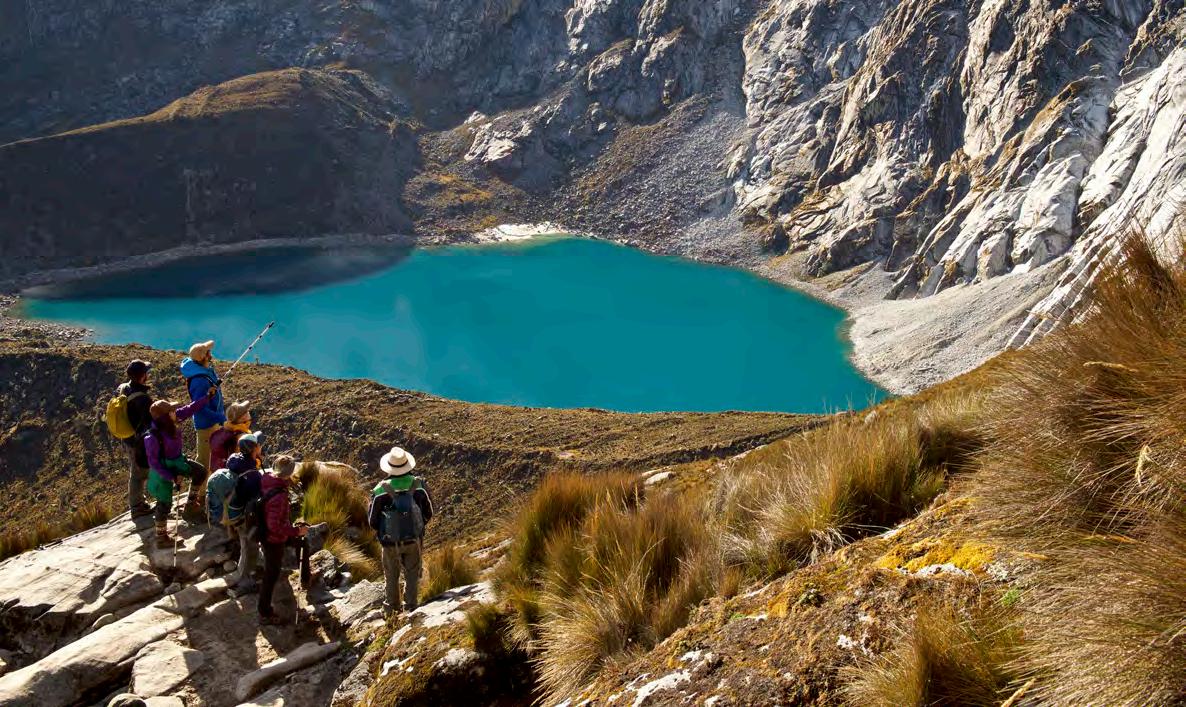
Peru’s reputation as an adventure tourism destination is built on extraordinary geographic and cultural diversity. Within a single country, travellers can move from high-altitude trekking in Áncash to rafting in Arequipa, surfing in La Libertad, windsurfing in Ica, wildlife encounters in the Amazon and desert adventures along the southern coast. This range of landscapes and activities is matched by a strong commitment to sustainability and community-based tourism, adding depth and purpose to every journey.
A defining experience for many visitors remains the classic trek to Machu Picchu.
“Of course, it’s an iconic journey that blends adventure, nature and history, but it is only one of the many meaningful experiences that our country has to offer,” says María del Sol Velásquez, Tourism Promotion Director at PROMPERÚ.
“One excellent option is exploring the Amazon rainforest, in regions like Loreto and Madre de Dios; navigating its rivers and discovering its unparalleled biodiversity is an experience that connects travellers with one of the
From the Andes to the Amazon, Peru’s adventure tourism offering is evolving fast, going beyond the thrilling to encompass sustainability, community and nature, as María del Sol Velásquez, Tourism Promotion Director at PROMPERÚ, explains
world’s most vital ecosystems.”
Beyond the world-famous icons, Peru offers “enduring experiences rooted in living culture and nature”, continues Velásquez. “Adventures such as trekking in the Huayhuash Mountain Range, engaging with Andean communities, observing wildlife in protected natural areas like Manu National Park or exploring ancient coastal landscapes create lasting memories that go far beyond adrenaline-fuelled activities.”
These experiences position Peru as a destination where adventure is “not only about physical challenge, but discovery, authenticity and a deep connection to its territories”, she adds.
Demand for adventure tourism in Peru has grown steadily in recent years, reflecting wider global trends, notes Velásquez. Travellers are increasingly seeking open-air experiences, sustainability and meaningful connections with nature and local communities – areas where Peru has long been strong. “Demand for trekking

routes beyond the classics, experiences in the Peruvian Amazon, community based adventures and soft-adventure products has grown steadily, supported by targeted promotion and product diversification,” Velásquez explains.
Against this backdrop, adventure tourism now plays a significant role within Peru’s wider tourism offering, delivering consistent, high-value visitation. According to PROMPERÚ’s 2024 European Traveller Profile research, 81% of European visitors engage in adventure tourism, up from 67% in 2019. Trekking and hiking remain the most popular activities (72%), followed by kayaking or boat excursions (52%) and mountaineering (45%).
International tourists who engage in adventure tourism in Peru spend an average of US$1,813 per trip, underlining the segment’s value. Lima and Cusco remain the most visited regions among this audience, followed by Ica and Puno. Globally, adventure travel has also proven resilient. While overall
international tourism has recovered gradually in recent years, adventure-oriented travel has rebounded faster and continues to grow at a stronger pace
According to the Adventure Travel Trade Association (ATTA), revenues increased for 73% of tour operators in 2024, signalling renewed stability across the sector. For PROMPERÚ, this reinforces the importance of positioning adventure tourism as a strategic pillar for Peru’s tourism development, with a focus on diversification, higher-value travel and sustainability.
PROMPERÚ’s latest profile of international adventure travellers highlights clear demand trends. Trekking, hiking and mountaineering remain core pillars, with participation in trekking and hiking rising to 90% in 2024, up from 78% in 2019.
Mountaineering has also seen strong growth, increasing from 27% to 54%, while high-altitude mountaineering rose from 18% to 54%, underlining Peru’s growing appeal among travellers seeking physically demanding experiences.
At the same time, soft-adventure activities continue to gain traction.
Boat excursions attract 42% of adventure travellers, while camping and glamping reach 17%, reflecting demand for experiences that combine nature, comfort and accessibility.
Nature-based experiences show particularly strong growth. Visits to natural areas and reserves reached 96%, while wildlife observation continues to rise. Mammal observation increased from 35% to 61%, birdwatching from 45% to 48%, and flora observation from 35% to 45%.
Activities linked to rivers, lakes and waterfalls now engage 70% of adventure travellers, highlighting a shift towards immersive, biodiverse environments. Peru’s 78 protected natural areas, including Paracas, Tambopata and Pacaya Samiria National Reserves, and Manu National Park, play a central role in this offer. They enable travellers to explore pristine ecosystems while learning about conservation
efforts led by communities and the national protected areas authority.
Adventure in Peru, Velásquez notes, is “deeply connected to environmental protection and cultural respect”.
In response to the demand upswing, PROMPERÚ is ploughing investment into adventure and nature, with a “360-degree strategy” including “promotional campaigns, participating in specialised fairs, business conferences, as well as organising press trips and familiarisation trips focused on this segment”, says Velásquez.
Developed in close collaboration with public and private-sector partners, initiatives focus on high-value experiences such as trekking and
Inca Trail to Machu Picchu (Cusco): A world-class journey blending high-altitude trekking, archaeology and breathtaking Andean landscapes.
Huayhuash Mountain Range (Ancash): With glacial lakes, snow-capped peaks (6,000+ metres high), and challenging multi-day routes, it’s a once-in-alifetime adventure.
Trekking in the Colca Canyon (Arequipa): One of the deepest canyons on the planet, known for its Andean condors, multi-day descents, and dramatic volcanic landscapes.
Wildlife encounters in the Peruvian Amazon: Spotting pink dolphins in the Pacaya Samiria National Reserve (Loreto) or macaws in the clay licks of Tambopata National Reserve (Madre de Dios).
Kayaking in Lake Titicaca (Puno): A unique activity to explore the highest navigable lake in the world from a different perspective.
high-mountain climbing in Áncash; marine wildlife observation in Piura and Ica; rainforest exploration and birdwatching in Amazonas, Madre de Dios and Loreto; and surfing in Piura, Tumbes and La Libertad. Key source markets for these activities, Velásquez notes, include the US, Canada, the UK, France, Germany, Australia and Latin America, particularly Brazil, Chile and Argentina.
Sports tourism also plays an increasingly important role, with Peru participating in international events linked to trail running, cycling and surfing, including the Andes Race, Ultra Trail Cordillera Blanca, BikingMan and Beyond the Ultimate, as well as the World Surfing Conservation Conference 2026. Peru’s long-term growth strategy for adventure tourism is grounded in sustainability. Promotion prioritises operators with recognised authorisations, certifications and strong sustainability practices, ensuring quality, safety and responsible travel.
Initiatives such as Law No. 27280 (Ley de Rompientes), which protects the waves along the Peruvian coast, further support the sustainability of surfing and marine activities.
Several adventure and nature destinations, including Huascarán National Park, Paracas National Reserve and the Titicaca National Reserve, hold the Green Destinations seal, while sites such as Manu and Huascarán National Parks, Chan Chan and the Nasca Lines carry UNESCO World Heritage status. Together, these efforts are helping Peru to consolidate an adventure tourism offering that benefits local communities, protects natural and cultural heritage, and delivers authentic, responsible experiences aligned with evolving global travel demand.

Today’s luxury traveller is identity and passion led, climate-change conscious, and seeking experiences others
36%
want trips built entirely around their passions 24%
seek exclusive experiences few others have had

THE RISE OF THE CRYPTO TRAVELLER
241,700
crypto millionaires globally in 2025 (+40% YoY)
Crypto travellers spend 2.5X more per trip
$1,211 vs $469 per booking $80mn in crypto bookings on Travala in 2024 (+80% YoY)
LUXURY TRAVELLER OF 2026
71%
say travel reflects their identity and values 41%
say it matters more than career or education milestones 58% prefer smaller cities and rural escapes 61% value concierge support and priority access 52% say special access defines luxury
• All-inclusive luxury
• Celebration travel
• Privacy and seclusion
• Active/adventure trips
• Hyper-personalised journeys
ULTRA-LUXURY TRAVEL ACCELERATING 45%
increase in ultra-luxe travel bookings forecast for 2026
THE CHOICES THEY MAKE
• Avoiding over-touristed destinations
• Wildlife conservation and ethical encounters
• Farm-to-table dining
• Supporting local communities
• Booking companies that employ locally
Sources; Audley Travel, Virtuoso, GHA DISCOVERY, Crypto Wealth Report, Binance Pay + Travala
CLIMATE CHANGE IS INFLUENCING CHOICES
45% of luxury bookers say climate change is changing HNWI travel behaviour
76% now travel off-peak or shoulder season
75%
choose destinations with moderate climates 43% buy insurance for climate disruption 27%
prioritise vulnerable destinations now
BY GEMMA GREENWOOD
Luxury travel has officially stopped shouting. In 2026, it doesn’t need to. The loudest signal of wealth is no longer where you go, how you fly or what suite you book, but how deliberately you spend your time once you arrive.
Across the luxury travel sector, there is a growing realisation that time is
finite, fragile and far more valuable than stuff, multiple reports by luxury travel specialists and trend forecasters reveal. And so the question shaping modern travel isn’t “where next?” but “is this worth my days?”
The answer is a new generation of journeys that feel sharper, stranger and more intentional. These trips are not designed to impress Instagram, but to reward curiosity, presence and perspective. Luxury, in other words, has grown up.
For decades, luxury travel equated to abundance: more destinations, more experiences, more movements compressed into ever-shorter trips. Today, it means the opposite.
Travellers are slowing down, staying longer in fewer places, and crafting

journeys around meaningful moments rather than checklists. This is visible in longer stays in single regions like Japan’s Kiso Valley or Portugal’s Douro Wine Country, where immersion replaces transit, and a single patch of countryside can reveal as much as three countries once did.
Itineraries are being drawn up to suit personal rhythms – school terms, work cycles, health goals and family calendars – and executed with expert planning that eliminates friction entirely. The luxury lies not in spontaneous decision-making, but in strategic presence.
The indulgence isn’t doing more. It’s wasting none of it.
Cruising has long signalled luxury, but in 2026 it has been fundamentally reinvented for the time-rich and the time-short alike. The luxury cruise market has nearly tripled since 2010 in terms of ships offering high-end experiences, reflecting a massive investment by operators in smaller, more immersive vessels, data by Cruise Lines International Association (CLIA) reveals. By 2028, an estimated 1.5 million travellers are forecast to choose a luxury cruise experience, up from 1.2 million in 2025, and agents report that premium, luxury and expedition segments are seeing the strongest growth. What’s driving this isn’t

spectacle. It’s efficiency with depth. Luxury ships are increasingly small and intimate, unlocking coastal and polar routes that big liners can’t reach, and enabling travellers to absorb more without wasting precious days.
A defining innovation in maritime luxury this year is Port+ itineraries, according to the Audley Travel Luxury Tailormade Travel Trends 2026 report. These are journeys fashioned to treat ocean travel as one chapter in a larger, richly woven narrative rather than a contained experience.
Instead of rushing from port to port, travellers are combining ship segments with land or rail legs that deepen context and connection.
Think Japan by sea followed by bullet
trains through volcanic valleys and hot spring towns; Alaskan cruises paired with Banff and Lake Louise road extensions; or Antarctic expeditions bookended by South America’s waterfalls and wine regions.
In fact, 36% of Audley Travel’s country specialists have noted an increase in the number of travellers requesting two-part trips such as cruise and rail – up 5% on the previous year.
The Port+ trend sees the vessel becomes a connector, rather than the centrepiece. This approach mirrors the wider luxury trend that moves away from accumulation toward understanding, with journeys mapping landscapes as ecosystems rather than surface-level postcards.
Hospitality brands are also rethinking how luxury works on water. Following the exposure of Ritz-Carlton Yachts, a new wave of hotel-branded maritime experiences is arriving, including Four Seasons Yachts, Orient Express Silenseas and Aman at Sea scheduled for 2027. These concepts prioritise service cadence, spatial design and atmosphere over on-board spectacle, essentially translating boutique hotel sensibilities to the sea.
Alongside yacht offerings, hotel barges in France, Italy and Scotland have quietly surged in popularity.
These vessels cruise canals and rivers at unhurried speeds, inviting travellers into local landscapes and small
“In a world defined by noise, momentum and constant connection, the ultimate status symbol is the ability to disconnect”
communities without the rush or noise of big-ship tourism – a perfect embodiment of the 2026 luxury logic: low speed, high context.
If time is the new luxury, space is its most visible expression. And we don’t mean Mars or the Moon, but uninhabited stretches of land or water. As packed destinations –overtourism – continues to wear thin, travellers are deliberately seeking out quieter corners of the world.
They are heading to places where silence is not a tagline, but the default condition. Greenland’s vastness, Antarctica’s emptiness and Norway’s lesser-visited fjords are emerging as go-to destinations not for thrill alone, but for stillness.
Even within Europe, choices lean toward undercrowded authenticity: winter visits to Malta’s inland towns instead of summer crowds; explorations of Northumberland and rural Wales over hyper-trafficked UK coastlines; or multi-day stays in Austria’s Salzkammergut outside ski peak weeks. Luxury travel bookers confirm the trend, with 73% of Virtuoso advisors reporting that clients are opting for off-peak escapes. This reflects a broader rejection of algorithmic travel; a preference for landscapes that don’t perform but simply are. Quietness itself has become a luxury currency.
Adventure travel is being reimagined with the same ethos: impact without exhaustion. Rather than pushing travellers toward gruelling, weeks-long expeditions, the trend is toward soft expeditioning – short, intensely rewarding journeys that balance exploration with comfort.
Examples include compressed Galápagos itineraries, Antarctic crossings that avoid the Drake Passage’s roughest swells, or Amazon experiences structured around lodge-based immersion rather than river marathon navigation.
These trades bring awe within reach of modern working lives, achieving narrative richness without demanding a sabbatical. Soft-expeditioning takes temperature into consideration too. Although the glacial landscapes of Antarctica and the Arctic have attracted intrepid seafarers in recent years, “growing numbers want their expeditions served warm”, says Audley Travel. Lesser-visited corners of Indonesia, the Pacific, the Amazon and Africa have been luring the adventure-curious in greater numbers. These destinations offer a seductive proposition: passengers are exposed to rich and unfamiliar places that deliver on expeditionary anecdotes and memories, while balmy climatic conditions smooth the journey.
More than half (60%) of Expedition Cruise Network’s 28 members are
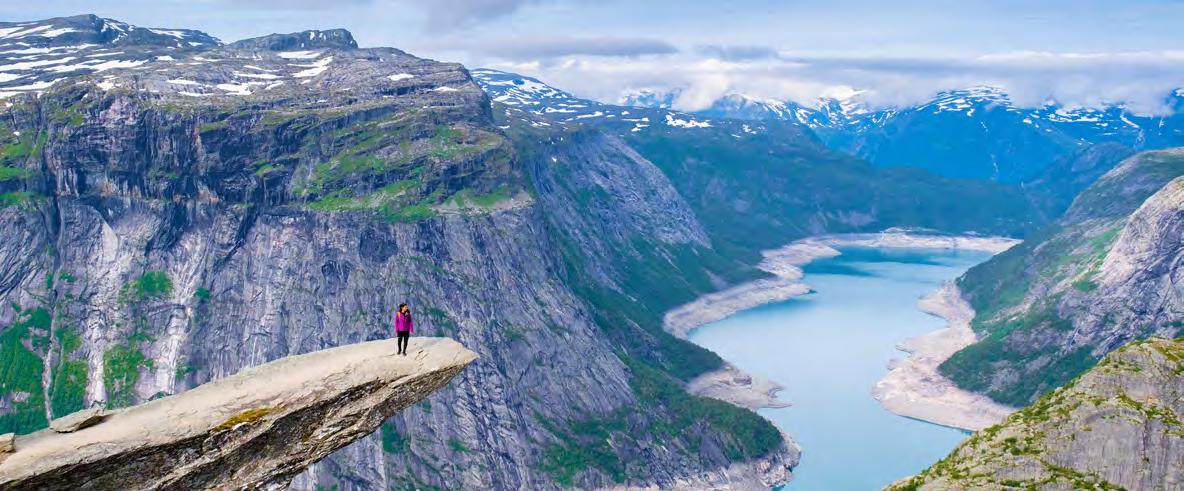
Norway’s lesser-known fjords are emerging as go-to destinations for luxury travellers craving stillness
Bhutan recently became the first country to roll out a national-level crypto tourism payment system

experiencing increased interest in such destinations, with the Galapagos retaining year-round popularity.
In response to this demand, Swan Hellenic, a cruise line known for its off-the-beaten-track experiences, has expanded its portfolio with new grand voyages taking in Africa’s west coast.
One of the most compelling trends in luxury travel in 2026 is women-centred journeys beyond the generic “comfort and safety” offerings.
A burgeoning segment of the market now embraces curated travel experiences designed by and for women, catering to the growing cohort of independent female luxury travellers looking for style, connection, and purpose-driven adventure.
One example is Club Avandra, a private-member community launched in late 2025 that aims to fill the luxury solo-traveller gap for women who no longer want to compromise on comfort or experience.
Membership unlocks access to immersive, small-group trips - think cultural immersion in Malta; desert adventures in Jordan; fashion-inspired escapes in Marrakech; ski retreats in
The crypto generation is starting to make its mark on luxury travel as adoption and wealth grows. In 2025 the number of crypto millionaires soared to a record 241,700 globally, the Crypto Wealth Report reveals. That’s a 40% increase from the year before, as Bitcoin and other digital assets rocketed in value and adoption. This marks a historic wealth boom driven by digital finance, with Bitcoin millionaires alone growing by more than 70%, signalling the rise of a new elite with fresh spending power and mobility preferences.
That wealth is starting to translate into travel demand. Crypto holders are not only spending on high-end trips and luxury property through golden visa and citizenship-by-investment routes but also pushing the industry to embrace digital assets more directly.
And the behaviour is quantifiable. A Binance Pay + Travala report says crypto travellers are three times more valuable than Fiat users (those who manage traditional money (dollars, euros) through "fiat wallets"): they spend 2.5 times more per trip (average booking $1,211 versus $469), book more often, and are 3.5 times more likely to stay three nights or more. Top destinations include Dubai (number one), followed by Bangkok, London, Tokyo and Paris. Travala also reported $80 million in crypto-related bookings in 2024, up nearly 80% year-on-year.
Acceptance is accelerating. Bhutan recently became the first country to roll out a national-level crypto tourism payment system, enabling visitors to pay for everything from flights and visas to hotels and local purchases using 100+ cryptocurrencies.
Meanwhile, hotels and booking platforms are increasingly crypto-friendly: luxury properties including The Pavilions Hotels & Resorts and Palazzo Versace Dubai accept major tokens for stays and services, while OTAs such as Travala. com and LockTrip support dozens of digital currencies for borderless booking. In the future, crypto’s role in travel is set to expand beyond payment alone. As digital wallets integrate identity, loyalty and access, crypto-native travellers are likely to drive demand for seamless, border-agnostic journeys, where visas, stays, experiences and even residency pathways can be orchestrated within a single digital ecosystem. In luxury travel, frictionlessness may soon be the ultimate currency.
The Home of Luxury at the Palais am Funkturm remains an exclusive attraction for the international luxury travel industry, where exhibitors are able to present their products, services and unique experiences. Participants include Abercrombie & F Kent Ltd., HI DMC, Lobster Experience GmbH and new brands such as Neituri Manor, Resorts World at Sentosa Pte Ltd, The Athenian House Santorini Experience, UNA Esperienze and Lujo Joy&Art Bodrum. Connoisseur Circle is the official media partner. Visitors can expect high-quality networking opportunities, maximum visibility and pure fascination in the luxury travel segment.
Verbier, culinary journeys in Galicia; and wellness retreats in Helsinki, all designed around shared curiosity and meaningful connection.
These weave luxury, culture and community into journeys that empower travellers to explore independently, yet in company and with deeper insight.
This trend sits alongside a broader rise in women’s solo travel – from active “pleasure revenge” treks among older women redefining post-career freedom, to expedition cruises and guided small-group escapes tailored specifically to female perspectives.
Luxury family travel, too, is no longer monolithic. The rise of multi-spoke itineraries, identified in the Luxury Tailormade Travel Trends 2026 report enables different family members to pursue diverse interests under a unified
journey. Grandparents might wander temples and galleries, teenagers chase pop culture moments, children delve into activity-based experiences (like ninja classes in Japan) and adults carve out time for wellness or wine.
The result is not less togetherness, but better-focused connection. This move toward flexibility and personal preferences reflects a broader luxury imperative: time spent well trumps time spent together simply by default.
Overarching all of this is the ‘Concierge Curator’ – specialists who go beyond the role of planners, rather architects of time itself.
These experts choreograph journeys around life calendars, energy levels, health cycles, major events and personal milestones. Some luxury travellers now
plan 18 to 24 months ahead, building portfolios of experiences that feel more like long-term investment than isolated holidays. Spontaneity hasn’t vanished. It has been reframed, protected by foresight and intention, rather than left to chance.
Long-lead bookings are becoming the norm, driven by travellers for whom travel is no longer a lifestyle accessory but a way of life.
Research from MillionaireVue underlines the scale of change: almost a quarter of millionaires expect to take four or five international trips each year, while around 7% plan for seven or more. Motivations differ by generation. Older travellers are sequencing long-held bucket-list ambitions while health and mobility allow; younger cohorts are increasingly planning around global mega-events, from major sporting tournaments to cultural
moments, reinforcing the rapid growth of events-led travel. Luxury providers are responding. Booking windows are stretching further into the future, with brands such as luxury cruise line Regent Seven Seas opening reservations for its most exclusive suites more than 18 months ahead of launch.
Today, luxury travel is quieter and more considered, focused on depth of experience rather than display.
It favours learning over lounging, access over excess and context over consumption. Increasingly, travel is also a form of self-expression: 71% of luxury travellers say it reflects their identity and values, while 41% believe it matters more than traditional milestones such as career or education, according to a recent GHA DISCOVERY loyalty
trends survey. This mindset is especially pronounced among younger travellers, for whom global experiences have become a primary marker of who they are, not just what they own.
In a world obsessed with speed and visibility, the ultimate indulgence is choosing to slow down, deliberately, intelligently and on your own terms. Because in 2026, luxury isn’t about having more time. It’s about wasting none of it.
If the past few years of luxury travel have been about recalibration, the next phase will be about editing. As time becomes the rarest currency, affluent travellers will travel less frequently, but with far greater intention. Longer stays, pared-back itineraries and a more natural pace will replace the rush to cover ground. This shift is already visible;
the GHA DISCOVERY survey found 58% of luxury travellers now prefer smaller cities and rural escapes over major urban centres, while 61% place high value on concierge support, private transfers and priority access as tools to protect time and energy.
Exclusivity has also been redefined: 52% of GHA DISCOVERY luxury travellers say special access and intimate experiences are what make travel feel truly luxurious, rather than scale or spectacle. Above all, luxury continues its retreat from visibility. In a world defined by noise, momentum and constant connection, the ultimate status symbol is the ability to disconnect; to be unhurried, unreachable and unobserved.
The future of luxury travel is not lounder or faster. It’s quite the opposite in fact; calmer, smarter, and focused on journeys that feel personally meaningful and genuinely well spent.


As
travellers seek deeper purpose, better health and more meaningful experiences, wellness has shifted from add-on to essential, and the challenge for the industry is to weave it into every journey
BY DR. LÁSZLÓ PUCZKÓ
Adecade ago, wellness travel meant yoga decks at dawn, detox juices and luxury spa hotels in breathtaking locations. Today, it’s no longer an escape hatch but a worldview; the quiet force shaping how travellers book, behave and belong in the places they choose.
The modern wellness-minded traveller is seeking transformation – a chance to reset, rebalance, and renew – and it’s a powerful market
The Transformation Travel Council values the US segment alone at US$208 billion, proof that travellers aren’t just consuming experiences; they’re seeking evolution. At the same time, ‘confirmation travellers’ arrive with established wellness lifestyles, expecting destinations to meet their non-negotiables: clean nutrition, dedicated fitness spaces, circadian lighting, curated programming, and either medically supervised longevity pathways or sophisticated holistic practices led by recognised experts.
Once a luxury, these expectations are
now a baseline. And yet, the roots of this movement remain ancient: thermal bathing cultures, pilgrimages to sacred sites, coastal convalescence, mountain air cures.
Humans have always travelled to heal, reconnect, and renew. What’s changed is the breadth of our definition, encompassing nutrition, sleep, movement, purpose, digital habits, and community, plus the scale at which wellness now underpins modern life. As ‘health is wealth’ becomes the defining belief of this generation, wellness shifts from product to promise: travel should leave people better than it found them.
And this requires a fundamental reframing of hospitality’s role. The most forward-thinking brands no longer treat wellness as a product to be sold or a service to be scheduled, but as an adaptive system that enables human wellbeing to unfold.
Hospitality becomes a facilitator, shaping conditions, environments, rhythms and cultures that support
guests’ physical, emotional and social health. In other words, wellness is not something a destination provides; it is something it enables.
While traveller desire for wellness is global, it takes on a different shape in every corner of the world, expressed through culture, heritage, landscape and lifestyle.
Mature markets like the DACH region have refined wellness over centuries. Germany’s Kurorte, Austria’s thermal hotels, and Swiss longevity clinics deliver everything from prevention-led medical programmes to emotional renewal. Resorts such as Chenot Palace Weggis and Clinique Nescens lead with personalised precision medicine, diagnostics, and integrated lifestyle interventions. Across the Baltic-Balkan belt, medically driven thermal resorts and rehabilitation centres have long dominated domestic tourism. Now many are renovating, evolving from traditional cures to contemporary preventative and rehabilitative models that meet the expectations of younger, results-focused travellers.
In Asia, cultural wisdom powers global appeal. Thailand, Indonesia and India draw on Ayurveda, herbal healing, spiritual practice and holistic ritual. Japan’s onsen culture and South Korea’s temple stays offer immersion rooted in authenticity.
China’s TCM and hot-springs resorts blend ancient concepts with modern wellness science.
GCC countries aim to lead health and wellness, with the UAE and Saudi at the forefront. In the latter, developments including Jayasom Wellness Resort, Equinox, and Six Senses on the Red Sea signal a new era of ultra-luxury, high-tech, regenerative wellness design.
L-R: A new era of ultra-luxury wellness on Saudi’s Red Sea coast; Finland encourages visitors to embrace silence in nature
Costa Rica and Colombia integrate sustainability, spirituality, and eco-wellness. Mexico pushes into high-end, high-touch wellness with extensive spa and retreat offerings.
The Caribbean, including destinations like the island of Curaçao, is repositioning beyond beach luxury toward a deeper wellness purpose.
Meanwhile in North America, the market has expanded far beyond hotel spas and strip-mall massage chains.
Travellers now choose from thermal villages, holistic retreats, preventative lifestyle resorts, urban wellness hotels, and more, from established players such as Rancho La Puerta or Canyon Ranch to new destinations such as Carillon Miami.
This global richness proves wellness has no universal formula. It is an expression of culture meeting traveller intention
Destinations interpret wellness through heritage, landscape and societal values, from Iceland’s and Argentina’s geothermal baths to Portugal’s surf-and-mindfulness retreats and Japan’s onsen communities. Innovative fusion models

are expanding the landscape: therapies for guests in cancer remission, health-span diagnostics, epigenetic testing, vitality programmes and advanced preventative medicine. As demand widens, supply becomes more nuanced, and travellers are raising expectations.
They want integration, not add-ons: locally sourced nutrition, circadian-led rooms, biophilic architecture, meaningful outcomes. In this sense, the growth of wellness travel mirrors the traveller’s own evolution: discerning, informed, value-driven and seeking not just comfort but cultural connection with a purpose.
The leaders of today’s wellness movement are rewriting the rules. In Switzerland, Germany and Austria,
“A true wellness destination isn't a place that offers wellness, but a place that lives it”
facilities like Clinique La Prairie and Lanserhof have fused longevity medicine with emotional and spiritual grounding. Think genomic testing, biomarker mapping, precision nutrition, high-tech recovery therapies, and meditation coaching, not as separate programmes, but as one integrated journey. In Costa Rica, places such as The Retreat and Blue Spirit show how sustainability becomes a lived philosophy. Here, yoga, plant-based cuisine and energy healing feel authentic because the environment, operations, and community relationships all reinforce the story. Meanwhile, urban wellness is having a renaissance. Brands like SIRO and Equinox Hotels embed fitness, circadian lighting and sleep intelligence into the DNA of city stays. These properties blur the line between performance,
business travel and restoration. Food is also rising as a wellness engine. Italy’s South Tyrol, Jordan’s slow-food destinations, Japan’s shojin ryori temple cuisine, and a wave of farm-to-table and farm-to-fork concepts position gastronomy as a path toward healthier living and cultural immersion.
Digital wellness plays both sides of the coin.
Finland’s ‘Silence, Please’ campaign celebrates solitude as a national treasure, encouraging visitors to disconnect from devices and reconnect with nature, while wellness start-ups partner with resorts to design programmes teaching mindful tech use – an antidote to our hyperconnected age. New ventures combine IT innovation, the latest wellness, fitness and spa equipment, digital music, and healthcare.
Portugal’s surf retreats: destinations interpret wellness through nature


Being ‘smart’ now refers to treating the guest holistically, with or without IT. What unites these innovators is a shared principle: wellness as a design philosophy, not decor. It is embedded into architecture, service and experience design, storytelling, and sustainability strategy. A true wellness destination isn’t a place that offers wellness, but a place that lives it.
Genomics, biometrics and personalised medicine will continue shaping
“To remain relevant, brands must evolve, from providers to partners in wellness”
wellness travel, but only a handful of destinations can realistically operate at clinical depth.
Longevity stays can initiate life-enhancing behaviours, but the travel sector must stay realistic: it cannot replicate healthcare, nor should it oversell results.
Expect a rise in partnerships with licensed medical providers, and a shift toward programmes that integrate science without pretending to be hospitals.
Mental fitness is stepping into the centre of travel.
Burnout is epidemic, and scientific studies reinforce that travel improves mental health, even if temporarily. Resorts are partnering with neuroscientists and psychologists to build ‘mental fitness gyms’, focusing on resilience, clarity, emotional regulation and creativity.
Vitamin T is becoming a legitimate wellbeing supplement.
Regenerative tourism is wellness for the planet as much as the person.
Destinations are turning carrying capacity debates into action, restoring ecosystems, supporting communities, and ensuring that the travel footprint
leaves a positive legacy. Travellers increasingly expect wellness values to apply beyond themselves.
Positive Emotion, Engagement, Relationships, Meaning, Accomplishment, Health – PERMAH is moving from wellbeing model to operational design tool. Expect destinations to measure outcomes that go far deeper than satisfaction surveys.
AI-driven personalisation, hyper-accurate wearables, real-time recovery analytics and adaptive programming will elevate the guest journey.
But the future isn’t techno-utopia, it's calibrated tech. In other words, tools that empower, not overwhelm.
Younger travellers, primarily Millennials, Gen Z, and emerging Gen Alpha, view wellness as a life constant.
They want authenticity, sustainability, diversity, measurable results, and meaningful storytelling.
Older generations drive the preventative and medical wellness surge. Together, they form the most powerful and wellness-literate travel audience in history.


Wellness is now a strategic imperative for the travel sector



Wellness is now a strategic imperative for the travel sector. To remain relevant, brands and destinations must evolve from providers to partners in wellness. Here are the hacks:
Identify your natural strengths – thermal waters, forests, culinary heritage, healing traditions – and build a distinctive wellness ecosystem around them.
Integrate wellness into architecture, service culture, F&B, storytelling, guest journey mapping, and post-stay engagement. If it’s not holistic, it’s not wellness.
Use pre-arrival mapping, in-destination restorative environments, and post-departure digital follow-ups to shape long-term impact.
Blend skills from medical providers, spa operators, fitness brands, tech innovators and cultural experts. Hybrid models will define the next decade.
Staff wellbeing isn’t CSR, but a competitive advantage. A mindful workplace culture directly shapes guest experience.
Travellers want outcomes, not long treatment menus. Build programmes around measurable benefits, emotional impact, and meaningful change.
From Ayurveda to TCM to forest bathing,
travellers recognise when traditions are diluted. Work with cultural leaders and experts to maintain integrity.
Mindful conferences, wellness cruises, deep-travel itineraries, nature immersion labs: innovation thrives where boundaries blur.
Wellness travel is becoming the connective tissue of modern hospitality, influencing how destinations build, how hotels operate, how travellers engage, and how communities benefit.
This shift demands maturity. The industry must avoid wellness-washing, resist over-commodification, and stay honest about its role in areas like longevity or medical intervention.
What travellers want is not perfection but integrity: experiences rooted in culture, evidence, nature, and genuine human care.
Travel has never been more interdisciplinary, pulling together behavioural science, medicine, design, ecology, gastronomy, and storytelling.
Almost any guest can feel one aspect of their wellbeing improve on a trip, whether through movement, meaning, nourishment, rest or connection. Brand that recognise this and adapt wellness to their own context, rather than copy trends, will lead the next wave.
The promise of wellness travel is not a dramatic transformation, nor a checklist of self-improvement. It is the possibility of renewed connection, to self, to others, to place, to purpose.
As the industry moves toward 2030, the true opportunity isn’t to make travellers chase wellness, but to make wellness quietly present wherever they choose to go. Travel and hospitality players should consider themselves as adaptive enablers of human wellness, supporting its flow, rather than treating wellness or longevity as products and services to be sold.
As ITB Berlin marks its 60th anniversary, Dave Goodger, Managing Director, EMEA, Tourism Economics traces the evolution of global travel, from rapid expansion and shifting source markets to new traveller priorities, and looks ahead to the sources of future growth

From 1975 to 2019, worldwide inbound arrivals roughly doubled every 15 years, reaching almost 1.5 billion travellers
The global international travel market has expanded dramatically over the past 60 years, far outpacing growth in overall economic activity. Focusing on the past three decades –where data coverage is stronger – the number of international overnight arrivals has more than trebled since 1995, even after accounting for the disruption caused by the pandemic.
By 2019, the global travel market was already three times larger than in 1995, while global GDP had only doubled over the same period. This exceptional growth reflects the increasing prioritisation of travel relative to other forms of spending, alongside a sharp rise in the number of households able to afford it.
As a result, the share of the global population with the means to travel regularly has risen from around one-third to over one-half.
Specifically for international travel, affordability has increased from under 20% of the global population to more than 35%, while the proportion able to afford longer-haul or more premium experiences has approximately doubled.
Travel affordability has been further supported by falling costs in some segments, alongside rising average incomes. Improvements in connectivity and capacity have increased competition and contributed to lower prices, reinforced by advances in transportation technology.
Analysis by Tourism Economics, in collaboration with the International Air Transport Association (IATA), suggests that more favourable prices, improved connectivity, and expanded trade account for around one-third of growth in global air
passenger flows during recent growth cycles. The remaining growth has been driven by population expansion, demographic shifts, and rising average incomes globally.
Alongside overall growth, global travel has undergone a significant geographic rebalancing, with activity now more widely distributed across regions than ever before.
Several major emerging economies have risen in prominence as source markets, changing patterns of demand and preferred destinations. The rapid expansion of middle-class households in large emerging markets has shifted the centre of gravity for global travel eastwards.
Thirty years ago, India ranked ninth globally for combined domestic and outbound leisure travel spending; today it is the fourth-largest market.
China has experienced the most dramatic rise, moving from 20th place to become the second-largest travel market globally, and it is expected to overtake the United States as the largest source market within the next five years.
In contrast, the influence of Japan as a source market has diminished. Thirty years ago, Japan was the world’s largest market for domestic and outbound leisure travel spending; it has since fallen to eighth place, reflecting slower population growth and more modest income expansion.
This shift in source markets has been mirrored by changes in destination patterns. In 1995, around 60% of international arrivals were concentrated in established destinations in Western Europe and North

America. While these destinations remain highly popular and have seen travel volumes roughly double over the past three decades, their share of global arrivals is projected to fall to around 40%, as other regions grow more rapidly. Similarly, the 10 largest destinations accounted for more than half of all international arrivals in 1995 but now capture only around one-third.
Asia Pacific has been a major beneficiary of this rebalancing.
The region’s share of global travel has increased from around 15% to approximately 25%, fuelled largely by intra-regional demand. Japan stands out as a destination success story, rising from the 35th largest global destination to the eighth largest today, while Thailand and China have also seen substantial gains.
Although still a smaller region in absolute terms, the Middle East has experienced particularly rapid growth, with its share of global travel trebling over the past 30 years.
This reflects both the rising importance of new source markets and substantial destination investment. Improvements in infrastructure and capacity have transformed destinations such as Dubai, enabling them to outpace growth in most other major countries
China has emerged as the world’s
largest outbound leisure travel market by spending over the past decade, overtaking long-established leaders such as the United States and Germany. This measure includes travel from mainland China to Hong Kong and Macau.
In contrast, Japan has declined in relative importance, having been among the top five outbound travel markets throughout the 1990s and much of the 2000s, in line with weaker income growth and reduced gains in affordability. Other markets have also shifted in prominence. Australia became a more significant source market during the 2010s, supported by improvements in travel affordability as the Australian dollar strengthened. Russia also rose in importance during the last decade but has since seen a sharp decline following the imposition of travel bans by many countries.
A slightly different picture emerges when outbound travel is measured by traveller volumes rather than spending.
On a volume basis, the United States and Germany remain the largest outbound travel markets. While growth from China has been substantial, it remains smaller than the United States, Germany, and the United Kingdom in terms of total outbound trips.
Nevertheless, China has overtaken several established European markets, including France, the Netherlands, and Italy, in outbound travel volumes.
1995
(INTERNATIONAL VISITS)
France
United States
Spain
Italy
United Kingdom
Mexico
China
Poland
Austria
Canada
TOP 10 MOST POPULAR
2025
(INTERNATIONAL VISITS)
France
Spain
United States
China
Italy
Turkey
Mexico
Japan
Greece
United Kingdom
SPEND VS VOLUME: A DIFFERENT PICTURE
China leads outbound spend , reflecting longer-haul and higher-value trips
The US and Germany still lead outbound volumes
China has surpassed several major European markets in total trips, but has not yet reached the scale of the largest mature markets

Travel now accounts for a higher share of consumer spending than at any point in the past, despite ongoing economic volatility. Historically, periods of uncertainty have led to a pullback in discretionary spending, including travel.
Today, however, consumers increasingly view travel as a necessity rather than a luxury. Evidence from Tourism Economics’ Travel Trends Survey highlights this shift in attitudes. Three-quarters of respondents agree that undertaking leisure travel is an important annual priority.
While there are clear signs of value-conscious behaviour, this has not displaced demand for premium and experiential travel.
Many travellers continue to “trade up” on experiences, prioritising travel over other forms of discretionary consumption. Motivations for travel are also evolving. Interest in discovering new destinations now outweighs purely price-driven decision-making, although affordability remains an important consideration.
Experiences rooted in local culture,
food and environment are increasingly influential, while iconic and bucket-list destinations continue to attract demand, particularly from first-time travellers and those in emerging markets.
At a macro level, leisure travel’s share of income and consumption is at historic highs in advanced economies and continues to rise in emerging markets as the global travel class expands. International travel spending as a share of consumption increased steadily in the decade prior to the pandemic. It reached a peak in 2019, and has since surpassed that level, setting a new record in advanced economies in 2025.
Growth is not uniform across all markets. Chinese outbound travel continues to recover more gradually following later border reopenings, with some continued caution around international trips and less lavish spending than in the previous decade. Nonetheless, global growth remains broad-based, with strong momentum across both established destinations and newer markets offering distinctive experiences and better value.
For example, arrivals to Albania in 2025 are estimated to be around 90% higher than in 2019.
At the same time, travel volumes continue to rise in many traditionally popular destinations, including those facing overtourism pressures.
International travel spend reached a new record share of consumption in 2025 in advanced economies
Iconic destinations around the world remain especially attractive to first-time international travellers
There is tentative evidence, however, of easing seasonality in some hotspots, with faster growth observed in shoulder seasons than during peak summer months in 2025.
76% 56% 50% 41% of travellers say leisure trips are an important annual priority are more interested in visiting new destinations prioritise affordability, but discovery outweighs price alone spend on luxury experiences while travelling
Technology, connectivity and capacity shaping travel now
Source: Tourism Economics
connectivity, Left: Arrivals to Albania in 2025 were estimated to be around 90% higher than in 2019
Technology is increasingly central to how travellers plan, book and experience trips, and it is playing a growing role in connecting visitors with local communities and experiences. Digital platforms are now the dominant sources of travel inspiration and planning, while emerging AI-enabled services are accelerating this shift.
Online travel agencies, review platforms and social media now account for the majority of travel planning activity, while reliance on offline personal recommendations continues to decline.
Use of AI chatbots and virtual assistants has increased sharply over the past year, and uptake is particularly strong among younger travellers.
These tools are enhancing personalisation, improving price discovery and boosting traveller confidence, supporting higher travel volumes and more dispersed destination choice.
A clear generational divide is evident. Gen Z and Millennials are far more likely than older cohorts to use social media, AI-powered tools and multi-purpose messaging apps for travel planning. Acceptance of biometric technology at borders, however, is widespread across all age groups, reflecting a shared appetite for smoother, faster travel experiences.
Alongside digital transformation, physical capacity and connectivity remain fundamental enablers of travel growth. The global aircraft order backlog underscores the scale of anticipated demand, with new deliveries heavily skewed towards airlines in emerging regions. Asia Pacific carriers already operate the
• Digital dominates planning: OTAs (50%), review sites (37%), social media (31%)
• AI adoption rising: used by 18% of travellers in 2025 (up from 10% in 2024)
• Clear generational divide: › Social media: 46% of Gen Z & Millennials vs 15% of older travellers
› AI tools: 26% of younger vs 8% of older travellers
• Biometrics supported: 65% of travellers in favour
• Capacity growth concentrated: 40% of aircraft orders with Asia Pacific airlines; 13% with
Source: Tourism Economics
and
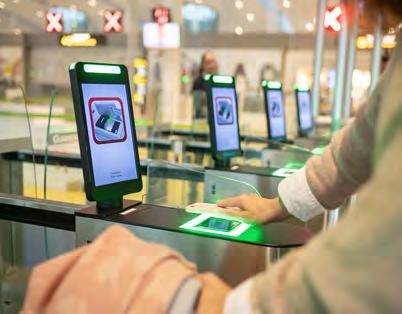
majority of the world’s aircraft and account for a disproportionate share of new orders, while Middle Eastern airlines – despite a relatively small current fleet – represent a rapidly growing share of future capacity. This expansion will further strengthen connectivity between emerging source markets and destinations.
Morocco is a ‘momentum market’
Growth continues, but at a steadier pace
Global travel is set to continue expanding over the coming decades. According to Tourism Economics’ latest Global Travel Service outlook, international trips are expected to exceed 2 billion per year by 2030, and to surpass 3 billion by 2045, roughly double today’s levels.
This marks a moderation in the pace of growth compared with historic trends. Whereas global travel volumes previously doubled roughly every 15 years, the next doubling is expected to occur over a 20-year period.
This slowdown is largely inevitable as the industry matures and growth increasingly depends on bringing new travellers into the market at scale. Even so, this implies an average increase of around 75 million international arrivals per year.
Growth prospects remain strong when viewed against demographic trends. During the 15 years to 2019 – when travel volumes last doubled – the global population increased by around 20%. Over the next 20 years, population growth is expected to be less than 15%, meaning future travel growth will continue to outpace population expansion.
Rising incomes will remain a central driver. While global GDP growth is expected to slow to below 2.5% per annum over the next two decades (from around 3% previously), slower population growth means GDP per capita will remain broadly stable.
Building on the affordability gains of the past three decades, the number of households able to afford regular international travel will continue to
Travel demand to outpace population growth
2bn+
trips per year by 2030
3bn+
arrivals by 2045
Source: Tourism Economics
rise. This share has increased from under 20% in 1995 to more than 35% in 2025 and is projected to exceed 50% by 2045, meaning half of the world’s population could afford regular international travel within 20 years.
As more emerging-market households join the global travel class, patterns will continue to evolve. Growth in outbound travel from Asia Pacific, particularly China and India, will increasingly determine which destinations benefit
+75m
arrivals per year on average
50%
of the global population able to afford regular international travel by 2045
most. Destinations that invest in connectivity, capacity and culturally relevant products will be best positioned to capture this demand.
China is expected not only to become the world’s largest source market, but also to rise sharply as a destination.
Tourism Economics expects China to become the third-largest global destination by 2035, overtaking the United States by 2030.
France and Spain are forecast to retain the top two positions. Thailand is also set to rise in the rankings, becoming the eighth-largest destination,
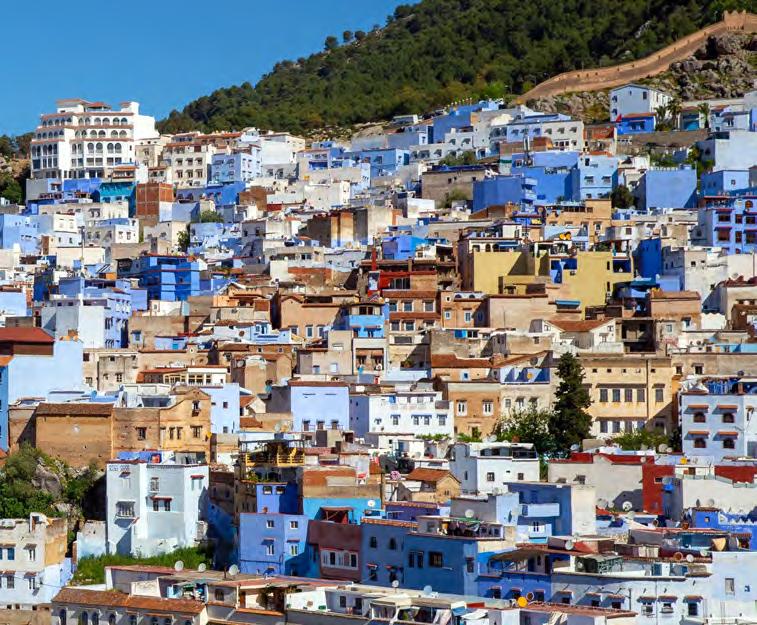
reflecting strong regional demand and continued destination development. Japan will also continue to benefit from intra-regional growth. The Middle East is expected to see particularly strong gains. UAE destinations are forecast to continue increasing their global share, supported by proximity to fast-growing source markets, sustained destination investment, and expanding connectivity.
Saudi Arabia is also projected to record significant growth, underpinned by large-scale investment in leisure and business tourism infrastructure, alongside continued expansion in religious travel.
Looking slightly further ahead, several tourism destinations stand out as ‘ones to watch’:
Albania and Morocco are already seeing rapid gains and still have room to run. Both countries have invested in infrastructure, tourism products and smart marketing. Morocco’s outlook is further boosted by preparations to co-host the 2030 World Cup.
Hungary and Indonesia are expected to regain market share. Both were gaining prominence prior
to the pandemic, driven by destination development and affordability.
Recent performance has been held back by weaker growth in their key source markets, but underlying attractiveness remains strong and a rebound is expected.
Further out, Lebanon is viewed as a cautious upside opportunity. It is relatively more removed from current regional tensions and could regain market share as conditions stabilise, though uncertainty remains.
Some destinations, such as Iran, Israel and Syria, have substantial long-term potential but face high geopolitical uncertainty.
Syria, in particular, could become a longer-term opportunity if investment and stability return, supported by major infrastructure projects including the redevelopment of Damascus International Airport.
Given the uncertainty, these markets remain firmly in the “watch” category rather than near-term growth calls.
Beyond the largest winners, several Asia Pacific destinations are also well positioned to benefit as Chinese outbound travel recovers and regional travel deepens.
• Momentum markets: Albania, Morocco
• Comeback candidates: Hungary, Indonesia
• Cautious upside: Lebanon
• Long-term potential, high uncertainty: Iran, Israel, Syria
• Asia Pacific beneficiaries: Thailand, Philippines, Indonesia, New Zealand, Vanuatu
• China: third-largest destination by 2035
• Thailand: rising into the global top 10
• Middle East: fastest-growing region by share
• Saudi Arabia: major gains driven by large-scale investment
• Winners: will be those best aligned to Asian source markets
Source: Tourism Economics
These include Thailand, the Philippines and Indonesia, as well as New Zealand and Vanuatu, which in the future, could benefit from improved affordability, new investment and more diversified source markets.
56% of travellers cite “rest and recharge” as their top leisure motivation
BY GEMMA GREENWOOD
From purpose-led escapes and pet-first hospitality to pop-culture pilgrimages, hyper-personalised stays and AI-shaped discovery, these trends reveal how traveller behaviour is evolving and what it means for destinations, hotels and travel brands navigating the next era of global travel
‘Whycation’ era TRAVELLING FOR HOW IT FEELS
Purpose-led travel is no longer anecdotal; it is measurable. In Hilton’s 2026 Trends Report, 56% of travellers cite “rest and recharge” as their top leisure motivation, overtaking sightseeing and visiting friends. Nearly 48% are deliberately adding solo downtime before or after group trips, signalling a desire for emotional balance rather than packed itineraries. Airbnb reinforces this shift, reporting sustained growth in searches for slower, nature-led destinations framed around wellbeing rather than activity density. Hotels such as Six Senses, Aman and COMO have responded with sleep programmes, flexible pacing and “do nothing” itineraries, while destinations
including Slovenia and Costa Rica market themselves explicitly around emotional outcomes. Travellers are making travel plans based on how they want to feel, and brands that articulate emotional return on time and money will win in this environment.
‘Hushpitality’ calls, quietly SILENCE AS A STATUS SYMBOL
Quiet has become a premium feature rather than a passive benefit of travel. Hilton research also reveals 57% of travellers would consider a quiet or silent retreat, while Skyscanner data reveals rising use of search filters tied to remoteness, nature and low-density accommodation. This preference is shaping product design as well as


marketing language. Hotels are investing in soundproofing, phone-free spa zones and low-sensory interiors, while destinations such as Japan’s rural onsen towns, the Dolomites and Tasmania are benefitting as travellers actively avoid overstimulated hotspots.
In 2026, hushpitality reflects a broader cultural shift – it’s about what’s removed, not what’s added from travel
The ‘touching grass’ trend is now defining travel behaviour as nature-led trips shift from backdrop to primary motivation. Airbnb’s 2026 Travel Predictions show a 35% rise in searches for national parks, while Skyscanner reports growing demand via search filters for rural stays, forests and open landscapes as travellers actively disconnect from screens and schedules. Wellness travel mirrors this movement: Spa Business research finds 79% of wellness travellers prioritise outdoor immersion, with 60% seeking tranquillity above all else.
Increasingly, travellers are also looking beyond grass to the soil itself. Farm hospitality, a design-led evolution of agritourism rooted in regenerative farming, is gaining traction as visitors seek grounding, meaning and sensory connection. As Experiential Hospitality founder Isaac French notes, travellers want “to slow down and experience something real” in a screen-saturated world. From the Scottish Highlands to New Zealand’s South Island, and across Europe’s growing network of farm hotels, the touching grass trend is evolving into something deeper: restoration through place.
Spirituality is increasingly determining travel decisions. Booking.com research cited by Globetrender shows 41% of British travellers
are influenced by astrology when planning trips, while 47% would consider changing plans based on spiritual advice.
This is driving interest in astrocartography itineraries, ritual-led retreats and meaning-focused journeys.
Destinations such as India, Peru and Japan are leveraging traveller demand for spiritual depth, combining wellness with heritage, belief systems and ceremony. Spiritual travel sits at the intersection of culture and self-discovery, offering travellers meaning rather than escapism and encouraging longer, more intentional stays.
Solo travel continues to surge, and the data suggests it is structural rather than cyclical. Airbnb reports triple-digit growth in interest for solo travel to destinations such as Tromsø (Norway), Idyllwild (California) and parts of the Caribbean. Skyscanner adds that bookings using a “solo travel” filter rose 83% year-on-year, underlining sustained demand.
The shift is one of intent. Travellers want independence with optional connection, driving demand for no single supplements, intuitive safety and opt-in social experiences.
Destinations such as Japan, Portugal and New Zealand continue to attract solo travellers due to safety perception and ease of navigation, while hotels around the world are redesigning communal spaces to feel welcoming without being performative.
Travel as a social connector is increasingly deliberate. Skyscanner reports 39% of travellers would consider travelling specifically to meet new people in real life (IRL), rising to 55% among Gen Z. Online

From top, L-R:
Destinations such as the Scottish Highlands are benefitting from the ‘touching grass’ trend;
Peru: a Quechua indigenous woman performing a ritual Airbnb reports triple-digit growth in interest for solo travel to destinations such as Tromsø
56% of travellers now prioritise rest and recovery
57% would consider a quiet or silent retreat
71% say video influences travel decisions
Mobility means opportunity
#1 Singapore: visa-free access to 193 destinations
Japan & South Korea: 190 destinations
US/UK mobility slide: continued downward trend
Top 10 most powerful passports (2025):
1.Singapore
2.Japan, South Korea
3.Denmark, Finland, France, Germany, Ireland, Italy, Spain
4.Austria, Belgium, Luxembourg, Netherlands, Norway, Portugal, Sweden
5.Greece, New Zealand, Switzerland
6.United Kingdom
7.Czech Republic, Poland
8.United Arab Emirates
9.Hungary, Malta
10.Canada, United States
Top 10 least powerful passports (2025): Afghanistan; Syria; Iraq; Pakistan; Yemen; Somalia; Palestinian Territories; Nepal; North Korea; Bangladesh.
Sources: IATA; Henley & Partners; Globetrender
engagement mirrors this shift, with community led travel content and connection-focused themes gaining traction across platforms. Hotels are responding with coworking lobbies, shared dining tables and hosted interest-led activities. Brands such as Selina, Zoku and Generator exemplify this trend, positioning accommodation as a social platform rather than simply a place to sleep. For the industry, connection has become a sellable feature , but only when it feels natural, low-pressure and optional.

Major sporting events continue to drive travel demand, with fans planning trips around sporting fixtures.
The market is projected to grow from US$707 billion in 2025 to $2,090 billion by 2032 (Fortune Business Insights).
eDreams ODIGEO search data for 2026 shows clear spikes tied to global tournaments and finals.
The Winter Olympics in Milan and
Left: Sports fans continue to plan trips around fixtures
Cortina d’Ampezzo (February 6-22) delivered a 24% increase in searches to northern Italy, while the Six Nations Rugby Championship is boosting interest across host cities in England, France, Ireland, Italy, Scotland and Wales, with searches up a combined 14%. Later in the year, the FIFA Men’s World Cup, co-hosted by the USA, Canada and Mexico (June 11 to July 19), is generating early momentum, with searches to Mexico already up 15% and Canada up 14%.
Further spikes are expected around the Asian Games in Aichi–Nagoya, the Rugby League World Cup in Australia, and the UEFA Europa League Final in Istanbul.
For destinations and airlines, sports tourism delivers predictable peaks, high ancillary spend and repeat visitation when inventory and pricing are aligned with the sporting calendar.
Gen Z is emerging as the highest-spending

generation on international travel, despite economic pressure. MGMY’s Portrait of European Travellers survey shows nearly 70% were planning at least one international trip this year compared to 58% of Millennials and 49% of Gen X. In the UK, more than 60% prioritise travel over fashion, tech or home purchases, and they will spend at least £5,740 each on travel this year, around US$1,700 higher than other markets.
This globetrotting demographic also intends to take the highest number of holidays at 3.4 over the next two years, but behaviour varies by market. European Gen Z favours short, high-frequency international trips enabled by low-cost air and rail, while North American Gen Z is more likely to save for fewer, longer-haul journeys to destinations such as Japan, Mexico and Southeast Asia. Across markets, more than 65% say spending on experiences matters more than accommodation quality, reinforcing Gen Z’s role as a demand shaper rather than a budget cohort.
Travel is increasingly being used as a tool for behaviour change. Research by online travel company Love Holidays shows
45% of smokers have booked a holiday specifically to try to quit, while 47% attempt to cut down while travelling. Distance from routine, fewer triggers and access to calming environments underpin the appeal.
Destinations offering nature, low stress and structured wellness support, including rural France, Portugal and parts of Costa Rica, are particularly well placed to capitalise on those travelling to change behaviour. Often paired with hiking, breathwork, spa treatments or coaching, these trips signal a broader shift: travellers increasingly expect holidays to change them, not just relax them.
Pop culture is now a powerful demand engine with measurable impact on bookings, occupancy and rates.
Visit Bath in England estimates Netflix’s Bridgerton contributes around £5 million annually to the local economy. In Asia, the success of K-Pop Demon Hunters –Netflix’s most-watched film ever – has driven future flight bookings to Seoul up 19% year-on-year, with standout growth from Japan and the US.
Hotel performance mirrors this surge, with occupancy and ADRs rising sharply after the film aired.
Similar effects are visible in Canada, where The Last of Us drove significant increases in international demand to Alberta. Travellers are also following their favourite stories off the page, booking reading retreats and seeking out libraries and characterful bookshops.
This literary influence is evident in hotel searches too, with Skyscanner reporting a 70% year-on-year increase in use of its “library” filter.
Beauty led travel is emerging as a serious motivator, particularly among Gen Z and Millennials. Skyscanner reports rising interest in trips centred on skincare, hair rituals and wellness aesthetics, as travellers plan itineraries around treatments rather than landmarks.
Destinations such as South Korea (K-beauty), Morocco (hammams), Japan (onsen rituals) and France (thermal spa towns) are benefitting. Glowmads travel with intent, building routines and results into their journeys.
For hotels and destinations, this opens opportunities for spa partnerships, retail
27%
of pet owners travelled with their pet for the first time in 2025
63%
would pay extra for specific room features
1 in 3
prioritise destinations perceived as safe and
Travellers now prefer skills over tasting and sampling. Airbnb reports bakery classes among its most-booked food experiences, from croissant workshops in Paris to mochi-making in Tokyo. Wine tourism is also shifting away from legacy regions towards emerging destinations such as the Finger Lakes, New York and Bangalore, India.
Participation and learning drive deeper engagement, delivering longer-lasting memories and cultural connection than traditional dining-led itineraries.
‘Pick ’n’ Stays’
Personalisation has finally reached the hotel room. ‘Pick ’n’ Stays’ enable guests to select precise attributes rather than broad categories. Amadeus’ Travel Dreams research shows 63% of travellers are willing to pay extra for specific room features, with clear differences across traveller types.
hotels take the lead
Accommodation is now a trigger, not just a base. Skyscanner finds 45% of travellers have chosen a destination based on accommodation alone, rising to 61% among Gen Z. Design-led, experience-forward properties are increasingly driving destination choice.
Hotels are becoming destinations in their own right, using architecture, programming and community engagement as marketing assets. Property identity now matters as much as location.
The
Economy’ now bites
Travel with pets is moving rapidly into the mainstream. Research from Shape Insight shows 27% of pet parents who travelled with their pet in 2025 were doing so for the first time, highlighting accelerating demand.
As regulations evolve, animals are moving from cargo to cabin. Policy changes are unlocking mobility.
Below: Making noodles and broth with a ramen legend –Airbnb Originals
Business travellers prioritise productivity tools; Gen Z values entertainment and tech; wellness travellers favour in-room kits and meditation spaces. Tools such as Hotelverse intensify anticipation by letting guests explore digital twins before booking. For hotels, unbundling the stay unlocks creativity and new revenue by selling lifestyle, not just space.
In China, China Railway Express has piloted pet-friendly journeys on the Beijing-Shanghai route. In Italy, new ENAC rules now allow medium and large dogs to travel in the passenger cabin, while the UK’s reintroduced pet passport removes costly single-use health certificates, restoring pre-Brexit freedoms.
Innovation is extending beyond transport.


Pet-forward charters such as BarkAir, K9 and RetrievAir have gained traction, while SkyePets is set to launch long-haul, in-cabin transpacific pet flights between Australia and the US.
At Rome Fiumicino, the Dog Relais hotel is rethinking airport kennels with underfloor heating and aromatherapy, easing separation stress for pets and owners alike. As red tape falls away, pressure is mounting on operators to deliver genuinely human-grade experiences for four-legged travellers.
to multi-modal ‘Travel Mixology’
BLENDING PLANES, TRAINS AND PLATFORMS IS THE NEW MASH-UP
Travellers are no longer loyal to a single planning tool or transport mode.
Instead, an emergent wave of Travel Mixology – a phrase coined by Amadeus – sees people moving fluidly between platforms, technologies and channels to build journeys that feel both efficient and trustworthy. While 42% of consumers say AI helps them save time planning, 37% use it for highly personalised recommendations and 36% discover new destinations through AI, most travellers are deliberately blending AI with human-led sources.
A typical journey might begin with a large language model to gauge big-picture thinking, move to Reddit or YouTube for lived experience, then shift to brand-owned conversational AI for refinement. New integrations are accelerating this behaviour.
Google Flights’ open-ended destination search allows travellers to search by
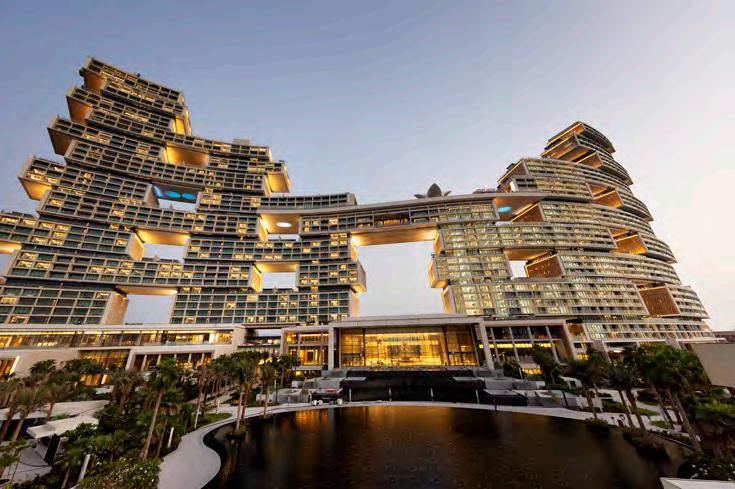
mood rather than place, while Expedia’s Trip Matching translates Instagram reels directly into itineraries.
In an AI-saturated discovery landscape, content quality has become a commercial differentiator. Expedia Group’s Science of Wanderlust study shows 71% of travellers say video influences their travel decisions, compared to 24% for static images, with long-form video generating the strongest emotional response.
Trust is built through tone rather than polish. Travellers respond most to
Bangkok Tokyo
London
New
Phuket
Frankfurt Bali
Rome
Madrid
Source: eDreams ODIGEO
Above L-R: Pet travel is going mainstream; Atlantis The Royal, Dubai: hotel architecture is influencing destination decisions
transparency (52%), followed by clarity and confidence (46%) and authenticity (45%), with user-generated content playing a key role.
AI-generated content is acceptable only when paired with human input; fully synthetic influencers trigger scepticism.
The takeaways: clarity converts, authenticity builds trust, and human storytelling still seals the booking.
Safety has moved from background consideration to decisive booking filter. Globetrender reports that one third of travellers prioritise destinations they perceive as safe and stable, reinforced by global safety rankings that consistently place Iceland, Denmark, Japan, New Zealand and Canada at the top.
Travellers are favouring destinations with reliable infrastructure, clear healthcare access and transparent communication, while less crowded, community led places gain favour too. The upshot? Safety must be communicated clearly and credibly by destinations as it’s no longer a given.
2086 AND BEYOND
As ITB Berlin marks its 60th year, we look another six decades ahead to imagine how in 2086 technology, shifting demographics, purposeful travel and environmental limits will shape global exploration

BY EMILY EASTMAN
When ITB Berlin debuted in 1966, holiday camps, donkey rides and train journeys defined the travel landscape. In the decades since, cheaper and more frequent air routes have widened global mobility and domestic stays have evolved to serve a more discerning market. The next six decades promise an even more significant transformation, driven less by shifting tastes and more by the structural forces reshaping the world. By 2086, the travel industry will operate within tighter environmental limits, serve a far older and more urban customer base and rely on technologies that are only in early deployment today. The scale of change will alter how people travel, and why. Demographic change is already influencing travel patterns. The United Nations expects the global population aged 65 or older to double by 2050, pushing destinations to provide accessible infrastructure and operators to deliver more tailored services. At the same time, rising incomes in Asia and Africa will swell the global middle class.
The OECD expects billions of additional consumers with discretionary income by mid-century, intensifying demand for mobility at a time when climate and mass tourism constraints are tightening. All of this indicates a
travel sector in 2086 enjoying robust growth, driven by rising incomes and new technologies. Destinations worldwide will have adapted to accommodate the potentially tens of billions of international and domestic arrivals, ensuring sustainable transformation is grounded in the right policies and practices to meet demand at the pace of change. “This demand is fuelled by the desire to travel, explore, self-actualise and ultimately experience joy,” says travel and tourism adviser and ITB Berlin Convention guest speaker Caroline Bremner. “As a vehicle of cultural exchange, it is vital that steps are taken in future to ensure that tourism remains open to all with low barriers to entry, whilst taking full responsibility for its social and environmental impacts.“
If the human drive to explore is our starting point, today we see travellers beginning to prioritise depth over distance and purpose over convenience.
According to Microsoft’s Mascha Driessen, an ITB Berlin Convention speaker, in the future “travel will no longer be just about movement; it will be about meaning,” Regenerative tourism models, carbon-neutral resorts and community based experiences are emerging, she says, as indicators of a more intentional era.
Transport will be the most visible transformation. Currently, aviation accounts for roughly 2% of global CO2 emissions, a figure that could triple without targeted intervention. By 2086, the world needs a travel sector reliant on hydrogen propulsion, large-scale sustainable aviation fuel production and the electrification of short-haul routes.
To accommodate demand and providing aviation meets its official net-zero goal by 2050, Bremner anticipates “big leaps forward in urban air mobility aircraft such as electric vertical take-off and landing aircraft”, the seeds of which have been sown. We already have the technology for supersonic flights, and several companies today are developing new supersonic aircraft.
Bremner also expects significant expansion of high-speed rail, particularly in markets such as India that are investing heavily in long-distance electric corridors. Hyperloops could also become a viable alternative to short-haul air travel in regions with strong political will.
“The future of travel will be about collapsing distances and redefining what’s possible,” adds Driessen.
“It won’t just be faster; it will be smarter, greener and more connected to human needs and experiences. Travel will feel less like logistics and more like magic.”
As well as “autonomous everything”, Dreissen envisages commercial space travel – “Not just a dream: orbital hotels, lunar expeditions and even Mars tourism will become the ultimate frontier for those seeking the extraordinary” – and integrated ecosystems, where AI orchestrates your journey “so you glide from hyperloop to space shuttle without a single hiccup”. Navigating these different transport modes will be easier with the widespread usage of digital ID, although the proposal has ignited controversy regarding ethics, data privacy and inclusivity.
“Having a globally rolled out digital ID – no matter how controversial – could enable a more sustainable form of travel, with each traveller’s personal carbon footprints measured and then nudged in the right direction, rewarded for better behaviour,” says Bremner.
These forecasts echo trends already in motion, and in 2086 the world is likely to have witnessed six decades of these developments being embedded and evolving at scale.
With the world embracing artificial technology today, travel in the future will be shaped by AI, extended reality and quantum optimisation that enables travel without physical borders. Driessen expects a fusion of digital and physical travel: “Imagine exploring the streets of Kyoto virtually before you go, hearing the temple bells, watching cherry blossoms fall in real time and then deciding to experience it in person
“Technology will make travel more inclusive, accessible and immersive, but the emotional connection of being there physically will remain irreplaceable.” Meanwhile, quantum computing will optimise global routing systems and reduce congestion.
“The rise of virtual experiences will never replace real life travel and tourism, as seen by the dissipation of virtual reality after the pandemic,”

“Technology will make travel more inclusive, accessible and immersive, but the emotional connection of being there physically will remain irreplaceable”


says Bremner. “However, there is a rightful place for virtual experiences when travel is no longer an option, so when fragile sites need to close for their survival. Already, certain countries at risk of disappearing due to climate change are moving online, such as the famous case of Tuvalu shifting into the metaverse.” She notes that AI’s energy footprint must be managed if it is to support sustainability.
Destination strategy is already shaped by climate adaptation, and in 2086 we will be looking back on stark lessons learned. The future could see a prerequisite to give back while on a trip through conservation or community service, plus destinations positioned as agents of restoration. Models currently in play in Costa Rica, Bhutan and New Zealand provide early examples of tourism revenue supporting ecological recovery, laying the foundations for carbon-negative accommodation, circular supply chains and biodiversity zones. Putting nature front and centre will be a condition of success, along with
ensuring that local communities have a seat at the table to tap into the innate knowledge of a place and its people.
On the flipside, businesses that fail to assess will not survive, and travel insurance will be a booming industry due to the increasing frequency of extreme weather events.
The motivations behind travel in 2086 may not look too different to those of today. Data from global research groups shows current rising interest in wellness, creativity and cultural immersion, particularly among older travellers, and Driessen believes this trend will intensify, with travel in the future being not just about experiences, but transformations. Bremner agrees, but notes that relaxation and connection will remain vital. What comes next could be a “consciousness economy”; the challenge for the industry is to create systems that enable visitors “to do the right thing while enjoying themselves to the max, guilt free.”
An ageing population will lend itself to greater accessibility, including the
Clockwise from top left: Natural wonders will never go out of fashion; carbon footprints of people and places will be under the microscope; travel must adapt to an ageing population
transition to universal design in the built environment, says Bremner. It is vital that steps are taken to ensure tourism remains open to all with low barriers to entry, while upholding full responsibility for its social and environmental impacts.
Alongside innovation, the tourism industry of 2086 will build its success on the alignment of regulation, investment, community interests and ecological integrity. If these principles are upheld, travel will remain a vehicle for discovery and human connection, operating with greater intelligence, resilience and purpose while embedding more deeply the factors that make exploration so widely sought. The power of travel to build cultural bridges, foster understanding and promote peace will endure.

BY VICTORIA BALFOUR
In 2026, the typical travel booking experience begins with a typed prompt or spoken instruction: “Somewhere warm. Not too crowded. Good food. Direct flight if possible.”
There is no travel agent on the other end of the phone, nor even a search bar on a computer screen in the traditional sense. Just an AI-enhanced chatbot that listens – and responds. Within seconds, it suggests a destination that fits the mood, a hotel within
budget, and a flight that avoids the dreaded 6am departure.
Today, digital technologies impact every touchpoint of travel, from where we choose to go and how we get there, to where we stay, how we pay and what we experience.
Across the industry, four shifts are driving this change: AI-powered personalisation, frictionless journeys, electronic payments and digital identity. Together, they are resetting expectations – for travellers and for the businesses that serve them.

Personalisation once meant a travel platform remembering your last destination. Today it means understanding why you went, and what you might want next.
Generative AI has accelerated that shift. Rather than simply analysing past behaviour, the latest systems interpret intent, context and even tone.
Expedia’s conversational planning tools, for example, invite travellers to describe a mood instead of entering exact dates or preferences into the system, while its Trip Match is an AI-powered tool that converts Instagram Reels into bookable travel itineraries.
Other booking platforms refine itineraries in real time, adjusting suggestions as preferences change mid-search.
The impact is subtle but powerful. Choice narrows, relevance sharpens and
“Today, digital technologies impact every touchpoint of travel, from where we choose to go and how we get there, to where we stay, how we pay and what we experience”

Mobile wallets, QR codes and real-time bank transfers are now an integral part of the travel experience
the fatigue that typically results from scrolling through endless imperfect options is no longer an issue.
The commercial implications are also significant. McKinsey estimates that modern airline retailing – built on dynamic offers and personalised bundles – could unlock up to $40 billion in additional value for the industry by 2030. Airlines are already rethinking how they package and price, designing fare structures around traveller profiles rather than cabin classes. A long-haul family is presented with a different mix of upgrades and add-ons than a solo digital nomad, even when booked in the same row. Personalisation, once more of a conventional marketing tool has become a core revenue driver.
At the airport, the focus shifts to movement. A traveller walks through the
terminal. A camera scans a face. A gate opens. There is no need to reach for a passport at every checkpoint.
No repeated document checks. The process moves quickly and quietly, with barely a pause.
This is the promise behind IATA’s One ID initiative: a journey built around secure digital identity rather than constant document checks.
Adoption is accelerating. SITA reports that more than 60% of airports plan to implement biometric identity management systems by the end of this year. Major international hubs such as Dubai International and Singapore Changi are expanding their facial recognition corridors, while Heathrow is refining its automated security protocols. Meanwhile, Delta – the United States’ largest airline –is scaling biometric boarding across major North American hubs.
The motivation is practical as much
as technological. IATA estimates that modernising identity management and passenger processing could unlock billions of dollars in efficiency gains.
Faster throughput reduces delays, eases congestion and increases airport capacity, often without building a new runway or terminal.
The shift extends beyond aviation. Rail operators across Europe are linking mobile tickets to digital wallets. Hotels have replaced plastic keycards with smartphone apps, often tied to loyalty programmes. Check-in desks shrink as the use of branded apps expands.
However, as digital identity becomes embedded across borders and brands, the conversation is shifting to legislative demands. Global bodies including ICAO are working on interoperable standards so credentials can move securely between systems. At the same time, travellers are asking harder questions about how biometric data is stored and protected.
The long-term vision – a single secure identity recognised across airlines, airports and beyond – will depend not just on technological innovation, but on cooperation across the entire travel ecosystem.
Across much of the world, travellers no longer reach automatically for a credit card. Mobile wallets, QR codes and real-time bank transfers are now an integral part of the travel experience, particularly in markets where digital transactions have leap-frogged traditional card payment systems.
Globally, there are now hundreds of alternative payment methods in use, including local wallets and instant bank-to-bank options that travellers recognise and trust. In regions such as Southeast Asia and Latin America, these alternatives are not fringe choices but everyday essentials.
In Europe, the rise of open banking, where payments are made directly from one bank account to another without a card network in between, is rapidly changing the way travel transactions are made. According to mobile payment
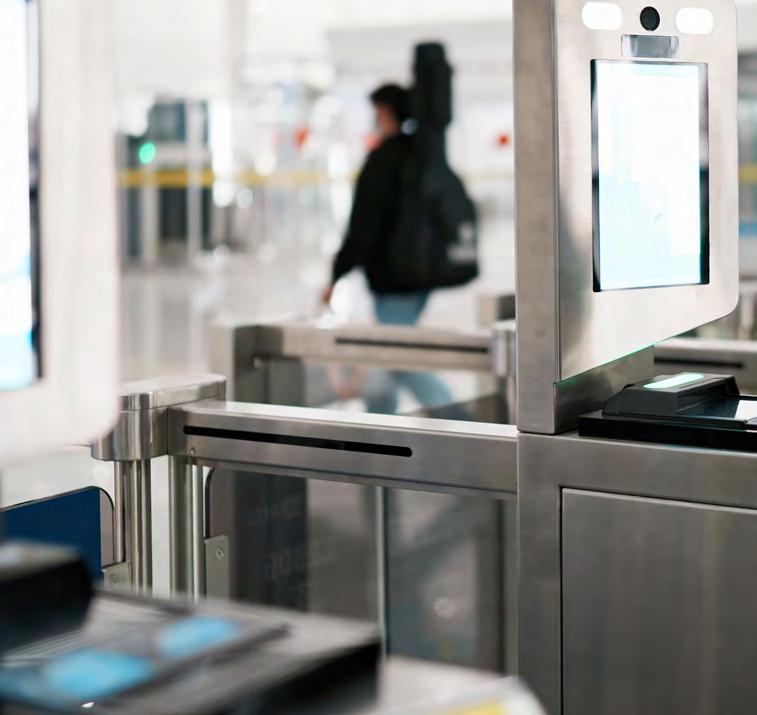
specialist Trustly, UK travel spending made via open banking rose by more than 230% year-on-year in January 2025 – a sign of both growing consumer confidence and wider platform adoption.
Airlines and OTAs including Booking. com, Etihad Airways, KLM and Air France have integrated these options to reduce fees, cut chargebacks and speed settlement. For travellers, the benefits are simple: fewer declined transactions and less currency friction. For businesses, faster settlement and lower risk improve cash flow.
Cryptocurrency and blockchain-backed systems remain niche experiments in travel, often confined to boutique operators or high-end bookings.
They include booking platforms Trip.com, Travala.com and Destinia; UAE-based carriers such as Emirates Airline, Etihad Airways, and low-cost airline Air Arabia, plus Vueling and
airBaltic in Europe; and hotel group like The Kessler Collection, S Hotels & Resorts, and The Pavilions Hotels & Resorts.
The quieter revolution, however, is happening with stored credentials, biometric payment authentication and app-linked wallets that make checkout feel almost invisible; the one-click rebooking, the subscription flight pass, the tap that barely registers.
Payment has slipped into the background of the travel experience. When it feels easy and familiar, confidence grows. And in an industry built on repeat business, confidence counts for everything.
Digital capability has become a baseline measure of competitiveness among the world’s most popular travel destinations. The World Economic Forum’s Travel & Tourism Development Index now

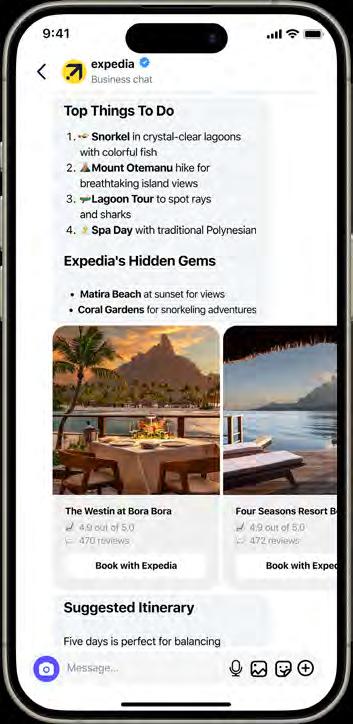
includes ICT readiness as a core pillar – recognising that connectivity, data infrastructure and border efficiency shape a destination’s performance as much as marketing does.
Similarly, the IMD World Competitiveness Centre ranks Switzerland, the US and Singapore as the most digitally savvy nations in 2025. “Infrastructure, talent, and innovation ecosystems are still standing them in good stead,” it says in the IMD 2025 Digital Competitiveness Ranking report.
For travel businesses, the scale of investment tells its own story.
The global travel technology market – spanning booking platforms, mobile apps, analytics and AI systems – was valued at about $10.7 billion in 2024 and is projected to reach around $18.6 billion by 2033.
Airlines alone spend tens of billions annually on IT, upgrading revenue
systems, operations and digital identity infrastructure.
Contactless payments, predictive pricing engines, cloud platforms and mobile-first interfaces have become the operating foundations of modern travel.
Post-pandemic behaviour has reinforced the importance of this digital-first approach, with travellers favouring tech-powered services that are intuitive and responsive.
At industry gatherings such as ITB Berlin, technology now underpins key discussions about sustainable growth, capacity and competitiveness across the entire travel ecosystem.
What matters now is not who adopts the most tools, but who connects them effectively, linking identity, payment, pricing and service into a travel technology experience that feels seamless from start to finish.
Opposite: Airport security is becoming more streamlined; left: Expedia’s Trip Match converts Instagram Reels into bookable travel itineraries
TRAVEL TECH BY THE NUMBERS
$40bn
Potential additional value from modern airline retailing by 2030
60%+
Airports planning biometric identity management implementation by end-2026
230%
Year-on-year rise in UK travel spending via open banking, January 2025
$10.7bn
Global travel technology market value in 2024
$18.6bn
Projected market value by 2033
Billions
Estimated efficiency gains from modernised identity and passenger processing
Sources: McKinsey, SITA, Trustly, IATA
As ITB Berlin marks 60 years at the centre of the global travel industry, senior leaders share perspectives on collaboration, knowledge exchange and innovation and highlight why coming together as a global community in Berlin every year remains essential for navigating what lies ahead
European tourism thrives on cooperation, shared knowledge and innovation. At the European Travel Commission (ETC), we believe progress happens when destinations act together. As challenges intensify, from climate impacts to shifting demand, cross-border and cross-sector collaboration is essential. ITB Berlin remains a trusted global platform for that exchange, bringing together ideas, data and partnerships that shape the industry. For ETC and our members, ITB is a key moment to align priorities and accelerate a more resilient, sustainable future for travel.”
EDUARDO SANTANDER CEO, European Travel Commission
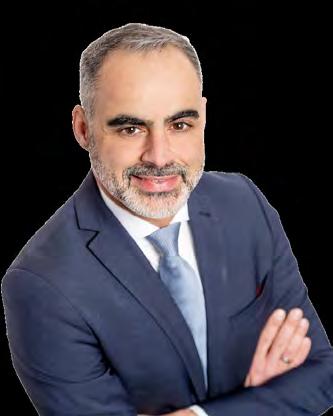
Over the last decades, our industry as shown us that progress is built through collaboration, shared knowledge, and the desire for innovation; elements that have enabled the tourism sector to adapt to overcome challenges and continuously redefine itself to cater to new travel trends. In the future, global collaboration is essential to build a more inclusive and sustainable tourism sector, ensuring that travel continues to connect cultures and encourages leaving a positive impact in the territories involved. ITB Berlin stands out as a key platform for us to strengthen ties with the international travel sector and position Peru’s unique sustainable tourism offer on the global stage.”
TERESA MERA Minister of Foreign Trade & Tourism, Peru

Putting quality, balance and shared value at the centre of tourism
In travel and tourism industry, innovation has always flourished where people come together. Collaboration and international knowledge sharing are essential to finding answers to the challenges facing our industry. For the Netherlands, this means a course that focuses on the value of tourism for residents, visitors and enterprises, with focus on quality of life, sustainability and balanced development. For decades, ITB Berlin has played a key role as a global platform where the industry meets. For the Netherlands Board of Tourism & Conventions (NBTC), ITB Berlin is an important meeting place where collaborations are formed, we position the Netherlands internationally and work together on sustainable goals.”
YVONNE NASSAR CEO, Netherlands Board of Tourism & Conventions (NBTC)

Global collaboration and knowledge exchange have helped tourism mature into a more connected and responsible industry. Today, innovation must serve balance, between growth and preservation, visitors and communities, ambition and identity. Platforms like ITB Berlin remain essential because they bring the industry together to share insight, challenge assumptions and shape smarter paths forward. For Ajman, this exchange supports our Vision 2030 goals, helping us grow as a modern destination while protecting the culture and heritage that define us.”
H.E. MAHMOOD
KHALEEL ALHASHMI Director General, Ajman Department
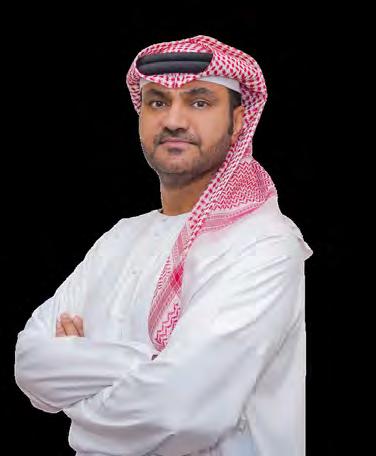
Global collaboration, knowledge exchange and innovation have always been central to the progress of the travel and tourism industry, enabling destinations to grow more connected, resilient and sustainable. Looking ahead, these same forces will be essential as the sector responds to environmental responsibility, evolving traveller expectations and the need for more inclusive growth. ITB Berlin remains a cornerstone of this global exchange, providing a trusted platform where ideas, partnerships and the future of tourism are shaped. For Langkawi, participation in ITB Berlin is a strategic opportunity to learn, collaborate and position the island as a leading nature-led and sustainable destination on the global stage.”
YBHG.
DATUK
SERI ISKANDAR BIN DATUK HAJI MOHD KAUS

ITB Berlin has long supported the travel industry’s progress through global collaboration, by sharing ideas, learning from one another, and embracing innovation as a collective force. Travel connects people, cultures, and economies, and its future will be shaped by how responsibly and creatively we use technology, data, and AI to serve that purpose. ITB Berlin has long been a catalyst for this progress, bringing the global travel community together in one place. For Trip.com Group, it is where meaningful exchange happens: a space to meet partners from around the world, align on shared challenges, and co-create a more connected, balanced, and sustainable future for travel.”
CASPER MAASDAM
Global collaboration, shared knowledge and innovation have enabled tourism to adapt, grow and connect people across borders. Looking ahead, strong alliances will matter even more as we navigate complexity, pursue sustainable growth and work towards a more inclusive future for travel. ITB Berlin remains one of the world’s most influential platforms for driving this collective progress, bringing together destinations, industry leaders and ideas under one roof. For South Africa, ITB is a strategic opportunity to deepen international relationships, showcase the breadth and diversity of our tourism offering, and reinforce tourism’s role as a catalyst for jobs, investment and shared growth.”
IAN UTERMOHLEN
South Africa Tourism Regional General Manager, Europe

Reflecting on six decades of progress, global collaboration, knowledge exchange, and innovation have transformed travel and tourism into a highly interconnected industry. For Nepal, these forces have been vital in strengthening destination visibility, enhancing service standards, and promoting sustainable and community-based tourism. Learning from global best practices and adopting digital innovation has helped Nepal align with evolving traveller expectations while preserving its cultural and natural heritage. Looking ahead, collaboration and innovation will remain key to resilient and responsible growth. In this journey, ITB Berlin for Nepal is a global platform that enables knowledge sharing, partnership building, and market access, supporting Nepal and our organisation in shaping the future of Nepal’s tourism sector.”

MR. DEEPAK RAJ JOSHI CEO, Nepal Tourism Board

Global travel has progressed through collaboration across travel providers, intermediaries, financial institutions, and payment networks that enable commerce across borders. As the industry evolves, innovation, particularly in digital and data- d riven payments is increasingly central to trust, efficiency, and scale in a more automated travel ecosystem. ITB Berlin has long played a vital role as a platform for knowledge exchange and partnership, bringing the global industry together to address shared challenges and unlock opportunity. For Visa, ITB remains an important forum to collaborate with partners and help shape the future of secure, connected travel payments worldwide.”
TANIA PLATT
Global Head of B2B Travel, Visa

Global collaboration and knowledge exchange have driven remarkable progress in travel and tourism over the past six decades. Frankfurt Airport has evolved from an infrastructure provider into a global connectivity platform. With the opening of our new Terminal 3, we are shaping the future of aviation by combining capacity growth with innovation, sustainability, and passenger-experience design, developed in close cooperation with international partners. ITB Berlin has played a unique role in enabling this exchange, bringing the global industry together to share ideas, align visions, and drive transformation. For us, ITB Berlin remains an essential forum to connect, learn, and help shape the next era of aviation.”
SIMONE SCHWAB Senior Vice President Aviation and Cargo Development, Frankfurt Airport

Travel has always been about having incredible experiences. It’s about travellers going to new places, connecting to new people and creating life-long memories. This is always at heart of what our industry creates, and it is our global collaboration and exchanging ideas that enables the industry to continually evolve to meet this traveller need. We are now at a time when artificial intelligence is creating the most transformative technological shift in a generation, reshaping how we work, build and connect. Forums like ITB ensure we are all together talking to people, exchanging learnings and experiences to make this technology work in the best way it can, while keeping human experience at the heart of travel.”

PIERO SIERRA Chief AI Officer, Skyscanner
The hospitality and travel and tourism industries have always been shaped by one constant truth; progress happens when we collaborate. Global partnerships, shared knowledge, and continuous innovation have enabled our sector to grow in scale, resilience, and responsibility. Today, as sustainability and social impact become business imperatives, collaboration is more critical than ever. ITB Berlin has long been a catalyst for this exchange, bringing together leaders, ideas, and solutions that drive meaningful change. For the World Sustainable Hospitality Alliance, ITB Berlin is an essential platform to amplify impact, align the industry around shared goals, and accelerate a more sustainable, inclusive future for travel and tourism worldwide.
GLENN MANDZIUK
President & CEO, World Sustainable Hospitality Alliance

Travel connects us globally, inspiring freedom, openness, understanding and companionship. Access to travel should be available to all, as it enables cultural exchange, learning and participation, but this freedom cannot be assumed. In Berlin, a city shaped by history and welcoming to travellers, this perspective is deeply rooted. The travel industry relies on collaboration, knowledge sharing and responsible innovation. Only through cooperation across borders can travel continue to connect people meaningfully. For 60 years, ITB Berlin has been the central platform for this exchange. On behalf of a&o Hostels, congratulations on 60 years of leadership in global travel.

OLIVER WINTER Founder and CEO a&o Hostels, Berlin
The past six decades have been marked by major advances in global collaboration and innovation – key forces for a sustainable future for tourism. ITB Berlin serves as a global platform that fosters the exchange of knowledge and best practices. Examples such as the Loro Parque Group show how tourism management has not only saved species from extinction, but also defends nature, educates, and raises awareness in numerous countries. Without tourism, many certified conservation centres would not be able to operate daily in their habitats or share their work. Only through innovation and collaboration can we build a tourism industry that is ready for the future.
CHRISTOPH KIESSLING Vice President, Loro Parque