- More Students are Choosing to Study in the West and North-West Region
- ATU Alumni Award Recipients 2026
15
Engaged Research in Action
- How 3D Metal Technology Could Replace Animal Testing
- Prototyping a Sheep Tracker and Activity Monitor
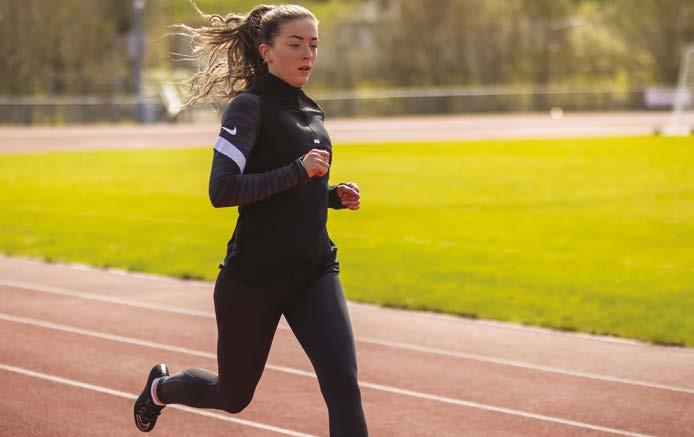
- How Nutrition May Improve Sleep in Elite Athletes
Editor: Anne Donnelly
Design: The Foundation
Photography: Conor Doherty, James Connolly, Jessica Priddy, Clive Wasson, Aengus McMahon. Lauren Fitzgerald, Paul McGuckin, Brad Anderson, Katarina Rozvadska, Ugnius Brazdziunas, and ATU staff.
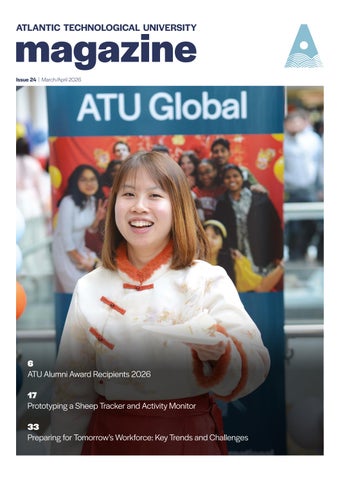
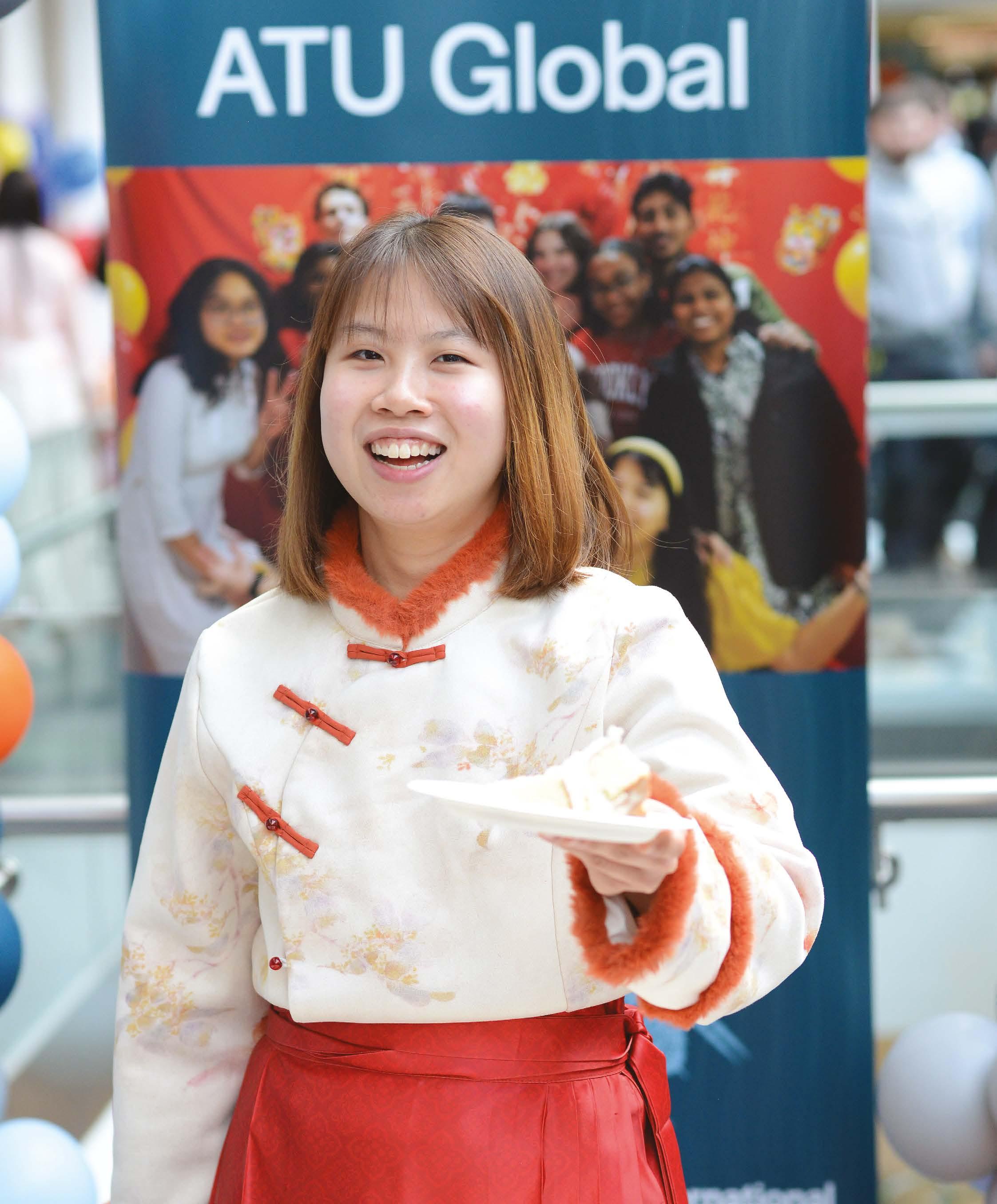
Cover photo: Eunice Ting Xuan Lee (Malaysia) at one of our Global Village events in March. Eunice is pursuing a BSc (Hons) in Human Nutrition at ATU and was a Senior International Student Ambassador from 2023-2025.
Contributors: ATU Communications team, Orlaith Ní Mheachair, Jorden McMenamin, Ivana Hanjs, Bernadette Larkin, Turlough Raftery, Carina Ginty, Lauren Reynolds, Hollie LindsayBoland, Maoliosa Ni Thuathail, Janine McGinn, Wojciech Gorszczak, Gavin Rackard, Turlough Rafferty, Sinéad Ní Bhroin, Jorge Guadalupe, EnXi Chiew and Gail Cummins.
LET US KNOW WHAT YOU THINK: If there is anything you would like to see in future issues of this magazine, please email anne.donnelly@atu.ie
10
Our Student Voice
- Pobal Bia: Providing Students with Affordable Food
- Ní Neart Go Cur le Chéile: Ceardlann Bróidnéireachta trí Ghaeilge
- A New Generation of Apprentices tell their stories
21
Engagement and Innovation
- ATU Innovation Hub Mayo Marks 20 Years of Supporting Entrepreneurship
- New Frontiers Showcase Awards
- What Effective Engagement Really Looks Like
- Advancing Women Entrepreneurs
- Enterprise Showcase Celebrates Women in Business
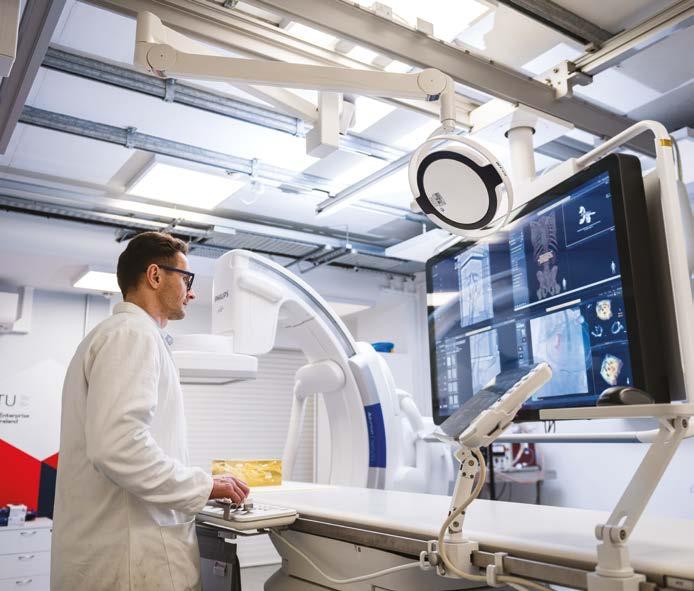
- Building Better MedTech
- Preparing for Tomorrow’s Workforce: Key Trends and Challenges
Sustainability in Action
- ATU Education for Sustainable Development (ESD) Academy
- Power of Change and Climate Clubs
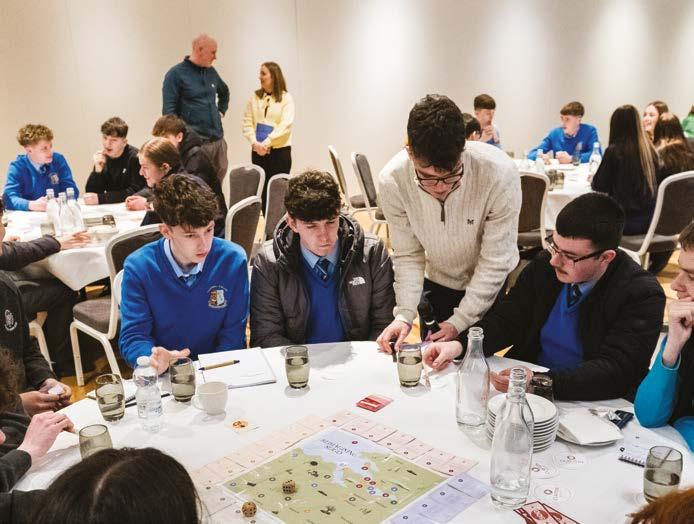
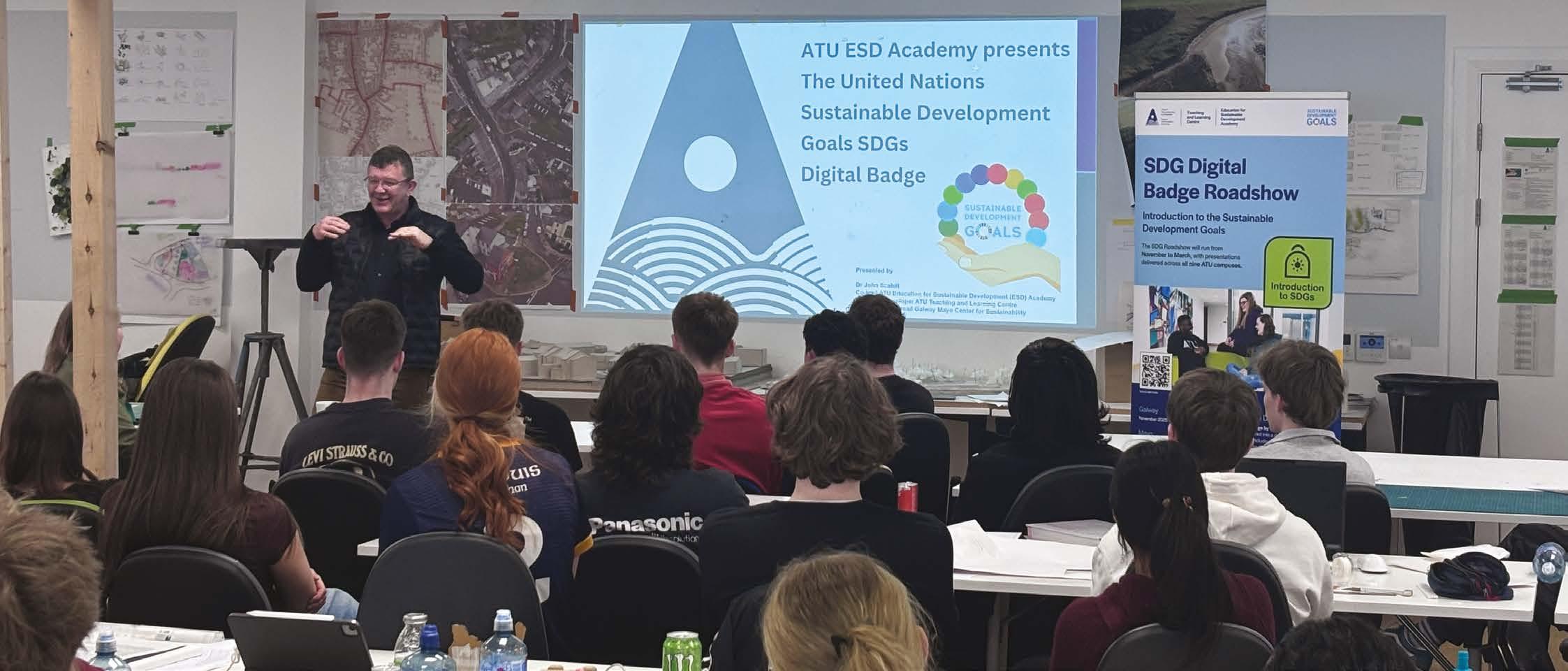
- Sustainable Development Goals Roadshow
Community, Creativity and Achievements
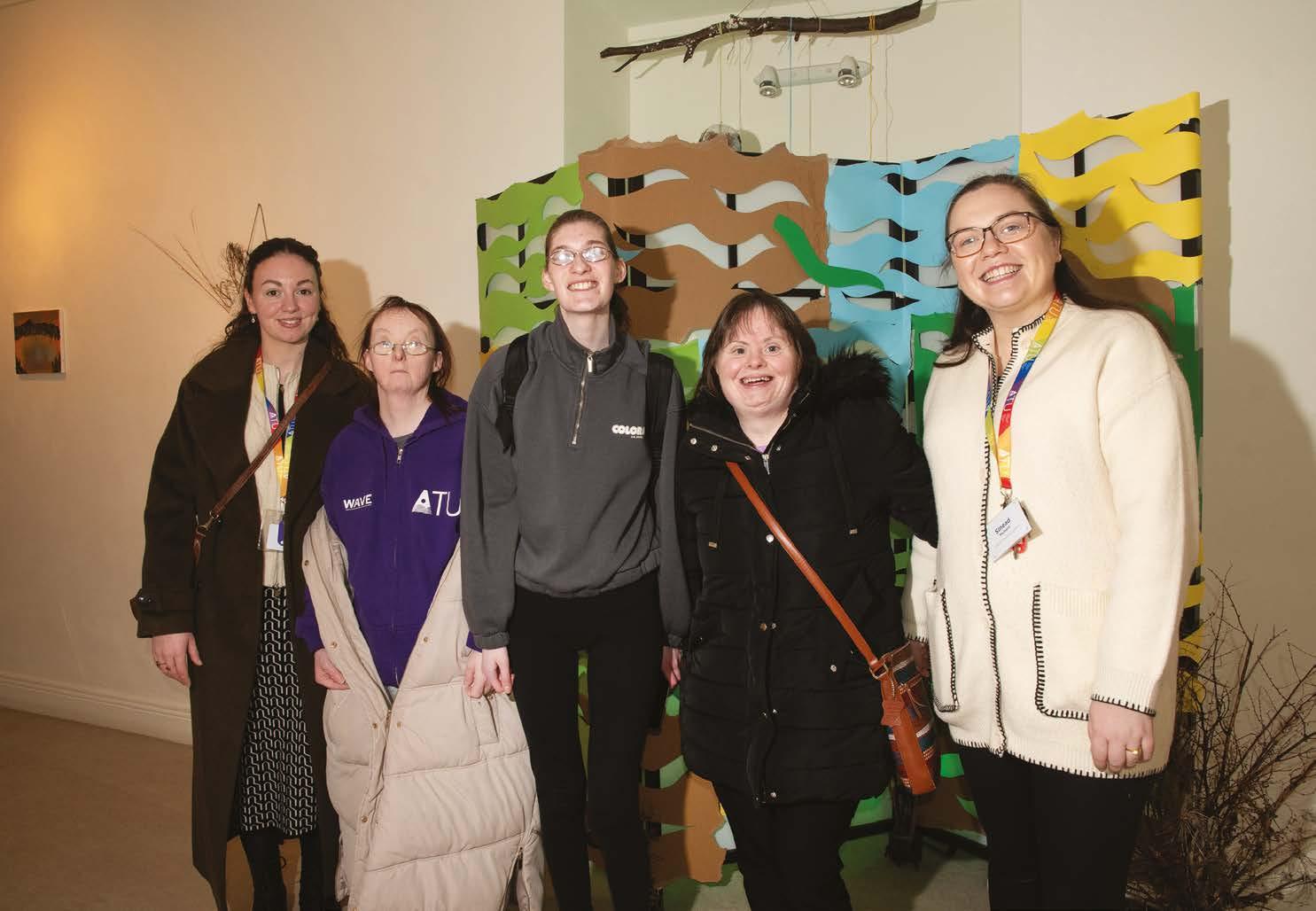
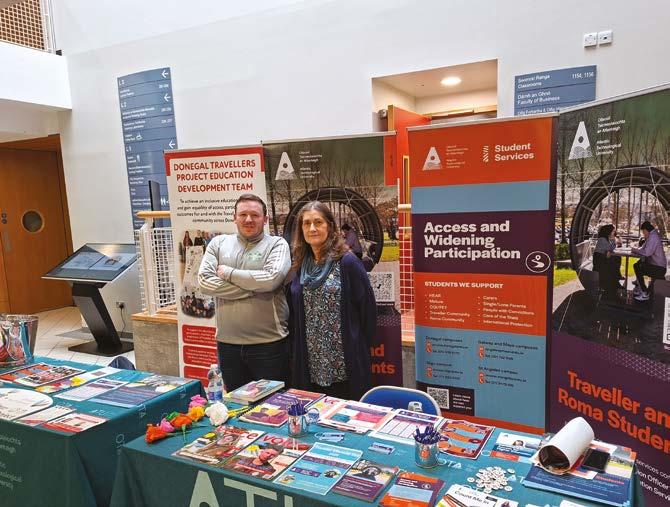
- Showcase Celebrates Inclusion in Practice
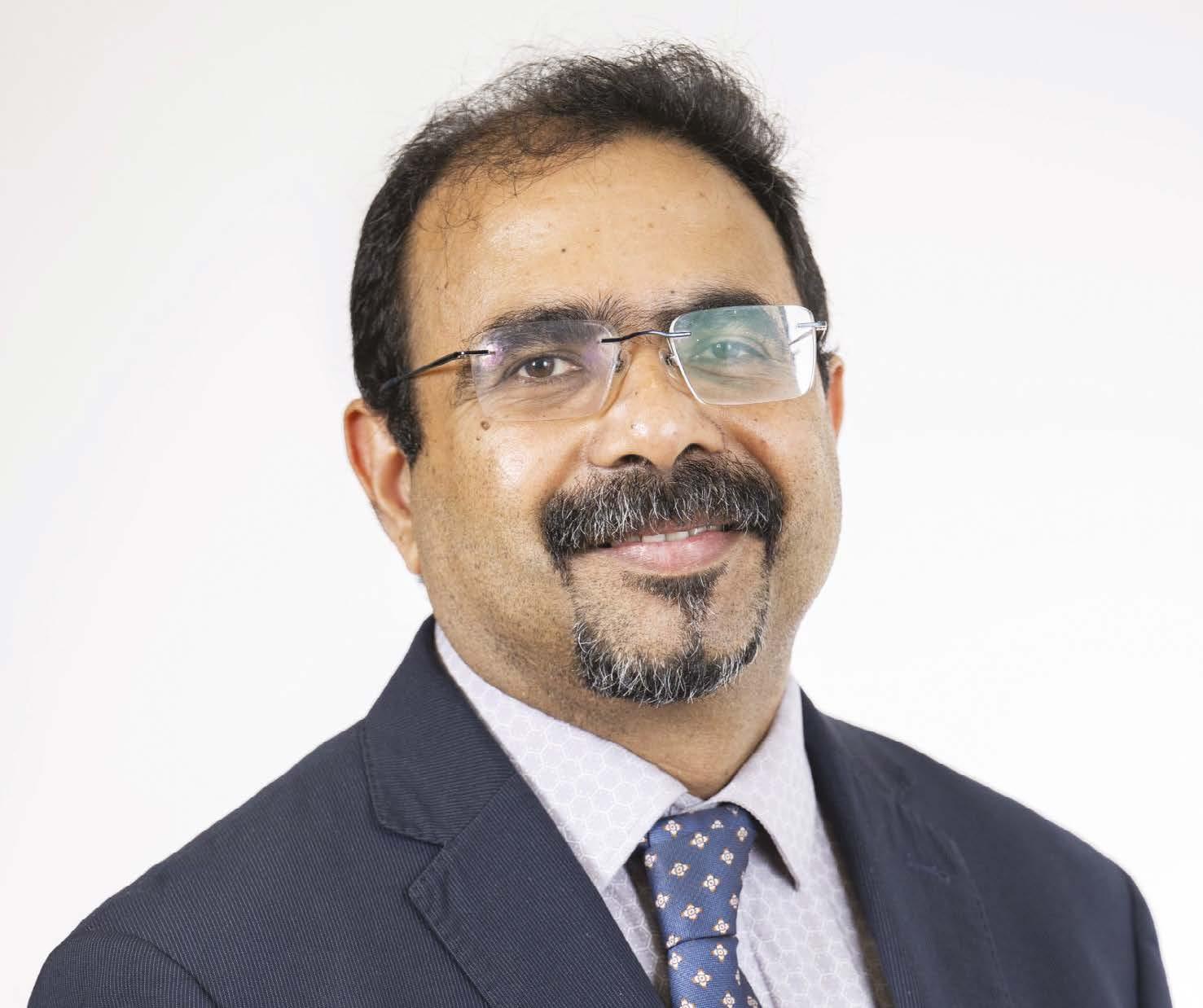
- Prof Suresh Pillai Elected Member of the Royal Irish Academy
- Innovative Therapeutic Wheelchair Concept wins Top Prize in Student Entrepreneur Awards
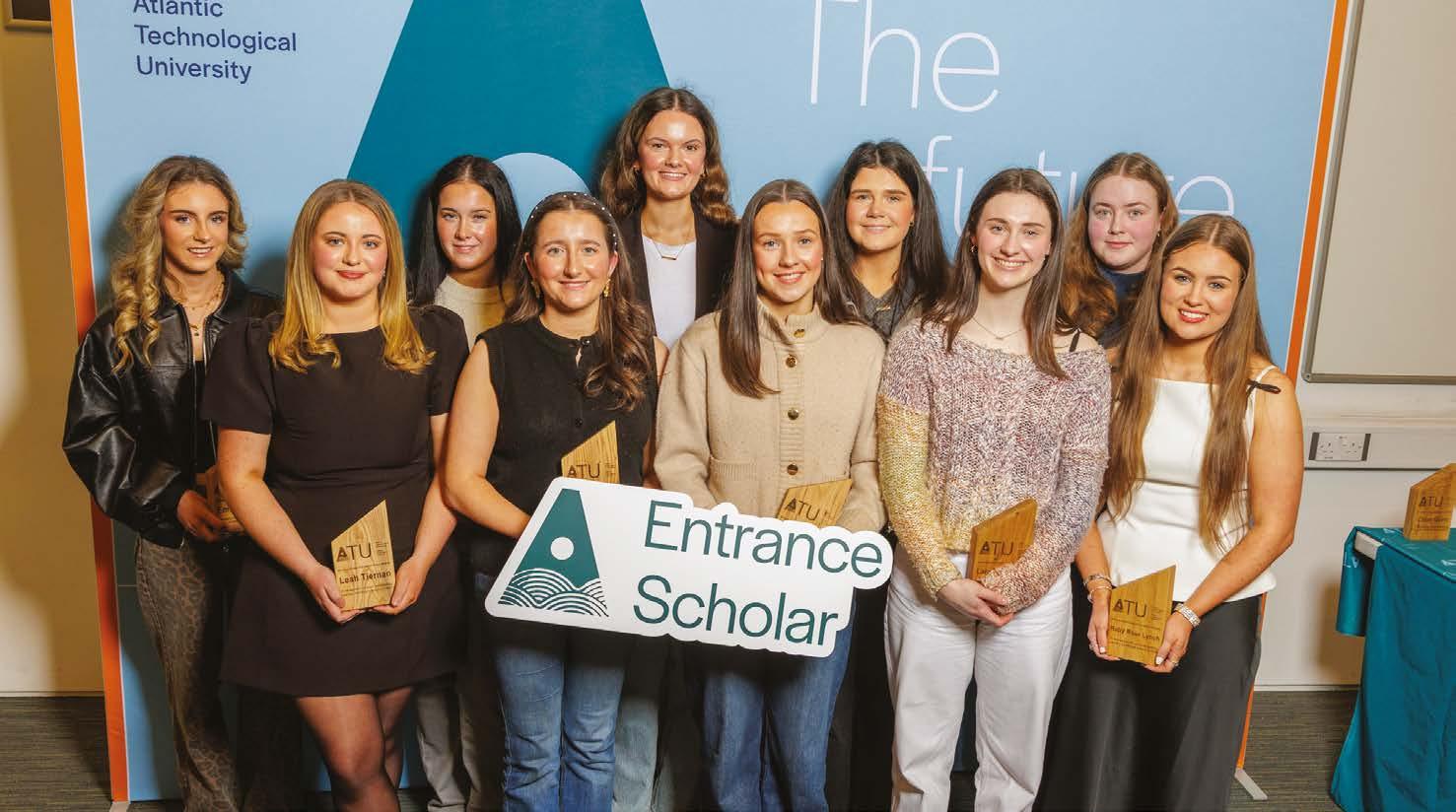
- Scholarships Celebrations
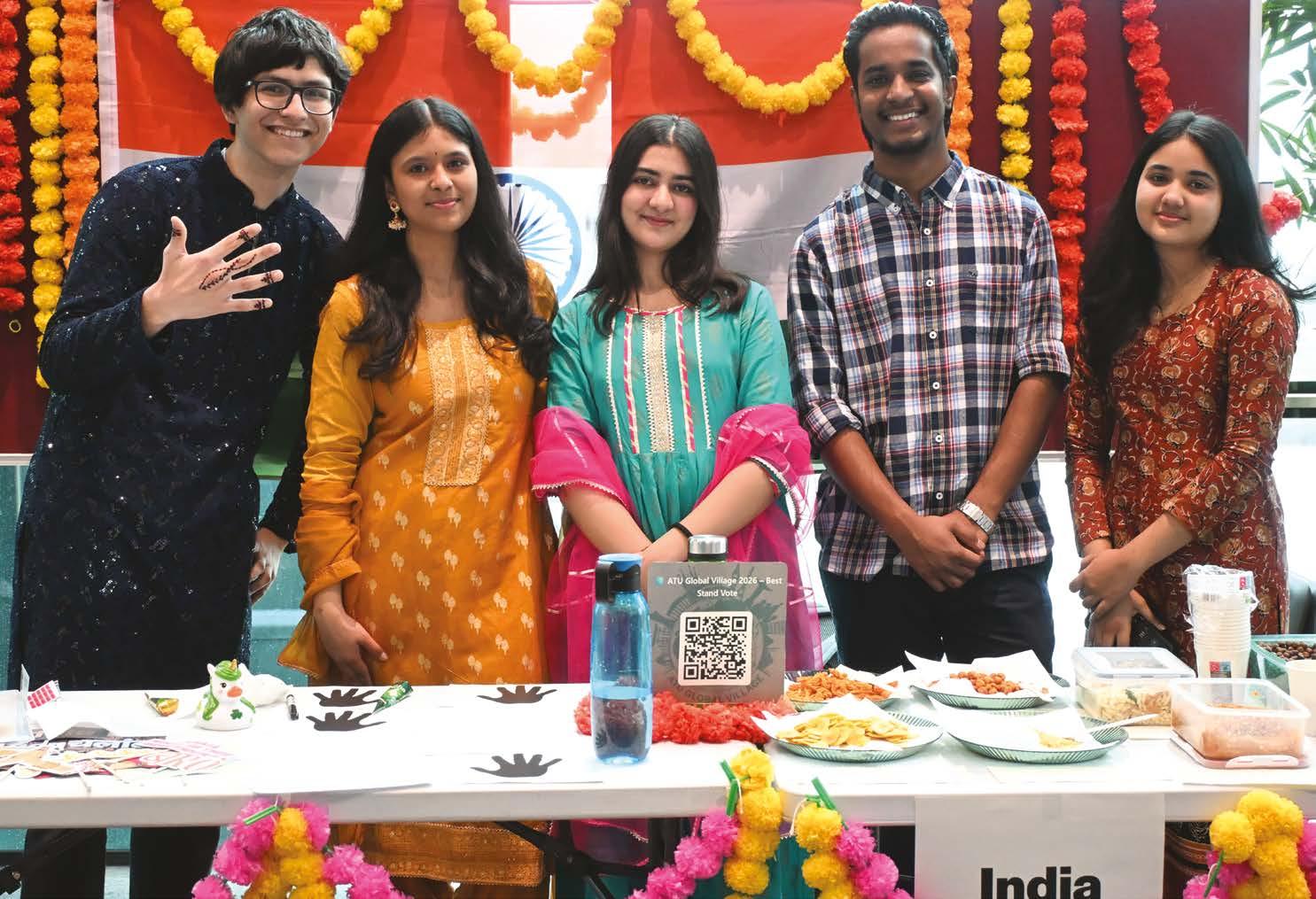
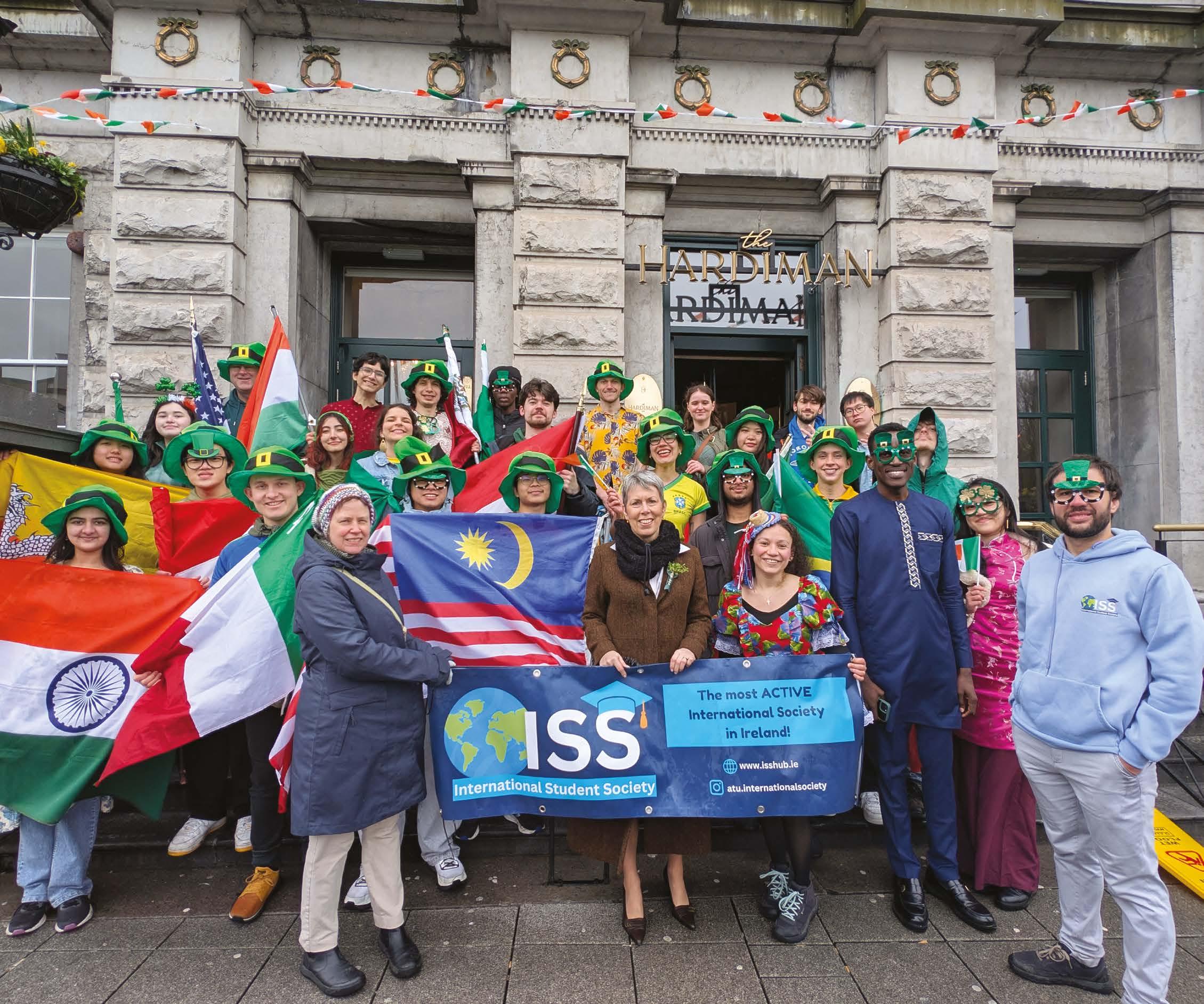
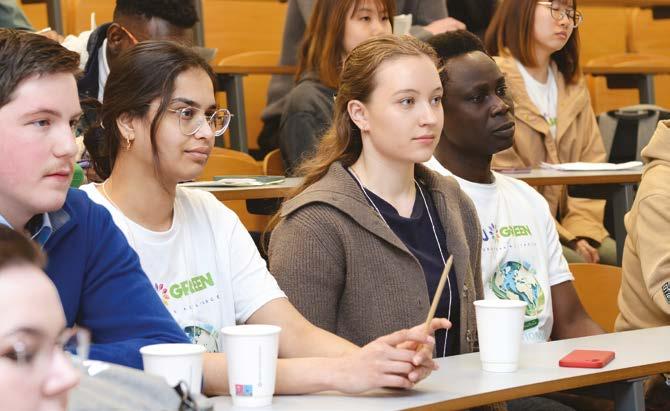
- Global village at ATU
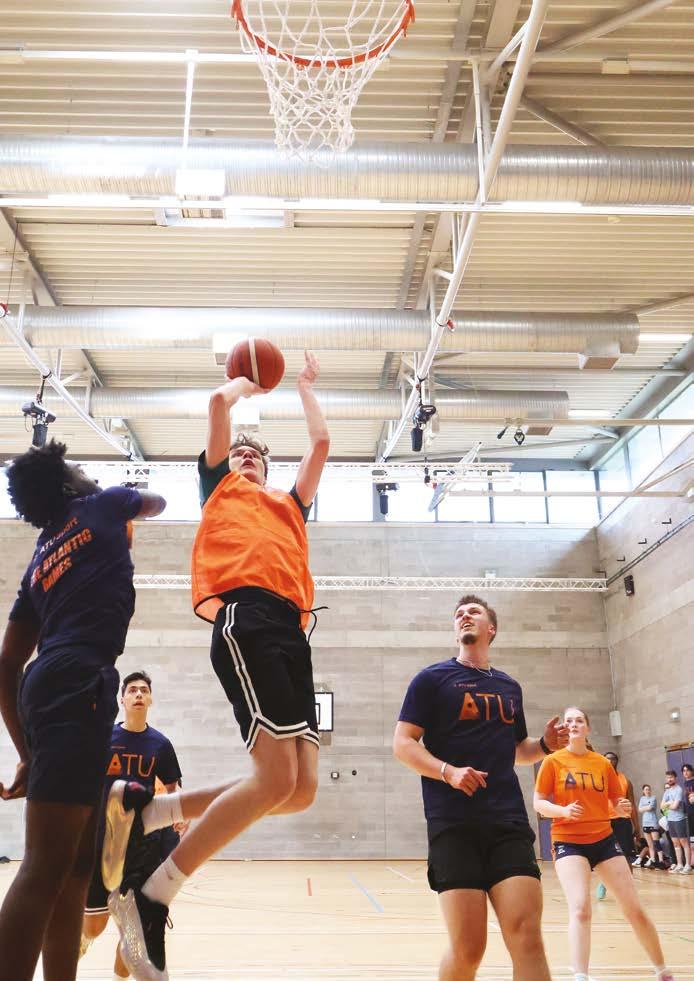
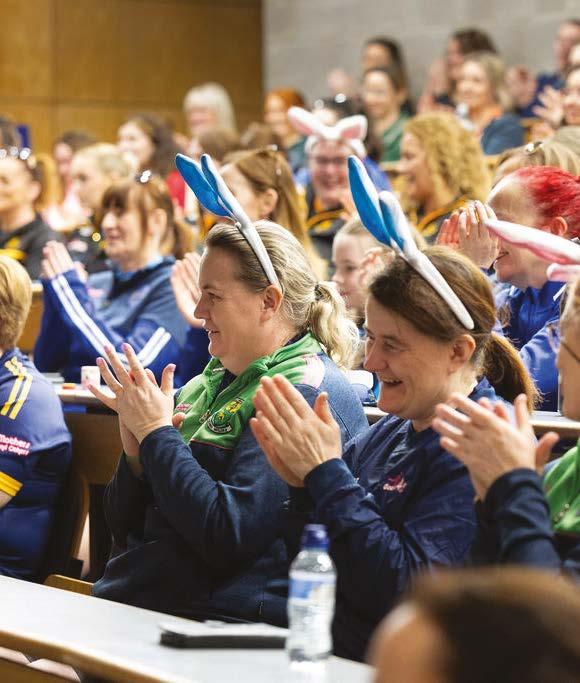
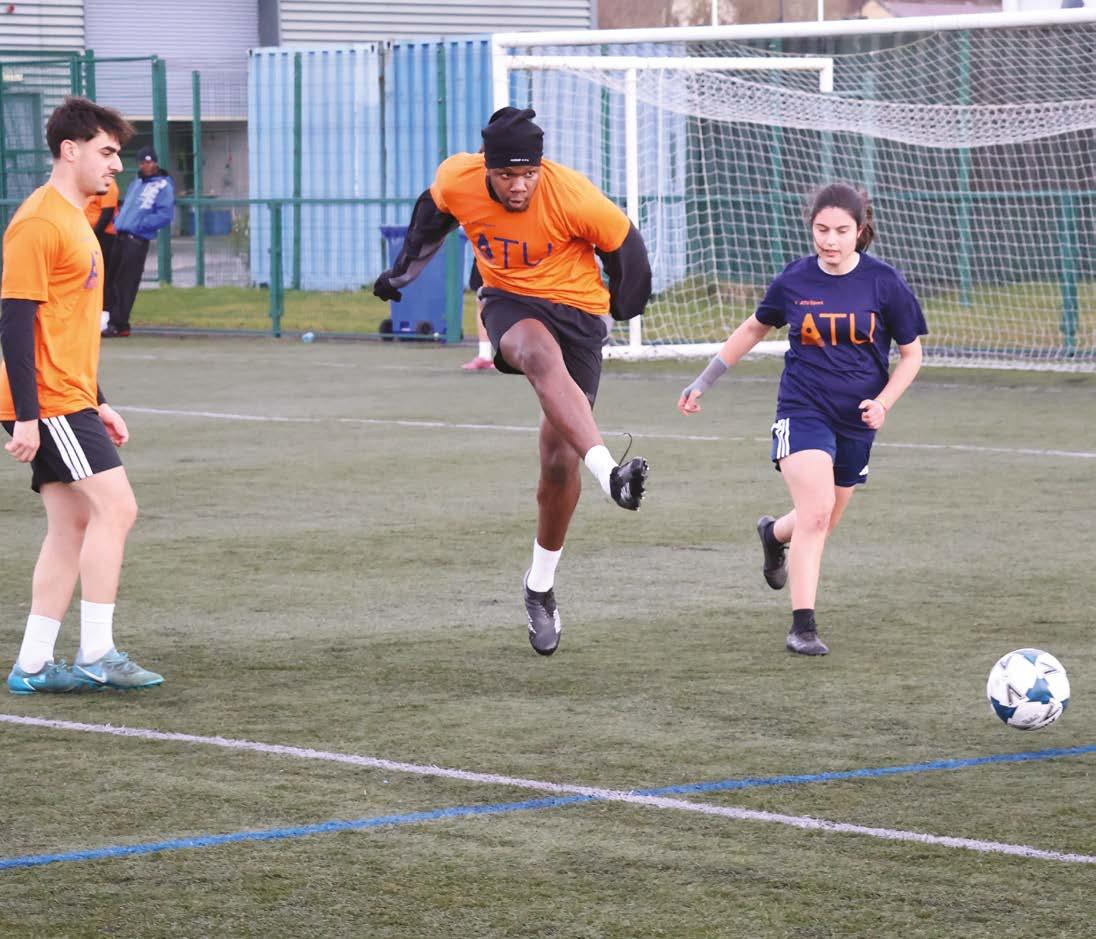
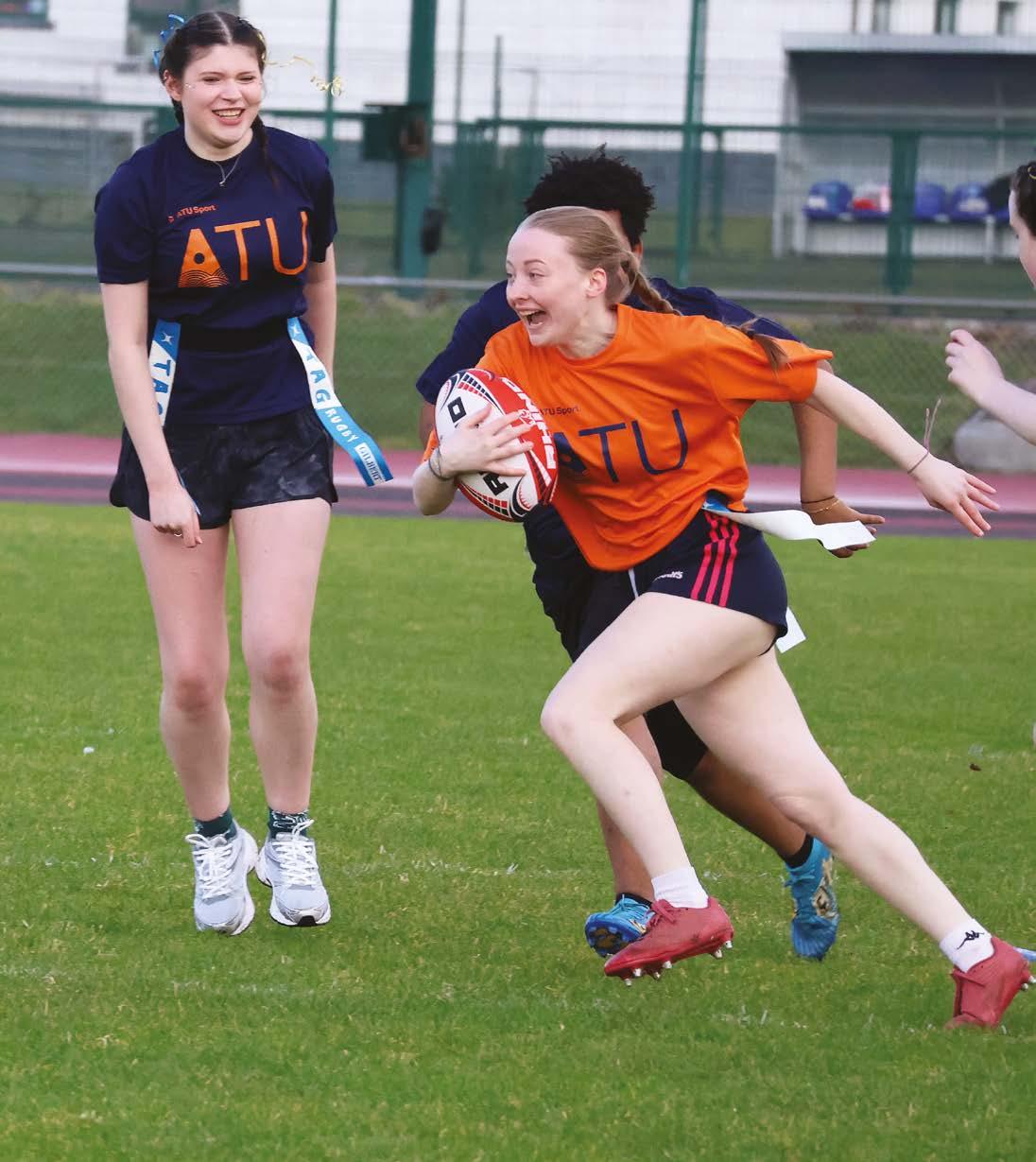
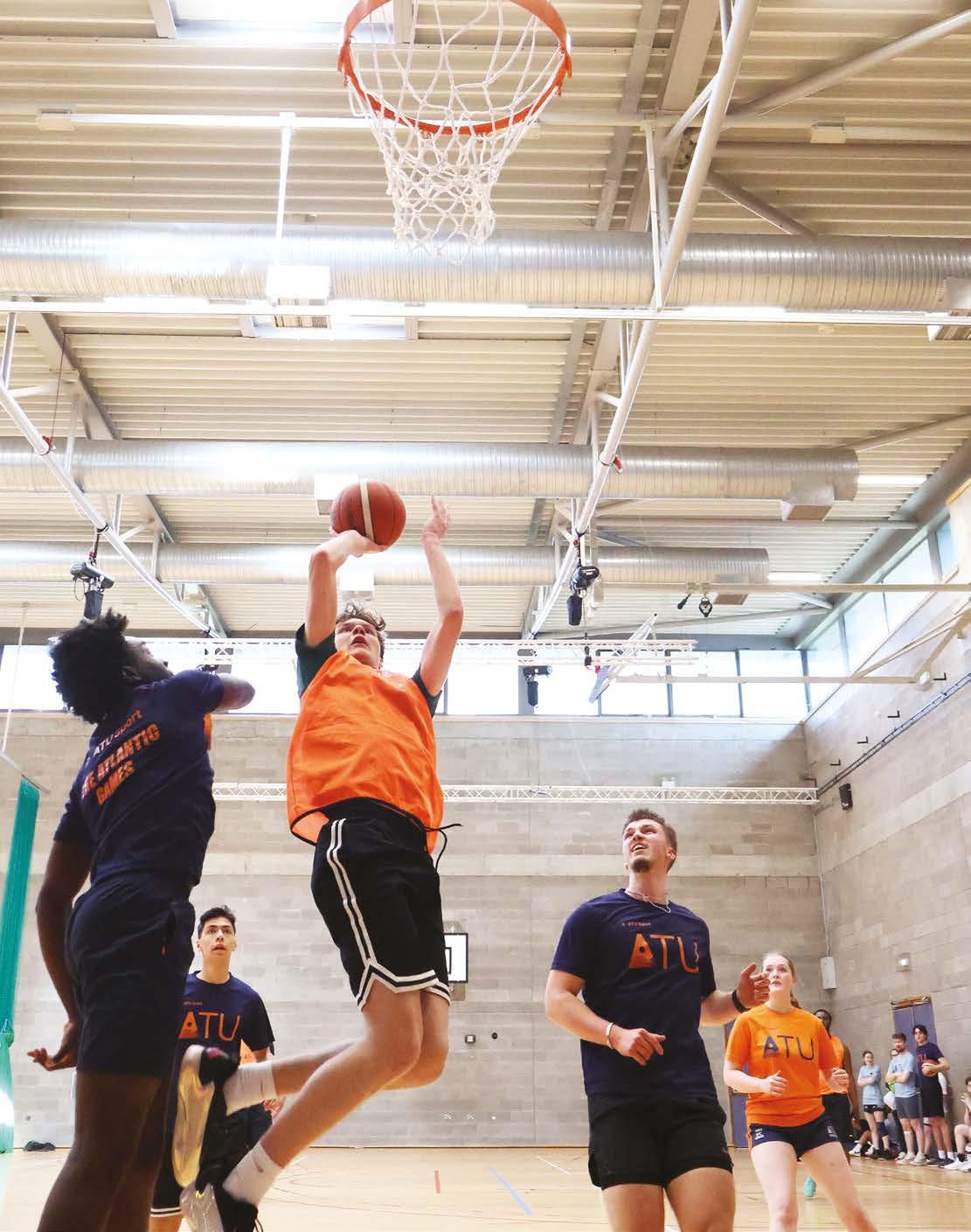
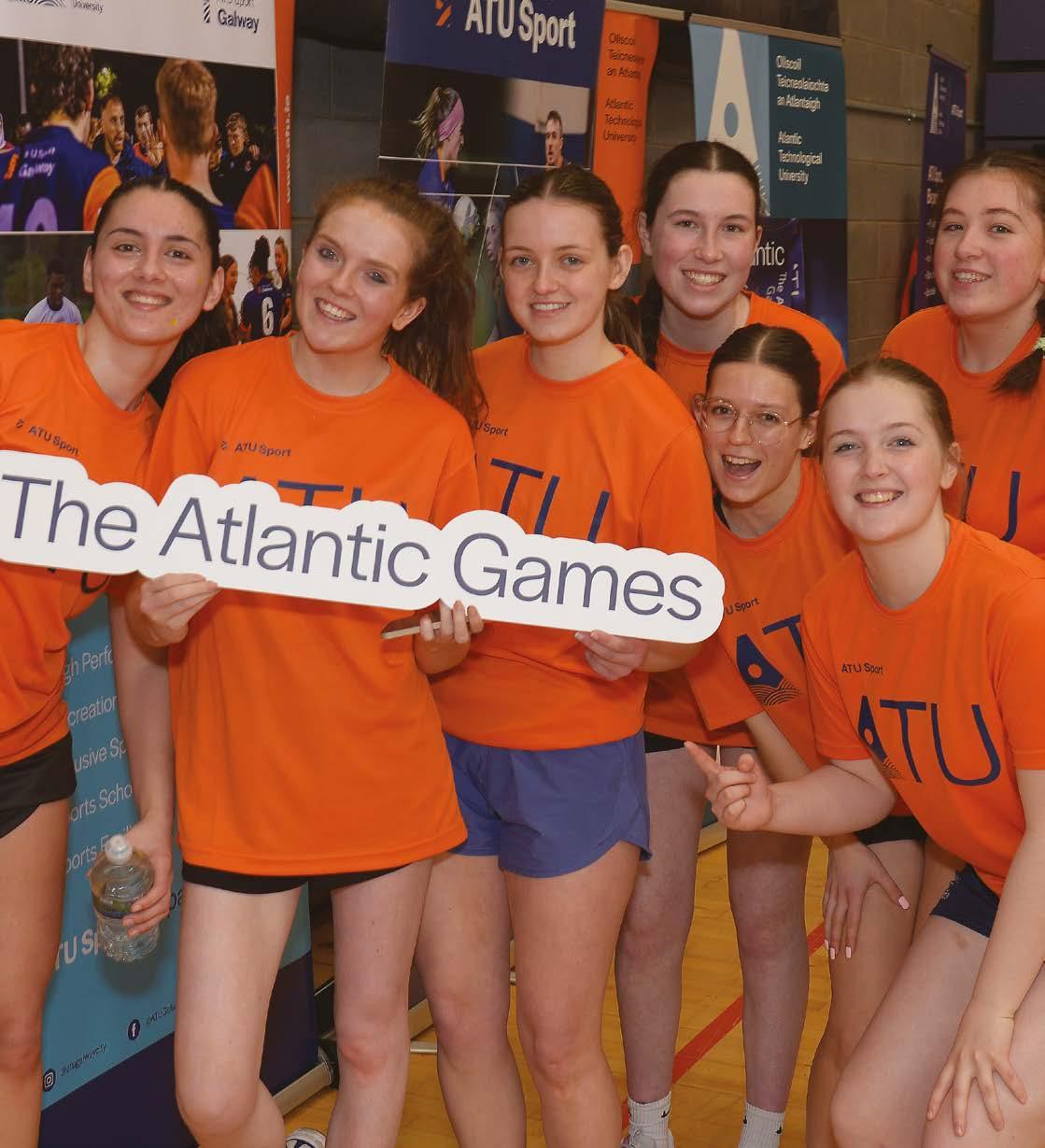
- Campus Spirit Shines at Second Atlantic Games
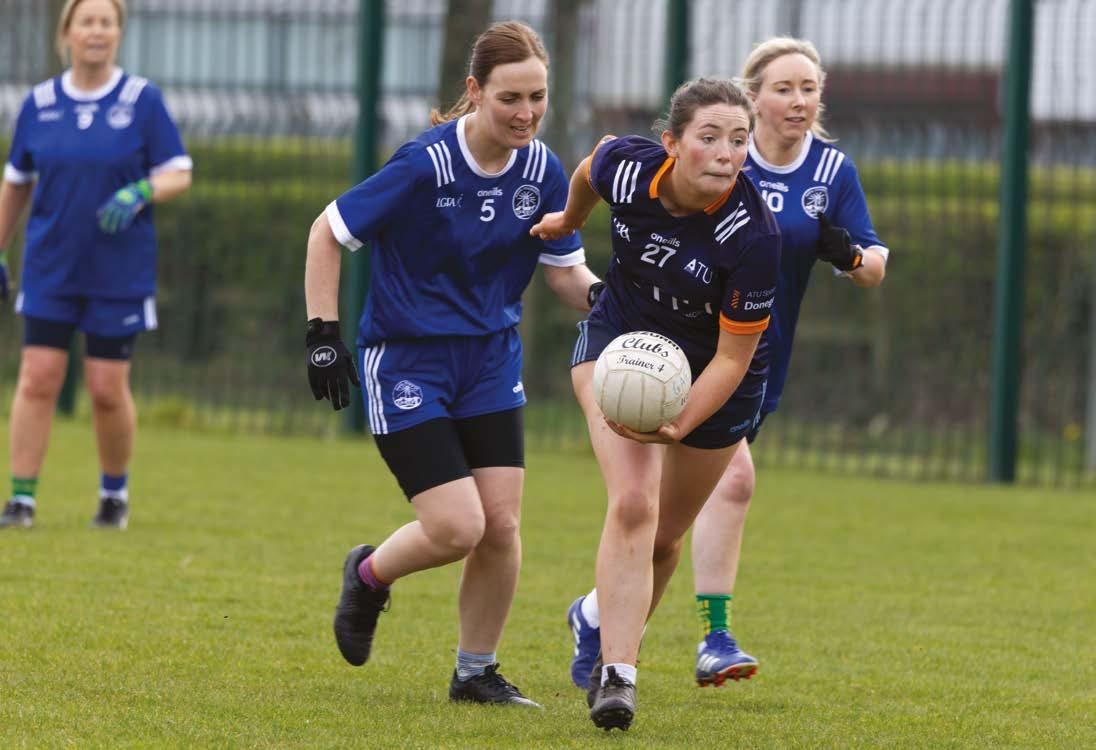
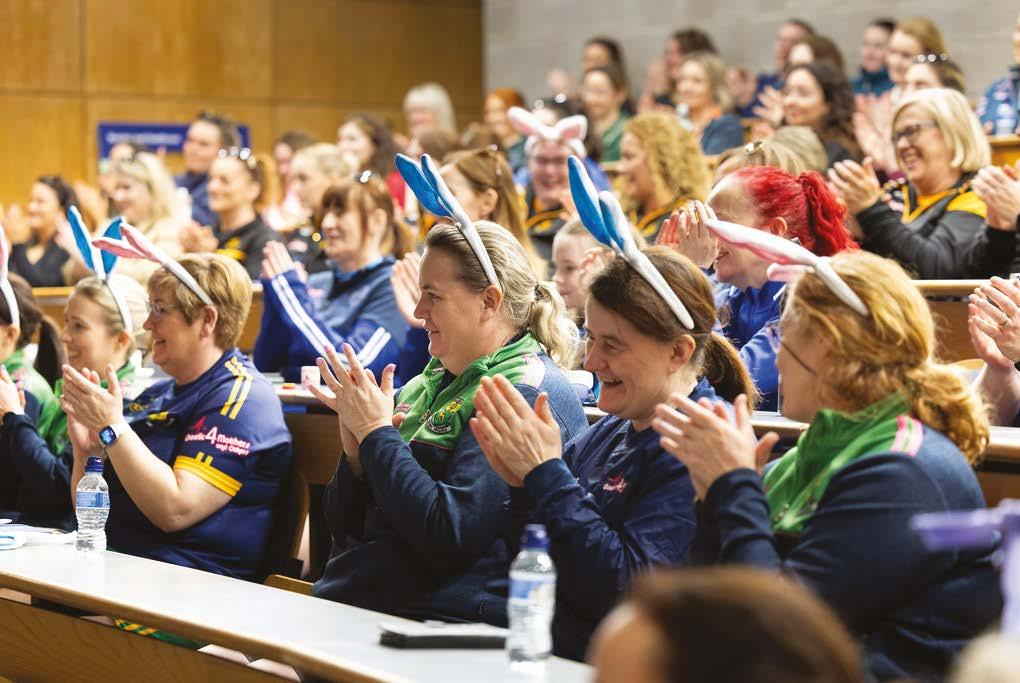
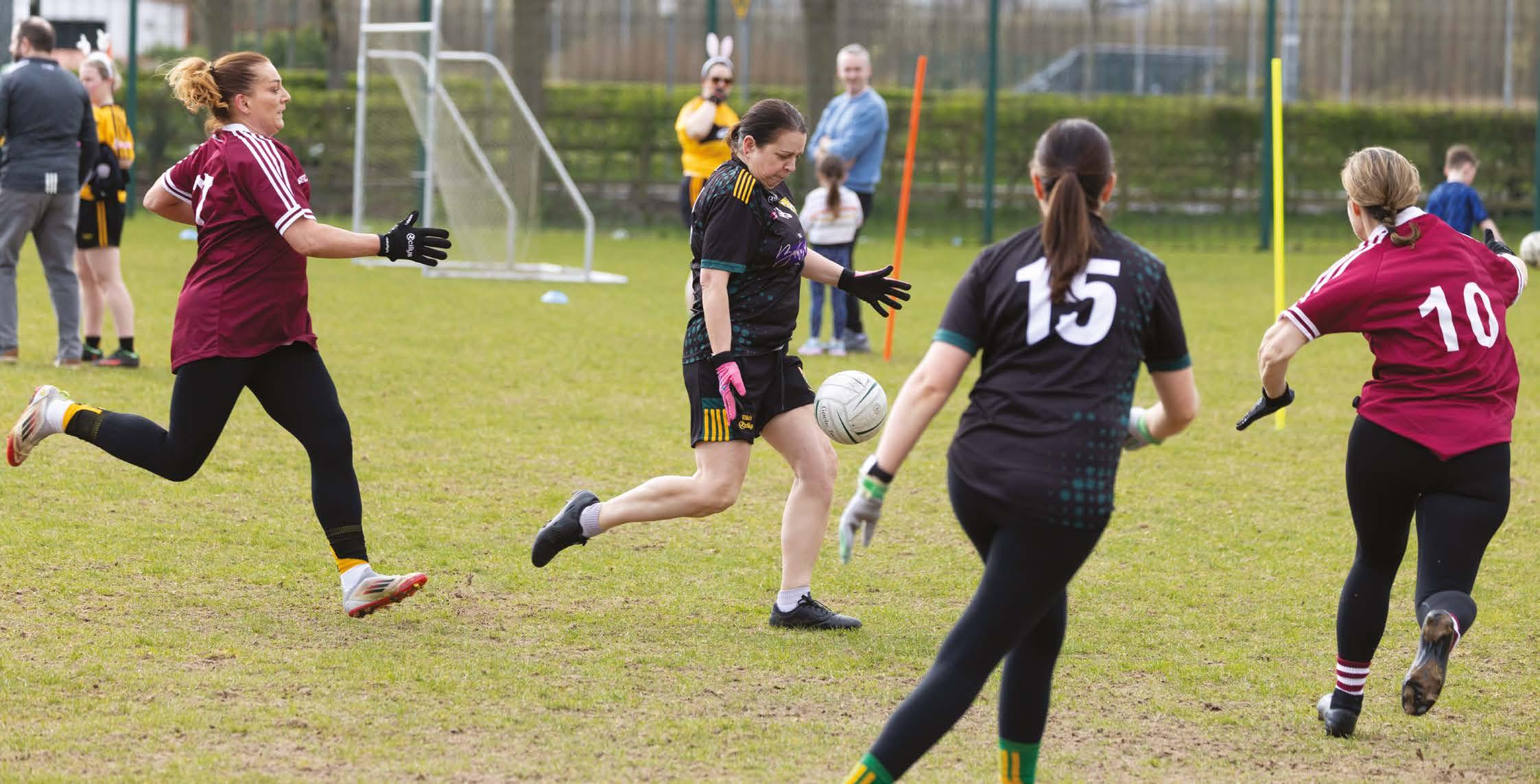
- Fit Féile Supports Women’s Health
Welcome from the Editor
Dear Reader,
I am delighted to welcome you to issue 24 of our ATU Magazine. In this issue, we are proud to announce our Alumni Award recipients for 2026. These awards recognise individuals demonstrating not only professional excellence but also integrity, passion, and a sense of purpose that reflects the best of our university ethos.
In a special Student Voice feature, Hollie Lindsay-Boland shares her experiences of organising a food pantry and Maoliosa Ní Thuathail writes about hosting a craft workshop during Seachtain na Gaeilge. In addition, two of our apprentices reflect on their apprenticeship journeys at ATU, offering insights into their learning and development.
In Engaged Research in Action, we offer a glimpse into some of the innovative research taking place across the university — from 3D Metal Technology to prototyping a Sheep Tracker and Activity Monitor — projects that are making an impact in our region and beyond.
Among the stories featured in Innovation and Engagement are celebrations marking iHub Mayo’s twentieth anniversary, the New Frontiers Showcase Awards in Donegal and Sligo, and the Future of Work seminar, which explored three key challenges facing employers and HR professionals.
We also take time to celebrate community, creativity, and achievements including our recent Equality, Diversity and Inclusion showcase, ATU sporting festivals and competitions, and our student scholarship awards ceremonies which honoured high-performing first-year students, recognised emerging STEM talent, and celebrated our talented student athletes.
There is much more to explore in this issue, and whether you are a student, a colleague, or one of our partners locally, nationally, or internationally, I hope you find something here that informs and deepens your understanding of ATU’s diverse and dynamic activities.
Best Wishes
Anne Donnelly
Focal ón Eagarthóir
A chara,
Tá an-áthas orm fáilte a chur romhat chuig an 24 eagrán d’Iris OTA. San eagrán seo, fógrófar buaiteoirí Ghradam Alumni 2026. Tugann na gradaim seo aitheantas do dhaoine aonair a léiríonn ní hamháin sármhaitheas gairmiúil ach freisin macántacht, paisean agus aidhm a léiríonn an chuid is fearr dár n-éiteas ollscoile.
I gné-alt speisialta de chuid Glór na Mac Léinn (Student Voice), roinneann Hollie Lindsay-Boland a taithí ar stórais bia a eagrú agus scríobhann Maolíosa Ní Thuathail faoi cheardlann cheardaíochta a reáchtáil sí le linn Sheachtain na Gaeilge. Ina theannta sin, déanann beirt dár bprintísigh machnamh ar a dturas printíseachta in OTA, ag tabhairt léargais ar a bhfoghlaim agus a bhforbairt.
I dTaighde Rannpháirteach i mBun Gnímh (Engaged Research in Action), tugaimid léargas ar chuid den taighde nuálach atá ar siúl ar fud na hollscoile — ó
Theicneolaíocht Miotail 3T go fréamhshamhlú Rianaitheora Caorach agus Monatóir Gníomhaíochta — tionscadail atá ag déanamh tionchair inár réigiún agus níos faide i gcéin.
I measc na scéalta atá le feiceáil in Nuálaíocht agus Rannpháirtíocht (Innovation and Engagement) tá ceiliúradh fiche bliain iHub Mhaigh Eo, Duaiseanna Taispeántais
New Frontiers i nDún na nGall agus i Sligeach, agus seimineár Todhchaí na hOibre, inar scrúdaíodh trí phríomhdhúshlán atá roimh fhostóirí agus gairmithe Acmhainní Daonna.
Má tá nithe faoi leith ar mhaith leat a fheiceáíl sna heagráin atá le teacht, is féidir teagmháil a dhéanamh liom anne.donnelly@atu.ie ”
Déanfaimid ceiliúradh freisin ar an bpobal, ar an gcruthaitheacht agus ar na héachtaí, lena n-áirítear an taispeántas le déanaí ar Chomhionannas, Éagsúlacht agus Cuimsiú, féilte agus comórtais spóirt OTA, agus searmanais bronnta scoláireachta a thug aitheantas do mhic léinn ardfheidhmíochta sa chéad bhliain, do lucht éachtaí STEM atá ag teacht chun cinn, agus a rinne ceiliúradh ar lúthchleasaithe cumasacha na hOllscoile.
Tá i bhfad níos mó le fiosrú san eagrán seo, agus cibé acu mac léinn, comhghleacaí nó duine dár gcomhpháirtithe áitiúil, náisiúnta nó idirnáisiúnta thú, tá súil agam go bhfaighidh tú rud éigin anseo a chuirfidh le d’eolas agus do thuiscint ar ghníomhaíochtaí éagsúla OTA.
Le dea-ghuí
Anne Donnelly
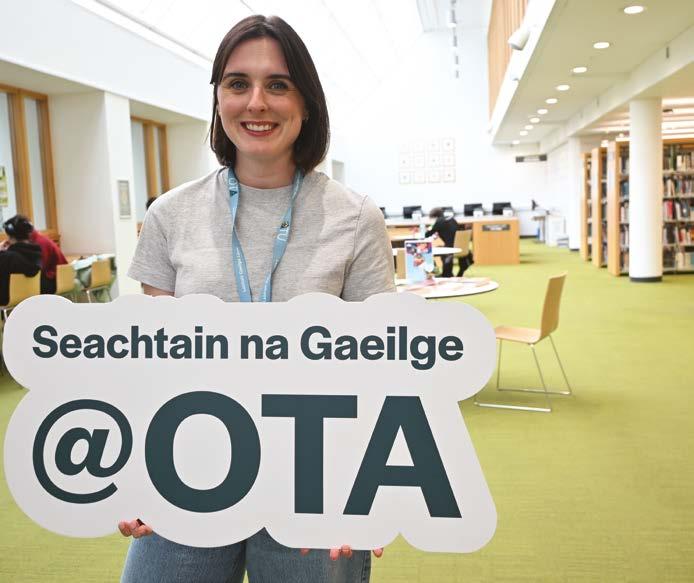
Highlights from across the University Seachtain na Gaeilge
chruthaitheacht phobal ATU ag úsáid na Gaeilge sa saol laethúil. Thug mic léinn tosaíocht do chluichí teanga, imeachtaí chultúrtha agus gníomhaíochtaí sóisialta, agus d’eagraigh baill foirne léachtaí agus seisiúin a bhí dírithe ar an teanga, ag cruthú atmaisféar bríomhar, cuimsitheach.
An Ghaeilge, ‘imithe i léig’ nó ar an dé deiridh a dheirtí go minic tráth, ach tá athbheochan láidir chultúrtha á feiceáil ar fud na hÉireann anois –sa cheol, sna meáin, san oideachas agus sa ghnáthshaol laethúil – tá sí níos feiceálaí anois ná riamh. In ATU, léirítear an mhuinín nua seo sa láithreacht agus in úsáid na Gaeilge ar fud na gcampas.
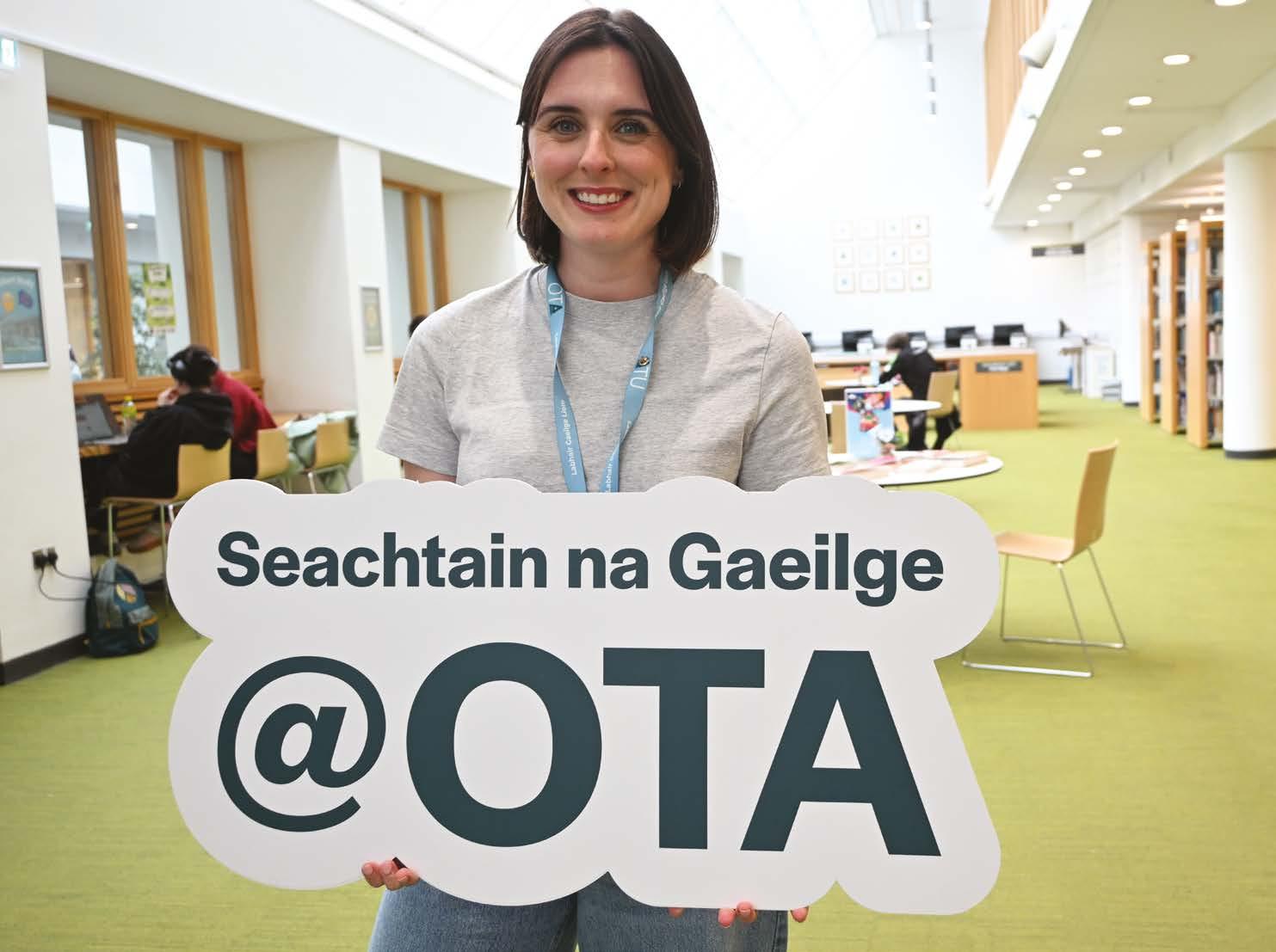
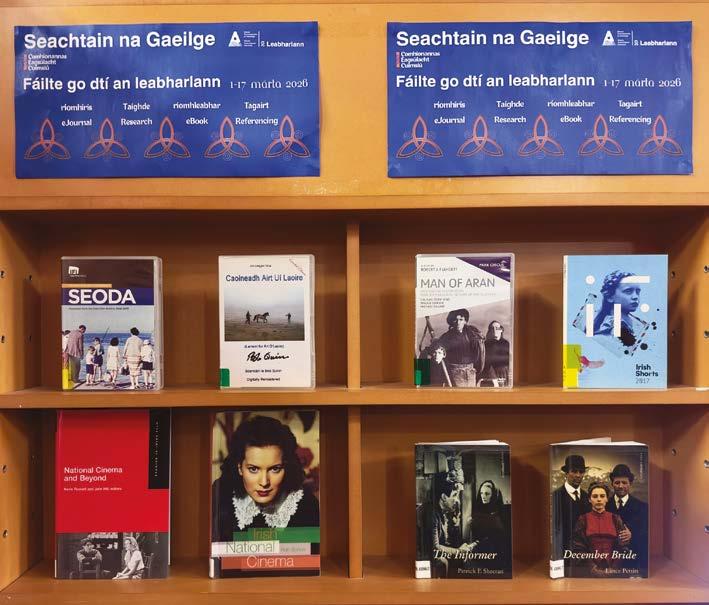
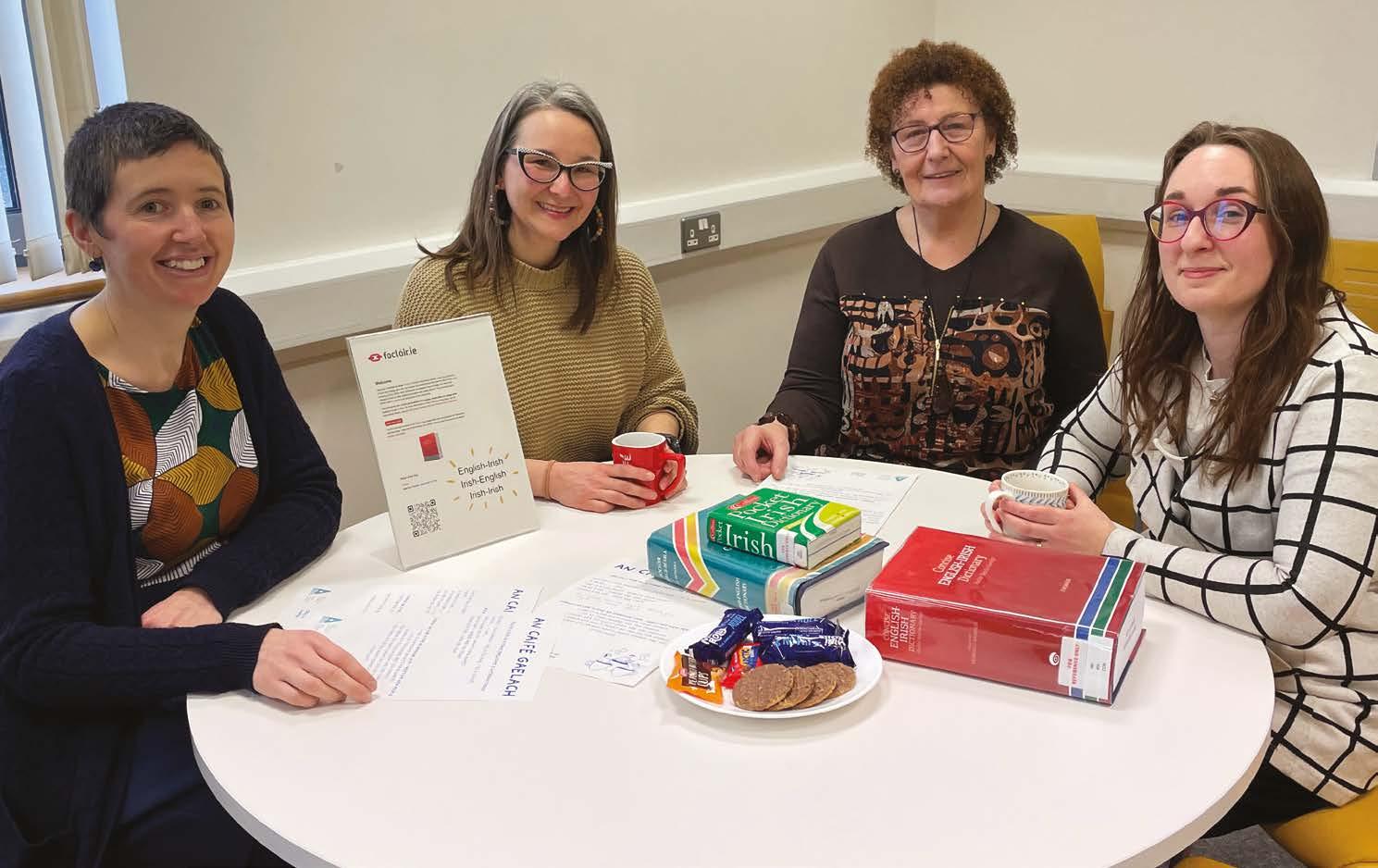
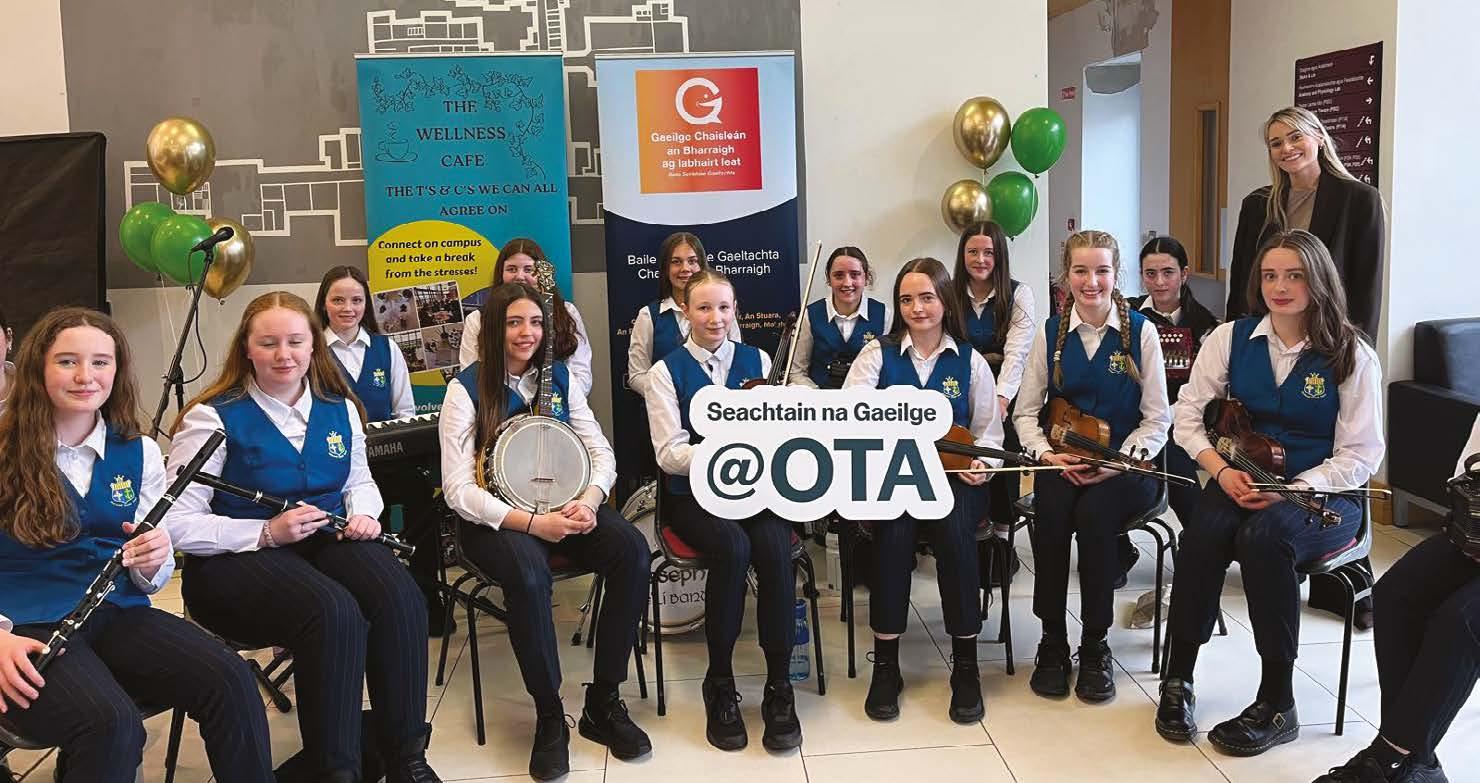
Ag tús mhí an mhárta, bhí Ollscoil Teicneolaíochta an Atlantaigh beo le torann, comhrá agus spiorad Sheachtain na Gaeilge. Ar fud na gcampas, ghlac pobal na hOllsocile páirt san fhéile, trí shraith shaibhir imeachtaí, ó cheardlanna idirghníomhacha agus Seó Bóthair go oíche scannáin agus cóir agus neart eile.
Ní hamháin go raibh béim sna ceiliúradh ar an teanga féin, ach freisin ar mhuinín agus ar
Dúirt Orlaith Ní Mheachair, Oifigeach Forbartha Gaeilge, “Is iontach an spreagadh é - mic léinn agus baill foireann ag gach leibhéal a fheiceáil ag baint úsáide as an nGaeilge ar bhealach praiticiúil agus spraíúil, beag beann ar a gcumas. Déanann imeachtaí cosúil le Seachtain na Gaeilge an teanga a thabhairt beo ar fud na gcampas.”
Cuireann féile Sheachtain na Gaeilge, a mhaireann coicís gach bliain ón 1 – 17 Márta, i gcuimhne dúinn nach ábhar scoile amháin í an Ghaeilge, ach rud atá beo, bríomhar.
Orlaith Ní Mheachair, Oifigeach Forbartha Gaeilge.
Seachtain na Gaeilge
The Irish language, once frequently described as a “dead” or declining language, is experiencing a powerful cultural revival across Ireland, with growing visibility in music, media, education and everyday life. At ATU, this renewed confidence is reflected in the increasing presence and use of Irish across campuses.
This March, Atlantic Technological University came alive with the sounds, stories, and spirit of Seachtain na Gaeilge. Across campuses, students and staff embraced the Irish language through a rich calendar of events, from interactive workshops and roadshow to film screenings and choir recitals and much more.
The celebrations highlighted not just the language itself, but the confidence and creativity of the ATU community in using Irish in everyday life. Students led language games, cultural quizzes, and social activities, while staff organised lectures and language focused sessions, creating a vibrant, inclusive atmosphere.
Orlaith Ní Mheachair, Irish Language Development Officer, said: “It’s inspiring to see students and staff of all fluency levels engaging with Irish in such a practical and fun way. Events like Seachtain na Gaeilge make the language come alive across campus.”
The fortnight long festival of events remind everyone that Irish is not just a subject to study, but a living, dynamic part of life.
“ Ná bíodh eagla ort seilbh a bheith agat ar an teanga — is linne í."
More Students are Choosing to Study in the West and North‑West Region
CAO application data for 2026 highlights encouraging growth in higher education participation, with strong demand across the West and North-West and increased numbers of cross border applicants.
The CAO, which turns 50 in 2026, saw a 6.46% rise in applications this year, increasing from 83,424 to 88,817. In the main ATU catchment counties of Donegal, Sligo, Mayo and Galway, applications rose from 11,408 to 11,866, a 4% increase that aligns with national trends toward increased participation in higher education.
Several counties recorded notable growth: Sligo applications increased by 8.13% and Donegal by 8.92%, both exceeding the national average. Mayo grew by 4.37% and Galway by 2.11%, indicating sustained demand across the region.
In Donegal, the proportion of students progressing to higher education within the region rose from 47% in 2022 to 60% in 2024.
Similar patterns are emerging in neighbouring counties, suggesting that more school leavers are opting to study closer to home and that regional higher- education participation is strengthening year on year.
National CAO data shows that student interest is particularly strong in several fields related to health and applied sciences, including the three discipline areas where ATU has recently launched new programmes: Veterinary courses recorded a 96% increase in mentions this year, while Pharmacy rose by 69% and Physiotherapy by 26%.
There has also been an increase in CAO applications from Northern Ireland (NI) by 6.68% this year, with British applicants rising by almost 9.5%. ATU’s applicant data shows growth in the same period with mentions of ATU programmes from NI addresses increased by 36% between 2024 and 2026, and first-preference applications
rose by 74% in the same period. The university has undertaken targeted engagement work in Northern Ireland, including research on student decision-making and dedicated support from a Schools Engagement Officer.
Commenting on the trends, Jacinta Ryan, Admissions Manager at ATU said:
“ Over the last 3 years, between 75% and 80% of students accepting a place at ATU are being offered their first‑preference programme. This consistently high level of alignment between student choice and course allocation further reinforces ATU’s standing as a university of choice, ensuring that the majority of applicants commence their studies in their preferred discipline. "
ATU Alumni Award Recipients 2026
We are proud to announce our ATU Alumni Award 2026 recipients. These awards recognise individuals who have made outstanding contributions in their fields, demonstrating not only professional excellence but also integrity, passion, and a sense of purpose that reflects the best of our university ethos.
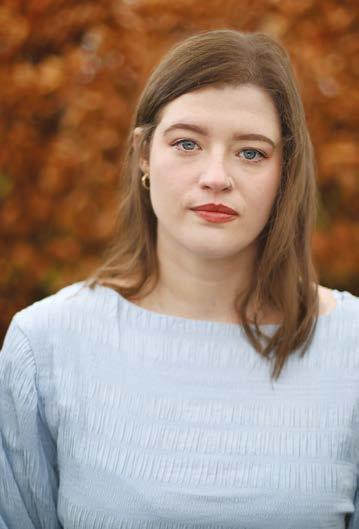
Emerging Alumnus Award: Caragh Maxwell
Writer and Author
Bachelor of Arts, Writing and Literature, 2021
Caragh Maxwell is a writer based in Sligo whose essays, poems and short stories have appeared in The Irish Times, The Cormorant and other publications.
In 2018, she began a Bachelor of Arts in Writing and Literature at ATU. During her first year of study, Caragh wrote a deeply personal essay about her experience undergoing treatment for Hodgkin’s lymphoma, which was
Alumni Award in Business: Caroline Faulkner
Integrative Mind & Performance
Coach | Former CEO, CIO, COO, SVP in Fortune 50 organisations.
Master of Science, Leadership and Innovation, 2010
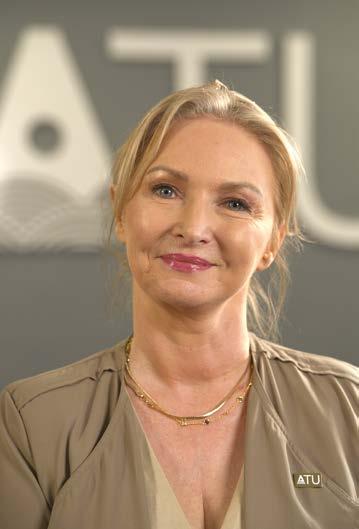
Caroline has built a distinguished global career spanning more than 35 years in Fortune 50 companies across the pharmaceutical, technology and financial sectors. She has held senior leadership roles including Chief Information Officer and Chief Executive Officer, and
published in The Irish Times in 2019. The piece went on to become the most-read essay on the newspaper’s website that year.
She later continued her studies at Trinity College Dublin, completing an MPhil in Creative Writing. Throughout her postgraduate studies, Caragh worked on the manuscript that would become her debut novel, using her master’s thesis to develop her work.
Sugartown, Caragh’s first novel, was published by Oneworld in September 2025 and was shortlisted for Newcomer of the Year at the 2025 An Post Irish Book Awards.
in 2014 was recognised as one of Computerworld’s Top 100 IT Premier Leaders in the United States.
Caroline served as Managing Director of Pramerica Ireland in Letterkenny, where she helped grow the organisation from a startup in 2000 to over 1,500 professionals. In 2016 she moved to Prudential’s headquarters in New Jersey as Senior Vice President, leading major organisational transformation initiatives.
Having returned to Ireland in 2023, Caroline now runs her own leadership coaching and strategic advisory business.
Founder of Score Beo
Bachelor of Business, Business with Entrepreneurship, 2020
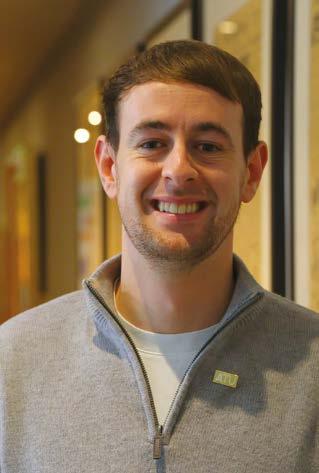
Fergus was studying Business with Entrepreneurship at ATU when he first conceived the idea for Score Beo, a live GAA scores platform designed to help supporters follow matches across the country. The app provides real-time updates from club and county games in football, hurling, and camogie, covering both men’s and women’s competitions.
In his final year at ATU, Fergus developed and completed the business plan for Score Beo as part of his degree.
Regional CTO for Europe and Global Head of Dava.X AI Group at Endava
Master of Arts, User Experience
Design and Applied Innovation, 2022; Master of Business, Innovation and Leadership, 2012; Bachelor of Science, Computer Science, 2002
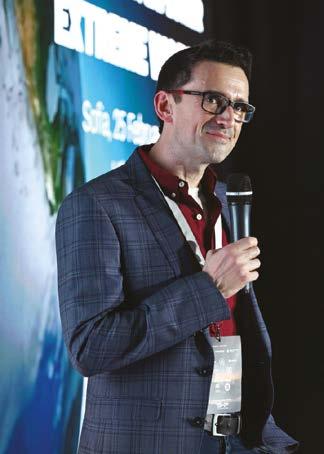
Joe Dunleavy is a technology and innovation leader with more than 25 years’ experience across artificial intelligence (AI), software delivery, product development and business transformation. Joe currently serves as European Chief Technology Officer and Global Senior Vice President, Head of the Dava.X AI Group at
Alumni
Former Head of Nuacht and RTÉ Regional Projects Leader
Honours Diploma, Business Studies, 1975; Master of Arts, Creative Practice, 2019; Master by Research, 2025
Michael is a distinguished journalist and broadcasting leader whose career has made a significant contribution to public service broadcasting in Ireland. He joined RTÉ in 1978 as a news reporter and went on to serve as Agriculture and Food Correspondent, Mid-West Correspondent, Industry and Employment Correspondent, and Southeast Correspondent.
Graduating during the uncertainty of the COVID-19 pandemic and facing a challenging job market, Fergus was motivated to pursue the venture, officially launching Score Beo in 2021. The platform quickly gained traction, building a global audience and surpassing 350,000 downloads across more than 110 countries.
This success led to a landmark acquisition by The Irish Times Group in 2024, only the seventh in the organisation’s 140-year history. Fergus has also been named in the Irish Independent’s 30 Under 30 and continues to support ATU Galway through sponsorship of the Ladies GAA team.
Endava (NYSE: DAVA), where he leads global AI and innovation initiatives.
Prior to this, Joe spent 16 years with Prudential Financial / Pramerica, working in both Ireland and the United States. During this time, he held several senior leadership roles including Regional CTO, Global SVP, Global Head of Innovation and Interim US CIO. Earlier in his career, he worked with Microsoft at its European Development Centre in Dublin and with the Sligo-based startup Nooked.
In 2025, Joe was recognised on Fast Company Middle East’s AI 50 list, a list highlighting the leaders driving realworld AI transformation.
His reporting also included major international assignments covering humanitarian crises in Ethiopia, Somalia and Rwanda.
In 1996, Michael joined the establishment executive of TG4 in Connemara, becoming the founding editor and producer of Nuacht TG4 and leading the development of Irish language television news. He later oversaw the relocation and integration of RTÉ’s Irish language news operations in Baile na hAbhann.
Michael also served as President of CIRCOM (2008 –2012), representing regional broadcasters across Europe. After retiring from RTÉ, he returned to ATU to complete two master’s degrees examining the relationship between public service journalism and democracy.
Emerging Alumnus Award: Fergus Grimes
Award in Design, Education and Social Science: Michael Lally
Alumni Award in Engineering and Computing: Joe Dunleavy
Former President of Irish Hotels Federation and Hotelier
Bachelor of Arts, Hotel and Catering Management, 1986
Michael is the fourth generation of a long-established family of hoteliers in Lahinch, Co. Clare. Following his studies in Galway, he spent over a decade with the Jurys Hotel Group in senior roles including General Manager and Group Sales Manager, gaining valuable international experience in Ireland,
Experienced Director and Senior Manager in the National Health Service (NHS) of England
Graduate Membership of the Royal Society of Chemistry, 1988; National Diploma in Fine Chemicals and Pharmaceuticals, 1986; National Certificate in Applied Chemistry, 1984
Patrick is a former Director and senior manager in England’s NHS, where he worked for 26 years, in primary and pre-hospital care, community services and mental health, acute care and commissioning.
As Head of Healthcare Governance, he led major improvement programmes that strengthened patientcentred behaviours among 40,000 healthcare workers
the UK and France. He also held positions at the fivestar Dromoland Castle and later worked in hospitality consultancy.
In 2005, Michael and his wife Maria established Vaughan Lodge in Lahinch, a four-star family-run property that has become a cornerstone of the local tourism sector.
A respected leader within the Irish hospitality industry, Michael has played a significant role in shaping tourism and training policy. He served as President of the Irish Hotels Federation (2012–2014) and has contributed to numerous national initiatives focused on education, skills development and the future of Ireland’s tourism industry.
serving a population of 1.5 million. He was recognised as a “new breed of NHS manager” during the NHS 60th anniversary celebrations in 2008.
In 1995 Patrick launched Risk Reduction in Healthcare, the first risk management publication circulated to all NHS organisations in the UK. He served for 10 years on the Editorial Board of the peer-reviewed RSPH Perspectives in Public Health.
Patrick is a professional member of four Royal Societies and three professional Institutes. He served as a NonExecutive Director at the Institute of Risk Management and as Chair of the Board of Trustees at IOSH. Patrick now lives in Edinburgh, where he writes, mentors and contributes to community initiatives.
Alumni Award in Business: Michael Vaughan
Alumni Award in Science and Health: Patrick Keady
President’s Alumni Award: Sara McFadden
Partnerships and Operations Coordinator at Vision Sports Ireland
Bachelor of Business, Sport with Business, 2022
Sara is a graduate of the Sport with Business programme, where she achieved first class honours and distinguished herself through her determination, leadership, and commitment to sport. Living with a visual impairment, she embraced every aspect of student life and demonstrated a strong “can do” attitude that continues to inspire others.
Sara joined Vision Sports Ireland through her ATU work placement and has since progressed to her current role as
Partnerships and Operations Coordinator. In this position, she leads programmes, events, and training initiatives that expand access to sport and physical activity for people who are blind or vision impaired across Ireland. Notably, Sara has played a key role in partnering with the IRFU to establish and grow Vision Impaired Rugby nationwide.
Sara made history as the first person with a vision impairment to compete in Irish motorsport. She is also an active volunteer with Motorsport Ireland, contributing across multiple areas, where her dedication has been recognised with the prestigious J.C. Millard Irish Clubman of the Year Award. In 2025, Sara was named on the Sport for Business PwC 30 Under 30, a list that recognises emerging talent in and around the business of sport.
Alumni Award in Design, Education and Social Science: Georgia MacMillan
Mayo Dark Sky Park Development Officer
Bachelor of Arts, Outdoor Education, 2015
Georgia is an environmental advocate whose pioneering work has positioned Mayo as a global leader in dark sky conservation. In 2013, her research into light pollution in the West of Ireland led her to establish the Mayo Dark Skies community group and spearhead the successful application for international recognition of Mayo Dark Sky Park at Wild Nephin National Park.
In 2016 the park was awarded the prestigious Gold Tier International Dark Sky Park status, the highest possible
accolade, placing Mayo among the best locations in the world to experience the night sky.
Georgia’s work has helped create a new tourism sector in the region of ‘dark sky tourism’ and inspired educational programmes for schools and communities. She cofounded Terra Firma Ireland, a social enterprise promoting sustainable dark sky tourism and outdoor education. Georgia is currently completing a PhD scholarship from Research Ireland on dark skies as a form of regenerative tourism via her work in Mayo Dark Sky Park.
Her leadership continues at national and international level through research, policy engagement, and participation in global dark sky initiatives.
Our Student Voice
From a food pantry, and a craft workshop as Gaeilge to the experiences of our apprentices, we bring you a selection of student voices from across the university.
Pobal Bia: Providing Students with Affordable Food
ATU student Hollie Lindsay-Boland shares how Pobal Bia is providing students with affordable food while
tackling food waste on campus. The initiative continues to grow as a vital support for both student wellbeing and environmental sustainability.
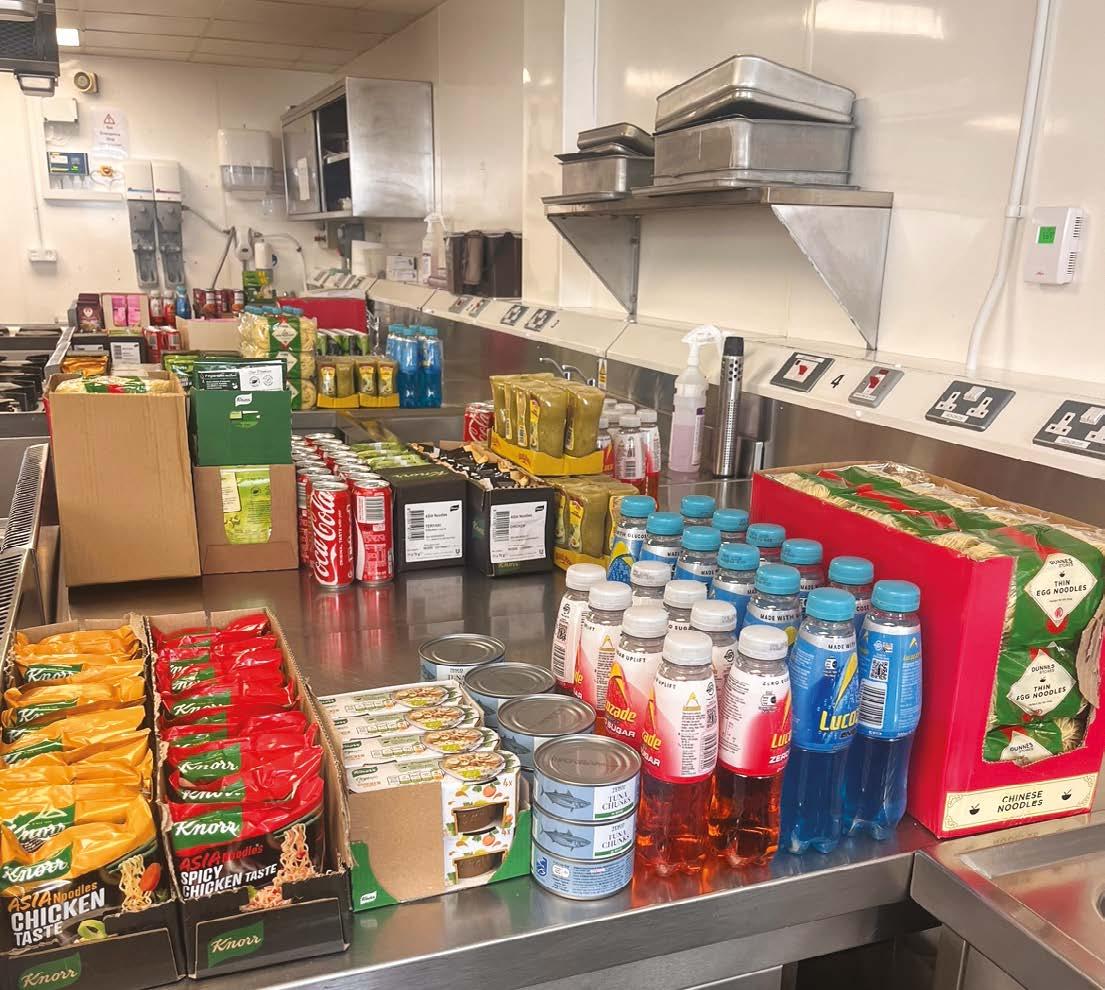
Pobal Bia is a food pantry that runs every Wednesday during lunchtime in ATU Galway. For just five euro, students can fill up a bag with food items that are available on the day. These items typically include pasta, rice and noodles as well as fresh and chilled products such as yogurts, milk and vegetables.
Pobal Bia receives food from FoodCloud a company whose aim is to reduce food waste and help tackle food insecurity at the same time. It does this by collecting excess food from supermarkets which is redistributed to charities and services such as Pobal Bia.
A team of volunteers (both students and staff) run Pobal Bill. The food pantry is open to all students, whether someone is looking to reduce their shopping costs, minimize food waste, or simply just make use of available sources. It encourages sustainability while also addressing food insecurity in a positive way.
The latest impact report received from FoodCloud showed that ATU Galway saved 7,460kg surplus of food and has provided 17,762 meals (weight equivalent) in 2025. In addition,17,307kg of CO2 equivalent has also been saved.
Overall, Pobal Bia is a valuable resource that continues to support students while promoting sustainability across the college.
Ní Neart Go Cur le Chéile: Ceardlann
Bróidnéireachta
trí Ghaeilge
Déanann mac léinn OTA, Maolíosa Ní Thuathail, iniúchadh ar conas a chruthaigh seisiún ceardaíochta agus comhrá trí Ghaeilge spás do mhic léinn chun nascadh trí chruthú agus comhrá. Trí cheird lámhdhéanta agus an Ghaeilge a thabhairt le chéile, léiríonn an cheardlann cumhacht na cruthaitheachta comhroinnte chun traidisiúin chultúrtha a athbheochan. Tá Maolíosa ag staidéar ar dhearadh grafach agus léiriú i OTA Cathair na Gaillimhe (Páirc an Tobair).
D’imir ceardaíocht teicstíle ról ríthábhachtach tráth i ngeilleagar tuaithe na hÉireann. San ochtú agus sa naoú haois déag, chruthaigh na mílte ban ar fud na tíre lása casta de láimh, ag saothrú ioncaim a chothaigh teaghlaigh iomlána go minic. Le linn an Ghorta Mhóir, d’éirigh déantús lása níos mó ná ceird, ba bhealach maireachtála é. Ag an am céanna, bhí lása Éireannach le feiceáil ar éadaí lucht uasal na hEorpa, agus tháinig sé chun bheith ina shiombail de mhíne agus de stádas.
Mar sin féin, le teacht na lása meaisíndhéanta agus le hathrú faisin i dtús an fichiú haois, tháinig meath ar an tionscal rathúil seo. Lena chailliúint, chaill Éire ní hamháin slí bheatha thábhachtach, ach traidisiún láidir comhchruthaithe, pobail agus comhoibrithe cruthaithí freisin.
Sa lá atá inniu ann, tá suim mhéadaithe le sonrú i ndearadh agus in éadaí a spreagtar ón oidhreacht. Mar fhreagra air seo, theastaigh uaim luachanna na comhchruthaithe agus an phobail a athbheochan trí cheardlann teicstíle agus comhrá a reáchtáladh as Gaeilge, ‘Snáth agues Seanchas’.
Ag buaic thréimhse thionscal na lása in Éirinn, bhí cuid mhór den daonra tuaithe fós ag labhairt Gaeilge ina dtithe. Ach, faoi dheireadh an naoú haois déag, bhí meath suntasach tagtha ar an teanga, go háirithe i measc an ghlúin óig. Sa lá atá inniu ann, cé go léiríonn go leor daoine spéis i nGaeilge a fhoghlaim, tá easpa deiseanna neamhfhoirmiúla, tarraingteacha ann chun í a chleachtadh sa ghnáthshaol.
Bhí sé nádúrtha, mar sin, ceardaíocht teicstíle agus an Ghaeilge a thabhairt le chéile sa cheardlann seo mar bhealach chun oidhreacht
na hÉireann a cheiliúradh le linn
Sheachtain na Gaeilge. Reáchtáladh an cheardlann in OTA Cathair na Gaillimhe (Páirc an Tobair), áit ar tháinig mic léinn ó chúrsaí agus ó bhlianta éagsúla le chéile chun cruthú i spás comhroinnte, suaimhneach. Rinne rannpháirtithe litreacha i gCló Gaelach a bhróidnéireacht, a bheidh mar chuid de thaipéis níos mó leis an nath “Ní neart go cur le chéile.” Beidh an saothar seo ar taispeáint i dtaispeántas céimithe 2026 mar chuid de mo thionscadal deiridh bliana, a dhéanann iniúchadh ar oidhreacht na ceardaíochta agus na teanga trí dhearadh.
Le ceol traidisiúnta ag seinm sa chúlra agus sólaistí á roinnt, chruthaigh an cheardlann atmaisféar te fáilteach. Bhí aon mhac léinn déag i láthair, agus luaigh go leor acu cé chomh taitneamhach is a bhí sé sos a ghlacadh ó fón póca, bualadh le daoine nua, agus an Ghaeilge a chleachtadh ar bhealach neamhfhoirmiúil, cruthaitheach.
Mar seo, ní hamháin gur athbheochan ar chleachtais thraidisiúnta a bhí sa cheardlann, ach athshamhlú orthu freisin , ag léiriú conas is féidir le ceardaíocht, teanga agus pobal tacú linn fós sa saol comhaimseartha.
ATU Student Maoliosa Ní
Thuathail explores how a textile craft and chat session held as Gaeilge created a space for students to connect through crafting and conversation. By bringing handcraft and the Irish language together, the workshop highlights the power of shared creativity in reviving cultural traditions. Maolíosa studies graphic design and illustration at ATU Galway City (Wellpark).
Textile craft once formed a vital part of Ireland’s rural economy. In the eighteenth and nineteenth century, thousands of women across the country produced intricate lace by hand, earning an income that often sustained entire households. During the Famine, lace-making became more than a craft, it was a means of survival.
At this time Irish lace was adorning the garments of Europe’s elite and becoming a symbol of delicacy and status. Yet, with the rise of machinemade lace and changing fashions in
the early twentieth century, this oncethriving industry declined. In losing it, Ireland lost not only an economic lifeline, but also a powerful tradition of shared making, community, and creative collaboration.
Today, there is a growing interest in heritage-inspired design and clothing. In response to this, I wanted to reintroduce the values of co-creation and community through a textile craft and chat workshop held as Gaeilge.
At the height of Ireland’s lace industry, much of the rural population still spoke Irish in their homes. However, by the end of the nineteenth century, the language had significantly declined, particularly among younger generations. Today, while many people express a desire to learn Irish, there remains a lack of informal, engaging opportunities to practise it in everyday settings.
Bringing together textile craft and the Irish language through this workshop felt like a natural way to celebrate Irish heritage during Seachtain na
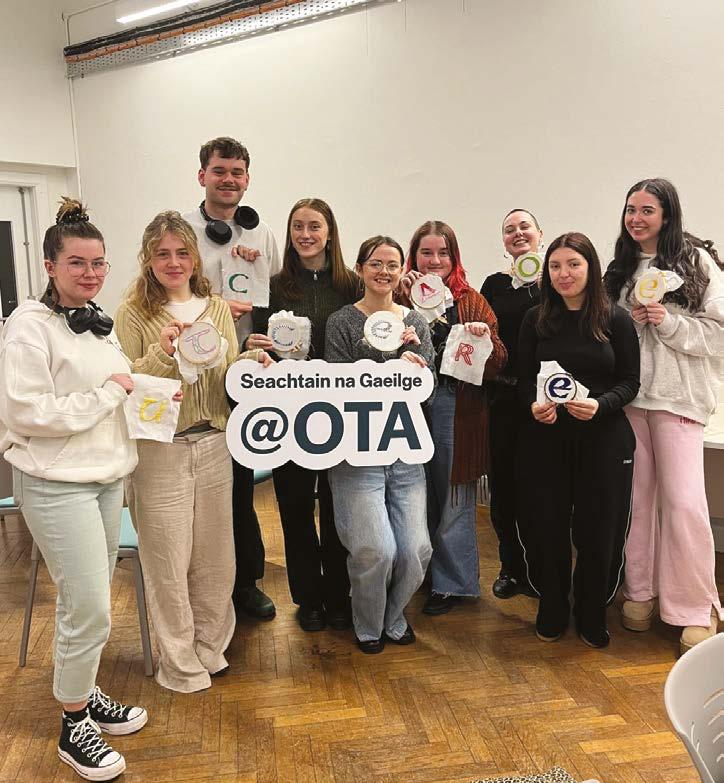
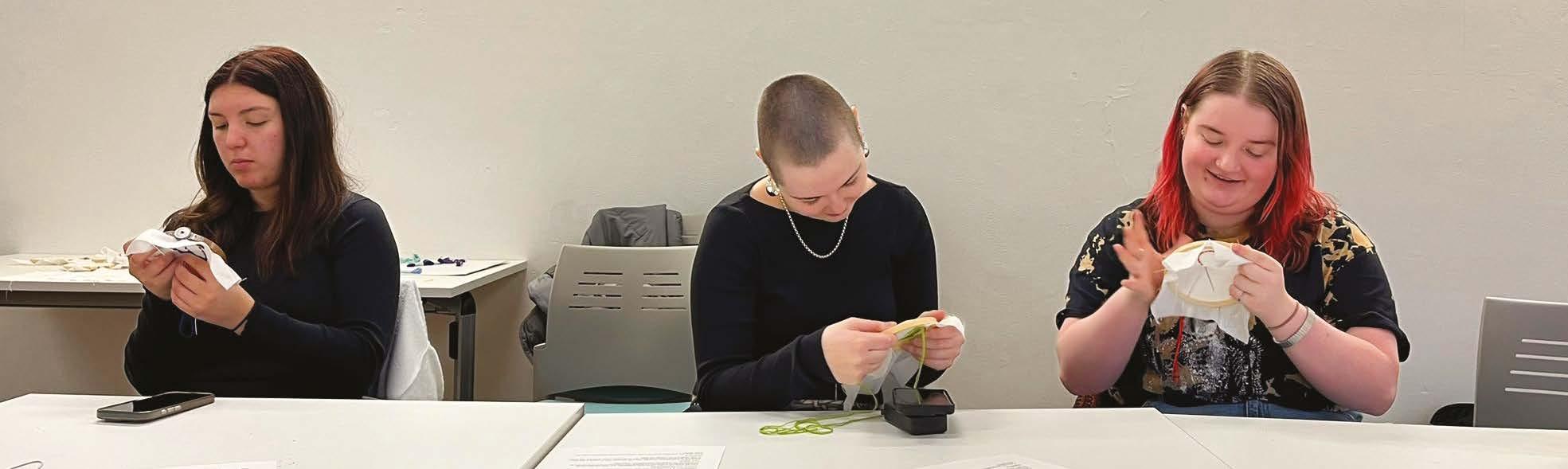
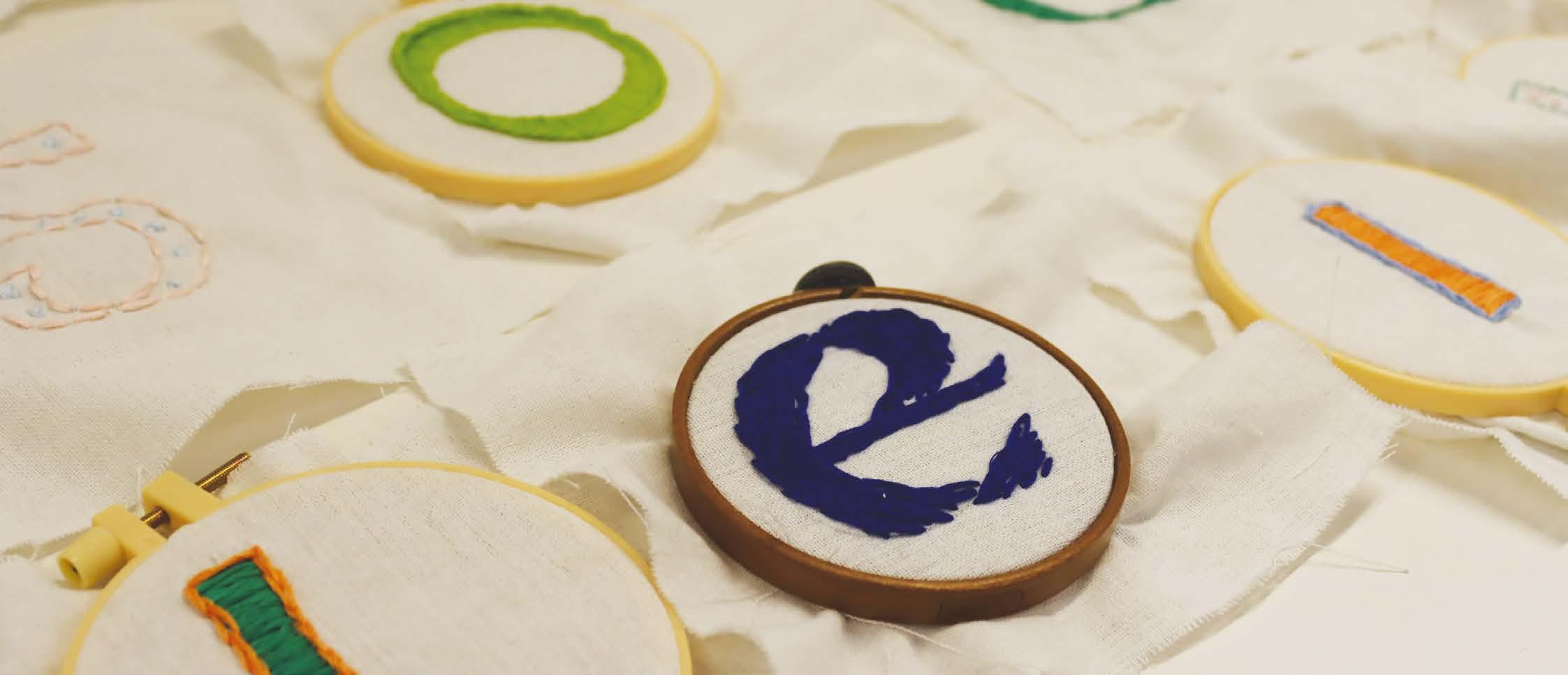
Gaeilge. The workshop took place in ATU Wellpark, where students from a range of courses and years came together to create in a shared, relaxed space. Participants embroidered Cló Gaelach letters, which will form part of a larger tapestry spelling the phrase “Ní neart go cur le chéile.” This piece will be exhibited in the 2026 graduate exhibition as part of my final year project, which explores craft and language heritage through design.
With Irish music playing in the background and refreshments shared, the workshop created a warm and welcoming atmosphere. Eleven students attended, many of whom commented on how nice it was to spend time away from screens, connect with others, and practise Irish in an informal and creative way.
In this sense, the workshop not only revisited traditional practices, but reimagined them showing how craft, language, and community can benefit us in the modern day.
A New Generation of Apprentices Tell Their Stories
Over 1400 apprentices are currently enrolled at ATU on both professional and trade-focused apprenticeship programmes. These offer structured apprenticeships combining on-thejob training with academic learning, allowing students to earn while they gain qualifications in professional and trade-focused fields.
Apprenticeships at ATU alternate workplace learning with education at the university, ensuring apprentices gain both practical skills and theoretical knowledge. At least 50% of the learning occurs on the job, giving students hands-on experience while earning a salary.
An apprenticeship provides apprentices with the required knowledge, skills and competencies to work in their selected craft or occupation. Programmes on offer at ATU include professional programmes in Civil Engineering, Insurance Practice, Advanced Manufacturing, and Transport Operations and Commercial Driving. The Craft apprenticeship programmes at ATU include Carpentry and Joinery, Electrical, Metal Fabrication, Motor Mechanics, Refrigeration and Air Conditioning, Toolmaking, and Wood Manufacturing and Finishing.
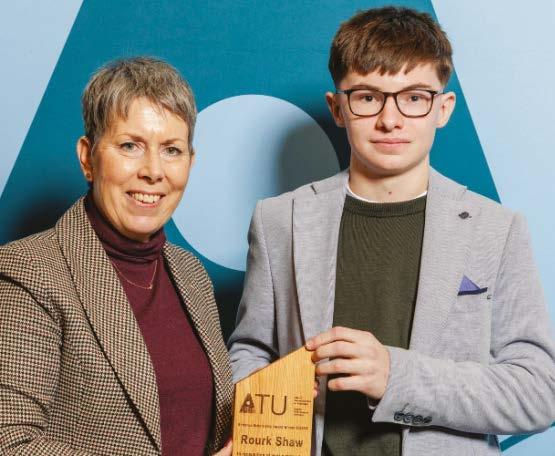
As apprenticeship pathways continue to grow in popularity, students like Rourk Shaw and Kate Gaffrey are demonstrating that they are not an alternative route, but a deliberate and ambitious first choice.
Kate Gaffrey’s apprenticeship journey
Kate is completing the Bachelor of Engineering in Civil Engineering (Apprenticeship) at ATU’s Sligo Campus. She received a CAO offer to study engineering through the traditional route. However, after careful consideration, she decided to pursue the apprenticeship model instead. Kate works in Athlone and is employed by Ward & Burke, where she works alongside experienced engineers while completing her degree. She says:
“After completing my Leaving Certificate, I received a CAO offer to study engineering at a university. But when the apprenticeship option became known to me, it felt like perfect
timing. I decided to seize the opportunity, and I haven’t really looked back since. The idea of total independence and a pay cheque coming in every week was also very appealing.
I questioned my decision for weeks and even months into the apprenticeship, especially watching my peers settle into college life while I adjusted to working life. Some people couldn’t understand why I would want to start my career so young instead of spending four or five years in college. But I believed the apprenticeship would best set me up for the life I wanted.
People often don’t fully understand what civil engineering involves. Before signing up, it’s important to learn about the profession and the different roles within it — even the choice between working with a contractor or consultant.
The programme doesn’t run like a traditional apprenticeship. We work four days a week, have one day of online college and attend in person once a month. There are no long summers off, learning continues throughout the year. Summers can be the busiest time with projects and exams. It requires commitment and strong time management.
Kate Gaffrey, third-year Civil Engineering student at Atlantic Technological University (ATU).
The biggest benefit of working while studying is having fully qualified engineers around you who are willing to help. Whether it’s calculations or project ideas, there is always someone you can sit down with. Even listening to engineers solve problems teaches you something.
It has completely changed the way I approach academic learning. I aim to work in the most efficient way possible, delivering the best quality in the fastest way. I’ve picked up so many practical skills in the workplace, from report formatting to Excel and professional communication.
I feel I’ll be more career-ready than I would be through a traditional programme. I aim to finish a master’s degree at 24 with six years of site experience. That level of experience would typically take much longer through the traditional route.
I love what I do as a site engineer, but I know this lifestyle won’t be forever. What excites me is knowing how many options I have.”
Roark Shaw’s apprenticeship journey
Rourk is studying the Bachelor of Engineering in Manufacturing Engineering (Apprenticeship) at ATU’s Sligo Campus, He choose to pursue an apprenticeship despite achieving over 580 points in his Leaving Certificate. He says:
“I decided on the apprenticeship route as I wanted to mix real-world experience while earning my degree. The engineering discipline appealed to me in secondary school because of my strong interest in engineering, maths, physics and DCG. The apprenticeship allows me to get a degree while gaining valuable skills and knowledge from industry.
Because of my Leaving Cert results, many people
believed a full-time college course was the next step. But the apprenticeship wasn’t a fallback option — it was a different path. Once I explained that, most people could see the value in it.
One major misconception is that apprenticeships are aimed only at employees upskilling or students with limited academic performance. They’re a valuable tool for those who want to earn a degree while gaining meaningful experience.
Gaining industry experience early was so important to me. I’ve have been able to immerse myself around senior engineers and understand projects from start to finish. Being in a fast-paced environment, I’ve learned at an accelerated pace and have been exposed to the demands of different engineering settings.
I think high-achieving students are starting to view apprenticeships differently. As more strong students move through the programme, the success of participants is becoming more evident.
The programme offers a mix of classroom-based learning and industry experience. You gain financial independence and strong career progression opportunities while earning your qualification.”
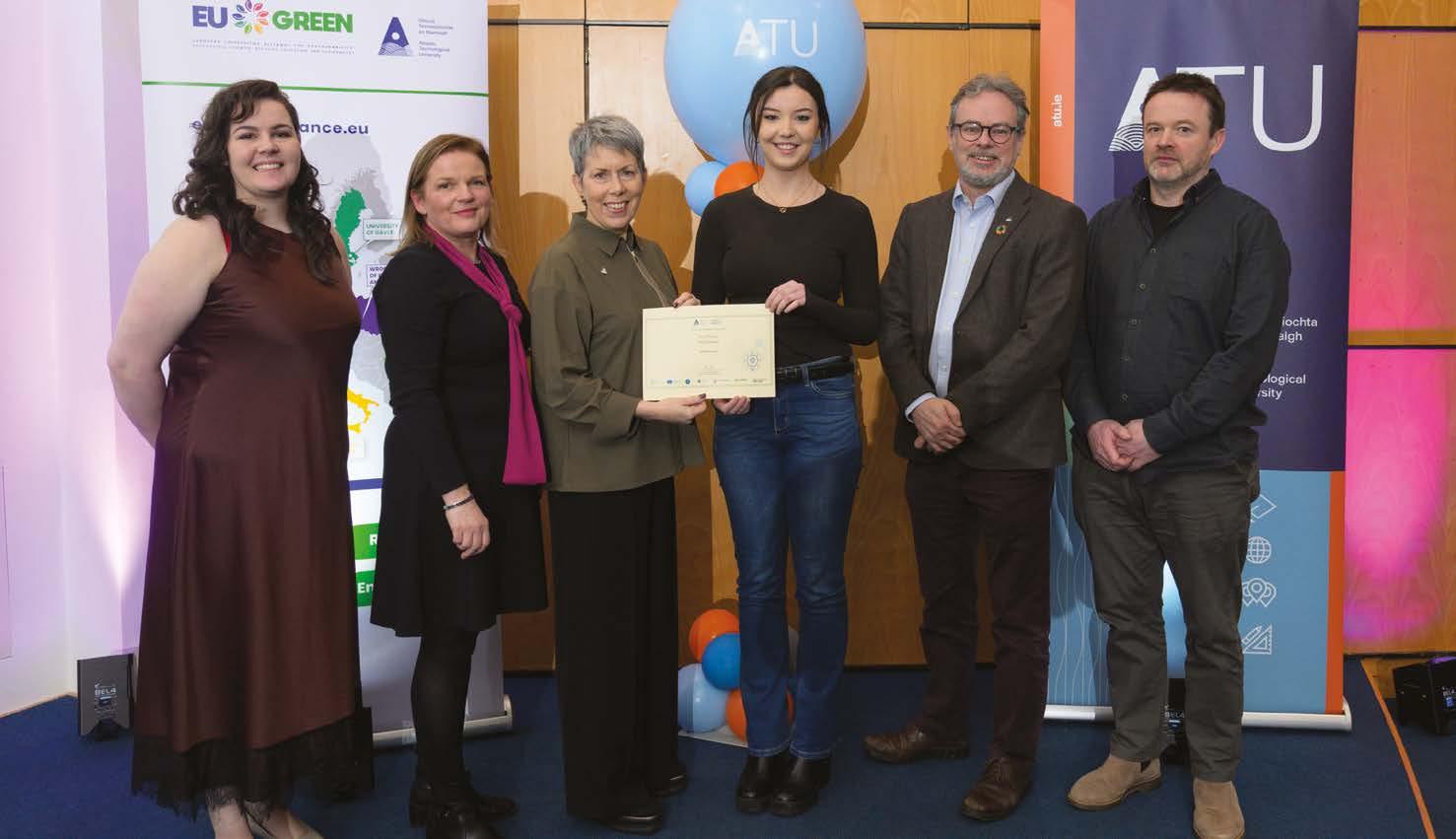
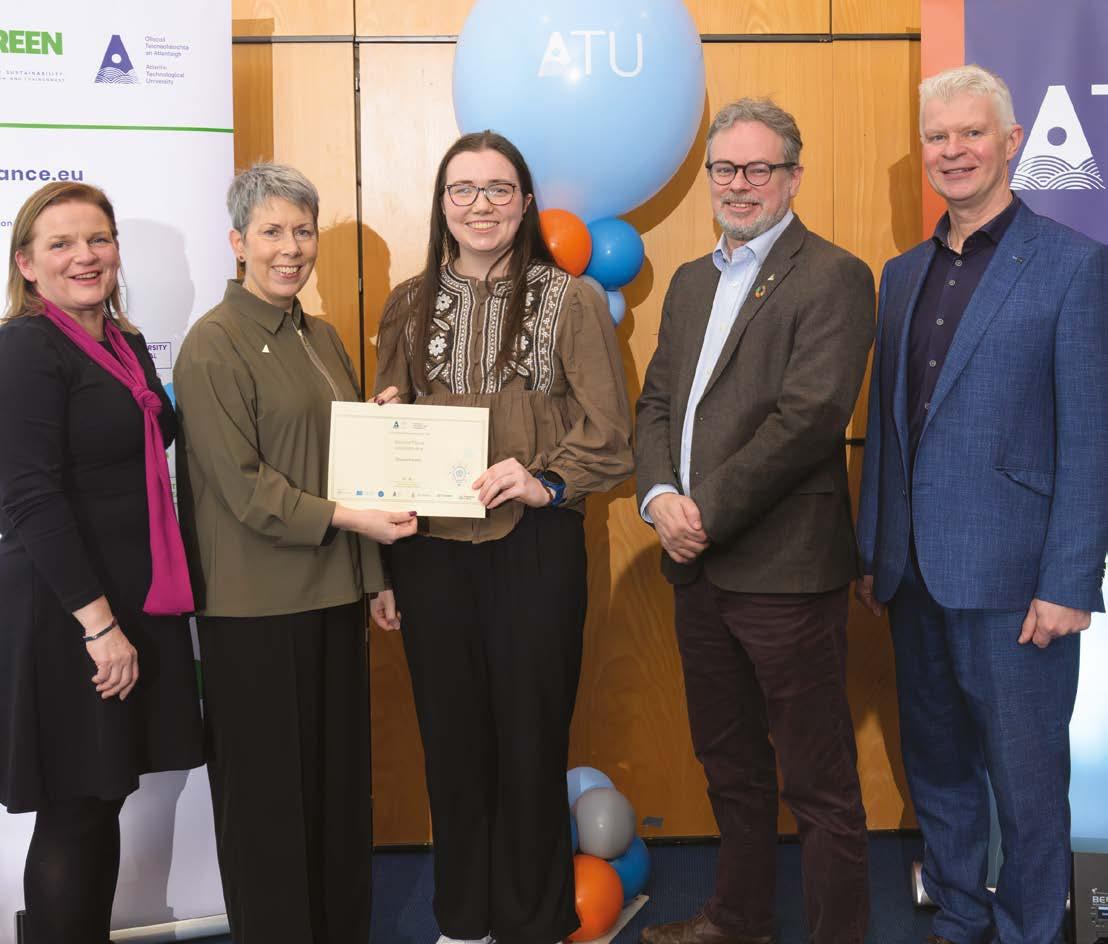
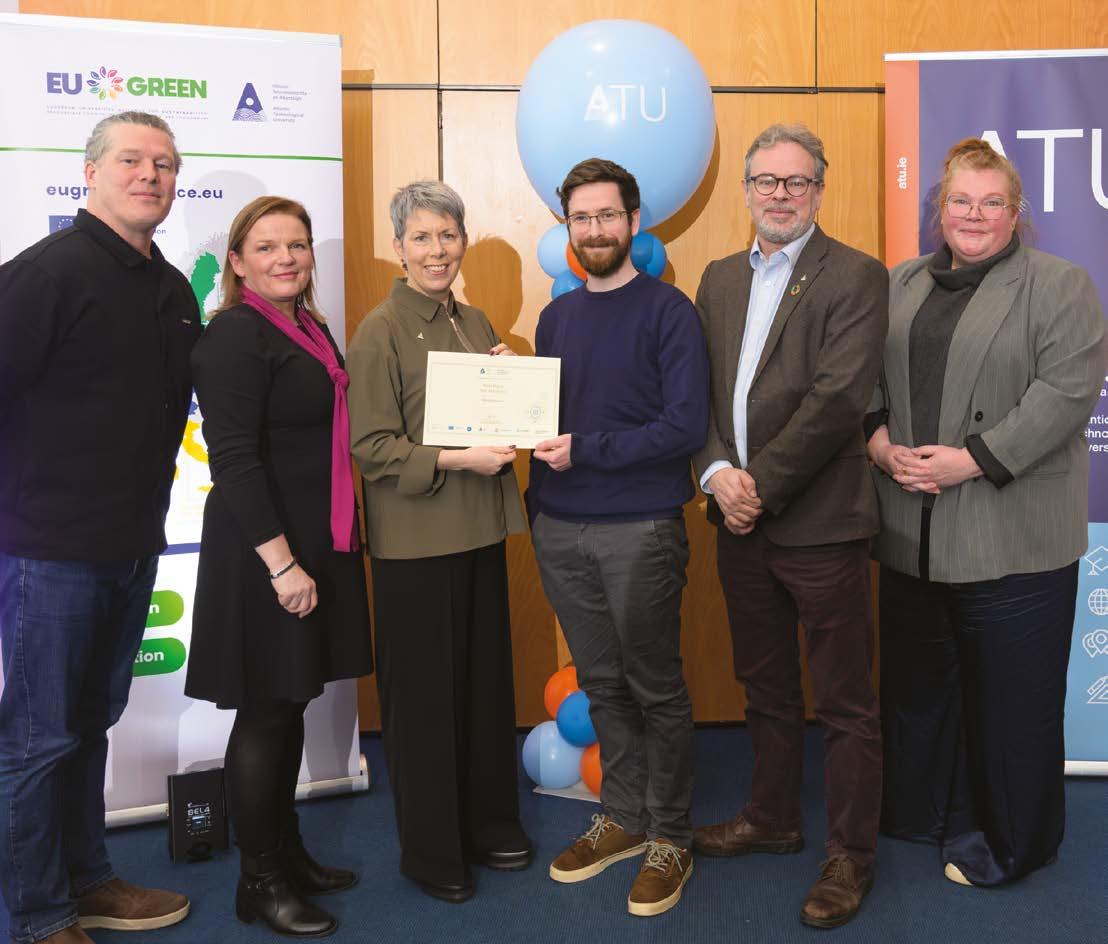
Rourk Shaw with Dr Orla Flynn, ATU President at the ATU Entrance Scholarship Awards.
Engaged Research in Action
Researcher Wojciech Gorszczak
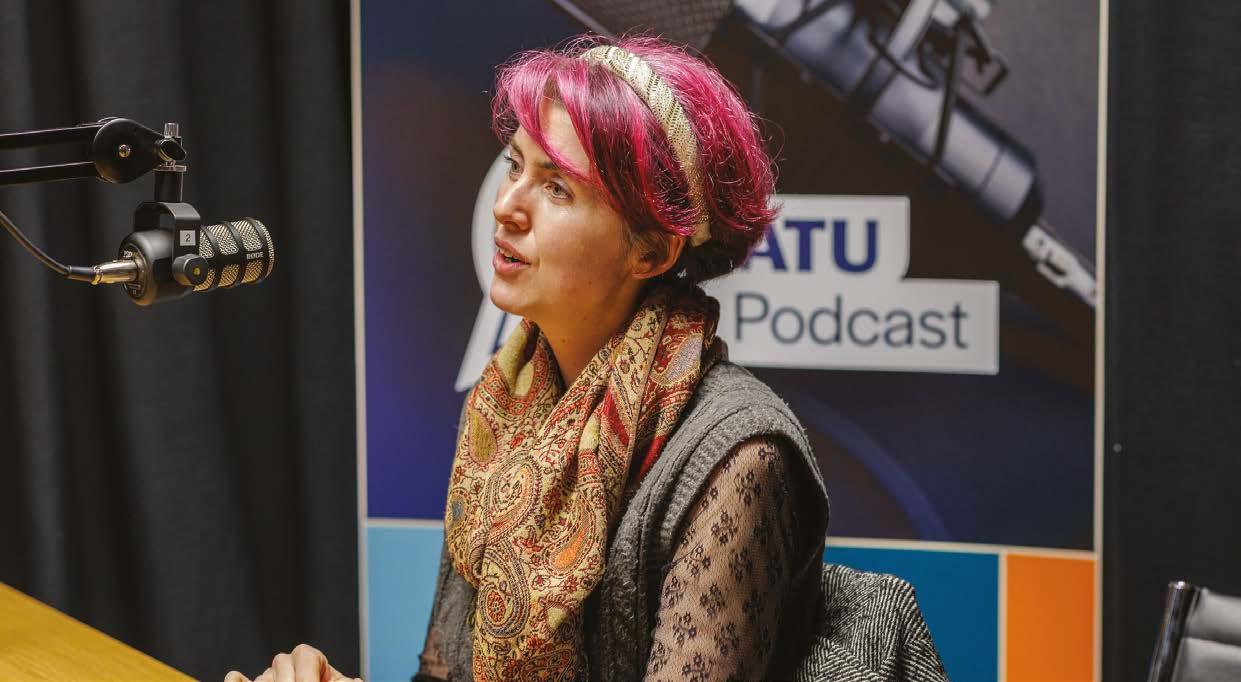
Explains how 3D Metal Technology Could Replace Animal Testing
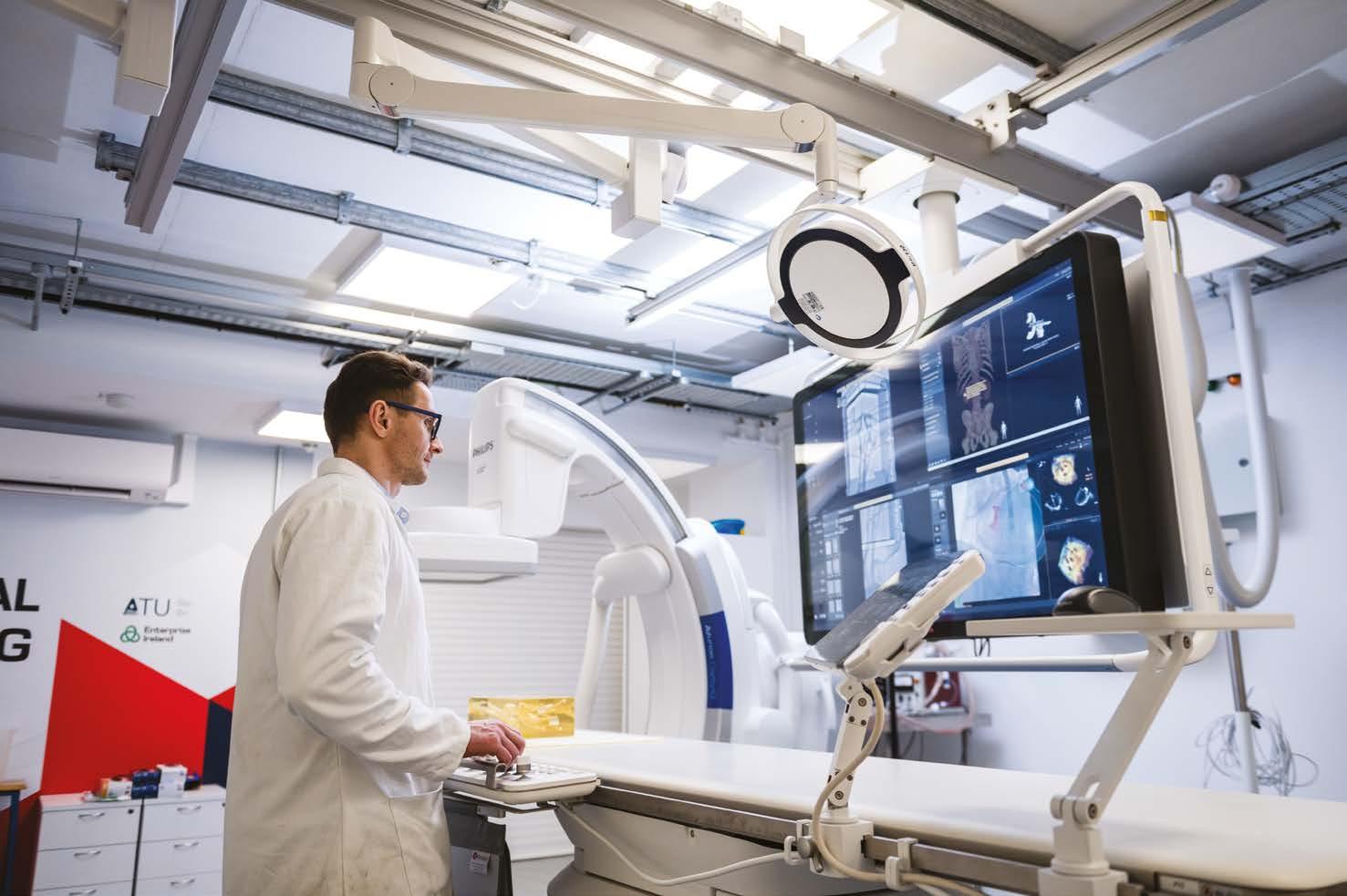
3D printing often brings to mind colourful plastic models or hobby kits — fun, but hardly life changing. Yet behind the scenes, 3D printing has evolved into a powerful industrial tool and nowhere is its potential more transformative than in medicine. We spoke with ATU researcher Wojciech Gorszczak about how metal 3D printing, smart materials, and soft robotics could pave the way toward ethical, advanced alternatives to animal testing.
Most people still think of 3D printing as something used for plastic toys or prototypes. What’s the reality today?
It’s true — that’s still the public perception. But 3D printing has grown into a critical technology in aerospace and defence because it allows us to build incredibly strong, complex metal structures with extreme precision.
What many people don’t realise is that these same capabilities translate beautifully to biomedical engineering. We're now able to print microscale
metal structures that mimic the geometry of human tissues — especially the cardiovascular system. That opens a whole new world for medical device testing.
One of the conditions you focus on is varicose veins. How widespread are they?
Varicose veins affect around 30% of the global population, and in some regions, the rate is closer to 70%. People often think of them as a cosmetic problem, but they can be painful, debilitating, and even dangerous. Complications like deep vein thrombosis can be life threatening. The scale of this issue demands innovative solutions, not just for treatment, but for the development and testing of new medical devices.
Traditional testing has relied heavily on animal models. Why is the industry moving away from that?
There are two reasons: ethics and science.
Animal testing raises serious ethical concerns, and regulators worldwide are pushing for alternatives like In Silico simulations and In Vitro testing. But even these methods have limitations, especially when they still rely on animal tissues.
Synthetic silicone models are common, but they don’t behave like human tissue. For example, silicon
models of the human arterial system can accurately replicate a patient’s anatomy and the compliance of arterial walls, but they fail to mimic the complex interactions between biological tissue and medical devices. They don’t react or respond. They don’t contract, pulse, or give feedback. So, they miss a huge part of how devices interact with the body.
How does metal 3D printing begin to solve these problems?
The future lies in combining 3D printing, smart materials, and soft robotics to create a microscale, next-generation Biomimicking Cardiovascular Simulator. This innovative approach aims to address the shortcomings of current models by developing a system that can actively respond and provide measurable feedback.
Metal 3D printing is already used in aerospace and defence for its ability to produce complex, high-strength components. In the biomedical field, it offers unparalleled precision and the ability to work with biocompatible materials. By leveraging this technology, we can create intricate, microscale structures that closely mimic the human cardiovascular system.
Smart materials — those that can change their properties in response to external stimuli — are key to creating a dynamic, responsive simulator. These materials can
Wojciech Gorszczak
replicate the anisotropic nature of human tissue, meaning their mechanical properties vary depending on direction, just like real arteries and veins.
Soft robotics involves the use of flexible, compliant materials to create devices that can move and adapt like living organisms. By integrating soft robotics into our simulator, we can create models that not only look and feel like human tissue but also respond to stimuli in real time. This will allow for more accurate testing of medical devices, providing immediate feedback on their performance.
So, the goal is a fully biomimicking cardiovascular simulator?
Exactly. A simulator that doesn’t just look like human vessels but behaves like them. Something that can respond to stimuli, apply resistance,
mimic pulsation, and deliver real time feedback on how a device performs. It’s dynamic, not static. Reactive, not passive.
What impact would such a system have on animal testing?
It could reduce our reliance on animal testing dramatically. If we can recreate human like tissue responses in the lab, researchers can skip many early stage animal experiments. And honestly, the results are often better. A human like model produces data that’s more relevant to human medicine than an animal study can. So, it’s a win for ethics and for scientific accuracy.
“ This technology will further minimise the need for animal testing, addressing both ethical concerns and scientific limitations. "
Beyond ethics, what does this mean for medical innovation?
It speeds everything up. Device designers can test and refine their ideas more quickly with immediate feedback from a responsive simulator. That shortens development time and gets safer, more effective devices to patients faster. For conditions like varicose veins — that’s a major step forward.
Final question: What does this tell us about the future of 3D printing?
That it’s not just about making objects; it’s about making progress. Metal 3D printing, when combined with smart materials and soft robotics, gives us a chance to build medical testing systems that are more ethical, more accurate, and more human-centred.
If this technology helps us design better treatments while reducing the need for animal testing, then we’re doing more than innovating. We’re helping shape a future where medical research aligns with both scientific excellence and humane values.
“ As we stand on the brink of this technological revolution, it’s clear that 3D printing is not just about making things — it’s about making life better."
Prototyping a Sheep Tracker and Activity Monitor
An innovative collaboration between BT Brotech Ltd, an agritech and engineering company based in Co Cavan, and the WiSAR Lab at ATU has resulted in a breakthrough wearable device designed to help farmers detect and prevent sheep worrying incidents in real time.
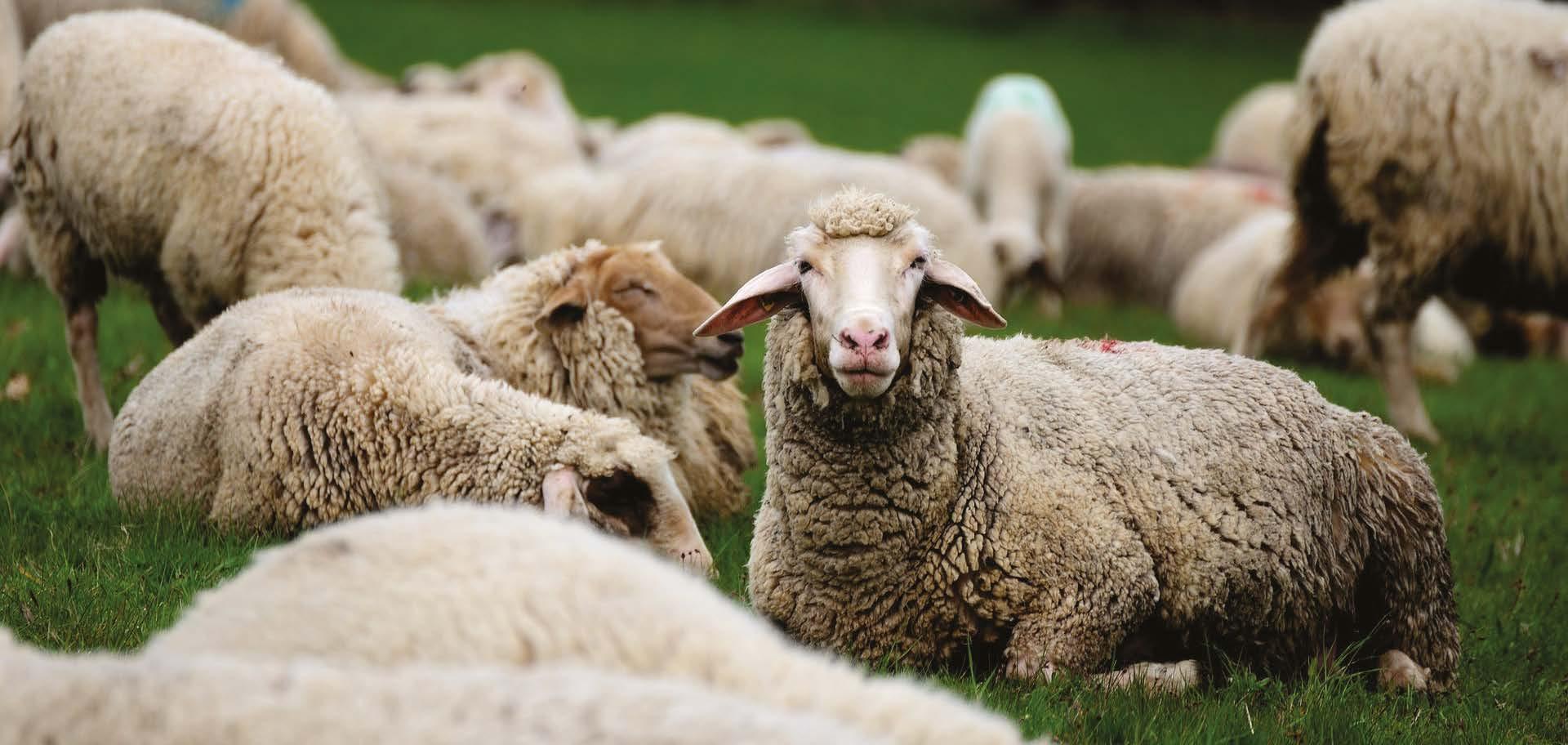
Sheep worrying — attacks or harassment of sheep by dogs — is a serious issue affecting livestock farms, particularly during lambing season and overnight. Even when dogs are leashed, their presence can trigger panic in flocks, leading to injury, escape, or miscarriage. Despite the severity and frequency of these incidents, farmers had no real-time tool to detect threats or intervene quickly.
In response, BT Brotech partnered with WiSAR through the Data2Sustain Test Before Invest initiative to develop a rugged, lowpower monitoring device capable of identifying abnormal sheep behaviour and notifying farmers instantly.
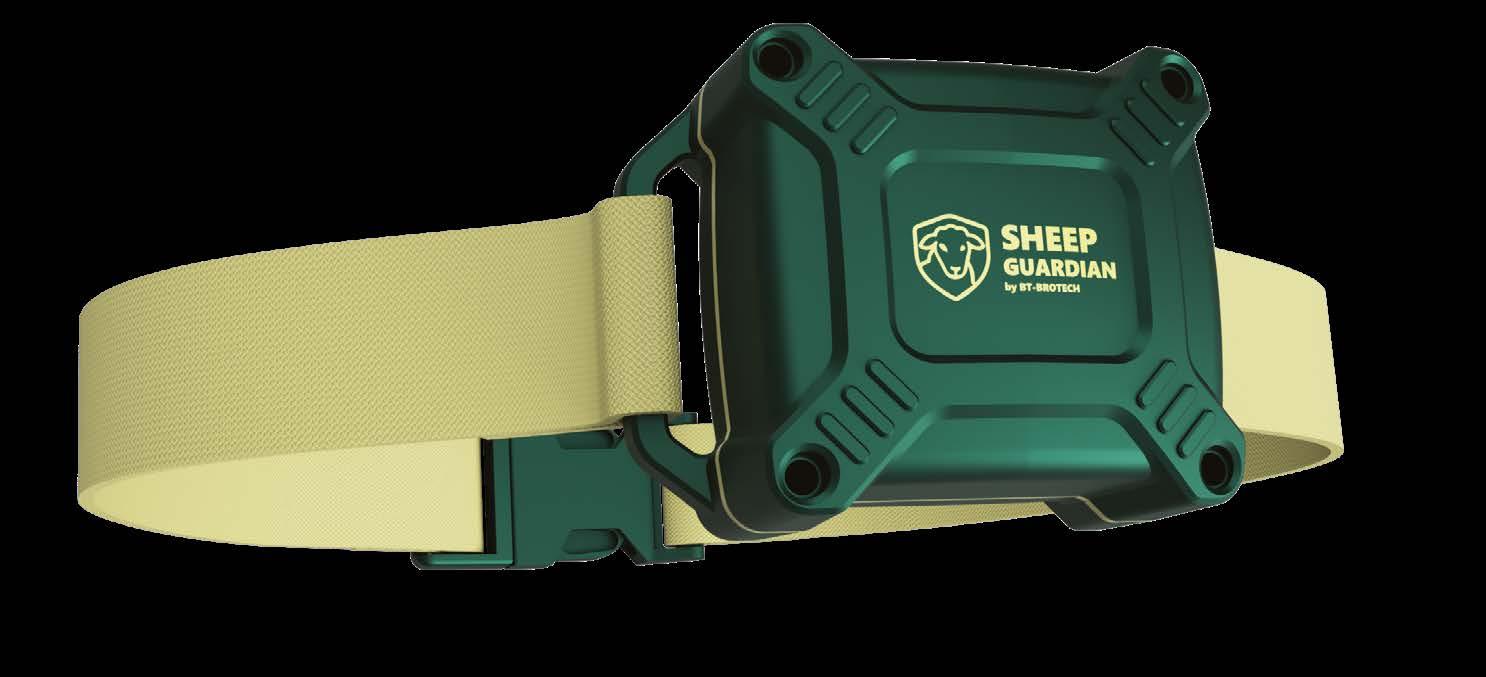
The on-collar device uses smart motion sensors, GPS tracking, and ultra low-power embedded technology to monitor flock behaviour. It remains in a deep sleep mode to conserve battery life, activating only when it detects unusual activity that may indicate a threat.
When triggered, the device sends real-time alerts and location data to the farmer’s phone and live GPS guides them straight to their flock.
Three fully functioning prototypes have been designed, built, and fieldtested on local farms, generating valuable real-world data used to refine the detection algorithms and confirm technical feasibility.
The device is expected to improve animal welfare, reduce losses for farmers from sheep worrying incidents and support more efficient farm management. With scalability in mind, the technology also shows potential for adaptation across different livestock and broader smart farming applications.
Acknowledging the WISAR lab’s role in developing the prototype, Robert Beattie, Co-founder, BTBrotech Ltd said: “Before this project we had a clear idea of what we wanted to achieve but lacked the technical expertise to build a working prototype. WiSAR helped us bridge that gap, delivering a device we could test in the field and giving us the knowledge and data needed to take our idea to the next stage.”
“ This project is an excellent example of how applied research can support innovative companies in turning ideas into working solutions. By working closely with BT Brotech, we were able to design, prototype and field test a low power monitoring device, generating the data needed to demonstrate feasibility and support the next stage of development. It’s particularly encouraging to contribute to a solution with clear benefits for animal welfare and farm management. "
Dr Stephen Seawright, WiSAR Technology Gateway
Following the project with WiSAR, BT Brotech received additional funding which enabled the PEM Technology Gateway to design a robust waterproof enclosure for the Sheep Tracker and Activity Monitor.
WiSAR Lab
The WiSAR Lab at ATU specialises in wireless sensing, IoT, and embedded systems, supporting companies across Ireland in developing and testing new technology solutions.
Data2Sustain
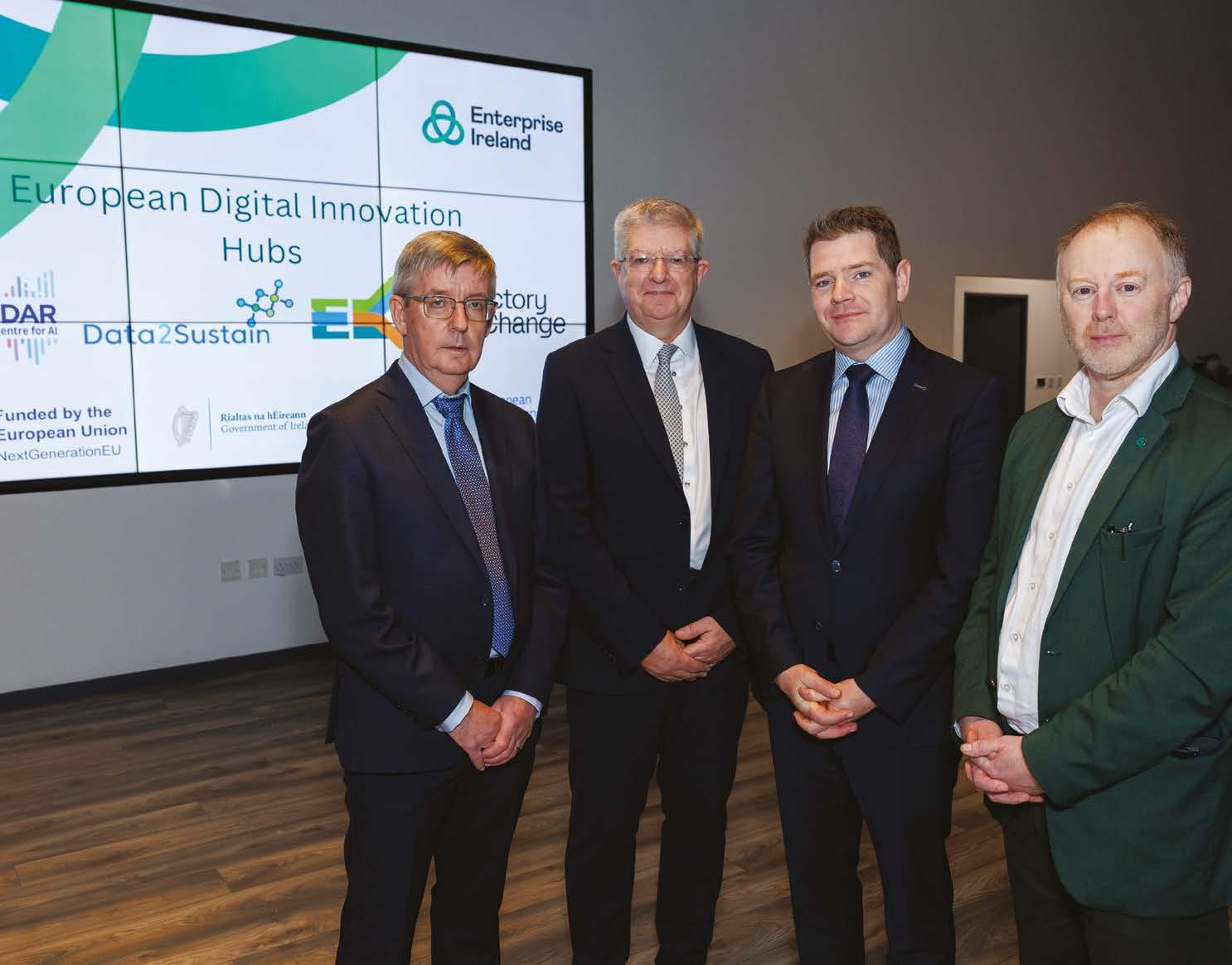
Data2Sustain, a European Digital Innovation Hub (EDIH) in Ireland’s North and West, led by the ATU, focuses on advancing digitalisation and data innovation for businesses and public bodies.
BT Brotech Ltd
BT Brotech is a rural innovation startup focused on developing technology-driven solutions for agriculture and livestock monitoring.
Review Explores How Nutrition May Improve Sleep in Elite Athletes
For elite athletes, sleep isn’t a luxury — it’s a performance tool as vital as strength training or recovery sessions. Yet even the world’s best struggle with the demands of travel, competition stress, and intense training loads that chip away at quality rest. A recent scoping review by ATU researcher Gavin Rackard has reviewed studies that look at how nutrition can help athletes sleep better.
To map the science behind sleep -promoting foods and supplements, Gavin followed rigorous review standards (PRISMA-ScR and Joanna Briggs Institute guidelines) and sifted through nearly 1,903 articles, narrowing them down to just 12 studies that focused specifically on adults competing at elite levels.
These studies ranged from randomised controlled trials to observational research, all involving participants aged 18 or older without major health issues. A specialized tool (NUQUEST) assessed study quality, while the “Paper to Podium Matrix” helped translate research findings into real-world recommendations for athletes.
Foods with the most promise
According to one study Gavin looked at, eating two kiwis one hour before bed for four weeks led to remarkable improvements such as better overall sleep quality, longer total sleep time, fewer nighttime awakenings and higher sleep efficiency.
A study on tart cherry juice showed benefits for time in bed, waking after sleep onset, and movement index when consumed five times over 48 hours, though melatonin and cortisol changes were non-significant.
Dairy consumption correlated with improved sleep quality in female athletes specifically, with higher milk consumption frequencies (five to seven days a week), associated with better subjective sleep quality, though associations were absent in males.
Probiotics demonstrated improved sleep quality likely because they reduced muscle soreness and inflammation by improving gut health and affecting neurotransmitters
Eating carbohydrates before bed produced mixed results in different studies with some indicating that high glycaemic index carbohydrates impaired sleep efficiency.
When looking at vitamins and minerals, better sleep efficiency was linked with higher levels of vitamin B12, zinc, and iron. Magnesium and calcium were also found to help people fall asleep faster.
“ Kiwifruit, tart cherry juice, and dairy, particularly for female athletes, warrant further investigation through larger, longer duration trials conducted during competition phases. Protein supplementation appears most beneficial when athletes fall below protein targets, while probiotics may offer indirect sleep benefits through inflammation reduction. "
Gavin Rackard
Protein Supplements
Protein-based supplements (whey, casein, alpha-lactalbumin) showed inconsistent results. High habitual protein intake appeared to create a ceiling effect where additional supplementation provided minimal benefit.
Studies suggest that tryptophan competes with other large neutral amino acids for blood-brain barrier transport, limiting availability when athletes consume high-protein diets.
New funding for research into athlete recovery and performance
ATU researcher Andrew McGeever (pictured below), was recently awarded funding as part of the Enterprise Fellowship programme by Research Ireland. His project, “Assessing Factors Influencing Recovery and Inflammation Biomarkers in Athletes”, has been awarded €94,240.65 in funding to support his research.
The project focuses on understanding how variables such as sleep, competition, and sex-specific differences affect recovery and inflammation biomarkers in athletes, with the goal of improving injury prevention and athletic performance.
Andrew commented on the achievement: “I am delighted to receive Research Ireland Enterprise Fellowship funding to continue my research into athlete recovery and performance. This opportunity allows me to work closely with Orreco Ltd., applying academic research in a real-world enterprise context to generate practical insights that can benefit athletes and sports practitioners.”
To read more please click here.
Despite promising insights, the evidence base on how nutrition may improve sleep in elite athletes is thin: only 12 studies met the inclusion criteria for Gavin’s review, and the median sample size was just 19 athletes. Many findings rely on single studies, including those on kiwifruit and tart cherry juice. Even so, most studies rated well on methodological quality, which gives the conclusions some weight — though larger, more diverse trials are urgently needed. To read Gavin’s paper please click here
Engagement and Innovation
ATU Innovation Hub Mayo Marks 20 Years of Supporting Entrepreneurship
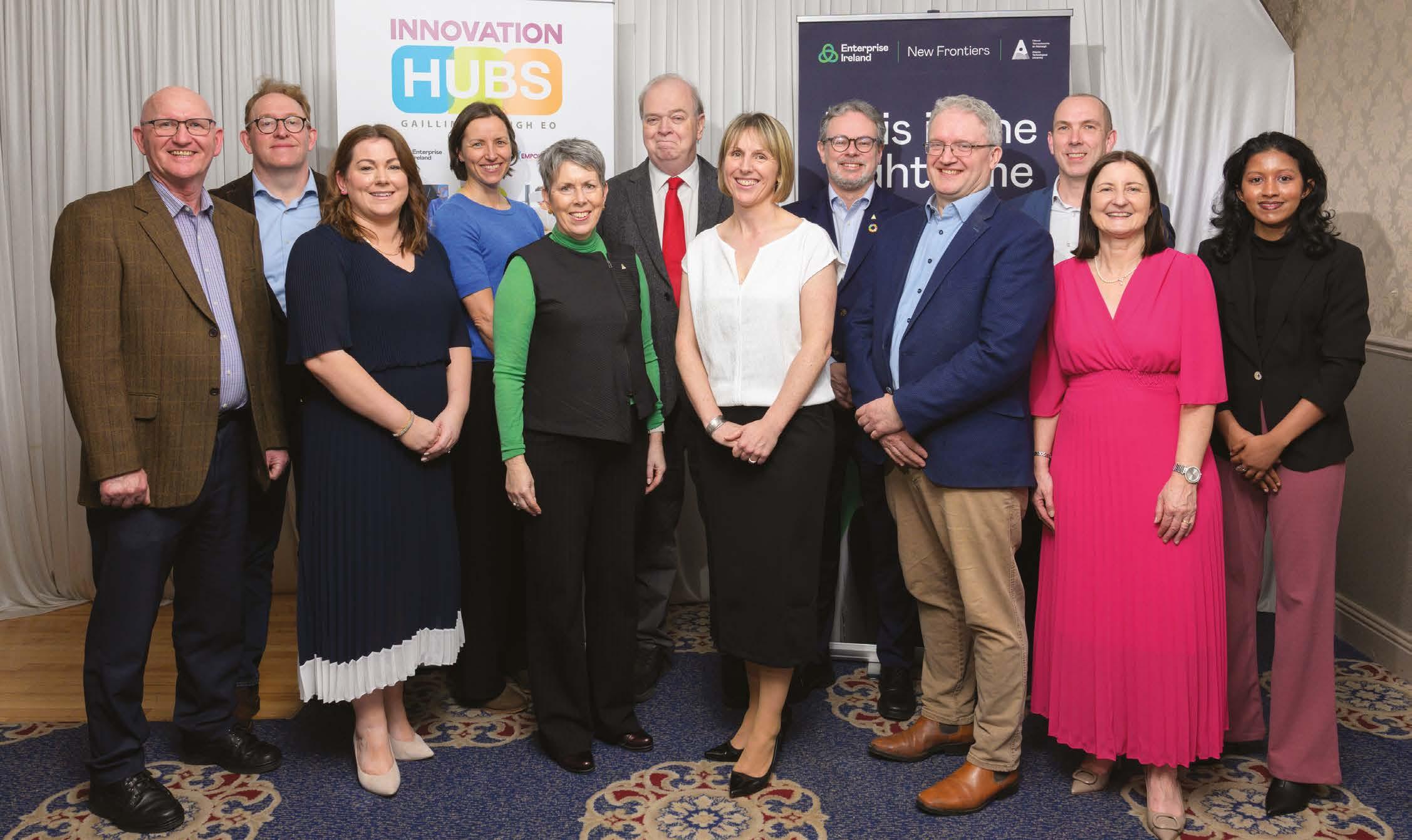
The ATU Innovation Hub (iHub) Mayo celebrated a significant milestone on 20 March, marking 20 years since opening its doors in 2006. What began as the Innovation in Business Centre has evolved through the GMIT Innovation Hub and into today’s ATU Innovation Hub, but one thing has remained constant — its unwavering commitment to empowering entrepreneurs and fostering innovation across the region.
Over the past two decades, the iHub has welcomed a vibrant and diverse community of founders and start ups. Since its inception over
240 companies have been assisted, creating 800+ jobs. Over 20 High Potential startups have been created in Mayo and over 50 businesses have transitioned to the wider west region with 74% of businesses still in business after seven years.
Many completed the entrepreneurship programmes including Enterprise Ireland’s New Frontiers Programme, and the EMPOWER series for female entrepreneurs — EMPOWER and EMPOWER Cumasú (funded by Údarás na Gaeltachta), as well as EMPOWER Elevate, supported
by the Local Enterprise Offices in Mayo and Galway. Over 200 female founders have been supported through these programmes. These initiatives have helped hundreds of entrepreneurs refine their ideas, build sustainable businesses, and scale with confidence.
Alongside programme delivery, the iHub has long been a cornerstone for companies seeking space to grow. Through its range of office, desk, and virtual memberships, the iHub has provided a professional, supportive home for hundreds of resident companies. Their creativity,
Left to right: Tony O’Kelly, Turlough Rafferty, Michelle Lee, Ceola McLynn, Dr Orla Flynn, Dr Chris O’Malley, Maria Staunton, Dr Brendan Jennings, Michael Gill, Kieran Ryan, Barbara O’Shea, and Anjalee Weerasinghe.
determination, and achievements have shaped the region’s innovation ecosystem and continue to inspire future founders.
The success of the iHub is also deeply rooted in its dedicated team. Over the years, staff have supported founders on every step of their journey, delivered high quality programmes, and built the warm, collaborative environment that defines the ATU iHub today.
Collaboration has been central to its work, with strong partnerships across Mayo’s State agency organisations. Together, they have delivered impactful initiatives such as Mayo Ideas Month, celebrating creativity, enterprise, and community. Events like Digital West, the Mayo Business Awards, and a wide array of business focused workshops and gatherings have further strengthened the region’s entrepreneurial landscape. ATU iHub Mayo has conceived and delivered other enterprise pilot programmes allowing wider access business supports in Mayo and the wider region.
The iHub celebrated by having an event in Breaffy House. The theme for the evening was ‘Starting, Growing and Scaling a Business’ and speakers on the panel included Harry Hughes from Portwest, Frank Salmon from CMS Distribution and Lorraine Heskin from The Gourmet Food Parlour. Some Alumni from the iHub also spoke including Vivienne Kyne from Sportlomo, Sorcha O Grady from Truckscience, Helen Gavin
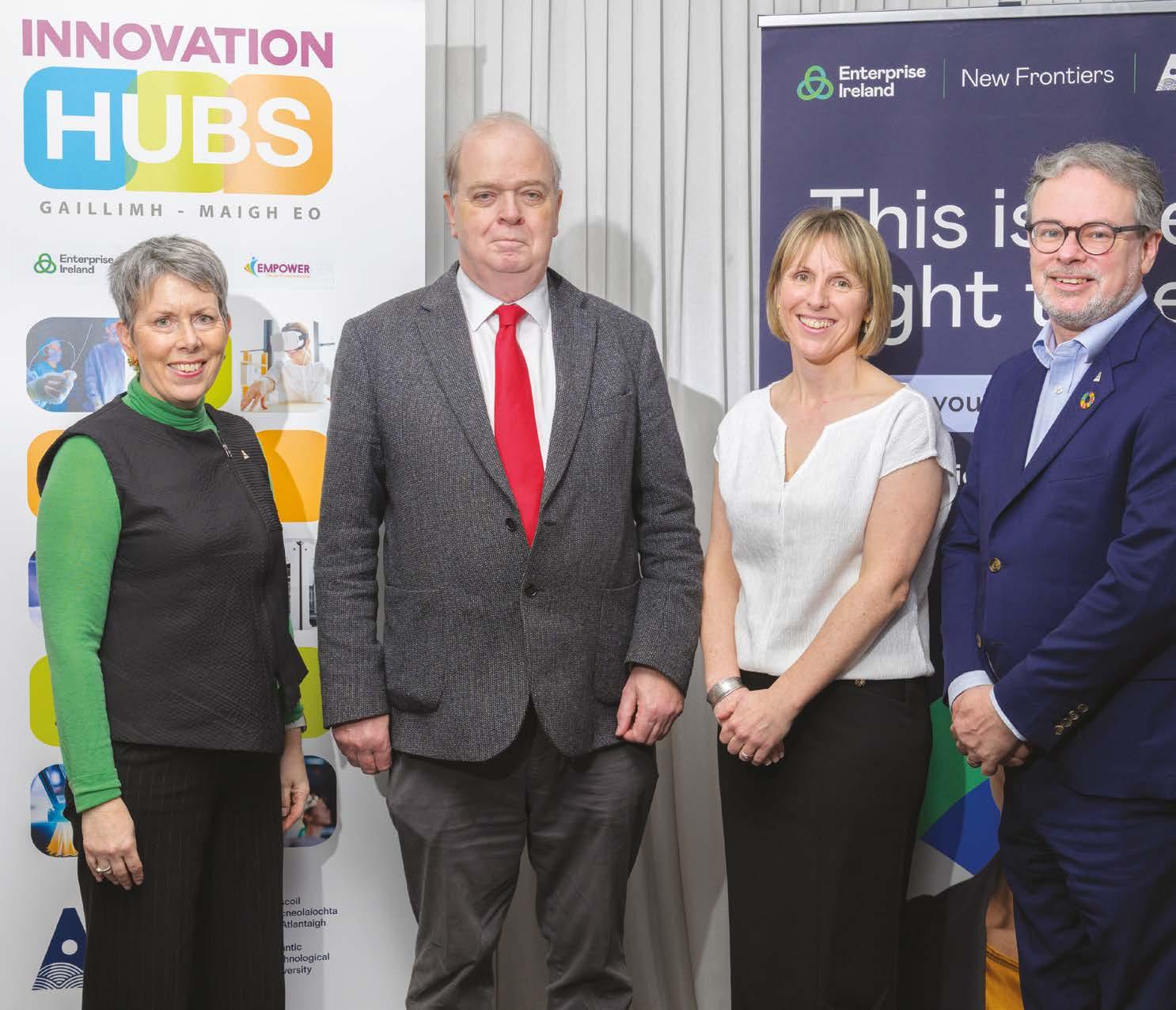
Dr Orla Flynn, ATU President, Dr Chris O’Malley, Vice President, Enterprise & Engagement, Maria Staunton, ATU iHub Mayo, and Dr Brendan Jennings, Chief Officer Research, Innovation and Engagement, ATU.
from Social Jam and Matt Conlon from Cytidel.
“As we mark 20 years of ideas, impact, and innovation, we extend our heartfelt thanks to everyone who has been part of our journey — our clients, partners, supporters, and staff,” said Maria Staunton, Manager of ATU iHub Mayo.
ATU iHub Mayo have supported a range of companies for example Truckscience, BuyMedia, Sportlomo, Full Health Medical, Digital Doors, BrightBeam, Retail Stocktaking,
Cytidel, Neuronic, Allergy Lifestyle, Superfolk and Cubbie.
“ We look forward to supporting the next generation of entrepreneurs and continuing to shape a dynamic, innovative future for our region. Here’s to the next chapter. "
Maria Staunton, Manager of ATU iHub Mayo
New Frontiers Showcase Awards
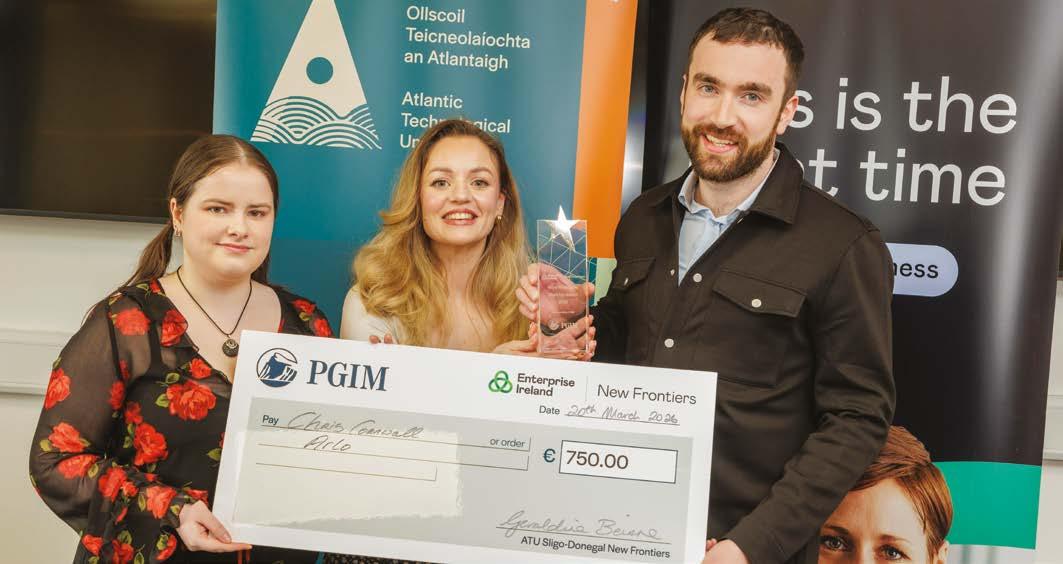
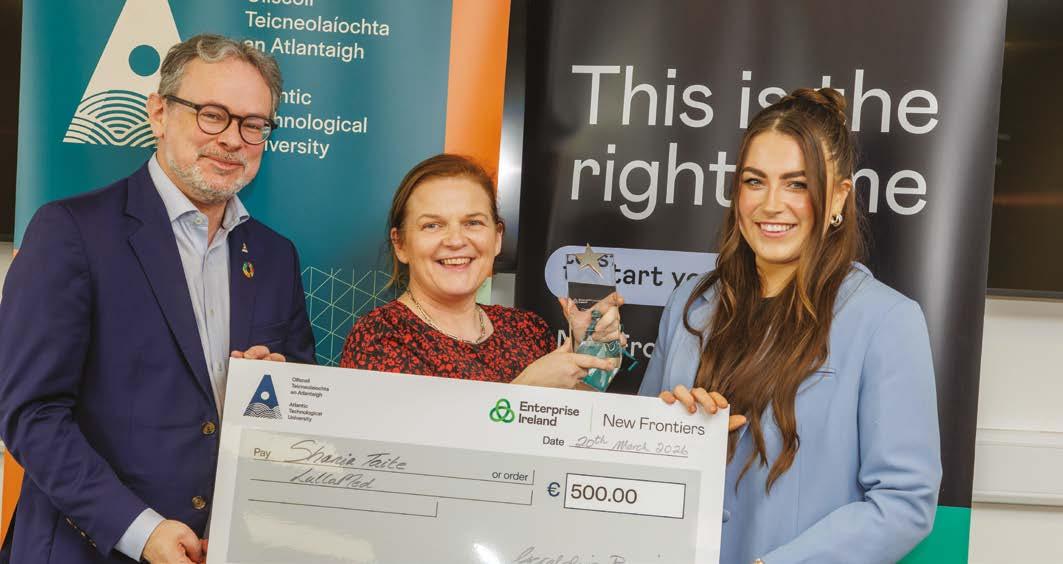
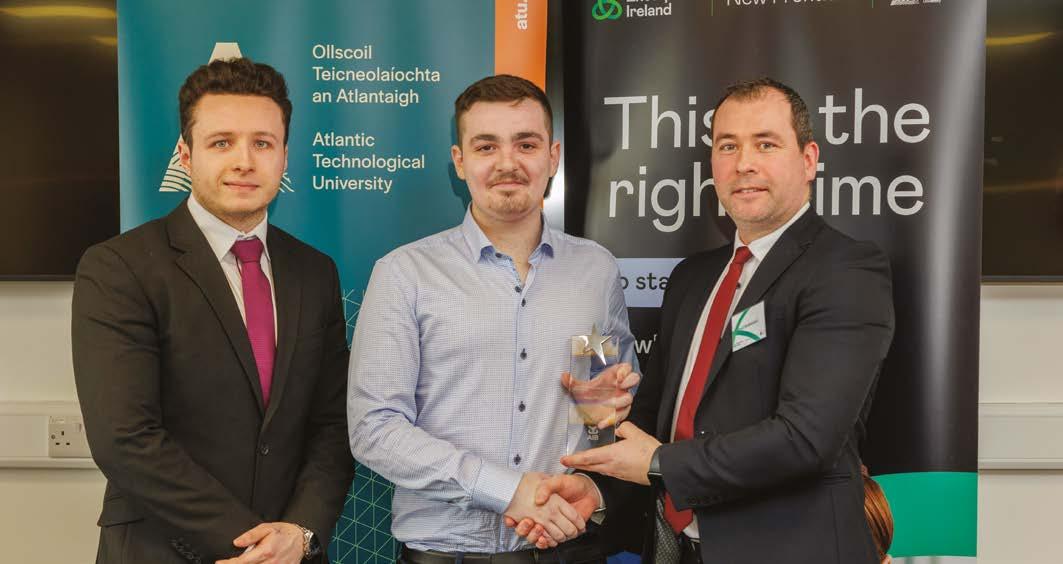
Ten founders who participated in Enterprise Ireland’s New Frontiers programme at ATU Donegal and Sligo were showcased at a ceremony in Sligo on 20 March. Enterprise Ireland’s New Frontiers programme is delivered through ATU and is the
National Entrepreneur Development Programme with a support package worth €40,000.
The programme’s primary purpose is to accelerate the development of sustainable new businesses that have strong international growth potential
and contribute to job creation and economic activity in the region. This year as part of the end of programme event, each participant had the opportunity to pitch their business with a chance of winning three cash prizes.
Most Investable Startup
Chris Cornwall of Arlo won the ‘Most Investable Startup Award’ which was sponsored by PGIM. Arlo delivers real-time medical notes, referral letters, and patient summaries, all of which sync instantly with current patient management software. Co -founded by Chris in early 2025, the company has achieved impressive early sales and is gearing up for major expansion.
One to Watch
Shania Taite of Saorla won the ATU sponsored ‘One to Watch Award’. Saorla’s first product, LullaMED, is a paediatric seating solution for babies aged from zero to nine months, designed to support a calmer, safer, and more efficient treatment experience for clinicians, infants, and parents.
Best Pitch
Connor Feehily of Qora EPOS won the ‘Best Pitch Award’ which was sponsored by AIB. Qora EPOS, co -founded by Conor in 2025, is a system that helps the retail sector automatically manage orders from their suppliers using smart AI, which eliminates the need for manual date entry and reducing costly errors.
The other seven graduates of New Frontier programme are:
Donal McLynn, Trinity Drinks, Sligo. Trinity Drinks delivers functional beverages infused with nature's most powerful superfoods to aid in hydration, replenishment and nutrition.
Eoghan Matthews, CeolConnect, Roscommon. CeolConnect is a booking platform for venues to discover, connect and manage live musician bookings at the touch of a button.
Hannah Kelly, insigli, Donegal. insigli helps marketing agencies who spend days pulling together data and reports from disconnected marketing tools have client ready, performance reports with ROI attribution and recommendations in line with their goals and targets in minutes.
Jennie Carr, Isle Skincare, Donegal. Isle Skincar is a natural skincare brand developing innovative body care products using high-quality, Irish-made ingredients, starting with a targeted tallow-based balm.
Joanna Frivet, LegalMoov, Leitrim. LegalMoov is a digital legal platform for client booking and onboarding for lawyers.
Mamta Bhardwaj, Insight Pulse, Sligo. Insight Pulse is an AI-powered analytics tool that helps SMEs understand and improve their marketing performance through clear and actionable insights.
Swas Sahu, Stock Trading Studio, Kildare. Stock Trading is a cloud platform providing financial
About New Frontiers
New Frontiers is Enterprise Ireland’s national programme for ambitious startup founders with an innovative business idea that has the potential to scale and provide employment.
The programme equips participants with the right connections, skills and route to capital, empowering them build a successful and sustainable startup business.
Delivered through third-level institutions across 18 locations nationwide, New Frontiers, has proven to be a pipeline for the Local Enterprise Office and Enterprise Ireland’s High Potential Start-Up (HPSU) fund.
and economic data with built-in research and analysis tools for finance professionals, researchers, and analysts.
Speaking at the ceremony, Brendan Jennings, Chief Officer Research, Innovation & Engagement, ATU said: “Embedding Enterprise Ireland’s New Frontiers programme within ATU plays a vital role in supporting balanced regional development. Participants are making a meaningful contribution to the indigenous business community and helping to drive the region’s economic growth.
Ciara Concannon, Enterprise Ireland’s National New Frontiers Programme Manager also attended the awards and described New Frontiers as: “a truly national programme whose success is rooted in its regional delivery model, ensuring support is delivered where it’s needed most.”
New Frontiers alumnus Kieran Supple, CEO and founder of Reap Interactive Ltd trading as BovinePlus was the guest speaker at the ceremony. Kieran participated in the New Frontiers programme in 2021.
BovinePlus uses cutting- edge AI and image -analysis technology to deliver real-time livestock tracking for the agri-tech sector. Kieran shared valuable insights into the challenges the company has navigated and highlighted key learnings on accessing funding and managing the early stages of a startup. Reap Interactive continues to gain strong market traction, supported by significant private investment.
What Effective Engagement Really Looks Like
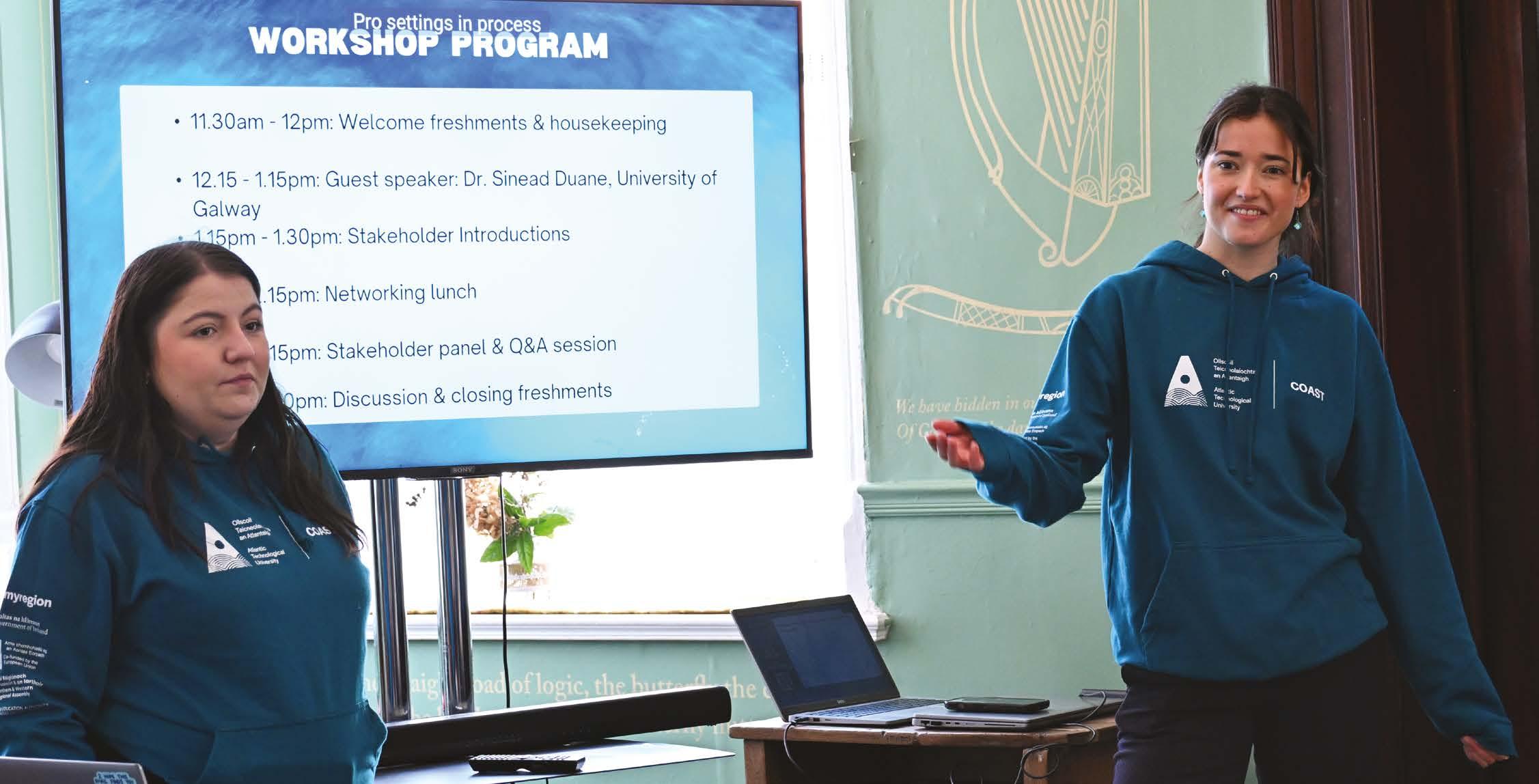
Early-career researchers, Beth Brown and Morena Gaudino, recently hosted a Stakeholder Engagement Workshop in Yeats Building, Co Sligo, to share practical insights and engage with Ireland’s coastal, water, and maritime sectors.
The event brought together leading academics, industry professionals, and representatives from Sligo County Council to discuss effective stakeholder engagement and collaborative research practices.
Identify who cares
In her keynote, Dr Sinead Duane (University of Galway), emphasised that engagement begins with meeting people where they are. She illustrated this with a public health campaign for
night-time truck drivers, where health checks were delivered at petrol stations. Her campaign messaging focused on giving participants more time with family and hobbies rather than weight loss.
She encouraged researchers to identify not just who cares about their work, but “who really cares,” and to meet stakeholders in spaces where they already operate.
“ If
your
research relates to water, go to the beach. Meet swimmers and surfers. Don’t rely solely on email or social media. "
Dr Sinead Duane, University of Galway
Industry pain points
Micheal Gallagher (Irish Blue Economy and Innovation Model), similarly advocated for identifying stakeholder’s pain points.
“Understand your target audience,” he advised.
From an industry perspective he urged researchers to comprehend the constraints faced by SMEs: “Industry players are often resourcepoor… follow up after your research project ends.”
Sligo County Council representative, Leonora McConville, shared lessons from community engagement projects during COVID: “During a street enhancement project. We noticed very few people submitted
Early-career researchers Beth Brown and Morena Gaudino, hosted a Stakeholder Engagement Workshop in Yeats Building, Co Sligo, to share practical insights and engage with Ireland’s coastal, water, and maritime sectors.
feedback online. The problem wasn’t a lack of interest; it was a lack of follow-up. Communities weren’t seeing how their ideas were used”.
That experience led to the creation of an outcomes tab on their website portal so people can identify how their input shaped their projects.
Chantel Carr (National Biodiversity Data Centre) also underscored the importance of transparency. “Be clear about what you can’t do as well,” she said, noting that many engagement efforts rely on voluntary contributions.
Casting a wider net
Owen Leonard (Ozone Water Treatment) suggested that researchers should cast a wider net beyond their immediate networks and tailor their messaging. One clear, focused webpage can generate more project traction than hundreds of emails ever will.
He also used an example of rainwater reuse at a major airport, where
treated water could be used for toilets and handwashing. By linking with airport representatives, they were able to save thousands of euros by not purchasing litres of water to accomplish this conservation effort.
Brendan Gordon (Bio-Friendly Ltd) emphasised the value of presence and simplicity saying: “Engagement works when you understand the product and the people.” He advised researchers to attend industry exhibitions and engage across regions to better understand sector realities.
Finally, Pete Murtagh (Sligo County Council) reflected on good practice for engaging stakeholders by curating specific questions to ensure input is meaningful.
Building a collaboration over a connection
Co-organisers, Beth Brown and Morena Gaudino, both highlighted the importance of depth over superficial connections.
“One participant wrote that stakeholder engagement isn’t something you simply learn — it’s a skill you develop”, said Beth. “A clear theme throughout the workshop was the importance of context, recognising that each stakeholder has distinct needs and priorities.”
“Transparency is critical in any collaboration,” added Morena. “Being clear about what you can and cannot deliver builds the trust necessary for strong long-term engagement.”
By connecting leading academics, industry reps, and council members, the workshop demonstrated how early-career researchers can build bridges between science and society.
The workshop was supported by the Environmental Science Association of Ireland (ESAI) and the Environmental Protection Agency (EPA) Grassroots Workshop Programme.
Advancing Women Entrepreneurs
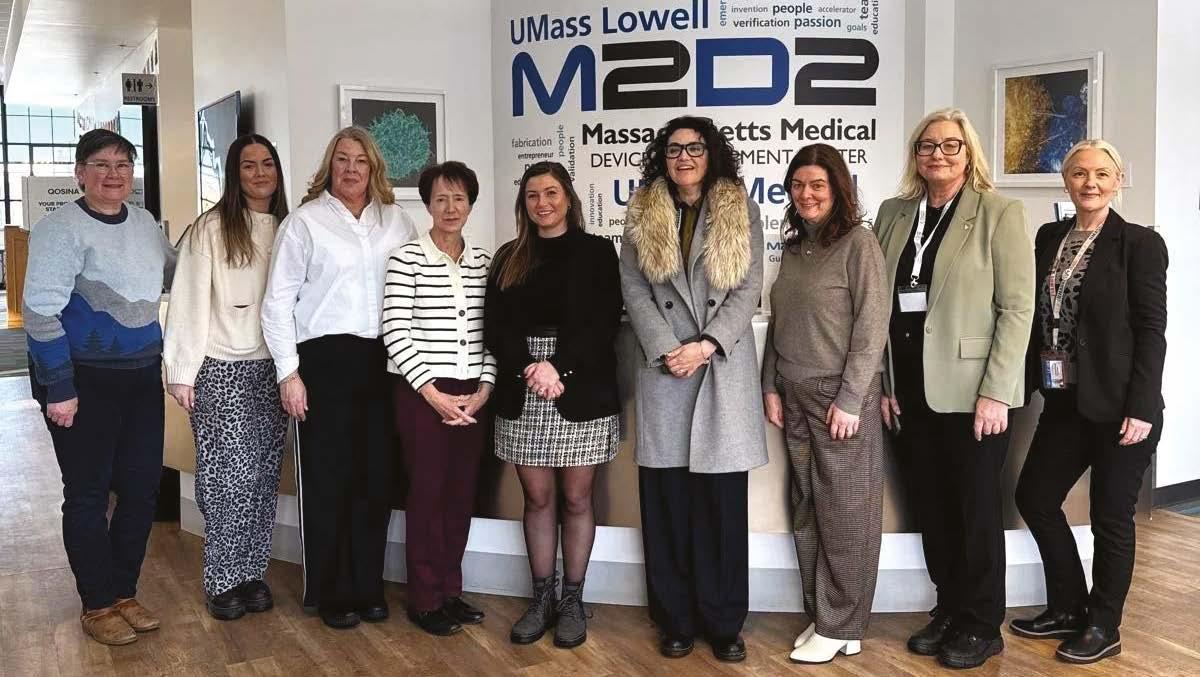
Dr Janine McGinn reflects on the AwakenHub Founder Mission to Boston and New York. The trip provided her with a valuable opportunity to examine, in real time, the scaling challenges faced by women entrepreneurs across the island of Ireland.
AwakenHub connects entrepreneurs with mentorship, investment opportunities and international networks that are often difficult to access.
Less than 10% of global venture capital funding goes to female founders.
What motivated you to participate in the AwakenHub Founder Mission to Boston and New York?
My participation was primarily motivated by my role as a researcher for Atlantic Futures (Research Stream 3), where the team focus on gender inequity in entrepreneurship across borders. This mission provided a unique opportunity for field research and participant observation, allowing me to gather fine-grained data on how Irish women entrepreneurs or founders from the West, North-West, and Northern Ireland navigate the complexities of internationalisation.
I wanted to observe the ‘legitimation’ process in real-time — how these women are coached and how they establish credibility with high-level US stakeholders and funders to overcome obstacles to entrepreneurial success.
How did the mission itinerary specifically address the scaling challenges facing women entrepreneurs in Ireland?
While there are excellent foundational supports in Ireland, such as those run within ATU like Empower Cumasú and follow-on initiatives like New Frontiers, there remains a distinct challenge in transitioning from a regional startup to a globally scalable business.
This itinerary was designed to bridge that gap. For example, the ‘Landing Smart: IP Strategy’ workshop at Babson College addressed the critical legal hurdles of entering the US market.
Additionally, a roundtable discussion with Donna Levin, CEO of the Arthur M. Blank School for Entrepreneurial Leadership at Babson and the leader who scaled Care.com through five rounds of funding to an Initial Public Offering (IPO), offered high-level, practical expertise in building the mission-focused teams necessary for international scale.
What role did the founder mission play in advancing your research for Atlantic Futures?
The mission served as a live environment to explore the core themes of Research Stream 3 including capacity building and internationalisation. By engaging with entrepreneurs as they navigated these elite US ecosystems, I could document the strategic outcomes and barriers they encountered.
This research is vital for our goal of understanding the structural and societal imbalances in the Northwest Atlantic Innovation Corridor and will directly inform the evidence-based policy briefs we are developing for the Atlantic Futures consortium.
Dr Janine McGinn at the British Consulate in New York.
What were the key takeaways from engagements at Babson College and UMass Lowell?
A major takeaway was the importance of innovation ecosystems that facilitate "entrepreneurial initiation". The Babson College leadership roundtable highlighted the necessity of institutional support for scaling businesses.
The visit to UMass Lowell innovation labs highlighted how engagement with innovators and local companies and regional infrastructure successfully integrate, to create a supportive regional entrepreneurial ecosystem and reach global markets. The Lowell community connectivity initiative offers valuable insights for our shared island research into reducing regional economic inequality along the Irish west coast, the border areas, and Northern Ireland.
How did the mission highlight the ongoing investment gap for women entrepreneurs?
Our research highlights a staggering disparity: less than 10% of Venture Capital (VC) funding goes to women entrepreneurs. The report ‘Women in UK Venture Capital’ published by the venture capital firm ADA Ventures in 2023, clearly illustrates this level of disparity: the volume of capital raised by all-men-owned VC funds between 2017-2023 in the UK is around ten times higher than the one raised by all-women-owned VC funds.
This is the specific bottleneck AwakenHub is working to remove both by coaching angel investors and entreprenuers. The mission addressed this challenge headon by creating visibility through diaspora pitch sessions at the British Consulate Private Residences in both Boston and New York.
In addition, the ‘Capital with Impact’ showcase at the Bank of Ireland NYC Hub was a strategic attempt to put Irish women directly in front of the capital needed to scale, highlighting that securing investment is a distinct challenge that women face more acutely than men.
What unique value did the cross-Atlantic and crossborder collaboration bring to this mission?
The mission was a prime example of the Atlantic Futures and AwakenHub Shared Island approach, albeit at international level. Through multiple agency engagement, bringing together partners like Invest NI, the NI Bureau, and Enterprise Ireland alongside the British and Irish Consulates in Boston and New York, greater leverage and investment opportunities are provided to founder entrepreneurs, from both sides of the border on the island of Ireland.
This multi-agency collaborative approach is central to the Atlantic Futures mission of fostering a cross-border research cluster involving key industry and social partners and Ulster University, Atlantic Technological University, the University of Galway, and the University of Limerick to address economic and social concerns along the Atlantic Innovation corridor.
On the U.S. mission we demonstrated through multi-agency collaboration and by leveraging the global Irish diaspora and international market expertise, that the challenges of scaling and investment are best addressed through a focused and unified, all-island effort.
How does this mission contribute to the broader goals of the Atlantic Futures consortium?
This mission represents ‘research in action’. It contributes to our objective of understanding developmental pathways for multicity regional transformation.
By researching how AwakenHub levels up opportunity and access for women in underserved regions like the North-West of Ireland, and Northern Ireland and indeed across the island of Ireland, we gain a blueprint for how to support indigenous SME growth and talent retention, ultimately working to reduce regional economic inequality.
What long-term impact do you believe this mission will have for women entrepreneurs across the island of Ireland?
Long-term, this research will inform future entrepreneurship education and mentorship programmes for third-level students and entrepreneurs across the North-West, West and in Northern Ireland.
By providing a better understanding of the investment and scaling disparity, we can help refine the supports offered by institutions like ATU and national agencies. The goal is to ensure that the work started and supported by excellent programmes like Empower Cumasú and New Frontiers has a clear, supported pathway toward global investment and international success.
About Atlantic Futures
Atlantic Futures, is a Strand III project funded under the North South Research Programme — a collaborative scheme funded through the Government’s Shared Island Fund. It is being administered by the Higher Education Authority (HEA) on behalf of the Department of Further and Higher Education, Research, Innovation and Science
Atlantic Futures research theme 3 Women's Entrepreneurship in the Atlantic Innovation Corridor researchers include Dr Janine Mc Ginn, ATU; Dr Isobel Cunningham, ATU; Dr Rachel Hilliard, University of Galway and Professor Laura Bradley-McCauley, Ulster University.
Enterprise Showcase Celebrates Women in Business
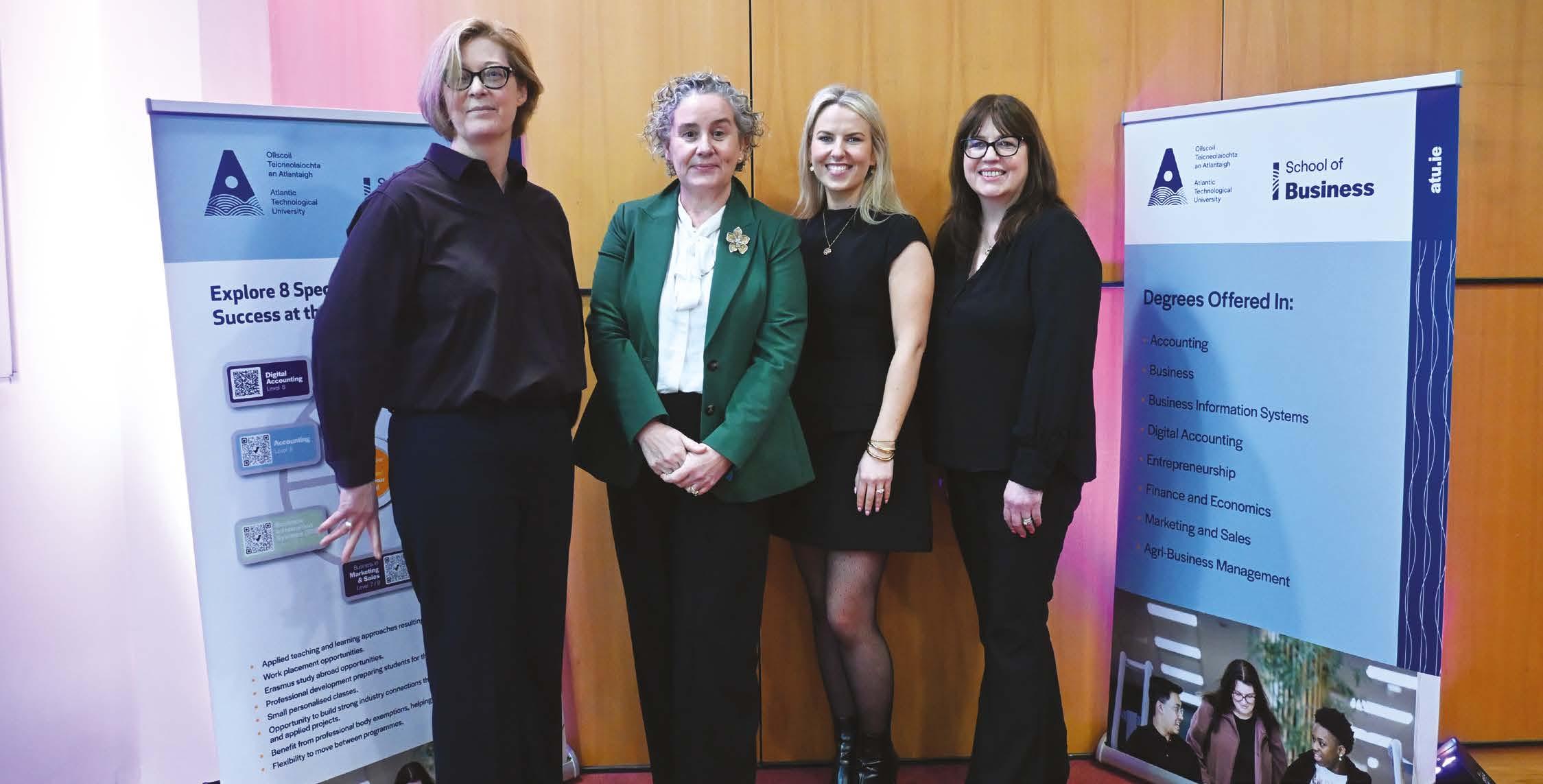
As part of Enterprise Week and International Women’s Day, ATU Galway hosted a vibrant Enterprise Showcase celebrating four outstanding West of Ireland businesses: Wild Atlantic Wicks, Nibbed Cacao, Kinvara Skincare, and Mettle & Bloom.
The showcase highlighted the innovation, creativity, and resilience of female-led and regional enterprises, showcasing locally crafted candles, artisan chocolate, natural skincare, and beautifully designed sustainable jewellery.
Each business shared its entrepreneurial journey, offering valuable insights into building and growing a brand in the West of Ireland while staying true to strong
ethical and community-focused values. There was a strong focus throughout on the importance of resilience, resources, authenticity and transparency.
Kinvara Skincare
Dr Joanne Reilly founded Kinvara Skincare in 2012, when she struggled to find affordable skincare that was both effective and free from harsh or questionable ingredients. Using her background in conservation ecology and interest in plant science, she started developing simple, natural formulas to care for sensitive skin.
Kinvara Skincare has grown from a small startup into a widely recognised Irish beauty brand, with products sold in hundreds of retail outlets and online, while maintaining
its focus on natural ingredients, sustainability, and effective everyday skincare.
Wild Atlantic Wicks
Anne-Marie Flanagan and Eimear O’Connor founded Wild Atlantic Wicks, a small Irish business that creates handmade candles inspired by the west coast of Ireland.
Wild Atlantic Wicks produces a range of scented candles that are hand-poured in small batches using 100% natural vegetable wax. Many of the candles feature wooden wicks, which create a gentle crackling sound when burning and add to the relaxing atmosphere. The candles come in recyclable jars and are designed with carefully selected fragrances inspired by nature and the Irish coastline.
Pictured at the Enterprise Showcase: Lisa Kleiner (Nibbed Cacao), Joanne Reilly (Kinvara Skincare), Sallyann Concannon (Mettle & Bloom), and Annemarie Flanagan (Wild Atlantic Wicks).
Nibbed Cacao
Aunt-and-niece Duo, Lisa Kleiner and Anna O’Sullivan founded Nibbed Cacao in 2021. They stared the beanto-bar cacao company because they wanted to create a pure, nourishing cacao product that could serve as a healthy alternative to coffee and sugary chocolate drinks.
Nibbed specialises in 100% organic, small-batch cacao that is ethically sourced from smallholder farms and crafted without added sugars or artificial ingredients. Its core products include grated organic cacao and solid cacao blocks designed to be melted into hot drinks, blended into smoothies, or used in baking and cooking.
Mettle and& Bloom
Sallyann Concannon founded Mettle & Bloom, a Galway-based Irish jewellery brand in 2022. The company creates stylish, meaningful pieces aimed at celebrating women’s strength, resilience and personal growth.
“Mettle” represents inner fortitude and courage, while “Bloom” reflects growth, confidence and embracing one’s full potential — a philosophy that is central to the brand’s identity and messaging.
Since its launch, the brand has grown its presence both online and in Irish retail spaces, featuring in publications like IMAGE and RTE Guide and securing placements in prestigious stores such as Arnott’s and Brown Thomas.
Key Takeaways from the Enterprise Showcase
At the showcase, speakers Lisa Kleiner (Nibbed Cacao), Joanne Reilly (Kinvara Skincare), Sallyann Concannon (Mettle & Bloom) and Annemarie Flanagan (Wild Atlantic Wicks) emphasised several key elements of the entrepreneurial journey:
• Be open to feedback, but also trust your own intuition
• Protect and nurture your reputation
• Self-belief is non-negotiable
• Stay true to your values—authenticity and integrity matter
• Brand identity and storytelling matter more than you might think
• Prioritise sustainability and ethical business practices
• Invest in building your community
Building Better MedTech
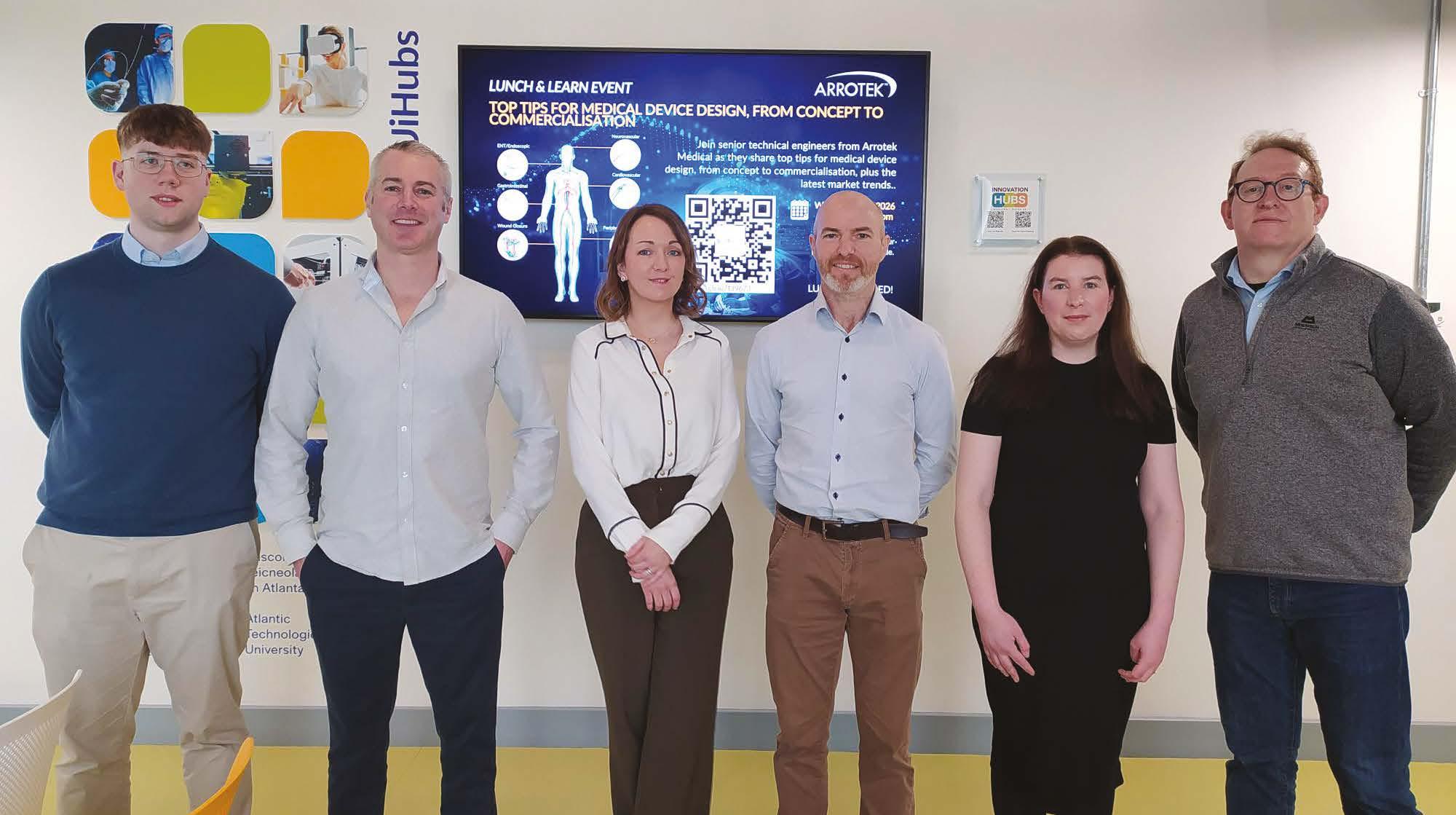
ATU iHub Galway continues to strengthen its role at the centre of the West of Ireland’s thriving MedTech ecosystem through its lunch and learn series — an initiative designed to connect early-stage innovators with experienced industry practitioners and practical insights.
The series brings founders, engineers and researchers together in an informal setting to engage directly with those who have successfully navigated the complex journey from concept to commercialisation.
From Concept to Commercialisation: Learning from Experience
The first session in the series, delivered by Arrotek Medical, focused on ‘Top Tips for Medical Device Design — From Concept to Commercialisation.’
Arrotek’s engineering team shared practical guidance on embedding good design habits early, aligning product development with regulatory pathways, and ensuring that teams are building not just prototypes — but viable medical device companies. Attendees gained insights into risk management, design controls, and the importance of integrating manufacturing and regulatory considerations from the outset.
Right First Time: The SechMed Approach
The second event in the series took place on 22 April in partnership with SechMed. Titled ‘Right First Time Medical Device Development’, the session focused on strengthening the early stages of device development and helping innovators establish a clear, credible pathway from idea to execution.
The lunch and learn series reflect ATU iHubs’ broader mission: to support innovation by connecting entrepreneurs with the expertise, networks and supports required to scale.
Left to right: Eamon OTuathail, BIS Student Intern, ATU iHubs; Colin Burke, Global Sales Manager, Deirdre Cahney, Marketing Manager and John Egan, Engineering Manager, Arrotek; with Caroline Bell, Office Administrator, ATU iHubs, and Turlough Rafferty, ATU iHubs Innovation Manager.
Preparing for Tomorrow’s Workforce: Key Trends and Challenges
At a recent seminar on the ‘Future of Work’ in ATU Mayo, Dr Michelle O’Sullivan, Associate Professor, Dept of Work and Employment Studies at University of Limerick, outlined the three major challenges affecting labour markets: demographic shifts, artificial intelligence (AI), and climate change.
Dr O’Sullivan said Ireland’s old age dependency ratio is predicted to rise from 23% today to 50% by 2065, even on the unlikely assumption of high migration and high fertility. She emphasised the need for employers to respond through investment in upskilling their existing talent, providing clear progression pathways, and higher wages.
Talent retention will increasingly depend on employers meeting workers’ expectations around matters such as working conditions and flexibility. She noted that most foreign holders of Critical Skills Employment Permits leave Ireland within five years and that this was another issue that needed to be addressed.
She added that there are mixed views on AI’s impact on the future of work, noting that attitudes towards AI depend on whether it is perceived as helping workers in their job or replacing them. The consensus view is that AI is more likely to be helpful to those in managerial roles, while those in administrative roles are in greater danger of being replaced.
Current evidence suggests AI would lead to an increase in demand for analytical thinking skills, technology literacy, and cybersecurity. ‘Soft’ skills such as flexibility, agility, listening, and empathy would remain important and there would still be a demand for HR professionals with those skills.
“
Employers feel overwhelmed by AI’s rapid evolution, with many hesitant to commit investment funds to a technology that may quickly become obsolete. "
Dr Michelle O’Sullivan
Dr O’Sullivan also noted that climate change would likely result in net increase in jobs, including new jobs in engineering, retrofitting, and other ‘green’ sectors. However, job losses are expected in traditional ‘brown’ sectors, such as fossil fuels, and it remains unclear whether the emerging ‘green’ jobs will offer comparable pay and conditions to those being displaced.
Keeping a human touch in an era of AI
Michelle Murphy, Director, Collins McNicholas Recruitment and HR Services Group, outlined the findings of a recent Workforce Insights Report, published by Collins McNicholas, in which the overwhelming sentiment expressed by the 2,500 professionals surveyed for the report was for recruiters to ‘keep a human touch’ in an era of AI.
Many respondents identified a lack of communication from employers and agencies, receiving impersonal automated responses, lengthy hiring timelines, and multiple interviews as among the main issues that would discourage them from working for an organisation. Many feared that AI would unfairly screen out their applications, saying they would be hesitant to apply for a job if they thought AI would be involved in the selection process. In this regard, Ms Murphy highlighted the: “Importance of recruiters having a policy on the ethical use of AI and on proper training for employees who screen candidates.”
Ms Murphy also advised that recruiters should remember in an era of low unemployment, non-monetary benefits, such as clear progression opportunities, remote working options, company culture, values and leadership, and the ability to work flexible hours, are as important as pay.
She encourages recruiting employers to ‘tell their story’, not to be modest about how well they look after their employees and suggests the use of techniques such as ‘vox-pops’ recorded by current employees relating how they were recruited and what attracted them to the employer.
The seminar concluded with roundtable discussions on various themes such as AI and work design, climate and workforce strategy, and shifting demographics.
Over 80 Human Resource Management representatives from public and private organisations across the west attended the Future of Work seminar in ATU Mayo.
Pictured at the ‘Future of Work’ seminar in ATU Mayo, left to right: Michelle Murphy, Director, Collins McNicholas Recruitment and HR; and Dr Michelle O'Sullivan, Associate Professor, Dept of Work and Employment Studies, University of Limerick.
Sustainability in Action
ATU Education for Sustainable Development (ESD) Academy
ATU is embedding sustainability across teaching, learning, and community engagement through a range of innovative initiatives. One such initiative is the Education for Sustainable Development (ESD) Academy, which supports learners, educators, and communities to take meaningful action on sustainability, climate change, and the Sustainable Development Goals (SDGs).
Launched in 2025 by the ATU Teaching and Learning Centre in partnership with the Centre for Sustainability, the ESD Academy is supported by Strategic Alignment of Teaching and Learning Enhancement (SATLE) funding from the Higher Education Authority and the National Forum for the Enhancement of Teaching and Learning. The initiative aligns with the National ESD Strategy to 2030.
The academy focuses on key priority areas, including transforming learning environments, building educator capacity, mobilising young people, and accelerating local-level actions. The ESD Academy is built on a 6Cs framework — Curriculum, Campus, Community, Collaborative Research, Culture, and Care — ensuring an action-oriented approach to sustainability, climate action, and the Sustainable Development Goals (SDGs). Learn more about the ESD Academy opportunities here
Power of Change and Climate Clubs
The ESD Academy offers a range of training and engagement activities to support local schools and communities in acting on climate change, sustainability, and the SDGs and in January 2026, the Academy launched the Climate Clubs initiative to build on the fantastic work of the ‘Power to Change’ project.
The Power to Change project included the establishment of Climate Education Clubs which aimed to develop links between ATU staff and students, schools, and communities to provide opportunities to co-create and co-design projects related to climate action and sustainability.
The clubs placed value on learning by sharing knowledge and experiences in both community settings and education settings and had three strands: Primary Connections, Youth Connections, and Community Connections.
Under the Primary Connections Clubs, the team empowered five to twelve-year-olds to take positive actions and voice their opinions on climate change and climate action. To date, the clubs have co-created a workbook on the Sustainable
Development Goals with school children and schoolteachers in Co Sligo.
The resource named SDGs and Me – Nurturing our World is available as a learning resource fostering environmental awareness and encouraging meaningful conversations around sustainability. The resource can be used in the community, school, or home setting.
Ms Karen McIntyre, Carraroe National School, said: “This project has been overwhelmingly positive for our students. Sustainable Development Goals have real meaning for them now. They have learned how we can work towards a more equitable world where everyone will access clean air, food, water, shelter and education while maintaining the planet for their generation and the generations to come.”
For the Youth Connections Clubs, the group encouraged 12 to 24-year-olds to engage in the Climate Conversation. The clubs work with young people across several initiatives which included a pilot Sligo Youth Assembly on Climate Action in collaboration with Sligo County
Council; school-based projects exploring water conservation, energy, and soil health; and the development of the Climate Action Board Game –Re-imagining Sligo.
An additional club named the Community Connections Clubs connected ATU staff and students with community groups to develop community-based and communityrelated projects. The clubs have supported several projects in the areas of sustainable tourism, water management, and nature connection.
Power to Change is part of the Community Climate Action Programme Strand 2 and is funded by the Government of Ireland through the Department of Climate, Energy and the Environment.
ATU Sustainable Development Goals (SDG) Roadshow
This semester, the ATU ESD Academy delivered an SDG Digital Badge Roadshow, engaging students and colleagues across the region. The roadshow focuses on sharing key content through presentations to programme cohorts and class groups, introducing learners to the Sustainable Development Goals (SDG) framework and the wide range of SDG-related teaching and learning resources available at ATU.
During each session, students are also guided on how to access and complete the ATU SDG Digital Badge. The badge provides an interactive overview of progress on all 17 SDGs, including their associated targets and indicators, presented through a series of engaging video resources. Students from all nine campuses have engaged with the badge.
This academic year, presentations have been delivered to over 80 staff members and groups, and
641 students have completed the badge to date. The initiative began during the N-TUTORR project, and so far, more than 2,180 learners have successfully earned the badge.
Dr John Scahill co-lead ATU ESD Academy explains: “The SDG student badge provides a concise yet comprehensive overview of the goals and can be completed in under five hours. Some staff are now including the Badge as content in their modules and where appropriate,
mandating its completion as part of continuous assessment. This approach facilitates an easy introduction to the SDG framework and is a valuable contribution to our commitment to embedding sustainability across the curricula.”
Dr Scahill leads the SDG Roadshow initiative, supported by colleagues, Ulrich Heoche, Mary Nolan and Una Carty.
To learn more and if you are interested in getting involved in the ATU ESD Academy, Climate Clubs or the SDG Roadshow, please contact Mark.Kelly@atu.ie, John.Scahill@atu.ie or TLC@ATU.ie at the ATU ESD Academy in Teaching and Learning.
To find out more about the ATU ESD Academy opportunities in the Teaching and Learning Centre please click here
Dr John Scahill and the ATU ESD Academy Roadshow with Architecture Students in ATU Sligo.
Community, Creativity & Achievements
Showcase Celebrates Inclusion in Practice
ATU’s Equality, Diversity and Inclusion (EDI) team recently hosted its EDI Activity Support Fund Showcase, an online event and accompanying publication highlighting the real impact of the fund, which has supported a wide range of projects over the past three years. The fund was created to help staff and students turn strong, values-led ideas into practical initiatives that advance equality, diversity and inclusion across ATU.
The showcase featured a sample of the projects, explained their purpose, and demonstrated how targeted support can make inclusion a lived reality, not just a strategic aspiration.
Project WAVE students and staff at an inclusive arts exhibition created by Project WAVE students in the Linenhall Arts Centre in Castlebar.
Project leads, students and staff came together to share what they achieved, what they learned, and how modest interventions create meaningful change.
The funded projects span a range of themes, including disability awareness, inclusive outdoor education, Traveller participation, intercultural food traditions, intergenerational learning, antiracism, and accessible communication. Together, they show the breadth of need and the creativity of those who stepped forward to mainstream inclusive practices. Projects also deepen student experiences in ways that prepare them to carry these values into their future workplaces and communities.
In Shared Spaces: Art, Dialogue and Social Inclusion a project led by David Friel, Early Education & Social Studies, ATU Donegal, participants explored belonging through creative, reflective practice.
“Have you ever asked the trees why they stand together, or wondered why different weeds grow side by side? Diversity is ours to leverage for progress… It is our strength, if we choose to embrace it.”
Anne Omdara, participant on the Shared Spaces: Art, Dialogue and Social Inclusion Project
Student leadership featured strongly at the showcase. Lámh for Inclusion, led by Bachelor of Education in Home Economics and Biology student Sarah Costello, equipped peers with inclusive communication tools and created space for meaningful engagement with a local special school.
“Seeing students use Lámh to connect with others has been inspiring. It shows that with awareness and simple strategies; inclusion can become part of everyday life.”
Sarah Costello, Lámh for Inclusion Project
The showcase also highlighted the WAVE programme, led by Dr Tamsin Cavaliero of ATU Sligo’s Project WAVE team, which is transforming access to higher education for students with intellectual disabilities. Its impact is best expressed by the students themselves.
“I think Project WAVE means our own lives, and it changed everyone’s lives. Especially myself, I’m becoming more confident.”
Kevin McLoughlin, Project WAVE participant
“I’ve been waiting since I was 16 years old for a chance at third level education. This [WAVE] is a life - changing course.”
Shaun Bradley, Project WAVE participant
Across all projects at the showcase, a consistent message emerged: When people are supported to act on their ideas, inclusion grows practically, creatively and sustainably.
With the EDI Activity Support Fund opening again in June, the EDI team hopes the next wave of projects will continue building a university where everyone feels they belong and can thrive. To read the showcase booklet and find out more about the projects please click here.
Prof Suresh Pillai Elected Member of the Royal Irish Academy
Professor Suresh C. Pillai, Director of The Nanotechnology and Bioengineering (Nano-Bio) Research group at ATU, has been elected a Member of the Royal Irish Academy (RIA) which is considered to be the highest academic honour in Ireland. He will be formally admitted at a ceremony on 22 May at RIA.
The RIA draws its membership from across the island of Ireland and elects individuals who have achieved distinction through their contributions to scholarship and research. Professor Pillai’s election is notable for ATU, given that relatively few Academy members come from the technological university sector.
Professor Pillai is a leading researcher in nanotechnology and biomaterial research. He completed his PhD in nanotechnology at Trinity College Dublin and undertook postdoctoral research at California Institute of Technology (Caltech), USA.
He later returned to Trinity College Dublin as a Research Fellow and worked at DIT (TU Dublin) in various research and academic roles for over ten years. During this time, Suresh completed an MBA from Dublin City University. He joined ATU in 2013 as a Senior Lecturer in nanotechnology and currently leads the Nanotechnology and BioEngineering Research centre.
His research has received international recognition and includes several patented innovations and the commercialisation of technologies in biomedical sector. He is a recipient of the Boyle-Higgins Award from the Institute of Chemistry of Ireland and the Linus Pauling Lecture
Award from Mahatma Gandhi University. He is also a recipient of several commercial awards such as ‘Industrial Technologies Award’, ‘Hothouse Commercialisation Award’ and ‘Enterprise Ireland Research Commercialisation Award’ for licensing technology innovations to Irish companies.
His research has been featured in various international media, including BBC and RTÉ, as well as in several national and international print media, such as The Guardian and The Times. He is also an elected Fellow of the Royal Microscopical Society UK and the Institute of Materials, Minerals and Mining.
At ATU, he has contributed to academic and research activities, including serving as Principal Investigator on the ARC Hub for Health, membership of the Academic
Council, and the Research and Innovation Committee, involvement in the Strategic Planning Council, and supervision of PhD students and postdocs.
“ It is an honour to be elected to the Royal Irish Academy. I look forward to continuing my research and collaboration with colleagues at ATU and internationally, advancing both scientific understanding and industrial applications. "
Professor Suresh Pillai
Innovative Therapeutic Wheelchair Concept wins Top Prize in Student Entrepreneur Awards
Isabella Doyle won first place in the ATU Student Entrepreneur Awards 2026 for her concept ‘Bríach’, a preventative, therapeutic wheelchair designed to reduce long-term health complications caused by prolonged sitting.
Isabella is in fourth year studying a Bachelor of Arts in Product Design in ATU Galway City’s Wellpark Road campus. She was supervised on the project by lecturer Kenneth Nevin.
The competition sits under the leadership of Eve-Anne McCarron, Head of Engagement & Entrepreneurial Ecosystem in ATU with the support of Grace Latham, Student Entrepreneurship Officer.
Eve-Anne McCarron said: “The ATU Student Entrepreneur Awards is a highlight of the year for us, as it shines a light on the brilliance of our students, who put forward their projects and ideas for the competition. It creates an opportunity to share the innovativeness of the students and the work being done in their programmes while helping them to see the supports available to them in Ireland if they wish to progress this into a business. The quality of ideas coming through is outstanding and encouraging for the future competitiveness of our region.”
A key objective of the awards is to highlight the wide range of supports available to those seeking to start a business. With that in mind, Sandra Regan from the Local Enterprise Office Galway gave an inspiring talk about how important the students’ ideas are, and the positive impact they can make when they use the supports available to them in the region. A positive end to what was a very busy Local Enterprise Week.
There were 65 entries into this year’s ATU-wide competition with students from across all disciplines in ATU’s nine campuses in Galway, Mayo, Sligo and Donegal. Thirteen finalist teams were recognised at the awards, with students coming from the region and beyond.
Shauna Kelleher won second place for her product ‘Grá Grán Arís’ (Love Grain Again), a range of upcycled craft beer pairing crisps. Shauna is a student in ATU St Angelas. She was supervised by lecturer Martin Hosey.
Patrick Brennan won third place for his project ‘Torc Studio - Virtual Irish Heritage’, an interactive digital software that transforms real-world heritage sites into immersive, gamebased experiences accessible from home or in the classroom. Patrick was supervised by Mark Campbell, lecturer in the ATU Galway city (Wellpark Road) campus and the CREW Creative Enterprise and Innovation Hub on campus.
To read about the other award winners please click here
ATU President Dr Orla Flynn presents winner Isabella Doyle (centre) with her award.
Isabella Doyle describes her winning project ‘Bríach’
Isabella was inspired by her experience volunteering with a therapeutic horse-riding charity. She says:
“While working there, I saw the significant physical benefits that horse-riding therapy can provide for wheelchair users, particularly in improving core strength, balance, posture, and overall muscle engagement.
However, I also noticed that many people were unable to access this therapy due to the physical requirements needed to mount and ride a horse, and limitations such as cost, travel and weather conditions.
This led me to explore the idea of designing a new, imagined wheelchair that could bring the physical benefits of therapeutic horse riding directly into the wheelchair itself.
After college, I hope to continue developing this concept through further research, iterative prototypes and refining the mechanism towards a medical-grade wheelchair standard.
I would also like to continue gathering feedback from occupational therapists, physiotherapists, social carers, and wheelchair users to ensure the design responds to real needs and provides meaningful physical benefits."
ATU President Dr Orla Flynn presents award to second place winner Shauna Kelleher (centre).
Third place winner Patrick Brennan (fourth from left) receives his award from Dr Orla Flynn.
Scholarships Celebrations
ATU recently celebrated student achievement across academic excellence, STEM innovation, and sport through a series of scholarship ceremonies held across the university. From honouring high-performing first-year students to recognising emerging STEM talent and outstanding athletes, the events showcased the dedication and excellence of our student community.
55 students from 17 counties honoured in ATU’s Entrance Scholarship Awards
The university recognised 55 high-achieving first-year students from 17 counties across Ireland in its annual Entrance Scholarship Awards, held across three ceremonies in Sligo, Galway and Letterkenny.
AbbVie Ireland–ATU STEM Excellence Scholarship award winners
ATU and AbbVie recognised the 2025/26 AbbVie Ireland-ATU STEM Excellence Scholarship award winners at an event on the Sligo campus, attended by representatives from both organisations.
This prestigious scholarship programme provides financial support and industry experience to students pursuing STEM-related disciplines, helping to ensure greater access and inclusion in science, technology, engineering, and mathematics.
This year’s recipients are Brandon Clarke, who is studying for a Bachelor of Science in Pharmaceutical Science with Drug Development, Jana
Each student achieved over 550 and up to 625 CAO points and received a €500 bursary along with a bespoke trophy created by ATU Connemara graduate Eoin Kirwan.
The Entrance Scholarship Awards celebrate academic excellence and the commitment of ATU’s newest first-year students. To find out more about the awards please click here
Kristiana Lietauniece, a Bachelor of Engineering student in Mechanical Engineering and Onysiia Sokolianska, who is completing a Bachelor of Science (Hons) in Forensic Investigation and Analysis.
The AbbVie Ireland-ATU STEM Excellence Scholarship is valued at
up to €12,000 per student over four years, with an internship opportunity organised in collaboration with ATU and AbbVie Ireland. The programme aims to encourage diversity and inclusion in STEM fields and ease the financial burden of higher education. To find out more about the winners please click here.
Entrance Award Scholars pictured at the ceremony on ATU’s Sligo Campus.
The three AbbVie scholars, left to right: Onysiia Sokolianska, Brandon Clarke, and Jana Lietauniece.
ATU celebrates over 250 sports scholars across the university
The university celebrated its talented student athletes at recent ceremonies held on the Letterkenny, Sligo and Galway city campuses.
ATU’s Sports Scholarship Programme provides comprehensive support to student athletes, acknowledging the challenge of balancing sporting excellence with academic success.
Scholarships include financial benefits of up to €3,000 per annum, as well as non-financial benefits such as free or reduced-rate access to sports facilities, sports science support, and exclusive scholarship gear. To read more about the sports scholarship awards please click here
Gearoid McDaid, seven-time Irish Senior Surf Champion, at the ATU Sports Scholarship Awards, Sligo Campus.
Two sports scholars at the ATU Galway awards ceremony.
Global village at ATU
We shone a spotlight on our international students at Global Village events held on campuses in Donegal, Sligo and Galway in March. Organised by our Senior International Student Ambassadors, ATU’s vibrant and multi-national community came together to celebrate the richness of diverse cultures from around the world.
The events included musical and dancing performances, poetry recitals, cultural stands representing different nationalities, traditional foods and international lunches, games and cultural information.
ATU’s International Student Society (ISS) Galway proudly marched in this year’s St Patrick’s Day Parade in Galway.
Bringing together students from over 16 countries, ISS represented the diversity and vibrancy of our international community, celebrating Irish culture while showcasing the many cultures that make ATU such a global and welcoming place.
With traditional dress, national flags, and great energy throughout the parade, the group truly embodied the spirit of inclusion, community, and celebration. It was fantastic to see such strong engagement from students and the positive atmosphere they created on the day.
Campus Spirit Shines at Second Atlantic Games
ATU successfully hosted the second Atlantic Games, bringing together students from ATU’s Donegal, Galway, Mayo, and Sligo campuses for a vibrant day of recreational sport in ATU Sligo. The event, organised by ATU Sport and students featured basketball, volleyball, soccer, tag rugby, and tug of war, with over 200 students participating.
Fit Féile Supports Women’s Health
The Department of Nursing and Health Care at the Letterkenny Campus ran a successful women’s health, fitness and wellbeing initiative on 21 March. The one-day event brought together ATU, the Health Service Executive (HSE), the Ladies Gaelic Football Association G4M&O (Gaelic for Mothers & Others) programme, and St. Eunan’s LGFA, combining expertise from across the region to champion and support women’s health.
Throughout the day, participants engaged in a broad range of holistic health and wellbeing activities. Expert-led talks addressed key topics in women’s health, such as menopause, cervical health, breast awareness and mental wellbeing, after which registered LGFA teams took part in a G4M&O blitz. The initiative was designed to create an inclusive, empowering and enjoyable environment where women felt confident to prioritise their health and participate in physical activity.
Funding and Partnerships News
Fergus Doyle, Department of Enterprise, Tourism and Employment; Mike Conroy, Director, Data2Sustain EDIH; Minister Peter Burke, Dept of Enterprise, Tourism and Employment (DETE), and Kevin Burke, Enterprise Ireland.
Data2Sustain receives new funding as Ireland invests €23 Million in Digital Innovation Hubs
ATU will continue to play a leading role in Ireland’s digital development thanks to a new Government investment of €23 million. This funding extends the European Digital Innovation Hub (EDIH) programme, which supports businesses and public services as they adopt modern digital tools and technologies.
As part of this programme, ATU leads Data2Sustain, the hub responsible for supporting organisations across the Western and Northwestern regions. The new funding ensures Data2Sustain can continue its work from 2026 to 2029.
Data2Sustain is one of four national hubs that help small and medium-sized enterprises (SMEs) and public bodies improve their digital skills and systems. The hub offers practical supports such as access to expert advice, facilities to test new technologies before investing, and training to help organisations make better use of tools like artificial intelligence.
In 2025, Data2Sustain supported over 300 organisations, delivered over 200 structured services, engaged nearly 4,000 participants in targeted training and events. Over 40% of the hub’s services focused on AI driven innovation. To watch a short video and learn more about Data2Sustain, please click here
New €34m research-led HealthTech hub launched
The new ARC Hub for HealthTech — a multi-million-euro Government project designed to boost regional growth by helping turn advanced, patient-focused research into real products — was officially launched at the University of Galway on 24 February.
The ARC Hub for HealthTech will mainly work in the areas of Life Sciences, MedTech and Medical Devices, which are already strong sectors in the Northern and Western region.
Its goal is to develop solutions that improve how chronic diseases are managed. This includes speeding up the development of promising new technologies such as smart implants, advanced wearable medical devices, new types of sensors, and tools that use AI and machine learning.
The Hub is led by the University of Galway, in partnership with ATU and RCSI University of Medicine and Health Sciences. It is part of Research Ireland’s major Accelerating Research to Commercialisation (ARC) programme. To find out more please click here.
Martina Rooney, Director of Monaghan Institute and Dr Billy Bennett, Registrar and Chief Academic Officer, ATU sign the new agreement between ATU and Monaghan
ATU and Monaghan Institute formalise expanded partnership
ATU and Monaghan Institute have signed a new agreement to expand their long partnership. This agreement will strengthen learning pathways for people across the region, especially those interested in early education, social studies, or inclusive practice.
Monaghan Institute, the Cavan and Monaghan Education and Training Board (CMETB), and ATU’s Department of Early Education and Social Studies have worked together for several years. Staff from both ATU and Monaghan Institute already teach joint programmes on the Monaghan campus and through blended online learning.
This stronger partnership is expected to bring long-term benefits to students, employers, and local communities. It will help people access high- quality degree options close to home, reducing the cost and difficulty of travelling to study. To find out more please click here
All-island initiative to transform cross-border education and skills
ATU, in partnership with Ulster University, North West Regional College, Donegal Education and Training Board, and the Centre for Cross Border Cooperation, have officially launched the North South ESTEEM Project – Education, Skills & Training: Empowering Economic Mobility.
This landmark three-year project – supported by PEACEPLUS, a programme managed by the Special EU Programmes Body (SEUPB) –aims to remove long-standing barriers that make it difficult for students and workers to move between Ireland and Northern Ireland for education or employment.
At its core, the North South ESTEEM project is about creating opportunities. It will give students simple, clear information about studying across the border and work to fix the issues that have made cross-border movement difficult.
For skilled workers, it will help close accreditation gaps and suggest changes to licensing and regulation so people can work more easily in either jurisdiction. To find out more please click here.
Left to right: Dr Brendan Jennings, Chief Officer Research, Innovation and Engagement, ATU; David Lynch, Department of Finance; Gina McIntyre, SEUPB Chief Executive; Dr Orla Flynn, ATU President; and Paul Hannigan, VP for Cross Border Engagement and Head of College ATU Donegal.
Institute.
ATU Innovation Centres Partner with Platform94 to Extend SCALE Programme Reach
Atlantic Technological University’s innovation centres have entered a strategic partnership with Platform94, enabling the extension of its SCALE programme through the reach, networks and on-the-ground presence of ATU’s centres across Galway, Mayo, Sligo and Donegal.
This collaboration strengthens the connection between regional enterprise supports and scalingfocused initiatives. Through the partnership, Platform94 gains access
to a broader pipeline of ambitious companies emerging from the ATU innovation ecosystem, while founders within the centres can engage earlier with scaling supports, peer networks and market-led expertise.
ATU’s Innovation Centres play a central role in supporting early-stage companies through incubation, applied research collaboration, and national programmes such as New Frontiers and EMPOWER. By linking this activity with Platform94’s SCALE community, the partnership helps bridge the gap between startup development and international growth.
A key advantage of the partnership is its distributed model. With established centres across the West and North-west, ATU provides Platform94 with direct regional access, enabling deeper engagement with founders and strengthening participation in scaling programmes beyond a single location.
The initiative also supports wider objectives around balanced regional development, ensuring that companies across the Atlantic region can access the networks, expertise and supports required to scale effectively.
Left to right: Dr Brendan Jennings, Chief Officer of Research, Innovation and Engagement, ATU; Marie Donnellan, CEO of Platform94; and Turlough Rafferty, ATU Galway iHub Manager.
News in Brief
ATU secures TrustEd Ireland
International Quality Mark
The university has secured the “TrustEd Ireland” mark (formally International Education Mark), following a national quality assurance process led by Quality and Qualifications Ireland (QQI).
TrustEd Ireland is a national quality mark that recognises institutions demonstrating excellence in the experience, protection, and support of international students.
It confirms strong governance, compliance with QQI’s statutory Code of Practice, and ethical recruitment practices. To read more please click here
Bottle and can recycling initiative raises over €15,000
ATU’s bottle and can recycling initiative has raised an impressive €15,452.60 to date in support of hospice services across the region.
Based on Ireland’s 15-cent return per container, this achievement represents the collection of approximately 100,000 bottles and cans, a powerful demonstration of what sustained community action can achieve. To read more please click here.
Traveller Ethnicity Day
ATU marked Traveller Ethnicity Day 2026 with a series of events and initiatives across its campuses, celebrating the rich cultural heritage, contributions, and lived experiences of the Traveller community.
A highlight of this year’s programme was an event hosted by ATU Library, featuring writer and activist Dr Rosaleen McDonagh in conversation with author Elizabeth Reapy.
The engaging discussion explored themes from Dr McDonagh’s recent publications, as well as broader reflections on identity, rights, and creative expression. To read more please click here
Feeding the future – You are what you eat
ATU marked World Home Economics Day 2026 at St Angelas campus with an event, drawing hundreds of home economics students, educators, and professionals from classrooms across Ireland and abroad.
Focused on the World Home Economics Day 2026 theme ‘Feeding the future – You are what you eat’, the event showcased the decisive role that home economics education plays in shaping sustainable food systems and equipping young people to navigate an increasingly complex nutritional landscape. To read more please click here.
EU GREEN Innovation Days 2026
EU GREEN Innovation Days took place in March at ATU Sligo, bringing together students and researchers from across ATU campuses, alongside peers from the EU GREEN European University Alliance.
Delivered as part of a coordinated Europe-wide initiative across nine countries, the event provided a dynamic, practical environment where participants collaborated in multidisciplinary teams to address key sustainability and regional challenges. To find out more please click here.
Left to right: Caroline Hopper, Connor Dupuits, both ATU lecturers in Home Economics; Dr Helen Maguire, Head of Department Home Economics; Dr Amanda Mc Cloat, Head of Campus, ATU St Angelas and President International Federation for Home Economics; Dr Elaine Mooney, Director National Centre of Excellence for Home Economics, ATU St Angelas; and Polly Ludlow, lecturer in Home Economics.
Food innovation takes centre stage
ATU students demonstrated creativity, innovation and entrepreneurial flair at the annual New Food Product Development Presentation and Awards Day, held on 10 March at St Angelas Campus.
The final-year students from the BSc (Hons) in Nutrition, Food and Business Management programme presented original food concepts developed as part of their Food Innovation and New Product Development module.
Ciara Mulligan received the Best Overall New Product Development (NPD) and Presentation Award 2026 for VitalBites, a range of functional granola bars designed to provide convenient nutrition for busy consumers. To read more about the awards and winners please click here
to right: Tracy Ferguson, Economic Development Officer, Sligo Local Enterprise Office; Ciare Mulligan, Overall award winner; Clíodhna Griffin, Business Development Executive, Bord Iascaigh Mhara; and Robert Hosey, Group Technical Manager, Aurivo.
Left
ATU Podcasts
Understanding AI: ethics, education, business and mental health
In this a four-part series, we explore the growing influence of artificial intelligence (AI) on ethics, education, society and mental health through the expert lens of Máire Carr, a cyberpsychologist at ATU. Please click on the links below to listen to each episode:
Corncrake numbers up slightly in past five years thanks to conservation measures
Dr Andrea Parisi, ecologist and researcher, talks to ATU’s Regina Daly about his research into the endangered Corncrake species which was once abundant in rural Ireland — 4,000 breeding pairs in the 1970s falling to 150 to 200 pairs in recent years.
Dr Parisi’s research finds the tide is now slowly turning with the numbers steadily increasing since new conservation measures were introduced under the EU funded Corncrake LIFE project. To listen to the episode please click here
€40 billion reasons to invest in our region
Dr Valerie McTaggart sits down with John Daly, Economist at Northern and Western Regional Assembly (NWRA), to discuss the economic strength of the Northern and Western region, which contributes over €40 billion to Ireland’s national economy every year.
Through EU regional development funding (EDRF), the NWRA supports initiatives like TU RISE at ATU, helping to drive innovation, strengthen talent pipelines, and build long-term opportunities for our communities.
A powerful conversation about balanced development and the future of our regional economy. To listen please click here.
AI and Ethics AI and Business AI and Education AI and Mental Health