




“




PUBLISHER
MICHAEL A. MORRIS michael@atljewishtimes.com
EDITOR-IN-CHIEF
SASHA HELLER sasha@atljewishtimes.com
EDITORIAL
Staff Writer & Proofreader
FRAN PUTNEY fran@atljewishtimes.com
Interim Online Content Coordinator
ROBERT GARBER robbie@atljewishtimes.com
CONTRIBUTORS THIS ISSUE
ALLEN H. LIPIS
BOB BAHR
CHANA SHAPIRO
DAVE SCHECHTER
DAVID OSTROWSKY
DEBBIE DIAMOND
GIL ZOHAR KEN KAPLAN
LAUREN MENIS
RABBI LOREN LAPIDUS
MARCIA CALLER JAFFE
RABBI RACHAEL MILLER
ROBYN SPIZMAN GERSON
RABBI SAM TRIEF STAN GARNET
ADVERTISING
Senior Account Manager & Team Supervisor
MICHAL BONELL michal@atljewishtimes.com
Account Manager ILYSSA KLEIN ilyssa@atljewishtimes.com
CREATIVE DIRECTOR
LILLI JENNISON lilli@atljewishtimes.com
COMMUNITY ENGAGEMENT
Events Director JACQUELINE MORRIS jacqueline@atlantajewishlifefoundation.com
Atlanta Jewish Connector Coordinator DIANA COLE diana@atljewishtimes.com
GENERAL OFFICE
Execuitive Assistant
RONIT FRANCO-PINSKY ronit@atljewishtimes.com
Administrative Assistant
ROBIN FREEDMAN robin@atljewishtimes.com 404-883-2130
Distribution Manager LOU LADINSKY lou@atljewishtimes.com







By Debbie Diamond
The Atlanta Jewish Film Festival (AJFF) issued a public apology after controversy arose over its selection of a student juror who had posted anti-Israel and antisemitic content on social media.
In a statement that began with “We are sorry,” AJFF officials acknowledged that it “fell short in [its] internal processes regarding the recent jury matter.” The statement continued, “This situation has surfaced clear deficiencies, gaps, and adherence issues in our existing organizational processes and policies, including those related to antisemitism, BDS (Boycott, Divestment, Sanctions), and cultural boycotts. These shortcomings did not provide the clarity our community expects or that our organization needed to navigate this matter appropriately at a moment when clarity and trust matter deeply. We fully acknowledge and accept responsibility for that.”
The juror in question is Anwar Karim, a senior cinema, TV, and emerging media studies major at Morehouse College who was chosen to be a student juror in the film festival’s Human Rights category. Karim is

also part of the third class of Spike Lee fellows at the Gersh agency in Beverly Hills, as well as the acting president of Morehouse’s Muslim Student Association and a member of the community service committee of the Morehouse Filmmakers Association.
When asked about the vetting process for student jurors, an AJFF spokesperson replied, “They are nominated by faculty at participating colleges and universities,
complete with a written application, and are interviewed by festival staff. They are ultimately selected based on academic focus and demonstrated interest in the festival’s mission.”
On Karim’s Instagram account, he raps, reciting his original poetry criticizing what he describes as Israel’s “occupation” of Gaza. In several of the videos, he speaks about Israel, the “1947 occupation,” and calls
Israelis “monsters” with a desire for money. In one, he holds up an Israeli flag and speaks disparagingly of the country. Throughout several of his Instagram videos, Israel is depicted as an apartheid, villainous state. In addition, according to a statement issued by the Israeli Consulate to the Southeast here in Atlanta, there is substantial evidence of Karim’s participation in at least one antiIsrael university encampment, putting Jew-


ish students at risk and promoting dangerous misinformation about the war in Gaza started by Hamas on Oct. 7, 2023.
The controversy came to light when the Israeli Consulate issued a statement announcing their decision to pull their support from this year’s film festival. “We saw this juror in a green keffiyeh in the movie guide distributed by AJFF. A staff member researched him and found all the anti-Israel and antisemitic videos he had posted on his Instagram account. I am sure this was a mistake on the part of someone at the festival. Mistakes happen, but he should have been kicked off the jury selection committee once the error was found and pointed out,” said Eitan Weiss, the Consulate General to the Southeastern United States, based in Atlanta.
AJFF reversed its initial statement defending Karim’s selection as a juror after speaking with and receiving feedback from many in the Atlanta Jewish community. The second statement stated, “We regret and share in the depth of concern expressed by members of our community and the distress it has caused. This situation has surfaced clear deficiencies, gaps, and adherence issues in our existing organizational processes and policies, including those related to antisemitism, BDS (Boycott, Divestment, Sanctions), and cultural boycotts.”
In the statement, AJFF outlined three steps they will undertake to avoid situations like this one happening in the future. First, the organization will clarify and formalize policies related to cultural boycotts, antisemitism, anti-Zionist activity and organizational participation. Next, AJFF will review processes for individuals who seek festival roles. Finally, AJFF will establish clear safe-
guards and protocols to guide decisionmaking in these matters.
Weiss indicated he welcomes the film festival’s recognition of problems in their internal processes and hopes they will make the necessary changes so a situation like this one can never happen again. “I can promise you I will be happy to sit with them to ensure all necessary changes are made before they use the emblem of the Israeli Consulate and the state of Israel on their materials,” he said.
Dov Wilker, regional director of the American Jewish Committee (AJC) in Atlanta, acknowledged his organization’s role in founding and serving as a partner of the film festival for more than 25 years. He recognized the meaningful impact the festival has had for many years in bringing people together, fostering dialogue and contributing to Jewish cultural life in the community. While he acknowledged AJC’s disappointment in the festival’s handling of the jury situation, he also indicated he appreciated AJFF’s public acknowledgement that it fell short in its internal processes, acceptance of responsibility, and clear commitment to rectify this situation in moving forward.
“With these positive changes, AJC remains committed to working collaboratively with AJFF leadership and community partners to support the festival as both a vibrant cultural institution and a valuesdriven Jewish institution. We believe that continued dialogue, reflection, and partnership are critical to strengthening our community and moving forward together,” said Wilker in a statement released by AJC Atlanta.
The Jewish Federation of Greater Atlanta also weighed in on the situation. In a statement issued by Renee Kutner, president and CEO, and Debbie Kuniansky, board chair, they indicated, “Current and future funding beyond already committed security support will be contingent upon demonstrated follow-through, including clarified policies, strengthened vetting processes and consistent operationalization of those standards.”
Continuing, the statement read, “We have every faith that AJFF will fulfill its commitments, and we look forward to seeing the festival thrive with strengthened policies that reinforce trust and confidence across our community.”
While this issue has divided the Jewish Atlanta community, the AJFF stated, “We take seriously our foremost responsibility to the Jewish community while also maintaining artistic integrity, independence and a commitment to programming that reflects a diversity of viewpoints and welcomes audiences of all backgrounds and faiths.”
They have promised to conduct an internal review to clarify policies and processes in the future. ì

By Dave Schechter
The timing of U.S. and Israeli air strikes on political and military targets in Iran — beginning two days before the Jewish holiday of Purim — was hard to miss.
Purim commemorated the salvation of the Jews of ancient Persia in the fourth century before the Common Era, as told in the Biblical Book of Esther. The setting for that story is Susa, a city today known as Shush, a drive of more than 400 miles southwest from Tehran.
Persia was renamed Iran in March 1935, by the late Reza Shah Pahlavi. Tehran, the capital of Iran (and before that, Persia, since 1796), has been the locus of airstrikes that began on Feb. 28, at about 9.45 a.m., Tehran time (1:15 a.m. in Atlanta). Iran has retaliated with missile launches against Israel and other U.S. allies in the Persian Gulf region.
These events have been watched with particular interest by Atlanta’s Iranian Jewish community, said to number several thousand. Among them is Anna Nooromid, a 61-year-old native of the Iranian city of Is fahan who left that country in February 1979.



Demonstrators hold placards at a
“A week before the Shah was exiled and Khomeini came into power my mother put me — all of 14 years old — on the last El Al flight ever out of Tehran to Tel Aviv,” Nooromid said. The Ayatollah Khomeini returned to Iran from exile in France on Feb. 1, 1979. The last El Al flight left Iran on Feb. 10. The Shah’s monarchy fell on Feb. 11.
“I lived in Israel for a year-and-a-half
before moving to the United States. My mother and my two brothers were all in Atlanta, Ga., together. That was over 45 years ago,” she said.
At the time, a community of about 50 Iranian Jewish families was centered in the Toco Hills area, but as their numbers grew and children were born, they spread into the suburbs. “I remember my children going to Jewish private schools with a lot of




Goldbergs Famous Chicken Soup
Matzo Balls
Chopped Chicken Liver
Smoked White Fish Salad
Apple Walnut Charoset
Homemade Gefilte Fish
Potato Latkes
Honey Horseradish Roasted Chicken
Cedar Plank Grilled Salmon
Goldbergs Famous Brisket
Stuffed Cabbage Rolls
Hungarian Style
Baked Yellow Squash Casserole
Green Beans
these families . . . and we assimilated into their communities,” Nooromid said.
She has been following events “very closely,” supplementing reports by U.S.based news media and online sites with Iranian podcasters “just to see different perspectives on how everything is being reported in the states vs. in the country of Iran itself,” she said.
“I’m happy for the people of Iran who have this amazing and historical opportunity to free themselves from this regime. I am glad that Iran is not going to be a threat to the U.S. and Israel and all the other countries in the region. I am hopeful that after 47 years, maybe one day, I will be able to go back for a visit.
“I feel like the Iranian Jewish community is a lot more assimilated and maybe have less of a desire to go back — but everyone would like to see Iran free and to be able to go visit and see where they once lived,” Nooromid said. “I don’t think anyone would go back to live there, because most of their families have left the country, too, but to have the opportunity to see our home and revel in the memories would be incredible.”
MATZO FARFEL KUGELS
Classic Plain
Spinach, Mushroom & Onion Farfel Kugel
Rosemary Potato Kugel
DESSERTS
Coconut Macaroons
Chocolate Dipped Macaroons
Seasonal
Fresh Fruit Salad
Flourless Chocolate Cake
Matzo Toffee
MENU ADDITIONS
Beet Horseradish
Choice of Red or White Charoset
Whole Seder Plate
A delegation of 22 women from the Jewish Women’s Connection of Atlanta, on a “Voice of Courage Israel Trip,” found itself in harm’s way in Jerusalem when Iran launched missiles at Israel on Feb. 28.
Leslie Kulbersh Lipson posted on Facebook, on the evening of March 4, that the women “got on a bus in Jerusalem and headed south, crossing through the Sinai under the cover of darkness to evacuate Israel through Egypt to Italy then to Atlanta.
“Just three hours earlier, we had been sitting together listening to the Megillah for Purim. The Book of Esther, a story about a moment when the Jewish people once again faced destruction and survived. The past couple of days had already been surreal. Iranian missile sirens. Running to shelters. Playing mahjong in strengthened stairwells. Doing skincare routines in bomb shelters. A hotel employee helping someone in our group replace the glasses she lost in the Old City. Strangers becoming friends because we kept ending up in the same shelter together,” she wrote.
Writing from an Italian airport, in a list of what stood out on the trip, Kulbersh Lipson closed with the following: “This experience was a reminder of something Jews have always known. We are not the ones in control. We believe that God is. We do not always understand why things unfold the way they do, whether in our individual lives, in our group, or for the Jewish people. But we try to stay open to what we are meant to see along the way. And this week in Israel reminded me that the Jewish story is still unfolding, and we are all part of it.”
The war was on the mind of Rabbi Brad Levenberg, senior rabbi at Temple Sinai and president of the Atlanta Rabbinical Association, as he addressed the March 3 closing night audience at the Atlanta Jewish Film Festival.
“Many of us arrived with the Middle East on our minds, and not just because the holiday of Purim is ending with the setting of the sun, but because of the active military conflict involving Israel, the United States, and Iran. There is fear for loved ones, worry for soldiers, anguish for civilians, and a lingering uncertainty about what tomorrow will bring. Even tonight, as we assemble in celebration, that weight does not simply disappear at the door,” Levenberg said.
Georgia Democratic U.S. Sen. Jon Ossoff, who is Jewish, spoke about the war on March 2 outside the state capitol in Atlanta after qualifying for re-election.
“We’re here today in war time and so, on behalf of all Georgians, I express our grief at the news Americans have been killed and our deep sympathy for the spouses and children and loved ones of those who have made the ultimate sac-
rifice for our country. And with immense gratitude for all who serve, we pray for the survival and recovery of the wounded and for the safety and success of American service members engaged in combat,” he said. “Our commander-in-chief has no more somber responsibility than the stewardship of their lives. Sending Americans into combat should be a last resort in the pursuit of vital national interests.”
Ossoff repeated criticism of the decision of President Donald Trump to strike Iran.
“Eight months ago, President Trump lied to the country when he falsely claimed to have ‘obliterated’ Iran’s nuclear program. Now he says he’s taken the United States to war for regime change, without evidence of imminent threat, without having exhausted diplomacy, without clear objectives or a plan for the aftermath, and without the consent of Congress,” Ossoff said.
“The American people overwhelmingly oppose another open-ended regime change war in the Middle East. And the president owes Americans a real explanation for his decision to take this nation to war. Two a.m. posts on Truth Social are just not good enough when you’re sending Americans into combat,” he said.
Ossoff supported a failed War Powers Resolution that would have limited Trump’s ability to order military action without congressional approval. On March 4, the Senate rejected the resolution by a vote of 47 in favor and 53 opposed.
In a March 1 statement, the Jewish Federation of Greater Atlanta said the agency “prays for the success of the joint United States and Israeli actions in Iran and the safety of the brave fighters of the United States Armed Forces and the Israel Defense Forces carrying them out. We are closely monitoring events on the ground and communicating with our colleagues and partners in Israel.”
The lone Jewish member of the Georgia General Assembly, Democratic state Rep. Esther Panitch, posted Feb. 28 on the social media platform “X” a picture of two lions, one draped in an Israeli flag and the other with the Iranian “Lion and Sun” flag, which depicts a lion holding a sword. That emblem was replaced after the 1979 Islamic revolution that deposed the Pahlavi dynasty.
Above that image, Panitch wrote: “My prayers are with every American service member and IDF soldier standing together against the murderous IRGC. May God protect them and bring them home safely to their families. We also pray for the Iranian people, who deserve freedom from the regime that oppresses them. God Bless America. Am Yisrael Chai.” ì

Our most vulnerable citizens, including the elderly, the disabled, and the Holocaust survivors among them, are currently trapped in a landscape of fear and left to wonder if their next meal or a safe haven will exist tomorrow. With every escalation bringing a new tide of hunger, Meir Panim is acting with absolute urgency to bridge the gap between despair and dignity.
Our teams are moving faster than ever to ensure no one is abandoned to this rising tide of violence. We remain on the ground to provide fresh meals, critical supplies, and lifesaving delivery to those who cannot safely leave their homes.
Your donation can provide the strength and stability required to endure this vicious reality for those trapped in a landscape of fear.
Visit meirpanim.org/donate to help.
Thank you for your generosity!

By Sasha Heller
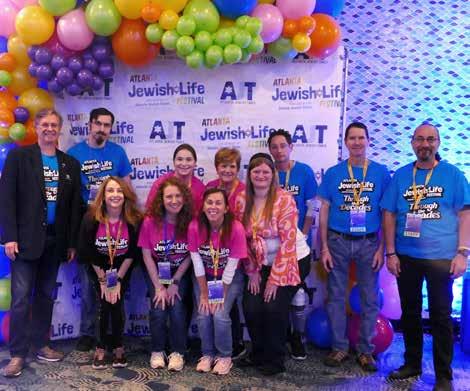
Thousands of community members gathered on March 1 in the Oceans Ballroom at the Georgia Aquarium for the seventh annual Atlanta Jewish Life Festival (AJLF).
As the festival coincided with Purim, guests were asked to don costumes from their favorite decade as part of this year’s festival theme, “Through the Decades.”
“The festival was a success with one of the highest attendance totals in years, with new activities for all ages,” said AJT Events Director Jacqueline Morris, “with

See you next year at the

tie dye for the kids and a young adult hangout and a raffle for the adults.”
There were plenty of fun activities for families as part of the Kids Zone, including face painting, making tie-dye T-shirts, crafting beaded bracelets and more. Artists sold their wares, including Judaica and woodworking, and food vendors offered kosher delicacies for hungry guests.
And, of course, dozens of local organizations, summer camps, and day schools were on hand for guests to interact with and learn about the programs and services they offer.
Musical performers included violinist Catherine Evergreen, who played at both the main stage and in the Aquarium’s Rotunda stage; arial artist Laura Polmear also performed as did Nick and the Grooves, and Rabbi Jake, with Ross DeMocko serving as emcee.
“We also were getting groovy while we learned some fun line dances,” Jacqueline added, highlighting the “Electric Slide,” “Macarena,” “Chicken Dance,” “Cha Cha Slide,” and the “Cupid Shuffle.”
And as for the attendees who decided to show up in special outfits … “We had an
amazing costume contest this year with great costumes,” Jacqueline said. “I even think I saw a kosher duck crash the contest and give out extra prizes to everyone.”
AJT Owner and Publisher Michael Morris shared, “I would like to thank the community for another successful Atlanta Jewish Life Festival. Everyone had a great time, the musicians, artisans, and vendors kept the communal vibe going and, as always, we are grateful for the continued support from Jewish Atlanta and our neighbors. I can’t wait to see everyone back at the Aquarium next year.”ì


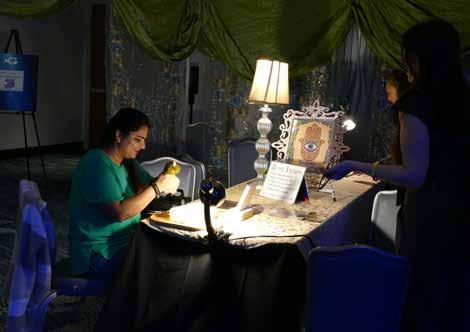






The 34th Annual Atlanta Purim Parade & Festival was held on Feb. 22. The parade down Lavista Road featured floats from several area shuls, both Atlanta Jewish Academy and Torah Day School of Atlanta, and additional organizations such as JScreen and the Sabra Riders. The parade concluded at the Beth Jacob parking lot, where everyone then gathered for a three-hour carnival, featuring rides, a petting zoo, arts and crafts, vendors, food and much more! ì
Compiled by AJT Staff







By Bob Bahr
The Marcus Foundation has donated $21.9 million to the Marcus Autism Center in Atlanta to create one of the most ambitious studies ever undertaken to explore what causes severe autism in children and to help develop more effective treatment for the condition. The five-year research grant will provide treatment for 7,500 children from birth to 12 years of age.
It’s estimated that nearly 27 percent of all children diagnosed with autism spectrum disorder meet the criteria for profound autism. They may have an IQ of 50 or less, have difficulty with everyday living, like dressing and personal hygiene, and be prone to self-injury and aggression. It’s estimated that more than 600,000 children in this country have the condition, which usually means they require around-the-clock care by their family. The Marcus Center typically sees more than 5,00 children each year, making it one of the country’s largest research and treatment centers for autism.
The study is being undertaken with the support of Emory University School of Medicine’s Department of Human Genetics and the neuroimaging center established by a partnership between Georgia State University, Georgia Tech, and Emory. The research will incorporate neuroscience measuring tools to discover how to impact the key factors leading to profound autism.
The Marcus Center is a part of Children’s Healthcare of Atlanta, which will provide additional support through its mental health and neurosciences research programs.
The program is being run by Ami Klin, the Israeli-born director of the Marcus Center, whose parents survived the Holocaust before moving to Israel. He directs the work of the Marcus Center, which is one of the nation’s most important treatment centers for autism. The late Bernie Marcus, who had a deep interest in how autism could be treated, recruited Dr. Klin over 15 years ago from Yale University where he was regarded as one of the world’s leading researchers in autism. According to Dr. Klin, the large grant will have a significant effect on the expansion of his work at the autism center.
“The goal is to enable precision medicine interventions that will accelerate learning, make symptoms less severe, and improve response to treatment in children with profound autism, and pos-
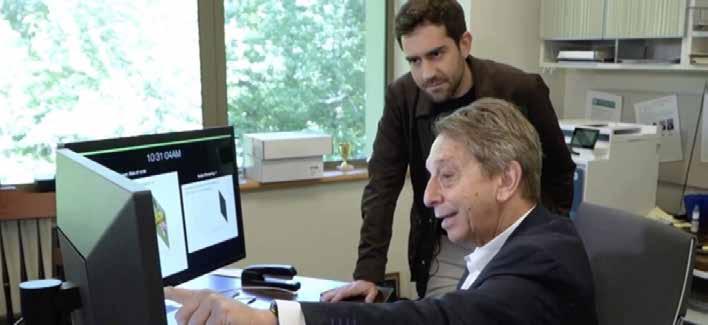

sibly even prevent profound disability from emerging in the first place,” he said.
The use of precision medicine in the treatment of autism is part of the rapidly growing trend to develop treatments that are uniquely created for a specific patient, often using information developed from a child’s genetic makeup. Targeting treatments in this way helps to position this research on the cutting edge of medical science and may eventually lead to therapies that could potentially prevent profound disabilities from ever occurring.
If successful, our research could usher in a new era of behavior-brain-genomic precision medicine,” Dr, Klin said, “to optimize outcomes of children in a community that cannot wait.”
Researchers hope to explore therapies that might be applied earlier in a
child’s life, as early as six months after birth. Early diagnosis can help to improve a child’s communication skills and create better social skills that might lead great independence and self-reliance.
Children with profound autism can generally expect to have a significantly shorter life span than the general population. Some research suggests that the average life expectancy for those with severe autism, which can be accompanied by chronic health conditions such as feeding and eating problems, epilepsy, and sleep issues, mean that those with severe cases may die as early as 39 years of age.
“Most treatments we have right now are behaviorally based,” Dr. Klin said. “By studying profound autism at multiple levels — in behavior, brain networks, and basic biology — one of the key goals is to
identify new biological targets for drugs and other therapies: to support learning and adaptability, to make symptoms less severe, and to promote better quality of life for children and families affected by profound autism.”
The new program is thought to be the largest scientific program ever undertaken to study profound autism in children, to predict its course in a child’s life and to develop treatments that are targeted to the individual. Led by Dr. Klin, researchers at Marcus Autism Center will study children from birth, before symptoms emerge, as well as before and after treatment is delivered.
“We hope to generate a moonshot factory of solutions for a community that carries the most severe symptoms of autism and has been underrepresented in autism research.”ì
By Marcia Caller Jaffe
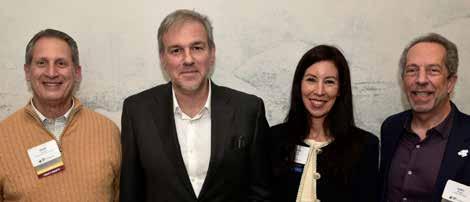
Around 100 Jewish National Fund (JNF) supporters welcomed Pulitzer Prize journalist Bret Stephens to Congregation B’nai Torah on Thursday, Feb. 12.
Stephens began by explaining that although he acknowledges the wide range of good works done by the Jewish National Fund, he still is sentimentally tied to planting forests and will continue to do so.
His most powerful point was contrasting Jews who are thriving vs. “Jewish thriving.”
He explained, “In Forbes Magazine’s successful professionals, five out of 10 were Jewish and, of course, we take pride in that, but the problem is in Jewish thriving - that our 3,500-year-old religion might not necessarily be passed on.”
He’s particularly concerned about
Jewish people themselves succeeded; Israel has both thriving Jews and Jewish thriving.”
He told the story of a hero in his 60s who drove into the line of fire on Oct. 7 and fought many terrorists and kept returning to rescue others and his own children and grandchildren.
Stephens does not see a gray area when talking about anti-Zionism vs. antisemitism. He said, “Zio is code for Jew.”
He contrasted ingratiation against respect. “Ingratiation does not us serve well enough. Einstein, prior to Hitler, made great contributions and look where that got us.”
In terms of Robert Kraft’s expensive Super Bowl ad, he implied that it was a waste of money and that “we need to stop portraying ourselves as victims.”
Stephens suggested that we re-create the publishing industry and referred to
reinvent education. “We need to give teenagers affordable, first-rate Jewish education.”
He explained the origin of his family — “a ‘goyish’ name like Stephens” — and their immigration path to the U.S. He wears a signet ring that is dedicated to a


community that leads with heart. A community that understands that caring for the land and people of Israel is not theoretical; it’s lived, lasting, and it matters.”
“Jewish National Fund-USA was there yesterday. We are there today. And

At a time when younger generations are often viewed as disengaged from philanthropy and communal leadership, Atlanta’s Jewish community is telling a different story.
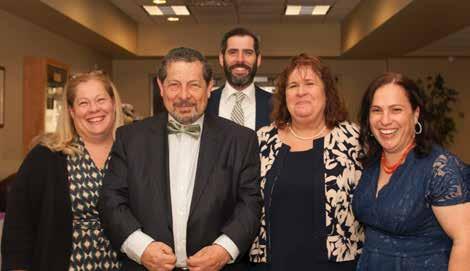
Jewish National Fund-USA’s Atlanta Board of Directors now includes four members of JNFuture, the organization’s young professionals group ages 22-40, reflecting a growing wave of young Jewish leaders who are actively shaping the future of Jewish philanthropy. Among them is Jacob Shmukler, a first-generation former USSR immigrant whose personal history and commitment to Jewish continuity have shaped his path to leadership.
Shmukler, who was born and raised in Atlanta after his family immigrated from the former Soviet Union in 1980, grew up immersed in stories of Jewish perseverance, resilience, and gratitude for the freedoms his family found in the United States. Those experiences, he says, shaped both his Jewish identity and a deep sense of responsibility to give back.
“My sisters and I were the first ones in our family to have bar and bat mitzvahs, to have Jewish weddings, to be able to go to synagogue,” Shmukler shared. “I understood from a very young age how blessed we are to be here, and that we have an obligation to protect and strengthen Jewish life, both here and in Israel.”
Shmukler joined Jewish National Fund-USA’s Atlanta Board in September 2025 after years of engagement as a donor and advocate. He currently serves as co-chair of recruitment for the organization’s annual Gladys & Jack Hirsch Breakfast for Dinner, an event aimed at showing solidarity with Israel and recognizing the work of Jewish National FundUSA in rebuilding and reimagining a stronger Israel. The major event was held on Sunday, March 15, and featured chef Lior Lev Sercarz, co-founder and chief culinary officer of the Galilee Culinary Institute by JNF.
Shmukler also serves on the Board of Jewish Kids Group (JKG), an organization focused on building Jewish life locally through aftercare and education, but he views Jewish National Fund-USA as a vehicle for strengthening Jewish life on a global scale.
“I think about Jewish philanthropy in two categories,” he explained. “Building Jewish life in America and building Jewish life beyond it. JNF-USA does the latter exceptionally well. I love that the dollars raised are going directly to com-

munities in Israel and being used responsibly and purposefully. That’s what motivates me to stay involved.”
As part of the Atlanta Board, Shmukler joins a growing cohort of young professionals and emerging leaders who are choosing to be public about their support for Israel and Jewish causes at a time when many feel pressure to remain quiet.
“There are far more young Jews who care deeply than people realize,” Shmukler said. “Many practice Judaism, talk about Israel at home, and surround themselves with their Jewish community, but it’s harder to express these things publicly now. Seeing more JNFuture members step into leadership roles shows that the next generation isn’t disengaged. We’re still committed; we’re just navigating a different environment.”
JNF-USA’s Atlanta Board reflects this evolution in multigenerational leadership, welcoming accomplished professionals in their 40s and 50s whose diverse experiences and perspectives strengthen the organization’s circles of impact. Through clear pathways to involvement, the organization continues to cultivate young Jewish leaders prepared to turn conviction into action. Other younger Jewish leaders chosen to serve on the Board are Meredith Sunshine, intown community leader; Adam Ginsberg, co-chair of the Atlanta Community Campaign; and Jordan Ross, National JNFuture Board member.
“Through our nominating process, we seek individuals — often next-generation leaders — who are ready to ‘dig in’ to advance JNF-USA’s vision,” said Andy Siegel, president, Jewish National Fund-Atlanta. “Jacob is one such board member. He has a passion for our strategic goals and is a sponge in wanting to
learn more. He has become a tremendous asset, alongside the other young leaders helping shape our Board.”
As young members expand their presence within Jewish National FundUSA’s Atlanta leadership, the message is clear: the next generation is stepping forward.
For more information about Jewish National Fund-USA, JNFuture, or leadership opportunities in Atlanta, or to register for the upcoming Gladys & Jack Hirsch Breakfast for Dinner, please visit jnf.org. ì
Compiled by AJT Staff











By Marcia Caller Jaffe
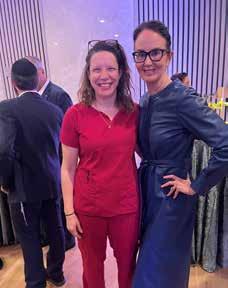
World famous chemist Dr. Raymond Schinazi, pioneer of antiviral research, dazzled a crowd of intellectual fans in an event sponsored by the American Jewish Medical Association on Monday, Feb. 23.
Rabbi Yale New, of Chabad of Toco Hills, spoke of prophet Isaiah’s hope for no suffering and the importance of scientific knowledge. Schinazi was saluted for his work which transformed HIV medication and led to cures for Hepatitis C. He stated, “I am looking forward to exploring medicine’s next frontier: eradication.”
Drawing on decades of work, his innovations have made a global impact. That night, Schinazi was awarded the prestigious 2026 Rambam Award for Jewish Excellence by Rabbi Ari Sollish. Schinazi was lauded for his career of being “dedicated to the betterment of humanity.” Rambam was a 12th century scholar and physician. The evening’s topic was “The Future of Medicine and the
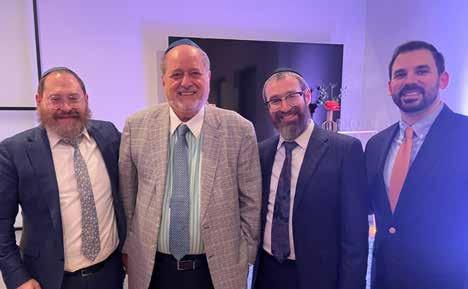
Opening comments by Dr. Yael Halaas, president of the American Jewish Medical Association, were somber, explaining how antisemitism is linked

to the medical profession. She began, “I don’t want to scare you, but beginning on Oct. 8, when campuses were in crisis, the healthcare industry was also contaminated. We are seeing it in various medical postings as existential threats like, ‘All lives matter, except for Zionists,’ Australian nurses endangered Jewish patients by delaying treatment.”
She recalled that doctors and nurses were early supporters of the Nazi party by stigmatizing and dehumanizing medical professionals. Prestigious publications like the New England and British Journals of Medicine contain propaganda: and the Palestinian Medical Association is very successful in raising millions. She noted the scarcity of Jewish students in medical schools. When she went to Cornell University, Jewish student enrollment was 20 percent; now, it’s closer to two percent.
In interview style with Keenan Davis, Schinazi revealed he grew up in Egypt, but hails from Italian descent. Historically, Schinazi shared that under King Farooq (1948), “Things in Egypt were going well. My city, Alexandria, had 15 shuls. [However], in 1962, it got unbearable for Jews.”
The family, which had nearly everything confiscated by the Egyptian government, headed to Naples, then off to Spain. There, he was influenced by great science teachers. When asked about his motivation, he recalled his mother’s “common” yeast infection (near her deathbed) was cured by “one tiny pill that a pilot smuggled over.” He declared, “I wanted to be that guy who developed the pill.”
Off to Yale University for his PhD, he understood as a chemist, the importance of pharmacology. Schinazi revealed that he had a notebook full of rejection letters because his ideas were “ahead of their time.”
One of Schinazi’s crowning achievements was being asked by Egypt to return after 50 years to solve their hepatitis outbreak. Because of dirty needles, Egypt had a tremendous problem as one out of six residents had contracted Hepatitis C. Getting the call from the Egyptian ambassador, Schinazi queried, “Will we get back our possessions?” He said, “They were also dying of liver cancer, an offshoot of hepatitis; and I wanted to help. I believe in peace through health. Now, the drug is over-the-counter” … a powerful circle in that Schinazi found the cure and found it cheaply.
Schinazi is looking towards research on inflammation which he thinks is important in not only HIV, but also fungus, bacteria, and viruses.
He said, “I believe a cure for HIV is possible; and gene therapy is progressing. There is something new every day that looks like science fiction. I’m optimistic that theoretically every disease could be cured. Science trumps politics.”
Showing his fun side, Schinazi mentioned that if he’s invited to attend scientific meetings/conventions, “they better have it in either Hawaii or Mexico.”
He also noted, “I like Christians and Muslims, but I’m most comfortable around Jewish people; and that’s why as a youth, I identified with Hillel; and although I’m not a big walker, I’ll walk miles to get to a kosher restaurant.” ì
By Lauren Menis
What does Atlanta business owner and mom of two Blair Green have in common with Oprah, Gwyneth Paltrow and Halle Berry? All are taking on the topic of menopause.
If you’re a woman in your 40s or 50s, you’ve probably noticed that menopause is everywhere, from social media to podcasts to celebrity interviews. And everyone seems to have opinions about what to eat, which supplements to take, how much weight to lift and what products to buy.
Despite all the information out there, or maybe because of it, there is a lot of confusion surrounding the topic. But Green, along with Atlanta doctors Mimi Zieman and Lillian Schapiro are here to help cut through the noise.
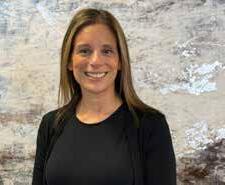
Green, who owns Catalyst Physical Therapy in Dunwoody and recently launched Not Your Mother’s Menopause, a program to help women navigate the perimenopause years, just turned 50 and is in “full on perimenopause.”
“I’ve had symptoms for four or five years. Subtle ones, not the typical hot flashes and night sweats but increased anxiety, all-over-the-place emotions, monthly headaches for probably seven years, joint pain out of nowhere. I’m waking up in the middle of the night,” she says.
Even with her background in women’s health (Green has been a physical therapist for the past 26 years and owns a women-only concierge practice) she did not initially realize her symptoms were connected to perimenopause.
“We hear so much about mood changes, sleeplessness, irritability,” says Zieman, an Atlanta OB-GYN and nationally known women’s health advocate. “But also, things are coming to light much more now, such as joint pain or other systemic bodily changes.”
To clarify, while the terms menopause and perimenopause are often used interchangeably, menopause is the moment in time when you haven’t had a period for a year. Perimenopause, however, can last for up to 10 years before menopause and occurs when a woman’s ovaries start to gradually produce less estrogen, causing hormones to fluctuate and triggering a host of symptoms.
“There’s no test that says you’re in perimenopause. Your blood work doesn’t tell you because your hormones are all over the place,” says Green.
Even more confusing is that there is


no uniform treatment.
“It’s very symptom-specific and woman-specific,” says Zieman. “A woman and her healthcare provider will discuss her particular health risks, conditions, any menopausal symptoms she’s having and then decide what the best treatments are.”
But amidst the confusion, there is hope.
One option that has gained renewed attention is hormone therapy, referred to as HRT (Hormone Replacement Therapy) or MHT (Menopausal Hormone Therapy). In 2002, after a landmark study found hormone therapy increased the risk of breast cancer, stroke and heart attack, many doctors stopped prescribing it. And while new research has found that the results were flawed, the stigma remains.
“Risk depends on the timing or age when women start hormones, as well as the type of hormone used and the dosage,” says Zieman. When women start hormones before age 60 and within 10 years of the onset of menopause, the “benefits often outweigh the risks,” she says. Add to this that today’s formulations of hormones are very different.
MHT is not for everyone. Women who have estrogen-sensitive cancers may not be candidates. And not every woman wants to take hormones. “If you can’t take estrogen,” says Schapiro, “There are other medicines that do the same thing.”
Finding a doctor who is up to date on the latest research is essential but can be difficult. Doctors, including OB-GYNs, get very little, if any, menopause training in medical school. Additionally, overall research into women’s health has been almost nonexistent, with medical studies historically being done on men and the results extrapolated to women.
The good news is that this seems to be changing. “I think we’re definitely moving in the right direction,” says Schapiro. “Women are not only talking about
it but being heard.”
When Green went to her longtime OB-GYN and asked about hormone therapy, she was told that because she wasn’t having classic symptoms, MHT would make things worse. She dove into the research herself and searched for a new gynecologist.
“I looked on the Menopause Society website,” says Green, referring to a directory of doctors who have been certified by the Society. Menopause guru Dr. Mary Claire Haver’s website, The Pause Life, also has listings of doctors by region. She looked on social media and asked around, eventually finding someone through a colleague.
“She acknowledged how I felt,” Green says. “She was willing to work with me.”
“You need to find a doctor who’s going to listen to you,” says Schapiro, adding that women must also listen to themselves. “By the time we get to menopause, women have been in their bodies for several decades and you know your body and how it’s changing. There are a lot of options out there and it’s not one size fits all.”
While medication is one part of

treating perimenopause, lifestyle changes play an important role, too.
“The more we can do in perimenopause, figure out the hormone situation, get you on the right type of exercise program, maximize your muscle strength, maximize your joint integrity, the better you’ll feel and healthier you’ll be later on in life,” says Green, who has her doctorate in physical therapy and has done extensive menopause research.
But she stresses that the approach must be realistic for each person. Lifting heavy weights, for example, “is the so-called gold standard” to prevent bone loss, says Green. “But if someone doesn’t want to lift a lot of weight, that’s OK. Something over nothing is most important.”
Schapiro concurs with some common-sense advice. “What everybody has to do is exercise and eat a healthy, wellbalanced diet.”
“Women shouldn’t have to suffer. There is help out there,” says Green.
“Embrace it,” adds Schapiro. “Think of it as the next chapter. It’s not the sequel. We’re still in the main book,” she says. ì


By Bob Bahr
When Yoel Levi answered a phone call last month, the voice from Israel was urgent and desperate. “Can you get on a flight to Tel Aviv tonight,” it asked. The caller explained that a guest conductor who was booked for a series of concerts with the Israel Philharmonic had cancelled at the last minute.
Perhaps the cancellation was due to talk of a U.S. military buildup in the Middle East or a personal emergency, but the orchestra was just three days away from an ambitious series of concerts. “We need you,” the voice from Israel emphasized.
Levi, who was having lunch with a member of Atlanta’s consular corps, agreed to begin preparations immediately. Booking a flight took another couple of days, and when he finally arrived at Ben Gurion Airport, he had only a dayand-a-half to prepare the orchestra for a week of concerts with the Swiss pianist, Francesco Piemontesi.
“The orchestra really took up the challenge,” Levi said. “Over the years, I’ve

developed good vibrations, a good relationship. They know what I can do, and what I expect from the performance, and they really responded in a way that was even greater than I had hoped.”
Making music in the shadow of a developing conflict is nothing new for Levi,



who was born in Haifa soon after the state of Israel was established.
“I grew up during the 1956 war, the 1967 war, the Yom Kippur war in 1973; even though I made my permanent home in Atlanta, I came back often, even during the tense period in 1991 when Saddam Hussein was threatening Israel with chemical weapons. The Israel Philharmonic used to call me their savior, because every time someone would cancel, they would say, come save us. And, for example, it was a very difficult situation in 1991. I was there four months but, luckily, Israel came through it well.”
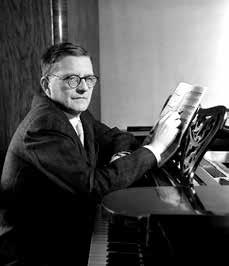
A highlight of his stay this time was conducting the Haifa Symphony in the “Symphony No. 11” of Dmitri Shostakovich, also known as, “The Year 1905 Symphony,” which also deals with armed conflict. In this case, it is the Russian uprising against the Czarist government that anticipated the Soviet revolution in 1917 and 1918.
It was composed in 1957, soon after the Hungarian attacks against the Russian occupation of their country. It has often been described as a musical work that honors the spirit of revolt to overcome tyranny. This was the first performance in Israel of the work in almost 70 years. Ironically, it coincided with ongoing protest last month in Iran in which it was said that at least 7,000 Iranians were killed there in the streets.
A review of the performance in Haaretz by the critic Ido Tamari called the performance a great personal triumph for the conductor. Tamari went on to write that Levi’s achievement in conducting the Shostakovich symphony was the very essence of orchestral leadership.
“For over an hour, he conducted
Shostakovich’s Symphony No. 11 entirely from memory, without a score,” Tamari wrote, “eliciting a breathtaking performance from the orchestra. To say he ‘conducted’ would be a dry, banal description; Levi commanded every musical phrase, every nuance, and every shift in mood.”
Despite all of the tension and anxiety in Israel prior to the war with Iran, the concert halls were filled during Levi’s stay in the country. Not only was their presence a testament to the artistry that Levi and his conducting achieved, it was, he believes, part of Israel’s attempt to come to terms with the immense pressures the nation has endured in recent years.
“Music that occurs in the concert hall gives people the chance they can, for a very short time, to relax a little bit, not completely,” Levi says, “but in a way that they can feel and listen to something that makes them happy. You come to a concert hall; you listen to Beethoven or to Brahms or Shostakovich. It doesn’t matter what you hear, the very act of listening makes life easier.”
With all that, Levi was able to enjoy all the accolades and still make the journey home on the last United Airlines flight just hours before Israel and the United States launched their first strikes against Iran.
It was an historic trip, perhaps unlike any he has experienced in recent years; its success has left him with a strong sense of having accomplished something important at an important time in history.
“It was not easy for me, and it is not easy for Israel. But hopefully, this war will change the life of people, everywhere and change it for generations.” ì
By Bob Bahr
The Atlanta Jewish Film Festival (AJFF) closed out its 26th season of screenings with “We Met At Grossinger’s,” an affectionate documentary about the famous hotel and the family who built the sprawling 1,200-acre resort of 35 buildings, where the dining rooms once seated 1,300 guests. In its heyday, it was known as “the Waldorf of The Catskills.” It had its own air strip, its own post office, and two golf courses.
This nostalgic look back at an American Jewish past that many of the younger members of the closing night audience may not have experienced themselves or fully appreciated is typical of what the AJFF does so well.
In his introduction to the evening’s program, Rabbi Brad Levenberg of Temple Sinai and president of the Atlanta Rabbinic Association and a former board member of the AJFF, paid an eloquent tribute to the role that the film festival plays in the life of Atlanta’s Jewish community.
“To sit together in this theater is not escapism. It is an act of community. It says that even when the world feels fractured, we choose connection over isolation. So, as we close this year’s festival, may we allow ourselves to be present to the film and to one another. May we carry compassion for those in harm’s way, may we remain clear about our values and generous with our humanity.”
“We Met At Grossinger’s” is not just about how couples of the era fell in love with each other in the mountains, it was a place where Jews could also appreciate the richness of their Jewish heritage.
At its peak in the 1950s and 1960s, Jennie Grossinger, the daughter of the resort's Polish immigrant founders, played host to 150,000 guests a year. They were served three kosher meals a day and a full menu of entertainment with such Jewish Borsch Belt celebrities as Mel Brooks, Jerry Lewis, Jackie Mason, and Milton Berle.
In 1955, after the sundown conclusion of Yom Kippur, Eddie Fisher and Debbie Reynolds married at the resort in the home of Jennie’s daughter, Elaine. Several years later, Fisher brought his next wife, Elizabeth Taylor, to the hotel for a vacation weekend as well.
Its success, which mirrored the success that Jews enjoyed in the post-World War II America, led to its affectionate description in a 1954 edition of Commentary magazine, then published by the American Jewish Committee. Commen-

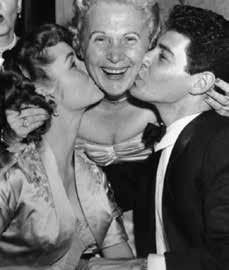
tary compared it to some of the most famous brands of the era.
It was described as a resort hotel “as Bergdorf Goodman is to department stores, Cadillac to cars, minks to furs, and Tiffany’s to jewelers.” With its thousand-person banquets, seders, and bar mitzvahs, it was a way many Jewish families in midcentury America marked their move up to the good life of the era.
The resort’s relatively sudden demise, which is also chronicled in the film, can be traced to changes in American life during the later years of the 20th century. The producer of the film, Robert Friedman, in his remarks after the film, chalked up the end of the Catskills era to the three A’s — air conditioning, airplanes, and assimilation.
In the 1970s and 1980s, the cool breezes of the New York mountains were less appealing to a generation that had moved to new homes in the suburbs or high-rises in the city that were cool all summer long.
With the rise of jet travel, the islands of the Caribbean were as close as the drive to the mountains and, as affluence, education, and acceptance grew for Jews, the need to come together in a community with your own kind grew less appealing,
The story of Grossinger’s decline is as sad as its rise was exhilarating. But there are signs that all has not been lost. The Grossinger’s property was sold, yet again, last year for about $15 million to a South Florida developer, which has plans and presumably the capital to recapture some of the glory of the past.
One of the principals in the creation of the documentary has signed on for a scripted series about Jennie Grossinger
and her daughter, who took over the hotel during its last years. There’s even a sequel to “Dirty Dancing,” which was set in The Catskills, in the works, that’s being produced by the film’s star, Jennifer Grey. They are all betting that fans of the
hit Amazon series, “The Marvelous Mrs. Maisel,” and the interest in escaping congested big city life that was spawned during the pandemic will breathe new life into The Catskills. And that a new generation will meet at Grossinger’s again. ì

By Marcia Caller Jaffe
The Dupree building in Sandy Springs is a 140,000-square-foot campus designed to support Jewish learning and collaboration to support a thriving Jewish community. The building includes: conference and meeting rooms for lectures, classes, and large-scale programs; dedicated nonprofit office suites, meeting rooms, and shared workspaces; a kosher staging kitchen to support communal events; and a fitness center serving building tenants. In the near future, a kosher café (Honey & Challah) will be open for informal gatherings and connections.
The space and concept were the brainchild of philanthropists David and Helen Zalik along with a group of driven community members “on a mission.”
Joel Marks, Robert Arogeti, Michael Karlin, and Staci Brill serve as stewards of vision, governance, strategy, and implementation, helping shape direction. Additionally, a team of professionals oversee daily operations, programming, partnerships, and execution, translating the vision into reality.
Marks said, “We are united by a shared mission: to build a place where Jewish learning, connection, and action are not abstract ideas, but part of daily life. What surprised us most was the speed and scale of interest. The challenge was not attracting people to the programs or to the building — it was keeping pace with the community’s appetite for substantive, engaging Jewish and Israel content, shared space, and meaningful connection.”
Scaling thoughtfully while maintaining quality, depth, and purpose has been their central focus. Because of de-

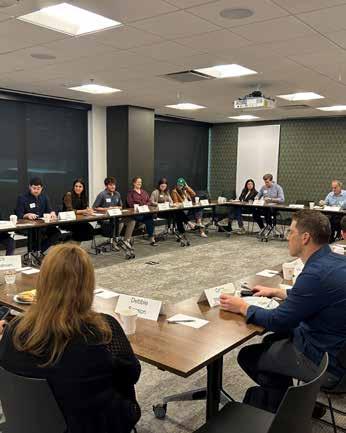
mand, plans for additional buildouts are underway.
When The Dupree was purchased less than two years ago, the building was approximately 60 percent empty. Now, The Dupree is full and active nearly every weekday and evening, with programming, meetings, and community use. What stands out is not just individual programs like Lunch & Learns, but rather The Dupree’s commitment to a strategy of teaching deep ideas, incorporating personal reflection, and offering calls to

action. They have hosted nationally recognized Jewish and pro-Israel thought leaders, multi-week series that dive into various topics, and discussions about Jewish identity, particular Jewish values, and Israel. In June of last year, Atlanta Jewish Times sponsored a dual piano concert benefiting the fight against Alzheimer’s and supporting Emory Brain Health. ORT hosted a scotch tasting benefit; and an Oct. 7 survivor spoke at an antisemitism training event for teachers who work with teens.
Although leaders eschew the comparison to New York’s 92nd Street “Y,” Brill stated, “The Dupree is attracting attention from Jewish communities across the country as a new model that could be replicated or adapted. We have created a place of intellectual seriousness and Jewish vitality that is shaped by today’s realities. The Dupree’s programming aims to bolster Jewish identity and promote meaningful connections to Israel. We believe The Dupree’s mission is distinct and urgently relevant.”
The building is structured to support commercial tenants and Jewish organizations with spaces that facilitate organic collaboration. It’s home to many Jewish organizations, and the first floor supports programs and meetings. The lobby and lounge were designed to feel welcoming and facilitate community.
The upper floors house Jewish nonprofit organizations, including the Jewish Federation of Greater Atlanta, Hillels of Georgia, and a range of others alongside commercial tenants. The attractive “hip” lobby features swinging benches along the sides and versatile set up options. The design of the conference areas opening soon will allow the spaces to be reconfigured for multiple purposes, from large presentations and programs to smaller, more intimate gatherings.
Looking out five years, Marks sees The Dupree as a firmly established national model for Jewish thriving, a destination for substantive, meaningful Jewish and Israel education, a daily crossroads for Jewish professionals and community members, and a place where ideas consistently turn into action.
Marks concluded, “With expanded conference space, a thriving kosher café, and a growing network of organizations and participants, The Dupree will continue to strengthen Jewish identity, connection, locally and beyond.”
Space at The Dupree can be rented for Jewish communal use like education programs, board meetings, and Jewish conferences. They don’t rent spaces for simchas or individual/personal use. Ample free parking is a plus. For more information and list of upcoming programs, please visit https://thedupree.org ì







Birthright volunteers recently joined the team of Livnot U’Lehibanot for a hands-on volunteer initiative in Kiryat Shmona.
Birthright volunteers recently joined the team of Livnot U’Lehibanot for a hands-on volunteer initiative in Kiryat Shmona. Together, they cleaned, renovated, and painted a public shelter in one of the city’s neighborhoods as part of a broader municipal effort to rehabilitate shelters throughout the city.
March 15, 1972: Jordan’s King Hussein proposes a Jordanian-Palestinian federation encompassing the West Bank and Jordan under his monarchy, with a regional capital in East Jerusalem and national capital in Amman.
March 16, 2017: In the first use of the MK Impeachment Law, Basel Ghattas, an Arab member of the Knesset for the Joint List, signs a plea deal on charges he used his position to smuggle cellphones and documents to prisoners.

March 17, 1921: Meir Amit, who builds the Mossad into a renowned intelligence agency, is born in Tiberias. A career soldier who joins the Haganah at 15, he is appointed to head the Mossad in 1963 and stays until 1969.
March 18, 1974: OPEC ends the oil embargo it had placed on the United States the previous fall for resupplying Israel during the Yom Kippur War. The embargo quadrupled gasoline prices and produced long lines at U.S. gas stations.
This work carries deep historical resonance. During and following the Second Lebanon War in 2006, Livnot U’Lehibanot renovated approximately 120 shelters in Kiryat Shmona over the course of two years. Many were in extremely poor condition — burned, lacking flooring, electricity, or plumbing. In cooperation with municipal authorities, several were restored and transformed into community clubs for children, youth, and adults, becoming active and safe communal spaces.
This is a challenging period for Kiryat Shmona, as residents return after evacuation and continue to navigate the effects of the war. Projects like this not only repair physical spaces but also send a clear message that the community is not alone.
Compiled by AJT Staff

The Faivelzon family, four children aged 2 to 7, dressed as an entire MDA team, mirroring their parents’ roles as emergency responders. “The children live and breathe MDA 24/7,” their parents said.
As Israel continues to face ongoing missile attacks and wartime challenges, a different kind of superhero custom could be seen across the country this Purim: miniature Magen David Adom (MDA) paramedics and EMTs. Many of the chil-

dren who chose the MDA uniforms for their costumes this year have something special in common: their parents serve on the front lines of Israel’s national emergency medical service.
For the families of MDA, Israel’s national ambulance and emergency medical organization, service is a way of life. and this year, their children chose to honor that. Beyond costumes, MDA’s youth volunteers marked the holiday by delivering gift baskets to elderly residents, soldiers, hospital patients, and young children, embodying the organization’s humanitarian mission, especially during war.
Since the start of the war, MDA teams have responded to missile strikes in civilian areas across Israel, treating trauma victims and rushing the injured to hospitals under fire.
March 27, 1839: A mob attacks the Jewish district of the Iranian city of Mashhad. The rioters kill 30 to 40 Jews, burn the synagogue, loot homes and abduct children. Nearly 2,400 Jews are forced to convert to Islam.
March 19, 1999: Playwright Hanoch Levin’s final play, “Requiem,” opens at the Cameri Theatre of Tel Aviv. The play is based on three short stories by Anton Chekhov. Levin dies of bone cancer at 56 later in 1999.
March 20, 1917: Yigael Yadin is born in Jerusalem. After becoming the second IDF chief of staff in 1949, he retires in 1952 and turns to archaeology. His excavations include Masada, Hatzor, Megiddo and the Dead Sea caves.
March 21, 2016: The Jewish Agency secretly brings 17 Yemeni Jews to Israel, completing an effort in recent years to sneak out roughly 200 Jews amid a civil war. About 50 Jews are the only remnants of a 2,500-yearold community.
March 22, 1988: The Knesset repeals a British Mandate-era law banning sex between people of the same gender and thereby legalizes homosexuality in Israel. The repeal is the culmination of a 10-year legal struggle.
March 23, 2016: Aharon Megged, who won almost every literary prize in Israel, dies in Tel Aviv at age 95. He wrote 35 books, as well as plays, skits and articles, and nurtured such writers as A.B. Yehoshua.
March 24, 1966: An instructional program in math targeting seventh- and ninthgraders in 32 schools becomes Israel’s first TV broadcast, 10 years after Jordan and six years after Egypt launched domestic television channels.
March 25, 2019: A rocket destroys a house in Mishmeret, so the IDF bombs suspected Gaza military locations. Thirty rockets then are fired from Gaza into southern Israel. Egypt brokers a ceasefire to prevent an all-out war.
March 26, 1979: Six months after signing the Camp David Accords, Egyptian President Anwar Sadat, Israeli Prime Minister Menachem Begin and U.S. President Jimmy Carter sign the Egyptian-Israeli peace treaty.

March 28, 1932: The first Maccabiah Games begin with athletes from 18 countries (some sources say 14 or 21) in Tel Aviv. The Maccabi World Organization grows out of a federation of Zionist sports clubs established in 1903.
March 29, 1967: Writer Yitzhak Dov Berkowitz, who translated the work of his father-in-law, Sholem Aleichem, into Hebrew, dies at 82. In his own writing, he mixed tradition and modernity and helped bring realism to Hebrew.
March 30, 1976: Protests over the planned government seizure of Arab land in the Galilee turn into deadly riots that are commemorated annually as Land Day, the first widespread Arab demonstrations in Israel.
Items are provided by the Center for Israel Education (israeled.org), where you can find more details.

By Rabbis Sam Trief, Rachael Miller, and Loren Lapidus
When most people begin rabbinical school, they may imagine late nights with Talmud, spirited debates about theology and Israel, and learning to lead prayer from the bimah. They probably do not imagine meeting their husbands in Jerusalem and eventually moving to Atlanta.
And yet, for Rabbi Loren Filson Lapidus, Rabbi Rachael Klein Miller, and Rabbi Sam Trief, that is exactly what happened. Loren, Rachael, and Sam are all graduates of Hebrew Union College–Jewish Institute of Religion. While they were in school at different times and on different campuses, they all ultimately landed in this amazing city of Atlanta, we call home.
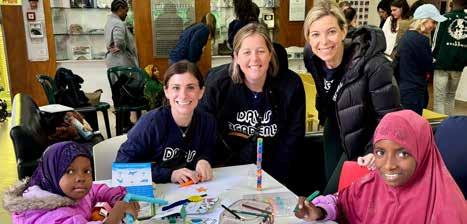
What they always did imagine, though, was raising Jewish children deeply rooted in community and learning, children who would grow up loving Torah, Israel, and the Jewish people. How fitting that all three now have children at The Davis Academy. And how extraordinary that this shared chapter would lead to something historic: bringing Davis L.O.V.E. to Israel together.
At a pivotal moment in Israel’s history and in the school’s own history, a grassroots effort led to a first-of-its-kind trip: 23 Davis moms traveling to Israel, led by three rabbi moms representing Atlanta’s three largest Reform congregations, along with Amy Shafron, head of school at The Davis Academy. The experience was rooted in two guiding themes: strengthening bonds among mothers and bringing Davis L.O.V.E., Living Our Values Every Day, to Israel.
On Jan. 31, amid threats of snow in Atlanta and a possible escalation with Iran, the group boarded their flights and hit the ground running. Over the course of the week, they toured women-owned businesses, volunteered with Leket and Save a Child’s Heart, met Reform women rabbis, heard from Tal Schneider of The Times of Israel about the political climate in an election year, visited periphery communities near the Gaza Strip, and learned from Dr. Cochav Elkayam-Levy about her advocacy for Israeli women and children at the United Nations. They welcomed Shabbat at Azrat Yisrael, the egalitarian prayer space at the Kotel.
The group reflected the beautiful diversity of the Davis community. For some, it was a first trip to Israel. For oth-


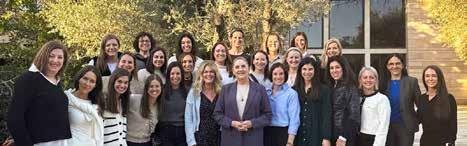
Walking the streets of Jerusalem, The Davis Academy delegation ran into a “familiar face” - perhaps a “cousin” of the Davis Lion mascot!
ers, it was a return layered with meaning, traveling alongside the rabbi who had sponsored their conversion years earlier, or revisiting the country decades after an eighth-grade Davis trip, now as mothers raising children together. For all, there was a shared purpose: to connect, to witness, and to experience Israel as a community.
For the three rabbis, co-leading this journey was a rare gift, an opportunity to share “our Israel” through personal stories, rituals, reflections, Shabbat, and Havdalah, while standing not only as rabbis but also as mothers. As Meredith Lefkoff shared, “Being at the Kotel on Shabbat was so meaningful. Being completely alone, just us, and having a beautiful service together brought even more connection to this special group.”
They were honored to visit Israel’s First Lady, Michal Herzog, at the President’s Residence. In what felt more like a conversation among mothers than a formal meeting, she spoke about supporting bereaved families and prioritizing mental health for a nation carrying deep trauma.
As Leah Davis reflected, “We heard firsthand how challenging the past few
years have been for the Israeli people and will hold them in our hearts back in Atlanta.”
The group’s time with Israeli mothers left perhaps the deepest imprint. In Tel Aviv, they met women balancing military service, reserve duty, and parenting amid ongoing uncertainty. Their honesty about fear, exhaustion, and resilience resonated profoundly with the group as fellow moms. Amy Robinson shared after, “One response stayed with me more than any other. A mother of two sons in the army telling us to lean into our own communities to support one another.”
Traveling south to Kibbutz Nir Oz, the group walked through devastation with Rita, who lost family members on Oct. 7 and later in captivity. Her strength was staggering. As Robbi Hoff said, “She has lost so much, yet she has so much strength. It puts many things in my life into perspective.”
They visited the Bibas family home and later met a resident overseeing the replanting of the fields, a quiet but powerful symbol of renewal.
At the Nova festival site, the group stood among memorials lovingly tended by grieving families. We then visited
Eden 51, a trauma center supporting women survivors and soldiers. Hearing from a 26-year-old officer who led a battalion door-to-door in kibbutzim was sobering. Yet knowing that spaces like Eden 51 exist reminded the group that healing, too, is part of Israel’s story.
At Hostage Square, just one week after the final hostages had returned home, the group encountered a volunteer taking down flags and posters. We joined her. What began as a small act of help became a sacred moment of transition, closing one painful chapter while carrying its memory forward. They brought several of those flags home. Two will remain at The Davis Academy as keepsakes and reminders of this chapter in Jewish history.
Davis L.O.V.E. reflects the values that shape our children’s lives: ruach (spirit), chochmah (wisdom), tzedek (justice), kavod (respect), and kehillah (community). On this journey, the group saw those values reflected in Israel, in its resilience, its courage, and its people.
They brought back hope. They brought back connection. And they return to Atlanta recommitted to living those values every day. ì
By Ronit Franco-Pinsky
The lives of Jewish people and Israelis changed forever on Oct. 7.
One couldn’t have imagined it happening even in our worst nightmares. Faith, trust, and safety shattered in ways we could never have fathomed.
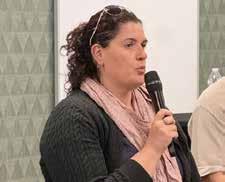
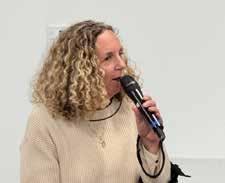
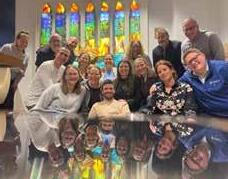
The AJT interviewed the delegation from Kibbutz Nahal Oz and its Oct. 7 survivors. On a visit with the Jewish Federation of Greater Atlanta on Feb 24, the AJT met with two extraordinary women, Noami Petel Adler and Michal Magen. Adler is a registered nurse who serves as the director for events and culture, while Magen is the community recovery director.
The purpose of the visit was to meet the Atlanta Jewish community and personally thank them for the enormous help and support that was offered to the kibbutz, shortly after the atrocities of that Black Saturday. As the government entered a state of shock, immediate help was needed. Mismhear HaEmek Kibbutz in northern Israel had accepted all the evacuated residents from the decimated kibbutz and provided shelters and support. On Oct 8, Federation reached out and asked what the basic needs were and the long-term needs. After a brief assessment, the kibbutz outlined what assistance they received from the government, from private sectors and donors, so the Federation could cover the gaps.
Federation adopted the kibbutz for three years, a partnership that tremendously helped their recovery: providing essential needs, mental health support, and sponsoring a special memorial service. For this small community of 420 members, it was important to mourn and grieve together for their friends and
family whom they lost on Oct. 7. Fifteen members were murdered and eight were taken hostage. The two hostages were Omri Miran and Tzachi Idan, who was killed in captivity and whose body was later returned. IDF soldier Matan Angrest was captured from the Nahal Oz base and was kept in the Gaza tunnels for more than two years.
This kibbutz suffered fewer losses than others on the Gaza border largely due to the heroism of its security team, who fell defending their community, and the soldiers from the nearby Nahal Oz base who immediately joined the fight. A small group of soldiers managed to hold off and eliminate hundreds of terrorists, though many soldiers lost their lives in the battle.
The delegation’s stories are nothing short of a horror movie and impossible to comprehend. Their morning on Oct. 7, began at 6:29 a.m. As the closest kibbutz to the border — only half a mile away, they were targeted first. Adler recalled waking up to loud sirens, gunshots, and people shouting in Arabic, “Allahu Akbar.” At that moment, she and her hus-
band realized that terrorists had infiltrated the area, but they had no idea of the scale of the attack. Magen was the first to call Ilan, the head of security, shortly after 6:30 a.m., urging him to send help. The situation was so surreal that Ilan asked her three times if she was sure. From her window, she could see the terrorists at her next-door neighbor’s house. One can hardly imagine the fear and agony these women felt for themselves and for their families.
Adler’s three young children were asleep in a safe room. Their lives were saved by what she calls a true miracle. The terrorists shot at the door and jammed the lock but could not break in and eventually moved to the next house. They stayed in the safe room for 19 hours, struggling to remain safe and sane with little food or water.
To their astonishment, a mob of Gazan civilians — not linked to Hamas — stormed the kibbutz, including men, women and children as young as five. They broke into homes, stole, vandalized property, set cars on fire, and smashed windows and doors. Residents described
them as abusive and terrorizing, with no one stopping them. Their hatred was so extreme that it reinforced the belief that there were no innocents in Gaza. On Oct. 7, they cheered and celebrated the deaths and atrocities.
Adler and Magen noted that in rebuilding their lives and homes, the hardest part was establishing a routine for the children. Restoring their homes and managing daily life left them overwhelmed. The uncertainty of the future caused constant, unbearable stress.
The trip to Atlanta gave the delegation an opportunity to meet the Federation team, see their incredible work for Nahal Oz, and connect with the larger Jewish community which has supported them since Oct. 8. Their love and support were not taken for granted. Today about 55 percent of residents have returned to the kibbutz full-time, while others waited or decided not to return. While the Israeli government helped with some rebuilding, the support from the Jewish Federation of Greater Atlanta was incomparable. This partnership and friendship will be everlasting. ì







By Sasha Heller
Nir Lahiv always knew he was going to be a farmer in Israel. He was raised on a kibbutz and always maintained a spiritual connection to his homeland.
However, he could have never known that he would one day found a rehabilitative farming community comprised of former IDF soldiers, their families, psychiatrists, social workers, and volunteers that would serve as a bastion for those struggling with Post-Traumatic Stress Disorder (PTSD), offering a peaceful and serene environment to tackle mental health issues while also enriching a connection to Mother Nature and Israel.
“Farming was a very big part of my life,” Lahiv said. “Being outside on the land is very therapeutic. And I knew it’s social, helping others.”
Ruca’s Farm is named after Nir’s mother, Ruca, who was born in Argentina post-World War II in one of the “Jewish Cowboy” colonies that were established to assist Jews in escaping the Nazis.
His mother eventually immigrated to Israel and established a kibbutz as well as a connection with the Jewish State. Ruca’s Farm honors his mother’s legacy.
“The project is remembering the giants, the idealists, the pioneers who built the country, and have the right values of working the land. We’re trying to walk in their huge steps.”
In 2021, with the idea of founding Ruca’s Farm, Lahiv selected a location in the south that was relatively close to metro areas. The land was donated and when Lahiv’s new neighbor found out about the plan for the farm, the neighbor also donated land, bringing the total area to five acres.
Lahiv had no intention of making the operation for profit.
“Some people say it’s in the stars … but I made a decision,” he said. “I sat with my wife, and she supported that I am now going to do it as a volunteer project.”
Originally, the idea was to take in older Ethiopian immigrants. However, when Lahiv met with a friend who was involved with PTSD treatment, the vision for the farm evolved.
Construction began in November 2022 as they built the farm, greenhouse, dining hall, and rooms for social workers and treatment.
On Jan. 15, 2024, Ruca’s Farm accepted its first cohort of eight IDF veterans struggling with PTSD. Since then, they have treated 24 cohorts and approximately 250 vets. Each cohort lasts 10 weeks with clients coming to the farm


one day per week for nine hours. The mornings consist of working outside, either in agriculture or with the farm’s beehives. In the afternoons, the clients meet with social workers and mental health professionals for treatment. Yoga and acupuncture are also offered.
“We are trying to provide tools for a normative life,” said Lahiv. “PTSD does not go away. The good news is you can live with it until 120 – a normative life.”
Ruca’s Farm offers multiple treatment tracks: veterans with PTSD; spouses of veterans with PTSD; group sessions for couples; and veterans without PTSD who need help adjusting after their service ends.
Yotam Babash, 24, in his words, had a typical childhood in Tel Aviv.
“I was a normal kid, from a good home and nice neighborhood,” he said.
Babash originally studied in the Navy but decided he wanted to serve in the Armored Corps instead.
“I wanted to be in the tanks in the desert,” he said, so he completed basic training in the tank brigade. He later completed the commander and officer course and was assigned as platoon commander.
His platoon had been stationed near the Gaza border since August 2023, approximately halfway between the site of the Nova music festival and Kibbutz Be’eri. On Oct. 7, his life would change forever as Hamas executed its coordinated attacks on the festival and multiple kibbutzes across Israel.
Babash shared, “We weren’t sur-
prised that it started but we surprised at the scale.”
During the attack, Babash was in the platoon’s tank with fellow soldiers when a drone dropped a hand grenade from above and blew up the front of the tank.
“I could see from inside the tank that the outside was covered in flames and the tank was destroyed,” he said. “But we had to keep fighting because of the terrorists.”
Babash and his unit defended themselves with guns and cannons for two hours, killing more than 100 attackers. However, half his platoon would perish.
At 8:14 a.m., he decided to abandon the tank and aimed to migrate five kilometers to Kibbutz Be’eri. Along the way, Babash realized he was not going to reach the kibbutz safely, so he found a spot near a river and hid with a few of his unit members in a set of bushy eucalyptus trees.
Three hours later, a fellow soldier operating a tank found Babash and picked him up. As they drove through Kibbutz Sa’ad, they fought off terrorists and ended up saving the community.
By 2 p.m., they had made it to the Nova festival site.
“No one was alive,” he said. “Everything was burned, melted cars.”
Something broke in Yotam that day.
After a couple of months, Babash’s commander recognized he was struggling with his mental health, so he was referred to observation where he was diagnosed with PTSD. Babash didn’t want to see uniforms as he had lost half of the soldiers in his unit. After three months of treatment, Babash returned home but he
was still not quite right.
“I really felt alone even though I was surrounded by loved ones,” he said, adding that he would stay isolated in his room and his body would shake. “I really didn’t understand what happened to me.”
When Babash found about Ruca’s Farm, he was initially hesitant to continue treatment there. However, with some convincing by his mother, he decided to start volunteering as part of his treatment. He quickly came to appreciate his time there.
“It was so quiet … and fresh air … and everyone was so kind to me,” he said. He returned for a second day a few weeks later and was hooked, realizing it was exactly what he needed to feel “normal” again. Working on the farm helped cure his sleeplessness as he had been overwhelmed by nightmares. Eventually, Babash acquired a license to drive the farm’s tractor and was later named the agriculture manager. His role also expanded to helping integrate new clients onto the farm.
“I really enjoy being there,” he said. “It really saved my life. I feel comfortable and confident and I’m breathing fresh air all day.”
Ruca’s Farm relies heavily on financial donations. There are several ways to support the organization: either via debit card, bank transfer, personal/trust/foundation checks, charity accounts, or gift cards. All donation info can be found at myisraelcharity.org/ways-to-donate.
For more information about Ruca’s Farm, please visit myisraelcharity.org/ rucas-farm. ì
By Gil Zohar
On April 11, 1909, 60 families gathered on the beach north of Jaffa to draw lots for the parcelization of the sand dunes they hand purchased north of the ancient port. Israel’s Mayflower moment has been much mythologized, but one thing is clear – those garden suburb pioneers were clueless about urban planning. They turned their backs on the site’s most notable feature — its iconic Mediterranean beach.
The village the founders initially named Ahuzat Bayit (Homestead) and today called Tel Aviv grew haphazardly, house by house — with an interruption during World War I (WWI) when the Ottoman Turks expelled the newly established town’s Jews. In 1921, following the arrival of the British during WWI and the replacement of their military rule with a civil administration, the growing suburb was granted township status separate from the neighboring Arab majority city of Jaffa.
It soon became clear that the township’s slapdash growth needed to be regulated. Into this planning chaos stepped Sir Patrick Geddes (1854-1932), a Scottish-born polymath who was at once a biologist, sociologist, landscape theorist, and pioneering urban planner. A century later, the 62-page master urban plan he drew up remains among the most important documents in the history of the first Hebrew city. Liebling Haus — an architectural and cultural center located in downtown Tel Aviv, recently opened the exhibit “Life, Plant, City: 100 Years of Geddes’ Plan for Tel Aviv’s Garden City,” documenting how that vision continues to shape the city’s urban fabric.
In 1925, Geddes — who earned a reputation for his urban planning in 18 cities in British India — was invited by Tel Aviv’s mukhtar, Meir Dizengoff, to prepare the first master plan to guide the town’s growth. (Tel Aviv achieved city status in 1934.)
Geddes believed that cities were living organisms, shaped by the interplay of nature, society and culture. This holistic approach — unusual for its time — made him particularly attractive to Zionist leaders who envisioned Tel Aviv as both a futurefacing modern metropolis and a cultural project rooted in Jewish history.
His plan was deeply influenced by the Garden City movement, but Geddes adapted it to the climate and social context of the Levant. It emphasized shaded streets to mitigate the Mediterranean heat, wide boulevards that encouraged airflow and social life, and parks and squares as communal anchors. Human-scale residential blocks arranged around shared green spaces and

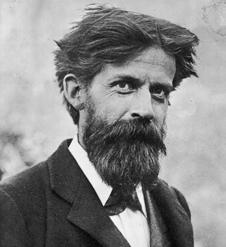
courtyards.
Geddes’ plan for a modern city extended Tel Aviv north from its early neighborhoods to the Yarkon River. It was delineated by the Mediterranean Sea to the west and what is now Ibn Gvirol Street to the east. Into this flat and featureless space, Geddes laid out a skein of streets with a clear hierarchy. Main north–south and east–west arteries allowed for speedy movement across the city. Secondary streets were narrower and designed for local circulation. Small residential lanes fostered neighborhood intimacy.
The goal was to create a walkable city that balanced efficiency with livability.
Geddes’ plan also contained what later scholars have identified as anarchist or cooperative elements. It emphasized workerled housing blocs and resisted speculative land practices. These ideas resonated with the social and economic conditions of Tel Aviv in the 1920s and 1930s when workers wanted architecture that reflected their egalitarian values.
Although Geddes’ plan was not executed in its entirety, its core principles shaped the development of the White City, which was recognized as a UNESCO World Heritage Site in 2003. By the 1930s, Tel Aviv had some 4,000 blindingly white Bauhaus-style buildings constructed within the distinctive blocks, boulevards and public gardens Geddes laid out.
“Bauhaus” was a school of arts, crafts and architecture that operated in Germany from 1919 to 1933. The rise of the Nazi Party led to the shuttering of the academy. Many of its students fled Nazi Germany, and some settled in Mandate Palestine. There they created a revolutionary, streamlined architectural style that suited the modernist ethos of Zionism. Some 60,000 Jews left Germany and Austria for Mandatory Palestine, including architects who didn’t study at the
Bauhaus school but were greatly influenced by its style.
Tel Aviv’s amalgam of Bauhaus, also called International Style, buildings arose from a happy accident of historical coincidence: first came Geddes’ revolutionary town plan; then, the wave of mass Aliyah triggered by the Nazis’ ascent to power in 1933 triggered an urgent demand for housing; and thirdly, the International Style’s lack of expensive decorative features made construction costs relatively low. For Yekke newcomers, many of whom had to leave significant assets behind in Germany, low construction costs that didn’t sacrifice style were a major draw. The streamlined design with porthole windows, curved walls and balconies was a snub to the values of Central Europe which the newcomers had barely escaped.
“One thing that made it easier to adopt the International Style in Tel Aviv was the fact that it was very simple, for a society that couldn’t afford affluence,” Eran Neuman, an architecture professor, explained to Artsy. “On the one hand, it was pristine; on the other hand, you didn’t need a lot of money to build an International Style building.” No decorative tiles or ornamental plasterwork meant cheaper construction that could be executed by less-specialized craftsmen.
Liebling Haus, built in 1936, is an iconic example of this architectural era. While not designed by Geddes, it manifests the urban environment his plan made envisioned. The house’s clean lines, functional design and integration with the surrounding streetscape reflect the synergy between Geddes’ urbanism and the architectural modernism that followed.
A Bauhaus landmark built in 1937 at 123 Yehuda Halevi St. in Tel Aviv was heavily
damaged by an Iranian missile on Feb. 28. That strike on the first day of war destroyed the adjoining more modern building, killing Filipina caregiver Mary Anne Velasquez de Vera, and wounding more than two dozen others.
“No one can live there right now,” architect Alon Bin Nun told the Times of Israel. Bin Nun, whose firm handled the apartment building’s restoration more than a decade ago, noted, “All the windows are broken; it’s uninhabitable for the moment.”
The ground floor cafe, Grasyani House, a beloved neighborhood bakery and coffee spot, was also destroyed in the missile blast.
The Home Front Command determined that a complete Iranian ballistic missile — not fragments — impacted next to the apartment building, causing extensive damage and a large crater. The missile carried a warhead of several hundred kilograms, the Home Front Command assessed.
“These houses were more than concrete and balconies,” wrote Tel Aviv’s Bauhaus Center on Instagram. “They were symbols of survival, modernity, and the rebuilding of life in Tel Aviv — the White City. Their clean lines and simple forms carried a powerful story: architecture as refuge, architecture as hope. We mourn the loss of this cultural heritage and stand committed to preserving the memory and values these buildings embodied.”
The building was originally constructed for Fruma Gourevitz, whose descendants still own much of the property, said Bin Nun. The first three floors of the building are family-owned, and some of the Gourevitz’s heirs still live there.
The Gourevitz building is located near the intersection of Yehuda Halevi and Shenkin Streets, across from a city park and part of the original streets of Ahuzat Bayit, the initial core of Tel Aviv that eventually expanded to today’s metropolis. ì
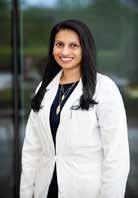
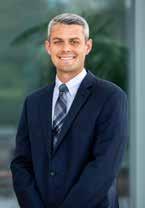
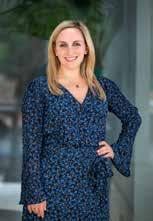



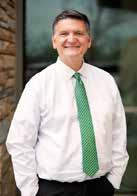
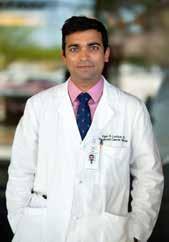


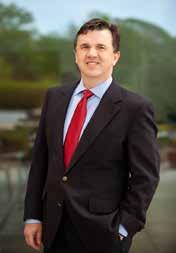

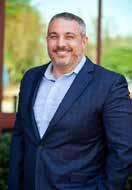
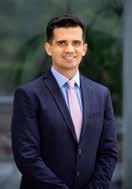
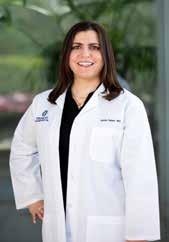

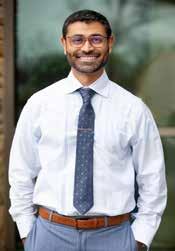
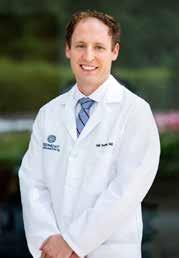



David Ostrowsky
As if competing in this week’s World Baseball Classic (WBC) against teams stacked with perennial AllStars and future Hall of Famers and backed by disproportionately larger and more vocal fanbases weren’t difficult enough, Israel, participating in its third consecutive WBC, this time against the backdrop of grave geopolitical issues, had to press ahead with a complicated offfield narrative tethered to its program.
During his press conference leading up to Game 1 against Venezuela at loanDepot park, customarily the Miami Marlins’ home ballfield, Israel manager Brad Ausmus, who was admittedly caught off guard back in November when he was tabbed for the post in lieu of Ian Kinsler, was asked to address the difference between partaking in this year’s WBC and the March 2023 edition, during which he served as Kinsler’s bench coach.
“Well, obviously the state of the world is different,” admitted Ausmus, whose day job is serving as New York Yankees’ bench coach. “But at the end of the day, this is baseball. And truthfully, we’re like all the participants in the WBC, we’re representing our heritage and hoping to bring some joy to people, even in tough times, which these are tough times.
“I remember that’s what happened in the United States when 9/11 occurred and baseball came back and brought joy to people across America, and we hope in some of these tough times we can do the same thing.”
As of press time in the four-game Pool D round-robin competition in south Florida, Israel had at times managed to do so.
Though WBC pool play is often notorious for rolling out mismatched competition, this year’s edition has seen stubborn underdogs, such as Israel, keeping things competitive in the early going. Israel, behind its rock-steady bullpen, did indeed stay within striking distance of Venezuela in Game 1 before the floodgates opened and Ronald Acuna, Jr. and his countrymen prevailed, 11-3, behind a career-defining night from San Diego Padres first baseman Luis Arraez.
But the final tally belied some fairly

encouraging signs for a fledgling program that’s trying to build on its 1-3 showing in the 2023 WBC opening round in Miami. After Toronto Blue Jays prospect R.J. Schreck slammed a no-doubter into the right-field bleachers in the bottom of the sixth and the firecrackers went off over Home Run Harbor in left-center, Israel only faced a slim 5-2 deficit. Alas, things quickly unraveled from that point on as the fine relief work from Charlie Bielenson and Jordan Geber — under the wing of former Braves starter Jason Marquis, who now serves as Israel’s bullpen coach after having played for Israel in the 2017 WBC, the two relievers combined for one earned run over nearly five innings — gave way to a tough outing for Daniel Federman, who got touched for four runs, including a Maikel Garcia two-run single that essentially sealed the game.
“Well, we kept trying to keep ourselves in the game hoping the offense would score a few runs and tighten it up,” Ausmus said afterwards. “The guys looked like they were doing a good job, but then Venezuela tacked on. The one real positive takeaway is we swung the bat a little bit better as the game went on. We saw some hits in the last inning. There is something to be said about guys getting comfortable in this atmosphere, getting that first hit out of the way, so hopefully that kind of carries forward.”
Prior to the following evening’s Game 2, Israel bench coach and longtime big league veteran Kevin Youkilis, who has been very vocal against Jewish hate
post-Oct. 7, took to social media to defend himself against a podcast host who accused him of being disloyal to America by coaching Israel in the WBC. But perhaps his loudest statement came hours later when the erstwhile Boston Red Sox fan favorite, popularly known as “Youk,” was proudly wearing a kippah during the recital of the Israeli national anthem.
Perhaps Youkilis’ headwear choice brought Israel luck against Nicaragua as Israel evened its WBC record at 1-1 with a 5-0 victory over Nicaragua, the first shutout in Israel WBC history.
While no one in the Atlanta Braves organization suited up for Team Israel — former Atlanta ace Max Fried once again did not participate — one of Israel’s Game 2 heroes was starting second baseman Noah Mendlinger, a Georgia College & State University alum working his way up the St. Louis Cardinals organization, who got the party started by cracking a one-run single in the second inning. Behind starting pitcher Dean Kremer’s stud pitching — the Baltimore Orioles veteran referenced his Israeli relatives staying strong in his postgame press conference — and a shutdown bullpen performance, Mendlinger’s single was all the offense Israel needed to guarantee its spot in the next World Baseball Classic.
It sounds like the Atlanta native may be back for that next go-round. “I don’t think it [playing in the WBC] was much of a decision for me. If I was going to get the call, I was going to go,” said Mendlinger before Game 1 against a heavily-favored
Venezuela squad. “We had an older group last time, I think that’s why you don’t see a lot of returners, but we’ve got a nice young up-and-coming group with a lot of guys hungry to get in there.”
After getting bumped up to the Cards’ Triple-A affiliate in Memphis last summer, Mendlinger is inching closer to the life-changing big league call-up — the potential for which had no bearing on his decision to represent the blue-and-white on the global stage.
“I don’t think so. At the end of the day, I think that this [WBC] is a crazy opportunity,” added Mendlinger, who went 3-3 with a walk against Nicaragua. “I mean we’re playing some of the best players in the world and ultimately, there’s not a spring training team I think that compares to some of these teams.”
All told, from workouts, exhibition games against the Miami Marlins and New York Mets, and actual WBC competition, Team Israel was only together for not even two weeks. But third base coach and former big league second baseman Mark Loretta liked what he saw from the versatile infielder who can be plugged in anywhere across the diamond.
“I’ve been real impressed with Noah,” said Mendlinger. “High energy, very athletic, kind of a baseball rat I would say. I would think he would have a serious chance to be in the big leagues at some point.”
Certainly, there is no better litmus test than sharing the same diamond with the likes of Vladimir Guerrero Jr., Ozzie Albies, and Acuna, Jr. ì
By David Ostrowsky
No matter where Chase Engelhard’s baseball journey takes him, he will always be able to say that he was part of Team Israel during the 2026 World Baseball Classic extravaganza. The one-time three-sport star for Riverwood High (he started on varsity football and baseball as a freshman before also joining the varsity ranks in basketball) and former Tulane All-American who made Aliyah last year did not take the field for the blue-andwhite at loanDepot park in Miami this past weekend, but he was involved with the fledgling program’s nearly weeklong training camp in south Florida preceding Pool D competition.
From taking batting practice with current big leaguers to soaking up knowledge from former ones and even having the opportunity to sit in the dugout for Israel’s exhibitions against the Miami Marlins and New York Mets, the experience will forevermore be a highlight of his baseball resume.
Engelhard, who represented Israel at the U23 European Baseball Championship in Prague last year and is expected to play in the 2027 Olympic Qualification tournament for Israel in pursuit of a 2028 Olympics entry, was waist-deep in his rehab from an elbow injury he suffered in 2025 independent league play when he got a call in January from Nate Fish, CEO of Israel Baseball America. While managing rehab assignments in preparation for his next independent league assignment this summer, working at youth clinics, and readying for his real estate license exam, Engelhard couldn’t pass up the opportunity to help Israel prepare for its Pool D competition against Latin American heavyweights — even if he didn’t know exactly what joining Israel’s training camp roster would entail.
“I was told I might get a few ABs (at bats). Unfortunately, that didn’t happen, but I came down here prepared so if my name was called to help the team out, I was ready to go. I got to connect with a lot of the guys,” Engelhard told the AJT just before actual WBC play got going. “It’s a really good environment here in Miami. The Latin community here is huge. The Jewish community here is huge.”
This past week, thousands of baseball fans from around the world streamed into loanDepot Park to watch what has become one of MLB’s crown jewel events. Unfortunately, they didn’t get to lay eyes on Engelhard, one of Israeli baseball’s most electrifying prospects who actually finished up

his collegiate career at Florida International University so that his grandfather, renowned sportsman Jerry Engelhard, was able to watch him play regularly.
“He’s gotten to come out here a little bit and hit. He was swinging the bat real well,” noted former big-league All-Star and two-time World Series champion Kevin Youkilis, who over the past couple weeks has moonlighted as Israel’s hitting coach and actually tossed batting practice to Engelhard several times. “The ball was coming off the bat really well. I really liked his bat path and the way he went about it. Not a big guy, but the ball comes off pretty hot for a guy that is not as tall and as big. It’s fun watching him hit.”
The sacrifices to get to this point — to be just on the precipice of playing in the World Baseball Classic — are multifold. These days, it’s 24-hour bus rides literally stretching from Texas to southern Canada. Back in the day, it was having to give up football and the subsequent dream of being a two-sport Division I athlete at, say, Georgia Tech.
“Putting football down was a little tough for sure because my whole life I wanted to do both, football and baseball
in college,” acknowledged Engelhard, who’s rehab/training schedule presents such great demands on his time that he had to jet back to Atlanta to resume activity right after Game 1. “I wasn’t sure which path I was going to take. I went through a little surgery in high school, and I decided I’m going to stick with baseball and make that a career.”
Irrespective of the World Baseball Classic, Engelhard has already authored an outstanding career. Even before he had a monster showing at the Euro championship by pacing Israel in virtually every offensive category, the 24-yearold from Sandy Springs went up against some of the nation’s most gifted amateur players as a member of the Harwich Mariners in the highly revered Cape Cod League earlier this decade. But now he’s ready to don the Star of David cap on the world’s grandest stages, whether that be the next World Baseball Classic or, even before that, the 2028 Summer Games in Los Angeles.
“To play in the Olympics is something I really never thought of until I made Aliyah. I have nothing but amazing things to say about Israel,” added
Engelhard, who committed to Tulane as a sophomore at Riverwood, months after becoming the school’s first freshman to start at shortstop for the varsity squad in a quarter-century. “To have the opportunity to represent Israel and show the world that Israel baseball is legit — and not only Israelis but Jewish Americans that want to represent their families and their heritage.”
Meanwhile, over the next couple summers, Engelhard, now squarely in his prime athletic years, wants this recent WBC fling — and, of course, his upcoming indy ball season for the Cleburne Railroaders — to be a springboard for attaining another pretty worthwhile goal: one day taking the field at Truist Park.
“[This will be a] successful summer if, one, I stay healthy. That’s the goal,” confirmed Engelhard. “Last year, that was the goal, to play a full healthy season, and unfortunately, that didn’t happen. The goal, obviously, is to play well, stay healthy, and get signed by an organization. I think if I go out there, stay healthy, and play my game of baseball, I think I’ll have a good opportunity to get picked up.” ì
Thousands of individuals across the United States, Canada, Israel, and around the world will unite at private residences, synagogues, and community centers on April 24, for Shabbat for Israel, a coordinated series of intimate Shabbat dinners hosted in honor of Yom Ha’atzmaut, Israel’s Independence Day.
Spearheaded by Jewish National Fund-USA and chaired by philanthropists Sara Cannon, David Peskin, and Alyssa Russo, what began in 2025 as a nationwide effort to unite Zionists through a unified Friday night Shabbat dinner has evolved into a worldwide movement connecting supporters of Israel everywhere.
“Shabbat is a deeply cherished universal tradition that has been central to Jewish faith, family, and continuity for thousands of years,” said event co-chair Sara Cannon. “Whether you are hosting five or 50 guests, your Shabbat for Israel dinner will inspire and strengthen our collective unity for Israel and our community’s bond. Don’t miss this incredible opportunity to participate in this global celebration of heritage and hope.”
Anyone can host a Shabbat for Israel, and there is no cost to sign up. Simply register at shabbatforisrael.jnf.org, prepare a meal or opt for a potluck-style spread, and share your love of the land and people of Israel by inviting friends, family, and community members to your table.
“For many, supporting the land and people means showing up in ways that feel tangible,” said event co-chair David Peskin. “When people gather across generations to talk about the land and the people connected to it, they’re helping ensure that commitment doesn’t fade.”
Hosts and guests are also encour-

Thousands of individuals across the United States, Canada, Israel, and around the world will unite at private residences, synagogues, and community centers on April 24, for Shabbat for Israel.
aged to participate in several exciting pre-Shabbat experiences, including a virtual cooking demonstration with chef Lior Lev Sercarz, the co-founder and chief culinary officer of the Galilee Culinary Institute by JNF (March 17), and a Shabbat prep workshop for hosts (April 13). Recipes, a toolkit, and webinar recordings, including a recording of “At My Shabbat Table With Lisa Edelstein,”
which took place on Tuesday, Feb. 24, featuring acclaimed actress and star of “House,” “Girlfriends’ Guide to Divorce,” and, “The Kominsky Method,” Lisa Edelstein, will also be available to those who register.
“We are truly honored that Lisa Edelstein shared her voice with our community ahead of Shabbat for Israel,” said event co-chair Alyssa Russo. “Her
The Center for Israel Education (CIE) has launched CIE+, a members-only online content superstore on modern Israel and its place in the Middle East.
“Knowledge is the most effective response to confusion, distortion and hatred,” CIE founder and President Ken Stein said. “It gives Israel advocacy its substantive and irrefutable foundation.”
That philosophy of resilience drove the creation of CIE in 2008 and its website in 2015. Last year, israeled.org drew 3.9 million users seeking accurate, basic information and trustworthy answers to questions such as, “What is Zionism?”

The Center for Israel Education (CIE) has launched CIE+, a members-only online content superstore on modern Israel and its place in the Middle East.
thoughtfulness, authenticity, and personal connection to Shabbat brought something deeply meaningful to both hosts and guests.”
For more information or to host a Shabbat for Israel, please visit shabbatforisrael.jnf.org or email shabbatforisrael@jnf.org.
Compiled by AJT Staff
CIE+ extends the learning journey to achieve deep understanding and appreciation. With an ever-expanding collection of documents, analyses, videos and more, CIE+ enables members to learn as much as they desire about Zionism, Israel, and Jewish peoplehood.
The platform provides curricular materials for educators, and it meets the needs of anyone curious to know more about Israel’s unfolding story.
Visit israeled.org for more information.
Compiled by AJT Staff
By Chana Shapiro
Needle Nook, a beloved needlecraft shop founded in 1976, will honor its longevity with a festive March 20 celebration, exactly 50 years to the day since first opening its doors. The fete will feature special guests, exclusive yarn releases, stitching events, and programming acknowledging founder Arlene Jacobson and the generations of makers who called Needle Nook home.
“Needle Nook has always been about personal connections, the legacy my mother built,” notes Arlene’s daughter, DeAnne Jacobson, who now owns and manages the store.
Needle Nook will enhance its halfcentury year with numerous in-house events and participation in significant Atlanta community initiatives, underscoring its identity as a gathering space for Atlanta’s creative fiber community, serving makers of all skill levels, educating and supporting customers, and being part of citywide projects. Throughout the month of March, Needle Nook will host “50 Years, 25 Squares,” “Anniversary Yarn Bingo,” and other hands-on in-store events.
What began as a neighborhood yarn store, Needle Nook grew to include
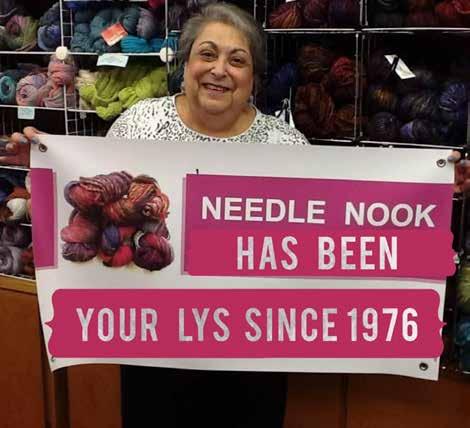
The community is invited to Needle Nook’s Fifty-Year Celebration on Friday, March 20, from 11 a.m. to 8 p.m.
knitting, crocheting, and other fiber arts classes, as well as offering a variety of needlecraft tools. Over time, the shop
became known as a welcoming hub for makers across generations from all parts of Atlanta, growing organically as the
The Hadassah Greater Atlanta Chapter is thrilled that the movie, “Labors of Love: The Life and Legacy of Henrietta Szold,” was chosen to be a part of the 2026 Atlanta Jewish Film Festival. It is a biographical documentary about Szold, the founder of Hadassah, the Women’s Zionist Organization of America. Szold was a force of nature who galvanized a global network of Jewish women. She was a Jewish American humanitarian and a visionary Zionist.
Abby Ginzberg, the film’s director, joined some Hadassah members for the showing at the Sandy Springs Performing Arts Center and explained, “Through archival footage, intimate letters, and firsthand reflections lifted by Tovah Feldshuh’s stirring narration, this film honors a trailblazer whose moral clarity, courage, and humanity continue to echo today.”
Phyllis M Cohen, Hadassah Greater Atlanta past president and advisor, noted, “Henrietta created the Youth Aliyah Program, which rescued thousands of Jewish children from Nazi-occupied
Georgia State Representative, House District 51.
Europe. Youth Aliyah continues today through Hadassah’s two Youth Aliyah villages which support at-risk youth in Israel, including many immigrants, disadvantaged native Israelis, and young people who have struggled in traditional educational settings.”
Advocacy Chair for Hadassah
city expanded, and the community of fiber crafters increased. The colorful shop is well-stocked and displays samples of handmade clothing, accoutrements, and intricate needlepoint, and it proudly partners with Georgia Public Broadcasting for the Knitting for Neighbors charity, in which makers create handmade items for people in need.
When Arlene Jacobson, Needle Nook’s admired founder and lauded mistress of myriad needle crafts, passed away, her daughter, DeAnne Jacobson, who is herself a talented needle artist, assumed ownership and management of the business. “Fifty years is a testimony to Needle Nook’s role in Atlanta’s yarn arts community, but our longevity didn’t happen by accident. It’s because people show up week after week, year after year. This anniversary belongs to every person who has ever walked through our doors, the people who have gathered here for decades to learn, to create, to revive, and to get to know and befriend one another. The community is invited to the Fifty-Year Celebration on Friday, March 20, from 11 a.m. to 8 p.m. Needle Nook is located at 2165 Briarcliff Road, NE, 30329, in the Briarvista Shopping Center. For information about events, dates, and times, please call the store at 404-325-0068.
Greater Atlanta, Simone Wilker, points out, “Our 3,000 Hadassah members in Atlanta continue Henrietta’s legacy as a builder of a modern healthcare and social service system in Israel. The Hadassah Medical Organization operates two major hospitals in Jerusalem and is internationally known for medical in-
novation, research, and humanitarian care. Jewish, Muslim, Christian and international patients are treated side-byside, regardless of background. A major portion of the capital projects, research, and special programs are funded by Hadassah donors who want to expand on Henrietta’s ideas of helping others, as a symbol of American Jewish partnership with Israel.”
The film tells how Szold’s vision and tireless work helped build health care, rescue vulnerable children, and inspire generations of women and humanitarians worldwide. Hadassah is one of the largest Jewish women’s volunteer organizations in the United States with about 300,000 members, associates and supporters. When sitting for a portrait, Szold told the artist, “Make my eyes look to the future!” Now, 114 years later, Hadassah stands strong in Israel, in the United States, and globally as the bridge to peace through medicine. Go to: www.hadassah. org for more information.
Compiled by AJT Staff
East Cobb resident Evan Davis, an 11-year-old member of the local Jewish community, has been named a 2026 Miracle Child for Children’s Miracle Network Hospitals, representing Children’s Healthcare of Atlanta and helping raise awareness and support for children facing serious medical challenges.
Evan Davis’ journey began on March 18, 2025, when he was involved in a lifealtering car accident at Hawkins Store Road and Canton Road in Marietta that resulted in a traumatic brain injury and multiple fractures. Following extensive treatment and rehabilitation at Children’s Healthcare of Atlanta, Evan Davis has made remarkable progress in his recovery.
He was nominated and selected as a Miracle Child from among hundreds of thousands of patients treated at Children’s Healthcare of Atlanta, making the honor especially meaningful for his family and the medical team who cared for him.
A proud member of Atlanta’s Jewish community, Evan spent several summers attending day camp at the Marcus Jewish Community Center of Atlanta. He has also attended Camp Barney Medintz and URJ Six Points Sports Academy, where he built friendships and memories that remain meaningful to him today.
As a Miracle Child, Evan will share his story to inspire other families and highlight the lifesaving work being done at Children’s Healthcare of Atlanta. Miracle Children serve as ambassadors for
Children’s Miracle Network Hospitals, helping communities understand the impact of donations that fund critical treatments, equipment, and pediatric research.
In the coming weeks, Evan's photo may also be featured in local stores and businesses that support Children’s Miracle Network Hospitals through fundraising efforts, including Walmart, Dairy Queen, Ace Hardware, and Publix.
“Children’s Healthcare of Atlanta
saved our child’s life and played an incredible role in Evan’s recovery,” said his mother, Robyn Davis. “Being named a Miracle Child gives Evan the opportunity to give hope to other families experiencing the unimaginable.”
His story is featured in a video produced by Children’s Healthcare of Atlanta, available here: https://youtu. be/5kjHVS7QorQ
Throughout the year, Evan will participate in events and campaigns sup-
porting Children’s Miracle Network Hospitals, beginning with the University of Georgia Dance Marathon on March 28 in Athens.
Children’s Miracle Network Hospitals raises funds for 170 children’s hospitals across North America, helping ensure that children receive specialized medical care regardless of a family’s ability to pay.
Atlanta-based Jewish Kids Groups (JKG) has selected seven North American synagogues to participate in the Jewish After School Accelerator (JASA) Cohort IV. With JKG’s support, these synagogues will launch new Jewish after school programs in fall 2026.
JKG began in Atlanta in 2012 and currently operates Jewish weekday afternoon programs in Brookhaven, Decatur, and Morningside for kids in kindergarten through fifth grade. Following more than a decade of local success, JKG set out in 2023 to make Jewish after school programs accessible to modern families across North America through the Jewish After School Accelerator (JASA).
The newest accelerator cohort includes synagogues in Michigan, New York, Florida, California, and Toronto, re-

flecting growing demand for convenient, flexible options for Jewish learning. With the addition of Cohort IV, 27 Jewish weekday afternoon programs for kids are now operating or are in development across North America thanks to JKG’s accelerator. Each program is open to the public and includes transportation from nearby schools, expanding access to Jewish education for busy families. Throughout 2026, participating synagogues will receive expert guidance and collaborate with one another to recruit and train staff, structure transportation plans, and customize Jewish and Hebrew curriculum. Participants also receive matching grants of up to $100,000 over three years to offset start-up costs.
Compiled by AJT Staff
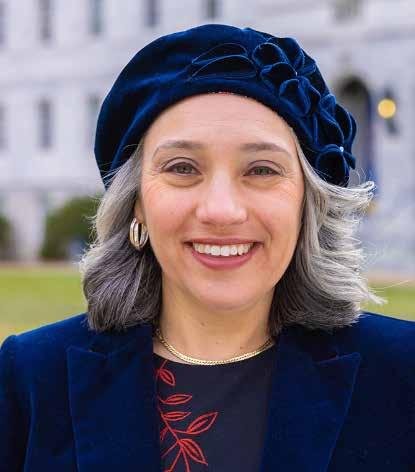
Emory University professor Miriam Udel has won the National Jewish Book Award for her volume, “Modern Jewish Worldmaking through Yiddish Children’s Literature.”
By Bob Bahr
Emory University professor Miriam Udel has won the National Jewish Book Award for her volume, “Modern Jewish Worldmaking through Yiddish Children’s Literature,” published by the Princeton University Press. Udel, who is director of the Tam Institute for Jewish Studies as well as a Yiddish language scholar at the university, won the prize for the best book on “Education and Jewish Identity.”
The work looks at how Yiddish children’s stories created in various political setting have shaped Jewish identity. The book explores how the development of individual attitudes in Yiddish literature toward such issues as wealth, gender and racial and ethnic differences can shape the contributions that children can make in creating a world that’s a better place to live.
Udel told the AJT last year in discussing the book that it examines Yiddish literature at a time when it was filled with exuberance and positive energy.
“This is really about pulling back the curtain to a time when Yiddish thought of itself as a youthful language that could successfully address the needs of our people. And it’s a really different moment before the Holocaust decimates the speakers of this language, and it’s important, I think, because it opens up an important wellspring to Jewish joy and to Yiddish joy, before all of the heaviness of that loss,” she said.
This year’s award is the second time in recent years she’s been recognized by the national awards, which are generally considered one of the highest accolades a writer can receive for a book with a Jewish theme. In 2017, Udel was recognized for, “Never Better -The Modern Jew Picaresque” about modern Yiddish fiction.
The Jewish Book Council, which administers the awards, will formally recognize Udel and the 20 other recipients in various categories on March 25 in New York City. It is the 75th anniversary for the National Jewish Book Awards.







Dave Schechter
From Where I Sit
During a recent communal dust-up, a few people apparently felt secure enough in their own identity to refer — online and under their own names — to others as “selfhating Jews.”
This all-too-common insult is intended to demonize its target, in hopes that the accused will shrink away from the public discourse, while promoting the fallacy that there is a right way and a wrong way for a Jew to think, especially on critical issues of the day, particularly those related to Israel or domestic affairs in the United States.
What once was discussed in psychological terms has become a weapon in political discourse and when publicly hurled by one Jew against another, it provides cover for non-Jews who wish to discredit Jews with whom they disagree.
From where I sit, use of this term has spiked in recent years, particularly as the Jewish American community has splintered over the government of Israeli Prime Minister Benjamin Netanyahu and Israel’s prosecution of the war against Hamas in Gaza following the Oct. 7, 2023, massacre, as well as the November 2024 election of Donald Trump to a second term as U.S. president.
This term bothers me.
It presupposes that some Jews feel qualified to pass judgment on other Jews, no matter whether they know them or possess an intimate knowledge of their relationship with Judaism.
Even if they regularly attend synagogue and engage in reflection and introspection during the Days of Awe, Jews who call others “self-hating” presumably are ignorant of or, more likely, disinterested in prohibitions against vilifying another person (lashon hara, “evil tongue” in Hebrew). In a public setting, the potential harm to a person’s reputation increases.
If history has taught us anything, it’s that those who would do harm to Jews don’t care what kind of a Jew you are, whether you are devout and pious or whether you are “self-hating.” To them, a Jew is a Jew is a Jew.
In the comment section that prompted this column, I also saw this statement: “Not all Jews are good loyal Jews.”
What is a “good loyal Jew”?
Loyal to what or to whom?
And what are the criteria for being a “self-hating Jew?”
Is it someone who so detests being Jewish that they internalize antisemitic tropes?
Is it someone who seeks to assimilate, by shedding or hiding outward manifestations of Jewish identity? (Are the Freitag and Levy families, characters in Alfred


Uhry’s play, “The Last Night at Ballyhoo,” set in 1939 Atlanta, “self-hating” Jews?)
Is it someone whose Judaism is not Israel-centered?
Is it someone who supports the existence of Israel as a Jewish and democratic nation but opposes Israel’s government?
Is it someone who believes that supporting the people of Israel is distinct from supporting policies enacted or actions taken by Israel’s government?
Is it someone who questions the support shown to Israel’s government by the U.S. government?
Is it someone who supports the existence of a Jewish and democratic nation of Israel and also the national aspirations of the Palestinian Arabs?
Is it someone whose Jewish expression leans more toward bagels and an episode of “Curb Your Enthusiasm” rather than a dvar on the parsha ha’shavuah?
I put the matter to Rabbi Brad Levenberg, senior rabbi of Temple Sinai and the current president of the Atlanta Rabbinical Association.
“Jewish tradition doesn’t contain a formal legal category called ‘self-hating Jews,’ but Jewish sources do speak extensively about the ethics of how Jews speak about other Jews. When the phrase appears in contemporary discourse, it typically functions as a moral accusation rather than a halachic term,” Levenberg said.
“Many contemporary rabbis and Jewish thinkers caution against the phrase ‘self-hating Jew,’ arguing that it shuts down disagreement by questioning someone’s Jewish authenticity rather than addressing the substance of their views. From a Jewish ethical perspective, criticism should focus on actions or ideas and be offered constructively,” the rabbi continued.
There is little in the way of constructive criticism in many of the targeted comments I read online on subjects of interest to the Jewish community. But then, calling someone a “self-hating Jew” is a schoolyard epithet. The speaker is not looking to promote dialogue.
I wonder whether Jews who feel comfortable labeling others as “self-hating” do so because it allows them to thump out their chests and feel superior.
Frankly, it says more about the person using the insult than its intended target. ì
The AJT welcomes your letters. If you would like your letter to be published, please write 200 words or less, include your name, phone number and email, and send it to sasha@atljewishtimes.com.
Michael Morris, the owner and publisher of the AJT, recently wrote a letter to the editor, criticizing the Grammy Award show for its “focus on ICE Out.” Implicit in this criticism is Mr. Morris’s support of U.S. Immigration and Customs Enforcement (ICE), its policies, and recent actions.
Perhaps Mr. Morris should clarify his position. Does he support any or all of the following acts of ICE:
* The unjustified killing of Renee Good and Alex Pretti of Minneapolis and Ruben Ray Martinez of South Padre Island;
* Masked agents routinely violating the First and Fourth Amendment rights of U.S. citizens and others;
* Deporting non-citizens for alleged minor crimes, without due process, to countries with which the immigrant has no relationship ;
* Detaining indefinitely non-citizens, without due process, in mass detention facilities in inhumane conditions.
Thank you.
To the Editor,
David and Helen Zalik’s criticism of the Film Festival and the Israeli Consulate’s decision to pull funding is dangerous for the Jewish community and Israel.
America today is divided by the extreme right and left. Likewise, the BDS/antiZionist and blind allegiance to Israel schools of thought are polarizing Jews. Being critical of the Israeli government does not make you pro-Hamas or anti-Israel. I am a Zionist, but I don’t think the unconditional support of Israel is helping any of us when antisemitism is at an all-time high.
The AJC’s mission is to build bridges between individuals and organizations to ensure that Jews and Israel are safe and thriving. The Film Festival does this through film. I believe that having a young Muslim on the jury who supports the Palestinians allows us to demonstrate to both that juror and his peers that Jews are tolerant, intelligent, and willing to engage in difficult conversations. By condemning a young person for his beliefs without conversation, we are further alienating both this juror as well as many young Americans who oppose the existence of the State of Israel.
We must engage in dialogue in order to allow them to truly understand why the existence of Israel is so important for Jews around the world.
The Zaliks also claimed that the Film Festival platformed this juror. This juror was not platformed. The juror’s name was listed in the program but not named by the AJC after the controversy. If my information is correct, the juror truly appreciated the opportunity to work with a Jewish organization. I believe that the actions of the Zaliks and the Israeli Consulate has put the Jewish community of Atlanta in the spotlight in a very negative way. We now look intolerant and spiteful. Perhaps the Film Festival should have screened this juror more thoroughly and, if truly antisemitic, the juror should have been removed. But isn’t it better to teach him that we are accepting of others? I applaud the Film Festival’s decision.
Laura Kurlander-Nagel, Atlanta

Disclamer to our readers:
This section of the newspaper is a forum for our community to share thoughts, concerns and opinions as open letters to the community or directly to the newspaper. Letters tp tje editor are proofed for spelling and grammatical errors only. We do not edit nor vet the information the letter contains. The individual signing the letter is accountable for what they share.
Turning Controversy into a Teaching Moment
In response to the recent criticism surrounding the Atlanta Jewish Film Festival and its decision to retain a college student juror who has expressed anti-Israel views; many in the Jewish community are understandably troubled. Emotions are raw. The instinct to protest, to demand removal, boycott, or to express outrage is natural. But reframing this situation would suggest that this moment presents us with a far more powerful opportunity: not to whine, not to cancel, not to retreat — but to educate.
Jews are a people whose greatest weapon has always been learning. When confronted with ignorance, Jews have historically responded with scholarship, dialogue, and moral clarity. If this young student harbors misguided or one-sided views about Israel, what better setting than a Jewish film festival — surrounded by Jewish stories, history, art, and lived experience — for him to encounter the depth and humanity to which he may never have been exposed?
College students are, by definition, still forming their worldviews. They are impressionable. Many are influenced by social media narratives, campus activism, and oversimplified slogans. Condemning him outright may reinforce whatever caricature he already holds about the Jewish community. Engaging him thoughtfully, however, could reshape his perspective for a lifetime.
Dr. Martin Luther King Jr. reminded us that “darkness cannot drive out darkness; only light can do that. Hate cannot drive out hate; only love can do that.” He also spoke clearly about the moral legitimacy of Israel and the deep bonds between the Black and Jewish communities. His vision was rooted in dialogue and shared humanity. If we claim his legacy in Atlanta, his city, we must live it. That means choosing light over outrage.
Jews are not without allies in the Black community who have consistently stood with the Jewish people and the State of Israel. The late Congressman John Lewis understood deeply the connection between the struggle for civil rights in America and the Jewish experience of persecution and resilience. Their voices remind us that alliances are built not through purity tests, but through sustained relationships.
Even in the cultural sphere, figures like Tyler Perry have demonstrated meaningful solidarity with the Jewish community here in Atlanta, especially during times of rising antisemitism. These examples show that bridge-building is not naïve; it is necessary and effective.
So rather than demanding this student’s removal, imagine inviting him to coffee with Holocaust survivors or Oct. 7 survivors. Imagine pairing him with Israeli filmmakers whose work reflects complexity rather than caricature. Imagine thoughtful panels where he can ask hard questions and receive substantive answers. Education is not weakness. It is confidence in the Jewish story.
If Jews truly believe in the power of their narrative — history, democracy, diversity within Israel itself — then Jews should not fear exposure. It should be welcomed. The Jewish state is not perfect, but it is vibrant, pluralistic, innovative, and resilient. Let him see that. Let him wrestle with real people rather than abstract slogans.
We often lament that younger generations are drifting away. Here is a young person, however critical, who is nonetheless present at a Jewish institution. That is not a threat; it is an opening.
Atlanta has long been a city where Black-Jewish cooperation achieved historic progress. We dishonor that legacy if we respond to disagreement with exclusion rather than engagement. The stronger path — the more Jewish path — is to teach, to model dignity, and to demonstrate the ethical seriousness of our tradition.
Let us show this student — and the broader community — that our best response to criticism is not insecurity but education; not outrage but outreach. If even one mind is broadened, one stereotype dismantled, one relationship built, the decision to engage rather than expel will have been worthwhile.
Emanuel Fialkow, member of the Georgia Commission on the Holocaust, Georgia Regional Transportation Authority, and Chair of the Sandy Springs Police Foundation

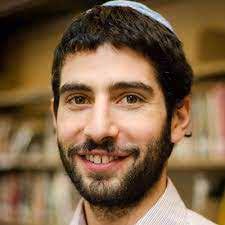
Rabbi Adam Mayer, Modern Orthodox
Rabbi Adam Mayer is The Weber School’s dean of Jewish studies and Maspiah Ruchani (Rabbinic counselor). He previously worked at Kohelet Yeshiva in Philadelphia, where he spent eight years teaching high school Jewish studies and serving as the track and cross-country coach. Before that, Rabbi Mayer lived in Israel, where he served as a medic in the IDF and attended Pardes, where he majored in Jewish education and rabbinical studies. When you meet him, be sure to ask about his new Weber class focused on Hip Hop and Judaism!
Rabbi Ellen Nemhauser, Reform
Rabbi Ellen Nemhauser (she/her) was ordained in 1993 from Hebrew Union College-Jewish Institute of Religion in New York. She has worked in congregations, at Jewish summer camps, and at Emory University’s Center for Israel Education. She is currently the part-time rabbi of Congregation B’nai Israel in Fayetteville, Ga., while working full-time as the manager of the Union for Reform Judaism’s 20-week Introduction to Judaism program. She also serves as the president of Interfaith Atlanta. She is an executive member of the Atlanta Jewish Community Relations Council. In her spare time, Ellen enjoys hiking, travelling, and trying out new recipes on unsuspecting Sabbath dinner guests.

In partnership with the Atlanta Rabbinical Association, The AJT's monthly Rabbi Roundtable brings together rabbis from across Atlanta representing each denomination.

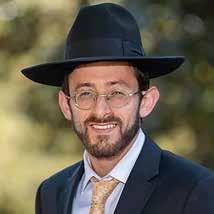
Rabbi Avraham Perton, Orthodox
Rabbi Avraham Perton is the ninthgrade Bekius at Yeshiva Ohr Yisrael of Atlanta. He has previously served as an educator and middle school activity director at Torah Day School of Atlanta, and taught grades 3–8 at Phoenix Hebrew Academy and Yeshivas Toras Moshe.
Rabbi Perton holds a graduate certificate in educational leadership and communication from the Ohr Lagolah Leadership Institute in Jerusalem, Rabbinic ordination from the Chief Rabbinate of Israel, a master’s degree in Jewish law, and a bachelor’s degree in Talmudic law from Ner Israel Rabbinical College in Baltimore.
Outside the classroom, Rabbi Perton enjoys woodworking, gardening, and exploring the outdoors. He is also conversational in Russian.
For this month’s discussion, each rabbi was asked the following question:
What
Rabbi Avraham Perton
L’chol z’man v’et
Obviously, what we own here in this world, stays in this world and is not coming with us to the next. While we are here though in this physical space, the items within, definitely have a purpose in enhancing our lives and it is part of our challenge to use them in a healthy and self fulfilling way; not letting them take over and become larger than their purpose.
I have a shot glass collection that I started when I was young. Then it was a way of collecting something and partly competitive, showing I can collect something and see how large I can grow it. Nowadays, it is to remember places we visited as a family or to get a glimpse of the beauty in the places depicted. They also enhance the Shabbos Kiddush as the family finds it fun to choose them once a week and it elevates that experience.
Everything. just like our character traits, can find its place; the question is in the how, when, and where they can drive us to a greater and more elevated life with meaning and purpose.
The most intimate moment of Moses’ Divine encounter on Sinai (Ex. 33:21) includes an invitation from G-d to feel at home, to have a place. A place with G-d.
V’Yomer Adonai hinei macom iti
Adonai said, “Behold, there is a place with Me.
A place with G-d is unlike any particular place in this world, because any and every place can be a place with G-d. For me, a place with G-d is a way of being where I feel whole, comfortable and welcome, and am thus able to welcome others and expand the tent of Divine Place (Isa. 54:2).
Rebbe Nachman of Breslov expands upon this idea of place (Tinyana 58) and points us to an understanding that a person who is attached to places and possessions will necessarily be limited by those attachments. If I am in one place, I de facto cannot be somewhere else. So, Rebbe Nachman encourages a person to detach themselves from every particular place and thing, to not be a person of “yesh.” When one is not in any place, they are free and available to turn their attention wherever is needed.
May we all live with a presence and freedom of mind to turn our attention to the needs of this world and bring it closer to peace.
A few years ago, my spouse and I were contacted by the author of the book, “Keep the Memories, Lose the Stuff.” He wanted to feature us on his PBS TV show called “Legacy List.” The premise of the show as well as the book is that modern families have way too much clutter and stuff. They believe that there are just a few meaningfilled items that we possess that adequately tell the story of our family. The experience with the show helped me and my spouse determine what was really meaningful to us, what might someday be meaningful to our children, and what we could donate, throw out, recycle, shred, etc. The experience was quite liberating!
While Jewish tradition does not teach us to be ascetic, I do believe we are warned about being too attached to possessions. In a Talmudic teaching, Ben Zoma cautions against amassing more stuff and rather being content with what we have, saying, “ayzeh hu ashir? hasameach b’helko — Who is rich? One who rejoices with what he possesses. [Pirkei Avot 4:1]. And, with an outright warning, Rabbi Hillel teaches, marbeh nechasim, marbeh d’agah — the more possessions the more worries [Pirkei Avot 2:8].
Simplifying our living spaces is part of the Jewish value of Histapkut, understood as “simplification” and that value urges us to consider that less is more.
Ultimately, our legacy will be the stories we tell our children, the values we pass along, and the example we set by living purposeful lives of generosity and caring. And, anyway, as the creators of the TV show, “Legacy List,” taught us, the next generation does not need or necessarily want our China, crystal, or silverware. ì

By Bob Bahr
Located just off Huff Road, on the rapidly developing West Side of Atlanta, Jennie Levison has planted a pocket-size farm. For 10 years now, what is called The Souper Farm has grown a bumper crop of herbs and vegetables year-round on raised beds in soil just a few inches deep. Before there was lush greenery and plant life here, it was just a gravel-strewn parking lot in what was an industrial backwater of the city. What has transformed this site is what Jeff Collins calls his “soil gardening principles.”
“We call it soil gardening,” Collins says, “because really, that’s what we’re doing. We’re just gardening soil. And if you do it properly, you’ll have lots of worms, and they’ll feed the plant, and you’ll have lots of microbes, and everything is working in harmony. All we’re doing is trying to just work in harmony and encourage nature.”
Collins, who grew up outside Boston and came south to set up a wholesale vegetable business in Griffin, runs the site for Levison. He believes that most gardeners


spend too much time obsessing over their plants and not enough time or thought to building the soil the plants live in.
He’s concentrated his system of soil gardening into seven easy-to-follow principles that are guaranteed to make any-
one who follows them into a successful gardener.
Collins' principles of soil gardening include:
1. No tilling or turning of the soil. The goal is to build soil structure, not break it down.
2. Keep residue of plant life on the soil at all times. Naked soil is evil.
3. Maintain a living root on the plants you have. If nothing is growing in your soil bed, then the soil is dead.


4. Grow diversity. Mix up what you grow and forget about rows.
5. Save seeds. Start with seeds that are open pollinated, meaning they grow the same way, crop after crop and save them.
6. Take care of the pollinators and they will reward you.
7. Give back.
Although the original purpose of the farm was to supply the Souper Jenny restaurants, the growth of the location quickly outstripped the supply of vegetables and herbs that were being grown. Today, its purpose is primarily educational, to encourage gardeners to think first of how they are treating the soil before they obsess about the size and shape and quantity of what they are growing. And to encourage the seventh principle -- giving back. As Levison sees it, her Souper Farm is a beautiful little oasis in the middle of the city.
It’s all part of Levison’s commitment to give back to the community. Part of what is grown on the farm is sold at her restaurants, where volunteers answer questions about the produce. They can also discuss the cookbooks that Levison has written over the years that generally are devoted to healthy living, which is one of the important goals of the business. Her Zadie Project is a nonprofit that has grown as her business has expanded.
“The Zadie Project started about



eight years ago now,” Levison says, “and it really just came from our desire as a team, our entire team and staff of wanting to do something every day, to give to the community. You know, when you’re in the service industry, you get asked to donate things, your time, food, all the time. And I wanted to come up with a way where it was just sort of a daily give from us, and also a daily give from customers, even if you don’t know it.”
When customers order a serving of turkey chili, which is a family recipe given to her by her father when she started the business 25 years ago, the profit from that order goes directly to the nonprofit she founded. Today, that donation makes it possible to provide, among other things, more than 800 quarts of her soup to families needing assistance.
Another significant fundraiser is the classes that are offered at the farm. There’s an Advanced Gardening Workshop that’s scheduled from 10 a.m. to 12 p.m., Saturday, March 28. It is designed to teach soil basics, how to buy and plant transplants, the care and maintenance of the March garden, and companion planting and direct seeding.
A plant sale is being held from 9:30 a.m. to 12:30 p.m., April 11, at the farm that features heirlooms and unique perennial plants, kitchen and medicinal herbs and vegetables like tomatoes, peppers, cucumbers, and squash plants. ì



By Ken Kaplan
Spring has always been the season of renewal. As the days grow longer and fresh air moves through open windows, many homeowners feel the urge to reset their living spaces. Spring cleaning isn’t just about tidying up — it’s about restoring the health, comfort, and longevity of the surfaces we live with every day.
One of the most overlooked parts of spring cleaning is deep cleaning soft surfaces — your carpets, rugs, and upholstered furniture. These materials quietly collect body oils, dust, allergens, food residues, and everyday dirt over time. Without proper maintenance, these contaminants break down fibers and cause premature wear, matting, and discoloration.
When it comes to deep cleaning carpets and upholstery, hot water extraction using truck-mounted equipment remains the gold standard. Truckmounted systems provide: far higher water temperature; much stronger vacuum power; more effective rinsing and soil removal; and faster drying times.

cleaning isn’t just
Compared to portable machines or the rental units commonly found in big box stores, truck-mounted systems simply perform on a different level. Por-
table or rental machines can be helpful for small spot treatments, but they have limitations. Their heat output and vacuum strength are much lower, which
means they often leave excess moisture and residue behind. Many rental machines also become mineralized from hard water, causing them to lose effec-

tiveness after just a few uses.
For large areas or heavily used rooms, professional extraction with truck-mounted equipment removes far more embedded soil and leaves the carpet cleaner and healthier.
If you search online for stain removal tips, you’ll likely see the same suggestions repeated: vinegar and water; baking soda; dish soap mixtures.
While these solutions may work in some situations, they can also permanently set certain stains if used incorrectly. In other words, well-intentioned DIY cleaning can sometimes make a stain impossible to remove later.
Before attempting any stain removal yourself, it’s important to understand the basic principles of safe cleaning. If you decide to treat a spill or stain yourself, keep these guidelines in mind:
1. Know Your Fabric: Different fibers react differently to moisture and cleaning agents. Common fibers include wool, nylon, polyurethane-based synthetics, linen and delicate natural fabrics. Before applying any cleaner, always perform a small wet test in an inconspicuous area to ensure water alone does not cause spotting or color changes.
2. Act Immediately: The best stain removal method is simple: Dilution and extraction. As soon as a spill happens, add clean water to dilute the spill; blot with dry towels; repeat the process several times. If you own a small wet/dry vacuum, you can dramatically improve results by vacuuming the liquid out between rinses. This removes both the stain and the residue rather than pushing it deeper into the fabric.
3. Organic Stains Need Oxidizers: If the stain is organic — such as pet urine, vomit, coffee, food spills, turmeric — and the fabric is not extremely delicate, hydrogen peroxide can be very effective.
A much better and potent version is offered by a company called CTI and it goes by the name Stain 1 and it’s on Amazon. Organic contamination responds well to oxidizer cleaning, which breaks down the molecules causing discoloration. Always rinse afterward with clean water.
4. Delicate Fabrics Require Simplicity: If the fabric is delicate — such as wool or linen — you’re often better off using plain tap water or distilled water and extracting the spill immediately. Quick rinsing and vacuuming usually prevents permanent staining if done right away.
5. Synthetic Fibers Are More Forgiving: Many nylon and polyurethane fabrics tolerate hydrogen peroxide well and often do not require extensive rins-
ing afterward. Still, moderation and testing are always wise.
6. Grease and Solvent-Based Stains: For grease-based stains such as oils, makeup, and adhesives. You can try rubbing alcohol, which is generally safe for most fabrics. Lightly spray the area and gently blot with towels until the stain lifts.
7. Removing Browning or Coffee Rings: Water damage or coffee spills can leave brown rings or discoloration. These are typically tannin stains and respond best to a tannin remover, which is widely available online.
8. Drying Is Critical: The faster a cleaned area dries, the less likely you are to see water rings, browning, and residue marks. Airflow, fans, and proper extraction make a huge difference.
9. Neutralize When Finished: After any cleaning attempt, neutralize the area with distilled water and blot or vacuum it out. This prevents chemical residues from remaining in the fibers.
In over two decades of professional cleaning experience, one solution consistently stands above the rest when it comes to eliminating odors: probiotic odor treatment. Rather than masking odors, probiotic cleaners work by destroying the food sources that bacteria rely on. When the bacteria can no longer survive, the odor disappears.
Frequent vacuuming is one of the simplest and most effective ways to extend the life of your carpets. Dirt and sand particles act like tiny abrasives, slowly wearing down carpet fibers as people walk across them.
A good rule of thumb is to steam clean carpets twice per year. Regular hot water extraction removes body oils, embedded soil, allergens, and sticky residues that attract dirt. Without periodic deep cleaning, these substances slowly degrade carpet fibers and cause flattening and discoloration.
Spring cleaning isn’t just about making a home look good — it’s about preserving the surfaces that make up your living environment. Deep cleaning carpets and upholstery restores freshness, improves air quality, and protects the investment you’ve made in your home.
So, as the season changes and the sunlight starts revealing the dust of winter, let spring be the reminder. Sometimes the best thing you can do is simply pick up the phone, schedule a professional cleaning, and give your home the reset it deserves.
For more information contact Ken Kaplan, Dirt Blasters Carpet Cleaning at 404403-0045 or info@dirtblasters.com. ì











By Stan Garnet
Interior health and safety are often overlooked because many problems develop slowly and quietly. Unlike a roof leak or a broken appliance, interior issues such as moisture buildup, poor ventilation, unstable flooring, or declining air quality may not cause immediate disruption. Over time, these conditions can affect comfort, occupant health, and the long-term durability of the home.
Interior health and safety encompass several interconnected factors that influence how safe, comfortable, and durable a home remains over time. These include moisture control, ventilation and airflow, structural safety of walking surfaces, indoor air quality, and safe operation of windows and doors.
Excess moisture is one of the most damaging forces inside a home. It contributes to mold growth, wood rot, peeling finishes, and weakened structural components. Poor ventilation will allow humidity, odors, and airborne contaminants to linger, while physical safety issues such as loose flooring or unstable handrails increase the


risk of falls and injuries. Interior conditions also affect the building itself. Repeated exposure to moisture and poor airflow can shorten the lifespan of finishes, framing, and subflooring. Addressing interior health concerns early protects the people living in the home and the home’s long-term value.
Many interior health and safety issues can be detected through routine observation and simple hands-on checks. Look for condensation on window glass, especially during cooler weather. This can indicate
excess indoor humidity, inadequate venti lation, and temperature differences caused by poor insulation. Occasional condensa tion may be normal, but persistent mois ture can lead to mold growth, window damage, and deteriorating trim.
Take the time to inspect bathrooms for mold or peeling paint. Bathrooms are high-moisture environments and common trouble spots. Look for dark staining on ceilings or walls, peeling or bubbling paint and soft drywall around tubs and showers. These signs often indicate poor exhaust ventilation, often times due to not turning on your vent fan or hidden leaks.
Check handrails, stair treads, and flooring for stability. Interior safety de pends heavily on stable walking surfaces. Gently test handrails for looseness, stair treads for movement or squeaks, and floor ing transitions between rooms. Even mi nor instability can worsen over time and increase fall risk.



Windows and doors should open and close smoothly, latch securely, and seal properly when closed. Sticking or difficult operation may signal moisture damage, shifting framing, or worn hardware. A good idea is to walk rooms barefoot because that will help you to detect soft spots in flooring, uneven areas, and temperature differences caused by moisture below. Soft or spongy flooring can indicate subfloor deterioration or leaks that require further evaluation.
Interior conditions will change with the seasons, and periodic checks help pre vent predictable issues. In the spring, you may need to improve ventilation. As out door temperatures moderate, open win dows periodically to allow fresh air circu lation. This helps reduce indoor pollutants and excess humidity that may have built up over winter.
In the summer, it is highly recom mended to use dehumidifiers in damp ar eas. Basements, crawlspaces, and laundry rooms often experience elevated humidity


SHOP HIGH-QUALITY PET SUPPLIES WITHOUT BREAKING THE BANK.
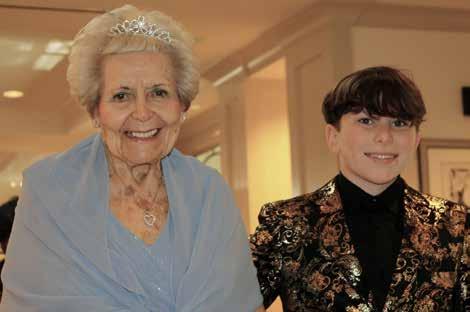
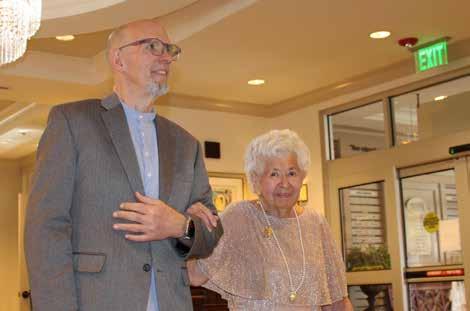
On Sunday, Feb. 1, the lobby of Berman Commons in Dunwoody was transformed into a scene of elegance and celebration as residents, families, volunteers, and staff gathered for the first annual Ms. Berman Commons Seniors Pageant.
The afternoon shimmered with gowns, smiles, and heartfelt applause — an unforgettable tribute to the women who call the senior living community home.
Berman Commons is part of Jewish HomeLife, a nonprofit network of seven
at-home care services and residential communities supporting every stage of the aging journey. That mission was on full display as 15 residents proudly took part in the pageant, each stepping into the spotlight with confidence and joy.
The excitement began well before the runway. A professional hair stylist and makeup artist worked one-on-one with each contestant, adding polish and sparkle while laughter and anticipation filled the air. Berman Commons’ dedi-

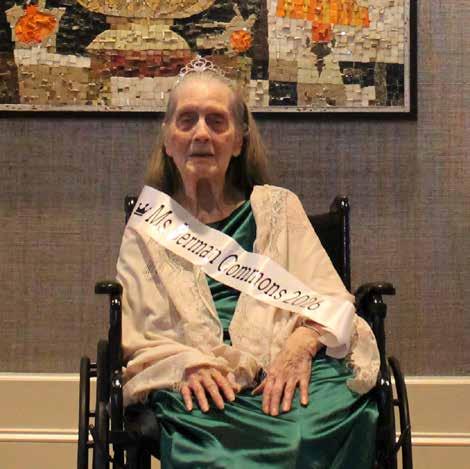
cated staff planned every detail and decorated the lobby to create a magical venue worthy of the occasion — complete with a runway that set the stage for a truly memorable afternoon.
Adding to the sense of community, young men from The Epstein School and proud family members escorted each participant down the runway. Their presence brought intergenerational warmth and reverence to the event, as the volunteers proudly walked arm-in-arm with the contestants, celebrating both beauty and life experience.
Families packed the event hall, cheering and waving as their loved ones made their entrance. Among them was a particularly moving sight: one family arrived with four generations in attendance to support their matriarch, a moment that perfectly captured the spirit of the day — connection, continuity, and celebration across time.
The contestants dazzled in evening gowns, each woman radiating her own style and personality. As applause filled the room, it was clear that every participant was a winner simply by being there. When the time came to announce the pageant’s honoree, Willie Richardson accepted her award with grace, waving elegantly to the crowd as cheers rang out. Her smile reflected the pride and joy shared by all.
“This event wasn’t just about the runway — it was about the community that stood behind it. Watching families

cheer, grandchildren wave, and volunteers walk arm-in-arm with our residents reminded us that aging is something to be honored and celebrated together,” said Janece Jenkins, Berman Commons activity director.
The Ms. Berman Commons event was a celebration of dignity, resilience, and the enduring joy of community. It offered residents a chance to be seen, celebrated, and cherished — surrounded by family, friends, volunteers, and staff who made the day shine.
“What made this afternoon so special was seeing our residents light up in a new way. Some of these ladies haven’t worn a formal gown in years, and the moment they looked in the mirror and saw themselves all dressed up, you could feel their confidence return. That transformation is why we do what we do,” said Priscilla Royal, Berman Commons activities coordinator.
Berman Commons, Jewish HomeLife’s assisted living and memory care community in Dunwoody, is known for its warm, family-like environment and commitment to enriching the lives of its residents. With innovative programs, compassionate caregivers, and a focus on dignity and independence, Berman Commons provides seniors with opportunities to stay engaged, active, and connected. For more information, please visit www.jewishhomelife.org/ living-options/berman-commons/. ì
Compiled by AJT Staff



By Marcia Caller Jaffe
Steffi Nicole and Kayla Alexander, two local artists, led their hearts and souls into encouraging seniors to attach to their “higher selves” by putting in months of work in creating pieces that would be on display at a collaborative art show called, “Higher Self," at the Zaban Tower on Howell Mill Road.
Artist-in-Residence Nicole said, “What an incredible journey. From the very first class we shared, there was a sense of curiosity – a willingness to play, explore and step into something undefined together.”
Each woman moved at her own pace for more than six months to arrive at what Nicole described as “the result of freedom, not a performance, but presence, play, and self-respect.”
Photographer Kayla Alexander oversaw the photo shoot along with fashion designer, Elizabeth Cullen, and artist, Hannah Randall, to adorn the senior women from head to toe, “not to create characters, but to open space.”
Each woman created her own crown,
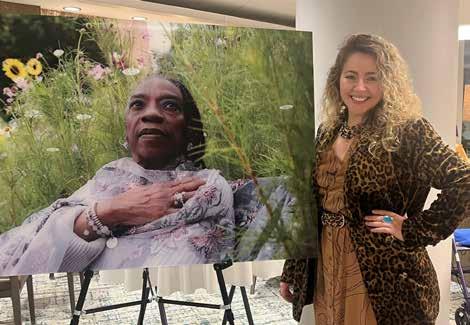
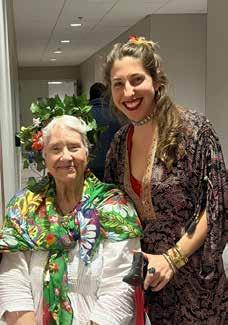
choosing the “higher self” she wished to embody and brought personal elements to support her “look.” Alexander explained, “One by one the women met


with me to share an intimate moment between me and my camera … capturing their beauty, their joy, their innate power, and magical white-haired wisdom that
they have each so evidently earned. Some of them I had met before when I helped Steffi with a mural project there, and others I had never seen before. It was so


Residents also displayed their own artwork.
special to meet these powerful women in such an intimate and vulnerable and personal way.” A separate room apart from these large photos displayed the seniors’ own varied artwork.
Over a buffet dinner, Jewish HomeLife Chief Development and Marketing Officer Stephanie Wyatt explained that the exhibition presented in the Ethel Ornstein Art Studio was dedicated by the Sunshine family.
“We believe that care [here] extends beyond physical needs by honoring the whole person, their story, their continued capacity for growth and self-expression. Creativity plays a meaningful role in how we support dignity, connection, and purpose at every stage of life, and our art program is that in action.”
Participant “Earth Goddess,” aka Ann W. Kaplan, 79, a retired graphic artist, said that she rediscovered art in Nicole’s class. “I only owned three items, my Mac, a design layout program, and an illustration program.”
After figuring out how to use these modern tools, she was overjoyed. “Professional procrastinator” Mimi Gould laughed, “I shoulda, coulda, woulda! It’s never too late. I firmly believe that all of us are blessed with some form of creativity.”
Phyllis Yasner, “Visitor from An-

other Planet,” felt the class helped her to open up. “Steffi led us step by step with love and encouragement, it just came together.”
Alexander concluded, “Beauty becomes more powerful with age. The wrinkles in the skin hold the story to everyone’s unique existence … I hope this project can help not only these women to embrace their inner goddess but also help all people to recognize the beauty in age for it is a destination that we all could be so lucky to share. I feel such deep honor having had the opportunity to capture a moment from each of these women’s lives so they can reflect on their beauty, inside and out. As a society, we turn away from women’s beauty after a certain age and discredit its very real existence. I believe beauty never fades. Even after someone is gone, their beauty continues to radiate through those whom they have loved.”
Nicole creates murals (some on display on the Beltline) and workshops combining art, healing, and spirituality. She teaches at Abernathy Arts Center and serves as artist-in-residence at The Berman Center and Children’s Healthcare of Atlanta. She lived in Israel, participating in the MASA program and holds an MA in women’s spirituality. She also has an MA from SCAD in design management. ì

By Marcia Caller Jaffe
Actor Alan Alda has nothing on local retired colorectal surgeon Oscar Grablowsky, who lived to describe his own U.S. Army MASH unit stint as a real hero, earning a Bronze Star Medal based on his selflessness and surgical acumen in 1970
in Vietnam’s Camp Quang Tri.
Many know Grablowsky from his decades of private practice locally but may not know about the rigors of war he experienced as a medical doctor in the “thick of it all,” and having the wherewithal to plow forward in abounding risk to save a stranger’s life while endangering

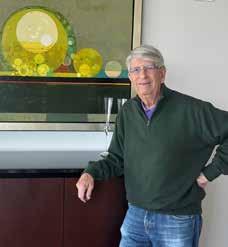
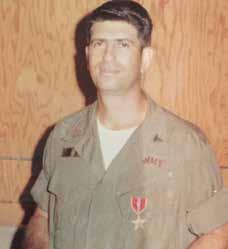
his own. Modest Grablowsky said, “We merely did what we could, and what I was trained to do.”
Grablowsky was born in 1939 and grew up in small town South Carolina before attending Emory University and subsequent training at Tulane University’s Osher Clinic. In 1969, Grablowsky found himself as a U.S. Army general surgeon handling trauma, gun shots, appendicitis, and the like.
He said, “I remember waiting in a bunker underground for hours at a time until the coast was clear. We men played cards and passed the time, until tragedies came in. I recall 121 Vietnamese were killed in one night. We did the best we could. It’s fair to say that not everyone made it. Actually, the Vietnamese had their own physicians, but they were not equal to what we had. Our MASH units were inflatable, not the cleanest of conditions, but better than dying.”
Grablowsky was just “unlucky” on call one night when they brought in a soldier with a live explosive device in his leg. Without consideration for his own safety, Grablowsky stood behind sandbags and gingerly removed the device without incident.

He recalled, “There I was with an anesthesiologist, operating with an unexploded device in a soldier’s leg.”
Success and modesty intact, Grablowsky subsequently received a Bronze Star Medal awarded by the U.S. President. It read, in part, “February 9, 1970, for heroism in connection with ground operations against a hostile force in the Republic of Viet Nam … upon learning of a casualty in the emergency room with possible explosive ordnance imbedded in his right thigh, Major Grablowsky sought
advice from an EDO specialist. It was identified as pin flare with hazardous potentiality. With complete disregard for his own safety, Major Grablowsky … delicately removed the flare … and injury to numerous others was avoided.”
Although aggregate figures are not published in open-source military awards, over the course of the Vietnam War, thousands of Bronze Star Medals were given for meritorious service, but much fewer were given in Grablowsky’s category with a specifically designated “V” for valor.
In another emotional memory, Grablowsky was chosen to escort four-star Navy Admiral John S. McCain Jr., who served as Commander of U.S. Forces in the Pacific during the later years of the Vietnam War, around the base to visit soldiers and give out awards to boost morale.
Grablowsky explained, “His visit called attention to his son, (later Senator) John McCain’s plight, who was still incarcerated in Hanoi. I was very honored to be given the role as his escort.”
Grablowsky also recalls maintaining a Jewish connection on the High Holidays where helicopters picked up around 40 doctors to spend three days in China Beach with a rabbi and attending services. Grablowsky carried a ‘45 in his belt, spent time in the “hooch” with no air conditioning, and was also stationed at Camp Evans where he worked in the intensive care unit.
Grablowsky practiced 45 years with various offices at St Joseph’s/Emory, and the former West Paces and Georgia Baptist facilities. He can be found today playing golf at the Standard Club or dining at his favorite Joey D’s. ì







By Robyn Spizman Gerson
Imagine a room of nearly 260 women playing games. From Canasta to Mahjong and beyond, the clicking of tiles, shuffling of cards and excited chatter filleing the room.
This well-attended highly anticipated fundraising gathering celebrated its 14th annual Auxiliary Game Day benefitting The William Breman Jewish Home, a part of Jewish HomeLife. Held yearly at Temple Sinai, this year the date was originally Monday, Jan. 26, but due to Mother Nature and icy weather, it was rescheduled to Tuesday, Feb. 24. Nothing kept this dedicated crowd from returning when the weather allowed weeks later.
Laughter, friendly competition, and a powerful sense of shared purpose and connection created a winning hand for all who attended.
Many of the game-loving supporters have been playing as a group for decades, while others have recently caught the game-playing spirit. This Mahjong and Canasta event was clearly an icebreaker with décor, treats, lunch and more, welcoming guests, games, and closely knitted groups of friends. As each group settled in at tables of four or five to play Mahjong or Canasta, it was clear by the smiles that these game-playing women were also deeply woven into Jewish communal tradition. Players without games made new friends and the fun began.
Tables were lined with assorted delicious lunches from Café at Pharr, and the ladies paused to eat during their various breaks during this four-hour marathon. Not to be missed was the super-sweet-spread, massive dessert bar that presented a mouth-watering array of sumptuous treats, generously provided by past Auxiliary presidents, Nancy
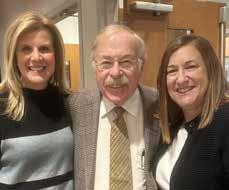
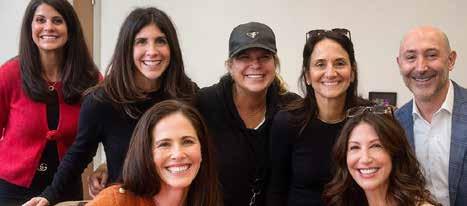
Baron and Sherry Habif, bakers extraordinaire. Their sweets and snacks covered the buffet, adding an extra touch of warmth and delicious unparalleled hospitality to the well-appointed afternoon.
Dedicated supporter Steve Berman, past president of the Jewish HomeLife Board, showed his ongoing support and led the Hamotzi. Candy and Steve Berman have generously sponsored the Game Day venue for many years and remain deeply valued members of the Auxiliary family.
For many attendees, Game Day is more than a fundraiser, it is a tradition rooted in memory and meaning. The event was led by vice co-chairs of special events, Bonnie Kwatnez and Suzy Engelhard, whose months of thoughtful planning ensured a seamless and successful afternoon, working alongside a dedicated team of volunteers.
“It takes months of planning and a true team effort to make Game Day happen,” Kwatnez shared. “From coordinating players and tables to organizing raffles and vendors, everyone pitches in. Seeing nearly 260 women come together,
reconnect, and support The William Breman Jewish Home makes every detail worth it.”
Past Auxiliary Chair Jody Goldstein has attended every Game Day and said, “I learned to play Mahjong and Canasta at The Jewish Home. Both my mother and grandmother lived there, so it holds a very special place in my heart. I’m incredibly proud of The Auxiliary. I look forward to Game Day every year. It’s joyful, meaningful, and it truly brings our community together. The leadership is exceptional, and being in that beautiful room surrounded by friends makes the day even more special.”
Without a doubt, this bonded spirit of continuity and devotion lies at the heart of The Auxiliary’s work. Now celebrating its 40th anniversary, The Auxiliary of the William Breman Jewish Home includes approximately 1,100 members, and represents a vibrant, multi-generational group of women and men dedicated to enriching the residents’ lives throughout the year.
In addition to its signature Game Day event, The Auxiliary weekly engages the residents and brings joy, activities, and tradition into the William Breman Jewish Home through many experiences. They include Shabbat challah baking, dance parties, friendly visitor book cart visits, animal farm visits, cookie decorating for Veterans Day, mishloach manot for Purim, to countless other meaningful moments creating smiles and comradery.
The Auxiliary’s work carries even deeper significance at a time when many older adults face profound loneliness. Some residents do not have families nearby while others have outlived spouses and lifelong friends.
Greer Mendel, marketing director of Jewish HomeLife shared, “Supporting our aging community is not simply about providing care, it is about ensuring dignity, belonging, and human connection. Even
a stop at The Jean A. Cohen Gift Shop can mean more than just retail therapy. It offers residents a chance to say hello, share a story, and connect. Through their consistent presence and programming, The Auxiliary transforms ordinary days into shared experiences filled with warmth, laughter, and tradition.”
The Auxiliary incoming Co-Chair Cheryl Schwartz praised the Board and volunteers at Game Day who quickly mobilized after an unexpected Atlanta snow day forced the event to be postponed. “We had to cancel and reschedule due to weather, a first for such a large event,” Schwartz said. “We are grateful to offer a rain date and worked very hard to personally reach participants and table hostesses to ensure everything ran smoothly. We have a great team.”
Auxiliary Co-Chair Mindi Sard said, “Beyond the fun and friendly competition, this event shines a light on the important work of The Auxiliary. We are grateful for the generosity and enthusiasm of everyone who participates.”
Elizabeth Glass added, “As an incoming co-chair of The Auxiliary, it’s incredibly meaningful to see generations of women show up year after year. Game Day is about more than cards — it’s about connection, friendship, and supporting the residents who call The William Breman Jewish Home their home. The energy in the room was truly special.”
For four decades, The Auxiliary has played a vital role in enhancing quality of life for residents of The William Breman Jewish Home. Events like Game Day continue that legacy, blending philanthropy with friendship in a way that feels spiritually communal. As cards were shuffled and tiles were drawn, one thing was clear: Game Day remains a cherished Atlanta tradition rooted in heart, history, and the enduring power of women coming together to support those who paved the way for our community. ì




In a Corso Residence, exceptional interiors with designer appointments set the stage for the exceptional. Complimented by a complete suite of concierge and personal care services, our team is prepared to anticipate and excede you and your guests' every request.
By Marcia Caller Jaffe
Retired psychologist David Woodsfellow began his mission to lift seniors’ spirits by becoming a music volunteer for Weinstein Hospice. His current group, Dr. Dave and Friends, performs once or twice per week at The William Breman Jewish Home, Balser Tower, Berman Commons, Sunrise at Buckhead, Arbor Terrace of Decatur, and Wesley Woods. He said, “I began performing solo at Jewish HomeLife. Before long, I was joined by Bruce Bubier on electric bass, and later, Karen Hefter on tenor banjo. I play tenor guitar and sing. The three of us have connected beautifully, and we love performing classic hits from the '20s to the '60s. We find that this era lights up our audience and takes them back to their youth.”
Audience size ranges from 15 to 75. Woodsfellow’s parents taught him that life’s purpose is helping others. As a clinical psychologist, he and his wife, Deborah, helped people save marriages. Now retired from that practice, he’s help-


Woodsfellow (center) says he enjoys residents’ reactions as much as they enjoy listening.
ing Atlanta’s seniors reminisce and enjoy the songs they recognize. In his teens, Woodsfellow was a self-taught, guitarplaying folk singer. In his twenties and


thirties, he was a contra dance caller in Brattleboro, Vt., and Santa Barbara, Calif.
Retiring after his storied career in counseling, his experience confirmed that music soothes souls. He related, “Some prefer to sing in Hebrew, some in English. It’s all about lifting their spirits. What is particularly moving for me are the conversations I’ve had with many residents after our shows. They often share special memories that our songs evoke. At Balser Tower, a lady was in tears when we played 'Erev Shel Shoshanim.' She loved the song and found it incredibly special. She told us she had played it at her wedding.”
The group also plays and leads Friday night services at Lenbrook and Hammond Glen, where they create a “celebratory musical Shabbat experience.”
The husband of one resident requested “Take Me Home Country Roads” because it was his wife’s favorite song. In spite of her severe memory problems, she sang every word, and he was moved to tears. When they performed “This Little Light of Mine,” a Black woman at The William Breman Jewish Home went into gospel mode, raising her arms high, singing proudly. Woodsfellow recalled, “We just kept playing it continuously because of her joyous spirit.”
At Sunrise, an audience member in a wheelchair was totally hunched over. Woodsfellow noted, “It was hard to know if he was awake. When we began to play, he started vigorously clapping his hands to his lap – right on the beat. Lately, he looks up from time to time, and he even winks at our banjo player!”
A veteran at Berman Commons
wears his Coast Guard cap to their concerts. He’s full of pride when the “Armed Forces Medley” (which ends with the Coast Guard hymn) is played.
Other residents’ comments include:
“You all are my very favorite of all the people that perform here, and I can’t wait to see you next month.”
“I love how Dr. Dave talks about the songs and has interesting stories about them.”
“You know, playing those old songs really helps some of our residents who have, well, (looks around and whispers) let’s just say … a touch of dementia.”
“I sure love hearing that kind of banjo - you don’t hear that often.”
“You all are so in sync … I assumed you had been playing together for years and was surprised to hear you had only been together a few months.”
Their repertoire contains Jewish songs in Hebrew and Yiddish such as “Hava Nagila,” “Bei Mir Bist Du Shon,” “Tzena Tzena,” “Shalom Chaverim,” and “Sunrise Sunset.”
Much of their English repertoire is from “The Great American Songbook,” like “All of Me,” “Hey, Good Lookin,’” “Joy to the World,” “The Tennessee Waltz,” and “Sweet Caroline.”
Other favorites include “You Are My Sunshine,” “Goodnight Irene,” “Swing Low Sweet Chariot,” and “Home on the Range.”
Dr. Woodsfellow concluded, “I am grateful for the opportunity to share my lifelong love of music with members of my generation … I hope that they enjoy listening and singing along as much as we enjoy performing.” ì






By Debbie Diamond
Canterbury Court has kicked off the celebration of its 60th anniversary as Atlanta’s first Life Plan Community for older adults.
A Life Plan Community is a residential option for older adults that combines independent living with a continuum of care — including assisted living, memory support, and skilled nursing — all on one campus. The properties allow residents to age in place while enjoying amenities like fitness programs, dining, and social activities.
Throughout the year, a continuing bevy of special activities will be hosted by Canterbury Court, such as themed parties and events, decade-specific fitness classes set to music from the '50s through the '60s, and a 60th birthday party. Most recently, a garden party was held for residents and board members in the newly expanded woodlands and park surrounding the community.
The community is known for its signature nametags that residents and staff wear each day. Staff at Canterbury Court believe the nametags foster familiarity, friendliness, and camaraderie among residents and staff. The many activities — ranging from classical music concerts to glass etching classes — keep residents busy and engaged and help them to meet others. Frequent lectures by experts, Mah Jong, and movies help round out a busy schedule of activities.
A dedicated car, van and bus take residents to area shopping malls, theatres, and to the Atlanta Symphony
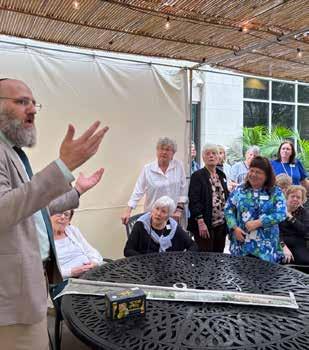
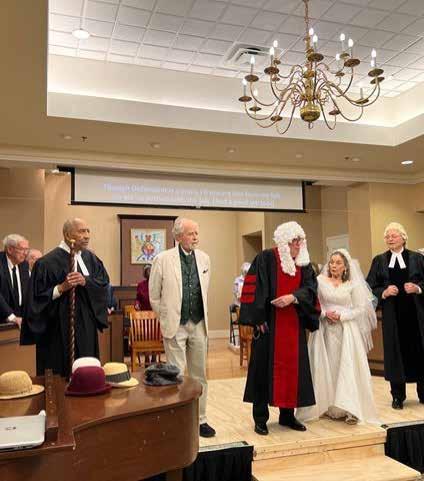
Orchestra, a resident favorite. Each year, residents stage a full-scale opera performance on-site, and several groups perform regularly at the community, including Bob’s Broadway Chorus.
“Once people experience our community, feel the
combining technology and artistry to




warmth, and see all the activities, they are more likely to make their decision to move here,” said Elaine Scheelk, chief strategy officer.
For Jewish residents, there is a weekly Shabbat minyan and service held, as well as a parsha class organized and held by the residents. The prayer books were originally donated by a local congregation, but now the new prayer books include English, Hebrew, and transliteration so all may participate. During Chanukah, the menorah is lit and residents participate in a holiday celebration. This past year, for the first time, a sukkah was erected on-site for residents.
As senior care needs have evolved, Canterbury Court continues to invest in its campus, services, and programs to meet residents’ expectations — including significant expansions such as the Garden Tower, a 10-story building that overlooks the beautiful community gardens and offers some of the largest, most luxurious apartments, as well as the Monarch Pavilion healthcare center, home to healthcare services and higher levels of living at Canterbury Court.
The recent addition of land purchased from a neighboring property has also added to the beauty of the existing 10 acres of gardens, a dog park, and greenhouse. This special woodlands area was created for community enjoyment, and its development illustrates the property’s ongoing commitment to creating eco-friendly spaces. As part of the addition, Canterbury Court reused concrete from the existing property purchased to create a concrete retaining wall.
Founded in 1965 by members of All Saints’ Episcopal Church and St. Luke’s Episcopal Church, Canterbury Court was created to provide a welcoming and secure home where older adults of all religions could live fulfilling lives while embracing modern innovations and emerging needs in senior living. “We are dedicated to weaving together a tapestry of lives and cultivating lives of purpose and possibility,” said Scheelk, echoing the community’s mission and vision. ì

By Marcia Caller Jaffe
The City Springs Theatre Company (CSTC) Encore Gala was held at the Coca Cola Roxy in Cobb County because City Springs itself couldn’t accommodate the full 350 fans.
On Feb. 12, patrons came to revel in 14 rousing songs representing past seasons, plus the big reveal, season nine’s four-show lineup. Sponsor Mickey Katz, president of the Axelrod Charitable Foundation, told the AJT, “CSTC is unique and excels at … bringing joy to theatre goers, participation with the community, and training future stars in their classes. As president of the Axelrod Foundation, I knew this was exactly the type of organization that they would want me to support.”
Sandy Springs Mayor Rusty Paul shared how Sandy Springs stands out because of the singing, drama, and fine arts all brought by “The Company,” as it heads into its ninth season. He said, “In a year-and-a-half, we will celebrate 10 years. And note that the people in this room are the ones with money, and Baby Boomers don’t live forever; thus, we are working hard to grow the next generation through education.”
The CSTC has a tremendous effect on the community at-large. When a production is active, local restaurant sales increase by 26 percent. Last year, 600 people had jobs related to CSTC which has sought long-term and practical investments, like spending $300,000 on microphones that would last eight to 10 years vs. $120,000 a year on rentals per Natalie DeLancey, executive director. Artistic Director Shuler Hensley will continue front and center with his many talents.
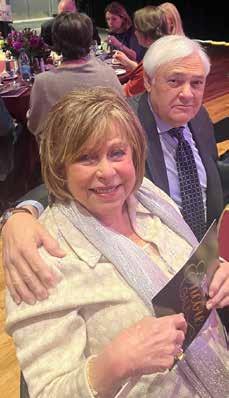

Songs at the gala included pieces from “Hairspray,” “South Pacific,” “42nd Street,” “Mary Poppins,” “Into the Woods,” “Sound of Music,” “West Side Story,” “The Music Man,” “Beautiful,” “Mama Mia,” “Gentleman’s Guide,” and “Beauty and the Beast.” Brian Wittenberg, who was featured in the Atlanta Jewish Times (Dec. 11, 2024), sang a compelling “Miracle of Miracles” from “Fiddler on the Roof.” This group ended in a rousing medley from “Jersey Boys,” the bestselling musical in the history of CSTC. Another highlight was CSTC Conservatory students performing a “Guys and Dolls” preview.
No gem shines brighter than Atlanta

native and Julliard graduate, Courtenay Collins, who performed “Practically Perfect” earlier and made for an upbeat auctioneer, strutting about the stage cracking delicious off-the-cuff jokes and encouraging fundraising bids on a few choice items: a walk-on role in “Mean Girls, The Musical”, a diamond tennis bracelet and necklace from D. Geller, a three-night stay at a Lake Nantahala
home, and dinner for 10 with a live “Jersey Boys” performance. Clever on her toes, Collins engaged such enthusiasm that she offered multiples of some of the auctioned items.
CSTC has served more than 330,000 patrons and 155,000 students through its mainstage musicals and educational programs. For more info, please visit www. CitySpringsTheatre.com. ì
Les Misérables (Sept. 11-27)
Based on Victor Hugo’s novel, “Les Misérables” first premiered in London in 1985. Jean Valjean is released from years of unjust imprisonment. He breaks his parole in hopes of starting a new life as he is relentlessly pursued by police. “Les Misérables” has been seen by more than 70 million globally. Interesting note, Israeli Dudu Fisher starred (of many) as Valjean on Broadway.
Anastasia (Dec. 11-27)
This musical spans the twilight of the Russian Empire to the euphoria of Paris in the 1920s, as a brave young woman sets out to discover the mystery of her past.
Dear Evan Hansen (March 5-21, 2027)
A modern classic featuring teenaged Evan Hansen who has felt invisible his entire life. When tragedy shocks his community and thrusts him into the center of controversy, he’s given the opportunity of a lifetime: the chance to be somebody else. His web of well-intentioned lies unravels.
Grease (April 30-May 16, 2027)
Evoking the 1950s, “Grease” is a rollicking, crowd-pleasing nostalgic trip. Head greaser, Danny, and Sandy are unexpectedly reunited after a whirlwind summer romance. The soundtrack to the 1978 film version placed "Grease" among the world’s most popular musicals.
By Marcia Caller Jaffe
The adage often rings true … “good, fast, cheap, pick any two.”
Fresh One Kitchen, located just outside I-285 on Roswell Road, may just have all three. Although it’s not a dressup, date night spot, the healthy, flavorful, vegetable-forward “create your own” bowl menu is nothing if not bountiful and umami satisfying -- prepared without a lot of unhealthy salt and fats. Although not certified as kosher, Fresh One uses no meat or poultry products in the vegetable array, though meats are offered as an option, as is tofu.
Nigerian-born owner Odibi Odibi, who immigrated to the U.S. in 1994, explained it this way, “When I was thinking about Fresh One Kitchen, I wanted to create food that is clean, flavorful and help promote wellbeing. We’re a fresh take on healthy and delicious. We offer mouth-watering steamed and roasted veggies and perfectly seasoned proteins. Build a healthy bowl the way you want it. We source locally when possible. We believe great food does great things for the mind, body, and spirit. A shift toward a healthier, more sustainable lifestyle has begun.”
On the night this writer met Odibi, he had returned from Temple Sinai where he has previously catered b’nai mitzvot and served staff and teachers.
One of the reasons Fresh One succeeds is Odibi’s “hands on” approach -- working, watching, and controlling quality. In addition to 22 employees, he works 70 to 80 hours a week in operations, administration, and marketing. There’s one other location near Kennesaw State University. Odibi has big plans. “Our growth path has been more organic, first within the Atlanta Metro and suburbs, with plans to open the concept up for partnership and franchising with the goal of saturating the market. I think in the next five years we can grow the brand to 15 to 20 locations.”
Fresh One relies on seasonings and selected spices to enhance flavor. There is an art to having so many different vegetables, each “just right,” not over cooked, and at the right temperature.
The cafeteria-style line begins with salads, Spring Mix, Kale Rainbow Mix, and romaine lettuce, with options to add saffron rice, black (Forbidden) rice, white rice and sweet potato noodles. Then they are roasted potatoes, black and garbanzo beans. Other vegetables include steamed

broccoli, roasted carrots, cucumber tomato mix, Brussels sprouts, spicy slaw, sweet potatoes, sesame green beans, sweet corn, and glazed mushrooms.
Odibi added, “Since we are a fast casual concept, we continuously prepare in small batches to keep food fresh and flavorful, making it easy to serve 30-plus items all at once.”
Bowls start at $10; and the staff is very happy to serve generous portions.
Odibi takes pride in maintaining restaurant-quality offerings by using key techniques beyond following recipes. Spices are cinnamon, cumin, cardamom, clove, and coriander for both sweet and savory depth. For health-conscious cooking, they focus on turmeric,
ginger, cinnamon and garlic, which pack antioxidant benefits. For desserts, they collaborate with Sweet Streets that include salted caramel cookies, gluten-free chocolate brownies, three-layer salted caramel cake, four-layer carrot cake, sixlayer chocolate cake, Basque Manifesto, white chocolate blueberry, and white chocolate raspberry treats. They also team with Vegan in Paradise for veganfriendly desserts, including bread, cakes, cookies, and cinnamon rolls. Fresh One serves no alcohol.
Odibi has been in the hospitality industry for his entire adult life. His previous role prior to opening Fresh One was director of operations at The Juicy Crab.

He concluded, “I have always enjoyed making an impact and the food industry gives me that opportunity: to serve and make that difference in the lives of many.”
Note Odibi Odibi (first and last name) means “strength and leadership.” Busy times are 12 p.m. to 2 p.m. and 6 p.m. to 7:30 p.m. Grab and go or sit down work well. Fresh One offers 32 indoor seats and 12 outdoor, and easy free parking out front. Follow them on Instagram (@freshonekitchen) and TikTok (@ freshone.kitchen).
Open 11 a.m. to 9 p.m., Monday to Saturday, and 11 a.m. to 8 p.m. on Sunday. For more information, please visit Freshonekitchen.com. ì

Baby Steps into Passover – 10 to 11:30 a.m. Why is this Passover different from all other Passover seders? Because this year, there’s a baby at the table. Join us for a relaxed parent-and-baby gathering with Rabbi Sam Trief of Temple Sinai (and fellow parent!) as we explore simple, realistic ways to include little ones at the seder. Families will connect, share ideas, and create a sweet Passover keepsake — and parents will walk away with real strategies they can use to make this year’s holiday feel meaningful and special. Sign up at https://tinyurl. com/4dwypw97.
Her Brunch Club- 10:30 to 11:30 a.m. Her Brunch Club. Learn Torah over breakfast with the Mitzvah House. Register at https://tinyurl.com/49aj2cxc.
Jerry’s Habima Theatre: Mary Poppins JR - 11 a.m. The wealthy Banks children meet their new nanny, the confident Mary Poppins, who uses imagination, wit, common sense, and a bit of magic to help them rediscover the importance of family through a series of whimsical adventures. Enjoy beloved classics like “A Spoonful of Sugar,” “Chim Chim Cheree,” and “Supercalifragilisticexpialidocious.” Don’t miss this outstanding production by our award-winning theater company of actors with special needs and extraordinary abilities! This show is perfect for all ages! All seating is general admission. Reserve tickets at https://tinyurl.com/3ebtpepf.
A Pre-Passover Afternoon with Rabbi Josh Feigelson – 1 to 4 p.m. Join us at The Dupree for a special Passover program led by Rabbi Josh Feigelson in partnership with The Spring. Rabbi Feigelson serves as president and CEO of the Institute for Jewish Spirituality, where he focuses on making Jewish spiritual practice — such as mindfulness, prayer, and ethical reflection — accessible and relevant to contemporary life. RSVP at https://tinyurl.com/5fn74sjm.

Hadassah Etz Aviv Chai Tea – 1:30 to 3:30 p.m. Hadassah Greater Atlanta Etz Aviv requests your presence at a Chai Tea to honor new members and attract additional new members. Location will be revealed upon registration. To register visit https://tinyurl.com/mrpscfue.
Building Smart Money Habits – 2 to 4 p.m. Join JIFLA, Congregation Ner Tamid, and JTeen for Building Smart Money Habits, a financial skills workshop for teens. Learn practical money skills; how to budget, save, and manage debt; and get Jewish values (interest-free lending and tzedakah). There will be snacks and prizes too! Sign up at https://tinyurl. com/388mdvww.

Leaving the Narrow Places: A Day of Spiritual Preparation for Passover – 2 to 5 p.m. Led by Rabbi Josh Feigelson, this afternoon experience centers on Jewish mindfulness practice, guided reflection, and small-group conversation. Through shared practice and facilitated breakout groups led by local rabbis, participants will explore what it might mean to release inner “Chametz,” clarify what matters most, and arrive at the seder feeling more present and grounded. Sign up at https://tinyurl. com/4vcyyxwu.
March 2026 JBaby Brookhaven
Neighborhood Small Group - 3:30 p.m. A five-week small group series for local families to bond over music, education, support, and playtime. Designed for babies ages 0–12 months and their parent(s). In this warm, welcoming space, neighborhood families come together for playful learning and meaningful support. Each session is about 45–60 minutes, with plenty of time to socialize after. Register at https://tinyurl. com/2u2tpw4h.

Cradles to Classics Music Class – 3:45 to 4:15 p.m. Join JBaby for the sweetest event — bringing together multiple generations through songs everyone knows and loves. Sign up at https://tinyurl. com/4sp5wrab.
Jerry’s Habima Theatre: Mary Poppins JR – 4 p.m. The wealthy Banks children meet their new nanny, the confident Mary Poppins, who uses imagination, wit, common sense, and a bit of magic to help them rediscover the importance of family through a series of whimsical adventures. Enjoy beloved classics like “A Spoonful of Sugar,” “Chim Chim Cheree,” and more. Don’t miss this outstanding production by our award-winning theater company of actors with special needs and extraordinary abilities! This show is perfect for all ages! All seating is general admission. Reserve tickets at https://tinyurl.com/3ebtpepf.

Gotta Sing Events: Broadway – 6:30 to 8 p.m. The Anti-Karaoke. Ditch the cringey backing tracks and solo spotlights. Gotta Sing Events is cranking original Broadway cast recordings and turning the entire room into one massive, thundering chorus. With every lyric projected as your safety net, you’ve got the ultimate confidence to belt every word alongside everyone else. No solos, no “canned” knockoffs — just a room full of people becoming the lead role together. Bring your voice, leave your inhibitions. Broadway is calling. Purchase tickets at https://tinyurl.com/4ca3adb6.
Monday, March 16
The High School Transition: A Parent and Teen Conversation – 7 to 8:30 p.m. Eighth-grade teens and their parents are invited to come together for an interactive evening of guidance, honest conversation, and practical tools to navigate this transition — together. Led by expert speakers and a panel of older teens, this program offers parents insight into how their role shifts during the high school years, while teens hear directly from peers about what to expect and how to thrive. Register at https://tinyurl.com/yw6p46na.

New Moon: Passover Pillow – 7:30 to 9:30 p.m. Let’s get ready to relax with Dena Schusterman and The Chabad Creative Team. An evening of creativity, connection, and Pesach pillow prep. Join us for a Ladies Passover Pillow Decorating Night, where we’ll design and decorate beautiful pillows to use at the seder and throughout the holiday. All supplies provided — just come and enjoy. Chabad Intown will provide pillow covers and all the materials to make festive, fun, creative, and cool Passover pillows. Use them at the seder or decorate your home! Sign up at https://tinyurl.com/6ubbas7a.

Shake It Up Shabbat at Etz Chaim –9:30 a.m. to 12 p.m. Join us at Etz Chaim for our monthly Shabbat morning service geared toward students in kindergarten through seventh grades and their families. The goal of this service is for everyone to become more comfortable in the Radow Sanctuary, where our classes will lead parts of the service. After services, we invite you to join us for our kiddush lunch. Learn more at https:// tinyurl.com/29d2bcw7.
At the Passover Table: Learning, Meaning, and Tradition - 12 to 1 p.m. In partnership with Ahavath Achim Synagogue, The Dupree is hosting three Lunch & Learn sessions led by Ahavath Achim’s rabbis, designed to help participants prepare for Passover with greater understanding, confidence, and intention. Together, the sessions explore the foundations of the holiday, the structure and meaning of the Haggadah, and practical approaches to creating an engaging seder experience for all ages. Register at https://tinyurl.com/2ahf4aef.
Torah Reading: Vayikra
Friday, March 20 Light Shabbat Candles: 7:30 PM
Saturday, March 21 Shabbat Ends: 8:26 PM
Torah Reading: Tzav
Friday, March 27 Light Shabbat Candles: 7:36 PM
Saturday, March 28 Shabbat Ends: 8:32 PM

A House Divided – 7:30 p.m. Join Temima High School for a presentation of “A House Divided.” “When the kingdom splits, how will the four sisters choose their loyalty?” Enjoy an evening of drama, song, and dance for women and girls only. Purchase tickets at https://tinyurl.com/3b9hbpv6.
Hadar Atlanta Jewish Professionals
Lunch N’ Learns - 12 p.m. Join Rabbi Ayal Robkin of Hadar Atlanta as he leads a lunch and learn series designed for Jewish professionals. This is designed for individuals the Jewish non-profit world (Jewish Atlanta ecosystem) seeking to deepen their foundation in core Jewish values. Each session uses classical Jewish texts and your voices to deepen our understanding of these crucial concepts. Take a break from your day and join us for a lunchtime session of Jewish learning: feed your mind while you recharge. RSVP at https://tinyurl.com/3r246cj7.
Atlanta Jewish Academy Evening of Honor – 7 to 9 :30 p.m. Please join the Atlanta Jewish Academy for the Atlanta Jewish Academy Evening of Honor, honoring: Shirley Brickman, Dinah (YA’05) and Jonny (GHA’02 YA’06) Farazmand, and Julie Fine (GHA’03). RSVP at https:// tinyurl.com/4jb69kkd.
A House Divided – 7:30 p.m. Join Temima High School for a presentation of “A House Divided.” “When the kingdom splits, how will the four sisters choose their loyalty?” Enjoy an evening of drama, song, and dance for women and girls only. Purchase tickets at https://tinyurl.com/3b9hbpv6.

March 2026 JBaby Newborn Small Group- 11 a.m. to 12:30 p.m. Shalom, and welcome to the newest members of the tribe! Whether you’re a first-time parent or adding to your growing family, this warm and welcoming group offers a safe, judgment-free space to share your experiences, ask questions, and build friendships with other new parents who truly understand what you’re going through. From sleepless nights to first smiles, we’ll celebrate the highs and support each other through the lows of early parenthood. Register at https://tinyurl.com/5h4xzs5k.
Passover - Read It in Hebrew – 7:30 p.m. This Passover, follow the Haggadah with confidence. Learn to read Hebrew. Read It in Hebrew is a cutting-edge, five-week crash course that makes learning to read Hebrew simple and inspiring. It combines proven teaching methods with elegant design, incorporating the timeless educational principles of the Rebbes of Chabad. In just weeks, you’ll be reading Hebrew with confidence, right in time for the Seder! Learn how to read Hebrew by signing up at https://tinyurl. com/4yxajsm5.
Friday, March 20
Allies in Context: Exploring the U.S.–Israel Relationship- 8:30 to 9:45 a.m. Allies in Context: Exploring the U.S.–Israel Relationship is a four-part learning series that offers participants an accessible look at how the U.S.–Israel relationship has taken shape over the past century. Tracing its evolution from early American Jewish engagement with the Zionist movement in Europe and Palestine to the close — and sometimes fraught — partnership that has defined the two countries’ relations since the 1950s, the series explores the key forces that shaped this transnational connection. Register at https://tinyurl.com/2tbkrhjz.
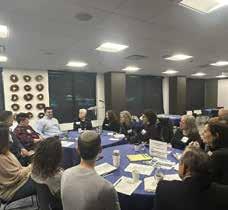
Board Chair Connect: Strengthening Jewish Leadership in Atlanta – 8:30 to 10 a.m. Debbie Kuniansky, Jewish Federation of Greater Atlanta Board Chair, invites you to join board chairs and presidents from across Atlanta’s Jewish organizations for a dynamic and purposeful convening within the Atlanta Jewish ecosystem. Through peer learning and meaningful conversations, leaders will strengthen relationships, share insights, and support one another in guiding our community forward. Share. Strategize. Strengthen. Register at https://tinyurl. com/4dtfk5m2.
Small Group - 11:30 a.m. A 5-week small group series for local families to bond over music, education, support, and playtime. Designed for babies ages 0–12 months and their parent(s). In this warm, welcoming space, neighborhood families come together for playful learning and meaningful support. You’ll connect with other parents, learn from developmental experts, and share new experiences with your little one — building friendships and a deeper connection to your community along the way. Each session is about 45–60 minutes, with plenty of time to socialize after. Register at https://tinyurl.com/mr9fcf4t.

Tot Shabbat - 6 to 8 p.m. Tot Shabbat from Congregation Dor Tamid is a Shabbat program geared for children (second grade and younger) to laugh, meet new children, make new friends, and explore the wonders of Judaism in an exciting fun way! The service is filled with songs, prayers, blessings, stories, snacks, and a place where a kid can be a kid when they pray to G-d. This service meets on selected Friday nights throughout the year at 6 pm. Each service is followed by a pot-luck Shabbat dinner. Tot Shabbat is geared toward children 4 and under. Learn more at https://tinyurl.com/ w94ra3de

Shabbat Stroll & Roll: Walk with JBaby – 10 to 11 a.m. Come enjoy a casual stroll through a Dunwoody park, meet other local families, and relax with snacks and coffee. It’s an easygoing, family-friendly morning — the perfect way to get some fresh air and community connection. We’ll start off by reading a PJ Library book about Shabbat, “Shai’s Shabbat Walk”! We’ll see what we notice on our own Shabbat walk! Everyone’s welcome — bring the whole family! Register at https://tinyurl.com/3a9hnr2h.
2026 Atlanta Unity Seder- 6 to 9 p.m. AJC’s Atlanta Unity Seder is an annual program that celebrates the Jewish holiday of Passover and transcends religious and cultural boundaries to celebrate the universal themes of freedom, resilience, and shared humanity. Sign up at https:// tinyurl.com/3xyxp387.
Purim Off Ponce 2026: Back to the Future – 8 to 11 p.m. SOJOURN’s signature costume celebration is back — and this year, we’re hitting 88 miles per hour straight into a queer Jewish future! Join us as we travel through time — from ancient Persia, where Purim began, to the ’80s to the bold future of LGBTQ+ Southern justice. Whether you’re channeling Doc Brown, Queen Esther, or a queer cyborg rabbi from 3025, bring your most fabulous, futuristic flair. Expect music, mischief, and megillah — all to support SOJOURN’s mission of education, advocacy, and inclusion across the South. Costumes encouraged. Time travel is mandatory. Purchase tickets at https:// tinyurl.com/2xaken9s.

Let My People Play! – 10 to 11:30 a.m. Celebrate Passover in a way your whole family will love — outdoors, hands-on, and full of meaning. Join the Federation and PJ Library for Let My People Play!, a fun and engaging Passover experience in the park where families can enjoy shmears with matzah, connect with the story of Exodus, and explore the Ten Plagues through interactive learning and play. This relaxed, welcoming event is designed especially for families with young children, blending Jewish tradition with movement, laughter, and discovery. Sign up at https://tinyurl.com/3hf4rx9b.
Sandbox Seder – 11 a.m. to 1 p.m. Join the Federation and PJ Library for a joyful Passover inspired playdate designed to encourage imagination and sensory play through exploring, digging, and creating. As we get ready for Passover, we’ll celebrate themes of freedom, movement, and fun with plenty of openended play. Lunch will be provided. We’ll gather in a cozy indoor sandbox style play space — an inviting spot for little ones to dig, build, and imagine while parents mingle and connect. Passover themes will be woven throughout the sensory fun. Register at https://tinyurl.com/4227b8kv.

I Am a Georgia Girl: The Life of Lucille Selig Frank – 2 to 4:30 p.m. Join us at The Temple for a special afternoon with acclaimed author Ann Hite, celebrating the release of her new book, “I Am a Georgia Girl: The Life of Lucille Selig Frank, 1888–1957.” Lucille Selig Frank was not only a central figure in one of Georgia’s most consequential chapters of history — she was also a member of The Temple. In this deeply researched and illuminating biography, Hite brings Lucille’s voice and story to the forefront, offering a nuanced portrait of a Southern Jewish woman whose life was shaped by faith, family, resilience, and the enduring legacy of the Leo Frank case. Reserve your space at https://tinyurl.com/y9bmrxkn.
March 2026 JBaby Brookhaven Neighborhood Small Group - 3:30 p.m. A five-week small group series for local families to bond over music, education, support, and playtime. Designed for babies ages 0–12 months and their parent(s). In this warm, welcoming space, neighborhood families come together for playful learning and meaningful support. Each session is about 45–60 minutes, with plenty of time to socialize after. Register at https://tinyurl. com/2u2tpw4h.
Klezmer: old, new and NOW! with the New Orleans Klezmer Allstars – 4 to 7:30 p.m. Join us as we kick off the Levison Family Music Series at The Breman! The Allstars mix traditional klezmer with the funk, R&B, and Dixieland sounds of their namesake city. While they may push the boundaries of this folk music style, they never sacrifice the most exciting features of social music: driving rhythms, passion and clear melodies. Celebrating their 35th anniversary in 2026, the Allstars with their extraordinary line-up of musicians on horns, guitar, bass, drums and accordion will have you dancing from the first beat. Purchase tickets at https://tinyurl.com/ yk4tu44w.
50s+ Singles Wine Tasting – 5 to 7 p.m.
50s+ singles are invited to join us at Basil’s Restaurant & Tapas Bar in Buckhead for a wine tasting led by sommelier Elina Brager. The price of the tasting is included with your ticket along with appetizers. Half of the wines in this tasting will be kosher wine. Basil’s has also generously offered a 15% discount to anyone who stays for dinner after the event. Valet and street parking are available. RSVP at https://tinyurl.com/57wy6dwt.
Staying Connected, Letting Go: Parenting Through the Transition to Adulthood – 7 to 8:30 p.m. Calling all parents of the Class of 2026! With graduation around the corner, this season can bring a mix of pride, excitement, and uncertainty for parents. As your teen prepares for their next chapter, it’s a meaningful time to reflect on the Jewish values of l’dor v’dor (from generation to generation) and how we pass down wisdom, resilience, and connection. Join parent coach Cari Newman for an intimate evening exploring the emotional and practical challenges of preparing your teen for what comes next — whether it’s college, a gap year, or another path. Register to attend at https://tinyurl.com/ mrfuc85e.

Get Ready for Passover with Joy – 4 to 6 p.m. Take the week to prepare for Passover with inspiration, resources, and hands-on fun! Our MJCCA Virtual Passover Guide comes to life with displays, activities, and daily engagement opportunities to make sure you enter the holiday with confidence and joy. Displays will be out all day but stop by between 4-6 p.m. for daily themed experiences. Find out more at https://tinyurl. com/497n4s7f.
Parenting WorkShop Series – 7 to 8:30 p.m. Kick off the New Year along with Congregation Dor Tamid with Fresh Strategies for Today’s Parenting Challenges. Sign up at https://tinyurl. com/39kkxdcu.

Tuesday, March 24
MahJong and Healthcare Tips for Seniors – 10:30 a.m. Come play a little MahJong and learn some healthcare tips with the Chabad of Fulton. Learn more at https://tinyurl.com/5n8tpzbb.
At the Passover Table: Learning, Meaning, and Tradition - 12 to 1 p.m. In partnership with Ahavath Achim Synagogue, The Dupree is hosting three Lunch & Learn sessions led by Ahavath Achim’s rabbis, designed to help participants prepare for Passover with greater understanding, confidence, and intention. Together, the sessions explore the foundations of the holiday, the structure and meaning of the Haggadah, and practical approaches to creating an engaging seder experience for all ages. Register at https://tinyurl.com/2ahf4aef.
Get Ready for Passover with Joy – 4 to 6 p.m. Take the week to prepare for Passover with inspiration, resources, and hands-on fun! Our MJCCA Virtual Passover Guide comes to life with displays, activities, and daily engagement opportunities to make sure you enter the holiday with confidence and joy. Displays will be out all day but stop by between 4-6 p.m. for daily themed experiences. Find out more at https://tinyurl. com/497n4s7f.
Wednesday, March 25
Wine and Charoset Tasting - 11:30 a.m. to 1:30 p.m. Modern Agers x Jewish HomeLife! Let’s get ready for Passover! Chabad Intown is excited to be collaborating with Jewish Homelife for this pre passover event! Delicious lunch will be served. Join our Modern Agers community for a special Charoset & Wine Tasting experience as we explore the flavors, traditions, and spirit of the season. Expect thoughtful conversation, connection with new and old friends, and a beautiful afternoon together. RSVP requested at https://tinyurl.com/2rvw6fww.
Get Ready for Passover with Joy – 4 to 6 p.m. Take the week to prepare for Passover with inspiration, resources, and hands-on fun! Our MJCCA Virtual Passover Guide comes to life with displays, activities, and daily engagement opportunities to make sure you enter the holiday with confidence and joy. Displays will be out all day but stop by between 4-6 p.m. for daily themed experiences. Find out more at https://tinyurl. com/497n4s7f.

Thursday, March 26
March 2026 JBaby Newborn Small Group- 11 a.m. to 12:30 p.m. Shalom, and welcome to the newest members of the tribe! Whether you’re a first-time parent or adding to your growing family, this warm and welcoming group offers a safe, judgment-free space to share your experiences, ask questions, and build friendships with other new parents who truly understand what you’re going through. From sleepless nights to first smiles, we’ll celebrate the highs and support each other through the lows of early parenthood. Register at https://tinyurl.com/5h4xzs5k.

Friday, March 27
Allies in Context: Exploring the U.S.–Israel Relationship - 8:30 to 9:45 a.m. Allies in Context: Exploring the U.S.–Israel Relationship is a four-part learning series that offers participants an accessible look at how the U.S.–Israel relationship has taken shape over the past century. Tracing its evolution from early American Jewish engagement with the Zionist movement in Europe and Palestine to the close — and sometimes fraught— partnership that has defined the two countries’ relations since the 1950s, the series explores the key forces that shaped this transnational connection. Register at https://tinyurl.com/2tbkrhjz.
February/March 2026 JBaby Intown
Small Group- 11:30 a.m. A five-week small group series for local families to bond over music, education, support, and playtime. Designed for babies ages 0–12 months and their parent(s). In this warm, welcoming space, neighborhood families come together for playful learning and meaningful support. Each session is about 45–60 minutes, with plenty of time to socialize after. Register at https://tinyurl.com/mr9fcf4t.

Daffodil Dash – 9 a.m. to 12 p.m. The Daffodil Dash is a Run/Walk in memory of the 1.5 million children who perished in the Holocaust and in support for children suffering in the face of genocide and other humanitarian crises in the world today. The Daffodil Dash raises awareness and funds for Holocaust Education and Genocide Awareness. Sign up at https://tinyurl.com/2vsafdm7.

Play Tamid - 9:15 to 11 a.m. Play Tamid is led by Rabbi Jordan and is open to the public (members and non-members of Congregation Dor Tamid). Enjoy crafts, songs, fun activities, and more for children under 4 (parent/ guardian must attend). RSVP at https://tinyurl. com/3farjzrc.
Baby Steps into Passover – 10 to 11:30 a.m. Why is this Passover different from all other Passover seders? Because this year, there’s a baby at the table. Join us for a relaxed parent-and-baby gathering with Rabbi Sam Trief of Temple Sinai (and fellow parent!) as we explore simple, realistic ways to include little ones at the seder. Sign up at https://tinyurl. com/2f2uxh2m.
Pre-Passover Learning with Rabbi Ayal Robkin – 1 to 3 p.m. Join The Dupree for a powerful and text-driven Passover deep dive with Rabbi Ayal Robkin of Hadar Atlanta. In this immersive learning experience, Rabbi Robkin will guide participants through a close study of a Talmudic passage in which Moshe defends the giving of the Torah to humanity against the angels’ objections. Through careful analysis of the topic and its biblical foundations, Rabbi Rodkin will explore a central question of Passover: Why is the Exodus the foundation of Jewish law and identity? Find out more at https://tinyurl.com/yayjk9ch.
Bearing Witness- Unforgettable Stories from the Holocaust - 2 to 4 p.m. Corresponding Angles – A captivating story of a Holocaust liberator and a Holocaust survivor. Ebensee, a subcamp of the infamous Mauthausen concentration camp in Austria, is the starting point of a captivating story of two Georgia families joined by survival and liberation. Register at https://tinyurl. com/5bprrsbj.

Summit on Antisemitism- 5 to 8 p.m. The Temple is excited to partner with our interfaith neighbors for this threepart series. Each session will focus on the different aspects of antisemitism in America today. This session is the State of the Alliance: Racism & Antisemitism with Megan Black Johnson. Register at https://tinyurl.com/yuzcjzkz.
Passover Retreat - Enjoy a meaningful, fun family holiday with extraordinary facilitators. Space is very limited for this family-friendly, kosher for Passover retreat in the North Georgia mountains. Register at https://tinyurl.com/ytwd3rv7.


Ingredients
4 eggs
1 and 1/4 cups finely ground almond flour, such as Pereg
2 tablespoons Heaven & Earth Coconut Flour
1 teaspoon baking powder
1/4 cup Gefen Unsweetened Almond Milk
2 tablespoons maple syrup, plus more for serving
1 tablespoon avocado oil (or any neutral oil)
1 teaspoon vanilla extract
pinch of salt
1/4 cup mini chocolate chips
nonstick cooking oil spray fruit, for serving
Directions
1. In a medium bowl, beat eggs.
2. Add almond flour, coconut flour, baking powder, almond milk, two tablespoons maple syrup, oil, vanilla extract, and salt. With a hand mixer or a fork, mix until combined.
3. Stir in chocolate chips.
4. Heat your waffle maker according to the manufacturer’s directions. Cook waffles one to two minutes, depending on size. Serve with maple syrup and fruit.
Moshe, an Orthodox Jew, goes for a job interview with a Gentile employer.
In the course of the interview, the employer asks Moshe what kind of salary he is seeking. Thinking of his large family and the many bills that must be paid, Moshe replies that he would like $100,000 per year.
The employer replies that, in today’s market, he is only prepared to offer Moshe $80,000 per year.
Upon hearing this, Moshe tells the employer, “Listen, even though I am an Orthodox Jew and keep kosher, I still have to bring home the bacon.”
n. An untrue story that captures one’s mind; known in the media as “fake news.”
“According to Melvin’s latest tweet, Martians are putting drugs in our toothpaste. Of course, Melvin gets all his bubbe maiseh-trap from a website run by certifiable nutcases.”
From the Yiddish, “bubbe maiseh,” literally a “grandmother’s tale” or “fanciful story.”

By: Yoni Glatt, koshercrosswords@gmail.com
ACROSS
1. Popular name in running gear
6. Do with volume
10. Night bird
13. Big name in Jewish camps
14. Something used on stage
15. South Korean car company
16. Havdalah option
18. Sun Devils’ sch.
19. He trained Luke Skywalker, for short
20. Got loose
22. Havdalah option
26. Havdalah need
27. “Garfield” canine
28. Menzel of “Frozen”
31. Jewish letter with a value of 40
32. Sketchy NBC show?
34. Havdalah option
38. Sam-___ (Dr. Seuss character)
39. Common electric cars
41. Belonging to that guy
42. Havdalah option
44. It’s frozen
45. Hosp. workers
46. Bluesy James and jazzy Jones
48. Stadium section
49. Havdalah option
52. Havdalah item
55. Horror director who also played
“The Bear Jew”
58. Houseguest’s bed, sometimes
59. Be in pain
60. Havdalah item
65. “Diff’rent Strokes” actress Charlotte
66. Company whose sales reps had a “calling”
67. A sense
68. NFL measurements
69. He trained Luke Skywalker
70. 69-Across, e.g.
1. Buenos Aires’s land, briefly
2. Jewish sch. in Riverdale, NY
3. Jewish mother (var.)
4. Famous gangster Al
5. Biblical land with a queen
6. Hank Azaria used to voice him on “The Simpsons”
7. Chandler, Joey or Ross
8. Big mythical birds
9. Petroleum production regulator, briefly
10. Rare striped kosher mammal
11. What you get as you grow older
12. Honor, on a diploma
17. Prankster on “The Office”


This week, 100 years ago - 1926
Einstein Theory passes test with acceptance by British Astronomical Society
Rabbi Joel Blau inducted as spiritual leader of the West London Synagogue, only the second Reform rabbi to be installed in England.
This week, 75 years ago - 1951
Horacia Lafer, by being elected Minister of Finance in Brazil, becomes the first Jew in the country to hold a cabinet position.
Georgia announced to host national convention of American Jewish War Veterans.
Congregation Shearith Israel in Columbus hosts their annual dinner – for the first time, in a new building.
This week, 50 years ago - 1976
Dr. and Mrs. Leonard Lipson of New Orleans announce
the engagement of their daughter, Lucienne Lipson, to Stanley Sunshine, son of Mr. and Mrs. Theodore Kaplan of Atlanta.
National President of the Jewish War Veterans Auxiliary, Elaine Mass, announces visit to Atlanta.
Atlanta native and New York attorney Morris Abram to be featured in “Where We Came From,” the first broadcast in interfaith series, “Under God.”
Ahavath Achim announces Yiddish Theater Celebration.
This week, 25 years ago - 2001
Several items highlighting Georgia’s Jewish history to be buried in time capsule in Israel – including 75th anniversary edition of the AJT.
AJT highlights Purim celebrations, including the 10th anniversary of Congregation Beth Jacob’s Purim Parade and Festival.
21. Many miles away
22. Jerry Seinfeld, e.g.
23. Perfect
24. Former beloved Met Brandon
25. Chanukah liquids
29. Computer introduced in 1998
30. 11 Wall Street letters
32. “Ignore that edit”
33. Home of twigs
35. Heart pulsation
36. Adspeak or journalese
37. Newark’s county
40. Moses might have spoken with one
43. Avoid a pothole, perhaps
47. Israeli seaport city
48. Deadly
49. Tired
50. Homeric epic, with “The”
51. “Frasier” brother
53. Destination after the ER, for some
54. ___ Rica
56. Allow
57. DVR pioneer
61. It’s in our cells
62. Show that often utilized 61-Down samples
63. Native American people of Utah
64. Farm enclosure

The bar mitzvah of Michael Kleinman, son of Danny and Julie Kleinman, at Congregation Etz Chaim, is announced in the AJT.
Dr. Michael and Rita LeVine of Atlanta announce the engagement of their daughter, Leslie Ellen, to Jason Charney, son of Mitchell and Barabara Charney.
Temple Emanu-El hosts dinner honoring the chevra kadisha, or burial societies, of Atlanta’s synagogues. Macon’s first Jewish Cherry Blossom Queen presides over the 2001 Cherry Blossom festival.
Issues of the AJT (then Southern Israelite) from 1929-1986 can be found for free online at https:// gahistoricnewspapers.galileo.usg.edu/lccn/sn78003973/
Gail Vogel Barr, 81, of Marietta, Ga., passed away on March 5, 2026. Gail’s career spanned over 56 years of federal service. She was deeply devoted to her family. Gail was predeceased by her parents, John and Dorothy Vogel. Gail is survived by her two sons, Adrian and Derek (Erika), and her three grandsons, Ethan, Aaron, and Brody. The funeral was held on March 8, 2026, at Arlington Memorial Park with Rabbi Joshua Heller officiating. Arrangements by Dressler’s Jewish Funeral Care, 770-451-4999


It is with great sadness and profound love that we announce the passing of our beloved Jane Val Berke. Jane passed away on Feb. 27, 2026, after a long and brave battle with cancer.
She was born Jane Val Chernick on Feb. 14, 1947, in Baldwin, N.Y., to Dr. Sam and Sara Chernick, of blessed memory. She grew up in Oceanside, Long Island, and graduated Magna Cum Laude from the State University of New York in Albany. While there, she met the love of her life and the center of her world, Larry, on a blind date on Dec. 29, 1966.
Jane and Larry were married on June 29, 1969, which began their amazing life of love and adventure. They absolutely lived for each other, and eventually had two sons, Matt and Danny. At the time of her death, Jane was surrounded by these three men, who loved her more than anyone in the world and whom she loved without end.
Jane lived a life of incredible creativity, beauty, and adventure. She was a talented artist, an avid gardener, and traveled the world with Larry, their family and friends. She loved to immerse herself in the splendor of the world, whether sitting on a beach, sailing all over the world on a cruise ship, or visiting many dear friends and relatives all over.
While her art, travels, and other activities gave her great joy, nothing made Jane happier than being with her family. Aside from Larry and her sons, she had immense love for Matt’s wife, Amy, and Danny’s wife, Shelley. These two couples gave her four beautiful grandchildren, Samantha, Ethan, Ryan, and Morgan. These lucky kids grew up with a Nana who showered them with love, laughter, and the example of how to live a meaningful life.
In addition to countless friends who loved her and supported her in every possible way, Jane is also survived by her brother, Rabbi Michael Chernick, his wife, Miriam, and several nephews, nieces, and cousins.
Jane’s graveside service was held at Arlington Memorial Park in Sandy Springs, Ga., on Sunday, March 1, at 1 p.m. In lieu of flowers, the family requests donations to the Gynecological Oncology Program at the Dana-Farber Cancer Institute, Weinstein Hospice of Atlanta, or the charity of your choice.




Shelly Ann Kersh Colin, of Greensboro, N.C., formally of Atlanta, Ga., passed away on Sunday Feb. 22, 2026. Shelly was married to the late David Colin for 59 years. Shelly is survived by her children, Beth (Jim) Hawkins of Greensboro, and Joann Koblitz of Atlanta, grandchildren, the late Bronwyne Bowra of North Carolina, and Megan (Preston) Bradford; and her two fur puppies, the late Oscar and Opie Colin. Shelly was the oldest of her two sisters, Jill Kersh, and the late Bonnie Kersh Boaz, both of Atlanta. She was loved dearly by many nieces and nephews. A graveside service was held on Wednesday, Feb. 25,2026 at the Hebrew Cemetery in Greensboro, N.C. In lieu of flowers, we ask that you make a donation to the Alzheimer’s Foundation or a charity of choice. Dressler’s Jewish Funeral Care, 770-451-4999
Penny Finfer, beloved wife, mother, grandmother, and great-grandmother, passed away quietly at home on Feb. 28.
She is survived by husband, Al Finfer, daughter, Kellie White, son, Nicholas (Michelle) White, granddaughters, Kristin White, Lauren (Will) Miller, Megan (Jayden) Zundel, and great-grandson, Miles Miller. She was the youngest of six children of John and Aurora Logan and was predeceased by four older brothers and an older sister.

Penny was born and raised in the border town of Nogales, Ariz. She often commented on what a wonderful childhood she had growing up in a small town where “no one ever locked their doors.” She remained lifelong friends with her childhood playmates and especially with her fellow cheerleaders for the Nogales High School Apaches.
Penny moved to Southern California to attend Loma Linda University. She remained in California until 1995, when she and husband, Al, moved to Atlanta.
Penny was dedicated to children and their health and physical fitness all of her life. Her working life was as a physical education teacher. She taught at a private K-8 academy where she was the only PE teacher. She led PE, outdoors, every day for every grade. When she retired, they had to hire two teachers to replace her.
In Atlanta, she was an active and devoted member of Temple Emanu-El. She was also passionate for the MJCCA. She called it her “home away from home.” Penny was at the “J” six days a week right up until her final few months. Penny and Al were active committee members and supporters of the Book Festival of the MJCCA. Some of her last outings were to attend the Book Festival in November.
In lieu of flowers, the family requests contributions in Penny’s honor be made to the MJCCA or Temple Emanu-El. A memorial was held at Temple Emanu-El on March 4.Arrangements by Dressler’s Jewish Funeral Care, 770-451-4999

Judy Klein Franken, of Atlanta, Ga., formerly of South Jersey, died Feb. 22, 2026. She was 94 years old.
Judy was the wife of the late Richard Franken and is survived by her children, J. Marc (Theresa) Franken and Josie (Perry) Reiter; grandchildren, Patrice (Avi) Robbins, Brittany (Brett) Solomon, Evie (Boris) Shilkrot, Olivia Franken and Amelia Franken; and greatgrandchildren, Emma Robbins, Max Robbins, Ally Robbins and Bennett Solomon and Bailey Solomon.
Interment was at Adath Jeshurun Cemetery in Philadelphia, Penn. Contributions in her memory can be made to the Klein Family Parkinson’s Rehabilitation Center, https://research.jefferson.edu/klein-family-parkinsons-rehabilitation-center.html
Rochelle Silverstein Gianino, 85, passed away March 3, 2026, surrounded by her beloved family.
Rochelle “Shelly” was born in The Bronx, N.Y., on Dec. 27, 1940, the oldest daughter of Morris and Ida Silverstein. Rochelle grew up in New York. The family spent many summers in the Catskills with her cousins. In 1953, her family, including younger sisters, Sharon and Betty Anne, moved to Atlanta, Ga. Rochelle attended Grady High School and, ultimately, graduated from Druid Hills High School class of 1958. She received her Bachelor of Business Administration from the University of Georgia.
She married and moved to California and worked in the television industry. She had two children, Eric and Deborah, and they lived out west until 1983 when she returned to Atlanta to be closer to family. Her career followed her passion for the healthcare industry; first as a nurse, then instructor and finally as a hospital quality assurance consultant. This career brought her to Boston, where she met the true love of her life, Charlie Gianino.
Charlie and Shelly married and retired in 1995. However, retirement was a lot more creating fun than slowing down. Rochelle and Charlie had fun in whatever community they lived. Rochelle was an intellectual creative and she loved writing and producing comedy sketch shows. Her shows would star her neighbors and friends and always sold out at the neighborhood clubhouse. She loved to make people laugh and share the spotlight where others could showcase their talents. She always had a great joke to tell. Rochelle was proud to be a member of Mensa and loved to watch “Jeopardy” to see if she could beat the contestants and often did. She loved to keep her mind challenged with crossword puzzles and was a savage Scrabble player.
While her long bouts with illnesses kept her from doing all the things she wished she could, she loved getting together with friends and family and hated to miss a party, holiday or simcha. She will be remembered for her wonderful sense of humor, her positive attitude and the love for her family.
Rochelle will be dearly missed and is survived by her devoted husband of 30-plus years, Charlie Gianino; her son, Eric (Cindy) Herschberg; daughter, Deborah (Robert) Augenstein; two granddaughters, Meishe Barber and Kiya (Ryan) Dearborn, and greatgrandson, Callaghan; her sisters, Sharon (Richie) Dezotell and Betty Anne (Bryan) Russell. She is predeceased by her parents, Morris and Ida Silverstein.
A graveside funeral was held at 11 a.m. on Thursday, March 5, 2026, at North Atlanta Memorial Park. Arrangements by Dressler’s Jewish Funeral Care, 770-451-4999.
Alon Panovka, 63, of Atlanta, beloved husband, father, son, son-in-law, brother, brotherin-law, uncle, and friend, passed away on Feb. 26, 2026.
Alon was born in Johannesburg, South Africa, on March 27, 1962, the son of Hilly and Gerry Panovka. When he was 18 months old, the family moved to Herzliya Pituach in Israel, where he and his siblings, Robin and Tamar, attended the Brandeis elementary school. When Alon was 12, the family returned to Johannesburg, where he went to high school at King David Victory Park. In 1979, the family immigrated to Atlanta, where Alon lived the rest of his life. After earning a BA at Emory and a JD at the University of Georgia, he launched his legal career, initially working with his late father, Gerry.
In 1999, he married the love of his life, Sheri Panovka (née Petasnick), with whom he raised two wonderful sons, Alexander and Oren. They were his pride and joy, the apples of his eye. He was, at his core, a loving family man, adored by his wife, sons, and larger family.
Alon was hardworking and brilliant, and he excelled at everything he did. He built a successful law practice and significant businesses with assets spanning across Atlanta, Connecticut, and New York. He was kind and generous with his partners, tenants, and employees, and widely admired for his business acumen. He marched to the beat of his own drum, paying little heed to conventional wisdom and always charting his own course. Despite his tremendous achievements in business and other pursuits, he was modest and low key, never pretentious, never seeking the limelight.
He lived life to the fullest and had a great run. He loved his family and friends and enjoyed travel and philanthropic pursuits. He was beloved by many, including his mother, Hilly Panovka, brother, Robin Panovka, sister, Tamar Stern, his late sister-inlaw, Alexandra Korry, his brother-in-law, Mark Stern, and his adoring nieces and nephews, Rebecca, Ariel, Julia, Sarah, and Daniel, as well as his parents-in-law, Barbara and Jerry Petasnick, and his sister- and brother-in-law, Laura and Adam Berkey.
He was a brilliant, funny, warm, brave, and caring man who will be sorely missed.
In lieu of flowers, donations may be made to the Norwalk Art Space, which Alon helped launch -- https://www.thenorwalkartspace.org/ -- or to another charity of your choice.
The funeral was held on Sunday, March 1, at Arlington Memorial Park. Shiva was held at Sheri and Alon’s home at 6 p.m. on Sunday, March 1, and Tuesday, March 3. Arrangements by Dressler’s Jewish Funeral Care, 770-451-4999.

Howard Peck, 88, of Sandy Springs, Ga., passed away peacefully on Feb. 15, 2026.
Born and raised in Fairfield, Ct., Howard moved to Atlanta in 1963 as a young mechanical engineer to join Lockheed Martin. Although engineering shaped his analytical mind, he later found his true professional calling in commercial real estate, building a career that spanned more than 40 years.
After leading the commercial division of a small firm, Howard founded his own business specializing in commercial and residential site sales. He later spent nearly two decades with Atlanta-based Bessemer Properties, where he was responsible for developing and marketing major projects including Phipps Plaza and early developments in Peachtree City, along with significant projects throughout the United States. Even after planning to retire, Howard was recruited by Mobil Land Development Company for one final chapter at Alpharetta’s Windward Business Park. Under his leadership, Windward Parkway flourished, and he played an instrumental role in attracting major companies to the area. He is widely credited with helping spark the commercial and residential growth of North Fulton County.
Beyond his professional achievements, Howard was deeply devoted to his faith and community. A man grounded by strong Jewish values, he believed Judaism was not simply something to observe, but a way of living. He served as past president of Congregation Shearith Israel and held numerous board positions within the Jewish community. In later years, he was an active member of Congregation Beth Tefillah, where he studied Torah, participated in weekly learning sessions, and built meaningful relationships across generations. From the congregation’s early years, he offered guidance in developing bylaws and was always ready to lend his practical expertise - fixing, building, or directing others on how to repair just about anything that needed attention.
Howard was also a Past Master of Fulton Lodge No. 216 and a proud “Flying Fez” Shriner, volunteering his time in the 1970s and 1980s to help transport young burn victims to the hospital for treatment.
Known for his engineering mind and steady determination, Howard could build or fix almost anything. He was an accomplished woodworker with a particular passion for restoring antique wooden boats, especially classic Chris-Crafts. His meticulous craftsmanship earned him numerous first place and Best in Show awards at boat exhibitions around the country. For Howard, restoration was more than a hobby - it reflected his patience, precision, and pride in doing things the right way.
Though he considered himself a “Yankee” at heart, Howard made Atlanta his home for more than 60 years. He traveled extensively, including several meaningful trips to Israel, but his greatest pride was always his family.
Howard is survived by his beloved wife of 19 years, Claire; his children, Keith (Janine) Peck, Marla Arbiv, and Dana (Todd) Parker; his grandchildren, Ava and Ethan Peck; Becky, Jordan, and Ariel Arbiv; Ivy and Toby Parker; his stepchildren, Adina, Michael (Dara), and Alex (Jessica) Kalish; and his step-grandchildren, Talia and Ryan Neufeld; Stella and Sy Kalish; Shane and Ruby Kalish.
A graveside service was held at Arlington Memorial Park in Sandy Springs on Feb. 16, 2026.
Howard’s legacy lives on through the family he built, the community he strengthened, and the values of faith, integrity, and purpose that he instilled in all who knew him. May his memory be a blessing. Dressler’s Jewish Funeral Care, 770-451-4999

Elissa Toni (Shavin) Tempkin, 77, passed away on Oct. 26, 2025, in Tucson, Ariz. Elissa was born on Jan. 17, 1948, in Atlanta, Ga., the daughter of Ruth (Piassick) Shavin and Samuel Joseph Shavin.
Elissa graduated from Grady High School in Atlanta in 1965, where she was the class valedictorian and president of the National Honor Society. Elissa also served as the president of the Trends Social Club. She earned her Bachelor of Arts degree from Cornell University in 1968, where she was a member of the Alpha Chapter of Sigma Delta Tau Sorority. She earned her master’s degree in education with concentration in reading from the University of Arizona in 1980.
In 1962, Elissa met her first husband, Gary Frank Howard. They married in Atlanta in 1968 after her early graduation from Cornell and prior to Gary’s deployment to Vietnam. They had two children, Heather and Ross, and divorced in 1985. Elissa married her second and enduring husband, Donald Lee Tempkin, in 1995.
After college, she taught English in Marietta, Ga. and Hampton, Va., before moving to Austin, Texas, and settling in Tucson in 1974. She was a well-loved teacher of English, Spanish, and drama in the Sunnyside School District in Tucson. She also participated actively in community service organizations such as the Tucson Community Food Bank, Hadassah, the Brandeis National Committee, and the Sierra Middle School Chapter of the Optimist Club.
Elissa adored the ocean and traveling the world with her husband, Donald. She had a lifetime hunger for learning and took many continuing education courses. She had an abundance of joy, laughter, curiosity, and love, and took great pleasure in celebrating the people in her life and enabling them to shine.
She is survived by her husband of 30 years, Donald Lee Tempkin, daughter, Heather Stacy Howard (Jorge Sanchez Suarez), son, Ross Evan Howard (Aimee Miller, Partner), stepdaughters, Karen Tempkin (Travis Wheeler), and Amy Tempkin (David Sheinbein), and 12 adoring grandchildren.
Memorial donations may be made in Elissa’s honor to the Tucson Community Food Bank or St. Jude’s Children’s Hospital. For more information or to leave condolences, please visit www.EvergreenMortuary-Cemetery.com/Obituaries/Elissa-Tempkin.
Obituaries in the AJT are written and paid for by the families; contact Account Manager Ilyssa Klein at Ilyssa@atljewishtimes.com or 404-883-2130, ext. 122, for details about submission, rates and payments. Death notices, which provide basic details, are free and run as space is available; send submissions to submissions@atljewishtimes.com.







Allen H. Lipis The Bottom Line
There are many ways to make a sale, in person or in writing, and close the deal, but each of them requires a level of creativity and a strong level of confidence. Here is my short list that I have used successfully as I have seen others use these tactics successfully as well. What I am talking about is selling in-person to the decision maker or when you must submit a proposal against other companies competitively.
1. Sell on your expertise. Since I was in the consulting business, I had to give the impression to potential clients that our company knew more than our clients did on a subject of interest to them, and generally more than any other competitor. When I began in payment systems, my team in Atlanta installed the second ACH (Automated Clearing House) and our research on that subject was way ahead of the country. We
organized a huge conference and charged handsomely to attend. Bankers from all over the country paid to hear what we had learned and it paid for our work for the next few years. We were selling knowledge no one else had and it brought in a lot of money.
2. Sell that you can produce excellent results when competitors failed previously. We knew that a major consulting firm did not deliver the work that the major banks were looking for. When the subject came up again, we approached the BAI (Bank Institute of Technology), an organization that represented the banks and assured them that we had a better approach, that we had the knowledge of the industry, and we could guarantee excellent results. We had a good reputation for that kind of research and we promised that we would have our best team taking on this assignment. We won and it led to a long relationship with the banks.
3. Sell on absolute confidence about promising excellent results. Even when you don’t have the expertise, you should act as if you have it and use whatever knowledge you have to persuade the prospective client that you can do the job. Absolute confidence often wins. I have seen it done by


a consultant in my firm who just exuded an ability to get the job done and it often worked. I saw it in my boss who was a fabulous con man when he had no idea how to do the work, but he could close the deal. Even when bankers are skeptical, and they usually are, absolute confidence in selling can overcome skepticism.
4. Sell by offering a new product that will improve the client’s results. The best example I had occurred when I was a speaker at a conference by Unisys. I heard another speaker there talk about a new subject, image technology, when it was new to the banking industry. I took that idea and ran with it. We organized our own study, promoted it when no one else knew enough to compete with us, and it turned into a major source of revenue for my company. The prospective clients we approached weren’t asking about it, so we kept promoting it. As one bank joined, we told other banks that we had a small group and wanted them to join. Persistence paid off. One good idea that was just beginning for the industry helped make my company successful.
5. Sell on doing the work at a lower price than anyone else. This approach is
useful when you are not known at all by the decision maker and you want to suggest that you accomplish the work with less cost than any other bidder. That can work if you can show that you have the expertise to do the job effectively, but it has great risk because it often suggests that you don’t have the expertise to do the work. A lower price often indicates that you don’t understand the problem, that you probably don’t have the right people to do a good job, and the client will not be satisfied.
The short version on selling is that you, the seller, are selling yourself. To be convincing, you either must have a reputation that precedes you, or act with utter confidence that you understand the client’s needs and you can fulfill them. Selling takes confidence in explaining the client’s problem and then providing the confidence that you can deliver on what is asked. This is not easy to do because clients will spend their own money on you and they want to be assured that their money is well spent. Focus on answering all of the client’s questions with absolute confidence that you can do the work and you might just close the deal. ì