









(source: Department of Commerce)
(source: Department of Commerce)
(source: University of Michigan, Survey Research Center)
(source: University of Michigan, Survey Research Center)
Good Time
Bad Time
Good Time Bad Time
(source: University of Michigan, Survey Research Center)
(source: U.S. Bureau of the Census)
(Source: Bureau of Labor Statistics; 3-month & 12-month growth rate)

(Source: Bureau of Labor Statistics; through 2025)
(source: Bureau of Labor Statistics, thru January 2026)
(source: Bureau of Labor Statistics, thru January 2026)
(source: Bureau of Labor Statistics, thru January 2026)
2.0 2.5
(Source: Bureau of Labor Statistics)
(Source: Bureau of Labor Statistics)
Congress has constitutional standing.
Section 232 (1962): certain circumstances allows the president to impose tariffs based on the recommendation from the Secretary of Commerce if "an article is being imported into the United States in such quantities or under such circumstances as to threaten or impair the national security.
Section 201 & 301 (1974): designed to eliminate unfair foreign trade practices that adversely affect U.S. trade and investment in both goods and services.
International Emergency Economic Powers Act of 1977.
Struck down by SCOTUS On February 20, 2026
• ISM-PMI still contracting – lowest in 9 months in December 2025.
• Large surge (52.1) in January
• Manufacturers were slowing capital expenditures as they wait for more “clarity”
• Domestic impact is product of
– Tariff rate
– Margin compression for producer
– Change in FX
– Percentage of final good subject to tariff
– Ability of final consumer to substitute
• Level shifts versus untick in inflation.
- Lags in system
- Feedback on retaliatory tariffs
Open questions:
Will we build redundant supply chains or “reshore” What does it mean for capital flows?
(source: Bureau of Labor Statistics)
• CPI up 0.9% in March – following 0.3% and 0.2% in two previous months. Overall CPI up 3.3% over last 12 months.
• Core CPI up 0.2% in March. Core up 2.6% over last year.
• Energy component was up 10.9% in March. The energy component is up 12.5% over the last 12 months.
• PCE up 2.8% for 12 months ending in February, core PCE up 3.0% over the same period.
(source: U.S. Energy Information Administration)
(source: University of Michigan, Survey of Consumers)
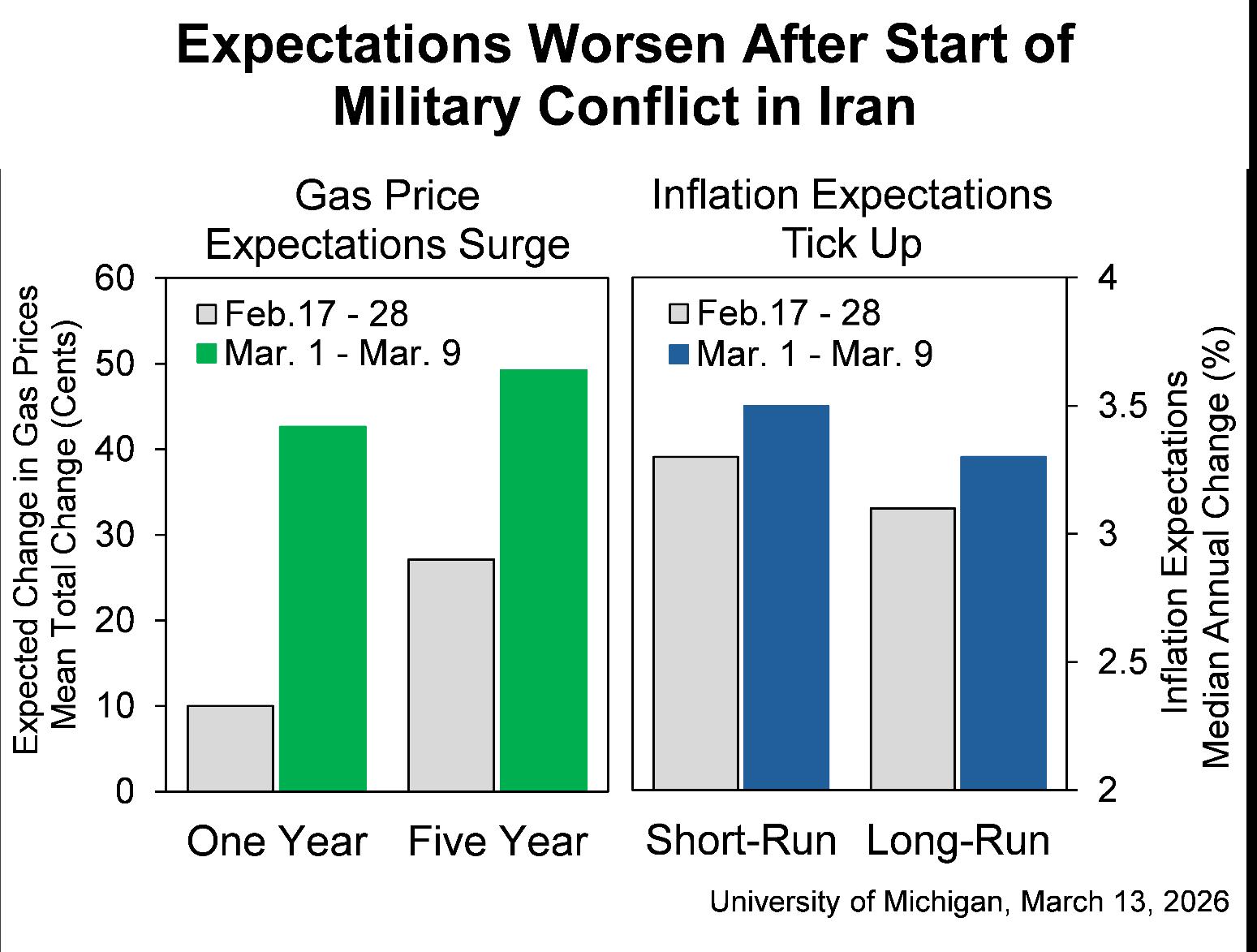
(Change L12M, source: Bureau of Labor Statistics)
(source: Board of Governors of the Federal Reserve System)
April 22, 2026
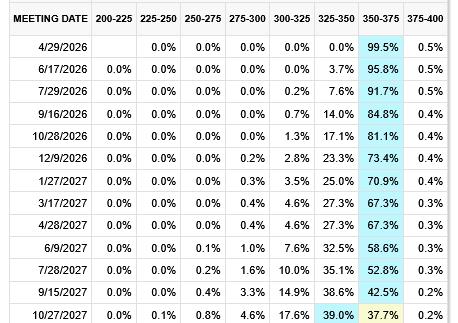
(Source: CME Group)
(source: Board of Governors of Federal Reserve System)
(source: Board of Governors of Federal Reserve System)
$9,000,000
$8,000,000
$7,000,000
$6,000,000
$5,000,000
$4,000,000
$3,000,000
$2,000,000
$1,000,000
$0
(in millions, source: Board of Governors of Federal Reserve System, Department of Commerce)
Securities Held Against GDP

(source: Federal Reserve Bank of New York Credit Panel/Equifax)
(source: Board of Governors of the Federal Reserve System)
• Did we accurately assess the impact of rising rates (2022 to 2024) on credit risk?
• Will tighter underwriting restrict ability to refinance/refund debt markets? Credit tightening may be more about leverage more than rates.
• Will rise in private debt market continue?
• Is there risk in liquidation of assets that support credits?
(Source: U.S. Census Bureau)
(source: U.S. Census Bureau)
(source: U.S. Census Bureau)
(12 month average, source: U.S. Census Bureau)
(12 month average, source: U.S. Census Bureau)
(source: Standard & Poor’s Case-Shiller)
(Source: Federal Housing Finance Agency)
(source: Standard & Poor’s Case-Shiller)
(source: Standard & Poor’s Case-Shiller)
• Extend 2017 TCJA (Tax Cuts and Jobs Act)
– Corporate Tax Rate
• Shifted to flat 21%; Global & Territorial Tax regimes
• Changes in Depreciation & Net Loss Carryback
– Individual Tax Rates (made permanent)
• Cut in marginal tax rates
• Treatment for Pass-Through Entities
• Tax on tips & overtime; SSI
• “SALT” Deduction; Estate Tax
– 2026 Federal Refunds
(source: U.S. Census Bureau)
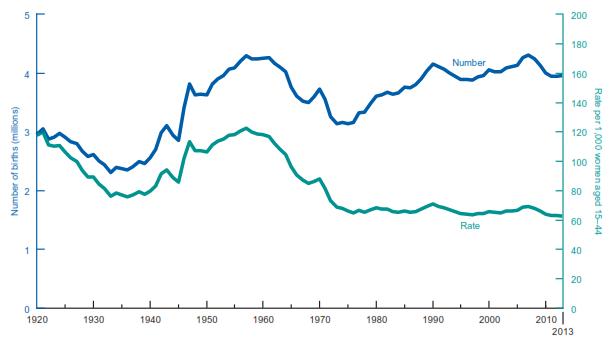
(source: Tax Foundation)