Synecology
This has been a year of reckoning for conservation. Across the country, biodiversity continues to decline at an alarming rate, and here at home, we feel the weight of that reality every day. Shifts in the federal government have only deepened the challenge. With nearly 85% of our external funding historically tied to federal sources, the abrupt and expected losses are reverberating through our programs. They are also taking a human toll: many of our partners, brilliant scientists and devoted practitioners, are facing devastating job losses, and entire initiatives that once fueled hope for imperiled species are now under threat.
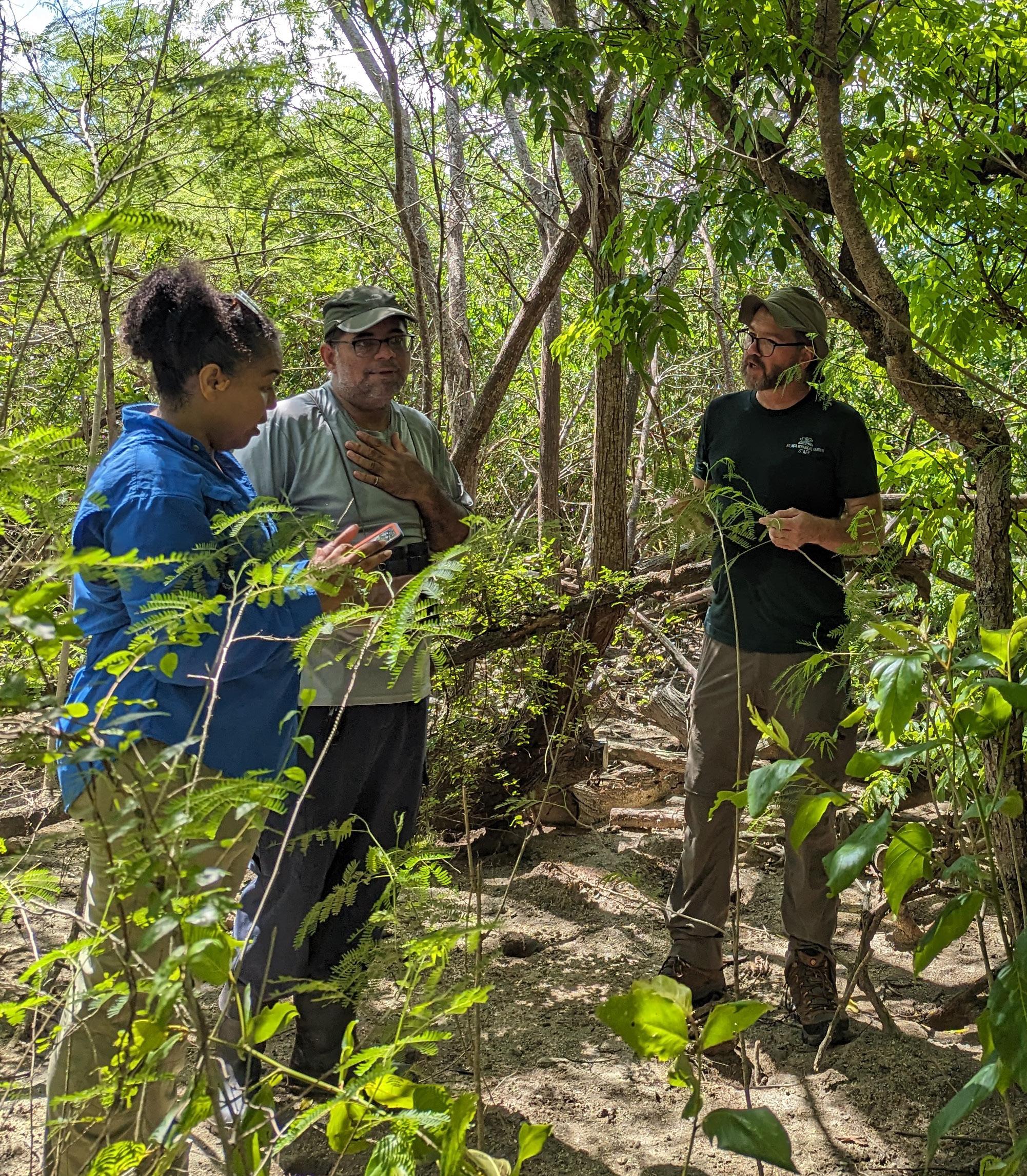
In such times, it would be easy to lose heart. But that is not the choice we are making. At the Garden and within the Southeastern Center for Conservation, we are choosing to pivot, to innovate, stretch, and imagine new models for sustaining this work. The biodiversity crisis demands it. Our team is leaning into that reality with clarity and resolve, exploring new partnerships, new funding avenues, and new ways to demonstrate the vital role of plant conservation in building resilient communities and ecosystems.
We are neither standing still nor retreating. If anything, these challenges have sharpened our focus and strengthened our resolve. The Garden stands unwavering in its commitment to this work, recognizing that the conservation science you will read about in these pages is not only inspiring but indispensable. The urgency of this moment calls us to be the voice that plants do not have—and to act with courage on their behalf.
Our future will look different than what we imagined a year ago. But I believe it will also be marked by new forms of collaboration, greater innovation, and an even deeper sense of purpose. Conservation is never about one institution alone—it is about the networks of people and places bound together by a shared commitment to our living world.
To our partners, supporters, and friends: thank you. Your trust and belief in this mission sustain us. We move forward with gratitude, with determination, and with the unshakable conviction that together we can make a difference, for the Southeast, and for the world.
What will never change is our commitment. The core of our strength lies in our people. I am extraordinarily proud of this team, who rise each day to face these challenges head-on. In the field, they are collecting seeds to secure a future for rare species and restore fragile habitats. In our labs, they are unlocking the science that makes longterm conservation possible. Through partnerships across the Southeast and around the globe, they are weaving together networks of expertise and care. And on the national stage, they are lifting the profile of plants through efforts like the first-ever Plant Conservation Leadership Summit.
With appreciation and resolve,

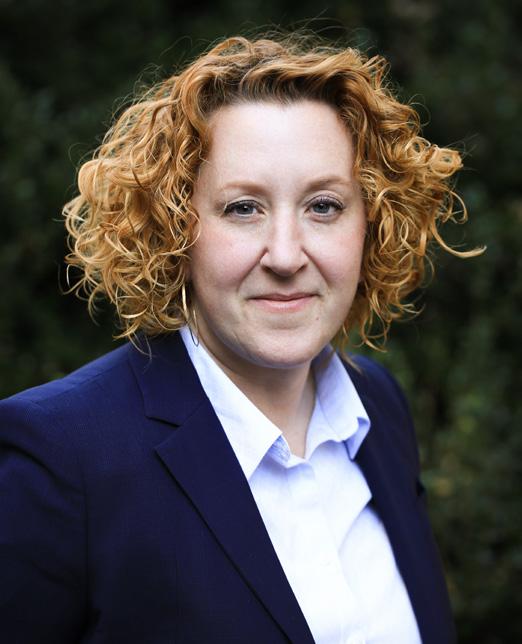
Emily Coffey, PhD Vice President, Conservation & Research Atlanta Botanical Garden
Mary Pat Matheson
Emily E. D. Coffey, PhD
The Anna and Hays Mershon Vice President
President & CEO Conservation &
Loy Xingwen, PhD
Bianca Glade
Editor Designer
Staff and Researchers
Lina Arabyat, MPM Seed Bank Laboratory Manager
Tanner Biggers Conservation Safeguarding Nursery Manager
Laurie Blackmore, MSc Director of Applied Conservation
Amanda Carmichael Conservation Genetics Laboratory Manager
Christina Carroll Field Biologist
Amy Chandler Lee Executive Assistant to Vice President
Kelly Coles, MSc Gulf Coast Program Manager
Caitlin Crocker Field Biologist
Lauren
Eserman-Campbell, PhD Director of Research
John Evans, MSc Conservation Horticulture Manager
Jessamine Finch, PhD Research Scientist, Seed Bank
Jonathan Gore Research Engineer
Dave Gregory Field Technician
Getty Hammer, MSc Field Biologist
Katherine Johnson Conservation Horticulturist
Jeff Killingsworth Senior Conservation Horticulturist
Andre Ledet Conservation Seed Increase Horticulturist
Qiansheng Li, PhD Research Scientist, In Vitro
Jason Ligon Conservation Specialist
Jean Linsky, MSc GCC Magnolia Program Manager
Loy Xingwen, PhD Research Scientist, Ecology
James Lucas
Ojascastro, PhD Field Botany Program Manager
Willow Mar Field Biologist
Anna Moutray Administrative Assistant
Sarah Norris, MSc Conservation Partnerships Coordinator
Sathid Pankaew Plant Digitization Assistant
Justin Peterman, MSc Conservation Horticulturist
Sandee Phillips, MA Grants & Contracts Analyst
Sally Phipps, MSc Conservation Engagement Coordinator
Carrie Radcliffe, MSc Director of Conservation Partnerships
Joe Stockert, MSc Field Biologist
Jeff Talbert, MBA REPI Program Manager
Milo Vasquez Rare Plant RaMP Program Coordinator
The Southeastern Center for Conservation humbly acknowledges the Indigenous Peoples and federally-recognized Tribal Nations of our focal region. We are working on the homelands of many Tribes and Indigenous Communities, and it is with gratitude and appreciation that we seek to conserve species and natural systems that were nurtured by those stewards possessing unparalleled relationships with these lands since time immemorial. The Center recognizes the many impacts of colonialism and the irreparable losses that have been endured by the region’s original inhabitants–including humans, animals, plants and stones–and the land itself. We aim to provide access to resources and opportunities for an informed alliance while we participate in building bridges, expanding perspectives, honoring Indigenous Knowledge, and weaving together our respective approaches.
To learn more about Tribes in the Southeast, you can visit the Tribal Directory Assessment Tool (TDAT; egis.hud.gov/tdat), Bureau of Indian Affairs (BIA): Tribal Leadership Directory (biamaps.geoplatform.gov/Tribal-Leaders-Directory), and the Native Land Digital interactive map (native-land.ca) online. To learn about definitive areas, please contact the nation(s) in question.

by John Evans, MSc Conservation Horticulture Manager
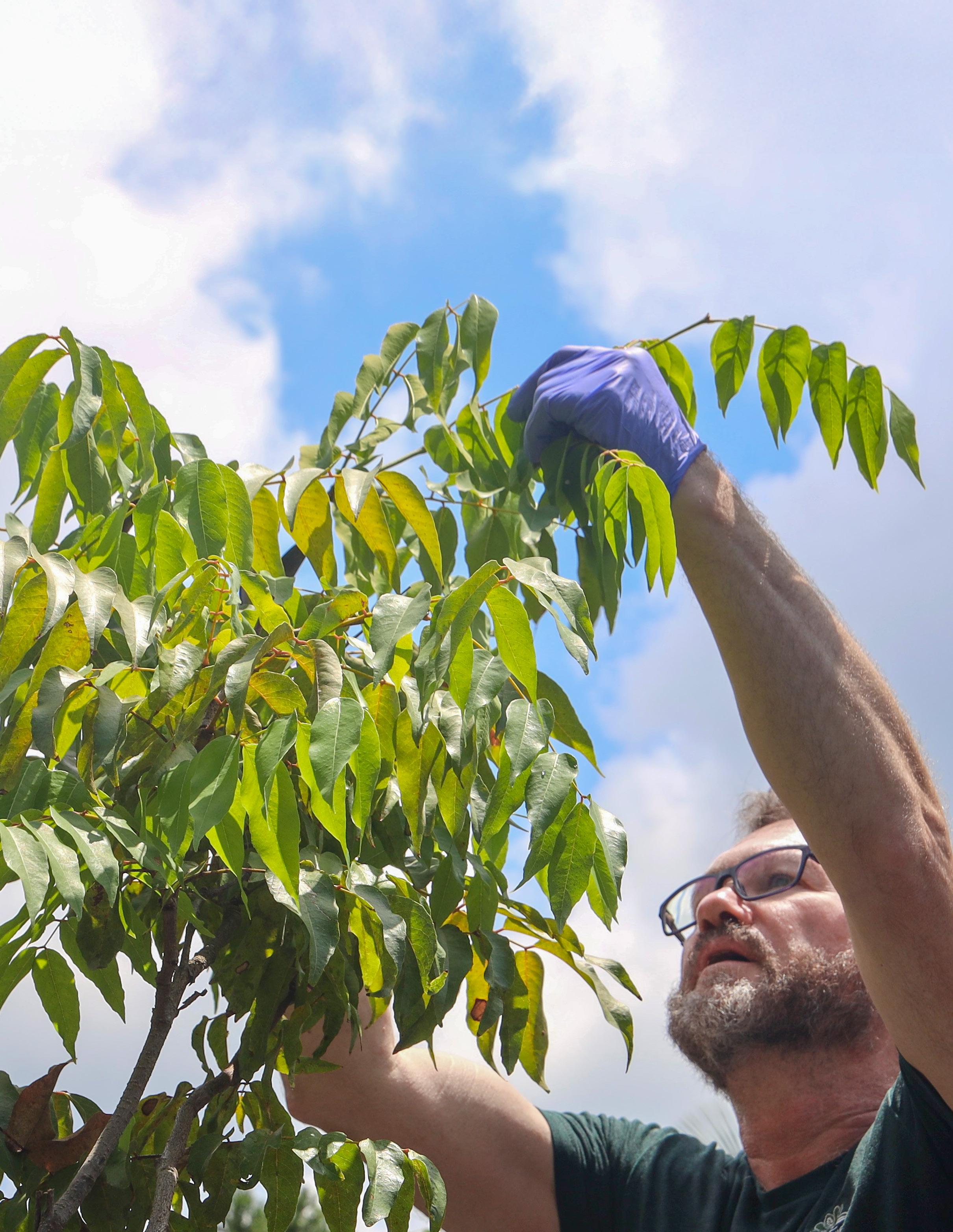
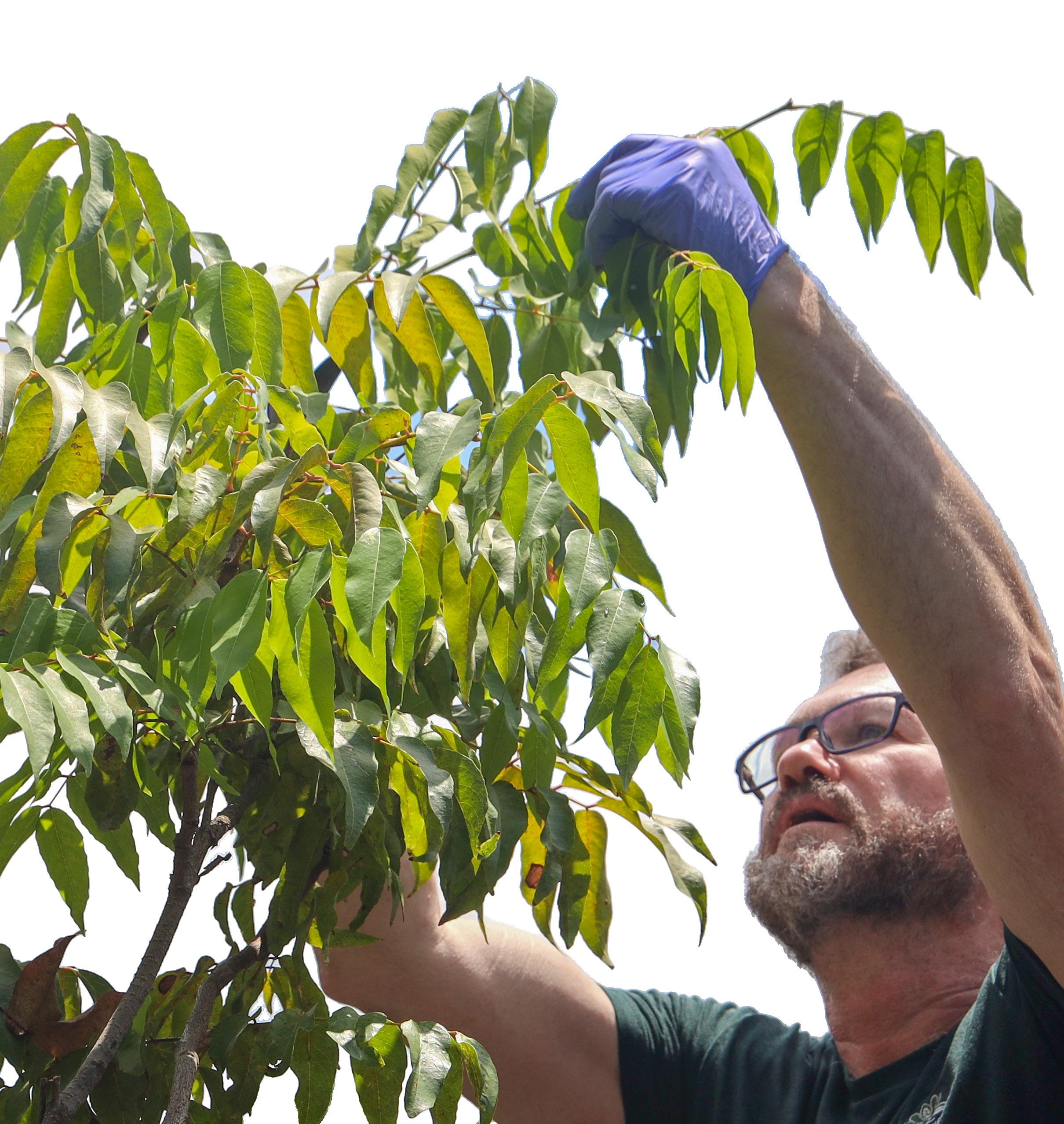
Scattered along the coastal margins of Puerto Rico and Vieques, just nine small populations of cóbana negra remain. This rare tree is now classified as Libidibia , though it was long known as — a name still familiar to many local conservation partners. It is yet another casualty of centuries of habitat loss since the European colonization of the islands. The most recent surveys between 2014 and 2019 counted only about 157 adult trees in the wild. While a handful of these trees have produced many seedlings, the vast majority have not produced any
Between 2015 and 2018, local nongovernmental organizations grew nearly 1,000 seedlings sourced from the few productive trees left in the wild. These seedlings still exist in various nurseries on both islands. While this is a commendable initiative to bolster wild populations, it
Relying too much on seedlings from just a few parent trees may temporarily boost numbers, but it shrinks the species’ genetic foundation. Hundreds of seedlings may be planted, but if they all come from the same few parents, it’s like creating a town where nearly everyone is siblings. Even if numbers appear high, the lack of genetic diversity leaves the population less able to adapt to change and increases the risk of inbreeding.
A more resilient approach is to bring as many of the remaining wild trees as possible into propagation programs. But how can that be done when most of them produce no seed at all? One promising solution is cloning: taking cuttings from these trees to grow rejuvenated young plants in orchards, where they can thrive under ideal
conditions and eventually produce seed. Those seeds would represent a broader share of the species’ genetic diversity for conservation outplanting.
“The most recent surveys between 2014 and 2019 counted only about 157 cóbana negra in the wild.”
Yet the cóbana negra poses a special challenge for horticulturists. There are no reports of anyone successfully propagating it from cuttings — a common problem for trees in the bean family, Fabaceae. Faced with this impasse, the Southeastern Center for Conservation’s conservation horticulture team decided to try anyway. Using six cultivated cóbana negra saplings provided by the Fairchild Tropical Botanic Garden, the team began running trials to develop a workable stem cutting propagation protocol.
During the 2024 growing season, the team put dozens of stem cuttings to the test. They tried softwood, semi-hardwood, and hardwood cuttings. They experimented with both powder and liquid rooting hormones at a range of concentrations. In the end, over 90% of the cuttings failed on the greenhouse bench – but two survived. Both developed healthy roots, and both came from the same treatment group of four cuttings, giving that treatment a 50% success rate. It is a small sample, but enough to prove that the cóbana negra can be grown from cuttings!
The next challenge is to achieve similar success rates at scale. To capture and represent the full range of genetic diversity that remains in this species, the protocol must work consistently and in large numbers. If that can be accomplished, it may offer a genuine path toward the recovery of the cóbana negra.
Learning from loss at Ecuador’s Siempre Verde cloud forest
by Joe Stockert, MSc Field Biologist
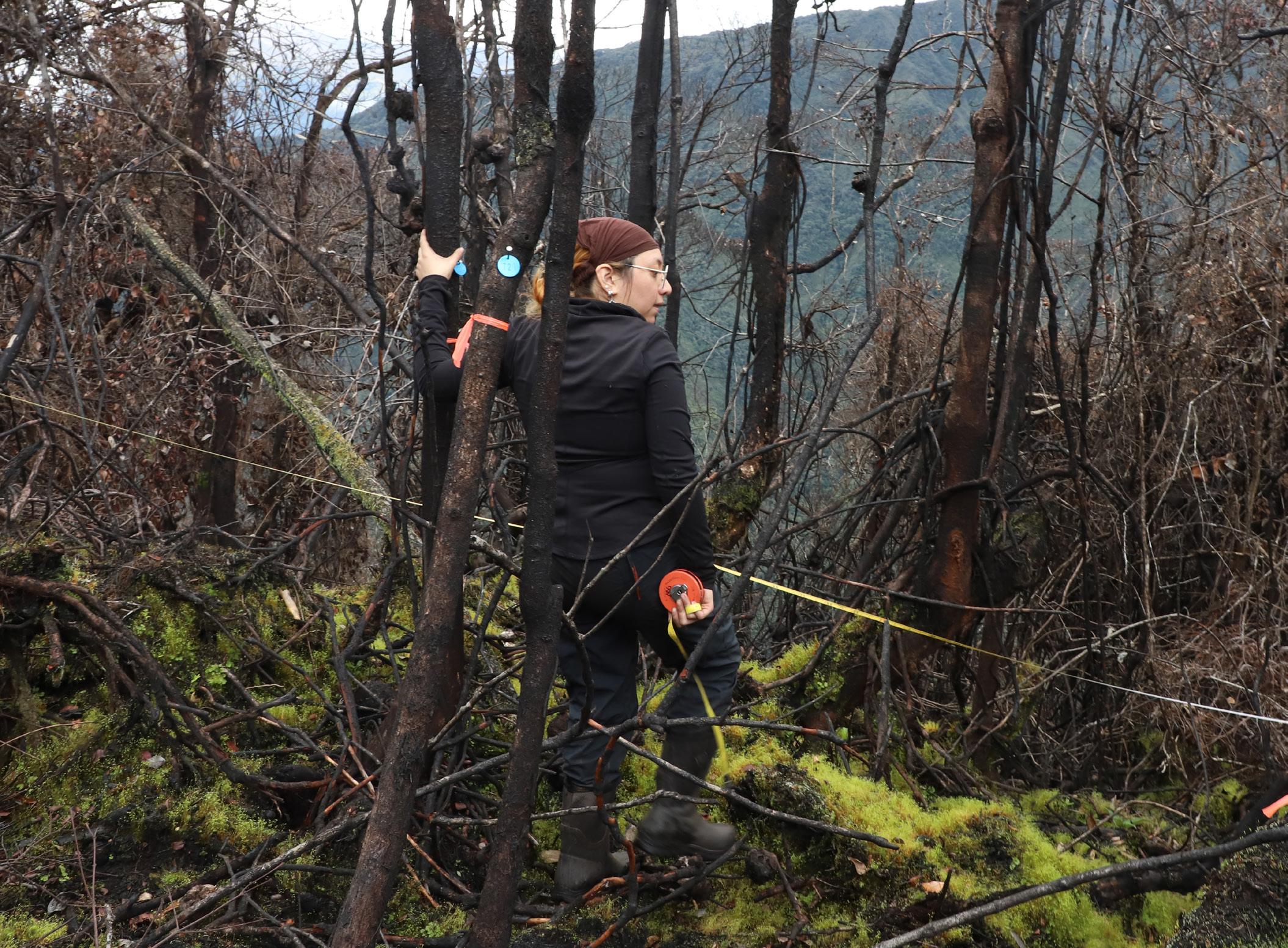
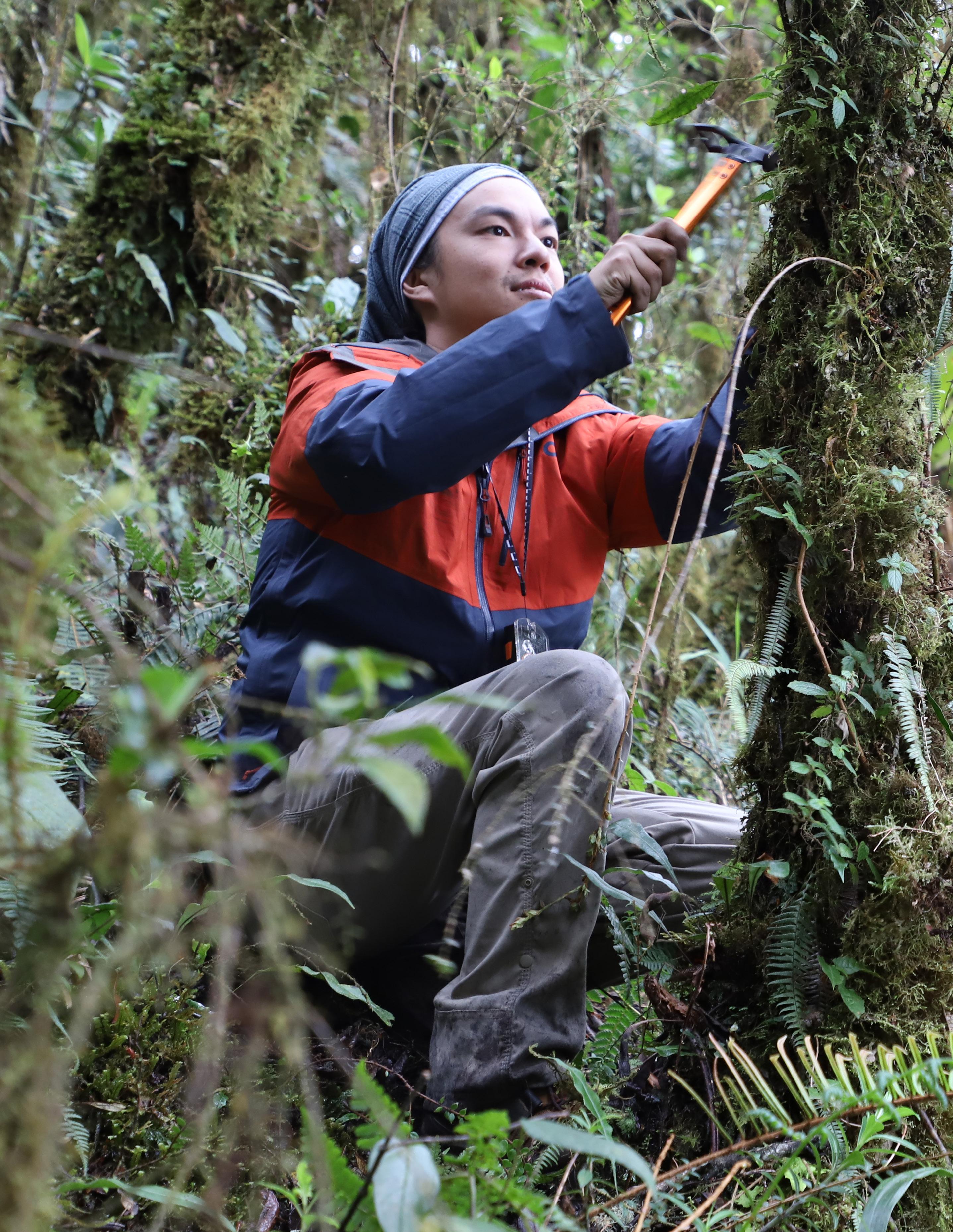
The Southeastern Center for Conservation’s ongoing research in Ecuador’s Siempre Verde preserve – featured in Synecology last year – has entered a sobering chapter. Only a few months after Center staff had concluded fieldwork in 2024 at the tropical montane cloud forest preserve, a wildfire devastated its slopes.
Wildfire rarely occurs in cloud forests, but extreme dry seasons exacerbated by climate change likely contributed to the conflagration1. In the aftermath, local partners reported that several long-term research plots and pieces of equipment had burned. But most heartbreaking were the images of the Siempre Verde’s highelevation elfin forest, once opulent with mosses and orchids, now charred and bare.
In July 2025, Center researchers responded by reprioritizing research objectives at Siempre Verde, joining local ecologists and students from the Yachay Tech University and Botanical Garden to examine whether and how the elfin forest reemerges from the ashes. The international research team set up new study plots to evaluate forest damage, collected data on surviving trees, installed weather loggers, and assembled seed traps – nets that collect falling “seed rain” to quantify seed dispersal. Over the next few years, local stewards and researchers will return to document the forest’s recovery and evaluate the need for assisted revegetation.
As the planet warms and climatic patterns shift, extreme weather events such as the drought and fire at Siempre Verde will become more frequent worldwide. Understanding the impact of climate change on exceptional plant communities and their habitats is essential to conserving vulnerable species. The Center’s ongoing research, both in Ecuador and across the southeastern United States, contributes valuable insight to biodiversity conservation in a changing world.
“Understanding the impact of climate change on exceptional plant communities and their habitats is essential to conserving vulnerable species.”
At Siempre Verde, the Center emphasizes that its role is one of partnership: the research is Ecuadorian-led, and depends on local collaborators and the stewardship of the Ruiz family, who manage the Siempre Verde preserve. In this shared commitment lies hope for recovery at the preserve and insights to conserving cloud forests worldwide.
REFERENCES 1. Helmer EH, et al. Neotropical cloud forest and páramo to contract and dry from declines in cloud immersion and frost. PLoS One 2018;14(4):e0213155.
by Lauren Eserman-Campbell, PhD Director of Research
Clarifying blurred lines between species is key to conserving biodiversity
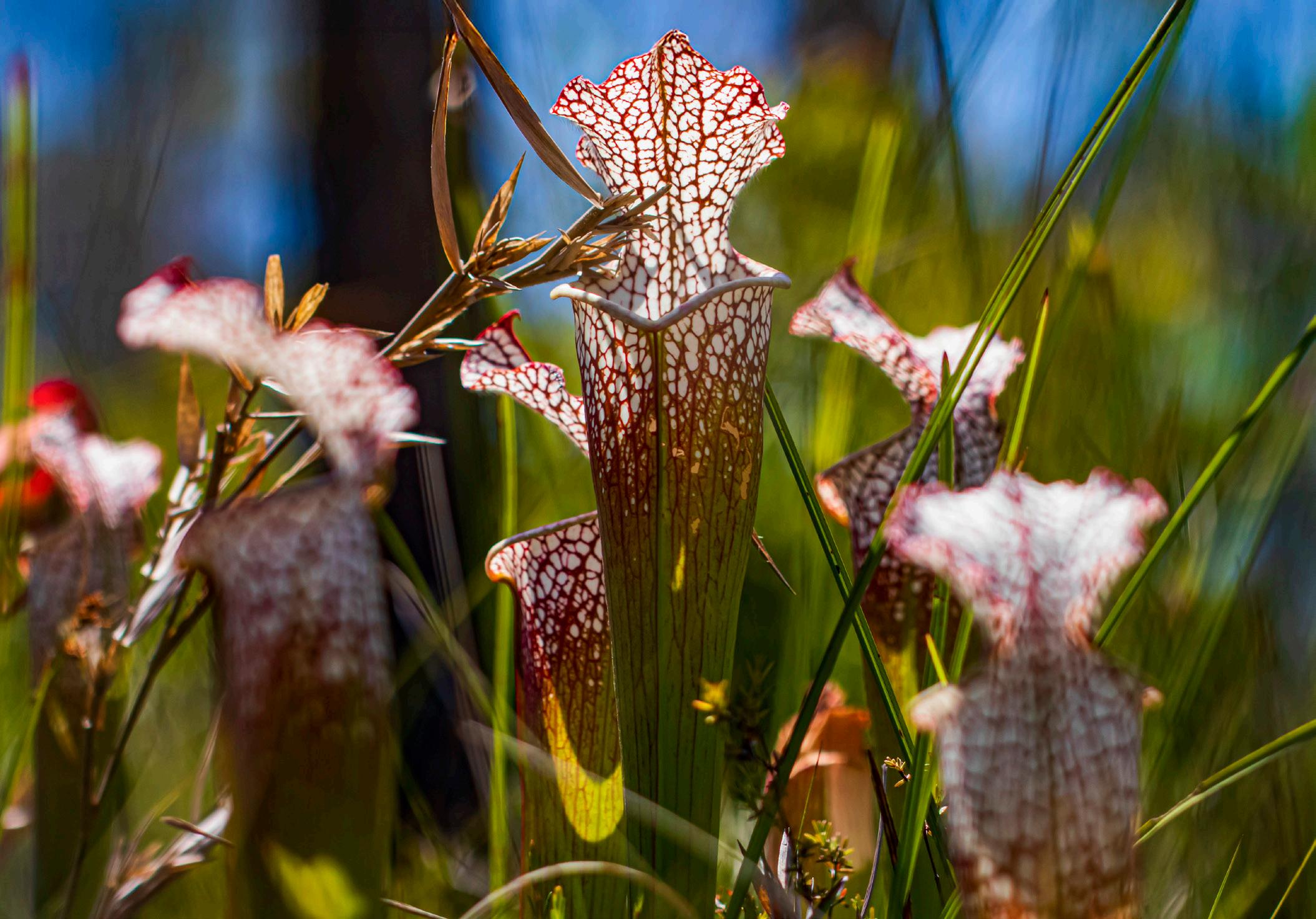
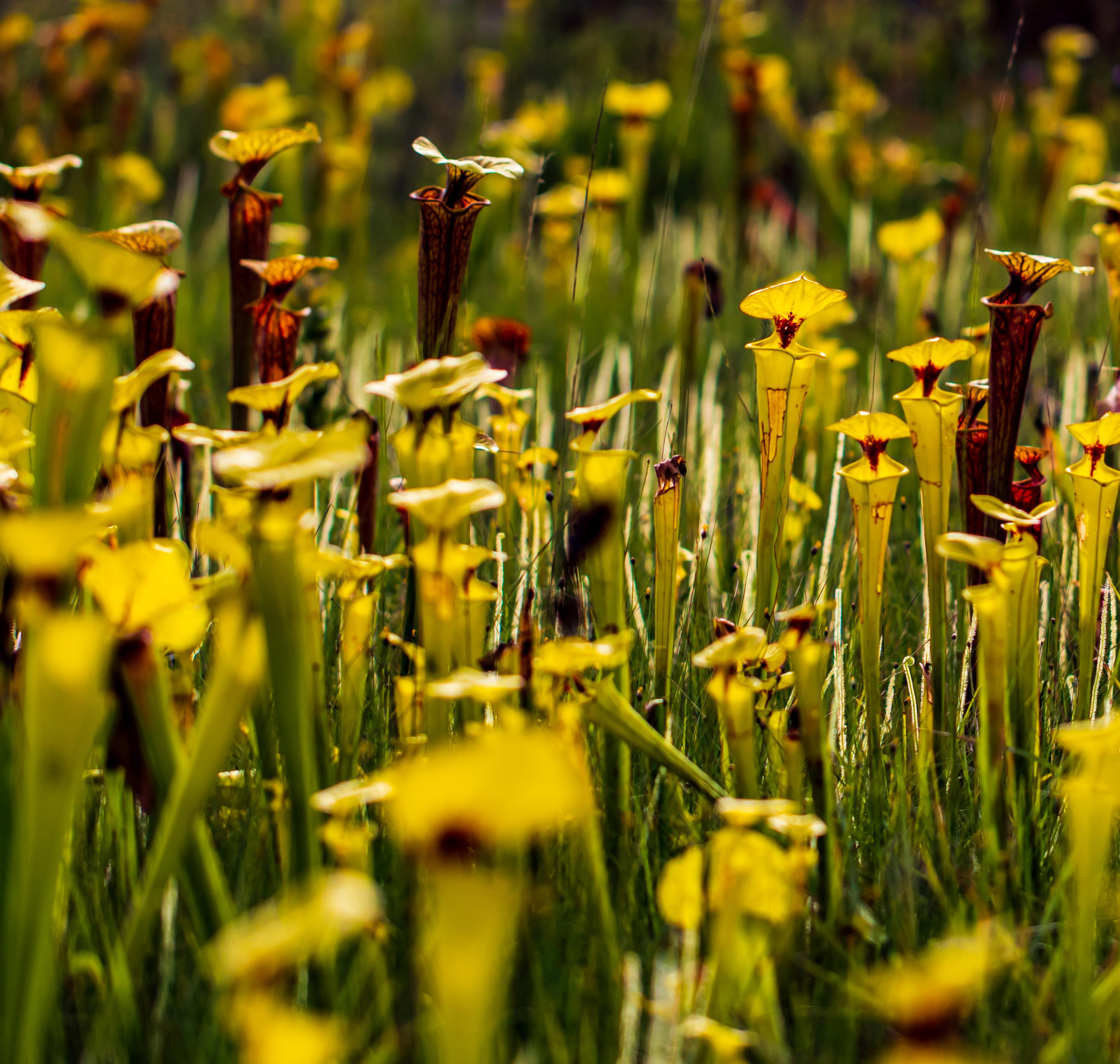
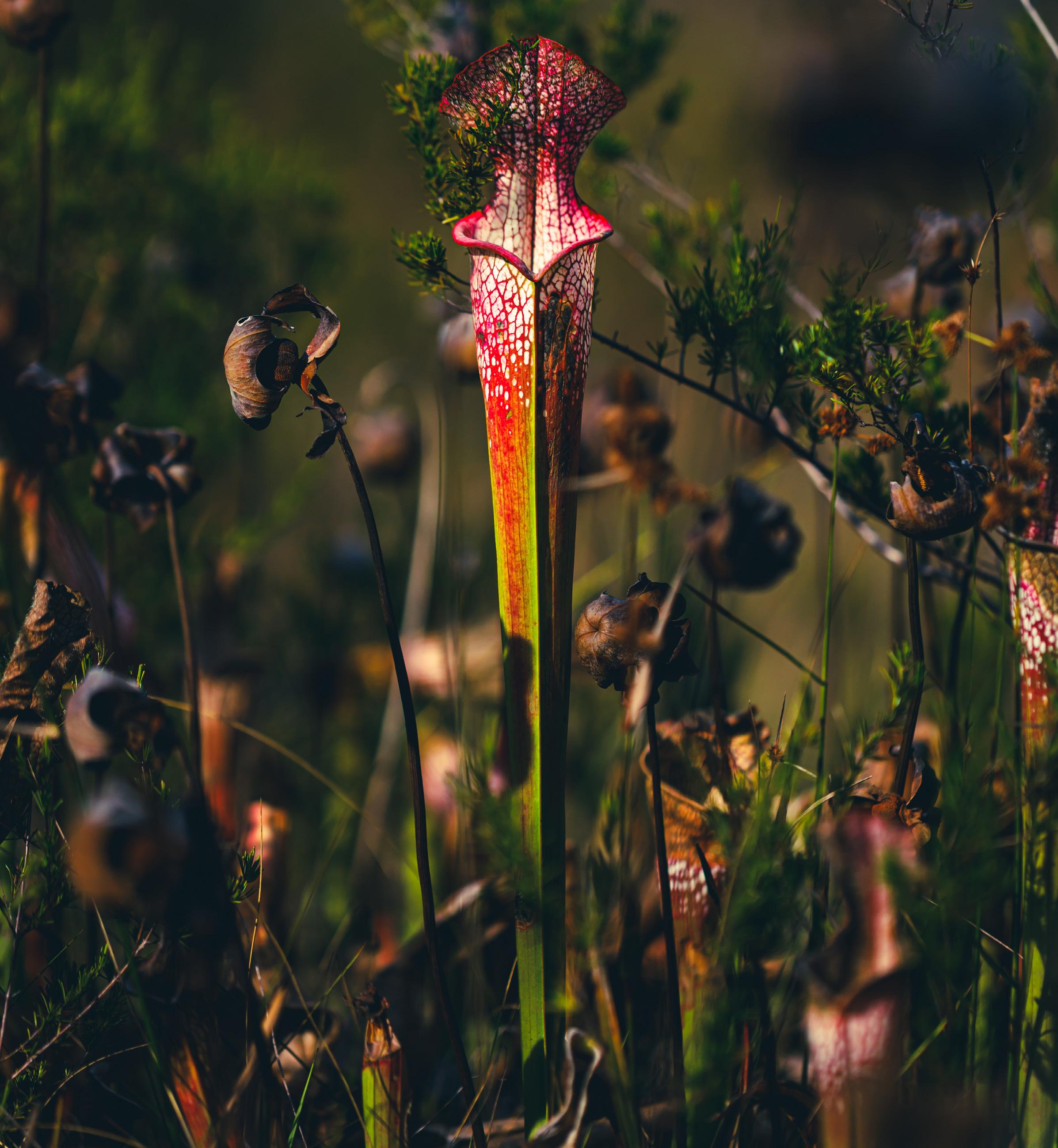
What makes a species and why does it matter? The way in which we define species continues to be one of the most elusive questions in biology, but it is more than only academic. Accurate species descriptions shape how we manage biodiversity and how laws, such as the Endangered Species Act (ESA), decide what deserves protection. If we are to conserve biodiversity for generations to come, it is critical that we clearly understand what species are. Yet species are often difficult to define. Morphology, genetics, ecology, and geography can all tell overlapping and sometimes contradictory stories. The North American pitcher plants, genus Sarracenia, illustrate this challenge vividly.
The Sarracenia rubra complex is a group of six species, along with numerous subspe-
cies and varieties, found throughout the southeastern United States. Within this complex, three species and subspecies are listed as Endangered under the ESA and two others have been petitioned for listing, making this a group of species that requires careful consideration to prevent extinction. With diverse and overlapping morphologies, ecologies, and ranges, and only recent divergence between them, these taxa are difficult to tell apart and have challenged taxonomists for decades.
Over the last year, National Science Foundation (NSF) funded postbaccalaureate scholar Nicholas Chang and Dr. Lauren Eserman-Campbell have been tackling this problem head-on. They traveled to herbaria across the Southeast to collect samples from preserved plant specimens. Using both preserved leaf tissue specimens and fresh samples from the Garden’s conservation collections, they generated whole genome DNA sequence data in the Garden’s Conservation Genetics Laboratory. Preliminary results have been encouraging:
many of the traditional classifications based on morphology align with the genetic data. For instance, Sarracenia rubra ssp. jonesii, a montane subspecies endemic to the southern Appalachians, appear genetically distinct from the more widespread S. rubra The team now plans to compare genomic patterns with comprehensive measurements of plant morphology to test whether the physical traits used to define other species correspond to their genetic lineages.
Resolving the relationships among species and subspecies is not only an exercise in taxonomy but has real-world conservation implications. Many Sarracenia habitats have declined in the last century as a result of wetland loss, altered fire regimes, and poaching. Accurate species descriptions mean targeted and accurate conservation practices. By integrating genomic data, morphology, geographic distributions, and ecological niches, we can build a modern, data-rich approach to defining these critically important species in order to conserve a cornerstone of the Southeastern flora.
by James Lucas Ojascastro, PhD
Manager
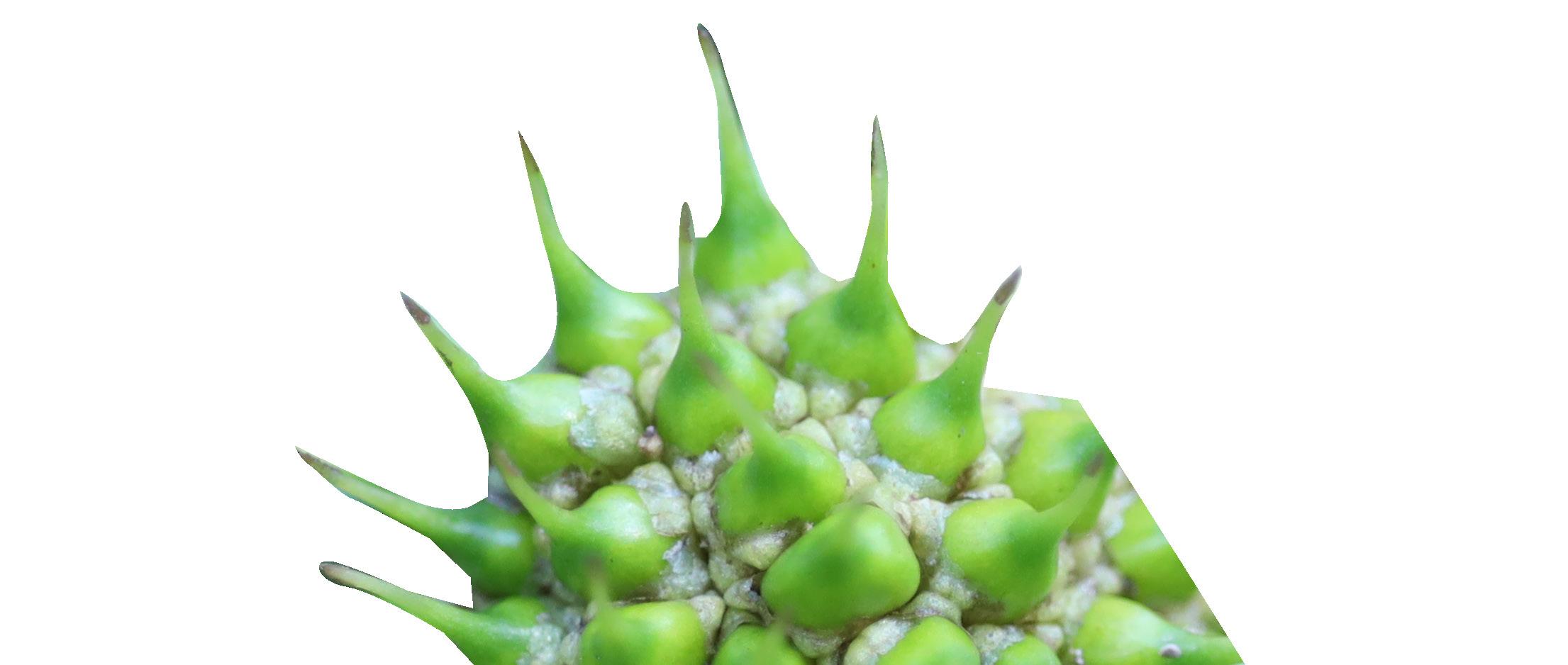
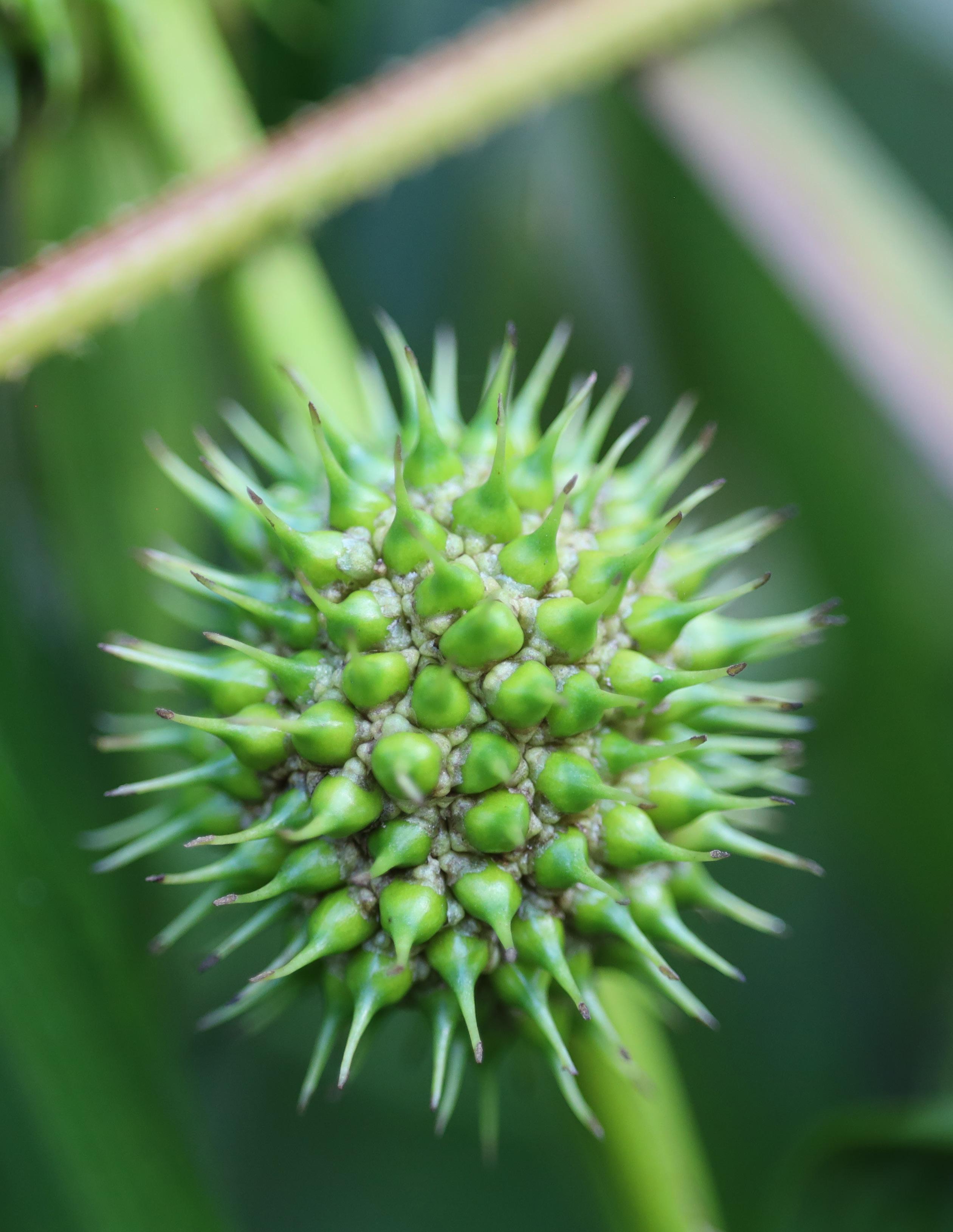
Wetlands in the Southern Appalachians are acutely threatened. These montane bog ecosystems have suffered from changes in human land use, intense storms such as 2024’s Hurricane Helene, and damage from feral hogs, which have allowed many of them to become overrun by invasive plants such as Japanese stiltgrass, multiflora rose, and marsh dewflower. Yet restoration practitioners seeking to revegetate these wetlands face a chronic constraint: a lack of readily available, locally adapted, high-quality seed for revegetation. In 2025, the Southeastern Center for Conservation launched a project to address this critical gap.
Through a partnership with the USDA Forest Service, this project advances the goals of the National Seed Strategy by creating a seed supply for restoring wetlands across three states: Georgia, Tennessee, and North Carolina. The premise is simple: collect seeds or cuttings from wetland plants and cultivate
them in captivity to produce more material for revegetation. The project covers nearly 70 target species from 19 wetland sites across four National Forests—the Cherokee, Nantahala, Pisgah, and Chattahoochee.
Though wide in scope, the project remains rooted in preserving what makes each local wetland unique. Designated “seed transfer zones,” aligned with ranger districts, ensure that seeds from each zone are only used for revegetation efforts within that same zone. This “home-site advantage” increases restoration success by ensuring outplants are adapted to local climate, soils, and communities. To guide future restoration planning, the team recorded the plant diversity at each
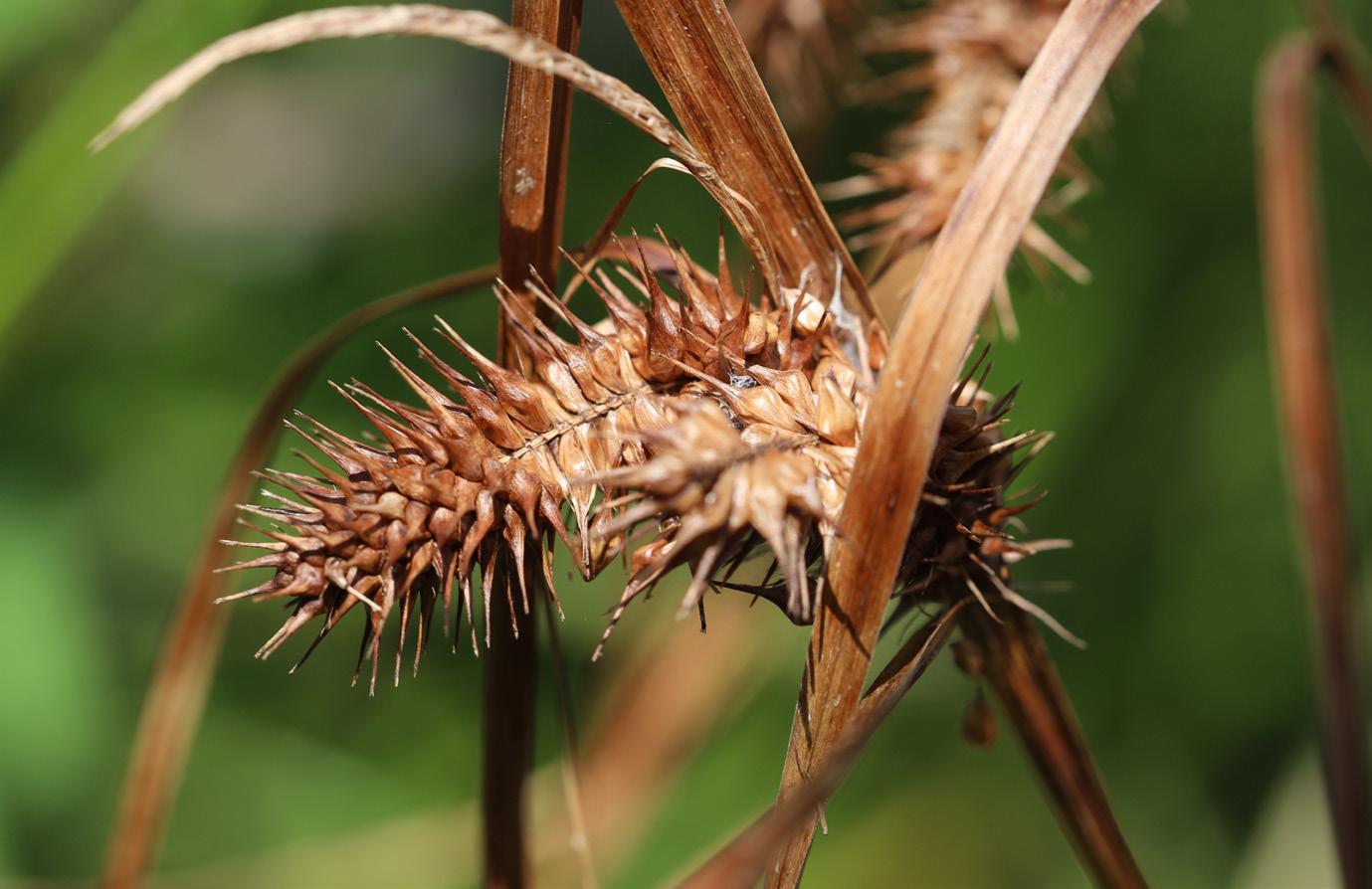
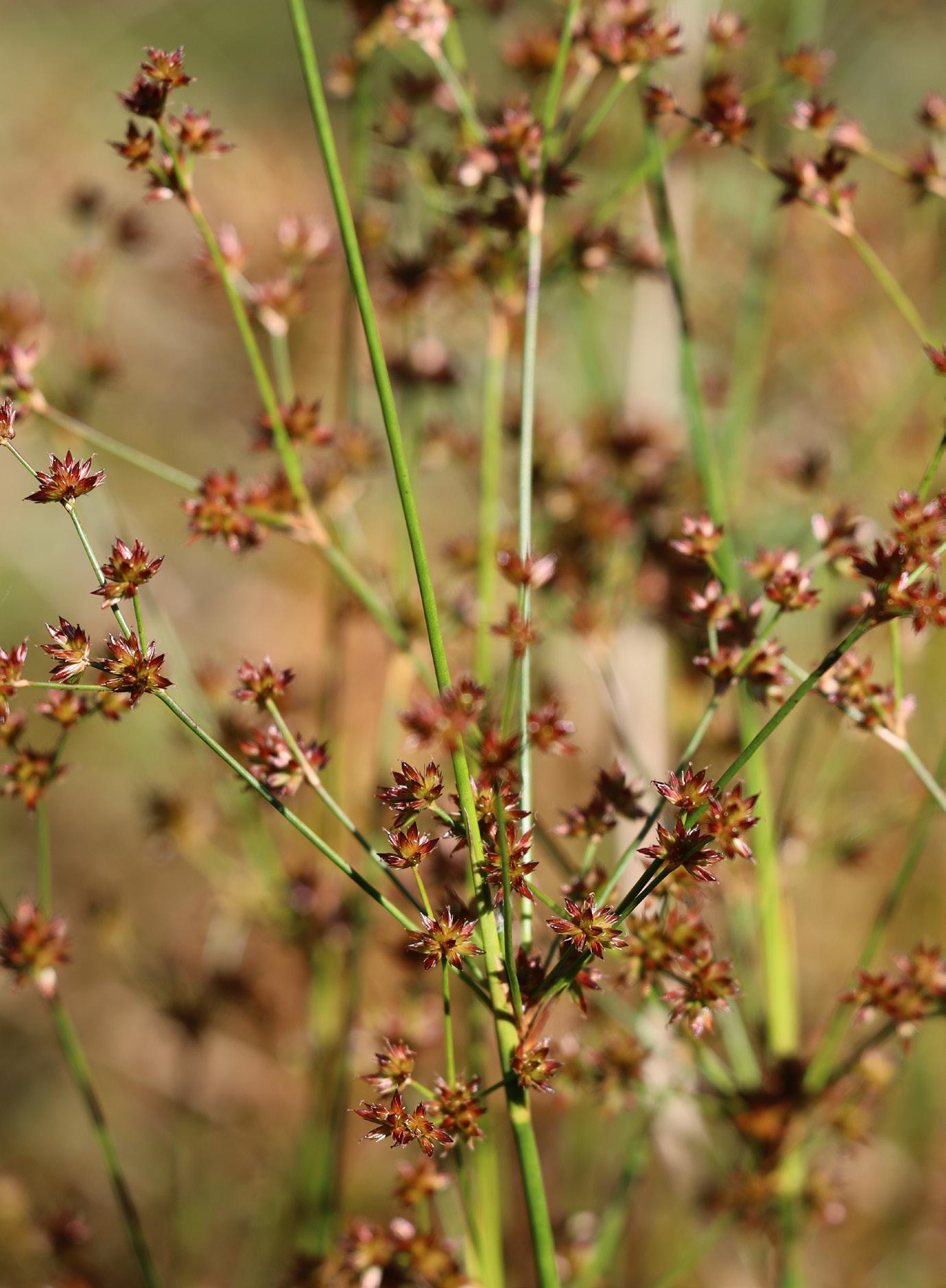
wetland—a tally that now exceeds 400 species across 19 sites. The Center’s field and conservation horticulture teams then used the scientific literature to target 94 species for seedbanking and seed-increase prioritization. Most target species are ecologically foundational taxa—sedges, rushes, and grasses that form the habitat’s structural “fabric”—as well as species that support wildlife. However, about 10% are “species of interest”—the signature taxa that give individual wetlands their own character—that range from carnivorous plants to orchids and aroids. For rare species, selection is also guided by the Regional Species of Greatest Conservation Need (RSGCN) list developed by the Southeastern Plant Conservation Alliance and by federal wetland indicator status rankings.
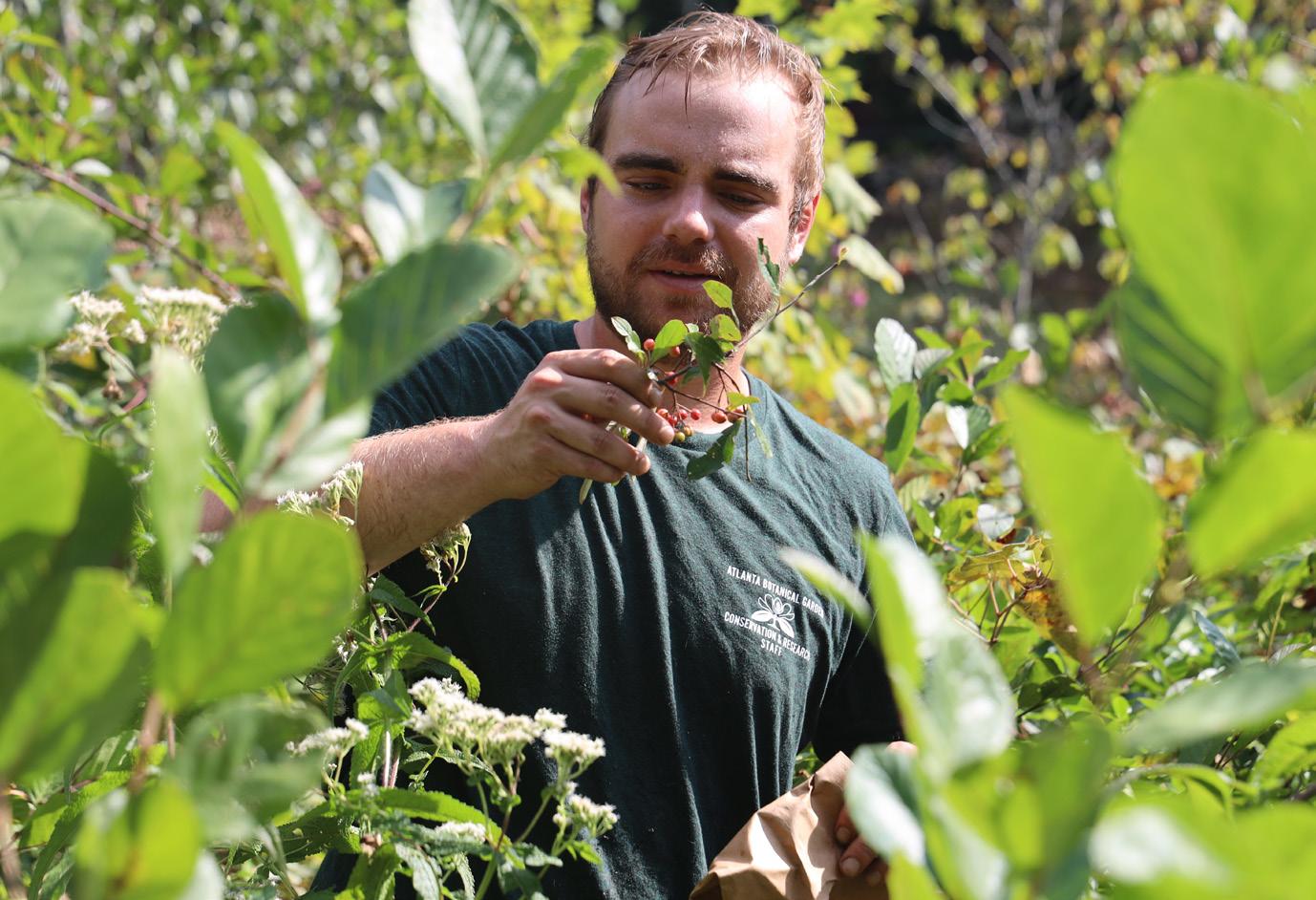
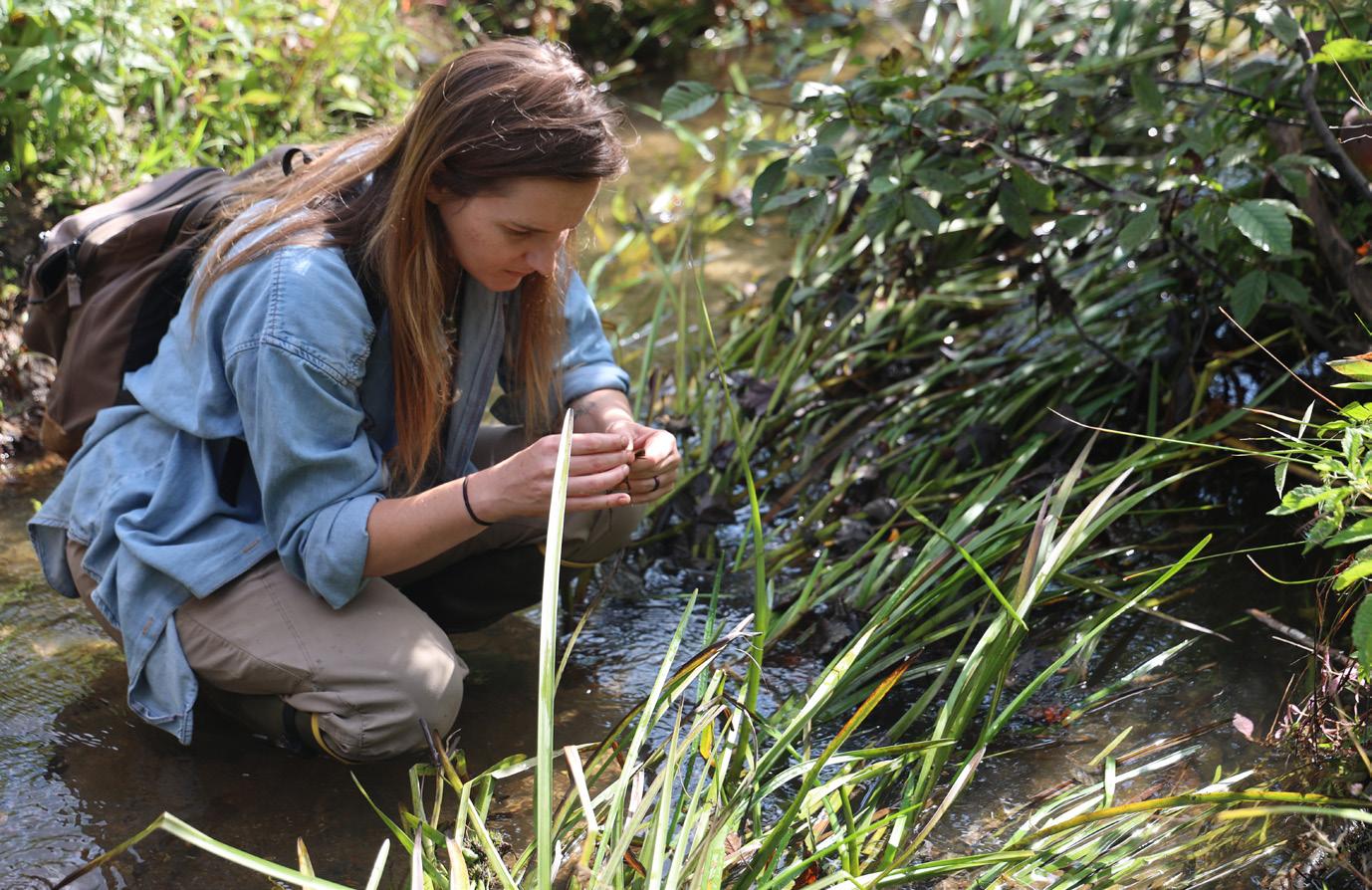
Establishing a seed production pipeline begins with seed collection. A typical day for the Center’s field team starts early, involves long drives and hikes to remote sites, and ends with wet boots. Using protocols based on the Chicago Botanic Garden’s Seeds of Success program, the teams scout, track phenology, collect herbarium vouchers, and limit collections to protect wild plant reproduction. Adjustments have been made to suit the spatially restricted Southern Appalachian wetlands. For rare or endangered taxa, the team follows the Center for Plant Conservation's best-practice guidelines. This dual approach provides bulk seed of common species while preserving the genetic diversity of rare species for targeted recovery actions.
The collected seeds or stem cuttings are then brought to the Garden’s Conservation Safeguarding Nursery in Gainesville, Georgia—the Center’s engine of seed production. Over the past year, the conservation horticulture team has constructed 68 seed-increase plots. Soils have been tailored to simulate the texture and chemistry of wild wetlands. The team is refining germination and propagation protocols, producing plugs, and creating workflows for data collection and provenance tracking. When the plots bloom, mesh and cloth frames will be used to prevent cross-pollination among populations from different seed zones. The first seed harvest is expected in the fall of 2026.
This project thrives on knowledge exchange. In addition to Seeds of Success, it draws inspiration from the North Carolina Botanical Garden’s Native Plant Materials Development Program and private growers like Roundstone Native Seed. The Center has also joined the Southeastern Native Seed Network and Georgia Native Seed Network to share methods and expand regional capacity for seed-based restoration.
“ This project offers a blueprint for resilience combining wild collection, seed banking, propagation research, and seed production...”
The long-term vision is to scale up both production and impact—expanding the diversity of species represented, increasing seed yields, and refining and sharing protocols across the region. Ultimately, seed from this project will flow into active restoration projects across National Forests and partner-managed lands. More than a seed-farming effort, this project offers a blueprint for resilience—combining wild collection, seed banking, propagation research, and seed production to help the Southeast restore the diversity and vitality of its montane wetlands.
Charting the conservation of an endangered wild crop relative with interdisciplinary research
by Joe Stockert, MSc Field Biologist
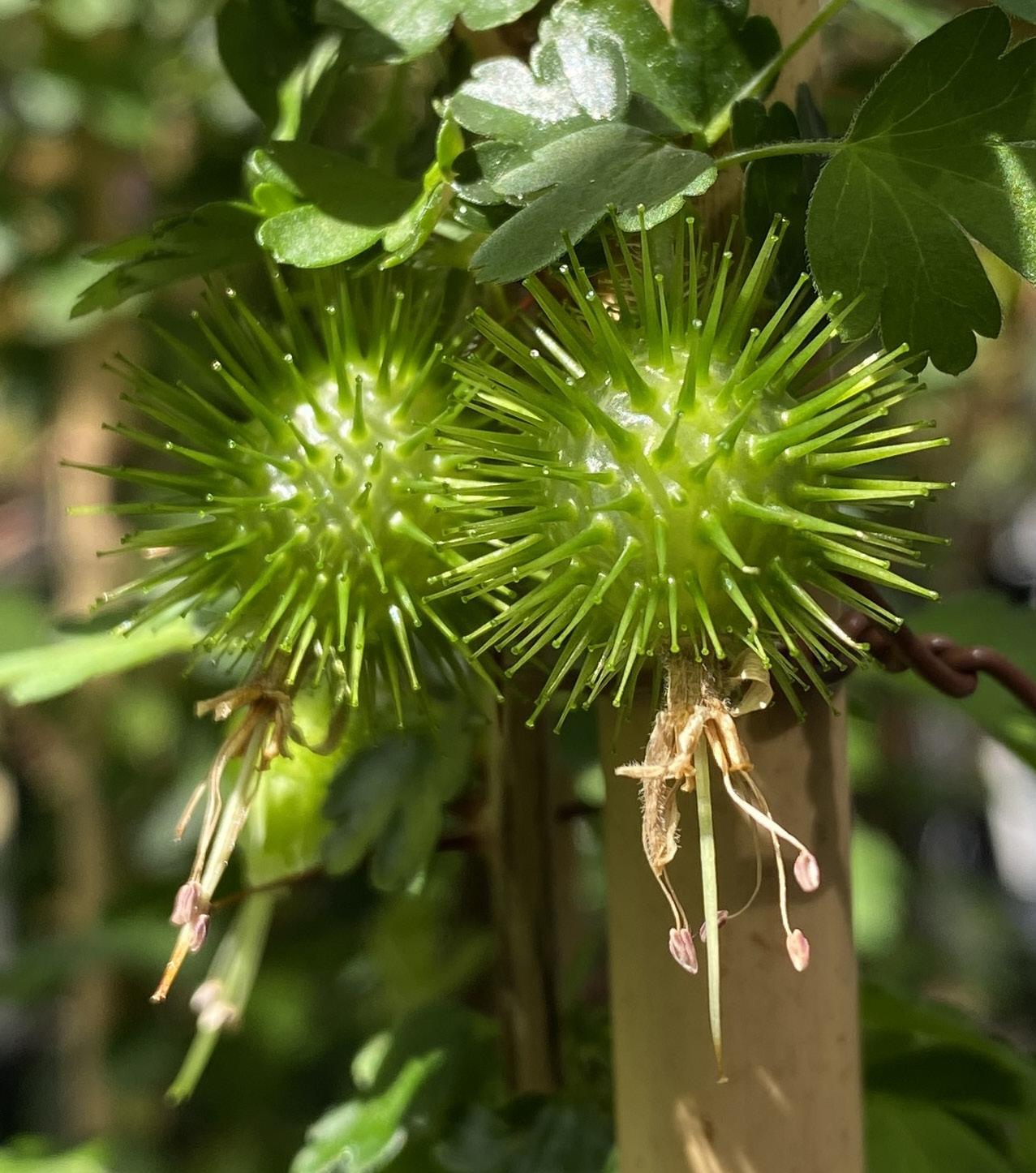
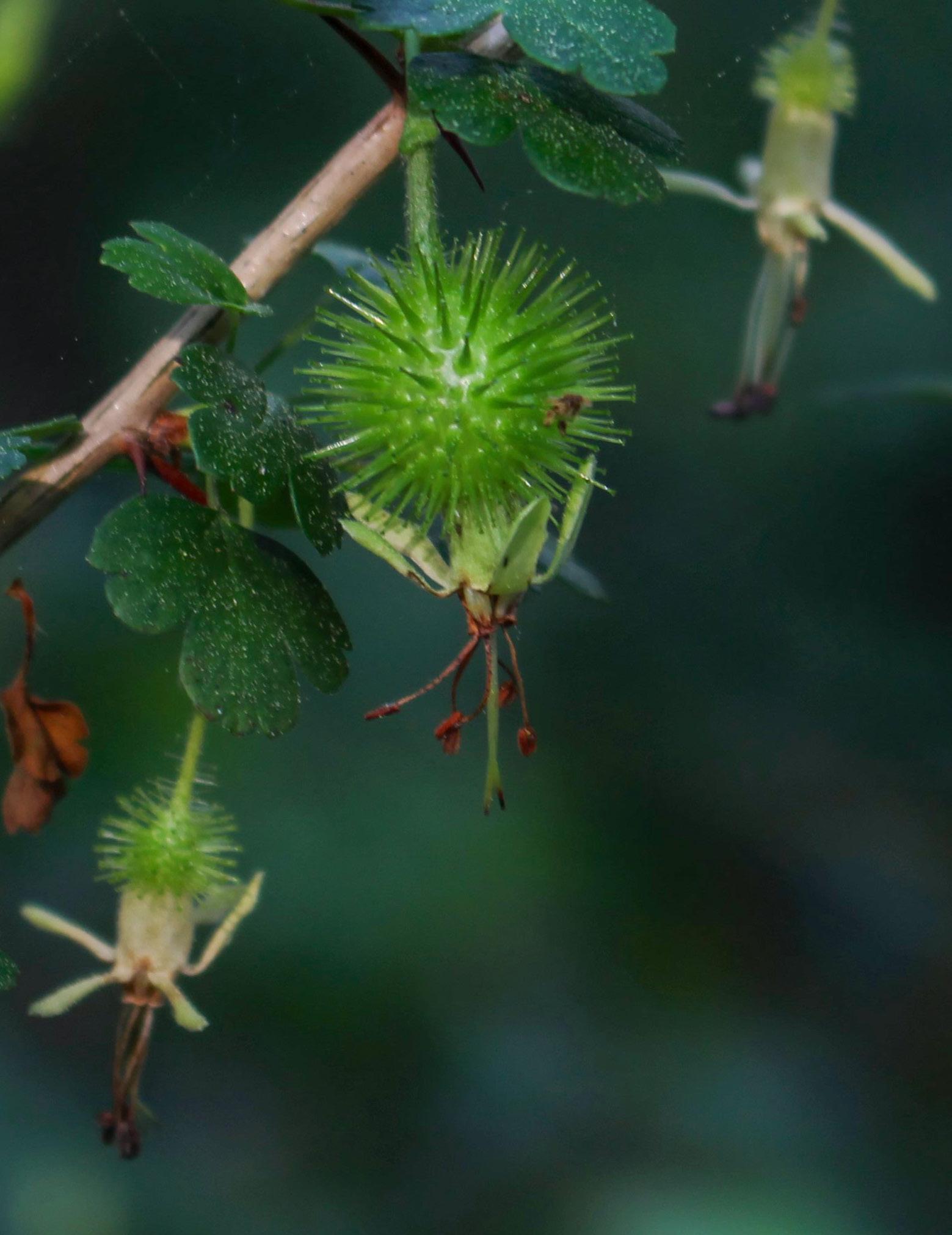
As Hurricane Helene tore across the Southeast last September, high double-digit gusts whipped down trees and reshaped forest across Florida, Georgia, and the Carolinas1. At South Carolina’s Stevens Creek Heritage Preserve, massive red oaks and loblolly pines shattered on the rocky bluffs that refuge one of two known occurrences of the Miccosukee gooseberry (Ribes echinellum). Within hours, the storm destroyed over 15% of the local gooseberry population (Figure 1).
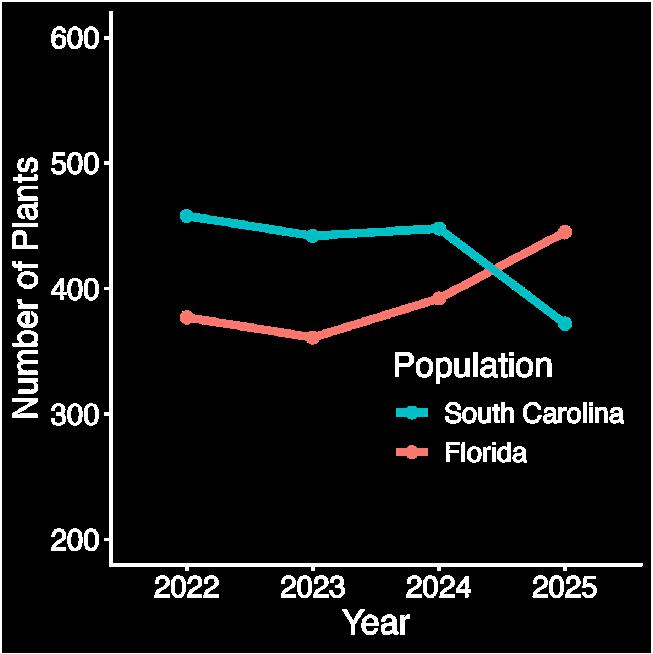
Miccosukee gooseberry populations. Numbers were stable from 2022–2024 despite no seed recruitment, before Hurricane Helene caused a sharp decline in South Carolina.
The hurricane drove home that for a species with only two remaining populations, extinction could come swiftly. The Miccosukee gooseberry is listed as Endangered under the federal Endangered Species Act and G1 Critically Imperiled by NatureServe. An ecological contradiction complicates its conservation: although the species has thrived
on the banks of South Carolina’s Stevens Creek and Florida’s Lake Miccosukee since at least the end of the last glacial maximum, it appears to reproduce from seed rarely—in the last five years, only three seedlings have ever been recorded in the wild.
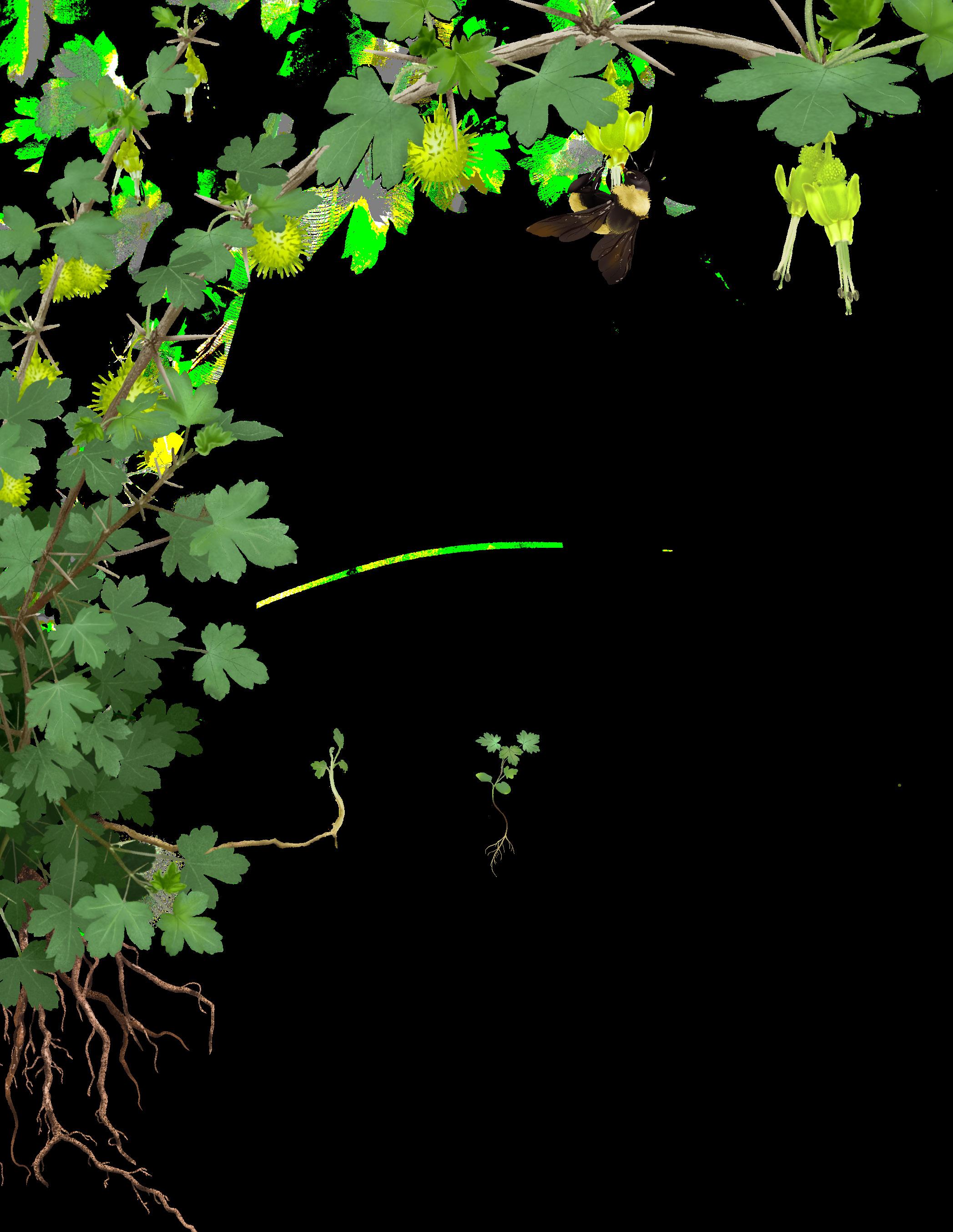
Instead, this gooseberry seems to have endured recent decades by cloning itself asexually. It sends out lateral stems that can take root to produce new, independent clones. In theory, this allows individuals to persist indefinitely, but it does not allow new plants to disperse to hurricane-impacted areas where they are needed most. Furthermore, a lack of sexual reproduction prevents gene flow and adaptation to new environments. Understanding why seedlings are so rare is a key step to ensuring a future for this species.
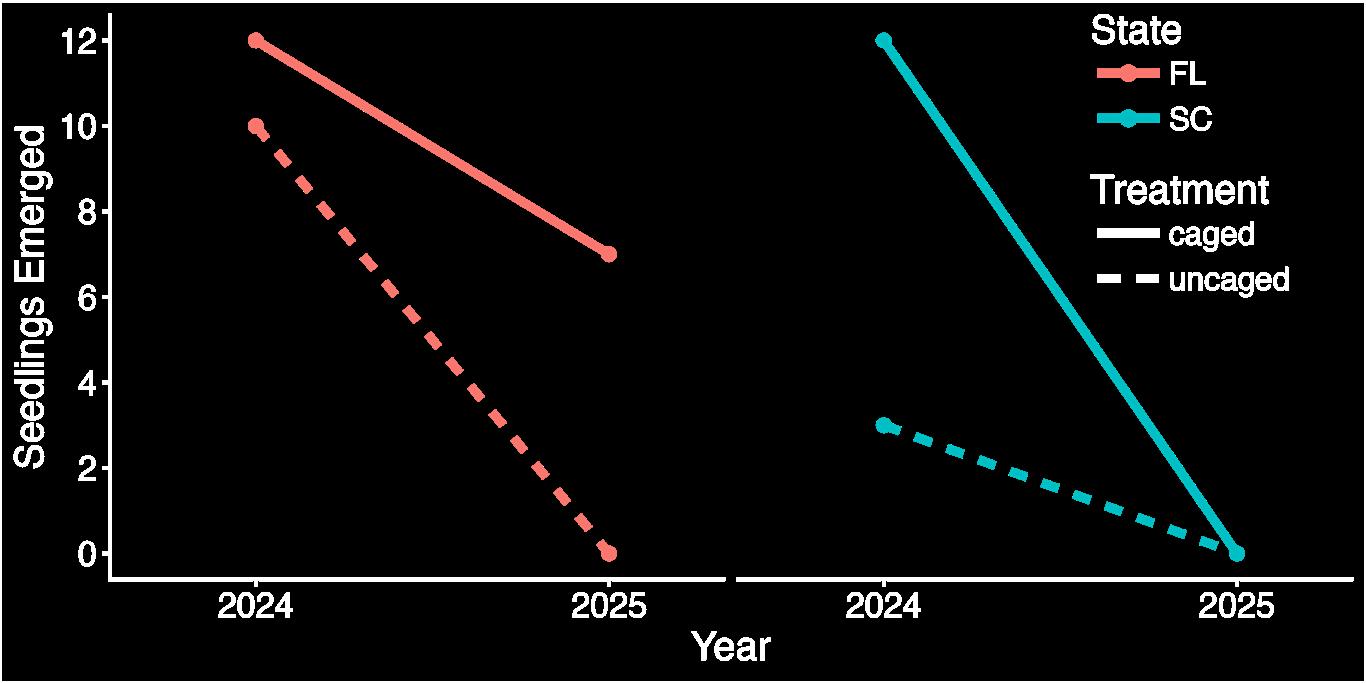
Since 2021, the Southeastern Center for Conservation has worked with the US Fish and Wildlife Service and the Southeastern Plant Conservation Alliance to identify solutions. The bottleneck is not due to a lack of flowers or pollination: Center research shows that fruit set is generally high and hand-pollination increased it only slightly. Seeds also had high germination rates in laboratory trials. Field sowing experiments conducted in 2023 confirmed that seeds also germinate well in the wild, but without protective caging, most seedlings did not survive beyond a year, and in South Carolina frost also contributed greatly to seedling mortality (Figure 2). One reason why seedlings may be rare is overgrazing by deer and rodents. Indeed, the Center’s deer fencing experiments show that in adult plants, browsing by herbivores can reduce growth by up to two-thirds.
To understand the impact of these findings on species management, Center researchers are currently partnering with Dr. Megan Demarche at the University of Georgia to develop robust and predictive demography models to simulate the effects of management actions such as installing herbivore fencing or augmenting populations (Stockert et al., in prep2). In parallel, a collaboration with Dr. Zoe Diaz-Martin at Spelman College is investigating population genetics. Early results indicate that the two populations have been genetically isolated for a long time, with no evidence that one served as a source for the other (Diaz-Martin et al., in prep3). This means that ex situ conservation efforts—such as ongoing seed banking and cultivation of mature plants—should manage material from the two populations separately to preserve their distinct genetic identities. As climate change accelerates and political pressures reshape land use, the likelihood of another large-scale disturbance grows. Unraveling the intricacies of gooseberry life history—how it survives, reproduces, and dies—will allow conservationists to better predict and plan for its future. The Center has developed a Species Stewardship Plan to guide ongoing conservation efforts ranging from assisted seedling establishment to studies on evolution and adaptation. This species shares traits such as spiny fruit and summer deciduousness with relatives in the western mountains, the heart of gooseberry diversity4, suggesting a deeper evolutionary significance. Future work will explore the species’ potential historic and future range and experiment ways to improve seedling survival. Together, these efforts aim to secure the species’ future while illuminating its past.
1. South Carolina Forestry Commission. Hurricane Helene Damage Report and Management – FINAL [Internet]. Columbia (SC): South Carolina Forestry Commission; 2025 Jan [cited 2025 Oct 27]. https://www.scfc.gov/wp-content/uploads/2025/01/Hur ricaneHeleneDamageReportAndManagement-FINAL.pdf
2. Stockert J, et al. Demographic bottlenecks in threatened gooseberry revealed through integral projection models and lab-to-field experiments. In preparation.
3. Diaz-Martin, Z., et al. Between- and within-population genetic dynamics reveal conservation challenges for the rare plant Ribes echinellum. Conservation Genetics. In review.
4. Schultheis L. Molecular phylogeny and biogeography of Ribes (Grossulariaceae), with an emphasis on gooseberries (subg. Grossularia). Syst Bot. 2004;29(1):77–96.
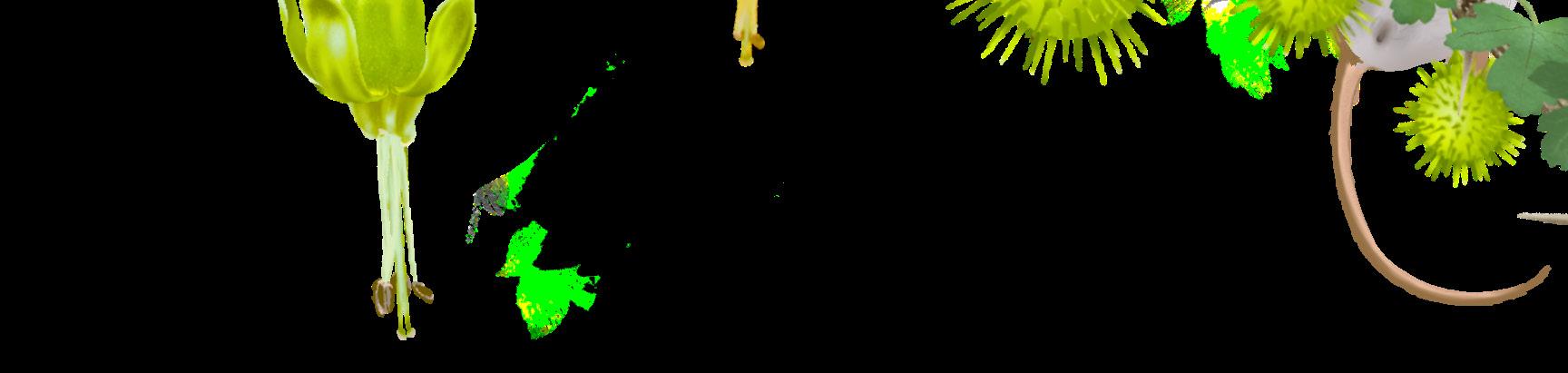
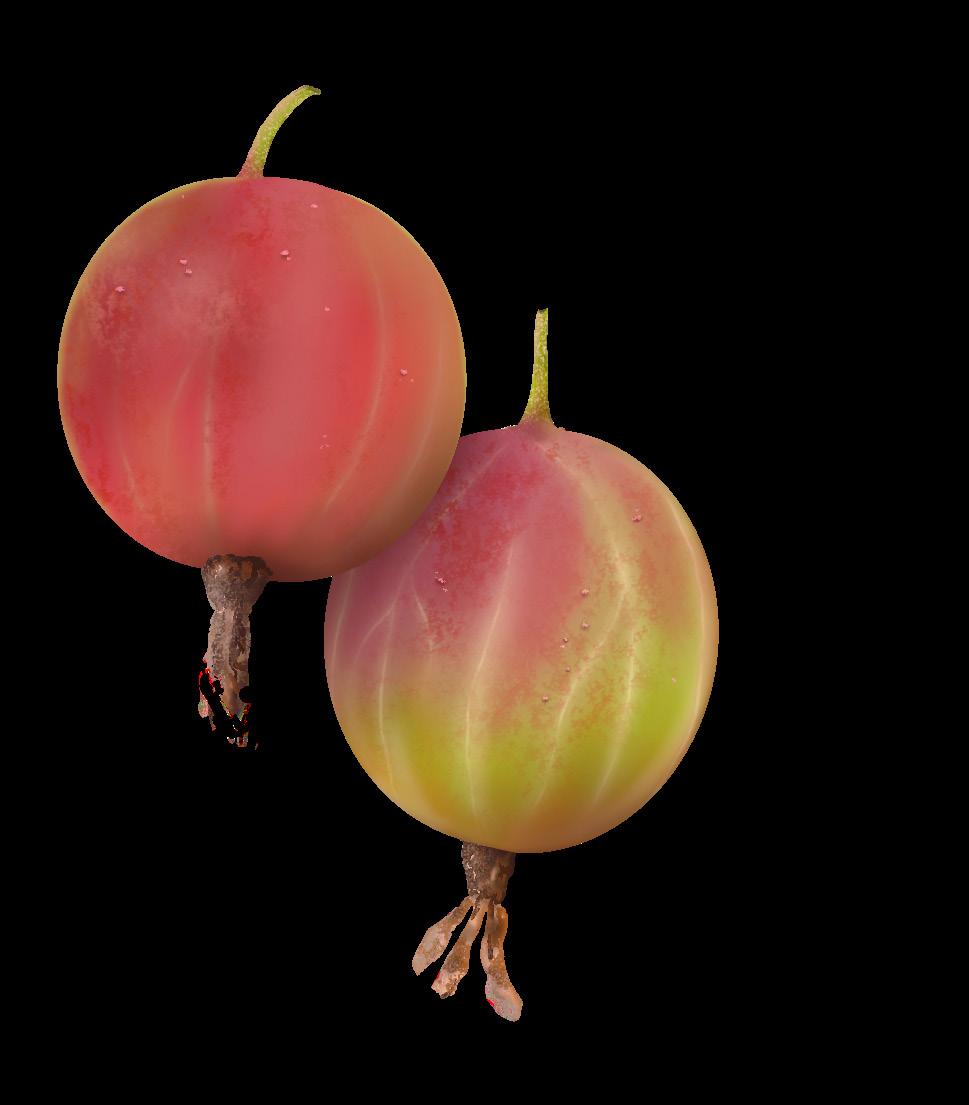
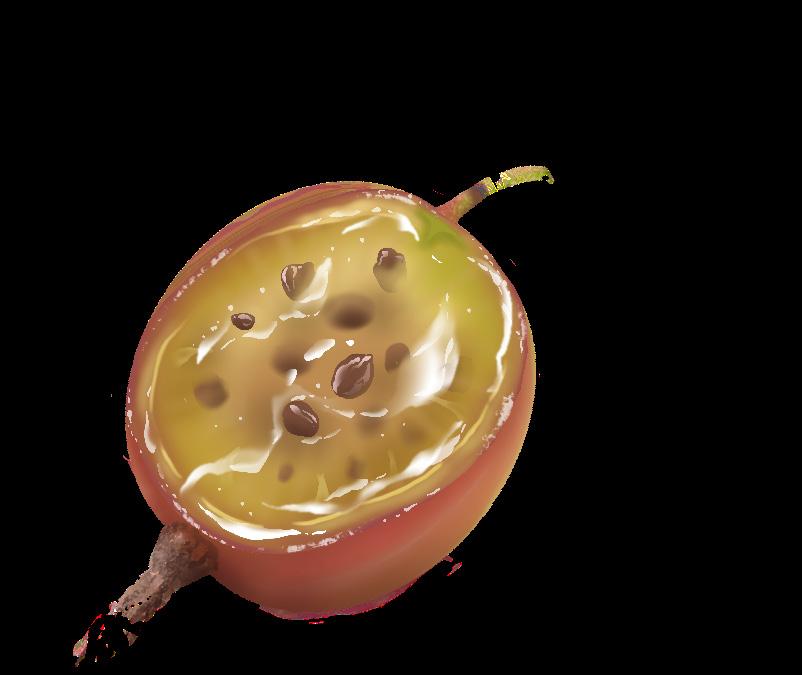
Gooseberries and their relatives, the currants, are cultivated across Europe and Asia for their delicious and nutritious fruits. As a southern relative of these northern crops, the Miccosukee gooseberry may harbor genes for heat and humidity tolerance—traits increasingly valuable for future breeding. Its use by Indigenous Communities is not noted in published sources, though such knowledge may exist and remains an important part of its story.
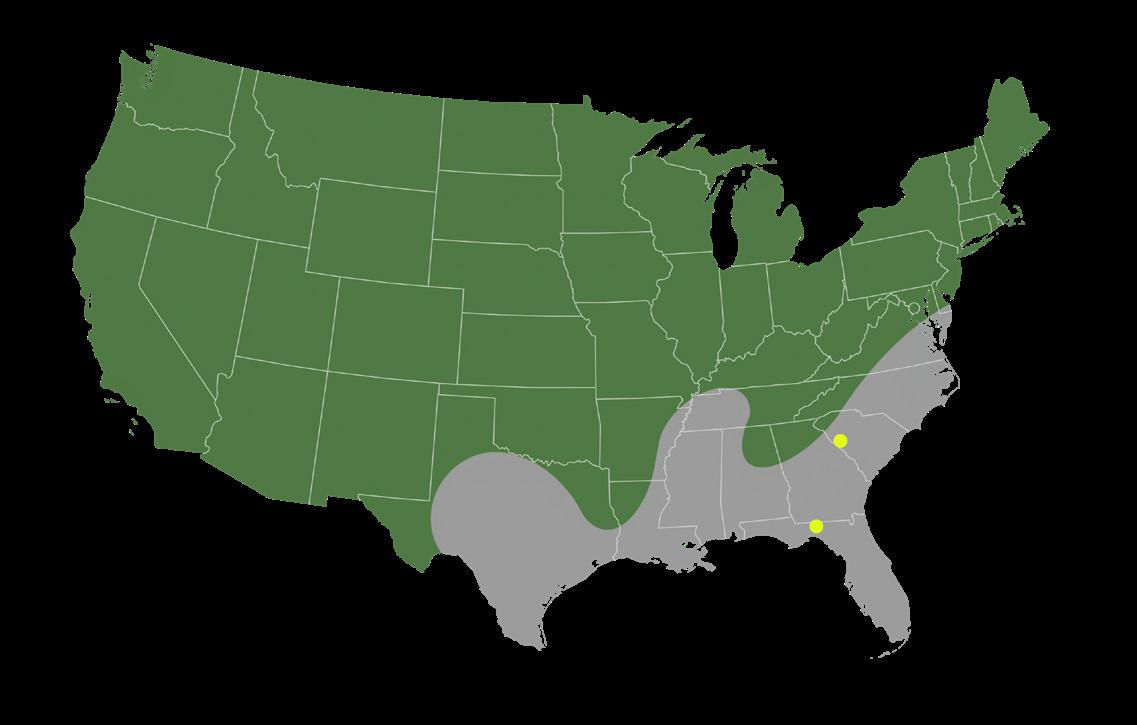
Gooseberries (Ribes subgenus Grossularia) originated in western North America and spread across the Northern Hemisphere. This map shows their broad range across the United States, and the two southern points mark the Miccosukee gooseberry’s last, genetically distinct populations—remnants of a once wider lineage. Its story offers clues to how species move and endure through shifting climates, linking the deep past of North American flora to a future still unfolding.


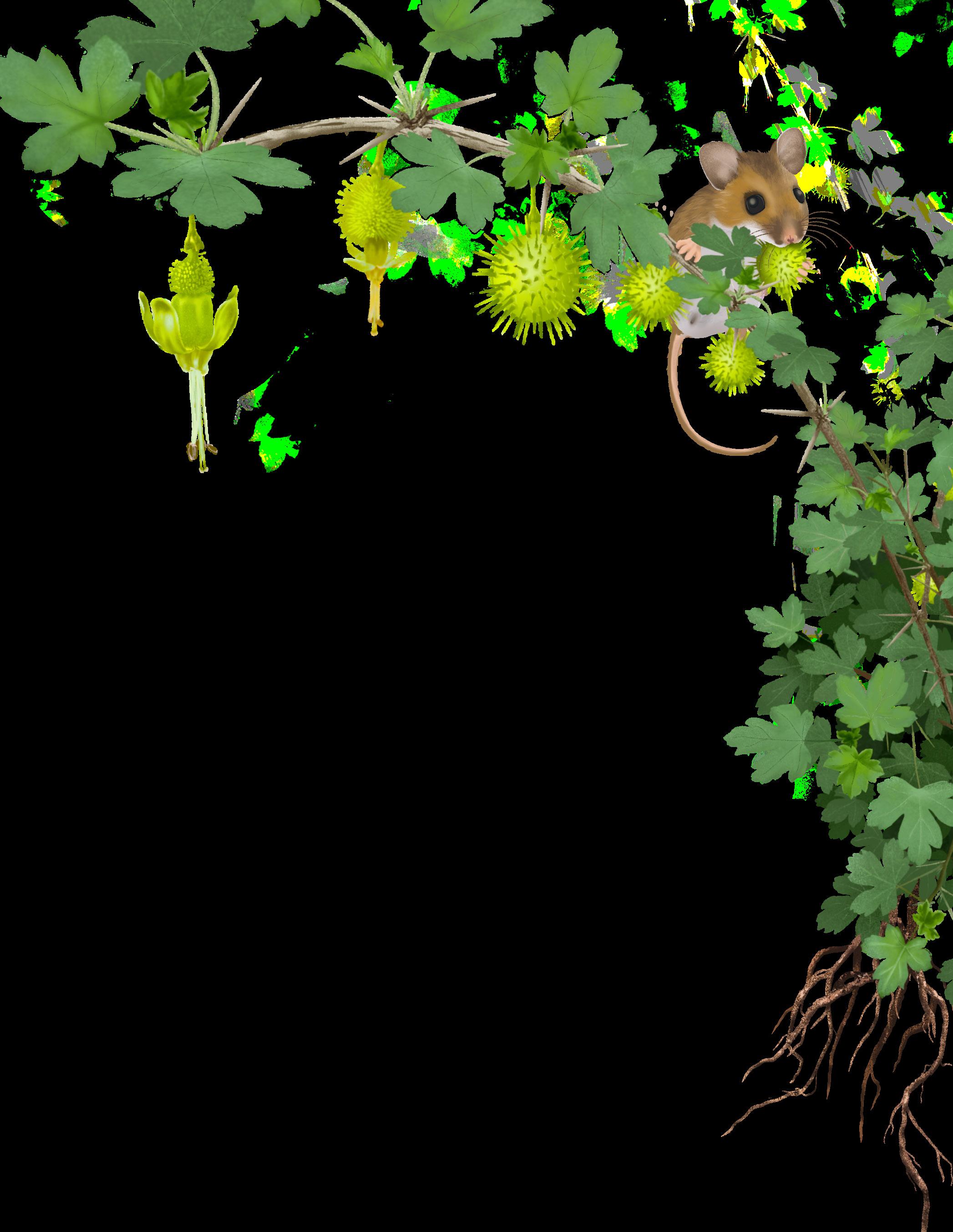

Though globally rare, the Miccosukee gooseberry often forms dense thickets where conditions are just right. It feeds insect and mammal herbivores, offers early-season nectar to pollinators, including queens of the endangered American bumblebee, and likely relies on birds to disperse its sweet fruit.

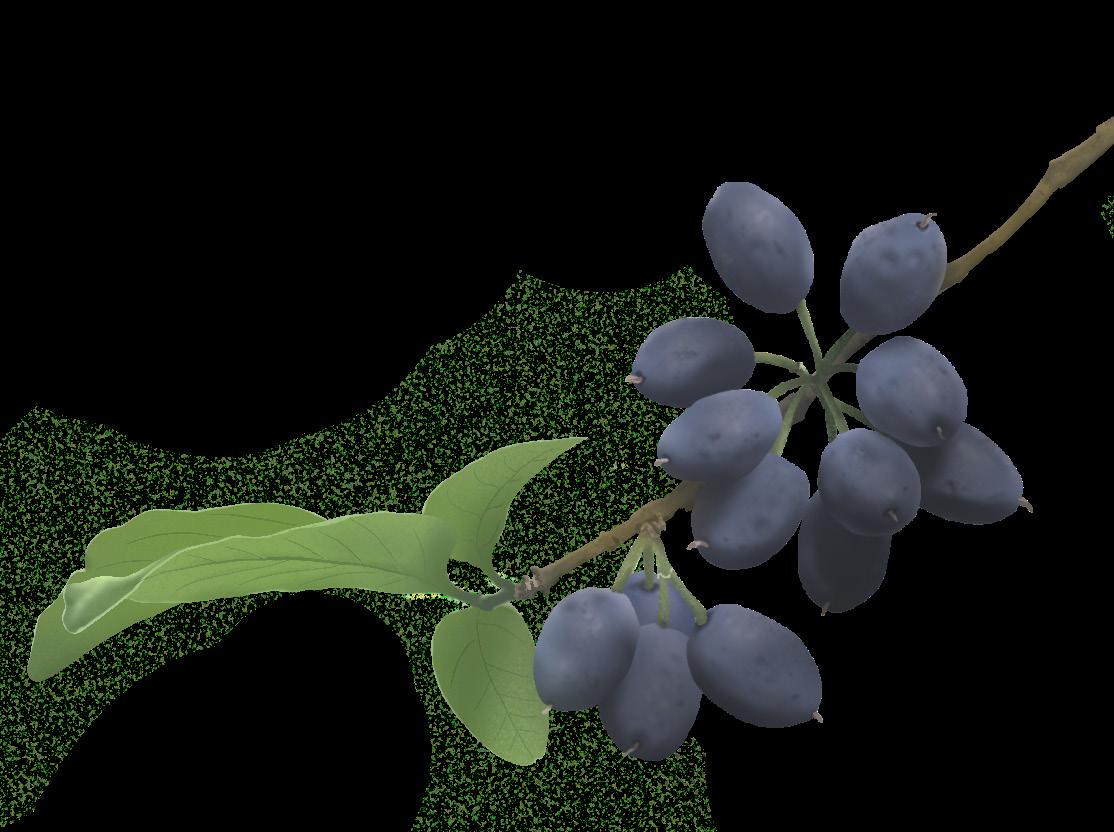
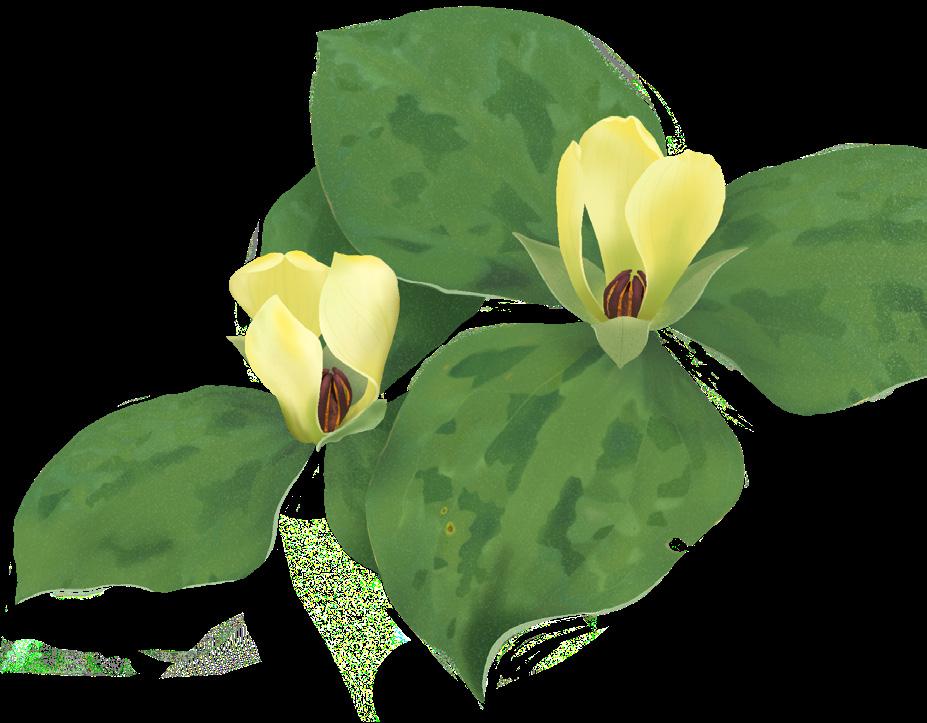
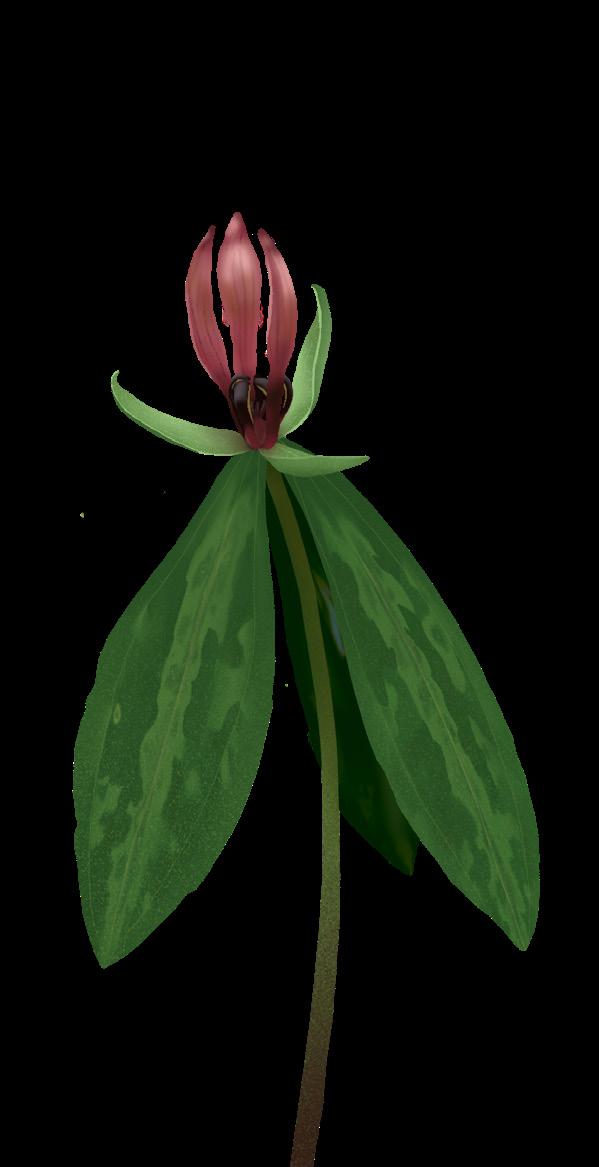
This species grows alongside other Southeastern rarities like Trillium discolor, Trillium lancifolium, and Forestiera godfreyi. Protecting its habitat means protecting unique plants and ecosystems.


The Miccosukee gooseberry faces mounting pressures—from habitat loss and overbrowsing to climate stress and low seed production. The Southeastern Center for Conservation is responding through seed banking, propagation, and deer exclusion experiments. Current studies are testing seedling survival and the benefits of crossing between populations. New research will explore whether the species is keeping pace with a changing climate and where it may have the best chance to thrive in the future.


Ex situ conservation, or conservation outside a species’ natural habitat, can take several forms. For plants, the options include seed banking, maintaining collections of mature plants, and in vitro conservation. Each approach requires conservationists to weigh a species’ biological traits against the available space, cost, and technical resources. Botanic gardens must identify methods that are not only effective but also efficient for safeguarding the species most at risk.
Seed banking is generally regarded as the most space- and resource-efficient method of ex situ conservation, since large numbers of seeds can be stored in a confined space for decades under cool, dry conditions. Yet not all species of seeds can survive the drying and cooling process required for this method. For such species, alternative strategies are needed: maintaining mature plants, which demands more space, or culturing buds and embryos in the lab, which requires greater technical expertise and specialized equipment. Whether one or several approaches are used, trials are essential to optimize protocols and ensure long-term survival of plant material.
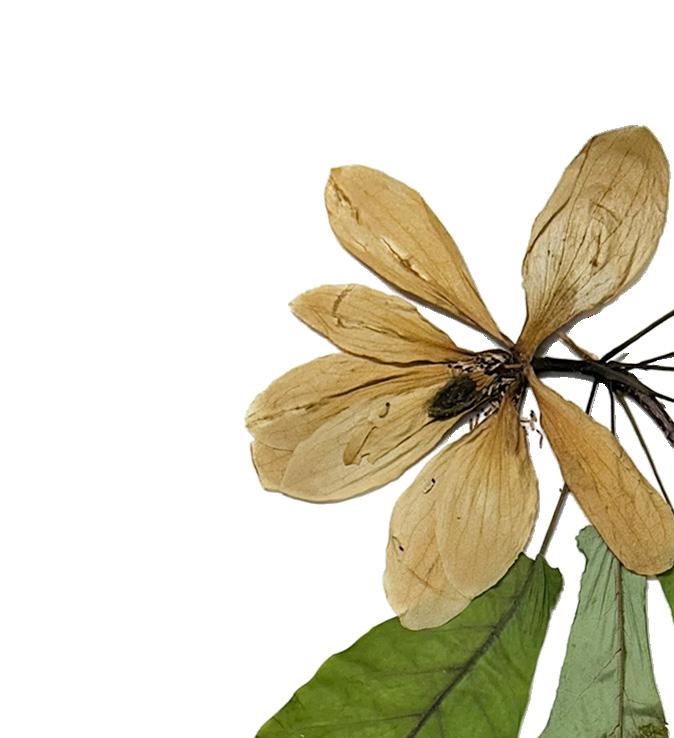
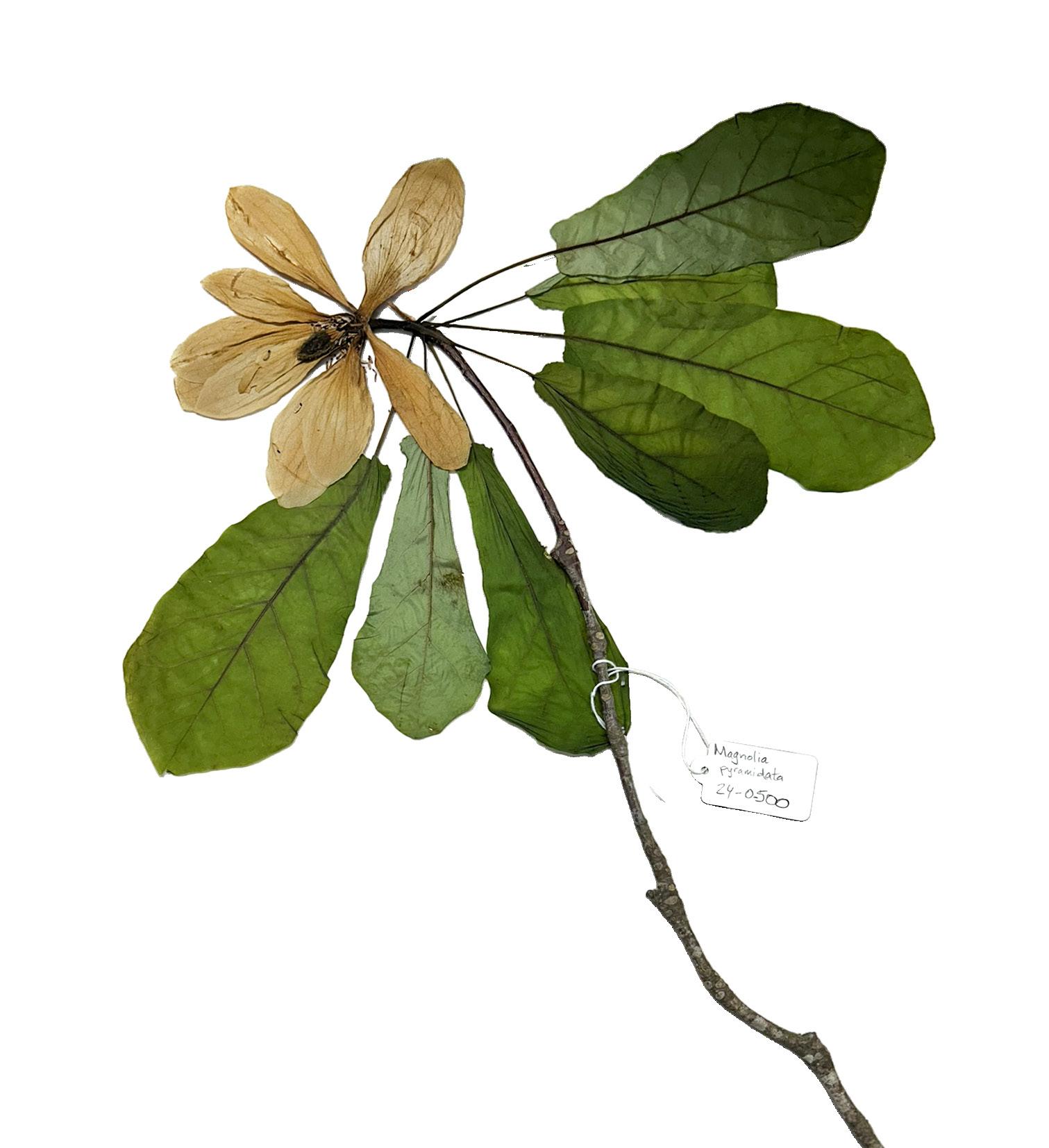
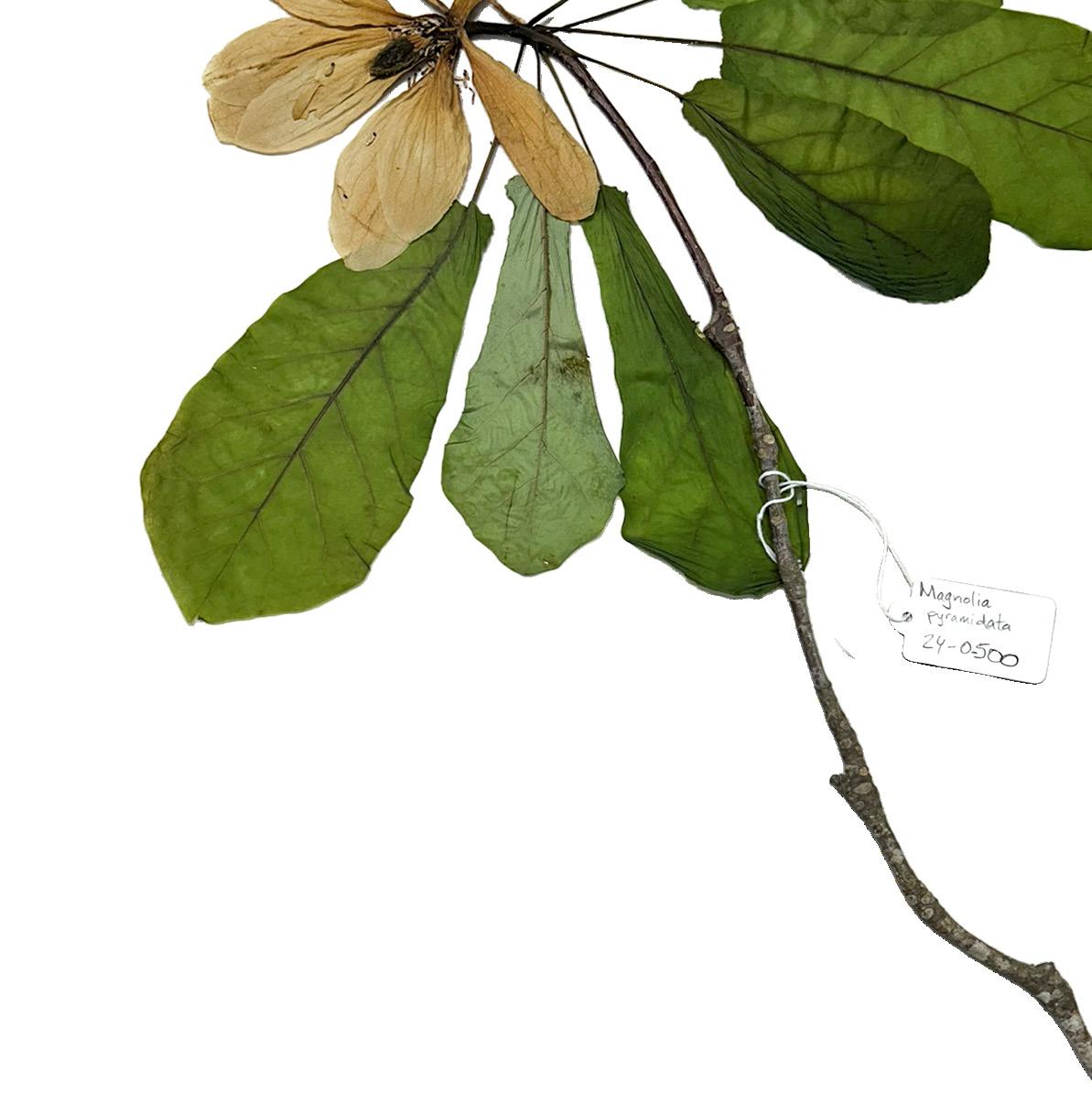
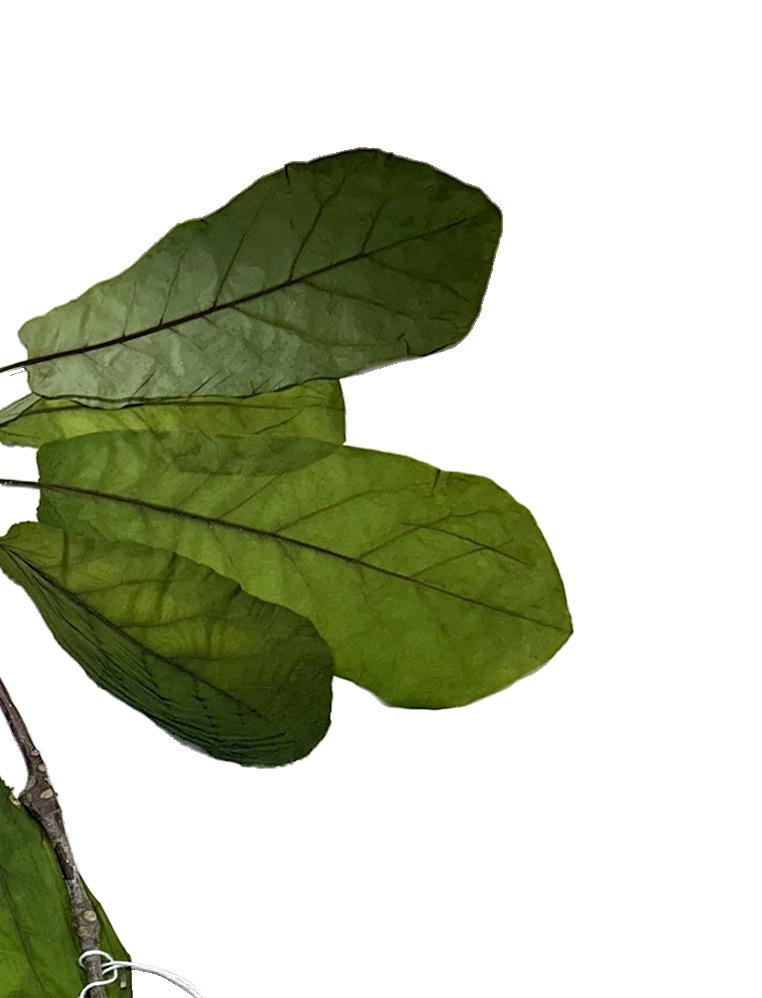
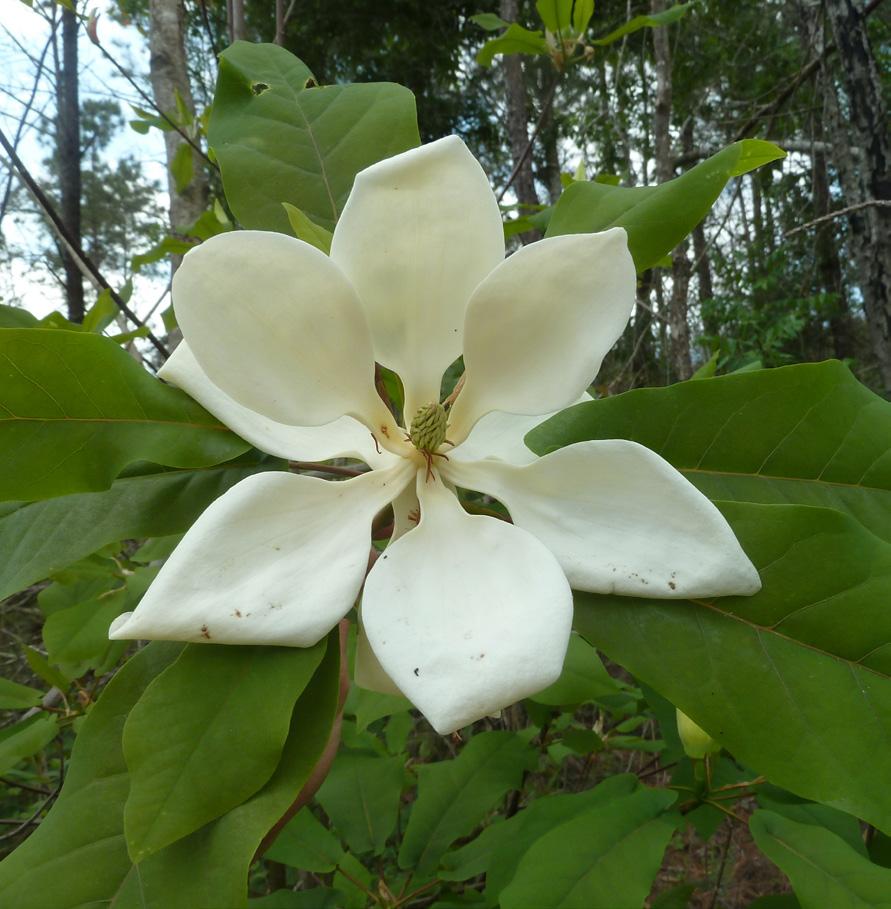
As lead of the Global Conservation Consortium for Magnolia (GCCM), the Southeastern Center for Conservation is working with partners to safeguard the pyramid magnolia (Magnolia pyramidata). This species is facing shrinking populations and changing habitat conditions. Because other magnolia species have proven difficult to seed bank, the Center is working with partners to pursue multiple ex situ conservation methods simultaneously.
For the past two years, the Center, South Carolina Botanical Garden, Clemson University, and Lady Bird Johnson Wildflower Center have
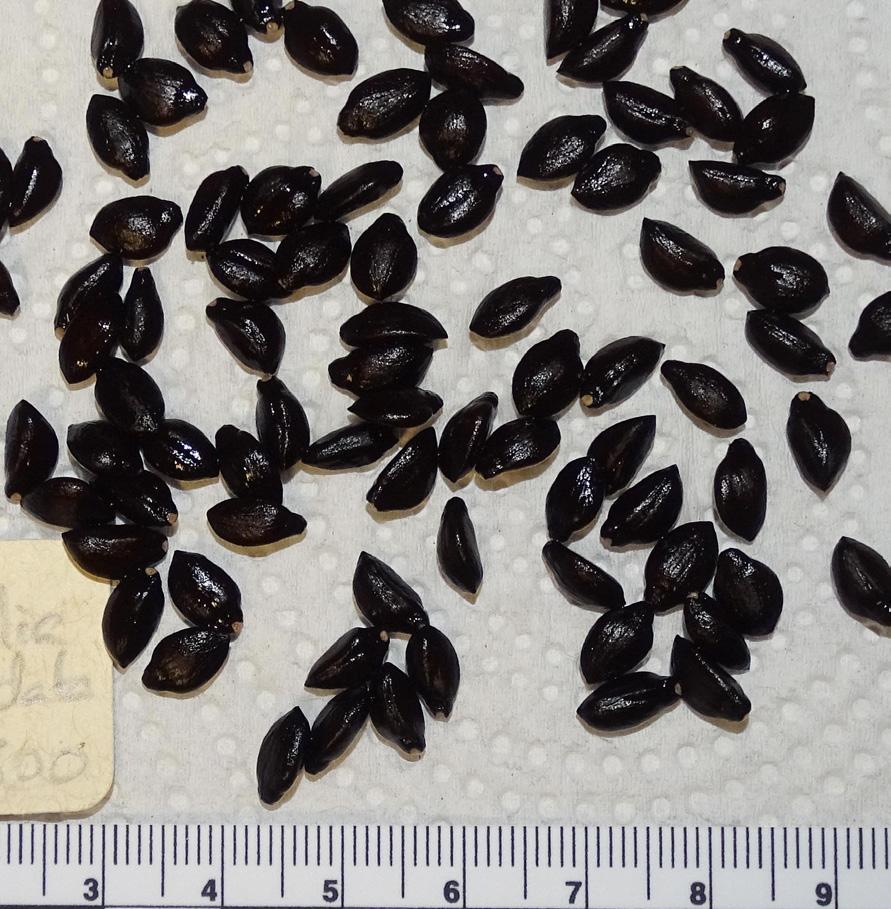
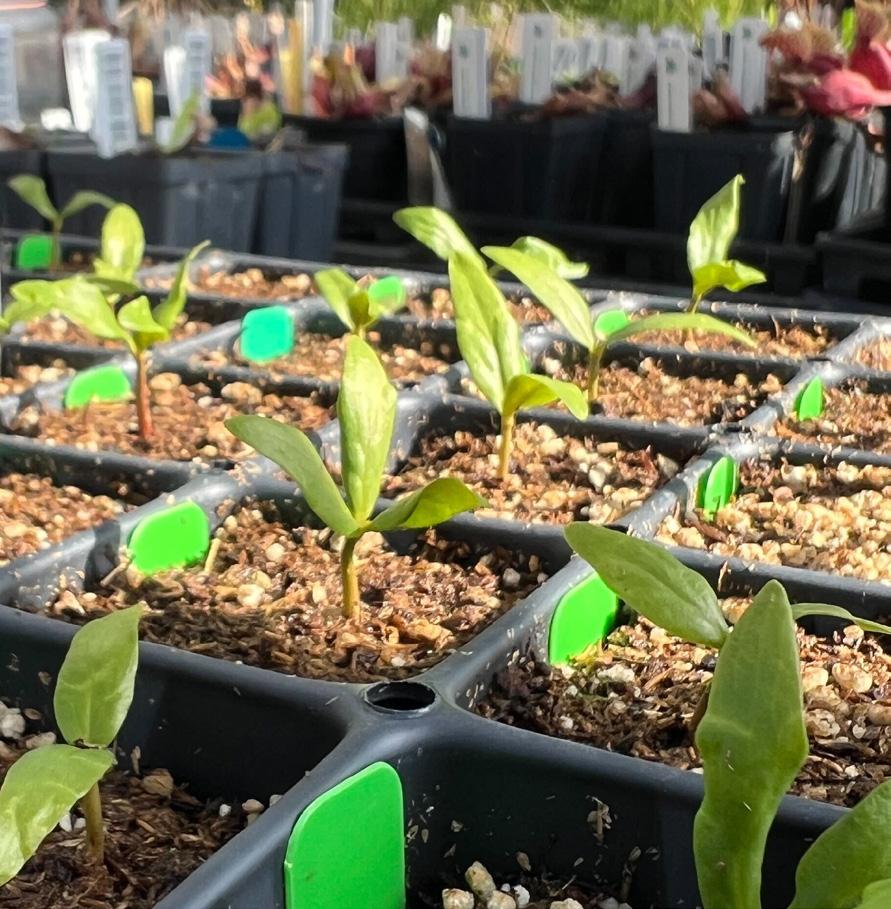
partnered on pyramid magnolia collecting trips in Georgia, South Carolina, and Texas. Teams from these gardens have collected seeds and cuttings. The seeds have shown high germination success, and seedlings are being raised at the Center. Many will eventually be distributed to other botanical gardens. Sharing the collection across multiple gardens to create a metacollection ensures that the responsibility for housing and caring for mature trees is distributed, making the effort more sustainable.
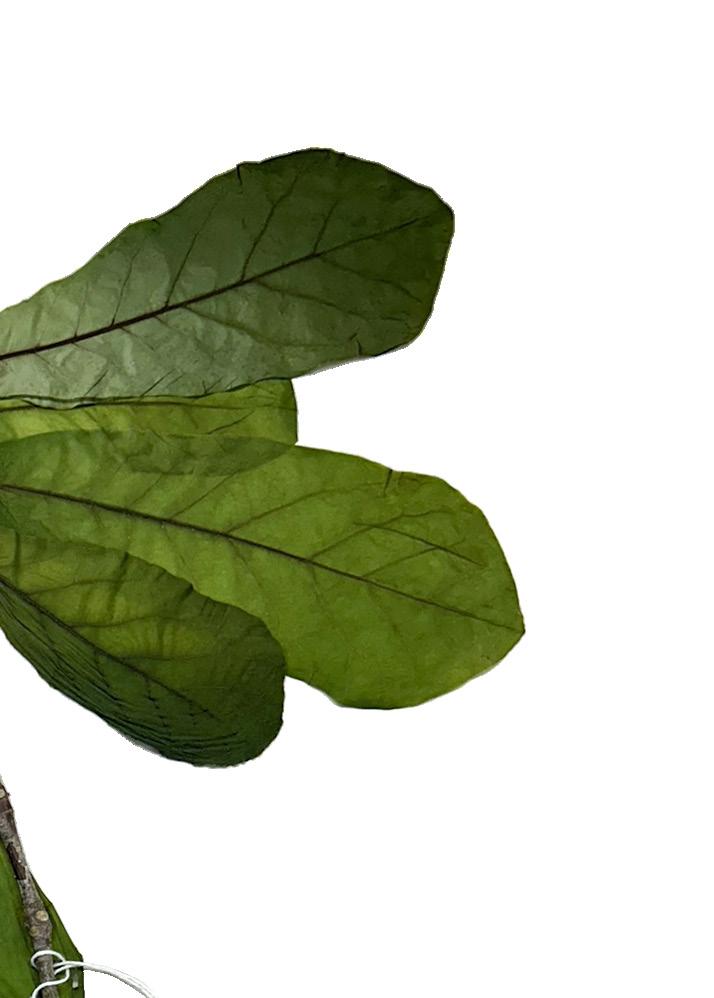
The Center’s Micropropagation Laboratory is culturing material from 14 pyramid magnolias using apical buds and stem nodes, creating in vitro “test-tube trees” as a secure ex situ collection protected from stress, pests, and pathogens. Though they require upkeep, these cultures occupy far less space than mature trees and preserve many individuals over time. Shoot tips will also be tested for cryopreservation in liquid nitrogen, providing a long-term backup that minimizes ongoing maintenance and contamination risk. Meanwhile, the Center is refining rooting protocols to transition tissue-cultured plants to the greenhouse to support future reintroduction, and collaborators at Clemson University are trialing cuttings as part of broader research on difficult-to-root woody species.
Ex situ conservation is not one-sizefits-all: seed banks, mature plant collections, and in vitro approaches each bring unique strengths. As the pyramid magnolia collection expands, the Center and its partners are modeling how shared responsibility and innovation can safeguard a threatened magnolia today while guiding plant conservation into the future.
by Emily E. D. Coffey, PhD Vice President, Conservation & Research
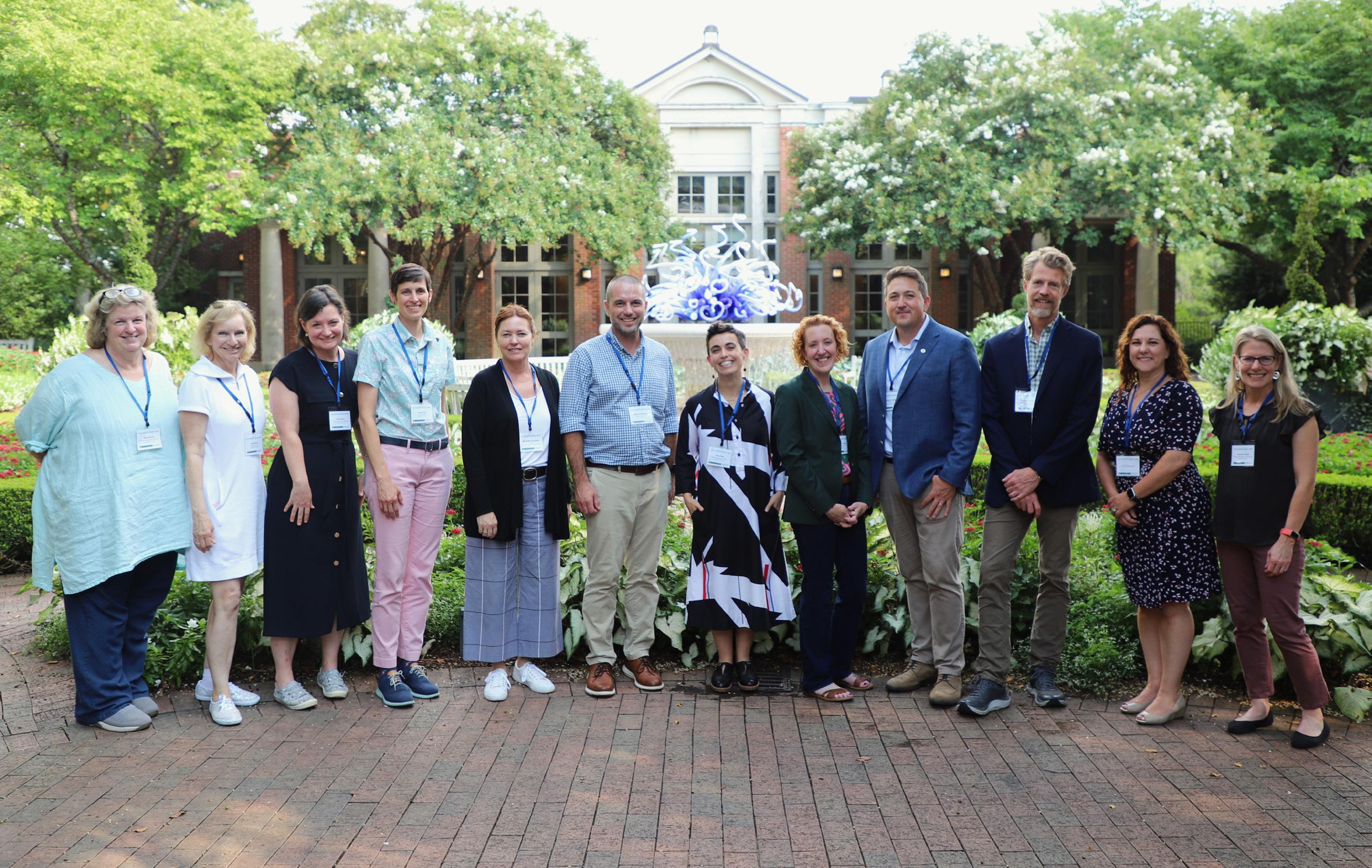
In August 2025, more than 100 leaders in science, horticulture, policy, and conservation gathered at the Atlanta Botanical Garden for the inaugural Plant Conservation Leadership Summit. Cohosted by the Garden’s Southeastern Center for Conservation in partnership with the Center for Plant Conservation (CPC), the American Public Gardens Association (APGA), and Botanic Gardens Conservation International U.S. (BGCIUS), the Summit marked a pivotal moment for elevating plants on the national conservation agenda.
The Summit was born out of urgency. While plants make up nearly 60 percent of federally listed endangered species, they continue to receive only a fraction of available recovery resources. That urgency only intensified in 2025 amid shifting federal priorities and uncertainty. Since January, funding cuts have forced layoffs across key federal agencies, undermining the very infrastructure needed to safeguard biodiversity. Combined with the accelerating biodiversity crisis, plant conservation faces one of the most daunting moments in recent memory, underscoring the need for coordinated national action.
Over two days, participants engaged in keynote panels, working sessions, and strategy discussions designed to turn collective vision into coordinated action. The Summit opened with a call for unity: an invitation to, perhaps paradoxically, see this moment as a golden age of plant conservation, where the science, tools, and partnerships exist to achieve breakthroughs, if we act together. Guided by that spirit, discussions centered on three pillars essential for the future: innovative funding strategies to expand beyond federal grants and engage biotech, philanthropy, and private sector partners; advocacy and policy to elevate plants in federal and state agendas and strengthen our collective influence in decision-making and resource allocation, and strategic storytelling to powerfully convey the value of plants to funders, policymakers, and the public. The format fostered open dialogue, peer learning, and collective visioning, with a clear commitment to sustain momentum through ongoing working groups and future convenings.
The Summit crystallized several key themes. First, conservation cannot simply “return to normal”. Participants stressed the urgency of protecting and strengthening existing resources, calling out harmful policies, disrupting outdated practices, and building new coordinated models of action. Second, the reality of funding volatility has reshaped the field. With federal support shrinking and philanthropy stretched thin, the community must cultivate unconventional partnerships, from biotech to private industry, and reframe plant conservation to resonate with new audiences. Third, a shared commitment to a unified national vision took shape. Participants called for a coordinated U.S. Strategic Plant Conservation Action Plan that expands the focus from rare species to whole ecosystems, aligns institutions, and balances urgent needs with long-term resilience. Finally, underscoring the power of narrative, how compelling stories can show that conservation and development can coexist, and how framing plant recovery as pragmatic and community-beneficial is essential for broad support.
The Summit demonstrated the power of coming together to build a stronger, more coordinated movement. That energy did not end in Atlanta. Working groups are already drafting components of a U.S. Strategic Plant Conservation Action Plan, the Pledge of Collaboration is gaining traction as a call to collective action, and advocacy is underway to ensure plants benefit from upcoming federal conservation funding.
The outcomes of the Summit matter for everyone. Plants anchor the systems we depend on — they hold soil in place, safeguard water, provide food and medicine, and carry cultural significance that ranges from the traditions of Tribal Nations to the ways communities everywhere connect with place. They are also central to climate resilience, food security, and public health, yet they remain chronically underfunded and overlooked.
Never before have leaders across science, horticulture, policy, and conservation aligned so clearly around a shared national vision for plants, demonstrating the power of collective action at a moment when such unity is urgently needed. The Summit also rekindled inspiration: participants spoke of stepping back from their daily challenges and recognizing themselves as part of a larger mission and a web of relationships. Plant conservation is not a niche effort but a growing national movement that is shaping the resilience of communities and ecosystems alike.
As we look toward 2026, the Summit will be remembered as a turning point. The collaborations forged, strategies set in motion, and commitments made are shaping the future of plant conservation in the United States. The work ahead is ambitious – but by pooling expertise, resources, and resolve, we can achieve what has long seemed out of reach: restoring plants to the center of conservation.
Suppressing germination is key to rescuing rare spider lilies
by Kelly Coles, MSc Gulf Coast Program Manager
Jessamine Finch, PhD Research Scientist, Seed Bank
Spider lilies (genus Hymenocallis) are showy perennials consisting of about 50 species distributed from the southeastern United States through northern South America1. In addition to their striking flowers, they also produce unusual seeds— large, green, and fleshy, a bit like peeled cloves of garlic in shape and texture. Like garlic cloves, spider lily seeds are prone to sprouting, decaying, or damage if not properly stored, making them a challenge for long-term seed banking. Because seed collections are more space-efficient to safeguard than mature plants, the
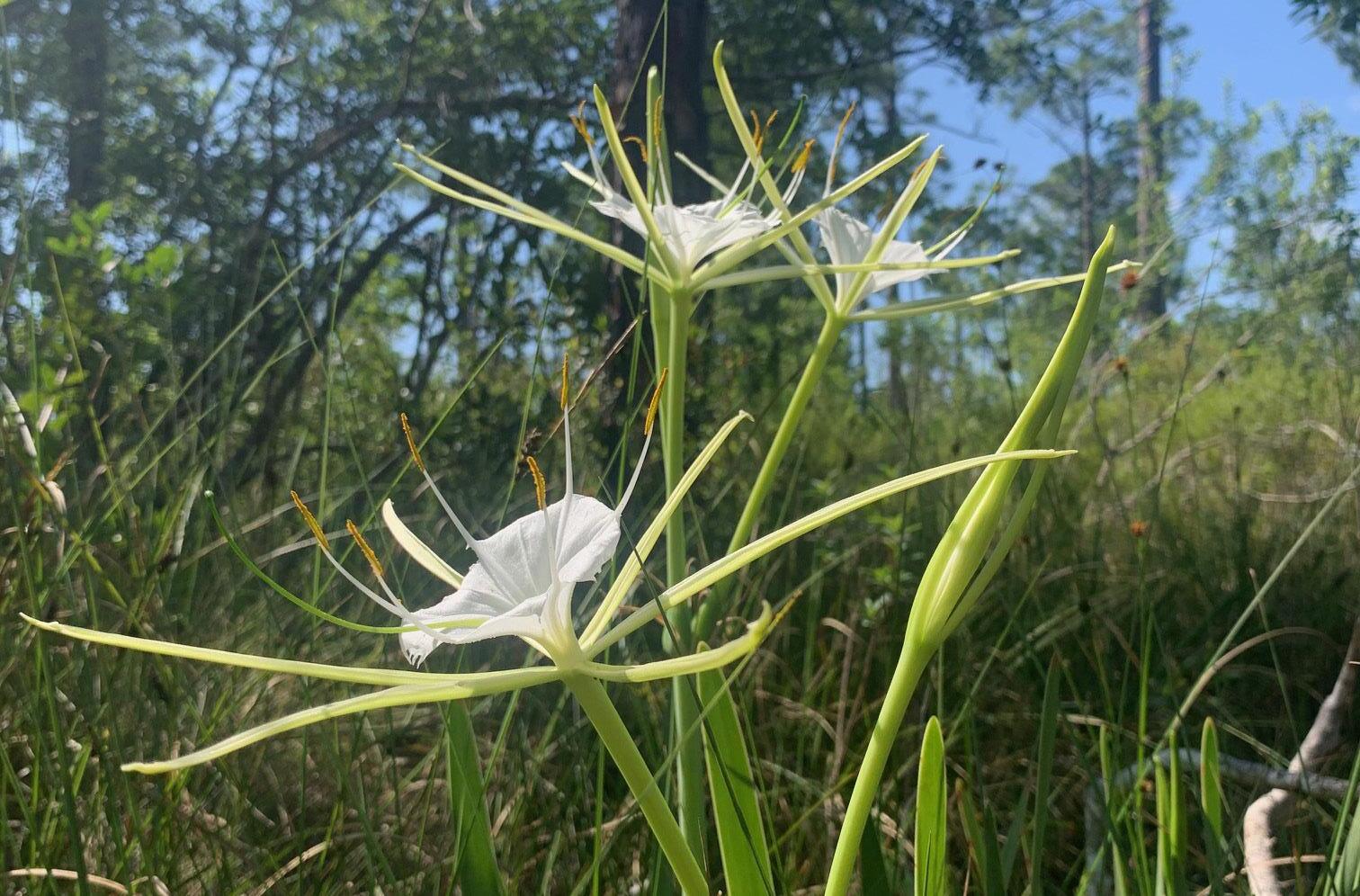
Southeastern Center for Conservation is improving methods for collecting and storing seeds from some of Florida’s most threatened spider lily species (Table 1).
This project is part of a larger initiative to safeguard Florida’s unique flora. According to the Atlas of Florida Plants, Florida
contains 3200 native and 230 endemic plant species, making it the third-most botanically diverse continental U.S. state. One in every six Florida native plant species is at risk of extinction. With such high diversity and rarity, Florida’s flora must be prioritized for protection. Yet as of 2021,
nearly one-third of Florida's rare plants had not been safeguarded in captivity. To boost conservation collections, the Center for Plant Conservation (CPC) formed the Florida Plant Rescue (FLPR) initiative3, composed of nine partner institutions, including the Center.
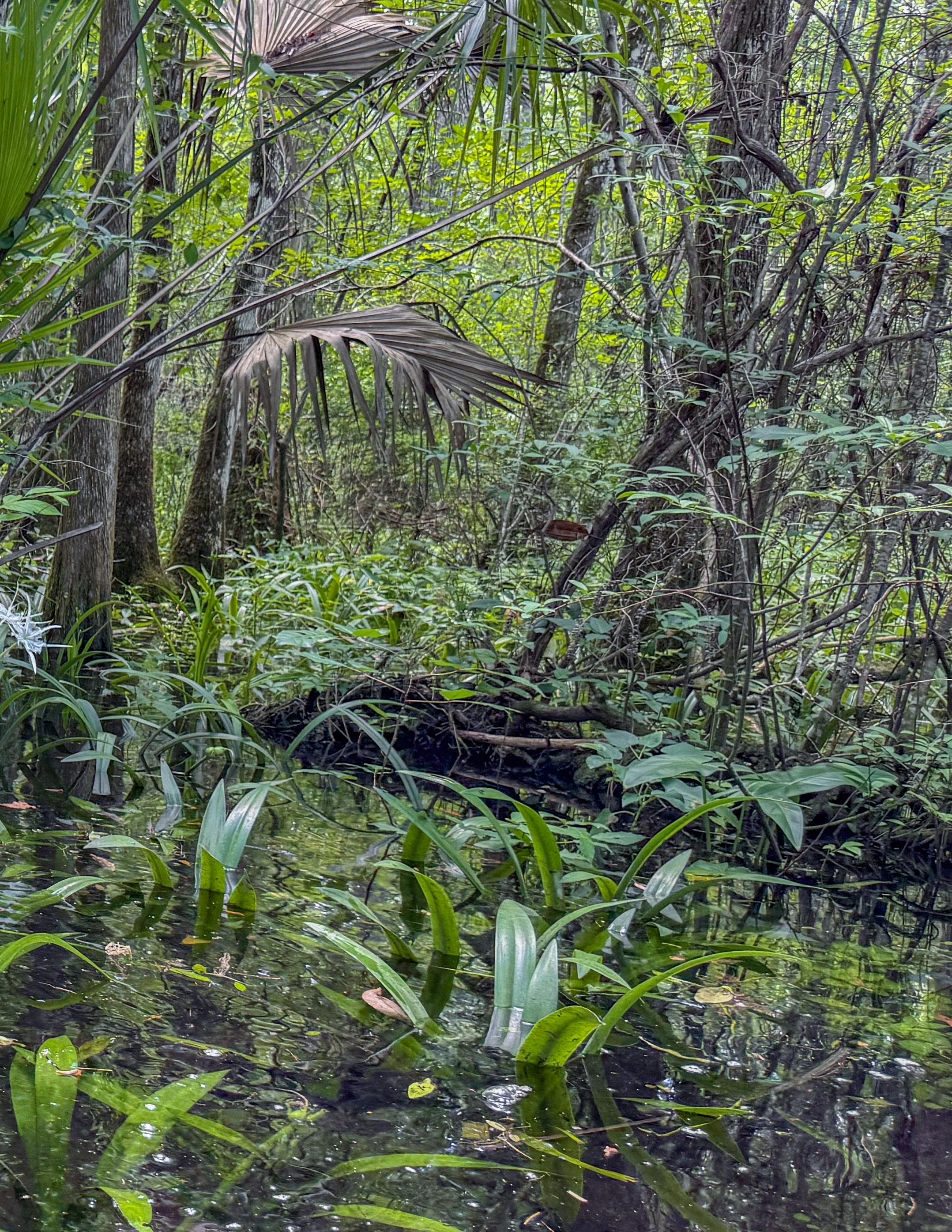
Nearly all U.S. spider lily species can be found in Florida, with eight being endemic. Declines in their wetland habitats threaten Florida’s spider lilies. Half of U.S. wetlands have been lost since the 1780s4. This is primarily due to fire suppression, human development, and silviculture, and exacerbated by climate change, with catastrophic storms and droughts impacting hydrology5
“One in every six Florida native plant species is at risk of extinction.”
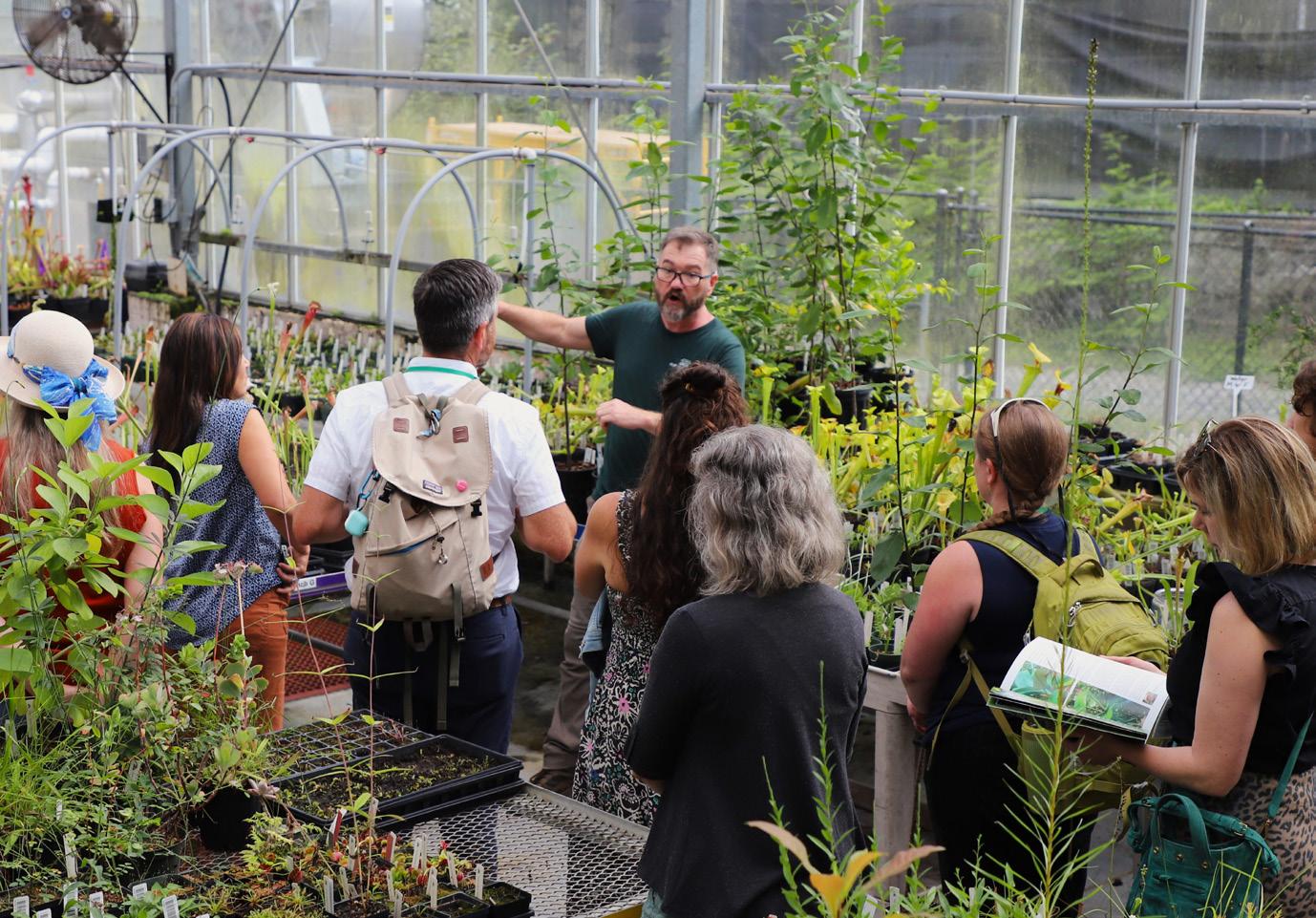
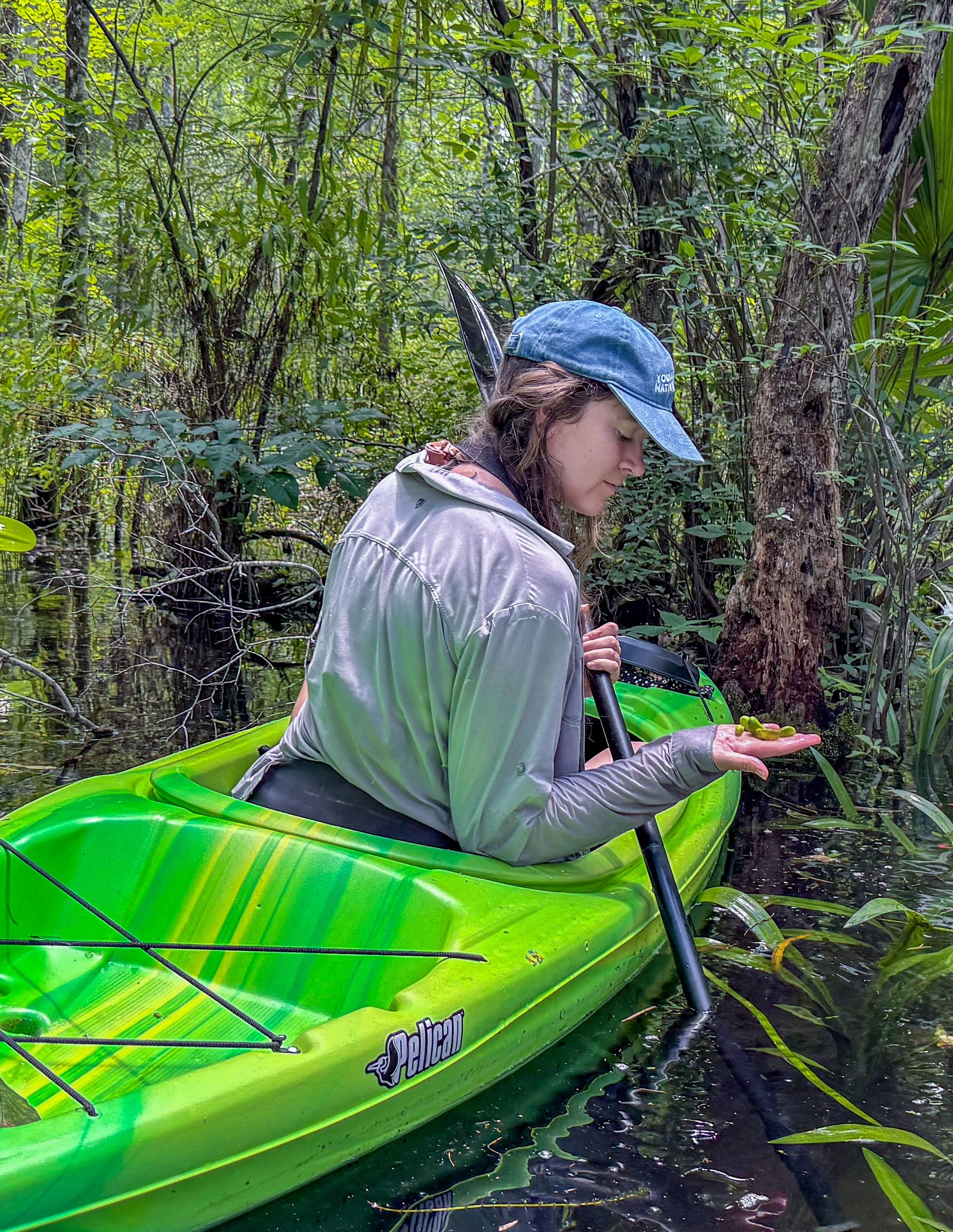
In 2024 and 2025, Center staff successfully collected seeds from two spider lily species, despite challenges in finding possibly extirpated populations and limiting harvests to 10% of annual seed production to protect natural reproduction. In
one species, the spring-run spider lily (H. rotata), there was sufficient seed to conduct more detailed studies. When seeds were cut open to determine moisture content, researchers found liquid embryo sacs. Much like the watery stage inside a young coconut, the spider lily seeds weren’t fully formed and needed more time to mature, even though they naturally fall from the plant at this stage.
Inspired by two American Journal of Botany papers from the 1940s, the seeds were placed in water under a day-night photoperiod with the intention of promoting embryo development but staying germination6,7 However, we found that seeds still germinated after six weeks, and both sinking and floating seeds appeared to be viable. Importantly, while germination was not halted by this method, even ungerminated seeds appeared healthy submerged in water, suggesting an adaptation for the flooded conditions of their riparian habitat.
While challenges in suppressing germination complicate storage of spider-lily seeds, it also highlights their remarkable vigor. Next steps will include testing desiccation tolerance and exploring storage under cool and humid
conditions to prevent germination. The Center’s work goes beyond banking easyto-store species; it advances research that pushes the boundaries of what’s possible in seed conservation.
1. Weakley AS, Southeastern Flora Team. Flora of the Southeastern United States. Chapel Hill (NC): University of North Carolina Herbarium, North Carolina Botanical Garden; 2025.
2. Florida Department of Agriculture and Consumer Services (FDACS). Florida’s Endangered Plants [Internet]. Tallahassee (FL): FDACS; 2025 [cited 2025 Aug 28].
Available from: https://www.fdacs.gov/ConsumerResources/Protect-Our-Environment/Botany/Florida-sEndangered-Plants
3. Center for Plant Conservation (CPC). Florida Plant Rescue (FLPR) [Internet]. 2025 [cited 2025 Aug 28]. Available from: https://saveplants.org/florida-plant-rescue/
4. Dahl TE. Wetland Losses in the United States: 1780s to 1980s. Washington (DC): US Fish and Wildlife Service; 1990.
5. Light HM, Vincent KR, Darst MR, Price FD. Water-Level Decline in the Apalachicola River, Florida, from 1954 to 2004, and Effects on Floodplain Habitats. Reston (VA): US Geological Survey; 2006.
6. Whitehead MR, Brown CA. The seed of the spider lily, Hymenocallis occidentalis. Am J Bot. 1940;27:199–203.
7. Flint LH, Moreland CF. Note on photosynthetic activity in seeds of the spider lily. Am J Bot. 1943;30:315–7.
SPECIES AND CONSERVATION STATUS
Henry’s spider lily
Hymenocallis henryae
Springbank spider lily
H. rotata
Godfrey’s spider lily
H. godfreyi
Gholson's and Franklin’s spider lilies
H. gholsonii and H. franklinensis
FIELD OBSERVATIONS
In 2024 at St. Joseph Bay State Buffer Preserve, dense post–Hurricane Michael regrowth closed formerly open flatwoods; only one population was found, yielding 12 seeds. In 2025, at Apalachicola National Forest, hundreds of plants were found, none with seeds.
Searching by kayak along the Wakulla River in 2025, Center staff found 160 plants producing seeds and collected from 16.
Center staff visited three populations in 2025 - no plants have been found.
SEED
Seed moisture was 86–88%, too high for conventional dry or frozen storage. In the lab, seeds germinated in 6–12 weeks at a 75% rate, and five healthy plants are now growing in the Conservation Greenhouse.
Seed moisture content was 86–88%. Seed required post-harvest maturation. Submerging seeds in water did not prevent germination.
Additional population surveys and seed collection trips planned for 2026-2027.
Population surveys and seed collection trips planned for 2026-2027.

by Loy Xingwen, PhD Research Scientist, Ecology
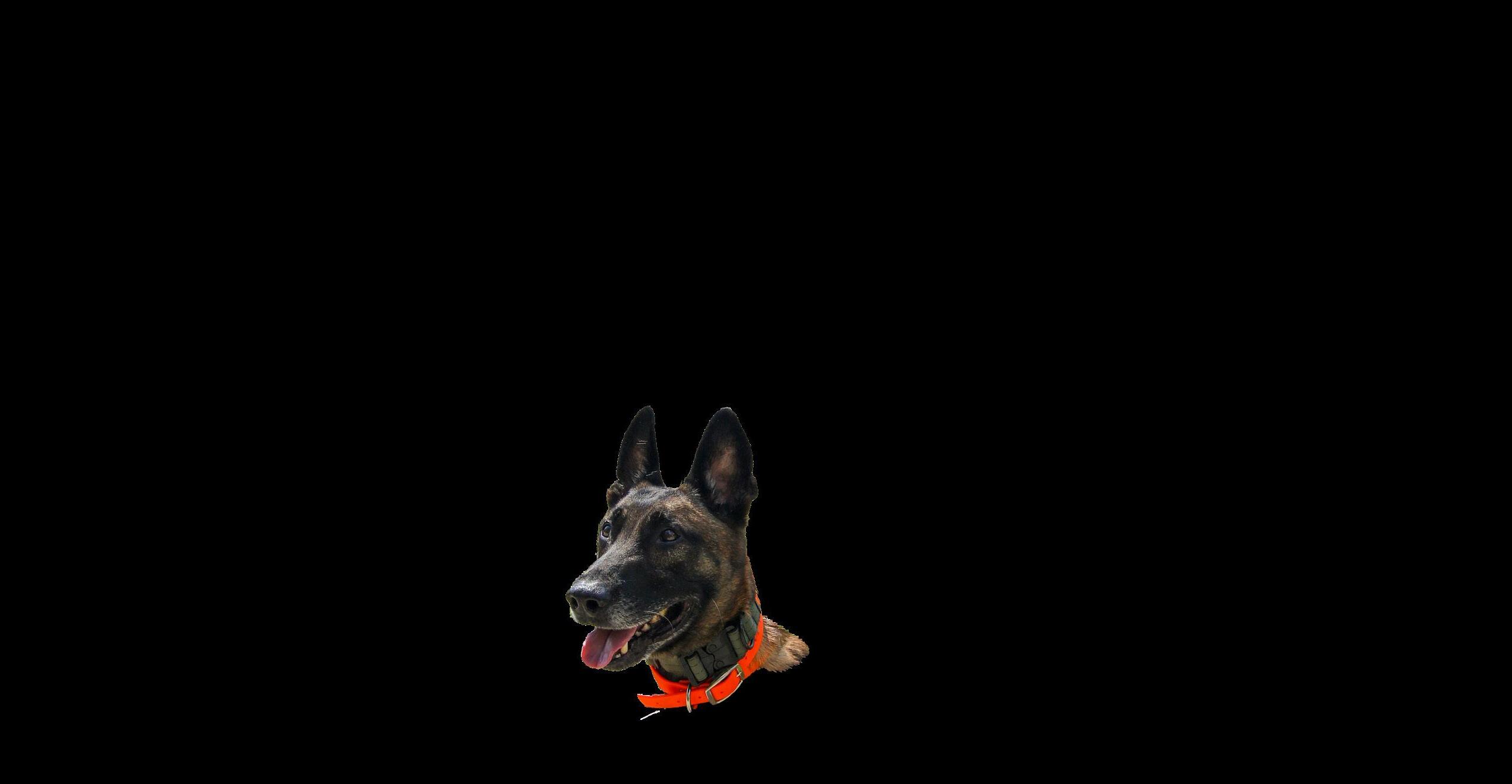
The small whorled pogonia (Isotria medeoloides) has perfected the art of concealment. When conditions are unfavorable, this threatened orchid can remain dormant underground for years, making it invisible to even the most diligent surveyors. Its elusiveness has led the Southeastern Center for Conservation to enlist an unlikely ally: a scent detection dog.
In 2024, with support from the USDA Forest Service, the Center launched an experimental approach to track this orchid by scent, enlisting conservation dog trainer
Dr. Karen DeMatteo and her Belgian Malinois, DJ. DJ was trained to detect dormant orchids by scent, using roots of the related large whorled pogonia (Isotria verticillata). Because dormant orchids produce no aboveground shoots, below-ground tissues offer the most reliable training cue.
The broader motivation for DJ’s involvement is to research this orchid’s ideal forest habitat. Long-term forest study plots reveal patterns in where the orchid thrives, but it remains unclear why other suitable sites fail to support it. To answer that, researchers must know where dormant orchids persist. By pointing to locations with dormant plants, DJ enables researchers to study the very conditions that may be limiting recovery.
In 2025, field trials in the mountains of North Carolina and Georgia revealed both promise and challenges. DJ often alerted
where no plants were visible, which could indicate dormant orchids, but we are still in the process of developing reliable ways for humans to verify his marks. Even so, during one trial both human surveyors and DJ located an active orchid population in Rabun County, Georgia. This is the first documentation of the species there in 28 years, underscoring how difficult it is to find and how scent detection can complement traditional surveys in revealing what might otherwise be missed.
DJ’s extraordinary nose isn’t a shortcut to every hidden orchid; it offers a complementary olfactory perspective that adds to, rather than replaces, traditional surveys. As the project continues through 2028, DJ and the team will keep refining their methods and improving how alerts are verified. Whether or not each alert leads to a confirmed plant, each brings researchers closer to making sense of the invisible.
40 conservation concern species benefitted
53 herpetofauna species identified 130+ tours & outreach events
312 acres restored
5,600+ plants outplanted
Celebrating 10 years of restoration, research, and renewal in Florida’s coastal wetlands by Jeff Talbert, MBA
REPI Program Manager
Sally Phipps, MSc
Conservation Engagement Coordinator 30 prescribed burns
169 insect species identified 400+ flowering plants identified
Cory B, Smith AN, Deitch M, Miller D, Enloe H, Osborne T. Changes in ecosystem structure and composition influence groundwater chemistry in herbaceous wetlands. Ecosystems. 2023;26(1):1–19.
Smith AN, Irick D, Miller D, Deitch M, Thetford M, Coffey EED. Response of soil properties to mechanical restoration techniques applied in shrub-encroached wet prairies of the Florida Panhandle. Ecol Eng. 2025;220:107754.
Smith AN, Miller D, Loy X, Deitch M, Thetford M, Crocker C, Coles K, Coffey EED. Cumulative restoration action leads to improved vegetative response in shrubencroached wet prairies of coastal Florida, USA. Restor Ecol. In review.
Crocker C, Coles K, Smith AN, Robinson G, Loy X, Miller D, Adams C, Miller L, Hammer G, Mar W, Coffey EED. Duff scraping and shrub clearing restore wet prairie herpetofaunal communities toward reference conditions. In preparation.
Key partners and funders
Florida State Parks, Environmental Protection Agency, National Fish & Wildlife Foundation, US Fish & Wildlife Service, and University of Florida
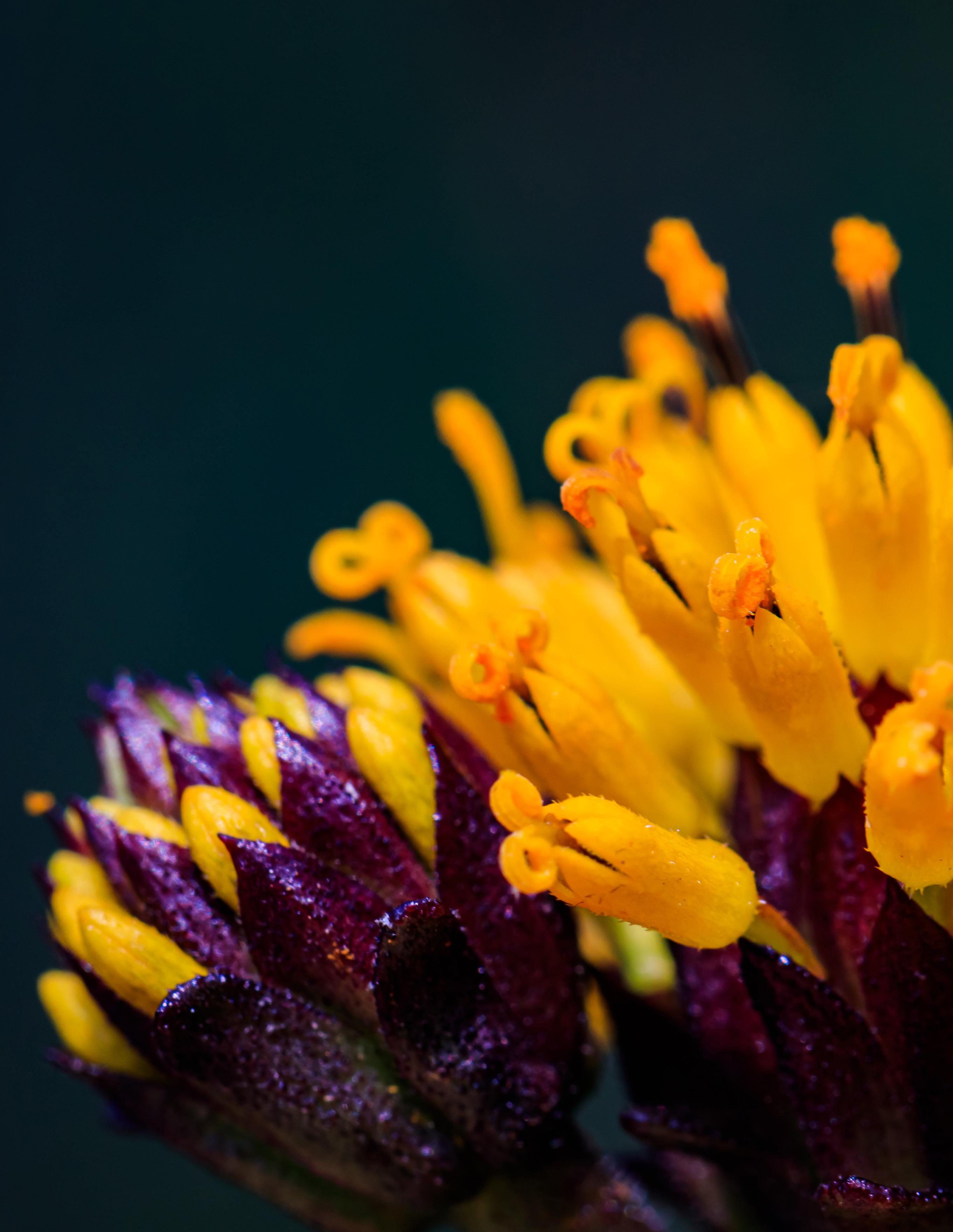
Deer Lake State Park is a prominent cornerstone of the Southeastern Center for Conservation's restoration program. Restoring Deer Lake has been the focus of several collaborative projects funded by federal agencies and nonprofit organizations, and has supported the Center’s efforts to refine and apply evidence-based methods for coastal wet prairie recovery. The longest-running
of these projects, a 10-year effort supported by the National Fish and Wildlife Foundation’s (NFWF) Gulf Environmental Benefit Fund (GEBF), sought not only to restore some of the Park’s wetland habitats, but to research the most effective restoration methods.
While the GEBF project concluded earlier this year, the story is still unfolding.
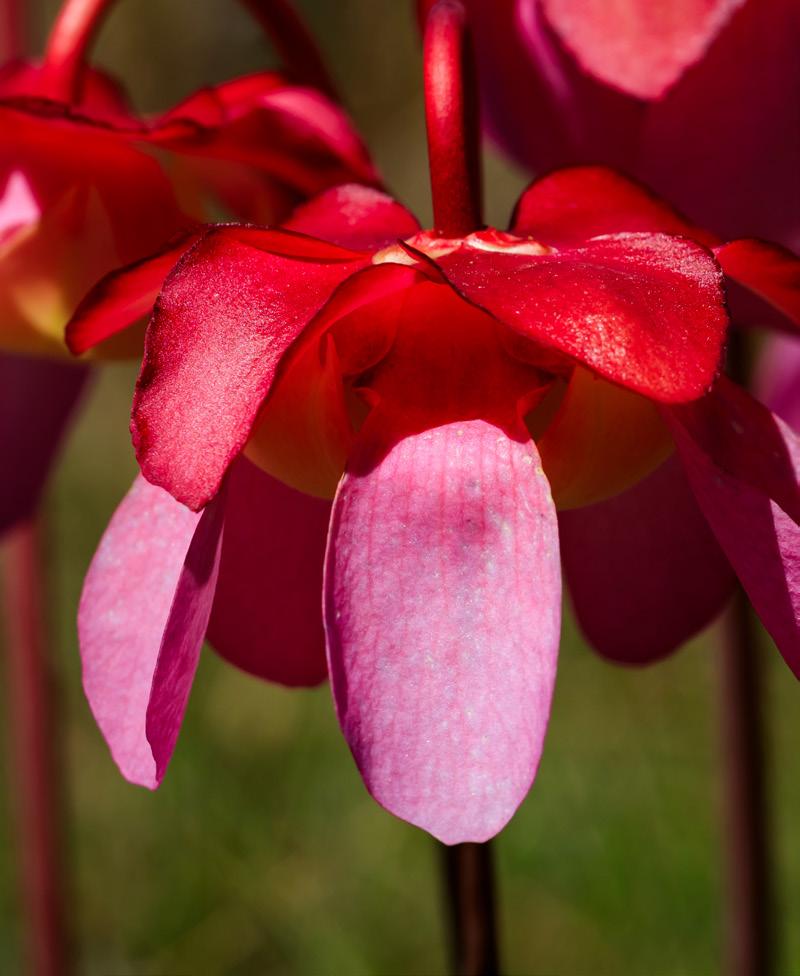
Having laid the foundations for recovery, the Center and its partners continue to study and refine the reassembly of Deer Lake’s intricate web of life—from plants to amphibians and even insects. Ecological research has already revealed that life is returning to the restored wetlands, with many rare species among them. Thanks to renewed support from NFWF’s America the Beautiful Challenge grant through
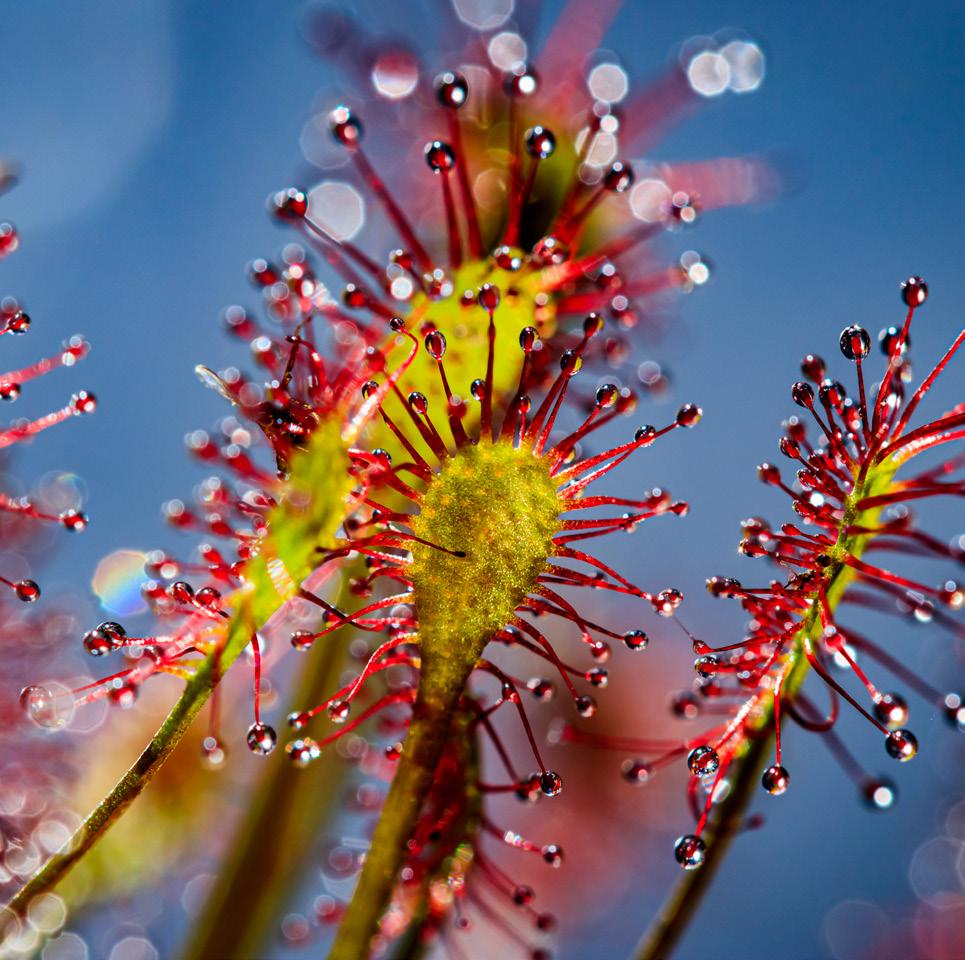

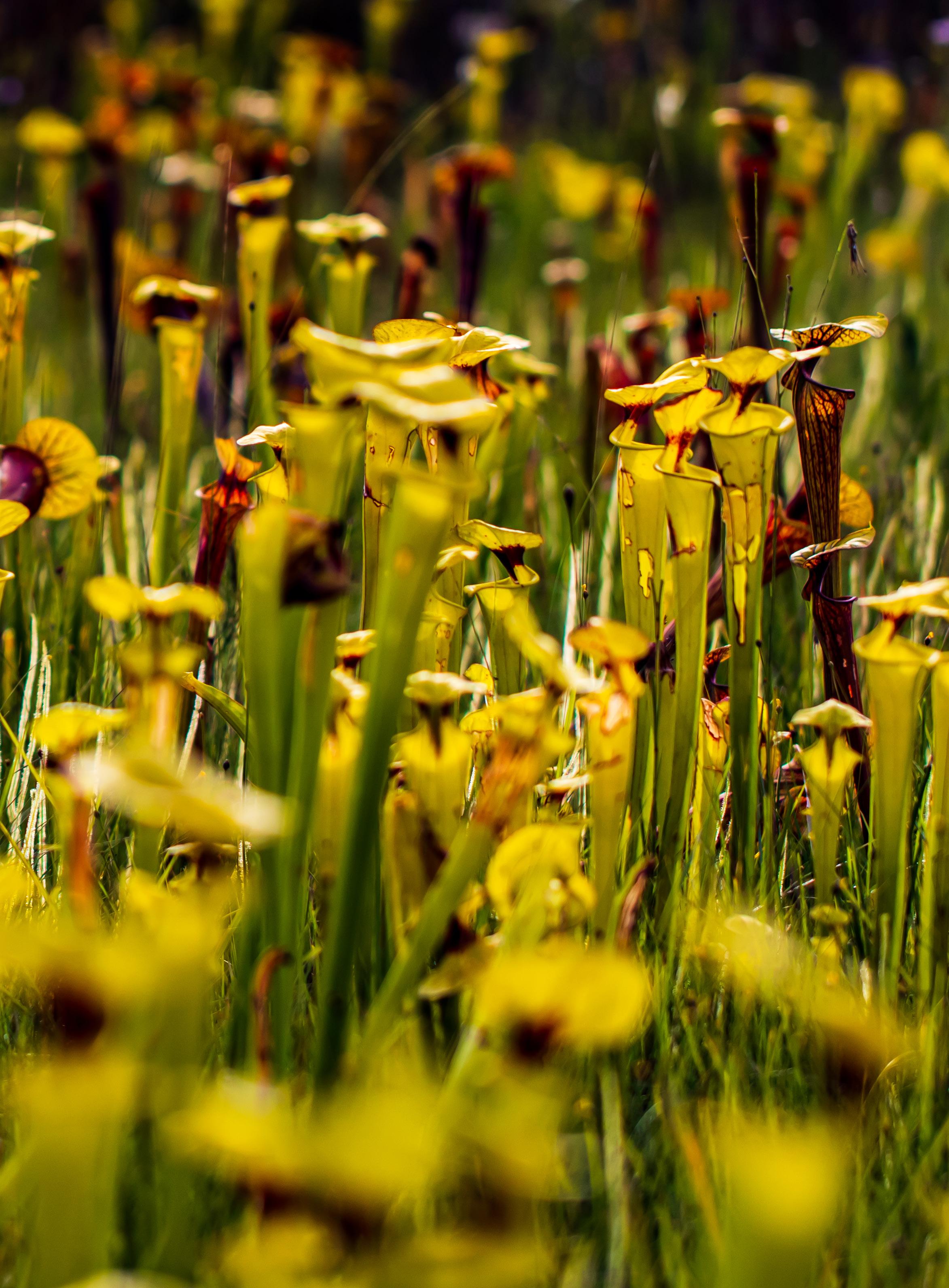
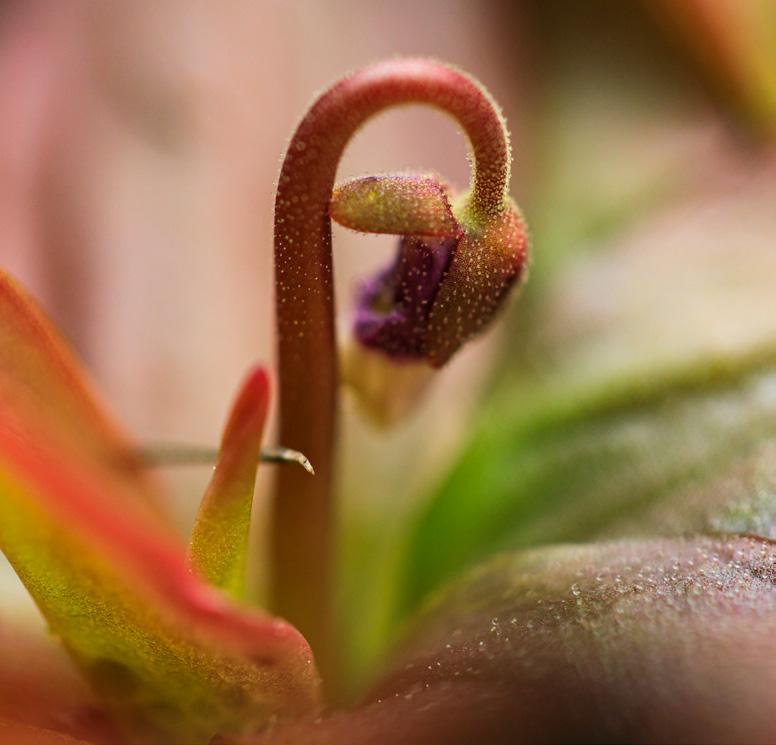
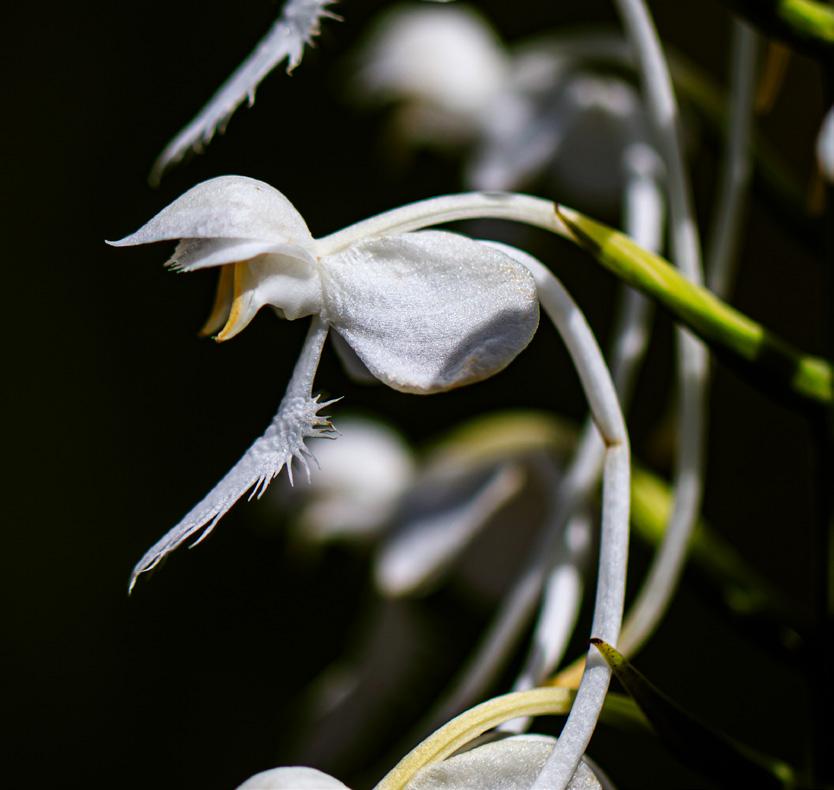
2027, the Center and its partners are building on this through new revegetation efforts, outplanting rare plants, and continued monitoring of the park’s recovering plant and animal communities.
As Deer Lake State Park’s restoration enters this new phase, the Center is looking toward the thousands of acres of wetlands across the Florida panhandle that could
benefit from the same evidence-based methods. The Center is actively seeking funding to restore wetlands at nearby Grayton Beach State Park to restore 580 acres of habitat, to expand both wetland recovery and scientific discovery. Yet Deer Lake itself remains central: a living, everchanging laboratory that will continue to guide the science supporting the future restoration of the region’s wetlands.
Our financial supporters make the Southeastern Center for Conservation’s work possible. We are grateful to the following donors for their 2025 charitable contributions to our Conservation & Research at the $5,000 level and above:
American Public Gardens Association
Association of Zoos and Aquariums
Association of Zoological Horticulture
Ayesha Siraj
Botanic Gardens Conservation International
Center for Plant Conservation
David Lapham and Clark Mitchell Fund at The Chicago Community Foundation
Dr. C. Andrew Brown
Environmental Protection Agency
Florida Natural Areas Inventory
Fondation Franklinia
Georgia Department of Natural Resources
Georgia Plant Conservation Alliance
Institute of Museum and Library Services
Lyn Kirkland
Mohamed bin Zayed Species Conservation Fund
National Fish and Wildlife Foundation
National Science Foundation
Peachtree Garden Club
Southeastern Plant Conservation Alliance
The Oak Hill Fund
United States Botanic Garden
US Department of Defense
US Fish and Wildlife
USDA Agricultural Research Service
USDA Forest Service
We give thanks as well to our volunteers, who donated hundreds of hours of volunteer time to SECC projects in 2025:
Asher Anderson
Jonathan Aronoff
Jo Ann Bertrand
Drew Bratcher
Alyssa Bryan
Paige Carncross
Nicholas Chang
Johnette Crum
Jessica Dark
William Doyle
Samuel Dyches
Jim Giambrone
Sujata Grover
Edison Gu
Brad Harten
Reese Hawkins
Marian Hill
Anne Hughes
Yanny Vazquez
Jacinto
Eboni Johnson
Meredith (Merri) Kwan
Mark Lewis
Lynn Malone
Laura Martin
Barbara Musolf
Pat Musolf
Venetia Perry
Mireya Ramirez
Kay Roane
Bruce Roberts
Greg Robinson
Benson Schliesser
Micah Sharer
Joy Staeck
Renee Steinike
Larry Strain
Don Tilton
Beth Vaughan
Ken Vesey
Raquel Walkins
Jeffrey Weiss
Melissa Whaley
Morrine Wilson
Join us in advancing plant conservation and protecting biodiversity. Scan the QR code to support the Southeastern Center for Conservation. Every contribution makes a difference.
Synecology is an annual year-end publication by the Southeastern Center for Conservation at the Atlanta Botanical Garden. 1345 Piedmont Ave. NE, Atlanta, GA 30309