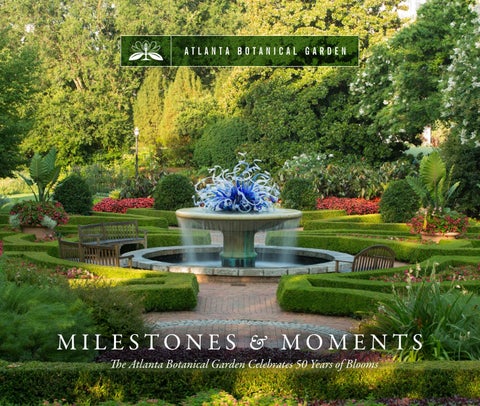
MILESTONES & MOMENTS
The Atlanta Botanical Garden Celebrates 50 Years of Blooms
MILESTONES & MOMENTS
The Atlanta Botanical Garden Celebrates 50 Years of Blooms
FOREWORD:Mary
Celebrating 50 years of imagination and growth
Pat Matheson Golden jubilee
When I think about the beginnings of the Atlanta Botanical Garden, I imagine a few determined Atlantans working in a small rose garden on the western edge of Piedmont Park.
Together, they formulated a dream of a new botanical garden. They didn’t have much to work with — only vision, optimism and a city willing to take a chance on something bold.
Those volunteers weren’t just planting gardens; they were planting the idea that nature belongs at the heart of urban life. They believed that a botanical garden was an essential component of any large city — a place for all to enjoy, a space for learning and connection. Their conviction persuaded the city to dedicate the land for the creation of a living museum that would inspire generations. From those early days of fundraising and borrowed shovels, a great institution began to grow.
Fifty years later, their dream has become something far greater than they could have imagined. Today, the Garden stands as a testament to what perseverance and community can accomplish together. We are the inheritors of their vision and the stewards of their legacy.
This anniversary isn’t only a celebration of the past; it is a reminder of what’s possible when people unite around a shared belief in the power of nature to transform lives.
TAKING ROOT 1976–2001
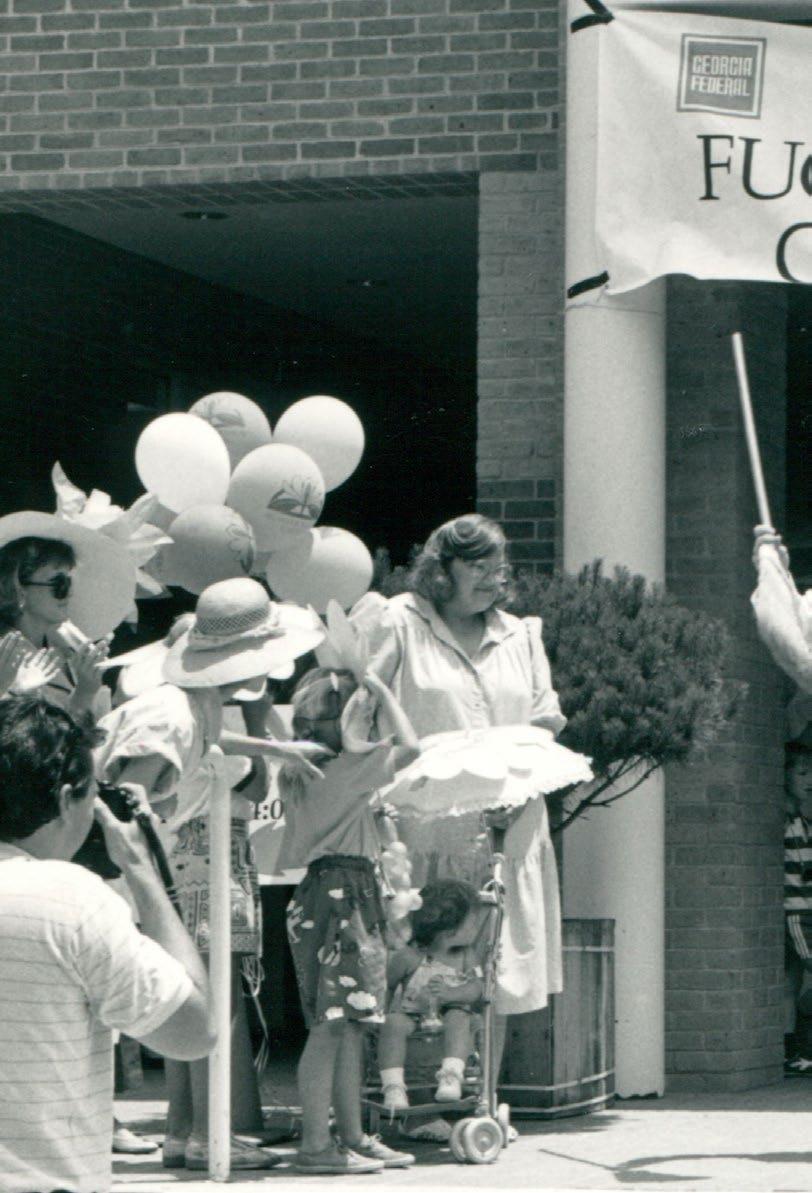
The Garden’s first 25 years were challenging, yet the founders were determined to work through every hurdle and lay the groundwork for their bold vision. Once the city agreed to dedicate 33 acres for this new botanical venture, the volunteers set out to prove their idea could thrive. What they lacked in funding, they made up for in energy and a deep belief that Atlanta needed a garden worthy of its growing spirit.
Their ability to draw others to the cause was impressive. Soon, community leaders, philanthropists and civic advocates joined the effort, united by the conviction that a botanical garden could serve as a place of beauty, education, science and cultural enrichment. With their guidance, the volunteers formed a nonprofit organization to give the emerging vision a permanent structure.
The board’s first major act of foresight was hiring an executive director who was a woman of great energy and determination. Working side by side, they moved the vision forward by cultivating donors, people and plants.
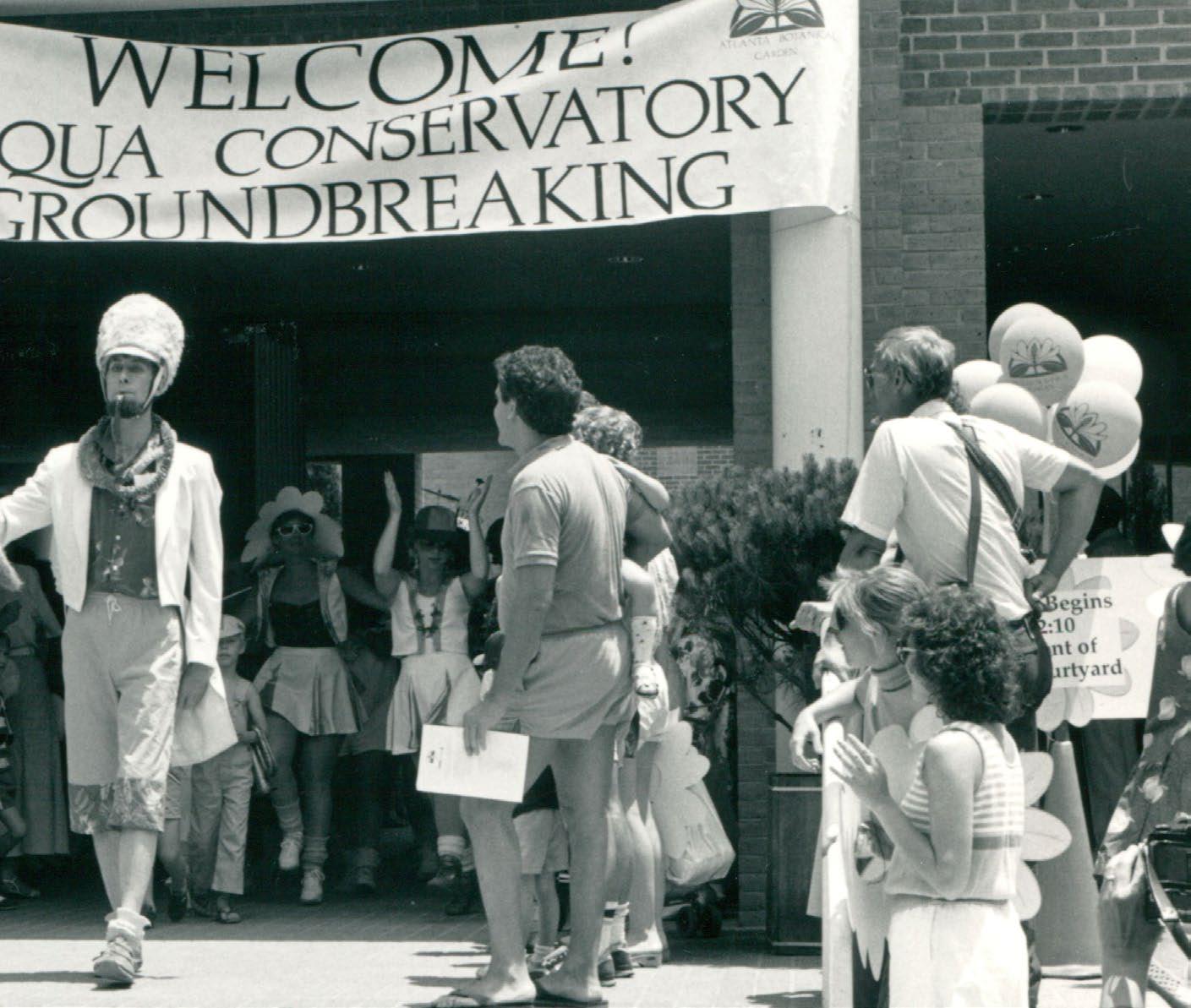
During the 1980s, the Garden completed two major capital campaigns — remarkable achievements for such a young nonprofit — that transformed the landscape with a new visitor center, reception hall, classroom space and state-of-the-art conservatory.
A decade later, another groundbreaking milestone arrived with the creation of one of the nation’s first children’s gardens. At the same time, the Garden continued developing diverse plant collections and display gardens, deepening its scientific and educational mission while showcasing the beauty and breadth of the plant kingdom.
By the end of its first quarter-century, the Garden had firmly established its physical presence and purpose. The roots were deep, and the vision was strong enough to set the foundation for one of the country’s premier botanical gardens.
GROWTH, VISITATION AND ART 2002–present
By the time I arrived in 2002, the Garden had grown into a respected institution but — like many cultural organizations in the wake of 9/11 — was struggling. The economy was uncertain, the endowment had dipped and construction had disrupted the heart of the Garden. Attendance was low, and the sense of excitement that once drove the Garden’s growth had faded. It was time to wake it up.
We began with creativity and a dose of boldness. That October,
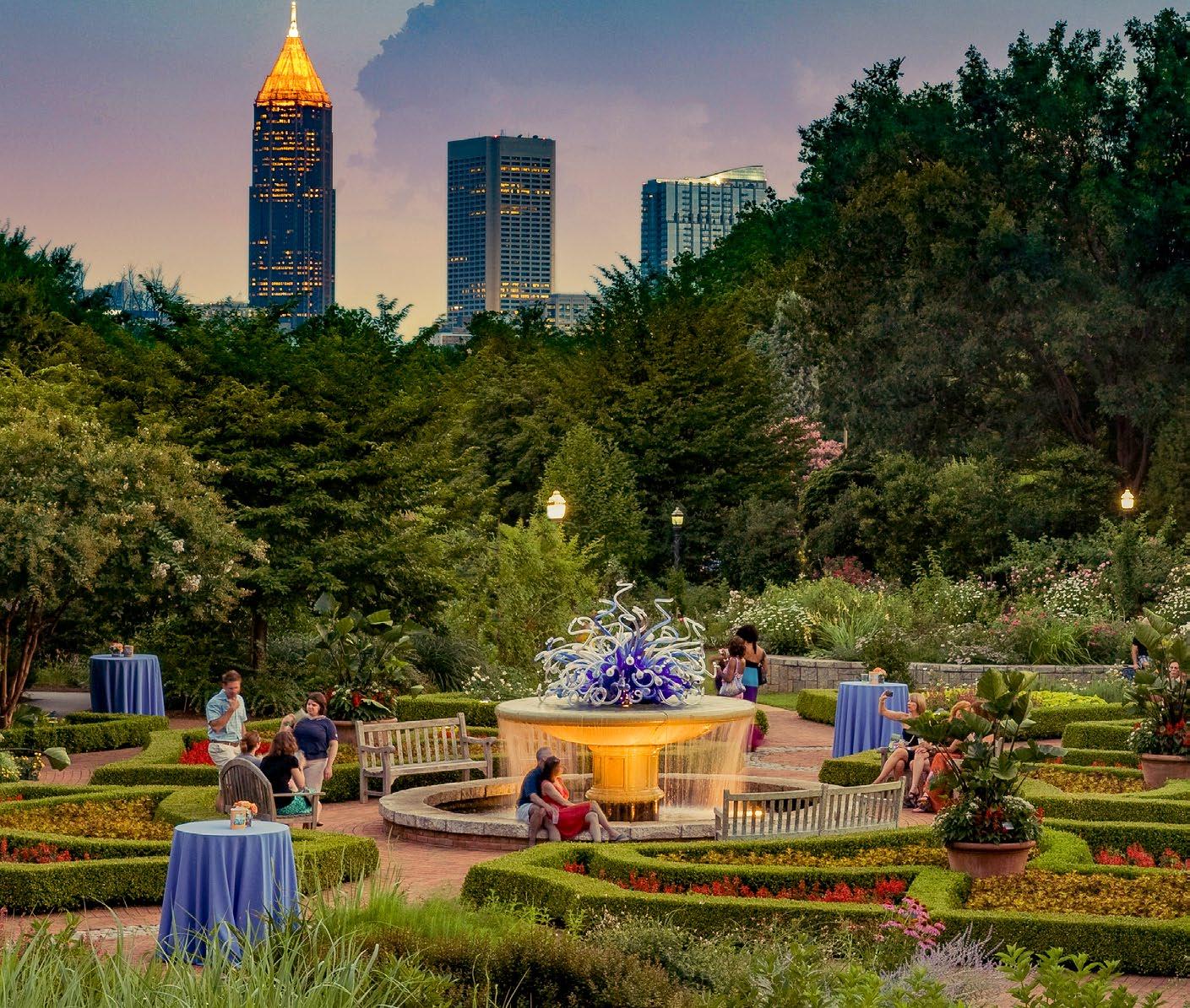
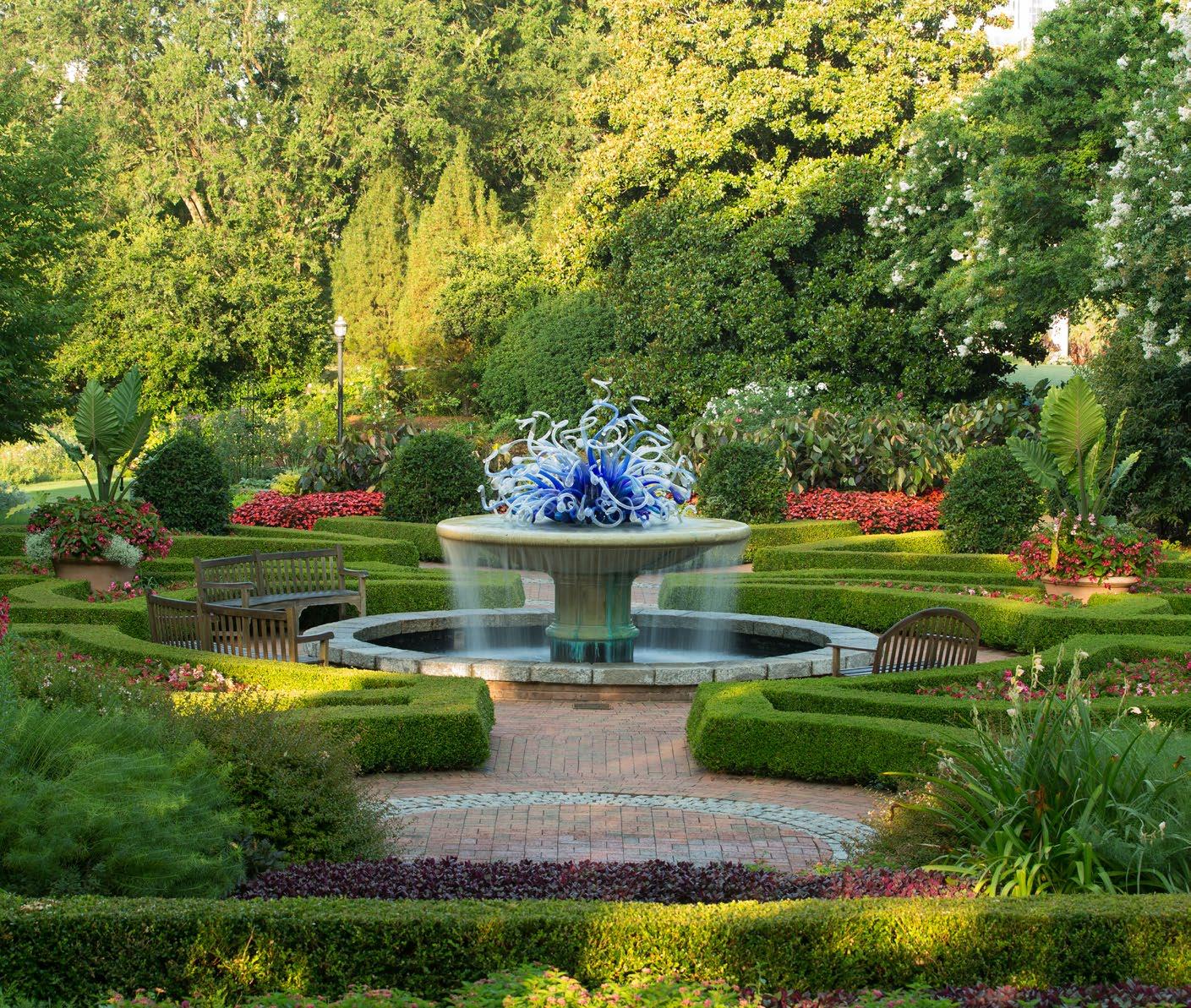
we launched Scarecrows in the Garden, bringing color and laughter back to the pathways, and one of the Garden’s most beloved annual traditions was born. But the real turning point came in 2004, when we hosted a major exhibition by glass artist Dale Chihuly — a decision that changed everything. The Garden’s paths shimmered with light and glass, inviting art lovers and garden enthusiasts to see the space anew. Attendance and membership doubled in one season, and suddenly the Garden’s name was on the local and national map.
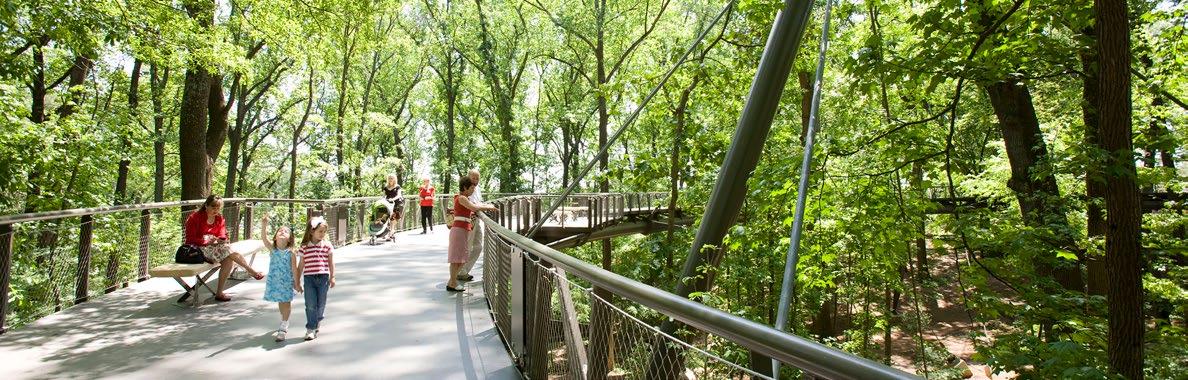
That success launched a transformational capital campaign, which led to the construction of a shared parking deck with Piedmont Park — controversial at first but ultimately essential — a new Visitor Center and, where the old parking lot once sat, an Edible Garden and Outdoor Kitchen, transforming blacktop into blackberries and asphalt into asparagus. In 2010, the Garden opened the nation’s largest woodland Canopy Walk, offering visitors new ways to experience the majesty of Storza Woods, one of Atlanta’s last remaining woodlands. Growth continued with the addition of the Gainesville Garden, Longleaf restaurant and Skyline Garden.
As the physical Garden expanded, its scientific mission strengthened. Plant collections grew into living laboratories, globally relevant yet distinctly expressive of Atlanta’s character and Southern beauty.
The once modest conservation program grew into one of the most respected in the country. Today, the Garden works to safeguard the flora of the Southeast while also contributing to international partnerships, including longstanding work to conserve magnolias around the world.
At the same time, we committed to ensuring the Garden was a welcoming place for all. Currently, 45,000-member households and more than 800,000 annual visitors reflect the diversity and vibrancy of the region.
Our exhibitions have continued to inspire, including the beloved Garden Lights, Holiday Nights, launched in 2011 and now recognized as one of the country’s finest light shows.
This spring the Garden once again will feature the joyful work of Niki de Saint Phalle — a fitting celebration of our history and a tribute to what vision, creativity and community can accomplish together.


– Mary Pat Matheson Anna and Hays Mershon President & CEO
INTRODUCTION
Seed to bouquet
A few lovingly cultivated plots blossom into a nationally acclaimed public garden
Like many urban parks in the late 1900s, Atlanta’s Piedmont Park wasn’t exactly a pastoral escape for relaxation and reconnecting with nature.
Buildings were in disrepair, and drug dealers and drifters lined the pathways and straddled benches. Yet, along the western edge stood a glimmer of hope – a group of greenhouses that served not only Piedmont but other city parks with young plants.
By the ’60s, gardening enthusiasts, intrigued by the greenhouses, began developing small gardens around them. The Atlanta Bonsai Society created a bonsai garden; the Atlanta Rose Society, a rose garden; and a fragrance garden was built for the blind. As these small gardens flourished, a group of volunteers planted the seed of an idea: What if, like other major cities, Atlanta had a botanical garden?
Leading the cause with fierce determination was volunteer Barbara Humphreys, who set out to gain support from city residents. She rallied the troops from a small but diverse group of volunteers — businessmen, horticulturists, lawyers, homemakers — and set out to convince city fathers to lease them 33 acres near the greenhouses for developing a public garden. The one-year agreement would lay the groundwork for demonstrating their resolve, which ultimately prompted the city in 1980 to extend its lease for 50 years.
“It was an adventure,” attorney Ben Greer, who negotiated the lease, said in a 2011 interview. “A real adventure.”
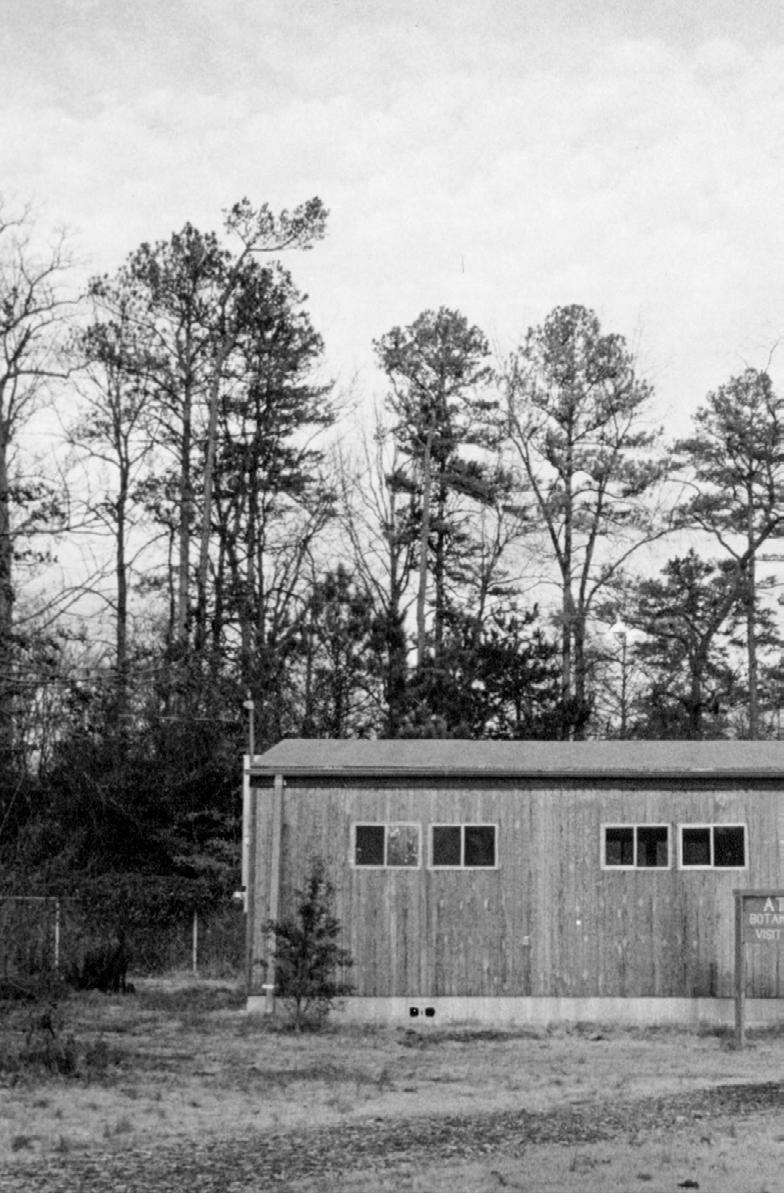
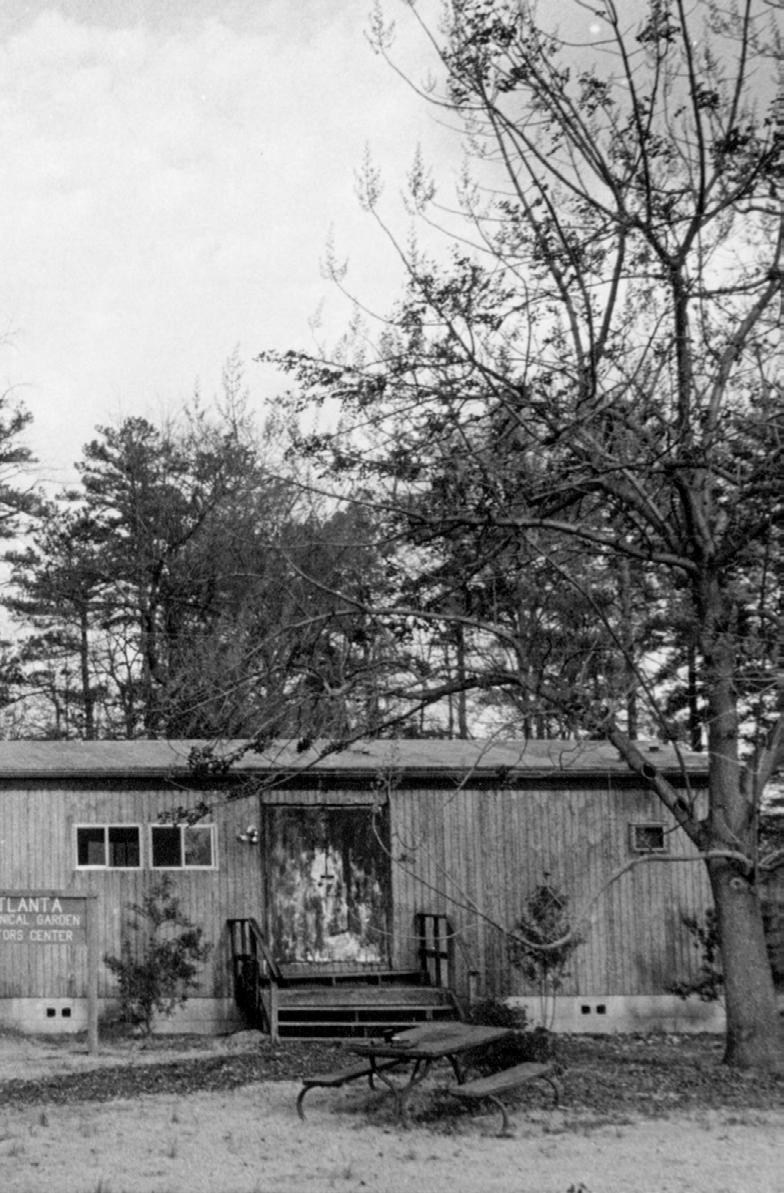
By 1976, the Atlanta Botanical Garden was established as a nonprofit organization, and Atlantans began to take note. The site became a beehive of activity, and at its hub was a modest
Left: A modest house trailer served as the original Visitor Center and office. Above: An early Garden logo. Copyright The Atlanta Journal-Constitution Courtesy of Special Collections and Archives, Georgia State University Library
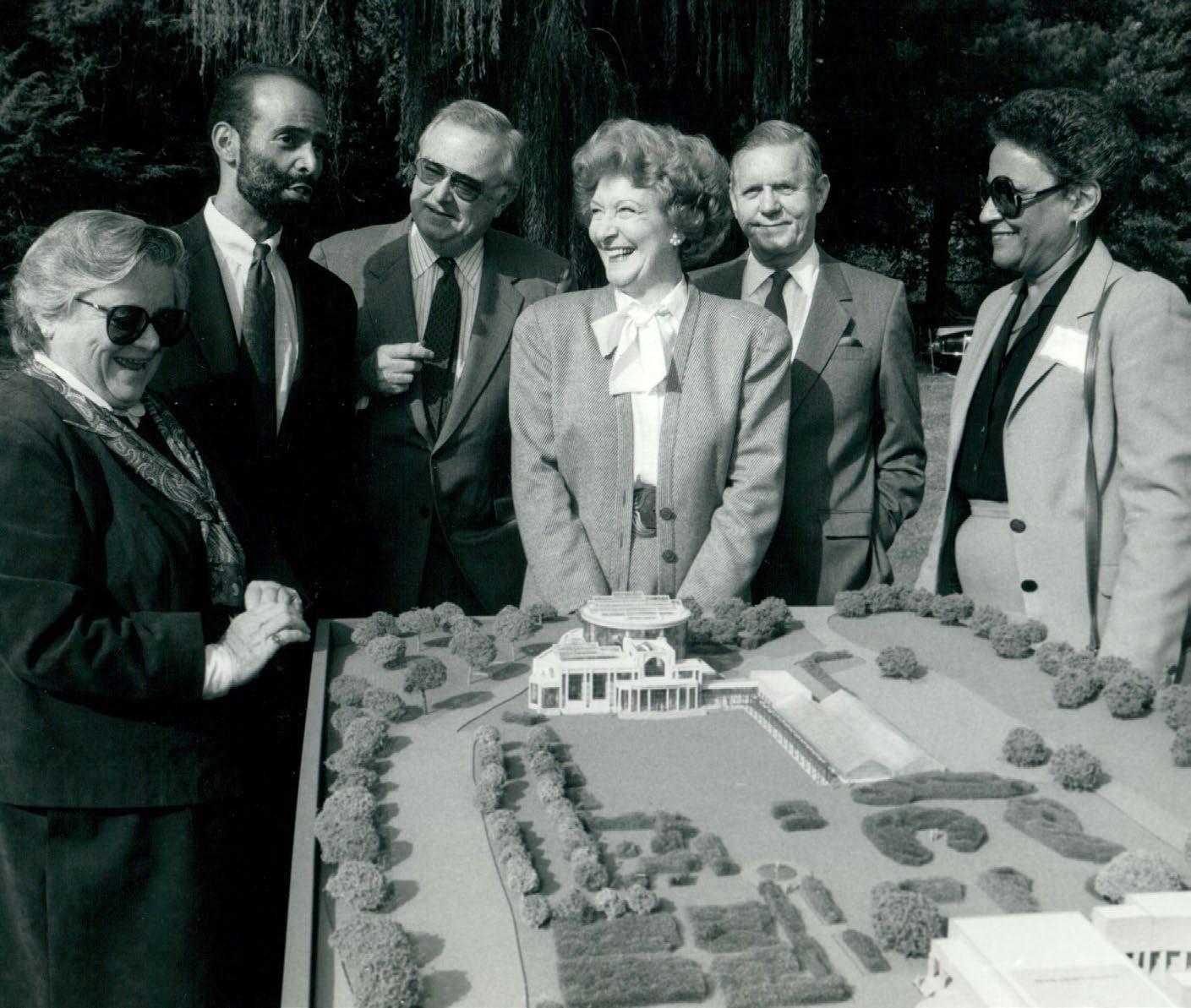
Executive Director Ann Crammond (left) and Dorothy (center) and J.B. Fuqua (center right) unveil a model of the proposed Fuqua Conservatory.
house trailer, which served as office, visitor center and gift shop, and where a stray cat dubbed “Blossom” took up residence. The group of volunteers got a jolt in 1979 when the board hired Ann Crammond — a fireball of energy — as executive director. A master plan for the Garden was developed, and Crammond led a skeletal staff and volunteers in creating a series of nine demonstration gardens.
“The vision for the Garden was a vision to see Atlanta be the city it could become,” early supporter Deen Day Smith said.
THE ’90s SPUR
GROWTH
As the Garden’s mission evolved to emphasize education, more indoor space was needed for offering programs, even after a second trailer had been added for classes. That growth prompted supporters to raise $3.6 million to build a new visitor center with offices and meeting space called Gardenhouse, giving the Garden a brick-and-mortar presence by 1985.
It wasn’t until four years later, however, that the Garden received its biggest fuel for growth when avid gardener and trustee Dottie Fuqua asked Crammond what it would take to put the Garden on the map. The director quickly replied: An indoor facility for plants. Fuqua convinced her husband, businessman J.B. Fuqua, to donate $3.5 million for developing what would become the Dorothy Chapman Fuqua Conservatory, showcasing rare and endangered plant species.
After retiring in 1990, Crammond, who died the next year in a plane crash, was succeeded by Robert Bowden and later Alston Glenn. Under Glenn’s leadership, staff expanded, and the Garden became one of the first in the country to develop an innovative children’s garden. That ‘90s growth was capped by the addition of the Fuqua Orchid Center in 2002, housing the nation’s largest indoor collection of species orchids on permanent display.
In the wake of the 9/11 attacks, the Garden, like many attractions, suffered from declining attendance. Glenn retired in 2002, and Mary Pat Matheson, highly regarded executive director of Red Butte Garden and Arboretum in Salt Lake City, was hired, charged with running the Garden as a business with a nonprofit platform. Quickly hailed as a visionary, she saw massive growth potential, but before that could happen, she would be forced to solve the Garden’s number one roadblock — insufficient parking.
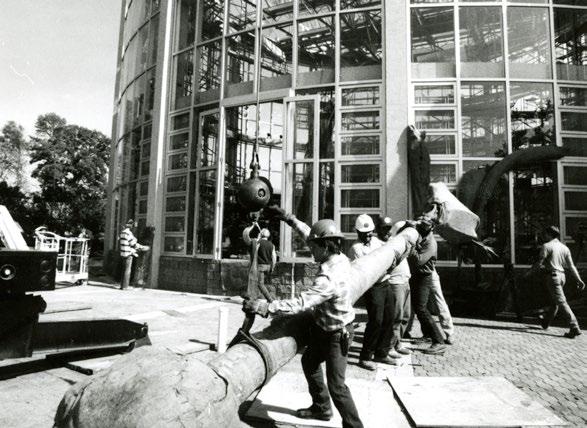
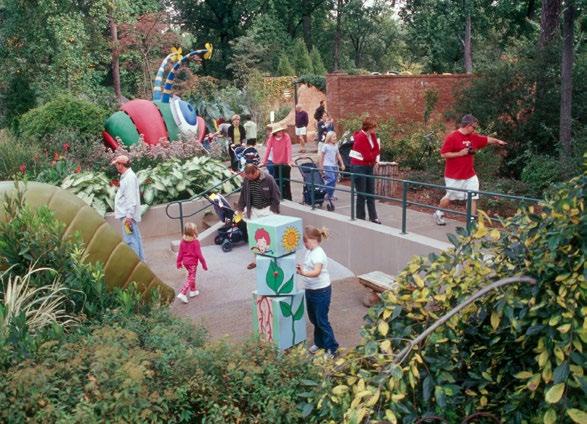
Top: A towering Spindle Palm is installed in the new Conservatory. Copyright The Atlanta JournalConstitution. Courtesy of Special Collections and Archives, Georgia State University Library. Above: The new Children’s Garden emphasizes wellness and play.
Landlocked by Piedmont Park and Piedmont Avenue, the Garden had nowhere to go but up and launched plans for a multi-story parking deck on a blighted hillside in the park. The garage would be shared with park guests, freeing up green space at both attractions while removing vehicle traffic inside the park. Yet the notion of building a deck on an acre of park land drew criticism from surrounding neighborhoods and a court battle with a small group of opponents ensued. In the end, the Garden prevailed, and the SAGE Parking Facility is considered a shining example in urban planning, sustainable design and community partnerships.
DOUBLING THE GARDEN’S SIZE
For years, the Garden sought to expand into its neighboring Storza Woods, but an entry road and steep grade change separating the two posed a huge challenge. Finally, planners suggested building a suspension bridge over the road that would connect the two sites while doubling the Garden’s size.
Soon after work began on the Canopy Walk, the project was delayed a year because of a tragic construction site accident. But once work resumed, a new entrance, marked by the addition of a new visitor center, was created, and the old parking lot freed up land to create an Edible Garden, where cooking demonstrations were added.
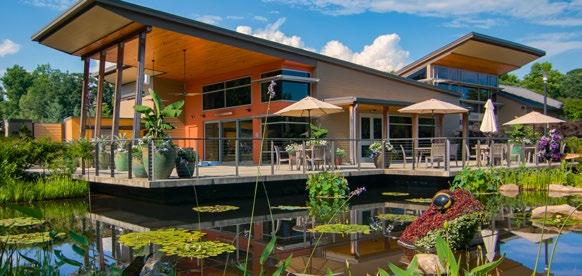
Meanwhile, the Garden was taking steps to develop a second botanical garden about 50 miles away in Gainesville on 168 acres that Charles and Lessie Smithgall had donated as a means for protecting the land in perpetuity. An initial phase of the garden, with display gardens, visitor center, amphitheater and greenhouses, opened in 2015.
PROGRAMS, COLLECTIONS CONSERVATION EMPHASIZED
For the past decade, the Garden has enjoyed meteoric growth, thanks to Matheson’s vision and leadership in recruiting highly successful summer art exhibitions, a wildly popular holiday light show and phenomenal community support. With a $50 million capital campaign, a restaurant was built, a new Skyline Garden was added, the Children’s Garden was renovated, and Gardenhouse was expanded to serve an ever-growing staff.
At the same time, plant collections were enhanced with spaces such as the Southern Seasons Garden, renamed the Anne Cox Chambers Garden;
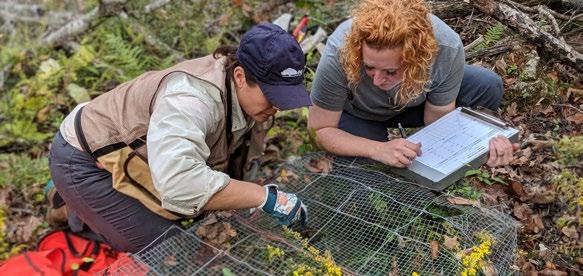
educational programs were expanded; and the plant conservation mission was emphasized. The Southeastern Center for Conservation was added to an expanded Orchid Center as a hub for collaboration with regional partner institutions engaged in critical research.
Today — as the Garden embarks on its next 50 years — further growth is under way to connect the site with the Atlanta Beltline. By adding nearly 8 acres of gardens that will place the Garden contiguous with the 22-mile loop around the city, it will offer two entrances by 2028-29 for welcoming guests in its never-ending mission of connecting people with plants.
As the founders held in their hearts, dreams can — and do — come true.
– Danny Flanders, Public Relations Manager
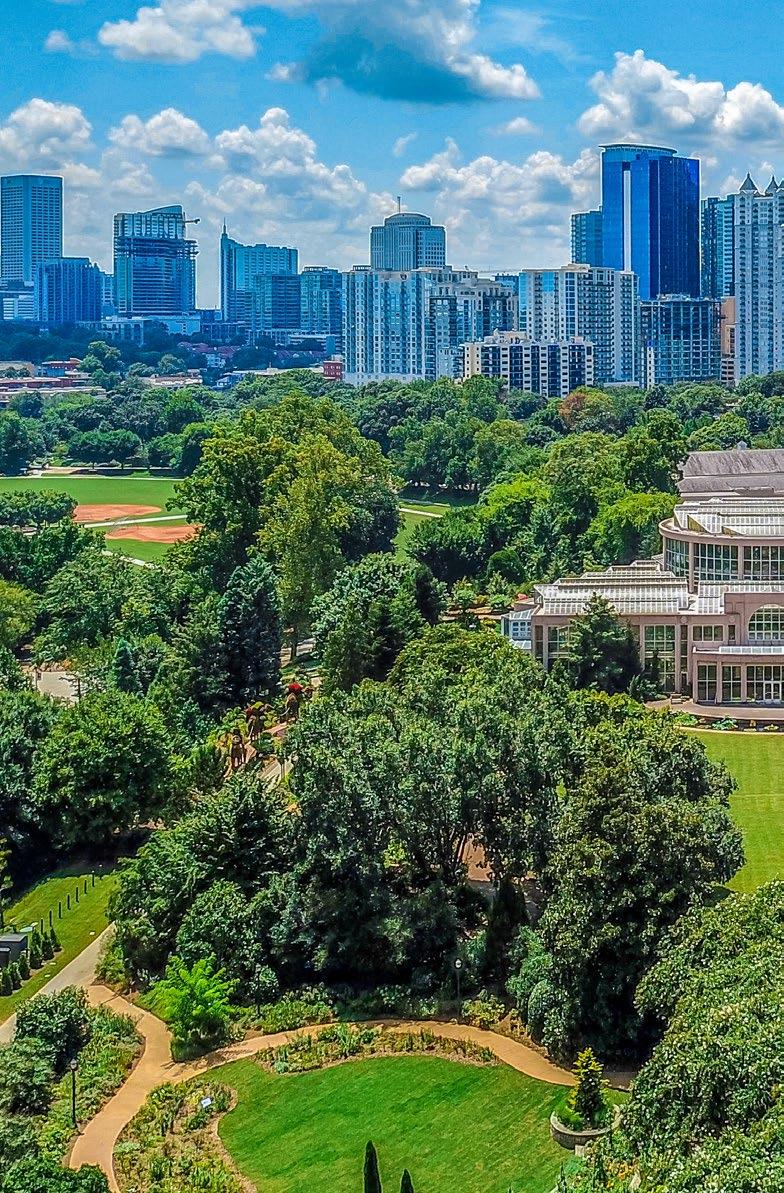
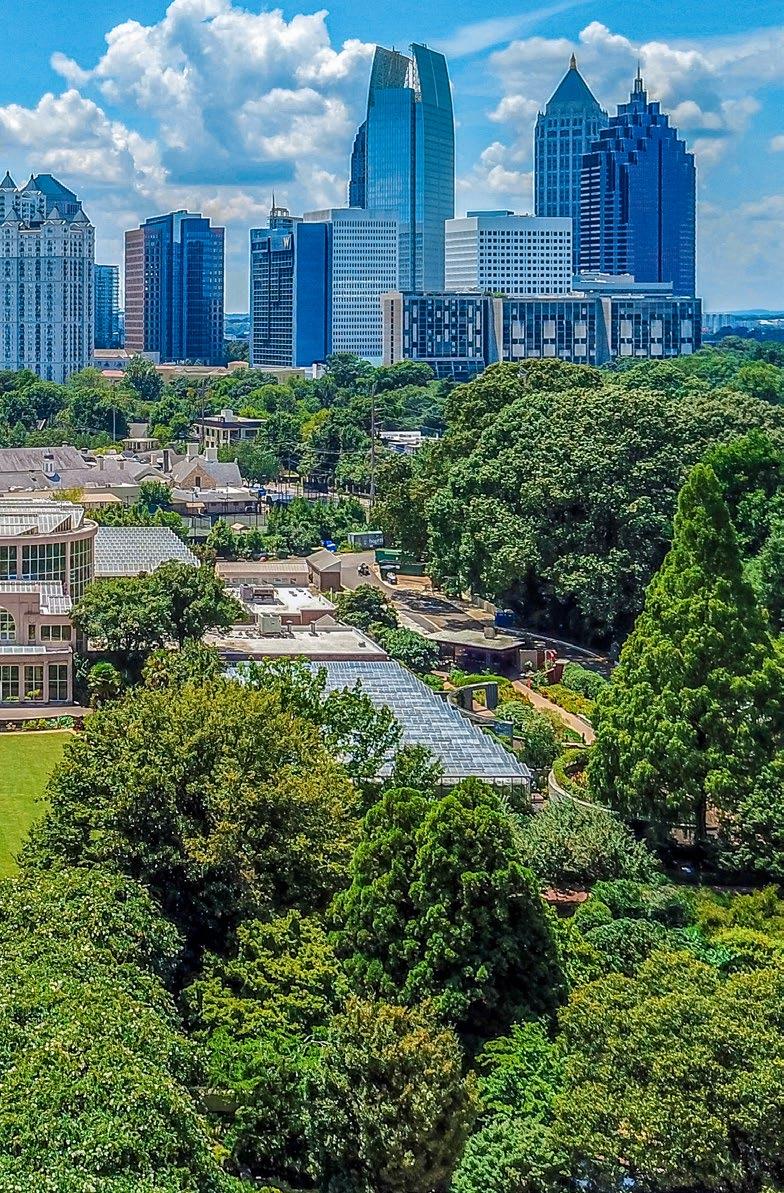
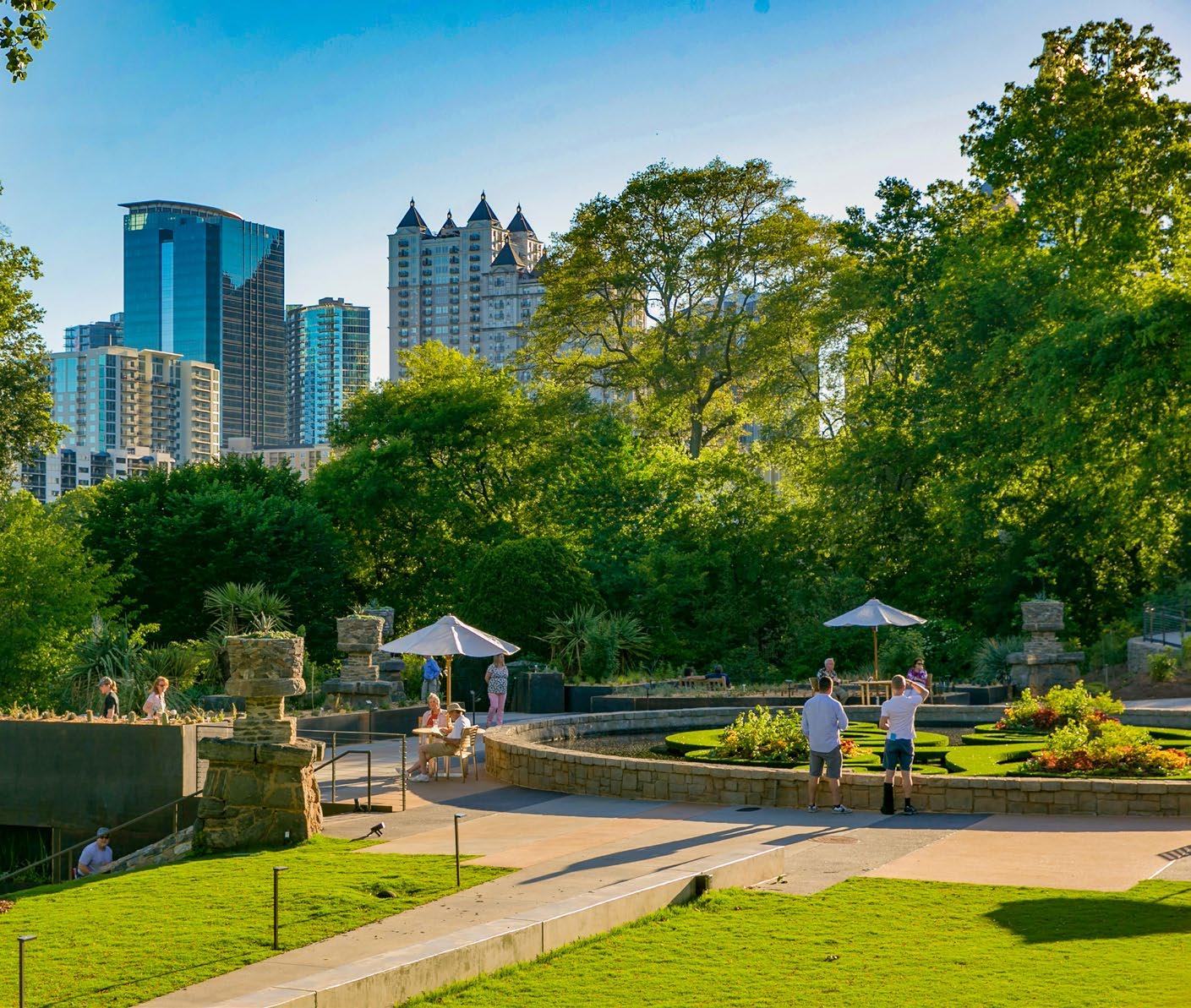
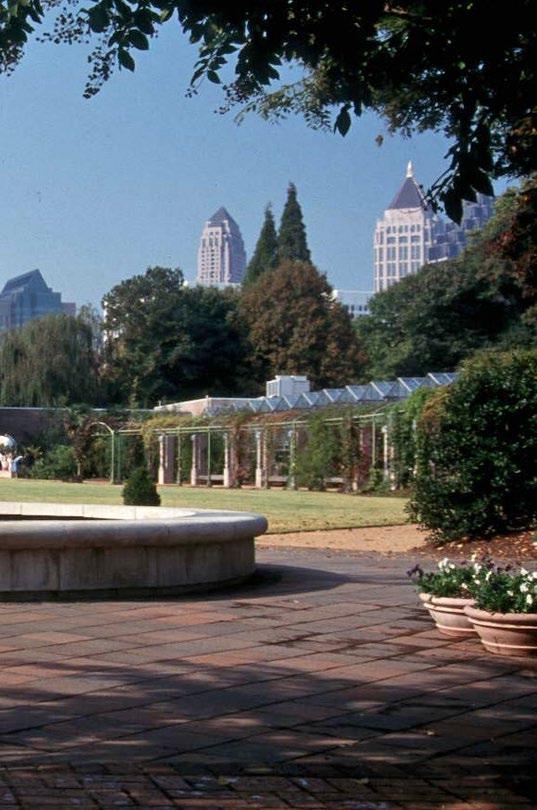
Top: The Gainesville Garden’s Ivester Visitor Center. Above: Conservation staff conduct field research. Right: The Skyline Garden’s views of Midtown.
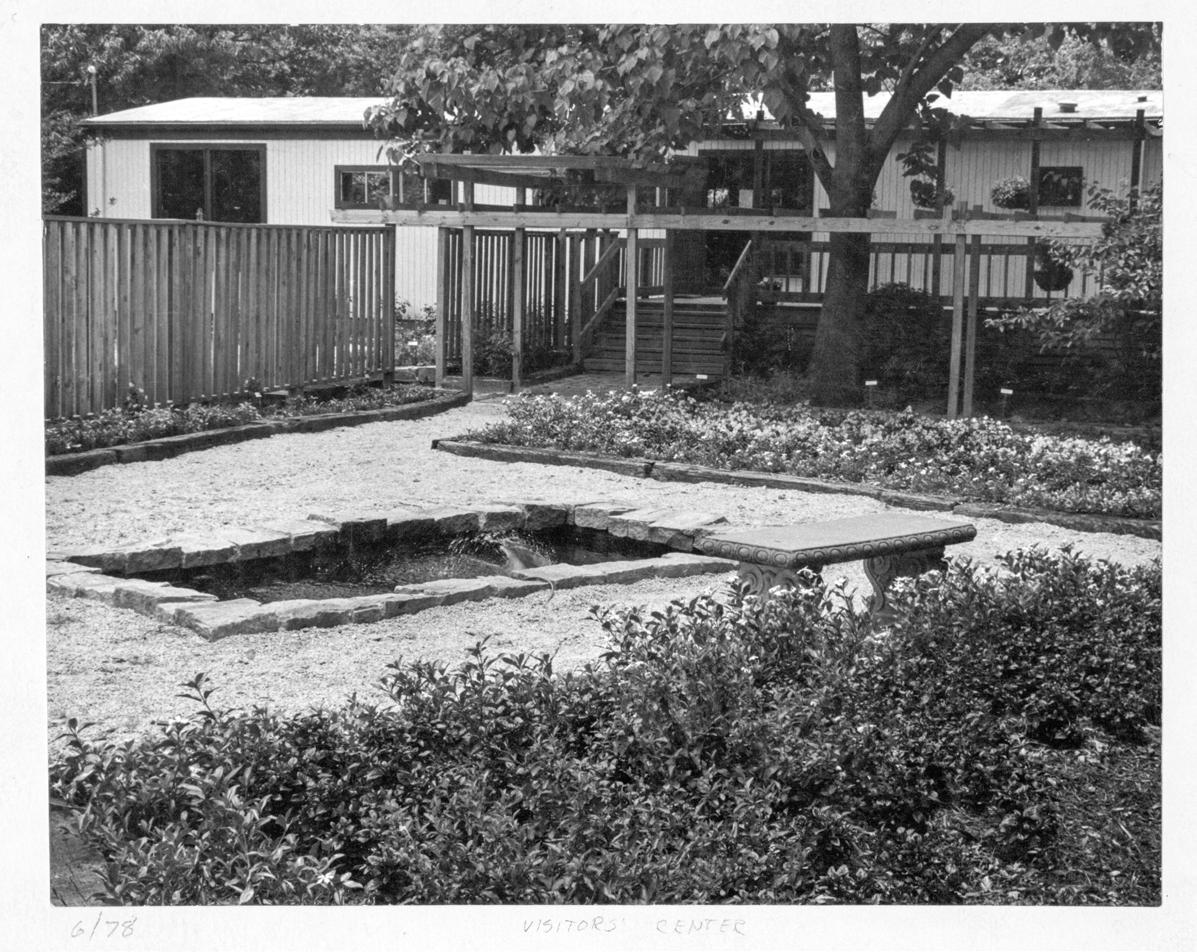
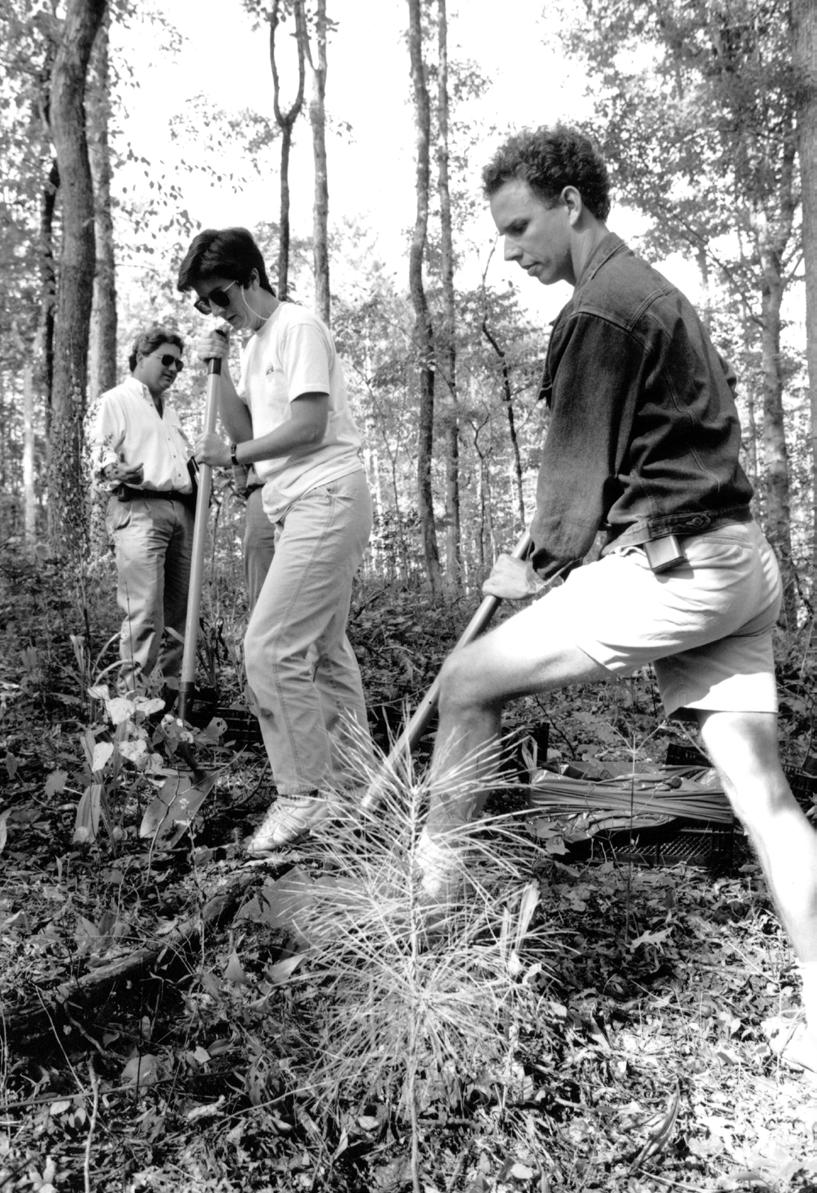
Above: One of a series of demonstration gardens is developed near the office trailer. Right: Mildred Pinnell (center) leads a small team of horticulturists and volunteers.
TIMELINE
1980
Garden supporters enter a 50-year lease, executed by Ben Greer, for 33 acres in Piedmont Park where they have developed the foundation of a botanical garden.
An enthusiastic, energetic Ann Crammond joins the Garden as its first official Executive Director (below).

1981
Educational programs at the Garden are expanded to nearly every age group, from college-credit courses and garden club speakers to field trips and summer day camp.
Sixteen demonstration gardens are completed.
Sixty members of the volunteer gardening group, The Hedgerow Gang, plant 2,000 bulbs donated by Park Seed Co.
The first Garden of Eden Ball is held as a fundraiser, and to save costs, volunteers prepared the food and stored it in nearby Ansley Park homes and the Piedmont Driving Club.
1984
The inaugural Gardens for Connoisseurs Tour is presented, a fundraiser showcasing private area home gardens.
Storza Woods is fenced, thanks to a gift from Eleanor and Francis Storza, allowing reclamation of that section of park land to begin.
Led by Peggy Martin, the Garden Associates is formed as a volunteer support group to help raise funds for operations.
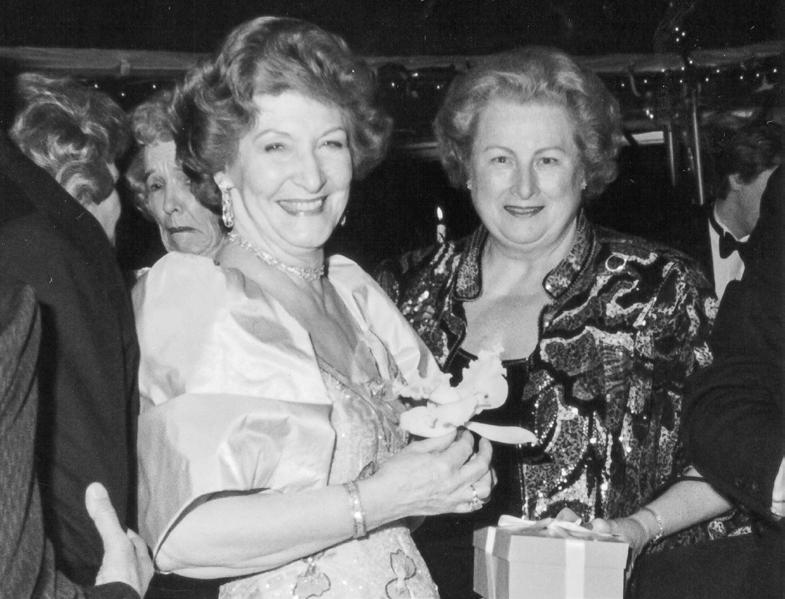
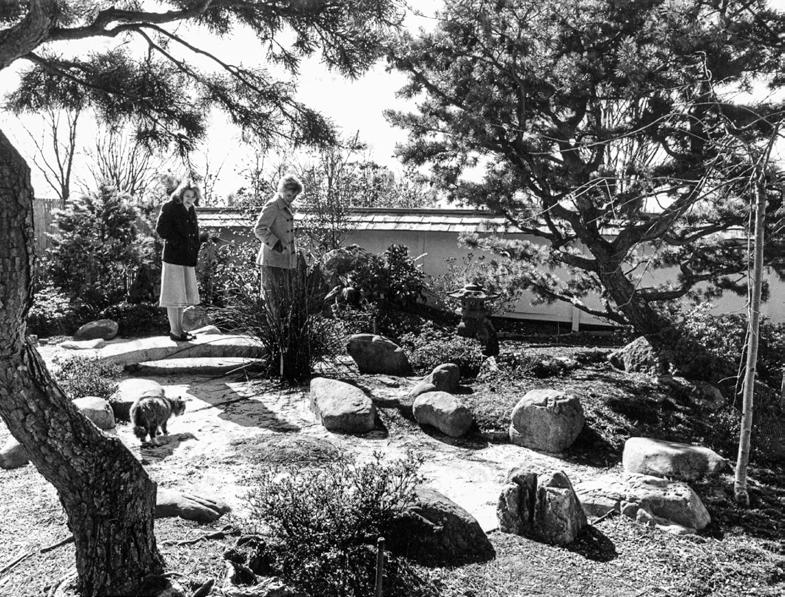
Top: Early supporters Dorothy Fuqua (left) and Peggy Martin enjoy a Garden of Eden Ball. Right: The Japanese Garden originated as an early demonstration garden. Copyright The Atlanta Journal-Constitution. Courtesy of Special Collections and Archives, Georgia State University Library.
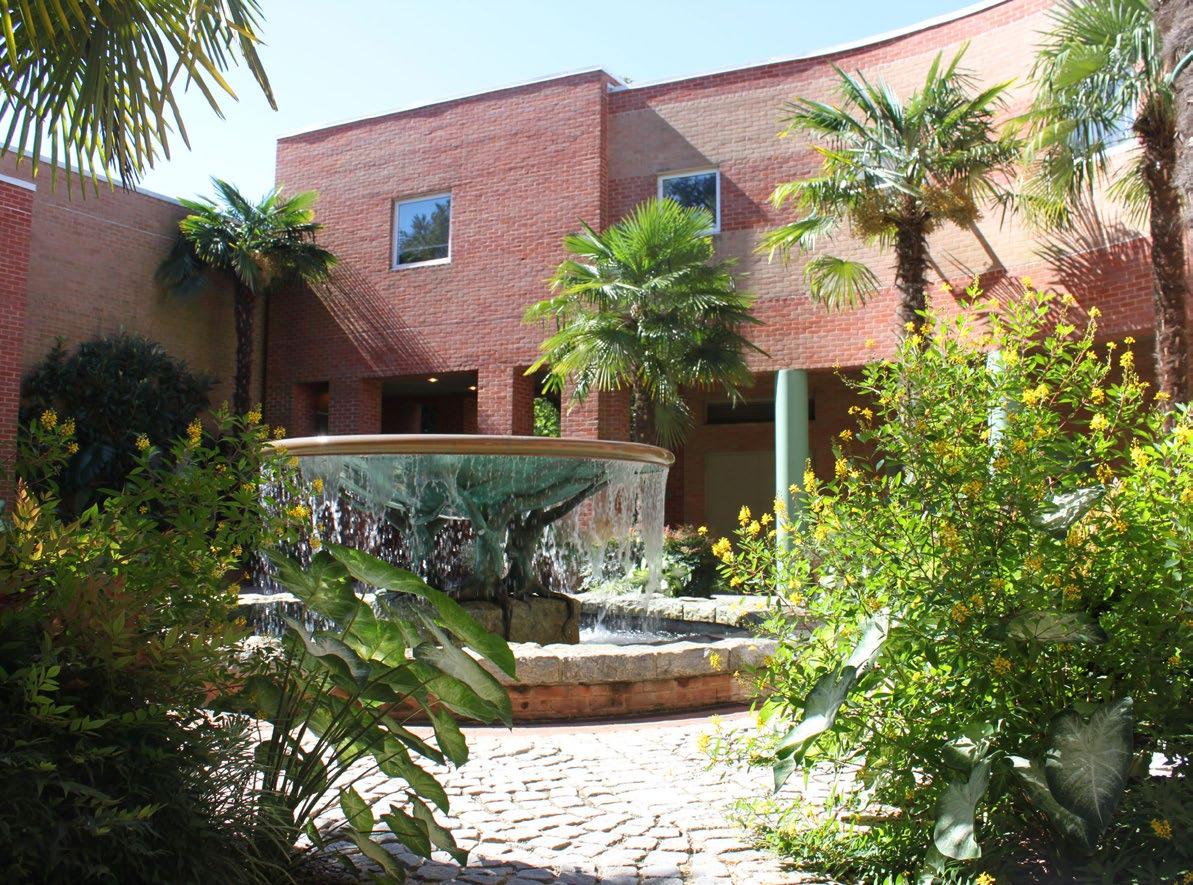
1985
Gardenhouse — the Garden’s first constructed visitor center and administrative offices — opens, and the Garden’s first capital campaign raises $3 million.
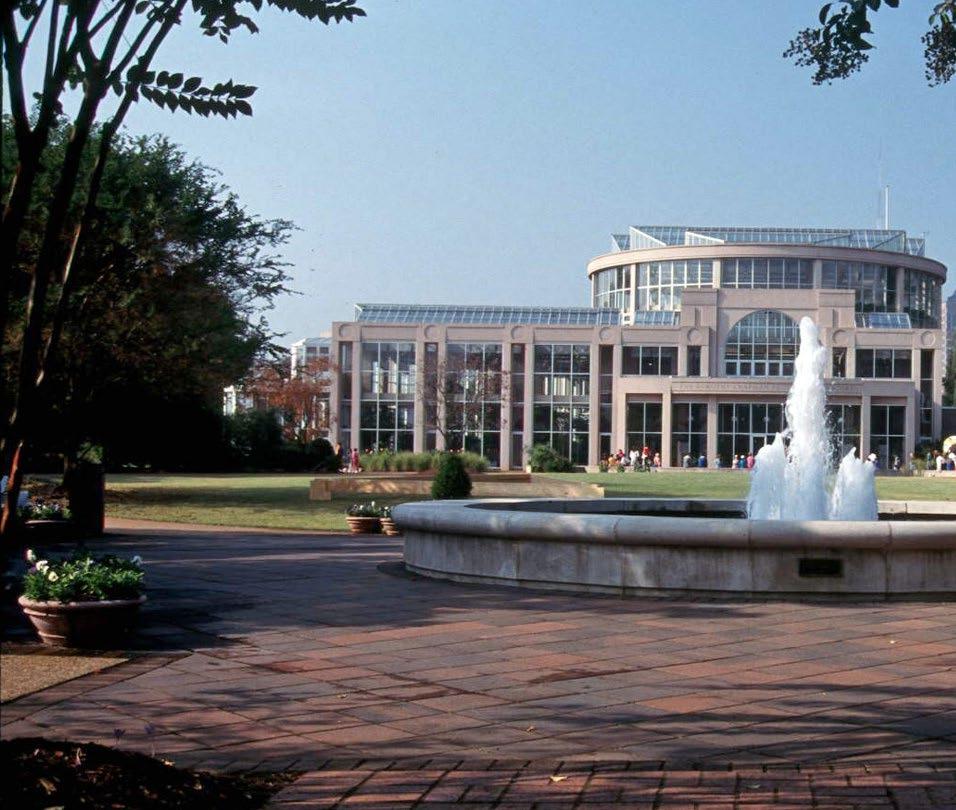
1986
Horticulturist Mildred Pinnell establishes the Tom Troutman Camellia Collection, 60 cold-hardy plants in memory of Troutman’s mother, Helen.
The first member newsletter, dubbed Clippings, is published.
Because of anticipated expenses for operating the planned Conservatory, non-members are charged an admission fee of $2 – $1 for seniors and children 6 – 12.
Conservatory Superintendent Ron Determann designs a prototype structure for cooling the building after modifying the air washer systems used by textile plants.
1988
A committee develops the Garden’s mission statement.
The defunct Atlanta Flower Show is revived as the Southeastern Flower Show, an annual fundraiser for the Garden.
1989
The Dorothy Chapman Fuqua Conservatory (left) opens, a major gift from J.B. and Dottie Fuqua.
LOOK AHEAD
The Garden of tomorrow –and beyond
Fifty years ago, the Atlanta Botanical Garden was born of vision, persistence and an unshakable belief that plants matter — to cities, to people and to the future. That belief has only grown stronger.
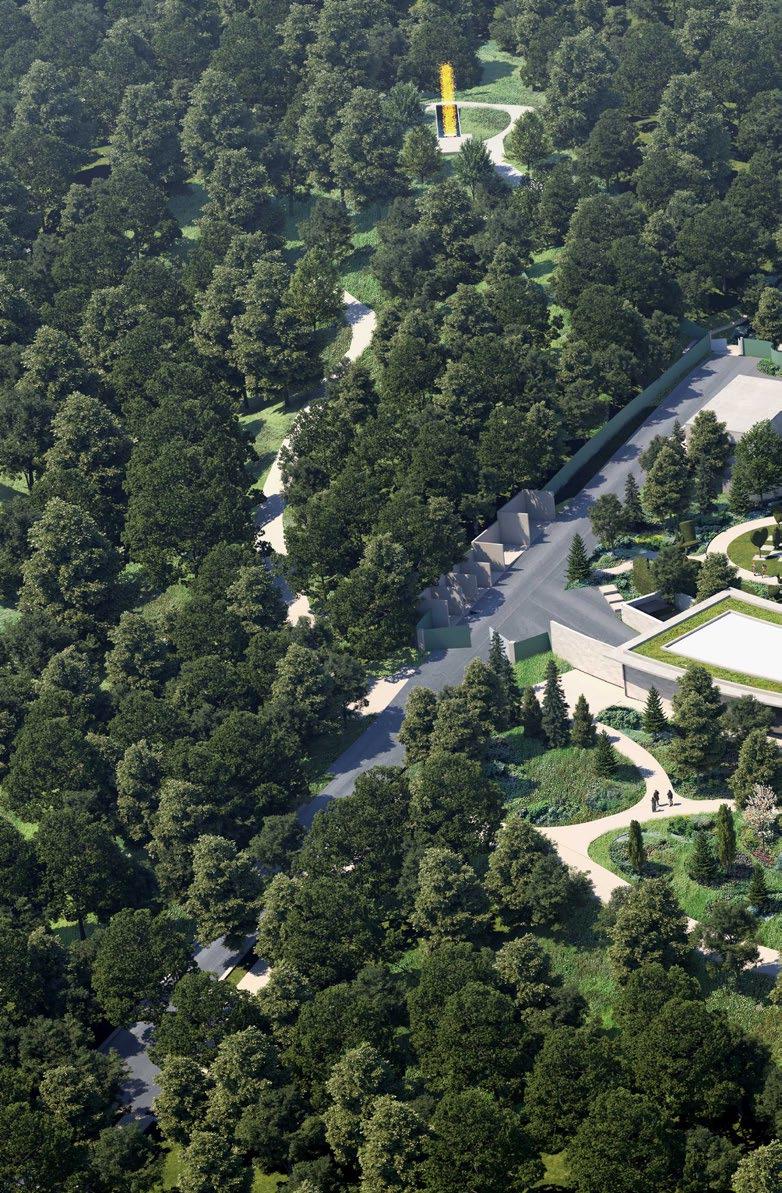
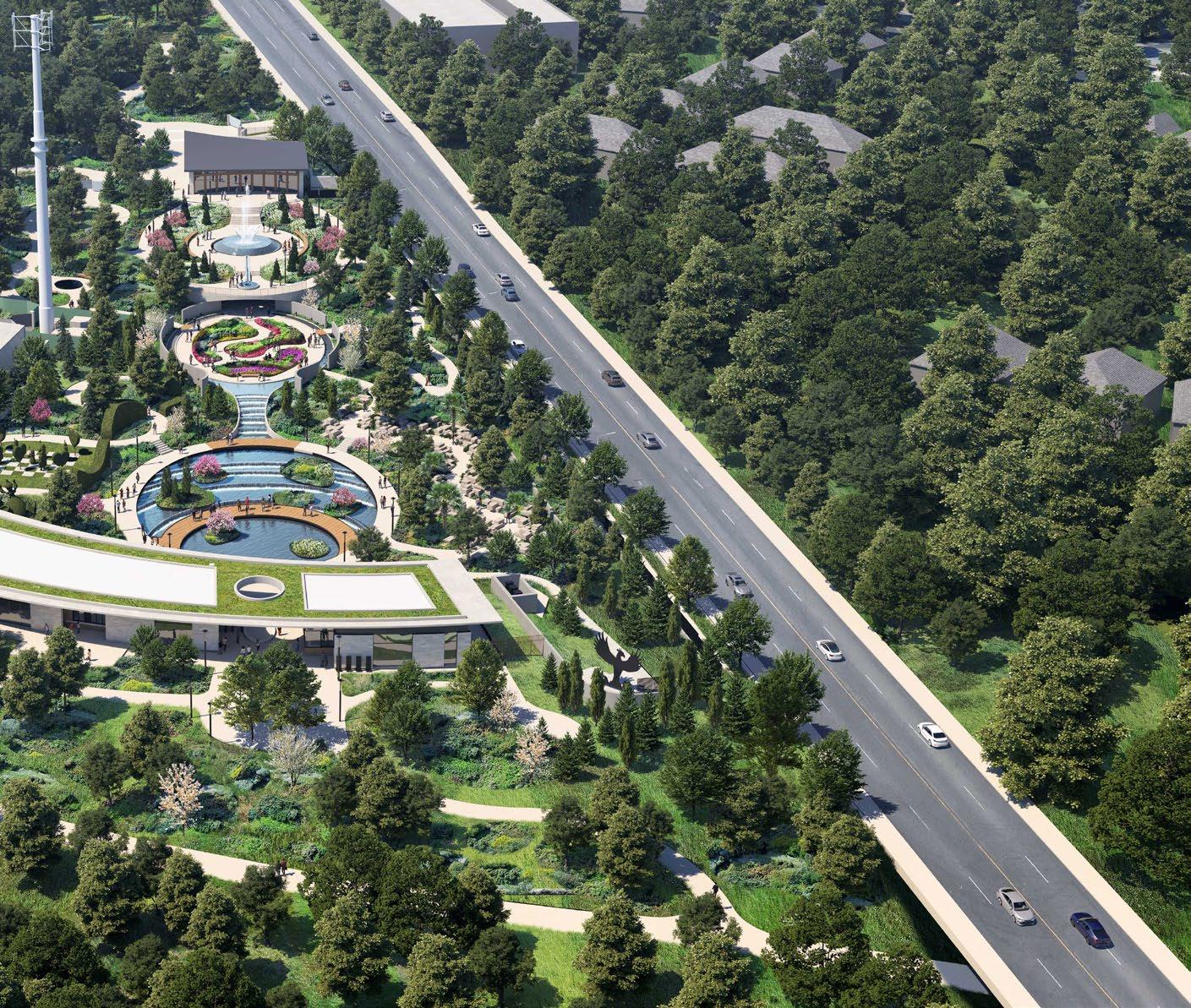
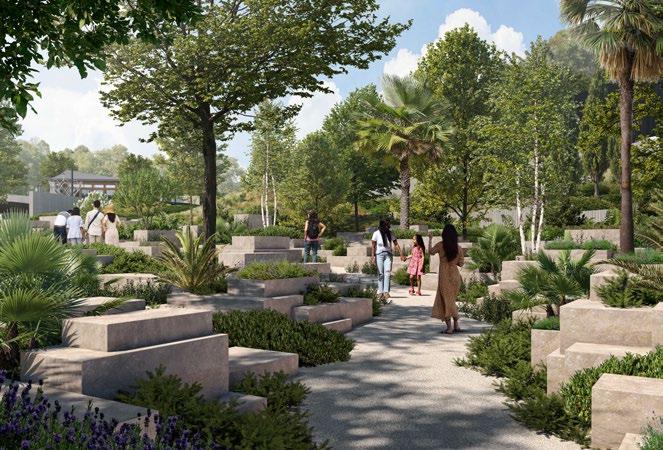
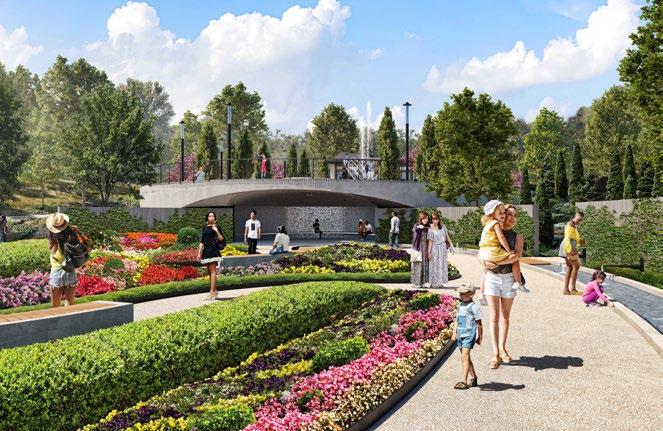
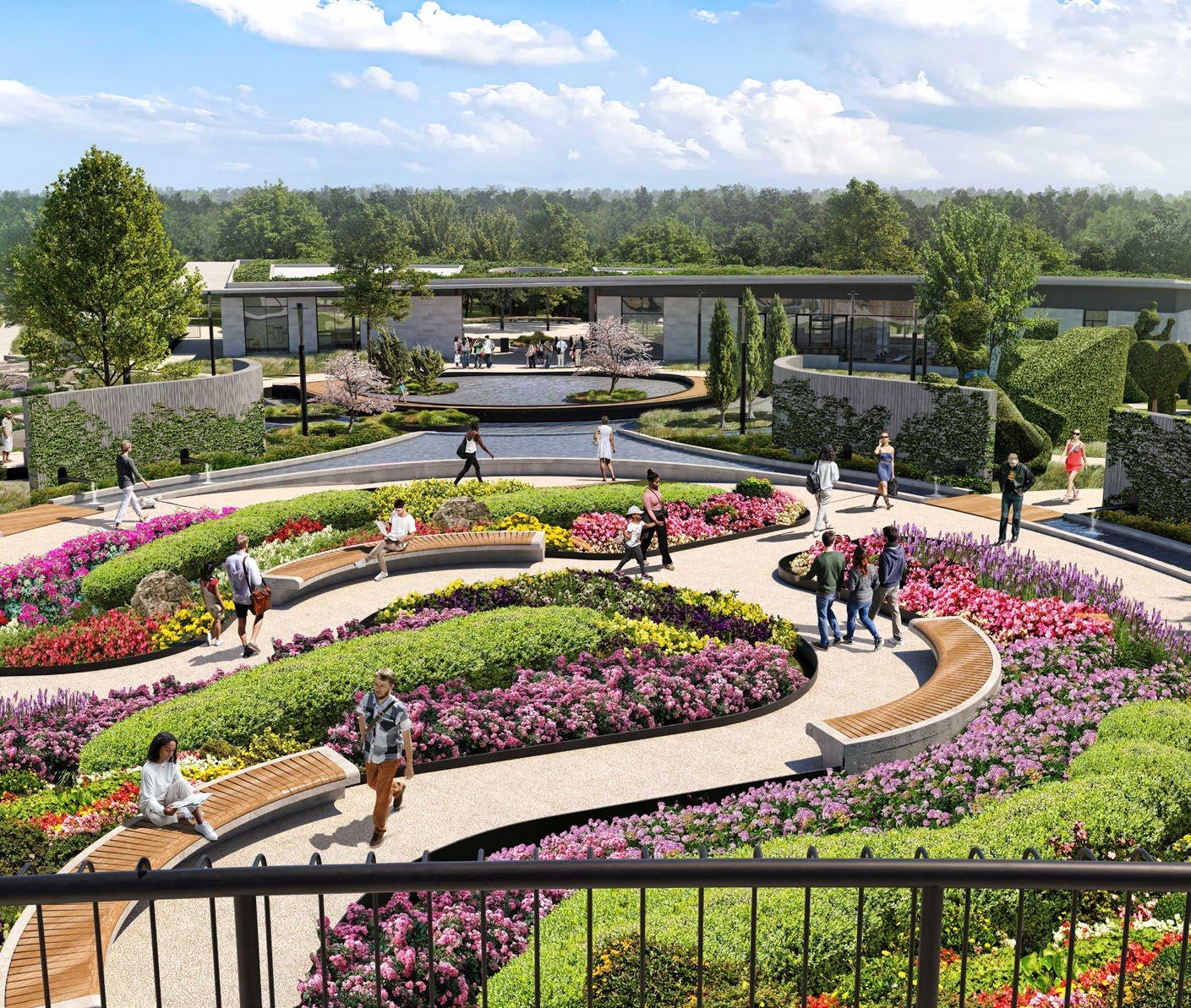
Garden expansion renderings pages 48 – 51 by Hoerr Schaudt Landscape Architects.
As we look ahead, the Garden stands on the threshold of a transformational chapter, one that will redefine how Atlanta — and the world — experiences this place.
In 2028 – 2029, the Garden will quite literally open a new front door — or rather, a bold new entrance along the Atlanta Beltline, one of the nation’s most ambitious and influential urban renewal projects. This moment will mark far more than a physical Garden expansion; it will represent a fundamental shift in how we connect with the city, the region and millions of visitors each year.
The new Beltline entrance will welcome the public into a reimagined Garden experience. A new visitor center will serve as both gateway and gathering place, setting the tone for discovery, learning and inspiration. A new restaurant will invite guests to linger, reflect and connect — because gardens are meant to be savored, not rushed. An orangerie designed for programs, performances and events will create a luminous new space where culture, horticulture and community intersect. Completing this vision will be three aquatic gardens inspired by Italy’s legendary Gardens of the Villa d’Este — places of movement, reflection and beauty that remind us how water, plants and design can shape the human experience.
With this additional front door, the Garden will become the premier cultural destination on the Beltline — a living landmark woven into the daily life of the city. It will be a place where art, science, nature and civic life converge — where firsttime visitors and lifelong Atlantans alike encounter wonder, calm and possibility. In a city growing ever faster, the Garden will offer something increasingly rare: space to breathe, to learn and to reconnect with the natural world.
At the same time, our work happening behind the scenes will be more urgent than ever. The challenges facing global biodiversity are intensifying, and the Southeast and Caribbean — two of
from
Expansion support comes
a landmark $160 million capital campaign, including a transformational gift from the James M. Cox Foundation as well as gifts from the Lettie Pate Evans Foundation, Carol and Ramon Tomé, Diana Blank, The UPS Foundation and The Ma-Ran Foundation.
the world’s most biologically rich regions — are among the most vulnerable. Climate change, habitat loss, invasive species and aggressive development are accelerating. In this context, the Garden’s conservation and research programs are not optional; they are essential.
Saving plants across the Southeast and Caribbean is our goal, and we expect this work to grow considerably in the coming years. Through field conservation, seed banking, research partnerships and the training of future plant scientists and conservation leaders, the Garden will play an
increasingly vital role in safeguarding species that might otherwise be lost. What happens in our labs, greenhouses and natural habitats will matter not just locally but globally as well.
Finally, as the world becomes more urbanized, the relevance of the Garden will only deepen. Cities need green spaces — not as luxuries but as necessities for environmental health, human wellbeing and social connection. The Garden will continue to demonstrate how an urban oasis in the heart of a major city can be both a sanctuary and a catalyst: a place of beauty that inspires action,
a place of learning that sparks stewardship and a place of joy that reminds us why protecting the natural world is worth the effort.
If the Garden’s first 50 years were about establishing its place, the decades ahead will be about leadership — ecological, cultural and civic. The Atlanta Botanical Garden will not chase relevance; it will define it. And yes, people will still come for the flowers — they’ll just leave thinking bigger.
– Mary Pat Matheson Anna and Hays Mershon President & CEO
MILESTONES & MOMENTS
The Atlanta Botanical Garden Celebrates 50 Years of Blooms
A Publication of the Atlanta Botanical Garden Marketing & Public Relations Department Vice President, Marketing: Jessica Boatright | Editor: Danny Flanders | Designer: Bo Shell
ACKNOWLEDGEMENT
Special thanks to Olive Wilson Robinson, whose Atlanta Botanical Garden: A Glorified Timeline 1976 – 2015 was an invaluable resource for this book.
All rights reserved. No part of this publication may be reproduced, stored in a retrieval system or transmitted in any form or by any means — electronic, mechanical, photocopying, recording or otherwise — without prior written permission of the Atlanta Botanical Garden.
BLANK
INSIDE BACK
© 2026 BY ATLANTA BOTANICAL GARDEN