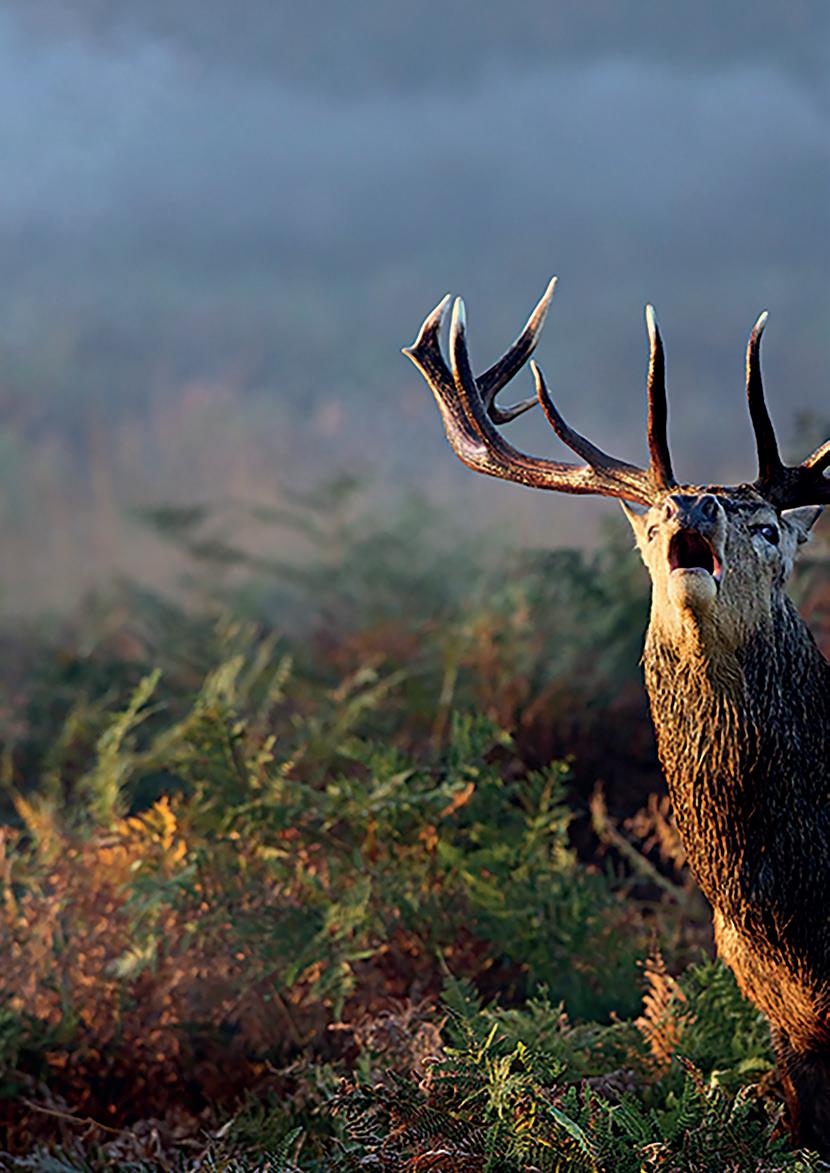
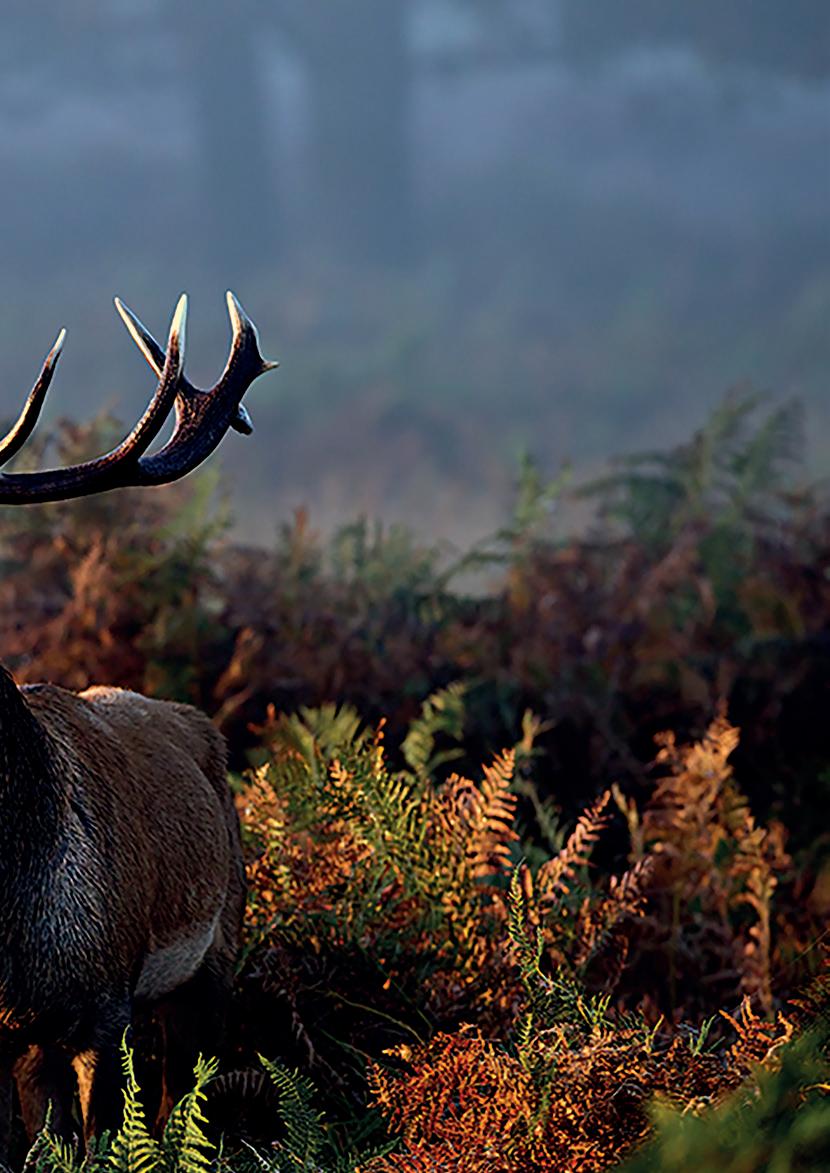
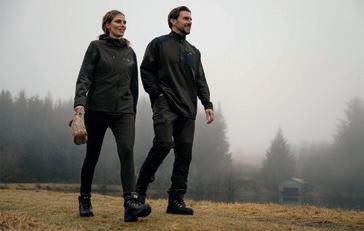
Could eating more venison support nature recovery?
BASC’s Four Season Campaign
Firearms Licensing Performance in Scotland
The importance of BASC Women in Shooting
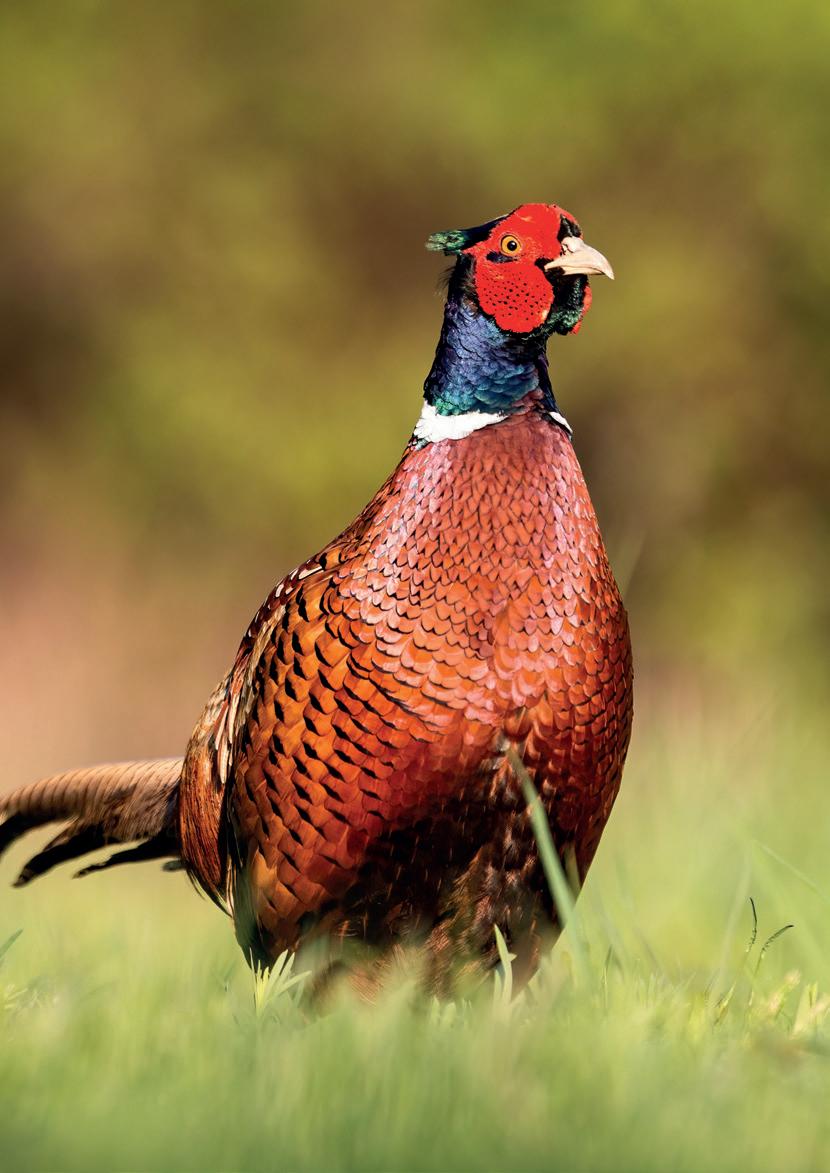
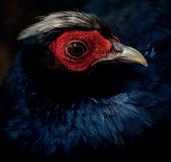
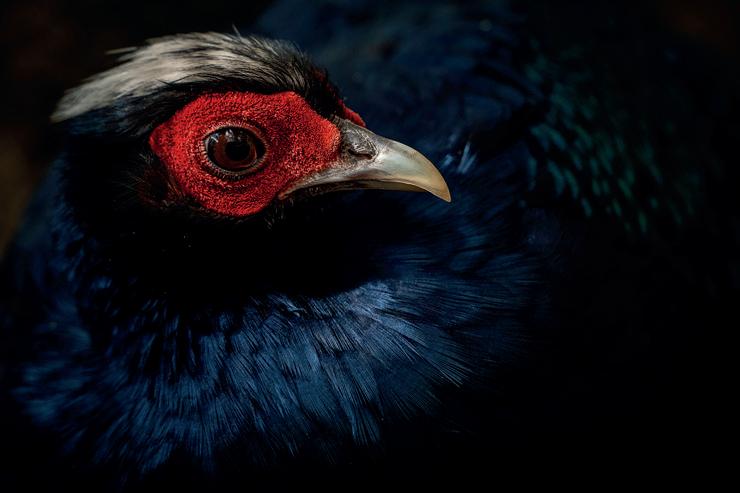
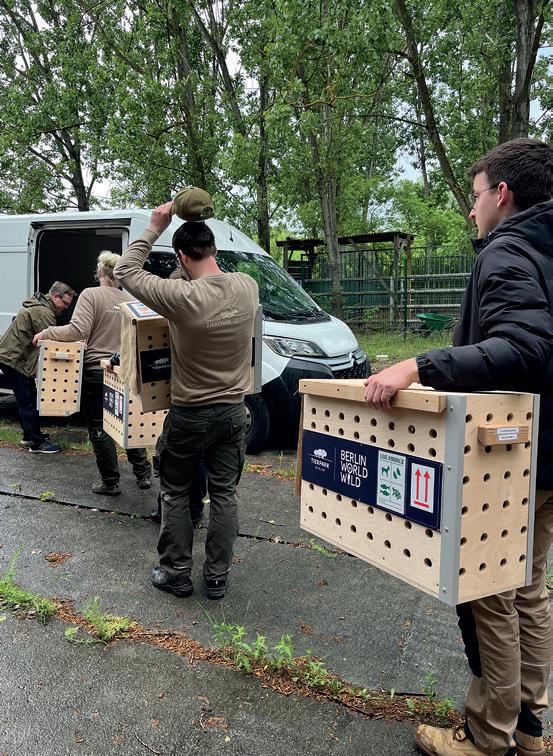
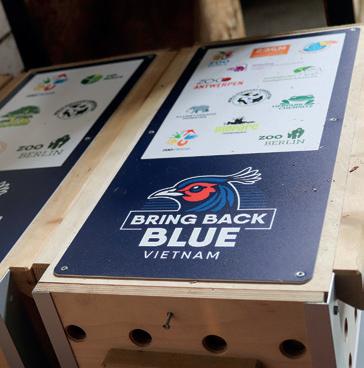
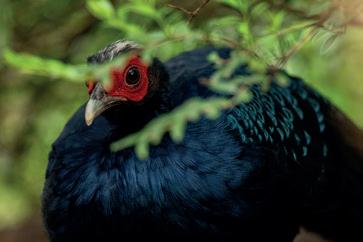
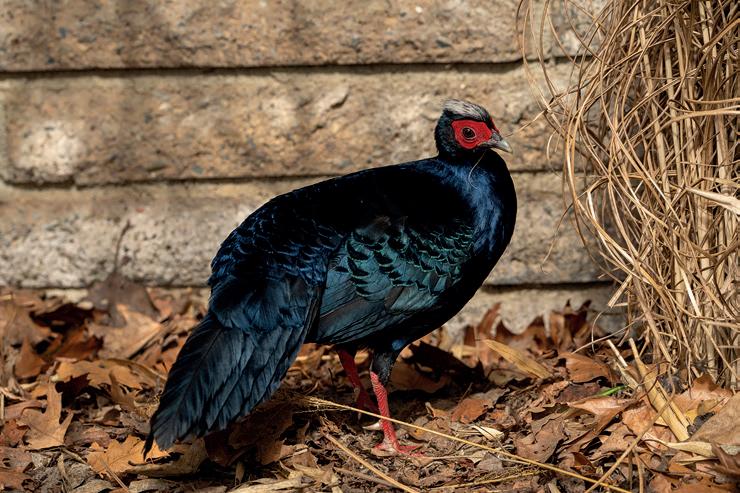
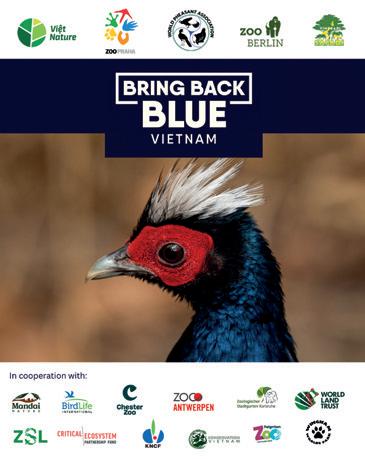
‘Bring Back Blue’ - The Vietnam Pheasant
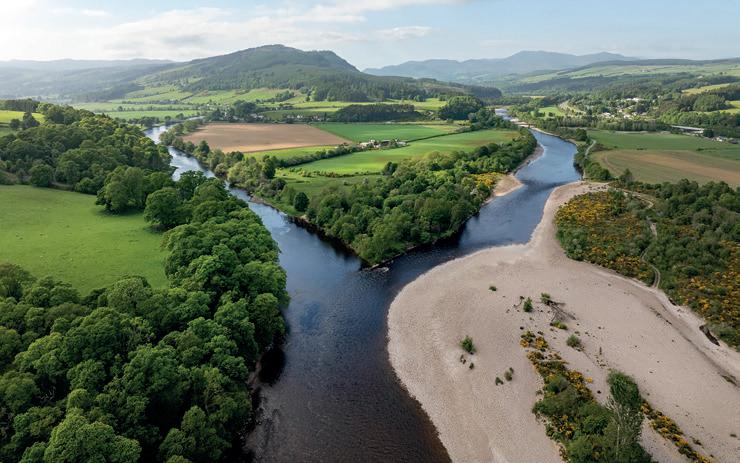
The River Remembers
Wild Bird Legislation - proposed changes
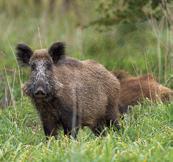
The expansion of wild boar in Scotland
Scottish Country Life with Jake Swindells
Cooking with Game
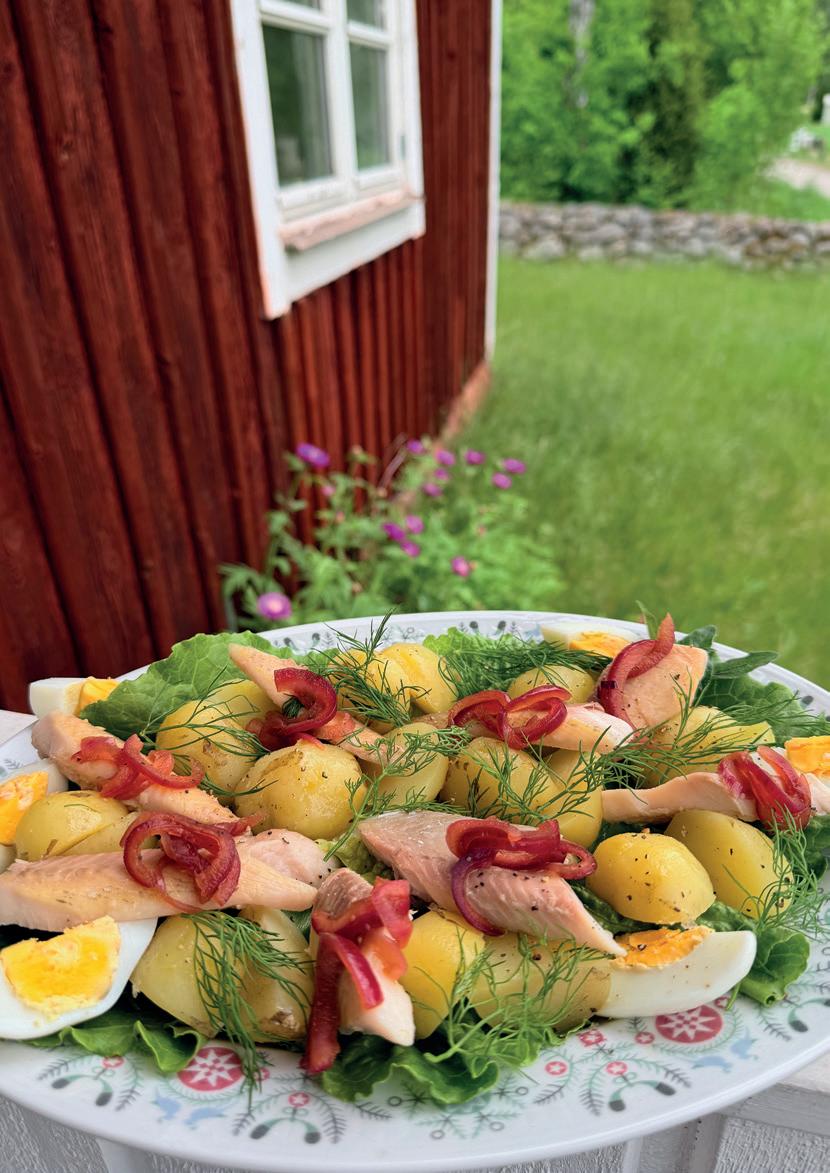
Wendy Barrie’s Smoked Fish Platter
magazine
& FISHING magazine
Deer Management
Support for upland deer managers
Rural Training
Environmental & Wildlife Law Changes
Gundogs
Pursuing perfection
Countryside Chronicle
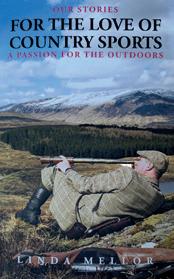
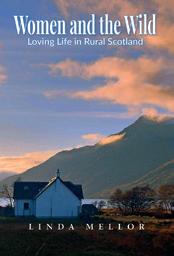
The cost of belonging by Linda Mellor
Scottish Venison
Findhorn Venison opens for business
The Ghillie with Bob Whyte plus
News • The Country Store and our regular columns
editor's bit
Its show time!
Hi there, were back again with our 2nd issue of the year, and a big thank you to everyone who helped make this all possible –our advertisers and of course our editorial contributors.
Christina and I could never do this without you! (stating the obvious – LOL).
Rumour has it that summer is around the corner, so that means the country fairs will be in our plans for visiting.
For us, these will be at Scone, just along the road for us, and Moy in Inverness-shire.
We will visit Scone on the Sunday and for Moy, we will make a weekend of it with a hotel break in Inverness – always a trip we enjoy.
It’s just nice to get out of the office!
So, I look forward to meeting some of you during these two events, and for the stand holders, I hope you have a very successful time in Scotland during this coming summer.
Game Fairs, Farm Shows and Country Fairs are great events and its lovely to see the local communities come out in support of the organisers.
There is a huge amount of work that goes unseen when organising these events, and of course the weather can be a right bugger sometimes too!
So, fingers crossed and here’s hoping to a good summer for us all.
Slàinte, Athole.
With Bob Whyte on the Tay
With Jake Swindells, Scottish Countryside Alliance
Wendy Barrie’s Smoked Fish Platter
From essentials to gift
BASC Scotland calls on First Minister to ‘champion shooting and conservation’
BASC has called on John Swinney to protect shooting and conservation for generations to come.
In a letter to Mr Swinney, BASC Scotland director Peter Clark urged the First Minister to ‘protect sustainable shooting and conservation’ in order to help Scotland retain its rural
communities, protect jobs related to shooting, conservation and country sports tourism and reach its biodiversity and nature targets.
There is also an invitation within the letter for Mr Swinney to join BASC Scotland at its office in his constituency to hear more about the important
work of the organisation and its members.
The First Minister represents Perthshire North, a constituency which is home to a significant number of farmers, gamekeepers and land managers.
Peter Clark said: “It is crucial that he and his Government advocate for Scotland’s renowned
shooting sector, recognising its vital contributions to conservation, rural employment, wellbeing, biodiversity and bolstering the Scottish economy.
“We hope to build further on the foundations already laid between us over the course of the forthcoming five-year parliamentary session.”
New report finds no evidence of pheasants affecting insect abundance
A new scientific review undertaken by the Game & Wildlife Conservation Trust (GWCT) suggests pheasant releasing is having no significant impact on insect populations in the wider countryside.
Negative effects were only detected at sites where gamebirds congregated in higher densities such as in release pens and around feeders, and studies showed that well-managed releasing can minimise these local impacts.
GWCT senior scientist Dr Rufus Sage who authored the report, said: “Pheasant releasing is often blamed for causing insect declines, but we have found no evidence for this. The studies showed that, even where up to 20 birds per hectare were present across large areas, there was no detectable effect on invertebrate abundance, species richness or diversity.”
One of the research projects reviewed by the report sampled nearly 40,000 invertebrates, representing 308 species, across six large Sites of Special Scientific Interest (SSSI) grassland sites (50–200 ha each). Released birds were present on these grasslands at average densities of 5–20 birds per hectare in autumn and winter, falling to around 1 bird per hectare or less in spring and summer.
Another study compared 17 paired woodlands (with and without release pens), sampling both woodland edges and adjacent fields, before and after pheasant release. It combined pitfall trapping, vegetation surveys, and pheasant counts.
The report also reviewed studies of pheasant diet. Adult released gamebirds had diets dominated by plants, particularly grain and leafy
vegetation. On arable farmland, invertebrates typically made up less than 3% of the adult food intake. Higher proportions (around 5–20%) occurred in spring and early summer when more insects had emerged and fewer birds remained on the ground, reducing the impact on invertebrate abundance.
All the evidence pointed to pheasants being accidental rather than deliberate predators of invertebrates.
During late summer and autumn when gamebird densities are higher, adherence to GWCT guidance, on careful distribution of feeders and limits on the number of pheasants per hectare of release pen, can further reduce the risk of damage to insect populations. With these mitigation measures in place, studies show there is a likelihood of a biodiversity net gain resulting from releasing on a landscape scale across farmland and woodland landscapes. Woodland rides, hedgerows, game crops, field margins and structurally diverse woodland edges, all maintained for gamebirds, are well documented to support insects, farmland birds and other wildlife.
An exceptional sporting estate in highland Perthshire
Kinnaird Estate occupies an outstanding elevated position in the heart of Highland Perthshire, overlooking the Strathtay valley and framed by some of Scotland’s most iconic scenery. From the house and grounds, the landscape stretches towards the Atholl Hills, with Ben Vrackie, Schiehallion and Ben Chonzie forming a dramatic, ever-changing backdrop.
Despite its spectacular rural setting, Kinnaird is highly accessible, just seven miles from Dunkeld and around 62 miles from Edinburgh Airport.
History
The origins of Kinnaird can be traced to the early 1600s, when the estate was held by the Stewart family. It later passed through several hands, including the Grant family, before being purchased in 1798 by Chalmers Izzet, an Edinburgh hatter, who
began constructing the earliest part of Kinnaird House that stands today.
Kinnaird House
At the centre of the estate sits Kinnaird House, a handsome B-listed property with origins in the late 18th century. The house retains elegant Georgian proportions, with later additions enhancing its character and functionality. Today, it offers six principal reception rooms and seven bedroom suites, having most recently transitioned from a country house hotel to a private residence.
The house is set within beautifully maintained grounds, including sweeping lawns, a gazebo, tennis court and productive walled garden, all surrounded by mature woodland with notable specimen trees and an impressive conifer collection.
The Estate
Complementing the principal house is a high-quality portfolio of 11 estate cottages, many of which have been refurbished and upgraded, providing a mix of long-term tenancies and holiday accommodation. Across approximately 5,771 acres, the estate brings together rich riverside farmland, wooded crags, heather-clad slopes, open moorland and hill lochs.
Kinnaird is renowned for its sporting credentials, widely regarded as among the finest in Highland Perthshire. The estate boasts a highly regarded driven pheasant and partridge shoot, supported by a newly developed shoot complex that combines practical efficiency with welldesigned and comfortable entertaining space.
The estate also offers varied sporting, including red, roe
and fallow deer stalking and rough shooting, with duck flighting ponds enhancing its appeal. Further shooting rights are currently leased over an additional 947 acres.
Fishing is a standout feature, with Kinnaird benefiting from some of the most desirable beats on the Middle Tay, including a picturesque stretch of the River Tummel. The Lower Kinnaird Fishings provide about two miles of double-bank salmon fishing, while Upper Kinnaird Fishings extend to a further two miles of productive double and single-bank fishing.
The fishing performs consistently well, with a tenyear average annual catch of 93 salmon and 15 sea trout. A recently renovated and extended fishing hut serves both beats.
Savills invites offers over £10.5 million for Kinnaird Estate.
BASC Scotland champions shooting’s place at the heart of Scotland’s Living Heritage
As part of its ongoing efforts to recognise and celebrate the positive role that shooting plays in sustaining Scotland’s identity and heritage, BASC Scotland has made submissions for the inclusion of Scottish wildfowling and gamekeeping in the Scottish living heritage inventory.
Shooting is at the heart of Scotland’s culture, identity and heritage. Those involved play a key role in shaping Scottish landscapes and caring for the nature found in them. These are living traditions, a way of life that respects the past without living in it, changing and evolving as Scotland changes and evolves. A failure to recognise, celebrate and safeguard these traditions would be a denial of Scotland’s past, present and future.
The living heritage inventory process being undertaken across the four UK nations follows the UK’s 2024 ratification of the UNESCO Convention for the Safeguarding of Intangible Cultural Heritage. This convention commits states to take steps to protect skills, knowledge, traditions and practices that communities value, maintain and pass on. To meet this commitment, in 2025 the UK government launched a programme to create inventories which will record and celebrate important aspects of the UK’s living heritage and put in place measures to safeguard them for future generations. It is a devolved process, with grass roots organisations being invited to submit examples of living heritage for inclusion in separate national inventories for each of the four UK nations.
BASC Scotland’s submissions highlight the
unique contribution that both wildfowling and gamekeeping have made to Scotland’s landscapes, wildlife and communities.
The wildfowling submission reflects the unique character of Scottish wildfowling, forged over centuries of interaction between people and the country’s coastlines, estuaries, sea lochs and islands. It stresses the vital role of wildfowling in Scottish foodways and land management and highlights how knowledge and skills are passed from generation to generation through mentorship, family traditions and communities.
The nomination for Scottish gamekeeping recognises a profession and way of life deeply embedded in Scotland’s rural identity, highlighting the role gamekeeping plays in supporting biodiversity,
managing habitats, sustaining rural employment and producing high-quality wild food. It also recognises the unique cultural traditions associated with Scottish gamekeeping, including specialist terminology, local knowledge, estate traditions and the transmission of skills through hands-on learning and mentoring.
Practitioner testimony, oral histories and community support are at the heart of this process. The submissions follow extensive engagement with practitioners across the country. BASC Scotland has gathered evidence through workshops, online and in person interviews and public events to ensure submissions reflect the lived experiences of those involved in these traditions.
The move follows growing recognition across the UK that traditional country sports and land
management practices represent an important part of the nation’s cultural heritage.
BASC Scotland director Peter Clark said: “These submissions recognise that Scotland’s heritage is not only to be found in museums, historic buildings and tourist attractions. It is woven into the fabric of our communities and landscapes and maintained by the people who continue to practice traditional skills, manage habitats, support biodiversity and maintain the cultural connections between communities and the land. It has been a privilege to spend time with practitioners across Scotland, hearing their stories and learning about their living heritage.”
These submissions form part of BASC’s wider efforts to gain broader recognition of shooting’s cultural value.
Scotland’s leading rewilding event returns to Perth in September
Tickets are now on sale for The Big Picture Conference 2026, Scotland’s flagship event dedicated to rewilding, which returns to Perth Concert Hall on Saturday 19 September.
Centred around the themes of ‘Rewilding with people and place’ and ‘Coexistence in rewilded landscapes’, the event will tackle some of the most pressing and
complex questions facing Scotland today – from restoring nature alongside productive land use and rural communities, to living well with returning wildlife and building new opportunities for people and nature.
Hosted by rewilding charity SCOTLAND: The Big Picture, the Big Picture Conference will bring together more than 600
people united in their commitment to rewilding – the recovery of the living systems we all depend on.
The conference features a line-up of high-profile speakers, including wildlife presenter and zoologist Megan McCubbin, author and science communicator Chantal Lyons, Rewilding Europe’s Head of Upscaling, Amy Duthie, Trees for Life CEO,
Steve Micklewright, ethnologist and creative practitioner Dr Mairi McFadyen, and many others working at the forefront of nature recovery across Scotland and beyond.
Alongside keynote talks, attendees can choose from a diverse programme of workshops, discussions and break-out sessions exploring topics such as nature finance, careers in rewilding, ecological monitoring, woodland restoration, urban rewilding, amphibian and reptile conservation and community-led nature recovery.
‘Our Big Picture Conference is Scotland’s leading gathering that focuses on rewilding in practice, bringing together the people shaping the future of land, policy, nature and communities,’ explains the charity’s CEO, Lisa Chilton. ‘With a host of fantastic speakers delivering inspiring presentations and learning opportunities, attendees will leave better informed, better connected, moved
and more confident to take action in their own spaces. We’re really looking forward to welcoming a wide ranging audience to Perth in September.’
Since launching in 2019, the biennial conference has become a focal point for Scotland’s growing rewilding
movement, attracting land managers, rewilding practitioners, community groups, policymakers, researchers, students, businesses, and nature enthusiasts from across the country.
This year’s programme reflects the growing momentum behind rewilding in Scotland
and the increasing recognition that nature recovery can deliver benefits for biodiversity, climate, local economies and communities alike.
Tickets to The Big Picture Conference can be purchased via: scotlandbigpicture.com
Spare parts for Comb, Bingham, Bayle or Senesi plucking machines, brand new and recon for sale - twin motor from £1,485+VAT
For Turkeys/Geese and other PoultryWithout Buying the Kit-HIRE IT & save ££££
• Faster Processing Day
• Less Mess
• Professional Finish
• Delivered to your Door
• Less Stress
• Group Hire Discounts
“Don’t Buy what you only need for a day or two for the year.
For the Processing of Game Birds for the next Seasontry Long term Hire
tel: 01473 823598 day, evenings and weekends call Mark on: 07879 496970 email: storeypoultrysupplies@btinternet.com www.storeypoultrysupplies.co.uk
Short term hire for poultry - turkeys, geese, ducks & chickens …long term hire for game processors
For Growers of Turkeys and other Poultry who do so in small numbers, or for those seeking to expand Production, then hiring a Plucking machine makes sense. you can have a top performing machine, tried and tested within the Poultry Industry for many years at your disposal
This enables you to get the hardest task done with minimal labour input and no Capital outlay of outright purchase.
A Machine eases labour requirements at this busy time of year. Also, any further increase of Production of Poultry for the next season, hiring of Machinery allows Capital/Cash Flow to be channelled into the overall cost of Production/Rearing costs throughout the year.
For established Growers who may already have a Machine, the hiring of another unit can ease the work load and work well around labour availability on certain days in this busy period without the need to spend Capital.
All our Plucking Machines for hire are market leaders - Bayle
MP11 or Senesi Q11, either factory refurbished or new, available in 415volt three phase or 240v single phase, 16amp blue push plugs. Machines come with a sprung loaded Gantry to hold birds in plucking position, 3m of flexible feather outlet pipe and feather bag for collection.
Bird Flu within the Poultry Industry has created challenges and uncertainty, but the Sale of Traditional Christmas Poultry reared and processed on farms within the UK remains strong. This type of rearing, most commonly found on Family farms, is carried out to the highest standards of welfare, and the people involved are incredibly proud of what they produce for the all-important meal of the year - Christmas Dinner.
We would always prefer to hire machinery to Growers who have had some previous experience with Dry Plucking machines, as with all machinery there is a technique and understanding of the use of it - thus you get the most out of the Hire machine!
Short term rates of hire: £235.00/day plus delivery/collection plus vat Machines are delivered directly via courier.
For more information: www.storeypoultrysupplies.co.uk or Call - 01473 823598
2026 Big Farmland Bird Count
The results of the 2026 Big Farmland Bird Count (BFBC) show that farms providing supplementary feeding are supporting higher numbers of many farmland bird species whose breeding populations are declining nationally.
Run by the Game & Wildlife Conservation Trust (GWCT) and sponsored by the NFU, the
BFBC takes place each year in February and encourages farmers and land managers to record the bird species and numbers on their farms.
Since 2014 it has formed a national census of farmland birds. It also aims to raise awareness of the important role that land managers play in helping birds across the countryside, quantifies
the impact of the conservation work that many farms and estates carry out, and highlights the crucial support agri-environment schemes provide.
Despite poor weather conditions this spring, over 1,200 submissions were made from across the UK. A total of 275,024 birds were counted over 292,828 hectares of farmland by
farmers, land managers, or their helpers, with the most counts submitted in Suffolk, Norfolk, and Lincolnshire at 139, 101, and 62 counts respectively. This year we found that that 67% of farms surveyed were in an agri-environment scheme, with 64% providing supplementary feeding for birds on their farm. In total, 69,222 red-listed birds
were counted including 34 different species, with the most abundant of those being starling (25,306), lapwing (19,198), and fieldfare (15,816).
Jayna Connelly, GWCT’s science communicator who studied the trends and data in this year’s results, says: “The BFBC data shows that many farmland species that are declining nationally as breeders, can be found in large winter numbers on farmland.
“Red listed farmland specialists such as starling, lapwing and linnet continue to feature strongly in the counts, despite severe long-term declines shown by BTO data.
“This suggests that well managed farmland, with supplementary feeding and improved habitat features, helps provide important winter refuge and food when it is scarce elsewhere. However, it hasn’t solved the underlying breeding problems driving national declines - populations may be boosted locally even where these species remain under pressure overall.
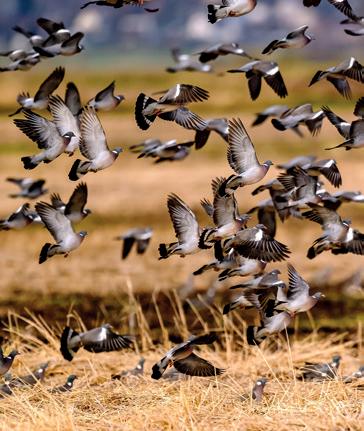
“In contrast, BFBC data for adaptable generalists like woodpigeon and jackdaw show
patterns that closely mirror their national stability or increases, which provides a useful benchmark and helps reinforce that management really matters most for specialist species.
“For highly mobile winter visitors such as fieldfare and gulls, the BFBC data show big year to year swings. When you set that against BTO evidence, it becomes clear these changes are driven much more by weather, movements and redistribution than by real population change.”
Roger Draycott, GWCT’s director of advisory, says: “Findings like this help to demonstrate the impact of practitioner science schemes like the Big Farmland Bird Count and gives us valuable information about how birds are faring across our farmland, and what actions farmers and other land managers can take to help. This makes conversations with other scientists, working conservationists on the ground, and policymakers easier, as we have strong data to back up our points. We are currently working on a long-term analysis of BFBC data recorded to date and look forward to sharing the results of that in due course.”
www.farmingscotlandmagazine.com
The ALTO team maintained full protection of three nesting grounds (Libuun, Kaumosongi, and Panganian) for this Critically Endangered species. Maleo numbers continued to grow at all three sites: Libuun now has a 7-fold increase since protection started and hosts more Maleos than any other site worldwide; Kaumosongi 10-fold increase; Panganian 4-fold increase. Our conservation leases were extended at Libuun for 10 years (to 2034), at Kaumosongi for 20 years (to 2044), and we are gradually growing the Panganian Nature Reserve through purchases of private land; the Reserve now includes over 130 ha.
We assessed potential for new community-based conservation projects at three sites beyond Tompotika and we are continuing to assist a budding community group in the Bongka area to build a conservation programme there.
After Covid, we resumed all-ages school-based outreach with a new curriculum and renewed enthusiasm, as well as occasional field trips. We designed a new PALs club programme for middle school children which allows smaller numbers to become more deeply involved in conservation learning and activities.
We have held World Maleo Day activities and celebrations every year during the project. Each year, our activities have consistently included outreach at local universities, a talk show, and public activities at high-traffic areas. Each year we have also sponsored unique activities: in 2025, we sponsored a Maleothemed art contest which resulted in over 55 original art submissions from children and adults in the Tompotika region. The art was publicly exhibited in the regional capital, Luwuk, to great enthusiasm.
https://www.tompotika.org/
Grouse Moor Licensing: One Year On
By David McKie, Partner Levy & McRae Solicitors LLP
I thought it would be helpful to analyse where we are one year on from the introduction of grouse moor licensing to Scotland.
I fully appreciate that this is something of a niche area, but it is symptomatic of the wider change of culture in shooting that we have
seen over the last twenty-five years in Scotland.
Scotland is a much more tightly regulated country than England on rules relating to our outdoors.
It may surprise some readers to know that there are many areas of the day to day operation of those
who shoot, who are gamekeepers or for those who operate any kind of trap, which are not as strictly applied down south.
One such significant distinction is the licensing of grouse moors which was introduced by the Wildlife Management and
Muirburn (Scotland) Act 2024. The Act was passed in light of Professor Werritty’s review. While he concluded that there were issues in relation to raptor persecution in Scotland, his view was that there should be a five year period to enable things to bed down before any decision was made on legislation. Unfortunately, the Government prioritised its passing before the last Parliament.
If one is to shoot a grouse in Scotland, one needs a licence to do so.
As well as strict laws, we have seen many more licensed activities in the rural community, most of which are operated through NatureScot. By way of example, these include the following: -
• Requiring a licence to use hounds to flush foxes;
• Licences to shoot mountain hares;
• Individual licences for the control of ravens (as opposed to the normal general licence);
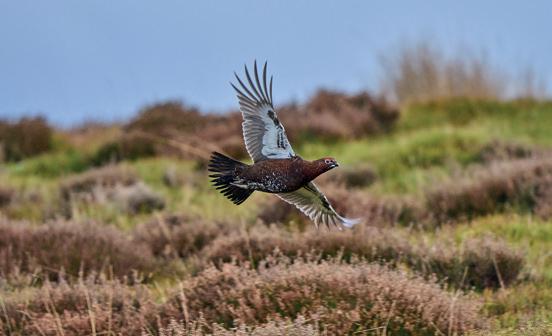
Flying Red Grouse
David McKie
• Licences to use wildlife traps; and
• Licences to control muirburn (which are not yet law but will be later this year).
All of the licences applied for were granted. NatureScot processed all applications very quickly and were true to their word in that they did not hold historic issues against estates.
No estate that I know of has as yet either had its licence suspended or revoked. NatureScot also has powers to modify a licence if necessary.
In order for a licence to be suspended or revoked, the following key considerations apply: -
• There either needs to be a breach of the licence or a criminal offence carried out by a person connected to the estate
(presumed to be an employee) and on associated land.
The offences which can lead to the loss of general licence are six separate wildlife offences which, in layman’s terms are: -
• Taking or killing a wild bird or disturbing its nest;
• Illegal trapping;
• Offences against badgers;
• Animal welfare offences;
• Offences against wild mammals;
• Offences against protected species; and
• Hunting with dogs.
Unlike general licence appeals, any appeal against the suspension or revocation of a licence lies with the Sheriff Court, which is a welcome development.
We will see whether the next year brings the possibility of a first case. Clearly the implications for the revocation of a grouse licence are very serious and involve not simply the loss of employment, but also, in some circumstances, the loss of a way of life in certain areas, which could well be irreversible. That would be a very sad day for both shooting and for Scotland.
Moy Country Fair Returns for 2026
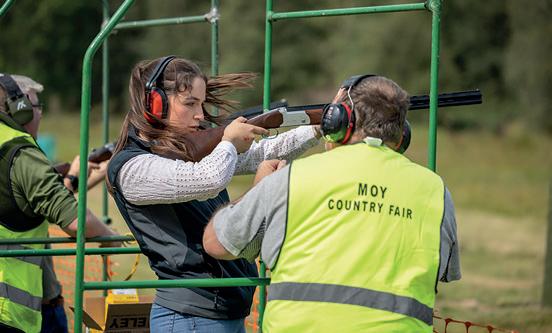
There is something rather special about a country fair. Perhaps it is the mix of tradition, skill, community and countryside life all gathered together in one place. Perhaps it is the chance to watch working dogs in action, admire birds of prey at close quarters, meet craftspeople, gamekeepers, stalkers and farmers, and enjoy a day outdoors with family and friends.
Whatever the reason, the Moy Country Fair has become one of the highlights of the Highland calendar, and on Friday 7 and Saturday 8 August 2026 we will once again welcome visitors to Moy Estate for two days celebrating the very best of country life.
Now firmly established as one of Scotland’s leading country sports and countryside events, the fair attracts visitors from across the Highlands and beyond. For many, it is an annual tradition. For others, it is a first opportunity to experience the rich variety of rural
pursuits that play such an important role in Scotland’s countryside.
At the heart of the event are the field sports and working demonstrations that showcase the knowledge, skill and heritage behind many rural activities. Visitors can enjoy a packed programme of displays, competitions and demonstrations throughout both days, offering plenty to see whether they have a lifelong involvement in country pursuits or are simply curious to learn more.
The Main Ring, sponsored by Galbraith, will once again provide a focal point for the fair. Throughout the weekend it will host a variety of demonstrations and displays celebrating country skills, rural traditions and working animals. The ring always attracts large crowds and offers something for every generation.
Dog lovers are particularly well catered for at Moy. The
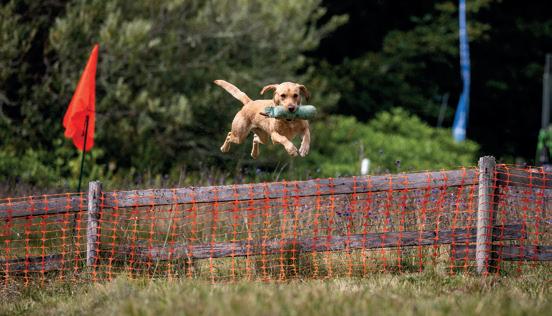
ever-popular Gundog Trials and Scurry provide an opportunity to watch highly trained dogs and handlers working together, demonstrating the skills required in the field. From experienced competitors to younger dogs gaining valuable experience, these events remain among the most anticipated attractions at the fair.
The Pet Parade, kindly sponsored by ANTA Scotland, offers a slightly lighter-hearted celebration of our four-legged companions. Always a favourite with families, it brings together dogs of all shapes and sizes and is guaranteed to raise a smile.
Terrier Racing, sponsored by Saffery, continues to attract enthusiastic crowds. Fast-paced and entertaining, it showcases the determination and character that have made terriers such an important part of country life for generations.
Fishing enthusiasts will once again find plenty to interest them. The fishing area provides opportunities to meet experts, learn new techniques and discover more about one of Scotland’s most cherished outdoor pursuits.
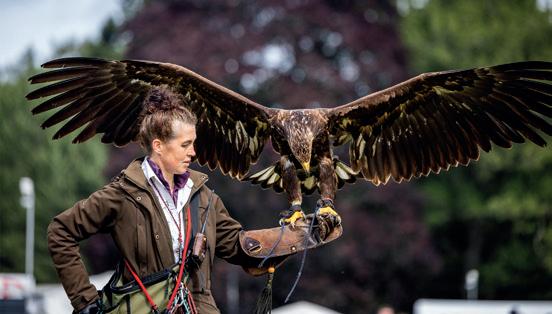
At the Main Ring, visitors can also enjoy displays from skilled falconers, offering a fascinating insight into the partnership between birds of prey and their handlers. These displays remain among the most striking spectacles at the fair and provide a memorable opportunity to learn more about these remarkable birds.
Another popular feature returning for 2026 will be the muirburn and fire management displays. These demonstrations provide a valuable opportunity to learn more about the management of Scotland’s uplands and the practical skills involved in caring for our landscapes.
Food and drink are, of course, an important part of any country fair, and visitors will once again be able to explore the Highland Food and Drink Trail. Featuring a range of local producers, it offers the chance to sample and purchase some of the finest food and drink from across the Highlands.
The Food Hall and Food Theatre will also return, giving visitors the opportunity to discover local produce, watch demonstrations and pick up ideas from those who are passionate about Highland food and drink.
For those who enjoy browsing artisan products and handmade goods, the two Craft Tents will be packed with exhibitors offering everything from gifts and homewares to artwork and countryside-inspired creations.
Families remain a key part of the Moy Country Fair experience. Children’s Corner will once again provide a dedicated area where younger visitors can enjoy activities and entertainment throughout the weekend. It is often one of the busiest areas of the showground and ensures that the event offers something for all ages.
The Chery Heggie school of Dance add colour, energy and tradition to the event programme, celebrating one of Scotland’s most recognisable cultural traditions. Their performances are always well received and contribute to the distinctive atmosphere that makes Moy such a unique event. This year they are sponsored by Blackadder.
The Clan Chattan Association will once again have a strong presence at Moy Country Fair, with its traditional tent situated close to Moy Hall, home of John Mackintosh of Mackintosh, Chief of Clan Mackintosh and President of the Association. Representing a unique confederation of Highland clans including the Mackintoshes, Macphersons, Shaws, MacBeans, Davidsons, Farquharsons and others, the Association has long been part of the fair. A special highlight this year will take place on Friday 7 August, when anyone bearing one of the Clan Chattan surnames is invited to join a clan march into the Main Ring, led by pipes and banners. It promises to be a memorable celebration of Highland heritage ahead of the Association’s 300th anniversary in 2027.
Alongside the attractions themselves, one of the things that makes Moy special is the opportunity to meet people from across Scotland’s rural communities. Farmers, gamekeepers, land managers, sporting businesses, countryside organisations and visitors all come together to share knowledge, experiences and enthusiasm for rural life.
The event would not be possible without the support of our sponsors and partners. Alongside Galbraith, Ledingham Chalmers returns as Programme Sponsor, while Eneco supports the event through sponsorship of the car
parks. We are also grateful for the continued support of Strathdearn Community Charitable Trust.
As preparations continue, excitement is building for another memorable weekend at Moy Estate. From working dogs and falconry to food, crafts, fishing and family entertainment, the 2026 Moy Country Fair promises a celebration of Scotland’s countryside that has something for everyone.
We look forward to welcoming familiar faces and first-time visitors alike on Friday 7 and Saturday 8 August. Whether your passion is shooting, fishing, farming, dogs, horses, food, crafts or simply spending time in the great outdoors, Moy remains a date worth marking in the diary.
Could eating more venison support nature recovery?
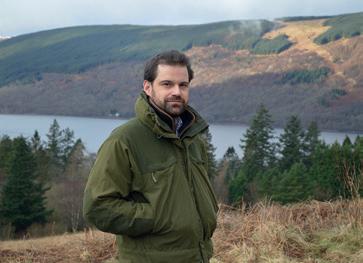
By Hugh Webster, Rewilding Relations Officer
SCOTLAND: The Big Picture
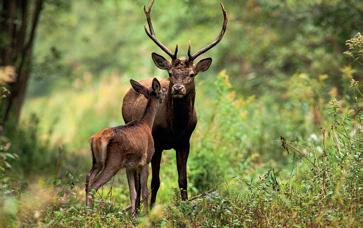
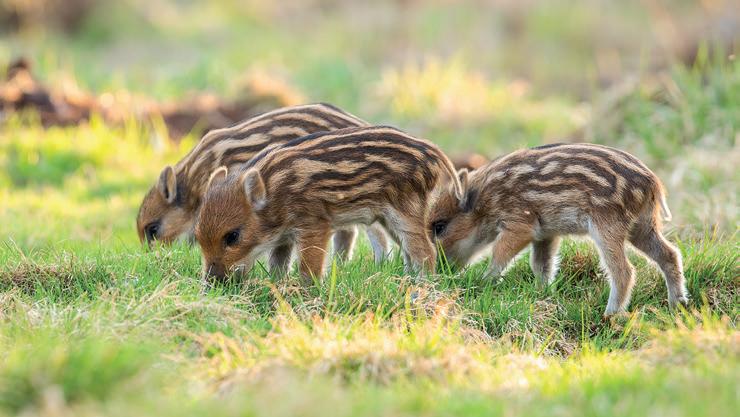
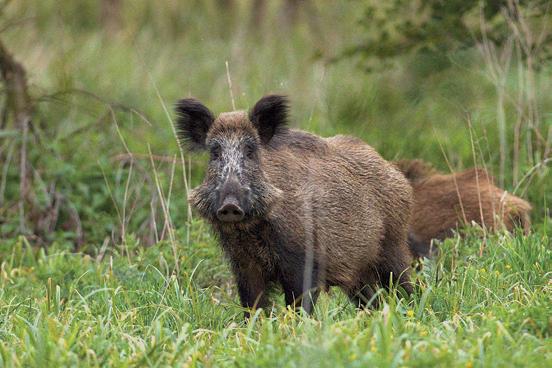
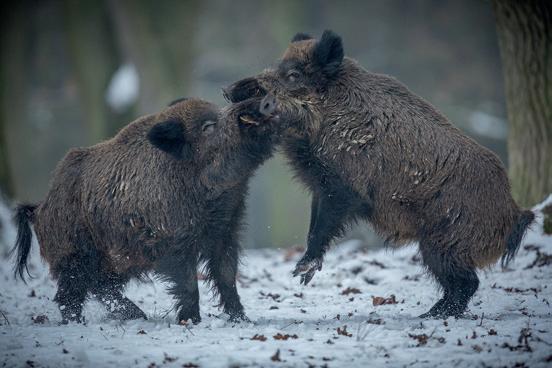
Scotland’s deer population is unsustainably high, especially in the lowlands and our expanding forests. Where there are too many deer for the local environment, they can block nature recovery – so numbers must be managed. But deer management is expensive, raising the question: could these costs be met, at least partly, by growing Scotland’s wild venison market?
One in nine species in Scotland is at risk of national extinction. Since 1970, nearly half of this country’s oncewidespread flowering plants and 57% of lichen species can no
longer be found where they once grew. But against this backdrop, deer have bucked the trend. Deer aren’t declining – quite the opposite. And this has created an unusual dilemma.
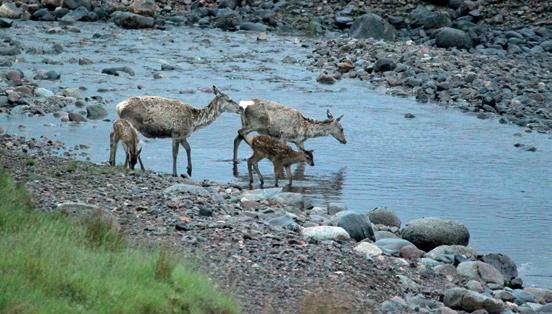
Deer are much-loved, offering many of us our only remaining contact with a large wild animal. Deer also contribute to many natural processes, often enriching the natural environment. But in places where there are too many deer for the environment to support, Scotland faces a problem. Too many hooves break up delicate peatlands, letting in oxygen
and letting out carbon. Too many nibbling mouths restrict woodland regeneration and reduce biodiversity.
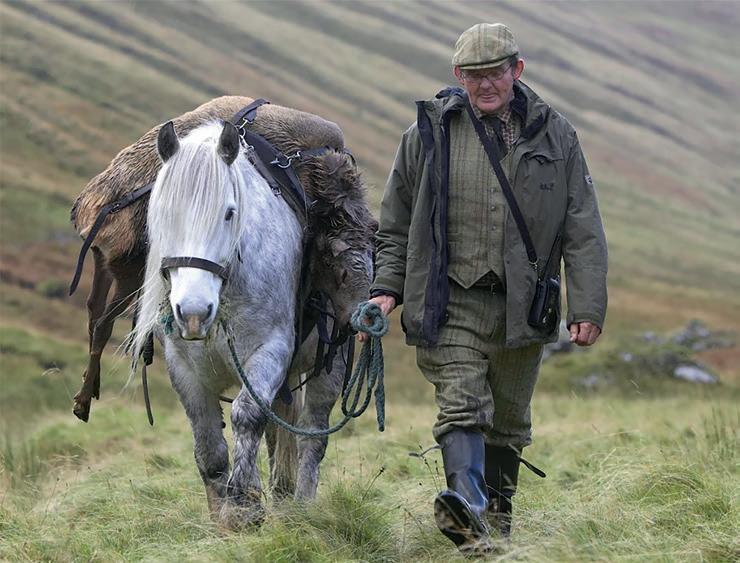
Deer are much-loved, offering many of us our only remaining contact with a large wild animal
The freshly minted Natural Environment Bill recognises this problem and includes a dedicated Deer Management and Venison Plan. It extends NatureScot’s powers to cull deer, allowing interventions where deer are deemed to be creating a barrier to nature recovery. But while NatureScot may have new
powers, their budget remains limited.
Importantly, landscapelevel culling still depends on goodwill from landowners. Indeed, the Scottish Government estimates that around 80% of deer management is carried out by the private sector. This is why Jim Fairlie, the Minister for Agriculture and Connectivity, has highlighted the importance of a ‘collaborative approach’ to deer management, the need for incentives and a ‘flourishing venison market.’
Around 80% of deer management is estimated to be
carried out by the private sector, often at a loss to those who do the work.
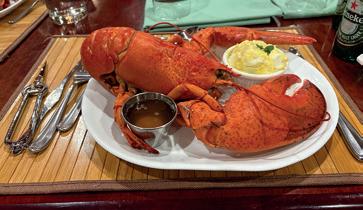
Venison – the edible flesh of deer – is a healthy, locallyabundant, organic source of high quality protein. And because deer often use marginal areas unsuitable for conventional agriculture, wild Scottish venison is exceptionally sustainable. It might even be carbon negative, since deer management can promote peatland recovery and help native woodlands regenerate. Despite these benefits, venison remains a niche choice of meat.
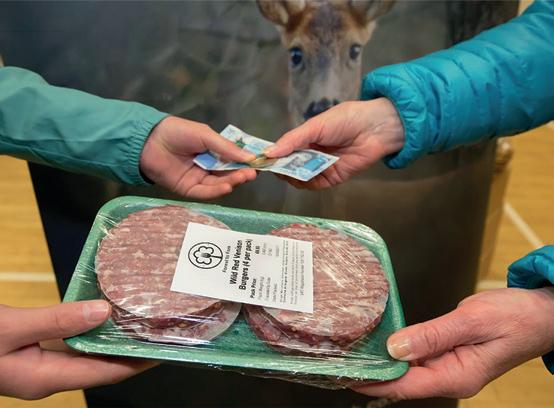
‘We need greater awareness, understanding and education, which means cultural change as well as wider availability,’ says Richard Playfair, Secretary of the Scottish Venison Association. ‘Crucially, there needs to be investment to promote these benefits, so that a venison burger
becomes a familiar and popular alternative to beef or lamb.’
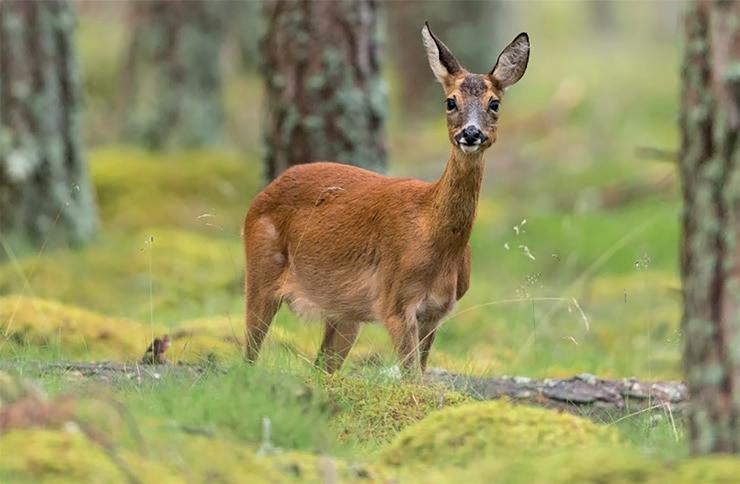
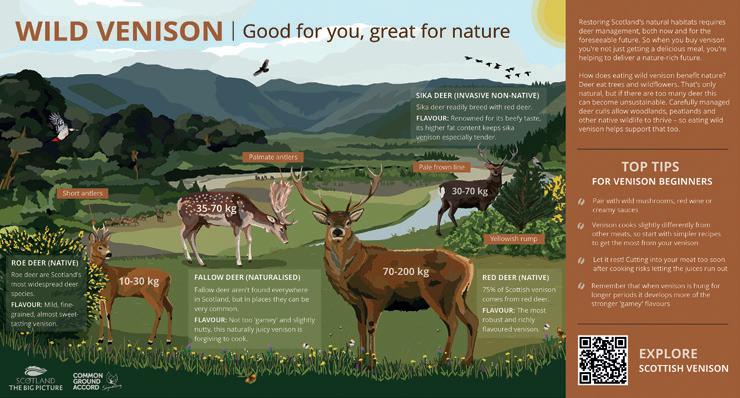
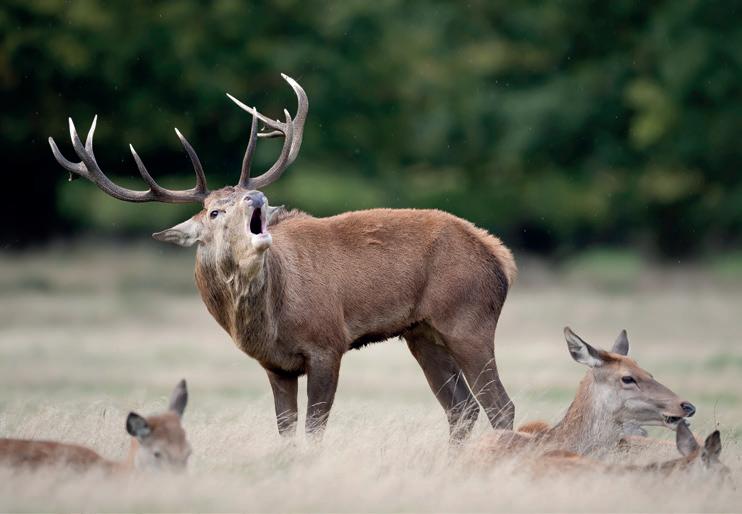
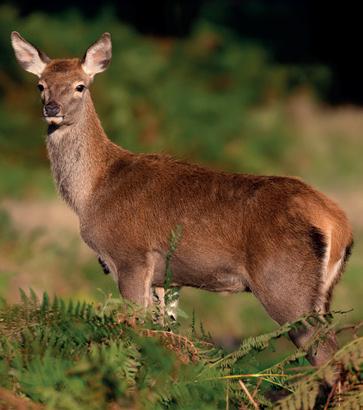
Getting to know venison means getting to know its variety. Red deer venison is rich in flavour and coarsely textured, while roe deer venison is finegrained and slightly sweet in taste. Sika and fallow deer have their own distinctive characters. Age, how long the meat has been hung and the season in which an animal was culled, all further influence flavour.
So, if venison were more popular and producers were better compensated for the deer they cull, could consumer demand help fund the costly business of deer management, as the Scottish Government hopes?
As a natural product with no obvious farming costs (nearly all venison in Scotland is harvested from wild animals), venison is surprisingly expensive to produce. The costs of employing
and housing stalkers, maintaining vehicles and running a larder all add up. One report calculated that the annual income from private sector deer management was £15.8m while expenditure was £36.8m.
‘There are several barriers to expanding the venison market, not least the low price currently paid to producers which, if improved, would encourage an uplift in production,’ suggests Richard.
Buying venison helps fund deer management, but producers still need more incentives to help cover their costs.
But while producers don’t earn enough from venison sales to cover their costs, consumers at the other end of the supply chain still find it expensive. A survey by SCOTLAND: The Big Picture found that existing prices and accessibility were two major barriers to the public’s appetite
for venison. So raising the price of venison for consumers is clearly not the answer.
‘There shouldn’t be a price premium for buying venison versus other red meats in any form,’ acknowledges Richard. Ultimately, the venison market will probably need to be subsidised, if only to level the playing field with the rest of the farming sector. ‘The public funding we receive is tiny compared to that spent on other red meats,’ he continues. ‘Six figure sums are regularly injected into Scotch Lamb for its seasonal campaigns, but we struggle to attract a fraction of that for our annual promotional activity.’
‘There shouldn’t be a price premium for buying venison versus other red meats in any form.’
The price paid to producers isn’t the only issue hampering the market either. According to Richard, the skills base and
workforce for venison production and processing needs to be expanded. ‘We also need support for local micro-processing infrastructure and to develop local markets,’ he explains.
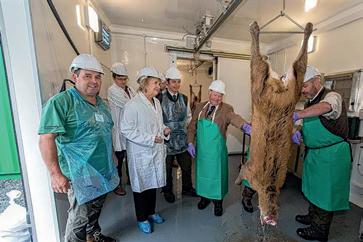
‘Food hygiene regulation could be streamlined to allow for easier set-up of micro Approved Game Handling Establishments (AGHEs) and local processing centres. Equally, we need encouragement for major processors to help them capture national retail opportunities and overseas markets.’
Producers may also need to adapt, to overcome another problem with the current market.
‘Scottish wild venison’s true value is constrained by a stopstart supply chain driven by seasonal culls. These create market gluts after most tourists have left and many restaurants are quiet,’ says John Forteith, from Scottish Quality Wild Venison. ‘The solution is to grow demand – that will in turn grow value up the supply chain. This would then motivate the stalking community to shoot more outside the traditional seasonal peaks.’
‘Scottish wild venison’s true value is constrained by a stopstart supply chain driven by seasonal culls.’
We need to either embrace seasonality and make it a selling point, or lose the idea altogether by ensuring that quality product is available all year round,’ suggests Richard Playfair. ‘The plus side is that as a sector we’re still small and even a small, positive movement of the dial would deliver a significant impact.’
If we want a more consistent, year-round venison supply, consumers need to demonstrate demand by choosing it more often. And one way or another, if we want a healthy natural environment, we need to support deer management. Venison sales may never fully fund these costs, but a stronger domestic market would certainly
help. After all, when it comes to deer management and its essential role in Scottish nature restoration, there’s no such thing as a free lunch.
Want to try venison for the first time? Check out this simple but delicious, traditional family favourite: https://scottishvenison.com/venison-stovies/
deer management
ADMG needs ongoing support of upland deer managers to continue to deliver
By Tom Turnbull, Chair, ADMG
The past year has been both challenging and, at times, frustrating. The Natural Environment (Scotland) Act has occupied much of our organisation’s time as we have strived to influence the decision-making process at Holyrood.
We can I think, however, take pride in our success in influencing many aspects of the Act. Despite the obstacles, we are encouraged that policymakers should now
Tom Turnbull
increasingly recognise and better understand the hard work done by deer managers, the significance of the venison sector, and the crucial role of collaboration in managing deer in the Highlands.
We now have a clearer idea of what the future holds, and there is no doubt that the Scottish Government will demand progress towards meeting its Scottish Biodiversity Strategy targets for 2030 and delivering the new National Deer Management and Venison Plan. If deer managers widely are perceived as not delivering, I am certain that, once again, the blame will fall upon us, so now is the time to ensure that deer management plans are up to date and that population models are being achieved. If we do this, I am hopeful that, when 2030 arrives, we will once again be able to prove our doubters wrong.
As an organisation, it is important that we regularly reflect on what we deliver on behalf of our members. I hope that, throughout the two years of debate in the run-up to the Natural Environment Act, it was clear that ADMG represented its broad membership effectively. The work of the Common Ground Forum was especially prominent, and we worked closely with others to influence the Bill—particularly on vital issues such as venison and support for deer managers.
We are committed to maintaining a strong working relationship with NatureScot to ensure our members are well represented both locally and nationally. Liaising and meeting regularly with NatureScot also enables us to have difficult conversations on our members’ behalf when needed.
We provide direct support to individual DMGs when
that is necessary and facilitate forums for DMGs to share their challenges through regular meetings for DMG representatives. These meetings, for chairs and secretaries, allow ideas to be exchanged and offer opportunities for direct feedback to ADMG centrally, ensuring our members are represented to the best of our abilities with both NatureScot and the Scottish Government, both to officials and Ministers
In addition to promoting the work of all our member DMGs, we uphold high standards in deer management. Through our ongoing support of Best Practice Guidance and Scottish Quality Wild Venison, we strive to ensure deer management is conducted to the highest standards among our members, demonstrating our commitment to progress.
Over the next four years, ADMG will continue to represent and support its members, and I hope we can clearly demonstrate the value of membership to every DMG. As we move towards 2030, we must work together to deliver sustainable, collaborative deer management, with deer welfare at the heart of every decision. With the Natural Environment (Scotland) Act now in place, discussions underway on a new Code of Practice for Deer Management, and the Scottish Government required to deliver a new National Deer Management and Venison Plan, your support for ADMG is more important than ever as, with it, we can continue to represent Highland deer managers as strongly and effectively as possible.
This article was first published in the ADMG Newsletter SCOPE, Summer 2026 More information www.deer-management.co.uk
deer
Scottish environmental and wildlife law changes
By Stewart Blair Programme Leader, Land & Rural, UHI North, West & Hebridies
There have been several important changes and developments in Scottish environmental and wildlife law during 2026, especially around deer management, biodiversity restoration, muirburn, trapping, and wildlife crime.
Major Changes include Natural Environment (Scotland) Act 2026
The biggest environmental and wildlife law reform this year has
been the passing of the Natural Environment (Scotland) Act 2026. It became law in March 2026.
Key wildlife-related changes include:
• New legal biodiversity and nature restoration targets
• Stronger powers for NatureScot to intervene in deer management
• Powers to require landscapescale deer control for habitat recovery
• Greater protection for protected sites and ecosystems
• New duties linked to restoring biodiversity loss
The Act also requires the Scottish Government to develop statutory biodiversity targets aimed at making Scotland “nature positive” by 2030.
Major deer management reforms
The 2026 Act significantly
strengthens the deer management framework under the Deer (Scotland) Act 1996. Important changes include:
• NatureScot can intervene where deer damage biodiversity or prevent habitat restoration
• New powers for compulsory deer control at landscape scale
• Requirement for a National Deer Management Plan
• New Venison Strategy obligations
Stewart Blair
• More formal review and enforcement mechanisms
• excessive deer densities
There is increasing political emphasis on deer control as a climate and ecosystem restoration issue.
Muirburn licensing system coming into force
Under the Wildlife Management and Muirburn (Scotland) Act 2024, Scotland is moving to a fully licensed muirburn system.
Changes taking effect during 2026 include:
• From Autumn 2026, all muirburn will require a licence
• Carrying out muirburn without a licence becomes an offence
• Mandatory training requirements for licence holders
• Stronger restrictions on burning peatland
• Updated statutory Muirburn Code
The muirburn season is also changing to:
• 15 September to 31 March
Trap and snaring reforms
The 2024 wildlife legislation continues rolling into practical effect during 2026.
Important changes include:
• Complete ban on snares/cable restraints
• New licensing system for wildlife traps
• Mandatory training for some trap users
• Additional scrutiny on predator control methods
These changes were introduced largely in response to ongoing concerns around:
• raptor persecution
• animal welfare
• non-target captures
Grouse moor licensing
Scotland has introduced a licensing framework for grouse shooting estates.
The system allows licences to be suspended or removed where:
• wildlife crime occurs
• raptor persecution is linked to an estate
• licensing conditions are breached
This is one of the most significant regulatory changes affecting upland sporting estates in decades.
Wildlife crime enforcement powers expanded
Scottish SPCA inspectors now have stronger investigative powers for certain wildlife crimes.
This includes powers relating to:
• evidence gathering
• searches
• seizure of evidence
General Licences updated for 2026
NatureScot issued updated General Licences for 2026 covering pest bird control and stoat trapping. The licences themselves are broadly similar to 2025, but they now operate within the wider framework created by the Wildlife Management and Muirburn legislation.
Wildlife managers are expected to:
• understand licensing conditions fully
• comply with stricter trap rules
• prepare for expanded wildlife trap licensing
Hunting with Dogs law now fully embedded
The Hunting with Dogs (Scotland) Act 2023 continues to replace the old Protection of Wild Mammals legislation.
The law:
• tightened restrictions on hunting mammals with dogs
• limited the number of dogs used in flushing operations
• expanded investigative powers
• increased enforcement capability
Overall direction of Scottish wildlife law
The overall trend in Scotland during 2026 has been toward:
• tighter wildlife management regulation
• stronger biodiversity restoration duties
• greater state intervention in deer control
• increased licensing of traditional land management practices
• stronger animal welfare protections
• tougher enforcement against wildlife crime
Much of the legislation reflects the Scottish Government’s focus on:
• climate targets
• peatland restoration
• woodland expansion
• biodiversity recovery
Going forward
With all the changes introduced over the last few months, it is imperative that land managers are fully conversant with the new legislation and undertake the relevant training. There has probably not been such a significant change within the sector for many years and, with increasing public scrutiny, it is essential that those involved in wildlife management remain up to date with current training requirements and operate fully within the law.
Courses
Scottish Gamekeepers Association, are now delivering the following courses:
• Mammal Trapping
• Corvid Trapping
• Rodenticide [it is a requirement for anyone wanting to buy/use rodenticide]
• DSC1 & 2
• Muirburn
• Health and Safety
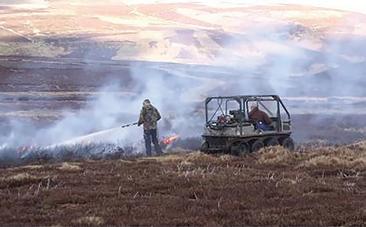
Bespoke fire fogging units help fight suppression
Bespoke fire fogging unitsBuilt by PWS and engineered to deliver precise, reliable, and highly effective fire suppression solutions. Designed around real-world risks rather than offthe-shelf assumptions, each unit is tailored to the specific operational needs of the client to control wild fires.
PWS’s bespoke approach is the ability to build fire fogging units directly onto all-terrain vehicles (ATVs). These mobile systems are designed for rapid response in challenging terrain where fixed infrastructure or standard fire appliances cannot operate effectively. Mounted seamlessly onto ATVs, the units maintain vehicle stability, manoeuvrability,
and payload balance while delivering immediate fire suppression capability in remote, off-road, or industrial locations. making them highly effective for the control of wildfires in forests, grassland, moorland, and rural areas. ATV-mounted units allow operators to reach fire fronts quickly, establish fire breaks, and suppress spot fires before they escalate.
Every ATV-mounted unit is custom-engineered following a detailed assessment of terrain, fire risk, and operational requirements. Tank capacity, pump performance, nozzle configuration, controls, and mounting frames are all adapted to ensure carefully controlled pressures to rapidly cool flames,
Bespoke fire fogging units from PWS provide a modern, efficient, and targeted approach to fire protection.
For more information or to discuss your specific requirements don’t hesitate to get in touch –enquiries@pws-ltd.co.uk or call - 01674 840412
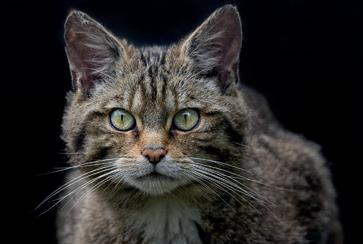
A fair co-existence between wildcats and land management
Written by Ross MacLeod, Head of Policy (Scotland)
In ‘A Question of Balance’ edited by the Trust’s Dr Stephen Tapper in 1999, a section on the wildcat comments on past persecution but speculates whether the effect of protection under the Wildlife and Countryside Act may simply have alienated gamekeepers and increased resentment of conservation activities.
The section goes on to note that, ironically, the species tended to be more numerous within its current range in the Eastern Highlands of Scotland where game interests are high. It also describes contemporary issues around disease transmission between
domestic cats and wildcats, hybridisation, poor habitat quality of commercial forests, and separation of the current population from further areas of potential range expansion.
displace oxygen at the fire source, also preventing re-ignition.
Credit: Saving Wildcats
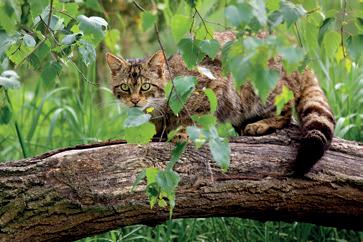
Whatever the reasons for the further decline in wildcat numbers since the turn of the century, the International Union for Conservation of Nature (IUCN) reported in 2019 that there was no longer a viable population living wild in Scotland, with extinction highly likely without carefully planned releases. This led to the establishment of the Saving Wildcats recovery partnership project in 2020, run by the Royal Zoological Society of Scotland.
Initial wildcat releases took place in the Strathspey area during 2023. Since then, further releases have continued and the first wild-born wildcat kittens have been recorded. The released cats are tracked using GPS-radio collars.
The programme experienced initial complications, with some released wildcats finding their way into domestic poultry runs and gamebird release pens. These predation impacts affected communication with land managers fostered in advance of the releases, and in at least one case, led to the abandonment of a syndicate shoot. Whilst the predation impacts do not appear to have been as significant over the last year, they highlight the need to pay close attention to human-species conflict resolution.
Later this year, the Game & Wildlife Conservation Trust will therefore be working with the partnership project to develop fair co-existence between wildcats and people. GWCT will liaise with estates and practitioners in the wildcat release area to facilitate tracking and develop best practice guidance to mitigate gamebird impacts. The Trust also aims to build evidence recording to support licensing needs, engaging with key partners, communities and government agencies. The project will also monitor for impacts on other species such as waders, grouse and capercaillie. Throughout the initiative, our aim is to ensure that the benefits deriving from game management balance sustainable, economic land use with wider biodiversity objectives.
In this together
The Gamekeepers Welfare Trust has been busy recently showcasing a new documentary around various regions of the country. The film, titled ‘In This Together’ addresses the very difficult subject of suicide in Rural communities and features testimonies from relatives who not only discuss their great personal loss but also the wider impact on their family and the potential upheaval of having to leave their tied accommodation.
According to the Office for National Statistics, one agricultural worker dies by suicide every week in the UK, a rate that places the sector among the highestrisk occupational groups in the country. The isolation inherent to rural professions and to gamekeeping in particular is a key driver for such high rates.
The film also highlights the practical support available, including GWT’s own free
and confidential services.
Donna, a registered mental health nurse and therapist who has worked alongside the charity for several years, addresses concerns within the gamekeeper community that seeking help might put livelihoods at risk.
“I know worries about opening up about mental health and seeking help can lead to fears of loss of livelihood and way of life,” she said. “This is something that is handled with understanding and sensitivity. Many of the
keepers and land workers I have worked with have later shared that having the chance to speak with a mental health nurse or therapist has made a profound difference in their lives.
“Even those who were most hesitant about opening up have found the experience invaluable – they’ve felt supported, experienced personal growth and felt grateful for the opportunity to access help and support. Overall, people have found it has been a positive experience and not at all the one they had feared.”
Once the ‘In This Together’ documentary has toured several locations around the country it will be available for all to view on the Fieldsports TV Chanel and YouTube.
Founded in 1992, the GWT supports gamekeepers, stalkers, ghillies and their dependants, both past and present, across health, finance, housing and employment.
The Charity can be reached by phone on 01677 470180, by email at enquiries@thegamekeeperswelfaretrust.com, or by text to 07749 896060
BASC’s Four Seasons Campaign: Demonstrating the Year-Round Value of Sustainable Shooting
By Peter Clark, Scotland Director British Association for Shooting and Conservation
At BASC, we know that shooting is about far more than a day in the field. Across Scotland and the United Kingdom, our members, syndicates and shoots work throughout the year to create habitats, manage wildlife, support biodiversity and contribute to thriving rural communities.
That is why we launched the Four Seasons campaign, an initiative designed to showcase the year-round value that sustainable shooting delivers for people, wildlife and the environment. The campaign follows the natural rhythm of the countryside through spring, summer, autumn and winter, highlighting the practical conservation work carried out by the shooting community in every
season. From restoring habitats and monitoring wildlife populations to producing sustainable wild food and supporting rural economies, the Four Seasons campaign demonstrates that shooting’s contribution extends far beyond the shooting season itself.
Land managers, farmers and gamekeepers plant cover crops, a natural sanctuary and foraging source for birds. These ‘conservation corridors’ provide plenty of cover during the late winter months and food from the seeds of the crops throughout the year. Songbirds thrive in these otherwise unassuming field fringes, making this habitat a conservation measure assisting to halt the decline of bird species.
While the Four Seasons campaign celebrates the people and projects making a difference on the ground, it is also underpinned by robust evidence.
In 2024, BASC published its Natural Capital Benefits of Shooting Report, and the Four Seasons campaign builds on this report’s findings. The report assessed the environmental and societal benefits generated by shooting-related activities across the UK and found that shooting delivers more than £1.1 billion in natural capital benefits every year.
The report identified four key areas of benefit:
• Carbon sequestration: £382 million
• Recreation: £608 million
• Public health savings: £64 million
• Food and forestry benefits: £100 million
Together, these findings demonstrate that shooting is not simply a recreational activity; it is a significant contributor to environmental management, public wellbeing and sustainable land use.
Starting with Spring, the season of renewal. Across the country, shoots and conservation volunteers focus on habitat management, predator control, woodland enhancement and species recovery projects.
BASC’s wider research has shown that shootingrelated conservation and habitat management takes place across approximately 7.6 million hectares of land in the UK, demonstrating the scale of stewardship undertaken by the shooting community.
The Natural Capital Report also highlighted the significant carbon value generated through the creation and management of woodlands, wetlands and saltmarsh habitats, as well as through deer and grey squirrel management. These activities contribute an estimated £382 million annually in carbon sequestration benefits.
During summer, many shoots focus on maintaining habitats that support biodiversity throughout the year, including pest control. Hedgerows, game cover crops,
wetlands and woodland margins provide food, shelter and nesting opportunities for a wide range of species. Pheasant poults are transferred from the rearing pens to release pens, usually situated in woodland, sometimes on the woodland edge. They provide a secure environment within which the young birds can acclimatise to their new habitat.
This work contributes to healthier ecosystems while supporting national nature recovery ambitions. BASC’s research on nature recovery goals highlights how practices such as hedgerow restoration, habitat creation and woodland management can benefit birds, insects and mammals across farmed landscapes.
Moving through the seasons, autumn represents the most visible connection between shooting, food production and rural economies. More than £44 million worth of sustainably harvested wild game entering the food chain, alongside significant benefits from managing species that can cause agricultural and forestry damage.
Wild game remains one of the most sustainable, low-carbon and nutritious sources of protein available in the UK. Through the Four Seasons campaign, BASC is helping to promote greater understanding of the journey from field to fork and the role sustainable harvesting plays in modern countryside management.
Winter is often viewed as the end of the shooting season, but for many land managers it marks the beginning of the next cycle of conservation work. Habitat improvements,
woodland management, monitoring programmes and planning for future projects all continue throughout the colder months. The work undertaken during winter lays the foundations for the environmental benefits delivered in the seasons ahead.
Importantly, the Natural Capital Report found that recreational participation associated with shooting generates more than £600 million of value annually, with over three million days of activity taking place across rural Britain. These activities support not only participants but also local communities, businesses and the wider rural economy.
Once the shooting season is over, and we enter the new year, continual bird feeding by shoot managers remains of paramount importance, as a dearth of food in harsh winter conditions has been identified as a contributor to the national declines in numbers of some farmland birds, such as corn bunting, linnet and goldfinch. Work begins on preparing for the subsequent shooting season, many continuing on despite the perils of the prevailing economic climate.
Contrary to expectation, the hard work of maintaining a shoot does not simply cease when the season draws to a close. The Four Seasons campaign is ultimately about demonstrating that shooting is a year-round conservation activity.
Through the Four Seasons campaign, BASC is ensuring that this contribution is recognised, celebrated and understood, not just during the shooting season, but every day of the year.
Firearms Licensing Performance in Scotland – a Joint Effort
By Superintendent Caine McIntyre Head of Firearms Licensing, Police Scotland
The recent publication of our annual statistical product has me reflecting on firearms licensing performance in Scotland and my regular contact with our certificate holders where it is clear that shooting remains an integral part of Scotland’s heritage, rural economy, and conservation efforts. Whether it is stalking, target shooting or pest control, the community we support is as diverse as the landscape itself. As Head of Firearms Licensing for Police Scotland, my priority is always public safety and the robust regulation required by law however it is not lost on me the importance of delivering a quality service that is efficient, transparent, and supportive of law-abiding certificate holders. We have recently published the Firearms and Explosives Licensing Annual Statistical and User Satisfaction Publication 2025/2026. This report is more than just a collection of numbers; it is a testament to the dedication of our enquiry officers and administration teams across Scotland and, importantly, a roadmap for how we can work together with the shooting community to improve even further.
To understand the work of our licensing teams it is important to consider the sheer scale of the operation. As of 31
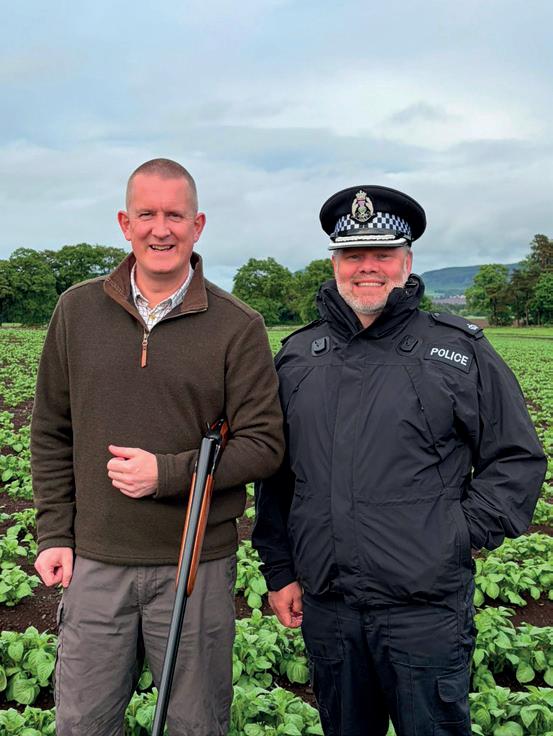
Stuart Allan, Shotgun Certificate Holder, Perthshire with Superintendent Caine McIntyre, Head of Firearms Licensing for Police Scotland
March 2026, there were 24,656 firearm certificates, 41,877 shotgun certificates, and 32,045 air weapon certificates on issue in Scotland. On top of this the team deal with thousands of visitor permits, variations, gun transfer notifications and calls and emails to the department annually.
When you look behind those certificates, the numbers are even more striking. Our teams manage the records for over 300,000 individual guns across Scotland and 65,000 individual certificate holders. This requires a meticulous level of administrative precision and a constant focus on public safety. On average, over the last five years, these numbers have remained consistent, demonstrating the enduring nature of the shooting community in Scotland.
I am particularly proud of our performance regarding renewal enquiries. Our goal is always to ensure that legitimate shooters are not left in limbo due to administrative delays. In the last year, 98.2% of renewals were concluded before the existing certificate expired. This level of consistency is UK-leading and highlights the dedication of our staff who understand that your certificate is often vital to your livelihood. Only one temporary permit had to be issued in the past 12 months at renewal stage and this was due to a delay with provision of a medical report.
Statistics only tell half the story; the human element is found in our User Satisfaction Survey. I was heartened to see that 76% of respondents expressed overall satisfaction with the application process, and a significant 82% felt that
the officers and staff they dealt with were knowledgeable and professional.
Hearing that 74% found it easy to contact our team and 78% found the forms easy to fill in suggests we are moving in the right direction. However, we are not complacent. We know that 12% of users expressed dissatisfaction, and we are listening closely to that feedback—particularly regarding the speed of the service and the desire for more modern, digital solutions such as online applications.
While our renewal rates remain excellent there can, at times, be a challenge in the processing of new applications. This year, 83.5% were concluded within the agreed 16 weeks service level agreement. While still amongst the best performing across the UK however we recognise there are opportunities to improve this.
This is where the partnership effort becomes crucial. To maintain and improve these figures, we need your help. Licensing is a two-way street; the more accurate and timely the information we receive, the faster we can process it.
To ensure the system moves as smoothly as possible, I urge all certificate holders to adopt the following best practice approach:
Be Digital: One of the most common pieces of feedback we receive is the desire for online services. While we work on a fully online application system, please remember that you can already pay your fees online and submit your applications via email. Digital submissions are faster to process than paper mail and reduce the risk of documents being lost or delayed.
Be Accurate: The primary reason for delays in the licensing process is incomplete or incorrectly filled forms. If a single section is missed, our staff have no choice but to send the application back to you. Please double-check every box, ensure your referees are contactable, and that your land authority or club memberships are up to date.
Be Timely: For renewals, please do not wait until the last minute. Submitting your application swiftly, seeking your GP report as soon as you receive your renewal reminder letter and engaging fully with our Firearms Enquiry Officers (FEOs) provides more flexibility to schedule visits and conduct the necessary checks without the pressure of an imminent expiry
date and risk of having to store your guns elsewhere.
The licensing system in Scotland is designed to protect the public while facilitating lawful shooting activities. Our staff are not just administrators; many are part of the rural community themselves and all understand the importance your certificate holds.
We have a high-performing system in Scotland, but it relies on mutual respect and cooperation. By ensuring your applications are right first time and utilising our digital payment and submission options, you help us clear the path for everyone.
Thank you for your continued commitment to safety and for working with us to keep Scotland’s firearms licensing service the envy of the United Kingdom.
The Importance of BASC Women in Shooting
By Peter Clark, Scotland Director British Association for Shooting and Conservation
Shooting has long been a valued part of Britain’s countryside heritage, bringing together people from all walks of life through a shared appreciation of conservation, fieldcraft and responsible firearms use.
At BASC, we believe that the future of shooting depends on ensuring that everyone feels welcome, supported and able to participate. That is why our
Women in Shooting initiative remains such an important part of our work.
While female participation in shooting continues to grow, women remain significantly underrepresented across the sector. According to Home Office statistics highlighted by BASC, women account for just six per cent of shotgun and firearm certificate holders in England and
Wales. This demonstrates both the progress that has been made and the significant opportunity that still exists to encourage more women into shooting and fieldsports.
The BASC Women in Shooting initiative was established to address this challenge by creating welcoming pathways into shooting for women of all ages and backgrounds.
Whether someone is interested in clay shooting, wildfowling, game shooting, deer stalking or pest control, the initiative provides opportunities to develop skills, build confidence and become part of a supportive community.
The impact of this work is already being seen. In 2025, women and girls accounted for a record 7.5 per cent of BASC’s total membership, the highest
proportion of female members in the organisation’s history. Whilst it is good progress and we’ve come a long way, this percentage continues to grow.
Events remain at the heart of the initiative. Across the UK, BASC Women in Shooting days provide safe, friendly and supportive environments where newcomers can learn alongside experienced participants. From introductory clay shooting sessions to rifle training days, simulated game shoots and networking events, these opportunities help break down barriers that may otherwise prevent women from becoming involved. BASC’s programme has welcomed record numbers of participants, demonstrating a growing appetite among women to engage with shooting and
countryside activities. BASC hosts a range of days from an introduction to deer stalking day to a simulated clay shoot day at Findrack near Banchory, which cater for all interests and abilities.
Representation is equally important. When women see others actively participating, leading shoots, competing internationally, mentoring newcomers and holding senior positions within organisations, it sends a powerful message that shooting is a sport and lifestyle open to everyone. As BASC Vice Chair Claire Sadler has noted, greater visibility and relatability are helping to challenge perceptions that shooting is solely a male-dominated activity.
The initiative is also helping to strengthen the future of shooting itself. More women
are becoming involved not only as participants but also as conservationists, gamekeepers, coaches, competitors and ambassadors for sustainable shooting. Their contributions are helping to preserve rural traditions while ensuring that shooting continues to evolve and remain relevant to future generations. BASC’s scholarship, sponsorship and outreach programmes increasingly support female talent, recognising the vital role women will play in shaping the future of the countryside sector.
Importantly, Women in Shooting is about removing barriers, building confidence and ensuring that opportunities are accessible to everyone. By providing support, education and encouragement, BASC is helping more women discover
the enjoyment, challenge and camaraderie that shooting can offer.
There has been significant progress in recent years, but there is still considerable untapped potential. With women currently representing only a small proportion of certificate holders nationwide, there remains a tremendous opportunity to broaden participation and strengthen the future of shooting. Through the Women in Shooting initiative, BASC is committed to ensuring that more women have the confidence, knowledge and support needed to take their place within our fieldsports community. By investing in women today, we are helping to secure a stronger, more diverse and more sustainable future for shooting tomorrow.
GUNDOGS
Gundogs and training
Pursuing perfection, or happy with what you get
By Stuart Dunn Chairperson, Caledonian Retriever Club
Training a gundog can be a long time consuming process, full of highs and lows along the way, so when deciding on what gundog breed you desire, its worth seriously considering what you want to achieve when training is complete, we all set out hoping for perfection but sometimes reality isn’t the same!
Is it a competition dog you would like to end up with to
take part in working tests or field trials or would the owner/ handler be more than satisfied with a competent shooting or picking up dog.
Either way, the initial training plan early days is basically the same, prerequisites for all gundog, competition, or working, is that they must be steady, biddable, quiet, under control at all times, and be able
to find its quarry when asked to do so. The training plan for your new “best friend” early on should include simple uncomplicated training tasks, designed to be achievable, and inline with the dogs mental and physical capabilities. Young dogs should only be trained for short periods at a time; this will allow the dog to hopefully absorb what you’re trying to teach it and not impose undue stress on its developing mind.
For too many handlers, and owners expect their dogs to
somehow go to a few training classes or be taken out for half an hour now and then, can magically end up with a “trained” gundog. It takes a lot of patience, dedication and ability to train a good gundog. So, before you commit to a “pup” of whatever breed think long and hard on what lies in front of you.
Training a gundog can be a hugely rewarding “adventure” when it works out!! Hence proper advice is essential before starting out. Young dogs need to be socialised so that they are
comfortable around other dogs, people, livestock etc, this part of the “training plan” is easy for most handlers and can be incorporated as part of the pups “homelife” as much as anything else. As the dog becomes older it must be introduced carefully around livestock to ensure adequate control and calmness is in place.
As the pup grows up, and naturally matures, walking on a lead at heel is a great way to start to install basic control on your dog, its also great at starting to build confidence in the dog, and help mentally expand its mind to a whole new world that surrounds it.
Teaching a dog to walk to heel on a lead, can prove with some dogs, to be harder than you may think. In days gone past a basic lead was primarily the only “tool” used for teaching dogs to walk to heel, but nowadays the introduction of harnesses, “specialised” heel walking leads and the like are available which may or may not benefit individual dogs, but keep an open mind, and try various aids, or options if your preferred method is struggling to work for you or the dog.
For as basic as it sounds training your dog to walk to “heel” is an important ability for general shooting/picking up dogs or full on competition dogs, a dog that can’t walk to heal on a shooting day, and is constantly “barked” at by its owner to come back in, can be more than annoying for all concerned, and if it can’t do it on a competition day you will seriously marked down on your score, at worst disqualified from the event.
Like most training programmes weather its designed for humans or dogs, the initial secret for success is to keep it simple.
Simple will lead to success, success will lead to confidence building, and a happy dog. Dogs that are confident, bonded and in tune with their handler, and not fearing failure will generally make better decisions on the field when the pressure is on, than dogs that are fearing the consequences should mistakes be made!
As your dog progresses through its “training plan” to more difficult and complicated work, gaining success will always be built on the animals’ “basic” abilities of walking to heel, patience, stopping to whistle, taking directional commands, they must be “installed” by careful encouragement, repetition, and most importantly “reward”.
Too many handlers I’ve seen at training days are happy to give the dog an angry look, or unhappy growl when exercises or training goes wrong, but time after time too many people don’t “reward the dog” when training goes right when the dog achieves success.
Reward can be given in many ways, some handlers train using treats (not my preferred method) I prefer to try and connect with the dog and get it on “ your side” by tickling its ear, or its head or chest, but not overdoing it, but enough to let it know that what its just done is “good news” and a simple touch or tickle is enough to encourage more of the same! A dog that doesn’t “fear” you will have no problem wanting
to please you more and will be a much happier dog, something we should all strive to achieve.
Once the dog is competent with the basic obedience work, moving onto more serious, longer, and more complicated work, can start as touched on earlier, time and patience, is a must when training a gundog.
Training can sometimes be a huge chore, especially when it doesn’t go to plan, but the rewards far outweigh the negative aspects, the elation of getting your dog to retrieve a bird 200 yards away on a shoot day, or win its first competition will create memories within you, that will last a lifetime, and will be well worth the effort.
So, try to create a training plan based on what you would like to end up achieving, stick to it as best you can, but be prepared for things going wrong, seek advice from sound
experienced handlers or trainers, and allow adequate time for you and the dog to learn together. It’s not a race, and missing out on basic training, may come back to haunt you in years to come.
Accessing good training, help, and know how can sometimes prove difficult, but across Scotland, gundog clubs like the Caledonian Retriever Club, can offer help and advice on how to achieve your goal. So, feel free to contact us any time.
Good luck!!
Yet again Scottish gundogs are at the forefront of the competition circuit with the Scotland team winning the Skinners World Cup event held in May, that coupled to a Scottish dog winning the I.G.L. Championship as well. Scottish gundogs are leading the way!!
Congratulations to the team from all at Caledonian Retriever Club.
Bring Back Blue
International conservation partnership launches effort to return the Vietnam Pheasant to the wild
For over twenty years, the forests of central Vietnam have been missing one of their most remarkable inhabitants. The Vietnam Pheasant, once native to the dense, humid lowland forests of the region, has not been reliably recorded in the wild for decades. Among its most striking characteristics is the male’s deep dark blue plumage with a subtle metallic sheen, which, together with its vivid red facial skin, gives the species a particularly elegant appearance. Its decline is the result of multiple pressures over time, including extensive habitat loss, agricultural expansion,
illegal hunting, and the lasting ecological impacts of the Vietnam War, during which large areas of forest in its distribution range were severely degraded. As these pressures continued, the species gradually faded from its natural habitat – until it was eventually feared to be lost.
An international alliance of conservation organisations, zoological institutions, and Vietnamese partners has come together with a shared goal: to return the Vietnam Pheasant to the forests where it once lived. The project represents one of the few global efforts to reintroduce
a species that is likely extinct in the wild, making it both an ambitious and deeply symbolic undertaking.
The survival of the Vietnam Pheasant into the present day is, in itself, a remarkable story. In the early 20th century, a small number of birds were brought from Vietnam to Europe. This tiny founder population became the basis of a carefully managed conservation effort across zoological institutions and private breeders. Over decades, through coordinated breeding programmes and international collaboration, the population
grew and was maintained as a genetically viable assurance population.
Now, for the first time, that population is being used to support a return to the wild. This week, a group of 20 pheasants selected from European breeding programmes will be transported from Berlin to Vietnam. Each individual has been carefully chosen based on genetic diversity, health, and behavioural characteristics, ensuring that the foundation of the future population is as strong as possible. The transfer itself marks a major milestone, but it is
only the beginning of a long and carefully staged process. The selected pheasants will be transported from Germany to Vietnam by cargo aircraft in specially designed transport crates that ensure safety, ventilation, and minimal stress throughout the journey. The transfer will be accompanied by experienced experts, who will monitor the birds continuously and ensure their well-being at every stage of the transport process.
Following their arrival, the birds will undergo a period of acclimatisation and observation under professional care. The immediate goal is not release, but stability: to allow the pheasants to adjust to local climatic conditions, to form breeding pairs, and to establish new, locally born, parentreared generations. Only once this foundation is secure will further steps towards release be considered.
This approach reflects the complexity of the challenge. Reintroducing a species that may no longer exist in the wild requires more than simply returning animals to their former habitat. It requires functioning ecosystems, long-term protection, and the support of local communities.
In central Vietnam, these conditions are being developed in parallel. Within the historical range of the species, protected forest areas are being prepared
as potential future release sites. Conservation teams are working on the ground to safeguard these habitats, monitor biodiversity, and reduce ongoing threats such as illegal hunting.
A central role in this effort is played by the Rare Pheasants Breeding Centre, operated by the local NGO Viet Nature Conservation Centre. As the first facility of its kind in Vietnam dedicated specifically to this species, the centre combines conservation breeding with research and environmental education, while also engaging local communities in protecting their natural heritage. “For Vietnam, the recovery of the Vietnam Pheasant is more than the return of a single species,” said Pham Tuan Anh, director of Viet Nature. “It represents our pride and responsibility in protecting our natural heritage. This project shows how conservation practitioners, scientists, local communities and authorities can come together to rebuild what has been lost.”
The initiative is supported by a wide network of partners, bringing together expertise in breeding management, veterinary science, habitat conservation, and long-term monitoring. Within this collaborative framework, the European Ex-situ Programme (EEP) plays a key role in ensuring the genetic health and long-term viability of the population.
“The coordinated management of the European population has been essential in preparing for this moment,” said Veronika Zahradníčková, the EEP Coordinator at Prague Zoo. “Through careful breeding and long-term genetic planning, we have been able to maintain a healthy and viable population. Contributing individuals to this reintroduction is a significant milestone and an important step towards restoring the species in its natural habitat.”
Building on this foundation of international cooperation, partner zoos have worked
SHOOTING SCOTLAND
closely over many years to secure the survival of the species under human care and to enable its future return to the wild.
“This project is the result of decades of international cooperation,” said Dr Andreas Knieriem, Director of Zoo and Tierpark Berlin. “The Vietnam Pheasant has survived because of coordinated conservation breeding, and now we have the opportunity
to take the next step: returning it to the wild where it belongs.”
“At Vinpearl Safari Phú Quốc, we see our role as building a strong regional hub for the Vietnam Pheasant. One that complements international efforts while ensuring the population is managed sustainably within its native range in central Vietnam. By establishing an additional secure breeding centre in Vietnam, we reduce risk, strengthen resilience, and create the conditions needed for a
successful long-term recovery of this species in the wild,” said Lưu Chí Hiếu, General Manager of Vinpearl Safari Phú Quốc. The importance of long-term commitment is also emphasized by global conservation partners working beyond Europe. “The World Pheasant Association (WPA) is committed to long term collaboration in one of the most challenging but innovative conservation projects in recent years. WPA first sent four pairs of
this species to Hanoi Zoo in 1994 and it has taken many years of determined negotiation to reach today’s momentous export. The Vietnam Pheasant is one of just a handful of bird species now reliant on a captive population for its survival, and WPA is determined to redirect its fortunes by re-creation of a wild population. The strong leadership provided by the Vietnam authorities and the multinational Recovery Team encourage us to believe in the potential for success. One step at a time, in which the return of 20 birds from Germany by “Bring Back Blue” is critical.”
Jo Gregson, Chair World Pheasant Association
Several partners across different countries are contributing specialised expertise to different aspects of the project. One important focus is the longterm monitoring of the birds after their eventual release into the wild. “When reintroducing
a species it’s really important to know how well they are able to survive in the wild, so post-release monitoring is vital. That’s where radio telemetry transmitters come in as they allow birds to be safely followed in the wild without disturbing them. We have been carrying out trials to work out the best attachment method that will work with the pheasants so that they can be used to track the movements and health of the released birds,” said Dr Leah Williams, Lead Conservation Scientist at Chester Zoo.
The return of the Vietnam pheasant represents a rare opportunity to reverse a loss that once seemed final. It highlights the role that long-term conservation breeding can play in safeguarding species, and it demonstrates the importance of international collaboration in addressing global biodiversity challenges.
The Game & Wildlife Conservation Trust (GWCT)
and country clothing brand Schöffel Country are thrilled to announce the 28 finalists for the 2026
Schöffel Countryside Awards
A celebration of private land managers, farms and partnerships whose dedication to wildlife management and conservation is helping to improve the health of the British countryside, the awards are returning for a second year following the success of last year’s inaugural event.
The Schöffel Countryside Awards celebrate those delivering working conservation – practical, onthe-ground action that proves wildlife recovery and food production can go hand in hand.
More than 70 nominations were received from which 28 finalists have been shortlisted across six categories. These countryside heroes include individuals, farms and estates from across England, Scotland, Wales and Northern Ireland.
The ceremony will again be hosted by Coutts Landed Estates in London in November.
Megan Lock, judge and senior farm environment advisor for GWCT, says: “Following on from the successful launch of the Schöffel Countryside Awards, in partnership with GWCT, in 2025, I am excited to act as a judge again.
“I am looking forward to meeting these finalists, who have all been nominated for delivering huge benefits for wildlife on
private land, both independently and collaboratively; to hear of innovations in conservation; meet young passionate rising stars and to hear about the fantastic work that has been done to improve wetlands and water courses. So much work like this goes under the radar and these awards showcase those who are quietly striving to make nature thrive.”
Cultural importance of the British rural landscape
Adrian Thornton-Berry, farmer from North Yorkshire and founding member of Swaledale and Wensleydale Environmental Farmers Group (SWEF), which has been shortlisted in the FarmEnvironment Partnership category, says: “I was genuinely surprised and very proud to learn that SWEF had been nominated for the Schöffel Countryside Awards.
“Supporting SWEF is something I care passionately about because it represents the living heritage of the Yorkshire Dales, from native sheep breeds and traditional farming on the hills and in the valleys, to the iconic drystone walls that help make these landscapes such important havens for wildlife and biodiversity.
“By seeking other funding for upland farming families who are threatened following removal of government support, SWEF
aims to conserve the generational knowledge essential to enhance biodiversity and ensure these managed landscapes remain productive, environmentally resilient and culturally significant for the future.”
The 2026 judging panel has been boosted by two of the winners from the inaugural 2025 Schöffel Countryside Awards – Rupert Brewer, game and wildlife manager of the Bisterne estate, who won the Working Conservationist category and the Wetland and Watercourse category with his team, and Tom Hilder, senior naturebased solutions officer for the Hampshire & Isle of Wight Wildlife Trust, who won the Rising Star category.
Also joining the panel of judges this year are Paul Coulson, Alison Baker and Richard Negus.
The judges, who are made up of GWCT ecologists and advisors and external experts in relevant fields, will visit each finalist to see their conservation work in action before the full panel cast their votes later this year.
Finalists in each award category:
The Nature-Friendly Farm/ Estate Award – sponsored by Oakbank
This category celebrates farms, tenant farms or estates that have excelled in implementing practices that promote biodiversity and species recovery.
• Wyken Estate, Suffolk
• Godminster Farm, Somerset
• EJ Barker & Sons, Suffolk
• Boughton Estate, Northamptonshire
• Bulwick Estates, Northamptonshire
• Llwyn Y Brain Farm, Powys, Wales
• Castletown Estate and Farm, Cumbria
• Racecourse Farm, Staffordshire
• Rottal Estate, Angus, Scotland
• The Grange and Moat Farm, Northamptonshire
The Innovation in Conservation Award – sponsored by B-hive Innovations
This category champions individuals or groups who have developed innovative solutions, technologies or methods that advance conservation and the natural environment.
• John Chantry – Project Laxford and Watershed Connections, Perthshire, Scotland
• Stuart Evans, North Yorkshire
• Siva Sunder Subramanian, Gloucestershire
• Ben Harrower – BH Wildlife Consultancy, Edinburgh
The Farm Environment Partnership Award
This category recognises farms that have formed successful partnerships with others, showcasing the positive outcomes of collaboration.
• Swaledale and Wensleydale Environmental Farmers (SWEF) group, North Yorkshire
• Manhood Peninsular Farmers Cluster Group, West Sussex
• Llwyn Y Brain Farm, Powys, Wales
The Wetland & Watercourse Conservation Award –sponsored by The Atlantic Salmon Trust
This category focuses on efforts and achievements in creating and restoring wetland habitats and watercourses to the benefit of biodiversity and ecosystems.
• Lough Erne Wildfowlers’ Council Breeding Wader Project, County Fermanagh, Northern Ireland
• River Stiffkey, Norfolk
• George Cornelius, Northamptonshire
• Coggeshall Hall Farm, Essex
The Rising Star Award –sponsored by Pressendye
This category shines a light on young individuals who are demonstrating an outstanding approach to conservation.
• Tom Ewin, Suffolk/Norfolk border
• Maaike Vrancken, Edinburgh, Scotland
• George Larcombe, Dorset
• George Parish, Shropshire
The Working Conservationist Award
This category celebrates an individual who has dedicated much of their life to the conservation of flora and fauna in the British countryside.
• David Allison, Grosvenor Reay Forest Estate, Sutherland, Scotland
• Patrick Barker, Westhorpe, Suffolk
• Graham Denny – Brewery Farm, Suffolk
• James Allsop – Barlow, Derbyshire
Tree targets need to be met
By Kenneth Stephen, The Scottish Gamekeepers Association
SGA Chairman Alex Hogg, in his recent column in Scottish Gamekeeper magazine, spoke of his wish for the new Parliament to bring increased scrutiny to large, funded, tree planting schemes.
His tone was not of someone against trees, after all, he’s planted thousands himself.
His primary concern was for wildlife and, if you read some of the latest research, it seems he has a point.
A 2026 paper in the Journal of Applied Ecology studied the impact of tree planting on grassland breeding waders.
Conifer plantations close to wader habitat are widely known to negatively impact conservation listed wading birds but the new study also looked at broadleaved woodlands.
What it concluded was a minimum buffer zone of 500m should surround new plantations, adding ‘fields selected for wader AES management should be in open areas, much further from the woodland edge than the current policy recommendations.”
Is this the sort of thing that is being looked at, closely enough, by a Parliament fixated on ecological restoration and climate mitigation?
Trees are a key battleground when it comes to these twin objectives.
But at what cost and who, if anyone is really asking difficult questions?
‘Right tree in the right place’ seemed to be the mantra of the old Parliament; a statement used to justify large schemes and the continuous drive to new woodland.
However, proper scrutiny of individual schemes can get lost and, rather than politicians or committees providing oversight or demanding accountability, most of the challenges to unpopular schemes thus far have come from local communities who value special habitats.
As SGA Chairman Alex Hogg says, this has to change.
A recent article in the Guardian revealed that commercial woodland has become a favoured route for wealthy landowners to avoid Inheritance Tax; inflating land prices at the same time.
While that may be viewed as good tax planning, it has little to do with protecting wildlife on the edge; wildlife which relies on favoured but diminishing open habitats.
In the new Parliament, the SGA will be asking MSPs to pose more questions.
Are we always taking the right decisions when we approve large planting schemes, supported by tax payers’ money? Are we really looking at all the impacts?
Remember, it is also a Government target to restore endangered species. The two aims can often work at crosspurposes, if the scrutiny isn’t there.
Back in 2015, we explored the loss of moorland habitats,
arguing the need for this signature landscape type to be considered more fully in a policy sense.
Virtually all habitats in Scotland carry a level of protection. However, moorland seems to be undervalued, underappreciated, perhaps because you can see a lot of it in certain locations.
For all it offers and supports, politicians of all hues seem to have taken a largely hands-off approach to it. As a result, it has become fair game for developments, tree planting schemes, energy and the expansion of leisure.
Meanwhile, we are losing iconic upland species faster than we should but still we stand aghast and wonder why. It doesn’t take too much head scratching to find out.
SGA Chairman Alex Hogg witnessed the consequences of this, himself, at West Loch in the Borders.
He recalls an area replete with wading birds and black grouse. He then watched tractors go over it for three months, mounding the ground for subsidised Sitka Spruce planting.
Every black grouse was gone. It was sold for £2.8m then sold again, five years later, for £12m.
Targets need to be met, of course. However, we need to be more mindful of all we could lose If we clatter along blindly. Considering this more deeply would be a good use of Parliamentary time.
Linda Mellor’s COUNTRYSIDE CHRONICLE
The Cost of Belonging
by Linda Mellor
Linda Mellor is a writer, photographer and podcaster with a lifelong connection to Scotland’s countryside and country sports. She hosts the Countryside Chronicle podcast and interviews for the Gamekeepers Welfare Trust podcast. Linda is also the author of That’ll Do, For the Love of Country Sports and Women and the Wild (available on Amazon worldwide).
There are few finer moments in the Highland year. The hills are green, the bog cotton is moving in the breeze, the hinds are calving and the stags, still in velvet, are shedding their thick winter coats and growing a richer red jacket of summer.
And yet, into that scene popped the realities of modern country life: renewing a firearms certificate. It is not that the process was ever entirely straightforward, but many certificate holders feel it has become increasingly involved in recent years. The forms seem longer, the requirements more detailed, and the medical information now required as part of the process comes with its own price tag. Taken together, the level of cost and administration would feel unfamiliar to many who first entered country sports several decades ago.
Even now, the inconsistency is remarkable. One person pays a relatively modest fee for the medical information required by the licensing process, while another, registered with a different GP practice, pays considerably more for essentially the same requirement. It was enough to make me stop and think about how many other rising costs had quietly attached themselves to participation over the years.
Memberships, insurance, cartridges and bullets, dog food, fuel, travel, accommodation, boots, outdoor clothing, vet bills, training days, syndicate fees; the list grows longer every season. None of
it is especially shocking when taken one item at a time. But add it together and the cost of taking part in country sports has become something larger than many people like to admit.
My late father was a mechanic and an enthusiastic gundog, horse and shooting man. My childhood was spent outdoors: around ponies, on shoot days, and travelling around Scotland to gundog tests. What I remember most vividly was not any single event but the texture of it all: the people, the variety of them. Farmers, local doctors, lawyers, business owners and tradesmen all found common ground through dogs, shooting and a shared love of the countryside. A newcomer was introduced through a friend, a neighbour or a family member. Country sports felt woven into the fabric of rural life rather than separate from it.
Country sports always felt less transactional, less processed and more human. I remember people proudly wearing a WAGBI badge on their Barbour jacket, back before everyone quietly acknowledged how impractical waxed cotton actually was, the badge almost a symbol of belonging in itself. Opportunities emerged through people rather than processes. Someone helped on a shoot, met a keeper at a gundog test, was invited to the next shoot and gradually became part of something larger than themselves.
When people discuss the future of country sports, the conversation frequently centres
on encouraging newcomers and attracting younger participants. Scotland will continue to need deer managers, stalkers, gamekeepers and ghillies, and in many respects the sector is better placed than ever to receive them. Standards of deer management have improved enormously, training opportunities are more widely available, and
knowledge of conservation, habitat management and sustainable deer populations has advanced significantly. Scotland’s deer sector today is more professional, accountable and informed than at any point in its history.
Yet the pathways that once introduced ordinary people to these pursuits are quietly shifting.
Lawrie Robertson, winner of a gundog test, circa 1980s
Linda Mellor
Land use and ownership are changing, estates are adapting to different priorities and different economic pressures, and while opportunities remain, whether through seasonal work, beating, stalking or community initiatives, there is a growing sense that some of the traditional routes in are becoming less common than they once were.
Perhaps nowhere is that more apparent than in deer stalking. It is about the stalker guiding you, the stories, reading of the weather, understanding of the ground and the sense that the person leading you knows every fold of that place because they have lived it. That sort of continuity matters. When estates rely more heavily on contractors, however skilled, who move from ground to ground, some of that depth inevitably goes with it. The work still gets done, but lived knowledge and local character do not always travel so easily.
Then there’s the financial reality. The cost of a day’s stag stalking is rising. Hind stalking remains more affordable and demands every bit as much skill, often more so during the harsher months when weather and conditions become more demanding. Yet many people still dream of that traditional late autumn day on the hill during the stag season, and there is a danger that such experiences become the preserve of fewer people over time.
My father often commented on rising costs in his later years. Gundog club memberships increased, competition fees rose and membership organisation fees climbed steadily. He understood why costs had to rise but his budget was stretched far too thin, particularly when you added fuel costs. Gradually he reduced the memberships he held, not because he had lost interest but because practical considerations forced him to make choices. What he valued most was the days out, the chance to catch up with old friends, exchange stories, share a laugh, and watch the dogs work. As the years passed even the practicalities changed. I remember searching for forms online and printing them out for him, the newer systems more efficient but somehow slightly less
personal than the old envelopes with a personal note that arrived through the door.
Country sports are not only about quarry, performance or kit although looking at some social media accounts I have to wonder. In an age that talks endlessly about connection while producing more isolation, the communities built around country sports count for something. Shoots, fishing days, stalking outings, training classes, tests and game fairs all create the sort of real-world community that cannot be replaced by an online following or another WhatsApp group.
So yes, the cost of belonging can be measured in certificate
renewals, syndicate subscriptions, diesel receipts and dog food invoices. But the bigger question is what happens if those rising costs, and the gradual loss of informal ways in, begin to price out the very people who once gave country sports their breadth and character. If that happens, the loss will not simply be financial. It will be cultural and social too. Some of that change is already visible in parts of rural Scotland, where traditional jobs, local knowledge and long-established routes into country sports seem less certain than they once were.
Looking at old photographs, it is easy to see what has changed. The vehicles, the equipment, the paperwork and the costs are
all very different from those I remember when I first became involved in country sports. Yet standing on a Highland hillside and looking out across the landscape, much remains reassuringly familiar. The challenge, perhaps, is ensuring that the next generation has the same opportunity to look across those hills and feel that they belong there too.
May saw the official launch of Findhorn Venison, the third local venison processing project supported through the Scottish Government/Scotland Food & Drink Covid Recovery Fund. The other two local venison processing initiatives supported by this scheme are the Barwhillanty Estate larder in south west Scotland, and Forest Field & Glen in Appin, Argyllshire. Findhorn Venison also received funding from Highlands and Islands Enterprise (HIE).
The project which has been four years in planning and delivery and is now situated on Logie Estate has the potential to expand from a starting volume of 90 carcasses to more than 400 over the course of future years. Carcase supply is currently from the local Moray area and from two west coast estates. Tom and Linzi, the proprietors and the brains behind the project are supported by a part-time butcher and a trainee butchery assistant.
Sales are initially locally focused through farmers markets, local retail, restaurants and catering, community organisations and working closely with Macbeth’s Butchers in Forres. The new facility also provides a collection hub in the region for national game dealer/ processors. The business has also made the facility available to the Findhorn Watershed Initiative with the provision of its chill and contract butchery.
The Scottish Government funding stream that has supported the venture has a number of objectives, the main ones being to:
• demonstrate how each initiative would contribute to adding value to wild venison processing and sales of local produce in Scotland
• demonstrate collective benefit to the supply chain
• be based and delivered in Scotland
• align with the Scotland
Guests gathered at the launch event. Tom Chetwynd (front row, left) and Linzi Seivwright, proprietors of the new business, flank Alasdair Laing of Logie Estate where Findhorn Venison is located.
SHOOTING SCOTLAND
Food & Drink Partnership’s Recovery Plan and specifically demonstrate how they would contribute to sector recovery at a regional level
• demonstrate legacy, with a plan for continuity and growth.
Reasons for the delay in the development were principally down to planning resulting in a change of site in 2025 to Logie
Estate. In addition, rising costs over the period demanded a rethink on infrastructure and equipment with the main unit ultimately being acquired second hand.
The intention is for other enterprises that wish to go down a similar route to these three pilots to have access to them on request as a source of information and support.
scottish venison
Indeed, the three projects, all with different approaches, have learned from each other as they have moved forward.
Tom Chetwynd, proprietor, Findhorn Venison said:
“We are delighted to reach this milestone in bringing a taste of nature to our local community in Moray. We are extremely grateful to Scotland Food and Drink for their funding via SAOS and to HIE also, to Scottish Venison for providing support throughout the process and to all those who have helped make our Findhorn Venison dream a reality.”
Dick Playfair, Scottish Venison, said:
“Opening up local supply chains is an important part of the Scottish Venison strategy, since a
bottleneck in the past has been availability of local chills and processors who can access local markets with minimal food miles, but also act as collection points for the larger venison processing businesses. We wish Findhorn Venison every success - they will be an important part of that growing network.”
Financial support for infrastructure for venison processing is available for similar enterprises situated in lowland areas, with an annual grant scheme also available for major projects across Scotland, the Food and Drink Processing Scheme (currently closed), and Regional Food Fund grants. Your local enterprise company may also be able to help through one of their initiatives.
The River Remembers
By Andrew McCaig
Every few months I sit down to write one of these articles and ask myself the same question: what can I say that I haven’t said before?
Over the past year I have written about salmon, stocking, habitat restoration, predators and the stories we tell ourselves about how Scotland’s rivers work. At times I worry that I sound like an old ghillie repeating the same tale by the hut fire. But perhaps that is no bad thing. The best fishing stories are worth hearing more than once, particularly when the ending is still uncertain.
There is one story that keeps returning. It is the story of our relationship with nature. Or, more accurately, our tendency to imagine that nature exists separately from us, when in
reality our rivers are shaped every day by the decisions we make.
We abstract water to make whisky. We farm the land. We build roads and factories. We restore habitat. And sometimes, despite all our regulations and good intentions, we make mistakes.
When we do, the river remembers.
Two Burns, Two Warnings
In recent weeks the River Spey catchment has suffered two significant pollution incidents. One occurred on the Burn of Carron. The other on the Knockando Burn.
The investigations are ongoing and it would be wrong to prejudge the outcomes. But the visible consequences have
been stark: dead fish, dead invertebrates, dead frogs and the destruction of habitats that took decades, perhaps centuries, to develop.
One incident was dramatic and obvious, a milky-white plume that left little doubt that something had gone badly wrong.
The other was more subtle. To the untrained eye, the water may have appeared almost normal. Yet the ecological consequences were every bit as serious. That contrast is important.
Not all pollution announces itself with discoloured water and floating fish. Some of the most damaging impacts are effectively invisible: warm water during periods of low flow, intermittent chemical releases, sediment, nutrient enrichment and other
subtle changes in water quality that reduce survival. The large incidents attract attention because they are impossible to ignore. The smaller ones may be occurring quietly in the background, year after year, without ever making the headlines.
The Question Nobody Asks
When a pollution incident occurs, there is usually an investigation. There may be a report. There may be a fine. But one question is rarely asked. Who pays to restore the river? Not who pays the fine. Not who writes the press release. Who pays to monitor juvenile fish populations over the next decade? Who pays to assess whether freshwater pearl mussels have been lost? Who pays for habitat restoration, stocking and
long-term ecological recovery? And who compensates the communities and businesses that depend upon a healthy river?
Because the cost of a pollution incident is not confined to the burn itself. It spreads outward to fishery bords and trusts, proprietors and tenants, ghillies and boatmen, hotels, tackle shops and rural businesses whose livelihoods depend on the return of salmon.
The river is not merely an environmental asset. It is economic infrastructure.
A Missing Year Class
When a spawning tributary is badly damaged, the immediate loss is only the beginning. There will be fewer juvenile fish surviving to become smolts. Fewer adults returning in two, three and four years. Reduced catches. Reduced tourism. Reduced income.
The burn may appear healthy again within weeks, but the biological and economic
consequences may continue for decades.
Restoration and Protection
Across Scotland, and particularly on the Spey, millions of pounds are being invested in habitat restoration, woodland creation and biodiversity enhancement. All of this is worthwhile. But what is the point of restoring
habitat on one tributary if another can be wiped out overnight?
Restoration is important. Protection is essential. Without effective protection, restoration risks becoming an expensive exercise in replacing what we continue to lose.
What We Cannot See
As anglers, we focus on what
is visible: the fish that rises, the colour of the water, the height of the gauge. But some of the greatest threats to our rivers are hidden.
A slight increase in water temperature. An episodic discharge at night. A temporary drop in oxygen.
A chemical concentration that causes damage without obvious mortality.
A succession of small insults that individually seem insignificant but collectively erode the productivity of the catchment.
When catches decline, it is tempting to blame the sea. Marine survival is undoubtedly a major factor. But we should not assume that everything happening in freshwater is beyond our control. The truth may be more complicated.
A River Worth Defending
The River Spey is one of the world’s great salmon rivers. It is a source of recreation, employment, identity and inspiration. For many of us, it is woven into the rhythm of life itself.
Opening day still brings the same optimism it always has. We know the numbers are not what they once were, yet we return each spring because hope is as much a part of salmon fishing as the cast. That hope deserves more than sentiment. It requires scrutiny. It requires honesty. And it requires a willingness to ask difficult questions when things go wrong.
What Must Happen Next
The obvious question is: what do we do about it?
We are told that SEPA is investigating, and no doubt it will carry out its role. But incidents of this scale require more than a regulatory investigation and a fine.
They require a genuine multiagency response.
NatureScot, which is investing substantial sums in habitat restoration, should be involved. The Health and Safety Executive should consider whether operational systems and controls were adequate. Fisheries managers, scientists and local stakeholders should be able to assess the biological and economic consequences in full.
Over the past eight weeks, a substantial proportion of the resources of the Spey District Fishery Board have been devoted to responding to these incidents. The Board’s annual expenditure is well in excess of £600,000. On that basis alone, the opportunity
cost of diverting staff, equipment and management time is likely to exceed £100,000 before a single stone is moved in the river. That figure does not include external scientific advice, habitat surveys, real-time monitoring, restocking or long-term ecological assessment.
Most importantly, there must be a mechanism for the accountable authority—whether that is the local fishery board or another recognised body— to quantify the true cost of the damage. Not just the visible losses. Not just the dead fish photographed in the days after the incident.
But the unseen impacts that will unfold over many years: reduced juvenile production, lower adult returns, diminished catches and economic harm to the wider community.
For large companies, the real deterrent may not be a fine. It may be the requirement to recognise pollution as a material liability. If the full cost of environmental damage had to be placed on a company’s balance sheet and disclosed to insurers, auditors, lenders and shareholders, pollution would cease to be an unfortunate incident and become a significant business risk.
In the case of the Knockando Burn, that liability could run into millions. The damage was not confined to salmon. It affected
multiple species, including freshwater pearl mussels, one of the most legally protected and ecologically sensitive species in our rivers. These animals can live for more than a century and may take more than a decade simply to reach reproductive maturity. If a population is badly damaged, recovery may take decades, and in some cases may not occur at all.
If the true cost of restoring a tributary is £1 million—or several million pounds—then that is the figure the polluter should be required to pay, either directly or through its insurers.
That money should be used for habitat restoration, longterm monitoring and, where appropriate, carefully targeted restocking to accelerate recovery rather than simply waiting for nature to repair itself.
Because if we rely solely on natural recolonisation while these incidents continue to occur, we may eventually find there are too few fish left to recolonise anything. And perhaps there is an opportunity here.
Could the Spey become the focus of a pilot project using real-time monitoring in key tributaries?
Continuous measurement of water quality, temperature and flow could help us understand both dramatic pollution events and the far more common, nonvisible stresses that may be
suppressing juvenile survival.
We often assume that salmon losses occur primarily at sea. But what if a significant part of the problem lies in the burns themselves, during the earliest and most vulnerable stages of life?
If we begin to measure what is happening in real time, we may finally discover where the losses are occurring and what is truly within our power to change.
The River Remembers
Pollution incidents fade quickly from the headlines. The photographs are forgotten. The paperwork is filed away. But the river remembers.
It remembers in the missing parr beneath the stones. In the absent grilse two summers later. In the quiet pools where fewer fish return. And in the rural communities that depend upon their presence.
If we are serious about restoring abundance to Scotland’s salmon rivers, protection must come before publicity.
We cannot celebrate restoration while allowing existing habitat to be lost. We cannot assume the cost of environmental damage ends when a fine is paid. The river keeps its own accounts. Eventually, every loss is recorded.
The only question is whether we are prepared to read the ledger.
Proposed Changes to Scotland’s Wild Bird Legislation
Bu Nic MacLeod - Policy & Public Affairs Adviser, Scottish Land and Estates
The 2026 consultation on amending provisions of the Wildlife and Countryside Act 1981 raises important questions about how best to balance species protection with practical land management. While the objective of safeguarding wild bird populations is widely supported, our response highlights a central concern: the proposed changes in Scotland appear to lack a sufficiently robust evidential basis, particularly in the advice underpinning them from NatureScot.
At the heart of the issue is the principle that legislation should be proportionate and grounded in clear, demonstrable evidence. We strongly support conservation goals, but restrictions on legal and sustainable activities - such as the management of certain bird species - must be justified by a proven causal link between those activities and population decline. Across multiple species considered in the consultation, that causal link is notably absent. A consistent theme emerging from the consultation response is that NatureScot’s own analysis repeatedly identifies environmental and ecological factors, not shooting, as the primary drivers of population change. For example, in the case of goldeneye, declines in UK wintering numbers are attributed largely to climatic shifts, particularly milder winters that alter migration patterns. Importantly, NatureScot itself concludes that “a cessation of hunting would not impact the recovery of the species,” indicating that hunting is not a conservation threat.
This pattern is repeated across other species. For pintail, risk of shooting is assessed as low. Similarly, for pocharddespite serious conservation concerns - NatureScot finds no robust evidence that shooting has a measurable impact on population levels. Even for species such as common snipe and woodcock, where declines have been observed in parts of the UK, the available data points overwhelmingly toward habitat loss, land-use change and environmental pressures as the dominant drivers.
Taken together, these findings present a clear challenge to the rationale behind extending close seasons or removing species from existing schedules. If the primary causes of decline lie elsewhere, regulatory changes focused on shooting risk being both ineffective and misdirected.
Survey data from an SLE member survey shows that shooting of sensitive species is already extremely limited or effectively non-existent. Only one surveyed estate reported shooting goldeneye, taking fewer than ten birds annually, while most estates voluntarily avoid the species altogether. The same pattern holds for pintail and pochard, where voluntary restraint is widespread and harvest levels are negligible.
This demonstrates that, in practice, the sector is already operating cautiously and responsibly and introducing additional legal restrictions in such circumstances may offer little added value.
Across multiple species, estates choose not to shoot when
populations are low, reflecting a conservation-led approach grounded in local knowledge.
However, the consultation also raises the possibility of voluntary moratoriums. In the case of grey partridge, a moratorium could be counterproductive in removing the incentive for land managers to invest in habitat creation, predator control and broader conservation work.
Much of the habitat management that supports bird populations is funded and delivered privately, often linked to the prospect of a sustainable harvest and undermining that incentive risks reducing investment in conservation, potentially leading to worse outcomes for the species in question and biodiversity more widely.
Similarly, for species like ptarmigan, there is no evidence that shooting is driving declines and restricting management tools could exacerbate pressures such as predation and habitat degradation.
The consultation also touches on the treatment of woodpigeon, a species that presents a very different set of challenges. Unlike many of the birds discussed, woodpigeon populations are large, stable and capable of causing significant agricultural damage.
Even with the addition of woodpigeon to Schedule 2.1, general licences remain essential for effective population control. Removing or restricting access to these licences would significantly undermine the ability of land managers to
protect crops. Given the species’ high reproductive rate, any reduction in control measures could quickly lead to increased damage and economic losses.
Estates reported shooting an average of around 250 woodpigeons annually, with some managing far higher numbers where crop protection demands it. This activity not only mitigates agricultural impacts but also supports rural employment and contributes to local food systems, with most birds entering the human food chain.
Ultimately, our response is not a rejection of conservation aims, but a call for better alignment between policy and evidence. The repeated conclusion - often based on NatureScot’s own findings - is that shooting is not the primary driver of population decline for the species under review. In many cases, stopping or restricting it would not aid recovery.
Instead, the evidence points toward the importance of habitat management, environmental conditions and broader ecological factors. Addressing these root causes is likely to deliver far greater conservation gains than tightening regulations on already limited and carefully managed activities.
As such, any changes to Scotland’s wild bird legislation should be approached with caution - measures must be proportionate, targeted and underpinned by scientific evidence. Where voluntary restraint and responsible land management are already delivering positive outcomes, policymakers should be careful not to undermine them.
The Ghillie Looking back on the spring season on the Tay
As another spring season on the Tay has drawn to a close, the boats have once again been lifted from the water for their annual maintenance. It is a familiar milestone in the fishing calendar. As temperatures rise in the lower river, the salmon begin to push upstream with greater urgency, leaving us to reflect on another memorable spring.
And what a spring it has been. We finished the season with 23 salmon landed, our best spring return for ten years, along with several fish lost and plenty of stories that will be retold for years to come. More importantly, there were a number of special firsts that reminded us why we spend so much time on the river.
Paul Richardson landed his first spring salmon for several years, a magnificent 13lb fish on the fly. Freddie Sutherland, still going strong at 85 years old, enjoyed
success from the Little Head at Catholes. Arthur Reynolds caught his first-ever salmon on fly, while Andrew Dickinson landed his first salmon, a fine fish weighing 17lb. Seeing anglers achieve milestones like these never loses its appeal.
There were encouraging signs beyond our own catches too. The river itself appeared to enjoy a stronger spring than recent years. Higher water levels and a return to more traditional spring weather seemed to slow the fish through the Stanley pools, giving anglers more opportunities and creating the sort of conditions we all hope for.
Now our attention turns to the summer run. If recent seasons are anything to go by, fresh fish should begin arriving towards the end of June, with sport continuing well into August. We wait with optimism.
Away from guiding duties, I managed to enjoy a couple of
By Bob Whyte Ghillie
on Catholes, Pitlochrie, Benchil and Luncarty on the River Tay
fishing adventures of my own this spring.
The first took me back to Logie on the Findhorn with three friends for our annual three-day trip. Last year the river had been less kind. I lost a fish within ten minutes of starting on the Monday morning and that proved to be our only chance of the entire trip. Despite that, the scenery, the company and the challenge of the river ensured we were eager to return.
Logie is a truly special place. The river cuts through a dramatic gorge, surrounded by spectacular scenery, while the fishing demands concentration, accuracy and plenty of effort. There is no easy water here. Steep banks, rocky paths and precise casts into small holding lies are all part of the experience.
Guiding us once again was Ewan Manson, a ghillie who knows every yard of the river and whose enthusiasm is infectious.
Few people work harder to help anglers succeed.
This year’s trip included my birthday and, thankfully, the river had a gift waiting for me.
Fishing alone, I hooked a fresh-run salmon of around 8lb. With nobody nearby to wield the net, there was a moment of panic as the fish tore around the pool. Fortunately, everything went to plan. The fish was safely landed, photographed and released to continue its journey upstream.
A birthday salmon. It does not get much better than that.
The trip ended on another high when Brian Brogan, ghillie at Cairnton on the Dee, landed a gleaming 10lb fish that I had the pleasure of neaFor any Atlantic salmon angler, the Restigouche is one of those rivers that captures the imagination. Its reputation stretches far beyond Canada. It is famous for its beautiful surroundings, rich
salmon heritage, and, perhaps most importantly, its ability to produce salmon over 30lb year after year. That was the dream: to catch a 30lb Atlantic salmon on the fly.
Over the course of my fishing career, I have been fortunate enough to land two salmon over 30lb, weighing 32lb and 35lb, but neither was caught on fly tackle. The chance to pursue one on the Restigouche was simply too good to miss.
The trip came about through a colleague who introduced me to camp manager Chris Sinclair. That introduction opened the door to what felt like a once-in-a-lifetime opportunity. Joining me on the journey was my good fishing friend, Neil Tong.
Getting there is not straightforward. The Restigouche is remote, and perhaps that is part of its appeal. Our journey began in Edinburgh, followed by flights to Toronto and Montreal before boarding an overnight train to Matapedia. By the time we finally arrived, some 30 hours later, sleep had been scarce and exhaustion had well and truly set in.
Fortunately, the welcome waiting for us quickly lifted our spirits.
Chris met us on arrival and took us straight to the lodge for breakfast. Perched above the river, the lodge commands stunning views of the valley below. The forests were bursting into leaf, creating a patchwork of greens stretching as far as the eye could see. It was one of those places that immediately makes you slow down and take it all in.
The hospitality was exceptional from the moment we arrived. Heather, Ida, Mindy and
chefs Adam and Donnalee made us feel completely at home. Nothing was too much trouble, and within hours it felt less like a fishing lodge and more like staying with family.
Chris spent our first day showing us around the river system, introducing us to the various beats and pools that we would be fishing over the coming week. Everywhere we went seemed to reveal another breathtaking stretch of water. The scale of the river was impressive, and it quickly became clear why local knowledge was so important.
The following morning, we visited the famous salmon statue on Campbellton’s waterfront, a reminder of just how important Atlantic salmon are to the communities of Quebec and New Brunswick. The entire region embraces its salmon heritage, and it is impossible not to be impressed by the pride people take in these remarkable fish.
Our accommodation for the week was equally memorable. We stayed in a converted church filled with local history and artefacts, reflecting the traditions and culture of the surrounding area. It was the perfect base for the adventure ahead.
That evening we prepared our tackle and discussed plans for the week. Chris would be guiding us throughout, and we could not have asked for better company. His knowledge of the river was extraordinary, and his enthusiasm for helping anglers succeed was infectious.
The fishing itself was a serious undertaking. We fished with 15foot rods, Skagit lines and heavy tips designed to cover the vast pools and powerful currents of the Restigouche. Every setup had been
carefully selected to give us the best possible chance.
Our daily routine quickly settled into a rhythm. We fished from 8am until noon, returned for lunch, then headed back out from 4pm until 8pm before gathering for supper in the evening. There are eight beats on the river, each fished on a rotation, allowing anglers to experience a huge variety of water.
We began at Deeside, a section recently acquired by the lodge several miles upstream. Reaching it required a 40-minute journey by jet boat, skimming across the river through spectacular wilderness. We saw a Mouse with its hours old calf when returning at the rivers edge. It was an unforgettable way to start the week.
The Restigouche is enormous. The pools seem endless, the runs stretch on for hundreds of yards, and the sheer scale of the water makes even the Tay feel modest by comparison. It is a river that demands respect and rewards experience. Every cast feels as though it could connect with the fish of a lifetime.
We fished hard all week. Every morning brought fresh optimism. Every new pool carried the promise of something special. Every swing of the fly felt like it might be the one.
But fishing has a way of keeping us humble.
Despite giving it everything we had, neither Neil nor I managed a take. We did not even see a fish. It was one of those weeks where the river simply kept its secrets.
Disappointing? Perhaps, for a moment. But that feeling never lasted long.
By all accounts it had been a slow start to the season, although
fish were beginning to appear during our visit. Four salmon were landed during the week, the largest weighing 23lb, and others were seen elsewhere on the river. It simply was not our turn. That is fishing.
What stayed with me far more than the lack of success was the overall experience. The magnificent river. The stunning scenery. The wonderful people. The friendships formed around the dinner table each evening. Many of the guests had been returning for years, some having landed multiple salmon over 30lb. Listening to their stories only added to the atmosphere.
The food was superb throughout the week, with a memorable lobster night on Friday providing a fitting highlight. By the end of our stay, it was easy to understand why so many anglers return year after year.
As our time on the Restigouche came to an end, I found myself reflecting on what makes a fishing trip truly successful. Of course, we all dream of landing the fish we came for, but sometimes the river offers something different. The places you visit, the people you meet and the memories you make can be just as rewarding.
Would I go back? Without hesitation.
The 30lb salmon remains out there somewhere, and one day our paths may cross. Until then, I will look back on the Restigouche as one of the finest fishing experiences I have ever had.
Now it is time to turn my attention back to the Tay and look forward to what we hope will be an exciting summer season ahead.
The joy of the catch
The perfect meal to end the perfect day!
Boar Rising: the never-ending growth and expansion of wild boar in Scotland
By Patrick Laurie, Scottish Association for Country Sports
The sun rose slow on a cold morning’s walk through the forest with the dogs. It’s a route I follow almost every day above my farm, and after the overnight hardness of stars it’s liable to come up icy in the morning. As I came around a distant corner, golden backlit breath rose through a stickle of birch trees ahead. It was the kind of breath you’d expect to see from cattle in the dusk, and I almost thought nothing of it. But there are no cattle that way, and there’s no such thing as breath without lungs.
I stopped and stared, but there was nothing beyond the shattered black shape of an upturned root in
the trees. I took a few steps off the track and that breath continued to stream into the morning like steam from a Yellowstone geyser. Then it struck me that for all I was watching, something was watching me back. And in a sudden bounding turn, the black root materialised into a heavy wild boar which recoiled and ran deeper into the trees; daft as a minibus; silent as the breath which had first drawn my eye to scene – and without which I’d never have paused to look harder.
This is only the fourth or fifth time I’ve seen these wild boar in the forest above my house, but I know they’re there in good
numbers. You can’t count boar on the basis of what you’ve seen, otherwise they simply wouldn’t exist. It seems that even in the time I’ve been aware of these animals in Galloway, they’ve been growing and expanding their numbers like mushrooms in the dark. To be quite frank, we really have no idea where they are now. They sometimes seem to be cropping up all over the place, then months pass without any sign of them. In the meantime, there are still many people who flatly deny the existence of wild boar here. Ironically, some of the most ardent (and clueless) rewilding landowners dream of a
day when wild boar are allowed to roam again in Scotland, never realising that their dream has already come true.
Wild boar are getting some degree of official recognition in government circles, but attention is generally directed towards squeakier wheels further north. Stalkers and land managers in the Highlands are locking horns with boar and attracting support from official bodies – but aside from a vague and airily ambitious idea that “boar in Galloway should be eradicated”, the fact remains that these animals don’t pose much of a problem here. When you speak to people in NatureSCOT,
they have no specific desire to eliminate boar (which they call “feral pigs”) – at the very most, they’re simply providing landowners who want to kill boar with a degree of guidance on how best to do it. Stories of statemandated extirpation have either gone quiet or never existed, and now there is a suite of very good guidance about management which can be downloaded from the Nature Scot website (link below).
The discrepancy between “wild boar” and “feral pigs” is an edgy one. Domesticated pigs which escape from farms and run wild often take on the appearance of wild boar within a few generations – but they aren’t. Wild boar which escape from captivity definitely are wild boar, and interbreeding between domestic and wild strains of nondescript “pigs” muddy the waters still further. It’s true that the wild boar I see in Galloway look like their hairy, continental counterparts, but some individuals from other parts of Scotland have spotty markings and floppy ears. People say “feral pig” instead of “wild boar” because the two expressions mean different things to different audiences, but domestic pigs have been interbreeding with wild boar in Europe for centuries. Purity doesn’t exist anywhere, and the distinction is more relevant to us than to the pigs themselves.
The boar in Galloway are living in massive areas of commercial forestry and rooting around in upland bogs. It’s no skin off anybody’s nose to have them around, and if they ever did pose a problem, it would be very easy to shoot one or two individuals and afterwards shy the rest back to the forest again. In so many ways, this is a superb wildlife story which Galloway should trumpet with pride –we’ve lost almost everything else since the forestry came and the slurry spreaders belched into life, so why not enjoy something we’ve gained? But this story also depends for its success on the fact that nobody knows it’s happening – these animals owe their expansion to the fact that it’s taken place in silence.
There are no official bodies or organisations publicising or celebrating the status of boar in Galloway. An article like this one is as close as you’ll get to a press release, and maybe that’s a pleasingly piggy folk revival to offset against the grim commercial shininess of the conservation industry. It also means that we have nobody to thank for these animals – although it’s fair to imagine that if it turns out to be good thing, somebody will try
and take the credit someday. For now, there’s still enough doubt in the public sphere as to whether or not wild boar are nice – so maybe it’s a bad idea to stamp your name on something which could later become a problem.
Maybe this explains why many foresters are so tight-lipped about the success of boar. The animals have built their heartland in public-owned spruce crops near Dumfries, but there’s little formal recognition of their existence from
the foresters who manage this land on our behalf. The general public is definitely not being encouraged to “come and see”, so the animals remain under the radar, thrilling us in momentary encounters and consolidating their hold, far beyond the point at which it doesn’t matter what we think – they’re certainly here to stay.
Link to “feral pig” best practice: https://bestpracticeguides.scot/ feral-pigs/
SCOTTISH COUNTRY LIFE
Are rural emergency services in peril?
By Jake Swindells
Across rural Scotland, volunteer emergency services form an essential part of the safety net that protects communities, visitors and those who work in some of the country’s most challenging environments. From our remote islands and rugged coastlines to the mountain ranges that Scotland is well known for, as well as the sparsely populated glens, volunteers frequently provide the first response when lives are at risk. Their contribution is often taken for granted, yet without their dedication many communities would face significantly longer emergency response times and reduced resilience during crises.
Scotland’s geography presents unique challenges for emergency services. Large distances, difficult terrain, unpredictable weather and dispersed populations can make it impossible for professional emergency responders to reach incidents quickly. In these circumstances, volunteer organisations such as HM Coastguard Rescue Teams, Mountain Rescue Teams, Community First Responders, Lifeboat Crews and other search and rescue groups play a crucial role. Volunteer coastguards are a particularly important example. I have spent some time as a Special
Constable as well as a volunteer Coastguard Rescue Officer along some of our extensive South-West coastline, responding to incidents involving missing persons, cliff rescues, stranded walkers, maritime emergencies and searches for vulnerable individuals. We were often called out during unsociable hours, leaving family gatherings, workplaces and personal commitments to assist those in danger. Such volunteers can be called upon at any time to undertake demanding search and rescue activities, supported by extensive training in areas including first
aid, water rescue, cliff rescue and search techniques.
The importance of these volunteers has been highlighted by a recent debate surrounding the status and compensation of Coastguard Rescue Officers. A parliamentary petition launched this year calls on the Government to introduce legislation that would allow emergency service volunteers to be remunerated while preserving their volunteer status. The petition argues that the demands placed upon emergency volunteers have evolved significantly over the past century and that the level of commitment, investment, training and responsibility now expected warrants greater recognition. In fact, some volunteer organisations require a minimum attendance in hours in order to remain operational.
Supporters of the petition point out that modern emergency volunteers are not casual helpers. They undergo rigorous training, maintain operational competence, meet safeguarding requirements and respond to incidents that can be physically and emotionally challenging. In rural Scotland, where alternative resources may be limited, these volunteers frequently serve as a critical component of the emergency response infrastructure.
HM Coastguard and air ambulance on South Coast
Recent court decisions have examined whether volunteers who are entitled to claim remuneration for certain activities should be considered workers under employment law. The Court of Appeal ruled that Coastguard Rescue Officers undertaking activities for which remuneration can be claimed qualify as workers for those activities, despite being described as volunteers. The judgment has implications not only for coastguards but also for wider discussions about how emergency volunteers should be treated and recognised.
For many rural communities, however, the issue goes beyond legal definitions. The reality is that volunteers often incur personal costs in order to serve. Whilst this is their choice, they may lose earnings when responding during working hours, use personal vehicles to
attend incidents, and sacrifice considerable amounts of their free time for training and operational readiness. While many volunteers do not seek full salaries, there is a growing argument that some form of compensation could help ensure that volunteering remains accessible to people from all economic backgrounds.
This is particularly important in rural Scotland, where demographic challenges already affect recruitment and retention. Many communities face ageing populations and rural depopulation is on the increase. Volunteer emergency organisations therefore compete for a shrinking pool of available recruits. If volunteering becomes financially difficult, there is a risk that only those who can afford the financial and time commitment will be able to participate.
At the same time, any discussion of payment must recognise the unique culture that underpins volunteer emergency services. These organisations are built on community spirit, public service and a willingness to help others without expectation of reward. Many volunteers value the independence and local character of their organisations and would be concerned about changes that might undermine that ethos.
The challenge for policymakers is therefore to find a balance. The goal should not be to replace volunteering with a fully professionalised system, which would likely be prohibitively expensive in many remote areas. Instead, it is to ensure that volunteers are properly supported, adequately equipped and fairly recognised for the contribution they make.
Rural Scotland depends upon people who are prepared to answer a call in the middle of the night, risk their own life, search dangerous coastlines in severe weather, or spend hours looking for a missing person on a mountainside. These individuals provide a public service that saves lives and strengthens communities. The current petition concerning Coastguard Rescue Officers raises important questions about how society values that service and whether existing arrangements remain fit for purpose.
Whatever solution emerges, one fact remains clear: volunteer emergency services are not simply an optional extra in rural Scotland. They are a fundamental part of the nation’s emergency response capability, and their continued success deserves both public appreciation and serious political attention.
HM Coastguard crew and helicopter
game cooking with
Smoked fish summer salad
By Wendy Barrie
Oily fish hot smoke beautifully and are ideal for a summer salad, such as Loch Leven trout, Loch Rannoch Arctic char, mackerel from the estuaries or similar line-caught bounty. Powan is another delicious fish to smoke – scarce and protected in Scotland but plentiful in Scandinavian lakes. To hot smoke, simply recommission an old fish kettle with a trivet. Place woodchips (untreated) in base of pan with the gutted fish on the trivet. Place over a steady heat source – too cool and nothing happens; too hot and the woodchips ignite. You want the wood to smoke and the heat to remain steady. The fish is cooked when it flakes easily from the bone. Timing will depend on size of fish, but a minimum of an hour. We always hot smoke outdoors over an open fire for obvious reasons and keep a beaten-up pan for the purpose.
Ingredients:
1-2 whole gutted hot-smoked fish, depending on size
Seasonal salad greens
Freshly boiled new potatoes
Fennel or dill
2 hard-boiled eggs, quartered
Pickled red onions
Method:
For salad dressing:
3 parts Summer Harvest rapeseed oil to 1 part apple cider vinegar, Blackthorn Scottish sea salt, milled black pepper, 1tsp wholegrain mustard, a few marjoram leaves finely shredded & 1tsp local honey
• Rinse greens, shake dry and arrange on a generous serving platter. Quarter potatoes and arrange with herbs.
• Place all salad dressing ingredients in a jar, replace lid tightly and shake well. Drizzle dressing over leaves and potatoes. Potatoes absorb flavours considerably better when they are still warm rather than pre-cooked from fridge.
• Arrange the eggs, seasoning with a little zing of salt.
• Flake fish into generous wedges, taking care to remove all bones, and place evenly around the dish, with a garnish of pickled red onion on top of each.
Serves 4
Pickled red onions
2 red onions, peeled, rinsed & finely sliced
A generous pinch of Blackthorn Salt
2tbsps brown sugar
4tbsps cider/white wine vinegar
A few coarsely crushed peppercorns
Method:
• Place onions in a bowl and pour over boiling water to lightly blanche for a moment before draining into a colander.
• Place remaining ingredients in a pan, together with 4tbsps water. Bring to boil to dissolve sugar, remove from heat, allow to cool a little and add onions. Set aside for an hour then transfer to a serving bowl.
Alternatively, place prepared onions in sterilised jars and pour over the liquid, topping up with a little more liquid to ensure onions are totally covered. Keeps for a couple of weeks in the fridge. If using pure cane sugar, reduce the sugar a little. The result is clearer pink in colour but I prefer the caramel tones of brown sugar. The choice is yours.
Wendy is a cook, food writer & campaigner for local sustainable produce & biodiversity. Founder Director of award-winning Scottish Food Guide, Scottish Cheese Trail & Scottish Farm Shops, Wendy is also Leader for Slow Food Ark of Taste & Cooks Alliance in Scotland, IGCAT Global Experts Network member, International Judge & co-founder of Scottish Bread Championship. She has co-written “Meadows: The Swedish Farmer & The Scottish Cook,” with her husband, on regenerative food production, native breeds & recipes, available online & from selected farm shops.
Thermal on a budget used to mean compromise. The HIKMicro Neos NH35L LRF sets out to change that, delivering impressive capability in a package that tips the scales at just 570g - lighter than many traditional glass scopes.
Built around a 384×288, 12μm thermal sensor with sub-18mK NETD sensitivity, the NH35L picks out heat signatures with impressive clarity even in fog, rain or low-contrast conditions. Pair that with a 35mm F1.0 lens and you’ve got a detection range stretching to 1,800m and a magnification range of 3.2× to 25.6× - more than enough reach for openground foxing.
HIKMicro’s shutterless HSIS system eliminates the mechanical shutter freeze entirely, so there’s no screen blackout or refresh freeze right as you’re about to squeeze the trigger – you know how annoying that can be – making this feature a genuinely practical advantage in the field.
Where the NH35L really earns its keep is the integrated 1,000m laser rangefinder, which feeds real-time distance data directly into the onboard ballistic calculator, automatically adjusting reticle holdover based on range and ammunition type.
Despite the featherweight chassis, it is IP67 waterproof and rated to withstand 6,000 joules of recoil, making it ok to use on centrefire rifles. Battery life is impressive, stretching beyond 9 hours.
All this in a thermal scope that costs just £1,499.95 www.nightmaster.co.uk
*Get a free Night Master H1 head torch with this scope – while stocks last.
Pushing the boundaries: HIKMicro Lynx LQ35L 3.0
HIKMicro is pushing the boundaries of compact thermal imaging technology with a new addition to its popular Lynx series, with the recently launched LQ35L 3.0, which is the flagship of the third-generation Lynx lineup and the first in the range to feature an integrated laser rangefinder.
Built around a 640×512 VOx uncooled focal plane array with a 12µm pixel pitch and NETD below 15mK, the LQ35L pairs its high-sensitivity sensor with a 35mm F1.0 lens, to deliver a visual detection range of up to 1,800 metres. Base magnification sits at 1.9×, extendable to 15.2×, with a 12.5°×7.5° field of view that keeps scanning practical at range.
Image processing is handled by HIKMicro’s Image Pro 3.0, Zoom Pro, and HSIS shutterless technologies, displayed on a Full HD AMOLED screen. Onboard 64GB storage handles photo and video capture with audio, and Wi-Fi connects to the HIKMicro Sight app. It comes with two 18650 batteries, each providing up to 5-hours of use
Price: £1,699.95
www.nightmaster.co.uk
Tel: 01535 611688
Windsor Game Bag
This classically styled game bag is made from “Ogden’s” 3 layer canvas with a 3.5mm bridal leather trim, front straps fasten with brass studs for easy access, full netted front panel with leather cross strap, back zipped pocket for extra storage, fully removable liner that keeps the bag clean inside,2” wide heavy cotton webbing shoulder strap adjustable with a brass slider,25mm waist strap for securing around the waist to stop spinning,
Size: 17” x 14” x 5.5”
Colours: Olive Green with Brown Trim / Fox Brown with Dark Brown Trim.
£99.99
www.ogdensshootingsupplies.co.uk
The Country Store
HIKMicro Alpex Pro A50PL LRF
Gone are the days of swapping between day and night optics. HIKMicro’s Alpex Pro A50PL LRF is built to stay on the rifle from first light to the small hours - and do both jobs exceptionally well… with a rangefinder… and for only £850!
The foundation is a 12MP CMOS sensor paired with a 50mm F1.8 lens, giving shooters a wide 12.6m field of view at 100 metres and a daytime detection range stretching to 1,500m, which is more than enough reach for open-ground fox control.
When the light drops, HIKMicro’s Light Pro algorithm takes over, automatically applying noise reduction, detail enhancement and advanced exposure control to deliver image clarity comparable to an f/0.9 lens. It adapts continuously as conditions change, so there’s no fumbling with settings during those critical twilight moments.
The built-in 1,200m laser rangefinder delivers precise distance readings with ±1 metre accuracy, feeding directly into an onboard ballistic calculator for confident shot placement at distance. A crisp 1080p AMOLED display, 4–24× magnification and IP67 waterproofing complete this professional, yet affordable package.
At just 889g - 27% lighter than its predecessor - with seven hours of battery life, the A50PL won’t punish you for carrying it all day.
Price: £849.95
www.nightmaster.co.uk
*Get a free Night Master H1 head torch when you spend £500 or more – while stocks last.
Negrini Case
New Negrini shotgun case configured for a 34" barrel with full tube set capacity. Designed for competition travel, it accommodates extended chokes and multi-barrel tube systems with a padded, compartmentalized interior for secure storage of stock, barrels, forend, and accessories. Lightweight double-wall construction with lockable latches. Fits 1 shotgun and full tube set.
Price on request www.pacificsportingarms.com
Browning Citori 825 Max
Trap 12ga 32"(698) West
Browning Citori 825 Max Trap in 12 gauge with 32" barrels. Features deep relief scroll engraving on the receiver and high polished finish. Adjustable high rib and adjustable comb for precise fit and point of impact control. Built on Browning’s Citori platform designed for durability and consistent trap performance. Weight is 9lbs 4oz.
Price on request www.pacificsportingarms.com
BP backpack 30
Rugged, comfortable to carry, and spacious: this birding backpack from SWAROVSKI OPTIK is the ideal companion for observing birds and wildlife. Your equipment is ideally protected and stored.
Price: 207.00 www.swarovskioptik.com
The Country Store
LB Lunchbox
This SWAROVSKI OPTIK lunchbox is the perfect solution for storing provisions for your outings. The box is made from highquality stainless steel (90% recycled metal). The laser-engraved lid in FSC-certified bamboo can be secured using clamping fasteners. The stainless steel box is dishwasher safe. The bamboo lid must be washed by hand. Capacity: 1.25 litres.
£38.00 www.swarovskioptik.com
Summer Ready: The Hoggs of Fife Ardross Active Trouser
When the sun’s out and the days are long, the Hoggs of Fife Ardross Active Trouser keeps you comfortable from dawn to dusk. Lightweight four-way stretch fabric moves with you, while reinforced ankles sit neatly over boots. Available in men’s and women’s cuts at Wild & Moor.
Price: from £57.95 www.wildandmoor.co.uk
STX eyepiece module
Many people prefer the straight view of the STX eyepiece module because it allows them to observe and find moving targets, such as animals, more easily. It is also well suited to digiscoping and use in a car or stand.
£2,070.00 www.swarovskioptik.com
The
Summer Essential You
Didn’t Know You Needed
Long days on the hill or in the field demand a top that works as hard as you do. The Bushbuck Apex Tee’s bamboo charcoal-infused honeycomb fabric wicks moisture and regulates temperature, while four-way stretch mesh underarm panels keep you cool and moving freely. Unisex fit, available at Wild & Moor.
Price: £34.95 www.wildandmoor.co.uk
By Linda Mellor
Seventy people share personal stories of shooting, stalking and fishing, revealing how country sports shape memories, identity, wellbeing and a lasting connection to the countryside.
Hardback £25.00 Paperback £13.99 Kindle £8.99
By Linda Mellor
A sharply observed and quietly funny Highland tale of estate life, country sports, colourful characters and the secrets hidden among the glens.
Paperback £12.99 Kindle £6.99
Paperback £12.99 Kindle £8.99 Women and the Wild
life in Rural Scotland)
By Linda Mellor
Through personal stories and reflections, remarkable women share their experiences of rural Scotland, revealing lives shaped by landscape, community, tradition and change.