
Be the solution
“We have created an ecosystem that empowers people to further cultivate their passion for public service.”
- Cynthia Lietz, Dean
Integrating teaching, research and service
A comprehensive public service college
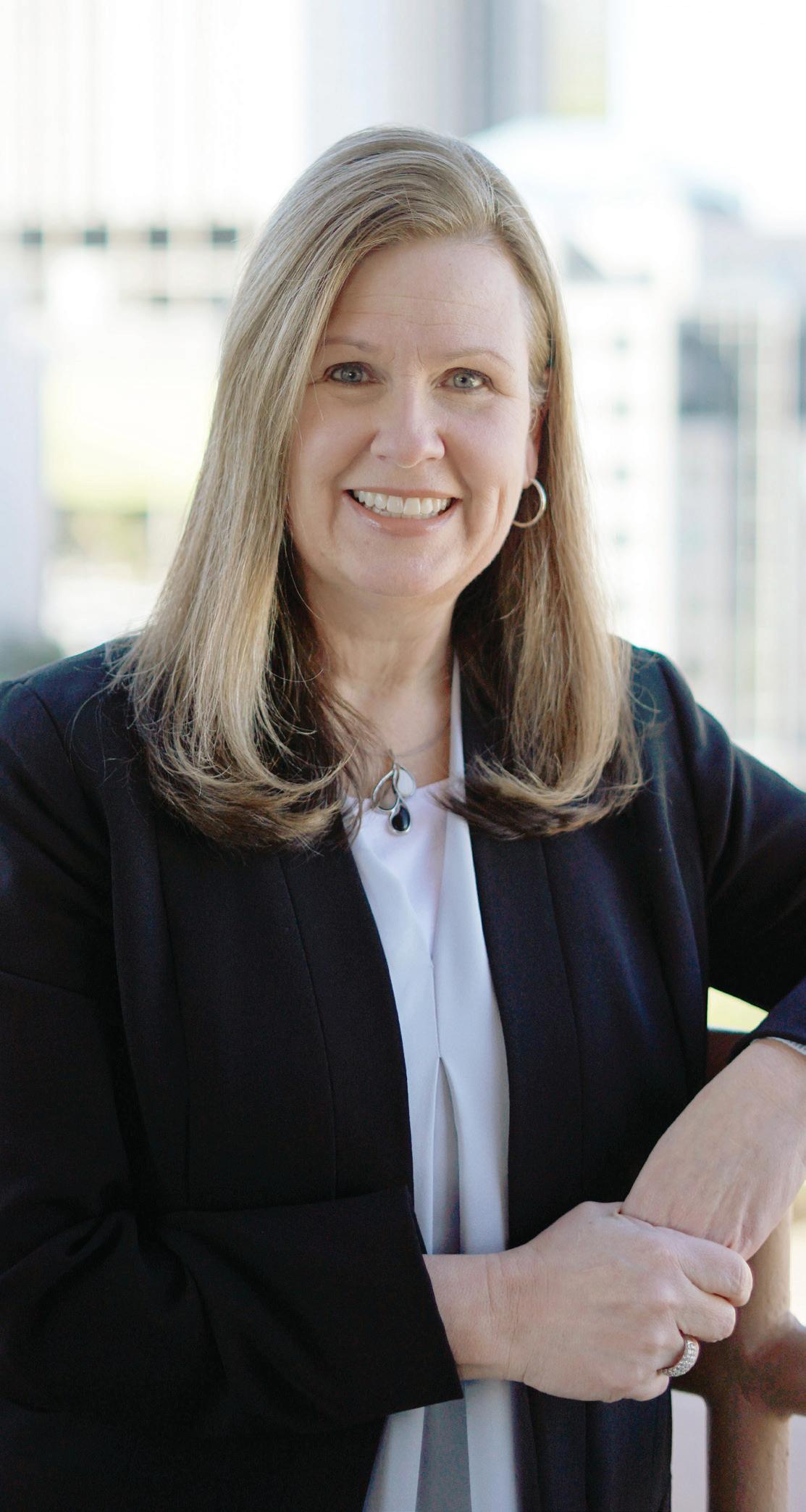
From the dean
The Watts College of Public Service and Community Solutions is a unique place where faculty, staff, students and community partners come together to develop and test solutions to some of the most difficult challenges facing our society.
Our mission is to build more vibrant, healthy, equitable and sustainable communities. Our four schools and over 20 research institutes and centers work to respond to a broad set of areas within public service. We develop nonprofit leaders and prepare students for roles in local government. We enhance public safety while working to create a criminal justice system that is fair and grounded in evidence-based practice. We ensure the wellbeing of children and seek to respond to the needs of underserved populations. We provide timely and rigorous research to inform policy, address health disparities and work to implement best practices in social work, criminology, public administration and community development.
Students choose a major in this college because they are passionate about making a difference in the world. We are working to equip the next generation of public servants with the skills and knowledge needed to effectively serve their local communities.
Faculty come to the Watts College because of their expertise in understanding the causes and solutions for addressing social problems. Our staff play a vital role in advancing this important work, all performed in concert with the community.
We have created an ecosystem that empowers people to further cultivate their passion for public service. We hope you will join us in this honorable pursuit.
- Cynthia Lietz, Dean and President’s Professor
The Watts College of Public Service and Community Solutions is central to Arizona State University’s charter — measuring ourselves not by whom we exclude, but by whom we include and how they succeed, advancing research and discovery of public value, and assuming fundamental responsibility for the economic, social, cultural and overall health of the communities we serve.
We are a unique, comprehensive public service college dedicated to fully integrating teaching, research and service to address social problems.
Our degree programs cover the spectrum of public service, including public policy, social work, community advocacy, criminology and criminal justice, nonprofit leadership, sustainable tourism, economic development, emergency management, public administration, parks and recreation management and community development.
Through rigorous applied research, we are developing solutions with the potential to better our response to pressing issues ranging from child welfare to neighborhood safety, city management to violence prevention, water scarcity to tourism development. Our faculty and students are close to the partners we serve. We are deeply embedded in the community, forging partnerships to take on projects that have local, national and global impact.
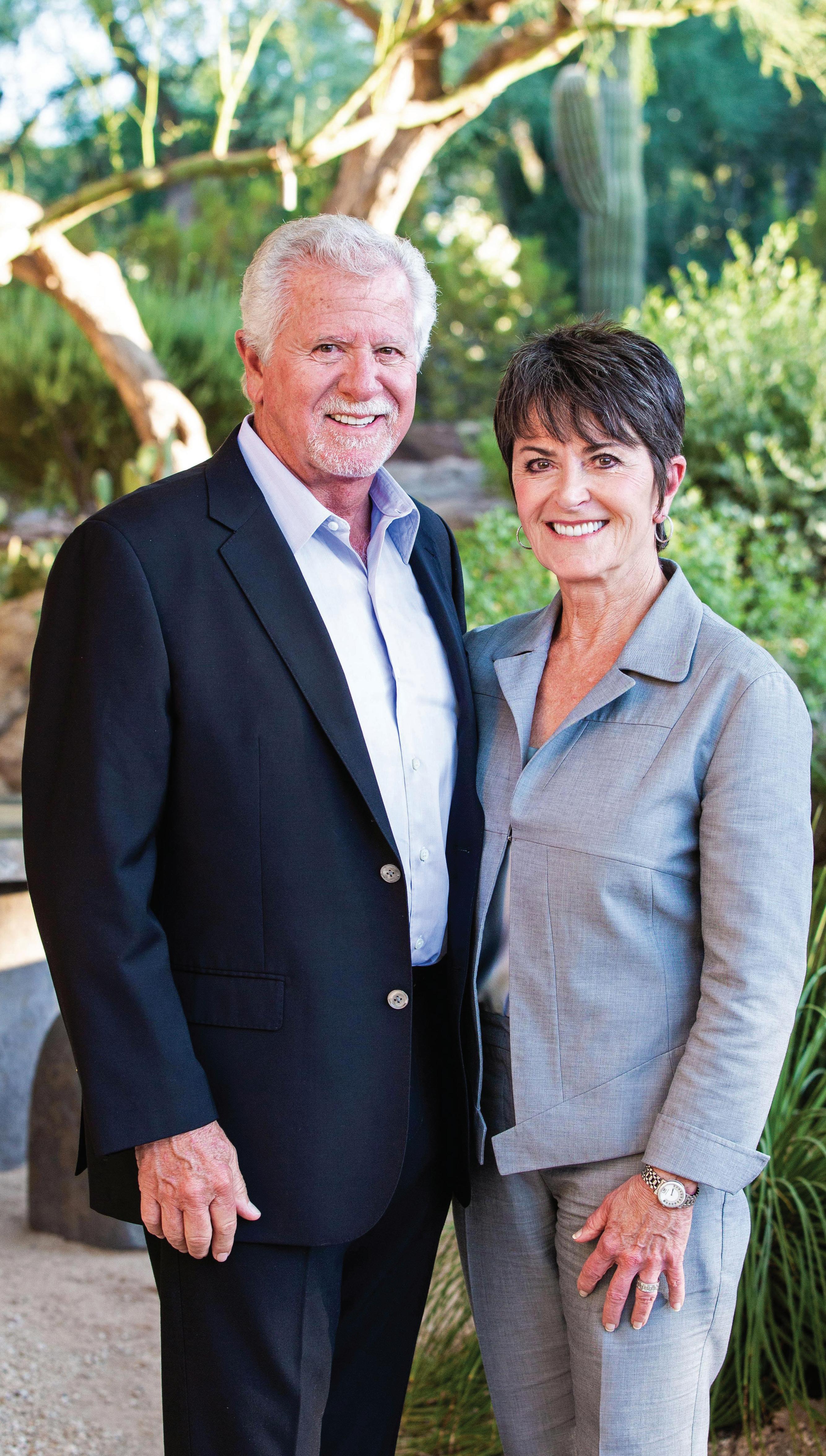
Meet Mike and Cindy Watts
2018 gift establishes the Watts College of Public Service and Community Solutions
Mike and Cindy Watts are known for their generous civic involvement and investment, a passion that began with their west Phoenix neighborhood of Maryvale and extends to the Arizona State University community and the college that bears their name.
In 2018, Mike and Cindy made a substantial gift to our college as an investment in our diverse and mission-driven student body, who do not wait to graduate to start making a difference in the communities they serve. This gift was more than an investment in the College of Public Service and Community Solutions: It was — and remains — a significant contribution to community, opportunity and solutions.
The Wattses are co-founders of Sunstate Equipment, a highly successful equipment rental company that began in Arizona in 1977 and has expanded to 14 other states. They both grew up in Maryvale, at the time a newly-developed suburb. Maryvale began experiencing urban decline in the 1980s and ‘90s. To reverse this, Mike and Cindy made leadership gifts to the Maryvale YMCA and endowed the Center for Violence Prevention and Community Safety, an initiative of ASU’s now-Watts College of Public Service and Community Solutions. They have been engaged with the university since 1988 and are lifetime members of the ASU President’s Club. They are dedicated to using their
resources, both financial and personal, to elevate the quality of life for all in our community and state.
The investment by Mike and Cindy supports and expands the work of the college in community development, public policy, criminal justice and child well-being.
The gift and its impact
This generous investment will support three key areas:
• Community impact. One major initiative is to revitalize the Maryvale community with emphasis on collaborating directly with community leaders to bolster their efforts and increase community engagement.
• Academic excellence. The gift will fund five endowed professorships that will allow the college to attract established scholars who are focused on community development, public policy, criminal justice and child well-being.
• Student success. Funding will also support student-driven programs focused on policy and leadership training, service learning, social entrepreneurship, research and access to transformative experiences for first-generation students.
“ I have always felt giving people a reason to be optimistic, to believe in dreams, is important. Part of the initiative we hope to work with the college on is the development of that: a belief system — not just in themselves, but in the opportunities that exist.” - Mike Watts
Academic excellence and accessibility
Meeting the growing demand for public service training
Our ability to attract students who represent the diversity of our communities is important to create opportunities for all populations to achieve access to and success in higher education. Of equal importance is how this commitment translates into real impact for the communities to which our students return. We view accessibility for all students as not just a way to impact their lives, but as a broader benefit to society when these individuals leave ASU and better their communities. The Watts College is already home to one of ASU’s most
diverse student bodies, with high percentages of underrepresented minority, college transfer and employed students -- as well as a large community of first-generation college students, eager to have a positive impact on the world.
Among our scholars are more than 750 veterans, as well as international students from 30 countries. Many chose public service because of their own life experiences and their firsthand understanding of systems and structures that need improvement.
45% 50%
First-generation college students
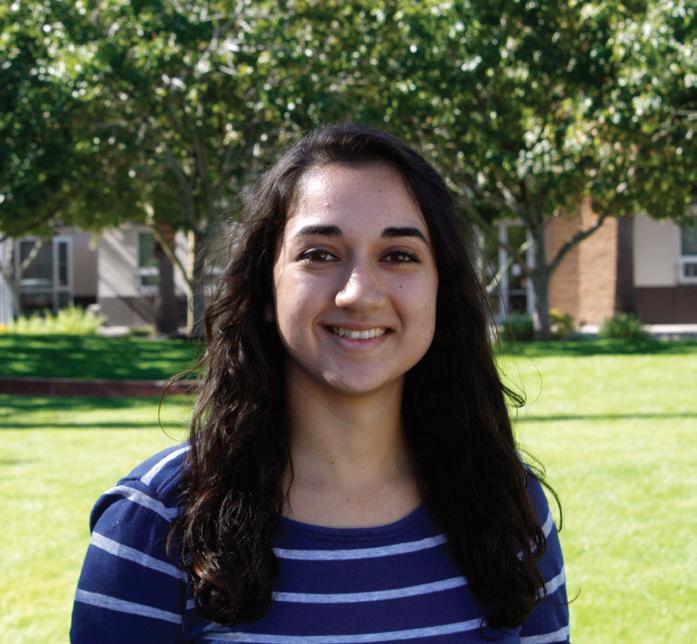
Cassie Johnson
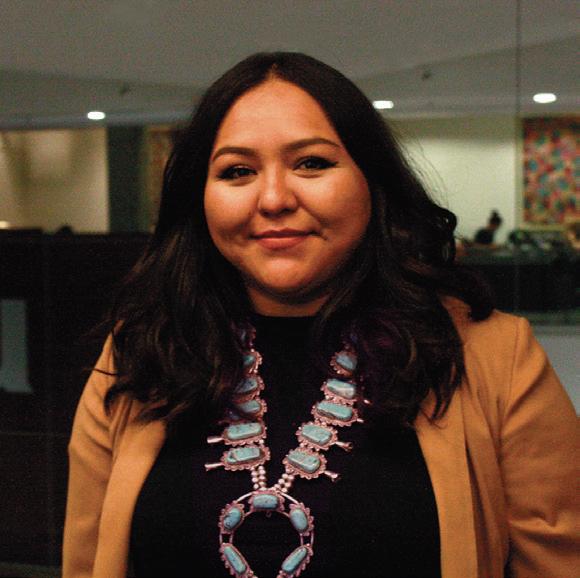
Cassie was a self-described troublemaker growing up, so family and friends may have been surprised when she decided to pursue a degree in criminology and criminal justice. She is working with girls who are on probation and mothers who are incarcerated. She hopes her own journey will serve as an inspiration and remind others that it is never too late for positive change.
Transfer students
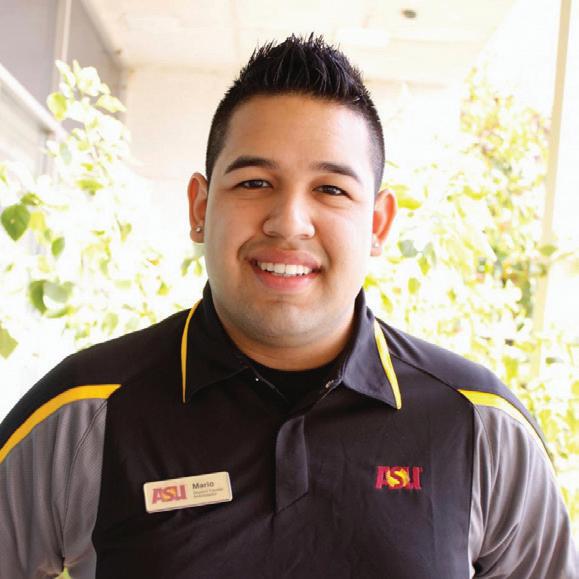
Mario Marquez
Mario’s parents were deported when he was a freshman in high school. With support from relatives and friends, he ultimately went to Paradise Valley High School and worked full-time. He transferred to ASU from community college and recently earned a degree in public policy and public service. He also serves as an ambassador, sharing his story with other community college students.
750+
Veterans
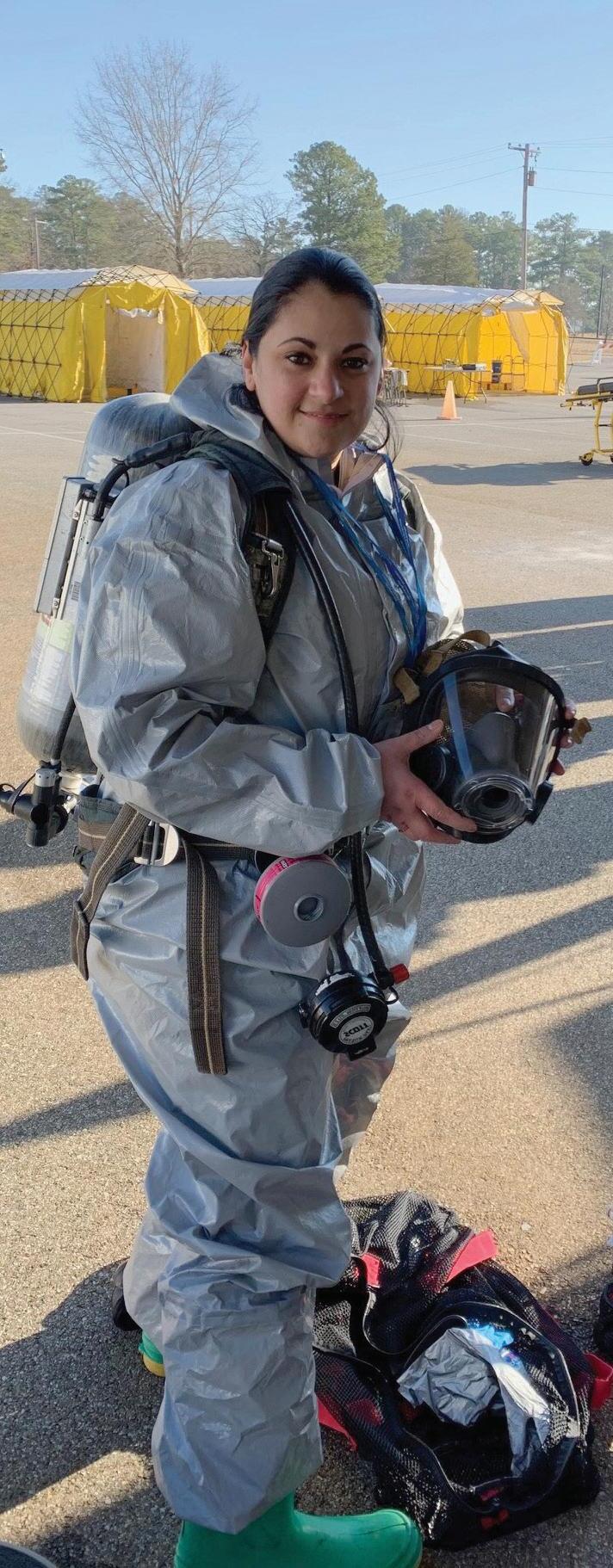
Graciela Alvarez
After serving two years in the military, Graciela started ASU pursuing a degree in parks and recreation management with a concentration in therapeutic recreation. She says she is taking her experience in the military and applying it to help veterans through recreational therapy.
First majority minority college at ASU 45% High financial need students
Degree programs
Undergraduate
Bachelor of Arts Community Advocacy and Social Policy
Bachelor of Science Criminology and Criminal Justice
Bachelor of Applied Science Emergency Management
Bachelor of Science Nonprofit Leadership and Management
Bachelor of Science Parks, Recreation and Sport Management
Bachelor of Science Public Service and Public Policy
Bachelor of Science Recreation Therapy
Bachelor of Social Work
Bachelor of Science Tourism and Recreation Management
Bachelor of Science Tourism Development and Management
Graduate
Master of Science Community Resources and Development
Master of Arts Crime Analysis
Master of Arts Criminal Justice
Master of Science Criminology and Criminal Justice
Master of Arts Emergency Management and Homeland Security
Master of Nonprofit Leadership and Management
Master of Science Program Evaluation and Data Analytics
Master of Public Administration
Master of Public Policy
Master of Arts Public Safety Leadership and Administration
Master of Social Work - Advanced Standing
Master of Social Work - Standard Program
Master of Sustainable Tourism

Doctoral
Doctor of Philosophy Community Resources and Development
Doctor of Philosophy Criminology and Criminal Justice
Doctor of Philosophy Public Administration and Policy
Doctor of Philosophy Social Work
“ It’s incredible to have a program that directly educates you about what you’re doing... It was a really practical education. ”
- Courtney Klein, MNPS, founder of Seed Spot, a
Reinventing public service education
We want every student in the college to see themselves as an agent of change in society. Our signature pedagogy is solutions-based learning, giving students hands-on experience right from the start based on needs identified by our community partners. Embedding them with mentors and future employers means being a part of the solution begins immediately.
We challenge every student to define a problem or an essential question they would like to address in their time at ASU. This focus becomes their North Star as they choose coursework, internships and research projects designed to bring clarity and advance solutions to that single challenge.
A
solutions orientation encourages students to understand a problem from varied vantage points.
Hands-on, service learning
takes students out of the classroom and into the community to begin making a difference right away.
Our students do not just receive an education, they engage in it.
Internships
offer meaningful learning experiences and a bridge from the university to a career.
Study abroad programs offer a world of learning opportunities in exciting locations, tailored to students’ academic focus.
Undergraduate research
furnishes practical experience in the creation of knowledge and solutions.
Tools for success
Ensuring equal opportunity for all students irrespective of their personal circumstances is our mission.
More than 50% of our students are pursuing their degrees through our growing number of online programs. We also achieve access by bringing our programs to serve new locations across the state, nation and world. We have a longstanding presence in Tucson, and have expanded to include Yuma, Lake Havasu City and Hainan, China.
“ The professors and staff at ASU were fundamental to my success. They are the experts on the field and great mentors. ”
- Melissa Abramowicz, Emergency Management and Homeland Security, MA
Scholarship support
Many of our students have personally experienced poverty or other barriers to achievement. Pursuing a future in public service, they have chosen to be change agents for vulnerable populations. We help students connect with the funding they need, and much of our fundraising efforts are aimed at scholarship support.
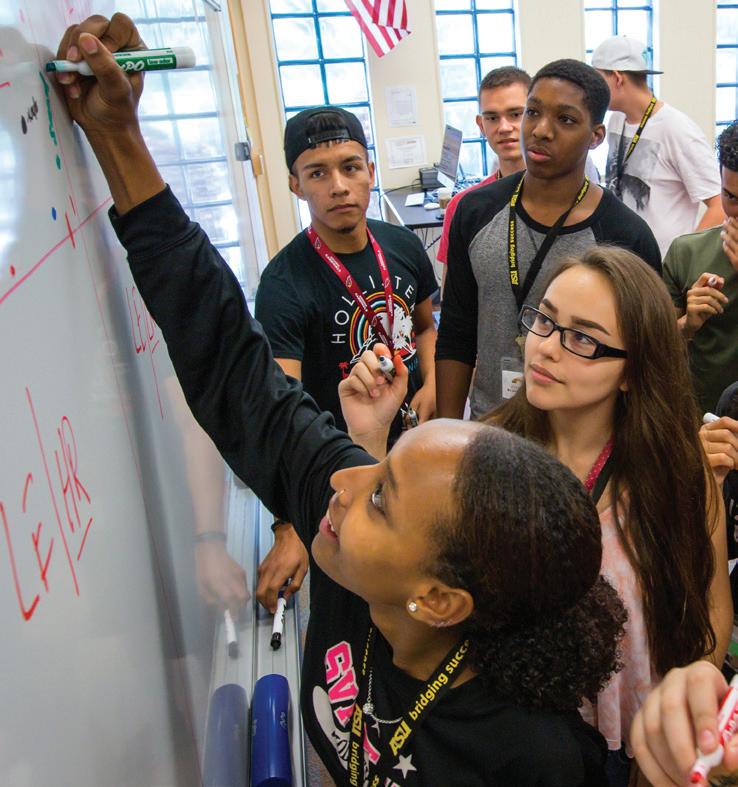
Assisting students with a background in foster care
In Arizona, young people with a background in foster care can go to college tuition-free, but there’s still the cost of room, meals, books and other expenses — not easy for a young person just starting out on their own. Bridging Success at ASU gives these students a head start by helping them apply for financial aid and scholarships, find a place to live and learn about academic and other resources on campus.
Hands-on experience
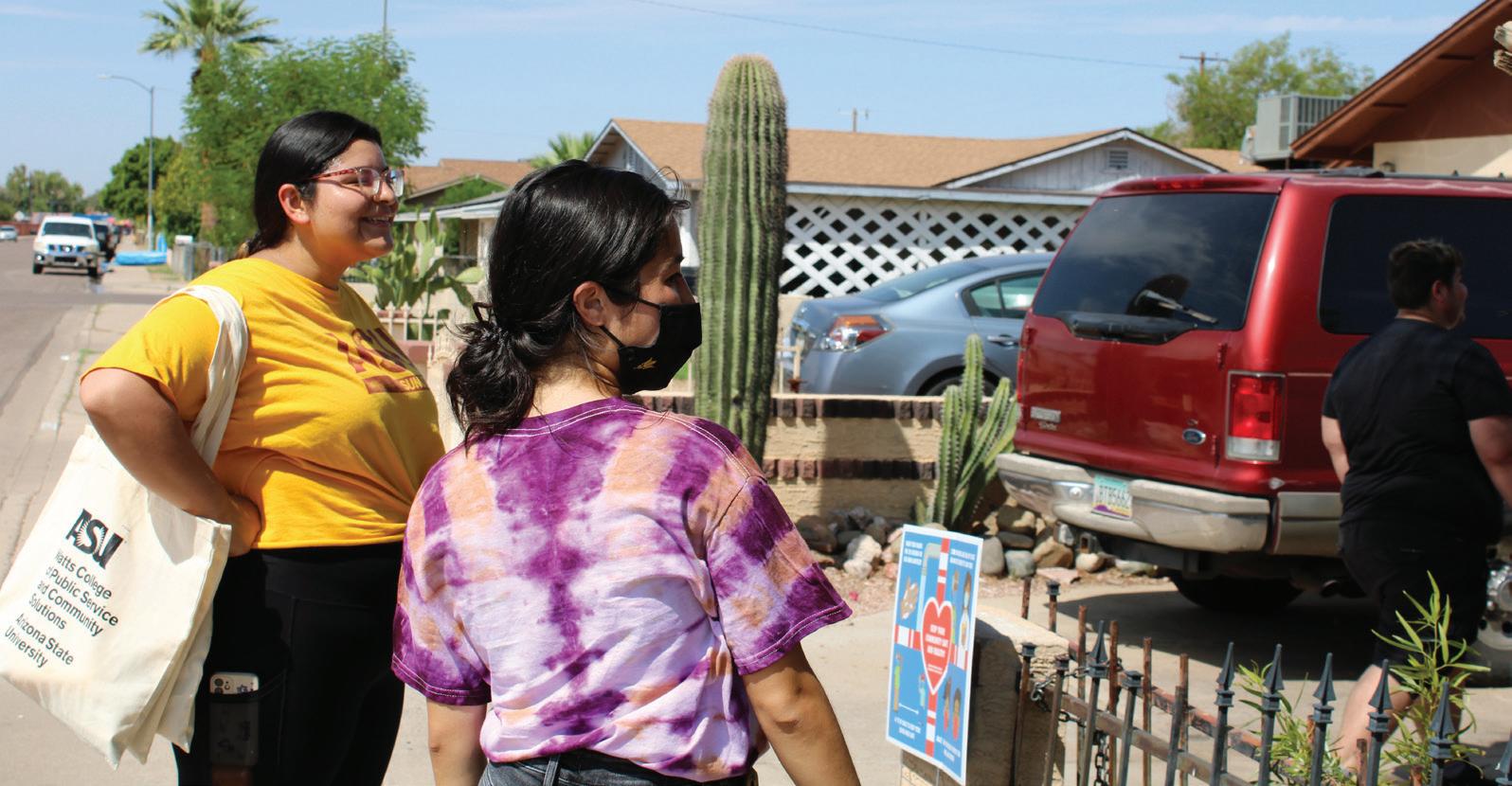
Not only do nearly all of our degree programs require an internship to help solidly prepare students for their futures, but from day one, we offer students opportunities to start connecting directly with surrounding communities while putting their skills to use. One example is ASU students, many from under-resourced communities themselves, who teamed up with our Design Studio for Community Solutions to go door-to-door in the Phoenix neighborhood of Maryvale with tote bags of school supplies to support residents, tell them about a new free Wi-Fi program and help build trust with a community traditionally wary of outsiders.
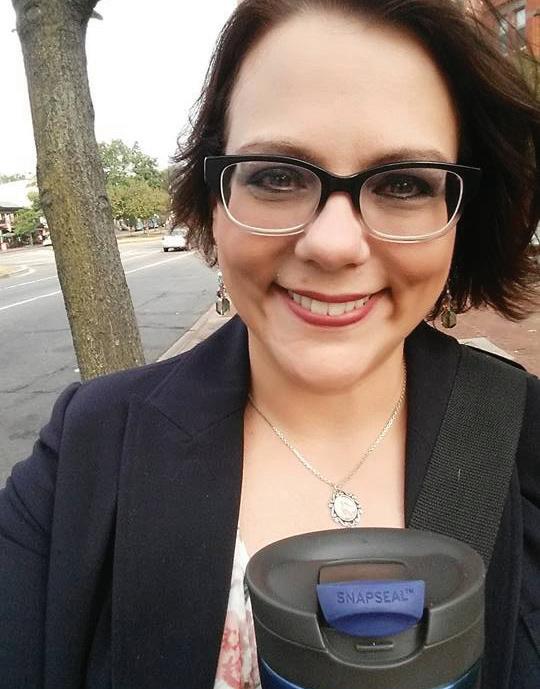
Daphne Thompson, a mother of four, spent a semester in Washington, D.C., and obtained her bachelor’s degree in public service and public policy with support of the Nina Mason Pulliam Scholars program.
Students from Maryvale returning to their neighborhood to assist with canvassing.
Community Solutions
Cooperative
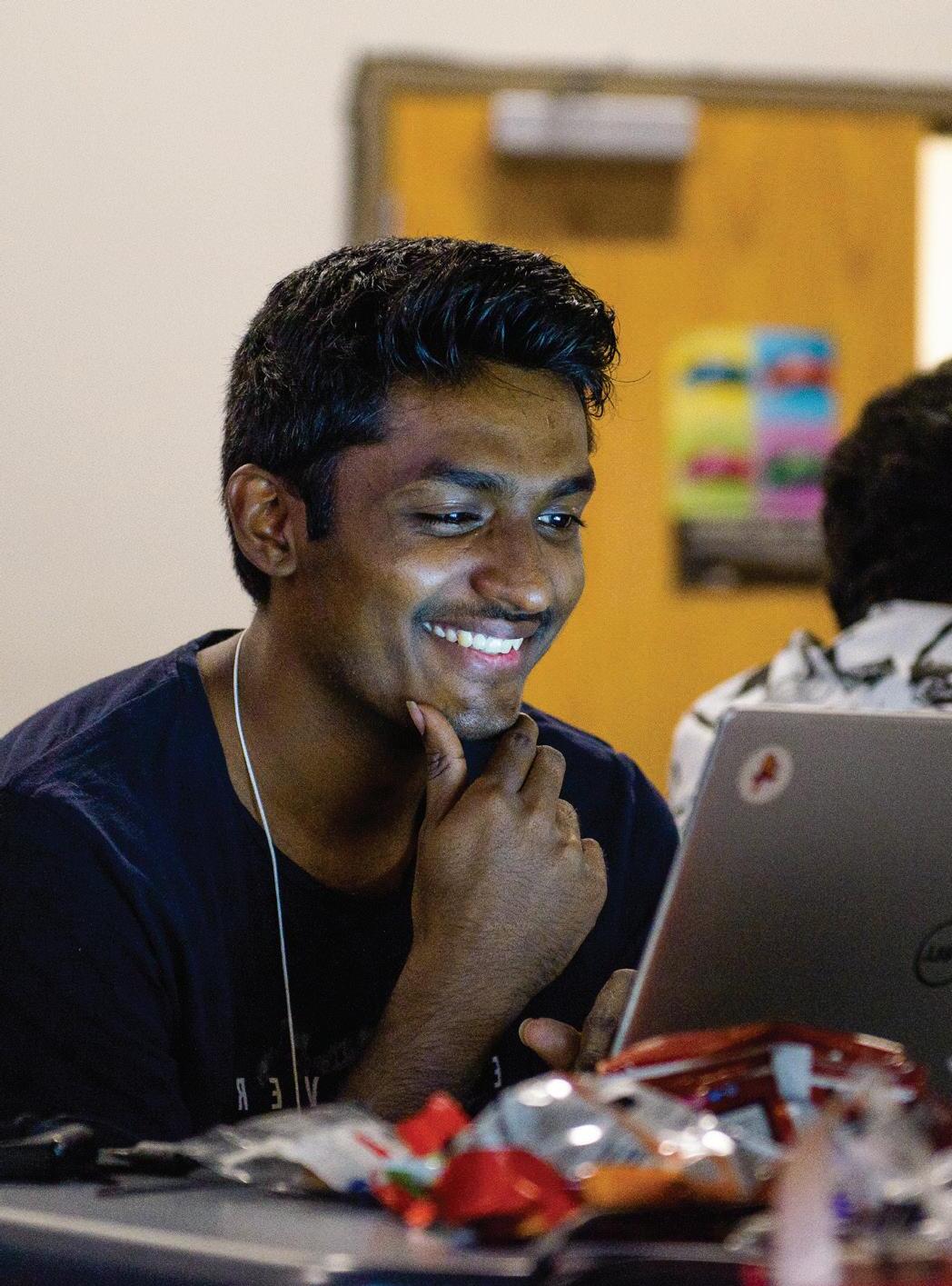
Our students are not waiting to graduate to make a difference. As part of the Community Solutions Cooperative (Co-op), students, faculty and community partners work collaboratively to affect change.

How can we use technology to solve social problems?
The challenge of finding accessible and safe hygienic resources is one of many constant concerns for people experiencing homelessness. A group of students enrolled in the Coding for a Social Good course at the Watts College sought to help provide solutions to this real-world challenge. The course combines elements of social entrepreneurship, coding and design thinking to help students enact change. In the spring 2022 semester, students developed the app Safe Hygiene 4U, which offers access to maps and lists that share vetted resources like showers, clothing donation and shelters through nonprofits, gyms, truck stops, churches and more.
How do we support human trafficking survivors?
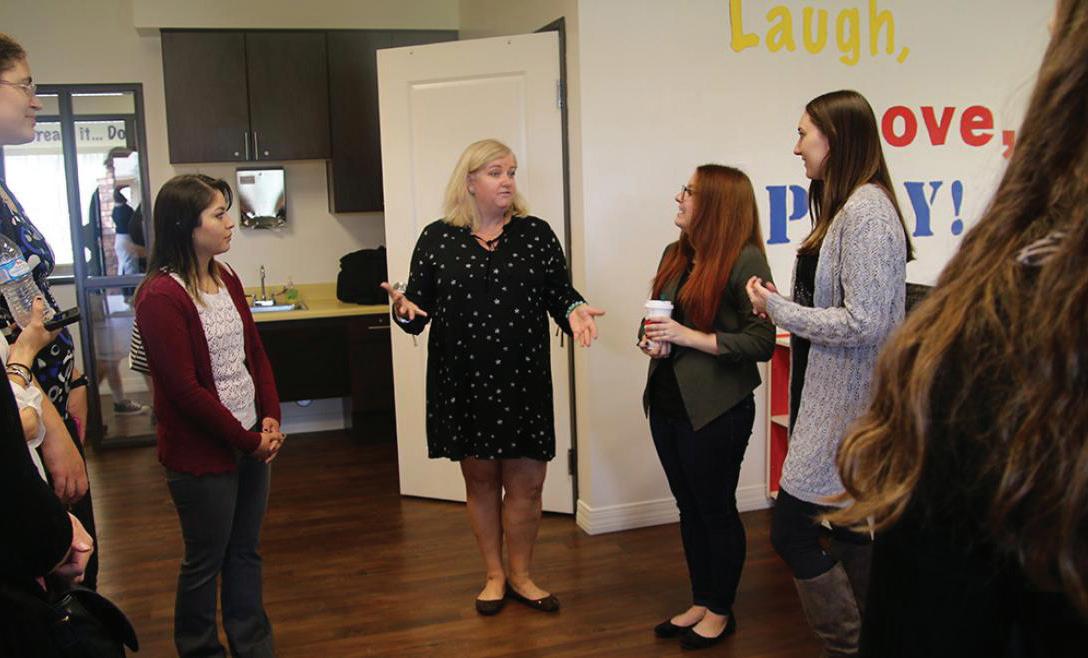
Launched in 2017 in collaboration with the City of Phoenix, Starfish Place is a unique community that provides housing and supportive services to individuals and families impacted by human trafficking. The ASU Office of Sex Trafficking Intervention Research and students in the School of Social Work support the clinical programming onsite.

1,400+
community partners
student interns
How can we move beyond the walls that separate us?
In partnership with the Arizona Department of Corrections, criminal justice Professor Kevin Wright launched the Inside-Out Prison Exchange Program at ASU, based on a model created at Temple University. The class brings together college students and individuals experiencing incarceration to learn about the issues of crime and justice. The culmination of this community-based learning is an actionable project designed to improve the correctional system.
600,000+
hours of service in the community
How can we improve quality of life for low-income older adults?
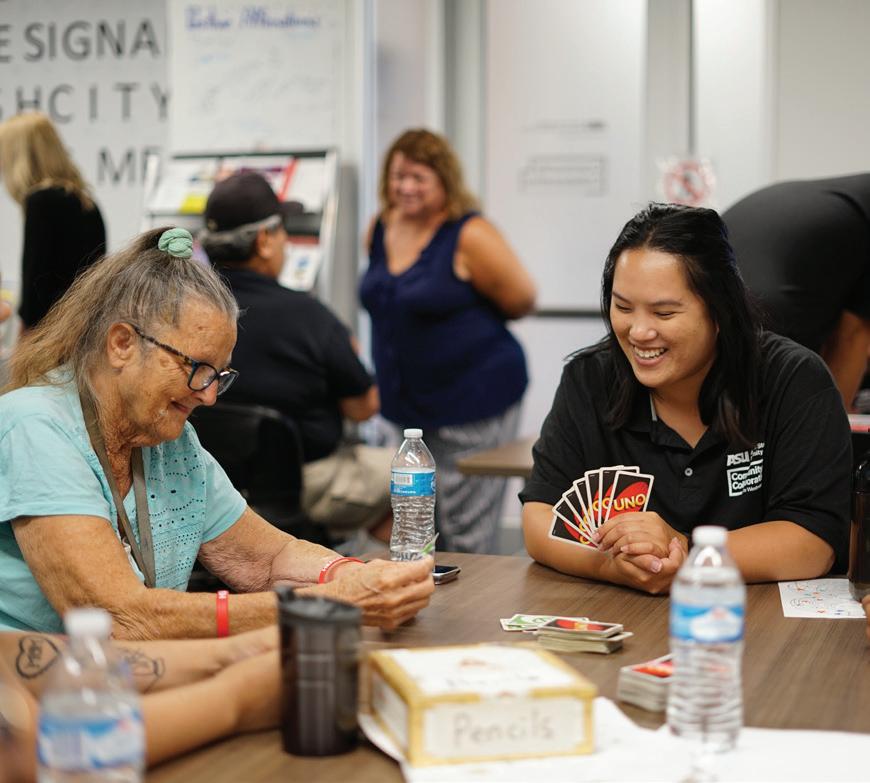
The ASU Community Collaborative is a student-run clinic and community center located on the first floor of the Westward Ho, where it provides residents with a wide range of assistance. The historic building is home to 300 low-income older adults and individuals with disabilities. Services range from social connection opportunities, supplemental food provision and technology assistance to blood pressure checks, counseling, nutritional education and disease prevention programs.
How do we train the next generation of government leaders?
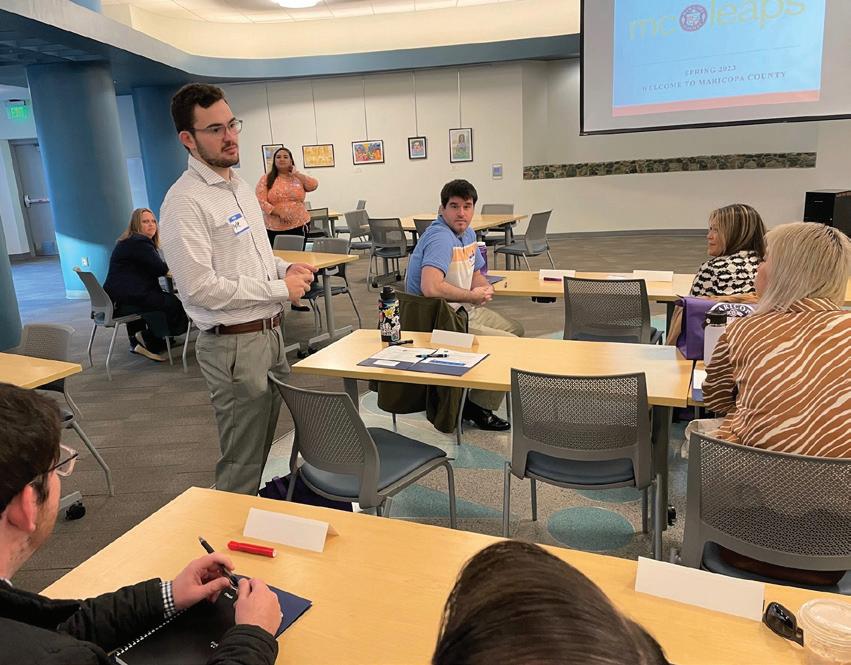
ASU students can compete for paid internships within multiple Maricopa County departments through the award-winning Maricopa County Leadership and Education Advancing Public Service (MCLEAPS) program. This ASU/ Maricopa County partnership offers top students specialized training, hands-on experience and an introduction to the opportunities and rewards of public service careers.
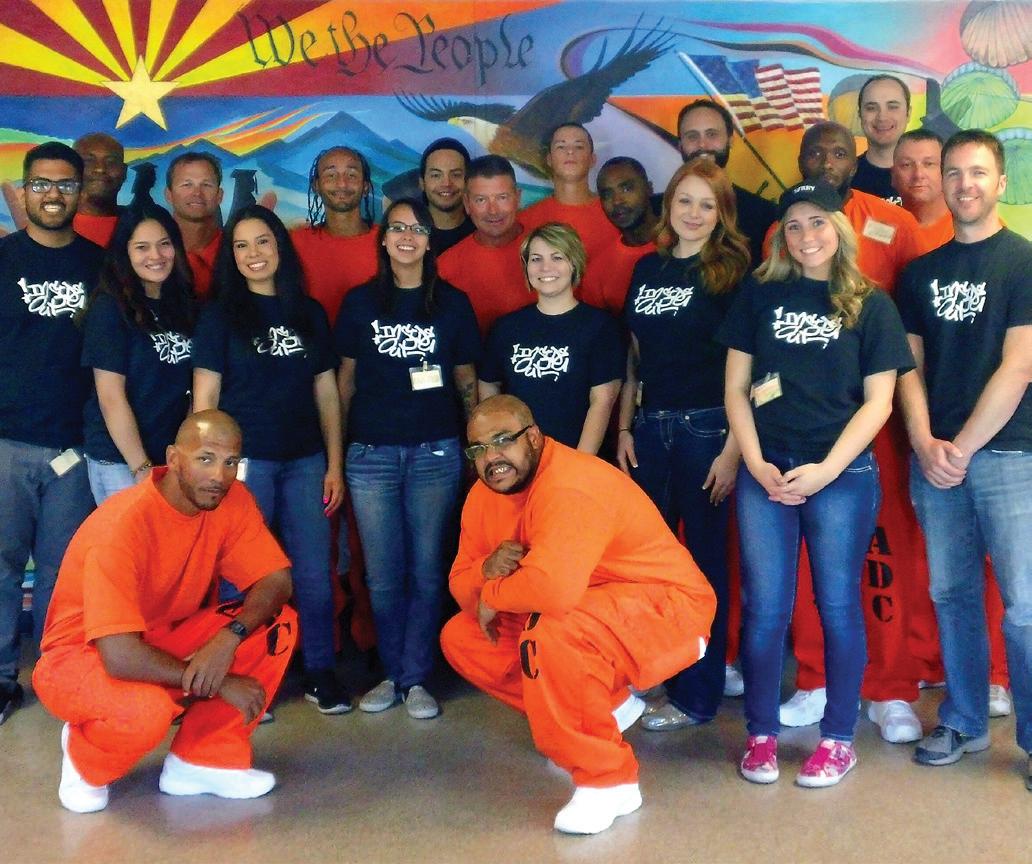
“ It has been amazing to work with and get to know the ‘inside’ students and learn not only how similar we are as people, but also how similar our views can be on crime, its causes and punishment. ” - Wesley, “outside” student
Public Service Academy/Next Generation Service Corps
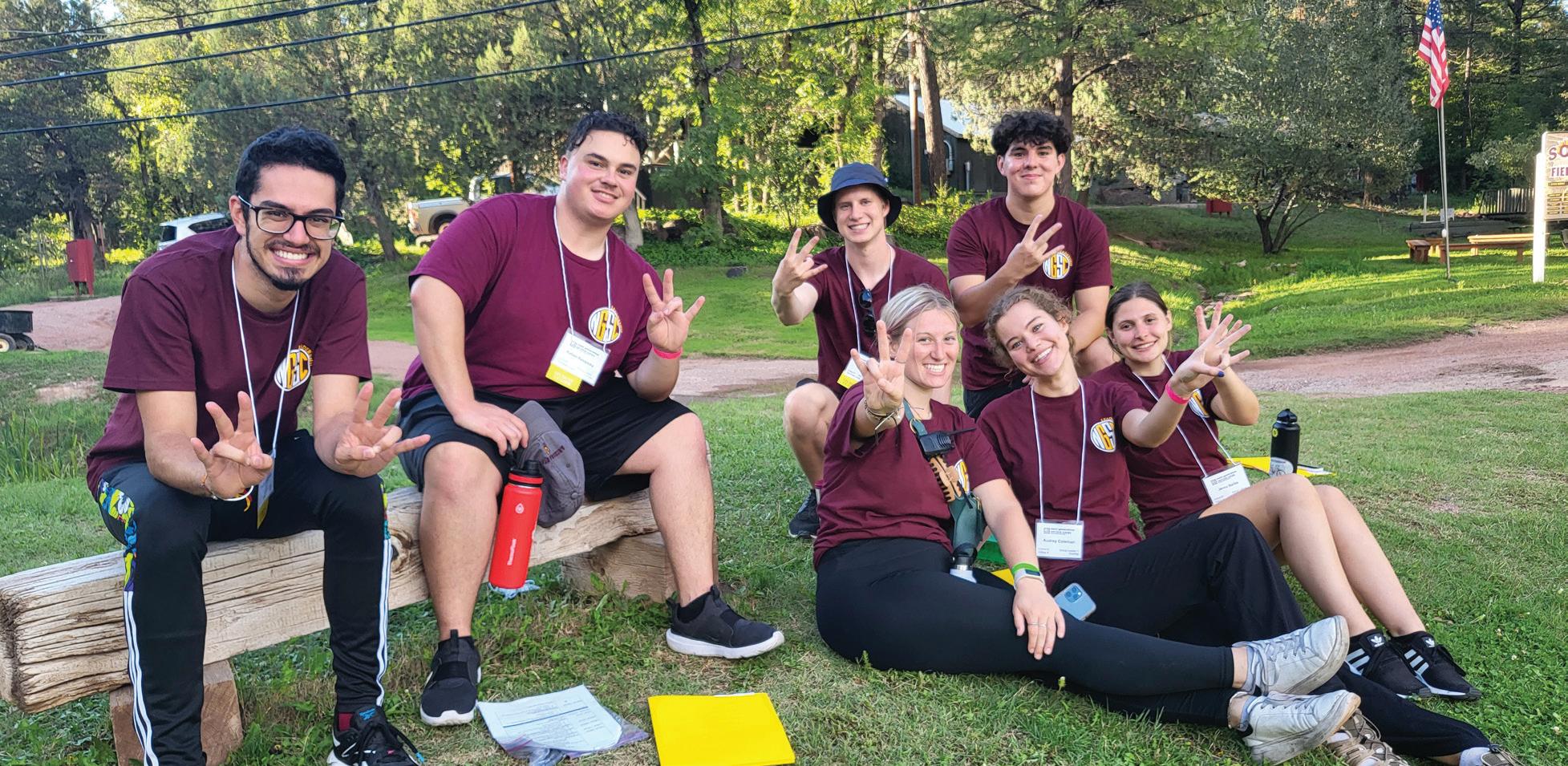
The Public Service Academy answers our nation’s call for a new type of leader, armed with the character and courage to cross sectors, connect networks and ignite action for the greater good. The academy is home to the Next Generation Service Corps (NGSC), a four-year leadership development program (with a two-year transfer track) where students study their chosen major, engage in practical elements of leadership, learn cross-sector collaboration and complete internships working on real issues in the public, private and nonprofit sectors — all while pursuing their own chosen social mission.
Congressman Ed Pastor Center for Politics and Public Service
Congressman Pastor felt strongly that in order to learn how to be effective change agents, young people need to get involved with the political process. The Pastor Center fulfills that vision by offering scholarships (Spirit of Service Scholars and Andrew Goodman “Vote Everywhere” Ambassadors), workshops and seminars, and financial support to help students from all majors access internships and participate in professional conferences and activities related to advocacy and public policy.
Design Studio for Community Solutions
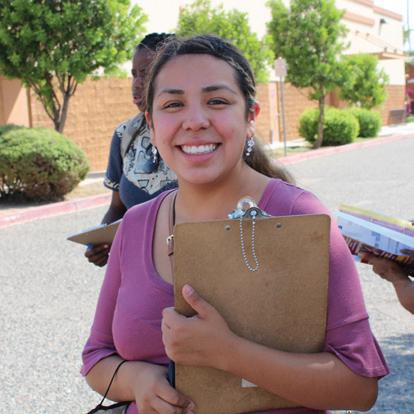
The Design Studio for Community Solutions (DSCS) works with local stakeholders to devise practical solutions to complex community issues. Based on the idea that communities thrive when solutions to their challenges are generated from within, DSCS deploys ASU academic units and students to support civic leaders at all levels. Since its inception in 2019, the team has worked in the Maryvale region of Phoenix to provide vaccine information during COVID, distribute school supplies to children, connect residents to free internet and facilitate youth leadership programming.
Action Nexus on Housing and Homelessness
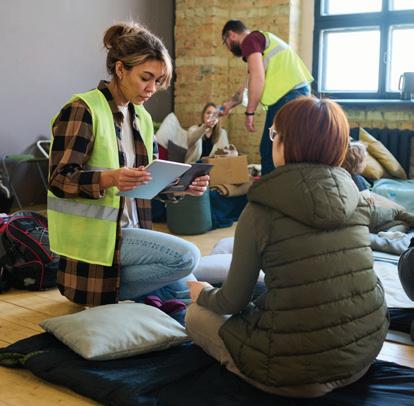
The Action Nexus on Housing and Homelessness team connects efforts across systems and agencies in Maricopa County to improve service delivery and maximize effectiveness. The good news is, agencies working toward ending homelessness in Maricopa County are already collaborating. Extending ASU’s resources to the community, the Action Nexus works to amplify communication, alignment and shared action among the diverse agencies needed to solve housing and healthcare insecurity.
Research centers
and institutes

Bob Ramsey Executive Education
Center for an Independent and Sustainable Democracy
Center for Child Well-Being
Center for Correctional Solutions
Center for Organization Research and Design
Center for Problem-Oriented Policing
Center for Science, Technology and Environmental Policy Studies
Center for Sustainable Tourism
Center for Urban Innovation
Center for Violence Prevention and Community Safety
Center on Technology, Data and Society
Family Violence Center
Global Center for Applied Health Research
Global Center for Technology Transfer
Lodestar Center for Philanthropy and Nonprofit Innovation
Morrison Institute for Public Policy
Osher Lifelong Learning Institute
Pastor Center for Politics and Public Service
Southwest Interdisciplinary Research Center
Studio for Creativity, Place and Equitable Communities
Public Allies accelerate social impact
Public Allies Arizona is one of the country’s largest Public Allies sites. Since 2006, this AmeriCorps program embedded in the ASU Lodestar Center has placed over 500 service-minded emerging leaders in paid apprenticeships with nonprofit partners. Allies have accelerated social impact and built capacity with over 800,000 service hours in greater Phoenix and Tucson communities. The program has received over $6 million in external grant dollars; with in-kind and partner support, the investment is over $12 million. Allies have earned over $3 million in education awards.
Seeking communitybased solutions
Interpreting complex water shortage scenarios
With Lake Mead and Lake Powell at historic low levels and new water restrictions announced in 2022, experts and residents alike will need reliable information about what affects the supply and distribution of Arizona’s most precious resource as less water becomes a new normal. A digital tool called the Arizona Colorado River Visualization Enterprise — or the Arizona CuRVE Project — offers in-depth knowledge about what the ongoing water shortage means in an understandable, nonpartisan way. Using Arizona CuRVE, anyone who consumes water can discuss the impacts of possible water policy options. The project is presented by the Kyl Center for Water Policy at the Morrison Institute for Public Policy, based at the Watts College, and ASU’s Decision Theater.

Finding real-world solutions requires work that gets out of academic silos. Our research addresses pressing real-world challenges, such as persistent health disparities, human trafficking, the need to incorporate new technology in policing, youth development in resource-starved communities, sustainable economic development around tourism and more. In each area, we seek out community-based solutions based on high-quality, empirical research. Our goal is not to think just about possibilities, but to implement solutions that help advance positive impact on our community today.
Integrated locally
Developing city managers
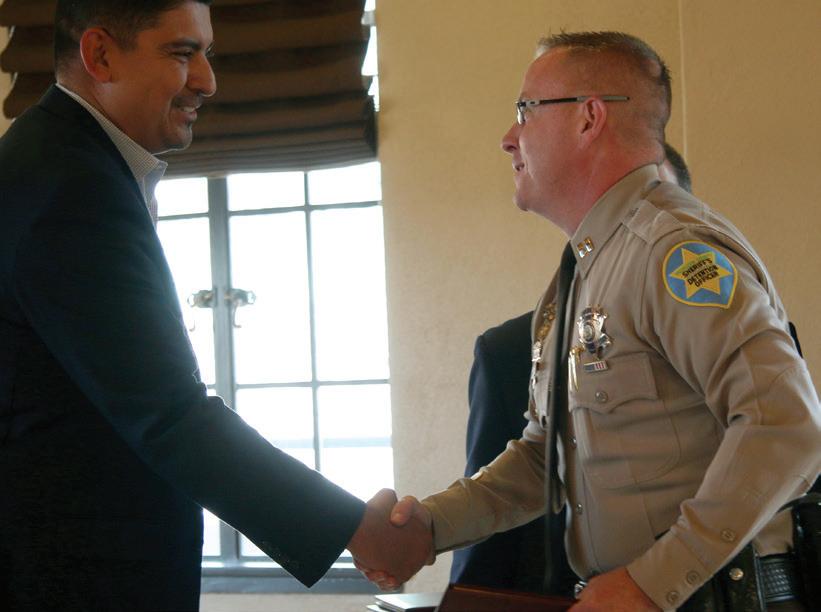
For more than three decades, Bob Ramsey Executive Education has helped professionals from federal, state, county, municipal and tribal governments and agencies earn Certified Public Manager® (CPM), Certified Municipal Clerk and Master Municipal Clerk credentials or enhance their management and leadership competencies. Since its founding, the CPM program has graduated over 3,400 in-person and online students from city governments around Arizona and surrounding states. The program is the only nationally accredited provider of the CPM in Arizona.
Learning at any age
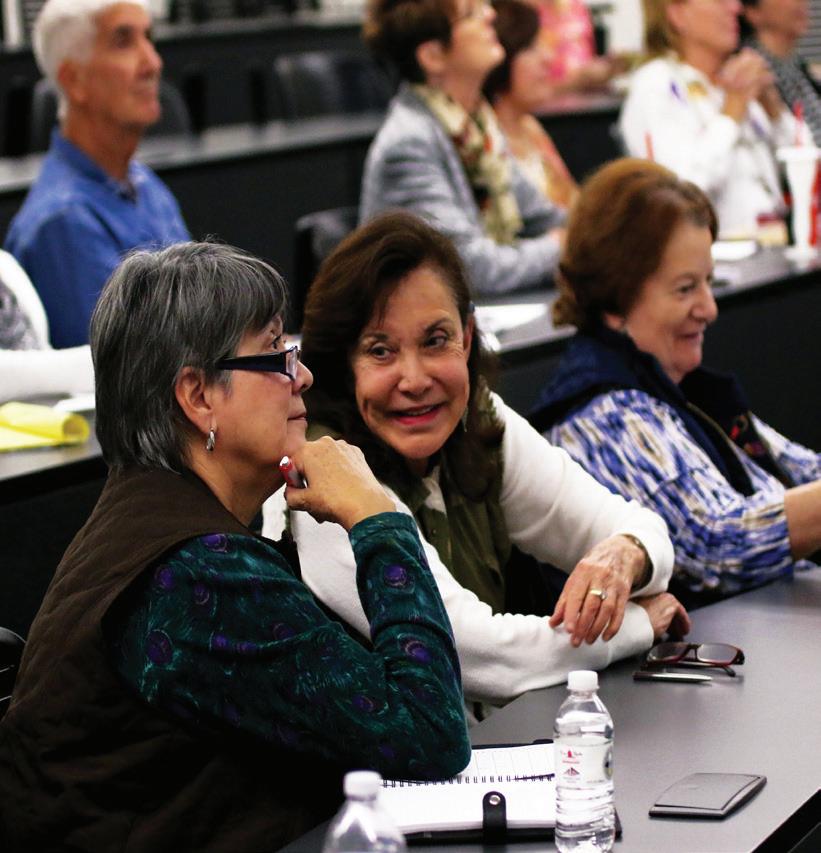
Osher Lifelong Learning Institute (OLLI) at ASU immerses adults ages 50+ in intellectual, cultural and social experiences. Members take part in universityquality classes that are academic in nature, researchbased and taught by faculty from ASU or ASU’s Emeritus College. Courses are offered in different locations across the Valley and are taught on a range of topics. OLLI at ASU has seen tremendous growth over the past 18 years and currently has over 1,000 active members throughout the Phoenix metropolitan area. OLLI at ASU connects members beyond the classroom and infuses civic engagement into the offerings, empowering members to give back to the community.
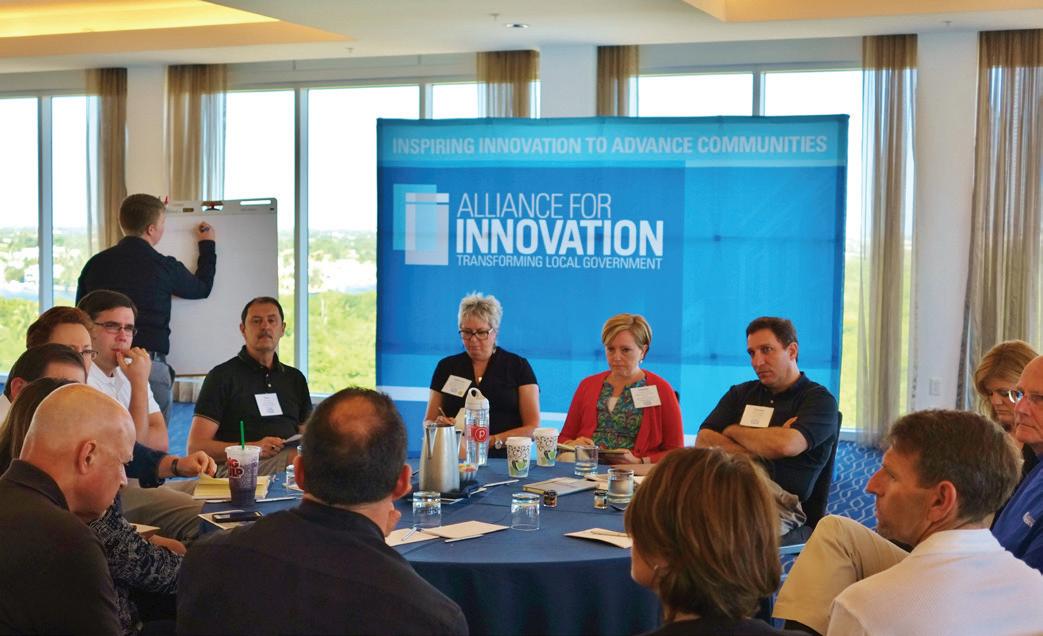
Cultivating local government leaders
Students who aspire to be city or county managers can get direct experience working with actual local government leaders in two paid internship programs offered through the School of Public Affairs. The Marvin Andrews and Jane Morris Fellowship began in 2006, when current and former metro Phoenix city managers approached ASU to create a two-year, tailored program for graduate students. The fellowship, named for respected former Phoenix City Manager Marvin Andrews, has been so successful at preparing participants for local government management careers that some students have secured jobs even before completing their final semester. More than 60 “Marvins”, as they are called, have graduated in the 17 years since the program began, and most remain working in local government management. The Jane L. Morris Fellowship, established in 2023, further supports one incoming Marvin entering the field of local government management.
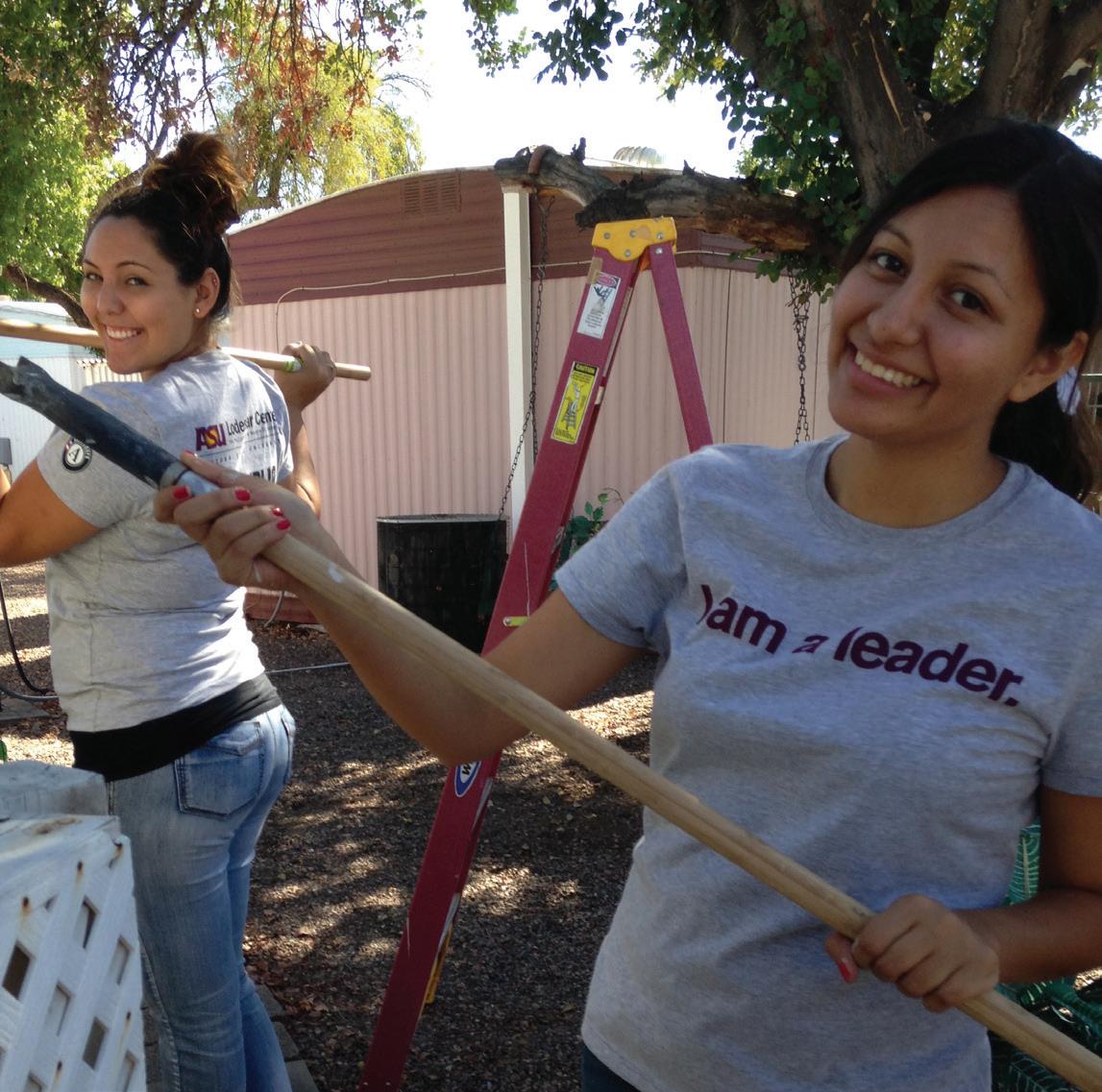
Our programs and research have both local and global impact. We work with partners around the world to implement systems and solutions that build strong communities.
Enhancing the effectiveness of nonprofits
A robust nonprofit sector is essential to community wellbeing, and ASU’s Lodestar Center for Philanthropy and Nonprofit Innovation is dedicated to making sure community leaders in this space have the tools they need to move their missions forward. Through research, education and outreach activities, the center serves as a central resource for nonprofits, the people who work and volunteer with them and their supporting philanthropists. Among its portfolio of services, knowledge and tools to help nonprofits build their capacity, the center also leads as the statewide hub for the Service Enterprise Initiative (SEI), a national certification program in partnership with AL!VE and Points of Light that equips nonprofits to transform their volunteer management practices.
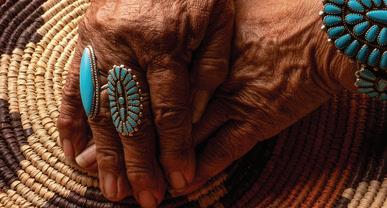
Strategizing to protect vulnerable populations
The Research on Violent Victimization (ROVV) Lab, housed in the School of Criminology and Criminal Justice, is working in partnership with the State of Arizona and Indigenous (American Indian) community members and leaders across the state to examine, evaluate, analyze and develop strategies to address and reduce the number of missing and murdered Indigenous women and girls (MMIWG) as part of Senate Bill HB2570. Violent victimization of Indigenous women and girls continues to be a crisis nationally and internationally in North America.
Compared to women of other ethnicities, Indigenous women and girls are at higher risk of experiencing violence, including sexual assault, domestic and family violence, and becoming missing and being murdered. In some counties nationally, Indigenous women are murdered at a rate of 10 times the national average.
Additional research by the ROVV Lab, funded by a $425,000 grant from the Arizona Office of the Governor, has focused on how the COVID-19 pandemic affected efforts to find missing and murdered Indigenous peoples.
Engaging globally
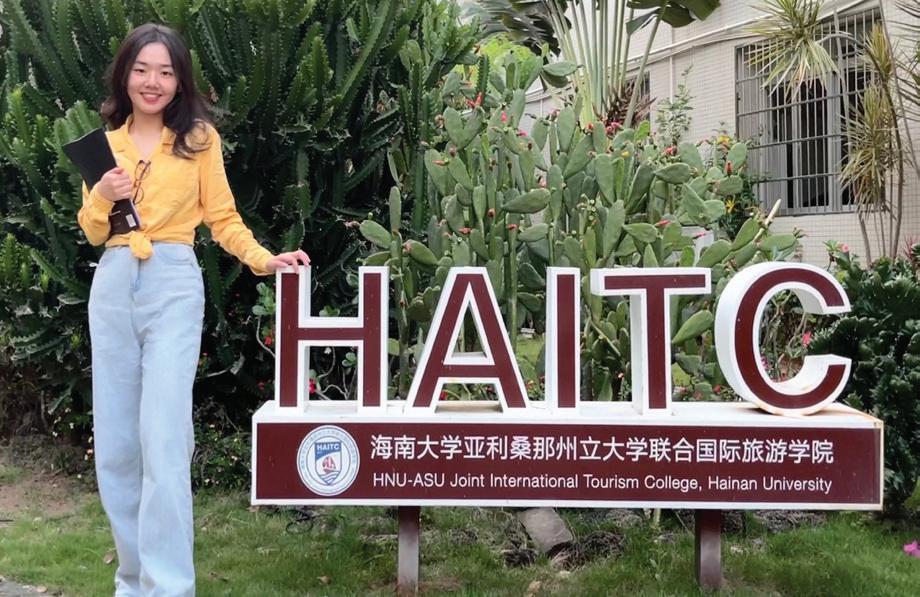
Educating international public service professionals
In 2021, more than 240 students were the first to receive bachelor’s degrees from the Hainan University-Arizona State University International Tourism College (HAITC) in the southern Chinese city of Haikou. The cooperative program with the Ministry of Education in China began in 2017 when ASU and the Watts College teamed with Hainan University to grow the number of trained professionals in the expanding fields of sustainable tourism, parks, recreation and sport, public administration and emergency management. Students in two areas, Community Resources and Development and Public Services and Public Policy, have the opportunity to earn degrees from two institutions, Hainan University and ASU – with many progressing to graduate programs globally.
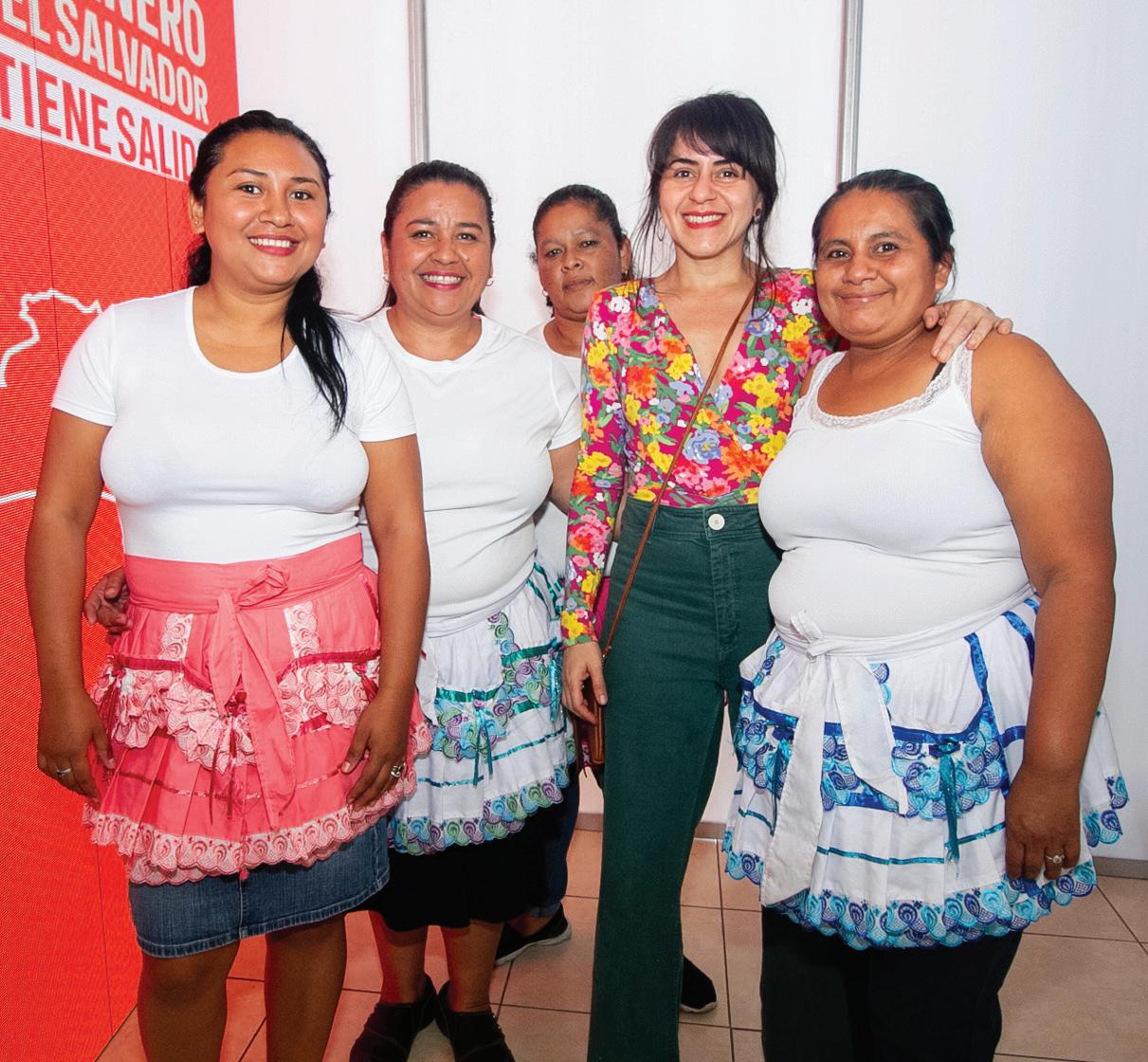
Addressing gender-based violence in El Salvador
The Family Violence Center is leading a fiveyear, $35 million cooperative agreement with the United States Agency for International Development (USAID) to implement LibrES: For an El Salvador without Gender-Based Violence. A diverse consortium consisting of multiple ASU schools, colleges and centers is collaborating with Salvadoran civil society, universities and international organizations to achieve outcomes that contribute to a safer and more productive life for women and vulnerable populations in El Salvador. The grant is the largest in Watts College history.

Using data to fight crime in the Caribbean
Experts from the Center for Violence Prevention and Community Safety and the Southwest Interdisciplinary Research Center’s Office of Evaluation and Partner Contracts trained the first-ever crime analysts in nine small Caribbean nations. The Watts College team worked with law enforcement officials from Trinidad and Tobago; Suriname; Guyana; Grenada; St. Kitts and Nevis; Antigua and Barbuda; Barbados; St. Vincent and the Grenadines; and St. Lucia, who previously lacked formal means to amass and review data on criminal activity. They also taught five trainees to become trainers to make the project sustainable.
We lead service and policy initiatives that harness ASU potential for local and global impact.
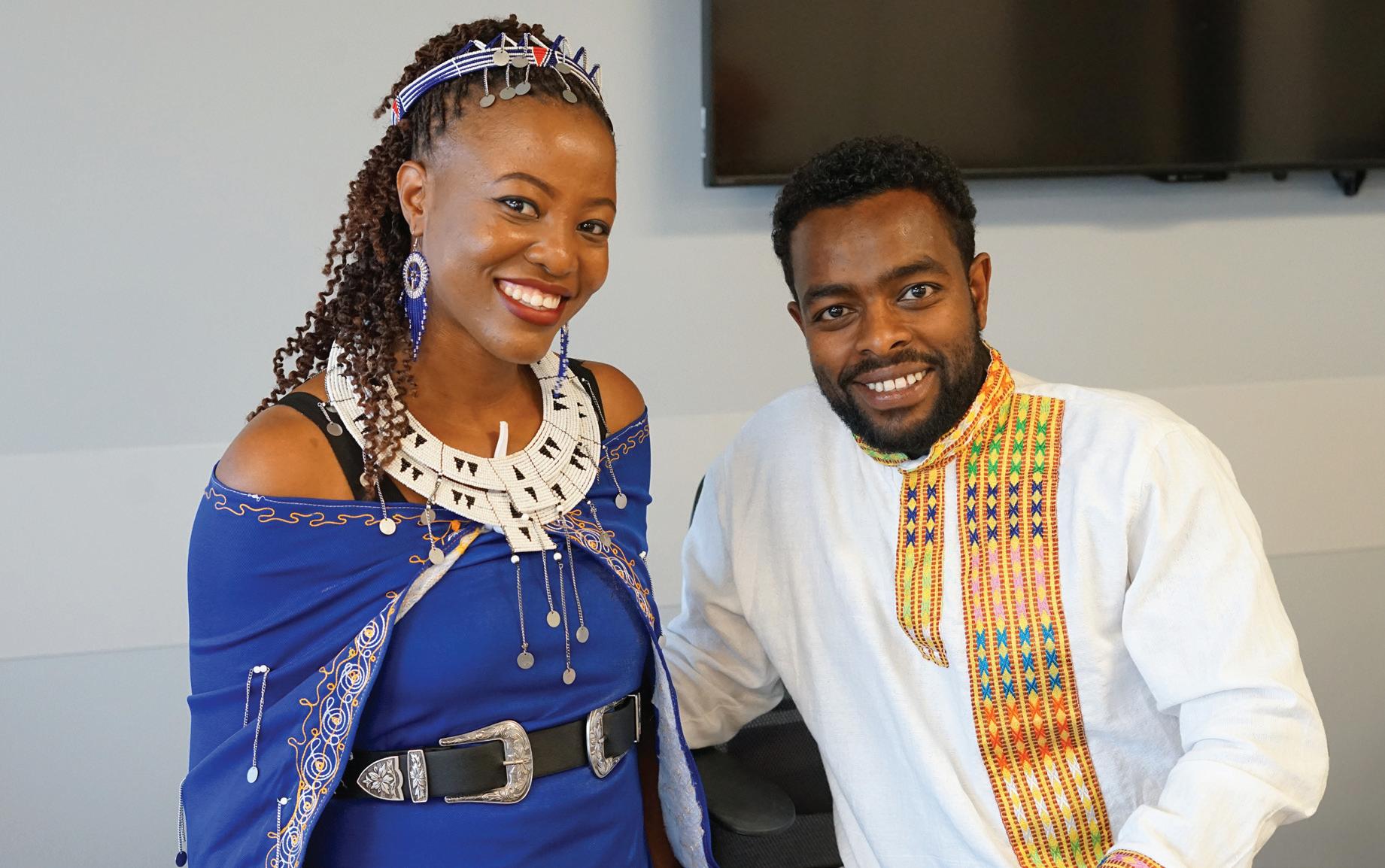
Training future leaders: Mandela Washington Fellows Program and the Young Southeast Asian Leaders Initiative
ASU is among 20 top U.S. universities to serve as an academic institute for the Mandela Washington Fellowship for Young African Leaders, a flagship program of the U.S. Department of State’s Young African Leaders Initiative. Since 2014, the Watts College has hosted over 240 African leaders for six weeks of professional civic leadership and public management training. The Watts College also hosts annual cohorts of the Young Southeast Asian Leaders Initiative, the U.S. government’s signature program to strengthen leadership development and networking in the region. The program builds the leadership capabilities of the participants and promotes crossborder cooperation to solve regional and global challenges.
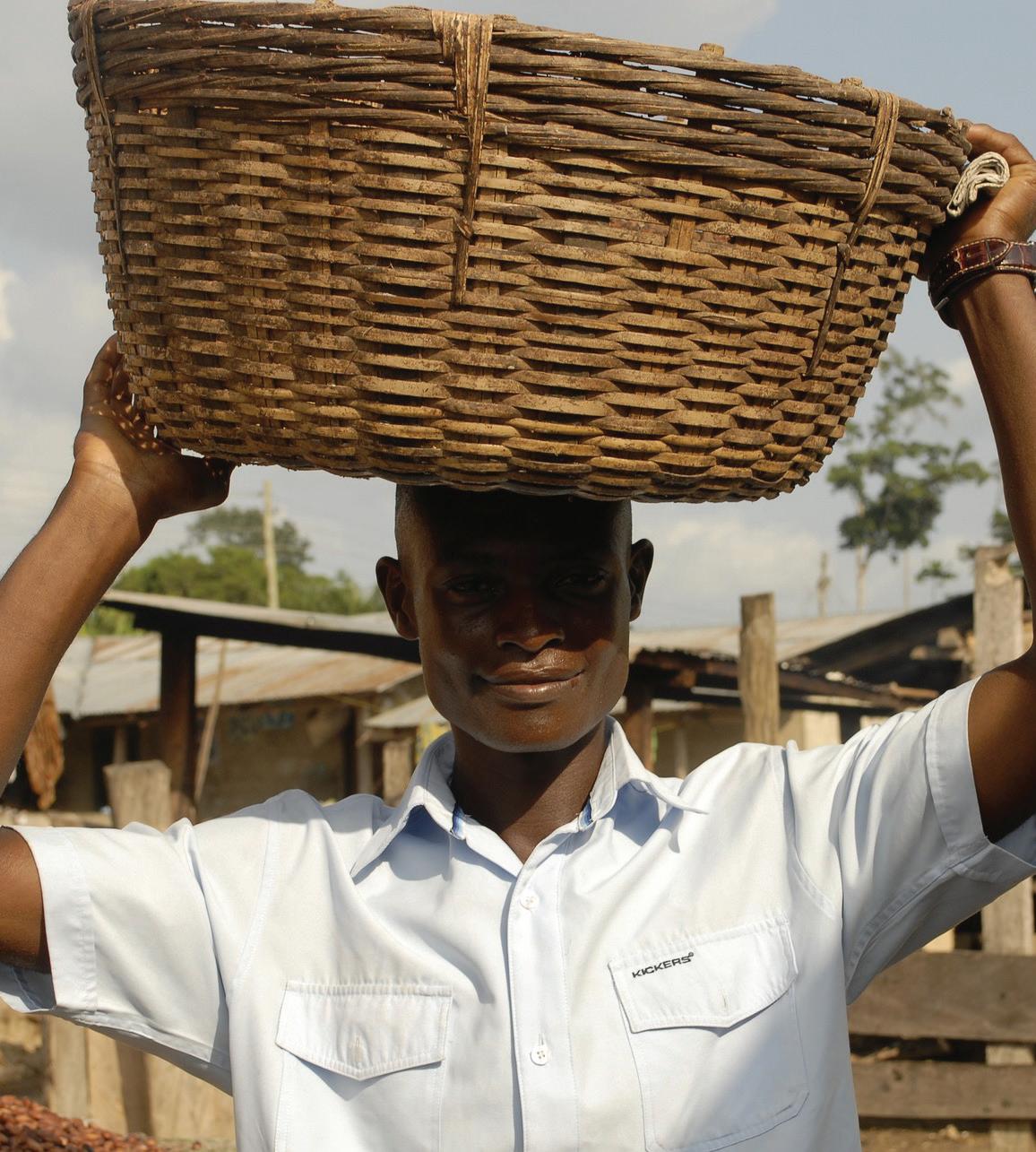
Helping countries respond to climate change
The Center for Science, Technology and Environmental Policy Studies is leading an effort to better understand the roles public, private and nonprofit organizations play in helping African farmers adapt to the growing impact of climate change. The Accelerating Climate Adaptation via Meso-level Integration (ACAMI) project is being funded by a grant from the Bill & Melinda Gates Foundation and is supported by researchers and other social science collaborators from around the world.
Join us
The Watts College of Public Service and Community Solutions is at the vanguard of Arizona State University’s efforts to define the model for a New American University: inclusion vs. exclusion, impact on the public good and responsibility for the broader community. We are working to better our communities in a meaningful way. Yet, we cannot do this alone. In our education and research, in the challenges that we take on, we work closely with partners to find solutions.
The impact of philanthropy
It takes a community. We have seen time and time again that the complex social challenges we face take all of us — researchers, practitioners, leaders, government, nonprofits and community members — coming together to solve them. In the Watts College, we are taking on big issues like ending domestic violence, transforming incarceration, creating more sustainable industries, and addressing affordable housing and homelessness crises. Investments from donors can profoundly impact lives, from helping a student navigate financial hardships and earn their degree to funding programs that are positively shaping our communities and our collective future.
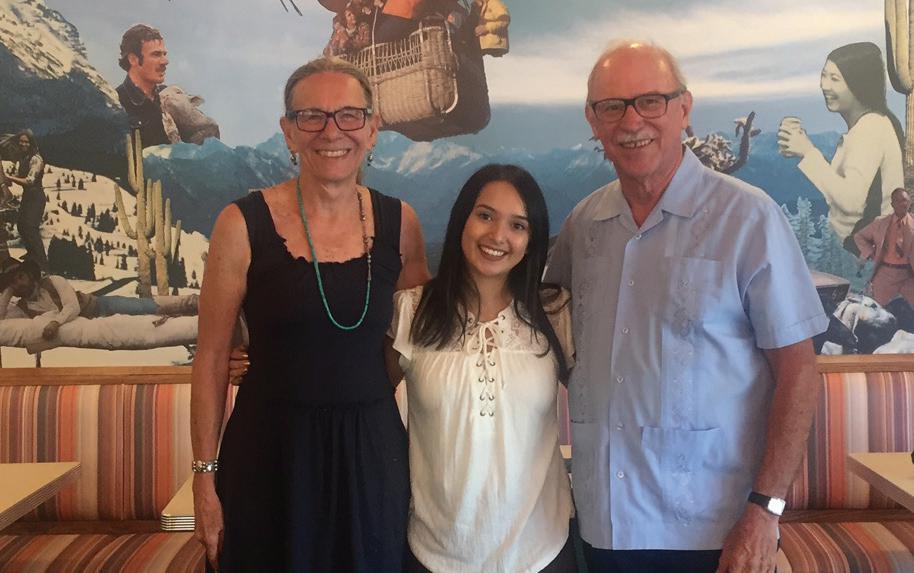
“ I want to change the lives of troubled kids by reminding them that they are worthy and providing them with the resources to reintegrate into society. I believe I can help them be successful.”
– Izzamar Garcia Basaca, scholarship recipient
A commitment to inclusiveness
Active community supporters, Linda and Charles Redman are both believers in ASU’s commitment to inclusiveness and engagement. Their work mentoring elementary school children from primarily Latino families to help them prepare for college served as an inspiration. Now the Redman Family Scholarship helps aspiring underrepresented first-generation students pursue a degree in social work to better their communities.

“ I got word that I had received that scholarship right at a time that I felt like I was going to drop out of college. That was a reminder that ‘you’re strong and you can do this.’ Because of these donors, it took down the blocks. I feel like I can do anything now. ”
Partner with us in research
Our research endeavors bring meaningful advances in health, community safety, policy, organization design, economic development and civic engagement. Together, we can make communities — locally and globally — stronger and more resilient in an increasingly complex world.
– Ashley Statt, scholarship recipient

Provide internships and serve as a mentor
Experiential opportunities offer students valuable insights and serve as a bridge from their academic to professional careers. Through field work and mentoring, our students are ready to affect change today and hit the ground running upon graduation.
Invest in the future
Student support is a core effort. In order to continue to attract and retain talented students from diverse backgrounds, we must help ensure the resources needed. Scholarships provide incentive and motivation to students who might otherwise struggle to pursue a college degree.