
Pilgrim Rest Foundation Community Hub Evaluation Report
December 2025
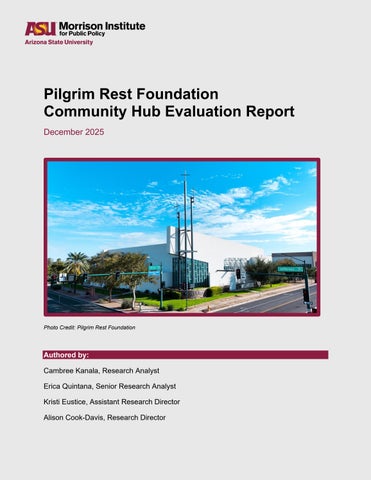
Photo Credit: Pilgrim Rest Foundation
Authored by:
Cambree Kanala, Research Analyst
Erica Quintana, Senior Research Analyst
Kristi Eustice, Assistant Research Director
Alison Cook-Davis, Research Director
Executive Summary
In an effort to minimize child welfare involvement and provide an effective pathway for families to access essential community resources before child welfare interventions become necessary, the Arizona Department of Child Safety (DCS) partnered with Pilgrim Rest Foundation (PRF), a community non-profit and Family Resource Center in Phoenix, Arizona, to implement the “Community Hub” pilot program. Beginning in July 2024, the year-long program provided resources and services to families residing in six specific zip codes who were screened out through the DCS hotline and referred to PRF for services. PRF contacted referral families, without disclosing that they were referred by DCS, and invited them to PRF to access critical support, including rental assistance, utility assistance, bus passes, concrete resources, health and wellness referrals, monthly mobile food pantries, legal support, job referrals, and parenting education.
An evaluation was conducted to assess the impact of the Community Hub program and the range of services and resources offered at PRF, as well as to gain a deeper insight into the needs of clients visiting PRF. Administrative client data recorded during the pilot period was utilized to identify client demographics and compare assistance costs for families with older versus younger children In addition, a client survey was administered to evaluate clients’ experiences and identify their primary needs when visiting PRF for support. The following section presents the key findings from this evaluation.
Key Findings
Clients place a high level of trust in PRF and view them as a reliable source of support. Nearly all client survey respondents expressed confidence in the information and resources they received during their visit and that they would recommend a friend or family member in need to PRF for support. Most clients reported feeling better prepared to meet their needs after visiting PRF.
PRF served thousands of clients in need, connecting them to essential services and resources. Between July 2024 and August 2025, a total of 6,375 clients visited PRF according to administrative data. Of those, 88 (1.4%) were identified as DCS Referral Clients, clients who were referred to PRF after receiving a screened-out DCS hotline call, and 6,287 (98.6%) were identified as General Clients, all other clients accessing services at PRF who DCS did not refer. While the two client groups represented a diverse array of demographics and identities, a majority of both groups reported enrollment in additional government benefit programs, emphasizing the high needs of individuals and families accessing PRF.
Rental and utility assistance were the primary needs reported by clients seeking support at PRF. Client survey data indicated that 80.8% of all 355 respondents reported needing rental assistance on the day of their visit to PRF, and 37.5% reported needing utility assistance. Among returning clients, most (90.4% of 91 clients) reported having applied for assistance at their previous visit, with 44% indicating that they received assistance. Still, 71.4% of returning
clients reported needing rental assistance at their current visit, and 31.9% reported needing utility assistance, highlighting the persistent nature of these critical needs.
The PRF service model provided clients with more services and resources than they initially sought. While most clients reported visiting PRF for rental or utility assistance, an analysis of the client survey data revealed that they were connected to additional beneficial services and resources during their visit. PRF’s holistic approach and one-on-one service delivery resulted in a higher proportion of clients receiving or discussing a service/resource than those who initially came to PRF seeking that service/resource
PRF distributed a total of $1,302,867.35 in assistance during the pilot period. The primary types of assistance distributed to clients were rental assistance ($566,674.01), concrete resources ($180,604.90), and utility assistance ($534,213.71) (See Amount and Type of Client Assistance for assistance definitions) An additional $21,374.73 was distributed to other types of assistance offered at PRF, including bus passes, bereavement assistance, and lodging support.
PRF served and assisted more families with older children (ages 6-17), filling the gap for Arizona Family Resource Centers, which primarily serve families with younger children (ages 0-5). Over half (54.1%) of DCS Referral Clients had at least one child aged 6-17 and an additional 31.8% had at least one child aged 0-5 and at least one child aged 6-17 (n = 85). DCS Referral Clients with children received a total of $44,870.19 in assistance (n = 61); clients with children aged 6-17 were allocated $23,527.87 and clients with at least one child aged 0-5 and at least one child aged 6-17 were allocated $16,715.38
The largest portion (44.6%) of General Clients had at least one child aged 6-17 and an additional 31.9% had at least one child aged 0-5 and one child aged 6-17 (n = 4,064). General Clients with children received a total of $895,459.01 in assistance (n = 1,662); clients with children aged 6-17 were allocated $412,699.70 and clients with at least one child aged 0-5 and at least one child aged 6-17 were allocated $285,991.29
Introduction
Research shows a clear association between poverty and involvement in the child welfare system. Without adequate access to services and support, families that are experiencing material and economic hardship are more likely to be reported to the child welfare system for neglect.1 In Arizona, nearly 50% of calls to the child welfare hotline are screened out because they do not meet the definition of abuse or neglect, putting families at risk of having a subsequent screened-in report in the future, as their unmet needs often continue to persist without meaningful intervention.2
To better address family needs and improve family stability Arizona has intentionally expanded and invested in community-centered programs, policies, and initiatives. In 2024, the Arizona Department of Child Safety (DCS) released a 2025-2029 five-year strategic plan outlining five outcomes that identify and address key improvements needed to deliver essential services and support to Arizona children and their families. In alignment with work of this evaluation, one of the five outcomes detailed in the strategic plan includes increasing connection to primary prevention community-based programs, such as Family Resource Centers, among families with a screened-out call from the DCS hotline.3 Family Resource Centers (FRCs) are communitybased hubs that provide families access to information, parenting education, referrals, and opportunities for social connection. As of 2025, 62 known FRCs exist across the state, serving approximately 29,000 families a year. Arizona’s FRCs play a critical role in strengthening families, preventing crises from escalating, and improving child well-being.4
Making progress towards the agency’s strategic outcomes, the DCS Office of Prevention formed a partnership with Pilgrim Rest Foundation (PRF), a community nonprofit organization that serves as an FRC in Phoenix, Arizona. PRF provides accessible and comprehensive support to individuals and families in need, collaborating with local providers and community organizations to deliver wrap-around services and resources tailored to client needs. The services and resources provided at PRF include rental assistance, utility assistance, bus passes, concrete resources, health and wellness referrals, monthly mobile food pantries, legal support, job referrals, and parenting education.
1 Cusick, G., Gaul-Stout, J., Kakuyama-Villaber, R., Wilks, O., Grewal-Kök, Y., & Anderson, C. (2024). A Systematic Review of Economic and Concrete Support to Prevent Child Maltreatment. Societies, 14(9), 173. https://doi.org/10.3390/soc14090173
2 Arizona Department of Child Safety. (2024). More Prevention Services, Fewer DCS Reports. https://dcs.az.gov/sites/default/files/documents/files/CAC-mar2024-presentedmaterial-1.pdf
3 Arizona Department of Child Safety, FY 2025 -2029 Strategic Plan, https://dcs.az.gov/sites/default/files/DCSReports/AZDCS-StrategicPlan-7.14.25.pdf
4 Peterson, M., Castañeda, M. (2025, October). Family Resource Center Needs Assessment: Expanding to Serve Families with Children of All Ages. Prevent Child Abuse Arizona. https://pcaaz.org/wp-content/uploads/2025/10/FRCExpansion-Report-2025.pdf
Establishing a Community Hub
In July of 2024, PRF and DCS launched the “Community Hub” pilot program. The Community Hub was established to serve as a central resource, connecting individuals and families in need to crucial services, resources, and assistance. The year-long initiative focused on six target zip codes (85008, 85009, 85040, 85041, 85033, and 85035) in Maricopa County, where a higher rate of reports and removals is documented by DCS. This program, the first-of-its-kind in Arizona, aimed to reduce the number of children from high removal zip codes in the child welfare system by proactively providing support to mitigate future DCS involvement. With a deep understanding of the unique challenges faced by families in these communities, PRF prioritizes cultural sensitivity, trauma-informed care, and innovative service delivery.
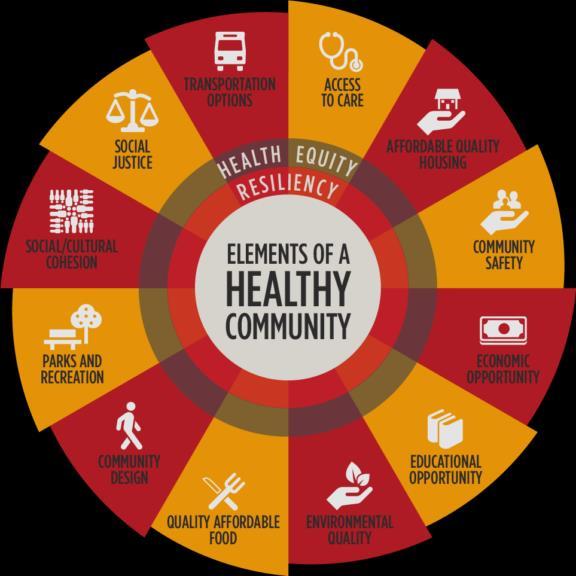
Working closely with PRF leadership, DCS provided bi-weekly referral lists of families residing in targeted zip codes who received a screened-out call to the DCS hotline. A PRF community liaison personally contacted the referred families, without mentioning DCS, and informed them of the available support, inviting them to visit the Community Hub to learn more. PRF’s services and resources are intentional and informed by the Vitalyst Health Foundation's “Elements of a Healthy Community” wheel, which emphasizes the need for a holistic, intersectional approach to community wellness and stability.5
The Client Experience
All clients who visit the Community Hub must complete a 10-15-minute intake application with a PRF family advocate (intake applications are only available in person). Trained in traumainformed care, family advocates meet with clients one-on-one, asking a series of questions to better understand their current situation, while documenting necessary information in the client
5 Vitalyst Health Foundation. Elements of a Healthy Community Wheel. https://www.vitalysthealth.org/the-wheel/
Figure 1. Vitalyst Health Foundation's “Elements of a Healthy Community” Wheel
database (Charity Tracker), including demographic details and client needs. Based on the client’s unique individual needs, the family advocate provides a printed list of beneficial resources, referrals, or programs and aides in completing and submitting the PRF financial assistance application. To conclude the intake application process, clients are asked to sign an “Applicant Notice,” which details that applying for financial assistance does not guarantee receipt of assistance and that the client will be notified if they are selected to receive assistance.
PRF receives approximately 200 assistance applications per week; however, this high volume exceeds the amount of available assistance they can provide. To ensure equity in selecting which applicants are granted assistance, PRF uses a standardized rubric that prioritizes more dire client circumstances, including referrals from DCS. Each week, PRF leadership reviews the applications and uses the rubric to determine the outcome of each client’s application. Once decisions are made, family advocates contact clients who have been granted aid, and checks are distributed by PRF every Friday. If a client does not receive assistance, they can return to PRF and meet with a family advocate to complete the intake application process again and reapply for assistance. Clients who receive assistance can also return to apply for additional assistance.
The Community Hub Evaluation
The DCS Office of Prevention has partnered with Morrison Institute (MI) to evaluate the services, resources, and assistance provided at PRF and better understand the needs of clients accessing support. The evaluation explores outcomes for two distinct client groups where available: (1) DCS Referral Clients: clients accessing services who were screened-out by DCS and referred to the PRF Community Hub, and (2) General Clients: all other clients accessing services at PRF. This report presents the findings from an analysis of PRF administrative data, differentiated by the two client groups, as well as an anonymous client survey that includes the self-reported needs and experiences of all clients visiting PRF, regardless of referral status.
Methods
To identify who is being served at PRF and examine the types and amount of financial assistance received by PRF clients, MI analyzed administrative data. PRF leadership compiled and shared de-identified administrative data from their client database, Charity Tracker, for client visits from July 1, 2024, to August 31, 2025 – the duration of the pilot program. The dataset included client demographic information reported during the intake application process, as well as the outcomes of the assistance application, including the types of assistance granted and the corresponding assistance amounts. All data received was cleaned by MI analysts and imported into SPSS 29.0 for descriptive analysis.
Additionally, MI analysts surveyed Community Hub clients to better understand their needs, the services they received during their visits, and their experiences during both current and prior visits. The survey was conducted on-site at the Community Hub immediately following a client’s intake application. Survey responses were collected following client visits between June 23, 2025, and August 25, 2025. The survey used a convenience sampling method, targeting clients
who visited the Community Hub during the active data collection period. Participation in the survey was voluntary, and the first 149 clients who completed the survey received an incentive for their time and for sharing their experiences.
Although analysts examined data from multiple sources to develop a more comprehensive understanding of client experiences, several limitations remain. Administrative data provided useful information about the types of assistance provided to clients, but it did not include information about the full range of client needs due to privacy concerns and data collection methods. While the survey provided rich, self-reported data about clients' needs, analysts could not identify who was referred by DCS or whether first-time clients received assistance after applying through the Community Hub. To address the latter limitation, the survey included questions for returning clients about prior visits to the Community Hub, including whether they received assistance after the visit. As with all retrospective, self-report data, survey responses are subject to certain limitations such as recall bias.
Client Background
According to PRF administrative data, a total of 6,375 clients visited PRF and completed an intake application between July 1, 2024, and August 31, 2025. The following section provides an overview of the demographic profiles of the two client groups, including zip code, race, ethnicity, and receipt of government benefits.
DCS Referral Clients
According to the available data, 88 of the total 6,375 clients (1.4%) who visited PRF during the Community Hub pilot program were identified as DCS Referral Clients. It is important to note that the entirety of DCS Referral Clients who visited PRF during the pilot program may not be accurately represented in the administrative data, due to variations in data entry practices and reporting limitations. As DCS Referral Clients represent a substantially smaller client group, researchers were unable to conduct meaningful comparative analysis between the two client groups. The findings from General Clients and DCS Referral Clients should be interpreted independently due to the limited sample size.
Zip Code
A majority (67.5%) of DCS Referral Clients were documented as residing in the pilot program’s six target zip codes. The highest proportion of DCS Referral Clients resided in 85008 (15.1%) and 85041 (15.1%), followed by 14.0% of clients residing in 85040, 10.5% residing in 85035, 7.0% residing in 85009, and 5.8% residing in 85003.
Figure 2. DCS Referral Clients by
Zip Code (n = 88)

Race and Ethnicity
The PRF administrative data captures self-reported race and ethnicity as distinct variables, each with a unique number of observations; therefore, these variables were analyzed and reported independently. Administrative data found that the largest portion of DCS Referral Clients identified as “Other” (39.8%). Since the client database did not have a “type-in” option for “Other,” the specific racial identities of these clients are unknown. Aside from the “Other” responses, clients’ racial identities were recorded as African American (36.4%), Caucasian (14.8%), Native American (4.5%), and Multi-Racial (3.4%).
© TomTom Powered by Bing
3. DCS Referral Clients by Race (n = 88)
The ethnic composition of DCS Referral Clients was evenly distributed, with 50% of clients identifying as Hispanic and 50% identifying as non-Hispanic.
Figure 4. DCS Referral Clients by Ethnicity (n = 88)
Government Benefits
Many DCS Referral Clients were accessing government benefits in addition to the PRF Community Hub, with 81.8% of clients reporting enrollment in at least one government benefit program. Analysis revealed that 69.3% of DCS Referral Clients were enrolled in the Arizona Health Care Cost Containment System (AHCCCS), 65.9% of clients had Supplemental Nutrition Assistance Program (SNAP) benefits, and 22.7% had Women, Infants, and Children (WIC) benefits. Given that AHCCCS, SNAP, and WIC are structured to provide essential support to families and individuals in need, high rates of enrollment and participation among DCS Referral Clients align with expectations. Additionally, 13.6% of DCS Referral clients were receiving Supplemental Security Income (SSI), 8.0% of clients were enrolled in Medicare, 2.3% of clients were receiving Temporary Assistance for Needy Families (TANF), and 1.1% of clients were receiving Unemployment benefits.
Figure
Figure
5. DCS Referral Clients Accessing Government Benefits (n = 88)
General Clients
Of the total 6,375 clients who visited PRF during the Community Hub pilot program, 6,287 (98.6%) were identified as General Clients. General Clients include all clients in the administrative dataset, except for those who were indicated as referrals from DCS.
Zip Code
General Clients had a geographically diverse background, representing a variety of zip codes across the Phoenix Metropolitan area. The top six zip codes were 85008 (5.7%), 85015 (4.4%), 85041 (4.2%), 85040 (4.0%), 85031 (3.9%), and 85021 (3.7%). Notably, three of the top six General Client zip codes align with the DCS target zip codes (85008, 85040, and 85041), suggesting that individuals and families not involved with DCS are already turning to PRF for support at a relatively high rate.
Figure
6. General Clients by Zip Code (n = 6,216)
Title

Race and Ethnicity
Over half (51.3%) of General Clients self-identified as African American. Furthermore, 24.7% of General Clients identified as “Other,” 16.4% identified as Caucasian, 3.8% identified as Native American, 2.1% identified as Multi-Racial, 1.0% identified as Middle Eastern, and less than 1.0% identified as Asian and Pacific Islander. As the client database did not have a “type-in” option for “Other”, the specific racial identities of these clients are unknown.
© TomTom Powered by Bing
Figure 7. General Clients by Race (n = 6,287)
Roughly a quarter (73.1%) of General Clients identified as Hispanic, while 26.9% identified as non-Hispanic.
Figure 8. General Clients by Ethnicity (n = 6,099)
Government Benefits
A majority (71.4%) of General Clients accessing services at PRF were also receiving additional support through government benefit programs. Analysis showed that 55.4% of all clients had Supplemental Nutrition Assistance Program (SNAP) benefits, and 55% of clients were enrolled in the Arizona Health Care Cost Containment System (AHCCCS). Other program enrollment included Supplemental Security Income (SSI) with 12.1% of clients, Medicare with 9.6% of clients, Women, Infants, and Children (WIC) with 9.1% of clients, and less than 1% of clients were receiving Unemployment, Veterans Benefits, and Temporary Assistance for Needy Families (TANF). The substantial enrollment in government programs with income-based eligibility requirements illustrates the significant needs and limited economic stability among all PRF clients.
Figure 9. General Clients Accessing Government Benefits (n = 6,287)
Understanding Client Needs
Immediately following their intake application, clients were asked to complete a voluntary survey. A total of 355 individuals responded to the client survey. A majority of respondents (74.4%; n = 264) indicated they were visiting PRF for the first time, while 25.6% (n = 91) identified as returning clients. Survey responses allowed analysts to gain a deeper understanding of client needs, services received during their visits, and experiences during both their current and prior visits.
Client Needs
Survey results indicated that the majority (80.8%) of all respondents (n = 287) reported needing rental assistance the day of their visit to PRF. This was followed by respondents indicating a need for utility assistance (37.5%). Other needs were less frequently reported by survey respondents at their visit, including food resources (7.3%), housing resources (6.2%), and transportation resources (2.5%). A small proportion of clients reported they were seeking mental or behavioral health services (1.7%), education and employment resources (1.7%), and family and child services (1.7%)
Figure 10. Client Needs on Day of Visit to PRF (n = 355)
Rental assistance
Utility assistance
Food resources
Housing resources
Other
Transportation resources
Family and child services
Education and employment resources
Mental/behavioral health services
Healthcare Legal help
The survey also asked clients if they applied for assistance during their current visit. The vast majority of clients (96.2%) reported that they applied for rental or utility assistance.
Among only returning clients, 71.4% indicated they were seeking rental assistance during their current visit to PRF. This was followed by returning clients indicating a need for utility assistance (31.9%). Other needs were less frequently cited by returning clients, including food resources (8.8%), housing resources (6.6%), and transportation resources (4.4%). Very few returning clients reported seeking “other” services (3.3%), mental or behavioral health services (1.1%), or family and child services (1.1%).
Figure 11. Returning Clients’ Needs on Day of Visit (n = 91)
Rental assistance
Utility assistance
Food resources
Housing resources
Transportation resources
Education and employment resources Other
Family and child services
Mental/behavioral health services
Legal help
Returning clients were also asked if they applied for rental assistance, utility assistance, or concrete assistance during their last visit to PRF, and whether they received assistance following the visit. A large majority of returning clients (90.4%) indicated that they had previously applied for assistance, and 44% reported having received assistance. A small percentage of returning clients (4.8%) indicated they did not apply for assistance previously, and the remaining 4.8% indicated they either did not apply for assistance or did not remember if they applied for assistance during their prior visit.
Amount and Type of Client Assistance
The client survey did not ask clients about the amount of assistance they received; however, administrative data provided by PRF leadership allowed analysts to identify the types and amounts of assistance for all clients served during the project period. Analysis revealed that between July 1, 2024, and August 31, 2025, PRF distributed a total of $1,302,867.35 in assistance, with 98.4% ($1,281,492.62) of total funds allocated to three primary assistance types: rental assistance, concrete resources, and utility assistance. An additional 1.6% was allocated to other types of assistance, including transportation (bus passes), bereavement assistance, and lodging support.
Table 1 presents the number of clients who received assistance and the frequency of each type of assistance provided during the project period. Note that the unique number of clients differs from the frequency of rental and utility assistance, as some clients received those assistance types more than once.
Rental Assistance
Of the total clients who received assistance, 40.8% received rental assistance. Rental assistance funding originated from multiple sources, including PRF, grant funding from the Nina Mason Pulliam Charitable Trust, and a partnership with the Society of St. Vincent de Paul. A small percentage of clients (4.3%) received rental assistance more than once, with a maximum of two instances.
Concrete Resources
Of the total clients who received assistance, 31.1% received concrete resources. The concrete resources program was funded and operated by the DCS Office of Prevention, with PRF serving as an authorizer for clients to submit an application for concrete resources to DCS. Concrete resources provided up to $1,000 in support to all families with children who do not have an open DCS case, covering expenses such as auto repairs, mental health services, trade school, and pediatric dental care. DCS stipulates that clients can only receive concrete resources one time; therefore, the number of clients and the frequency of assistance are equal.
Utility Assistance
Of the total clients who received assistance, 24.6% received utility assistance. PRF partnered with Southwest Gas, SRP, and APS to provide direct utility assistance, in addition to designated PRF funding. Roughly 1 in 5 clients (18.2%) received utility assistance more than once, with a maximum of three instances.
*Note. Concrete resources can only be received one time.
The Community Hub Effect
Returning to the client survey data, this section examines the types of services clients sought during their visit, the services clients received or discussed during their visit, and whether clients' needs were met. This section also highlights the role FRCs play in connecting individuals and families to a broader array of supports beyond those initially sought.
Table 1. All Clients’ Assistance Allocation by Type and Amount
Services Received or Discussed During Visit
When clients were asked about services received during their visit, survey respondents reported a broad range of services discussed with family advocates. Housing services were most frequently addressed during visits, with 63.9% of clients indicating they talked about or received housing resources from a family advocate. Food resources were discussed or received by 26.2% of respondents, family and child services were received by 10.4% of respondents, and education and employment services were received by 6.8% of respondents. Legal services were received by 5.6% of respondents, and mental or behavioral health services were received by 4.5% of respondents. Finally, transportation services were discussed with 4.2% of survey respondents, and 3.1% of clients discussed healthcare services with a family advocate.
Figure 12. Services Discussed or Received During Visit (n= 355)
Greater Access to Services
Family Resource Centers have an instrumental role in connecting individuals and families to a broad range of support services that address their diverse needs. Clients navigating instability and resource scarcity may feel overwhelmed and stressed, which can make it challenging for them to think beyond their immediate needs.6 PRF’s holistic and individualized service model
6 Appelhans, B. M. (2023). The Cognitive Burden of Poverty: A Mechanism of Socioeconomic Health Disparities. American Journal of Preventive Medicine, 64(2), 293–297. https://doi.org/10.1016/j.amepre.2022.08.012
enables clients to address their immediate needs, while also providing them additional support for intermediate needs that may be less prominent.
Client survey data revealed that while most clients reported visiting PRF for either rental or utility assistance, many also gained access to other resources/services through their intake with a family advocate. Table 2 shows the percentage of clients who went to PRF seeking each type of service, along with the percentage of clients who received or talked about each service. Across nearly all service categories, a larger percentage of clients received or discussed a service compared to the percentage of clients who were initially seeking that service.
Table 2. Type of Service Clients Sought and Type of Service Received (n = 355)
All clients who were seeking housing resources when visiting PRF ultimately discussed housing resources with a family advocate (63.7%), but many also received additional support For example, although fewer clients (7.3%) were initially drawn to PRF because they were seeking food resources, 21.2% of clients reported discussing food resources with a family advocate. Similar patterns emerged for other services offered at PRF, such as transportation, mental and behavioral health services, education and employment services, and family and child services. It is notable that although no clients were initially drawn to PRF seeking health services or legal help, some respondents (3.1% and 5.4%, respectively) reported receiving these services during their visit.
Filling the Gap
Family Resource Centers (FRCs) in the Phoenix Metropolitan area have a greater concentration of services targeting families with younger children (aged 0-5), in turn creating a gap in resources for families with older children (aged 6-17).7 According to a 2025 report from Prevent Child Abuse Arizona (PCAA), there are an estimated 62 FRCs throughout the state. Roughly three-quarters (77%) focus on supporting families with children aged 0-5. The report found that while many FRCs have a desire to expand services to families with children 0-17, the partnerships, financial support, and in-kind contributions needed to achieve this goal are lacking.8
PRF is unique in that they provide resources and services to families with children of all ages, making them an ideal partner to steward the Community Hub program and address the existing gap in FRCs. To evaluate the impact of PRF on families with older children, analysts utilized administrative data to identify clients’ family composition and calculate the amount of assistance allocated to families with younger children versus those with older children. Administrative data allowed for reporting on four family composition categories: (1) clients with at least one child aged 0-5, (2) clients with at least one child aged 6-17, (3) clients with at least one child aged 0-5 and at least one child aged 6-17, and (4) clients with a child/children of unknown ages.
DCS Referral Clients
Family Composition
Analysis revealed that the PRF Community Hub program was successful in reaching families with older children. Over half (54.1%) of clients had at least one child aged 6-17, followed by nearly a third (31.8%) of clients with at least one child aged 0-5 and at least one child 6-17. The remaining clients had at least one child aged 0-5 (12.9%) or a child/children of unknown ages (1.2%).
Clients with at least one child aged 6-17
Clients with at least one child aged 0-5 and at least one child aged 6-17
Clients with at least one child aged 0-5
*Note: Eighty-five (85) of 88 cases contained child-relevant data.
Clients with a child/children of unknown ages
7 Family Hub AZ, Family Resource Centers, https://familyhu, addressing,initiatebaz.org/
8 Peterson, M., Castañeda, M. (2025, October). Family Resource Center Needs Assessment: Expanding to Serve Families with Children of All Ages. Prevent Child Abuse Arizona. https://pcaaz.org/wp-content/uploads/2025/10/FRCExpansion-Report-2025.pdf
Table 3. DCS Referral Clients Children by Age (n = 85)*
Assistance
DCS Referral Clients with children received a total of $44,870.19 in assistance. The largest proportion of assistance was distributed to clients with children aged 6-17 ($23,527.87), followed by clients with at least one child aged 0-5 and at least one child aged 6-17 ($16,715.38), clients with at least clients with at least one child aged 0-5 ($4,394.15), and clients with a child/children of unknown ages ($232.79).
4. DCS Referral Clients Assistance by Family Composition (n = 61)
The PRF Community Hub allocated 100% ($44,870.19) of DCS Referral Client assistance to three main assistance types: rental assistance, concrete resources, and utility assistance. Of the total DCS Referral Clients who received assistance, a majority (75.4%) received rental assistance at least one time. An additional 19.7% of clients received utility assistance at least one time, and 4.9% of clients received concrete resources. DCS Referral Clients with at least one child aged 6-17 received the highest amount of assistance among all three types of assistance (Table 5).
Table
While PRF serves both individuals and families, a majority of General Clients (64.6%) reported having children in their household (Table 6). The largest percentage of clients reported having at least one child aged 6-17 (44.6%), indicating that families with older children were seeking support at PRF, even without a referral from DCS. An additional 31.9% of clients reported having at least one child aged 0-5 and at least one child 6-17, 20.8% of clients had at least one child aged 0-5, and 2.7% had a child/children of unknown ages.
Table 6. General Clients Children by Age (n = 4,064)
Clients with at least one child aged 6-17
Clients with at least one child aged 0-5 and at least one child aged 6-17
Assistance
Clients with at least one child aged 0-5
Clients with a child/children of unknown ages
General Clients with children received a total of $895,459.01 in assistance across various types of assistance (Table 7) The largest proportion of assistance was distributed to clients with children aged 6-17 ($412,699.70), followed by clients with at least one child aged 0-5 and at least one child aged 6-17 ($285,991.29), clients with at least one child aged 0-5 ($174,329.87), and clients with a child/children of unknown ages ($22,438.15).
Table 7. General Client Assistance by Family Composition (n = 1,662)
PRF allocated 97.8% ($876,116.28) of General Client assistance to three main assistance types: rental assistance, concrete resources, and utility assistance (Table 8). An additional 2.2% was allocated to other various types of assistance. Of the total General Clients who received assistance, 29% received concrete resources at least one time. An additional 22.9% of clients received rental assistance at least one time, and 12.5% of clients received utility assistance. General Clients with at least one child aged 6-17 received the highest amount of assistance among all three types of assistance.
Met and Unmet Needs
To explore the extent to which clients’ needs were addressed, the survey asked returning clients to report whether the assistance and resources they received from PRF met their needs. A large majority of clients who received rental and utility assistance indicated that the assistance met their needs (Table 9) Due to small sample sizes, Table 9 provides fractions instead of percentages.
Table 9. Client-Reported Needs Met Following Receipt of Assistance
Similarly, clients generally indicated that other services and resources provided by PRF met their needs (Table 10). Any service categories that received five or fewer responses on the survey are not reported to preserve confidentiality. Among the categories listed, a majority of clients reported their needs were met by the services and resources they received from PRF.
Table 10. Client-Reported Needs Met Following Receipt of Other Services and Resources
If clients indicated that their needs were not met, they were asked to share more about their experience with PRF. Only a few open-ended responses were received. Feedback generally illustrated that clients either had not received rental or utility assistance after applying during a prior visit, or that unmet needs stemmed from the severity of their current situation.
Ongoing Client Needs
For returning clients, analysts examined survey data to determine if returning clients were coming back to PRF for the same types of support. Results showed that many returning clients experience ongoing needs in some of the same areas. Roughly 1 in 4 returning clients (27.5%) indicated they received assistance previously and were applying for assistance again during their current visit. Similar trends emerged for other services, with half of returning clients (50.5%) indicating that housing resources were discussed at both of their visits, and 16.5% of returning clients indicating they discussed food resources with a family advocate after receiving these supports previously.
These findings indicate that while some clients experience short-term needs, others face ongoing challenges, particularly in the areas of housing and utilities. The recurrence of food and transportation needs, though less pronounced, suggests that these services may also play an important role in helping clients maintain stability.
Additionally, all clients were asked if there was any support or assistance they needed that was not available at PRF. While most open-ended responses indicated that all needs were met, one area that emerged was a need for support for their current mode of transportation, which was usually a car. For example, a handful of respondents (10) indicated they could have benefited from vouchers for gas, support for making a car payment, or car repairs.
Client Satisfaction
Overall, survey findings show that clients place a high level of trust in PRF and view the organization as a reliable source of support and resources. A strong majority of respondents expressed confidence in the information and assistance and reported feeling better prepared to meet their needs after visiting PRF.
90.5% of clients surveyed felt better prepared to meet their needs after visiting PRF.
99.1% of clients surveyed trust the information and resources they receive from PRF.
Nearly all respondents (99.1%) agreed or strongly agreed when asked to rate their agreement with the statements “I trust the information and resources I receive from Pilgrim Rest,” and “I would recommend Pilgrim Rest to my friends and family.” Similarly, 96.4% of respondents agreed or strongly agreed with the statement “I know I can go to Pilgrim Rest when I need support.” Finally, most clients (90.5%) also reported feeling more prepared to address their needs after visiting PRF.
At the end of the survey, clients were asked if PRF could make any changes to better support them. Client feedback was overwhelmingly positive and included responses, such as:
“They are very supportive and helpful. God bless them.”
“None, they do an amazing job helping.”
“The experience was comfortable and welcoming.”
Conclusion and Next Steps
Family Resource Centers (FRCs) play a critical role in helping individuals and families access services and achieve stability. The Pilgrim Rest Foundation served thousands of families during the pilot period, connecting them to essential resources such as rental assistance, utility support, concrete resources, food resources, and transportation resources. Further, PRF connected individuals and families to more services than they originally sought. These efforts also helped to foster trust and a connection between PRF and the community, as evidenced by high levels of client satisfaction and willingness to recommend PRF to family and friends in need.
Findings from this evaluation reinforce the importance of continued investment in communitybased support. The pilot program demonstrates that many individuals' needs were met; however, ongoing needs persist for clients, particularly in the areas of housing and utility assistance. Another notable finding from this evaluation reveals that families with older children need support in the same way as families with younger children. PRF plays a vital role in filling the service and assistance gaps for families with older children, as there are few FRCs that serve this population.
As the Arizona Department of Child Safety works to safely reduce the number of families involved in the child welfare system, by investing in supportive services, preventive measures and community partnerships that address the root causes of family challenges, the Community Hub program offers a promising model for community-centered, responsive services. Sustained or expanded investments in the Community Hub service model is a potential pathway for supporting and strengthening families in Arizona.
Next Steps
In early 2026, MI and the DCS Office of Prevention will launch Phase II of the evaluation, building on the work detailed in this report. Phase II will entail three (3) main evaluation activities: (1) enhancing PRF administrative data collection and reporting capabilities, (2) conducting client interviews to identify strengths of service provision and growth opportunities, and (3) analyzing data related to subsequent involvement with DCS for clients who were referred to Pilgrim Rest via a DCS screened-out hotline call.