Optimization of process conditions for Vk fragment capture and purification using MiMode PuraBead® HX2
C.Burdett, J. Lembo, J. Fletcher, J. Shipp, K. Morante, K. Moulson, I. Scanlon, C. Booth, and C. Sadler Astrea Bioseparations, Horizon Park, Barton Road, Comberton, Cambridge, CB23 7AJ, UK
Abstract
The growth of biotherapeutics in the industry has been fuelled by the increasing diversity of monoclonal antibodies (mAbs) and their derivatives, including bispecific antibodies and various fragments like Fab, scFv, and individual light (VL) or heavy (VH) chain fragments. These molecules’ varying physical properties and expression systems create significant purification challenges. Purification typically relies on Protein A or Protein L ligands, depending on the domain composition. However, Protein A and Protein L can be limited by base instability and, in the case of Protein L, its specificity for kappa light chain species.
MiMode PuraBead® HX2 is a mixed-mode chromatography resin with a synthetic ligand that demonstrates broad specificity for both kappa and lambda chains. Its robust base-stability and the stable flow properties of the PuraBead® 6HF matrix make it an attractive alternative to Protein L for antibody fragment purification, even at large scale.
This work demonstrates the potential of MiMode PuraBead® HX2 for capturing and purifying antibody fragments using an E. coli-derived variable kappa light chain (Vk) fragment as a model feedstock. An optimization workflow is outlined, showing superior host cell protein clearance for Vk fragments compared to a competitor Protein L adsorbent. This workflow serves as a guide for optimizing the purification of other antibody fragment targets on MiMode PuraBead® HX2.
1 Scouting binding conditions
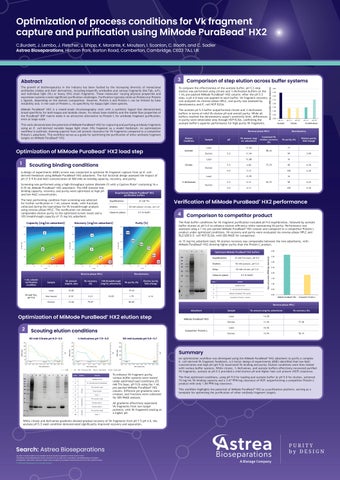
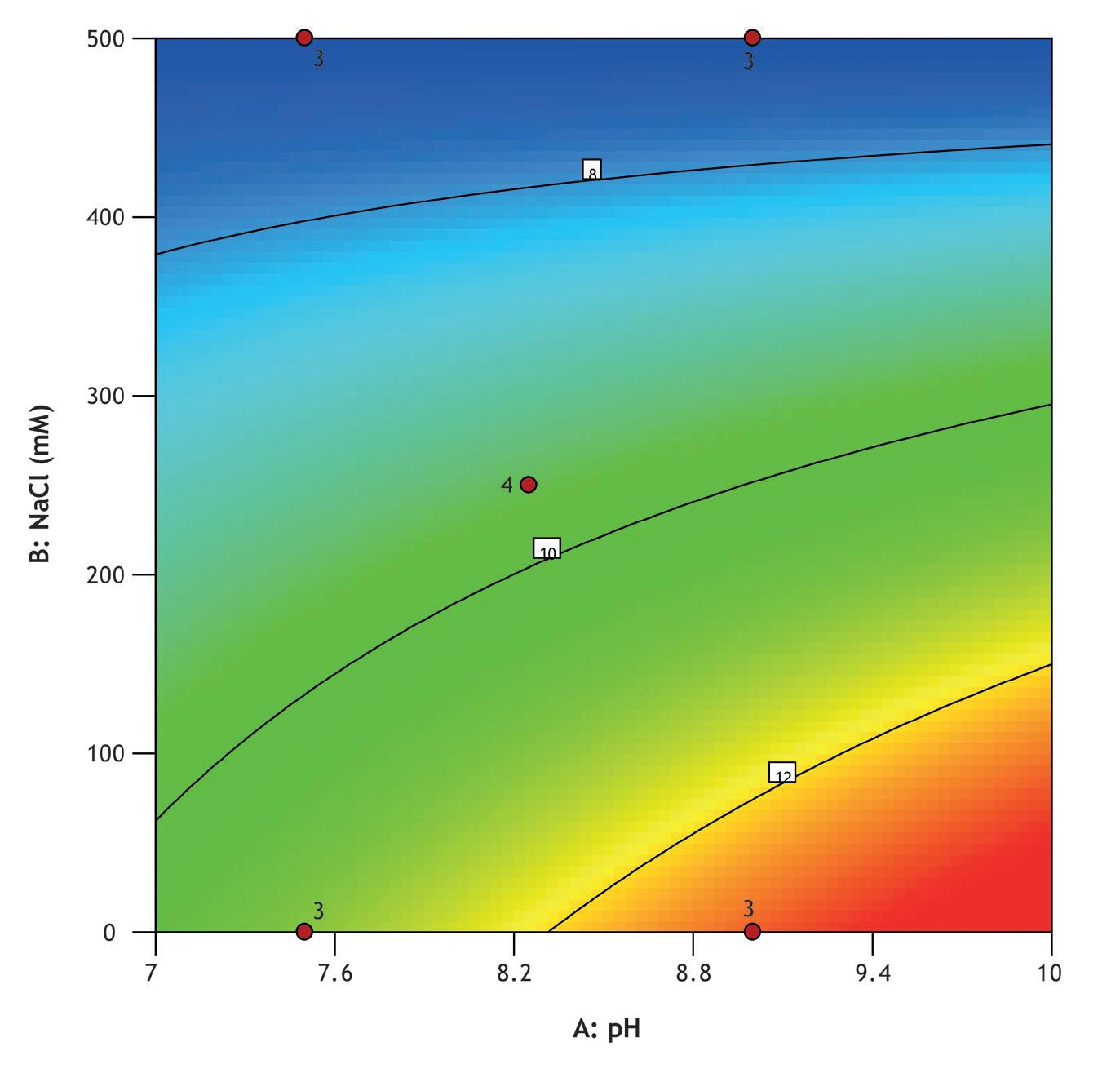
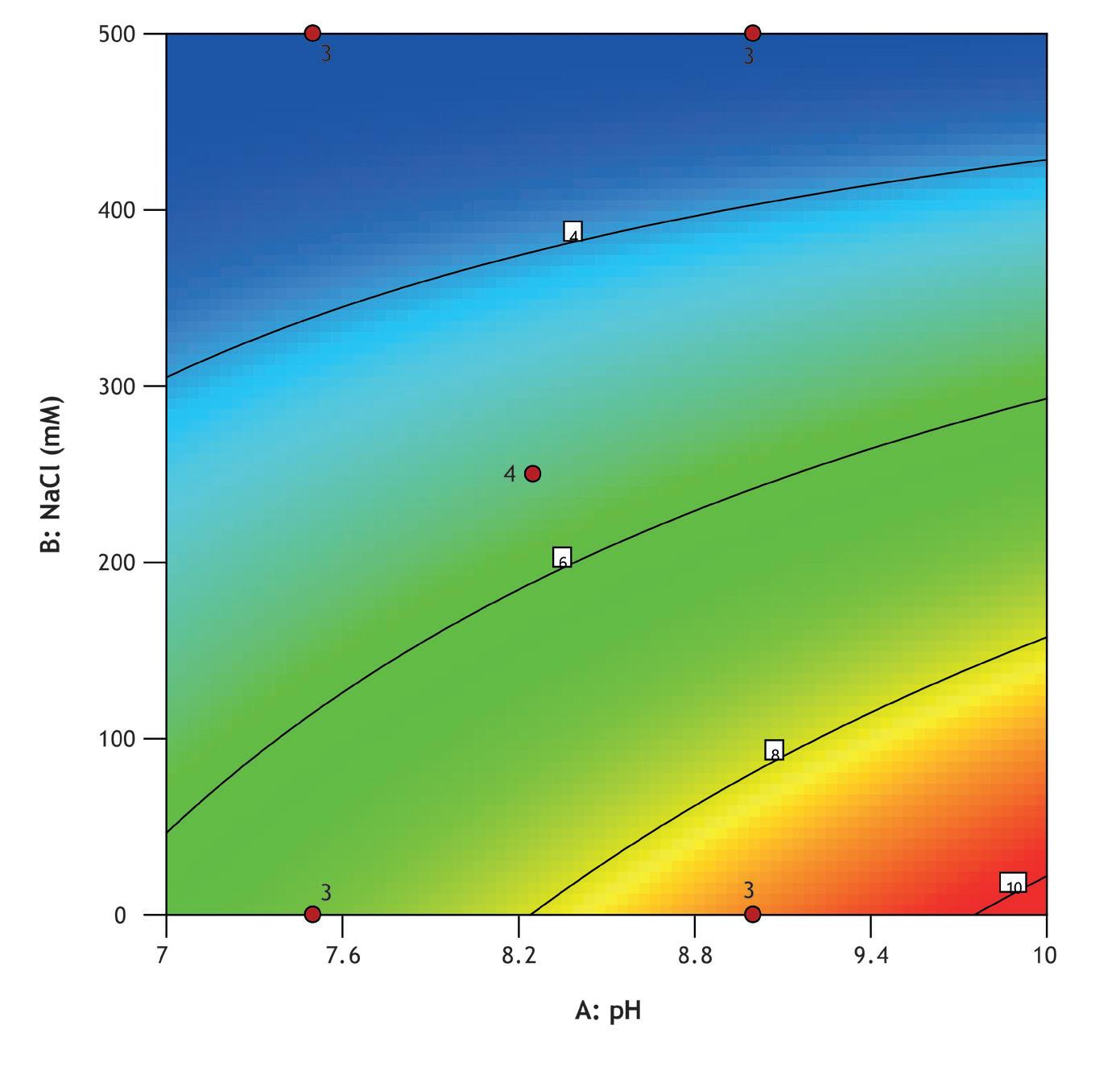
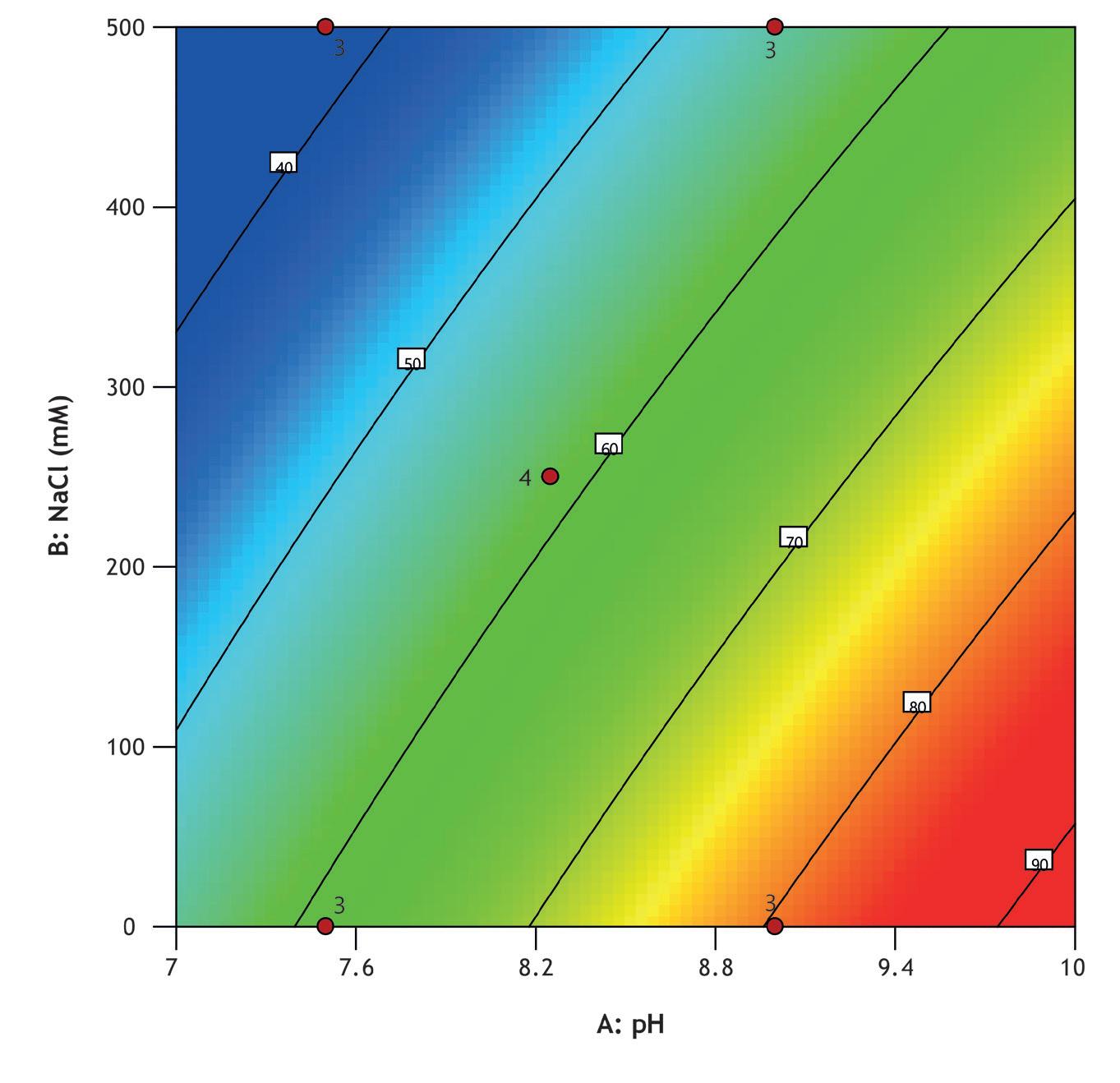
A design of experiments (DOE) screen was conducted to optimize Vk fragment capture from an E. coliderived feedstock using MiMode PuraBead® HX2 adsorbent. The full factorial design assessed the impact of pH (7.5–9.0) and NaCl concentration (0–500 mM) on binding capacity, recovery, and purity.
Screening was performed using a high-throughput system (Biomek i7) with a Captiva Plate® containing 16 x 0.25 mL MiMode PuraBead® HX2 adsorbent. The DOE showed that binding capacity, recovery, and purity were optimized at high pH and low NaCl concentration.
The best performing condition from screening was selected for further verification in 1 mL column mode, with fractions collected during the load phase for Vk breakthrough analysis using reverse-phase HPLC. The verification run showed comparable elution purity to the optimized screen result and a 10% breakthrough capacity of 15 mg/mL adsorbent.
To compare the effectiveness of the acetate buffer, pH 5.5 step elution was performed using citrate and ½ McIlvaines buffers on the 1 mL pre-packed MiMode PuraBead® HX2 column. After the pH 5.5 step, a pH 4.0 step was applied to each buffer. Vk fragment recovery was analyzed via reverse-phase HPLC, and purity was assessed by densitometry and E. coli HCP ELISA.
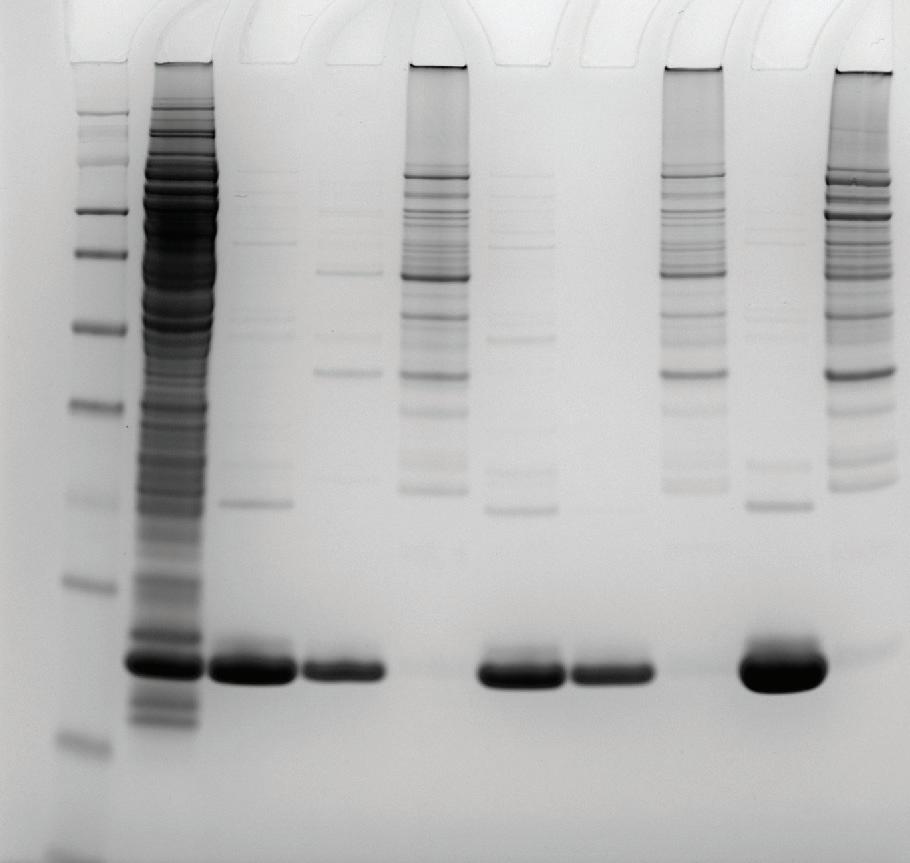
To enhance Vk fragment purity, various buffer systems were tested under optimized load conditions (25 mM Tris base, pH 9.0) using the 1 mL pre-packed MiMode PuraBead® HX2 column. Different pH gradients were created, and fractions were collected for SDS-PAGE analysis.
All gradients effectively separated Vk fragments from non-target proteins, with Vk fragments eluting at a higher pH.
While citrate and McIlvaines gradients showed gradual recovery of Vk fragments from pH 7.5–pH 4.0, the acetate pH 5.5 wash condition demonstrated significantly improved recovery and separation.
The acetate pH 5.5 buffer outperformed citrate and ½ McIlvaines buffers in terms of mild Vk elution pH and overall purity. While all buffers reached the densitometry assay’s sensitivity limit, differences in purity were detectable only through HCP ELISA, confirming the acetate buffer’s superior performance for high-purity Vk fragments.



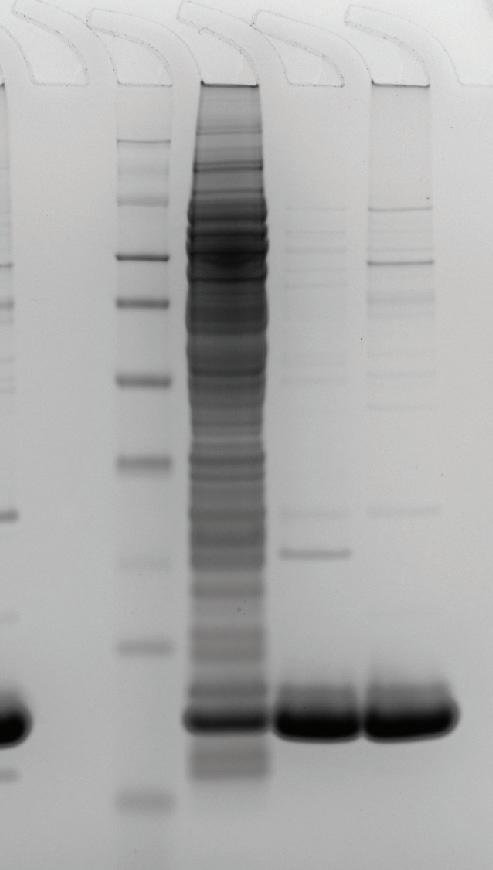
The final buffer conditions for Vk fragment purification included pH 9.0 equilibration, followed by acetate buffer elution at pH 5.0 to enhance elution efficiency while maintaining Vk purity. Performance was assessed using a 1 mL pre-packed MiMode PuraBead® HX2 column and compared to a competitor Protein L product under optimized conditions. Vk recovery and purity were evaluated via reverse-phase HPLC and BL21(DE3) E. coli HCP ELISA, with SDS-PAGE for comparison.
At 15 mg/mL adsorbent load, Vk elution recovery was comparable between the two adsorbents, with MiMode PuraBead® HX2 showing higher purity than the Protein L product.
Summary An optimization workflow was developed using the MiMode PuraBead®
for loading and acetate buffer at pH 5.0 for elution, achieved 15 mg/mL Vk binding capacity and a 3.67 PPM log clearance of HCP, outperforming a competitor Protein L product with only 1.84 PPM log clearance.
This workflow highlights the potential of MiMode PuraBead® HX2 as a purification platform, serving as a template for optimizing the purification of other antibody fragment targets.