HCPure™ process related impurity clearance from viral vectors

Page 1

HCPure™ process related impurity clearance from viral vectors K. Morante, C. Jones, J. Lembo, C. Burdett, I. Scanlon, L. Knightley, C. Booth Astrea Bioseparations, Horizon Park, Barton Road, Comberton, Cambridge, CB23 7AJ, UK

2

Run 2 (pH/Vol)

6/1

8/1

A

6/1

8/1

B

6/1

8/1

C

6/4

8/4

D

6/4

8/4

E

6/4

8/4

F

7/2.5

7/2.5

G

7/2.5

7/2.5

H

HCPure™ host cell protein clearance resin from Astrea Bioseparations is a mixed-mode chromatography resin, designed for the removal of impurities from a range of targets and expression systems, based on an orthogonal ligand design using electrostatic interactions and HIC. Here, we demonstrate that the unique binding profile allows for two key advantages: utilization of mixed-mode to create a highly tuneable purification platform for a variety of loading conditions, and the ability to purify feed streams that other resins can struggle to effectively clean.

Screening for HCPure performance ™

1

Effective binding of HCPure™ to differing DNA lengths

DNA in viral vector production is generally degraded by endonuclease treatment. However, the efficiency of such degradation can vary due to the amount of DNA which can be present. For triple transfection production of AAV, there can be relatively large volumes of DNA added, in addition to the presence of host cell DNA, due to lysis or cellular degradation. Consequently, despite endonuclease treatment, there can be significant variability in the amount of DNA impurities present.

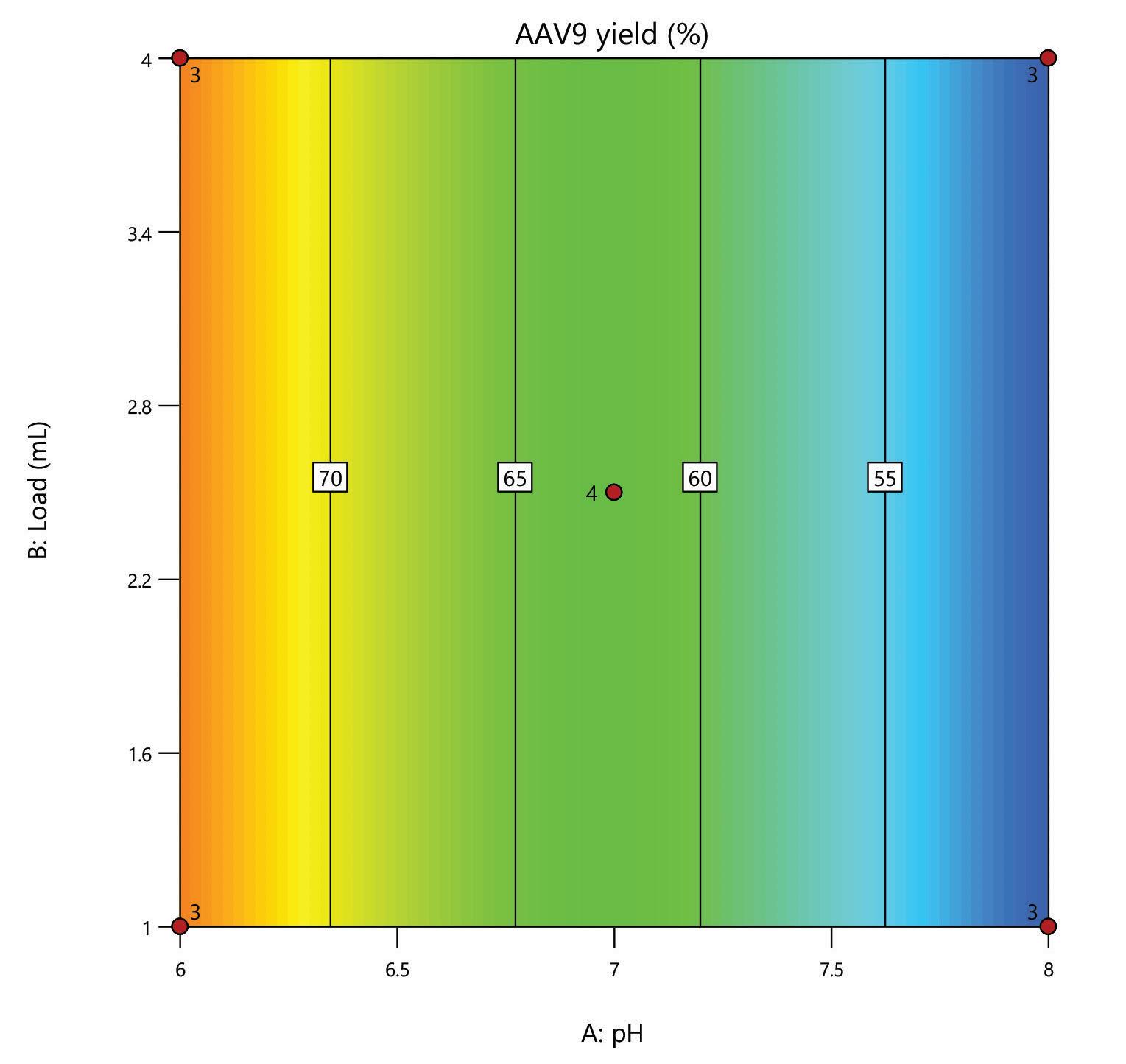
Under the same conditions, the commercial alternative showed significantly lower AAV9 yield.

HCPure™

The resin was screened as a 200 µL slurry in triplicate for each sequence in a 96 well plate on the Beckman Coulter Biomek® i7 liquid handling platform.

Average AAV NB recovery (%)

HCP load (ng)

Average HCP NB recovery (ng)

Average relative log clearance

Average purity fold change

Load (pH 6, 1 mL) n=3

3.98E+12

83.81

276

9

1.39

24.70

Load (pH 6, 4 mL) n=3

1.59E+13

79.20

1104

46

1.28

18.93

Binding was calculated using UV 260 absorbance measured on a BMG LABTECH CLARIOstar® UV plate reader.

Load (pH 7, 2.5 mL) n=4

9.29E+12

93.47

651

132

0.67

4.66

Load (pH 8, 1 mL) n=3

3.94E+12

97.92

245

79

0.48

3.05

Load (pH 8, 4 mL) n=3

1.58E+13

86.79

981

475

0.25

1.79

pDNA Size (kb)

Capacity (µg/mL)

6

170

11

50

34

120

3

AAV9 from Sf9

Volume (mL)

DNA (ng)

DNA reduction (%)

Capsids (total)

Capsid recovery (%)

Load

3

1959

-

3.36E+13

-

Flow-through

8

480

75

2.07E+13

62

AAV5 & AAV9 producing HEK293 feedstock

Feedstocks for AAV5 and AAV9, derived from HEK293 cells, were also polished using HCPure™ in flowthrough mode. These were screened in 200 µL RoboColumns® following a post-affinity capture step with commercially available AAV affinity adsorbents. 1 mL of the AAV feedstocks were loaded onto HCPure™ directly from their post-affinity storage buffers (~ 30 mS/cm, pH 7.5). AAV recoveries were around 80% with a 2-fold increase in purity.

Serotype

AAV NB AAV load recovery Replicate (capsids/mL (capsids/mL ads) ads) 1

Expression System CHO

Pichia

X

Vκ Target

E. coli

Vh

AAV

HEK

Sf9

X

X

X

HCPure™ showed minimal influence from buffer conditions on target yield along with separation of the target from HCP. Furthermore, the ability of HCPure™ to separate HEK293 HCP from different AAV serotypes directly from the post-affinity storage buffers was demonstrated at screening and research scale, illustrating the potential of HCPure™ as a platform technology.

Search: Astrea Bioseparations Any data or results provided are only examples and do not provide any guarantee of similar results in future. The products of Astrea Bioseparations may be covered by or for use under one or more patents: astreabioseparations.com/patents All trademarks, trade names, trade dress, product names and logos are the property of Astrea UK Services Ltd or their respective owners.

Purity fold change

81.81

83.8

0.27

1.9

3.00E+13

105.60

95.3

0.33

2.1

1

1.70E+13

77.12

12.0

0.27

1.9

1.77E+13

80.13

11.8

0.30

2.0

191

2.20E+13

29.1

AAV2 producing HEK293 feedstock

Polishing of an AAV feedstock on HCPure™ has also been demonstrated in column mode. An AAV2 feedstock derived from HEK293 cells showed significant HCP burden post-affinity capture step with a commercially available AAV affinity adsorbent. HCPure™ was packed into a SNAP® column (10 mm i.d. SNAP® column to a 10 cm bed height) and used in flow-through mode to purify the AAV2.

X

HCP NP Average relative recovery (ng) log clearance

Scaled up HCPure™ performance in column mode 4

X

HCP load (ng)

2.32E+13 2.84E+13

2

Summary

AAV NB recovery (%)

2

AAV9

AAV5

© 2024 Astrea Bioseparations Ltd. All rights reserved

Commercial Alternative

AAV load (capsids/mL ads)

Here, we evaluate the DNA removal from AAV 9 expressed in Sf9, purifying in flow-through mode on a 1 mL HT HCPure™ resin column in 10 mM sodium phosphate with 200 mM NaCl 0.001% pluronic F68, pH 6. Clearance of dsDNA was measured by Picogreen, and retention of AAV 9 was measured by ELISA. In this experiment, 75% of the dsDNA was removed. The AAV capsid recovery was 62%, which was improved following a pH and loading volume screen in Box 2.

IgG

HCPure™

Load condition

Binding of pDNA to HCPure™ even in sequences up to 34 kb was seen, suggesting that DNA can be efficiently removed by HCPure™ even if endonuclease treatment was omitted.

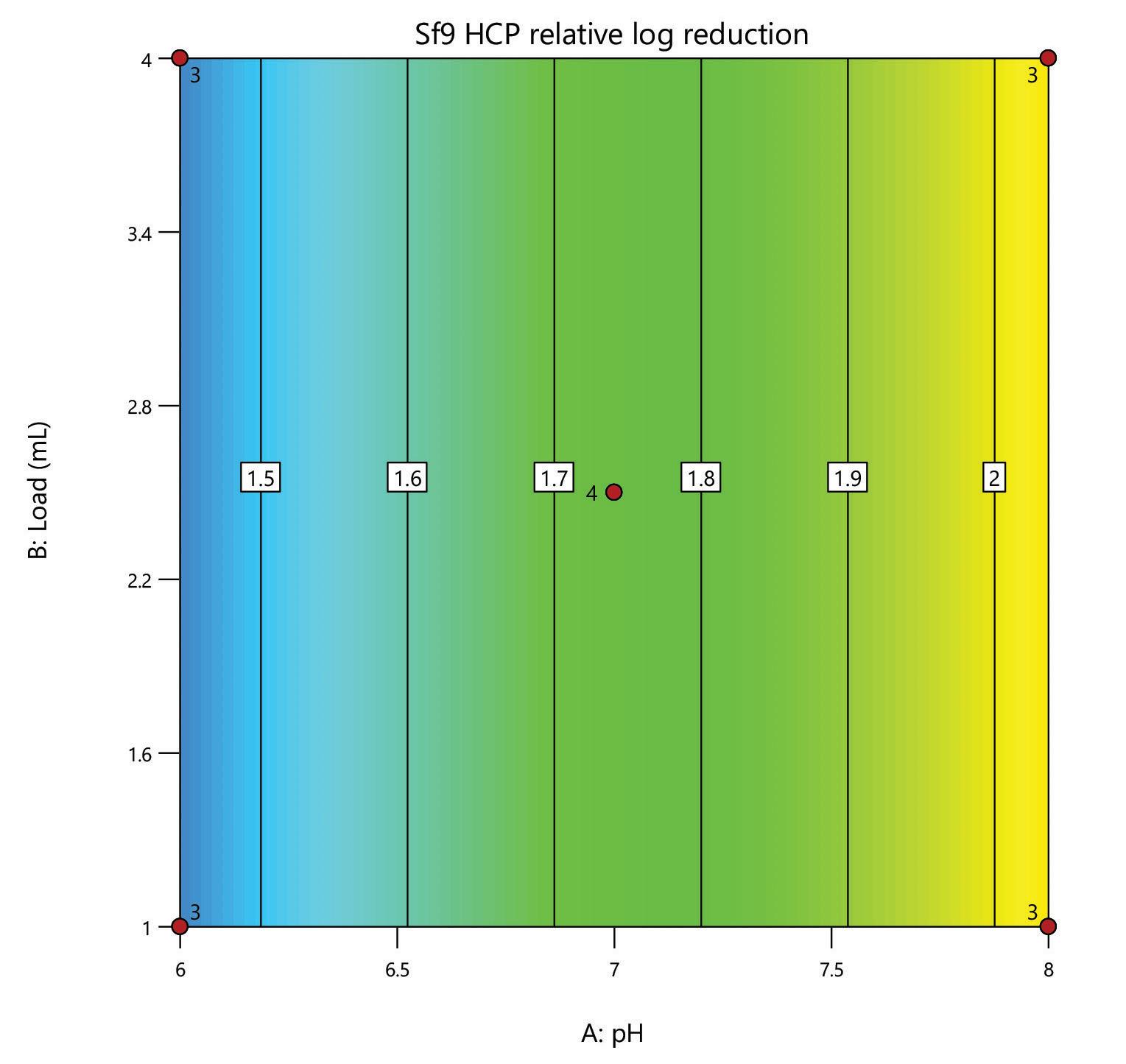
For expression systems typically used in the cell and gene therapy field, such as HEK293 and Sf9, screening of HCPure™ against a range of loading conditions and compared to another commercially available mixed-mode adsorbent demonstrated the robust performance of HCPure™.

2

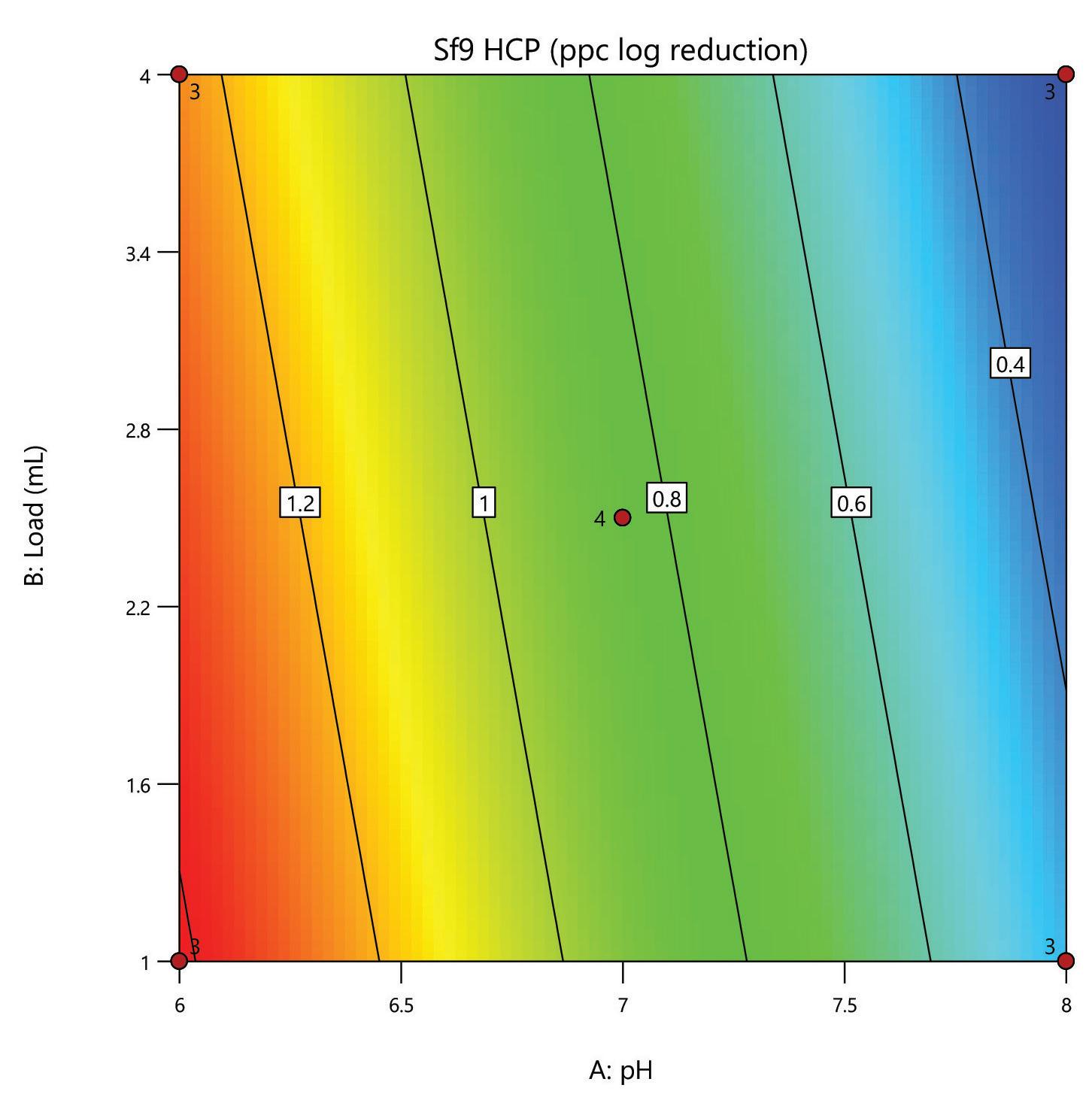
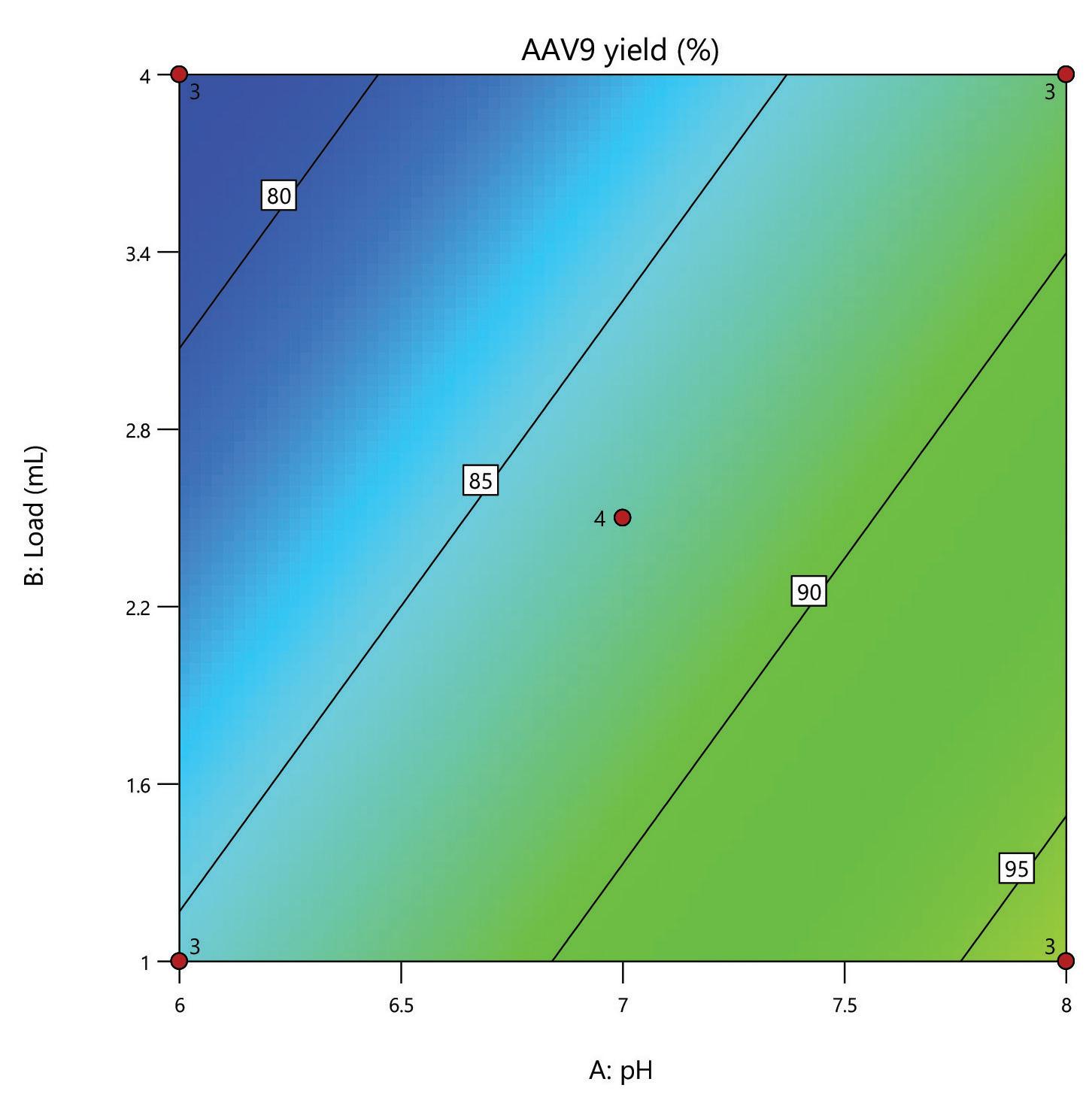
HCPure™ showed improved purity performance at lower pH and lower load volumes. However, HCPure™ also demonstrated high AAV9 recovery across the range of pH and load volumes assessed.

Here, we evaluated the binding of different sequence lengths of HCPure™ at low conductivity and salt. The sequences were generated in E. coli and purified using an AEX based process.
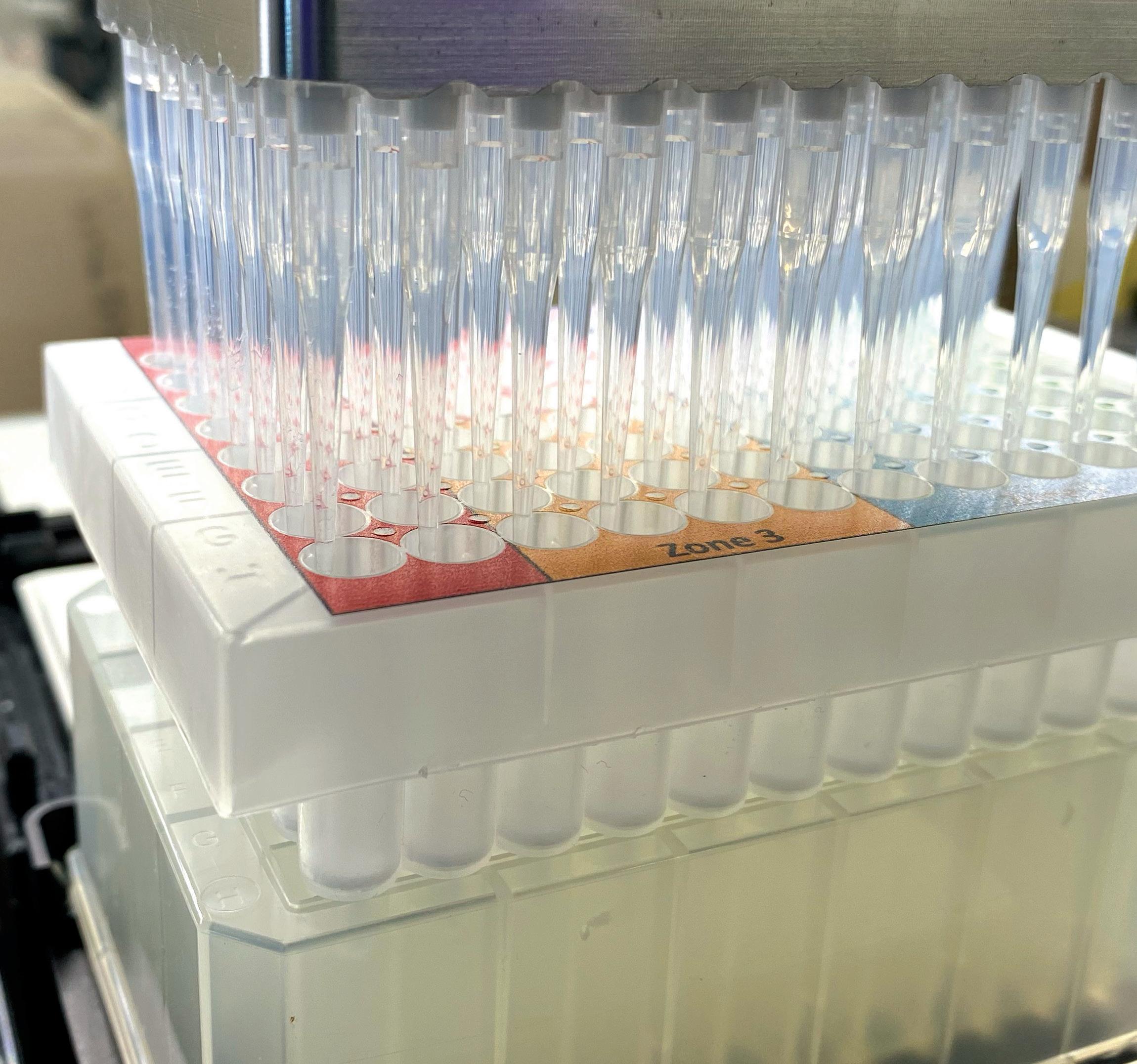
The mixed-mode HCPure™ adsorbent from Astrea Bioseparations has been screened as a polishing step for a variety of targets and expression systems.

1

Relative HCP log reduction

Run 1 (pH/Vol)

AAV9 yield (%)

To achieve the purities required, intermediate and polishing steps are often employed in multistep purification processes. For such steps, mixed-mode chromatography (MMC) can be a powerful tool. Most commercial MMC products utilize ion exchange (IEX) and hydrophobic (HIC) binding interactions to maximize purification potential and therefore reduce processing costs.

AAV9 producing Sf9 feedstock

A DoE screen was carried out for the polishing step of a post-affinity AAV9 rich feedstock derived from Sf9 cells, comparing the performance of HCPure™ to another commercially available mixed-mode adsorbent. The screen was performed in 200 µL RoboColumns® and used a full factorial design to assess the effect of pH (pH 6 - 8) and load volume (1 – 4 mL) on AAV9 yield and HCP removal. Commercial Alternative

Final product purity is critical to the efficacy and safety of cutting-edge cell and gene therapy outcomes. Removal from the final therapeutic formulation of process related impurities such as host cell proteins (HCP), host cell DNA, and any DNA remaining from transient transfection, is critical to delivery of safe and effective treatments.

HCPure™

Abstract

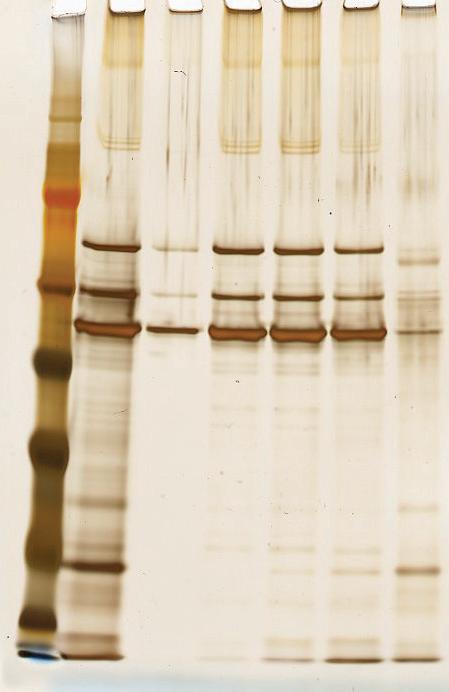
The AAV2 was loaded in the post-affinity storage buffer and fractions were collected across the load to monitor HCP recovery. The SDS-PAGE illustrates the separation of AAV2 and HCP across the flow-through (FT) fractions, particularly FT1 and FT2.

1

2

3

4

5

6

7

Samples

kDa

1: MW marker 2: AAV2 Intermediate Load

191

3: FT1

97

64 51

39

28 19 14

4: FT2 VP1

5: FT3

VP2

6: FT4

VP3

7: Eluate


Turn static files into dynamic content formats.

Create a flipbook
HCPure™ process related impurity clearance from viral vectors by astreabioseparations - Issuu