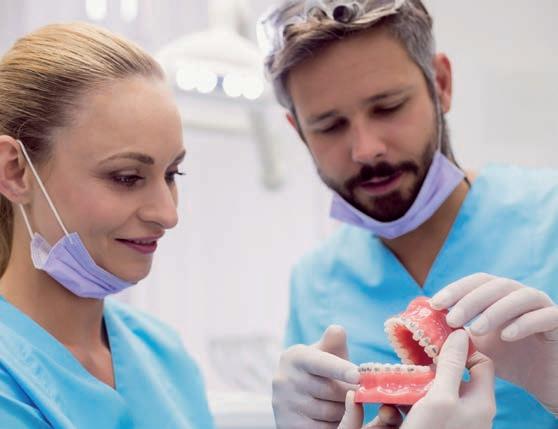
Congress season is here — and this issue is your head start.
Inside, we've put together your insider guide to making the most of the 30th Australian Orthodontic Congress. We're also shining a spotlight on Women in Orthodontics, and on the world-class scientific program — so you know exactly what to look forward to at the Congress.
In our Recent Graduate insert, we're tackling something that doesn't get talked about enough: burnout. It affects more than half of dental practitioners globally, and this edition's guest article covers how to recognise it — and what you can do about it.
A warm thank you to all our industry partners and guest contributors. Your expertise and generosity make this newsletter a resource our community can genuinely rely on.
We hope you enjoy this edition — and we look forward to seeing you in Melbourne in May.
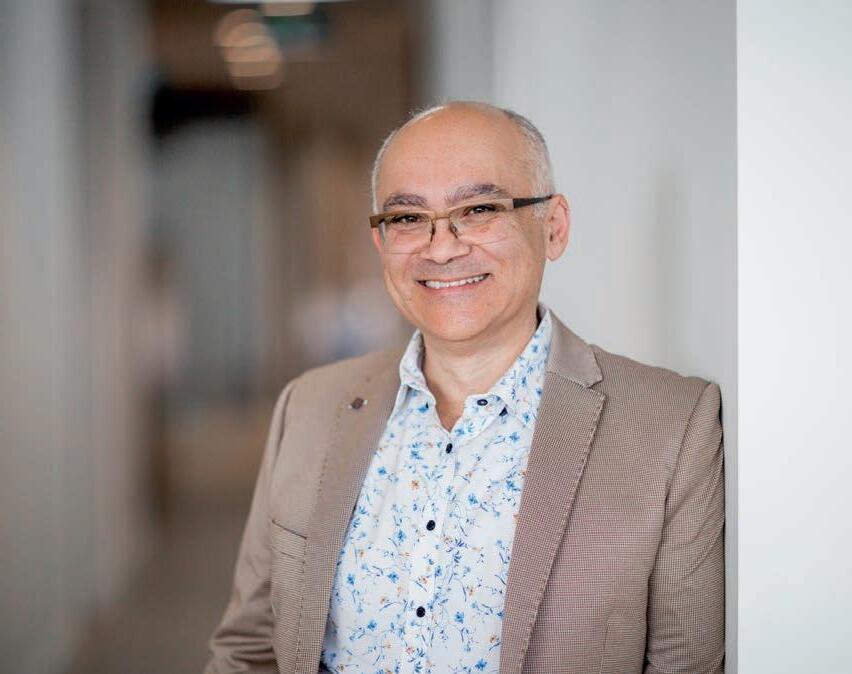
Dr Kip Homewood ASO Federal Secretary
Support their confidence through every stage.
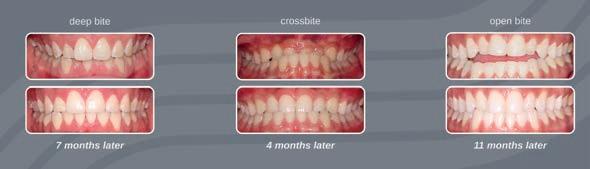
for kids and teens
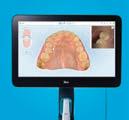
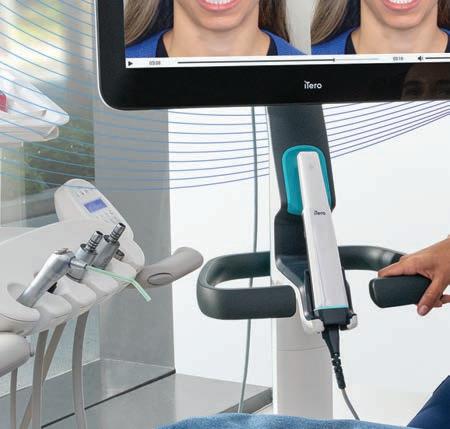
iTero Lumina™ scan, screening at first ortho visit
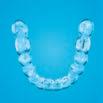
Invisalign® Palatal Expander System
Invisalign First™ treatment
Invisalign® System with mandibular advancement
Invisalign® product options for teens
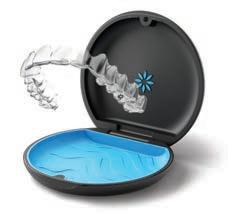
Vivera™ retainers
Invisalign
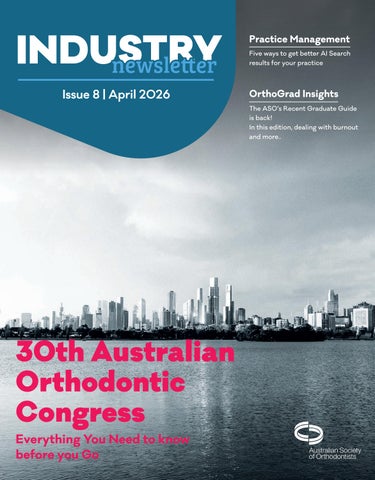
30TH AUSTRALIAN ORTHODONTIC CONGRESS 2026
EVERYTHING YOU NEED TO KNOW BEFORE YOU GO
From 20–23 May 2026, Melbourne will host the 30th Australian Orthodontic Congress. This milestone event for our profession is a timely opportunity to reconnect with the foundations that define excellence in orthodontic care.
This year’s theme, “Focusing on Fundamentals,” reflects something deeply relevant to contemporary practice. At a time when digital workflows, artificial intelligence, aligner systems, and interdisciplinary demands are evolving at pace, this Congress invites us to revisit the principles that underpin predictable, stable, and ethical orthodontic treatment. It is a program designed not only to inform, but to challenge, recalibrate, and inspire.
A World-Class Scientific Program
The 2026 Congress features an exceptional lineup of international and Australian speakers who represent the forefront of research, biomechanics, interdisciplinary care, and patient-centred practice are:
• Prof Lucia Cevidanes (USA)
• Dr Renato Cocconi (Italy)
• Prof Ama Johal (UK)
• Prof Bernd Lapatki (Germany)
• Prof Ambra Michelotti (Italy)
• Prof Sabine Ruf (Germany)
The formal program begins with the Official Opening Ceremony on Thursday morning, followed by the prestigious Steven Seward Lecture delivered by Prof Ambra Michelotti on TMD and Orthodontics.
From that moment forward, delegates will experience three days of rigorous, clinically relevant, and forward-thinking content.
Across the program, themes include:
• Advanced biomechanics and TAD applications
• Orthodontic-periodontic interface and ‘red flag’ cases
• TMD and bruxism implications for orthodontists
• Enamel demineralisation and preventive strategies
• Space closure versus prosthetic rehabilitation and quality-of-life considerations
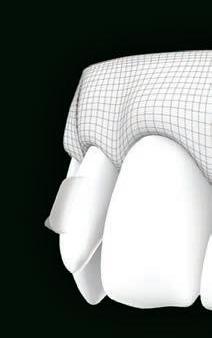
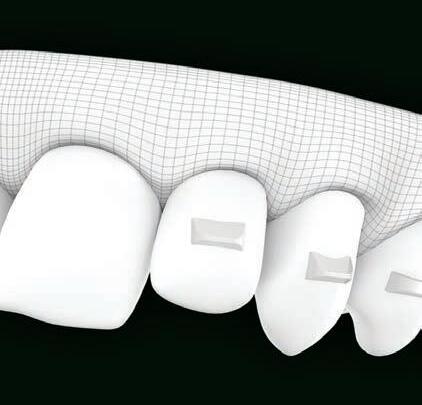
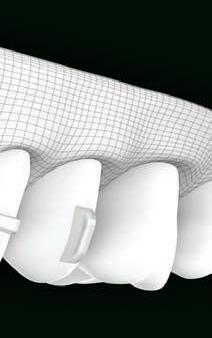
Save up to 2 months of treatment time compared to conventional attachments.*
Available with any Clarity™ Aligners case at no additional cost.^
An attachment system like no other.
Precise and customisable
Modify the size and placement to pinpoint the desired force.
Flash-less bonding
Speed up attachment appointments by eliminating the process of flash removal.
Save time and resources
Increase consistency and predictability in the bonding process by eliminating manual attachment creation.
Reliably durable
High-fracture strength and shape integrity to help ensure performance throughout treatment.
Aesthetic looks
Matches tooth colour and resists stains for a discreet appearance during treatment.
ASO 2026
(CONTINUED)
Friday’s Arthur Thornton Taylor Lecture sees Prof Sabine Ruf explore predictive factors in successful Class II treatment, while additional sessions examine retention from the patient perspective, responsible and efficient use of CBCT, practical AI implementation in daily practice, paediatric OSA, dental sleep medicine, and contemporary TMD management.
Saturday’s doctors only program culminates in the distinguished PR Begg Lecture by Prof Bernd Lapatki on force and moment application in orthodontic tooth movement. This represents a powerful return to biomechanical fundamentals. The day continues with sessions on AI at the chairside, functional appliance decision-making, digital face-driven surgical planning, TMJ perspectives, and a Future of Orthodontics Panel.
This is a program carefully curated to ensure delegates leave with immediately applicable clinical insights, as well as broader strategic thinking about the direction of our specialty.
The Human Dimension of Modern Practice
Importantly, the Congress recognises that orthodontics today extends beyond mechanics.
Dedicated sessions address patientcentred care in the digital era, body dysmorphic disorders, managing high conflict
Scan the QR code for the latest updates and secure your place at this unmissable event.
personalities, team wellbeing, communication strategies, compliance and behavioural triggers, IT safety, and risk management.
The OHP-focused stream on Thursday and Friday ensures that the entire orthodontic team can engage meaningfully with content that strengthens practice culture, communication, and interdisciplinary collaboration. In an increasingly complex professional environment, these topics are not ancillary, they are essential.
Industry, Innovation, and Connection
The exhibition hall will once again be a dynamic space for interaction, innovation, and discovery. Delegates will engage directly with industry leaders, explore new technologies, and evaluate products that are reshaping orthodontic workflows.
These partnerships reflect enduring relationships built on shared commitment to advancing excellence in orthodontics. The Congress offers the invaluable opportunity to have real conversations beyond emails and webinars about where our specialty is heading, and how we can adapt with confidence.
Melbourne: The Perfect Host City
Beyond the lecture halls, Melbourne provides an exceptional backdrop for this milestone Congress.
Renowned as Australia’s cultural capital, Melbourne offers world-class dining, celebrated coffee culture, laneway art, live music, theatre, fashion, and major sporting events, all within walking distance of the Congress venue.
Delegates can extend their stay to explore:
•The Great Ocean Road
•Yarra Valley wineries
•Mornington Peninsula
• Phillip Island
• The vibrant inner- city dining precincts of Fitzroy, Southbank, and Carlton
May in Melbourne brings crisp autumn air, golden foliage, and a city alive with cultural activity. It is the perfect atmosphere for both professional renewal and social connection.
A Social Program to Remember
The 2026 Congress social program promises to be equally memorable.
From the energy of the Opening Ceremony and Exhibition Launch, to the Denim and Diamonds theme Party Night at The Timberyard, delegates will have multiple opportunities to reconnect with colleagues from across Australia and abroad.
Friday evening’s Stanley Wilkinson Oration and ASO Gala Dinner will provide a fitting celebration of our profession, our history, and our future. These events are more than entertainment. They are the moments where collaborations are strengthened, friendships renewed, and new ideas sparked.
As we mark the 30th Congress, there is a sense that this gathering will carry special significance. It is a time to celebrate how far
Australian orthodontics has come, and to collectively shape what lies ahead.
A Milestone for the ASO
The 30th Australian Orthodontic Congress represents a defining moment for the Australian Society of Orthodontists.
As our profession navigates rapid technological advancement, increased patient expectations, and deeper interdisciplinary integration, this Congress reminds us that true innovation rests on strong fundamentals: diagnosis, biomechanics, ethics, collaboration, and patient-centred care.
For ASO members and colleagues worldwide, this is an opportunity not only to gain CPD hours, but to invest in perspective, connection, and professional momentum.
We warmly invite you to join us in Melbourne from 20–23 May 2026 for what promises to be an intellectually rigorous, socially vibrant, and professionally enriching Congress.
Melbourne looks forward to welcoming orthodontists, their teams, and their families from around the country and world!
PRESENTATION:
3D TECHNOLOGY – HOW DOES THIS HELP OUR ORTHODONTIC PATIENTS?
By Dr Alex Yusupov
Iam very excited about the ASO Congress 2026 in Melbourne. It has been 10 years since I presented on digital technology at the Australian Orthodontic Congress in Melbourne in 2016. At that time, we were just beginning to use intra-oral scanners, digital planning, and SureSmile robotics for selected surgical and lingual patients. Our in-house laboratory was plaster-based, and 3D printing was only just entering orthodontic clinics.
As I put the final touches on my presentation, I cannot help but reflect on how much our clinical landscape has changed. Moving to an alginate-free environment and using robotic wires for all fixed appliance patients is just the tip of the iceberg of the digital revolution in our office. From 3D printing models to 3D metal-printed bespoke appliances, and from TADs to hybrid
treatments, I look forward to sharing our journey over the last decade.
In my presentation, I will illustrate changes to our workflows and how these advancements benefit our patients. I will also share clinical pearls to assist you in your own digital journey, demonstrating how what seemed impossible 10 years ago is now both possible and routine.
YOUR LEADERSHIP BRAND: WHAT PEOPLE SAY WHEN YOU’RE NOT IN THE ROOM ASO 2026
Most orthodontists build their practices on clinical excellence and referrals. When the appointment book is full, it rarely feels necessary to think about leadership reputation or visibility beyond the practice.
But over time something interesting happens.
Some orthodontists become known not only for the treatments they deliver, but for the way they lead, think and contribute to the profession. Their name begins to carry weight beyond their chair time. They attract strong staff, trusted referrals and often find themselves invited to speak, teach or help shape the future of orthodontics.
For many female orthodontists in particular, this opportunity is often overlooked. Clinical expertise is high, but visibility
and influence within the profession are frequently left to chance.
Your leadership brand is what people say about you when you’re not in the room. It shapes the culture inside your practice, how confidently your team performs, and how your reputation travels through the professional community.
It also becomes relevant for practice owners thinking about the long term. When a practice depends entirely on the orthodontist’s personal reputation, succession sale or scale can become difficult.
A strong leadership brand helps transfer trust from the individual to the team and the practice itself.
This lunch is a conversation about that often overlooked opportunity.
Not about becoming a social media personality.
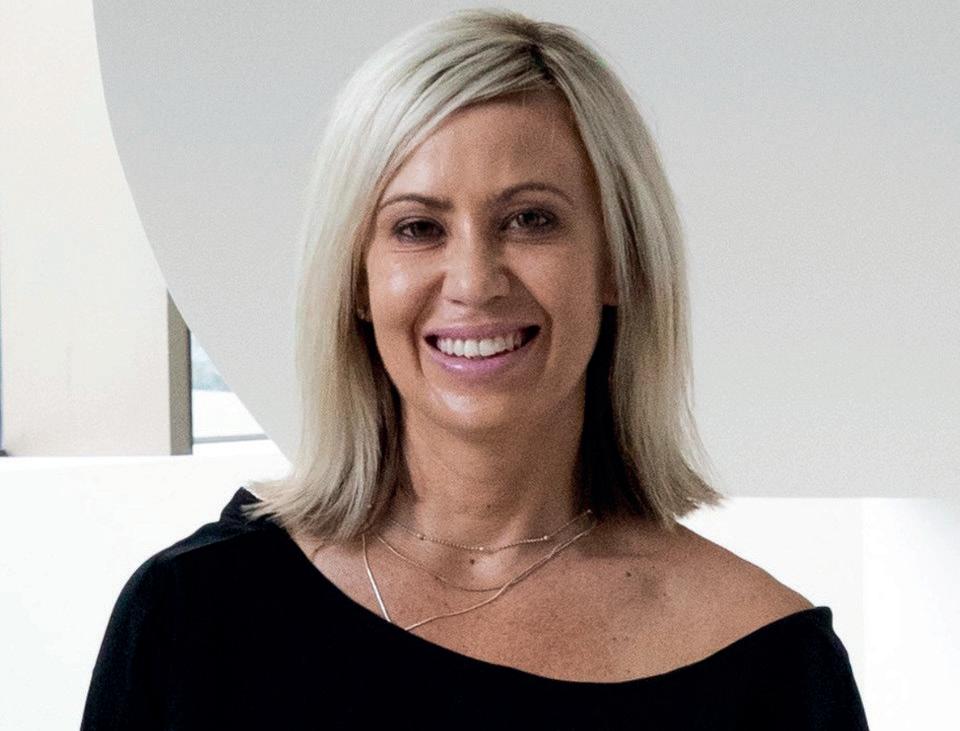
Petra Zink
But about how orthodontists can build a professional reputation that strengthens their practice, attracts great people, and allows their expertise to contribute beyond their own practice.
Sponsored by Denticare
Please add this event with your Congress registration online.
WHY ATTEND WOMEN IN ORTHODONTICS
LUNCHEON ON SATURDAY 23RD MAY?
Petra Zink has spent more than a decade working with founders, executives and leadership teams on how leadership reputation shapes culture, performance and influence.
Her work focuses on helping leaders turn their expertise into authority assets - the behaviours, communication patterns and leadership standards that allow teams to operate confidently and reputations to extend beyond a single role or organisation.
This is not a marketing session and it is not a lecture. It is a small peer conversation over lunch about the leadership side of running a practice.
We will explore:
• how leadership reputation forms inside a practice
• the signals that shape culture, trust and staff retention
• how orthodontists can build a professional reputation that carries weight beyond the practice
If you are interested in building a practice that runs well even when you are not in the room, and a professional reputation that opens doors beyond day-to-day clinical work, this will be a valuable conversation to be part of.
Sponsored by Denticare
Please
THE RISE OF AI SEARCH AND WHAT IT MEANS FOR ORTHODONTIC PRACTICES GUEST ARTICLE
By Richard Miller, Copywriter - ntegrity
If you’ve searched for health information online lately, you may have noticed something different. AI-generated answersoftensitatthetopoftheresults pagenow,summarisinginformationfrom acrossthewebbeforeauserevenclicks throughtoawebsite.
So, when someone reaches out to your practice, they may already understand the difference between braces and aligners, know that orthodontic treatment can be started without a referral, and have a general idea of treatment timelines or costs. What this means is that patients will arrive with informed questions and a stronger intent to book a consultation.
The need for in-person orthodontist visits remains
Across the healthcare industry, the “zeroclick” search trend is rising as AI answers become more common.
For orthodontic practices, this might mean fewer visits to educational blog posts or “What is orthodontics?” pages on your website.
But importantly, not all searches behave the same way.
Patients who are ready to take action — searching for phrases like “orthodontist near me” or “Invisalign provider Sydney” — are still far more likely to click through and contact a practice. These local, servicefocused searches remain the strongest drivers of new patient enquiries.
(Continued on page 14)
Redefining speed through smart motion
Others imitated. We innovated.
Don’t be fooled by the competition. Carriere ® Motion™ is backed by decades of proven predictable performance.
Motion Pro’s improvements are the result of extensive clinical experience and continuous feedback from our customers to further enhance treatment outcomes and the user experience. Aligned with the SAGITTAL FIRST ™ philosophy, Motion optimises Class II and Class III treatment and shortens treatment time by up to 7 months.*
Choose Motion Pro for its unmatched design and experience the difference for yourself!
by Dr.
an established track record for delivering efficient
Supported by 20 years of peer-reviewed published studies and endorsed by leading orthodontic experts, Motion is the best solution for bite correction.
Invented
Luis Carrière, Motion has
bite correction.
Click to learn more with Dr Luis Carriere
GUEST ARTICLE
Trust matters more than ever
Another important factor to keep in mind is that AI systems rely heavily on credible, authoritative sources when generating answers, especially for health topics.
They’re particularly cautious about medical information and tend to prioritise trusted organisations, professional bodies and qualified experts.
This presents an important opportunity for orthodontists.
As a specialist healthcare provider, your practice already has one of the key ingredients AI systems look for: expert authority. Clear, accurate and patientfriendly content from orthodontic practices can help shape the information patients encounter online.
As well, remember that AI-generated answers are not always perfect. They can oversimplify complex topics or present incomplete information.
Patients may begin their journey online, but they still rely on you for clinical expertise and personalised advice they can trust.
Practical tips to stay visible in the age of AI search
So how can you adapt your digital presence to this evolving search landscape?
Here are a few practical steps to consider.
• Focus on local visibility:
Local searches remain one of the most powerful ways patients find orthodontists. Make sure your Google Business Profile is complete and up to date, including
Patients — and AI systems — look for signals of authority. This can include:
- Or thodontist biographies
- Professional qualifications
- Case studies or patient stories
- Educational resources
- Links to the Orthodontics Australia website
Demonstrating clinical expertise and realworld experience helps build credibility online, so keep your website updated to make sure this information is available.
• Keep your website patient-friendly: Even if AI answers some questions directly, your website remains an essential destination for patients ready to take the next step.
Make it easy for visitors to:
- Understand treatment options
- Learn about your practice
- Book a consultation
Clear navigation, simple language and mobile-friendly design all make a difference.
• Maintain a strong referral network: While people looking for treatment will increasingly self-educate online, referrals from dentists, healthcare professionals and other patients remain incredibly valuable. So be sure to keep growing and strengthening the community around your practice.
Your digital presence should complement these important relationships, not replace them!
AI search and the opportunities ahead
Like every new technology, AI search will continue to evolve, with some predictable results and others unexpected.
But there’s a strong case that AI-driven search may ultimately strengthen the connection between patients and orthodontists. By making reliable information more accessible, it encourages patients to take the first step toward treatment — and seek out expert care when they’re ready.
For ASO members, the key is to remain visible, credible and approachable online.
This article is produced by a third party (not the ASO) for guidance purpose only.
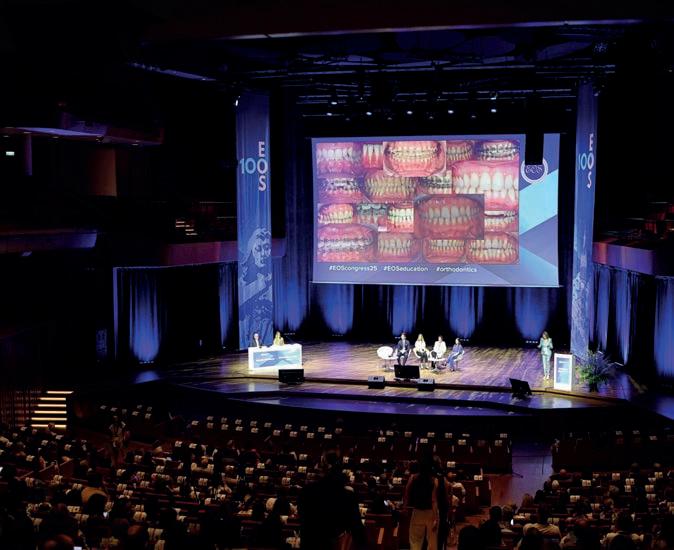
Join us at the 101st Annual Congress of the European Orthodontic Society
You are warmly invited to join us in Dublin, Ireland, from 7-11 June 2026 for the 101st Congress of the European Orthodontic Society.
EOS 2026 will bring together leading clinicians and researchers from around the world, with a dynamic and forward-thinking programme with the theme: ‘Innovation meets clinical excellence’.
You can expect:
• A double stream of world-class keynote lectures and 60 oral presentations advancing orthodontic science and shaping the future of the specialty
• 800+ scientific and clinical posters from orthodontic departments around the world
• An exhibition of a wide range of orthodontic and dental products, as well as new technological developments in orthodontics
• A lively networking programme providing ample opportunity to connect with colleagues, make new friends, and enjoy Irish hospitality at its finest
Dublin offers the perfect backdrop for this event - a city with rich history, vibrant nightlife, friendly locals, cultural treasures, and scenic views in one place.
On behalf of the Scientific and Organising Committees, we look forward to welcoming you to Dublin in June for an inspiring and memorable congress!
Warm regards,
Dr Finn Geoghegan 2026 President of the European Orthodontic Society
ORTHOGRAD INSIGHTS
ASO’s recent graduate guide
Welcome to OrthoGrad Insights, an insert dedicated to supporting new orthodontists achieve their professional goals. In this edition, we focus on identifying and reducing burn out.
DEALING WITH BURNOUT
By Dr Annalene Weston Senior Dentolegal Consultant with Dental Protection Australia
In the past few months, has concern or worry for a patient, colleague or your place of work crept into your mind outside of your working hours, potentially disrupting your sleep and home life?
Regretfully, it likely has, as this experience is commonplace and affects more dental practitioners than you would suspect. This way of thinking is also a precursor to burnout, which has the alarming global incidence of over 50% of dental practitioners at any given time.
What is burnout?
Let’s start with what it is not - it is not a sign of weakness, nor evidence that you are ‘less’ or that you are ‘not cut out for dentistry’. Out of many definitions of burnout, the one I believe best describes burnout in dental practitioners is:
"Burnout is a condition born out of good intentions. Dentists who fall prey to it are for the most part unselfish individuals who have painstakingly striven to reach perfection in their careers, pushing themselves too hard for too long, failing to acknowledge their limitations for fear of ridicule or failure." 1
(Continued on page 20)
Become an Invisalign® trained provider and expand your expertise.
Our innovations and the Align™ Digital Workflow can enable practice efficiencies for end-to-end orthodontics and improved patient outcomes.
Our new provider program* includes clinical education, exclusive benefits, and in-clinic or on-demand comprehensive practice support to help unlock the power of the Invisalign System. Become an Invisalign trained provider.
Partner with Align™ and discover how we can help grow your practice. Become an Invisalign trained provider. invisalign.com.au/provider
ORTHOGRAD INSIGHTS (CONTINUED)
Burnout is measurable with the most commonly cited measure being The Maslach Burnout Inventory Triad of: 2
• emotional exhaustion
• low sense of personal accomplishment
• depersonalisation (an increase in cynicism or distancing ourselves from others)
None of these are a healthy way to feel, particularly in practice.
It is important to note that clinicians suffering from burnout are far more likely to experience an adverse outcome or receive a complaint, as burnout impacts all of our systems:
Emotional - Feelings of failure, guilt, negativity, anger, resentfulness.
Behavioural - Work avoidance, habitual lateness, addiction.
Physical - Tiredness, lethargy, poor sleep, increased minor illnesses, anxiety.
On consideration of this, we believe that it is critical for clinicians to recognise when they are burning out, not only for themselves, but also for patients’ safety. Once recognised then appropriate steps to manage it should be taken.
Studies show burnout is rooted at dental school, or before, as we strive to be the top of our class, a leader of knowledge and expert in all things. The primary stressors identified from our training are concerns about manual dexterity, reduced holidays with increased difficulty of coursework,
clinical transition and staff inconsistency. 3 Specialty training layers its own stressors on top of these.
Naturally, as we exit dental school and progress through our careers, some of these stressors fall away, only to be replaced by equally damaging fears. While there is a commonality in the pressures identified across the profession as being most harmful, each country also has its own unique factors. The Australian specific practitioner stressors were identified as; time and scheduling pressures, professional concerns (specifically concerns regarding complaints, audits and the regulator), patients’ perceptions of dentists, staffing problems, pressure associated with treatment of patients and business process stressors. 4
It is not the weight of the burden you carry, but also the length of time you carry it for. Regretfully, many of our plates are fuller than we would like. External pressures such as ailing parents, young families and even our mortgage payments sit atop our business and clinical stressors, compounding their weight and amplifying the risk of burnout. Having a child under the age of 21 increases your risk of burnout by 54% and, further, having a spouse who does not work as a healthcare provider is reported to increase your odds by 23%. 5 Do you perhaps relate to this?
When we are at capacity our inner voice can unhelpfully chip in, psyching us out by whispering in our ear the one thing that we have secretly always feared. Perhaps it is “I am not good enough at this” or “my patients and my staff are all against me”, “I am going to have a career ending complaint” and even “I can’t do this anymore”. This is Imposter Syndrome at is finest and incredibly unhelpful.
What can we do to reduce burnout?
The more you read about burnout, the more you will learn, and the more solutions will present themselves. This list, however, nicely summarises the starting steps a dental practitioner can take to address burnout: 6
1. Avoid isolation and share problems with fellow practitioners
Not only is ‘a problem shared a problem halved’, but there is strong evidence to indicate that increasing your social interactions increases your ability to handle stress and pressure, therefore decreasing your risk of burnout. The evidence also demonstrates that getting involved in organised dentistry groups can lead to feeling more content and less isolated.
2. Work sensible hours and take time each day for a leisurely break
Best summarised as - bring your best self to give the best care to your patients.
3. Take time off whenever the pressures of practice start to build
Burnout can mimic depression, so how do you know if you are burned out or if you are depressed? Broadly, burnout will improve with a break or time away from the workplace, depression does not, so a good first step is to take a break. Not only will this give perspective on your workplace, but it will also help identify whether you need to seek medical help for an underlying condition.
4. Learn how to better handle patient anxiety and hostility and attend courses on stress management and communication skills
Communication is a malleable skill that can be practised and learnt. The evidence
strongly points to improved communication capabilities decreasing the likelihood of ever receiving a complaint.
5. Adopt a program of regular physical exercise
Exercise not only serves to release endorphins, but it’s also an outlet for the built-up tension you carry.
6. Be kind to yourself and less critical and demanding of your efforts
Judging your day-to-day efforts through a clouded filter of negativity will create great distress. Be kind to yourself. You help patients. Every day. Without exception. This is something to be proud of.
Bringing it all together
The problem is real; brushing it under the carpet will not address it and certainly will not make it go away. It is not all bad news though – burnout is identifiable, perhaps preventable and certainly manageable.
This article is produced by a third party (not the ASO) for guidance purpose only.
To learn more visit dentalprotection.org.au or call 1800 444 542.
1. Dentistry on the couch: Hugh Joffe; ADJ 1996; 41 (3) 206-10
2. Christina Maslach, Maslach Burnout Inventory Triad, 1981
3. Astill S, Ricketts N, Singh L-A et al, Environmental and perceived stress in Australia dental undergraduates: Preliminary outcomes, J Dent Res Dent Clin Dent Prospects 10(4): 270-279 (Autumn 2016)
4. Johns RE, Jepsen DM, Sources of occupational stress in NSW and ACT dentists, Australian Dental Journal 60: 182-189 (2015)
5. Burnout among healthcare professionals, a call to explore and address this under-recognised threat to safe, high quality care; Dyrbye et al, Perspectives, July 2017
6. Stress Management in Dentistry: Mark Grossman, Alpha Omega. Fall 2014. Pg18
RESOURCES FOR RECENT GRADUATES
AB Fellowship Grant
AB Orthodontics proudly supports newly graduated orthodontists through the annual AB Orthodontics Fellowship grant awarded to an orthodontist or third-year postgraduate student. If you are seeking training from an overseas Centre of Excellence, apply online via the ASOFRE Committee before 30 November, 2026.
StartUp Support
In addition to the Fellowship grant, AB Orthodontics supports orthodontists opening their first practices. Their StartUp offer helps to offset new financial burdens by offering significant discounts and trading terms. To enquire, contact AB Orthodontics at 03 9650 2526 or sales@ortho.com.au.
ASOFRE Scientific Poster Award
This biennial award is presented to the best overall poster displayed. The award is a prize of $3,000 and a certificate. Merit prizes may also be awarded in the form of a
certificate. For more information including recommended size visit the ASOFRE Award and Grants page. The poster submission deadline is Tuesday 5 May, 2026
Henry Schein Webinar Series - Dental Practice Setup
This on-demand webinar covers a range of topics to guide practitioners on their journey to setting up their own practice including finance, design and fit out, practice management solutions and marketing. Watch now
ASO/Henry Schein partnership benefits
ASO members are entitled to generous product discounts and may also be entitled to cash rebates through Henry Schein360 loyalty Program. Read more. The loyalty program also offers a range of Business Solutions deals and discounts that might be suitable for recent graduates looking a starting or acquiring their own practice. For more information visit HS360