ASO acknowledges the Traditional Owners and Custodians of Country throughout Australia and their continuing connections to land, waters, and community. We pay our respect to Elders past, present and emerging and extend that respect to all Aboriginal and Torres Strait Islander peoples today.
ABOUT US
The Australian Society of Orthodontists (ASO) is the largest dental specialist society in Australia and the peak specialist body for orthodontists in Australia. The ASO is committed to advancing orthodontic knowledge, educating the public and supporting the profession.
The ASO's 2024-2027 strategic priorities are:
Providing Members with ongoing support and resources so they can thrive throughout their careers
Advocacy and maintaining strong, collaborative relationships within the dental sector
Supporting research and continuing education in orthodontics
Public education about evidence based orthodontic treatment and specialist practitioners providing orthodontic care
Maintaining a strong, effective and efficient organisation, with best practice governance
We would like to express our sincere thanks to the many Members who generously give their time to support the Society by serving on committees and state branches. Your dedication and contributions are deeply valued and play a vital role in the success of our work. Thank you for all that you do.
President Report
In the past year, ASO Federal Council and ASO HQ have experienced the benefit of investment in infrastructure, team development and strategic engagement. The new Customer Relationship Management system (CRM) has shown membership renewals to be more efficient and improved the ease of reporting as well as saving our state branch executives’ time with many branch meetings and clinical days being facilitated through the portal. We have implemented a Code of Conduct for ASO HQ and committees and continued working on policies for good governance. This has laid a solid foundation for ASO to finally look outward at higher strategic goals.
My congratulations to the diligent ASOFRE Committee, chaired by Dr Annu Nangia, for hosting a highly successful Foundation Meeting in picturesque Hobart in March 2025. The Meeting exceeded expectations by making a healthy profit and reinvigorated collegiality we all missed during the pandemic. The Foundation Meeting was the inaugural meeting to allow free registration for current Australian postgraduate students. We look forward to continuing to provide support for our academics in orthodontics through the Academic Travel and Expense Bursary.
The Australasian Orthodontic Journal (AOJ) has a new editor, Professor Michael Woods, after Professor Craig Dreyer stepped down from the role after a 15year term in December 2025. We thank Professor Dreyer for his dedicated
service and congratulate his successor. I encourage all academics and postgraduate students to support the AOJ with our quality original research publications that are often funded by ASOFRE grants.
Our new partnership with digital agency ntegrity has focused on optimising the visibility, credibility and quality of Orthodontics Australia (OA). This approach has allowed the Public Education Program (PEP) to evolve and adapt in the age of AI, continuing to educate the public and to be fiscally responsible and performing well to KPI targets set by the CIC Committee, led by Dr Robbie Schwartz.
The change to investment company Ord Minnett has been exemplary, with positive gains above benchmark for our ASO and ASOFRE portfolios. ASO has enjoyed excellent communication and reporting with the team.
A strategic focus for ASO has been advocacy. We have engaged directly with Ahpra on several issues, namely the Guidelines for non-surgical cosmetic treatment and Guidelines for advertising of higher risk non-surgical cosmetic treatment. ASO continues to be the expert voice in specialist registration standards, and we have provided submissions regarding the proposal for changes to general registration for internationally qualified health practitioners.
Members have enjoyed ASO hosted webinars clarifying Ahpra’s policies, advice on unfair dismissal and termination (ClinLegal) and the Privacy Act Overhaul: Implication for your business (de.iterate).
Another focus for the executive has been to call out the imbalance in postgraduate remuneration with public dental hospital and university clinics in Victoria. Numerous submissions have been
made to Dental Health Services Victoria, Melbourne Dental School, University of Melbourne and the Health Minister to level the playing field of financial recognition of patient care completed by our post-graduates.
Melbourne’s Congress will be hosted on 20-23th May 2026 led by Congress Chair Dr Chris Theodosi, and an exuberant Congress Committee, which is set to surpass all previous records for sponsorship and attendance.
I thoroughly enjoyed the opportunity to represent our profession at AAO Philadelphia in April 2025 and The 10th IOC in Rio de Janeiro in October 2025. Networking at international meetings is vital for our engagement with the global community.
We are very grateful to have a committed team with ASO HQ comprised of Kerstin Baas (CEO), Juanita Ward-Harvey (Communications and Operations Manager), Kate Harris (Finance Manager), Ian White (Company Secretary), Megan Rowe (Business Support Coordinator) and Joshua Siregar (Membership Manager) who joined the team in early 2026.
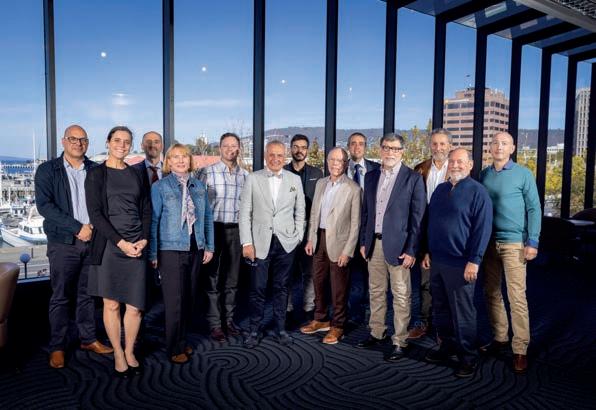
Deep thanks to our conscientious Federal Council of Dr Sam Whittle (Vice President), Dr Francis Wong (Treasurer), Dr Kip Homewood (Secretary), A/Prof Maurice Meade (SA Councillor), Dr Marcus Tod (QLD Councillor), Dr Gosia Barley (WA Councillor), Dr Doreen Ng (NSW Councillor and Secretary-Elect) and Dr Ray Te Moananui (NSW Councillor and Treasurer-Elect). As our Victorian executive plans to step off at the Congress, ASO will welcome Drs Faye Goodyear and Brendan Fitzpatrick as QLD Councillors. I am duly impressed by the selfless service our many committee members in their support of ASO operations and thank each and every one of you. We greatly appreciate our industry partners who are
integral to our professional lives and event sponsorship.
As my term as president concludes, I would like to express my thanks to all ASO members for their trust and support as I navigated this position to the best of my abilities. I would particularly like to congratulate our ASO CEO, Kerstin Baas, on five years of service to the ASO. Her corporate knowledge is extensive, as is her ability to prioritise and diligently work through the volume of strategic goals with a smile. A very special thanks to my family who understood the assignment before me and have supported me unconditionally. I look forward to the future success of ASO under the strong leadership of Dr Sam Whittle.
Roslyn
Dr Roslyn Mayne President
CEO Report
2025 was a year shaped by connection, collaboration, and a shared commitment to strengthening our profession. As you read this Annual Report, I hope you will learn not just about the progress of the ASO, but the collective effort of our members, volunteers, committees, and stakeholders who form an integral part of our association.
One of my personal highlights was the Foundation Meeting in Hobart. Spending time with members and Postgraduates and hearing your experiences, challenges, and opportunities reminded me why our work matters.
I also had the privilege of meeting with colleagues at the AAO, gaining insights into how they support their members and navigate the evolving landscape of orthodontics. These conversations were invaluable and will continue to shape how we deliver value to you.
Advocacy and Dental Sector Collaboration
Advocacy remains one of our core priorities, ensuring the orthodontic profession is well represented and contributes meaningfully to national conversations.
In 2025 we strengthened our engagement with AHPRA and the Dental Board including through faceto-face meetings, and we now receive updates and requests for input on policies and guidelines directly. As a result, we contributed feedback to 36 submissions
and policies, a significant increase from previous years, and we played an important role in shaping emerging issues, including overseas qualification pathways for health practitioners.
We also partnered with AHPRA to deliver joint webinars for members. The positive feedback received has encouraged us to explore further opportunities for collaboration.
Our relationships across the dental sector continue to strengthen, demonstrated through joint advocacy efforts and increased engagement with the WFO, AAO, and other international partners to ensure we stay connected to global developments.
Partnerships with the orthodontic corporate sector also remain strong. The support of our industry partners significantly contributes to our initiatives and events such as the Melbourne Congress. We are grateful for their ongoing commitment to our profession.
Member Services, Support and Engagement
The ASO exists for its members, and we have a dedicated team and strong systems in place to support you at every stage of your career.
Members have embraced our new digital platform, and your feedback is helping us refine how we deliver information and resources. Our goal is to make it easier for you to access what you need, when you need it.
The ASO team has supported state branches by managing event registrations, freeing up time for our volunteers and improving the member experience. All state branches are now using this service.
In 2025 we held the inaugural meeting
of the ASO Federal and State Presidents. The meeting was well received, improved communication between the states and will become an annual event.
Attendance at ASOWA and ASOQ branch events provided valuable opportunities to connect with our members. I look forward to continuing these state visits with the incoming President as nothing replaces the value of meeting face to face.
Research and Education
The ASO continues to explore how we can best support orthodontic academia and it was pleasing to see strong uptake of the ASOFRE funded travel bursary. The Foundation Meeting in Hobart was very well attended, and we look forward to hosting the next Foundation meeting in Canberra in March 2027.
Community Education and Awareness
The CIC, together with our external digital communications experts, reviewed the challenges and opportunities for the Public Education Program (PEP).
With AI reshaping how information is created and consumed, it is essential that our messaging including the Orthodontics Australia website evolves with it. Members attending
We completed a full review of the ASOFRE, including governance training for trustees to ensure clarity of roles and alignment with best practice.
While much has been achieved, there is more we need to do, and I look forward to continuing to work with Federal Council, our committees and members to support the profession.
I want to express my sincere thanks to President Dr Roslyn Mayne, the Federal Council, and the Federal Executive. Their guidance, generosity, and willingness to support both the ASO team and our members is deeply appreciated. I look forward to working with the incoming President and his team as we continue to navigate a period of continuous change.
Finally, I want to acknowledge the ASO team. Their dedication, professionalism, and genuine care for our members underpin everything we achieve. I am grateful for their hard work and commitment. We look forward to seeing you in Melbourne.
Kerstin
Treasurer Report
The financial statements for ASO inc. show a closing balance of equity of $4,446,356 as at 31 December 2025. This is the result of taking the closing balance as at 31 December 2024 of $4,653,773 and subtracting a deficit of $244,926 and adding a fair value gain on financial assets of $37,509 during the 2025 year.
Our revenue for 2025 totalled $1,086,665 and comprises income from member subscriptions, the CIC contribution and advertising activities. It should be noted that the reduction in revenue compared to 2024 is line with the biennial nature of the Congress and 2025, being a nonCongress year, was no different. The 30th Australian Orthodontic Congress to be held in Melbourne in May 2026 is currently projected to deliver a healthy surplus to the ASO inc. and these funds are crucial in enabling the Society to continue to support Members. It would be remiss of me at this point to not thank the hard-working local organising committee, chaired by Dr Chris Theodosi, our conference organisers Lara Malcolm and Rachael Rogers, Members and their staff who have registered to attend, and supporters from the industry for making what I hope will be a hugely successful Congress.
An increase in expenses for 2025 were largely the result of an increase in marketing and travel expenses. Both our CEO and President attended the AAO Annual Session in Philadelphia and the President also attended the WFO Meeting in Rio de Janeiro; both conferences
provided valuable opportunities for the ASO to strengthen ties with the AAO and other professional orthodontic societies as we face similar challenges ranging from advocacy, education, digital marketing and consumer awareness.
You may recall that during 2024, spending on the Public Education Program (PEP) was placed in a maintenance mode while the PEP was put out to tender. In December 2024, after a thorough review of the submissions ntegrity was appointed as our digital strategy agency partner. In early 2025, a revised PEP strategy was planned and rolled out throughout the year. Additionally, to assist the CIC Committee in their work, the services of an independent Digital Marketing consultant was appointed on an as needed basis. I am pleased to report that as at the end of 2025, this new approach helped the Orthodontics Australia (OA) website achieve its KPIs and all marketing spending was well within the budget of the CIC levy. I encourage all Members to hear from ntegrity themselves at their presentation during the Melbourne Congress.
Ord Minnett Investment Update
Our financial advisers continued to perform well over 2025 despite money markets experiencing their weakest quarter since COVID in March, driven by the uncertainty of the first few months of the Trump administration. Inflationary concerns locally also reignited later in the year and, together with elevated cost-ofliving pressures, meant our portfolio was flat over the December quarter. Overall, the balance of the ASO inc. portfolio was $4,772,899 as at 31 December 2025, representing an increase in capital of over $230,000 for the year, whilst income from our investments was virtually the same as compared to 2024 at $231,936.
Since inception (5 July 2023 to 31
December 2025) the ASO inc. portfolio has returned 21.98% or $919,666, after fees, and inclusive of franking credits, versus the Morningstar Moderately Conservative benchmark of 18.40% over the same period. The asset allocation of 40% growth and 60% income remained unchanged.
ASOFRE Support of Universities
Continuing on with the efforts by Council to ensure good governance across the ASO team and its various committees, a review of the way in which ASOFRE donates funds to Orthodontic Departments at Australian Universities revealed several areas which required improvement. A new Gift Plan framework has been developed to provide the ASO team with a structure to manage our legal obligations and responsibilities as trustee of the ASOFRE, which is a registered charity. This framework will be refined with time but it should provide Members with confidence that their donations, since the FRE was established 30 years ago, will continue to support all Australian postgraduate orthodontic students into the future in the most appropriate way.
The academic bursary of up to $15,000 for Australian University academics who are also academic members of the ASO saw its first full year of uptake in 2025 and it was pleasing to see that the ASO was able to support our academics to the tune of over $75,000 to promote and present their research at international conferences.
Given the considerable capital available to the ASOFRE – 2025 saw the total equity of the FRE surpass $10,000,000 – a review is also underway to explore and test additional ways that the ASO can support orthodontic education into the longer term, bearing in mind the challenges faced by academic staff and Universities.
Final Remarks
Supporting Members in throughout their
careers is at the heart of what the ASO strives to do – we are first and foremost a member focussed organisation that puts patient care at the centre of our values. To this end there is always much more to do to support Members and looking to 2026 and beyond, we will continue to explore how we can utilise our CRM system that was only implemented in 2024 to deliver a user experience that is fit for an increasingly mobile and on demand digital world.
In order to continue the work of the ASO, I will propose at the upcoming AGM in May in Melbourne that the federal component of our membership fee for 2027 be increased 3.4% in line with CPI as is typically the case. SDJA, together with our Finance Manager and CEO, have again completed audit processes in a timely manner and I encourage Members to again endorse SDJA as the ASO’s appointed auditors.
I would like to call on all Members, when they get the chance, to extend their thanks to the tireless work over the last 2 years of our President, Dr Roslyn Mayne. Thank you also to all the staff at the ASO office – Kerstin Baas, Kate Harris, Juanita Ward-Harvey, Ian White, Megan Rowe and Joshua Siregar – for their dedication. Lastly, I wish to thank the members of the ASO Finance, Audit and Risk Committee led by our Chair, Tom Milicevic, for their support of me in my role as ASO Federal Treasurer. It has been a pleasure to serve the Society in this capacity and I wish the incoming Federal Executive including our next Treasurer, Dr Ray Te Moananui, all the very best in the years to come.
Francis
Dr Francis Wong Treasurer
Membership Committee
The Membership Advisory Sub-Committee reviewed the following applications in 2025:
I would like to thank Dr Samuel Whittle and Dr Hong Chan for their work on the Committee and particularly thank Sam Whittle for his longstanding commitment to this role as he moves onto the Presidential role. We acknowledge the hard work of the ASO Office for their tireless support.
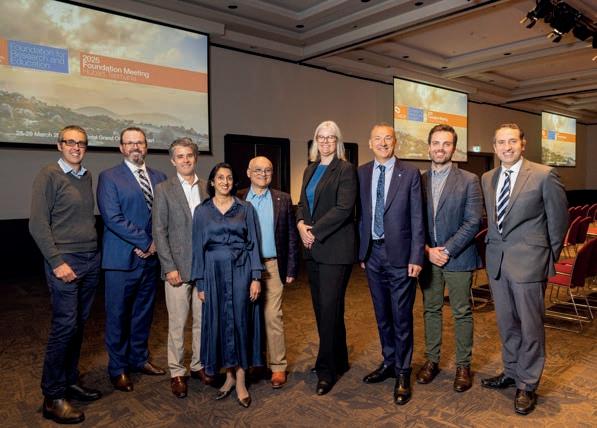
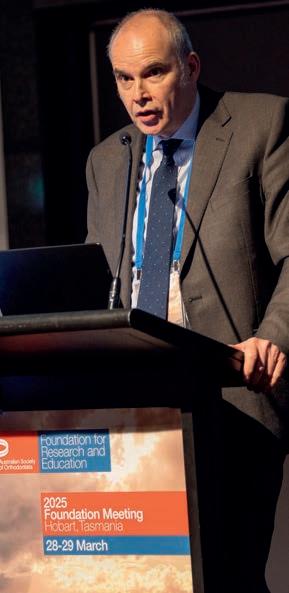
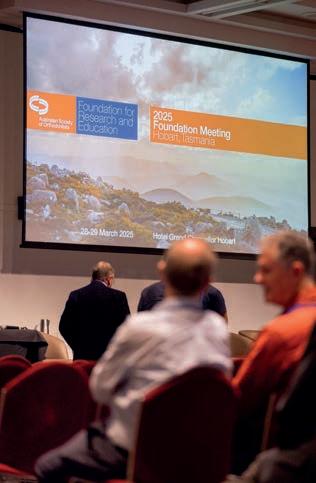
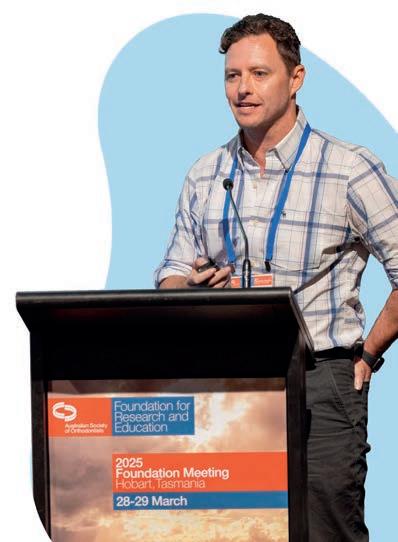
Hobart’s waterfront set the stage for a standout event: The 2025 ASOFRE Foundation Meeting attracted over 250 delegates and showcased an impressive and diverse line-up of speakers.
page 24 of full report
The ASO maintained a strong focus on collaboration with sector stakeholders to advance the interests of our Members and the profession. In 2025, the ASO reviewed and responded to a record number of industry consultations and submissions.
page 16
The ASO’s Public Education Program (PEP) continues to educate consumers on the benefits of evidence-based orthodontic treatment by a qualified specialist orthodontist. In 2025, over 274,000 visitors turned to the Orthodontics Australia (OA) website for specialist-backed health information.
page 21
The PEP's growing reach and influence drove over 25,000 people to use the Finder Tool to locate a specialist orthodontist. This demonstrates that the PEP is successfully moving consumers through the funnel from general curiosity about orthodontic treatment to direct contact with one of our Members.
page 21
Increased support to empower the next generation: In addition to various grants and awards, the ASOFRE now fully funds the Foundation Meeting and Congress registration of orthodontic students at Australian Universities.
page 18 & 24
In 2025, The ASO offered a range of exclusive Continuing Professional Development resources including
Advocacy & Stakeholders
The ASO maintained a strong focus on collaboration with sector stakeholders to advance the interests of our Members and the profession. Throughout 2025, the ASO reviewed and responded to a record number of consultations and submissions, including:
AHPRA
• Sexual misconduct and the National law
• General registration for experienced internationally qualified health practitioners
• Draft Principles for the use of outcome-based approaches to accreditation
TGA
• Proposed changes to the regulation of exempt medical devices and exempt other Therapeutic Goods
The ASO President and CEO engaged extensively with the TGA and AHPRA, both in person and virtually, and maintain ongoing engagement with both bodies. Submissions in partnership with the ADA
• Consultation - Credentialing and Defining Scope of Clinical Practice –ACSQHC
• DBA consultation on the draft resource regarding the specialties ‘oral surgeon’ and ‘oral and maxillofacial surgeon’
ADA
• The ASO has also completed multiple submissions to the ADA Third Party and Schedule committee regarding the upcoming 14th Edition of the item code schedule. Our emphasis is
for retention of catch-all codes such as 881 and request for clarification and improvements to existing codes with respect to modern practice and sustainability. The 14th edition is hoped to be released in mid-2026. Further advocacy work is ongoing to promote increased rebates for specialists from Private Health Insurers due to the complexity of cases and expertise required
• Policy statement 6.12 – Medical Devices in Dentistry
Policy statement 6.27 – Bisphenol-A in Dental Restorative Materials
Policy statement 6.28 - Telehealth and Virtual Care in Dentistry
• Policy statement 6.30 – Neurotoxins and Dermal Fillers in Dentistry
• Policy statement 6.31 – Salivary Diagnostics
Other submissions
Remuneration for our specialists-intraining in Victoria has also been on our radar with ASO completing submissions to the Victorian Health Minister, Oral Health Victoria, Melbourne Dental Clinic and The University of Melbourne. The ADAVB advocacy team have also provided their support.
The ASO is the expert voice for the profession and will continue to advocate for Members to reduce barriers, improve patient outcomes, and provide practitioner support at all levels of experience.
Public Education Program (PEP) Highlights:
A Strategic Evolution
In 2025, the Public Education Program (PEP) entered a new phase of growth through our partnership with ntegrity. The strategy shifted toward highintent content creation and rigorous technical optimisation. By refreshing underperforming legacy content and resolving technical barriers, we achieved a 10% increase in user engagement compared to 2024.
Despite the industry-wide challenge of "zero-click" searches caused by AIsummarised results, Orthodontics Australia (OA) continues to educate the public on key topics, both within AI summaries and in traditional search
results. This was achieved through search-optimised context that ranked at the top of summaries.
Member support also remained our primary focus. Driven by targeted paid search campaigns, we saw a 30% uplift in Finder Tool usage compared to 2024. Digital advertising successfully pushed our educational narrative beyond the website, and we engaged people directly in their social media feeds and YouTube queues. This multi-channel approach not only increased brand awareness but also ensured our educational resources reached a wider audience than ever before.
See page 23 for a full report.
Support for Recent Graduates
WATCH VIDEO
2024-2025 Mentoring Program
The ASO’s Mentoring Program for recent graduates runs every year and connect recent graduates with experienced Members (8 year+ experience) to share advice, knowledge and experience in a professional and supporting guided relationship.
14 pairs of mentors and mentees were introduced at the end of 2024 and the program officially wrapped up in October 2025. Thank you to all the mentees and mentors that participated in the program.
Our Society supports recent graduates through various resources and initiatives designed to help them excel professionally. The ASO recently produced and distributed the “Welcome to the Profession – Class of 2025” flyer to celebrate the cohort of 13 graduates on completing their specialist orthodontic training.
Available for online viewing here.
Feedback from Mentees:
“It has been a great, worthwhile, enriching, and invaluable experience”
“It has been a really good program for my mentor and I. We developed a good relationship and shared each other’s knowledge.”
Feedback from Mentors:
“Pleased to be able to share my knowledge and experience with someone embarking on an exciting career”
Recent Graduate Committee
The ASO also encourages Recent Graduates’ participation through joining and attending the Recent Graduate Committee meetings and events. The Committee’s purpose is to provide a forum to allow the views concerns and recommendations of Recent Graduates to be captured and discussed and forwarded to the Federal Council. In addition, the ASO provides funding to each state to organise their own social/networking events.
ASO WA
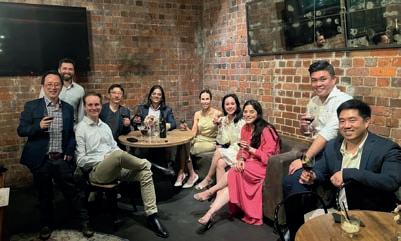
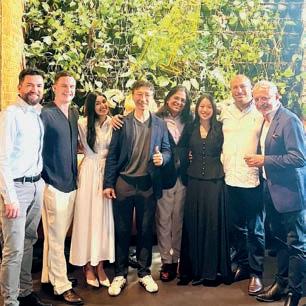
The November 2025 WA Recent Graduates gathering welcomed current UWA Orthodontic postgraduates, creating a vibrant and supportive atmosphere.
ASO NSW
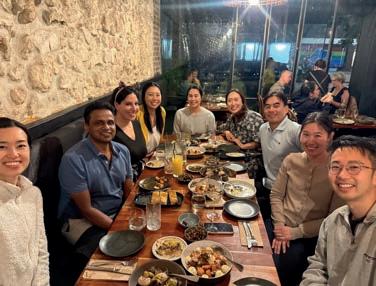
The 2025 ASO NSW Recent Graduates Committee midyear event was held at the Hotel Centennial in Woollahra and brought together around 30 recent graduates and students.
ASO SA
The SA Recent Grads Annual dinner was held at Fugazzi Bar Dinning Room on Thursday 27th November. It was a great success and enjoyed by all. The participants were very grateful for the opportunity to catch up in an informal setting and for ASO’s support.
Continuing Professional Development Program
The ASO Continuing Professional Development (CPD) Program offers members valuable learning opportunities every year.
Live Webinars in 2025
Dismissing an employee Fairly, Respectfully and Properly - Presented by ClinLegal
Total # of Member Resources 287
Privacy Act Overhaul: Implications for Your Business - Presented by de.iterate
Most Viewed and Downloaded Resources in 2025
1. Protocol for Determining Transfer Patient Fees
2. 2024 Cost of Braces Survey Report
3. Patient Consent Form and Visual Presentation
New Guidelines on Non-Surgical Cosmetic Treatment – Ahpra Q&A Webinar
Total # of Video Resources 87
Most viewed educational videos in 2025
1. ASO Webinar: Privacy Act Overhaul – Implications for Your Business
2. ASO Webinar: Dismissing an Employee Fairly, Respectfully and Properly
Public Education Program (PEP)
2025 Achievements
• Orthodontics Australia is now the #1 *organic search result for the term “orthodontist” nationwide.
• Over 274,000 visitors turned to the Orthodontics Australia (OA) website for specialist-backed health information.
• Our expert advice appeared in 1,700+ AI-generated search summaries, ensuring the ASO remains the primary source of truth in the age of AI.
• Our educational videos had 46,000+ views across Facebook and YouTube.
• Improved content quality led to a 10% increase in time spent on-site, with users engaging longer with our resources.
• 25,000+ people used the Finder Tool to locate specialist orthodontists—a 30% increase over 2024.
PEP
Achievements in Member Support
The primary objective for 2025 was to grow the impact of the PEP, through growing ASO’s digital channels and optimising the website for increased engagement. Orthodontics Australia (OA) are pleased to report that our visibility in traditional search results reached new heights. By focusing on "search-intent"— creating content that answers specific questions consumers are asking—we moved the website to the #1 organic position for the term "orthodontist." This was supported by a comprehensive technical audit and a content refresh that prioritised high-value educational topics.
Furthermore, we have successfully established a foothold in emerging AI platforms, including ChatGPT, Gemini, and Google’s AI Overviews. While these platforms often provide quick answers without a website click, our presence within them ensures that OA remains the "source of truth" in an AI-driven landscape.
A secondary objective was to convert public education into tangible support for ASO members. Actions that directly benefit individual practices grew significantly. Visits to member websites via the Finder Tool exceeded our annual targets, as did "click-to-call" metrics. This suggests that the PEP is successfully moving consumers through the funnel from general curiosity about orthodontics to direct contact with a specialist.
Navigating a Shifting Landscape
The digital environment underwent a seismic shift in 2025. The rise of AIgenerated answers at the top of search pages means that many users now receive information without ever clicking through to a website. This led to a unique challenge: while our search rankings and authority reached record highs, total website traffic growth was dampened by this "zero-click" trend. Additionally, as the digital space became more crowded with AI content, the cost of traditional advertising to drive traffic steadily increased. This trend is likely to continue in the near future.
We also observed a change in consumer behaviour; after receiving a brief AI summary, many users now seek visual reassurance on platforms like YouTube before making a healthcare decision. This provides further validation of our investment in these video–first platforms.
Adapting Our Strategy
In response to these challenges, our 2025 strategy evolved to ensure ASO’s expert content appeared wherever the audience spent their time. This included:
• Diversifying Content Reach: Leveraging video platforms like YouTube and Facebook to deliver highimpact educational content directly to target demographics.
• Improving Visual Resources: Developing guides and infographics to capture "visual search" results, particularly for questions that are easier to understand visually, such as bite issues.
• AI Focus: Ensuring orthodontic information is visible and accurate within AI-generated summaries, maintaining our status as the leading voice in the industry.
Rather than just relying solely on website visits, our goal throughout 2025 was to make orthodontic education more discoverable across all formats. By pivoting from "pulling" traffic to "placing" education and awareness, we ensured that specialist orthodontic advice remained the primary authority, regardless of how technology evolved.
Final Message
I would like to take this opportunity to once again thank the entire CIC Committee for their hard work and dedication over the last 12 months – Drs Marcus Tod, Chelsea Mann, Benlee Yap, Naomi Kohan, Pantea McKay, Theresia Sudjalim and Yana Itskovich. These are all dedicated individuals without whom the work of the CIC would not be possible.
Dr Robbie Schwartz Chair, Communications and Information Committee (CIC)
*Organic search refers to the search results of a search engine that cannot be influenced by paid advertising and appear based on relevance to
Top 5 most viewed Orthodontics Australia (OA) Articles
1. How are teeth supposed to rest
2. How much braces cost
3. How to drink coffee without staining your teeth
4. Safe food for braces
5. Teeth shifting signs causes prevention and treatment
ASO Foundation for Research and Education (ASOFRE)
ASOFRE Committee Dr Steven Naoum, Dr Robert Mayne (Secretary) Dr David Madsen, Dr Annu Nangia (Chair), Dr Alex Yusupov (Treasurer), Dr Roslyn Mayne (ASO President), Dr Chris Theodosi, Dr Simon Toms and Dr Derek Allan.
2025 ASOFRE Foundation Meeting Highlights
The ASOFRE Foundation Meeting was held at the Grand Chancellor Hotel in Hobart on 28-29 March 2025. Set against the beautiful backdrop of Hobart’s Constitution Dock, over 250 attendees enjoyed the opportunity to take in Tasmania’s stunning scenery and hospitality in addition to the Foundation Meeting.
The theme of this year’s meeting was “Reflections on the past, a mirror to the future”. The Meeting focused on acknowledging the achievements of our established academics, as well as
showcasing the promising work of our up-and-coming researchers and postgraduate students. It was an opportunity to highlight the world-class studies being undertaken within our profession. It was also a time for senior orthodontists to reflect on the scientific and clinical changes they had seen in orthodontics over the last few decades.
The engaging program was led by our 2025 Jan Taylor lecturer, Professor Martyn Cobourne from King’s College who not only presented four lectures at the Foundation Meeting on evidence based orthodontics, but also spoke to the postgraduate students from Australia and New
Zealand for two days prior to the Meeting. Professor Cobourne shared insights from the world of orthodontics as he was taught and to what he does now.
In addition to Professor Cobourne, this year’s event saw a vibrant and engaging program brought to life by a diverse group of speakers, academics, and attendees.
Our Scientific Committee, led by Dr Robert Mayne, curated an impressive and diverse line-up of speakers, covering a range of contemporary topics in orthodontic research and clinical care. Each session sparked valuable discussion and fostered knowledge exchange among professionals at every stage of their careers.
View Photo Gallery
Increased support to empower the next generation: In addition to various grants and awards, the ASOFRE now fully funds the Foundation Meeting and Congress registration of orthodontic students at Australian Universities.
Australasian Postgraduate Orthodontic Meeting
The event was scheduled two days prior to the ASOFRE Foundation Meeting and attracted around 70 post-graduate students. The program featured a combination of student presentations from all Australasian schools and lectures from Professor Martyn Cobourne from King’s College, London.
One of the highlights of the meeting was the ASO-funded teambuilding event that operated like an “Amazing Race” through the historical sites of downtown Hobart. Students mingled with fellow attendees and engaged in some fun activities.
We would like to thank the event industry sponsor Solventum and the ASO for their ongoing support of this program which has always been a highlight of the period of graduate training in Australia.
Congratulations to our 2025 ASOFRE Award Winners
On 29 March 2025, the ASOFRE revealed the recipients of the 2025 ASOFRE Awards. The ceremonies honoured individuals
whose exceptional achievements have greatly enriched both our Society and the broader professional community.
Dr Laura Truong Elsdon Storey Research Award
Prof Paolo M Cattaneo The Raymond Begg Research Award
Dr Brendan Chow The Australasia Student Poster Award 2025
Dr Denice Loo AB Orthodontics Fellowship
ASOFRE Income and Expenditure
In 2025, Members and public donors contributed over $43K to the Foundation and the ASO extends its sincere gratitude to Members for their continued support. The ASO would also like to thank our sponsors for their support.
During the year the ASOFRE supported orthodontic research through the funding of postgraduate student travel grants ($41,500), University support & grants ($297,673), HOD travel expenses ($9305), and awards ($32,750) including examiner honorariums, to a total of $436,499
ASOFRE 2027 Foundation Meeting
The ASOFRE is excited to share its upcoming initiatives as we continue to strengthen orthodontic research and professional collaboration across Australia and beyond.
We are currently planning our next Foundation Meeting, scheduled for 1720st March 2027 at the Hotel Realm Canberra. Building on the outstanding success of our Hobart Meeting, the 2027 event will follow the same proven formula: a dynamic international speaker, highquality evidence-based presentations, and meaningful opportunities for professional connections.
Attendees can expect engaging lectures from leading global researchers and clinicians, interactive discussions, and a program designed to inspire innovation in orthodontic practice and research. Our goal is to once again create an environment that fosters curiosity, collaboration, and academic excellence.
The ASOFRE remains strongly committed to nurturing the next generation of researchers. We are encouraging students and postgraduate candidates to apply
Grateful Patient Program
We sincerely appreciate ASO Members who have encouraged their patients to support the Foundation through the Grateful Patient Donation Program. This initiative allows patients to make tax-deductible contributions, furthering our mission. Patients can donate online via the ASO website by clicking the “Grateful patient donation” button.
for research projects and to become actively involved in advancing orthodontic knowledge. Supporting emerging investigators is central to our mission, and we are particularly focused on providing mentorship, presentation opportunities, and financial assistance where possible to students and academics.
We look forward to funding worthwhile and exciting new research projects that contribute meaningfully to clinical practice and scientific understanding. By investing in high-quality research and creating platforms for knowledge exchange, the ASOFRE aims to continue driving innovation and strengthening the future of orthodontics both nationally and internationally.
Dr Annu Nangia
2025 Project Highlights
Dr Darshan N Desai
The University of Adelaide
Estimation of centres of rotation for the maxillary and mandibular incisors during non-extraction space closure cases with the Invisalign® appliance.
Summary
This study aimed to determine the centre of rotation (Crot) of maxillary and mandibular incisors during nonextraction space closure (NESC) using the Invisalign® system (Align Technology, Santa Clara, Calif). Identification of the centre of rotation (Crot) allows determination of the type of orthodontic tooth movement (OTM), such as uncontrolled tipping, controlled tipping, torque, and translation. A secondary objective was to assess the accuracy of planned changes in labiolingual angulation. Currently, no studies have evaluated the planned type of orthodontic tooth movement (OTM) or the accuracy of clear aligner therapy (CAT) in achieving these planned movements during NESC. Two null hypotheses were tested: (1) no difference exists between planned and achieved types of OTM, and (2) no difference exists between planned and achieved labiolingual angulation changes following the initial aligner series.
Materials and Method
Digital models representing pretreatment (T0), planned (T1), and achieved
(T2) outcomes were analysed using Geomagic® Control X™ (version 2022.0; 3D Systems, Cary, NC). Three-dimensional vectors representing incisor long axes were generated, and their intersections determined the Crot at T1 and T2.
Movement type was classified according to Crot location. Labiolingual angulations were measured relative to the Y-axis plane. A total of 240 maxillary incisors from 60 patients and 166 mandibular incisors from 42 patients met inclusion criteria. Planned and achieved types of OTM were compared after completion of the initial aligner series.
Results
Accuracy of achieved OTM type ranged from 33–35% for maxillary and 41% for mandibular incisors. Uncontrolled tipping was most accurately expressed, whereas translation was least successful. Planned retroclination was consistently overexpressed, whereas planned proclination was underexpressed and often led to unintended retroclination.
Conclusion
Less than half of the planned types of orthodontic tooth movement were achieved during NESC with Invisalign®. Uncontrolled tipping had the highest accuracy, and translation had the lowest. Clinicians should anticipate discrepancies between planned and achieved movement types when designing clear aligner treatment.
Note: This research project resulted in two separate publications in the American Journal of Orthodontics and Dentofacial Orthopedics:
1. Estimation of centers of rotation of the maxillary incisors during nonextraction space closure using the Invisalign appliance.
2. Planned and achieved orthodontic tooth movement and labiolingual inclination changes of mandibular incisors during nonextraction space closure with clear aligners: A retrospective cohort study
Dr Deborah Du
The
University of
Queensland
Anterior tooth autotransplantation:
Objective and patient-centred outcomes
Summary
Replacement of teeth in the anterior zone can be challenging due to aesthetic requirements. Tooth autotransplantation can be a viable option for replacing missing, compromised or ectopically placed anterior teeth. One significant advantage is the potential of these teeth to erupt with the adjacent teeth during growth and throughout life. They are often a cost-effective option compared with dental implants and prosthetic restorations.
This project aimed to assess both objective and patient-centred outcomes of autotransplanted teeth to the anterior maxilla and mandible, including success and survival rates. Nineteen patients were recruited for the study and the sample included 23 transplants. The most common procedure involved transplanting a premolar into the central incisor region (60.9%). The average followup time was 2 years and 5 months. The survival and success rate was 100% and 91.3% respectively. One of the failures was from ankylosis and the other from invasive cervical resorption.
Materials and Method
Public and private patients from a single oral maxillofacial surgeon were invited to attend an in-person review to assess the health and appearance of the tooth, with radiographs taken as required. A questionnaire involving a six-item 100mm visual analogue scale was distributed to understand how patients felt about their treatment, including their level of satisfaction and the aesthetic outcomes of their treatment.
The transplanted tooth was assessed for probing depths, mobility, sensibility testing through cold testing or electric pulp testing (EPT), colour of the tooth, surrounding soft tissue morphology including presence of a mesial and/or a distal papilla, and signs of ankylosis.
Results
The majority of transplants were of a normal colour (87.0%), with the other two transplants being grey and yellow. Most transplants (96%) had normal soft tissue morphology. The overall satisfaction of the transplants was 94 out of 100. When rating the appearance of the tooth and gums, the average rating was 88 out of 100 and 93 out of 100 respectively.
Conclusion
Autotransplants into the anterior aesthetic region can be a predictable and natural-looking biological treatment option for patients with traumatised, severely compromised or ectopic teeth. This is especially critical in growing patients for continued alveolar bone growth. However, there are associated risks such as ankylosis, discolouration and loss of vitality.
Dr Asanka Perera
The University of Western Australia
Volumetric bone quality assessment of post sarme midpalatal suture region
Summary
This research investigates the long-term bone quality of the midpalatal suture in adults who have undergone surgically assisted rapid maxillary expansion (SARME). Using multisliced computed tomography (CT), the study will assess three-dimensional volumetric bone density at least 10 months post-expansion, providing an accurate representation of healing in skeletally mature patients. The investigation will also compare SARME patients with untreated adult controls to determine whether postoperative bone quality returns to physiological levels. In addition, the study will examine potential differences in bone regeneration across three anatomical segments of the palate: the anterior region anterior to the incisive foramen, the middle portion extending to the upper first molar level, and the posterior region up to the posterior nasal spine. By providing detailed volumetric data, this research aims to address the current lack of long-term evidence of 3dimensional bone quality and support clinical decision-making regarding retention duration, stability expectations, and treatment planning for maxillary expansion in adults.
Materials and Method
This retrospective study will include 60 adult participants divided into two groups: 30 patients who have undergone surgically assisted rapid maxillary expansion (SARME) and 30 age-matched untreated controls. All subjects will be 20 years or older and selected based on availability of high-quality multisliced CT scans, with CT scans taken at least 10 months postoperatively. Volumetric bone quality of the midpalatal suture will be assessed using specialized three-dimensional software capable of quantifying Hounsfield unit-based density and bone volume. Standardized regions of interest will be analyzed by 2 investigators across anterior, middle and posterior palate segments. Intra-observer reliability will be evaluated through repeated measurements on randomly selected scans.
Results
The study is anticipated to reveal longterm variation in midpalatal bone regeneration following SARME, with reduced density and volume particularly in the posterior palate. Comparison with untreated controls is expected to clarify whether bone quality returns to normal physiological levels, providing clinically relevant insight for retention planning and stability assessment.
Conclusion
This study will provide clinically relevant insight into long-term midpalatal bone regeneration after SARME using volumetric CT assessment. Identifying regional differences and comparing outcomes with untreated controls will clarify whether suture healing approaches normal physiology, ultimately guiding decisions on retention duration, treatment stability, and future expansion planning in adult patients.
Dr David Stuhmcke
The University of Sydney
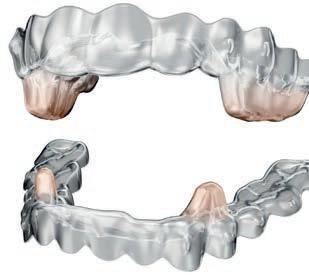
Evaluation of efficacy of a clear aligner functional appliance for the treatment of class ii malocclusion in adolescents
Summary
This prospective study evaluated the efficacy of the Smartee™ S8-GSTB™, a clear aligner-based functional appliance, in the management of growing adolescent with Class II malocclusion. Outcomes were compared with those achieved using a conventional appliance, the Sydney Bonded Twin Block (SBTB).
Materials and Method
Twenty-three patients with Class II Division 1 malocclusion at cervical vertebrae maturation stages (CSVM) 3-4 (mean age 12 years; range 11-14 years) were treated with the Smartee™ S8GSTB™ for nine months. Cone-beam computer topography (CBCT) scans were obtained at baseline (T1) and posttreatment (T2). Lateral cephalogram and orthopantomogram (OPG) were constructed from the CBCTs to assess the skeletal and dentoalveolar changes between T1 and T2. Findings were compared with published outcomes from 17 patients treated with the SBTB by Lalli.
Results
Statistically significant differences between groups were limited to SNB angle (p = 0.012), ANB angle (p = 0.001), Wits appraisal (p = 0.015) and mandibular plane angle (p=0.01): the Smartee group showed greater SNB increased and ANB reduction, whereas Wits appraisal decreased more with the SBTB.
Conclusion
The Smartee™ S8-GSTB™ was effective in correcting Class II malocclusion and produced skeletal and dentoalveolar changes comparable to the SBTB. Statistically significant differences in ANB angle, SNB angle and mandibular plane angle between groups were small and unlikely to be clinically meaningful. Treatment success was strongly influenced by patient compliance with aligner wear (≥22hrs/day), with noncompliance accounting for five treatment dropouts.
Dr Nicola Wong
The University of Melbourne
Expert consensus on curriculum guidelines for the orthodontic component of dental student education using a modified e-Delphi method
Summary
This study aimed to establish expert consensus on essential learning outcomes (LOs) and practical teaching exercises (PTEs) for undergraduate orthodontic education. A modified threeround electronic Delphi method was used, involving orthodontic educators and recently graduated general dental practitioners. Fifty-one participants (72% response rate) completed all rounds. Of 58 LOs and 7 PTEs evaluated, most achieved consensus. Two LOs (students being prepared to carry out treatment with clear aligners and conventional removable appliances) and two PTEs (wire bending and treatment planning of complex orthodontic cases) did not. The resulting consensus-based guidelines aim to reduce variability in orthodontic teaching and improve graduate preparedness.
Materials and Method
A modified e-Delphi method was employed, involving three rounds of questionnaires. The expert panel
included two key groups: orthodontic educators and recently graduated general dental practitioners. The initial list of LOs and PTEs was developed through a comprehensive review of existing literature and guidelines. Experts rated the importance of each LO and PTE on a 5-point Likert scale (1=‘strongly disagree’, 5=‘strongly agree’), with free-response options also available. Consensus levels were predefined at 70%. Items that did not reach consensus were further analysed across subgroups. Thematic analysis of qualitative data followed Braun and Clarke’s framework.
Results
A total of 58 LOs and 7 PTEs were evaluated. Two LOs failed to achieve consensus (students being prepared to carry out treatment with clear aligners and conventional removable appliances). Two PTEs did not achieve consensus (wire-bending and treatment planning of complex orthodontic cases). Differences between expert groups did not significantly influence the lack of consensus.
Conclusion
This study proposes expert-consensus curriculum guidelines for undergraduate orthodontic education, emphasising core competencies in diagnosis, growth and development, interdisciplinary care, and treatment recognition. These adaptable guidelines aim to standardise teaching and improve graduate preparedness for safe assessment, management, and referral of orthodontic patients.
30th Australian Orthodontic Congress
Melbourne Convention and Exhibition Centre (MCEC). This landmark event promises cutting-edge insights, world-class speakers, and unparalleled networking opportunities.
If you haven’t already registered, make sure you do so asap — this is the must-attend orthodontic event of 2026 It’s also a great opportunity to bring your staff along to attend the OHP program.
The theme for the Congress is ‘Focusing on Fundamentals’. We’ve assembled an incredible lineup of speakers who will inform, challenge, and inspire.
Download the full program
Meet our speakers here
We sincerely thank our sponsors and exhibitors for their contribution and look forward to showcasing their products and services to our delegates in Melbourne. We are very much looking forward to welcoming you in Melbourne.
Dr Chris Theodosi Chair, 30th Australian Orthodontic Congress
31st Australian Orthodontic Congress
The 31st Australian Orthodontic Congress 2028 will be held in Sydney’s Darling Harbour ICC during the week following Tuesday 25 April, ANZAC Day. The postgraduate Pre-congress Course day and council meetings will be held on the Wednesday, and a two-stream lecture program will start on Thursday the 27 April and continue until Saturday 29 April in the afternoon.
It is intended to present an eclectic mix of domestic and overseas speakers within the program to reflect the fact that we all practice a little differently. The main features will be the dual-stream program, the party night on the first evening with a visit to the heritage listed Luna Park site for our exclusive use and the oration and formal congress dinner on the Friday evening.
Looking forward to seeing you all in Sydney in April 2028.
Dr Peter Lewis
Chair, 31st
Australian Orthodontic Congress
Australasian Orthodontic Board (AOB)
2025 AOB Executive Committee, National Convenors and School Liaisons: Dr Tony Collett (Registrar & VIC), Ms Rachel Harvey (WA), Dr Oyku Dalci (Executive & NSW), Dr Carolyn Ng (Chair & National Convenor), Dr Fiona Firth (NZ) and Dr Peter Grant (National Convenor).
Reminder: Clinical certification is only required twice prior to progressing to a Professional Logbook only certification. Australian and New Zealand graduates* need only apply once for clinical certification prior to progressing to Logbook-only certification. See website for details.
*Clinical certification completed during postgraduate training is credited toward AOB certification.
The AOB Cert postnominals continue to be recognised and sought by colleagues to publicly signify a commitment to specialist orthodontic education, excellence and review. Recently, its wide recognition and appeal have been demonstrated by enquiries from other specialist colleagues on its status and use in Australia.
The self-reflective process and anonymous peer-review of contemporary, evidence-
based specialist clinical orthodontics in prospectively treated cases continues to be the preferred explanation to specialist and generalist colleagues about this invaluable member service.
Since 1993, apart from the public recognition that has been recently reinstated, the personalised and practical continuing professional development continues to be the enduring benefit for our members.
Details on the streamlined digital process are available on the ASO member website and are regularly updated.
This year, the AOB executive Committee welcomed Dr Amy Lee as a National Convenor, joining us from NSW. In terms of the AOB Postgraduate Award, universities will now only be required to submit 2 student cases for review at Congress and Foundation meetings.
The AOB Committee recognises the generosity, commitment and contributions of the following Convenors and University Liaisons for the 2025 calendar year.
• National Convenors: Dr Peter Grant, Dr Carolyn Ng, A/Prof Mike Razza, Dr Amy Lee, Dr Azza Al Ani;
• State University Liaisons: Dr Oyku Dalci (NSW), Professor Maurice Meade (SA), Dr Tony Collett (VIC), Ms Rachel Harvey (WA), Dr Fiona Firth (NZ), Dr Arun Shailendran (QLD).
For their ongoing support of the AOB, its endeavours and commitment to orthodontic excellence, education, and review, heartfelt thanks are also given to ASO Federal Council and head office staff.
In 2026, Dr Oyku Dalci will be continuing in the role of Australasian Orthodontic Board representative for the Society for Orthodontic Specialty Certifying Board, a facilitating committee of the World Federation of Orthodontists that works closely with national orthodontic boards certifying agencies and organisations to promote board certification, to protect the public and specialty from unqualified practitioners.
Along with my colleagues on the executive committee, Dr Tony Collett, Dr Oyku Dalci and Dr Olivia Rogers, I warmly invite and welcome members and colleagues, as experts in the art and science of orthodontics, to enquire, provide feedback and participate in the AOB, in whatever capacity they can. For those with limited resources, AOB member participation as an Assessor is an ad-hoc and low commitment option that provides practical professional development and insights with CPD credits. Contact details are available on the website or via your local AOB Convenor/University Liaison.
Dr Carolyn Ng
Chair, AOB Committee
Australasian Orthodontic Journal (AOJ)
At the time of writing this report, in late 2025, my time as Editorin-Chief of the AOJ was coming to an end, there is cause to reflect on the changes that have taken place over the 15 years of my tenure. The most significant has been the conversion from a hard-copy version of the journal to an open access digital format along with the online placement of all past issues for the readership. The publishing company, Sciendo, have acted and performed in a highly professional manner and well supported the delivery of the journal.
Members will be aware that Professor Michael Woods is the new Editor who started in the position in late September. Therefore, until 31 December, there were/have been two Editors which the
healthy state in its receipt of submissions. Volume 41, the 2025 publication will be/has been closed having presented a record 40 articles to the readership and amounting to over 400 pages of scientific knowledge. This is double that usually produced by the hard-copy method.
Because of the resignation of some members of the Journal Committee, changes will need to be made to its composition. A considerable number of alterations and updates will also need to be made to the online information for authors and submissions which will need to be guided by the new Editor.
In closing, may I offer my thanks to the ASO and Council for its support over many years, and who, along with the Journal Committee, have made my role
Constitution & Policy Committee
Proposed changes to ASO Inc. Constitution - AGM 22 May 2026
Background
ASO Inc. Federal Council has considered the modernisation of our Constitution following extensive legal advice. The key element was that our document was confusing regarding membership given a plethora of categories and that certain areas of the document needed revision in line with changes to the ACT Associations Act, particularly regarding disciplinary and disputation procedures.
Council recommended the document be presented for members’ consideration at the 2025 AGM; however, it was withdrawn due to the omission of a requirement for membership of an approved dental association.
Council has recommended the document be presented for members’ consideration at our next AGM in Melbourne in May 2026.
Proposed changes to 2022 Constitution
The ASO Constitution and Policy Committee sought legal advice from three separate sources and proposed a simplification to the Constitution. Moving administrative components of our Constitution into the Society’s By-laws facilitates streamlined day-to-day administration of membership requirements by the ASO Office and Council without a need to delay by up to 12 months for the membership to pass a special resolution. Increased administrative flexibility will allow the Society to grant periodic leave of absence to members (e.g. Maternity Leave), to enhance greater membership privileges for our locally qualified academics or react to changes in Government Visa regulations for non-citizen members. It is proposed the Constitution define four classes of membership:
a. Ordinary Members
b. Honorary Life Members
c. Student members
d. Associate Members.
Constitutional classes of membership will be further divided within the By-laws into the existing sub-categories, as illustrated in the table below. Acknowledging that our Constitution and our By-laws are living documents, it is anticipated changes may be required from time to time. By-laws can be approved by Council; however, the ACT Associations Act prescribes for member scrutiny of the By-laws and processes for member-based amendments. The Bylaws will continue to be made available to members on the ASO Inc. website.
Should members accept the new Constitution, all membership elements deleted in the new Constitution will be a ‘cut-and-paste’ into the By-laws with immediate effect. A new Constitution and Policy Committee will be tasked to review these By-laws early in their tenure.
Disputes and Disciplinary Matters
Modernisation of conflicts of interest and dispute and disciplinary matters have been included in line with contemporary legislated requirements. There is a strengthening of members rights common in modern bodies and associations.
States rights
There are no changes to existing States’ rights in the proposed amendments to the Constitution.
All members are encouraged to review the AGM constitution documents thoroughly and Council looks forward to member support of the amendments at Melbourne Congress AGM.
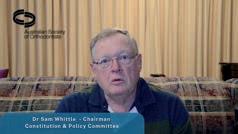
Dr Sam Whittle Chair, Constitution and Policy
Take a few moments to watch a video update of the activities of the Committee during 2025.
WATCH VIDEO
Ordinary Member Full Member
Recent Graduate1st year
Recent Graduate2nd year
Semi-Retired Member
Retired Member
Ordinary Academic Member
Absentee Ordinary Member
Honorary Life Member No sub-category
Student Member No sub-category
Description / Requirements [all must be 'fit and proper']
AHPRA registered unrestricted specialist for the first year after completion of a DBA approved orthodontic course. Requires a letter from Head of Department to confirm exams have been successfully passed. Degree can be conferred at a later date. Membership is for 12 months.
AHPRA registered unrestricted specialist for the second year after completion of a DBA approved orthodontic course. Membership is restricted to 1324 months since completion of ANZ course
As per existing requirements if a full member for more than 10 years
Cessation of active clinical practice / full member for more than 10 years
Unrestricted AHPRA Registered Orthodontic Specialist. Employed as Full time Academic with no more than 20% private practice allowance
Unrestricted AHPRA Registered Orthodontic Specialist with ASO Council approved leave of absence.
By election of members.
Orthodontic postgraduate in an DBA accredited Australian program OR Australian AHPRA registered dentist -student in an approved overseas program. Student membership lasts for max of three years except with Council approval.
Research Student Member Full time research student in an DBA approved post-graduate orthodontic course
Associate Member [New category] Overseas Member
Non Voting
Corresponding Member
Orthodontic Graduate of an Australian / DBA approved orthodontic course. Live/practice overseas. Certificate of good standing from overseas practising jurisdiction registration body. No requirement for AHPRA registration
No resident visa, otherwise, satisfies all other requirements for Ordinary Membership
WFO members not domiciled or practicing in Australia.
Associate Academic Member Holding a full-time academic position in a DBA accredited orthodontic course with limited AHPRA academic registration
Honorary Member
By election of members.
programs underwent Australian Dental Council Reaccreditation in 2025:
• University of Adelaide – July 2025,
• University of Sydney – August 2025 and
• University of Melbourne – September 2025.
All Australian Universities undergoing the ASC reaccreditation were successful in satisfying the standards required by the ADC and the ASO reaccreditation process. Thank you to the respected orthodontists that assisted in the reaccreditation process Mithran Goonewardene, Helen McLean, Craig Dreyer, Paul Schneider and Elissa Freer. The University of Western Australia is scheduled for reaccreditation in late 2026.
The University of Melbourne, Professor Marie Cornelis has prepared a full day Postgraduate Student program the day prior to the 30th Australian Orthodontic Congress to be held on Wednesday, 20 May 2026. All Orthodontic Post-graduate students and
The Education Committee welcomes the relatively new orthodontic educators to the fold of Australian University education.
• Allan Ward and Peter Synnott at Charles Sturt University,
• Jyotsna Unnikrishnan at Griffith University,
• Daniel Jogaib Fernandes at The University of Western Australia and
• Hisham Mohammed at the University of Queensland.
Thank you to all of those contributing to orthodontic education across Australia and New Zealand.
A/Prof Mike Razza Chairman, ASO Education Committee
The ASO recognises the generosity, commitment and contributions of the University tutors and demonstrators for the 2025 calendar year. Download the list here
Finance Audit & Risk (FAR)
As Chairperson of the Audit Committee of the Australian Orthodontic Association, I am pleased to provide this report for the past financial year.
During the year, the Audit Committee met regularly to review the Association’s financial performance, internal controls, risk management framework, and compliance obligations. We worked closely with management to ensure that financial reporting remained accurate, transparent, and aligned with statutory and governance requirements. The annual financial statements were reviewed in detail prior to submission to the Board. Focus was given to revenue trends, membership income stability, event profitability, and cost management considering ongoing economic pressures. The Committee is satisfied that the financial statements present a true and fair view of the Association’s financial position. The auditors reported no material misstatements and confirmed that appropriate accounting policies were applied consistently. The Committee met with the external auditors without management present to ensure open dialogue and independence. We remain satisfied with the auditors’ independence and performance.
A key focus this year was strengthening the Association’s risk oversight framework. The Committee:
• Reviewed and updated the risk register. Assessed emerging risks, including cybersecurity, data protection, and regulatory compliance.
• Evaluated internal control processes relating to financial delegations and expenditure approvals.
We are confident that appropriate controls are in place and operating effectively, although ongoing monitoring remains essential.
The Committee monitored compliance with relevant legislative and regulatory requirements, including not-for-profit governance obligations. We also reviewed policies relating to financial delegations, procurement, and conflict of interest disclosures to ensure they remain contemporary and fit for purpose. In order to deliver good governance education and training of committee and council members was undertaken during the year.
Looking ahead, the Audit Committee will continue to strengthen the financial forecasting and long-term sustainability planning, cyber and data security oversight, review investment performance and treasury management and continued governance best practice alignment.
On behalf of the Audit Committee, I thank Council, management, and staff for their cooperation and commitment throughout the year. I would especially like to that the other committee members Drs Francis Wong, Marcus Tod, Raymond Te Moananui and Gordon Cheung.
Tom Milicevic Chair, Finance Audit & Risk
Committee
Cleft Lip & Palate Committee
Give a Smile (GAS)
During 2025, Give a Smile (GAS) underwent a comprehensive review of all its patient allocation processes and workflows to reduce unnecessary administrative burden on volunteers, improve the experience of everyone involved, and —most importantly — to maximise the program’s impact on the
The 1st phase of the review took place during January-October 2025 and it
Mapping and reviewing all processes for patients being referred via the public waitlist and via direct self-screening by GAS Orthodontists.
Digitalising and centralising the storage of GAS patient data: This involved moving all paper forms online to collate patient data and store it in a centralised location to ensure patient data privacy and cyber security compliance.
Automation of communications: The new system also allows us to automatically send emails and notifications based on form submissions to ensure that everyone involved in allocating and onboarding a GAS patient is informed in a timely and consistent
The 2nd phase of the GAS review began in late 2025 when the Committee met to discuss the review and provide input. The ASO office has now started to roll-out the new processes and will refine the workflows and resources based on the specific needs of each state.
GAS will be one of the exhibitors at the 30TH Australian Orthodontic Congress, to be held in Melbourne on 20-23 May 2026.
Members are warmly invited to visit the ASO stall to find more information about the
program, register your interest, or simply say hello. I also encourage all current GAS Orthodontists to also drop by and say hello to ASO staff, review your details and collect a limited edition GAS pin — a small token of appreciation for your support. You are also invited to attend the GAS presentation on Friday 22 May from 15:30 at the plenary room.
Thank you for your participation and support of the program. The cause is made special by everyone’s generous efforts!