Fostering a community of inquisitive learners and independent thinkers, inspired to be their best selves, empowered to make a difference.
Spring/Summer 2026 The American School in Japan
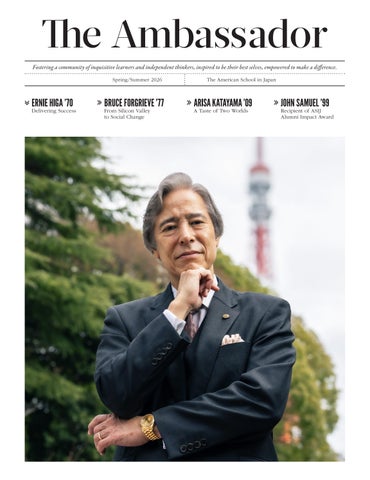
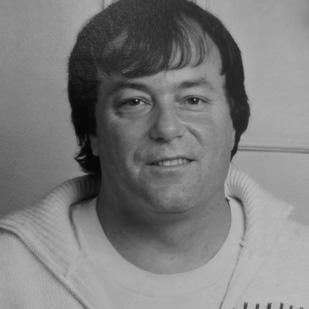
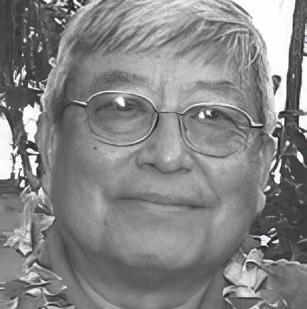
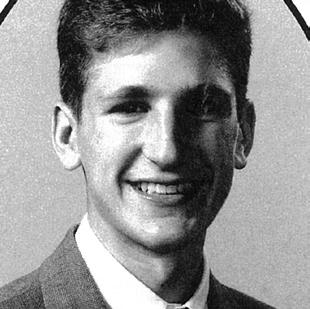
ERNIE HIGA ’70
Delivering Success
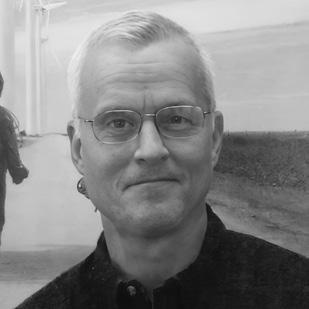
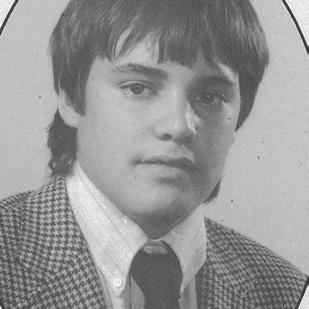
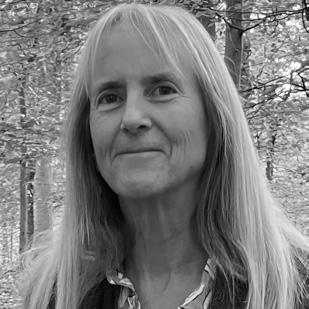
BRUCE FORGRIEVE ’77
From Silicon Valley to Social Change
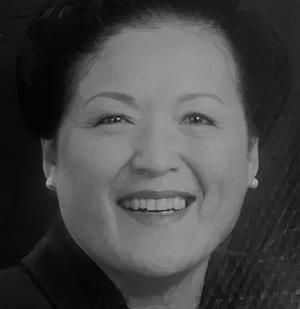
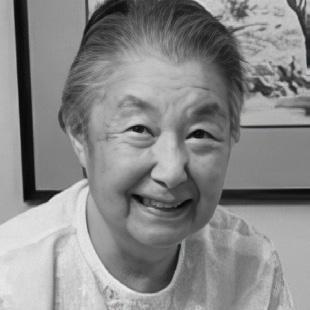
ARISA KATAYAMA ’09
A Taste of Two Worlds
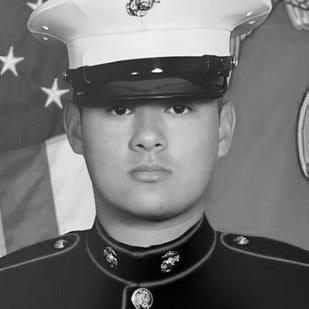
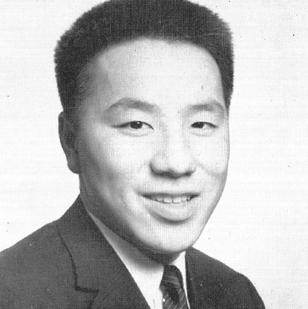
JOHN SAMUEL ’99
Recipient of ASIJ Alumni Impact Award
ASIJ: Home Since 1902
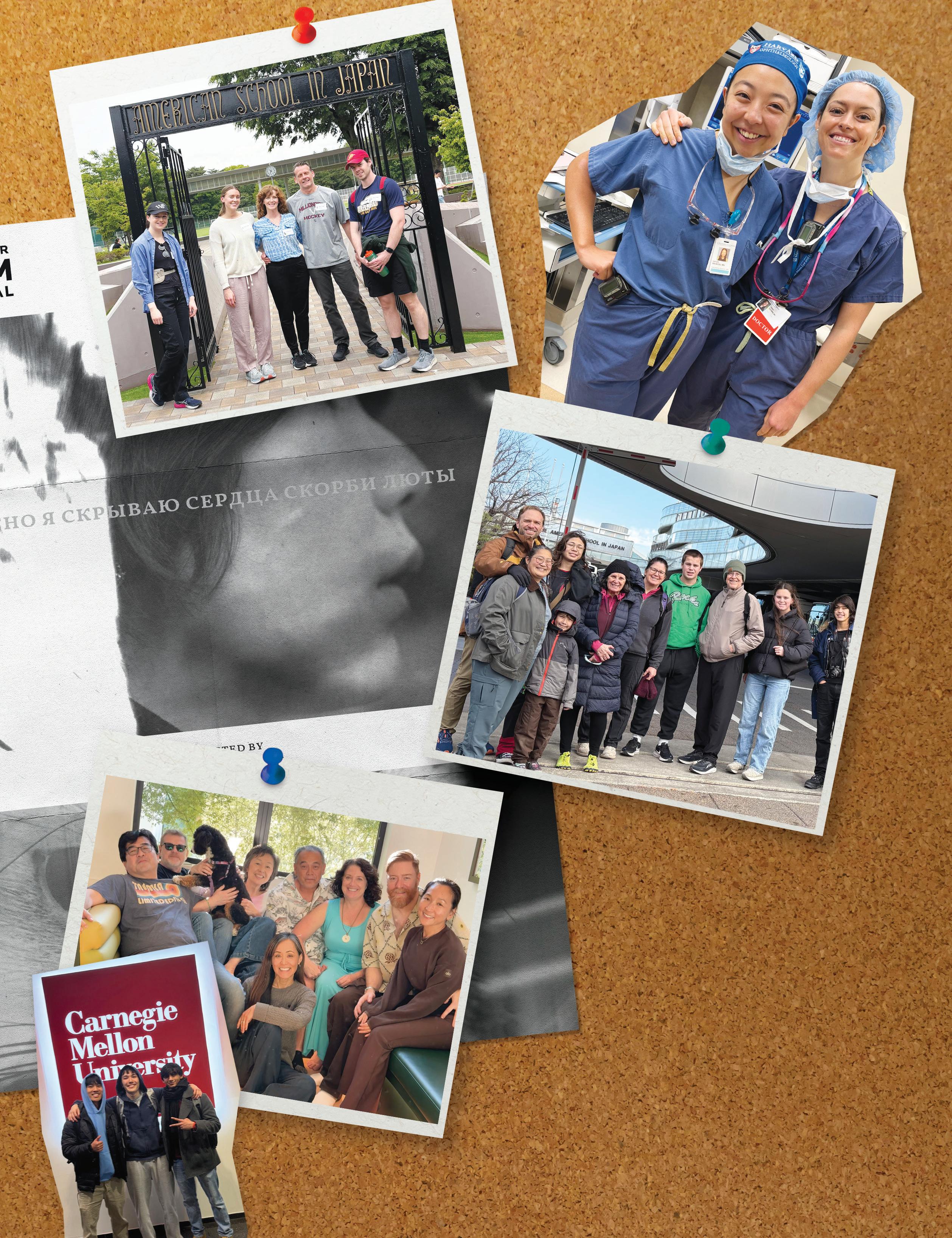
It is a privilege to connect with alumni, some who meet ASIJ friends weekly at Tokyo cafes, and other who haven't set foot in Japan for decades. Regardless of where life takes you, a shared sentiment shines through: ASIJ will always feel like home.
The American School in Japan 1-1-1 Nomizu, Chofu-shi Tokyo 182-0031, Japan
The Ambassador is published by The American School in Japan
ASIJ alumni, families, faculty, and friends receive The Ambassador
Spring is a season of transitions, not just weather wise. For the first time this year I experienced sakura season first hand, and observed our neighboring Japanese schools start their academic year — their students decked out with shiny new randoseru backpacks. At ASIJ, we can see graduation and the summer break on the horizon. As we begin to plan how we will recognize the contributions of those in the community who may be leaving us in the coming months, we have also begun to welcome our future community members. Our admissions team and divisions are reaching out to newly accepted families to begin their transition to ASIJ and with three completed applications for every open spot we have, I am mindful that there are many more families who would love to join our community.
Similarly our new cohort of educators are preparing to join us in August and we had the pleasure of welcoming our incoming High School Principal Tanay Naik and Director of Co-Curricular Learning Dane Robinson to campus during recent weeks. Both took advantage of their time here to start to get to know their future colleagues, learn the culture of ASIJ, and meet with parents. Our current High School Principal Amy Zuber Meehan will be our Deputy Head of School, bringing a depth of experience from her time here and at Singapore American School to that role.
Spring has also brought a steady stream of alumni to campus and I have had the pleasure of meeting several of them to learn about their life-long connections and support of the school, sharing with them where we are heading in the future. To that end, the Board of Directors is currently at work reappraising how we might approach the aging facilities on our Chofu campus — many of which our recent visitors from the 1960s remember as new. While we do that work, we are investing in sprucing up our current surroundings and so if you are able to visit, you’ll see new pops of color and refreshed landscaping. Much of this will be completed before graduation, which will be held on campus in our theater in what we hope will become a new tradition each spring.
With warm regards,
Eric F Niles Head of School
Explorations Week
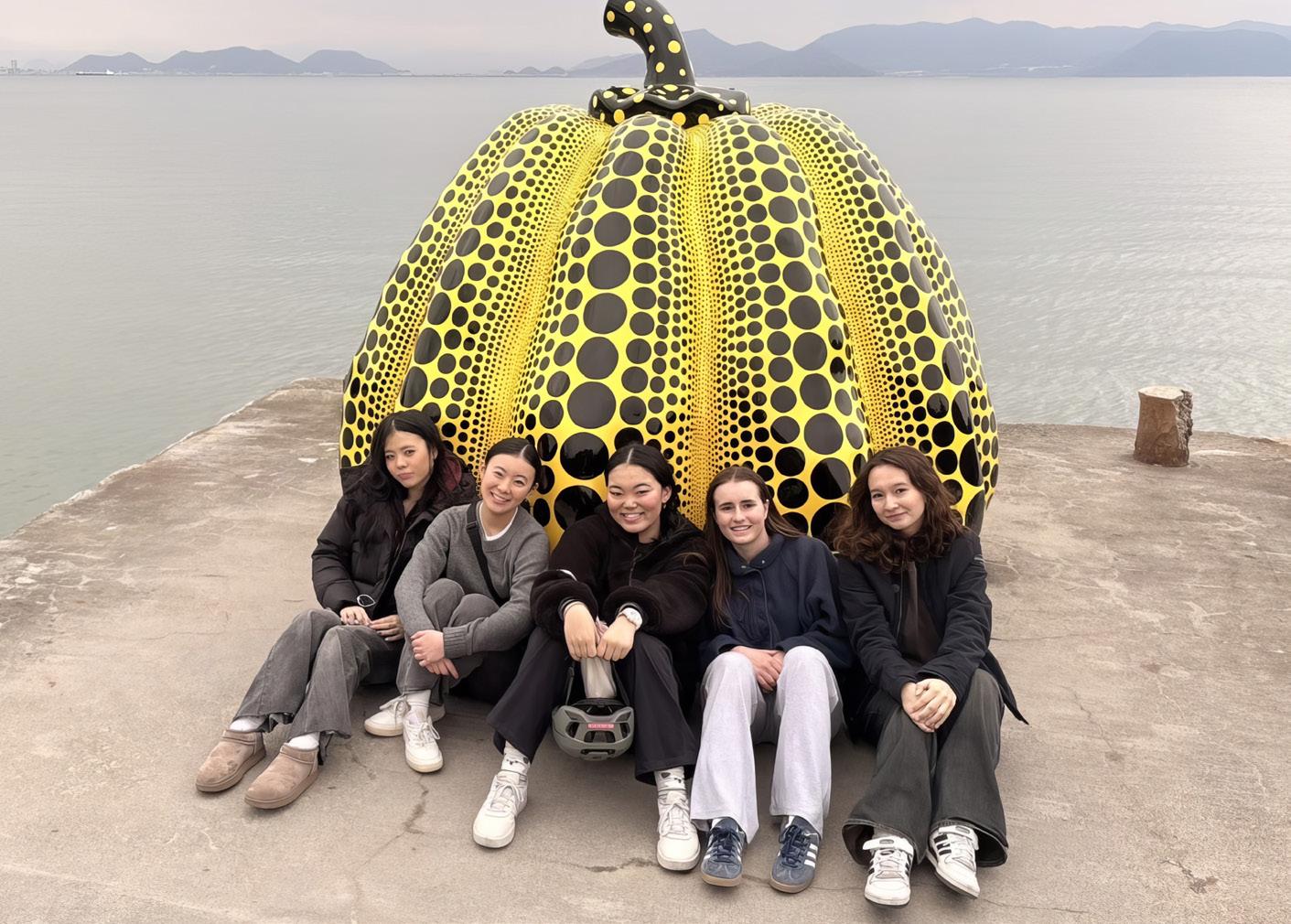
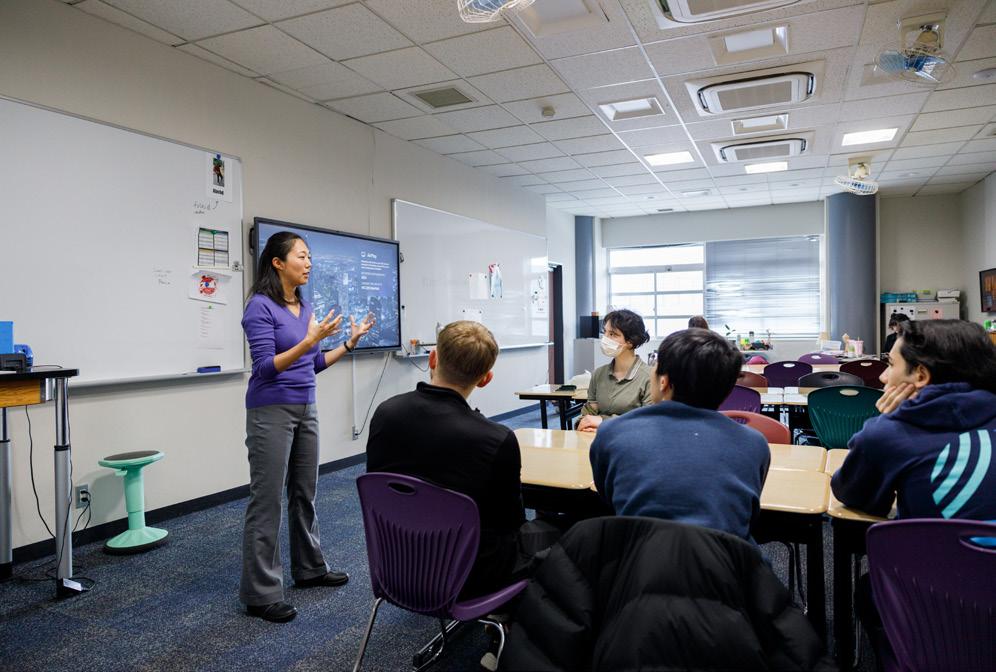
At the end of February, our Grade 10 and 11 students stepped outside the traditional classroom for a week of exploration, travel, and future-focused preparation. The week featured several off-campus adventures, including a winter camping trip in Karuizawa, a Shimanami cycling expedition, and art tour to Naoshima. When students weren't braving the elements, they were engaged in valuable on-campus workshops. A highlight of the week was our Future Ready Day, where we were honored to welcome back several alumni speakers.
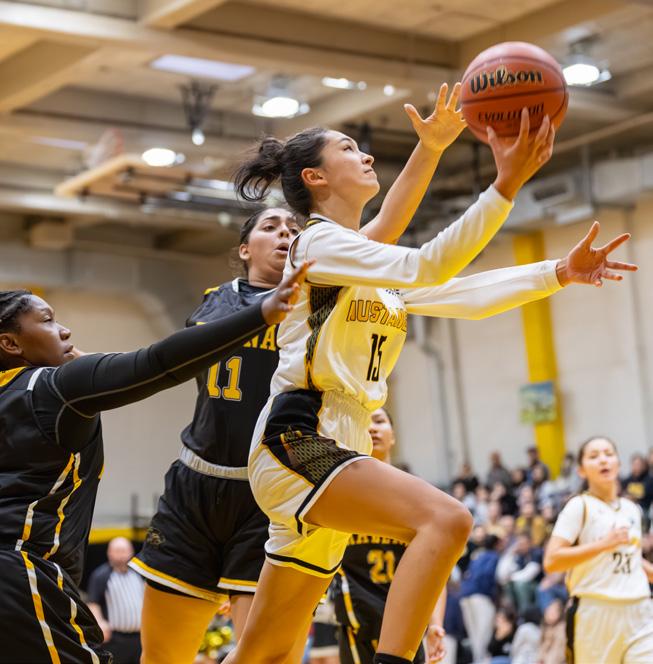
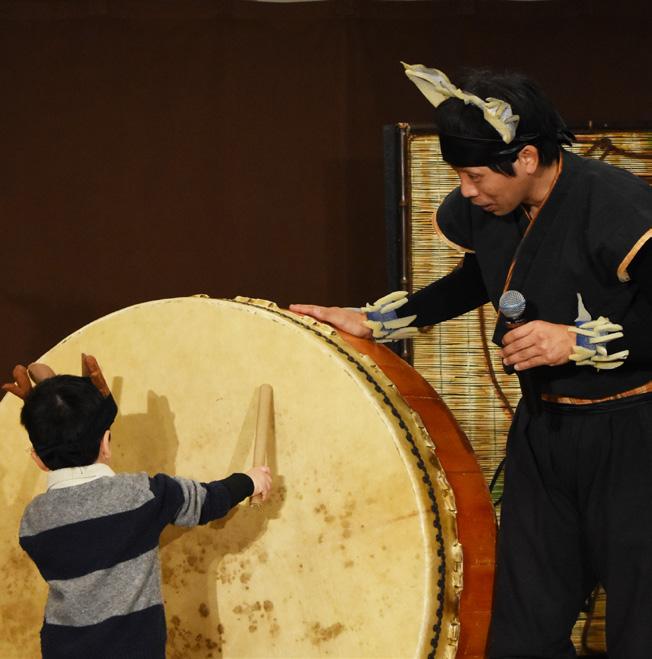
Slam Dunk When You're an Addams Small Hands, Big Drums ATHLETICS ARTS CULTURE
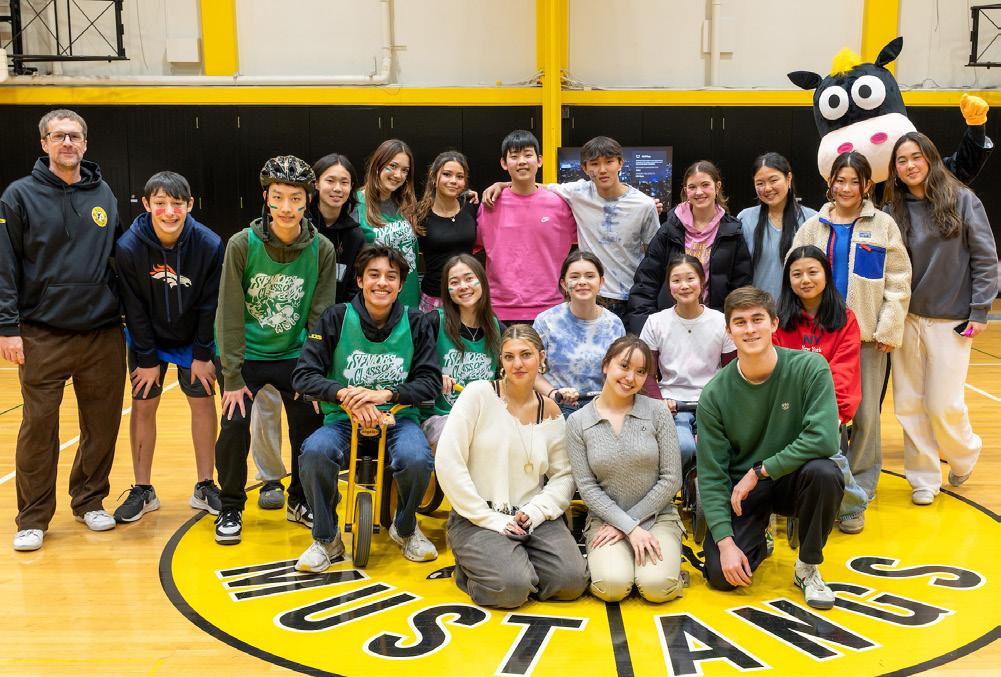
ASIJ’s Varsity Girls Basketball became the 2026 Kanto Classic Champions after a nail-biting 29–26 victory over Kadena. Although our boys were knocked out of championship contention by Kadena, they pushed the eventual boys' tournament champions to a tightly contested game. Congratulations to both teams for the heart they bring to the court every time they play no matter whether they win or lose.
The rhythmic pulse of traditional Japan came alive at the Early Learning Center as a visiting taiko ensemble captivated our youngest learners with a highenergy performance. Students had the unique opportunity to feel the vibrations of the massive drums and even try their hand at the powerful, choreographed strikes.
Snap! Snap! This year’s spring high school musical sees The Addams Family take to the stage in a spooky yet heartwarming look at relationships and family dynamics. A cast and crew of over 100 students helped bring this show to life—even reanimating some of the characters from beyond the grave.
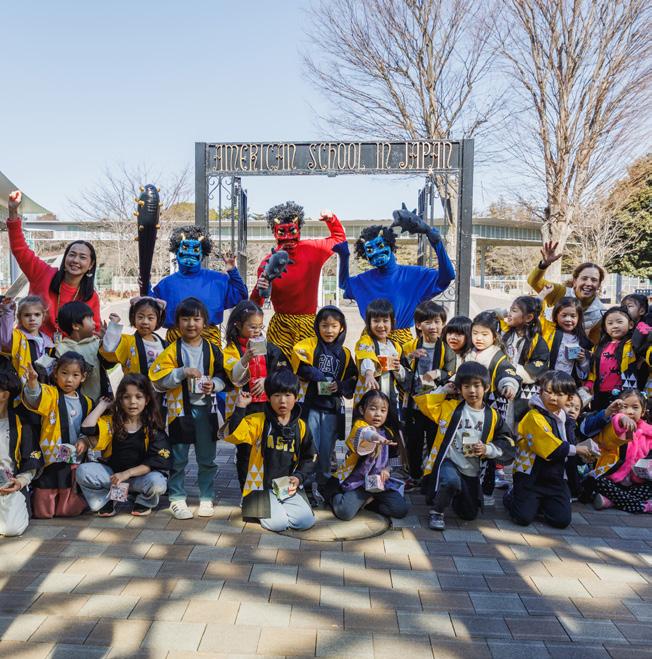
CULTURE
Beanie Babies
Our Kindergarteners celebrated Setsubun traditions on the Chofu Campus with the help of some Oni from the high school. The students ward off the demons by throwing beans at them while inviting good fortune to take their place, shouting, “Oni wa soto, fuku wa uchi!”
Rock, Paper, Recycle
Our elementary students were hard at work in February designing colorful costumes, building vibrant sets, and rehearsing every dance step and song to prepare for the ES Musical The Environmental Show. They turned recycling into rhythm, compost into comedy, and environmental learning into pure onstage magic.
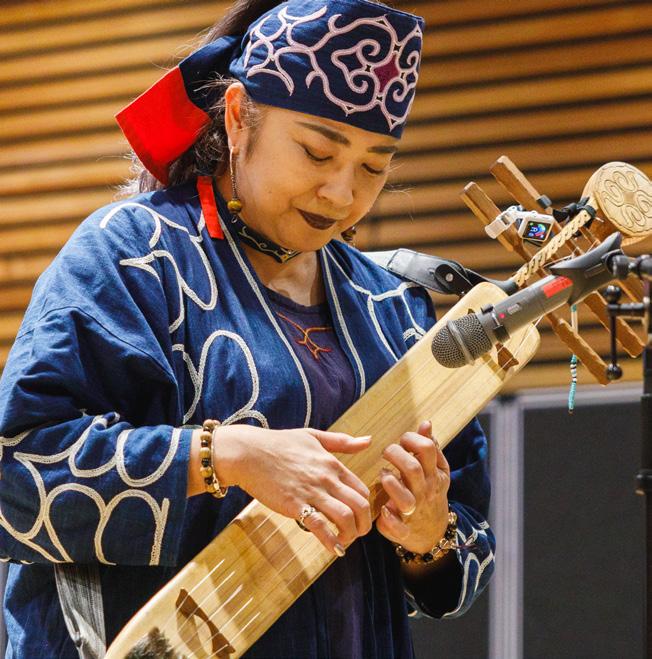
Preserving Ainu Culture GLOBAL CITIZENSHIP CULTURE
Guest speaker Teruyo Usa, who was the central subject of the documentary film Soshite Ainu, shared both historical and contemporary Ainu experiences with our middle school students. Students also experienced traditional Ainu music and dance, allowing them to see how the cultural traditions of Japan’s indigenous people are passed down and kept alive.
Rewiring Peace
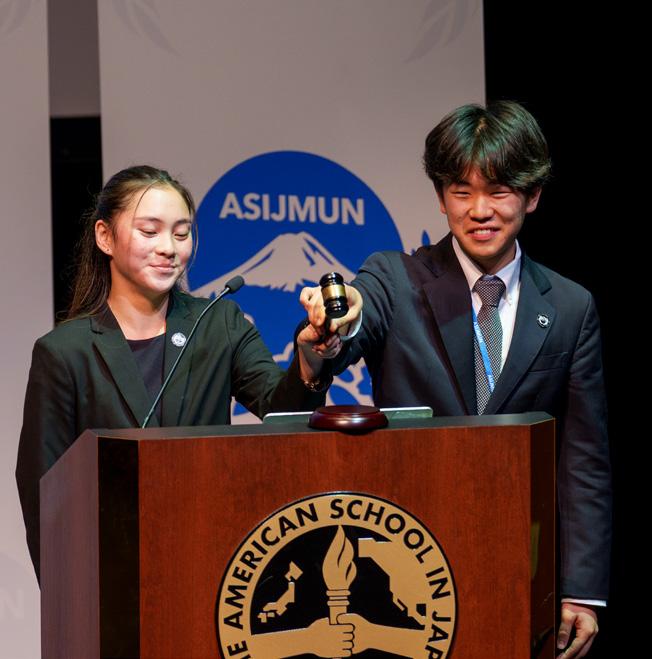
Our annual ASIJ Model United Nations conference kicked off with a keynote address from former Japanese Ambassador to Indonesia and Belgium, Masafumi Ishii. Middle and high school delegates representing countries from around the world, alongside chairs guiding the sessions, came together to debate real world issues and experience the challenges of global diplomacy firsthand.
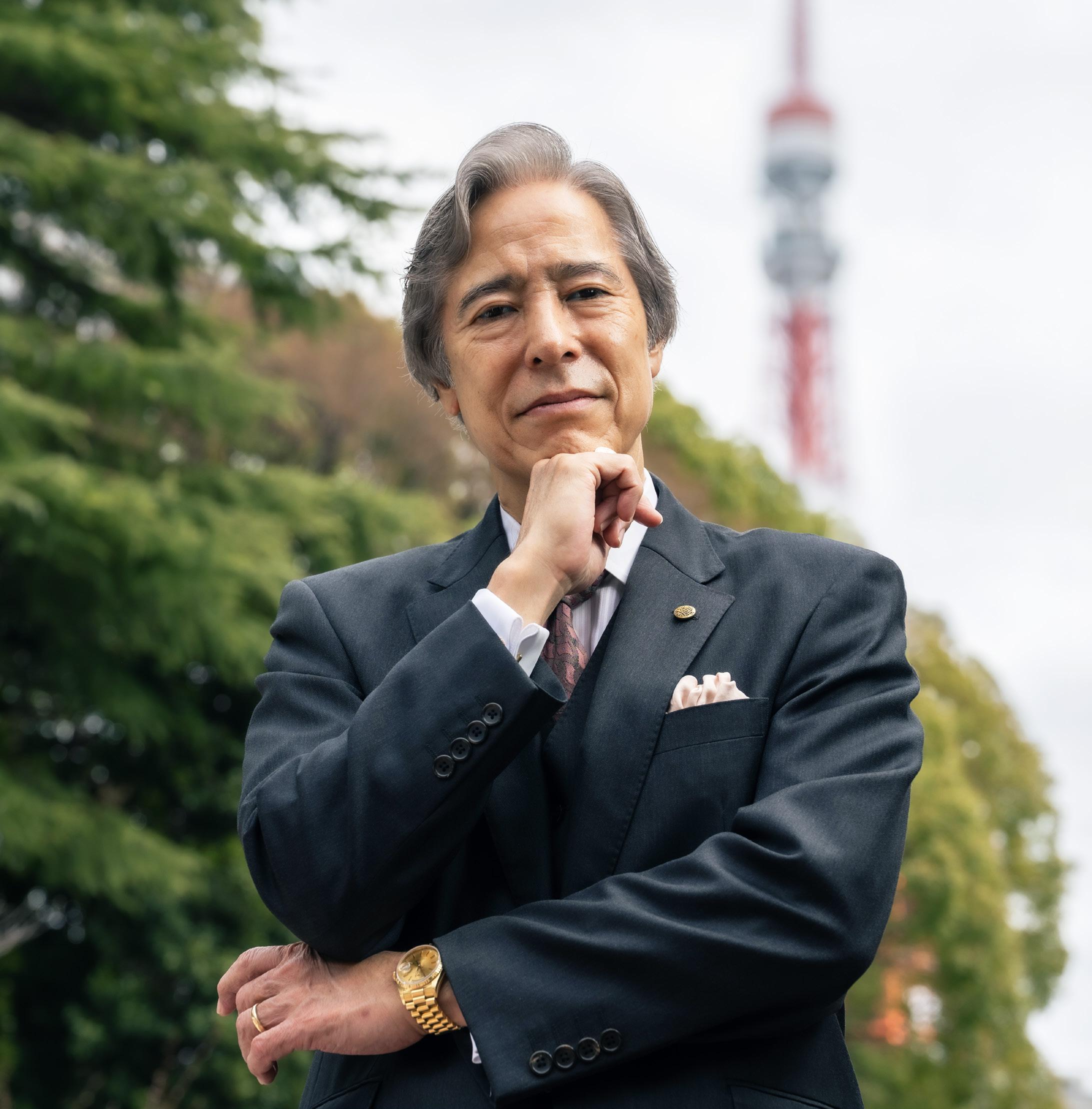
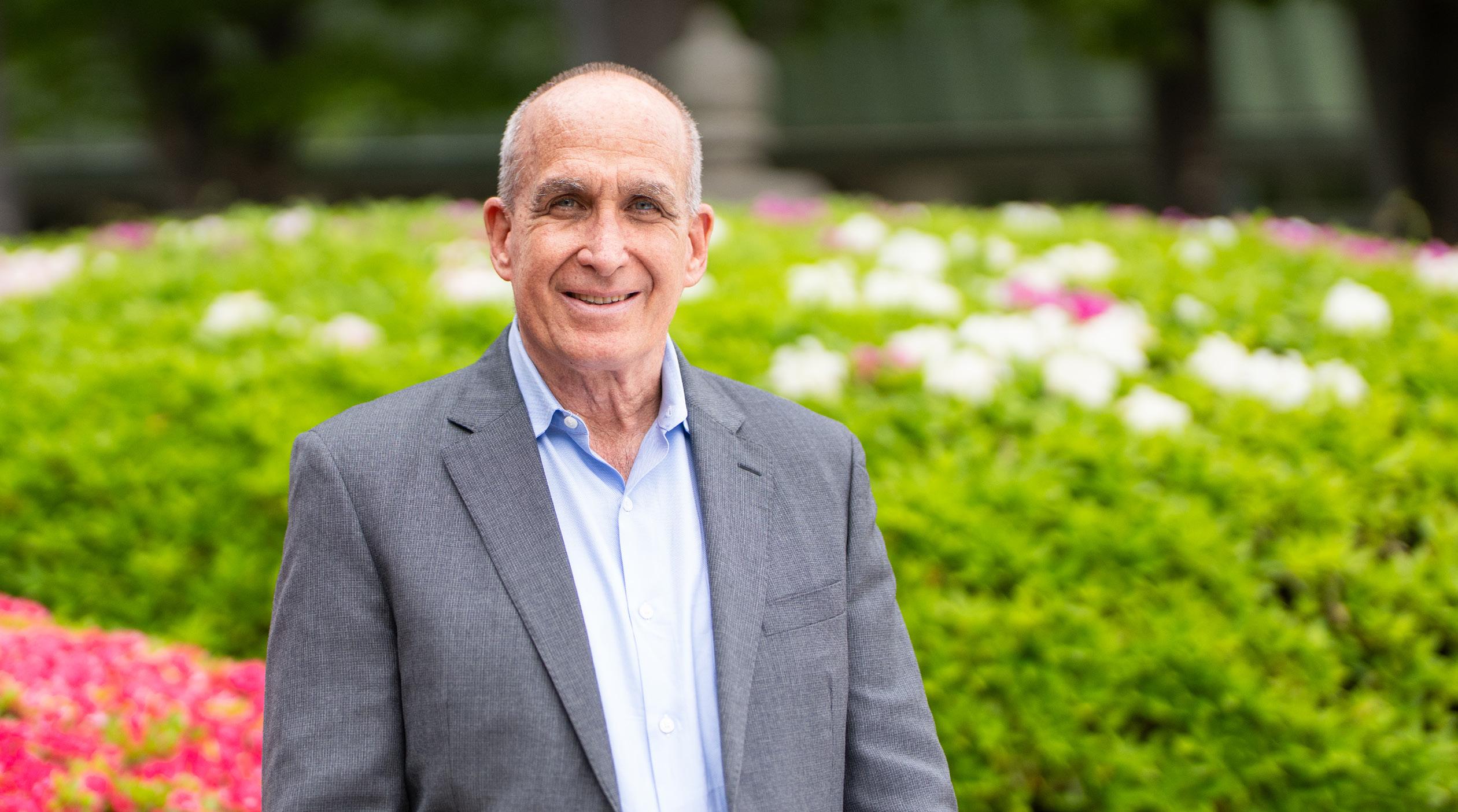
Delivering Success
Matt Wilce speaks with entrepreneur Ernie Higa ’70 (P ’10, P’14, P’16) about his career, family, and bringing Domino’s pizza to Japan
“We’re here to deliver pizza to President Clinton,” Ernie Higa ‘70 tells the incredulous guard stationed outside Tokyo’s iconic Okura Hotel. Despite the fact Ernie, the CEO of Domino’s Japan, is accompanied by the First Secretary from the US Embassy, the security officers refuse to budge. An impending delivery deadline of 6pm and the balmy July weather makes the unusual delivery duo sweat until an official from the Ministry of Foreign Affairs intervenes and confirms they are indeed supposed to get the 42nd President of the United States a squid pizza.
So how did this unusual scenario come to play out?
Earlier in the day, 350 American business people had gathered to take part in a forum hosted by the American Chamber of Commerce in Japan (ACCJ) designed to highlight the challenges of doing business in Japan and companies who had succeeded where their automotive peers had historically failed. Timed to coincide with the 1993 G7 Summit, the panel of eight included
leaders from blue chip companies such as Apple, Warner-Lambert, and Chemical Bank, with the goal that viewers of the televised event would see a show of unity from American executives and local government officials. After sitting through some rather dry discussions on derivatives and economic policy, President Clinton’s ears perked up as the talk turned to pizza. Domino’s had recently entered the Japanese market with great success and Ernie was speaking about the challenges of delivering pies in a city with few street names and the importance of localization.
In the United States, Domino’s had pursued a successful model of offering 12 toppings and one drink, Coke. Ernie shared that when he was negotiating for the master franchise rights for Japan he explained that, "the other two pizza chains were not so successful in Japan. So we need to adapt this for the Japanese market and have toppings the Japanese do like — like squid, like shrimp, like teriyaki chicken. And then they might eat the pizza.”
Clinton commented that he was interested in trying Ernie’s squid pizza, a remark that the executive initially brushed off as a joke. Later, Ambassador Michael Armacost turned to Ernie and told him it was no joke and that the pizza needed to be delivered to the President’s hotel that evening by 6pm.
Now on a mission, Ernie knew he wasn’t about to have a "bunch of part-time staff" make pizza for the President of the United States, and so he hightailed it to his Azabu-Juban store to supervise things. Following the embarrassing state banquet during President George H Bush’s visit to Tokyo, the thought of another potential diplomatic food incident upped the ante. Although the request was for a squid pizza, Ernie wasn’t about to pin everything on a single pie and so he told the staff to make 20 different pizzas to showcase more of their toppings, concerned that President Clinton might not love the seafood option.
Once security had been convinced to let Ernie into the hotel with the finished product, the special police officers escorted him. “They all had these earpieces and they kept saying ‘pizza entering the building’ and I told them my name was Ernie and then it was ‘pizza in the elevator’ and I told them again who I was. So we went up and they never really got my name. So I was just the pizza guy, you know.”
As Ernie comments, he might be known as the “pizza guy,” but his career has involved so much more than that.
Looking at the Higa family as a whole, one could say business savvy runs in their blood. “My grandfather had one truck, but my father took that and turned it into the largest transportation company in Hawaii,” Ernie explains. “He actually got a contract to move the US military throughout Asia and Europe and so he expanded quite significantly with the military.” This led to Ernie’s father, Yetsuo Higa, establishing offices across Asia in Japan, the Philippines, and Hong Kong. Although Ernie says his father never directed him and his siblings to become entrepreneurs, his influence and example still led to all four of them following him into the world of business.
Merle Okawara ‘58 was a pioneer in Japan’s frozen food business, running JC Foods and then DELSOLE Corp., and was the first foreign citizen and second woman to list a company on the Japanese stock exchange. She served on the boards of major corporations across a variety of industries in Japan, and volunteered her time and expertise to such organizations as the ACCJ, the Advisory Council for the UN Office for Project Services, and the Fulbright Commission. Howard ‘62 (P ‘89, P ‘90, P ‘94) founded a trading company in Japan and later returned to Hawaii to operate North Pak Hawaii and Jetset Tours Japan as well as take an ownership interest in the Aloha Surf Hotel and Outrigger Royal Hotel in Waikiki. He later acquired a taxi company, growing it into the largest service in Honolulu. Arnold ‘65 (P ‘95, P ‘97) founded Nihon Lien Chemical which distributed a range of products in Japan, some manufactured by another of his businesses in Hong Kong. Arnold also ran Arnie Productions, which promoted entertainment acts in Japan.
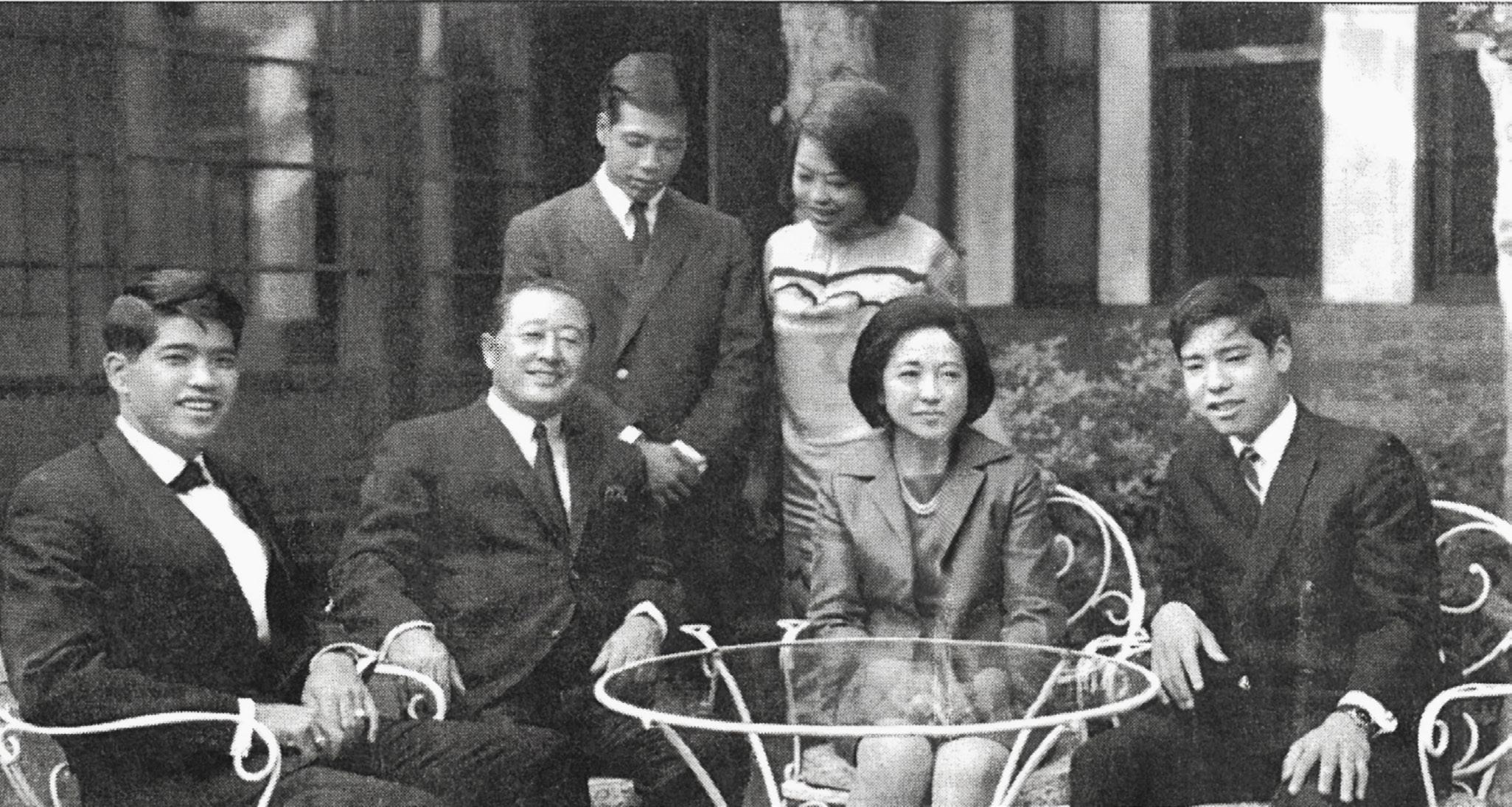
Back row: Arnold Higa ‘65 (P ‘95, P ‘97), Merle Okawara ‘58. Front row: Howard Higa ‘62 (P ‘89, P ‘90, P ‘94), Yets and Eleanor Higa (P ‘58, P ‘62, P ‘65, P ‘70), Ernie Higa ‘70 (P ‘10, P‘14, P‘16).
Ernie got his own start at the height of the US-Japan trade war importing something far removed from pizza — timber. “The lumber business in those days was done by the large Sogo Sosha, large trading firms,” he notes. The American sawmills wanted to export to Japan, but the Japanese wanted the timber cut to Japanese sizes. “None of the US sawmills could cut to the Japanese size specifications,” Ernie shares. “And so that was an issue.” The largest end user of lumber in Japan at that time was a company called Misawa Homes, who had their own proprietary specification for lumber. “The common wisdom in the lumber business was that you couldn’t cut the specifications in a US sawmill and so they couldn't really address the needs of this market,” Ernie says. “When there's a difficult issue like that, that's an opportunity for an entrepreneur… If it was a slam dunk all the big companies would do it. And this was not a slam dunk.”
Ernie had a chance to meet with Misawa and convinced him that although he didn’t know anything about the lumber business, he knew how to negotiate in English and that he could help them find a supplier in the United States. “I went around to all the lumber companies in the US and Canada, and they all said, ‘no,’ for various reasons. One, the sizes and lengths were different. But the other thing was that the size tolerances for a prefabricated home builder had to be plus or minus one millimeter, based upon a standard deviation and each stick of lumber needed to be measured with a caliper, not a tape measure.” Ernie goes on to share that he learned that not only did the structural strength of the timber have to be high, but the visual grade was also important, with the Japanese consumer preferring wood with smaller knots and grain. “That's why large trading firms wouldn't touch this business, but it was an opportunity,” Ernie says. “I was finally able to get a sawmill in Oregon to accommodate our needs and I said, you have to renovate the sawmill and so on, but if you do this, I'll buy all your production and they agreed… I found out later on they were not competitive in the US market, and so they had to do something different — I thought it was because I was such a great convincer, but not really. It was mutually beneficial.”
Such self-deprication is typical, but what is clear is that Ernie’s advantage as an entrepreneur has been his ability to leverage his cross-cultural background beyond just simple language skills. Born in Hawaii, Ernie spent his early childhood criss-crossing the world building that cultural competence from an early age. “Because of my father's business, I came to Japan for elementary school and first grade at ASIJ. Then I went back to Hawaii and attended elementary school at Iolani and Punahou, before going to Geneva, Switzerland, to finish my elementary education.” Ernie returned to ASIJ for junior high school and high school matriculating to The Wharton School at the University of Pennsylvania before completing his MBA at Columbia University. “If you're an entrepreneur, your biggest asset is yourself. Obviously, given my background, I knew more about Japan than most
Americans and knew more about America than most Japanese. So I figured I should leverage that bicultural background.”
With his Japanese heritage and US citizenship, Ernie’s father Yets had also been encouraged to help strengthen the post-war US-Japan relationship by Chikao Honda, the President and Chairman of the Mainichi Newspaper group. Honda was keen to bring Major League Baseball to Japan and despite not having any background in the sport, Yets agreed to “try his best.”
As it turned out, Yets was able to gather an all star team of Major League Baseball players, with the help of agent Frank Scott, and bring them to Japan. Following that successful tour, co-sponsored by the Mainichi Newspaper, the president then suggested they bring over the New York Yankees with their star players Mickey Mantle, Yogi Berra, and Billy Martin. Yets went to New York and he was able to get a meeting with the owners who initially questioned why they should go to Japan. Ernie’s father relayed the story of meeting them and being told that their players were all American heroes and they weren’t interested in the proposal. He apparently responded by asking the owners for their bank information and then wiring them an undisclosed amount of money, which quickly changed the team’s mind. The Yankees made a stop in Hawaii on their way and then toured Japan, playing to crowds that included the Crown Prince and Princess and Prime Minister Kishi. Over the coming years, Yets brought the St Louis Cardinals and then the Detroit Tigers in 1962. His foray into baseball promotion built his reputation and relationships
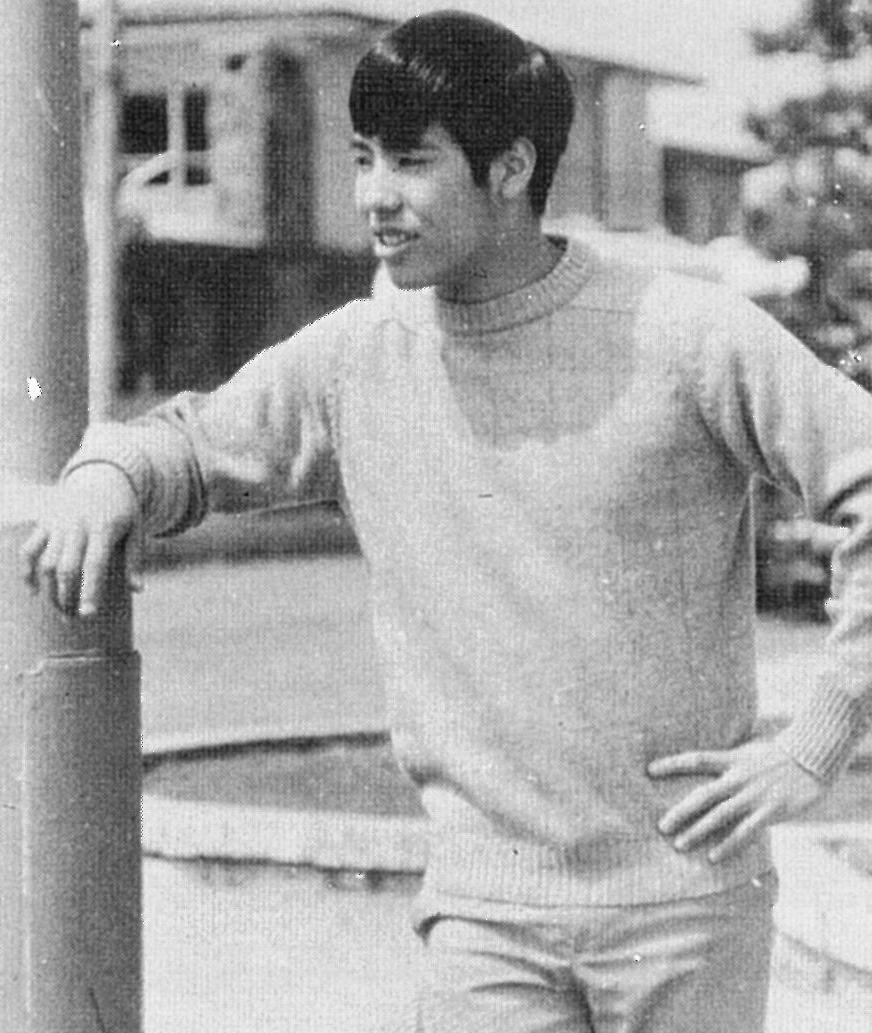
Ernie as the 1970 Student Council Vice President.
in Japan and led to him moving into other business areas, such as bringing Pepsi to Japan and establishing bottling facilities here. Ultimately though, the connections the family had made through baseball would lead things back to pizza.
Like the Higas, Tom Monaghan the founder of Domino’s Pizza, had built his business from the ground up from a single store to a nationwide brand. After Tom purchased the Detroit Tigers from John Fetzer in 1983 for at the time a record $53 million, it was clear that there was money to be made in pizza and the stage was set for the two families, with their shared interests, to meet. An introduction from the former owner who’d brought the Tigers to Tokyo with Yets, set things up. It made sense that Ernie’s sister Merle, who had taken over the family’s frozen pizza business in Japan with great success, was present and the obvious candidate to bring Domino’s to Japan as Ernie was pursuing his lumber and medical device import businesses. “To be honest, he was just interesting and I was interested in meeting him, but I didn't think I'd be doing the business, actually,” Ernie says of Tom. “Of course, he had a very impressive operation but more than that, he owned a private island, jets, helicopters, classic car collections, everything. All because of Domino's, he said. So I thought it'd be interesting to try it.”
At the time, the Domino’s approach was that you worked your way up from being a driver, to learn the business from the bottom up before you were awarded a franchise. “I already had a successful business and accordingly I was not going to start off as a driver,” Ernie says. He told Tom that
he was sure that he could learn the Domino's system quicker than Tom could learn Japan. “That was my statement, but I wasn't that convincing, so he sent over the vice president to Japan.” When he landed in Tokyo he was immediately thrown by the lack of street names and the fact all the signs were in Japanese. He couldn’t imagine how anyone could offer Domino's promise of 30 minute or less delivery in such conditions. “I said, well, we go by landmarks here and so he quickly realized that they needed a local partner who knew Japan to work with him.”
Having learned some lessons from his lumber and medical implant businesses, Ernie was ready to take a similar approach to pizza. “I knew that it had to be adapted for the Japanese market. Shakey’s was here with a large trading firm and they were not succeeding. Pizza Hut was also with another large trading firm, but they were not succeeding,” Ernie notes. “At that time, the common wisdom was that the Japanese didn't like pizza. And that was actually true.” He recalls that in the 1980s the per capita consumption of natural cheese on an annual basis was less than one kilogram in Japan and in America it was over 10 times that. “If you didn't like cheese, you probably wouldn't like pizza and that was really the rationale why the large companies that were trying pizza here were not succeeding.”
Ernie also recognized that strategies for customer satisfcation that were typical in the US fast food industry, such as supersizing meals, would not work in Japan. “It's not about quantity. It's about quality. So I downsized the pizzas because
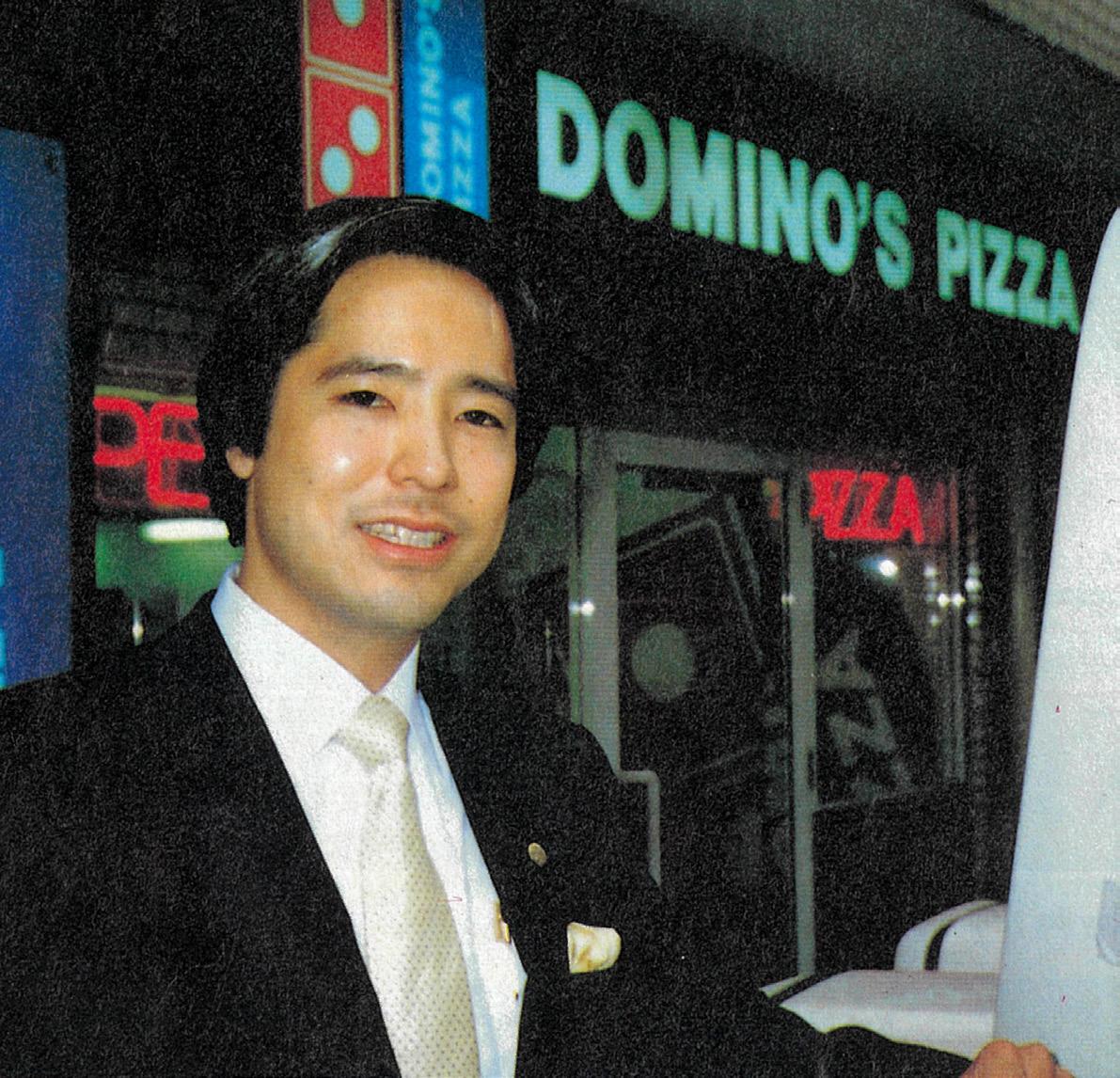
Ernie in front of one of his Domino's Pizza stores in 1990.
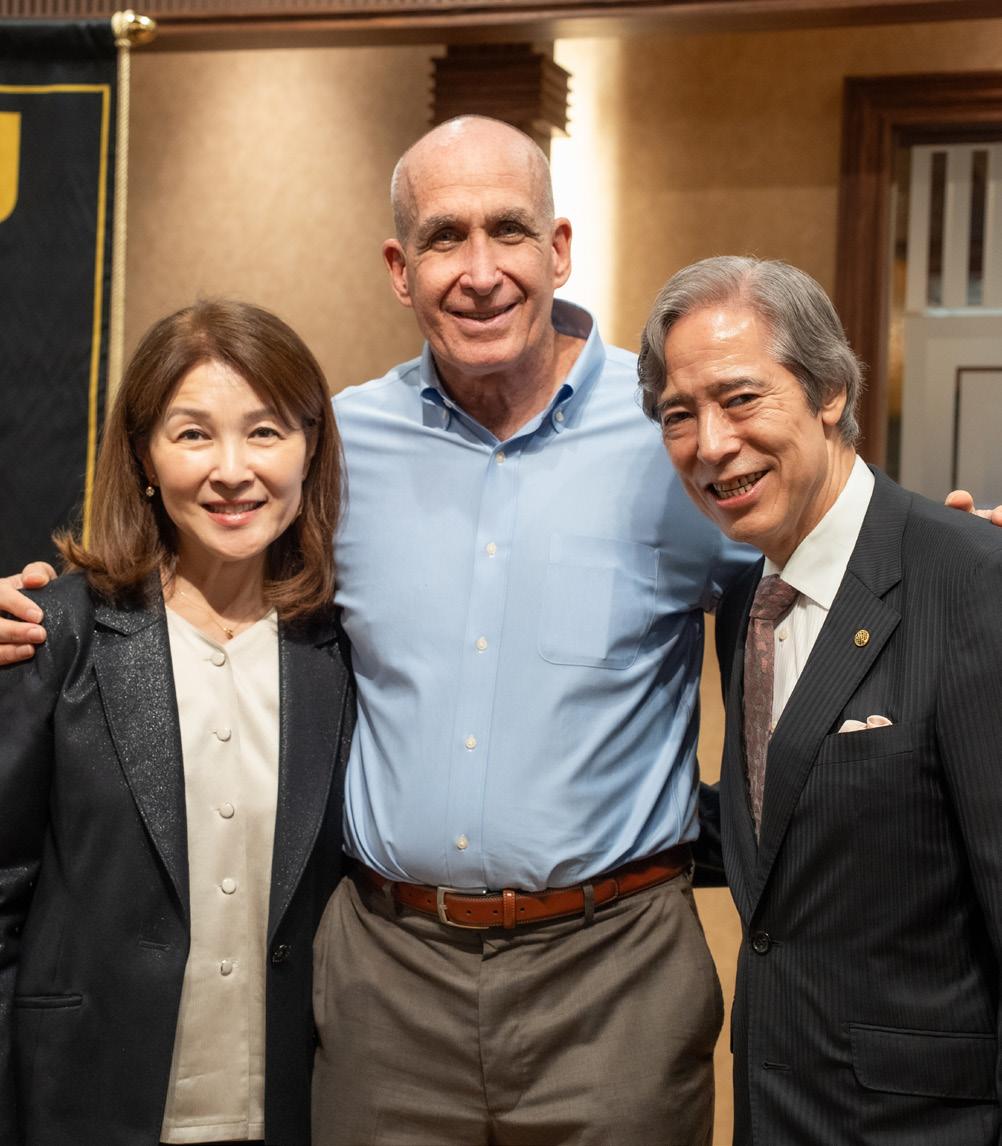
Aya and Ernie with Head of School Eric F Niles at the 2025 Alumni Reception in Tokyo.
they were so big and I increased the quality of the cheese and toppings,” he explains. “They also say in Japan that you eat with your eyes and so we actually developed toppings not only for Japanese tastes but also to look good — for color — which is a little different to the US approach.” To solve the delivery problem, detailed maps of the area around each store were created and a special three-wheel Honda scooter developed to navigate the sidestreets quickly.
The first Domino’s store in Japan opened in Ebisu on September 30, 1985, and it was an instant success, so much so that Domino’s Pizza was selected as one of the 10 Best Products of the Year by Nihon Keizai Shimbun alongside the compact disc and home video camera. The first year gross sales for the one store were reported in Business Tokyo as ¥250 million ($1.97 million), which was four times more than the average fast food store. However, someone who wasn’t so impressed initially was Ernie’s future father-in-law.
Ernie had met his future wife Aya Masaki socially when she joined a business lunch. “We didn't get the deal done, so I had to meet the guy a couple more times over lunch. And every time he brought these two girls and I got the idea he liked one of the girls. The other girl was just there. So when he invited me to this party, I thought, okay, I'll invite the other girl that's always there.” After they had been on a few dates, Ernie was surprised to discover she spoke fluent English, having lived in the United States. Ernie no-longer had to struggle to make small talk in Japanese and the two bonded over their bicultural experiences. When Aya’s father asked her young suitor what he did for a living, the answer did not impress the Marubeni executive. Saying you owned a pizza business was like saying you were a drop-out running a yakitori shop or ramen stand. “He was concerned for his daughter, of course,” Ernie says, adding that a feature on his success as an entrepreneur in the Marubeni's internal magazine helped tip the balance and legitimize his prospects as a potential husband. The couple went on to marry and have three children, Jonathan ‘10, Christina ‘14, and Jennifer ‘16, who all graduated from ASIJ.
When it comes to his own children, Ernie reflects on the generational shift from pursuing your passions — in his case music — outside of work to making your passion your career. “I thought they should follow their passions and I also thought that I should not push them to be so entrepreneurial,” he says. “They should just do whatever they want to do without me setting them in any direction. Having said that, all three of them have kind of an entrepreneur mindset.” Jonathan is the COO of Surf Music in New York, a music licensing platform that supports creators in music collaboration and cross-market music licensing to pitch, package, and sell original music content. Christina is passionate about music and acting — she starred in the indie movie Ike Boys (2021) — and balances that with her work with Japanese fashion brand BEAMS and how to bring them into the US
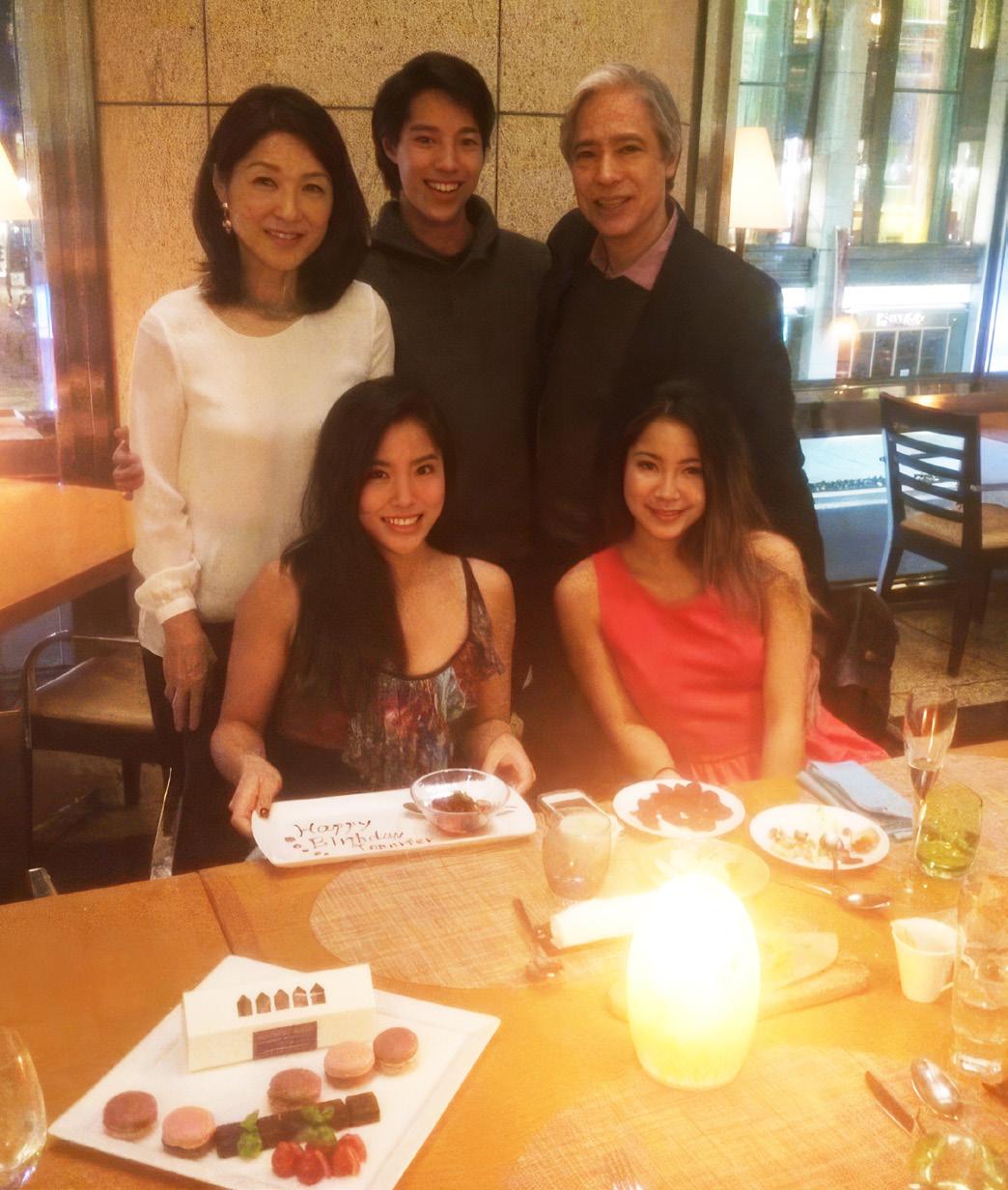
Aya and Ernie with their children Jonathan ‘10, Christina ‘14, and Jennifer ‘16
market. Jennifer went to the University of Pennsylvania to study cognitive science theory and then received her master's in human computer interaction at University College London. She is currently a product designer in agentic AI for Appian in New York.
After 25 successful years, which saw him named “Entrepreneur of the Year” by the New Business Conference in 1990, Ernie exited the pizza business, selling Higa Industries to Bain Capital Private Equity in 2013. He wasn’t done with fast food though, and a further successful venture bringing Wendy’s to Japan followed. Today his focus is on developing and distributing various food products for the business-tobusiness and consumer markets as well as the various boards and organizations he serves on, including the Keizai Dōyukai, the Advisory Board of the Asian Cultural Council Japan, the Board of The Tokyo New Business Conference, and the Board of Councilors of the US-Japan Council.
Reflecting on his career, Ernie says, “I wasn't a lumber guy, I wasn't a medical guy or, you know, a food guy, but I did understand the culture — both the American and Japanese cultures — and that goes back to the saying, ‘think global, act local.’ If you don't do that, you won't succeed in a lot of businesses.” It was that approach that gave Japan what the Pizza Association estimates to be a ¥151 billion a year industry and — of course — squid pizza.
From Silicon Valley to Social Change
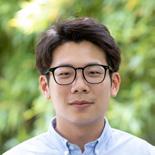
Bruce
Forgrieve ’77
speaks to Matt Wilce about his start-ups, social entrepreneurship, and mentoring the next generation of changemakers.
Walking the halls of The American School in Japan, Bruce Forgrieve looks like many of the successful alumni who return to mentor the next generation of students and in Bruce’s case, entrepreneurs. But Bruce’s path to the Chofu campus—and the Silicon Valley boardrooms that followed graduation— began in a world that felt more like a period drama than a tech start-up.
“Have you ever watched Downton Abbey?” Bruce asks during his visit to ASIJ to mentor students in the Syracuse University Project Advance (SUPA) Entrepreneurship class. “That was my family. Except they were in the basement. My grandfather was a butler. My grandmother was a maid. My other grandfather was a chauffeur. And my other grandmother worked as a ladies room attendant.”
The shift from the service staff of a Scottish estate to the upper echelons of international business was bridged by a single obsession: education. Bruce’s grandmother recognized it as the only escape from the cycle of poverty. Her son—Bruce’s father—eventually earned a PhD from MIT in chemical engineering and a position at Exxon (then Esso).
“My father was actually pretty brilliant, he had almost a photographic memory,” Bruce says. “So
when the opportunity came for him to move first to Singapore and then to Tokyo and to drag us behind him, they thought what a great educational opportunity. And it was. I feel so lucky, so privileged. It changed my entire world.”
For Bruce, the ASIJ experience was less about the prestige and more about the grit. Living in Tokyo as a teenager meant a grueling daily commute. “Spending three hours a day on public transport with five trains, leaving the house at 6am and getting home at around 8 pm, you know, nobody that I know of today would put their kids through that,” he reflects. “At the time, I just thought it was normal... what I think it taught me was resilience.”
Beyond the commute, the school sparked a fundamental shift in how he viewed the world. He recalls an English literature class just two doors down from where he now sits as a mentor. Bruce remembers the teacher asking “What does this English sonnet mean to you? And why was it important?” not just did the students understand it. “Those are the questions that really provide you with lifelong learning.” The modular schedule, with its blocks of free time, which meant managing your own schedule was also great preparation for the real world. “Once you got that, once you nailed that, university was easy.”
Bruce’s career path was anything but linear. After studying finance at The University of Texas at Austin—a choice made because “I got to understand the whole business from beginning to end.” He followed that with an MBA from the University of Houston and then found his rhythm in the volatile world of Silicon Valley. He describes himself as both a "veteran" and a "refugee" of the Valley, or more colorfully, a “high tech migratory worker.”
Bruce’s résumé reads like a history of the tech boom. He founded six technology start-ups over twenty years, including two publicly held firms. During that period, he served as CFO and VP of business development at companies like BroadVision and Eloquent, and later as CEO of Playback Media and Spotlight Technology.
“Doing startups, they often fail. The longer you go, the more likely they are to fail,” he explains. His strategy was one of calculated movement. “I left most of my companies just before the public offerings because then I could take my stock options. I didn't have to worry about anything, and I could move on to the next opportunity... my father would laughingly say to me, 'you change jobs more often than people change their socks.' Thanks, Dad.”
By 2007, Bruce was living in Amsterdam, retired and “studying happiness,” when a chance encounter with a newspaper article changed his life. The story detailed the HIV crisis in South Africa, citing a terrifying statistic: a 15-year-old had a 50/50 chance of dying from the virus.
“It blew my mind,” Bruce says. “And I was young and
naive... I was naive enough to think that it was a function of education, that if kids knew what HIV was, they wouldn't die from this.”
He walked into the South African Department of Education with a radical idea: use the same technology he used to train global executives to educate school children about HIV. To his shock, they said yes. He founded Shout-It-Now, a social enterprise that blended high-tech efficiency with public health.
Under Bruce’s leadership, Shout-It-Now utilized mobile computer labs paired with testing units. Because of his background, the approach was relentlessly data-driven. “Because I'm a finance guy and tech guy, everything is measurable. We measured everything. Who saw which people? For how long? Why? What did they get out of this? Did they come back? It was really fun. So we had the best data set around HIV of anybody in the world.”
The project initially tested 45,000 students and achieved uptake rates of over 90% in some communities by prioritizing discretion. “We have a process that never ‘outs’ any child. We keep them out of class in a way that they won’t be missed,” Bruce noted during the height of the program.
The initiative later faced political resistance when Bruce received a personal letter from South Africa’s Minister of Education asking the organization to cease operations—not because the program was illegal, but because of concerns about the ethics of testing minors. Rather than shutting down, the organization shifted its focus to some of the country’s hardest-hit communities.
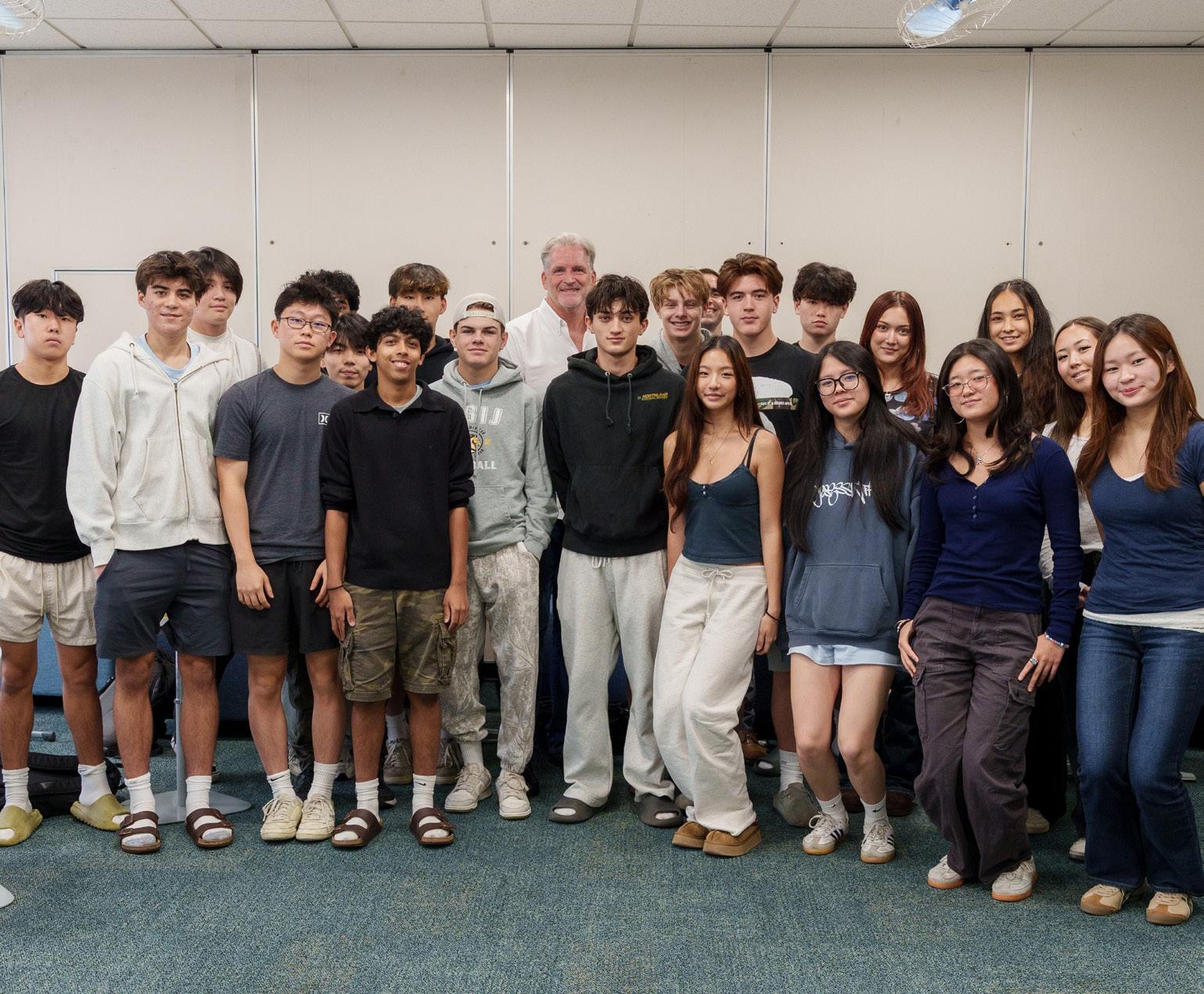
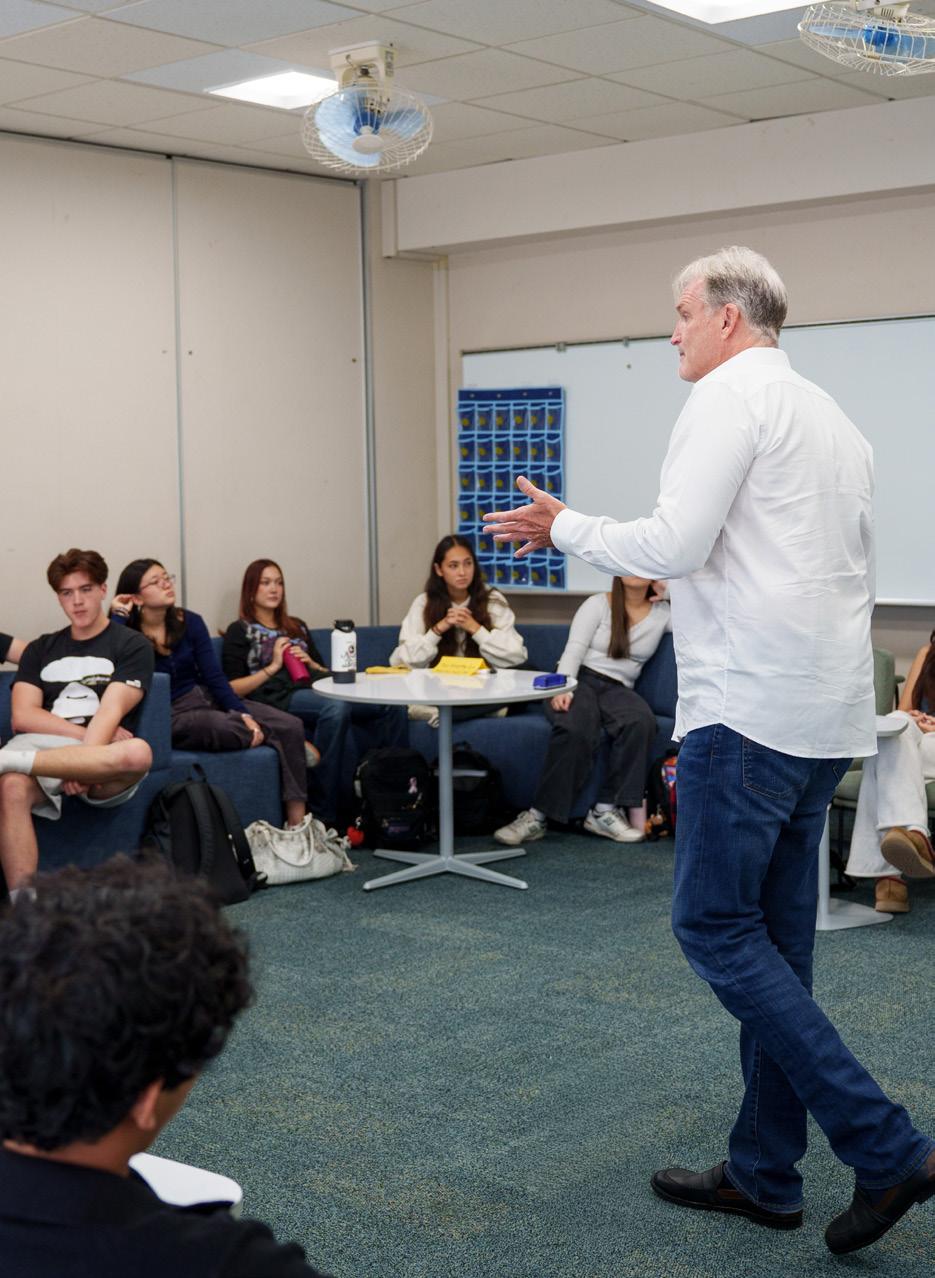
Bruce with the SUPA entrepreneurship students.
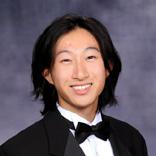
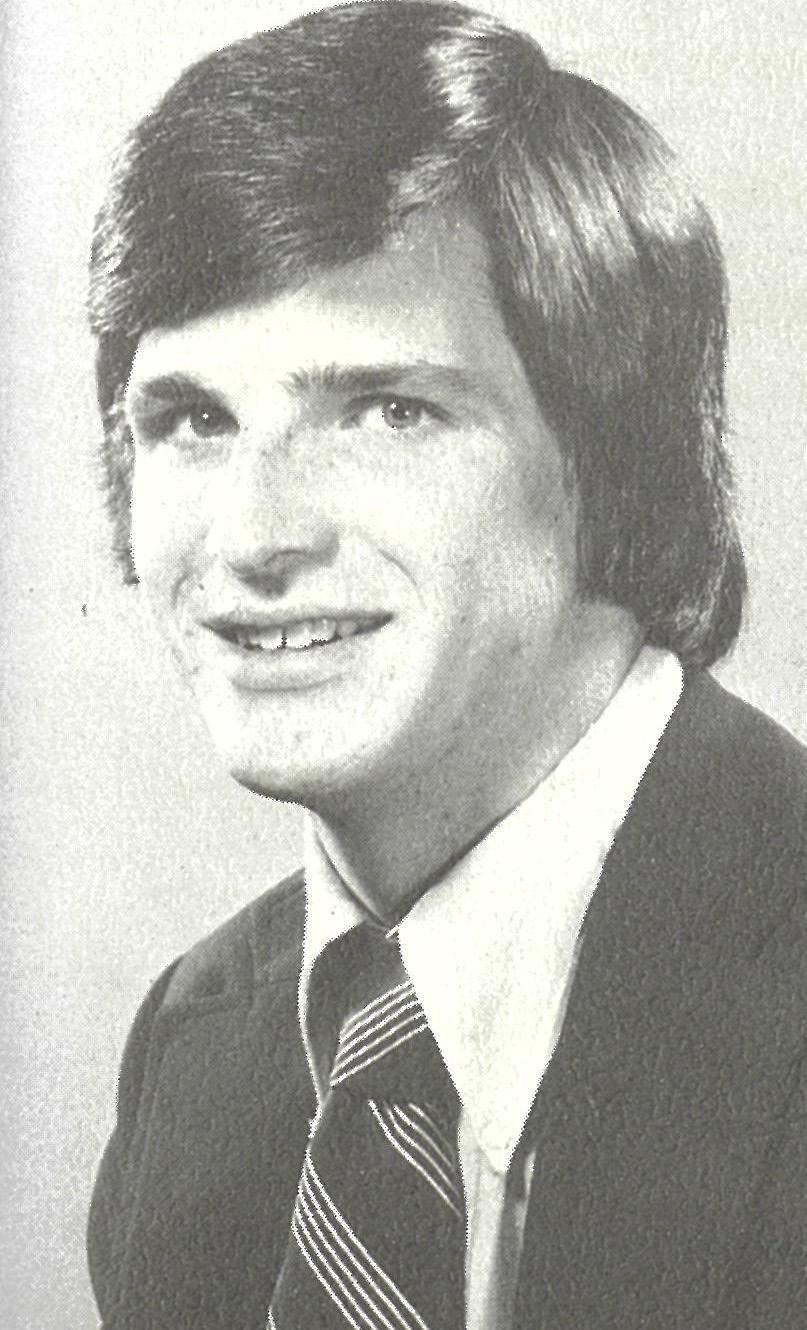
Bruce in his senior year in 1977.
Bruce sharing some insights on how to pitch a start-up.
During Bruce’s tenure, the organization helped screen more than 1.8 million people, identified over 120,000 HIVpositive individuals, and helped connect them to treatment. After more than a decade, Bruce stepped aside to allow the next generation of leaders to take the organization forward.
Back at ASIJ to mentor students last October, Bruce spent two days with students taking the high school’s SUPA entrepreneurship courses who were developing pitch decks for their own start-ups. He walked them through the process, introducing marketing and sales skills and sharing lessons learned from his career. His presentation to them was titled “From Idea to Investment: What It Really Takes to Raise Money.”
Each group of students also had the opportunity to pitch their concepts prior to their participation in a competition in November. Ivy Guo ‘27, one of the students from the class, told us that, “One key takeaway that stuck with me was learning how to handle negotiation and rejection as an entrepreneur. It gave me a clearer perspective on challenges I hadn’t yet experienced but would eventually face.” Ivy and her partner Seira Watanabe ‘27 presented BridgED, a platform they designed to try to connect local and international students in Tokyo. Ivy has also gone on to apply what she learned to other ideas saying, “one of my other projects recently received an offer from a non-profit
and interest from a VC, which was honestly very scary and extremely unexpected as a high school student. I’m really glad I had Bruce's perspective in mind because it helped me approach those situations.”
In his sessions, Bruce pushes the students to find their own style and, more importantly, to be comfortable with the unknown. “The hardest words in the English language are... I don't know,” Bruce says. “Most people say I love you. It's not true. The hardest words are to say, I don't know. Oh. It's okay. It's okay to say I don't know.”
Ivy noted that having someone like Bruce give feedback is really motivational. “A lot of the time during the school year, you can feel unsure about your end goals, and hearing from someone who has already gone through that journey makes everything feel more tangible. It reminds you that there’s something meaningful to work toward.”
As he watches the students grapple with their own ambitious projects, he reminds them that the goal isn't just to make money or launch a product—it's to figure out who they want to be in a world that rarely provides a map.
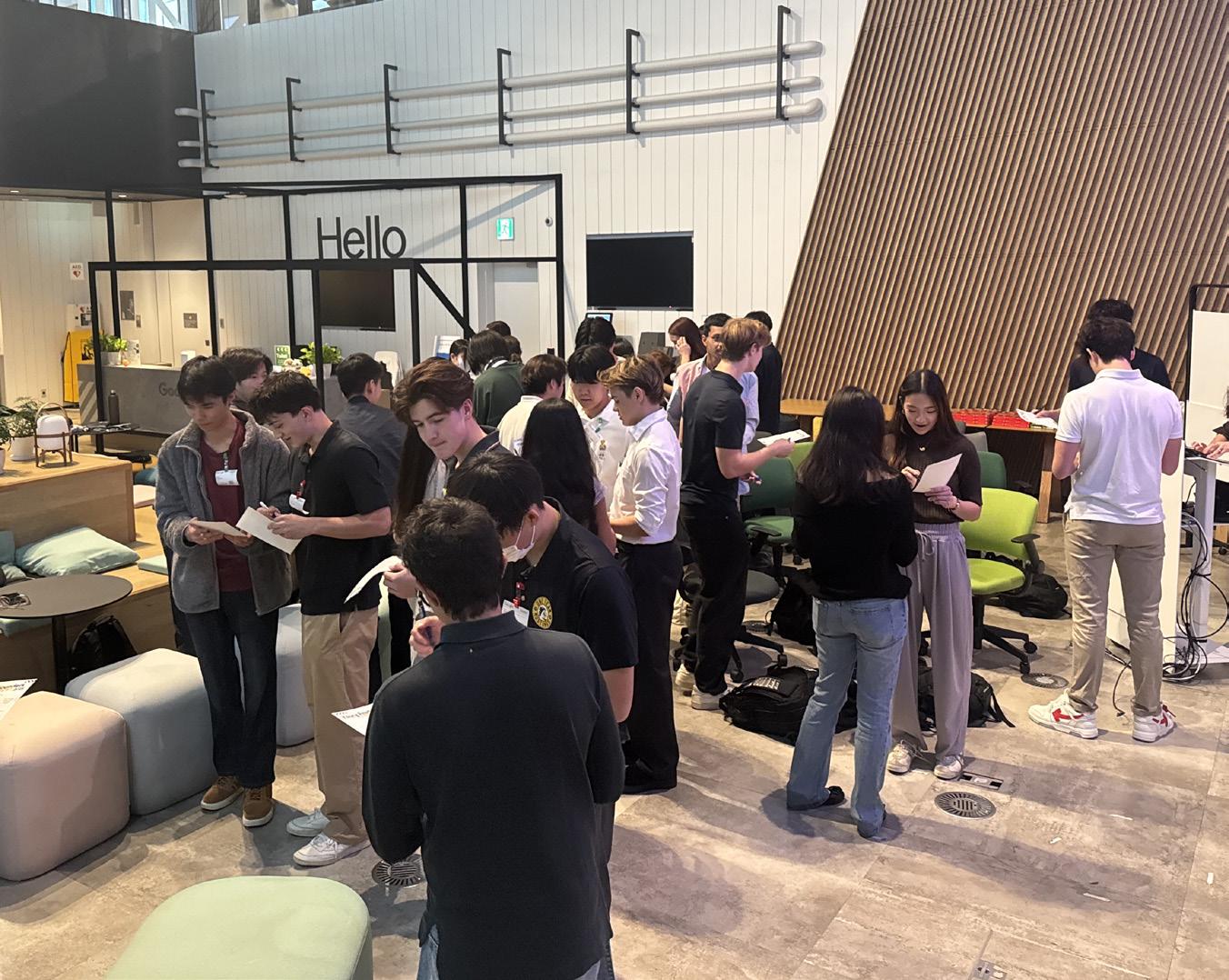
ASIJ students getting ready to present their entrepreneurship projects for Young Founder Summit at Tokyo's Google office.
A Taste of Two Worlds
From joining her family’s manufacturing company to supporting women’s wellness and leveraging her cross-cultural identity, Arisa Katayama ’09 models what it means to be a modern female business leader.
Photo by Yumi Masato ’08
Growing up in Louisville, Kentucky, as one of only a handful of Asian kids in her small private school, Arisa felt very Japanese. After making a joke in class one day and getting a reaction, she quickly realized that developing a comic persona was a strategy she could use to avoid being “just the Japanese girl, just the Asian girl” and so she gave it a try. “I acted like the dumb blonde stereotype,” she says, noting that it was the 90s. When her mother decided to broaden Arisa’s experience and reconnect her with her Japanese roots, they returned to Tokyo and enrolled her at ASIJ. Her father, who was President of Katayama America Company Inc, remained in Kentucky until the untimely death of her grandfather saw him join them in Japan. At ASIJ Arisa quickly discovered a whole new world where students, even the non-Japanese kids, openly ate onigiri—something she’d never been comfortable doing in Kentucky. People mixed Japanese and English freely. And Arisa realized the persona she’d built as a shield in The US had no place at The American School in Japan. “I needed to really adjust how I talked and how I acted — I was able to bring out more of my true self,” she reflects.
Beyond that, one of the formative experiences at school was the Japan Seminar (J-Sem) course and trip to Okinawa. “It was another culture shock for me that someone who's American was teaching Japanese history and she was giving us different perspectives on it,” Arisa says speaking of longtime faculty member Kathy Krauth (P ‘10, P ‘12). “She once told me she didn’t like how I underestimated myself and failed to recognize my own intelligence,” Arisa says. “No one had ever said that to me before. Her words stayed with me, and in that moment she showed me what it means to
empower someone.” Arisa goes on to say, “I'm really glad that I wrapped up my senior year with J-Sem because I think I was able to have a good closure to my identity issues and a good balance in my perspective about historical events.”
For Arisa, her entrepreneurial roots are also anchored in history and the business acumen passed down from her grandfathers who both founded successful businesses. The maternal grandfather, on her mother’s side, Satoshi Sakurada, founded MOS Burger, the successful cooked-to-order chain, in 1972, inspired by the chili burger chain Original Tommy's during his time working in Los Angeles with Nikko Securities. On her father’s side, Kakuji Katayama founded what would grow to be automotive part manufacturer Katayama Kogyo Company Ltd. in 1947, which her father, Masayuki Katayama, took over as president in 2008. She credits them and her grandmother, who was fundamental in founding MOS Burger, as continuing to inspire her. She notes that her grandmother was responsible for “a lot of the values that the company holds to this day.” This foundation instilled a generational understanding of how to build, scale, and sustain brands in a competitive market.
Today, Arisa is not just a passive observer of that legacy; she is actively helping to shape its future. By bridging the traditional industrial values of her grandfather's era with the demands of a modern, globalized marketplace, she ensures the family business remains relevant and diversified. After a decade of leading their e-mobility venture, overseeing operations, marketing, and sales, she became a board member in the company becoming more involved with the leadership of their
Fellow alumna Naomi Sundberg ’08 in a "for her." promotional shot.
automotive manufacturing entities, positioned to ultimately succeed her father. She’s cognizant of what it means to be a business owner, saying, “once you're in a position where you're held responsible for a lot of things, especially if I'm to become an owner of a company, I'm going to be able to call all the shots and that holds a lot of responsibility. So I think in the end, it's really important for me to, you know, be a good moral citizen, a good human being.”
Like many young professionals, she was also at the stage in life where she was starting her own family. What she discovered after giving birth to her daughter in the United States was that postpartum care and information for new mothers was severely lacking. “You get discharged from the hospital within 48 hours and then you're kind of into the wilderness on your own,” she says. From working with post partum doulas herself, to speaking with other mothers, and exploring Korean and Chinese traditions, Arisa found she had built up a wealth of knowledge and she wondered how she could share that with other women. “I was thinking maybe if there is a way for me to make this into a product or a service to support postpartum women, so that was kind of the trigger point for me to start 'for her.'.” The brand launched its first line of products, ready-to-eat soups for postpartum women packed with nutrients designed for a postnatal diet. In Japan the soups are sold in retort packs to reheat, while in the United States similar products are sold frozen. While the product lines vary, with the Japanese operation diversifying beyond a postpartum focus to become a full women's wellness line, the brand operates across both territories, putting Arisa's cross-cultural competencies to work.
“I often tell people that I have some kind of little lever,” Arisa explains. “If I'm in Japan working in Japanese with Japanese people, I would turn the lever all the way up to Japanese. And then if I'm working with international people, I am able to take that lever down and kind of shift it to the middle and vice versa.” She describes that adjustment in terms of making both herself and the people she’s working with more comfortable. Her advice is to not only develop strong language skills, but to also pay attention to understanding culture too. “Working cross culturally and cross borders is a passion of mine and I enjoy bridging the two cultures together,” she says. “I think ASIJ students are in a position to be able to bridge connections, people, and cultures. I think having the empathy to really understand what Japanese people are like and also having the empathy to understand why people outside of Japan are the way they are.”
Arisa also equally skillfully navigates Japan’s traditionally male-dominated business sector, not just in her endeavors to support recent mothers but in balancing the needs of her staff and understanding the importance of mentors and role models. Speaking about the company's subsidiary Katayama New Business Corporation based in Tokyo, which has some operations in Okayama, she says, "Our COO is currently a female leader and she's also very passionate about raising female leaders and really encouraging more women to play a bigger role in the workforce. I think just having someone like her as a role model is really empowering.” Arisa herself is just such a role model, not only for other women, but for anyone looking to leverage their language and cultural competencies as she continues her family legacy, both here and in the United States.
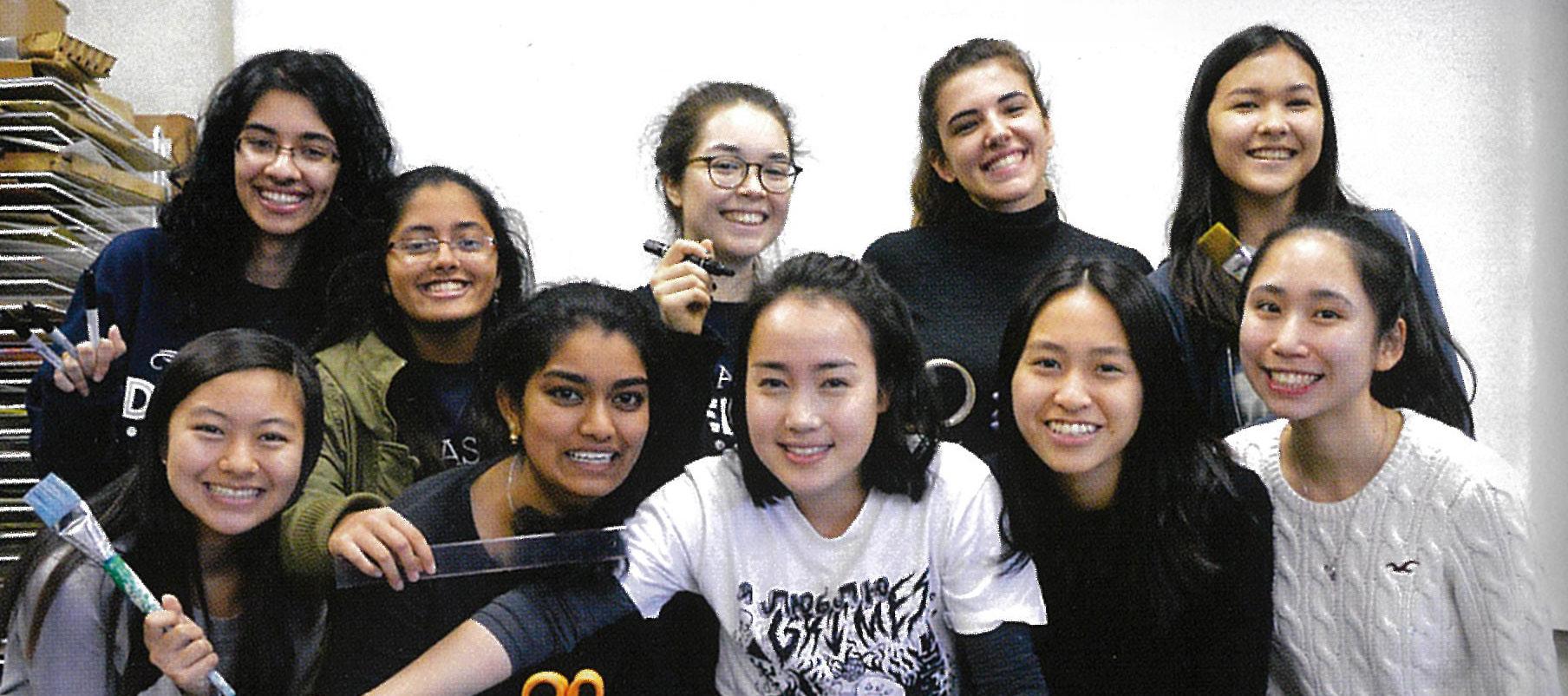
May Fujioka ’09, Christina Adams ’09, Arisa, and Jessica Storin ’11
Arisa at the pre-launch event for "for her." in California
Young Alumni Changemaker Award
Isabella Rogovin speaks with the 2026 ASIJ Young Alumni Changemaker award winner Jasmine Bruinooge ’16 to celebrate her work as a mental health counselor.
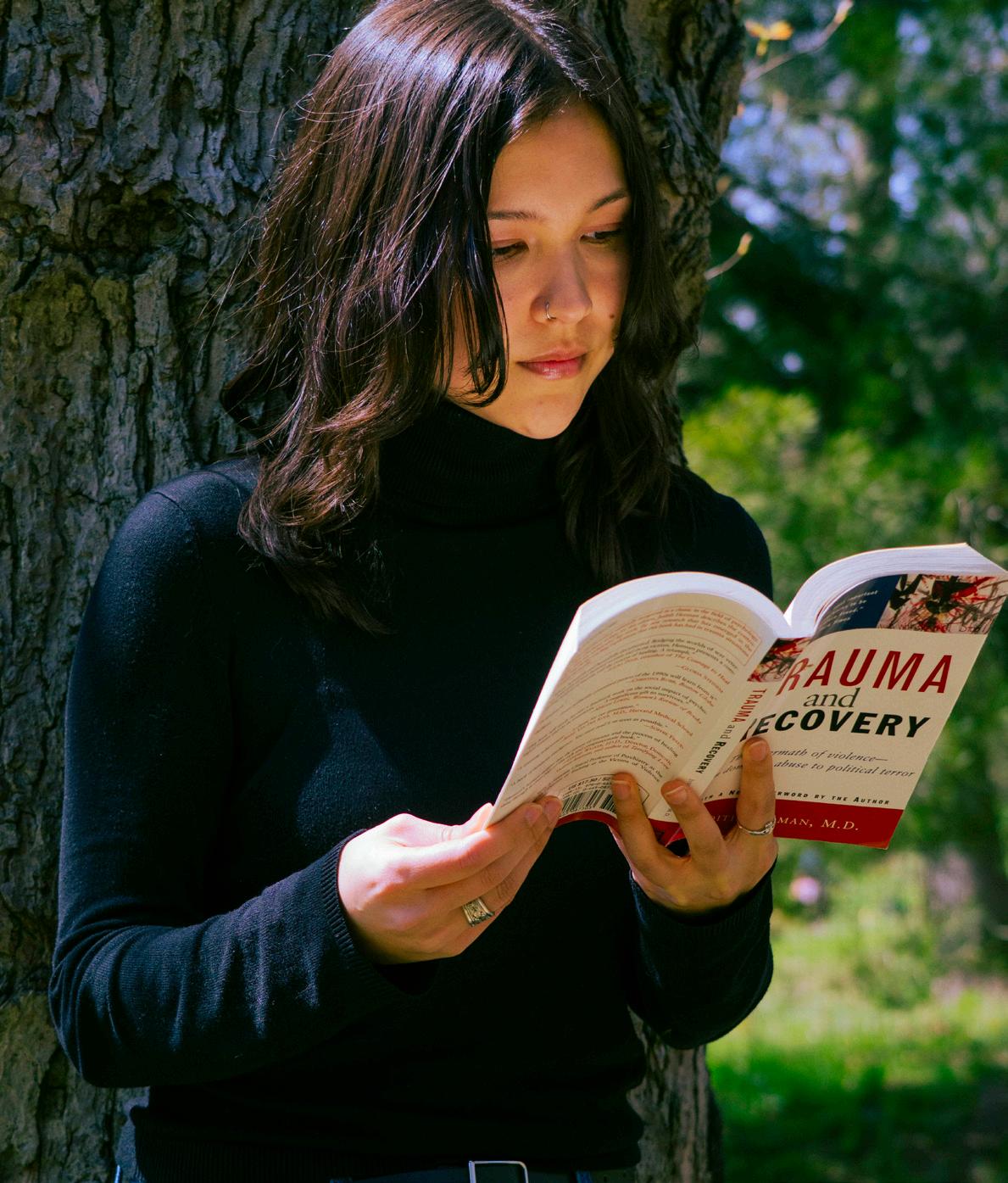
Jasmine is a passionate mental health counselor working to change the stigma and accessibility around mental health care, support, and resources. Her personal experience growing up with a parent with mental illness, her interest in knowing people deeply, and her journey of self confidence have all led her to working to support clients in New York City through the modality of somatic therapy, which explores how the body expresses deeply painful experiences, applying mindbody healing to aid with trauma recovery (Harvard Health).
The ASIJ Young Alumni Changemaker Award is presented annually to recognize and honor alumni within 15 years of graduation who have brought about a significant positive
change to a community or institution—for example, through service work or through a role in policy, advocacy, or the nonprofit sector. Upon receiving the award, Jasmine remarked that “ASIJ is full of amazing, very intelligent, very active people.” and that winning the ASIJ Alumni Changemaker award means a lot, “because when I was there, I don't think I would have ever thought I would [be] awarded something like this to be recognized in that way and I’m proud of how far I’ve come.”
Originally from Fukuoka, Japan, Jasmine transferred to ASIJ for her sophomore year of high school in pursuit of rigorous academic opportunities. The transition was difficult,
not only transitioning to a new, educationally competitive environment, but being raised by a parent with mental illness, which affected her own mental health. Jasmine found herself constantly comparing herself to classmates, thinking, why can’t I do that? Or why don’t I have the confidence to do that?
In Jasmine’s sophomore year, her first at ASIJ, Jasmine took her first acting class with David Neale, ASIJ’s current theater manager. Growing up shy, public speaking terrified Jasmine, but she put herself out there, and taking the step of trying something new began to boost her confidence. “I was really proud of myself for doing that.” Jasmine joked, “I was not good at acting at all,” but she recognized the opportunity of being able to take an acting class and wanted to step outside of her comfort zone. From there, she joined clubs, “just trying to connect with people.” Ultimately, Jasmine met some of her best friends, Sofie Kusaba ’16 and Lahari Gorantla ’16, with whom she joined Nagomi Art Club, a club that connected with local people with disabilities through art, her first instance of being involved in supporting community efforts, which later led to the desire for a career in counseling.
Academically, Jasmine gives credit to her social studies teacher Steve Welckle (FF ’03-’22, P ‘13, P ‘15, P ‘21) who pushed her to, “face myself and not try to hide." Jasmine notes, “It was the first time I was challenged by a teacher like that.” At that point, Jasmine made a promise to herself. “Okay, I'm going to show up. I'm going to show up imperfectly.” The seeds of her belief in herself today were planted at ASIJ. “I was challenged, but in the best way” She knew attending a more rigorous high school was going to be a good stepping stone for what she hoped to achieve, and it “absolutely was,” Jasmine remarked.
After ASIJ, Jasmine graduated from Lewis & Clark College with a major in psychology, spent two years working at the Posse Foundation, a comprehensive leadership scholarship program, where she supported cohorts of students as they transitioned from high school to college, and then decided to go to graduate school for a master’s in mental health counseling. Jasmine said, “The timing of when I decided to go to grad school for mental health counseling was a moment
where I felt like I had built enough trust in myself that I was able to take care of myself, that I felt like I could take care of other people, too.” She has always loved hearing about people’s lives, their experiences, and knowing the depth of their experience.
With this interest in people’s stories, and with seeing her parent’s experience firsthand, Jasmine has always been interested in a career in mental health, with a goal to “become the counselor my parent never had.” Jasmine witnessed the stigma surrounding mental health, including the shame that often accompanies a diagnosis; experiencing this “up close and personal” allowed her to develop a deep empathy for those in a similar position. A reminder that, “This is somebody who is struggling, and they deserve support and care just like anyone else.” There are many reasons why people develop mental illness, whether that is trauma, genetics, or environmental factors.
Jasmine hopes to challenge this stigma and inaccessibility of care, especially in Japan. Jasmine remembers attending an appointment with her parent when she was younger. She had been excited to be able to share her experience and perspective with the counselor and “I felt so dismissed. I shared my experiences and they basically wrote me off saying that I was just a teenager who was frustrated at her parents.” Supporting people going through similar experiences to her is Jasmine’s way of “transforming my painful experiences into something empowering.”
Jasmine is now finishing her degree in the Baruch College Mental Health Counseling Program and is a clinician who provides somatic therapy to clients in New York City. The work is “all about being in the present moment. It's all about what's here right now. And how can we get in touch with what's happening. So, you know, what are you feeling? What are your sensations in your body that you're feeling? How does your breath feel? How does your heart feel?”
She studies how the mind-body connection and how, “our bodies remember. So, if we go through the body and strengthen our mind-body connection, then we can
Jasmine in Nagomi Art Club in 2016.
get to the root: the root of our patterns and of behaviors and difficulties.” Jasmine discovered her connection to mindfulness during her high school JUMP trip to Bhutan, a country known for its Gross National Happiness Philosophy. At the time, most students chose to go on a JUMP trip with close friends, but Jasmine, continuously working to push herself, went because no phone for a week, journaling, and meditating “sounded awesome.”
One of Jasmine's current clients is a teenager who has a parent with severe mental illness. As their therapist, Jasmine is able to actively support her client to process a lot of the same experiences she has gone through herself. She reflects that “It’s great that many kids now have access to a space where they can be validated in their experiences at home.”
To help normalize the challenges faced by children of family members with mental illness, Jasmine and a cohort member are co-authoring a children's book. The book is inspired by her own experiences and those of her clients to “make people who have a parent with mental illness feel less alone and validate their experience, normalize some of the feelings they might be having.”
However, what Jasmine is most proud of is her growth with her own mental health. Jasmine has had to face a lot of her own inner difficulties as she takes on this work of supporting other people going through similar experiences. The energy that she has poured into her own mental health has allowed her to, “transform that kind of pain into something that is empowering for myself and for my clients.” Jasmine says it is incredibly rewarding to see her clients grow and find success within the new somatic modality, and “discover new ways to connect with themselves.”
Looking back on her own journey and the challenges she felt at the start of high school, Jasmine advises the younger version of herself to focus on “finding your people, not focusing too much on what you think you should be doing or what is the right kind of way to be involved.” It can be so easy, especially in competitive environments, to feel like you need to do everything perfectly, but the most important thing is to find your niche, “a little pocket of your interests, of your people.”
Jasmine has done just that. She has been able to “cultivate a second family here, in the city” of fellow ASIJ alumni living in New York. “My closest friends are from ASIJ here…and so I feel like that's also the kind of community, the international global kind of community, that is ASIJ”.
After graduation from Baruch, Jasmine will continue to hone her somatic therapy skills as a full time therapist working at the Somatic Psychotherapy Center in New York City.
Photos by Niko Sano ’25
Access All Areas
Isabella Rogovin talks to this year’s ASIJ Alumni Impact Award recipient, John Samuel ’99, about disability inclusion, digital accessibility, and how he is championing workplace development.
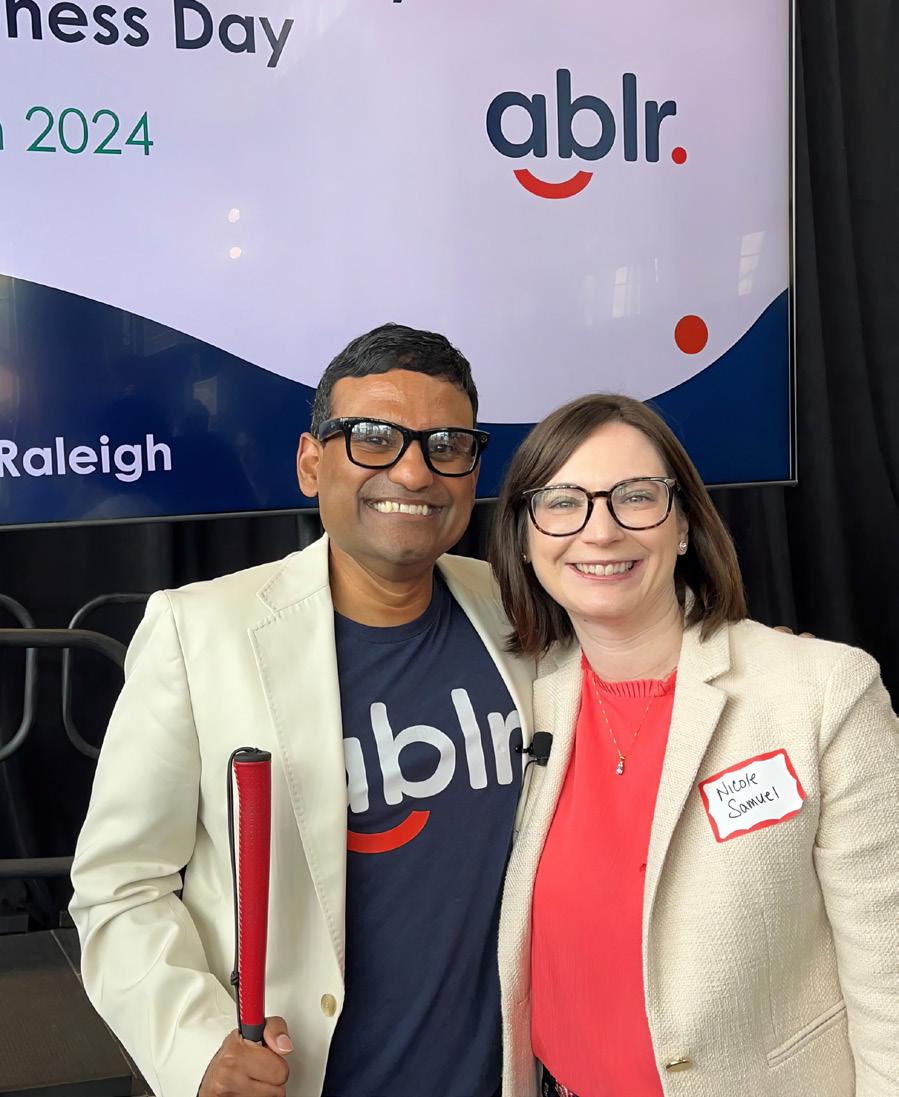
John Samuel '99 is a living embodiment of ASIJ’s Portrait of a Learner — what Head of School Eric Niles calls the "skills to do good in the world." The co-founder of Ablr and author of Don't Ask the Blind Guy for Directions, John is the recipient of ASIJ's 2026 Alumni Impact Award for his extraordinary work on disability inclusion, digital accessibility, and workplace development.
John’s ASIJ journey started in 1990 when his family moved to Tokyo. Entering the fourth grade, he remembers the campus as a place of wonder. “It was just an overall amazing
experience, bigger than life,” John recalled. “I remember the circular building of the elementary school and the beautiful landscaping in the middle, and of course, the Mount Fuji slide that was iconic for us when we were young.”
While the architecture left an impression on John (as it does for many alumni), it was the people who helped shape his trajectory.
John was nominated for the ASIJ Alumni Impact Award by his lifelong friend, Sarah Thomas Polak ’01. John and Sarah
Photo courtesy of MarathonFoto
Harmony Beyond Our Senses
In celebration of John receiving the ASIJ Alumni Impact Award, we commissioned a student artist to create a piece of art inspired by his life and work. Artist Emili Katayama ‘28 was inspired by how our five senses allow us to experience the world in different ways. “When you walk with your eyes closed, it feels as if all your senses merge, like the way the colors of this artwork blend harmoniously into one,” she says. Emili collected information on John from his website, social media, and published blogs and was inspired by his journey of selfdiscovery and perseverance in the face of challenges.
Emili tells us that the lotus, known to symbolize hope, emerges from the background of the artwork represents John’s newfound optimism when he discovered there were audio descriptions for the drama series The White Lotus, which allowed him to rediscover a love for TV. She also took inspiration from the yellow tenji tiles used in Japan that help people with visual impairment “see” and navigate the world. Emili says that, “the beads reference the saying ‘The world is your oyster,’ and represent John’s kindness, his resilience in the face of struggles, and his decision to embrace life as it is without feeling confined by his vision.
met as children in Tokyo where their families became fast friends as some of the only South Indian households in the area. Sarah nominated John because, “he truly embodies what it means to be a global citizen —showcasing curiosity, inquisitiveness, and really challenging himself in anything and everything he does.”
John's work is centered on removing barriers for people with disabilities in all aspects of life, through digital accessibility services, disability inclusion training, and workforce development programs. This work is personally important to John, as a blind person himself.
After leaving Japan, Sarah and John have continued their friendship over the years, through John’s time in India, Cameroon, New York City, and finally North Carolina. Sarah admires that John is “that person that goes out and pushes himself.” She recalls his relentless drive: “He’ll hear that I’m doing a triathlon and say, ‘I'm going to do one too.’ And that's just the person that he is. He hears an idea. He likes it and he goes after it no matter what the obstacles are.”
This ambitious mindset started at ASIJ. John remembers Sharon Lanier FF ’90-’16, his middle school cross country coach. She was “one of the first people who really believed in me and gave me a sense of, hey, you're really good at something. You should really work on it. …You need those people who encourage you to help you believe in yourself.”
A Middle East and African Studies course with Judith Hunt FF ’86-’95 introduced John to the world beyond Japan and the US. Years later when he launched his first company, a telecom infrastructure company in Cameroon, he traced the spark back to Ms. Hunt’s classroom. Without that knowledge, John may not have considered working in Cameroon at all, “I don’t think I would have ever done that. I wouldn't have known anything about Africa or the or the culture if it wasn't for Ms. Hunt.” John was able to spread that company across the continent of Africa over three years.
After ASIJ, John’s family moved to North Carolina where he graduated high school and then college. It was around that time when John was diagnosed with a degenerative eye condition called retinitis pigmentosa. “When I got the news, it was devastating. I really struggled with it. The first things that went through my mind were – what girl wants to be with the guy who can't see? What kind of job could I have if I was blind? And where could I live? You know, these basic questions consumed me all the time. I struggled with them.”
Despite his worsening vision, John completed his MBA and joined a private equity firm. But after a few years, his sight had deteriorated to the point where he could no longer see the computer screen. He thought his career was over.
“At the ripe age of 36 years old, I thought I was done. My career was completely over because I couldn't see the computer.” It took John a long time to embrace his disability.
John in 6th grade at ASIJ in ’93
He spent years keeping it a secret, “because I was ashamed and embarrassed. And it took me meeting other people who had gone through this experience, who had thrived despite having this condition that really helped me understand that I can do this.” It took John nearly 17 years to accept his visual impairment and his diagnosis of blindness.
Because John met Ed Summers.
Ed Summers, a software engineer, had the same eye condition as John, and lived in John’s hometown of Cary, North Carolina. Ed had developed a software that helped people who were blind or had low vision to visualize graphs and charts.
After months of failed attempts to connect with Ed, fate intervened. Nicole, John’s wife, suggested they move back to North Carolina, John’s home state and also Ed’s. John’s dad, Joseph, was so excited at the prospect of them moving home, he jumped in the car to drive over to the house John and his family planned to move into. He called John on the way, shouting “There's a blind guy in the road! Maybe it's the guy you're trying to get in touch with.”
John implored him, “Dad, please don't yell at blind people on the road. Don't yell at anyone.” Joseph hopped out of the car and approached the man. It was indeed Ed Summers. That random encounter on the road opened up John’s life. Ed showed John that his career wasn’t over.
Ed introduced John to the world of accessibility. Inspired, John launched Ablr, a full service disability inclusion organization that removes barriers for all people with disabilities. The work John does today, by breaking down barriers for people with disabilities, is deeply meaningful to
him. “It’s a way for me to pay it forward and thank all those people who've helped me in my life.”
“Accepting my blindness and my disability felt like a weight off my shoulders,” said John. “It felt so good, like I could do anything.”
John knows firsthand how difficult it can be to accept yourself. “It’s something I have really embraced and leaned into over the last nine years,” he explained. ”My blindness, my disability, is one aspect of who I am. It's not my full identity.” His advice to others navigating their own obstacles is simple: take your time. By giving himself that grace, his acceptance has opened up a “whole new world.”
Today, John is most proud of helping other people with blindness find employment they once thought impossible. Helping them change their mindset and showing them they have a choice— “that's what drives me everyday, ” John smiled.
Reflecting on his award, John acknowledges the community where it all began. “I am just so happy to share this with all of the Mustangs out there across the globe, because our community is making an impact everywhere and I couldn't be more proud of that.”
Hear more from John on his experience
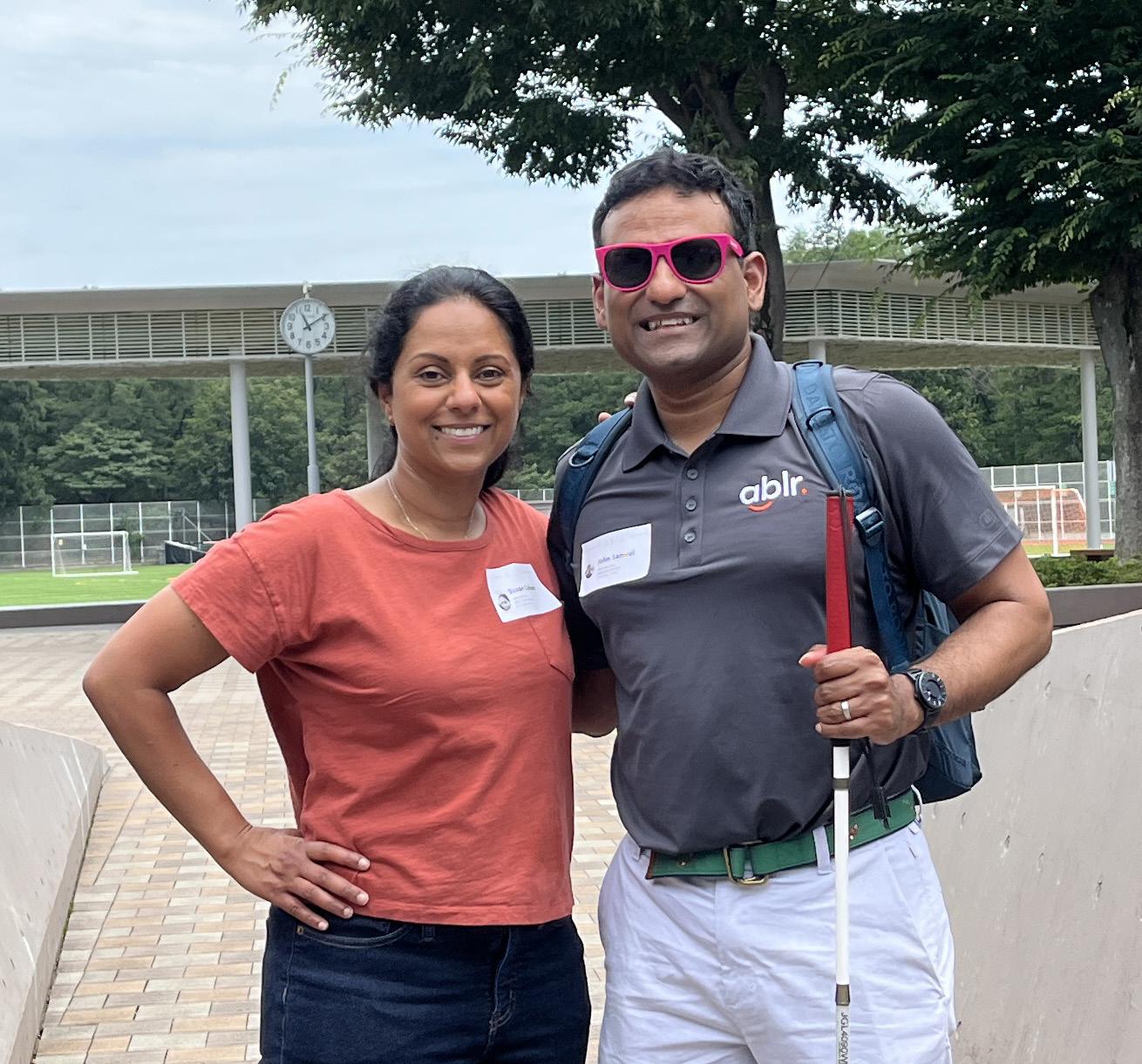
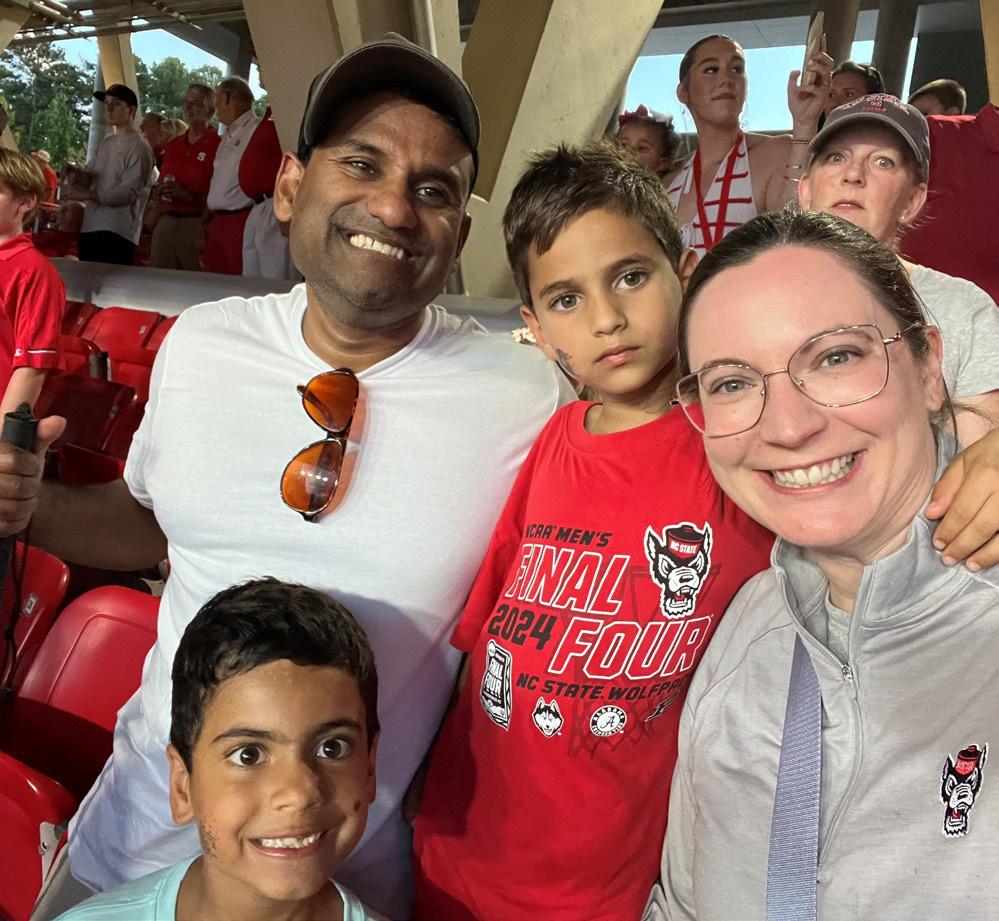
John and his sister, Susan Cohen '94, visiting ASIJ John with family at a NCSU game in 2024.
ALUMNI EVENTS
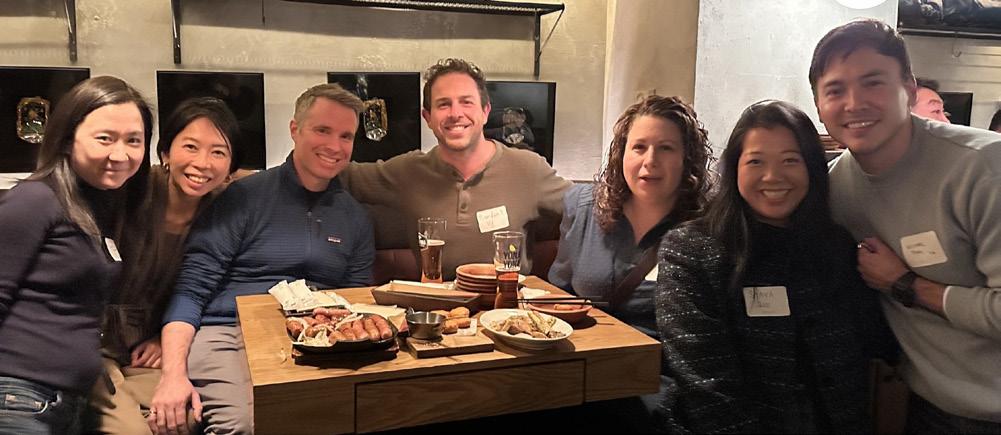
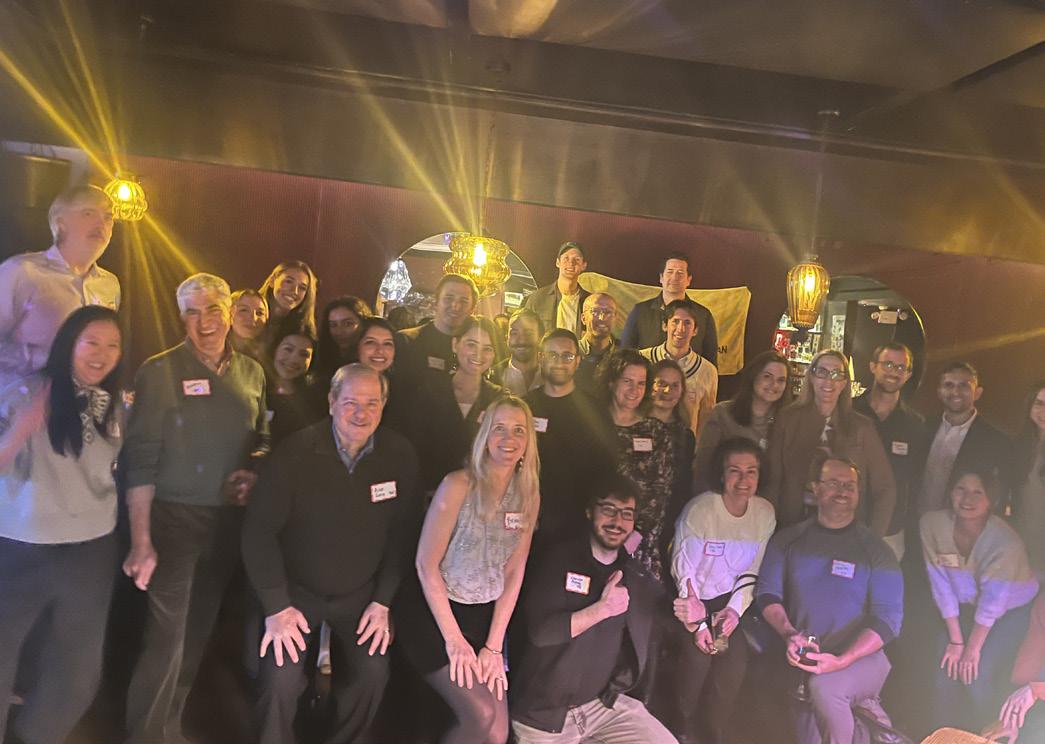
New York & Tokyo Bonenkai
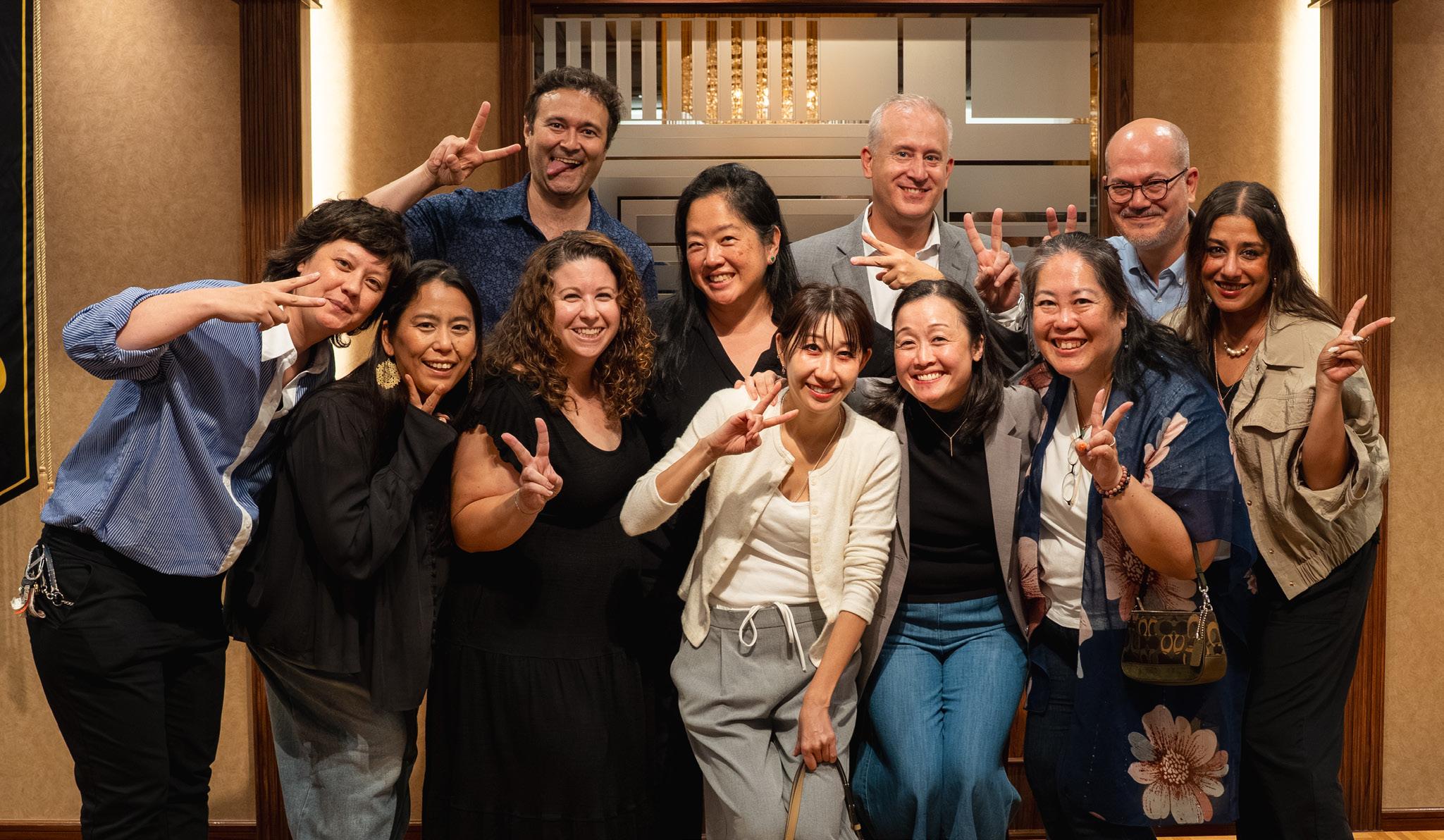
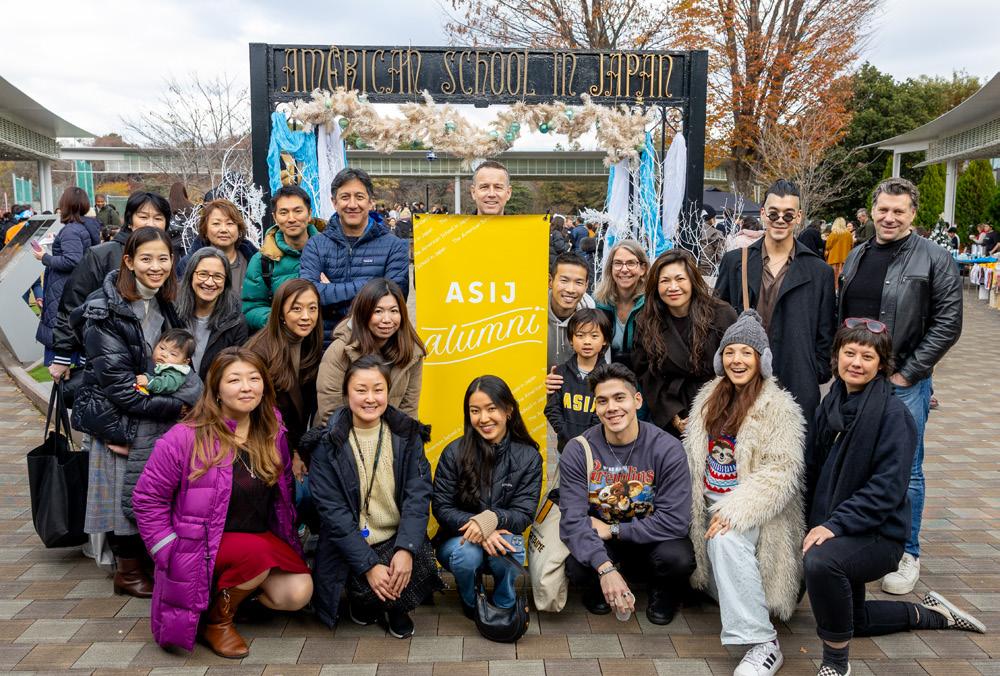
ASIJ alumni ended the year on a high note with Mustangs in New York City and Tokyo gathering for bonenkai celebrations. We are grateful for the laughter, networking, and lifelong bonds that span the globe.
Future Ready Day
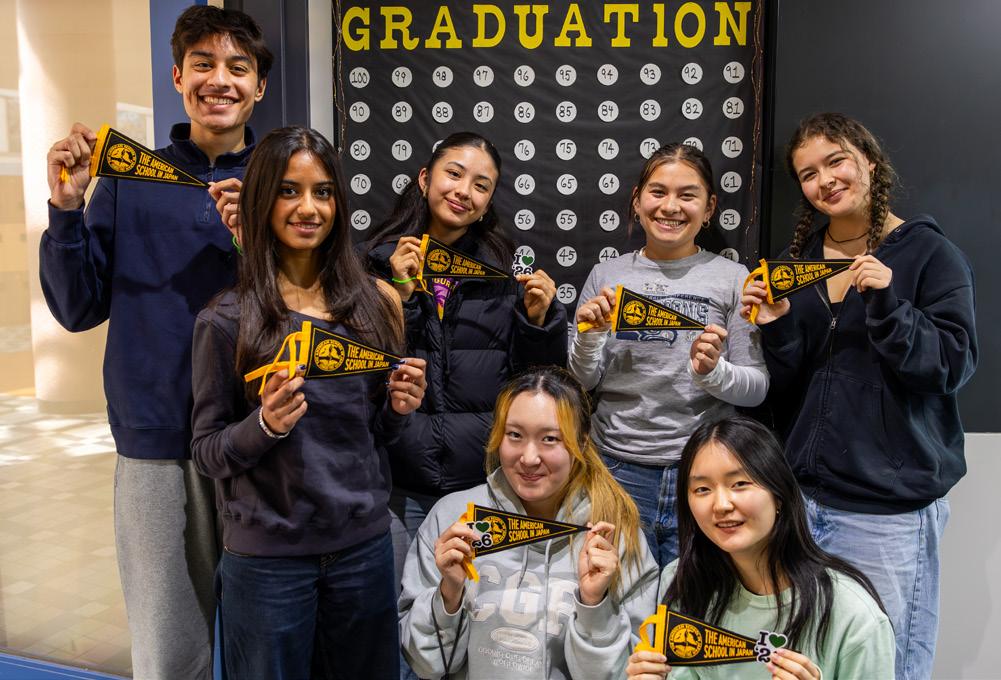
In February, seniors reached the milestone of 101 days until graduation. To mark the occasion, we hosted Future Ready Day — a chance for students to hear from the Alumni Office and a wide range of industry professionals.
We were honored to welcome back several alumni speakers who shared their expertise across diverse industries, including Marketing, Tech Engineering, Environmental Protection, and more. These Mustangs gave our seniors a real-world roadmap for navigating their career paths and staying connected to the community.
Alumni Soccer Game
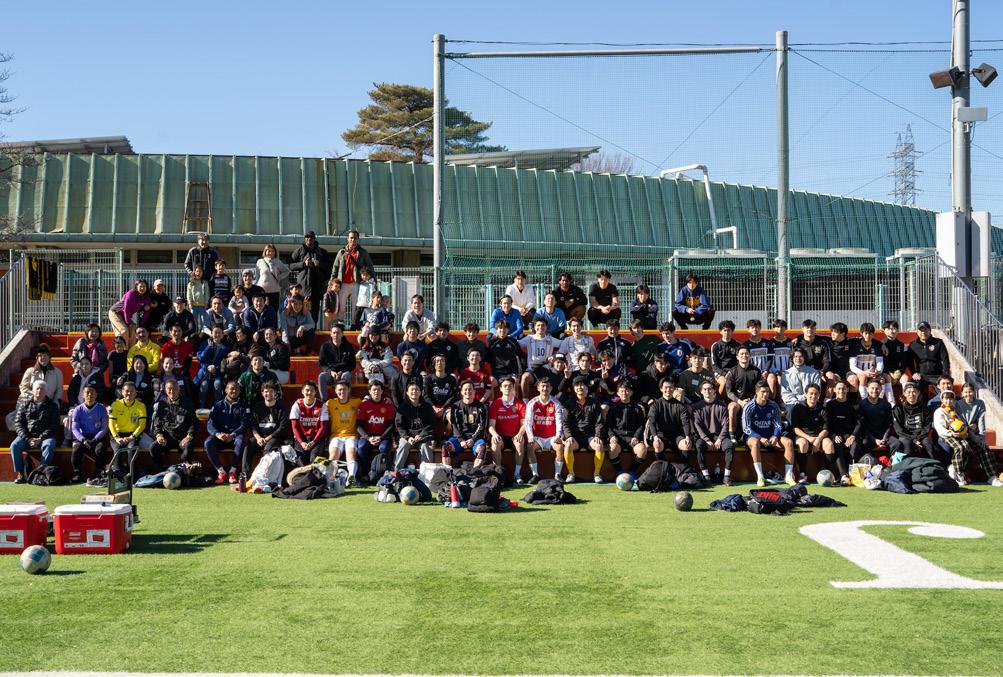
The ASIJ Annual Alumni Soccer Game took place on January 3, at Chofu. The event was organized by Nickolas Harris ’05, Max Harris ’13, and Ko Kikuchi ’01. The tournament welcomed over 70 players, with total attendance exceeding 90 people. This year also featured the first-ever 40+ Futsal match, marking the largest ASIJ alumni soccer gathering in the more than 25-year history of the event.
Alumni Jazz and High School Class Comps featuring Alumni
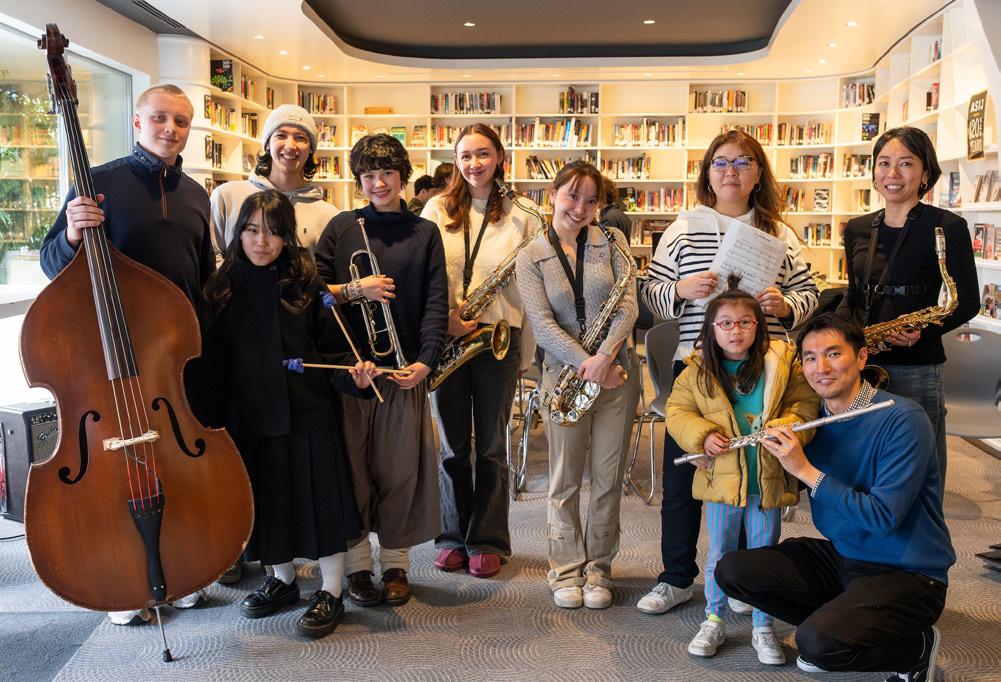
Jazz Band jams, Class Comps contenders, and katsu curry on campus! Alumni from 1998 to 2025 came home to Chofu this January and participated in activities with current students.
2025 Winterfest
ASIJ’s annual Winterfest was a spirited event. Alumni gathered for “Home Sweet Home” cookie decorating.
Upcoming Reunions
Class of 1966 60th Reunion
May 14-17, 2026 | Franklin, TN
The Class of 1966 is planning a 60th reunion in Franklin, TN. As the reunion planners put it, “we are not going "gentle into that good night;” we shall keep doing reunions as long as we can.” The reunion will include David Bradford’s BBQ, beautiful weather, and lots of Mustang Spirit!
Please reach out to Annie Campbell with any questions.
Class of 1976 50th Reunion
June, 2026 | Boston, MA
Liz Horwitz is organizing a 50th reunion in Boston, Check your email for details!
Class of 1981 45th Reunion
October 1-4, 2026 | Tokyo, Japan
The Class of 1981’s 45th reunion will be in Tokyo. We hope to see you there! For the latest updates, please visit our website: https://tinyurl.com/asij1981. Join our Class of 1981 Facebook group, where classmates are already reconnecting: https://www.facebook.com/groups/147459285458
Class of 1996 30th Reunion
June 19-20, 2026 | Park City, UT
Contact Dennis Hudachek or Richard Gilbert to RSVP.
Class of 2001 25th Reunion
Tokyo, Japan
Check email for details or reach out to alumni@asij.ac.jp.
Class of 2002 25th Reunion
April 2-3, 2027 | Tokyo, Japan
Check email for details or reach out to alumni@asij.ac.jp.
Grown and flown, but always home. Scan the code or log into the portal for the full update!
ALUMNI Obituaries
JOEL CONRAD AAMODT ’66 passed away unexpectedly on March 10, 2026. Born in Berkeley, CA, to Conrad and Elvira Aamodt, Joel grew up in Japan as the son of missionaries. A fluent Japanese speaker and Concordia College graduate, he worked as a World’s Fair interpreter and a tennis instructor in Guam. He eventually returned to Huron, SD, to care for his parents. Known for his "living in the moment" philosophy, Joel loved music, art, and tennis.
DAVID HOOD ALWARD ’60 passed away peacefully in Tucson, AZ, on November 28, 2025. Born in New Jersey and raised partly in Hong Kong and Tokyo, David’s early travels sparked a lifelong curiosity for global cultures. David’s career spanned from selling vacuum systems to owning a business as Deputy Tax Collector. He volunteered with the Wyckoff Ambulance Corps, Red Cross, and FEMA. David enjoyed painting, carpentry, boating, genealogy and he found joy in coin collecting and cross-country RV travel. David will be remembered for his warmth, creative spirit, and the quiet wonder with which he viewed the world. He remains deeply missed.
PRISCILLA MAY ANDERSON P’79 ’80 passed away on November 3, 2025. Priscilla was a dedicated teacher in Nova Scotia before embarking on years of missionary service with her husband, Bob. Together, they served as missionaries to the Korean Christian Church in Japan for 16 years. A devoted servant of faith, Priscilla was later ordained as a minister, leading Bible studies and fostering community wherever she lived. In her later years in Port Rowan, she enjoyed the glee club and garden club. She was a cherished mother, grandmother of 13, and great-grandmother of five.
EDWARD (NED) BURKART ’48 of Clermont, Florida passed away on February 2, 2026.
ROBERT ALLEN CERRO '73 P’06 passed away on November 13, 2025. Born in Oak Ridge, TN, Robert moved to Tokyo and graduated from ASIJ in 1973. His son, Vincent ’06, also attended ASIJ. Robert later attended college in Cedar Rapids, IA, and was a lifetime member of the Franklin Fraternal Order of Eagles. Robert was a passionate cook who loved feeding his family and friends. A true animal lover and hobbyist, he enjoyed tinkering with electronics, making beef jerky, and playing basketball at the YMCA. He was a devoted father and grandfather who was always ready to help those around him.
MICHAEL SCOTT DOLTON '73 passed away on January 30, 2026. Born in Norwalk, CT, Mike attended ASIJ before graduating from the American School in The Hague. He earned a degree from Ithaca College before building a distinguished career in communications, retiring as Director of Corporate Communications for AMERICAN SYSTEMS. A passionate fan of DC sports and Ohio State, Mike was a devoted Bruce Springsteen fan who cherished time on the deck with family. Mike was known for his genuine kindness, quick wit, and unconditional support for his daughters, Taylor and Macy.
KENNETH C. GLAZIER ’67 passed away on October 16, 2025. Ken will be deeply missed by his friends and family.
RICHARD LAWRENCE HAGE FF’72-’74 passed away on October 6, 2025. A dedicated educator and Marine Corps veteran, Richard devoted over 30 years to teaching history and elementary education at The Blake School and The American School in Japan. His passion for learning was matched by his love for athletics, including tennis, golf, and basketball. Richard cherished his family above all, leading them on numerous summer adventures across North America. In retirement, he and his late wife, Jane, explored the world, from the beaches of Mexico to the historic sites of Greece and France. He is remembered as a devoted father and teacher who inspired students and loved ones alike with his curiosity and gentleness.
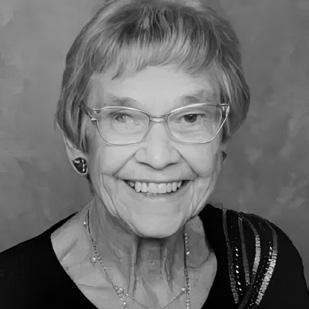
VIRGINIA HAUX FF ’84-’86 passed away on January 10, 2026, at the age of 101. Virginia worked in ASIJ’s business office from 1984 to 1986 while her husband, Ray, served as a visiting professor at Musashino Academia Musicae. During their ten years in Tokyo, she thrived in the bustling city, forming multicultural friendships that lasted a lifetime. A 1945 Washington University graduate and skilled accountant, she eventually retired to Colorado, where she filled her home with art from her global travels and enjoyed time with her granddaughters.
GWENNETH ELIZABETH “GWEN” HINZ ’45 passed away on October 11, 2025. Born in Osaka, Japan, to missionary parents, Gwen returned to the US in 1941 and later pursued nursing in Illinois, where she met her husband, Larry. Together, they raised five children and spent cherished years directing Camp Lucerne in Wisconsin. A woman of deep faith, Gwen found great purpose as a choir director at Lomira United Methodist Church, serving until age 88 before moving to Colorado. She is survived by her sons, Ward, Paul, and Dave; six grandchildren; and 10 great-grandchildren, all of whom will carry forward her legacy of love and service.
STEPHEN VAUGHN HORN ’86 passed away on November 17, 2025.
TADASHI CAMPBELL “TED” MATSUMOTO ’56 passed away on January 20, 2026. He was born in New York City, spent four years at ASIJ, and earned a degree in Electrical Engineering from Lafayette College. He dedicated 29 years to General Electric, notably serving as the project manager for the JStars radar system. In 1996, he married Carol Collette, transitioning from engineering to becoming a beloved full-time innkeeper at Captain Grant’s Bed and Breakfast. A talented cabinet maker with a quick wit, Ted spent decades restoring the inn. Ted will be remembered for his intellect, humor, and craftsmanship.
RUTH K. NAKANO ’56 passed away on November 11, 2024. Born in New York City, Ruth later graduated from ASIJ. She broke barriers early in her career as one of the first flight attendants of Asian descent for Northwest Airlines. While raising three sons with her husband, Akira, Ruth pursued higher education, earning degrees from Bellevue Community College and the University of Washington. An accomplished bridge player, she achieved the rank of Life Master and competed in numerous national tournaments. Ruth was also a passionate supporter of the Seattle Mariners, frequently bringing her family to home games.
MICHELE ITO ’79 passed away on September 17, 2025 after her courageous battle with ALS. She faced this cruel disease with strength, love and even humor — right up to the end. There are no words for how much she will be missed by friends and family.
NATHAN GUIN NEAL ’21, known as "Nate the Great," passed away on May 26, 2024, at the age of 21 while serving on active duty in the US Marine Corps. Nate lived in Bangladesh, India, Morocco, Japan, and Ghana, developing a diplomatic spirit and experiencing diverse cultures. He was a Cryptologic Language Analyst who found immense joy in the brotherhood of the Marine Corps. Known for his infectious happiness, Nate was a talented cook, guitarist, and snowboarder, but his greatest treasure was the bond he shared with his brother JR ’19 and his family.
JEFF STALOCH ’93 passed away in January 2026 after fighting an aggressive cancer, continuing to display optimism and a positive spirit. He will be deeply missed by all who knew him.
ROBERT “ROB” WINN PHILLIPS ’90 passed away on January 25, 2026. Rob’s formative years in Tokyo instilled in him a fluency in Japanese and a deep appreciation for global connection. A "double Hoya," Rob earned his Bachelor of Science in Foreign Service at Georgetown University in 1994 and his Juris Doctor from Georgetown University Law Center in 1999. He excelled as a Varsity swimmer and later as an accomplished corporate attorney, eventually becoming a partner at Gibson Dunn. Above all, Rob was a devoted family man who shared his love for music, logic games, and travel with his daughters, Dylan and Isla. Rob will be remembered for his sharp wit, pragmatic judgment, and the warmth he brought to everyone he met.
TODD ROMAINE RAABE ’82 passed away on October 6, 2025, at the age of 61, after a brave battle with liver cancer. A graduate of The American School in Japan and Franklin Pierce University, Todd enjoyed a career in sales, eventually serving as the Global Sales Manager for Cole-Hersee Co and on the board of the National Marine Manufacturers Association. His professional expertise was matched only by his lifelong passion for the ocean. An avid boater and fisherman, Todd found his greatest joy on the water, especially aboard his boat, the Krista Marie. He is survived by his cherished wife, Krista, and a loving extended family who will miss his outgoing personality, quick humor, and generous spirit.
YOSHIKO “YO” LYNN SHINODA ’52 passed away on April 2, 2026. Born in Glendale, CA, Yo was 7 when her family was evacuated along with all west coast families of Japanese ancestry to the Santa Anita Assembly Center and later, the Amache incarceration site near Granada, CO. She attended The American School in Japan while her mother worked as a translator for the US Army. Yo graduated from Berkeley High School, attended UC Berkeley, and graduated in 1956 from UC San Francisco Medical School with a Dental Hygiene degree. She married Fred M Shinoda on June 22, 1957 in Berkeley. In addition to her dental hygienist career, she helped run her dad’s Nikko Art Shop which she took over as proprietor until closing in 1999.
SARA MANSFIELD TABER ’72 passed away on February 11, 2026. Sara was an anthropologist, social worker, teacher, and writer. Born in Yokosuka, Japan, into a diplomatic family, Sara dedicated her life to writing, teaching, and social work. Her career spanned from seminal whale research in Patagonia to shepherding students' books into print. A passionate activist, her handbook Writing for Resilience developed into The Things They Carried Project which became the model for frontline workers and young women in Afghanistan and Bangladesh to find their voices. Her final works, including a 180-page epic poem, reflect her lifelong commitment to observing the world with the "keenness of a foreigner" and sharing it with richness and color.
ALAN KO-JEN TUNG ’65, also known by his Japanese name, Katsumi Tanaka, passed away on February 9, 2026 in Honolulu. He graduated from Phillips Academy, Harvard College, and Harvard Law School. He worked in Hawaii as an advisor specializing in US-Asia business.