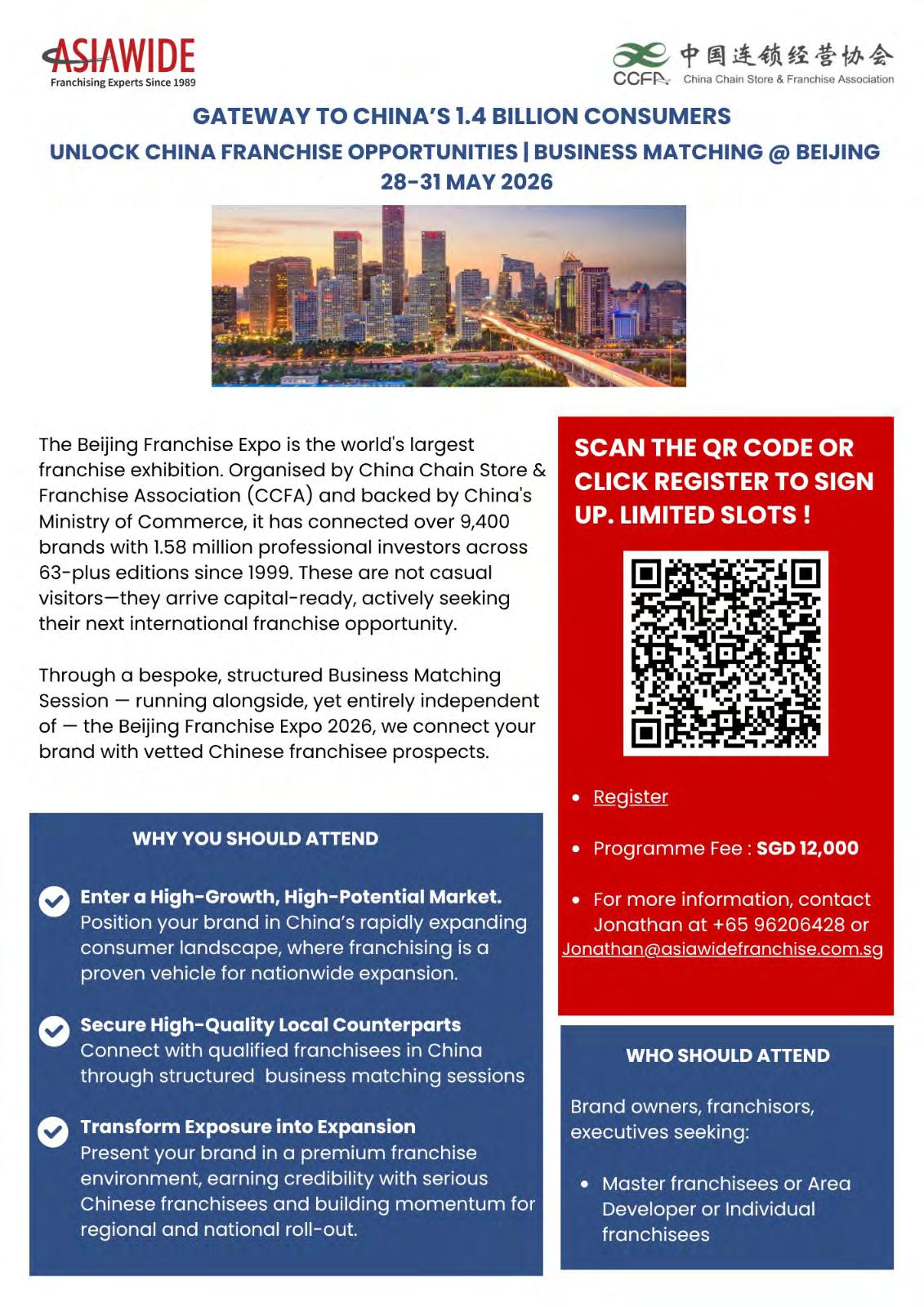
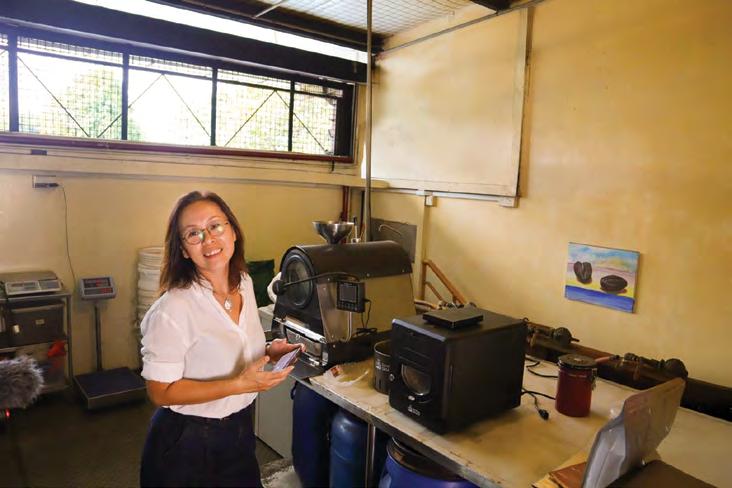
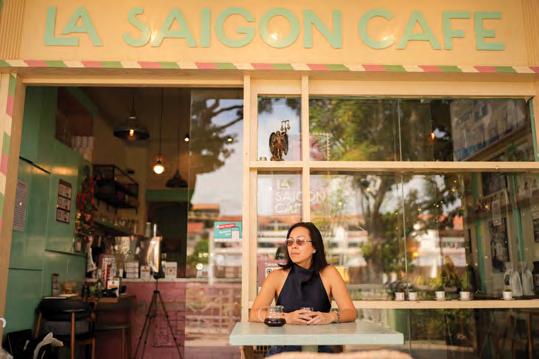
La Saigon Café: Redefining Vietnamese Coffee and Cuisine for the World

13-15 AUGUST 2026
MARINA BAY SANDS
SANDS EXPO & CONVENTION
CENTRE, HALL A & B SINGAPORE


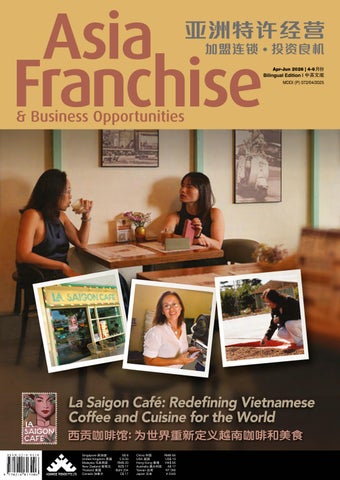
13-15 AUGUST 2026
MARINA BAY SANDS
SANDS EXPO & CONVENTION
CENTRE, HALL A & B SINGAPORE


FOR EXHIBITORS
Join


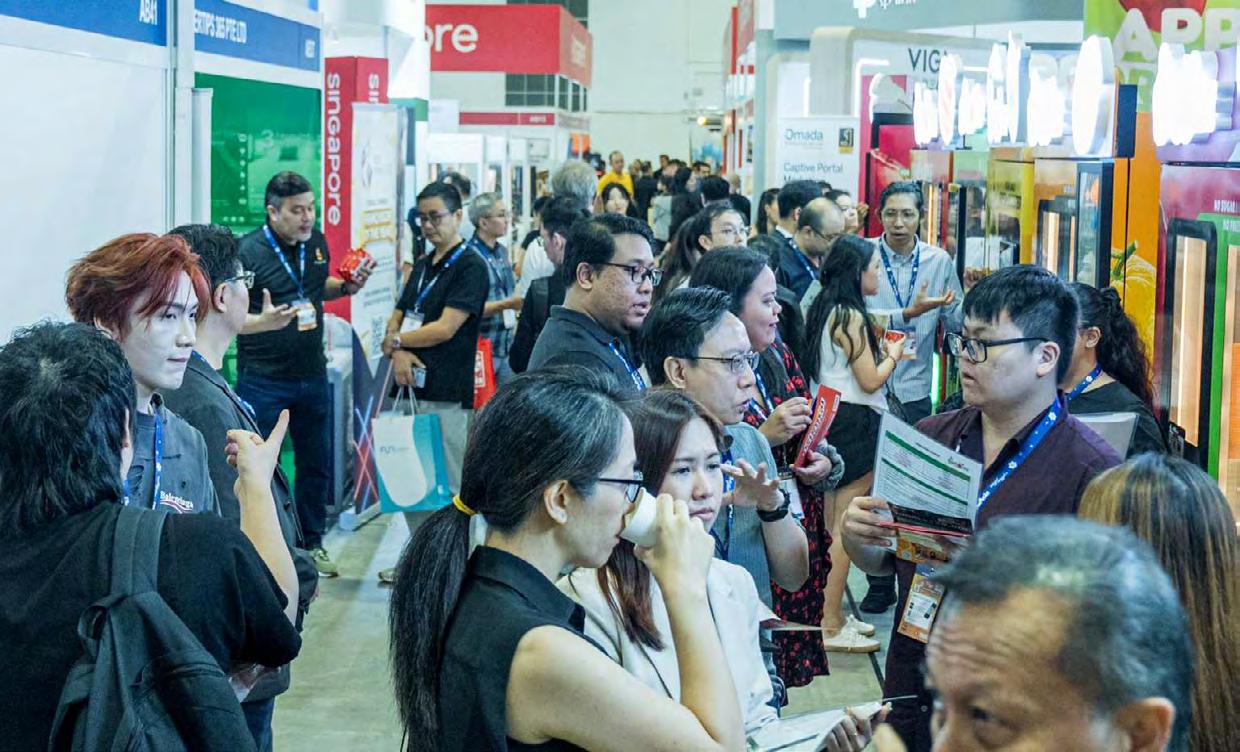


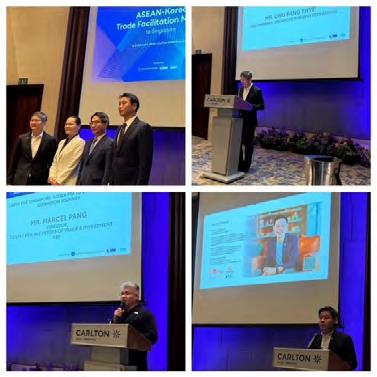
: Carlton Hotel Singapore : Singapore Business Federation (SBF) & ASEAN Korea Centre (AKC), in conjunction with the Korea Importers Association (KOIMA). This event formed part of a broader regional trade facilitation mission aimed at strengthening ASEAN–Korea economic cooperation. It brought together Korean companies—primarily from F&B, materials, and consumer goods—and Singapore businesses to explore bilateral trade, investment opportunities, and partnership development.
• Opening Remarks: Miss Youn Young mi, Chairman, Korea Importers Association
• Remarks: H.E. Kim Jae Shin, Secretary General, ASEAN Korea Centre
• Congratulatory Remarks: H.E. Hong Jin Wook, Ambassador of the Republic of Korea to Singapore
• Keynote Speech: Mr. Ong Pang Thye, Vice Chairman, Singapore Business Federation
• Expert Presentations:
– Singapore Trade & Investment Regulations and Economic Outlook — Mr. Hwang Hyun Duk, World OKTA
– Franchising into Korea & Vice Versa — Mr. Albert Kong, Asiawide Franchise Consultants
– Leveraging Singapore’s Food Innovation Ecosystem for ASEAN–Korea Market Expansion– Mr. John Cheng, Innovate 360/ Feed 9 billion.
– Using the Singapore–Korea FTA for Expansion - Mr. Marcel Pang, SBF
Afternoon Business Matching - curated B2B meetings between:
21 Korean companies and Singapore registered companies (screened for suitability). The goal was to facilitate concrete business opportunities, partnerships, and trade linkages. Overall Significance. This event served as a strategic platform for:
• Strengthening ASEAN–Korea economic ties
• Supporting Korean companies exploring ASEAN markets
• Helping Singapore companies access Korean partners and market pathways
• Promoting the use of the Singapore–Korea FTA for business expansion
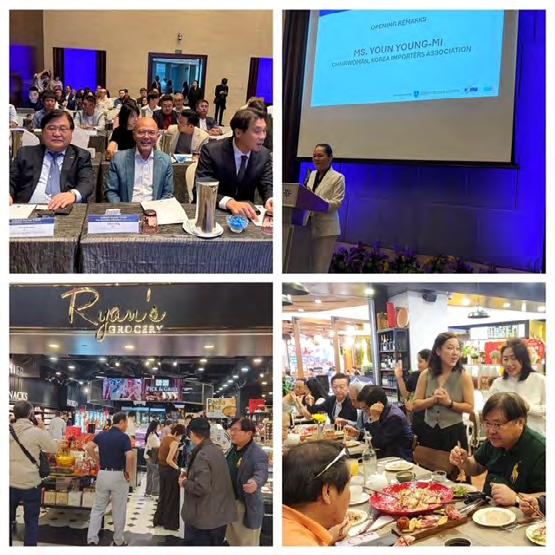
东盟—韩国中心考察团访问新加坡 日期:2月4日。地点:新加坡卡尔顿酒店。主办方: 新 加坡商业联合会(SBF)、东盟—韩国中心(AKC)、韩国 进口商协会(KOIMA)。本次活动是区域贸易便利化访问的 重要组成部分,旨在进一步加强东盟与韩国之间的经济合 作:推动东盟与韩国之间更紧密的经济联系;协助韩国企业 探索东盟市场的商业机会;为新加坡企业对接韩国合作伙 伴与市场渠道;鼓励企业善用新加坡—韩国自由贸易协定 (SKFTA)拓展区域业务.活动吸引了来自食品饮料、原材 料及消费品等行业的韩国企业,与新加坡企业共同探讨双 边贸易、投资机会及潜在合作模式。
上午商务论坛 (10:00–12:00)。论坛由多位重量级嘉宾 发表致辞及主题演讲,为深化双边合作奠定基础:
* 开幕致辞: 韩国进口商协会会长 Youn Young mi 女士
* 致辞: 东盟—韩国中心秘书长 Kim Jae Shin 阁下
* 祝贺致辞: 韩国驻新加坡大使 洪镇郁 阁下
* 主题演讲: 新加坡商业联合会副主席 王邦泰先生 专家分享包括:
• 《新加坡贸易投资条例及经济展望》 — 世界OKTA新加坡公司Hwang Hyun Duk 先生
• 《特许经营进军韩国及反向投资》
—爱思威特许经营顾问公司创办人江进兴(Albert Kong)先生
• <利用新加坡的食品创新生态系统拓展东盟-韩国市场> —Innovate 360 / Feed 90亿董事经理钟程龙先生
• 《利用新加坡—韩国自由贸易协定进行扩张》
— 新加坡商业联合会 Marcel Pang 先生 这些分享为企业提供了最新市场洞察、监管趋势及跨境扩 张的实务策略。
下午商务洽谈会 。活动下半场安排了21家韩国企业与多家 经筛选的新加坡注册企业配对洽谈。

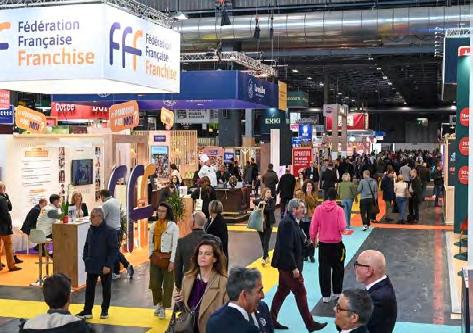
Franchise Expo Paris 2026 demonstrated strong momentum in franchise entrepreneurship, attracting 31,937 visitors, including 1,677 international attendees from 77 countries. The visitor base was highly qualified, with nearly half being employees or CEOs, 26% independent storekeepers, and 44% having more than €50,000 in personal investment capacity. Notably, 67% of visitors plan to start a business within a year, reinforcing the fair’s role as a launchpad for new franchise ventures.
The exhibition showcased 550 exhibitors across 90 sectors, including 465 franchise brands and 185 new exhibitors, reflecting a continually expanding marketplace. With 83 international exhibitors and three national pavilions (Canada, Italy, South Korea), the event highlighted the growing global appeal of French franchising. The educational dimension was equally strong: 178 conferences, 350 expert speakers, and nearly 7,000 attendees positioned the fair as a “pop up university” for franchising knowledge and best practices. A major highlight was the inaugural Franchise Invest Club, which successfully convened around 100 multi unit, multi brand, and master franchisees for targeted networking, strategic meetings, and high level discussions. Brands such as Boulangerie Ange, Club Pilates, La Vie Claire, and international players like Dodo Brands and Terranova engaged with high potential investors.
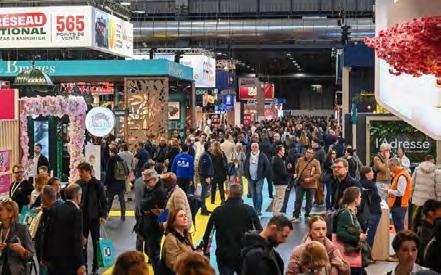
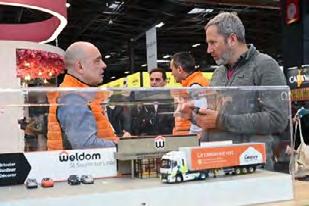
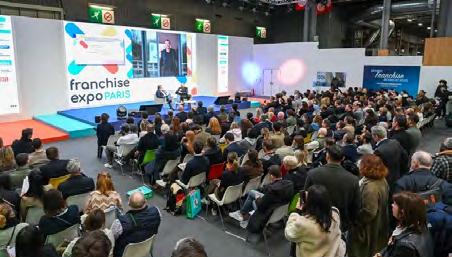
2026年巴黎特许经营博览会展现了特许经营创业的强劲势 头,吸引了31,937名参观者,其中包括来自77个国家的 1,677名国际观众。参观者素质很高,近一半是员工或首席 执行官,26%是独立店主,44%拥有超过5万欧元的个人投资 能力。值得注意的是,67%的参观者计划在一年内创业,这 进一步巩固了该博览会作为新特许经营项目启动平台的地 位。本次展会汇聚了90个行业的550家参展商,其中包括 465个特许经营品牌和185家新参展商,反映了市场持续增 长的态势。83家国际参展商和三个国家展馆(加拿大、意 大利、韩国)的设立,凸显了法国特许经营模式日益增长 的全球吸引力。教育层面同样精彩纷呈:178场会议、350 位专家演讲嘉宾以及近7000名与会者,使本次展会成为特 许经营知识和最佳实践的 “快闪大学”.
一大亮点是首届特许经营投资俱 乐部,该俱乐部成功汇聚了约100 位拥有多家门店、多个品牌和总 特许经营权的加盟商,为他们提 供有针对性的交流、战略会议和 高层次的讨论平台。Boulangerie Ange、Club Pilates、La Vie Claire等品牌以及Dodo Brands和 Terranova等国际品牌与众多高潜 力投资者进行了深入交流。




Apr-Jun 2026 (电子版) Asia Franchise & Business Opportunities (Digtial)
Cover Story 封面故事
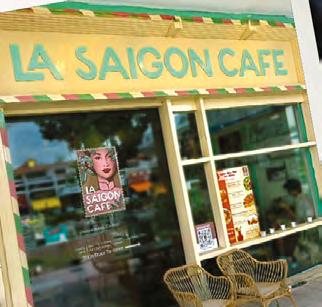
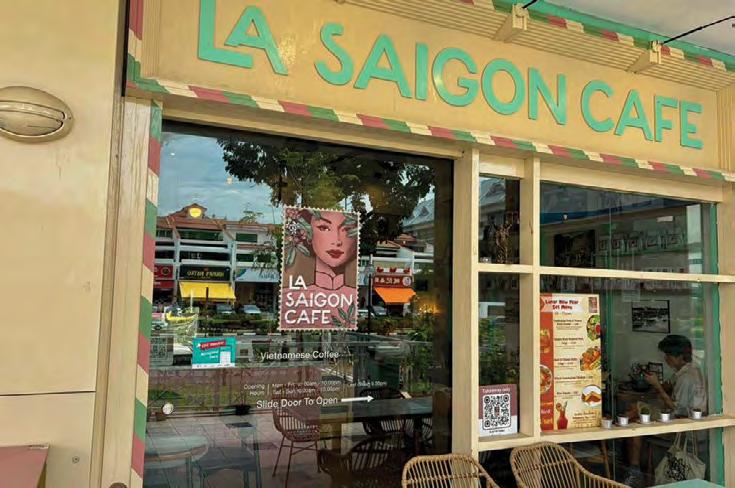
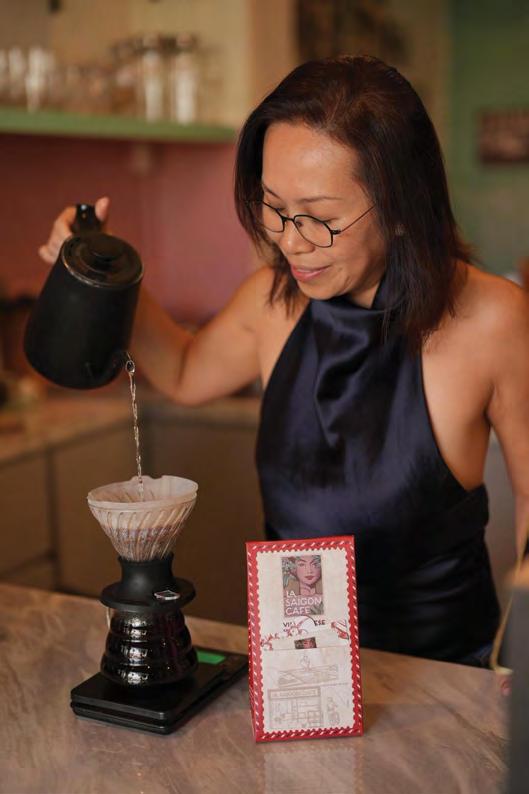
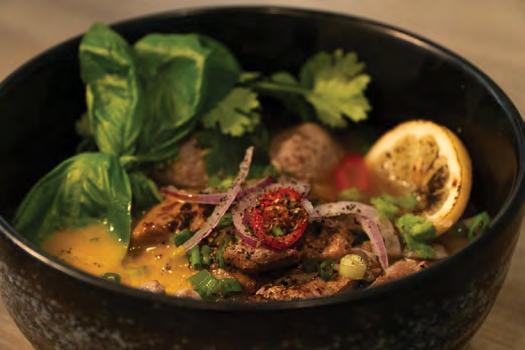
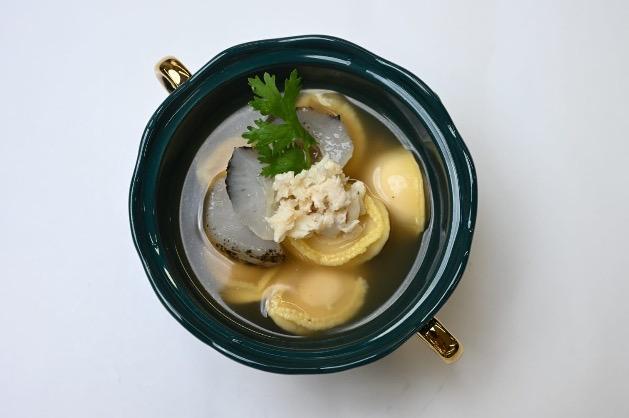
La Saigon Café. Vietnamese Specialty Coffee | Handmade 8-11 Sourdough Bánh Mì | Slow-Simmered Beef Phở 西贡咖啡馆 | 越南特色咖啡 | 手工酸面包法棍 | 慢炖牛肉河粉
Business Insights 学者专栏
Artificial Intelligence in Business: Opportunities and Risks – 22-24 when the lack of compliance framework can slow down adoption 人工智能在商业中的应用:机遇与风险——当缺乏合规框架会拖慢采纳速度时
Rethinking the Word “Franchise” 26-30 重新思考 “特许经营”一词
KOIMA conference 新加坡商业联合会 (SBF), 东盟—韩国中 (AKC), 韩国进口商协会 (KOIMA) 会议
Paris Franchise Exhibition post-event 3 巴黎展
The Peranakan Club 14-15 娘惹俱乐部
日本东京展

台北春季展
Intl Franchise Association Annual Convention post event
美国特许经营全国年会
Thai Franchising held at Thai Embassy Singapore post event 32 泰国特许品牌介绍会
FLA’s 2026
新加坡特许许可协会常年大会
MRCA’s CNY Gala Dinner post event
马来西亚零售连锁协会新春晚宴
Business Mission Trip to China Franchise Expo + Visits + Matchmaking
特许连锁考察团-访问中国成功特许加盟企业
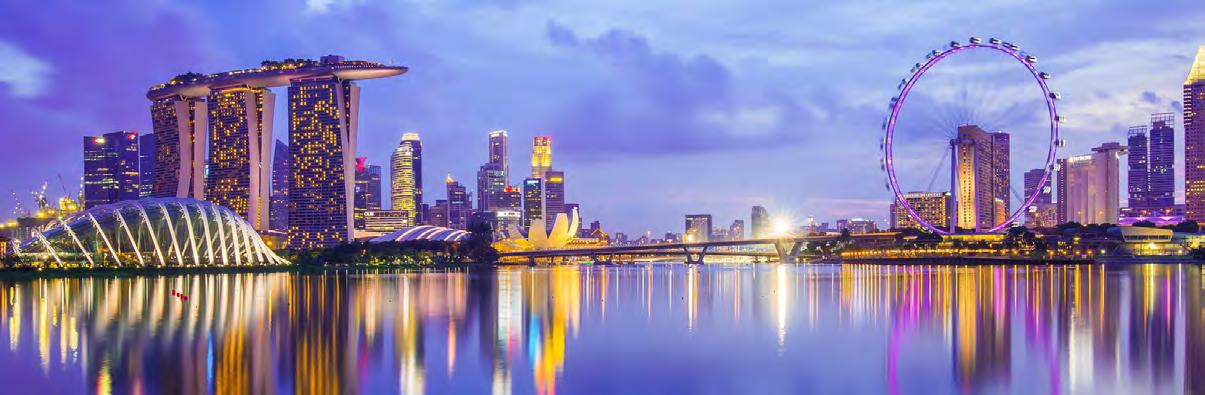
Singapore’s F&B sector isn’t collapsing — it’s undergoing structural churn driven by high fixed costs, market saturation, and low loyalty. Demand remains strong but fragmented (spending splits across hawkers, chains, premium dining, delivery), while delivery economics (25-35%) erode margins. Many closures stem from undercapitalization, weak operations (poor site selection, supply chain issues, inconsistent quality; fast expansion without depth leads
新加坡的餐饮业并非正在崩溃,而是在高昂的固定成本、市场饱和和低客户忠诚 度的驱动下,经历着结构性变革。需求依然强劲,但较为分散(消费分散在小贩 摊位、连锁餐厅、高端餐饮和外卖之间),而外卖成本(25-35%)侵蚀了利润。
许多餐厅倒闭的原因在于资金不足、运营薄弱(选址不当、供应链问题、品质不
稳定;缺乏深度的快速扩张导致迅速失败)以及缺乏差异化。外部冲击(疫情后的 变化;水电费和进口原料成本上涨;全球连锁店因区域战略而非本地失败而退出市 场)和不断上涨的进口成本加剧了这一压力。
尽管如此,新加坡仍然是检验餐饮理念的绝佳市场:如果一个品牌在新加坡这样一 个高压、高信号市场取得成功,那么它很可能在整个东盟地区都能成功扩张。
SAVE THE DATE: 26–27 August 2026 Register Interest

IP Week @ SG is Singapore’s premier global intellectual property (IP) event, bringing together thought leaders, legal experts, policymakers and enterprises from over 45 countries.
2-day Global Forum in Intellectual Property Business and Legal Sessions with cutting-edge insights on innovation trends and regulatory developments.
2-day IP Marketplace Exhibition and Talks
Connecting professionals, businesses, and policymakers.
Venue
Marina Bay Sands Expo & Convention Centre Register Interest bit.ly/IPWeekSG26
Organised By

Refreshed IP Awards and Associated Events
Celebrating enterprises that harness IP for growth, alongside partner-led events.
Stronger Global Participation
Deepening regional and international partnerships.
Business Focused Content
Practical applications and commercial relevance across Asia and beyond.




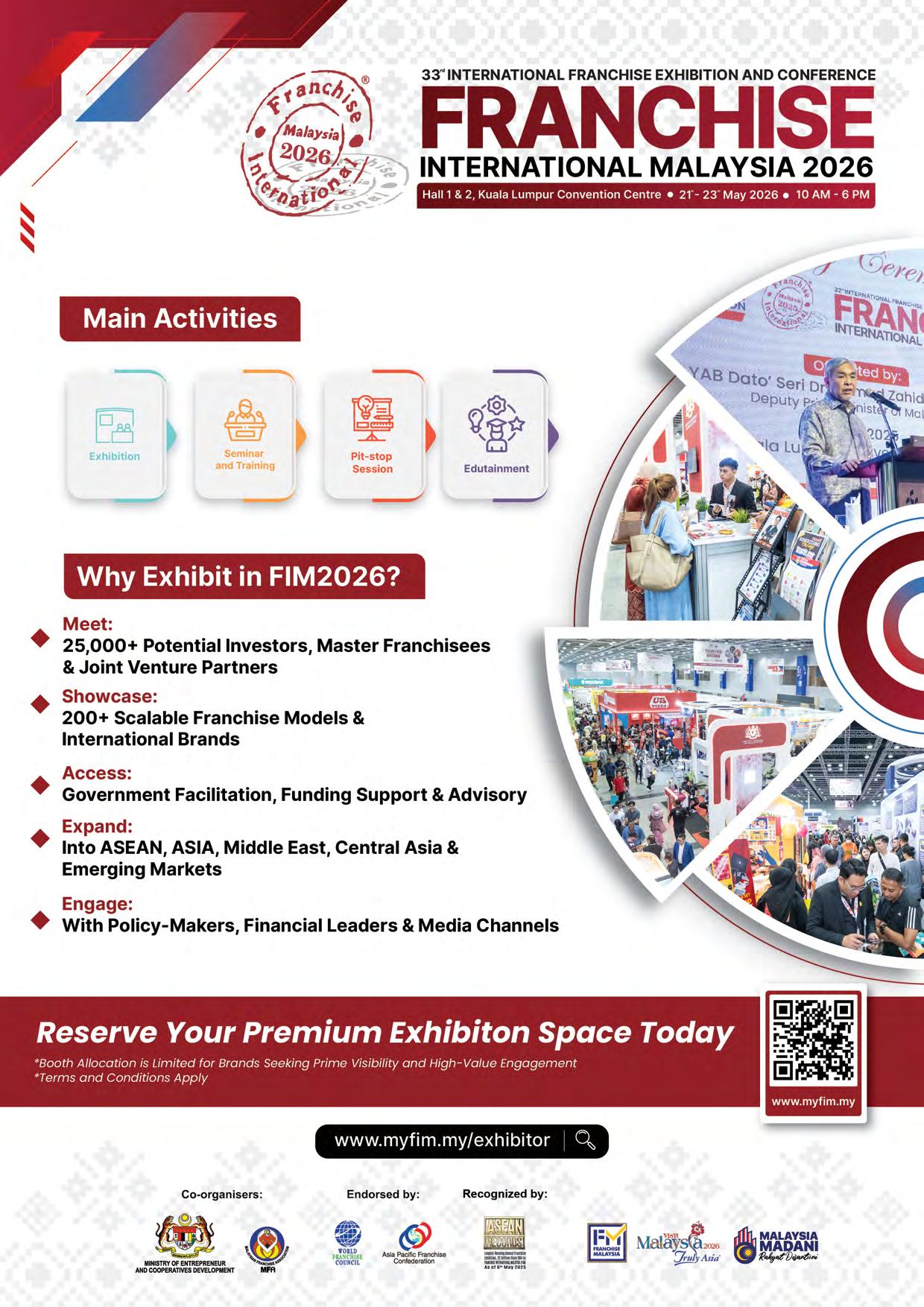
24th INTERNATIONAL FRANCHISE AND INVESTMENT OPPORTUNITIES EXHIBITION



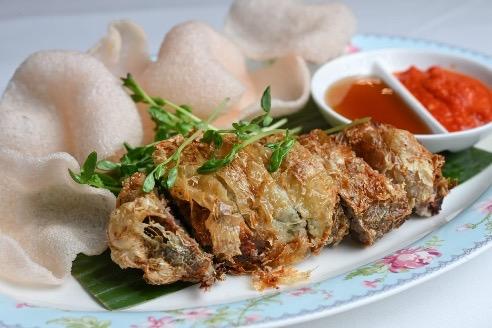

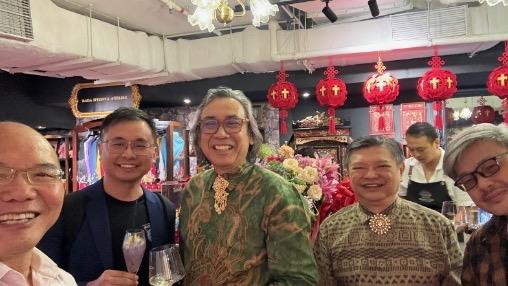
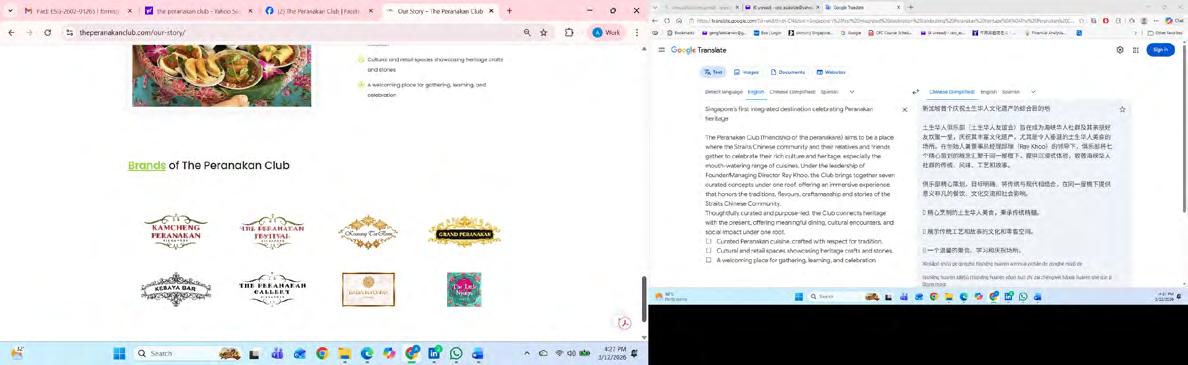
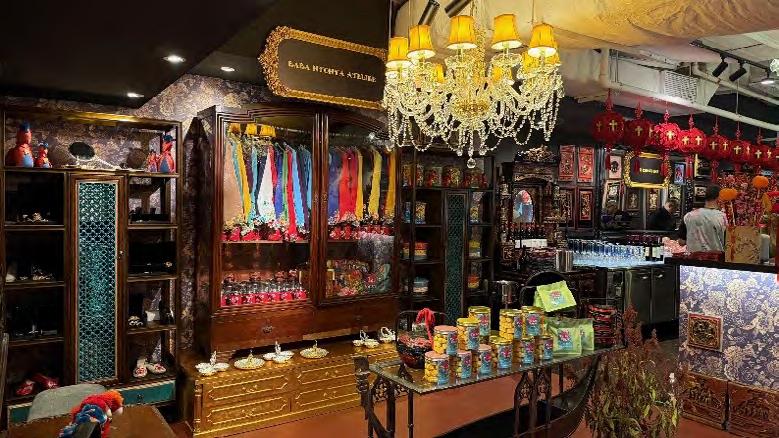
The Peranakan Club (friendship of the peranakans), located at 1 Claymore Drive, #02-01, Singapore 229594 aims to be a place where the Straits Chinese community and their relatives and friends gather to celebrate their rich culture and heritage, especially the mouth-watering range of cuisines. Under the leadership of Founder/Managing Director Ray Khoo, the Club brings together seven curated concepts under one roof, offering an immersive experience that honors the traditions, flavours, craftsmanship and stories of the Straits Chinese Community. Thoughtfully curated and purpose-led, the Club connects heritage with the present, offering meaningful dining, cultural encounters, and social impact under one roof.
• Curated Peranakan cuisine, crafted with respect for tradition.
• Cultural and retail spaces showcasing heritage crafts and stories.
• A welcoming place for gathering, learning, and celebration

Booking Enquiries: hellosayang@theperanakanclub.com
Tel: +65 8988 0201
Business Enquiries: admin@theperanakanclub.com
新加坡首个全面呈现土生华人文化遗产的目 的地,尤其以正宗土生华人美食为核心亮点
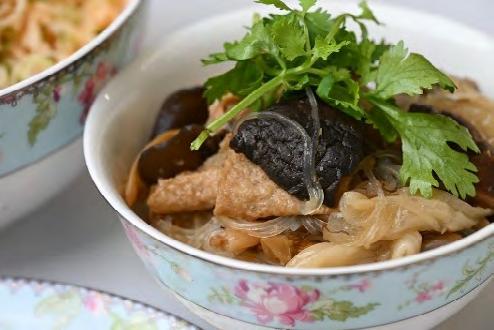
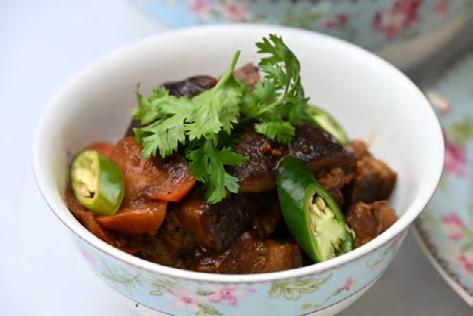
生华人俱乐部汇聚七大概念于同一屋檐下,在创始人兼 董事总经理丘垂文(Ray Khoo)的带领下,打造一个让 海峡华人社群与亲友相聚、共享文化与风味的沉浸式空 间。The Peranakan Club 俱乐部以现代方式呈现传统文化,涵盖:
• 以传统精髓烹制的正宗土生华人料理
• 展现工艺与故事的文化与零售空间
• 适合聚会、学习与庆祝的温馨社群场所

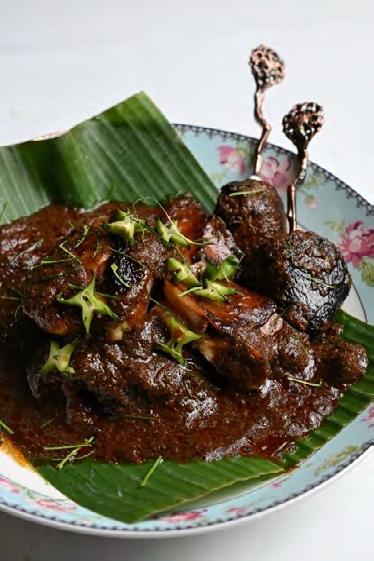

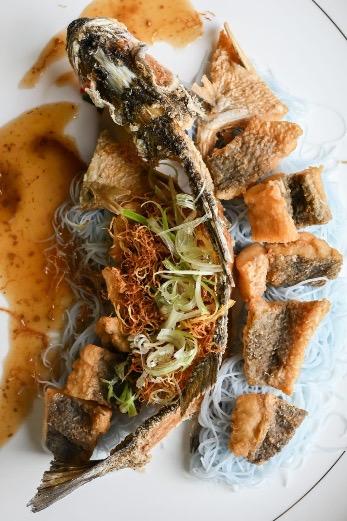





Purpose builds trust. Trust builds loyalty. Until you give them a reason to. Express your interest today.


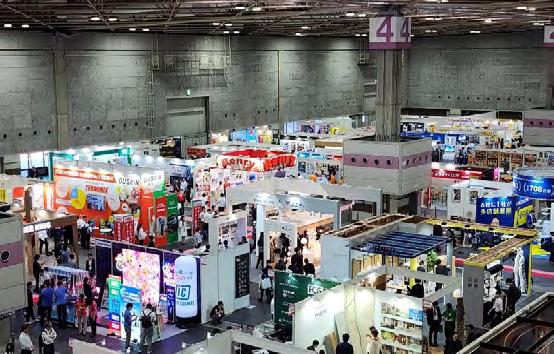
Japan International Franchise Show 2026 (March 4-6) reinforced its position as Japan’s largest and most diversified franchise expo, drawing roughly 30,000 visitors and 240+ exhibitors, with strong representation from F&B, retail, services, and franchise support technologies. The show’s 2026 edition leaned heavily into DX (digital transformation), regional revitalization, and overseas expansion, but also revealed structural constraints in Japan’s franchise market—especially around labor shortages, high Capex. expectations, and slow decision cycles. Brands like Ajisen Ramen, Iyemon Café, Italian Kitchen VANSAN, UMAMI Burger Japan, and Sake Museum drew the most traffic. Key patterns: *High interest in low labor models (e.g., convenience store bar concepts, soba self service). *Strong push for regional expansion outside Tokyo. *Many brands actively recruiting overseas master franchisees, especially for Southeast Asia. Beauty, tutoring, home services, and fitness concepts were present but less dominant. Japanese retail franchises emphasized standardization, predictability, and long-term stability— appealing to conservative investors but less exciting for foreign buyers. POS, robotics, automation, and store efficiency tools had a larger footprint than previous years. Many booths focused on labor-saving, AI driven customer analytics, and multi store management systems— reflecting Japan’s demographic pressures.
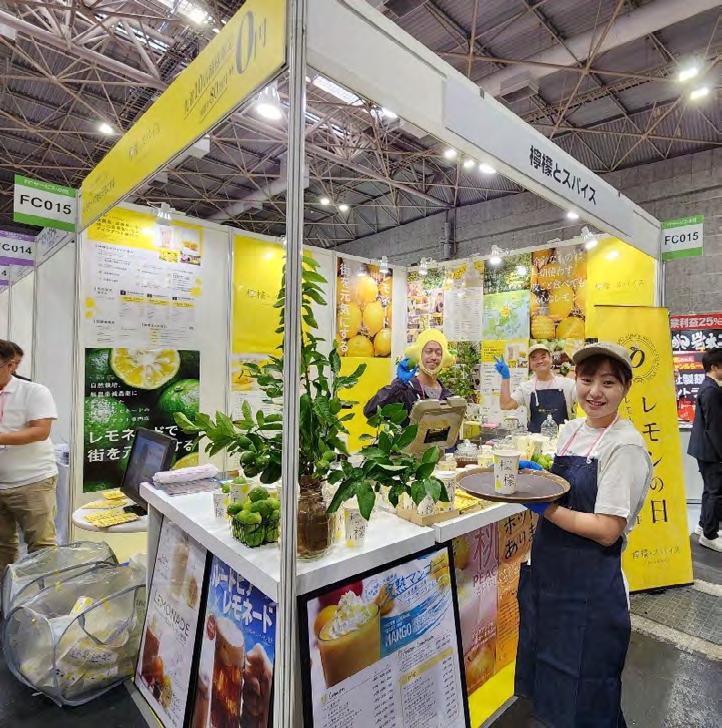
售、服务和特许经营支持技术领域均有强劲的代表性。
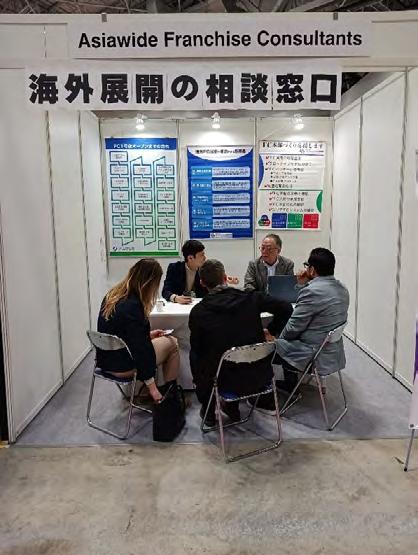

Asiawide Franchise Consultants’ rep in Japan Mr. Kyo Ito busy discussing with Japanese franchisors wishing to go overseas.
本届展会重点关注数字化转型(DX)、区域振兴和海外 扩张,同时也暴露了日本特许经营市场的结构性制约因 素,尤其是在劳动力短缺、高额资本支出预期和决策周 期缓慢等方面。
味千拉面、伊右卫门咖啡、意大利厨房VANSAN、UMAMI 汉堡日本和清酒博物馆等品牌吸引了最多的参观人流。
主要趋势包括:*对低劳动力模式(例如便利店酒吧概 念、荞麦面自助服务)表现出浓厚的兴趣。*大力推动 东京以外地区的区域扩张。*许多品牌积极招募海外总 加盟商,尤其是在东南亚地区。美容、辅导、家政服务 和健身概念也有所涉及,但影响力相对较小。日本零售 连锁企业强调标准化、可预测性和长期稳定性——这 吸引了保守型投资者,但对外国买家来说吸引力不 足。POS系统、机器人、自动化和门店效率工具的展示 面积比往年更大。许多展位专注于节省人力、人工智能 驱动的客户分析和多门店管理系统——这反映了日本面
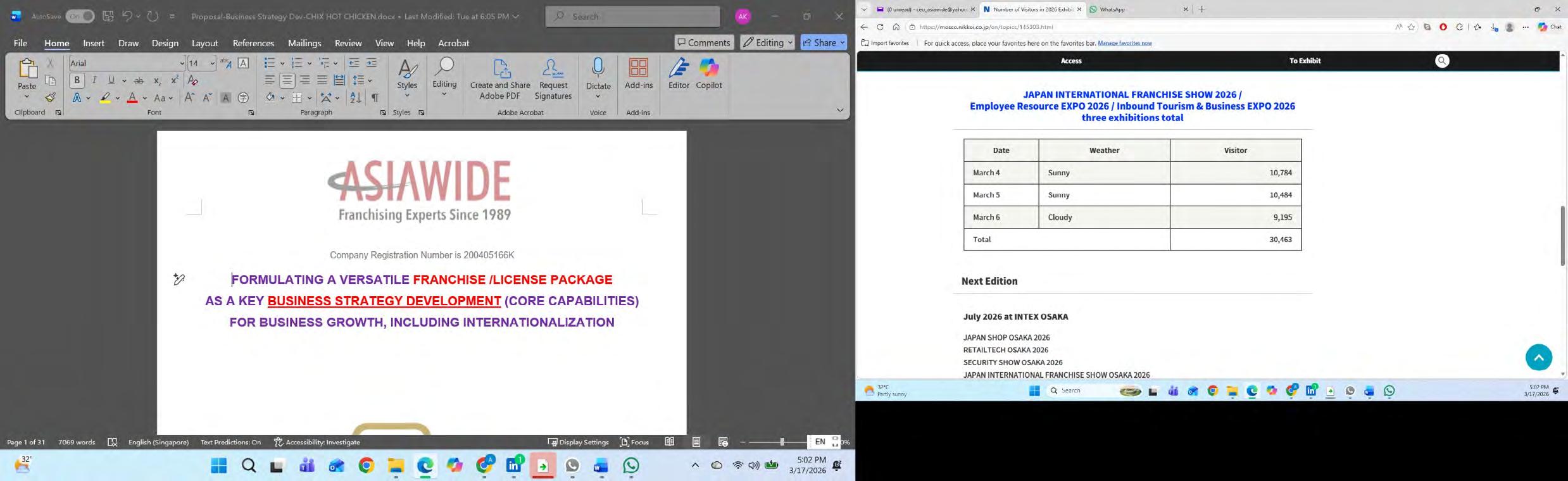
Next one: March 3 (Wed) to March 5 (Fri), 2027.
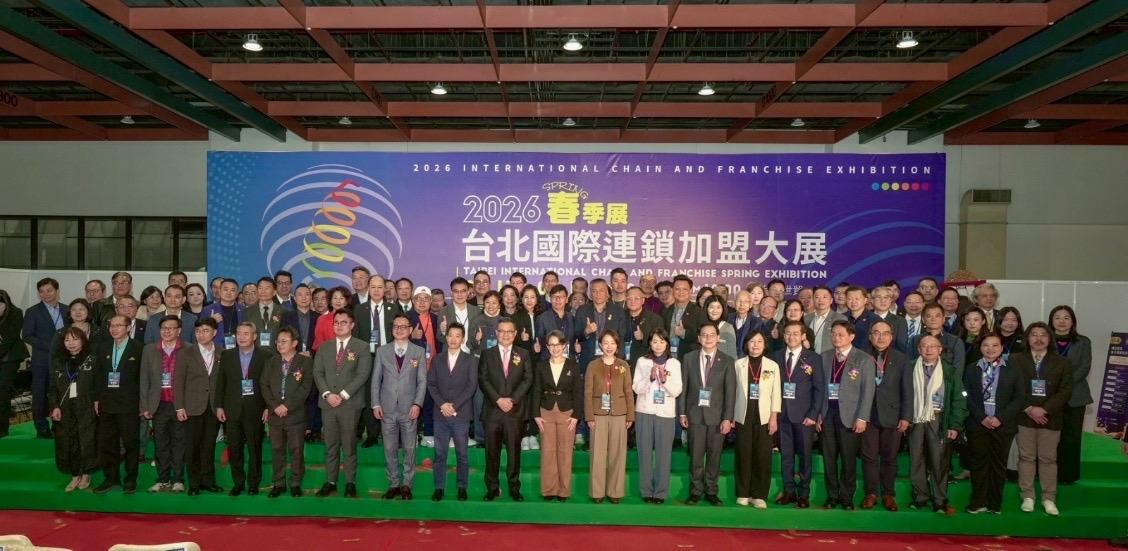
The “2026 Taipei International Franchise Expo - Spring Exhibition,” a major event for entrepreneurship and franchising across Taiwan, successfully concluded on March 16th at the Taipei World Trade Center. This year’s expo brought together 135 top brands across 450 booths and is expected to facilitate the opening of 1,350 physical stores, creating up to 6,750 job opportunities. The total business opportunity is projected to exceed NT$2 billion, officially sounding the clarion call for the transformation of the franchise industry in 2026. As “low labor, high technology, and precise targeting of consumer needs” become the new industry standard, AI-powered smart farming, unmanned stores, and AI-powered vending machines on display became the focus of attention. The exhibition area covered franchise restaurants, hand-shaken beverages, retail channels, equipment, distribution and agency, smart services, and innovative technologies, providing comprehensive consultation and opening guidance.
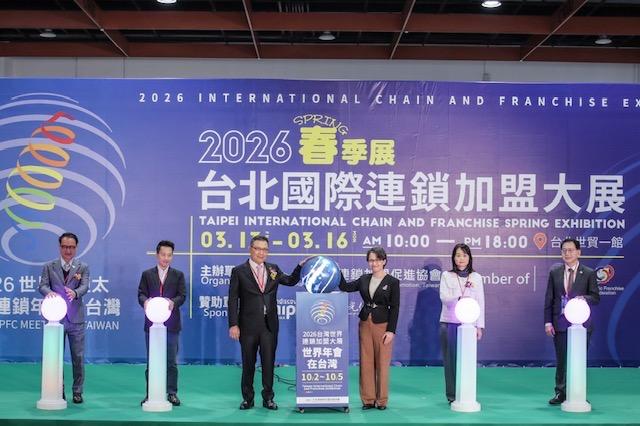
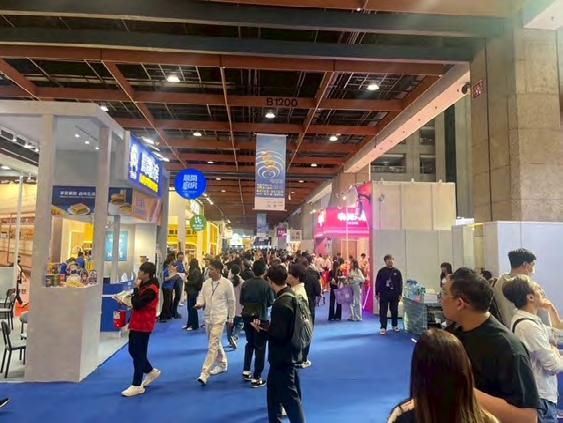
台创业加盟盛事「2026台北国际连锁加盟大展-春季 展」於3月16日在台北世贸圆满闭幕。本届展会汇聚 135个顶尖品牌,横跨450个展位,预计将促成1,350家 实体店开幕,创造高达6,750个就业机会,预估总体商机将突破 20亿元大关,正式吹响 2026 年连锁产业转型的号角。当「低人 力、高技术、精准民生需求」成为产业新标准,现场展出的 AI 智慧养殖、无人店铺及AI智能贩卖机成为吸睛焦点。展区涵盖连 锁餐饮、手摇饮、零售通路、设备器材、经销代理、智慧服务与 创新科技等,现场均提供最完整的谘询与开店辅导,一次看尽 2026年最强劲的产业风向球。
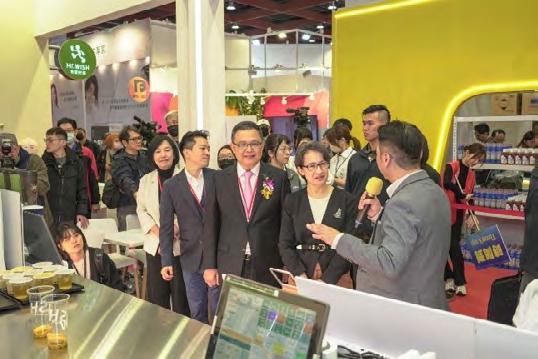

展出地点:台北世贸 | 110台北市信义区信义路五段5号 展出日期:03/13(五) 至 03/16(一) 10:00-18:00
主办单位:社团法人台湾连锁加盟促进协会
3/13 - 3/16 6/12 - 6/15 10/2 - 10/5
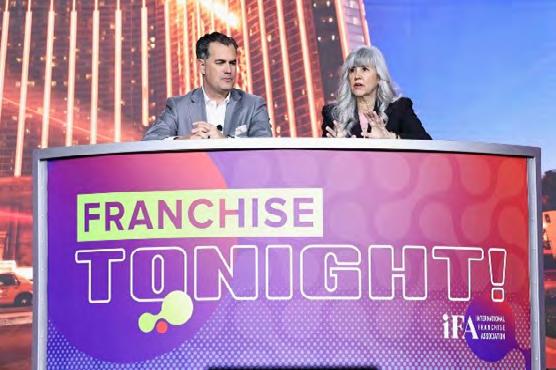
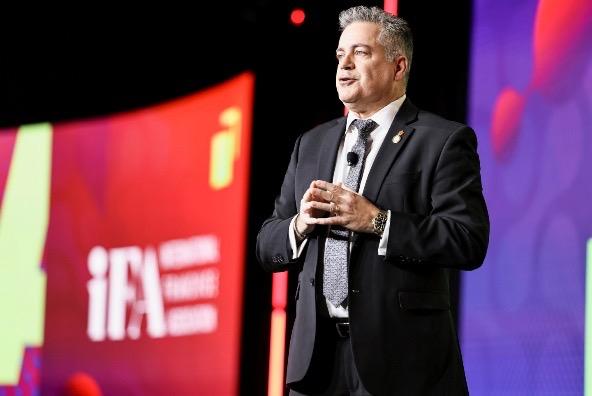

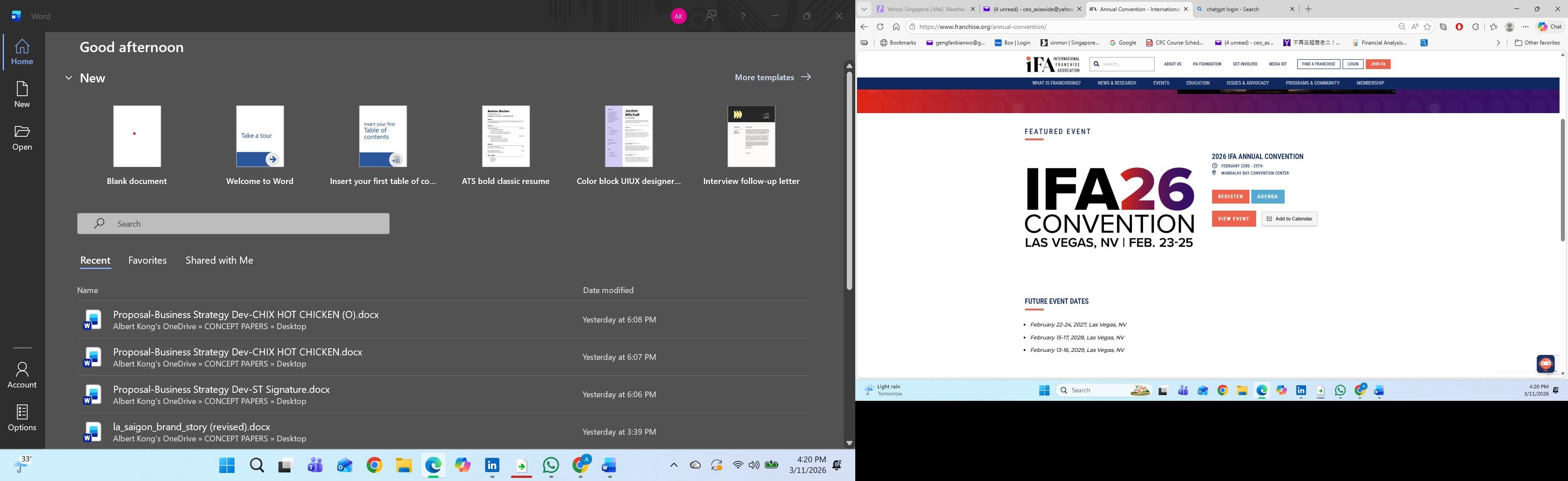
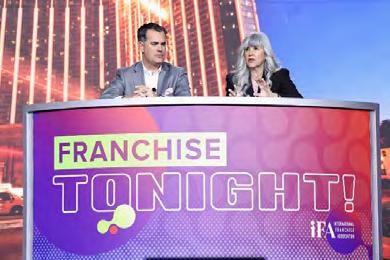
The 2026 IFA Annual Convention centers on “Evolve”, and the program was built around three pillars: connection, ideas, and experience. The highlights span keynote sessions, learning tracks, innovation showcases, networking hubs, and exhibitor engagements. The following breakdown synthesizes the major activities and themes across the official program.
The Opening General Session set the tone for the week ahead in Las Vegas.
IFA President & CEO @mahaller34 kicked things off with “Franchise Tonight” — a fresh, late-night-style take on the state of franchising. Blending humor, industry insight, and forward-looking strategy, the segment spotlighted how franchising continues to evolve — from access to capital in 2010 to today’s focus on unit-level economics, AI investment, tax certainty, and long-term growth.
Mary Kennedy Thompson, CFE, CEO, @bni.global and IFA Chair, joined Matt at the news desk for a dynamic conversation centered on this year’s theme, Evolve — reflecting on franchising’s entrepreneurial roots, the impact of the American Franchise Act, and the strength of the franchise model heading into 2026.
The event also witnessed the “Passing of the Gavel” as leadership was transitioned to incoming IFA Chair Sam Ballas, CFE.
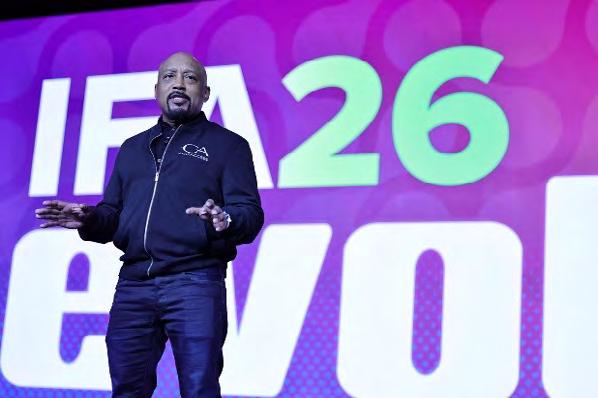
speaker Daymond John, Founder & CEO, fubu & CEO, The Shark Group, delivered powerful insights on entrepreneurship, brand-building, calculated risk, and resilience.
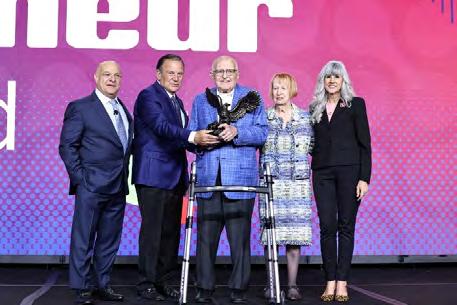
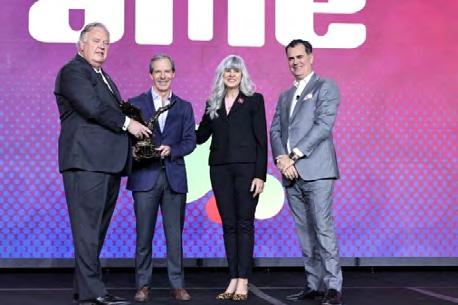
The session concluded with 2 major recognitions:
Hall of Fame Award: Greg Flynn – Founder, Chairman & CEO, Flynn Group LP
Entrepreneur of the Year Award: Len Fischer – Founder and Chairman of the Board, @benetrends.
Kat Cole, a high impact operator and brand builder, currently CEO of AG1 (formerly Athletic Greens) and widely known for her earlier role as President & COO of Focus Brands, where she oversaw global icons like Cinnabon, Auntie Anne’s, Jamba, Moe’s, Carvel, and Schlotzsky’s. brought energy and candor to the #IFA26 main stage. Drawing from more than two decades of operational and executive leadership experience, Kat shared practical strategies for driving innovation, strengthening profitability, and leading through uncertainty. She emphasized the importance of franchisors working closely with franchisees to spark innovation, making courageous decisions before the path is obvious, and building leadership teams capable of learning quickly and pivoting toward growth.
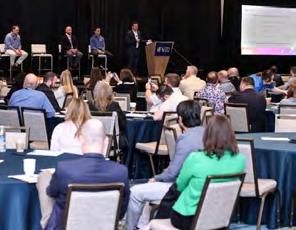
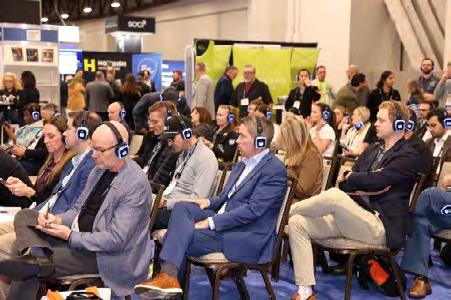
Key elements emphasized across the program:
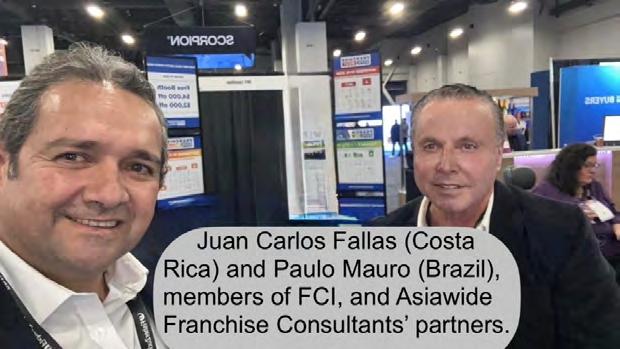
• A redesigned experience focused on intentional networking and spontaneous meetups
• A multi day agenda with general sessions, breakouts, workshops, and innovation labs
• A strong emphasis on AI, technology, operations, and marketing integration
• A curated set of learning paths aligned with franchise leadership roles
• A large scale exhibit hall (Franchise City) with innovation theaters and vendor showcases
Learning Paths and Workshops: six structured learning paths, each with immersive workshops designed to help attendees “evolve” their capabilities. While the detailed list is in the mobile app, the themes include:
• Franchise Operations & Support
• Marketing, Local Engagement & Brand Growth
• Technology & AI Integration
• Franchise Development & Sales
• Leadership & Culture
• Financial Models & Unit Economics
Other items in the program: Innovation & Technology Experiences ; Innovation Theaters in Franchise City; Networking & Community Activities; Awards, Recognition & Community Moments; etc.
以“发展”为主题,围绕 联结、创意与体验展开,涵盖主题演讲、学习课程、创新 展示与交流活动。开幕式由 IFA 总裁兼 CEO Matt Haller 主持,他以全新的“特许经营之夜”脱口秀形式回顾行 业从 2010 年至今的演变,强调单店经济效益、AI 投资 与长期增长的重要性。BNI Global CEO、IFA 主席 Mary Kennedy Thompson 随后与他对谈,围绕“进化”主题讨论 特许经营的创业根源、法律影响及 2026 年的模式优势, 并完成向新任主席 Sam Ballas 的权力交接。
主题演讲嘉宾 Daymond John 分享了创业、品牌建设与风 险判断的经验。大会同时颁发名人堂奖(Greg Flynn)与 年度企业家奖(Len Fischer)。
AG1 CEO、前 Focus Brands 总裁兼 COO Kat Cole 为主舞 台带来高能量分享,提出推动创新、提升盈利与在不确定 性中果断决策的策略,强调特许人与加盟商协作及打造敏 捷领导团队的重要性。
本届大会强调重新设计的参会体验、多日议程、AI 与技术 整合、角色匹配的学习路径,以及设有创新剧场的“特许 经营城”展厅。六条学习路径涵盖运营支持、市场营销与 品牌发展、技术与 AI、加盟开发、领导力与文化、财务模 型与单位经济效益。
其他活动包括创新与技术体验、特许经营城创新剧场、人 脉拓展、社区活动及表彰环节。

Artificial intelligence (“AI”) is integral to modern business, supporting pricing, operations, and managerial decisionmaking. Its benefits lie in internal efficiency gains and external competitive advantage. Yet regulatory development has lagged behind commercial integration, and adoption among small and medium enterprises in Singapore (“SMEs”) remains cautious. As AI grows more sophisticated, legal risk increasingly arises from ordinary operation rather than malfunction. This complicates compliance and may deter uptake. Nevertheless, AI offers SMEs the potential to narrow advantages traditionally held by multinational corporations, particularly as implementation costs decline.
A local illustration can be found in PlayMade, a consumerfacing bubble tea business operating in Singapore’s highly competitive market. Despite intense competition, PlayMade has leveraged AI to generate both internal efficiencies and external commercial gains.
PlayMade illustrates the internal productivity gains AI can generate. The company reduced content creation time by approximately 40 per cent, enabling resources to be redirected toward product development and strategic
initiatives. In addition to time savings, it achieved over 100 per cent growth in social media reach and more than 200 per cent growth in engagement, reflecting enhanced operational efficiency and digital execution. .
Beyond cost efficiency, PlayMade integrated data analytics and AI-driven insights into its commercial operations. By analysing purchasing patterns and customer preferences across outlets, it identified high-performing flavours and allocated marketing resources more effectively, improving return on investment. Generative AI also enhanced demand forecasting, optimised inventory planning, and informed new menu development.
By contrast, the risks of AI deployment become apparent where human oversight is limited. This was illustrated by McDonald’s decision to end its AI drive-through ordering trial after repeated inaccuracies attracted public attention. Videos showed the system adding unintended items or multiplying orders beyond customer requests. Although operational rather than malicious, the errors exposed a weakness in automated decision-making: when AI outputs are treated as determinative rather than advisory, minor inaccuracies can scale rapidly, producing customer frustration and reputational harm. The episode
demonstrates that without effective human review, AI may undermine rather than enhance efficiency, particularly in high-volume consumer-facing environments.
Risks in the adoption and use of AI can be generally viewed from three different perspectives.
Rapid advances in AI have intensified existing legal risks as organisations deploy these systems in domains once governed by human judgment. Bias in hiring and promotion, a long recognised concern, may be entrenched or scaled in the absence of meaningful oversight when AI is used in decisions over hiring and promotion. Copyright exposure has similarly widened, as AI enables users to replicate artistic styles or likenesses without much effort and present the outputs as original works, with increasing sophistication obscuring similarity and complicating enforcement. At the same time, the use of open-source tools may involve uploading personal or third-party images, creating risks of unauthorised data disclosure. AI therefore does not introduce entirely new categories of risk; it amplifies and accelerates existing ones.
As AI becomes embedded in commercial operations, legal risk increasingly arises from its ordinary use. When pricing, stock allocation, or product strategy is shaped by AI outputs, the basis and explainability of those decisions assume legal significance, particularly where outcomes affect customers or markets and risks of bias or inaccuracy persist. Unlike traditional technological failures, AI exposure often stems from system design rather than malfunction. Its adaptive models drive commercial value but complicate transparency and accountability, raising enduring questions of explainability, fairness, and oversight even when systems function as intended.
AI systems are inherently data-dependent and operate within digital infrastructure, placing them at the intersection of data protection, privacy, and cybersecurity obligations. Issues relating to data quality, model behaviour, or system integrity may trigger multiple regulatory regimes simultaneously, particularly where inaccurate or biased datasets compromise outputs. Treating AI, data protection, and cybersecurity as discrete compliance domains overlooks how exposure arises in practice. Integrated governance structures better reflect the operational reality of AI and the way risk manifests across interconnected systems.

In view of the risks above, traditional compliance frameworks may not be sufficient to regulate AI risk. Data protection and cybersecurity regimes focus on lawful processing and system security but offer limited guidance for systems that infer and adapt, so exposure may arise from ordinary operation rather than malfunction. Ethical principles, while important, provide little operational direction once AI is embedded in decisionmaking. Regulatory uncertainty and technical complexity may also deter adoption. Effective uptake therefore requires governance structures that translate regulatory expectations into operational controls by identifying AI use cases, mapping data and decision flows, assessing exposure, and allocating responsibility across technical, operational, and legal teams. AI compliance, accordingly, is structural rather than aspirational.
AI adoption is now a commercial reality. As PlayMade illustrates, AI can enhance revenue and operational efficiency while reshaping decision-making and legal risk. Organisations that fail to adapt governance frameworks may face exposure even when systems function as intended. Embedding compliance into AI design and deployment enables confident scaling up within the organisation. Compliance is thus not a constraint, but a prerequisite for sustainable AI adoption.



has been providing legal support on issues relating to frontier and new technology since 1998.
人工智能在商业中的应用:机遇与风险 —
当缺乏合规框架会拖慢采纳速度时
人工智能是现代商业的核心,支持定价、运营和管理决 策。其优势在于内部效率提升和外部竞争优势。然而,监 管发展落后于商业整合,新加坡中小企业的采纳仍持谨慎 态度。随着人工智能的日益复杂,法律风险越来越多地来 自正常作,而非故障。这会使合规变得复杂,甚至可能阻 碍用户的使用。尽管如此,人工智能为中小企业提供了缩 小跨国公司传统优势的潜力,尤其是在实施成本下降的背 景下。
一.
人工智能驱动决策中的机遇与商业价值 本地的例子可以在PlayMade中找到,PlayMade是一家面向 消费者的珍珠奶茶企业,活跃于新加坡竞争激烈的市场。
尽管竞争激烈,PlayMade仍利用人工智能实现了内部效率 和外部商业收益。
内部优势
PlayMade 展示了 AI能够带来的内部生产力提升。公司将 内容创作时间缩短了约40%,使资源能够重新用于产品开发 和战略举措。除了节省时间外,社交媒体覆盖率实现了超 过100%的增长,参与度增长超过200%,体现了运营效率和 数字执行的提升。
外部益处
除了成本效益,PlayMade还将数据分析和AI驱动的洞察整 合进其商业运营。通过分析各门店的购买模式和顾客偏 好,公司识别出高效能口味,更有效地分配营销资源,提 升了投资回报率。生成式人工智能还增强了需求预测、优 化库存规划以及新菜单开发的指导。
二. 缺乏人类监督的风险 相比之下,在人类监督有限的地方,人工智能部署的风险 变得明显。这从麦当劳决定结束其AI得来速点餐试验中可 见一斑,原因是反复出现的错误引起公众关注。视频显示 系统添加了非预期商品,或将订单数量增加到客户请求之 外。虽然这些错误是作性而非恶意,但暴露了自动化决策 的一个弱点:当AI输出被视为决定性而非咨询时,小错误 可能迅速蔓延,导致客户挫败感和声誉损害。本集表明, 如果没有有效的人工审核,人工智能可能会削弱而非提升 效率,尤其是在大量面向消费者的环境中。
三. 现有风险使复杂性和新风险浮现 人工智能的采用和使用中的风险通常可以从三个不同角度 来审视。
旧风险变得复杂
人工智能的快速进步加剧了现有的法律风险,因为组织在 曾经由人类判断主导的领域部署这些系统。招聘和晋升中
的偏见是长期以来公认的问题,如果缺乏有意义的监督, 当人工智能在招聘和晋升决策中被使用时,偏见可能会根 深蒂固或扩大。版权暴露也随之扩大,AI使用户能够轻松 复制艺术风格或肖像,并将成果呈现为原创作品,复杂度 的提升掩盖了相似性,并使执法更加复杂。同时,开源工 具的使用可能涉及上传个人或第三方图片,存在未经授权 数据泄露的风险。因此,人工智能并未引入全新的风险类 别;它放大并加速了现有的压力。
随着人工融入商业运营, 其日常使用中产生的法律风险日 益增加。当定价,仓库配置或产品战略受人工智能的影响 时, 这些决策的基础和可解释性具有法律意义, 尤其是 在结果影响客户或市场且存在偏见或不准确风险时。与传 统技术失败不同,人工智能暴露往往源于系统设计, 而 非故障。其自适应模型带来商业价值,但也使透明度和问 责制复杂化, 引发了即使在系统正常运作时,关于可解释 性,公平性和监督性等持续性问题。
数据隐私、数据治理与网络安全风险的汇聚 人工智能系统本质上依赖数据,运行于数字基础设施中, 处于数据保护、隐私和网络安全责任的交叉点。与数据质 量、模型行为或系统完整性相关的问题可能同时触发多个 监管体系,尤其是在不准确或有偏见的数据集影响输出 时。将人工智能、数据保护和网络安全视为独立的合规领 域,忽视了风险在实际中如何产生。综合治理结构更能反 映人工智能的运营现实以及风险在互联系统中的表现。
四. 从伦理承诺到合规架构
鉴于上述风险,传统的合规框架可能不足以监管人工智能 风险。数据保护和网络安全机制侧重于合法处理和系统安 全,但对推断和适应的系统提供了有限的指导,因此风险 可能源于正常运行,而非故障。伦理原则虽然重要,但一 旦人工智能融入决策,便难以提供指导。监管不确定性和 技术复杂性也可能阻碍采纳AI。因此,有效的采用治理结 构,将监管期望转化为运营控制,通过识别AI应用场景、 映射数据和决策流程、评估风险,并在技术、运营和法律 团队间分配责任。
结论
人工智能的采用现已成为商业现实。正如PlayMade所示, 人工智能能够提升收入和运营效率,同时重塑决策和法律 风险。未能适应治理框架的组织,即使系统按预期运作, 也可能面临风险。将合规融入AI设计和部署,有助于组织 内部自信地扩展规模。因此,合规不是限制,而是可持续 人工智能采用的前提。


Some of the earliest so-called “franchises” in the United States were product distribution dealerships in the automobile, gasoline, and soft drink industries. A producer manufactured goods and sold them to dealers—sometimes through intermediary wholesalers or distributors—for resale under the producer’s trademarks. These arrangements helped national brands scale rapidly by leveraging local operators who bore the cost and risk of retail distribution.
Although these early systems are often described as franchises in a historical or colloquial sense, they are not franchises in the traditional legal sense. A conventional dealer or distributor does not pay the producer (the putative franchisor) anything other than the bona fide wholesale price of the product itself. Under U.S. franchise disclosure laws and statutes, the mere purchase of goods for resale at a bona fide wholesale price does not constitute payment of a franchise fee. The absence of a separate fee for the right to operate the business is a critical distinction.
Dealerships and distributorships are not franchises in a broader business sense either. Although a brand owner may exercise some control over its dealers (e.g., such as quality standards, signage requirements, or advertising guidelines) it rarely provides a comprehensive method of doing business. Dealers typically retain substantial discretion regarding where and how they operate, how they manage employees, and how they structure their local operations. In many cases, the brand owner’s primary concern is maximizing product purchases rather than prescribing operational methods.
While a producer may encourage dealers to enhance customer-facing elements to strengthen brand image, product distribution systems traditionally prioritize—using automobile industry parlance—“moving metal.” The emphasis is on volume. The goal is to sell units. Uniformity of operations, system-wide marketing plans, standardized accounting systems, and detailed operating manuals, the
hallmarks of modern franchising, are generally secondary or nonexistent. In a true franchise system the franchisor sells not just products, but a replicable method of doing business.
Understanding that difference is essential, because the term “franchise” has evolved far beyond its legal meaning. It is often used loosely or imprecisely, conflating its specific legal and business meaning with broader, colloquial, or outdated usages. Because the word appears in business, sports, entertainment, and politics, it is frequently applied where a more accurate term would avoid confusion. In many settings, the misuse is harmless shorthand. In commercial contexts it can create misunderstanding— and in some cases, significant legal exposure.
Some common examples illustrate how the term drifts from its legal anchor.
The Error: Using “franchise” to refer to a professional sports team or to the league itself.
In common parlance, commentators frequently refer to “owning a franchise” in professional sports. A team is described as “a valuable franchise,” and leagues are said to “grant franchises” in new markets. The terminology is deeply embedded in sports culture. Correct Connotation: Legally, major North American sports leagues are not franchise systems in the commercial law sense. They are closed-membership voluntary associations composed of independent owners who collectively produce and govern a sports league. Team owners are members who vote on league rules, expansion, revenue sharing, and governance matters. The relationship among teams and the league is defined by league constitutions, bylaws, and membership agreements—not franchise disclosure documents.
This structure contrasts sharply with a traditional U.S. franchise system. In franchising, the franchisor retains
ultimate authority to protect trademarks and systemwide goodwill. The franchisor prescribes the method of operation and typically exercises significant control over branding, marketing, site selection, operating procedures, and training. The franchisee operates under that system in exchange for fees.
In professional sports, while the league may control league-wide intellectual property and branding standards, team owners are not franchisees in the statutory sense. They are equity participants in a joint enterprise. The use of the term “franchise” in sports is therefore metaphorical, not legal.
The Error: Using “franchise” to describe any related set of films, games, books, or stories.
In entertainment and media, “franchise” has become shorthand for intellectual property expansion. A successful movie spawns sequels, spin-offs, merchandise, streaming series, video games, and licensing deals. The entire ecosystem is labeled a “franchise.” Correct Connotation: From a legal standpoint, a franchise is a method of distributing goods or services under a defined business system. It involves trademark rights, fees, and operational control. A film sequel, a trilogy, or a recurring video game title may represent a valuable intellectual property portfolio, but it is not a franchise in the legal distribution sense. The entertainment industry’s use of the term reflects brand extension rather than business-format franchising. The owner of a fictional universe may license characters, authorize adaptations, or produce sequels directly. None of those activities necessarily involve the grant of a business system to an independent operator in exchange for a franchise fee. The linguistic shift is understandable. “Franchise” conveys durability, scalability, and brand equity. But legally, the word retains a narrower meaning tied to commercial distribution relationships.
Business: “Franchise” vs. “Chain”
The Error: Referring to any multi-location business as a franchise.
It is common to hear someone refer to a local outlet of a well-known brand as “a franchise,” even when every location is company-owned. The assumption seems to be that scale equals franchising. Correct Connotation: A chain consists of company-owned outlets operated by the same corporate entity. Expansion is financed and managed internally. Managers are employees, not independent business owners.
A franchise, by contrast, is a contractual arrangement in which an independent owner pays for the right to operate under another party’s trademark, brand, and prescribed system. The franchisee invests capital, assumes business risk, and agrees to comply with system standards. In exchange, the franchisee gains access to a proven model, brand recognition, and ongoing support.
Although many franchise systems include companyowned units for strategic or testing purposes, those outlets are not themselves franchises. Ownership and the nature of the contractual relationship—not branding alone—determine whether a unit is franchised. The mere presence of multiple locations does not convert a business into a franchise system.
“License”
The Error: Labeling a supplier relationship or trademark license as a franchise.
This confusion is more consequential because it occurs in commercial contracting contexts where legal classification matters. Correct Connotation: A franchise typically involves three core elements:
• The right to use a trademark;
• The payment of a franchise fee; and
• Significant control over, or a prescribed method of, operating the business.
If those elements are present, federal and potentially state franchise laws may apply.
By contrast, a distributorship generally involves purchasing goods at bona fide wholesale prices for resale. Payment for a reasonable quantity of goods at their bona fide wholesale price does not constitute a franchise fee under U.S. franchise disclosure laws
and statutes. The distributor’s profit derives from resale margins, not from operating under a prescribed business system.
Similarly, a trademark license ordinarily permits a third party to use a trademark for a fee, often in connection with an approved product or service. The licensor may impose quality control requirements to protect the mark. However, a trademark license that does not grant rights to a comprehensive business system or operational knowhow—and that does not create substantial association with the licensor’s mark—will not meet the federal definition of a franchise.
The analysis becomes more complex under certain state franchise relationship laws, some of which define “franchise” more broadly than federal disclosure rules. In some jurisdictions, the presence of a marketing plan or substantial association may be sufficient, even without a separate franchise fee. These variations reinforce the importance of careful legal evaluation rather than reliance on labels.
Conclusion: “Franchise” may be one of the most overworked words in modern business vocabulary. It gets attached to everything from football teams to film sequels to any company that manages to open a second location. Somewhere along the way, the word began carrying cultural meaning that far exceeds its technical definition. In legal terms, however, a franchise is a specific type of commercial relationship. It involves trademark rights, fees, and meaningful operational control or a prescribed method of doing business. When those elements are present, the law—at both the federal level and in an increasing number of states—takes notice.
The distinction is not merely academic. In casual conversation, calling something a “franchise” when it is not may simply be imprecise. In legal and commercial contexts classification can trigger significant regulatory consequences. Federal and state franchise laws impose disclosure obligations, registration requirements in certain jurisdictions, and statutory relationship protections that may limit termination rights and reshape contractual expectations. Whether a relationship is legally a franchise
depends on its substance, not its label. Small differences in fee structure, operational control, or marketing

For that reason, businesses should resist treating the issue as semantic. Before structuring a distribution, licensing, or expansion model, it is prudent to evaluate whether the arrangement might fall within applicable franchise laws. The questions discussed above are illustrative, not exhaustive. Franchise analysis is fact-specific, jurisdiction-dependent, and often counterintuitive. A short conversation with experienced franchise counsel at the outset is far less costly than defending a misclassification claim, rescission demand, or regulatory enforcement action later. Precision in terminology—and in structure—is sound risk management.


J. Sherman is a partner in Brown Rudnick’s Transactions Practice Group and co-practice group leader of the firm’s Emerging Growth Companies & Venture Capital group. A recognized authority on the legal and strategic aspects of business growth, Andrew’s practice is concentrated on domestic and international franchising, mergers and acquisitions, and corporate counseling.
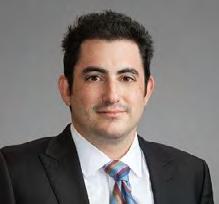
Wolf is an associate in the firm’s Transactions Practice Group and a member of the Franchise Group. Sam’s practice centers on negotiating and drafting corporate franchise and distribution related agreements, preparing franchise disclosure documents, franchise and distribution agreements, area development agreements, area representative agreements, closing acquisition and sale transactions, and advising clients on supply chain and distribution, and franchisee/franchisor relational matters in mergers and acquisitions. Sam also has experience resolving regulatory problems for franchisors, drafting beer distribution agreements, and designing nationwide exemptionbased franchise plans.
重新思考“特许经营”一词

国最早的一些所谓“特许经营”是汽车、汽油和 软饮料行业的产品分销经销。生产商生产商品并
将其出售给经销商——有时通过中间批发商或分 销商——由经销商以生产商的商标进行转售。这些安排帮 助全国性品牌通过利用承担零售分销成本和风险的本地运 营商迅速扩张。
尽管这些早期体系在历史或口语意义上常被描述为特许经 营,但它们并非传统法律意义上的特许经营。传统的经销 商或分销商除了支付产品本身的真实批发价格外,不会向 生产商(假定的特许人)支付任何其他费用。
根据美国特许经营披露法律和法规,仅仅以真实批发价格 购买用于转售的商品并不构成支付特许经营费。无需单独 支付经营权费用是关键区别。从更广义的商业意义上讲, 经销商和分销商也不属于特许经营。虽然品牌所有者可能 对其经销商行使一些控制权(例如,质量标准、标牌要求 或广告准则),但它很少提供全面的经营方法。经销商通 常在经营地点和方式、员工管理方式以及本地运营架构方 面拥有相当大的自主权。在许多情况下,品牌所有者的首 要关注点是最大化产品销量,而不是规定经营方法。
虽然生产商可能会鼓励经销商加强面向客户的环节以强化 品牌形象,但传统的产品分销系统——用汽车行业的术语 来说——优先考虑的是“销售”。重点在于销量。目标是 销售产品。运营的统一性、系统范围内的营销计划、标准 化的会计系统和详细的操作手册——这些现代特许经营的 标志——通常被置于次要地位,甚至根本不存在。
在真正的特许经营体系中,特许人销售的不仅仅是产品, 而是一种可复制的经营模式。
理解这种区别至关重要,因为“特许经营”一词的含义 已经远远超出了其法律定义。它经常被随意或不精确地
使用,将其特定的法律和商业含义与更广泛、口语化或过 时的用法混淆起来。由于该词出现在商业、体育、娱乐和 政治领域,因此经常被用于那些使用更准确术语可以避免 混淆的地方。在许多情况下,这种误用只是一种无害的简 写。在商业语境中,这可能会造成误解,在某些情况下, 甚至会带来严重的法律风险。
一些常见的例子说明了该术语是如何偏离其法律根基的。 体育:“特许经营权” 相对“球队”或“联盟” 错误:用“特许经营权”指代职业运动队或联盟本身。
在日常用语中,评论员经常提到职业体育中的“特许经营 权”。球队被描述为“有价值的特许经营权”,联盟则被 认为在新市场“授予特许经营权”。这种术语深深植根于 体育文化中。正确含义:从法律角度来看,北美主要体育 联盟并非商业法意义上的特许经营体系。
它们是封闭式会员制自愿协会,由独立的所有者组成,共 同运营和管理体育联盟。球队所有者是成员,对联盟规 则、扩张、收入分配和治理事项进行投票。球队与联盟之 间的关系由联盟章程、细则和会员协议定义,而非特许经 营权披露文件。这种结构与传统的美国特许经营体系截然 不同。在特许经营中,特许人保留保护商标和系统商誉的 最终权力。
特许人规定运营方式,并通常对品牌、营销、选址、运营 流程和培训拥有重大控制权。被特许人在该体系下运营, 并支付费用。在职业体育中,虽然联盟可能控制联盟范围 内的知识产权和品牌标准,但球队所有者并非法律意义上 的特许经营者。他们是合资企业的股权参与者。因此,在 体育领域使用“特许经营”一词是比喻性的,而非法律意 义上的。
媒体:“特许经营”与“系列” 错误:用“特许经营”来描述任何相关的电影、游戏、书 籍或故事。
在娱乐和媒体领域,“特许经营”已成为知识产权扩张的 代名词。一部成功的电影会衍生出续集、衍生作品、周边 产品、流媒体剧集、电子游戏和授权协议。整个生态系统 被统称为“特许经营”。正确含义:从法律角度来看,特 许经营是指在既定的商业体系下分销商品或服务的一种方 式。它涉及商标权、费用和运营控制权。电影续集、三部 曲或系列电子游戏可能代表着宝贵的知识产权组合,但在 法律意义上,它们并非特许经营。
娱乐行业对“特许经营”一词的使用反映的是品牌延伸, 而非商业模式的特许经营。虚构世界的拥有者可以授权角 色、授权改编或直接制作续集。这些活动并不一定涉及将 商业系统授予独立运营商以换取特许经营费。
这种语言上的转变是可以理解的。“特许经营”一词传达 了持久性、可扩展性和品牌价值。但在法律上,该词的含 义更为狭窄,仅与商业分销关系相关。
商业:“特许经营”与“连锁”
错误:将任何拥有多家门店的企业都称为“特许经营”。
我们经常听到有人将知名品牌的本地门店称为“特许经营 店”,即使所有门店都是公司直营的。这种误解似乎认为 规模越大就越等同于特许经营。正确含义:连锁店是由同 一公司实体运营的、公司直营的门店。扩张由公司内部融 资和管理。经理是员工,而非独立的企业主。相比之下, 特许经营是一种合同安排,其中独立所有者付费以获得在 另一方的商标、品牌和既定体系下经营的权利。加盟商投 入资金,承担商业风险,并同意遵守体系标准。作为交 换,加盟商获得成熟的商业模式、品牌知名度和持续的支 持。
尽管许多特许经营体系都包含公司自营的门店,用于战略 或测试目的,但这些门店本身并非特许经营店。所有权和 合同关系的性质——而非品牌本身——决定了一家门店是 否属于特许经营店。仅仅拥有多家门店并不能使一家企业 转变为特许经营体系。
混淆“特许经营”与“经销权”或“许可权”
错误:将供应商关系或商标许可贴上“特许经营”的标 签。
这种混淆更为严重,因为它发生在商业合同环境中,而法 律分类至关重要。
正确含义:特许经营通常包含三个核心要素: 使用商标的 权利,支付特许经营费,以及对业务运营拥有重大控制权 或遵循既定的运营方式。如果这些要素存在,则可能适用 联邦和州特许经营法。相比之下,经销权通常涉及以合理 的批发价格购买商品,用于转售。以合理的批发价格购买 合理数量的商品并不构成美国特许经营披露法律法规规定 的特许经营费。分销商的利润来源于转售利润,而非源于 遵循既定的商业模式。同样,商标许可通常允许第三方付
费使用商标,通常与已获批准的产品或服务相关。许可方 可以施加质量控制要求以保护商标。然而,如果商标许可 不授予对完整商业系统或运营诀窍的权利,并且没有与许 可方的商标建立实质性的关联,则不符合联邦对特许经营 的定义。
在某些州的特许经营关系法律下,分析变得更加复杂,其 中一些对“特许经营”的定义比联邦披露规则更宽泛。在 某些司法管辖区,即使没有单独的特许经营费,营销计划 的存在或实质性的关联也可能足够。这些差异强调了仔细 的法律评估的重要性,而不是依赖标签。
“特许经营”可能是现代商业词汇中最被滥用的词汇之 一。它被冠以各种名号,从足球队到电影续集,再到任何 开设第二家分店的公司。在某个时期,这个词开始承载着 远远超出其技术定义的文化含义。
然而,从法律角度来看,特许经营是一种特定的商业关 系。它涉及商标权、费用以及实质性的运营控制权或既定 的经营方式。当这些要素存在时,联邦法律以及越来越多 的州法律都会予以关注。
这种区别并非仅仅是学术上的。在日常对话中,将并非特 许经营的事物称为“特许经营”可能只是不够准确。但在 法律和商业语境中,这种分类可能会引发重大的监管后 果。联邦和州特许经营法规定了信息披露义务、某些司法 管辖区的注册要求以及可能限制终止权并重塑合同预期的 法定关系保护。一项关系是否构成特许经营,取决于其实 质而非名称。费用结构、运营控制或营销要求方面的细微 差别都可能改变分析结果。
因此,企业不应将此问题视为语义上的差异。在构建分 销、许可或扩张模式之前,谨慎的做法是评估该安排是否 符合适用的特许经营法律。以上讨论的问题仅为示例, 并非详尽无遗。特许经营分析取决于具体事实和司法管辖 区,而且往往与直觉相悖。在初期与经验丰富的特许经营 律师进行简短的沟通,远比日后应对错误分类索赔、撤销 要求或监管执法行动的成本要低得多。术语和结构的精准 性是稳健的风险管理。



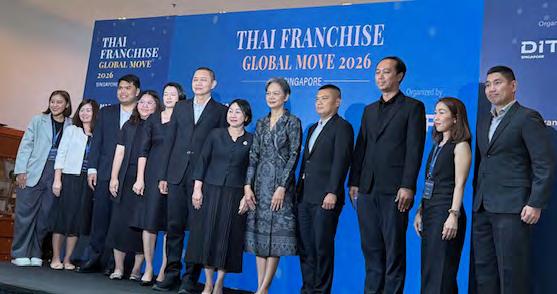
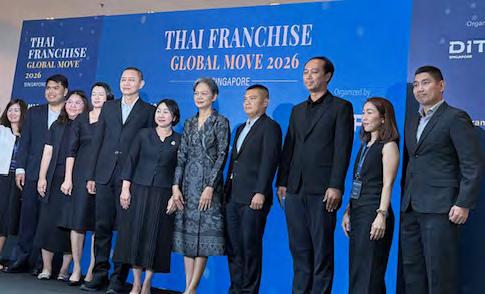
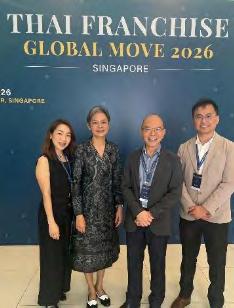
Mrs. Chonlatee Chanrachakul, Charge’D’ Affairs, Minster Counsellor (Commercial) Natama Koopol; and the team that put this event together
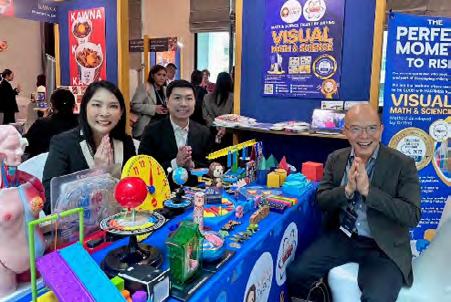
March 26th, 2026: Thai Trade Center, Singapore (Department of International Trade Promotion, Ministry of Commerce, Royal Thai Government), organized Thai Franchise, Global Move 2026 — an exclusive, invitation-only business networking event. Close to 100 company representatives participated. This curated event aimed to connect selected Singapore and regional investors with 19 Potential Thai franchise brands across food & beverage, education, and retail — all actively seeking franchise partners in Singapore and Southeast Asia. www.thaifranchisesg.com
Education: 1) ClickRobot – Handson robotics learning; builds problemsolving skills; strong STEM curriculum. 2) Math Talent by Dr. Ying – Visual math & science pedagogy; proven academic outcomes.
Beverage & Dessert:
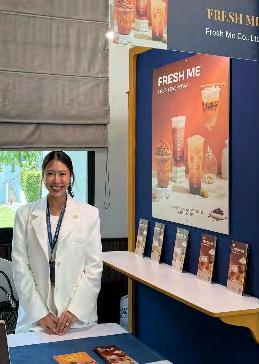
1) Colla Tea – Collageninfused bubble tea; beautywellness crossover. 2) Fresh Me – Everyday fresh beverages; youthfriendly brand.3) Jian Cha – Premium fruit tea for modern urban consumers. 4) Jong Chong Dee – Southern Thai tea; bold, rich flavours. 5) Little Roll – Pancake rolls with pizza filling + yogurt; novelty snack. 6) Molly Ally –Thailand’s leading plantbased gelato; wellnessdriven. 7) Hengpangpua – ThaiChinese shaved ice from Yaowarat; heritage dessert. 8) Toro Fries – Footlong fries; highvisibility street snack.
Thai Street Food & Savory:1) Guichai Hiso – Authentic Thai chive dumplings; traditional recipes.2) Guichai Sawan – Modernized Thai chive dumplings for global streetfood markets. 3) KAWNA – Thai soul food with modular, modern foodsolutions model.4) Khiang – “King of Thai Street Food”; broad menu, massmarket appeal. 5) Moomgapao – Leading gapaorice chain; fastcasual, affordable quality. 6) Rumruay Yentafo – Signature yentafo with premium fish balls; strong sauce IP. 7) Sho Ramen – Consistent ramen through standardized prep; scalable operations.8) Zabsetthee – Papayasalad specialist; fresh daily ingredients; 31 outlets; strong location strategy.
Retail: 1) Kiss Me Doll – Wearable art scarves inspired by Thai artistry, premium lifestyle positioning.
泰国特许经营,全球发展2026
2026年3月26日,新加坡泰国贸易中心(泰国皇家政府商 务部国际贸易促进司)举办“泰国特许经营,全球发展 2026”专属商务交流活动,吸引逾100家企业代表参与。
活动重点为新加坡及区域投资者对接19家来自餐饮、教育 与零售领域的泰国特许经营品牌,这些品牌正积极寻求在 新加坡及东南亚拓展合作伙伴.
教育: 1)ClickRobot:机器人动手学习,强化解决问题能 力,完善STEM体系 2)Math Talent by Dr. Ying:视觉化数 学与科学教学法,学习成效显著
饮品与甜点: 1)Colla Tea:胶原蛋白珍珠奶茶 2)Fresh Me:年轻族群喜爱的日常鲜饮 3)Jian Cha:现代都市水 果茶 4)Jong Chong Dee:泰南风味浓郁茶饮 5)Little Roll:披萨馅酸奶煎饼卷 6)Molly Ally:泰国领先植物 基冰淇淋 7)HengPangPua:耀华力路泰式中式刨冰 8)Toro Fries:超长薯条街头小吃 泰式街头美食与咸味小吃: 1)Guichai Hiso:正宗泰式韭 菜饺子 2)Guichai Sawan:面向全球市场的改良版韭菜饺 子 3)KAWNA:模块化现代餐饮的泰式灵魂美食 4)Khiang: 广受欢迎的泰式街头美食品牌 5)Moomgapao:领先的包子 饭连锁店 6)Rumruay Yentafo:招牌鱼丸汤与独家酱汁 7) Sho Ramen:标准化工艺确保拉面品质一致 8)Zabsetthee: 木瓜沙拉专营店,31家分店.
零售: 1)Kiss Me Doll:以泰国艺术为灵感的高端可穿戴 艺术围巾



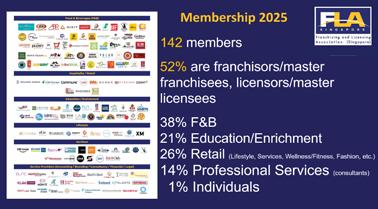
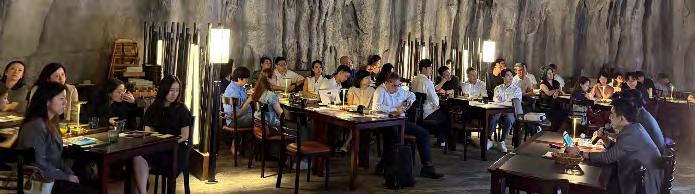
Close to 80 members and invited guests attended the above-mentioned.
The AGM’s main agenda:
- To approve and adopt Minutes of the 31st FLA (Singapore) AGM held on 27 March 2025
- To receive President’s Report on behalf of the 28th EXCO for the year ended 31 December 2025
- To receive and, if approved, pass the audited 2025 Balance Sheet and Statement of Accounts of FLA (Singapore)
- To appoint Auditor for year 2026 accounts
- To transact with any other business in accordance with the Association’s Constitution
Sharlyn Lim, Business Development Director, Youmedia presented on the topic “AI-Powered Marketing: Using AI to Generate Leads and Increase Revenue Through Google and ChatGPT”, whilst Carmen Lim ,Trade Mark Examiner, Intellectual Property Office of Singapore spoke on “Brands’ strategic assets (safeguard IP) -- Relationship between trademark and brands / Trademark filing essentials & tips
28th FLA Advisors & Legal Advisors (Apr 2026 – Mar 2027)



/IPOS resources”. Seasoned lawyer Lorraine Tay, Partner & Head of Intellectual Property, Bird & Bird ATMD LLP shared several case studies revolving around “Brand (IP) Protection as Growth Enabler- Role of branding and IP in business success.”.
新加坡特许经营与许可协会会员2026年度 大会年
3月26日,地点是Cavern。它是同乐集团在万礼花园 (Mandai Gardens / Mandai Zoological Gardens)经 营的洞穴式主题餐厅,环境宽敞独特,适合举办会员大会 及各类活动。
年度股东大会的主要议程: – 批准并通过2025年3月27日举行的新加坡FLA第31届年 度股东大会会议纪要; – 接收代表第28届执行委员会提交的截至2025年12月31 日止年度的主席报告; – 接收并(如获批准)通过新加坡FLA 2025年度经审计 的资产负债表和财务报表; – 委任2026年度审计师; – 处理任何其他业务
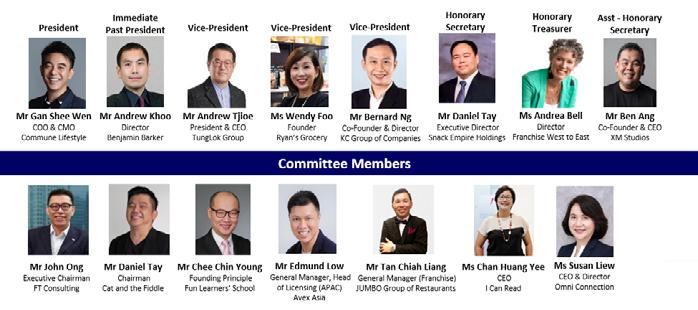
28th FLA ExCo Members (Apr 2026 – Mar 2027)
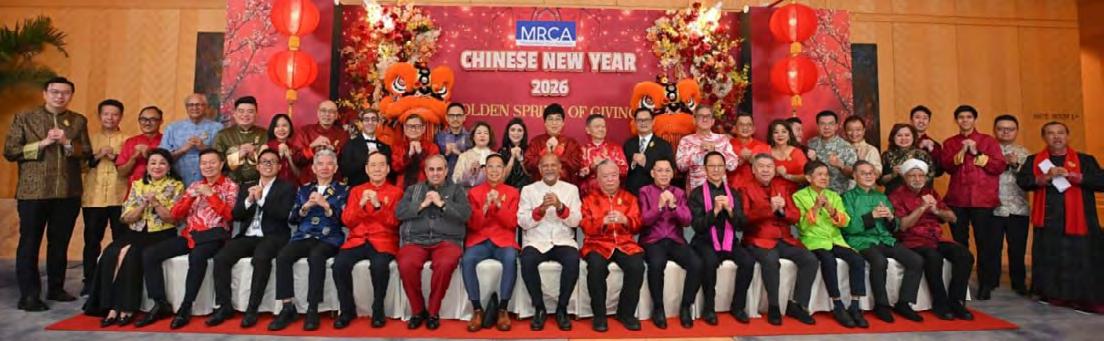
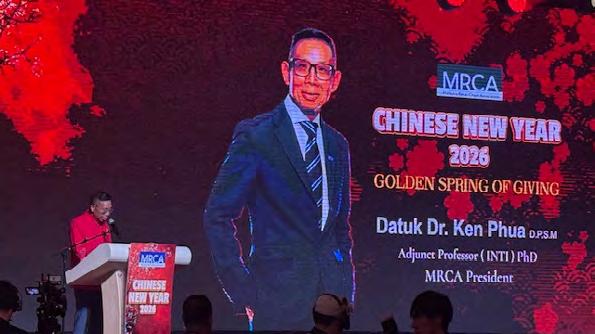
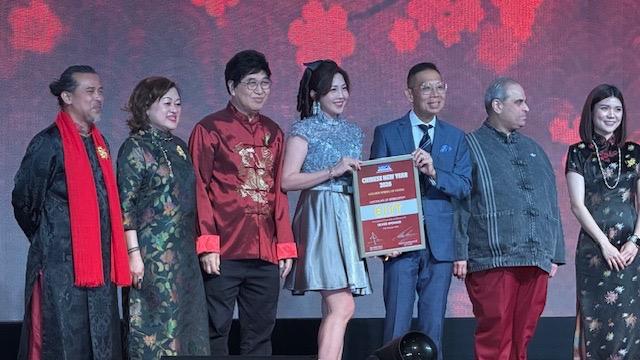
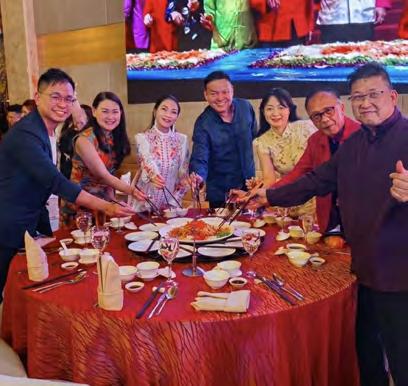
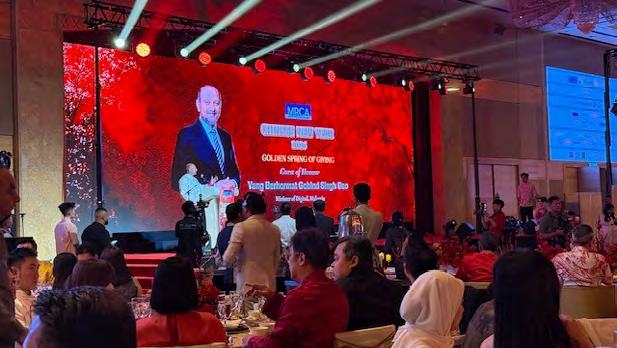
Malaysia Retail Chain Association (MRCA) celebrated the Chinese New Year at the 5-star One World Hotel on the 27th of February (Friday), the 11th day of the lunar new year.
Minister of Digital Malaysia YBM KDM Gobin Singh Deo was the guest of honour. And together with key MRCA leaders, and with close to a lively crowd of 1000 from the local community, the event was a huge success.
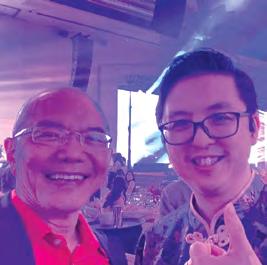

马来西亚连锁协会 (MRCA) 在 2026 年初举办了“金色春天,感恩相送” (Golden Spring of Giving) 新年晚宴,汇集零售 业领袖庆祝繁荣、合作与进步。该活动旨在 增强零售生态系统的增长与合作,体现了团 结合作的庆祝氛围,主要活动在 2026 年 2 月下旬举行。 主宾是马来西亚数码部长哥宾 星·迪奥。核心内容:该晚宴旨在建立更强 的零售生态系统,促进中小企业发展,体现 了团结的精神。
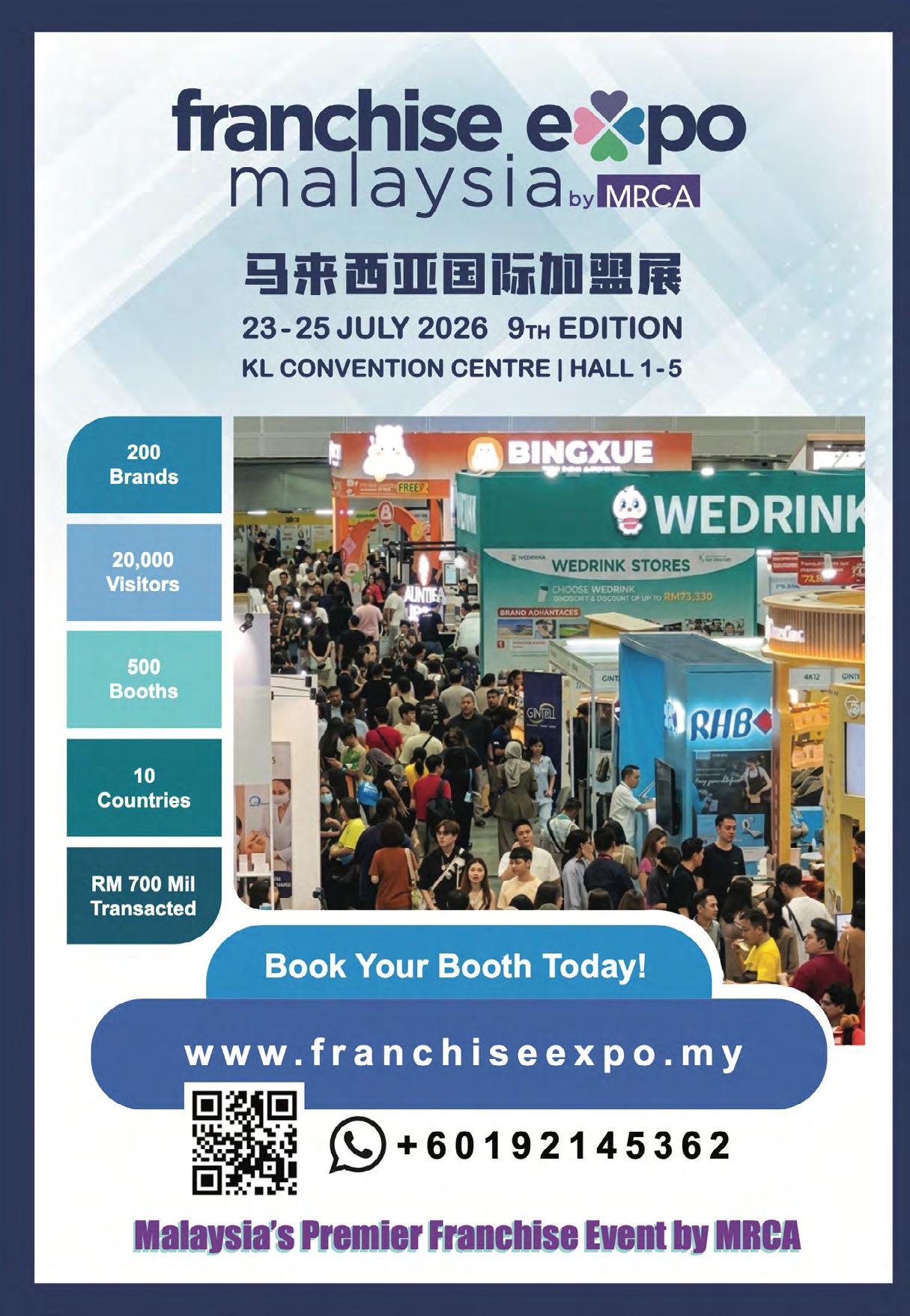


Note: All event dates and formats (physical or virtual) are subject to change.
Apr 2-5
Apr 15-18
Apr 21-24
Apr 24-26
May 7-9
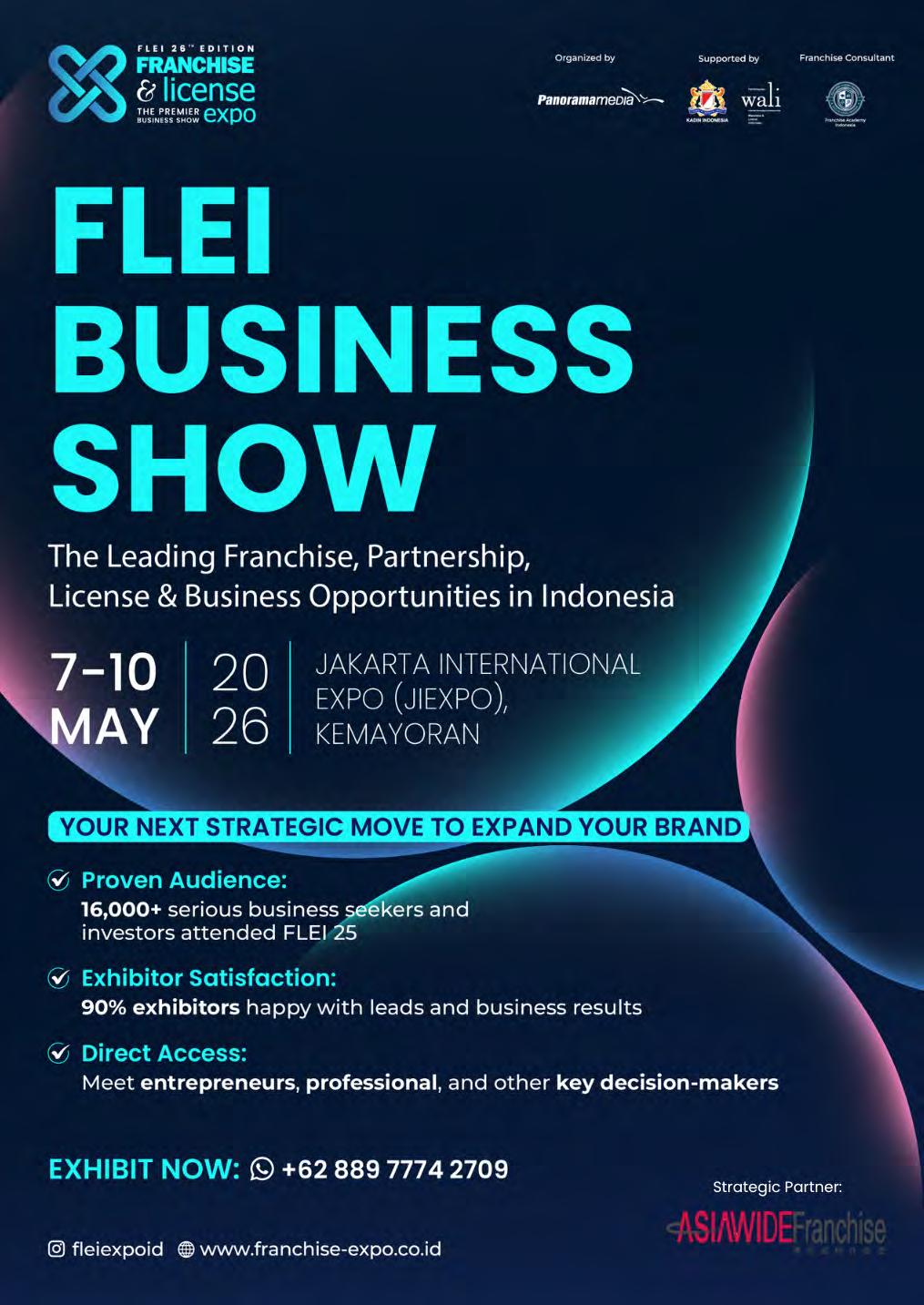
May 7-10
May 21-23
May 26-30
May 29-31
June 4-7
June 10
Jun 10-12
Intl Franchise Show in Seoul (KFA), Korea
All Food Indonesia. ICE, BSD, Indonesia
Food & Hospitality Asia, Singapore
Franchise Intl in Manila (PFA), Philippines
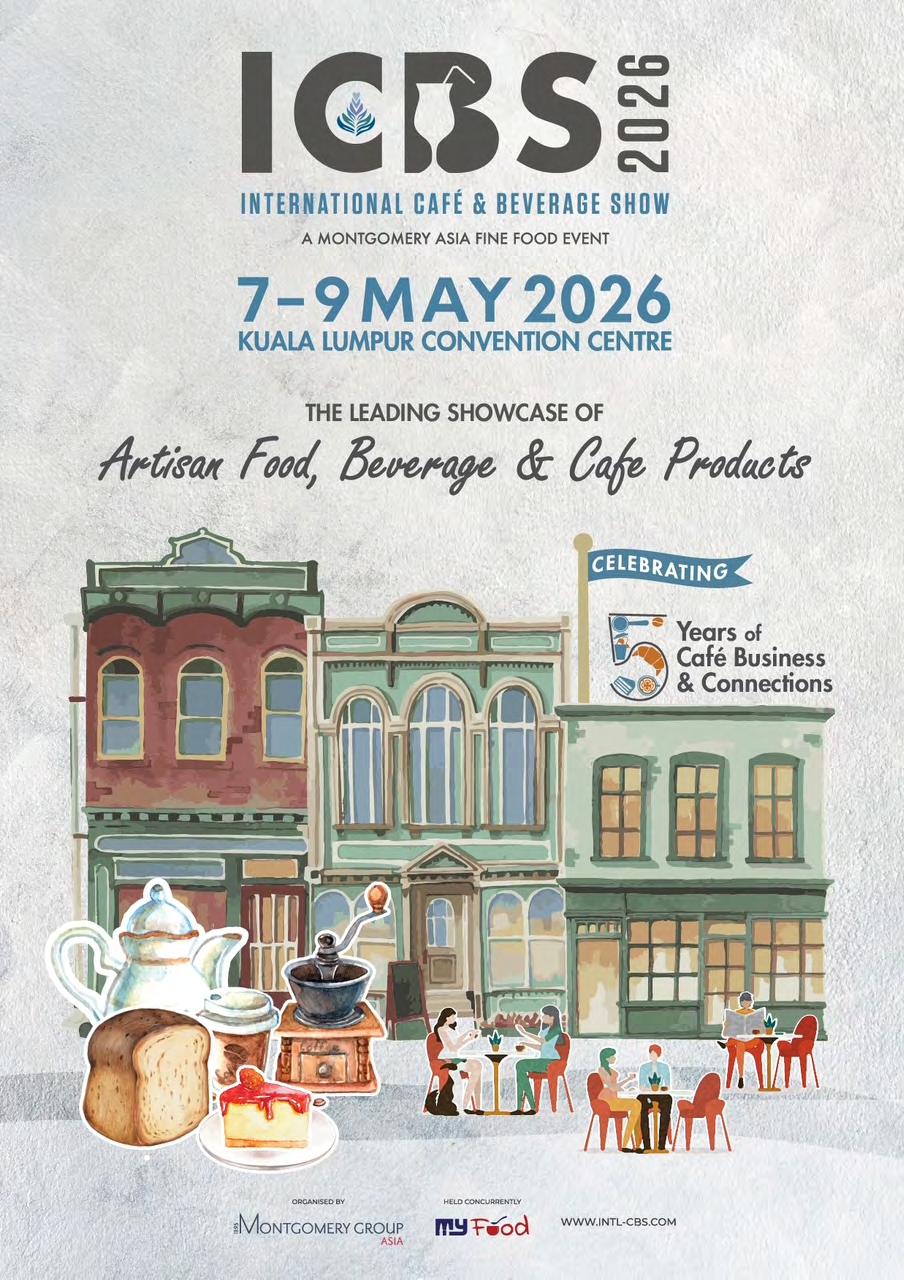
Int’l Café & Beverage Show- KLCC, Malaysia
Franchising Indonesia (Panorama / WALI)
JIExpo Kemayoran Indonesia
Franchise Intl Malaysia (MFA), Malaysia
ThaiFex Anuga Asia, Bangkok, Thailand
China Franchise Expo, Beijing (CCFA)APFC & WFC Meetings, China
TFBO. BITEC, Thailand, Thailand
World Franchise Day
Franchise Expo and Brand Forum 2026. Zagreb, Croatia
Jul 15-17
SIGEP Asia & Restaurant & Speciality Asia—Sands Expo Singapore
Jul 15-17 Malaysia Intl Food & Beverage (MIFB)KLCC Malaysia
Jul 23-25
Aug 7-9
Aug 13-15
Aug 26-27
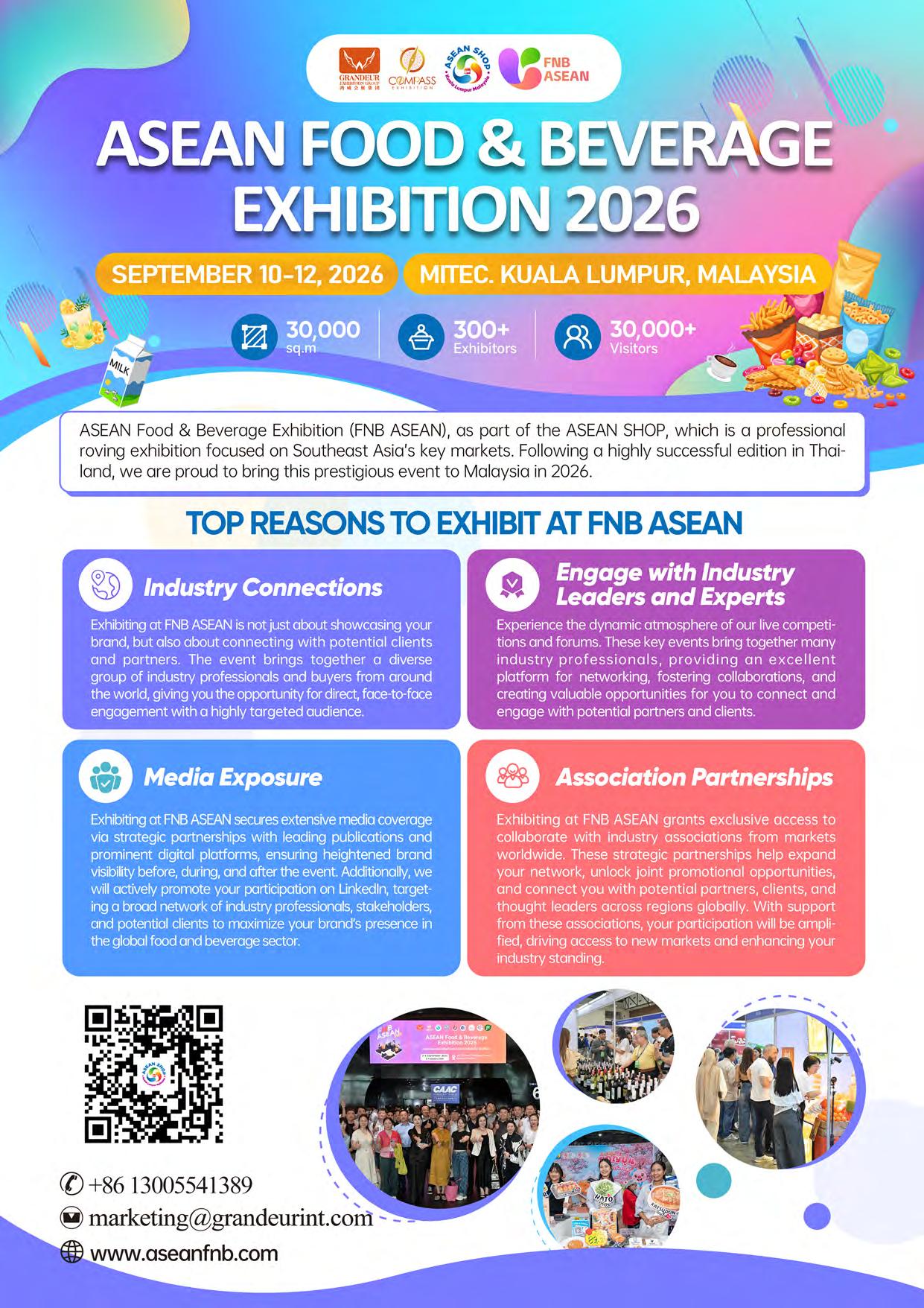
Sep 10-12
Sep 16
Sep 28-Oct 4
Oct 2-5
Sep 29-Oct 1
Oct 9-11
Oct 22-24
Nov 3-5
Nov 6-8
Franchise Expo Malaysia – KLCC Malaysia
China Franchise Show—Shanghai New Intl Expo Center (SNIEC) China
FLAsia – Marina Sands Exhibition & Convention Centre Singapore
IP Week @SG Singapore
ASEAN Food & Beverage Exhibition-MITEC KL, Malaysia
Franchising Western Australia Awards. Perth Australia
APFC/WFC meetings, Taiwan
Taipei Int’l Chain & Franchise Autumn Expo Taiwan
BuyBrand Expo, Moscow Russia
Franchising Indonesia (Panorama / WALI). NICE. PIK2 Indonesia
IFS Autumn. COEX, Seoul Korea
Licensing Show ASEAN 2026 Thailand
Info Franchise & Business Concept Expo 2026 (Indonesian Franchise Association) -- ICE Indonesia
Those in blue fonts mean that our company Asiawide Franchise Consultants has a booth at the event.
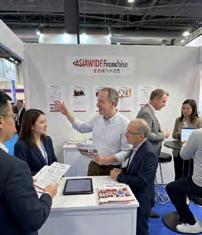
The above does not include seminars, talks and anniversaries/festivals that Asiawide Franchise Consultants are involved with. For example, seminar during SBF’s ASEAN-Korea Facilitation Mission to Singapore on February 4th

NOTE: For the latest updates, please visit https://www.asiawidefranchise.com.sg/events


THE FRANCHISE STRATEGIST
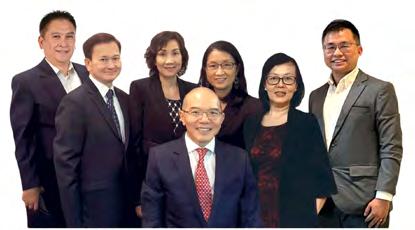
Asiawide Franchise Consultants (Asiawide) is Singapore’s pioneer franchise strategist.
Our current CEO, Albert Kong, saw a mismatch between the growth opportunities afforded by franchising and the lack of capabilities to leverage on this great business multiplier way back in 1989.
That was why he bought over his then employer’s company so as to help business owners access excellent franchise strategy consulting.
We know all about franchising because we have first-hand experience (first as a franchisee for Singapore , then as master franchisee – Asia- of a franchise consulting business based in Britain) in running a franchise business.
We continue to be a true-blue franchise strategist that is 100% focused on helping your business make quantum leaps by putting 35+ years of franchising know-how at your disposal.
BORN TO FIGHT UNETHICAL UNDERDELIVERY
All of us have experienced vendors who overpromised and underdelivered, and we are sure you hate that as much as all of us at Asiawide. That is why we made sure we delivered on what we promised, without fail.
THE BRAND BEHIND TOP FRANCHISE BRANDS
This is the vision that Asiawide has been chasing since day one. We want to be the brand that helps transform good businesses into great franchises.
We do this through our 3-pronged mission which is:
• We develop proprietary, workable, versatile franchisingrelated solutions.
• We deliver systematic franchise consulting services in a hands-on way.
• We deploy only knowledgeable and passionate people to serve our clients.

DIFFERENTIATED: Our consultants have real franchising experience. They are certified by various bodies. We do things differently in ethical, smarter, better, faster ways.
EXUBERANT: We bring incredible energy to every project we take on.
SYSTEMATIC: We plan our work carefully and work our plan diligently.
ACCOUNTABLE: We take extreme pride and ownership in all that we do. Our satisfied clients refer clients to us.
SOLID, CREDIBLE TRACK RECORD: We have developed and audited close to 1500 franchises and related packages/ projects in over 10 countries. These clients hail from all sorts of industries: food & beverages, education, wellness/beauty, retail, leisure, services, etc.
5 MARKETING PLATFORMS TO PROMOTE YOUR FRANCHISE:
The best franchising strategy means nothing if you don’t have the means to bring this strategy to the markets you want.
1. We have a carefully-cultivated 60+ countries (and growing) network with strong and dependable partners in each one to shorten your market entry curve so that your franchise can start generating revenue quickly.
2. We participate in close to 30 franchise & related exhibitions and events every year in the Asia region.
3. We publish the world’s only bilingual Asia Franchise & Business Opportunities magazine since March 1994
4. We organize franchising activities like match-making sessions and franchise study missions to different parts of the world
5. Our website and the social media platforms and email blasts – these create a lot of buzz and help our clients gain eyeballs
Talk to us today to explore how we can help you achieve your franchising goals ASIAWIDE


早在1989年,我们的现任首席执行官江进兴(Albert Kong)就 发现特许经营领域存在巨大的增长机会,但企业却缺乏利用这一 潜力的能力。为了填补这一空白,他决定收购当时雇用他的公 司,致力于为企业提供优质的特许经营战略咨询服务。
我们对特许经营了如指掌,因为我们拥有亲身经营特许经营的丰 富经验。起初我们是英国FDS特许经营咨询公司在新加坡的加盟 商,后来成为其区域主加盟商。如今,爱思威特许经营顾问公司 仍然是业界公认的特许经营战略专家,凭借超过35年的专业知 识,致力于帮助您的企业实现飞跃。
我们都经历过承诺过多但交付不足的情况。正因为如此,爱思威 特许经营顾问公司的每一位员工绝不会容忍这样的事情发生。我 们承诺,言出必行,绝不辜负您的期望。
爱思威特许经营顾问公司是许多顶级特许经营品牌背后的推手。 这一愿景自公司成立之初就已确立。我们的目标是帮助优秀企业 转变为卓越的特许经营品牌。我们通过以下三管齐下的使命来实 现这一目标:
1. 开发专有的、可行的、多功能的特许经营解决方案
2. 以亲身实践的方式提供系统的特许经营咨询服务
3. 只部署知识渊博、充满热情的员工来为客户提供服务
差异化: 我们的顾问拥有真正的特许经营经验,并获得了各 种机构的认证。我们以更合乎道德、更聪明、更 好、更快的方式开展工作。
旺盛精力:我们为每个项目带来令人难以置信的正能量。
系统化: 我们认真规划工作,勤奋执行计划。
负责任: 我们对所做的一切负有高度责任感,并引以为豪。
满意的客户会推荐新客户给我们。
良好的业绩: 我们已在 10 多个国家开发和/或审核了近 1500 个特许经营及相关特许经营体系与项目。
这些客户来自各个行 业:食品和饮料、教育、健康/美容、零售、休闲、服务等。
5个营销平台来推广您的品牌:
1)全球策略联盟
:我们拥有60多个国家的策略联盟伙伴网络, 每个国家都拥有强大且可靠的合作伙伴,帮助您迅速进入市 场并开始创收。
2)展览和活动:我们每年在亚洲地区参加近30个特许经营及相 关展览和活动。 这更定会提高我们客户品牌知名度。
3)《亚洲特许经营与投资良机》杂志:自1994年3月起,我们出 版了全球唯一的双语特许经营杂志。这将使我们能够接触到 世界各地的英文和中文客户。
4)特许经营活动:我们组织各种特许经营活动,如前往世界不 同地区的的当地的第三方机构(如银行,商会)一起主办的 配对会议和特许经营考察团。
5)线上平台和社交媒体:我们通过网站、社交媒体平台和电子 邮件群发引起大量关注,帮助客户赢得眼球。
各位老板们, 今天就与我们联系,让我们一起探讨如何帮助您 实现并超越您的拓展事业和国际化目标。