ALL RIGHTS RESERVED. No part of this book may be reproduced or transmitted in any form by any means, electronic or mechanical, including photocopying and recording, or by any information storage and retrieval system, except as may be expressly permitted in writing by the publisher.
RNI NO. DELENG / 2016 / 68514
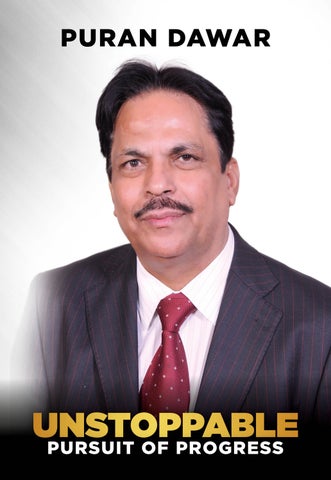
UNSTOPPABLE PURSUIT OF PROGRESS
PURAN DAWAR
ASIAONE MEDIA GROUP
Foreword
It is both a pleasure and an honor to write the foreword for the biography of my dear friend, Puran Dawar. To know Puran is to behold a life dedicated to fostering purpose and compassion. He stands as an exemplary figure, not just as a successful business leader, but as a visionary with unwavering commitment to societal welfare.
In writing this foreword, I am reminded of the profound impact that biographies have on us. They serve as more than just a chronicle of one’s life; they hold the power to inspire, to guide, and to challenge us to think differently about our own lives, struggles and accomplishments. My friend’s journey offers more than a narrative of remarkable business acumen; it is rather an invitation to find one’s own path of self-reflection.
From humble beginnings to becoming a powerhouse in the footwear industry, Puran has steered the Dawar Group to become a globally recognized brand. Throughout his life,
he has been a tireless advocate for sustainability and social responsibility, firmly believing that economic independence is the bedrock of true freedom. What sets him apart is his holistic approach to success—one that is invested in the collective good. His profound understanding of business, shaped by the philosophical wisdom of the Bhagavad Gita, has provided him with not only strategic insight but also a higher purpose in his endeavors.
It is my hope that readers of this biography will find in Puran’s journey the same humanity that has left an indelible mark on all who have had the privilege of knowing him. I am reminded of Mahatma Gandhi’s profound words: 'The best way to find yourself is to lose yourself in the service of others,' this sentiment beautifully encapsulates the essence of Puran’s biography.
Y.K Gupta Hon’ble Pro-Chancellor, Sharda University & Vice Chairman, SGI
Foreword
Puran's autobiography is more than just a personal narrative; it's an inspiring chronicle of hope, resilience, and the unwavering pursuit of excellence. His story will captivate, motivate, and leave an indelible mark on readers, offering valuable lessons for anyone seeking to overcome adversity and achieve their dreams.
Puran Dawar's life story is a testament to the human spirit's capacity for resilience, determination, and triumph. From the ashes of partition and displacement as a punjabi refugee from Pakistan to the pinnacle of success as a leading shoe industrialist, Puran's journey is a riveting tale of struggle, perseverance, and innovation.
With unflinching honesty and remarkable candor, Puran shares his remarkable story, from the early days of struggle and hardship to the heights of achievement and acclaim. Through his experiences, we witness the power of vision, hard work, and adaptability in overcoming even the most daunting challenges.
Sadhna Bhargava Advisor
Incredible India Foundation
Note of Thanks
My transformation from refugee family from Punjab, now in Pakistan, to a leading shoe industrialist was an arduous journey, fraught with challenges and obstacles. Yet, it was this very journey that taught me the value of resilience, struggle, and perseverance, enabling me to overcome adversity and achieve my dreams with an undaunting spirit.
As I reflect on this pursuit of excellence, I am eternally grateful to the following individuals who have played a significant role in shaping my life and journey.
I owe my deepest gratitude to all those who have walked with me on the journey of my life, my biography owes its existence to them.
First and foremost, to my father, the Late Shri Chaudhary Lal Chand, who, despite the trauma of the partition of India and Pakistan and losing everything, stood strong. He worked tirelessly to ensure our lives were not only comfortable but filled with meaning and purpose. His life and his wisdom continue to inspire me to this day.
To my mother, the Late Smt Satyawanti, whose unwavering faith in Sanatan and resolute spirit despite a tough life instilled in us humanity and sowed in us the seed of spirituality.
To my brother, Jawahar Dawar, whom I also fondly call my RamLaxman counterpart. He has always been by my side with constant love and support. After the passing of our father in 1974, when I was just 21, he became a father figure, filling my life with care and guidance.
To my beloved wife Madhu Dawar, who has stood by me through ups and downs; always positive and accommodating, especially with my public and philanthropic endeavors. You make everything worth it!
To my son Sambhav Dawar, who has been a profound source of learning. He showed me how the younger generation could revolutionize traditional industries, proving that even leather,
once thought to be largely owner-driven, can thrive in a corporate framework.
To My Daughter-in-Law, Shruti Dawar, a Jewellery Designer from GIA, she has filled the gap of a loving daughter which was missing in our family.
To my younger son, the Late Saksham Dawar, whom I tragically lost in 1998 at the tender age of 9. Though his time with us was far too brief, his life has left an everlasting impact on mine and many others. He has left a legacy of love and meaning in my life, and his memory will continue to inspire me always.
To my grandsons Shiven and Samed, who have filled my life with boundless joy. Your presence in my life has revived in me the very innocence of childhood—inspiring me to look for happiness and value in small things in life.
To my friends from my school and college days; blessed with too many to chronicle them individually. Each one of them has been a true friend and a loving support. Manju & Dr Rakesh Gupta —right from school to college and yet today even in Dayton Ohio From last over 40 years.
To my dear friends from the 1980s, Sadhna & Vijay Bhargava, Veena & Gautam Kaul, Dr Ajay & Dr Divya Prakash together we have navigated life's highs and lows, traveled the world, and shared unforgettable experiences. We have all enjoyed the life together and are continuing to do so.
To my friend Yatendra Kumar Gupta, whose leadership at Sharda University & SGI, and dedication to education is inspirational. To Dr Gurpyari Bhatnagar from Sharda University for her meticulous reviews and keen attention to details.
Last but not the least, to my business partners, associates, supply chain members, and my esteemed buyers. Your trust and collaboration have been integral to my journey in the business world.
Thank you!
Puran Dawar
PURAN DAWAR
CHAPTER 1
THE DAWN OF RESILIENCE
In the historic city of Agra, famed for the majestic Taj Mahal and known as the shoe capital of India, stands the Dawar Group—a testament to the vision and resilience of one man, Puran Dawar. In the bustling world of global footwear production, the Dawar Group distinguishes itself not only through its extensive array of products but also its steadfast commitment to quality, environmental sustainability, and social responsibility. With a legacy spanning over five decades, the group has established itself as a paragon of ethical business practices, consistently pushing the boundaries of what it means to produce responsibly in an increasingly conscious market. From humble beginnings to becoming a powerhouse in the footwear industry, the Dawar Group has evolved into a globally recognized brand, serving over 100 markets worldwide with a diverse range of products meticulously crafted in Agra, India—often referred to as the shoe capital of the world. Annually, the group generates more than 1,700 unique styles, meeting and setting market trends with innovation and an unyielding commitment to quality. The success of Dawar Group is not just measured in the volume of shoes it produces but in the recognition it has received for its operational standards. The group proudly holds several prestigious certifications that underscore its commitment to quality and sustainable practices. These include ISO 9001, ensuring the highest quality of products through integrated quality management at all stages of production; ISO 14001, demonstrating a commitment to environmental protection and pollution prevention; and ISO 45001, which guarantees a safe and healthy working environment. Furthermore, the SA8000 Standard highlights the group's dedication to the fair treatment of workers, covering vital areas such as child labor, health and safety, and discrimination.
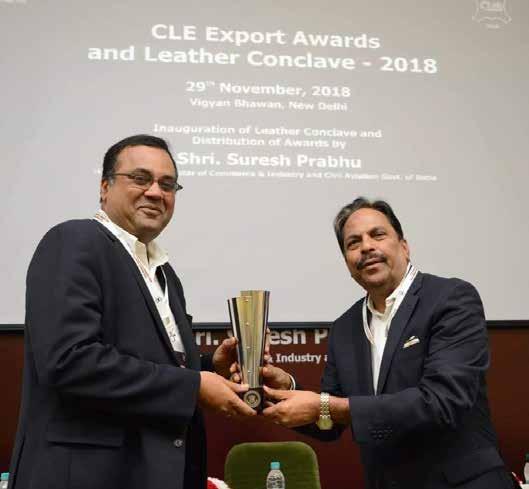
Dawar Group’s recognition extends to awards such as the State Export Award from Uttar Pradesh for 2018-2019, acknowledging its outstanding performance in exports and its role in propelling industrial development within the region. SMETA/Sedex certification further accentuates its adherence to ethical business practices across labor, health and safety, environment, and business ethics. This commitment to sustainability and ethical production is deeply ingrained in the group's philosophy. Every shoe is created by hand, using sustainable materials and methods that respect the environment. The production cycle strives for circularity, minimizing waste and maximizing resource efficiency. From using leather sourced from certified tanneries to employing recycled materials in components like elastics, every step in the manufacturing process is scrutinized for environmental impact.
At the helm of this monumental operation is the founder Mr. Puran Dawar. Amidst the shadows of ancient splendor, Puran Dawar, founder of the Dawar Group, embarked on a journey that would transform the global perception of Indian craftsmanship in footwear. The Dawar Group, celebrated for its commitment to quality, environmental sustainability, and ethical business practices, is not merely a corporate entity but a legacy crafted from the trials and triumphs of a man who dared to dream beyond the constraints of his circumstances.
FAMILY CONDITIONS DURING BIRTH
In the year 1951, in the heart of Agra—a city steeped in Mughal history —a new chapter began with the birth of Puran Dawar. Yet, the story of Puran's family, marked by resilience and determination, began much earlier, shaping the environment into which he was born.
The tale of the Dawar family's migration is reminiscent of the epic narratives of ancient India, mirroring the trials of Abhimanyu from the Mahabharata. Much like Abhimanyu, who was imbued with warrior skills while still in his mother's womb, listening to the tales of valor recounted by his father Arjuna, Puran was born into a milieu of resilience and survival that would shape his character and destiny.
In the summer of 1947, as the subcontinent was carved into two nations, the Dawar family, like millions of others, found themselves caught in the throes of Partition. Amidst this upheaval, they made the heart-wrenching decision to leave their ancestral home in Dera Ghazi Khan, now on the other side of the new border. It was during this tumultuous time that a remarkable story of kindness and connection unfolded—a story that would leave a lasting imprint on the Dawar family and become a cherished legend for generations.
As they prepared to depart, laden with whatever possessions they could carry, Puran Dawar's father, a man of substantial stature and a zamindar by lineage, noticed a neighboring family in distress. This family, unlike the Dawars, had not been able to gather any of their valuables. The patriarch of that family was pacing frantically outside their home, despair written all over his face. His family, huddled together, their faces etched with a blend of fear and uncertainty.
Seeing their plight, Puran’s father approached them. With a calm resolve that belied the chaos around them, he offered to help retrieve the valuables. The family, overwhelmed by the gesture, initially hesitated, aware of the dangers that loomed outside. But Puran's father, with unwavering confidence, reassured them, “In times like these, we must help each other, no matter the risk. Your
family's heirlooms are not just treasures; they are memories that must be preserved.”
Together, they ventured back into the family’s home, navigating streets echoing with the sounds of upheaval. With each step, they were acutely aware of the precariousness of their endeavor. They collected jewelry, important documents, and small heirlooms—each item a legacy of the family’s history.
Upon returning safely, the family was overcome with gratitude. The two men, who had known of each other yet never had shared more than a few words, found themselves bound by an unexpected fellowship. As they parted ways, the family expressed a heartfelt wish to somehow repay the kindness shown by Puran’s father.
The Dawar family continued their journey and eventually settled in Agra, where they started anew in the crowded, vibrant confines of the Malpura refugee camp. Life in the camp was challenging, but Puran's father often recounted the story of their escape and the rescue of the other family's valuables to his children. These narratives were not merely recollections of past deeds; they were lessons in courage, integrity, and the indomitable human spirit.
Years passed, and in 1958, the family, having established their own footing in India, sought out the Dawar family. They came with a proposal that was as unexpected as it was traditional—a union through marriage. Grateful for the assistance during Partition, they believed there was no better way to honor the bond between the families than by joining them through matrimony.
Thus, in a simple ceremony attended by members of both families and the new community they had formed in Agra, Puran’s elder sisters, aged just 13 and 15, were married
to sons of the family. It was a bittersweet occasion, marked by the joy of new beginnings and the poignant memories of what both families had endured.
The marriages, conducted on the same day, were not just a fulfillment of a promise but a testament to the enduring power of kindness and the unexpected ways in which lives can intertwine. Puran, a young boy at the time, witnessed these events, deeply influenced by the values exemplified by his father. The stories of his father’s bravery, the escape from their homeland, and the consequent marriages became a foundational narrative for him, shaping his beliefs about responsibility, compassion, and the importance of community.
STRUGGLE FOR SURVIVAL
In the early years following the tumultuous Partition of India in 1947, the Dawar family, like millions of others, found
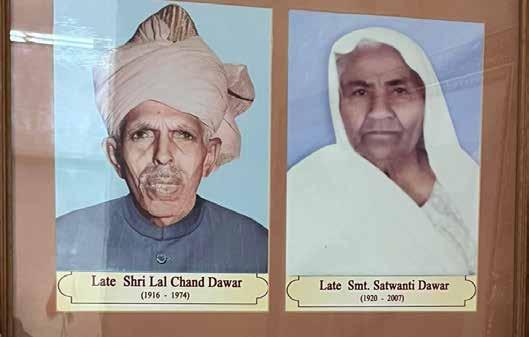
Puran Dawar's enduring inspiration comes from his late parents, Shri Lal Chand Dawar and Smt. Satywanti Dawar.
themselves in the throes of upheaval and displacement. Forced to abandon their home in Dera Ghazi Khan, now part of Pakistan, they embarked on a harrowing journey to India, eventually finding temporary refuge in a camp in Malpura, Agra. It was here, amidst the dense congregation of makeshift shelters and shared hardships, that Puran Dawar was born—a child of resilience in a landscape marked by struggle.
The Malpura refugee camp, a patchwork of tents and hastily constructed huts, became the first home Puran ever knew. The camp was filled with families who had endured similar fates, each carrying stories of loss and survival that resonated through the cramped quarters of their new residence. For these dislocated families, the camp was not just a physical space but a collective memory of the homes they had left behind and a constant reminder of the instability they now faced.
Life in the camp was defined by scarcity. Basic necessities like food, water, and medical care were in short supply, and the government, overwhelmed by the sheer scale of the refugee crisis, struggled to provide adequate support. The Dawar family, once prosperous landowners, found themselves relying on rationed supplies and communal aid to survive. Despite these conditions, Puran's father, Chaudhary Lal Chand, emerged as a pillar of strength for his family and the broader community. His ability to remain composed and resourceful in the face of adversity was a source of comfort and inspiration to all who knew him. For young Puran, the camp was a vast playground of human interactions where every face told a story of resilience. His earliest memories were shaped by the sounds of his playmates' laughter mingling with the somber tones of their parents' conversations. These sounds
painted a picture of contrast—the innocence of childhood against the backdrop of hardship. Puran's mother, a gentle soul with a strength born of necessity, was instrumental in his early education. She taught him the values of empathy, sharing, and community through daily examples, often sharing their meager food with neighbors in greater need. Despite the dire circumstances, the camp was also a place of cultural exchange. Displaced families from various regions brought their traditions, languages, and customs, turning the camp into a melting pot of cultural heritage. This exposure played a significant role in Puran's upbringing, instilling in him an appreciation for diversity and a profound understanding of unity in diversity.
However, life in the camp was not without its challenges. Health issues were rampant, and the lack of proper sanitation facilities exacerbated the situation. The monsoon seasons were particularly difficult, as the camp would often flood, turning it into a muddy quagmire that posed serious health risks. During these times, Puran’s father’s resourcefulness
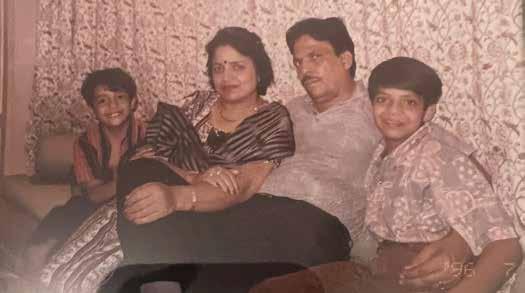
A cherished moment from the late 80s: Puran Dawar alongside his wife Madhu, and their children, Sambhav and Saksham.
was crucial.
Puran Dawar's story began in the city known for petha. Born on September 26, 1951, just as a newly independent India was finding its feet, Puran’s early years were marked by the aftershocks of Partition. His family, uprooted from Pakistan, found temporary refuge in Malpura’s camp before a custodian's intervention provided them a semblance of stability in Shahganj.
The small home in Shahganj, allotted based on what they had left behind in Pakistan, became a bustling hub of relatives. Here, Puran’s extended family—uncles, aunts, and cousins—shared the close quarters. Despite the cramped space, the familial bond wove a strong fabric of support and love. Eight acres of land near Palwal supplemented their livelihood, a stark contrast to the vast holdings they had once known.
Puran's father, Chaudhary Lal Chand, once a zamindar and cloth merchant in Pakistan, found himself recalibrating his life from scratch. With the modest sum they had managed to bring with them, his father and uncle embarked on new ventures in Shahganj. Opposite each other, one cloth shop run by his uncle and one tailor shop managed by his father began to sprout, signaling the beginnings of recovery and resilience.
As a child, Puran spent countless hours in his father's tailor shop, immersed in the rhythmic dance of sewing machines and the soft fall of fabric being cut. He watched, fascinated, as his father and the master tailor, Shakoor, transformed simple cloth into intricate garments. "Master Shakoor was not just a tailor; he was an artist," Puran would recall years later, his eyes lighting up with the vivid memories of his childhood.
"Every stitch that Master Shakoor sewed into the fabric was a stitch woven into the canvas of my childhood. He taught me more than just the craft of tailoring—he taught me the art of resilience. Our fabric may have been humble, but our ambitions were not," Puran reminisced during an interview, his voice tinged with a mix of nostalgia and pride.
The tailor shop became a microcosm of the community, a place where tales of old were exchanged as freely as the services rendered for a few rupees. It was here that Puran learned the value of hard work and the importance of community. Each customer who walked into the shop brought not only business but stories—stories of displacement, survival, and rebuilding lives in the face of overwhelming odds.
As he grew, Puran’s father often shared stories of their former life in Pakistan—the sprawling three-story house, the vast lands they farmed, and the respect they commanded.
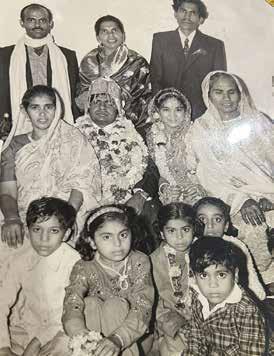
Puran Dawar with his family: Mother Satywanti Dawar, Brother Jawahar Dawar, Sister-in-law Santosh Dawar, close family friends Vijay Soni and Chandra Mohan Mehta, Sister Durga, Brother-inlaw Sharu Ram.
Yet, these stories were not mere recounts of lost wealth but lessons in dignity, integrity, and the enduring spirit of the family.
"Our house in Shahganj might not have stood three stories high, and our lands in Palwal might not have stretched as far as the eye could see, but the dignity with which we conducted ourselves was intact," his father would say, his voice firm with conviction. This lesson in maintaining one’s dignity against all odds deeply influenced Puran.
Despite the modesty of their means, Puran’s parents, especially his mother, ensured that their children received an education, believing it to be the key to a better future. "They never let us feel poor," Puran noted. "They dressed us in well-tailored clothes—made from the scraps of the shop, perhaps, but crafted so well that we always felt respectable."
This environment, steeped in the values of hard work, education, and ethical conduct, laid the foundation for Puran’s future endeavors. The lessons learned in the small tailor shop in Shahganj would one day translate into the ethos of the Dawar Group, making it a global leader in the footwear industry known for its quality, innovation, and commitment to ethical practices.
Puran's journey from the tailor shop of his father to the boardrooms of the Dawar Group is a testimony to the power of heritage, the resilience of the human spirit, and the profound impact of nurturing values. It is a story that echoes the ethos of a nation in the making—resilient, ambitious, and forward-looking.
FORMATIVE YEARS
In the shadow of the ancient city of Agra, amidst the bustling markets and the on the banks of river Yamuna, the Dawar family’s new life in Shahganj began. Having left behind the
Malpura refugee camp, the move to Shahganj marked a pivotal transition in the lives of the Dawars, reflecting both the hardships they endured and the small victories they celebrated.
The family’s relocation to Shahganj was facilitated by a custodian appointed by the government, who allocated housing based on the properties the families had owned back in Pakistan. For the Dawars, it was a modest house and an eight-acre piece of land near Palwal. Yet, despite the promise of stability, the size of the house was hardly adequate for the extended family, including Chachas, mamas, and mausis all living under one roof. This closeknit living arrangement, while fostering a deep sense of familial unity, also brought its own set of challenges.
Chaudhary Lal Chand, Puran’s father, known affectionately as Chaudhary sahab in their hometown in Pakistan, had been a respected cloth merchant and zamindar. The dramatic shift from a three-storied home to a cramped space in Shahganj was a harsh reality check for the entire family. Yet, Chaudhary sahab's resilience and ingenuity in the face of adversity became a legendary tale within the family.
With the modest sum of money brought from Pakistan and the small proceeds from the sale of their allotted land in 1958—used primarily to fund the marriages of Puran’s elder sisters—Chaudhary sahab and his brother ventured into what they knew best: textiles. Opposite each other, they opened a tailor shop and a cloth shop. It was in these small shops where Puran’s early memories of business and craftsmanship were formed.
“I remember Master Shakoor, who worked with my father,” Puran recounted, his eyes lighting up with the reminiscence of those early days. “He was not just a tailor;
he was an artist with cloth. From him, I learned that every piece of fabric has a story and every stitch a purpose. It was there, amidst the hum of sewing machines and the scent of freshly cut fabric, that I first understood the dignity of labour.”
The tailor shop, under Chaudhary sahab's skilled hands, flourished, employing 10 to 12 artisans. Despite the bustling activity and the initial success, the shop was not just a source of income but a classroom for young Puran. The stories of struggle, resilience, and resourcefulness shaped his emerging worldview.
“Every evening, as the shop closed, my father would sit me down and tell me about our life back in Pakistan,” Puran shared. “He spoke of our lands, our home, and the life we left behind. But more importantly, he spoke of the values that no circumstance could take from us—integrity, hard work, and the courage to start anew. These were not just tales of loss but lessons in perseverance.”
As Puran grew older, the reality of his family’s struggles became more apparent. The challenges of cramped living conditions, the pressure to sustain a growing business, and the societal expectations of a refugee family trying to rebuild their dignity in a new place were omnipresent. Yet, these struggles were interspersed with moments of profound joy and celebration, marking small victories that were savored collectively.
The cohesion of the family, tested repeatedly by their living conditions and economic constraints, proved to be their greatest strength. “Our house was small, and privacy was a luxury we couldn’t afford. But the laughter, the shared meals, the nightly storytelling—it all bonded us in ways that luxury never could,” Puran recalled with a smile.
Within the modest confines of his father and uncle's
adjacent shops, amidst the bustling streets of Shahganj, the seeds of Puran Dawar's entrepreneurial journey were sown. As a young boy, he keenly observed the daily operations— his father skillfully negotiating with fabric suppliers, his uncle charming customers, and both meticulously managing the finances. These formative experiences did more than just spark Puran's interest in business; they sculpted his understanding of what it meant to be a successful entrepreneur.
Puran learned to see business not just as a means to earn a livelihood but as a dynamic platform for innovation, influence, and impact—three pivotal lessons that would guide him throughout his life and become central themes in his biography.
Innovation was the first lesson. Watching his father adapt tailoring techniques and introduce new styles to meet customer demands, Puran grasped the importance of innovation early on. He learned that to stay relevant and competitive, one must continuously evolve and embrace change. This principle of innovation became ingrained in him, later driving him to introduce groundbreaking practices in the footwear industry, setting trends and elevating standards.
Influence was the second lesson. Puran observed how his father and uncle did not just conduct transactions; they built relationships. Their interactions with customers and suppliers went beyond mere business; they were personal, respectful, and heartfelt. From this, Puran learned the power of influence—how trust and respect in business dealings could extend one's impact far beyond the immediate sphere of commerce. He saw influence as an essential tool for leadership, fostering a culture of loyalty and mutual respect within his future company.
Impact was the third and perhaps the most profound lesson. The purpose of business, as demonstrated by his father's commitment to providing for the family and contributing to the community, was not solely to generate profit. It was about making a positive impact— on one's family, employees, community, and the broader society. Puran adopted this holistic view of impact, which later manifested in his dedication to corporate social responsibility, environmental sustainability, and ethical business practices.
These three principles—innovate, influence, and impact—became the pillars upon which Puran built his business empire. They were not merely business strategies; they were life lessons learned from the humble beginnings in a tailor shop in Shahganj. As this biography unfolds, these themes will recur, demonstrating how they shaped not only Puran Dawar's business philosophy but also his contributions to the world. Through his story, readers will explore the profound influence of early life lessons on a person's ability to create, lead, and make a lasting difference.
This period of his life, fraught with challenges, was also a testament to the human capacity for adaptation and growth. The lessons learned in the tailor shop, the stories heard at his father’s knee, and the collective struggle of his family provided a firm foundation upon which Puran would later build his empire.
“Struggle was our constant companion, but so was resilience,” Puran stated, reflecting on those formative years. “It taught me that every challenge is an opportunity in disguise and that true success comes not from avoiding failure but from rising every time we fall.”
As the chapter on his early struggles closes, the narrative leaves a lasting image of a young boy, growing up in a small
shop in Shahganj, who would one day revolutionize an industry. Puran Dawar’s journey from a cramped family home to leading a global enterprise is not just a story of financial success; it is a vivid portrayal of how early life challenges can forge a leader committed to integrity, innovation, and inclusivity.
In the evolving narrative of Puran Dawar’s early life, each entrepreneurial venture undertaken by his father not only provided the family with means of sustenance but also imparted crucial business lessons to the young Puran. Among these ventures, the tailoring business stands out vividly in Puran's memory—a bustling hub of creativity and hard work that laid the initial groundwork for his understanding of business.
However, as circumstances changed and opportunities arose, Puran’s father diversified into another endeavor that was quite different yet equally instructive—the milk distribution business. This new chapter in their lives began when he started collecting milk from fourteen cows owned by families in Barakhamba, a locality where almost every household boasted a cow and engaged in selling milk. Puran’s father ingeniously gathered this milk and distributed it within their community, turning a daily chore into a profitable venture.
Puran often accompanied his father on these early morning rounds, and these excursions were more than just business runs; they were life lessons in the making. “I remember trying to balance the heavy milk cans," Puran chuckles as he recalls, "More often than not, I ended up spilling more than I delivered. But each spill taught me persistence, and every successful delivery was a small victory in precision and care—qualities that would one day define my approach to business.”
As challenges within the tailoring shop grew, compelling the family to reevaluate their business approach, the burgeoning success of the milk distribution business began to secure its position as the primary source of sustenance for the Dawar family. This shift was not merely a change in business strategy but a critical demonstration of adaptability—a trait that Puran observed and admired in his father. The decision to pivot from tailoring to milk distribution underlined a key entrepreneurial lesson: the importance of responsiveness to the practical needs of the moment. Puran watched as his father gracefully navigated this transition, instilling in him a deep respect for the nimbleness and resilience necessary to thrive in changing circumstances.
During this period, another opportunity arose that would further diversify the family's business ventures. Puran's cousin played a pivotal role in helping his father secure a contractual job, which allowed him to manage both the milk distribution and a new professional commitment simultaneously. This dual engagement illustrated the balance of managing multiple responsibilities, a skill that Puran noted and nurtured within himself.
Amid these entrepreneurial shifts, a significant development occurred that would set a new course for the Dawar family. Puran’s father's maternal uncle, Mr. Atma Ram Ji, who owned a coal depot license—a privilege often granted to freedom fighters or their kin—decided to pass on his older license to Puran’s father when he obtained a new one in 1963. Seizing this opportunity, Puran's father ventured into the coal business, establishing a depot under the inherited license.
“I was in sixth grade then, and much more involved in the family business. The coal depot became a new
playground for learning,” Puran recounts. He and his elder brother, Jawahar, would spend countless hours managing the depot, learning the intricacies of the trade. “The coal depot taught us about the harsh realities of physical labor, the importance of timely delivery, and managing a supply chain—lessons that were tough but invaluable.”
The coal business, though demanding, brought a different kind of stability to the family’s finances and allowed Puran to witness firsthand the complexities of a larger-scale operation. This experience was instrumental in shaping his understanding of operational management, logistics, and the importance of maintaining a robust supply chain—concepts that would later become cornerstones of his approach to running the Dawar Group.
As these stories of his father's ventures unfold, they paint a picture of a childhood that was deeply intertwined with the ebbs and flows of small businesses. Each venture brought with it its own set of challenges and lessons, contributing to Puran’s holistic education in business and life. These early experiences instilled in him a profound understanding of innovation, influence, and impact—principles that would guide his path to becoming a visionary leader in the footwear industry.
Through the lens of these formative years, we see not just the survival of a family but the nurturing of a future leader. Puran Dawar’s journey through his childhood and adolescence encapsulates the essence of entrepreneurial spirit—fueled by resilience, adaptability, and an unwavering commitment to learning and growth. His story is a testament to the fact that the foundations of a successful business are often laid in the most humble of beginnings, underscored by the values and lessons learned there.
CHAPTER 2
EDUCATIONAL PURSUITS AND EARLY CAREER
In the vibrant yet challenging milieu of post-Partition India, where countless families grappled with economic instability and social upheaval, the Dawar family, led by the indomitable spirit of Puran's mother, held a beacon of hope that flickered through their emphasis on education. Despite the financial pressures that often threatened to overwhelm them, she was unwavering in her conviction that education was the key to transcending their circumstances. "We were never poor for education," Puran would often recount, his voice imbued with a mix of pride and gratitude.
Puran's mother orchestrated their daily life with meticulous precision, ensuring that no matter how worn their fabric of life seemed, the children’s education would remain untarnished. The family owned just one uniform per child, but each morning, Puran and his siblings presented themselves at school, their uniforms immaculately washed and ironed, embodying the dignity and discipline instilled by their mother. "Change and wash the clothes for the next day," she would insist, a routine that imbued in them not only a sense of pride in their appearance but also an understanding of preparation and perseverance.
This early foundation in discipline and respect for education was the crucible that forged Puran's character, teaching him lessons in resilience and resourcefulness that would permeate his future endeavors. The family's modest home in Shahganj buzzed with the aspirations of its inhabitants, where tales of their father’s entrepreneurial ventures during the day were swapped for lessons on geometry and grammar by night under the dim glow of a kerosene lamp.
As a young boy, Puran was acutely aware of the sacrifices his parents made to ensure their children received an
education. He watched as his father juggled multiple jobs, and his mother stretched every rupee to cover school fees and books. This environment, steeped in sacrifice and determination, served as a daily classroom for Puran, teaching him that every challenge could be a stepping stone to greater achievements.
The ethos of striving against odds was not confined to their home. Each day, as Puran walked to school through the streets of Agra, he was joined by a motley crew of neighborhood children, each carrying the silent hopes of their families. They were young dreamers, marching not just to their school but towards potential futures as doctors, engineers, or perhaps, entrepreneurs like Puran would one day become.
For Puran Dawar, school was never merely a place
for academic learning; it was a dynamic arena where he learned about social dynamics, honed his leadership skills, and realized the profound impact of knowledge. Nestled in the bustling city of Agra, where history whispered from every corner, Puran's school days were filled with lessons that extended far beyond the confines of textbooks and classrooms.
From an early age, Puran's mother instilled in him an unshakeable belief in the transformative power of education. She saw it as a tool not just for personal advancement but as a means to elevate one's entire community. Her dedication to his education was matched by her spiritual devotion, a combination that profoundly influenced Puran’s upbringing.
Puran's leadership qualities began to shine brightly when he was appointed the sports captain at his school. This role, though a prestigious honor, brought with it a myriad of responsibilities that went beyond leading team cheers or strategizing game plays. He was tasked with managing the sports equipment, organizing team practices, and ensuring that all team members upheld the discipline and spirit of the games. Puran embraced these responsibilities with enthusiasm, setting a standard of excellence and commitment that resonated both on the playing field and in the classroom.
However, the true test of his leadership came when he faced a significant conflict between his duties as a sports captain and his familial obligations. Every day at 4 PM, the same time as his sports practices, his mother attended 'Vyas Ji Ki Katha'—a series of religious discourses that she considered as crucial as academic knowledge. She believed in imbuing Puran with spiritual as well as intellectual education, and she wanted him to attend these sessions
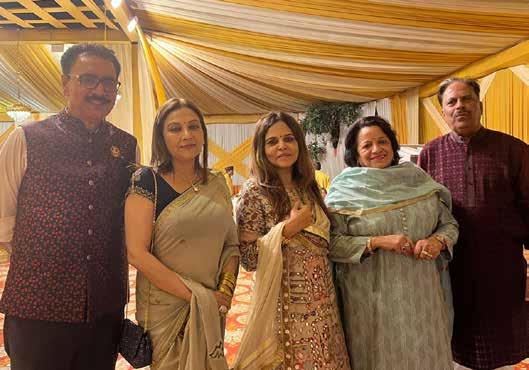
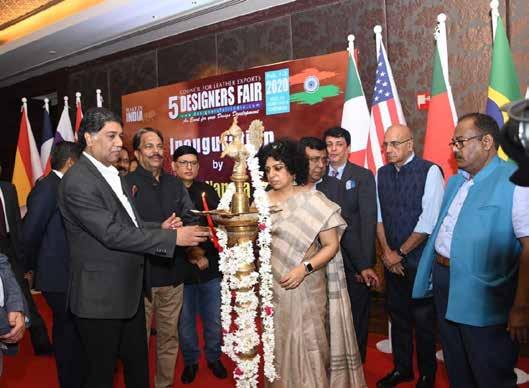
A gathering of luminaries: Squadron Leader A.K. Singh, First Lady Air Force Mrs. Asha Bhadoria, socialite Renuka Dang, Madhu Dawar, and Puran Dawar at event.
with her.
Caught between his commitment to his team and his respect for his mother’s wishes, Puran displayed early signs of strategic thinking and effective delegation—skills that would later become cornerstones of his business acumen. After careful consideration, he decided to entrust the task of collecting and managing the sports equipment to his vicecaptain. This decision not only allowed him to fulfill his responsibilities as a captain but also to honor his mother's desire for him to partake in the spiritual teachings.
This balancing act was not just a logistical solution but a profound learning experience for Puran. It taught him the importance of prioritization, trust in his team's capabilities, and the art of leadership through delegation. These lessons in management and flexibility under pressure were formative in shaping his approach to future challenges in the business world.
As Puran grew older, his educational journey became increasingly intertwined with his development outside the academic sphere. His involvement in sports and attendance at spiritual sessions enriched his understanding of teamwork, community, and ethical living. These experiences nurtured in him a holistic perspective on life, where success was measured not just by personal achievements but by one’s ability to positively impact others.
GOLGAPPAS AND GENEROSITY: LESSONS FROM A CHATWALA
In the bustling lanes of Shahganj, where the air buzzed with the commotion of everyday life, a young Puran Dawar learned one of his first lessons in entrepreneurship and the value of kindness—a lesson imparted not in the confines of a classroom but under the open skies of his own colony,
from a local golgappa vendor.
Every afternoon, as the sun mellowed and the streets of Agra began to fill with the aromas of street food, a particular golgappa vendor would wheel his cart into Puran’s neighborhood. This vendor, known affectionately as Chacha Ji to the local children, was not only famous for his deliciously tangy water balls but also for his beaming smile that seemed to invite everyone within sight to taste his fare.
At the tender age of seven or eight, Puran was captivated not just by the taste of Chacha Ji's golgappas but by the entire operation of his humble street cart. He observed Chacha Ji's meticulous preparation of the spicy tamarind water and the swift, almost rhythmic movement of filling the crisp puris. It was during these observations that Puran saw an opportunity to be a part of this joyful enterprise, albeit in a small way.
Puran began by offering to fetch clean water for the golgappas from his home. The task was simple yet significant—Chacha Ji needed a constant supply of fresh water to prepare the golgappa filling and to maintain the cleanliness of his utensils. In exchange for this help, Puran would receive two golgappas, a reward that was as delightful to the palate as it was valuable in teaching him his earliest lessons in business and reciprocity.
This seemingly inconsequential exchange between a young boy and a street vendor was, in fact, a profound learning experience for Puran. Each day, as he carried water to Chacha Ji, he learned about the importance of service and the impact of contributing something as simple as clean water to the success of a business. The golgappas he earned were not merely a treat but a symbol of fair exchange and mutual benefit.
As Puran grew older, these interactions with Chacha Ji evolved into deeper conversations about life and business. Chacha Ji, who had seen much of life's ups and downs, shared stories of his own struggles and triumphs. Through these stories, Puran absorbed lessons about resilience, customer satisfaction, and the importance of maintaining a cheerful disposition, regardless of the circumstances.
These early entrepreneurial lessons were underscored by the values of generosity and joy in giving. Chacha Ji often reminded Puran that every golgappa (waterballs) he served was not just a transaction but a chance to bring a smile to someone’s face. This philosophy struck a chord with Puran, teaching him that true business success comes from creating happiness for others, not just from financial gain.
Puran also learned the significance of kindness and community support. He saw how customers would sometimes pay extra, appreciating Chacha Ji's service, and how Chacha Ji would occasionally give away free golgappas to those who couldn’t afford to pay. These acts of kindness shaped Puran’s understanding of social responsibility—a concept that would later become a cornerstone of his business ethos.
Reflecting on these formative years, Puran often credits Chacha Ji with teaching him the foundational principles of his future business practices. “It was not just about learning to serve golgappas or fetching water. It was about understanding the essence of a community-based business, where success is measured not just in profits, but in the joy and service you bring to your customers,” Puran would recount in interviews.
The lessons learned from Chacha Ji laid the groundwork for Puran's approach to business, emphasizing that true
entrepreneurship is as much about giving as it is about gaining. This philosophy of mutual benefit, kindness, and community engagement became the guiding principles of Puran’s business empire, proving that even a simple act of fetching water can lead to profound insights on the path to success.
Thus, in the journey of Puran Dawar, the golgappas were more than just a childhood treat; they were stepping stones to a future where business and benevolence went hand in hand, fostering an enterprise that was as dedicated to ethical practices as it was to economic achievements. The story of the golgappa vendor is a testament to the fact that meaningful business lessons can come from the most unexpected places and experiences.
FROM CAMPUS TO COMMERCE: THE FORMATIVE POWER OF STUDENT LEADERSHIP
Puran Dawar's journey through academia and student politics was marked not merely by the pursuit of degrees but by deep engagements that shaped his capacity for leadership and his astute understanding of human dynamics. His educational path, rich with diverse experiences, laid a robust foundation for his later ventures in the world of business, where he would leverage his learnings to build a vast and ethically grounded empire.
Puran's academic story began in the lively classrooms of Agra College, where he first demonstrated a keen aptitude for science and mathematics. Graduating high school in 1967, he carried with him not just a certificate of completion but a burgeoning interest in how the world worked, both physically and socially. His curiosity led him to pursue a Bachelor of Science in Physics, Chemistry, and Mathematics—a trifecta of disciplines that sharpened his
analytical skills and prepared him for complex problemsolving scenarios.
However, Puran was not content to immerse himself solely in the sciences. His intellectual pursuits took a broader sweep as he delved into the realms of economics and law after completing his BSc. These fields of study opened new vistas for understanding market dynamics and the intricacies of regulatory frameworks, enriching his perspective on the interplay between business and socioeconomic forces.
During his time at university, Puran was known not only for his academic diligence but also for his active participation in campus life. He was a familiar face in study groups, a contributor to college debates, and a volunteer in community service initiatives. His involvement extended beyond the academic, tapping into the vibrant pulse of student activism that would significantly mold his leadership style.
It was during these formative years that Puran encountered the Akhil Bharatiya Vidyarthi Parishad (ABVP), a prominent national student organization known for its commitment to cultural and educational development. Puran's engagement with the ABVP was not a mere extracurricular activity; it was a transformative experience that honed his leadership and strategic thinking skills.
At ABVP, Puran quickly rose to prominence, showcasing his ability to lead and inspire his peers. He organized seminars, led initiatives that promoted academic excellence and cultural awareness, and participated in campaigns that advocated for student rights and educational reforms. Through these roles, he not only gained a reputation as a capable leader but also learned the nuances of negotiating,
planning, and executing complex activities that involved a wide array of stakeholders.
Puran's time with the ABVP also taught him valuable lessons in assessing people and understanding their motivations—an ability that would later become crucial in his business negotiations. "In student politics, just as in business, you encounter a spectrum of personalities. Learning how to navigate these interactions, to discern genuine intentions from mere rhetoric, was an invaluable part of my education," Puran reflected.
The challenges and triumphs Puran experienced during his university years did more than just prepare him for a career; they shaped his vision of what a leader should be. He emerged from his academic and political engagements with a firm belief in ethical leadership and a commitment to contributing positively to society. These principles would underpin his future endeavors in the business world, where he would apply the same passion for innovation and integrity that he developed during his student years.
In retrospect, the blend of rigorous academic training and vibrant political engagement equipped Puran with a unique set of tools. These tools not only enabled him to navigate the complexities of the business landscape but also instilled in him a profound sense of responsibility to use his skills and resources for the greater good.
As Puran Dawar transitioned from the world of academia to the realm of entrepreneurship, he carried with him the lessons of adaptability, analysis, and altruism learned during these pivotal years. His journey through educational pursuits and student politics was not just a path to personal success but a preparation for a life dedicated to making a significant impact on the world around him.
TRIALS AND TRANSITIONS: A JOURNEY FROM ASPIRATION TO REALIZATION
The journey of Puran Dawar from an ambitious student to a budding entrepreneur was marked by trials, transformations, and a critical turning point that would define his career. His initial career attempts, deeply influenced by his father's values and his own early experiences, laid the groundwork for his eventual pivot towards entrepreneurship.
In 1974, as the golden hues of the autumn sun gave way to the darker, cooler shades of winter, Puran Dawar faced the darkest period of his young life. His father, a towering figure of strength and morality in Puran’s world, succumbed to liver cancer. This devastating event occurred just as Puran was crossing the threshold into adulthood, at the tender age of 21. His father’s death was not just a personal loss; it was the end of an era for Puran, who had always seen his father as more than a parent—he was his mentor, his guide, and his greatest inspiration.
Chaudhary Lal Chand Dawar, Puran’s father, had lived a life marked by resilience and integrity. From the upheaval of Partition to establishing a new life in India, he had faced each of life's challenges with a steadfast commitment to ethics and hard work. These principles were the foundation of his character, principles he endeavored to embed within Puran from a very young age.
Puran still remembered the countless evenings spent under the dim light of the old kerosene lamp, where his father recounted tales from his youth, stories of struggle, and anecdotes of unwavering courage. These stories were not merely to entertain or pass the time; they were carefully chosen lessons, aimed at instilling a sense of purpose and determination in Puran. "Remember, son," his father would often say, "the true measure of a man is not how he handles
his successes but how he rises after he falls."
The loss felt like a sudden vacuum in Puran's life, leaving him directionless and filled with doubt. How could he, at such a young age, continue his father’s legacy? How could he embody those towering ideals of integrity and perseverance without his father’s guiding hand? The weight of these questions bore heavily on him, and the responsibility of filling his father’s shoes seemed an insurmountable task.
In the weeks and months that followed, as the family dealt with the emotional and financial implications of their loss, Puran found himself reflecting more deeply on his father’s teachings. He realized that his father had prepared him not just to face the world as it is but to envision and shape the world as it should be. It was during this period of reflection that Puran’s path began to take a new shape.
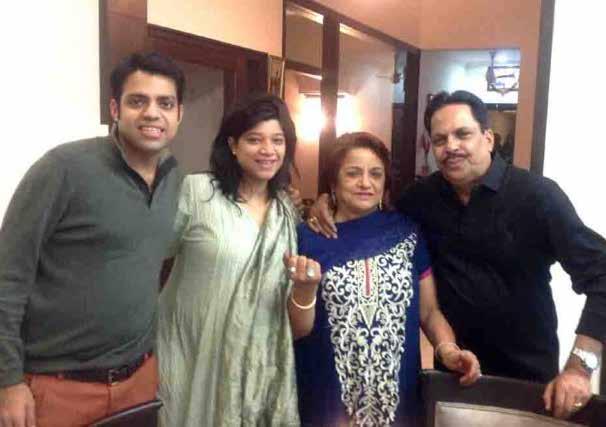
Puran Dawar with his son Sambhav, daughter-in-law Shruti, and wife Madhu, capturing the essence of togetherness.
As he navigated his early career choices, from joining the Life Insurance Corporation along with his elder brother as an assistant to attempting the rigorous examinations for a bank PO position, Puran tried to apply the values his father had cherished. Each attempt, each failure, and each small victory were steps in his journey of self-discovery, and with each step, he felt his father’s presence, guiding him.
Puran’s initial career attempts were fraught with challenges. Despite his qualifications and determination, success in the conventional sense eluded him. But with each setback, his resolve only strengthened. The memories of his father's resilience in the face of adversity became a beacon of hope and a source of immense strength. "My father once told me," Puran would recall in later years, "that every challenge is an opportunity in disguise. It is up to us to unveil it."
In 1976, the streets of Agra buzzed with the usual fervour of a bustling Indian city, yet for Puran Dawar, the atmosphere was charged with an intense mixture of anticipation and anxiety. At the heart of this emotional swirl was his decision to veer away from a stable job at the Life Insurance Corporation of India—a choice driven not by mere ambition, but by a profound desire to honour the legacy of his late father, a man who had instilled in him the values of integrity, diligence, and the pursuit of excellence.
Puran’s journey was not just about changing jobs; it was about stepping into a larger arena, one that could potentially fulfil his father’s unspoken dreams for him. It was in this spirit that Puran set his sights on the banking sector, which promised a new level of challenge and opportunity. The State Bank of India’s Probationary Officer program caught his eye as a beacon of potential growth and achievement. The application process was rigorous, but the most
daunting and memorable part of this new venture was not the examination itself—it was the journey to the interview. For the first time, Puran was to travel to Delhi, the pulsating heart of the nation, where the towering buildings and endless streams of people represented a world vastly different from his own. The interview was scheduled at the iconic Parliament Street branch, a location that symbolized authority and opportunity.
Accompanied by a close friend who was also a contender, Puran embarked on his first-ever train journey to the capital. The rhythmic clatter of the train seemed to echo the rapid beating of his heart. As the landscape rushed by, transforming from the familiar streets of Agra to the sprawling expansiveness of Delhi, Puran’s mind raced with thoughts of his father. He imagined what his father would say, perhaps reminiscing about his own youthful adventures or imparting last-minute advice on how to tackle the interview.
Arriving in Delhi, the air thick with the promise of winter, Puran and his friend navigated their way through the crowded stations and bustling streets to reach Parliament Street. The building that housed the bank was imposing, a stark reminder of the serious nature of their endeavor. As they entered, the gravity of the moment settled upon Puran’s shoulders like a mantle.
The interview was a blur of questions and answers, a dance of nerves and determination. Puran felt a compelling drive to succeed, not just for himself, but as a tribute to his father’s teachings. He answered each query with a blend of honesty and strategic thought, his father’s wisdom guiding him through the process.
However, despite his preparations and the moral strength he carried, the outcome was not as he had hoped.
Both Puran and his friend faced disqualification. The rejection hit Puran hard, not merely as a personal setback but as a moment of profound disappointment. He had hoped to forge a path that would make his father proud, to build upon the ethical foundation his father had laid.
The train ride back to Agra was a journey of reflection. The landscapes that had seemed so full of promise now appeared indifferent. Puran and his friend spent hours discussing what had gone wrong, analyzing each question and their responses. Yet, amidst this introspection, Puran found a spark of resolve. His father had faced numerous challenges, each one an opportunity to rise again, stronger than before.
This rejection, painful as it was, became the first of several attempts in the banking sector, each one testing Puran’s resilience and determination. With every setback, the lessons of his father resonated more deeply, fortifying his resolve to persevere, to build a career that was not just successful but meaningful.
In the pivotal year of 1976, as the monsoon clouds
gathered over the city of Agra, another storm was brewing in the life of Puran Dawar—a storm of aspirations and the relentless pursuit of success. Amidst his ventures and failures, an unexpected opportunity came knocking on his door, one that would lead him through a journey filled with hope, challenge, and profound introspection.
This new opportunity arose through a fortuitous connection—Mr. Vijay Soni, the manager of a New Bank of India in Agra and a close family friend. Vijay's wife's uncle, Mr. Rajan, was the chairman of the bank, placing Vijay in a unique position to influence hiring decisions. Recognizing Puran's potential and knowing his tenacious spirit, Vijay encouraged him to apply for the bank's Probationary Officer (PO) examination. "Qualify in the written test, and we'll make sure to support you in the interview," Vijay assured him confidently. Buoyed by this promise and eager to move past his previous disappointments, Puran dove into preparation with renewed vigor.
Puran passed the written examination with flying colors, his name appearing high on the list of candidates called for the final interview in Lucknow. The interview was scheduled during a tumultuous time in Uttar Pradesh—there was a heated controversy over the exorbitant tax on textbooks, an issue that deeply affected students and educational institutions. Puran, ever the activist and leader from his ABVP days, could not stay removed from the fray. He saw it as a duty to represent the student body and challenge this unfair imposition.
On the day of his interview, armed with resolve and his bundle of qualifications neatly wrapped in the day’s edition of Amar Ujala, Puran joined a delegation of student leaders scheduled to meet with Mr. Krishna Iyer, the Chief Secretary of Uttar Pradesh, to discuss the tax issue. The
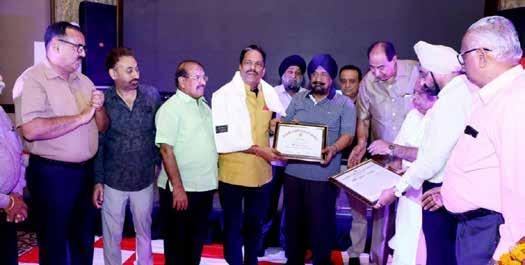
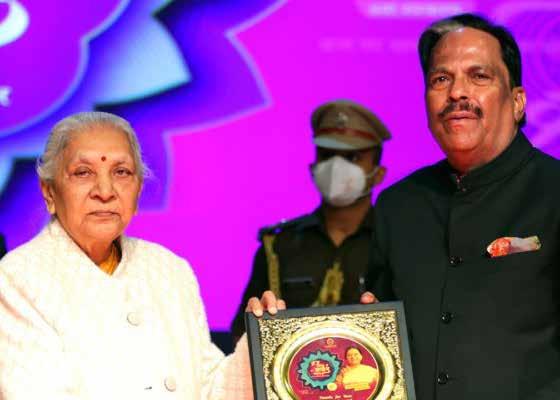
Honored as ‘Punjabi Noor’: Puran Dawar receiving a prestigious accolade from the Punjabi Association, celebrating his contributions and vibrant legacy.
meeting was set for 2 PM, giving Puran just enough time to make a dash for his interview immediately after.
The interview venue buzzed with the nervous energies of dozens of young aspirants, each carrying the dreams of securing a prestigious position in the banking sector. When his turn came, Puran walked into the interview room, his documents camouflaged in the folds of the newspaper that symbolized his commitment to both his career and his cause. The panel, however, was more intrigued by his choice of document wrapper than by the credentials it concealed. "Why bring testimonials wrapped in a newspaper?" they questioned skeptically, challenging the unconventional presentation.
Puran, unfazed, responded with a calmness that belied his inner turmoil. "I believe in transparency and practicality—qualities essential for banking. Today, my documents are wrapped in today’s news, symbolizing my readiness to face current realities and challenges." His answer was a blend of wit and seriousness, but the panel was not looking for metaphors.
Despite a strong performance and the backing of Vijay Soni, the interview concluded with a sense of uncertainty. Days later, the rejection came. It was not the feedback on his capabilities that stung, but rather the harsh realization that sometimes, external factors beyond one's control could deflect the trajectory of one’s carefully laid plans.
Dejected, Puran returned to Agra, where Vijay Soni met him with a sombre expression. "Puran," he said, "you have the skills and the drive, but this door has closed. Perhaps it's a sign. Maybe you're meant for something different— something more significant. Remember, even if this path seems blocked, God has written something else for you."
Success is not defined by where you start, but by how resiliently you rise above every challenge. It's the ability to turn every setback into an opportunity and remain true to your values that truly shapes a lasting legacy
—Puran Dawar
CHAPTER 3
THE EVOLUTION OF AN ENTREPRENEUR
In 1977, as the golden sun set over the spirited city of Agra, known not only for the majestic Taj Mahal but also for its exceptional leather products, Puran Dawar stood at a pivotal juncture in his life. The words “God has written something else for you” echoed through his mind, marking the end of one chapter and the beginning of another. This was not merely a pause in his professional pursuits; it was the dawn of a journey that would redefine the essence of his being.
Puran, a young man whose ambitions had once soared within the structured confines of banking examinations and interviews, found himself repeatedly thwarted by the doors of opportunity that seemed to slam shut just as he reached them. Despite proving his mettle by passing rigorous tests for prominent banks, the world of traditional employment had remained elusive. It was as if the universe itself was gently nudging him away from the beaten path and toward a road less traveled, rich with untapped potential.
The coal business, which had sustained his family and symbolized his father’s legacy of hard work and resilience, was dwindling. The winds of change brought by new environmental policies and the shift towards cleaner energy sources whispered of an inevitable end to an era. As the demand for coal diminished, so too did the stability it had provided to his family for generations. It was during these moments of profound uncertainty that Puran found himself wrestling with an existential dilemma, haunted by the specter of his father’s wisdom and guidance, which had always been his northern star.
The comforting echo of his father's lessons on life and business ethics resonated within him, a soothing yet powerful presence in times of turmoil. His father had always taught him that every challenge was an opportunity
in disguise, a chance to grow and redefine oneself. Now, with the coal business fading into the annals of their family history, Puran felt the weight of his father’s expectations and the silent hope that he would carve out a new path to success.
Amidst these reflections, Puran frequently recalled the reassuring words of a close friend, a beacon during his darkest hours. “Even though we had Chacha's backing and you cleared the written exams of SBI as well as New Bank of India, definitely, God has written something else for you. Something better,” his friend had insisted. This advice, both comforting and provocative, served as a catalyst for change, stirring the embers of entrepreneurial spirit that had long simmered within Puran.
Encouraged by these words, Puran began to see his series of professional rejections not as failures, but as signposts guiding him towards a different destiny—one that required him to step out of the shadow of conventional paths and into the light of innovative possibilities. The idea of starting his own business began to take root in his mind, fueled by the desire to create something enduring, something that would honor his father’s legacy in a new and vibrant way.
As Puran mulled over his options, he considered the city of Agra—not just as his home but as a bustling tourist hub that attracted millions from around the globe, all drawn by the majestic allure of the Taj Mahal. It was here, among the crowds of awe-struck visitors, that Puran identified a glaring gap in the market: the lack of accessible, highquality footwear shops that catered to the needs of tourists. Most existing shoe outlets were nestled in cramped, chaotic lanes, far from the main tourist paths and not suited to the preferences of international or even domestic tourists seeking convenience and quality.
This realization sparked a vision in Puran—a vision to create a footwear store that would offer both quality and accessibility, right on the main road leading to the Taj Mahal. This store would not only serve the practical needs of tourists but would also showcase the rich craftsmanship of Agra, turning every pair of shoes sold into an ambassador of local artistry.
The journey to realize this vision was fraught with challenges, from securing the right location to navigating the complexities of starting a business from scratch. Yet, with each obstacle he overcame, Puran felt a growing sense of purpose and determination. He was no longer just a man thwarted by closed doors; he was an entrepreneur forging a new path, driven by faith in a divine plan written just for him.
As Puran laid the foundations of what would soon become a thriving enterprise, he often reflected on the serendipitous turn of events that led him here. With a mixture of gratitude and resolve, he embraced his new role, ready to face whatever challenges lay ahead. In his heart, he carried the unshakeable belief that indeed, something better was written for him, and he was now living that truth, one step at a time.
TRANSITION FROM COAL TO COMMERCE
In the late 1970s, as the world began to shift towards more sustainable energy sources, the once-thriving coal business of the Dawar family faced an inevitable decline. Puran Dawar watched as the demand for coal diminished, a trend accelerated by the rise of natural gas and stringent environmental regulations. The impact was particularly acute in Agra, a city revered not just for its historical significance but as a beacon of beauty and heritage due to
the Taj Mahal.
The government's new policies, aimed at protecting the environment around such a monumental site, included restrictions on the use of coal. These policies were rooted in a growing awareness of the harmful effects of coal emissions on both the environment and the pristine marble of the Taj Mahal, which had begun showing signs of distress due to pollution. This shift not only affected large swathes of industries but also small family-run operations like the Dawar's, who found their primary source of income rapidly disappearing.
As the traditional fuel business dwindled, the streets around the Taj Mahal saw fewer coal carts, which were once a common sight. Puran, who had grown up among heaps of coal and the gritty faces of coal workers, could feel the pulse of his family’s legacy fading. The decline was not just a business crisis but a deeply personal issue, stirring memories of his father who had once proudly claimed that their coal warmed hundreds of homes and fueled countless industries.
Confronted with the decline of his family's coal business, Puran found himself at a crossroads. The need for a new direction was clear, but the path was not. It was during this period of uncertainty that Puran's connection through the Akhil Bhartiya Vidyarthi Parishad (ABVP), a prominent student organization, became unexpectedly beneficial. Within the ABVP's network, he encountered several peers whose families were involved in Agra's renowned shoe industry.
This exposure to the shoe market came at a crucial time. Conversations with friends from families like the Sama’s, who were well-entrenched in the shoe manufacturing and retail sectors, opened Puran’s eyes to the possibilities that lay
in transitioning from coal to commerce. These discussions were not just enlightening; they were inspiring. Puran saw in them a chance to redefine his professional identity while contributing to the economy of his beloved city.
The decision to pivot from coal to shoes was not taken lightly. Puran spent countless hours learning about the trade, the market demands, and the intricate craft of shoemaking. His analytical mind, trained in the disciplined environments of law and economics, now delved into the creativity and enterprise of the shoe industry. He realized that his background in negotiating for coal could be an asset in the complex negotiations involved in sourcing materials and dealing with craftsmen and retailers.
Puran's decision to enter the shoe industry was underpinned by a meticulous analysis of the market dynamics in Agra. As a city that attracted millions of tourists each year, Agra’s main economic activities were centered around tourism. However, Puran noticed a significant gap: while the interior markets such as Kinari Bazaar and Favvara were bustling with local shoppers, they were not ideally located for tourists, especially the more affluent ones who preferred not to venture into congested areas.
This observation led to a pivotal insight. The main road leading to the Taj Mahal, known as Taj Road or Sadar Bazaar, was bustling with tourists but had no shoe shops catering to this demographic. Puran saw an opportunity not just to sell shoes, but to create an experience that aligned with the expectations of international tourists seeking convenience, quality, and authenticity.
Drawing upon his innate understanding of gaps in the market and his newly acquired knowledge from his friends in the shoe industry, Puran devised a plan. He would open a shoe store on Taj Road, offering high-quality footwear
that showcased the craftsmanship of Agra, combining traditional styles with modern sensibilities to appeal to both domestic and international tourists.
This strategic decision was not just about selling shoes; it was about revitalizing a family legacy through innovation and adaptability. Puran envisioned his shoe store as a bridge between the rich cultural heritage of Agra and the global marketplace. This vision, rooted in the lessons learned from the decline of the coal business, would soon set the stage for a new chapter in the Dawar family’s entrepreneurial journey, transforming challenges into opportunities and redefining the landscape of commerce in Agra.
THE AUCTION AND THE OPPORTUNITY
Agra, a city pulsating with the steady rhythm of countless tourists' footsteps, 1973 marked the dawn of Puran Dawar's
formidable entrepreneurial challenge. The cantonment board was auctioning prime commercial properties along Taj Road, just a stone's throw from the majestic Taj Mahal. These spacious 1200 square foot shops represented not merely a business opportunity but a golden gateway for any visionary entrepreneur due to their enviable location.
With the towering minarets of the Taj Mahal as a backdrop, Puran, brimming with aspirations, saw this auction as his entry point into the lucrative tourist market. Agra, with its rich tapestry of history and culture, attracted millions from across the globe, presenting a ripe market for an astute businessman. However, as the auction progressed, it became evident that the financial requirements to secure one of these coveted spots far exceeded Puran's current means.
The atmosphere at the auction was electric, charged with the ambitions and strategies of both local and external investors. Each bid, climbing higher and higher, was a testament to the recognized potential of these prime locations. Puran, fueled by dreams of tapping into this thriving market, threw his hat into the ring, hoping to anchor his future business on this golden strip.
As the numbers soared, so did the palpable tension among the bidders. Puran's heart raced with each new bid, his hopes climbing with the numbers, only to be dashed as they reached heights beyond his reach. The final gavel marked not only the end of the auction but the stark realization of the enormous capital required to compete in such a high-stakes environment.
Walking away empty-handed, Puran felt a cocktail of emotions—disappointment at the missed opportunity, yet not bowing in the face of defeat. The harsh reality of real estate near major tourist attractions had been a brutal
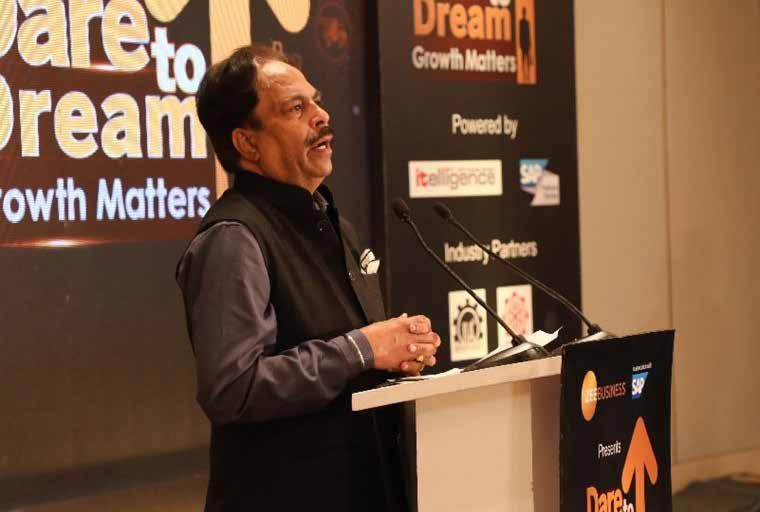
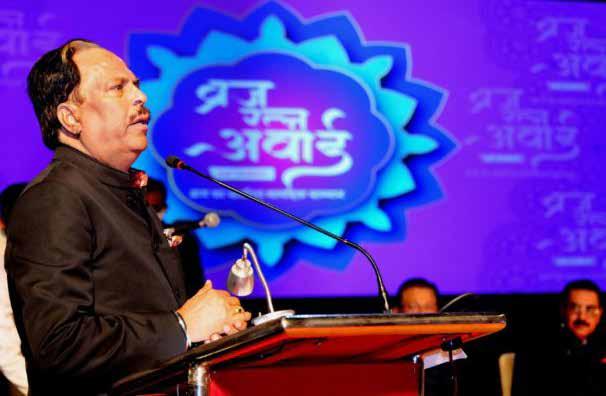
Puran Dawar delivering an inspiring address at the ‘Dare to Dream’ event hosted by Zee Business, empowering audiences to reach for new heights.
teacher. Deep pockets and fierce bidding wars dictated the play, sidelining smaller players like himself. Yet, this setback did nothing to quench his fiery ambition; instead, it fueled a burning resolve to someday make his mark on this coveted landscape.
Reflecting on the day's events under the soft glow of the setting sun, with the silhouette of the Taj Mahal in the distance, Puran felt a mix of awe and resolve. The iconic monument, a testament to enduring passion and perseverance, seemed to whisper encouragement to his bruised but unbroken spirit. The experience at the auction had been a crucible, testing his resolve and sharpening his focus. The dream to establish his presence near this icon of love and beauty was deferred but not defeated.
This episode, while a momentary setback, planted a resilient seed of aspiration in Puran's heart. It was a visceral lesson in the competitive nature of real estate in tourist hubs, teaching him the value of preparation and strategic planning. In his mind's eye, Puran envisioned the day he would return to Taj Road, not as a bidder in the crowd, but as a proud owner of a shop that would welcome the world at its doorstep. With renewed vigor and a clear vision, he was ready to embark on a journey that would require patience, strategy, and the courage to dream big—qualities that would eventually define his path to entrepreneurial success.
By 1977, Taj Road in Agra had transformed significantly, mirroring the personal and professional growth of Puran Dawar. The once fiercely contested shop spaces were now completed and awaiting new occupants, ready to capitalize on the throngs of tourists that flowed daily from the nearby Taj Mahal. Puran, too, had evolved, having spent the past four years since the last auction not just accumulating the
necessary capital but also sharpening his business acumen and strategic planning skills. His journey was punctuated by professional setbacks and the poignant advice from a trusted friend that perhaps "God has written something else for you." These experiences had galvanized his resolve rather than deter his spirit, transforming him into a more seasoned entrepreneur. Now, armed with fresh insights and renewed determination, he was ready to establish his footprint in this prime retail space, viewing each previous failure as a stepping stone guided by a divine will towards his true calling in business.
Returning to the real estate arena with renewed vigor, Puran had his eyes set on a more achievable target—a modestly sized, 600-square-foot shop situated at the back of the newly constructed complex. This space, though less prominent than the storefronts along the bustling main road, was available at a price that aligned with his financial capabilities: 40,000 INR. The current holder of the lease was P.K. Gupta, an engineer affiliated with the Delhi Development Authority (DDA) and a well-known figure in Agra's professional circles.
Understanding the significance of personal connections in business negotiations, Puran took a trip to Delhi to meet with Gupta directly, aiming to persuade him to transfer the lease. Upon arrival, he was greeted by Gupta's cautious optimism but also a firm insistence on adhering to official procedures. "Get the papers ready and call me when everything is ready," Gupta instructed, emphasizing the need for bureaucratic diligence.
Puran, driven by a mix of entrepreneurial spirit and a dash of impatience, countered with a bold proposal. "No, uncle, you come tomorrow, we are ready," he urged, displaying a confidence that was partly bravado and partly
a calculated risk to expedite the process. Gupta, taken aback by Puran's readiness and determination, was hesitant yet intrigued by the young man’s assertiveness and clear vision.
This negotiation was more than just a transaction; it was a pivotal dance of persuasion and persistence. Puran knew that timing was crucial in business, especially in real estate, where opportunities could vanish as quickly as they appeared. He understood that being prepared—having all necessary documents and finances in order—was only part of the equation. The other, often more critical part, was seizing the moment, pushing boundaries, and sometimes, bending the rules of conventional business engagements to forge new paths.
As they discussed the terms, Puran laid out his business plan, highlighting how the strategic location, despite being at the back, offered potential for high foot traffic from tourists looking for quieter, more accessible shopping experiences away from the main road. He articulated his vision with such clarity and enthusiasm that it slowly began to dissolve Gupta’s reservations.
The conversation stretched into hours, with Puran meticulously addressing each of Gupta’s concerns, ensuring that all formalities would be handled with precision and integrity. His preparation was evident as he presented a comprehensive dossier of legal and financial documents, ready for review and execution.
Puran’s unyielding determination and savvy negotiation skills eventually paid off. Gupta agreed to meet the following day to finalize the transfer, impressed by Puran's thorough preparation and inspired by his entrepreneurial zeal. This agreement marked a significant turning point for Puran, setting the stage for the establishment of what would soon become a thriving retail enterprise on the historic Taj Road.
As Puran left the meeting, a sense of accomplishment mixed with anticipation filled him. He knew that while this was just the beginning, the foundation was set for a future where his business dreams would flourish alongside the timeless beauty of the Taj Mahal.
Upon his return to Agra, Puran Dawar and his team were prepared for the decisive steps ahead. They meticulously assembled the necessary documentation and secured a draft for 40,000 INR, ready to finalize the lease for a modest shop at the back of a bustling new commercial complex near the Taj Mahal. However, fate had a different plan in store, one that would dramatically pivot Puran's trajectory in the retail world.
As they presented their paperwork to the cantonment board, a question arose that would serendipitously alter their course: why settle for a less desirable, hidden spot when a far better opportunity had just resurfaced? The premium, front-facing shop, which Puran had unsuccessfully bid on four years earlier, was back on the market. The original allottee had only managed to pay an earnest deposit of 15,000 INR and had since defaulted on the balance, leaving the property in limbo.
Puran, recognizing the rare chance to claim a far superior location, immediately inquired about the possibility of acquiring this prime spot. The cantonment board, keen to resolve the matter and fill the space, facilitated a swift negotiation. They reached out to the defaulting allottee, who agreed to relinquish his claim.
The negotiation with the cantonment board was a critical juncture in Puran's quest to establish his retail foothold. Displaying a blend of tenacity and acumen, he proposed using the 40,000 INR draft originally intended for the smaller shop as a down payment for the premium
location. However, covering the outstanding balance posed a challenge. Puran, adept at turning constraints into creative solutions, negotiated a deal to pay the remaining amount in three installments over the next six months.
This arrangement was not merely a financial transaction but a testament to Puran's ability to navigate bureaucratic hurdles and leverage his business savvy to his advantage. Each discussion with the board members was approached with a respectful yet determined demeanor, ensuring that all parties felt engaged and appreciated throughout the process. Puran’s detailed preparation and understanding of the board's requirements helped facilitate a smooth agreement, showcasing his growth from a hopeful entrepreneur into a strategic thinker capable of handling complex negotiations.
The moment Puran secured the lease for the premium shop, A3, it marked a turning point in his career and a significant victory for his burgeoning enterprise. It was a culmination of years of persistence, learning, and adaptation with a focused approach. The shop, strategically located on the main road leading to the Taj Mahal, offered unparalleled visibility and access to the throngs of tourists that frequented the area.
The acquisition was celebrated not just as a business achievement but as a personal triumph that echoed the resilience and determination instilled in Puran by his late father. It was a physical representation of his journey from the dusty lanes of coal yards to the polished corridors of retail success. The shop would soon become a beacon of quality and innovation in Agra's competitive footwear market, attracting both tourists and locals alike.
The day he received the keys to the shop, Puran stood in front of the large glass windows looking out onto Taj Road,
the bustling artery of Agra's tourist economy. He envisioned the future with a profound sense of accomplishment and optimism. This was more than just a business location; it was a launching pad for his dreams and aspirations.
This chapter in Puran's life, marked by the acquisition of the premium shop, encapsulates more than just a savvy business maneuver. It is a narrative of personal growth and emotional depth, illustrating how a combination of clear vision, strategic planning, and unwavering perseverance can transform challenges into milestones. Puran's story from the coal dust to the premium shop front is not just a tale of business acumen but a resonant example of how enduring human spirit, guided by wisdom and grit, can write extraordinary chapters of success and innovation.
LAYING THE FOUNDATIONS
In the sweltering summer of 1977, the historic city of Agra was not just another tourist destination but the setting for the unfolding of an entrepreneurial dream. Puran Dawar, a man driven by vision and tenacity, was at the threshold of transforming an opportunity into a tangible reality. As the Indian sun cast long shadows on the streets, Puran was immersed in a flurry of activity, orchestrating the birth of what was destined to become a landmark shoe store on the prestigious Taj Road.
The journey began in mid-July when Puran entered into negotiations for a shop that promised to catapult his aspirations into the commercial limelight of Agra’s bustling tourist pathway. His persistence paid off swiftly; by August 14th, he found himself within the formal confines of the cantonment board office, his presence firm, his documents ready. The officials, recognizing his determination and the clarity of his proposal, handed him the allotment letter just
two days later. Along with this letter came the keys to a space that was soon to house more than just merchandise—it was to become a hub of cultural and commercial exchange.
Puran’s approach to transforming this empty shell into a vibrant retail establishment was systematic and infused with an infectious zeal. The shop, a canvas of possibilities, was meticulously planned to exude luxury yet remain inviting to a diverse clientele. Puran dove into the details of renovation with an architect’s precision and a designer’s flair. Every inch of the interior was thought through, from the elegant display windows that would catch the eye of passersby to the strategic placement of lighting that would illuminate the craftsmanship of each shoe.
Sourcing inventory was another arena where Puran’s astuteness shone brightly. He reached out to manufacturers known for their commitment to quality and durability, forging partnerships that were based on mutual respect and a shared ethos of excellence. Each shoe that would later grace the shelves of his store was handpicked, ensuring that it met the high standards he set, not just for his customers but for himself.
Branding was not left to chance. Puran wanted a name that resonated with the grandeur of his vision and the heritage of his location near the Taj Mahal. He sought a brand identity that would intrigue and invite, a name that tourists and locals alike would remember long after their visit. The name and logo were crafted to reflect both luxury and accessibility, a nod to the sophisticated tastes of his clientele and the welcoming spirit of his customer service.
Behind the scenes, the logistical groundwork was just as intense. Puran established supply chains that were as reliable as they were efficient, ensuring a seamless flow from manufacturers to store shelves. Staff training was
conducted with a focus not just on sales techniques but on fostering a service culture that prioritized customer satisfaction above all. Puran personally trained his team, instilling in them the values of empathy, attentiveness, and integrity.
As the days neared the grand opening, Puran’s shop transformed from a concept into a fully functional boutique, ready to serve the throngs of tourists and locals who traversed Taj Road. Each step in the preparation was a step towards realizing a dream that was set not only to change Puran’s life but also to add a new chapter to Agra’s rich tapestry of commerce and culture.
Puran Dawar's natural affinity for connecting with people became a pivotal asset as he geared up for the opening of his new shoe store on Taj Road. His approach to networking was not just a skill but a passion, enabling
A warm and distinguished Presidential Welcome: Puran Dawar setting the tone at the "Meet at Agra" event with his opening address.
him to weave a web of relationships across various spheres of the Agra community. This network included local dignitaries, fellow entrepreneurs, and even officials, all of whom became integral to the promotional strategy for his burgeoning business.
Understanding the limitations of his budget, Puran could not splurge on expansive advertising campaigns typically seen in national publications. Instead, he turned to a more creative and personalized approach to marketing. His innovative spirit shone as he devised a plan to utilize half-page advertisements in the local newspapers. These were not just mere ads; they were strategic placements that combined eye-catching promotional content with heartfelt endorsements from respected figures within the community.
One such figure was a well-known local brigadier, whose endorsement Puran secured through a combination of respect and genuine rapport. The brigadier, impressed by Puran's dedication and vision, did not hesitate to lend his support. His endorsement was prominently featured in these advertisements, providing a powerful testament to the credibility and high standards of the new shop. The brigadier’s words of congratulations and support were not just a formality but a strong vote of confidence in Puran's venture, signaling to the community that this new business was worthy of their attention and patronage.
These endorsements were strategically placed alongside vibrant visuals of the footwear that would be available at the store, each pair meticulously chosen to reflect quality and style. The advertisements also highlighted the unique location of the shop, emphasizing its proximity to the Taj Mahal and its accessibility to both tourists and locals. This not only increased the visibility of the shop but also
positioned it as a prestigious establishment, setting a high expectation for quality and service even before its doors officially opened.
The effect of these carefully crafted advertisements was immediate and profound. The anticipation for the shop’s opening began to build within the community, creating a buzz that spread rapidly. Conversations about the new shoe store popped up in marketplaces, tea stalls, and even at social gatherings, often mentioning the endorsements from the brigadier and other notable figures.
Puran's ability to leverage his relationships effectively turned what could have been a standard store opening into a much-anticipated local event. This strategy not only circumvented the financial challenges of traditional advertising but also fostered a sense of community involvement and pride. It was a testament to how traditional business acumen combined with modern marketing savvy could create a compelling narrative that resonated with a diverse audience, setting the stage for the successful launch of a business poised to become a staple on Taj Road.
THE GRAND OPENING AND EARLY SUCCESS
On September 25th, 1977, the streets surrounding Taj Road were abuzz with a palpable sense of anticipation. Banners fluttered in the gentle autumn breeze, and vibrant decorations adorned the entrance of the new shoe shop, setting the stage for what was to be a momentous day in the history of Agra’s retail landscape. The shop, a vision of elegance and style, was the culmination of Puran Dawar's dream and determination. Every detail of its design, from the polished wood floors to the tastefully arranged lighting, spoke of sophistication and an acute attention to customer experience.
As the morning progressed, a diverse crowd began to gather. Locals mingled with tourists, each drawn by the buzz that had been building in the community for weeks. Word had spread, fueled by the endorsements of notable figures and the strategic advertisements that had captured the imagination of the public. People from all walks of life, from nearby shopkeepers to families visiting the Taj Mahal, congregated to see what Puran’s new venture had to offer.
The atmosphere was charged with excitement as the appointed time for the ribbon-cutting ceremony approached. Puran, dressed impeccably, stood at the forefront, surrounded by his family, friends, and key figures who had supported him throughout his journey. His face bore a mix of pride and humble gratitude as he held the ceremonial scissors. With a brief speech that thanked the community for their support and outlined his vision for the store, Puran cut the ribbon, inviting the crowd to step inside.
The interior of the shop was meticulously organized, with shelves lined with an array of footwear that ranged from practical to luxury, catering to the varied tastes of his customers. The selection included everything from handcrafted leather boots to embellished sandals, each pair a testament to quality craftsmanship. The decor inside was both inviting and innovative, with comfortable seating areas arranged to encourage customers to linger and enjoy the shopping experience.
As the doors opened, customers poured in, greeted by the warm smiles of well-trained staff. The first day's sales began almost immediately, with many expressing their admiration not only for the quality of the products but also for the level of customer service that set Puran’s shop apart from others in the area. The shop buzzed with activity
throughout the day, with the sound of lively conversations and the ring of the cash register filling the air.
Feedback from customers was overwhelmingly positive, with many applauding the variety and uniqueness of the footwear. Tourists appreciated the convenience of finding high-quality shoes so close to the Taj Mahal, while locals were pleased to have access to a range of stylish and durable shoes right in their neighborhood.
The grand opening was not just a successful business launch; it was a celebration of community and a showcase of entrepreneurial spirit. It marked the beginning of what would become a beloved local business, known for its commitment to quality and customer satisfaction. For Puran, it was a dream realized, a testament to the power of perseverance, and the start of a new chapter in his journey as a businessman reshaping the retail landscape of Agra.
The early days of Puran Dawar's shoe shop were a whirlwind of activity and learning. With the initial excitement of the grand opening behind him, Puran quickly realized that the true test of his business acumen was just beginning. Every day brought new challenges and opportunities, each teaching him invaluable lessons about running a successful retail operation.
One of the first and most critical challenges was inventory management. Puran had to quickly learn the delicate balance between demand and supply. He monitored sales data meticulously, noting which styles and sizes moved quickly and which didn't, adjusting his orders accordingly to avoid overstocking and understocking. This constant tuning was crucial, not only to maintain cash flow but also to ensure customer satisfaction by having the right products available at the right time.
Customer service was another arena where Puran's
leadership played a pivotal role. He instilled in his team a philosophy that each customer interaction was not just a transaction but a chance to build a relationship. This approach required staff to not only be knowledgeable about the product range but also to be attentive to the nuances of customer needs and preferences. Training sessions were frequent, focusing on communication skills, product knowledge, and handling different types of customer interactions with tact and empathy.
However, it wasn’t just the operational aspects that tested Puran’s resolve. A particularly memorable challenge occurred just before the grand opening. The contractor hired to handle the furniture and fittings for the shop failed to deliver on time—a mishap that threatened to delay the much-anticipated launch. The shop’s aesthetic and functional design were crucial for making a good first impression, and any delay in opening would not only tarnish the shop's reputation but also result in significant financial setbacks.
Undeterred by this predicament, Puran rallied his team to find solutions. Demonstrating remarkable resilience, they worked around the clock, coordinating with new suppliers, and even taking on some of the work themselves. Puran's ability to keep his team motivated during this stressful time spoke volumes about his leadership and commitment to his venture.
The collective effort paid off when they managed to meet their opening deadline. This experience was a testament to the team's dedication and ability to overcome adversity. It also reinforced the importance of having backup plans and maintaining flexibility in business operations, lessons that Puran carried forward throughout his career.
These early days, filled with both trials and triumphs,
were foundational not only in establishing the shop's reputation but also in shaping Puran’s approach to business. They underscored the importance of adaptability, proactive problem-solving, and the value of personal involvement in all aspects of the business. Each challenge and every small victory during this period reinforced Puran's belief in the potential of his entrepreneurial dream, setting the stage for future growth and success. Through it all, his hands-on leadership and unwavering commitment to his vision were the driving forces that propelled the shop from a promising startup to a respected name in the retail industry.
BUILDING THE BRAND
Puran Dawar was building not only a shoe store in the colorful heart of Agra, only a stone's throw from the celebrated Taj Mahal, but also a cornerstone for what would soon become a heralded retail revolution.The inception of the Dawar shoe shop was not just about filling a market gap; it was about establishing a brand that epitomized quality, customer satisfaction, and an unwavering commitment to community. Each shoe on the shelves wasn't just a product; it was a testament to the craftsmanship, passion, and care that went into its creation.
From the beginning, Puran was adamant that every pair of shoes sold under the Dawar name must meet the highest standards of quality. He personally visited suppliers, choosing only those who could provide materials that ensured durability and style. This meticulous attention to detail ensured that each product not only looked good but was built to last, a principle that quickly became a hallmark of the Dawar brand.
Puran's commitment to customer satisfaction extended beyond the physical products. He trained his staff to
provide a shopping experience that was both welcoming and informative, ensuring that every customer felt valued from the moment they stepped into the shop. Puran himself often walked the floor, engaging with customers, listening to their needs, and receiving feedback directly. This hands-on approach allowed him to make immediate adjustments to service and product offerings, tailoring the shop’s inventory to better match customer preferences.
Under Puran's leadership, the shop grew to become more than just a retail space; it became a vibrant cultural hub. Its proximity to the Taj Mahal made it a frequent stop for celebrities and dignitaries visiting Agra, further elevating its status within the community and amongst tourists. Puran leveraged these high-profile visits by organizing events that not only celebrated these occasions but also drew in crowds, creating buzz and fostering a sense of community.
The shop celebrated its anniversaries with pomp, distributing handbills that not only advertised the event but also thanked celebrities like Prince Charles, Sanjeeva Reddy, and Bollywood personalities like Poonam Dhillon and Sachin, who had visited. These handbills were cleverly placed in local newspapers, ensuring that the message reached a wide audience without the need for expensive media buys. This strategy not only kept advertising costs low but also kept the community engaged and excited about the shop’s connection to famous personalities. Despite the lack of a large advertising budget to compete on an international scale, Puran found innovative ways to maintain visibility. Local newspapers like Amar Ujala became his primary advertising platform, where strategic placements ensured maximum impact. Each year, he designed handbills that highlighted the shop's
commitment to quality and service, which were distributed widely through these newspapers.
The success of the shop was so profound that Puran’s elder brother, who had been working at LIC, decided to join the business, recognizing the potential and growth it promised. This addition strengthened the team and allowed the shop to expand its operations and customer service capabilities.
Through strategic planning, a focus on quality, and savvy marketing, Puran Dawar didn’t just create a successful business—he built a brand that became synonymous with quality and elegance in Agra. His journey from a visionary entrepreneur to a respected business leader shows how a small shop can transform into a significant player in the retail market, driven by a commitment to excellence and community engagement. The Dawar shoe shop, from its humble beginnings to becoming a celebrated destination for footwear, stands as a testament to what can be achieved with hard work, strategic vision, and a deep connection to the community it serves.
CHAPTER
4
VENTURING INTO MANUFACTURING
In the early 1980s, the Dawar shoe shop had not only cemented its reputation in Agra but had also gained recognition across India. The brand had become synonymous with quality and style, attracting customers from bustling metropolises like Mumbai to the cultural hubs of Kolkata. Puran Dawar's vision and relentless hard work had propelled the shop to new heights. However, as is often the case with successful ventures, new challenges and opportunities lay on the horizon.
In 1983, Puran decided to venture into manufacturing. This decision was driven by a pressing desire to control the quality of the products from start to finish and to innovate in ways that were not possible through retail alone. The manufacturing unit was established in Hing Ki Mandi, a well-known shoe market in Agra. The initial setup was modest—a broken building above the shops, a single sole press, and eight to ten sewing machines. It was a humble beginning, but Puran’s determination and vision knew no bounds.
A NEW BEGINNING: THE MARRIAGE AND THE BOND OF BROTHERS
The year 1983 was significant for Puran, both professionally and personally. He married Madhu Dawar, a woman who would stand by his side through thick and thin. Their marriage brought stability and happiness to Puran’s life, balancing his relentless business pursuits with the warmth of family life.
Similarly, one of Puran’s major assets was sibling camaraderie. Puran and his elder brother shared a bond so strong that people often referred to them as Ram and Laxman, a testament to their affinity and mutual respect. They had the same friend circle and shared many common
interests, making their partnership in business both natural and effective.
However, after marriage, like many Indian families, they faced shifting priorities and differences. Madhu, who was always kind and good to Puran's brother, brought new dynamics to the family. Her presence brought warmth but also highlighted newer expectations. The demands of business, coupled with the responsibilities of managing a family, introduced new complexities. Besides, by 1984, the success of Dawar shop had attracted the attention of income tax authorities, leading to increased surveillance. This scrutiny pushed Puran and his brother to reconsider their business structure and responsibilities.
THE DECISION TO SEPARATE
In 1984, amidst the growing pressures of managing both business and family life, Puran Dawar faced a delicate situation. His wife, Madhu Dawar, while managing the nuances of their household, expressed a desire for clearer financial boundaries between their family and that of Puran's brother, a common concern in many Indian joint families. However, Madhu was never in favor of dividing the business itself. She was deeply attached to Dawar Shop, which had already earned a strong reputation and fame in the market, and felt disheartened at the thought of any division.
Puran, too, initially hesitated, valuing the unity and bond that had always existed between his brother’s family and his own, and he greatly appreciated the love and care of his brother and sister-in-law. Despite this, the topic of separation arose.
One day, during a walk in 1984, the brothers had a heartfelt conversation that could have easily been tense.
Madhu and Puran Dawar, radiating elegance in traditional Indian attire, at a joyous family wedding celebration.
Instead, Puran’s brother, showing remarkable generosity, said, “You take as much as you want, I will manage with the rest.” This offer demonstrated the deep respect and mutual affection they shared. Puran’s brother preferred to keep the retail aspect of the business, Dawar Shop, while offering Puran the manufacturing unit, which was still in its early stages and had yet to produce significant returns. It was a soft and graceful division—Puran’s brother was inclined towards the retail business, while Puran, always forwardthinking, recognized the potential in manufacturing, even though it was still a small and humble operation.
Though Puran could have chosen retail, he believed manufacturing was the key to future growth. He was
comfortable with either, but his vision was set on building something from the ground up. They did not meticulously count or formally assess the real value of their assets. Instead, on a verbal understanding, they agreed that each would take assets valued roughly at 10 lakhs. The emphasis was not on the material division but on maintaining the harmony in their relationship and ensuring the smooth functioning of both business entities.
Thus, Dawar Shop and Dawar Factory emerged as two distinct entities, marking a new chapter in the family’s history. Despite the separation, the brothers prioritized maintaining the reputation of the Dawar name and fostering a strong bond of mutual respect.
UPHOLDING REPUTATION DESPITE SEPARATION
Even after their decision to split responsibilities, Puran and his brother continued to work together to maintain the reputation and brand of the Dawar shop. The season of Pooja in Kolkata was a crucial period for their business, as it brought significant sales. Despite their separation, the two brothers collaborated tirelessly for the next 4-5 months to ensure the shop's success during this peak season.
Puran’s dedication to the brand was evident as he travelled to Kolkata to oversee the operations, ensuring that the shop maintained its high standards. The collaboration during this period was a testament to their shared commitment to the Dawar legacy. It highlighted the importance of balancing personal differences with professional obligations to uphold the reputation they had worked so hard to build.
A LESSON IN LOYALTY AND INTEGRITY
One of the clients from Kanpur, who frequently bought
Puran Dawar alongside fellow traders, driving empowerment and fostering growth within the community.
shoes from the Dawar factory, proposed an intriguing offer. He suggested purchasing a 50% stake in the Dawar shop for 20 lakhs. This valuation was based on the shop's impressive sales and reputation. Additionally, there were shops like Menson and others in Karol Bagh that were keenly interested in Dawar's products. A new shop named Mughal in Karol Bagh had invested a significant amount, reportedly 1 crore, but its sales were still less than those of the Dawar shop.
Puran’s response was resolute: "It's a family matter, and I don't wish to take family matters outside." This stance was not just about maintaining family integrity but also about preserving the brand's reputation. The brothers decided to split their assets and cash equally, ensuring that both could run their separate businesses smoothly. This episode highlighted Puran's commitment to family values and his strategic thinking in maintaining the brand’s legacy.
BUILDING THE MANUFACTURING UNIT: CHALLENGES AND OPPORTUNITIES
Starting a manufacturing unit from scratch was no small feat. The initial setup was basic, with handmade work dominating the production process. The factory had a single sole press and a few sewing machines, relying heavily on manual labor. The challenges were manifold—financial constraints, labor management, and establishing a reliable supply chain. However, Puran was undeterred. He saw these challenges as opportunities to innovate and improve.
One of the first major challenges arose when the Dawar shop, now managed by Puran’s brother, started sourcing its inventory from other factories. This sudden shift significantly impacted the factory’s sales, which had heavily relied on the Dawar shop for its business. The factory’s
sales, which had reached 13 lakhs, saw a steep decline, with the Dawar shop’s contribution dropping from 7-8 lakhs to zero. This situation put immense pressure on Puran, as he had to ensure that the factory remained operational despite the loss of a major client.
Weekly labor payments were another critical challenge. The factory’s financial cycle was strained, as payments for supplied materials would come later, but labor needed to be paid weekly. This created a cash flow problem that required meticulous planning and resource management. Puran had to navigate this complex financial landscape, balancing the immediate needs of the factory with the long-term goals of expansion and growth.
Despite these hurdles, Puran never looked back. His unwavering determination and innovative thinking allowed him to expand into the local market. The initial months were tough, marked by financial strain and operational challenges. However, Puran’s ability to adapt and find solutions ensured that the factory not only survived but thrived.
A NEW DAWN: THE DAWAR GROUP
The journey from retail to manufacturing was a significant transition for Puran and the Dawar family. It required adapting to new challenges, learning new skills, and constantly innovating to stay ahead of the competition. This transition laid the foundation for what would eventually become the Dawar Group, a conglomerate known for its commitment to quality, innovation, and customer satisfaction.
A key component of this trip was Puran's ability to manage his obligations to his family and his business. He realized that establishing a prosperous company needed the help of
a loving family in addition to a lot of hard work. Madhu’s companionship gave him security and contentment, enabling him to return to his economic endeavors with vigorand energy. The separation of responsibilities with his brotherallowed both brothers to pursue their individual visions while maintaining the integrity and reputation of the Dawar brand. This separation was a blessing in disguise, allowing Puran to fully immerse himself in the manufacturing business and explore new avenues for growth.
Entering into manufacturing marked a significant turning point in Puran Dawar’s entrepreneurial journey. It was a period of intense challenges and immense learning, a time when he had to rely on his instincts and innovate to survive. The lessons learned during this time laid the foundation for the future success of the Dawar Group. Puran’s ability to balance family and business responsibilities, his innovative approach to problemsolving, and his unwavering commitment to quality and customer satisfaction were the key drivers of this success.
The manufacturing unit, which started in a broken building with a handful of machines, grew into a thriving enterprise, setting new standards in the footwear industry. This turning point in Puran’s life is a testament to the power of vision, determination, and the ability to turn challenges into opportunities. It marks the beginning of a journey that would transform the Dawar brand into a global icon, respected for its quality, innovation, and commitment to excellence.
As Puran continued to explore new avenues and expand his business, the foundations laid during these early years proved invaluable. They provided the stability and direction needed to navigate the complexities of the business world,
paving the way for future growth and success. This was the start of the Dawar Group as we see it today, a testament to the enduring spirit of entrepreneurship and the power of dreams turned into reality.
CHAPTER 5
STEERING TOWARD EXPANSION
The initial three to four months of managing the Dawar manufacturing unit were a whirlwind of challenges for Puran. Establishing a manufacturing unit from scratch was no small feat, and Puran faced the realities of this endeavour head-on. With limited resources, a broken building as their workspace, and a handful of machines, the factory's operations were marked by financial constraints and logistical hurdles. However, Puran’s relentless determination and innovative thinking soon began to bear fruit.
Puran had to deal with numerous obstacles, including a strained financial cycle where payments for supplied materials came in later while labour needed to be paid weekly. This created a cash flow problem that required structured planning and resource management. The pressure was immense, but Puran's resilience and strategic mindset helped him navigate through these initial hardships. He realized that for the factory to thrive, every aspect of the business needed to be managed with precision and discipline.
DISCIPLINE AND STRUCTURE: THE FOUNDATION OF SUCCESS
Discipline was one of the cornerstones of Puran’s success. He established a set of rules that he and his team adhered to rigorously. These rules were not just about maintaining order; they were about creating a culture of reliability and excellence. Puran understood that for the factory to thrive, every aspect of the business needed to be managed with precision.
One of the first rules he implemented was timely payments. Whether it was labour or suppliers, everyone was paid on time. This practice built trust and loyalty,
ensuring that the factory had a steady supply of materials and a motivated workforce. Puran realized that the timely payment of salaries and dues was crucial to maintaining morale and operational efficiency. “When the factory was opened in Tilasi, on the very first day, we made rules,” Puran recalled. “We decided that as we pay salary to the staff on the 7th of every month and labor was paid weekly, we will pay suppliers also on the 7th. So, the checks will be made on the 7th so that no one has to wait or come for the payment.” This practice not only ensured financial stability but also reinforced the factory’s reputation as a reliable partner. Suppliers and workers alike knew that they could depend on Dawar for timely payments, which in turn fostered a sense of loyalty and commitment.
INVENTORY MANAGEMENT: A ZERO-STOCK APPROACH
Another critical aspect of Puran’s management strategy was efficient inventory management. He adopted a zerostock approach, ensuring that the factory operated with minimal waste. This approach required precise planning and execution, aligning production schedules with market demand.
“The stock was maintained such that it has a zero-stock approach weekly. I managed it so that the stock would come for a week. If I made 200 pairs in a day, then on Saturday, all could be delivered,” Puran explained.
This method minimized excess inventory, reducing storage costs and the risk of unsold products. It also ensured that the factory’s operations were lean and efficient, with resources being utilized optimally.
For example, each Monday, Puran would review the previous week’s sales and adjust the orders for materials
accordingly. By Wednesday, the materials would arrive, ready to be used in production, which commenced in full swing by Thursday. This meticulous planning ensured that by Saturday, all produced shoes were ready for delivery, maintaining a seamless flow from production to sale.
LABOR MANAGEMENT: INNOVATION AND EFFICIENCY
Managing labor in the unorganized shoe industry was another significant challenge. Puran observed that labor payments were typically made on Saturdays, which led to unpredictability in labor attendance. Workers often did not show up on Mondays, leading to delays in production and increased costs.
To address the issue of labour absenteeism and ensure a more reliable workforce, Puran decided to overhaul the existing labour payment system. Traditionally, the payment cycle ran from Monday to Saturday, with workers receiving their wages at the end of the week on Saturday. This system, however, had its flaws: after receiving their wages, workers would often take Mondays off, leading to disruptions in production.
Puran introduced a simple yet effective change by shifting the payment cycle to run from Saturday to Friday. Under this new system, workers were paid for their work from Saturday through Friday, ensuring they received their wages promptly on Saturday evening. Saturday’s work would then be accounted for in the following week's cycle. This adjustment meant that workers were incentivized to show up for work on Saturdays, knowing their efforts would be immediately compensated in the next payment cycle. To further streamline this process and avoid any confusion, Puran introduced job cards for every labourer. These cards recorded their daily work and corresponding
wages, ensuring transparency and accuracy. Payments were then distributed twice a week: a partial payment on Wednesday and the remaining balance on Saturday. This bi-weekly payment schedule provided workers with more consistent cash flow and helped in maintaining their motivation and attendance.
For instance, if a labourer was to earn 500 rupees weekly, they would receive 200 rupees on Wednesday and the remaining 300 rupees on Friday. This division of payments helped to ensure that workers had money midweek, reducing the likelihood of absenteeism, especially on crucial days.
By adopting these changes, Puran effectively reduced absenteeism and ensured a more stable and productive workforce, which in turn, increased the factory's overall efficiency and output.
“We used to give them 100 rupees advance on Saturday,” Puran recalled. “And on Monday, we would deduct it. So they understood that they had got the money.”
This innovative approach to labour management ensured that the factory’s operations were smooth and efficient. By aligning labour payments with production schedules, Puran was able to maintain a steady workflow and reduce production delays.
Additionally, Puran recognized that waiting in long queues for payments was a significant inconvenience for the labourers. To address this, he implemented a system where payments were delivered directly to the labourers at their workstations. This eliminated the need for queues and allowed workers to continue their tasks without interruption.
“We made it easy; we took their payment to the place where they were working. No queue, no waiting. We collected their cards and gave them a sealed envelope with the payment before 5 pm on Saturday,” Puran explained. “This increased our manufacturing time and efficiency.”
SUPPLIER MANAGEMENT: BUILDING STRONG RELATIONSHIPS
Puran understood that maintaining strong relationships with suppliers was crucial for the factory’s success. To ensure this, he applied the same principles of reliability and trust that had proven effective in managing labour payments. One of his key strategies was establishing a consistent and dependable payment schedule for suppliers. To this end, Puran decided that checks would be prepared on the 7th of every month, ensuring that payments were prompt and regular.
Puran often found himself contemplating the
Puran Dawar captured with Bollywood star Vivek Oberoi at an event.
practicalities of this system. "Suppose you need to pay 10 lakhs to a supplier," he would muse. "If you don’t have the full amount in your account, how do you manage it?" For instance, if the bank balance was only 5 lakhs, he needed to find a way to cover the shortfall. In such cases, Puran would utilize bank overdrafts to bridge the gap, ensuring that the cheques were cleared on time. This proactive approach was essential to maintaining supplier trust and confidence.
However, there were times when his account might have 8 lakhs, falling short of the required 10 lakhs by 20%. Even in such situations, Puran’s management system was robust. He would prioritize payments to ensure that the majority of suppliers received their dues on the 7th. For those remaining, he prepared cheques and kept them ready, ensuring open and honest communication about when they could expect their payments. He explained, "Even if I was short by 20%, I ensured that 95% of the suppliers were paid on time. For the remaining, I kept cheques ready and communicated transparently about the payment schedule."
This approach was not just about managing finances but also about building and maintaining trust. Suppliers appreciated the transparency and the efforts Puran made to ensure their payments were on schedule, even if it required some delay. “The financial stability we achieved, allowed us to delay cash payments at times, but Dawar Group always got priority,” Puran explained. “This assurance of security and timely payments fostered strong loyalty among our suppliers.”
The meticulous management of supplier payments ensured a steady supply of materials to the factory, allowing operations to continue smoothly without interruptions. This reliability reinforced the factory's reputation as a trustworthy partner, fostering long-term relationships
with suppliers. Puran’s strategic approach to supplier management was a testament to his commitment to building a stable and dependable manufacturing business, where every partner, whether labourer or supplier, felt valued and secure.
COMPLIANCE AND SYSTEMATIZATION
To ensure smooth operations and compliance with regulatory requirements, Puran established a systematic approach to handling administrative tasks. This included regular filing of forms and maintaining detailed records. “There was a fixed system to fulfil compliances of the income tax as well. The quarterly 3A and 3B forms were filled for all, and C forms were issued and distributed,” Puran noted. “A day was fixed for the staff to get all of these issued and filled.”By systematizing these processes, Puran ensured that the factory remained compliant with all regulations, avoiding potential legal issues. This systematic approach also streamlined administrative tasks, freeing up time and resources for core business activities.
Puran’s belief in systems and processes extended to every aspect of the factory’s operations. He understood that small issues, if left unaddressed, could escalate into significant problems. By establishing clear processes and delegating responsibilities, Puran ensured that the factory operated smoothly and efficiently.“For example, we ensured that every small issue, like a dirt particle, was not left unattended. It was taken care of, to adhere to the quality,” Puran emphasized. “The attitude that ‘this doesn’t matter’ or ‘it’s too small to be resolved’ gradually grows into big issues.”
By addressing small issues promptly and maintaining high standards, Puran ensured that the factory’s products
were faultless. This focus on quality built the factory’s reputation and attracted a loyal customer base.
A COMMITMENT TO QUALITY
Puran’s commitment to quality was unwavering. He believed that meticulous attention to detail and adherence to the highest standards were crucial for the factory’s success. This dedication to quality permeated every aspect of the manufacturing process, from sourcing raw materials to the final inspection of finished products. He recognized that maintaining quality was not just about inspecting the final product but about embedding quality control measures at every stage of the manufacturing process. He implemented a comprehensive quality control system that began with the careful selection and regular inspection of raw materials. Every batch of materials was scrutinized to ensure it met the stringent quality criteria before being used in production.
Moreover, Puran emphasized the importance of ongoing training for workers. He ensured that every employee, from the newest recruit to the most experienced artisan, was wellversed in the factory’s quality standards. Regular training sessions were conducted to keep everyone updated on the best practices and to reinforce the importance of adhering to these standards. "Quality is everyone's responsibility," Puran would often say, instilling a sense of ownership and pride in his team.
In addition to training and inspections, Puran established feedback loops to identify and address issues promptly. Any deviation from the quality standards was documented and analyzed to prevent recurrence. This proactive approach allowed the factory to continuously improve its processes and maintain the high quality of its products. "For us, quality was non-negotiable. It was the foundation of our
reputation," Puran noted. "We implemented strict quality control measures and ensured that every product that left our factory met the highest standards."
Puran's commitment to quality went beyond the factory floor. He fostered a culture where every issue, no matter how small, was brought into the system and addressed systematically. This approach ensured that problems were solved at their root, preventing them from recurring and affecting the final product. By integrating this mindset into the factory's operations, Puran guaranteed that the products were not just of high quality but also faultless. “We believed that every detail mattered,” Puran explained. “Even the smallest issue could escalate if not addressed promptly. By bringing every issue into the system and making it part of our quality control process, we ensured that our products were consistently excellent.”
Puran's relentless pursuit of quality and his systematic approach to problem-solving created a robust framework for the factory’s operations. This not only ensured the production of high-quality footwear but also built a strong reputation for the Dawar brand. Customers trusted that any product bearing the Dawar name was synonymous with superior quality and craftsmanship.
By embedding quality control into every aspect of the manufacturing process, Puran transformed the factory into a paragon of excellence. His dedication to maintaining the highest standards at every stage of production was a key factor in the factory's success and growth, setting a benchmark for others in the industry to follow.
LESSONS IN MANAGING A MANUFACTURING BUSINESS FOR EXPANSION
Puran Dawar’s journey from launching a modest
manufacturing unit to establishing renowned retail brands was marked by a series of invaluable lessons. These lessons, drawn from practical experience and strategic thinking, became the foundation for his success in the manufacturing industry. Within 1.5 years of navigating numerous challenges, Puran not only stabilized his factory but also launched two successful retail brands—Active and Tuff. These brands quickly gained popularity, offering diverse, high-quality footwear that appealed to a broad customer base. By 1987, Dawar Manufacturing had firmly established itself in the domestic market, setting the stage for continued growth and expansion. There are 8 learnings from Puran’s manufacturing business:
1. Discipline
Discipline was the foundation of Puran’s management philosophy. He believed that a disciplined approach to work was essential for achieving long-term success. This principle was applied to every aspect of the factory's operations, from maintaining production schedules to adhering to quality control processes. He established strict routines and protocols for his team. Daily tasks were meticulously planned and executed with precision. By fostering a culture of discipline, Puran ensured that the factory operated smoothly and efficiently, as a result, minimizing disruptions and maximizing productivity.
2. Equal Importance to Suppliers and Buyers
Puran understood the importance of building strong relationships with both suppliers and buyers. He treated suppliers with the same respect and consideration as his customers, recognizing that their support was crucial for the factory's success.
3. Timely Payments
One of the critical aspects of Puran’s management strategy was ensuring timely payments to all stakeholders. He established a system where checks were prepared on the 7th of every month, ensuring that suppliers and workers received their payments without delay.
4. Labour Management
Effective labour management was another key factor in Puran’s success. He implemented a structured payment system to motivate workers and reduce absenteeism.
5. Zero Stock Approach
Puran adopted a zero-stock approach to inventory management, ensuring that the factory operated with minimal waste. This strategy required precise planning and coordination to align production schedules with market demand.
By maintaining optimal inventory levels and avoiding overproduction, Puran minimized storage costs and reduced the risk of obsolete stock. This approach not only improved operational efficiency but also enhanced the factory’s financial health.
6. Taking Care of Small Stuff
Puran believed that paying attention to small details was crucial for maintaining high standards. He ensured that every minor issue was addressed promptly and integrated into the factory’s quality control processes. This attention to detail extended to every aspect of production, from ensuring the cleanliness of the workspace to maintaining the integrity of raw materials. By taking
care of the small tasks, Puran prevented minor issues from escalating into major problems, ensuring smooth and efficient business operation.
7. Creating a Perfect System
Puran’s approach to problem-solving was systematic and process-oriented. He believed in creating systems to address recurring issues, ensuring that solutions were sustainable and integrated into the factory’s operations.
By documenting processes and establishing clear protocols, Puran created a robust framework for the factory’s operations. This systematic approach ensured consistency, improved efficiency, and facilitated easy delegation of tasks.
8. Quality First
Puran’s unwavering commitment to quality was the foundation of the Dawar brand’s success. He implemented strict quality control measures at every stage of production, from raw material inspection to the final product check.
This dedication to quality not only ensured customer satisfaction but also built a loyal customer base that trusted the Dawar brand for its superior craftsmanship and reliability.
LAUNCHING ACTIVE AND TUFF: THE REWARD OF ADHERENCE TO PRINCIPLES
Within one and a half years of implementing these principles, Puran successfully launched two new retail brands—Active and Tuff. These brands quickly gained popularity in the domestic market, known for their diverse range of high-quality footwear that catered to various customer preferences.
Active was designed to appeal to the dynamic, modern
consumer, offering stylish and comfortable footwear for everyday use. Tuff, on the other hand, focused on durability and ruggedness, catering to customers who needed reliable shoes for more demanding activities.
From 1983 to 1987, Dawar Manufacturing grew its presence in the domestic market, leveraging the success of Active and Tuff to expand its reach. The factory’s commitment to quality, timely delivery, and customer satisfaction established it as a trusted name in the footwear industry. Puran’s journey in managing and expanding the manufacturing business offers invaluable lessons for aspiring entrepreneurs. His disciplined approach, commitment to quality, and innovative management strategies were key drivers of his success. By treating suppliers and buyers with equal importance, ensuring timely payments, effectively managing labour, and maintaining a zero-stock approach, Puran created a robust and efficient manufacturing operation.
His focus on taking care of small details, putting solutions into systems, and prioritizing quality set a benchmark for excellence in the industry. The successful launch of Active and Tuff is a testament to the effectiveness of these principles, demonstrating that a commitment to high standards and disciplined execution can lead to remarkable growth and success in the manufacturing sector.
CHAPTER
6
THE MAKING OF A THOUGHT LEADER
Puran Dawar's journey from a successful businessman to a thought leader is a testament to his ability to analyse, learn, and grow from every experience. His evolution was influenced by various pivotal moments, each adding depth to his understanding and shaping his approach to business, politics, and life. There are multiple significant stories that moulded Puran's thoughts and actions, illustrating how these experiences contributed to his development as a thinker and analyst.
THE COLLEGE ELECTION
In 1972, while Puran was a student at Agra College, he actively involved in the Akhil Bharatiya Vidyarthi Parishad (ABVP), a prominent student organisation in India that aimed to inculcate nationalistic values among students. The college elections were fiercely contested, often, seemingly more intense than local or national elections. The stakes were high, as the elected college president represented students from various regions, including far-off villages.
During the election campaign, Puran and his fellow ABVP supporters experienced a significant setback. The opposition, driven by brahmin lobby and led by Uday Prakash Sharma, a notorious figure with a reputation for intimidation, orchestrated a cunning plan. One day, an ABVP-branded jeep was snatched by Sharma's goons, driven to the hostel, and used to intimidate students. The narrative was twisted, making it seem as if ABVP supporters were the culprits. This incident tarnished the reputation of ABVP and demoralised its supporters.
Despite this setback, the election campaign continued. The highlight of the campaign was the final speech day, where all candidates addressed the students from a balcony in the college library, overlooking the college courtyard.
There used to be few fake contestants who would simply withdraw nomination in favour of some particular contestant, providing a strong reason for their decision. This speech was crucial, as it could sway undecided voters.
Udayan Sharma, a brilliant orator and the mastermind behind the brahmin lobby of opposition's campaign, delivered a speech that day which left a lasting impression on Puran. Udayan began by praising the ABVP candidate, Chandar Prakash, for his academic prowess and good character. However, he then shifted gears, accusing the ABVP of using students for political gain. He fabricated a story about a secret meeting held at room number 4 of BN hostel by a local politician Bhagwan Shankar Rawat, planting seeds of doubt in the minds of the students. With his false narrative, he was able to prove that ABVP uses students to lay the political foundation and voiced against this practice of Jan Sangh. This clever manipulation of facts and the strategic use of false narratives influenced the election's outcome, teaching Puran a valuable lesson about the power of rhetoric and perception in politics.
Udayan’s speech had several elements that were particularly effective. Firstly, he began with praise, which disarmed the audience and made them more receptive to his later criticisms. This technique of building rapport before delivering a critical message is something Puran would later recognise in many political and business communications. Secondly, Udayan’s use of specific details, such as the room number of the alleged meeting, added a veneer of credibility to his fabricated story. Puran realised that the inclusion of specific details, even when false, could significantly influence people's perceptions and beliefs. This incident taught Puran the importance of critically evaluating information and questioning narratives. He
understood that what is visible might not always be the truth, and what is true might not always be visible. This lesson would become a cornerstone of his analytical approach in later years, helping him navigate the complexities of business and politics with a keen eye for detail and a healthy scepticism of surface appearances.
OBSERVATIONS ON ARVIND KEJRIWAL
Years later, Puran drew parallels between his college election experiences and the political strategies of Arvind Kejriwal, the leader of the Aam Aadmi Party. Puran keenly observed how Kejriwal used narratives to influence public opinion. He recalled an interview where Kejriwal cited specific figures about farmer suicides in Gujarat without verifying the facts. This manipulation of data to create a compelling but misleading narrative reminded Puran of Udayan’s tactics.
Puran's ability to see through such strategies came from his deep understanding of how narratives are crafted and used to sway public opinion. His college experiences had taught him to critically analyse political statements and understand the underlying motives. This insight became a cornerstone of his thought leadership, enabling him to provide a nuanced perspective on political and social issues. In one instance, Puran observed Kejriwal during an interview with a prominent journalist, Sanjay Pokheria, who worked for CNN then. Kejriwal claimed that 800 farmers had committed suicide in Gujarat, using this statistic to criticise the state government. When Pokheria questioned the accuracy of the number, Kejriwal admitted that he wasn't sure of the exact figure but believed it to be true based on his information. Pokheria then provided suicide statistics from other states, showing that Gujarat's
numbers were not unusually high in comparison.
Despite being corrected, Kejriwal later tweeted an even higher figure, claiming that 1,567 farmers had committed suicide in Gujarat. He presented this number as a precise statistic, despite lacking any verifiable data to support it. This deliberate manipulation of facts to create a specific narrative struck Puran as a dangerous trend in modern politics. He recognised the importance of fact-checking and the responsibility of public figures to provide accurate information.
Puran's critical observation of Kejriwal's tactics reinforced his belief in the necessity of transparency and accountability in leadership. He understood that leaders wield significant influence over public opinion and must use this power responsibly. This realisation influenced his own approach to communication, ensuring that his public statements and writings were based on thorough research and factual accuracy.
MEET AT AGRA: THE POWER OF NUMBERS
Puran's role as a thought leader extended to the business world, particularly through his involvement with the Agra Footwear Manufacturers and Exporters Chamber. He was instrumental in organising the "Meet at Agra" exhibition, a significant event aimed at bringing together global footwear manufacturers, suppliers, and buyers.
The exhibition was a platform for showcasing the latest advancements in footwear technology and fostering business collaborations. However, Puran noticed how media often focused on sensational numbers rather than the event's qualitative impact. Reporters would ask about the total business conducted during the exhibition, seeking figures that made for catchy headlines.
Understanding the importance of media perception, Puran and his team developed a strategy to communicate the event's success in terms that would resonate with the media. They emphasized the projected business volume generated indirectly through the exhibition, linking it to the overall turnover of Agra's footwear industry. This approach led to headlines proclaiming substantial business figures, creating a positive buzz around the event.
For example, during one edition of "Meet at Agra," Puran highlighted that while no direct sales occurred at the exhibition, it laid the foundation for business worth 12,000 crore rupees annually. This figure was derived from the total turnover of Agra's footwear industry, of which a significant portion was influenced by the connections and deals made at the exhibition. The media latched onto this figure, creating headlines that suggested a massive economic impact from the event in three days.
Puran's strategic use of numbers demonstrated his understanding of media dynamics and his ability to shape public perception. It reinforced his belief in the power of data and the importance of presenting it effectively. This experience also highlightedthe vital need to balance quantitative metrics with qualitative insights, a principle he carried forward in his thought leadership.
REFLECTIONS AT BHATIA CANTEEN: THE GENESIS OF WRITING
Puran's journey as a writer and thinker began at Bhatia Canteen, a popular hangout spot near Agra College. Over tea and samosas, Puran would pen down his thoughts on various issues, from communal riots to political developments. These writings were not just personal reflections but were shared with local newspapers, providing him a platform to
voice his opinions.
The communal riots of the time were a frequent topic of his writings. Puran's articles offered a balanced perspective, calling for peace and understanding while critiquing the political motivations behind the violence. His ability to articulate complex issues in a relatable manner garnered attention, establishing him as a credible voice in the community.
For instance, during a particularly tense period of communal unrest in Aligarh, Puran wrote an article that delved into the historical context of the conflict, the socioeconomic factors at play, and the political agendas driving the violence. He advocated for dialogue and mutual respect, emphasising the shared heritage and common humanity of the communities involved. His nuanced approach resonated with readers, earning him respect and recognition.
Puran's writings at Bhatia Canteen also served as a means of introspection and self-expression. They allowed him to process his thoughts and refine his ideas, contributing to his growth as a thinker. The experience of writing regularly and receiving feedback from readers helped him develop his voice and hone his analytical skills.
EVOLUTION INTO THOUGHT LEADERSHIP
Puran's early writings gradually evolved into more structured and analytical pieces. His exposure to various facets of business, politics, and society enriched his perspectives, allowing him to address a broader range of topics. His writings covered areas like MSMEs, environment, education, and skill development, reflecting his multifaceted interests and expertise.
Puran's commitment to quality and attention to detail, honed during his years in the footwear industry, translated into his writing. He meticulously researched his topics, ensuring that his articles were well-informed and impactful. His ability to draw connections between seemingly disparate issues and present them cohesively made his writing stand out.
Puran also leveraged social media to share his thoughts, reaching a wider audience and engaging in meaningful discussions. His posts were characterised by clarity and depth, often sparking conversations and encouraging others to think critically about the issues at hand.
For instance, in one of his blog posts, Puran discussed the importance of skill development in the MSME sector. He highlighted the challenges faced by small businesses in accessing skilled labour and proposed solutions such as vocational training programmes and industry-academia partnerships. The post received widespread appreciation,
The prestigious Brij Ratna Award Ceremony: Chief Guest Governor of Uttar Pradesh, Smt. Anandiben Patel, Hon’ble Minister of State Shri S.P. Singh Baghel, and Chairman of Incredible India Foundation, Shri Puran Dawar, along with Y.K. Gupta, Pro-Chancellor of Sharda University, participating in the lamp-lighting ceremony.
with readers commending his practical suggestions and insightful analysis.
CONCLUSION: THE ESSENCE OF THOUGHT LEADERSHIP
Puran Dawar's evolution into a thought leader was shaped by his experiences, both personal and professional. His journey from the college elections to his role in organising major business events, his reflections at Bhatia Canteen, and his keen observations of political strategies all contributed to his development as a thinker and analyst.
Puran's thought leadership is characterised by his ability to analyse situations deeply, draw insightful conclusions, and communicate effectively. His writings, spanning various topics, reflect his commitment to quality and his desire to influence positive change. As he continues to share his thoughts and engage with diverse audiences, Puran remains a beacon of knowledge and inspiration, demonstrating the power of thought leadership in driving personal and professional growth.
Puran Dawar's journey as a thought leader is reflected in his diverse range of writings, which encompass various aspects of business, politics, and societal issues. His ability to analyse and articulate complex topics has made his blogs a valuable resource for readers seeking insights into different domains. Presented here are translations of some of his most impactful blog posts, offering a glimpse into his profound understanding and visionary thinking. These writings not only showcase his expertise but also provide practical guidance and thought-provoking perspectives, underscoring his role as a thinker and analyst.
These blog posts exemplify Puran's commitment to addressing key issues with clarity and depth, fostering a
deeper understanding among his readers. His writings continue to inspire and guide, reflecting his journey from a successful businessman to a respected thought leader.
THEME A: DEVELOPMENT OF AGRA SUMMARY/TRANSLATION
BLOG 1: INDUSTRY AND ENVIRONMENT: A SYMBIOTIC RELATIONSHIP
Neither industry is possible without the environment, nor is environmental protection possible without industries. Life thrives on a delicate balance between industry and the environment. One cannot exist sustainably without the other. While industries drive economic growth, they must also embrace environmental protection as an integral part of their production process. Industries that neglect environmental stewardship are doomed to fail over time. They cannot be allowed to jeopardise the lives of others. The environment is not just for our sustenance; it transcends beyond administrative officers and the courts. These officials come and go, meetings happen, and transfers occur, but the process of protecting our environment must be ongoing and relentless. It is imperative for us to recognise that environmental degradation is often a result of corruption. While this systemic issue persists, we must never compromise on environmental integrity, even if it means confronting corruption head-on.
Agra, a historic city on the banks of the Yamuna River, known worldwide for the Taj Mahal, attracts over ten million tourists annually. Yet, it grapples with severe environmental degradation. The city, once vibrant and lush, now ranks eighth in the country for environmental pollution. Streets are littered with garbage, dustbins are nowhere to be found, and the sewer system is in shambles.
There was a time when water was sprinkled on roads, drains were meticulously cleaned, and rains would drain effortlessly into reservoirs. Today, corruption has engulfed the city’s ponds, the sewer system has collapsed, and sewage flows directly into the Yamuna. Despite significant funds allocated for sewer improvements under various plans, the city remains plagued with dust and ineffective sewer systems.
According to the Pollution and Environment Department, while sulfur oxide and nitrogen oxide levels in Agra are controlled, particulate matter (PM-10 and PM2) is not. The city’s infrastructure is in disarray, with broken roads, heaps of garbage, and no effective system for waste collection or disposal. Various departments, including the Nagar Nigam, VikasPradhikaran, Jal Nigam, PWD, NHAI, Communication Department, and Electricity Department, continually dig and construct roads without coordination, leading to unplanned development and environmental degradation.
Industries and the environment must work in harmony. The PIL filed by M.C. Mehta in 1996 highlighted environmental concerns in Agra. While well-intentioned, the PIL disproportionately targeted industries, leading to the closure of many foundries and forcing others to convert to gas-based operations. Even small tea stalls and brick kilns had to adapt. Ironically, in developed countries, wood-fired ovens remain common in restaurants.
Agra’s leather industry, a legacy from the Mughal era, has been decimated. With no tanneries left, industries are unfairly blamed for pollution. The city now relies on the shoe and tourism industries, both of which are environmentally conscious. The shoe industry uses no harmful liquids or furnaces, produces no noise
pollution, and even sells leather scraps at high prices. Yet, expansion is restricted. Similarly, the hotel industry, which prioritises cleanliness and environmental sustainability, faces unnecessary restrictions despite adhering to strict environmental standards.
The blame for Agra’s environmental woes cannot be placed solely on industries. The city’s administrative failures and systemic corruption play significant roles. Moving forward, it is crucial to foster a symbiotic relationship between industries and environmental protection. Only through coordinated efforts and unwavering commitment to environmental integrity can we hope to restore Agra’s glory and ensure sustainable growth.
BLOG 2: SENSITIVITY IN ADMINISTRATION: A BLUEPRINT FOR A GREENER CITY
There is an urgent need for the administration to be more sensitive to environmental concerns and urban management. Here are some key areas that require immediate attention and action to ensure a cleaner, greener, and more efficient city:
1. Garbage Collection and Disposal System: The city must have an efficient system for garbage collection and disposal. This will not only help in keeping the environment clean but also prevent the spread of diseases and improve the overall quality of life for its residents.
2. Wall-to-Wall Roads: Roads should be constructed wallto-wall to prevent the accumulation of dust and debris along the sides. This will enhance the aesthetics of the city and make maintenance easier.
3. Greenery on Roads: Wherever possible, roads should be lined with greenery. Trees and plants along the roads
can significantly reduce pollution levels, provide shade, and improve the city's visual appeal.
4. Integrated Development Authority: An integrated development authority should be established, comprising representatives from all relevant departments. Alternatively, there should be a unified tax and infrastructure department to streamline urban development and management.
5. Management of Gardens and Parks: Gardens and parks are vital for a healthy urban environment. Proper management and maintenance of these green spaces should be prioritised to ensure they remain beautiful and accessible to the public.
6. Construction Guidelines and Timelines: Clear guidelines and strict timelines for construction projects are necessary to prevent prolonged disruptions and ensure timely completion. This will help in maintaining the city's infrastructure efficiently.
7. Rejuvenation of Ponds and Reservoirs: Ponds and reservoirs should be rejuvenated using modern techniques, transforming them into beautiful city landmarks. These water bodies can become focal points for community activities and enhance the city's environmental health.
8. Dredging of the Yamuna River: The Yamuna River should be dredged to increase its depth and prevent flooding. This will also help in maintaining a consistent water flow and reduce the accumulation of pollutants.
9. Development of Yamuna Banks: Banks of the Yamuna River should be developed from Kailash to the Taj Mahal, determining appropriate depth and width. This will enhance the riverfront's utility and beauty.
10. Barrage and Water Management: A barrage should
be constructed to ensure sufficient water levels in the Yamuna River. This will prevent the spread of sand and dust and maintain the river's health.
11. Completion of Ring Road and Northern Bypass: The ring road and northern bypass projects should be completed on time. These infrastructure developments are crucial for easing traffic congestion and improving connectivity within the city.
12. Reliable Electricity System: Despite no shortage of electricity, the city suffers from chaotic supply issues. There should be a 24-hour reliable electricity system to support both residential and industrial needs.
13. Independent Compliance Audits: Environmental compliance audits for industries should be conducted by independent agencies of international standards. This will ensure unbiased assessments and adherence
Agra Development Foundation (ADF) delegation’s meeting with Former Prime Minister of India, Dr. Manmohan Singh, discussing key issues on Agra's development and national concerns.
to environmental regulations.
14. Installation of Pollution Meters: Industries should install pollution meters directly connected to surveillance systems. This will provide real-time data on pollution levels and help in maintaining strict environmental standards.
15. Collaborative Environmental Efforts: The environment is our life, and industries play a crucial role in its improvement and conservation. Implementation of environmental policies should be driven by good intentions and not by exploitation. By addressing these areas with sensitivity and commitment, we can create a sustainable urban environment that benefits both current and future generations. The collaboration between administration, industries, and citizens is key to achieving this goal.
BLOG 1: REFLECTIONS ON THE URI ATTACK: BALANCING NATIONAL SECURITY AND POLITICAL REALITIES
On September 18, 2016, the Uri camp of the Indian Army was attacked by terrorists, sending shockwaves across the nation. The entire country mourned, and the collective reaction suggested that military action might be the only viable response. The public's patience was tested, especially with a Prime Minister like Narendra Modi at the helm, and expectations were naturally high given the BJP's previous rhetoric about dealing firmly with Pakistan. During election campaigns, there were bold statements about bringing back ten heads for one, destroying terrorist bases in Muzaffarabad, and even fighting in Lahore instead of on the border. These promises resonated with the public’s
sentiment, creating high expectations that still lingered.
The Pathankot and Uri incidents severely tested the common people's patience. The opposition, which was in power at the time of similar incidents, reminded the current government of their bold claims and demanded immediate action. However, those who had been in power understood the complexities and limitations of the situation, knowing that the public’s demands for immediate action were often unrealistic. India, being a civilised nation, cannot accuse Pakistan without solid proof. Evidence is required on the international platform to prove the involvement of the Pakistani government, similar to how one needs evidence in court to convict a murderer.
Being a Pakistani citizen does not automatically imply Pakistan's involvement. We must gather evidence to prove the role of the Pakistani government. Accusing Pakistan without proof is unfair. Often, governments are constrained in their actions, even if they want to act. For example, the government is fully aware of the activities of organisations like Hurriyat but has been unable to take effective action for years. Kashmir has been burning for months since the killing of Burhan Wani. It’s crucial to understand and prove whether Pakistan is unable to act against these circumstances or if the government is complicit. If Pakistan is unable to act, it should seek help from India or America to eliminate the terrorist bases.
THE ROLE OF OPPOSITION AND POLITICAL REALITIES
It is time for introspection. The opposition must play a constructive role, understanding the government's compulsions and realities. If the Congress wants to return to power, it must demonstrate that running the government is not as easy as making bold claims from the opposition.
Especially on matters of defense, passionate and impulsive statements are not helpful. Ironically, the Congress, by aggressively attacking the government, is playing a negative role. It could improve its image by adopting a more constructive approach. The Congress’s past inaction in major defense matters has led to its current stance, and the NDA must have understood this reality well.
Prime Minister Modi, despite his zealous election speeches against Pakistan, invited his Pakistani counterpart to his swearing-in ceremony, signaling a desire for peace. This gesture indicated that development can only be achieved through peace, not war. Modi's speeches during elections were political rhetoric, but his actions postelection showed a preference for peace. Pakistan's politics on Kashmir is advanced, and they understand that war is more dangerous for them than for India. Pakistan, despite knowing the consequences, continues its activities because it might be in the grip of terrorists or unable to act against them.
THE REALITY OF TERRORISM
Pakistan is burning in its own fire today. Terrorists are as much a threat to Pakistan as they are to India, Europe, America, and even Islamic countries like Syria, Egypt, Iraq, Iran, Kuwait, and Turkey. If Pakistan is stuck in this quagmire and cannot extricate itself, it should seek help from countries like India, China, and America to eliminate these terrorists. If not, Pakistan is voluntarily running a terror factory, and destruction is inevitable. In such a situation, Indians must rise above politics. The mistakes politicians have made for political gains must be corrected.
The UPA government is responsible for weakening national security due to corruption. The media also plays a
significant role in this. The country's security must be kept away from the TRP race. Self-proclaimed defense advisors debating on numerous channels do more harm than good. Security operations are secretive, and the government’s actions cannot be discussed openly on TV. The duty of defense experts is to advise the government confidentially, not to debate publicly and provoke war sentiments.
Today's wars are not fought with traditional armies but with nuclear weapons. Nuclear bombs today are far more powerful than those dropped on Nagasaki and Hiroshima. A single bomb can destroy millions. It should be remembered that during World War II, America used nuclear bombs not to defeat Japan but to stop the war. If nuclear war breaks out, the devastation will be unimaginable. Politicians must keep national security above politics. The public should inspire the government, and poets should boost the army’s morale, but faith in leadership, especially Prime Minister Modi, is crucial. He will take any possible action to ensure national security, just as the NDA government did under former Prime Minister Atal Bihari Vajpayee when it courageously conducted nuclear tests.
However, any action must be carefully considered to avoid harm to the country. We must be prepared to sacrifice hundreds of soldiers, as we did in Uri, if necessary.
In this blog, Puran Dawar addresses the delicate balance between national security and political realities. His reflections on the Uri attack provide a deep understanding of the complexities involved in handling such crises. His analysis extends beyond immediate reactions, considering longterm strategies and the importance of constructive political roles. This thoughtful approach underscores the need for informed, balanced, and patient responses in times of national crises.
BLOG 2: INDIA: A VICTIM OF ITS OWN POLITICS
India is being brought down not so much by foreign powers, but by the internal politics of the country. Corruption has become entangled in the web of politics. Even when caught red-handed, allegations are dismissed as doctored tapes, thanks to the media's tendency to weaponize such acts. Preparations for countering these accusations begin well in advance, ensuring every move is politically calculated. The situation becomes intolerable when terrorism is defended for political gain. It seems that Indian politics has, in some ways, given more strength to terrorism than Pakistan ever could.
Political opportunists have crossed all limits, causing bloodshed and manipulating narratives to suit their agendas. Leftists often propagate the opposite of their true intentions. It’s true that the surgical strike shouldn’t have been publicised, but by casting doubt on it, the opposition forced its disclosure and proof. Similarly, revealing details of the Rafale deal meant exposing all our secret information. Rahul Gandhi knows well that the government cannot divulge this information, yet he misleads the public, playing with national security for political gain.
There should be absolutely no politics surrounding the country's borders and army. The media should only disseminate official statements provided by the military. Sometimes, policies need to be made by taking a step back, and occasionally, contrary decisions must be taken to avoid greater risks or due to a lack of capability. If the media is not restrained, government decisions will be made in a state of panic.
Without keeping the opposition away from the politics of border and terror, finding a solution is difficult. The time has come for a decisive battle or a proper solution.
BLOG 3: AN ATTEMPT TO AWAKEN HINDUTVA
The unity among Muslims is commendable, but it has also made them vulnerable to political exploitation. By consistently voting against the BJP without considering the consequences, they have often found themselves supporting leaders or parties that ultimately exploit their votes. In the Indian political landscape, even minor caste leaders have come to view politics as a joke. They believe that by combining the votes of a particular caste with those of Muslims, they can win any election, loot the country, and spread chaos. This has led to a decline in essential services such as education, healthcare, and environmental protection. Fake certificates and degrees have infiltrated every sector, from teachers and doctors to police officers and nurses.
When Modi became Prime Minister, leaders from neighboring countries like Nawaz Sharif and Sheikh Hasina extended goodwill gestures without any religious discrimination. However, the political stance of Indian Muslims did not change. Modi consistently opposed terrorism, not Muslims, on every platform. But politics is a complex game where elections cannot be won solely with pure intentions. The strategy had to change; hence, the campaign to reawaken Hindus began. This strategy was evident in the last elections and will likely force other parties and Muslims to rethink their approach to vote trading. The change is already visible, with leaders like Rahul Gandhi visiting temples and singing bhajans.
The communal frenzy will only subside when Muslims stop voting in blocks based on communal lines. This doesn’t mean they should only vote for the BJP, but for good leaders who have the nation's best interests at heart. By prioritising the country’s welfare over communal affiliations, we
can end communal thinking. Hinduism teaches that the whole world is one family—VasudhaivaKutumbakam ( ). It means one God but different ways of worshipping—EkahuVipra: Bodh Paranti ( ). It advocates for equality among all religions—Sarvadharma, Samabhaav( )— and wishes for the happiness of everyone, not just Hindus—SarveBhavantuSukhinah ( ).
Jai Bharat, Jai Hind.
BLOG 4: MODI JI SHOWED GOOD INTENTIONS ON THE VERY FIRST DAY
From the moment Modi Ji was declared the Prime Ministerial candidate, he demonstrated his good intentions and commitment to inclusive governance. On his very first day, he laid down policies rooted in the principles of VasudhaivaKutumbakam (the world is one family), SarvadharmaSamabhav (equal respect for all religions), and EkahuVipra: Bodh Paranti (one truth, many paths). These principles reflect the ethos of unity and equality that he aimed to bring to his leadership.
Modi ji presented numerous facts highlighting the prosperity of Muslims in Gujarat. Under his leadership, Gujarat became the only state in India where the number of government jobs held by Muslims exceeded their proportion of the population. This inclusivity extended to the police force, where a significant number of Muslims were employed.
His commitment to ensuring equal opportunities and representation for all communities showcased his vision of a united India, where every citizen, regardless of religion, could thrive and contribute to the nation's growth.
BLOG 5: ADAPTING TO CHALLENGES: THE MODIVAJPAYEE APPROACH
"If ghee cannot be extracted with straight fingers, you will need to bend them to succeed." This saying perfectly captures the adaptive strategies employed by leaders like Narendra Modi and Atal Bihari Vajpayee. Their ability to navigate complex political landscapes sets them apart from other leaders. In contrast, I have not seen a single opposition leader today who genuinely thinks about or speaks for the country. All I hear is manipulation and tactics.
Modi made all efforts to build relationships with neighbouring Pakistan, personally visiting Nawaz Sharif’s house and engaging with every Muslim country. He emphasized the concept of VasudhaivaKutumbakam (the world is one family) and EkahuVigraha Bodh Paranti (God is one, the methods of worship are different). Even the language of the Sangh began to change towards Muslims. Yet, the dirty politics of the time pushed him further away from his goals.
This is the essence of politics: if straightforward methods don’t work, one must adapt. This is why the Hindu agenda had to be brought to the forefront. The ability to understand and think critically sets these leaders apart. It’s possible that you have a broader vision, while I might have a more limited perspective. For now, you may be content, perhaps because you believe that Modi’s current approach will not last.
Understanding this dynamic requires acknowledging the complex realities leaders face. It’s not always about choosing the easiest path but about finding ways to achieve the greater good, even if it means using unconventional methods. Adaptability and strategic thinking are what define effective leadership.
BLOG 6: DELHI IS LEADERLESS
The BJP has effectively handed a walkover to Kejriwal and the Aam Aadmi Party (AAP). Despite having seven MPs, Delhi lacks strong leadership. There was a time when Delhi boasted some of the most distinguished MPs in the country, such as Balraj Madhok, Manohar Lal Sodhi, Vijay Kumar Malhotra, and Dr. Bhai Mahavir. Even stalwarts like Atal Bihari Vajpayee and LK Advani represented Delhi. Combative leaders like Madan Lal Khurana and Sahib Singh Verma served as Chief Ministers.
What has led to the current situation, where the capital city of India is reliant on hired singers and actors, abandoning its traditional BJP core vote? The BJP is now leaning on Bhojpuri and Purvanchali singers, actors, and political turncoats. It was a severe blow when the strong leader and Delhi native, the late Arun Jaitley, who was once the President of Delhi University, was made to leave Delhi and contest from Amritsar. Would it not have been better to field familiar, strong faces in Delhi?
The Delhi Corporation has tarnished the city's image and is now one of the most corrupt municipal bodies in the country. While MPs can be elected in Modi's name, states need to deliver results to be re-elected. If timely attention is not given, Uttar Pradesh could be next in line for failure. It appears Modi ji is relying too much on government data, which can be misleading. Reports on toilets, PM Awas Yojana, Mudra loans, and electricity connections often reflect fake data. The same bureaucrats once provided skewed sterilization data to Sanjay Gandhi.
Corruption is rampant in BJP-ruled states, excluding central ministries. While major scams may not directly affect the common people, there is no relief in their daily lives. The faceless tax department has led to increased
exploitation in recent days. Environmental policies lack effective implementation, leading to the shutdown of industries and rising unemployment.
Visible results are what people trust, whether it's transforming Uttarakhand into Switzerland, developing a waterfront like Sabarmati, or cleaning the Ganga. Currently, there is neither a clear direction nor a concrete plan for these initiatives. The fate of the Smart City project is uncertain; if it is not realized soon, even a figure like Kejriwal could outshine it. The Delhi election result serves as a stark lesson. Indian politics is more leadership-based than organization-based. Elections were once won by Nehru, Indira, Mayawati, Mulayam, and now Modi ji. While Modi ji's leadership is unparalleled, and his decisions unprecedented, these sensitive issues can only be resolved if development is visible and tangible.
Nothing is more farcical than declaring Uttar Pradesh pothole-free by June 30. There should be actual work, not just announcements and claims. When the roads are genuinely free of potholes, everyone, even the handicapped, will notice, and no one will need to be told because their stick will no longer get stuck in a pothole.
THEME C: COMMUNITY WELFARE THROUGH ENTREPRENEURSHIP
BLOG 1: EVERY HOME CAN BE GREEN
Imagine a future where every roof is green, where organic vegetables grow in every home. This vision is not only achievable but can also double the income of gardeners while reducing their costs to one-fourth.
To make this vision a reality, we need to start by registering all gardeners in Agra. By joining a dedicated app, we can
train young people who want to serve as gardeners. These gardeners will be equipped with a kit of modern tools that fit easily on a bicycle or motorcycle.
The beauty of this initiative is its inclusivity. Even the poorest of the poor can grow vegetables on their rooftops. If they don't have pots, they can use broken buckets; if not buckets, then bottles; if not bottles, then sacks. The possibilities are endless.
A gardener visiting once a week, charging 150-200 rupees per visit, would cost only 600-800 rupees per month. By making 10-12 visits a day, a gardener can earn between 15,000 to 20,000 rupees. Vegetables can be exchanged or sold through the app itself, ensuring everyone benefits.
This initiative requires adopting the technology of the digital age and organizing services efficiently. Today, those in need of a gardener often can't find one, while gardeners struggle to find work. By connecting them through an app, we can create a sustainable ecosystem that benefits both the residents and the gardeners, turning every home in Agra green.
BLOG 2: EMPLOYMENT IS THE REAL DEVELOPMENT OF THE COUNTRY
Employment is the cornerstone of true national development. Our traditions, shaped over generations, have not emerged without reason. Gifts in friendship are not essential, yet I believe that exchanging gifts during festivals is vital. It's not about seeing someone else do it or borrowing the idea but giving according to one’s capacity. Festivals and weddings are the economic backbone of the country, providing employment to many. Whether the product is from a large company or a small artisan, everyone, from labourers to businessmen, benefits. This is
our collective livelihood.
We must look after the poor and ensure that no neighbour goes hungry. While we can offer food for a day, sustainable livelihood comes from abundant production and expenditure. Even in weddings, spending freely according to one's capacity stimulates the economy and creates jobs. This is true development.
To address the root causes of unemployment, we need to overhaul our government educational institutions. They have become dilapidated, producing fake degrees, fake teachers, and fake students, leading to a cycle of unemployment. Education should be about gaining knowledge, not merely securing a job. When someone is truly knowledgeable, they won't seek jobs; instead, they will create jobs for others.
By focusing on genuine education and encouraging economic participation through traditions and celebrations, we can foster real development and prosperity for everyone.
BLOG 3: EDUCATION SHOULD CREATE JOBS, NOT SERVANTS
There is a fundamental difference in thinking about education and work. After completing my post-graduation and law degree, I began stitching shoes. I did everything from finishing to packing, all by myself, at a time when only upper-caste people typically engaged in shoemaking. Today, I am an exporter, providing jobs to 2,000 people. With a different mindset, I might have ended up working in a bank or an office.
If we still need to ask for jobs even after completing our education, then our education is incomplete. Education should be about gaining knowledge, not just securing jobs. With true knowledge, we will create jobs for ten others, not
ask for one ourselves.
In foreign countries, there is no hesitation in doing any kind of work. Even BMW owners don’t mind driving themselves in their spare time. High school students earn their fees by working part-time, often doing tasks like cutting grass. There is no shame in doing manual labour, even after earning degrees.
We need to embrace this mentality. Education should empower us to create opportunities, not limit us to seeking them. By fostering an environment where no job is seen as
small, we can ensure that our education system produces entrepreneurs and innovators, not just employees.
THEME D: COMMUNICATING THOUGHTS CLEARLY
BLOG 1: POLITICS IS NOT MY AMBITION
Politics has never been my ambition. It is fundamentally different from my nature. In Indian politics, transparency is a rare virtue, even in personal relationships. Being involved in the export business has given me the opportunity to closely observe various cities and systems around the world. My active and reflective nature drives me to implement these observations personally and to offer suggestions for the improvement of our city and country on various forums. In recent days, some well-meaning and sensitive friends from the city have approached me with the idea of running for the post of Mayor. I tried my best to explain the realities and intricacies of politics. I have never sought any position by application, but only by invitation. I told them that if an official invitation came, I would consider it.
Coincidentally, around the same time, I was invited to preside over several social programmes, including two events hosted by the Governor. This led to rumours that I had entered active politics, sparking feelings of animosity and misunderstanding.
For me, the affection and support of my friends and wellwishers are paramount. Politics or a political position holds no significance for me. I have a lot to contribute through my business, industry, and various social organizations. I firmly believe in the teachings of the Bhagavad Gita: "Whatever happened was good, whatever is happening is good, whatever will happen will be good."
I want to make it clear that I am not starting a political
Council for Leather Exports (CLE) Award Ceremony: Hon’ble Chief Guest Shri Suresh Prabhu, former Minister of Commerce and Industry, Government of India, with Puran Dawar, Chairman (North), being felicitated.
career, nor do I have any ambition to do so. The situation will not change based on my involvement in politics. Everything unfolds in its own time, as part of a divine plan for human development. My focus remains on my business and social commitments, where I believe I can make the most significant impact.
BLOG 2: THE PURPOSE OF RESERVATION: A NEVERENDING PROCESS?
If one has to remain a Dalit all his life, even after benefitting from reservation, then what is the point of reservation? This question touches on a fundamental issue with the reservation system in India. If, despite reservations, a person is still identified and treated as a Dalit throughout their life, what does this say about the efficacy of the system?
The reservation policy was implemented to uplift the Dalit community, providing opportunities for education, employment, and social integration that were historically denied. It was meant to be a means to an end, not an end in itself. However, if the process of upliftment does not lead to a change in societal status and acceptance, then its effectiveness must be questioned.
The purpose of reservation should be to ensure that after a period of upliftment and empowerment, individuals from marginalized communities can stand on an equal footing with others. In the last 70 years, one would expect that some Dalits would have transitioned to higher social strata. However, if they continue to be perceived and treated as Dalits despite the opportunities provided by reservation, it implies a deeper societal issue that needs to be addressed.
If the reservation system perpetuates the identity it seeks to dissolve, then its very purpose is undermined. The goal should be to create a society where, after a certain period,
individuals are no longer identified by their caste but by their merit and capabilities. If Dalits by birth are to remain Dalits forever, then the reservation system must be reevaluated to ensure it truly achieves its intended purpose of integration and equality.
BLOG 3: RELIGION, FAITH, AND IMMUTABILITY
Silence has its virtues, but there are times when, even if we are reluctant, we must articulate our thoughts into words. Silence cannot always convey the depth of our beliefs, and there is a risk that our silence might be misunderstood or misinterpreted.
I have never claimed that Hinduism is the best religion. Religion is a matter of faith, and faith is immutable; for the one who is born into it, their religion is the best. There should be no competition between religions. Instead, if we find something admirable in another religion, we should embrace it.
The Guru Granth Sahib, for example, is an amalgamation of wisdom from various faiths. Despite the historical conflicts with conversion, despite the sacrifices made to protect their faith, Sikhs have never disrespected the Quran; instead, its teachings are included in the Guru Granth Sahib. This inclusivity is what I mean by "ApniLakeer Badi" – the greatness of one's own faith. The more we embrace our religion, the more we will serve the poor and the needy. It is through such acts of service that any religion, society, and country will progress.
In essence, the true measure of a religion is not in its superiority over others, but in how well it serves humanity. Each religion has its own unique strengths, and by learning
from each other, we can all move forward. Embracing the virtues of different faiths can enrich our own and lead us to a more compassionate and inclusive world.
BLOG 4: THE TERRIBLE TRAGEDY OF THE CENTURY
The COVID-19 pandemic stands as the terrible tragedy of the century, marked by timely and bold decisions, inspiring actions, and a spirit of service. On March 22, 2020, Prime Minister Narendra Modi made the unprecedented decision to lock down a country of 130 crore people. This seemed an impossible feat, but Modi, known for his extraordinary talent and tough decisions, inspired the public to comply despite political and religious divisions. His leadership not only placed him at the forefront in India but also on the global stage.
After the success of a complete lockdown for one day, India witnessed two more 21-day lockdowns. This daunting challenge was embraced with determination, with several states even considering extending the lockdown further in highly infected areas. However, while the initial enthusiasm was commendable, it also led to short-sighted implementations, a common issue when enthusiasm overshadows practicality.
In India, bureaucratic implementation has always been a challenge. However, this time, it began with positivity, public discipline, and a new role for the police. The police, often seen as a symbol of authority, showed a softer side, reaching out to the needy with less anger and more empathy. They managed to distribute food and rations to every household, an impressive feat inspite of the natural complaints and inefficiencies that come with such largescale operations.
Despite the initial success, mistakes were made.
Enthusiasm can sometimes lead to a lack of consciousness, as seen with the implementation of some lockdown measures. One significant error was the approach towards private hospitals. These hospitals, crucial for handling the increasing number of COVID-19 patients, were almost forced to close due to stringent rules. If even one COVID-19 positive patient was found, the hospital was sealed, locking in patients, attendants, doctors, and nursing staff without proper testing for days. This led to patients dying not from the virus but from lack of medical care.
The Indian Council of Medical Research (ICMR) guidelines and World Health Organization (WHO) advice suggested shifting patients to other hospitals if found positive and sanitizing the affected areas within 48 hours. However, these measures were not adequately followed, leading to severe consequences.
Initially, COVID-19 tests were only available in government hospitals with limited capacity, often not even 50-100 tests per day in a city. This limited capacity crippled private hospitals, which were unable to admit patients without testing them first. Consequently, many private hospitals closed their doors, leaving government hospitals, already strained, to handle the overflow. The emergency department of Agra’s SN Medical College, for instance, became a stark reminder of the system's inadequacies, often making quacks seem preferable.
Quarantine centres were another area where implementation fell short. Schools, colleges, and marriage halls were converted into quarantine centres without adequate facilities for bathing, washing, or housekeeping. This lack of basic amenities, coupled with locked doors, led to food being thrown over gates and images of the poor conditions spreading worldwide, tarnishing India's image.
The lockdown had a profound impact on daily wage earners, who faced the most challenging times. The government’s intentions were good, aiming to provide relief by offering everything for free. However, this approach also forced those with higher spending capacities into substandard living conditions. The Uttar Pradesh government, led by Chief Minister Yogi Adityanath, emphasized human aspects and affordable treatment, but reality demanded more practical solutions.
The cost of COVID-19 tests in private labs was initially set at Rs. 4500, which the Uttar Pradesh government reduced to Rs. 2500, leading to a halt in testing. Without tests, the risk of hospital closures increased, putting serious patients at the mercy of chance. Eventually, tests resumed at the original cost of Rs. 4500, highlighting the need for foresight in policy-making and the balance between public relief and practical healthcare needs.
The battle against COVID-19 is ongoing, requiring both mindset and system adjustments. The medical system, both private and government, needs comprehensive reforms. Serious patients should be allowed hospital admission without waiting for test results, and the fear of infection should be mitigated by compulsory use of PPE kits for all medical staff. Quarantine centers should offer options in the private sector, allowing individuals to choose based on their budget, thereby reducing the burden on government facilities.
Despite the challenges, India’s future remains bright. The next 40 years are seen as a period of penance and growth, with the economy expected to reach $5 trillion by 2025. The path forward requires learning from the pandemic's lessons, improving both public health infrastructure and policy implementation to build a resilient and prosperous
nation.
THEME E: INDUSTRY, LEATHER INDUSTRY
BLOG 1: HOW CAN WE COPE WITH NEW TRENDS LIKE ATHLEISURE AND COMPETITION FROM NEIGHBOURING COUNTRIES?
Globally, we are witnessing a shift in product categories and consumer tastes, which is reducing the market share for India. How can we cope with new trends like Athleisure and the competition from neighbouring countries? India has traditionally been known for its USP in leather formals and smart casuals. However, fashion is now trending towards fly knits, Athleisure, comfort, and sporty looks. Currently, 75% of men's footwear is dominated by fly knits, which has undoubtedly reduced the market share for India. To remain competitive, we must focus on the following areas for further development:
1. RE-STRATEGISING PRODUCT CATEGORIES
To compete with countries like China, Vietnam, and Cambodia, we need to re-strategize our product categories. We already have an edge with textile raw materials, which is not a significant issue. In this product category, innovation, comfort, and a compelling story supported by logical theory and scale are key. Scale is the biggest challenge in being competitive in such product ranges. We have a huge domestic market, and we need to take proactive steps. Joint ventures can play a crucial role in providing technical and marketing support.
2. LEVERAGING OUR STRENGTH IN LEATHER PRODUCTS
We must not lose sight of our strength in leather products.
By focusing on these strategies and leveraging our inherent strengths, India can navigate the current challenges and emerge stronger in the global market. Although the market share for leather formals may have reduced, it remains substantial. We need to increase our market share and, at the very least, maintain current figures. Leather still has a strong demand globally, and by focusing on product innovation and comfort features, we can stay competitive.
3. SWOT ANALYSIS OF THE INDIAN SUPPLY CHAIN
We should not forget our strength of having the largest cattle population, which ensures a steady supply of raw materials for leather products. While the market has shrunk, leather is never going to die. Product innovation with comfort features and our vast labour force remain significant strengths. Even with increasing labour costs, we have an edge over competitors. We need to capitalize on the changing fashion trends of fly knits, which are more economical than leather. India has a growing income group and a large population that can't afford expensive shoes. Fly knits can be an affordable alternative. We must learn from our politicians how to convert weaknesses into strengths. Challenges bring opportunities and mark the beginning of a turnaround.
4. BOOSTING INDIAN MANUFACTURING FROM 150/200 CRORES TO 400/500 CRORES IN EXPORTS
Taking mid-level factories from 150/200 crores to 400/500 crores and elevating the industry to the next level is a million-dollar question. Key points include product innovation, branding, and technology-backed stories. It is crucial not to divert funds to real estate but to give 100% to your job. This focus can help achieve the manufacturing sector's goal of increasing from the current 400 billion to 1 trillion.
CHAPTER 7
CAPTURING THE INTERNATIONAL MARKET
The transition from a domestic market to the international stage was not just a strategic business decision for Puran Dawar; it was a necessity born out of foresight and an understanding of global market dynamics. By the mid-1980s, the domestic market in India had offered substantial growth opportunities. Cities like Delhi, Mumbai, and Ludhiana became strongholds for Dawar’s footwear. However, Puran realised that to truly scale his business, he needed to look beyond India's borders. The idea was simple yet profound: tapping into international markets would not only diversify revenue streams but also mitigate risks associated with domestic market fluctuations.
In essence, exporting became a means to enhance business resilience. In the mid-1980s, India’s economic landscape was still evolving, with numerous regulatory and economic challenges. To safeguard against these uncertainties, expanding into the global market seemed a prudent path. The global market promised new opportunities and challenges, and Puran Dawar was ready to embrace them.
HISTORY OF THE SHOE INDUSTRY IN AGRA
The roots of Agra’s shoe industry run deep, intertwined with the city’s rich historical tapestry. Agra, the former capital of the Mughal Empire, has always been a hub of craftsmanship. The origins of the leather industry in Agra can be traced back to the Mughal era. During Akbar's reign, the city’s artisans began tanning leather to create various products, including footwear.
In the Mughal period, the practice of using "mashaks" (water carriers made from animal skins) was common. These were essential for city cleaners who used them
to carry and sprinkle water for cleaning purposes. This process required the tanning of animal skins, which laid the foundation for Agra's leather industry. Gradually, the skills honed in tanning leather were applied to making footwear, initially for the Mughal army and later for the general populace.
The traditional craftsmanship developed during the Mughal era continued to evolve, and by the time the British established their rule, Agra had already become a significant centre for leather goods. The city’s artisans were known for their exquisite craftsmanship, producing highquality footwear that gained fame across the region.
THE NEED TO LOOK WEST
By 1987, after successfully capturing a substantial share of the domestic market, Puran Dawar set his sights on the international market. This shift was partly inspired by the historical context and the evolving dynamics of global trade. During the late 1980s, the footwear market in Russia, part of the erstwhile USSR, presented a lucrative opportunity. At that time, around 800-900 crore rupees worth of shoes were exported from Agra to the USSR annually. This trade was largely driven by political agreements, such as the Strategic Arms Limitation Treaty, which facilitated barterlike exchanges between India and the USSR.
Agra's shoe industry was buoyed by major players like Bata and Carona Shoes, which operated numerous factories and had a significant presence in the Russian market. Bata, with its 30 to 32 factories, and Carona, a heritage brand that thrived during India’s license control regime, dominated the market. Carona, in particular, had built its reputation by closely mirroring Bata’s styles and strategies.
The collapse of the USSR in December 1991 was a
turning point for Puran Dawar’s business. The political and economic upheaval led to the sudden cessation of shoe exports to Russia, a market that had previously been a significant source of revenue. This abrupt end to trade left Agra's shoe industry, including Puran’s operations, grappling with excess capacity but no demand. The collapse was compounded by the devaluation of the Russian Ruble, which was an artificial inflation driven by the turmoil in the Soviet Union's economic system.
Prior to the collapse, India had a complex trade relationship with the USSR, where exports were often settled in Rubles, which had an artificially high value compared to their true worth. The Indian government managed the trade by paying in hard currency like the US
Shri Puran Dawar alongside Mr. P.R. Aqeel Ahmed, Chairman of the Council for Leather Exports (CLE), during the FDRA meeting in New York.
Dollar for imports from the USSR while receiving Rubles for exports, which led to a skewed balance of trade. When the USSR disintegrated, the Ruble lost its value rapidly, exacerbating India's trade imbalance and financial strain.
The sudden end of this significant market left Indian manufacturers, including Puran Dawar, with a dire need to find new opportunities elsewhere. As the existing capacities in the Agra shoe industry faced a collapse in demand, the search for new markets became imperative. This crisis forced many, including Puran, to pivot westward and explore alternative avenues for their products.
THE EXPORT JOURNEY: FROM RUSSIA TO THE WEST
Initially, the focus of Puran Dawar’s export journey was on the lucrative market of Russia. Leveraging the existing trade agreements and the high demand for Indian shoes, Agra’s shoe manufacturers thrived. However, the collapse of the USSR in 1991 was a significant setback. The once-thriving market vanished overnight, leaving manufacturers with idle capacities and a daunting challenge ahead. For many, this could have been the end of the road, but for Puran, it was an opportunity for transformation.
The crisis became a catalyst for change. Puran Dawar and other industry leaders realised that to ensure sustainability, they needed to diversify their export markets. The next logical step was to look westward. Western markets, particularly in Europe and North America, offered immense potential. These markets were more stable, had a higher purchasing power compared to the USSR, and presented an opportunity to enhance business resilience.
Transitioning to Western markets required a strategic reorientation. It was not just about finding new buyers but about adapting to different consumer preferences, quality
standards, and regulatory requirements. The Western markets were highly competitive, with established brands and stringent quality norms. However, they also offered higher profit margins and long-term growth prospects.
Puran quickly realised that the concept of quality needed to be paramount. The Western market demanded superior quality that many Indian exporters were not providing at the time. This widened Puran's vision; it was not just about improving his own products but about uplifting the entire industry to attract Western buyers. To export successfully to the West, it was essential to understand the stringent quality standards and consumer expectations. This was a considerable challenge, but also an opportunity to elevate the industry's standards. Puran understood that achieving and maintaining high quality would not only satisfy western consumers but also build a reputation for Indian footwear on the global stage.
During this period, companies like TATA, Bellies, and Tejumal and Sons had the advantage of exporting goods due to certain export obligations. These companies imported products and, to balance their trade, had to meet export quotas. Given that India houses about 25% of the world's cattle population, the leather and shoe industry had significant potential.However, smaller players like Dawar did not have direct access to these opportunities initially. From 1987 to 1992, Puran and his team catered to both the domestic and export markets, often exporting through larger agencies. These larger companies, such as TATA, Bellies, and Tejumal and Sons, had established channels for international trade. Puran began learning the nuances of export through collaboration with these larger companies. They would manufacture the shoes, and the larger companies would export them. This arrangement
allowed Puran to gain invaluable insights into the export market.
In 1990, Puran attended his first international trade fair in Germany. This experience was an eye-opener and marked the beginning of his direct involvement in the export business. The fair, known for its extensive networking opportunities, showcased the latest trends and technologies in the footwear industry. By 1993, Puran’s participation in international fairs had intensified, marking his full-fledged entry into the export market. This transition was a significant milestone, moving from exporting through agencies to establishing direct connections with international buyers.
Trade fairs played a crucial role in Puran's export journey. In the early 1990s, fairs in Germany and Italy became key events for learning and networking. These fairs were not just about showcasing products but about understanding market dynamics, consumer preferences, and emerging trends.
In 1993, the landscape of international trade fairs began to shift for Puran and the Agra footwear industry. The Riva -Del- Garda Fair in Italy, also known as Shoor Reva, was particularly significant. Initially, only two people from Agra, Alpana Shukla and someone from Coat Style, attended this fair. They often discouraged others, suggesting that such participation was not useful. However, Puran, driven by his passion and vision, recognised the importance of participating in these international events. Thus, hedecided to explore these international opportunities despite the logistical challenges. At that time, shoe exports from Agra were primarily handled by Indian agents, mostly Indians settled in the UK. These agents bought products and engaged in further trading, creating a highly competitive
environment focused on price cutting. The competition was fierce among a small group of four or five key players, and everyone was vying for the same business opportunities. The State Trading Corporation (STC) had initiated some efforts, but these were mainly with the Eastern Bloc and not the Western Bloc.
Attending the Expo Riva Schuh fair in Riva del Garda, Italy, in the year 1994 was a game-changer for Puran and his team. They saw the immense potential the fair offered, held in a picturesque area with a small population of around eleven thousand people, located on the banks of a 60-kilometer-long lake beach. However, the logistics were challenging. During summer, the place was swarming with tourists, making it difficult to find accommodations. In contrast, most hotels closed during the winter off-season, leaving only a few open. Despite these challenges, Puran spearheaded efforts to address these issues by uniting key players.
Realising the potential and the need for collective efforts, Puran spearheaded the formation of the Agra Footwear Manufacturer Exporter Chamber (AFMEC) in 1997. He believed that until the industry made collective efforts, it would remain obscure. The chamber aimed to promote the industry as a whole, presenting a united front to the international market. This initiative brought together manufacturers, exporters, and industry stakeholders to enhance Agra’s reputation as a global footwear hub. The formation of the Agra Footwear Manufacturer Exporter Chamber was a turning point. Puran understood that the industry's success depended on collaboration and mutual support. By bringing together manufacturers, exporters, and industry stakeholders, the chamber aimed to enhance Agra’s reputation as a global footwear hub. This
unity enabled smaller players to access opportunities that were previously out of reach. It also allowed them to present a cohesive image to international buyers, emphasising the quality and reliability of Agra’s footwear industry.
The chamber facilitated shared resources, collective bargaining, and joint participation in international trade fairs. This unity enabled smaller players to access opportunities that were previously out of reach. It also allowed them to present a cohesive image to international buyers, improving the quality and reliability of Agra’s footwear industry.
One of the critical strategies was negotiating collectively for logistical needs.He decided to tackle the hotel problem by negotiating mass bookings for the manufacturers.
Understanding the collective power of all the manufacturers, Puran led extensive meetings with hotel owners, negotiating deals that ensured rooms were available even during the off-season. By offering mass bookings, they secured rooms for four days for the three-day fair. Similarly, when flight tickets and baggage weight became issues, Puran organised meetings with airlines like KLM, Lufthansa, and Air France, negotiating tickets and extra weight allowances.
These collective efforts paid off. Within a few years, participation grew significantly, with 60 people from Agra attending the fair by 2002-03. This substantial presence gave the impression that Agra was a major player in the industry. The major learning from this experience was the importance of collective efforts and collaboration over competition, which was crucial for growth in the export market.
Moreover, the chamber encouraged local manufacturers to innovate and meet international quality standards. Puran stressed upon the fact that simply participating in fairs was not enough; the products needed to stand out in terms of quality and design. This focus on quality led to substantial improvements in manufacturing processes, ensuring that Agra's footwear met the stringent demands of western markets.
The collective efforts of the Agra Footwear Manufacturer Exporter Chamber also fostered a sense of community and shared purpose among local manufacturers. They realised that by working together, they could achieve far more than by operating in isolation. This sense of unity and collaboration became a driving force behind the industry's growth and success.
As a result of these concerted efforts, Agra’s footwear industry began to thrive in the western markets. The
At Puran Dawar’s residence, the leader meeting esteemed guests Ashok Agarwal, Former Chairman of Amar Ujala; Agra Mayor Naveen Jain; Ajay Gupta; and Dr. Munishwar Gupta.
industry’s reputation for quality and reliability grew, attracting more international buyers and leading to increased exports. Puran’s vision and leadership played a crucial role in this transformation, turning challenges into opportunities and positioning Agra as a significant player in the global footwear market.
By 2002-03, the impact of these efforts was evident. Agra's footwear industry had established a strong foothold in international markets, and the Agra Footwear Manufacturer Exporter Chamber had become a symbol of the industry’s collective strength and resilience. This period marked the beginning of a new era for Agra's footwear industry, characterised by innovation, collaboration, and a relentless pursuit of excellence.
The journey from Russia to the West was not without its challenges, but it was a period of significant learning and growth for Puran and the Agra footwear industry. By embracing international opportunities, fostering collaboration, and focusing on quality, Puran and his team were able to transform the industry and establish Agra as a global hub for footwear manufacturing. The formation of the Agra Footwear Manufacturer Exporter Chamber played a pivotal role in this success, demonstrating the power of collective efforts and shared vision in achieving remarkable outcomes.
THE POWER OF COLLABORATION: LESSONS FROM PURAN DAWAR'S EXPORT JOURNEY
In an interview for this biography, Puran shared an enlightening anecdote that highlighted his philosophy of export as a collective Indian market effort rather than just a Dawar enterprise. He highlighted the importance of inviting customers to India, promoting the industry as a
whole, and fostering growth through collaboration.
"I am telling you the mentality, how growth happens," Puran began, his eyes twinkling with the memory. "We had a customer from England who was a significant partner for us. He was the one who initiated our business expansion. As his business grew, he needed two more factories to diversify his product range. When we asked our local partner for suggestions, he pointed to a factory that was struggling and not performing well at all."
Puran paused, shaking his head at the recollection. "After the customer went back, I asked our partner why he recommended a failing factory. His reasoning was shocking. He believed that if the customer's business failed elsewhere, he would continue to rely on us. It was a narrow and short-sighted view."
With a smile tinged with irony, Puran continued, "Our belief was quite the opposite. If the customer fails, we fail. If his goods get spoiled and he doesn't earn money, it ultimately affects us. A weak buyer means a weak seller. It went on for a couple of years before we had to part ways with that partner because of his detrimental approach."
Puran’s philosophy of collaboration over competition was clear. He understood that the growth of one player in the market could uplift others. This approach was instrumental in his efforts to strengthen the Agra Footwear Manufacturer Exporter Chamber. He believed that presenting a united front and helping others succeed was crucial for the overall health of the industry.
He recounted another significant change in his journey. "There was a time when I was supposed to take a shop at the back of a complex. It was a risky move, but then an unexpected opportunity came up. An angel, so to speak, advised me to wait and prepare better. Soon, I secured a
front shop, which was much more visible and accessible. That decision turned out to be a major success."
He laughed, "Imagine if I had stuck with the original plan, it might not have worked out so well. Timing and positioning are everything. And the same goes for our industry. If we position ourselves correctly and collaborate effectively, success follows."
Puran also stressed the importance of maintaining quality and reliability in exports. "We told our colleagues in the industry, 'Do well, especially if you are in export. If you spoil your reputation, it affects everyone. Consistency in quality is key.' We helped our peers understand that Indian suppliers need to ensure their products meet high standards to maintain international respect and demand."
His efforts were not without challenges. "People are conservative in their approach," he admitted. "Even today, many are reluctant to change or adopt new practices. But through the Agra Footwear Manufacturer Exporter Chamber, we've made significant strides. It's now a leading organisation in the footwear industry, recognised across India."
Puran’s anecdotes and experiences underline a fundamental principle: fostering a collective spirit and striving for excellence together can lead to greater success than competing individually. His story is a testament to the power of unity and the importance of a collaborative mindset in achieving long-term growth and sustainability in the export market.
The importance of these collective efforts was further cementedby Puran’s approach to overcoming logistical challenges at international trade fairs. He vividly described how, despite the obstacles, he and his team were determined to make their mark at these global events.
Puran’s journey highlights a fundamental principle: collaboration and unity are essential for long-term success. His story is a testament to the power of collective efforts and the importance of a collaborative mindset in achieving growth and sustainability in the export market. By fostering a spirit of unity and striving for excellence together, Puran and his peers transformed Agra’s footwear industry into a global powerhouse.
CHAPTER
8
FROM COMPETITION TO COOPERATION:
THE COLLECTIVE JOURNEY OF INDIA'S SHOE INDUSTRY
Puran Dawar's journey in the shoe industry is a remarkable example of visionary leadership, continuous pursuit of innovation, and a deeprooted belief in collective industrial growth. From humble beginnings in Agra to becoming a pivotal figure in the Indian footwear industry, Puran's path has been marked by a series of transformative milestones. His influence extended far beyond his own business, as he championed the cause of the entire industry, working tirelessly to elevate India's status on the global stage.
Puran's philosophy was simple yet profound: if international customers viewed India as a premier destination for high-quality footwear, every exporter in the country stood to benefit. This belief drove his efforts to unify and strengthen the industry, ensuring that the collective power of Indian manufacturers could compete on the world stage. Through a myriad of roles and initiatives, Puran Dawar not only expanded his own enterprise but also established a robust foundation for the industry's future growth and success.
EXPORT LESSON: COLLABORATION BEFORE COMPETITION
An incident that vividly illustrates Puran Dawar’s commitment to the collective success of the Indian footwear industry occurred in 1994. At that time, the shoe industry was burgeoning, and international trade fairs presented golden opportunities for manufacturers to showcase their products on a global stage. However, not all players in the industry shared Puran's progressive mindset.
The incident begins with a significant event that year— the grand fair at Pragati Maidan in Delhi. This fair, held in the heart of India's capital, was poised to rival the famous
fairs in Germany. The initial excitement was palpable, with major players like Lakhani, Liberty, Tata, Mideast, Mescos and Woodland participating. These big names in the industry, known for their dominance in the domestic market, were optimistic that the Delhi fair would eventually reduce the need for Indian manufacturers to travel to international fairs.
Puran, however, saw the potential differently. He understood that for Indian footwear to gain true international recognition, the standards had to be elevated to match, if not exceed, those of the western markets. His approach
was not to shy away from international competition but to embrace it head-on. Despite the promising start of the Delhi fair, it gradually lost its lustre. The big players who had initially been enthusiastic began to falter. Companies like Liberty and Lakhani, once household names, failed to sustain their momentum in the export market. Mescos and Mideast eventually closed down. Liberty faced severe setbacks, including legal troubles that led to significant downturns. Woodland shifted its focus to the domes.
Puran often reflects on this period, emphasising the importance of healthy competition and collective growth. He recounts how the initial success of the Delhi fair was overshadowed by fear and complacency. The larger companies, instead of striving to improve and innovate, began to fear the rising competition from smaller, more agile manufacturers. This fear led to a defensive approach rather than a collaborative one. The mindset of these big players was rooted in a conservative belief that their survival depended on the failure of others. This myopic view ultimately proved detrimental.
Puran saw this decline as a result of the companies' fear of competition and their inability to maintain high standards. He believed that the fear of competition stifled innovation and growth. Puran often said, "If you fear competition, you limit yourself. Competition is what drives you to improve. Price and profit should not have a significant gap. Those who work on high margins give room to competitors who can reduce their margins. By not giving that room, you eliminate the fear of competition."
Puran's philosophy extended to the fundamental financial principles of business. He often discussed the importance of balancing the top line (revenue) and the bottom line (profit). He believed that focusing solely
Puran Dawar alongside esteemed exporters Gopal Gupta, Vikas Gupta, and Rajesh Sehgal, after a memorable visit to the New Indian Parliament following a meeting with Hon’ble Minister of Commerce and Industry, Shri Piyush Goyal.
on high margins (bottom line) without considering the volume of sales (top line) was a short-sighted approach. By maintaining competitive pricing and focusing on increasing sales volume, a business could ensure sustainable growth.
He would explain, "There can be separate chapters on top line and bottom line. The top line is about revenue and growth, while the bottom line is about profit and sustainability. Both are essential, and a successful business needs to balance them effectively."
AN EYE-OPENING INCIDENT
In 1994, yet another incident profoundly impacted Puran Dawar's perspective on competition and cooperation in the export market. This episodeencapsulates the lessons he learned and how these experiences shaped his leadership role in the Indian shoe industry.
Puran had a customer from South Africa who was already a small but growing part of his business. This customer reconnected with Puran at an international fair. As they navigated the bustling environment, Puran observed the numerous interactions and connections happening around them. He offered a word of caution to the customer about a Delhi-based intermediary named Doshi, who operated under the banner of Gold Foot Shoes. Doshi had a reputation for exploiting new markets by commissioning samples from local manufacturers, taking the best samples, and then selling the shoes at unsustainable prices of $8 to $10, significantly lower than the market standard of $12.
Puran explained to his South African customer that Doshi’s business model was fundamentally flawed. By forcing manufacturers to produce at such low costs, the quality of the products inevitably suffered. This practice not only jeopardised individual transactions but also
tarnished the reputation of the entire Indian footwear industry. Despite Puran’s advice, Doshi’s allure of cheaper prices was hard for many buyers to resist.
Puran declined to work at Doshi’s rates, understanding that it was impossible to maintain quality at such a low cost. Doshi, however, continued his practice, finding manufacturers who, out of desperation for work, agreed to his terms. These manufacturers often had to cut corners, compromising the quality of materials and craftsmanship. They earned a commission of 8.5%, but the process wasted valuable time—one month for finding a willing manufacturer and another for hurried, substandard production.
At that time, Puran was adamant about not lowering his standards. He believed that the entire market suffered when quality was compromised. This philosophy was tested when he travelled to Johannesburg, South Africa, for a three-day business trip. Same customer received him warmly and informed him that six of his seven high-quality containers had already arrived and were highly appreciated.
However, the customer also showed Puran a container, facilitated by Doshi. The quality was abysmal, and the customer was at a loss, asking Puran what he should do with the poor-quality products that lay in his warehouse, tarnishing the reputation of Indian manufacturers.
During a meeting with the customer’s directors, Puran reiterated that he had warned them about working with Doshi. The directors, visibly frustrated, questioned why their buyer had ignored Puran’s advice. The customer admitted his mistake, and although he placed an order for 80,000 pairs with Puran, the damage was done.
Fifteen days after returning to India, Puran realised the promised order had not materialised. Concerned, he
contacted Mr. Dev, the buyer, to inquire about the delay. To his dismay, Mr. Dev informed him that their company had decided not to work with Indian manufacturers anymore.
Puran was taken aback and asked if the seventh container had been of such poor quality to cause this decision. Mr. Dev clarified that the seventh container, like the previous six from Puran, was excellent. The issue was not with Puran’s products but with the overall experience of dealing with Indian manufacturers. The subpar products from others had overshadowed the good work done by a few, leading to a significant financial loss and a decision to stop sourcing from India.
This incident highlighted a critical lesson for Puran. He realised that the success of one manufacturer depended on the collective reputation of the entire industry. The international market viewed India as a single entity, and the failure of one exporter could affect the perception of all Indian manufacturers.
Later on, Puran often discussed this philosophy on various industry forums. He continued to emphasise the importance of transparency and mutual support. He believed that if a competitor was good, they should receive orders and grow. However, if they were bad, it would harm everyone. "The image of the country is attached to the export market," he would say. "The failure of one impacts the reputation of all."
Puran’s philosophy of collective marketing was rooted in the belief that the industry as a whole needed to present a unified front. He often used the analogy of collective efforts being like a strong rope made of many threads. If one thread is weak, the entire rope's strength is compromised. This comparisonwas particularly relevant in the context of international trade.
Eventually, in the mid-1990s, when the footwear industry in Agra was still finding its footing in the export market, Puran spearheaded efforts to bring together manufacturers and exporters under a single umbrella. This led to the formation of the Agra Footwear Manufacturer Exporter Chamber (AFMEC). The chamber aimed to promote the industry collectively, leveraging the strength of its members to create a more substantial impact on the global stage.
UNDER PURAN’S LEADERSHIP, AFMEC FOCUSED ON:
1. Quality Control: Ensuring all members adhered to stringent quality standards to build a strong reputation.
2. Collective Bargaining: Using their collective power to negotiate better deals with suppliers and buyers.
3. Training and Development: Providing training to manufacturers and workers to improve skills and
Puran Dawar in a meaningful conversation with His Excellency Arif Mohammad Khan, Honorable Governor of Kerala, at the Dawar residence.
4. Market Access: Facilitating access to international markets through joint participation in trade fairs and exhibitions.
Puran believed that if more buyers had a stake in India, it would benefit everyone. He often used to say, "If the buyer is interested in India, their stake should increase as much as possible. If they work with more exporters, their interest remains, and it benefits the entire industry."
Puran’s commitment to transparency and ethical practices extended to his involvement in various industry organisations. His leadership roles included positions in the Council for Leather Exports, the Footwear Design and Development Institute (FDDI), and the Central Footwear Training Institute (CFTI). He was also a member of the Board Ministry of MSME and actively participated in Laghu Udyog Bharti.
All of these roles allowed Puran to advocate for the needs of the industry at the national level. He worked tirelessly to ensure that the policies supported the growth of small and medium enterprises and that the Indian footwear industry could compete globally.
A PHILOSOPHY ROOTED IN COOPERATION
Puran Dawar's philosophy of cooperation over competition was not just about business; it was about creating a sustainable ecosystem for the entire industry. He understood that short-term gains achieved through unethical practices or undercutting prices could harm the industry in the long run. He aimed to build a robust and resilient industry capable of weathering global challenges, by promoting a culture of collaboration.
Puran often recounted his experiences to illustrate the
importance of collective success. The story of the South African customer was a stark reminder that the actions of a few could impact countless others. Puran’s leadership was characterized by a deep understanding of these dynamics and a commitment to fostering a culture of mutual support and shared success. He led by example, always maintaining high standards and encouraging others to do the same. He believed that the Indian footwear industry had the potential to be a global leader, but it required a collective effort. His work with AFMEC and other industry organisations was driven by this vision. He understood that the industry's growth depended on creating a positive image and ensuring that all players adhered to high standards.
Puran’s journey from competition to cooperation is a testament to his visionary leadership. His ability to see beyond individual gains and focus on collective success has left a lasting impact on the Indian footwear industry. Through his efforts, he has helped shape an industry that values quality, transparency, and collaboration, ensuring its place on the global stage.
Puran always emphasised transparency and ethical practices in all his endeavours. He believed that these values were crucial not only for personal success but also for the industry's overall growth. "So things have always been transparent in this community. We have done it in leadership also," Puran would often say. His meetings and industry representation were marked by a clear stance against internal politics. He believed that politics had no place in industry organisations. "If someone wants to engage in politics within their industry organisation, they should pursue a career in politics instead. Engaging in political maneuvering within the industry only hinders its progress. To put it bluntly, if your aim is to play politics, knowledge.
then join the political arena. What place does it have here?" Puran would assert.
His straightforward approach and commitment to the industry's growth over personal ambition resonated with many. This clarity and dedication helped him navigate the complex landscape of industry leadership, ensuring that his actions always aligned with his principles. Through his leadership roles, including his presidency of AFMEC and his involvement with various government councils, Puran demonstrated that ethical leadership and transparency were not just ideals but practical tools for success. His stories and memoirs, shared during meetings and while walking through factory floors, often highlighted the importance of staying true to one's values.
Puran’s legacy in the Indian footwear industry is a story of visionary leadership, commitment to quality, and a deep belief in the power of collective success. His experiences and the lessons he imparted continue to inspire future generations of manufacturers and exporters. By fostering a culture of collaboration and mutual support, he has ensured that the Indian footwear industry can compete globally and sustain its growth. His legacy is one of leadership, integrity, and a relentless pursuit of excellence, setting a benchmark for the industry.
As the Indian footwear industry continues to evolve, Puran Dawar’s contributions serve as a foundation for its success. His belief in the power of collective efforts and his commitment to maintaining high standards have set a benchmark for the industry. Through his visionary leadership, he has transformed the Indian footwear sector, ensuring its place as a significant player on the global stage. Puran’s journey cementsthe importance of cooperation and transparency in building a successful industry. His leadership has shown that when an industry works together, it can achieve remarkable growth and sustainability. His philosophy of "Everyone must do well" has become a guiding principle for the industry, fostering a culture that values quality, integrity, and collective success. Through his efforts, he has left an indelible mark on the Indian footwear industry, paving the way for a future where collaboration and excellence go hand in hand.
A LEGACY OF LEADERSHIP AND COOPERATION
Puran's philosophy extended to his approach to leadership within industry organisations. He believed that industry should be represented under clear conditions and without the influence of politics. Puran often remarked that if there
Shri Puran Dawar attending the Uttar Pradesh Public Police Program, accompanied by Hon. Justice K.G. Balakrishnan, former Chief Justice of India, and other distinguished guests.
was an opportunity to speak on behalf of the industry, it should be done with integrity and focus on collective growth rather than personal gain
Throughout his tenure, Puran Dawar held numerous influential positions that significantly contributed to the growth and development of the Indian footwear industry. He was a member of the Board of the Ministry of MSME, where he played a vital role in shaping policies that supported small and medium enterprises. As the Regional Chairman (North India) for the Council for Leather Exports, Puran worked tirelessly to enhance the export capabilities of the leather sector.Puran founded the Agra Footwear Manufacturers & Exporters Chamber (AFMEC) in 1997 and served as its Charter Secretary. His leadership within AFMEC was pivotal; he headed the organisation from 2003 to 2005 and took over as President again in 2009, a position he continues to hold till date. His efforts within AFMEC have been instrumental in uniting the industry and promoting collective growth.
In addition to his roles in AFMEC, Puran was actively involved in various government committees, including PGC and RACs, where he contributed to policy-making and industry standards. He was a member of the Governing Council for both the Footwear Design and Development Institute (FDDI) and the Central Footwear Training Institute (CFTI), institutions critical to the advancement of footwear design and training in India. His commitment to education and industry standards extended to his role as a member of the Governing Council of Mahamaya Technical University.
Puran’s active participation in the Council for Leather Exports, the apex body of the Ministry of Commerce, showcased his dedication to boosting exports and
representing India's interests on a global stage. He remained a member of the National Administrative Committee for a long time, providing valuable insights and leadership. Moreover, as a Patron and Life Member of Laghu Udyog Bharti, Puran supported the growth of small industries, emphasising the importance of grassroots development.
Puran's leadership and commitment to ethical practices ensured that the industry focused on growth and innovation is free from political maneuvers. His belief in fostering a culture of cooperation and mutual support has set a high standard for others to follow, ensuring the continued success of the Indian footwear industry on the global stage. He believed that pulling each other down only hindered the industry's growth. His leadership style was marked by a focus on progress and development, not personal power struggles.
His legacy is a testament to the power of principled leadership. By fostering a culture of cooperation and mutual support, Puran Dawar demonstrated that true industry leadership is about serving the collective good, not individual ambitions. His efforts have set a standard for others to follow, ensuring that the Indian footwear industry continues to thrive on the global stage.
CHAPTER
9
THE DAWAR
EMPIRE TODAY
From its humble beginnings, Dawar Industries has evolved into a global powerhouse, a testament to Puran Dawar’s vision and passion. The company now boasts a portfolio of over 1,700 distinct products each year, supported by a dedicated workforce of more than 2,700 employees. Serving over 100 international markets, Dawar Industries has established a formidable presence worldwide. With over 50 years of industry experience, the company has honed its expertise, ensuring lead times of just 60-75 days and maintaining a minimum order quantity of 240 pairs per style andcolour. These impressive statistics reflect the company's extraordinary journey and its capacity to meet the ever-evolving demands of the global market.
In his inaugural speech during the launch of the "Food for All" initiative, Puran Dawar profoundly stated, "Money is not a part of a closed cash chest; it should be part of the industry. There is no other social service than industry." This belief showshis dedication to industrial growth as a means of social upliftment. Contrary to the notion that industry exploits labour, Puran Dawar emphasizes that the true service lies in fostering industry, creating jobs, and driving economic progress. This philosophy has been the keystone of Dawar Industries’ growth, turning it into a beacon of innovation, efficiency, and social responsibility.
THE EARLY YEARS: FROM SHOE STYLE TO DAWAR FOOTWEAR INDUSTRIES
Before 1986, Dawar Industries was known as Shoe Style, located in the congested Hing Ki Mandi in Agra, primarily focusing on the domestic market. However, in 1986, Puran Dawar founded Dawar Footwear Industries, marking the beginning of a new era. This transition signalled a shift from the domestic market to an export-oriented approach.
This period was characterised by significant growth and the laying of a strong foundation for future expansion. The move to Transport Nagar in 1990 marked a strategic decision to centralize operations and streamline production processes.
By 1987, the company had already begun exploring international markets. Puran Dawar partnered with a German entity to form Dawar Exports, specifically targeting the export market. This partnership provided invaluable insights into international trade dynamics and helped establish a foothold in global markets.
EXPANSION AND ESTABLISHMENT: YEAR 2000 AND BEYOND
On January 1, 2000, Dawar Industries opened a new unit near Bapu Asaram on Agra-Delhi Road in Sikandra, Agra. This unit was significant for several reasons. It was the first factory located on a national highway, a testament to the company’s growth and prominence. At a time when only large industries with a turnover of at least 100 crores operated at such prominent locations, this was a remarkable feat.
This factory was not just an industrial unit but, in fact, a statement of the company’s vision and aspirations. It was designed with modern infrastructure and state-of-theart facilities, setting a new benchmark for the footwear industry in Agra, which was predominantly artisan-driven. This unit was self-reliant, capable of handling all activities independently, and received numerous certifications, strengthening its commitment to quality and excellence. The establishment of this factory was not an overnight success. It was the culmination of extensive research and the incorporation of global best practices. The company’s
management, driven by a commitment to innovation, embarked on global journeys to gain insights and stay at the forefront of industry trends. A significant influence was a buyer in Hong Kong, whose offices and factories left a lasting impression.
Inspired by these observations, Dawar Industries constructed a factory with 10-foot glass cabins and a glass facade, a rarity in the Indian footwear industry at the time. The meticulous planning involved in leaving 5,000 square meters for a lawn at the front, constructing the factory on 5,200 square meters, and reserving 2,700 square meters at the back for future expansion reflected a forward-thinking approach.
Later, the company acquired an additional 10 bighas of land at the backside, anticipating future growth. By 2023-24, new units were established on this land, further increasing the company’s capacity. This proactive approach ensured that Dawar Industries was always prepared to meet the
The historic 2013 Vijay Shankhnaad Rally in Agra – Shri Narendra Modi’s first rally after being declared the Prime Ministerial candidate. The dais was shared by Shri Om Mathur, former Chief Minister Late Shri Kalyan Singh, Puran Dawar as Head of Reception, and other distinguished leaders.
growing demands of the market.
MARKET PRESENCE: A GLOBAL FOOTPRINT
Dawar Industries has a strong presence in both domestic and international markets. Domestically, the company is a household name, known for its high-quality footwear that caters to a wide range of consumers. Its distribution network spans across major cities and towns, ensuring widespread availability of its products.
Till date, Dawar Industries has achieved remarkable global expansion, making significant inroads into over 100 countries. With key markets in Europe, North America, Australia, Russia, South Africa, and the Middle East, the company’s strong global partnerships and collaborations have been instrumental in establishing its brand on the world stage. The widespread recognition and reputation it enjoys in these markets reflect its unwavering commitment to quality and innovation.
LEADERSHIP AND WORKFORCE: THE BACKBONE OF SUCCESS
The story of Dawar Industries is an excellent example of the power of visionary leadership and a dedicated workforce. Under the dynamic guidance of Puran Dawar, the management team, comprising seasoned professionals, has leveraged extensive knowledge and expertise to drive the company’s remarkable growth. Their strategic insights and astute decision-making have been pivotal in shaping the company’s trajectory.
Puran Dawar’s son, Sambhav Dawar, has taken on the reigns and now plays a crucial role in the company's operations. Since assuming leadership in 2011, Sambhav has more than tripled the company's turnover. His
approach echoes his father’s ethos: profitability is not the sole priority. Instead, he emphasizes doing things right with a long-term perspective. Sambhav, like his father, champions sustainable practices, believing businesses can play a significant role in addressing climate change and reducing inequality.
However, the true strength of Dawar Industries lies in its people. Employees are regarded as part of a larger family, reflecting Puran Dawar’s deep commitment to their welfare and development. The company operates on principles of equal opportunity and a strict code of ethics centred on the well-being of its workers and their families.
Dawar Industries extends its care beyond basic employee benefits, creating a holistic support system that impacts daily lives. This includes funding the education of meritorious children of its workforce and ensuring the next generation has access to better opportunities. An on-site clinic provides immediate healthcare services, prioritising the health and safety of all employees. Additionally, a hygienic canteen offers nutritious meals, and free transport services ensure safe and convenient commutes.
Puran Dawar’s philosophy of sharing the joys and sorrows of his people has fostered a strong bond between the company and its workforce. This mutual respect and care have resulted in a loyal and dedicated team, always ready to give their best. The emphasis on continuous learning and development ensures that employees are wellequipped to meet the evolving demands of the industry. Dawar proudly claims that most of the employees stay with the company until retirement and even beyond. As a result, Dawar Group never needs to advertise for employees; word of mouth and reputation bring in new hires. There is no need for external headhunting for any position. Dawar
Group focuses on creating a new workforce and promoting existing employees, fostering a second line of leadership from within. Unlike others who fear creating competitors, Dawar is committed to nurturing future leaders. He explains this progression: a supervisor earning 20,000 INR per month might be promoted to line in-charge with a 40,000 INR salary. This creates opportunities for others, as a line in-charge can be promoted to floor in-charge, then factory manager, and eventually group manager. Employees who started as interns earning 1,800 INR per month now hold positions as group managers, earning 250,000 INR per month with a company car. The factory manager earning lakhs per month, who worked for three years at 3,000 INR per month as a sample maker, exemplifies this growth. Delegation of not only work, but also power, is key to business success and Dawar Industries has practiced this for years. This holistic approach to employee welfare is a cornerstone of Dawar Group’s corporate philosophy, making the company a stalwart in the leather export industry in Agra and across India. By leading from the front and mentoring the meritorious, Puran Dawar has built a company that values its people as its greatest asset, ensuring a sustainable and successful future for Dawar Industries.
COMMITMENT TO SUSTAINABILITY AND ETHICAL PRACTICES
Puran Dawar believes passionately that environmental sensitivity is paramount for any industry leader. He often asserts, "If one is not sensitive about the environment, they have no right to run an industry. Running an industry is a responsible job." For Puran, industry is our livelihood, but the environment is our life. This belief brings to the front his commendable personal philosophy, that sustainable
practices should never be compromised for industrial success.
Since 1990, Dawar Industries has been dedicated to sustainability and ethical production. Every shoe is crafted entirely by hand using sustainable materials, reflecting the company’s commitment to minimal environmental impact. Puran has always pressed for sustainable practices, insisting that industry should not grow at the cost of the environment. This dedication has positioned Dawar Industries as a leader in responsible manufacturing. Dawar Industries' commitment to sustainability permeates every aspect of its operations. The company focuses on environmental preservation, energy conservation, pollution regulations, and carbon and water footprint reduction. Social diversity and excellent working conditions are also prioritised, ensuring that the workforce is treated fairly and respectfully.
In the company, efforts are made to ensure that footwear joins the growing list of consumer goods manufactured from sustainably produced, responsibly sourced materials with minimal environmental impact. The company takes responsibility for its products’ environmental impact, striving to reduce it to zero in the future, through initiatives like the Environmental Conservation Study Group.
Puran has often criticized government agencies for their failure in implementing environmental regulations effectively, advocating for an independent body dedicated to social audits rather than policing. He believes that a proper social audit system focused on implementation, rather than enforcement through fines, will better safeguard the environment.
Many businesses view adhering to regulations as an expense, but Puran sees it as an investment— not only
for the company’s future but also for the world. He has integrated these practices into the company's cost structure and encourages others to do the same. The Uttar Pradesh government’s initiative, giving industries 1,000 days to ensure compliance with all regulations, aligns with Puran's vision. He believes in constructing factories according to these norms, ensuring they are fully green, with more green area than floor space.
Dawar Industries also converts food waste into urea, demonstrating its commitment to zero waste. The company’s facility has the capacity to turn waste food and dry leaves into manure. This practice extends to their society, where metallic roads, water harvesting systems, and the separation of wet and dry waste have been implemented. Puran emphasises the importance of separating wet waste for effective waste management and environmental protection.
This holistic approach to sustainability, where industrial growth is harmonised with environmental preservation, sets Dawar Industries apart. Puran Dawar's passion for the environment and sustainable practices is not just inspiring but serves as a model for other businesses to follow. By viewing sustainability as an investment rather than a cost, Puran is leading the way in creating a responsible and environmentally conscious industry.
Dawar Industries has received numerous certifications and awards for its relentless commitment to quality and sustainability. These include ISO 9001, ISO 14001, ISO 45001, and the SA8000 Standard, among others. Each of these certifications holds significant importance in the industry:
• ISO 9001: This certification specifies the requirements for a quality management system (QMS). It ensures that Dawar Industries consistently provides products and
services that meet customer and regulatory requirements and demonstrates continuous improvement. The ISO 9001 certification reflects the company's dedication to maintaining the highest standards of quality in its production processes.
• ISO 14001: This certification pertains to environmental management systems (EMS). It helps organisations improve their environmental performance through more efficient use of resources and reduction of waste. By achieving ISO 14001 certification, Dawar Industries demonstrates its commitment to environmental sustainability and its proactive approach to minimising its ecological footprint.
• ISO 45001: This standard specifies requirements for an occupational health and safety (OH&S) management system. It provides a framework for managing risks and opportunities to help prevent work-related injuries and illnesses. ISO 45001 certification indicates that Dawar Industries prioritises health and safety of its employees, ensuring a safe and healthy working environment.
• SA8000 Standard: This is the world's leading social certification program. It provides a holistic framework that allows organisations to demonstrate their dedication to the fair treatment of workers. The SA8000 Standard covers various elements such as child labour, forced or compulsory labour, health and safety, freedom of association, right to collective bargaining, discrimination, disciplinary practices, working hours, and remuneration. Dawar Industries' adherence to the SA8000 Standard highlights its commitment to social responsibility and ethical business practices.
The journey of Dawar Industries, marked by relentless pursuit of excellence, has not gone unnoticed. Over the
years, the company has been showered with numerous accolades, each a testament to its unwavering commitment to quality, innovation, and social responsibility. These awards highlight the remarkable achievements of Puran Dawar and his team, reinforcing their reputation as leaders in the footwear industry.
In 2010, Dawar Industries was honored with the Udyami Samman for its outstanding contributions to industrial performance. This award was a significant milestone, acknowledging the company's dedication to excellence and its impact on the industry. The recognition served as a catalyst, propelling the company to strive for even greater heights. The year 2018-2019 was particularly momentous for Dawar Industries, as it received several prestigious awards. The State Export Award from Uttar Pradesh recognised the company's exceptional performance in
exports, underscoring its role as a key player in the state's economic growth. This award was not just a reflection of the company's export achievements but also an attestation to its strategic vision and operational excellence. In the same year, Dawar Industries was also bestowed with the SME Award, further solidifying its position as a leading player in the small and medium enterprise sector. This recognition highlighted the company's innovative approach, sustainable practices, and its ability to compete on a global scale. Adding to the accolades, Dawar Industries received the Leather Export Award for its significant contributions to the leather industry. This award was a nod to the company's high standards in leather production, its commitment to sustainability, and its ability to meet international quality benchmarks.
The crowning glory came in the form of the Udyog Vibhushan, an award for excellence in industrial performance. This prestigious accolade recognised Dawar Industries' overall contribution to the industrial sector, its innovative practices, and its role in setting new standards of excellence. Each of these awards tells a story of dedication, hard work, and a relentless pursuit of excellence. They are not just accolades but symbols of the company’s journey from a modest domestic player to a global powerhouse. These recognitions have reinforced Dawar Industries' reputation as a reliable and responsible manufacturer, committed to quality, sustainability, and social responsibility.
Puran Dawar's visionary leadership and the collective efforts of his team have ensured that Dawar Industries continues to set benchmarks in the industry. The company's ability to maintain high standards and continuously improve its processes has kept it at the forefront of the global footwear market. As Dawar Industries looks to the
Puran Dawar addressing the crowd as the Chairman of Incredible India Foundation, at the Brij Ratna Award Ceremony in Kalakriti Agra.
future, these accolades serve as a reminder of its journey and a motivator to continue striving for excellence.
TECHNOLOGICAL ADVANCEMENTS AND MODERN FACILITIES
Dawar Industries has always been at the forefront of technological advancements. The company has consistently invested in modernising its facilities and incorporating advanced machinery. This unwavering commitment to innovation shines through the factory's state-of-the-art infrastructure, featuring cutting-edge production lines and automated processes that elevate both efficiency and quality to new heights.
The use of technology is not limited to manufacturing. The company has also implemented sophisticated inventory management and logistics systems to ensure timely delivery and optimal resource utilization. These technological advancements have played a crucial role in maintaining the company's competitive edge in the global market.
INNOVATION AND R&D: THE CORE OF OPERATIONS
Innovation is at the core of Dawar Industries’ operations. The company has invested heavily in Research and Development (R&D), fostering a culture of innovation. The R&D initiatives focus on developing new designs, improving production techniques, and exploring new materials. Collaborations with leading design and technical institutes have further bolstered the company’s innovation capabilities. These partnerships enable Dawar Industries to stay ahead of market trends and deliver products that meet the ever-changing preferences of consumers.
The company’s R&D initiatives also include material
sourcing, shoe last development, heel and sole making, creation of custom molds for hardware and rubber soles, paper pattern making, embellishments and embroidery creation, and 3D relief logos. These efforts ensure that every shoe produced by Dawar Industries is a masterpiece of craftsmanship and innovation.
Dawar Industries works closely with clients to assess their needs and deliver products that meet their specifications. The company’s footwear experts use market research, retail and fashion trend forecasts, and innovative technology to handle all types of projects from first prototyping to mass production. Additionally, the company utilises advanced CAD/CAM software for designing, allowing for precision and creativity in the production process. Prototyping and sampling are integral steps that ensure the final product is of the highest quality. The company’s R&D department plays a crucial role in turning creative concepts into professional designs. The company’s facilities are equipped with advanced machinery and processes that ensure highquality production. A final quality inspection is conducted by QC specialists before the products are packed and shipped. This attention to detail ensures that only the finest shoes reach the customers.
Behind every shoe produced by Dawar Industries is a blend of tradition, innovation, and quality. The company’s craftsmanship is a result of decades of practice and dedication by skilled artisans. The design and patternmaking processes are meticulously handled by a dedicated team that ensures every shoe meets the highest standards.
COMMITMENT TO EMPLOYEE SATISFACTION AND SOCIAL RESPONSIBILITY
Dawar Industries is committed to social responsibility and
ethical practices. The company’s efforts extend beyond production to include initiatives that benefit its employees. This includes providing excellent working conditions, ensuring product safety, and respecting human rights.
The company also focuses on reducing its environmental footprint by using ethically sourced materials and sustainable manufacturing processes. This commitment to sustainability is reflected in every aspect of the company’s operations, from material sourcing to production and packaging. We will learn about this and its importanceindetail, in the next chapter.
CONCLUSION: A LEGACY OF EXCELLENCE
The journey of Dawar Industries from a small domestic player to a global leader in the footwear industry is a testament to its commitment to quality, innovation, and sustainability. The company’s success is built on a foundation of strong leadership, a dedicated workforce, and continuous improvement.
As Dawar Industries looks to the future, it remains committed to its core values of sustainability, ethical practices, and social responsibility. The company’s CSR initiatives, which will be discussed in the next chapter, are a testament to its dedication to making a positive impact on society. Dawar Industries continues to set new benchmarks in the industry, driven by a vision of excellence and a commitment to creating a better world through responsible business practices.
"Service to others is the rent you pay for your room here on earth"
—Muhammad Ali
CHAPTER 10
CSR INITIATIVES
OF THE SAKSHAM DAWAR MEMORIAL TRUST
The establishment of the Saksham Dawar Memorial Trust stands as a poignant testament to the power of transforming personal pain into a force for societal good. Puran Dawar's vision for the Trust was not merely to honor his late son, Saksham, but to create a lasting and meaningful impact on society. By focusing on education, health, and skill development, the Trust aims to tackle the root causes of poverty and social inequality head-on.
Puran Dawar's entrepreneurial journey has been marked by resilience and innovation, qualities that he now channels into his approach to social welfare. Just as he revolutionised the footwear industry by integrating technology and uplifting artisans, he now seeks to transform communities by providing them with the tools and opportunities they need to thrive. His philosophy is profound yet simple: to make every family economically sound today, so that they become potential customers tomorrow. His vision extends beyond immediate business gains to building a sustainable future market through social upliftment.
Puran believes deeply in the spiritual principle that service to society brings blessings in every life. He explains that there are three types of investments in any business: short-term, mid-term, and long-term. Social service, he asserts, is the long-term investment for the next generation. Today, 22 crore people in India live below the poverty line (BPL). If social reforms can increase the purchasing power of these people and help them rise above the BPL threshold, it creates a new market of 22 crore potential consumers— equivalent to the population of the entire European Union—for future business. Driven by this belief and the genuine kindness of his heart, Puran Dawar remains deeply committed to social welfare. He sees India, with its unique
demographic advantage of a youthful 77 crore population, as a land of immense potential. While markets in other parts of the world are reaching saturation, India stands out as the next big destination for growth. By investing in social upliftment, Puran aims to cultivate this vast market, ensuring its readiness for future economic opportunities.
The Saksham Dawar Memorial Trust measures its impact not just in the number of children educated or meals served, but in the lives transformed and the hope restored within communities. Puran Dawar's biography doesn't just highlight the Trust's CSR initiatives as corporate compliance; it delves into the deep-rooted causes that are dear to his heart. He has always harbored a profound sense of social responsibility, evident in how he integrated technological advancements to uplift artisans and transform an unorganised sector into a structured industry.
However, life handed Puran Dawar a profound challenge that tested his resolve and compassion. Through the Trust, he has found a way to channel his grief into a mission of compassion and hope, creating a legacy that goes beyond his entrepreneurial achievements. The Saksham Dawar Memorial Trust's initiatives in education, health, and skill development have touched countless lives, providing hope and opportunities to those who need it the most. By staying true to its mission and values, the Trust continues to create a ripple effect of positive change, empowering individuals and communities to build a better future.
FOUNDING OF SAKSHAM DAWAR MEMORIAL TRUST
In the late 1990s, Puran Dawar faced an unimaginable tragedy—the loss of his young son, Saksham, who fell from the roof in 1998. Saksham, a bright and promising student
of class 4 at St. Peter’s College in Agra, was full of dreams and potential. His sudden passing left a profound void in Puran’s life, a void that could have easily consumed him with grief. However, Puran chose to channel his sorrow into a mission of compassion and hope.
In 1998, the Saksham Dawar Memorial Trust was established, born out of this deep personal loss. Funded initially by Saksham’s insurance money and an equal amount contributed by Puran himself, the Trust was founded with a dual vision: to honour Saksham’s memory and to create a lasting legacy that would positively impact countless lives. Puran’s vision for the Trust focused on education, health, and skill development—areas where he believed he could make the most significant difference.
The first initiative of the Trust was a scholarship for the financially weakest yet outstanding student in class 4 at St. Peter’s College. A scholarship of Rs 1000 was awarded— the beginning of a journey dedicated to education and empowerment. This initiative soon expanded to provide educational assistance to all children of Dawar Footwear employees earning minimum wages, ensuring that financial constraints did not hinder their children’s educational aspirations.
Puran understood that education was the key to breaking the cycle of poverty. Thus, the CHILD EDUCATION PROGRAM was launched under the Trust, aimed at providing free elementary education to the children of workers at Dawar Industries and other underprivileged families in the surrounding areas. This initiative created a positive and conducive learning environment, addressing the bottlenecks in learning that most of these children faced. By offering monetary assistance and support, the Trust enabled numerous children to access quality
education, setting them on a path to a brighter future.
Coincidently, recognising the importance of nutrition in a child’s development, the Trust also focused on providing daily meals to the needy. In collaboration with various NGOs, the Trust set up a central kitchen facility in Agra. This state-of-the-art kitchen, powered by renewable energy through solar panels, prepared and distributed affordable, hygienic food to low-income families. The central kitchen, operated by a dedicated team of 20 staff members, aimed to reduce food wastage and address hunger in the community. The ECO Kitchen facility, with its low carbon footprint, aligned with Puran’s vision of sustainable and responsible practices.
Another cornerstone of the Trust’s initiatives was skill training. The Trust established an in-house training institute aimed at providing skills to underprivileged children and members of the nearby settlements and BPL (Below Poverty Line) category. This programme was designed to equip individuals with the necessary skills to secure employment and improve their economic conditions. By offering training in various trades and crafts, the Trust enabled participants to become self-reliant and contribute positively to their communities. This initiative not only helped in reducing unemployment but also fostered a sense of dignity and selfworth among the beneficiaries.
The Saksham Dawar Memorial Trust’s commitment to social welfare extended beyond education, meals, and skill training. The Trust actively contributed to the education of tribal children, supported the ‘Samarpan Blood Bank & Dialysis Center,’ and was a member of ‘Help Agra,’ a medical charitable organisation. Additionally, the Trust contributed towards the care of elderly people, ensuring that the most vulnerable members of society were not
forgotten.
Puran Dawar’s journey from a grieving father to a champion of social welfare is a story of resilience, compassion, and unwavering dedication to the greater good. The establishment of the Saksham Dawar Memorial Trust is a testament to his belief that true success lies in the ability to make a positive difference in the world. By turning his personal tragedy into a mission to help others, Puran has created a legacy that goes beyond his entrepreneurial achievements. The Trust’s initiatives in education, health, and skill development have touched countless lives, providing hope and opportunities to those who need it the most.
As the Trust continues to expand its reach, it remains steadfast in its mission to address the root causes of poverty and social inequality. The impact of the Saksham Dawar Memorial Trust is not just measured in numbers but in the transformation of lives and communities. Through his tireless efforts, Puran Dawar has shown that even in the face of unimaginable loss, one can find the strength to create something beautiful and meaningful. Through the Trust, Saksham’s legacy lives on, continuing to inspire and uplift those in need.
CHILD EDUCATION PROGRAM: LIGHTING THE PATH TO A BRIGHTER FUTURE
The CHILD EDUCATION PROGRAM was born out of the recognition that education is a fundamental right and a powerful tool for social change. Puran Dawar's belief in the transformative power of education is deeply personal and rooted in his experiences. He has envisioned a world where every child, regardless of their socio-economic background, has access to quality education. This vision came to life
through the CHILD EDUCATION PROGRAM, a powerful testament to his unwavering commitment to breaking the cycle of poverty and empowering the next generation.
The CHILD EDUCATION PROGRAM was designed to address the challenges that prevent children from accessing education. The program's free enrolment policy is a unique aspect that eliminates a significant barrier for many families. This policy ensures that every child, regardless of their financial situation, has the opportunity to learn and grow. By making education accessible, the program aims to create a level playing field for all children, giving them a fair chance at success.
The program's inception was driven by a profound understanding of the barriers that prevent children from accessing education. In many communities, the cost of education is a significant hurdle. Families struggling to make ends meet often have to prioritise immediate survival over long-term benefits like education. Puran Dawar recognised this dilemma and sought to remove these barriers through the Trust's initiatives.
One of the initial steps was to pay the school fees for the children of minimum wage employees at Dawar Industries. The Trust covered 100% of the fee for the first child, 50% for the second, and encouraged families to support the third on their own. The child would have the freedom to attend any school, with the fees directly deposited into the school accounts annually. This program not only provided financial relief but also ensured educational continuity for these children.
The initiative soon expanded beyond the company to the broader community. The Trust began supporting the education of 600 children at a time, paying their fees directly to the schools. Puran Dawar also motivated other business
leaders to adopt similar practices, creating a chain reaction aimed at ensuring education for all. He emphasised that accountability extends beyond government obligations to include the well-being of employees' children. He encouraged businesspeople to plan their expenses, including provisions for their employees' children's education.
This employee-friendly approach not only benefited society but also increased employee retention at Dawar Industries. Puran Dawar's philosophy was simple: happy and secure employees are more productive and loyal. This initiative laid the foundation for the CHILD EDUCATION PROGRAM, a visionary project that aims to provide educational opportunities to underprivileged children in the community.
The programme does not stop at providing access to
Puran Dawar inaugurating the Antyodaya Annapurna Seva (AAY) kitchen, a fully equipped facility established by Sakham Dawar Memorial Trust in collaboration with Seva Bharti. The ceremony was graced by esteemed Chief Guest Shri Krishna Gopal, Karyavah of RSS.
education; it goes a step further by ensuring a conducive learning environment. Many children from underprivileged backgrounds face numerous bottlenecks in their learning journey, ranging from a lack of proper study materials and resources to a non-supportive home environment. The CHILD EDUCATION PROGRAM addresses these issues by creating a positive and supportive learning atmosphere. This includes providing necessary study materials, access to quality teachers, and ensuring a safe and encouraging environment for the children.
One of the remarkable features of the program is its comprehensive support system. The Trust supports the education of the worker’s children in various schools by directly paying their fees to ensure continuity in their studies. This financial support removes the burden from the families and allows the children to focus solely on their education. Additionally, the Trust's commitment extends to monitoring the progress of these children, ensuring they are getting the most out of their educational experiences.
The impact of the CHILD EDUCATION PROGRAM can be seen in the lives of countless children who have benefited from it. Take, for example, Raju, the son of a factory worker at Dawar Industries. Before the intervention of the Trust, Raju's education was erratic, and his future looked uncertain. His family, struggling with financial instability, could not afford to send him to a good school consistently. However, with the Trust's support, Raju was enrolled in a reputable school, his fees were paid, and he was provided with all necessary study materials. Today, Raju is excelling in his studies, dreaming of becoming an engineer. His story is just one among many that highlight the profound impact of the programme.
The Trust’s commitment to social welfare extends beyond
just the children of their workers. It actively contributes to the education of tribal children, ensuring that even the most marginalised communities have access to quality education. This inclusivity shows Puran Dawar's belief that every child deserves a chance to succeed, regardless of their background. By extending its reach to tribal areas, the Trust is helping to bridge the educational gap and promote social equity.
Another inspiring story is that of Meera, a girl from a tribal community who faced immense challenges in her quest for education. Her village, located in a remote area, had no proper school facilities, and education for girls was not prioritised. The Saksham Dawar Memorial Trust, through its outreach programs, identified Meera's potential and provided her with a scholarship to attend a boarding school. Today, Meera is not only literate but is also an inspiration to other girls in her community, proving that with support and opportunity, they too can achieve their dreams.
The impact of CHILD EDUCATION PROGRAM goes beyond individual success stories. It is about creating a ripple effect that transforms entire communities. Educated children grow up to become empowered adults who can contribute positively to society. They break the cycle of poverty and uplift their families and communities. This generational change is the ultimate goal of the program, and it is evident in the growing number of success stories emerging from the initiative.
Puran Dawar’s vision for the CHILD EDUCATION PROGRAM is not just about immediate educational support; it’s about fostering a culture of learning and growth. He believes that education is the foundation upon which future leaders and innovators are built. By investing in the
education of children today, he is laying the groundwork for a better tomorrow. This foresight and commitment are what make the Saksham Dawar Memorial Trust’s initiatives so impactful.
The program also emphasizes holistic development. Education is not just about academics; it is about nurturing well-rounded individuals. The Trust organises various extracurricular activities, workshops, and sports events to ensure the overall development of the children. These activities help in building confidence, teamwork, and leadership skills among the students, preparing them for future challenges.
As the CHILD EDUCATION PROGRAM continues to grow, it remains steadfast in its mission to provide quality education to all children. The Trust is constantly exploring new ways to enhance its initiatives, leveraging technology and fostering innovative teaching methods to reach more children. The vision is clear: to create a world where every child has the opportunity to learn, grow, and succeed.
To sum up, the CHILD EDUCATION PROGRAM is a shining example of how one man’s vision can create a ripple effect of positive change. Puran Dawar’s commitment to education and social welfare is transforming lives, one child at a time. Through the Saksham Dawar Memorial Trust, he has created a legacy that not only honours his son’s memory but also builds a brighter future for countless children. This initiative is a testament to the power of education and the enduring impact of compassion and vision.
FOOD FOR ALL – THE VISION AND COMMITMENT OF PURAN DAWAR
The Global Hunger Index (GHI) report of 2017 was a wake-up call for Puran Dawar. India, ranked 101 out of 119 countries,
highlighted a dire situation of hunger and malnutrition. Puran Dawar, a visionary entrepreneur and a man of deep empathy, realised that relying solely on the government was insufficient to address such a pressing issue. There was an urgent need for community-driven efforts to combat hunger. This realisation led to the inception of the "Food for All" initiative under the Saksham Dawar Memorial Trust.
In 2017, deeply moved by the hunger crisis in India, Puran decided to take a proactive stance. He believed that a community's strength lies in its collective effort to support its most vulnerable members. With this belief, he initiated a project to provide affordable, nutritious meals to the needy. The Trust set up a central kitchen facility in Agra, equipped with state-of-the-art technology and powered by renewable energy sources like solar panels. This ECO Kitchen not only ensured the provision of cheap and hygienic food but also minimised its carbon footprint.
The mission was simple yet profound: to offer a complete meal for just Rs 10. This meal included one vegetable, dal, rice, and roti, providing a balanced diet to those who could not afford it. The initiative aimed to preserve the dignity of the recipients by charging a nominal fee. As Puran Dawar said, “No person with self-respect enjoys free food. This small amount ensures that the truly needy receive the food while maintaining their dignity.”
The initiative faced several challenges from the outset. The idea was to distribute meals from 12 different locations in Agra, which required a well-coordinated effort. Puran Dawar collaborated with Seva Bharti, a non-governmental organisation working with economically weaker sections, including tribal communities. Seva Bharti volunteers played a crucial role in coordinating the distribution, ensuring that the meals reached those who needed them
most.
One of the significant challenges was industrializing the cooking process to maintain consistency in taste and quality. Puran, a cooking enthusiast himself, often prepared his tea daily, regardless of the number of helpers at home. His passion for cooking led to innovations in the kitchen, ensuring that the food prepared was not only nutritious but also delicious.
The central kitchen employed 20 staff members who worked tirelessly to prepare and distribute the meals. The kitchen was a well-planned facility, complete with a roti machine capable of making 6000 rotis per hour, three rice cookers of 150 liters capacity each, peeling machines, chopping machines, and dishwashing machines. Proper gas and RO water lines were installed to ensure smooth operations. The kitchen's systematic approach meant that every step, from cooking dal to preparing rice and vegetables, was streamlined for efficiency.
While the initial plan included Seva Bharti volunteers working in the kitchen, it soon became clear that their strength lay in coordination rather than cooking. On the eve of the inauguration, Puran realised that the volunteers would not be able to handle the kitchen work. Undeterred, he took charge, trained the staff, and ensured that the cooking was done by 1 pm. Seva Bharti volunteers then efficiently managed the distribution, ensuring the meals reached the needy on time.
The central kitchen became a hub of activity, producing thousands of meals every day. The initiative aimed to reduce food wastage and provide nutritious meals to the community’s most vulnerable members. The structured approach included a weekly system where raw materials were procured on Monday and used up by Saturday,
ensuring freshness and efficiency.
Puran Dawar's entrepreneurial spirit didn't stop at feeding the hungry. He envisioned a self-sustaining model that could expand beyond Agra to other districts. The kitchen, operational from 7 am to 11 am for meal preparation, had the potential to be utilized for other purposes throughout the day. Puran Dawar introduced the idea of preparing thalis with additional items like salad, paneer ki sabji , and a sweet, which could be sold for Rs 50 or Rs 80, significantly lower than the market price of similar offerings from brands like Haldiram and Bikanerwala. This model had a dual benefit: it provided affordable, quality food to the public while generating revenue to sustain the kitchen operations. The concept was simple yet impactful – customers could enjoy a meal for Rs 80, which helped subsidize meals for the needy at Rs 10. The kitchen also catered to events, providing hot pots for parties or family gatherings, ensuring that the kitchen was utilized efficiently.
While the self- sustaining model was promising, implementing it posed several challenges. The team faced difficulties in maintaining professional standards, as many were volunteers with limited experience in large-scale food production. However, Puran Dawar’s determination and innovative thinking helped overcome these hurdles. He implemented Standard Operating Procedures (SOPs) to streamline operations and ensure consistency in food quality and service.
On 17th October 2019, a new ambitious service, Antyodaya Annapurna Seva, was launched. Seva Bharti, a subsidiary of Rashtriya Swayamsevak Sangh (RSS), partnered with the Saksham Dawar Memorial Trust for this initiative. The kitchen was fully equipped, and the distribution network was meticulously planned to ensure
that no one went hungry. The result of this collaboration showed the importance of community involvement in addressing social issues.
The cooking process was meticulously planned. For instance, if you open a knob, it dispenses 30 litres of dal with 5 litres of water. The dal would be ready by the time the rice and vegetables were cooked, and a common tadka was prepared for both dal and vegetables. This systematic approach ensured that meals were prepared efficiently and consistently.
The Food for All initiative has had a profound impact on the community. By addressing food insecurity, the Trust is making a significant difference in the lives of the most vulnerable members of society.
FUTURE EXPANSION AND VISION
Puran Dawar’s vision for the Food for All initiative extends beyond Agra. He aims to replicate this model in every district, creating a network of self-sustaining kitchens that provide nutritious meals to the needy. The systematic approach, combined with community involvement and innovative thinking, makes this model scalable and sustainable.
Puran’s vision extended beyond just feeding the hungry. He saw the potential to create employment opportunities and boost local economies. By establishing similar kitchens in every district, he aimed to create a network of self-sustaining food centres that could provide meals, create jobs, and support local farmers by sourcing raw materials locally. His approach was holistic, considering the economic, social, and environmental impacts of the initiative.
The entrepreneur-turned-philanthropist envisions a future where no one in India goes hungry. He believes that by leveraging community resources, creating efficient systems, and fostering a sense of responsibility, it is possible to address hunger on a large scale. His vision is not just about feeding the hungry but about creating a self-sustaining ecosystem that supports local economies, provides employment, and ensures food security.
The Food for All initiative is a testament to Puran Dawar's vision, commitment, and entrepreneurial spirit. By transforming his personal loss into a force for good, he has created a lasting impact on society. The initiative addresses a fundamental human need – food – and does so with dignity, efficiency, and sustainability. As the Saksham Dawar Memorial Trust continues to expand its initiatives, it remains committed to its core values of education, health, and skill development, ensuring a brighter and more
A delegation meeting with the Former President of India, Shri Pranab Mukherjee. The delegation included Sri Ram Shanker Katheria, MP; Puran Dawar; Y.K. Gupta, Pro-Chancellor of Sharda University; Chakresh Jain, Director of PNC; Rajiv Tiwari; Rakesh Garg and others.
equitable future for all.
SKILL DEVELOPMENT INITIATIVE: EMPOWERING THROUGH SKILLS
Puran Dawar has always believed that education should not stifle skills but rather systematise and elevate them into respected professions or businesses. This philosophy is at the heart of the Saksham Dawar Memorial Trust’s skill development initiatives. Recognizing that education alone is insufficient to lift individuals out of poverty, the Trust has established an in-house training institute dedicated to equipping underprivileged children and adults with practical skills. He has seen firsthand how lack of skills can trap individuals in a cycle of poverty, despite having basic education. By providing targeted skill training, he aims to break this cycle and empower individuals to achieve economic independence and dignity. His commitment to skill development is driven by the belief that everyone has the potential to excel in some area. The key is to identify and nurture these skills, providing the necessary training and resources to help individuals realise their potential. This approach not only improves their employability but also boosts their confidence and self-worth.
The in-house training institute established by the Saksham Dawar Memorial Trust is a beacon of hope for many underprivileged individuals. The institute offers a range of skill development programmes tailored to the needs of the community. These programmes are designed to provide practical, hands-on training that can be directly applied in the job market. The institute focuses on various trades and professions, including tailoring, carpentry, electrical work, and computer literacy. Each course is carefully designed to cover the theoretical aspects while
placing a strong emphasis on practical training. The goal is to ensure that graduates of the programme are job-ready and can seamlessly transition into the workforce.
The domino effect of the skill development initiative extends beyond individual beneficiaries. As more people acquire skills and secure better employment, the overall socio-economic status of the community improves. This creates a virtuous cycle where empowered individuals contribute to the community’s development, fostering a culture of self-reliance and mutual support.
Puran’s vision of uplifting the underprivileged through skill development is not just about providing training; it’s about creating opportunities for a better life. By focusing on practical skills that are in demand, the Trust ensures that its programmes are relevant and impactful. The initiative embodies his belief in the transformative power of skill development and his unwavering commitment to social welfare.
HEALTHCARE ACTIVITIES: A HOLISTIC APPROACH TO COMMUNITY WELLNESS
The Saksham Dawar Memorial Trust's commitment to healthcare is an integral part of its mission to uplift the underprivileged. Understanding that a healthy community is the foundation of a prosperous society, the Trust has made significant strides in providing crucial healthcare services. Through its membership in organizations like ‘Samarpan Blood Bank & Dialysis Center’ and ‘Help Agra’, a medical charitable organization, the Trust ensures that essential medical support is available to those in need.
The Trust’s involvement with the Samarpan Blood Bank & Dialysis Center is a testament to its dedication to saving lives. Blood donation is a vital aspect of healthcare that
can mean the difference between life and death for many patients. The Trust actively participates in organizing blood donation camps and awareness drives, encouraging community members to contribute to this lifesaving cause. These efforts have resulted in a steady supply of blood for emergencies and routine medical needs, helping countless individuals across Agra and beyond.
In addition to its blood bank initiatives, the Trust’s partnership with Help Agra has expanded its reach in providing medical care to the underserved. Help Agra focuses on offering free or subsidised medical services to the economically disadvantaged, ensuring that no one is denied the care they need due to financial constraints. The Trust supports various health camps, vaccination drives, and routine check-ups, bringing healthcare services to the doorsteps of those who might otherwise go without.
Puran’s compassion extends beyond the general population to include a special focus on the elderly. Recognising the unique challenges faced by senior citizens, the Trust contributes significantly to their care and wellbeing. In a society where the elderly are often neglected, the Trust's initiatives ensure that they receive the respect, care, and support they deserve in their twilight years. Programmes aimed at providing medical care, nutritional support, and social engagement opportunities help improve the quality of life for the elderly, allowing them to live with dignity and comfort.
These healthcare activities highlight the comprehensive approach of the Saksham Dawar Memorial Trust in addressing various social issues. By focusing on both preventive and curative healthcare, the Trust not only treats existing conditions but also works to prevent the onset of diseases through awareness and education. This
holistic approach ensures a healthier community, reducing the burden on healthcare facilities and improving overall public health.
LOOKING AHEAD
The future of the Saksham Dawar Memorial Trust is bright, with visionary initiatives to expand its programmes and reach even more underprivileged communities. By staying true to its mission and values, the Trust aims to create a lasting legacy of empowerment and compassion. Puran envisions a society where every individual has access to quality education, healthcare, and the opportunity to develop their skills and secure meaningful employment.
Puran’s journey from a successful entrepreneur to a dedicated philanthropist is an inspiring tale of resilience, innovation, and a deep commitment to social good. Through the Saksham Dawar Memorial Trust, he is not only honouring his son’s memory but also building a better future for countless individuals. This chapter of his life, marked by a profound sense of purpose and compassion, serves as a powerful reminder of the impact one individual can have on society. By addressing the root causes of poverty and inequality, Puran Dawar is laying the foundation for a more just and equitable world, one initiative at a time.
RESPONDING TO THE COVID-19 CRISIS
Puran Dawar's commitment to social responsibility extends far beyond the initiatives of the Saksham Dawar Memorial Trust. His vision to create a lasting impact on society has driven him to leverage his networks and resources to address critical issues, particularly during times of crisis. One such notable effort was his response during the second wave of the COVID-19 pandemic in India, which showcased
his leadership, resourcefulness, and relentless dedication to humanitarian causes.
During the devastating second wave of the COVID-19 pandemic in India, the healthcare system was overwhelmed, and hospitals were overflowing with patients. Many people were unable to receive timely medical help, leading to tragic outcomes. In this dire situation, Puran, alongside the Agra Footwear Exporters Chamber, took swift and decisive action to address the critical shortage of hospital beds and medical facilities. Puran spearheaded the establishment of a 300-bed hospital in Agra within an astonishingly short period of 10 days. This rapid response was a result of his organisational skills, resourcefulness, and commitment to saving lives. The hospital was equipped with all necessary medical equipment, including ventilators, oxygen supplies, and other essential infrastructure required to treat COVID-19 patients effectively.
The logistics of setting up a 300-bed hospital in such a short time frame were formidable. Puran and his team worked tirelessly to mobilise resources, coordinate with medical professionals, and ensure that the hospital was fully operational. Their efforts included:
• Securing Equipment: All the necessary medical equipment, including beds, ventilators, oxygen cylinders, and PPE kits, were arranged promptly. The stock of these critical supplies is still maintained by Puran Dawar, ensuring readiness for any future emergencies.
• Collaboration: The initiative saw collaboration with various stakeholders, including local authorities, healthcare professionals, and members of the Agra Footwear Exporters Chamber. This collective effort ensured that the hospital could be set up swiftly and efficiently.
• Facility Management: Despite the challenges posed by the pandemic, the team managed to create a wellstructured and hygienic facility to cater to the needs of COVID-19 patients.
A TESTAMENT TO RESILIENCE AND COMMITMENT
Although the hospital was ready and fully equipped, by the time it was completed, the number of COVID-19 cases had started to decline. As a result, the facility was not utilised to its full capacity. However, the initiative remains a significant achievement and indicates Puran’s proactive approach and readiness to respond to emergencies. The effort to establish this hospital, even if it wasn't used as extensively as anticipated, highlighted several key aspects of his leadership:
• Community Impact: The initiative solidified his commitment to the well-being of the community, ensuring that necessary measures were in place to handle any medical emergencies.
• Proactive Problem-Solving: Puran Dawar's ability to foresee the needs of the community and take immediate action is a hallmark of his leadership.
• Resourcefulness: The swift arrangement of medical equipment and the establishment of the hospital within 10 days showcased his resourcefulness and ability to mobilise resources effectively.
LASTING IMPACT AND PREPAREDNESS
While the immediate crisis may have passed, the preparedness and infrastructure developed during this initiative have left a lasting impact. The hospital remains ready for future needs, ensuring that Agra is better equipped to handle any similar crises in the future.
Puran Dawar's efforts during the COVID-19 pandemic demonstrate the power of proactive leadership and community collaboration. His work through the Agra Footwear Exporters Chamber, alongside his ongoing initiatives with the Saksham Dawar Memorial Trust, continues to inspire and set a benchmark for effective corporate social responsibility.
In closing, Puran Dawar's swift action during the COVID-19 crisis, in establishing a 300-bed hospital, highlights his dedication to humanitarian causes and his ability to mobilise resources rapidly. This initiative, although not fully utilized, stands as a laudable example of his proactive leadership and commitment to societal wellbeing, ensuring that the community is better prepared for future challenges.
Thousands of candles can be lighted from a single candle, and the life of the candle will not be shortened. Happiness never decreases by being shared
-Buddha
Shri Puran Dawar at the Strengthen Streets initiative, promoting self-employment opportunities for youth.
CHAPTER
11
CREATING AND EMPOWERING ENTREPRENEURS FOR THE WORLD
Puran Dawar is a man whose entrepreneurial journey and social work are deeply intertwined. His approach to social work is unique, viewing it not merely as charity but as a long-term investment in creating a future market of consumers. Today's beneficiaries, he believes, will become tomorrow's market drivers as their incomes increase. This perspective is important, as it removes the traditional pride associated with giving and replaces it with a humble, mission-oriented mindset. Puran's dedication to creating entrepreneurs is not just about job creation; it's about empowering people with the skills and systems they need to thrive independently. His mantra is clear: it’s not about "rojgaar" (employment) but "swarojgaar" (self-employment) to combat unemployment effectively.
Puran’s vision is to uplift core skills and industrialize them, as seen in his systematic and self-sustaining kitchen model. With strong leadership from Prime Minister Narendra Modi, who has emphasised the dignity of small jobs, Puran believes that any work done systematically can transform lives and contribute to the nation's economy. He often says, "If a tea seller can become Chaayos, and a tikki between buns can become McDonald’s, then any skill, when polished through education, can turn a cook into a chef and a tailor into a fashion designer."
MISSION MERA ROJGAAR
Mission Mera Rojgaar is the foundation of Puran Dawar's vision for a self-reliant India. This initiative aims to provide respect and recognition to jobs that are essential for everyday life but are often undervalued. The mission seeks to bridge the gap between skilled workers and consumers, ensuring that workers have consistent employment and
consumers have access to reliable services. The philosophy behind Mission Mera Rojgaar is simple yet profound: "Kamayega tabhi to badega India", that translates to India will grow only when its people earn.
COCONUT CART
One of the most inspiring aspects of this mission is the Nariyal Pani cart, designed with the vision of transforming a simple street trade into a recognised global brand.
Puran Dawar's Nariyal Pani cart is ingeniously crafted in the shape of a coconut, making it both functional and visually appealing. The cart's upper section can store 25 to 30 coconuts on ice, ensuring they stay fresh, while the lower compartment has space for an additional 100 to 125 coconuts. This thoughtful design addresses one of the
significant challenges faced by traditional coconut vendors: safety. The cart includes a secure cutting mechanism, minimising the risks associated with the conventional methods of cutting coconuts.
Puran’s detailed analysis of the cart’s potential shows how transformative this innovation can be. By selling 100 coconuts a day at a profit margin of ₹ 10 per coconut, vendors can earn ₹ 1,000 daily, which translates to ₹ 30,000 a month. This substantial income provides a dignified livelihood for vendors, turning a humble street trade into a promising entrepreneurial venture.
The beautiful design of the cart not only enhances the vendor’s business but also attracts customers, making the experience of buying coconut water both safe and enjoyable. Puran’s passion for creating self-reliant entrepreneurs is evident in every aspect of the Nariyal Pani cart. He demonstrates his drive to empower individuals and uplift communities through innovative and sustainable solutions.
TEA ON WHEELS
As a tea enthusiast who insists on preparing his own tea every day, Puran envisioned a mobile tea business that could transform lives. He believes that a tea cycle, meticulously designed and equipped, can generate an income of ₹ 50,000 to ₹ 60,000 per month. The tea cycle is a marvel of thoughtful design and practicality. It is customized to carry a stove, water container, milk, tea leaves, and various other essentials, including ginger, masala, and even biscuits and rusk. With compartments for hot water thermoses and all the necessary ingredients, the cycle ensures that tea preparation is both clean and hygienic. The design includes space for 6 jars to hold accessories, a box on the handle with a capacity to carry 50 kachoris, muffins, and samosas
At the G-20 Dinner held at Bharat Mandapam, hosted by Minister of Commerce and Industry, Shri Piyush Goyal.
in a hot case. A burner and a 2-liter gas cylinder are also included, along with space to keep 500 paper glasses.
Puran's innovative approach ensures that vendors can sell a wide variety of teas, including sada tea, masala tea, ginger tea, cinnamon tea, black tea, green tea, lemon tea, Kashmiri kahwa, and honey tea. This diverse offering caters to different tastes and preferences, making the tea cycle an attractive venture for entrepreneurs. The financial model is equally compelling: in affluent areas, a tea cycle can sell 100 cups of tea at ₹ 20 each, while in more congested places, it can sell 200 cups at ₹ 10 each. By adding snacks like samosas, vendors can further increase their daily earnings to ₹ 2,000, translating to a monthly income of ₹ 60,000. Such earnings surpass many salaried jobs, providing a dignified and lucrative livelihood.
The initiative is supported by a robust training program, which ensures that vendors operate their tea cycles in a professional and systematic manner. Training covers hygiene practices, efficient use of hot water thermoses, and precise addition of ingredients. Vendors are taught to maintain cleanliness, wear aprons, and tie the two bins before starting their day. This ensures that every cup of tea is prepared to the highest standards, maintaining consistency and quality.
Puran’s collaboration with the Khadi and Village Industries Commission (KVIC) has amplified the reach of this initiative. He donated 75 tea cycles for demonstration purposes, distributing them across different states in India. These cycles proved invaluable during the COVID-19 pandemic, generating significant revenue and helping 25 families sustain themselves with dignity. The success of these cycles during the pandemic led KVIC to seek more tea cycles for Delhi, and by mid-2024, 300 such cycles had
already been distributed, with plans for more to come.
In his continuous quest for innovation, Puran is now exploring the creation of ready-mix sachets for tea. This venture aims to standardise tea preparation, ensuring that every cup tastes the same, no matter where it is sold. The ready-mix sachets will simplify the process for vendors, allowing them to serve customers quickly and efficiently. Each sachet will contain pre-measured ingredients, enabling tea to be made in less than a minute. This initiative is a testament to Puran’s commitment to creating self-reliant entrepreneurs and his passion for expanding the reach of his ventures.
Puran Dawar’s vision is clear: any work done systematically can change fortunes – not just for individuals, but for families and the nation. The "Tea on Wheels" initiative embodies this philosophy, turning a simple tea cycle into a powerful tool for economic empowerment. It reflects his unwavering belief that with the right support and training, anyone can achieve success and contribute to a self-reliant India. Through his relentless efforts and innovative thinking, Puran continues to inspire and uplift countless lives, proving that true entrepreneurship is about more than just business – it’s about creating opportunities and building a better future for all.
MORE CARTS
Puran Dawar's vision for entrepreneurship extends beyond just a single type of business model. His innovative approach to creating self-reliant entrepreneurs encompasses a variety of carts, each tailored for specific uses. In collaboration with the ICICI Bank, a versatile cart has been developed, equipped with burners and a canopy, ideal for selling an array of street foods. Puran's relentless
pursuit of opportunities and his ability to see potential in diverse ventures have made these carts a cornerstone of his mission to empower individuals and foster economic independence.
These customisable carts can be adapted to sell a wide range of foods, from Rajma Chawal and Chole Bhature to Pani Puri, Chaat, mini meals, Kachori, and Biryani with Raita. The flexibility in design means that entrepreneurs can choose the type of food they want to sell, making the cart business a viable option for many aspiring vendors. Puran believes that with the right tools and a willingness to start, anyone can succeed in this business model.
One successful example of this vision in action is the curry cart initiative by homemaker Sangati Bansal in Agra. With the support of Puran's program, Sangati transformed her passion for cooking into a thriving local venture. Her cart, which sells homemade, soothing food, has become a beloved fixture in the community, showcasing the potential for small, entrepreneurial efforts to make a significant impact.
Another inspiring case is the fresh vegetable cart startup. This initiative encourages people to start small, with minimal investment, and grow their businesses sustainably. The lean business model promoted by Puran's program has empowered many individuals to venture into entrepreneurship, providing them with the tools and support needed to succeed. These fresh vegetable carts not only offer a livelihood for the vendors but also ensure that the community has access to fresh produce.
Under the "Pariwar Aajivika Abhiyan," Puran has distributed 101 carts and cycles to individuals, helping them start their own businesses. This initiative is more than just about providing equipment; it's about creating a support
system that includes training, guidance, and a network of like-minded entrepreneurs. Puran's vision is to build a community of self-reliant individuals who can support themselves and their families through their entrepreneurial efforts.
Puran's passion for creating entrepreneurs is evident in every aspect of his work. He sees every cart as a potential business, every individual as a future entrepreneur. His mission is clear: to empower people by providing them with the tools and opportunities to succeed. By fostering a spirit of entrepreneurship and providing practical support, Puran is turning his vision into reality, one cart at a time. His commitment to this cause is transforming lives, creating sustainable businesses, and building a stronger, more selfreliant community.
A distinguished gathering at the Incredible India Foundation event, featuring a lineup of esteemed guests along with Puran Dawar.
IMPARTING ENTREPRENEURSHIP LESSONS IN COLLEGES
Puran Dawar is not just an entrepreneur; he is a mentor and a passionate advocate for empowering the youth of India. Regularly invited to deliver lectures on entrepreneurship in colleges and universities, Puran focuses on his visionary concept of "Mera Rojgaar - Swarojgaar" (My Employment - Self-Employment). His mantra is simple yet profound: start small, grow big. He believes that education should not only impart knowledge but also enable students to create systems within their professions, transforming them into thriving enterprises.
In his lectures, Puran challenges students with a provocative question: "If your education can't help you
create a system for your own profession, how can you be an asset to any company?" This approach resonates deeply with his audience, as he encourages them to respect and harness their skills, no matter how humble they might seem. He inspires students to envision the transformation of barbers into hairstylists, beauticians into makeover artists, and coffee vendors into entrepreneurs like Cafe Coffee Day.
Puran's passion for creating a self-reliant India (Aatmnirbhar Bharat) shines through in every talk he delivers. He shares real-life examples of success stories to motivate and guide students. One notable case study he frequently cites is "The Noodle Swing" by Chef Anshul. This venture began as a modest Chinese food cart and has now grown into a well-known brand. Through such examples, Puran emphasises that combining skills with education can lead to remarkable achievements.
His lectures are not just about imparting knowledge but about instilling a belief in the power of small beginnings. He illustrates how a sweet shop can transform into a Haldiram, a local sweet shop can become a celebrated brand, and how a systematic approach and continuous improvement can lead to significant growth.
Puran’s vision extends beyond mere motivation; he teaches students to respect all skills and view education as a tool to convert these skills into industries. He asserts that if a student cannot create a system for their own profession, they cannot be an asset to any company. This philosophy underpins his lectures, driving home the importance of creating value and systems within one’s profession.
Whenever Puran visits colleges and universities, he leaves a lasting impression on his audience. His talks are filled with practical advice, inspiring stories, and a call to action for the youth to take charge of their destinies. By
Puran Dawar inspiring a dynamic audience of youth with his vision for the 'Tea on Wheels' initiative.
fostering a culture of entrepreneurship and self-reliance, Puran Dawar is playing a pivotal role in shaping the future of India's young minds, helping them to dream big and achieve even bigger.
Puran’s commitment to Aatmnirbhar Bharat is unwavering. He believes that when individuals are empowered to harness their skills and create systems around their professions, they not only uplift themselves but also contribute to the nation's economic strength. His passion for entrepreneurship is infectious, and he motivates students to look beyond conventional employment and consider self-employment as a viable and fulfilling career path.
In every lecture, Puran Dawar instils the belief that education should polish a person in the best possible
manner. His message is clear: respect your skills, harness them, and let education be the catalyst that transforms these skills into successful enterprises. Through his lectures, Puran is not just inspiring students; he is laying the foundation for a self-reliant and prosperous India.
CONCLUSION
Puran Dawar's passion for creating entrepreneurs is evident in every initiative he undertakes. His unique approach to social work and entrepreneurship blends compassion with strategic thinking. By providing systematic training and creating self-sustaining business models, he empowers individuals to rise above poverty and achieve economic independence.
Through Mission Mera Rojgaar, Puran is not just providing dignified workforce; he is building a foundation for a self-reliant India. His belief in the power of structured systems and his dedication to uplifting the underprivileged have set a new benchmark in social entrepreneurship. As he continues to expand his initiatives, the far reaching effect of his work will undoubtedly lead to a brighter, more prosperous future for many, while also fostering a new wave of consumers.
Puran Dawar speaking to the audience at the Startup Era Conclave@24 event organised by Corporate Council for Leadership and Awareness (CCLA) in Agra.
CHAPTER 12
PURAN DAWARA THINKER AND ANALYST
This poem composed by Puran Dawar encapsulates his indomitable spirit and unyielding determination in the most sublime way. It speaks to his journey, his thoughts, and his philosophy both in personal and professional spheres. Puran is not just an entrepreneur; he is a visionary thinker and analyst, whose ideas transcend the boundaries of business and touch upon social welfare, politics, and policy. This chapter delves into his thoughts and philosophy, showcasing his unique approach to life and work — something that every entrepreneur can learn from.
Puran’s journey is a testament to the power of perseverance, innovation, and unwavering commitment to one's principles. From his early days in a refugee camp to becoming a leading figure in the global footwear industry, his story is one of grit and resilience. However, what truly sets him apart is his ability to transform personal and professional experiences into a broader vision for society.
Puran Dawar's philosophy is deeply rooted in the challenges. One of his favorite verses is:
Puran Dawar's philosophy is deeply rooted in the teachings of the Bhagavad Gita. He often quotes the Scripture to illustrate his insights and draw pragmatic parallels between ancient wisdom and modern-day challenges. One of his favorite verses is: perseverance, innovation, and unwavering commitment to one's principles. From his early days in a refugee camp to his story is one of grit and resilience. However, what truly sets him apart is his ability to transform personal and professional experiences into a broader vision for society.
This particular verse holds a special place in Puran’s heart. It translates to: "Whenever there is a decline in righteousness and an increase in unrighteousness, O Arjuna, at that time I manifest myself on earth. "Puran interprets this verse as a powerful reminder of the supreme power that restores balance in the times of chaos. Recognizing and embracing the supreme power is essential for maintaining balance and righteousness in life and business. He sees this not just as a philosophical view but as a practical truth in the cycles of business and society.
He firmly believes that growth and development are cyclic, much like the geographic shifts in global economic power. Just as the power moved from America to China, Puran envisions India’s rise in the global economy. Puran’s perspective is an extension of his spiritual understanding of cyclicality. This understanding of inevitability and recurrence of change informs his broader outlook.
Likewise, his spiritual beliefs have largely shaped hisentrepreneurial journey. Puran views every challenge as a test of dedication and perseverance, much like the tapasya (austerity) required to achieve significant milestones. It is said that “a person undertaking 40 years of tapasya achieves profound success in their spiritual journey.” For Puran, this holds true for both country and business, where a similar duration of prolonged dedicated journey would lead to significant success. He believes, “If you want something
to grow fully, invest in 40 years of enduring commitment. This belief is further explored in a subsequent section in this chapter, under the heading, ‘tapasya’.
BALANCING EXTREMES: THE ART OF MODERATION
Kabir Sahab’s couplet translates to "Excessive speaking is not good, excessive silence is not good, excessive rain is not good, excessive sunshine is not good. "Puran interprets this couplet as a timeless piece of wisdom, emphasising the importance of balance in life. He believes that extremities in any aspect of life can lead to imbalance and potential harm. This couplet highlights the dangers of overindulgence and marks the vital value of moderation. According to him, balance is crucial for maintaining harmony, whether in personal behaviour, nature, or social conduct.
It is remarkable that Puran integrates this philosophy of balance into diverse facets of life:
1. Personal Conduct: He believes in maintaining a balanced approach in communication, avoiding both excessive verbosity and undue silence. This ensures that interactions are meaningful and productive.
2. Business Practices: In the professional realm, Puran exercises balanced decision-making. He advises against extreme risk-taking as well as excessive caution, advocating for a measured approach that considers both opportunities and threats.
3. Work-Life Balance: Puran also stresses the importance of balancing work and personal life. Overworking can lead to burnout, while neglecting professional responsibilities can hinder career growth. Achieving
harmony between these aspects leads to overall wellbeing.
This couplet’s wisdom extends to broader societal and environmental contexts:
• Societal Balance: Just as excessive rain or sunshine can disrupt nature, extreme behaviours and attitudes can destabilise society. Puran encourages a balanced approach in social interactions, community initiatives, and governance.
• Environmental Sustainability: In advocating for sustainability, Puran Dawar highlights the need for balanced resource utilization. Overexploitation or excessive conservation can both have detrimental effects. A balanced approach ensures long-term ecological health.
Puran Dawar often reflects on the deeper philosophical implications of this couplet. He believes, it encapsulates the essence of equilibrium that is central to many spiritual and ethical teachings. By avoiding extremes and striving for balance, one can achieve a state of inner peace and external harmony.
LEADING BY EXAMPLE: SETTING STANDARDS (YADYADACHARATI SHRESTHASTATTADEVETARO
This verse translates to "Whatever action a great man performs, common men follow. Whatever standards he sets by exemplary acts, all the world pursues." Puran interprets this verse as a profound reminder of the responsibility
that comes with leadership and influence. He believes that those in positions of power and respect must lead by example because their actions set the standards for others to follow. He breaks down the meaning and its significance in three ways:
• Leadership by Example: He stresses that true leadership is not just about holding a position of authority but about embodying the values and principles that one wishes to see in society. Leaders, by their actions, create a model of behaviour for others. This is especially crucial in a business context, where the ethos of the leadership team influences the entire organisational culture.
• Setting Standards: According to him, leaders have the unique opportunity to set high standards of integrity, ethics, and performance. When leaders conduct
Puran Dawar, the Chairman of Incredible India Foundation felicitating Her Excellency Smt. Anandi Ben Patel, Governor of Uttar Pradesh, at the prestigious Brij Ratna Award Ceremony.
themselves with honesty and dedication, they inspire the same qualities in their followers. This ripple effect can transform organisations and communities, fostering an environment where positive values are upheld and replicated.
• Social Responsibility: He applies this philosophy to his extensive work in social welfare. He believes that his actions in promoting education, skill development, and environmental sustainability should serve as a benchmark for others. By taking bold steps in these areas, he hopes to encourage other business leaders to undertake similar initiatives, thereby amplifying the impact on society.
PURAN DAWAR EMBODIES THIS VERSE IN VARIOUS WAYS:
1. Education and Skill Development: Through the Saksham Dawar Memorial Trust, he leads initiatives that provide educational opportunities and skill training to the underprivileged, setting a standard for corporate social responsibility.
2. Environmental Sustainability: His commitment to sustainable practices in Dawar Industries serves as a model for other businesses, demonstrating that profitability and environmental stewardship can go hand in hand.
3. Ethical Leadership: By maintaining high ethical standards in his business dealings, he sets an example for his employees and peers, showing that success is best achieved through integrity. Puran believes that personal commitment to these values is essential. He often quotes this verse to remind himself and his team that their actions have far-reaching consequences.
Every decision they make, every project they undertake, has the potential to influence others. Therefore, it is crucial to act with wisdom and foresight. His interpretation of this verse underscores the immense responsibility of leaders to act as role models for everyone. By setting high standards and leading with integrity, they can inspire others to follow suit, creating a positive and lasting impact on society. This philosophy is deeply woven into Puran’s approach to both his personal and professional life, guiding his efforts to build a better, more ethical, and sustainable world.
ACCEPTANCE AND OPTIMISM: EMBRACING THE JOURNEY
THE ESSENCE OF THE BHAGAVAD GITAIS BEAUTIFULLY CAPTURED IN THE FOLLOWING TIMELESS WISDOM:
(JO HUA, VAH ACCHA HUA, JO HO RAHA HAI, VAH
ACCHA HO RAHA HAI, JO HOGA, VAH BHI ACCHA HI HOGA)
"Whatever happened, happened for the good. Whatever is happening, is happening for the good. Whatever will happen, will also happen for the good."
Puran interprets the above philosophical thought as perceived from the Gita as a profound lesson in acceptance and optimism, urging individuals to trust the unfolding of life and maintain a positive outlook. Here’s how he elaborates on its meaning and significance:
• Acceptance of Past Events: He explains that dwelling on the past can often lead to regret and sorrow. By accepting that whatever happened in the past was for the good, individuals can release themselves from the burdens of regret and focus on the present. This perspective
encourages learning from past experiences rather than being bogged down by them.
• Optimism in Current Circumstances: According to him, believing that whatever is happening now is for the eventual good fosters a positive mindset. This belief helps individuals to see the silver lining in challenging situations and motivates them to make the best out of their current circumstances. It promotes resilience and adaptability, essential traits for personal and professional growth.
• Hope for the Future: He emphasises that having faith in the future ensures a hopeful and proactive approach to life. Believing that whatever happens will be for the good provides a sense of assurance and reduces anxiety about what lies ahead. This faith drives individuals to plan and work towards their goals with confidence, knowing that their efforts will yield positive outcomes. Puran applies this philosophy of acceptance and optimism to various aspects of life:
1. Personal Growth: He believes that by accepting the past, trusting the present, and having faith in the future, individuals can cultivate a mindset oriented towards growth. This mindset is crucial for overcoming personal challenges and achieving self-improvement.
2. Business Practices: In the professional realm, he advises leaders and entrepreneurs to embrace this philosophy to navigate uncertainties and setbacks. Accepting past business failures as learning opportunities, staying positive amidst current challenges, and having faith in future successes can drive sustained growth and innovation.
Puran often reflects on the deeper philosophical implications of this verse. He believes it encapsulates the
essence of surrender and faith, central to many spiritual teachings. By relinquishing control over events and trusting the cosmic order, one can achieve a state of inner peace and contentment.
This verse’s wisdom extends to broader societal and environmental contexts:
• Societal Harmony: Just as accepting past events, current circumstances, and future possibilities can bring personal peace, it can also foster societal harmony. When individuals collectively embrace this mindset, it can lead to a more compassionate and resilient community.
• Environmental Sustainability: In advocating for sustainability, he highlights the need for this positive outlook towards actively working for environmental conservation. Believing that past efforts in conservation laid the groundwork, reasonable current actions are making a difference, and future endeavors will continue to improve the planet can drive collective environmental stewardship.
YAGYA - THE DAILY SACRIFICE
Puran’s belief in the concept of yagya (sacred ritual) as outlined in ancient texts and mythology finds a profound resonance in the modern world. The prefix ‘daily’ associated with sacrifice in order for yagna to be defined adds newer nuances to the concept, which is explored in the section below. This philosophy is deeply embedded in his approach to both personal and professional life.
YAGYA: DAILY SACRED RITUAL OF WORK
Puran defines daily work as a form of yagya. He passionately believes that the act of going to the factory, managing a
business, and carrying out daily responsibilities with dedication and ethical conduct are forms of this sacred ritual. Those who attempt to disrupt this balance through unethical practices are likened to 'asuras' (demons). In contrast, a common person who performs their duties sincerely and honestly is a 'saint', contributing to the peaceful yagya of daily life.
This perspective is rooted in ancient wisdom, where yagya is seen as a ritual that maintains cosmic order. Puran applies this to the modern context, viewing ethical work as a means to uphold societal balance. He often explains that just as a saint performs yagya with integrity, a person who works diligently without causing harm embodies the true spirit of yagya.
SAMUHIK YAGYA: COLLECTIVE EFFORT FOR SOCIAL GOOD
Puran extends this philosophy to social work, describing it as Samuhik Yagya (collective sacrifice). In this form of yagya, every person contributes to a common cause, creating a harmonious and productive society. Puran believes that social work is a collective effort where everyone’s contributions make a significant impact. This idea is a foundation of his initiatives in social welfare and community development.
ASHVAMEDHA YAGYA: CHALLENGING THE STATUS QUO
Puran also draws parallels with the Ashvamedha Yagya, an ancient ritual where a horse is set free to roam, symbolising the expansion of a kingdom’s influence. If anyone stops the horse, it signifies a challenge to the ruler's authority. Similarly, Puran sees modern entrepreneurial ventures
and innovative projects as Ashvamedha Yagya, challenging existing norms and striving for supremacy in their fields. This perspective drives him to continuously push boundaries and seek excellence.
THE ASUR AND THE SAINT: MAINTAINING BALANCE
Puran Dawar's interpretation of asur (demons) and saints in the context of yagya is particularly enlightening. He describes those who engage in corrupt practices and disrupt societal harmony as asuras. These individuals, like demons in mythology, create chaos and imbalance. On the other hand, those who work with integrity, contributing positively to society without causing harm, are the saints. These people are the true heroes of the modern world, maintaining peace and order through their daily yagya.
Puran often emphasises the importance of rhythm in work, comparing it to a well-conducted yagya. He believes that just as a yagya requires rhythmic chanting and precise rituals, work too should follow a harmonious pattern. Those who fail to maintain this rhythm, akin to asuras, cause disruptions. In contrast, those who work in harmony with their environment and colleagues create a peaceful and productive atmosphere.
Puran’s interpretation of yagya as a daily ritual of work, Samuhik Yagya as collective social effort, and Ashvamedha Yagya as a metaphor for challenging the status quo, provides a profound and inspiring framework for modern life. His belief that ethical conduct and collective effort are paramount to maintaining societal balance is a guiding principle in his approach to business and social welfare. This philosophy, deeply rooted in ancient wisdom, offers a timeless blueprint for achieving harmony and success in the contemporary world.
40 YEARS OF TAPASYA
Puran Dawar often reflects on the concept of 'Tapasya' or intense dedication. He firmly believes that true success, whether in business or personal life, comes after 40 years of relentless effort and perseverance. This belief is rooted in his understanding of the cyclic nature of development, a perspective he draws from the teachings of the Bhagavad Gita and his observations of global economic trends. Development, according to Puran, is a cyclic process much like a wheel. Historically, we have seen power and prosperity move geographically—from America to England, then China, and now India, with Africa anticipated to follow. This progression is evident when we look at how America opened its first embassy in China in 1978 and how, by 2018, China had absorbed much of America's economic influence. China became a 'Bhasmasur,' consuming economic power. Puran believes that India, having started its significant ascent around 2018, will follow this 40-year cycle of growth and transformation.
Since 2012-13, Puran has been an advocate for India's rise, despite the prevalent scams and challenges that made such a vision seem improbable. However, after 2014, with Prime Minister Narendra Modi's initiatives like 'Make in India,' 'Startup India,' and 'Skill India,' the tide began to turn. These initiatives, coupled with a daily influx of new policies and slogans, have paved the way for India's growth. Puran asserts that even if new leaders emerge, the process will continue, driven by the momentum already created. Drawing a parallel to his own life, Puran started from a refugee camp and, through sheer 'Tapasya'—consistent hard work and overcoming immense challenges—he built Dawar Industries into a global entity. His journey is akin to the arduous climb to Mansarovar, where only those who
can endure the toughest conditions reach the summit. For Puran, 'Tapasya' represents the hard work done despite tough conditions, with consistency and dedication leading to eventual success.
This philosophy is deeply intertwined with the teachings of the Bhagavad Gita. One of his guiding verses is:
(KARMANYEVADHIKARASTE MA PHALESHUKADACHANA, MA KARMA-PHALAHETURBHUR MA TESANGO 'STVAKARMANI)
(BHAGAVAD GITA 2.47)
This verse emphasizes focusing on one's duties without attachment to the results. Puran interprets this as a powerful lesson for both his entrepreneurial and philanthropic endeavours. By concentrating on the process rather than the outcome, he ensures that his efforts are sincere and grounded in integrity, regardless of the immediate results.
Puran’s life and work embody a powerful example of harmonising personal and professional excellence with a deep commitment to social welfare and environmental sustainability. His story is a testament to the profound impact one individual can have on society when driven by a vision of holistic and inclusive growth. His unwavering belief in the principles of the Gita and his own hard-earned experiences highlight a journey marked by resilience, vision, and an unyielding dedication to the greater good.
AMERICA’S ROLE IN GLOBAL BALANCE
Puran’s insights into global politics and economics reveal his deep thinking and ability to see beyond common notions. He draws parallels between the cycles of power in
mythology and modern geopolitics. Just as Brahma, Vishnu, and Mahesh, each held supreme power at different times — Puran sees America as holding the current global power. He believes that like Brahma, who decides when and whom to give the Brahmastra (divine weapon), America's role in global affairs is often misunderstood.
Many believe that America’s interest lies in selling weapons and starting wars. Puran, however, holds a different philosophy. He argues that if America truly wanted to initiate conflicts, it would not have been a part of forming NATO. NATO's purpose is to prevent conflicts, not start them. He points out that when India conducted nuclear tests, America imposed sanctions. This was seen as an attempt to control India, but Puran sees it differently. He
believes America’s subsequent nuclear treaty with India was aimed at establishing peace and ensuring nuclear weapons were used responsibly.
There were concerns about America trying to control India by demanding an account of every gram of uranium. Puran argues that this level of scrutiny is necessary to prevent those with malicious intent from acquiring nuclear capabilities. Just as the Brahmastra in religious texts is meant to uphold Dharma, the nuclear treaty is meant to safeguard global peace.
Puran admires leaders like George W. Bush, who signed the nuclear treaty with India. Bush did this on his last night in office, recognising the importance of empowering the world’s largest democracy. Puran contrasts this with leaders he views as less capable, like Donald Trump, whom he sees as a consequence of America’s declining global power.
Reflecting on America's Declaration of Independence, Puran recalls reading it at the Jefferson Memorial. The experience was profound, causing his body to tremble with emotion. He believes that while India is independent today, true independence will only be achieved when all nations are free and sovereign. He views America’s historical role in global affairs as both a challenge and an opportunity.
Puran’s admiration for America’s investment in Research and Development (R&D) is a testament to his belief in the interconnectedness of all nations. With only 3% of the world’s population, America invests 64% of the world’s R&D funds. This commitment to development and innovation has positioned America as a leader in global stability.
Puran’s thought process and philosophy highlight his ability to see the broader picture. He understands that global power is cyclical and that the rise and fall of nations are part of a larger, divine plan. His perspective goes
At the Entrepreneurship Program by Uttam Institute of Technology and Management: Chairman Mr. Sanjeev warmly felicitating Puran Dawar as the Chief Guest.
beyond conventional wisdom, emphasising the importance of ethical leadership, responsible use of power, and the interconnectedness of all nations in maintaining global balance.
SOCIAL RESPONSIBILITY: EVERY HOME CAN BE A STARTUP
Puran Dawar’s philosophy on education and skill development is deeply insightful. He has often expressed concern over the current education system in India, which he believes is one of the primary reasons for unemployment. He argues that the system is designed to churn out degree holders, who seek routine jobs, fitting into the assembly line mentality of Ford's era. In this relentless pursuit of degrees, we have lost the essence of skill, which has resulted in widespread unemployment.
Puran draws from his observations abroad, particularly in Virginia, where his sister-in-law resides. He noticed that high school students there work part-time jobs, which not only reduces the financial burden on their families but also instils a strong work ethic. For instance, children in Virginia might engage in tasks like grass cutting, and this is not seen as a small or menial job. Instead, it teaches them to respect all forms of work and to develop practical skills alongside their academic education. He contrasts this with the situation in India, where there is a significant gap between education and skill. Here, the burden of education often falls heavily on the parents, and children are discouraged from working part-time jobs, resulting in a lack of practical skills. He believes, this has led to a situation where unskilled organised labour becomes a burden on the economy. In India, only about 7.3% of people are employed, while the remaining 92.7% are either unemployed or underemployed.
Puran advocates for a radical change in this mindset. He suggests that if children in India were taught to work for four hours a day during their student life, respecting all kinds of work, it would lead to a more skilled workforce. He believes that this shift in perspective is essential for economic empowerment and social responsibility.
He often cites examples to illustrate his point. If someone takes pride in their family business, like being the son of a barber, and combines education with their inherited skill, they can transform their small barbershop into a high-end salon, much like Javed Habib or Vandana Luthra. Similarly, a street food vendor, with the right business acumen and education, can build a brand like McDonald's. Puran often refers to PM Narendra Modi’s statement about a 'pakodewala' (fritter seller) being a form of employment. While some ridiculed this statement, Puran saw profound wisdom in it. He argues that the success of McDonald's is essentially the story of pakodas combined with business education and scaling. India’s rich culture and diverse cuisine offer immense potential for entrepreneurial ventures. Puran points to examples like Gopalji, who commercialised the traditional food culture of Gujarat into a thriving business with a turnover of six crores.
Puran’s belief is that if one is unable to grow their own business, how can they be expected to contribute significantly to someone else’s business? This is the core of his lectures on entrepreneurship, which he delivers at colleges and universities. He encourages students to transform their skills into viable businesses, asserting that every home can be a startup.
To promote this vision, Puran has been instrumental in organising startup conclaves. For instance, a startup conclave held on May 10, 2024, was part of his ongoing efforts
to foster entrepreneurship in Agra. These conclaves aim to bring together unorganised sectors and provide them with the necessary support and resources to become organised industries. Agra, known for its cleaning brush industry with over 400 units, serves as a prime example of how these sectors can be transformed. Puran’s initiatives aim to bring similar transformations to other industries such as plastic, textiles, and engineering goods.
YAMUNA FRONT SIDE PROJECT: PURAN DAWAR’S VISION FOR A SUSTAINABLE AGRA
Puran Dawar’s vision for the Yamuna Front Side Project is a testament to his deep concern for environmental sustainability and civic development. His analytical mind and leadership qualities shine through in his comprehensive proposals aimed at transforming Agra into a cleaner and healthier city.
Puran Dawar has identified several critical issues that need to be addressed to improve the environmental and civic conditions in Agra. He emphasises that merely submitting reports of action taken against industries to the Supreme Court is insufficient. Real, long-term solutions as mentioned below, are required to tackle the root causes of pollution and environmental degradation:
Ensuring a Perfect Sewer System: The foremost issue that Puran highlights is an inadequate sewage system. He points out that drainage of sewer into drains, with no proper sewer system leads to direct discharge into the Yamuna River. This not only harms the river but also creates breeding grounds for mosquitoes and insects, posing a threat to the Taj Mahal. His solution is to ensure a perfect sewer system complemented by fully functional Sewage Treatment Plants (STPs).
Addressing the Dry Yamuna and Sand Storms: He is also deeply concerned about the drying Yamuna River, which results in sand storms that contribute to Suspended Particulate Matter (SPM) and further environmental degradation. He proposes desilting the Yamuna and creating a waterfront and barrage. This, he believes, will restore the water flow and reduce the occurrence of sand storms, significantly improving the air quality in Agra.
Creating Dust-Free
Environments:
Civic bodies have failed to create a dust-free environment, with roads often being full of dust due to a lack of wall-to-wall development and green patches. Puran’s solution is to implement standing guidelines in the Taj Trapezium Zone (TTZ), ensuring that all roads are developed wall-to-wall with green patches wherever space allows. He also suggests central channels adorned with flower pots to enhance the aesthetic and environmental quality of the area.
Integrated Development Authority: Puran strongly advocates for the creation of a Single TTZ Development Authority. This body would consist of representatives from all relevant departments, including the Agra Development Authority (ADA), Nagar Nigam, Jal Nigam, Jal Sansthan, Public Works Department (PWD), Central Public Works Department (CPWD), National Highways Authority of India (NHAI), power, and communication sectors. He believes that having a TTZ Authority Chairman act as CEO with a single-window system will streamline efforts and prevent the endless cycle of one department's actions undoing another's work.
Addressing Vehicle Pollution: Vehicle pollution is another significant concern affecting the masses. Puran points out that the mandatory guidelines of the Supreme Court regarding the construction of the Northern Ring Road have
not been completed. He urges immediate construction of this road to alleviate traffic congestion and reduce vehicle emissions in the city.
Ensuring Uninterrupted Power Supply: Government failure to ensure 24-hour uninterrupted power supply is a major issue for both residents and industries. Puran insists that power in the TTZ should not cost more than Rs. 5 per unit to make it affordable and sustainable for all stakeholders.
Independent Compliance Audits: Puran is critical of the Ministry of Environment, Forest and Climate Change (MOEF) and TTZ for punishing only the industry without addressing broader issues. He suggests that all compliance audits should be conducted by independent agencies. This, he believes, is the only way to enforce environmental obligations effectively. Furthermore, he proposes that pollution meters be installed both in industrial premises and on the roads to accurately measure pollution levels. He challenges the current approach by suggesting a practical test: close the industry for a week and measure the reduction in pollution to determine where the actual problem lies. This innovative thinking showcases his ability to question conventional methods and propose effective solutions.
SYSTEMS AND STRUCTURE FOR LONG-TERM CHANGE
During discussions with concerned authorities, Puran Dawar has consistently emphasised the importance of systematic and structured development. He draws parallels between the Indian Civil Service (ICS) and the Indian Administrative Service (IAS), highlighting how the ICS initially created a civil system, whereas the IAS has increasingly adopted a policing approach. Puran points out practical issues such as
the absence of proper dustbins, which leads to roads serving as garbage disposal areas. The ICS would have arranged for proper civil infrastructure, while the IAS tends to penalise individuals for littering without providing adequate disposal facilities. Similarly, vendors occupy roads, not because they prefer it, but because there are no designated spaces for them. Instead of addressing the root cause by creating proper vending zones, the current approach often involves penalising or removing these vendors, which only exacerbates the problem.
Puran's solution is to establish a system that provides proper infrastructure and organisation, ensuring sustainable development. By creating designated spaces for vendors and adequate waste disposal facilities, underlying issues can be addressed rather than merely punishing those affected by the lack of infrastructure. This structured approach aims to create a more organised, efficient, and sustainable urban environment.
Puran Dawar’s vision for the Yamuna Front Side Project is comprehensive and forward-thinking. It reflects his deep concern for environmental sustainability, his analytical approach to problem-solving, and his commitment to making Agra a model city for others to follow. His proposals are not just theoretical but are grounded in practical, actionable steps that can bring about significant positive change. His holistic approach to the Yamuna Front Side Project demonstrates his leadership, deep concern for the environment, and his capacity for thoughtful analysis. His vision, if implemented, promises to transform Agra into a cleaner, healthier, and more organised city, setting a precedent for sustainable urban development.
THOUGHTS ON GOVERNMENT POLICIES
VICTIMS OF POLITICS: THE KISAN KANOON AND AGNIVEER POLICIES
In the last decade, the Modi government has introduced several significant bills that have stirred the political landscape of India. Among these, the Triple Talaq Bill, the abrogation of Article 370, and the Citizenship Amendment Act (CAA) garnered widespread attention. These bills were met with strong support as well as opposition, often revolving around issues of national identity, religious reform, and rectification of historical mistakes. While these legislations were crucial, they did not directly impact the daily lives of the common people as profoundly as some other bills aimed at economic and social transformation.
Two such critical policies—the Kisan Kanoon (Farm Bills 2020-21) and the Agniveer initiative—hold the potential to directly affect the lives of millions of Indians. Unfortunately, these initiatives became entangled in the web of the country's political machinations.
KISAN KANOON: A MISSED OPPORTUNITY
According to Puran, the Kisan Kanoon was designed to revolutionise Indian agriculture. It aimed to free farmers from the shackles of debt, mitigate their dependence on erratic monsoon rains, and modernise farming practices with advanced equipment, thus reducing labour and time. Most importantly, it sought to liberate farmers from the compulsion of selling their produce at Minimum Support Prices (MSP), often manipulated by middlemen. Had this bill been implemented, it could have drastically improved the plight of farmers. However, it fell victim to political agendas. Leftist politicians, whose power is often rooted in poverty, saw the bill as a threat to their narrative. They were joined by middlemen in Punjab who exploited
the MSP law for massive commissions, and by Khalistani supporters abroad who sought to destabilise India. This coalition found a convenient mouthpiece in Arvind Kejriwal and other ambitious politicians who prioritised their visibility on TV over the nation's progress.
Rakesh Tikait, a prominent farmer leader, initially praised the farm laws, calling them a 25-year-old demand fulfilled. However, he soon reversed his stance, allegedly influenced by financial and political incentives from Khalistani backers. The protests, which were heavily concentrated around the Punjab-Haryana-Delhi borders, were orchestrated with the support of Punjab's AAP government and Kejriwal. Despite widespread support across the rest of the country, the Modi government, considering the volatile situation in Punjab, had to retract the farm laws.
AGNIVEER: EMPOWERING THE YOUTH
The Agniveer initiative is another groundbreaking policy aimed at empowering the youth. This program offers five years of rigorous military training, along with a stipend of approximately ₹ 50,000 per month. After the training, 25% of the participants are absorbed into the army, while the remaining receive a financial package of ₹ 12-23 lakhs to start their own ventures.
Agniveer stands out as a transformative approach to youth empowerment, providing structured training and employment opportunities within the armed forces. The initiative not only instils discipline but also equips young individuals with financial means to start their own businesses, fostering a culture of self-reliance and innovation. This is crucial for the country's long-term economic growth, creating a generation of self-sufficient young entrepreneurs.
Despite its potential, the Agniveer policy too has faced political resistance. The opposition has manipulated public sentiment, diverting attention from the policy's long-term benefits. Such political exploitation often stems from misinformation and vested interests that prioritise shortterm political gains over sustainable development.
POLITICAL MANIPULATION AND THE NEED FOR PRAGMATIC IMPLEMENTATION
The political manipulation surrounding these policies highlights the challenges in their implementation. While dissent and debate are integral to a democratic process, the political exploitation of these policies for immediate gains undermines their potential. Puran argues that the opposition often stems from misinformation and vested interests, overshadowing the policies' long-term benefits.
For both the Kisan Kanoon and Agniveer policies, Puran advocates for a more pragmatic approach. Stakeholders, including political leaders, policymakers, and the public, should focus on the overarching goals of these initiatives: empowering farmers and youth. This requires rising above political manipulations and committing to the long-term vision of these policies.
THE PATH FORWARD
Puran Dawar stresses that the true potential of these policies can only be realised through a commitment to their longterm vision. For the Agniveer initiative, this means ensuring that the training and financial support provided are robust enough to foster genuine entrepreneurial spirit among the youth. For the Farm Bills, it involves creating a supportive ecosystem where farmers feel secure and are adequately informed about the benefits of new market opportunities.
By focusing on long-term benefits rather than shortterm political pressures, Puran believes that India can achieve sustainable development and economic prosperity. The need of the hour is a balanced and forward-thinking approach to policy implementation, one that prioritises the nation's growth over political gains.
In conclusion, Puran’s insights into government policies reflect a deep understanding of their potential and the challenges they face. His call for a pragmatic approach to implementing the Kisan Kanoon and Agniveer policies highlights his commitment to sustainable development and the empowerment of farmers and youth. By rising above political manipulations and focusing on long-term benefits, India can harness the true potential of these transformative initiatives.
ECONOMIC INSIGHTS
Puran Dawar is a keen analyst of economic trends, possessing a clear and insightful entrepreneurial mindset. He often emphasises the importance of branding and understanding the true value of products. According to Puran, the cost of any product is not just in its production but also in its Research and Development (R&D) and marketing.
He elaborates that luxury brands invest heavily in R&D and marketing, which justifies their high prices. These investments are not merely expenditures but strategic moves that create a perception of value and status, driving demand and establishing brand prestige. Puran explains that buying luxury products drives the economy faster, as it supports high-end jobs and stimulates the economy.
Puran provides a practical example to illustrate his point. He explains that if someone stops working today and lives on a modest income, they might not see the broader impact
of their purchasing power. However, if they continue to work hard and, for instance, buy a luxury car like a BMW, it not only fuels their industry but also creates jobs for about 50 people involved in the manufacturing process. Moreover, purchasing the BMW supports jobs in the automobile industry, highlighting the interconnectedness of economic activities.
Puran clarifies that the real cost of a BMW is around 20 to 25 lakhs, with the remaining 75 lakhs covering the R&D of the automobile industry. This substantial investment in R&D ensures continuous innovation and improvement, justifying the higher price. Similarly, for any branded product, whether a T-shirt or an iPhone, the value of money is reflected in the satisfaction and status it brings. The pride associated with owning a branded product enhances its perceived value.
He further explains that a brand selling a T-shirt for 500 rupees might employ a salesperson at 5,000 rupees per month, while a high-end brand selling a T-shirt for 5,000 rupees can afford to hire a salesperson at 50,000 rupees per month. This elevates the status of the salesperson and supports higher standards of living, reinforcing his argument that even buying luxury items contributes to economic welfare.
Puran also discusses the cost breakdown of products. He notes that the cost of any product comprises its postproduction costs, including R&D and marketing. For instance, if a company invests 1 crore in R&D and the production cost per unit is 500 rupees, with an initial customer base of 10,000, the total investment becomes 1.5 crore. Consequently, the selling price is determined to cover these investments. Once the initial R&D costs are recovered, the product can be offered to the masses at reduced rates,
showcasing a common marketing strategy. He points out that even in cases where a poor person buys from a fake market, there is an aspiration to one day purchase from the original brand, demonstrating the powerful allure of branding. Those who can afford it often avoid fake products, highlighting the significant impact of brand perception and marketing.
Puran Dawar's insights into economic trends and branding showcase his deep understanding of the business landscape. His ability to see the broader impact of purchasing behaviours and branding strategies underscores his clarity of thought and visionary approach to entrepreneurship. By emphasising the role of R&D, marketing, and the interconnectedness of economic activities, Puran presents a compelling case for the importance of investing in quality and innovation, benefiting both businesses and society at large. Puran Dawar is a visionary thinker whose ideas transcend the boundaries of business. His philosophy is deeply rooted in the teachings of the Bhagavad Gita and reflects his commitment to ethical practices, environmental responsibility, and social welfare. His thoughts on development, sustainability, and economic empowerment provide a roadmap for creating a better future. As he continues to inspire through his lectures, blogs, and initiatives, he leaves a lasting legacy of resilience, innovation, and compassion. His life is a testament to the power of perseverance and the transformative impact of visionary leadership.
CHAPTER
13
THE VOICE OF THOUGHT:
PURAN DAWAR'S WRITINGS FOR CHANGE
In a world inundated with noise and rapid-fire information, Puran Dawar stands out as a beacon of thoughtful reflection and philosophical inquiry. His writings serve as a bridge between abstract ideas and the everyday realities faced by people. As a philosopher and thinker, Dawar possesses a unique perspective that resonates not only with fellow intellectuals but also with the broader populace seeking clarity amid complexity. Dawar’s engagement with contemporary issues is marked by his distinctive ability to distill multifaceted concepts into digestible insights. He writes with urgency, addressing current events and societal challenges as they unfold. This promptness is not merely a matter of speed; it reflects his deep commitment to fostering dialogue around critical issues, urging his readers to engage actively with the world around them. Through his small blogs and write-ups, Dawar has cultivated a space for reflection, inviting readers—whether they be policymakers, activists, or ordinary citizens—to consider their roles in shaping the future. He writes for those who seek to influence change and for those who accommodate different viewpoints in the quest for progress. His work serves as a reminder that thoughtful engagement is crucial in a democratic society. What sets Dawar apart is not just his insight but also his ability to communicate effectively across diverse audiences. He understands that philosophy is not an esoteric discipline reserved for the ivory towers of academia; rather, it is a practical tool that can illuminate the path forward. His writings inspire readers to reflect on their beliefs and consider the implications of their actions, fostering a culture of critical thinking. Dawar’s exploration of themes such as governance, social justice, and individual responsibility resonates deeply in today’s world. He tackles the pressing issues of our time with a blend of rigor and
accessibility, crafting arguments that are both compelling and relatable. His ability to connect philosophical ideas to real-world situations invites readers to think critically about the challenges they face. One of the hallmarks of Dawar’s writing is his ability to frame issues within a larger context, making it clear that no challenge exists in isolation. For him, the interplay of political decisions, societal values, and individual actions shapes the fabric of our collective existence. He advocates for a holistic approach to problemsolving, urging readers to recognize the interconnectedness of all aspects of life. In this chapter, we will delve into some of Dawar's most impactful writings, each a testament to his philosophical acumen and his dedication to fostering change. His blogs exemplifies his capacity to address urgent matters with clarity and conviction
ONE NATION ONE ELECTION
The Cabinet has finally approved the One Nation, One Election Bill, marking a significant step that now needs to pass through the Lok Sabha and Rajya Sabha. This Bill is as crucial as initiatives like Population Control and One Nation, One Law. Over the past five years, we've witnessed an endless cycle of elections, with political parties making tempting promises, distributing freebies, and spending millions on government advertisements—all while hundreds of lives were affected and taxpayer money went to waste.
Historically, simultaneous elections were part of our Constitution, with Lok Sabha and Vidhan Sabha elections held together, followed by local body elections. However, since 1967, the premature dissolution of state governments has disrupted this practice. For instance, after the state elections in Uttar Pradesh in 1967, elections were held again in 1969, leading to a situation where MLAs were compelled
to think ahead about upcoming contests. Unfortunately, this led to elections being staggered across the country, plunging us into a perpetual election mode.
Under the proposed Bill, the tenure remains five years, and any adjustments would only be made once, as confirmed by a former President Mr Kovid. Importantly, elections scheduled for states in 2024 will proceed as planned, with states having elections at different intervals: some for five years, others for four or three, and Uttar Pradesh for just two years. The priority here should be the nation’s progress, not party politics.
Opposition to this Bill doesn’t serve any party’s interest; it’s about governance and the country’s future. Public sentiment shifts—people want better governance and the chance to explore alternatives. If political parties oppose this Bill simply for the sake of opposition, we risk stagnation.
It’s ironic that parties can’t unite on such a vital issue that benefits everyone, rather than focusing on gains or losses. Imagine a scenario where elections and political noise happen just once every five years, allowing citizens to focus on their work and governments to concentrate on governance. Let’s push for a system where the country comes first, free from the distraction of constant elections!
PURAN DAWAR'S BLOGS:
BLOG 1: STRATEGIES TO COPE WITH NEW TRENDS LIKE ATHLEISURE, COMPETITION FROM NEIGHBOURING COUNTRIES?
1. Globally, we are witnessing shift of product category & consumer taste, reducing the size of cake for India. How can we cope with new trends like Athleisure, competition from neighbouring countries? It’s important to be very specific to the answer to this million dollar question. Undoubtedly
India is predominately having USP of leather formals as well as smart casuals, where fashion is trending towards flyknits Athleisure, comfort, sporty look. About 75% of men’s footwear is taken over by flyknit and for sure a piece of cake is reduced for India.
WE MUST WORK ON SOME AREA FOR FURTHER DEVELOPMENT SO WE CAN COMPETE WITH OUR COMPETITORS.
• We have to work hard to re-strategies product category, we can easily compete with competitors like China, Vietnam, Cambodia, etc.We always have an edge as far as textile raw material is concerned. In this product category, product innovation, comfort, of course supported by logical theory and scale are our key issues. Scale is the biggest challenge to be competitive in such product range. We have a huge domestic market, we just need to take a step ahead. Joint ventures may play a key role for technical and marketing support.
• We must not lose our strength of leather products. May be the piece of cake is reduced in leather formals. But it is still huge and we need to increase our share and we can at least maintain the current figures.
2. SWOT analysis of the Indian supply chain
We should not forget our strength of having the largest cattle population, though the market has been shrunk, but leather is never going to die. We need product innovation with most comfort feature, our labour workforce is still the biggest strength and even after increasing labour cost, we will have the edge over competitors. We need to grab opportunities of change in fashion of fly knits…these products are much economical in comparison to the leather. India has growing income group. We have a large population who can’t
afford shoes. These fly knits will be affordable. We need to learn something from our politicians, how to convert our weaknesses to strengths. Whenever some challenges come, they bring opportunities, marking the beginning of a shift.
3. Thrust required to boost Indian manufacturing from 150-200 crores to 400-500 crore exports category
The challenge of scaling middle level factories from 150200 crores to 400-500 crores and taking the industry to next level is the million dollar question. Key points may be Product, Innovation, Branding, Technology backed stories. No diversion of funds to real estate. Giving 100% to your job andadhering to mantras to drive Manufacturing sector from current level 400 billion to 1 trillion is the key to success.
BLOG 2: AGRA: THE TOURISM CAPITAL OF INDIA
On June 13, 2016, the Agra Bar Council celebrated the 150th anniversary of the Northwest Province High Court in Agra. Established in 1866, the High Court of Agra served not only Uttar Pradesh but also the Northwest of India. I anticipated that the Agra Bar Council would use this significant occasion to launch a major movement, a fight to the finish. However, with great decency, they chose to honour several distinguished personalities from the legal world, reminding both the public and the government of the longstanding demand for a High Court bench in Agra. This movement isn't just for the lawyers; it’s a necessity for the people of Agra and surrounding areas, who endure lengthy, expensive struggles for justice.
Agra has also been a leader in education. Agra College and Agra University, with its jurisdiction extending from Meerut to Lucknow, were at the forefront of academic excellence. St. John's and St. Peter's schools have housed notable figures like Dr. Shankar Dayal Sharma and Chaudhary Charan
Singh, and literary luminaries like Babu Gulab Roy, Dr. Rangeya Raghav, and Dwarika Prasad Maheshwari.
Historically, Agra has been immensely significant. As the capital during the Mughal period, its historical importance dates back to 1080 AD, spanning from Mahmud Ghaznavi to Bahadur Shah Zafar and Sikandar Lodi to Sher Shah Suri. Renowned poets like Sur, Mir, Nazir, Akbar, Bari, and Mirza Ghalib have also graced this city.
US President Bill Clinton, during his visit, praised the Taj Mahal and referred to Agra as a "statue city." An incident from my student days comes to mind, highlighting Agra's unique historical aura. A boy from Jaipur, visiting his grandmother in Agra during summer vacation, was initially scared, believing that Agra, with its numerous tombs—like the Taj Mahal, Akbar’s tomb in Sikandara, Mirza Ghiyas Beg’s tomb in Etmaduddaula, and Salim Chishti’s tomb in Fatehpur Sikri—was haunted. On his bus journey, he asked a co-passenger about ghosts in Agra, only to be humorously told, “I’ve been dead for twenty years, I don’t know.” This highlights the rich, albeit misunderstood, heritage of Agra.
Despite having three world heritage monuments (with two more—Sikandara and Etmad-ud-Daulah—soon to be declared), over 100 protected buildings, and numerous gardens like Shahjahan Garden, Rambagh, Mehtab Bagh, Company Bagh, and Hewitt (Paliwal) Park, Agra struggles for its existence today. Lawyers are agitating for a High Court bench, tourism and business sectors are pushing for an airport, while others fight for water rights, a barrage, sanitation, environmental conservation, the Yamuna River, better roads, and improved traffic. Each group is engaged in their own battle.
The time has come for collective action. Agra has a rich history, a vibrant present, and a promising future. We must
unite and start a movement. During the Mughal era, Agra was the political capital of India. In the Modi era, it can become the tourism capital of the country. An international project management consultancy should be tasked with preparing a blueprint for making Agra the tourism capital of India, aligned with the standards of developed countries.
This blueprint should address all the existing demands: clean water, better roads, efficient traffic management, a functional airport, a revitalised Yamuna, a bullet train, a metro system, Disneyland, preservation of historical heritage, museums, parks, reservoirs, and a waterfront lake. With these facilities, a High Court will naturally follow. Agra, the capital of the Mughal era, can reclaim its glory and establish itself as the tourism capital of India, contributing significantly to the nation’s cultural and economic landscape.
BLOG 3: OUR RESPONSIBILITY TO UPLIFT THOSE LEFT BEHIND
Every ideology or principle is grounded in logic, which stems either from human needs or from human development. We have witnessed the rise and fall of communism; after the Second World War, two-thirds of the world embraced communism, only to see its decline. Today, we are observing the extremes of capitalism, and if the current trends continue, its downfall seems inevitable.
In my opinion, whether we are discussing an individual or a nation, the journey follows a similar pattern. In youth, both individuals and countries tend to be more capitalist, focusing on growth and accumulation of wealth. As they mature, they lean towards socialist capitalism, recognising the importance of contributing to the welfare of the family, society, and nation.
As we grow older and gain more experience, it becomes
our responsibility to uplift those who have been left behind. This principle is exemplified by the actions of the United States and its prominent capitalists like Bill Gates and Warren Buffett, who continuously expand their philanthropic efforts to support global causes. This tradition of giving back and lifting others is essential for sustainable development and societal progress.
By balancing capitalist ambitions with socialist responsibilities, we can create a more equitable world. It is through this balance that we can ensure not only personal and national growth but also the overall well-being of humanity.
BLOG 4: NO INTERFERENCE IN THE CONSTITUTION IS ACCEPTABLE
There is no international law that permits Pakistan, the United Nations, or any other country to interfere with our Constitution. Regarding Article 370, it is a part of the Indian Constitution, and there is a clear provision within Article 370 that allows the President of India to abolish or amend it by an order after consulting with the government of Jammu and Kashmir.
In 1947, Maharaja Hari Singh of Jammu and Kashmir integrated the entire region with India. There is no dispute concerning the borders. Pakistan had occupied certain parts of Kashmir by attacking it with the help of its army and militias. In response, the Indian government requested the United Nations to ask Pakistan to withdraw from those areas. However, after the Shimla Agreement with Mrs. Indira Gandhi, that situation was resolved. The United Nations Secretary-General, Kofi Annan, clarified that when both countries are ready to resolve a dispute based on mutual consent, any application submitted to the United Nations
for resolving the dispute will be automatically cancelled. In summary, no external interference in our Constitution is acceptable, and any internal constitutional changes, such as those pertaining to Article 370, must be handled according to the provisions laid out in the Constitution itself.
BLOG 5: MODI IS A STATESMAN
In the realm of politics, we often find ourselves choosing the lesser evil among flawed options. However, Prime Minister Narendra Modi stands apart—not as a mere one-eyed king among the blind, but as a true statesman. It is an unfortunate reality that Indian politics is rife with toxicity, and sometimes, poison must be countered with poison. Despite any unmet expectations from Modi, we must ask ourselves: who else truly understood our needs and aspirations?
At least with Modi, there has been a beginning. After 70 years, we are finally recognising the necessity of basic sanitation. After 70 years, someone is urging us to maintain cleanliness. After 70 years, a leader is striving to comprehend and address the fundamental needs of the poor. For the first time in decades, we have a Prime Minister who works tirelessly day and night. The public can account for every minute of his five-year tenure. Modi has awakened not just the nation, but the entire world. Today, children eagerly watch television, curious to see what new initiatives will be announced.
Modi possesses the ability to make the toughest decisions. There is hardly anyone in the world today who is not familiar with the name of India's Prime Minister. Building and transforming a nation is not a task that can be accomplished in five years; it is a long-term process. I firmly believe that the country has started moving in the right direction. Sometimes, to move forward, one must take a few
steps back.
Who is responsible for unemployment? The government creates an environment conducive to employment, but it is up to us to seize these opportunities. Many schemes have been launched, numerous workshops for skill development have been organised, and loans at low interest rates are available. While the current arrangements may be disrupting the country's traditional working style, over time, we will overcome these challenges. We should not consider any work to be beneath us. If we study and adopt even the smallest of tasks, it can grow into something significant, ensuring that no one remains unemployed.
We have no other option but to trust the leadership. On the other side lies a straight abyss. Trusting in Modi's leadership is our best hope for a brighter future.
We make a living by what we get, but we make a life by what we give
– Winston Churchill
CHAPTER 14
THE JOURNEY CONTINUES
As we arrive at the final chapter and reflect on Puran’s remarkable life journey, as chronicled in the preceding chapters, he stands out as a rare combination of a successful businessman and a visionary leader, who has dedicated his life to societal development. The preceding chapters have surfaced his work transcending the boundaries of business, touching upon social welfare, politics, and policy. His holistic view of success, invested in collective collaborative efforts, will influence generations to come. Puran's unique philosophy, deeply rooted in spirituality, particularly in the principles of the Bhagavad Gita, which have provided analytical rigor to his own business acumen, strategic insight and decisionmaking processes, would serve as the very foundation for emerging business leaders and entrepreneurs.
As seen earlier, Puran’s commitment to social responsibility is evident in his numerous initiatives aimed at uplifting the underprivileged. He firmly believes that economic independence is the foundation of true independence, and that subsequently, entrepreneurship and skill development are essential pathways to achieve this.
Puran's vision extends to organising unskilled labour and transforming traditional skills into organised industries. His belief that the education system should not only provide degrees but also equip individuals with practical skills is reflected in his advocacy for initiatives like 'Agniveer' and the Farm Bills of 2020-21, which aim to empower youth and modernize the agricultural sector.
EMPOWERING THE NEXT GENERATION
The transition of leadership from one generation to the next is never simple. It’s a sensitive and tricky process — one that requires patience, trust, and, most importantly, a willingness
to let go. Puran Dawar experienced this firsthand when his son, Sambhav Dawar, joined Dawar Industries. Rather than assigning him a specific role, Puran encouraged Sambhav to take his time, saying, "Take a week to roam around the factory, choose where you want to start, and remember, power is not given, it’s always taken—sometimes even snatched." True to this philosophy, Sambhav did just that over the next few years. He started from the R&D section, learning the ins and outs of manufacturing, and gradually expanded his role to marketing.
Their journey together wasn’t without its challenges. Sambhav accompanied Puran to foreign trade shows and exhibitions, where they sometimes disagreed over pricing strategies and approaches to dealing with buyers. But this
experience became part of Sambhav’s development as a leader. One significant turning point came just before the prestigious Riva del Garda shoe fair in Italy. Sambhav approached his father and said, "Papa, cancel your ticket this time. I will go with the team alone." When Puran asked why, Sambhav explained, "If you come, everyone will talk to you, but if I go alone, in 2-3 shows, buyers will become comfortable talking with me directly. Next time, you can come, enjoy coffee with them, and I’ll handle the deals." This display of confidence and maturity reassured Puran, and he canceled his ticket, handing Sambhav the reins for the first time.
Learning from the next generation became a recurring theme for Puran. Sambhav’s approach to delegation was a stark contrast to Puran’s hands-on involvement in every aspect of the business. One day, when Sambhav was planning to attend a family event in Delhi, five foreign buyers were scheduled to visit the factory. Puran, furious that his son wasn’t staying to oversee the meetings, confronted him. Sambhav calmly replied, "Dad, the buyers are not the owners. If their owners can trust them from 10,000 km away, why can’t I trust my team when I’m only 200 km away? I’ll be available on call." This perspective changed Puran’s outlook, teaching him the importance of delegating responsibilities and trusting the team.
There were other moments when Puran had to unlearn his old habits. In one instance, Puran was getting frustrated with the production manager, Mr. Pradhan, over delays in a shipment. Sambhav noticed and asked, "When is the shipment supposed to leave?" Mr. Pradhan replied, "30th June." Sambhav calmly said, "Alright, show me your face on 1st July." Puran, doubtful, reminded his son that delays would be costly, especially if they had to ship by air.
At the Lamp Lighting Ceremony during the Designer Fair in Chennai: Aqeel Ahmad, Chairman of the Council for Leather Exports (CLE); Puran Dawar, Regional Chairman North, CLE; Alka Nangia Arora, Joint Secretary, Ministry of MSME; and Naresh Bhasin, Regional Chairman West, CLE.
Sambhav, however, wasn’t concerned about the additional costs, saying, "If it doesn’t leave, we’ll send it by air. If it fails again, we’ll deal with it. He’s the manager, not a worker—it’s his responsibility." The shipment left on time, reinforcing Sambhav’s belief in empowering his team to solve their own problems.
Sambhav continued to assume greater responsibility over time, gradually taking over research and development, marketing, and production. Even tasks that Puran had traditionally handled, like procurement, were handed over to his son. One day, Sambhav challenged his father on pricing decisions, where they often had disagreements. Puran, always concerned with profits, would sometimes quote prices too high or too low, leading to disagreements on strategy. Sambhav, in a moment of clarity, said, "Dad, for whom are you doing this?" Puran replied, "For you, of course." Sambhav responded, "Then let me make the mistakes, let me learn. It’s my responsibility now."
Through these moments, Sambhav not only earned his father's trust but also demonstrated his capability to take the company forward. Puran realized that the future of Dawar Industries was in good hands, and he was gradually freed from the day-to-day operations. This transition, although tricky and sensitive, was ultimately successful because of their mutual respect and understanding.
The story of Sambhav’s rise within the company reflects not just a generational handover but also a shift in how leadership is viewed and practiced. For Puran, this process has been one of learning from his son and adapting to a more modern, delegated style of leadership. As Sambhav takes the reins, Puran is free to focus on new ventures, including the development of an instant tea mix for tea cycle vendors, demonstrating that there is no age to start something new.
The transition of responsibilities to Sambhav is not only inspiring but a testament to the evolving nature of business leadership—where experience meets innovation, and tradition embraces change. Through this seamless handover, Dawar Industries is set to continue thriving under the stewardship of the next generation.
FUTURE PLANS AND VISION
Puran Dawar's vision for the next phase of growth is both ambitious and strategic. He aims to sustain and expand the legacy of Dawar Industries while continuing to focus on societal development.
Puran Dawar envisions a dynamic future for Dawar Industries, marked by strategic expansion into new markets and sectors. Recognising the potential of emerging economies, he plans to diversify the company’s product portfolio to cater to evolving consumer needs. This approach aims to solidify Dawar Industries' presence globally and tap into new consumer bases, ensuring sustained growth and resilience in an ever-changing market landscape.
Sustainability is at the heart of Puran’s vision for Dawar Industries. He is committed to further enhancing ecofriendly practices within the company. Future plans include significant investments in renewable energy sources, efforts to reduce the carbon footprint, and the promotion of ethical manufacturing processes. By prioritising sustainability, Puran aims to position Dawar Industries as a leader in responsible business practices, ensuring longterm environmental stewardship and corporate social responsibility.
Continuing his dedication to skill development, Puran plans to launch new training programs and forge partnerships with educational institutions. These initiatives
are designed to equip individuals with the skills necessary to thrive in a rapidly evolving job market. By focusing on creating more entrepreneurs, Puran aims to contribute to economic growth and innovation, fostering a culture of selfreliance and entrepreneurship.
Embracing technological advancements is crucial for the future growth of Dawar Industries. Puran plans to invest in cutting-edge technologies to improve operational efficiency, product quality, and customer experience. By leveraging advancements in technology, the company aims to stay ahead of industry trends, enhance productivity, and deliver superior products and services to its customers.
Strengthening community engagement through robust CSR initiatives remains a priority for Puran. He envisions expanding the scope of the Saksham Dawar Memorial Trust to address more pressing social issues and reach a larger number of beneficiaries. By empowering communities and fostering social development, Puran aims to create a positive impact that not only uplifts lives but also cultivates new markets, driving sustainable business growth and societal well-being.
LEADERSHIP AND INNOVATION
The leadership within Dawar Industries continues to drive the company towards new heights. Profiles of current leaders highlight their commitment to innovation, sustainability, and social responsibility. Under Puran's guidance, the leadership team is focused on implementing forwardthinking strategies that align with the company's vision. Innovative practices are at the heart of Dawar Industries. The company's dedication to R&D ensures that they stay ahead of industry trends and continuously improve their offerings. Future projects include the development of new
product lines, enhanced manufacturing processes, and leveraging digital technologies to create a seamless customer experience.
Puran’s journey is a powerful example of how personal and professional excellence can be harmonized with a deep commitment to social welfare and environmental sustainability. His life is symbolic of the impact one individual can have on society when driven by a vision of holistic and inclusive growth.
Once you have earned, it is time to give back to society. Puran firmly believes that social work is a longterm investment that yields significant returns for future generations. He stresses onthe importance of a collective approach, where everyone participates in nation-building,
Puran Dawar seated with friends Gautam Kaul, Dr. Ajay Prakash, and Vijay Bhargava, sharing a moment of camaraderie.
from businesses and governments to individual citizens. He also emphasizes that "luxury is a way to strengthen the economy," advocating for economic activities that benefit society at large.
Puran's mission is to organise all the unorganised sectors, such as plumbing and gardening, to create structured and sustainable industries. He understands that without economic independence, there is no true independence, and that entrepreneurship and skill development are the pathways to achieving this independence.
Puran Dawar's vision is deeply rooted in his commitment to achieving a 'Viksit Bharat' (Developed India) by 2047, marking the centenary of India's independence. His thoughts, blogs, and videos are dedicated to enlightening people about the steps needed to reach this ambitious goal. As a thoughtful leader, Puran comprehensively understands the problems faced by common people and has a clear grasp of policies and their far-reaching implications.
He firmly believes that success is a collective endeavour, requiring the participation of everyone—from individuals to businesses, and from state to national governance. Puran champions strong Public-Private Partnership (PPP) models as essential for driving sustainable development and economic growth.
Puran’s journey is one of relentless pursuit of excellence and an unwavering commitment to societal welfare. As a visionary leader, he continues to inspire and uplift countless lives through his innovative initiatives and strategic thinking. His legacy is characterised not only by business success but also by a profound social impact, paving the way for a brighter and more inclusive future for all.
Through his leadership, Puran is not just building a successful business empire; he is also creating a lasting
legacy of empowerment, compassion, and sustainable development. His efforts ensure that his influence extends beyond business to make a significant social impact, driving the nation closer to the vision of a developed India by 2047.
FUTURE ENDEAVOURS AND REFLECTIONS
Puran Dawar's future endeavours are aimed at creating a more equitable and prosperous society. He remains dedicated to his mission of empowering individuals through education, skill development, and entrepreneurship. His reflections on life, drawn from his experiences and the teachings of the Bhagavad Gita, continue to guide his actions and inspire those around him.
In closing, Puran Dawar's life and work serve as a beacon of hope and inspiration. His journey is a testament to the power of perseverance, innovation, and a deep commitment to making the world a better place. As he continues to lead with vision and purpose, the journey of Puran Dawar truly continues, leaving an indelible mark on society and the hearts of those he touches.