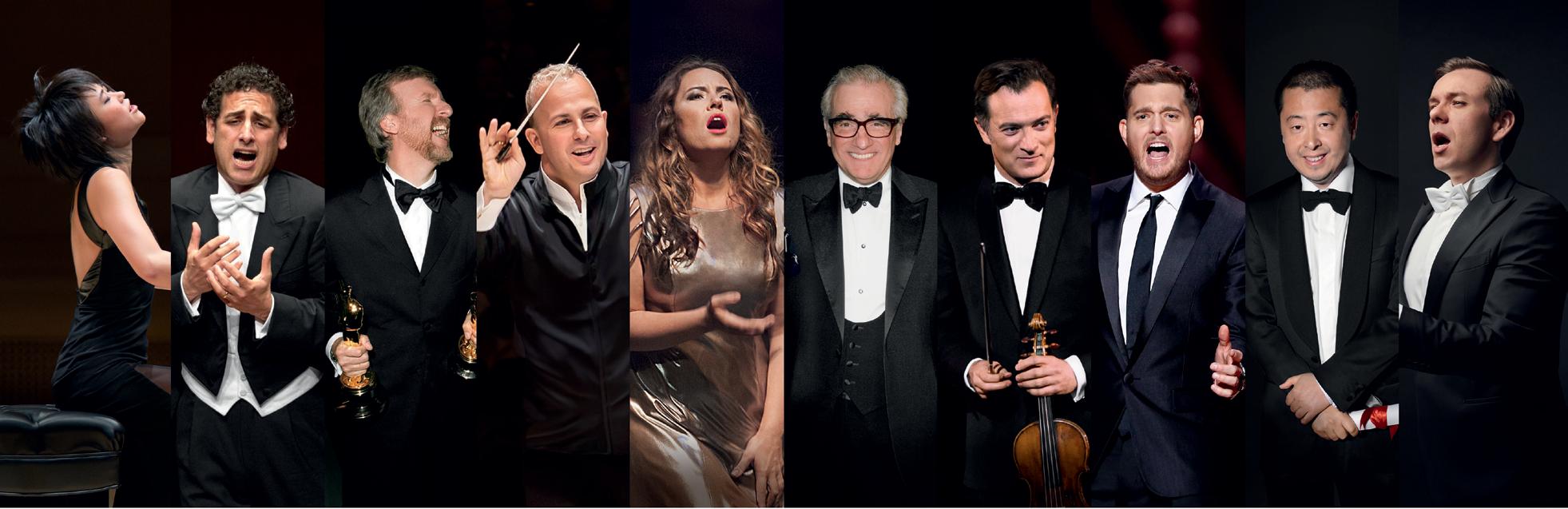
Other Concurrent Programmes from AFAA 亞洲電影大獎學院同期舉行的其他活動
Official Ticketing Partner
Official Hairstyling Partner 大會指定髮型設計夥伴
大會指定咖啡夥伴 Official Gin Partner 大會指定氈酒夥伴
Official Water Partner 大會指定飲用水夥伴
Official Perfume Partner 大會指定香水夥伴
Official Scented Candle Partner 大會指定香薰夥伴
Official Design Partner
大會指定設計夥伴
Official Production Partner
大會指定製作夥伴
Media Partners
傳媒夥伴
Supporters
支持機構
Official Network Partner
大會指定網絡夥伴 Floral Decorations Partner
大會花藝布置
Office Equipment Partner 文儀器材夥伴 Transportation Service 大會交通接送
15.3.2026
19TH ASIAN FILM AWARDS
Welcome Message 歡迎辭
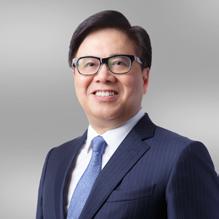
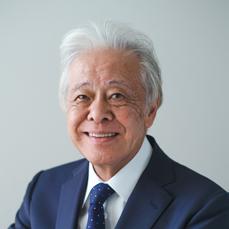
Dr. Wilfred WONG, GBM, GBS, JP
王英偉博士 , GBM, GBS, JP
Chairman, Asian Film Awards Academy 亞洲電影大獎學院主席
In a year of change and reflection, we have truly recognised film as a cultural vessel. It not only carries the memory of an era, but also connects the shared emotions.
This year, three influential voices in contemporary cinema join us for masterclasses. Mr. HWANG Dong-hyuk, with Squid Game, redefined the presence of Asian storytelling on the global stage; director JIA Zhangke has long documented the transformations of Chinese societies through his auteur lens; Ms. ZHANG Ziyi, with her remarkable achievements in performance, has established an iconic position for Asian actors in international cinema. Together, their work reflects the depth and diversity of Asian filmmaking.
The making of a film relies on the dedication of countless professionals. This year ’ s Asian Film Awards theme,“Together on Screen, Together in Dream”, celebrates collective creativity and shared imagination. When audiences gather before the screen, values and visions carried by cinema come to life.
As the Asian Film Awards approaches its 20th anniversary, we reflect on the growing presence of Asian cinema on the global stage while continuing to strengthen this platform for exchange, connecting heritage and innovation across generations of filmmakers.
First and foremost, I extend my deepest sympathies to the people of Hong Kong regarding the tragic incident that occurred last year. Our thoughts are with all those affected, and we sincerely hope for healing and renewed strength within the community.
While the 19th Asian Film Awards is being presented in a more solemn format, the Academy ’ s essential mission—to connect Asian filmmakers and champion their work— remains unwavering. Even in challenging times, our shared commitment to elevating Asian voices continues.
Last year, BIFF introduced a competitive section to spotlight the distinct perspectives of Asian cinema. We clearly remember the remarkable achievements of Sinophone cinema, including Zhang Lu ’ s Gloaming in Luomu (Best Film), Shu Qi ’ s Girl (Best Director), and Bi Gan ’ s Resurrection (Artistic Contribution). We look forward with anticipation to discovering the visionaries who will define this year ’ s second edition.
I sincerely wish for the great success of this year ’ s event. From Hong Kong to Busan, we remain united in supporting and celebrating the diversity, creativity, and enduring power of Asian cinema.
Last November, I was deeply saddened to learn of the devastating fire in Hong Kong. I would like to extend my sincerest condolences to the families of those who lost their lives in this tragic disaster, and to convey my heartfelt sympathies to all who were affected.
The Asian Film Awards hold an exceptionally important place for us at the Tokyo International Film Festival and the Japanese film community as a whole. Many Japanese filmmakers have traveled to Hong Kong over the years, where we have had the privilege of deepening exchanges and friendships. Because of these long-standing ties, we wish to convey our heartfelt encouragement to the people of Hong Kong, together with our sincere hopes for a swift recovery and reconstruction.
Even under such circumstances, I would like to express my profound respect and congratulations for the continued presentation of the Asian Film Awards under the remarkable leadership of Dr. Wilfred WONG, showcasing the value and potential of Asian cinema to the world.
I have great expectations that Asian cinema will continue to transcend national borders and bring new inspiration and value to the global film community, and I sincerely wish the 19th Asian Film Awards every success.
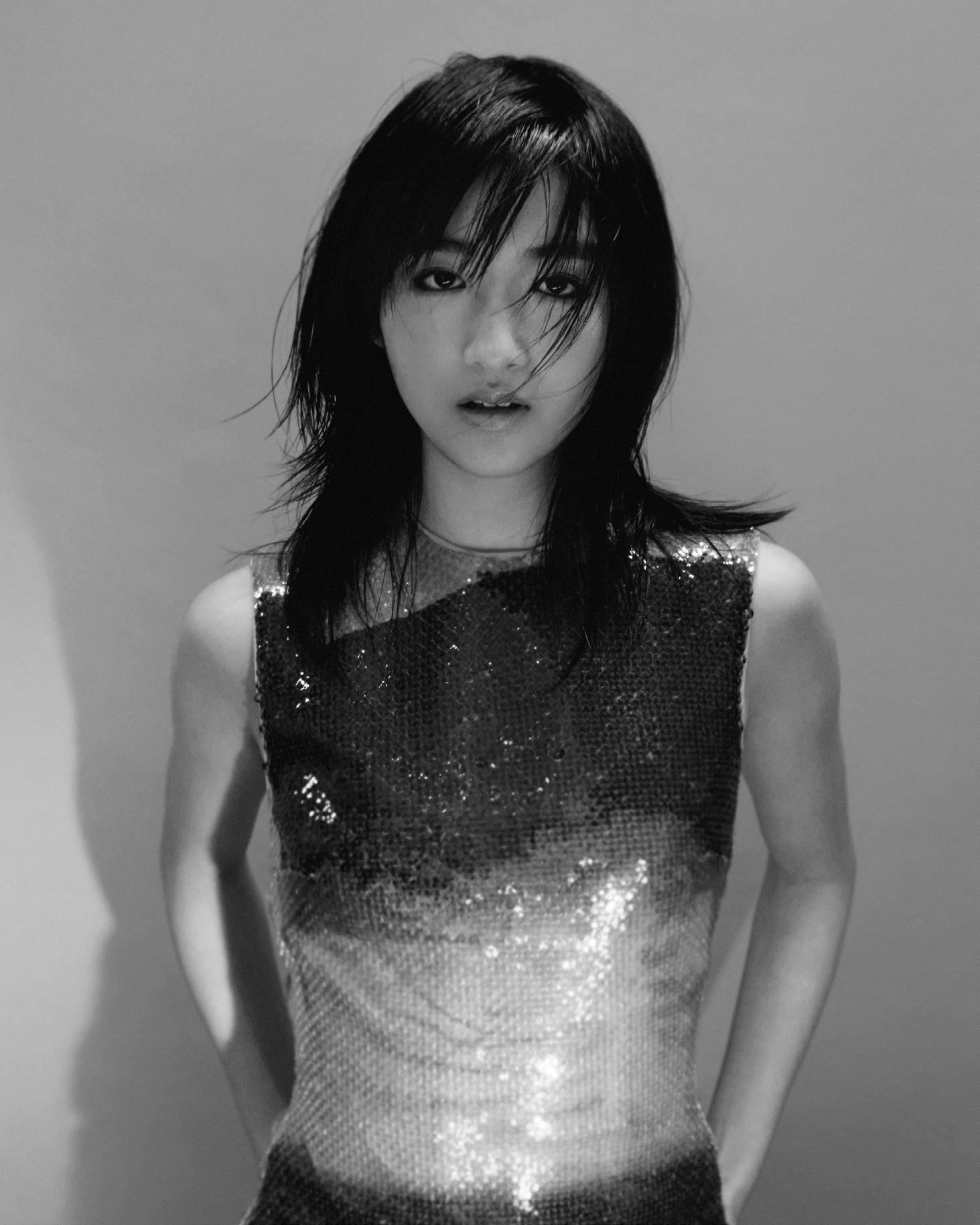
Natalie made her film debut at seventeen in The Day We Lit Up the Sky, winning Best Newcomer at a Mainland Chinese film festival. From her early innocent roles to more layered performances in Last Song for You and My First of May, she has steadily expanded her range. In 2025, she appeared in the Malaysian films Pavane for an Infant and Mother Bhumi, continuing to explore new genres and broaden her international presence.
Do you see youth as an advantage or a challenge in your acting career?
I see it mostly as an advantage. When you ’ re young, you ’ re more open to learning and adapting to different environments. You also have a wider range in the characters you can play. At the same time, being young means you can learn from many senior actors and mentors.
Looking back at when you first entered the industry, what has changed the most?
I think the biggest change is confidence. Whether it ’ s discussing a script with the director or communicating with co-stars and crew, from costume and hair to sound and cinematography, I ’ m much more proactive now. I ask questions and share ideas. Even when doing media interviews during promotions, I ’ m much calmer and more steady compared to when I first started.
With the success of Love by Chance, Mean left a lasting impression on audiences. He then pushed beyond boundaries by exploring diverse genres in the youth-horror film Blood Valentine and the comedy Pee Nak 2. Later, his role in Von earned him the Best Supporting Actor award at a Thai film festival. He later expanded his focus to behind-the-scenes work, directing The Yearbook and Remember Me The Series, showcasing another side of him as a young creative beyond acting.
其後,他更憑《Von》斬獲泰國影 展最佳男配角。近年他亦將視野 拓展至幕後創作,陸續交出《The Yearbook》及《Remember Me The Series》等執導作品,讓外界見證他 除了演員以外,作為年輕創作者的另 一面向。
青年大使 Youth Ambassador
As a young actor, what kind of new perspectives or energy do you think your generation can bring to contemporary cinema?
In an era of limitless inspiration, our generation brings a raw, unpredictable energy to cinema. We aren ’ t bound by traditional rules, allowing us to bring fresh, authentic perspectives to every role.
Looking back at when you first entered the industry, what has changed the most?
What ’ s changed most is my understanding of human emotions. I used to focus on extreme energy, but now I realize emotions have endless shades. I now find more joy in searching for the root of those feelings.
At the next stage of your career, what kind of actor do you hope to become?
I want to be an actor who transcends “hero ” or “ villain ”labels. My goal is to portray authentic, flawed humans, allowing the audience to discover the character ’ s truth in every second of the film.
Kent TSAI rose to prominence in 2017 with the television series The Teenage Psychic. His subsequent work spans youth dramas and darker narratives, including Giddens Ko’ s Mon Mon Mon Monsters and Bad Education. In Bad Education, his shift from an obedient student to a more extreme character earned him a Best Actor nomination. In the action film 96 Minutes, TSAI subverted his boy-next-door image by taking on a villainous role, further demonstrating his range as an actor.
As a young actor, what new perspectives or energy do you think your generation brings to cinema today?
I think our generation is less afraid to express ourselves and more willing to bring real emotions into our performances. Instead of simply “playing” a character, we often draw from our own experiences to understand them. I hope to bring that sense of authenticity to my work.
Looking back to when you first started acting, what has changed the most for you?
I used to care more about how people saw me. Now I care more about how the character is seen.
I’ ve learned to step back and let the character and the story take centre stage.
At the next stage of your career, what kind of actor do you hope to become?
I hope to remain an actor who keeps exploring. I don’ t want to be defined too quickly or limited to one type of role. Every project should feel like a new adventure.
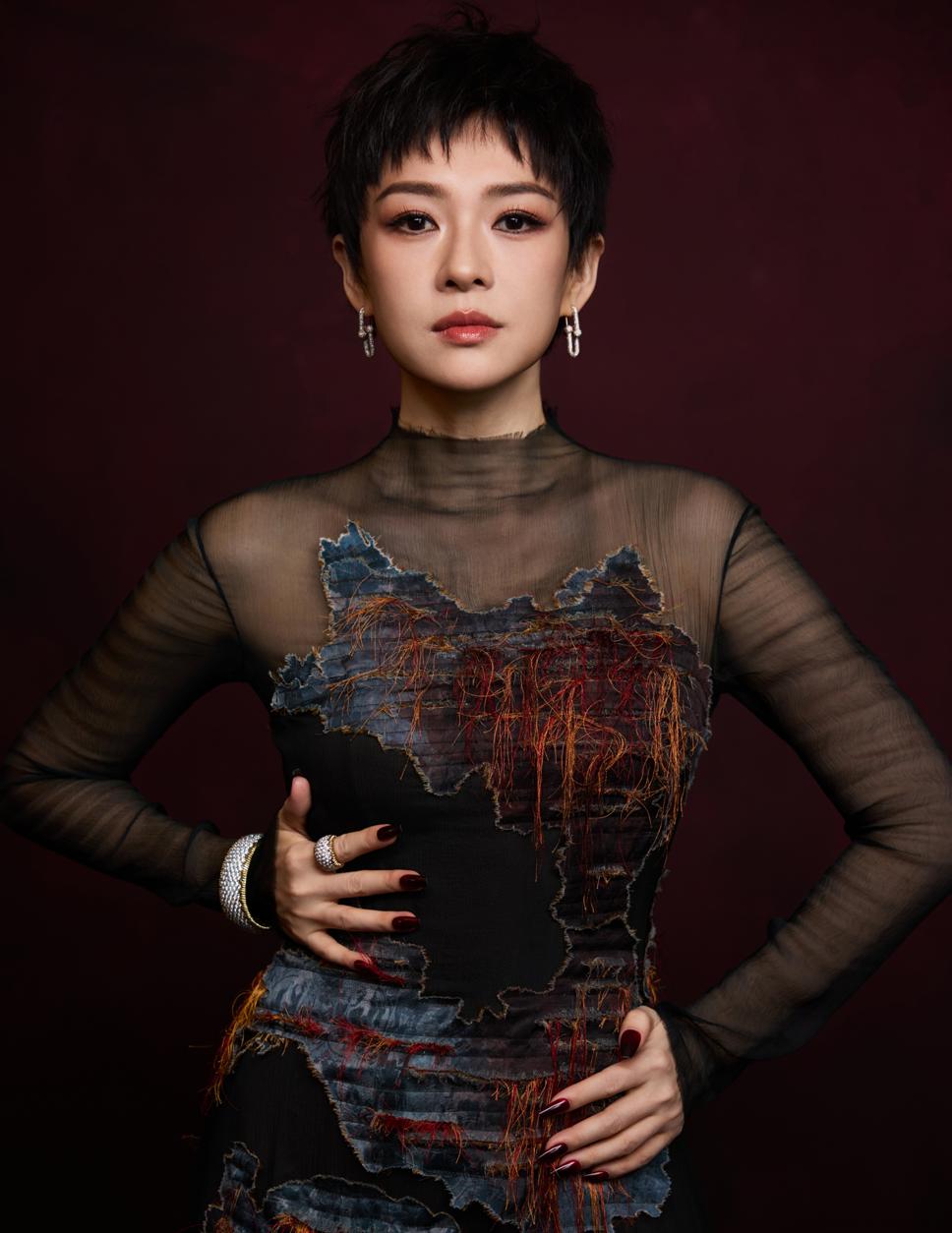
ZHANG Ziyi graduated from the Central Academy of Drama and gained international recognition in 1998 with ZHANG Yimou’ s The Road Home. She later starred in landmark Chinese-language films including CrouchingTiger, Hidden Dragon, Hero, House of Flying Daggers and 2046. Her performance as Jen Yu in Crouching Tiger, Hidden Dragon captivated global audiences and made her one of the most recognisable faces of Chinese cinema.
She later entered Hollywood with Rush Hour 2, challenging long-standing stereotypes surrounding Asian actresses, while Memoirs of a Geisha further expanded her international reach.
Over the years, ZHANG has created a series of powerful female roles—from her triple performance across three generations in Jasmine Women, to the resolute Gong Er in The Grandmaster, and most recently her portrayal of resilience amid turbulent times in She’ s Got No Name. These roles mark key moments in Chinese cinema while bringing Asian storytelling to wider global audiences, securing ZHANG Ziyi’ s place as a defining presence.
In an industry still largely shaped by men, how do you see women continuing to expand their presence internationally?
你認為在今日男性主導的社會,尤其是電影以男性 中心的世界,可以怎樣逐步走向國際舞台?
I believe the influence of Asian women filmmakers today lies in how we are redefining strength. We are no longer simply observed or shaped by others we are active participants in telling our own stories.Women today carry the subtlety, tenderness and resilience rooted in Eastern culture, yet we possess the same vision and courage as anyone else. We are not just telling“women ’ s stories.” We are speaking about humanity about our time, our fate, and our conscience.
Whether serving on a jury or standing on stage, I’ ve always believed what makes Asian cinema irreplaceable lies deep within us our cultural memory and emotional heritage. We come from a long tradition of storytelling shaped by intimacy and sensitivity, especially in how we observe family, history, and destiny. Western cinema has its scale and industry; Asian cinema carries warmth, character, and the pulse of everyday life a quiet strength rooted in the land itself. That is something no one else can replicate, and it gives us the confidence to stand on the world stage.
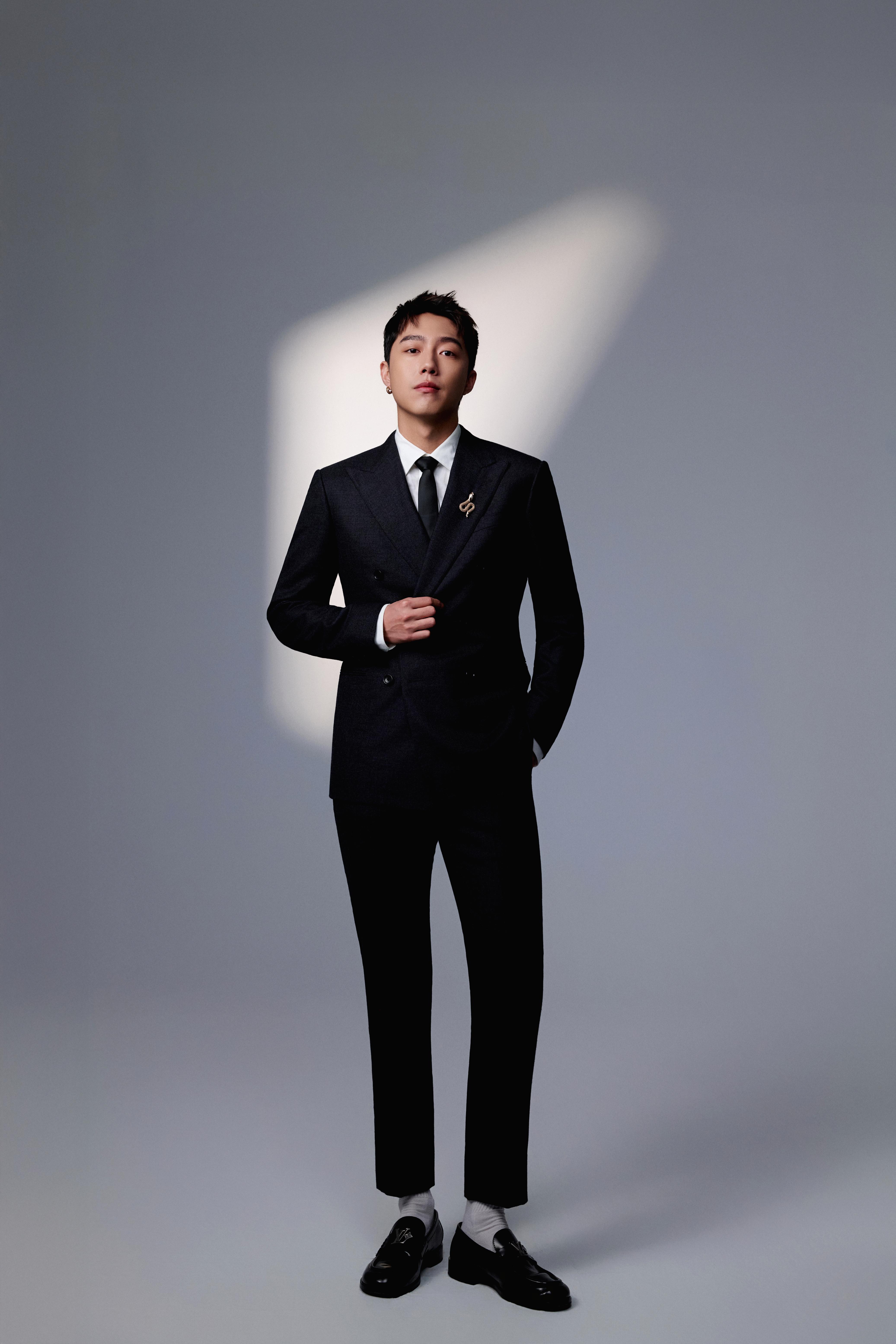
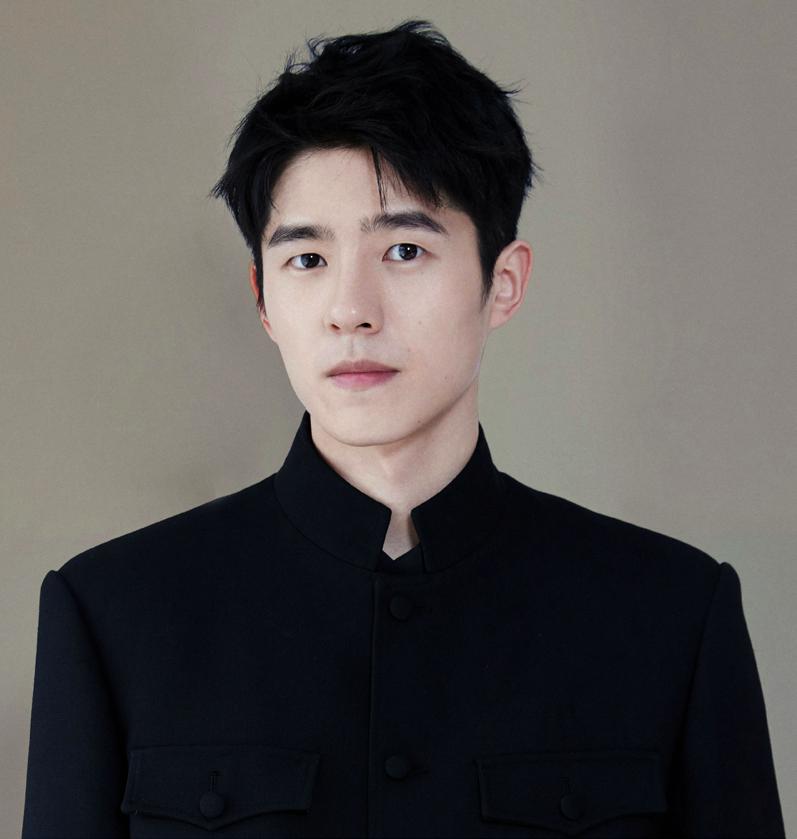
Since his debut, LIU Haoran has delivered standout performances across film and television, setting multiple records in the China market. Rising to prominence through the Detective Chinatown series, he quickly became one of the leading young faces in Chinese commercial cinema, joining the ranks of “100-billion-yuan box office actors” at an early age and becoming the youngest Best Actor nominee.
Beyond commercial success, LIU has also taken part in works reflecting broader historical and cultural themes. In Deed to Rights, his nuanced performance captures a character’ s inner struggle and emotional turmoil.
In recent years, he has taken on diverse roles that reflect the responsibility and perspective of a new generation of actors—from youthful characters to the mathematical prodigy in Decoded, torn between national duty and personal fate—demonstrating a growing awareness as part of a new generation of performers.
As a young actor of the new generation, what role or responsibility do you think you carry in today’s film industry?
身為年輕有為的新世代演員,你認為自己在當 代影壇承擔著什麼角色或使命?
I see actors of my generation as storytellers of our time. An actor doesn ’ t define a character—we interpret and share their story. If audiences can see life and strength through these characters, that’ s something I hope to keep doing.
What changes can a new generation of actors bring to Asian cinema?
新一代演員能為亞洲電影帶來哪些改變?
I think our generation can help connect Asian cinema more closely with the world. We grew up in a time of greater cultural exchange and are more open to different voices. I hope we can share Asian stories and emotions in ways that feel both contemporary and universal, allowing global audiences to better see, understand, and appreciate Asian culture.
As you move toward a broader international stage, how do you maintain your passion for cinema?
在邁向更廣闊舞台的同時,你如何保持對電影的 熱情與初心? My relationship with film feels like meeting new people. Every role is like getting to know a new friend—filled with curiosity, uncertainty and anticipation—and that ’ s what keeps the experience fresh.
How does it feel to receive the AFA Next Generation Award?
獲得「AFA 新世代獎」,你有甚麼感受?
I ’ m deeply honoured to receive this recognition from the Asian Film Awards.“Next Generation”reminds me to stay grounded and keep working hard. I ’ m grateful to all the creators of Asian cinema and to every audience member who walks into the cinema it is through our shared passion that these stories continue to live on.
A graduate of the Hong Kong Academy for Performing Arts, Terrance has emerged as one of the most compelling actors of Hong Kong ’ s new generation. Beginning in theatre and television, he quickly drew attention for his distinctive screen presence and charismatic versatility.
In Trouble Girl, he portrays a gentle and introspective teacher, earning a Best Supporting Actor nomination for his nuanced performance. He later took on the role of Shin in Twilight of the Warriors: Walled In, tackling martial arts and motorcycle chase sequences that revealed a strikingly different intensity. The film’ s success in Japan and Korea further introduced his work and Hong Kong cinema to wider audiences.
recent years, Terrance has expanded his career across the region, appearing in Taiwanese series At the Moment and The Victims’Game 2, well as the Chinese production The Lychee Road, steadily extending his presence onto the broader Asian stage.
(Laughs) I ’ m not entirely sure! But if I could really become a rising star, I’d hope to be one that lights up the ground in a dark sky.
哈哈,我也不知道呢!若果能夠成為一顆冒起的星星,我希望 可以在黑漆漆的天空中照亮大地吧。
As you continue to gain recognition in the film industry, what inspiration or resonance do you hope to bring to audiences?
在影壇逐漸備受矚目的同時,你期望為觀眾 帶來怎樣的啟發與共鳴?
I ’ m also a big film lover. After watching a great film, its aftertaste stays with me for a long time. It gives me space to reflect, or sometimes even strength to return to life. So as an actor, I hope my work can create that kind of emotional dialogue with the audience.
我也是非常喜愛看電影的觀眾,每次看完一齣好電影,它的 after taste會殘留體內,令我沉澱,或獲得一些力量,回到生 活中。所以,我在創作的崗位上,也期望用作品,與觀眾有這 種心靈上的對話。
Name an Asian film that is important to you.
選一部對你最重要的亞洲電影。
I would choose KORE-EDA Hirokazu’ s After the Storm. The storm in the film doesn’ t really change the protagonist’ s struggling life, but somehow his heart moves forward a little. I love that kind of quiet truth and tenderness.
How does it feel to receive the Rising Star Award?
獲得「亞洲飛躍演員獎」,你有甚麼感受?
I ’ m truly grateful to the Asian Film Awards for this recognition. I would also like to thank my manager, my father, mother, sister, and my wife, Cecilia CHOI, for always being there for me. When I’ ve felt lost or uncertain, their love and support have carried me through. As I continue this journey, I hope to keep following my heart and moving forward, one step at a time.