










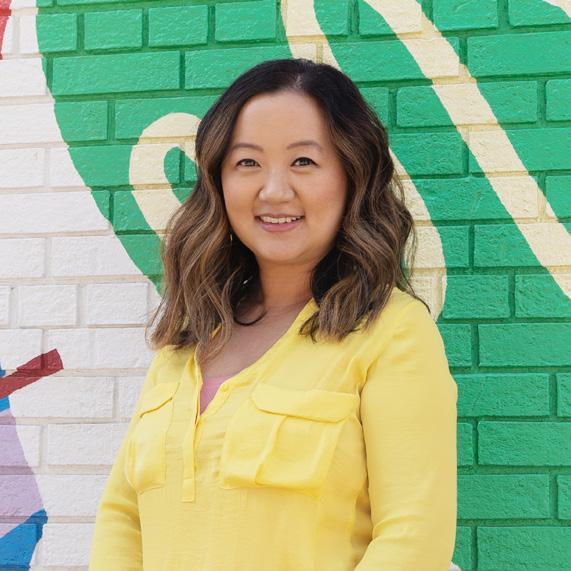
Annie Guo VanDan, President Asian Avenue magazine
Connect with us! asianavemag@gmail.com @asianavemag
Please join us on Saturday, July 18 for eats, drinks, and desserts from local Asian restaurants and vendors as we celebrate the 20th anniversary of Asian Avenue Magazine! Enjoy cultural performances, browse local vendors, and bring children for crafts and kidfriendly activities. We will also have lots of giveaways and prizes!
Get tickets at tinyurl.com/aam-20th
Thank you to our 20th anniversary sponsors!






Email asianavemag@gmail.com to learn more about partnership opportunities!
This June, I find myself reflecting on the power of leadership, service, and community: three themes that are woven throughout this month’s issue.
In May, we gathered for the 17th Annual Asian American Heroes of Colorado Awards, honoring individuals whose dedication and impact have strengthened our communities. Each year, I leave the event feeling inspired by the stories of our heroes, which remind us that leadership takes many forms: advocating for others, building organizations, sharing art, and creating opportunities where none existed before.
This spirit of service is also evident in the growing number of Asian Americans stepping forward to run for public office and leadership positions across Colorado. In this issue, we spotlight several candidates who are on the ballot in primary elections across Colorado that will be held on June 30, 2026! Their journeys reflect the progress our community has made and the importance of representation in shaping the decisions that affect our families, businesses, schools, and neighborhoods.
As we celebrate these milestones, we are also preparing for a significant one of our own. In July, Asian Avenue Magazine will mark its 20th anniversary. For two decades, Asian Avenue has shared the stories, achievements, challenges, and celebrations of Colorado’s Asian American community. We have been honored to tell the stories of entrepreneurs, artists, students, elected officials, and community members whose experiences deserve to be seen and heard.
We look forward to celebrating this milestone together next month, as we share our future plans to move more digital and engage younger audiences.
With gratitude,




ASIAN AVENUE TEAM
ELECTIONS: Several Asian Americans will be on the primary election ballots on June
Website Manager KAI VONG on the cover
Reflecting on 20 years of Asian Avenue Magazine, storytelling, and community building! Join us to celebrate on July 18 and hear about our plans to move more digitally and engage younger audiences in our next era!
Asian Avenue magazine (ISSN 1932-1449) reserves all copyrights to this issue. No parts of this edition can be reproduced in any manner without written permission. The views expressed in articles are the authors’ and not necessarily those of Asian Avenue magazine
Looking to promote your business? Asian Avenue magazine offers businesses a costeffective way to reach consumers in the Denver/Boulder metro areas and beyond. For more information, call 303.937.6888 or e-mail us at asianavemag@gmail.com for our media kit and ad rates. Send story ideas to asianavemag@gmail.com.
Asian Avenue magazine is in association with the Colorado Asian Culture and Education Network.
Denver Cherry Blossom Festival returns on June 27-28 to celebrate Japanese heritage 14 COVER: 20 years have come and gone! Asian Avenue Magazine started as a small publication and has grown into an impactful community resource 16 FOOD: Amy Kimoto-Kahn shares her family’s story of resilience as Japanese Americans through food







alexanderafrica.com
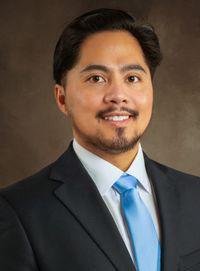
DR. ALEXANDER AFRICA is a veteran, community leader, and nonprofit executive dedicated to serving and strengthening communities across Colorado. With a Doctorate in Management and extensive experience in leadership and organizational development, he has spent much of his career advocating for community engagement, education, and opportunities that support families and future generations.
Dr. Africa has been actively involved in nonprofit leadership and community initiatives at the local and national levels, building partnerships, supporting cultural programs, and empowering individuals through service and mentorship. His work reflects a commitment to collaboration, integrity, and leadership that brings people together to address community needs.
As a resident of Southern Colorado, Dr. Africa believes in the importance of civic engagement, responsible leadership, and creating opportunities that allow communities to grow and thrive. His mission is to continue serving with purpose and to help build a stronger future for the communities he proudly represents.
Alexander Africa is running for election to the CO House of Representatives to represent District 21 in El Paso County. He is on the ballot in the Republican primary on June 30, 2026.
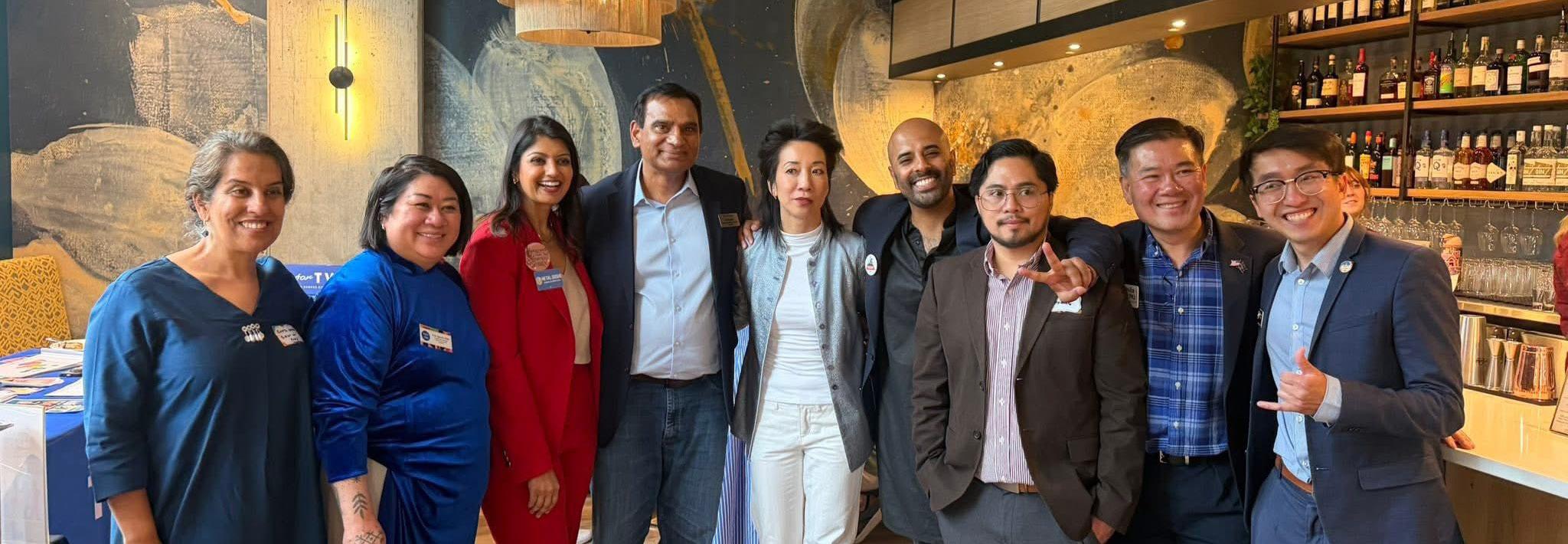
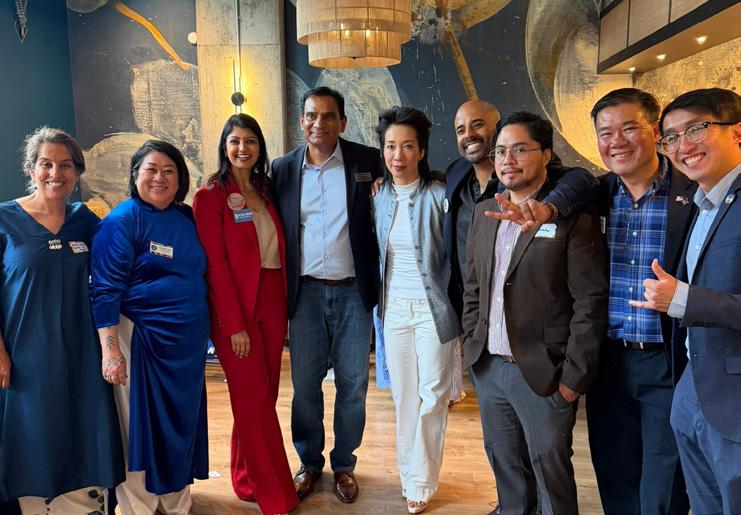
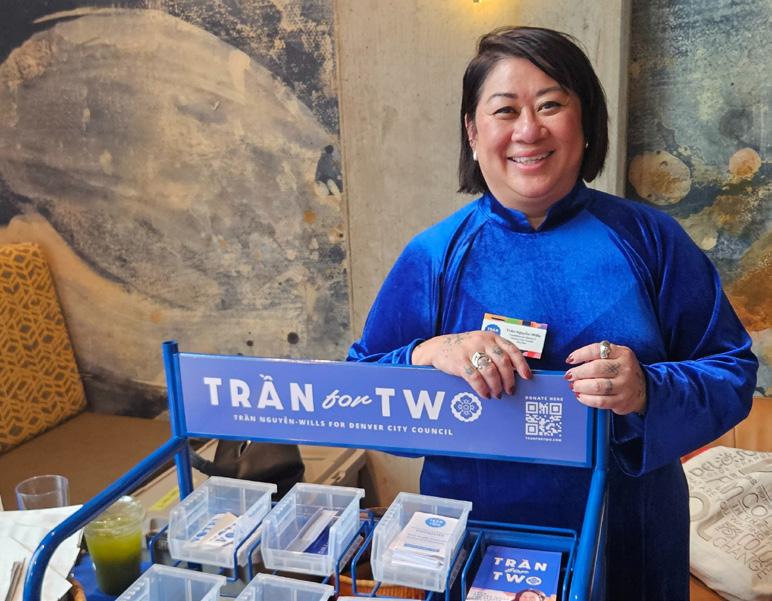
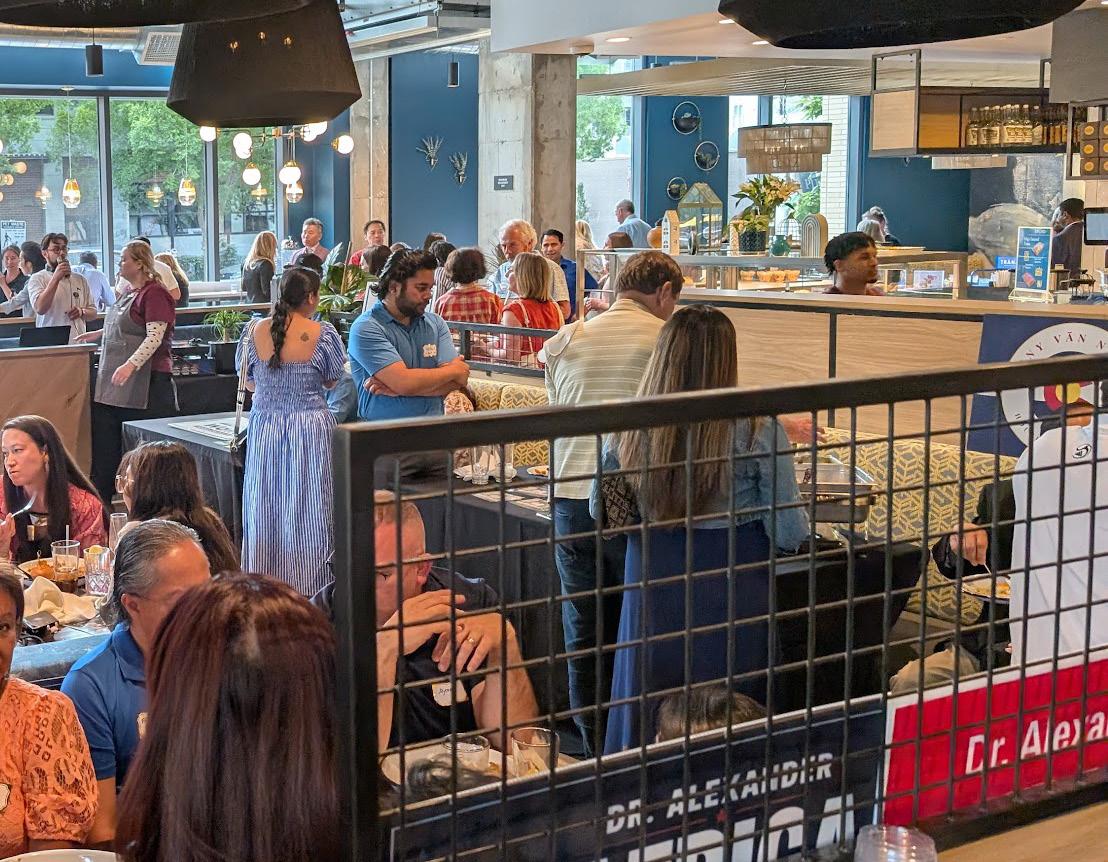
Nguyen (middle), Founder/President of Olive & Finch Collective, hosted the
for Colorado event on May 31,
HETAL DOSHI is a first generation American and proud daughter of two Indian immigrants.
Doshi has been a practicing lawyer for nearly 20 years. As an Assistant U.S. Attorney for Colorado and later Deputy Assistant Attorney General for the Antitrust Division, Hetal prosecuted monopolies, cartels, fraudsters, scammers, and corrupt public officials—and won. The Biden/Harris administration appointed Doshi the nation’s top antitrust litigator.
For Hetal, this moment is personal. Hetal is a proud public servant raised by hardworking immigrants and an extended American community that instilled in her the values of hard work, fairness, and reinvesting in the American people.
Her top issues include defending Colorado, fighting for a fair economy, and protecting our rights and public safety.
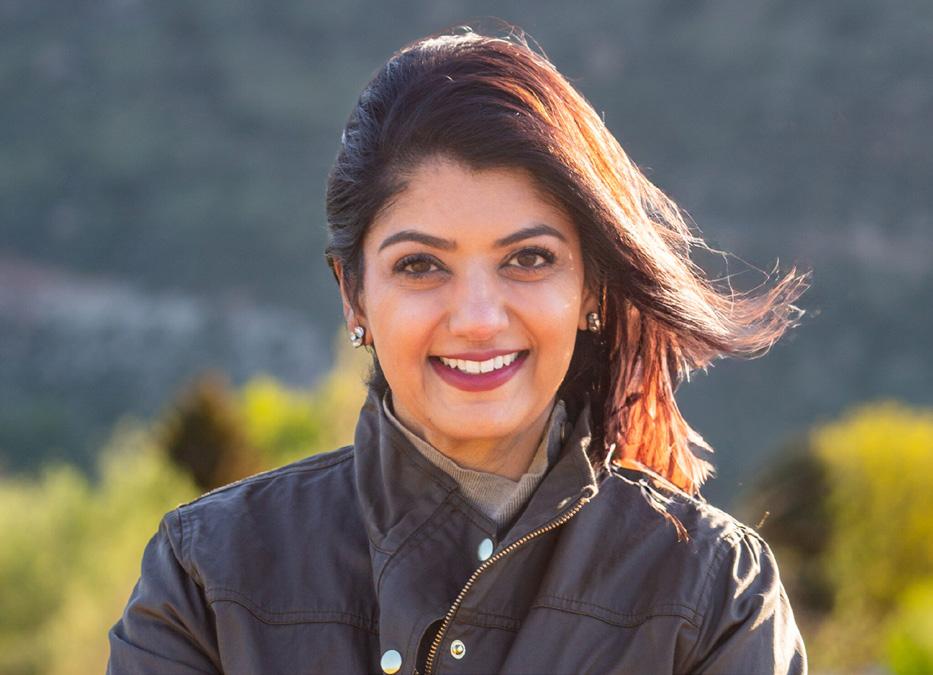
Hetal Doshi is running in the Democratic primary for Colorado Attorney General on June 30, 2026. The general election will occur on November 3, 2026.
hetaldoshiforag.com
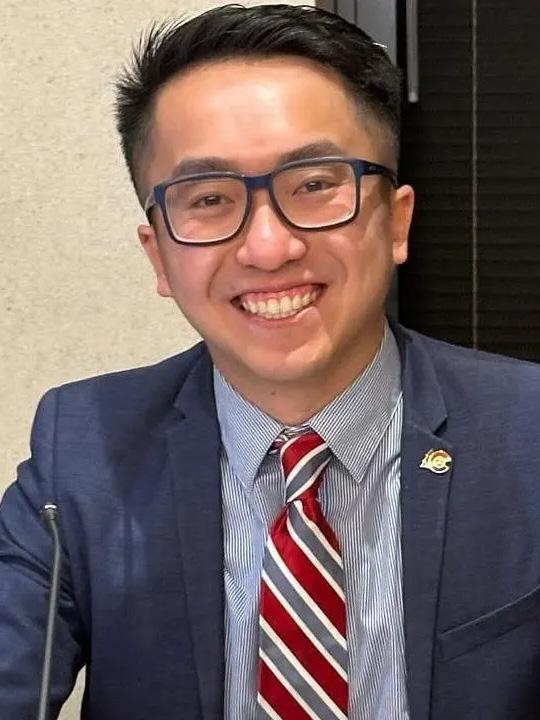

KENNY NGUYEN is the current State Representative for Colorado House District 33, representing parts of Adams, Broomfield, and Weld counties. He previously served on the Broomfield City Council, where he worked to expand income-aligned housing, maintain effective local governance during challenging times, and ensure residents had access to essential community services.
The son of refugees who fled the Vietnam War, Nguyen was born and raised in Colorado. He grew up in a family affected by the lasting impacts of war and generational trauma. As the first member of his family to earn a college degree and later a Master of Public Administration from the University of Colorado Denver, he views education and opportunity as central to his life’s journey. He is currently the only Asian American serving in the Colorado General Assembly and believes strongly that representation matters in government.Nguyen has dedicated his professional career to public service. His experience includes serving with organizations such as AmeriCorps, National Model United Nations, and the I Have a Dream Foundation. In the legislature, he has prioritized issues including affordable housing, public transportation, and policies aimed at creating greater opportunity for all Coloradans.
Kenny Nguyen is seeking re-election to the Colorado House of Representatives for District 33 and will be on the Democratic primary ballot on June 30, 2026.
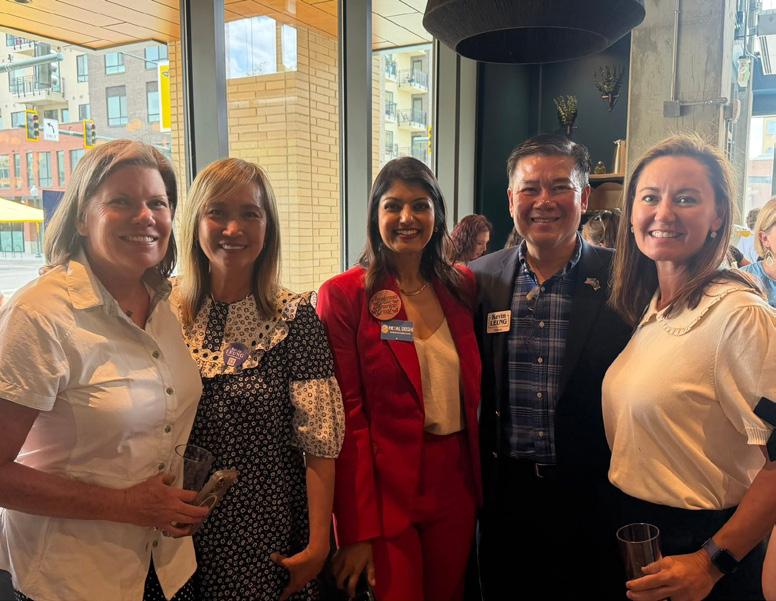
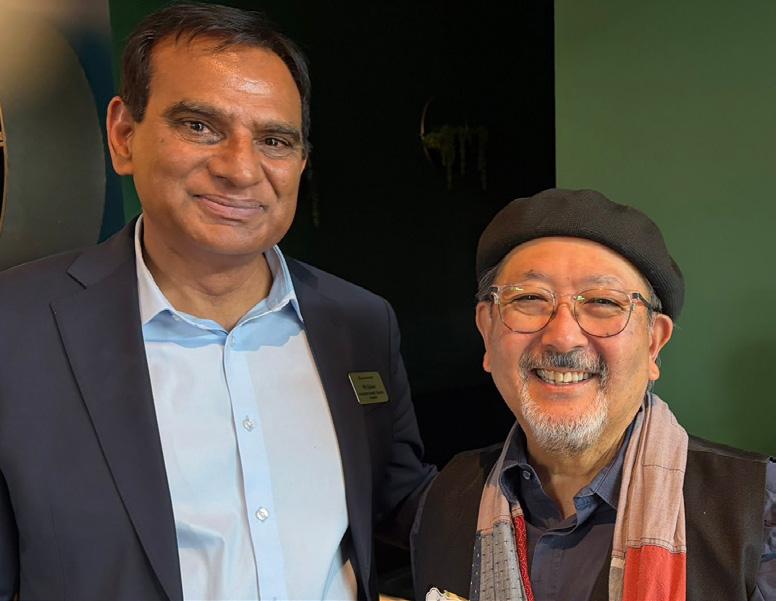
KEVIN LEUNG is known for his service on the Douglas County School Board and the South Metro Fire Rescue board, as well as for his direct conversations with residents in the community. Before entering public service, he immigrated from Hong Kong as a child, arriving with limited English but a strong sense of determination shaped by his upbringing.
Raised by parents who could not read or write, Leung learned early lessons of hard work and integrity. From the moment he arrived in the United States, he embraced perseverance as a guiding principle in his life.
In 2017, he was elected to the Douglas County School Board. At the time, the district had not passed a bond in over a decade. In 2018, he supported the passage of a $250 million bond and mill levy override that funded new schools, improved educational resources, and helped restore community trust. He later served on the South Metro Fire Rescue board, helping oversee a $200 million budget serving more than 570,000 residents. While not a firefighter himself, he worked to ensure strong governance and support for first responders and the communities they serve.
He is now running for the Colorado State Senate, driven by a commitment to public service and the belief that silence in the face of injustice is not an option.
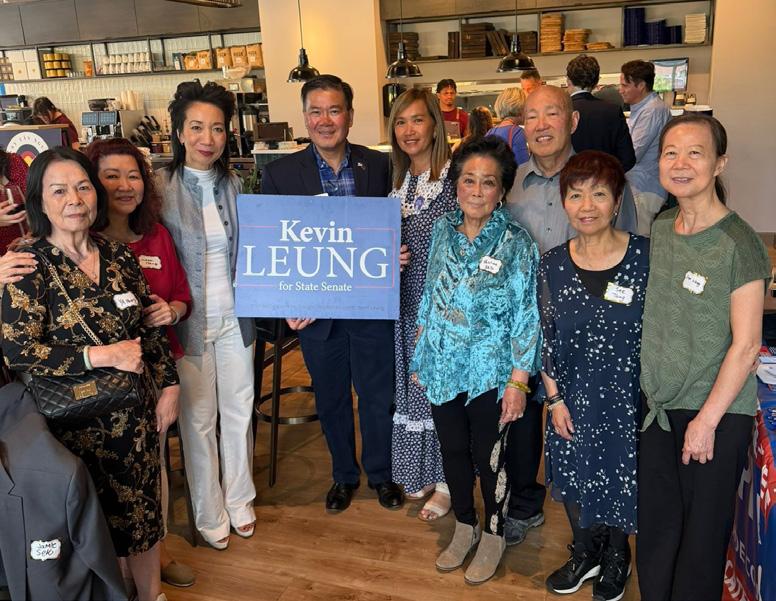
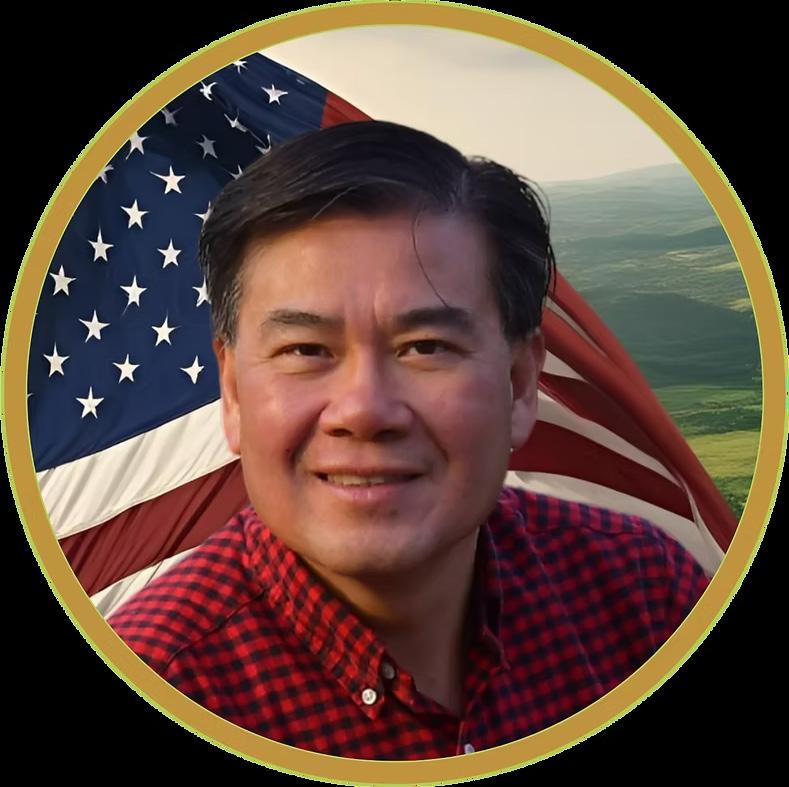
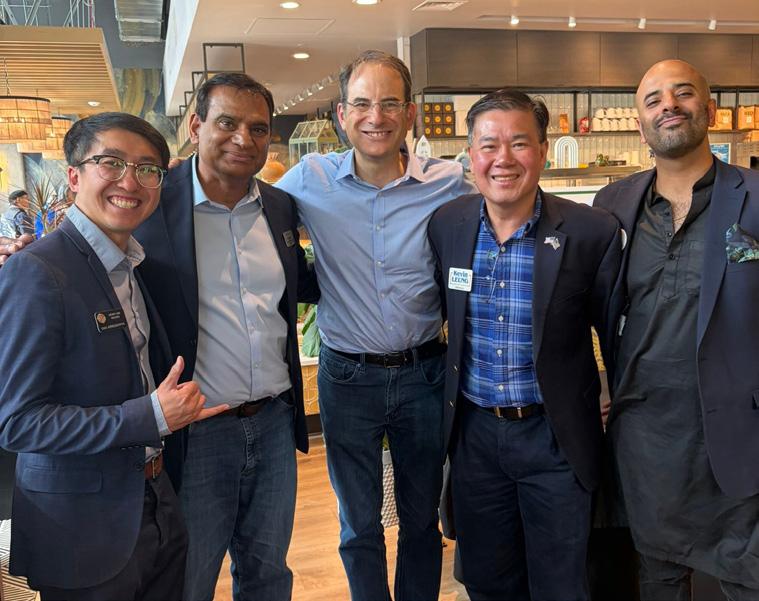
Kevin Leung is running for election to the Colorado State Senate to represent District 30 (Douglas County). He is on the ballot in the Democratic primary on June 30, 2026. kevinfordougco.com
ANIL PESARAMELLI is a Democratic candidate for Colorado House District 19. Born in rural India and raised in a family that valued education and perseverance, he immigrated to the United States and built a career as an engineer, small business owner, and public servant. He currently serves on the Erie Town Council, where he has focused on responsible growth, infrastructure, water resources, and transparent government.
Pesaramelli’s campaign centers on affordability for working families, including lowering the costs of housing, healthcare, childcare, groceries, insurance, and utilities. He also advocates for protecting reproductive freedom, LGBTQ+ rights, immigrant communities, workers’ rights, and public education.
Drawing on his experience as an engineer and local elected official, he emphasizes practical, people-first leadership and accountability in government.
Anil Pesaramelli is running for election to the Colorado House of Representatives to represent District 19 (Erie, Dacona, Frederick). He is on the ballot in the Democratic primary on June 30, 2026.
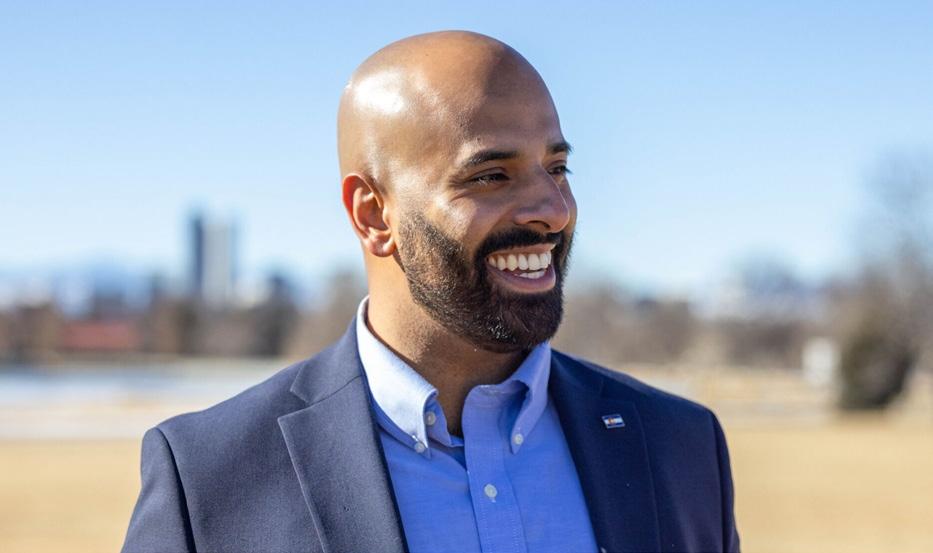
Neal Walia is running for election to the Colorado House of Representatives to represent District 9 (Denver). He is on the ballot in the Democratic primary on June 30, 2026.
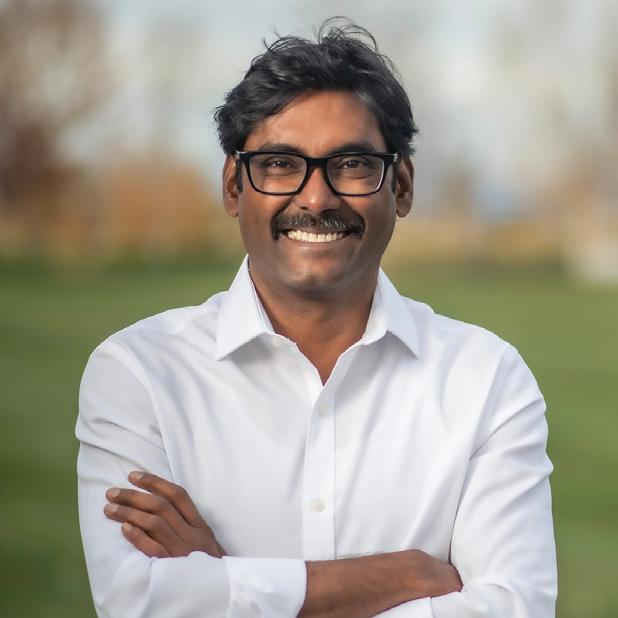

NEAL WALIA is a Democratic candidate for Colorado House District 9 and has dedicated his career to public service and community advocacy. As Deputy Director of the Asian Pacific Development Center, he has helped support immigrants, refugees, and asylum seekers through mental health services, adult education programs, and pathways to citizenship.
Walia also worked with the Colorado Academy of Family Physicians, where he collaborated with healthcare providers, patient advocates, and labor justice organizations to help pass legislation ending non-compete agreements in healthcare and modernizing medical licensing practices to better support physicians seeking mental health treatment.
A longtime advocate for bold policy solutions and community engagement, Walia first entered politics by challenging a longtime incumbent for Congress. He now seeks to represent House District 9, bringing his experience in public service, coalition-building, and policy advocacy to the Colorado State Capitol.
nealforcolorado.com
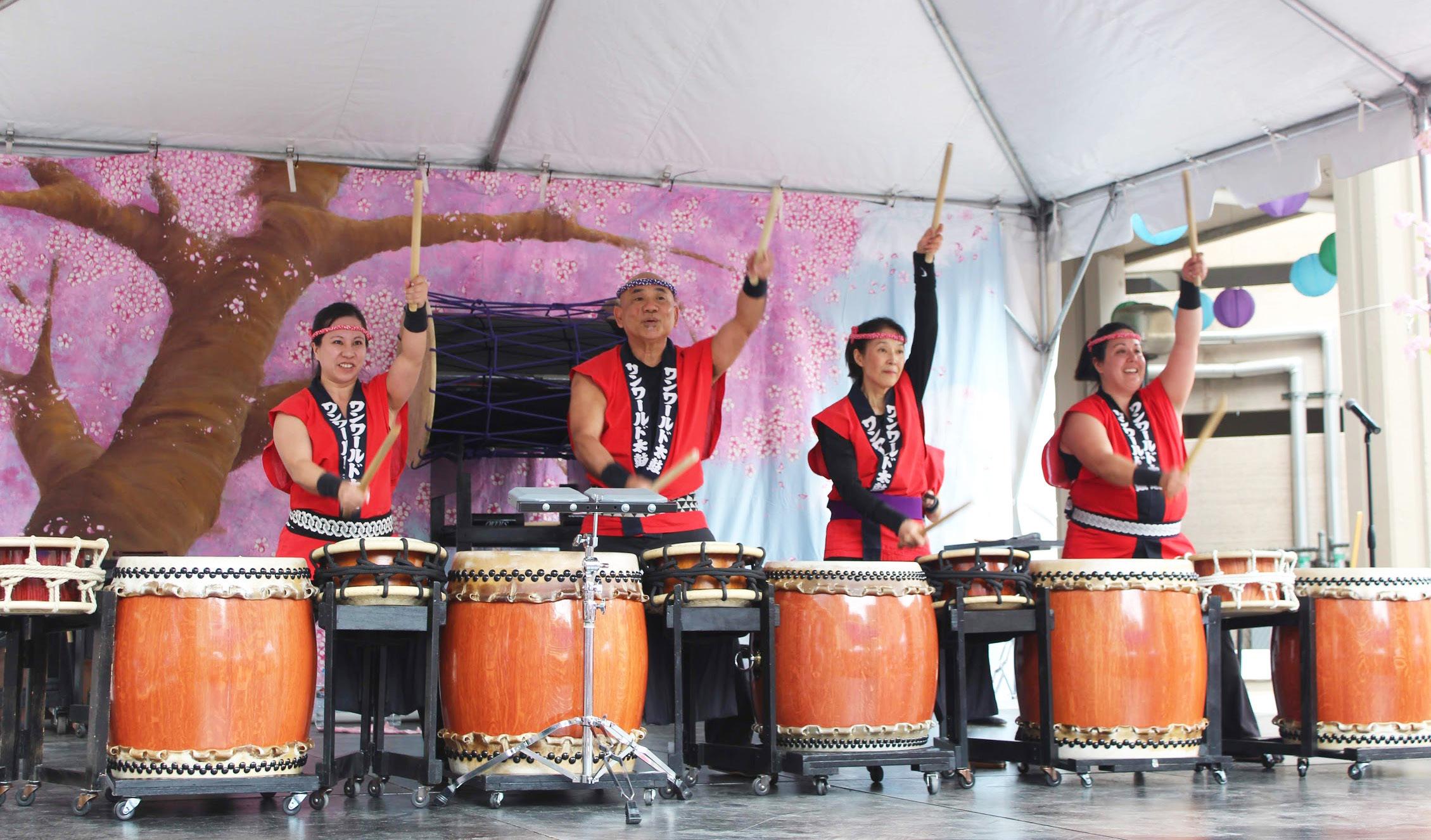
Not every city has a Sakura Matsuri but Denver does, and it keeps getting better!
The Denver Cherry Blossom Festival returns for another spectacular weekend of Japanese culture, food, and community at Sakura Square, 1255 19th Street, on June 27 and 28. As always, it’s FREE and open to everyone.

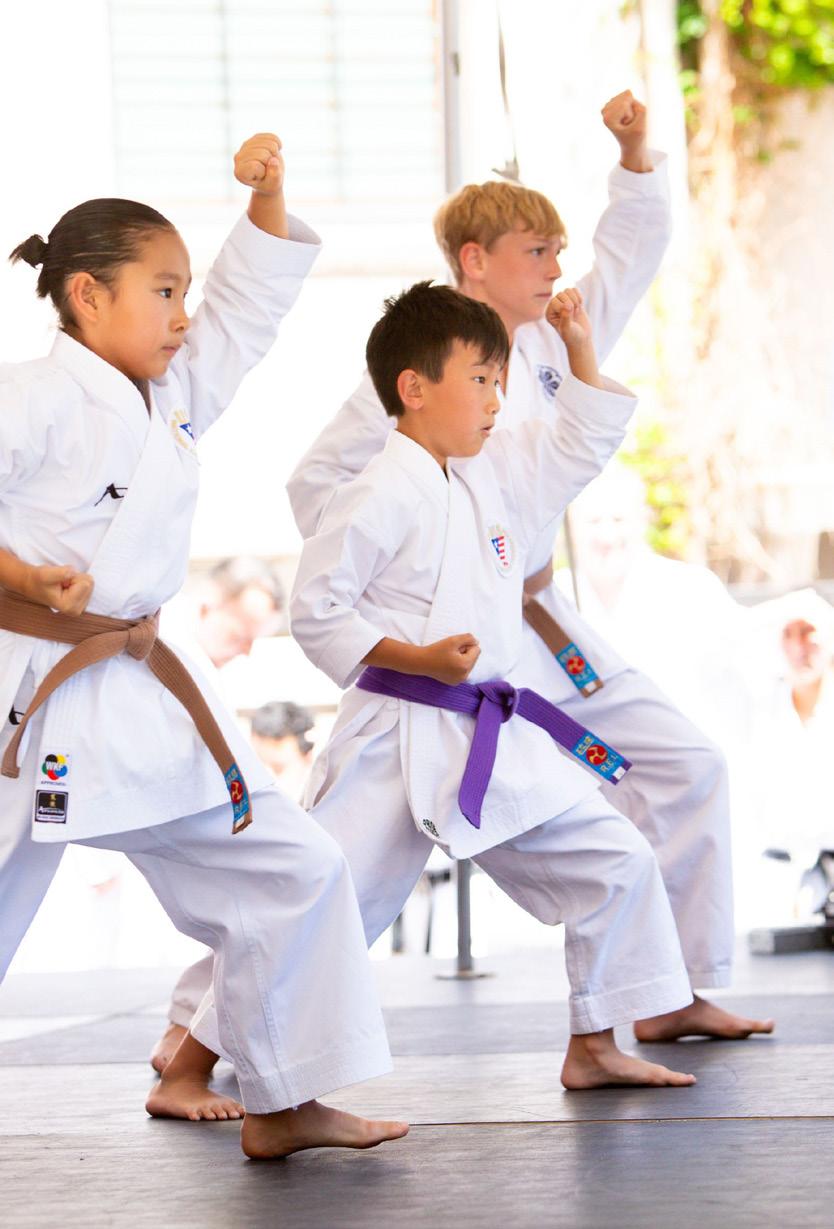
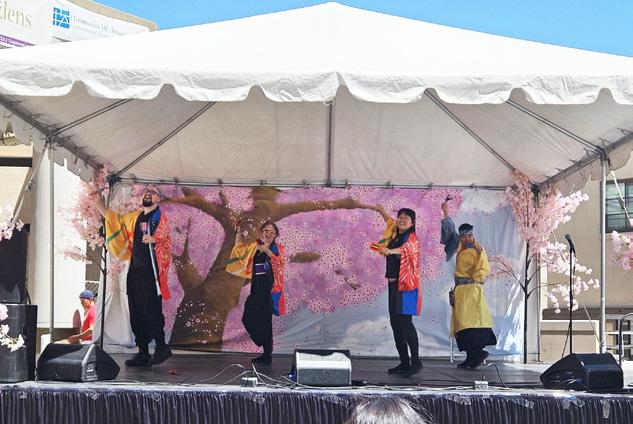
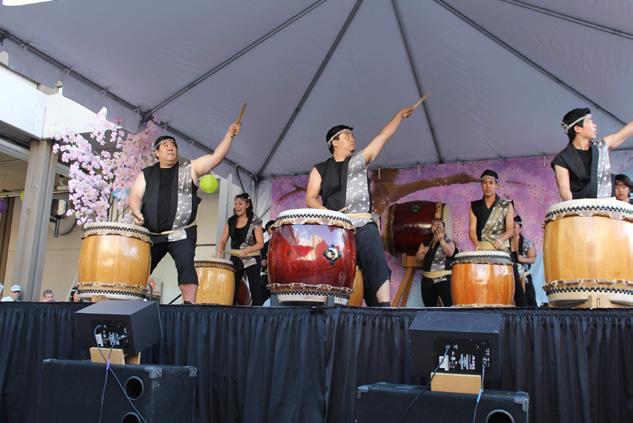
Saturday morning kicks off on the live stage with pulse-quickening taiko drumming, followed by a full stage of minyo folk dancers, koto players, enka singers, and martial artists. Temple children and youth perform throughout the weekend, and this year brings an exciting new addition: Ryu Japan, a Japanese singer-songwriter whose original music bridges cultures and moves hearts.
The Marketplace features over 40 vendors offering traditional textiles, handcrafted art, contemporary Japanese fashion, anime, and pop culture finds. There’s something around every corner to spark your curiosity and send you home with a smile.
Come hungry! Cool down with an icecold Asahi or crisp sake, then dig into a teriyaki burger, SPAM musubi, chicken bento box, and more. Food is available inside the Temple and at the outdoor marketplace booth, with dining areas under the Temple (enter from 20th Street), in the 19th Street plaza, and near the live stage.
Families won’t want to miss a celebration of the book Unbreakable: A Japanese American Family in an American Incarceration Camp by Minoru Tonai, Jolene Gutiérrez, and Chris Sasaki. Author Jolene Gutiérrez will be on hand to read and discuss this moving children’s book about resilience, identity, and inner strength. Check the festival website soon for day and time.
For parking, transit, performance schedule, and vendor info, visit cherryblossomdenver.org. Whether it’s your first visit or your fifteenth, Sakura Matsuri is a summer tradition worth making your own.
52nd Annual Cherry Blossom Festival Sat, June 27 11am to 6pm | Sun, June 28 11am to 4pm
Location: Sakura Square, 1255 19th Street in downtown Denver
Visit cherryblossomdenver.org to order your Fukubukuro bag and learn more about the festival.
The Denver Cherry Blossom Festival is co-presented by Sakura Foundation (sakurafoundation.org) and Tri-State/Denver Buddhist Temple (tsdbt.org).

Lucky Bags Are Back!
Online pre-orders are being taken for our Fukubukuro Bags (“Lucky Bags”)!
At $45 each, they are packed with cherry blossom-themed goodies, plus a few mystery items that make every bag a little adventure! Proceeds support Sakura Foundation.


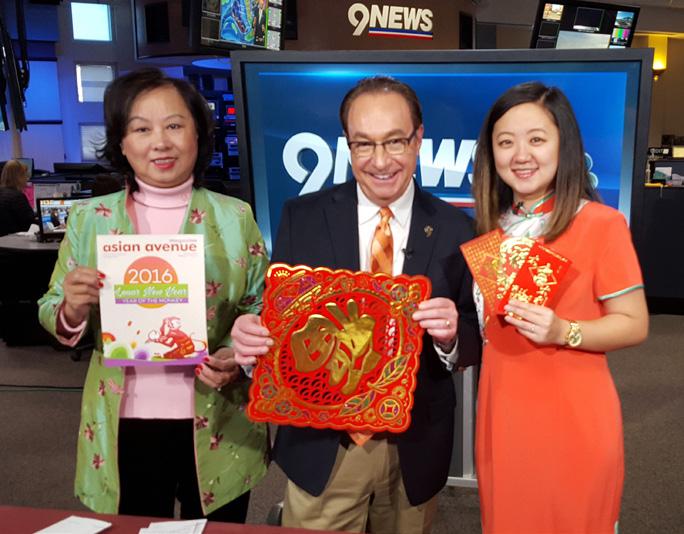
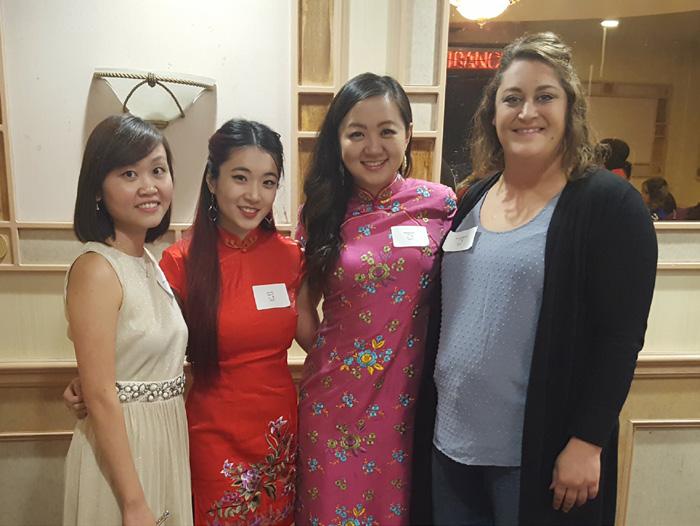
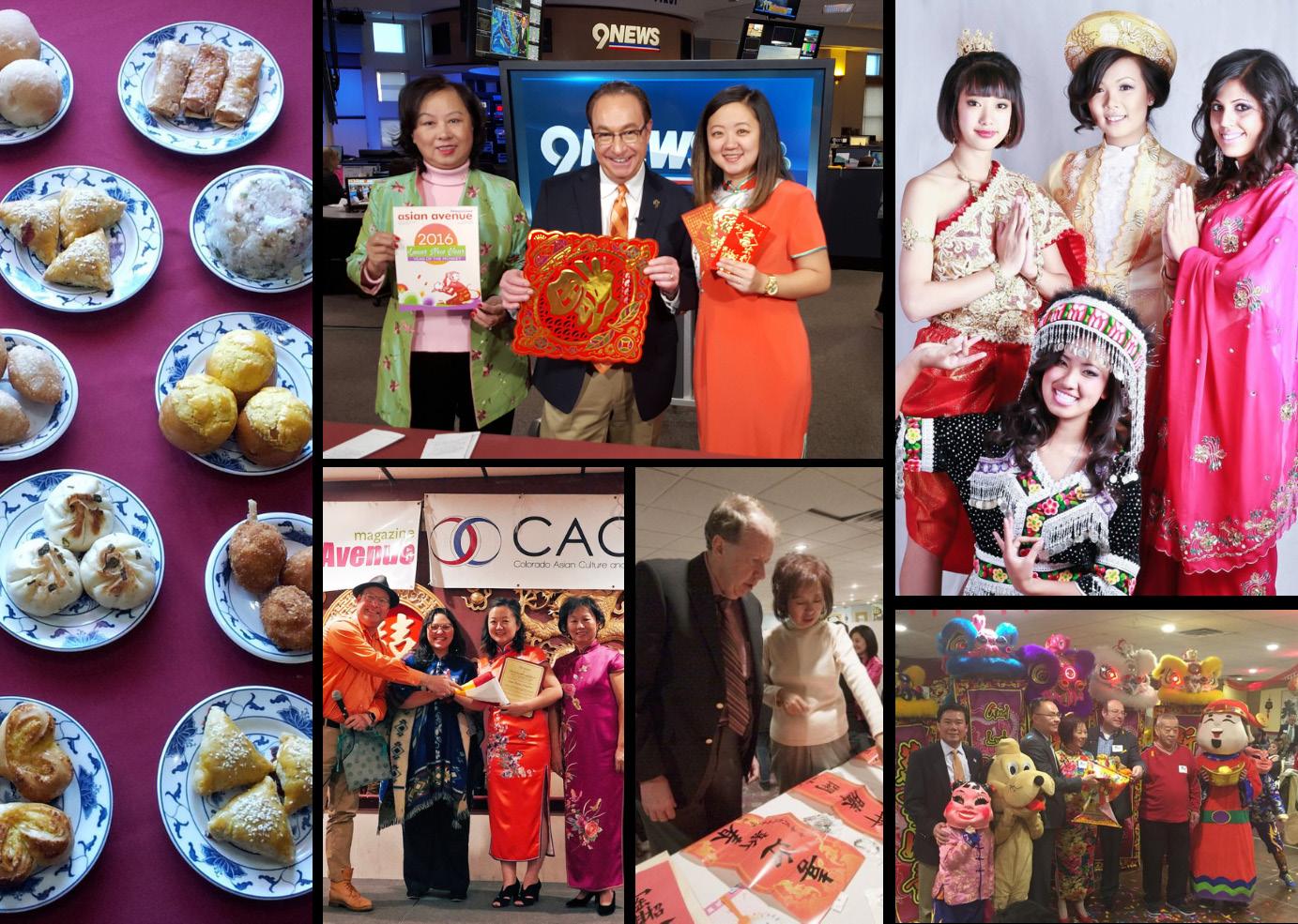
In 2006, before Instagram, before TikTok, and before “AANHPI” became part of mainstream conversations, there was a simple but powerful idea: Colorado’s Asian American community deserved to be seen.
That idea became Asian Avenue Magazine. What started as a grassroots publication has grown over the past twenty years into a platform that has celebrated culture, amplified voices, supported local businesses, and documented the stories of Colorado’s Asian American, Native Hawaiian, and Pacific Islander (AANHPI) communities.
At the time, there were few spaces where Asian Americans in Colorado could consistently see themselves reflected in local media. Community events often spread through word of mouth. Cultural organizations worked in their silos. Businesses had limited ways to reach Asian audiences. And many second- and third- generation Asian Americans were still searching for a stronger sense of identity and belonging.
Asian Avenue became a connector.
Issue after issue, the magazine highlighted community leaders, artists, entrepreneurs, nonprofits, students, restaurants, festivals, and families. It celebrated milestones and traditions while also addressing difficult conversations around identity, mental health, representation, immigration, and belonging.
As we celebrate 20 years of the magazine next month (July 2026), we have seen how the publication has evolved alongside the community itself. What began primarily as a print magazine expanded into community events, partnerships and connections across Colorado. The growth reflected a larger transformation
By Annie Guo VanDan
happening nationwide: AANHPIs becoming more visible, more vocal, and more engaged in civic and cultural life.
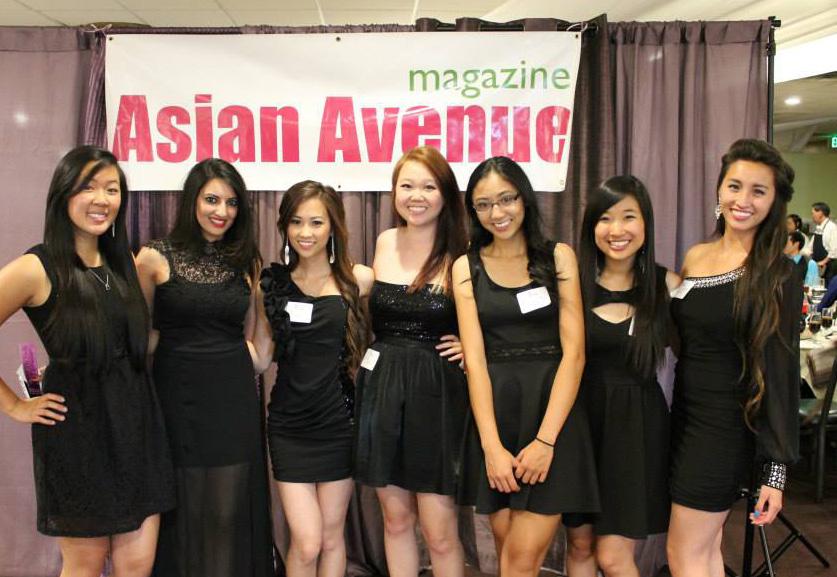
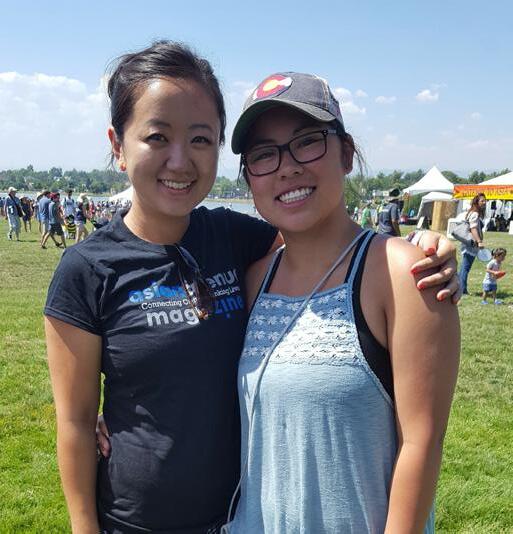
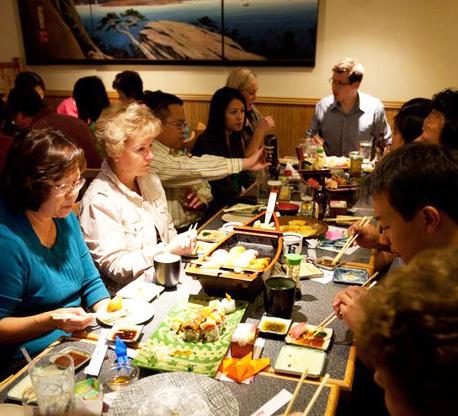
This looked like young women becoming lifelong friends through the Miss Asian American Colorado Leadership Program, organizing high school student conferences with Next Generation Voices, bringing people together to try new restaurants with the Joy of Living Club, and many, many Lunar New Year dinner celebrations over the years!
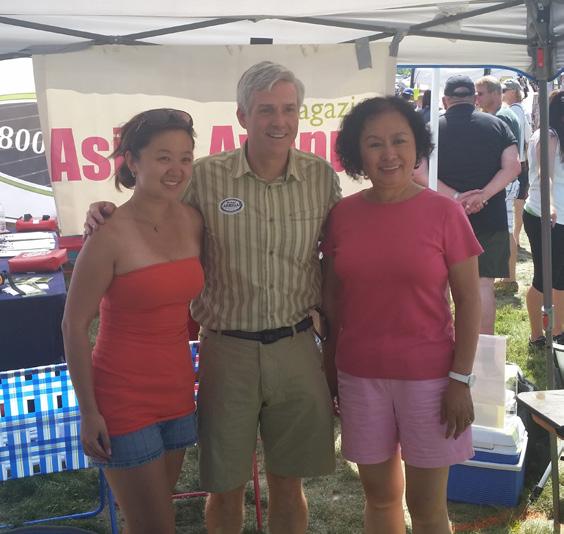
For many readers, Asian Avenue was more than a magazine. It was where they discovered local events, found businesses, celebrated achievements that mainstream media often overlooked, and felt connected to something larger than themselves. It was the first publication they grabbed when landing at the DEN airport.
The past twenty years have not been without challenges. Print media has faced enormous changes with increases in paper and gas, and less advertisers as businesses move towards digital.
During the COVID-19 pandemic and the rise in anti-Asian hate incidents, the importance of trusted community storytelling became even more clear. Through it all, Asian Avenue continued to show up — not just as a publication, but as a community platform.
Thank you to the readers who picked up the very first issues in 2006. To the advertisers who supported us. To the writers, photographers, interns, volunteers, and community partners who contributed their voices and talents. And to the countless individuals and organizations whose stories filled these pages over the years.
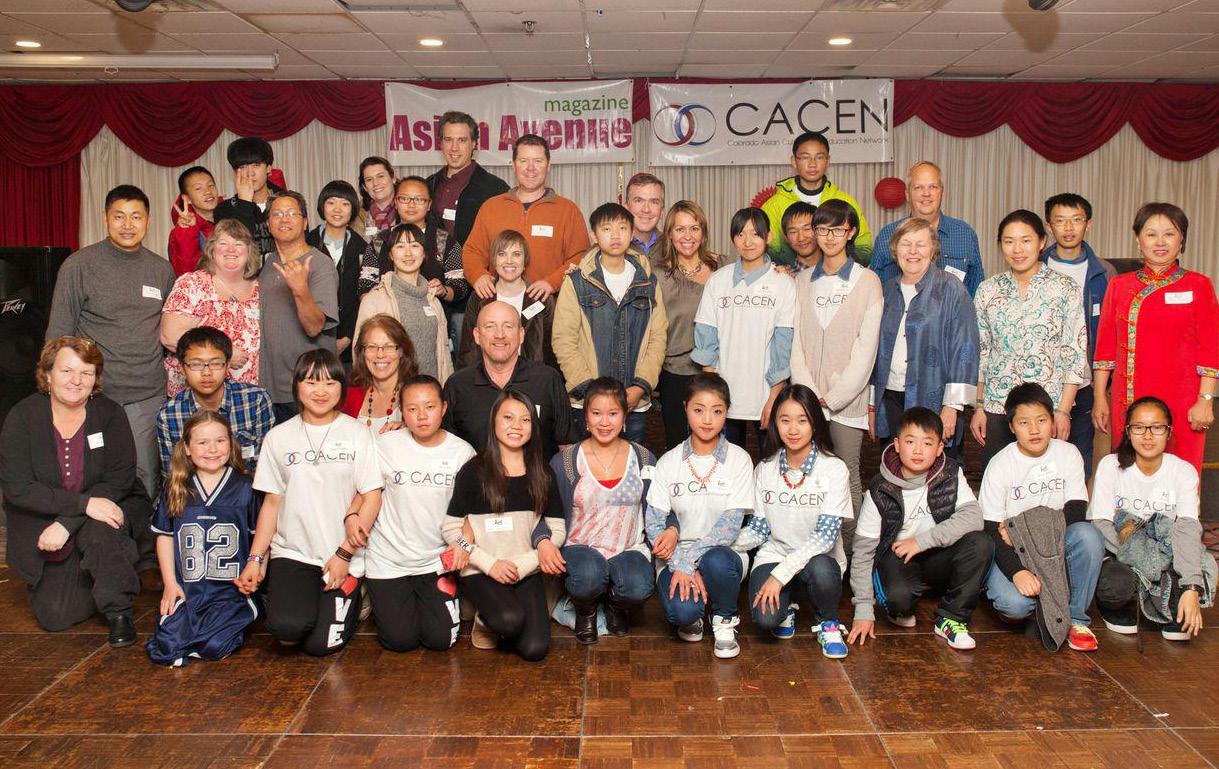
As Asian Avenue Magazine enters its next chapter, the focus is not just on continuing what has been built, but on reshaping how community storytelling lives in a rapidly changing media landscape. The future of the magazine is rooted in three clear directions: expanding digital media, engaging younger audiences through social platforms, and strengthening a model driven by community writers and contributors.
Like many publications,Asian Avenue has evolved alongside major shifts in how people consume news and stories. Print remains meaningful, but the center of gravity has moved online. Going forward, the magazine plans to invest more deeply in digital storytelling — from long-form articles and newsletters to multimedia content such as short videos, photo essays, and event coverage designed specifically for online audiences. The goal is not just to publish online, but to build a living digital archive of Asian American stories in Colorado that is accessible anytime, anywhere.
A key priority is reaching the next generation of readers — particularly Gen Z and younger millennials who experience culture, identity, and news primarily through social platforms. This means leaning into platforms like Instagram, TikTok, and emerging media formats with content that is more visual, more immediate, and more interactive, while still grounded in the magazine’s core mission of authentic community storytelling. Rather than simply adapting print content for social media, the vision is to create platform-native storytelling: short-form interviews, behind-the-scenes community moments, creator
collaborations, and timely cultural commentary that reflects how younger audiences engage with the world.
At the heart of the magazine’s future is a continued commitment to being shaped by the community it serves. Since its founding, Asian Avenue has relied on local writers, students, artists, photographers, and community members to tell the stories that matter most. Moving forward, we plan to be even more intentional about cultivating and supporting our contributors.
By creating more opportunities for community-generated content, mentorship, and storytelling, we hope to amplify a wider range of voices and perspectives while helping develop the next generation of media creators and community leaders. This approach not only strengthens representation but also ensures that the magazine remains authentic and relevant to the people whose stories fill its pages.
We envision an even more collaborative model, where readers, writers, creators, and community members all play a role in documenting, celebrating, and shaping the stories of Colorado’s Asian American community.
The next twenty years of Asian Avenue may look different from the first. We envision a publication with a stronger digital presence, deeper community engagement, and new ways for readers to connect, contribute, and share their experiences. Yet the foundation remains the same: to tell the stories of our AANHPI communities in Colorado. Join us to celebrate 20 years on Saturday, July 18 at the Social Fabric Hub (11am to 2pm).

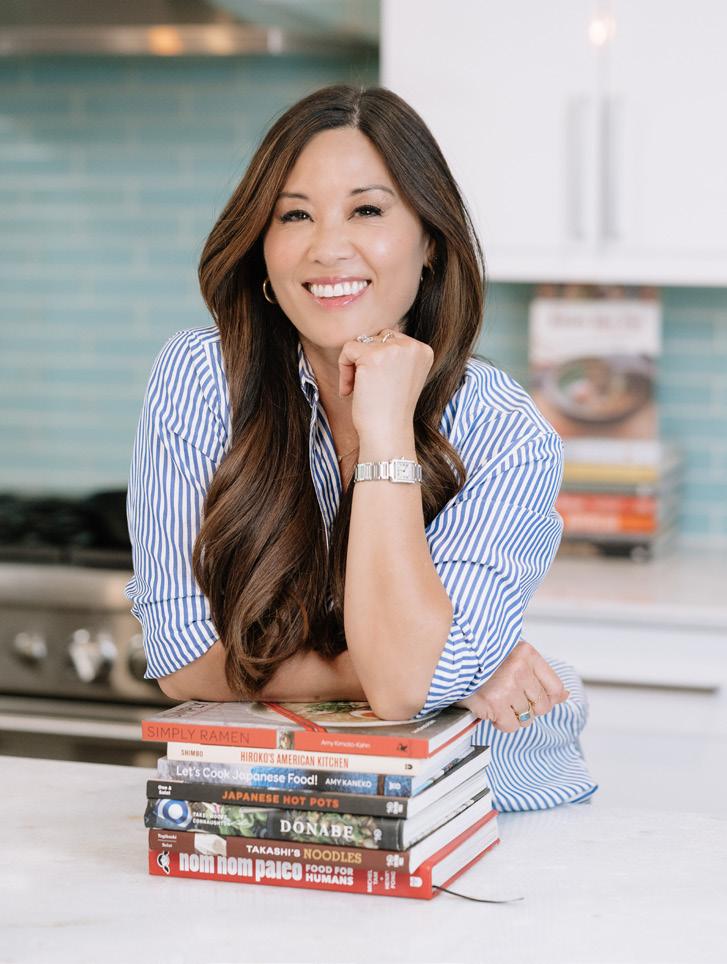
In May 1942, by Executive Order 9066 from President Franklin D Roosevelt, my mother Yvonne Haruko Fujimoto, and her family were given 10 days to pack only what they could carry. They were forced to leave their home in San Francisco and move to the Amache Japanese Relocation Camp in Granada, Colorado. She was two years old. My late father Hayato Kimoto, who was born in East Los Angeles and lived there, was sent with his family to Heart Mountain Japanese Relocation Camp in Wyoming.
My parents, who were third generation Japanese-Americans, were among the more than 120,000 people of Japanese ancestry forcibly incarcerated during World War II after the bombing of Pearl Harbor. Two-thirds of the more than 120,000 interned were American citizens. They were forced to relocate. This was driven by war-hysteria, racism and lack of leadership, not any real security risk. After my mom and her family were released they moved to Boulder, Colorado and the prejudice continued. People threw rocks at her and her sister, and called them “Japs”. Money was tight and meals were simple. They grew fresh vegetables in their garden and my mother and her sister learned how to stretch food for days. Fried rice, a humble dish of leftovers, became a family staple.
Even though these painful years of shame and humiliation are very much a part of my family’s history and US History, we have rarely spoken about it. Whether you are first or fourth generation Japanese, the “Japanese way” is to keep quiet about these things, be grateful, work hard and keep going.
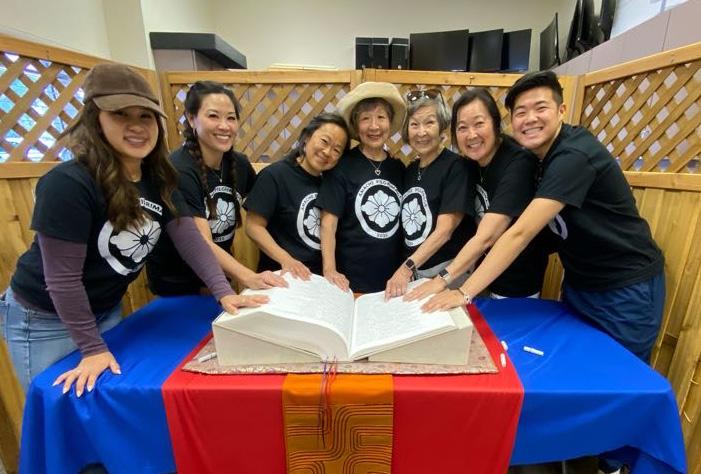
Our family recently returned to Amache Camp for the 50th year pilgrimage along with hundreds of other families. It was all but deserted but the Amache Preservation Society did preserve one barrack to show the living quartersthin walls, poorly insulated, sleeping on uncomfortable cots, no plumbing with cold brick flooring and communal bathrooms. We also stood in the exact location in the camp where my mother, her older sister and parents had lived. Standing there with her, I was overcome with grief and sorrow. I could feel the hardship, loss of freedom and fear that they endured. We learned that for “good behavior” the internees were allowed to grow gardens alongside the barbed wire fences. They shared their vegetables not only with one another but with the armed guards who kept them imprisoned. This reflects the Japanese concept of “ikigai”, one’s reason for being. For many, tending the soil together, it gave purpose and community during an unthinkably dark
By Amy Kimoto-Kahn
time. My family has continued to share that same spirit of joy in gardening.
The effects of the internment lingered long after they were released, including when my parents eventually attended the University of Southern California, where they met. My mom earned an academic scholarship for undergrad and dental hygiene school. My dad’s undergrad and pharmacy school were paid for by my aunt, who chose not to attend college to help, and my grandmother.
My parents were excluded from joining sororities and fraternities because of their ethnicity. Later, my mom and her Japanese-American friends formed a group called “The Dames”. They were the Martha Stewarts of their time. They hosted elaborate dinners blending Japanese and American dishes and later published a cookbook sold at the Japan
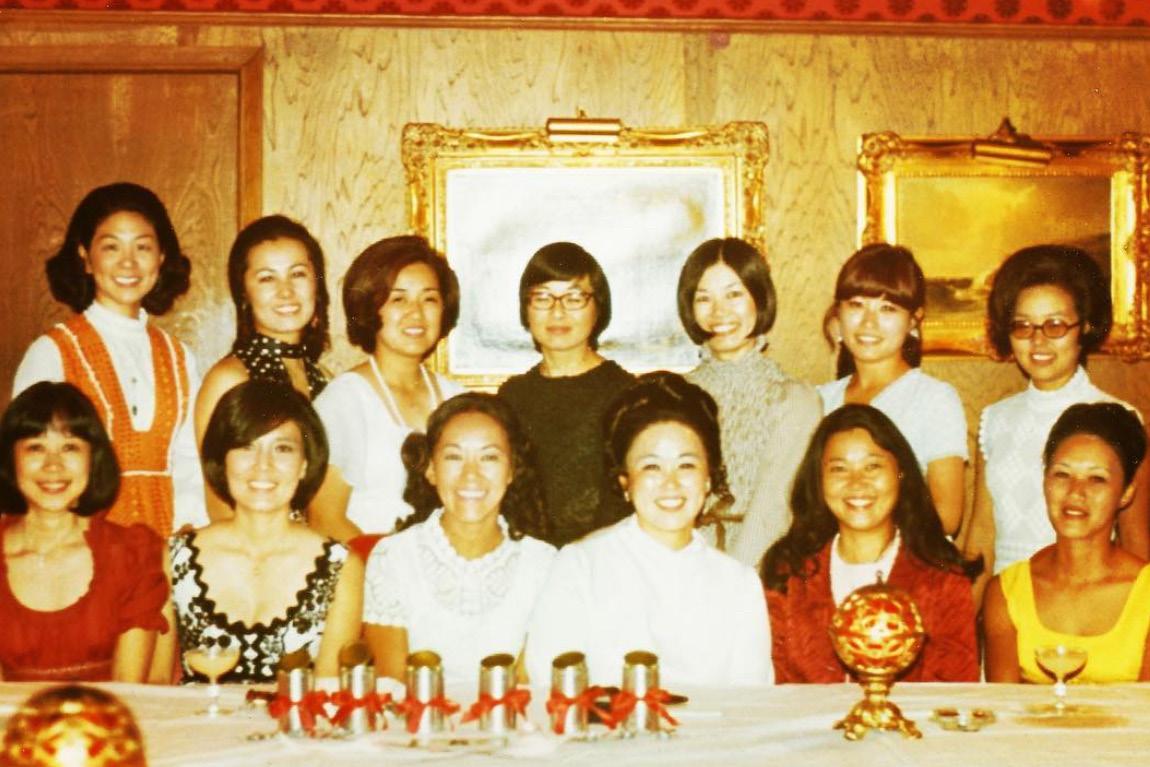
American Museum in Los Angeles. Their children carried on these traditions of hosting, cooking and decorating, which is where it all started for me. As a child, I used to make mud-pies in the backyard and pretend I had my own cooking show.
My mother taught me how you “eat with your eyes” first. She showed me how color and balance belong on every plate, like adding a sprig of Heavenly Bamboo or a fragrant gardenia from the yard.
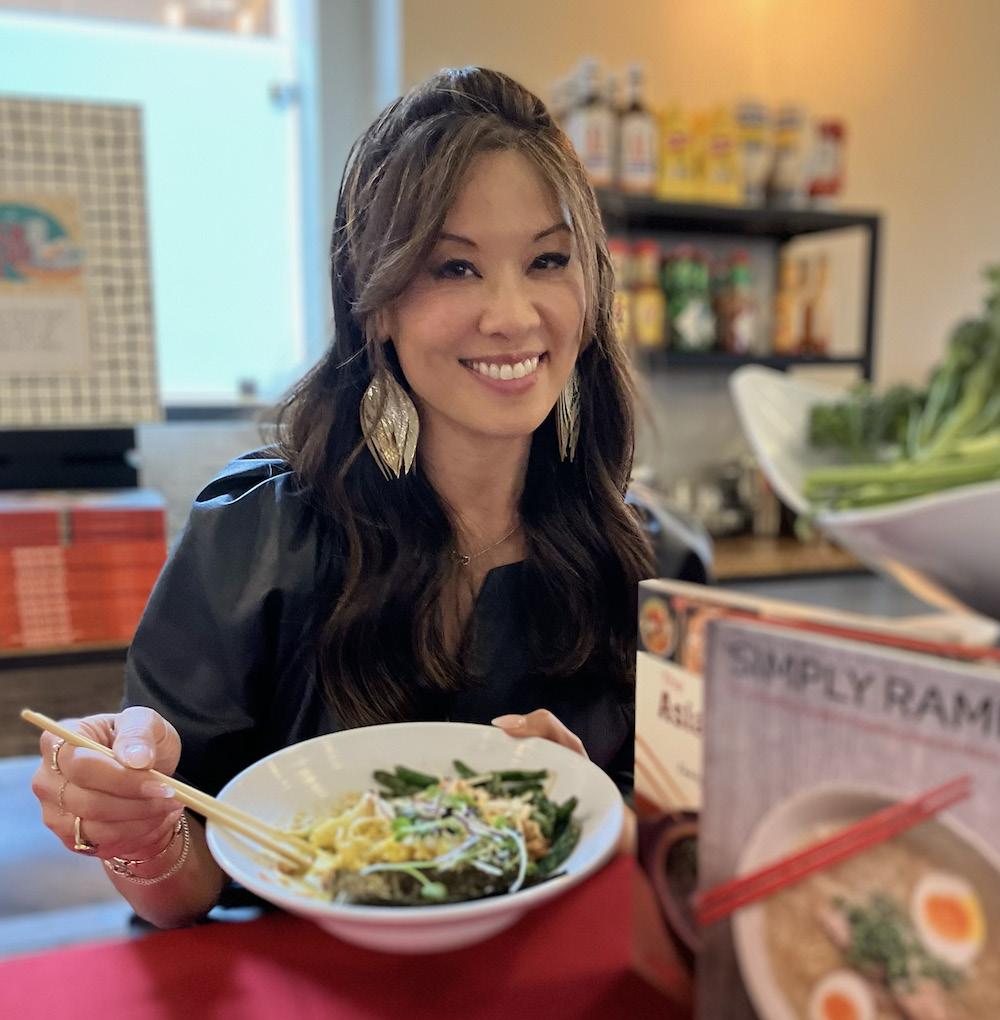
Today, I preserve my family’s history and heritage through food, drawing on lessons from my parents and the “aunties” who helped shape my life. They inspired me to write two cookbooks, Simply Ramen and The Asian Hotpot Cookbook. After being turned down for a children’s cooking instructor position, I decided to enroll at the Auguste Escoffier Culinary School in Boulder, Colorado around the corner from my house. It was a full circle moment, reflecting on overcoming a challenge in the very city that my mom and her family returned to after the war.
At 25 years older than most students,
I was terrified on my first day but once I began cooking, those nerves melted away. I’m happy in the kitchen: knife in hand, mise en place ready, creating, cooking, and sharing. I’m happy learning from others and failing together. Cooking makes me happy.
After completing the 60-week Associates Degree program, I finally understood why I wasn’t hired. It wasn’t about lacking skill, it was about lacking foundation. I didn’t know that a fine brunoise was different from an oblique cut, that a rondeau wasn’t just “that big pot,” or that the mother sauces have names like espagnole and velouté. I learned technique, confidence and finesse. And when I asked my family if I’d improved, they said, “Yes, absolutely... but Mom, you’re not just a cook anymore, you’re a CHEF.”
Hearing that made me realize that this journey wasn’t just about learning to cook - it’s about connection. Every dish I create carries the stories of my family, from the camps at Amache and Heart Mountain to the kitchens of “The Dames”,

to my own stove today.
Food has been our language of survival, tradition and love. Earning my culinary degree wasn’t just about becoming a chef; it was about honoring the generations before me who expressed their strength through food.
I am Yonsei, a fourth-generation Japanese-American. I cook to remember them and to make sure their story - our story - continues to be told. And it is through sharing this passion for food and connection that I have found my “ikigai”.

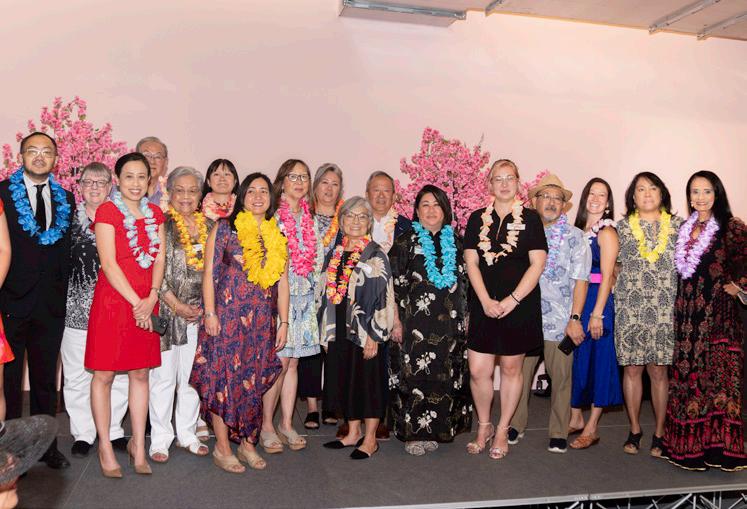
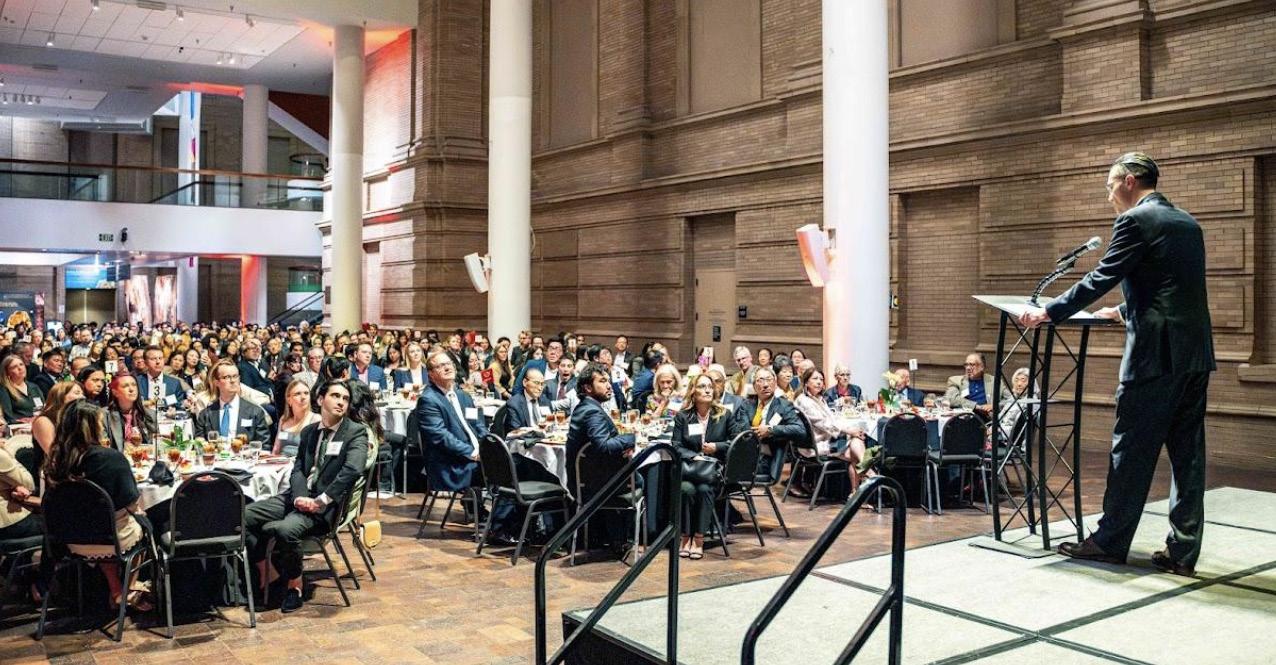
Judge Joe Jefferson accepting the 2026 Minoru Yasui Community Service Award, APABA’s highest honor.
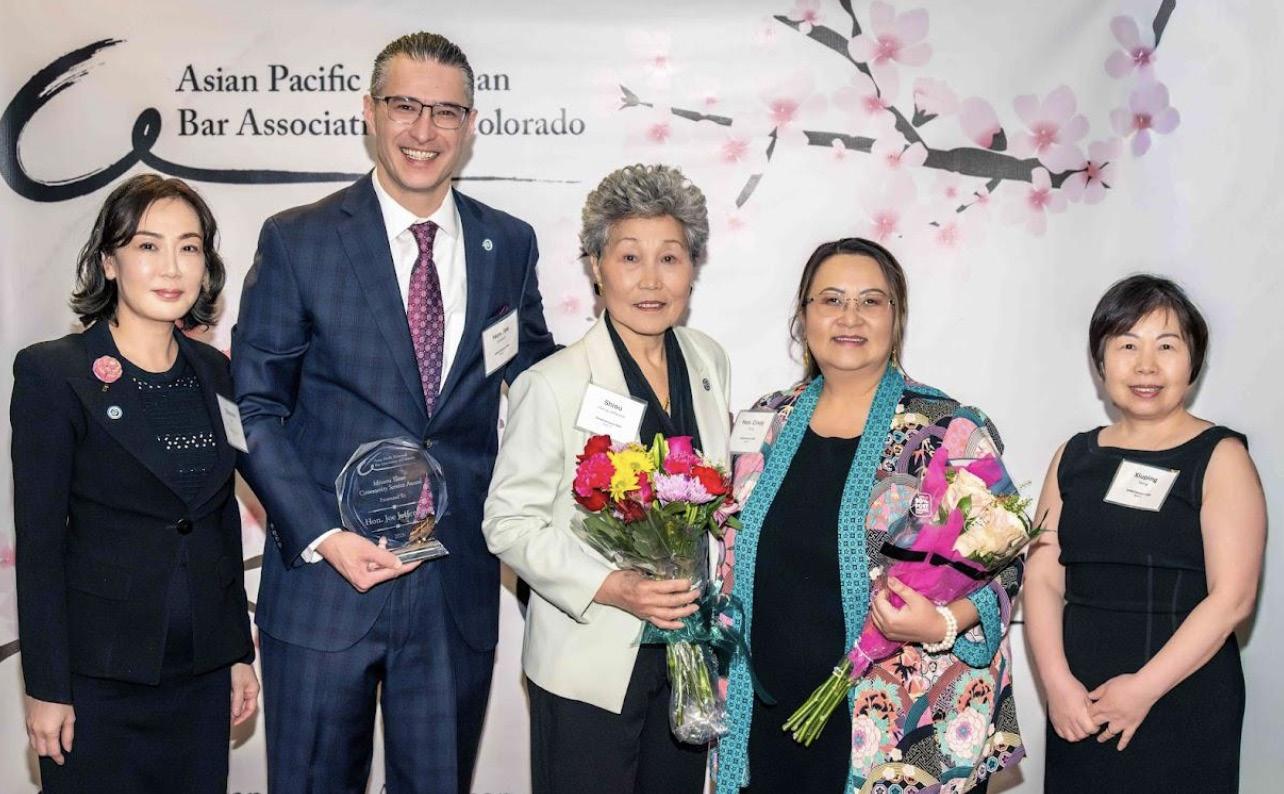
Ms. Charlene Thai (Founding Board Member of International Leadership Foundation (ILF) – Colorado), Judge Joe Jefferson (Presiding Judge of Englewood Municipal Court and the 2026 Minoru Yasui Community Service Award Recipient), Ms. Shiou Jefferson (Wang), Judge Cindy Dang, Ms. Xiuping Wang (Founding Board Member of ILF – Colorado)
The Asian Pacific American Bar Association of Colorado (APABA) hosted its annual banquet at the Denver Museum of Nature and Science on April 8, 2026.. The sold out event welcomed 330 guests from the legal and local communities. APABA is a bar association of lawyers and judges in Colorado dedicated to advancing Asian Pacific Americans as leaders in the law. This year, APABA proudly recognized Judge Joe Jefferson (Presiding Judge of Englewood Municipal Court) with the 2026 Minoru Yasui Community Service Award. This highest honor recognizes an individual whose community service exemplified the lifetime achievement of Mr. Yasui, who challenged the laws applied to Japanese-Americans during World War II and advocated for civil rights and liberties of American citizens of all races and ethnicities.
By Judge Cindy Dang
Judge Jefferson has led all three branches of government in Englewood: as mayor, as a city council member, and now as presiding judge, for a total of 19 years. In acceptance of the award, Judge Jefferson expressed, “To be associated with Mr. Yasui is to be reminded of what [the American] dream requires. Tonight, I want to highlight that it requires personal courage combined with an unwavering belief that we can be better together. … Serving our local Asian community is part of ensuring the promise of preserving our shared rights (due process, equal protection, fairness, and dignity) is fulfilled. It means helping individuals navigate a system that may feel unfamiliar. It means listening with cultural awareness. It means showing up - not just in courtrooms, but in communities.” Judge Jefferson is the first known Chinese Taiwanese American
mayor and presiding judge, in the history of Colorado.
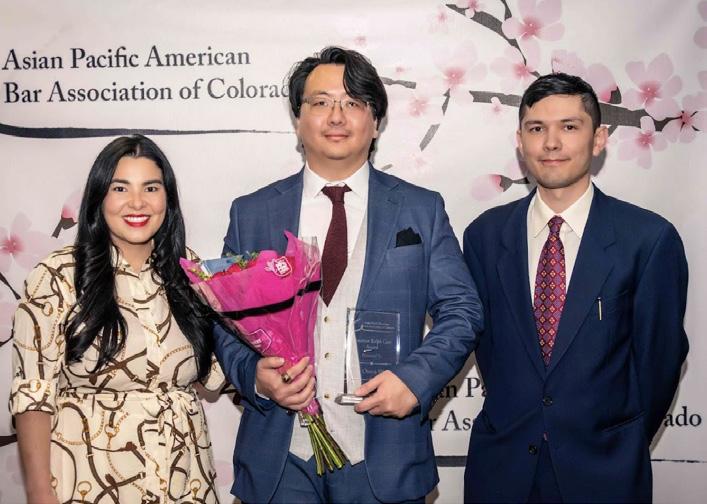
APABA’s 2026 Governor Ralph Carr Award was presented to Mr. Yun Owen Wang of BTW Legal, a contract attorney with Colorado’s Office of Alternate Defense Counsel (ADC), and with the Boulder Office of Colorado Legal Services (CLS). Mr. Wang, Esq. is a skilled and experienced litigator, specializing in general criminal defense, domestic relations, and real estate matters.
With a particular focus on serving the Asian and Chinese-speaking immigrant community, he is deeply committed to providing compassionate and effective legal representation to those in need. This award was named after former Governor Carr to honor his principled stand against the internment of Japanese-Americans during World War II.
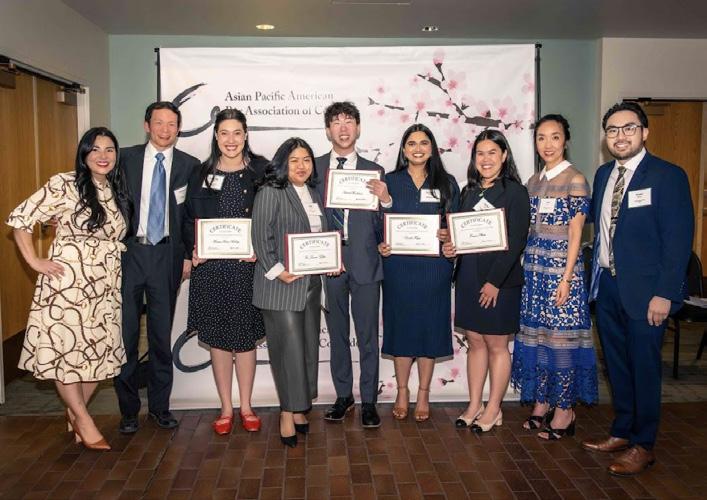
The Colorado Asian Pacific American Bar Foundation (“APABA Foundation”) awarded scholarships to five law students in recognition of their community involvement: Kerouac Xuan Awbrey, Zoe Glepa, Samuel Hawkinson, Emma Pham, and Sameha Haque.
The APABA Foundation is organized to receive and administer funds for educational and charitable purposes including but not limited to the fostering of educational opportunities for the advancement and welfare of the Asian Pacific American communities in Colorado.
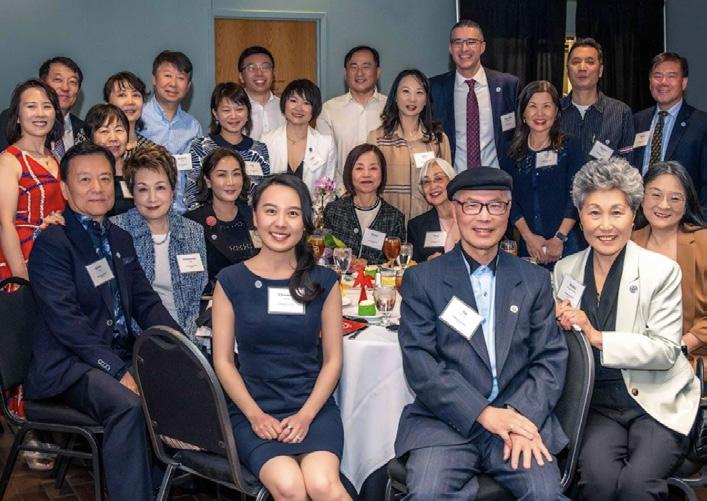
The 2025-2026 APABA President, Stephanie McConkie, Esq., graciously passed the gavel to the new 2026-2027 APABA President, Grant Shibao, Esq. For more information about APABA, please visit: www.apaba-colorado.org.
Linda and Jimmy Yip, founders of the Nathan Yip Foundation, received the Americanism Award from the Colorado Society, Daughters of the American Revolution (NSDAR) on April 25 at its State Conference, after being nominated by the Columbine Chapter in Highlands Ranch.
The Americanism Award recognizes naturalized U.S. citizens who exemplify exceptional leadership, service, integrity, and patriotism. It is among the highest distinctions granted by the DAR.
For the Asian American community, the recognition of the Yips is a powerful example of immigrant leadership, generosity, and the lasting impact of giving back. As entrepreneurs, philanthropists, and civic leaders, Linda and Jimmy Yip have spent more than two decades transforming personal tragedy into meaningful change.
Through the Nathan Yip Foundation, established in memory of their son Nathan, they have invested more than $1.6 million in education initiatives that
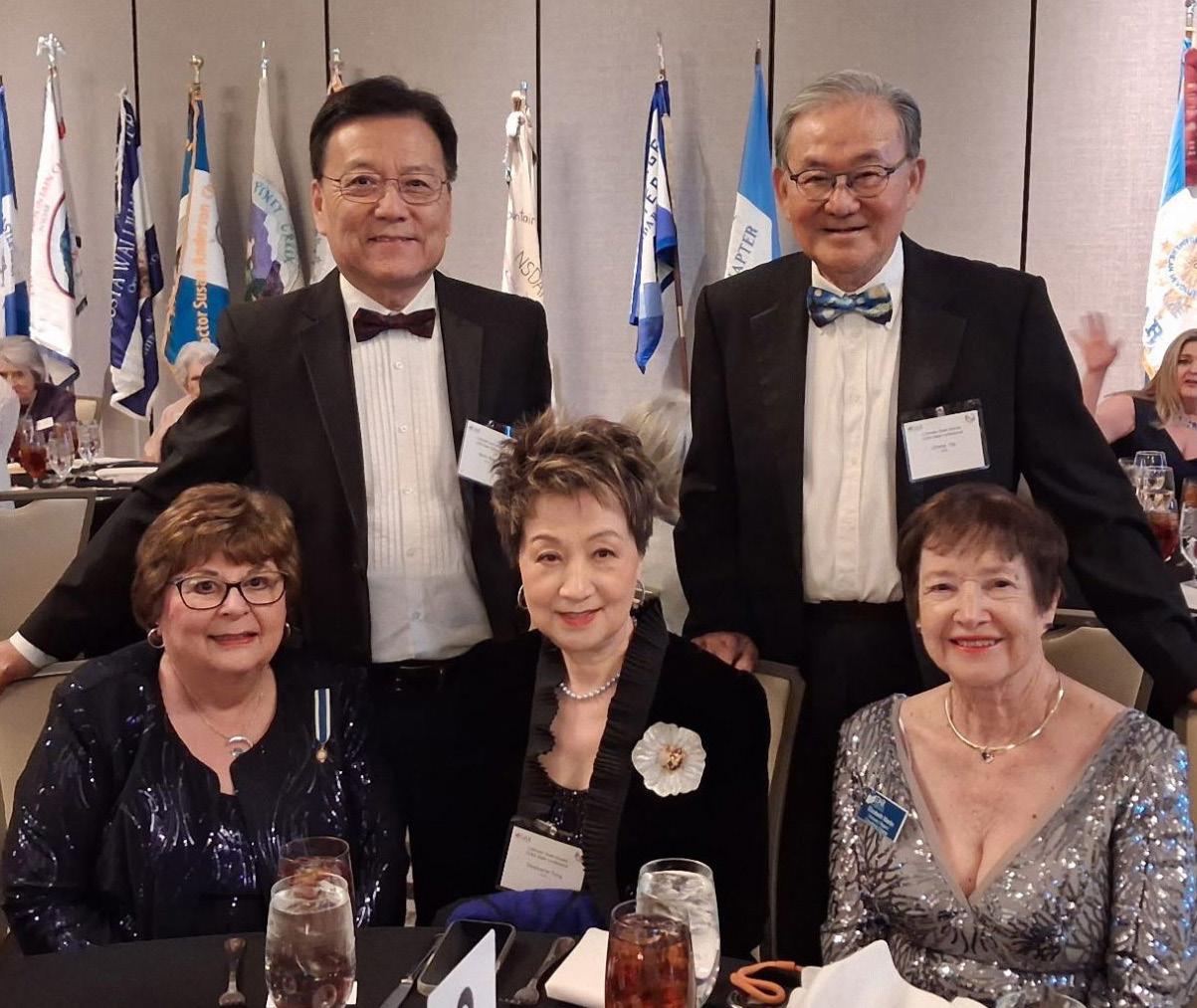
strengthen schools, empower teachers, and create opportunities for students in rural Colorado. Their work is rooted in both personal experience and global perspective. Inspired by their travels through remote regions of China, where they witnessed limited access to education, the Yips initially focused on expanding opportunities for underserved youth abroad.
In recent years, they have brought that mission home, focusing on rural Colorado communities where students often
face similar barriers to resources and opportunity.
“For their incredible dedication to educating children, especially in underserved areas of the state, we can’t think of anyone more deserving of this award,” said Ginell Stroh, Colorado State Americanism Chairman.
The Yips’ story reflects a broader narrative of immigrant contribution and community leadership—demonstrating how values of education, service, and resilience can create meaningful change across cultures and generations.
The National Society Daughters of the American Revolution (DAR) is a nonprofit, nonpolitical women’s service organization whose members trace their lineage to individuals who supported American independence during the Revolutionary War.
With more than 185,000 members worldwide, DAR promotes historic preservation, education, and patriotism through extensive volunteer service.
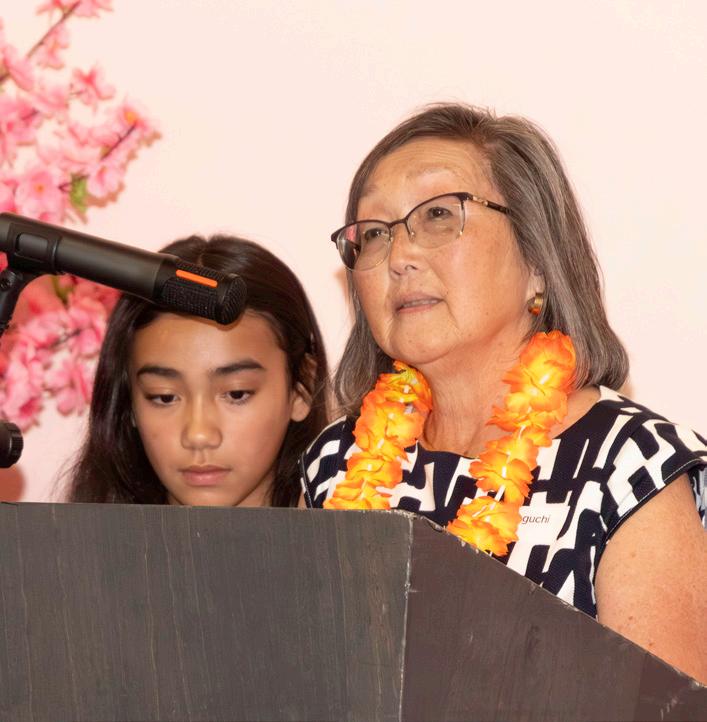
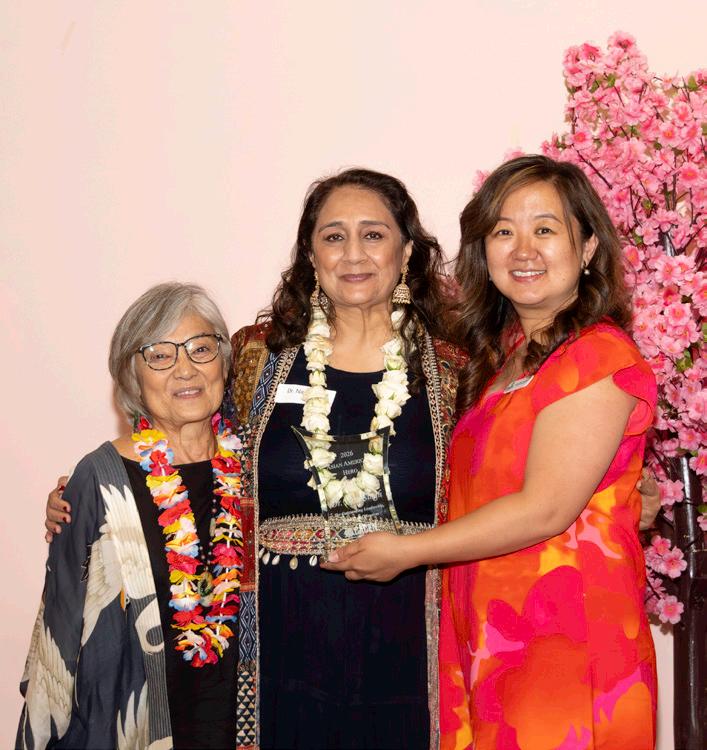
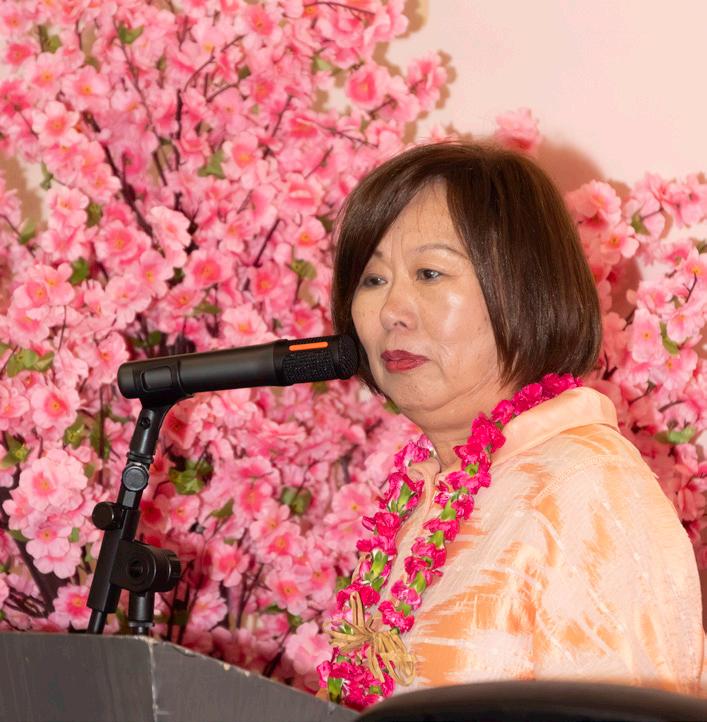
The 17th annual Asian American Heroes of Colorado Awards Ceremony celebrated six community heroes whose leadership, service, and courage have shaped Colorado for the better.
This year, the Colorado Asian Culture and Education Network (CACEN) hit a special milestone - more than 100 honorees have been recognized with this award! Two lifetime achievement awards were given to Jolie Noguchi, co-owner of Japanese American market Pacific Mercantile, and Christina Yutai Guo, founder of CACEN and publisher of Asian Avenue Magazine
Other honorees included Mary Nguyen, a visionary entrepreneur, a community leader, and a chef! She is the founder of Olive &
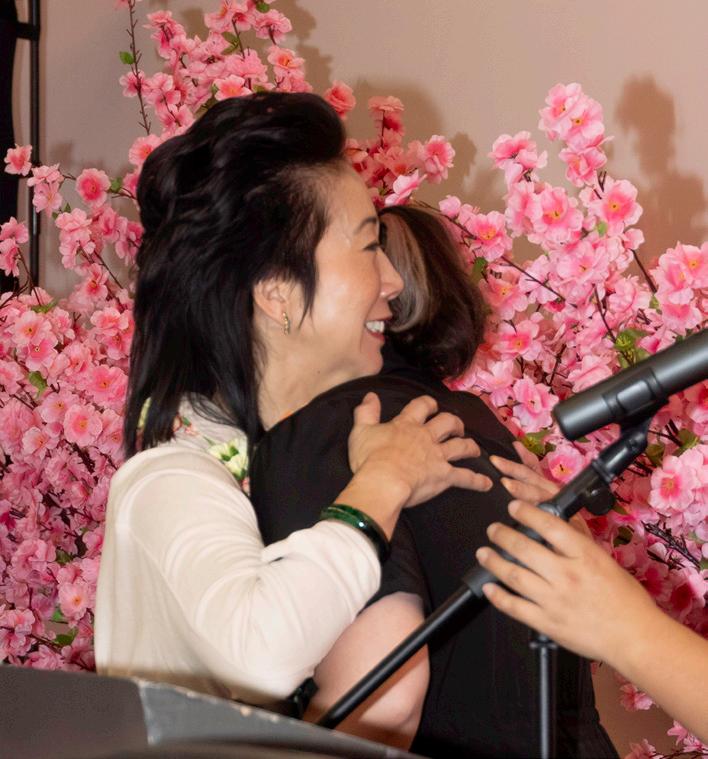
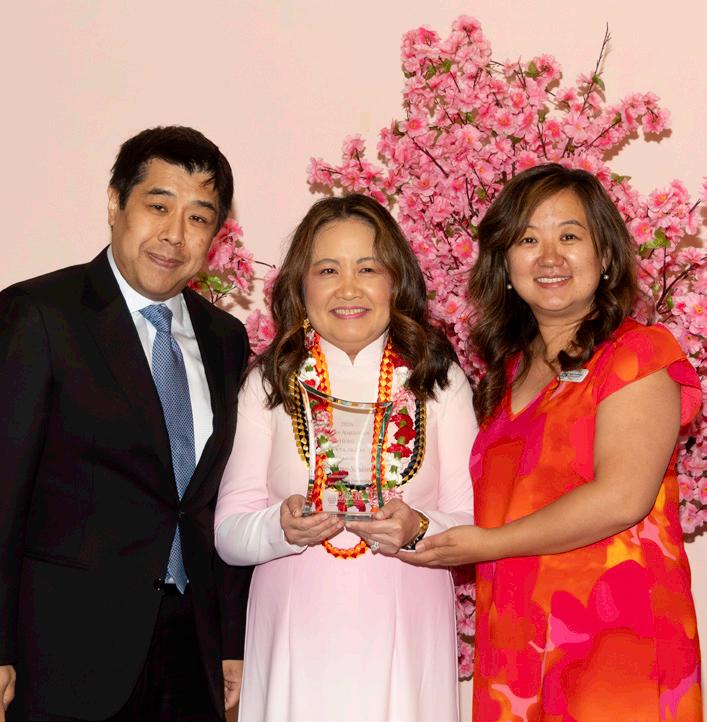
Finch Collective and the Chair of the Asian Chamber Foundation of Colorado.
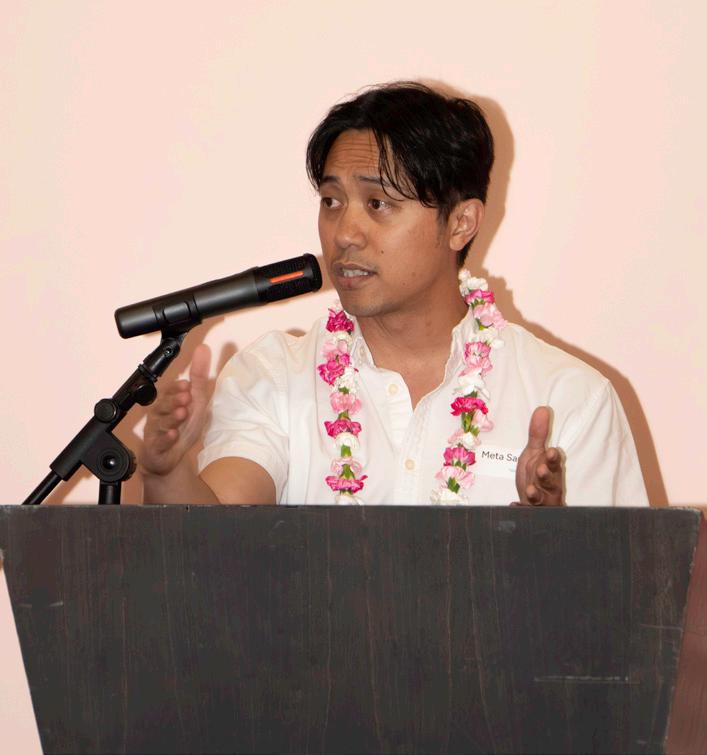
Meta Sarmiento, a Filipino-American poet, artist, and filmmaker, was also recognized. Growing up in Guam, Meta brings a taste of the islands to Colorado through his career in creativity and community. He also works with the Asian Pacific Islander Club at Florida Pitt Waller, where he helps middle school students share their stories.
Dr. Nira Singh was recognized for her 34-year career dedicated to culturally responsive mental health care. As Clinical Director at the Cultural Development and Wellness Center within Aurora Mental Health & Recovery, she has been a leading advocate for immigrant and
refugee communities. She also serves on the board of the National Asian American Pacific Islander Mental Health Association.
Nga Vương-Sandoval, Founding Executive Director of Refugees and Immigrants United, was also honored for her leadership in building immigrant-led systems of support and advocacy. In addition, she leads a groundbreaking initiative with the Colorado Judicial Department focused on diversifying the judicial bench.
This year’s honorees reflect the breadth of AANHPI leadership in Colorado from business and restaurants, to arts and health, to nonprofits and public service continuing a legacy of impact that spans generations.
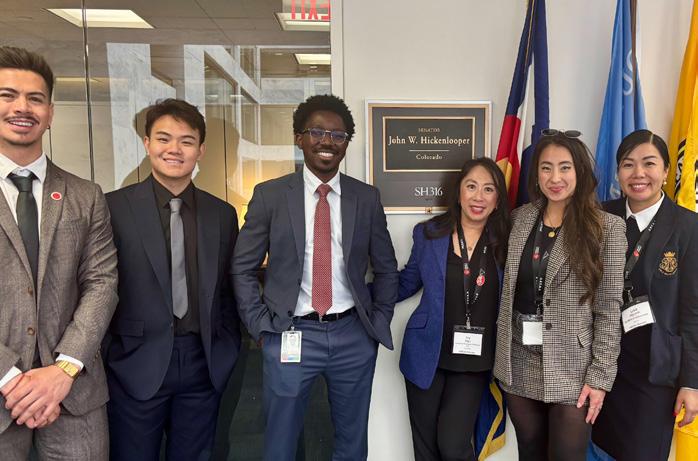
The Asian Real Estate Association of America (AREAA) Denver Chapter hosted its 2026 Installation Gala on April 29 at the Ellie Caulkins Opera House, convening business leaders, real estate professionals, and community advocates.
The launch of the AREAA Denver Affordable Housing Fund, which supports income-restricted homeownership and rental opportunities across the region, was a highlight of the event. The gala also marked the installation of AREAA Denver’s 2026 Board of Directors, led by Chapter President Brenda Barrett, while serving as a critical funding mechanism for the chapter’s local and national initiatives.
Proceeds from the gala helped underwrite AREAA Denver’s participation in the 2026 AREAA National Policy Summit in Washington, D.C., where members met with Congress to advocate for expanded homeownership and economic opportunity for AANHPI communities.
At the Policy Summit last month, AREAA leaders advocated for a national three-point plan addressing key barriers facing AANHPI homebuyers:
Language Access — AREAA supports the Language Access for All Act, aimed at restoring and expanding translation resources in the mortgage process.
Research shows AANHPI borrowers face higher denial rates despite similar financial profiles—disparities that limit access to homeownership.
Housing Supply — With the United States facing a shortage of approximately 4.5 million housing units, AREAA supports bipartisan legislation including the Housing for the 21st Century Act and the More Homes on the Market Act, designed to increase housing availability through regulatory and tax incentives.
AREAA is advocating for the Preemption of Real Property Discrimination Act, addressing the resurgence of discriminatory laws restricting property ownership based on national origin—policies that threaten long-term wealth-building opportunities for immigrant communities.
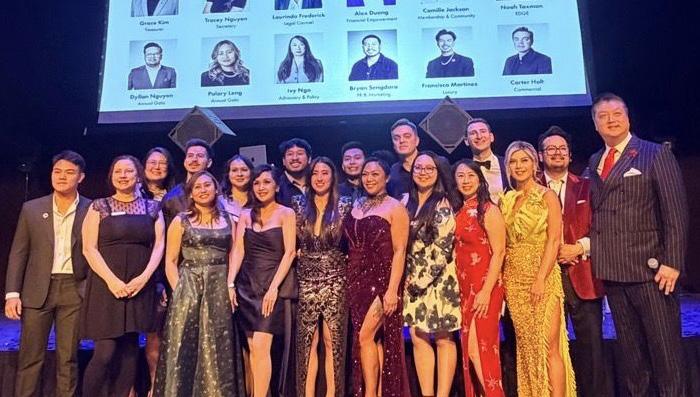
“At the policy level, these conversations are critical,” said Ivy Ngo, Policy Chair of AREAA Denver and an attorney specializing in complex civil litigation. “The barriers we’re addressing—language access, housing supply, and property rights—directly impact whether families have a fair opportunity to build generational wealth through homeownership.”
Homeownership remains one of the most powerful drivers of generational wealth in the US, with AANHPI homeowners building a median of $180,000 in wealth within five years and up to $500,000 over twenty years.
“This is about ensuring access to opportunity remains within reach,” said Brenda Barrett, Chapter President of AREAA Denver. “Our work locally connects directly to national conversations that shape the future of housing and economic mobility.”
The Asian Real Estate Association of America (AREAA) is a national nonprofit organization dedicated to expanding sustainable homeownership and economic opportunity for AANHPI communities.
Learn more about the Greater Denver Chapter at: www.areaa.org/greater denver or follow on Instagram @areaadenver.

Burnout rarely happens all at once. More often, it creeps in quietly: irritability you can’t explain, constant distractibility, emotional numbness, exhaustion that sleep doesn’t fix, or a growing sense of apathy toward things you used to care about.
Because these signs can look “manageable,” many people push through them for months before realizing how depleted they’ve become.
For many AAPI folks, burnout can be especially hard to recognize. Hard work, sacrifice, perseverance, and endurance are often deep seated values in our families and communities.
Many of us were raised hearing that success comes from discipline and persistence — and that resting
Dear Dr. Amy,
Lately I’ve been irritable, struggling to focus at work, and feeling tired no matter how much I sleep. The weird thing is that I’m still getting everything done. I come from an Asian family where working hard is seen as a good thing, so part of me feels guilty even thinking I might need a break.
How do you know when “working hard” has crossed into burnout? And how do you slow down without feeling lazy or like you’re letting people down?
too much can look ungrateful, weak, or unmotivated. Those values can absolutely be sources of strength. But they can also make it easier to ignore the body’s warning signs.
The problem is that burnout is not just “working a lot.” It’s what happens when stress overwhelms joy, becomes chronic, and recovery never fully happens.
You might still be productive while feeling emotionally disconnected from your life. You might continue meeting deadlines while becoming less patient, less joyful, and less present with yourself and others.
Competence can often hide burnout. High-achieving people often continue functioning long after their well-being has started to erode. From the outside,
— Running on Empty
everything looks fine. Internally, though, even small tasks can begin to feel heavy.
Coping with early burnout does not have to mean quitting your job or disappearing from your responsibilities. Often it starts with smaller acts:
(1) setting limits around work hours, (2) taking the fatigue seriously, (3) refocusing on the things that refresh you,
(4) noticing your mood shifts, and (5) reconnecting with hobbies or relationships.
Rest is not the opposite of hard work. It’s what makes hard work sustainable. The goal is not to become less ambitious; it’s to build a life where achievement does not come at the cost of your health, relationships, or sense of self.
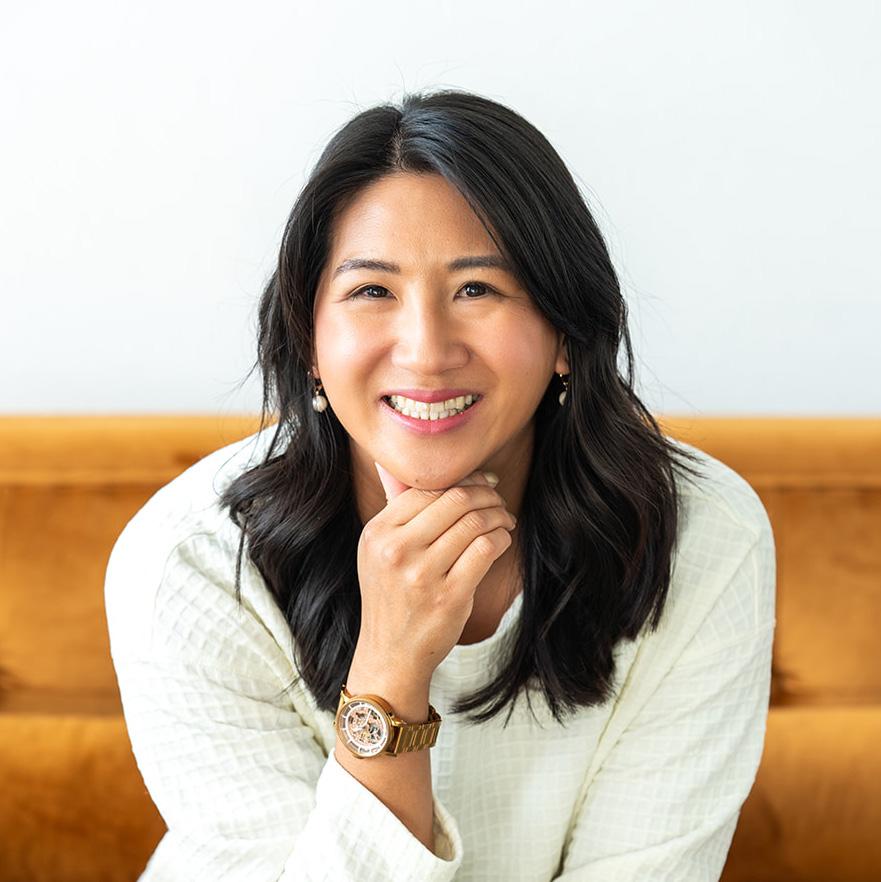
Dr. Amy King is a clinical psychologist and founder of InnerWoven Therapy, a Colorado-based group practice specializing in Asian mental health. In this column she answers your mental health questions—readers are invited to submit their own for future features.

For most of her life, Thuy Dam was no stranger to pushing through. As a Vietnamese American entrepreneur, she carried the quiet weight many of us know well—the pressure to achieve, to keep going, to be enough. It wasn’t until a diagnosis of Crohn’s disease that she was forced to stop and truly listen. Not just to her body—but to her face.
“Your face is not just beauty or aging,” Thuy says. “It’s a living map of where you’ve been, what your body is holding, and where your potential is waiting.”
Face reading—known as mian xiang in Chinese tradition—is one of Asia’s oldest healing arts. For thousands of years, practitioners used facial features to understand a person’s health, character, and life path. It isn’t fortune-telling. It is a language—one written in the lines, tones, and contours of your own face.
Thuy discovered this practice through her own healing journey and was struck by how much was already visible—if you knew how to look. Darkness and puffiness under the eyes signaling the need for rest.
A crease on the earlobe pointing to cardiovascular stress. Redness near the “purpose lines” around the mouth reflecting inflammation in the gut.

“This is not diagnosis,” she is clear to say. “This is awareness—so you can take aligned action, explore, and get the right support.”
Many Asian women grow up measuring themselves—against a sibling, a standard, a reflection in the mirror shaped by someone else’s idea of beauty. Thuy knows this intimately.
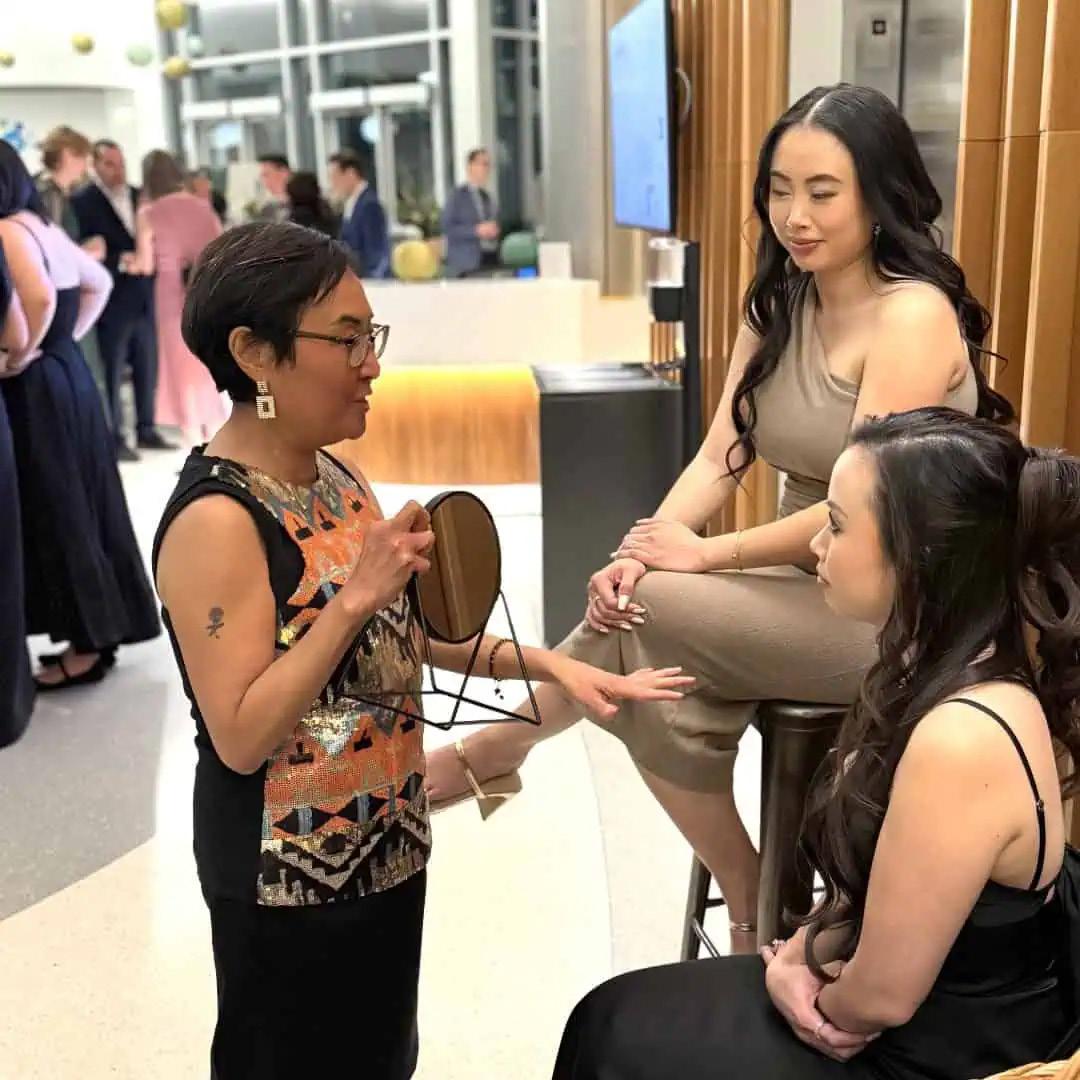
And face reading, she says, is one of the most powerful antidotes.
Every feature carries meaning. Wideset eyes speak to broad vision and big-picture thinking. A strong jaw reflects resilience and determination.
Full cheeks indicate abundant energy and nurturing power. When you understand what your features actually mean, you stop wishing you looked different— and start seeing yourself as you were always meant to be seen: whole, purposeful, and complete.
“I love watching the moment when someone’s eyes light back up—the shen returns,” Thuy says, using the traditional Chinese term for the spirit visible in the eyes.
“That’s when they stop seeing flaws and start seeing their story.”
Thuy especially loves bringing face reading to groups and families. When people explore this practice together, the healing multiplies—what scientists call entrainment, where energy and understanding synchronize across a shared space.
Families begin to see each other differently. Children see their parents. Parents see their children. Everyone sees themselves.
You don’t need to choose between your roots and your modern life. Face reading is the bridge—ancient wisdom that answers very present questions: Why am I here? What am I built for? How do I stop burning out and start living on purpose?
“Your face already holds the answers. Let’s learn to read them together.”
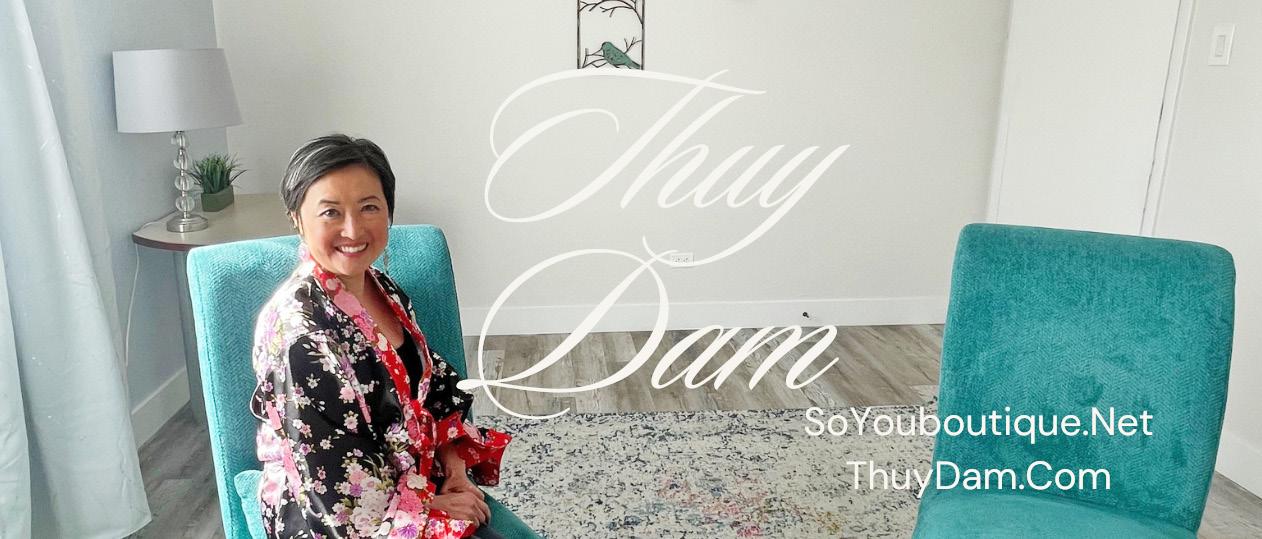
Book an individual face reading or host a Face Reading Party with your family or friends.