







Nominations for the Australian Security Industry Awards 2026 opened on March 20th and close July 31st 2026. The security industry will come together on Wednesday 28th October 2026 at the Park Hyatt Melbourne to celebrate excellence and innovation. Award winners and finalists will be recognised at the prestigious 2026 #SecurityAwards Ceremony and Dinner. Nominate today at asial.com.au/awards2026
Australian Security Industry Awards for Excellence
• Electronic Security Installation > $500,000
• Electronic Security Installation < $500,000
• Diversity and Inclusion
• Individual Achievement - Electronic Security
• Individual Achievement - Protective Security Services
• Integrated Security Solution > $500,000
• Integrated Security Solution < $500,000
• Product of the Year - Access Control Systems
• Product of the Year - Alarm Systems
• Product of the Year - Video Surveillance Systems (CCTV IP System)
• Product of the Year - Physical Security
• Product of the Year - Cybersecurity Product
• Security Equipment Manufacturer /Distributor/Supplier
• Unsung Hero - Electronics Security Sector
• Unsung Hero - Protective Services Sector
• Cybersecurity Leader of the Year

Outstanding Security Performance Awards (OSPAs)
• Outstanding In-House Security Manager/ Director
• Outstanding Contract Security Manager/Director
• Outstanding Security Team
• Outstanding Contract Security Company (Guarding)
• Outstanding Security Consultant
• Outstanding Security Training Initiative
• Outstanding Security Partnership
• Outstanding Security Officer
• Outstanding Female Security Professional
• Outstanding Young Security Professional
• Outstanding Security Sustainability
Australian Security Medals Foundation (ASMF)
• Australian Security Medal
• Australian Security Valour Medal
• St John Save a Life Award
ASIAL Lead Sponsor Entertainment Sponsor




Dear Members,
One of the realities of working in the security industry, is that most people only notice our work when something goes wrong.
When an incident is prevented, a site remains secure, a threat is identified early, or a situation is calmly de-escalated, the success often goes unseen. Yet every day across Australia, security professionals are making thousands of decisions and taking countless actions that help businesses operate safely, protect critical assets, and give communities confidence.
It is easy to focus discussions within our industry on technology, regulation, and emerging threats, all of which are important, but at its core, security remains a people-driven profession. Whether it is a security officer managing a difficult situation, a technician restoring a critical system after hours, or a control room operator responding to an alarm in the middle of the night, our industry continues to demonstrate professionalism under pressure.
Over recent months, I have spoken with many ASIAL members about the challenges currently facing their businesses. Rising operating costs, workforce shortages, compliance obligations, and increasing client expectations continue to place pressure on operators across all sectors of the industry. Despite these challenges, I continue to see businesses investing in innovation, training, and service delivery improvements.
That commitment is important because the expectations placed on private security continue to grow.
Clients today expect more than a physical presence. They expect responsiveness, technical capability, reporting, communication, and
measurable outcomes. Increasingly, security providers are becoming long-term operational partners rather than standalone contractors. This shift presents significant opportunities for businesses that continue to adapt and maintain high professional standards.
At ASIAL, our focus remains on supporting members through this evolving environment. Advocacy, workforce development, industry standards, and member engagement remain key priorities for the association. Our work on the Security 2030 initiative also continues to progress, helping ensure our industry is not simply reacting to change, but actively preparing for the future.
While technology continues to evolve, one enduring pearl within our industry remains the quality and commitment of its people. The professionalism shown every day by security personnel across Australia, often in challenging and unpredictable environments, deserves recognition and respect. Let’s all remember to acknowledge our industry professionals during the 24th July for International Security Officers’ Day.
As always, I encourage members to remain engaged with the association, contribute to industry discussions, and continue supporting the professionalism and long-term advancement of our sector. Together, we continue to strengthen the future of Australia’s private security industry.
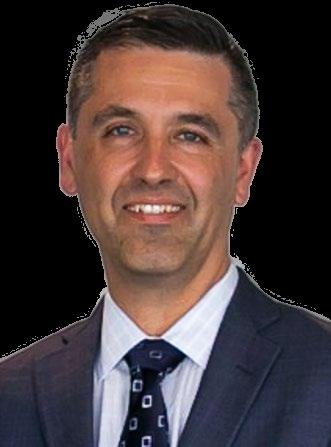
Dr John Gellel President, ASIAL
Editorial and Advertising
Security Insider is published by The Australian Security Industry Association Limited
PO Box 1338 Crows Nest, NSW 1585
Tel: 02 8425 4300 | Fax: 02 8425 4343
Email: communications@asial.com.au Web: www.asial.com.au
Publisher Editor Bryan de Caires
Editorial Enquiries communications@asial.com.au
Advertising Marketing Communications advertising@asial.com.au
Graphic Design + Digital Mitch Morgan Design 0402 749 312 mitch@mitchmorgandesign.com www.mitchmorgandesign.com
Editorial Contributors
Steve Katanas, Katie Ashford, Denis Boulais, NSW Premier’s Department, Simon Walker, Bernadette Smyth, Maria Rigas
Print + Distribution
CMYKHub Pty Ltd
Published quarterly
Estimated readership of 10,000 Views expressed in Security Insider do not necessarily reflect the opinion of ASIAL. Advertising does not imply endorsement by ASIAL, unless otherwise stated with permission. All contributions are welcomed, though the publisher reserves the right to decline to publish or to edit for style, grammar, length and legal reasons. Press Releases can be emailed to: communications@asial.com.au. Internet references in articles, stories and advertising were correct at the time of printing. ASIAL does not accept responsibility for leading views.
Copyright©2026 (ASIAL) All rights reserved. Reproduction of Security Insider magazine without permission is strictly prohibited.
Security Insider is free to ASIAL members. For non members, it is available via paid subscription. Full details can be found at: www.asial.com.au/securityinsider
NEXT ISSUE: OCTOBER - DECEMBER 2026
Printed ISSN 1442-1720
Digital ISSN 2207-8282
Regulatory amendments to the Private Security and County Court Amendment Act 2024 and associated regulations introduced in 2025 include the requirement for refresher training.
ASIAL has been contracted by Victoria Police to provide a Learning Management System (LMS) for the delivery of renewal refresher training for individuals holding a Security Officer, Crowd Controller or Bodyguard licence.
As part of the license renewal process, the Licensing and Regulation Division, Victoria Police (LRD) will notify individual licence holders ten (10) weeks prior to their licence expiry date with details of the refresher training web portal.
Security officers, crowd controllers and bodyguards must successfully complete the LRD approved training and assessment modules before renewing their licence. A fee of $63.00 (excluding GST) is required to access the training.
The renewal refresher training will consist of 4 Modules:
• Module 1: Industry Update
• Module 2: Risk Management & situational awareness
• Module 3: Effective communication
• Module 4: Safe compliance tactics
Training is online in a video format with assessments at the end of each module.
Licence holders must successfully complete each of the four modules. On successful completion participants will be emailed a Certificate of Completion which must be included as part of the information submitted to LRD to renew an individual licence.
As a follow up to its Security 2025 Report published in 2021, ASIAL has commissioned Edith Cowan University to prepare Security 2030 - the first comprehensive, evidencebased analysis of the industry’s current state and trajectory to 2030.
The report will be made available to members in early September 2026.

Governments across Australia are working together to strengthen safety, improve quality, and protect children in ECEC.
Closed-circuit television (CCTV) can play a role in supporting child safety in early childhood settings but there are important questions about how to use it responsibly.
A national assessment is underway to explore the use of CCTV in ECEC. The assessment will:
• have a strong focus on ethics, safety, and transparency
• take place in a range of service types, including those in regional, rural, and remote communities.
The Australian Government, on behalf of all Education Ministers, is undertaking an independent evaluation component of the National Assessment of CCTV in ECEC.
While closely related, the Assessment and the Evaluation have different roles.
• The Assessment focuses on how CCTV is being implemented and used in participating services, including the types of incidents, risks and harms that are being detected and reported.
• The Evaluation will look more broadly and make an independent judgement on whether CCTV is an appropriate policy option to improve child safety in ECEC settings.
ASIAL has met with the consultants appointed by the government to undertake the evaluation, which among a range of issues included discussion of whether CCTV is appropriate for ECEC settings, whether it would work to meaningfully improve child safety and the feasibility to implement and scale.


The NSW Civil and Administrative Tribunal (NCAT) has dismissed an appeal by the Chief Commissioner of State Revenue, reaffirming the earlier NCAT Tribunal decision in Nova Security Group Pty Ltd v Chief Commissioner of State Revenue (2025).

Scan to read more
In its submission to the Private Security Act 1995 Review in the Northern Territory, ASIAL has called for modernised, comprehensive reforms to the Northern Territory’s Private Security Act to enhance industry standards, public safety, and regulatory efficiency.
The private security industry has transformed over 30 years from static guarding to a sophisticated, multi-disciplinary sector vital to Australia’s national security. The industry now provides protective, electronic, physical, and cyber security services across sectors like infrastructure, government, hospitals, retail, transport, events, and communities. In the NT, security personnel are often the first contact in risk management, conflict deescalation, vulnerable individual protection, and emergency support. They are a key contributor to public safety in high-risk environments such as venues, infrastructure, major events, and remote communities.
In its submission, the Association calls for a risk-based, NT-specific licensing framework with streamlined categories, enhanced checks, digital systems, and mutual recognition. Among ASIAL’s proposals include:
• Streamlined license categories supported by endorsements for specific activities.
• Enhanced fit-and-proper person checks and license eligibility criteria.
• Standardised, accredited training, including remote delivery options.
• Digital licensing platform for applications, renewals, and an online register.
• Strengthened compliance powers, including risk-based inspections.
• Mutual recognition aligned with other Australian jurisdictions.
• Long-term benefits include improved safety, reduced costs, increased remote service access, better compliance, and workforce mobility.
• Inclusion of Technical Security Sector to be licensed, including electronic surveillance, alarms, access control, biometrics, and cybersecurity to mitigate risks and ensure public safety.
• Clarification of Security Officer Roles, emphasising lawful conduct, deescalation, and community safety.
• The recognition of security officers as frontline workers without police powers but with significant responsibilities.
• The introduction of mandatory refresher training linked to license renewal for ongoing professional development.
• Strengthened compliance and enforcement powers.
• Probity requirements should be modernised with clear criteria and ongoing monitoring.
ASIAL’s submission supports nationally consistent regulatory standards to ensure closer alignment with other jurisdictions.
ASIAL is delighted to announce that Vince Sorrenti will headline it’s 40th Security Gala Dinner, taking place on Thursday, 3 September at the Parkside Ballroom, ICC Sydney, Darling Harbour.

To celebrate the event’s 40th anniversary year, there is no more fitting an entertainer to present and headline this prestigious evening.
This is more than a Gala Dinner, it is a celebration of 40 years of industry leadership, connection and innovation. Seats are limited and demand will be strong, so secure your place today!
Lead Sponsor

Scan to book your tickets
Entertainment Sponsor
Victorian security industry employers, are receiving statutory notices from CoINVEST/LeavePlus and/or the Portable Long Service Authority (PLSA) seeking detailed, and often historical, employment and service information under long service leave and portability legislation.
These notices are being issued in the context of the PLSA’s broader ‘Employer Obligation’ compliance campaign, which is aimed at increasing awareness of registration, reporting and record-keeping obligations in the security, contract cleaning and community services industries.
In Member Bulletin 129, we offer context and information regarding what these notices mean, how members can comply without conceding coverage or liability, and key legal and practical principles relevant to the Victorian security industry.

Scan to read more

When global uncertainty dominates headlines, it’s common for employees to have questions about their super, particularly when they notice balances moving up or down. These conversations often come up during periods of market volatility, and employers can play an important role in helping employees access clear, factual information.
When global uncertainty dominates headlines, it’s common for employees to have questions about their super, particularly when they notice balances moving up or down. These conversations often come up during periods of market volatility, and employers can play an important role in helping employees access clear, factual information.
Market ups and downs are a normal part of investing. Investment markets don’t move in a straight line. Over time, they can rise, fall and recover, often in response to economic, political or global events. While short term changes can attract attention, they don’t change the long term purpose of superannuation.
portfolios through different environments, rather than responding to short‑term market movements. This approach is intended to support members’ long‑term retirement outcomes across full market cycles.
through different environments, rather than responding to short‑term market movements. This approach is intended to support members’ long‑term retirement outcomes across full market cycles.
Owning listed shares means owning part of companies that are listed on a public exchange, like the Australian Stock Exchange (ASX). AustralianSuper invests in Australian and international companies.
Market ups and downs are a normal part of investing. Investment markets don’t move in a straight line. Over time, they can rise, fall and recover, often in response to economic, political or global events. While short term changes can attract attention, they don’t change the long term purpose of superannuation.
For employers, periods of heightened market movement can bring questions and uncertainty for staff, particularly when super balances appear to fluctuate. Access to clear, factual information can help to provide context and support informed discussions without focusing on short‑term market noise.
Listed shares generally make money in two ways –through an increase in the share price and when companies pay dividends.
Super is designed as a long term investment. This means short term market movements don’t necessarily reflect how super is expected to perform over many years. Looking at market history shows that downturns have historically been followed by periods of recovery, reinforcing the importance of maintaining a long term perspective.
Super is designed as a long term investment. This means short term market movements don’t necessarily reflect how super is expected to perform over many years. Looking at market history shows that downturns have historically been followed by periods of recovery, reinforcing the importance of maintaining a long term perspective.
For employers, periods of heightened market movement can bring questions and uncertainty for staff, particularly when super balances appear to fluctuate. Access to clear, factual information can help to provide context and support informed discussions without focusing on short‑term market noise.
Credit investments involve providing finance agreed period in exchange for a return. AustralianSuper has a specialised team that private credit opportunities directly in the and infrastructuresectors.
Understanding how markets work and how super is managed over the long term can help employers feel more confident. This understanding can support informed conversations with staff and help employers know where to direct employees for reliable information, reinforcing long‑term thinking without focusing on short‑term market movements.
Private equity involves investing in companies that are not listed on a public exchange like the ASX. AustralianSuper co-invests in private equity along with specialised private equity managers.
AustralianSuper manages investments with this long‑term focus in mind. Investment teams actively monitor market conditions and manage
Unlisted infrastructure
AustralianSuper manages investments with this long‑term focus in mind. Investment teams actively monitor market conditions and manage portfolios
Understanding how markets work and how super is managed over the long term can help employers feel more confident. This understanding can support informed conversations with staff and help employers know where to direct employees for reliable information, reinforcing long‑term thinking without focusing on short‑term market movements.
Fixed interest investments provide income interest payments. Fixed interest investment bonds and debt issued by governments and companies.
Learn about market cycles
Visit australiansuper.com/market-cycles
Visit australiansuper.com/market-cycles
Cash investments are short-term money market instruments. These are issued by banks, like NAB and Westpac, governments and companies
Sponsored by AustralianSuper Pty Ltd, ABN 94 006 457 987, AFSL 233788, Trustee of AustralianSuper ABN 65 714 394 898. Any general advice provided in this article is provided under the AFSL held by AustralianSuper; it does not take into account your personal objectives, financial situation or needs. Before making a decision, consider if the information is right for you and refer to the relevant Product Disclosure Statement, available at australiansuper.com/pds or by calling 1300 300 273. A Target Market Determination (TMD) is a document that outlines the target market a product has been designed for. Find the TMDs at australiansuper.com/tmd
Infrastructure investments are assets that provide essential public services.These include bridges, roads, airports and power plants. AustralianSuper’s portfolio includes large-scale infrastructure investments in Australia and international markets
Sponsored by AustralianSuper Pty Ltd, ABN 94 006 457 987, AFSL 233788, Trustee of AustralianSuper ABN 65 714 394 898. Any general advice provided in this article is provided under the AFSL held by AustralianSuper; it does not take into account your personal objectives, financial situation or needs. Before making a decision, consider if the information is right for you and refer to the relevant Product Disclosure Statement, available at australiansuper.com/pds or by calling 1300 300 273. A Target Market Determination (TMD) is a document that outlines the target market a product has been designed for. Find the TMDs at australiansuper.com/tmd
AustralianSuper has investments throughout world. This helps support Australia’s economy members benefit from growth in local and international markets. Importantly, this global approach can help reduce investment risk through diversification.
The security environment facing Australian organisations has never been more complex. From evolving threats and regulatory pressures to workforce challenges and rapid technological disruption, security leaders are being called upon to adapt faster than ever before.
Under the theme ‘Strengthening Security in an Era of Increased Complexity and Risk’, the 2026 ASIAL Security Conference brings together leading experts, industry practitioners, and strategic thinkers who will explore how organisations can strengthen resilience while remaining agile and future-focused.
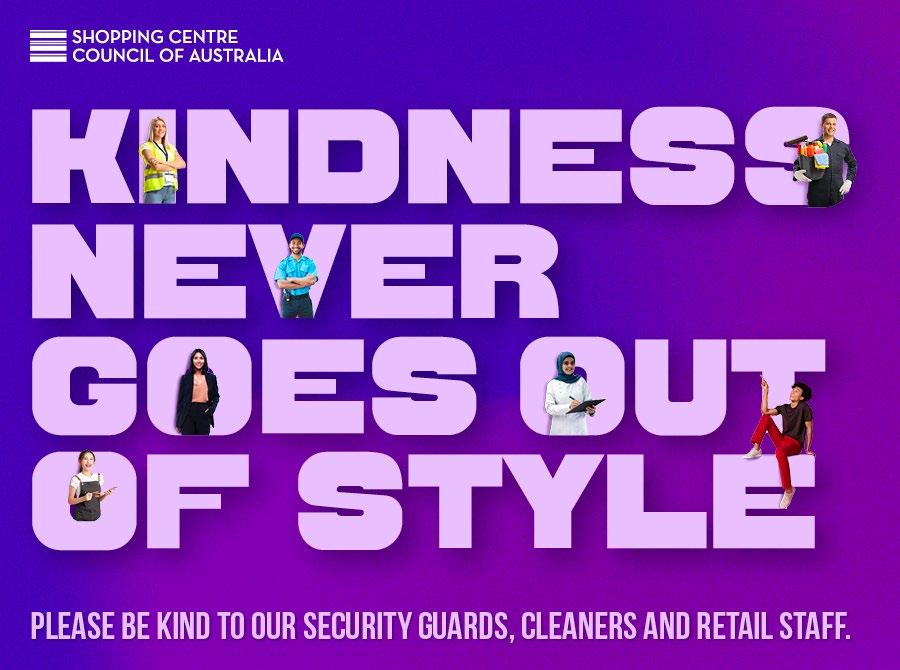
In 2025, the ‘Be Kind in Retail’ campaign returned for its second year — bigger, stronger and more impactful than ever.
What began in 2024 as a united stand against the alarming rise in abuse, violence and weapon-related incidents in retail environments has evolved into the industry’s largest retail and community public safety campaign in the country.
ASIAL was proud to support the 2025 ‘Be Kind in Retail’ campaign.

Featuring 20+ thought leaders, delegates will receive practical insights, real-world case studies and forwardlooking perspectives to assist in developing strategies to stay change ready. Scan to read more

The Australian security industry recently lost two respected leaders whose contributions helped shape the profession we know today.
Former ASIAL Board member and well-regarded security adviser, Terry Guinan, passed away on 2 July 2026. Terry served on the ASIAL Board throughout the 1980s and 1990s, where he was a passionate advocate for the security industry and contributor to the Association’s growth during a period of change.
Industry pioneer Keith Jessup passed away on 24 May 2026, leaving behind a legacy spanning more than five decades. Keith was a tireless champion of professionalism and industry advancement within the Australian security sector. He served on numerous government working parties, chaired standards committees and was a respected advocate for stronger regulation and higher professional standards across the industry.
On behalf of ASIAL, we extend our sincere condolences to the families, friends and colleagues of Terry and Keith. Their dedication, leadership and lasting contributions to Australia’s private security industry will be remembered with gratitude and respect.


On Thursday 23 July, our NT ASIAL Security Industry Breakfast Briefing will be held at the Hilton Darwin.
Amanda Nobbs-Carcuro from the NT Department of Trade, Business and Asian Relations will provide a review of the Act, along with a security regulation and licensing update including compliance, enforcement trends, inspections and pertinent information for the security industry. Also hear from Natalie Bell from the NT Chamber of Commerce, who will cover the Chamber of Commerce Northern Territory’s perspective on the importance of improving community safety and business confidence in supporting economic and strategic security in the Territory. Andy Price, Head of Development & Political Affairs at Neptune Holding Group, will cover the importance of public safety in the Northern Territory and strong public-private partnerships. Elysia Billingham, Centre Manager, Casuarina Square will cover the importance of partnerships in delivering a safer environment.
Our Industry Breakfast Briefings are always a highlight of the year. Book today so you don’t miss out!

The Federal Government has announced that all Treasurers have agreed to a review of Australia’s mutual recognition schemes. The National Competition Council (the Council) will lead an independent evaluation to support the review, with its findings to be provided to the Council on Federal Financial Relations (CFFR) in July 2026.
The Council will report on a broad range of issues affecting the experience of workers navigating mutual recognition schemes, including practical pathways to remove unnecessary occupational licensing barriers to a single national labour market.

SA has enacted the Labour Hire Licensing (Scope of Act) Amendment Act 2025, expanding the scheme to cover all industries, including security which was previously excluded. Once proclaimed, there will be a six month transition period to apply for a licence and meet compliance obligations.
Under the Act, security businesses will require a labour hire licence if they:
• Supply guards, security officers, or crowd controllers to another business for a fee; and
• Provide workers who are directed or supervised by a host organisation

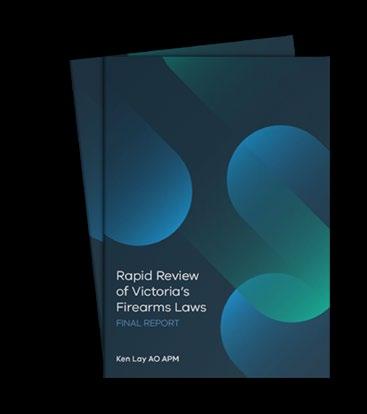
This special 5-course AI bundle has been developed to help optimise your team’s efficiency and includes:
1. Introduction to AI Prompting
2. Leveraging AI: Being Future-Ready
3. Managing Data Security in an AIDriven World
4. The Voluntary AI Safety Standard
5. Ethical AI Business Writing
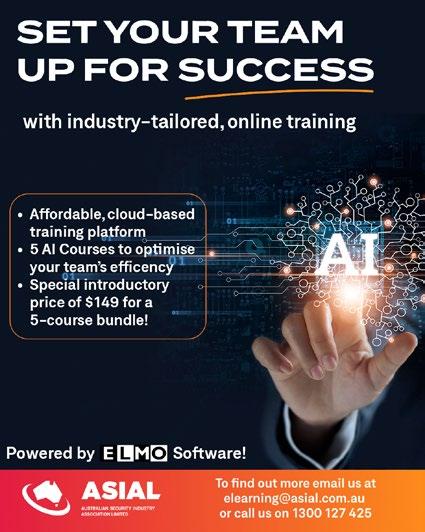
The findings of the Rapid Review of Victoria’s Firearms Laws has been released, with the Victorian Government supporting 15 of the 16 recommendations.



As part of reforms introduced on 19 June 2025 under the Private Security and County Court Amendment Act 2024 and associated regulations, holders of an individual Security Guard, Crowd Controller, or Bodyguard licence in Victoria will be required to complete refresher training to renew their security licence.
One year on from the changes to the Act, ASIAL, with representatives from the Licensing and Regulation Division of the Victorian Police, is running briefing sessions in Bendigo & Wangaratta - on the new refresher training requirements and other business licensing requirements introduced in June 2025.
We hope to see you at one of these additional events for ASIAL Members and non-members in VIC.

Most security leaders don’t need more information. They need better answers to one question: “So what?”
The latest geopolitical tensions in the Middle East are a reminder that security risks no longer stop at the perimeter. Events occurring thousands of kilometres away can influence fuel supplies, freight costs, supplier reliability, critical infrastructure and ultimately business continuity here in Australia.

In ASIAL’s latest thought leadership article, we explore why supply chain resilience is rapidly becoming a security issue and why the most effective security leaders are evolving from operational managers into strategic business advisers.
Major reforms to Victoria’s labour hire licensing regime came into effect from 1 June 2026, as a result members should have:
• Identified all labour hire and near-labour hire arrangements

• Mapped full security labour supply chains (including intermediaries)
• Reviewed service, subcontracting and on-supply clauses
• Verified licence status of labour suppliers
• Started reviewing whistleblower and complaint handling processes
• Briefed senior management and procurement teams
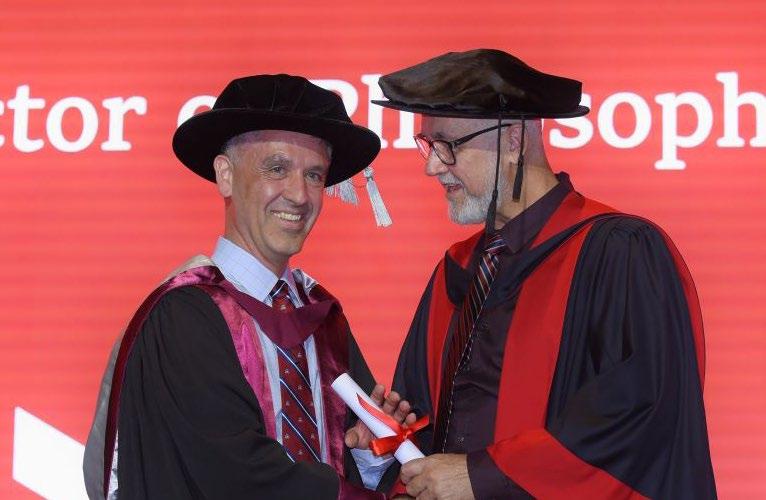
ASIAL President John Gellel was recently presented with his Doctor of Philosophy (PhD) by AIB Academic Dean, Professor Darius Pfitzner, at a special ceremony held at the International Convention Centre, Sydney. The culmination of many years hard work, ASIAL would like to extend its congratulations to John on this significant achievement.
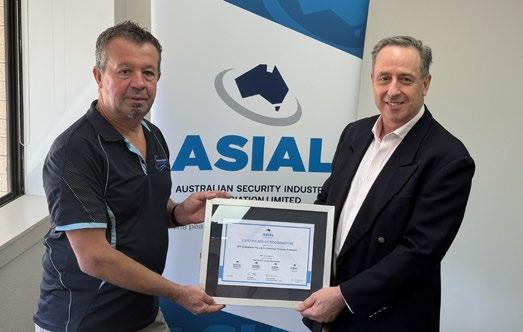
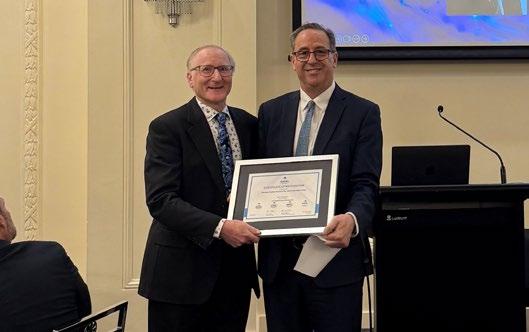
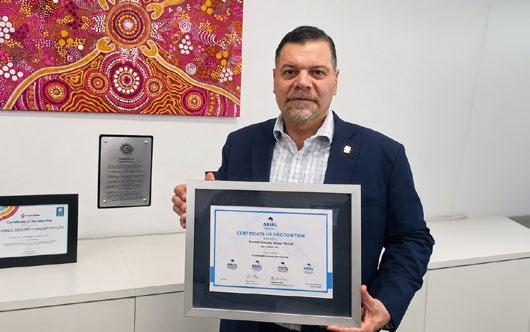
Electronic Property Protection, Security Heroes & Sentinel Security Group achieve Platinum Membership!
ASIAL is delighted to award Electronic Property Protection, Security Heroes & Sentinel Security Group Platinum Member status, in recognition of 25 years of continuous membership of the Association! (shown below respectively)
Attaining Platinum Member status is well-deserved recognition of your ongoing commitment to the security industry and to ASIAL. Thank you for your support and for being valued members of our community!
From Door to Desk and Everything in Between.
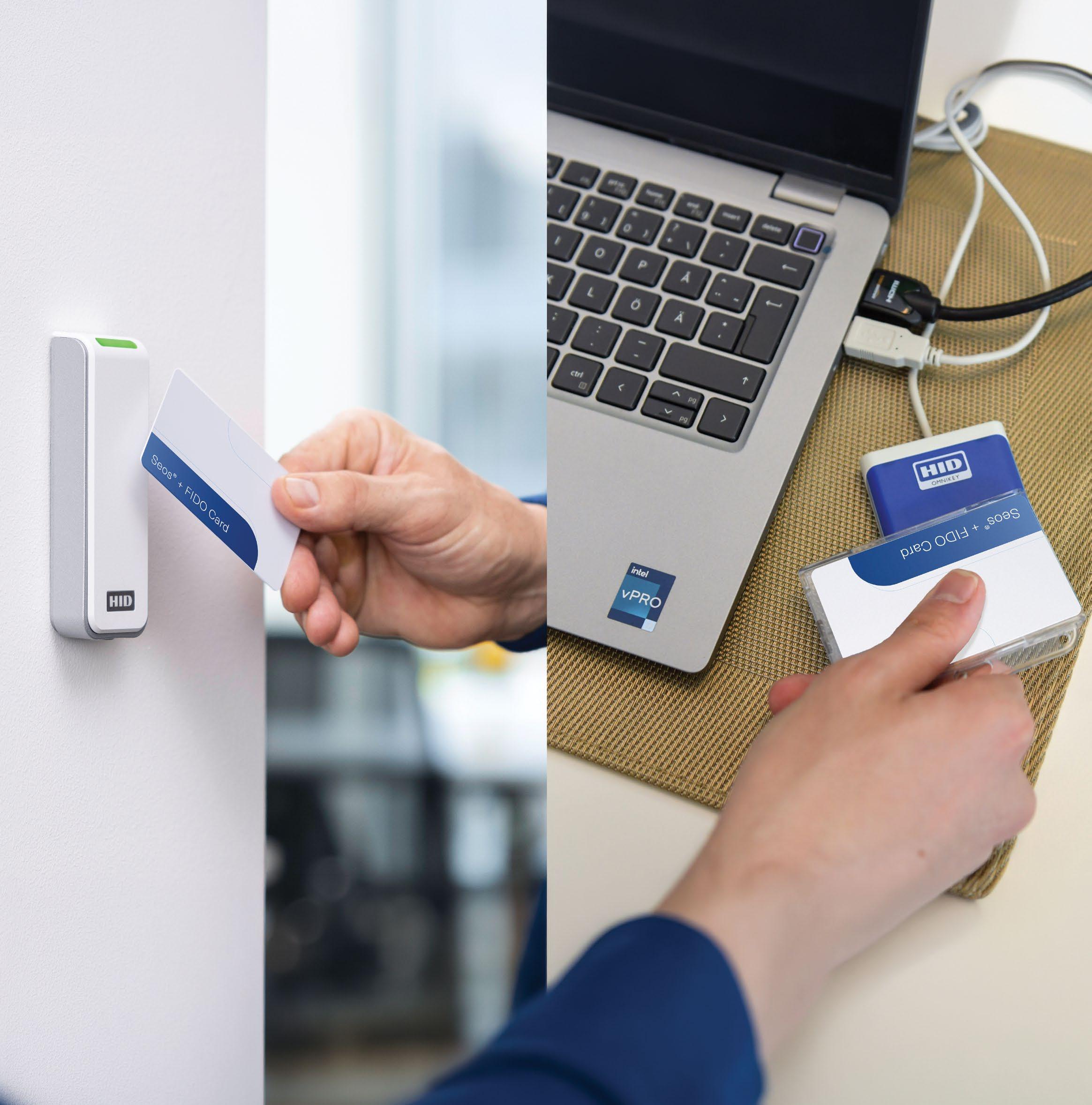
Unify physical and digital access with one phishing resistant credential. Eliminate the complexity of multiple cards and passwords with a single secure solution that strengthens security, streamlines compliance, and simplifies management for IT and security teams.
Scan the QR code to learn more.

Steve Katanas Head of ANZ, HID Physical Access Control Solutions
Many Australian workplaces are now permanently hybrid, mobile and distributed, with employees moving between corporate offices, home workspaces, customer sites and cloud platforms throughout their workday.
According to the HID 2026 State of Security and Identity Report, 75% of organisations have either deployed or are evaluating integrated identity solutions to address this need. For Australian businesses, that shift is becoming increasingly urgent as cyber threats intensify and compliance expectations rise. The Australian Cyber Security Centre continues to report increases in malicious cyber activity, including an 83% increase in the 2024-25 financial year alone.
Convergence unifies disparate systems into a single, resilient framework, eliminating siloes and slashing vulnerabilities at their source. Converged credentials that unify physical badges, passwords and digital tokens into a single layer reduce points of failure from disparate siloes. This holistic approach enables centralised policy enforcement, real-time threat detection across domains and streamlined audits that can bolster resilience against AI-driven attacks.
As identity management takes on increased importance, organisations are exploring the merger of physical and digital through converged technologies, according to the HID report.
Organisations are prioritising seamless integration to simplify security operations, with 73% of survey respondents ranking it as the leading trend. Enterprises seek fewer vendors and less complexity, moving toward single platforms that handle employee credentials, visitor access, multi-factor authentication and physical identity and access management in one system.
Converged credentials provide the unified solution enterprises need by enabling a single, secure authenticator for both physical and logical access. By leveraging phishingresistant FIDO2 and PKI standards, this approach directly counters credential phishing and AI threats by replacing isolated credentials with a hardened, centralised layer.
Core advantages include unified visibility across all access points to eliminate blind spots; simplified compliance through streamlined auditing within a single system; and efficient provisioning/revocation that spans environments instantly.
This means new hires gain immediate access to facilities, devices and applications upon onboarding, while offboarding revokes privileges instantly enterprise wide. Additionally, because zero-trust principles are embedded, converged credentials enforce continuous verification regardless of location or device.
When evaluating credential solutions, look for those that streamline and unify the credential lifecycle across physical and logical access. The most effective solutions will offer multiple form factors to fit the way the organisation and its employees actually work, including:
• A single card for physical door access and phishingresistant digital login that supports FIDO2, PKI and OATH with no separate token required
• Portable FIDO2/PKI authenticators for high-assurance access to workstations and cloud applications
• Compact NFC-enabled readers that extend converged access to workstations and environments where carrying a phone is not practical.
As hybrid work continues to expand, organisations can no longer afford to manage physical and logical access as separate systems. By consolidating identity into one secure framework, Australian organisations can strengthen security, streamline operations and provide employees with seamless access wherever and however they work.


Katie Ashford Strategic Marketing Manager, ASIAL
What was once routine desk research is now a potential channel for data exposure. As staff increasingly turn to generative AI tools such as ChatGPT, Claude, Gemini, Microsoft Copilot, Perplexity AI and Midjourney to accelerate everyday tasks that create new and original content such as text, images, audio, video, or code, in response to prompts, organisations must recognise a fundamental shift in how information is handled, shared, and potentially compromised.
This is not a niche trend. Generative AI has moved into the mainstream at unprecedented speed. Tools like ChatGPT alone have reached hundreds of millions of users globally, with broader generative AI adoption estimated to exceed one billion users across platforms. Yet this rapid uptake has not been matched by structured education or formal governance. In many organisations, staff are adopting these tools faster than they are being trained to use them safely, creating a growing gap between capability and risk.
For decades, online research was largely a one-way interaction. Employees searched, reviewed, and extracted information from sources such as Google Search. The risk profile was relatively contained. Today, that model has changed. Generative AI is not simply retrieving information; it is engaging with it. Staff are no longer just searching; they are submitting, refining, and contextualising organisational data within external platforms.
This shift introduces a new and often underestimated category of risk, inadvertent data exposure.
Generative AI tools operate fundamentally differently from traditional search engines. The interaction is conversational, intuitive, and highly efficient, which can create a false sense of security. However, this ease of use can obscure important realities about how data is handled.
Inputs provided to external AI platforms may be stored, processed, or used to improve underlying models, depending on the provider and configuration. Unlike internal systems, these tools sit outside most organisations’ governance frameworks, limiting visibility and control.
At the same time, the conversational interface blurs the boundary between personal and professional use. Staff may access these tools through personal accounts, outside approved systems and without the safeguards typically applied within enterprise environments.
The result is a growing exposure point, not driven by malicious intent, but by efficiency, curiosity, and convenience.
In practice, the risk often emerges through everyday behaviour.
• An employee uploads a contract to simplify its language.
• A manager pastes an incident report to generate a summary.
• A team member inputs financial data to create insights for a presentation.
• A security professional shares operational procedures to draft improved protocols.
Each of these actions is logical and increasingly common. Yet in each case, sensitive or commercially valuable information may be leaving the organisation’s controlled environment.
The challenge is not misuse, it is misunderstanding.
Recent incidents highlight how quickly well-intentioned use can lead to unintended consequences.
In 2023, employees at Samsung reportedly pasted sensitive source code into an external AI chatbot to assist with debugging, exposing internal data beyond the organisation’s control and triggering an urgent review of AI usage policies.
Legal professionals have faced disciplinary action for submitting AI-generated material containing fabricated case law, underscoring the risks of relying on outputs without appropriate verification and oversight.
Across multiple sectors, organisations have identified instances where staff uploaded internal reports, client data, or commercially sensitive information into AI tools for summarisation or analysis, often without awareness of where that data may be stored or how it may be used.
Each example reflects the same pattern. The intent is efficiency. The outcome is exposure.
To mitigate this emerging risk, organisations must ensure that all staff understand the practical implications of using generative AI tools. The following ten principles provide a clear baseline for safe use:
1. Never input confidential, personal, or commercially sensitive information
2. Treat all external AI tools as public environments
3. Do not upload documents unless explicitly authorised
4. Use organisation-approved AI tools wherever available
5. Understand and apply your organisation’s data classification framework
6. Verify all AI-generated outputs before use
7. Do not rely on AI for legal, compliance, or security advice without expert review
8. Maintain a clear separation between personal and professional use
9. Recognise that prompts themselves can reveal sensitive context
10. When uncertain, do not proceed; escalate for guidance
These are not technical controls. They are behavioural guardrails, and they are now essential.
Attempting to restrict access to generative AI entirely is unlikely to be effective. The technology is already embedded in daily workflows, and its productivity benefits are significant. Importantly, staff are increasingly motivated to build AI capability to maintain their professional relevance and career progression. If organisations do not provide clear guidance and safe environments, employees will inevitably seek out their own tools and pathways. The focus must therefore shift to governance and enablement. Organisations should consider three critical pillars.
1. An AI Code of Conduct
A clearly defined framework that outlines acceptable use, prohibited behaviours, and decision-making expectations. This should align with existing compliance, privacy, and security policies, ensuring consistency across the organisation.
2. Training and capability development
Awareness alone is insufficient. Staff require practical, scenario-based training that reflects real-world use cases. This enables informed decision-making while supporting their desire to build relevant, future-focused skills.
3. Approved tools and environments
Where possible, organisations should provide access to enterprise-grade AI solutions with appropriate safeguards. This reduces the likelihood that staff will turn to unmanaged alternatives.
More mature organisations are not stepping back from AI; they are redesigning how it is deployed.
A growing number of larger enterprises are investing in closed or enterprise-grade AI environments, where data remains within controlled infrastructure rather than being submitted to public platforms. Solutions such as Microsoft Copilot within enterprise ecosystems, or private deployments built on platforms like Microsoft Azure and Amazon Web Services, allow organisations to apply internal governance, access controls, and data protection protocols.
This approach enables organisations to retain the productivity benefits of generative AI while significantly reducing exposure risk. However, technology alone is not sufficient. These environments must be supported by clear operating frameworks and, in all cases, include ‘humans in the loop’.
Organisations seeking to operationalise AI safely should consider a staged approach:
• Define risk and use cases
Identify where AI is currently being used across the organisation, both formally and informally, and map these against data sensitivity and regulatory obligations.
• Establish governance frameworks
Develop an AI Code of Conduct supported by clear policies on data handling, acceptable use, and escalation pathways.
• Segment tools and environments
Differentiate between public tools, enterprise tools, and approved internal solutions to provide clarity and reduce ambiguity.
• Implement training and behavioural guardrails
Embed practical, scenario-based learning to ensure staff understand both the risks and the correct application of AI tools.
• Monitor and evolve
Regularly review AI usage and governance frameworks to ensure they remain effective in a rapidly changing environment.
Generative AI is not a future consideration; it is a current operational reality. It is reshaping how work is performed, how decisions are made, and how organisations compete. It is also reshaping risk.
The greatest vulnerability is not deliberate misuse, but the everyday actions of well-intentioned staff operating without clear guidance.
As generative AI continues to embed itself in business operations, the responsibility for ensuring its safe and effective use rests firmly with organisational leadership. This is not simply a technology issue; it is a behavioural and governance challenge that requires clear direction, education, and accountability.
To support members in navigating this evolving landscape, ASIAL has developed practical resources to strengthen organisational capability, including an AI Code of Conduct template and a structured AI training bundle comprising 5 courses. These tools are intended to help organisations move beyond awareness and towards consistent, responsible application.
Organisations that act early will not only reduce their exposure but also position themselves as confident, modern operators in an increasingly complex risk environment. Those who do not may find that the convenience of AI comes at a cost far greater than anticipated.

Introduction
Dr Denis Boulais ESG Manager, Quad Services
Sleep deprivation and fatigue are among the most under recognised hazards in the security industry. While physical threats, technological vulnerabilities, and procedural failures are routinely addressed in risk frameworks, the human factor (particularly fatigue) often receives insufficient attention. Security officers operate in roles where vigilance, situational awareness, and rapid decision making are critical. When fatigue is present, these capabilities may be reduced, increasing operational risks at work.
This article examines fatigue through a work health and safety lens, focusing on hazard identification, risk assessment, and control strategies. It argues that fatigue should be treated as a significant risk requiring focused risk management.
Fatigue is a state of reduced mental and/or physical performance capability resulting from sleep loss, extended wakefulness, circadian rhythm disruption, or excessive workload. In security environments, fatigue is rarely an isolated or short-term issue. Instead, it is often cumulative, developing over successive shifts and often exacerbated by inconsistent schedules.
Security officers are particularly vulnerable due to the nature of their work. Many roles involve prolonged periods of low stimulation punctuated by the need for immediate, highenergy response. This combination of monotony followed by sudden demand places unique strain on cognitive systems already compromised by fatigue.
The first step in effective risk management is acknowledging fatigue as a legitimate workplace hazard. Unlike visible risks such as faulty equipment or unsafe environments, fatigue is intangible, making it more difficult to identify and assess.
The security industry operates continuously, requiring 24/7 coverage. As a result, many officers work night shifts or rotating rosters that conflict with natural circadian rhythms. The human body is biologically programmed for wakefulness during daylight hours and sleep at night. When this cycle is disrupted, both sleep quality and duration suffer.
Night shift workers typically obtain less sleep overall and experience poorer restorative sleep. Even when sufficient time is allocated for rest, daytime sleep is often lighter and more fragmented due to environmental disturbances and biological factors.
Long shifts and overtime can be common in security operations. While these practices may address staffing shortages, they significantly increase fatigue risk. The longer an individual remains awake, the greater the decline in cognitive and motor performance.
Monotony and Low Stimulation Tasks
Many security roles involve repetitive or passive activities, such as monitoring CCTV feeds, controlling access points, or conducting patrols. These tasks require sustained attention but offer minimal stimulation, creating conditions conducive to drowsiness and microsleeps. Microsleeps are brief, involuntary lapses into sleep and can occur without warning and may last several seconds. In a security context, even a momentary lapse can result in missed incidents or delayed responses.
The physical work environment can either mitigate or exacerbate fatigue. Poor lighting, uncomfortable temperatures, inadequate seating, and lack of designated rest areas all contribute to fatigue levels. Night shift environments that rely solely on artificial lighting may further disrupt circadian rhythms.
Risk Assessment: Evaluating Likelihood and Consequence
Once fatigue is identified as a hazard, it must be assessed in terms of its likelihood and potential consequences.
The likelihood of fatigue is inherently high in security operations due to:
• Continuous service requirements.
• High prevalence of shift work.
• Frequent overtime and staffing shortages.
• Secondary employment among officers.
• Irregular and unpredictable schedules.
Given these factors, fatigue should be considered a constant background risk rather than an occasional issue.
The consequences of fatigue are significant and multifaceted, affecting both individual performance and organisational outcomes. Some include:
• Reduced vigilance and situational awareness.
• Slower reaction times.
• Impaired decision making.
• Increased errors and omissions.
As such, fatigue increases the likelihood of workplace accidents, including slips, trips, and falls. For officers involved in mobile patrols, it also raises the risk of vehicle incidents.
In most security contexts, fatigue represents a high-risk hazard due to its high likelihood and potentially severe consequences. Despite this, it is often underrepresented in formal risk assessments. Risk evaluation should consider:
• The criticality of tasks performed.
• Time of day factors.
• Individual susceptibility.
• Environmental conditions.
• Historical incident data. By integrating these factors, organisations can better prioritise fatigue management within their overall risk framework.
Effective fatigue management requires a layered approach aligned with the hierarchy of controls. While fatigue cannot be completely eliminated, its primary drivers can be reduced by considering the concepts below:
• Limit shift lengths where operationally feasible.
• Reduce reliance on excessive overtime.
• Ensure adequate staffing levels.
• Optimise lighting to support alertness.
• Provide ergonomic workstations.
• Prioritise access to climate-controlled environments.
• Designate rest areas for breaks.
• Provide sufficient rest periods between shifts.
• Limit consecutive night shifts.
• Use forward rotating schedules (day to evening to night).
• Avoid abrupt schedule changes.
• Mandate regular breaks.
An FRMS provides a structured approach to identifying, assessing, and controlling fatigue related risks. Key elements include:
• Reporting systems for fatigue-related concerns
• Monitoring of work hours and overtime
• Analysis of incident data
• Continuous improvement processes
• Training and education Officers and supervisors should be trained to:
• Recognise signs of fatigue.
• Understand its impact on performance.
• Apply strategies to manage fatigue.
• Promote healthy sleep practices.
While organisational measures are primary, individual behaviours also play a role in:
• Prioritising sufficient sleep.
• Maintaining consistent sleep routines.
• Managing caffeine intake strategically.
• Supporting overall health through diet and exercise.
Fatigue management is not a one-time initiative. It requires ongoing monitoring and refinement. Some key metrics organisations should track are:
• Incident rates by shift and time of day.
• Overtime and working hours.
• Absenteeism and sick leave.
• Feedback on fatigue.
• Incident analysis. Frontline officers are often the first to recognise fatigue related risks. Their input should be actively sought and incorporated into policy development.
Leadership plays a critical role in shaping how fatigue is managed. Supervisors and managers should:
• Recognise fatigue as a legitimate hazard.
• Encourage reporting without stigma.
• Model responsible work practices.
• Balance operational demands with staff wellbeing. Without leadership commitment, even well-designed fatigue management systems are unlikely to succeed.
Despite increased awareness, several barriers hinder effective fatigue management in the security sector, such as:
• Cost pressures and competitive contracting.
• Staffing shortages.
• Client expectations for coverage.
• Limited regulatory enforcement specific to fatigue.
Sleep deprivation and fatigue are not merely personal issues, they are operational hazards with significant implications for safety, performance, and risk exposure. In the security industry, where vigilance and rapid response are essential, the impact of fatigue cannot be ignored.
By adopting a structured approach grounded in hazard identification, risk assessment, and layered control measures, organisations can significantly reduce fatigue related risks.
Ultimately, the effectiveness of any security operation depends on the alertness and capability of its personnel. Managing fatigue is therefore not optional, it is a fundamental component of professional and responsible security practice.




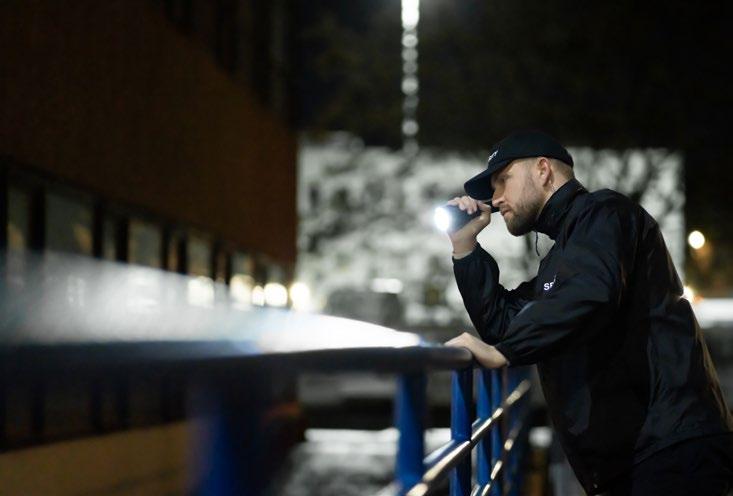
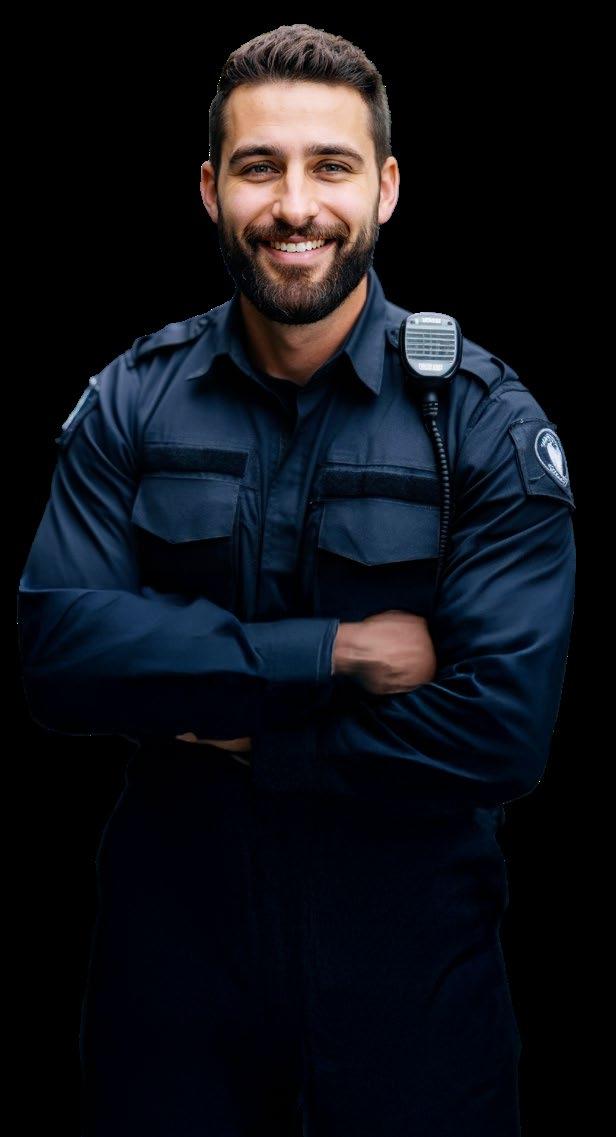
On International Security Officers’ Day, we extend our sincere gratitude to the dedicated security officers who work tirelessly to protect people, property, and communities. Your professionalism, vigilance, and commitment often go unseen, yet your contribution is essential to maintaining safety and security in countless environments. Whether safeguarding public spaces, critical infrastructure, businesses, or major events, you play a vital role every day. Thank you for your service, resilience, and unwavering dedication to keeping others safe.
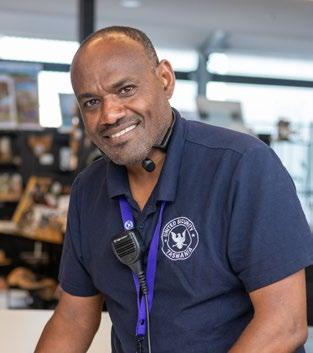
United Security Tasmania, Hobart
Mustafa is a valued member of our team who consistently demonstrates professionalism, reliability and a genuine commitment to those around him.
He has a natural ability to build positive relationships with clients, members of the public and fellow officers, and is always willing to lend a hand wherever needed. His calm approach, strong work ethic and dedication to delivering a high standard of service make him someone we can always rely on.
What stands out most about Mustafa is the pride he takes in his work. He enjoys the opportunity to engage with people from all walks of life and contribute to creating safe, welcoming and well-managed environments. Whether working at a community event, a hospitality venue, or a construction site, he approaches every role with the same level of care, professionalism, and respect.
Mustafa is a highly respected member of the United Security Tasmania team, and they are proud to nominate him for this recognition.

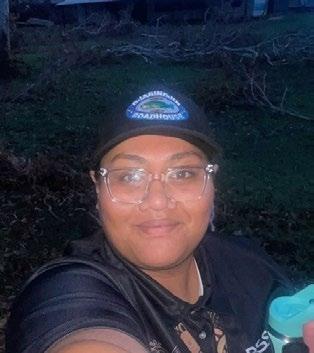
Between December 2025 and January 2026, Alarna completed a 4–5 week deployment in a remote Kimberley community with Resolute Security Services.
As this was her first deployment to remote Western Australia, she made a highly positive impact on the local community, particularly with the children. Alarna demonstrated excellent community engagement skills by organising games and activities for the children, helping keep them engaged, active, and supported throughout her deployment. Her positive attitude, professionalism, and ability to build strong relationships within the community made her a standout member of the team.
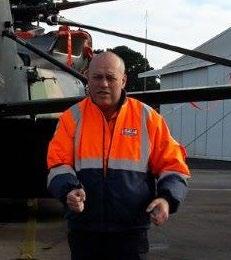
Blue Lake Security, Mount Gambier, South Australia
We proudly recognise Paul Hill of Blue Lake Security for his dedication, professionalism, and commitment to keeping people and property safe. Through his vigilance, integrity, and outstanding service, Paul exemplifies the essential role security officers play in protecting our communities. Paul has been a Security Officer for over 47 years. His hard work and reliability make a positive difference every day, and we thank him for his valuable contribution to the security industry.
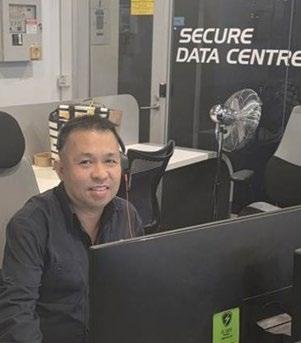
Securecorp, Melbourne, Victoria
Mark has been in the security industry for 15 years. His most enjoyable aspect is learning new technologies and innovations in the security industry, and serving our clients exceeding their expectations. He has been at Securecorp for 5 years and became Team Leader in August 2022. In 2022 he received a Securecorp Commendation Award.

Collins Arch, EGroup Protective Services, Melbourne, Victoria
Jade always has a smile on her face. Her attitude to her job and customers is fantastic. She is never one to shy away from hard tasks, and Jade has an amazing work ethic.
Security Exhibition & Conference
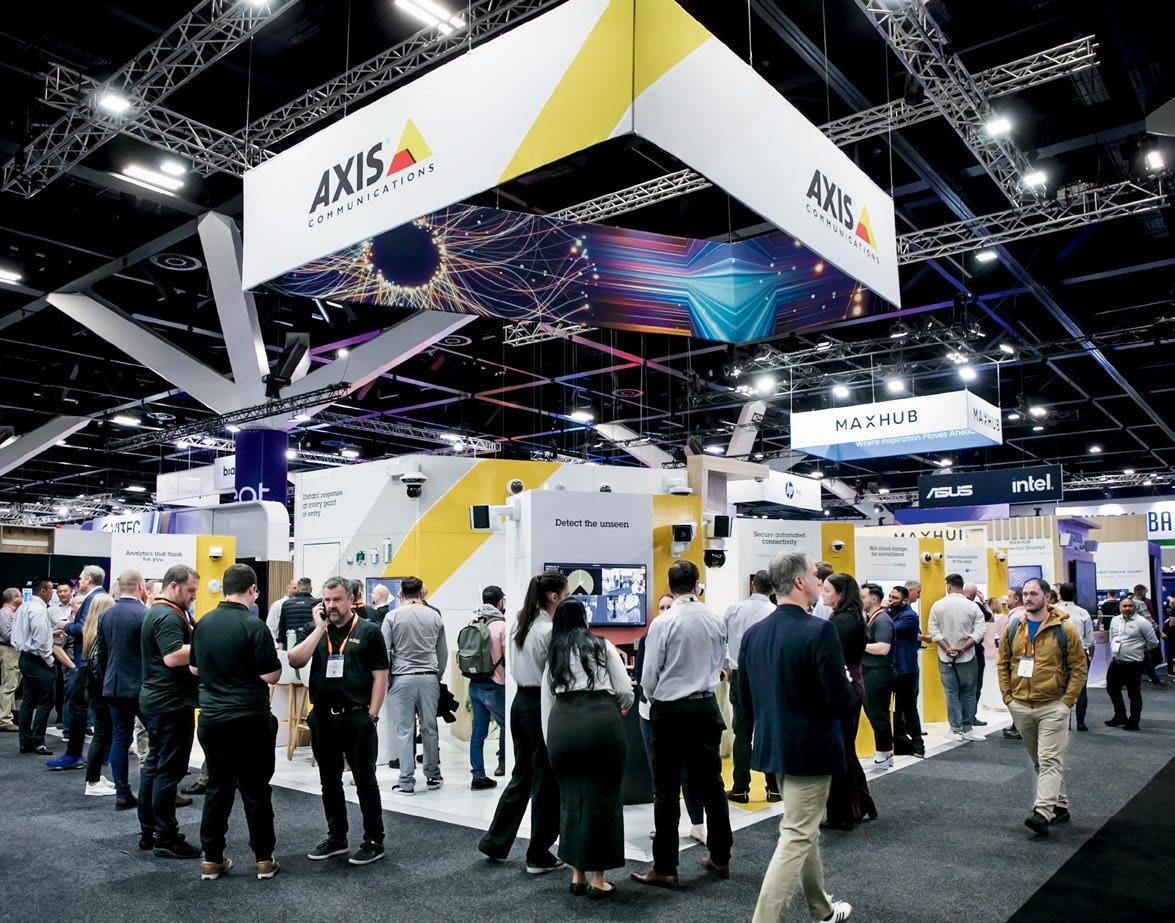
ICC Sydney | 2–4 September 2026
Australia’s security environment has fundamentally shifted. Large organisations faced a 219% increase in average cybercrime costs in 2024–25, reaching $202,700 per incident - while nearly 51% of Australian organisations reported encountering AI-powered cyber threats in the past year, with 76% of those seeing threat volumes double.
At the same time, SOCI Act 2025 amendments have introduced stricter obligations across 11 critical sectors, and mandatory IoT security standards for critical infrastructure came into force in March 2026. Regulatory complexity is accelerating. Threat sophistication is accelerating. And the expectations placed on security leaders — to protect people, assets and operations while navigating an entirely new compliance landscape — have never been greater.
Responding to that pressure demands more than a vendor shortlist or a compliance checklist. It demands a clear picture of how the market is moving, where the risks are shifting, and which strategies are actually working in organisations like yours. That is precisely what ICC Sydney delivers on 2–4 September 2026 — three days purpose-built for the decisions that matter.
Your registration gives you access to Fire Security Expo and Integrate, both running alongside Security at ICC Sydney from 2–4 September. Fire Security Expo is Australia’s dedicated fire protection marketplace - built for the people protecting Australia’s buildings, assets and critical infrastructure. Integrate - Australia’s leading AV and integration trade event for over 16 years - brings together the digital signage, smart building automation, and emergency communications solutions that increasingly sit alongside your security stack. As physical, electronic, digital, and fire safety systems continue to converge, this co-location isn’t a coincidence — it’s a practical reflection of how your world actually works.
For security professionals navigating the convergence of physical and electronic systems, that broader context isn’t a bonus. It’s essential.
The Security ASIAL Conference brings together frontline practitioners and board-level leaders to explore what operational resilience looks like in practice. Expect actionable sessions on:
• Risk intelligence and responsible AI adoption
• Cyber-physical convergence in practice
• Workforce capability and leadership under uncertainty
Backed by ASIAL, every session is selected for relevance and rigour — with a single purpose: helping you understand what’s changing and what it means for your organisation. You’ll leave with strategies you can act on, not just content to file away.
Three days at Security Exhibition & Conference gives you a complete view of the security landscape — physical, electronic and emerging — in one place. Direct access to suppliers and the engineers behind the technology, enabling informed comparison before you commit. Practitioner-led sessions that deliver context, not just content. Meaningful connection with peers who understand the real complexity of your role.
Leave with a clearer picture of where the industry is heading and what it means for your organisation — and celebrate the event that has been the industry’s trusted reference point for 40 years.
As an ASIAL member, you’re eligible for an exclusive 10% discount on Conference Passes. Expo attendance is free. Join your peers at the industry’s annual meeting point and prepare for what’s next. Register at: www.securityexpo.com.au
9.30 AM - 9.50 AM Opening Remarks MC Rachell DeLuca, PSA
9.50 AM - 10.25 AM
President’s Welcome Dr. John Gellel, ASIAL
Strengthening Security Posture in an Era of Increasing Complexity and Risk - Security Intelligence and National Resilience Hamish Hansford, Head of National Security, Department of Home Affairs
Sponsor Remarks Dennison Hambling, IMG
10.25 AM - 11.00 AM Geopolitical Instability & Hybrid Threats - How do They Impact Australia’s Security? Dr. John Coyne, Director - National Security Program, Australian Strategic Policy Institute (ASPI)
11.00 AM - 11.20 AM MORNING TEA
11.20 AM - 12.00 PM Security 2030: A Five-Year Future Report on the Australian Private Security Industry Dr. Nicola Lockhart & Dr. Warren Doudle, Security and Intelligence Research Group, ECU
12.00 PM - 12.30 PM Security Assurance on Critical Infrastructure: What SFAIRP Really Demands Chris Nunn, Principal Security Consultant, Sener
12.30 PM - 1.00 PM When Leaders say “Take a Risk Based Approach” What They Actually Mean Dr. Stephen McGee, Founder/Director, GSR Advisory
1.00 PM - 2.00 PM LUNCH
2.00 PM - 2.40 PM
Agentic AI for the SOCI Act: Navigating the Compliance Cliff to Protect Critical Infrastructure, Including Systems of National Significance
Dr. Maher Magrabi, Director - Security, Cybersecurity & Risk, Lote Consulting
2.40 PM - 3.10 PM Changing of the Guard: Redefining Security in a Crowded Place - Brisbane’s South Bank Lauren Campbell, Security Manager, South Bank Corporation
3.10 PM - 3.40 PM Nationally Consistent Professional Standards for the Security Industry - if not now - when? Bryan de Caires, CEO, ASIAL
3.45 PM CLOSE
9.00 AM - 9.05 AM Opening Remarks
MC Dr. Ben Scott, Macquarie University
9.05 AM - 9.35 AM The Mandatory AI Rewrite: Leading Organisations with Built-In AI Panel: Anna Acopian, Founder & CEO, SafegateAI and guests
9.35 AM - 10.15 AM Cyberthreats – an Urgent Call to Action
Alastair MacGibbon, Former Special Adviser to the Prime Minister on Cyber Security
10.15 AM - 10.50 AM Sovereignty as Risk Management: Clarity, Trade-offs, Accountability Mark Anderson, National Security Officer ANZ, Microsoft
10.50 AM - 11.10 AM MORNING TEA
11.10 AM - 11.50 AM From Indicators to Action: Lessons from the Bondi Beach Terrorist Attack Dr. Gavriel Schneider, MD, Chair of the Board and Founder, R2S
11.50 AM - 12.20 PM The Convergence Point: How AI, Body Cameras and Drones are Reshaping Physical Security Mark Richards, Director of Community Safety Partnerships and Corporate Security, Auror
12.20 PM - 12.50 PM Balancing Data Centre Physical Security Controls with Construction Speed Kevin Byrne, Physical Security Architecture Manager (APJC), Data Center Design Engineering, Amazon Web Services (AWS)
12.50 PM - 2.00 PM LUNCH
2.00 PM - 2.30 PM Beyond IT/OT: Closing the Physical Intelligence Gap in Critical Infrastructure Security Jonathon Tindale, Founder/CEO, Crimp
2.30 PM - 3.00 PM When Good People Create Risk, The Rise of the Unintentional Insider Threat Lou Bladel, Director, Insider Threat, Global Security and Investigations, UBER Ian Clark, Insider Risk Lead, UBER
3.00 PM - 3.35 PM
Technology Enabled Crowd Management, from CCTV to Predictive Analytics: Case Study Notting Hill Carnival, London 2026
Nazli Hocaoglu, Legal Counsel, ACESGroup, CEO, Dynamic Crowd Measurement
Dr. Andrew Tatrai, Founder ACESGroup and Dynamic Crowd Measurement
3.45 PM CLOSE









































Protection for your company and you as a business owner and director
When thinking about insurance for your business it is normal to consider the liabilit y of the company But what about as an individual under taking a vital role such as a business owner or director who makes operational decisions day in, day out? T here are a raf t of risks frequently involving large financial impact s on both your business and you as an individual, that you need to consider
A s your insurance broker we can help you identif y where your risk exposures lie for both your business and you
you and not the one ’ s that don’t, which is why we take the time to understand you and your business first to ensure
700
Commonwealth, State & Territor y L aws imposing personal liabilit y
You may be fined up to $600,00 under Workplace Health & Safet y laws
14,024
Unfair dismissal lodgements, Oct 2016 to Oct 2017
Your Company could be fined up to $3 million under workplace Health & Safet y laws
270
Unfair dismissal lodgements ever y week in Australia
Bet ween 2014-2016 52% of Australian organisations experienced
$150,000
Recent cost to defend an employment issue.

ATO warns small business they will be a target in 2018 According to CPA Australia, costs incurred for accountants in preparing for a tax audit can be $1 5,900
Security and the safety of other people’s property is your business. Protecting your business is equally important.

AON has over thirty five (35) years’ experience working with the Security Industry and has designed specific insurance cover that aims to meet the needs of security businesses. We have an in-depth knowledge of the risks associated and the insurance programs required to help reduce your exposure.
Designed specifically for security organisations and Approved by the Australian Security Industry Association
APRA (Australian Prudential Regulation Authority) authorised insurer – Liberty International Underwriters.
Tailored Business Activity to capture your risk associated to your unique security activities
Financial Loss Liability (Errors & Omissions) is Automatically included up to $2,000,000
Loss of Keys Cover Automatically included up to $500,000
Loss of Money Cover Automatically included up to $100,000
Cover for the use of guns and dogs automatically included $1,000 excess for crowd control/assault claims, our competitors impose a $5,000 excess for claims of this nature
No injury to contractors/sub-contractors excess, otherwise known as worker to worker excess, our competitors impose a $25,000 excess for claims of this nature
Civil Liability Professional Indemnity included as an optional extension
Statutory Fines & Penalties included as an optional extension
Cover for Cash in Transit / Cash in Safe optional extension
The difference is clear, speak to Michael Pham your AON Relationship Manager for ASIAL Members for an obligation free quote and get the peace of mind you deserve.
Michael Pham
Corporate Authorised Representative 02 9253 7326 | michael.pham@aon.com

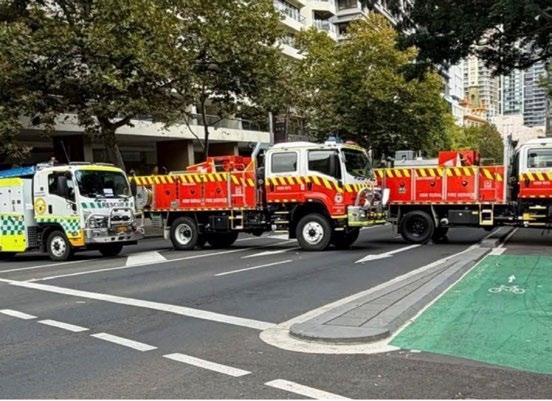
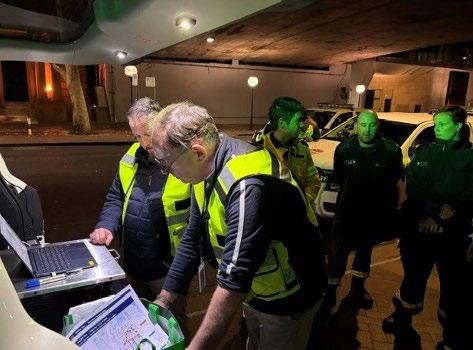
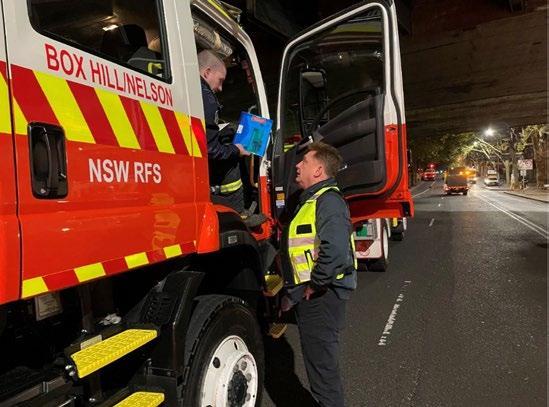
The security industry has long known that excellence in major event protection is never the work of a single team. It is the product of carefully aligned planning, proven capability, and genuine collaboration across public and private partners. This year’s Anzac Day commemorations held in the Sydney CBD underscored this principle, delivering a safe, disruption free experience through an holistic HVM program supported by private security, NSW Police, government stakeholders, volunteers from the Rural Fire Service (RFS) and VRA Rescue NSW, commercial HVM providers, and specialist threat intelligence consultants. The outcome was a best practice demonstration of layered HVM, precision logistics, and transparent public engagement.
At the core of the operation was a comprehensive HVM strategy that went beyond placing barriers. The plan integrated advanced computer impact modelling, route and crowd dynamics analysis, credentialed deployment teams, and a data informed threat monitoring framework delivered in partnership with Commonwealth counterparts and specialist security consultants. This blend of operational disciplines and intelligence led decision making enabled real time risk posture adjustments while the event footprint remained accessible, welcoming, and operationally efficient.
Sydney’s Anzac Day commemorations presented a high value, crowded place protection challenge: dense, static crowds at the Martin Place Dawn Service and a long, linear march route down Elizabeth Street attracted the full spectrum of hostile vehicle threats - vehicle ramming (VAW) and vehicle borne improvised explosive devices (VBIED). The 2026 protective solution combined threat led analysis, engineered barrier systems, intelligence and technical detection, and tight inter agency delivery, proving how private security specialists, government experts, and emergency services volunteers integrated to protect a major civic event.
Threats considered included VAW/ramming, VBIEDs, and “Trojan horse” hostile vehicle tactics. International incidents and Australian cases underpinned a realistic assessment of consequence (Major/Catastrophic). Despite the likelihood being assessed as unlikely, the net risk for both the Dawn Service and the March remained HIGH without mitigation.
Attack dynamics were modelled to determine the calibre of HVM required to defend precinct areas. Vehicle mass, impact angle, and achievable speed were translated into kinetic energy estimates to size barriers and exclusion distances.
The protective architecture followed a layered model: deny/ deter, detect, delay, and respond. Key elements included:
1. Intelligence driven detection and pre event prevention
Continuous monitoring of open web, social, and relevant deep/dark web feeds provided early indicators of hostile intent; Commonwealth and state intelligence briefings augmented situational awareness. Targeted awareness outreach (education flyers) to vehicle rental companies promoted early recognition and reporting of suspicious activity.
2. Technical and specialist detection
Backscatter (ZBV) sweeps were conducted pre-event as a non intrusive IED detection sweep of parked or loitering vehicles near the precinct. Where ZBV was unavailable, explosive detection dogs and trace detection served as the fallback.
3. Engineered barriers and vehicle as barrier options (temporary & modular)
Tested improvised and modular systems were chosen to match identified attack energy and approaches:
• F Type concrete barriers (Jersey kerb style) were deployed in double staggered formations as pedestrian accessible IVSBs; deployment parameters and exclusion distances (30 m stand off where possible) followed testing and guidance. Crashlab and explosive effect testing demonstrated structural resilience in defined configurations.
• H Stop modular barriers (surface placed, wheeled units) offered rapid deploy/retrieve capability and ISO performance metrics for N1 threats.
• Rural Fire Service Category 1 Tankers were validated via Arup Group Australia impact modelling and were used as robust vehicle barriers where necessary.
• Standards and test references (IWA 14 1, PAS 68 and ISO 22343 1) guided selection and placement.
4. Vehicle access control, gates, and operational tactics
Vehicle Access Control Points (VACPs) used VRA NSW heavy rescue vehicles as mobile gate elements; protocol, staffing, and security featured Vehicle Access Passes were core to preventing tailgating, deception, and unauthorised access. Operational rules prohibited drivers from remaining in vehicles within the protected zone. Exclusions and clearances were set to maintain operator safety and preserve observation of approaches.
5. Surveillance, command, and communication integration
Transport Management Centre and City CCTV coverage supported pre emptive scrutiny of heavy vehicle movements into the CBD. NSW Police provided proactive vehicle stops when camera surveillance indicated risk. A Government Coordination Centre (GCC) established live document workflows between field and command to coordinate deployment, uplift, and road reopening, enabling full road reopening within 20 minutes post event.
6. Engineering assurance and testing
Barrier performance was validated by Crashlab vehicle impact tests on F Type barrier arrays, Arup Group computer impact modelling for RFS tankers and F Type double staggered formations, and certified ratings for commercial HVM products such as the H Stop. This data translated into deployment geometry, spacing, and exclusion zoning.
7. Delivery: inter agency collaboration and volunteer integration
The operation was coordinated across NSW Premier’s Department strategic security leads, NSW Police, RSL, City of Sydney, RFS, VRA, Transport for NSW (TfNSW) control centre cameras, and contracted HVM operators. Volunteer emergency services (RFS tankers, VRA heavy rescue crews) provided critical mass, mobility, and command support; their vehicles doubled as robust barriers with responsive redeployment capability. Private HVM specialists (Safe Event Services and Ezi Security) supplied barrier inventory, deployment expertise, and HVM field supervisors to ensure technical accuracy and safe installation. GD Consulting provided expert risk and inter agency coordination.
OPERATIONAL LESSONS AND CONTINUOUS IMPROVEMENT
The post event debrief documented tangible successes, including that RFS tankers and H Stops proved operationally effective; pre staged F Type installation over multiple nights worked well; live GCC/field document workflows enabled rapid uplift and safe removal; vehicle policing reduced prior vulnerabilities.
The de-brief also identified areas for improvements, including strengthening vehicle access permit (VAP) security and vetting; aligning radio interoperability (RFS/VRA); co locating RFS and HVM representatives within the GCC for faster coordination; and pre confirming crew and vehicle manifests earlier to reduce staging delays.
An effective approach to HVM relies on an integrated framework in which technology, physical security measures, and stakeholder awareness work together to enhance situational awareness and protect public safety.
Threat assessment Standards based engineering Tested barrier selection
Layered detection and vetting
Coordinated field command and uplift
Sydney’s 2026 Anzac Day hostile vehicle mitigation was a robust and efficient protective solution, enabled by private security consultants/engineers, government advisory and SME support, frontline police, and emergency services volunteers. It provides a replicable blueprint for securing high profile crowded places against evolving vehicle threats.

Simon Walker Managing Director, Connley Walker
On 4 September 2026, as the 40th Security Conference & Exhibition 2026 draws to a close, Connley Walker will mark its 30th anniversary. The coincidence provides a timely opportunity to reflect on how the security consulting profession has evolved over the past three decades and consider what the future may hold.
Technology has transformed the way security consultants work. Thirty years ago, “cut and paste” was not a computer command—it was a literal process. Security consultancies maintained libraries of standard specifications, with consultants physically cutting relevant sections from printed documents and assembling project-specific drafts. These edits were then manually incorporated into a final specification. What can now be completed in minutes often required hours or days. Security risk management has also undergone significant change. Historically, security risks were assessed much like other business risks, with organisations determining an acceptable level of exposure based on risk appetite. Today, there is a much stronger alignment between security and WH&S obligations. Risks to people are increasingly viewed through the lens of legal duty of care, requiring organisations to eliminate or reduce risks so far as is reasonably practicable. Organisational risk appetite is now more commonly limited to risks affecting property, assets, operations and reputation.
The profession’s approach to security design has evolved as well. Security was once largely centred on physical barriers, electronic systems and procedures. While these measures remain important, there is now greater recognition that the built environment itself
can influence both crime and perceptions of safety. What was once often referred to as “architectural security” has matured into the discipline now known as Crime Prevention Through Environmental Design (CPTED). This approach considers how the design, layout and management of spaces can influence behaviour, reduce opportunities for crime and improve perceptions of safety.
Another significant change has been the convergence of physical and cyber security. Thirty years ago, electronic security systems were largely standalone technologies. Today, CCTV, access control, intercoms and alarm systems are commonly
connected to corporate networks and cloud-based platforms.
Security consultants must now consider not only physical threats, but also cyber risks, privacy obligations and system resilience. Today’s security consultant is as likely to be discussing network architecture and cybersecurity controls as well as door hardware and camera locations.
Looking to the future, security consulting is likely to be shaped by advances in artificial intelligence and data analytics.
AI may assist with tasks such as analysing large volumes of incident data, identifying emerging trends, supporting security design reviews and improving the consistency of risk assessments. However, professional judgement, stakeholder consultation and an understanding of organisational context will remain critical.
As the profession has demonstrated over the past 30 years, security consulting will continue to evolve alongside technology. The challenge will be ensuring these new tools are applied ethically, effectively and in a manner that genuinely improves security outcomes.
Thirty years after its establishment, Connley Walker’s anniversary serves as a reminder not only of how far one consultancy has come, but also of the remarkable evolution of the security profession itself.
The ASIAL Security Insider Podcast series explores some of the issues and challenges facing the security industry.

EPISODE 151
Mental Health In Security Part 1 2 February 2026
In a world where the threat environment is volatile and tensions are high, security teams are absorbing more pressure than ever—verbal aggression, physical incidents, and the constant need to stay vigilant. But mental strain doesn’t always announce itself until performance drops, conflict escalates, or someone quietly burns out. We speak with Simon Brown-Greaves about how security companies can protect the mental health of their staff without sacrificing operational capability.
EPISODE 152
Mental Health In Security Part 2 23 February 2026
In this, the second part of our exploration of mental health in security, we continue our discussion with Simon BrownGreaves about how security companies can protect the mental health of their staff without sacrificing operational capability.
EPISODE 153
Why Most Training Fails Under Extreme Pressure 9 March 2026
Incidents like the Bondi and Westfield attacks demonstrate that extreme violence can happen anytime, anywhere, without warning. And in most cases, security personnel will be the first to respond. We speak with Tony Blauer — CEO of Blauer Tactical Systems and founder of the SPEAR System — about “amygdala hijack”: the survival-driven takeover that can bypass cognition and degrade performance.
EPISODE 154
Managing Insider Threats 30 March 2026
In this episode, we speak with Lou Bladel, Uber’s Director of Insider Threat and former FBI Special Agent in Charge of Counterintelligence in New York, alongside Julian Claxton of Jayde Consulting and Brenton Steenkamp, Partner at Clayton Utz about the growing threat of insider risk and the rising importance of counterespionage in the corporate environment.
EPISODE 155
US-Iran Escalation: What Australian Security Leaders Need to Know 9 April 2026
In this episode of the Security Insider podcast, we discuss the real-world implications of escalating conflict in the Middle East for Australian businesses, critical infrastructure, and security leaders, with Major General Mick Ryan AM.
EPISODE 156
Crisis Communications for Security Leaders: What to Say When the Pressure Is On 20 April 2026
In this episode of Security Insider, host John Bigelow speaks with Tony Jaques, Director of Issue Outcomes, about crisis communications for security leaders.
EPISODE 157
Supply Chain Under Siege: What Australian Security Leaders Must Do Now 12 May 2026
The US–Iran conflict is a sharp reminder that supply-chain security is no longer just a logistics or procurement issue. For Australian organisations, geopolitical instability can quickly become a business-continuity, security, insurance, transport and criticalinfrastructure problem. We speak with Andrew Harris from Ironbark Strategic and Bilal Ali Khan from Spinnaker Infra about what senior security managers in Australia should be doing now to reduce their exposure to supply-chain disruption.
EPISODE 158
When Cyber Risk Becomes Physical 9 June 2026
In this episode of the Security Insider Podcast, we speak with Alastair MacGibbon, one of Australia’s most experienced cyber security and technology resilience leaders. This conversation is designed to give security leaders practical ways to think about converged risk.
EPISODE 159
Bunnings, Facial Recognition and the Privacy Line - Has the Tribunal Opened the Door? 23 June 2026
In this episode, we speak with Alex MacDonald, Director at Vixels and former National Investigations and Security Manager at Bunnings, about the retailer’s use of facial recognition technology and how the issue has evolved since the Office of the Australian Information Commissioner’s ruling.


Bernadette Smyth Principal Consultant, Governeering
Security professionals operate in environments where information moves quickly and decisions carry immediate consequence. Whether monitoring critical infrastructure, managing access to major facilities, responding to incidents in public spaces, or coordinating with emergency services, security personnel are constantly required to interpret information and act on it in real time.
Over the past decade, the security industry has invested heavily in technology. Surveillance systems, integrated command centres, advanced analytics and sophisticated access control platforms have significantly improved the quality, speed and availability of operational information. In many environments, security teams now have access to more data than ever before. Yet a persistent and often overlooked risk remains: the assumption that access to information equates to shared understanding.
Security decisions are still made by people. When incidents unfold, the effectiveness of a response depends not only on the systems in place, but on how clearly information is communicated and how accurately it is understood.
Security incidents do not always escalate because information is unavailable. In many cases, escalation occurs because information is misunderstood, partially absorbed or interpreted differently by those involved.
During an unfolding event, information is rarely delivered through a single channel. Instead, it moves across multiple streams simultaneously – radio communications, written reports, command centre instructions, mobile alerts, visual signals and direct interactions with the public. Each layer introduces potential for distortion. In controlled environments, communication protocols can appear robust and effective. Under pressure, the conditions change: noise increases, time compresses and attention narrows.

Behavioural science shows that when individuals are operating under stress, uncertainty or emotional intensity, their ability to process complex information declines. Messages that seem clear in training may become ambiguous in practice. Instructions may be partially heard, selectively interpreted or lost within competing demands. In these moments, communication becomes a critical control within the security system itself.
A consistent yet under-recognised challenge in security operations is the gap between what is said and what is understood. Security personnel encounter this gap regularly. A message transmitted over radio may be understood differently by multiple team members. Instructions that require sequencing or technical language may break down entirely when delivered under pressure. These are not failures of professionalism or training. They are reflections of how human cognition operates in dynamic environments.
Under pressure, cognitive load increases and working memory becomes constrained. Individuals prioritise certain signals while filtering out others. Interpretation becomes shaped by prior experience, emotional state and situational awareness. In practical terms, this means that the same message, delivered to multiple people in the same moment, may produce different interpretations and actions.
Improving communication in security environments does not necessarily require additional systems. It requires a shift in how information is structured, delivered and confirmed. Several practical approaches can strengthen clarity during incidents:
Use simple, direct language.
Under pressure, clarity outperforms complexity. Short, direct instructions reduce the likelihood of misinterpretation.
Reinforce messages across multiple channels. Where possible, combine verbal instructions with visual signals or written confirmation to support understanding.
Confirm shared understanding.
In team environments, especially those involving multiple personnel or agencies, verifying understanding can prevent divergence during critical moments.
Recognise the emotional state of the audience
Adjust tone, pace and wording when individuals are distressed, confused or agitated to improve how messages are received.
Design communication for real conditions. Procedures developed in calm environments should be tested against noisy, crowded and time-pressured scenarios to ensure they remain effective in practice.
Interpretation
becomes shaped by prior experience, emotional state and situational awareness. In practical terms, this means that the same message, delivered to multiple people in the same moment, may produce different interpretations and actions.

The security industry has made significant strides in strengthening systems, processes and technological capability. But these advancements can create a false sense of assurance if the human layer is not equally considered. Systems can generate accurate information. Procedures can define appropriate responses. But neither guarantees that information will be understood in the way it was intended.

In real-world environments, breakdowns often occur not at the point of data generation, but at the point of translation, when information moves from system to person, and from person to action. This is where otherwise well-designed operations can begin to diverge from expected outcomes.
Recognising this gap does not diminish the value of technology or process. It highlights the need to design operations that account for how people interpret and act on information under real conditions.
The private security sector plays a vital role in safeguarding Australia’s people, infrastructure and public spaces. As the industry continues to evolve through technology and professionalisation, it is equally important to recognise the human dynamics that shape how security operations unfold.
Security systems generate information. Procedures guide action. Technology enhances visibility. But the effectiveness of these elements ultimately depends on the ability of people to interpret and communicate information clearly when it matters most. In many security incidents, the difference between escalation and resolution lies not only in the presence of a threat, but in whether individuals involved share a common understanding of what is happening and what needs to be done.
Strengthening communication clarity is therefore not a peripheral capability – it is central to operational effectiveness. In an environment where speed, complexity and pressure are increasing, ensuring information is not only available but understood, may be one of the most important controls the industry has.
Bernadette Smyth helps organisations improve how information is communicated, interpreted and acted upon in complex and high-pressure environments through her advisory practice, Governeering.

Mohamed has been in the security industry for 10 years, and he says it has been an incredibly rewarding journey. Over that time, he has seen the industry evolve dramatically, blending traditional skills with advanced technology. Security is full of unique stories and clever solutions, and he enjoys learning from those moments every day.
He began as a guard and spent time on mobile patrols, which gave him a real understanding of frontline security. In 2018, he joined Sapio as a monitoring operator, later became Duty Manager, and now works as Monitoring Operations Manager. He has been amazed at how both vast and close knit the security industry is, full of history and inspiring leaders. Experiencing that, he’s learned that staying curious, keeping calm under pressure, and genuinely enjoying the work is what makes this career so rewarding.
This year, he plans to pursue studies in Information Technology with a focus on networking. He’s committed to continuous learning and keeping pace with the rapidly evolving security industry
For him, security always starts with people, even though technology plays a key role. Leading and mentoring his monitoring team has been one of the most rewarding aspects of his career. He focuses on supporting his team through challenges and fostering an environment where they feel confident and empowered to make decisions.
By coaching, sharing knowledge, and celebrating achievements, he helps strengthen performance, build trust, and develop resilience qualities essential for a team handling critical situations. “Seeing my team grow and knowing they can rely on each other and on me is one of my greatest achievements.”
During Cyclone Alfred last year, he supported a key client in protecting critical infrastructure. They needed to monitor rising floodwater across multiple power substations, so they built a custom camera-based monitoring system in real time. It integrated live feeds into a single dashboard, allowing their team to provide continuous updates and play a vital role in the client’s risk assessment and response.
At the same time, there was significant uncertainty about the cyclone’s impact. Supporting both his team and their customers during this intense period was unforgettable. Coordinating security at multiple sites, managing guard
rotations, access protocols, and status updates had a huge impact. Balancing technology and live security under pressure taught Mohamed how to stay calm, adapt quickly, and lead effectively.
What does it mean to win the Award?
Winning the 2025 Outstanding Young Security Professional award was an incredible honour. It recognised not just my work, but also my efforts to positively impact my team and clients. Receiving it motivates me to keep learning, mentoring, and finding new ways to innovate.
What do you enjoy about working in the security industry?
I love that every day is different. Security is constantly evolving, which keeps the work engaging. Solving problems, thinking critically, and seeing the impact of my work protecting people and assets is highly rewarding. Mentoring others and watching them grow is equally fulfilling, and it’s a reminder of why I chose this career.
What would you say to someone considering a role in the security industry?
If you’re considering a career in security, I would say go for it. The field challenges you, develops your skills, and rewards curiosity, integrity, and teamwork. The work can be demanding, but it is meaningful, and there is always an opportunity to learn and grow. With dedication and effort, you’ll find it an incredibly rewarding career that offers both challenges and satisfaction.
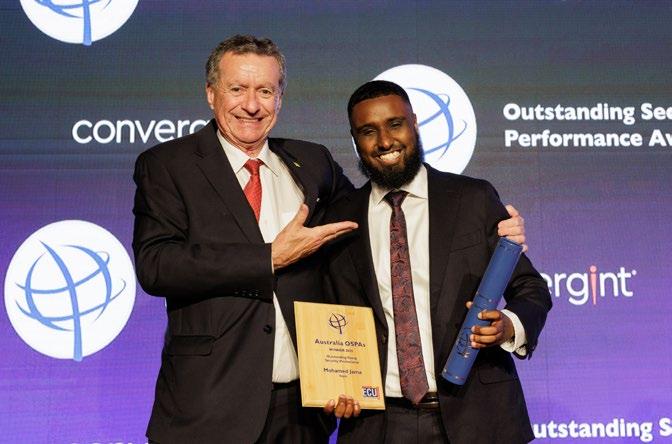
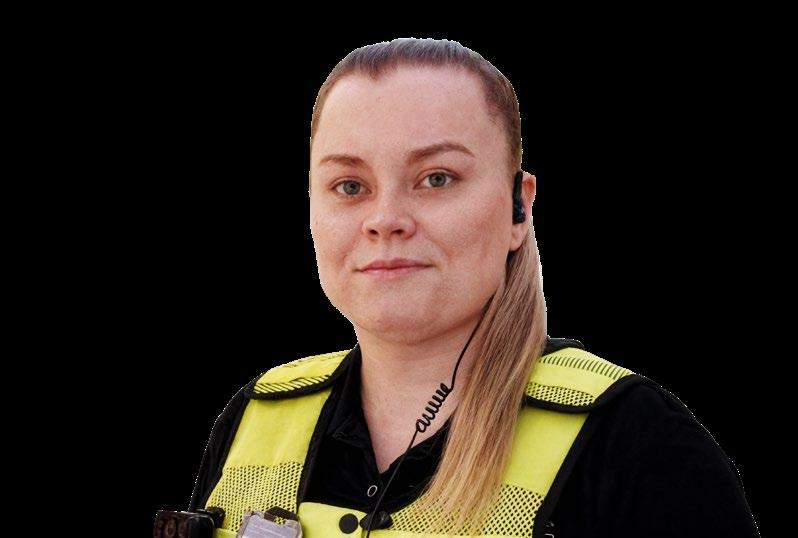
Maddison Pirie is currently a Security Manager at Access Group Solutions (AGS). She has been working in the security industry for 6 years.
She began her Security Journey as a Retail Security Officer, where she developed strong situational awareness and communication skills. Over time, she progressed to being a control room operator, which lead her to her role now as a Security Manager.
Maddison has a Business Admin Cert 3, Security Operations Cert 2, First Aid and CPR, Accidental Counsellor Workshop Certificate, and a NPSA Security Control Room Course Certificate.
Maddison’s approach to work focuses on being progressive in how she carries out her role, with an emphasis on improving the community we work in rather than simply reacting to incidents.
A major focus of her role is working with young people who come into the workplace, aiming to engage with them positively, build respect, and guide behaviour in a constructive way. She prioritises clear, respectful communication and work to build strong relationships with both customers and staff. She has also committed to modernising retail security by promoting proactive strategies and approaches that focus on prevention, engagement, and long-term outcomes rather than purely enforcement.
A project that she found challenging was shifting the perception of security within the workplace from being seen as purely enforcement-focused to a role that supports and assists everyone on site. Many people initially viewed security as only there to respond to problems or enforce rules.
She worked to change this by leading through example, using clear and respectful communication, and consistently engaging with staff and customers in a positive, approachable way. She also focused on building trust, particularly with young people, by taking the time to listen and guide rather than immediately escalate situations.
Over time, this approach helped her change attitudes, improve cooperation, and create a more positive environment where security is seen as a supportive presence rather than just enforcement.
What does it mean to win the Awards?
I feel both humbled and privileged to win these awards. I did not anticipate winning, but I am truly grateful to be recognised for my contribution to the industry and safety of the community. I think the Australian Security Industry Awards are an important way to recognise people for their hard work and dedication.
What do you enjoy about working in the security industry?
What I enjoy most about the security industry is that it is constantly changing and evolving. No two days are the same, and there are always new challenges and opportunities to learn. It’s also an industry that is open to anyone who is willing to put in the effort and make a positive difference. There are clear pathways for growth, and how far you go really depends on your attitude, work ethic, and willingness to develop your skills.
What would you say to someone considering a role in the security industry?
I would say go for it. The industry is so much more than what people often perceive from the outside. It gives you the opportunity to develop a wide range of personal and professional skills, from communication and conflict resolution to leadership and problem-solving. It can be a very rewarding career if you’re committed and open to learning.


Maria Rigas Workplace Relations Advisor, ASIAL
The national conversation surrounding wage theft has intensified in recent years, with increased scrutiny from regulators, unions, parliamentary inquiries and the broader public. While wage underpayment is not unique to any one industry, the private security sector presents operational, regulatory and workforce complexities that distinguish it from many other labour-intensive sectors.
This issue was highlighted during the Senate inquiry attended by representatives of ASIAL where questions surrounding labour practices, compliance pressures and industry structure reflected growing concern about how workplace laws operate in labour intensive sectors.
The challenge for the security industry is that wage compliance cannot be examined in isolation from the operational realities of the sector itself. Unlike conventional office-based industries, private security operates continuously across multiple sites, often under tight contractual margins, changing client demands and aroundthe-clock rostering arrangements. These structural characteristics create compliance vulnerabilities that are materially different from many other sectors.
This paper argues that workplace underpayment risk in the security industry must be understood not only as a legal compliance issue, but also as an industry structure issue shaped by procurement models, labour mobility and contracting pressures and workforce fragmentation.
The Security industry is fundamentally labour driven. Unlike capital intensive industries where profitability may derive from technology or infrastructure, security services are predominantly dependent on human labour. Security
officers are deployed across shopping centres, critical infrastructure, hospitals, events, transport hubs, government facilities and commercial premises, often on a 24-hour basis.
As a result, wages constitute one of the largest operational costs for security providers. This creates direct relationship between contract pricing and workforce remuneration. When procurement models prioritise the lowest tender price, downward pressure is often transferred through the labour supply chain.
The complexity of modern security rostering further increases compliance risk. Employees frequently work:
• Overnight shifts,
• Rotating rosters,
• Split shifts,
• Weekends and public holidays, and
• Extended hours during emergencies or major events.
These arrangements trigger complicated award obligations involving penalty rates, overtime provisions, allowances, minimum engagement requirements, and fatigue related considerations. Even well-intentioned employers may struggle to navigate the operational complexity of compliance across hundreds or thousands of rostered hours.
Importantly, this does not excuse non-compliance. However, it demonstrates why wage compliance risk in the security sector often arises within a highly complex industrial environment rather than through simplistic assumptions of deliberate underpayment alone.
One of the defining features of the security industry is aggressive price competition. Many security contracts are awarded through procurement frameworks that heavily prioritise cost reduction.
This creates structural tension: Clients seek lower prices while industrial obligations continue to increase through legislative reform, award variation and regulatory oversight.
Where contract pricing becomes commercially unrealistic, some operators may:
• Reduce training investment,
• Increase casualisation,
• Under resource supervision, or
• Engage in unlawful wage practices.
The Senate inquiry highlighted broader concerns regarding how labour-intensive industries absorb rising compliance obligations while remaining commercially viable. For the security industry, this issue is especially acute because workforce costs are inseparable from service delivery itself.
Practically, a security provider cannot reduce operational costs without affecting labour allocation. This distinguishes the industry from sectors where productivity gains are achieved through automation or capital investment.
Accordingly, workforce governance risk in security must also be viewed through the lens of procurement responsibility. Clients who demand unrealistically low contract pricing may indirectly contribute to conditions where non-compliance becomes more likely within vulnerable parts of the market.
The security industry also contains a highly fragmented workforce profile. The sector includes:
• Permanent employees,
• Casual employees,
• Labour hire arrangements,
• Subcontractors,
• Visa holders, and
• Transient workers.
This fragmentation can create significant barriers to workforce awareness and enforcement. Many security officers work, alone, across multiple sites, overnight, or with limited direct engagement with management.
Some workers may lack familiarity with award entitlements or may feel reluctant to raise concerns due to fears surrounding roster security or future employment opportunities.
Additionally, labour mobility within the sector can complicate recordkeeping and payroll consistency. Employees may move between contracts, clients or locations frequently, increasing administrative complexity and the risk of payroll error.
These conditions create an environment where underpayments may remain undetected for extended periods unless proactive auditing and compliance systems are implemented.
The Security Services Industry Award contains detailed provisions relating to classifications, allowances, overtime, breaks and penalty rates. Interpretation challenges can arise where:
• Duties vary across sites,
• Roles overlap operationally, or
• Rosters change with little notice.
The modern workplace relations landscape has also become increasingly sophisticated. Employers must now navigate:
• Psychosocial safety obligations,
• Secure work reforms,
• Labour hire regulation,
• Wage theft criminalisation, and
• Expanding compliance expectations from regulators and government.
For many small and medium sized security providers, the administrative burden associated with compliance has increased substantially.
This creates a divide within the industry: larger providers may possess internal legal and HR capability, while smaller operators may struggle to maintain equivalent compliance infrastructure.
Again, this does not diminish the seriousness of underpayment. However, it reinforces the importance of industry education, practical guidance and accessible compliance support mechanisms.
ASIAL plays a critical role in promoting lawful and sustainable workplace practices. During the Senate inquiry process, the importance of balanced engagement between government, employers and industry stakeholders, became apparent.
Effective reform requires more than punitive enforcement. It also requires:
• Realistic procurement standards,
• Education based compliance initiatives,
• Stronger auditing practices, and
• Recognition of operational realities within labour-intensive sectors.
The long term professionalisation of the security industry depends upon building a sustainable workforce model where lawful wages, workforce retention and service quality are commercially achievable simultaneously.
This is particularly important given the increasingly critical role security personnel play in protecting infrastructure, public spaces and community safety.
Workplace underpayment risk in the security industry is different because the industry itself is different. The sector operates within a uniquely labour-intensive, price sensitive and operationally complex environment where workforce costs and service delivery are inseparable.
While deliberate exploitation must always be addressed firmly, policy responses should also recognise the structural pressures that drive non-compliance risk. Procurement models, fragmented workforce arrangements, complex rostering systems and regulatory burden all shape the contemporary compliance landscape within private security.
The Senate inquiry highlighted the growing national focus on workplace compliance and accountability. For the security industry, the challenge moving forward is to ensure that lawful employment practices are supported not only through enforcement, but through sustainable commercial frameworks that allow compliant operators to compete fairly.
Ultimately, the future strength of the security industry will depend upon its ability to combine professionalism, operational effectiveness and workplace compliance within an increasingly demanding industrial environment.
L
ASIAL welcomes the following members who have recently joined the Association.
NEW CORPORATE MEMBERS
Alimive
Aspect
AVI
Datasec
Datavoice
Southside
SWC
NEW PROVISIONAL CORPORATE MEMBERS
A.C.N.
AIF
AIFA
Anker Innovations
Arup Australia Services Pty Limited
Auscast Holdings Pty Ltd t/a
Australian
Australian
Bazelec Group Pty
Bond Integrated Services Pty Ltd
Bryce Hudson Bennett t/a MWEL
Casone Electrical Pty Ltd
Centre Protect Pty Ltd t/a Centre
Cipher Operations Pty
Core Alpha Pty
Datacom Security Pty
Defendtech Pty Ltd
Edgetek Integration Pty Ltd
Elite Readiness Group Pty Ltd
Emissary Consultancy Partners
ESF Group Pty
Everlite Electrical Pty
First Locksmith
G
Guardian Events QLD Pty Ltd
Hamish Quirk t/a Mid North
Hilink
IntegraPro
The ASIAL member recognition program acknowledges longstanding members of the Association. We would like to congratulate the members who have recently achieved the following recognition levels:
CATEGORIES:
PLATINUM – 25 YEARS + GOLD – 16 – 24 YEARS SILVER – 11 – 15 years
ANSIC Pty Ltd t/a ANSIC Security QLD
ASGBRIS Pty Ltd t/a Sunstate Security QLD
Australian Antennas Pty Ltd VIC
t/a Australian Security and Antennas
AVI Technology (Aust) Pty Ltd VIC
Barmco Mana McMurray Pty Ltd ACT
Brilliant Technology Solutions Pty Ltd ACT
t/a Brilliant Security
Brisk Group Pty Ltd QLD
Canberra Security Company Pty Ltd t/a CBRX ACT
Digit IT Pty Ltd QLD
Ideal Technologies Pty Ltd t/a Ideal Monitoring NSW
Integrated Security Group Pty Ltd WA
J L Bashford Pty Ltd t/a Mildura CCTV & Data VIC
Keatronics Australasia Pty Ltd VIC
Mark Hendricks t/a OPUS Security NSW Solutions & Training
Quorum Security Systems Pty Limited NSW
Rescue Force Security Monitoring Pty Ltd VIC
S.A.F.E Operatives Pty Ltd VIC
Safezone Security Services Pty Ltd
Attila Nagy t/a P & G Security
Ausguard Pty Ltd
Blacktears Aus Group Pty Ltd
Cascar Electronic Security Integrators Pty Ltd VIC
t/a Genx Group Technical Services
Commrity Pty Ltd
Dash Symons Pty Ltd t/a Dash Symons Systems QLD
Definitive Electrical Services Pty Ltd QLD
t/a Definitive Electrical Services
D’N’A Protective Services Pty Ltd QLD
t/a Stanthorpe Security, Tenterfield Security & Condamine Security
Electronic Asset Protection Group Pty Ltd NSW
ESA Group Pty Ltd QLD
Executive Risk Solutions (Australia) Pty Ltd WA
Integrated Protective Services Pty Ltd VIC
I-Sec Pty Ltd NSW
Secure Watch Security Solutions Pty Ltd VIC
t/a Secure Watch Security
Surprise Deal Pty. Ltd. t/a Engage
Security Professionals
Tui & Sons Security Services Pty
– 6 – 10 years
Diverse Training Concepts Pty Ltd
Fort Security Systems Pty Ltd
Grange Automation Pty Ltd t/a Grange Security
James Ramsay
Laelana Holdings Pty Ltd t/a Sommer
Major
Multi-Tek Cabling Installations Pty
Superior
Pty Ltd t/a Tesnik
Chris & Sandra G Gavrill t/a C&S Gavrill
Security Installations
Jaskel Australia Pty Ltd t/a Incar
Audio and Security
John & Mary Ivanov Consolidated
t/a Bodyguard Security & North Queensland
Security Training Academy
Kalabex Pty Ltd t/a Garden City Security Service QLD
New Era Enterprises Australia Pty Ltd
Personal Quality Services Pty Ltd
t/a Security Heroes
Sectrol Systems Pty Ltd t/a Sectrol Security
& Bendigo Alarm Company
Sentinel Security Group Pty Ltd
Specialised Security Service Pty. Ltd.
Xinh Phuoc t/a Espy Alarms Australia
List current as at 12 June 2026

The ASIAL Graded monitoring centres above have been inspected and graded for compliance with the applicable Australian Standard: AS 2201.2 – 2004 or AS 2201.2 – 2022. PLEASE NOTE: ASIAL takes no responsibility for companies which may change the nature of their operations subsequent to Grading. Scan the QR code to see the full range of services ASIAL provides.