










International Women’s Day 2026 | March 8th
“When we balance the scales, organisations don’t just achieve fairness — they gain stronger teams, broader perspectives and better outcomes. Supporting women in security isn’t symbolic, it’s a strategic advantage.”

RACHAELL SAUNDERS CEO, National Protective Services & ASIAL Vice President
“When we balance the scales, we strengthen the systems that keep communities safe. Equality is not optional — it’s essential.”

SUZETTE PO-WILLIAMS
Customer Service Manager, Central Monitoring Services & ASIAL Board Director
“I believe true progress comes from empowering diverse voices and challenging the status quo. Every day, we prove that leadership, expertise, and integrity know no gender.”

RACHELL DELUCA
Director, Protective Security Advisory & ASIAL Board Director
“In security, balancing the scales builds capability through fair access to training, experience, and advancement across operational and leadership roles.”

TAMARA DAVIES
Executive General Manager, ACESGroup & ASIAL Board Director




Dear Members,
As we move into a new year, I hope you and your teams were able to take a well-earned break over the Christmas period and return reenergised for the opportunities and challenges that lie ahead.
The role of private security in Australia has never been more important, nor more visible, than it is today. Across our cities, regional communities and critical infrastructure, security professionals are operating in environments that are more complex, more dynamic and more demanding than ever before.
From frontline security officers engaging with the public, to technicians and integrators designing and maintaining increasingly sophisticated electronic systems, our industry now sits at the intersection of people, technology and community safety. This is no longer an industry defined simply by presence or hardware. It is defined by capability, professionalism and trust.
Community expectations continue to rise. Clients, governments, and the public, expect security providers to prevent incidents where possible, manage risk intelligently, respond effectively when incidents occur, and work seamlessly alongside emergency services and other stakeholders. Meeting these expectations requires more than compliance, it requires leadership, investment in skills, and a commitment to consistent standards across the industry.
This is where ASIAL’s role is critical.
As the peak body for Australia’s security industry, ASIAL is focused firmly on the future. Throughout 2026, we will continue to advocate for smarter regulation, nationally consistent licensing, improved training frameworks and stronger recognition
of security professionals as an essential part of Australia’s safety ecosystem.
Central to this work is Security 2030, ASIAL’s forward-looking project examining how our industry must evolve over the coming decade. Security 2030 is about more than technology. It is about workforce capability, ethical practice, emerging risks, regulatory reform and the role private security will play in supporting safer communities across Australia. Most importantly, it is being shaped by industry input, by the people who deliver security services every day. Technology will continue to transform our sector at pace. Artificial intelligence, remote monitoring, analytics and integrated platforms are now core components of modern security solutions. Yet technology alone is never the answer. The future of effective security lies in well-trained professionals using intelligent systems to make informed, accountable decisions in real time.
This edition of Security Insider reflects that evolution. Within these pages you’ll find insights that speak to both the human and technical dimensions of security. I encourage all readers to engage with ASIAL, through membership, professional development, industry consultation and participation in initiatives such as Security 2030.
Thank you for the work you do every day to protect people, property and communities.

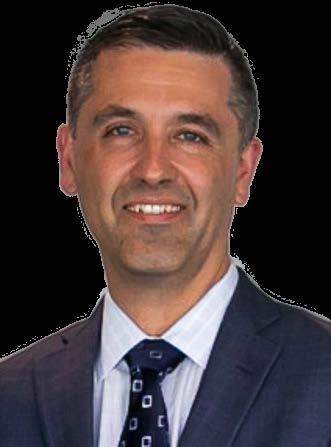
John Gellel President
Editorial and Advertising
Security Insider is published by The Australian Security Industry Association Limited
PO Box 1338 Crows Nest, NSW 1585
Tel: 02 8425 4300 | Fax: 02 8425 4343
Email: communications@asial.com.au
Web: www.asial.com.au
Publisher Editor Bryan de Caires
Editorial Enquiries communications@asial.com.au
Advertising Marketing Communications advertising@asial.com.au
Graphic Design + Digital Mitch Morgan Design 0402 749 312 mitch@mitchmorgandesign.com www.mitchmorgandesign.com
Editorial Contributors
Bryan de Caires, Sian McLellan, Jeff Walker, Josh Brown, Chris Delaney, Natalie Vogel and Mike Abbott
Print + Distribution
CMYKHub Pty Ltd
Published quarterly
Estimated readership of 10,000 Views expressed in Security Insider do not necessarily reflect the opinion of ASIAL. Advertising does not imply endorsement by ASIAL, unless otherwise stated with permission. All contributions are welcomed, though the publisher reserves the right to decline to publish or to edit for style, grammar, length and legal reasons. Press Releases can be emailed to: communications@asial.com.au. Internet references in articles, stories and advertising were correct at the time of printing. ASIAL does not accept responsibility for leading views.
Copyright©2024 (ASIAL) All rights reserved. Reproduction of Security Insider magazine without permission is strictly prohibited.
Security Insider is a subscription-based publication, rates and further details can be found at www.asial.com.au.
NEXT ISSUE: APRIL - JUNE 2026
Printed ISSN 1442-1720
Digital ISSN 2207-8282
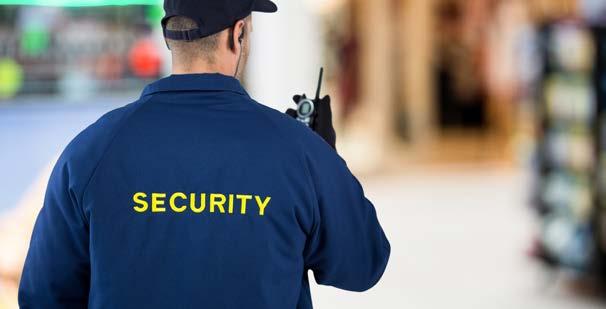
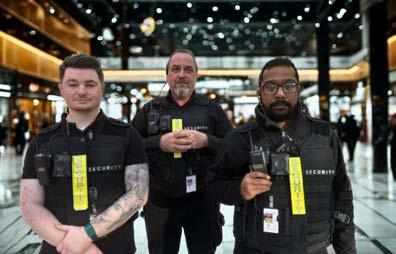
Abusing shop assistants, assaulting retail workers and security staff, threatening rideshare drivers and even throwing coffee at waiters will now mean serious consequences under new laws passed by the Victorian Government. The Crimes Amendment (Retail, Fast Food, Hospitality and Transport Worker Harm) Act 2025, creates new offences to crack down on abuse, threats and assaults against customer-facing workers - from retail and hospitality staff to security, cleaners, delivery riders, taxi and rideshare drivers, public transport operators and even contractors working onsite. The laws which were in place for the busy 2025 Christmas season, include a serious new indictable offence that will apply to anyone who assaults or threatens to assault a retail, fast food, hospitality or transport workers. Those charged face up to five years’ imprisonment under this offence.
Separate summary offences will also apply for lower-level assaults and threatening or intimidating conduct – including profane, obscene or insulting language – with penalties of up to six months’ jail. These offences have a lower threshold to give police a flexible range of options to intervene early and protect workers.
ASIAL has long advocated for greater protection of frontline security personnel and welcomed the announcement.
Jobs and Skills Australia has released the 2025 Occupation Shortage List (OSL) detailing occupations experiencing shortages, where employers struggle to fill or face significant challenges in filling vacancies.
Last year’s data shows shortages have eased, with 29% of occupations in shortage, down from 36% in 2023, thanks to more qualified applicants, higher fill rates and softer demand.
Released alongside the OSL, the Occupation Shortage Drivers highlight why shortages persist, from too few qualified candidates, to skill gaps, to low pay and retention issues.



The Australian Electoral Commission (AEC) has declared the results of the 2025 ASIAL board elections.
• President: John Gellel
• Vice President: Rachaell Saunders
• Directors: Tamara Davies, Rachell DeLuca, Brian Foster, Frederick Khoury, Stuart Pitcher, and Suzette Po-Williams
ASIAL President John Gellel has acknowledged all those who nominated for positions and thanked outgoing directors Michael Smith and David Cheatham for their contributions to the board.
Australia’s frontline security professionals play a pivotal role in keeping our communities safe, yet their work is often misunderstood.
Our latest in a series of articles in The Australian, acknowledges the vital role security professionals play in keeping the community safe.

Scan the QR code to read more
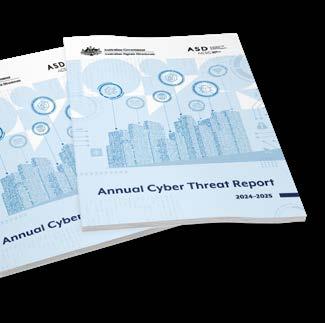
The Annual Cyber Threat Report (ACTR) 2024–25 prepared by the Australian Signals Directorate’s Australian Cyber Security Centre confirms that the threat from cybercrime continues to challenge Australia’s economic and social prosperity. State-sponsored cyber actors continue to target Australian businesses and organisations to support political, economic and military objectives.
The report’s findings highlight the need for every Australian business and organisation to foster a proactive cyber security culture.

The 2026 Security Exhibition & Conference will be held at the International Convention Centre Sydney from 2-4 September 2026.
As the lead industry partner for the event, ASIAL is proud to be associated with staging the premier showcase for the security industry in the region.
Over the three days, last year’s event collocated with Integrate attracted close to 13,000 visitors.


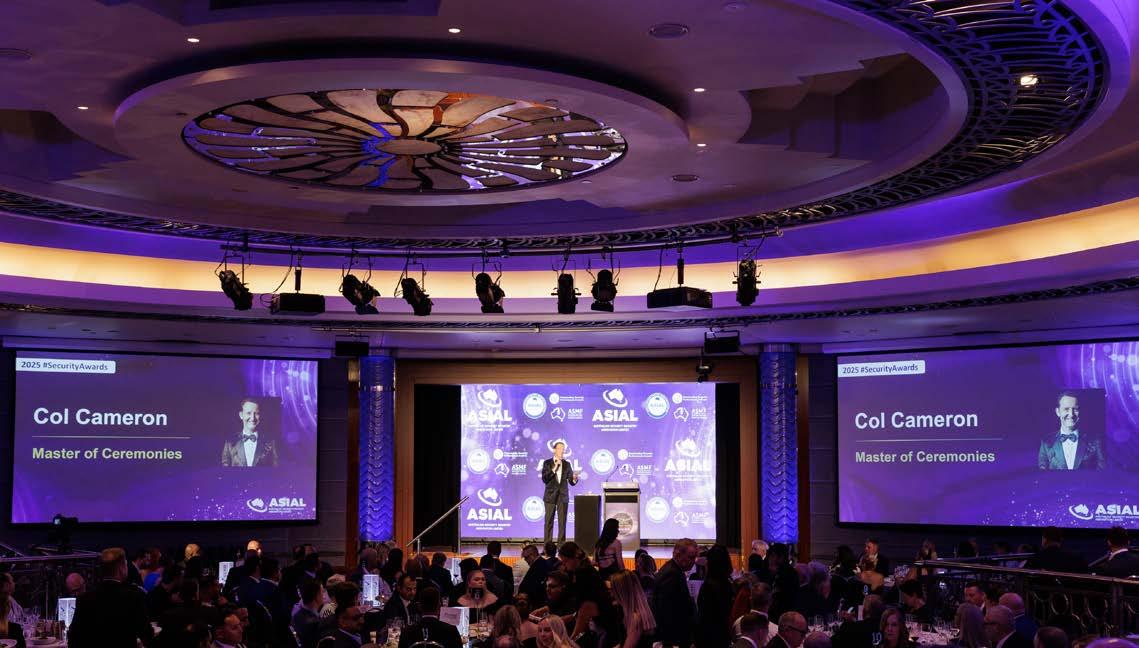
The security industry will come together on Wedneday 28th October 2026 to celebrate excellence and innovation. Award winners and finalists will be recognised at the prestigious 2026 #SecurityAwards Ceremony and Dinner at the Park Hyatt, Melbourne.
Nominations open on 20 March 2026
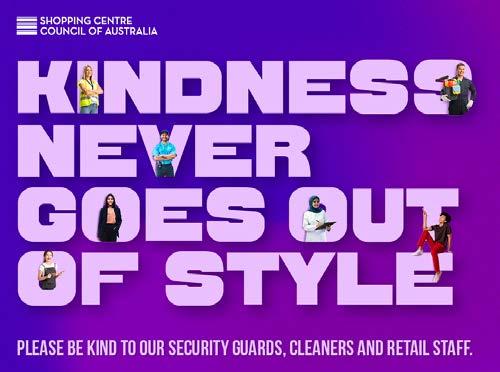
Following on from last year’s campaign, ASIAL once again collaborated with the Shopping Centre Council of Australia to combat growing abuse, violence and the use of weapons against workers.
Over the 2025 Christmas trading period, the nationwide ‘Be Kind in Retail’ campaign was rolled out as a united industry response to this growing issue. The initiative brought together a coalition of industry bodies including ASIAL, the Shopping Centre Council of Australia (SCCA), National Retail Association (NRA), Australian Association of Convenience Stores (AACS), Pharmacy Guild of Australia and the Building Service Contractors Association of Australia (BSCAA).
With a commercial advertising value exceeding $7 million, the campaign reached wide audiences through 3,500 digital screens, generating more than 120 million plays and over 250 million engagements nationwide. #BeKindInRetail



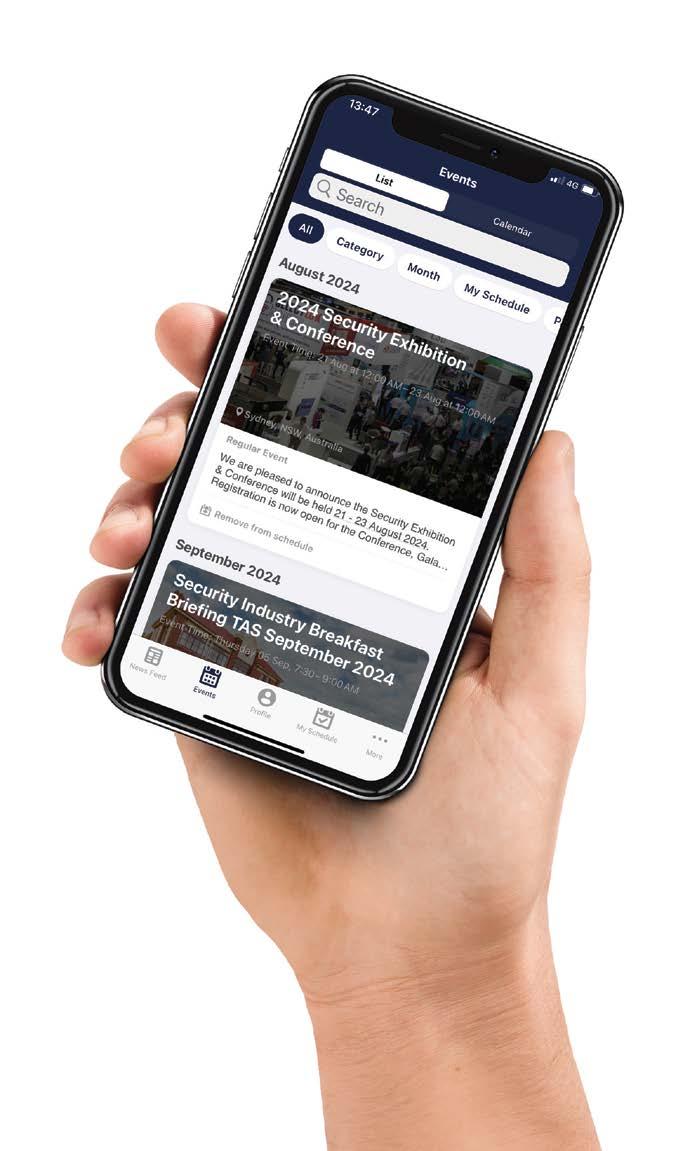

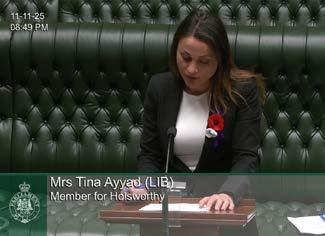
Tina Ayyad, Member for Holsworthy, NSW has called for stronger protections for security officers, highlighting the increasing risks faced by frontline workers. As essential first responders there is a lack of legal protections for security officers.

Scan the QR code to watch the full respond.
Stay ahead in the fast-paced security industry with our Security Insights Webinar Series - your ultimate resource for practical advice on Workplace Relations and Compliance.
Crafted by ASIAL’s in-house team of experts, this series is designed to deepen your knowledge and provide invaluable guidance to help you navigate the complexities of workplace relations and compliance in the security sector.
Tune into our 10+ webinars in the members area at asial.com.au.

Although Australia is a safe country, armed attacks can happen, and we need to do what we can to help prevent and prepare for them.
This advice is being provided so you are prepared if there is an incident, not because we are expecting one. The messaging provides simple and practical steps for people to follow in the event of an armed attack:
• ESCAPE — move away from danger as quickly and quietly as possible and encourage others to do the same, but only if it’s safe to do so.
• HIDE — stay out of sight and silence your mobile phone.
• TELL — call Emergency Services on Triple Zero (000) when it is safe. By familiarising yourself with Escape. Hide. Tell. you will be better prepared to help protect yourself and others in an emergency – wherever you are.
You can explore and find new resources here: nationalsecurity.gov.au


The Metropolitan Fire Service of South Australia has provided advice to ASIAL on the charging for unwarranted private fire alarms in accordance with Section 143 of the Fire and Emergency Services Act 2005.
Section 143 of the Act states: An organisation within the emergency services sector may impose prescribed fees and charges in connection with the provision of any service of a prescribed kind undertaken in the performance of its functions. This includes fees for the attendance at any premises or place in response to a false or unwanted alarm. These provisions ensure that emergency services can recover costs associated with non-emergency responses and maintain operational efficiency.
Why fees are applied - MFS responds to over 9,000 alarm activations annually, with only a small fraction involving actual fires. False or avoidable activations divert resources from genuine emergencies and in many instances these activations can be prevented.
Fees are applied to:
• Encourage proper maintenance of alarm systems
• Reduce avoidable false alarms
• Recover costs for personnel, equipment, and operational readiness
Waiver process - if a fee is believed to be unfair or the activation was beyond the owner’s control, a formal waiver application can be submitted within 30 days of the invoice date. Supporting documentation must be provided to justify the request.
Congratulations Alltronic Security Group, News Security, and PRO Security who were presented with an ASIAL Platinum membership recognition certificate (25+ years of membership) at our recent Security Industry Breakfast Briefings.
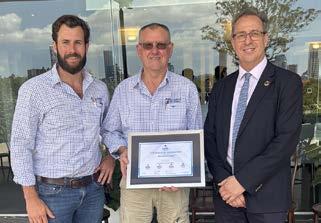
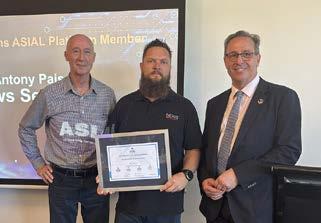
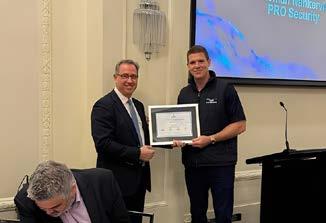
The ASIAL Individual Recognition Program (IRP) sets the benchmark for security professionals looking to progress their careers and to be recognised by employers, peers and end users.
Individuals who meet the entry criteria are eligible to receive the post-nominal credential of either MASIAL, AFASIAL or FASIAL.
Post-nominals provide a clear picture of an individual’s security experience and capability, a commitment to practice in accordance with the highest professional and ethical standards and a strong affiliation with the Association.

Visit asial.com.au/IRP or scan the QR code to watch video
Did you know that ASIAL is on Instagram? Follow us at @asial_au for the latest security industry updates and exclusive insights. Why Follow?
• Event Highlights: Awards, conferences, networking and training.
• Video Content: Expert insights and member spotlights.
• Engagement: Connect with professionals and join the conversation.
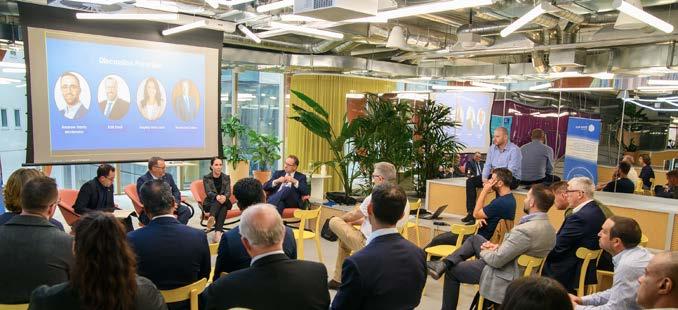
On the 10th of December, over 40 people attended an important discussion at Melbourne Connect Coworking, University of Melbourne, where ASIAL’s CEO, Bryan de Caires, joined Hayley van Loon, CEO & Founder, Magnolia Intelligence and the Deputy Secretary, Information Technology and Infrastructure of Victoria Police Karl Kent OAM to explore the future of safety, trust and technology in Australia.
Moderated by Andrew Harris, the conversation examined how a Prevention First mindset can guide the way policing and security organisations adopt AI, automation, and predictive technologies, helping to keep individuals and communities safe. The panel also discussed how emerging tools such as robotics, drones, autonomous vehicles, and AI can strengthen public confidence, deepen community engagement, and support frontline capability amid increasing resource pressures.
Bryan shared key considerations for security leaders evaluating next-generation technologies, emphasising transparency, accountability, civil liberties, and community impact, and provided insights into the innovations shaping the future of our industry.

EPISODE 144
What’s Eating the Security Industry: How to Thrive in Today’s Global Evolution 30 September 2025
In this episode, we are joined by Lee Odess, CEO of The Access Control Collective and founder of the Access Control Executive Brief, a widely read analysis hub for the physical access and smart lock space. Lee sits on the board of the Security Industry Association in the US and is known for transforming global research into practical playbooks for owners, integrators, and vendors.
EPISODE 145
Lessons from the White House to Your House 17 October 2025
In this episode, we’re joined by Theresa Payton—a trailblazer in technology and cybersecurity and the first female White House Chief Information Officer under President George W. Bush Jr. As CEO and chief advisor at Fortalice, and a trusted voice for Fortune 500 boards and major news networks—plus a stint on CBS’s reality series Hunted—Theresa is renowned for translating complex cyber risk into practical action.
EPISODE 146
Occupational Health and Safety in Security: How to avoid Common, Costly Mistakes 17 November 2025
In this episode, we sit down with Dr Tony Zalewski to unpack occupational health and safety in the security industry – what it really means in practice, and where organisations commonly get it wrong.
EPISODE 147
Tackling The Demographic Decline in Security 27 November 2025
The security industry has a growing problem: not enough young leaders are choosing security as a first career. Furthermore, for those younger people who do enter the industry, too many struggle to see a clear path forward. In this episode, we speak with Codee Ludbey (CPP), co-founder of Core42 and a researcher focused on corporate security careers and progression.
EPISODE 148
Smart Cities, Are they reality for Australia’s Future? 22 December 2025
From ‘smart cities’ to AI-shaped public spaces—how do we keep the cyber-physical world safe? In this episode of the Security Insider podcast, we’re joined by Adam Beck, the founding force behind the Smart Cities Council in Australia and New Zealand, to unpack what’s hype, what’s real, and what security leaders must do next.
EPISODE 149
The Future of AI In Video Surveillance 12 January 2026
92% of security leaders agree: the future of physical security is in the cloud. With this inevitable shift from on-premise setups to feature-rich cloud systems, join us as we explore the past, present and future of cloud-based security.
EPISODE 150
Drones, Robotics & Counter-UAS- What Security Needs to Prepare For 19 January 2026
Drones and robotics are moving from niche capability to mainstream security tools—and at the same time, they’re creating entirely new attack paths for adversaries. We speak with Deborah Evans ECU about where unmanned systems and robotics are headed.


Licence renewals are processed by the Licensing and Regulation Division (LRD) of Victoria Police
In Victoria, the private security licensing regulations have been updated so that security guards (along with other high-risk roles like crowd controllers and bodyguards) now must complete refresher training in order to renew their security licence. This is a new and ongoing requirement as part of the reforms that commenced from 19 June 2025 under the Private Security and County Court Amendment Act 2024 and associated regulations.
ASIAL has been contracted by Victoria Police to provide a Learning Management System (LMS) for the delivery of the refresher training.
The Refresher training is training as approved by the Chief Commissioner (LRD) and will be introduced in the second quarter of 2026 and delivered through an online platform.
The refresher training will focus on 4 modules
Module 1: Industry update
Module 2: Risk management and situational awareness
Module 3: Effective Communications
Module 4: Safe compliance tactics
The Learning Management System (LMS) is based in Australia provisioning an independent AWS hosting environment managing compliance and training in a best-in-class training management software. The platform is secure and accredited to:
• ISO 27001:2022
• ISO 9001:2015
The service data is physically separated from all other AWS clients, and includes dedicated monitoring and event logging of our infrastructure, this increases visibility on potential issues and decreases the time taken to address live service issues (should they occur).
The training delivery method of the modular learning is designed to be online and self-paced. It will be mandatory for security officers, crowd controllers and bodyguards to complete the approved refresher training before they can renew their Private Security Individual Operator Licence. Previously, the only training obligation was at initial licence application. The refresher training is now an additional licence renewal requirement.
On successful completion of the refresher training, candidates will be issued a certificate which must be attached to their licence renewal application. Alongside refresher training, licence holders will also be required to hold a current first aid certificate (HLTAID011 Provide First Aid or approved equivalent) within three years of renewal. This is also part of the new renewal conditions under the Act.
• If you’re approaching renewal watch out for your renewal notice - LRD will email renewal forms 8 weeks before it’s time to renew.
• Complete the refresher training within the time frame specified before your licence expires.
• Ensure your first aid certificate is current and valid at the time of renewal.
• Further information about refresher training rollout timelines will be announced soon.
ASIAL is the peak body for security professionals in Australia.

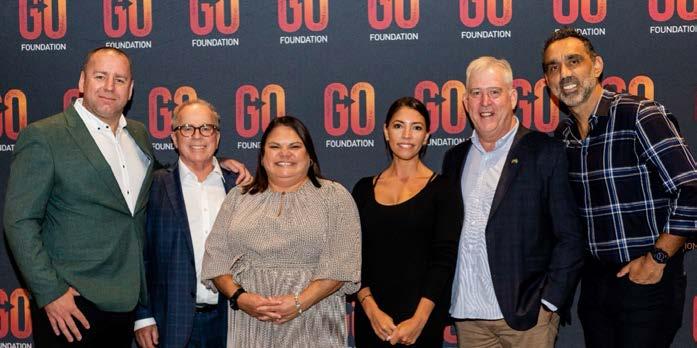
Founded
by Sydney Swans legends Adam Goodes and Michael O’Loughlin 16 years ago, the GO Foundation is dedicated to unlocking opportunity for Indigenous young people through education.
With scholarships supporting students from primary school to tertiary level across Sydney, Adelaide and Canberra, GO’s holistic program keeps culture at its core - building resilience, inspiration and confidence.
Since its inception, GO has awarded more than 1900 Scholarships currently supporting nearly 650 students. Over 62% of scholarships go to Indigenous girls, ensuring young women thrive and become leaders within their own communities. Whether it is transitioning from primary to high school, excelling in university, or taking on leadership roles, the students are making a lasting impact
GO’s team is filled with people who share the same passionate commitment as Adam and Michael do. Giving back is in their DNA. This has a ripple effect on the entire community with strong and trusting relationships at the heart of it all.
GO’s aim is to ensure young people’s education journey is as rewarding as possible and provide opportunities that assist with their post school future. GO has a dedicated team made up of proud Aboriginal people who deliver their programs and work with education providers, families and carers, to provide highlevel pastoral care and culturally appropriate support as required to the young people engaging in the program.
GO pride themselves on making culture the heart of everything they do, providing opportunities for students to learn more about their culture, heritage and the history of our country. This component builds resilience, inspiration and confidence as well as supporting young people in considering different pathways which will empower them on their education journey and beyond.
GO considers each partnership vital to supporting student’s educational journeys.
GO’s partners support the program directly by providing opportunities to students, hosting and facilitating culture connect days, placing work experience and interns as well as employing GO alum. GO partners also provide access to cultural performances and experiences that seek to broaden the student’s perspective while also attending and volunteering at many of the GO events.
The financial component of the GO program allows students to purchase the resources they need to ensure their journey through school and university is as rewarding as possible.
GO is proud to partner with organisations who are committed to creating culturally safe and inclusive workplaces for their students, through the delivery of Reconciliation Action Plans, Aboriginal Employment strategies and Aboriginal Education Programs.
GO works closely with their partners to provide a range of opportunities to the students.
“We are proud of the support provided by MSS and Habitat and the relationship we have built with GO Foundation.”
David Cheatham MSS Habitat Executive General Manager “GO Foundation welcomes the opportunity to talk to likeminded companies within the wider security industry about partnering with us.”
Charlene Davison GO Foundation CEO Success for GO is simple: Culture plus education creates opportunities for Indigenous students to learn, grow and achieve their full potential.
SUPPORT THE GO FOUNDATION TODAY. Donate now and be part of something bigger.


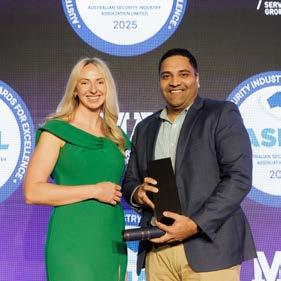
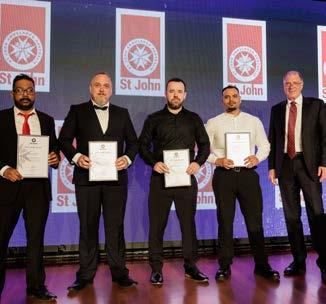
The security industry came together 30 October 2025 to celebrate and acknowledge exceptional individuals and companies who have delivered excellence and shown incredible initiative. Following are the successful recipients.

Australian Security Industry Awards for Excellence Recipients
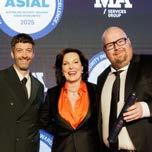
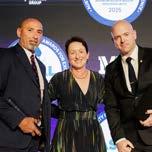
Electronic Security Installation
Over $500,000
Securitas Electronic Security

Diversity & Inclusion
EON Protection

Electronic Security Installation
Under $500,000
SPL Security Solutions
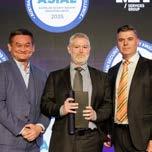
Individual Achievement
- Protective Security Services
Maddison Pirie, Access Group Solutions




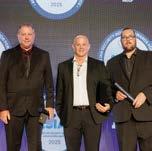


Individual Achievement
- Technical Security
Tony Pham, Sapio

Integrated Security Solution Under $500,000
Optic Security Group & Sapio
- Moreton Bay
Product of the Year - Alarm Systems
Gallagher Security, High Sec Controller 7000
Product of the Year
- Video Surveillance Systems (CCTV IP System/Solution)
KEENFINITY / Bosch, DINION Thermal 8100i & Axis Communications, Q6358-LE
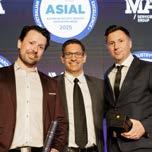
Unsung Hero
- Electronics Security Sector
Rebecca Sorgiovanni, Optic Security Group


Integrated Security Solution Over $500,000
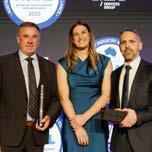
OmniVision
Product of the Year
- Access Control Systems
Inner Range, IR Connect
Product of the Year - Physical Security
Jack Fuse, Electronic Break Glass
Security Equipment Manufacturer/ Distributor/Supplier
Davcor
Unsung Hero – Protective Services Sector
Bryan Otuhouma, Access Group Solutions


Outstanding Contract Security Company (Guarding)
Ultimate Security Australia

Outstanding In-house Security Manager/Director
Umberto Tosti, Fortis Security

Outstanding Female
Security Professional
Suzanne Frazer, Amazon
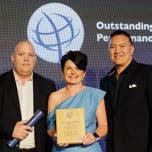
Outstanding Security Consultant
Intelligent Risks


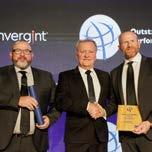

Outstanding Security Partnership
Pacific Fair, GPT and Assetlink

Outstanding Security Training Initiative
Risk 2 Solution Group, Presilience®
Outstanding Security Team
Access Group Solutions, Charlestown Square Team

Outstanding Young Security Professional
Mohamed Jama, Sapio

Australian Security Medal
Darlene Winston, iLead Mentorship Program
Parliament of Western Australia
Andrew Harland, Security Team
Leader
Glad Group
Hasim Umarji, Security Officer
MSS Security
Muhammed Rameez, Security Officer
Eran Siton, Security Officer
Ubaid Ali, Security Officer
Asad Ullah, Security Officer
Securecorp
Abdul Raheem, Security Officer
Matthew Cain, Security Officer Assetlink
Ethan Korycki, Security Supervisor
Riek Post, Security Manager
Kamran Victor, Security Team
Willem Van Der Huel, Security Team
Shane Wheeler, Security Team





For four decades, the Security Exhibition & Conference has stood as the definitive meeting place for Australia’s security industry, uniting suppliers, integrators, consultants and end users in a proven environment where connections translate into real business outcomes.
Last year’s edition reaffirmed its reputation as the most established and results-driven event on the industry calendar, and this year’s event is no different.
With over 12,800 combined attendees across the co-located Security and Integrate exhibitions and over 5,700 total visitors dedicated to the Security Exhibition, 2025 delivered both scale and substance. Exhibitors engaged with a highly qualified audience, with 89% of visitors holding direct purchasing authority or influence, and 94% stating the event is important to their business. This focus on buyer engagement underscores why 98% of exhibitors were satisfied and 93% of exhibitors said they will return to the security exhibition this year.
From global security leaders to emerging innovators, over 100 exhibitors showcased solutions spanning AI and analytics, biometrics, access control, cloud integration and smart building technology. Attendees came to see innovation in action, and they found it. CCTV and surveillance, access control and AI-powered software solutions ranked among the top interests, reflecting a market that is both evolving and investing.
For exhibitors, the numbers tell a powerful story of return on investment. More than 28,000 leads were scanned across the show floor, a clear indicator of active engagement and commercial opportunity. As one exhibitor shared:
It gave us the perfect platform to showcase our latest innovations and connect directly with key decisionmakers. The level of engagement from attendees was fantastic, with genuine conversations, real interest and valuable new connections.”
— Talbot Auto Doors, 2025 Exhibitor
Beyond the exhibition floor, the ASIAL Conference continued to deliver exceptional professional value, drawing senior leaders and decision-makers from across government, critical infrastructure, corporate and enterprise sectors. Delegates gained insight into the latest security, risk and technology trends from 29 speakers across 23 sessions, reinforcing the event’s role as a platform for both innovation and thought leadership.

The event’s enduring success lies in its ability to evolve alongside the industry it serves. As Convergint noted:
The Security Exhibition & Conference consistently delivers an exceptional platform for discovering cutting-edge technologies, engaging with thought leaders and building meaningful connections. Each year, it raises the bar and fosters collaboration that drives both individual and industry-wide growth.”
— Convergint, 2025 Exhibitor
Now in it’s 40th year, the Security Exhibition & Conference stands as a testament to consistency, connection and commercial impact. Over four decades, it has not only adapted to change but led it, continuing to empower and educate the industry to meet tomorrow’s challenges with confidence.
With 85% of the 2026 floorplan already sold and over 6,000 total visitors expected, this is your last chance to secure a stand. Join Australia’s leading security organisations to showcase your solutions, generate high-value leads, and position your brand at the milestone 40th Security Exhibition & Conference, 2–4 September at ICC Sydney. Already exhibiting? Place your brand at the forefront with one of our Sponsorship Packages to maximise your reach to your target audience. Scan the QR code now to contact the team and discuss your options.

SCAN THE QR CODE TO SEE MORE






For decades, CCTV has been the backbone of security across Australian retail, commercial and industrial environments. Yet even as cameras have become widespread, their role has remained largely unchanged, functioning primarily as passive recorders of incidents rather than tools for early detection.
That model is under increasing strain. Workplaces are managing rising theft, higher volumes of safety incidents, staffing shortages and growing compliance obligations, while many organisations still rely on manual review of footage after incidents to piece together what occurred. As workplace risk becomes more complex, the limits of purely reactive surveillance are becoming harder to ignore.
The limits of traditional surveillance Most CCTV systems are not configured for real-time detection or intervention. They often operate in isolation from safety, security and operational workflows, meaning potential risks are only identified after an incident has already occurred. Footage review is also highly dependent on human availability and attention. Investigations typically require staff to manually search hours of video to establish what happened, and evidence may be unavailable due to retention limits or delayed reporting.
This creates a familiar paradox: organisations invest heavily in camera infrastructure, yet struggle to extract timely, actionable insights. As workplace risk increasingly presents as patterns rather than isolated incidents — repeated hazards, persistent theft or escalating behaviour — these limitations become more pronounced.

Behavioural AI works with existing camera infrastructure, transforming cameras from passive recorders into active risk sensors. It analyses movement, actions and interactions in real time to identify patterns associated with risk, without relying on facial recognition or biometric identification.
Rather than reviewing footage after an incident, behavioural AI enables early detection of observable behaviours and conditions, including loitering in restricted areas, object removal or concealment, nervous scanning of surroundings (“prairiedogging”), slip-and-fall events, and liquid spills or other visible hazards.
Unlike identity-based AI, which focuses on who someone is, behavioural AI focuses on what people do. This distinction is particularly important in the Australian context, where recent rulings by the Office of the Australian Information Commissioner have highlighted the legal risks associated with identitybased surveillance. By analysing behaviour rather than identity, behavioural AI supports proactive detection while maintaining privacy and regulatory compliance.
Slips, trips and falls remain common across Australian workplaces, accounting for around 21.8 per cent of serious workers’ compensation claims. Yet many organisations still rely on manual CCTV review when incidents are reported — a process that is slow, resource-intensive and often constrained by footage retention limits. When claims are raised weeks or months later, businesses may no longer have the evidence required to verify what occurred.
Behavioural AI shifts this approach from passive recording to event-based detection. When a slip, trip or fall is identified, the system automatically flags and archives the event, creating a structured record linked to time,
location and activity. Alerts can be escalated through defined workflows, and relevant footage retained to support investigation, reporting and claims management.
This strengthens both immediate safety response and longer-term defensibility. Overseas adopters have reported incident review times up to five times faster through automated video intelligence compared with manual CCTV review, enabling organisations to quickly establish whether an incident occurred, what led to it and how it was addressed.
In warehouses and industrial settings, behavioural AI can also identify risks such as liquid spills, unsafe movement around machinery or missing personal protective equipment, helping reduce injury risk while supporting clearer accountability under WHS frameworks.
Theft in Australia is at a 21-year high, with 45 per cent of incidents occurring in retail settings. Behavioural AI has strong potential to address this challenge by shifting loss prevention from after-the-fact investigation to earlier detection and intervention, without relying on facial recognition or breaching privacy laws.
International research has demonstrated the effectiveness of behavioural AI in theft prevention. For example, a study published in September 2025 found that deeplearning models combining person detection, activity recognition and product interaction analysis can detect shoplifting in real time. Rather than identifying individuals, these systems analyse behaviour patterns associated with theft, enabling intervention before merchandise leaves the store.
In the United States, the technology has moved beyond research into largescale deployment, with behavioural AI systems now in use across grocery, liquor, convenience and specialty retail environments. Early adopters have reported shrink reductions of up to 30 per cent, with detection accuracy
exceeding 95 per cent. By correlating video footage with point-of-sale data, these systems have also delivered investigation time reductions of more than 70 per cent.
By focusing on observable cues such as concealment and nervous scanning, behavioural AI enables earlier, more proportionate responses. This reduces loss while easing pressure on staff who are often left to manage theft incidents reactively.
Behavioural AI is now being trialled in Australia, with workplace safety and theft prevention applications in proof-of-concept deployment through Smokeshield Security’s partnership with USbased Dragonfruit AI.
In the United States, behavioural AI is also being extended to the detection of aggressive behaviour and violent incidents, with weapons detection currently in trial environments across retail settings.
Together, these developments point to where the technology is heading: behavioural AI evolving into a broader workplace risk layer spanning safety, security and loss prevention. As cameras become proactive detection tools rather than passive recorders, organisations no longer need to rely on separate systems for safety, security and loss prevention. Instead, behavioural AI enables a unified, behaviour-based approach to workplace risk that is scalable, privacyconscious and grounded in real-world conditions.
This shift supports safer workplaces, clearer accountability and more efficient use of people and resources, transforming how Australian organisations manage risk in an increasingly complex environment.
1. Safe Work Australia, Key Work Health and Safety Statistics Australia, September 2024. See: https://data.safeworkaustralia.gov.au/sites/default/files/2024-09/Final%20-%20Key%20WHS%20Stats%202024_18%20Sep.pdf
2. Australian Retailers Association, citing ABS Recorded Crime – Victims, Australia, 2024. See: https://www.retail.org.au/retail-crime
3. Umut, Özge; Atasoy, Yeşim; Seskir, Aynur; Ateş, Hasan Fehmi (2025). “Shoplifting detection from customer behavior using deep learning.” Signal, Image and Video Processing, volume 19, article number 988. Published 05 September 2025. See: https://link.springer.com/article/10.1007/s11760-025-04543-4
By Sian McLellan Operations Manager, mindDog
Across Australia, thousands of people live with psychiatric disabilities that affect how they function day-to-day in public spaces. For many of these people, an assistance dog is not a luxury, it is a lifeline. mindDog is a registered Australian not-for-profit organisation that trains and certifies psychiatric assistance dogs (PADs).
These dogs are individually trained to help people living with conditions such as posttraumatic stress disorder (PTSD), anxiety disorders, depression, bipolar disorder, or schizophrenia.
mindDog teams are located nationwide, with more than two thousand active handlers working with their certified dogs. Our mission is to give people with mental health conditions greater independence, safety, and community access through the partnership of a well-trained, well-behaved assistance dog.
These dogs are not “emotional support” or “therapy” animals. They are legally recognised assistance dogs under the Disability Discrimination Act 1992 (Cth) (DDA). This means they have the same public-access rights as guide dogs and hearing dogs.
Under section 9 of the DDA, an assistance animal is defined as one that:
1. is trained to assist a person with a disability to alleviate the effects of that disability;
2. meets standards of hygiene and behaviour that are appropriate for an animal in a public place; and
3. is accompanied by a person with disability who relies on the animal for assistance.
This law applies federally. A valid assistance dog, including a psychiatric dog, can legally accompany its handler into any area the public can normally access including shopping

centres, markets, hospitals, galleries, public transport, and cafés.
Security officers are often the first point of contact when a handler and dog enter a facility. Their interaction sets the tone for the entire experience. When that interaction goes wrong, it can have serious emotional and practical consequences for the handler and expose the venue to discrimination complaints.
They
are legally recognised assistance dogs under the Disability Discrimination Act 1992 (Cth) (DDA). This means
they have the
same public-access rights as guide dogs and hearing dogs.
mindDog tracks access-related incidents reported by clients each year. Over the past year, the most common problem themes include:
1. Accusations of fake identification
Handlers are sometimes told their ID card looks fake or that psychiatric assistance dogs “aren’t real.” In one case, a handler was followed around a Newcastle farmers’ market after being accused of using a false card.
2. Repeated ID checks
Handlers frequently report being asked to show their identification multiple times within the same premises sometimes even by the same guard after only a short period. For example, at Castle Hill Shops, a handler was asked to produce their ID three separate times in a single visit.
3. Intrusive personal questions
Many handlers are asked why they need a dog, what their disability is, or what medication they take. At Dapto Mall and St Vincent’s Hospital, handlers were questioned about their mental health after already producing valid identification.
4. Shadowing or following
Some handlers have been followed around stores, markets, or shopping centres after being granted access often under the assumption that the dog is a pet. One handler was trailed throughout a Sydney shopping centre even after showing proper ID.
5. Flat refusal of access
A persistent myth remains that “no dogs are ever allowed,” especially at markets and cafés within larger complexes. A
handler at Epiq Market in Northern NSW was told this outright and was followed as they attempted to leave.
Each of these interactions creates distress for both handler and dog, reinforcing feelings of stigma and anxiety. For people whose psychiatric conditions are exacerbated by stress or confrontation, such experiences can have a lasting impact.
Security officers are not expected to verify medical information or make judgements about disability. The following simple steps help ensure compliance with the law and a respectful interaction:
1. Ask only what is legally relevant.
Under the DDA, a security officer may ask for evidence that the dog is an assistance animal. This is usually an identification card issued by a recognised organisation such as mindDog, Guide Dogs Australia, or Assistance Dogs Australia. Once sighted, no further questioning is necessary.
2. Avoid intrusive or personal questions.
It is unlawful to ask what a person’s disability is or why they need the dog. The only lawful question is to confirm that the dog is trained and accredited as an assistance animal.
3. Do not follow or monitor unnecessarily.
Once a handler and their dog have shown valid ID, they should be treated like any other member of the public. Following them around can constitute harassment.
mindDog issues a nationally recognised photo ID card and branded vest to each certified team. Both the handler and dog are assessed annually for behaviour, training, and welfare.
Importantly, assistance dogs are not limited to traditional service breeds like Labradors or Golden Retrievers, they come in all breeds, shapes, and sizes. A Chihuahua, a Border Collie, or a mixed-breed rescue dog can each be a fully qualified PAD, provided they have the right temperament, training, and partnership with their handler.
A legitimate mindDog team will provide an ID card on request, the dog will be wearing a vest labelled “mindDog Assistance Dog” and the dog will display calm and unobtrusive behaviour.
Handlers are also required to maintain vaccination records and training logs. mindDog maintains strict welfare and performance standards; if these are not met, certification can be withdrawn.

4. Use neutral and supportive language.
Replace phrases like “You can’t have that dog here” with “Hi, just checking are you an assistance-dog team?” This small change can completely alter the tone of the encounter.
5. Know your escalation pathway.
If there is uncertainty, security staff should contact their supervisor or centre management rather than challenge the handler. Most issues can be resolved quickly once managers understand the law.
6. Familiarise your team.
Displaying a brief reference sheet in the security office outlining the definition of an assistance dog and what identification looks like can prevent confusion on shift rotations.
Every respectful interaction with a security officer helps build public trust and understanding of assistance dogs. Conversely, each negative experience can undo months of confidence and training. For people managing psychiatric disabilities, feeling safe to enter a shopping centre, board a train, or attend a hospital appointment can be the difference between isolation and community participation.
Security officers play an essential role in ensuring that people with invisible disabilities enjoy the same access and dignity as anyone else. With basic awareness and empathy, security personnel can prevent discrimination incidents and represent their employers as inclusive, compliant, and professional.
A consistent approach will help reduce confusion between jurisdictions and ensure that all guards, from shopping centres to transport hubs, understand what legitimate access looks like.
By working together, we can replace confrontation with confidence and confusion with clarity, making public spaces safer and more welcoming for everyone.
mindDog is a non-for-profit organisation that assists mental health sufferers to procure, train and certify psychiatric assistance dogs (www.mindDog.org.au).
Security and the safety of other people’s property is your business. Protecting your business is equally important.
AON has over thirty five (35) years’ experience working with the Security Industry and has designed specific insurance cover that aims to meet the needs of security businesses. We have an in-depth knowledge of the risks associated and the insurance programs required to help reduce your exposure.
Designed specifically for security organisations and Approved by the Australian Security Industry Association
APRA (Australian Prudential Regulation Authority) authorised insurer – Liberty International Underwriters.
Tailored Business Activity to capture your risk associated to your unique security activities
Financial Loss Liability (Errors & Omissions) is Automatically included up to $2,000,000
Loss of Keys Cover Automatically included up to $500,000
Loss of Money Cover Automatically included up to $100,000
The difference is clear, speak to Michael Pham your AON Relationship Manager for ASIAL Members for an obligation free quote and get the peace of mind you deserve.
Cover for the use of guns and dogs automatically included
$1,000 excess for crowd control/assault claims, our competitors impose a $5,000 excess for claims of this nature
No injury to contractors/sub-contractors excess, otherwise known as worker to worker excess, our competitors impose a $25,000 excess for claims of this nature
Civil Liability Professional Indemnity included as an optional extension
Statutory Fines & Penalties included as an optional extension
Cover for Cash in Transit / Cash in Safe optional extension

Michael Pham Corporate Authorised Representative 02 9253 7326 | michael.pham@aon.com
why emergency management matters more than ever — and the realities of training frontline security
By Jeff Walker Principal Consultant and Trainer, JKG Consulting
By any measure, the role of frontline security in Australia has fundamentally changed. What was once a function focused on access control, patrols, and incident reporting has evolved into a far more complex responsibility: acting as a central pillar of emergency management, incident response, and; increasingly, counterterrorism.

Across the Australian security industry, this shift is no longer theoretical. It is evident every day across major facilities and Crowded Places where security officers are now expected to lead as well as observe—during critical incidents.
Historically, emergency management in Australian facilities revolved around what was commonly referred to as Fire Warden Training. Delivered every six months, booked months in advance, and frequently poorly attended; it was often treated as a compliance, box ticking exercise rather than a capabilitybuilding one. Attendance was low, engagement was minimal, and many participants excused themselves with the familiar line: “I’ve done it before — I know what to do.”
Security personnel were rarely present. Emergency management and security were viewed as separate domains, with minimal overlap. That division no longer reflects the reality of contemporary risk.
By 2025, Australia’s risk environment has expanded well beyond fire and basic emergencies. Facilities must now legally prepare for terrorism, hostile vehicle attacks, active armed offenders (edged weapons and firearms), bomb threats, and multi-layered incidents. This evolution is reinforced by these references:
• AS 3745 – Planning for emergencies in facilities
• WHS Act and WHS Regulations
• ISO 31000 – Risk Management
• SA HB 188 – Base Building Physical Security Handbook: Terrorism and Extreme Violence
• ISO 22340 – Security and Resilience: Protective Security
• SA HB 167 – Managing Security Related Risks
• Australian Federal Government Crowded Places Strategy and Guidelines

Collectively, these frameworks make one point clear: emergency management is now all-hazards and all-threats based, and security is an integral component of that system.
As a result, security officers and supervisors are increasingly appointed as Wardens, Deputy Chief Wardens, and, in many facilities, the Chief Warden. This reflects a practical truth — security staff are often the only trained, uniformed, and situationally aware personnel on site 24/7.
Modern emergency management training no longer focuses only on fire extinguishers, evacuations and evacuation diagrams. Instead, it has evolved into incident management and incident response training, where decision-making under pressure is paramount; especially when lockdowns and shelter-in-place are the response procedures and are a security response function.
Scenarios such as bomb threats, active armed offenders, and hostile vehicle attacks require the correct response procedures. In these situations, security is invariably the first responder, operating well before police, fire, or ambulance services arrive.
Within most large facilities, the Fire Control Room houses the Fire Indicator Panel (FIP) and Emergency Warning and Intercommunication System (EWIS). However, the EWIS mimic panel is now almost always located within the Security Control Room. This placement is deliberate.
During emergencies, the security control room becomes the command-and-control centre. From here, security officers initiate warnings, manage communications, monitor CCTV, control access points, and coordinate with responding agencies. In practice, security personnel are already performing the role of incident controllers — whether formally recognised or not.
Emergency management, security, and counterterrorism have now converged into a single operational ecosystem, particularly in crowded places such as shopping centres, transport interchanges, stadiums, and major public venues.
The Australian Government’s Crowded Places Guidelines acknowledges the role of trained security personnel in prevention, preparedness, response, and recovery. They also emphasise that the specialised training to the site must be delivered by a competent and suitably experienced trainer, tailored to the specific threat profile of the site; with security accreditation and experience in the counter and antiterrorism sphere.
It is recommended that security officers are now to be skilled in these areas:
• Identify pre-incident indicators and hostile reconnaissance
• Manage dynamic lockdowns, and shelter-in-place responses
• Communicate with the public during emergencies
• Coordinate with Emergency Control Organisation members
• Support police and emergency services upon arrival
These expectations demand a higher level of professionalism and capability than ever before.
With expanded responsibility comes an unavoidable challenge: delivering meaningful, effective training to a workforce facing high turnover, tight margins, and operational rostering pressures.
Too often, training remains generic, rushed, or treated as a compliance exercise. This approach is no longer acceptable. When security officers are expected to lead responses to terrorism and extreme violence, training must be scenario-based, decision-focused, and site-specific.
Equally important is cultural change. The outdated notion that “security has nothing to do with emergency management” must be actively dismantled. Facilities that fail to integrate security into their Emergency Control Organisation risk operational failure, regulatory noncompliance, and significant liability exposure under WHS legislation. Security Operating Procedures are to be aligned with the site’s Emergency Procedures.
For asset owners and facility managers, the implication is clear: if security officers are part of the warden structure — and increasingly they must be — then investing in specialised training is a duty of care obligation, not a discretionary expense.
For security providers, this evolution represents both risk and opportunity. Companies that professionalise their workforce, embed emergency management capability, and align training with recognised standards will stand out in a competitive market. Those that do not will struggle to meet rising client expectations and regulatory scrutiny.
Beyond traditional security lies a new operational reality. Emergency management is no longer a secondary function, and frontline security officers are no longer peripheral to incident response — they are central to it.
For the Australian security industry, particularly those operating in crowded places, the convergence of emergency management, security, and counterterrorism is not an emerging trend; it is the current operating environment. Recognising this shift, and training accordingly, is no longer about compliance. It is about preparedness, professionalism, and protecting lives.
For an industry built on trust and responsibility, this evolution ultimately defines the credibility and future relevance of professional security in Australia.

Joanna has built a strong and varied 21 year career in the security industry, beginning her journey with Tyco Fire and Security, working across the Wormald, ADT and Tyco brands. Over this time, she developed broad experience across project delivery, account management and sales leadership, while also holding several senior roles with full profit and loss responsibility.
Motivated by a desire to broaden her industry perspective, Joanna moved into the distribution sector with Hills Ltd, where she stepped into the role of Head of Security and Surveillance within the Product Practice. During this two year period, she gained deep exposure to the Australian and New Zealand security and IT product landscape, with a strong emphasis on product demand, planning and market led strategy.
Her career then evolved into sales leadership at Sapio, followed by a Chief Technology Officer role at Ultimate Security. Joanna continued to expand her technical and operational capability at Certis Security, joining as Head of Technology in Australia. In this role, she focused on the integration of technology with guarding services, helping clients achieve stronger operational efficiency and more effective security outcomes.
Today, Joanna is part of PMT Security, a fast growing national security integration company. PMT is an Australian owned business delivering a comprehensive range of customised security and communications solutions nationwide. The company provides true end to end services across modern surveillance and situational awareness, including advanced camera systems, network audio, access control, alarms and the supporting network infrastructure. PMT partners with leading global vendors to deliver best in class products, software and solutions to its customers.
In her current role at PMT, Joanna works closely with leading technologies to deliver tailored security solutions across the data centre, commercial and retail sectors.
Joanna holds a Diploma of Marketing Management and Sales, a Certificate IV in Security and Risk Management, a Graduate Certificate in Business Administration from UQ, and a Cyber Security Foundations Certification.
She is deeply passionate about technology and innovation across the security and life safety sectors. Joanna approaches challenges with clarity and fairness, qualities that have consistently supported her success. Problem solving and troubleshooting are second nature to her, particularly in technology driven environments where adaptability is essential.
What do you enjoy about working in the security industry?
I love the positive impact we can make to safety and security of people every day. We also get to learn and test some of the latest forms of technology and then align them to current or pending risks and problems that customers are facing.
What would you say to someone considering a role in the security industry?
(a) Get yourself 1-2 mentors/coaches that have been in the industry for some time to help guide you.
(b) Work for companies that want to invest in you, as much as you invest in them.
(c) Put your hand up for roles that you may not know 100% of the role – and base people around you that can teach you new things.
(d) Keep your network alive – invest in the relationships at all levels.
(e) Don’t be too proud to ask for help.
For more inspiring careers case studies in technical security, visit asial.com.au/careers
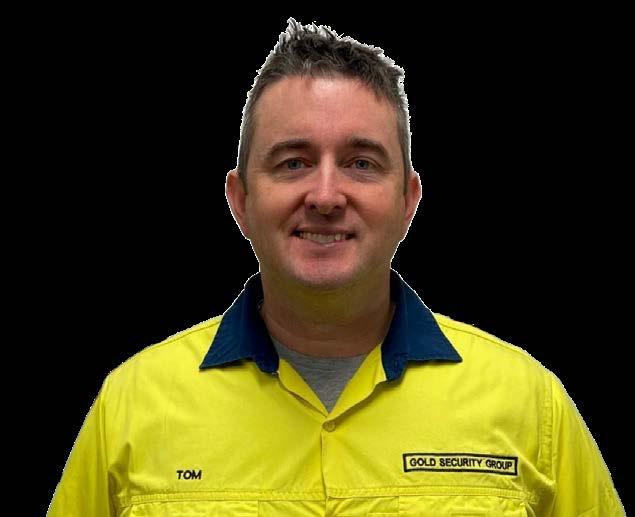
Tom has been at GSG since 2010 where he progressed through numerous security positions from Security Officer, Team Leader, Supervisor, and Manager. Tom’s knowledge and expertise in the security industry are invaluable in leading GSG’s Security and Emergency Services teams. GSG is a world-class provider of premium security and emergency services across the mining, government, tertiary education, and corporate sectors.
He began his career as a Loss Prevention Officer at a department store on the East Coast. After relocating to the West Coast, he worked as a prison officer for a year before returning to the security industry as a security officer at a gold mine.
Over the years, he gained experience in various roles, including general duties, control room, and gold room. He then transitioned into leadership, first as a Team Leader, then as a Supervisor, and eventually to his current position as Project Manager. For the past 13 years, he’s focused on leadership roles. In addition to his management responsibilities, he also worked as a consultant specialising in Mining Security Management.
He holds a Diploma in Security and Risk Management, a Certificate IV in Security Risk Analysis and Work Health and Safety, and a Certificate III in Security Operations. Additionally, he is licensed as a Security Consultant.
Over the past 15 years with Gold Security Group, he has progressed organically through the ranks, gaining extensive knowledge and experience along the way. His deep understanding of Mining Security, from the ground up, has been instrumental in his success. His ability to engage and maintain high levels of security has helped to further his career. He has also built strong, trusting relationships, which he believes are crucial in developing reliable and cohesive teams that deliver consistent results.
He has had the opportunity to work on numerous projects within the Mining Industry, including those in Gold, Lithium, and Rare Earths. Although these projects are exciting, each one presents its own unique challenges, from mobilising and demobilising staff to building effective teams, and working closely with clients to ensure the security of their sites. A key challenge he often faces is collaborating
with all stakeholders regarding the importance of security functions. Fortunately, Tom has honed his skills by developing exceptional communication and management abilities that have helped him in good stead to meet customer and security expectations in conjunction with getting the job done on time. He has found it important to satisfy all parties without compromising on quality outcomes. While each project has its hurdles, it’s this variety and complexity that keeps him engaged and constantly learning.
What do you enjoy about working in the security industry?
What I enjoy most about working in the security industry is the wide variety of sectors it encompasses. I still find great satisfaction in Mining Security and managing those projects. Additionally, I’m excited about the opportunity to expand my expertise by gaining investigation qualifications and exploring that aspect.
The security industry has great people, and I feel privileged to have had excellent mentors and colleagues. My fellow employees have made my journey incredibly enjoyable.
What would you say to someone considering a role in the security industry?
Start by getting your Certificate II and dive in. The security industry offers a long and diverse career with countless opportunities for growth. Whether you progress through leadership roles or branch into consulting or investigations there are many avenues that can lead to advancement. The pathways are endless. You’ll gain insights into a variety of industries and learn how they truly operate. I have found the industry to be encouraging and supportive and I’ve had ample guidance along the way. It’s a rewarding career with plenty of potential for success and development.
MORE INFO
For more inspiring careers case studies in protective security, visit asial.com.au/careers

The benefits of competition in business are well known. Innovation, improved customer service, improved efficiency etc. The disadvantages caused by price wars for business include lower profits, further – the race to the bottom - and the risk of customer churn. Additionally, it can create a toxic or hostile internal work environment and worker exploitation.
By Chris Delaney Industrial Relations Advisor, ASIAL
The message coming from reputable security providers around the country is remarkably consistent: it has become increasingly difficult—sometimes impossible— to compete with operators offering contract rates that bear no resemblance to the lawful cost of providing security services. These ultra-low bids are not clever efficiencies, innovative pricing models, or the product of technological advantage. They are almost always a sign of something far more troubling: non-compliance, underpayment, sham contracting, or outright criminality.


The private security industry in Australia is highly regulated, yet the market reality often bears little resemblance to that framework. Many of the lowest-priced providers do not pay lawful wages, fail to meet basic licensing requirements, ignore workplace obligations, or operate using dodgy and exploitative practices. When reputable operators lose tenders to these businesses, the industry suffers—not only economically, but reputationally. A sector that should pride itself on professionalism, capability and trust is instead forced to contend with the consequences of those who drag standards down.
Although ASIAL occasionally receives information about these operators, and passes on verified intelligence to the appropriate authorities, it is important to dispel a myth. ASIAL is not—and has never been—an enforcement agency. We do not police the industry. We do not issue or revoke licences. We do not have the power to investigate wage theft. And we cannot tell members what to charge. What we can do is educate, advocate, and champion a vision for a professional, compliant, high-quality industry. But achieving that vision requires wider participation and accountability.
A major driver of the current problem is procurement behaviour. Too many clients—including government agencies that should know better— award security contracts based solely on the lowest price. Compliance, capability, experience and reputation are often treated as secondary factors. Budget pressure has become the dominating concern. Procurement teams, retailers, facility managers, and event operators frequently underestimate the true cost of delivering a lawful security service and fail to appreciate the risks of selecting the lowest bidder.
Yet the costs of doing security properly are not ambiguous. The industry is subject to strict licensing frameworks, workplace laws, labourhire regulations in some states, training requirements, payroll tax obligations, workers’ compensation, superannuation, and extensive employment conditions set out in the Security Services Industry Award 2020. These obligations exist for good reason: they protect workers, ensure safe operations, and support service quality.
But they also come at a cost—a cost that cannot be avoided without cutting corners or breaking the law.
‘Market rates’ are not an appropriate guide to what you should pay for private security – particularly when the market is skewed to the lowest price. These rates are most often below the cost of providing the service and are peddled by unscrupulous providers to the detriment of their workers, the client and the industry. And don’t be fooled into the claim that is a ‘loss lead’. With margins as low as 5% loss leads are an illusion.
As of July 2025, Award rates increased by 3.5%, and superannuation increased by 0.5%, equating to a total direct wage rise of 4.0%. A Level 2 Security Officer now earns a base rate of $27.91 per hour, or $34.89 for casuals. Once mandatory on-costs are included—superannuation, leave loading, workers’ compensation, insurances—the real cost to a reputable employer is at least $43.00 per hour. Add in uniforms, PPE, licensing, payroll expenses, rostering and supervision, vehicles, fuel, training, and administration, and the cost increases significantly.
For 24/7 operations, weekend and public holiday penalty rates can take the provider’s cost to around $55.90 per hour before any profit margin is added. These are not extravagant figures; they are the unavoidable cost of legal compliance. When a client receives a bid far below these amounts, the only rational conclusion is that someone, somewhere in the supply chain is being exploited—or the law is being ignored. And when a contract is awarded to such an operator, the consequences can be significant for all involved.
Shonky providers often engage in wage theft: flat-rate payments, cash-in-hand arrangements, unpaid superannuation, unpaid overtime, unpaid penalties, sham contracting, and illegal subcontracting. Some phoenix their businesses to avoid tax and entitlements. Others deploy poorly trained, inexperienced, or unlicensed personnel. These practices do not simply harm employees—they put clients at commercial and legal risk. Under Section 550 of the Fair Work Act 2009, clients can be held liable for involvement in contraventions. “I didn’t know” is not a defence when the price clearly signalled non-compliance.
Continues over page >
Many
of the lowest-priced providers do not pay lawful wages, fail to meet basic licensing requirements, ignore workplace obligations, or operate using dodgy and exploitative practices.
Too-good-to-be-true pricing is not a bargain; it is a liability. And when these operators are finally caught—and they do get caught—the client is left scrambling to replace them, sometimes with only hours’ notice. Continuity of service, inexperienced new guards, compromised risk settings, and reputational damage become immediate concerns.
Responsible procurement requires clients to look beyond price alone. They must require evidence of compliance—not vague assurances or glossy marketing. They must understand what it costs to deliver lawful security. And they must treat security as a critical professional service, not a commodity.
A responsible client should expect (and demand) that providers are fully compliant with workplace laws, licensing, training requirements, and labour-hire obligations where applicable. They should implement transparent procurement processes that require evidence of compliance at tender stage and during the life of the contract. They must be alert to sham subcontracting and the misclassification of workers. And in Queensland and Victoria, they must confirm that providers hold valid labourhire licences. Failure to do so can expose the client to penalties.
It is reasonable for clients to seek value—but value is not the same as “cheap”. The best price is not necessarily the lowest. Ethical providers delivering lawful, consistent, high-quality services offer value that shonky operators cannot match. When standards fall, everyone pays the price.
Of course, procurement behaviour is only one part of the problem. Another is regulatory enforcement. Australia’s private security sector is overseen by a complex network of regulators: police licensing units, Fair Trading bodies, labourhire authorities, wage-theft agencies, the Fair Work Ombudsman, the ATO, and sometimes ASIC. On paper, the coverage is extensive. In practice, enforcement is inconsistent.
A responsible client should expect (and demand) that providers are fully compliant with workplace laws, licensing, training requirements, and labour-hire obligations where applicable.
Regulators face staff shortages, competing priorities, and limited resources. As a result, the most serious offenders often operate for years with little scrutiny, while minor administrative breaches by otherwise compliant businesses receive disproportionate attention. In matters involving underpayment, sham contracting or phoenixing, the Fair Work Ombudsman is usually the key agency. They are willing to act, and ASIAL has a constructive relationship with them—but they depend heavily on employees making complaints. Without those complaints, regulators often lack the evidence to pursue offenders.
Employees, therefore, play a crucial role. They must know their rights, understand Award conditions, and refuse unlawful arrangements. They should avoid employers who push them onto ABNs or subcontracting arrangements. They should demand payslips, reject cash-inhand offers, and join a union. Regulators cannot act on issues they do not know about. When employees speak up, the system works.
But the call to lift standards extends beyond individual workers or individual businesses. It is a collective responsibility. Providers must refuse to engage in unlawful practices and resist the temptation to “follow the market down.” Clients must refuse to reward non-compliance. Regulators must prioritise serious offenders. And industry bodies must continue advocating for that ubiquitous ‘level playing field’.
ASIAL remains committed to that role. We maintain active dialogue with regulators, advocate for meaningful enforcement, and challenge agencies to focus on the worst behaviour—not technical slip-ups by compliant businesses. We support prosecutions of deliberate breaches. We educate members and inform clients. We work with governments and procurement teams to improve understanding of true service costs and compliance obligations. Our collaboration with the Fair Work Ombudsman is ongoing and productive.
We do not want shonky operators as members. Where a breach of ASIAL’s rules is proven, we take action. Our aim is clear: a professional, respected industry built on integrity, capability and lawful practice.
Ethical providers should not have to compete with crooks. The industry can improve its image and professionalism — but only if all stakeholders play their part. If we want a stronger sector, we must demand better. A professional industry is not built on cutting corners; it is built on doing things right.
Note: The information provided above is for convenient reference only. ASIAL and Chris Delaney & Associates Pty Ltd provide this information on the basis that it is not intended to be relied upon in any cases, as the circumstances in each matter are specific. Accordingly, we provide this information for general reference only, but we advise you to take no action without prior reference to a workplace relations specialist.

By Josh Brown Managing Director, Global Tech Partners
In mid-November, Anthropic, the company behind Claude, the AI large language model (LLM), announced it had disrupted a significant cyberattack executed by AI agents.
A subsequent investigation determined this was a highly sophisticated espionage campaign likely executed by a Chinese statesponsored group. The attack involved manipulating Claude to infiltrate a small number of global targets, achieving limited success.
Crucially, this is the first documented case of a large-scale cyberattack executed without substantial human intervention. This evolution of IT security has major ramifications for the broader security sector, as it drastically lowers the barrier to entry for complex attacks. With AI, less-resourced threat actors can now execute campaigns that previously required expert human teams, moving the battle into an entirely new dimension.
Andrew Cullen, Senior Research Fellow at the University of Melbourne and AI & Cybersecurity Consultant, stresses that while “AI tools being used for cyberattacks isn’t necessarily a big turning point in cybersecurity,” what concerns him is the trajectory: that these attacks “speak to the potential democratisation of hacking toolchains, transforming them from specialist

knowledge to only being a single prompt away.” With this advancement dramatically widening the pool of potential attackers, it poses a serious risk to vulnerable sectors that rely heavily on interconnected systems.
The merging of physical and electronic security is an accepted industry evolution, offering benefits like reduced manual work and improved protection via networked technology. However, this development has also introduced a profound vulnerability: the moment the digital backbone of a security system is compromised, the physical layer, including cameras, access controls, and alarms, becomes highly exposed. With the emergence of autonomous AI threats, we believe this risk represents a watershed moment for the security industry.
The inevitable next phase for the security sector is the full convergence of electronic and physical security with cybersecurity, making the treatment of cyber-hygiene and digital risk a mandatory core tenet of any security posture. To be considered truly secure, physical systems like CCTV and access control should feature the same controls as any traditional IT asset. These controls include strong device credentials, segmented networks, regular patching, and continuous threat monitoring. Implementing these cyber controls across the board requires close collaboration between cybersecurity professionals, physical-security engineers, and infrastructure operators.
The convergence of security disciplines should be embraced by the physical security sector, not just as a defensive necessity, but also as an innovative business opportunity. Incorporating cybersecurity into the service offering allows providers to up-sell and add high-margin services. It future-proofs the business, strengthens client relationships, and transforms the provider into a “one-stop-shop” for all things security.
For larger firms, this means employing cybersecurity professionals and investing in licensing and infrastructure; for smaller outfits, it can mean subcontracting services through white-label arrangements. In either case, multiple high-margin options can be considered.
AI is evolving rapidly and must be seen as both an urgent risk and an exciting opportunity for security businesses. The merging of physical, electronic, and cybersecurity is more than just about holistic protection; it is a clear roadmap to a more resilient, relevant, and lucrative future. By integrating and treating digital risk as a core service, the physical security sector can transform its role from a provider of segmented systems into a comprehensive digital and physical security partner
Global Tech Partners (GTP) is a trusted provider of cybersecurity services and a distributor of world-class IT security solutions. With offices in Australia and New Zealand and a strategic focus on partnership with the physical security sector, GTP helps businesses protect their data, systems, and privacy in today’s evolving security landscape.
ASIAL welcomes the following members who have recently joined the Association.
The ASIAL member recognition program acknowledges longstanding members of the Association. We would like to congratulate the members who have recently achieved the following recognition levels: CATEGORIES:
1Ten
Absolute
Adcctv
Alfa
Alltronic
Armor
Auscall
Bayside
E.S.P.
East
Electronic
Globaltek
Hiscocks
Acetek
ISecure
Point
SEQ
SPG - Specialist Protection
Stowe

List current as at 12 January 2026

The ASIAL Graded monitoring centres above have been inspected and graded for compliance with the applicable Australian Standard: AS 2201.2 – 2004 or AS 2201.2 – 2022.
PLEASE NOTE: ASIAL takes no responsibility for companies which may change the nature of their operations subsequent to Grading. Scan the QR code to see the full range of services ASIAL provides.
List current as at 12 January 2026


















Onboarding new employees and continuing the professional development of your staff is crucial for enhancing skills, boosting productivity and ensuring compliance. Benefits include improved performance, employee satisfaction and reduced turnover – but who offers a recognised, cost-effective, flexible solution? ASIAL does.
Competitively priced
Interactive and Video Content: Engage with interactive and video presentations for a dynamic learning experience
Comprehensive Solutions: Streamline training for businesses of all sizes with our cloudbased platform
Extensive Course Selection: Choose from 200 online courses, including 50+ video courses, tailored for the security industry
• Communication and Personal Development
• Customer Service
• Ethics and Conduct
• Induction
• Leadership and Management
• Sustainability/Environment
• Workplace Health and Safety ...and many more!
Individual Courses:
Bundles of 4 Courses:
Group

Browse Courses
Scan the QR code to select your course
Email Us

Send your selection and participant numbers to elearning@asial.com.au
Receive Quote and Invoice
Approve the quote and complete the payment.
Access Courses
Your team will have three months to complete their courses.