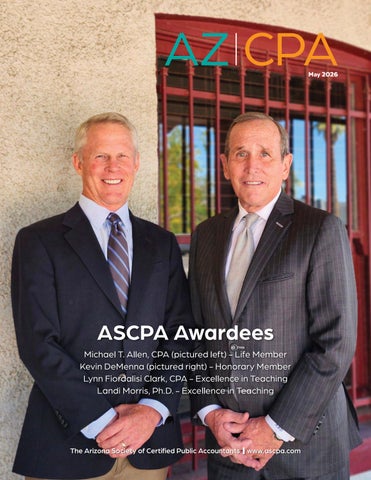
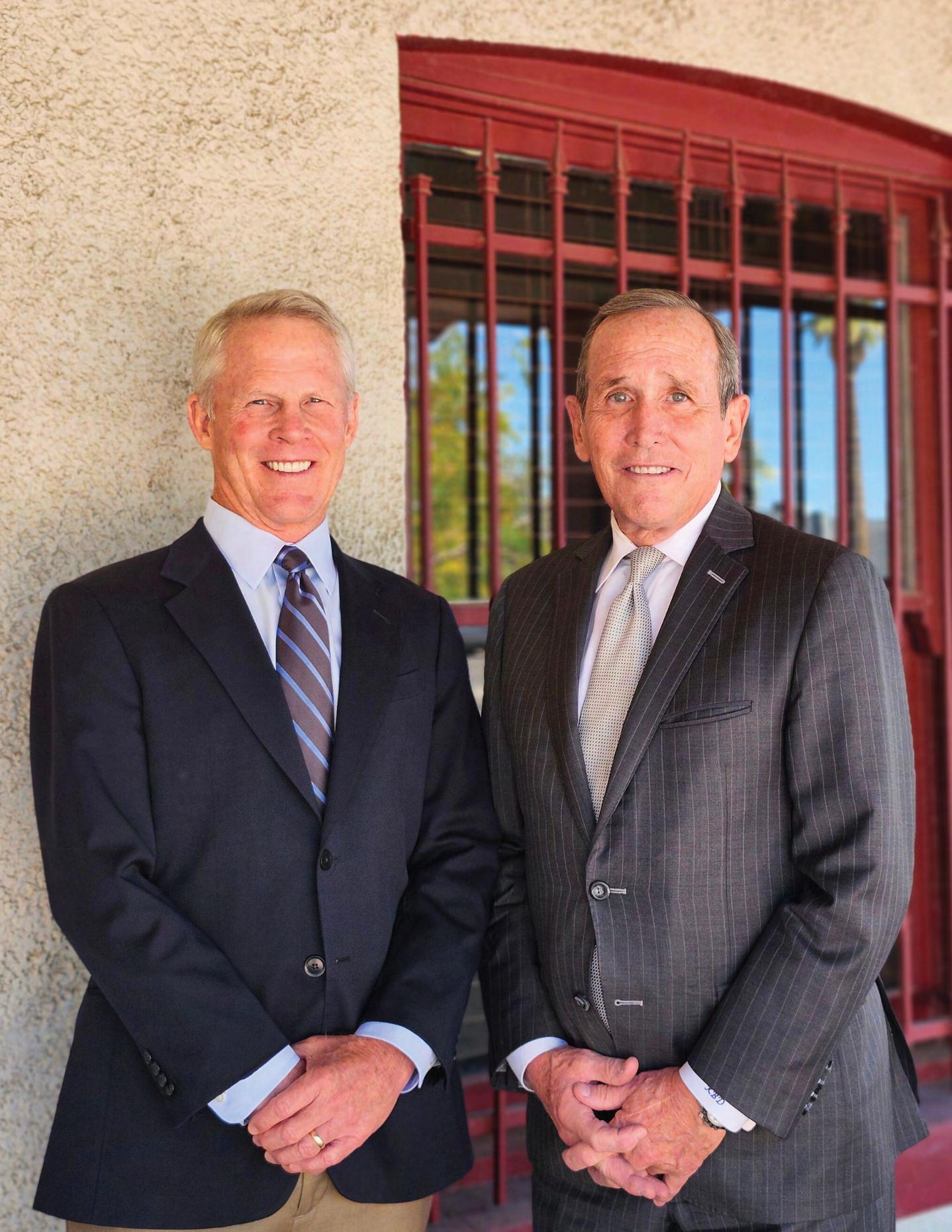
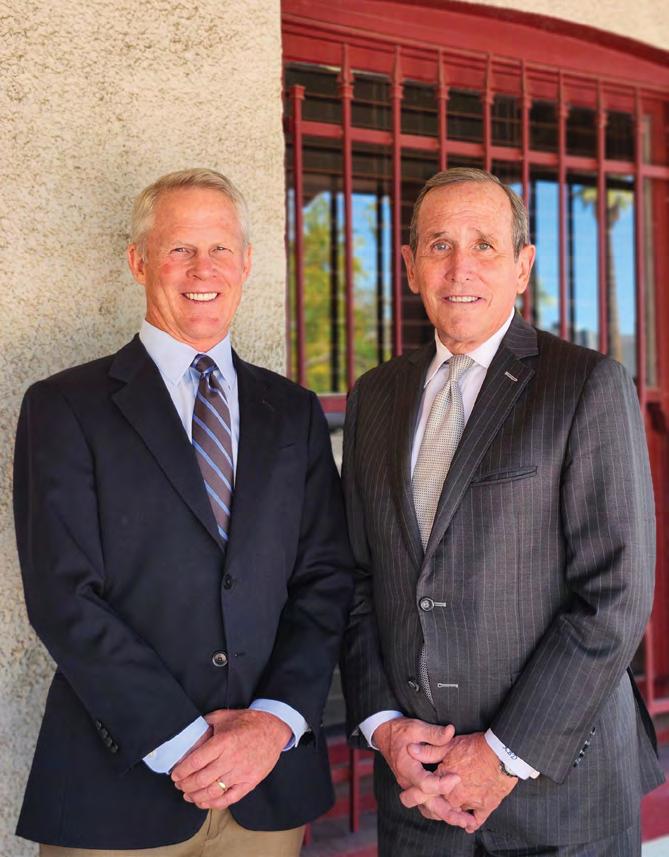
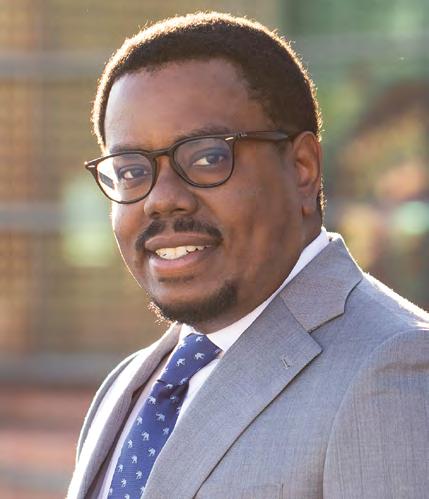
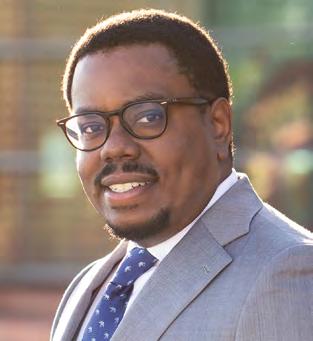
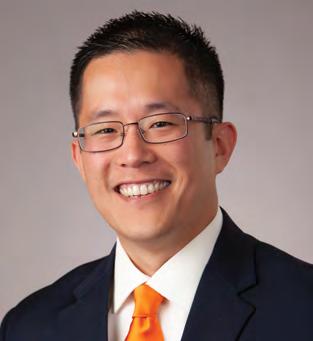
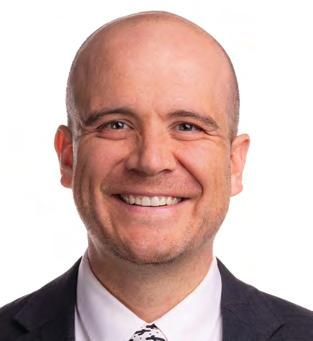
Michael T. Allen, CPA (pictured left) - Life Member
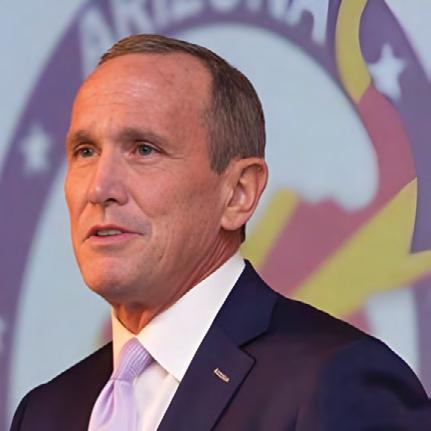
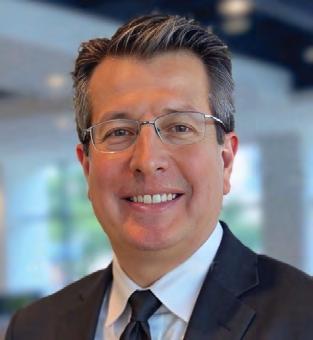
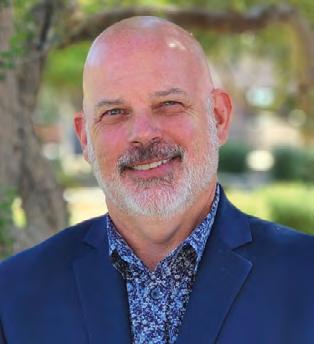
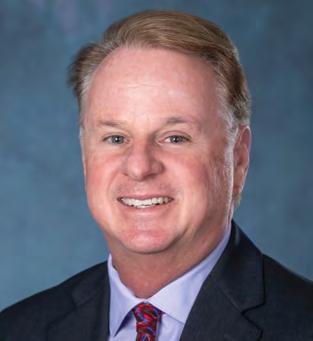
Kevin DeMenna (pictured right) - Honorary Member
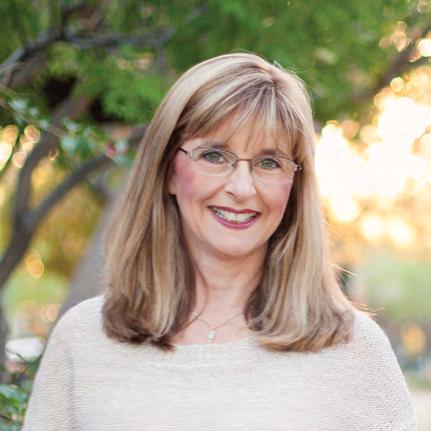
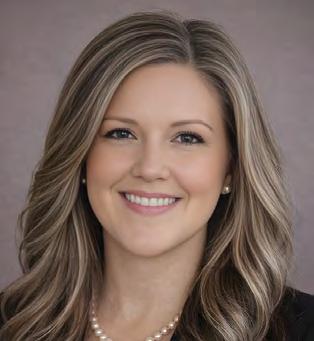
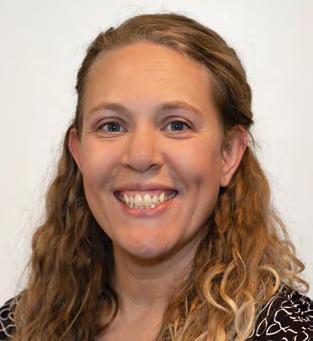
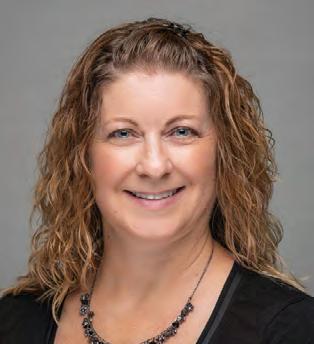
Lynn Fiordalisi Clark, CPA - Excellence in Teaching
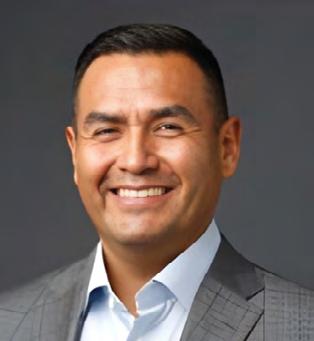
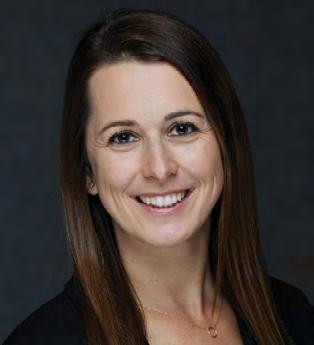
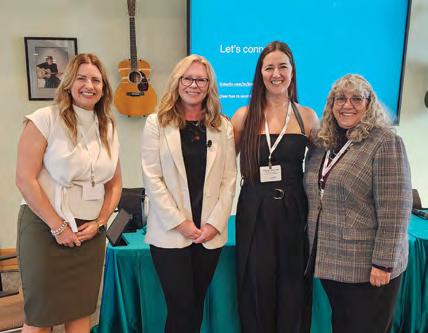
Landi Morris, Ph.D. - Excellence in Teaching
Together, We're Building Brighter Futures
Berkshire helps CPA principals exit their practice. We exclusively specialize in the valuation, preparation, packaging, and nationwide marketing of CPA firms to find an ideal successor. We have extensive experience in acquisitions, mergers, and partnership transitions. We pride ourselves on helping clients move through the complex decisions to reach their goals. Ryan Gipple will personally handle every deal that comes into our office.
Recent Client Testimonial
Ryan is, without question, the best broker I’ve ever worked with. I’ve acquired firms through the three largest brokerages in Arizona, including Ryan, and when it came time to sell my own firm, I chose him again. He sold it for more, and with more cash out at close than I ever imagined. In an industry where ethical shortcuts can be prevalent, Ryan’s commitment is unwavering: "Be honest. It will all come out in the end." Unlike most brokers who passively wait for buyers, Ryan actively and strategically pursues them. His expertise in the accounting industry is unparalleled!
Navigating Your CPA Firm’s Sale with Expertise, Integrity, and Results.
Why Choose Us?
Expertise in the nuances of selling traditional, multidiscipline, and virtual CPA firms
Experience in navigating the complex and ever changing buyer marketplace
Fiduciary to the seller with pre-sale consultation, valuation and a strategic marketing plan
National, regional and local exposure to a robust and active buyer network
Excellent reputation & confidential process
About the Principal, Ryan Gipple
Ranked in the top echelon for CPA practice sales in Arizona
Industry leader with award-winning success
Broker of the Year, Presidents Club, Award of Excellence
15 years of M&A experience with CPA firms
Accomplished speaker, blogger, and strategist for CPA exit Local to Arizona
Principal Ryan Gipple
(602) 614-3583
berkshirebsa.com
ryan@ryangipple.com
AZ I CPA
The Arizona Society of Certified Public Accountants
President & CEO Oliver Yandle
Editor Rosa Hernandez
Advertising Jodi Corrales
Board of Directors
Chair Joe Heidleburg
Chair-Elect Lisa Parke
Secretary/Treasurer Jessica Iennarella
Directors Aaron Blau
Anne Helgeson
Coulson Painter Gabe Doak
Helen Stewart
Kat O’Connor
Malia James
Nate Eggman
Sarah Lauzon-Jones
Scott Mills
Tyler Bigler
Wesley Benally
Immediate Past Chair Eugene Park
AICPA Council Members Kelly Damron
Tom Duensing
AZ CPA Editorial Committee
Alli Byrne, Andrea Levy, Ashlea Perron Jennifer Greening, Mike Nyman
Ted Bartlett
AZ CPA is published by the Arizona Society of Certified Public Accountants (ASCPA) to provide information, news and trends to the accounting profession. It is distributed six times a year as a benefit to ASCPA members. The ASCPA, its members, board of directors and administrative staff assume no responsibility for advertisements herein. The ASCPA and the above people also assume no liability for business decisions made by readers in reference to statements and/or claims in articles or advertisements within this publication. Opinions expressed by contributors are not necessarily those of the ASCPA.
Arizona Society of CPAs
410 N. 44th St. Ste 205
Phoenix, AZ 85008
Telephone (602) 252-4144
AZ Toll-Free (888) 237-0700
www.ascpa.com
ASCPA Chair’s Message
Joseph L. Heidleburg, CPA
Chair, Arizona Society of CPAs
International Accounting Manager
Align Technology, Inc.
This is my first column as chair of the ASCPA, and I’m both excited and honored to serve in this role. When I joined the board in 2022 — thanks to an invitation from the nominating committee, I was working in internal audit at a major bank. Although I used the skills I gained as a CPA, I didn’t often interact with the broader CPA community. Receiving the invitation felt like the perfect opportunity to reconnect, contribute and learn from my peers.
Since joining the board, I’ve gained tremendous appreciation for the work our Society does and the issues shaping our profession. When I first stepped in, our conversations centered on the 150-hour rule and the talent pipeline. Today, we’re navigating evolving topics such as alternative pathways to licensure, deregulation efforts, the rise of AI and — still — the pipeline. It has been energizing to see how the ASCPA advocates for the accounting profession within Arizona while the landscape continues to shift.
My own path to accounting goes way back. In junior high, I chose accounting as my career path simply because I loved math. In my senior year of high school, I earned the Outstanding Accounting Student award. I declared my major in accounting at Arizona State University and never looked back. I always say I was born to do this.
My career as a CPA has been diverse and rewarding. It has taken me to the deep forests of northern California’s Bigfoot country and to the bustling, high-tech streets of Hong Kong. Like many, I started in public accounting, working in audit before moving into industry, where I experienced what it’s like to live within the accounting function: closing the books, maintaining controls and delivering accurate results.
My next chapter took me into internal audit, where I worked with international business units at a major bank. That role sharpened my understanding of controls and strengthened my ability to help business leaders improve their control environments. Currently, I’m back in industry as an International Accounting Manager at Align Technology. In this role, I draw from every experience I’ve had as I help oversee accounting for global entities and track foreign exchange impacts.
As I look ahead to my year as chair, I’m focused on the future of our profession. According to the AICPA, 75% of today’s CPAs will retire in the next 15 years. Paired with concerns about the pipeline of new CPAs, this raises important questions: What will the profession look like? How will firms evolve? What skills will future CPAs need?
We’re starting to see formal responses to these questions, including alternative licensure pathways that do not require a master’s degree. At the same time, AI is rapidly advancing and reshaping how we work. These changes bring both uncertainty and opportunity — and I believe our Society is in a strong position to help guide our members through them.
Most importantly, I’m looking forward to engaging with our membership throughout the year. The ASCPA plays a vital role in supporting and advocating for our profession, and my goal is to champion that work. Thank you for renewing your membership for the 2026-27 fiscal year, and if you haven’t renewed yet, please join me in my journey as ASCPA chair. There are so many ways for members to contribute, learn and connect, and I hope to help spark that engagement. I’m grateful for the opportunity to serve and to continue giving back to the profession. I look forward to the journey ahead! l
Best Wishes, Joe Heidleburg
Staff & Member News
Maridea Wealth Management acquired Chichester Financial Group, LLC in March 2026, expanding Maridea’s footprint in the region to two offices.
The ASCPA celebrates our amazing members reaching milestone anniversaries, especially those who joined the ASCPA in 1976 and are now celebrating their 50th year!
George M. Cohen
James J. Coury
Thomas L. Dunbar
Michael J. Klecka
Bruce J. Nordstrom
Rheta C. Peiser
David M. Robles
Lawrence A. Vicario
Peggy J. Walshire
To view a full list of members celebrating anniversary milestones, visit www.ascpa.com/anniversary
If you would like your news highlighted in the next issue of the ASCPA magazine, please submit member news to advertise@ascpa.com by July 31.
Mike Allen: Life Member Award Winner
By Andrea Beth Levy, CPA, CFE, CGMA, MBA
Mike Allen — known to his grandchildren as “Pop”, has made a substantial impact in the business sector, dedicating over 40 years to the CPA profession. From audit to entrepreneurship, he has excelled in multiple roles. The Arizona Society of CPAs is proud to present Michael T. Allen, CPA, with the Life Member Award in May 2026.
Career Reflections
If Allen could sum up his CPA journey in one word, it would be “fulfilling”.
Reflecting on his professional journey, Allen acknowledged the significant rewards of his career as a CPA. His achievements extended beyond achieving personal and family security. He created a lifestyle aligned with the profession’s fundamental values of trust, transparency and a commitment to problem solving. Through his time as an entrepreneur, Allen had opportunities that otherwise would have been unavailable had he not been a licensed CPA. Opportunities that allowed him to engage with other skilled and driven individuals. His career not only expanded his perspective but also greatly enhanced his quality of life.
Allen’s career in the audit industry gave him comprehensive insights into businesses through financial statement analysis, which he considers the fundamental language of business. Rather than viewing himself as a specialist, Allen identifies as a generalist and business advisor. The knowledge base established during his audit tenure equipped him to explore and excel in diverse sectors and disciplines. Audit taught Allen how to understand a business and use financial statements as a tool to speak the language of business.
Early in his career, Allen served as a tax professional and tax preparer. Allen recalls staying up late on April 14, just before the tax deadline, using only a pencil and eraser to complete tax returns. Allen says this experience provided valuable training. Without automated guidance, he had to understand the entire methodology behind the Internal Revenue Code himself. Although it was an effective way to learn, it certainly wasn’t efficient for conducting business.
From CPA to Firm Owner
Allen earned his CPA license in 1981 and immediately began his business career. He started as an auditor at a regional firm in the Midwest, spent some time “grinding” through various roles and later moved to Albuquerque, New Mexico where he primarily focused on tax work.
When Allen and his family were in Albuquerque, he partnered with Steve Erickson — a former colleague, to establish the CPA firm
Erickson Allen P.C. Driven by a clear ambition to manage his own business, Allen recognized that the CPA license provided this pathway to entrepreneurship early in his career.
“Once you secure your license, you can immediately become your own boss,” he remarked, reflecting on the autonomy and influence it provided. Subsequently, Erickson Allen PC was acquired by REDW LLC Advisors & CPAs. Notably, the “E” in REDW signifies “Erickson” — serving as a tribute to Allen’s legacy in Albuquerque.
As equal partners, Allen quickly adjusted to the demands of business ownership including responsibilities such as payroll administration, client relationship management and transitioning from an employee perspective to that of an owner. Allen recognized that this period was instrumental in understanding the risks and rewards associated with entrepreneurship.
Firm ownership entailed both considerable challenges and meaningful advantages. His attention extended beyond billing hours to the comprehensive oversight of the firm’s operations. It meant prioritizing employee compensation before his own and his firm partner’s, Steve. Allen came to understand that being compensated last reflects significant accountability, while also affording autonomy and fulfillment he continually desired.
Outside of Billable Hours
Allen and his partner Erickson served for several years as adjunct professors at the University of New Mexico. This was both challenging and rewarding as the graduate students were serious about their education and it provided a chance for Allen to encourage and mentor future CPA’s.
Allen found volunteering with the ASCPA and AICPA communities incredibly rewarding.
During his time with the ASCPA, Allen served on practically every committee that the ASCPA had to offer. He moved from role to role until he eventually served as the chair for the ASCPA from 2018-19. He also served as the Arizona representative to the AICPA and served on the AICPA PCPS Executive Committee.
Through his involvement, he was able to positively influence many individuals’ careers and the accounting profession as a whole. Allen urges others working as CPAs to support their community and experience the tremendous rewards associated with these efforts.
Inspiring Future CPAs and Protecting the CPA Profession
Mike Allen is dedicated to motivating new and younger CPAs to appreciate the significance of both the profession and obtaining licensure. Allen’s son recently became a CPA with some encouragement.
Allen feels strongly that the demanding nature and distinct position of CPAs as trusted business advisors should not be diluted by the wider financial industry. He worries that CPAs themselves might not fully value what licensure represents. Allen believes the profession struggles with communicating what the unique distinction and value of working with a CPA means. Unfortunately, many of our licensed professionals forget their strength in the marketplace.
Allen offers straightforward advice to future professionals: “don’t undersell yourself. Make sure you’re at the table, because you have much to offer.” While many CPAs identify as introverts and may hesitate to highlight their strengths, it remains crucial for them to step forward and communicate their contributions to the wider community they serve. The time when “I was good at math” was a primary motivation for becoming a CPA has passed. Today, the focus is on applying analytical rigor and quantitative abilities to effectively manage and grow a successful business. Allen’s wish is that all businesses first seek out the advice of a CPA when needing help. From Allen’s perspective “we need to make sure we’re at the table because we have so much to add.”
Beyond the Numbers
Allen’s retirement was a carefully planned milestone. On January 1, 2025, he officially transitioned from his role, confident in his decision. He stays in touch with some REDW LLC team members in a mentorship capacity and as a valued colleague, yet he fully embraces his new phase of life.
Family is at the heart of everything for Allen. He and his wife have made a commitment that their kids needs would always come first, whether that means driving their grandchild somewhere or simply showing up for loved ones. Allen and his wife plan to travel during retirement and recently celebrated his wife’s birthday with an unforgettable European cruise through Italy, France and Spain. It was a special journey since international travel was a rare treat during his working life.
Allen also places high value on staying healthy and active. He’ll continue to go to the gym as he enjoys playing pickleball, hiking and golfing. He just picked up surfing as a hobby and enjoys relaxing at a spot in California where his youngest son and family live, which serves as his personal oasis.
Allen will also continue to learn the drums. As he explains, “Music keeps my mind engaged; it’s almost like picking up a new language.” In the future, he plans to try his hand at writing a book focused on unlocking the hidden value in a business.
After dedicating over forty years to his profession, Allen acknowledges his unwavering commitment and drive. Though he no longer provides professional services, he maintains great respect for the credibility associated with his CPA license. Whenever meeting new people, Allen is quick to mention his CPA credential which continues to open doors and provide instant credibility.
Looking forward, whether guiding future CPAs, helping businesses think in more sophisticated ways or simply spending time with family, Allen views this chapter as an opportunity to reflect, give back and inspire. Congratulations to Mike Allen in winning the 2026 Life Member Award. Allen will be honored at the ASCPA Annual Meeting & Awards Luncheon on May 7. l
Andrea Beth Levy, CPA, CFE, CGMA, MBA, is the head of finance & operations with the Greater Phoenix Chamber. Levy currently serves on the ASCPA’s editorial committee and is an audit committee member of the Institute of Internal Auditors Phoenix Chapter. You can connect with her at linkedin.com/in/andrealevyfinance.
Kevin DeMenna: Honorary Member Award Winner
By Rosa Hernandez
Founded in a time before you could Google anything and everything, DeMenna Public Affairs was taking its’ first steps in the world of advocacy. Kevin DeMenna took a leap of faith in 1998 and created an entity worthy of the words: respected, trusted and dependable. And it’s this step that led him to the Arizona Society of CPAs (ASCPA) and ultimately, to this moment of receiving the ASCPA Honorary Member Award.
From the Circuit to the Senate
Originally from Prescott, Arizona, DeMenna grew up on a ranch. He was surrounded by nature, horses and cowboys. In junior college, he participated in rodeo circuits and entered roping contests (winning a few) while he worked steadily towards a brighter future.
Eventually, he came to Phoenix for school. He was going to be an economist, but at the time, economists were not in demand. So, he continued his schooling and landed an internship at the Senate. Once his internship ended, he took on his first official role as the Finance Committee Analyst.
After 20 plus years at the Senate, DeMenna left his then position as Chief of Staff and branched out to start his own company.
Three Guys. One Vision.
DeMenna began the business of public affairs with friends Robert Robb and Fred DuVal. Robb was the campaign consultant in Arizona at the time for Republicans while DuVal was a very prominent Democrat and later ran for governor.
Together, the three embarked on a new journey with a high-profile client — the Phoenix 40. The Phoenix 40 were leaders from 1975 to 1993 and helped shape Arizona through impactful communitybuilding measures.
Eventually, Robb and DuVal left for retirement and other career pursuits. DeMenna took on two clients in his solo act — the Child Care Association and the Arizona Society of CPAs.
The ASCPA and the DeMenna’s
As one of DeMenna’s first clients, the ASCPA originally reached out in 1997 for advocacy support by recommendation of Denny Mitchell (an original Phoenix 40).
29 years ago, the CPA profession was facing a time when fraud, embezzlement and misappropriation of funds ran rampant. And thanks to
the explosion of the digital age in the late 90s and early 2000s, the ASCPA was also seeing cases of the misuse of the CPA credential.
Individuals and businesses were claiming to be CPAs or trusted accountants and taking people’s hard earned money under the pretense of helping them invest or save for retirement. The integrity of the licensure was at stake as well as the future of the profession, but through a collaborative effort with the ASCPA and State Board of Accountancy, DeMenna successfully advocated for protecting the gold standard of licensure so not only will CPAs feel proud to have this designation, but when the public sees the letters ‘CPA’ after a name, they can trust the professional behind it.
Beyond this, DeMenna also worked on reciprocity legislation that would help with the ability to practice in multiple states without going through the entire licensure process. An effort that has been executed across the United States.
“Kevin’s steady leadership, strategic insight and deep understanding of Arizona’s policy landscape helped ensure the voice of the CPA profession was heard and respected at the Capitol from the very beginning,” says ASCPA President & CEO Oliver Yandle. “His counsel has strengthened our advocacy, protected the interests of our members and advanced the profession across our state.”
Today, DeMenna Public Affairs continues supporting the ASCPA in protecting the CPA licensure, passing tax conformity every year and advocating for new legislative pieces that seek to evolve, expand and enrich the lives of current and future certified public accountants. Where is DeMenna Public Affairs today?
What started as a venture among three friends soon became a family affair. DeMenna now runs the business with two of his three
sons (Ryan and Joe) and his wife (Melissa). In fact, his son Ryan currently represents the ASCPA with state legislators.
Now, working with family is one thing, but the DeMenna’s not only work together — they also live close to one another and take vacations together.
When asked how this works, DeMenna said, “It isn’t a struggle. We have good chemistry. It was never the plan to become a family business, but it works — and it’s a wonderful life.”
DeMenna Public Affairs began with two clients, but now they represent a myriad of clients from the Arizona Opera to General Motors to Southwest Ambulance and more. The variety of industries they represent only add to their reputation as being the best in the field.
“The DeMenna’s bring astute political analysis, deep understanding of legislation and the process, and has built relationships over decades to advance my company’s goals. They give personal service as if my company were their only client. Simply put, they are the best in the business,” says Brendan Mahoney, General Counsel for HBI International.
While times change and political climates shift, DeMenna Public Affairs continues to solve problems for their clients. DeMenna not only built a business, but a living, breathing legacy because of his and his family’s hard work and their commitment to fostering connections and collaboration across the aisle through one administration after the other.
What’s Next?
Most likely more family trips.
As DeMenna’s sons take on more responsibility, DeMenna has stepped into an advisory role. He now kids he works more or less for his sons rather than the other way around.
“We’ve been playing football for 40 years,” DeMenna says, referencing his work with advocacy. “We don’t miss many catches.”
Every staff member (including his sons) has worked with state legislators and/or the Senate before working at DeMenna Public Affairs. So, it’s not just ‘Dad knows best’, but a very intentional and strategic transfer of knowledge of the past paired with the knowledge of the present.
Conclusion
Advocacy is not easy. Staying on top of hundreds of pieces of legislation that could affect thousands of CPAs is not easy. Being there at the eleventh hour for clients is not easy. Most citizens, including professionals, barely notice when something is passed unless it drastically affects their daily life.
DeMenna Public Affairs takes on the not-so-easy challenges on behalf of the ASCPA and our members. Without them, the gold standard of licensure, reciprocity, tax conformity and small amendments that make a big impact on legislative pieces … would not be the same.
Kevin DeMenna was where it started. One man and one organization set out to make a difference that can still be felt today by CPAs across the state of Arizona.
We at the Arizona Society of CPAs are proud to present Kevin DeMenna with the Honorary Award this May 7 at the ASCPA Annual Meeting & Awards Luncheon. Congratulations, Kevin. l Rosa
Arizona CPA Foundation for Education & Innovation
Since 1990, the Foundation has supported over 450 students on their journey to the accounting profession and the CPA exam. Without the generosity of people like you, we would not be able to continue this legacy of giving. We would like to express our gratitude to the top contributors who donated to the foundation in 2025.
Thank you to the members who donated other amounts throughout the year and with their annual dues renewal.
To learn more and donate, visit www.ascpa.com/donate
$5,000+
Deloitte
$1,500
Mark Landy
$1,000
Glenn Conover
$750
Anne Helgeson
$500
Jay Ganesan
Rufus Glaspar
Lisa Parke
$100–$400
Arizona Society of CPAs in memory of Libby Goff
Sandra Abalos
Jeanne Bentley
Brueggeman and Johnson Yeanoplos PC
Scott Donaldson
Tyler Hamelwright
Tess Ridgway
Nancy Roach
Stephen Rodis
Stella Shanovich
Nancy Thomas
The 2026 Excellence in Teaching Recipients
By Ted Bartlett
Every year, the Arizona Society of CPAs (ASCPA) awards a teacher who is a trailblazer in their teaching methods and efforts to educate the next generation of CPAs the Excellence in Teaching Award. This year, the ASCPA has awarded two teachers who exemplify this award – Lynn Fiordalisi Clark, CPA from Paradise Valley Community College (PVCC) and Landi Morris, Ph.D. from Northern Arizona University (NAU).
Lynn Fiordalisi Clark, CPA.
Clark comes from Long Island, New York, and attended Adelphi University locally — becoming the first-generation college student in her family. She started in public accounting with Arthur Young, before the merger with Ernst & Whinney, in the days of the Big 8. She and a friend threw the “Goodbye Artie” party the night before the merger closed. After four years in public accounting, Lynn went to work for a client and established a career in financial services.
Clark moved to Phoenix in 1993 and after a few years, opened her own CPA practice. She sold that firm after having her second child and became a financial advisor. Since she was a CPA, she became very active with the ASCPA in the financial planning section around the year 2000. She taught a lot of CPE for the society in those years, and it was very well received by attendees.
Former longtime ASCPA employee Heidi Frei suggested to Lynn that she consider teaching at the community college level and made an introduction to Jeannie Franco at Paradise Valley Community College. Clark began teaching at PVCC in 2010, and Franco became her mentor. She was one of the first people there to learn how to teach online and she threw herself enthusiastically into every opportunity to learn how to teach well.
Clark uses a flipped classroom model in her teaching at PVCC, which means that class time is used for actively working through accounting material, rather than
lecture. Clark leads the students through the active work and along the way encourages them to take good notes. She allows students to use their notes on exams and is subtly teaching them to learn to be good note-takers.
Clark makes her teaching relatable by sharing her experiences, such as a fraud investigation she worked on for four years. She helps students understand the different paths you can take with an accounting degree.
Another consistent strength of Clark’s is her ability to see things in people that they may not see in themselves, and she is known for making future accountants out of people who come to her class having little prior sense of what accounting was.
Five years ago, the Arizona legislature authorized community colleges to offer bachelor’s degrees and Clark has created the PVCC Bachelor of Business Administration in Accounting through her vision and leadership. Since it’s launch in Fall 2025 there are 448 actively enrolled students in the program. She’s now the division chair, but she continues to teach principles of financial accounting and intermediate accounting.
“As Dean of Instruction, I have had the privilege of working closely with Lynn for many years, and I can state without hesitation that she exemplifies the highest ideas of accounting education,” says Dr. Sean Petty, Dean of Instruction at PVCC. “Her impact on students, on our institution, and on Arizona’s accounting pipeline has been both profound and enduring.”
When discussing the implications of artificial intelligence on accounting careers with Clark, she had a very interesting perspective that’s informed by her long career. When she was a college student in 1986, there was a major federal tax code overhaul and people predicted that CPAs would no longer be needed since many deductions were eliminated.
And then, when the internet hit critical mass, there were similar
predictions. In neither case did the need for CPAs subside. Similarly, she expects that skilled accountants will be needed to check the output of AI and figure out what went wrong when something inevitably does.
Away from her work at PVCC, Clark enjoys gardening and spending time with her two grandchildren. She also hikes and enjoys yoga.
Landi Morris, Ph.D.
Morris is a native New Englander, and she started out doing non-profit tax work for Grant Thornton in Boston where she enjoyed the work. When a colleague left to pursue a Ph.D., Morris had her first thought of becoming a professor. The more she thought of it as a career path, the more intrigued she was.
She considered becoming a professor for about a year while continuing to work in public accounting and then decided to pursue it — putting all her focus toward that path. After graduation, when Morris was looking for a job, she and her husband were
drawn to Flagstaff by the abundant opportunities for outdoor activities.
Morris enjoys the total experience of teaching at NAU. People in Flagstaff are geared towards balance in their work and non-work lives, and she appreciates having some autonomy there to gear her classes toward the dynamic learning needs of the students.
Morris’ teaching style is designed to be intentionally engaging to students at a time where the attention spans of some have been disrupted by the digital lives they’ve lived since childhood. She focuses on keeping lectures short and then immediately applying the content to practice problems. She also focuses on a lot of small group work in class, and she gets excited to see students help each other to learn.
She also uses gamification techniques, particularly a game called Kahoot. She’s very intentional with making the study of tax fun and engaging, against subject matter that can be fundamentally dense and difficult.
“I appreciate how helpful and supportive Professor Morris [is]. I feel like my brain is not meant for tax,” said a former student from Morris’ ACC 460 class. “I struggled through the concepts of this class more than in any other accounting class, but Professor Morris is excellent at recognizing when students need help, and at offering support to ensure that
a student can succeed.”
As a researcher, Morris seeks to understand topics that are interesting to her, and she feels satisfaction with creating content and knowledge that stems from that entry point. She has a grant from NAU to implement AI in the classroom, and that has been educational for Morris and the students alike.
She realized that she needed to start out by teaching students how to use AI from scratch, in terms of helping them learn how to prompt or recognize hallucinations. The end use case was to use AI to write a tax memo and then have tax research software validate the memo. She also focused on teaching specifically what was and was not appropriate professional use of AI tools.
Morris’ sense of what’s to come with how AI impacts the accounting profession is that work will be different, but jobs probably won’t broadly be eliminated from its adoption. She likened it to when the larger CPA firms started offshoring staff-level work; onshore staff jobs became less about grunt work, and more about validation and reviewing. Similarly, AI integration in the workplace will require early-career CPAs to be more prepared by their educational experience, and Morris takes that responsibility to prepare them very seriously.
Morris stays connected to
professional practice largely through involvement with NAU’s Accounting Advisory Council. This group is comprised of NAU alumni in practice with most of the significant accounting firms in both Flagstaff and Metro Phoenix. The group meets twice a year and Morris often invites members of it to speak to her classes. The students gain knowledge of the real world application of tax concepts through these interactions.
One challenge this year has been digesting the One Big Beautiful Bill Act to apply to her lessons, since it was retroactively applicable to the 2025 year. That has left a short period of time for practitioners, educators and students to absorb the changes in advance of tax preparation season.
Morris enjoys a challenge, and she gets a great deal of satisfaction from helping her students learn and become excellent tax professionals.
Beyond her work, Morris and her husband can be found outdoors or indoors with their cats.
Congratulations to Both
Both educators bring a wealth of knowledge which fuels their success in their current roles. Their experience empowers them to embrace challenges with confidence. Clark and Morris are both great examples of changing with the times — having seen mergers and the explosion of the internet, these two professors are not afraid of AI but rather, they are leaning into this new age with open minds and readiness to prepare their students the best way they know how for the future.
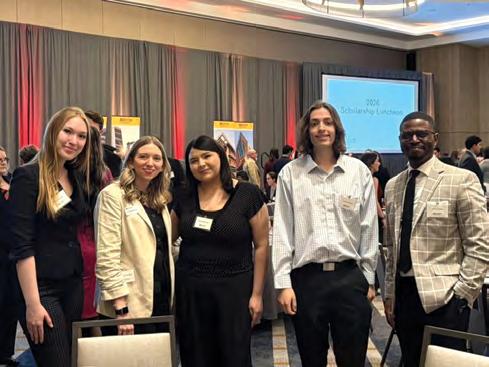
We congratulate both Lynn Fiordalisi Clark, CPA, and Landi Morris, Ph.D., for their excellence in teaching the next generation of CPAs. Both will be awarded and recognized May 7 at the ASCPA Annual Meeting & Awards Luncheon.
Edward Lowell Bartlett III, CPA, also known as Ted Bartlett, is Chief Financial Officer at Ascent Lifting in Phoenix (www.ascentlifting.com).
Ascent is a value-added distributor of rigging products operating 42 locations in 16 states. Ted can be found on LinkedIn and contacted at ted.bartlett@gmail.com
Selling Your Solo CPA Practice
How? When? Now What?
By Armando Roman
For the sole practitioner CPA, your firm is more than a business — it’s your legacy, your source of income and in many cases, your retirement plan. Transitioning out of practice requires careful planning: how you sell, to whom, at what price and what to do with sale proceeds. I sold my CPA firm 19 years ago — some things have not changed. Let’s explore a few common exit strategies.
Sell to a Key Employee
This sale involves identifying an employee in your practice who purchases your firm over time, often through an earn-out or installment sale.
Pros: Client retention is typically highest — buyer and clients already have a relationship or it’s easy enough to create one. Transition is smoother. You can negotiate a gradual phase out on your terms.
Cons: The employee often can’t afford to buy you out, requiring that you carry a note. If the buyer changes their mind and backs out, you may have to start all over again but now with less time. Finding that employee in a market where there simply aren’t enough CPAs to go around can be difficult.
To mitigate your risk, try to get Small Business Administration financing, and require life insurance on the buyer naming you as the beneficiary and that the insurance be maintained until you are paid in full. Consider requiring a disability insurance policy on the buyer as well. Include provisions for “what if’s” in your sale agreement, to protect your interests. Here’s where a savvy merger and acquisition (M&A) attorney earns their keep.
Sell to a Larger CPA Practice
Selling to a larger CPA firm is one of the most common exit routes for sole practitioners, but you need the client base that they want. Would they want your clients? Would your clients be willing to pay their fees?
Pros: You are more likely to get paid, likely part up front with an earn out. The buyer typically has infrastructure and staff to retain clients. Higher likelihood that your sale will work post close with less dependency on you.
Cons: Clients may not connect with the acquiring firm’s culture. Do not underestimate the value of their corporate culture versus yours — I made this error when I sold. You may be subject to a one to three year
TAKE THE CREDIT FOR EDUCATION
$1,535
non-compete agreement (you’re retiring, who cares?). Billing and fees may be higher — will this drive your clients away?
To mitigate risk, do all you can to foster a relationship between the new service provider and the client.
Merge with Another Sole Practitioner
Two solo practitioners combine their practices, often with one party eventually buying out the other on a pre-agreed timeline and pre-arranged buy out formula.
Pros: No upfront cash required — practice is exchanged for equity or revenue sharing. Combined scale lowers overhead per partner and improves service capacity. You can ease out gradually.
Cons: Personality and style conflicts can derail the arrangement. You’ve been the one in charge for years, and now you’re not? Ownership and governance must be clearly defined and written, or disputes will arise.
Delayed liquidity — you may wait years for full payment.
To mitigate risk, engage a business attorney experienced in professional practice mergers. This may not be your normal business attorney. You need a specialist, an M&A attorney. You can’t mess around with this sale – the stakes are too high. Define everything in your written legal agreement.
Sell to Private Equity
While financial advisors have been buying CPA firms for quite some time, private equity has not. Until now. Private equity of course is there 100% to make money, buying your firm and streamlining as much as possible … get rid of the fat, get rid of the nonprofitable client work (and nonprofitable clients), and make money. On the bright side, they’ve also made your firm more valuable, driving up valuations of CPA firms across the board. Hate them if you will.
Continued on next page...
The Jewish Tuition Organization (JTO) is a certified school tuition organization (STO)
Pros: This is what they do. They buy practices. They want to get this deal with you done and move on to the next. In and out. They don’t want you lingering around to muck things up.
Cons: They won’t see your clients the same way you look at them. They don’t have a relationship with them and they may not want it either. You are up against professional buyers. Get a professional seller on your side to protect your interests.
To mitigate risk, hire a good M&A attorney and a good M&A advisor to guide you in this deal. It’s just that, a deal.
AI Threat to CPA Practice Value
Artificial intelligence can’t replace living, breathing you and your years of experience and wisdom, but AI represents the most significant wildcard going forward. Will AI cause your practice value to decline substantially in the next few years? Or, can you harness AI to make your practice more valuable?
AI-powered platforms (Intuit’s AI tools, TaxGPT and others) automate individual and small-business tax return preparation, reducing the perceived billing value of tax compliance work. Cloud accounting software with AI automation is doing the same for bookkeeping. AI tools are now able to answer routine tax questions — although not always correctly — reducing clients’ perceived need for professional consultation on basic matters. Given the shortage of CPAs, maybe this use of AI isn’t such a bad thing for 85% of the public.
Generating Retirement Income with Sale Proceeds
Take an honest look at where you are and where you can be after this sale. You help clients navigate complex issues all the time, but it can be very hard to see yourself
objectively. At AXIOM, our planning starts with values, and your planning should too. AXIOM is a wealth advisory firm for founders where our planning starts with values and your planning should start there too. You only have so many years left to live. How do you want to live them? What’s most important to you? When you take your last breath, and look back at your life, what will make you say to yourself, “I’m really glad I did that.”? What is “that” for you? Will you feel fulfilled by being with the grandkids and being part of their lives? Do you want to travel? How do you want to live? Your values should drive your retirement planning.
Studies show that the happiest retirees have a steady monthly income. The usual suspects would be pensions, social security, annuities, interest (CDs, US Treasuries, bonds), dividends (blue-chip stock or other), rental income, etc. Each income source involves risk. As you contemplate selling and retirement, you may be more risk-averse than ever. Retirement income and expenses need to jive (pardon my French). You may need to adjust expenses to make the numbers work — downsize to a smaller home, move to a less costly area to live. Inflation, that nasty “I” word, eats away at your income every year. When you live another 30 years, your income must keep up with inflation. And of course, taxes, taxes, taxes eating away at every dollar coming out of your qualified plan. At AXIOM, our software models these numbers far better than the spreadsheets I used back in the day.
Look at your overall net worth, including net sale proceeds from your practice. That’s what you have to work with, along with income from other sources. Now, how do you make the numbers work for the next 30 years?
Final Thoughts
Imagine. You just closed on the sale of your practice. The birds are chirping, you got top dollar for your practice and you feel AMAZING! That’s what’s possible with thoughtful planning and preparation beginning two to five years before exit. l
Armando Roman is a wealth advisor for founders at AXIOM Founders Family Office, Inc., a registered investment advisor licensed or exempt from state registration in all states in which it operates. He operated his CPA firm 14 years before selling the firm to a larger local CPA firm. He is former chair of the ASCPA, former governing council member of the AICPA and former Investment committee chairman of the Roman Catholic Diocese of Phoenix appointed to that position by two Bishops. He hosts the Scottsdale Founders Forum, where he’s helped over 200 founders prepare for their first business exit, more info at www.scottsdalefoundersforum.com. Contact Armando at a.roman@axiomcorp.com.
The One Big Beautiful Bill Act: Impact on Charitable Giving
By Gina Khawam, CPA
The One Big Beautiful Bill Act (OBBBA), P.L. 119-21, enacted on July 4, 2025, includes several provisions that may significantly affect charitable giving strategies for both individual and business taxpayers in the current and future tax years.
The changes discussed in this article take effect beginning with the 2026 tax year, making it crucial for nonprofit organizations and their donors to understand the implications now and plan proactively.
Individual Provisions
The OBBBA introduced a few notable provisions that affect individual taxpayers differently, depending on whether they itemize deductions or claim the standard deduction on their personal income tax return.
Charitable Deductions for Non-Itemizers
During the COVID-19 pandemic, a temporary tax provision allowed non-itemizers a small deduction for cash donations to charities in tax years 2020 and 2021 — $600 for married taxpayers filing jointly and $300 for other filers in 2021.
Beginning in 2026, taxpayers who take the standard deduction rather than itemizing deductions will be able to deduct charitable contributions up to $2,000 for married taxpayers filing jointly and $1,000 for other filers. This applies to contributions made to qualified charities, but not to donoradvised funds (DAFs), Section 509(a) (3) supporting organizations, or non-operating private foundations.
Note: Taxpayers who take advantage of Arizona credit contributions may not deduct amounts that are claimed as state credits for federal purposes.
Floor on Charitable Deductions for Itemizers
Taxpayers who itemize are now subject to a 0.5% floor on itemized charitable deductions beginning in 2026. This means a deduction will be allowed only to the extent aggregate contributions exceed 0.5% of the taxpayer’s Adjusted Gross Income (AGI), computed without regard to any Net Operating Loss (NOL) carryback.
For example, if an itemizing taxpayer’s AGI is $100,000, the first $500 of charitable contributions for the year are not deductible.
Reduced Itemized Deduction for High Taxpayers
Beginning in 2026, all itemized deductions, including charitable contributions, are limited to a tax benefit of 35%. This means that taxpayers in the highest marginal tax bracket of 37% are further limited on their total itemized deduction. This limitation is applied after the 0.5% floor on itemized charitable deductions.
For taxpayers in the 37% tax bracket, itemized deductions, including charitable contributions, are reduced by 2/37 of the lesser of:
1. The total amount of itemized deductions, or
2. The amount by which the taxpayer’s taxable income before itemized deductions exceeds the dollar amount at which the 37% bracket begins.
In 2026, the 37% bracket applies to taxable income above $768,700 for married taxpayers filing jointly and $640,600 for single and head of household filers. Depending on the taxpayer’s income, the application of this provision could result in a significant loss of tax savings for high-income earners.
Business Provisions
Similar to individual taxpayers, corporations now face a new minimum threshold for deducting charitable contributions, beginning in 2026.
Floor on Charitable Deductions for Corporations
Corporations are now subject to a 1% floor on charitable contribution deductions. This means that a deduction is allowed only to the extent that the aggregate contributions exceed 1% of the corporation’s taxable income for the taxable year.
For example, if a corporation’s taxable income is $100,000, the first $1,000 of charitable contributions for the year are not deductible.
Interaction with the Corporate 10% Ceiling
A corporation’s charitable contribution deduction is generally limited to 10% of taxable income, calculated before certain deductions. Therefore, starting with tax years beginning in 2026, corporations can only deduct contributions that exceed 1% and are within 10% of taxable income. The new floor effectively limits a corporation’s charitable deductions to 9% of its taxable income.
Under the OBBBA, charitable contributions disallowed by the 1% floor can be carried forward, but only in a year in which the 10% limitation is exceeded. In other words, if the corporation’s charitable deductions are less than 10% of its taxable income, the first 1% subject to the floor cannot be carried forward.
If, however, the charitable deductions exceed 10% of the corporation’s taxable income, the excess over 10% plus the disallowed 1% can be carried forward. The disallowed 1% may be carried forward for up to five years.
Nonprofit Organizations –How to Prepare
In light of the 2026 tax law changes, donors may revisit their charitable giving strategies to ensure they are maximizing available tax benefits while continuing to make a meaningful impact in their communities.
As giving patterns adjust, nonprofit organizations should carefully evaluate the potential effects of the OBBBA provisions when budgeting for the current and future fiscal years. Proactive planning, thoughtful donor communication and diversified fundraising strategies will be essential to maintaining revenue stability in a shifting tax landscape.
What to Expect
Nonprofits may see an increase in small-dollar giving, particularly from non-itemizing individual taxpayers who can now deduct up to $2,000 of charitable contributions in addition to the standard deduction. However, high-income taxpayers, both individual and corporate, may have accelerated contributions in 2025 to yield greater tax savings, and therefore may reduce efforts in 2026.
Ernst & Young LLP (EY) predicts, based on a Quantitative Economic and Statistics study, that the new 1% floor on corporate charitable deductions could reduce corporate giving by $4.2 billion to $4.8 billion annually. Corporate taxpayers may consider “bunching” charitable contributions, strategically consolidating donations into certain years to exceed the 1% limitation and maximize tax benefits. This approach may involve reducing or pausing contributions in some years in order to make larger, more impactful gifts in other years when they are more tax-effective.
Take Action Now
Those responsible for fundraising should take a proactive and strategic approach by:
• Educating smaller-scale individual donors — emphasizing that their contributions may still provide a tax benefit even if they do not itemize deductions
• Cultivating multi-year partnerships with corporate donors to provide greater stability amid legislative shifts
• Reinforcing mission impact over tax benefits in high-dollar fundraising efforts, ensuring philanthropic motivations remain durable regardless of changes to donor deductibility
Final Thoughts
Nonprofit organizations must regularly evaluate how tax law changes affecting individual and corporate donors could impact their funding, budgets and reporting requirements. New provisions from the OBBBA, applicable to 2026, may have significant implications for nonprofits that are not proactive in their donor discussions.
By strategically aligning donor messaging with legislative developments, nonprofits can reduce fundraising volatility and strengthen long-term donor relationships. l
Gina Khawam, CPA is the Internal Tax Operations Manager at BeachFleischman, PLLC in the firm’s Tucson Office. Gina has over 10 years of public accounting experience and has been a licensed CPA in the state of Arizona since 2018. Gina can be reached at gkhawam@beachfleischman.com or 520-321-4600.
References: Gray, K., Rogge, L., & Strong, R. (2025, November 13). H.R. 1’s floor on corporate charitable deductions. EY. www.ey.com/en_us/insights/tax/hr-1-floor-oncorporate-charitable-deductions
*Other statistics were found through the Internal Revenue Code and ASCPA CPE offerings.
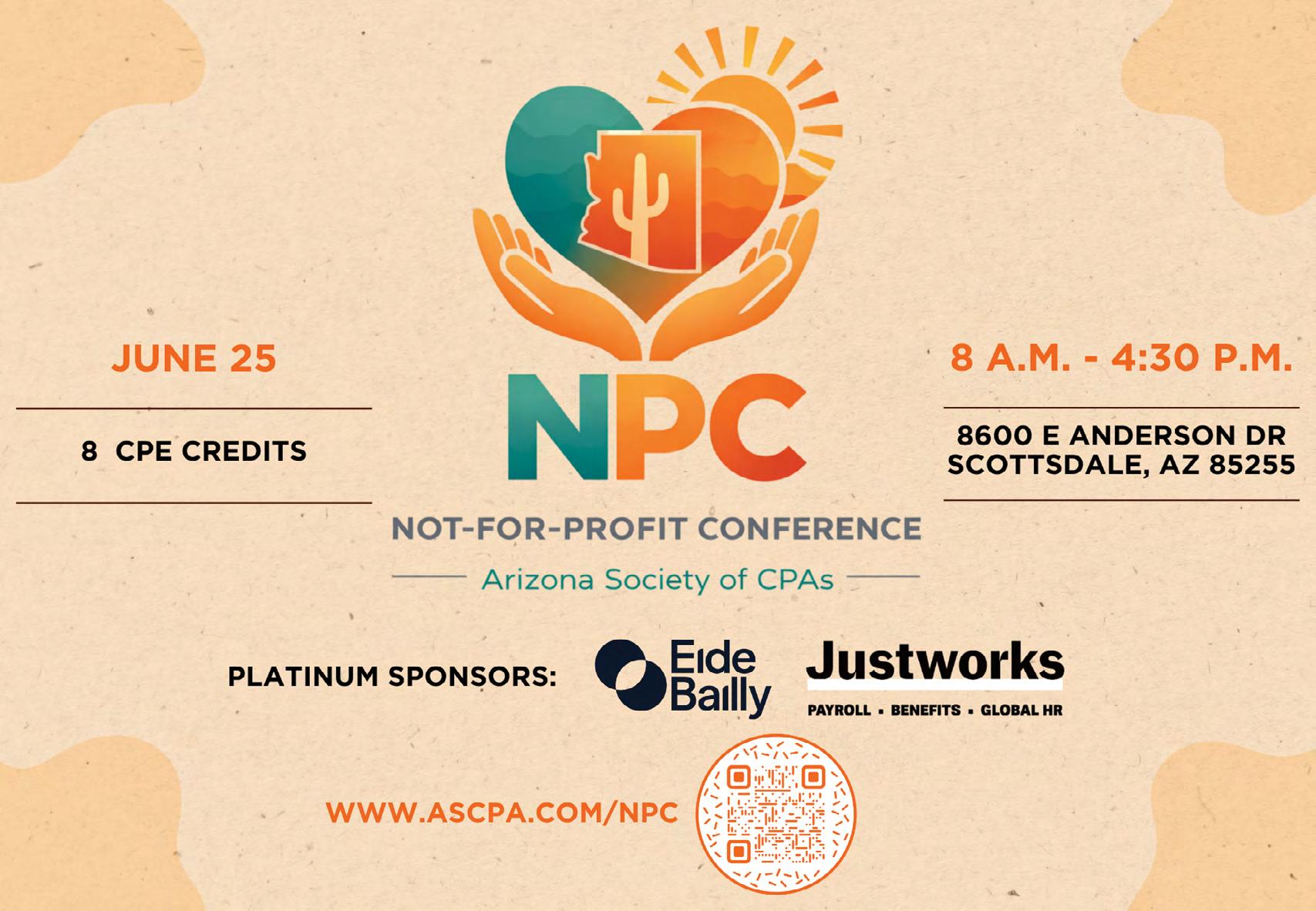
How the OBBBA affects charitable giving continues to be a hot topic for nonprofit professionals. If this is you and you want to learn more about the state of nonprofits in 2026, register now for the ASCPA’s annual Not-forProfit Conference (NPC) on June 25: www.ascpa.com/npc
Employee Reviews: From Annual Event to Ongoing Conversation
By Molly Willinger
For decades, employee reviews in public accounting have followed a familiar pattern: gather feedback, complete ratings, schedule the meeting and deliver the verdict. For many firms, this process happens once per year, often right after the busy season when everyone is already stretched thin.
Yet firms across the profession continue to ask the same question: why do performance reviews often feel tense, why are employees frequently caught off guard and why do these conversations fail to inspire meaningful growth?
The answer is increasingly clear. The effectiveness of a performance review is not determined by the meeting itself; it is determined by the conversations that happen throughout the year. A single annual discussion cannot capture twelve months of development, course correction and professional growth.
If an employee hears critical feedback for the first time during their annual review, we’ve already missed the growth opportunity. In today’s fast-paced, client-driven environment, the traditional annual review model is no longer aligned with how work actually happens in CPA firms.
Across the profession, leading firms are beginning to rethink the role performance reviews should play, not as a once-a-year evaluation, but as part of an ongoing dialogue focused on development.
Performance Feedback Should Be Ongoing — Not Annual
Public accounting is built on real-time problem solving. Teams collaborate on complex client issues, navigate shifting deadlines and adapt quickly as engagements evolve. Performance feedback should operate in the same way.
Frequent conversations allow managers to coach employees in the moment. When feedback is delivered close to the work itself, employees can more clearly understand what worked well, what needs adjustment and how to approach similar situations in the future. In this context, feedback becomes a learning tool rather than a retrospective evaluation.
Consider an employee who struggles with documentation during the busy season. In a traditional review cycle, that feedback may not surface until months later during the annual review, long after dozens of similar returns have already been completed. By that point, the learning opportunity has largely been lost. Timely feedback allows employees to correct course immediately, improving both individual performance and overall team effectiveness. More importantly, it accelerates professional development at a pace that better matches the demands of the profession.
Reviews Should Be a Two-Way Dialogue
Another common misconception is that performance reviews are something managers “deliver” to employees.
But performance conversations are not verdicts. They are discussions. When reviews are structured as one-directional evaluations, they often create defensiveness. Employees who feel they are being “rated” rather than “heard” tend to focus on protecting themselves rather than reflecting on their development. A more effective model invites employees into the conversation:
• How do you feel about your performance this year?
• Where do you believe you are excelling?
• What challenges are impacting your effectiveness?
• What support would help you improve?
Many employees are already aware of areas where they fell short. When managers begin by inviting self-reflection, the conversation shifts. Employees become active participants in their growth rather than passive recipients of criticism. This approach also strengthens accountability. When individuals help identify areas for improvement and define next steps, they are more invested in the outcome.
In many ways, the role of managers in public accounting is evolving from evaluator to coach.
In my experience working with leaders across the profession, the firms that see the strongest development in their people are not necessarily the ones with the most sophisticated review systems. They are the firms where managers consistently make time for honest conversations about expectations, progress and professional growth throughout the year.
Building a Better Model in CPA Firms
Reimagining performance reviews does not require abandoning formal evaluations altogether. Instead, it requires reframing them as one component within a broader performance development system. Several practices can help firms move in this direction.
1.Establish Trust as the Foundation No performance system functions effectively without trust. Employees must believe their managers are genuinely invested in their development, not simply completing an administrative requirement. When feedback feels transactional or compliancedriven, employees naturally become defensive. When it feels developmental and supportive, they engage.
Trust is built through consistency:
• Following up on previous conversations
• Providing balanced feedback that highlights both strengths and development opportunities
• Recognizing improvement when it occurs
• Setting expectations early rather than addressing them after they are missed
Continued on next page...
This foundation is particularly important in public accounting, where expectations evolve rapidly as professionals progress from Associate to Senior to Manager. Employees need to know their leaders are committed to helping them navigate that progression.
Without trust, reviews create anxiety. With trust, they create growth.
2. Normalize Frequent Check-Ins
Short, structured conversations throughout the year are far more impactful than a single annual meeting. These check-ins do not need to be lengthy. Even 15 to 20 minutes each month can make a meaningful difference.
Effective check-ins often center on three simple questions:
• What is going well right now?
• Where are you getting stuck?
• What support would help you succeed?
When feedback becomes part of everyday leadership, performance discussions feel far less intimidating for both managers and employees.
3. Address Issues in Real Time
When a deliverable misses the mark, address it promptly rather than waiting for the review cycle.
Timely conversations prevent performance narratives from forming around unresolved patterns. Immediate feedback also allows employees to apply the learning to their very next assignment, reinforcing development while the experience is still fresh.
4. Document Coaching Conversations
One of the most common challenges managers face during annual reviews is relying solely on memory.
Encouraging brief documentation of coaching conversations throughout the year provides helpful context for formal evaluations. It ensures
feedback is grounded in specific examples and promotes greater consistency across teams.
From a risk management perspective, documentation also provides important protection for the firm if performance challenges escalate.
5. Invite Self-Assessment
Before formal reviews, ask employees to complete a self-evaluation.
Self-reflection encourages employees to think critically about their contributions, challenges and growth areas. It also provides managers with valuable insight into how individuals perceive their own performance.
Often, the most meaningful coaching conversations occur when there is a gap between an employee’s perception and a manager’s observations. Those moments can create powerful opportunities for alignment and development.
From Evaluation to Engagement
Performance reviews should leave employees with clarity, direction and a renewed sense of purpose. Too often however, the traditional review process focuses primarily on scoring past performance rather than shaping future success.
A more effective approach reframes the conversation. Instead of centering solely on evaluation, leaders can use these moments to reinforce expectations, align goals and help employees see how their contributions connect to the broader success of the firm.
This shift is particularly important in public accounting, where career progression can be rapid and responsibilities evolve quickly. Associates grow into reviewers. Seniors become team leaders. Managers are expected to mentor others while continuing to expand their technical expertise.
Clear, consistent guidance from leaders helps professionals navigate these transitions with confidence.
When managers approach performance conversations with curiosity, transparency and a genuine commitment to development, employees become more open to feedback. They begin to see these discussions not as criticism, but as part of a shared investment in their long-term success.
Ultimately, the most valuable outcome of a performance review is not the rating recorded on a form. It is the alignment between a manager and an employee regarding expectations, opportunities and the path forward. l
Molly Willinger, PHR is the Director of Human Resources at BeachFleischman PLLC. BeachFleischman is Arizona’s largest locally owned public accounting firm and one of the Top 200 largest CPA firms in the United States. Connect with Molly on LinkedIn: www.linkedin.com/in/molly-willinger/
The ASCPA Happenings: A Recap
CPA Day at the Capitol
January 26
Student Success
We’ve kicked off 2026 with exciting partnerships, meaningful campus connections and a personal branding workshop.
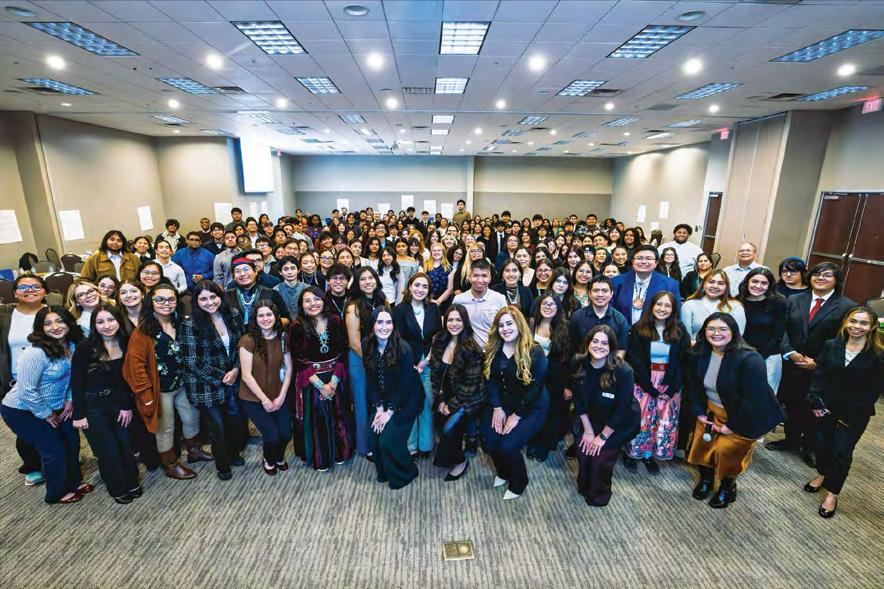
First up, we partnered with Education Forward Arizona, participating in their Annual Leadership Symposium and Opportunity Fair. We highlighted the rewarding career paths available in accounting to 250 students.
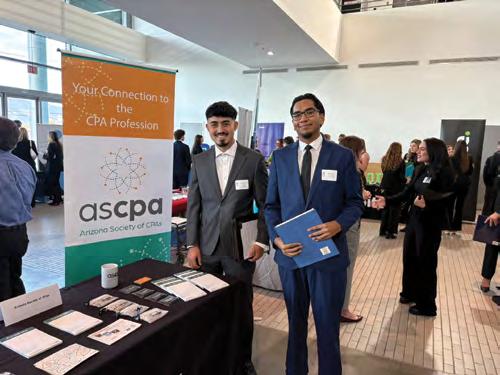
We participated in several Meet the Firm events at NAU, U of A, ASU and GCU where we spoke with many talented students and promoted our scholarship opportunities. We also engaged with motivated future professionals at ASU’s Beta Alpha Psi Networking Night.
A special highlight was our personal branding workshop with the GCU Accounting Society. Students received practical guidance on resumes, interviewing, follow-up strategies, and other career building skills from the perspective of HR professionals and hiring managers. We are grateful to Cheryl Hutchins, Learning & Organizational Development Manager at BeachFleischman, and Gabe Doak, Business Manager at Freeport-McMoRan, for generously sharing their expertise and giving back to the profession.
We could not do this work without the incredible support from schools and student sponsors. Thank you – and if you or your organization would like fund more initiatives like these visit, www.ascpa.com/sponsorstudents or donate to the Arizona CPA Foundation for Education & Innovation at www.ascpa.com/donate.
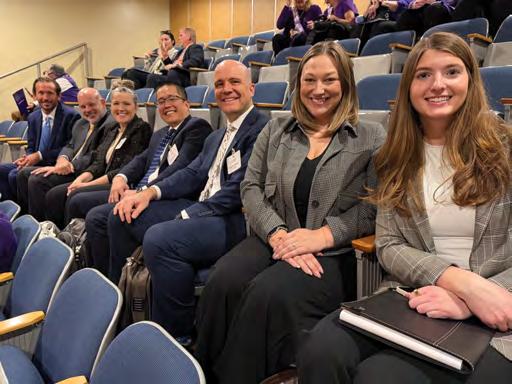
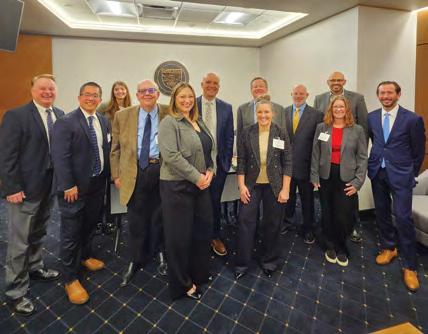
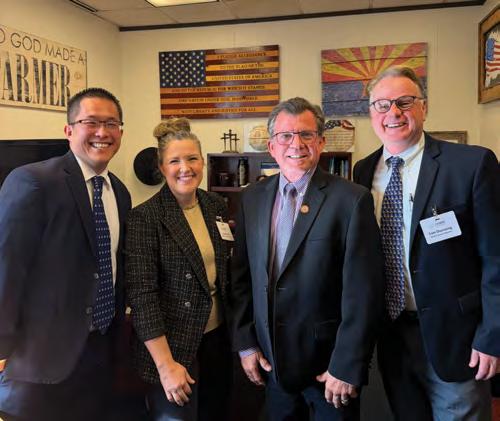
CPAs took to the Capitol on January 26 to talk with legislators about tax conformity and pathways. Our group of CPAs took meetings, answered questions and discussed how to navigate the legislative session. We received a positive response from legislators and have made significant progress on our pathways bill. CPA Day at the Capitol is an annual event that is pivotal to our advocacy efforts. If you would like to support these efforts, donate to the Political Action Committee today: www. ascpa.com/pac
Governmental Accounting Conference
February 6
CPAs logged in on February 6 for our annual Governmental Accounting Conference. We had an impressive lineup of speakers and topics ranging from GASB updates to real-world case studies on fraud, as well as strategies for diversifying access to capital. CPAs who attended earned 8 CPE credits — all from the comfort of their homes. We thank our sponsors Baker Tilly and Heinfeld, Meech & Co., P.C. for making this conference possible.
Meet our 2026–27 Board of Directors
Joe Heidleburg* ASCPA Chair International Accounting Manager Align Technology, Inc.
Nate Eggman*
ASCPA Director 2025-2027 Tax Partner R&A CPAs
Gabriel “Gabe” Doak
ASCPA Director 2026-2028 Business Manager Freeport-McMoRan
ASCPA Director 2026-2028 Professor of Accounting South Mountain Community College
Scott Mills
ASCPA Director 2026-2028
Tax Director The Shield Companies, LLC
*Executive Committee Member
Katerina “Kat” O’Connor
ASCPA Director 2026-2028
Senior Manager, Assurance Services
EY
Helen Stewart
ASCPA Director 2025-2027
Director of External Reporting & Corporate Accounting Tucson Electric Power
Oliver Yandle
President & CEO
Arizona Society of CPAs
Coulson Painter
ASCPA Director 2025-2027
Vice President of Accounting & Finance DF Enterprises
Kelly Damron
AICPA Council Member
2024-2027
Associate Professor of Accounting/Accounting Chair Grand Canyon University
Anne Helgeson
ASCPA Director 2025-2027 Tax Manager Deloitte
Tom Duensing
AICPA Council Member
2024-2027
Retired Chief Deputy City Manager City of Tempe
“Since 1933, the Arizona Society of CPAs has been part of the professional journey of CPAs across our state. Our strength has always come from members who step forward to lead and serve. As we welcome our incoming and continuing board members, I am grateful for their willingness to give their time, insight and energy to our community. Their leadership will help shape the future of our Society and the CPA profession in Arizona — and I know they will serve with the same dedication that has defined ASCPA for more than 90 years.”
Barry S. Graham, CPA, CMA, is a senior audit manager at Wallace, Plese + Dreher (WP+D) in Scottsdale, Arizona. WP+D is the largest Phoenix-area-based CPA firm, offering audit, tax, CAS and consulting services to private and nonprofit organizations. Barry presented Practical AI for CPAs at the ASCPA’s 2025 Converge Conference and ASCPA’s October 2025 Arizona Tax Workshop. Connect with Barry on LinkedIn: linkedin.com/in/BSGraham
AI Assistants in Practice: How CPAs Are
Actually Using Them Day-to-Day
In a recent article of mine, I focused on moving “beyond the buzz” of artificial intelligence. Since then, the most common follow-up questions I’ve received are simple: What tools are you actually using, and how are you using them in your day-to-day work?.
For most CPAs, the answer starts with general AI assistants like ChatGPT, Claude or Microsoft Copilot. While these platforms are often discussed in broad, futuristic terms, their real value today is much more practical. They are most effective when used to support the core activities we already perform: drafting, summarizing and thinking through engagements.
One of the most immediate benefits is in drafting communications. Whether it’s emails to clients, internal follow-ups or status updates, AI assistants can help organize thoughts quickly and professionally. For example, I often provide a few bullet points — key facts, tone and objective — and use AI to generate a first draft. This is particularly helpful during busy season when responsiveness matters. The output is rarely final, but it consistently reduces the time it takes to get to a polished message.
Similarly, AI tools are highly effective for drafting memos and disclosures. In a review or audit context, we are frequently documenting conclusions around areas like revenue recognition, related party transactions or unusual balances. AI can help structure these memos by organizing the background, issue, analysis and conclusion in a logical format. It can also help refine language to ensure clarity and consistency, especially when adapting prior-year documentation to current-year facts.
That said, the key is to use AI as a starting point — not a substitute for technical judgment. The accountant still needs to ensure the content aligns with GAAP, firm methodology and the specific facts of the engagement.
Another area where I’ve found AI assistants useful is in reviewing workpapers and understanding engagement context. For example, when onboarding onto an engagement or revisiting an area after some time, I may input summaries of key documents — such as engagement letters, prior-year memos or risk assessments — and ask the AI to highlight key terms, obligations or risk areas. This can help quickly orient the reviewer to what matters most.
In risk assessment, AI can also be used to pressure-test thinking. For instance, after identifying significant risks or areas of judgment, I may ask the tool to suggest additional risks or considerations based on the facts provided. This doesn’t replace professional skepticism, but it can surface angles that might otherwise be overlooked, particularly in complex or unfamiliar industries.
There are also practical applications in analyzing fluctuations or unusual items. By summarizing account activity or explaining variances, AI can help frame initial inquiries or draft questions for management. This is especially useful in the early stages of fieldwork when building an understanding of the business.
Of course, there are important limitations. Data security is critical — sensitive client information should not be entered into public tools without proper safeguards. In addition, AI outputs can sound confident even when incorrect, so all content must be reviewed and validated. These tools are most effective when paired with strong professional judgment, not used in isolation.
For firms looking to adopt AI, the best approach is to start small. Focus on one or two workflows — such as drafting emails or summarizing documents — and build from there. The goal is not to overhaul your process overnight, but to incrementally improve efficiency and consistency.
AI will not replace CPAs. But CPAs who learn to use these tools effectively will be better positioned to manage workloads, respond to clients and focus their time on higher-value analysis. In that sense, the advantage is not theoretical — it’s already showing up in day-to-day practice. l
ASCPA Membership:
Focused on You
Your ASCPA membership connects you to Arizona’s vibrant CPA community and actively supports legislation that safeguards the CPA designation and your professional interests. By renewing your ASCPA membership, you help strengthen a powerful network of CPAs statewide — sharing knowledge and expertise with peers, legislators and future professionals. We are dedicated to providing meaningful opportunities for you to engage and make a difference.
Focused on Your Goals
Our calendar is filled with opportunities for you to connect, earn CPE and participate both in-person and online. We recognize your unique needs — let us help connect you with the resources, peers and services that will help you achieve your goals.
Email membership@ascpa.com to schedule a quick call to discuss how to align your membership with your goals.
Focused on Adding Value
This fiscal year, we’re keeping membership dues steady as a thank you for your ongoing commitment. Your dedication inspires us to deliver even greater value, resources and opportunities to advance your professional journey.
We continue to offer free CPE opportunities throughout the year through our CPE Giveback program. As a member, you can earn at least 12 complimentary CPE credits annually. To take advantage of this benefit, register for the May 19 CPE Giveback at www.ascpa.com/cpegiveback.
We are focused on adding value to your conference and event experiences with programming and interactions that are worthwhile. View upcoming events on the next page.
Access member savings and benefits that save you money and connect you with experts to assist your practice. Discover all your benefits www.ascpa.com/ benefits.
Focused on the Future
As the profession evolves, we are committed to making a meaningful impact today to ensure a strong future for CPAs in Arizona. By expanding our presence in high schools, community colleges and universities, we engage future professionals and foster connections between members and students. If you’re interested in mentoring, volunteering or giving back, please contact membership@ ascpa.com.
The ASCPA is the voice of the CPA profession at the Arizona Legislature and provides nonpartisan technical expertise on accounting, finance, business and tax policy. As an ASCPA member, your support strengthens our role in the legislative process. If you are interested in learning more or getting involved, email advocacy@ascpa.com
If you haven’t had a chance to renew your membership yet, now’s the perfect time.
Visit us at www.ascpa.com/renew or scan the QR Code.
Burgess Raby
As we close out our 2025-26 year, the ASCPA is grateful for the commitment, wisdom and creativity of our members, especially those who have served on committees, helped others and driven the profession forward.