THE ASSOCIATION FOR THE STUDY OF AFRICAN AMERICAN LIFE AND HISTORY®


THE ASSOCIATION FOR THE STUDY OF AFRICAN AMERICAN LIFE AND HISTORY®








ns of black history month about asalh executive council asalh publications luncheon program the asalh book prize event vents tants osals
Follow us on social media!

100 cu ummary
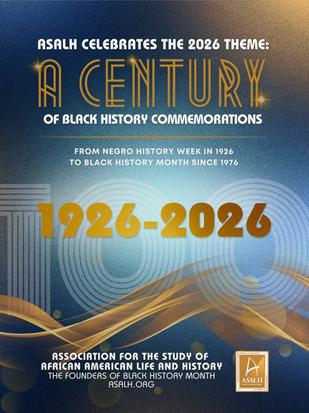
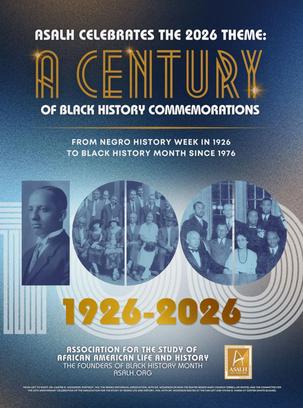
2026 marks a century of national commemorations of Black history Dr Carter Godwin Woodson, George Cleveland Hall, William B Hartgrove, Jesse E Moorland, Alexander L Jackson, and James E Stamps institutionalized the teaching, study, dissemination, and commemoration of Black history when they founded the Association for the Study of Negro Life and History (ASNLH) on September 9, 1915.
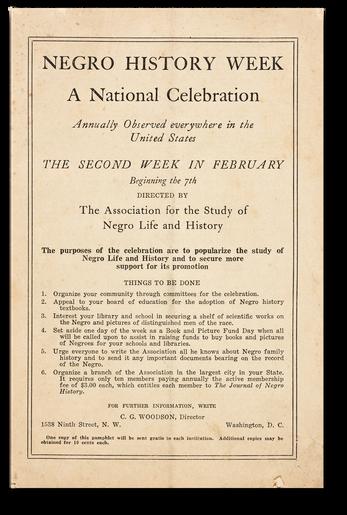
In 1925, when Dr Carter G Woodson planned the inaugural week-long observance of Black history, he could hardly have anticipated the imprint he would leave on the world From Negro History Week to Black History Month, ASALH has carried forth the tradition, and the observances have become part of the warp and weft of American culture and increasingly the global community. For our 100th theme, the founders of Black History Month urge us to explore the impact and meaning of Black history and life commemorations in transforming the status of Black peoples in the modern world
As part of the global African diaspora, people of African descent in the United States have viewed their role in history as critical to their own development and that of the world Along with writing Black histories, antebellum Black scholars north of slavery started observing the milestones in the struggle of people of African descent to gain their freedom and equality. Revealing their connection to the diaspora, they commemorated the Haitian Revolution, the end of the slave trade, and the end of slavery in Jamaica They observed American emancipation with Watch Night, Jubilee Day, and Juneteenth celebrations Eventually they feted the lives of individuals who fought against slavery, most notably Abraham Lincoln and Frederick Douglass The scholar Arthur A Schomburg captured the motivation of Black people to dig up their own history and present it to the world: “The American Negro must remake his past in order to make his future.”
When Carter G Woodson, as director of the Association, established Negro History Week, he did so as part of that tradition Yet, by concentrating the attention of the American public on the scientific findings of historians, he sought to turn the commemorations more forthrightly into a far-reaching, organized, and sustained effort to transform how Black folks viewed themselves and how the world viewed them. Year after year, he built Negro History Week into an African American and American cultural institution. He set the themes and provided materials to illustrate the contributions people of African descent had made to the movement of history and modern culture. As his contemporary W. E B Du Bois put it, "He literally made this country recognize and celebrate each year a week in which it studied the effect which the American Negro has had upon the life, thought and action in the United States I know of no other man who in a lifetime has unaided built up such a national celebration "
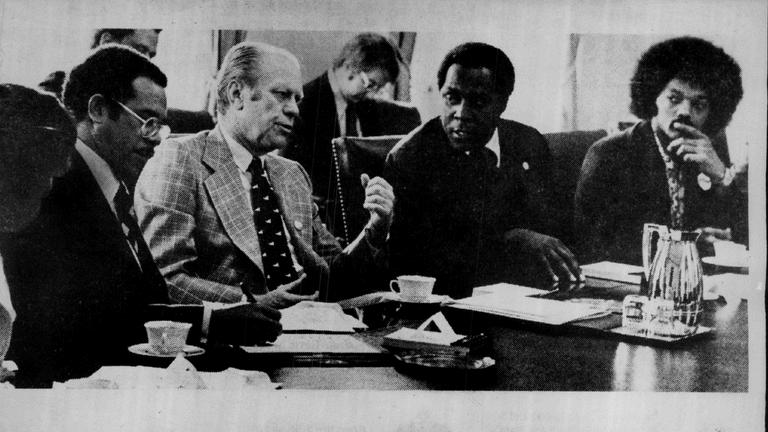
Since the passing of the founder, ASALH has continued his work, making Negro History Week and Black History Month an even more deeply rooted American institution. On February 10, 1976, during the United States Bicentennial, President Gerald R Ford became the first president to issue a message recognizing Black History Month Then in 1986, Congress passed Public Law 99-244 designating February as Black History Month These efforts have made February the month when Black history finds its way not simply into the schools of the American nation, but also into cultural heritage sites (museums, archives, libraries, parks, etc.), public squares, workplaces, houses of worship, and homes across the land and across the oceans. These institutions offer sites to discover and learn more about African American history through programming, camps, book displays, and exhibitions
To understand the modern world, especially nations where Black peoples form a significant population, one must grapple with the impact that the public observances have had on the past and the present. This year, when we are also commemorating the 250th anniversary of United States independence, it is important to tell not only an inclusive history, but an accurate one. We have never had more need to examine the role of Black History Month than we do when forces weary of democracy seek to use legislative means and book bans to excise Black history from America’s schools and public culture Black history’s value is not its contribution to mainstream historical narratives, but its resonance in the lives of Black people

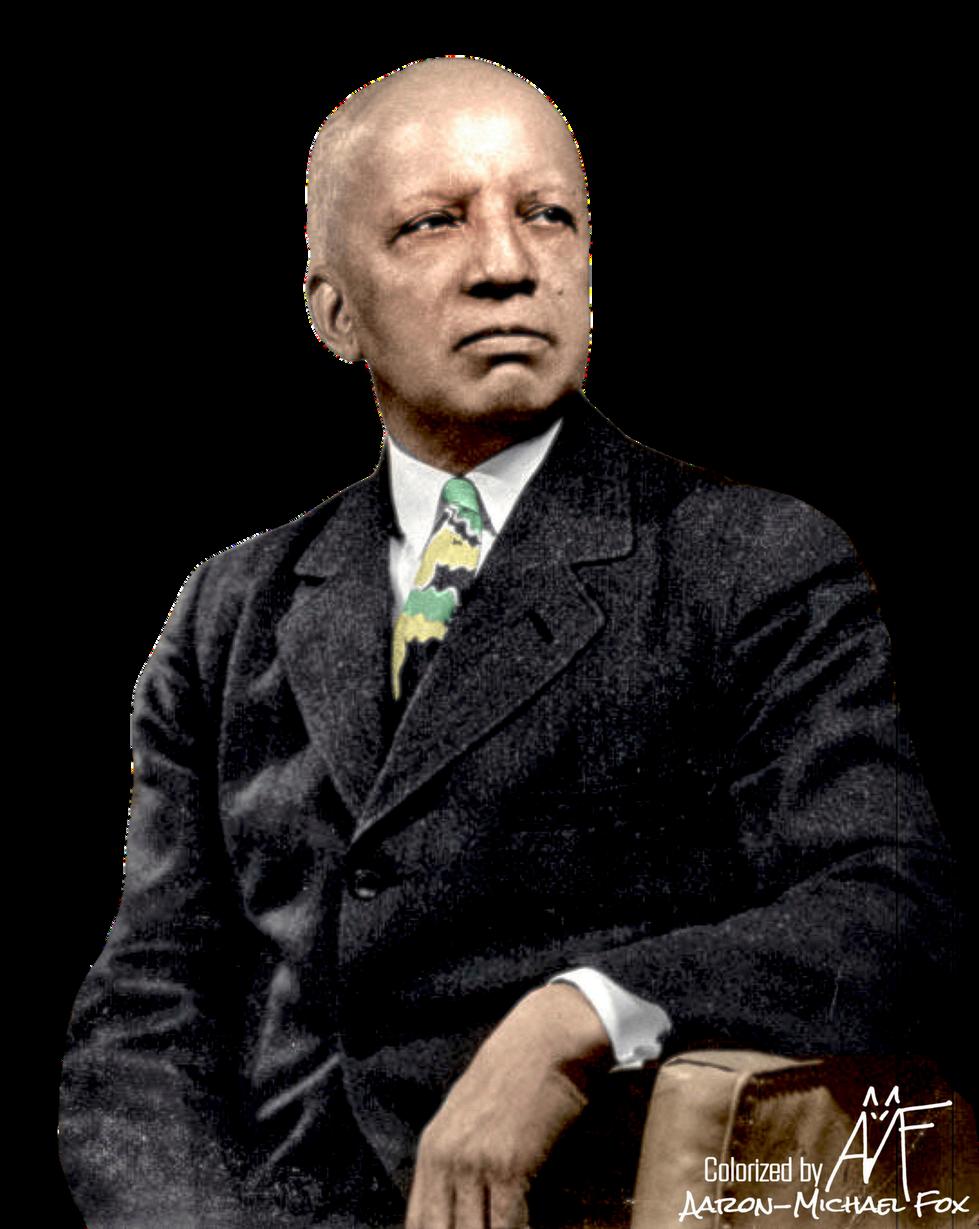
In 1926, during the nadir of Black history, Dr Carter G Woodson the founder of the Association for the Study of African American Life and History (ASALH), the son of formerly enslaved parents, a former sharecropper and miner, and the second Black person to receive a Ph D from Harvard University launched the first Negro History Week He intentionally chose February because the Black community had already set aside the birthdays of Abraham Lincoln (February 12) and Frederick Douglass (February 14) to recognize and celebrate their contributions to emancipation and abolition
The goal of Negro History Week was to study, teach, and promote the significant contributions that Black people had made to American society. From our writers to our inventors, our politicians to our teachers, our artists to our musicians it was designed to document our lives from American slavery to freedom and to fill the historical gaps deliberately overlooked to miseducate our children. In 1976, Negro History Week, which by then had evolved into Black History Month, was officially recognized and proclaimed by President Gerald Ford. We are now at a moment where we are celebrating a century of Black History Commemorations 50 years of Negro History Week and 50 years of Black History Month.
America is a complicated place It is, as Dr Charles H Long once asserted, a “hermeneutical situation,” in that it is diverse and complex Its history is both beautiful and bloody The study of it requires constant and continuous interpretation, upkeep, meaning-making, and evaluation The understanding of it requires us, as Black people, to see ourselves and our history only through our eyes and not, as W E B Du Bois argued, simultaneously through our eyes and through the eyes of an oppressive, dominant white culture We must move beyond both the white gaze and the fragmentation (the idea of “two souls, two thoughts, two unreconciled strivings" fighting to exist in one body) that comes from double consciousness and into a space where we fully recognize who we are and what we have contributed to this country
We built this country We tamed the land, and we cultivated the crops Our unpaid labor and the buying and selling of our bodies are the cornerstone of America and of American capitalism Our blood is mixed with the soil, and the wind carries forward our tears of both sorrow and joy We fought in the wars for democracy abroad and at home James Baldwin once wrote, in an open letter to Bishop Desmond Tutu, that the fight for Black freedom makes white freedom possible “Indeed,” he notes, “our freedom, which we have been forced to buy at such a high price, is the only hope of freedom that they have ” To celebrate America at this moment requires us to fully situate ourselves within the narrative, not as a footnote, but as main characters who have helped shape this American experience and the American story
Black history is American History, and as we have done every year since 1926, we will proclaim and celebrate Black History Month!
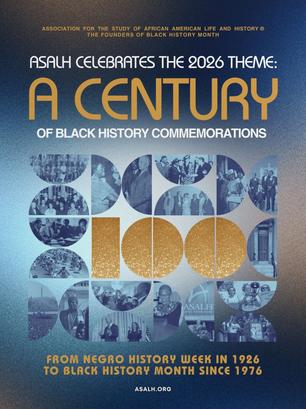
Our 2026 theme is A Century of Black History Commemorations, and it is fitting for this moment that we take time to look back so we can push back and push forward. We stand in the House of Woodson, and just as he did, with the work of so many others, we will uplift our history. We will protect it. We will promote it. And we will preserve it. We will plant our trees of truth, the ones that tell our story, right beside where they are planting their trees of lies, the ones that seek to erase and distort our story. We will teach our children, future generations, how to choose the path of truth and how to stand tall in moments of adversity, how to bring clarity in moments of confusion, and how to choose and embrace love instead of hate
Black History Month belongs to us we do not celebrate because they see us, we celebrate because we see ourselves We do not ask for permission to center ourselves; we write the stories where we are centered, and then we tell that story We do not sing songs of freedom because they are playing the music; we sing because we are the music makers, and we carry the songs of our ancestors and bring that music to our people We do not wait for anyone to write our story; our history has already been written, as we are the history seekers and the truth speakers
NOW THEREFORE, I, KARSONYA WISE WHITEHEAD, National President of the Association for the Study of African American Life and History, on behalf of the Executive Council and the ASALH members, do hereby acknowledge and recognize FEBRUARY 2026 AS BLACK HISTORY MONTH and urge everyone to recognize and observe this month by hosting and/or participating in Black History Month activities, and by taking up the shared work of protecting, promoting, and preserving Black History as a significant part of the American story

Dr Karsonya (Kaye) Wise Whitehead President
Association for the Study of African American Life and History

LEGACY LEVEL
JOHN ASHLEY
HERITAGE LEVEL
PRESERVATION LEVEL



CHAMPION LEVEL

SUPPORTER LEVEL

CULTURAL LEVEL

HISTORY LEVEL




HERO LEVEL



FEBRUARY 28, 2026
10:00 A.M. – 12:00 P.M. EST
FEBRUARY 28, 2026
12:00 P M - 4:00 P M EST
AUTHOR’S BOOK SIGNING EVENT JW MARRIOTT, WASHINGTON, DC THIS EVENT IS FREE AND OPEN TO THE PUBLIC
ANNUAL BLACK HISTORY LUNCHEON JW MARRIOTT, WASHINGTON, DC

THESE EVENTS ARE FREE AND OPEN TO THE PUBLIC
FEBRUARY 1, 2026
6:00 P.M. EST. | 5:00 P.M. CST 4:00 P.M. MST | 3:00 P.M. PST
FEBRUARY 3, 2026
6:00 P.M. EST | 5:00 P.M. CST
4:00 P.M. MST | 3:00 P.M. PST
FEBRUARY 11, 2026
6:00 PM EST | 5:00 PM CST 4:00 PM MST | 3:00 PM PST
FEBRUARY 18, 2026
6:00 P.M. EST | 5:00 P.M. CST 4:00 PM MST | 3:00 PM PST
ASALH 2026 Black History Month Virtual National Convening VIRTUAL EVENT | ASALH TV
Justice and Reconciliation: From Henry Highland Garnet to Harvey Johnson
VIRTUAL EVENT | ASALH TV
A Labor of Freedom, Then and Now with the Movement History Initiative
VIRTUAL EVENT | ASALH TV
State of African American Historical and Cultural Preservation: Charting a Collective Defense
VIRTUAL EVENT | ASALH TV


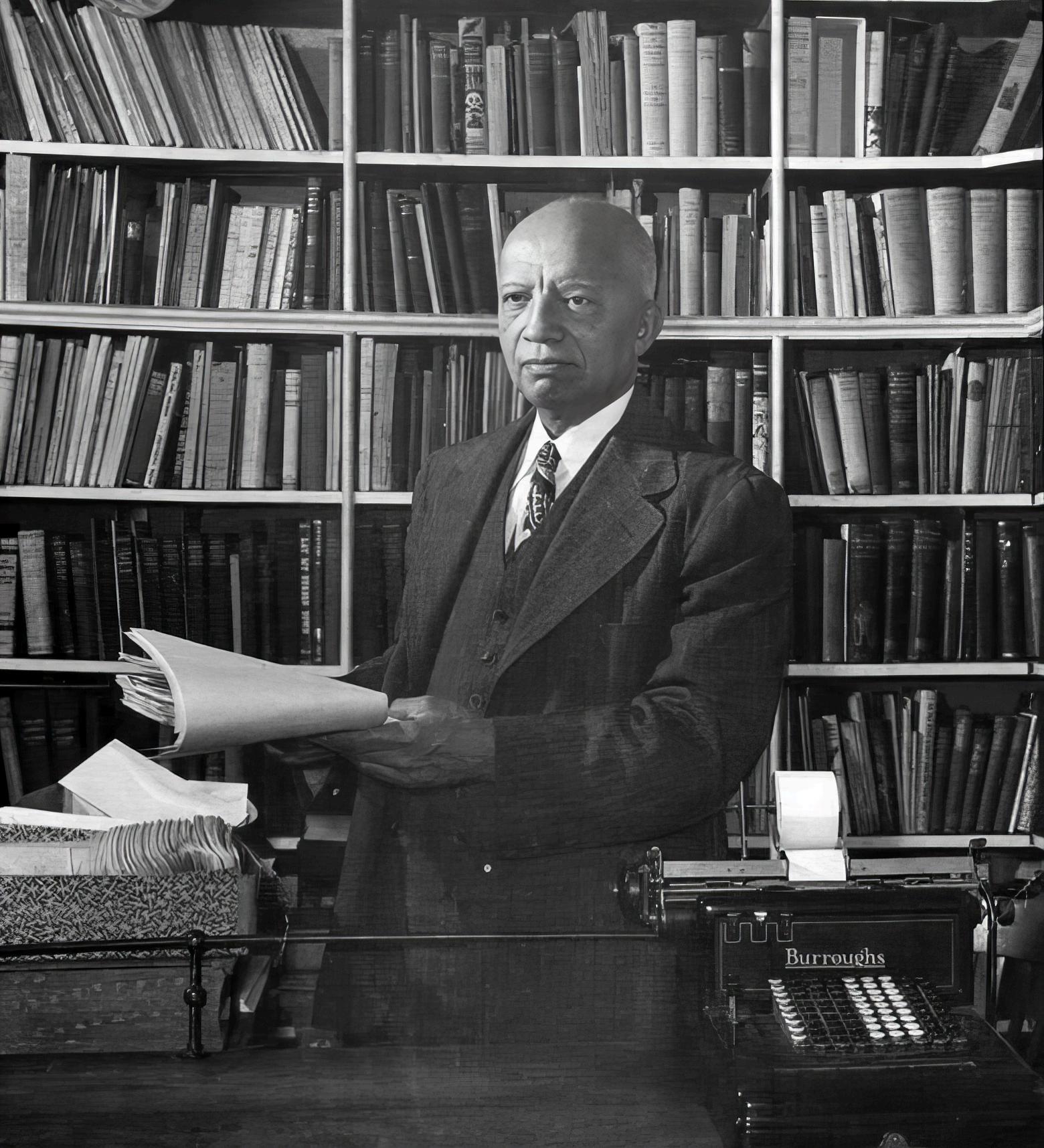
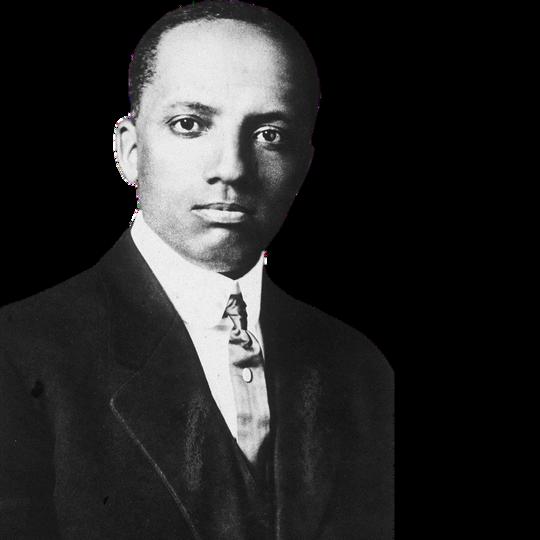
An alumnus of the University of Chicago with many friends in the city, Carter G. Woodson traveled from Washington, D.C. to participate in a national celebration of the fiftieth anniversary of emancipation sponsored by the state of Illinois.
Thousands of African Americans travelled from across the country to see exhibits highlighting the progress their people had made since the destruction of slavery Awarded a doctorate in Harvard three years earlier, Woodson joined the other exhibitors with a black history display Despite being held at the Coliseum, the site of the 1912 Republican convention, an overflow crowd of six to twelve thousand waited outside for their turn to view the exhibits Inspired by the three-week celebration, Woodson decided to form an organization to promote the scientific study of black life and history before leaving town
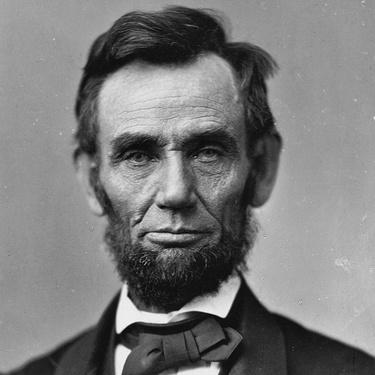
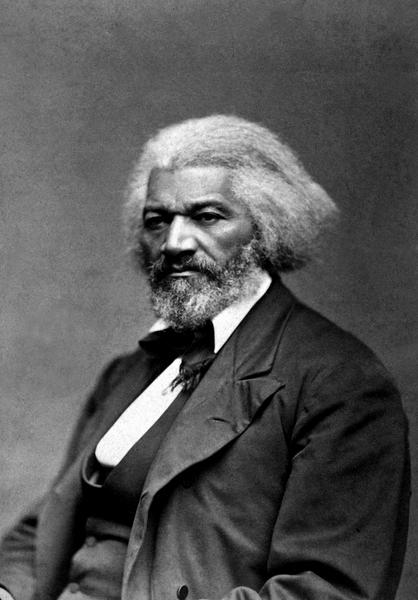
Woodson chose February for reasons of tradition and reform. It is commonly said that Woodson selected February to encompass the birthdays of two great Americans who played a prominent role in shaping black history, namely Abraham Lincoln and Frederick Douglass, whose birthdays are the 12th and the 14th, respectively. More importantly, he chose them for reasons of tradition. Since Lincoln’s assassination in 1865, the black community, along with other Republicans, had been celebrating the fallen President’s birthday. And since the late 1890s, black communities across the country had been celebrating Douglass’. Well aware of the pre-existing celebrations, Woodson built Negro History Week around traditional days of commemorating the black past. He was asking the public to extend their study of black history, not to create a new tradition. In doing so, he increased his chances for success.
SEPTEMBER 9, 1915
On September 9th, Woodson met at the Wabash YMCA with A. L. Jackson and three others and formed the Association for the Study of Negro Life and History (ASNLH).
A graduate member of Omega Psi Phi, he urged his fraternity brothers to take up the work. In 1924, they responded with the creation of Negro History and Literature Week, which they renamed Negro Achievement Week.
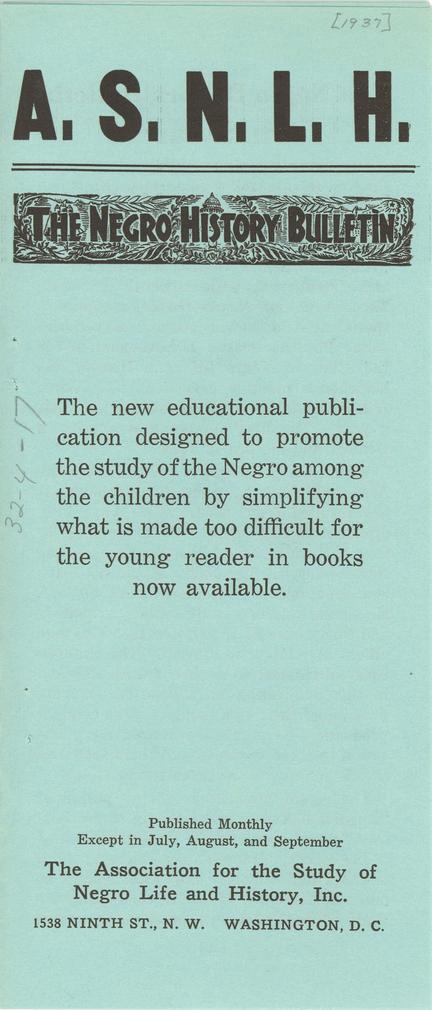
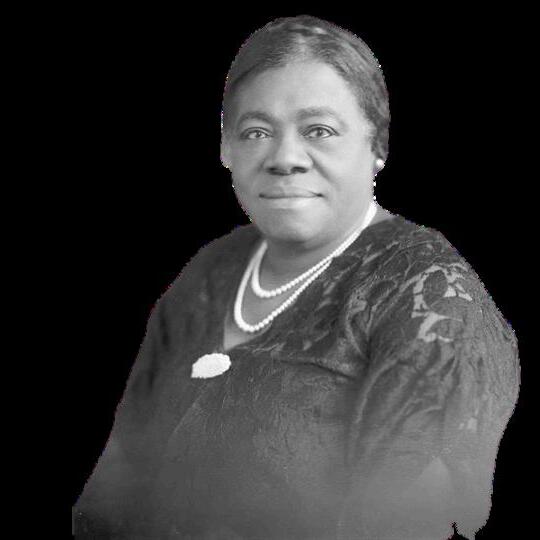
In 1937, at the urging of Mary McLeod Bethune, Woodson established the Negro History Bulletin, which focused on the annual theme. As black populations grew, mayors issued Negro History Week proclamations, and in cities like Syracuse progressive whites joined Negro History Week with National Brotherhood Week.
Dr. Woodson sends out a press release announcing Negro History Week in February, 1926.
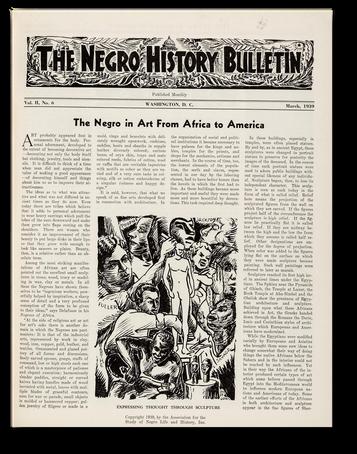
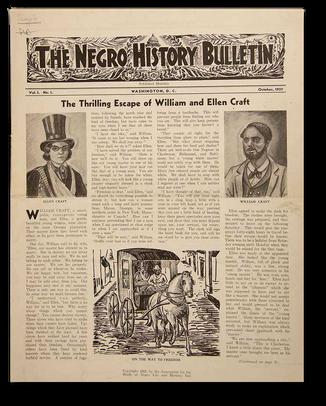
Mary McLeod Bethune
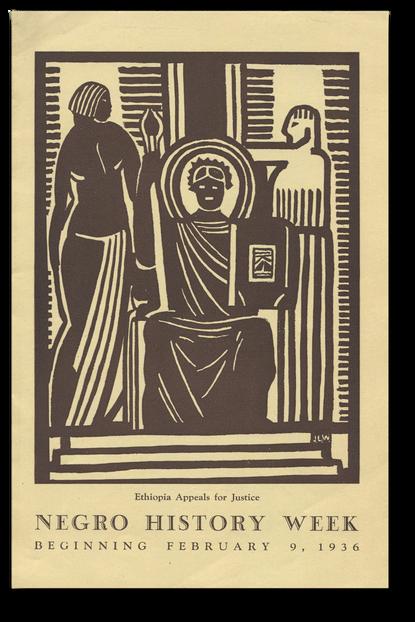
Negro History
1936 Cover d
Loïs Mailou J
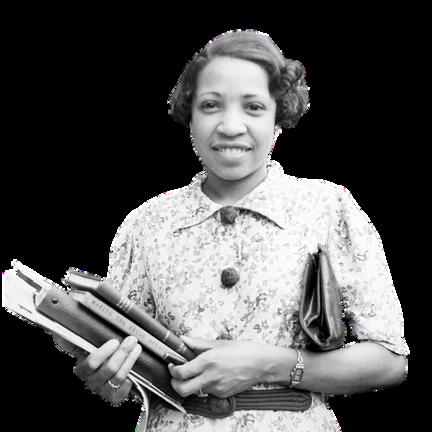

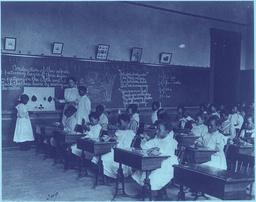
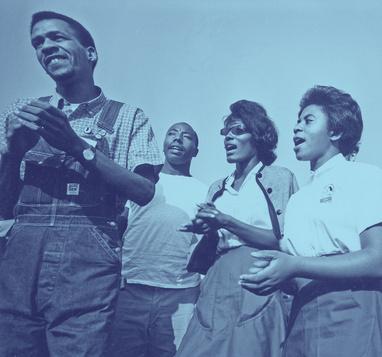
In the 1940s, efforts began slowly within the black community to expand the study of black history in the schools and black history celebrations before the public In the South, black teachers often taught Negro History as a supplement to United States history One early beneficiary of the movement reported that his teacher would hide Woodson’s textbook beneath his desk to avoid drawing the wrath of the principal During the Civil Rights Movement in the South, the Freedom Schools incorporated black history into the curriculum to advance social change The Negro History movement was an intellectual insurgency that was part of every larger effort to transform race relations
Like most ideas that resonate with the spirit of the times, Negro History Week proved to be more dynamic than Woodson or the Association could control By the 1930s, Woodson complained about the intellectual charlatans, black and white, popping up everywhere seeking to take advantage of the public interest in black history He warned teachers not to invite speakers who had less knowledge than the students themselves Increasingly publishing houses that had previously ignored black topics and authors rushed to put books on the market and in the schools Instant experts appeared everywhere, and non-scholarly works appeared from “mushroom presses ” In America, nothing popular escapes either commercialization or eventual trivialization, and so Woodson, the constant reformer, had his hands full in promoting celebrations worthy of the people who had made the history
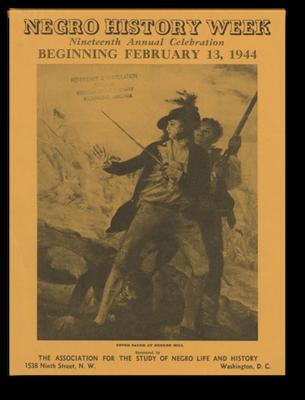
Negro History Week booklet, 1944.
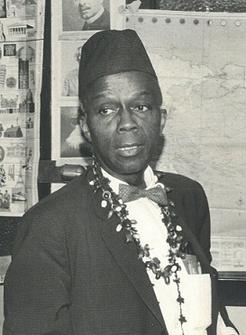
In 1976, fifty years after the first celebration, the Association used its influence to institutionalize the shifts from a week to a month and from Negro history to black history Since the mid-1970s, every American president, Democrat and Republican, has issued proclamations endorsing the Association’s annual theme
The 1960s had a dramatic effect on the study and celebration of black history Before the decade was over, Negro History Week would be well on its way to becoming Black History Month The shift to a month-long celebration began even before Dr Woodson death As early as 1940s, blacks in West Virginia, a state where Woodson often spoke, began to celebrate February as Negro History Month In Chicago, a now forgotten cultural activist, Fredrick H. Hammaurabi, started celebrating Negro History Month in the mid1960s Having taken an African name in the 1930s, Hammaurabi used his cultural center, the House of Knowledge, to fuse African consciousness with the study of the black past By the late 1960s, as young blacks on college campuses became increasingly conscious of links with Africa, Black History Month replaced Negro History Week at a quickening pace Within the Association, younger intellectuals, part of the awakening, prodded Woodson’s organization to change with the times. They succeeded.

Explore Black history

Support Black-owned businesses
Read books or stories written by Black authors
Commit to beyond February
Watch
Learn about Black leaders

Organize educational events
"Those who have no record of what their forebears have accomplished lose the inspiration which comes from the teaching of biography and history."
- Carter G. Woodson
What Carter G. Woodson would say about the continued celebrations is unknown, but he would smile on all honest efforts to make black history a field of serious study and provide the public with thoughtful celebrations
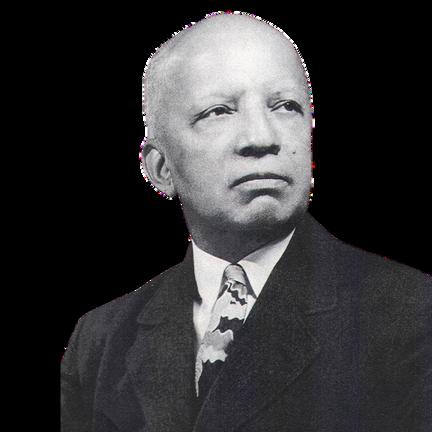
Established on September 9, 1915, by Dr. Carter G. Woodson, we are the Founders of Black History Month and carry forth the work of our founder, the Father of Black History.
We continue his legacy of speaking a fundamental truth to the world–that Africans and peoples of African descent are makers of history and coworkers in what W E B Du Bois called, “The Kingdom of Culture ” ASALH’s mission is to create and disseminate knowledge about Black History, to be, in short, the nexus between the Ivory Tower and the global public. We labor in the service of Blacks and all humanity.
ASALH is the world’s oldest learned society devoted to the research, education, culture, and history of people of African descent Dr Carter G Woodson is the recognized “Father” of Black history From its inception, ASALH has remained the paramount organization dedicated to promoting scholarship involving the life and history of African Americans.
The vision of the Association for the Study of African American Life and History is to be the premier Black Heritage learned society with a strong network of national and international branches and partners whose diverse and inclusive membership will continue the Woodson legacy.
The mission of the Association for the Study of African American Life and History (ASALH®) is to promote, research, preserve, interpret, and disseminate information about Black life, history, and culture to the global community
The Association for the Study of African American Life and History (ASALH®) is headquartered in Washington, D.C., at 301 Rhode Island Ave, NW in Washington, DC. The Association operates as local, state, and international branches promoting greater knowledge of African American history through education, research, and publishing programs.
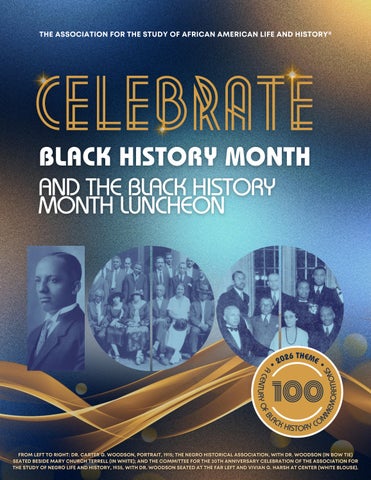
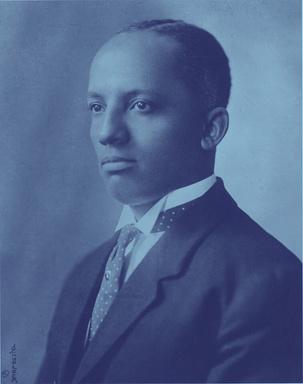
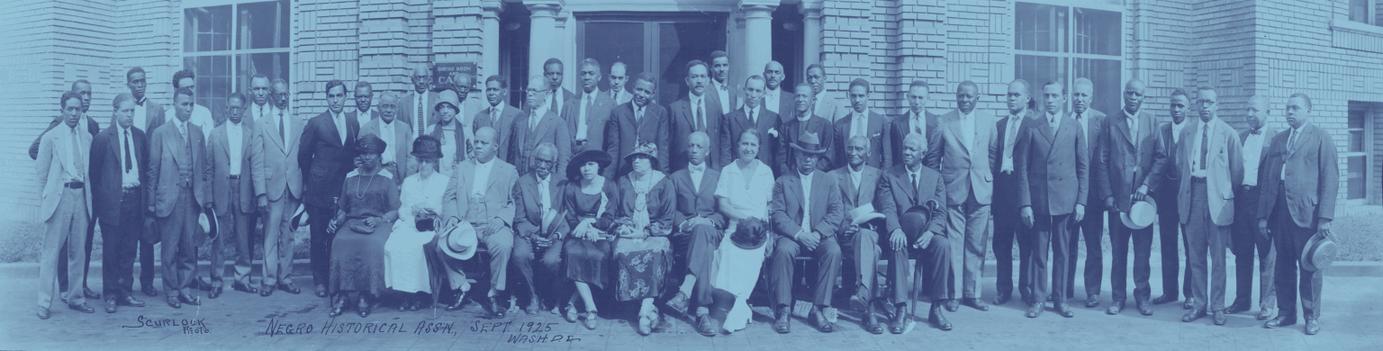
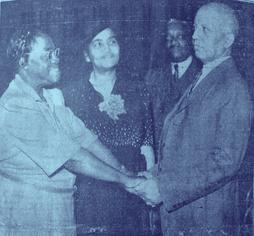
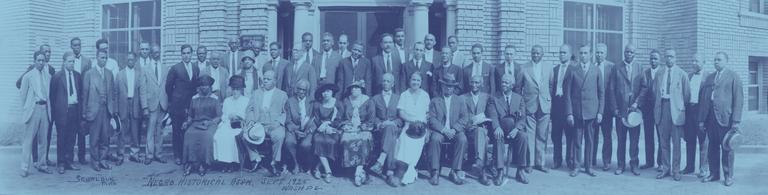
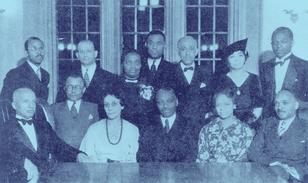
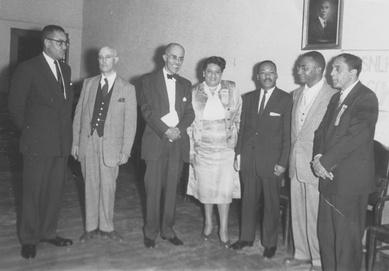
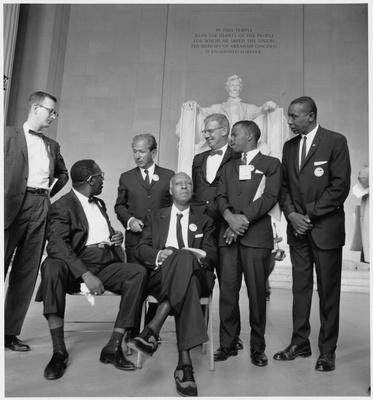
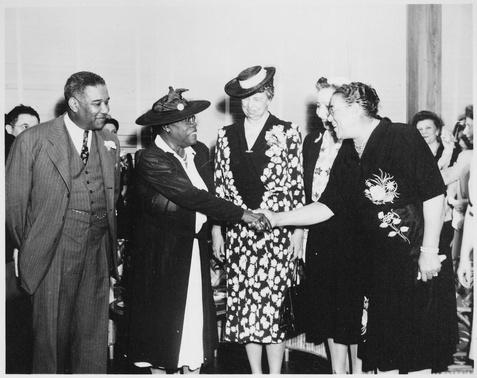
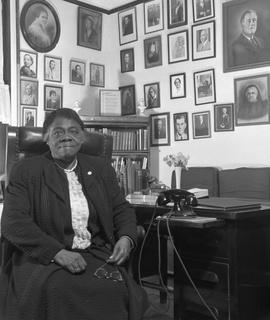
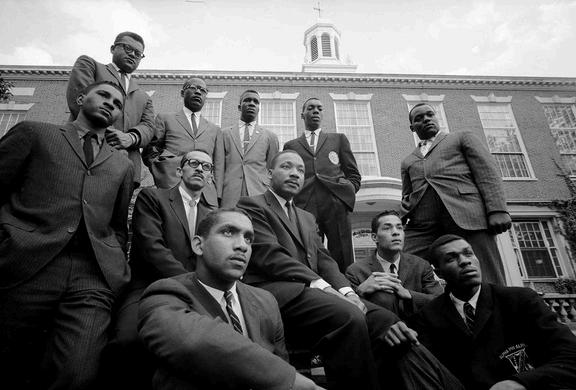
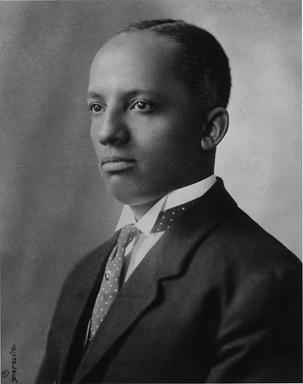
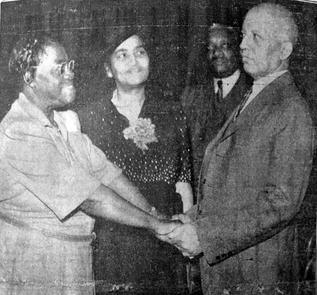
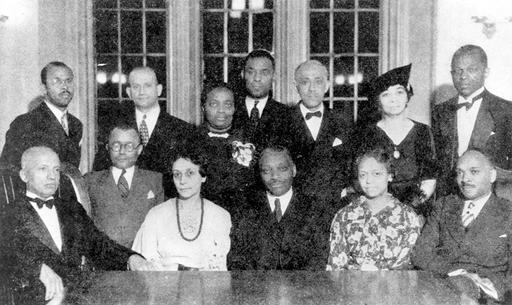
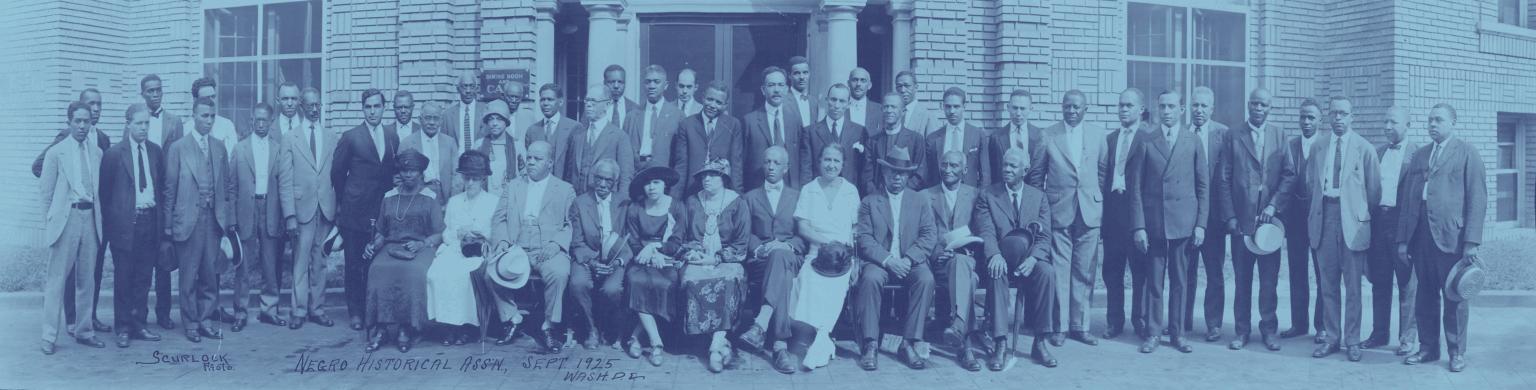
FROM TOP TO BOTTOM: Portrait of Dr. Carter G. Woodson, ca 1915; Unidentified man (far left), William Brewer, H. Council Trenholm, Sr., Helen Edmonds, Martin Luther King, Jr., L.D. Reddick and Charles Wesley attended the Association for the Study of Negro Life and History Annual Meeting in Montgomery, Alabama in 1957; Mary McLeod Bethune, Lucy Harth Smith, and Dr. Carter G. Woodson at ASALH's Annual Conference in Chicago, Illinois in 1940; Committee in charge of the celebration of the 20th anniversary of the Association for the Study of Negro Life and History, 1935. Dr. Carter G. Woodson is sitting to the far left, Vivian G. Harsh is sitting in the center (white blouse).
The Association for the Study of African American Life and History (EIN: 53-0219640) is a tax-exempt 501 (c)(3) organization Contributions to ASALH are tax-deductible to the extent permitted by law


1916-1917
1917-1920
1921-1930
1931-1936
George Cleveland Hall
Robert E. Park
John R. Hawkins
John Hope
Mary McLeod Bethune
Charles Harris Wesley
Lorenzo J Greene
J. Reuben Sheeler
J. Rupert Picott
Andrew Brimmer
Edgar Toppin
Charles Walker Thomas
Earl E Thorpe
Samuel L. Banks
Jeanette Cascone (acting)
1986-1988 1989-1990 1991-1993
1993-1995
1995-1997 1997-1999
1999-2001
2001-2003
2004-2006
2007-2009
2010-2012
2013-2015
2016-2021 2022-2024
PRESENT
William Harris
Andrew Brimmer
Robert Harris, Jr.
Janette Hoston Harris
Bettye J Gardner
Edward Beasley
Samuel DuBois Cook, Sr
Gloria Harper Dickinson
Sheila Y. Flemming
John E. Fleming
James B Stewart
Daryl Michael Scott

Evelyn Brooks Higginbotham
W. Marvin Dulaney
Karsonya Wise Whitehead
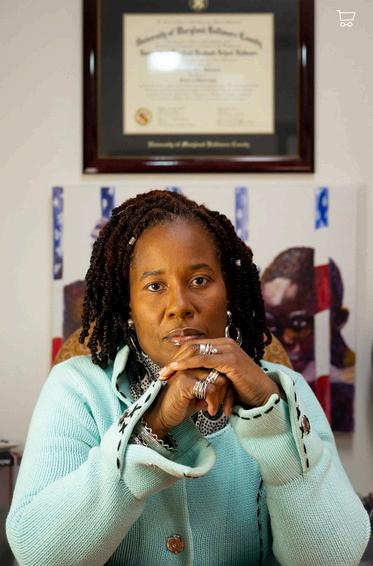
KAYE WISE WHITEHEAD PRESIDENT
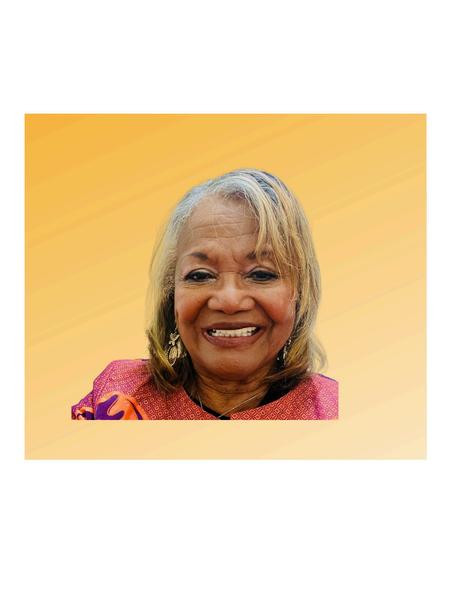
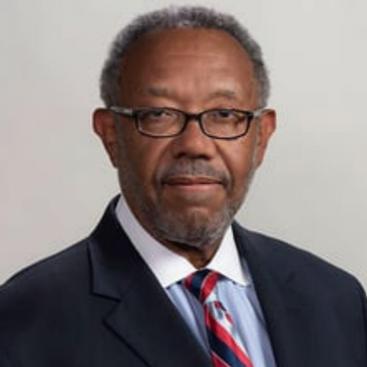
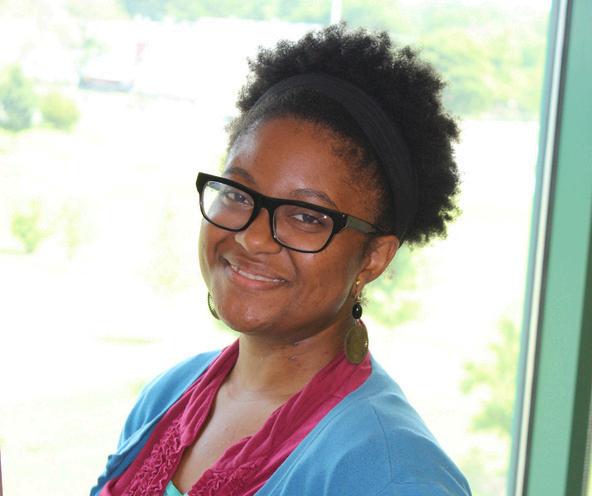
AAISHA HAYKAL VICE PRESIDENT FOR PROGRAMS
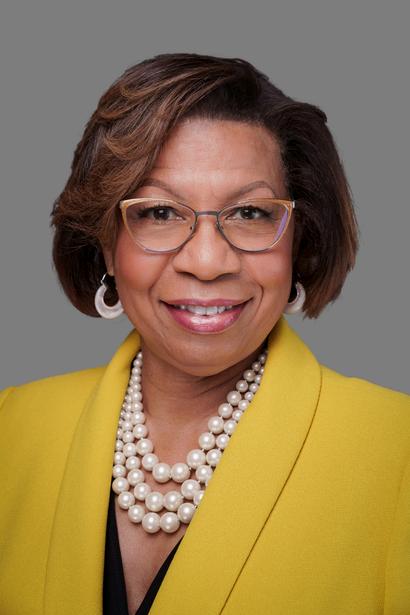
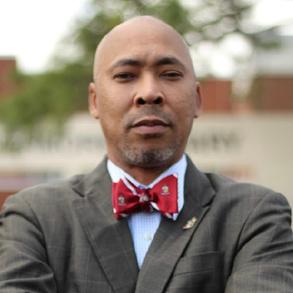
JOHN E. ADAMS TREASURER SECRETARY S EXECUTIVE DIRECTOR
John Ashley
Lisa Brown
Anthony Cade II
Sundiata Cha-Jua
Karen Cook Bell
Timur Davis
Natanya Duncan
Leslie Etienne
Everett Hardy
Kimberly Jeffries Leonard
Aisha Johnson
Lionel Kimble
Walter Lanier
Lopez Matthews, Jr
Tomiko Meeks
Zebulon Miletsky
James Morgan III
Crystal Moten
Chadra Pittman
Crystal Sanders
Daryl Michael Scott
Camesha Scruggs
Randall Webber
Carlton Wilson
Augustus Wood
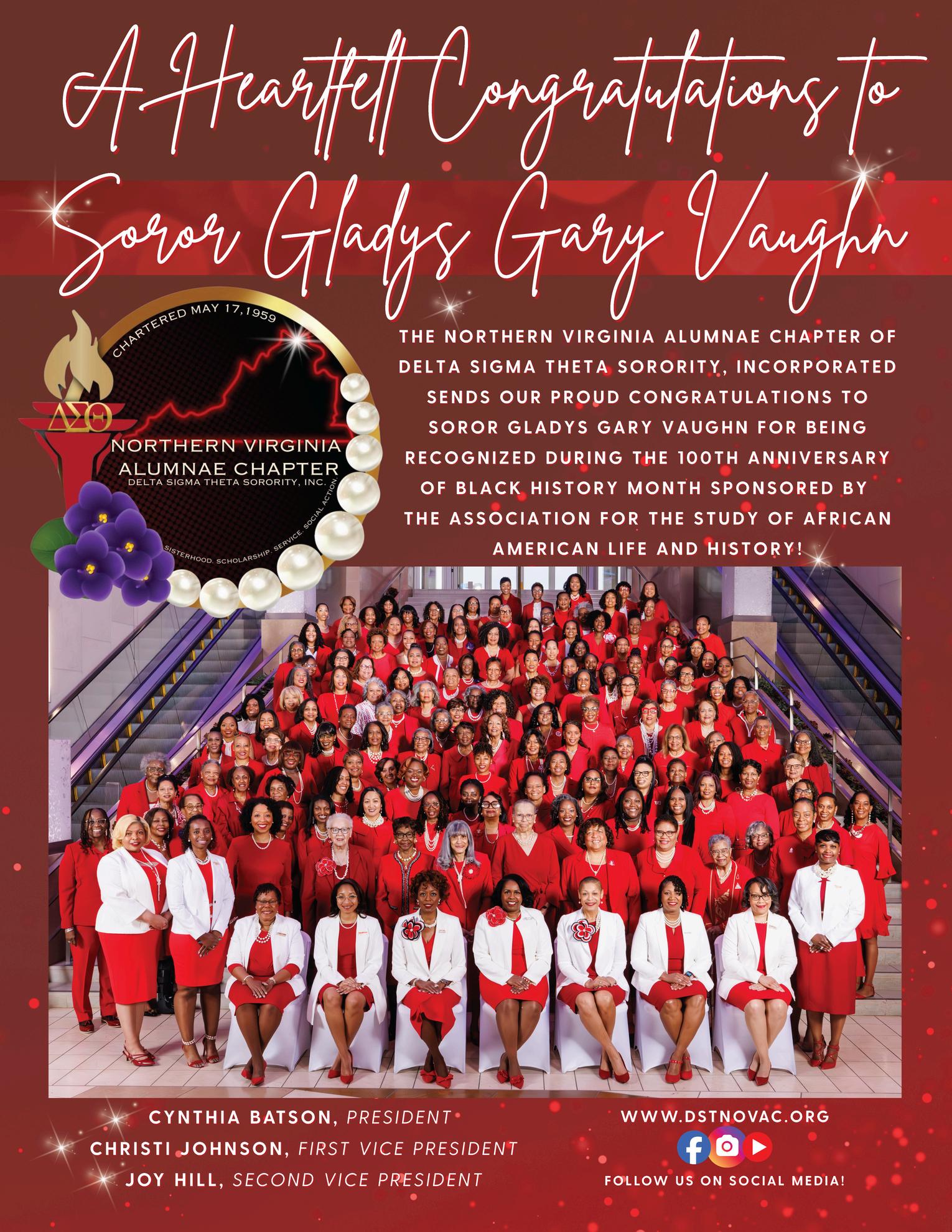
Gladys Gary Vaughn
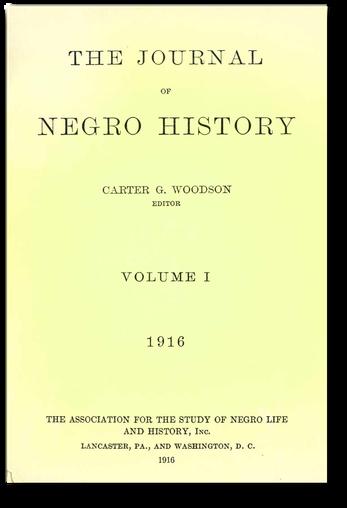
Formerly the Journal of Negro History
Founded by Carter G Woodson, January 1, 1916
EDITOR
BERTIS D. ENGLISH
Alabama State University
ASSOCIATE EDITOR
DERRICK P. ALRIDGE
University of Virginia, Charlottesville
ASSISTANT EDITOR
CRYSTAL R. SANDERS
Emory University
BOOK REVIEW EDITOR
MAURICE ROBINSON
Alabama State University
ASSISTANT BOOK REVIEW EDITOR
EDITORIAL ASSISTANT
DERRYN E. MOTEN
Alabama State University
DAVID TAYLOR COOK
Alabama State University
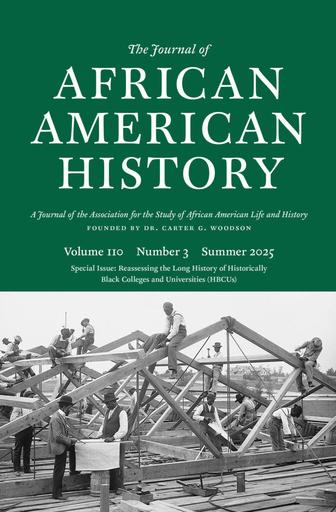



NATIONAL COMMUNICATION AWARD RECIPIENT
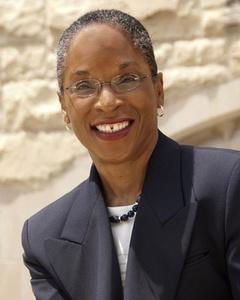
LA VONNE I. NEAL | CO-EDITOR
Professor Emerita and retired associate vice president, Administration and Finance, Northern Illinois University
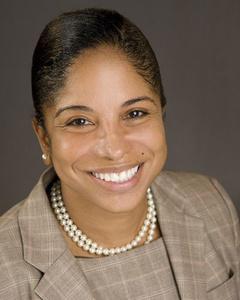
CO EDITOR
Department chair and Cargill Endowed Professorship in Education holder, Southwestern University
DAVID CAMPOS
University of the Incarnate Word
JOSEPH E. FLYNN
Northern Illinois University
GENEVA GAY (PROF. EMERITA)
University of Washington
SATASHA GREEN-STEPHEN
Minnesota State
JASON KAHLEED HAYES
Education Strategist
ALISA C. NORRIS
Paul Quinn University
PAUL LARUE (RET.) Washington High School, Ohio
KIM PEARSON
The College of New Jersey
KATHERINE SCOTT STURDEVANT Pikes Peak State College
ALEXANDER GOODWIN Southwestern University
GWENDOLYN WEBB Texas A&M University


EMCEE
LaMarr Darnell Shields
LIFT EVERY VOICE AND SING
Black National Anthem
Morgan State University Student Ensemble:
Alexandria Kelly, Naomi James, Irvin Scott, Marc Fitzgerald
INVOCATION AND GRACE
Rev Kevin Lamár Peterman, 19 Street Baptist Church th
WELCOME AND GREETINGS
Karsonya Wise Whitehead, ASALH President
THE OCCASION
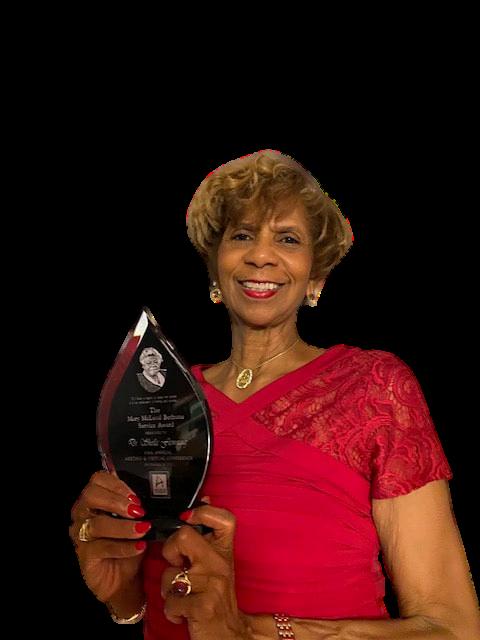
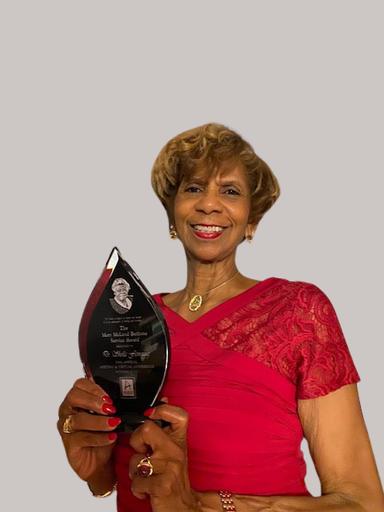
Sheila Flemming, Former ASALH President
LUNCH IS SERVED
PROCLAMATIONS
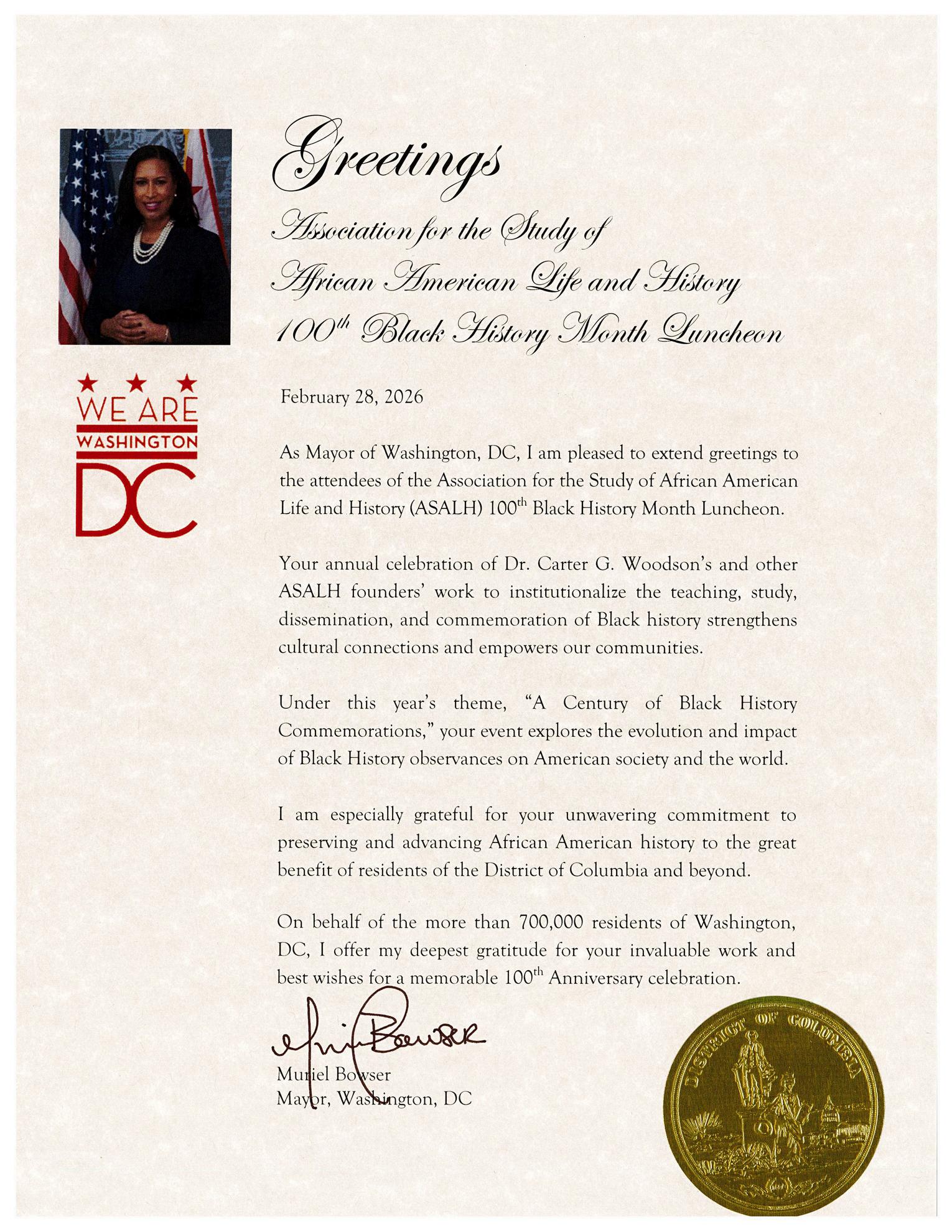
Lopez Matthews, Archives Administrator in the office of the Mayor of the District of Columbia
The Honorable Dr Sesha Joi Moon, Cabinet
Secretary and Chief Diversity Officer for the Office of Virginia Governor Abigail Spanberger
INTRODUCTION OF THE ASALH EXECUTIVE COUNCIL AND SPECIAL GUESTS
Gladys Gary Vaughn, Luncheon Committee Chair
Sharita Jacobs, Luncheon Committee Co-Chair
KEYNOTE SPEAKER
Karsonya Wise Whitehead, ASALH President
CENTENNIAL MUSIC MEDLEY
The Bill Branch and the AJQ Plus 1 Band
RECOGNITION OF THE 2026 ASALH BOOK
PRIZE WINNER
Karen Cook-Bell, Book Prize Committee Chair
PRESENTATION OF AWARDS
Camesha Scruggs
SPECIAL PRESENTATIONS
Sylvia Y Cyrus, ASALH Executive Director
POETRY RENDITION
CeLillianne Green, Poet
RAFFLE WINNER ANNOUNCED
Craig Spraggins, Volunteer Committee Co-Chair
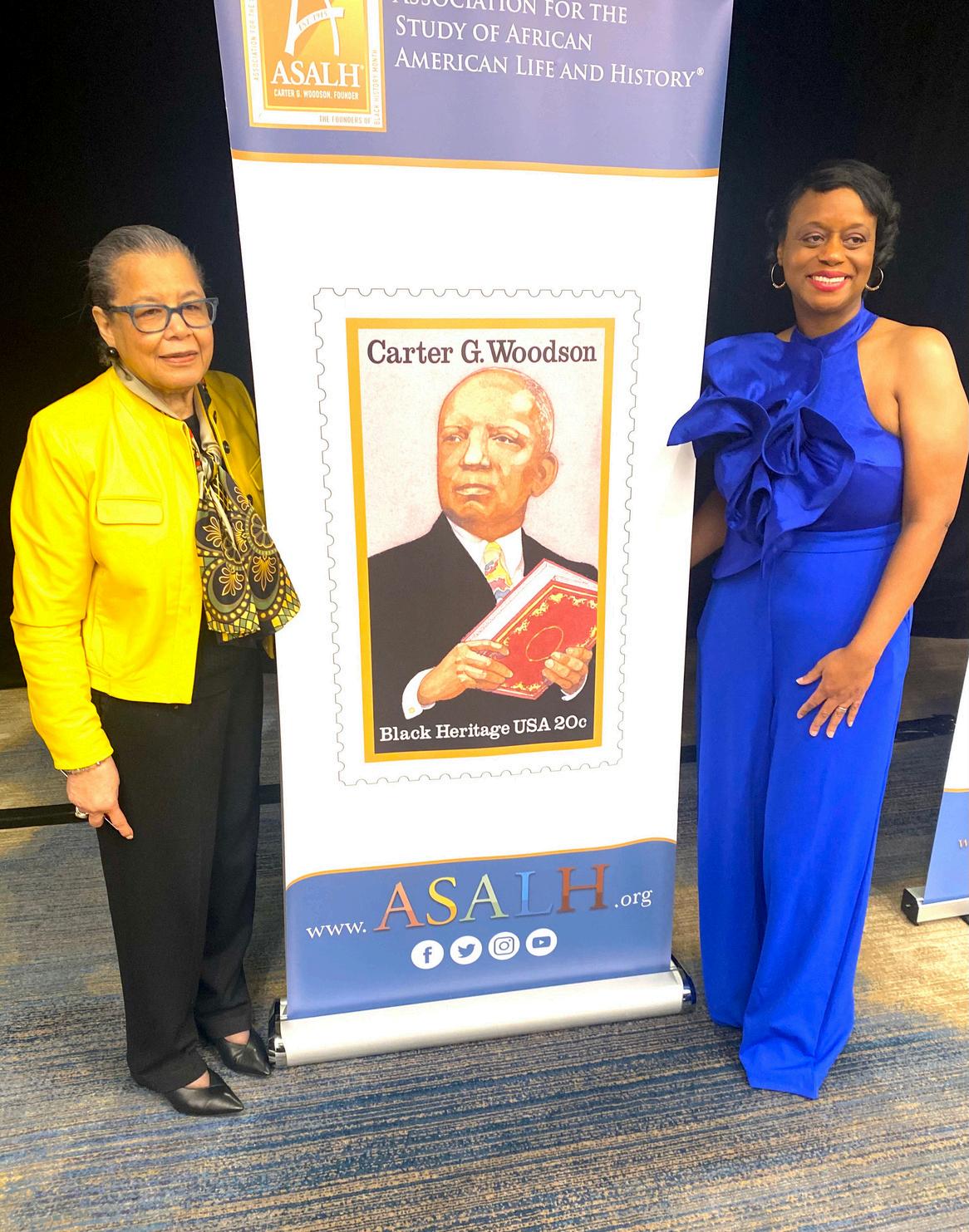
INTRODUCTION OF THE BLACK HERITAGE STAMP
Lisa Bobb-Semple, Director, Stamp Services, United States Postal Service, Washington, DC
MEMBERSHIP APPEAL
Anita Shepherd, ASALH Vice President for Membership
SPECIAL PRESENTATIONS
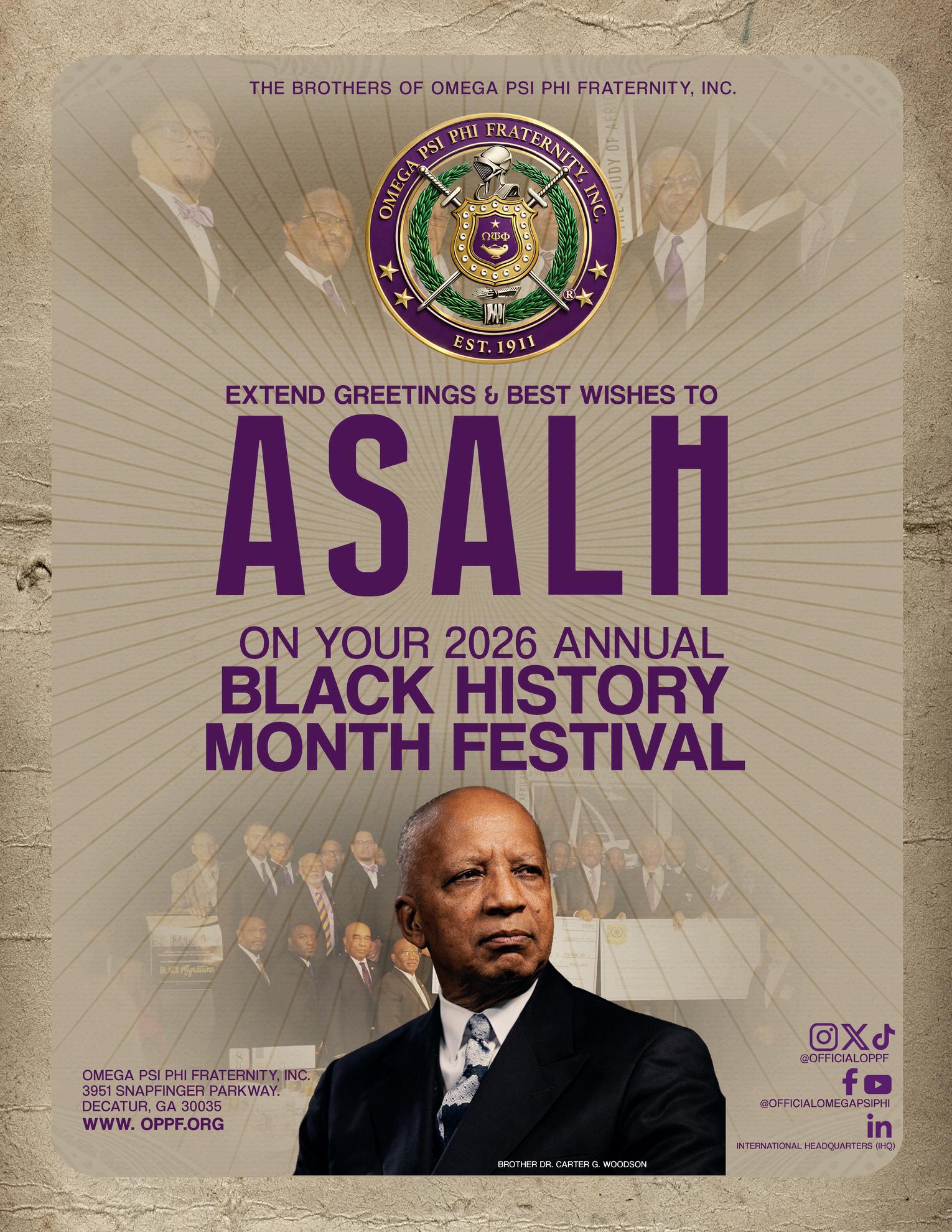
OMEGA PSI PHI FRATERNITY, INC.
Shawn R. Lacey, Third District Representative
OMEGA PSI PHI LIFE MEMBERSHIP FOUNDATION, INC.
Michael A. Boykin Esq., Chairman
CLOSING REMARKS AND ACKNOWLEDGEMENTS
Sylvia Y. Cyrus, ASALH Executive Director
BENEDICTION
Rev. William H. Lamar IV, Metropolitan African Methodist Episcopal Church
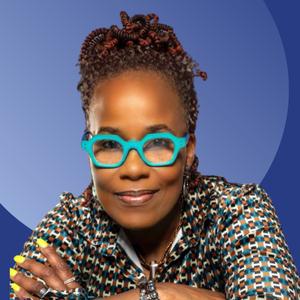
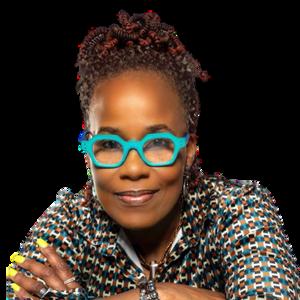
KARSONYA WISE WHITEHEAD Speaker
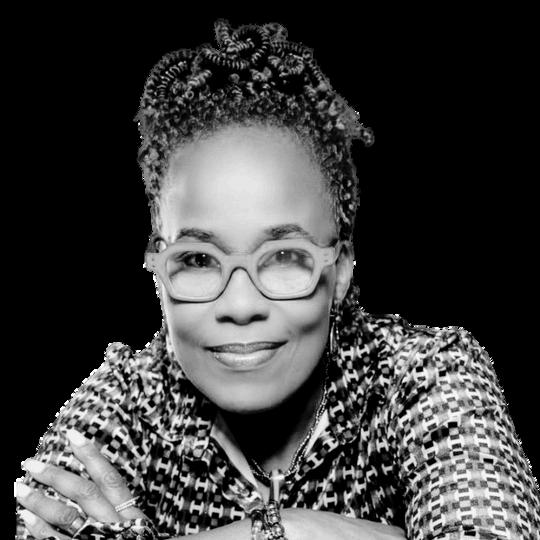
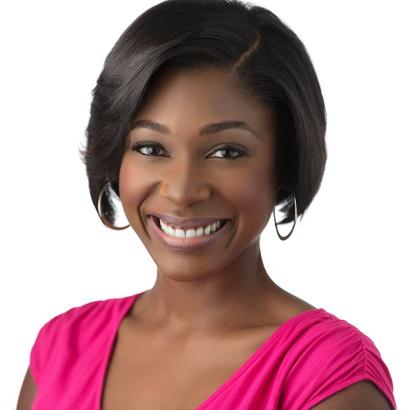
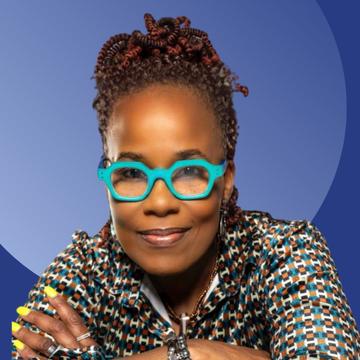
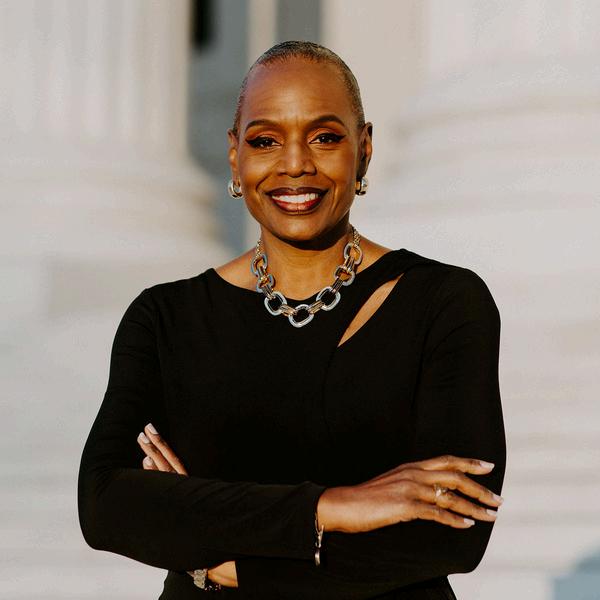
Karsonya (Kaye) Wise Whitehead is the 30th person and the eighth woman to serve as the national president of ASALH. She is a professor of Communication and African and African American Studies at Loyola University Maryland and the host of the award winning radio show “Today with Dr Kaye” on WEAA, 88 9 FM She is the founding executive director of The Karson Institute of Race, Peace & Social Justice, the author of the recently released “my mother’s tomorrow: dispatches from Baltimore’s Black Butterfly” and a member of Delta Sigma Theta Sorority, Inc Dr Whitehead lives in Baltimore with her family
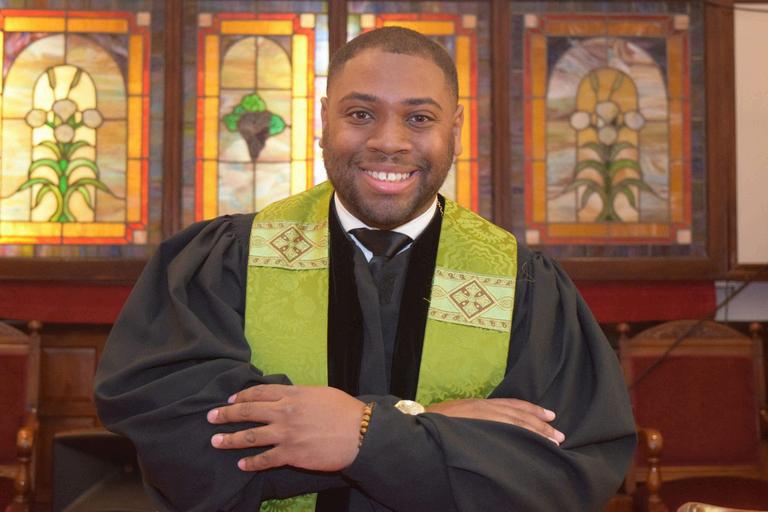
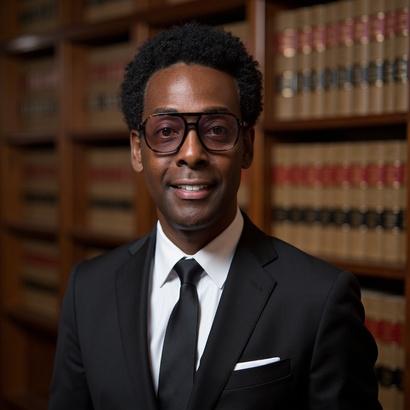
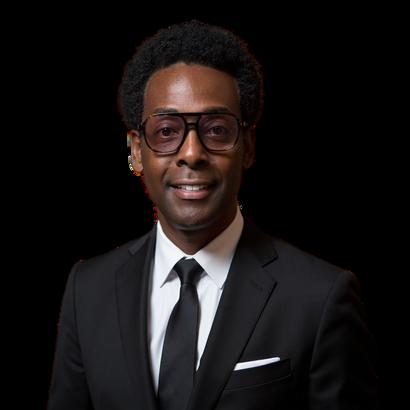
LAMARR DARNELL SHIELDS Emcee
LaMarr Darnell Shields is a nationally recognized educator, author, speaker, and thought leader whose work sits boldly at the intersection of leadership, wellness, and social transformation A bilingual communicator, he is known for blending sharp wit, humor, and deeply human insight to create learning experiences that challenge, inspire, and awaken With every stage he steps onto, Dr Shields brings a rare combination of honesty, warmth, and intellectual rigor that leaves audiences transformed long after the moment passes
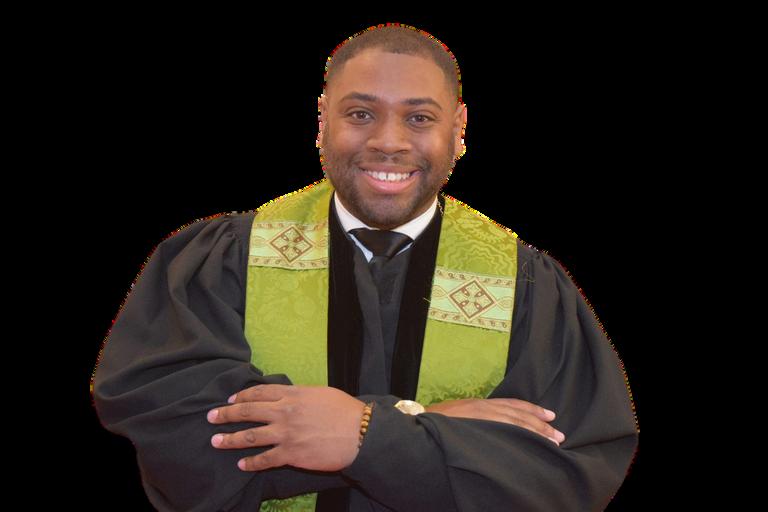
REV. KEVIN LAMÁR PETERMAN
Invocation and Grace 19 Street Baptist Church th
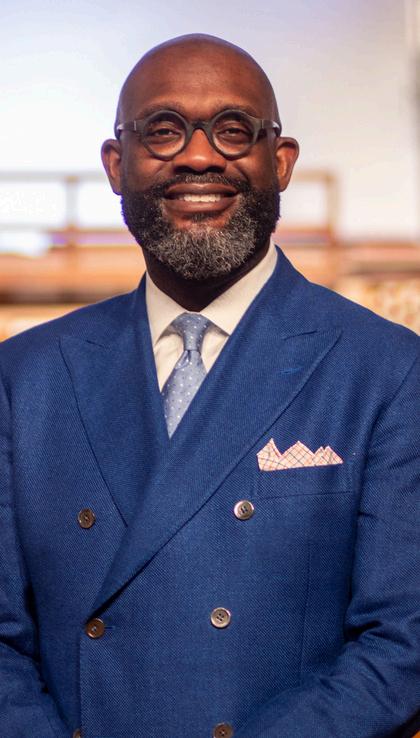
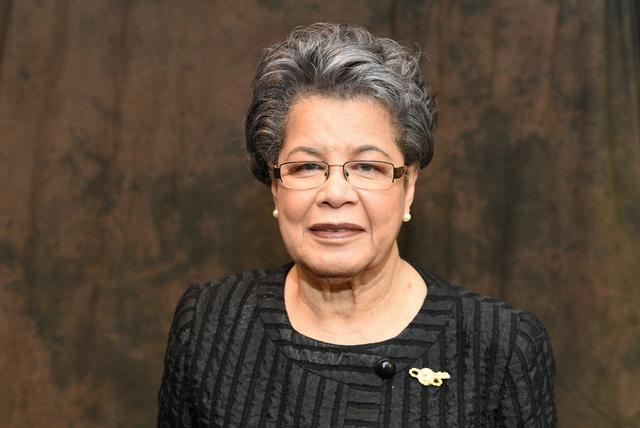
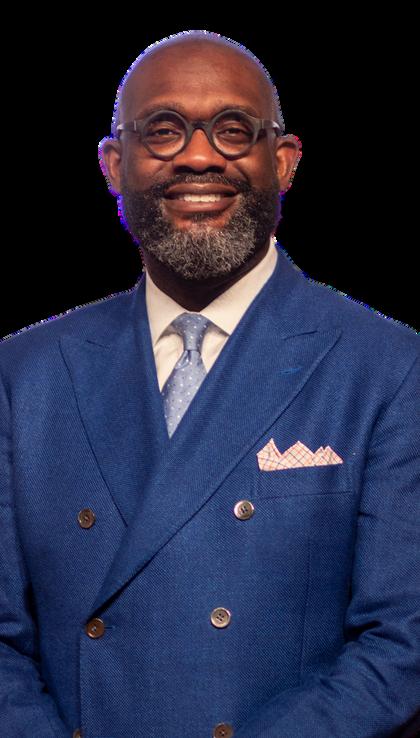
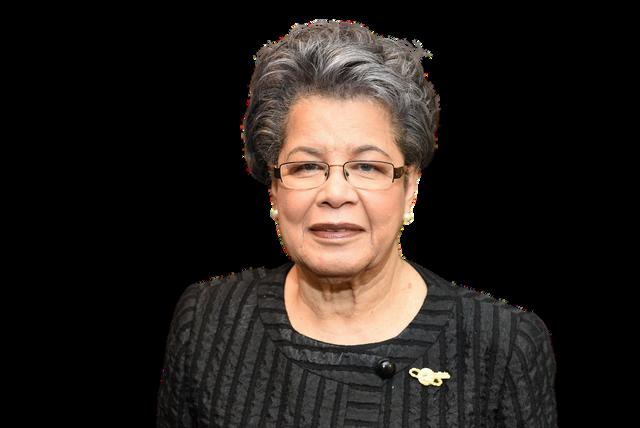
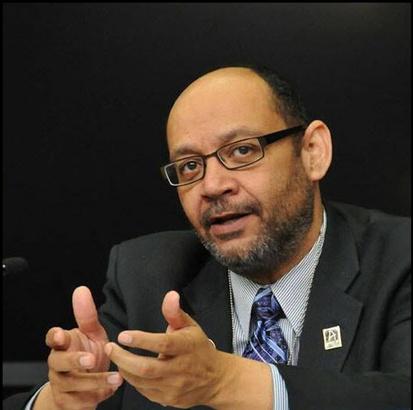
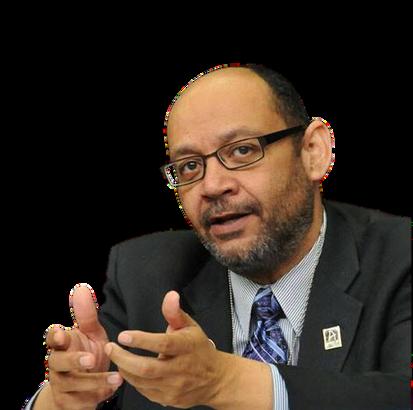
John E. Fleming epitomized scholarship His life’s work gave voice to the unspoken traditions and made tangible the undocumented experiences of our ancestors and forebears Dr Fleming served as the ASALH National President from 2007 to 2009. His notable career included such roles as Peace Corps volunteer in Malawi, East Africa and senior fellow in the Institute for the Study of Educational Policy at Howard University.
In addition, he directed the National Afro-American Museum in Wilberforce, Ohio, the National Underground Railroad Freedom Center, the Cincinnati Museum Center in Cincinnati, and the International African American Museum in Charleston. He was also the Senior Historian for the Mississippi Civil Rights Museum in Jackson.
Dr. Fleming served as Executive Producer for ‘America I Am: African American Imprint on America,’ a 12,000 square foot traveling exhibition that began in early 2009 and continued until March 2013
He was the recipient of a well-deserved lifetime achievement and distinguished service awards by the Ohioana Library, Ohio Museums Association, Berea College, the National Peace Corps, the Association of African American Museums, and the American Association for State and Local History.
Clearly, the legacy established by Dr. Fleming provides a foundation for continued progress in advancing the mission of ASALH. He was a proud member of Alpha Phi Alpha Fraternity, Inc.
ASAH Life Member
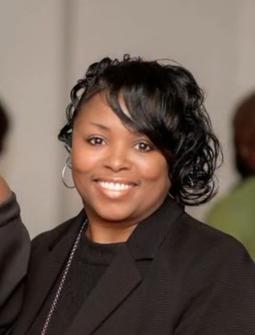
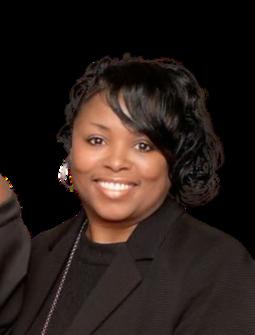
Paula was passionate about education and Black history, dedicating her time to causes and conversations that empowered others. She was a faithful member of the Maple Springs Baptist Church, an institutional member of ASALH, and the Prince George's County Truth Branch Paula was a dedicated volunteer for the ASALH Annual Black History Month Luncheon and the Annual Conference, and served in many capacities, including photographer
Paula’s compelling legacy is her work with Kiamsha ---a youth group based in Prince George’s County, Maryland that facilitated the annual Youth Day, which occurs during the annual ASALH National convention This celebration reaches out to local youth through events such as the poetry slam, and assemblies at local schools The group also supports the annual Carter G Woodson Birthday Commemoration with ASALH and the National Park Service.
For 18 years, Paula engaged teachers across the country providing guidance in developing a youth mission statement This signature activity helped young people to confidently express themselves and return to their schools empowered to motivate their peers to implement the mission statement Paula embodied the Kiamsha principles (character and integrity), not only in her words, but also in her actions
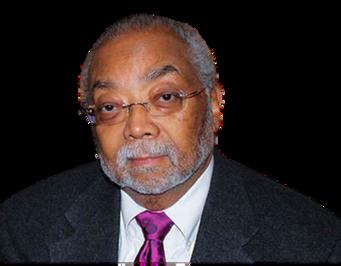
JUDGE ROHULAMIN QUANDER
Author
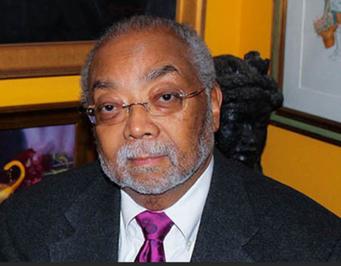
Judge Rohulamin Quander an author, family historian, enthusiastic member of the Omega Psi Phi Fraternity! He was also a life member of ASALH. He worked closely with our annual Black History Month luncheon and was often one of the authors at the Luncheon’s Featured Author’s event showcasing his books titled: “The Quanders: Since 1684, An Enduring African American Legacy,” “50-Plus Omega Inspired Years: Tracing an Omega Legacy to 1931,” and “The Quander Quality: The True Story of a Trailblazing Diabetic ”
He was known nationally as the historian of his legendary family, whose legacy can be traced back to the 1670s He was directly related to Nellie Quander, a founder of Alpha Kappa Alpha, and penned a book on her life: “Nellie Quander, An Alpha Kappa Alpha Pearl: The Story of the Woman Who Saved an International Organization ”
Judge Quander was also a founder of the League of Enslaved Mount Vernon Descendants, an organization that gathers, tells, shares, and preserves the stories of the formerly enslaved ancestors and free people of color who served the George Washington family at the Mount Vernon Plantation.
Judge Quander served as an advisor to Mount Vernon, and in 1985, he founded the Quander Historical and Educational Society, a nonprofit organization whose mission is to document, preserve, protect, and share his family’s history as an educational tool.

Free and open to the public!
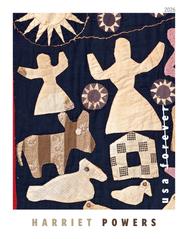
arriott in Washington as we celebrate new Forever® uiltmaker and folk artist Harriet Powers. This event is ership with the Association for the Study of African History (ASALH)
details from Powers’ pictorial quilt of 1898, an intricate textile with biblical scenes, local folklore, and celestial wonders. Each stamp captures one of Powers’ story blocks, mirroring the shape of her quilt panels. The stamps were designed by longtime USPS art director Derry Noyes
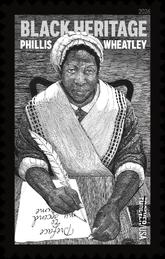
iling of the PS Forever Stamp.
Join us for the unveiling of the Phillis Wheatley USPS Forever Stamp.
FREE and open to the public!
The Annual Black History Month Luncheon will feature a variety of exhibitors from 10 am - 4 pm.






The 2026
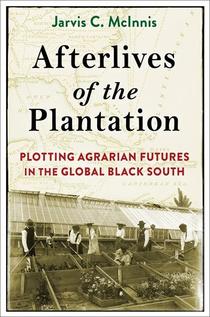
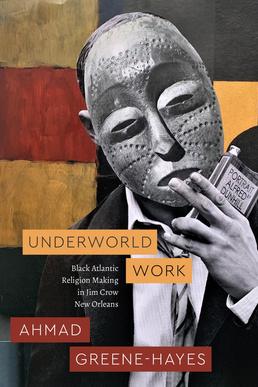

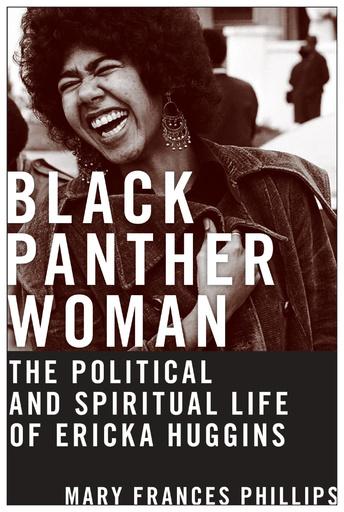
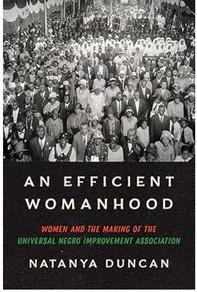
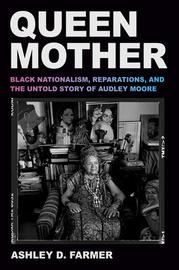
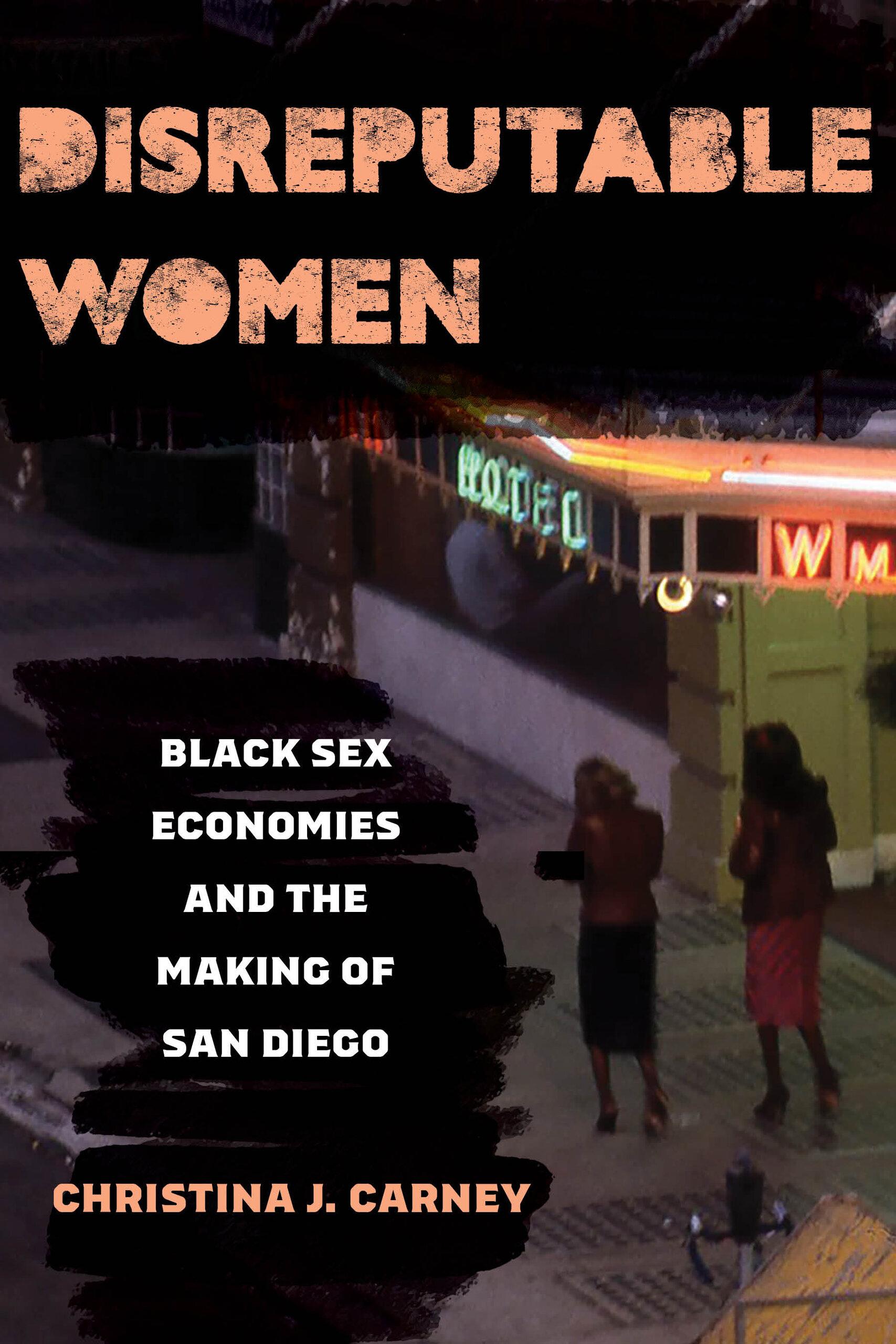
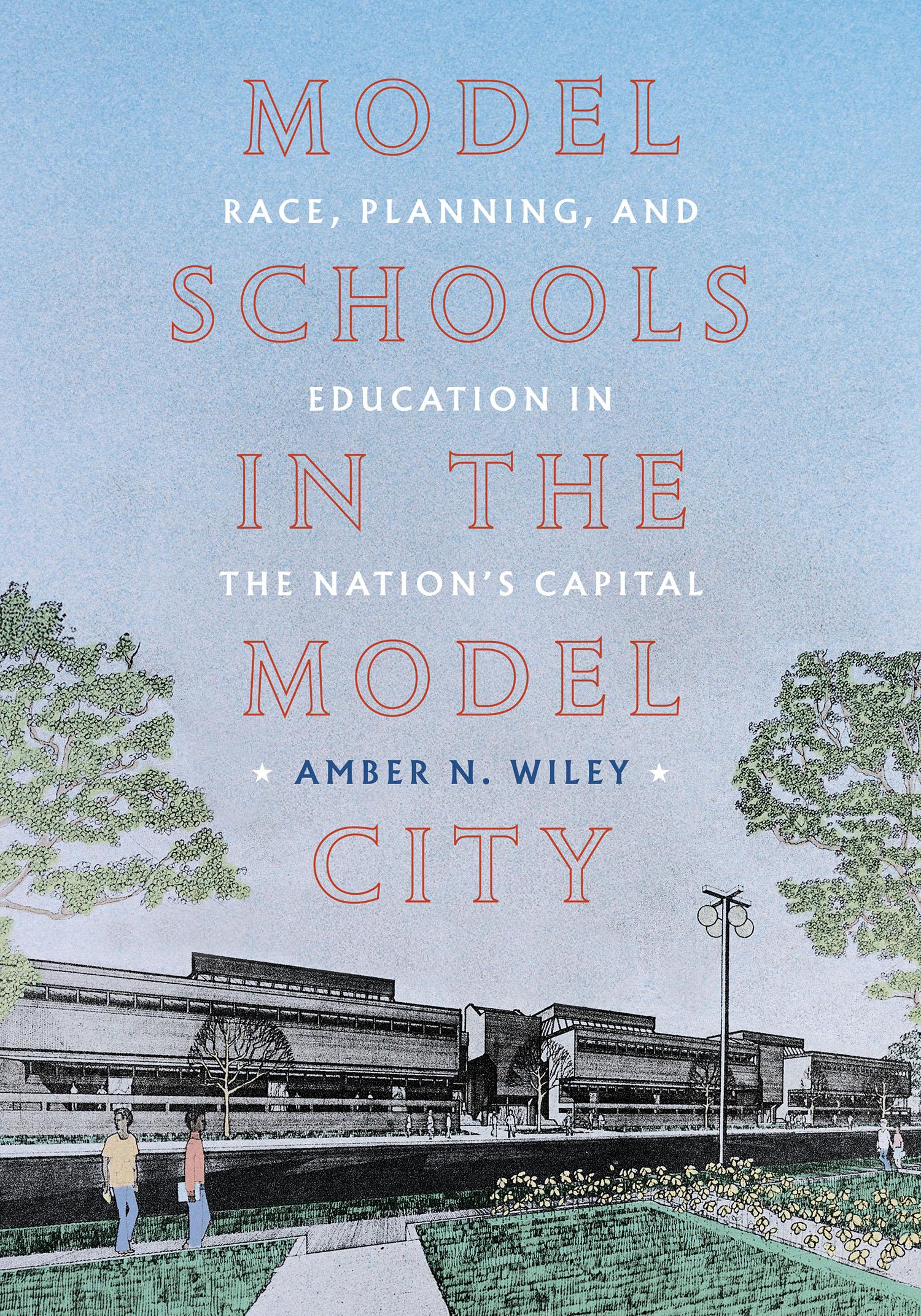
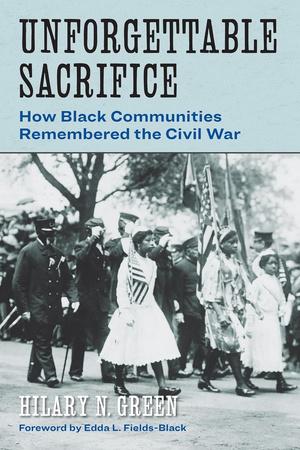
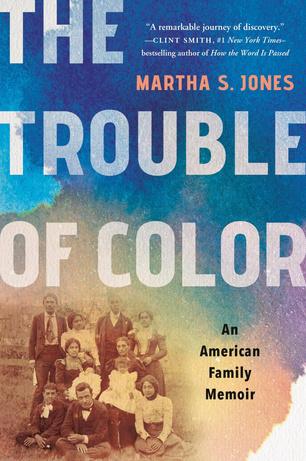
Winner to be Announced on February 17th, 2026
7:00 p.m. EST. | 6:00 p.m. CST 5:00 p.m. MST | 4:00 p.m. PST

SATURDAY, FEBRUARY 28, 2026 | 10:00 AM - 12:00 PM
Free and In-Person at the JW Marriott
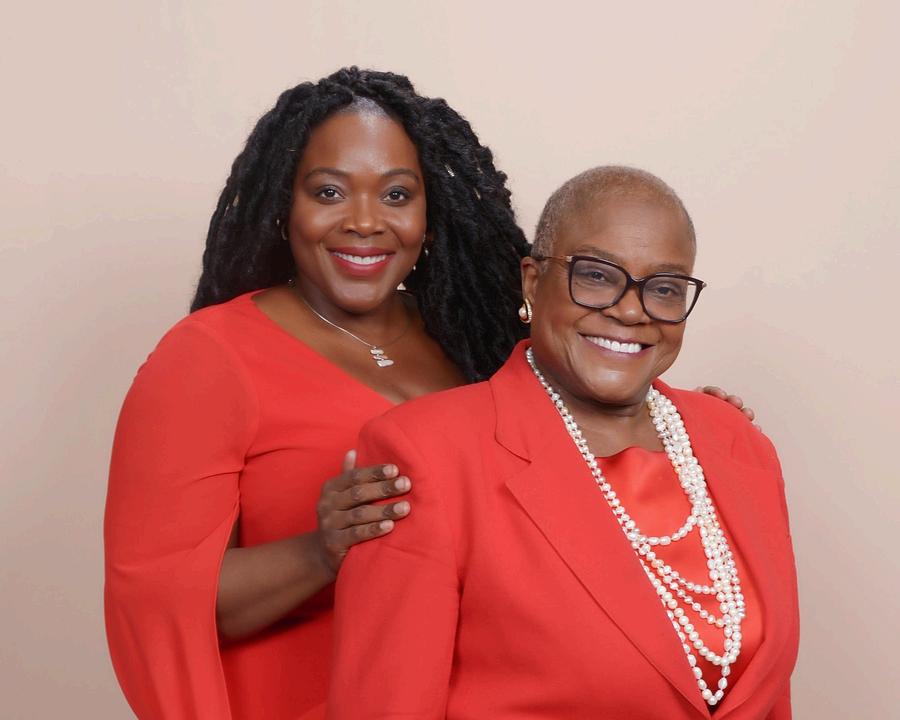
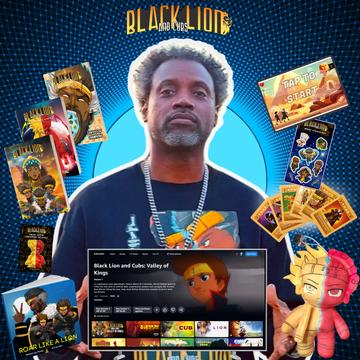
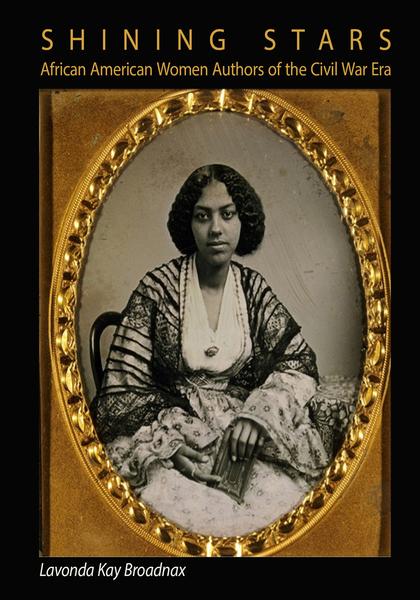
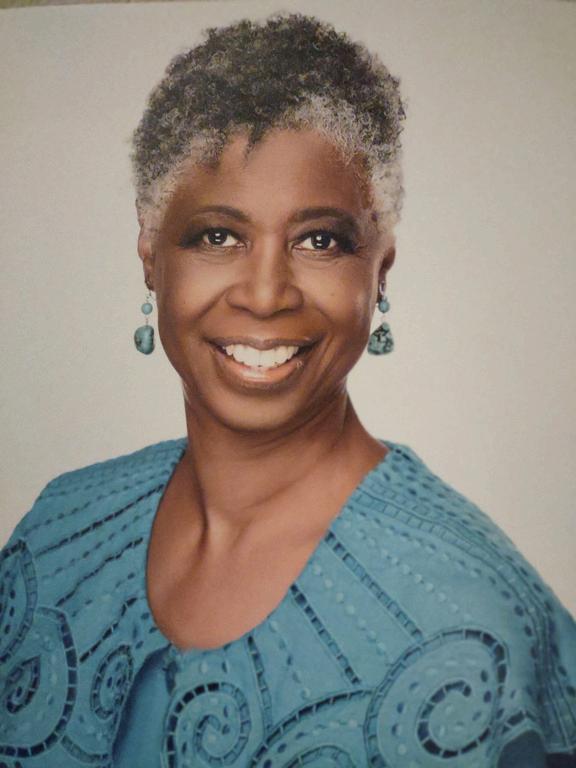
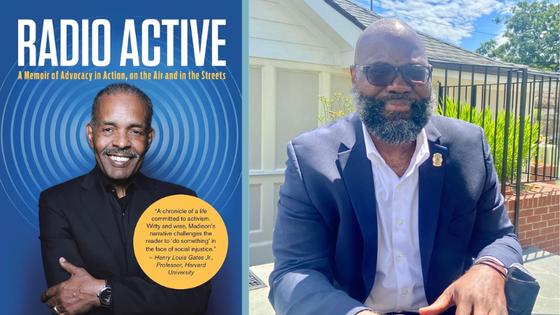
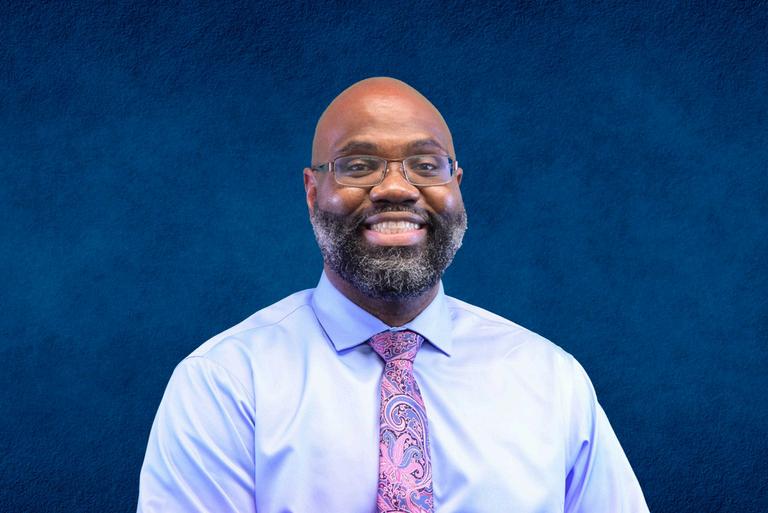
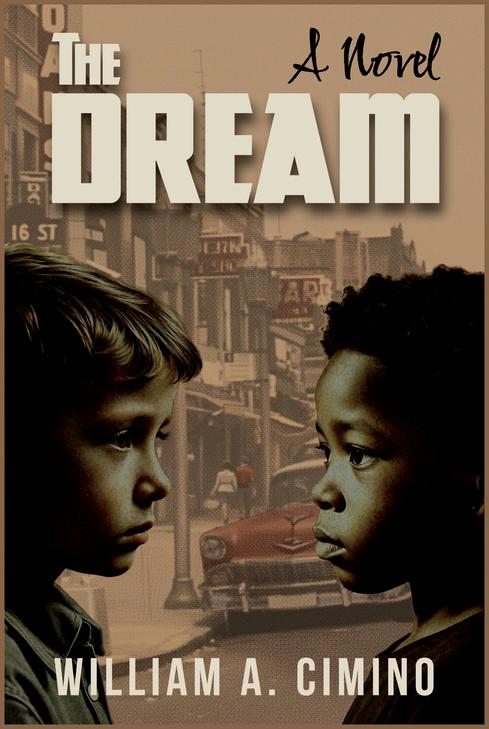
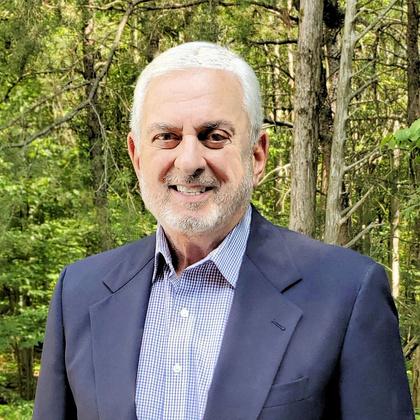
The Dream
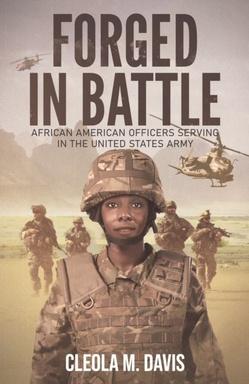
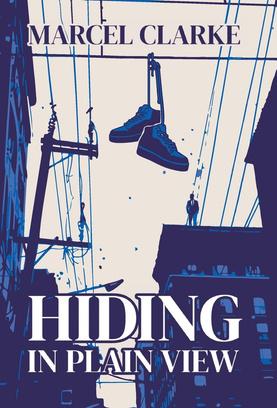
Forged in Battle
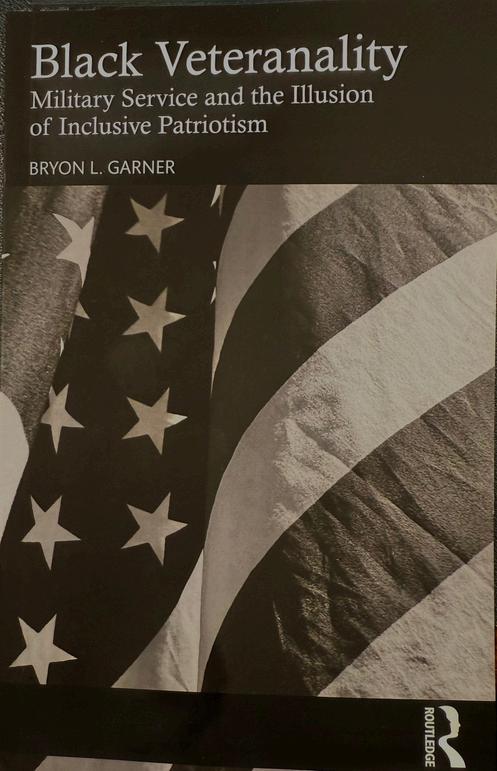
Black Veteranality
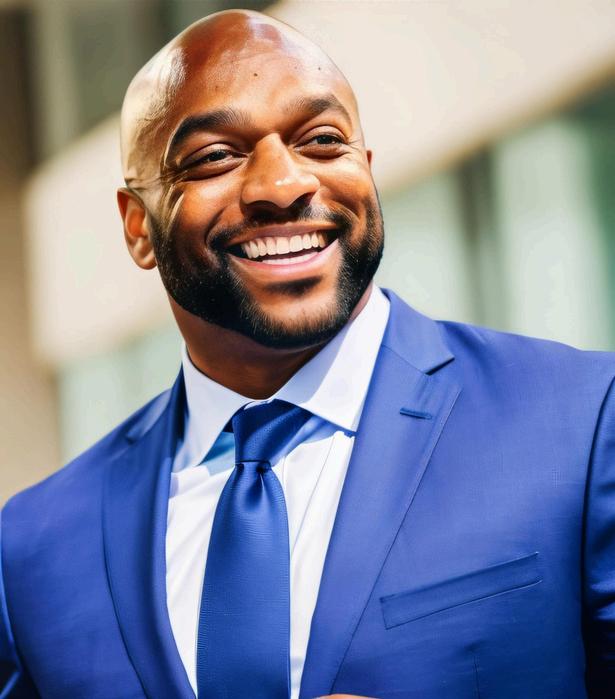
BRYON GARNER
Hiding in Plain View
An Efficient Womanhood
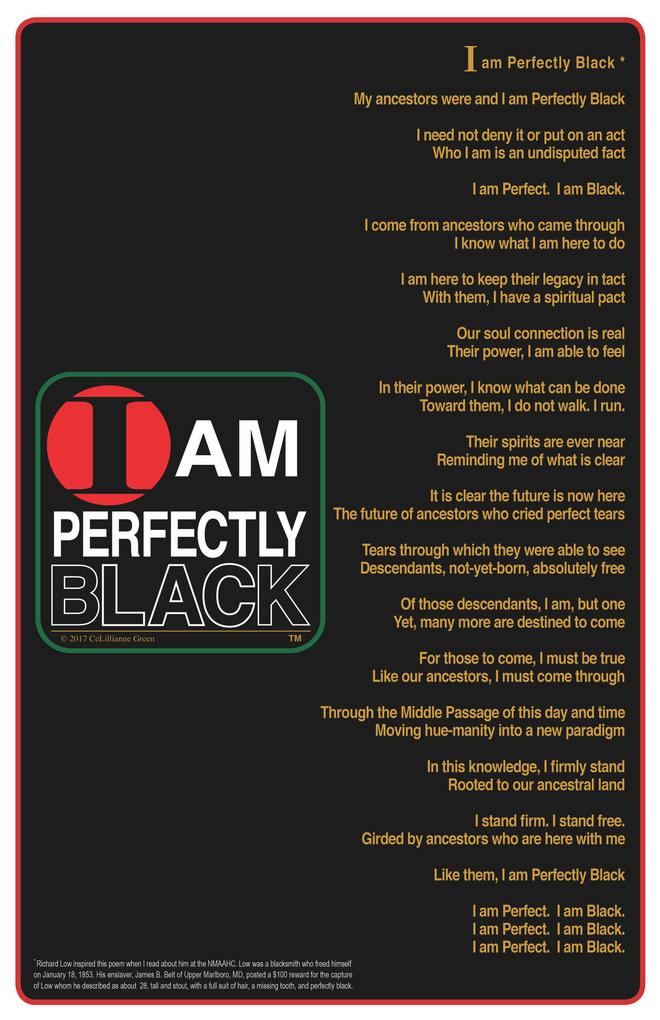
I Am Perfectly Black
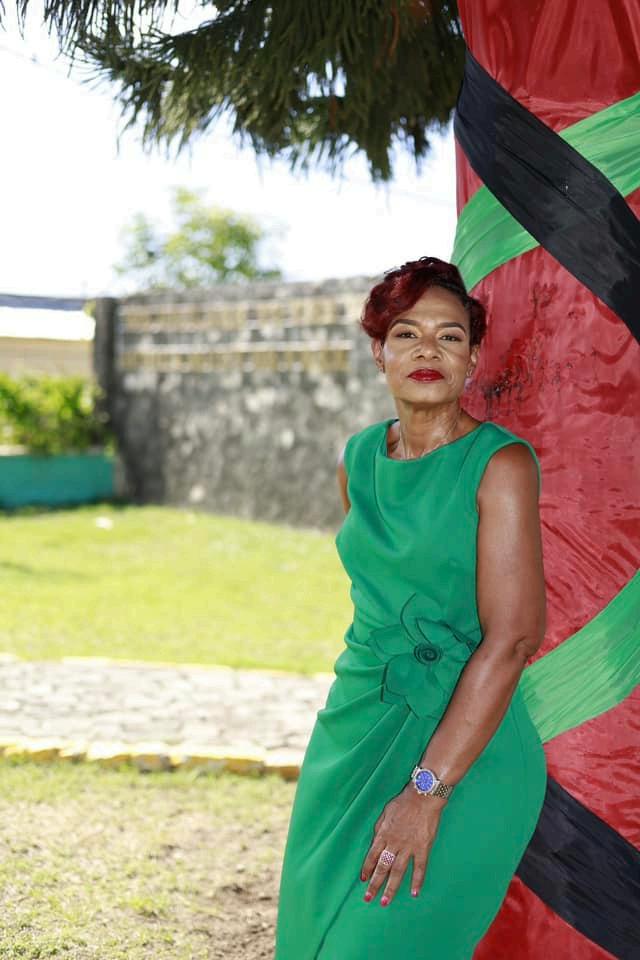
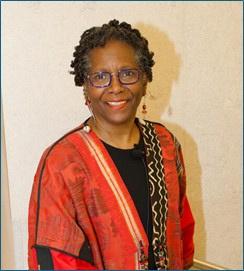
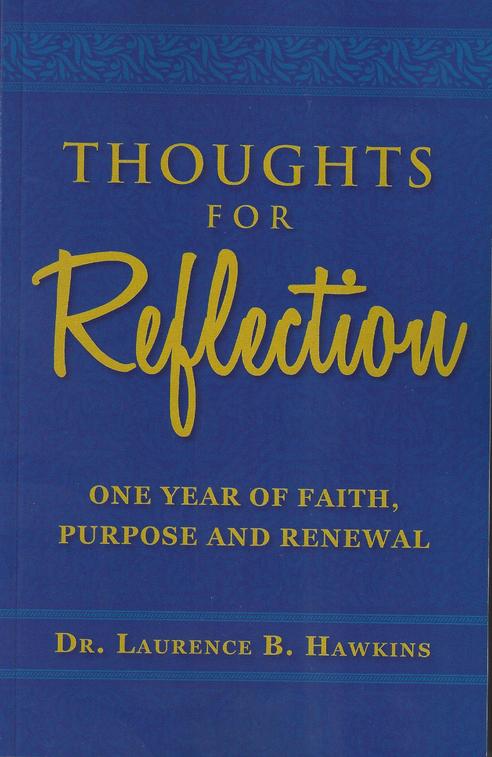
Thought For Reflection
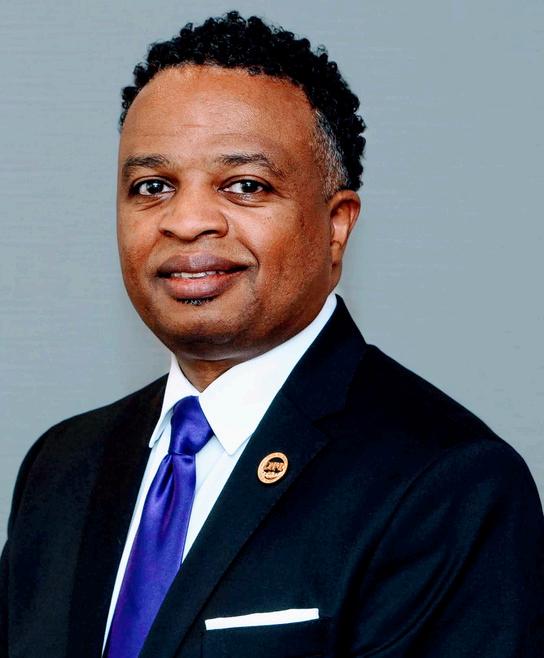
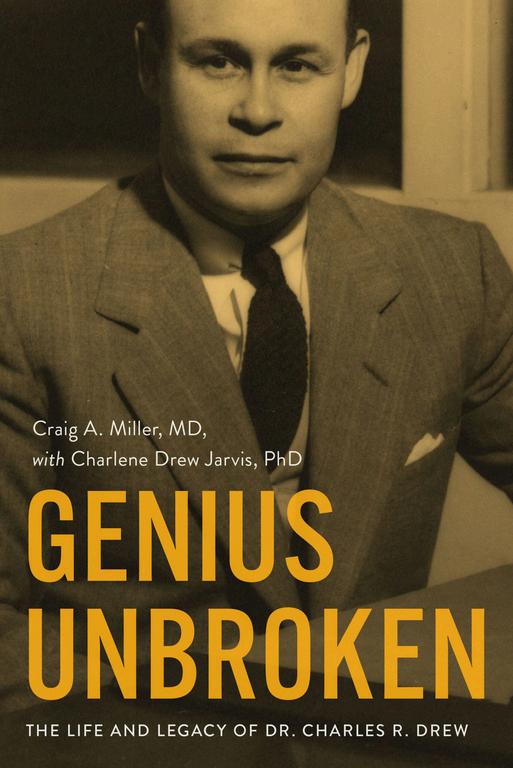
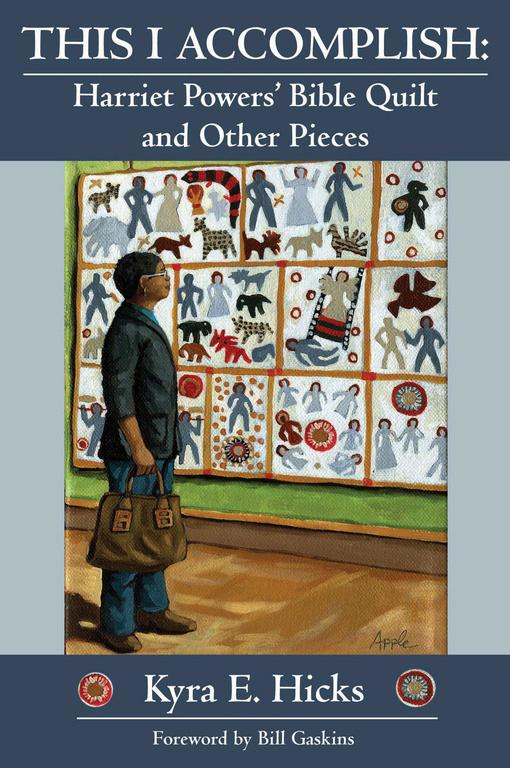
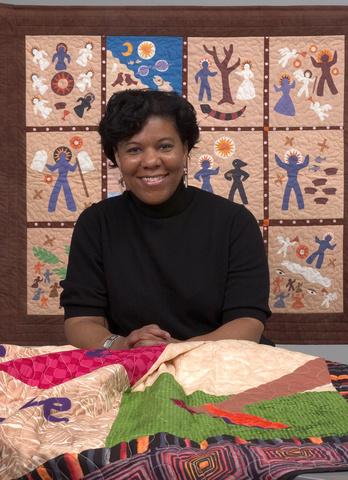
This I Accomplish
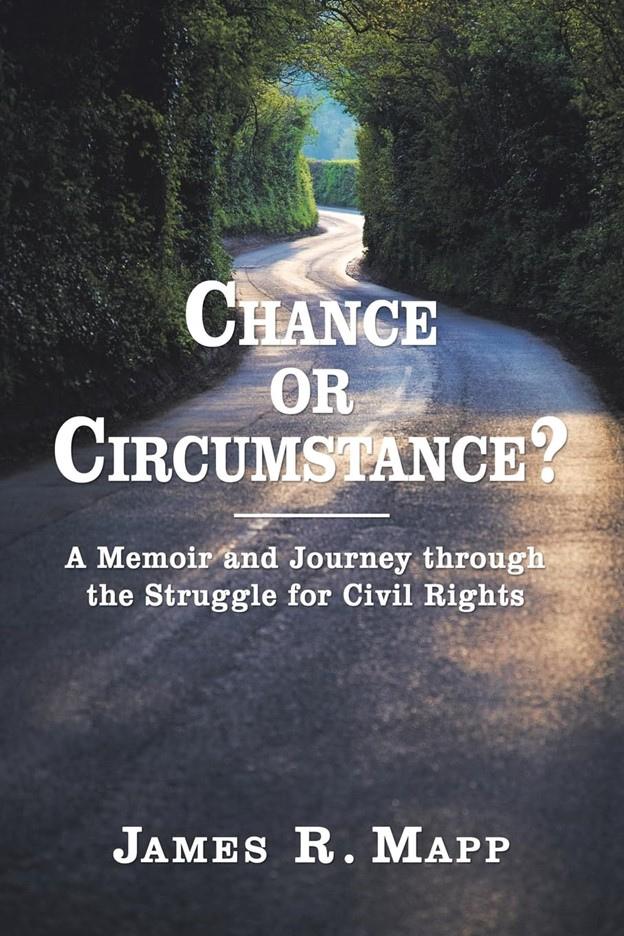
Chance or Circumstance?
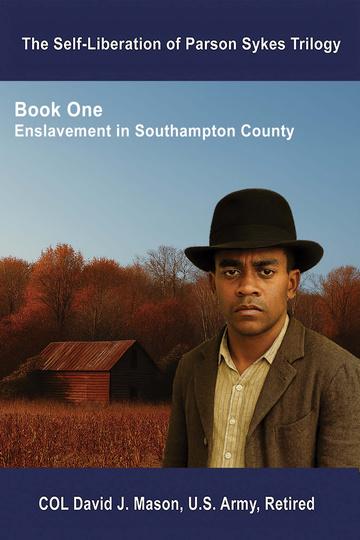
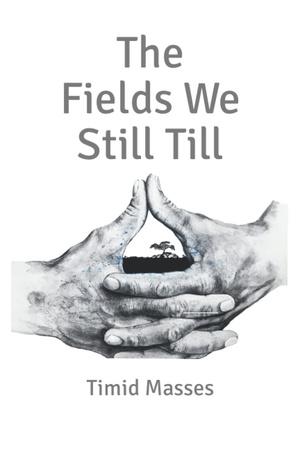
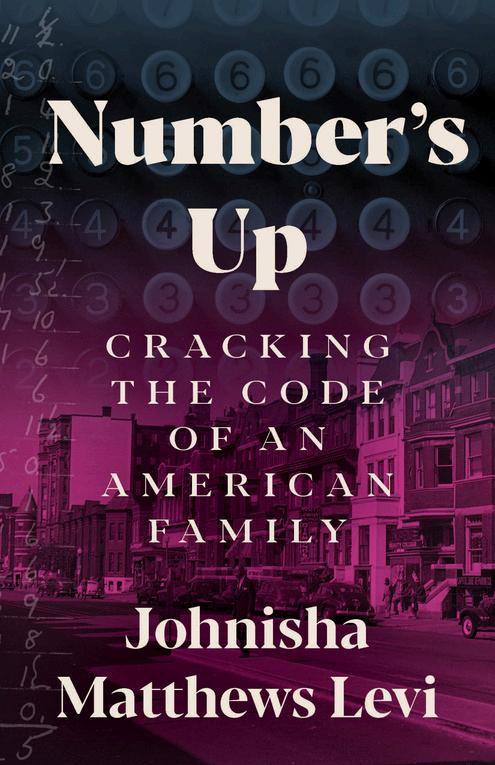
Number's Up
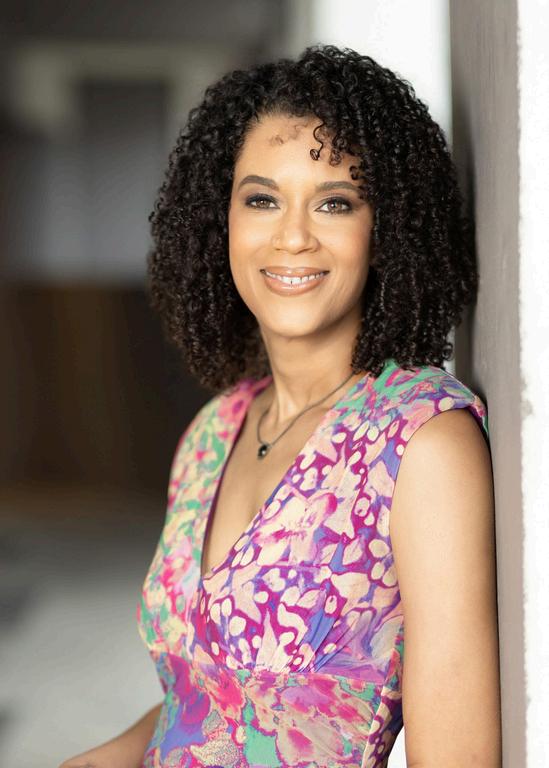
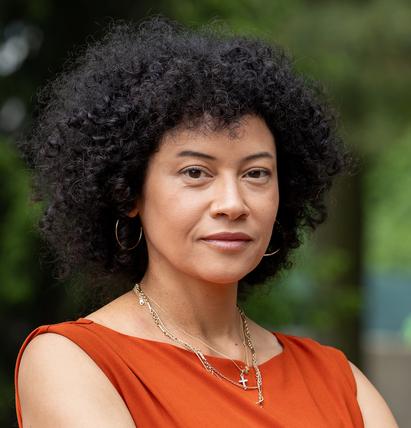

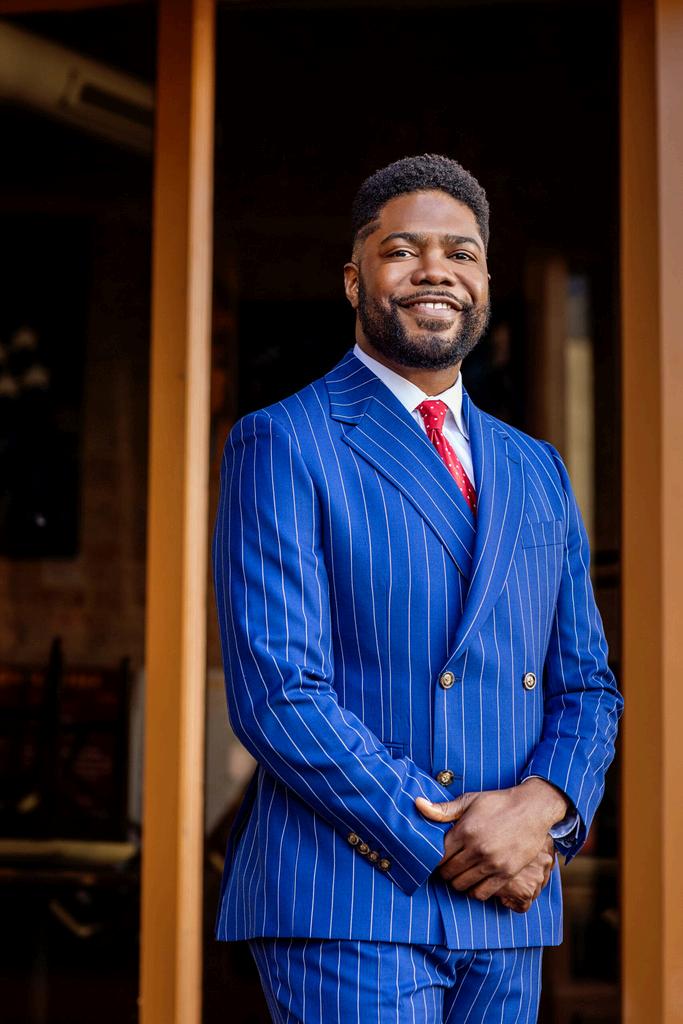
Afterlives of the Plantation


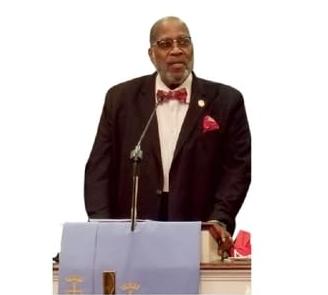
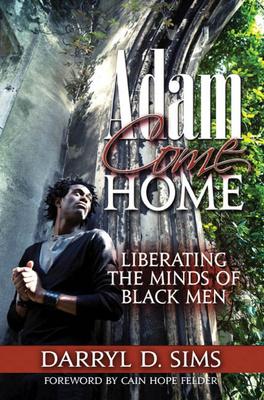
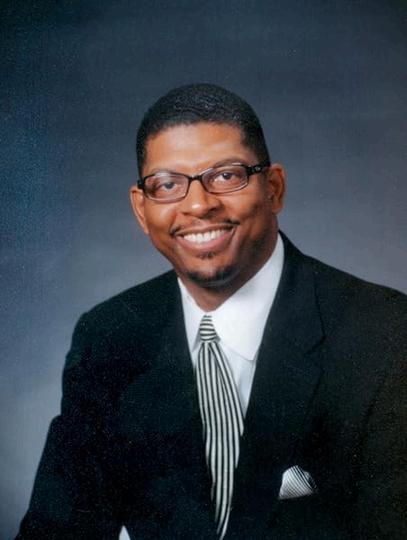
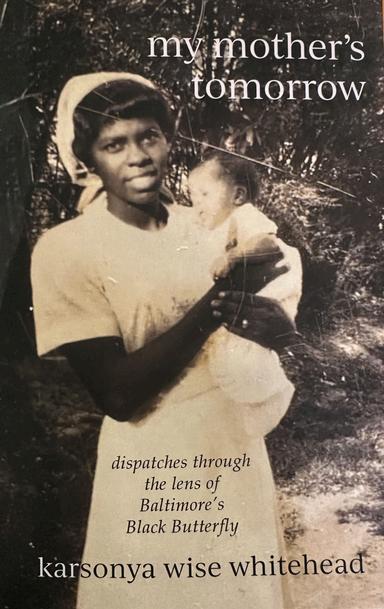
My Mother's Tomorrow

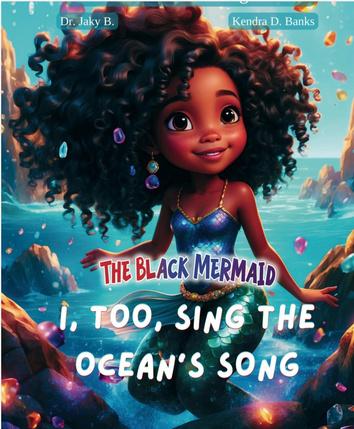
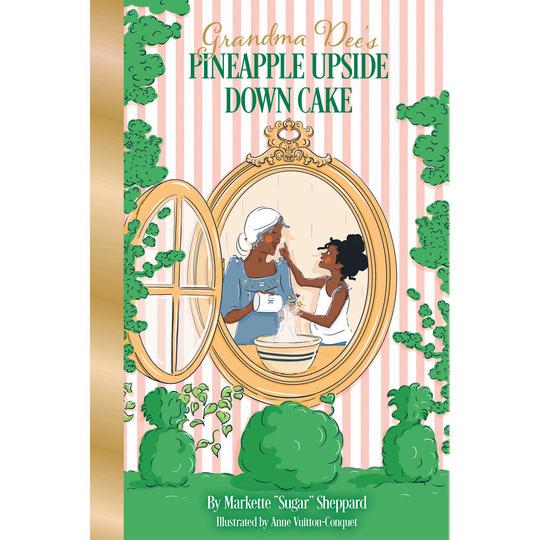
Peek into the pages of our past with the ASALH Bookshelf. This collection of books offers a rich repository of knowledge and insight into the African American experience penned by our ASALH members.
Association for the Study of African American Life and History
ALL FEBRUARY LONG
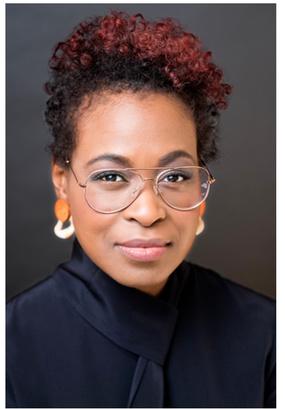
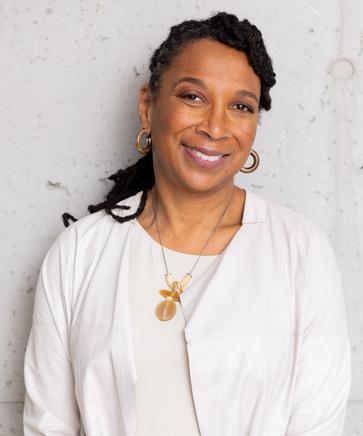
BLACK HISTORY MONTH VIRTUAL NATIONAL CONVENING
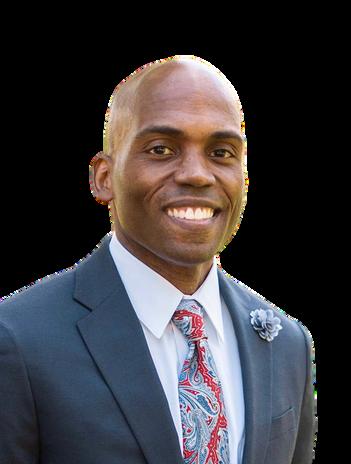
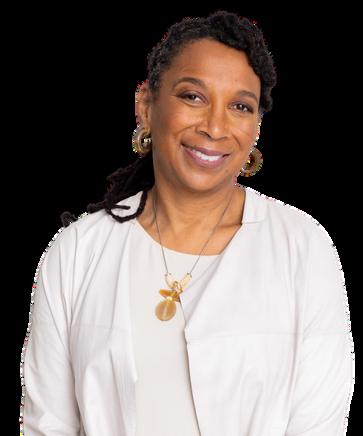
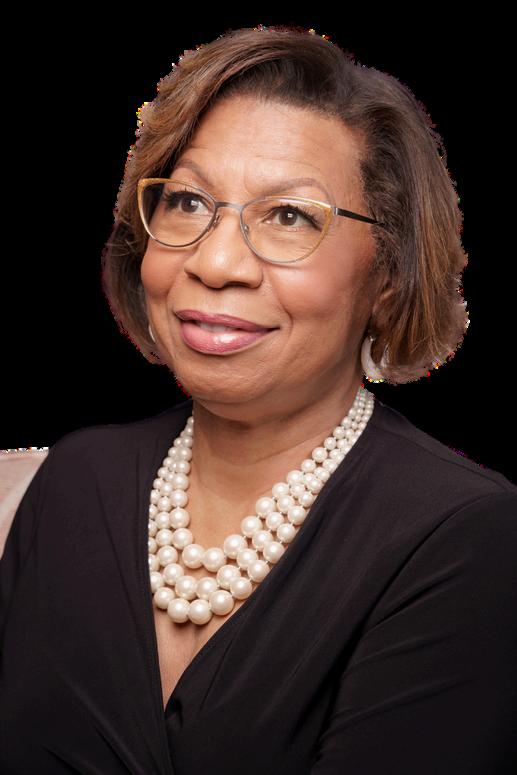
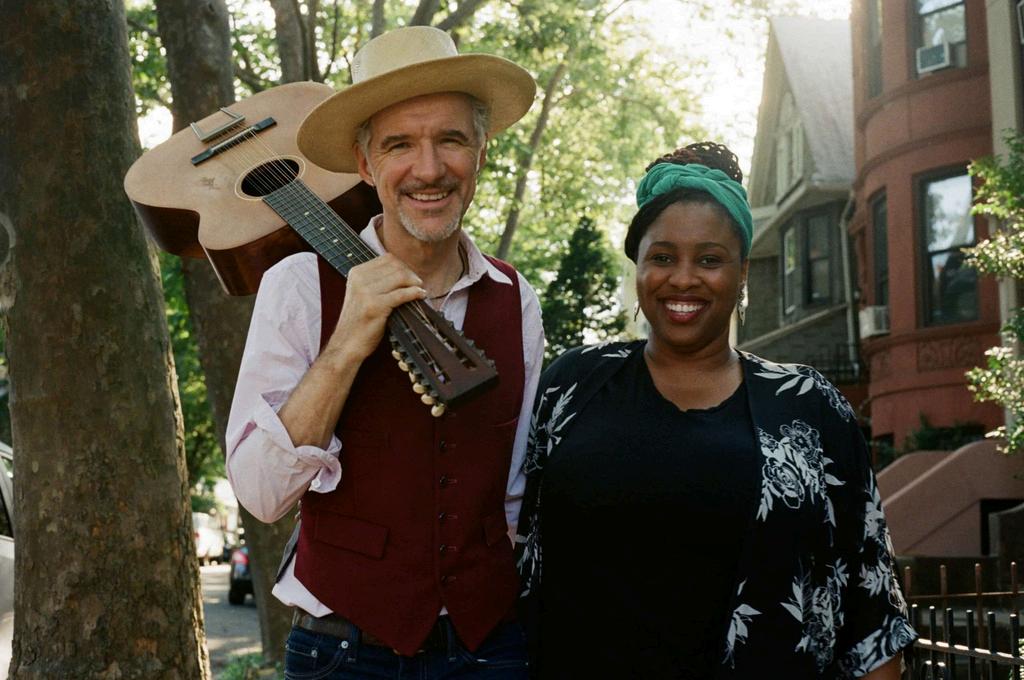
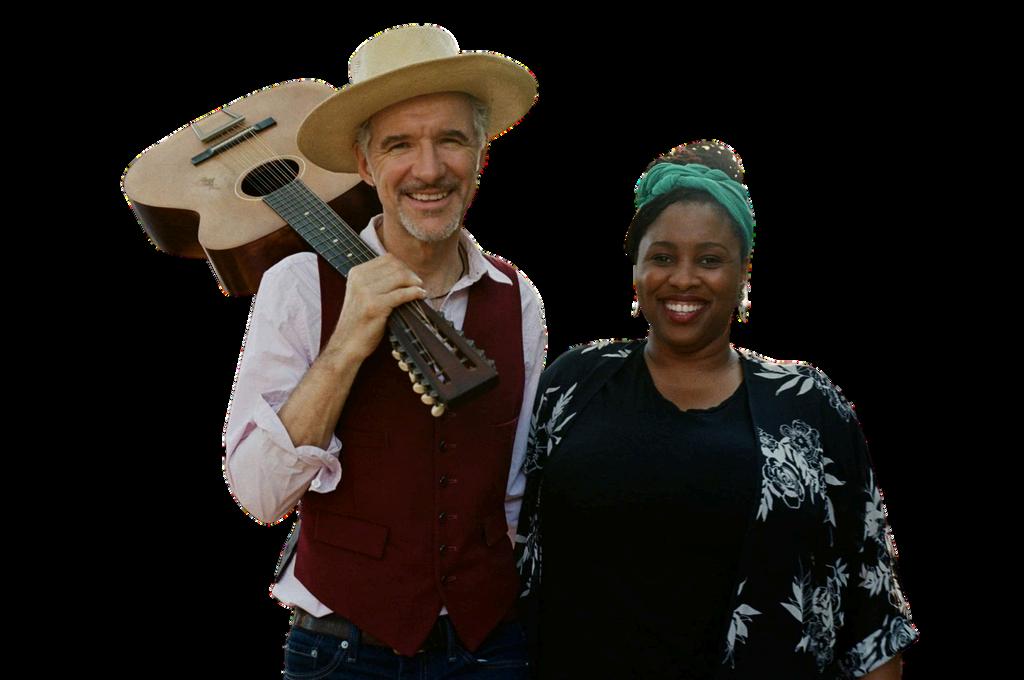
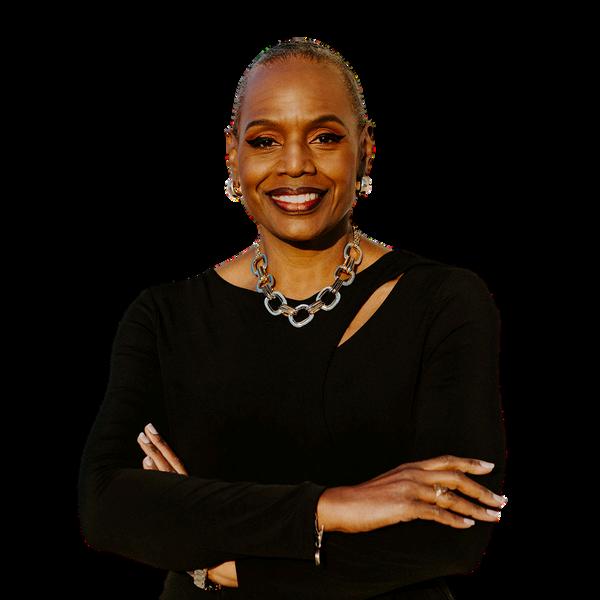
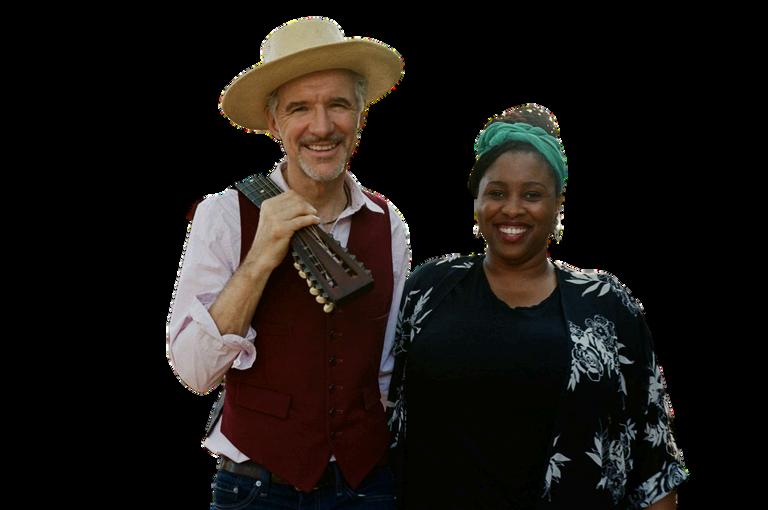
Association for the Study of African American Life and History
ALL FEBRUARY LONG
JUSTICE AND RECONCILIATION:
FROM HENRY HIGHLAND GARNET TO HARVEY JOHNSON
Tuesday, February 3, 2026
6:00 p.m. EST | 5:00 p.m. CST 4:00 p.m. MST | 3:00 p.m. PST
WATCH ON ASALH TV
SCAN TO LEARN MORE AND READ ABOUT THE SPEAKER
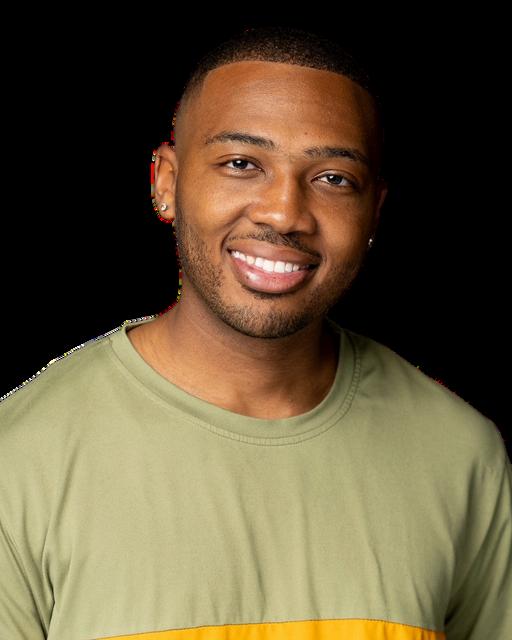
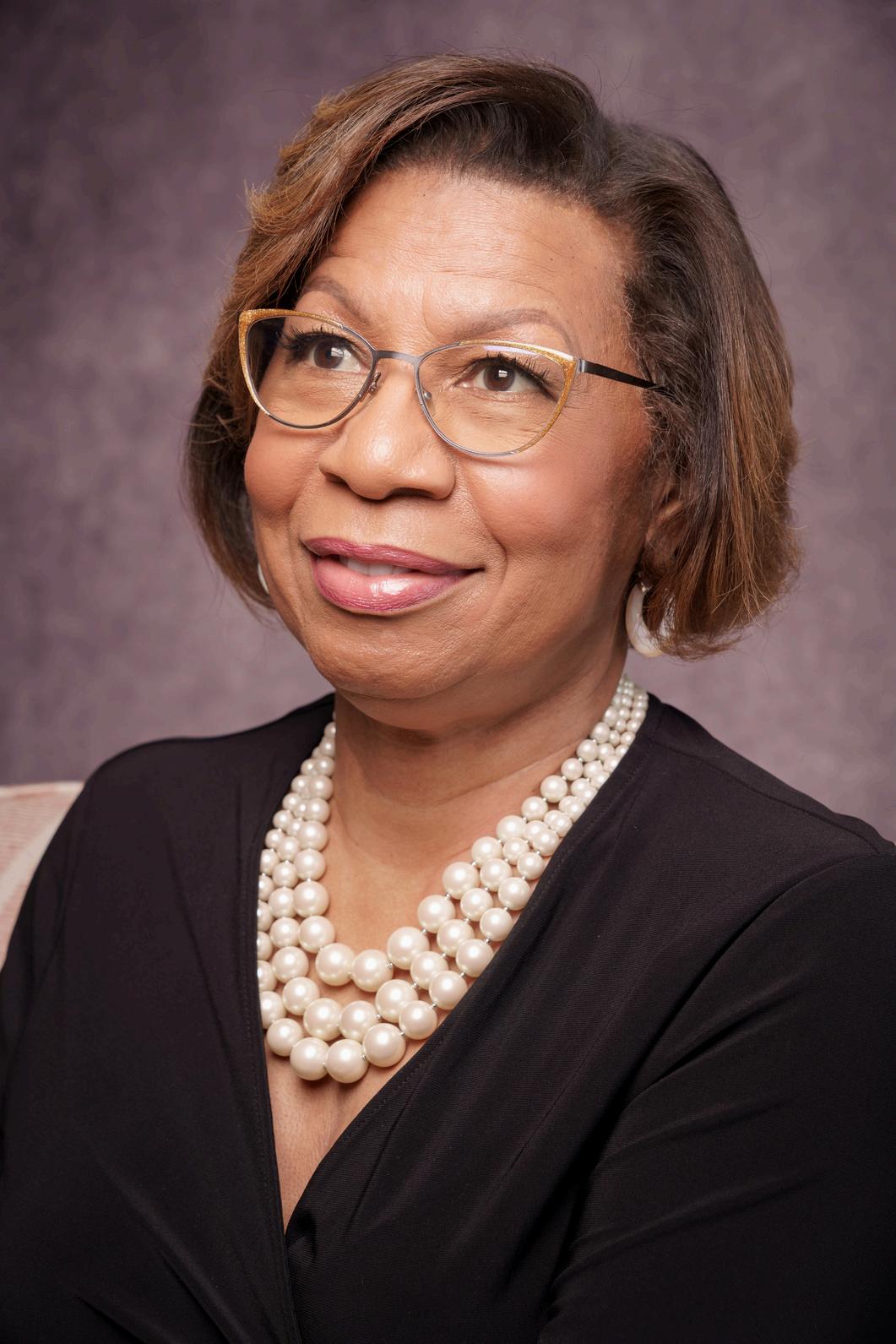
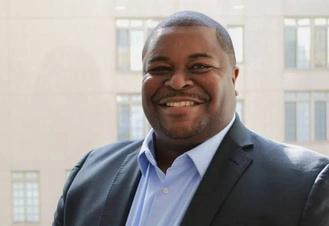
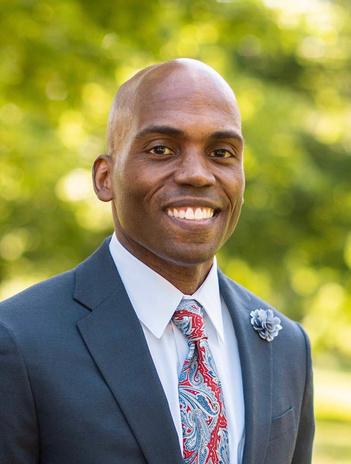
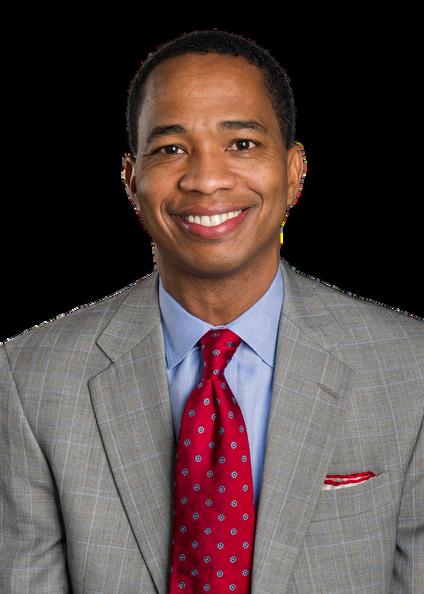
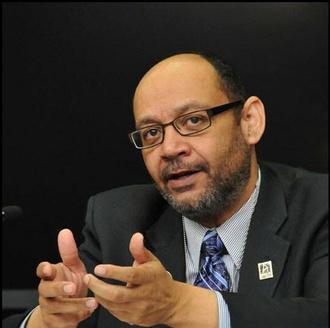
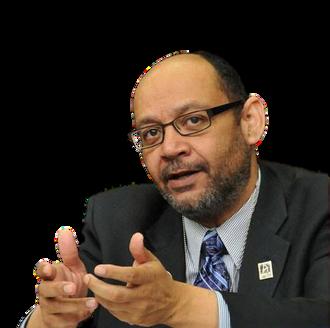
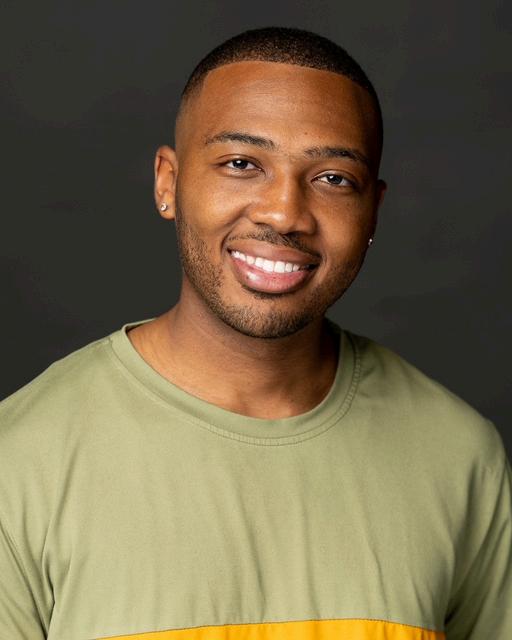
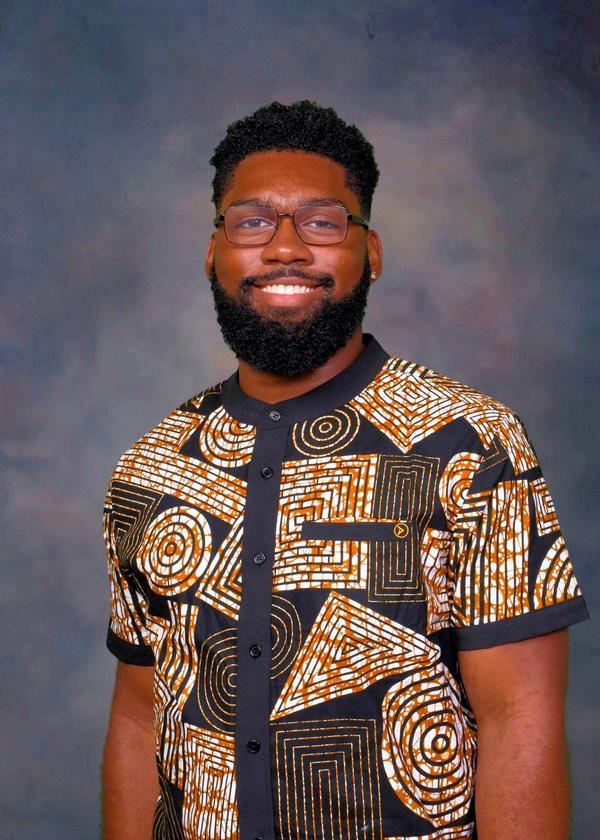
XAVIER FRINK Panelist Scholar
Association for the Study of African American Life and History
THEN AND NOW WITH THE MOVEMENT HISTORY INITIATIVE
Wednesday, February 11, 2026
6:00 p.m. EST | 5:00 p.m. CST 4:00 p.m. MST | 3:00 p.m. PST
WATCH ON ASALH TV
SCAN TO LEARN MORE AND READ ABOUT THE SPEAKERS
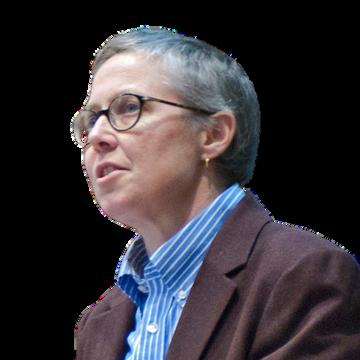
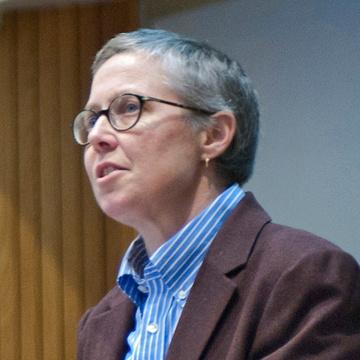
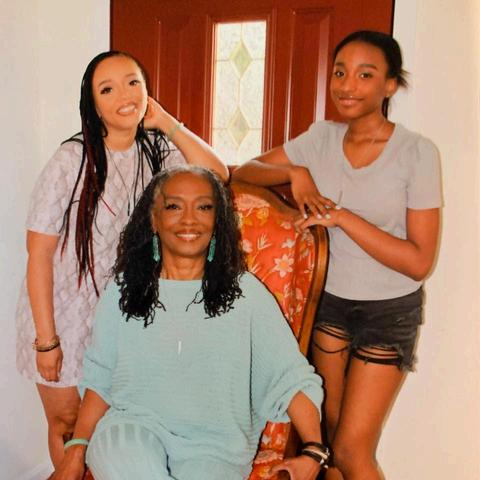
EMILYE CROSBY Panelist SUNY Geneseo
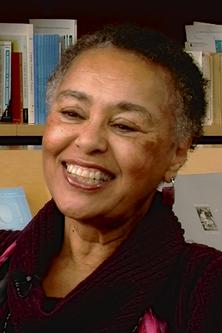
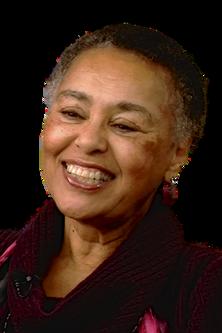
JUDY RICHARDSON Panelist Filmmaker and Educator
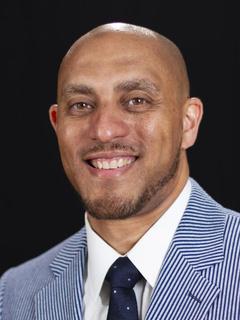
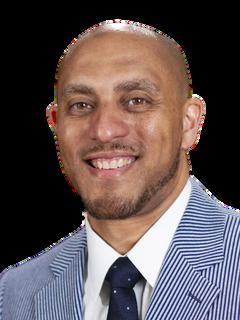
HASAN KWAME JEFFRIE Panelist Ohio State University
J.
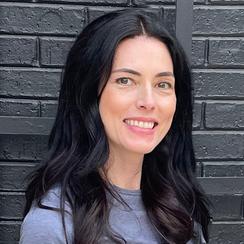
Panelist Center for Civil Rights History and Research
Association for the Study of African American Life and History
ALL FEBRUARY LONG
STATE OF AFRICAN AMERICAN HISTORICAL AND CULTURAL PRESERVATION
CHARTING A COLLECTIVE DEFENSE
Wednesday, February 18, 2026
6:00 p.m. EST. | 5:00 p.m. CST 4:00 p.m. MST | 3:00 p.m. PST
SCAN TO LEARN MORE AND READ ABOUT THE SPEAKERS
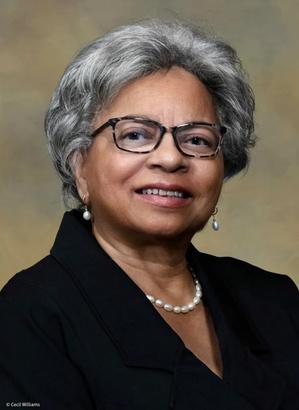
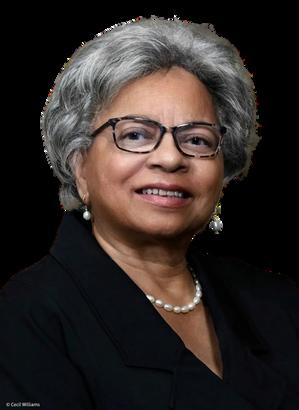
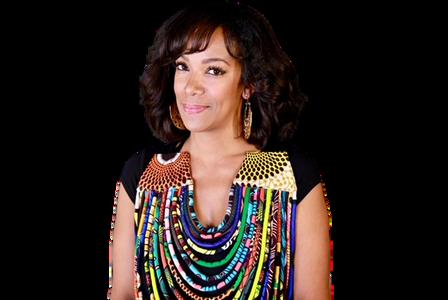
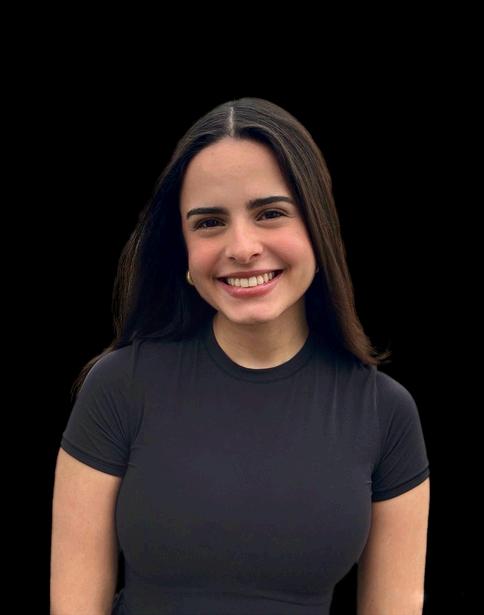
KALI-AHSET AMEN Panelist
Maryland Commission on African American History and Culture
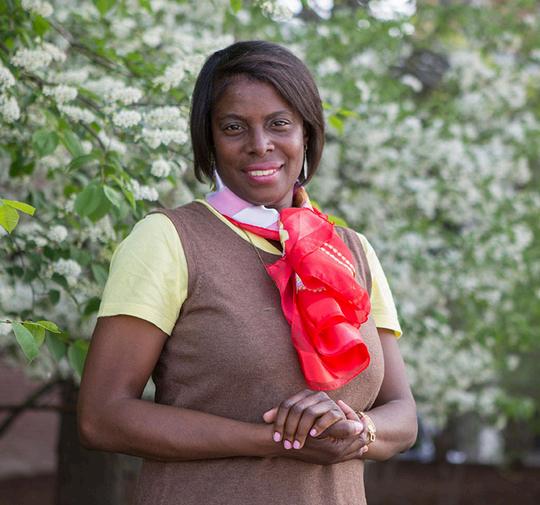
VIVIAN GLOVER NE C. BAILEY Panelist ork State African American Commission
BLACK HISTORY MONTH EVENTS COMMITTEE
Gladys Gary Vaughn, Co-Chair
Sharita Jacobs, Co-Chair
Valerie Maholmes
Mesha Williams
Zebulon Miletsky
Aaisha Haykal
Lopez Matthews
ASALH TV COMMITTEE
Lopez Matthews, Chair
Gladys Gary Vaughn, Co-Chair
Ty Collins
Kenvi Phillips
Chadra Pittman
BOOK PRIZE COMMITTEE
Karen Cook Bell, Chair
Crystal Webster
Shannen Williams
Jelani Favors
JT Roane
MARKETING AND PR COMMITTEE
Zebulon Miletsky, Chair
Brenda Aghahowa, Vice Chair
Aaisha Haykal
Louis Hicks
David Trowbridge
Mesha Williams
Andrea Young
Walter Greason
Chadra Pittman
Aysha LaBon
Cal Burlock
*Sylvia Cyrus, Executive Director
VOLUNTEERS, HOSTS & HOSTESSES
Craig Spraggins, Volunteer Chair and Raffle
Ann Futrell, Volunteers
Cheryl A Lawrence, Stage Support
Darlene Oliver, Command Central
DeJuan Mason, Featured Authors
Event
Drew Oliver, Registration
Rosalyn Jones Fountain, Featured
Authors Event
Valerie Maholmes, Script Writer
THANK YOU
GLADYS AND SHARITA FOR THE LUNCHEON
LOPEZ FOR THE ASALH TV AND VIRTUAL EVENTS
ZEBULON NATIONAL MARKETING & PR CHAIR
MESHA, FESTIVAL CHAIR
BOTH OF THEIR COMMITTEE MEMBERS
THE ASALH STAFF
OUR VOLUNTEERS
SPECIAL THANKS TO OUR STAFF AND CONSULTANTS FOR COMMITMENT AND HARD WORK IN ADVANCING THE M
LAWTON FREEDOM SCHOOL COORDINATOR
SWELL JECTS

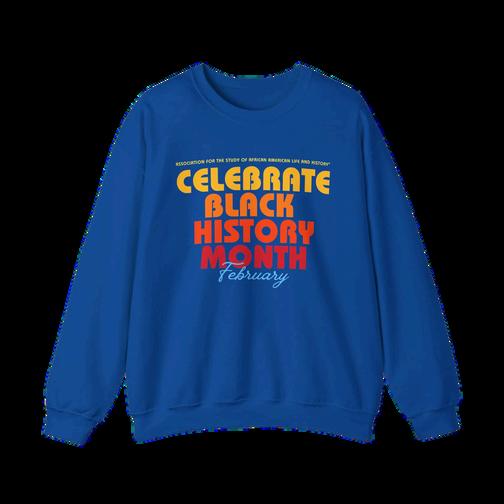
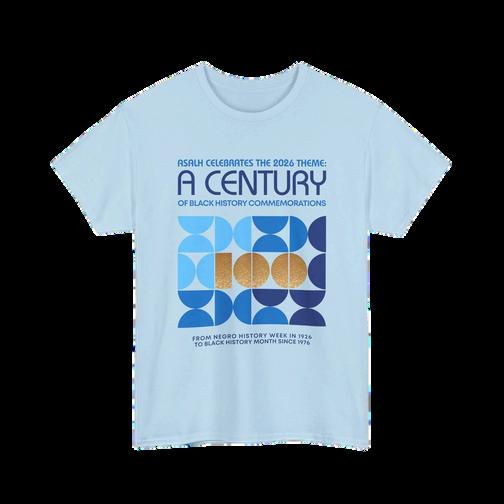

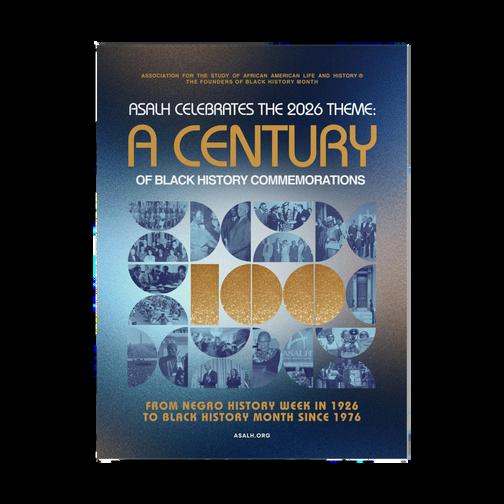
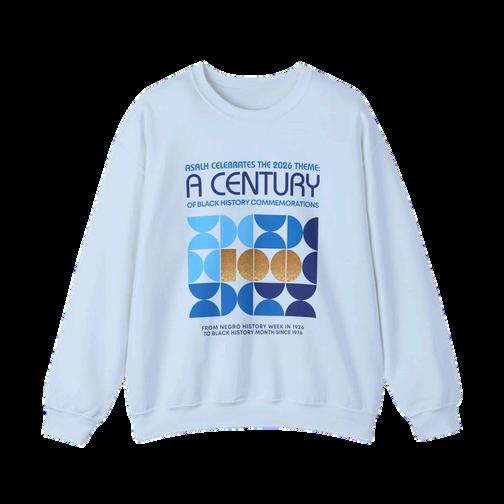
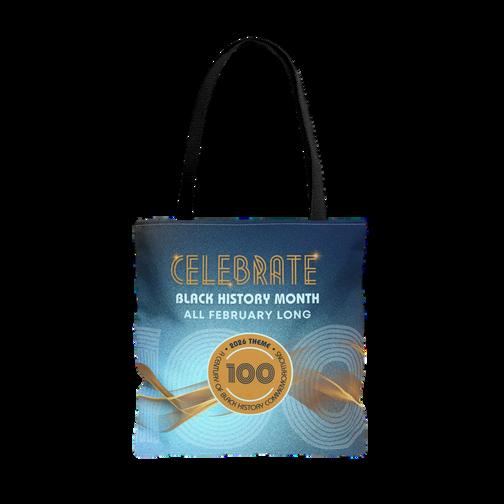

SupportBlackHistory!Buyingourmerch goesdirectlytohelpinguscontinueCarter G.Woodson’smission.






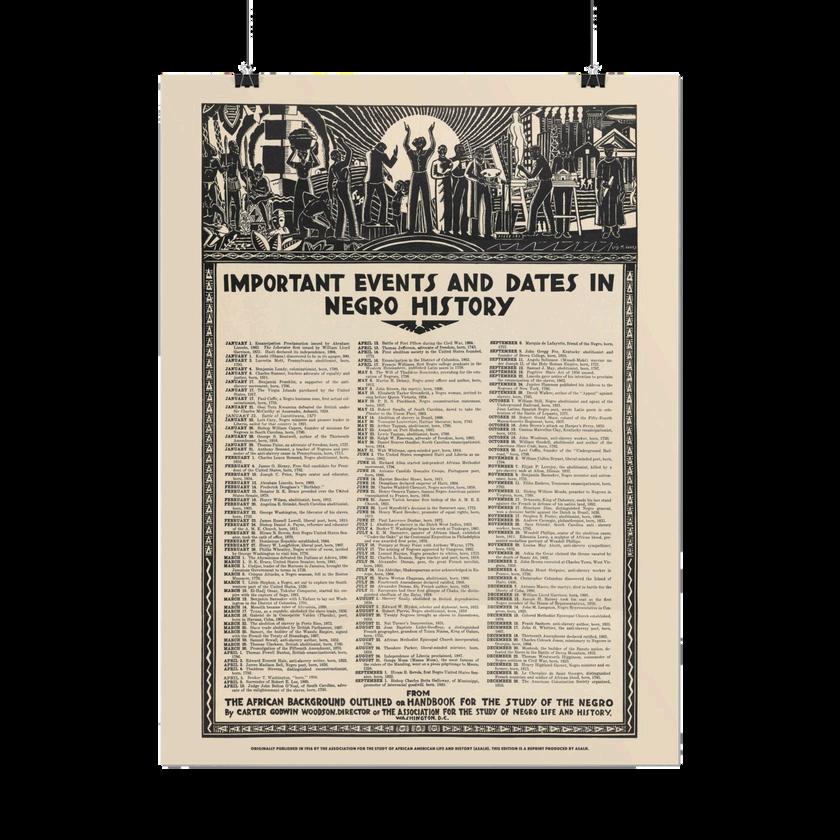
Celebrating a century of Black History (1936 ASALH Reprint)

S H O P N O W
As we approach our 111th ASALH conference, we seek to showcase versatile and innovative historical research that includes and reaches beyond our theme of A Century of Black History Commemorations and highlights the roles and importance of storytelling, memory, and history On this anniversary year, we are commemorating the history of the Association and are interested in the impact of challenges and successes in institutionalizing the teaching, study, dissemination, and commemoration of Black history From Negro History Week to Black History Month, ASALH has carried forth the tradition, and these observances have become part of the fabric of American culture and increasingly the global community Thus, this conference provides an opportunity to examine in depth this history as forces weary of democracy seek to use legislative means, book bans, and challenges to excise Black history from America’s schools and public culture. Black history’s value is not its contribution to mainstream historical narratives, but its resonance in the lives of Black people
Proposals should be detailed, comprehensive, and descriptive that outline the theme, scope, and aim of the session. Proposals that incorporate the annual theme are preferred, but submissions can be on a variety of temporal, geographical, thematic, and topical areas in Black history, life, and culture Details on each can be found on the ASALH and All Academic website.
For individuals who are interested in collaborating on a panel, workshop, or roundtable, please use the Google spreadsheet, which is an informal tool to connect individuals who are seeking ideas and/or collaboration The spreadsheet is not monitored by ASALH or the Academic Program Committee and is not part of the official submission process.
Paper Submissions: Individual(s) can submit papers These papers will be put together with other papers on the same theme/topic by the Academic Program Committee. Papers will ONLY be accepted by non-academics, undergraduate, and graduate students on the 2026 Annual Black History Theme: A Century of Black History Commemorations. Paper submissions are not guaranteed audiovisual during the conference There will be limited slots for paper sessions at the ASALH annual meeting Submissions that are performances or plays will not be accepted
Woodson Lightning Round/Pop-Ups: Individual(s) can submit lightning round papers/presentations These proposals will be put together with other lightning-round proposals by the Academic Program Committee
Poster Submissions: Individual(s) and ASALH Branches can submit posters. The posters will be put together in a single or multiple session by the Academic Program Committee Posters have both a virtual/pre-recording and in-person component
Proposals will be accepted by all affiliations and academic status. Access to audiovisuals is not guaranteed during the conference Panels: Are sessions composed of individuals presenting different papers/presentations on a specific concept/topic/idea
Roundtables: These are sessions that are composed of individuals presenting a single idea/concept/theme
Workshops: These are sessions that are hands-on and work to teach attendees about a particular tool, project, idea, and theme Sessions that are performances or plays will not be accepted
Media: These are sessions that are comprised of an individual film or a film panel where a moderated or group discussion of a film is conducted following the screening
All proposals are submitted in the All-Academic system You will need to provide an abstract (300 words or less), a title of your presentation, your name, email, and affiliation If you are submitting a panel, workshop, roundtable, or media session, you will need the information for all the presenters. Once the proposal is submitted, the submitter and all presenters will receive an email confirmation.
The submission deadlines for proposals are as follows: Early Bird Submissions will be accepted via All Academic until March 20, 2026, at 11:59 p.m. (EST). Conditional acceptance responses to Early Bird submissions will be sent out by April 22, 2026, at 11:59 p.m. (EST). After this date, the committee will accept all submissions until the deadline of May 18, 2026, at 11:59 p.m. (EST) Regular conditional acceptance submissions will be responded to by June 12, 2026, at 11:59 p.m. (EST) You will not be considered official until all session participants have joined the Association and registered for the conference
SCAN THE QR CODES BELOW TO ACCESS 2026'S CONFERENCE FORMS
SCAN HERE TO STAY UP-TO-DATE ON THE 2026 ANNUAL CONFERENCE!

THANK