Jose Guadalupe Posada
Posada was born in Aguascalientes, January 20, 1913 in Mexico 1872-1889: illustration.
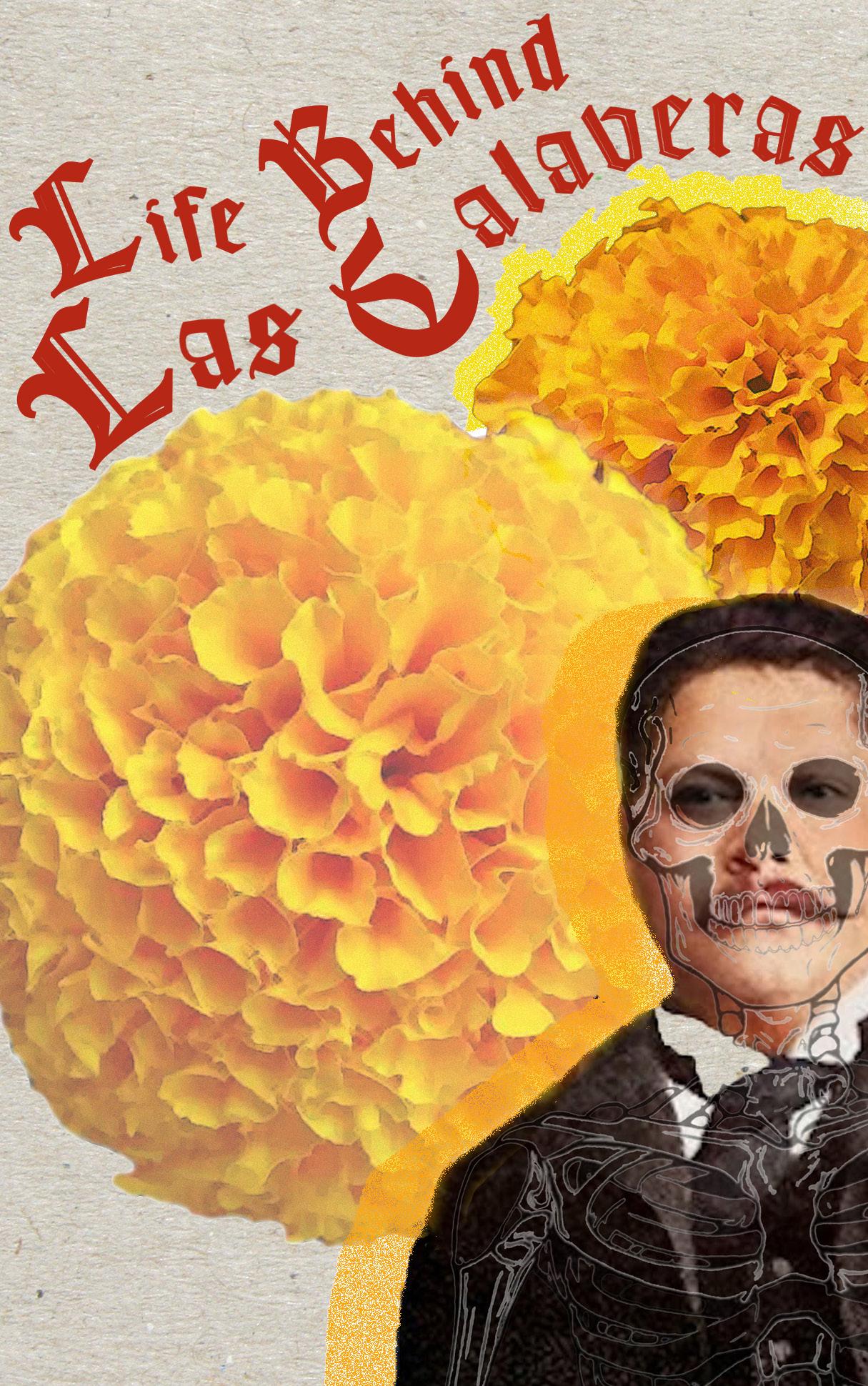
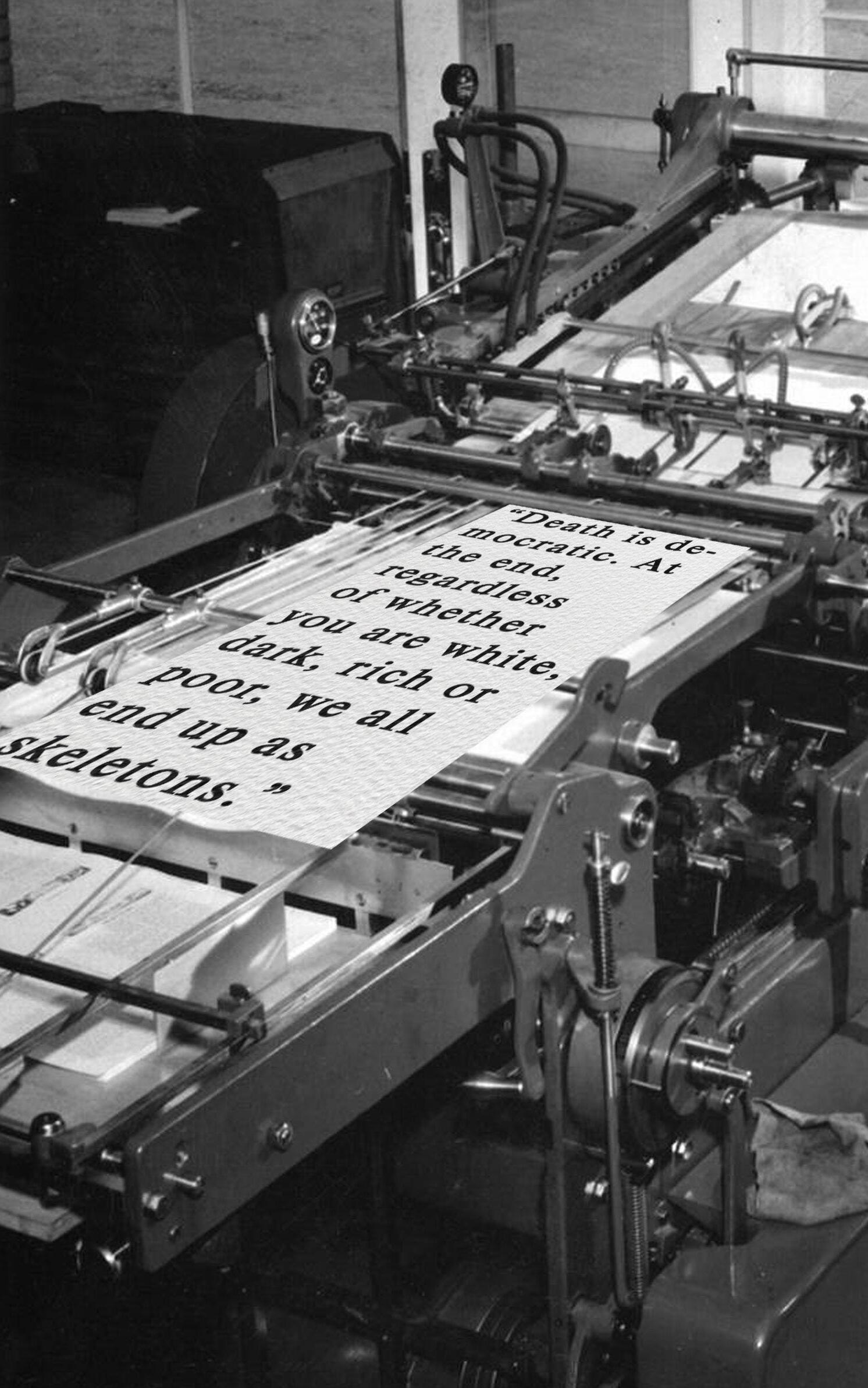
Aguascalientes, Mexico on February 2, 1851 (or 1852 according to some sources) and died City. 1852-1872: Aguascalientes was where he spent his early life, training. From 1872-1889: In León, Guanajuato he was working in lithography, print shops, commercial illustration. From 1889–1913: In Mexico City was the major period when he produced huge volumes of prints for the city’s popular press, broadsides, newsletters, etc. characteristics: ) Technical / formal aspects. He trained in lithography and engraving; his prints include lithographs, relief prints (metal plates), and broadsides (cheap printed sheets). He often worked in relief etching on metal plates (zinc, type-metal, etc) which were then used in expensive publications. The prints were often bold, high-contrast, graphic in quality (strong lines, dramatic compositions) that suited the mass‐market press and for audiences with limited literacy (so the image had to carry much of the meaning). Because the prints were often reused, re-printed, adapted, and their plates worn down, exact dating and attribution of many works is difficult. )
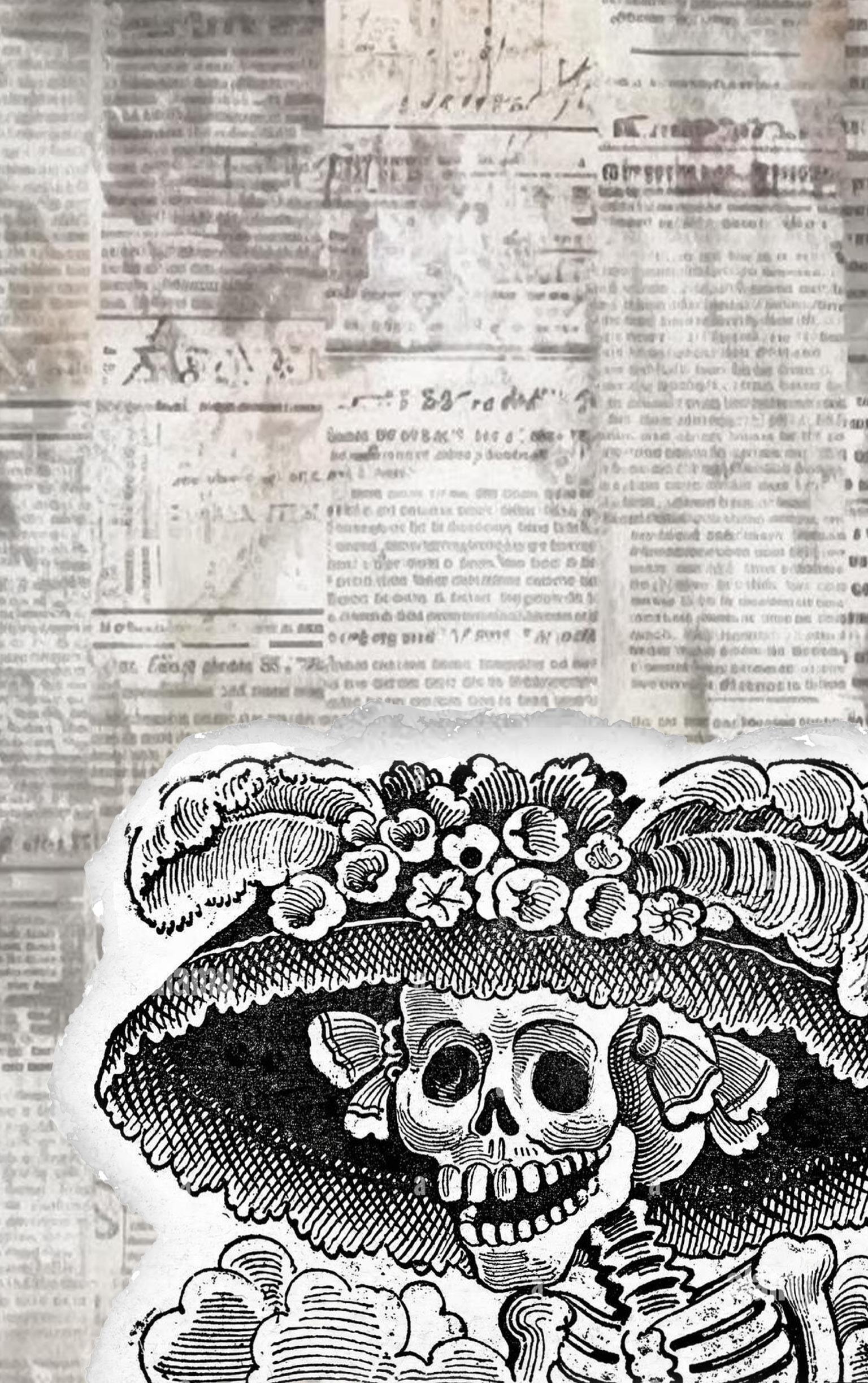
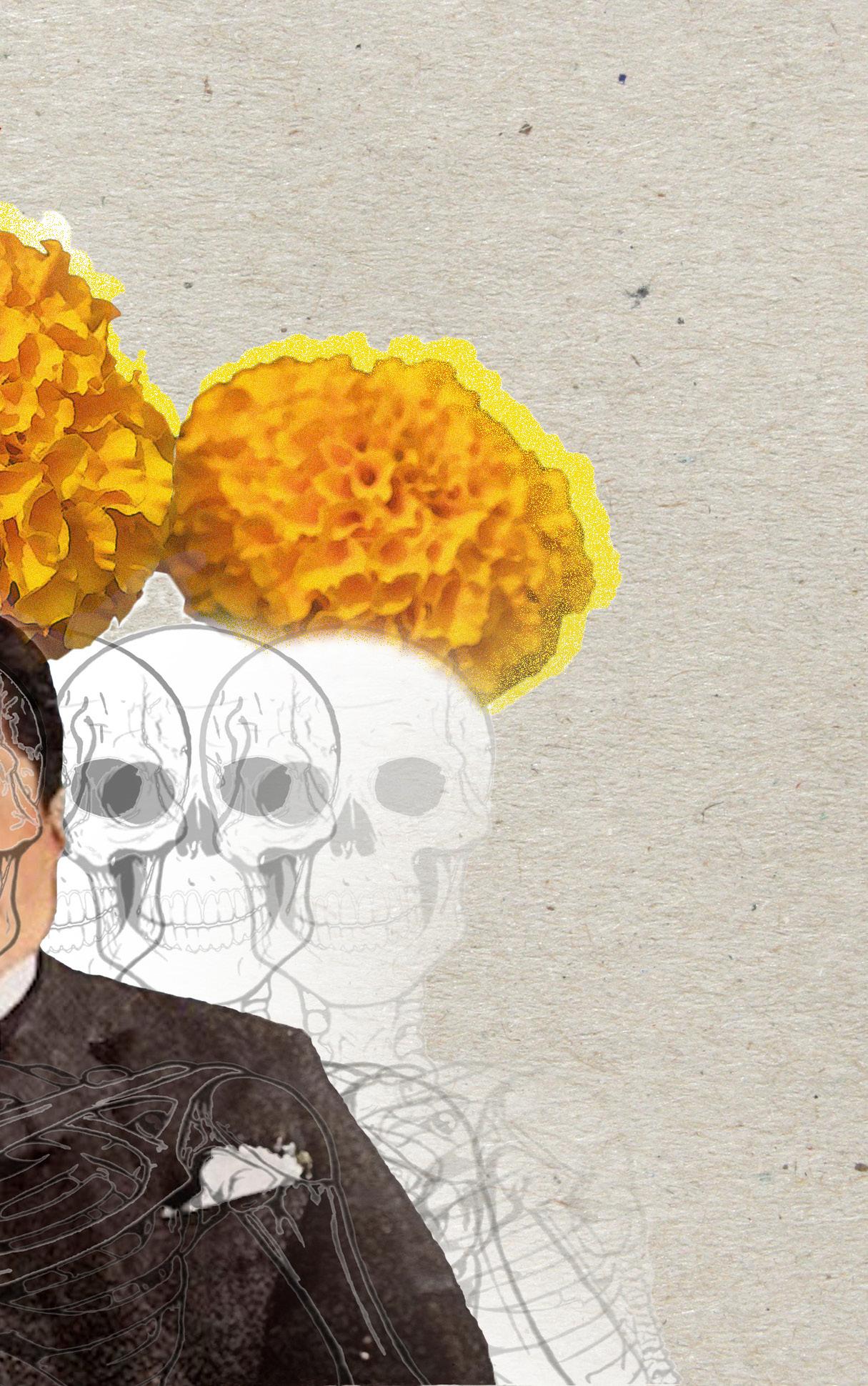
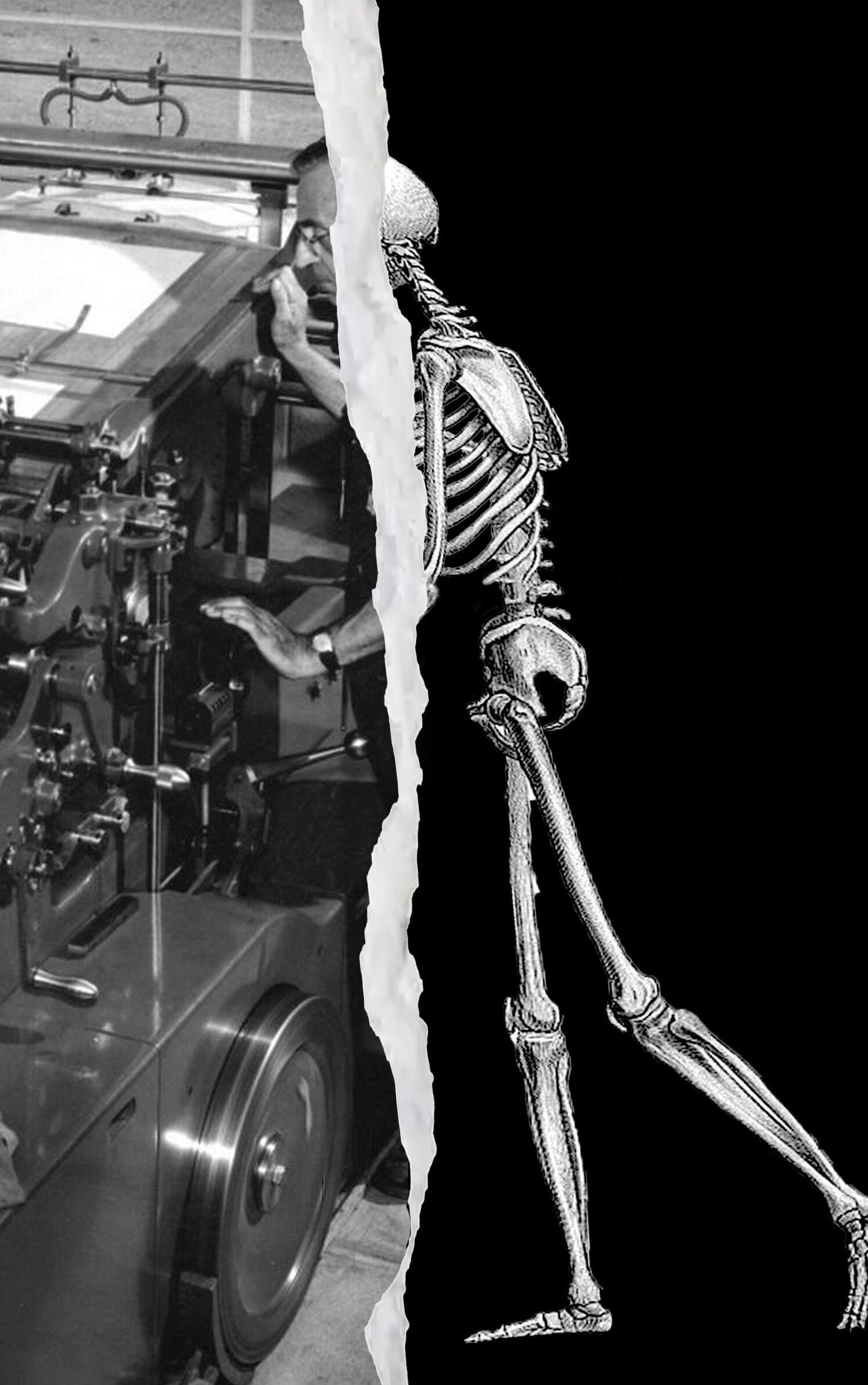
Thematic / stylistic motifs. One of his most famous motifs is the calavera (skeleton or skull figure) which is often depicted in witty, satirical, or lively situations (dancing, socializing) rather than purely macabre.
The most iconic single image: La Calavera Catrina a skeleton lady wearing an elegant European-style hat and dress, satirizing the upper-classes and their mimicry of European fashions. Use of satire and social critique: His skeletons, his broadsides, his illustrations often addressed social injustice, political corruption, class disparity. For example: a calavera of the rich or a parody of high society. Popular culture / folk themes: He worked for the penny-press, broadsides, ballads (corridos), children’s games; he addressed everyday life, popular rituals, current events, disasters, crime. During the time of his death, in his calavera imagery, there is a sense that death spares no one rich or poor. This resonates in Mexican traditions of death (ex: the
z
Created by: Hera Arvizu
Wikipedia: Jose Guadalupe Posada, https://en.wikipedia.org/wiki/ Jos%C3%A9_Guadalupe_Posada