A Practical Guide To Wood Printing
Technological advancements have improved graphic printing. Therefore, wood printing or wood printing is an emerging technique. It utilizes inkjet technology to achieve a texture-based finish with impressive results. As of today, it is widely used for advertising, decorations, and events. Paper was printed in the past using wood. Gouged woodcuts may be one example. In this new era of digital wood print, the way to capture a person’s attention has changed due to the design. A perfect definition and sharp finish make it different from other techniques.
What Is Wood Printing?
A wooden surface is printed with text or images. Those businesses looking to differentiate themselves from their competition can benefit from it with original and beneficial results. It can also be used indoors and outdoors for the pigments in the inks.
You can use this technique on different types of wood, including birch and pine. It only takes a few steps to choose your wood type, dimensions, and digitized design.
What Are The Different Types Of Prints On Wood?
Wood prints come in several types. They can be created by printing white ink on white wood, silkscreen printing on white wood, or using natural ink.
Natural Wood
A direct impression is made without any coating on the flat surface of the wood. This way, the wood betas can have a unique finish that maximizes their aesthetics.
Most printers do not print white ink. To achieve a more neutral or yellowish tone, “blank” spaces in the wood’s color are left. Matte colors achieve a more natural or vintage effect this way.
White ink
Natural wood can also be printed with white ink. It is possible to paint the surface with white paint very thinly to prevent the colors from being affected
by the tone of the paint, resulting in vivid, sharp colors. With white inks, you can also print directly without coatings.
Wood Screen Printed With Silkscreen.
Wood is engraved by passing ink through a mesh. Squeegees are used to slide the colors. Embossed printing creates a three-dimensional effect on the final product. Depending on the amount of ink used and the capacity of the press, this technique has a color limit.
What Are The Benefits Of Using Woodprint Printing?
It is possible to use digital printing on wood for personal and professional purposes because its finishes can be adapted to various formats, applications, and colors.
Advertising
Considering its elegance and sophistication, this type of support may be a valuable marketing tool for companies that support nature, such as spas, coffee shops, wine bars, wineries, etc.
Advertisers use this material to evoke the past while adding an artistic touch to their products. Companies can use it as gifts for their most valued customers or employees. Small or large, it is a great way to stand out and make a lasting impression on customers. Logos and high-definition photos can both be created with them.
Decoration
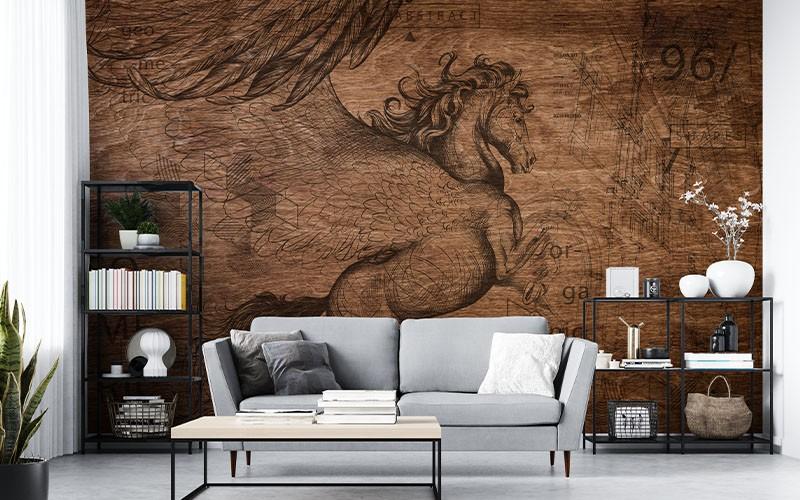
Since centuries, wood has been used for interior decoration in homes, offices, hotels, restaurants, etc. By combining old wood with new technologies, we can achieve a completely different result full of possibilities. The decoration uses it in a variety of ways. The decorations include signs for pubs and restaurants, pictures, furniture, screens, chests, and home tables.
Artistic
Purposes
People who want to add a unique touch to their work, such as photographers and visual artists, should use it. It is also durable because it is designed to last for many generations.
Visit us at: https://artsmileybiz.com/blog/a-practical-guide-to-wood-printing/