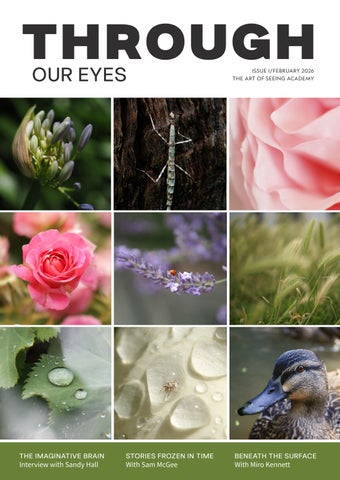
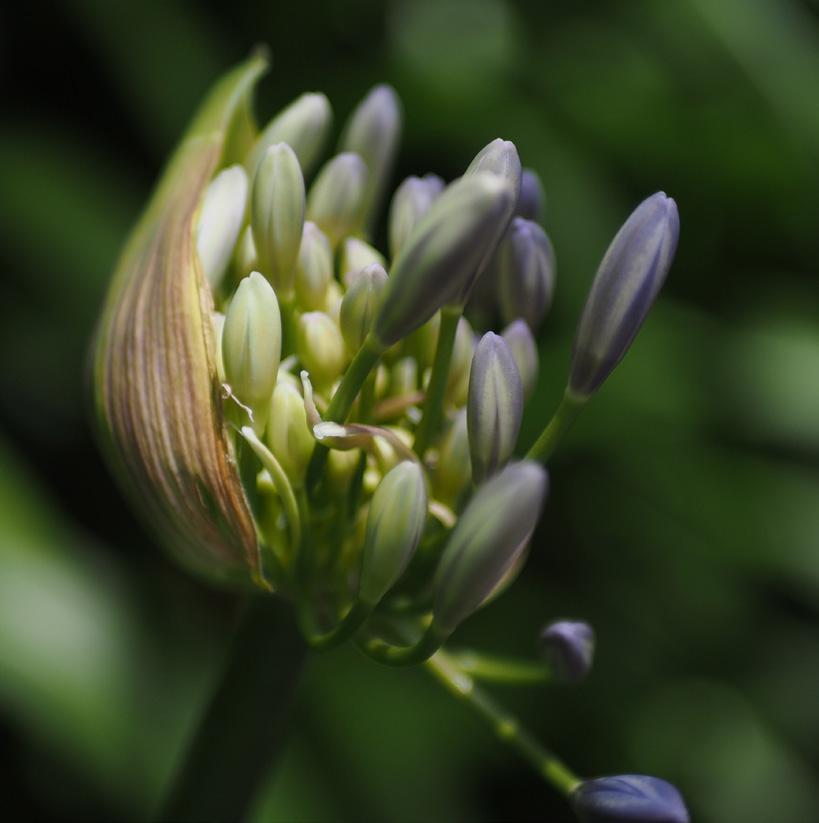
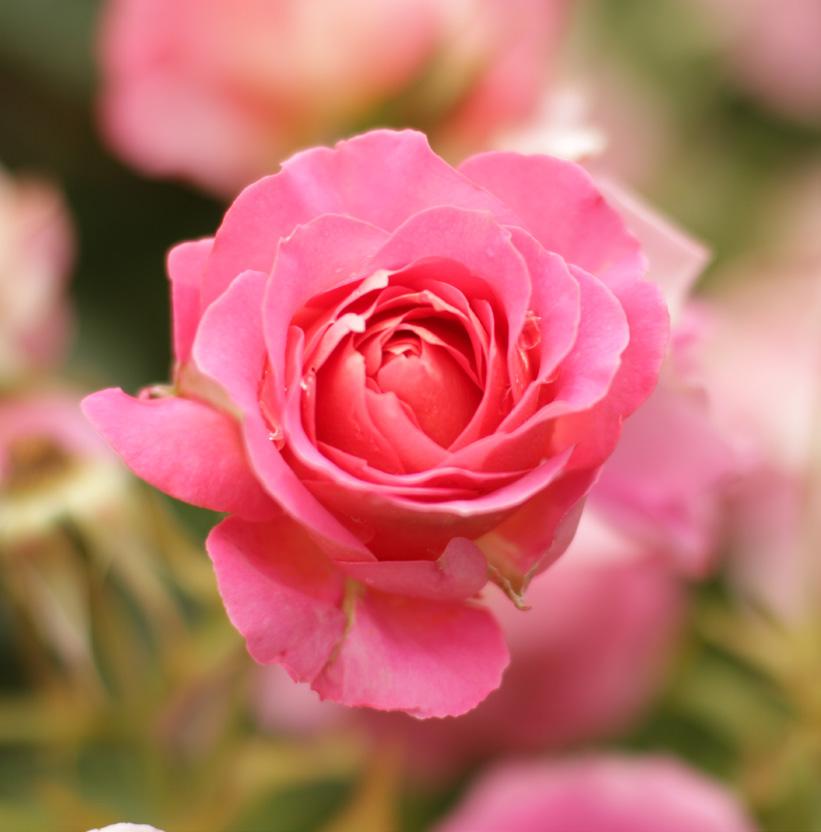
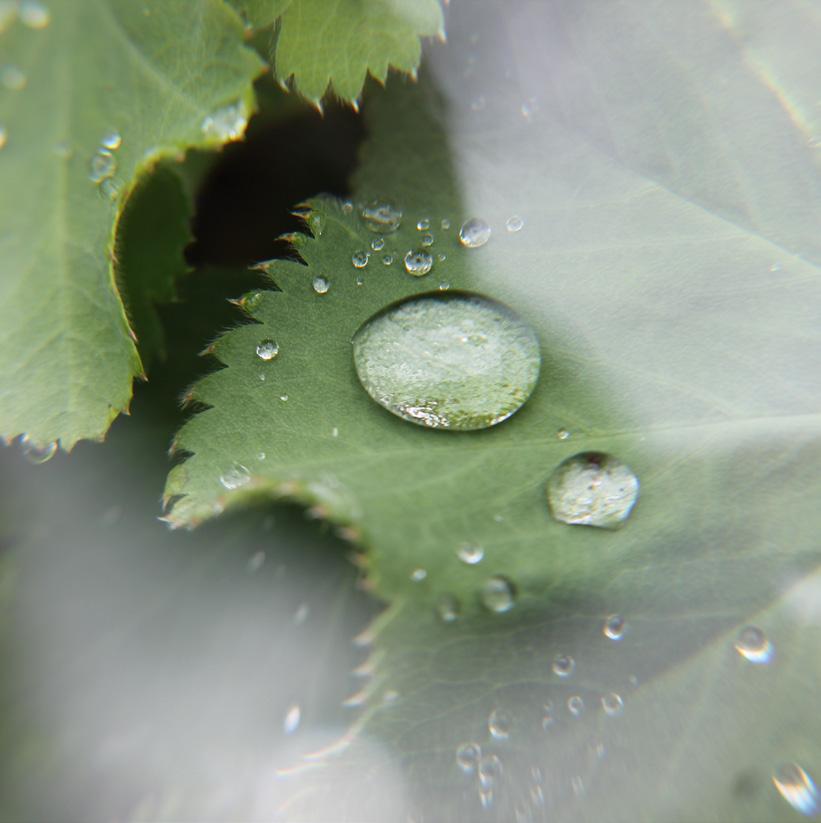
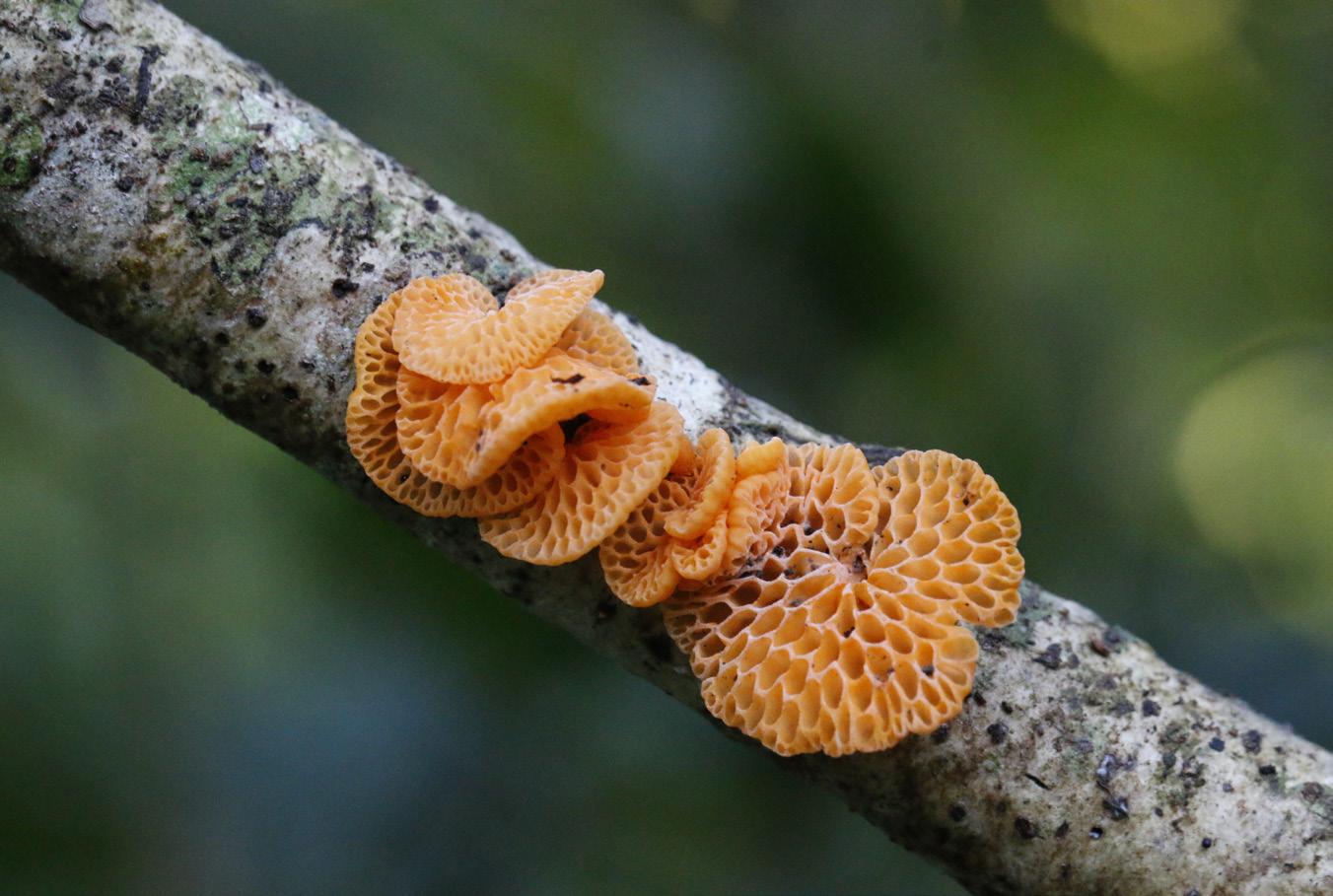
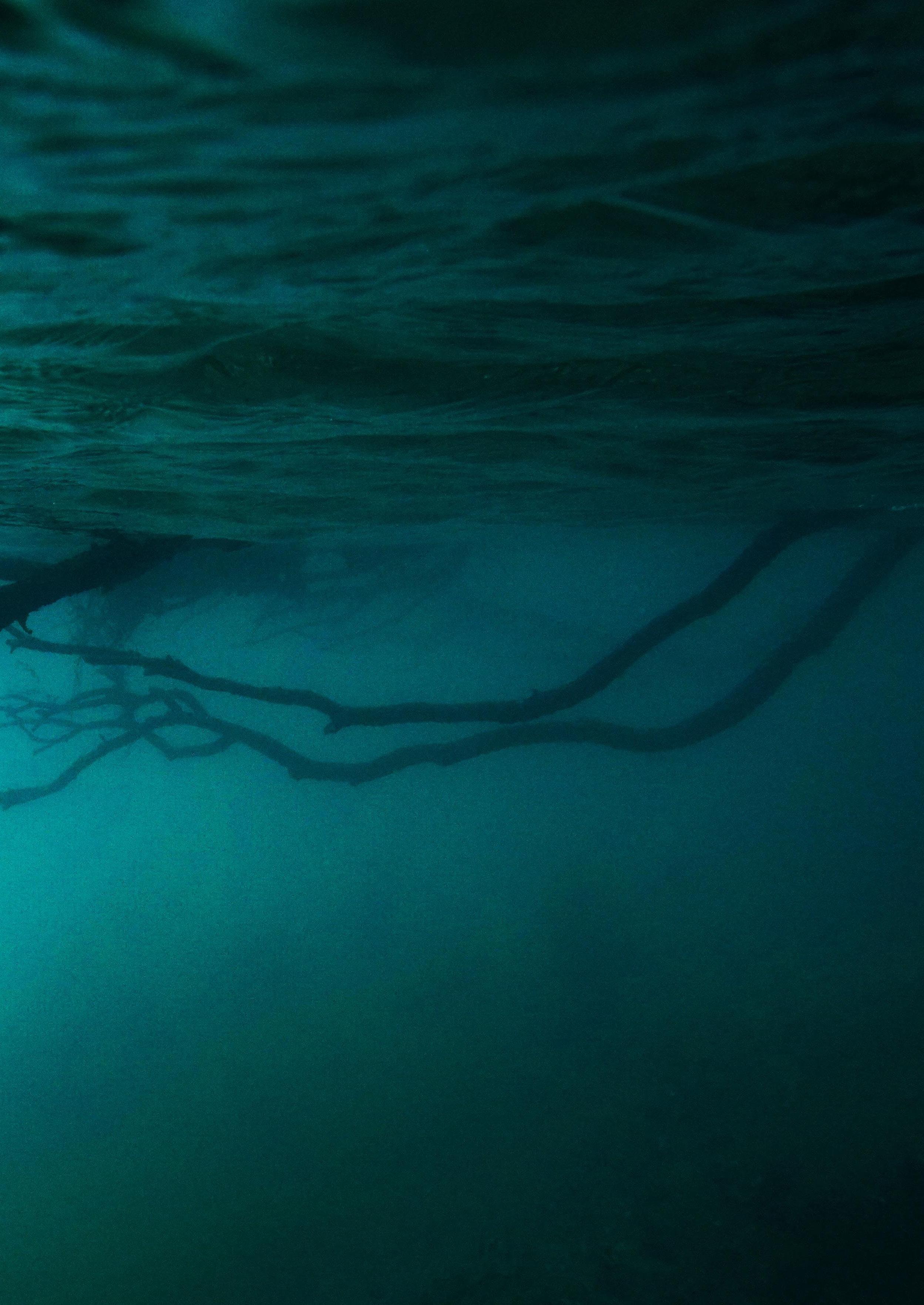
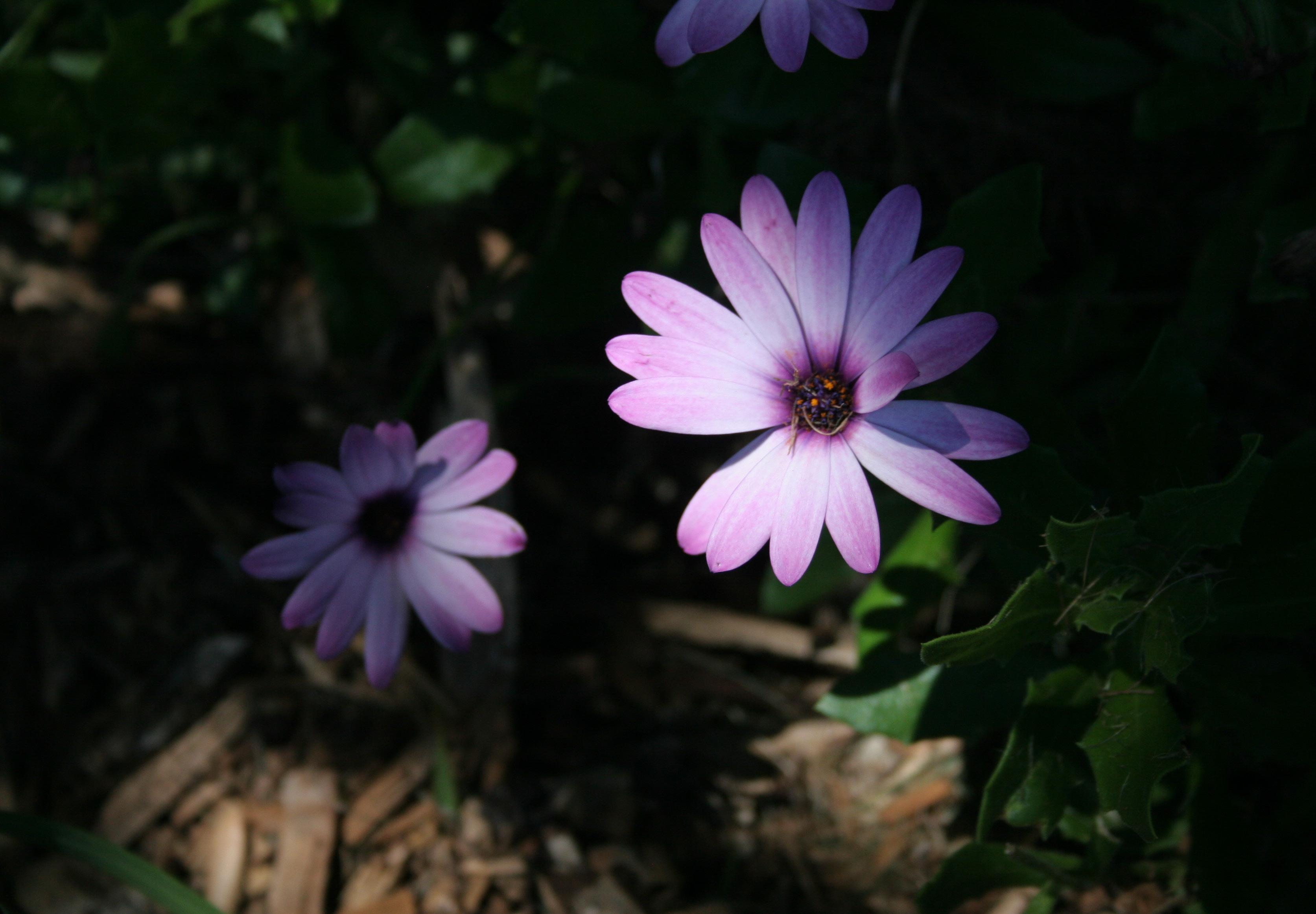
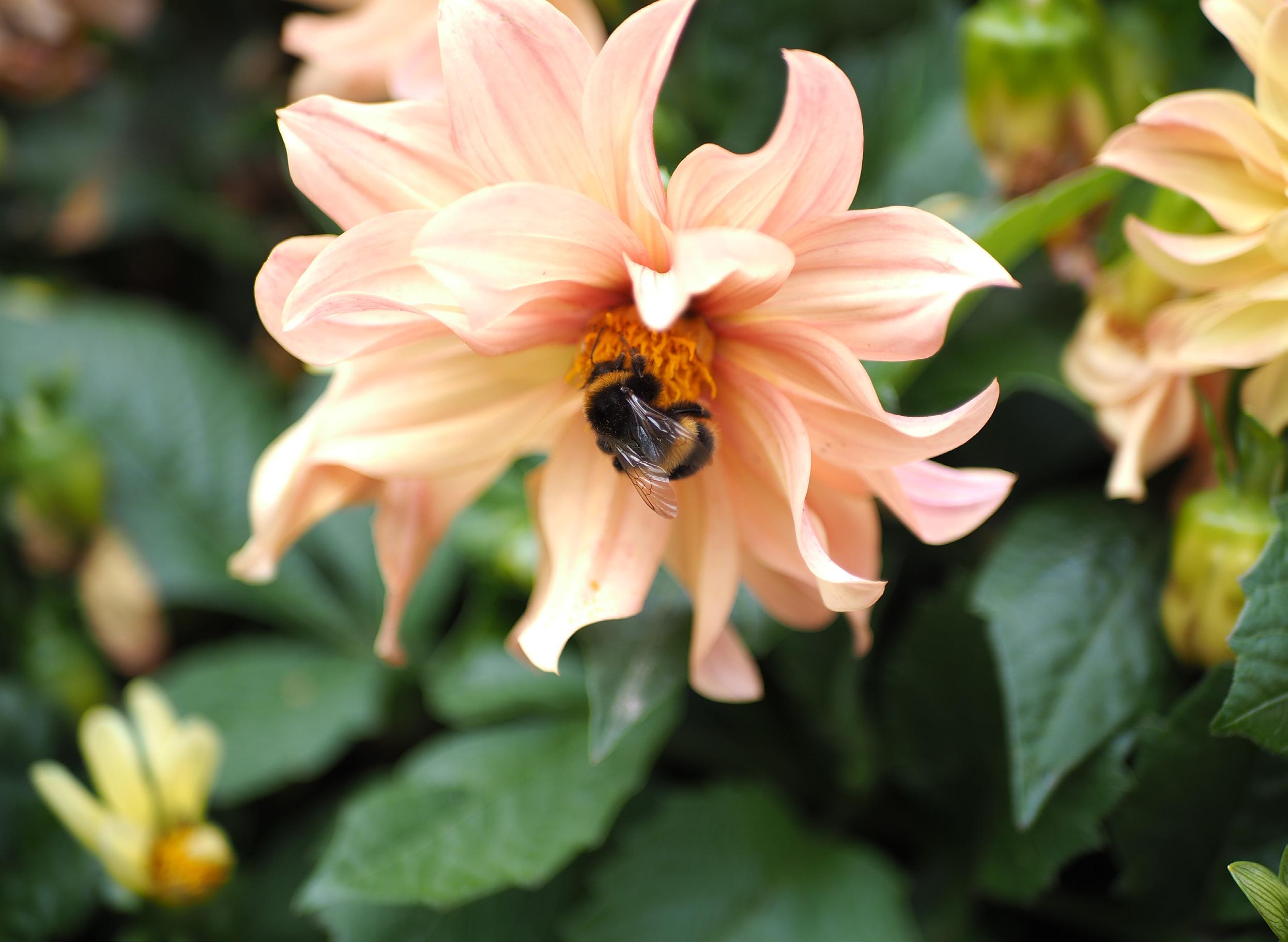
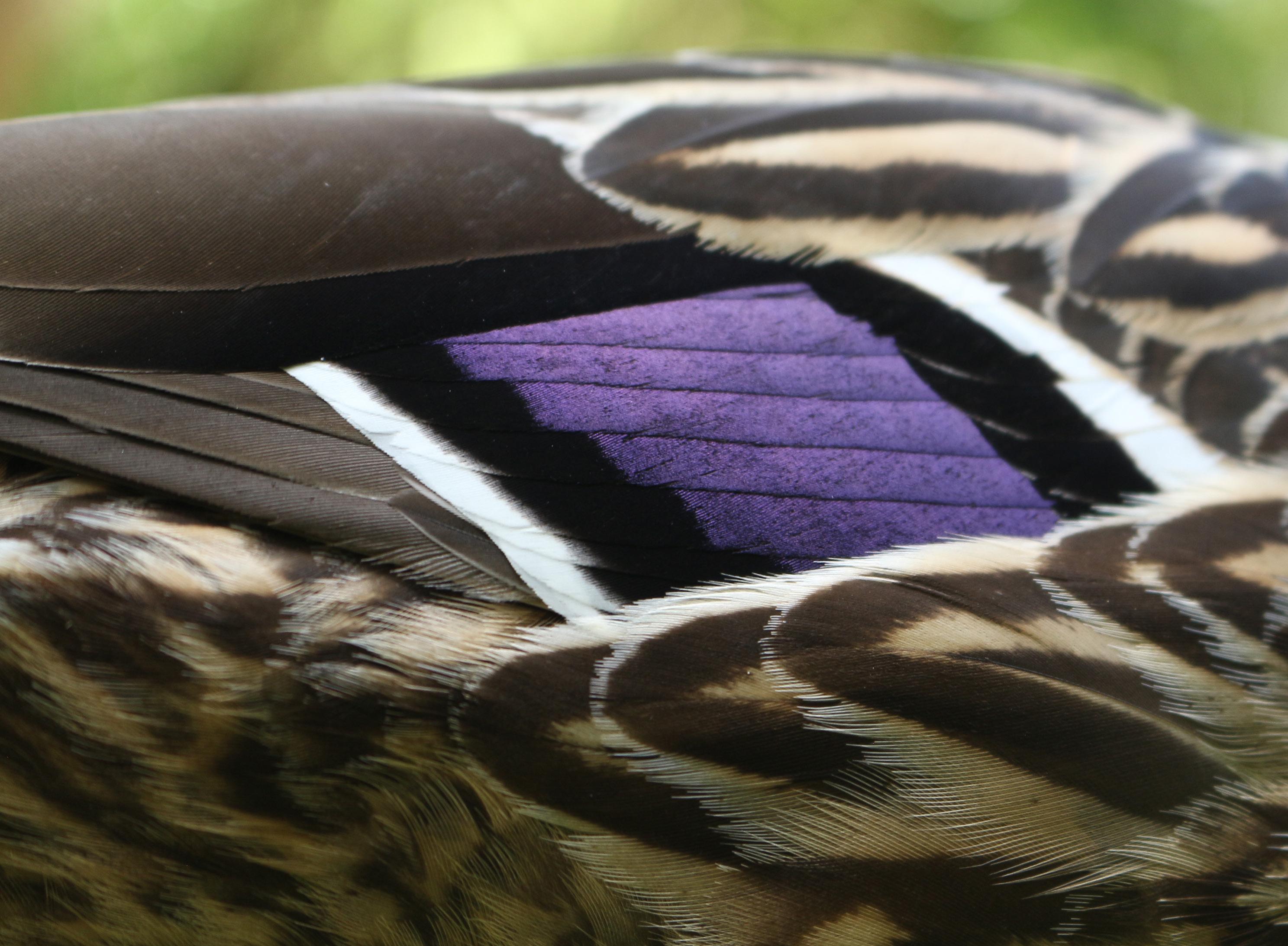
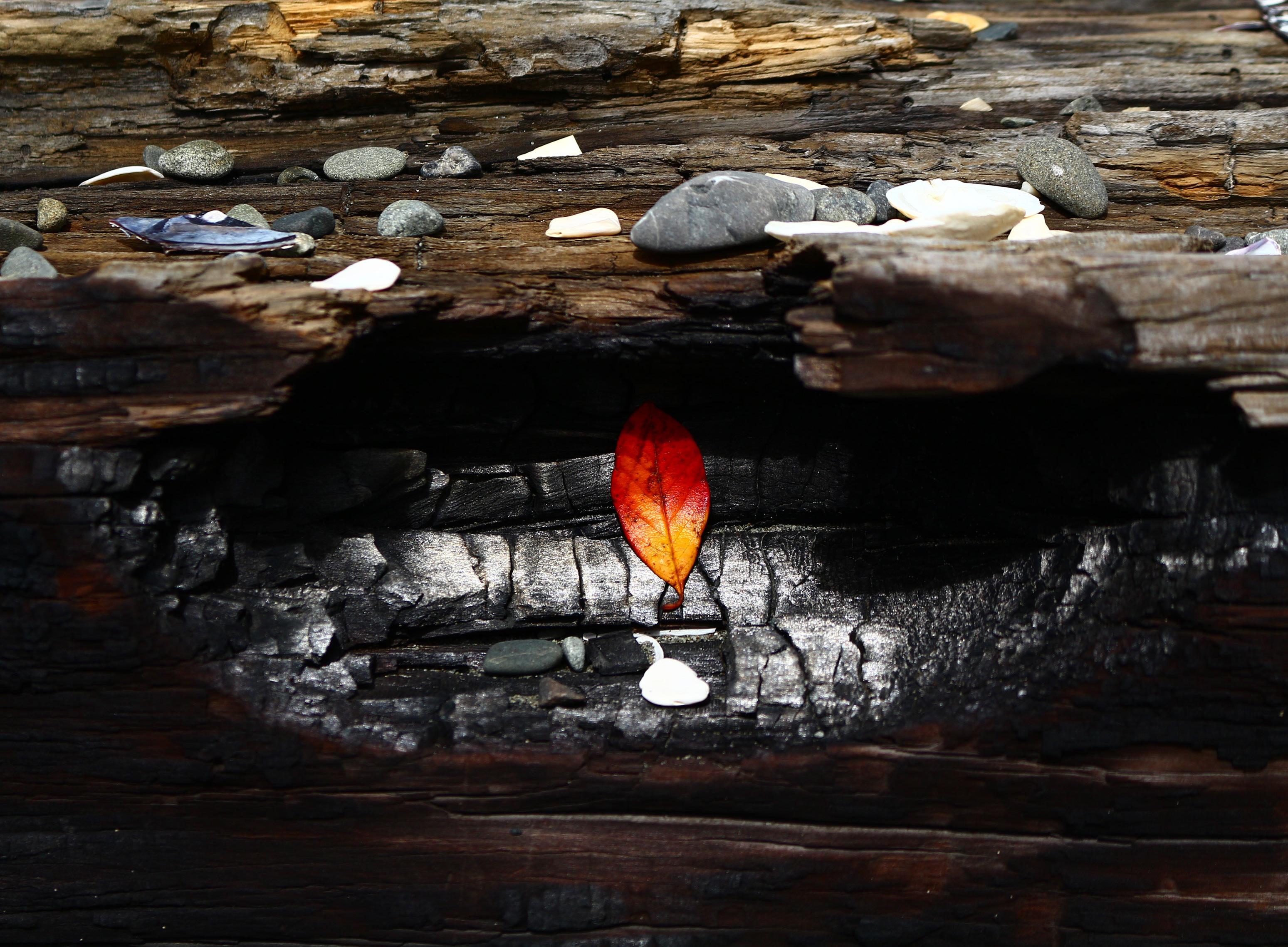
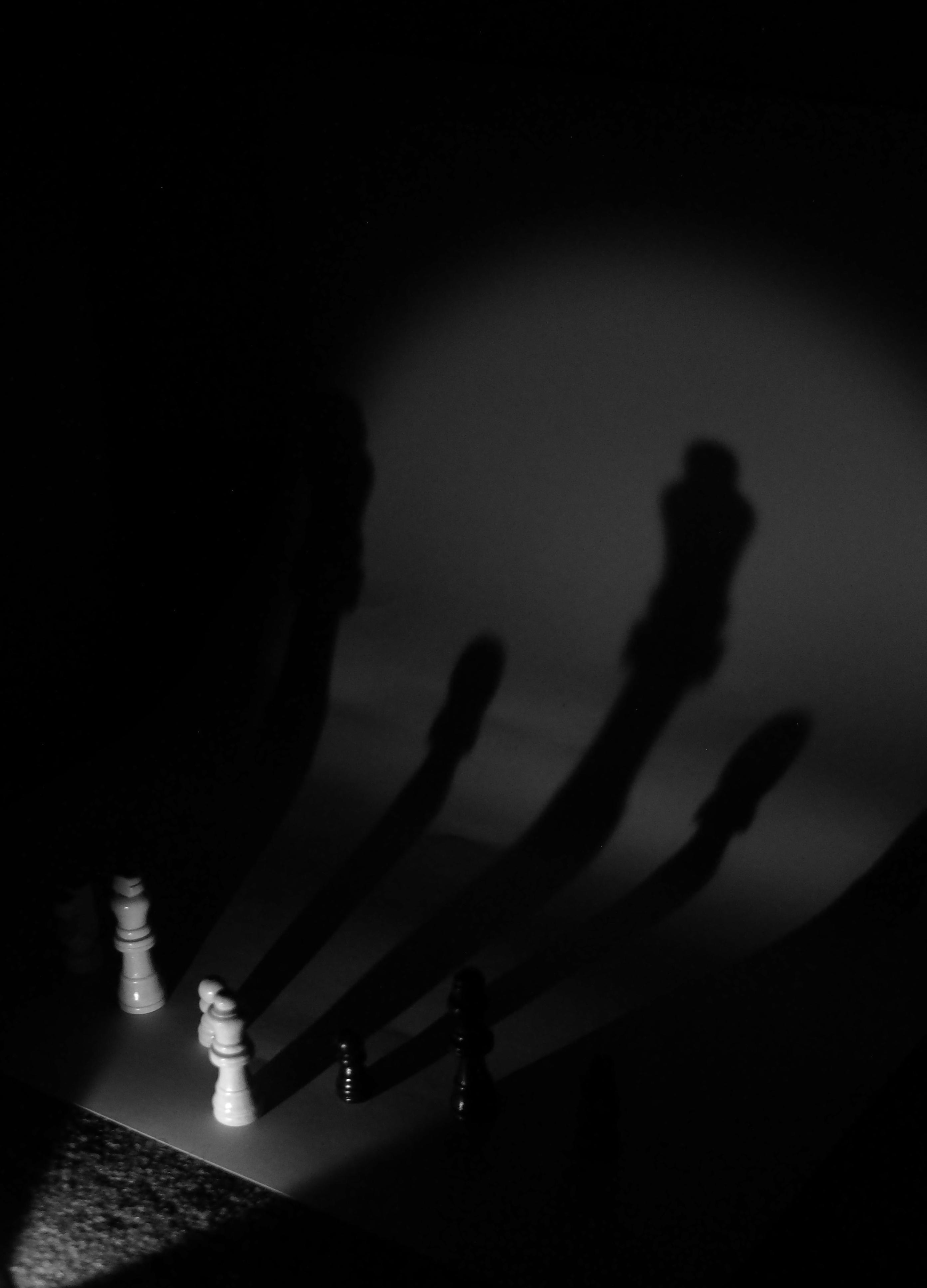
Photography brings people together without using words. It helps us notice more, feel more, and share our view of
the world in our own unique way.
The Art of Seeing Academy
Welcome to the very first issue of Through Our Eyes.
This is a brand new magazine and the first of its kind in Aotearoa. It is dedicated to sharing the world as seen by children through photography.
This project was created especially for tamariki aged 6 to 18. Photography gives them a powerful way to express themselves, build confidence, and feel truly seen and valued. A camera can become a tool for focus, emotional regulation, and non verbal communication. Most importantly, it gives each child a voice.
For whānau and educators, this magazine offers a window into how different learning needs shape the way children see and capture the world. When we pause and look through their eyes, we build greater understanding, empathy, and inclusion.
Inside these pages you will find not only children’s photographs and stories, but also interviews with inspiring young and professional photographers and experts including Sandy Hall, Miro Kennet, and Sam McGee. We hope their journeys encourage every reader to keep exploring and creating.
Thank you for being part of this beginning. This is just the start of something special.
ANA LYUBICH, FOUNDER
Through Our Eyes Magazine Issue 1 | February/March 2026
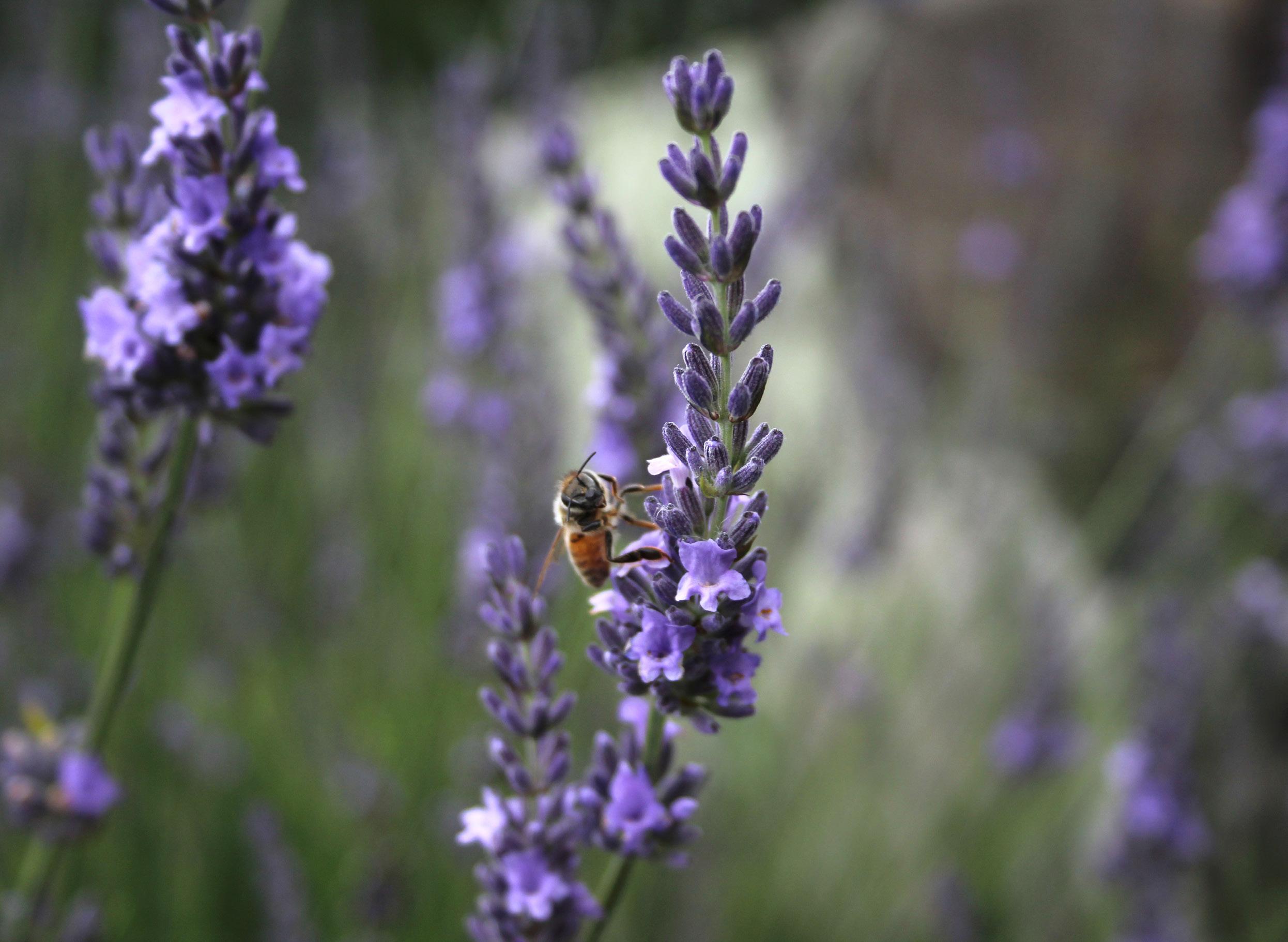
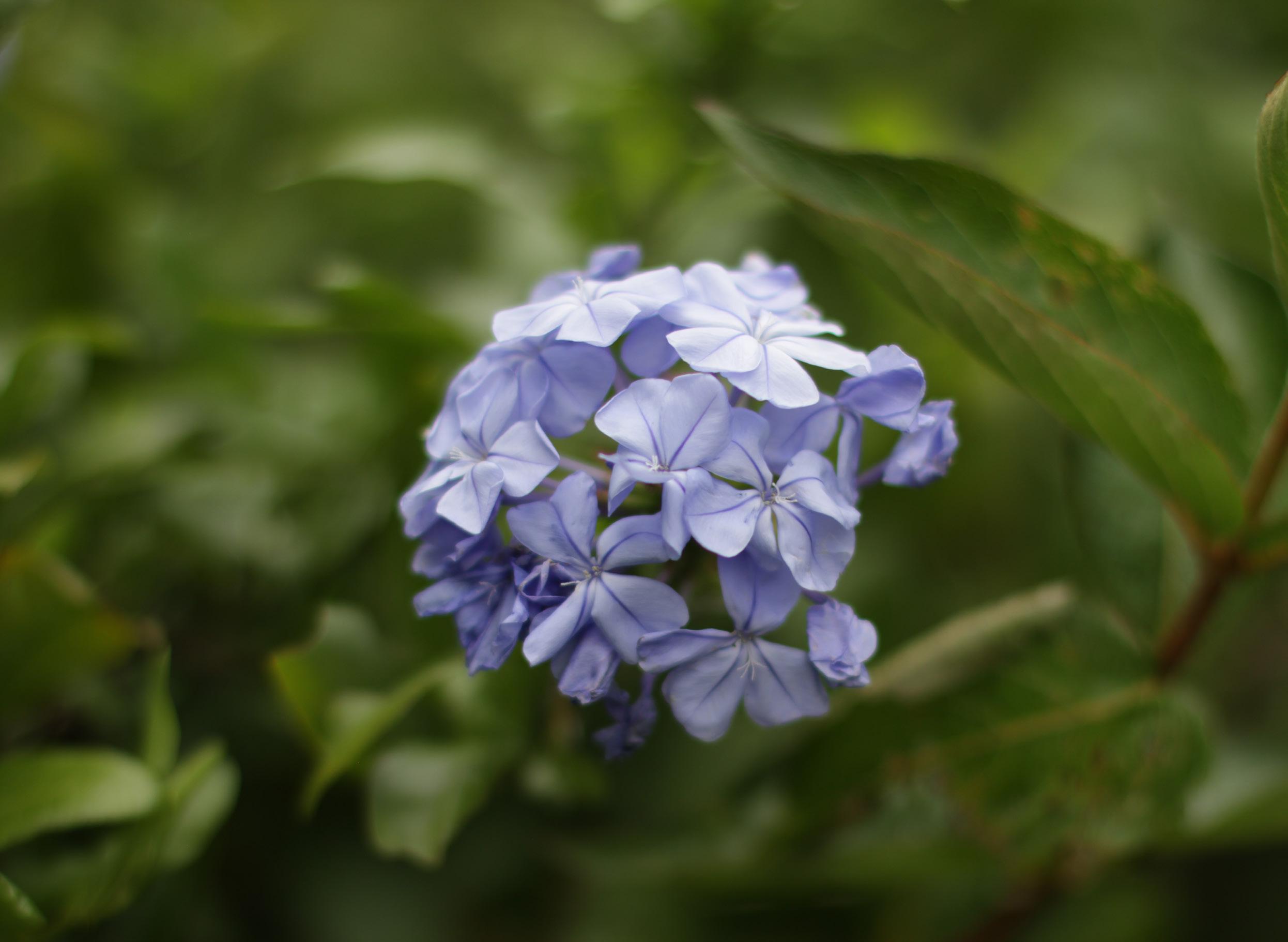
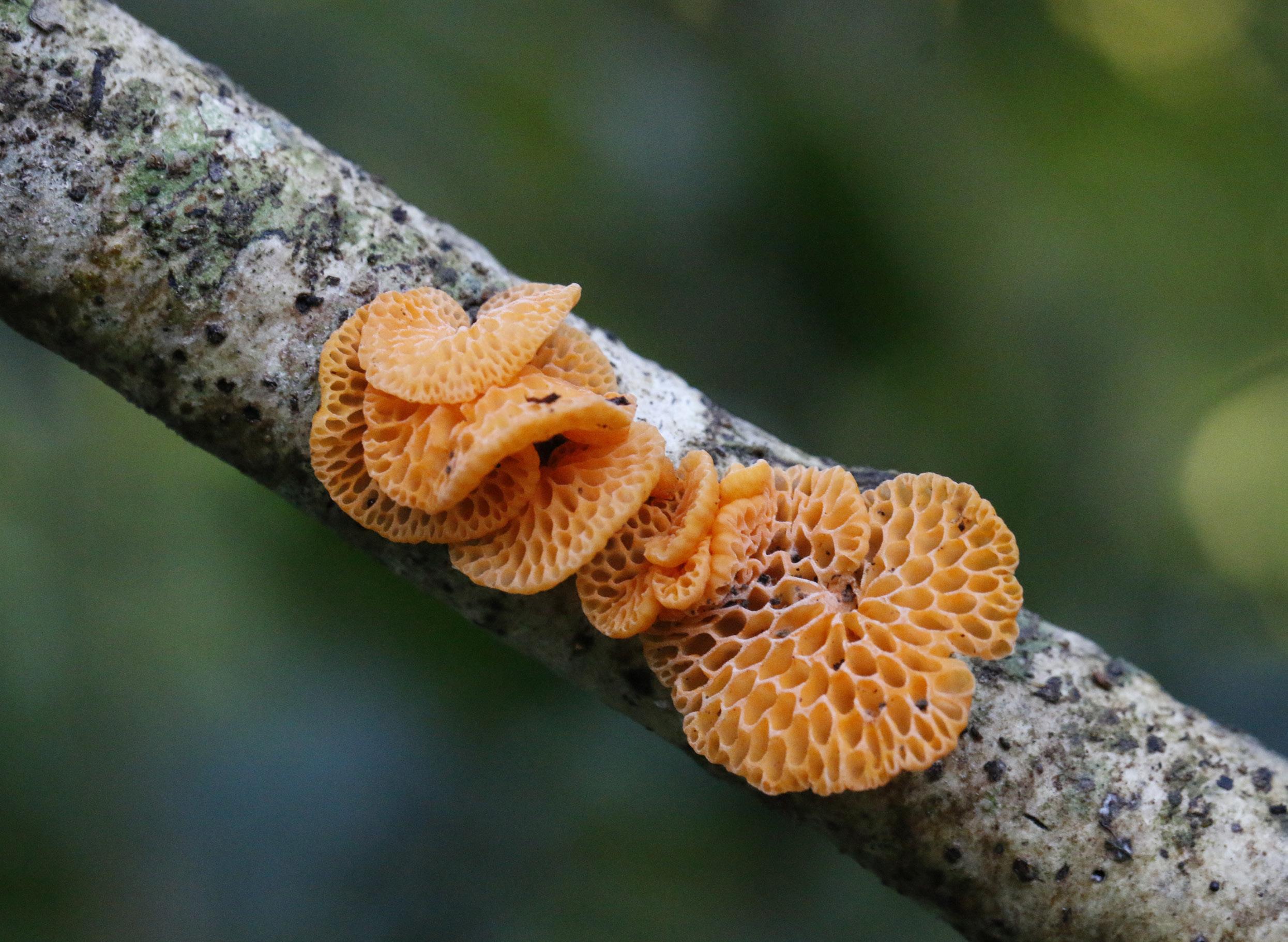
Cover photographs (left to right, top to bottom)
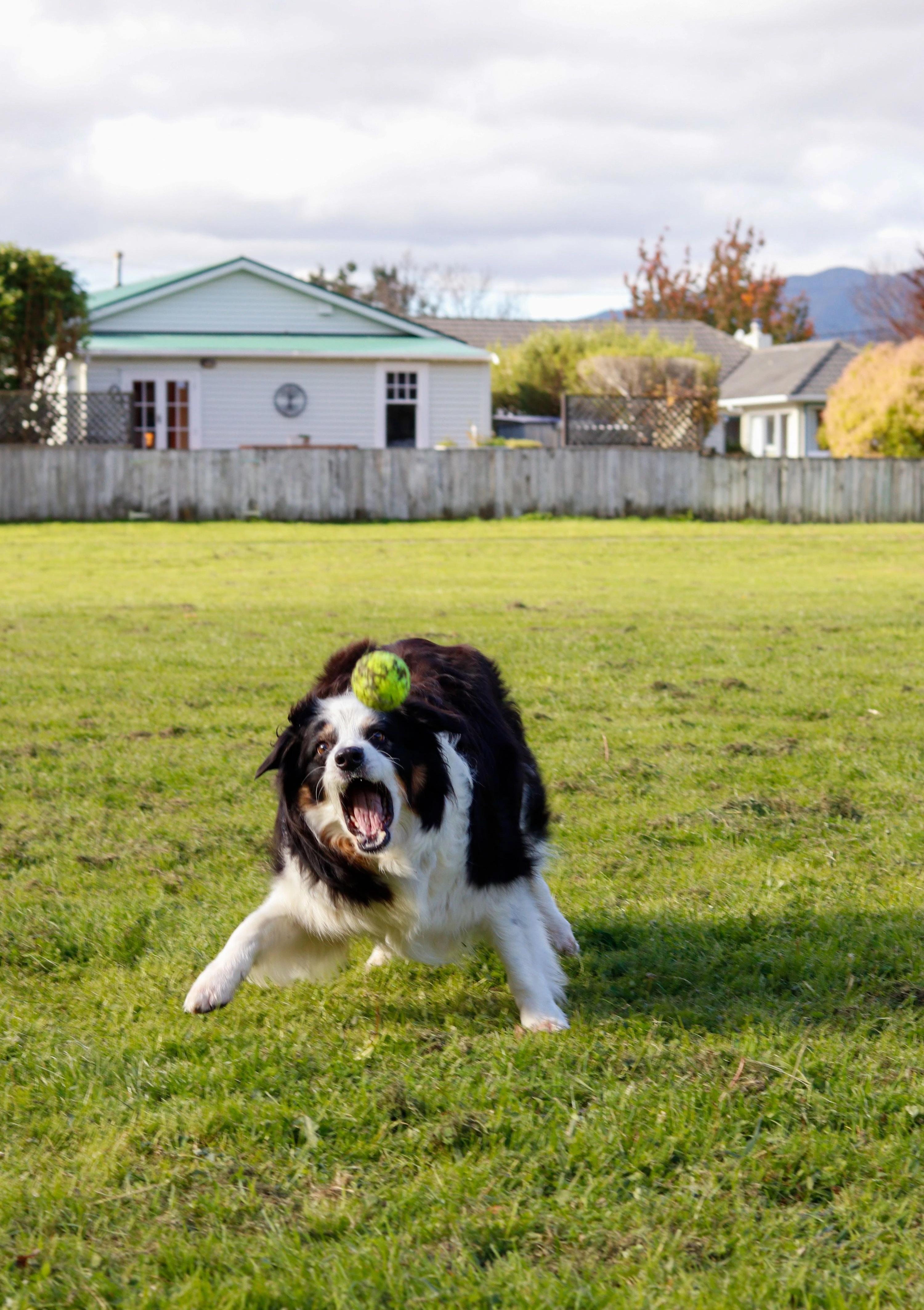
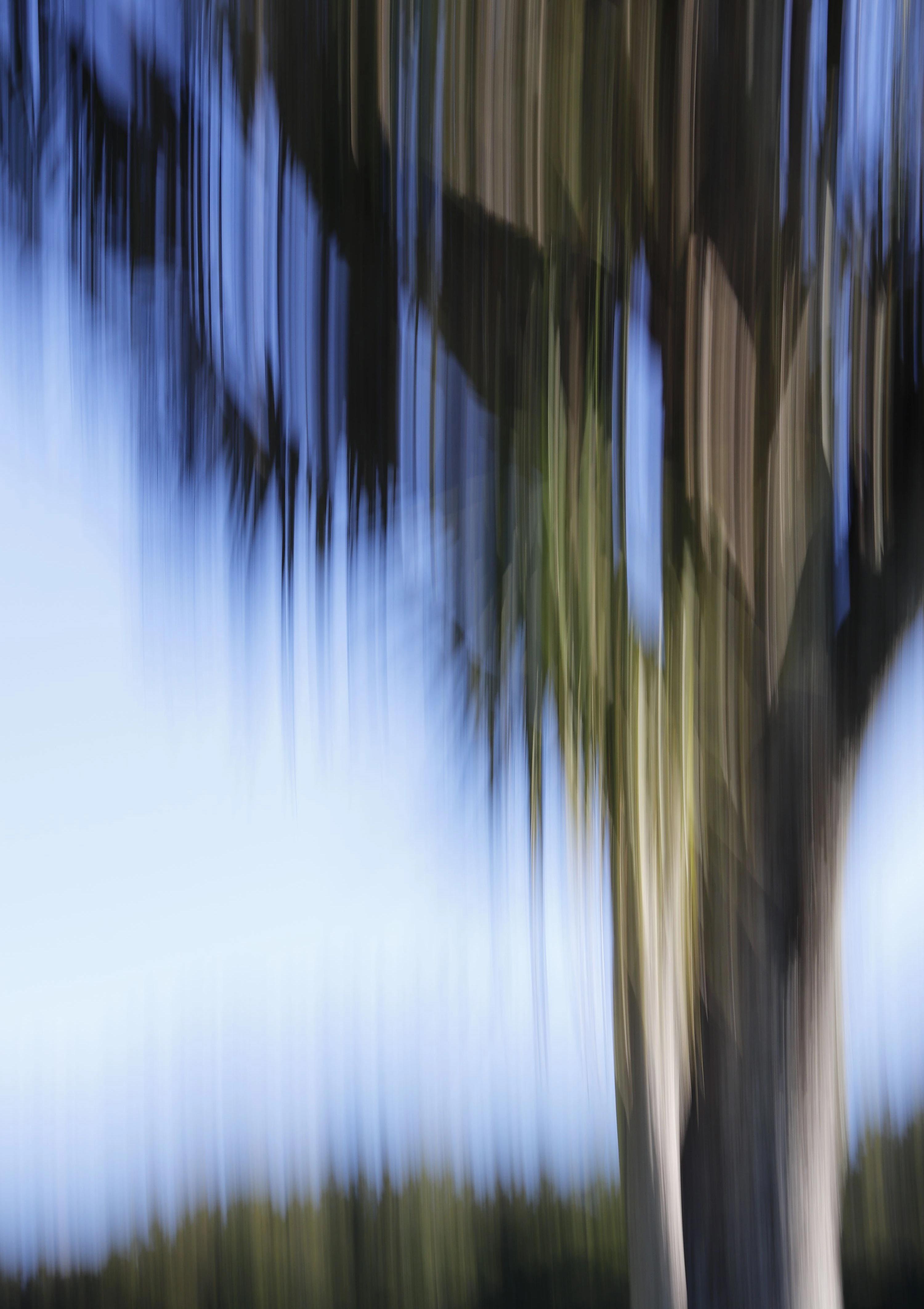
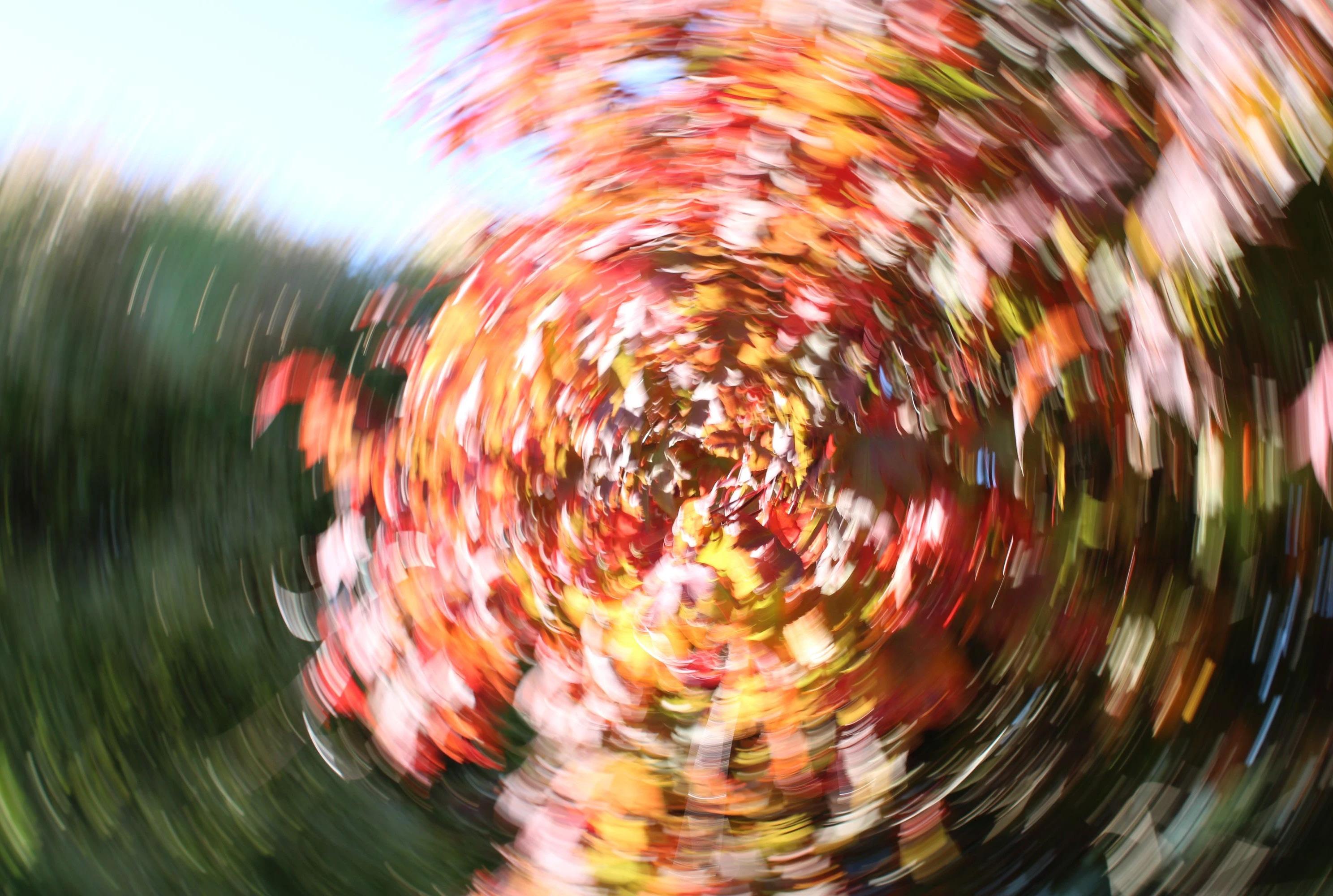
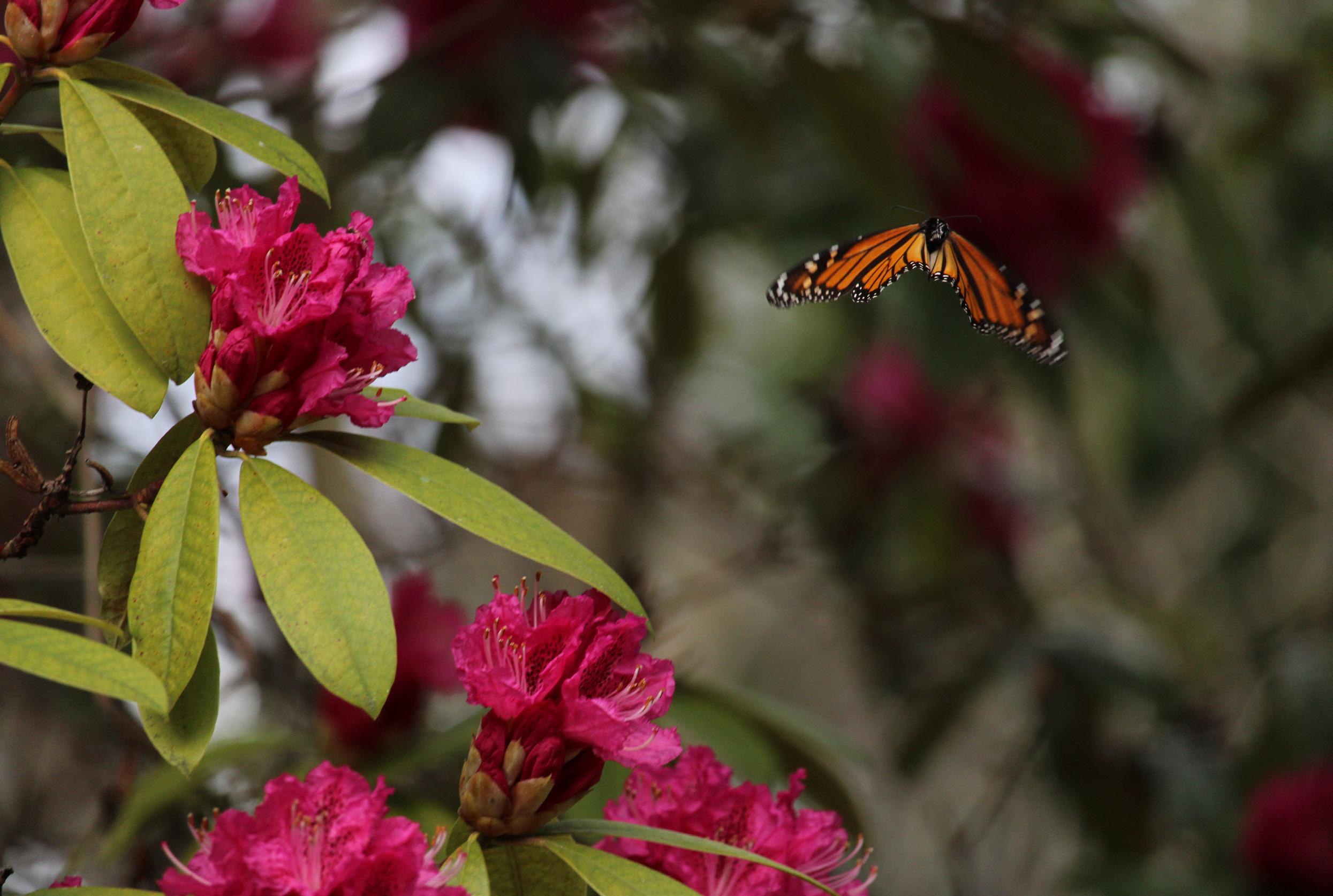
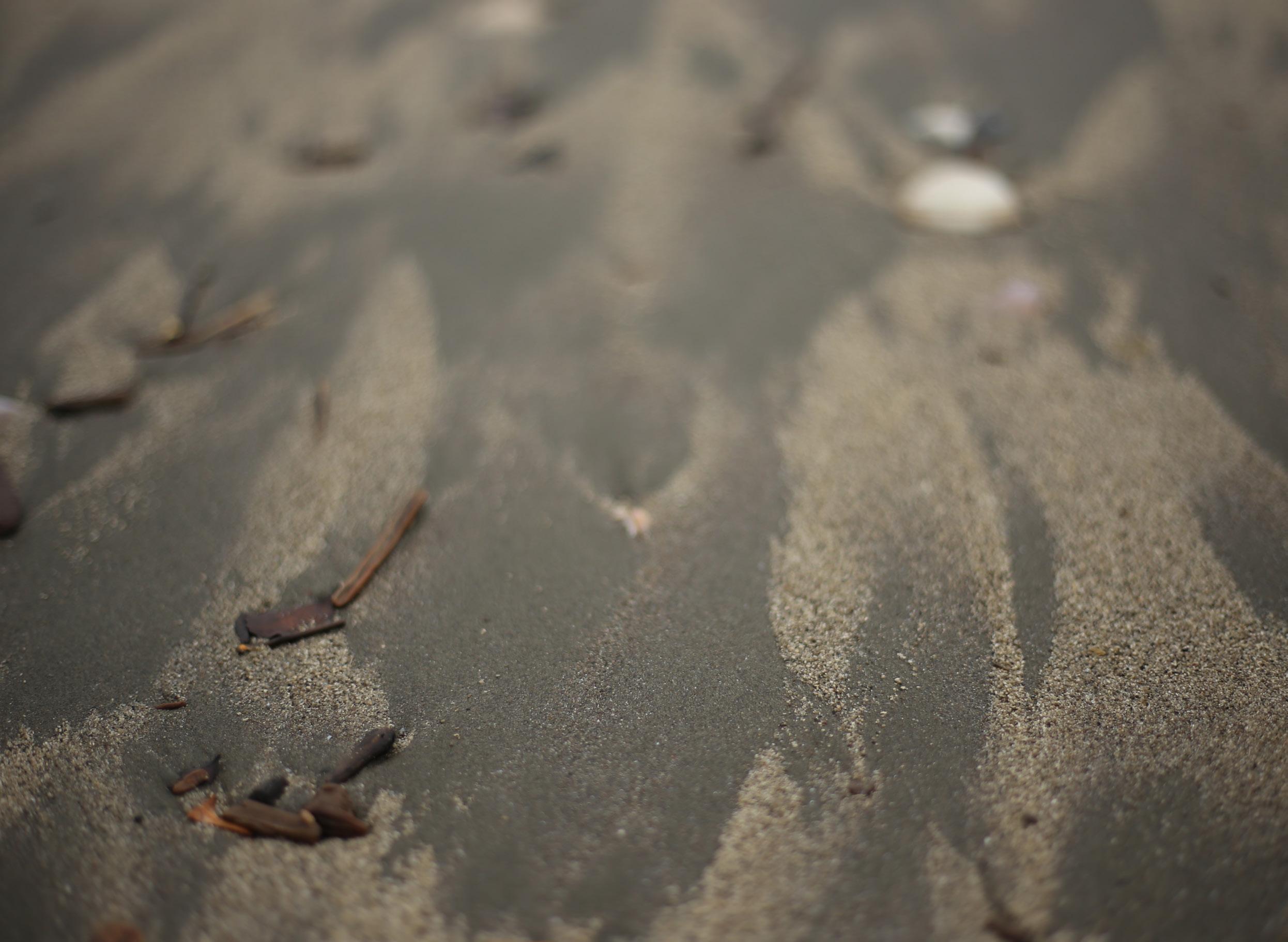
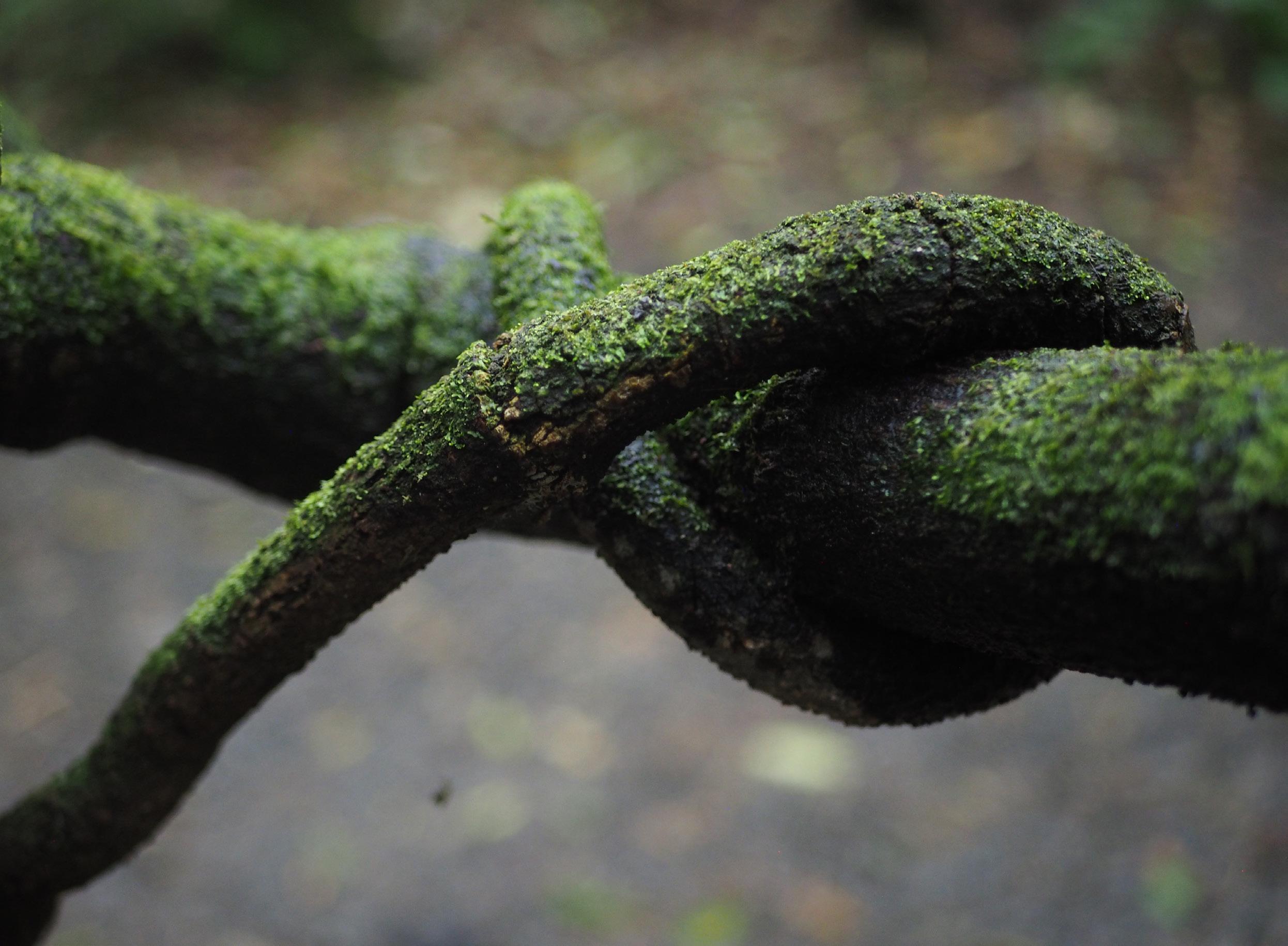
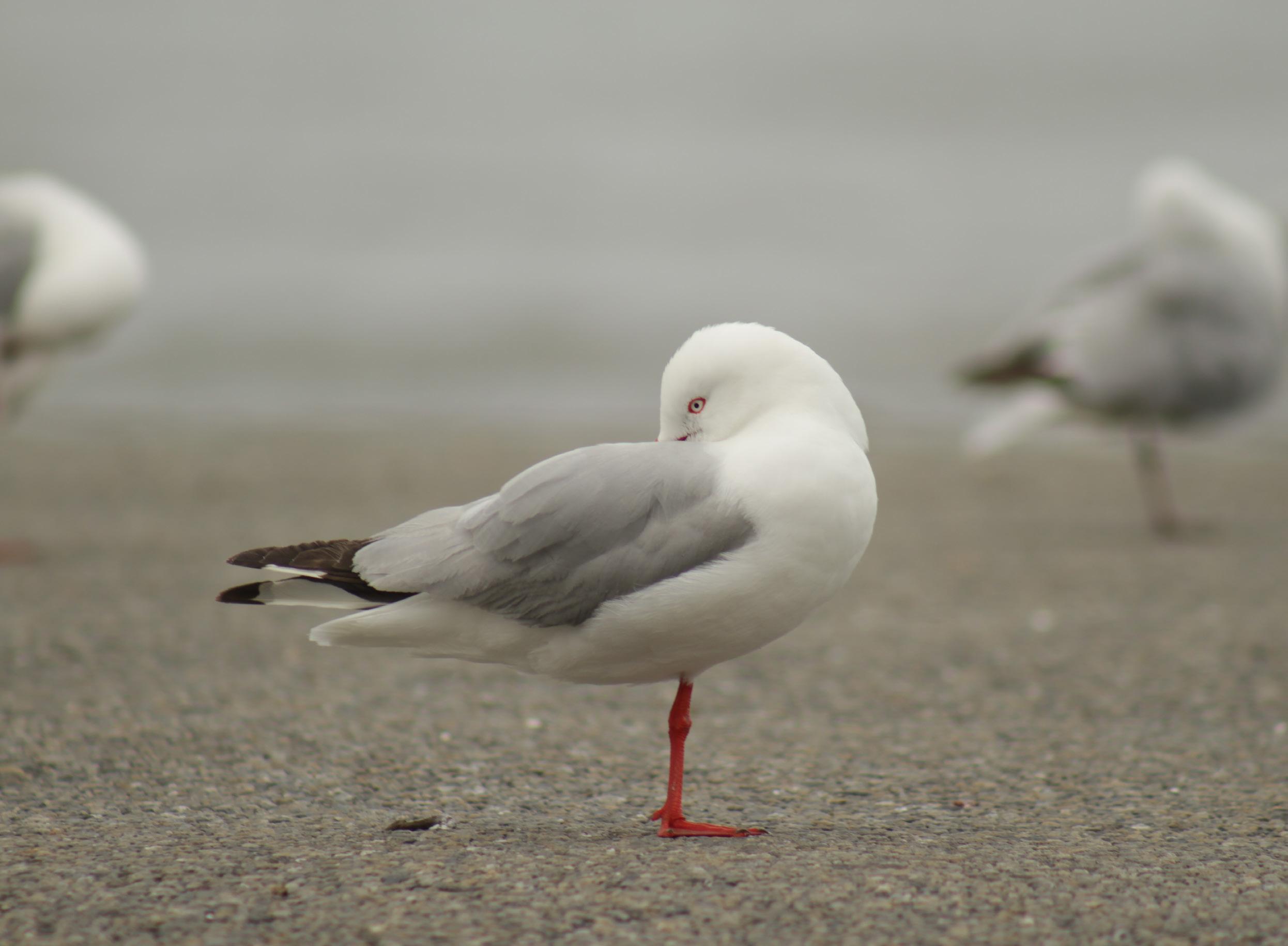
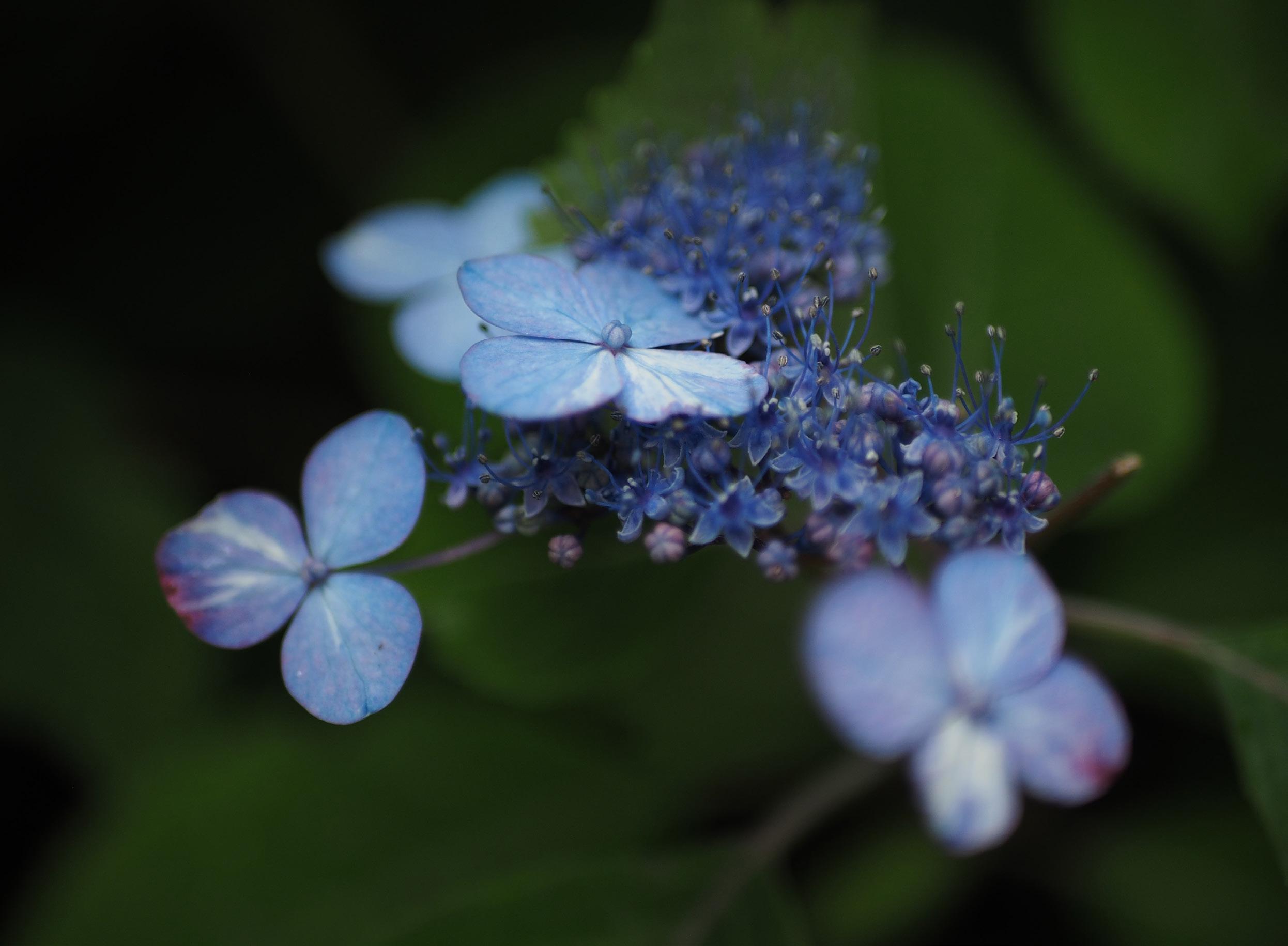
Faith Morrison, Elijah Manser, Lucy Tregaskis, Mieke Roos, Blake Kelly Pothan, Sammy Grigg, Harrison Holtslag, Daniel Mountford, Lewis Jameson
Publisher The Art of Seeing Academy
Website photographyforkids.org
Editorial enquiries hello@artofseeing.academy
Production
Reproduction of any material appearing in this journal in any form is forbidden without the prior consent of the publisher.
Dislaimer: Opinions of contributing authors do not necessarily reflect the opinion of the journal.
ISSN 3021-5471 (Print)
ISSN 3021-548X (Online)
All rights reserved @ 2026
We are proudly supported by
The printing of this magazine is made possible thanks to the support of Keen2print Limited
About The Art of Seeing Academy
The Art of Seeing Academy is a registered charity (CC62617) based in Wellington, New Zealand.
We believe photography is much more than a hobby. It is a life skill that helps children see more, feel more, and understand the world in deeper ways.
There are not many places where children and young people can properly learn photography. Many classes are designed for adults and often focus on selling expensive gear. We do things differently. We believe photography should be accessible, creative, and meaningful. It is not about having the best camera. It is about learning how to see
It does not matter whether a child wants to become a doctor, a lawyer, an artist, or something completely different. Learning to express themselves visually builds confidence, awareness, and creativity that will support them in any path they choose.
Photography helps children:
• See the world in a new way. It encourages curiosity and attention to detail.
• Express emotions. When feelings are hard to put into words, images can say a lot.
• Build creativity and inspiration. It helps children notice beauty in everyday life.
• Connect with nature. Spending time outdoors with a camera reduces stress and supports wellbeing.
Most of our sessions take place outdoors in parks and reserves, where children can explore and photograph the natural world.
We also run workshops in schools, after school, during the holidays, and with homeschooling groups.
Our programmes are especially supportive for children aged 7 to 18 who may find the traditional education system challenging. We work with young people of all abilities, including those with ADHD, ASD, and other learning differences. Photography can also be helpful for children who have experienced trauma or who are newly settled in Aotearoa, including migrants and refugees.
We offer:
• Weekend nature photography workshops, designed to help children connect with the environment through creative exploration.
• School, homeschooling, and after school workshops, held on school grounds and tailored to support confidence, focus, and self expression.
Most of our workshops are free, thanks to the generous support of our sponsors. In some cases, a small fee applies to keep the programmes sustainable and accessible for families.
If you would like to learn more about our programmes and upcoming workshops, please visit our website (photographyforkids.org).
THE IMAGINATIVE BRAIN: CREATIVITY AND ADHD
Interview with Sandy Hall
BY OMYLIE AH WONG, 10
Sandy Hall is a passionate neurodiversity advocate. Having grown up in a family with a neurodiverse parent, living with ADHD herself, and raising a son diagnosed with ADD non-hyperactive, she brings both personal and professional insight to the topic. With a Master’s in Education, Sandy shares her experience and knowledge about ADHD and the unique ways neurodiverse individuals see the world.
Sandy, tell us about yourself and your experience with ADHD
Navigating the education system was quite challenging for my son. He is very high-functioning and has ADD non-hyperactive. While he experienced classroom learning challenges, we had no behavioural issues. He is naturally quite introverted and had many friends at preschool. At school, however, he found it difficult to fit in because he couldn’t keep up. It was a good school, but the teachers did not know how to support his learning needs. Eventually, I decided to withdraw him and, after exploring several homeschooling options, we found a Montessori-based programme that suited him perfectly.
That environment made all the difference. He needed a quiet space where he could focus, gain mastery without interruptions, and have the freedom to move around. Each morning, the whole group would gather to talk about their needs and emotions and to support one another. This sense of structure and connection gave him exactly what he needed: the opportunity to ask questions, understand what was required, and immediately apply his learning in a practical, hands-on way.
For his learning to be effective, he needed mastery, which means fully understanding each concept before moving on to the next step. He learned best when the material connected with his interests and passions, which at the time was Pokémon. He was naturally cautious, preferring to master something completely before taking any risks or further steps.
Today, he is thriving as a tradesperson. His boss also has ADHD, and they have created a very open and supportive workplace where there is no prejudice or disadvantage.
I think this reflects a real generational shift, where people are beginning to recognise that neurodiversity is simply a cognitive difference rather than a deficit.
As a parent of a child with ADHD, what have you noticed about how they see and experience the world differently?
Children with ADHD often have a heightened sense of awareness and need different learning environments. They may have a higher number of mirror neurons, which means they can pick up on how other people feel. However, they need to understand that this sensitivity is one of their strengths. They also need to learn how to navigate relationships in their own way.
Many of them show higher levels of empathy than neurotypical children. In social and learning environments, they can easily become distracted if someone around them is upset, angry, or uncomfortable. They are finely tuned to the emotions of others, especially their teachers. If a teacher is having a difficult day or is not engaging well, the child will sense it immediately and lose focus.
They also need to achieve mastery before moving on to the next stage of learning. Many are hands-on learners who need to physically engage with what they are studying. For example, when learning maths, it helps to
use blocks, sticks, or other tangible objects. When learning language, being able to write words down or tell stories using symbols is important.
Some children with ADHD experience fine motor skill developmental delays, which can make writing or similar tasks more difficult. Providing opportunities to play and explore with physical objects helps them learn in a kinaesthetic way, allowing them to engage their hands as well as their minds. They need to be able to move, and sitting for hours can induce brain fog, so regular movement is key.
Children with ADD non-hyperactive often appear daydreamy. They may struggle to focus because their thoughts are constantly drifting into imagined worlds. They might see a figurine and immediately create a full story in their minds, from beginning to end. Photography can be a wonderful way to engage them, allowing them to tell those stories through visual imagery.
On the other hand, children who are more extroverted and hyperactive will react very differently. They tend to jump straight into action, often beginning to take photos or engage in an activity before you have even finished giving instructions.
BY OMYLIE AH WONG,
10
Many people still view ADHD mainly through the lens of “challenges.” From your experience, what are some of the hidden strengths or superpowers these kids bring?
I often describe children with ADHD as twice exceptional. It is a useful framework for understanding ADHD because it highlights that while there are challenges, there are also areas of exceptional ability.
When you look at a neurotypical brain, you see a balanced range of executive functions, learning styles, and focus patterns. A neurodiverse brain, especially one on the ADHD or ADD spectrum, often shows an exceptional ability to hyperfocus on areas of interest.
For example, my son and I both share this trait. I can hyperfocus on my passion, which is maximising human potential and neuroscience. For him, it was Pokémon, and that changed naturally throughout his developmental years as he gained more complex interests while growing up. At one stage, he knew all the Pokémon in his book. There were hundreds of them. He could describe their differences and read every detail about them. His fascination with Pokémon became the foundation for his learning.
In my son’s homeschool group, each child had a particular passion, and we used that as a bridge for learning. One child was fascinated by trains and could recall detailed facts and history. Another loved aircraft and knew everything from World War I fighters to the latest jets and Airbuses. These interests became the pathways through which they retained information and learned new skills.
By using their areas of passion to hyperfocus, these children can learn at incredible speed when they are engaged with something they love. That is their superpower.
Once you understand both their exceptional challenges and their exceptional abilities, you can use one to strengthen the other. For instance, if a child struggles with maths, connect it to something they are passionate about. A child who loves trains can count carriages. When learning feels meaningful and connected to their interests, they begin to see real value in developing those skills.
How would you work with a challenge when, for example, something doesn’t go well and you need to give them constructive rather than critical feedback?
It often stems from their difficulty navigating a world shaped around neurotypical learning. One common experience among people with ADHD is rejection sensitivity disorder, where they feel strong panic or stress when receiving negative, or even neutral, feedback.
They need to learn how to manage those feelings, and parents play an important role in helping them navigate this.
How a child reacts can also depend on the environment they grow up in. If they are raised in a neurotypical household or school without much understanding of neurodiversity, it can be harder for them to process feedback in a healthy way.
Rejection sensitivity can be a major challenge, but children can be taught to recognise it and not let it become overwhelming. Learning this early
helps them accept feedback and build confidence. The approach will always depend on where they sit on the neurodiversity spectrum and how significant their ADHD traits are.
Do you think the world is starting to shift from a deficitto-difference mindset when it comes to neurodiversity?
Not quite yet. We still have a long way to go. The medical model sees it firmly as a disability.
One of the most helpful books I read when trying to understand my son’s brain was ‘The Da Vinci Method’ by Garret Le Porto. It stood out because it was written from a strengths-based perspective rather than a disability one. It helped me understand his relationship with risk, and how physical activity and healthy dopamine levels could support his learning and development.
While there is growing awareness, we still face a significant divide between two schools of thought. The medical model continues to view neurodiversity primarily as a disability that must be managed through medication and support systems. In contrast, the non-medical model focuses on difference rather than deficit and encourages a strengths-based approach to learning and workplaces.
Unfortunately, many of the thought leaders in the non-medical space are not neuroscientists, while many neuroscientists remain within the medical model. Until these two perspectives begin to bridge the gap, it will be difficult for society to fully embrace neurodiversity as a difference rather than a disorder.
BY MIRIAM HEERSPING, 13
Many people still view ADHD mainly through the lens of “challenges.” From your experience, what are some of the hidden strengths or superpowers these kids bring?
I often describe children with ADHD as twice exceptional. It is a useful framework for understanding ADHD because it highlights that while there are challenges, there are also areas of exceptional ability.
When you look at a neurotypical brain, you see a balanced range of executive functions, learning styles, and focus patterns. A neurodiverse brain, especially one on the ADHD or ADD spectrum, often shows an exceptional ability to hyperfocus on areas of interest.
For example, my son and I both share this trait. I can hyperfocus on my passion, which is maximising human potential and neuroscience. For him, it was Pokémon, and that changed naturally throughout his developmental years as he gained more complex interests while growing up. At one stage, he knew all the Pokémon in his book. There were hundreds of them. He could describe their differences and read every detail about them. His fascination with Pokémon became the foundation for his learning.
In my son’s homeschool group, each child had a particular passion, and we used that as a bridge for learning. One child was fascinated by trains and could recall detailed facts and history. Another loved aircraft and knew everything from World War I fighters to the latest jets and Airbuses. These interests became the pathways through which they retained information and learned new skills.
By using their areas of passion to hyperfocus, these children can learn at incredible speed when they are engaged with something they love. That is their superpower.
Once you understand both their exceptional challenges and their exceptional abilities, you can use one to strengthen the other. For instance, if a child struggles with maths, connect it to something they are passionate about. A child who loves trains can count carriages. When learning feels meaningful and connected to their interests, they begin to see real value in developing those skills.
How would you work with a challenge when, for example, something doesn’t go well and you need to give them constructive rather than critical feedback?
It often stems from their difficulty navigating a world shaped around neurotypical learning. One common experience among people with ADHD is rejection sensitivity disorder, where they feel strong panic or stress when receiving negative, or even neutral, feedback. They need to learn how to manage those feelings, and parents play an important role in helping them navigate this.
How a child reacts can also depend on the environment they grow up in. If they are raised in a neurotypical household or school without much understanding of neurodiversity, it can be harder for them to process feedback in a healthy way.
Rejection sensitivity can be a major challenge, but children can be taught to recognise it and not let it become overwhelming. Learning this early helps them accept feedback and
build confidence. The approach will always depend on where they sit on the neurodiversity spectrum and how significant their ADHD traits are.
Do you think the world is starting to shift from a deficitto-difference mindset when it comes to neurodiversity?
Not quite yet. We still have a long way to go. The medical model sees it firmly as a disability.
One of the most helpful books I read when trying to understand my son’s brain was ‘The Da Vinci Method’ by Garret Le Porto. It stood out because it was written from a strengths-based perspective rather than a disability one. It helped me understand his relationship with risk, and how physical activity and healthy dopamine levels could support his learning and development.
While there is growing awareness, we still face a significant divide between two schools of thought. The medical model continues to view neurodiversity primarily as a disability that must be managed through medication and support systems. In contrast, the non-medical model focuses on difference rather than deficit and encourages a strengths-based approach to learning and workplaces.
Unfortunately, many of the thought leaders in the non-medical space are not neuroscientists, while many neuroscientists remain within the medical model. Until these two perspectives begin to bridge the gap, it will be difficult for society to fully embrace neurodiversity as a difference rather than a disorder.
STORIES FROZEN IN TIME: THE RISE OF A YOUNG WILDLIFE PHOTOGRAPHER
Interview with Sam McGee
At just 18 years old, Sam McGee has already spent a decade entering photography competitions and quietly building a name for himself in wildlife photography. Growing up in Dunedin, he began with a tiny digital camera and a simple goal: to make people say, “Wow, what is that?”
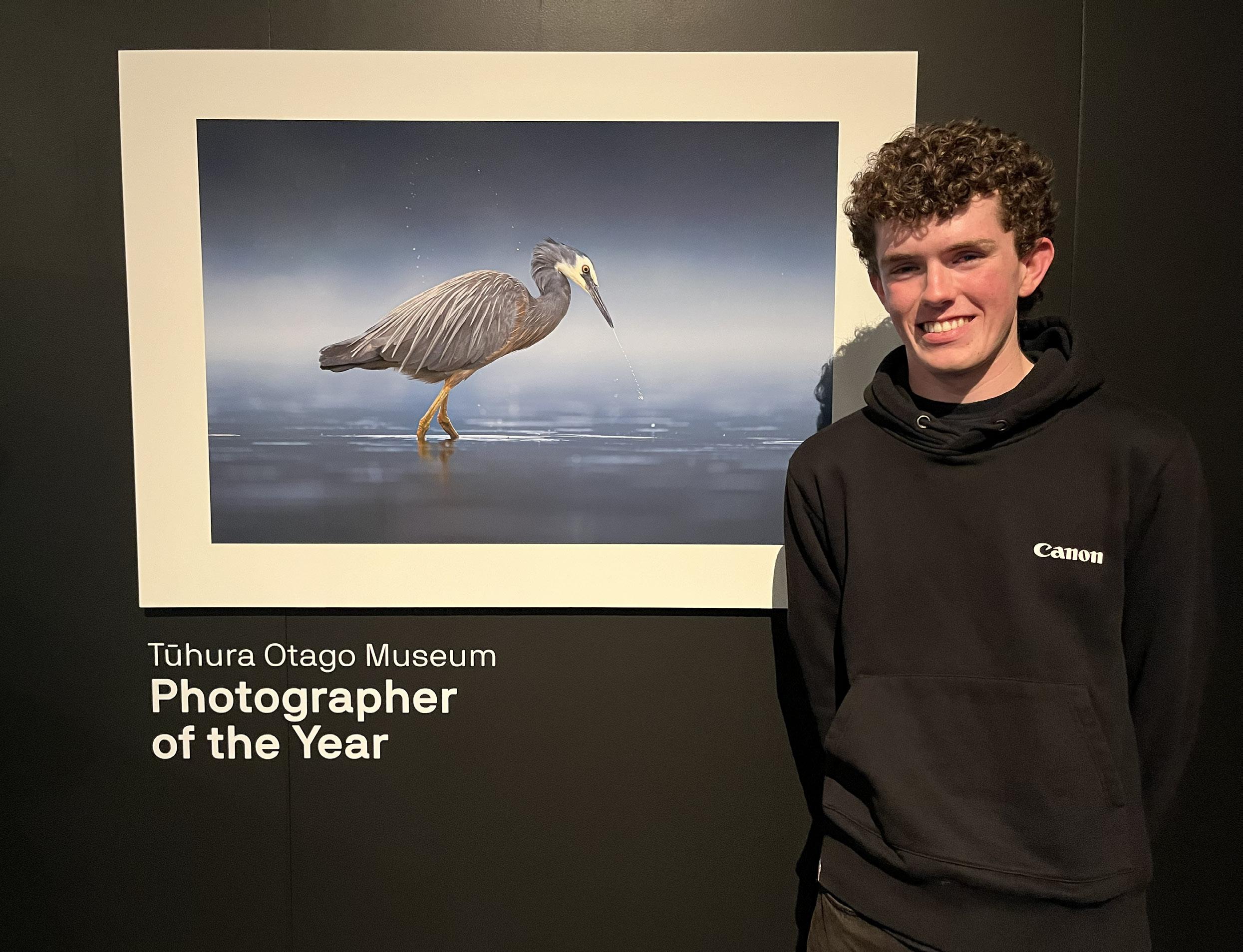
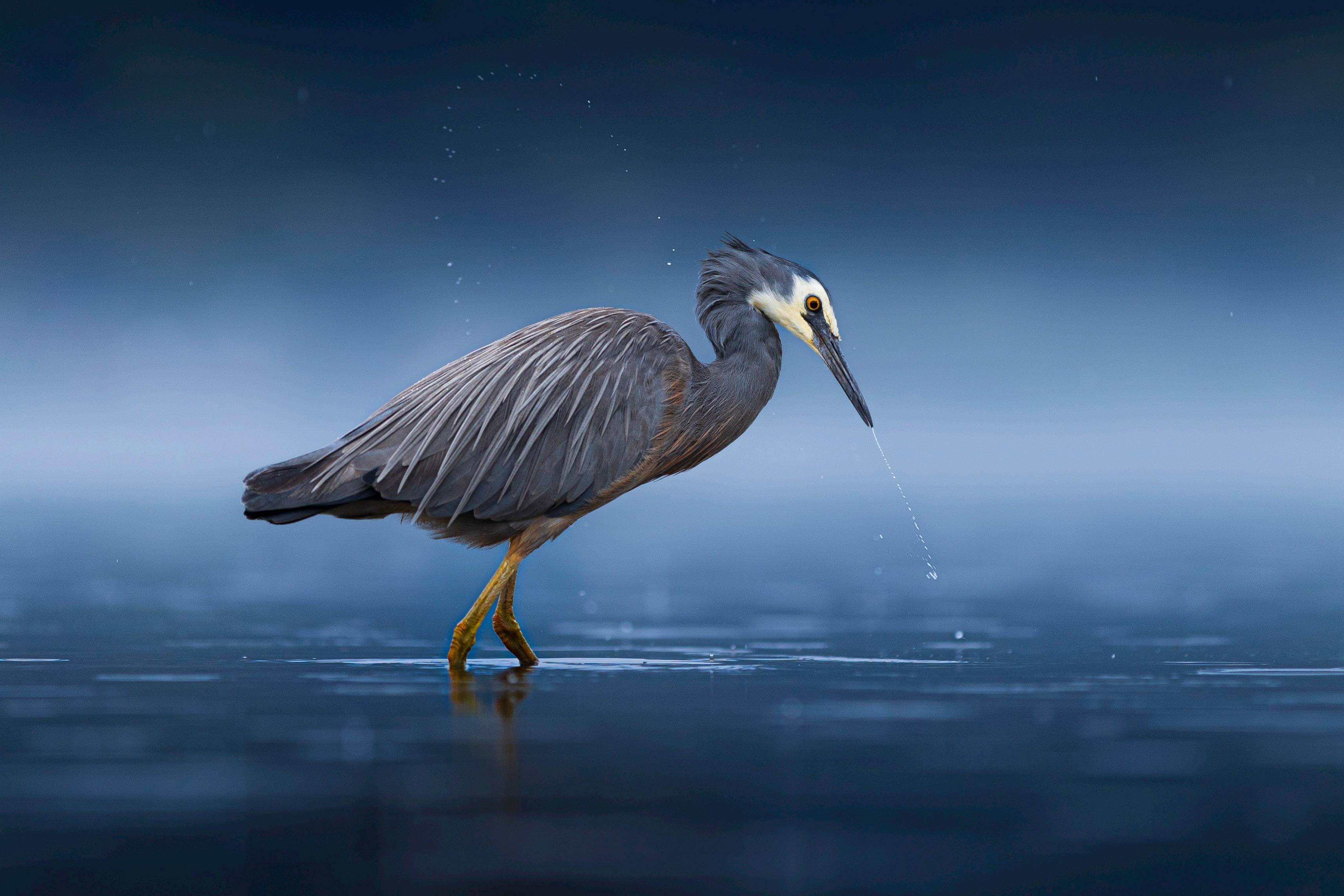
This year, that curiosity and persistence paid off when he won Tūhura Otago Museum’s Photographer of the Year. In this interview, Sam shares the story behind his winning image, the moments that shaped him, and why getting out in the rain might just be the best decision a young photographer can make.
Sam, tell us a bit more about yourself. How did your journey into photography begin?
Hey, I’m Sam McGee, and I am an 18-year-old wildlife photographer from Dunedin! I started taking photos with a tiny digital camera in 2014 when I was seven years old. It couldn’t zoom very far, and the autofocus wasn’t great, but it allowed me to create. My images were never anything special, but what mattered was that I got out and about in nature. Even though my little legs couldn’t take me
far around my neighbourhood, I started getting better at noticing. Noticing shapes in plants, contrast in colours, or even animals in weird places. My goal was always to get my parents to say, “Wow, what is that?” with my images.
You won the Tūhura Otago Museum’s Photographer of the Year competition. How and why did you decide to enter, and what was the experience like?
This year was not my first year taking part in the competition. In fact, it’s actually my 10th year of entering. Seven-year-old Sam entered in the first place just to see how his photos would do against other photographers his age in the Otago area. I really enjoyed coming up with creative names for my photos, even just for myself to laugh at.
Finding out that I won the overall Photographer of the Year was definitely a crazy feeling. I was already sitting in the crowd feeling very smug about winning the under 18 wildlife category, and to hear my name called out, I think I let out a little yelp, haha. I entered 14 photos into the competition this year, but one always stood out to me. I think that was because it was a story frozen in time, instead of just an ordinary photo.
Tell us about this winning photo. How did you capture it? Did you wait for the perfect moment or was it spontaneous?
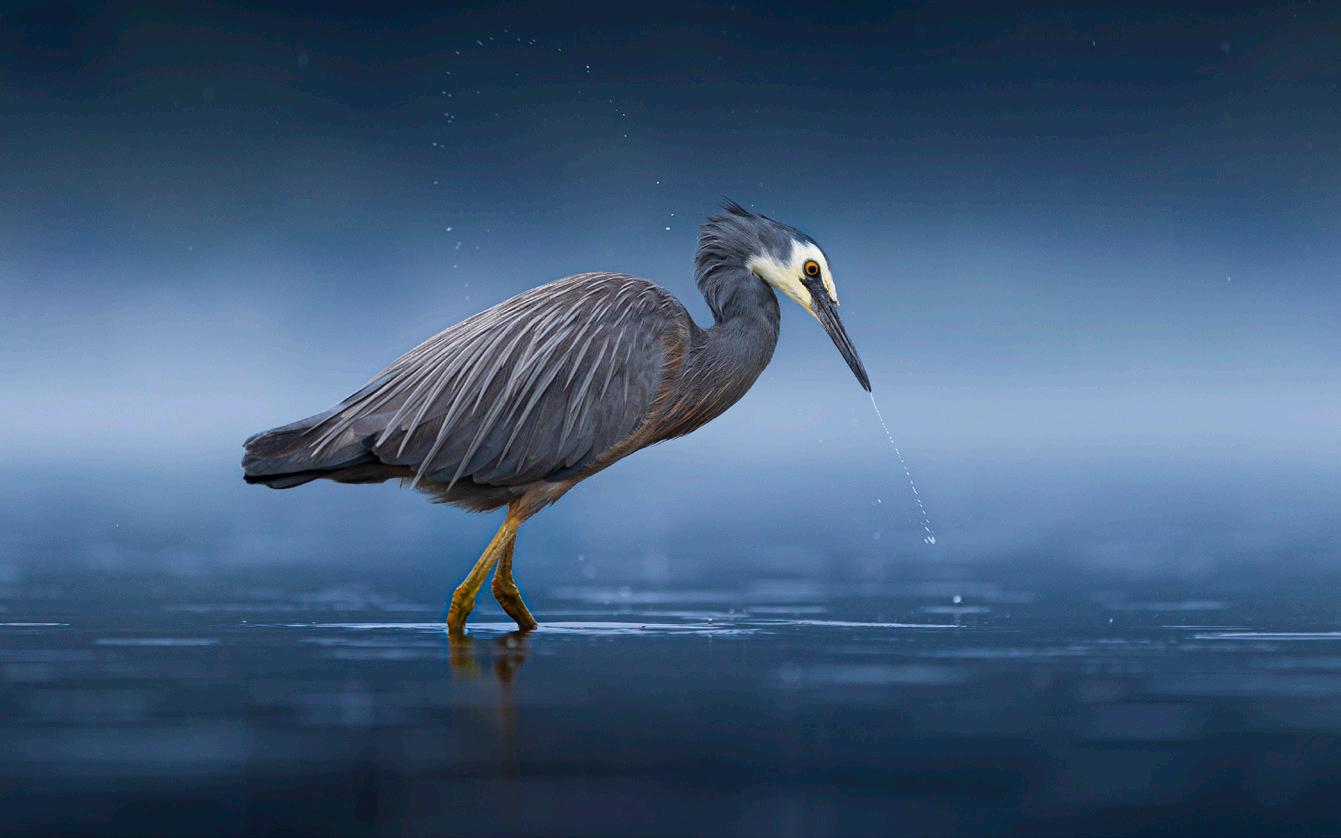
My winning photo this year was the result of just getting out on a rainy day and not being afraid to get a bit wet and sandy. After a separate and failed photography mission, I was walking back home in a bit of a sulk because I hadn’t seen anything, and I stumbled upon this heron on the beach.
This isn’t exactly the scenic Dunedin beach everyone imagines. It is only 30 metres long and normally has school kids running everywhere. But on this day, in the rain, it was just me and the heron. I lay down in the very soggy seaweed, and I just want to emphasise how wet it was. I kept my lens tight on the bird. Using my camera’s pre-capture feature, I waited until the heron flicked its head out of the water, leaving a trail of water hanging in the air, and then I held my shutter down furiously.
Luckily, I could go back into the pre-capture file and pick the exact image that I wanted. But I was waiting there for a solid hour and a half, so it wasn’t as easy as it sounds. The haze in the background looks across to the other side of Otago Harbour, and I love how it separates the bird from the darker tones at the top and bottom.
What are your three favourite photos and why? What’s the story behind them?
That is such a mean question, almost like asking who your favourite child is! If I had to choose, they would probably be these three. The winning heron photo is the obvious answer, so I will choose others for variety.
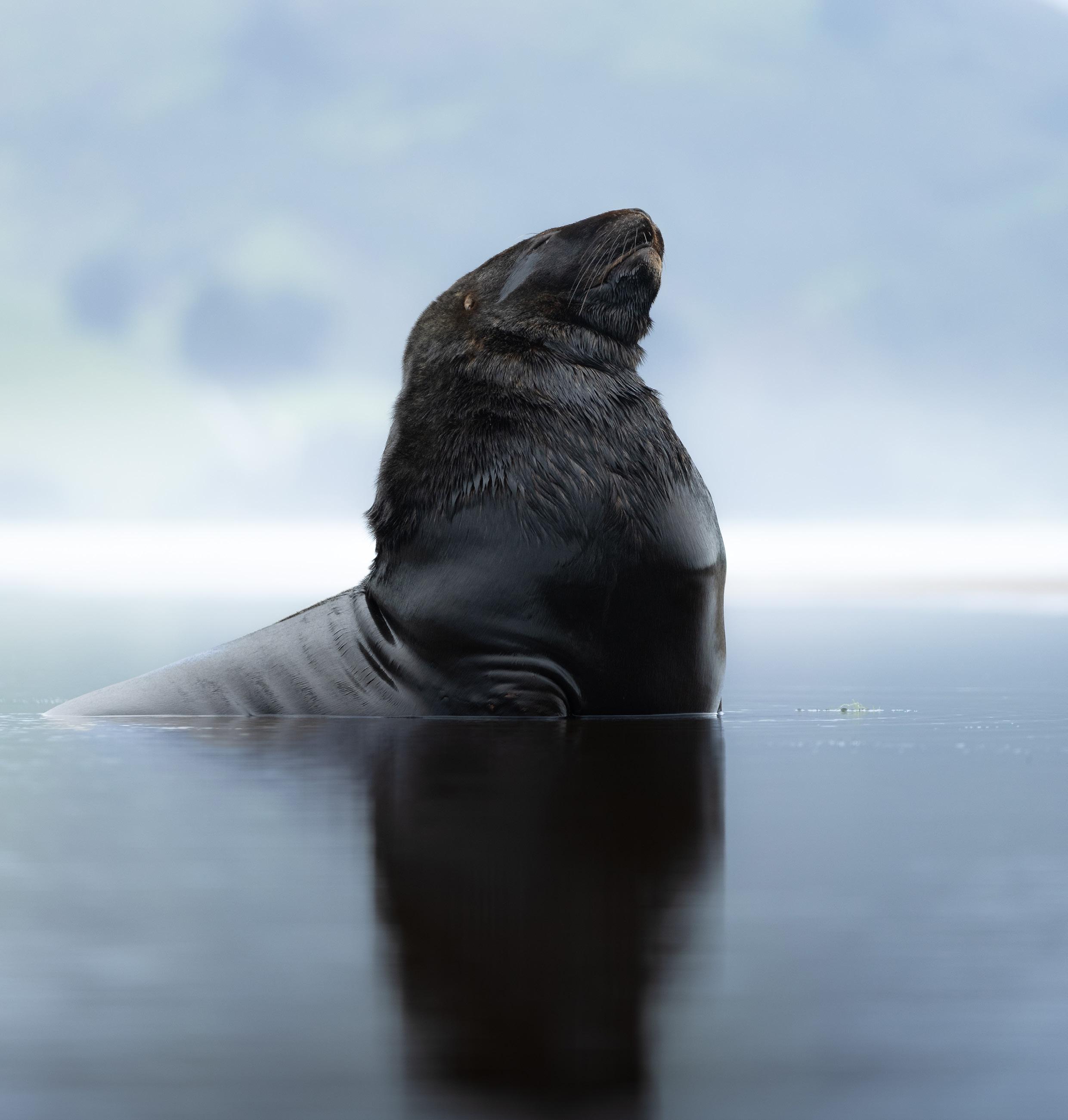
I had planned this photo for many years, and I finally captured it on a cloudy day last year. The mountain in the background has big significance to me, and to a lot of my friends who grew up on the Otago Peninsula, as it adds such a unique shape to our horizon. To capture an equally iconic and important mammal in front of it has been my goal since I was 10 years old. Often it is too cloudy in the inlet, or there aren’t any sea lions to be seen, so this was pure coincidence. Being in the right place at the right time.
Sea lion in front of Hereweka
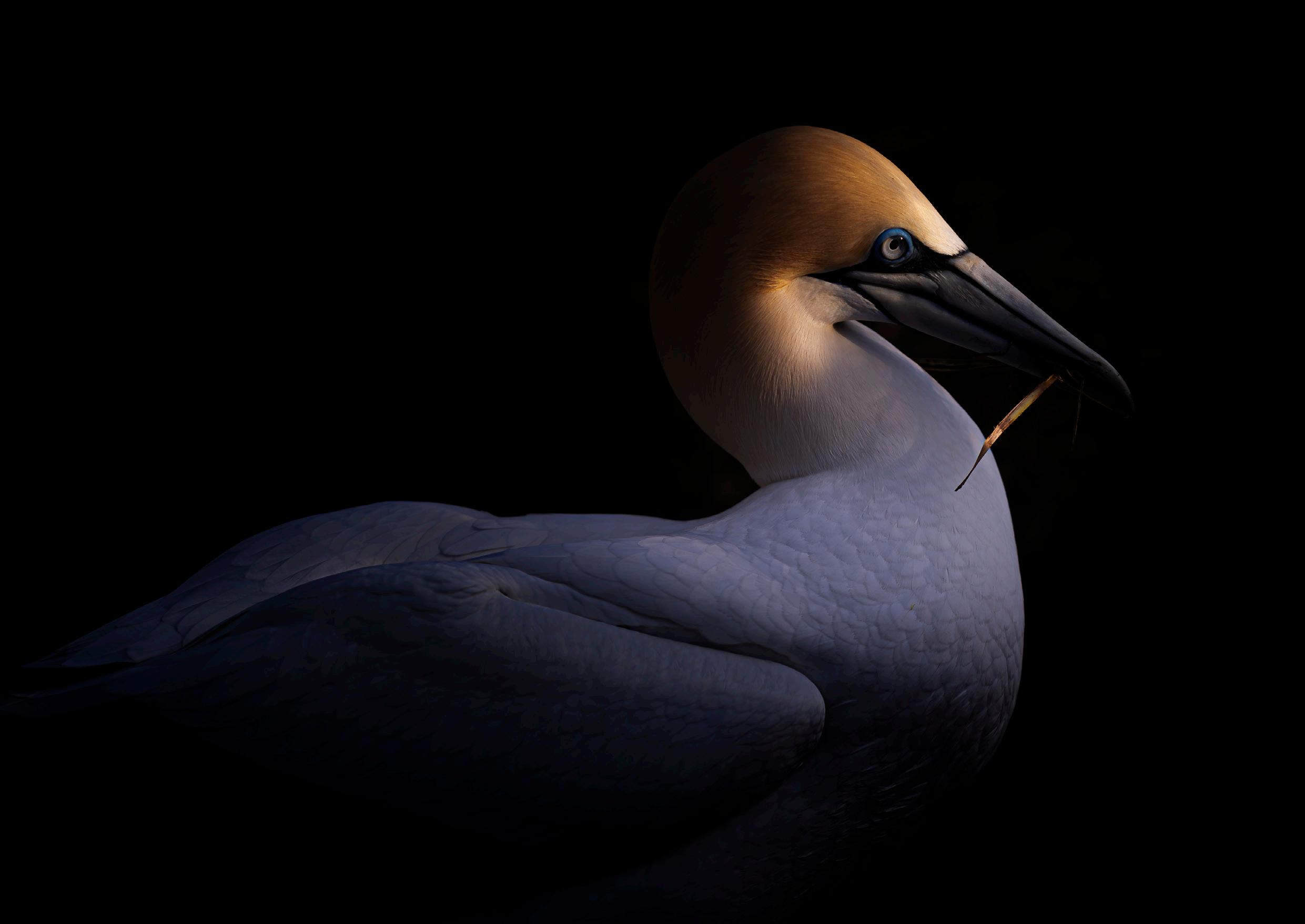
This is a much more recent favourite photo, which I took on a trip up to Muriwai Gannet Colony. The nesting birds face towards the sunset on the West Coast, which meant I could easily capture the light hitting their faces. I was lucky enough to find this one bird with a darker background, which gave more contrast to my image.
Gannet in the light
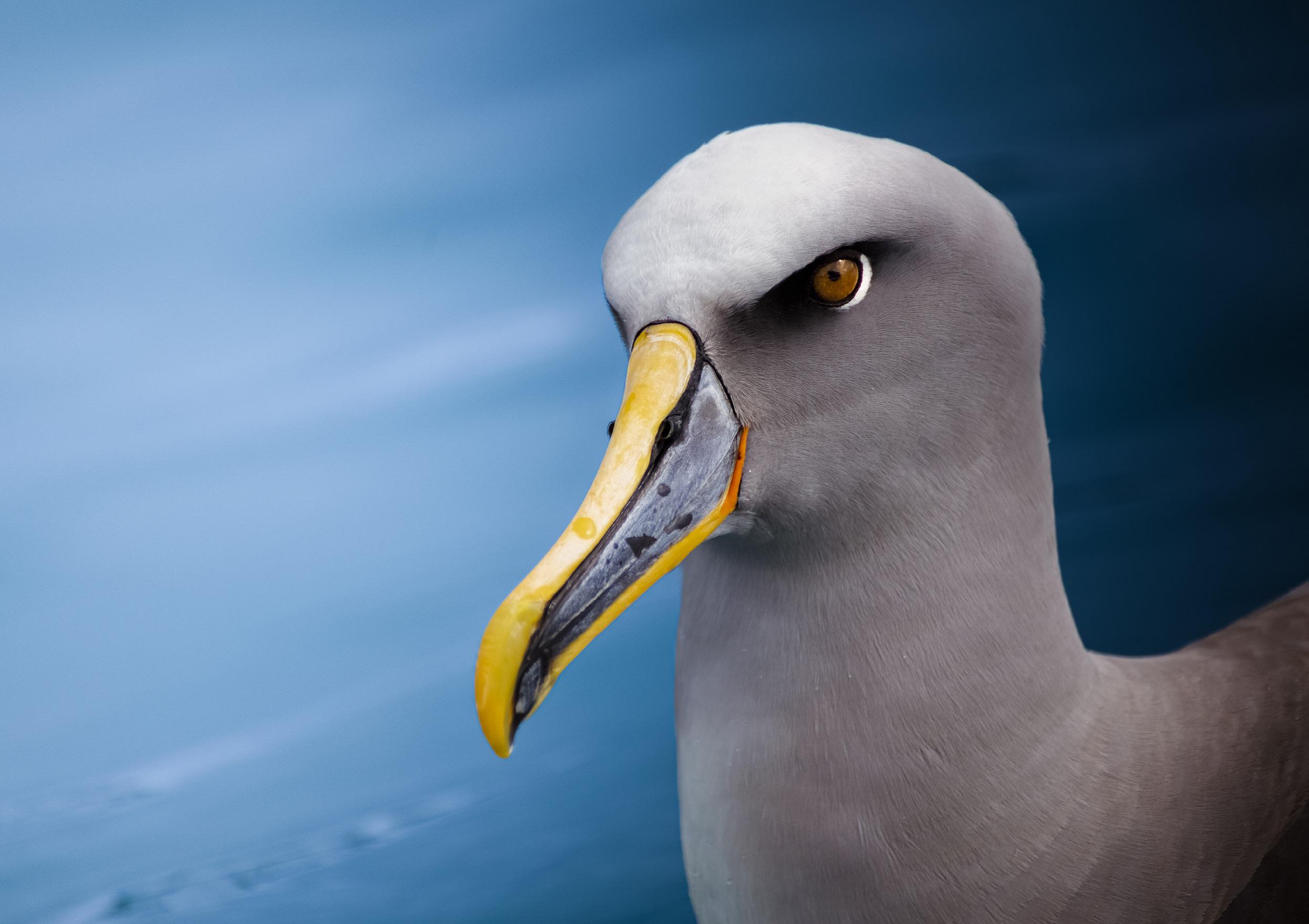
This photo proved to me that gear is almost completely irrelevant to the ability to take great photos. I took it with my dad’s rather old and clunky DSLR, which only had seven autofocus points, compared to my current camera’s just under 5,000. It earned me second place in last year’s Tūhura under 18 wildlife category, and I have it hanging on my wall at home. I think it shows the importance of getting to eye level with birds in photography.
Buller’s albatross on the water
What advice would you give to other young photographers who have never submitted their photos to competitions? Where should they start? How should they select photos? What if they think their photos aren’t good enough?
Just do it. Don’t be scared or embarrassed to enter your work into competitions. No one can stop you. At the end of the day, art is about creating, and the more fun you have doing it, the better.
Selecting photos for competitions is definitely something I have struggled with in the past, but I have learnt a few things over the years. First of all, make your photos stand out. What can you do differently with your images that other photographers can’t? What is your perspective and why?
Your photos are your art, and your art is just a small part of you. Secondly, look for a story. Something other than a bird on a stick is generally a good start. Why should this scene be shared with the world?
What’s your favourite genre of photography and why?
My favourite genre of photography is wildlife photography, but that feels a bit too general, so I’ll say endemic New Zealand wildlife photography. I believe that our endemic wildlife is so special and unique that it deserves to be shared worldwide.
If I lived in another country and you told me New Zealand was home to the world’s largest ever eagle, Haast’s Eagle,
a flightless nocturnal bird that lays eggs almost as large as itself, the kiwi, and literal dinosaurs, the tuatara, I think I would book a flight instantly. I want to show the world our amazing creatures.
What other genres would you like to try and why?
I have been dying to try extreme sports photography, like skiing, snowboarding, and mountain biking, because I love how chaotic it can be. Taking photos of people doing amazing and slightly scary things would be such a cool job. Basically, being a Red Bull photographer.
One of my favourite parts of photography is getting lost in the moment and locking into the scene through my viewfinder. Getting sponsored by Red Bull and getting free drinks would be nice too.
If you could pass on one piece of advice to young or emerging photographers who want to do wildlife photography, what would it be?
If you think there is a piece of gear holding you back from starting, just start already. All you need is a camera of any sort, and you are set. If you can take photos with it, then it will work. Just go outside and give it a go.
Even now, the biggest obstacle I have when taking photos is often just waking up early enough for the light that I want.
And if you don’t have a camera, do your research. Find the right thing for you, your focus, and your price range. Trust me, you won’t regret buying it.
Do you remember the first photo you ever took?
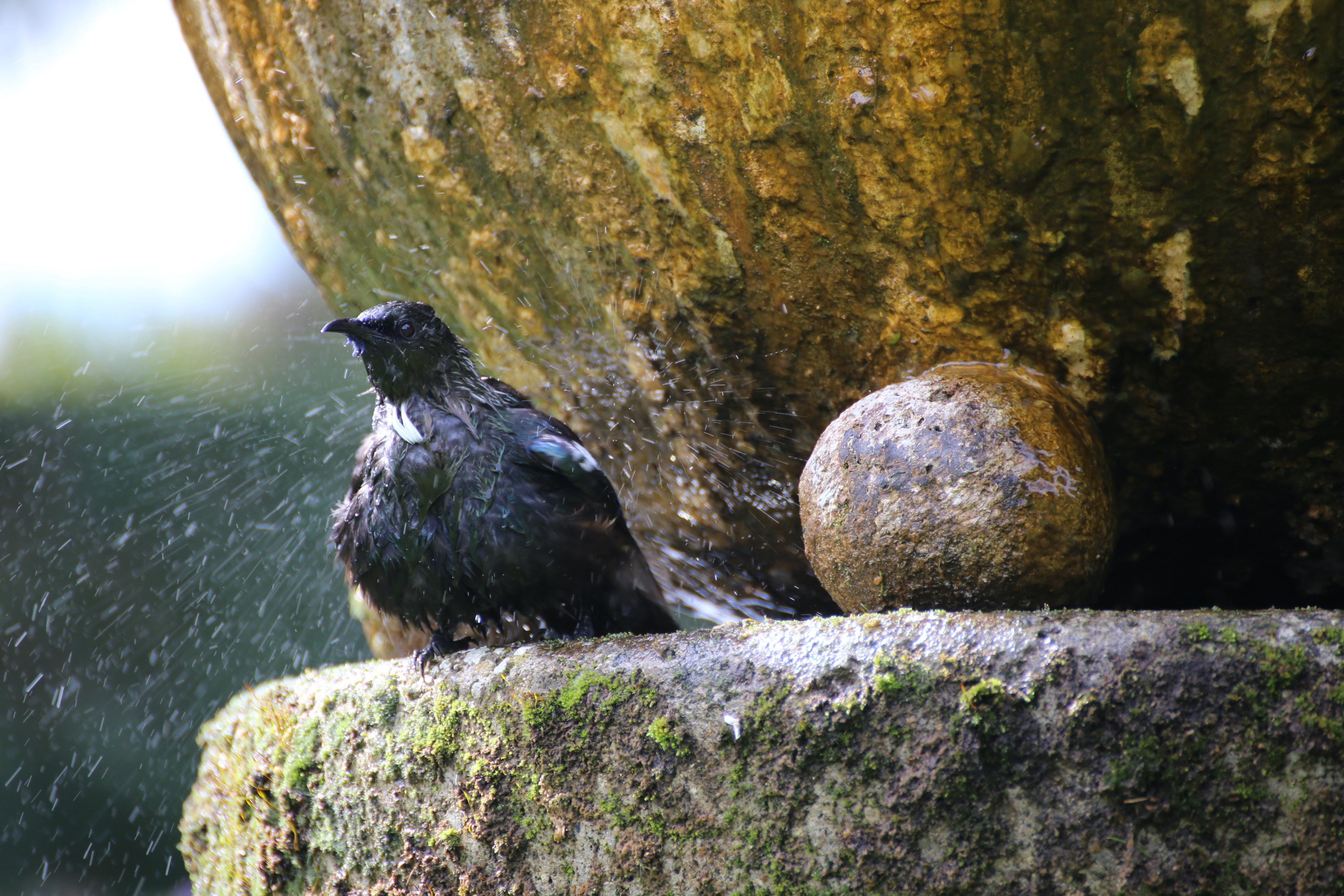
I would love to say that I do, but I take so many photos, even with my older cameras, that I can’t even keep track of the photos I took last week. I imagine it was a fish at the aquarium, Kelly Tarlton’s, in Auckland on my first camera. The oldest one I have saved to date is probably a photo of a tūī feeding in a water fountain that I took back in 2018.
What’s next on your photography journey?
Taking better photos, I hope.
When I’m older, I want to travel to remote offshore islands to photograph our most endangered birds and other creatures, like kākāpō on Codfish Island and different species of penguins. I would love to become an ambassador for Canon and help promote their new cameras and lenses through my work and my voice as a young photographer.
Eventually, I might want to start workshops where I teach people how I take my wildlife photos and use that as an excuse to travel even more.
BENEATH THE SURFACE: PHOTOGRAPHING THE UNSEEN WORLD
Interview with Miro Kennett
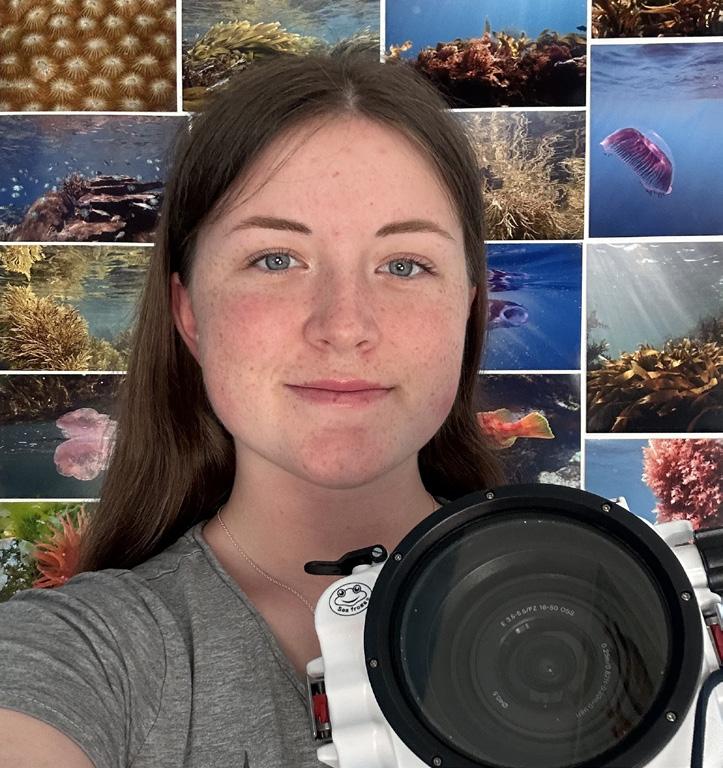
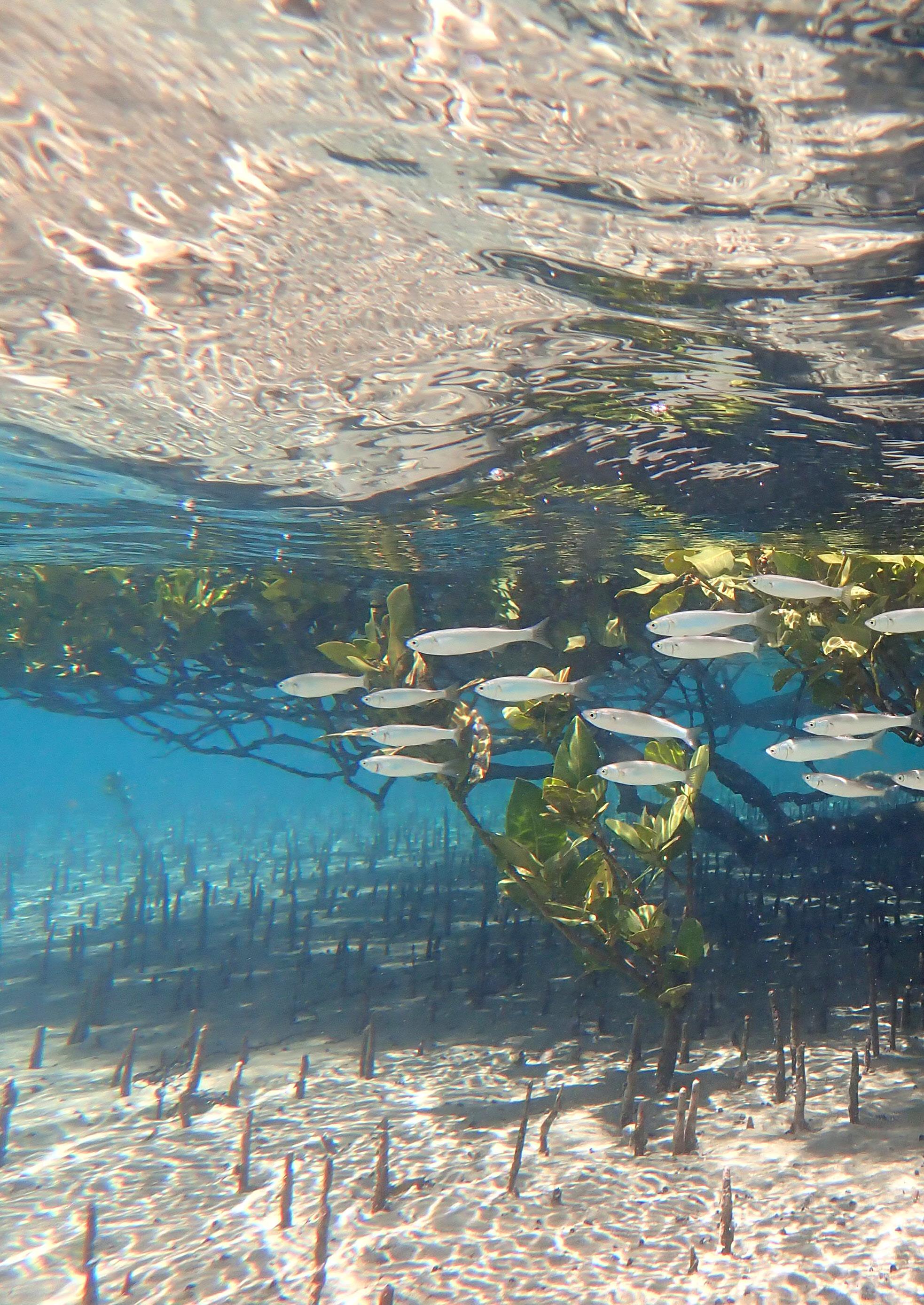
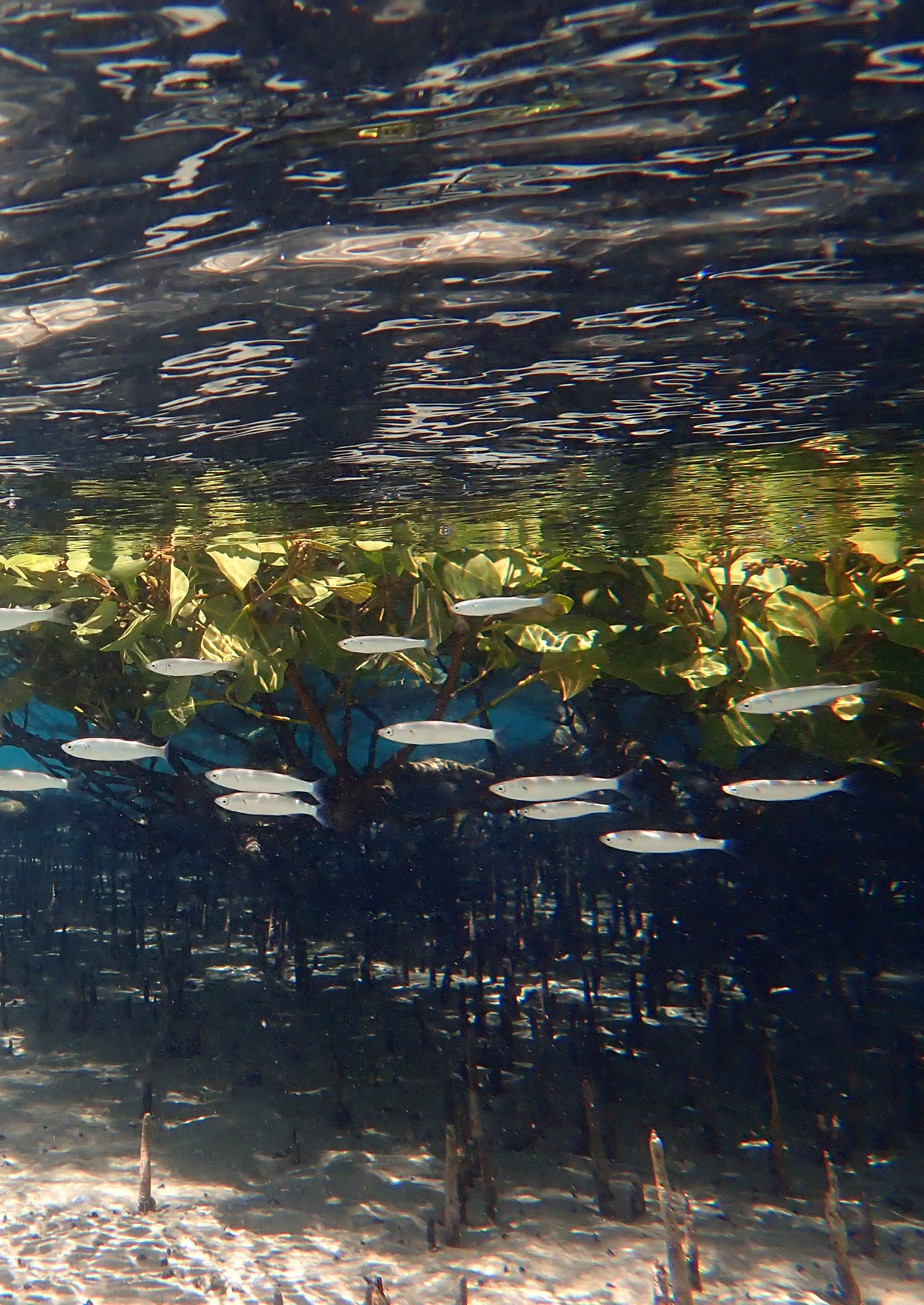
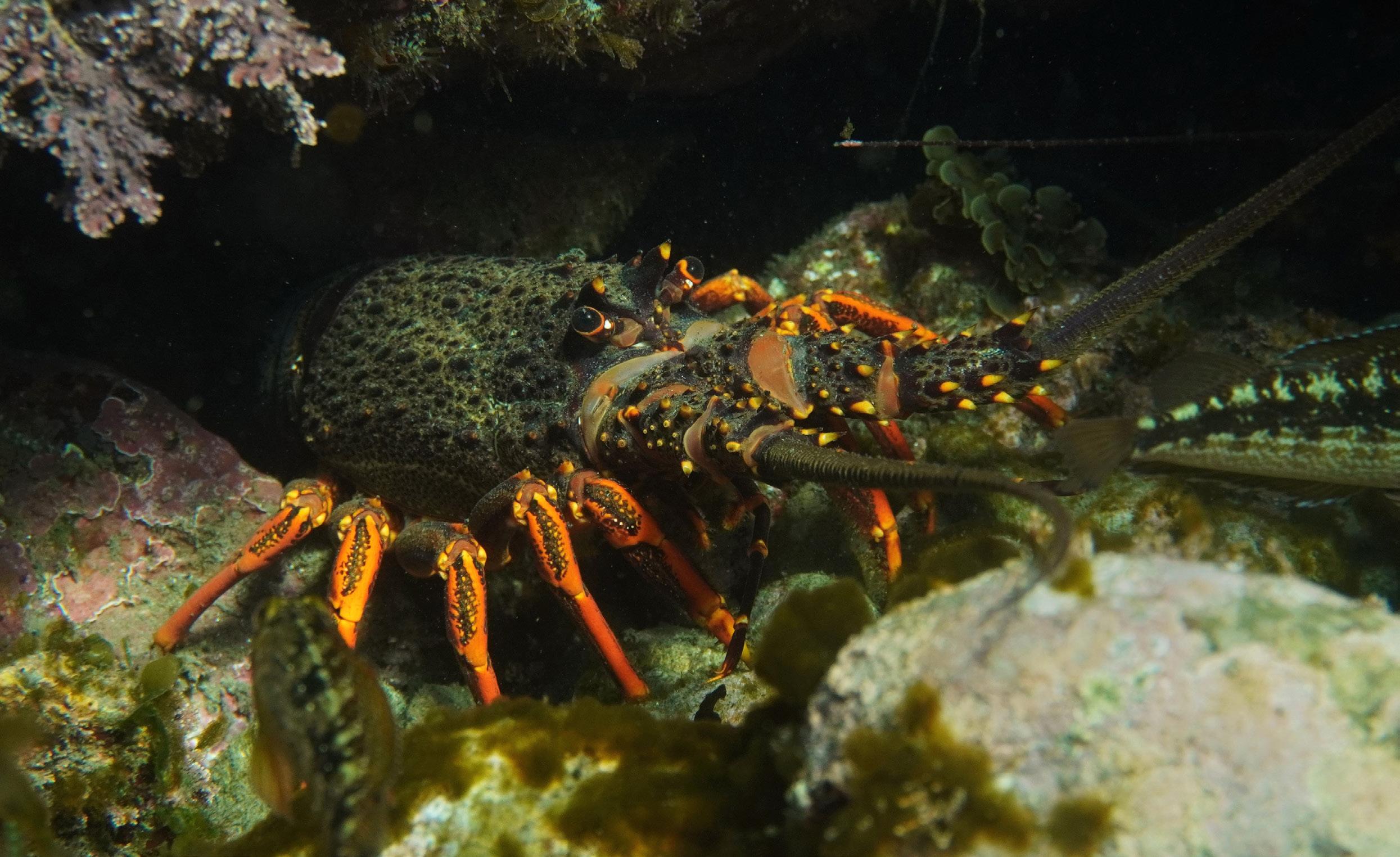
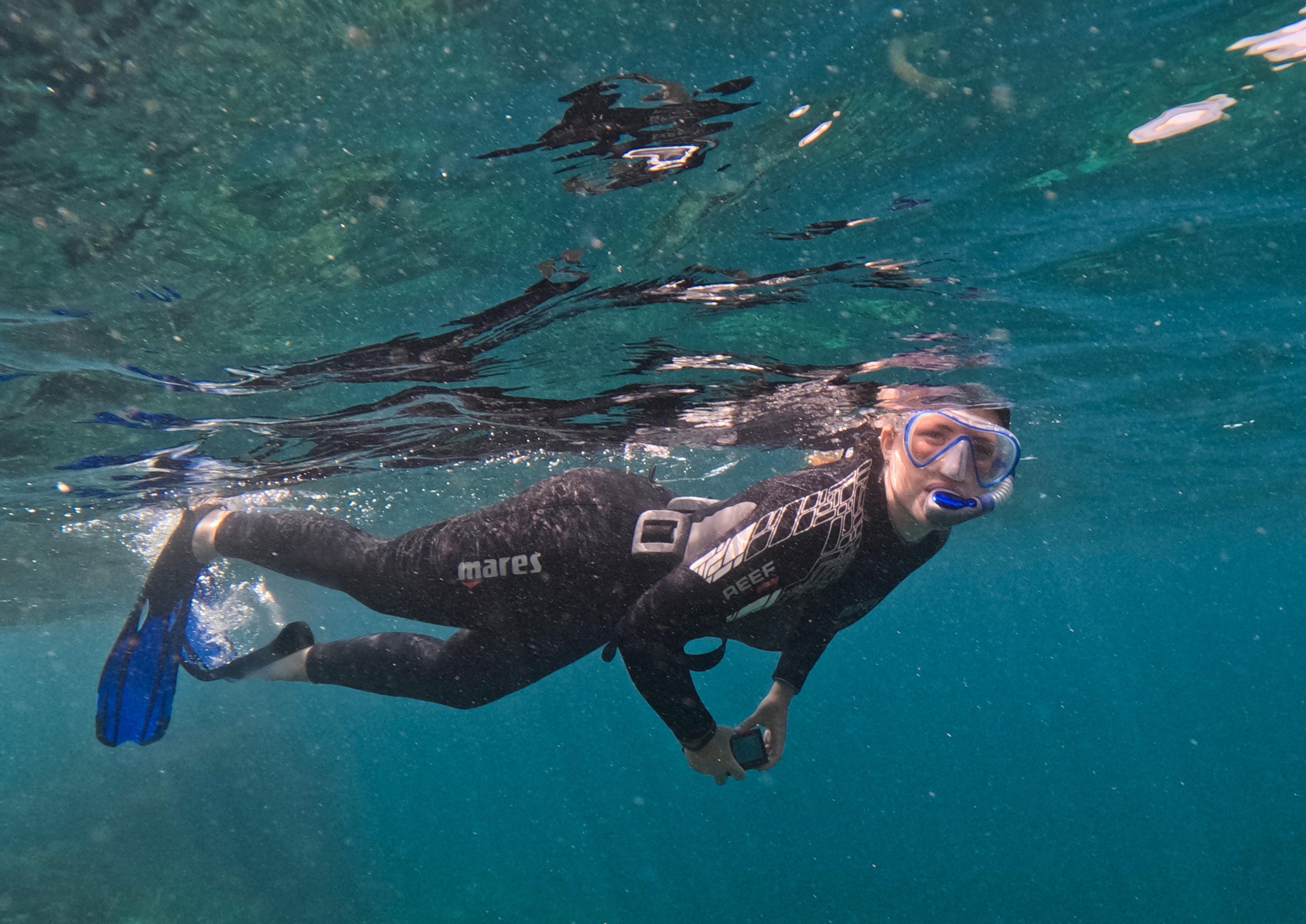
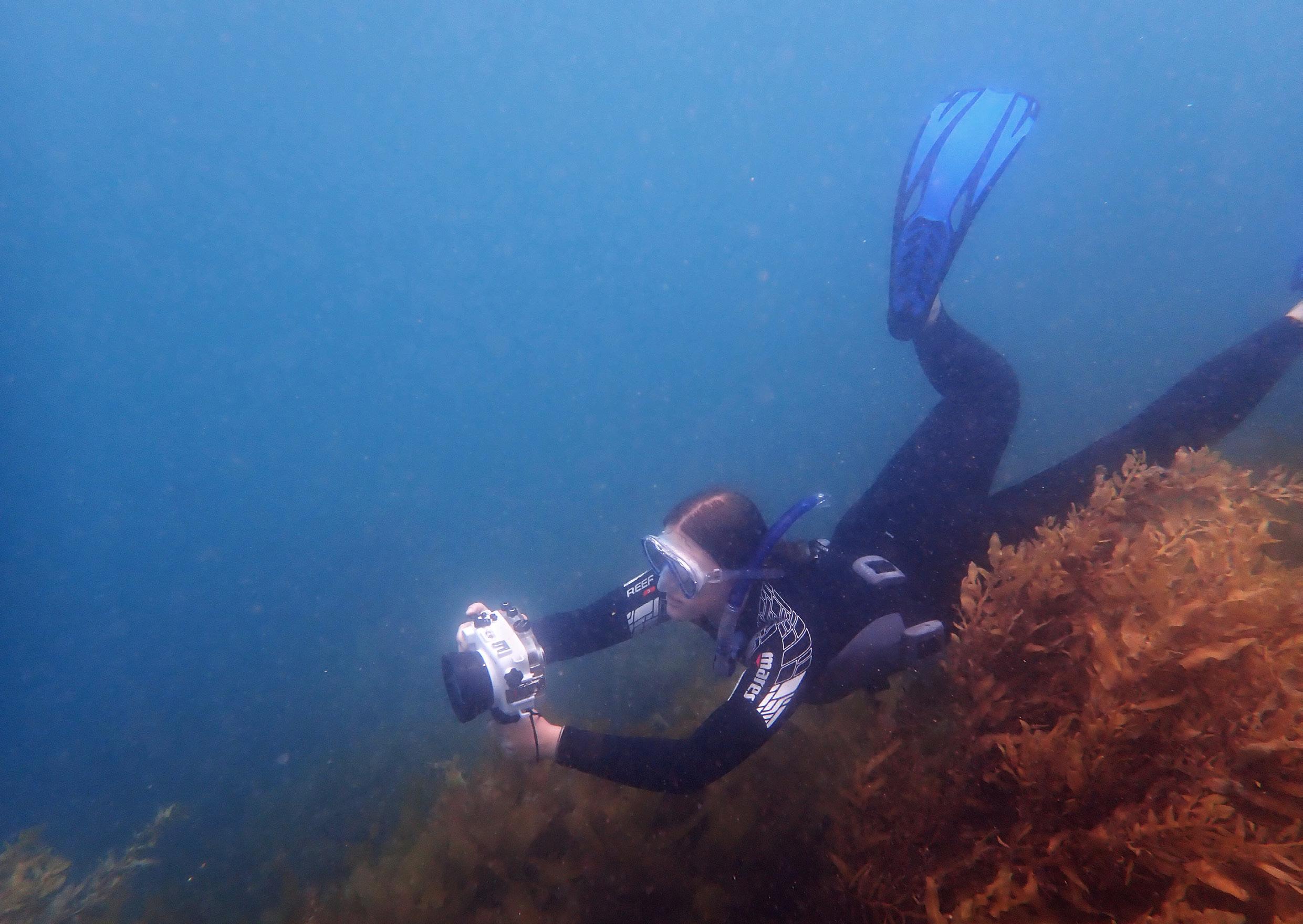
While most photographers chase light on land, Miro dives beneath the surface to find it. From snorkelling in Taputeranga Marine Reserve to photographing mangroves up north, her work reveals the rich and often overlooked marine life around Wellington.
In this interview, Miro, just 18 years old, shares how she got hooked on underwater photography, the challenges of shooting below the surface, and why going deeper is only just the beginning of her journey.
Miro, tell us a bit about yourself. How did your journey into photography begin?
Technically, my photography journey started when I was five and borrowed my parents’ little point-and-shoot camera
to take some photos. But my underwater photography journey specifically began when I was 12 and got my first underwater camera, once I started snorkelling more. Since then, I’ve become passionate about photographing the incredible diversity of marine life we have here in Wellington and sharing it on my social media (@miro_underwater) to encourage others to explore the ocean too.
Have you always wanted to do underwater photography? Why or why not?
I tried out my uncle’s underwater camera in Fiji when I was younger, but I didn’t become really interested in getting my own until I became more confident in snorkelling from playing underwater hockey and going out in my local marine reserve around age 12. Once I got started, I was hooked!
Tell us about this genre, which isn’t the easiest. What gear do you use, how do you choose your diving locations, and what’s it like photographing underwater?
It certainly isn’t an easy genre, but I love the challenge. My first underwater camera was an Olympus TG-6, which was a great little camera and produced great results. Now I use a Sony A6400 in a Seafrogs housing. This has been one of the most challenging aspects of my underwater photography journey so far, and I still have a lot to learn when it comes to underwater housings.
In terms of diving locations, my go-to spots are in Taputeranga Marine Reserve on the Wellington south coast.
I love photographing in locations with a lot of diversity in marine life, especially places with lots of beautiful seaweed. Some of my other favourite locations outside Wellington have been the famous Poor Knights Islands and the Yasawa Islands in Fiji, which both have stunning underwater worlds.
Photographing underwater can be very tough, especially when you’re a few metres down and trying to change your ISO. Sometimes you get lucky with a fish swimming right up to you at the perfect moment. Other times you can see a great shot that requires diving down over and over, trying different settings to get the best result you can. But it’s definitely worth it.
What are your three favourite photos and why?
What’s the story behind them?
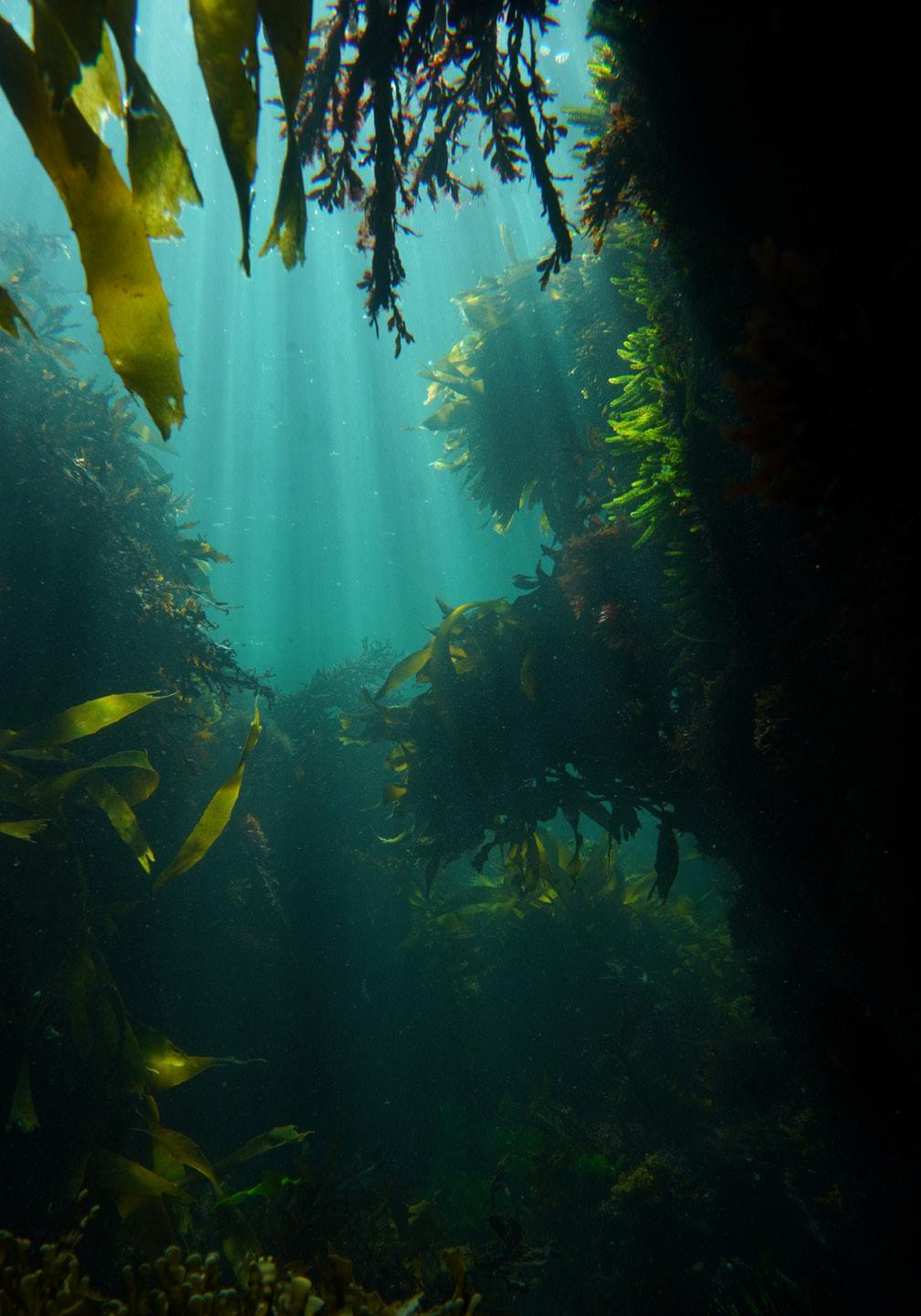
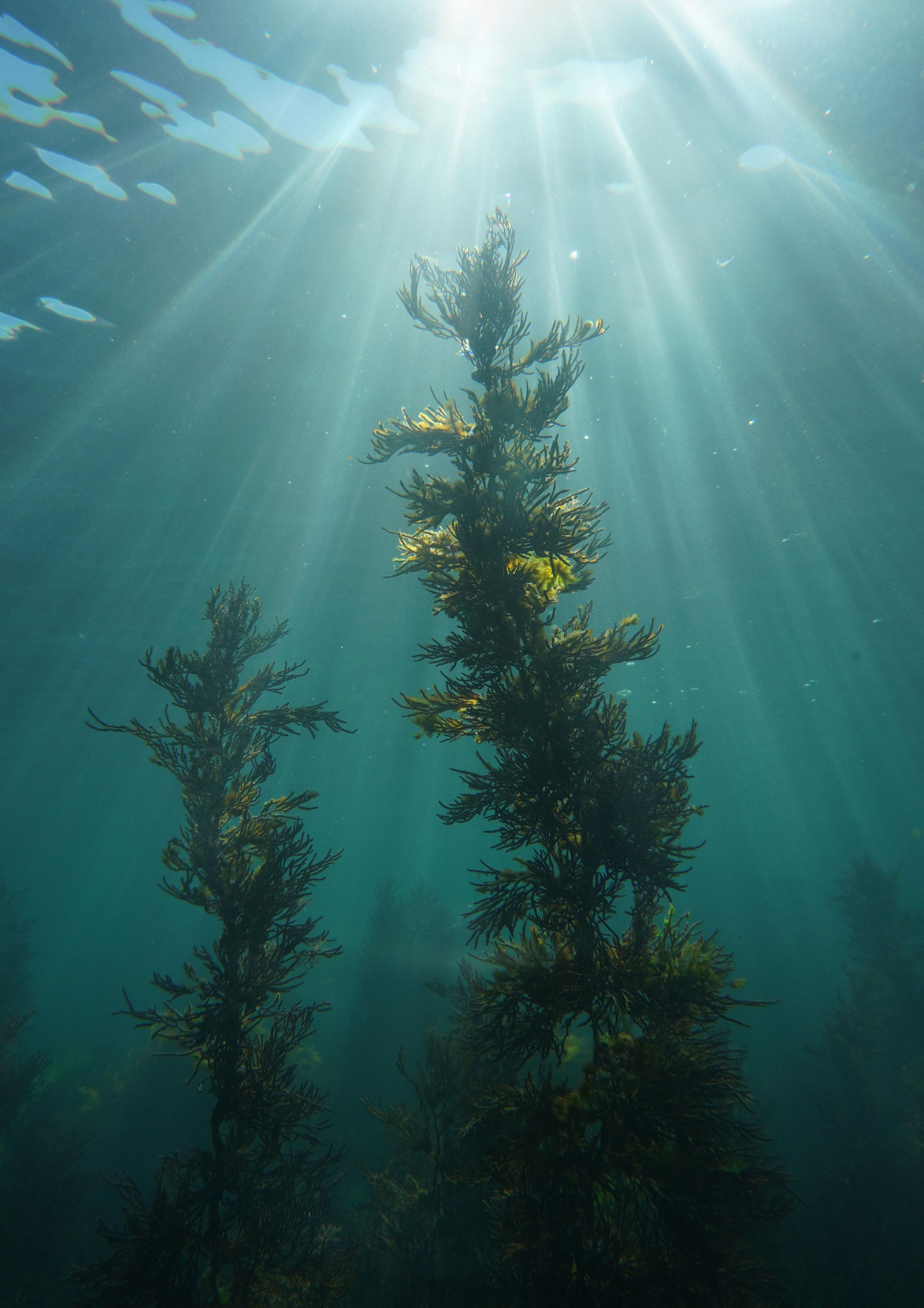
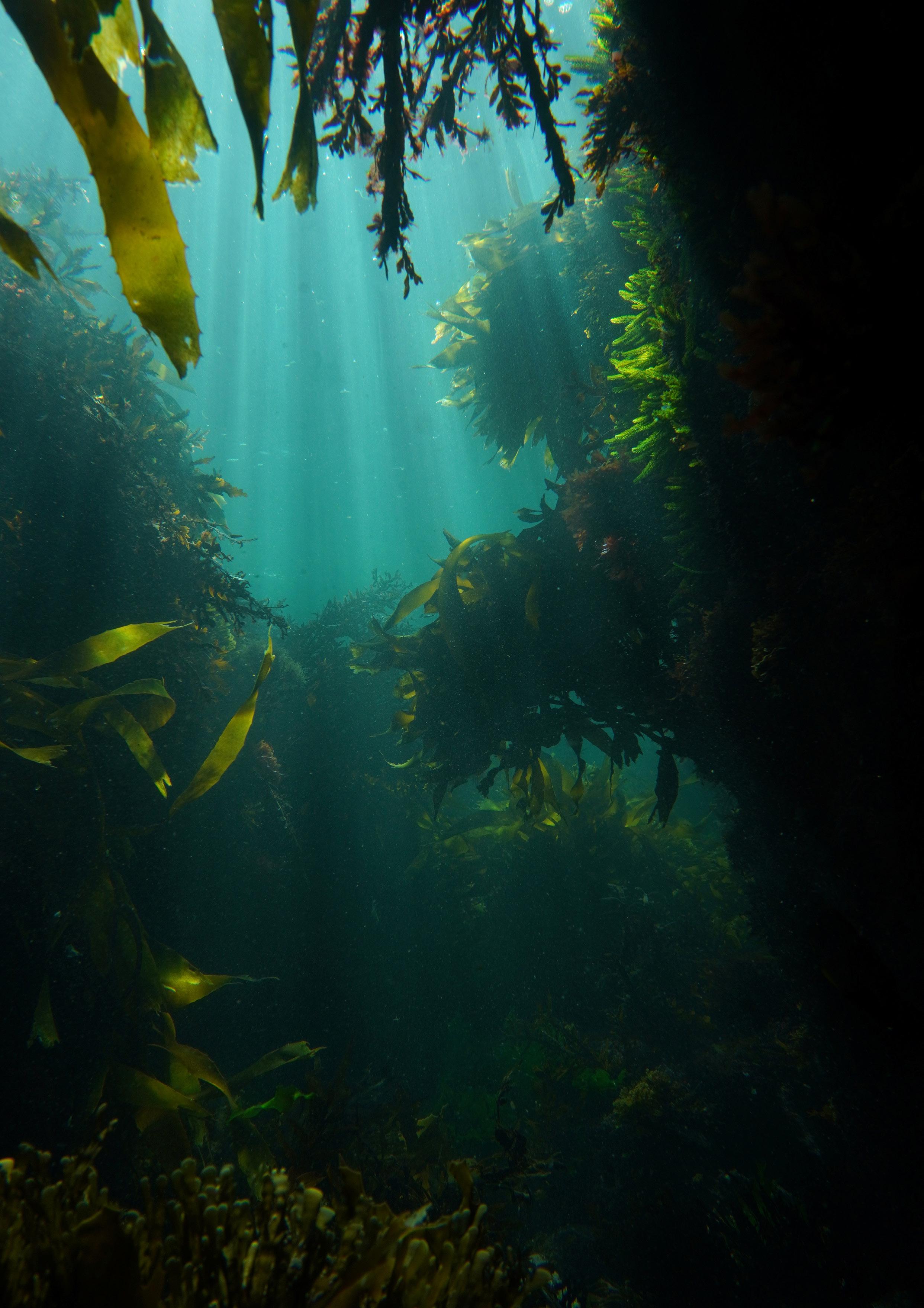
One of my favourite photos is one I took of seaweed in an underwater channel. I really like this image because it shows just a fraction of the immense diversity of seaweed in Taputeranga Marine Reserve, and it captures the beauty and mystery of the underwater world. While the image may look calm, taking it was the opposite. It was near the end of my snorkel, but I saw this beautiful channel and, after diving down to swim through it, I noticed the light shining through. So I dove down many times, changing my settings slightly each time, until I got a shot I was happy with.
Another favourite is a photo I took in some mangroves up north in Whangateau. I like this one because it shows a different underwater ecosystem from the one I usually shoot in, and I love the movement of the school of fish and the reflections in the water.
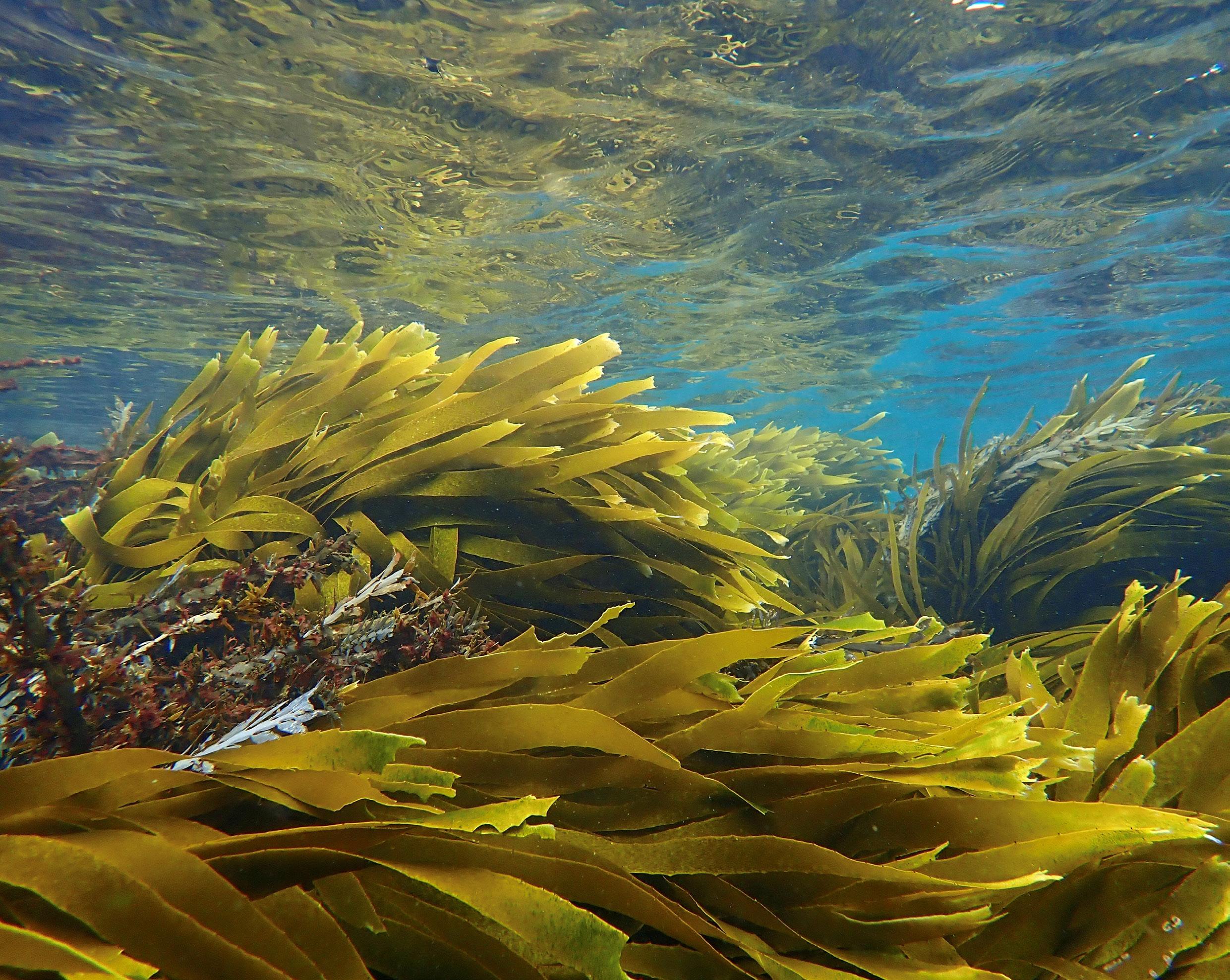
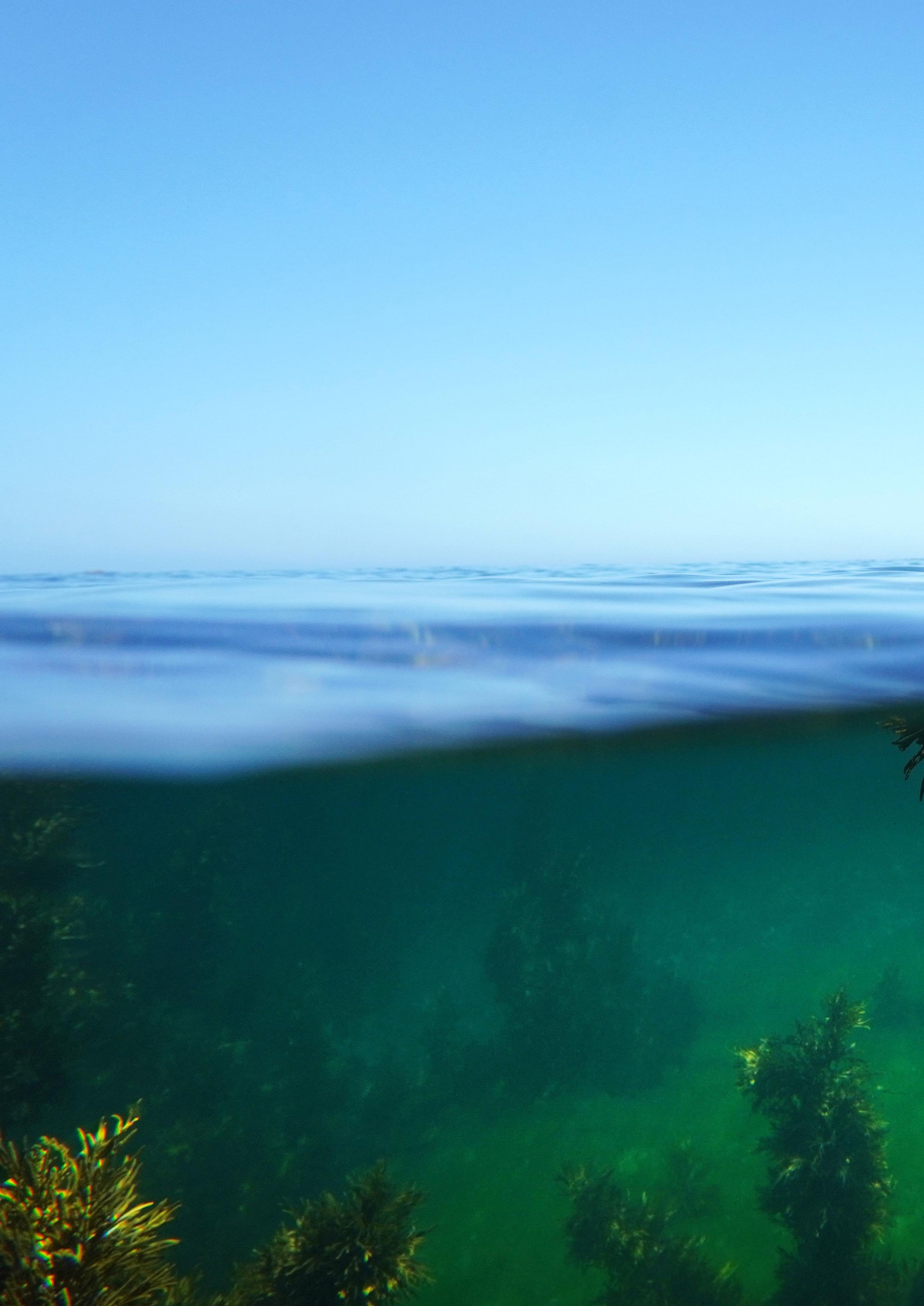
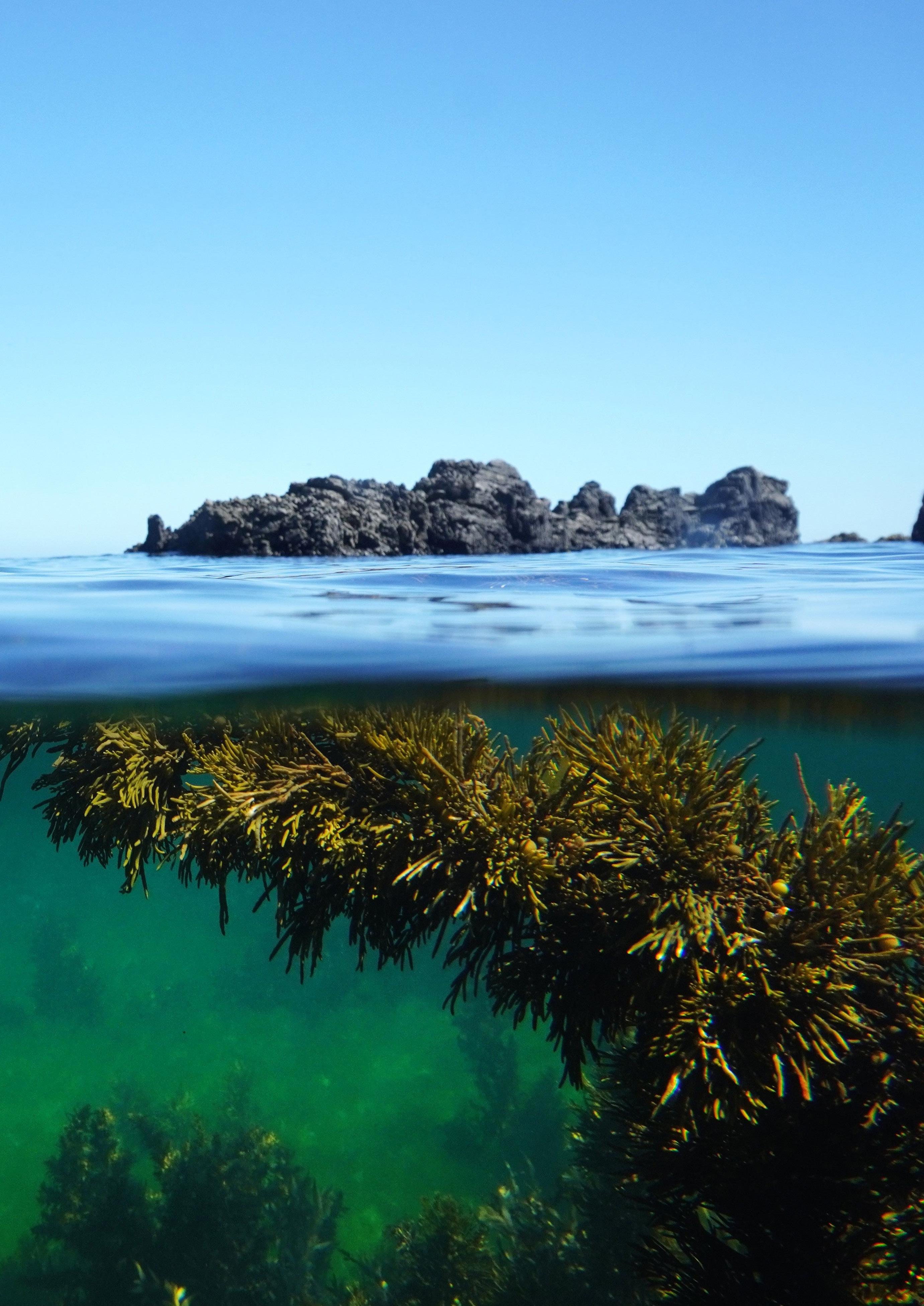
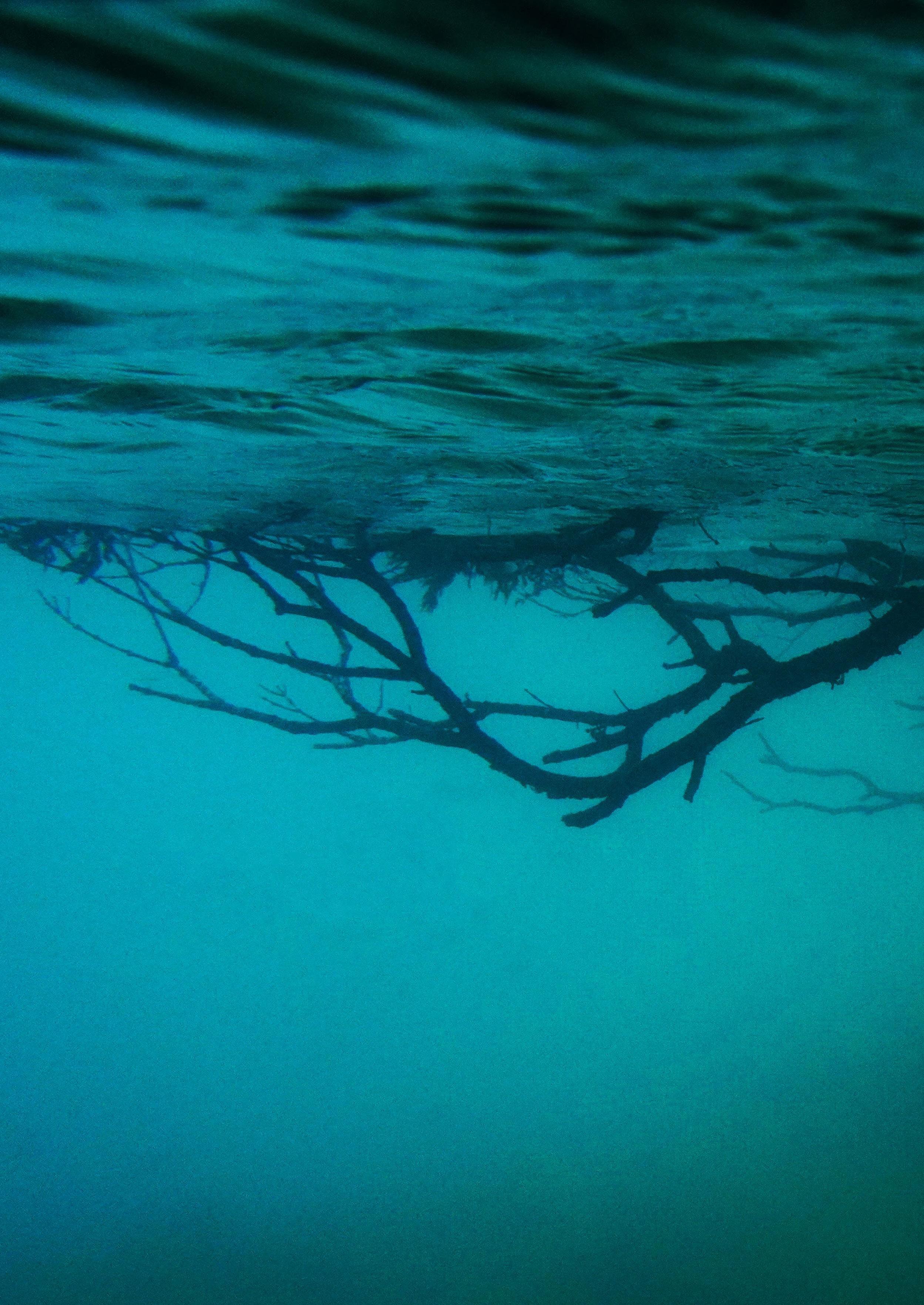
Lastly, I’m really happy with a split shot I captured of seaweed underwater and the rocks and sky above the surface. This was my first time trying a split shot with my new camera setup, and I love how it shows how close marine life is to us.
What advice would you give to other young photographers who are interested in underwater photography?
My advice is to first get comfortable in the water in whatever way interests you. Then buy or borrow some kind of underwater camera. There are lots of good starter options out there, such as underwater cases for phones, action cameras, or compact underwater cameras.
Once you have something to take photos with, it’s time to get in the water and practise. Think about your use of natural light underwater, getting close to your subject while respecting wildlife boundaries, and experimenting with different angles, textures, and subjects. The ocean is so diverse, so get creative. And always make sure you have a buddy with you when photographing in the water.
Have you submitted your photos to competitions? Why or why not?
Yes. Sometimes I’m unsure whether to enter certain competitions, but I think it’s great to just go for it. They’re a really good way to get your work out there, see what entering competitions is like, and sometimes receive feedback on your work.
When I was 14, I was lucky enough to win my first DSLR camera by winning a category in the New Zealand student photography competition, Stills, with one of my underwater photos. I was also a runner-up in another category the following year, and a finalist in their summer mini competition another year.
This year, I was very fortunate to be selected by my photography teacher to have one of my photos included in the Hyundai Emerging Artists Awards at the NZ Art Show. It was an amazing opportunity to be part of, and I even won an award and sold my print.
What’s next on your photography journey?
To go deeper.
Currently, I take photos while snorkelling, but I would love to get my scuba diving licence this summer so I can go deeper and actually breathe while I take photos. I’ve also just finished high school and will be going on to study marine biology, which will give me valuable knowledge to support my underwater photography.
And of course, I’ll keep sharing the wonders of the underwater world here in Wellington, hopefully inspiring others to go and experience it for themselves.
THROUGH THEIR EYES: STORIES BEHIND THE PHOTOGRAPHS
At the end of last year, we invited the young photographers who took part in our workshops to pause and look back at their images. We asked them to choose their favourite photographs and to tell us why those particular moments mattered.
This collection brings together not just images, but voices. Each photograph is paired with the child’s own words, giving us a glimpse into how they see the world and what they value. It shows how photography becomes more than pressing a button. It becomes a way to reflect, to remember, and to share personal meaning. These stories reveal confidence growing, curiosity deepening, and young minds learning to observe with care and intention.
BY SOLOMON TRANTER, 17
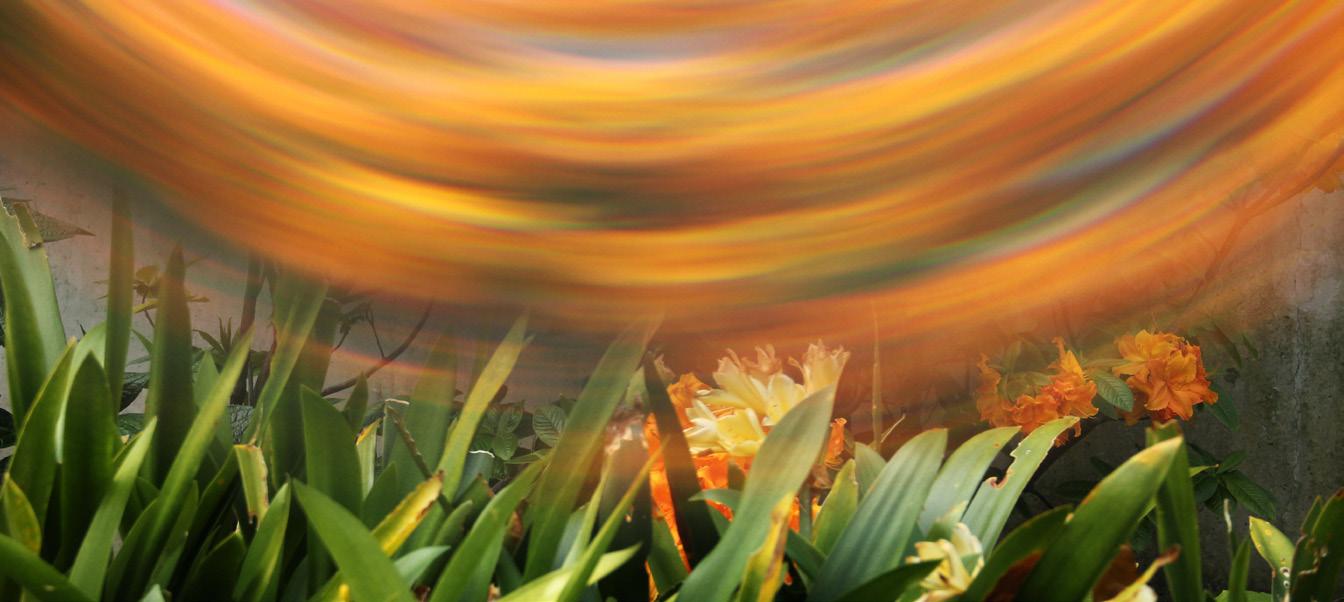
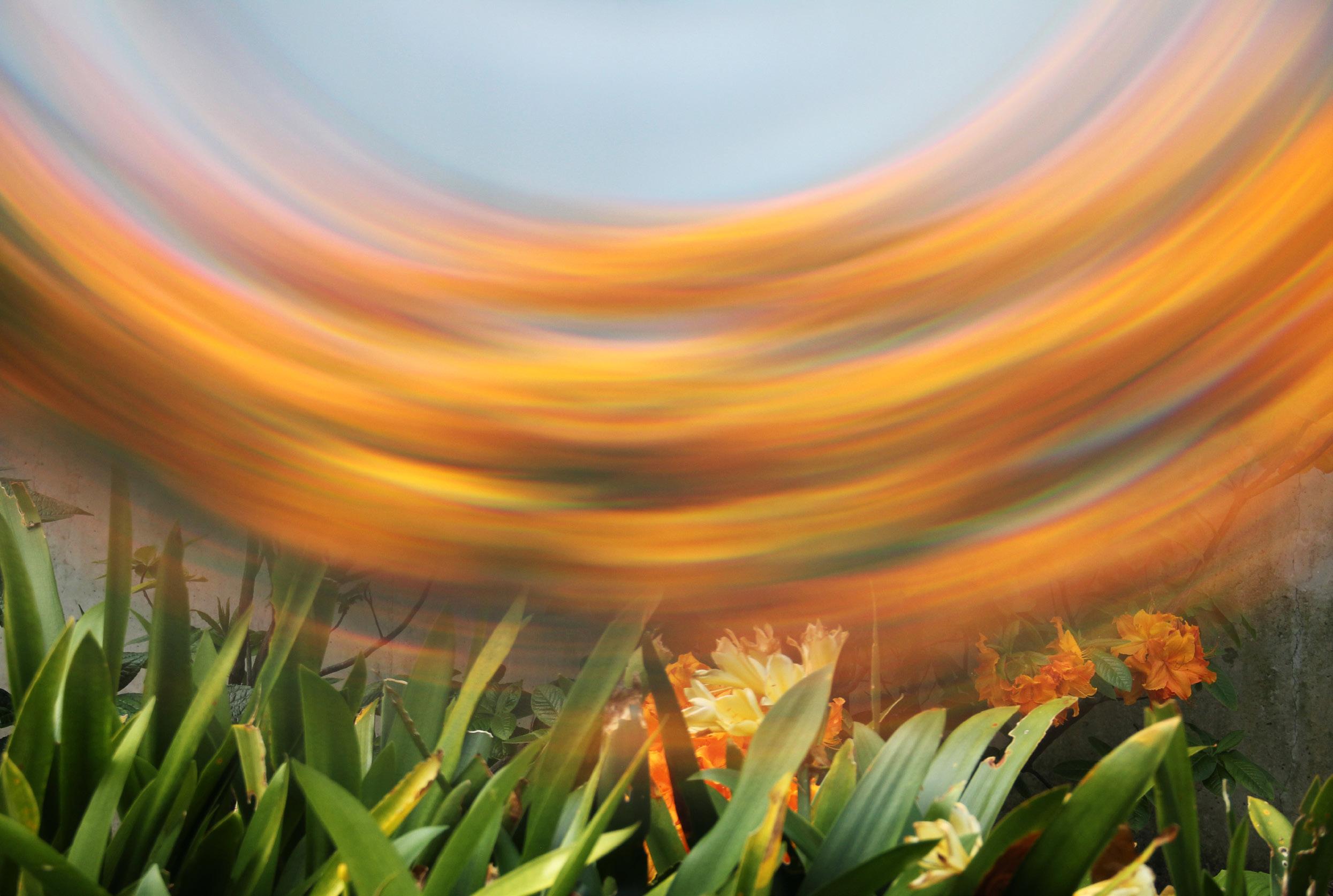
This photo shows the bright colours of spring in an abstract way. I love the colours of the flowers and the swirly, blurry patterns created by the orange petals, green leaves, and blue sky. I used a round filter over the lens and took the photo up close with a small aperture number to create this effect.
BY FAITH MORRISON,
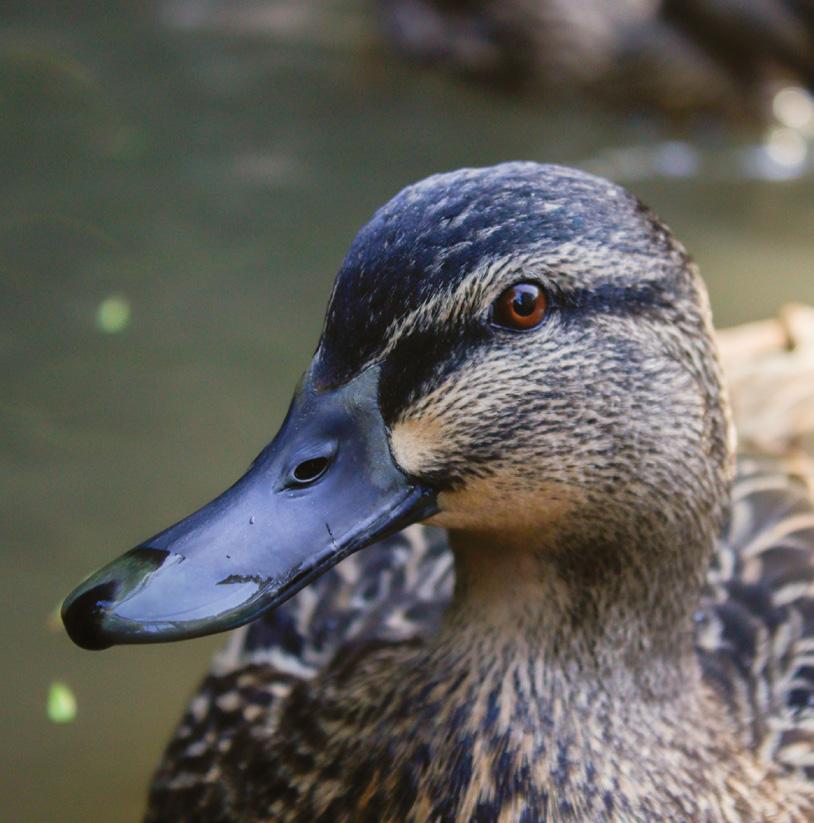
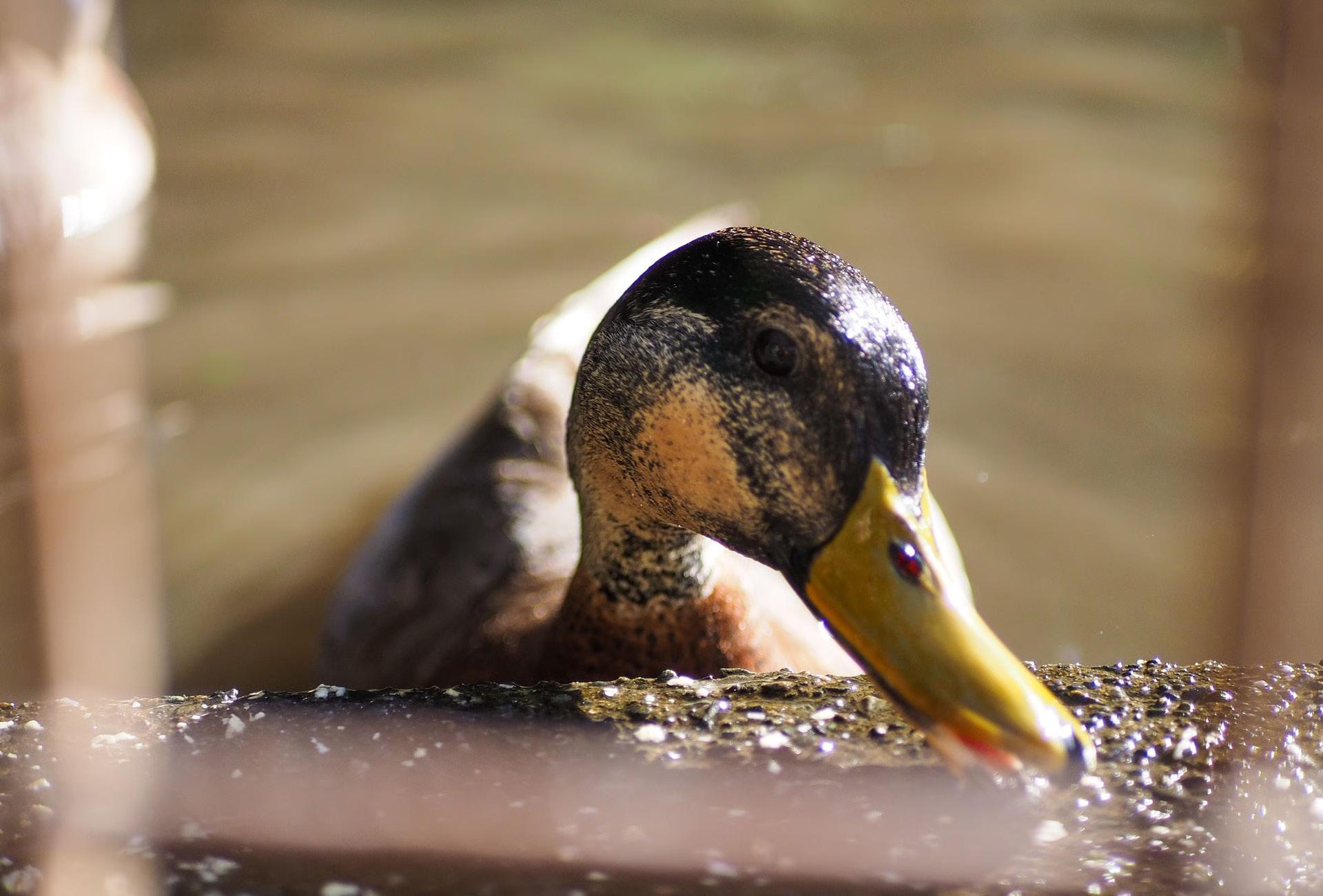
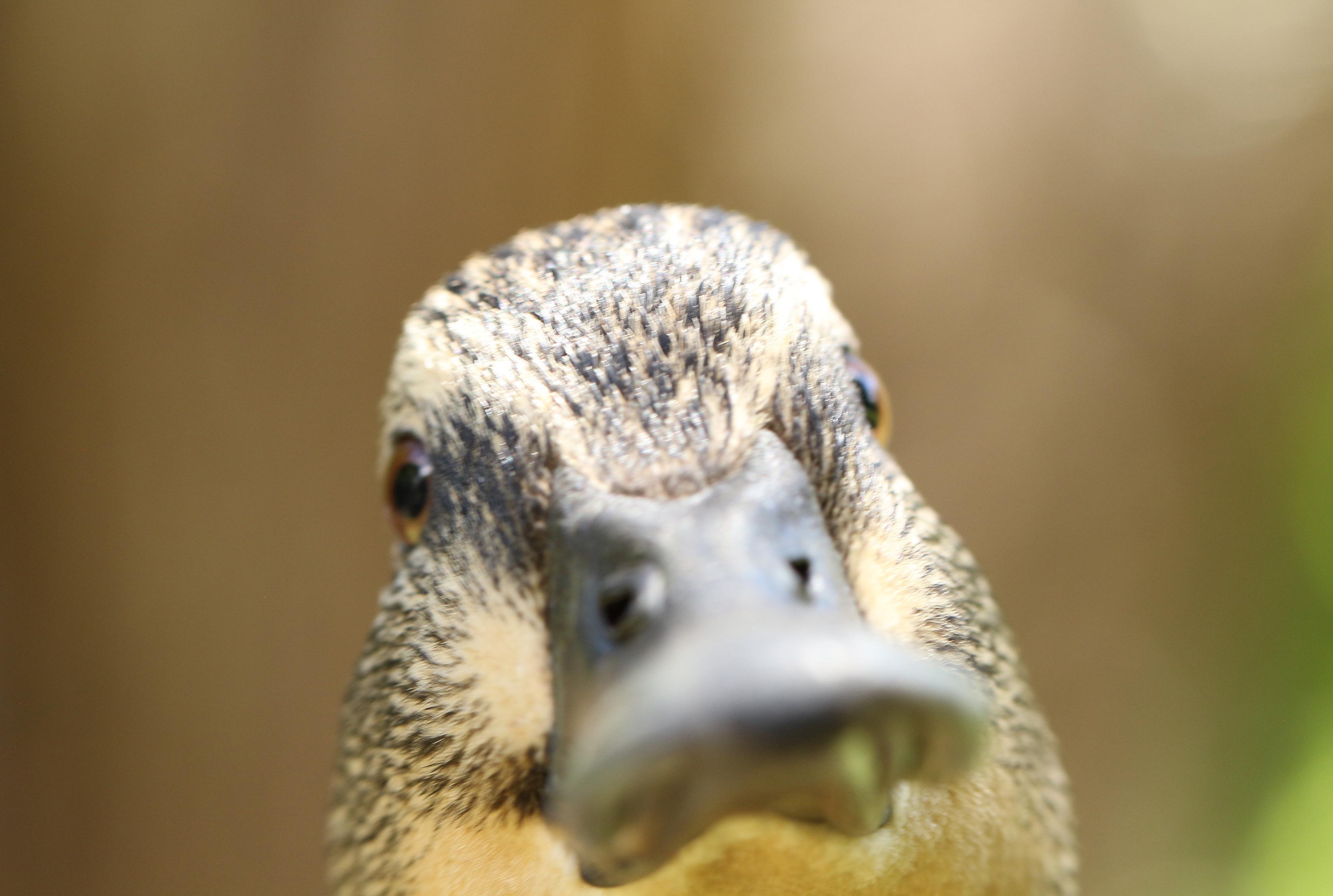
This here is the handsome Mr Mallard! Percy Scenic Reserve is not only his home but also the stomping ground for many other beautiful creatures and wildlife. This photo is about this lovely duck striking a pose and looking keen to be in front of the camera. To capture this shot, I used an eye level technique and paid attention to the lighting to help highlight the frame.
Looking back, if I were to take the picture again, I would use a different framing technique, make the focus a bit clearer, and maybe even get a little closer to the subject. I hope you all enjoyed seeing this stunning picture of Mr Mallard.
Intentional Camera Movement (ICM) technique, photo by Denver Gilbert, 9
10
BY SAMUEL TROJCA, 11
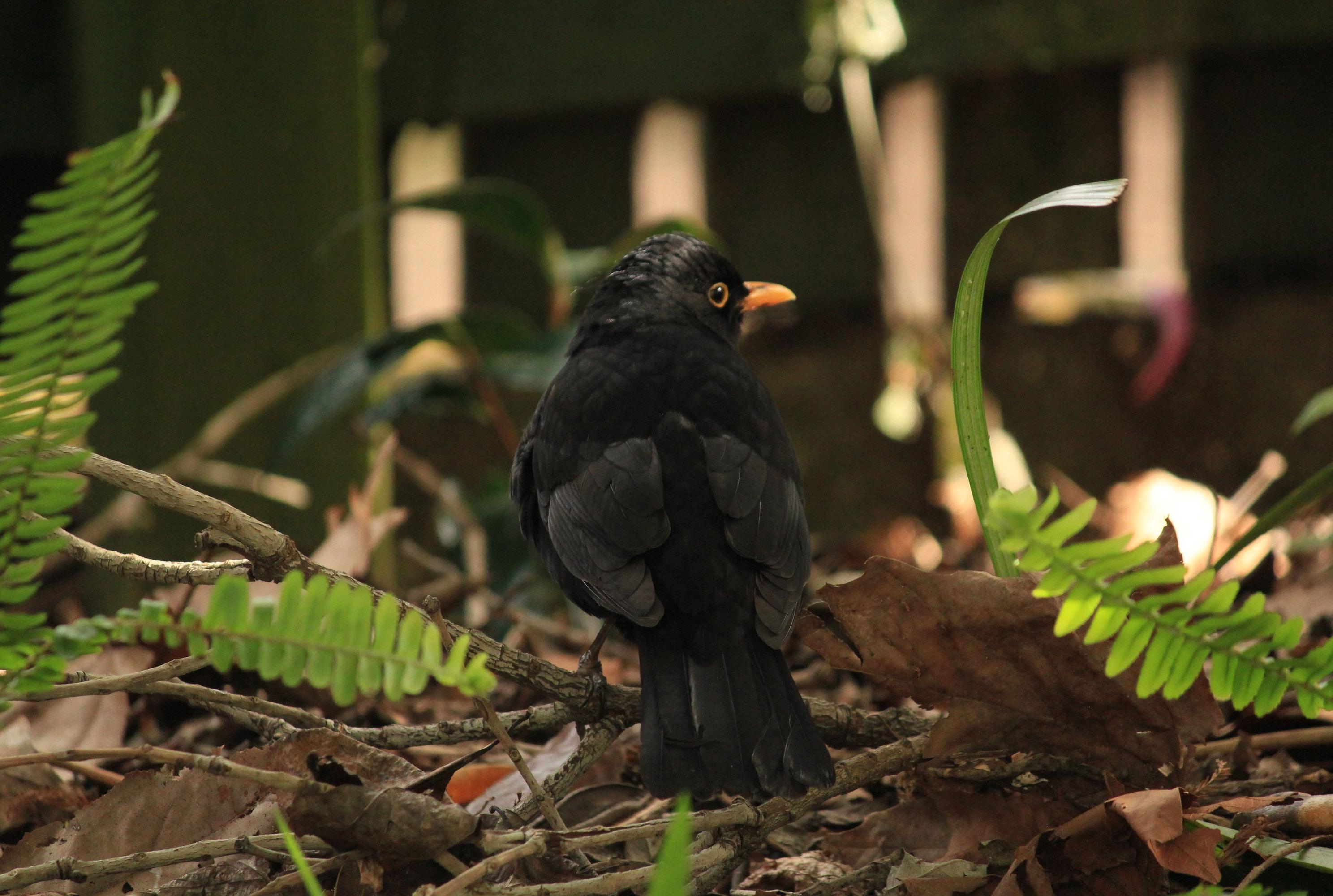
The curious blackbird. This photo makes me happy and sparks my imagination. I think the blackbird looks very curious, as if it is going on an adventure through a deep, dark forest. The image makes you wonder what would happen if the bird flew over the fence. It also makes you think about what might happen if the twig snapped. It gives off an eerie feeling. What if something suddenly leapt out of the bushes, like a cat or another animal, and hurt the bird? There are so many questions you could ask about this photo that do not have answers. That is what makes it special to me. I love imagining that the blackbird struck that pose just for this photo. I also like to picture what its home might look like. Is it a nest high up in a tree, or something else?
I also love this beautiful shot because of the natural lighting, the cool leafy frame, and the blurry background. I used a slight rule of thirds and got down to eye level, which creates the illusion that you are standing right behind the bird. It feels as though the blackbird is inviting me to follow him. If I had the chance to take this photo again, I would focus more on the eyes so the face is sharper and the bird feels even more alive.
BY HARRISON HOLTSLAG, 14
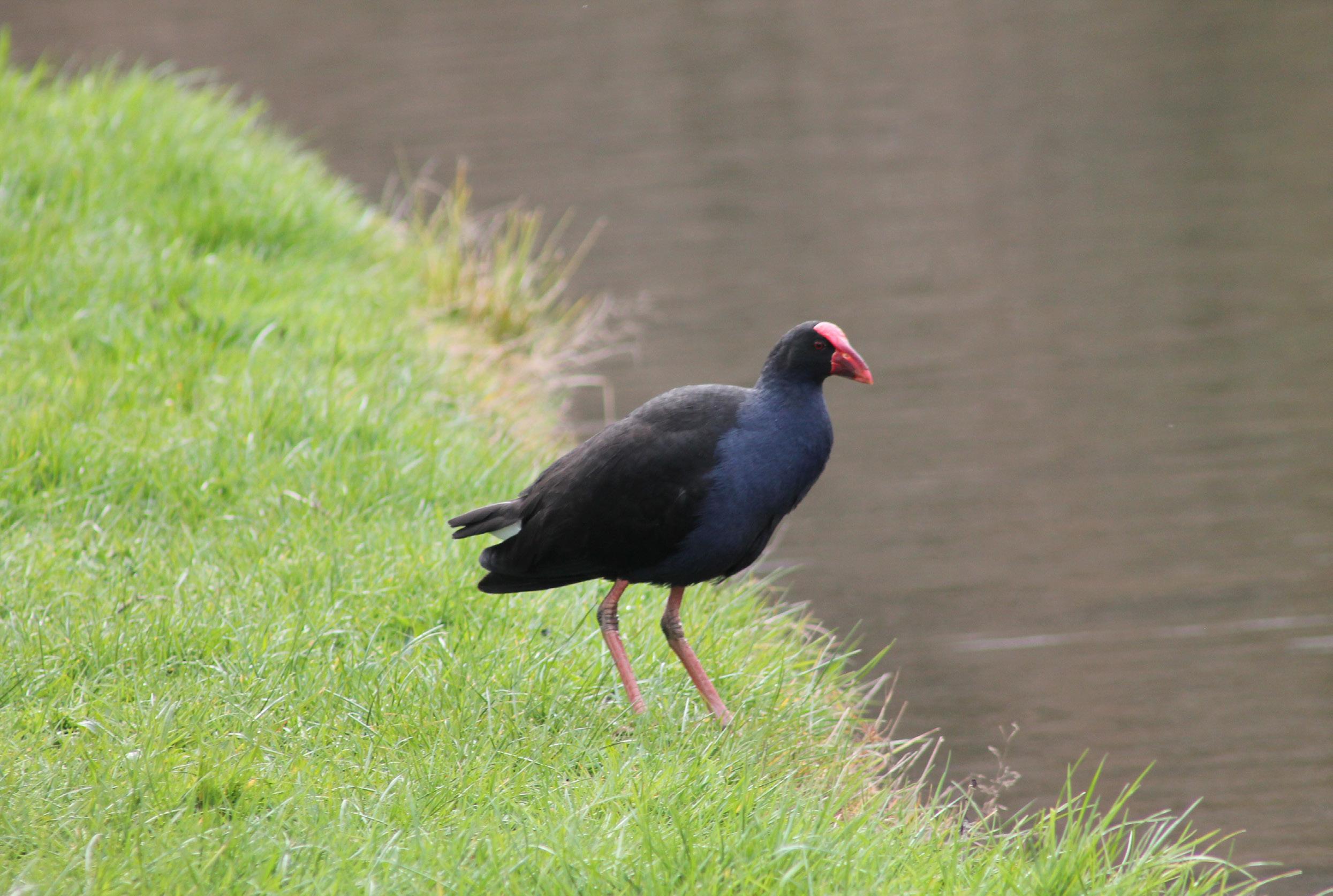
In this photo, I captured a pūkeko on the grass by the water’s edge. In my opinion, it gives me a nostalgic feeling of camping in summer and watching my family and friends swimming in a cool lake. I like this photo because it allows the viewer to see an iconic New Zealand native bird standing still and observing something in the distance.
To capture this photo, I set my f number to 8.0 and my ISO to 500. If I could take this photo again, I would wait for the subject, or in this case the pūkeko, to look straight at me so I might capture the true cheekiness of a pūkeko one day. I love the striking red beak and deep blue feathers against the plain greens and browns around it.
The photo was taken at about 12.00 pm, and the weather looked like it might rain. Thankfully it did not, so we photographers could keep taking photos of the pūkekos. There were about 10 or 11 of them, so you were almost guaranteed to get at least one good photo. Some were swimming, some were running, and some were even screeching at each other. Since they are clever birds, to get a good photo of one you have to outthink them and stay a few steps ahead.
Intentional Camera Movement (ICM) technique, photo by Denver Gilbert, 9
BY DANIEL MOUNTFORD, 16
When the subject comes to you
This is my favourite photo to date. I took it at Percy Reserve during our homeschooling photography class. A duck suddenly walked up to me and started nosing, or rather beaking, around. It was an unexpected opportunity to capture a duck up close.
There was quite a scramble to get my camera focused in time. The focus is the main issue with this photo, as I was not expecting a duck to be so bold as to waddle right up to me. In later photos of this handsome specimen, I managed to achieve sharper focus, yet I never again captured this quirky angle.
The aim of a photographer is to capture a moment in time and convey an idea, emotion, or experience. But when capturing these moments, many variables need to align perfectly.
Intentional Camera Movement (ICM) technique, photo by Denver Gilbert, 9
BY LUCY TREGASKIS, 10
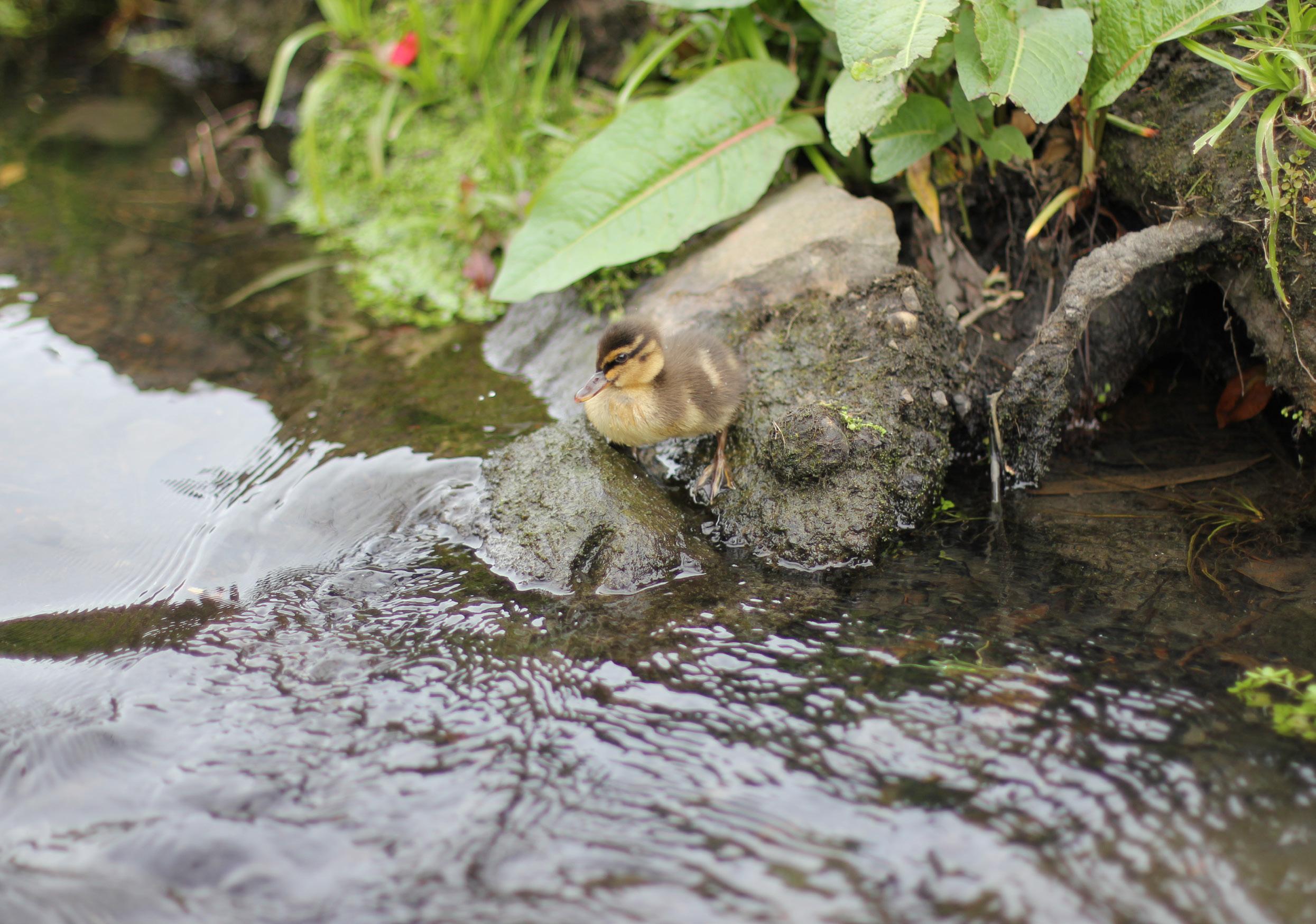
The tale of a little duckling
This is the story of a duckling. A little duckling called Akimo, the youngest of four siblings. The shyest of his brothers and sisters, but nonetheless good-hearted. And now, let the tale begin…
It was a warm day. Not too warm, but just warm enough. A slippery rock snagged at my feet as I tried to make a dignified entry into the delightful water. Instead, I made a very undignified splosh as my legs gave out beneath me and I landed in the water. I sighed and heaved myself up. My siblings laughed, and my mother shook her head.
“Mumma,” I said, “when will I learn to swim like my siblings?”
“You will in your own time, Akimo. For now, just do the best you can,” she said reassuringly. But it did not reassure me at all.
“Akimo? Knock knock, anybody home?” My sister’s voice jolted me out of my daze.
“Sorry, Narri. Just thinking.”
“Well, how about we catch up instead of thinking?” She paddled off, and I followed.
“Hey, squirt, what took you so long?” said my oldest brother, Koja.
“I’m not a squirt. And it’s none of your water, Koja.”
“Jeez, okay. No need to be so protective about it,” he harrumphed, paddling off in a stuck-up kind of way.
I slowed and looked down at my feet. Then one of my other brothers came over. He was only a little older than me and much more good-natured than the others.
“Hey, Pamfi.”
“Super enthusiastic today, I see.” Then, noticing my expression, he added, “Hey, don’t let Koja get you down. He’s a real jerk.”
“I heard that!” Koja yelled from somewhere up ahead.
Pamfi rolled his eyes and grinned at me. It was contagious, and I smiled back.
“There we go. Well, I’m going to annoy the heck out of Koja now. Bye, Akimo!”
“Bye!” I giggled as Pamfi hunted down Koja and began his new “being annoying” strategy. Koja called for backup, and his twin, Caco, came to the rescue.
Maybe Pamfi wasn’t always the most good-natured, but I realised something. His words always comforted me, and today they really stayed with me. I smiled and paddled after them. From that day forward, I stopped worrying about being perfect. I was just me. Akimo.
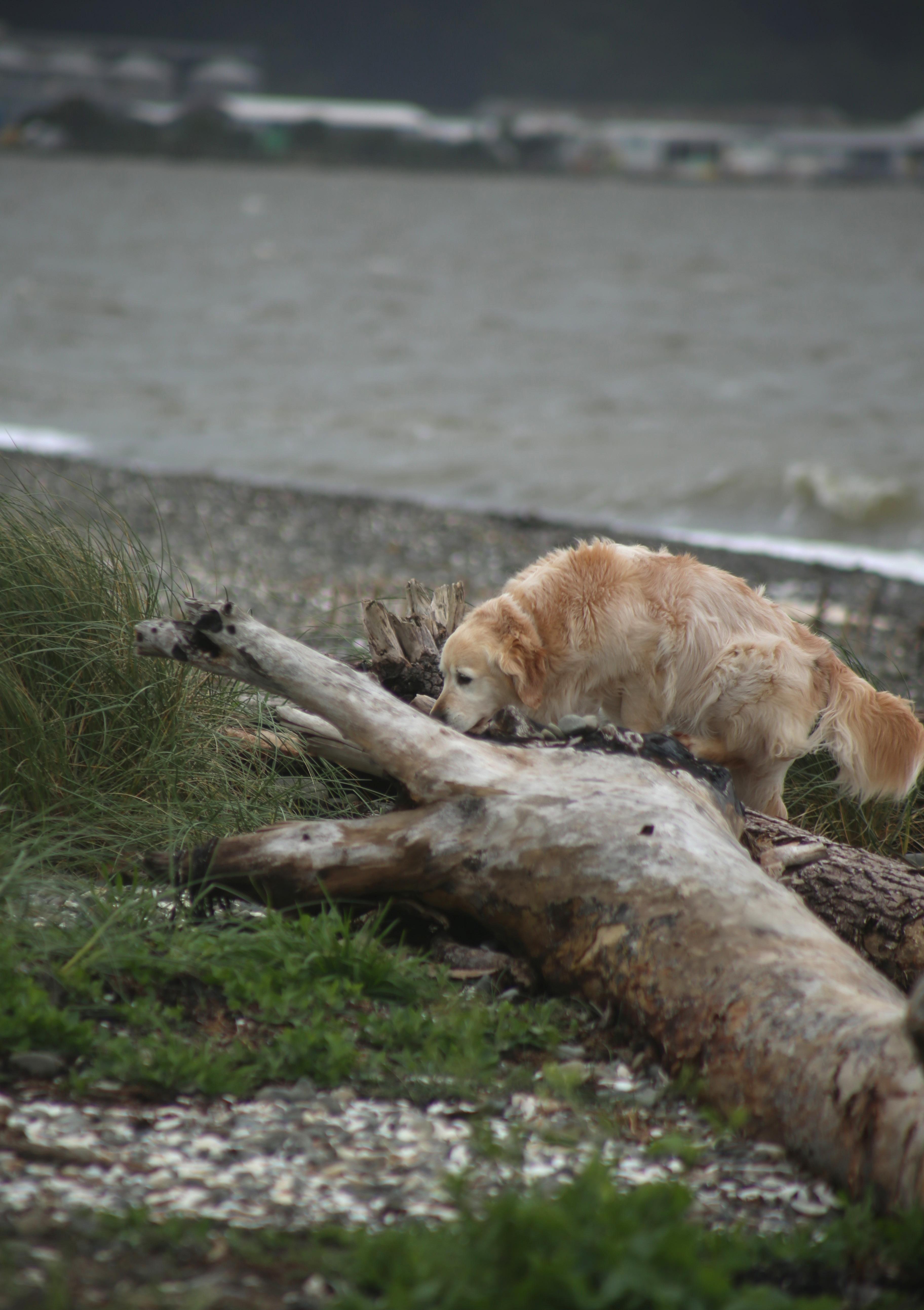
This photo shows a golden retriever at the beach playing with his doggy friend. The wind was blowing through his fur, and he looked like he was in his happy place.
The background is a stormy beach scene, filled with shades of threatening grey and windswept foam. In the foreground, there is greenery and driftwood that looks like the remains of a tree, gently framing the dog.
During this session, we were trying to tell a story through our photos. My theme was stormy weather, with wild waves in the background and the brightness of this happy dog completely changing the mood of the scene.
What do I like most about this photo? The dog. I love animals and would like to photograph them more often. I also enjoy the contrast of colour, mood, and texture.
I noticed two dogs running across the beach and playing together. They would not sit still. Their colour, movement, and cuteness caught my eye. The joy they showed was such a strong contrast to the threatening weather that I simply pressed the shutter and captured a burst of about ten photos while moving along with them. This one turned out the best.
If I could take this shot again, I would change my angle to capture more of the dog’s face. I might also lower the ISO and adjust the f number.
BY MIRIAM HEERSPING, 13
7 THINGS THAT MAKE A GREAT PHOTO
Photography can feel exciting and confusing at the same time. You press a button and an image appears. But sometimes the photo looks exactly how you imagined it, and sometimes it does not.
The good news is that strong photographs are not accidents. There are a few key things that shape every image, whether you are using a big camera or a phone. Once you understand them, you start making choices instead of guessing.
In this article we share seven important things every young photographer and parent should know. They are simple ideas, but they make a big difference. Learn them, practise them, and you will see your photos improve very quickly!
What is photography?
The word photography literally means drawing with light. Every image you create depends on how much light reaches your camera sensor.
There are three ways to control that light. Together they form what is known as the exposure triangle: shutter speed, aperture (f), and ISO. These three elements always work together. When you change one, the others need to adjust to balance the exposure.
Which setting you prioritise depends on the type of photograph you are taking. If you want sharp images of birds, wildlife, or sport, shutter speed becomes your main focus.
1. Shutter speed
Shutter speed is the length of time your camera’s shutter stays open. The shutter is the mechanism that allows light to reach the sensor.
You will see shutter speed measured in fractions of a second, such as 1/1000 or 1/4000. This means the shutter is open for one thousandth or one four thousandth of a second.
The longer the shutter stays open, the more light enters the camera. It also means more movement will be recorded.
Freezing movement
When you photograph something moving fast, such as a bird in flight or a footballer striking the ball, a lot can happen in
a single second. If your shutter is open too long, the subject will blur.
To freeze movement and create a sharp, crisp image, you need a fast shutter speed. For birds and sport, this is often between 1/1000 and 1/4000 of a second.
The faster the shutter speed, the better your chances of capturing a sharp image of fast action.
Using slow shutter speeds creatively
A slow shutter speed is useful when your subject is still, for example a vase of flowers or a landscape at sunset.
It can also be used creatively. Slow shutter speeds allow you to capture motion blur, such as flowing water, moving clouds, or light trails from cars at night. In this case, the blur becomes part of the artistic effect.
The light trade-off
When the shutter opens for only a tiny fraction of a second, very little light enters the camera. That is the trade-off.
If you are using a fast shutter speed, you will need good light. Alternatively, you will need to adjust the other two elements of the exposure triangle, aperture and ISO, to let in more light and maintain a correct exposure.
Understanding shutter speed gives you control over motion. Once you grasp this, you stop hoping for sharp images and start intentionally creating them.
BY LEWIS JAMESON, 14
High shutter speed helps you freeze motion
BY LEWIS JAMESON, 14
A slow shutter speed captures movement
BY CRAIG CURWEN, 12
Reducing your shutter speed and moving your camera while taking a photo is called Intentional Camera Movement (ICM). It can create interesting and creative effects.
Intentional Camera Movement (ICM) technique, photo by Denver Gilbert, 9
BY CRAIG CURWEN, 12
A fast shutter speed helps you capture moving objects clearly.
2. Aperture
Another way to control the amount of light entering your camera is by changing the size of the opening inside the lens. This opening is called the aperture.
Think of it as a hole that lets light in. A wider aperture means a bigger hole, so more light reaches the sensor. A narrower aperture means a smaller hole, so less light comes through.
Why aperture matters
If you are photographing a fast-moving subject and using a very quick shutter speed, such as 1/1000 of a second or faster, the shutter is open for a very short time. That means very little light enters the camera.
To balance this, you may need to use a wider aperture. The bigger opening allows more light in and helps you maintain a properly exposed image.
Understanding f-stops
Aperture is measured in f-stops. This can feel confusing at first because the numbers work in reverse.
A lower f-stop number, such as f/1.8 or f/2.8, means a wider aperture and more light.
A higher f-stop number, such as f/11 or f/16, means a smaller aperture and less light.
Different lenses allow different maximum apertures. Some lenses can open very wide, while others cannot.
Aperture and depth of field
Aperture does more than control light. It also affects how much of your image is in focus. This is called depth of field.
A wider aperture, such as f/1.8, creates a shallow depth of field. This means your subject in the foreground can be sharp while the background becomes beautifully blurred. This effect is often used in portraits because it helps the subject stand out.
A smaller aperture, such as f/11, creates a deeper depth of field. More of the scene, from foreground to background, will appear in focus. This is usually preferred for landscapes or group photos where you want everything to look sharp.
Once you understand aperture, you are not just controlling light. You are also deciding what your viewer pays attention to.
The aperture is like a tiny adjustable window inside your lens. It controls how much light comes into your camera. It can feel confusing because the numbers seem backwards. Here is an easier way to picture it.
Inside your lens there are small metal blades that move to make the opening bigger or smaller.
When you choose a bigger number like f/22, the blades move inwards and close tightly together. The opening becomes very small, so only a little bit of light can get through.
When you choose a smaller number like f/2, the blades move outwards and open wide. The opening becomes large, so lots of light can enter the camera.
So think of it like this: Big number, small hole. Small number, big hole.
What aperture do you think is used in this photo? Try to guess the aperture used in the following photos!
BY AVA ARDRON, 8
BY MIEKE ROOS, 14
BY MANU NGĀPŌ, 11
BY ELIJAH MANSER, 8
BY DANIEL HISCOCK, 10
BY AMIYA LEOTA, 9
BY OMYLIE AH WONG, 10
BY MADDISON RUTHERFORD-KOMITI, 10
3. ISO
ISO controls how sensitive your camera is to light.
The term comes from the days of film cameras, when different films had different light sensitivities. Digital cameras still use the same system.
Most cameras start at ISO 100. This means the camera is not very sensitive to light. ISO 100 works best in bright daylight when you already have plenty of light available.
If you are using a very fast shutter speed and a wide aperture but your photo is still too dark, you can increase the ISO. Raising the ISO makes the camera more sensitive to light, which helps brighten your image.
The downside is that higher ISO settings can reduce image quality. You may notice grain or noise, and the photo can look less sharp.
ISO (ON A SUNNY DAY)
In the past, photographers tried not to go above ISO 800 because the grain became very noticeable. However, modern cameras and editing software handle high ISO much better. Today you can often use much higher ISO settings and still achieve good results.
So ISO is your extra helper when there is not enough light, but it is best used carefully.
In bright sunlight, you should usually use a low ISO, such as ISO 100 or ISO 200.
There is already plenty of light available, so you do not need extra sensitivity. A low ISO will give you the best image quality, with less grain and sharper detail.
So on a sunny day, keep your ISO low and let the natural light do the work.
BY GARDENIA AMOA, 7
ISO 400, f5.6
BY FELIX THIRKELL-WHITE, 13
ISO 400, f4.5
BY MIANE ROOS, 7
ISO 100, f1.7
BY AYE-JAY LEMAOTA, 9
ISO 6400, f2.8
BY LUCY TREGASKIS, 10
ISO 400, f2.8
4.
Colours can look different depending on the light around us. To make our photos look natural and true to real life, we need to set the white balance correctly.
Light has different “temperatures”. This is measured using something called the Kelvin scale. Warm light, such as sunset or indoor bulbs, looks more orange or yellow. Cooler light, such as shade or cloudy weather, can look more blue.
When you take a photo, your camera needs to understand the colour of the light in that moment. If the white balance is not set correctly, your image might look too warm with strong orange tones, or too cool with a blue tint.
Most cameras have simple white balance settings like sunny, cloudy, shade, or indoor light. Choosing the right one helps your photo look more natural.
As you gain more experience, you can adjust white balance manually using the Kelvin scale. This allows you to fine-tune the warmth or coolness of your image and create a more accurate or creative result.
If you compare the two images on the right (by Mieke Roos), you can see this difference clearly. The top photo was taken in the bush and has a cooler, slightly blue feel. The bottom photo was taken in direct sunlight and has a warmer, golden tone.
White balance
PHOTOS BY MIEKE ROOS, 14
5. A different perspective
Do not always take photos from your normal standing height. If you always shoot from where your eyes are, your photos can start to look the same.
Try getting lower. Lie on the ground and photograph a flower from its level. Climb a little higher and look down at your subject. Move to the side. Step closer. Step further back.
Changing your angle can completely change how a photo feels. It can make an ordinary subject look interesting and new. Start exploring different perspectives and you will begin to see the world in a more creative way.
6. Observe
Great photography starts with careful observation.
If you are photographing birds, take time to watch them first. Notice how they move, where they land, how they search for food, and how they interact with other birds. Learn about their habitat and behaviour.
The same applies to sport. Watch how different players move around the field. Notice who usually receives the ball and who makes the final pass. If you understand what is likely to happen next, you can be ready with your camera.
Observation makes photography more interesting and more rewarding. The more you understand your subject, the better your photos will become.
7. Enjoy the process
Photography should be enjoyable. Try to make it mindful. Slow down. Notice the light, the colours, and the details around you.
If you get home and feel disappointed with your photos, do not give up. Look at them carefully and ask yourself what you could try differently next time. Every photo teaches you something.
Most importantly, keep it fun. Take photos of unusual things. Photograph what catches your eye, even if it seems strange. And keep practising. The more you practise, the more confident and creative you will become.
BY FELIX THIRKELL-WHITE, 13
BY SAMMY GRIGG, 11
BY SAMMY GRIGG, 11
BY LIAM MACDONALD, 16
BY FAITH MORRISON, 10
BY DANIEL MOUNTFORD, 16
BY DANIEL MOUNTFORD, 16
“Photography
turns the ordinary into the extraordinary, revealing the quiet miracles hiding in