Pregnancy & Arthritis


Arthritis affects so many people in countless ways and at all stages of life. The experience of pain, stiffness and fatigue is all too real – as is the disruption it causes to lives.
At Arthritis Ireland, we understand what it’s like to live with this chronic condition. Everything we do is with a view to supporting people living with arthritis. That includes investing in research as well as advocating on your behalf with policymakers and politicians.
This publication is just one aspect of our work. We understand how important it is to be able to access trustworthy information about your health from a reliable source. That is why we work with healthcare professionals and other experts in producing these materials.
There are lots of other supports also available to you, including our;
● Award-winning self-management programme, ‘Living Well with Arthritis’ (LWWA).
● Helpline for practical information and emotional support (call 0818 252 846).
● Website and online communication channels.
● Regular information events, podcasts and webinars.
● Volunteer-led local activities around the country.
If arthritis is affecting your life or the life of someone you love, please call or connect with us online (contact details on the back of this booklet).
Deciding to start a family is an exciting time in your life. However, when you have arthritis there may be extra challenges, many of which can be overcome with careful planning and support. During this time, arthritis may affect the pregnancy and, conversely, pregnancy may affect your arthritis symptoms.
No wonder then that the journey is often filled with mixed emotions — excitement, anticipation and, often, uncertainty. Every experience is individual, but rest assured in knowing that, with the right planning and support, most people living with arthritis can go on to have healthy, fulfilling pregnancies.

Careful pre-pregnancy planning can significantly reduce the risk of complications for both mother and baby, so it is always worth thinking about this, and having conversations, well in advance of becoming pregnant.
If you have any form of arthritis, but particularly inflammatory arthritis (or related conditions), and are considering starting a family, you should seek pregnancy planning support at least six months prior to pregnancy, but ideally before that.
Your medical and obstetric team will work together to optimise your health in pregnancy. Regular appointments with your healthcare team are key to staying well throughout this time. In fact, having a conversation with your doctor as early in the journey as possible, ideally before conception, is the best approach to help navigate this life stage. All the evidence suggests that planning ahead can help to ensure the best possible outcome for you and your baby.
There are certain autoimmune conditions, such as lupus, where the risks of maternal and foetal complications are higher, and where symptoms can flare during and after pregnancy (which is often referred to as the ‘postpartum period’). In these cases, very close monitoring and support are needed (more on this later in the booklet).
It is wise to initiate discussions with your rheumatology team as early on as possible – this is always, ideally, prior to conception. Communicating effectively with your team will allow you to share information and work together to make the best possible decisions for your health, and that of your baby.
This booklet is designed to provide information for you (and your partner) as you navigate this stage of life, whether you are newly pregnant, planning to conceive, or already parenting and living with arthritis.
This booklet explores how different forms of arthritis may interact with pregnancy, offers guidance on managing symptoms, informs you about medication safety when pregnant (and breastfeeding) and shares tips on working with your healthcare team to ensure the safest possible experience for both you and your baby. With the right planning, support, and knowledge, most people with arthritis can have safe, successful pregnancies and can embark on the next exciting phase of parenthood.

As every pregnancy is different, a plan of care will be developed in partnership with your rheumatology and obstetric teams, which will be specific to you (including the form of arthritis that you have) and your baby. Controlling your arthritis during pregnancy, and avoiding flares, is the best way to have a safe pregnancy and a healthy baby.
For anyone planning a pregnancy, it is important to be mindful of the following tips well in advance of conception:
• Stop smoking – by stopping smoking, you will increase your chances of getting pregnant and avoid serious risks to your baby (like premature birth, low birth weight, and stillbirth). Smoking negatively affects a woman’s fertility and can lead to damaged eggs and reproductive organs, while for men, it can reduce sperm count and quality. Quitting smoking provides a healthier foundation for both you and your developing baby. Visit www.quit.ie for advice.
• Avoid alcohol – by eliminating alcohol, you avoid the risk of harm to your unborn baby from alcohol exposure in the critical, often unknown, early weeks of pregnancy. Also, alcohol can disrupt hormone function, leading to imbalances in reproductive hormones which can affect you and/or your partner’s ability to conceive.
• Manage your weight – managing your weight before conception improves fertility, increases the likelihood of a healthy pregnancy, and reduces the risk of complications for both you and your baby. Ask your healthcare provider to check your BMI – the aim is for this to be within the healthy range. Being overweight or underweight can negatively affect fertility by disrupting hormone levels and ovulation. If you are overweight, of course, losing weight will also help to reduce inflammation and pain relating to your arthritis condition, so it is likely to help improve symptoms overall.
• Take folic acid – 0.4mg a day is the current recommendation, however, you may be recommended a higher dose (such as 5mg per day) if you live with an arthritis condition – ask your healthcare team about this. Folic acid should be taken for at least 12 weeks before you become pregnant to help reduce the risk of Spina bifida in your baby [If you have been taking methotrexate in the past or are still taking sulfasalazine, your doctor may also recommend that you continue to take folic acid during your entire pregnancy].
• Maintain regular exercise – this will have the benefit of keeping you fit for the pregnancy, labour and the postpartum periods, which can all be demanding, both physically and emotionally. Regular exercise is also very helpful in managing stress.
• Eat a healthy, well-balanced diet – for the purpose of self-managing your arthritis condition, and overall health, the recommendation is that you follow a Mediterranean-style diet (visit arthritisireland.ie for more information). Following this type of diet also ensures your body has sufficient nutrients for early foetal development and establishes habits for a healthy lifestyle throughout pregnancy.
• Use relaxation techniques – this helps to reduce maternal stress, anxiety, and depression. Additionally, this technique relaxes muscles, improves sleep quality, and can positively influence the birthing process and the mother’s ability to connect with her baby. Some people find guided breathing and meditation beneficial. Massage can also be helpful, however there are some situations during pregnancy when it is contraindicated (for example, during the first trimester). Always disclose your pregnancy when booking a massage. It is important to also realise that relaxation does not need to be complicated – it can be as simple as sitting in a chair and taking 10-30 deep breaths, taking a nap, or even stopping for regular rest breaks throughout your day.
• Accept what you can and cannot do – the combination of living with a chronic condition like arthritis, whilst also being pregnant, means that there are extra demands on you. You should be mindful of this, and the fact that you may need to prioritise rest more often. This can mean not over-committing to appointments and rescheduling your diary in order to allow plenty of space for rest breaks.

Most people with arthritis can conceive naturally, without any problems. However, it may take slightly longer for women with arthritis to become pregnant, so you might want to bear this in mind. If you are over the age of 35 and have been trying to conceive for more than six months (12 months if under that age) then you can consult a fertility expert – your rheumatologist and obstetrician can liaise with them regarding any adjustments to your treatment.
Some autoimmune conditions, such as lupus, are associated with increased pregnancy risk, such as autoimmune congenital heart block or pre-eclampsia. High-risk pregnancies can be very stressful. It is therefore important to seek emotional as well as physical support during this time. Talking to a therapist/ psychologist, or joining a support group can be helpful, as can engaging extra support from family and loved ones, and putting down clear boundaries so that your energy is conserved.
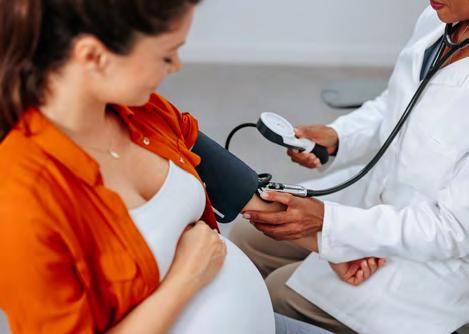
If you fall into the category of a high-risk pregnancy, you will have more frequent ultrasounds, blood pressure checks, and blood tests. The aim is to detect any possible complications early.
The presence of certain antibodies in your blood are essential details for your healthcare team to know so that they can make informed decisions around your care. In a very small percentage (1-3 per cent) of women who have anti-Ro/La antibodies, there is a risk of congenital heart block in the foetus. This risk is higher if you have had a previously affected pregnancy. If a pregnant woman has lupus or Sjögren’s disease, testing for these antibodies is crucial. Patients with these antibodies have regular cardiac screening for their babies in pregnancy. After delivery, babies who have a Ro+ mother may develop neonatal lupus and may be sensitive to ultraviolet exposure. The rash is due to the baby temporarily carrying the mother’s autoantibodies. It does not mean that the baby has, or will develop, lupus. The rash resolves generally without treatment and without any long-term effects or scarring.
It is also important to know if a woman has antiphospholipid syndrome or antibodies (detected in a blood test) as this may increase the risk of blood clots (known as ‘thrombosis’) during pregnancy. These patients will often require blood thinners in the form of aspirin and low molecular weight heparin injections in pregnancy. These women may also be offered hydroxychloroquine (Plaquenil®) to help reduce this risk. The presence of these antibodies can also increase the risk of pregnancy complications such as pre-eclampsia, intra-uterine growth restriction (IUGR), premature delivery or stillbirth. However, being on blood thinners significantly reduces these risks.
It is important to acknowledge that 1 in 5 pregnancies in Ireland end in miscarriage. Stillbirth and other complications can also unfortunately occur. If this happens to you, please know that you are not alone, and that support is available. In Ireland, Féileacáin, the Stillbirth and Neonatal Death Association of Ireland (contact details at the end of this booklet) provides compassionate support to families experiencing the loss of a baby.
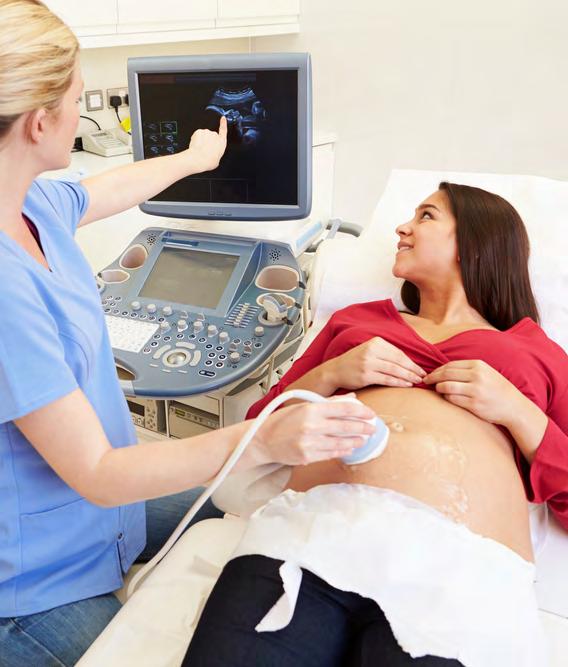
The impact of pregnancy on arthritis varies depending on the type. Some individuals may notice a significant improvement in symptoms, while others might experience flares or new challenges.
Some of the challenges that women face in pregnancy include morning sickness, tender or swollen breasts, fatigue, frequent urination, mood swings, bloating, constipation and heartburn. This can be on top of existing arthritis-related symptoms like fatigue and pain – meaning there are overlapping symptoms that make it difficult to tell which are due to pregnancy, and which are due to the arthritis condition. But, regardless of the cause, the good news is that there are many strategies that can help manage symptoms during this time.
• Joint care and mobility: maintaining gentle activity is crucial. Gentle walking, swimming and prenatal yoga/Pilates are good options for helping to promote flexibility and increase fitness (these things will also help to optimise fitness for labour).
• Fatigue management: fatigue is very common for pregnant women living with arthritis. Planning rest breaks, pacing yourself and asking for help can make a huge difference. When it comes to work, you may need to work from home more often, or even be signed off for a period of time in order to manage.
• Pain management: While some pain relief medications are safe during pregnancy (if used at a low dose and for a short period – always consult with your healthcare team first to ensure that a medication is compatible with pregnancy), remember there are many other non-drug strategies such as applying heat packs, relaxation (for instance, having a warm bath with Epsom salts) and mindfulness that may help to relieve stiff joints and improve sleep quality.
Inflammatory forms of arthritis, such as rheumatoid arthritis (RA), psoriatic arthritis (PsA), and axial spondyloarthritis (axSpA), can improve during pregnancy. This is thought to be due to natural changes in the immune system that occur to support the growing baby. Many people with RA, for instance, find that their symptoms ease during the second and third trimesters. However, pregnancy will not always lead to an improvement in symptoms for someone with RA.
For some women, joint pain may unfortunately become more noticeable due to increased body weight and the physical demands of pregnancy. Hormonal changes can also loosen ligaments and affect joint stability, potentially worsening joint pain in the hips, knees, or lower back. Controlling your condition during pregnancy, and avoiding flares, is the best way to have a safe pregnancy and a healthy baby. This is why it is good to plan for conception well in advance. During pregnancy, you are likely to need more frequent monitoring to help ensure that your disease remains inactive. It is when your disease is inactive that you also have the best chance of conceiving.
Flares bring with them complications, such as a possible increased risk of pre-eclampsia in mothers (a condition marked by high blood pressure and the presence of proteins in the urine) and an associated risk of premature birth. There is a higher risk of flares in women who have experienced a flare six months prior to conception, which again explains the importance of pre-pregnancy conversations with your healthcare team.
Living with an inflammatory form of arthritis requires close medical supervision by a rheumatologist and obstetrician. This is crucial in order to develop a safe treatment plan, manage symptoms, and ensure the wellbeing of both mother and baby.
Some arthritis medications are not compatible with pregnancy or when you are trying to conceive. Thankfully, there is a growing list of medications that is prescribed to manage your arthritis that are also compatible with pregnancy. These will be discussed in greater detail with your rheumatology team, which again highlights the importance of discussing your pregnancy plans prior to commencing your conception journey.

Drug therapy should be reviewed prior to conception, during pregnancy, and again during breastfeeding. The aim is to continue medications for optimum disease control, achieving the lowest dose needed during pregnancy and switching to ‘pregnancy-friendly’ medications for the necessary time period.
Your rheumatologist will choose medications that are compatible with pregnancy, which could mean a switch from medications such as methotrexate (Matrex®, Metoject®, Nordimet®), mycophenolate mofetil (Cellcept®), and cyclophosphamide (Cytoxan®) to alternatives, such as hydroxychloroquine (Plaquenil®) and/or azathioprine (Imuran®). These changes need to be discussed well in advance of pregnancy as a ‘wash out’ period may be required – this involves coming off a particular drug (such as a traditional DMARD) in advance of conception to ensure that your body is clear of the drug.
Blood pressure medication will also need to be looked at during pregnancy. The blood thinner, warfarin, for example, will be stopped during pregnancy and likely changed to low molecular weight heparin and aspirin, which are both compatible with pregnancy.
If you are a man planning to start a family, you should discuss this with your rheumatology team as soon as possible. Some medications can lower sperm count and can cause problems with the development of the baby. For instance, cyclophosphamide and thalidomide should be discontinued one to three months prior to trying to conceive.
Men can stay on a biologic medication both prior to and after conception, and evidence also suggests that men can also continue mycophenolate and methotrexate. However, if you have been trying to father a child for more than a year and have been taking sulfasalazine (Salazopyrin®), you should consult with your doctor. In fact, it is essential to consult with your rheumatologist and healthcare team to discuss the specific medication or biologic being taken as, depending on the medication, there may be a required wash out period. This requires careful decisions around optimising disease control also as this can positively impact fertility and pregnancy outcomes.
Some arthritis medications are incompatible with pregnancy, so reliable contraception to prevent pregnancy is important if you are restarting these treatments after birth. Discuss your options with your rheumatology and obstetric teams.
When the time comes to give birth, most women with arthritis can have a safe delivery. Your birthing plan can be developed with input from both your obstetric and rheumatology teams, taking your symptoms and physical needs into account.
Arthritis, particularly inflammatory types such as rheumatoid arthritis (RA) and axial spondyloarthritis (axSpA), can have an impact on labour and delivery in various ways. The degree of impact largely depends on the type of arthritis, the joints involved, disease activity at the time of delivery, and any related organ system complications.
There are certain labour positions that may be more helpful for women with painful, swollen joints. These positions can reduce pressure on the spine and joints and allow the pelvis to expand. Prior to labour, you can discuss this with your obstetric team and make a plan.

Women with arthritis are not automatically required to have a caesarean birth – in fact, many go on to have successful vaginal deliveries. However, you may need a planned caesarean section if joint damage, hip involvement or other complications may make vaginal delivery difficult. Also, fatigue is another critical issue that may affect labour. Women with active arthritis often experience profound fatigue, which can make prolonged labour more taxing and recovery more challenging which, in turn, will likely affect the mental health and wellbeing of the new mother in the postpartum period.
Epidural anaesthesia is often a good option for women with arthritis, particularly if pelvic joints are involved. However, spinal involvement, as seen in conditions like axSpA, may make it technically difficult (or even unsafe) to administer epidural or spinal anaesthesia. Other options include gas and air, or opioid medications. Some women find ‘hypnobirthing’ helpful – this is a mixture of visualisation, relaxation and deep breathing techniques to help manage pain. Physical support during labour - from a partner or doula (see details for the Doula Association of Ireland at the end of this booklet) can also be especially helpful.
Discussions with your obstetrician and rheumatologist are essential prior to delivery to address potential mobility, or anaesthesia concerns well in advance.
The weeks and months after childbirth – officially known as ‘the postpartum period’ can be an especially vulnerable time for women, but this can be particularly true for a woman living with arthritis who may be prone to flares at this time. Unfortunately, up to 50 per cent of women living with RA will experience a flare during this period.
These flares can occur within 6 to 12 weeks after delivery and tend to involve increased joint pain, stiffness, fatigue, and functional limitations, which can make early parenting especially challenging. Couple that with the fact that delivery can be exhausting, and that there may be additional challenges such as recovery from a C-section, recovery from an episiotomy or vaginal tear, constipation and, in some cases, difficulties with breastfeeding, and anyone can imagine the significant impact that all this combined can have on a new mother’s mental wellbeing.
This is why staying in close contact with your rheumatology team is so important at this time – so that treatment can be adjusted promptly, if needed. The emotional impact of postpartum arthritis flares should not be underestimated. Don’t hesitate to seek support from mental health professionals, support groups, or parenting communities who understand what you’re experiencing (useful contacts at the end of this booklet).
Living with increased pain and fatigue while adjusting to the demands of new motherhood can increase the risk of postpartum depression or anxiety, especially in women with chronic illness.
The combination of physical recovery, emotional adjustments, and the demands of caring for a newborn can create a unique experience that will require tailored support and strategies. Below are some strategies that are known to be beneficial during this early phase of parenting.
• Prioritise self-care, as balancing the responsibilities of motherhood with the need to manage arthritis symptoms is crucial. Taking time for your own wellbeing can make recovery smoother and help you manage both motherhood and your health. See specific self-care tips - opposite.
• Discuss a postpartum management plan with your rheumatologist and obstetrician, involving a clear strategy for restarting or adjusting arthritis medications shortly after delivery. If you’re planning to breastfeed, your team can help identify safe and effective medications that are compatible with lactation.
• Schedule an early postpartum follow-up with your rheumatologist as soon as possible, ideally within a few weeks of delivery. This allows for early detection and management of any flare symptoms before they escalate. Monitoring inflammation markers, assessing joint function, and discussing medication adjustments can help keep disease activity under control.
Communicating well with your partner, friends, or family about what kind of support is most useful for you will likely have a positive impact on the postpartum period. Talking openly about your needs, energy levels, or mood changes helps your partner and family understand what you are experiencing and how they can help.
• Arrange for practical support in the early weeks, whether from a partner, family member, friend, or community support services. Since physical recovery from childbirth is already demanding, a flare can add an extra layer of difficulty so, if possible, have this in place. Tasks such as lifting the baby, changing nappies, or preparing bottles and your own meals can become overwhelming when arthritis symptoms are active. Accepting help with cooking, cleaning, or baby care can offer you a chance to manage your arthritis and focus on recovery. Ordering frozen meals to ease the burden of cooking or requesting these instead of new baby clothes can make a huge difference in helping to manage, particularly in those first six weeks after delivery.
• Prioritise your own sleep and rest as sleep can be limited with a newborn, but rest is vital for recovery and managing your arthritis symptoms. Try taking short naps when your baby rests, and don’t hesitate to ask a partner, family member, or friend to step in so that you can recharge. Listening to your body’s signals and pacing yourself can help prevent flares.
• Concentrate on your nutrition and hydration as this will help with maintaining your energy levels, whilst also reducing inflammation/promoting joint health and assisting with milk production if you are breastfeeding. Focus on a Mediterranean-style diet (already mentioned on page eight). It is tempting to reach for too much caffeine or sugar when you are tired but, in the long run, these things only tend to exacerbate fatigue, whereas plenty of water and good nutrition will help to energise you.
• Try to incorporate gentle movement since this will likely help with your recovery, but also your arthritis management. Short walks with the pram, light stretching or postpartum-safe exercises (such as gentle yoga) can improve circulation, ease stiffness and give you a sense of wellbeing.
• Take care with your posture, since this is a period when you can be particularly vulnerable to back, neck and other problems. Sitting in a supportive chair and using supportive pillows or braces when feeding or holding your baby can reduce strain – ask the public health nurse for advice. Expressing milk and/or using bottles can be an alternative for those who find breastfeeding particularly physically taxing (contact your maternity hospital for more advice if you are struggling with breastfeeding). Tools such as lightweight prams, side-opening cots, baby carriers with back support, bottle prep machines or other devices may also help ease strain on affected joints.
• Check in on your own emotional health as, at times, things will likely feel overwhelming, which is the case for almost every new mother. But this may be felt even more intensely if you are experiencing an arthritis flare at the same time as coping with a newborn in those early days. Try to talk openly to your healthcare team about this – they are there to help you. Also, support groups, either for new mothers or those managing chronic illness, can be reassuring (see the back of this booklet for support groups). Simple practices like deep breathing, mindfulness, or journaling can also help reduce stress.

Postpartum depression and anxiety are common, and women who live with a chronic condition may be at higher risk. It is crucial to seek support early if you are struggling emotionally. Contact specialist organisations such as PND Ireland or Parentline (see back of this booklet) or call the Arthritis Ireland helpline on 0818 252 846 –remember, you are not alone.
• Consider doing one of our courses. We offer a ‘Living Well with Arthritis’ course and a ‘Living Well with Pain’ course, among others. These courses are usually 2.5 hours in duration, and are offered in-person, but also online, which can be very useful for a new mother who is based at home. You could ask a relative to mind the baby while you do your course, which will offer you vital self-management skills, as well as tips to help manage the pain experienced during flares. Visit our website (arthritisireland.ie) for more information.
• Don’t forget the small moments of self-care, as these can add up to provide you with a much-needed lifeline when things are hard. Warm baths, gentle massages, or using heat packs on sore joints can bring relief. Comfortable clothing and taking ‘me time’ to shower/bathe, or to enjoy a nice meal, will likely have a positive impact on how you feel.

If you and your partner are working, it may be helpful to plan ahead with your employer to understand your rights around maternity/paternity leave, sick leave, and flexible working. Make sure to print off your staff handbook and read it thoroughly – you can ask the HR department for a copy of this.
You may wish to request adjustments, such as reduced hours, working from home, or phased return-to-work plans after maternity leave. As we have seen, the symptoms of arthritis can vary from person to person during both the pregnancy and postpartum period. If there is a flare, this can make it extremely difficult to maintain a consistent level of working, leading to anxiety and stress about your ability to continue working and the financial consequences of leaving the workforce.
However, with the right support, continuing to work can be very valuable for anyone living with a chronic condition as it not only minimises the negative financial impact of chronic illness, but we know that it also positively impacts a person’s mental health for a variety of reasons. Open communication with your employer can help ensure you have the space and time to manage both your health and your family commitments. Some other things that can help include;
• Managing your work environment: Your employer is required, by law, to make ‘special accommodations’ if your condition is deemed to be a disability. These things include providing ergonomic furniture and environmental adaptations to allow for your condition.
• Working out your commute: For instance, maybe you could start a little later or finish a little earlier to avoid busy commuter trains or buses during your pregnancy, or if you are experiencing a postpartum flare and you have returned to work.
• Getting used to delegation: Don’t be afraid to delegate, especially during flares. Recognise the benefits of delegating and reframe your thoughts around sharing the workload.
• Believing in yourself: It’s natural to worry about going for a promotion, stepping up to lead a big project, or applying for jobs while you’re simultaneously managing life with a new baby and/or health concerns. But don’t doubt yourself just because you have a chronic illness. If you know that you can do it, you can. Likewise, if you think you’ll be overwhelmed, then listen to your instincts and hold back for now.
If you have been out of the workforce for a significant amount of time then you might be feeling low in confidence about your abilities. Retraining, further education and voluntary work could make a huge difference to your confidence levels. The Adult Education Guidance Service (AEGI) can provide guidance as to your education and training options. Alternatively, check out Springboard, a governmentled initiative which offers free and heavily subsidised courses at certificate, degree, and master’s level leading to qualifications in areas where there are employment opportunities in the economy – details at the end of this booklet.
You are entitled to breastfeeding breaks during work hours. You must contact your employer in writing to let them know you plan to breastfeed at work. You need to do this at least four weeks before you return. You may be asked by your employer to provide a copy of your child’s birth certificate or another document confirming their date of birth. For more information, visit the HSE website, where you will find useful information on your legal rights regarding breastfeeding breaks at work.
“Will I find it hard to become pregnant if I live with arthritis?”
Fertility is not typically a direct problem for someone living with arthritis, but certain factors related to the condition can impact reproductive health. Some conditions, such as RA and lupus, are autoimmune diseases that can affect fertility due to inflammation or complications related to the disease itself. Additionally, some medications can affect fertility, requiring careful planning with a healthcare provider. While arthritis does not usually prevent someone from becoming pregnant, managing the condition alongside reproductive goals often requires additional medical guidance and support.
“Can I pass on my condition to my baby?” It is true that there is a genetic component to some autoimmune diseases. While it is possible that your child could develop an autoimmune disease similar to yours (or another type of autoimmune disease), it is important to remember that many women with autoimmune diseases have healthy babies who don’t develop any type of autoimmune disease. That’s because genetics don’t guarantee development of a condition - other factors, such as environmental influences and lifestyle choices also play an important role.

“Why is it so important to check-in with my healthcare team?”
It is vital that you consult with your healthcare team, ideally prior to conception or pregnancy. Medication decisions at this time are crucial – drug therapy is essential to ensure that your condition remains under control during the pregnancy, which will improve the outcome for mother and baby. The aim is to continue medications for optimum disease control, achieving the lowest dose needed during pregnancy and switching to ‘pregnancy-friendly’ medications. Adequate disease control with suitable medication will reduce the chances of any complications and will even make flares less likely immediately following the birth. Also, low disease activity during pregnancy decreases the risk of pre-term, low birthweight babies and the need for a Caesarean delivery.
“Where should I turn if I feel depressed after having my baby?”
The postpartum period is already challenging, but if you are also dealing with an arthritis flare, it can be particularly difficult. It is to be expected that you would suffer from low mood at this time, so we urge you to consult the self-care advice earlier on in this booklet. However, it’s important to know that there is a difference between the ‘baby blues’, which tend to pass in the first few weeks, and more severe conditions like postpartum depression. Engaging with a mental health professional or joining support groups for mothers with similar experiences can provide valuable encouragement and coping strategies. Start by talking to your GP or public health nurse, who can provide information, support, and referrals. You can also access specialist mental health services through your maternity hospital. For further support, consider contacting organisations like Parentline or Postnatal Depression Ireland (details at the end of this booklet).
“Are arthritis medications safe for my baby if I am breastfeeding?”
It is understandable to have concerns about medication and breastfeeding. But the good news is that many disease-modifying drugs, such as hydroxychloroquine (Plaquenil®), sulfasalazine (Salazopyrin®), and antiTNF biologics like Certolizumab pegol (Cimzia®), are considered to be compatible with breastfeeding. Cyclophosphamide (Cytoxan®), mycophenolate mofetil (Cellcept®), and methotrexate (Matrex®, Metoject® and Nordimet®) should not be used while breastfeeding. It is important to know that avoiding or delaying treatment to continue breastfeeding without appropriate medical supervision can lead to worsening disease, which may be more harmful in the long run. Your rheumatologist will help you decide on the safest plan for you and your baby.
“What about vaccinations for my baby?”
In most cases, routine childhood immunisations are safe and strongly recommended as they protect your baby from serious infections. The main consideration is whether you received a biologic medication during pregnancy, since certain biologics can affect a newborn’s immune system for the first several months of life. In those situations, live vaccines (such as the rotavirus vaccine) may need to be delayed or given with special precautions. It’s important to share your medication history with your baby’s paediatrician so they can adjust the vaccination schedule if necessary. Your rheumatologist and paediatrician can work together to ensure your baby is fully protected while keeping safety in mind. For more information, you can contact the HSE’s National Immunisation Office by calling (01) 867 6108.
Parentline, for confidential support on any aspect of parenting (call 01 8733500 or visit parentline.ie).
Postnatal Depression Ireland, for support if you are feeling very low in mood or anxious beyond the typical ‘baby blues’ (call the support line on 083 485 0689 or visit pnd.ie).
Breastfeeding support: ask your maternity hospital for a list of lactation specialists or contact Cuidiú (cuidiu.ie) for a local breastfeeding group.
The Doula Association of Ireland, which offers a list of doulas in your area (doula.ie).
The HSE’s National Programme for Specialist Perinatal Mental Health Services for mental health support, including a range of helpful leaflets on different subjects from minding your mental health in pregnancy to postnatal depression and other topics.
The HSE’s Freephone line, My Options (1800 828 010) for confidential information and counselling to people experiencing an unplanned pregnancy.
Féileacáin, for stillbirth or miscarriage support, call the helpline: 085 249 6464 or visit feileacain.ie.
The Adult Education Guidance Initiative (AEGI), through local offices, helps people to make informed educational, career and life choices - visit etbi.ie.
Springboard, a government initiative offering free and heavily subsidised courses in areas where there are employment opportunities in the economy – visit springboardcourses.ie.
Join any of the following Arthritis Ireland Facebook groups (all of which are private and, therefore, you must request to join as a member) - the Arthritis Ireland Support Group, the Arthritis Ireland Parenting Support Group or the Arthritis Ireland Pregnancy & Arthritis Support Group.
Not everyone knows about arthritis. About the pain, the frustration. Not everyone can see past the invisibility of arthritis.
Not everyone knows that arthritis affects all types of people. That it does not discriminate. It affects young and old, indifferent to gender and race, people from every type of background. Arthritis affects the human condition.
With your help we can change this. With your support we can build a better world for people living with arthritis today, and a world without arthritis tomorrow.
With your help we aim to:
• Help anyone looking to understand their arthritis.
• Support anyone living with arthritis to live well, and to live as full and active a life as possible.
• Advocate for improved and accessible services.
• Ensure that arthritis is diagnosed as early as possible.
• Invest in research to find a cure for arthritis.
But we can’t do it without you, without your help. As a friend of Arthritis Ireland you can change the balance. As a friend of Arthritis Ireland you will be part of a strong and vibrant community.
You can help win the fight against arthritis –for as little as €10 per month.
If you would like to sign-up to hear from us with news and updates about arthritis research, courses, events, campaigns and fundraising please send your contact details to info@arthritisireland.ie
Yes, I would like to help manage the pain of arthritis. Monthly payment of €10 (€120 per annum). Monthly payments by direct debit only. See reverse for details.
Personal Details
Name Address:
Telephone:
Email:
Date of birth
Do you have arthritis? Yes No
If Yes, what kind of arthritis?
Credit Card (Once off annual payment of €120)
Amount per annum:
€120 per annum
Please charge by:
Signature Date Card No
Other (€120 per annum + donation)
€20 per annum OAP
SEPA Direct Debit Mandate
By signing this mandate form you (A) authorise Arthritis Ireland to send instructions to your bank to debit your account and (B) your bank to debit your account in accordance with the instructions from Arthritis Ireland. As part of your rights, you are entitled to a refund from your bank under the terms and conditions of your agreement with your bank. A refund must be claimed within 8 weeks starting from the date on which your account was debited. Your rights are explained in a statement that you can obtain from your bank.
Please complete all marked fields
Debtor Name
Debtor Address
City / County
Debtor A/C Number IBAN
Debtor Bank ID Code BIC
Type of Payment
Signature(s*)
Recurrent One off
Date of Signature*
Amount of Direct Debit * €
Date of First Payment*
* Arthritis Ireland will debit your account for the amount indicated above from the first day of each month until further notice.
Creditor Name: Arthritis Ireland Creditor ID: IE90SDD360028
Creditor Address: 1 Clanwilliam Sq, Grand Canal Quay, D 2
Unique Reference No. (URM) For Office Use Only
Note; If you are a PAYE taxpayer or are self-employed, gifts of €250 in one year (€21 per month) is worth an extra 44.9% to Arthritis Ireland at no additional cost to you.