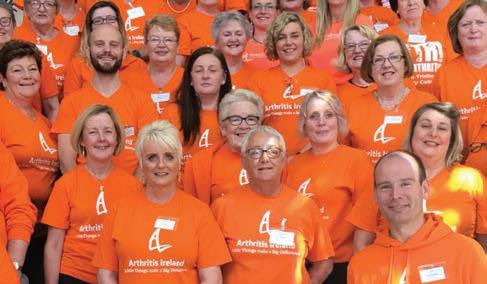
Arthritis affects so many people in countless ways and at all stages of life. The experience of pain, stiffness and fatigue is all too real – as is the disruption it causes to lives.
At Arthritis Ireland, we understand what it’s like to live with this chronic condition. Everything we do is with a view to supporting people living with arthritis. That includes investing in research as well as advocating on your behalf with policymakers and politicians.
This publication is just one aspect of our work. We understand how important it is to be able to access trustworthy information about your health from a reliable source. That is why we work with healthcare professionals and other experts in producing these materials.
There are lots of other supports also available to you, including our;
● Award-winning self-management programme, ‘Living Well with Arthritis’.
● Helpline for practical information and emotional support (call 0818 252 846).
● Website and online communication channels.
● Regular information events, podcasts and webinars.
● Volunteer-led local activities around the country.
If arthritis is affecting your life or the life of someone you love, please call or connect with us online (contact details on the back of this booklet).
Introducing osteoarthritis
What is osteoarthritis?
Osteoarthritis (OA) is a condition that usually develops gradually, over several years. It affects a number of different joints. For some people, the changes are so subtle and develop over such a long period of time that they are hardly noticeable. Others may experience gradually worsening problems, including pain and restricted movement, particularly in large joints such as the hip or knee. You may have to see the doctor from time to time to discuss your condition and your treatment.
Although there is a connection with the ageing process, health professionals and researchers are trying to identify what factors in this process trigger the disease. While OA used to be thought of as a degenerative or ‘wear and tear’ joint disease, it is now understood to be a complex disease which involves abnormal repair processes and inflammation in the joint.
In the last decade, there have been significant advances made in understanding the processes that contribute to OA and, over the next decade, these new insights will hopefully lead to better treatments.
We do not yet know the exact causes or the cure for OA, but we do know the risk factors.
How does osteoarthritis develop and progress?
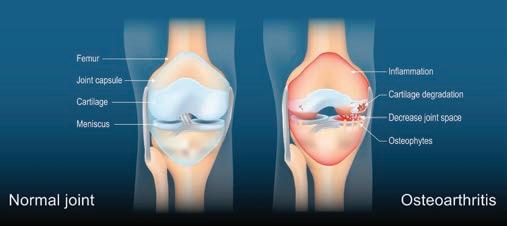
Healthy cartilage – the protective layer that covers the bone end in the joint – is very smooth, strong and flexible. It absorbs the stresses put on a joint and allows the bones to move smoothly over each other.
In OA, the capacity of the cartilage to repair itself is affected. These processes can change the shape of the underlying bone. However, it is important to remember the mismatch between how the joint feels and how the joint looks. Some people can have little trouble with movement, yet have significant changes in the joint structure. The opposite of this is also true.
These processes can affect the smooth movement of the joint, and contribute to pain, stiffness and joint swelling. Bony spurs can develop around the joint, causing it to change shape and appear knobbly.
At the same time, the joint capsule becomes thicker and the amount of synovial (lubricating) fluid can increase, often causing the joint to swell. It may also become stiff and painful to move.
Joints affected
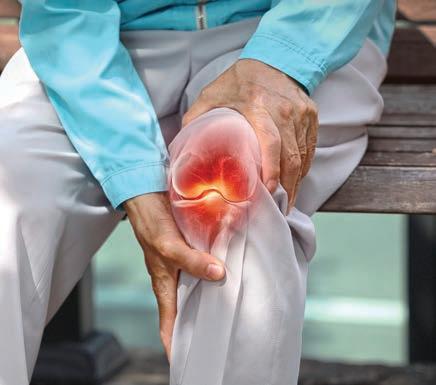
When weight-bearing joints are affected by OA, such as the spine (which includes the neck), hips, knees or ankles, mobility can become difficult. Pain can vary in severity and can be so mild that many people don’t even notice it, or so severe that mobility and quality of life is affected.
OA in the fingers, thumbs and wrists affects grip strength and the ability to perform everyday tasks such as opening jars, picking small things up, writing and doing up buttons.
Shoulder and elbow joints are also susceptible to arthritis, although this is much rarer. Elbows are very sensitive to injury so very mild arthritis here can lead to quite a significant loss of mobility.
Joints affected by OA
Symptoms
Osteoarthritis does have other causes – we just don’t know what they are yet. But we do know enough to correct some myths. Although there is no evidence to support the claim that weather makes arthritis worse, many people find that their joints often tend to feel worse when the atmospheric pressure is falling, for example, just before it rains.
The early signs of OA are often so mild that they are easy to miss. Symptoms can vary, and you may have bad patches of a few weeks or months followed by better periods. In more advanced cases, joints will appear swollen and there may be more consistent pain, making everyday tasks and movement difficult.
However, although the weather may temporarily affect symptoms, it does not cause arthritis. Warmer regions in the world do not have lower incidences of arthritis than colder regions. Osteoarthritis occurs all over the world, in all types of climate.
These are the most common symptoms typically experienced with OA;
• Pain.
• Stiffness.
• Tenderness.
• Loss of flexibility
• Bone spurs (extra bits of bone, which feel like hard lumps, can form around the affected joint).
• Swelling and inflammation around joints.
While some types of arthritis are directly affected by diet, there is no evidence that a particular diet will eliminate the condition. However, some people claim certain foods make their pain or inflammation worse. It is very important to keep your weight as close as possible to the ideal for your height and age. Excess weight compounds the problem by putting extra strain on the affected joints. It is also important to eat a balanced diet to nourish muscles, cartilage and bone. This will reduce the risk of osteoarthritis.
• A ‘grating’ sensation (or crunching/cracking feeling in the joint).
One of the biggest myths is that exercise is bad for your joints. Numerous studies have shown that exercise is a better reliever of pain than commonly used painkillers in knee osteoarthritis. Exercise has been shown to improve the health of joint fluid and also strengthens supporting muscles around affected joints.
hips
Diagnosis
Your GP will be able to assess whether you have OA or whether your symptoms are due to another illness.
Your history
Your GP will begin by asking you to describe the symptoms, and when and how the condition started. Make sure you tell your doctor exactly how you feel, giving a good description of pain, stiffness and joint function, how they have changed over time and how your work and daily life are affected. Finally, you will be asked about any other medical conditions you may have and whether you are taking any medicines.
Physical examination
Your doctor will examine your joints and may check muscles, nerves and aspects of your general health. They will also look for any restricted movement, joint tenderness and any thinning muscle, excess fluid or instability in the joints. You may be referred to a physiotherapist or occupational therapist who can give you special exercises to do and advice on how to relax, overcome mobility problems, avoid joint strain and cope with pain.
Testing for osteoarthritis
There is no blood test for OA, although you may be given one to rule out other types of arthritis. While X-rays were previously thought of as necessary to diagnose OA, this is no longer a requirement. If an X-ray is carried out, changes seen may include bony growths/spurs called ‘osteophytes’ (bone thickening beneath the cartilage layers). However, X-rays do not determine how much your arthritis is likely to trouble you. As stated above, they are not necessary for a diagnosis since an X-ray that shows severe changes does not necessarily mean that you will have a lot of pain or disability. Also, X-rays may not show early stages of OA.
If your pain and symptoms are significantly impacting your life, with no relief from other means, you may be advised by your GP to see a rheumatologist for specialist advice on medical management, or an orthopaedic surgeon to discuss the possibility of joint replacement surgery (please see surgery section later on in this booklet).
For most people, OA is not progressive, which means it does not continue to get steadily worse over time.
Risk factors
There is no single trigger identified that causes OA, however, there are definite risk factors.
Sex
OA is more common and often more severe in women, especially in the knees and hands. It often starts after the menopause.
Genetics/heredity
One common form of OA – nodal osteoarthritis – runs strongly in families. This particularly affects the hands of middle-aged women. In other common forms of OA, heredity plays a small part compared with obesity, ageing and joint injury.
There are some very rare forms of OA that start at a young age and run in families and these are linked with single genes that affect collagen – an essential component of cartilage.
While traditionally OA was considered to affect the cartilage, it is now recognised as a condition that affects the whole joint, including cartilage, bones, ligaments and muscles. OA has been referred to by health professionals and lay people as “wear and tear”, but this description is now felt to be inaccurate. Studies of people who have led very similar lives show some will have virtually perfect joints, while others have quite severe changes to their joints. Therefore, it seems there must be an inbuilt susceptibility to, or protection against, OA.
Obesity/overweight
Overweight/obesity are significant risk factors for developing OA, particularly in the knees and hips, but also the hands. It is thought that excess fatty tissue in the body creates an environment that can result in joint changes (due to inflammation). Research has shown that, if you live with overweight or obesity, and can manage to lose even 10 or 11 pounds (4.5-5 kg) of weight, you can reduce your risk of OA by as much as 50 per cent.
Joint injury
A major injury or operation on a joint may lead to OA at that site later in life. Normal activity and exercise are good for the joints and do not cause OA. However, very hard, repetitive activity may injure joints.
Joint alignment
The alignment of the bones making up the joints can be a cause for developing OA in affected joints later in life.
Age
People usually develop OA after 40 years of age, and although it is uncommon before the age of 40, young people can still develop it. It’s important to note that getting older doesn’t make OA inevitable, however, there is a higher chance that you will develop it. However, if you maintain an optimum weight and are physically active, your chances are lower.
The reason for OA affecting older people isn’t precisely known, however, the quality of cartilage or joint fluid might be a factor relating to age. Impaired healing related to age might also contribute, whereby small injuries to the joint structures trigger imbalance in the repair process. Reduced strength in the muscles surrounding affected joints might also be related to age, for example, a weakened thigh muscle (quadriceps) can contribute to knee OA.
Occupation
Certain occupations can place excessive loads on the joints resulting in OA in later years. Jobs with repetitive knee bending can result in knee OA, while heavy manual labour might predispose someone to hip OA.
Prevalence
It is believed that approximately 400,000 people in Ireland live with OA, and that figure is continually increasing. This is likely due to the fact that the prevalence of OA rises with age (and we know we have an increasingly ageing population), but also the fact that obesity is a risk factor for developing OA, particularly of the knees and hips (and we know that overweight and obesity is on the rise, affecting at least half of the population). In fact, according to the 2024 Healthy Ireland Survey, just over three in five men (63%) reported overweight or obese weight measurements, while half (50%) of all women reported the same.
Myths and facts about osteoarthritis
MYTH 1: OA is an ‘old person’ disease, which gets worse over time.
FACT: OA is not an inevitable part of ageing and not everyone gets worse.
OA is not a ‘normal’ part of ageing. Some people see an improvement in their pain and everyday activitiesnot everyone gets worse.
MYTH 2: OA is a ‘wear and tear’ disease.
FACT: OA is a complex condition, which involves wear and repair.
OA is not simply caused by the joint ‘degenerating’ or ‘wearing out’ as we get older. Wear and repair is a normal process, which does not happen as effectively in OA.
MYTH 3: I need an X-ray or MRI to diagnose my OA.
FACT: X-rays and MRIs are not recommended to diagnose OA – diagnosis can be made based on your clinical symptoms.
Only four in ten people with an X-ray that shows osteoarthritic changes have pain and symptoms. Describing the pain, symptoms and impact with your doctor along with an examination is sufficient to diagnose.
MYTH 4: Exercise can cause OA.
FACT: Exercise is good for your joints.
Exercise helps to build healthy cartilage and strong muscles and therefore is more likely to lower your risk of developing OA.
MYTH 5: Exercise will worsen my OA.
FACT: Exercise is important when you have OA.
Aerobic, mobility and strengthening exercises reduce pain and improve everyday activities such as walking or climbing stairs and may delay surgery. Exercise has lots of other benefits for your physical and mental health and is suitable for people, regardless of age, severity and other medical conditions.
MYTH 6: Pain is always a sign of damage.
FACT: Pain flare-ups do not mean you are causing damage.
People can experience flare-ups for various reasons and this does not mean your OA is getting worse. Your healthcare professional can advise and modify your activities if you are experiencing pain that is not acceptable.
MYTH 7: Surgery is my only chance of improvement.
FACT: Approximately 14-30% of people with OA end up having a joint replacement.
Surgery may be necessary when symptoms are severe and should only be considered if recommended treatments such as exercise, self-management, education and weight loss have been tried but are not improving symptoms.
Managing osteoarthritis
Most people can lead a full, active life with OA by properly managing the condition and making small, common sense alterations to life. There are many things that can be done to help alleviate the symptoms and prevent the disease from progressing. Regular exercise, eating a healthy diet and maintaining a healthy weight will all benefit you since we know that excessive weight can place stress on the joints. In fact, rather than seeing these lifestyle factors as helping to simply ‘manage’ your OA, it’s important to note that they also offer a way to actually help treat and improve your OA.
Keeping healthy is part of this, but you also need to avoid overdoing things or doing them awkwardly. You may have to give more thought to the clothes and shoes you wear, to the way you lift, grip and carry things, or to the way you arrange your home or place of work. An occupational therapist can help with all of this.
Our Living Well with Arthritis Programme teaches a range of proven self-management techniques to help improve your day-to-day life. Find out more under the ‘courses’ section of our website (www.arthritisireland.ie).
Self-management skills
Self-management is an active approach to your condition. It is the use of skills (or ‘tools’) to help manage living with OA, and to be able to continue doing the things you enjoy. Self-management is the opposite of simply dealing with your condition in a passive way, where you rely entirely on medications and health professionals for help.
Self-management skills include:
• Reaching and maintaining a healthy weight.
• Engaging in regular physical activity.
• Following a healthy eating programme.
• Managing stress and difficult emotions.
• Giving up smoking (if you currently smoke).
• Developing good sleep habits.
• Managing flares.
• Managing work.
• Managing finances.
The good news is that you do not need to learn all the skills at once. Simply aiming to add them to your repertoire, one by one, makes the difference. Take your time to learn what works best for you, tailor it to your lifestyle, and always prepare to be flexible - there will be times when you simply cannot incorporate all the skills. Accept that, and simply do your best, always aiming to get back on track as soon as you possibly can.
Reaching and maintaining a healthy weight
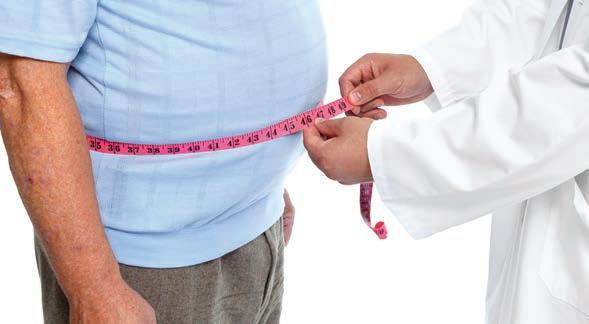
Weight management is a sensitive, yet important topic for people with OA who are also living with overweight or obesity. We know that weight loss or even prevention of further weight gain can significantly help things like pain, function and quality of life for people with OA since extra weight places additional pressure on joints and cartilage.
Unfortunately, carrying excess weight is a common problem for people with arthritis. Some people may find that their appetite increases, or they reach for comfort food when they are experiencing pain or stiffness, which makes weight loss a huge challenge for many people. Also, the causes of obesity are complex, including environmental, biological, genetic, economic, social and individual factors, so there is no easy solution.
People living with overweight and obesity, who also have OA, report less pain and inflammation and better knee function after losing excess weight, making this a significant step forwards in the ability to control some aspects of the disease.
The good news is that even small amounts of weight loss can make a huge difference in reducing strain on the hips, back, knees and feet. This can have a massive impact for anyone suffering from OA. In fact, it is now believed that losing just one pound of weight results in four pounds (or 1.8 kg) of pressure being removed from the knees. In other words, losing just 10 pounds (or 4.5 kg) can therefore relieve an incredible 40 pounds (or 18 kg) of pressure from your joints. Sensible weight loss should be seen as a longterm lifestyle change, which involves eating a healthy, balanced diet and doing plenty of physical activity.
As the saying goes ‘slow and steady wins the race’ and the same goes for weight loss. There is no need to be overly hungry – the best approach is a Mediterranean diet (see more on healthy eating below), one that is plentiful in high fibre foods that help to keep you full. Even small incremental reductions in your body fat will all add up to a good result over time. Experts advise that gradual weight loss is best, which is in or around 1-2lbs (approximately 0.5-1kg) a week.
Put simply, if you have OA and are living with overweight or obesity, losing weight is likely to improve your quality of life and it is often the most effective thing you can do to reduce the symptoms of arthritis.
Engaging in regular physical activity
Exercise can be the furthest thing from people’s minds when they live with pain on a daily basis. However, for people living with OA, the benefits of exercise are enormous. Engaging in regular physical activity, no matter what kind (simply choose the one you enjoy most), is likely to bring about the following benefits;
• Improved balance and coordination.
• Reduced pain and stiffness (through increased flexibility).
• Lubricated joints (movement brings oxygen/nutrients to the joint).
• Stronger bones and muscles surrounding the joints.
• Reduced inflammation (a major factor in joint damage and pain).
• Loss of excess weight (which, in turn, positively impacts your joints).
• Improved sleep (leading to reduced stress and pain).
• Boosted energy and mood levels (leading to less anxiety and depression).
Other Benefits
Regularly moving your body is also known to offer a boost to your immune system (more research is emerging continually). Being active will also help lower your risk of type II diabetes and many forms of cancer, in addition to improving your cardiovascular health (by lowering your blood pressure and LDL cholesterol) and helping you to stay more alert as you age.
Some people are worried that physical activity will make their arthritis worse. However, the truth is that inactivity is likely to make your condition worse. Moving your body regularly, on the other hand, has been proven to bring about relief from symptoms, as well as a much-needed boost to your mood and wellbeing.
How
much is enough?
In terms of the amount of physical activity that is optimum, experts recommend that adults do at least 2 hours and 30 minutes* of moderate-intensity aerobic physical activity (such as brisk walking) or at least 1 hour and 15 minutes of vigorous physical activity (such as running) each week. Taking part in activities that strengthen your muscles (such as resistance training or yoga) on two or more days each week is recommended as this delivers additional health benefits.
Aim to start small and be flexible Set yourself a small, realistic goal and think about daily physical activity that you can build into your life easily, rather than anything too big or unrealistic. If you haven’t exercised recently, start with low-impact physical activity such as swimming, aqua-aerobics or walking in the pool, or else cycling or using an exercise bicycle at home.
You could consider the following easy ways to build exercise in regularly;
• Follow a stretching routine every time you get out of the shower, which may be helpful in the morning or evening.
• Exercise during a break while watching TV.
• Schedule a catch-up with a friend by choosing to walk or play golf together.
• Collect your daily paper or milk on foot or bicycle if it’s safe and practical.
• Set reminders on your phone to take regular breaks to stretch or exercise.
• Schedule exercise, just as you would schedule an important appointment.
• Get off the DART, Luas or bus a few stops earlier and walk the rest of the way home.
*Details on recommended amounts of physical activity have been taken from: Every Move Counts - National Physical Activity and Sedentary Behaviour Guidelines for Ireland (2024), produced by the Department of Health and the HSE.
• Set attainable exercise goals that you can stick to (such as walking 30 minutes a day three times a week and track your progress as you go). Remember, that 30 minutes does not have to be all done at once - it can be two fifteen minute sessions, for example.
• Aim to be flexible and realistic. There are some days that you just won’t be able to fit your exercise in. If you miss a few days or even weeks, simply aim to get back on track as soon as possible.
Post-exercise pain can be down to poor technique, or overdoing it. It does not, however, mean that you have caused damage or that you should stop your physical activity programme. Post-exercise pain can be managed by icing the painful joint(s) and taking a painkiller before or immediately after exercise. It is then important to return to your exercise programme, but at a lower level of intensity, a day or two later. If the pain persists, consult with your healthcare team.
A combined programme
The best programme is a combined one which incorporates range of movement/flexibility, strengthening, and aerobic exercise. Any physical activity is better than none. Choosing activities that you enjoy increases the chances that you will keep going with the habit.
Range of movement
Range of movement (ROM) exercises help maintain flexibility and are important for good posture and strength. The exercises involve taking joints through their full range of movement and then easing them a little further. ROM exercises are done smoothly and gently so they can be done even when in pain. These types of exercises include morning or evening stretches, or Tai Chi, for example.
Strengthening
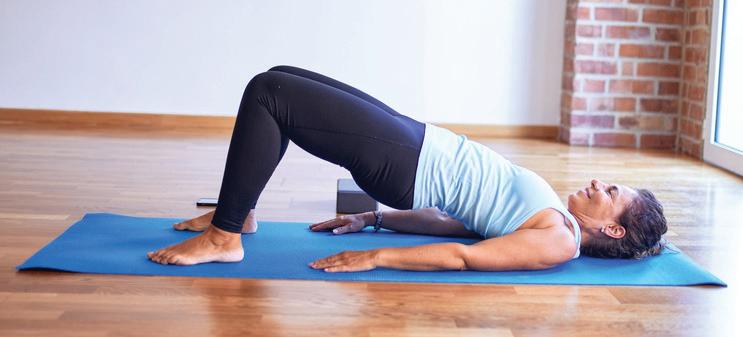
Strengthening exercises are especially beneficial, because they help to strengthen the muscles, which move, protect and support your joints. Many people become less active when they develop OA because of the pain and fear of causing damage. This can lead to muscle weakness and weaker joints. By developing strong muscles, joints become more stable and activities such as walking and climbing stairs are easier. Start slowly, gradually building up the repetitions. As the muscles get used to doing more, they become stronger. The type of exercises you do will depend on which joints are affected and how severe your condition is. These exercises include yoga, Pilates or weights, for example.
Aerobic
Aerobic simply means exercise that raises your heart rate. This type of exercise burns off calories, speeds up the body’s metabolism, helps maintain a strong heart, lowers blood pressure, reduces cholesterol and helps muscles work more effectively. It also helps control and reduce weight, improves sleep, strengthens bones, reduces depression and builds up stamina. Examples of aerobic exercise include walking, cycling, and water-based activity.
Exercising in water
Exercising in warm water soothes the joints, relieves stiffness, and promotes better blood circulation. The water enables gentle and low-impact exercise, and also offers the resistance needed to keep muscles and joints in shape. Many people enjoy aqua aerobics as a way to achieve aerobic fitness but, also, to introduce an enjoyable resistance exercise into their physical activity programme as it covers both.
Following a healthy eating programme
Despite the topic being extremely popular in the media, there is no evidence of particular food groups or nutrients causing OA. In fact, no specific diets have been discovered to be effective in treating OA - more research is needed in this area. The general advice is to follow a healthy diet, such as the Mediterranean diet, which is rich in colourful vegetables and fruit, and relies on healthy fats (such as olive oil, nuts and avocados) rather than saturated fats (found in fried foods, fatty or processed meats, red meat and full fat dairy products), whilst also being high in fibre (from sources such as oats, lentils and chickpeas, as well as fruits and vegetables).
As discussed previously, to reach (and maintain) a healthy weight, the best advice is to engage in regular physical activity and follow a sensible, balanced diet, including the following;
• Include plenty of vegetables and fruits – aim for 5-7 portions a day, include plenty of colours and limit fruit juice to just one serving once a day.
• Add protein – choose around 2 servings per day, from fish (try to include oily fish once or twice a week), lean meat, chicken, eggs, beans, pulses and nuts. Limit processed meats, such as ham (including chorizo, pepperoni or salami), sausages and rashers.
• Include milk, yoghurt and cheese – 3 servings a day for most (or 5 for children and teenagers).
• Swap out white processed foods, such as white bread and pasta for wholegrain, brown versions – the number of servings of carbohydrates depends on your age, size and gender, with 3-5 being the general recommendation (and up to 7 per day for teenage boys and men aged 19-50).
• Reduce sugar intake – rather than just eliminating, try swapping for healthier versions, such as honey as a sweetener, or fruit bars made from dates and nuts, or dark chocolate (70 per cent) as a treat.
• Avoid cooking with, or adding, lots of fat – choose rapeseed, olive, canola, sunflower or corn oils where possible. Limit mayonnaise, coleslaw and salad dressings. Consider using a spray oil for cooking and cut down on the amount of butter you use. Always cut visible fat off meat, opt for leaner cuts when buying and minimise your consumption of processed meats like sausages and salamis.
• Drink at least eight glasses of fluid a day – water or herbal teas are best.
• Reduce alcohol and salt consumption.
*Serving Guide
For carbohydrates and vegetables, a 200ml cup = 1 serving
For cheese, two thumbs (width and depth) = 1 serving
For meat, poultry and fish, the palm of the hand, width and depth without fingers and thumbs, shows how much you need in one day.
For oils, use just 1 teaspoon per person for cooking or in salads.
Supplements
It is understandable that many people want to try different dietary supplements or herbal remedies to help relieve some of the symptoms of their arthritis. Some people will say that they notice an improvement in their OA with the use of these supplements. Some of these include vitamin D (which is related to a healthy immune system), omega-3 fish oils (which we know can benefit cardiovascular health), glucosamine, chondroitin, turmeric, pycnogenol or Boswellia serrata extra. The belief is that these supplements have an anti-inflammatory effect (thereby helping with pain and stiffness). However, there is either insufficient research evidence to demonstrate this, or the quality of studies carried out has not been good enough in order to conclusively say that these supplements definitely have an impact on OA.
Studies are currently being carried out within this area but, for now, the general advice is to try whatever you wish, since these supplements are thought to be generally safe to use (do check with your doctor or pharmacist before starting a supplement, however, to ensure that it is safe/appropriate to take with any prescription medicine that you are currently taking). However, if you are not noticing any benefit within one to three months of starting, then that particular supplement is unlikely to be of any use and may be an unnecessary expense. Some people find keeping a diary to track how they feel is useful in helping to decide if the supplement(s) are having any positive effect, which can help them to make the right decision.
*Details on serving sizes have been taken from the Department of Health’s Healthy Food for Life Food Pyramid (2016).
Goals for the month ahead:
Managing stress and difficult emotions
Living with a chronic condition brings with it a constant mix of physical, emotional, and mental challenges. Whether you’re managing pain, fatigue, or dealing with other issues, such as relationship or financial pressures (due to having to take time off work or reduce your hours due to your condition), the dayto-day can sometimes feel overwhelming. If you do struggle with stress or emotional challenges, it’s important to recognise it and to seek advice from health professionals as there are things you can do about it. Contact the Irish Association for Counselling & Psychotherapy (iacp.e) or Aware (aware.ie) for more information.
Self-care
Your emotions
Everyone’s experience of arthritis is different. Not all people experience the same symptoms, level of pain or fatigue or the same feelings. Don’t be surprised if you feel frustrated one day and perhaps angry the next.
It is good to let your emotions out. Bottling them up can make things worse. Learn to accept that you don’t have to control everything. Being authentic, even if it means being vulnerable, is liberating. Emotions are part of being human and expressing them is a step towards reducing your anxiety and stress levels.
Pain can usually be controlled; stiffness and inflammation relieved, and there are ways to overcome the loss of strength, grip and mobility. Some people find that their lives do not change that much and that they can more or less carry on as normal. Some people become stronger and more determined as a result of having to adapt their lives to fit in with their arthritis –everyone is different.
Your relationships
Sharing information about your condition with family and friends can help them to understand what you’re going through. They may really want to help, but not know how. You may be worried about letting them down or about depending on them too much. Talking and listening is the key. Explain how your arthritis affects you and be as clear as you can about how you are feeling.
Relationships may come under a bit of strain. If you have a partner, talk to them about how you feel, both physically and emotionally and encourage them to ask questions. If you are feeling stiff or having trouble moving around, it is hard to be spontaneous; even a hug can be difficult if you are in pain. There will be times when you are just too tired or in too much pain to get close to your other half, but there are alternatives. Try different positions or supporting your body with pillows and cushions to make love-making more comfortable. A warm bath/ shower or a massage beforehand will also help to loosen your joints.
“Nothing is more annoying than when someone says: ‘But you look so well’!”
Mindfulness is something you could consider incorporating into your daily life, particularly if you are finding things difficult. We know that mindfulness has profound benefits, especially for people living with chronic conditions. Consider using an app such as Headspace (headspace.com) or Calm (calm.com) for a guided relaxation and introduction to mindfulness. Also you can learn mindfulness-based techniques as part of our self-management programmes – please visit the ‘courses’ section of our website (www.arthritisireland.ie).
Giving up smoking
If you currently smoke, stopping smoking would be one of the best things you could do for your health. Ring the National Smokers’ Quitline on 1800 201 203 or visit www.quit.ie.
Developing good sleep habits
Quality sleep is not always possible when you are dealing with a chronic condition, but it’s worth aiming for. Better sleep will help you to manage your fatigue and your pain better. Deep restorative sleep has been proven to help improve pain and fatigue. Try to follow as many of these tips as possible in order to establish a good routine;
• Avoid screens at least one hour before bedtime.
• Try not to exercise within two hours of bedtime.
• Avoid a big meal within two hours of bedtime.
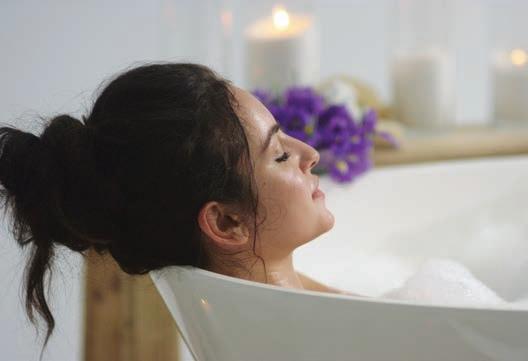
• Ensure your muscles are as relaxed as possible –consider taking a warm bath with Epsom salts (as they contain the mineral magnesium, which works on the central nervous system to help you to relax and to induce sleepiness). A warm shower is advisable too, helping to optimise your body’s temperature for sleep.
• Consider buying blue light blocking glasses for screen-use from 6pm onwards.
• Aim to get natural light soon after waking, whilst making sure to turn down LED lighting in your home in the evening as this helps your circadian rhythm (your internal body clock).
• Avoid caffeine from midday onwards – this includes tea, coffee, cola, energy drinks and even chocolate. Limit alcohol to no more than one drink per day.
• Aim to go to bed at roughly the same time every night, if possible.
• Set your alarm and try to get up at the same time every day.
• If you struggle with getting to sleep, or staying asleep, aim to do some meditation, even just for 10 minutes every day, to help induce relaxation.
• Once in your bed, do not focus on ‘trying’ to get to sleep and, if you are unable to fall off to sleep after 30 minutes, get up and go do something else for a short while.
• In some circumstances, medications for sleep may be necessary on a short-term basis, or some people experience good results with herbal sleep remedies.
Managing flares
An arthritis flare occurs when there is a sudden increase in symptoms - you may have worsened pain, stiffness, or swelling of the joints that can last for a period of time. Flares are unfortunately part and parcel of managing OA. However, putting self-management tools and techniques into place – even the simplest ones – can have a big impact during these times. Things that could help include;
• Lear ning to recognise a flare: A common sign is if you are feeling more fatigued than normal, or if you are in more pain than normal.
• Getting plenty of rest: Prioritise rest and recovery. Say ‘no’ to things that will drain you and ask for more help if you need to prioritise time for exercise and self-care.
• Engaging in light exercise and stretching: Exercise might be the last thing you want to do, but keeping active will help alleviate pain and stiffness. Maintaining muscle will help with many symptoms.
• Applying hot and cold therapies: Heat and/or cold compresses can reduce inflammation, swelling, and pain related to arthritis and activity.
• Relaxing in a warm shower or bath: The warm water will help relax tight muscles and stiff joints.
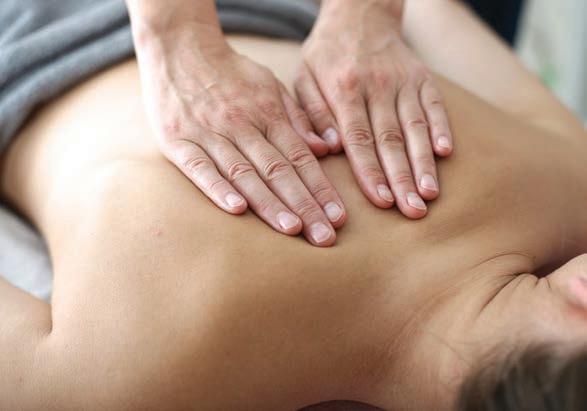
• Using relaxation techniques: Some people find guided breathing, meditation, massage or a sauna session can help. This does not need to be complicated – it can be as simple as sitting in a chair and taking 10-30 deep breaths.
• Accepting what you can and cannot do: you may need to cancel appointments and reschedule your diary to take account of your flare.
Managing work
Only you can decide how much you want to tell people at work about your arthritis. In general, it can be beneficial to be honest and clear about your needs, and to aim to help other people understand the impact that arthritis can have, since it is a hidden condition. Smarter ways of working will help protect your joints and conserve your energy. These can include:
• Organising your work - rearranging the work area, using computer equipment correctly, taking regular breaks, pacing yourself and varying tasks.
• Being flexible - perhaps working a shorter day or fewer hours, or being based at home some of the time if that fits in with your job.
• Taking regular movement breaks - for example, walking to the photocopier or water fountain. It is also advisable to try to leave the building for short periods of light exercise if that’s possible.
• Pacing yourself – making sure not to overdo it and watching what you do after work. You may need to cut back on household chores and prioritise time for rest/light exercise and social outings. The way to do this is to ask for help.
• Taking your annual leave - and trying to spread it out over the calendar year. You may need to use some of your leave for rest during the year.
Managing finances
Educating yourself about what supports are available is crucial in helping to manage your finances.
Accessing benefits
The Citizens Information Board offers a comprehensive booklet that outlines all entitlements for people with a disability, including rights relating to work, education and training. You can get this booklet, Entitlements for People with Disabilities, by visiting your local office or contacting them on 0818 07 4000 (Monday to Friday, 9am-8pm) or go to www.citizensinformation.ie
Social insurance payments
You may be able to apply for state benefits to help with the extra costs of having arthritis, or if you are unable to work. Some of the main disability related payments include;
• Illness Benefit: This was previously called Disability Benefit. This is a short-term payment made to people who are unable to work due to illness. To qualify, you must be aged under 66 and unable to work because of your illness. Your PRSI contributions or credits must be up to date. The maximum term that you can receive this benefit for is currently two years.
• Invalidity Pension: This pension is payable for as long as you are unable to work. At the age of 65, the personal rate of payment increases to the same rate as the State pension (Transition). At age 66, you are transferred to the State Pension (Contributory).
Other benefits
• Living Alone Increase is payable regardless of age. If you live alone, you may also qualify for free travel and the Household Benefits Package, which includes allowances towards household bills.
• The Treatment Benefit Scheme is a scheme run by the Department of Social Protection that provides dental, optical and oral services to people with the required number of PRSI contributions.
Disability allowance
This long-term payment is means tested. You may be entitled to disability allowance if you are aged between 16 and 66 and satisfy both a means test and a habitual residence test and have a specified disability which results in you being substantially restricted in undertaking suitable employment. Your means and that of your spouse or partner are considered. Your parents’ means are not considered.
If you are awarded disability allowance, you get a free travel pass automatically. This allows you to travel for free and your spouse or partner to travel for free in your company. If you are medically assessed as being unable to travel alone, you may be entitled to Companion Free Travel Pass, which means any person over 16 years of age can travel with you for free.
Tax relief
You may get tax relief on certain health expenses which you have incurred and for which you have not been reimbursed. The tax relief is at the standard rate of tax of 20%. So, if you spent €1000 you would get a refund of €200. You can claim back these expenses as part of your annual income tax return. Many benefits can be complicated and time consuming, so it’s worth getting expert help and advice from;
• A social worker from your local health office.
• A housing Welfare officer from your local authority.
• Your Citizens Information Service.
• Your local Social Welfare Office.
Driving
There are various means tested supports available for drivers, including grants for adapting a vehicle and parking permits. The Irish Wheelchair Association (www.iwa.ie) can provide advice and information.
Treating osteoarthritis
Since the causation of OA is now understood to be quite complex, this makes treatment also relatively complex. Lifestyle measures previously covered in this booklet, including maintaining an optimum weight and being physically active, are now viewed as the core treatment for OA. However, for some, pain medication is necessary on a short-term basis. There are also ‘supportive therapies’ that can help make everyday activities easier. When all other treatment options have been exhausted, and symptoms continue to seriously impact a person’s life, surgery can be considered in order to repair, strengthen or replace damaged joints.
Future treatments likely available in the near future include gene therapy, stem cell therapy and drugs that target specific protein pathways (in order to halt cartilage degeneration), among others.
If you have any questions about living with OA, please contact the Arthritis Ireland Helpline on 0818 252 846, available Monday to Friday from 10am to 4pm.
Ways to reduce stress on joints
While it can be difficult to avoid, injuries to a joint can increase the risk of developing OA in the same joint, years later. However, maintaining a normal weight for your height and body structure, keeping active and avoiding excessive stress on the joints as you get older can reduce the severity and impact of OA.
Ways to reduce stress on the joints include:
• Sticking to your ideal weight.
• Trying low-impact activity, such as swimming, poolwalking/running, walking, cycling/exercise bike.
• Pacing yourself – instead of attending to the chores that need doing all at once, spread them out.
• Wearing shoes with thick, soft soles can act as shock absorbers and reduce jarring.
• Using a walking stick or walking poles can reduce the weight and stress on a painful hip or knee joint.
Health professionals
Your GP will be your main contact to do with matters concerning your treatment, and it is important to develop a good relationship to ensure that you are given the treatment that is most effective for you. Don’t be afraid of asking questions if something is not clear. It may help you to write things down or to take a friend or relative with you. Doctors are often busy, but it is important that you make the most of your consultations. This will help you understand and feel confident about any treatment you are given.
General practitioner (GP)
It is a good idea to make a list of about four questions to ask your GP before your appointment in case your mind goes
Occupational therapist (OTs)
Arthritis Ireland run exercise programmes called ‘Be Active with Arthritis’ in various areas throughout Ireland. These are delivered by chartered physiotherapists. For further information please visit the ‘courses’ section of our website.
OTs are other health professionals who can help if you are having difficulty with day-to-day tasks like washing, dressing, cooking and cleaning. They can also advise on your work environment. OTs are experts on what equipment is available to help you and where you can buy these items. They may also be able to supply some of the more expensive items on temporary loan. Your GP or consultant can put you in touch with an OT. This may be at your local hospital or they may visit you at home.
Physiotherapist
A physiotherapist can show you exercises that can help strengthen the muscles around your joints, and also those that can increase your flexibility and reduce your pain. Some physiotherapists teach Pilatesbased exercises which can be done using a floor mat. These are important to incorporate in addition to regular exercise that you can do on your own, such as swimming or walking.
Dietitian
A dietitian can help you to devise a healthy eating programme and track your progress. Since we know that carrying excess weight is likely to exacerbate your condition, this advice is likely to be specifically tailored to targeted weight loss and weight maintenance. Rheumatologist/orthopaedic surgeon
If your pain and symptoms are significantly impacting your life, with no relief from other means, you may be advised by your GP to see a rheumatologist for specialist advice on medical management, or an orthopaedic surgeon to discuss the possibility of joint replacement surgery (please see surgery section later on in this booklet).
Pharmacological treatments
Some of the drugs traditionally used to treat OA are listed below.
Analgesics
These are pain-relieving drugs that do not affect the arthritis itself, but help relieve the associated pain and stiffness. They come in varying strengths and the stronger ones are only available on prescription.
Paracetemol was often used to treat OA in the recent past. However, newer evidence suggests that paracetemol is not as effective as originally thought in the treatment of OA. There are also concerns over possible side-effects with long-term use, such as gastrointestinal and other issues, such as liver damage, if used excessively. With this in mind, more careful consideration of its use is required - if used, try to limit to times when you may be experiencing a flare rather than consistently over a long period of time.
Paracetemol-based combination analgesics, such as those containing opioids in low doses, carry the same risks and concerns, with side-effects such as constipation or dizziness. Opioids also carry the additional risk of dependency or addiction with long term use.
Non-steroidal anti-inflammatory drugs (NSAIDs)
NSAIDS are different to traditional painkillers in that they tend to help manage pain by reducing inflammation in the body (as opposed to targeting pain by interrupting pain signals before they get to the brain). NSAIDS include a newer category of NSAID known as ‘Coxibs’ which have a lower risk of gastrooesophageal side-effects such as heartburn and stomach ulceration.
However, all NSAIDs are prescribed with caution because of the potential risk of kidney, liver, stomach or cardiovascular side-effects. They can also interact with blood thinning medication used in clotting disorders and cardiac diseases. Some people may even experience intestinal bleeding as a result of using NSAIDs.
The safest first option for most people is to try an NSAID gel or cream - these medications are just as effective as oral medications in many cases, yet they have fewer side-effects. If they are ineffective, an NSAID in pill form can be considered, however, this is best discussed with your doctor first.
For most people, OA is not progressive, which means it does not continue to get steadily worse over time. Some may experience phases of joint pain (with improvements in between), while others will see little progression (or even an improvement) of their symptoms over time.
If conservative treatments don’t help, you might want to consider procedures such as:
Steroid injections
Steroid (Cortisone) injections may be used to reduce inflammation if conservative means have not worked. This injection is given directly into the joint, however, the number of cortisone injections will likely be limited to a maximum of a few each year because the medication might worsen joint damage over time. Due to this, it is crucial to try conservative means as a first step - these are detailed in the previous section on ‘self-management’.
Non-pharmacological treatments
Supportive therapies
In addition to self-management skills, there are some additions and/or changes that you can make to help reduce your pain and make everyday tasks easier.
Hot
or cold packs
Applying hot or cold packs to the joints can relieve the pain and symptoms of OA in some people.
Heat dilates the blood vessels, stimulates blood circulation, and reduces stiffness and muscle spasms. Cold compresses, on the other hand, can reduce inflammation, swelling, and pain related to arthritis and activity.
Splints
and straps to support the joint
There are splints, braces and other supports available for painful joints. However, do seek the advice of your physiotherapist or occupational therapist before deciding on which one is the right one for you.
Assistive devices
If OA is causing mobility problems or making it difficult to do everyday tasks, several devices could help. An OT can give you help and advice about using assistive devices in your home or workplace. An OT or physiotherapist may also suggest special footwear or insoles for your shoes and may give you advice about using a walking aid, such as a stick or cane. A physiotherapist may also use manual therapy, where they use their hands to stretch, mobilise and massage body tissues to keep your joints supple and flexible.
Visit the webinars section of our website (arthritisireland.ie) to learn more about the things that can help you to better manage living with arthritis.
At home
At home, there are many ways you can set things up to make sure that daily living is as streamlined and stress free as possible. It’s important to not let your pride get in the way of using equipment that may really help you. It’s equally important to use good postural techniques so that you are not straining your body unnecessarily.
In the kitchen, for instance this might include:
• Rearranging cupboards and drawers so the things you use the most are nearby.
• Using lightweight pans, mugs or a kettle and choosing equipment with easy-to-use buttons.
• Using a telescopic ‘grabber’ or extendable gripper is useful to have to hand when reaching for things up high.
• Using kitchen devices such as an electric tin opener, a cap gripper, a device to help you turn taps more easily, or knives and peelers with padded handles.
• Sitting when preparing food. Make sure to keep both of your feet flat on the floor and try to relax your shoulders, whilst holding your abdominal muscles in and sitting upright. Also, using a trolley for moving heavy items, such as laundry, can make a big difference.
• Evening-up your worktops. You could consider raising the oven or fridge so that they are at the right height for you. Also consider raising the washing machine so that you can load and unload it with more ease, rather than having to bend down.
• Being careful when lifting. Avoid twisting or turning your trunk or neck when lifting anything. Make it a new habit to always lift with proper posture – knees bent, back straight and hold the load as close to your body as possible. If something is too heavy, always ask for help.
• Choosing a supportive mattress. If you have an old mattress that is not providing enough support, it may be time to consider changing it. Remember that a mattress’s lifespan is around eight to nine years. A medium firm orthopaedic mattress is usually the best option – anything too firm won’t mould to your body, whereas one that is too soft will not adequately support your spine.
One of the biggest hazards for someone with limited mobility is the bathroom. Make things safer with these small adjustments:
• Use a seat in the shower.
• Install grab bars by the tub, shower and toilet.
• Consider investing in a raised toilet seat.
• Put slip mats in the bath and beside the toilet.
Out and about
People living with OA can find getting out and about difficult, but there are a few things that can make life a bit easier. If driving a car, an automatic gearbox and power steering will reduce strain on the body. Minor adjustments, such as a padded steering wheel, headrest, extra side mirrors or a wide angled mirror may also make driving easier. Some cars also now have heated elements, such as a heated seat or steering wheel, which can make things more comfortable.
Visit the ‘shop’ section of the Arthritis Ireland website (arthritisireland.ie) for a selection of useful devices that could make a big difference to your daily life.
Complementary therapies
Many people with OA try a range of complementary therapies. However, there is a limited amount of scientific evidence to suggest that they impact OA. This does not mean that they could not be beneficial to you. Instead, it simply means that more research needs to be carried out before we can say that one or more particular therapies have a positive impact on OA symptoms and/or progression. There are a multitude of different therapies. Some, such as reflexology and acupuncture, are thoroughly reputable and are regulated by statutory bodies. Other therapies make highly dubious claims with little or no evidence to back them up.
Complementary therapies can generally be used alongside orthodox treatment, although doctors may vary in their attitudes to them. Complementary therapies do not offer a cure for arthritis. Some people do claim that they can help alleviate some of the symptoms such as pain and stiffness. Complementary therapies can play an important role in encouraging positive changes in lifestyle and outlook, such as increased self-reliance, a positive attitude, learning relaxation techniques and appropriate exercises. Lifestyle changes like these may help to stabilise or improve your arthritis.
Finding a good therapist
Ask other people with OA if they can recommend a therapist but remember that what works for someone else may not suit you. The Association of Complementary Health Therapists can also help you find a qualified therapist, www.irishtherapists.ie. Ask how much treatment will cost, and how many sessions you will need to feel a benefit. Ask if the therapist is a member of a professional body, what kind of training they have had and how long they have been practising. Ask if they have insurance in case something goes wrong. They must take a full medical history.
Tell your therapist about any drugs you are taking, and your doctor about the therapy. Never stop taking prescribed drugs without talking to your doctor first. Any practitioner of these therapies who advises you to stop using conventional medications should be regarded with extreme caution.
Regular physical activity is considered a key component in the management and treatment of OA.
Ring our helpline (0818 252 846) for more information and to chat with someone who understands the challenges of living with arthritis.
Surgery
While many people with arthritis will never need to have surgery, others find it is very successful in relieving pain caused by OA, improving mobility and reducing stiffness. Surgery is usually only considered after all other suitable treatment options have been explored and when the joint is badly damaged. Surgery can be minor – to assess damage done or to smooth joints and repair cartilage (known as an arthroscopy), or it can be more intrusive – to replace or to fuse a joint.
Visit arthritisireland.ie to watch our conversation video all about surgery and arthritis.
There is a risk the operation won’t work or will lead to further physical complications. Recovery may take some time and a lot of effort on your part. However, many people decide that the positive effects on their lifestyle will outweigh any risks. Having surgery could bring about a dramatic improvement in your pain levels and quality of life. Surgery can also prevent joints deteriorating further and prevent disability. Despite all this, many people with OA who have had surgery can still live with difficulties and pain due to their condition.
Accessing the Health Service
Medical cards
Most medical cards are granted on the basis of a means test and/or medical need. Each case is decided on its merits, but you may qualify if your income is not much above the guideline figure and your medical costs are exceptionally high. It may be possible for one or more members of a family (who would not otherwise qualify) to get a medical card in their own right if they have high medical expenses or needs.
GP visit cards
The purpose of the card is to help people who are not eligible for medical cards with the costs of visiting a doctor. The card covers you for GP visits, but nothing else. The income limits for the GP Visit card are higher than the medical card income guidelines.
Drugs payment scheme
With the Drugs Payment Scheme (DPS) card, an individual or family in Ireland only has to pay a maximum amount monthly for approved prescribed drugs, medicines and certain appliances. Everyone in Ireland who doesn’t have a medical card should apply for the DPS card. For more information see www. drugspayments.ie.
Hospital charges
Every person resident in Ireland is entitled to be treated free of charge in a public bed in a public hospital. Some people may have to pay maintenance charges. Out-patient services, when you are referred by your GP, are also provided free of charge.
Join the Arthritis Ireland community
Not everyone knows about arthritis. About the pain, the frustration. Not everyone can see past the invisibility of arthritis.
Not everyone knows that arthritis affects all types of people. That it does not discriminate. It affects young and old, indifferent to gender and race, people from every type of background. Arthritis affects the human condition.
With your help we can change this. With your support we can build a better world for people living with arthritis today, and a world without arthritis tomorrow
With your help we aim to:
• Help anyone looking to understand their arthritis.
• Support anyone living with arthritis to live well, and to live as full and active a life as possible.
• Advocate for improved and accessible services.
• Ensure that arthritis is diagnosed as early as possible.
• Invest in research to find a cure for arthritis.
But we can’t do it without you, without your help.
As a friend of Arthritis Ireland you can change the balance. As a friend of Arthritis Ireland you will be part of a strong and vibrant community.
You can help win the fight against arthritis –for as little as €10 per month.
If you would like to sign-up to hear from us with news and updates about arthritis research, courses, events, campaigns and fundraising please send your contact details to info@arthritisireland.ie
Become a friend
€10 per month
Yes, I would like to help manage the pain of arthritis. Monthly payment of €10 (€120 per annum). Monthly payments by direct debit only. See reverse for details.
Personal Details
Name
Address:
Telephone:
Email:
Date of birth
Do you have arthritis? Yes No
If Yes, what kind of arthritis?
Credit Card (Once off annual payment of €120)
Amount per annum:
Card No
Signature Date
Cheques & Postal Orders
Payable to Arthritis Ireland
Payment details
SEPA Direct Debit Mandate
By signing this mandate form you (A) authorise Arthritis Ireland to send instructions to your bank to debit your account and (B) your bank to debit your account in accordance with the instructions from Arthritis Ireland. As part of your rights, you are entitled to a refund from your bank under the terms and conditions of your agreement with your bank. A refund must be claimed within 8 weeks starting from the date on which your account was debited. Your rights are explained in a statement that you can obtain from your bank.
Please complete all marked fields
Debtor Name
Debtor Address
City / County
Debtor A/C Number IBAN
Debtor Bank ID Code BIC
Type of Payment
Signature(s*)
Recurrent One off
Date of Signature*
Amount of Direct Debit * €
Date of First Payment*
* Arthritis Ireland will debit your account for the amount indicated above from the first day of each month until further notice.
Creditor Address: 1 Clanwilliam Sq, Grand Canal Quay, D 2
Unique Reference No. (URM) For Office Use Only
Note; If you are a PAYE taxpayer or are self-employed, gifts of €250 in one year (€21 per month) is worth an extra 44.9% to Arthritis Ireland at no additional cost to you.