Living with Lupus


Arthritis affects so many people in countless ways and at all stages of life. The experience of pain, stiffness and fatigue is all too real – as is the disruption it causes to lives.
At Arthritis Ireland, we understand what it’s like to live with this chronic condition. Everything we do is with a view to supporting people living with arthritis. That includes investing in research as well as advocating on your behalf with policymakers and politicians.
This publication is just one aspect of our work. We understand how important it is to be able to access trustworthy information about your health from a reliable source. That is why we work with healthcare professionals and other experts in producing these materials.
There are lots of other supports also available to you, including our;
● Award-winning self-management programme, ‘Living Well with Arthritis’.
● Helpline for practical information and emotional support (call 0818 252 846).
● Website and online communication channels.
● Regular information events, podcasts and webinars.
● Volunteer-led local activities around the country.
If arthritis is affecting your life or the life of someone you love, please call or connect with us online (contact details on the back of this booklet).
Lupus is a chronic autoimmune disease where your immune system essentially attacks your own (healthy) tissues and organs, causing them to become inflamed and damaged. Interferons (proteins that play a role in the immune system) are only part of the origin and development of the disease. Systemic Lupus
Erythematous (SLE) involves abnormal blood tests and organ inflammation whilst cutaneous lupus is limited to the skin. For the purposes of this booklet, we will use the term ‘lupus’ to describe SLE.
Most people diagnosed with lupus can face significant challenges as they navigate their condition. People can experience pain and fatigue, leading to emotional issues, as well as relationship, financial and work pressures. There is no doubt that lupus is a sometimes unpredictable and often difficult condition to live with. However, the condition is manageable with medications and lifestyle modifications which can significantly improve outcomes. Once the disease is well controlled, many people with lupus can live normal lives.
In Ireland, lupus is recognised as a relatively uncommon condition, but its exact prevalence is difficult to determine due to the complexity of its diagnosis, variability of its symptoms, and lack of official data on prevalence.
The inflammation caused by lupus can affect the joints, skin, kidneys, blood cells, brain, heart and lungs. Lupus can therefore cause many different symptoms, including;
• Joint pain, classically involving the small joints of the hands.
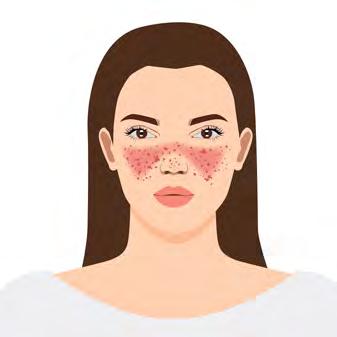
• A skin rash, typically worse with sun exposure.
• Fatigue.
• Mouth ulcers.
• Dry eyes.
• Hair loss.
• Swelling of lymph glands.
• Fingers or toes changing colour in cold conditions (known as Raynaud’s disease).
• Chest pain.
• Peripheral oedema (or swelling).
The inflammation caused by lupus can affect many different body systems, including your joints, skin, kidneys, blood cells, brain, heart and lungs. That is why it is so important to treat lupus adequately.
• Joints – arthritis in people with lupus typically affects the joints of the hands and feet.
• Skin – lupus can trigger skin rashes, sores, swelling and other changes to the skin or scalp.
• Kidneys – kidney inflammation is one of the possible complications associated with lupus (see ‘lupus nephritis’ later in this booklet).
• Blood cells and heart – people living with lupus are more susceptible to developing anaemia, blood vessel damage and blood clots.
• Brain – the nervous system can become involved, and this can increase the risk of strokes, seizures and memory difficulties.
• Lungs – lupus can cause inflammation in the lining of the chest cavity, leading to possible complications of pleurisy and pneumonia.

People living with lupus may have several autoimmune diseases or ‘comorbidities’ which add additional challenges and require different medications. Some of the more frequent ones are listed below.
• Fibromyalgia: fibromyalgia is a chronic disorder that causes pain and tenderness throughout the body and is usually associated with sleep dysfunction. Scientists do not fully understand what causes it, but people with the disorder have an increased sensitivity to pain. Symptoms of lupus and fibromyalgia can be similar, but the treatments are different, which is why it’s important for you and your doctor to be able to differentiate symptoms of fibromyalgia from ongoing lupus activity.
• Antiphospholipid syndrome (APS): antiphospholipid antibodies can cause blood clots to form in arteries and veins. They can be problematic in pregnancy in particular. Please refer to the section on ‘Pregnancy and lupus’ later in the booklet.
• Sjögren’s disease: this condition involves white blood cells attacking the body’s tear and saliva glands, which reduces the amount of saliva and tears produced, thereby causing a dry mouth and dry eyes, along with related symptoms.
• Raynaud’s disease: a condition that affects blood flow to the fingers and toes, causing them to feel numb and cold, and sometimes producing a change in colour in response to cold temperatures or stress.
• Lupus can also be associated with other autoimmune diseases, such as rheumatoid arthritis (RA), scleroderma or inflammatory muscle disease.
The below are a range of factors that could put you at a higher risk of developing lupus.
• Gender: lupus is, on average, nine times more common in women than men, however men can still develop the condition.
• Age: although lupus can affect people of all ages (including children and teenagers), it’s most often diagnosed between the ages of 15 and 45.
• Ethnicity: lupus is more common in people of African, South American, Asian and Native American descent.
• Genetics: It is believed that 30 per cent of cases are explained by genetics, although it is not down to one specific gene but, rather, a multitude of genes and how they react with your environment.
• Smokers: if you smoke, you are more likely to develop the condition. Also, the medications used to treat lupus are less effective in smokers, so you are strongly advised to quit smoking if you are diagnosed with this condition.

We do not fully understand the development of lupus but some potential triggers include;
• Sunlight: about 60 per cent of people with lupus are sun sensitive. Exposure to the sun may bring on lupus skin lesions or trigger a flare in susceptible people.
• Stress: lupus can be triggered after a stressful life event. Physical stress, like a traumatic injury or surgery, can also trigger lupus. Stress can also trigger flares, when the condition becomes worse, and the symptoms are more severe.
• Hormonal changes: lupus can develop around puberty, after childbirth, or during menopause so hormonal factors can play a role in triggering the condition.
• Viral infection: there is evidence that pathogens, especially viruses, can potentially trigger lupus (such as the Epstein-Barr virus, otherwise known as ‘mono’), although scientists aren’t exactly clear how this happens.
• Medications: lupus can be triggered by certain types of blood pressure medications, anti-seizure medications and antibiotics. People who have this form, known as ‘drug-induced lupus’ usually get better when they stop taking the medication. It is rare for symptoms to persist after the drug has been stopped.
This type of lupus results from exposure to certain drugs, but it is less common than the spontaneously occurring lupus caused by other factors, such as viruses or hormone activity. The drugs that are known to potentially trigger lupus include minocycline (antibiotics prescribed against acne), sulfamethoxazole/trimethoprim (another antibiotic), some antiepileptics (carbamazepine), some antituberculosis and antifungal (terbinafine) drugs. In very rare cases, betablockers (antihypertensive drugs), and anti-TNF medications can be the cause. The good news is that discontinuation of the inducing drug usually leads to disappearance of the symptoms of the disease.

Unfortunately, diagnosis is one of the biggest challenges faced by individuals with lupus, and the health professionals involved in their diagnosis and treatment. Currently, it can take approximately seven years for people with lupus to be diagnosed, from the time they first notice their symptoms. This can be incredibly frustrating and upsetting for people so that, once they get a diagnosis, there may be initial feelings of relief to have a name and an explanation for their symptoms.
1. Symptom overlap: the main reason for this is that lupus can mimic many other conditions. Some symptoms of lupus – such as joint pain, fatigue and hair loss – are also commonly seen in other diseases such as thyroid disease, rheumatoid arthritis, fibromyalgia and dermatomyositis.
2. Fluctuating symptoms: symptoms can be unclear, may come and go and may change over time.
3. Awareness: another reason for delays is the fact that many people don’t know what lupus is or suspect it as a cause of their symptoms. Many healthcare professionals may not recognise the early signs resulting in a delay to referral and diagnosis. During this time, active lupus can cause damage to the kidneys, skin, heart, lungs and/or brain which may be irreversible.
We hope that this booklet will contribute to education around the condition.
No one test can diagnose lupus. When you do present to your doctor with symptoms, they are likely to try to rule out other illnesses before diagnosing lupus. A combination of blood and urine tests, signs and symptoms, and physical examination findings leads to the diagnosis. Some of the tests that may be carried out to determine whether you have lupus include;
• Blood tests: these tests will look for high levels of a certain type of antibody, and any signs of anaemia (low haemoglobin level), as well as low platelets and low white cells, which commonly occurs in lupus.
Anaemia is a condition that can cause tiredness, weakness and shortness of breath as a result of not having enough healthy red blood cells or haemoglobin to carry oxygen to the body’s tissues. Liver and kidney function will also be analysed.
• Urine tests: increased protein levels or red blood cells in the urine can occur if lupus has affected your kidneys. This can be screened for by using a dipstick or sending urine to the lab to check for the protein to creatinine ratio.

Being diagnosed with lupus can be a very intimidating and confusing experience. Initial feelings of fear, frustration and anger are completely normal but, by taking the right steps, a diagnosis of lupus does not have to dramatically alter your quality of life. People with chronic disease can live productive, satisfying and independent lives. The most important step in achieving this is to take an active part in managing your own disease. Please refer to the ‘Self-Management’ section further on in this booklet.

If you are looking for emotional or practical support with your diagnosis, please contact the Arthritis Ireland helpline on 0818 252 846 (open Mon-Fri, 10am-4pm).
You may need to see several specialists, depending on your symptoms and the areas of your body most affected by the lupus, in order to help with diagnosis and treatment. In general, you are likely to be in contact with some or all of the following;
Your GP will generally be your first point of contact and will probably be the person who refers you to a consultant rheumatologist. Your GP will also be responsible for some of your ongoing care and remains central to navigating chronic multi-organ issues and health maintenance.
Rheumatologist
Rheumatologists are specialists trained in diagnosing and treating rheumatic diseases. They are mostly based in hospital rheumatology units. They will establish your diagnosis and identify a suitable treatment plan for you. You will probably see the rheumatologist regularly to monitor your disease and treatment.
A rheumatology nurse specialises in rheumatology and has specialist experience in looking after your physical, emotional, and social needs. Many rheumatology nurses can also prescribe medication.
Since lupus can cause issues with your kidneys, you may be seen by a kidney doctor, known as a nephrologist, to help manage your condition (see ‘lupus nephritis’ section later in the booklet).
Cardiologist
If you develop a lupus-related heart condition, you will likely be referred to a cardiologist to help manage your risk of a stroke or other coronary heart event.
Haematologist
If have lupus-related blood problems, including a reduced number of healthy red blood cells (anaemia), increased risk of bleeding or blood clotting or inflammation of your blood vessels, you are likely to be referred to a haematologist.
Neurologist
Lupus can affect all levels of the nervous system, including the brain and spinal cord, as well as the peripheral nervous system (which involves the signals that travel between your brain and your muscles).
Dermatologist
Many people with lupus will experience skin problems like sores and rashes, thereby requiring treatment by a dermatologist. They will jointly manage your care with the rest of the healthcare team.
Psychotherapist
Living with a debilitating condition like lupus can understandably affect your emotional wellbeing and mental health. If you are struggling, don’t hesitate to explain this to your healthcare team and you are likely to then be referred to a psychologist to assist you with difficult thoughts and feelings, depending on availability of this resource in selected areas.

Your pharmacist can provide lots of information on the drugs you’re prescribed. A pharmacist is also aware of the problems some over-the-counter treatments can cause when combined with prescription medication and can advise you on the right course of action.
A dietitian can help you to devise a healthy eating programme, particularly if you are in a higher risk group for coronary heart disease. A dietitian can also offer weight loss advice as we know that extra weight is more likely to exacerbate inflammation so reducing weight can be beneficial in helping to manage your condition.

For the best possible outcome, it is important that you develop a strong relationship with your healthcare team, and that you play an active role in the treatment and control of your lupus. Having answers prepared to the following questions would be beneficial in your first and subsequent appointments, in addition to having information relating to any family history of autoimmune disorders.
• Which symptoms have you been experiencing and for how long?
• Do you think anything in particular triggers your symptoms?
• Does sun exposure cause you to develop a skin rash?
• Do your fingers become uncomfortable or numb when it is cold?
• Do your symptoms, in your view, limit your ability to function in your everyday life?
• Have you been diagnosed with any other medical conditions?
Jacoud’s arthropathy is a condition characterised clinically by reversible joint deformities in the hands. Typically, the hands tend to ‘drift’ to one side. In Jacoud’s arthropathy, an X-ray won’t show a lot of erosions and damage as it would in someone with rheumatoid arthritis (RA). This is because Jacoud’s arthropathy is ligament related, rather than the result of any bone damage typically seen with RA. Jacoud’s arthropathy does not typically hurt and, from a functional point of view, the hands still perform well. It is not usually treated, however, if the deformity is severe the hand can be splinted to bring the ligaments into the correct position.
Lupus nephritis is kidney inflammation caused by lupus where the condition causes the body’s immune system to damage the kidneys resulting in the kidneys being unable to filter as they should. This condition can be serious, since it can lead to blood in the urine, protein in the urine, high blood pressure, kidneys that don’t work well or even kidney failure. Approximately half of those with lupus will go on to develop lupus nephritis.
Lupus is a chronic disease. A combination of drug treatments can help control inflammation and tissue damage, as well as help manage symptoms and improve quality of life. The goal of lupus treatment is to minimise disease activity. It is important to control lupus activity (and inflammation) in order to prevent potentially life-threatening complications in the future.
Doctors often refer to ‘manifestations’ when it comes to lupus treatment. What they are referring to are the areas of your body that are most affected by the lupus. The approach to treatment is tailored to the manifestations that an individual presents with, and which medications those tend to respond best to. The course of treatment is usually determined by the most serious of the manifestations, although other manifestations may also benefit from that same treatment.
Below are the main medications used to treat and manage lupus:
• DMARDs, or ‘Disease-modifying antirheumatic drugs’ can be used to treat the symptoms that can accompany lupus, in particular if there is prominent inflammation. Methotrexate (Maxtrex®, Metoject®, Nordimet®) is the most commonly used of these. Others can also be used, such as lefulonomide (arava®), sulfasalazine (Salazopyrin®), mycophenolate mofetil (Cellcept®), cyclophosphamide (Cytoxan®) and azathiprine (Imuran®). Hydroxychloroquine (Plaquenil®) is the cornerstone of lupus management. Initially developed to treat malaria, it has changed the landscape for people living with lupus as it improves the prognosis for these people. It is also very well tolerated, with few side-effects, and is dosed according to your weight.
Most people will take two pills together, usually first thing in the morning. It is not fully understood how this drug works for lupus, but it seems to modify the immune system in some way, without causing immune suppression. Patients tend to experience fewer new manifestations over time while on this drug and plenty of data suggests that it can prolong life expectancy. It is also safe to use during pregnancy. Patients taking hydroxychloroquine are usually referred for eye tests to ensure that there is no damage to the retina (located at the back of the eye). The risk of this increases with long-term use and higher dosage. Be sure to report any new eye symptoms to your doctor straight away if you experience them.
• Corticosteroids Many patients with lupus will take drugs such as prednisolone (Deltacortril®, Prednesol®), which offer short-term relief in helping to dampen down inflammation and ease symptoms such as swelling, pain and stiffness. However, steroids come with a cost - they increase your risk of infection, osteoporosis and high doses of corticosteroids can cause weight gain, hypertension (high blood pressure), and type II diabetes, which are significant cardiovascular risk factors. For this reason, your doctor should work with you to determine the lowest dose of steroids necessary to control your lupus symptoms and will prescribe steroids for the shortest possible amount of time.
• Biologics work by blocking or preventing certain biochemical reactions that lead to inflammation and tissue damage. One such biologic that is sometimes used is rituximab (MabThera®, Truxima®, Rituxan®) which depletes antibody-making cells, helping to diminish the immune response. These target an immune cell which is involved in lupus called B-cells.

Your healthcare team will tailor your drug treatment plan to take into account any comorbidities (the presence of two or more diseases or conditions) that you may have. For example, if you have fibromyalgia, as well as lupus, and if your doctor believes that your symptoms are mostly relating to the fibromyalgia, then higher doses of immunosuppressive medications may not be needed at certain times, as these are not beneficial in treating fibromyalgia. If you develop antiphospholipid syndrome in addition to lupus, you are likely to also be prescribed blood thinners and heparin injections, in addition to hydroxychloroquine and low-dose aspirin. For Sjögren’s syndrome, eye drops and ointments, NSAIDs and hydroxychloroquine may all be part of the treatment plan, depending on your symptoms. For Raynaud’s, vasodilators or calcium channel blockers may be added into your treatment plan to help relax and open blood vessels.
The biologic, belimumab, was licenced for use in the EU for the treatment of lupus in 2011. Similarly, anifrolumab was approved in the EU in 2022, yet neither drug is currently reimbursed here in Ireland. It is hoped that both of these drugs will be reimbursed in Ireland in the near future. Clinical trials are currently being conducted nationally to develop potential new treatments for lupus.
In the past, women with lupus were often discouraged from pregnancy due to concerns regarding the health of mother and baby. However, over the last two decades, more effective treatments have enabled improved disease control, allowing women to often have safe and healthy pregnancies.
If you have lupus, and are considering starting a family, you should seek pregnancy planning support at least six months prior to pregnancy, but ideally before that. Your medical and obstetric team will work together to optimise your health in pregnancy. They will want to know the history of your lupus, your treatments (to ensure they are compatible with pregnancy) and which antibody blood tests have been positive, in particular antiphospholipid antibodies and anti-Ro or SSA antibodies are important.
Regular blood tests will be carried out during pregnancy. Controlling the lupus during pregnancy, and avoiding flares, is the best way to have a safe pregnancy and a healthy baby. Flares bring with them complications, such as a possible increased risk of pre-eclampsia (a condition marked by high blood pressure and presence of proteins in the urine) in mothers and an associated risk of premature birth. There is a higher risk of flares in women who have experienced a flare six months prior to conception; in those who have active kidney disease (lupus nephritis); in those who have previously had very active disease; or when lupus therapy has been stopped.
In a very small percentage (1-3 per cent) of women who have anti-SSA (also called anti-Ro) antibodies, there is a risk of congenital heart block in the foetus. Patients with these antibodies have regular cardiac screening for their babies in pregnancy. After delivery, babies who have a Ro+ mother may get a variant lupus rash at birth and may be sensitive to ultraviolet exposure. In rare cases, inflammation can also be encountered, making it important that the team looking after you and your baby know your antibody status. Regular foetal heart monitoring will be undertaken. Unfortunately, a small number of babies will die in utero due to congenital heart block. However, every possible step will be taken to mitigate this risk.
It is also important to know if a woman has antiphospholipid syndrome or antibodies as this may increase the risk of blood clots (known as ‘thrombosis’) during pregnancy. These patients will often require blood thinners in the form of low molecular weight heparin injections in pregnancy. The presence of these antibodies can also increase the risk of pregnancy complications such as pre-eclampsia, intra-uterine growth restriction (IUGR), premature delivery or still birth. They will also want to establish lupus disease activity. This will include bloods, testing complement levels, blood cell parameters, renal profile and urine protein levels.

Shared decision making with your healthcare team is essential to ensure that the medications that you are taking during pregnancy are safe and suitable. Drug therapy should be reviewed prior to conception, during pregnancy, and again during breastfeeding. Drug therapy is still essential – in fact, the evidence suggests that the outcome for mother and baby is much better when the mother’s disease is prevented from flaring by treating the lupus adequately during the pregnancy. The aim is to continue medications for optimum disease control, achieving the lowest dose needed during pregnancy and switching to ‘pregnancy-friendly’ medications. This may mean, for instance, switching from teratogenic medications such as methotrexate, mycophenolate mofetil and cyclophosphamide to alternatives, such as hydroxychloroquine and/or azathioprine, which are safe in pregnancy. Blood pressure medication will also need to be looked at during pregnancy. The blood thinner, warfarin, for example, will be stopped during pregnancy and likely changed to heparin and aspirin, which are both safe in pregnancy. With regards to those with anti-Ro antibodies, it is important to note that many studies have shown that hydroxychloroquine is safe for use during pregnancy and is also effective in reducing the risk of congenital heart block.
In the period after pregnancy (known as the ‘postpartum period’), there is unfortunately a high risk of flares occurring, even if the disease had been stable before and during pregnancy. It is important to seek medical attention if you experience symptoms of a lupus flare so that your drugs can be appropriately managed. There is also an increased risk of blood clots during and after pregnancy (in women with or without anti-phospholipid antibodies). It is therefore essential to keep as active as possible and remain on any recommended blood thinning medication (such as heparin or warfarin). If you experience any symptoms of a blood clot such as a painful swollen calf or breathlessness with chest pain, you must seek urgent medical attention. Breastfeeding, if it is possible, is important for multiple health outcomes for you and your baby. It is important to note that it is safe to breastfeed whilst taking most commonly prescribed medications such as prednisolone, hydroxychloroquine, azathioprine and heparin or warfarin after delivery.

In addition to being treated with medications, there are many things that you can do to help manage your pain, energy levels and mood. We refer to these as ‘self-management skills’. Self-management is an active approach to your condition. It is the use of certain skills that help you to manage living with lupus. In this way, self-management is the opposite of simply dealing with your condition in a passive way, where you rely solely on your medications and your clinicians for help.
Self-management skills include;
• Maintaining a healthy lifestyle.
• Managing fatigue.
• Managing flares.
• Sun protection.
• Managing work.
• Managing finances.
Focusing on what you can control, rather than what you can’t, makes a big difference to your mindset and can make you feel more positive overall. Take your time to learn what works best for you and always prepare to be flexible – there will be times that you simply cannot incorporate all the things you want to do, possibly due to a flare or other commitments. Accept that and just do your best, always aiming to get back on track as soon as you possibly can. Prioritising your own needs, where possible, and aiming to stay on top of the management of your lupus will make life easier and more enjoyable in the long run.
This includes engaging in regular physical activity, healthy eating and weight management, developing good sleep habits, as well as managing stress and difficult emotions (in addition to giving up smoking, if you currently smoke).
The fitter and more mobile you are, the greater your ability to deal with the symptoms of lupus. The mental health benefits (such as reduced stress, improved fatigue) also provide motivation, since feeling better in yourself will help so much in coping with daily life whilst having lupus. In addition, you are likely to enjoy;
• improved flexibility,
• better sleep,
• help with weight management and
• improved heart health.
*How much is enough?
Experts recommend that adults do at least 2 hours and 30 minutes of moderate-intensity aerobic physical activity (such as brisk walking) or at least 1 hour and 15 minutes of vigorous physical activity (such as running) each week. Strength training (such as resistance training, yoga or pilates) on two or more days each week is recommended as this delivers additional health benefits, particularly for people living with lupus who are at an increased risk of post-menopausal osteoporosis, especially if they are taking coricosteroids.
*Detail on recommended amounts of physical activity has been taken from ‘Every Move Counts: National Physical Activity and Sedentary Behaviour Guidelines for Ireland (2024), produced by the Department of Health and the HSE.
There are some situations where intensive exercise (such as climbing, intense athletics or combat sports like boxing or rugby) should be avoided, although most people won’t fall into this category. These include situations where a person is experiencing serious heart or lung disease, or when someone is more susceptible to bleeding when injured (if they have low platelet counts or are undergoing anticoagulant treatment, which is treatment with warfarin or other drugs to prevent blood clots). However, at a whole population level, the risks of being sedentary are far higher than the risks of exercise in terms of the threats of overweight, obesity, type II diabetes and coronary heart disease so do consult with your healthcare team to ascertain what and how much you can do in terms of optimising your health.
Taking steps to protect your heart now is wise, particularly since studies have found that lupus patients are at least twice as likely as members of the general population to develop cardiovascular disease. However, if you aim to follow a heart friendly lifestyle now, you are likely to offset that risk. The best lifestyle advice for heart health includes not smoking, reaching a healthy weight, consuming a healthy diet (one that is low in saturated fats found in red meat and full fat dairy products like cheese) and including regular physical activity in your daily life.
If you are currently living a sedentary lifestyle and are unsure where to start, the experts advise on the following;
• Set yourself small, realistic goals and think about daily physical activity that you can build into your life easily, rather than anything too big or unrealistic.
• Aim to be flexible and realistic with your plan. There are some days that you just won’t be able to fit your exercise in. If you miss a few days or even weeks, do not beat yourself up. Instead, learn from setbacks and aim to get back on track as soon as you can.
• Aim for balance. It is important to ensure a balance between exercise and rest, always making sure to listen to your own body and what it needs, whilst also being aware that a lack of exercise is likely to make you feel more lethargic overall.
You could consider the simple ways to begin building physical activity into your daily life;
• Follow a stretching routine every time you get out of the bath or shower, which may be helpful in the morning or evening;
• Schedule a ‘catch-up’ with a friend by choosing to walk or play golf together;
• Collect your daily paper or milk on foot or bicycle if it’s safe and practical;
• Schedule exercise, just as you would schedule an important appointment.
• Get off the dart, Luas or bus a few stops earlier and walk the rest of the way home.
• Consider downloading an app that could motivate you, such as a walking app that sets goals for you and celebrates milestones as you achieve them.
No specific diets have been discovered to be effective in treating lupus and more research is needed to investigate the link between diet and lupus. It is a myth that certain foods can trigger a lupus flare. Instead, the general advice is to follow a healthy diet, such as the Mediterranean diet, which is rich in colourful vegetables and fruit, and relies on healthy fats (such as olive oil, nuts and avocadoes) rather than saturated fats (found in fried foods, fatty or processed meats, red meat and full fat dairy products), whilst also being high in fibre (from sources such as oats, lentils and chickpeas, as well as fruits and vegetables).
Managing your weight can be a big challenge when living with lupus. To reach (and maintain) a healthy weight, the best advice is to exercise regularly and follow a sensible, balanced diet, including the following;
• Include plenty of vegetables and fruits – aim for 5-7 portions a day, include plenty of colours and limit fruit juice to just one serving once a day.
• Add protein – choose around 2 servings per day, from fish (try to include oily fish once or twice a week), lean meat, chicken, eggs, beans, pulses and nuts. Limit processed meats, such as ham (including chorizo, pepperoni or salami), sausages and rashers.
• Include milk, yoghurt and cheese – 3 servings a day for most (or 5 for children and teenagers).
• Swap out white processed foods, such as white bread and pasta for wholegrain, brown versions – the number of servings of carbohydrates depends on your age, size and gender, with 3-5 being the general recommendation (and up to 7 per day for teenage boys and men aged 19-50).
• Reduce sugar intake – rather than just eliminating, try swapping for healthier versions, such as honey as a sweetener, or fruit bars made from dates and nuts, or dark chocolate (70 per cent) as a treat.
• Avoid cooking with, or adding, lots of fat – choose rapeseed, olive, canola, sunflower or corn oils where possible. Limit mayonnaise, coleslaw and salad dressings. Consider using a spray oil for cooking and cut down on the amount of butter you use. Always cut visible fat off meat, opt for leaner cuts when buying and minimise your consumption of processed meats like sausages and salamis.
• Drink at least eight glasses of fluid a day – water or herbal teas are best.
• Reduce alcohol and salt consumption.

*Serving
For carbohydrates and vegetables, a 200ml cup = 1 serving
For cheese, two thumbs (width and depth) = 1 serving
For meat, poultry and fish, the palm of the hand, width and depth without fingers and thumbs, shows how much you need in one day.
For oils, use just 1 teaspoon per person for cooking or in salads.
Anyone with lupus should consider supplementing with vitamin D since this vitamin is produced in the skin on exposure to sunlight. Ireland’s latitude means that, during winter, the sun is often too weak to allow for adequate vitamin D to be produced in the skin but, for someone with lupus who needs to avoid the sun as it is a trigger, then this vitamin becomes even more important. Also, very few foods contain vitamin D (mostly oily fish, such as salmon, tuna and mackerel) meaning supplementation (or buying fortified products, such as fortified milks and yoghurts) is often advisable. Some lupus medications can increase the risk of osteoporosis (a disease that leads to thinner, less dense bones that are more prone to breakage) so calcium supplements may also be recommended. Vitamin D also enhances the absorption of calcium.
*Details on serving sizes have been taken from the Department of Health’s Healthy Food for Life Food Pyramid (2016).
Quality sleep is not always possible when you are dealing with a chronic condition, but it’s worth aiming for. Better sleep will help you to manage your fatigue and your pain better. Deep restorative sleep has been proven to help improve pain and fatigue. But, just like good dental hygiene is necessary for strong teeth, good sleep hygiene is important if you want to achieve a good night’s sleep. Try to follow as many of these tips as possible in order to establish a good routine;
• Avoid screens at least one hour before bedtime.
• Try not to exercise within two hours of bedtime.
• Avoid a big meal within two hours of bedtime.
• Ensure your muscles are as relaxed as possible –consider taking a warm bath with Epsom salts (these contain magnesium which works on the central nervous system to help you to relax and to induce sleepiness).
• Consider buying blue light blocking glasses for screen-use from 6pm onwards.
• Some people may benefit from a weighted blanket to help them sleep at night.
• Avoid caffeine from midday onwards – this includes tea, coffee, cola, energy drinks and even chocolate. If you are going to have alcohol, try to stick to just one drink.
• Aim to go to bed at roughly the same time every night, if possible, and aim to get up at the same time each day (even at weekends).
• If you struggle with getting to sleep, or staying asleep, aim to do some meditation, even just for 10 minutes every day, to help induce relaxation.
• Once in your bed, do not focus on trying to get to sleep and, if you are unable to fall off to sleep after 30 minutes, get up and go do something else for a short while.
• Return to bed, having had a warm, milky drink or relaxing herbal tea.
• If you continue to struggle to get to sleep, take deep breaths - focus on emptying your lungs slowly and steadily, while counting on your fingers. Aim to extend the out-breath to a count of 15-20. Then take a deep breath in through your nose. Repeat five times.
• In some circumstances medications for sleep may be necessary or some people experience results with herbal sleep remedies.

Sometimes you may feel overwhelmed by how lupus is affecting your life, particularly during flares. This can understandably lead to feelings of anger and, in some cases, depression. There should be no shame about this. It is only natural, given the fact that there can be uncertainty about what the future holds when facing any chronic condition. Some people may be fearful about how badly their disease might progress in the future. Whatever you are feeling, remember that those emotions are entirely valid. Not everyone with lupus will struggle with stress or emotional challenges, but if you do, it’s important to recognise it and to seek advice from health professionals as there are things you can do about it. Some of these things include;
• Self-care: The very lifestyle tips that can help manage your condition can also help manage your mood, including regular physical activity, eating a healthy balanced diet and practising good sleep hygiene. The research proves that getting physical activity every day has a significant positive effect on our mental health.
• Acceptance: Accepting and being open about the fact that you have a condition can go a long way to helping to cope with the associated stress. Accepting that you are struggling is honest and will help you to get the support you need. When you recognise that you have needs due to your condition, and you attend to those needs, you are much better equipped to deal with the challenges that you may face.
• Asking for help: If you are struggling with your mental health, it is important to seek professional help. Contact the Irish Association for Counselling and Psychotherapy (IACP) www.iacp.ie for a list of accredited therapists.
• Getting support: Research shows that feeling supported by others is linked to people experiencing less intense pain, less depression and anxiety and an improved quality of life, so make sure to spend time with loved ones and friends. Or talk to someone else experiencing the same, or a similar, condition (see back of this booklet for Arthritis Ireland social media handles to connect with others online).
• Better communication: Living with lupus may also affect your relationships. Sometimes a partner may feel rejected (sexually or emotionally), but when the day-to-day realities of living with lupus are properly explained to them, they may see things in new light. Hopefully, though, with the best treatment and selfmanagement programme in place, you will reap the dividends in your relationship.
• Honesty: Talk as openly and confidently as possible with your healthcare team. If you can communicate how you feel and how you have been doing since your previous appointment, it can help them to tailor the treatment to you more specifically. If you are experiencing feelings of low mood or depression, be honest about that in order to get the help you need.
• Gratitude: Some people find it very useful to fill out a gratitude journal in the morning or evening, where they’ll write down what they’re grateful for. Reflecting on the positives in your life in changing your mindset and can have a significant effect on your mood.

Smoking is believed to be one of the triggers for developing lupus and, once you have the condition, if you continue to smoke it is likely that your symptoms will be worse. Not only that, but some evidence suggests that smoking can reduce the effectiveness of treatments for lupus. Stopping smoking would be one of the best things you could do for your health. Ring the National Smokers’ Quitline on 1800 201 203 or visit www.quit.ie
The very lifestyle tips that can help manage your condition can also help manage your mood, including regular physical activity, eating a healthy balanced diet and practising good sleep hygiene.

Fatigue is extreme tiredness that doesn’t get better with rest or sleep. It is probably the most common symptom experienced by people living with lupus, and one of the most difficult things to deal with. Many people with lupus say that the fatigue they experience is so severe that it can rob them of a normal life. Everyday tasks, such as cooking or cleaning, become almost impossible and unbearable. Understandably, there are challenging emotions that go alongside feeling constantly fatigued, including irritability, frustration, anger and depression.
Other people cannot usually see your fatigue. Spouses, family members, friends and colleagues do not always understand how the fatigue from your condition can affect you. Add to that the fact that solutions to fatigue are often difficult and it’s understandable how this is one of the most difficult aspects of living with lupus.
If you are to address fatigue, one of the first things to look at is to ensure that the disease (and any inflammation resulting from your lupus condition) is well controlled with medication. The next thing to look at is sleep (see section above). Good sleep hygiene will go a long way to helping to get more rest which, in turn, is likely to help your fatigue symptoms. However, if sleep is extremely challenging, thankfully there are some other things that could help, including;
• Pacing yourself: Learn how to pace yourself by spreading out activities and events, or by saying ‘no’ to things that you know will fatigue you. If you are meeting someone, try to keep it to an hour so that you don’t feel too drained after.
• Scheduling rest: Scatter breaks and ‘me time’ throughout your day and week, even if it’s just ten minutes here and there.
• Learning to say ‘no’: Relationships with people who demand too much from you (this can include loved ones and family) need to be looked at. This is when healthy boundaries need to be put in place to help protect your already depleted energies. Learning to say ‘no’ is a skill that takes practise, but it is essential to learn when dealing with a chronic condition.
• Talking it through: Explain to your loved ones and work colleagues that fatigue is one of the lupus symptoms you experience and let them know that you may need help and support. This may mean family members taking on extra chores and delegating tasks at work until you start to feel better.
• Being kind to yourself: Cutting corners and taking the easy route is something that is crucial in helping to manage your life with lupus. Go easy on yourself and lower your standards. Try to put yourself first whenever you can. Rather than being ‘selfish’, this is an approach that will not only benefit yourself, but also others. Remember the phrase, ‘You can’t drink from an empty cup’.
Arthritis Ireland run selfmanagement programmes across the country, called ‘Living Well with Arthritis’, delivered both online and in the community. For further information, please visit the Arthritis Ireland website.
A flare, or acute episode of inflammation, in lupus can involve your joints, skin, chest pain from inflammation or swelling from kidney inflammation. These periods will be interspersed with other times, when your condition seems much more manageable, or settled. Like many other chronic health conditions, lupus can run through many cycles of activity, followed by remission, but flares are often part and parcel of managing lupus.
Putting self-management tools and techniques into place – even the simplest ones – can have a big impact during these times. When you self-manage your condition, you generally feel more in control, so this reduces the impact that a flare-up can have, not just on your physical health, but also on your emotional wellbeing. Things that could help include;
• Learning to recognise a flare: It can take years for someone to recognise how a flare manifests. A common sign is if you are feeling more fatigued than normal, or if you are in more pain than normal.
• Getting plenty of rest: Prioritise rest and recovery. Say ‘no’ to things that will drain you and ask for more help around the house if you need to prioritise time for exercise and self-care to help you to get back into a more comfortable place with your condition.
• Enjoying exercise and stretching: We know that if you’re struggling, exercise might be the last thing you want to do, but keeping active will help alleviate pain and stiffness. Maintaining muscle will help with many symptoms.
• Applying hot and cold therapies: Heat (delivered through a heat pad or water bottle) dilates the blood vessels, stimulates blood circulation, and reduces stiffness and muscle spasms. Cold compresses, on the other hand, can reduce inflammation, swelling, and pain related to arthritis and activity.
• Relaxing in a warm shower or bath: The warm water will help relax tight muscles and stiff joints.
• Using relaxation techniques: Some people find guided breathing, meditation, massage (if you’re not too sore) or a sauna session can get them through these stressful times. This does not need to be complicated – it can be as simple as sitting in a chair and taking 10-30 deep breaths.
• Accepting what you can and cannot do: you may need to cancel appointments and reschedule your diary to take account of your flare.
It is important to seek advice from your rheumatology nurse specialist as your current medication and/or the dose may need to be reassessed. Sometimes medication treatment is a case of trial and error so it requires some patience on your behalf but, in most cases, effective treatment will be achieved in time and you should notice an improvement in your fatigue levels.

Lupus causes increased sensitivity to ultraviolet (UV) rays, known as ‘photosensitivity’, which is both a symptom of the condition and a trigger for disease activity so anything that can be done to decrease your exposure to UV light is likely to benefit your overall health. UV light can cause new skin rashes and sores (lesions) or make existing skin problems worse and can trigger a lupus flare.
A flare can show up just a few hours after sun exposure, or else a few days after, and can involve skin rashes or hives (including the ‘butterfly rash’ which appears across the nose and cheeks), itching, burning, fever, joint pain, weakness and fatigue. In certain cases, it can also result in inflammation and damage to internal organs. The effects of UV exposure can last weeks and even months. Despite this, most people with lupus can manage their photosensitivity by being vigilant so that it does not interfere with their normal lives. The best advice to protect yourself is;
• Avoid direct sunlight wherever possible: Stay in the shade as much as possible and use a UV filtering sun umbrella when outside. Also, don’t forget that sun bounces off reflective surfaces, so even though you’re in the shade, you’ll still be exposed to the sun’s rays meaning taking regular breaks from the sun, by going indoors, is highly advisable.
• Use high factor SPF sunscreen: Of at least 30 SPF or higher, and one that provides broad-spectrum protection against UVA and UVB rays. Be aware that being outdoors in the Irish climate can be just as risky as being abroad, particularly on hot days.
• Make sure to apply enough sunscreen: Experts recommend six full teaspoons of sunscreen to cover the body of an average adult.
• Avoid chemical-laden products: Some photosensitivity can be triggered by perfumed products and even some sunscreens so keep your products as simple and natural as possible.
• Cover up: Wear a wide brimmed hat or baseball cap, invest in a good pair of sunglasses with adequate UV protection and wear sun-protective clothing (t-shirts with UV built-in are ideal, but also long-sleeve shirts will offer protection). The best clothes to wear are those that are tightly woven (ie. Little or no space between the threads).
• Avoid tanning beds.
• Apply sunscreen in the morning: Apply your sunscreen ideally 30 minutes before heading outdoors.
• Reapply sunscreen: Aim to reapply every three to four hours as sunscreen stops being protective after that time. Always carry small travel-sized sunscreens with a high factor on you so that you don’t get caught out and you’re able to reapply whenever and wherever you need to.
• Remember to cover all exposed skin: Although sunscreens are helpful, they don’t guarantee protection so covering up is always recommended. Often people forget to cover their neck, forehead, ears, upper chest, arms and hands (and the top of the head for anyone who is balding or thinning on top) with sunscreen.
• Be mindful even on cloudy days: You need to be especially vigilant on hot days, but also cool, windy days will not necessarily prevent your rash from worsening without protection as it is the ultraviolet rays, and not the heat rays, of the sun, which are harmful.
• Protect your skin even behind glass: Most of the sun’s UV rays can penetrate through glass so those rays can still be a problem if you’re in a car on a sunny day or sitting beside a window at a desk.
Despite the many hurdles in front of them, many people with lupus do go on to lead normal, active and fulfilled lives.
It is crucial to control your lupus activity now in order to prevent other potentially life-threatening complications in the future.

Approximately two-thirds of people living with lupus report work related issues, like having to take sick leave or reduce working hours. Lupus affects everyone differently, with some people more severely affected than others, and the symptoms can vary day-to-day. This can make it difficult to maintain a consistent level of working, leading to anxiety and stress about your ability to continue working and the financial consequences of leaving the workforce.
However, with the right support, continuing to work can be very valuable for anyone living with a chronic condition as it not only minimises the negative financial impact of chronic illness, but it also positively impacts a person’s mental health, since it adds value and meaning, whilst also providing social connection, which contributes to wellbeing and inclusion. If you can continue in employment, consider the following;
• To disclose or not? It is a personal decision whether you disclose your condition, but effective, early communication – with the appropriate colleagues –can be very helpful. Working beyond your physical and/or mental limits can result in poor work quality and increased health risks, which satisfies neither you nor your employer.
• Going gently: After your initial diagnosis, you may find it tough to go to into work. If possible, see if you can work from home but, if not, go gently with yourself, explain the situation to your manager and HR. Explain that things should improve once your medication takes effect.
• Seeking flexible employers: Seek out an employer who will trust that you’ll get the work done, despite your condition. For this to take place, flexibility is key. Although it’s not always possible, seek out careers or workplaces that allow some level of flexibility in terms of
alternating your schedule when it becomes necessary, or negotiating reduced or part-time hours on a more permanent basis.
• Prioritising your health: Managing a chronic illness is often unpredictable and frustrating. You’re going to have good days and bad days. If you’re not at your best, then you can’t do a good job so attend to your own needs – ask for necessary breaks and always prioritise your medical appointments (you can always make up the missed time the following week).
• Engaging in negotiations: You may be able to negotiate flexible working hours with your employer – start and finish time, working from home, flexi working, reduced hours or more frequent rest breaks. You could also discuss a new role within the same organisation which may better fit your work ability and performance for now.
• Managing your work environment: Your employer can make special accommodations such as providing ergonomic furniture and environmental adaptations.
• Getting used to delegating: Don’t be afraid to delegate, especially during flare-ups. Recognise the benefits of delegating and reframe your thoughts around sharing the workload.
• Believing in yourself: It’s natural to worry about going for a promotion, stepping up to lead a big project, or applying for jobs while you’re simultaneously managing health concerns. But don’t doubt yourself just because you have a chronic illness. If you know that you can do it, you can. Likewise, if you think you’ll be overwhelmed, then listen to your instincts and hold back for now.
Some people living with the challenge of lupus find that they have no alternative but to stop work altogether. This is never an easy decision, and it is important to get professional advice about your rights and options.
If you have been out of the workforce for a significant time, due to ill-health, then you might be feeling low in confidence about your abilities. Retraining, further education and voluntary work could make a huge difference to your confidence levels. The Adult Education Guidance Service (www.aegai.ie) for your county can provide guidance as to your education and training options. Alternatively, your Intreo Centre or Social Welfare Branch Office can advise you about job opportunities – visit wwww.citizensinformation.ie for more information.
You have rights and entitlements as a worker with a chronic illness. Under the law, employers must make ‘reasonable accommodation’ for employees who have a disability. An employer is obliged to take appropriate measures to enable a person who has a disability to work, unless those measures would impose an unreasonable burden on the employer. This should allow you to do your job as easily as possible and/ or to improve the physical environment in which you work. If having lupus is debilitating a person’s everyday life, or if their condition significantly limits their activity and participation in life, then that is deemed to be a disability.


Lots of people living with lupus tend to experience hair problems, such as ‘alopecia’ (hair loss). They may notice thinning at the front of their hairline, or they could get what is known as ‘discoid lupus’, which shows up as round, coin-shaped lesions or sores, typically on the face or scalp, which can lead to patches of hair loss. They tend not to hurt or itch, but appear scaly, thick or red and when the lesions settle down, they may leave scars or skin discolouration, which can be understandably upsetting for some people. But there is help available: dermatologists will typically administer steroid injections or will prescribe immune-suppressing medications to deal with this. The two main risk factors to be aware of with lupus-related hair loss include; sun exposure and smoking. Both are triggers for inflammation (and smoking prevents the medications from working). The best thing that you can do, therefore, is to avoid the sun, or to wear a hat when outside, and to stop smoking. Ring the National Smokers’ Quitline on 1800 201 203 or visit www.quit.ie
Lupus can have significant economic effects on an individual. A diagnosis can be stressful enough, but equally worrying can be the costs for medical treatments, home renovations and other expenses associated with having lupus. Some people with chronic conditions may be forced to retire earlier than they had planned, resulting in a loss of income and potential retirement savings. That is why educating yourself about what supports are available is crucial in helping to manage your finances.
The Citizens Information Board offers a comprehensive booklet that outlines all entitlements for people with a disability, including rights relating to work, education and training. You can get this booklet, Entitlements for People with Disabilities, by visiting your local office or contacting them on LoCall 0761 074 000 or www. citizensinformation.ie.
You may be able to apply for state benefits to help with the extra costs of having arthritis or if you are able to work. Some of the main disability related payments include;
• Illness benefit: This was previously called Disability Benefit. This is a short-term payment made to people who are unable to work due to illness. To qualify, you must be aged under 66 and unable to work because of your illness. Your PRSI contributions or credits must be up to date.
• Invalidity Pension: This pension is payable for as long as you are unable to work. At the age of 65, the personal rate of payment increases to the same rate as the State pension (Transition.) At age 66, you transferred to the State Pension (Contributory).
You may be allowed to work for a maximum of 20 hours a week and retain your invalidity pension. You must get prior written approval from the Department of Social Protection before you start work.
• Living Alone Increase is payable regardless of age. If you live alone, you may also qualify for free travel and the Household Benefits Package, which includes allowances towards household bills.
• The Treatment Benefit Scheme is a scheme run by the Department of Social Protection that provides dental, optical and oral services to people with the required number of pure SI contributions.
This long-term payment is means tested and you may be entitled to disability allowance if you are aged between 16 and 66 and satisfy both a means test and a habitual residence test and have a specified disability which results in you being substantially restricted in undertaking suitable employment. Your means and that of your spouse or partner are considered. Your parents’ means are not considered.
If you are awarded disability allowance, you get a free travel pass automatically. This allows you to travel for free and your spouse or partner to travel for free in your company. If you are medically assessed as being unable to travel alone, you may be entitled to Companion Free Travel Pass, which means any person over 16 years of age can travel with you for free.
You may get tax relief on certain health expenses which you have incurred and for which you have not been reimbursed. The tax relief is at the standard rate of tax of 20%. So, if you spent €1000 you would get a refund of €200. You can claim back these expenses as part of your annual income tax return. Many benefits can be complicated and time consuming, so it’s worth getting expert help and advice from;
• A social worker from your local health office.
• A housing Welfare officer from your local authority.
• Your Citizens Information Service: 0761 074 000.
• Your local Social Welfare Office.
If you have any questions about living with lupus, please contact Arthritis Ireland’s Helpline on 0818 252 846, available Monday to Friday from 10am to 4pm.
Most medical cards are granted on the basis of a means test and/or medical need. Each case is decided on its merits, but you may qualify if your income is not much above the guideline figure and your medical costs are exceptionally high. It may be possible for one or more members of a family (who would not otherwise qualify) to get a medical card in their own right if they have high medical expenses or needs.
The purpose of the card is to help people who are not eligible for medical cards with the costs of visiting a doctor. The card covers you for GP visits, but nothing else. The income limits for the GP Visit card are higher than the medical card income guidelines.
With the Drugs Payment Scheme (DPS) card, an individual or family in Ireland only has to pay a maximum amount monthly for approved prescribed drugs, medicines and certain appliances. Everyone in Ireland who doesn’t have a medical card should apply for the DPS card. For more information see www.drugspayments.ie.
Every person resident in Ireland is entitled to be treated free of charge in a public bed in a public hospital. Some people may have to pay maintenance charges. Outpatient services when you are referred by your GP are also provided free of charge.
Not everyone knows about arthritis. About the pain, the frustration. Not everyone can see past the invisibility of arthritis.
Not everyone knows that arthritis affects all types of people. That it does not discriminate. It affects young and old, indifferent to gender and race, people from every type of background. Arthritis affects the human condition.
With your help we can change this. With your support we can build a better world for people living with arthritis today, and a world without arthritis tomorrow.

With your help we aim to:
• Help anyone looking to understand their arthritis
• Support anyone living with arthritis to live well, and to live as full and active a life as possible
• Advocate for improved and accessible services
• Ensure that arthritis is diagnosed as early as possible
• Invest in research to find a cure for arthritis
But we can’t do it without you, without your help. As a friend of Arthritis Ireland you can change the balance. As a friend of Arthritis Ireland you will be part of a strong and vibrant community.
You can help win the fight against arthritis –for as little as €10 per month.
If you would like to sign-up to hear from us with news and updates about arthritis research, courses, events, campaigns and fundraising please send your contact details to info@arthritisireland.ie
Yes, I would like to help manage the pain of arthritis. Monthly payment of €10 (€120 per annum). Monthly payments by direct debit only. See reverse for details.
Personal Details
Name
Address:
Telephone:
Email:
Date of birth
Do you have arthritis? Yes No
If Yes, what kind of arthritis?
Credit Card (Once off annual payment of €120)
Amount per annum:
€120 per annum
Please charge by:
Card No Exp date
Signature Date
Other (€120 per annum + donation)
€20 per annum OAP
Cheques & Postal Orders
Payable to Arthritis Ireland
By signing this mandate form you (A) authorise Arthritis Ireland to send instructions to your bank to debit your account and (B) your bank to debit your account in accordance with the instructions from Arthritis Ireland. As part of your rights, you are entitled to a refund from your bank under the terms and conditions of your agreement with your bank. A refund must be claimed within 8 weeks starting from the date on which your account was debited. Your rights are explained in a statement that you can obtain from your bank.
Please complete all marked fields
Debtor Name
Debtor Address
City / County
Debtor A/C Number IBAN
Debtor Bank ID Code BIC
Type of Payment
Signature(s*)
Date of Signature*
Amount of Direct Debit * €
Date of First Payment* Recurrent One off
* Arthritis Ireland will debit your account for the amount indicated above from the first day of each month until further notice.
Creditor Name: Arthritis Ireland Creditor ID: IE90SDD360028
Creditor Address: 1 Clanwilliam Sq, Grand Canal Quay, D 2
Unique Reference No. (URM) For Office Use Only
Note; If you are a PAYE taxpayer or are self-employed, gifts of €250 in one year (€21 per month) is worth an extra 44.9% to Arthritis Ireland at no additional cost to you.
Arthritis Ireland
1 Clanwilliam Square
Grand Canal Quay
Dublin 2, D02 DH77
www.arthritisireland.ie
info@arthritisireland.ie
Helpline: 0818 252 846
RCN: 20011123; CHY: 6297; CRO: 7893.
@Arthritisie
ArthritisIreland.ie
@arthritisie
Arthritis Ireland
Scan the QR code to become an Arthritis Ireland member:

Supported by
All content and views expressed are those of Arthritis Ireland, not of the sponsors.
Published October 2024