Living with Fibromyalgia

Arthritis affects so many people in countless ways and at all stages of life. The experience of pain, stiffness and fatigue is all too real – as is the disruption it causes to lives.
At Arthritis Ireland, we understand what it’s like to live with this chronic condition. Everything we do is with a view to supporting people living with arthritis. That includes investing in research as well as advocating on your behalf with policymakers and politicians.
This publication is just one aspect of our work. We understand how important it is to be able to access trustworthy information about your health from a reliable source. That is why we work with healthcare professionals and other experts in producing these materials.
There are lots of other supports also available to you, including our;
● Award-winning self-management programme, ‘Living Well with Arthritis’.
● Helpline for practical information and emotional support (call 0818 252 846).
● Website and online communication channels.
● Regular information events, podcasts and webinars.
● Volunteer-led local activities around the country.
If arthritis is affecting your life or the life of someone you love, please call or connect with us online (contact details on the back of this booklet).
Fibromyalgia is a chronic disorder characterised by widespread musculoskeletal tenderness and pain. This is often accompanied by fatigue and sleep disruption, and it can bring with it changes to mood and cognitive function (relating to the brain).
Living with fibromyalgia can be challenging as it is a complex condition that is difficult to diagnose and manage. A person with fibromyalgia will often look well when they feel quite the opposite.
In recent years, there have been advances in medical research into fibromyalgia. However, there are still gaps in knowledge that persist when it comes to diagnosing and treating this condition.
This booklet explains all you need to know about the symptoms, diagnosis, possible causes, treatment and management of fibromyalgia. It is aimed at those living with the condition, as well as those looking to better understand it, which can include partners, family and friends.
The exact prevalence of fibromyalgia in Ireland is not known. However, in the UK, data suggests that the incidence is around five per cent, which suggests that a significant number of people in Ireland may be living with fibromyalgia.
Fibromyalgia is a long-term (chronic) condition, and recovery varies from person to person. There’s no known cure, but there are treatments, therapies and self-management techniques which can help to improve your symptoms. The good news is that, unlike some other forms of arthritis, fibromyalgia does not, in itself, cause any lasting damage to the body’s tissues, even though the symptoms may sometimes be very similar. Trying to keep active, however, can help to avoid secondary problems caused by weakening of the muscles (deconditioning).

Although symptoms will vary from person to person, the main symptoms of fibromyalgia tend to be the following;
• Widespread tenderness or pain, occurring all over the body (often described as a constant, dull ache), or specific tender points in the body lasting for more than three months.*
• Constant tiredness, or exhaustion, that does not improve with sleep or rest (more commonly known as fatigue).
• Cognitive challenges which may manifest as forgetfulness or the inability to focus or concentrate (sometimes referred to as ‘fibro fog’).
• Headaches.
• Feeling frequently irritable, anxious or low in mood
• Irritable or uncomfortable bowels (such as stomach pain or bloating), or a frequent urgency to pass urine.
• Increased sensitivity – to the cold, to sounds, knocks or bumps.
• Disturbed sleep.
• Restless leg syndrome.
• Poor circulation – tingling, numbness or swelling of the hands or feet.
• Cold and painful hands – many people with fibromyalgia also have Raynaud’s syndrome, a condition where your blood vessels constrict more than they should, reducing blood flow to the extremities (including ears, toes and nose as well as hands).
*Tender points are specific areas of tenderness typically experienced by someone living with fibromyalgia. These areas are painful when pressure is applied to them. Tender points can occur in pairs, distributed equally on both sides of the body.
The below are a range of factors that could put you at risk of developing fibromyalgia:
• Gender: Fibromyalgia appears to be more common in women than in men, with the ratio currently at least 6:1.
• Age: This condition is more common in the 2555 age category, although some children can still develop fibromyalgia.
• Family history: You may be more likely to develop fibromyalgia if a close family member also has the condition.
• Other disorders: If you have other forms of arthritis, such as osteoarthritis (OA), rheumatoid arthritis (RA) or axial spondyloarthritis (axSpA), you may be more at risk of developing fibromyalgia.

No specific physical cause of fibromyalgia has been found, although there are some theories that are gaining evidence with further research (see below). It’s important to note here that, despite the fact that a known and defined cause has not yet been established, this does not diminish the fact that the pain and discomfort experienced as part of this condition is very real and distressing. Theories about the underlying cause of fibromyalgia include:
• The underlying cause could be related to changes in the way that the central nervous system (CNS), which is made up of the brain, nerves and spinal cord, processes the pain messages carried around the body. This could be the result of changes to chemicals in the nervous system. This explains why the ‘volume’ or intensity of pain experienced is intensified and experienced at a much higher level for someone with fibromyalgia than it would be in another person.
• Some believe that the onset of fibromyalgia could be triggered by a psychological or physical trauma. In this way, it is viewed as a stress response to a trauma. Examples include an accident (such as a car accident) or surgery, or an emotional trigger such as financial stress, a relationship breakdown or another traumatic event, such as a sudden bereavement.
• Others believe that fibromyalgia can be caused by genes inherited from their parents (specifically, the genes responsible for forming the neurotransmitters in your brain that send and receive pain signals to your body). The development of fibromyalgia has also been linked to infections or a virus, such as the Epstein-Barr virus, glandular fever and Lyme disease.
If you think that you may have fibromyalgia or if you have been recently diagnosed, you could benefit from calling Arthritis Ireland’s Helpline for support and information. The lines are open Monday to Friday, 10am to 4pm on 0818 252 846.
• Those who suffer from sleep disorders, such as insomnia, may be more prone to fibromyalgia. Of course, we are not discussing just temporary problems falling asleep, or staying asleep but, rather, long-term problems with sleep. This relationship is complex, but research has shown that sleep deprivation in otherwise healthy individuals can cause symptoms of fibromyalgia. These individuals seem to have more wakefulness than others during non-REM (rapid eye movement) sleep. In this way, sleep dysfunction might be not only a consequence of pain from fibromyalgia, but also a possible trigger in the development of the condition. The good news is that studies have shown that improving sleep quality can reduce the pain and fatigue associated with fibromyalgia.
You may have heard of ME (myalgic encephalomyelitis) which is sometimes also referred to as chronic fatigue syndrome (CFS). This syndrome and fibromyalgia often show very similar symptoms. The main difference is that those living with ME usually have less pain. If you are in doubt, ask your GP and bring a symptoms diary so that you have a record of all that you have been experiencing.
The American College of Rheumatology has developed validated diagnostic criteria to help clinicians and patients make a clinical diagnosis. This is based on a questionnaire assessing areas of pain (widespread pain index) and a symptom severity score (assessing fatigue, trouble thinking or remembering, waking up tired, abdominal pain, depression and headaches).

Diagnosis has been one of the biggest challenges faced by people living with fibromyalgia, and the health professionals involved in their diagnosis and treatment. A delayed diagnosis can worsen the condition, making it harder to manage, whilst reducing quality of life for the individual living with fibromyalgia. Not only that, but the mental health effects can be significant, with those who are enduring chronic pain and fatigue being at a high risk of developing depression and/or anxiety.
Although frustrating, there are a number of valid reasons for delays in diagnosis, including some of the following;
• Currently, there are no diagnostic blood tests, X-rays or scans that can confirm a diagnosis of fibromyalgia – in fact, typically, people with fibromyalgia will have normal results.
• The diagnosis is based on your symptoms (widespread pain index and symptom severity score questionnaire) and a physical examination.
• Fibromyalgia symptoms can mimic those of other conditions, making it difficult to differentiate for GPs and other health professionals – this can mean some time is lost as various conditions are ruled out firstly.
• Patients may not seek medical attention early or may feel they are not being listened to when they do. This is why it’s important to advocate for yourself at healthcare appointments, and to educate yourself about symptoms so that you can present them at your appointment.
The good news is that awareness of fibromyalgia, and its symptoms and possible treatment, have vastly improved over the past decade. It is now widely recognised as a chronic condition causing widespread pain, fatigue, and other symptoms which, in some cases, can be debilitating. Our understanding of the biological, psychological and environmental factors that influence the development of fibromyalgia have also improved.
Since there is no ‘cure’ for fibromyalgia, and it is typically not easy to treat, self-management skills are vital. Selfmanagement essentially entails the active involvement of people in their own healthcare. On initial diagnosis, people can feel overwhelmed and disempowered. Our intention is to empower people once more by showing them that there are things they can do that can positively impact their symptoms and outcomes, helping them to live the life they want to lead.
We do this by offering information on our website (arthritisireland.ie) through blogs, webinars, podcasts, video series and more. But we also offer valuable selfmanagement courses, which are usually delivered online or in-person over a six-week period.
Our flagship programme is the Living Well with Arthritis (LWWA) course, designed around evidence-based tools for self-management. These tools include focusing on what you can do for yourself, how to get the most from your appointments with health professionals, handling pain, fatigue and depression, relaxing, pacing yourself and keeping active. It is also a great chance to meet and share tips with other people who know what you are going through.
Visit our website (arthritisireland.ie) to find out about our courses that teach you vital selfmanagement skills which can significantly improve your quality of life and coping skills when living with chronic pain or fatigue.

Self-management skills include;
• Maintaining a healthy lifestyle.
• Managing fatigue.
• Managing flares.
• Managing work.
• Managing finances.
Prioritising your own needs, where possible, and aiming to stay on top of the management of your fibromyalgia will make life easier and more enjoyable in the long run. It’s important to recognise and accept your condition as part of your life.
This includes engaging in regular physical activity, healthy eating and weight management, developing good sleep habits, as well as managing stress and difficult emotions (in addition to giving up smoking, if you currently smoke).
The fitter and more mobile you are, the greater your ability to deal with the symptoms of fibromyalgia. The mental health benefits (such as reduced stress, improved fatigue) also provide motivation, since feeling better in yourself will help so much in coping with daily life whilst living with fibromyalgia. In addition, you are likely to enjoy;
• improved flexibility,
• better sleep,
• help with weight management,
• improved heart health.
Exercising may hurt at first and make you feel tired, but research has shown that regular movement can reduce pain and fatigue in people with fibromyalgia. It should also improve your sleep and general wellbeing. In terms of the amount of physical activity that is optimum, experts recommend that adults engage in moderateintensity activity such as brisk walking for 30 minutes on five days of the week. This recommendation can be a goal to aim for in the future - for now, starting is what is important. For you, that may mean completing just five or ten minutes of walking each day. Over time, you can build on this. Also, taking part in a yoga, Pilates or a T’ai chi class once or twice a week may also be beneficial.
Did you know that we offer online T’ai chi classes to help improve flexibility and strength? Visit our website for more (www.arthritisireland.ie).
Aim to be flexible and realistic with your plan. There are some days that you just won’t be able to fit your exercise in. If you miss a few days or even weeks, do not beat yourself up. Instead, learn from setbacks and aim to get back on track as soon as you can. Make sure to listen to your own body and what it needs, whilst also being aware that a lack of exercise is likely to make you feel more lethargic overall.
Other things to try when building more physical activity into your daily life;
• Follow a stretching routine every time you get out of the bath or shower, which may be helpful in the morning or evening-time.
• Schedule a ‘catch-up’ with a friend by choosing to walk or play golf together.
• Walk to your local shop for small, light items instead of driving, if it’s safe and practical.
• Schedule exercise, just as you would schedule an important appointment.
• Consider downloading an app that could motivate you, such as a walking app that sets goals for you and celebrates milestones as you achieve them.
If you are in pain, your instinct may be to avoid exercise, but lack of activity can lead to secondary problems as the muscles weaken. Keeping active, with a combination of some aerobic activity and exercises to improve your flexibility, will help to prevent this happening.
No specific diets have been discovered to be effective in treating fibromyalgia. It is a myth that certain foods can trigger a flare. Instead, the general advice is to follow a healthy diet, such as the Mediterranean diet, which is rich in colourful vegetables and fruit, and relies on healthy fats (such as olive oil, nuts and avocadoes).

Managing your weight can be a big challenge when living with fibromyalgia. But did you know that carrying excess weight can have a negative impact on your condition? Fat cells secrete hormones and other substances that can promote inflammation, which can exacerbate the condition. In fact, if you have arthritis and are overweight or are living with obesity, losing weight is likely to be the most effective thing you can do to help reduce the impact of symptoms. To reach, and maintain, a healthy weight, the best advice is to exercise regularly and follow a sensible, balanced diet, including the following;
• Plenty of vegetables and fruits – aim for 5-7 portions a day, include plenty of colours and limit fruit juice to just one serving once a day.
• Add protein – choose around 2 servings per day, from fish (try to include oily fish once or twice a week), lean meat, chicken, eggs, beans, pulses and nuts. Limit processed meats, such as ham (including chorizo, pepperoni or salami), sausages and rashers.
• Milk, yoghurt and cheese – 3 servings a day for most (or 5 for children and teenagers).
• Swap out white processed foods, such as white bread and pasta for wholegrain, brown versions – the number of servings of carbohydrates depends on your age, size and gender, with 3-5 being the general recommendation (and up to 7 per day for teenage boys and men aged 19-50).
• Reduce sugar intake – rather than just eliminating, try swapping for healthier versions, such as honey as a sweetener, or fruit bars made from dates and nuts, or dark chocolate (70 per cent cocoa) as a treat.
• Avoid cooking with, or adding, lots of fat – choose rapeseed, olive, canola, sunflower or corn oils where possible. Limit mayonnaise, coleslaw and salad dressings. Consider using a spray oil for cooking and cut down on the amount of butter you use. Always cut visible fat off meat, opt for leaner cuts when buying and minimise your consumption of processed meats like sausages and salamis.
• Drink at least eight glasses of fluid a day – water or herbal teas are best.
• Reduce alcohol and salt consumption
*Serving Guide
For carbohydrates and vegetables, a 200ml cup = 1 serving.
For cheese, two thumbs (width and depth) = 1 serving.
For meat, poultry and fish, the palm of the hand, width and depth without fingers and thumbs, shows how much you need in one day.
For oils, use just 1 teaspoon per person for cooking or in salads.
*Details on serving sizes have been taken from the Department of Health’s Healthy Food for Life Food Pyramid (2016).
Quality sleep is not always possible when you are dealing with a chronic condition, but it’s worth aiming for. Deep restorative sleep has been proven to help improve pain and fatigue. Aim to follow as many of these tips as possible in order to establish a good routine;
• Avoid screens at least one hour before bedtime.
• Try not to exercise within two hours of bedtime.
• Avoid a big meal within two hours of bedtime.
• Ensure your muscles are as relaxed as possible –consider taking a warm bath with Epsom salts (these contain magnesium which works on the central nervous system to help you to relax and to induce sleepiness).
• Change your phone/screen settings so that you are exposed to less blue light in the evening time.

• Some people may benefit from a weighted blanket to help them sleep at night.
• Avoid caffeine from midday onwards – this includes tea, coffee, cola, energy drinks and even chocolate.
• Try to avoid alcohol - if you are going to drink, try to cut down by using zero alcohol options and by aiming for more alcohol-free days.
• Aim to go to bed at roughly the same time every night, if possible.
• Set your alarm and try to get up at the same time every day.
• If you struggle with getting to sleep, or staying asleep, aim to do some meditation, even just for 10 minutes every day, to help induce relaxation.
• Once in your bed, do not focus on trying to get to sleep and, if you are unable to fall off to sleep after 30 minutes, get up and go do something else for a short while.

• Return to bed, having had a warm, milky drink or relaxing herbal tea.
• In some circumstances, medications to help aid sleep may be necessary, or some people may experience results with herbal sleep remedies.
Sometimes you may feel overwhelmed by how fibromyalgia is affecting your life, particularly during flares. This can understandably lead to feelings of anger and, in some cases, depression. This is only natural. Whatever you are feeling, remember that those emotions are entirely valid.
Studies have shown that stress can trigger flare-ups in individuals with fibromyalgia, and that high levels of perceived stress are closely linked to symptom severity. We know that stress can negatively impact the nervous system, potentially exacerbating the hypersensitivity often experienced in fibromyalgia.
If you are struggling with stress or emotional challenges, it’s important to recognise this, and to seek advice from health professionals as there are things you can do about it. Some of these things include;
• Self-care: The very lifestyle tips that can help manage your condition can also help manage your mood, including regular physical activity, eating a healthy balanced diet and practising good sleep hygiene. Research proves that getting physical activity every day has a significant positive effect on our mental health. Many people find that having a regular routine helps them to manage their mood (in addition to improving other symptoms such as sleep disturbance and digestive issues). An example of this would be going for a 30 minute walk each morning to set up the day.
• Acceptance: Accepting and being open about the fact that you have fibromyalgia can go a long way to helping to cope with the associated stress. When you recognise that you have needs due to your condition, and you attend to those needs, you are much better equipped to deal with the challenges that you face.

Pain can affect your mood, making you feel sad, anxious, frustrated, angry or afraid. But the good news is that the very lifestyle tips that can help manage your condition can also help manage your mood and, in turn, your pain levels.
• Asking for help: If you are struggling with your mental health, it is important to seek professional help. Contact the Irish Association for Counselling and Psychotherapy (IACP) www.iacp.ie for a list of accredited therapists. Cognitive behavioural therapy (CBT) is one form of therapy that has demonstrated significant improvement in functioning and quality of life for people living with fibromyalgia.
• Getting support: Research shows that feeling supported by others is linked to people experiencing less intense pain, less depression and anxiety and an improved quality of life, so make sure to spend time with loved ones and friends. You could talk to someone else experiencing the same, or a similar, condition (you could consider joining the Arthritis Ireland Facebook Support Group).
• Better communication: Living with fibromyalgia may also affect your relationships. Sometimes a partner may feel rejected (sexually or emotionally), but when the day-to-day realities of living with fibromyalgia are properly explained to them, they may see things in a new light.
• Honesty: Talk as openly and confidently as possible with your healthcare team as this can help them to tailor the treatment to you more specifically. If you are experiencing feelings of low mood or depression, be honest about that in order to get the help you need.
• Gratitude: Some people find it very useful to fill out a gratitude journal in the morning or evening, where they’ll write down what they’re grateful for. Reflecting on the positives in your life and changing your mindset can have a significant effect on your mood.
• Mindfulness or meditation: We know that mindfulness can have profound benefits, especially for people living with chronic conditions. Regular meditation, or mindfulness, has been shown to help reduce depression and anxiety, whilst improving sleep. Start with a simple app such as ‘Headspace’ or ‘Calm’. Learn how to do a ‘body scan’, which is demonstrated as part of our self-management courses (visit arthritisireland.ie for more information).
Remind yourself of the quotes: ‘Do not feel bad for saying ‘no’ when a ‘yes’ would make you ill,’ and ‘You can’t drink from an empty cup’.

If you have fibromyalgia, and currently smoke, quitting would be one of the best things you could do because we know that tobacco use is associated with greater pain and other symptom severity in patients with fibromyalgia. Ring the National Smokers’ Quitline on 1800 201 203 or visit www.quit.ie.

Fatigue is extreme tiredness that doesn’t get better with rest or sleep. It is a very common symptom experienced by people living with fibromyalgia, and perhaps one of the most difficult things to deal with. Many people with fibromyalgia say that the fatigue they experience is so severe that it can rob them of a normal life. Everyday tasks, such as cooking or cleaning, become almost impossible and unbearable. Understandably, there are challenging emotions that go alongside feeling constantly fatigued, including irritability, frustration, anger and depression.
Spouses, family members, friends and colleagues do not always understand how fatigue can affect you. Add to that the fact that solutions to fatigue are not straightforward, and it’s easy to see how this is one of the most difficult aspects of living with fibromyalgia. Good sleep hygiene will go a long way to helping to get more rest which, in turn, is likely to help your fatigue symptoms (see the ‘sleep hygiene’ section on page 18).

However, if sleep continues to be extremely challenging, thankfully there are some other things that could help manage your fatigue, such as;
• Learning how to pace yourself: spread out activities and events and learn how to say ‘no’ to things that you know will fatigue you.
• Scheduling rest: Scatter breaks and ‘me time’ throughout your day and week, even if it’s just ten minutes here and there.
• Putting boundaries down: Relationships with people who demand too much from you (this can include loved ones and family) need to be examined. This is when healthy boundaries need to be put in place to help protect your already depleted energy.
• Talking it through: Explain to your loved ones and work colleagues that fatigue is one of the symptoms of fibromyalgia that you experience and let them know that you may need help and support. This may mean family members taking on extra chores and delegating tasks at work until you start to feel better.
• Being kind to yourself: Cutting corners and taking the easier route is something that becomes crucial when managing a chronic condition. Go easy on yourself and lower your standards. Try to put yourself first whenever you can. Remember the phrase, ‘You can’t drink from an empty cup’.
Arthritis Ireland runs selfmanagement programmes across the country, called ‘Living Well with Arthritis’, delivered both online and in-person. For further information, please visit arthritisireland.ie.
A fibromyalgia flare can be very challenging. These flares can vary from person to person. These periods will be interspersed with other times, when your condition seems much more manageable, or settled. Putting self-management tools and techniques into place –even the simplest ones – can have a big impact during these times. When you self-manage your condition, you generally feel more in control, so this reduces the impact that a flare can have, not just on your physical health, but also on your emotional wellbeing. Things that could help include;
• Learning to recognise a flare: It can take years for someone to recognise how a flare manifests. A common sign is if you are feeling more fatigued than normal, or if you are in more pain than normal. Sometimes there is no known trigger for the flare but, at other times, you may be aware that it is down to stress or overdoing it.
• Getting plenty of rest: Prioritise rest and recovery. Say ‘no’ to things that will drain you and ask for more help around the house if you need to prioritise time for exercise and self-care to help you to get back into a more comfortable place with your condition.

It is a personal decision whether you disclose your condition at work, but effective, early communication – with the appropriate colleagues –can sometimes be very helpful.
• Enjoying exercise and stretching: We know that if you’re struggling, exercise might be the last thing you want to do but keeping active will help alleviate pain and stiffness. Maintaining muscle will help with many symptoms.
• Applying hot and cold therapies: Heat (delivered through a heat pad or water bottle) dilates the blood vessels, stimulates blood circulation, and reduces stiffness and muscle spasms. Cold compresses, on the other hand, can reduce inflammation, swelling, and pain related to arthritis and activity.
• Relaxing in a warm shower or bath: The warm water will help relax tight muscles and stiff joints. Add a cup of Epsom salts to help relax muscles and aid sleep.
• Using relaxation techniques: Some people find guided breathing and meditation can get them through these stressful times. This does not need to be complicated – it can be as simple as sitting in a chair and taking 10-30 deep breaths.
• Accepting what you can and cannot do: you may need to postpone appointments and reschedule your diary to take account of your flare.

Fibromyalgia affects everyone differently, with some people more severely affected than others, and the symptoms can vary day-to-day. This can make it difficult to maintain a consistent level of employment, leading to anxiety and stress about your ability to continue working and the financial consequences of leaving the workforce.
However, with the right support, continuing to work can be very valuable for anyone living with a chronic condition as it not only minimises the negative financial impact of chronic illness, but it also positively impacts a person’s mental health. If you can continue in employment, consider the following;
• To disclose or not? It is a personal decision whether you disclose your condition, but effective, early communication – with the appropriate colleagues –can sometimes be very helpful. Working beyond your physical and/or mental limits can result in poor work quality and increased health risks, which satisfies neither you nor your employer.
• Going gently: After your initial diagnosis, you may find it tough to go to into work. If possible, see if you can work from home but, if not, go gently with yourself and explain the situation to your manager and HR.
• Believing in yourself: It’s natural to worry about going for a promotion, stepping up to lead a big project, or applying for jobs while you’re simultaneously managing health concerns. But don’t doubt yourself just because you have a chronic illness. If you know that you can do it, you can. Likewise, if you think you’ll be overwhelmed, then listen to your instincts and hold back for now.
• Engaging in negotiations: You may be able to negotiate flexible working hours with your employer –start and finish time, working from home, flexi-working, reduced hours or more frequent rest breaks.
• Managing your work environment: Your employer can make special accommodations such as providing ergonomic furniture and environmental adaptations.
• Working out your commute: Be mindful of this. It should be part of your negotiation. For instance, maybe you could start a little later or finish a little earlier to avoid busy commuter trains or buses.
• Getting used to delegating: Don’t be afraid to delegate, especially during flares. Recognise the benefits of delegating and reframe your thoughts around sharing the workload.
• Seeking flexible employers: Seek out an employer who will trust that you’ll get the work done, despite your condition. Although it’s not always possible, seek out careers or workplaces that allow some level of flexibility in terms of alternating your schedule when it becomes necessary.


If you have been out of the workforce for a significant amount of time, then you might be feeling low in confidence about your abilities. Retraining, further education and voluntary work could make a huge difference to your confidence levels. The Adult Education Guidance Service (www.etbi.ie) for your county can provide guidance as to your education and training options. Alternatively, your Intreo Centre or Social Welfare Branch Office can advise you about job opportunities –visit www.citizensinformation.ie for more information.
You have rights and entitlements as a worker with a chronic illness. Under the law, employers must make ‘reasonable accommodation’ for employees who have a disability. An employer is obliged to take appropriate measures to enable a person who has a disability to work, unless those measures would impose an unreasonable burden on the employer. This should allow you to do your job as easily as possible and/or to improve the physical environment in which you work. If having fibromyalgia is debilitating a person’s everyday life, or if their condition significantly limits their activity and participation in life, then that is deemed to be a disability.
Fibromyalgia can have significant economic effects on an individual. A diagnosis can be stressful enough, but equally worrying can be the costs for medical treatments, home renovations and other expenses associated with having fibromyalgia. Some people with chronic conditions may be forced to retire earlier than they had planned, resulting in a loss of income and potential retirement savings. That is why educating yourself about what supports are available is crucial in helping to manage your finances.
The Citizens Information Board offers a comprehensive booklet that outlines all entitlements for people with a disability, including rights relating to work, education and training. You can get this booklet, Entitlements for People with Disabilities, by visiting your local office or contacting them on 0818 07 4000 or www.citizensinformation.ie.
You may be able to apply for state benefits to help with the extra costs of having fibromyalgia or if you are unable to work. Some of the main disability related payments include;
• Illness Benefit: This was previously called Disability Benefit. This is a short-term payment made to people who are unable to work due to illness. To qualify, you must be aged under 66 and unable to work because of your illness. Your PRSI contributions or credits must be up to date.
• Invalidity Pension: This pension is payable for as long as you are unable to work. At the age of 65, the personal rate of payment increases to the same rate as the State pension (Transition). At age 66, you are transferred to the State Pension (Contributory).
• Living Alone Increase is payable regardless of age. If you live alone, you may also qualify for free travel and the Household Benefits package, which includes allowances towards household bills.
• The Treatment Benefit Scheme is a scheme run by the Department of Social Protection that provides dental, optical and oral services to people with the required number of PRSI contributions.
Don’t forget to sign up for our bi-monthly blog, and to access webinars, podcasts and videos about all forms of arthritis and related conditions. Visit arthritisireland.ie.

This long-term payment is means tested. You may be entitled to disability allowance if you are aged between 16 and 66 and satisfy both a means test and a habitual residence test and have a specified disability which results in you being substantially restricted in undertaking suitable employment. Your means and that of your spouse or partner are considered. Your parents’ means are not considered.
If you are awarded disability allowance, you get a free travel pass automatically. This allows you to travel for free and your spouse or partner to travel for free in your company. If you are medically assessed as being unable to travel alone, you may be entitled to a Companion Free Travel Pass, which means any person over 16 years of age can travel with you for free.
You may get tax relief on certain health expenses which you have incurred and for which you have not been reimbursed. The tax relief is at the standard rate of tax of 20%. So, if you spent €1000 you would get a refund of €200. You can claim this relief when doing your tax return each year. It’s worth getting expert help and advice from;
• A social worker from your local health office.
• A housing welfare officer from your local authority.
• Your Citizens Information Service: 0818 07 4000.
• Your local social welfare office.
There is no known ‘cure’ for fibromyalgia. It can be difficult to treat, especially at the beginning. However, as we discussed previously, there are self-management tools that you can put in place to help with your symptoms. But, in addition to those, your doctor will be able to suggest treatments and therapies to tackle specific aspects of the condition.
These may include drug treatments, but there are other therapies that you may also find are helpful (see more below). Treatment should be focused on improving function, decreasing pain and managing other symptoms, whilst optimising quality of life for those living with fibromyalgia.
You may see several specialists, depending on your symptoms, in order to help with treatment. For the best possible outcome, it is important that you develop a strong relationship with your healthcare team, and that you play an active role in the treatment and control of your fibromyalgia. You are likely to be in contact with some or all of the following;

Your GP will generally be your first point of contact. In most cases GPs are able to make a diagnosis of fibromyalgia. For some patients who present with more complex symptoms, and where the diagnosis is less clear, your GP may refer you to a rheumatology unit. Patients may be assessed by an MSK specialist, physiotherapist or consultant rheumatologist depending on the complexity of their symptoms. Your GP will also be responsible for your ongoing care and remains central to navigating chronic multi-organ issues and health maintenance.
Rheumatologists are specialists trained in diagnosing and treating rheumatic diseases. They are mostly based in hospital rheumatology units. They can help establish your diagnosis and identify a suitable treatment plan for you, especially in more complex cases or where fibromyalgia co-exists with other types of rheumatic disease.
A rheumatology nurse specialises in rheumatology and has specialist experience in looking after your physical, emotional, and social needs. Many rheumatology nurses can also prescribe medication.
Living with a debilitating condition like fibromyalgia can understandably affect your emotional wellbeing and mental health. If you are struggling, don’t hesitate to explain this to your healthcare team and you are likely to be then referred to a psychologist to assist you with difficult thoughts and feelings, depending on availability of this resource across the country.
Physiotherapy can help you to improve your posture, physical function and quality of life, and can gradually help you to become more active. Physiotherapists can also advise you about relaxation techniques. Specialist MSK physiotherapists are also able to diagnose fibromyalgia in addition to offering a treatment plan.
Your pharmacist can provide lots of information on the drugs you’re prescribed. A pharmacist is also aware of the problems some over-the-counter treatments can cause when combined with prescription medication and can advise you on the right course of action.
An OT can help you to manage everyday activities without increasing your pain or wearing yourself out. Your OT may suggest specific pacing approaches, changing the way you work, or using labour-saving gadgets. If you are struggling at work your therapist can recommend adjustments that will help.
Pain clinics offer a pain management programme, usually on an outpatient basis, over several days or weeks. The programme may not take the pain away, but it can help to lessen the impact of pain on your daily life.
Your doctor may encourage you to initially try selfmanagement skills as a first-line treatment before recommending pharmacological treatments in the treatment of your fibromyalgia. This is because the treatment of fibromyalgia is not straightforward - there is no specific medication for fibromyalgia. Instead, your doctor will likely prescribe medications that have been developed and approved for other purposes, for example, those aimed at helping pain, sleep disturbance or depression associated with fibromyalgia.

Pain medications: Non-steroidal anti-inflammatory drugs (NSAIDs), such as ibuprofen (Brufen®, Nurofen® and others) or naproxen (Naprosyn® and others) may be helpful. In the past, opioid analgesics were used (such as codeine, tramadol and morphine), however, there is more caution around their use now as they carry more sideeffects than other painkillers and there is a much greater risk of dependency or addiction.
Sleep/nerve pain medications: Other drugs that have been used in the past include gabapentin (Neurontin®) and pregabalin (Lyrica®), which target nerve pain and can sometimes help with sleep – these drugs are used in epilepsy to prevent seizures. They are also now used with more caution as there is also a risk of addiction and drug dependency with these types of medications.
Depression: Low-dose amitriptyline (25mg per day) is a tricyclic antidepressant (TCA) sometimes used to help reduce the pain and fatigue associated with fibromyalgia, and may be recommended at a higher dose if depression is involved. Other drugs used to treat depression include selective serotonin reuptake inhibitors (SSRIs) – this group includes citalopram (Cipramil®), escitalopram (Lexapro®) and sertraline (Serimel®). It is important to remember that anti-depressants need to build up in your system and therefore take time to reach their maximum benefit, so patience is needed. Do not stop taking your medication without consulting your doctor.

There are many things that you can do to help manage your pain, energy levels and mood. We have detailed these in the previous section under ‘managing fibromyalgia’ – namely eating a healthy diet, getting regular physical activity, maintaining a healthy weight, managing stress through relaxation techniques and some others. We have also mentioned the option of consulting an OT or physio for specific help to make life easier when living with fibromyalgia. But there are also some other things that you may find beneficial. These include;
Applying hot or cold packs to tender or sore areas can offer some relief. Heat dilates the blood vessels, stimulates blood circulation, and reduces stiffness and muscle spasms. Cold compresses, on the other hand, can reduce inflammation, swelling, and pain related to arthritis and activity.
If your fibromyalgia is causing mobility problems or making it difficult to do everyday tasks, several devices could help. An OT can give you help and advice about using assistive devices in your home or workplace. A physio may suggest special footwear or insoles for your shoes and may give you advice about using a walking aid, such as a stick or cane. A physio may also use manual therapy, where they use their hands to stretch, mobilise and massage body tissues to keep your joints supple and flexible.
Regular appointments with your rheumatologist and healthcare team will help to ensure that your condition is being well managed, in addition to following selfmanagement skills like regular movement.
You may be interested in trying complementary therapies to help ease your symptoms. There are a multitude of different therapies. Complementary therapies can generally be used alongside conventional treatment, although doctors may vary in their attitudes to them. Some complementary therapies, such as reflexology and acupuncture, are thoroughly reputable and are regulated by statutory bodies. Other therapies have anecdotal evidence that is convincing, such as hydrotherapy or aqua aerobics, so would be well worth a try. However, complementary therapies do not offer a ‘cure’ for fibromyalgia (and should not claim to). Some people do say they help alleviate some of the symptoms of fibromyalgia, such as pain and fatigue. These therapies can therefore play an important role in encouraging positive changes in lifestyle and outlook, such as increased self-reliance, a positive attitude, learning relaxation techniques and appropriate exercises.
Some people with fibromyalgia claim that mindful meditation has a positive impact on their symptoms (read ‘managing stress and difficult emotions’ on page 20). T’ai chi, yoga, and Pilates are also beneficial, as they combine physical activity with some form of mindfulness and can help improve flexibility, strength, and overall wellbeing (visit our website to find out more about the T’ai chi classes that we offer).
Engaging in activities like journaling, gardening, or creative arts are also mindful activities that can positively impact your health. Some people use a mindfulness app, or others just get out into nature and enjoy ‘mindful walking’ – which involves walking and paying attention to the sensations of your feet on the ground, the movement of your body, and the feeling of your breath. To discover more mindfulness techniques, sign up to our ‘Living well with arthritis (LWWA)’ course, where you will discover how to do a ‘body scan’ and other vital self-management skills.
Most medical cards are granted on the basis of a means test and/or medical need. Each case is decided on its merits, but you may qualify if your income is not much above the guideline figure and your medical costs are exceptionally high. It may be possible for one or more members of a family (who would not otherwise qualify) to get a medical card in their own right if they have high medical expenses or needs.
If you have any questions about living with fibromyalgia, please contact Arthritis Ireland’s Helpline on 0818 252 846, available Monday to Friday from 10am to 4pm.
The purpose of the card is to help people who are not eligible for medical cards with the costs of visiting a doctor. The card covers you for GP visits, but nothing else. The income limits for the GP Visit card are higher than the medical card income guidelines.
With the Drugs Payment Scheme (DPS) card, an individual or family in Ireland only has to pay a maximum amount monthly for approved prescribed drugs, medicines and certain appliances. Everyone in Ireland who doesn’t have a medical card should apply for the DPS card. For more information see www.drugspayments.ie.
Every person resident in Ireland is entitled to be treated free of charge in a public bed in a public hospital. Some people may have to pay maintenance charges. Outpatient services when you are referred by your GP are also provided free of charge.
Not everyone knows about arthritis. About the pain, the frustration. Not everyone can see past the invisibility of arthritis.
Not everyone knows that arthritis affects all types of people. That it does not discriminate. It affects young and old, indifferent to gender and race, people from every type of background. Arthritis affects the human condition.
With your help we can change this. With your support we can build a better world for people living with arthritis today, and a world without arthritis tomorrow.
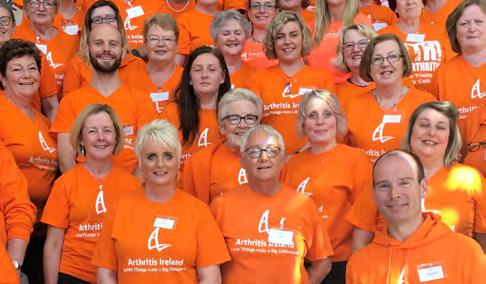
With your help we aim to:
• Help anyone looking to understand their arthritis.
• Support anyone living with arthritis to live well, and to live as full and active a life as possible.
• Advocate for improved and accessible services.
• Ensure that arthritis is diagnosed as early as possible.
• Invest in research to find a cure for arthritis.
But we can’t do it without you, without your help. As a friend of Arthritis Ireland you can change the balance. As a friend of Arthritis Ireland you will be part of a strong and vibrant community.
You can help win the fight against arthritis –for as little as €10 per month. per month
If you would like to sign-up to hear from us with news and updates about arthritis research, courses, events, campaigns and fundraising please send your contact details to info@arthritisireland.ie.
Yes, I would like to help manage the pain of arthritis. Monthly payment of €10 (€120 per annum). Monthly payments by direct debit only. See reverse for details.
Personal Details
Name Address:
Telephone:
Email:
Date of birth
Do you have arthritis? Yes No
If Yes, what kind of arthritis?
Credit Card (Once off annual payment of €120)
Amount per annum:
€120 per annum
Please charge by:
Card No
Other (€120 per annum + donation)
€20 per annum OAP
Signature Date
Cheques & Postal Orders Payable to Arthritis Ireland
SEPA Direct Debit Mandate
By signing this mandate form you (A) authorise Arthritis Ireland to send instructions to your bank to debit your account and (B) your bank to debit your account in accordance with the instructions from Arthritis Ireland. As part of your rights, you are entitled to a refund from your bank under the terms and conditions of your agreement with your bank. A refund must be claimed within 8 weeks starting from the date on which your account was debited. Your rights are explained in a statement that you can obtain from your bank.
Please complete all marked fields
Debtor Name
Debtor Address
City / County
Debtor A/C Number IBAN
Debtor Bank ID Code BIC
Type of Payment
Signature(s*)
Recurrent One off
Date of Signature*
Amount of Direct Debit * €
Date of First Payment*
* Arthritis Ireland will debit your account for the amount indicated above from the first day of each month until further notice.
Creditor Name: Arthritis Ireland Creditor ID: IE90SDD360028
Creditor Address: 1 Clanwilliam Sq, Grand Canal Quay, D 2
Unique Reference No. (URM) For Office Use Only
Note; If you are a PAYE taxpayer or are self-employed, gifts of €250 in one year (€21 per month) is worth an extra 44.9% to Arthritis Ireland at no additional cost to you.
Arthritis Ireland
1 Clanwilliam Square Grand Canal Quay
Dublin 2, D02 DH77
www.arthritisireland.ie
info@arthritisireland.ie
Helpline: 0818 252 846
@Arthritisie
ArthritisIreland.ie
@arthritisie
Arthritis Ireland
Scan the QR to join the Arthritis Ireland community