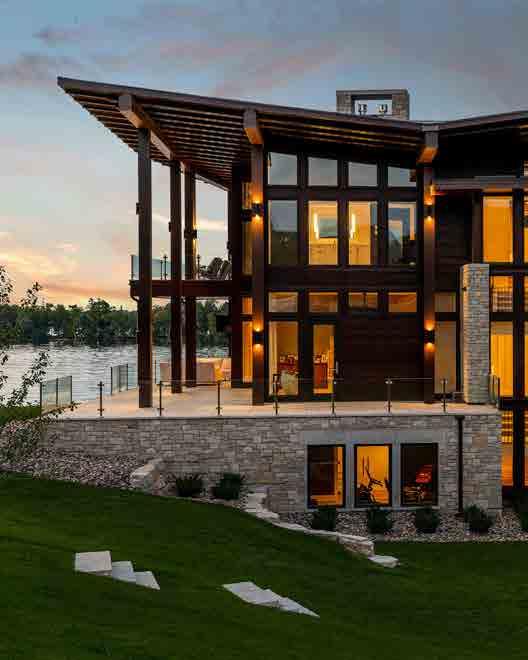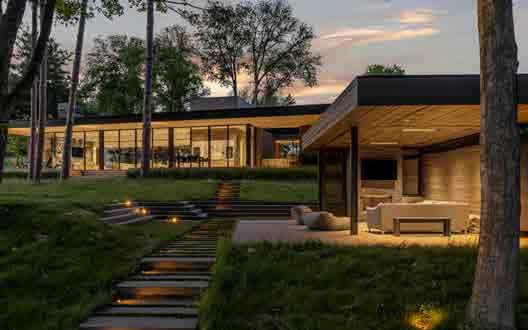



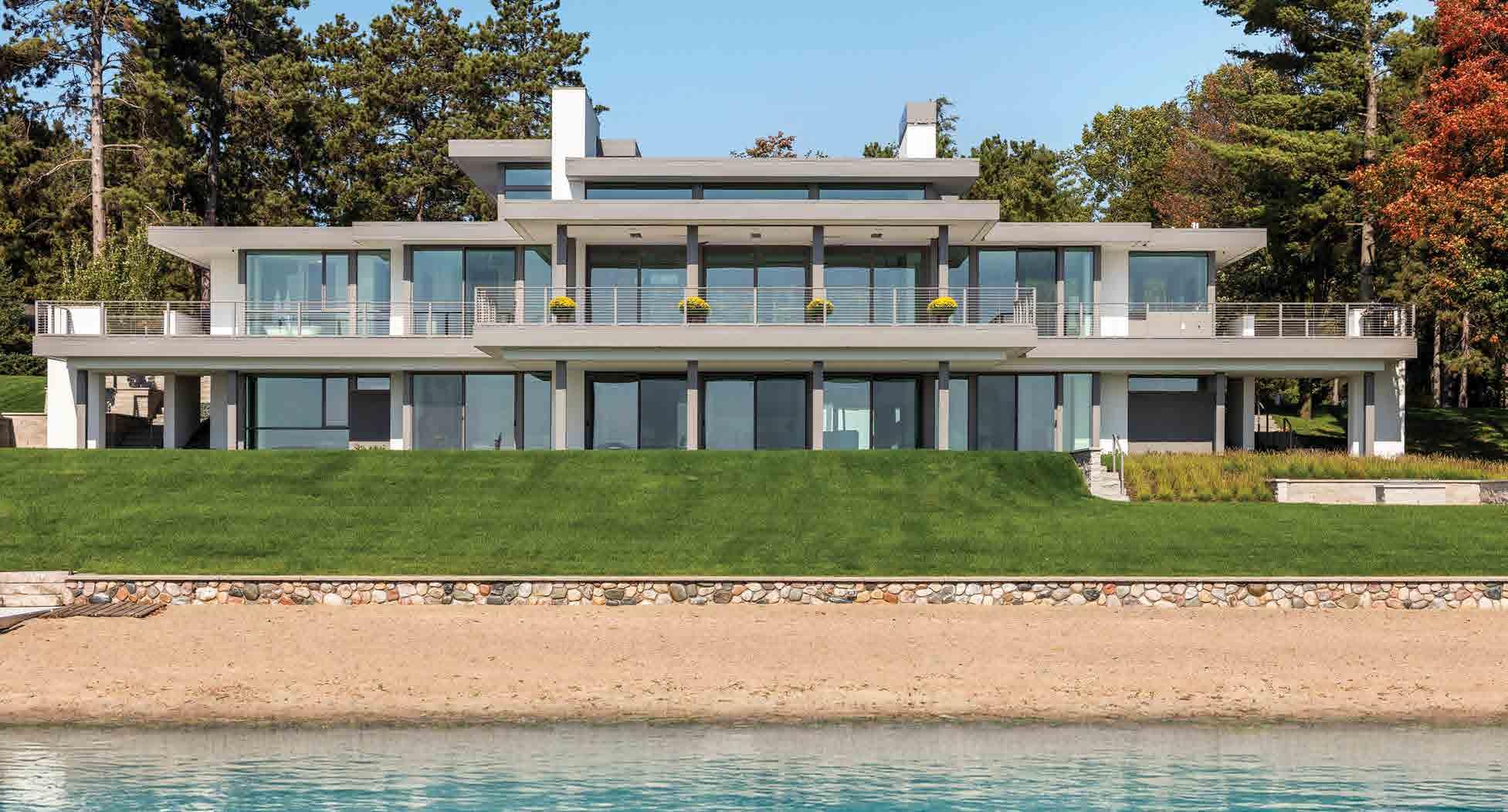

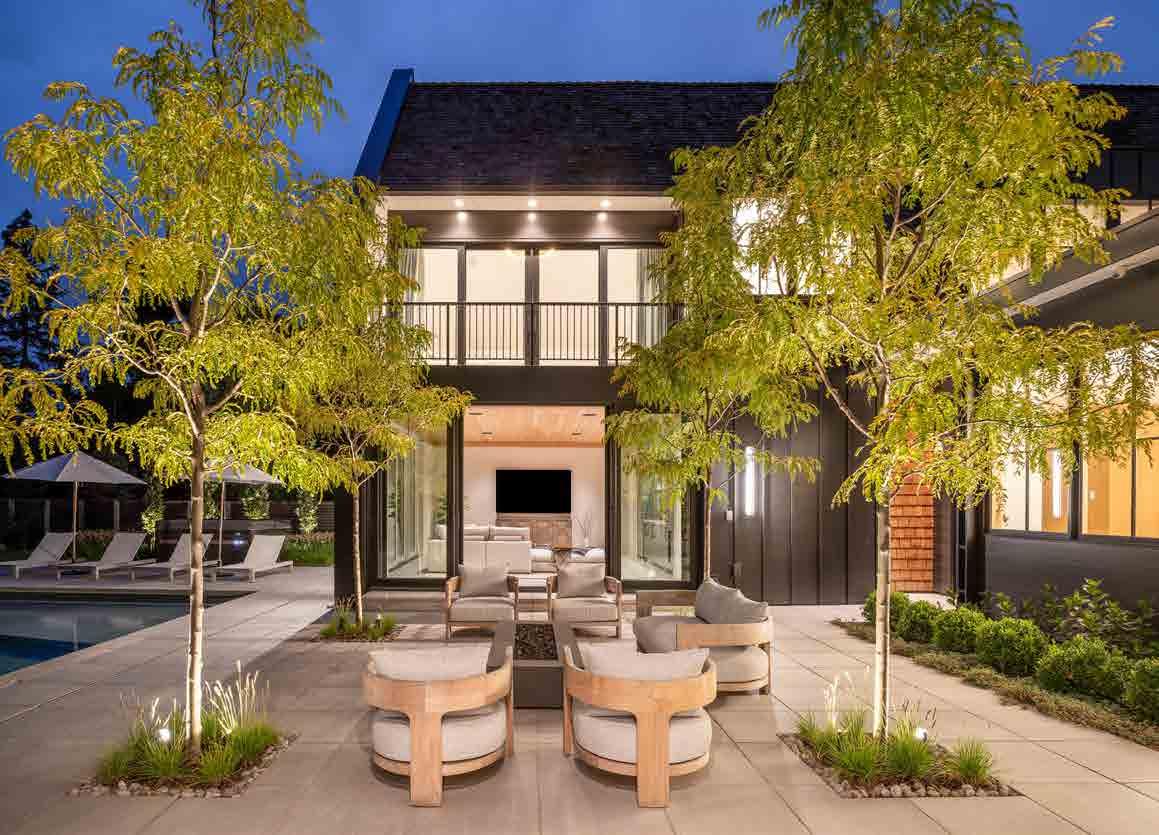
PHOTOGRAPHY BY SPACECRAFTING | NEAR & STREETER CUSTOM BUILDERS








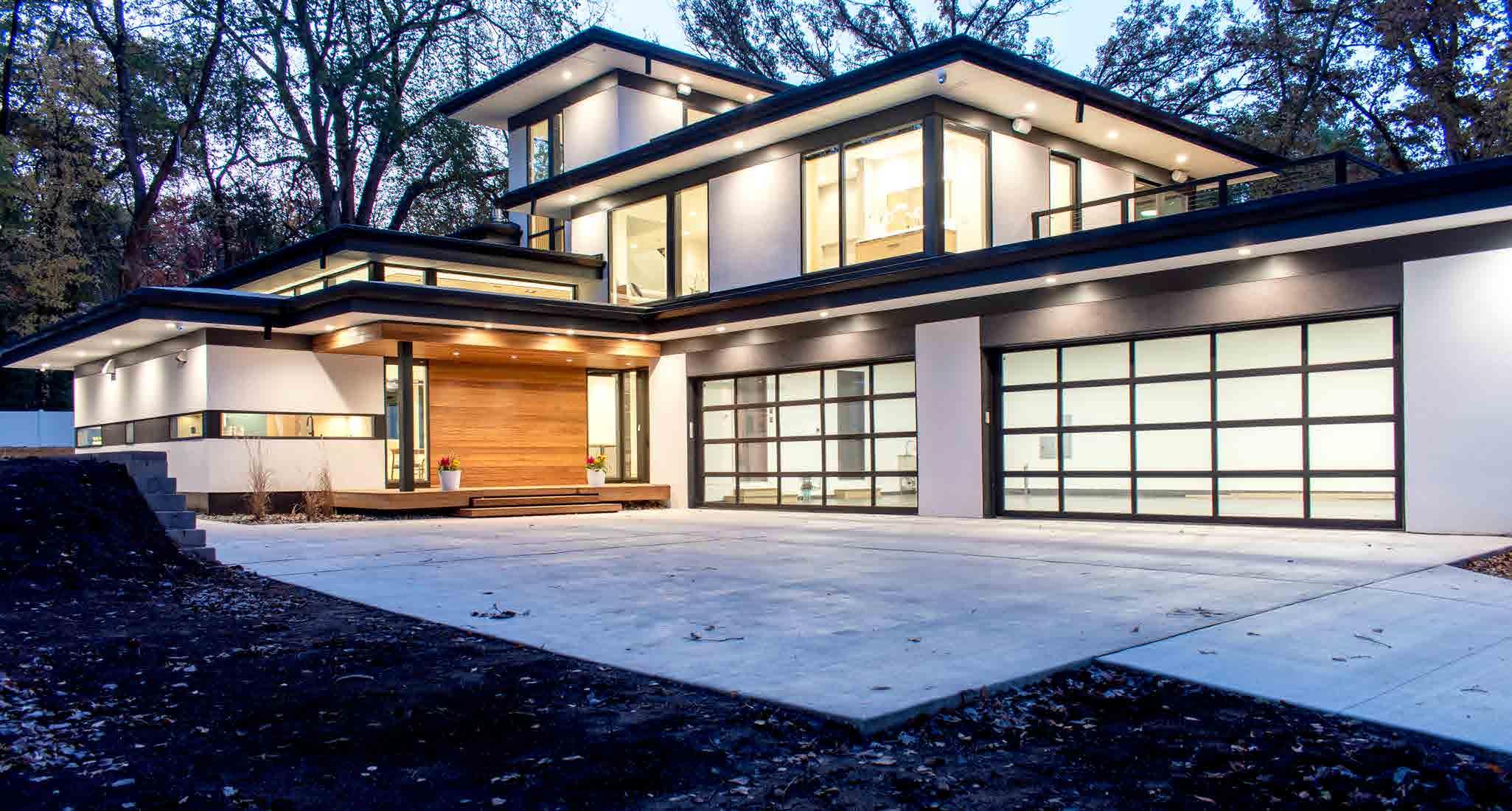

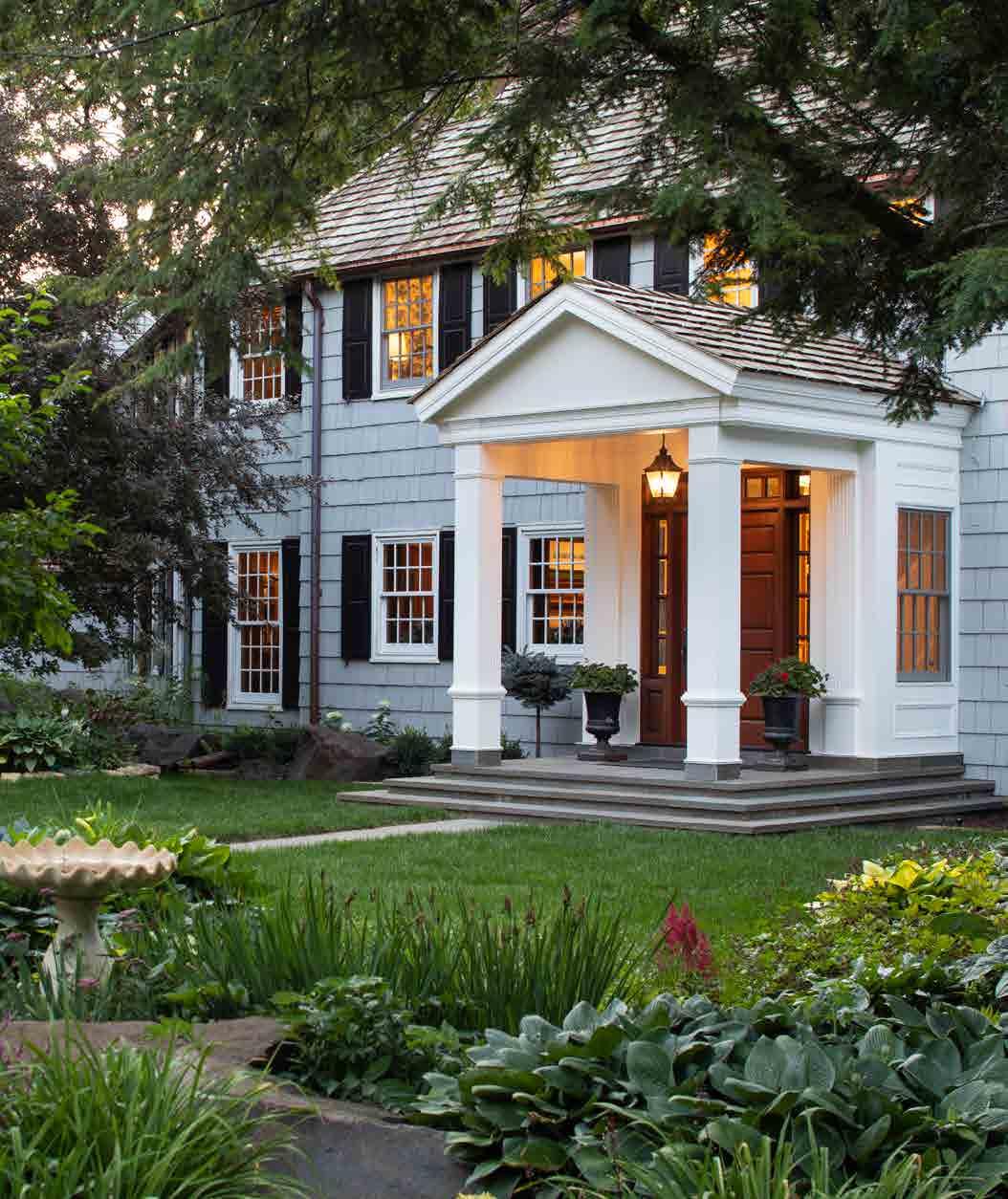
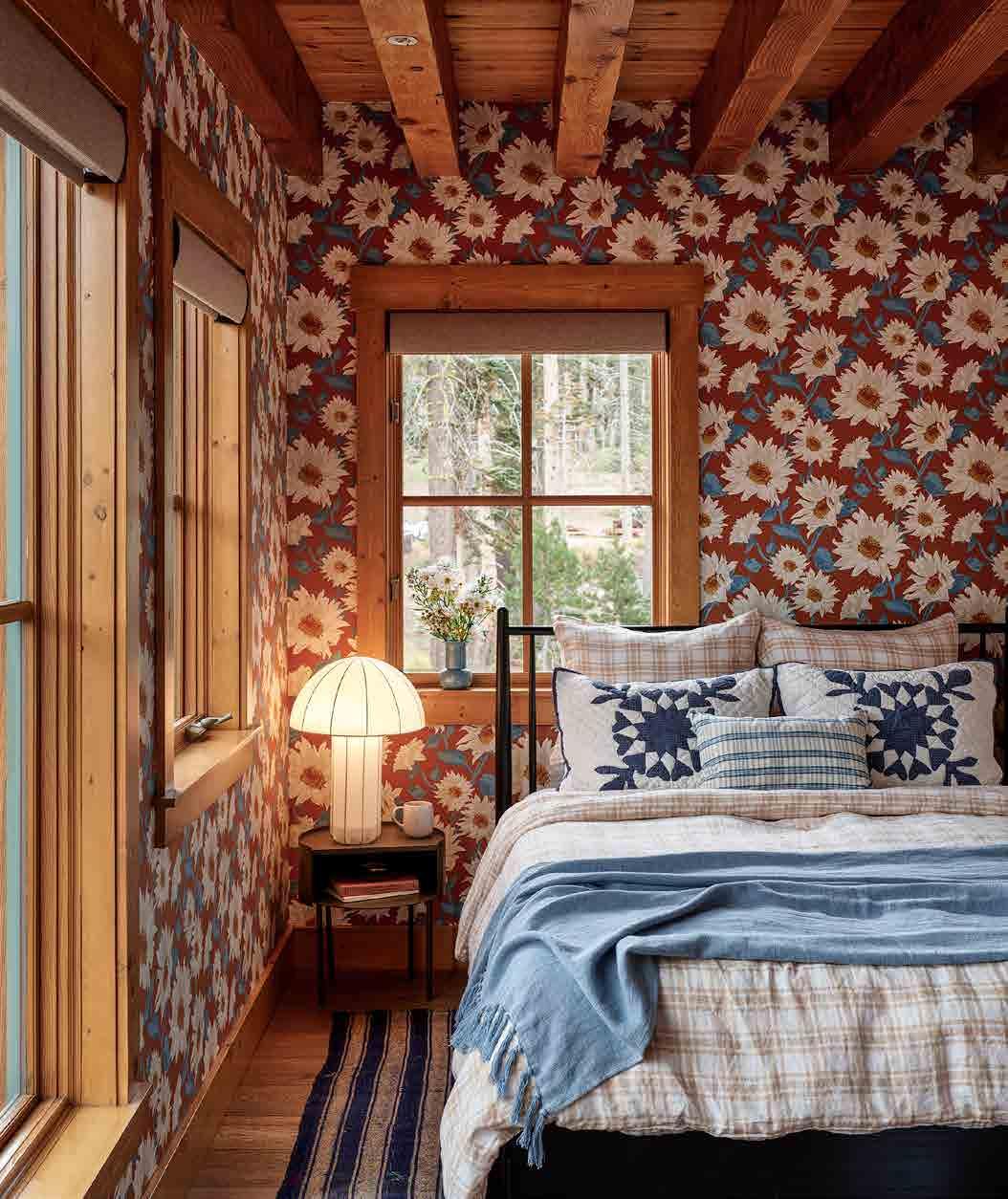
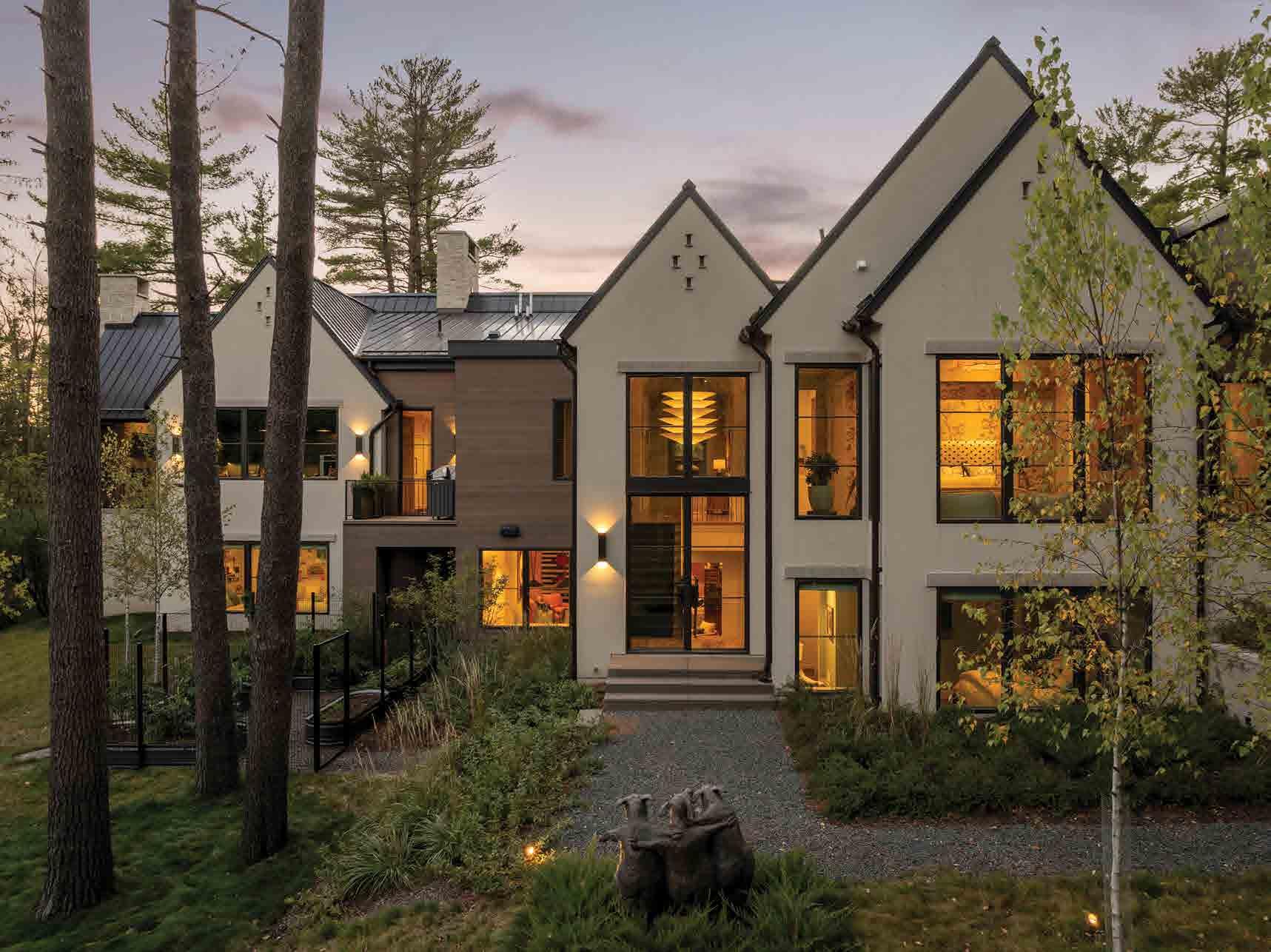
BUILDING ARCHITECTURALLY INTRICATE RESIDENCES & RENOVATIONS WITH DESIGN EXCELLENCE AND UNCOMPROMISING QUALITY.

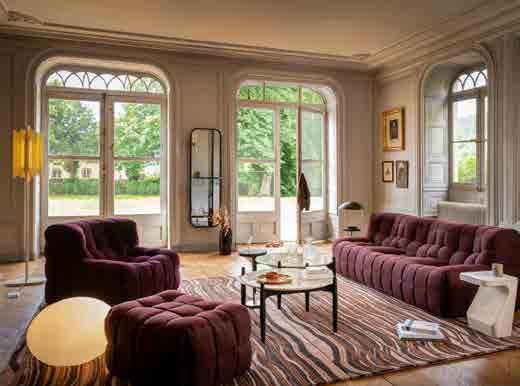




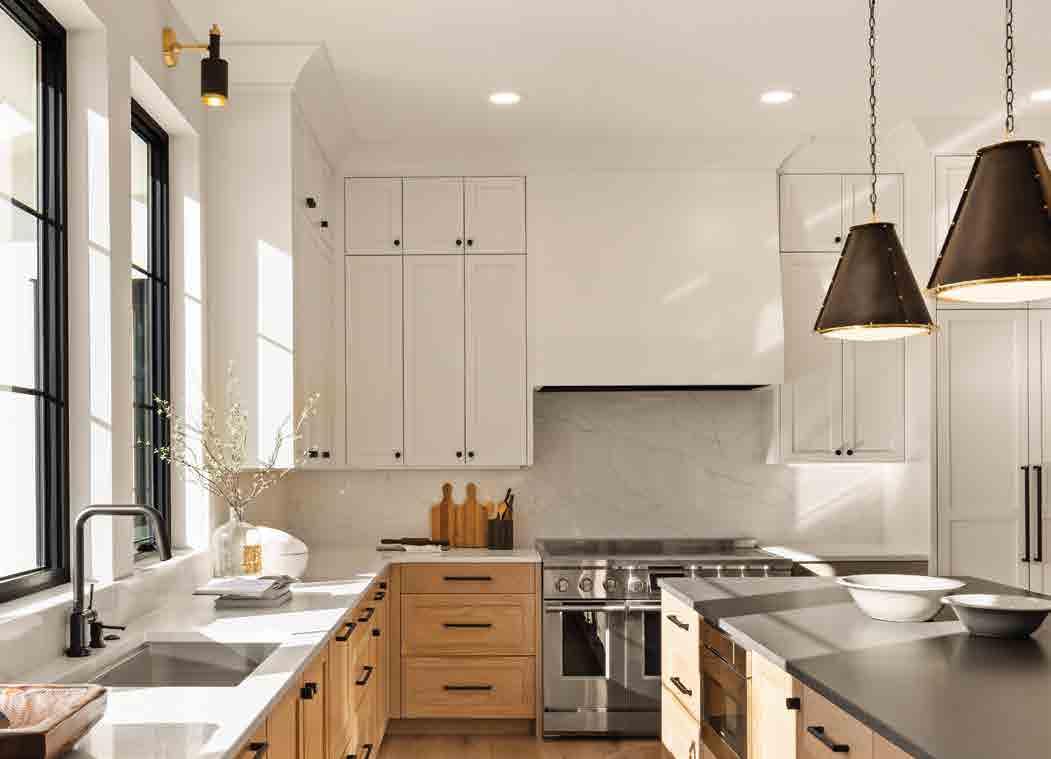
Interior design, fine home furnishings, and beautiful men’s and women’s apparel. Experience the classic and contemporary, brought artfully together.
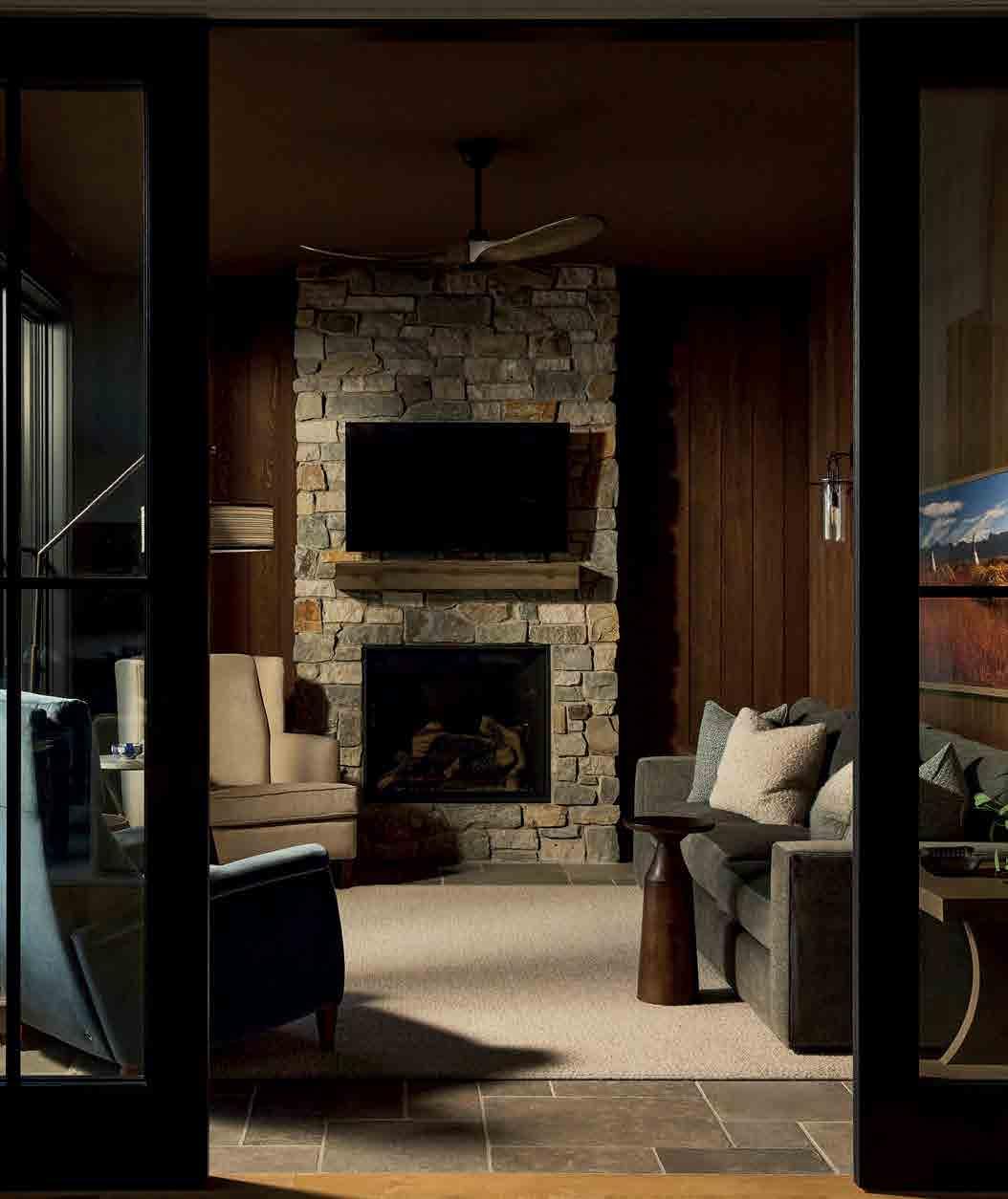

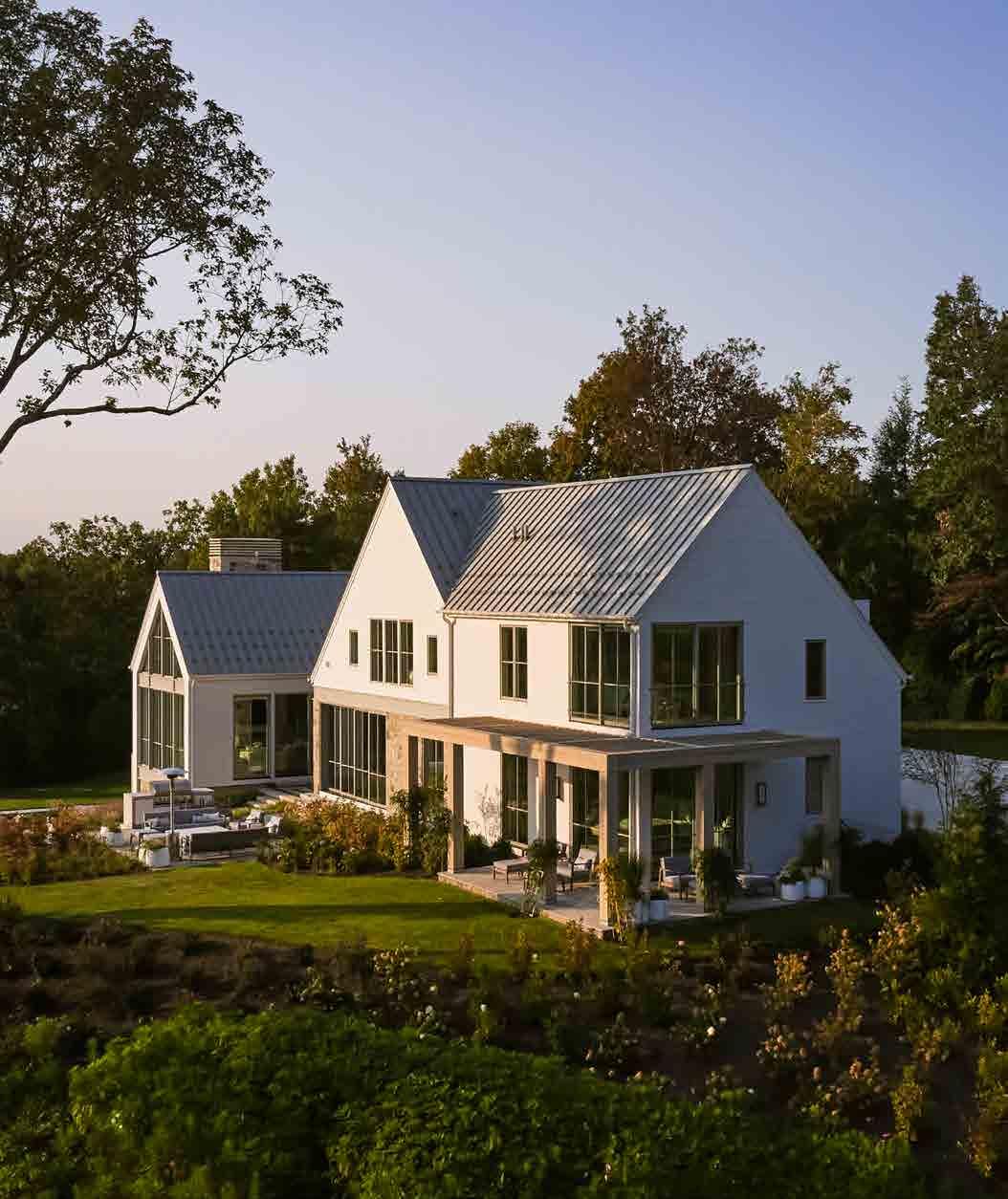
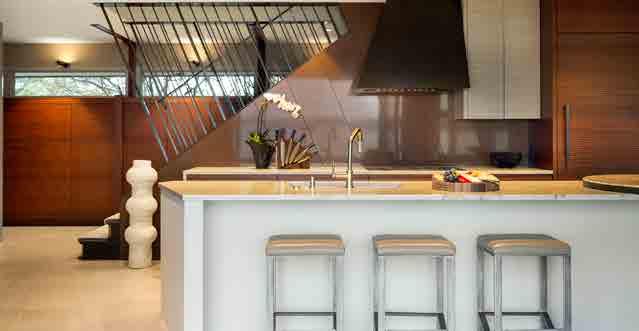
ARCHITECTURE & INTERIOR DESIGN
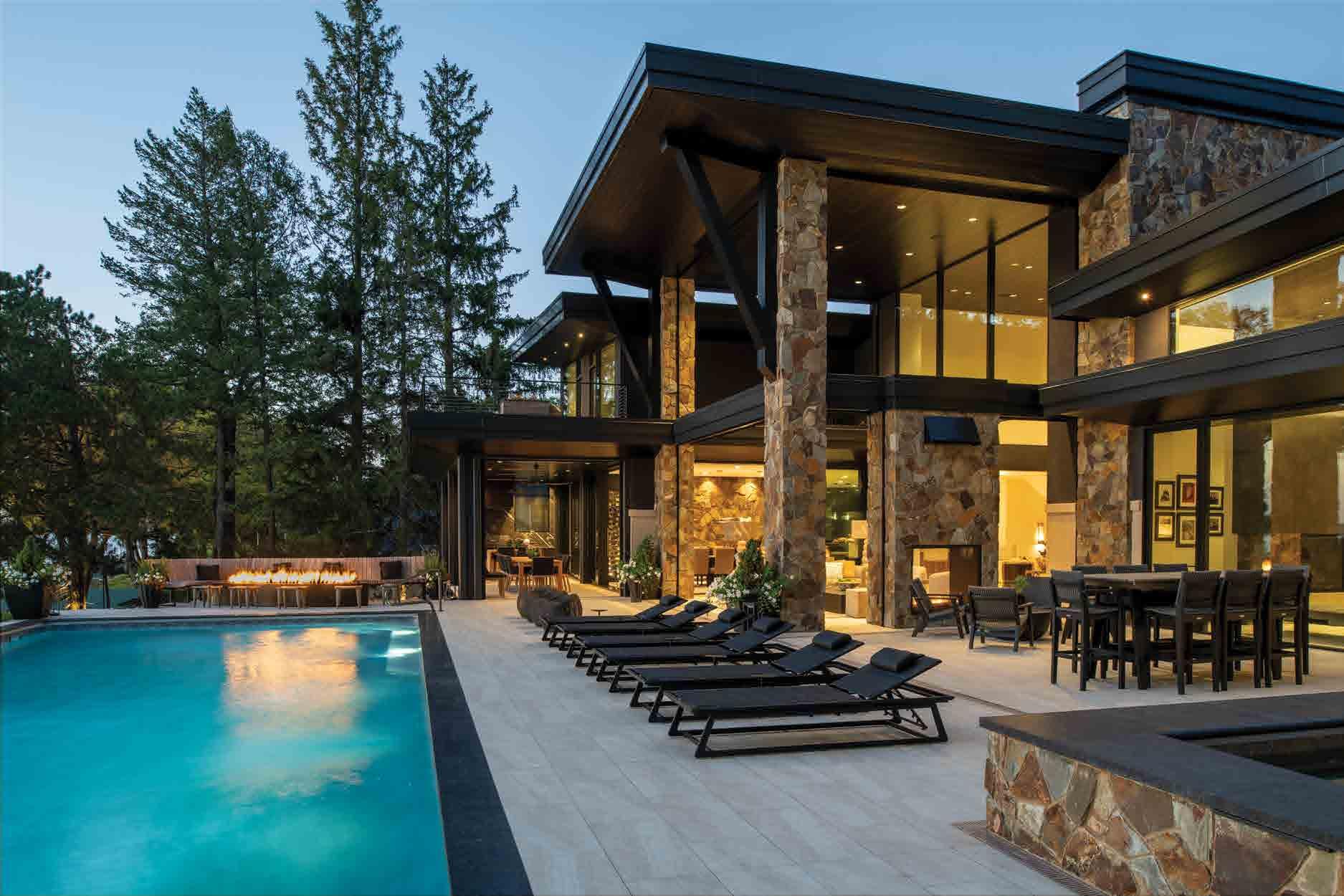
NEW YORK | NANTUCKET | MINNEAPOLIS | PALM BEACH





















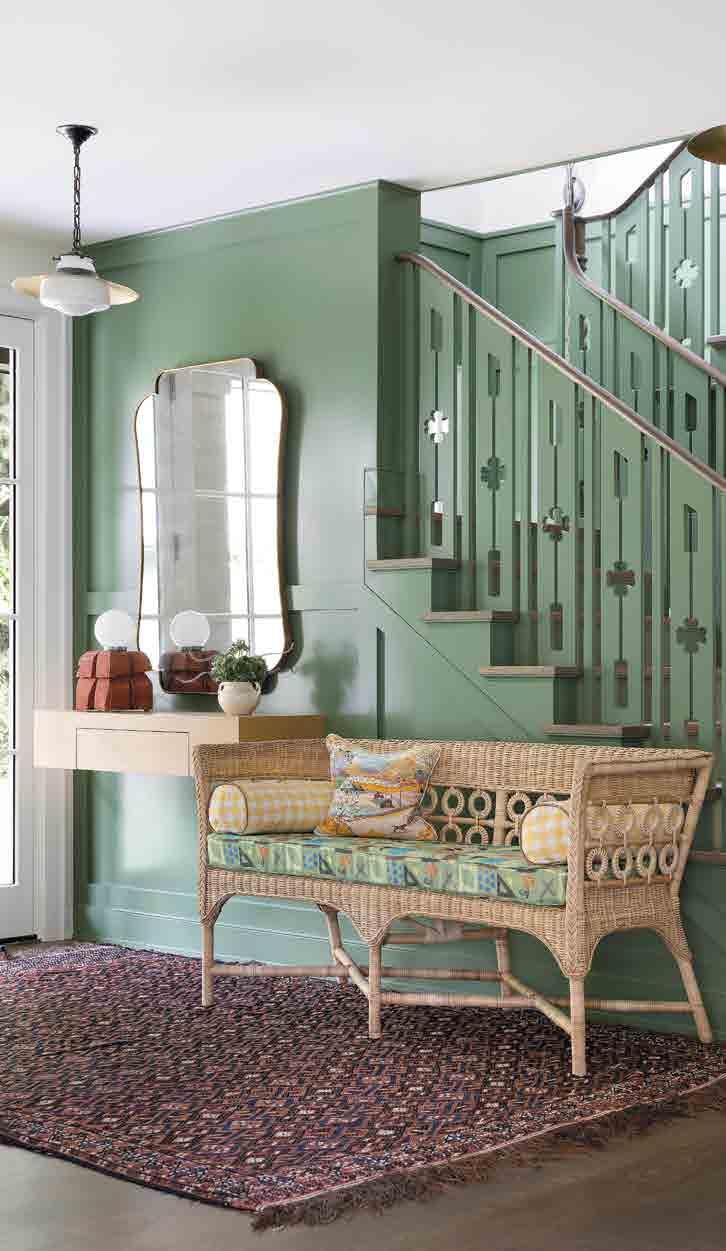


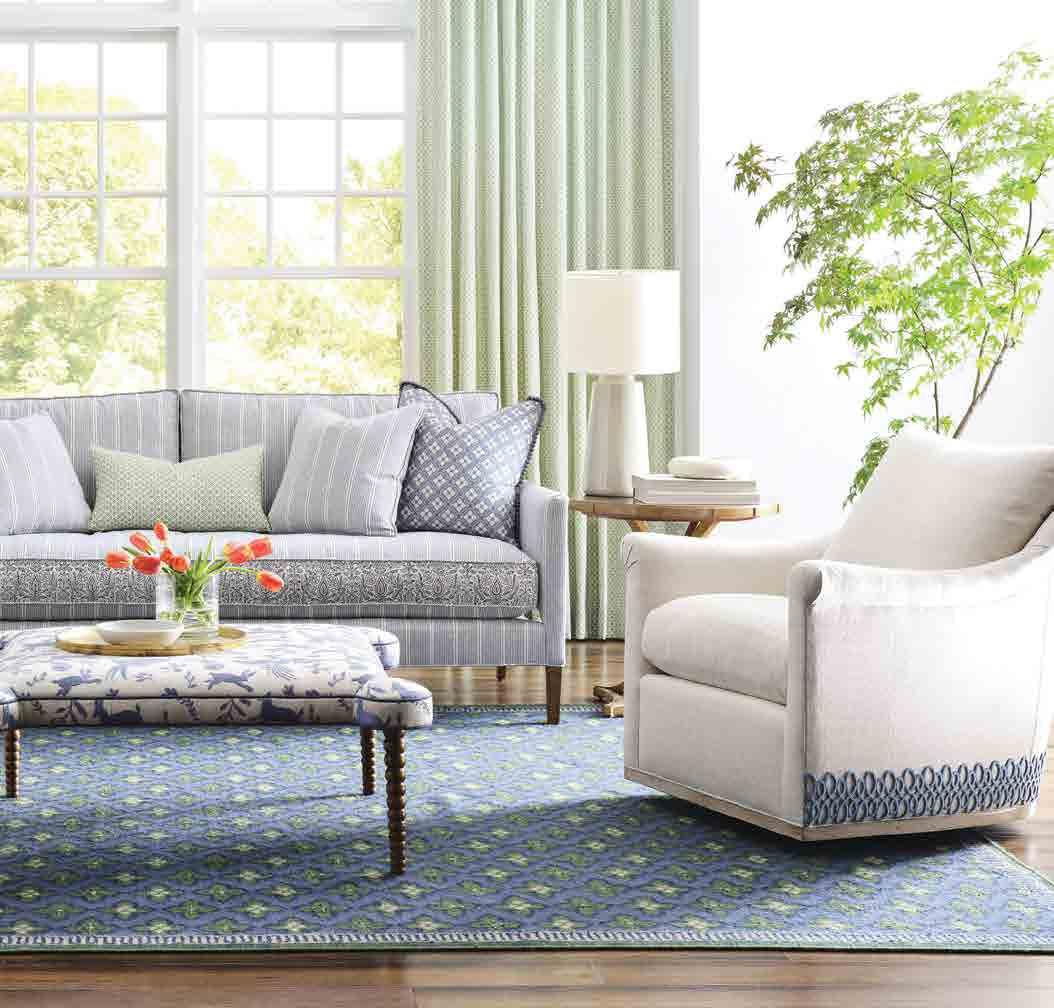
Handmade in England since 1929
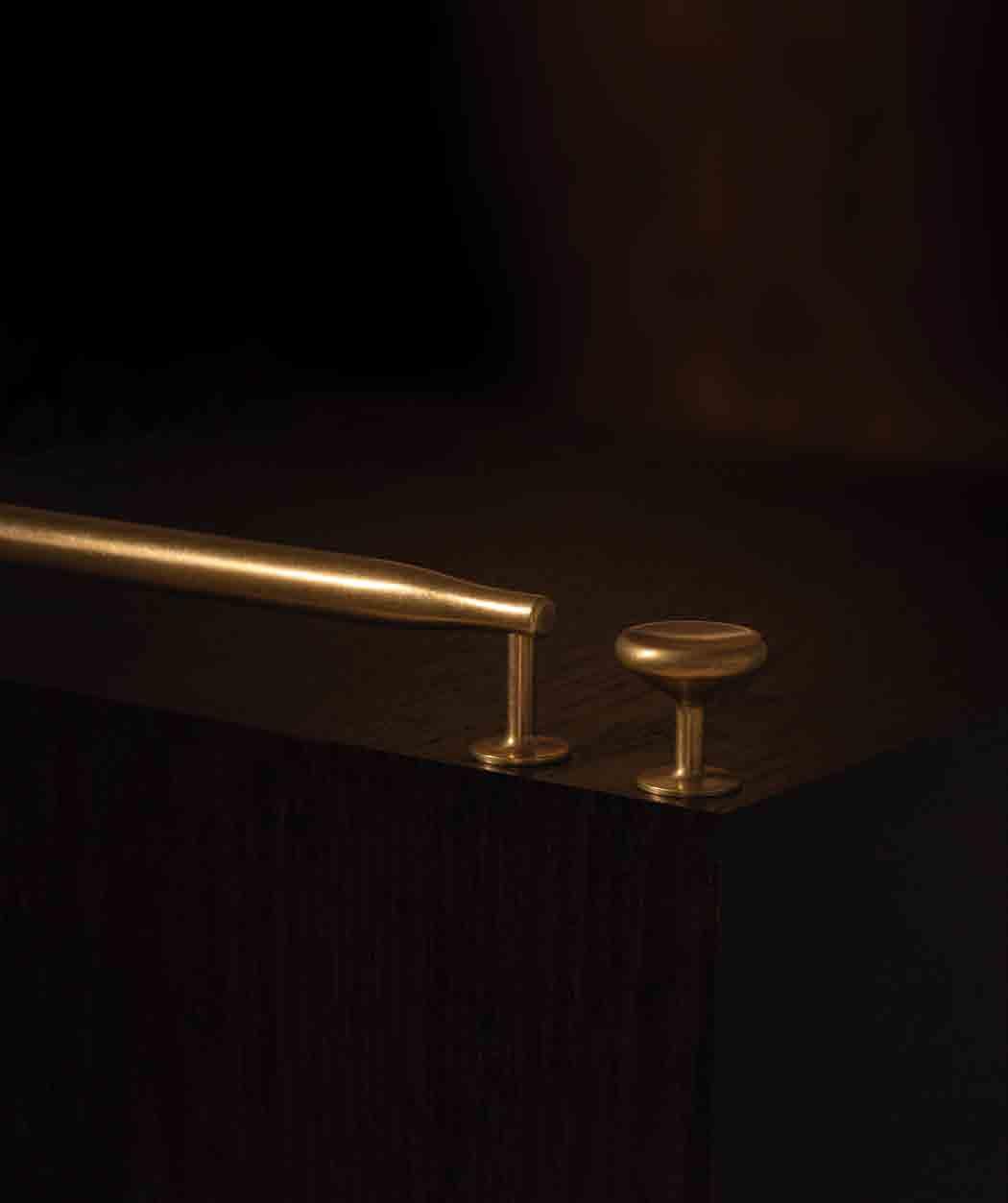

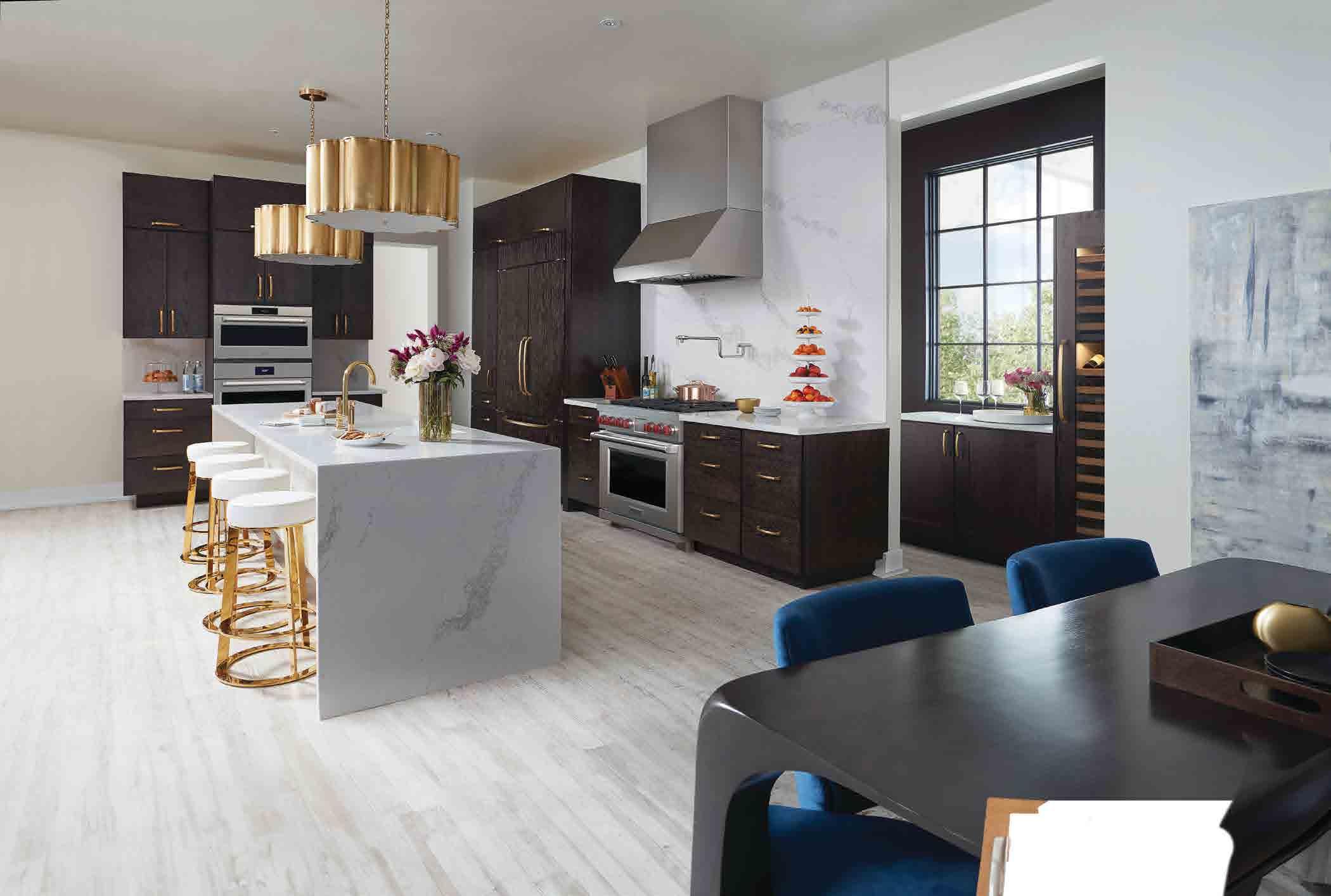

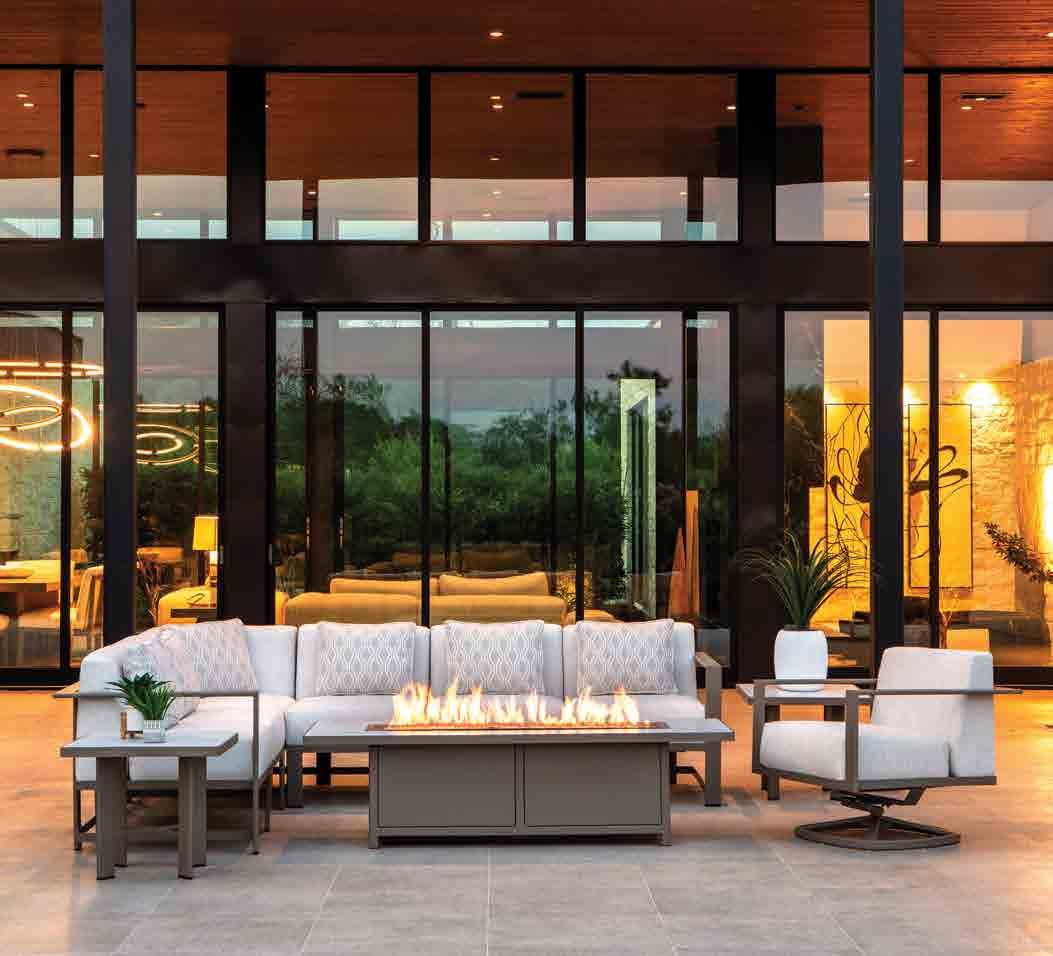


A New Dimension of Self Care
KOHLER has partnered with Dr. Jonathan Leary, founder and CEO of Remedy Place, to introduce the world’s premier ice bath. The Ice Bath by KOHLER x Remedy Place blends cutting-edge wellness innovation with KOHLER’s signature design excellence to create the ultimate home wellness space–indoors or outdoors.






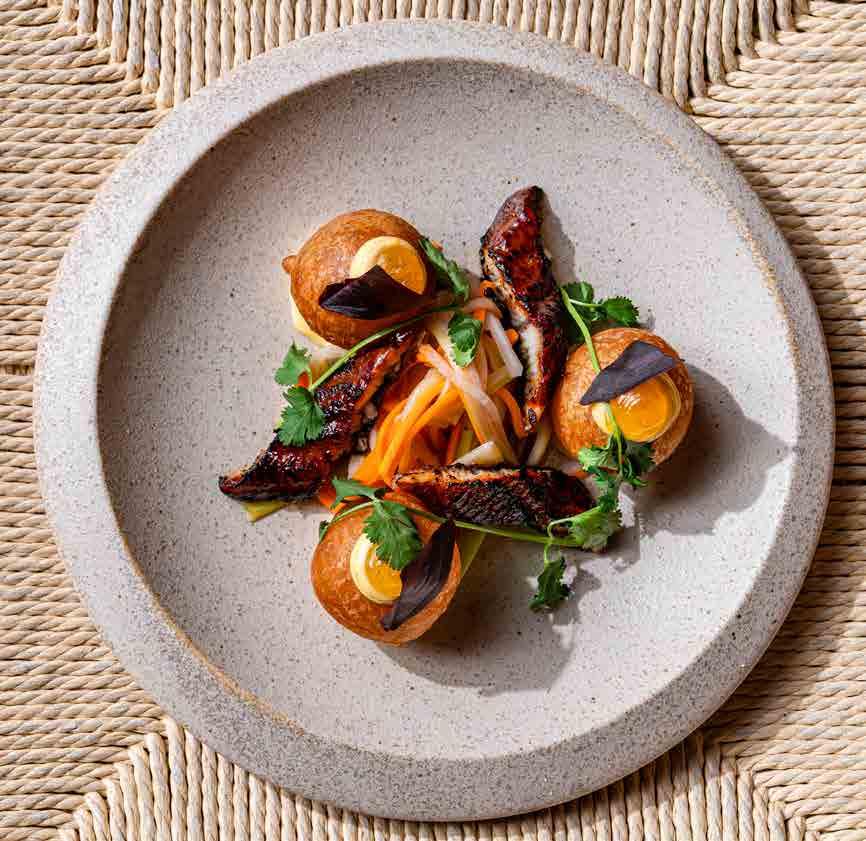




120 WHAT IS AMERICAN FOOD NOW? As the United States marks its 250th birthday, trailblazing chefs are redefining the country’s quintessential cuisine. IN EVERY ISSUE
222 PUBLISHER’S TAKE • 224 LAST CALL

58 TREND
A look at the latest wine world fad of aging vintages underwater.
63 ART Skilled artisans serve up captivating representations of food.
70 EXPERIENCE
Under-the-radar wine regions to please your palate and passport.


76 MEN’S STYLE
David Coggins on sartorial selections for the welltraveled oenophile.
80 INTERIORS
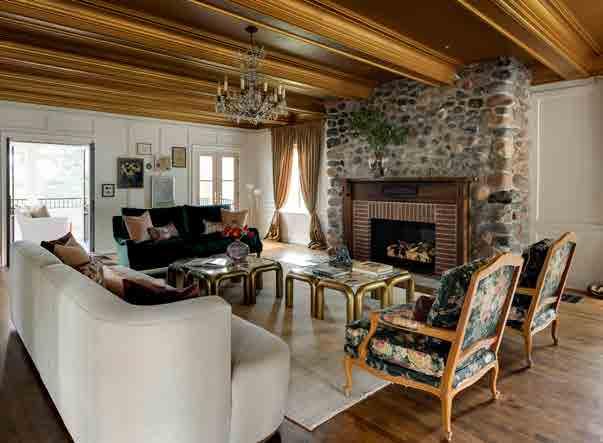
Martha Dayton Design adds warmth to a historic home.
88 GUIDE
Timeless dining accessories to elevate everyday living.
99 EXCURSION
Natural beauty makes Bhutan the ultimate wellness destination.
106 ESCAPE
Tara Cain transforms a dated condo into an art-filled retreat.
112 FARE
Indigenous cultures offer the original blueprint for healthy living.
136 PROPERTY GALLERY
Coldwell Banker Realty presents the finest homes for sale.
166 COTTAGE
Grace Hill Design creates a family getaway that feels like home.
172 ARCHITECTURE
Charlie & Co. Design crafts a home inspired by nature.
180 DESIGN
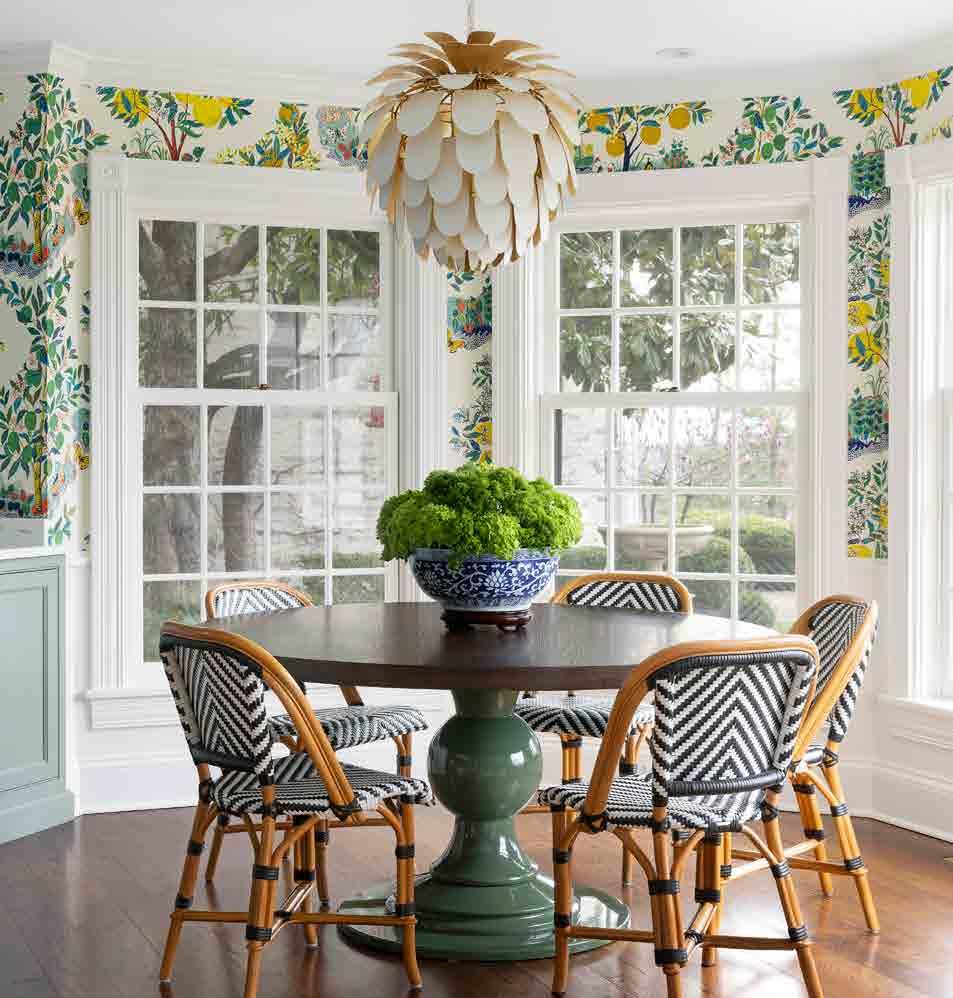
Blue Pencil Collective renovates a historic White Bear Lake abode.
186 CULINARY
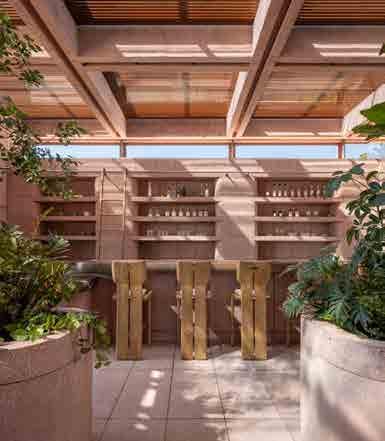
Inside the female-powered epicurean universe in Riviera Nayarit.
191 TOUR
The Artful Living guide to Washington, D.C.
198 DESTINATION
An insider look at the new Naples Beach Club.
205 ICON
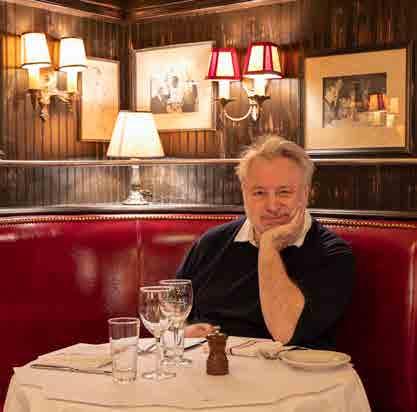
An exclusive conversation with the deliciously irreverent Keith McNally.
212 BUILD
Denali Custom Homes constructs a Lake Minnetonka abode with flair.
218 NORTH NOTABLES
The region’s best and brightest.
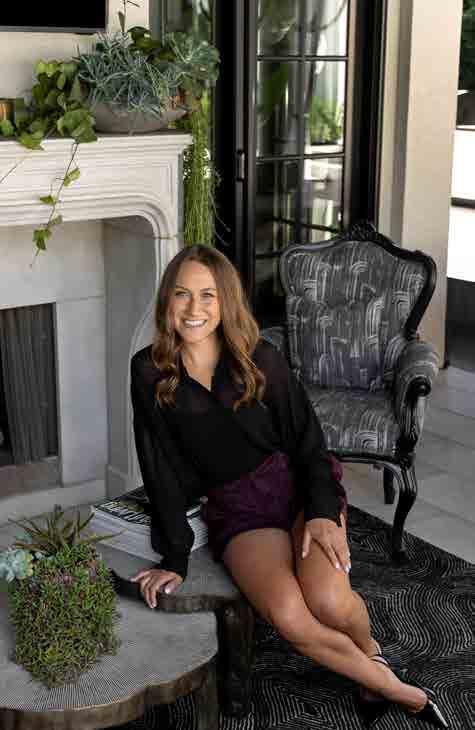
Aself-proclaimed foodie, I fall into the camp that carefully scans restaurant menus en route to long-ago-booked dinner reservations and pours through “best of” lists to ensure she’s well-versed in the crème de la crème of everything from almond croissants to birria tacos in any given city. Case in point: Nothing has excited me more than curating this issue’s collection of epicurean-focused stories to spark some much-needed joy for the Artful Living reader. Welcome to our spring food issue. If you too arrive at an eatery with your beverage, appetizer and entrée selections already teed up, the tales that unfold ahead will be especially alluring. I’m a firm believer that one of life’s greatest joys is to experience food — not only for fuel and nourishment but as opportunities to catch up with old friends, explore cultural traditions and perhaps fall in love with a new ingredient or wine varietal.
In our main feature, “What is American Food Now?” (page 120), Jeff Gordinier explores this layered query as we near the 250th birthday of our country. Here, renowned culinary figures from the likes of Padma Lakshmi to Andrew Zimmern chime in on the complexities embedded in the question. It’s a celebration of the diverse cultures, cuisines and individuals that shape the food we eat from coast to coast. Elsewhere in the issue? In “Depth of Flavor” (page 58), Adam Erace dives deep into the practice of underwater wine aging. In “Raise Your Glass” (page 76), men’s style expert David Coggins encourages stylish wine bar visits from Napa, California, to Milan. In “Ancestral Wisdom” (page 112), Editor-at-Large Kate Nelson shares how healthy living practices are rooted in Indigenous cultures, along with a few recipes from Turtle Island: Foods and Traditions of the Indigenous Peoples of North America that should certainly be added to your weekly rotation. In “Restaurant Rebel”(page 205), Wendy Lubovich relays an exclusive conversation with famed New York City restaurateur Keith McNally. And, it simply wouldn’t be an Artful Living issue without a collection of breathtaking home tour stories — perhaps a kitchen refresh is on the menu this spring?
Of course, I can’t in good conscience choose a favorite issue theme (*wink*), but I’m confident the reading material to follow will inspire a spring full of memorable bites and sips. So as we enter the new season, let’s raise a glass (ideally containing a pinot noir aged 100-feet below sea level) to brighter days ahead.
From my kitchen to yours,

Lexi Sunberg Executive Editor

Kate Nelson Editor-at-Large
Emma Cutler Velez Publisher
Hayley Saunders Associate Publisher
Lexi Sunberg Executive Editor
Margaret Cooper Senior Art Director
Anna Hall
Contributing Art Director
Rosie Kelly Digital Editor
AJ Longabaugh Contributing Digital Editor
Genevieve Cossette Coleman Vice President of Sales
Meg Lehman Marketing + Events Manager
Mitchell Lambert Director of Operations
Tyra Ericson Project Manager
Lizzie Kristal Project Coordinator
Pete Burgeson President
Editorial Advisory Board
Heidi Libera, Chris Plantan, Dana Swindler
Contributors
Writers: Merritt Bamrick, David Coggins, Katie Dohman, Adam Erace, Amber Gibson, Jeff Gordinier, Kathleen Holden, Laurie Junker, Wendy Lubovich, Amy Nelson, Melinda Nelson, Bonnie Pop
Photographer: Spacecrafting Illustrators: Hilbrand Bos, Michael Iver Jacobsen, Klawe Rzeczy, Charis Tsevis
Advertising Sales
Contact Emma Cutler Velez at 612-803-1910 or evelez@artfulliving.com.
Subscriber Services
Contact us at 952-230-3133 or hello@artfulliving.com.
Artful Living
1125 Buchanan St. NE, Minneapolis, MN 55413
Artful Living is published by North Co., all rights reserved. No part of this publication may be reprinted without permission. North Co. cannot be held responsible for any errors or omissions. Artful Living is committed to preserving the environment and demonstrates this by printing efficiently and sustainably. In consideration of environmental impact, this magazine is 100% recyclable.
New York City–based photographer Ted Cavanaugh captured the luminous oranges adorning the cover of our spring food issue. Known for photographing mouthwatering subjects, he has worked with celebrity clients like Martha Stewart as well as notable brands like Hershey and Starbucks. Cavanaugh and his creative team were inspired by “the style and colors of vintage botanical illustrations often found in encyclopedias and wanted to emulate that feeling through the beige background and delicate styling.” After sourcing live citrus trees from Florida, they used glowing lights and silver cards to highlight the object’s natural texture and sheen. The result is glistening citrus that feels distinctly spring — a ripe, promising time when light begins to linger a little longer.
Artful Living, the Magazine of the North, is one of the top independent boutique lifestyle magazines across the United States with international reach. Founded in 2008, this award-winning magazine features engaging original content and beautiful design, bringing the best of the North and beyond to an affluent audience with impeccable taste. This elegant, intelligent publication aims to inspire and entertain, highlighting culture, home, style, travel, food, profiles and more. The Artful Living lifestyle brand is headquartered in Minneapolis.









Inspired by a turn-ofthe-century shipwreck, the wine world has found a new place to age vintages: underwater.
BY ADAM ERACE ILLUSTRATION BY MICHAEL IVER JACOBSEN
Three well-worn wine bottles stand on a wooden table between an upturned queen conch and half-melted pillar candles flickering in the tradewinds at Sugar Mill, the beachfront restaurant at Rosewood Little Dix Bay on Virgin Gorda in the British Virgin Islands. The liquid inside? A 2021 cabernet sauvignon, though the identifying labels were long ago eaten away by the saltwater. After all, this wine was aged under the sea.
“When I first got here three years ago, I dumped 280 bottles into the sea,” Executive Chef Andy Gaskin tells me. At 64, he’s fit and his forearm muscles tense beneath a tattoo spelling Alfie (the name of his baby grandson) as he uncorks a bottle.
“It’s about 62 feet down,” he says of the round-trip free dive that he does in two minutes and 10 seconds to bring bottles to and fro. At this depth, the temperature remains a fairly constant 57 degrees. “Perfect for aging red wine.”
Gaskin has worked all over the world, from his native London to Sicily, Italy, and from Bangkok to Bora Bora, French Polynesia. But it was in Croatia in 2015 that he first encountered ocean-aged wines. With its thousands of islands and 1,100-mile spool of calm Adriatic coastline, the Mediterranean destination is ideally suited to the process, which is starting to take off in the mainstream as a viable — maybe even preferable — alternative to traditional cellar aging.
“There are four reasons for the madness of why we do this,” says Paul Saranovich, strategic advisor at Wines of the Sea, the United States’ first FDA-approved importer of undersea-aged wines. The Milwaukee-based brand’s ocean cellar is 100 feet below the surface at a former mussel farm near the Croatian island of Pag. Here, the darkness, temperature, atmospheric pressure and movement (the most important factor, per Saranovich) are constant. “You know how wine connoisseurs are always going down to the cellar to turn the bottles?” he says. “Our cages rest on the ocean floor, with our wines tied by the neck, so the bottles are essentially floating in the current,” in perpetual, gentle motion.
Evangelists of this method describe it as an aging accelerant. The underwater conditions pry open the structure of the liquid at a molecular level — softening tannins, integrating flavors and improving texture. For instance, a 2024 wine,“in the sea for one year, compared to a cellar for one year, will taste and feel like a vintage that was produced in 2020,” Saranovich says. Wines of the Sea counts 20 different wines in its portfolio, from floral Franciacorta to 2018 oldvine Amarone, which wine critic Jonathan Cristaldi called “one of the most irresistible reds you’ll ever taste.” They emerge from the depths stenciled with spaghetti-like coral and start at $200 a pop.
The trend’s origins lie in a Baltic shipwreck discovered by Swedish divers. The Jönköping, likely bound for the Russian imperial court before its fatal encounter with a German U-boat in 1916, went down with a trove of 1907 Heidesieck Champagne. The recovered bubbles caused a sensation in collecting circles — at the prestigious Atlas bar in Singapore, they go for about $150,000 per bottle — and caught the attention of Todd Hahn, a Los Angeles entertainment agent. “We tried to get a hold of it and couldn’t, so we said, ‘OK, let’s do this on our own,’” he says. Hahn and his partners formed wine distributor Ocean Fathoms in 2015. After giving it a go in California and Oregon, the company now ages in the Mexican Pacific. Their X-factor? Their patented zinc-plated cages that create a galvanic current when they hit saltwater. The electricity, Hahn claims, penetrates the bottles and transforms the wines’ structure.
When Ocean Fathoms brings up 6,000 bottles for its inaugural 2027 vintage, the company will join a competitive market. There are other wines aging underwater in Chile, Spain and Japan. In Australia’s Macedon Ranges, an hour from the coast in Victoria, winemaker Ben Ranken rests his Wilimee pinot noir and chardonnay in tanks filled with water from the nearby dam. In Sardinia, Italy, Cantina Santa Maria La Palma makes Akènta Sub by sinking its sparkling straw-hued vermentino into the Mediterranean. The name derives from a kent’annos, Sardinian dialect for a hundred years. Covered in fossilized marine material, the bottles emerge looking like they’ve been underwater that long, not a mere six to 12 months.
Sugar Mill’s cabernet surfaces with a similar ecosystem of barnacles and seashells, Gaskin says, but they all fall off eventually, leaving behind a cement-like web. He shrugs while filling my glass, less concerned with the packaging than how the wine pairs with the lamb, which was raised on the north end of Virgin Gorda, braised 72 hours, seared and then presented in a theatrical cloud of tableside smoke. “Every one or two mouthfuls, take a sip of this wine,” he urges. “You’ll taste the balance.”
I do as instructed. Aromas of blackberry jam and stewed plums lift off on the surface, and notes of Biscoff cookie spices, black pepper and damp earth dovetail nicely with the lamb’s accents of almond and ginger. Two years in the sea has woven the tannins seamlessly into the wine, creating structure and texture as soft and comfortable as cashmere.
Does this five-year-old wine drink like a 10-year-old? I take another sip. And another. While this is an evocative story these divers are telling — conclusive scientific evidence as to the rapid-aging effects is still forthcoming — there’s no doubt this is delicious, elegant wine that would hold its own at any fine tasting. Nor is there any doubt that more and more bottles will surface, barnacle-crusted and coral-etched, in the years to come.





Inspired artisans serve up captivating representations of food and art.
BY WENDY LUBOVICH
here’s nothing more universal than food. And lately, artists and creators have been using it in surprising and showstopping ways. From sweet treats on a mammoth scale to fresh vegetables dangling in midair, food is now being served with a touch of Picasso.
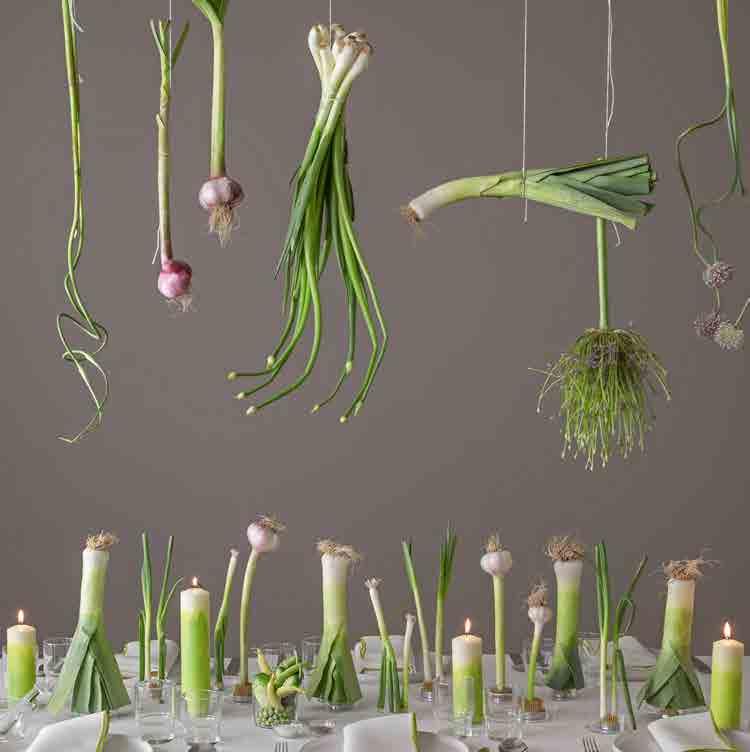
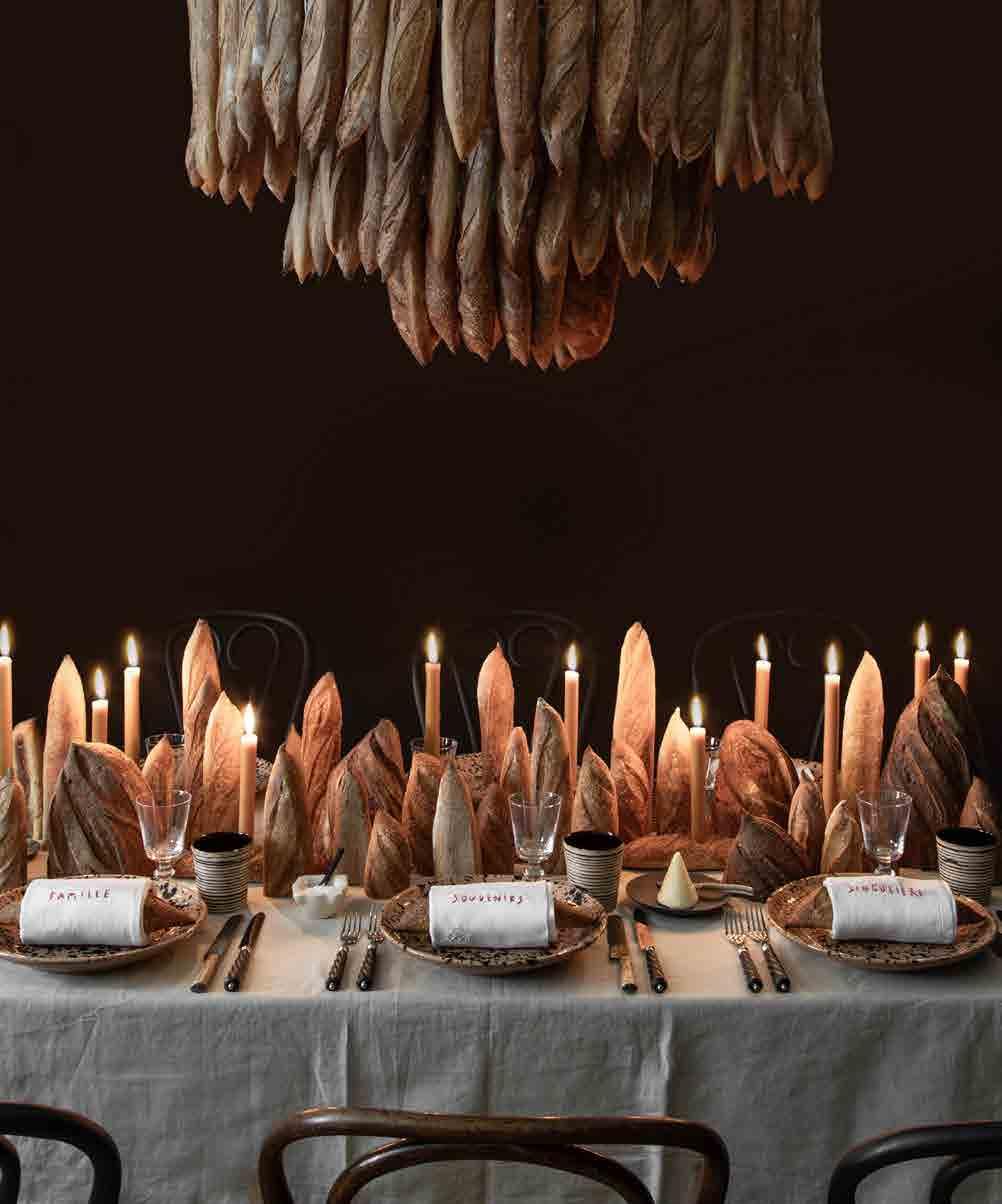
No one knows this better than David Stark, founder of his namesake New York City design firm. It’s his job to turn charity events, brand launches and milestone celebrations into unforgettable experiences. And chances are, food will be baked into the magic. Be it a thicket of baguettes popping up from the table or an aerial garden of vegetables, Stark and his team are creating a quiet revolution.
“I think food as an artful medium is striking a chord because it’s about ingenuity, not necessarily about extravagance,” explains Stark. “These displays use everyday materials — bread, potatoes, tomatoes — in unusual ways, spotlighting artisanal bakers, organic farmers and heritage crafts. Unlike flowers, food can do double duty as art and sustenance. It’s an accessible spectacle that’s rebellious in our digital age — beautiful for a moment, then consumed and shared.”
Brands like UNIQLO, Martha Stewart and Victoria Beckham for Target have turned to Stark for events


that spark wonder. At a recent private party, humble leeks and spring onions dangled above the dinner table. At another celebratory gathering, a chandelier was fashioned out of ornamental corn. And for a very memorable bar mitzvah, an oversize food landscape made from cereal box sculptures and a giant pizza box turned into a photo op.
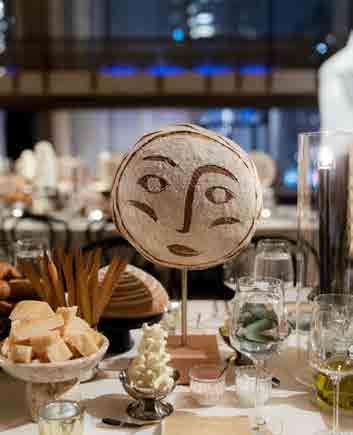
But it was a recent New York City foodie wedding that truly enchanted, featuring a baker’s fantasy instead of traditional flowers. Here, tabletop butter topiaries were set alongside a parade of round bread loaves designed to look like faces.
“We’ve worked with butter and bread faces before, but the repetition of elements at this scale was a lot of fun to see in action,” shares Stark. “And the best part? Guests were raving, ‘That’s so Ally and Max!’” That’s when I know we’ve nailed it. Everyone wants an event that feels personal. They’re not
looking for pretty anymore; they’re looking for true. For experiences that land in the body, that surprise people who think they’ve seen everything.”
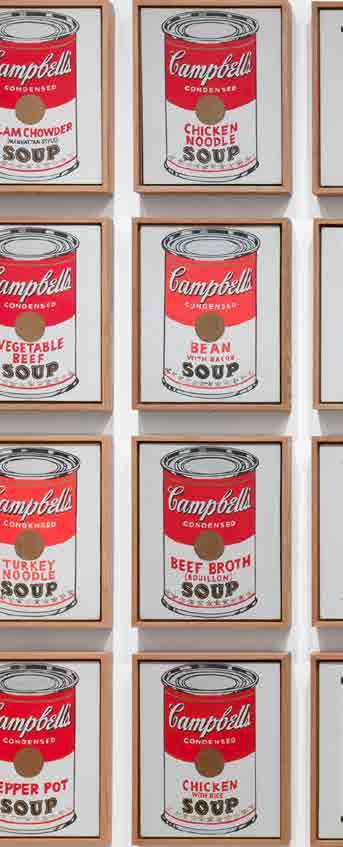
Of course, this bond between food and art is nothing new. Sixteenth century Italian painter Giuseppe Arcimboldo created puzzle-like portraits composed entirely of fruits, flowers and vegetables. In the 1960s, Andy Warhol used Campbell's Soup cans to illustrate that everyday, mass-produced objects could be art — blurring the boundaries between consumerism and advertising.
But it was the Dutch painters in the 1600s who took the food-art connection to a deeper realm, creating still-life paintings of sumptuous cuisine alongside other objects. Yet on closer look, these works were really about the transience of life. That half-peeled lemon, slightly rotting food and silver pocket watch? All gentle reminders of the certainty of death.

“Food presented artists with endlessly rich subject matter, a vehicle to represent nature and demonstrate special skills in this arena, as well as a means to embed works with symbolic, hidden meanings,” explains Rachel McGarry, chair and curator of European art at the Minneapolis Institute of Art. “Such paintings decorated dining rooms and galleries and invited viewers to decode and interpret their elements. The vanitas theme was ubiquitous. The Latin word ‘vanitas’ means emptiness, thus the theme explores the emptiness of earthly life and possessions.”
Even today, artists use food to layer meaning into their work. That’s the case with artist Emily Eveleth, who has painted only one type of food for 30 years: doughnuts. Thanks to her classical style, simple pastries become delicacies lacquered in shimmering glazes and frothy powders, taking on the look of formal portraits.
“Doughnuts are everyday objects that, more than most others, remind us of the body and its satisfactions,” says Eveleth. “As such, they give us room to project our desires onto them. Every item of food exists somewhere on a spectrum between need and desire, and the clash between needs and desires is fierce and complicated these days.”
In her most recent exhibition at Miles McEnery Gallery in New York City, the colorful confections were set against backdrops of silky greens and patterned pinks. Fleshy pastries painted with a sensual glow offer some intriguing food for thought.
“Food is everything from a loaf of bread to the height of luxury, combined with a strong sensuous component,” Eveleth sums up. “So food has long been a subject for artists, because art about food is never just about food.”








Think you know wine country? These under-the-radar regions are ready to stamp both your palate and passport.
BY BONNIE POP
The magic behind a bottle of wine lies within its origin story — the history of tradition, the hands that brought it from seed to sip and the fact that two wines from the same vineyard can tell entirely different tales. Today, as our own travel stories are more widely shared, so too are those of under-the-radar wine regions around the world. Ancient traditions are resurfacing, and bold newcomers are stepping into the spotlight as oenophiles seek varietals and experiences that feel novel, authentic and surprising.
If you really want to impress at your next dinner party, consider swapping your Burgundy or Chianti for a bottle from one of these lesser-known locales. Better yet, plan a trip to see them firsthand. Because the true thrill of discovery isn’t only in the first sip, but in connecting with the people, cultures and landscapes bringing these wines to life.
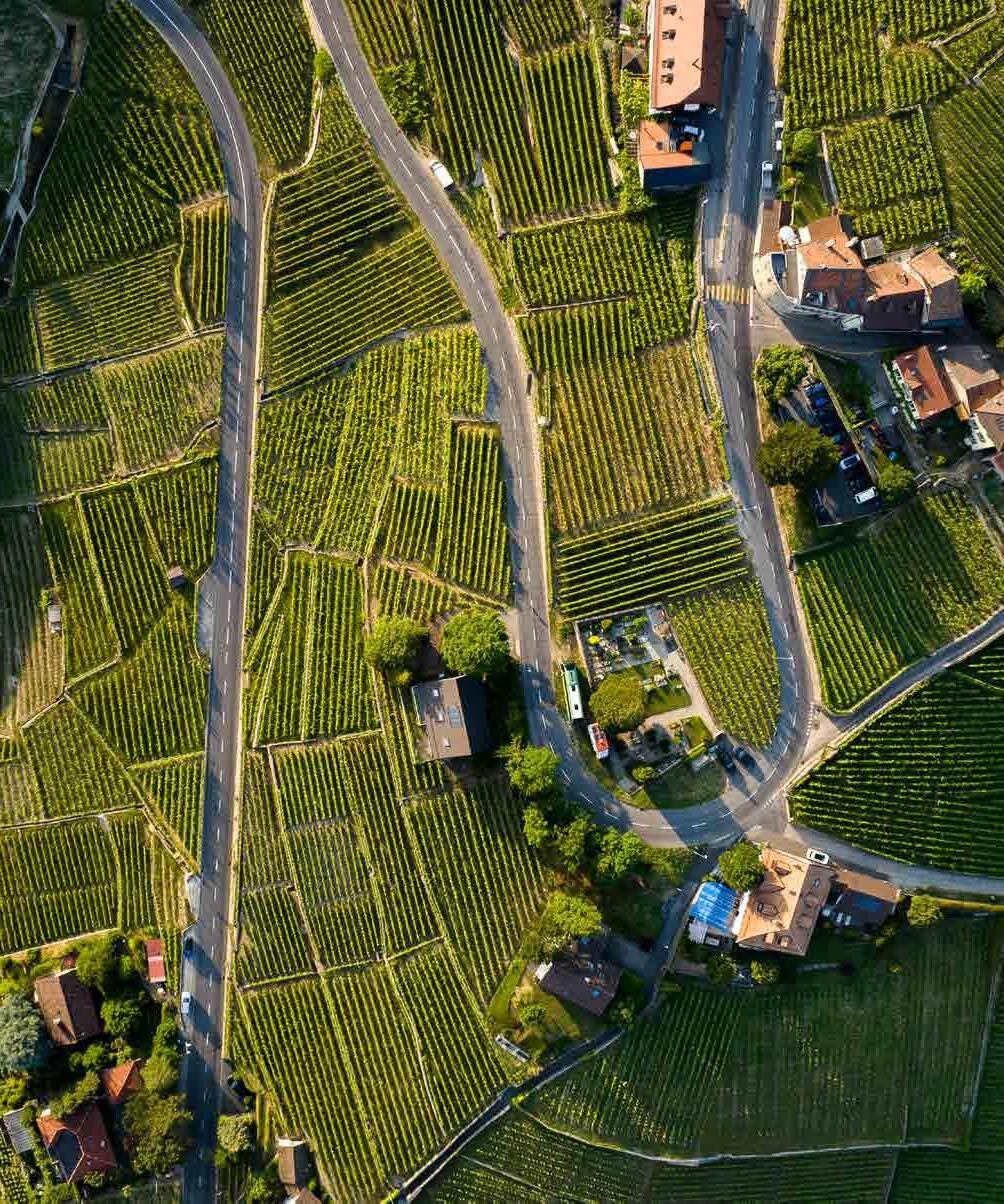
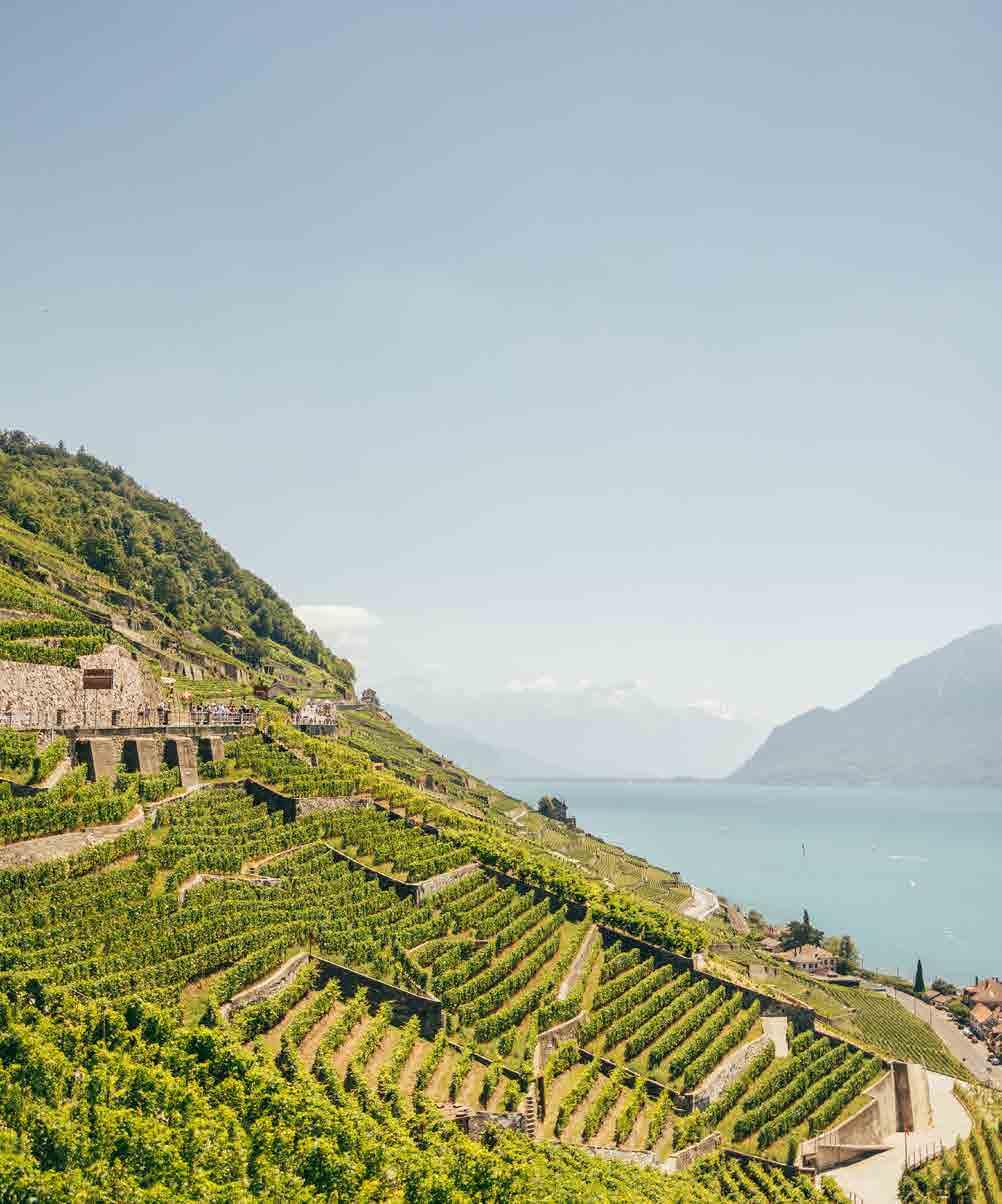
Rising like a grand amphitheater from the shores of Lake Geneva, this UNESCO World Heritage site is one of Europe’s most spectacular yet relatively unknown wine regions. That’s because, despite producing around 100 million liters of wine annually, the Swiss export less than 2% — making it nearly impossible to find outside of the country. Known for its delicate, mineral-driven chasselas whites, the 2,000-acre vineyards of Lavaux cascade down steep slopes in precise rows, thanks to the ingenuity of 12th century Cistercian monks who first tamed the hillsides for farmland.
Local stays like the Hôtel du Léman are situated steps from these vineyards, making day-trip tastings a total breeze. While attractions like the Charlie Chaplin museum and Belle Époque boat tours continually draw visitors to the region, the best part of any stay here is no doubt enjoying a lofty perch from a vineyard tasting room or hotel balcony and taking in views that stretch across shimmering waters to the magnificent Alps beyond.
In the rolling valleys east of Tbilisi, Kakheti transports visitors back in time, to the very origins of winemaking. Archaeologists have traced grape cultivation here to 6,000 BCE, officially bestowing upon the region the title of world’s oldest wine culture. That legacy is preserved in qvevri, large clay vessels buried underground for fermentation (a tradition recognized by UNESCO as Intangible Cultural Heritage). To sip amber wine drawn from a qvevri is to taste a method unchanged for millennia.
Yet the Kakheti valley is anything but frozen in time. Here, family-run maranis (cellars) sit alongside polished estates like Château Buera at Lopota Lake Resort, where guests can crush grapes by foot during the Rtveli wine harvest festival or linger over glasses paired with cheese-filled pastry khachapuri and walnut dips. Indigenous grapes like saperavi, rkatsiteli and kisi deliver flavors rarely found outside Georgia.
If Georgia can claim to be the birthplace of wine, then India’s Nashik might be one of its youngest heirs. Until the late 1990s, India’s wine industry was virtually nonexistent. That changed when Stanford University grad Rajeev Samant returned home to plant vines that would eventually grow into Sula Vineyards — the pioneering estate behind India’s wine awakening. Today, Sula produces more than half of all wine consumed within the country.
What makes Nashik so exciting is not just its meteoric rise but its bold ambition. With its climate of warm days and cool nights producing grapes like chenin blanc, shiraz and cabernet sauvignon, the winery regularly earns medals at international competitions. For visitors, the experience goes beyond the glass. Vineyard tours followed by lamb kebabs, Gangapur Dam boat rides, music festivals and sacred site visits make Nashik a crossroads of culture and taste worth experiencing.
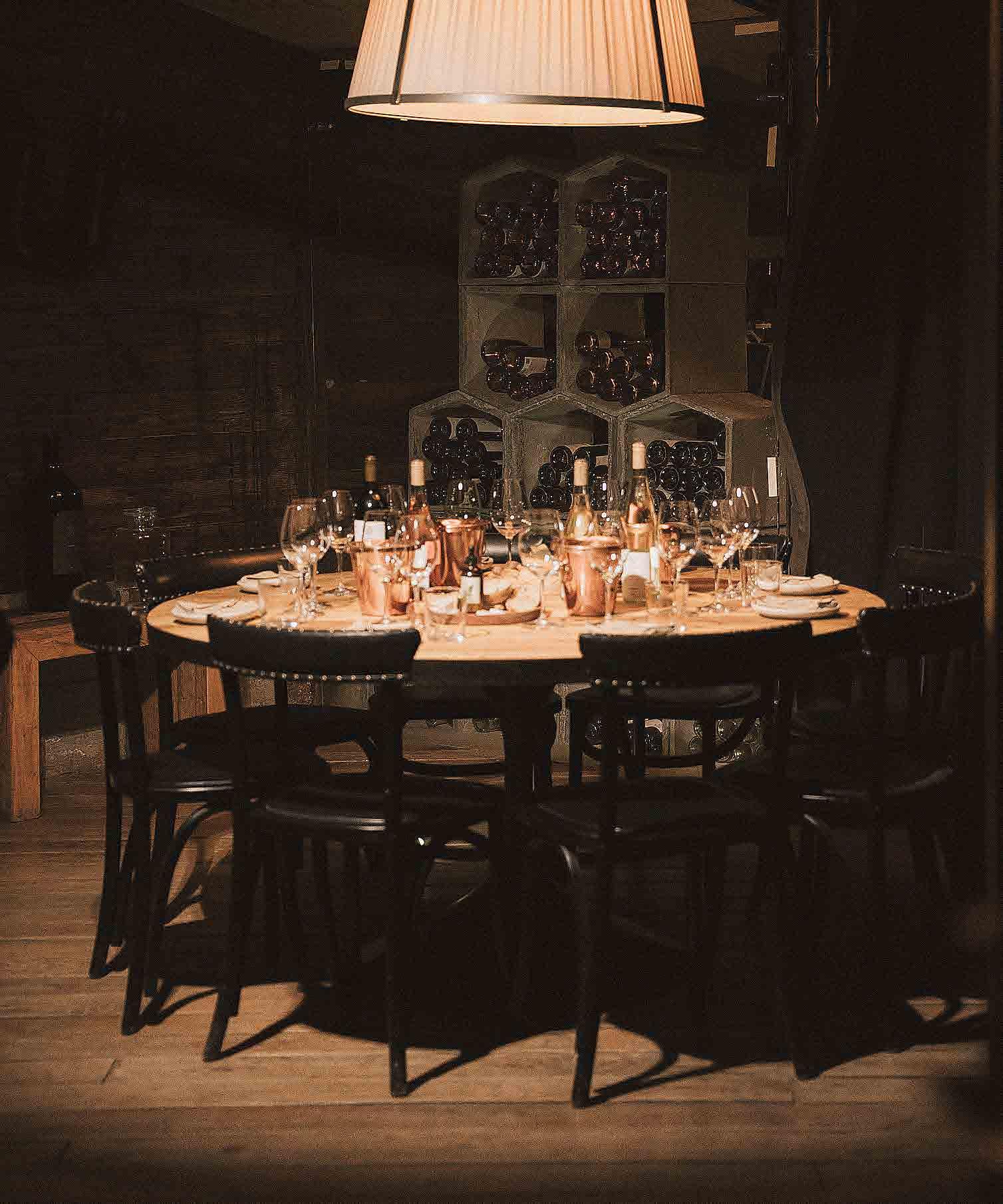
Just 90 miles south of San Diego, Valle de Guadalupe has blossomed from a city with just a handful of wineries to a hub of more than 150 producers blending old vines with innovation. Its signature grape, nebbiolo, produces robust, smoky reds that thrive in this breezy, desert climate. Yet continuous experimentation also yields natural wines, crisp chenin blancs and sparkling chardonnays that reflect the valley’s freewheeling spirit.
As the region’s bottles have gained prestige, so too has its dining scene. Acclaimed restaurants like Animalón, Deckman’s and Fauna draw food lovers from across the Americas, pairing Baja seafood and farm-to-table ingredients with local vintages. Each spring, the Fiesta de las Conchas y el Vino Nuevo in nearby Ensenada brings together chefs and winemakers to showcase fresh shellfish alongside the valley’s newest releases — underscoring how closely intertwined the region’s food and wine cultures are. For travelers chasing unforgettable tastes both in the glass and on the plate, Valle de Guadalupe is Mexico’s most intoxicating escape.
In-the-know travelers have dubbed this spot “Paradise Valley” for its fertile soils, Mediterranean-Alpine landscape and time-honored winemaking traditions. Located near the border of Italy in southwest Slovenia, Vipava Valley lies within easy reach of five international airports yet feels a world away. Today, family-run cellars craft crisp whites, robust reds and skincontact orange wines that have become the region’s signature.
Travelers can step into centuries-old tasting rooms like Vipava 1894 or Batic Winery, where stone walls and flickering candles create an intimate mood for sipping biodynamic blends or indigenous varietals like the historic ribolla gialla. The Wine Train, a five-hour circuit through the valley, links a string of boutique vineyards with scenic countryside views and leisurely tastings along the way. For a more adventurous approach, hike-fly-wine tours invite visitors to paraglide above the vineyards before landing at a local cellar for a well-earned glass. Vipava proves, like each of these under-the-radar regions, that unforgettable wines and experiences can still be found far from familiar places.

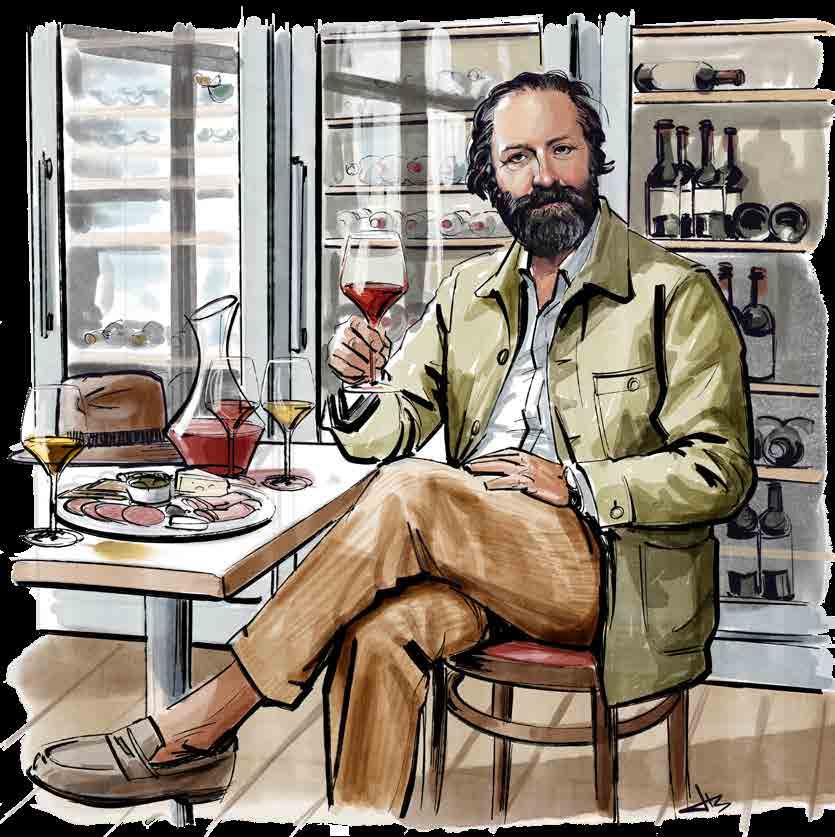
BY DAVID COGGINS ILLUSTRATION BY HILBRAND BOS
We love wine — in moderation, of course — for its sense of discovery and tradition, pleasure and celebration. In that regard, it’s much like dressing. Both can be obsessive and costly habits, but only one gives you a hangover. Our favorite wines and our favorite clothes both reflect the place where they’re made, be it a bottle from Bordeaux, France, or a garment purchased on London’s Savile Row. And they’re often shared with others — if you’re opening some Champagne or wearing a tuxedo, you’re likely doing it among friends in a good mood (though by all means, get dressed up on your own and pour something good). With that in mind, let’s consider where to raise a glass — a wine bar, naturally — along with what to drink and what to wear.
Chardonnay, the primary grape used in Burgundy wines, when handled correctly, is not overly oaky (which can raise tempers around the table). In Paris, you’ll find lovely Burgundies with enough acidity to balance any richness — think Chablis, Pouilly-Fuissé or a splendid Meursault.
WHAT TO WEAR: Select something with tailoring, but not overly fussy; this is an easy way to feel dressy while still being comfortable enough to put your feet up. A cashmere sport coat over a turtleneck feels right. One good cashmere coat goes a long way (and is worth the investment) and goes perfectly with a glass of white Burgundy and some sole meunière. Just thinking about it makes me want to be in the City of Light.
Oh pinot noir — graceful, refined and such a lovely color. It’s wine I want to drink every evening. If you make the pilgrimage to Northern California, you can gaze across the vineyards and feel very lucky indeed. Every time I visit, I’m always surprised by how beautiful it is; I should be prepared by now.
WHAT TO WEAR: Of California’s many charms, formality is not one of them. Let’s leave the tailoring behind and get a chore coat — perhaps in corduroy, washed cotton or even suede — in an inviting earth tone (you’re in the countryside, after all). Pair that with a good blue chambray shirt and some desert boots. Here, you’re in the mood to enjoy those cult wines your friends back home can only dream about.
Orange Wine in New York
Now there’s plenty of good wine in New York — from the Finger Lakes or out on the North Fork of Long Island. But let’s look for something more daring; New Yorkers aren’t afraid of a strong personality. If you arrive at a bar early in the evening, what about a glass of orange wine? Don’t be afraid. Skin contact varieties such as this, often from Slovenia or Georgia, can be more tannic with less of the clean fruit found in white wines. Of course, orange wine, like all natural wine, isn’t universally great. No category is. But if a bar or restaurant looks promising, go ahead and try something new and refreshing.
WHAT TO WEAR: For the fearless, a sport coat with wide lapels (which announce your intentions), a Western shirt, jeans and Chelsea boots. You’re a tailored man, you’re a denim man, you’re open to new equations that come your way. Orange wine doesn’t have to be for life; it’s just a glass. Give it a shot.
Barolo is robust in its youth and mellows with age; I’m sure there’s a parallel to certain writers there, but that’s a topic for another column. Made in the Italian region of Piedmont from the nebbiolo grape, Barolo is a deep ruby color and seriously tannic. Ideally you wait 10 years before a bottle comes into its own, and it can be challenging (and costly) to find what you’re looking for. In Milan, however, less than two hours from Piedmont, you’re in luck. A wine bar is good, but I would actually head to lunch at Antica Trattoria della Pesa for an order of osso bucco and a bottle of Barolo.
WHAT TO WEAR: Because Milan is the mecca of Northern Italian sartorialism and home to legendary tailor Ferdinando Caraceni, defined by its tasteful conservatism, I would wear a gray flannel suit, a proper dress shirt with a long collar (we’re still expressing ourselves here) and a knitted tie. After a tiramisu and an aged grappa, make sure there are no appointments for the rest of the day.
One of the purest wines you’ll find, riesling possesses a sweet clarity that I adore. Some people have bad memories of a sugary riesling from their youth. This is understandable, as riesling comes in many different forms with long, confusing German names. Try a trocken (which is dry, or the least sweet) or feinherb (off-dry, slightly more sweet), both of which have a wonderful acidity that balances the flavor of the finish.
WHAT TO WEAR: This is the wine of springtime, the wine of optimism. To imbibe a riesling, go with a linen sport coat, a Lacoste shirt, a good pair of chinos, boat shoes and a sense of looking forward to warmer weather.
A Minnesotan turned New Yorker, David Coggins is the author of the New York Times bestseller Men and Style and writes a recurring column for Artful Living.



Martha Dayton Design adds warmth to a historic home while accentuating its architectural pedigree.
BY LAURIE JUNKER
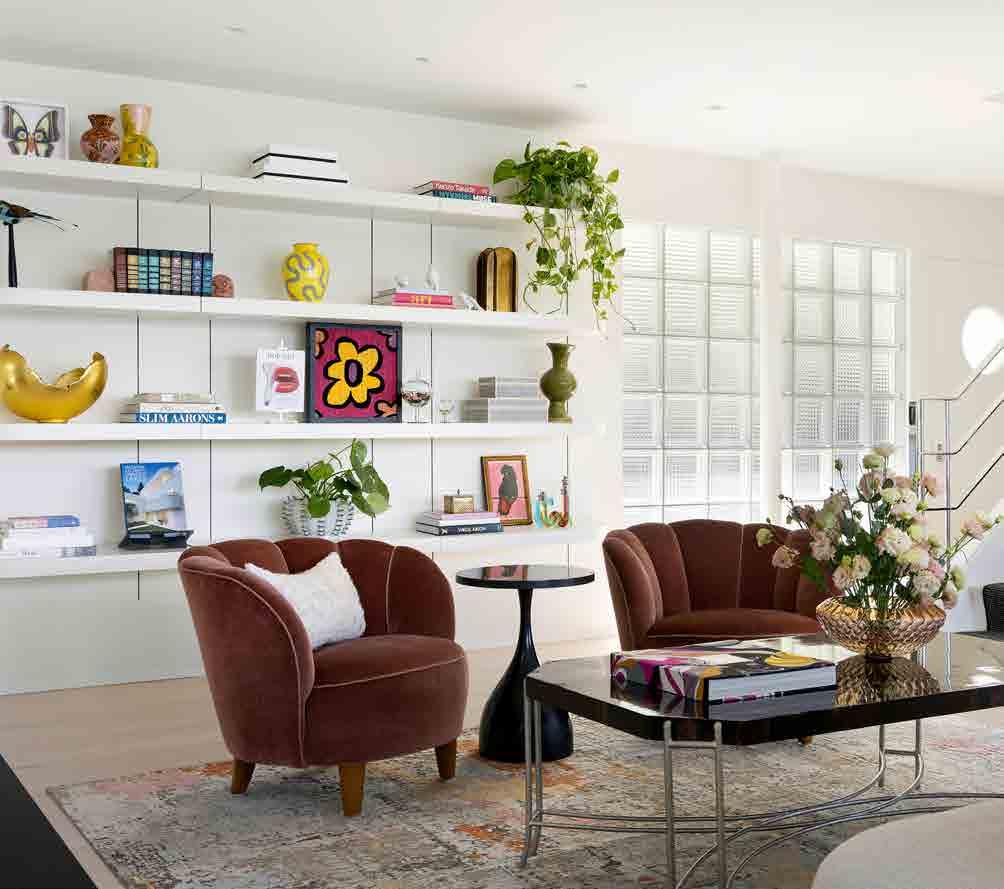
The landmark Kaufmann House on Minneapolis’s Cedar Lake has had a handful of owners since it was built in 1936. Thankfully, all have loved it enough to preserve one of Minnesota’s finest examples of International Style architecture. Designed by James Brunet for original owners V. Mel and Henet Kaufmann — a couple of architecture aficionados who embraced what was new and exciting at the time — the home offers geometric shapes, ribbon windows (especially around corners) and unadorned white surfaces. In short, it made a bold statement then, as it does now.
Its current owner, Amy Langer, had long admired the abode and even
toured it when the property was for sale in 2016, but she didn’t make an offer at the time. “I was running a company and raising three boys and didn’t think I could manage it,” she recalls. “But I felt like I missed out.” So seven years later, when the house came back on the market, Langer bought it. The timing was better. Her boys were now almost out of high school or in college, and she was ready for a change of scenery.
The four-bed, four-and-a-half-bath, 4,134-square-foot residence had been well cared for, but Langer wanted to warm up the interior. But given the home’s architectural significance and historic landmark status, she didn’t want to go it alone. She knew designer Martha Dayton through a women’s business leadership organization and hired her for the project.
“I like how Martha doesn’t follow strict rules,” Langer explains. “Her design process is fluid, and she understands how to add femininity that
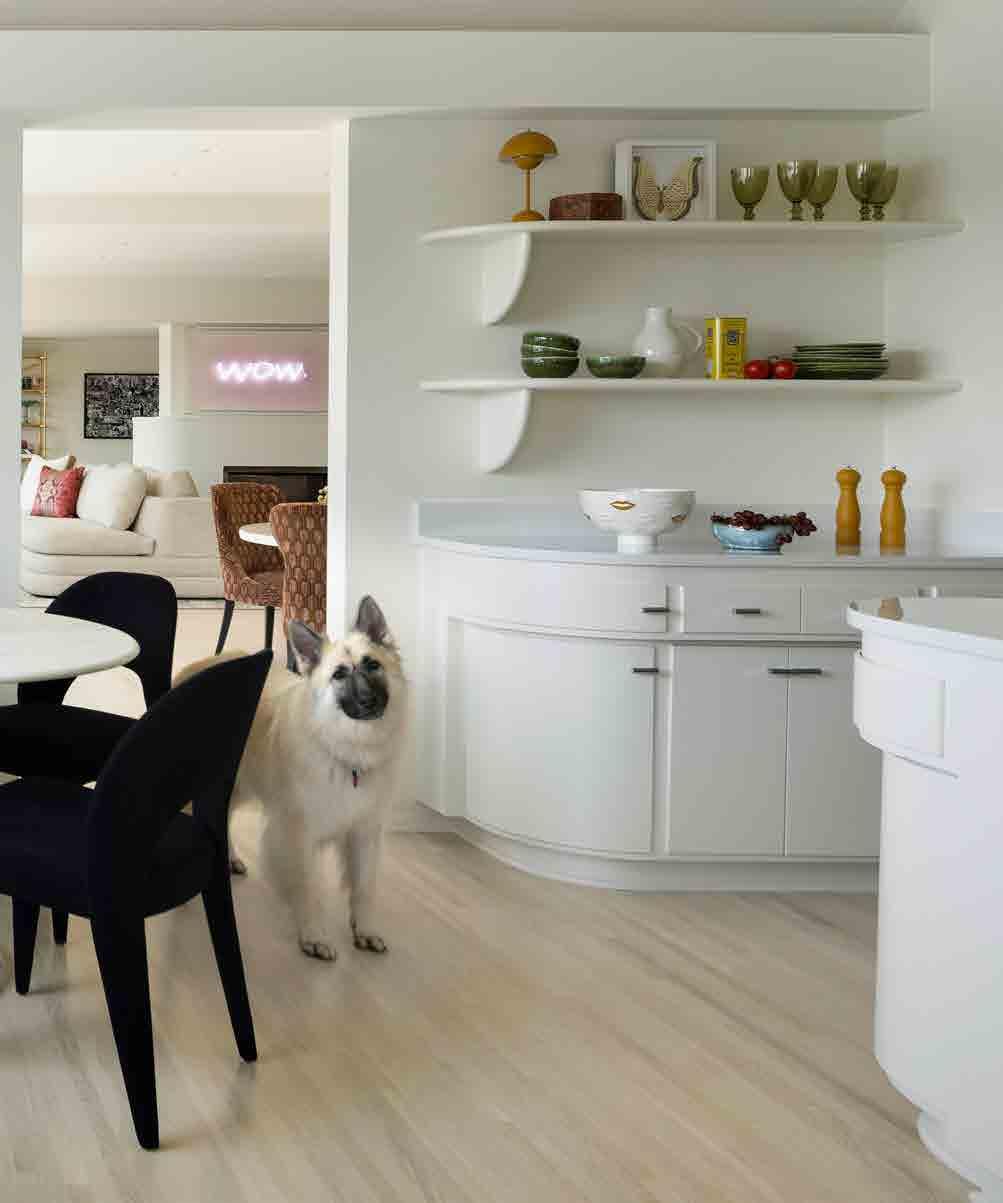
doesn’t feel childlike. The neon art over the fireplace is a good example.” She points out an acrylic framed painting by Minneapolis artist Teo Nguyen, superimposed with pink neon letters spelling “wow” — a word Langer chose from an anecdote about how physicist Stephen Hawking looked at the world through eyes of wonder. The commissioned artwork was a collaboration between Dayton, Nguyen and Matt Thompson from Skyline Neon.
The designer was already a fan of the house. “It’s on one of my favorite streets in Minneapolis, with only about a dozen homes that sit right on the shore of Cedar Lake,” says Dayton. She and Project Manager/ Designer Lauren Allis knew the home’s historic designation would limit the project’s scope, so they focused on compatible, fresh finishes and minor architectural changes.
One tough decision centered around the kitchen floor, which thankfully wasn’t original to the house. A colorful, geometric tile, it felt too busy and cold to Langer, who wanted something lighter. So they extended the pale wood living room flooring into the space. The team also replaced the kitchen’s stainlesssteel countertops with stone and removed the glass from a pass-through window into the den to make it easier to participate in conversation or watch TV from the space.
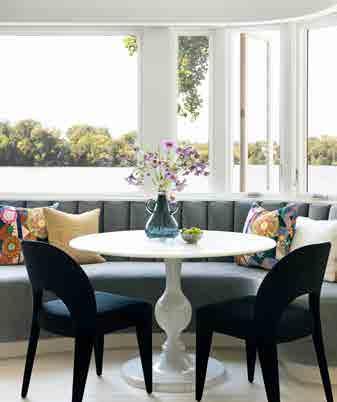
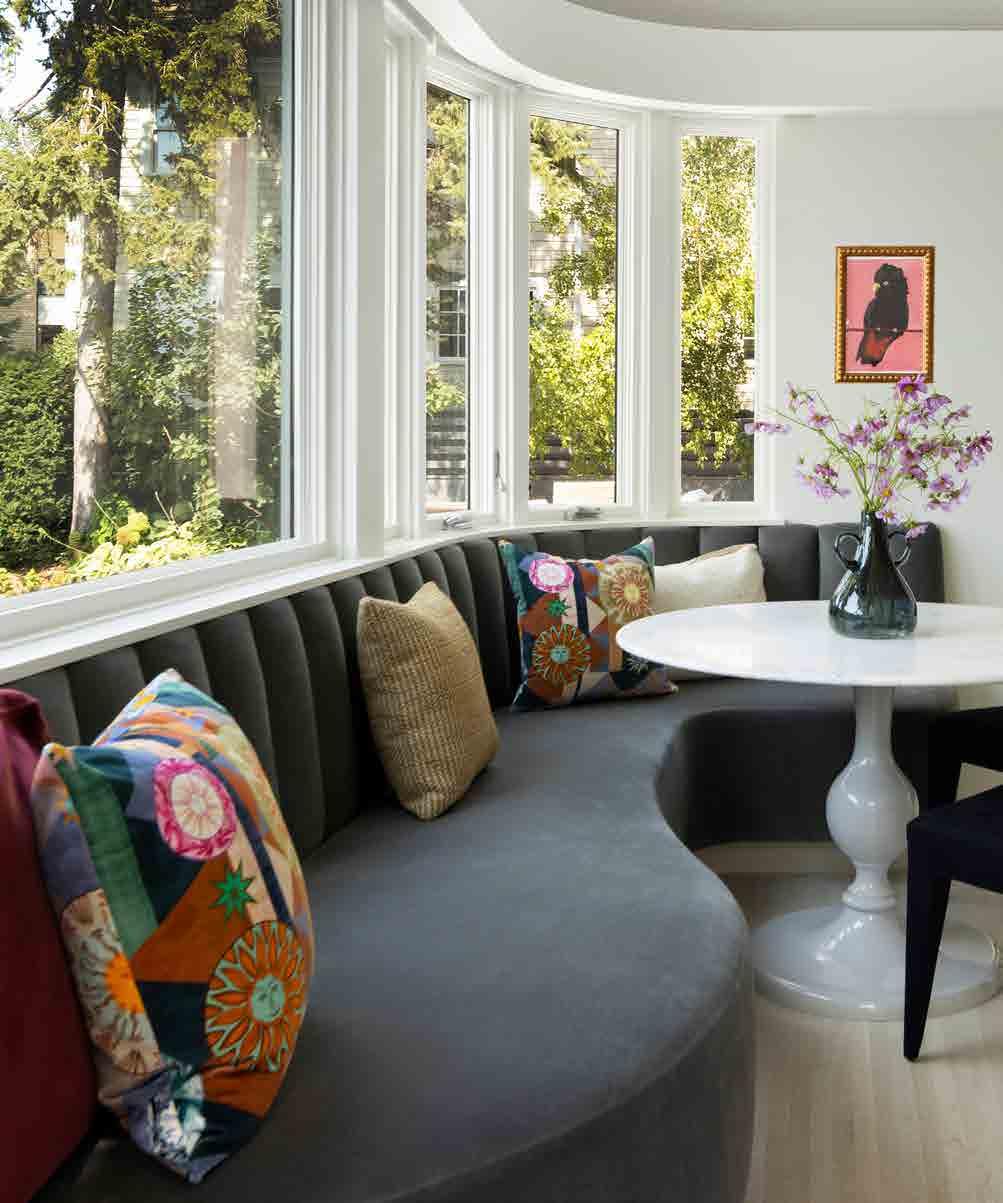
Adding a tufted banquette along the curved kitchen window wall answered the request for more seating in the narrow space. The bench follows the curves of the room and is a magnet for people and pets alike. “My boys love to sprawl out on it,” says Langer. “And I often throw a sheepskin up there for our dog, Luna.” Amazingly, the kitchen cabinets didn’t need a thing, save for re-engineering the inside of the tiny reach-in pantry (with charming half-moon doors) to maximize storage by creating a step-in pantry with shelving on three sides: some shallow for cans and dry goods, and some deeper to house the microwave.
beginning with what Allis calls a hero color: deep rose. “Amy told us early on that she wanted her home to feel feminine and fun,” says the designer. “She’s such a vibrant person and wasn’t afraid of taking risks.”
In the living room, a mix of vintage and new furnishings makes up two seating areas on either side of the fireplace. One features a pair of rosy shell chairs — a major vintage find considering they didn’t need to be reupholstered — and a custom double sofa that looks in both directions, either for conversation or lake gazing. On the other side of the fireplace is a more intimate area with matching blush hair-on-hide, metallic leather chairs and a small marble game table. A few additional glossy surfaces and shiny accessories add glitz without detracting from the room’s soft, inviting feel.
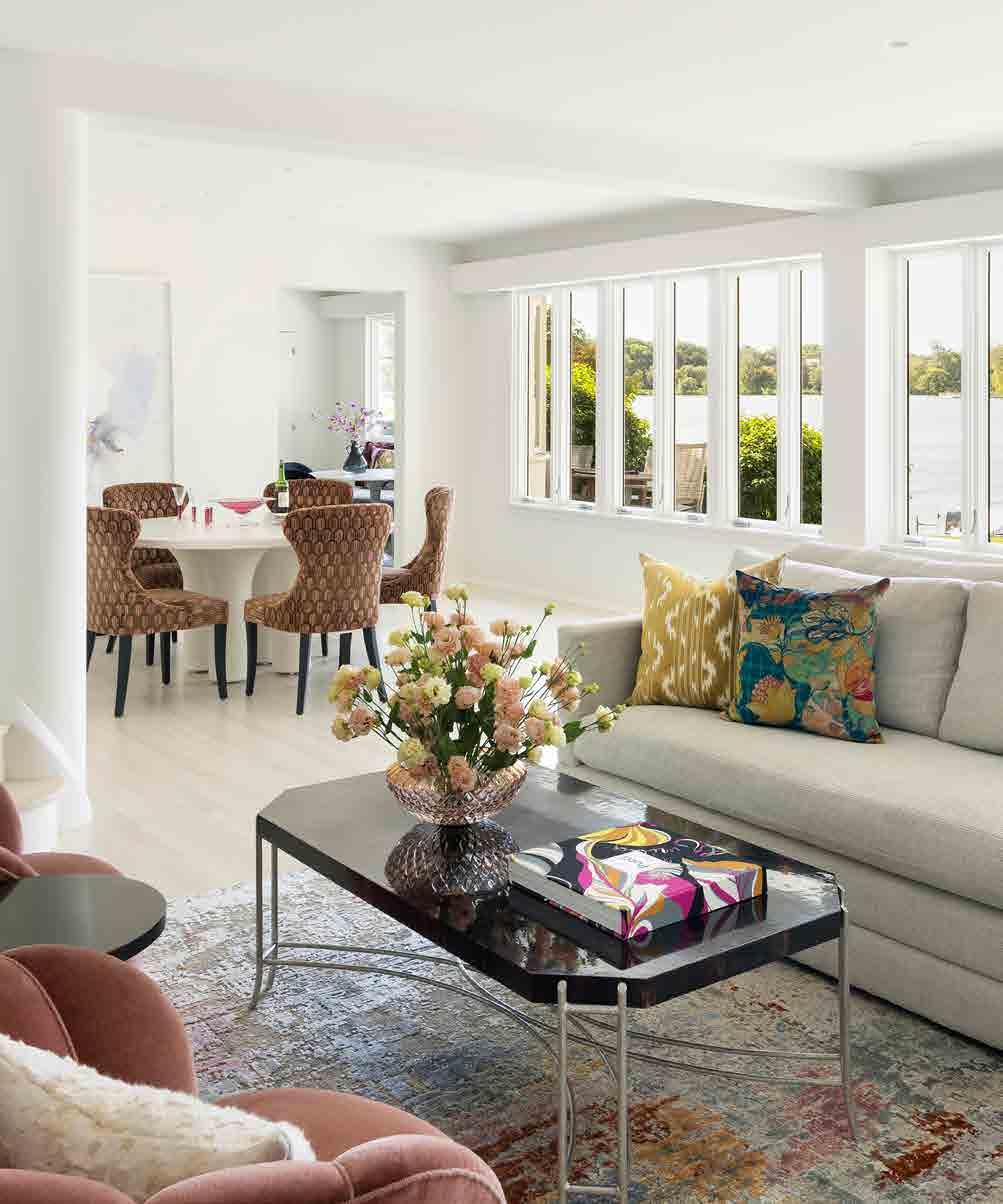
The Kaufmann House has been called “a box of light,” because of the abundance of sun that shines through the windows. It’s also a box of views. “Every sightline is intentional,” says Langer. “Every room has a view of the water. And not just a view, a stunning view.”
The team complemented the home’s brightness and views with a confident color palette that accentuates its strong architectural lines,
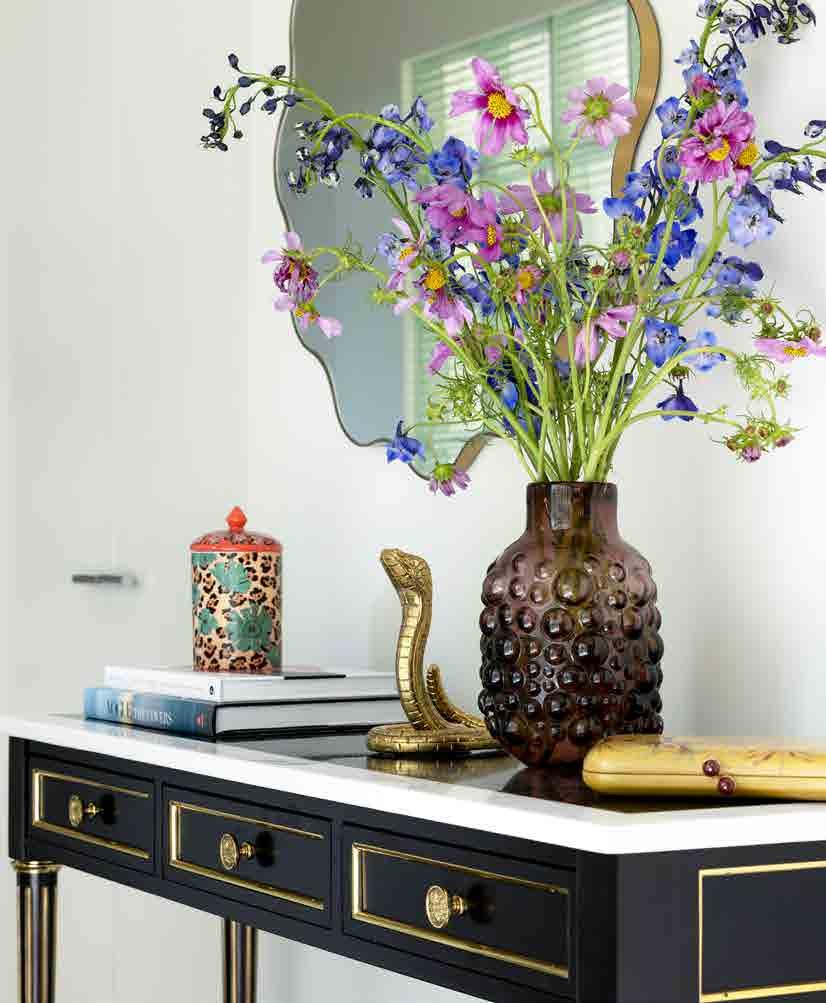
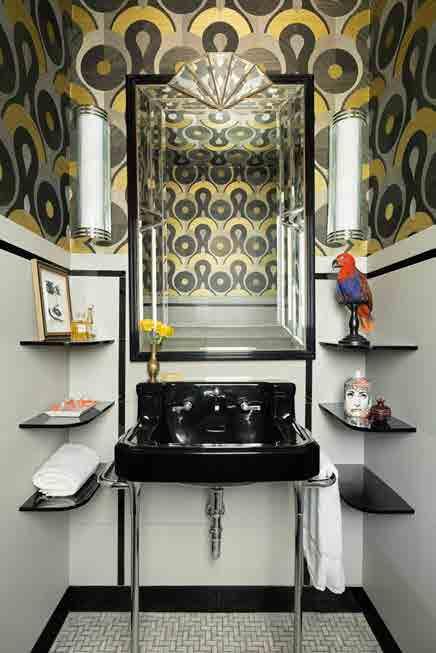
The powder room, however, is all glamour. Here, Dayton and Allis turned up the volume by wrapping the walls and ceiling in striking Moooi handwoven wallpaper and adding a flossy vintage mirror that emphasizes the original shelves, sink, sconces and tile.
The primary bedroom suite is on the top floor, a thoughtful 2010 addition by architect Lars Peterssen with a bedroom, bath, closet and small seating area overlooking the lake. Because the bed and side tables were builtin and the bathroom was in perfect condition, the space only needed fresh textiles, accessories and a few new furnishings. Vintage played a significant role here, too: a pair of cobalt Murano bedside lamps and a chaise lounge in the sitting room (which Langer sometimes works from with her laptop), reupholstered in a sumptuous crushed velvet.
“You have to do some digging, but vintage pieces add more personality and have a story behind them — and Amy appreciates a story,” says Allis.
This renovation story has a happy ending. Langer loves the home and says that it feels just as good when she’s hosting gatherings as it does when she’s relaxing with her fiancé or welcoming all the kids home.
“When I bought this house, I wasn’t sure if we could really create a modern home where you could still feel like you can lie on the couch and hang out,” she says. “But Martha and Lauren nailed it. It feels like a warm home, not a museum.”






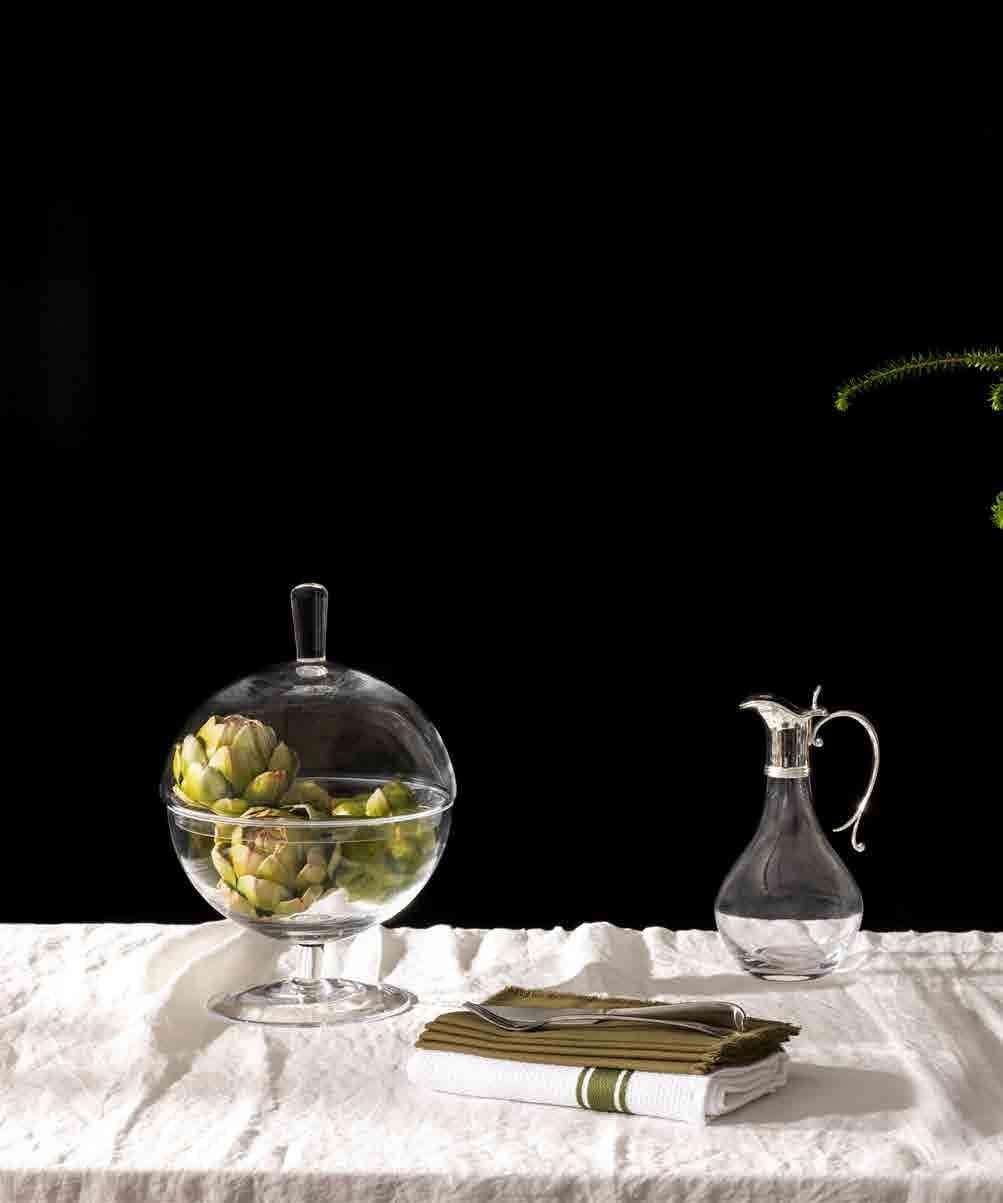
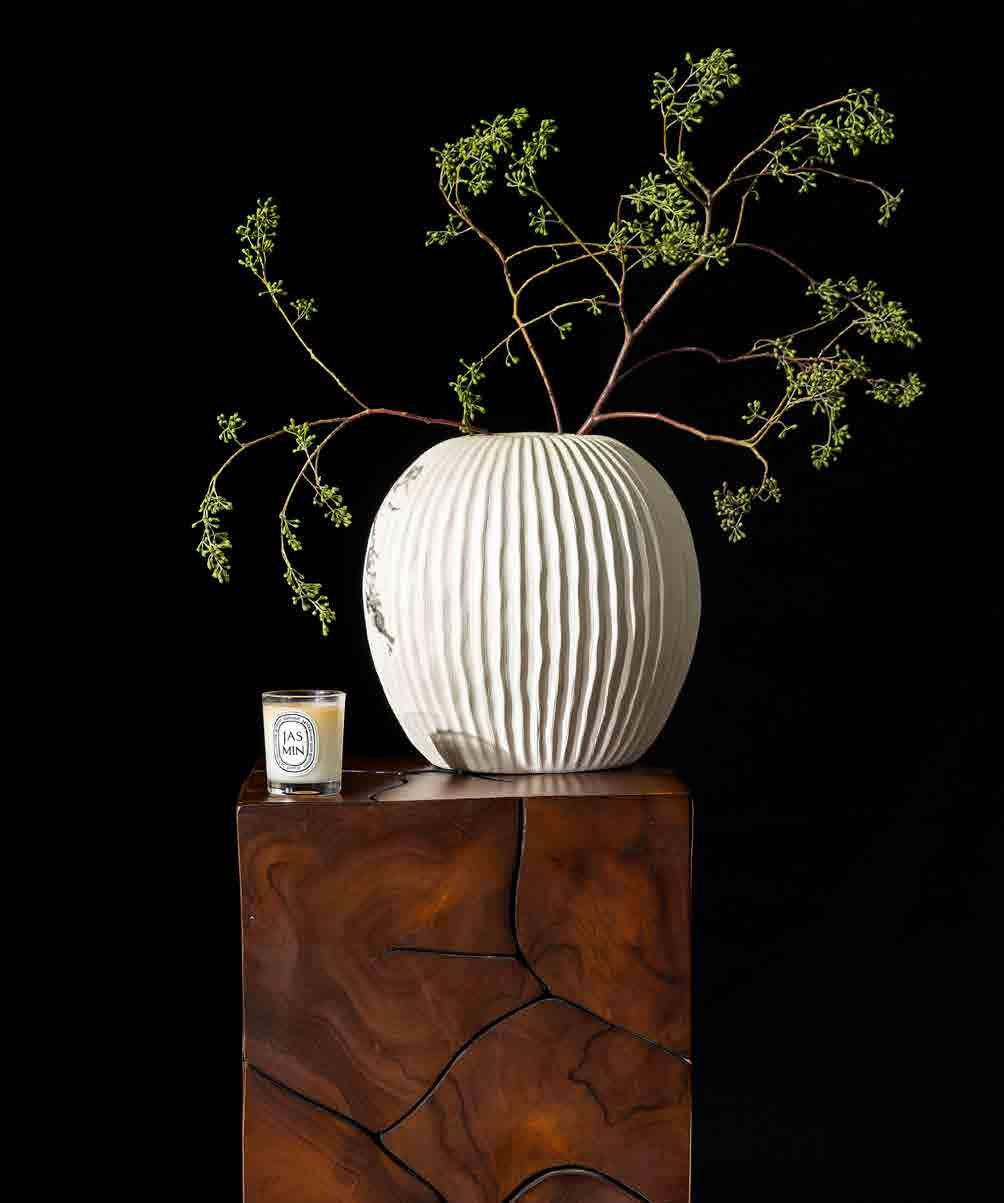
Timeless dining accessories to elevate everyday living this spring.
PRODUCED BY KATHLEEN HOLDEN
PHOTOGRAPHY BY BO CARLOCK / SPACECRAFTING
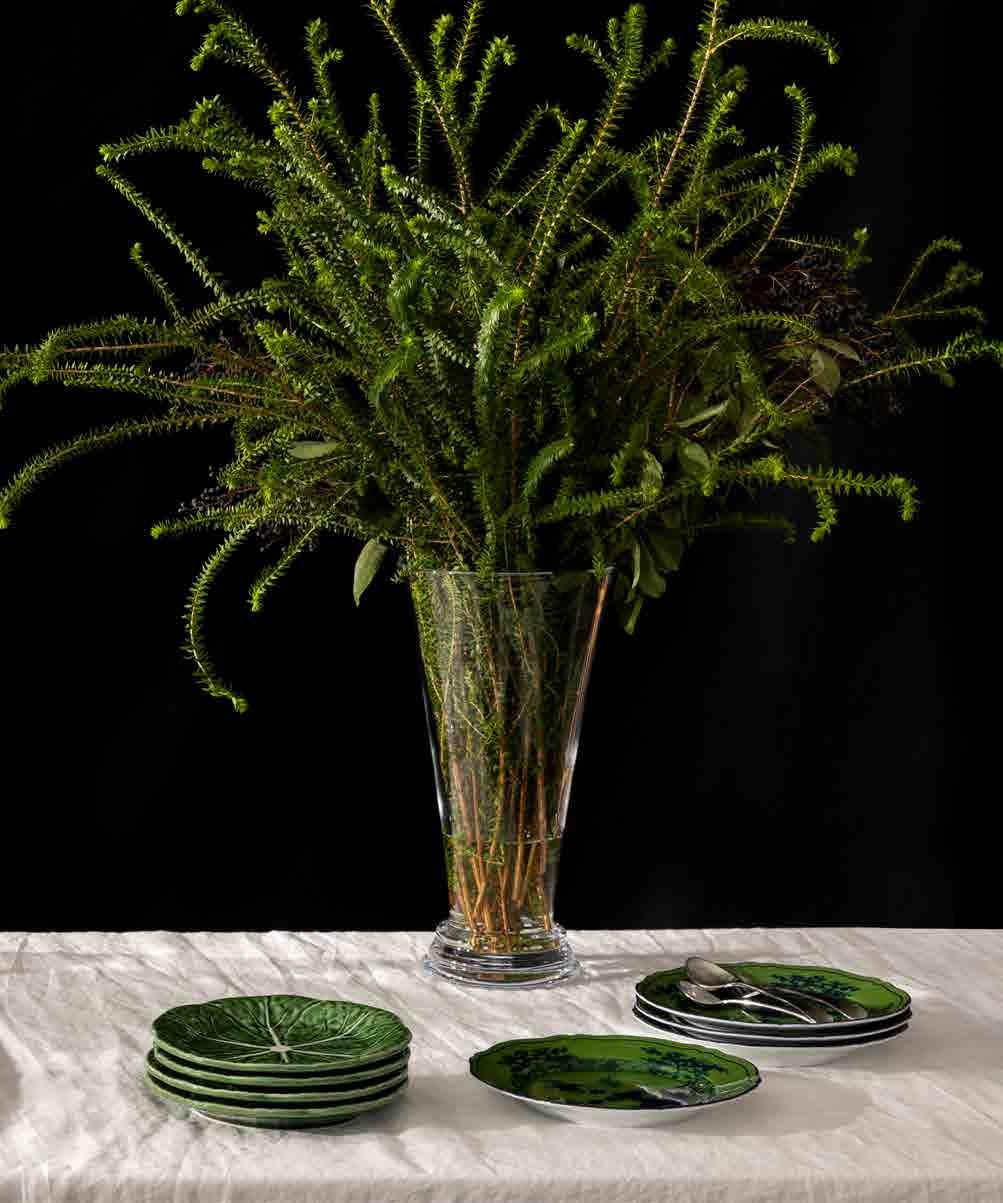

PREVIOUS Vivid Home Domed Ball Vase, $150 • Georg Jensen Vivianna Flatware, Design Within Reach, $119 • Hawkins New York Essential Dinner Napkins, Design Within Reach, $32 • Vivid Home Stripe Kitchen Towel, $14 • Williams Sonoma Heirloom Silver Carafe, $79.95 • Bordallo Pinheiro Cabbage Salad Plates, Williams Sonoma, $140 for set of four • Ginori 1735 Oriente Italiano Dessert Plates in Malachite, Ampersand, $130 per plate • Georg Jensen Vivianna Flatware, Design Within Reach, $119 • William Yeoward Crystal Flora Vase, Ampersand, $220 • Williams Sonoma Italian Washed Linen Tablecloth, $199.95 • LEFT Vivid Home Canopy Trio Vase, $40 • Sophie Lou Jacobsen Cosmo Coupe, Design Within Reach, $225 for set of four • Sophie Lou Jacobsen Trumpet Aperitif Glass, Design Within Reach, $135 for set of four • Vivid Home After Hours Martini Glass, $15 • Williams Sonoma Reserve Nick and Nora Glasses, $99.80 for set of four • Vivid Home Vida Acrylic Tumbler, $18 • RIGHT Arhaus 27-inch Kalmar Pedestal in Mocha, $1,300 • Diptyque Jasmine Small Candle, Ampersand, $50 • Arhaus Medium Meadow Vase, $129
in
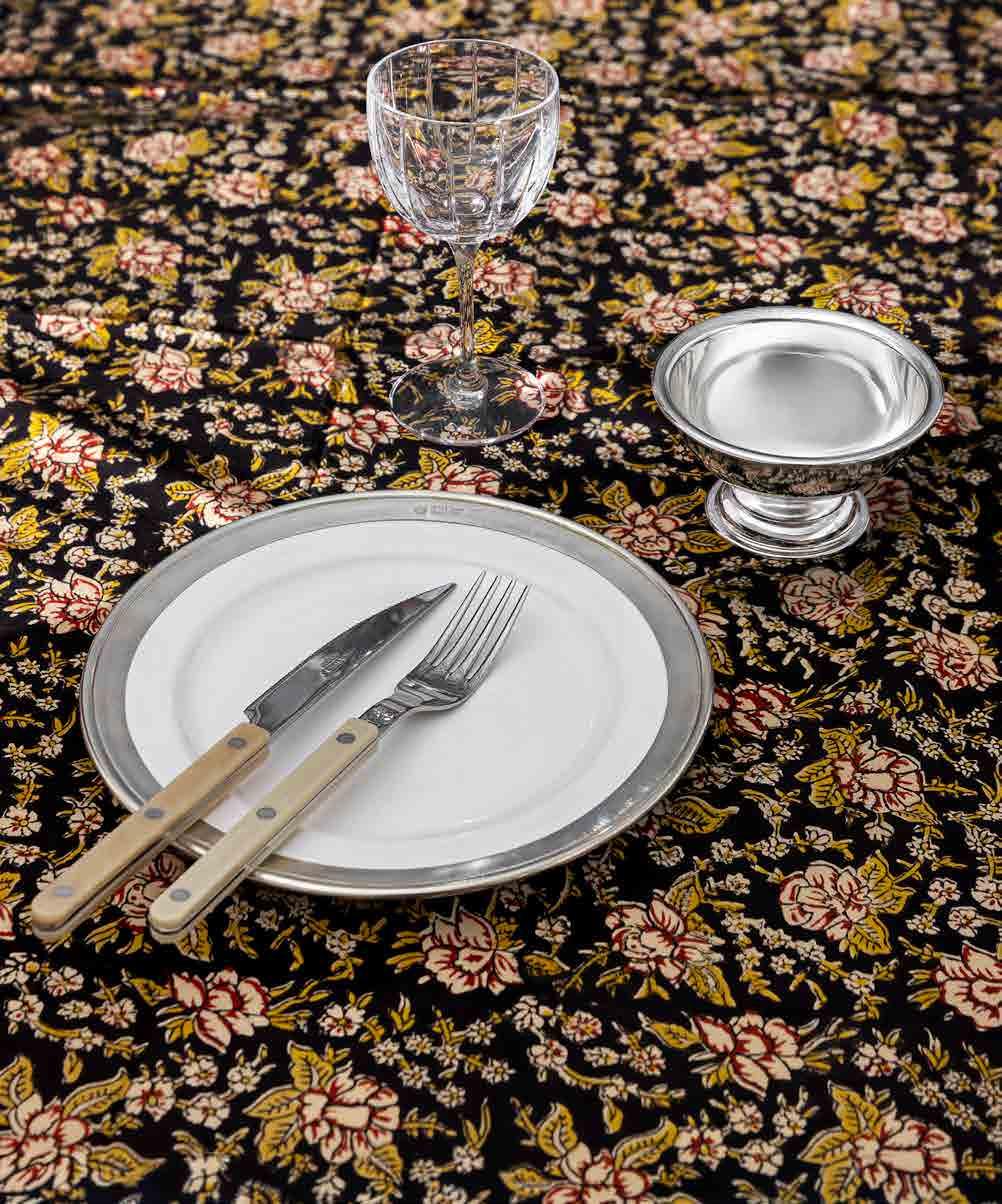
•
Pewter
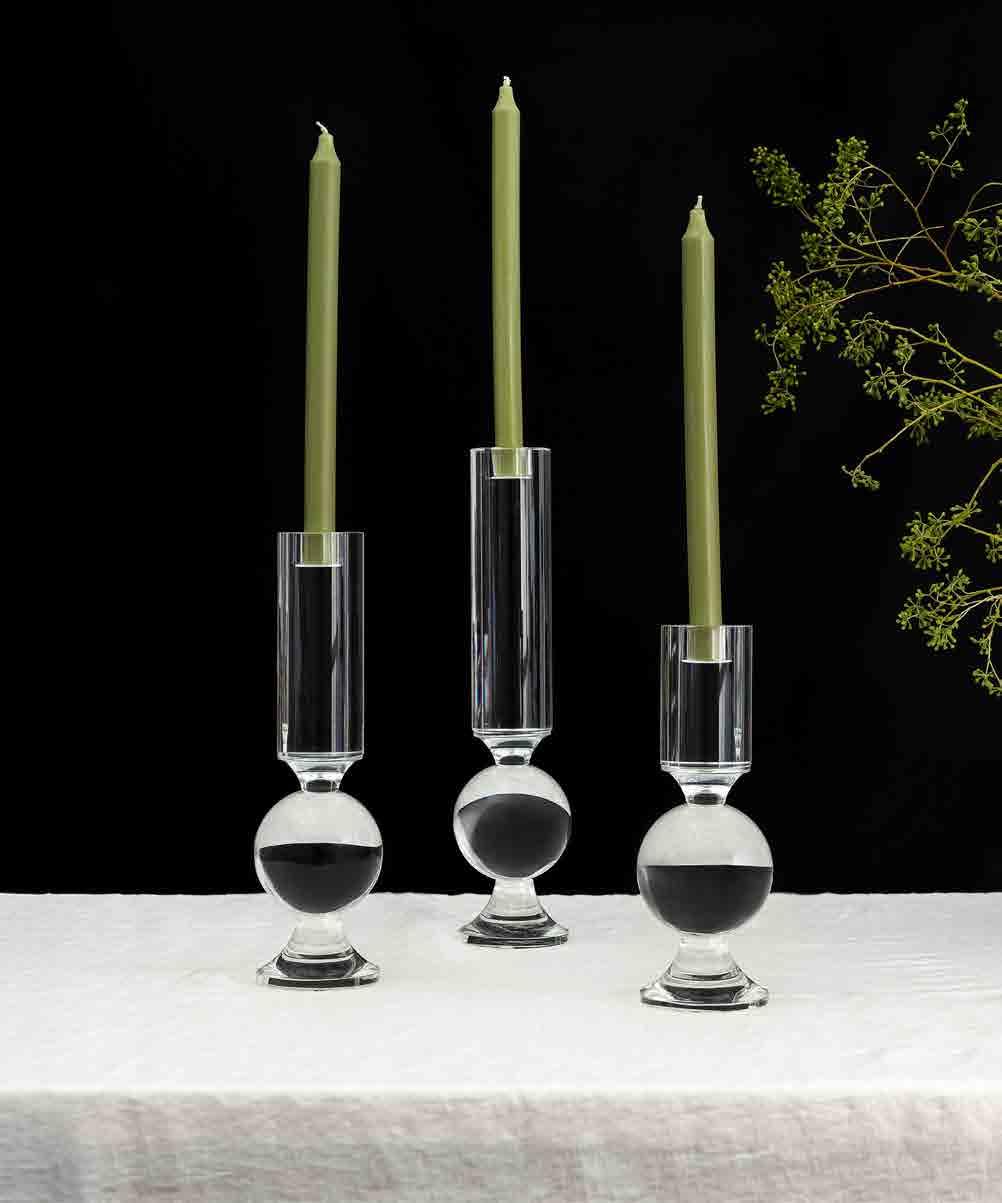
Plate, Ampersand, $146 • Williams Sonoma Heirloom Silver-Footed Condiment Bowl, $24.95 • Williams Sonoma Dorset Nick and Nora Glassware, $79.90 for set of two • Sabre Bistrot Flatware, Ampersand, $80.50 for five-piece set • RIGHT Vivid Home Crystal Ball Taper Candleholders Set, $245 • Vivid Home European 12-inch Tapered Candles in Moss Green, $12 • Williams Sonoma Italian Washed Linen Tablecloth, $199.95
Shop featured Galleria stores: Ampersand • Arhaus • Design Within Reach • MILLE • Vivid Home • Williams Sonoma | Visit galleriaedina.com to view the full collection of stores and learn more.
Experience Fleurs de Villes at Galleria from April 10 to 19, where breathtaking fresh-floral installations and elevated botanical artistry come to life.


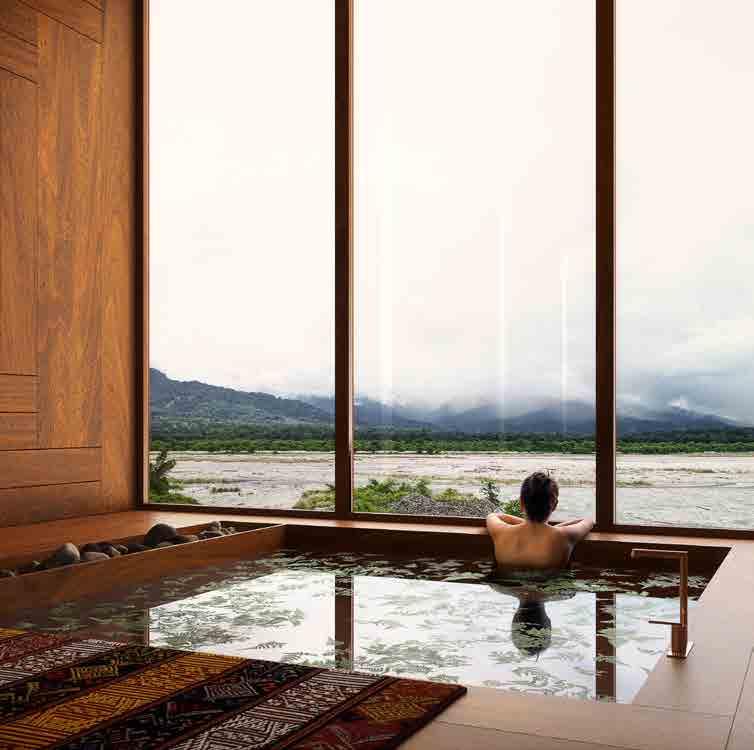

Ensconced in natural beauty and Buddhism, Bhutan is the ultimate wellness destination.
BY AMY NELSON

hutan is a small garden with many flowers,” our travel guide explained on a winding drive through the mountains on the way back to the country’s sole international airport.
The analogy is apt — the tiny nation tucked between Tibet and India is blooming with beauty. And, like a garden, Bhutan is good for the spirit and soul. My husband and I recently spent a rejuvenating week there, exploring many Buddhist temples, hiking the challenging trails at breathtaking elevations, and indulging in wellness and longevity treatments.
We stayed at the five-star Bhutan Spirit Sanctuary, the world’s only all-inclusive luxury resort with a wellness program rooted
in traditional Bhutanese medicine, known as gSo-ba Rig-pa. “Wellness” is a diffuse term these days, but Bhutan leans into the various defining aspects. On the way to the Sanctuary, as the locals call it, we talked with our guide about how Bhutan de-emphasizes metrics like gross domestic product in favor of a gross national happiness index, which measures residents’ satisfaction and spiritual well-being. The GNH is why Bhutan is considered one of the happiest countries in the world.
Upon passing through Bhutan Spirit Sanctuary’s fortress-like wooden doors, I felt an immediate sense of tranquility. In the expansive courtyard, we were greeted by staff dressed



in traditional attire; the women wore ankle-length woven skirts with matching short silk jackets called kira, and the men wore knee-length robes called gho They performed a welcoming ritual and then we walked through another set of doors into a foyer with a two-story wall of windows that drowned the room in light and showcased the majestic Neyphu Valley. We were jet-lagged from back-to-back overnight flights, first to London, then Delhi, and finally to Paro, so we welcomed the serene setting of our terrace suite.
After sunset we walked down the hall to the wellness facility. The seating area was filled with jars of Bhutanese herbs, many grown onsite, that are used in the sanctuary’s treatments. We met with the resort’s drungtsho (traditional Bhutanese medicine doctor) for a consultation designed to select the wellness activities for our stay. He asked about our diets, fitness routines and pain points, as well as asked for my astrological sign, checked my pulse and examined my tongue. We booked a sound healing session before ending the day by savoring the fresh and bold flavors of Bhutanese cuisine rich with spicy green chiles and creamy yak cheese.
The next morning, I attended a yoga session and then went for a traditional Tibetan massage with essential oils designed to balance internal energy flow. I’ve experienced many massages and different techniques all around the world — from Bali to Turkey — but never anything as remarkable as the ku nye massage in Bhutan. My petite masseuse had a surprisingly powerful touch, and when she climbed onto the backs of my legs for better pressure, I audibly gasped. It was intense but incredible. My husband, meanwhile, was in another room receiving a moxibustion treatment in which the therapist passed burning herbs over his skin.
We spent the rest of the day preparing for the next morning’s hike to one of Bhutan’s greatest tourist attractions — Tiger’s Nest monastery, also called Paro Taktsang, a sacred Vajrayana Himalayan Buddhist site. I was anxious ahead of the seven-hour high-altitude hike, but it ended up being incredible. It pushed me to my fitness limit, gave me a profound sense of accomplishment, and made the hot-stone bath we’d scheduled afterward essential.
I traveled halfway around the world to experience what makes Bhutan such a happy place to be, and once I got there I was able to center myself and slow down. Truly, a visit to Bhutan was good for my spirit and my soul.




Interior designer Tara Cain transforms a dated beachside condo into an art-filled retreat.
BY MELINDA NELSON
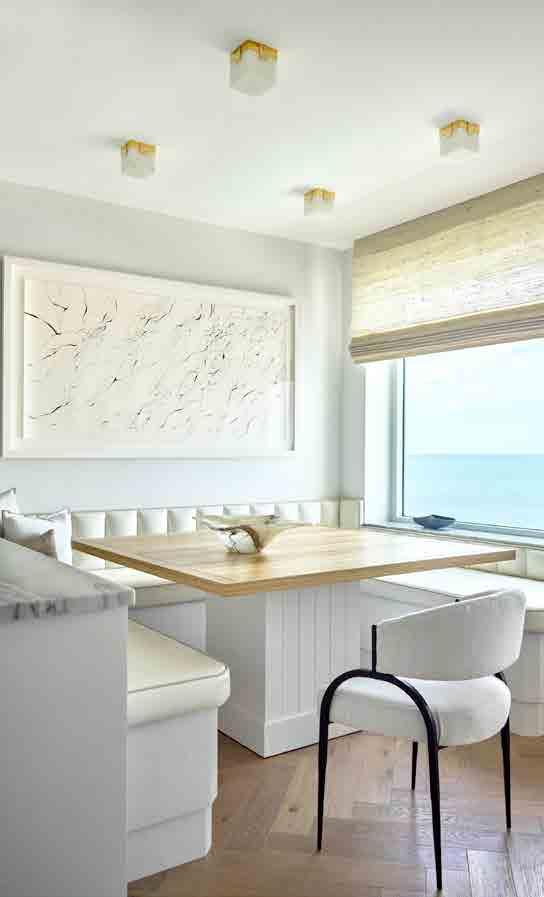
hile many Twin Cities snowbirds escape to Naples, Florida, for the season, one of interior designer Tara Cain’s clients jet sets to destinations all across the country. She’s the CEO of a fast-growing, California-based company, so she logs thousands of frequent flyer miles every year as she crisscrosses the country to meet with business partners and investors. While the journeys can be taxing, when she steps into her condo and sees a meditative work on paper by artist Lilian Crum set against the sparkling blue water beyond, her jet lag magically dissipates. “This is my respite and my sanctuary,” says the homeowner.
Although Cain’s client initially envisioned the second home in Naples as a winter escape, it ended up becoming a restorative new chapter in
her peripatetic life. In 2021, she rented a place at the Ritz-Carlton Naples, Tiburón, and quickly realized that she wanted to continue spending time on the water. Fortunately, she came across a 1980s condo in Naples’ Bay Colony that ticked all the boxes. It was on the 11th floor overlooking the water with three bedrooms and two lanais, plus a swimming pool and a pristine sand beach just steps from the elevator.
Where others might have been disheartened by the condo’s condition, she was thrilled by the idea of a gut renovation. “It was an original unit that had never been updated, and being able to take it down to the studs and make it my own was amazing,” says the homeowner. “I love design and construction, so when my husband and I designed and built a house on Lake Minnetonka, it felt just as exciting as a whirlwind trip around the world.”

She knew she didn’t have the time or bandwidth to tackle the Naples renovation by herself, so she called Cain, a dear friend and owner of Tara Cain Design in Edina. “Tara and I met years ago at our daughters’ school, and we have so much respect for each other’s work,” she says. “I trust her implicitly and I adore her taste, so as she described interiors that were very different from my Minnesota home — a serene, sophisticated environment that felt more Southern California than coastal Florida — I knew we were on the same page.”
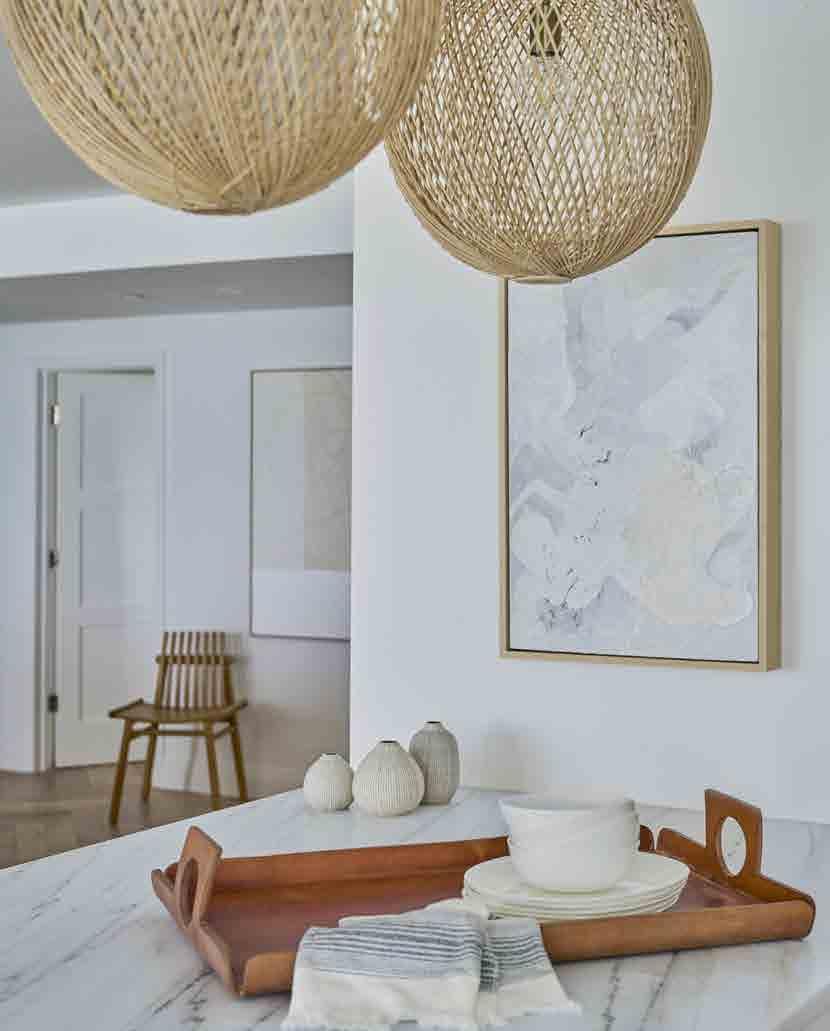
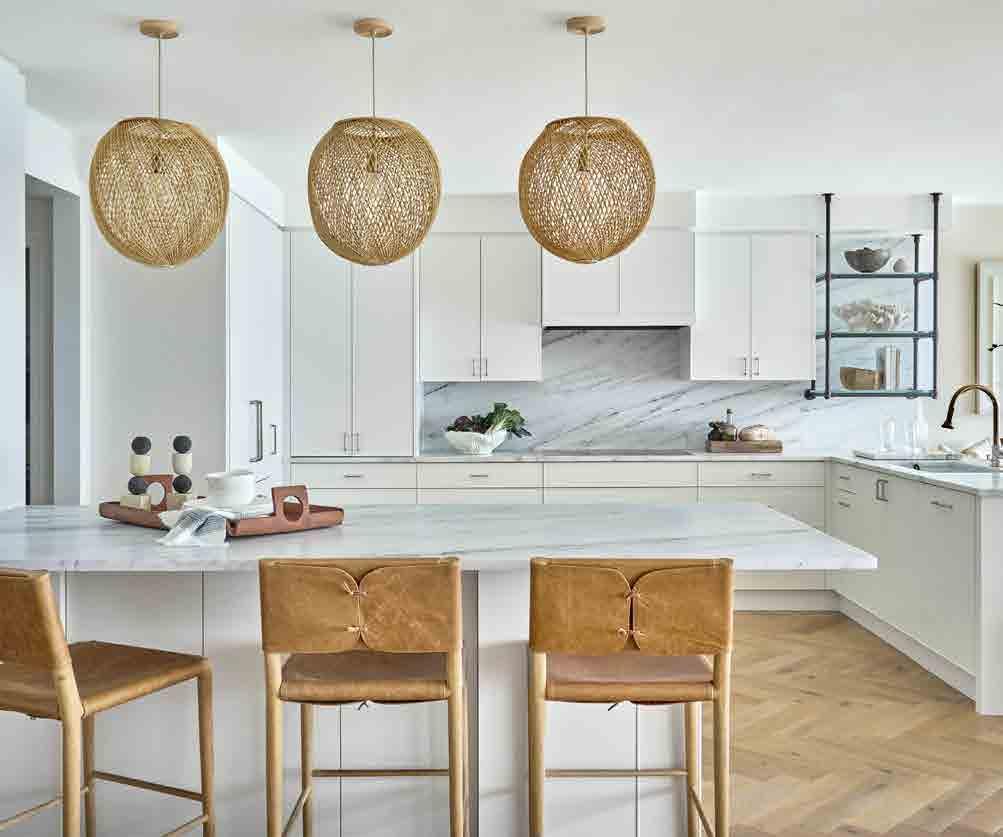
The original 2,600-square-foot floor plan had been chopped up into several small rooms, so they opened up the main living areas to expand the space and create views of the water from every vantage point. They added a center island and a cafe-style banquette in the kitchen, designed a wet bar for the living room, and reimagined the existing bedrooms to create a spacious primary suite, two en-suite guest rooms and an office. Inspired by her time spent in Laguna Niguel, California, Cain curated a calming palette of quiet colors and luxe textures. Elements such as white oak cabinetry, millwork and herringbone flooring, quartzite countertops illuminated by breezy rattan pendants, natural rugs and comfortable furnishings upholstered in high-performance fabrics created a retreat for carefree beach living.
Cain and the homeowner share a love of art as well as a friendship with Kathy Ganley of Mason Lane Art Advisory, so they invited her to help put the finishing touches on the condo. “I love collaborating with Kathy, because she always adds a wonderful dimension to the process,” says Cain. “She respects the overall design intention and is so considerate of everything that comes before the art selection and installation, including the envelope and all the layers of materials, furnishings, textiles and lighting. She’s extremely knowledgeable about all genres of art, and she has a real gift for finding unusual pieces that tie seamlessly into the spaces.”
Ganley presented a small collection of contemporary paintings, sculptures and mixed-media pieces by female creatives, including artists of color. “It’s really important to me to support women artists who are living, working and creating, and I loved every piece that Kathy selected,” says the homeowner. In addition to the piece by Crum over the banquette, the thoughtful assemblage includes “White Linear Loop IV,” a sculpture by Caprice Pierucci in the entry; “Eggshell,” an architecture-inspired abstract work by Maura Segal in the living room; “Light Patterns/ Night,” a linocut by Pamela Carberry in the pantry; “New Green No. 2,” an atmospheric ombre panel by
Interior designer: Tara Cain Design
Art advisor: Kathy Ganley, Mason Lane
Art Advisory
Susan English in the primary bedroom; and “Space From This Noise,” a mixed-media work by Joanna Cutri that overlooks the kitchen island. “Every day, the art reflects the light and the rhythms of the water, filling me with calm and gratitude,” says the homeowner. “One day, it’s storming and the waves are crashing, and the next day, it’s sunny and the water is glistening. Designing this condo with Tara was like planning an exciting vacation. It was an incredible blessing to work with her to create a place that feels true to myself and this new time in my life.”












Indigenous cultures offer the original blueprint for healthy living.
BY KATE NELSON
Millennia ago, Indigenous cultures across North America — or Turtle Island, as many Native American communities call it — lived in a way we’re yearning to experience today. A way that’s nourishing and nurturing not only for our bodies but also for our people and our planet. We can all learn from this rich ancestral wisdom that has been handed down from generation to generation.
Over the past several years, I have had the rare opportunity to delve deeply into this carefully preserved knowledge. I joined celebrated Oglala Lakota chef Sean Sherman — whose Minneapolis restaurant, Owamni, and efforts to revitalize Indigenous foodways have earned him three James Beard Awards — on a journey across this continent to learn from chefs, advocates, ethnobotanists and other culture bearers. We synthesized as much of that intel as we possibly could into the book Turtle Island: Foods and Traditions of the Indigenous Peoples of North America.
For me, co-authoring this tome was a transformational experience — not only because it better connected me to my own Alaska Native (Tlingit) culture as well as the Indigenous community at large. But also because it offered a blueprint for how to live well.
First, let me lay down some foundation. All of Sean’s work is centered around his philosophy for decolonized food, meaning he avoids ingredients that aren’t originally from this continent, such as beef, pork, chicken, dairy, wheat flour and cane sugar. He developed that approach in hopes of helping alleviate some of the health problems that have plagued Native communities since European arrival, including disproportionate rates of obesity, heart disease and type 2 diabetes.

conveniences. But all too often, I find myself caught up in the hustle and bustle of it all, feeling the toll physically, mentally and spiritually. In those moments of exhaustion from our everyday existence, I’m reminded of the hugely pivotal role that food plays in feeding our bodies, minds and spirits (for better or for worse).
So how do we embrace this Indigenous wisdom? It begins by recognizing the foods all around us — even in our own backyards — which are all too often overlooked as weeds. For example, few people realize that dandelion greens are not only edible but are rich in vitamins and minerals. They’re definitely nutritionally superior to the iceberg lettuce that has dominated our plates for decades, and they deserve a spot at the (dinner) table. But this isn’t just about food swaps; it’s so much more than that. It’s a way of life.
Native cultures have long understood that eating seasonally and regionally keeps us in sync with the land, plants and animals around us.

But soon he realized that people from all backgrounds could benefit from this way of eating, which coincidentally is in line with many modern-day trends given that it is naturally devoid of top allergens like gluten, dairy and soy. With Owamni, Sean proved not only that decolonized food is possible but that it’s also delicious and nutritious. (All of the recipes in Turtle Island follow this principle, too.)
There’s a cruel irony that in this modern era, we have more interconnectivity than ever before, yet somehow, we feel less connected with ourselves, one another and the natural world around us. That includes a sense of separation from our food, which all too often comes in the form of a bag or a box we pull out of the pantry rather than a plant we pull out of the ground.
Don’t get me wrong; I’m a fan of our many contemporary
That’s why Indigenous food traditions are inherently hyper-local, varying from one locale to another. For example, here in the Great Lakes region, we’re pretty familiar with wild rice, which is so important to the first peoples of this place (the Dakota and Anishinaabe). Meanwhile, in the neighboring Great Plains, the bison represent a sacred being for area tribal nations. Farther west in the Pacific Northwest, salmon has been a staple for centuries — so much so that there are ceremonies, traditions and legends dedicated to this significant animal.
Even with these regional nuances, there are some universal guiding principles undergirding Indigenous foodways across North America. For instance, Native communities are generally centered around plants, both foraged and cultivated, with animal proteins rounding out those diets. Harvesting of any kind happens with an emphasis on taking only what you need, so that others can also reap that bounty for years to come. Agriculture is rooted in traditional ecological knowledge, ensuring that small-scale farming is replenishing the earth rather than depleting it. And reciprocity — a sense of responsibility to take care of our community, including our plant and animal relatives — is at the heart of it all.
Most notably, there’s always room at the table for others to join. Therein lies the beauty of this Indigenous wisdom: It’s meant for everyone. It isn’t being hoarded by the few or commodified for the wealthy. It’s something we all can subscribe to, no monthly payment required. And like tribal communities, it has always been here. In the following pages, we offer a taste of Turtle Island to help home cooks embrace this knowledge that has kept Native cultures alive — and thriving — for millennia.
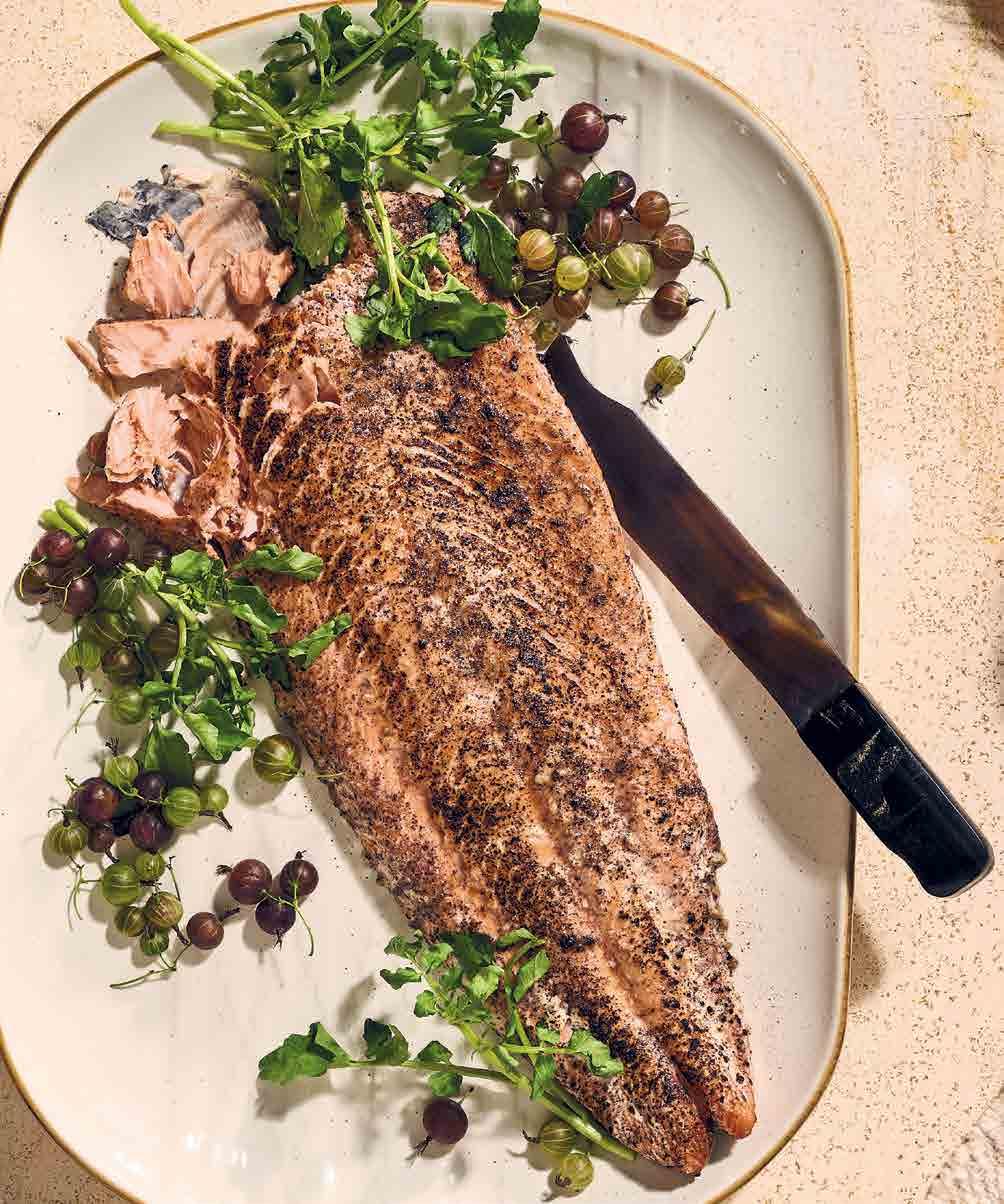
Makes 4 servings
Salmon is a sacred food for Indigenous peoples in the Columbia Plateau, just as it is for countless people near the coast. While maple trees are not native in the region, big-leaf maple trees grow not too much farther west. Syrup from this Western maple is deep in flavor with molasses-like notes. If you can find it, use it in this glaze, which is enlivened with vinegar and sumac, but any maple syrup will work well.
1 skin-on wild salmon fillet (1½ lbs.)
¼ cup maple syrup
2 tsp. cider vinegar
2 tsp. sunflower oil
1 tsp. ground sumac
½ tsp. onion powder sea salt
1. Preheat oven to 375°F. Line a sheet pan with parchment paper or aluminum foil.
2. Place salmon on pan skin-side down. Feel for any remaining pin bones and use tweezers to extract them, as needed.
3. In a small bowl, whisk together syrup, vinegar, oil, sumac and onion powder. Use this glaze to brush fish, then season well with salt.
4. Bake 5 minutes, then brush again with glaze. Continue baking about 5 minutes, or until a thermometer inserted into the thickest part registers 145°F. If fish was frozen previously, you can cook it slightly less if you prefer it cooked to medium. If you’d like a bit more caramelization, broil fish on high heat 1 to 3 minutes.
5. Let fish rest a few minutes, then cut into portions and serve.
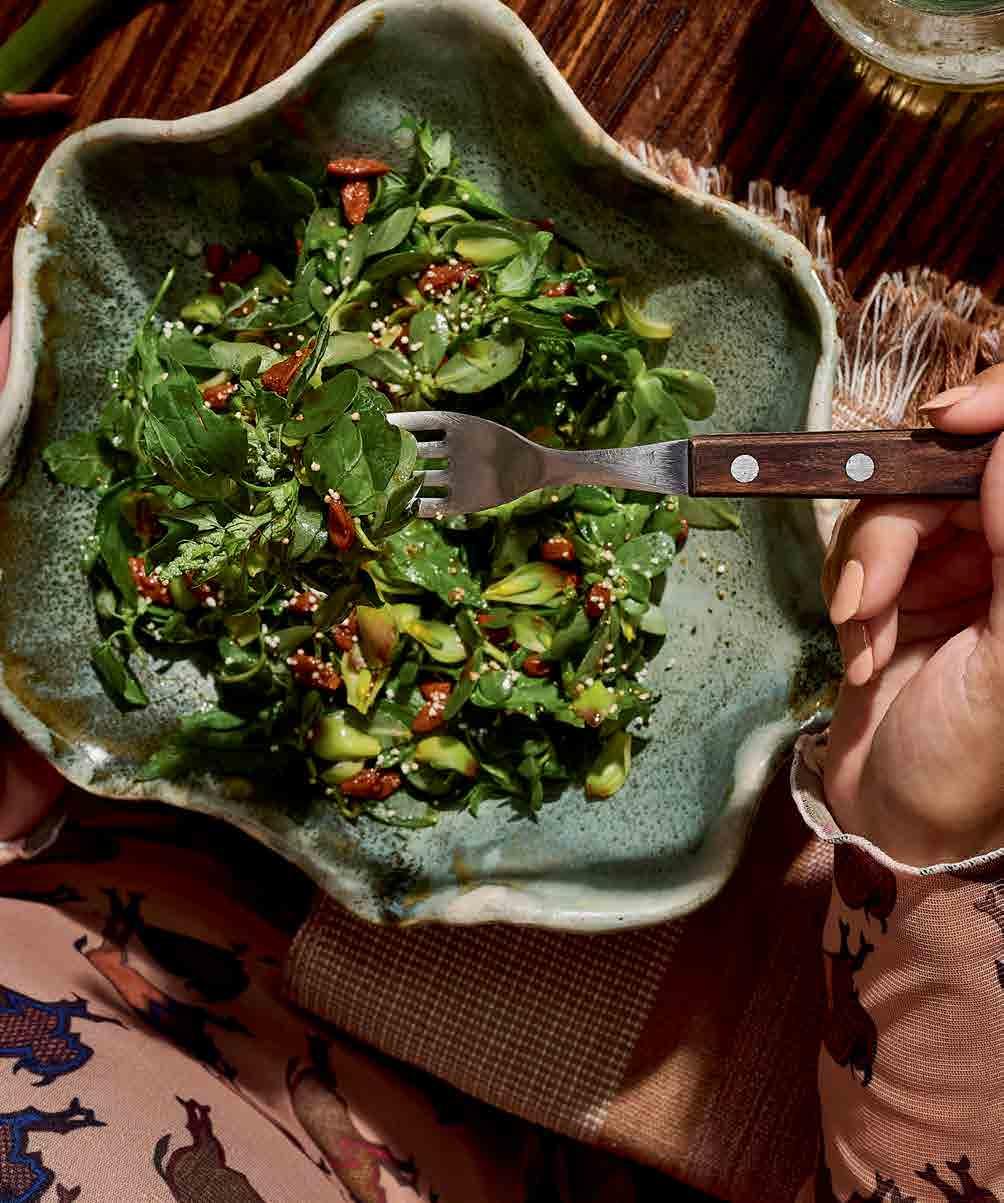
Makes 4 servings
People often think very few plants grow in the desert, but that couldn’t be further from the truth. You just have to know where and when to look — a kind of knowledge that Indigenous communities have developed and passed on for millennia. This salad showcases some of the abundance available in a desert spring, such as lamb’s quarters, purslane and amaranth greens, but you can use this recipe to feature wild greens from your area. It includes chewy, sweet-tart dried wolfberries, which are pickled lightly with chile to make them plump and juicy. They are closely related to goji berries, so you could use them as a substitute. Popped amaranth seeds add a bit of crunch.
2 Tbsp. dried amaranth, to yield ½ cup popped
⅓ cup dried wolfberries (or goji berries)
2 Tbsp. agave syrup
2 Tbsp cider vinegar
1 dried chile de árbol fine sea salt
1 large prickly pear flower bud or 8 yucca blossoms (optional)
6 cups wild baby greens, such as lamb’s quarters, purslane or amaranth
3 Tbsp. sunflower oil
1. For the popped amaranth: Heat a small dry saucepan over medium-high heat 2 minutes. Add 1 teaspoon amaranth, cover and shake pot. If grains start popping almost right away, pot is hot enough. (Otherwise, grains will likely burn and you’ll want to heat pot more before starting again.)
2. After 10 to 20 seconds, when popping noise slows down, transfer popped amaranth to a bowl. Continue popping amaranth 1 teaspoon at a time and transferring to bowl. Use popped amaranth right away or let cool and store in an airtight container up to 3 days.
3. For the salad: In a small saucepan, combine wolfberries, agave syrup, vinegar, ½ cup water, chile and ¼ teaspoon salt. Bring to a boil over medium-high heat. Reduce heat to low and simmer gently about 4 minutes, or until pickling liquid has reduced by half. Let cool completely. Reserving pickling liquid, drain berries.
4. Pull apart prickly pear flower bud or yucca flowers, then discard center stamens and pistils, reserving petals for salad.
5. In a large bowl, combine greens, flower petals, pickled berries and 1 tablespoon pickling liquid. Season with salt. Drizzle with oil and toss to coat evenly. Sprinkle with popped amaranth and serve.
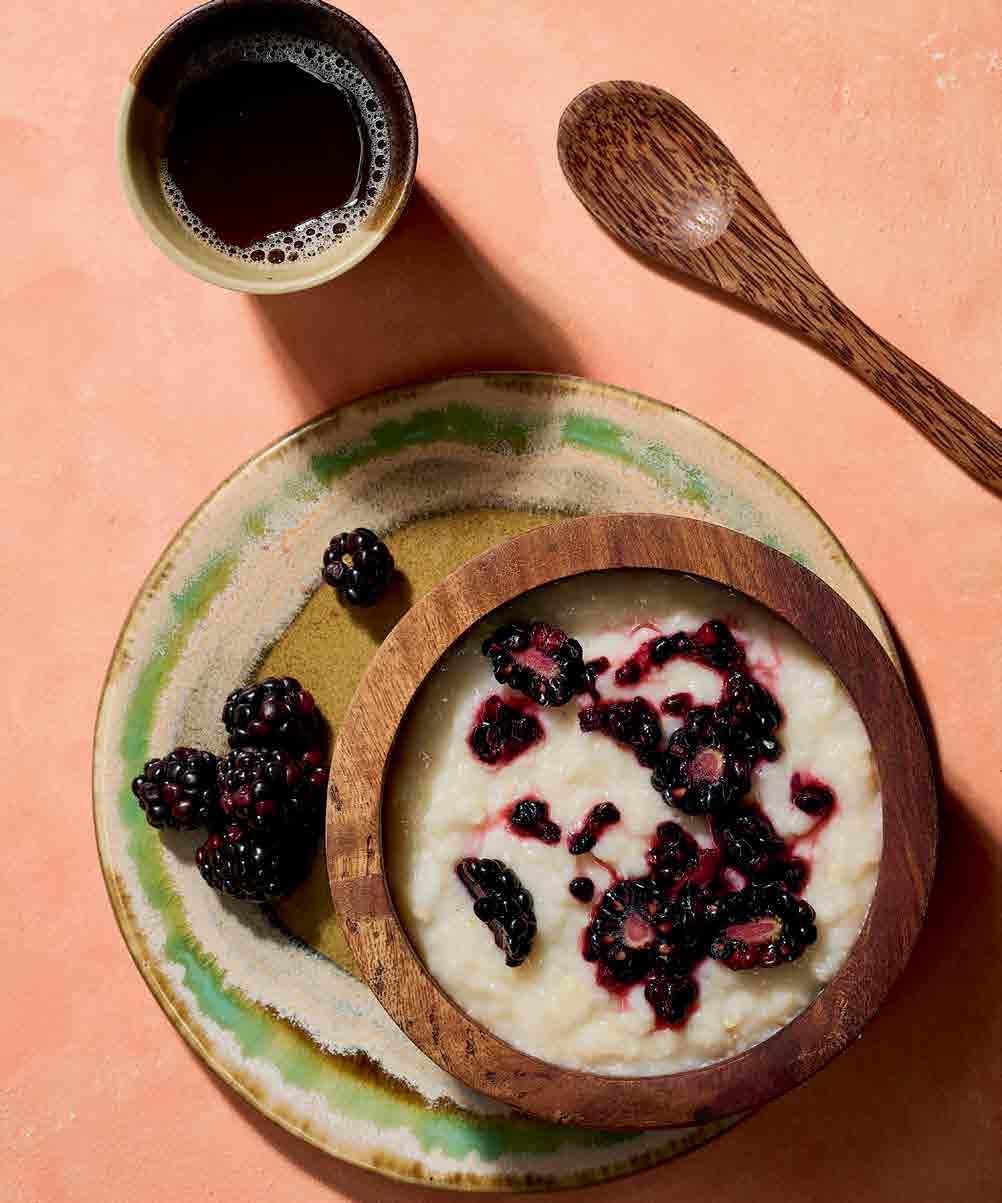
Makes 4 servings
Our friend Kickapoo chef Crystal Wahpehpah shares this beloved recipe for a breakfast porridge using heirloom white corn. In the Kickapoo language, peeskipaateeki is the name for both corn and for dishes made with corn. The kernels get cracked in a high-powered blender before cooking into a porridge that’s lightly sweetened with maple syrup. By leaving some of the corn pieces fairly large, you get an appealing mixture of textures in the porridge. Crystal likes to top this with blackberries, but you can use any berries.
1 cup dried white whole-kernel corn
1 Tbsp. maple syrup, plus more for serving ½ tsp. fine sea salt blackberries, for garnish
1. In a saucepan over high heat, bring 4 cups water to a boil.
2. Place corn in a blender, preferably high-powered, and pulse to crack kernels. Stop when most of corn is finely ground, with a few pieces about the size of small peas.
3. Reduce heat to medium-low. When water is simmering, stir in corn. Cook 40 to 50 minutes, until porridge is thick and creamy, and largest pieces are tender, if a little chewy. Stir porridge occasionally for first 20 minutes, then more frequently as it thickens.
4. Stir in syrup and salt. Divide among bowls. Garnish with berries and serve warm.
Learn more about Indigenous foods and purchase your copy of Turtle Island at seansherman.com.
Reprinted with permission from Turtle Island: Foods and Traditions of the Indigenous Peoples of North America by Sean Sherman with Kate Nelson and Kristin Donnelly © 2025 by Sean Sherman. Photographs copyright © 2025 by David Alvarado. Illustrations copyright © 2025 by Jimmy Dean Horn Jr. Published by Clarkson Potter, an imprint of Penguin Random House.








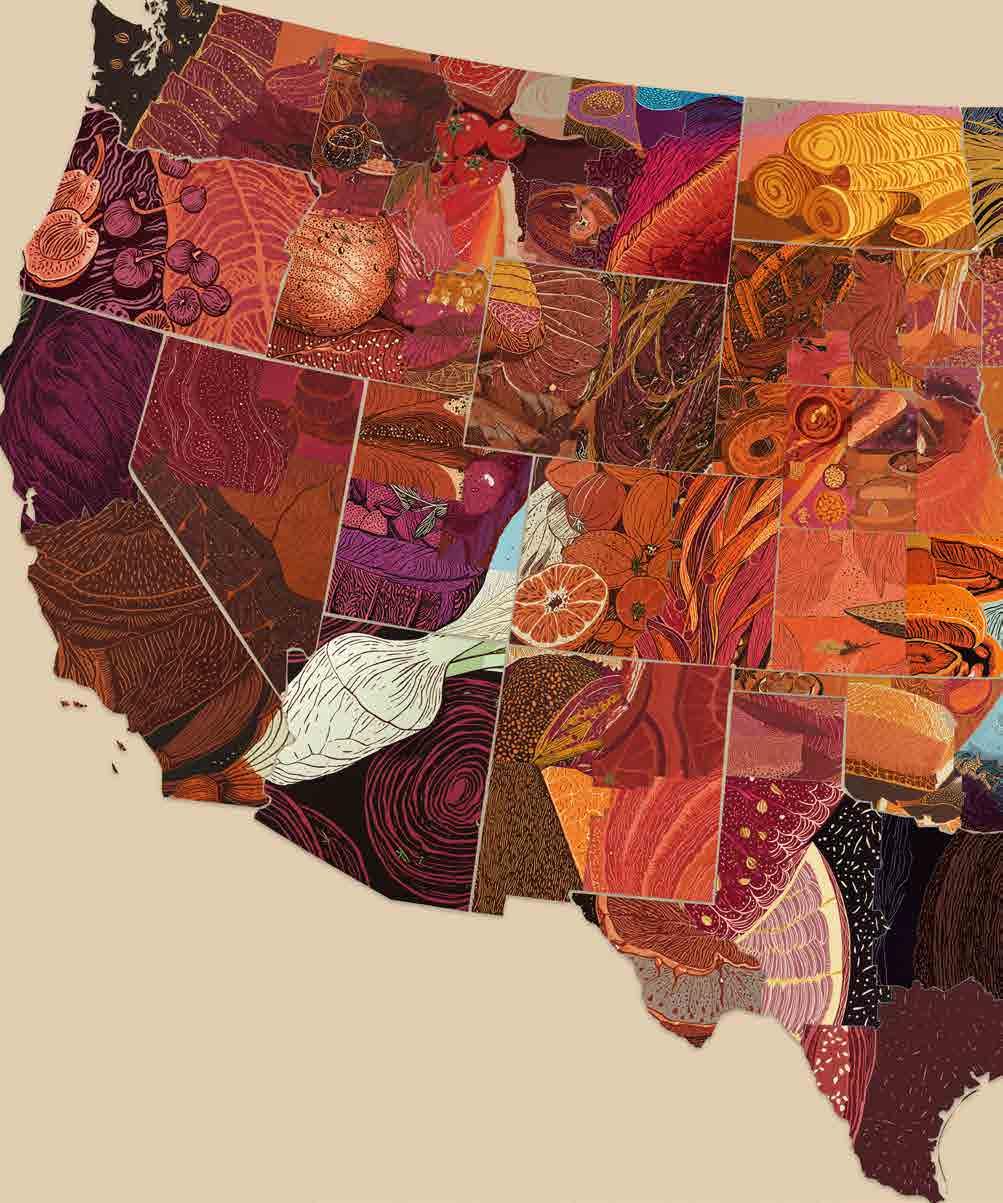
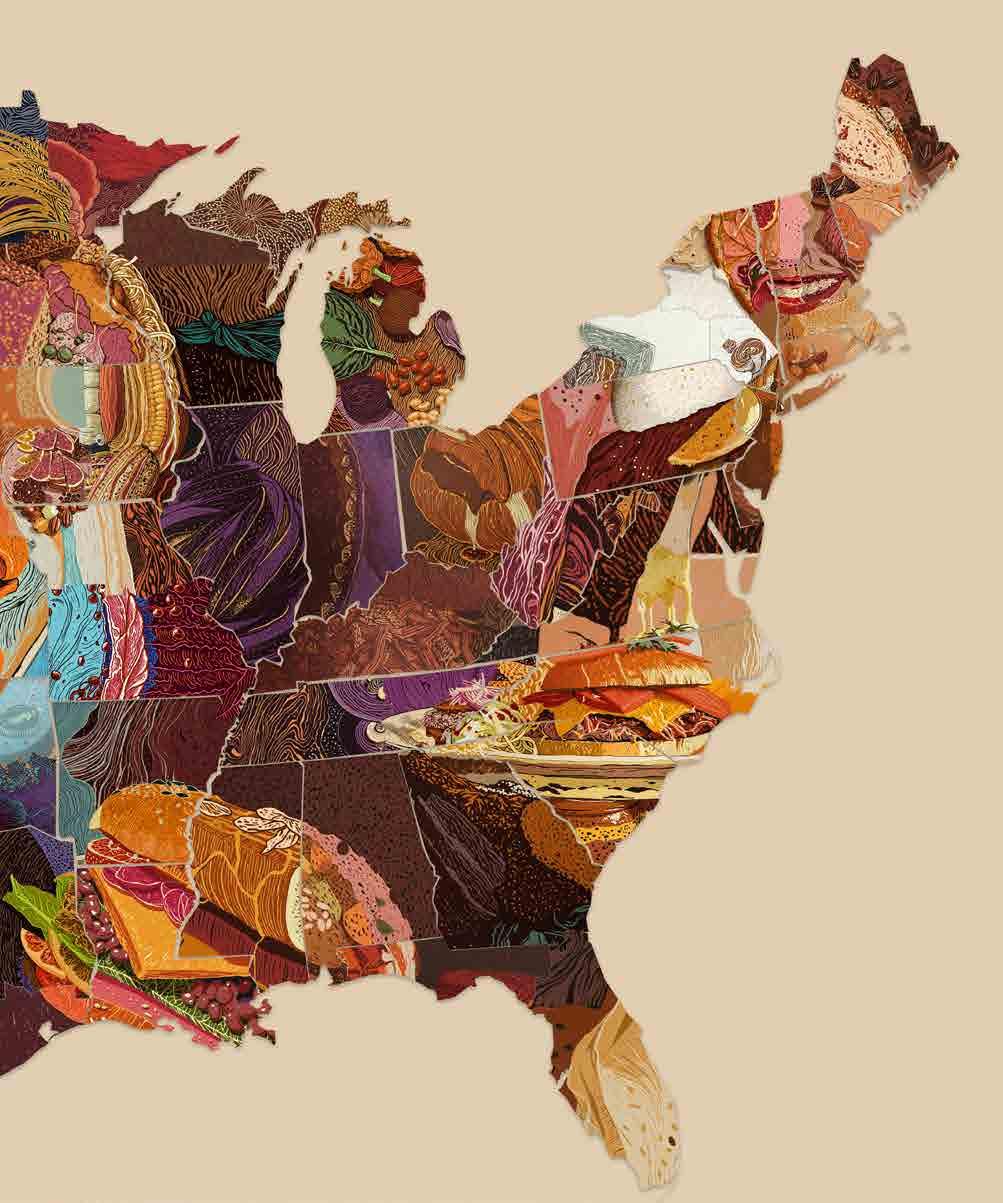
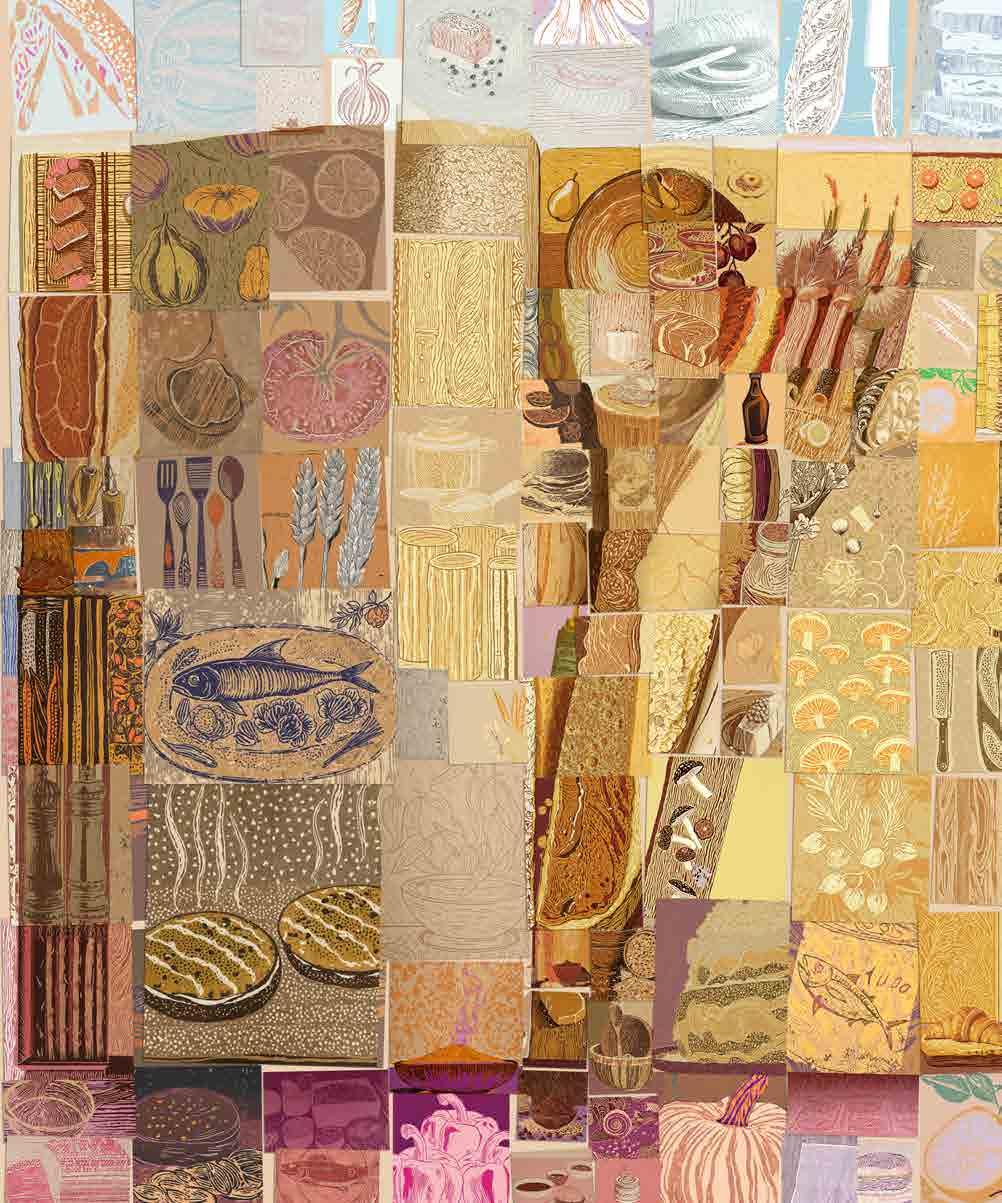
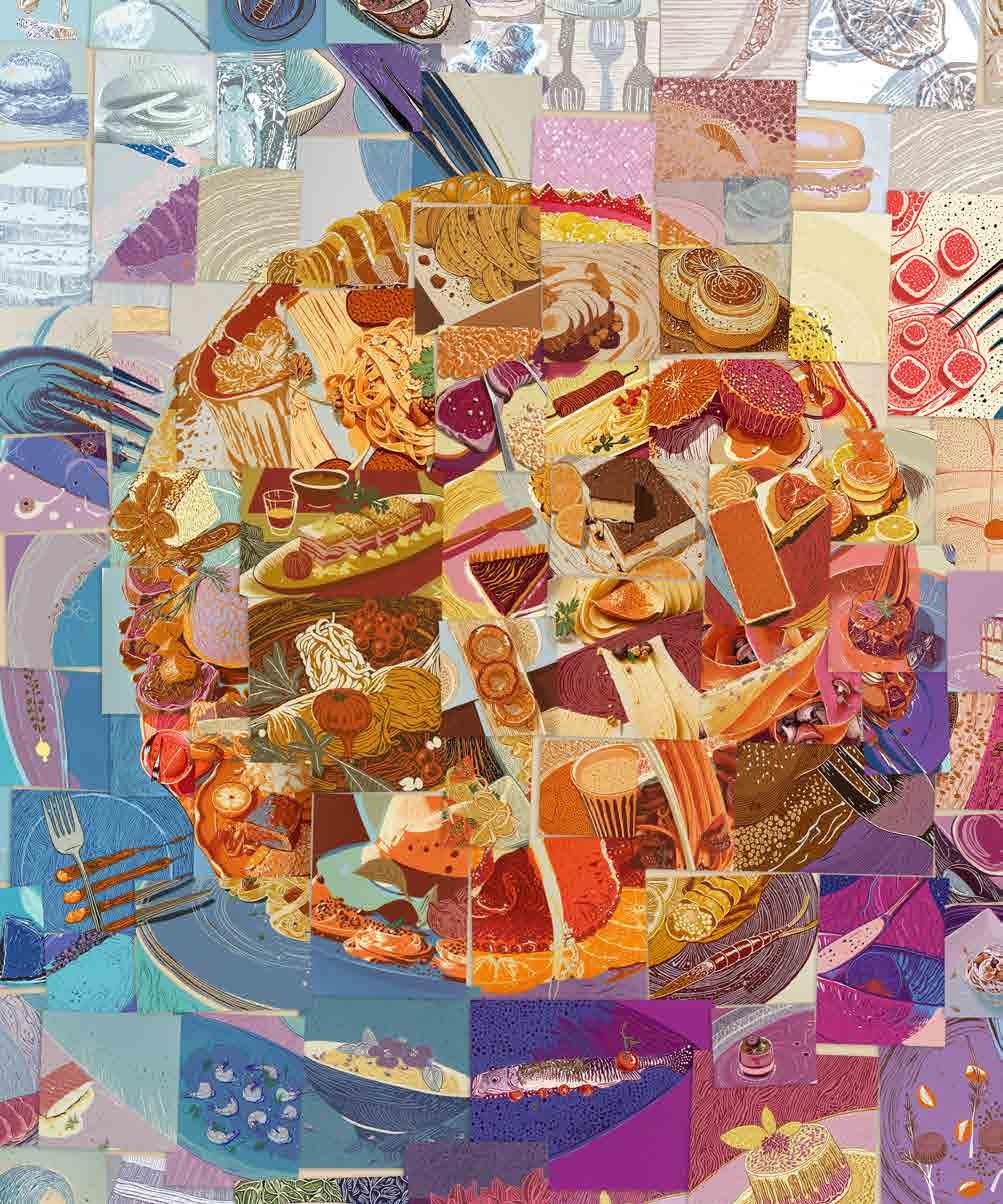
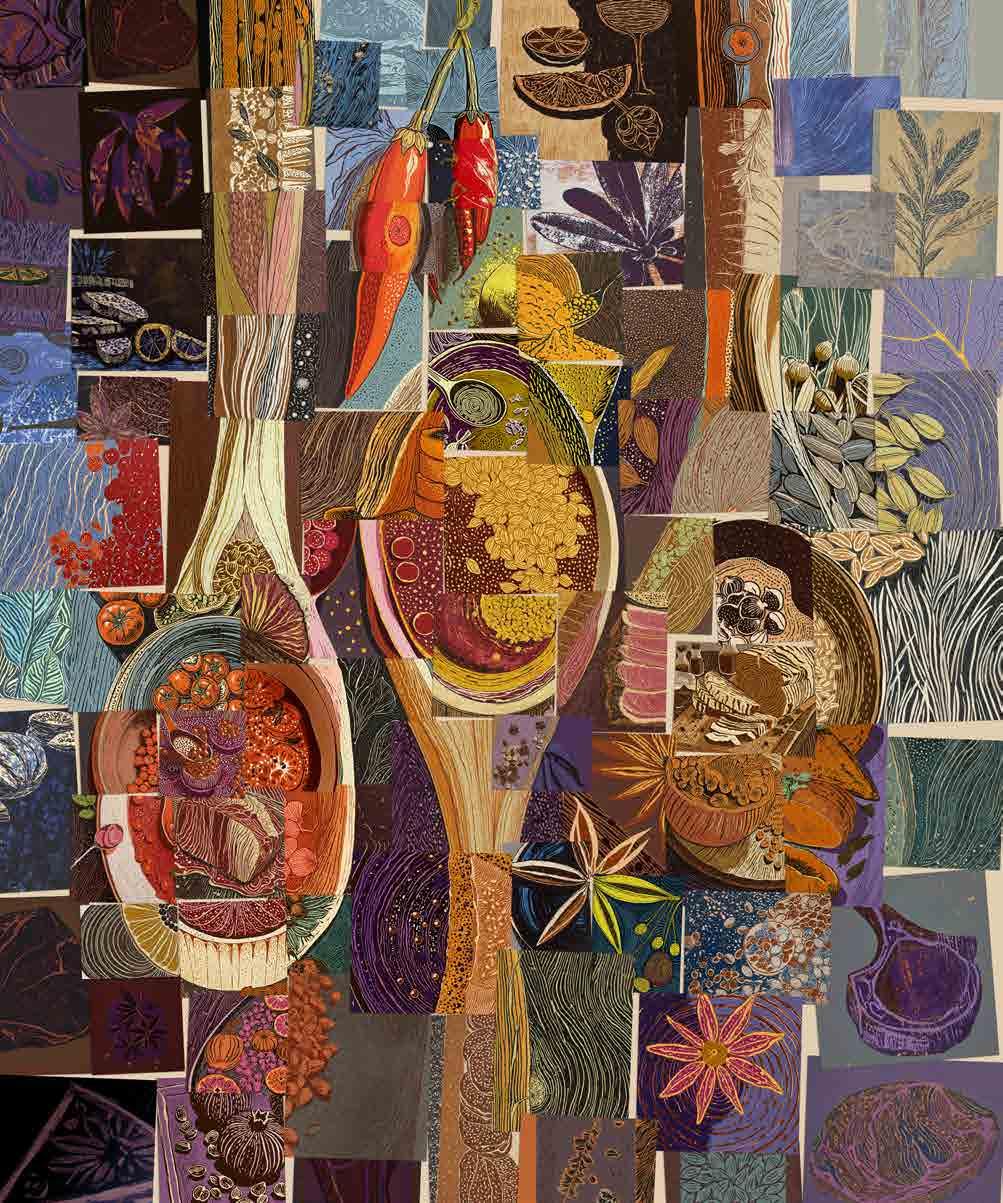
Trailblazing chefs are redefining the cuisine of a 250-year-old country.
BY JEFF GORDINIER
ILLUSTRATION BY
CHARIS TSEVIS




ust as you can learn about a person from the songs they select for a playlist, you can download information about a restaurant and its chef when you take a moment to study the cookbooks on display. At Dunsmoor, a popular Los Angeles restaurant, many of the tomes in the kitchen-shelf library look like textbooks or looseleaf recipe binders from someone’s grandmother or a Southern potluck club. Like a rowdy chorus section, they all seem to sing out the same question: What is American food?
The American Heritage Cookbook A National Treasury of Cookery: Recipes of the Young Republic 1967. Food in the Civil War Era: The South. Flip through Dunsmoor’s books, and you’ll find recipes for United States Senate bean soup, Pennsylvania Dutch braised round steak, Wisconsin bear steak, Boston brown bread, Georgia sweet potato pudding and Virginia corn pudding.
A hungry person could learn a thing or two about the course of American history by spending time with the Dunsmoor display — and that’s the point. Brian Dunsmoor and his team are throwing a nightly party that happens to double as a social-studies lesson. Loving the cornbread studded with hatch chile and suffused with the tang of sour milk? That recipe comes from Edna Lewis, one of the godmothers of Black cuisine in America. Fond of the risotto made with Carolina Gold rice or the Pennsylvania Dutch slippery dumplings with chicken, ham and a magenta-hued egg that has been pickled in beet juice? There are stories behind those preparations and ingredients, too. And the stories go deep.
These days, Dunsmoor is but one institution whose proprietor is asking deeper questions about the meaning, lineage and provenance of American food — and inviting diners to do the same. A new conversation is happening from coast to coast. Once upon a time, you might go to a so-called “American” canteen expecting a bowl of pea soup, a platter of pot roast with mashed potatoes and gravy, and a slice of apple pie.
Things aren’t that simple anymore, but they never really were. A new generation of chefs and cookbook authors sees such complexity as a springboard. So what is American food? At Afrocentric fine-dining atelier Honeysuckle in Philadelphia, Southern-American restaurant Virtue in Chicago and Indigenous restaurant Owamni in Minneapolis, you’ll encounter wide-ranging interpretations that go beyond nostalgia. You’ll eat well, and you’ll learn something.
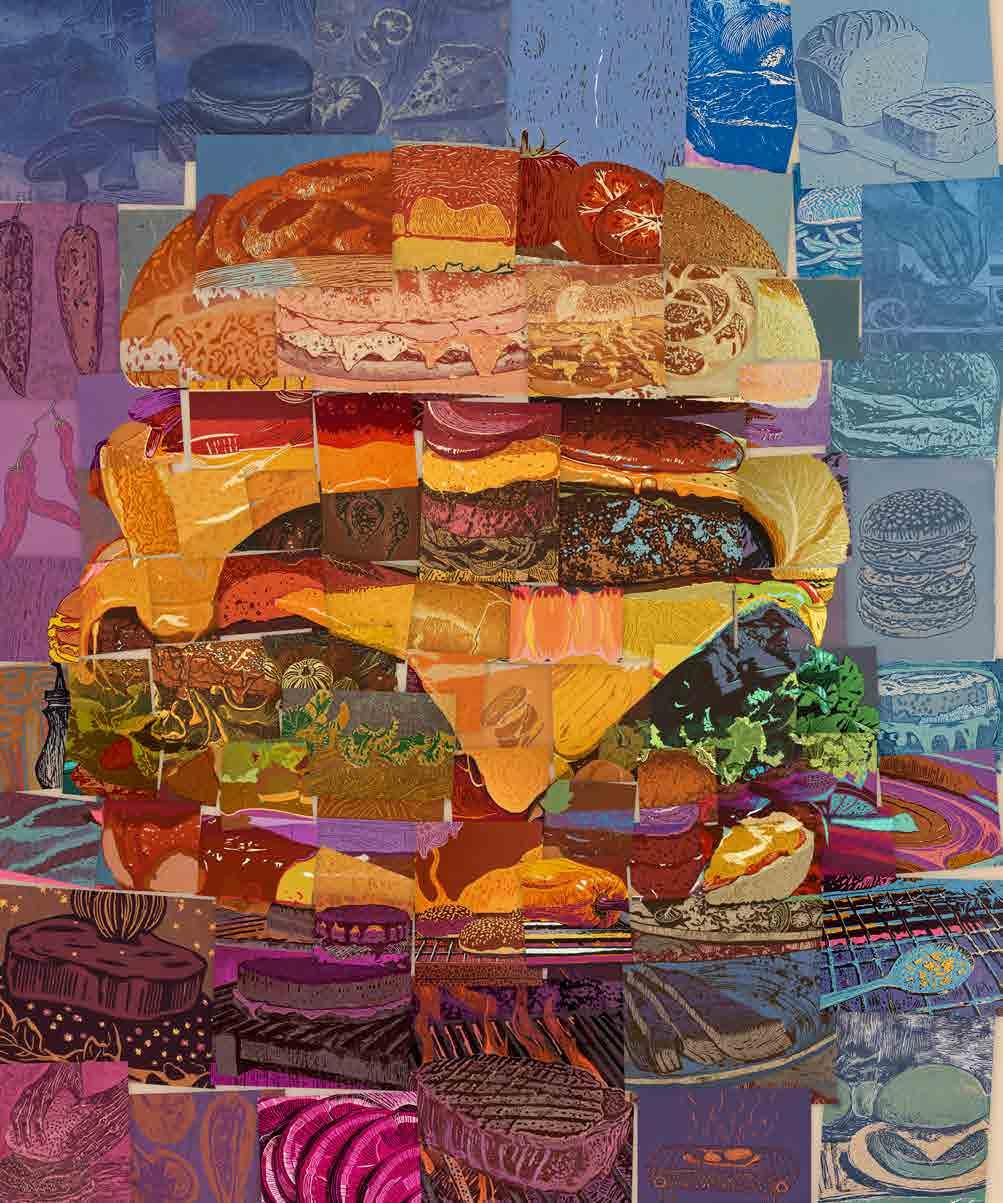
But let’s ask again — what is American food? Travel in Europe, and the locals won’t hesitate to provide you with a quick and dismissive answer: cheeseburgers. The global prevalence of fast-food chains has, in parts of the world, narrowed the conversation about American cuisine to little more than a Happy Meal. Preach all you want about the vastness of the land and the richness of its regional variety — from the New England corridor to the Chesapeake Bay to the Texas Hill Country to the Pacific Northwest — but some wag will still believe that our culinary legacy is confined to the terroir of highway rest stops. Maybe that’s understandable. Placed within the full arc of human progress, the United States of America — even with its 250th birthday around the corner — still qualifies as everyone’s baby sibling.
Because cuisine can’t help but act as a reflection of history, there’s a lot to process. What formed the nation gradually formed what the nation ate. Oppression and bloodshed were present from the start. The continent’s original Indigenous inhabitants depended on ingredients that were endemic to this land, like corn, beans, squash and tomatoes. These Native foodways collided with those of European explorers and settlers, who brought over now quintessential foods like beef, chicken and pork. Brutal waves of chattel slavery meant that African cooking techniques and ingredients such as okra, yams and sesame seeds became part of the American pantry. And over the centuries, immigrants broadened the larder and transformed neighborhoods to such a degree that before long, it would become unusual to encounter a town that didn’t offer a pizzeria, a taqueria, a bagel shop and Chinese takeout.
On the cover of her latest book, Padma’s All American, the former Top Chef cohost poses proudly in front of a mural of Old Glory. Inside, with a nod to the foods she’s encountered while shooting Hulu’s Taste the Nation, she celebrates a different expression of glory: the immigrant cuisines that fill tables and scent kitchens from coast to coast. That includes, but is certainly not limited to, Amazonian tamales, banana lumpia, jerk chicken, pork dumplings, chicken tikka masala, muhammara and tostones. The message resides right there in the title — these dishes are all American, because they’re part of our shared landscape.
“I have always felt Indian and American, but I’ve never felt that others considered me just as American as they were,” Padma Lakshmi — who first arrived in New York City on a flight from New Delhi in the 1970s — writes in the book’s introduction. “I’ve always felt like an outsider. This feeling will be nothing new to most immigrant kids. But in making Taste the Nation, I felt more American than I ever have.” What is American food? Something that’s ever-shifting. As Lakshmi passionately proclaims in her recent tome, the old rubrics have been disintegrating for a while. “Americans purchase more salsa and sriracha than ketchup,” she points out. “And pad thai, sushi, bubble tea, burritos and bagels are as American as apple pie — which, by the way, contains not one single ingredient indigenous to North America! I think the most American dish might actually be barbecue. It’s something so woven into the fabric of American culture — right there with cowboys and the Fourth of July.” What’s American, then, is the delicious result of what happens when everything and everyone converges on this particular continent.

As we approach the 250th anniversary of that holiday, which of course marks the signing of the Declaration of Independence, it’s no coincidence that chefs have paused to think more carefully about what American history looks like on a plate. “I feel fortunate to be a chef at this time,” says Brian Dunsmoor. “Now is when we need to be talking about it the most.” Specifically, they’re talking about how American food has always represented a dovetailing of native ingredients with Indigenous, European, African and Asian interpretations. It’s more evident than ever.
Ari Kolender, who grew up in the history-saturated city of Charleston, South Carolina, and now cooks in Los Angeles, has perfected the art of the raw bar at restaurants such as





Found Oyster and Queen’s Raw Bar & Grill. He also views what he’s doing as something of a study in American culinary history. “For centuries, oysters were the most common food in America,” he says. “This is when our coastlines had an outrageously strong supply — billions, in fact. At that time, oysters were driving American infrastructure. They used to be sold on every street corner in every major city and eaten by every walk of life. Can you find oysters in other parts of the world? Yes. But how we consume oysters is as American as cheeseburgers.”
On the first page of My America: Recipes from a Young Black Chef, Kwame Onwuachi welcomes readers with these words: “Show me an America made of apple pie and hot dogs, baseball and Chevrolet, and I won’t recognize it,” he writes. “That’s a foreign land to me. Maybe that’s someone’s America, but it isn’t mine.” The chef behind Tatiana in New York City and Dōgon in Washington, D.C. grew up in the Bronx, surrounded by the flavors and fragrances of the Caribbean — the street foods of Jamaica, Puerto Rico, Trinidad and the Dominican Republic. Like Lakshmi, Kolender and Dunsmoor, he couldn’t resist asking questions about everything from Carolina Gold rice to coco bread.
When Korean-American chef David Chang first opened Momofuku Noodle Bar in New York City’s East Village in 2004, he refused to classify it as an Asian restaurant, even though the place sold (now iconic) pork belly buns and ramen bowls. “It was always called an American restaurant,”
says Momofuku CEO Marguerite Zabar Mariscal. Chang stuck to that path as Momofuku grew into an unmistakable national brand. “Dave wanted all the restaurants described that way,” Mariscal explains, because they were located in the United States and used American ingredients, yes, but also because he was committed to “challenging the definition of what American food is.”
Tellingly, though, platforms such as Yelp wouldn’t always let that categorization stand. (To this day, Yelp describes Chang’s Los Angeles restaurant Majordomo as not only a “New American” restaurant but also “Korean” and “Asian Fusion.”) “It’s like we couldn’t win,” says Mariscal, who points out that even back in the 1980s, Wolfgang Puck — an Austrian immigrant using California ingredients in his own interpretation of Chinese dishes at his restaurant Chinois — was celebrating the way that cooking can “illustrate the American transformation of diversity into unity. What people accept as the norm has grown.” This is why Super Peach, Momofuku’s new family-friendly concept in the Westfield Century City mall on Los Angeles’ Santa Monica Boulevard, serves kimbap and Korean fried chicken wings — and, as David Chang insisted more than two decades ago, proudly calls itself an American restaurant.
It’s also why Alewife, a restaurant in Richmond, Virginia, waves a flag for Mid-Atlantic seafood while simultaneously celebrating the immigrant communities that populate the region. To wit: There’s wasabi in the buttermilk dressing, and there’s fried perch in a green curry. “For us, it has all gotten rattled together,” says owner and acclaimed Southern chef Lee Gregory. “We’re influenced by what’s around us.” Arguably the most popular dish? Deep-fried clam strips seasoned with a powdery blend of Old Bay and Sichuan spices. With each bite, waves of American history crest and converge.





NANCY SILVERTON
Los Angeles–based chef, restaurateur and author
“I’m going to say the cheeseburger. It went out and conquered the world.”
Can a single dish or ingredient convey the essence of American cuisine? We asked some of the country’s top chefs and cookbook authors — and got both expected and surprising answers.
ANDREW ZIMMERN
Minneapolis-based chef, author and producer
“Barbecue, in all of its regional dialects, is the closest thing we have to a shared edible mythology in a nation built on the backs of those who came here. It reflects methodologies of historic cooking techniques utilized by Indigenous peoples who have called this continent home for thousands of years, too.
In the most general sense, it carries every line of our national story in its smoke: migration, ingenuity, injustice, resilience and the stubborn belief that we can make something better if we tend the fire long enough.”
TANYA HOLLAND
Bay Area, California–based chef, restaurateur and author
“Cornbread, especially when it’s cooked in a cast-iron pan. As I travel globally, I rarely encounter the same level of obsession with and production of corn that we see in the United States. It’s an incredibly versatile and delicious ingredient that’s ingrained in our culinary culture — from breakfast cereals and grilled street food to relishes and desserts. Even imported dishes like tamales and polenta are part of our cuisine.”
JOHNNY ORTIZ-CONCHA Taos, New Mexico–based chef
“In northern New Mexico, where my cooking is deeply based, something like carne seca is a great example. Traditionally, it is wild game meat hunted before the cold seasons, seasoned with desert salt and some wild herbs, and then dried in the sun to be stored and eaten until the warm seasons.”
EDWARD LEE
Kentucky-based chef, restaurateur and author
“American cheese represents the best and the worst of who we are: artificial yet delicious, affordable yet delicate, maligned yet beloved. A processed invention that has illogically won the hearts of chefs and home cooks alike — and will likely outlast most of our foodie trends.”
BRYANT NG Los Angeles–based chef and restaurateur
“Practically every town in the United States has a Chinese restaurant, and every single person you talk to has some reference point for Chinese American food. You see people eating from those little pagoda takeout boxes in tons of movies — The Godfather, The Lost Boys, The Incredibles. Chinese American food was created here by immigrants adapting to American ingredients and tastes, and it’s now intertwined with everyday American life. So, by that logic, orange chicken is the most American dish.”


For Erick Williams, the James Beard Award–winning chef at Virtue on Chicago’s South Side, it all comes back to the gizzards. “That’s the cornerstone of our cooking,” he says, “because it’s an off-cut that we take the time to display.” You could make the argument that Virtue is, in part, a restaurant about the history of the Great Migration, the period in the 20th century during which millions of Black Americans moved to Chicago and other Northern cities from the South. “How do we say South without saying South?” Williams asks. Gizzards (chewy nuggets from a chicken or turkey’s digestive tract) can be found at gas stations throughout the South. At Virtue, they’re offered crispy and fried on a bed of Carolina Gold rice that’s blended with scoops of chicken liver mousse. It’s a sociology lesson you can’t resist devouring.
Indeed, a conversation with Williams can feel like a graduate-level seminar on American culinary history.
“When millions of Black families left the South during the Great Migration, they carried more than memories,” he says. “They carried recipes, tools and tradition. Cast-iron pans wrapped in newspaper. Rice in jars. Written reminders of how long to simmer greens, when to add smoke and how to stretch a meal to feed a crowd.” Should you run out of time chatting with Williams, he may follow up with an email listing some of the classics of Black gastronomy worthy of a shout-out in any panoramic look at American food: whole hog barbecue, jambalaya, Delta tamales, red beans and rice, collard greens, potato salad, fried green tomatoes, stewed okra, smothered cabbage, cornbread, pecan pie, sweet-potato pie, hush puppies, moonshine, persimmon wine (unfortunately we need to stop here because of space limitations, but you get the idea).
As Williams makes clear, you can’t talk about American cuisine without talking about the countless contributions and innovations of Africans who were forced onto our shores and into our fields through the practice of slavery. For decades, though, conversations about the undeniable Blackness of American food were shooed off to the margins, and it’s only through the persistent efforts of chefs, scholars and writers such as Dr. Jessica B. Harris, Alexander Smalls and Michael W. Twitty that such history is no longer being ignored. In fact, the past decade has ushered in a renaissance of Black culinary expression. Virtue is but one example. Restaurants such as the Grey in Savannah, Georgia; Honeysuckle in Philadelphia; and Alta Adams in Los Angeles remind us that “American cuisine,” as we understand it, would not exist without the genius and resourcefulness of the Black kitchen.
For Tanya Holland, a trailblazing California chef focused on exploring and expanding Black culinary traditions at her groundbreaking and much-missed Bay Area restaurant, Brown Sugar Kitchen, the genesis of American food can probably be located in a single kernel: corn. With this ingredient, Indigenous agriculture knowledge converges with a West African approach to cooking, and a whole new cuisine is born. “Corn has been the subject of dedicated cookbooks, films and folklore,” she says. “We are devoted to liquor made from corn, particularly bourbon. Our national production and use of corn oil contribute more than $6 billion to the global economy.”










So what is American food? With all of the intertwining streams of influence to consider — Indigenous, European, African, Asian, Latino, not to mention the striking regional differences between New Orleans and New York City or Boston’s Back Bay and California’s Bay Area — it’s clear that there is no one easy stock definition. And then there’s the proverbial elephant in the room. “Globally, the hamburger is shorthand for American cuisine,” says Grant Achatz, chef and owner of Chicago’s trailblazing Alinea. “The image of the burger symbolizes American culture. Chefs have gone highbrow and lowbrow — reinventing it, making it fusion, creative, luxury, gourmet, artisanal and viral. Every American has had one, and some people have multiple burgers a week. It’s delicious when done correctly with good ingredients.” But even if we were to gather in a transcontinental huddle and come to the conclusion that, yes OK, cheeseburgers represent the ultimate expression of American terroir, which cheeseburgers would we be talking about?
In November 2023, George Motz opened a spot called Hamburger America on the southern edge of Greenwich Village in New York City. He views himself as “one of the true protectors” of the legacy of American burgers, and he created this new-age institution not only to replicate the sounds, smells and sizzles of a prototypical smashburger joint but also to teach us something about our shared inheritance.
“It had to have a deeper context,” he says. “It had to have historical context. And I realized that no one had ever done that before.” You notice it as soon as you step into the Houston Street establishment, which looks and sounds like a Grease movie set. Customers perch on barstools the color of baseball-stadium mustard and long spatulas press thin patties and
onions into the griddle, creating a hissing sizzle. To give you an example of Motz’s granular attention to detail: When you sit down at that counter and hear the clank of ceramic plates in a bus tub, that’s intentional, he says, “because the sound that that makes is exactly what you need to hear to put you in that specific place.”
But what draws people back to Hamburger America for repeat visits? The specials. Each month, Motz and his team offer a pitch-perfect recreation of a local burger from somewhere on the American landscape, and they do so with the sort of accept-no-substitutes fussiness of the Daniel Day-Lewis character in Phantom Thread
Maybe you encounter the Galley Boy cheeseburger, the famous offspring of Swensons Drive-In in Akron, Ohio, which is identified by the pimentostuffed olive that crowns it on a bun-piercing toothpick (“That’s the only way it’s a Galley Boy,” Motz assures). Maybe another month you swing by to try the green chile cheeseburger from the Owl Bar and Cafe in San Antonio, New Mexico, which “hit the menu at Owl Bar while scientists from the Manhattan Project were testing the first atomic bomb in the mid-1940s at the nearby White Sands Proving Ground,” as Hamburger America explains on Instagram. Another time you’ll find the chili cheeseburger from Ben’s Chili Bowl in Washington, D.C., a Black-owned landmark of the Civil Rights Movement, featuring the Ali family’s distinctive chili sauce delivered directly from the nation’s capital. Perhaps you’ll be lucky enough to encounter the Doodleburger from the now-shuttered Yankee Doodle in New Haven, Connecticut, which arrives with a dandy paper ramekin full of red relish. Motz witnessed a few Yale University graduates moved to tears when they saw that flourish.
“These are the details you have to get right,” says Motz. “The history of the hamburger has been lost in America, and most of its history has to do with its regionality, so I get very excited feeding people historically accurate versions of these burgers.”
It’s history, it’s lunch and it’s democracy all at the same time. And somehow, it tastes more delicious the more you learn about the folks and the stories behind it. To eat at Hamburger America, Virtue, Super Peach or Dunsmoor is to realize that we’re all part of a vast, interconnected, ongoing movement of shared plates and shared ideas. From that awareness comes an extra ramekin of nourishment. What is American food? Well, what are you about to eat next? Therein lies your answer.














coldwell banker Realty
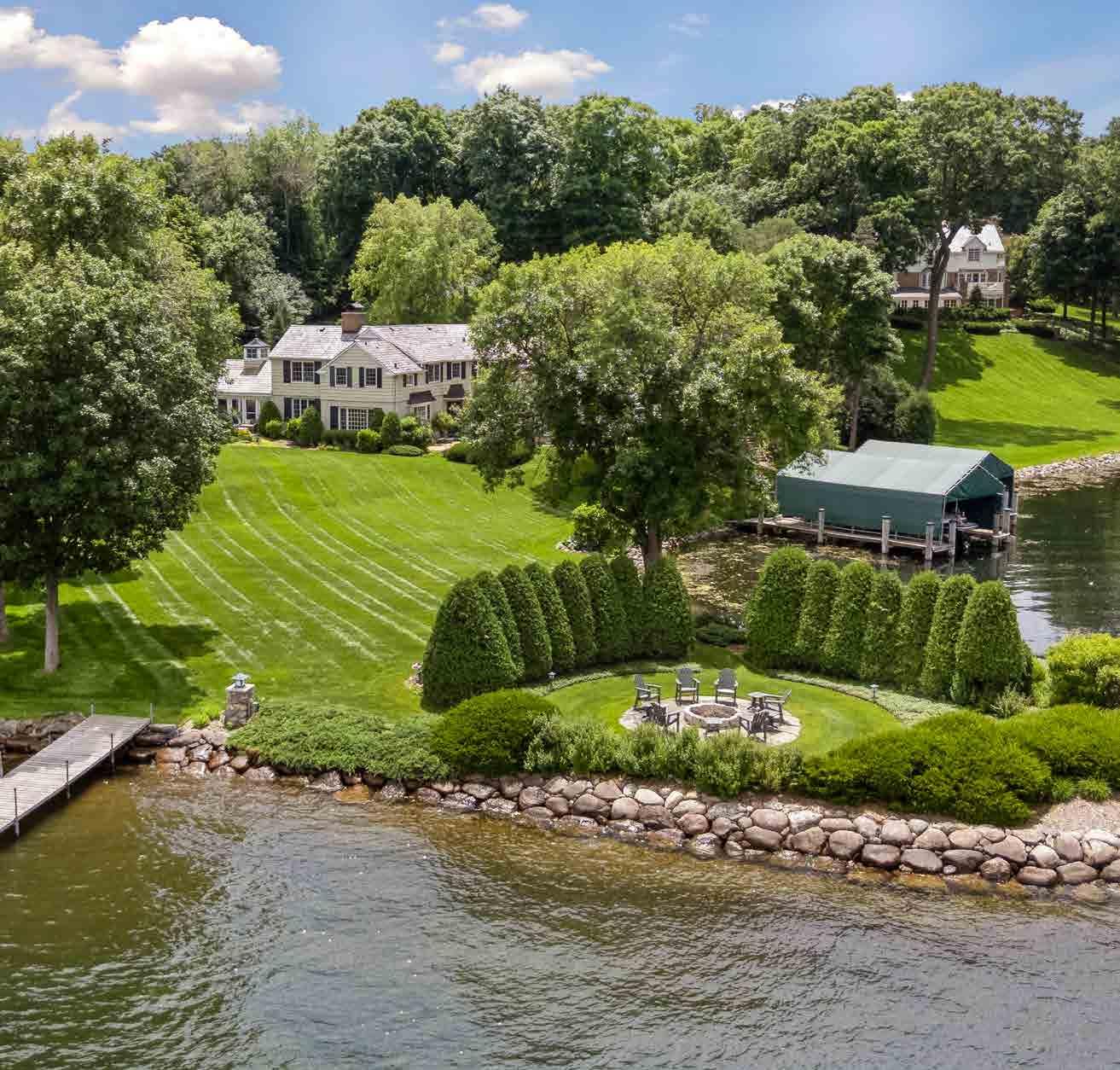

As we welcome spring, I’m proud to share that Coldwell Banker Realty has once again been named the #1 real estate company in Minnesota for luxury home sales and #1 in the Twin Cities metro based on 2025 statistics. To lead the market at this level is a privilege and it reflects the strength of our brokerage, the expertise of our agents, and most importantly, the continued trust of our clients. We are honored to serve as the brokerage setting the standard for luxury real estate across Minnesota.
The luxury market continues to demonstrate resilience and momentum. While inventory remains selective, well-positioned properties continue to command strong attention and competitive interest, particularly in the upper-tier and cash-driven segments of the market.
This spring, we are especially excited to introduce Luxury Homes by the Water, a private, curated showcase taking place May 17, 2026. This elevated tour is designed to introduce qualified luxury buyers to a limited collection of homes during the most impactful time of the lake season. Homes included in Luxury Homes by the Water benefit from targeted exposure through the Coldwell Banker® Global Luxury network, strategic buyer outreach, and thoughtful positioning designed to drive competition and deliver premium results. Participation is limited and by invitation, ensuring a refined and intentional experience for both sellers and buyers alike.
T h e T w i n C i t i e s l u x u r y m a r k e t r e m a i n s s t r o n g a s w e h e a d i n t o w i n t e r H i g h - e n d b u y e r s c o n t i n u e t o s e e k h o m e s w i t h s m a r t t e c h n o l o g y , e x p a n s i v e o u t d o o r l i v i n g s p a c e s , a n d d i s t i n c t i v e a r c h i t e c t u r a l d e t a i l s E v e n a s i n v e n t o r y s t a y s l i m i t e d , w e l l - p o s i t i o n e d l u x u r y p r o p e r t i e s a r e d r a w i n g c o m p e t i ti v e o f f e r s W e ’ r e a l s o s e e i n g t h a t m a n y l u x u r y b u y e r s a r e l e s s i m p a c t e d b y i n t e r e s t r a t e s h i f t s , o f t e n p u r c h a s i n g w i t h s u b s t a n t i a l d o w n p a y m e n t s o r c a s h c r e a t i n g u n i q u e
o p p o r t u n i t i e s f o r b o t h b u y e r s a n d s e l l e r s i n t o d a y ’ s m a r k e t
If you are considering selling and would like to explore showcasing your home as part of Luxury Homes by the Water, we would welcome a confidential conversation.
Thank you for your continued partnership and trust. As we move into the season ahead, we remain committed to delivering exceptional representation and results at every level of the market.
T h a n k y o u f o r c h o o s i n g C o l d w e l l B a n k e r R e a l t y t o g u i d e y o u r r e a l e s t a t e
j o u r n e y A s w e s t e p i n t o a n e w

Brian Bolier Regional Vice President Minnesota and Western Wisconsin Coldwell Banker Realty
1 in 4 luxury homes sold in the 13-County Twin Cities Metro are



2789 PHEASANT ROAD | ORONO
5 BR 6 BA | $6,750,000
Exquisite coastal-style home with timeless design and thoughtful details throughout, including coffered ceilings, enameled woodwork, and walls of glass showcasing miles of southerly views over Lake Minnetonka. Level lawn, boathouse, and crystal-clear water.

245 LAKEVIEW AVENUE | TONKA BAY
4 BR 4 BA | $3,100,000
Prime Lower Lake Minnetonka lakeshore with clear water, hard sand bottom and level lakeside lawn. Kathy Alexander-designed and Ador built, this home lives like new construction. Panoramic views of the water stretch across to Excelsior and beyond.

2938 NORTHVIEW ROAD | MINNETONKA BEACH
3 BR 3 BA | PRICE UPON REQUEST
Charming cottage in the heart of Minnetonka Beach! Complete rebuild in 2009, with a high level of finishes throughout. A+ location--steps to Lafayette Country Club and Dakota Trail. Dock slip available through the city. Orono Schools.


3758 WOODLAND COVE PARKWAY | MINNETRISTA
5 BR 7 BA | $3,895,000
Shingle-style home on Lake Minnetonka in The Cove, set on over one acre with 156 feet of shoreline and three private dock slips. Special features include a gourmet kitchen, lakeside porch with fireplace, resort-style pool, and multi-sport court.

3600 TUXEDO ROAD | MINNETRISTA
4 BR 4 BA | $2,795,000
Lake Minnetonka lakeshore artisan-style home with two main-level suites, great room, lakeside porch and deck. Panoramic views from nearly every room. Walkout lower level with bar and family room. 100' of sandy shoreline, boathouse and firepit.

2463 BLACK LAKE ROAD | SPRING PARK
3 BR 4 BA | PRICE UPON REQUEST
Lake Minnetonka beach house! Panoramic west-facing views, crisp white interior with hardwood floors and custom built-ins. Minutes to restaurants, shopping and steps to the Dakota Trail. Move-in and enjoy the lake this summer!

614-256-8500
shane.spencer@cbrealty.com shanespencer.com
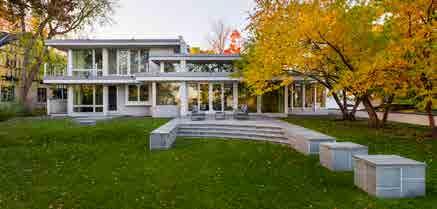
4855 E. LAKE HARRIET PARKWAY | MINNEAPOLIS
4 BR 4 BA | $5,000,000

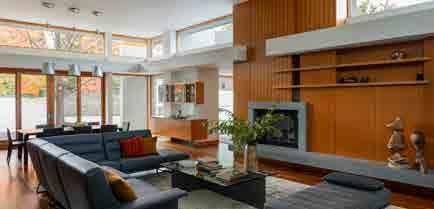
Architect-designed Stinson-Streeter home on Lake Harriet blending commercial-grade construction with warm modern design. Walls of glass, Douglas fir, lakefront terraces, studio suite, 4+ car garage, and expansion potential—an exceptional Minneapolis legacy property.
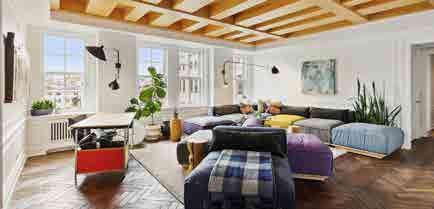
510 GROVELAND AVENUE, #304 | MINNEAPOLIS
2 BR 3 BA | $1,495,000
A rare double-corner gem at 510 Groveland. Apartment 304 blends 1920s charm with modern luxury: chef’s kitchen, marble-clad baths, primary suite fireplace, skyline views, and curated interiors—all in one of Minneapolis’s most iconic addresses.

45 UNIVERSITY AVENUE SE, #904 | MINNEAPOLIS
2 BR 2 BA | $1,149,000
Stunning skyline views meet designer renovations in this exceptional residence, featuring multiple terraces, EV parking, and thoughtfully curated interiors throughout. Contact me for exclusive pre-market opportunities in this coveted community.

512 JANALYN CIRCLE | GOLDEN VALLEY
4 BR 4 BA | $1,445,000 Storybook charm meets modern luxury in this Tyrol Hills gem. Renovated kitchen, dreamy
of surprises, character, and soul.

345 6TH AVENUE N., #405 | MINNEAPOLIS
3 BR 2 BA | $890,000
Incredible Bookman Stacks loft with 3 beds, 3 baths & prime parking. Floor-to-ceiling glass showcases stunning downtown skyline views, plus a large private terrace and separate storage. Walk to everything the North Loop has to offer!


20670 LINWOOD ROAD | DEEPHAVEN
5 BR 9 BA | $22,000,000
Unprecedented Lake Minnetonka estate with an exquisite level of finish. Enjoy panoramic water views overlooking 350' of level lakeshore with waterside boathouse. Designed by Stinson + built by Streeter, this home was executed to perfection!
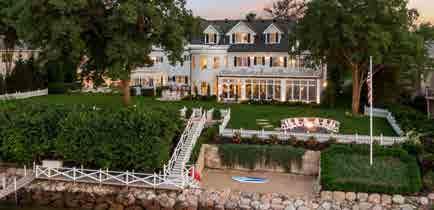
20100 LAKEVIEW AVENUE | DEEPHAVEN
5 BR 7 BA | $12,500,000
The Hamptons on Lake Minnetonka! Landmark Cottagewood residence offering unparalleled finishes + details; indoor sport court; exercise room; outdoor entertaining area with pool + built-in firepit. 175' of lakeshore with private beach!

4889 E. LAKE HARRIET PARKWAY | MINNEAPOLIS
5 BR 6 BA | $4,450,000
Stunning Lake Harriet masterpiece designed by Chris Light and flawlessly executed! Enjoy beautiful water and Minneapolis skyline views; stunning architecture and high-end details. Heated 6-car garage; putting green and space for a pickleball court!


1535 BOHNS POINT ROAD | ORONO
6 BR 9 BA | $13,900,000
Breathtaking Sharratt Design + John Kraemer & Sons collaboration offering a world-class combination of timeless architecture and modern amenities including indoor sport court. Enjoy 190' of level lakeshore featuring west-facing sunset views!

240 SALEM CHURCH ROAD | SUNFISH LAKE
5 BR 9 BA | $7,195,000
Exquisite Sunfish Lake estate designed by Peter Eskuche + built by Nor-Son! Breathtaking home offering an open floorplan showcasing endless nature views overlooking 10+ acres. Main-level primary suite, sport court, pool, guest house & 7-car heated garage.

1595 LOCUST HILLS CIRCLE | WAYZATA
4 BR 5 BA | $4,250,000 | PENDING
Turn-key home in Wayzata's Locust Hills Neighborhood! Enjoy low-maintenance living with deeded dock on Lake Minnetonka’s Gray’s Bay! Landscaped to maximize privacy. HOA maintains: 2 miles of walking trails, pool, club house & boat slip. Walk to Wayzata!
612-597-0424
JDewing@CBRealty.com
JeffreyDewing.com

6
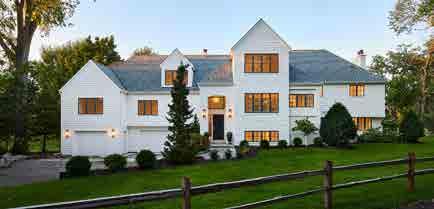


4

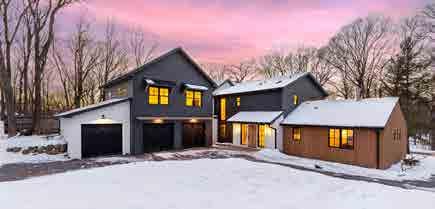

BARRY BERG
612-670-3600
barry@berglarsengroup.com
berglarsengroup.com

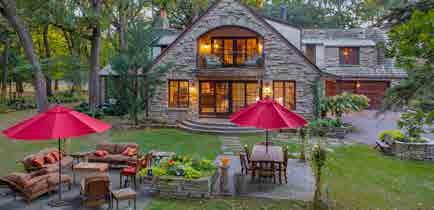
5117 SCHAEFER ROAD | EDINA
6 BR 8 BA | $5,250,000
Magical best describes the joy and charm of this unrivaled 2.36 acre estate which includes the handsome stone original Schaefer estate, whimsical 2-story guest house, rolling terrain, water features, putting green and numerous terraces.

715 RICE STREET E. | WAYZATA
3 BR 5 BA | $3,998,000
Spectacular reimaging of this downtown Wayzata home. Modern, updated main floor plan. Three-bedroom ensuites and two offices on second floor. Fully relandscaped with custom metal retaining wall, paver driveway, fireplace and fountain.

2740 W. LAKE OF THE ISLES PARKWAY | MINNEAPOLIS
5 BR 5 BA | $2,995,000
One of the truly grand properties on Lake of the Isles with commanding views of both the downtown skyline and Lake of the Isles. Carriage house with double garage and open studio space above, 2nd double garage and circular rear drive.
CHAD LARSEN
612-968-6030
chad@berglarsengroup.com
berglarsengroup.com

4649 E. LAKE HARRIET PARKWAY |
5 BR 6 BA | $4,250,000
One of the most architecturally significant homes in Minneapolis. Virtually irreplaceable with custom finishes throughout and stunning views over Lake Harriet. A once-in-a-lifetime opportunity to own this solidly built and lovingly cared for home.

2774 W. LAKE OF THE ISLES PARKWAY | MINNEAPOLIS
5 BR 6 BA | $3,394,000
Iconic Georgian three-story set on a large, sun-filled lot at the SW corner of the Lake. Fabulous addition with an open kitchen and family room that compliments the home's classic elements. Large yard with patio and stunning gardens.

2400
5 BR 5 BA | $2,895,000
Enhanced by a phenomenal 2009-2010 expansion, this home takes advantage of its lake setting with views from virtually all public rooms. Traditional detailing and updated living spaces. Rear terrace with pergola, side terrace & 2-car garage.
BARRY BERG
612-670-3600
barry@berglarsengroup.com berglarsengroup.com

2635 NEWTON AVENUE S. | MINNEAPOLIS
6 BR 5 BA | $2,395,000
Exceptional views of Lake of the Isles. Extensively remodeled & updated with handsome new kitchen, newer baths, and fully renovated lower level family room areas. Four generous 2nd level bedrooms plus a maids’ wing.

1725
5 BR 4 BA | $1,650,000
Exquisite 5-bedroom, 4-bath Lowry Hill home blends classic craftsmanship with modern sophistication. Set on a beautifully landscaped double lot. The chef’s kitchen features luxurious marble countertops, premium appliances, and ample cabinetry.

14898
4 BR 4 BA | $975,000
Lovingly maintained 4 bedroom, 5 bath home overlooking woodlands. Main level kitchen/ family room, formal dining, bedroom/study, mudroom, laundry & attached 3-car garage. Three bedrooms, two baths up. Walkout lower level with family room and office.
CHAD LARSEN
612-968-6030
chad@berglarsengroup.com berglarsengroup.com

4600 FREMONT AVENUE S. | MINNEAPOLIS
5 BR 5 BA | $2,200,000
Experience refined historic character and modern living updates in this extraordinary 5 bedroom, 5 bath home. 2005 addition creates a bright, open concept kitchen/family room. Oversized fenced yard with triple attached garage and sport court.

5 BR 3 BA | $1,195,000
Set on one of Kenwood’s most desirable streets, this lovely 5 bedroom 3-story is offered for the first time in over 30 years. Remodeled center island kitchen with access to the rear deck, terrace, fenced yard and attached two car garage.

2740 THOMAS AVENUE S. |
3 BR 2 BA | $999,000
Exceptional opportunity on an expansive double lot in Cedar-Isles-Dean neighborhood. Parcel offers remarkable potential for a new construction home. Whether envisioning a modern masterpiece or a timeless classic, this site provides the ideal canvas.

952-476-3618
drew@drewhueler.com drewhueler.com

547 HARRINGTON ROAD | WAYZATA
5 BR 5 BA | $9,850,000
Steeped in Wayzata history, this Lake Minnetonka estate is set on 2.22 acres with 337' of shoreline, it features stunning views, lush gardens, historic trees, and a charming stone boathouse on a curved point. Co-listed with Meredith Howell.

28160 BOULDER BRIDGE DRIVE | SHOREWOOD
5 BR 5 BA | $3,349,500
Stately home in prestigious Boulder Bridge. Recently remodeled by MartinPatrick3 and JNBuilt. This home features a resort-esque backyard, dual primary suites, and a 4+ stall heated garage.

15 QUEENSLAND LANE N. | PLYMOUTH
3 BR 3 BA | $2,050,000
Modern luxury on 1.59 private acres, a short walk to downtown Wayzata. Features an infinity-edge saltwater pool, 3-season screened porch with fireplace, exotic woods, trail access, and west-facing water views with abundant wildlife.


2505 CEDAR POINT DRIVE | WOODLAND
4 BR 6 BA | $7,895,000
European-inspired lakeside home featuring solid oak floors, detailed trim, and rare craftsmanship. Thoughtful updates include a new kitchen, baths, heating, and landscaping, with peaceful sunrise views year-round. Co-listed with Meredith Howell.

540 RICE STREET E. | WAYZATA
3 BR 4 BA | $2,650,000
Downtown Wayzata gem with year-round Lake Minnetonka views. Features illuminated onyx, custom woodwork, brass staircase, rooftop deck, spa-like primary suite, radiant floors, and walkable lakefront dining. Co-listed with Meredith Howell.

1555 ORCHARD BEACH PLACE | ORONO LOT/LAND | SOLD
Rare southwest-facing lakeshore property with 150’ of shoreline and a grandfathered boathouse. First time available since 1948. Enjoy sunsets over West Arm Bay from a level lawn under mature maples. Build your dream home on this .93-acre Orono estate lot.


5095 KELSEY TERRACE | EDINA
4 BR 4 BA | $3,295,000
Custom-built Charles Cudd home in Parkwood Knolls featuring refined elegance and exceptional craftsmanship. Walk-out lower level with phantom screens, beautiful outdoor living and 5-car garage. 2019 Reggie Award winner ($2M+ category).

5990 PAINTER ROAD | MINNETRISTA
5 BR 5 BA | $1,970,000
New construction by Omni Custom Builders this stunning 2 story is just blocks from Lake Minnetonka's public beaches and trails. Soft contemporary meets peaceful charm of Minnetrista - nestled on nearly 4 acres.

5829 EWING AVENUE S. | EDINA
5 BR 5 BA | $1,869,000
Under construction by Traditions by Donnay, this classic 2-story offers luxury finishes across 3 levels. 5 beds, 5 baths, 4,322 finished sq ft and 3-car garage. Main-floor office, upper laundry, heated floors and spacious lower level.


3271 CASCO CIRCLE | ORONO
6 BR 6 BA | $2,930,000
A stunning new construction by Omni Custom Builders on the sought - after Casco Point Peninsula. This home blends modern design with subtle Spanish influences. Highlights include a main- level hearth room, gourmet kitchen & views of Lake Minnetonka.

4801 WOODHILL WAY | EDINA
5 BR 5 BA | $1,750,000
Welcome to this beautifully maintained walk-out rambler nestled on a spacious .66 acre lot in the highly sought-after Sunnyslope neighborhood. Great entertaining space with a main floor master.

6015 EDEN PRAIRIE ROAD, #A12 | EDINA
2 BR 2 BA | $900,000
The Whitehall boutique luxury condo in Edina with just 21 residences. Renovated 2-bed, 2-bath home with 2,615 sq ft featuring grand formal living and dining spaces, large family room and thoughtful updates throughout.


19020
6 BR 5 BA | $2,700,000
Exceptional custom home with oak floors, chef’s kitchen with Wolf/Sub-Zero and walk-in butler’s pantry, vaulted family room, and covered porch with grill & heaters. Walkout lower level with large wet bar and gym, plus an expansive backyard.

17950 FAIRHOMES LANE | DEEPHAVEN
5 BR 5 BA | $2,395,000
Architect-designed by Charles Stinson and built by John Kraemer & Sons, this timeless home features Wolf appliances, Marvin windows, heated floors, Sonos audio, luxe primary suite, entertainer’s double bar, Ipe & Trex decks, and expansive backyard with firepit.

4360
4 BR 5 BA | $1,995,000
Located in the exclusive and highly sought-after neighborhood of Chimo offering coveted deeded lake access with dock, this home delivers a rare blend of thoughtful design, comfort, and lake lifestyle. Conveniently located nears schools, parks, and trails.


3115 LAKE SHORE BOULEVARD | MINNETONKA
5 BR 4 BA | $2,699,000
Lakeside living on the shores of Libbs Lake with a sandy beach and a permanent year-round dock, plus covered slip up to 34' and boat access to Lake Minnetonka. Bright, open spaces showcase sweeping views, refined finishes, and exceptional indoor-outdoor entertaining.

20895 SPENCER LANE | SHOREWOOD
6 BR 7 BA | $2,185,000
Light-filled prairie-style home with 6 bedrooms, 7 baths, and exceptional indoor-outdoor living. Gourmet kitchen with Sub-Zero & Wolf, screened porch with fireplace, pool and pool house, luxe primary suite, walkout lower level, and heated 3-car garage.

4610 BAYSWATER ROAD | SHOREWOOD
3 BR 4 BA | $899,900
Though it spans three levels, this home offers main-floor living with a private elevator serving all floors. Steps from the Lake Minnetonka Regional Trail, enjoy miles of biking and walking paths plus private association tennis and pickleball courts.

Krista Wolter 612-247-5106 krista@kristawolter.com kristawolter.com

WEST SHORE ROAD | NORTH OAKS
3 BR 4 BA | $1,850,000
Welcome home to this mid-century modern rambler located on a 2 acre lot on the shores of Lake Gilfillan in the private community of North Oaks. You'll love the generously sized rooms and open, spacious floor plan with floor to ceiling windows and panoramic lake views.

1783 IRVING AVENUE S. | MINNEAPOLIS
4 BR 5 BA | $1,195,000
Traditional three-story home in the Lowry Hill neighborhood with incredible woodwork and architectural detailing throughout. You will love the front porch, hardwood floors, modern kitchen and baths, and plenty of living and entertaining space.
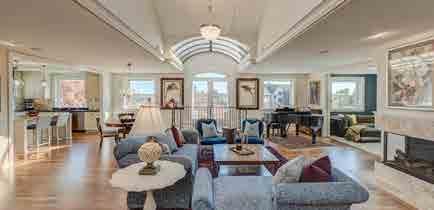
421 SUMMIT AVENUE, #3 | SAINT PAUL
4 BR 3 BA | $1,200,000
Welcome home to this top-floor condo with elevator on Summit Avenue, offering both luxurious living and a lower-level apartment for revenue, a caretaker, or guests. You’ll love the incredible views of the Summit Hill area and bluff views beyond.


BENT TREE COURT | NORTH OAKS
4 BR 6 BA | PRICE UPON REQUEST
Welcome home to this one-of-a-kind property with old-world charm and modern living. You'll love the privacy of the woods and pond views in this spectacular setting. Upscale finishes include wood beams, triple crown molding, and hand carved door.

679 MARIE AVENUE W. | MENDOTA HEIGHTS
5 BR 5 BA | $895,000
Welcome home to this fabulous two-story situated on an acre with a creek in the back yard. Located near golf, restaurants, and more. You’ll love the spacious, open floor plan with a separate entrance for home office, or mother-in-law apartment.

CHERRYWOOD CIRCLE | NORTH OAKS
5 BR 6 BA | PRICE UPON REQUEST
Welcome home to this custom two-story by Moser Homes in North Oaks. Open, spacious floor plan with upscale finishes. Located on 5+ acres overlooking a pond with beautiful swimming pool, outdoor space, and indoor sports court.

LORI SCHNECK
612-868-4230
lpschneck@cbrealty.com lorischneckhomes.com
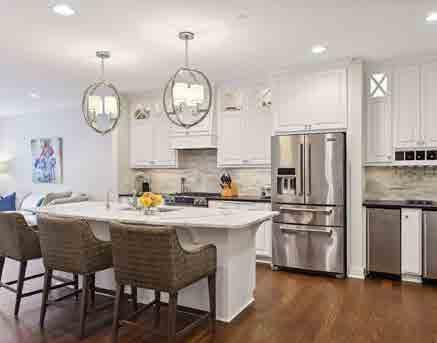
875 LAKE STREET N., #216 | WAYZATA
2 BR 2 BA | $1,000,000
Enjoy luxury living at The Regatta in the heart of downtown Wayzata. 2nd floor unit with terrace patio access. 2 underground parking spots plus storage unit in the building. Walk to everything: lakefront, restaurants and shopping out your doorstep.
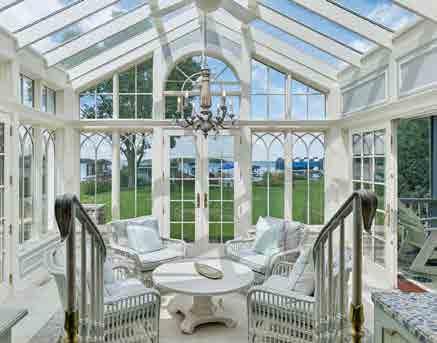
21650 FAIRVIEW STREET | GREENWOOD
4 BR 3 BA | SOLD


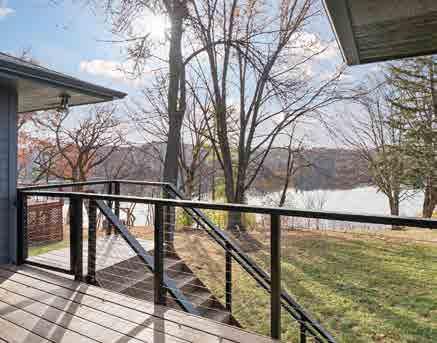
516 GRACE STREET | EXCELSIOR
4 BR 3 BA | $850,000
Fully remodeled, main floor living with private Lake Galpin views - all walkable to the Village of Excelsior - 4 bedrooms/3 bathrooms. Interior and exterior remodel with a true primary suite and fabulous views. Truly a unicorn opportunity!
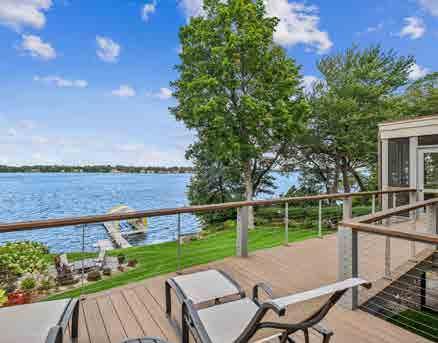
220 W. LAKE STREET | EXCELSIOR
4 BR 7 BA | SOLD
Main floor living in downtown Excelsior on Lake Minnetonka. Perfect elevation to the lake showcasing sunsets and big water views. Step inside to find a totally remodeled home showcasing clean lines, sophisticated finishes, a thoughtful floor plan for everyday living and grand entertaining.

952-476-3694
gstickney@cbrealty.com
952-250-0122
djstickney@cbrealty.com

1305 SHORELINE DRIVE | ORONO
9 BR 11 BA | $7,500,000
Old Oaks — An iconic landmark estate on Lake Minnetonka, set on 2.9 private, parklike acres with 212 feet of gently sloping, south-facing sandy beach shoreline and commanding views. Carriage house, pool and tennis court. Incredible close-in location.

5 BR 5 BA | $2,295,000
Timeless cottage home in the heart of Wayzata, thoughtfully remodeled by Stonewood/ Revision and showcasing exceptional craftsmanship, architectural details, and custom finishes. Just steps to downtown Wayzata and Lake Minnetonka.

128 PEAVEY LANE
LOT/LAND | $1,295,000
Rare building site opportunity on over 2 acres in Wayzata's most coveted location, just steps from Wayzata Beach on Lake Minnetonka and vibrant shops, restaurants, and entertainment. Private driveway with beautiful natural views overlooking the wetlands.
952-250-2015
kwstickney@cbrealty.com
952-250-1267
jmstickney@cbrealty.com KEVIN STICKNEY


5 BR 5 BA | $3,395,000
Stunning peninsula property on Lake Independence with over 700 feet of shoreline on 2.12 private acres. This extensively remodeled two-story home showcases thoughtful design, high-end finishes, and panoramic views at every turn. Private beach and Orono Schools.

3 BR 3 BA | $2,250,000
Just completed and available model home in Woodhaven, an exclusive 5-lot development by premier custom builder Norton Homes. Nestled in the heart of Minnetonka, just minutes from Ridgedale Center, on a quiet cul-de-sac. Additional building sites available.

535 & 555 BUSHAWAY ROAD
Unparalleled Lake Minnetonka estate sites. 6.34 total acres with 540 feet of west-facing shoreline and stunning sunsets over Wayzata Bay. Prime location with walking paths to downtown Wayzata. Open to all builders. Contact for subdivision details.


5

5

2




MATTHEW S. BAKER
612-860-4222
mbaker@cbrealty.com
matthewsbaker.com


3408 ZENITH AVENUE S. | MINNEAPOLIS
6 BR 9 BA | $5,250,000
First-time offering-perfection! Nestled next to the Minikahada Club & Bde Make Ska, this remarkable residence offers stunning lake and skyline views. Experience unparalleled elegance & every imaginable feature. 2008 better than new construction.

2388 W. LAKE OF THE ISLES PARKWAY | MINNEAPOLIS
4 BR 5 BA | $4,599,000
Iconic Lake of the Isles Cotswold Cottage home. Complete 2020 renovation. Redefined sophistication & panoramic views. This home represents the highest level of design, a work of art in a premier, elevated setting! Own a piece of history!

2225 E. LAKE OF THE ISLES PARKWAY | MINNEAPOLIS
4 BR 4 BA | $2,875,000
The Historic Keyes House with Lake of the Isles views, renovated by Rehkamp Larson Architects. Exquisite gardens, a primary suite with soaring windows, and a classic residence with comprehensive modern updates both structurally and mechanically.
ELLYN WOLFENSON
612-644-3033
ejwolfenson@cbrealty.com
ellynwolfenson.com


4708 ANNAWAY DRIVE | EDINA
6 BR 9 BA | $4,789,000
Rolling Green Perfection. The most coveted lot overlooking the 4th green of Interlachen Country Club. Lives like a resort with pool, spa, playground, firepit and total privacy. 6 bedrooms, 9 bathroom, gracious luxury impeccably maintained.

19900 COTTAGEWOOD ROAD | DEEPHAVEN
5 BR 4 BA | $2,980,000 Deephaven Stunner on Carson’s Bay! This newer construction, walk-out, will delight. Amazing setting and views. An entertainer’s delight with open floor plan, walls of windows, and every imaginable feature. 135 feet of lakeshore on .56 acre lot!

5821 ASHCROFT AVENUE | EDINA
4 BR 5 BA | $1,699,000
East Edina Perfection. Brand new in 2025. Beautifully designed with 4 bedroom’s up including exceptional primary suite. Gourmet kitchen and unforgettable butler’s pantry. Remarkable lower level. Prime level lot. Edina Schools. This is it!!

H. HUNT
612-369-2836
kyle.hunt@kylehuntpartners.com


5080 MEADVILLE STREET | GREENWOOD
5 BR 3 BA | PRICE UPON REQUEST
paige@paigegibsonhomes.com paigegibsonhomes.com

Offered for the first time in over 60 years, this rare west-facing lakefront property sits on one of Greenwood’s most beloved streets. Enjoy stunning sunset views over Lake Minnetonka and an easy walk to Excelsior’s shops and dining. With 110 feet of lakeshore and endless potential, it’s a once-in-a-generation offering in an iconic setting.
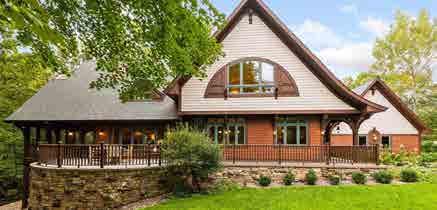
45 CRISTIFORI CIRCLE | ORONO
4 BR 5 BA | PRICE UPON REQUEST
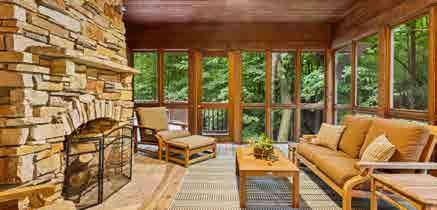
This lovely storybook home was designed by renowned Minnesota architect Michaela Mahady and masterfully built by Kyle Hunt & Partners. Rich in timeless detail, it features custom millwork, bespoke cabinetry, and beautifully crafted masonry fireplaces that define its warmth and character. Privately tucked at the end of a tree-lined lane in coveted Orono, the home rests on 3.13 picturesque acres. Ideal for the buyer who truly appreciates authentic character and craftsmanship.

3698 WOODLAND COVE PARKWAY | MINNETRISTA
4 BR 4 BA | PRICE UPON REQUEST
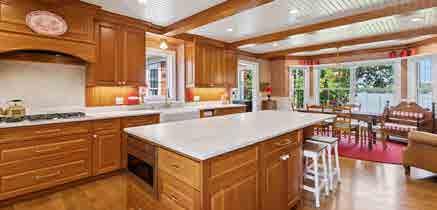
Classic Americana charm meets refined lakefront living in this Kyle Hunt & Partners-built Lake Minnetonka home. Set on 1.04 acres with 106 feet of lakeshore, the residence balances nostalgic craftsmanship with modern restraint. An all-season porch, an exceptional kitchen equipped with high level appliances, and walkout lower level invite effortless living, while Woodland Cove’s community docks, trails, clubhouse, pool, and courts extend the lifestyle well beyond the home. This property includes 2 boat slips.



2670 WOOLSEY LANE | WOODLAND
5 BR 7 BA | $7,950,000
Hamptons-inspired Lake Minnetonka
Ellen Phelps 612-750-7555
Gregg Larsen 612-719-4477
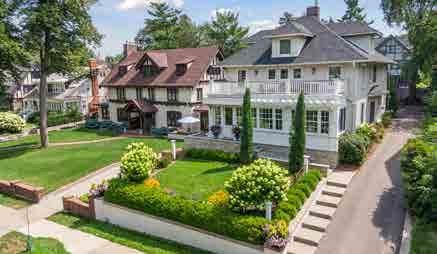

2735 E. LAKE OF THE ISLES PARKWAY | MINNEAPOLIS
4 BR 6 BA | $2,395,000
Exceptional Lake of the Isles residence with
Thoughtfully remodeled with a stunning open-concept
Ruth Whitney Bowe 612-805-7412
ruth.whitneybowe@cbrealty.com


6008 HALIFAX AVENUE S. | EDINA
5 BR 4 BA | $1,885,000
Sophisticated 2007 East Edina 2-story on
Perfectly located near 50th & France, Southdale, and
Stéphane A Cattelin 612-703-8229
stephane@cbrealty.com






20025
6 BR 7 BA | $2,995,000 | SOLD
Curated finishes and innovative design embrace mid-century ideals while updating to modern life on a private 2 acre lot.
Ian Petersen 612-910-6005
Gary Petersen 952-451-0284


Executive custom-built home in highly-desired Wayzata schools just minutes away from Lake Minnetonka! Patrick & Michelle Morgan 612-803-2339 morganrealestate@cbrealty.com





Spectacular 5+ acres, close in, remodeled home! One of a Kind!
Ellen DeHaven 612-817-5555 Jennifer Peterson 312-282-2221

Stunning shingle-style home with a deeded dock and covered boat slip on Lake Minnetonka, accessible via a short walk or golf cart (included). Summer ready! Carolyn Olson 952-270-5784 cholson@cbburnet.com 1335
Striking

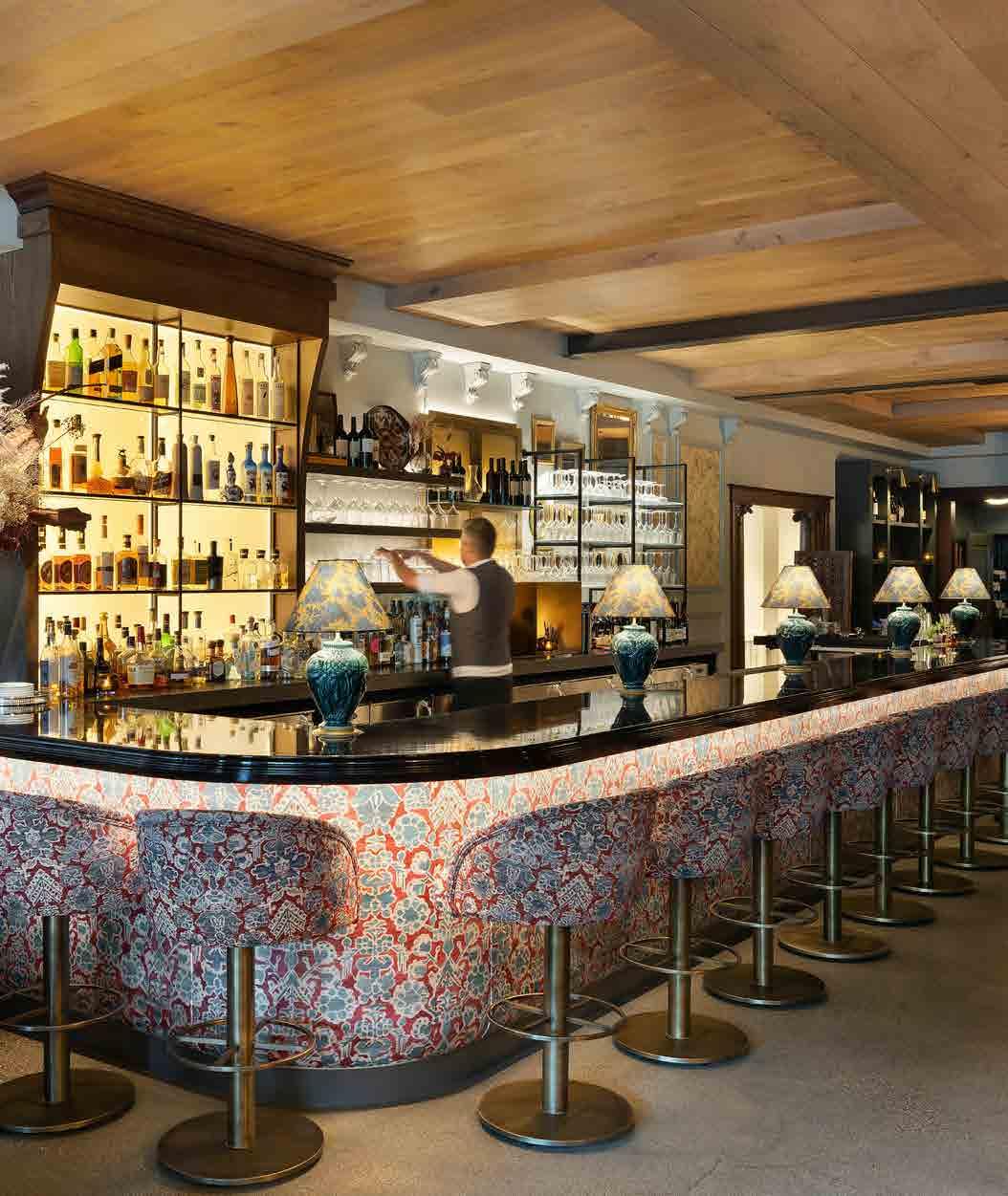
S e r v i n g t h e T w i n C i t i e s & B e y o n d
















































































Jon 952 27 Jon@CBRealty.com

Peggy James 612 867 1700 | PJames@CBBurnet com Mary Kenney 612.867.1700 | Mary.Kenney@CBRealty.com


Jeff Martineau
952 210 2626
JMartineau@CBBurnet.com
Tim Beduhn 612 275 4205 Tim.Beduhn@CBBurnet.com


Ellen DeHaven 612 817 5555 EDehaven@CBBurnet.com

Taryn Kelzer 612 819 0794 TarynKelzer@CBRealty.com

Gregg Larsen 612 719 4477 GLarsen@CBBurnet.com

Patrick Morgan & Michelle Skott Morgan 612 803 2339 MorganRealEstate@CBRealty.com

Jacqueline Nguyen-Shulstad 612 418 0395 Jacquie@CBBurnet.com

Meredith Howell 612 940 4566 MHowell@CBRealty.com

Paul Larson 612 723 1000 PLarson@CBRealty.com

Jody Peterson Lodge 612 386 8699 JPetersonLodge@CBBurnet.com

Tim “Mr. Lakeshore” Lovett 952 933 4030 Tim@MrLakeshore.com

Lisa Piazza 612 751 0976
Lisa.Piazza@CBRealty.com

Cindy




































. Shelly Kilibarda
952.923.7133 | RMKilibarda@CBRealty.com Doug Kilibarda 952.452.2874 | Doug.Kilibarda@CBRealty.com








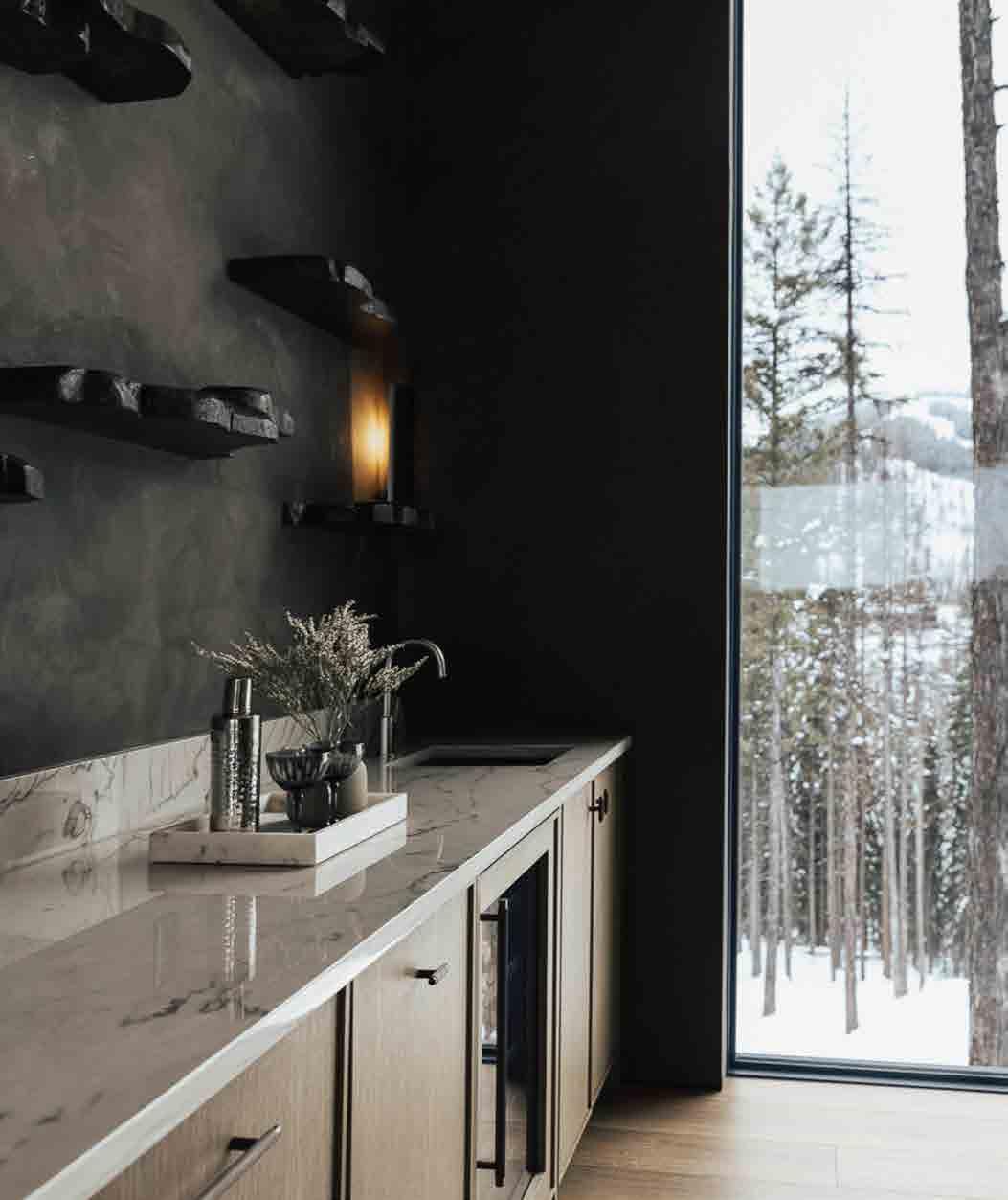


g r e t h e n h o u s e
5 0 t h & F r a n c e | g r e t h e n h o u s e . c o m

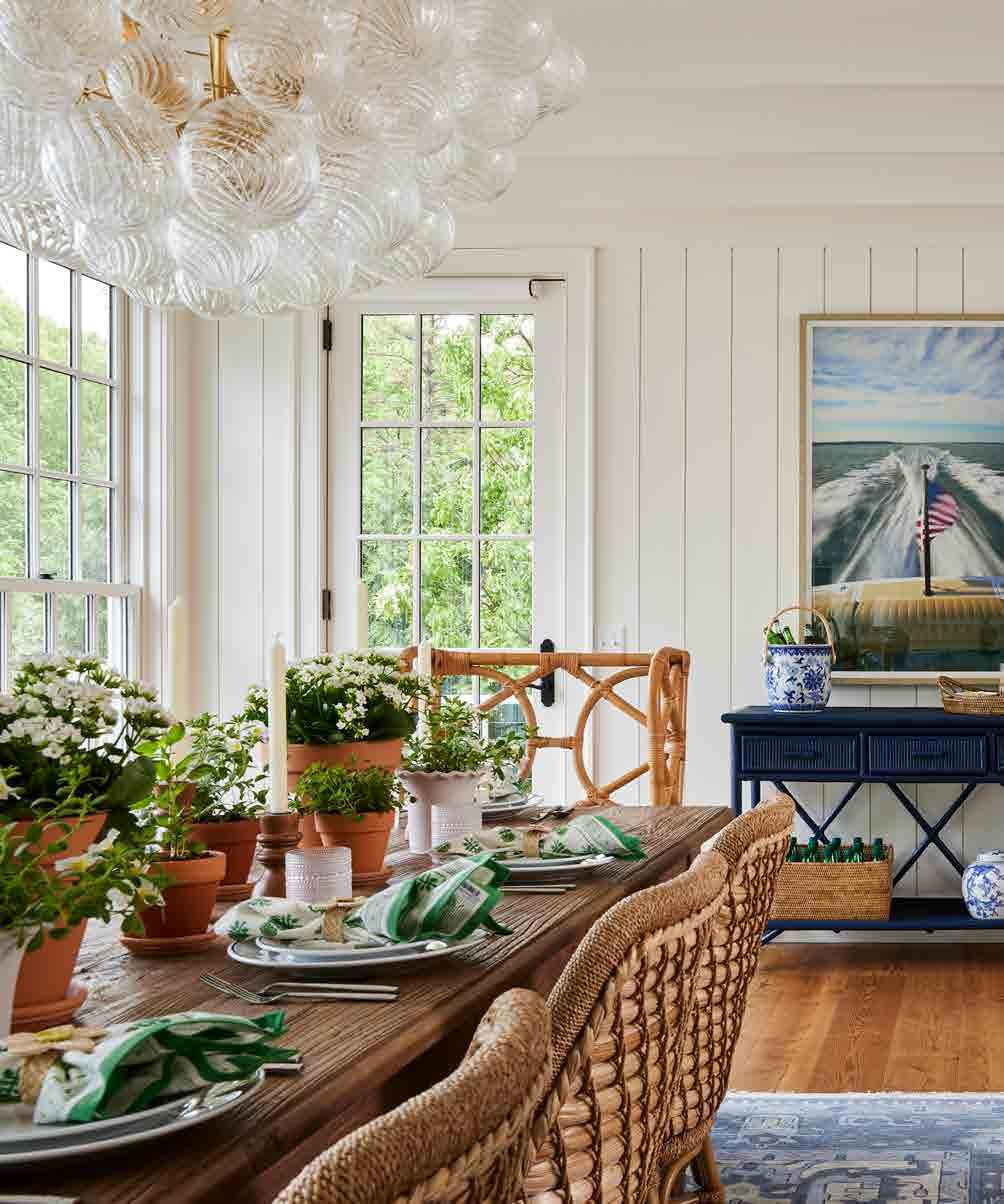
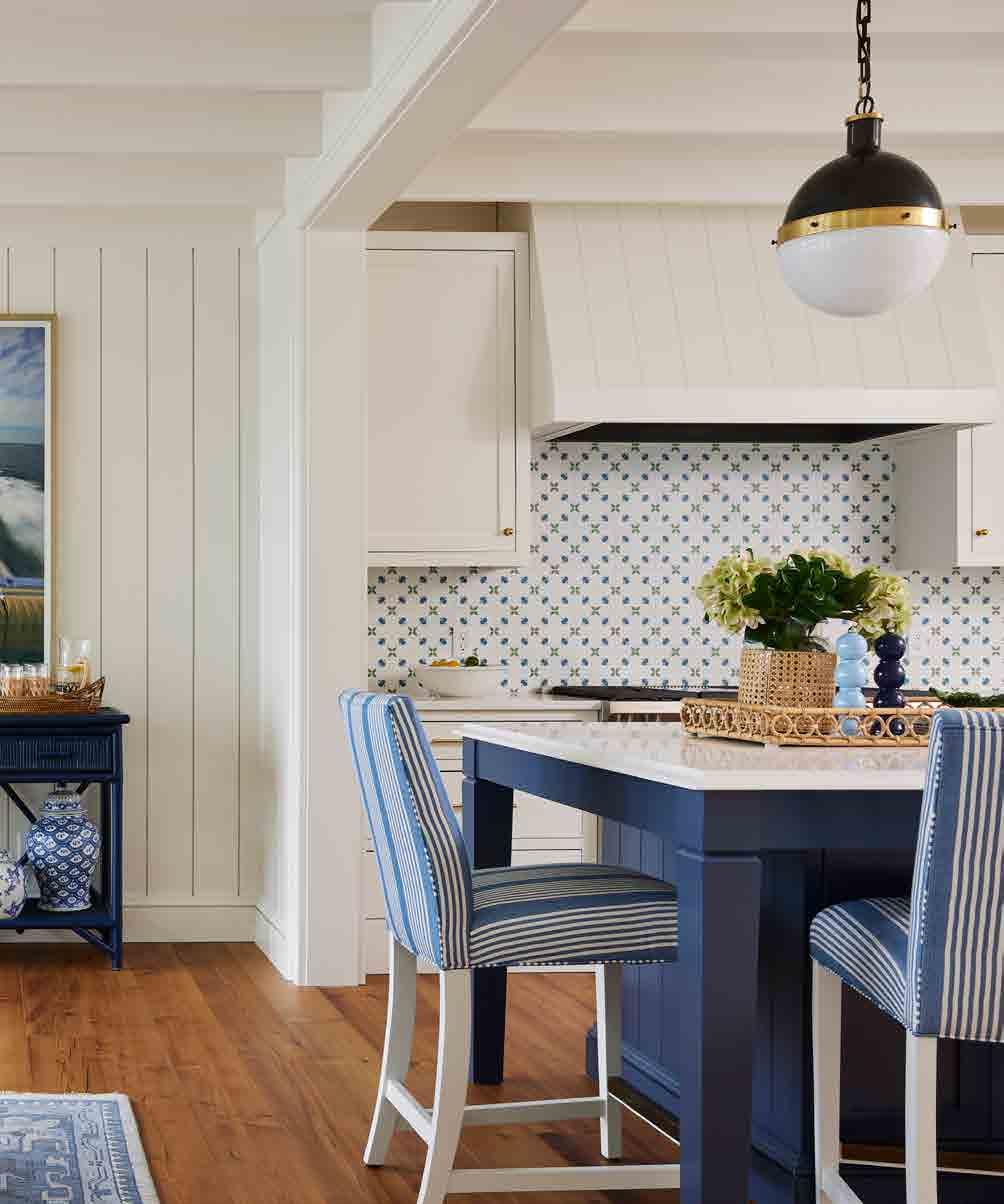
With a fresh focus on interiors, Grace Hill Design creates a family getaway that feels like home.
BY MERRITT BAMRICK
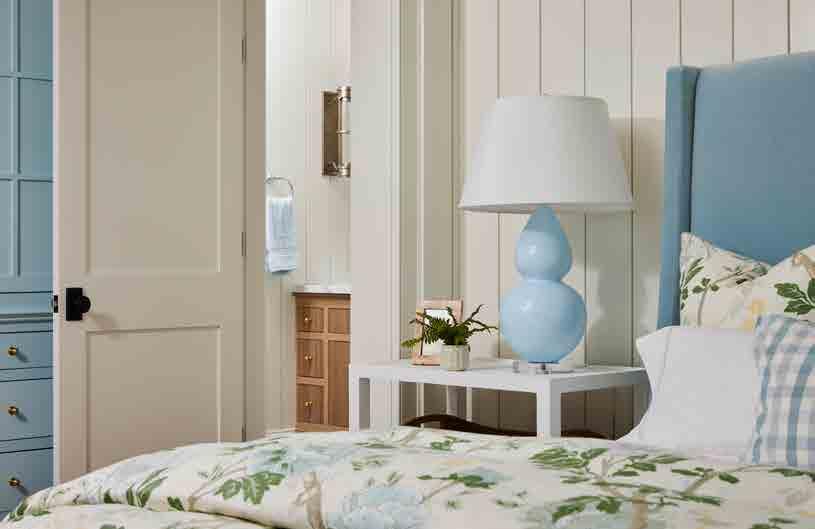
The team at Grace Hill Design has always believed that the best homes are built around people — how and where they gather, rest, and return again and again. It’s a philosophy rooted in warmth and intention, one that comes alive in their new Lake Minnetonka project. A second home designed to feel as if it’s an heirloom cottage, it has a relaxed, put-your-feet-up vibe and captures the essence of family life. “We’re always thinking about the family home being the hub of everything,” says Grace Hill founder and Principal Designer Kristi Patterson.
From the beginning, the clients envisioned a vacation home close enough to their actual home to use often (it’s less than 30 minutes away), but distinct enough to feel like an escape. In short, a refuge that could host friends and extended family with ease and, over time, become a legacy property for generations to come.
Accordingly, the homeowners wanted the abode to feel well-worn, as though it had been passed down rather than newly constructed. Patterson and her team answered with a “classic cottage” approach, visible from the outset in its Dutch Colonial architecture and reinforced the moment you step inside and onto the pine floors. In fact, Patterson selected the flooring first, knowing the soft wood evoked a lived-in feel. Whitewashed shiplap walls and exposed raftered ceilings add to the rough-hewn charm. The result is a space that encourages bare feet, wet towels and dogs underfoot.
Designed for easy living, the floor plan prioritizes connection. Open living spaces allow gathering without crowding, while nuanced details ensure the home can flex as needed. A dedicated bunkroom ensures sleepovers and weekends with friends are part of the home’s natural rhythm. An office tucked behind a staircase off the living room provides a cozy space to work, relax or just read, with navy-painted paneling and pops of plaid that add to its classic comfort. “Color plays a subtle but meaningful role,” says Patterson, who cleverly uses navy as a neutral to bring in softness. “Shades of blue create continuity while allowing each room its own personality.”
The primary bedroom feels especially serene, with built-in sky-blue cabinetry. “It’s so cozy and beautiful,” says Project Director Julie Paul. Indeed, it evokes an effortlessness in both form and function that is particularly lovely for a part-time home. The cabinets are stocked with fresh
linens for easy turnovers (and plenty of extra towels in the summertime) as well as open space dedicated for guests’ belongings, while the arched ceiling adds to the lofty dreaminess of the space. In the en-suite bath, checkerboard marble floors in soft gray tones strike a balance between classic and casual, while mirrors are suspended above the vanities to allow lake views to take center stage.
But the home’s hallmark is its relationship to the outdoors. Floor-toceiling windows and French doors span the entire back of the house, framing epic lake views, blurring the distinction between inside and out, and reinforcing lake life as the heartbeat of the home. Plus, Patterson brings the outside in, with low-maintenance performance fabrics, quartz countertops, and homespun touches like hand-painted leafy greens and blueberries on the marble tile backsplash.
Outside, a large deck extends from the main level, while below, a bluestone patio boasts cozy outdoor sofas and swivel chairs. A nearby sauna serves as yet another alluring destination for gathering. A screenedin patio offers shade and shelter, while a long, classic front porch with Adirondack chairs and lounge seating beckons.
The narrow lot, with its unique elevation, required some architectural savviness. The situation called for the garage to be a separate structure across from the main house, which created a courtyard-like space. Rather than seeing this as a limitation, the architect and design team leaned in, designing the area as an additional entertaining zone — complete with a kid-friendly lounge space — while simultaneously using it to enhance the property’s privacy and flow.
This Lake Minnetonka cottage reflects a meaningful evolution for Grace Hill Design. After 15 years in their downtown Wayzata storefront, Patterson decided to step away from retail and focus exclusively on design. With luxury primary and secondary home projects spanning the country, the firm is now able to devote their energy to what they love most: designing full homes, from renovation to new construction, that, at their core, bring families together.
And at its core, this lake house is about togetherness. It’s about kids running in from the lake and doors being thrown open to catch the breeze. And decades later, it’s about the grown children returning with families of their own. The Grace Hill Design team understands that homes aren’t just places to live; they’re places to belong.
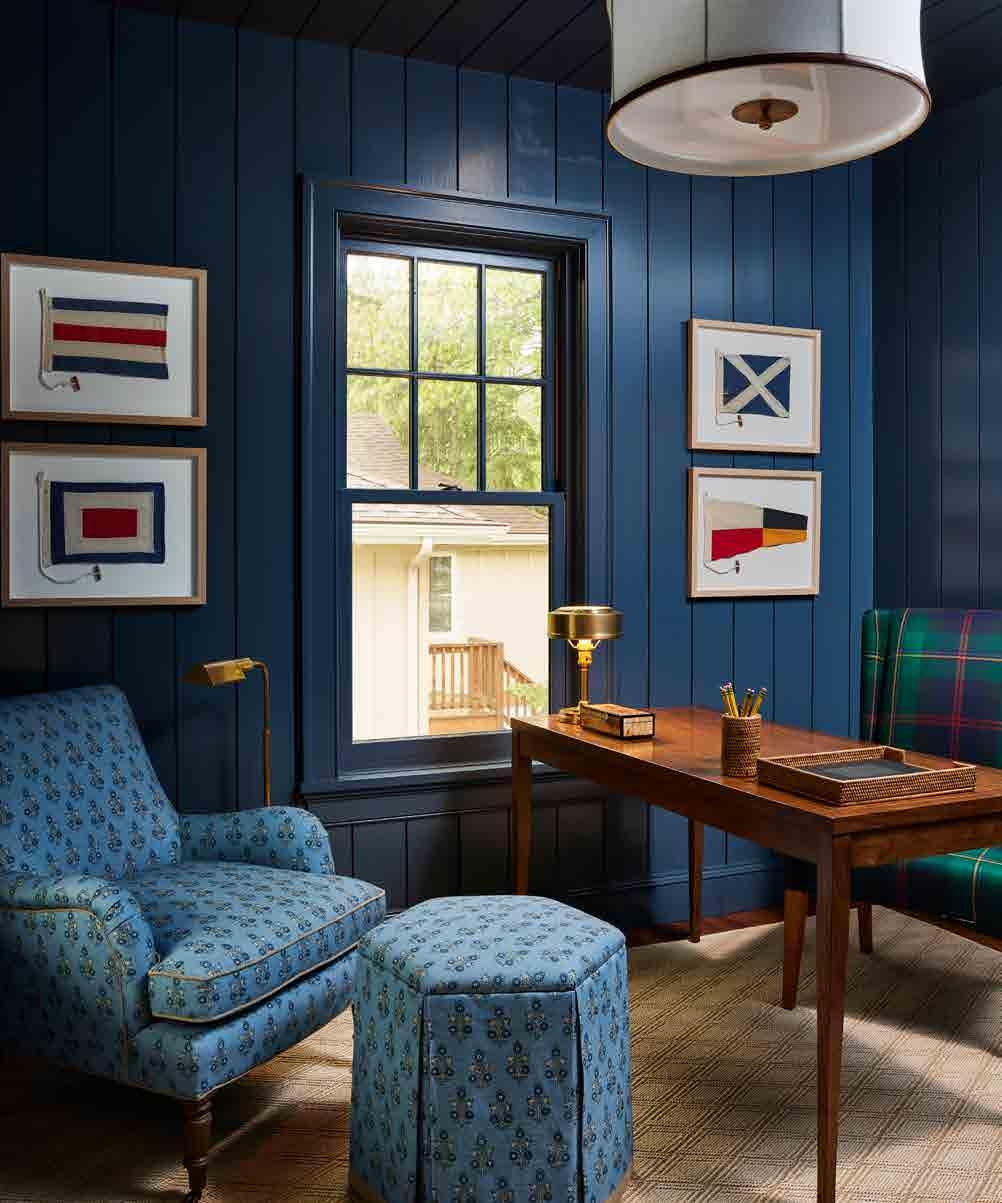
Life has been turned upside down for many Minnesotans. Families are struggling to access food, and small businesses are struggling to keep their doors open. That feel right to you?

If not, neither should idle dollars in a Donor Advised Fund—not when your DAF can go directly to food shelves feeding hungry neighbors or to initiatives offering relief to the small businesses so vital to our economy.
And you don’t have to do it alone. We’re here to help you and your DAF find and fund local needs today.


GIVE ADVISED. SPEND THAT FUND. WE CAN HELP.

With luscious colors and bold brushstrokes, Heidi’s paintings are an invitation to the world’s most beautiful places –Lake Minnetonka, the Gulf Coast, the Caribbean, and the Côte d’Azur. HE ID I LI BER A .COM
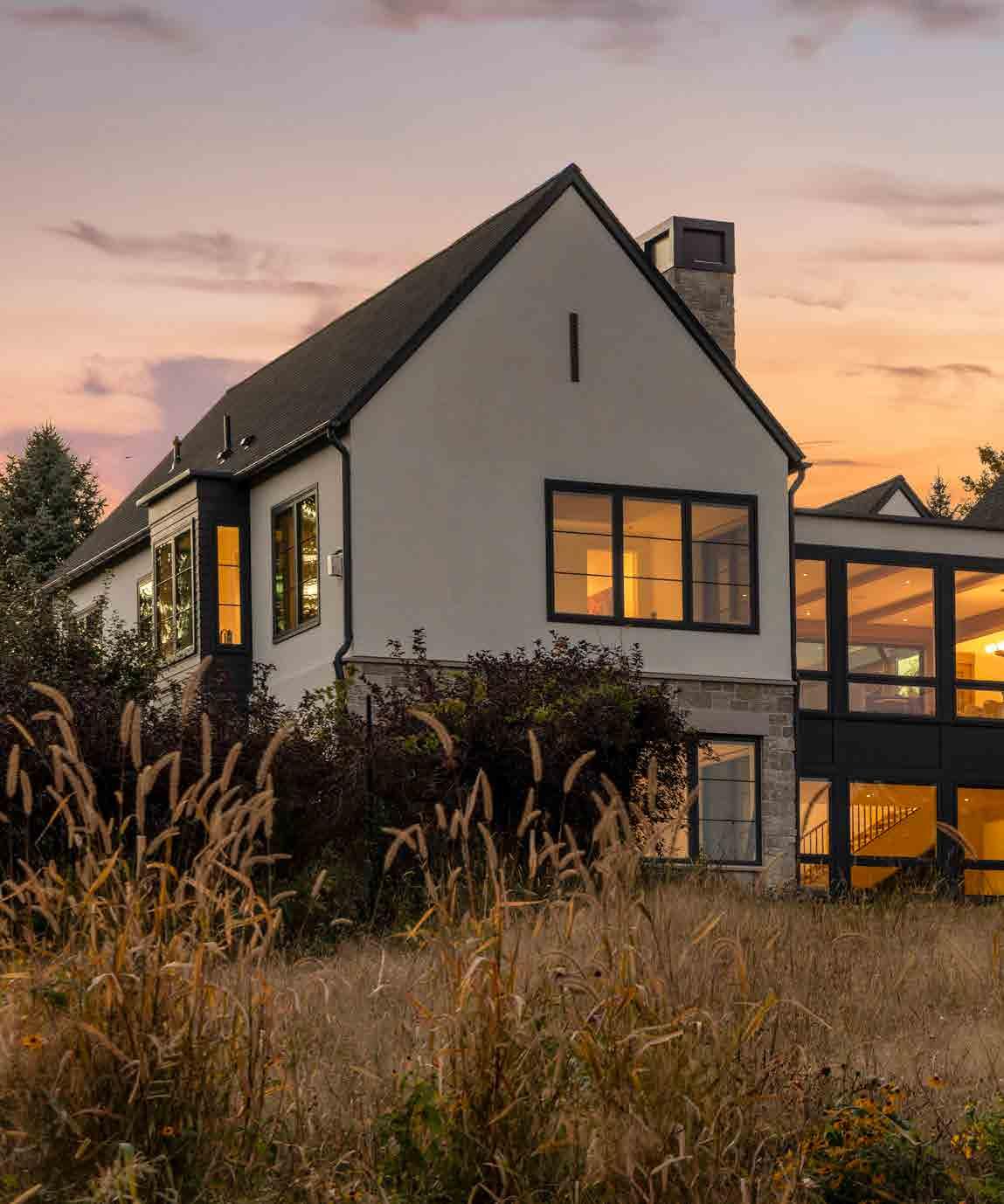
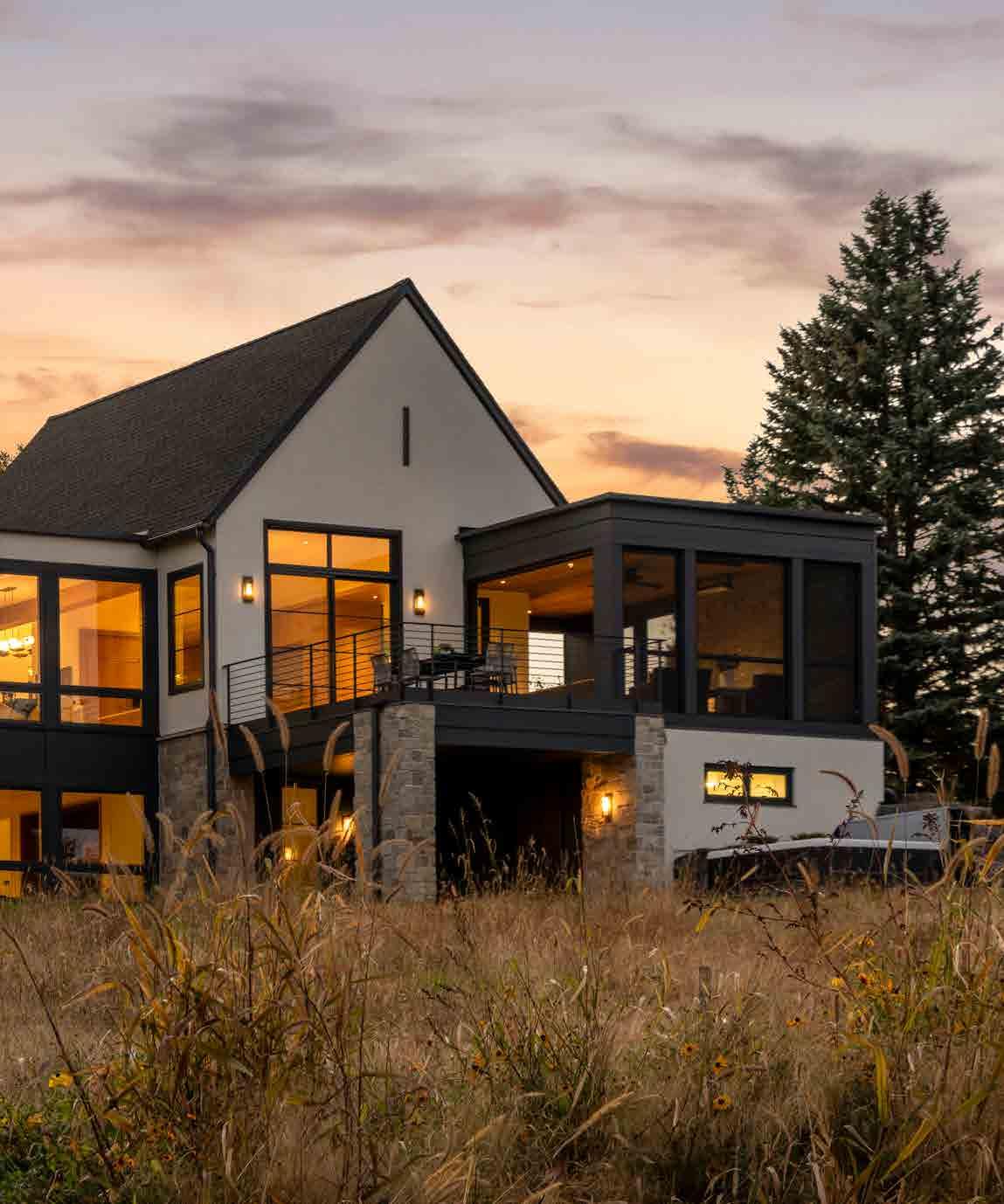
Charlie & Co. Design creates a new home inspired by its natural surroundings.
BY LAURIE JUNKER
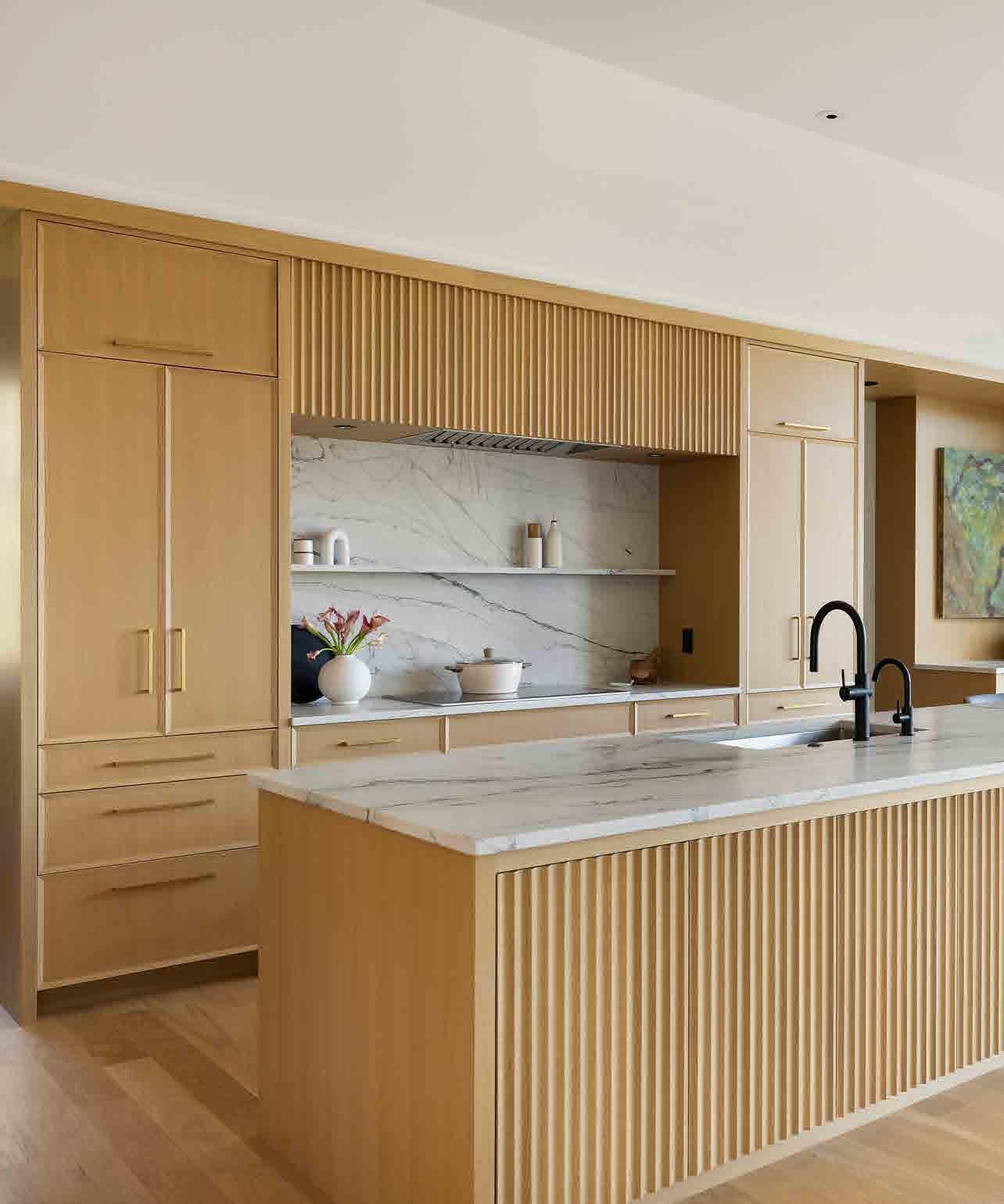
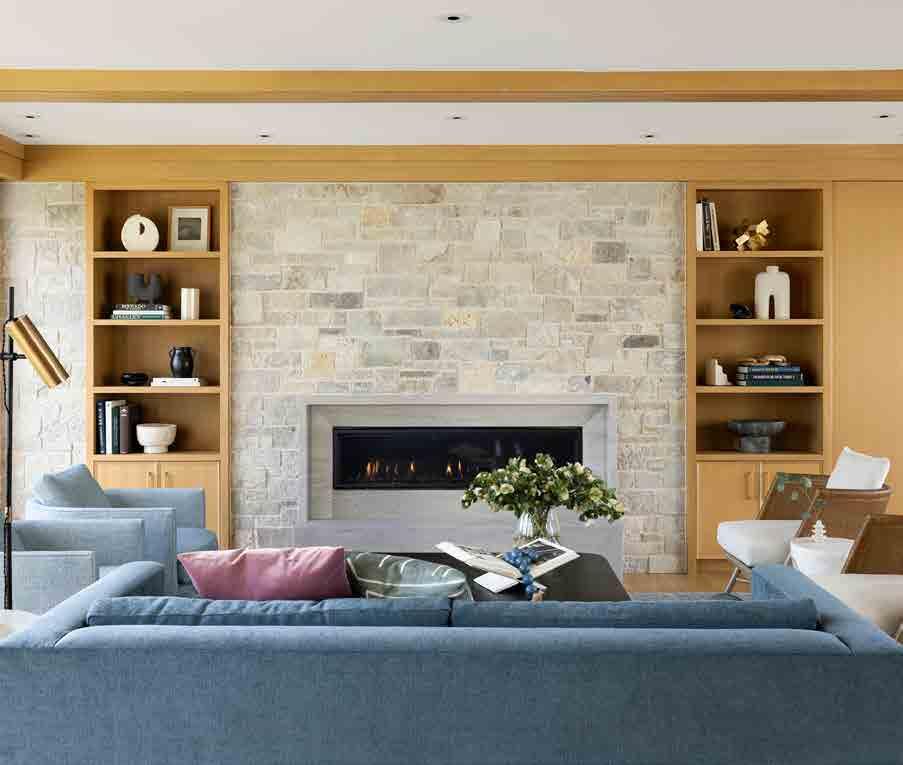
and endures and, especially in today’s world, lures. Whether it’s the mental breathing room of wide open spaces or the sense of self-sufficiency from maintaining a garden, many homeowners are gravitating toward more pastoral settings. Count this empty-nester couple among them. After raising their children in a traditional suburban neighborhood, they were ready for something different — which appeared in the form of 13 acres set on a lake in Medina with woods and a spiral-shaped apple orchard inspired by the energy vortices of Sedona, Arizona. “When you stand in the middle, the rows of apple trees peel off from the center in a curved shape,” says the homeowner. “It’s really cool.”
They purchased the property, then waited two years to build — to see the land through the seasons, tend the apple trees and consider what style of house they might like to build. Touring a warm modern abode on Lake Minnetonka designed by Charlie & Co. sparked inspiration. “Our dream was to take advantage of the views on our property, and that one did it really well,” says the homeowner. Other important considerations included a one-level layout to facilitate
aging in place and efficient use of space, avoiding a “big just to be big” mindset. “We wanted the house to be just the right size for us and for every room to have a purpose,” the homeowner says.
Working with Principal Colby Mattson and Designer Jonathan Mason, they spent six months designing the house, playing with room placement, measurements and architectural details, eventually coming in at 5,000 square feet across the two-level home constructed by L. Cramer Builders. The lower level offers en-suite bedrooms for the couple’s college-age children, a family room featuring a bar, and an exercise room with an adjacent sauna.
Most of the time, the homeowners live on the main level, save for regular visits to the exercise room or sauna. And there’s no place they’d rather be. With idyllic views of the Japanese lilac trees in the front and the lake in back, the home is all about its splendid natural setting.
That’s why Charlie & Co. designed the kitchen in a place where views of both sides of the house are visible, perpendicular to the windows. Seating on either end of the nine-foot-long kitchen island was another purposeful move to facilitate nature gazing and face-to-face conversation. “Typically, you see an island with four or five chairs on one side facing the range hood with their back to the views,” says Mattson. “Instead, we created a casual seating area where you can just turn your head to enjoy the scenery.”
Banks of white oak cabinetry help define the kitchen — some with flat panel doors with a modern bevel edge, some with tambour fronts. A niche on one side of the kitchen features a painting by artist Anna Dvorak that the
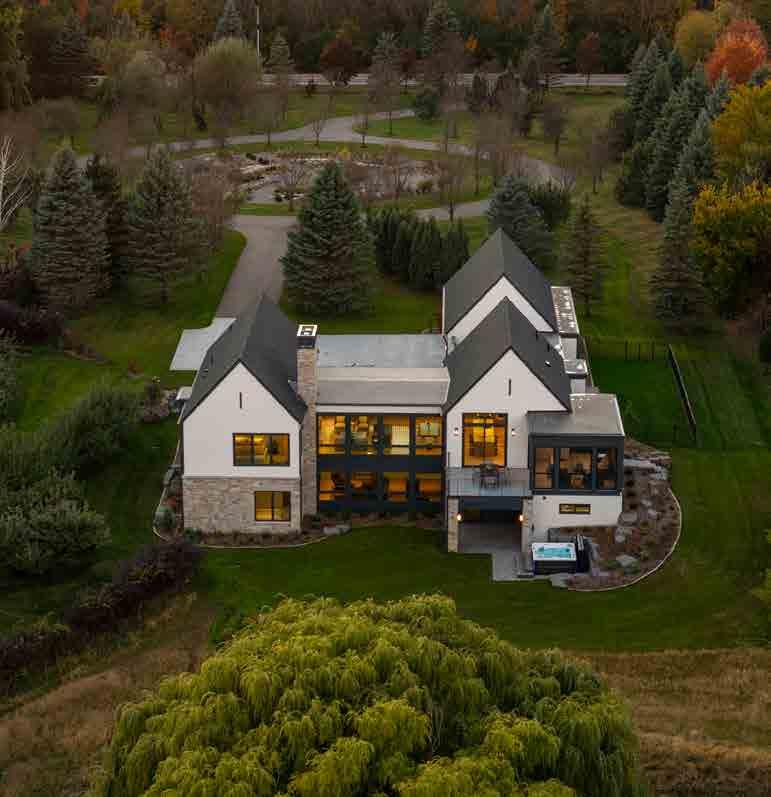
homeowners bought during an art crawl. Its presence pleasantly blurs the boundary between a hard-working kitchen and a casual yet elegant living space. An adjacent doorway leads to a pantry with dusky-blue cabinets that echo the painting’s colors and the lake outside. The pantry’s role is to conceal messes and accommodate baking projects, but it also serves as a transition space — on one side is the screen porch, and on the other, the laundry and mudroom.
Designer Stephanie Lalley of Liquidpink Interiors thought carefully about how to soften the home’s angles and create a sense of enclosure within the open space. A nature-inspired color palette, textured fabrics and plenty of curves were key. In the dining area, for example, fully upholstered bouclé chairs around the dining table add visual weight to the center of the room and create a cozy atmosphere during both family meals and dinner parties.
More curves appear in minimalist light fixtures and on the staircase railings and balusters; the staircase is aligned along a bank of west-facing windows to funnel natural light into the lower level. And in the primary bedroom, the curves are complementary — with a concave ceiling soffit and a convex fireplace wall. The room’s fireplace is tucked into a corner, reinforcing the primacy of the views. The bedroom windows overlook the apple trees, which are especially spectacular during spring bloom. “Our bedroom feels like part of the orchard,” says the homeowner.
Another space they appreciate is a small den off the living room. The room, which is lined with cork wallpaper to absorb sound, keeps the TV out of the main living space and provides a comfortable spot to watch shows. And just for fun, Mattson hid the door to the office in the den paneling. Inside, the office has windows framing the blissful orchard and tree vistas.
The homeowners have gotten an education in orchardry over the past three years: pruning, fertilizing, pest management, and, best of all, harvesting and figuring out what to do with all the Honey Crisp, Honey Gold and Sweet Tango apples. “We’re trying to go organic, but it’s a learning process,” the homeowner admits. They have also been busy planting perennial gardens and intend to create a vegetable garden in the near future.
For all this agricultural activity, Charlie & Co. designed a large storage room for garden supplies attached to the house (accessible only from outside). The door is wide enough for wheelbarrows or a small utility vehicle, should the couple decide to buy one down the road. With a heated floor, the space is kept at about 40 degrees, which works well for overwintering dahlia bulbs.
As much as the couple enjoys the land, they’re relishing the house in equal measure. “For the first month, it felt like we were renting an amazing vacation home,” says the owner. “Our old house was dark, and this one is so open and bright. And it doesn’t feel big inside. It’s the perfect size for us.”

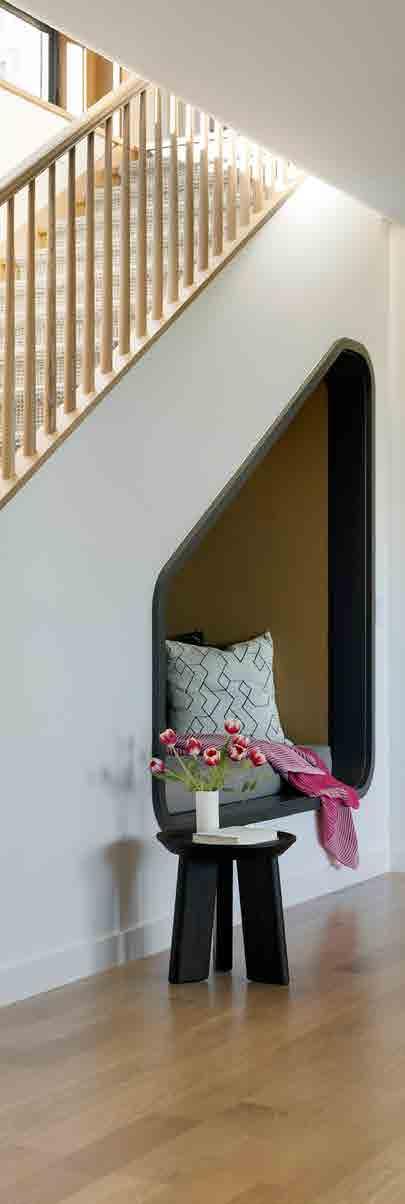
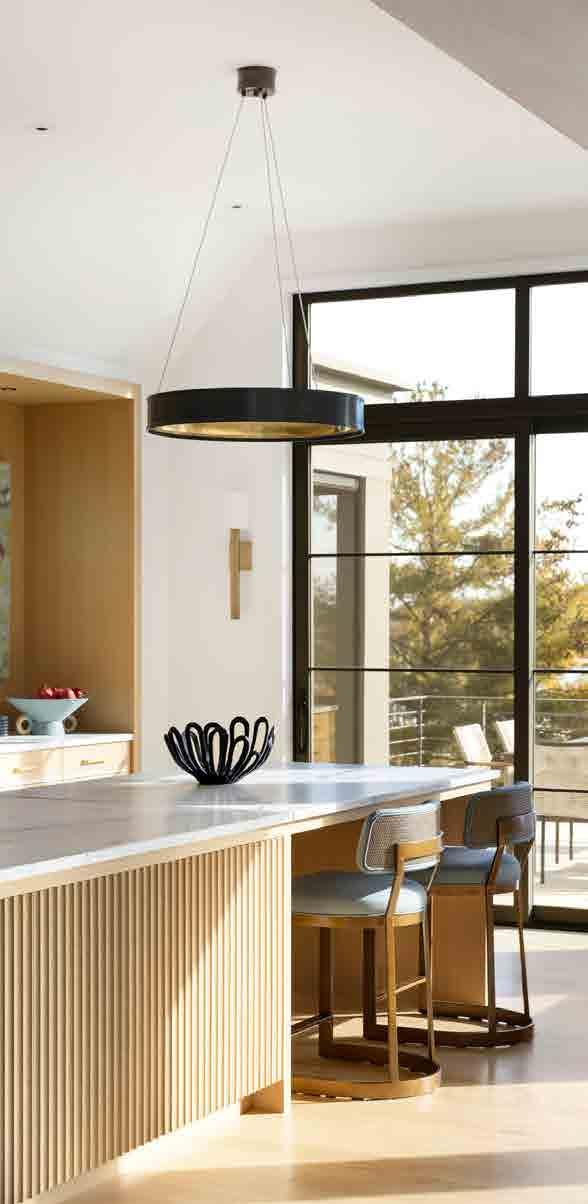

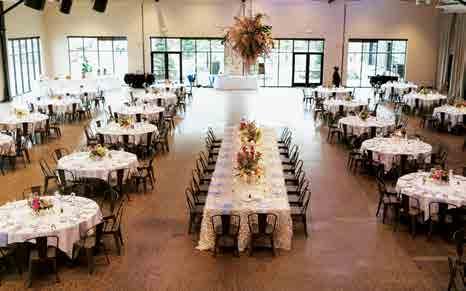
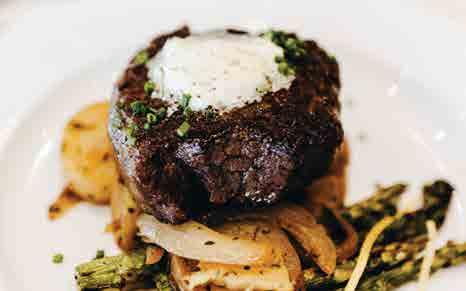
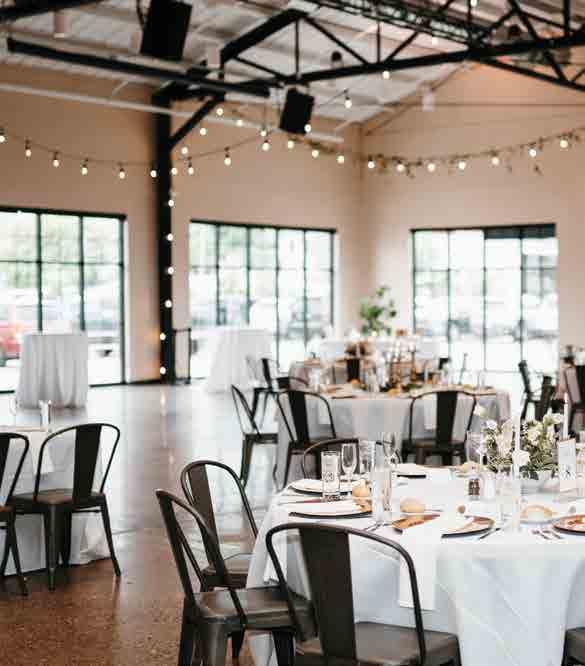



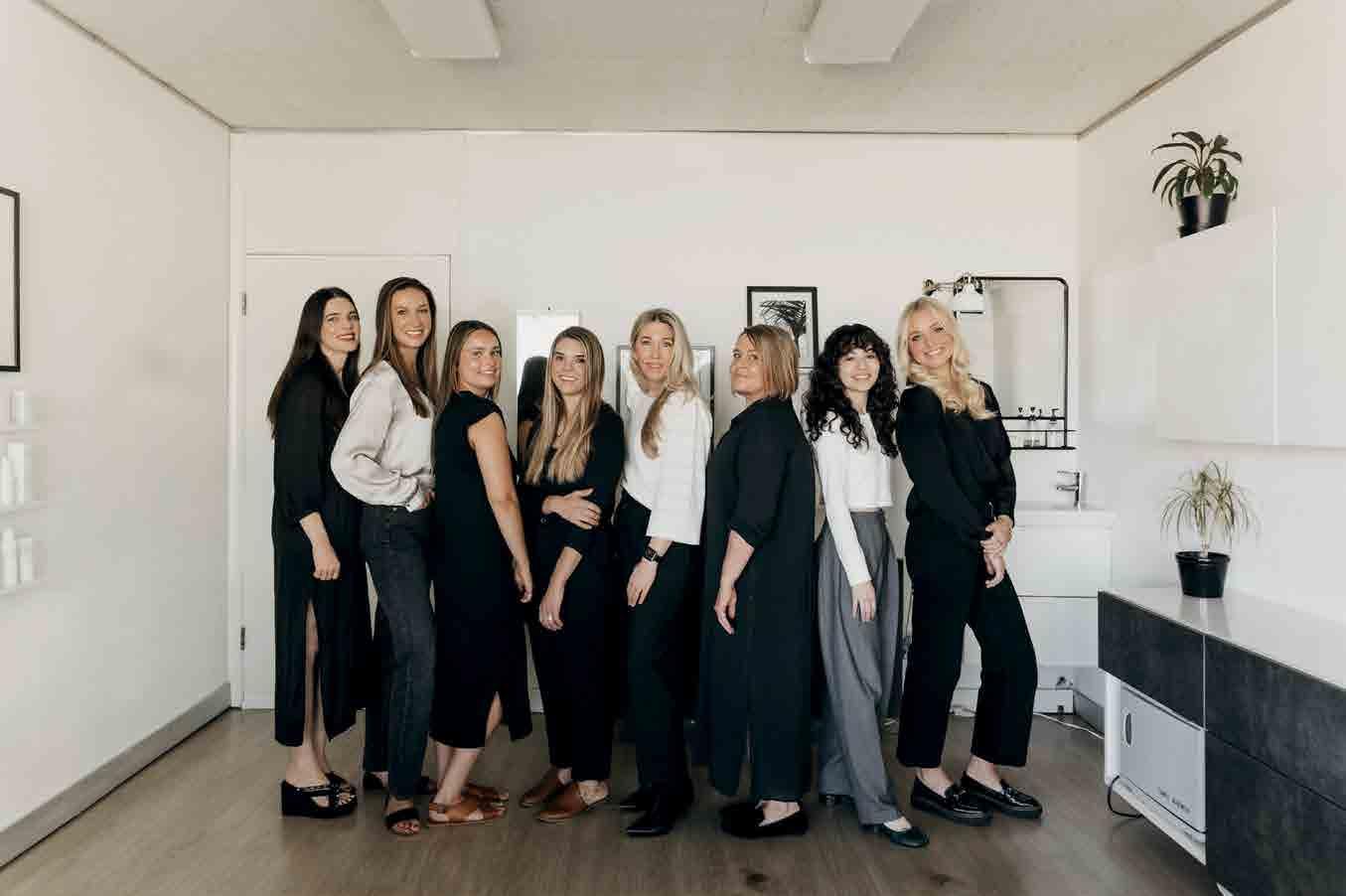

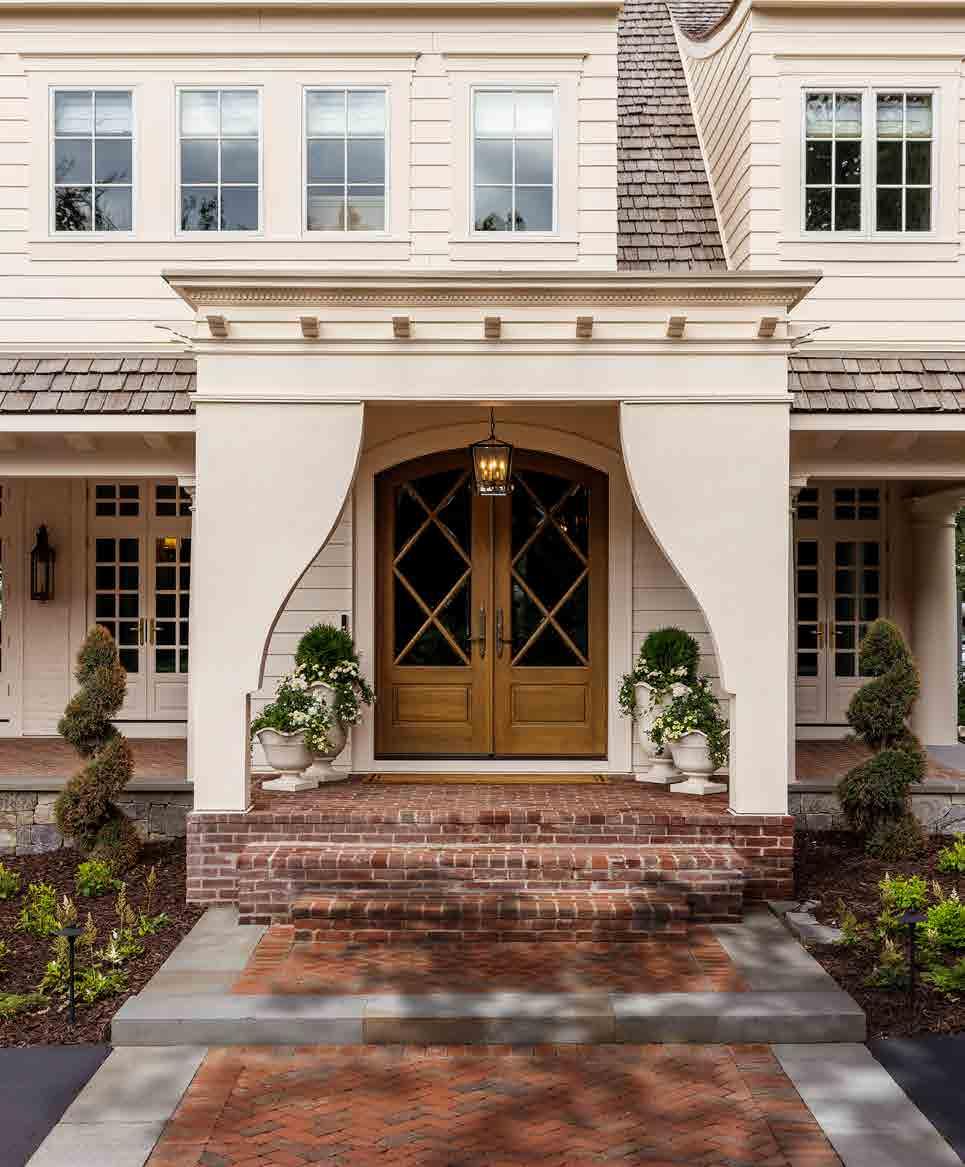
Blue Pencil Collective renovates the oldest standing house on White Bear Lake, tapping into equal parts precision and play.
BY MERRITT BAMRICK
An old home on the lake had always been Anna Otto Shroyer’s dream. When she and her husband first walked through the longest standing abode on White Bear Lake, they understood it would require significant work — and felt equally certain that it deserved love. Wanting to honor the home’s legacy, they wrote a letter to the seller explaining their intentions to renovate. What followed was unexpected: a genuine friendship with the previous owner, who remains invested not only in the house’s future but in the family now entrusted with it.
That sense of stewardship made Blue Pencil Collective a natural fit. The architecture and interior design studio is known for work that begins with people, not plans. “All our projects start with a story about the clients,” share cofounders and Design Principals Kasey Johnson and Regan Nix. “Ideas unfold naturally when you give someone the opportunity to tell a story versus putting them under the pressure of answering ‘What’s your style?’” says Johnson. Their first storytelling meeting with the Shroyers revealed a shared curiosity to pull away from trends and instead focus on timelessness in the reimagined 6,500-square-foot home.
What ultimately distinguishes the project is how naturally it absorbs life. With five children in the family, the home needed to be warm and durable. Spaces are meant to be lived in, furniture to be sat upon and countertops to be made messy. The house supports that ease through its architecture, layout and materiality.
Collectively, everyone on the project agreed that a Colonial Revivalist approach would offer both the structure and flexibility required for a renovation of this scale. It allowed the team to respect the home’s bones while layering in nuance: traditional forms paired with art deco notes, European references softened by warmth and ornate details grounded in livability. Although the BPC team took the home down to the studs and made way for additions, they preserved the sequence of rooms, each clearly defined yet connected by an overarching story.
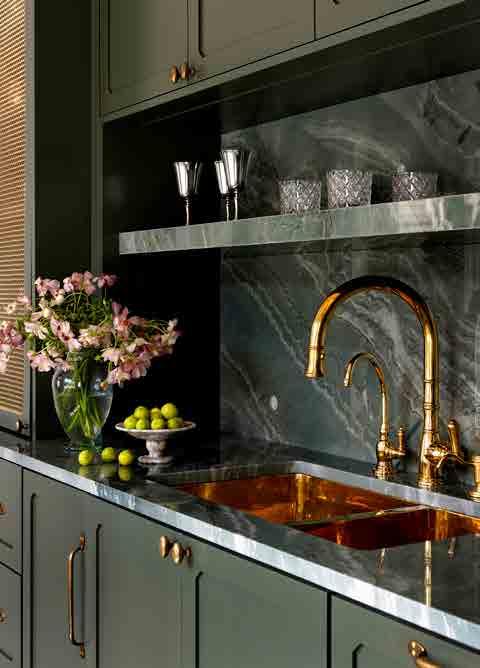
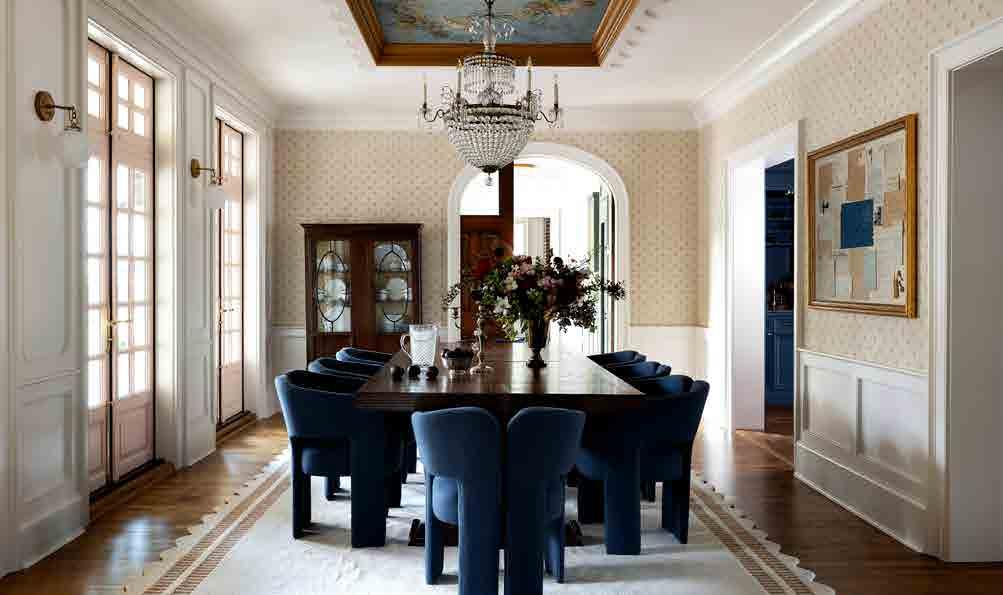
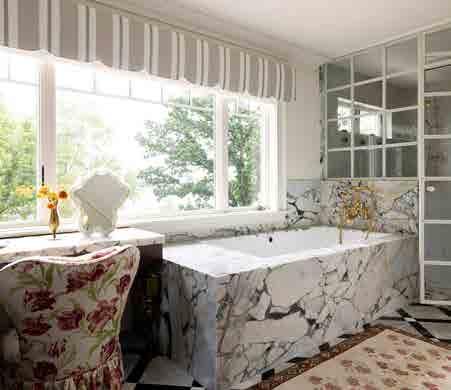
Interior design: Blue Pencil Collective
Architecture: Blue Pencil Collective
Build: Robey Construction
In this abode, history is treated as something to be carried forward, not curated at a distance. “
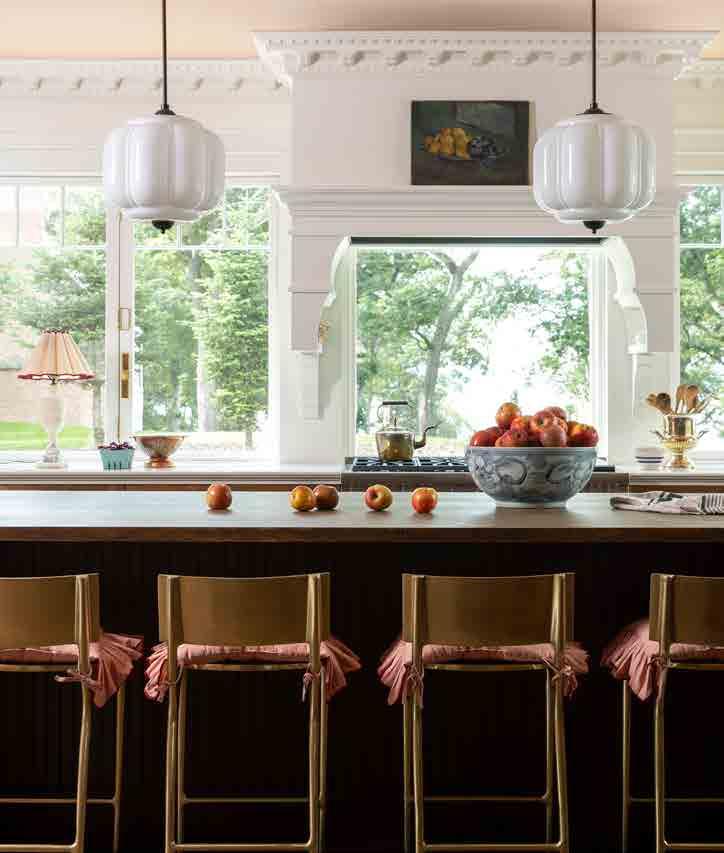
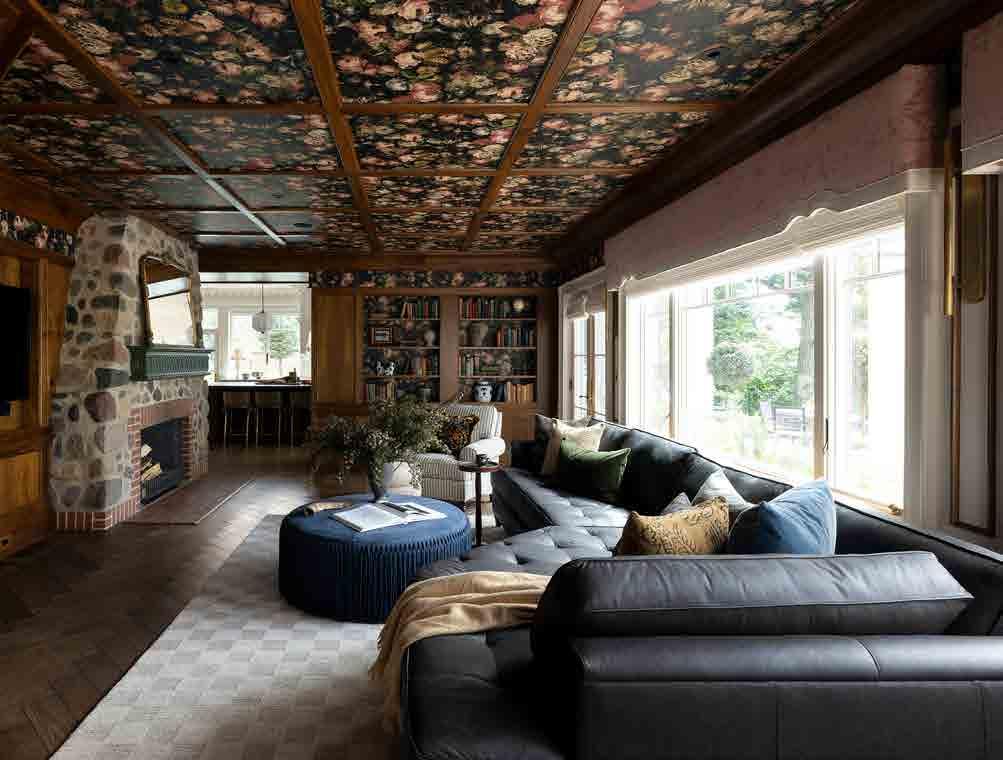
That intention is most evident in the relationship between the parlor and the lake room. The parlor serves as a more formal living space — elegant, expressive and ideal for welcoming guests — while the lake room is its counterbalance. Oriented toward sweeping views of the lake, the room is deeply cozy, anchored by a restored wood-burning fireplace and a large sofa. Together, the two spaces allow hosting to unfold naturally, offering guests additional places to settle — even though in true Midwest fashion, Shroyer happily admits that the kitchen is still a natural landing pad. The BPC team transformed the kitchen with an addition that wraps light and landscape around nearly every angle. Original floors in the kitchen and dining room were preserved, grounding the renovation in material continuity and reinforcing the home’s sense of age and place.
The flow of the main level reflects how the Shroyers entertain. Guests arrive through a newly defined front entry (originally the back of the house), now marked by a scalloped archway and a generous porch that makes the approach feel ceremonial rather than anticlimactic. From there, movement through the home follows a rhythm: moments of arrival, pause and transition. Each room has its own personality, yet none feel disconnected. “The energy subtly shifts as you move throughout the house,” says Nix.
In this abode, history is treated as something to be carried forward, not curated at a distance. Furniture mixes old with new: long-owned pieces, sourced and refinished finds (personally handled by the
BPC team), architectural antiques, and modern comforts quietly coexist. Custom millwork and cabinetry were drawn in detail, while all craftsmanship by Robey Construction was a testament to the time required to restore a home whose underlying conditions revealed structural surprises at every turn.
Personal history is also woven into the design in intimate ways. For instance, a stairway gallery of photographs creates a daily reminder that family is always at the forefront. The library, opened up by removing a wall, now receives more light and offers easier flow, centered around a game table that has become a favorite gathering spot. And each child’s room cleverly reflects their own budding personalities.
The previous owner saved artifacts from the house’s early years — the deed from 1889, correspondence from the original owners, 20th century photographs — and kindly shared them with the BPC team. The works were framed and shared as a gift that now hangs in the dining room, a gesture that reflects how deeply the project honored the home’s lineage.
Even the exterior carries a quiet nod to the house’s narrative. The paint color chosen for the façade — a romantic blush-beige by Benjamin Moore aptly named Love Story — lands softly, a quiet echo of the story already unfolding inside: subtle, personal and fitting for a home where history and hospitality continue to unfold. “It makes our hearts happy to know it’s the Shroyers who are living there,” shares Nix. “We’re truly honored they chose us for this project.”
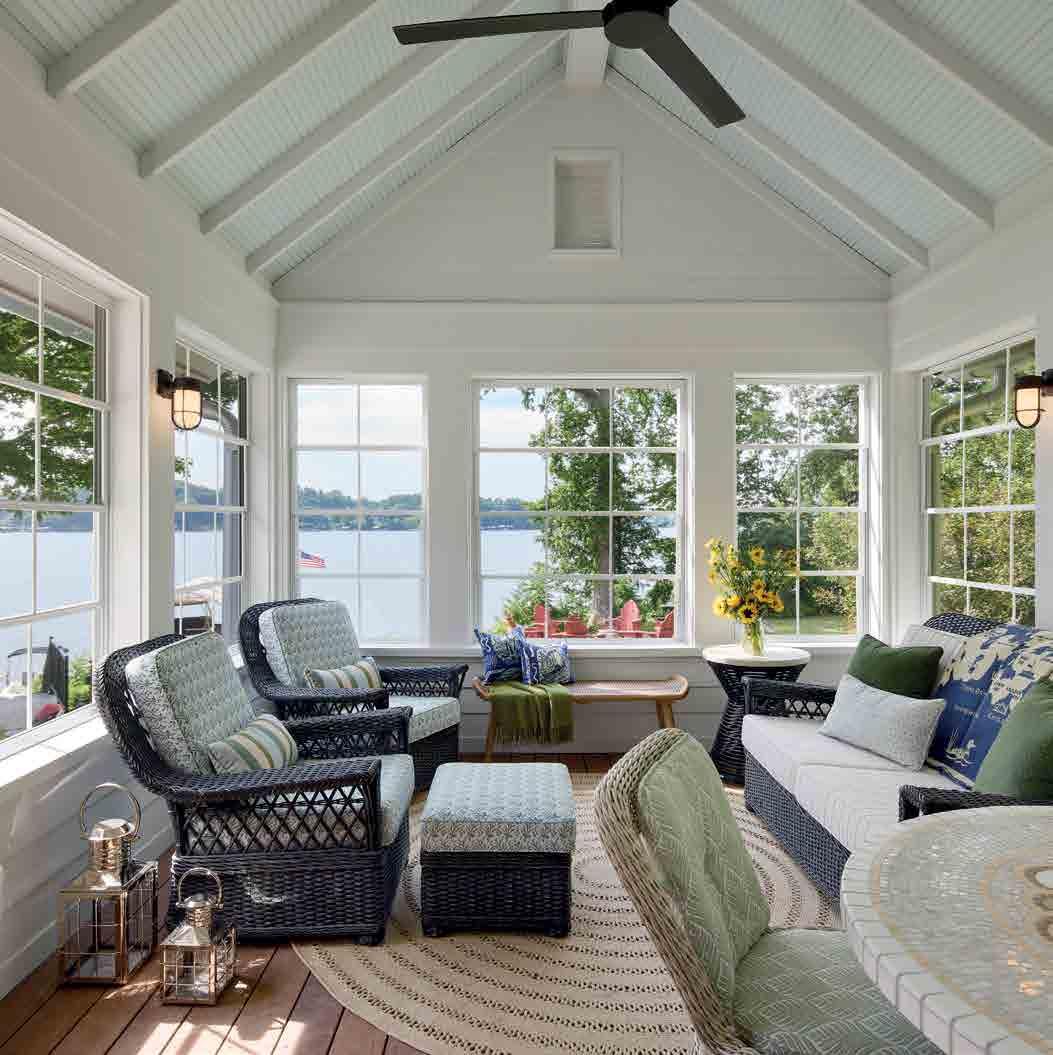


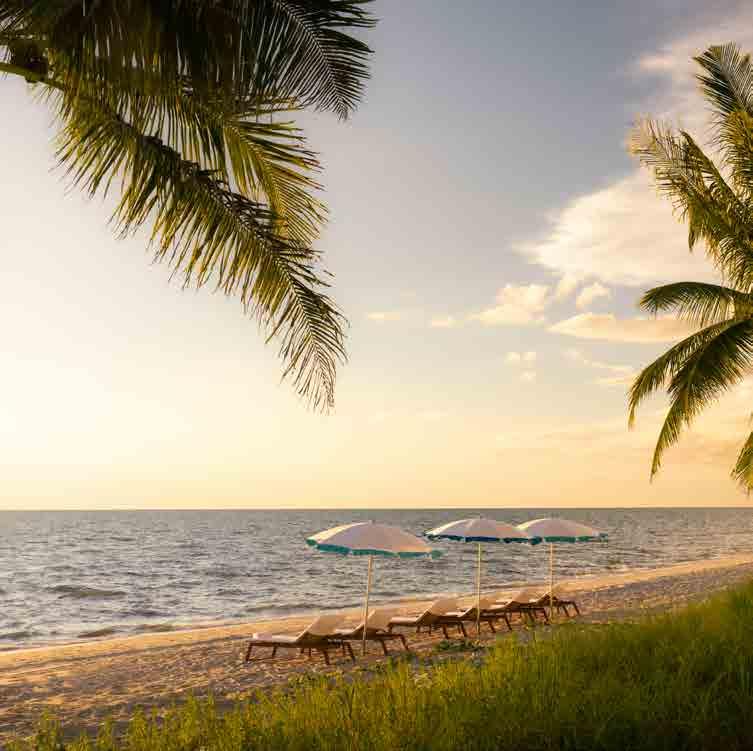
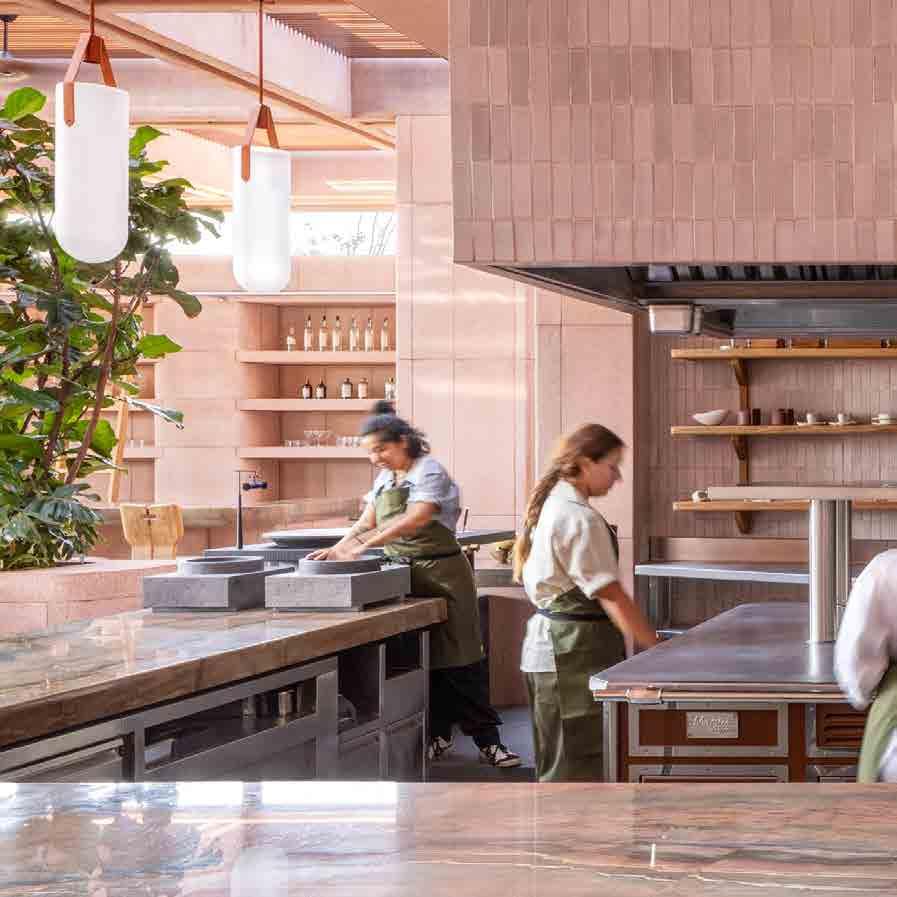
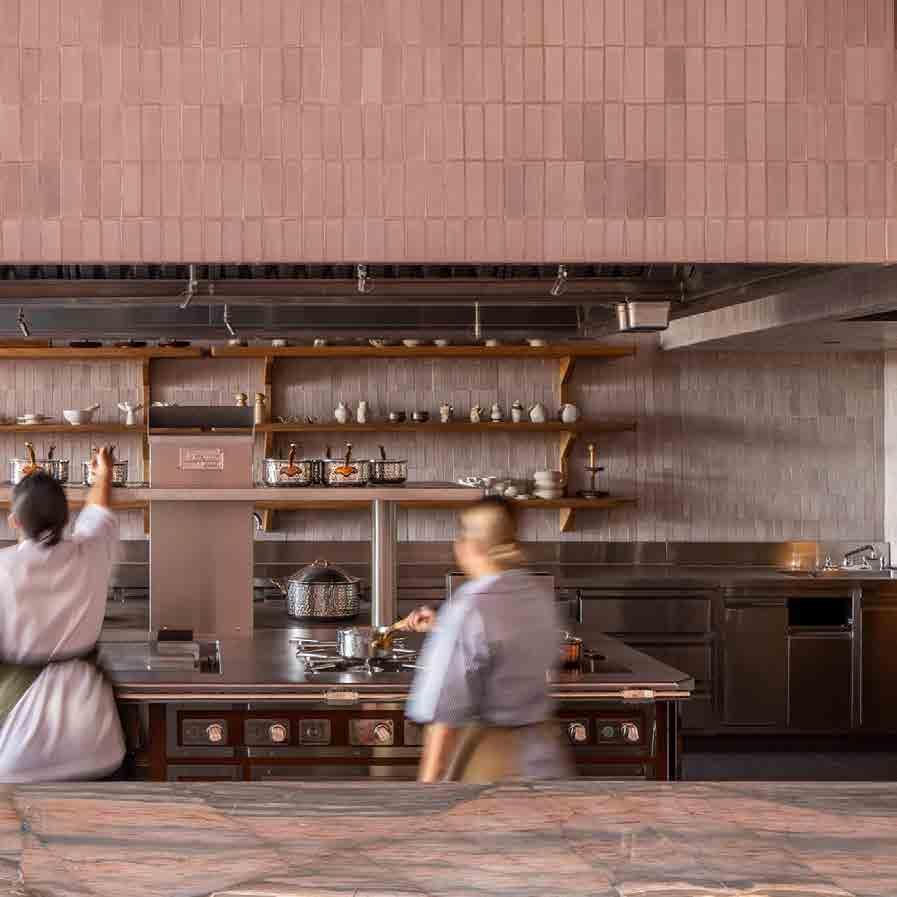
BY ROSIE KELLY
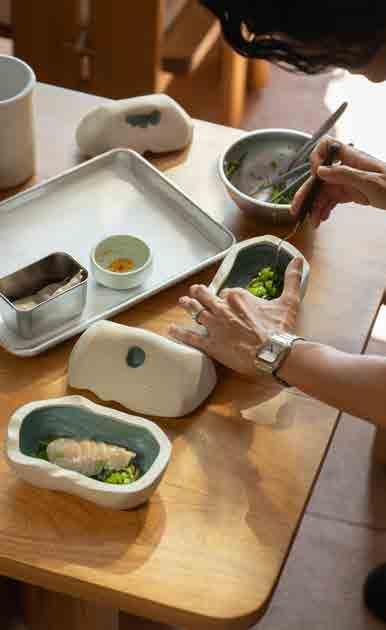
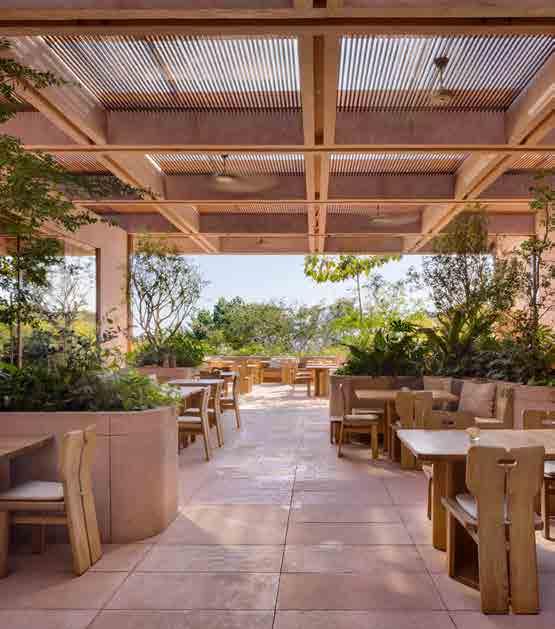
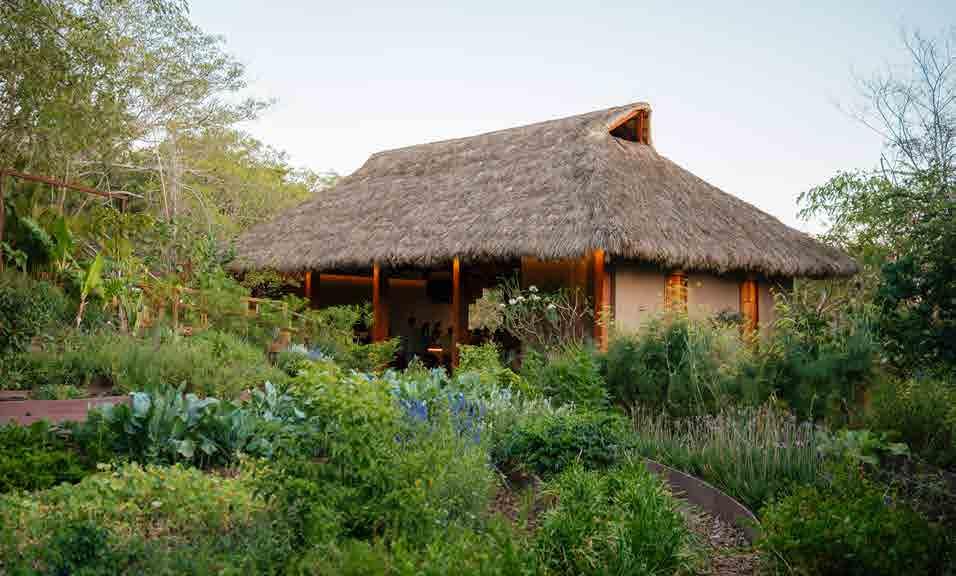
dmittedly, I don’t thrive on beach vacations. Having a fair complexion (think swim shirt territory) isn’t conducive to hours of soaking up the sun, despite my love of the ocean and my religious sunblock application. But like any child of the nineties who grew up on the Spice Girls’ music, girl power is ingrained in my DNA. So when the opportunity to step into the woman-led epicurean universe of one of the world’s best chefs presented itself, I found myself on a plane zipping toward Mexico’s Pacific Coast for a stay at W Punta de Mita with more SPF than one carry-on should hold.
The woman behind this vision is Mexico City–born Daniela Soto-Innes, who burst onto the scene as a culinary phenom in 2014. At just 25 years old, she earned the prestigious James Beard Rising Star Chef Award in 2016 and, just three years later, became the youngest chef to win the World’s Best Female Chef award from the World’s 50 Best Restaurants.
After her departure from New York City hot spot Cosme at the height of its success, Soto-Innes surprised the food world by trading fast-paced metropolitan glamour for a slow-grown deeply personal vision. At Rubra, she plants new roots — an entire farm, actually — in her homeland, celebrating the bounty of Mexico through a garden-to-table approach. Her debut restaurant also emphasizes elevating female talent in an overwhelmingly male-dominated industry, echoing the legacy of the matriarchs that historically contributed to creating and upholding Mexican cuisine as a world powerhouse.
And where better to create this epicurean Eden than at W Punta de Mita? Perched along the coveted Riviera Nayarit coastline less than an hour from Puerto Vallarta, the resort has perfected the art of beachside bliss, pairing laid-back surf culture with ultraluxe accommodations.
Lush greenery artfully encompasses the property’s 126 rooms and 20 beachfront suites, opening up to the pristine sands ideal for sunbathers and surfers alike. With a welcome margarita in hand, I follow the hotel’s signature technicolor-tiled mosaic walkway — a nod to the artistry of the Indigenous Huichol peoples — deeper into paradise. Along the way, I couldn’t help but muse that if I were creating the restaurant of my dreams, I’d want it to be here, too.
The Rubra experience begins in the two-acre organic farm, just a short walk from the main lobby. Stepping into the tropical oasis, I nibble on a freshly plucked herb offered by a caretaker as she guides me through rows of ingredients, pointing out everything from corn to chiles to hoja santa (Mexican pepperleaf). A golden hour tequila tasting at La Palapa, the Casa Dragones open-air terrazzo tasting bar overlooking the garden, underscores this magical peek behind the curtain. The space hums with life around us, quietly celebrating the traditions of milpa (the Mesoamerican agriculture system) in action.
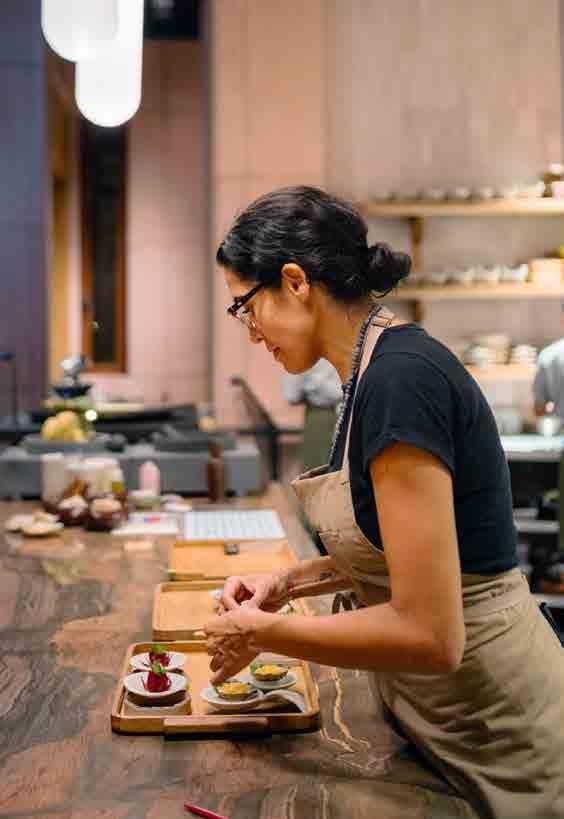
Rubra’s entrance acts as a portal, transforming the buzz of anticipation (and a little tequila) into a contented exhale. A rosy hue softens the verging brutalist slabs of uniform concrete that stretch upward to envelop the cavernous yet cozy dining room designed by Mexican architect Ignacio Urquiza. The effect is grounding and quietly commanding — a poetic ode to feminine strength and the matriarchs of Mexican culture. The details start jumping out before I make it to the table. Custom-made chairs that resemble a whale’s tale, a wall of artisan stoneware, verdant canopies reaching for the enramadas (wooden lattices) above create intimate moments that paint the vibrant picture of Soto-Innes’ world.
The nearly all-female team brings the dining experience to life. Sommelier Andrea Hernandez guides the beverage journey, and Las Chikis — the sister duo who cooked alongside Soto-Innes at Cosme — work their magic in the open kitchen. Thinly cut scallops shine in tangy citrus
flavors of lemon verbena and nopales (prickly pear cactus). Lamb barbacoa served with passionfruit, a selection of herbs and salsas, and fresh tortillas embraces a more playful approach, encouraging guests to experiment. Creativity peaks with the banana flower escabeche (a technique that involves marinating the blossoms in a salt solution), which transforms an overlooked ingredient into a signature briny delicacy.
The seafood-forward menu embodies what Soto-Innes dubs “tropical cooking,” an ever-changing approach that highlights seasonal gardengrown ingredients. It’s a beautiful homage to Huichol and Mexican cultures, bringing the land to life on the plate. As I revel in her food and vision, Soto-Innes is across the country at the MexBest Awards accepting the award for Best New Restaurant in Mexico. I unknowingly share in the celebration, quietly applauding a soursop mille-feuille with cacao and cajeta (goat’s milk caramel) so good that it eclipses any thoughts of the fresh sunburn prickling my skin. Rubra embodies connection, creativity and warmth in a way only a woman could dream up. While the food is a stunning whirl of flavor and balance, it’s the deeply personal spirit of the experience that sparks magic into this place. And to me, that’s girl power.



BY AMBER GIBSON
The United States commemorates 250 years in 2026, and there’s no better way to reflect on our country’s past and to manifest our collective hopes for the future than to visit our nation’s capital. Sure, Washington, D.C. is full of national landmarks, monuments, museums and memorials — many with expansions and new exhibitions marking the anniversary — but the capital city is also home to an incredibly diverse array of restaurants and small businesses in neighborhoods like Adams Morgan and Columbia Heights. Spring brings a vibrancy to the city by way of the celebrated cherry blossom season; the four-week festival adds a softer touch to a city full of power and possibility.
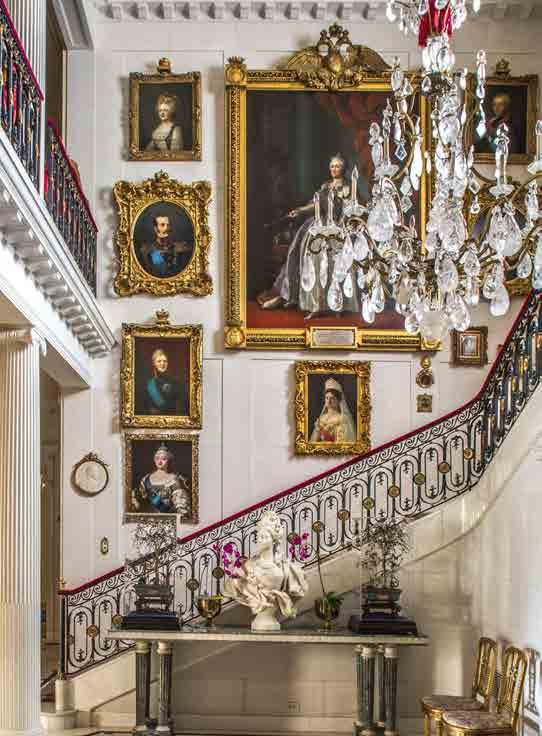
With 13 acres of verdant lawns and formal gardens, this beautifully preserved mansion offering special exhibitions and collections of Russian Imperial and 18th century French decorative art is a bucolic escape just a few miles from downtown D.C. Spring is an especially beautiful time of year to visit, with vibrant hellebores, delicate azaleas and a bright kaleidoscope of tulips welcoming guests.
Socialite and philanthropist Marjorie Merriweather Post opened her estate to the public as a museum in 1977. Docent-led mansion and garden tours are great for history buffs, with anecdotes about her adventurous life and exclusive parties sprinkled in. Enriching programming is available year-round, from evening jazz concerts and gardening tours to birdwatching and forest bathing walks. There are even activities for young children (accompanied by adults, of course), to explore the estate through imaginative play and create art using nature’s palette.
Chef Ryan Ratino’s 16-seat chef’s counter is situated above sister restaurant Bresca, and diners feel like judges on a cooking show, with front-row seats to cooking and plating in the pristine open kitchen. A hip-hop and R&B soundtrack keeps the vibe feeling more playful than pretentious, and guests can choose their own chopsticks from a chic custom display drawer. Wine and sake selections are steep but superb.
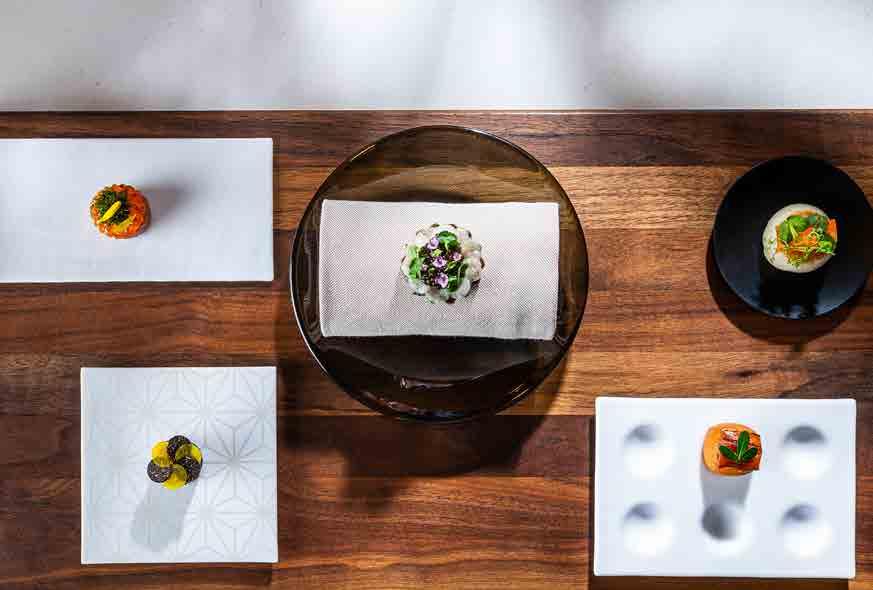
Ratino draws inspiration from Japanese flavors and techniques in his cooking, sourcing many of his premium ingredients from the Land of the Rising Sun, including Amadai tilefish from Yamaguchi, crown melon from Shizuoka and Koshiibuki rice from Niigata for his signature donabe course that’s generously showered with freshly shaved truffles at the table. The take-home menu even features a gyotaku Japanese fish print. Dessert — including freshly baked bite-size madeleines — is served next door in a dimly lit lounge for a leisurely and romantic finale.
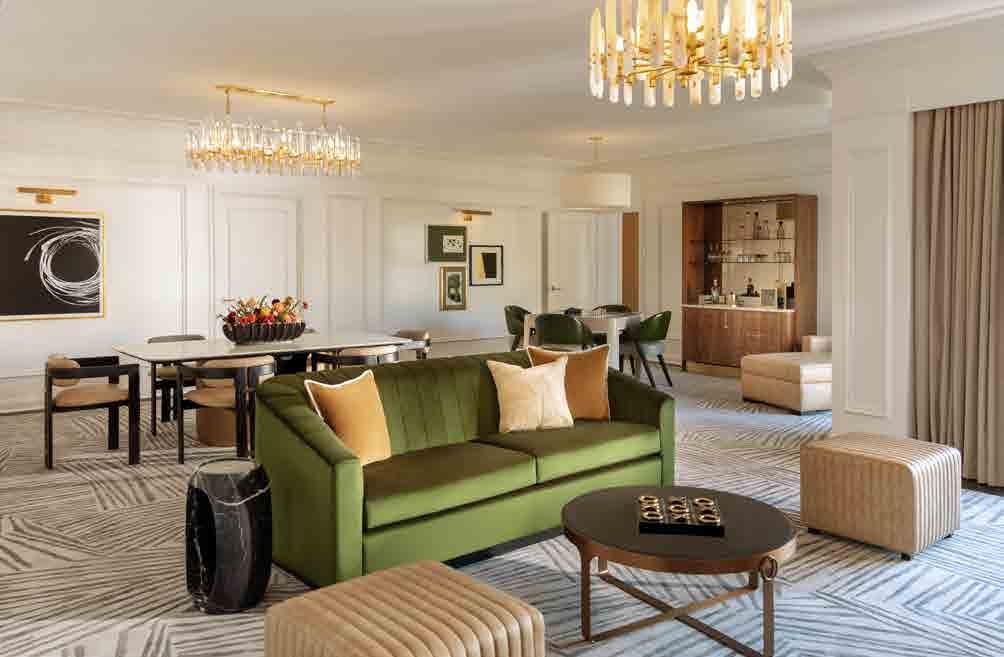
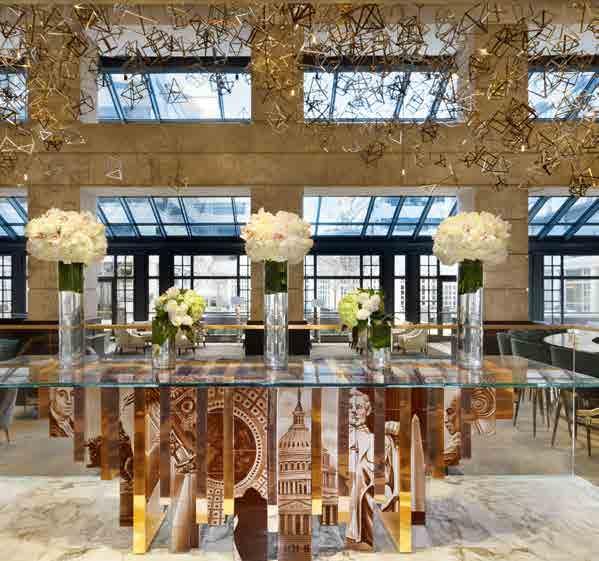
This elegant hotel’s stately exterior could easily be mistaken for an embassy, and the modern geometric interiors glow with warm golden and brushed bronze tones reflecting off the polished marble floors. The outdoor courtyard is a peaceful spot to enjoy a drink and catch up with friends under cherry trees or indulge in Cherry Blossom Afternoon Tea — featuring seasonal specials like white chocolate sour cherry tarts and cherry choux — in the loggia. The signature “bee-tini” featuring honey from the hotel’s rooftop hives is not to be missed.
Service is remarkably attentive for a 413-room hotel, with bellmen addressing guests by name and canine ambassador Georgie greeting travelers in the lobby. Kids and pets are treated like VIPs, with personalized amenities and dedicated menus. The ninth floor Fairmont Gold Lounge serves breakfast, afternoon refreshments and evening hors d’oeuvres for the 48 gold-status rooms and three new specialty suites designed by New York City–based Pierre Josselin.
Lapis is a one-of-a-kind modern Afghan restaurant serving family recipes that have been passed down for generations. Matriarch Shamim Popal is the executive chef and culinary ambassador, translating traditional comfort food like bolani flatbread, hearty dumplings and grilled kabobs for an American audience. Her rendition of Afghanistan’s national dish, kabuli pulao (spiced lamb rice pilaf), is a sweet and savory feast of boneless braised lamb, raisins and carrots.
Black-and-white family photos grace the walls, complementing carved wooden dividers and intricately patterned rugs that create an authentic, welcoming atmosphere. “Our goal was for Lapis to feel like an extension of our home,” says cofounder Omar Popal. His family immigrated to the United States in 1987 and now owns four restaurants, including French wine bar Maison Bar à Vins. Of them, Lapis feels the most deeply personal. A secret door guides guests to the restaurant’s speakeasy, Lapop, for experimental Afghani-inspired cocktails and vinyl records after dinner.
Rooted in a mission to support entrepreneurship and cultural heritage, this contemporary Latin American marketplace was built and designed in consultation with local embassies. Vendors include a chocolatier, florist, jeweler and fashion designer all under one roof, along with a wine shop, art gallery and plenty of Latin street-food offerings.
Venezuelan master chocolatier Anabella Arcay was a founding tenant when La Cosecha opened in 2019, and her glossy bonbons at Arcay Chocolates have done so well that she recently opened a standalone storefront in Georgetown. She has won 42 medals at the International Chocolate Awards for flavors like guava, passionfruit and rosemary sea salt. Her husband, Dario Berti, is fondly considered the mayor of La Cosecha for his steadfast leadership within the community. The market regularly hosts a wide array of public events, from yoga and salsa classes to pastrymaking lessons and pressed floral plate workshops.
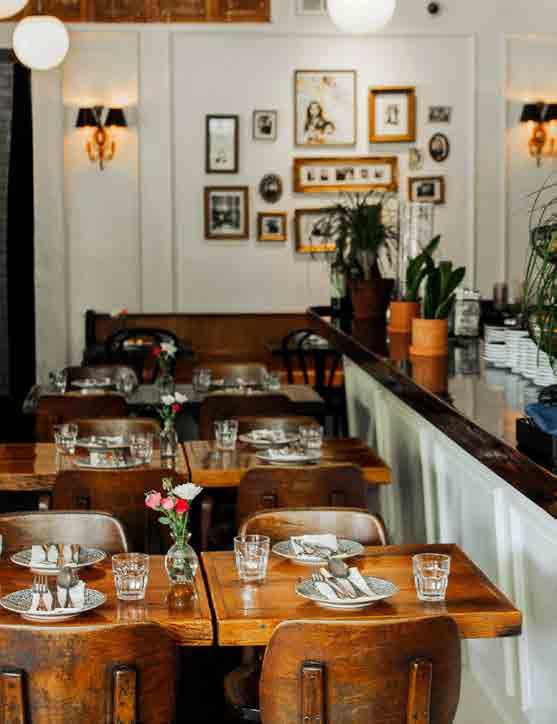
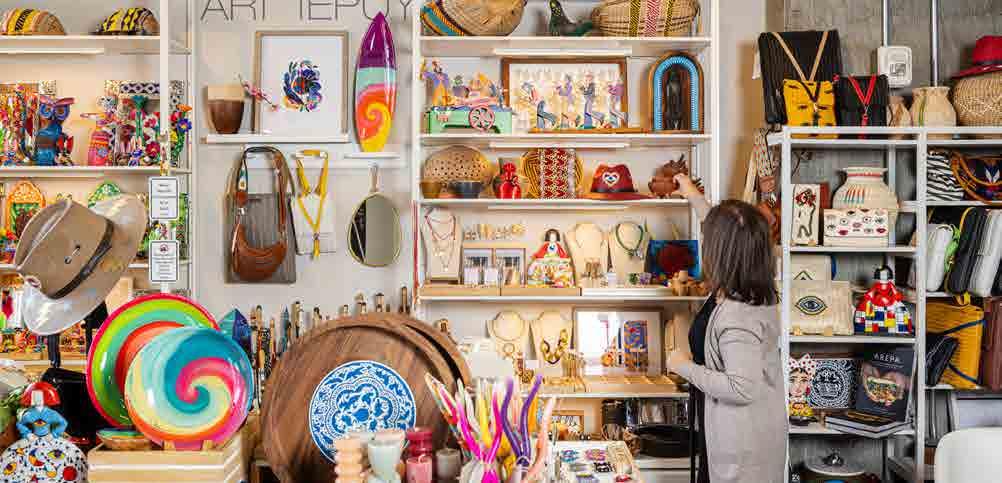
The playful modern Vietnamese menu at Moon Rabbit features a bold dose of Cajun flavor inspired by chef Kevin Tien’s childhood in Louisiana. There are ample vegetarian and pescatarian dishes, and Tien balances familiar and foreign flavors in fun ways, like mochi beignets with chili jam–glazed freshwater eel, cassava cornbread with coconut condensed milk butter, and creamy tofu stracciatella with stir-fried lemongrass chili scarlet runner beans, plus crispy shio koji focaccia for dipping.
Executive Pastry Chef and partner Susan Bae’s desserts are equally adventurous, built around ingredients not typically associated with sweet treats — think seaweed, tomato and curry. Green curry sponge cake with avocado sorbet, soursop mousse and fish sauce caramel is an ethereal delight that’s been on the menu since the eatery’s opening in 2024. The inventive fare and friendly service earned Moon Rabbit a spot on the inaugural North America’s 50 Best Restaurants list last year.
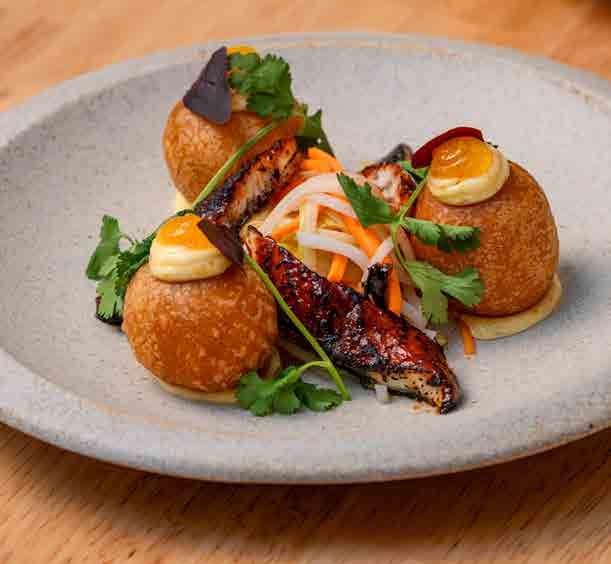
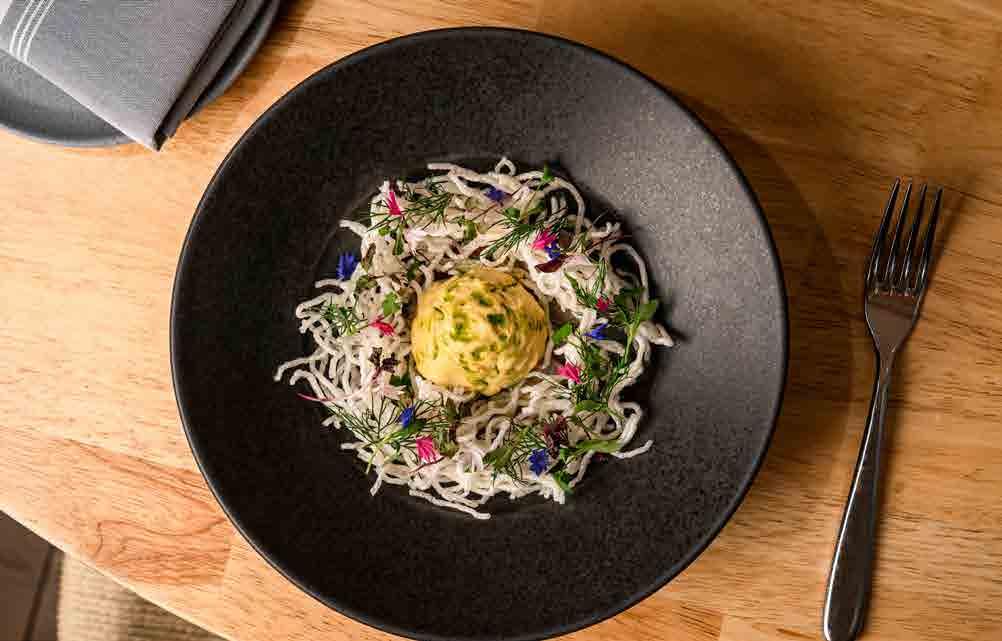
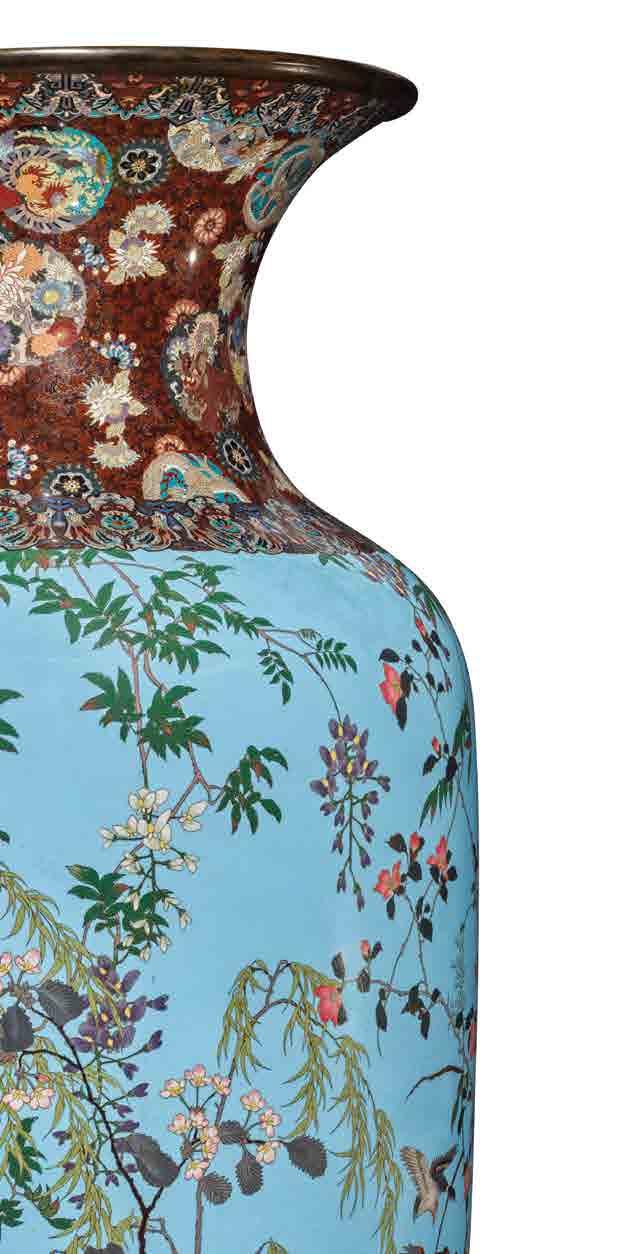
SPECIAL EVENT: Party in Bloom Wednesday, April 22, 7–11pm
Tickets are now available for Mia’s one-of-a-kind celebration of all things floral. Usher in the start of spring, and see the fresh pedestal floral creations before the festival begins.
Get tickets and see all Art in Bloom events at: bit.ly/art-in-bloom-2026.
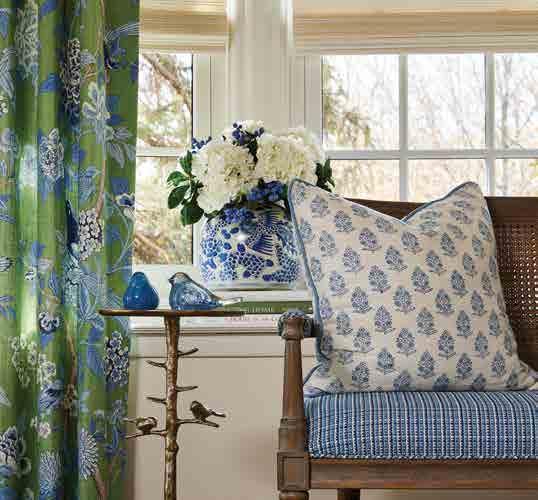


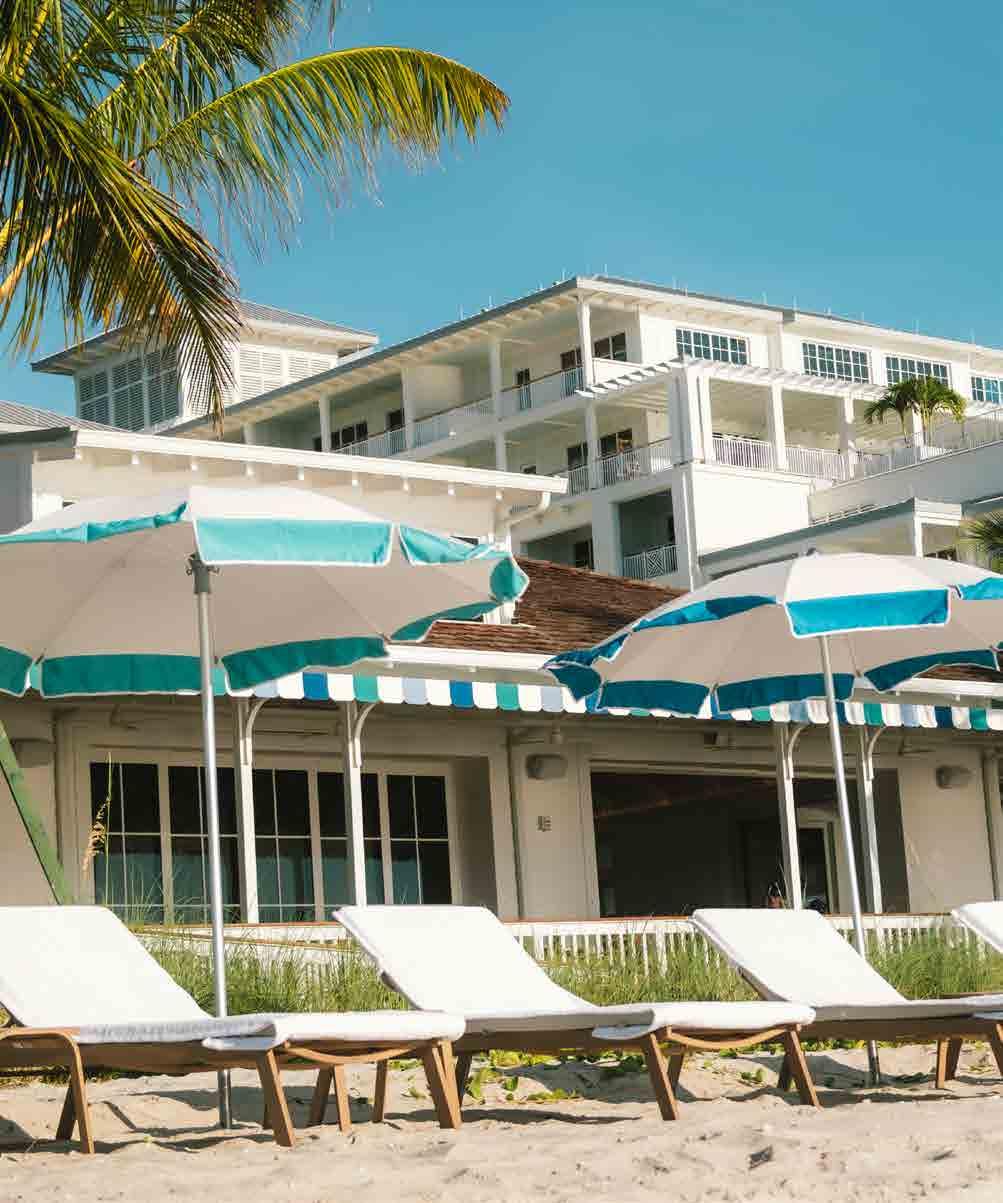
Inside the new Naples Beach Club.
BY KATE NELSON
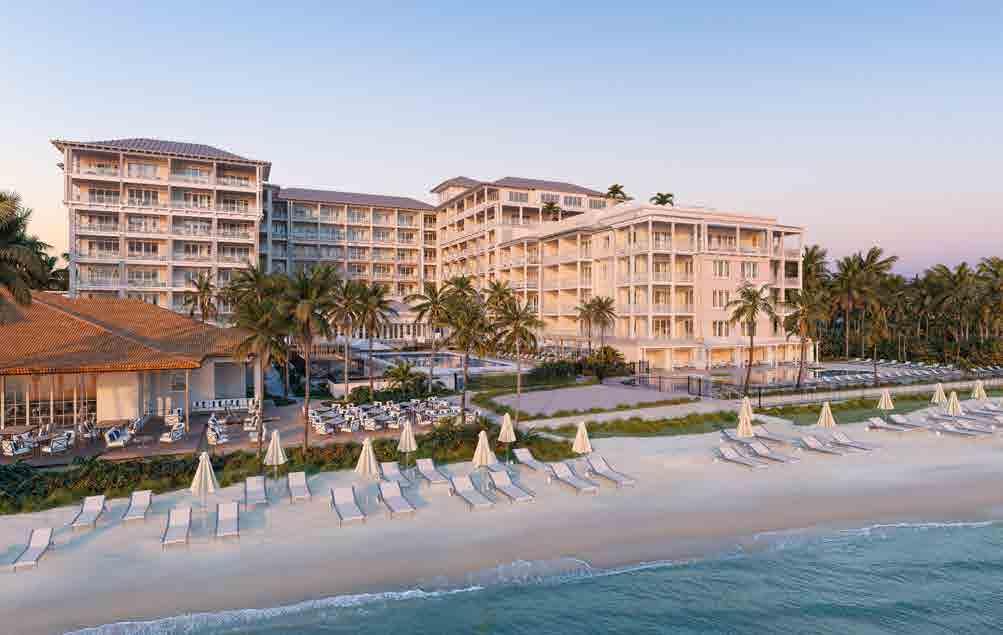
Midwesterners have long felt a magnetism toward Naples, Florida, with flocks of Minnesota snowbirds making the annual migration to the sophisticated Gulf Coast getaway. Now, the siren song beckoning sun seekers has grown even stronger thanks to the fall 2025 addition of the Naples Beach Club, A Four Seasons Resort. With a coveted address along tony Gulf Shore Boulevard and 1,000 feet of white sand beach, it’s the hottest ticket in town.
It’s not easy filling the shoes — or in this case, the waterfront — of a local institution that sat in this very spot for nearly 75 years. Residents understandably worried if the long-awaited Four Seasons property could properly pay homage to its predecessor, the Naples Beach Hotel & Golf Club, which was razed in 2022. After all, it’s a rare revival that really reflects the ethos of a local landmark like this. Thankfully, the new 220-room resort is a welcome reprisal of the cherished haunt, balancing familiarity with freshness.
On the familiar front, local favorites HB’s restaurant and the adjacent Sunset Bar still take up residence along the coveted beachfront and offer those stunning water views. They’ve undergone slight face-lifts while remaining true to their original DNA, including the signature blue-green striped awning that hovers above HB’s. These revamps earned their official stamps of approval when hundreds of fans flooded the eateries during their grand reopening last November.
Meanwhile, the main structure, conceived by design firm Hart Howerton, embodies the understated elegance

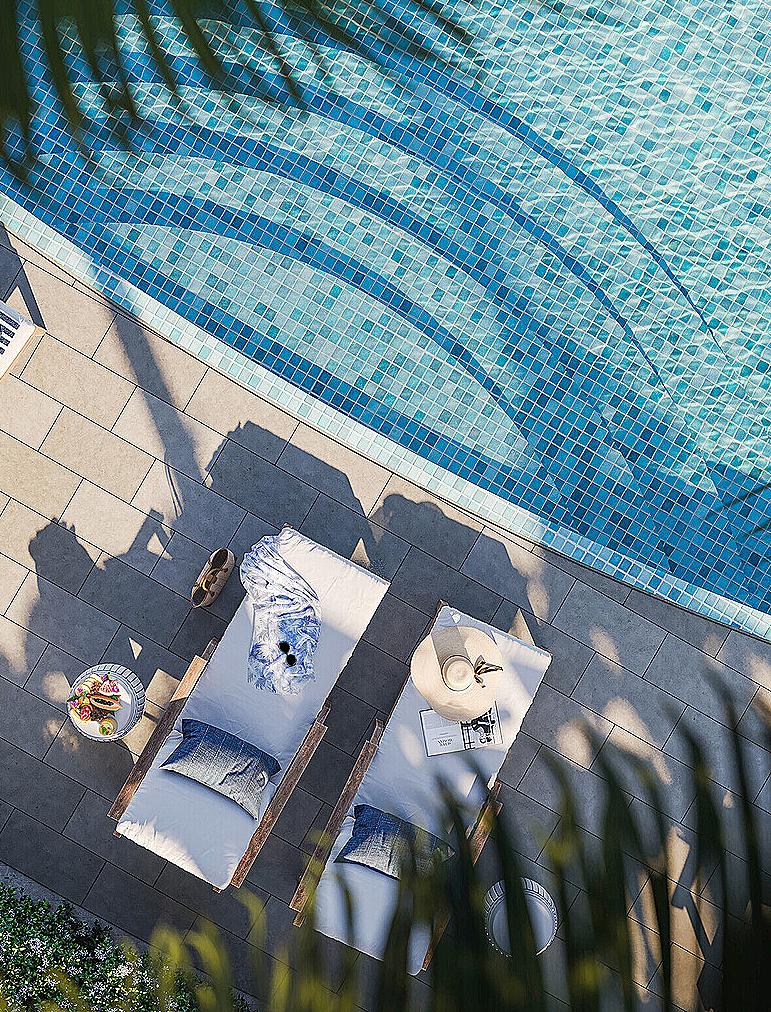
of the former hotel. It’s quiet luxury to a tee, coupled with off-the-charts coastal charm. In other words, it fits right in here in Old Naples.
From the streetside, the friendly cream-hued façade catches your eye without trying too hard, setting the easy-going tone for what’s to come inside. Upon pulling into the porte cochère, you’re welcomed by helpful bellmen who await at the enchanting yet unassuming entry. Once ushered inside the bright, airy lobby, you would be remiss not to take a moment to take it all in. New York City–based Champalimaud Design infused the interiors with nuanced touches that feel grand without veering too grandiose.
Your eye is immediately drawn up to a golden palm branch chandelier holding court above this inviting space. Your attention then turns to the intricate palm leaf bas-reliefs adorning the wall, made from native Southwest Florida plants. The attractive coffered ceiling might seem unremarkable to the uninitiated, but in actuality, it’s composed of bleached pecky cypress, a rare endemic wood that’s typically only found in Old Florida residences these days. As your vision returns back to earth, you realize you’re enveloped in an earthy atmosphere, where abundant botanicals and natural stone notes mingle with white millwork.
From there, you can’t resist the pull toward the adjacent Merchant Room, the property’s flagship eatery by Minneapolis’s own Gavin Kaysen. First to grab your attention is the White Lotus–esque mural behind the bar by New York City artist Dean Barger, an ode to Florida flora and fauna. Just beyond, you spy the restaurant’s tranquil terrace, then the pool, then the oceanfront. It’s the best of Naples unfolding before your very eyes.
And that’s all before you even set foot in your sumptuous suite. Thanks to astute architecture, most guest accommodations offer Gulf vistas and seamless indooroutdoor flow. That’s coupled with residential-style walk-in closets, marble bathrooms, plush linens and state-of-the-art technology. In short, you’ll feel perfectly at home here.
When you eventually heed the beachfront’s call, the experience will exceed your every expectation. The pristine white sand is complemented by lulling ocean waves, endless sunrays and superb attendant service. Of course, you might be tempted to post up in a cabana at one of the two pools (one of which is primed for families). All of these are right choices.
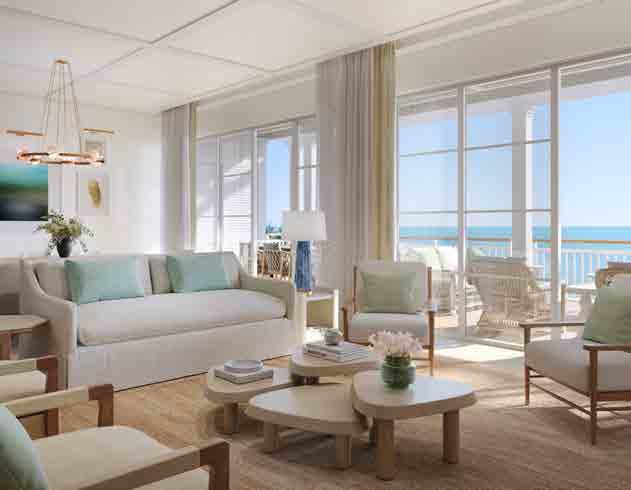
The hotel is part of the larger Naples Beach Club complex, all run by the Four Seasons. That includes the Market Square building across the street, encompassing the grab-and-go Naples Trading Company cafe and market, the serene 30,000-square-foot spa (with an entire floor dedicated to hydrotherapy), and one of the most well-equipped hotel gyms you’ll ever see. Coming soon is a sports gastropub with an adjacent game room and four-lane bowling alley, and just beyond, a Tom Fazio–designed golf course is also set to debut later this year.
The resort is a great home base for exploring all that the Paradise Coast has to offer, from shopping on posh Fifth Avenue to chartering a boat to take in the unbelievable sunsets. But in reality, there’s really no reason to leave the property, as everything you could ever want is within reach (or can easily be procured for you). With the Four Seasons, this Gulf Shore Boulevard grand dame has been reborn so that future generations can enjoy it just as much as generations past have.
For more on The Merchant Room from Gavin Kaysen, head to ArtfulLiving.com.
CHEF GAVIN KAYSEN TRANSPORTS
MIDWESTERN FLAVORS TO NAPLES, FLORIDA.
He has built a Twin Cities restaurant empire and a national name for himself, and now Gavin Kaysen has expanded his culinary reach to the Sunshine State. The two-time James Beard Award winner grew up spending time in Naples and has partnered with Four Seasons Hotel Minneapolis on Mara, so this seemed like a natural fit. So how does The Merchant Room fit into Kaysen’s family of eateries?
“Spoon and Stable is my first born and is genuinely my favorite,” he says. “Demi is the high-touch middle child, and Bellecour is the rambunctious one, because the personality shifts from day to night. I only have three kids to compare to, so I would say that The Merchant Room is a distant cousin in many respects.” A cousin with whom one might have, say, shared childhood Florida family vacations.
Spoon and Stable regulars will recognize some menu staples, such as the spaghetti nero, tamarind-glazed pork chop and creamy spinach with fried cheese curds. Alongside those favorites are destinationforward New American dishes that make the most of Florida’s fresh ingredients, which obviously differ from what’s in season in the Midwest. It’s a fun challenge Kaysen has encountered before, like when he simultaneously ran Café Boulud in both New York City and Palm Beach.
While developing the concept, he frequently made the migration south, and he still regularly visits to ensure everything at The Merchant Room is up to par. A happy byproduct, of course, is escaping the cold and spending some time in the sunshine. “Naples has a beautiful Gulf coastline, and you get the best sunsets in the world,” says Kaysen. “It’s a very spiritual thing to wake up in the morning and walk on the beach, then finish a busy workday sitting on the terrace just listening to the ocean waves.”
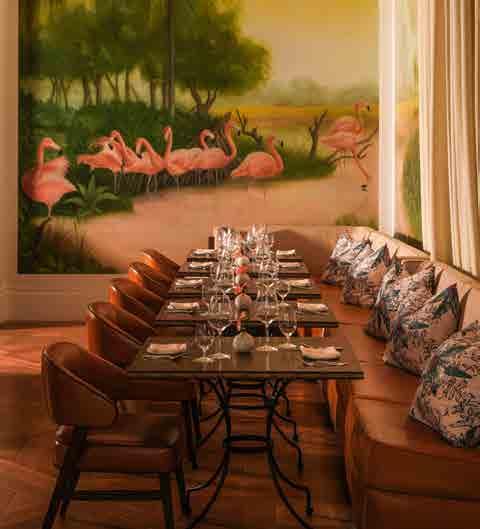
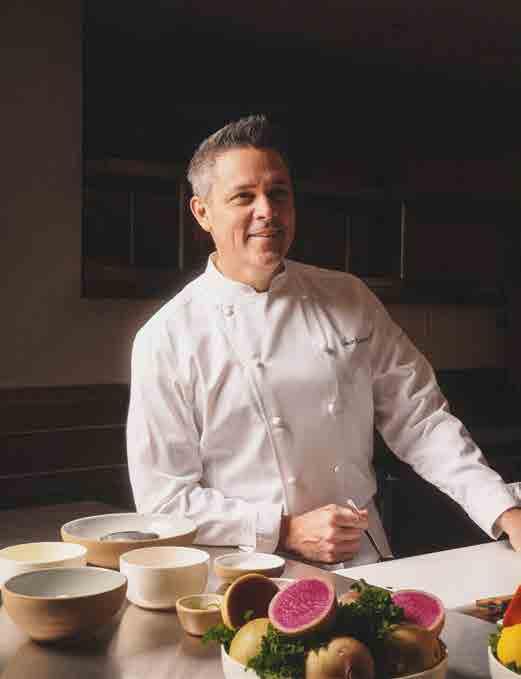
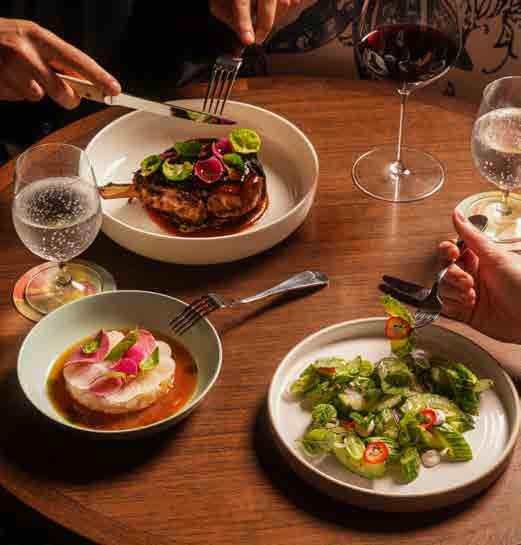
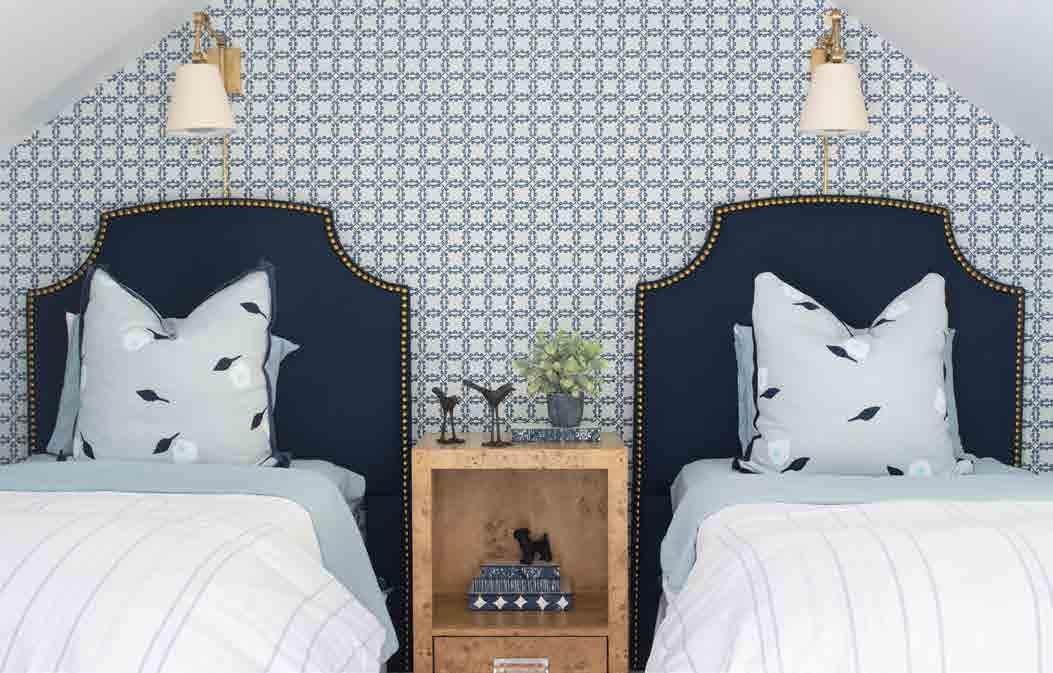

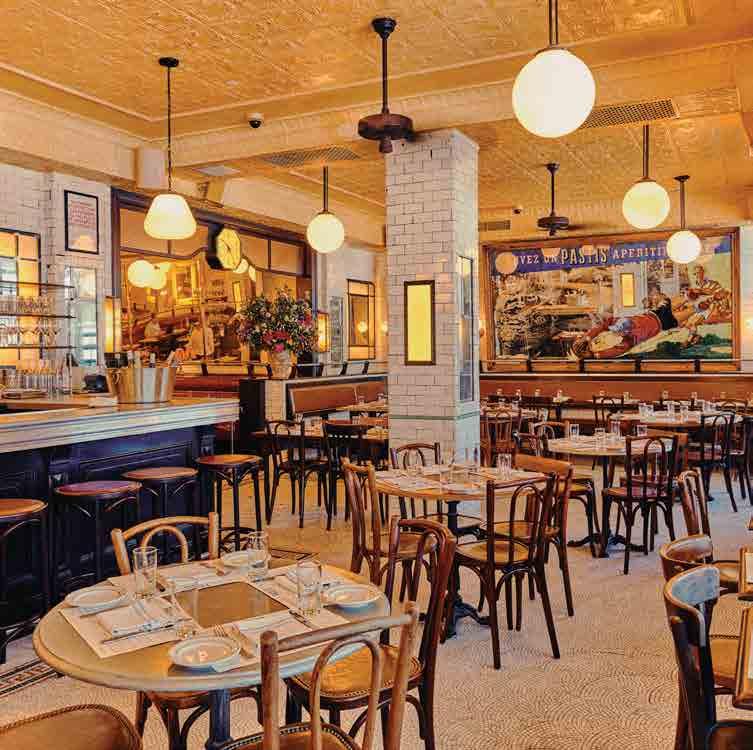
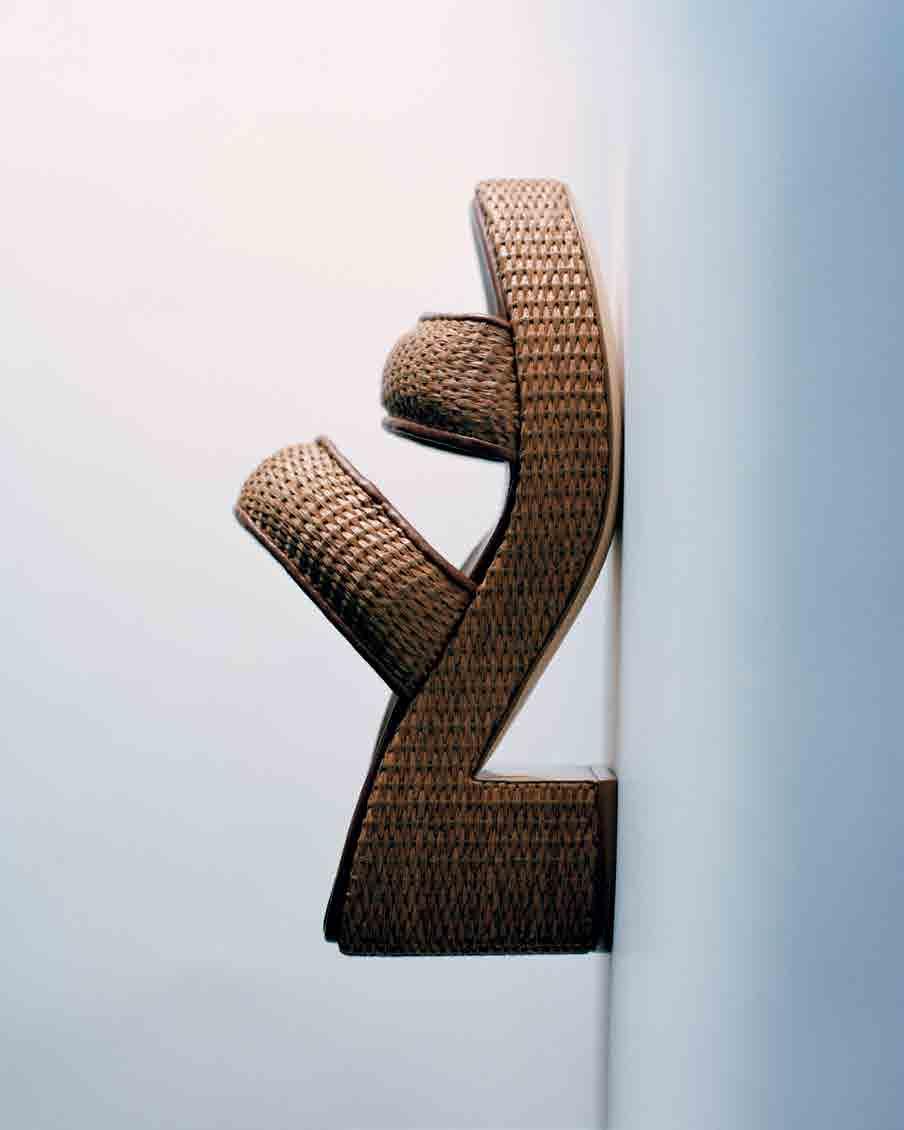

An intimate, exclusive conversation with the deliciously irreverent Keith McNally.
BY WENDY LUBOVICH
ILLUSTRATION BY KLAWE
RZECZY
famed New York City restaurateur Keith McNally is having a moment. His recent book, I Regret Almost Everything, takes us inside his epic restaurants, like Balthazar and Pastis. But he also reveals some very candid accounts of his family struggles, debilitating stroke and suicide attempt. Rave reviews are piling up, and the poignant memoir is praised by the likes of Anna Wintour and Martha Stewart. We recently caught up with McNally, who tells us that despite the accolades aplenty, he is not feeling like the toast of the town.
“Although I’m glad it’s selling well, I’m not entirely happy with the book,” he tells Artful Living. “There are too many words and sentences that make me cringe. Luckily, my publisher has given me permission to rewrite the book for the paperback version, which I’ve been working on every day.”
It’s this refreshing honesty, combined with a willingness to do things his way, that has made the British-born McNally American restaurant royalty.
Deemed “the restaurateur who invented downtown” by the New York Times, McNally is known for iconic eateries that blend a touch of glamour with a welcoming ease. “I only build the kinds of restaurants I want to go to,” McNally explains. “The irony is the more experience I acquire, the harder it becomes. The older I get, the more nervous I am about things that were once routine.”
McNally was on to something in 1995 when he stumbled upon an old leather warehouse in Manhattan’s SoHo neighborhood. Inspired by classic Parisian brasseries, he transformed the space into his iconic Balthazar restaurant. “The first thing I did was block in two of the windows and replace them with mirrors,” he writes in his book. “Like plays and films, restaurants work best when they create their own universe. To be reminded of the outside world while dining is like hearing the doorbell ring while making love.”
Part of Balthazar’s lasting success is its moody, atmospheric interior. With its ochre-hued walls and layered lighting, the room emits a seductive glow. Turns out, McNally has a knack for creating spaces that feel like they have always been there. “Good design, like good cinematography, should never strain to be noticed,” McNally explains. “It should appear as natural and effortless as if it had fallen into place. The moment a designer’s hand becomes conspicuous, the game’s up.”
And he is just as opinionated about customers, reminding staff to keep an eye out for the shy person walking in. Savvy New Yorkers, he says, will always find a table. But it’s the quieter ones who need attention. So too with female diners eating alone. To welcome them, McNally always sends over a complimentary glass of Champagne. Yet despite all this restaurant savoir faire, McNally says he is “the least hospitable person in the hospitality business.”
The entrepreneur grew up in the working-class East End of London. He recalls being ashamed of his family’s prefabricated home with its thin walls. Early on, he acted in the London theater, where he became enchanted with stage lighting. McNally moved to New York City in 1975 and began working at restaurants. Then five years later, he opened his first eatery on a quiet street in Tribeca. “Through no intention of our own, the Odeon quickly became the epicenter of the downtown art scene, with Andy Warhol, Jean-Michel Basquiat and Julian Schnabel mixing with the likes of Anna Wintour, Lorne Michaels and the cast of Saturday Night Live,” McNally recounts in his memoir.
But the book is about more than just restaurants. It’s also a frank and moving account of McNally’s personal life with his five children and two marriages ending in divorce. And in breathtaking candor, he writes about a moment in his life that changed everything.
It was 2016, and McNally was living with his second wife in London. One day, he noticed a strange metallic tingling sensation in his fingertips. Hours later, he woke up in the hospital, having suffered a stroke. The episode affected his speech and paralyzed the right side of his body. In an instant, he had lost the ability to walk and talk.
To this day, McNally has difficulty speaking and is unable to use his right arm — daily struggles he finds embarrassing. “By degrees, I grieve every day for the physical person I used to be,” he admits. “The intensity may differ, incidents may make me happy, but the loss is always there. Grieving isn’t a finite process with a beginning and an end. Regardless of what the experts say, closure is always ajar The truth is that nobody gets over anything. Eventually the accumulation of all the things we never recover from registers in microscopic detail upon our faces.”
Everything came to a head in 2018, when McNally was staying with his family in their Martha’s Vineyard home. By then, he was deeply depressed,




coming to terms with his physical inabilities and facing a failed marriage. So he decided to take his own life. “I locked the bedroom door and methodically transferred 38 Ambien and 15 painkillers into a bowl and scooped the pills into my mouth in handfuls, washing down each mouthful with water from a small plastic bottle,” McNally recounts. “Then it was done. The line ‘Things we can’t untie’ from a Leonard Cohen song drifted into my head.”
It was McNally’s young son, George, who found him unconscious on the bedroom floor. The restaurateur was rushed to the hospital, where he began the prolonged process of healing. When a counselor told him that children who lose a parent to suicide are far more likely to kill themselves, he decided he wanted to live.
During this period of recovery, McNally found a surprising source of strength: Instagram. Isolated in his apartment, he became a social-media sensation, connecting directly with the world and passionately speaking his mind. Today, more than 200,000 followers read Balthazar’s nightly dining reports or get McNally’s colorful take on the day. “As a result of having a stroke, my voice was shot to pieces,” the author tells us. “At the same time and not unconnected I think my writing has improved The only time I feel normal is when I’m writing. Unintentionally, Instagram became my voice.”
“Happenstance might have made me an Englishman, but I chose to be a New Yorker. And, hopefully, I’ll die as one, too.”
His Instagram voice positively exploded in 2022, when he took on English actor/ TV host James Corden, accusing him of bullying a Balthazar staff member. It instantly caused a frenzy in the United States and across the pond. “Within hours of the Corden post, the number of my followers shot up from 58,000 to 73,000,” McNally reveals in his book. “My post had gone viral and each hour that passed, my followers increased by 5,000. I felt like I’d hit the jackpot of a slot machine, and thousands of gold coins were spilling out in front of me.”
That willingness to challenge celebrities struck a chord — as did his disdain for culinary events like the James Beard Awards. McNally attended the 1998 awards ceremony and loathed the “selfindulgent” acceptance speeches, writing in his book: “When I was nominated in 2010 for the country’s Outstanding Restaurateur, I stuck to my promise and refused to go to the ceremony. I sent my daughter Sophie instead. Surprisingly, I won. Sophie collected the medal on my behalf and handed it to me the next day. A week later, disgusted with myself, I threw it in the garbage.”
These days, McNally is busy writing a play, which he tells us is “moving at a snail’s pace.” And he continues to rework his memoir, polishing the prose to become “crisper and tighter with fewer adverbs and adjectives” and incorporating more stories, especially of his personal life.
Although McNally spends hours every day writing, he struggles with a certain aspect of the process: “Unfortunately, there’s a conflict between the person I want to be and the person I know I am,” he shares with us. “My book falls between the two. But surely, most people feel a similar division within themselves. The people I truly admire don’t seem to have it.”
Since his stroke, McNally tells us, he is touched by the smaller things in life, like acts of kindness or unexpected encounters. “I was quite down when leaving Cafe Luxembourg a month ago,” he shares. “And a complete stranger who was entering as I was leaving recognized me and, without being effusive, gently told me how much she liked the book The understated manner in which she complimented the book meant the world to me.”
So for now, McNally will carry on running his restaurants and making his opinions known. More than 50 years ago, he came to the United States without a firm plan, and today, he’s one of the country’s leading restaurateurs In many ways, he has been living the American dream — albeit in his own irreverent way: “Happenstance might have made me an Englishman, but I chose to be a New Yorker,” McNally concludes. “And, hopefully, I’ll die as one, too.”

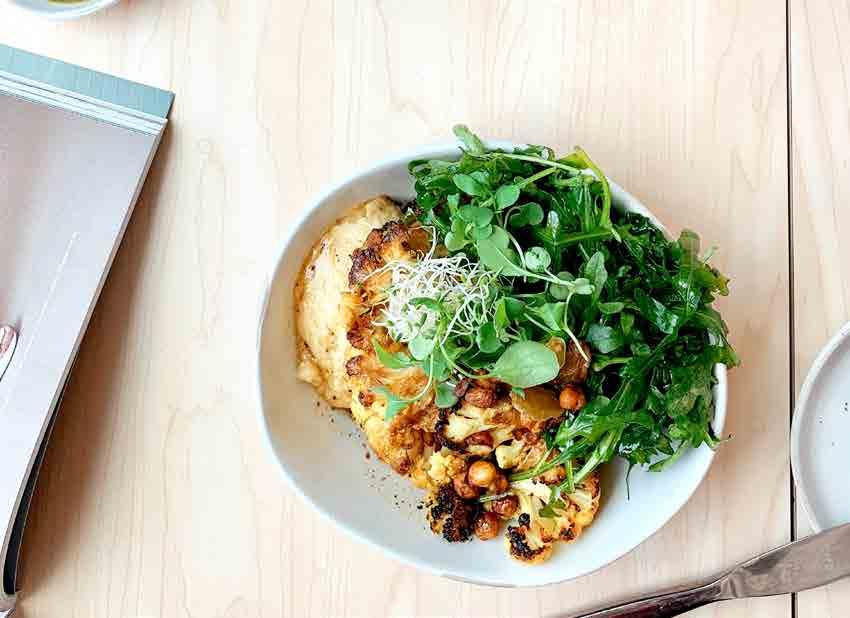


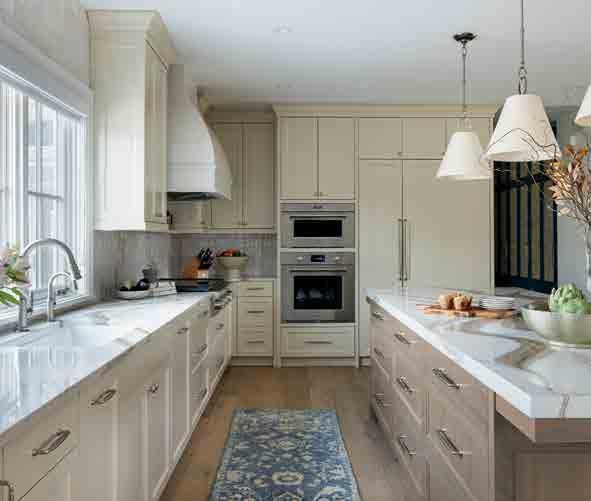

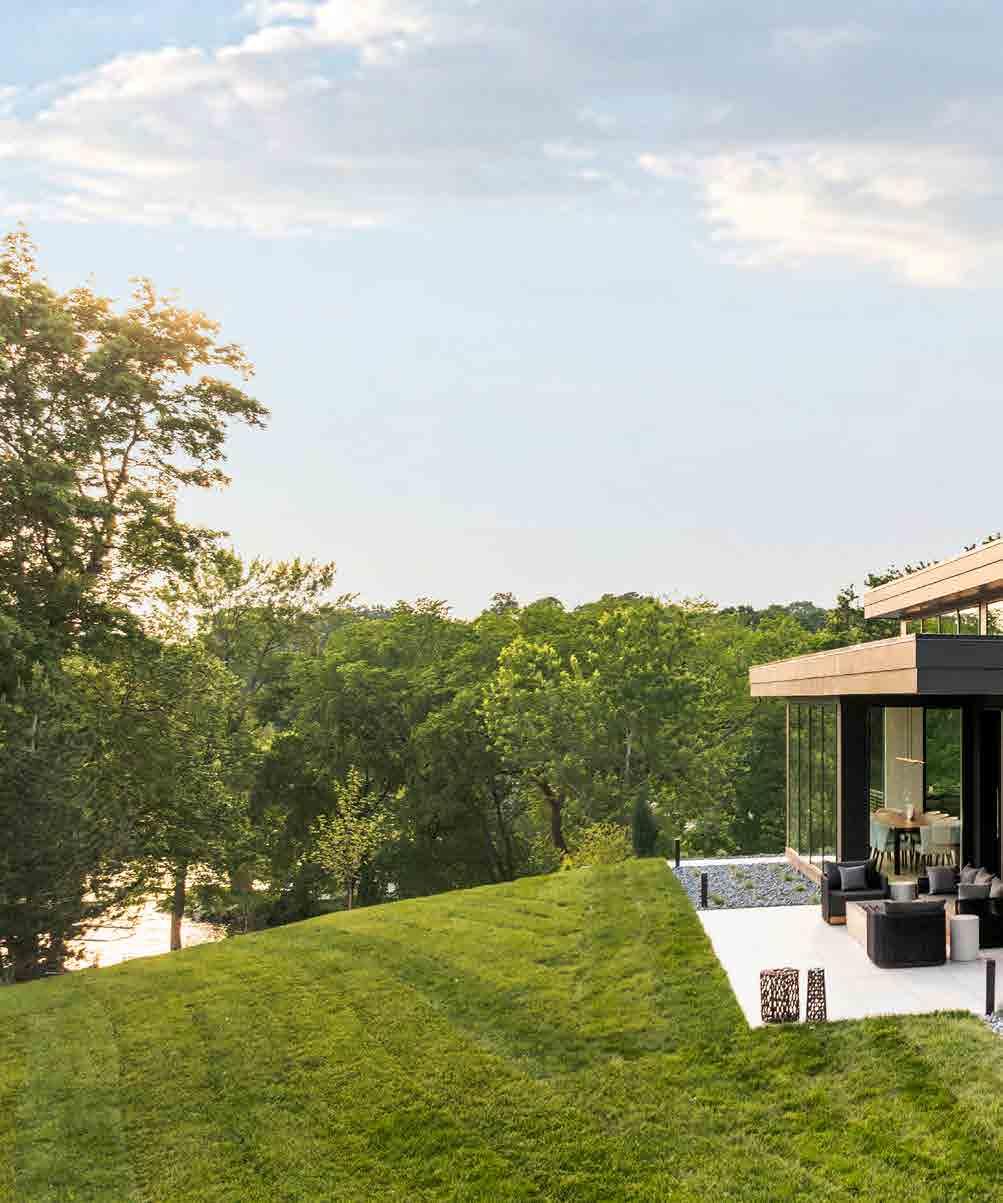
Denali Custom Homes constructs a residence where collaboration and a love of design define life on Lake Minnetonka.
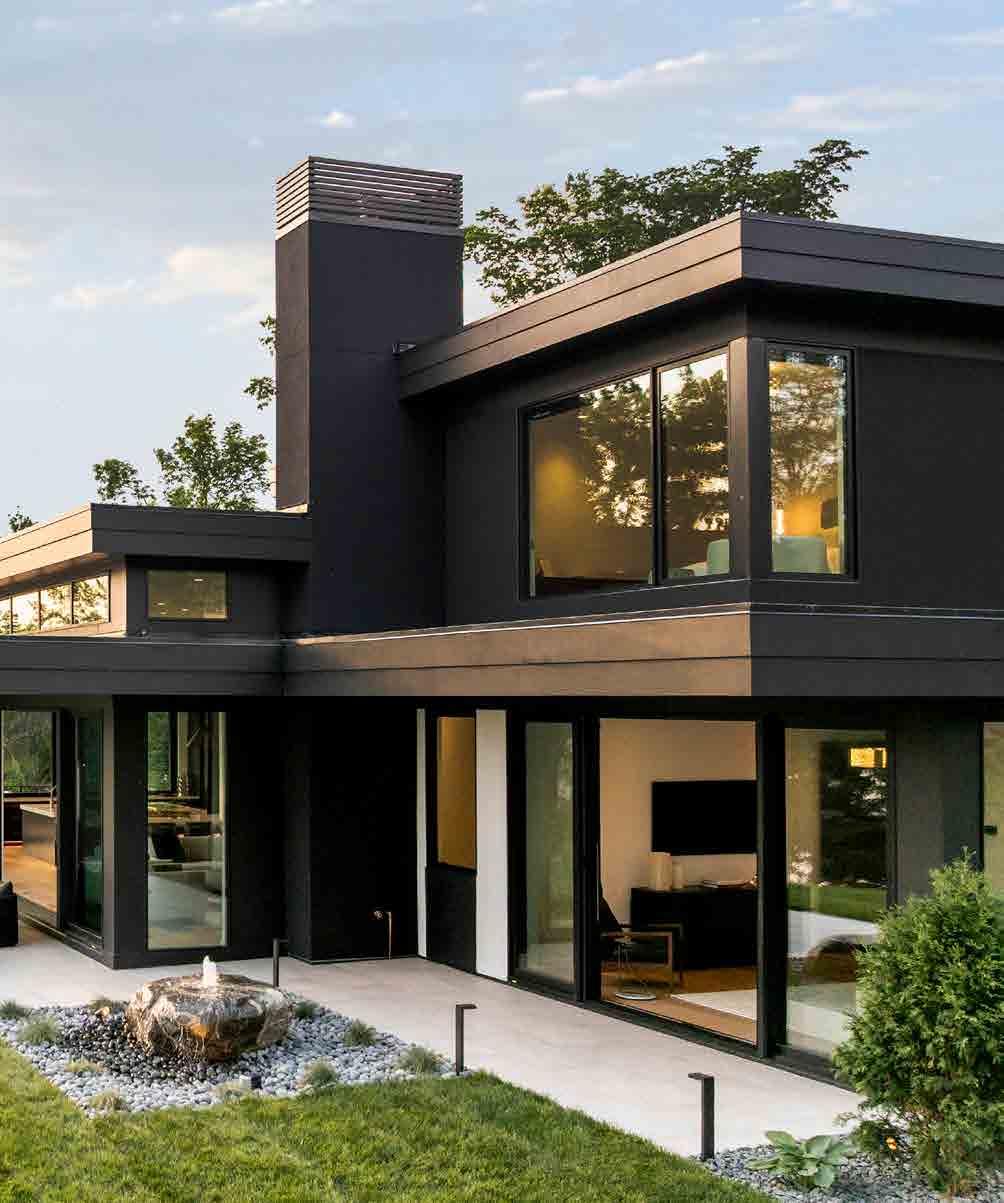
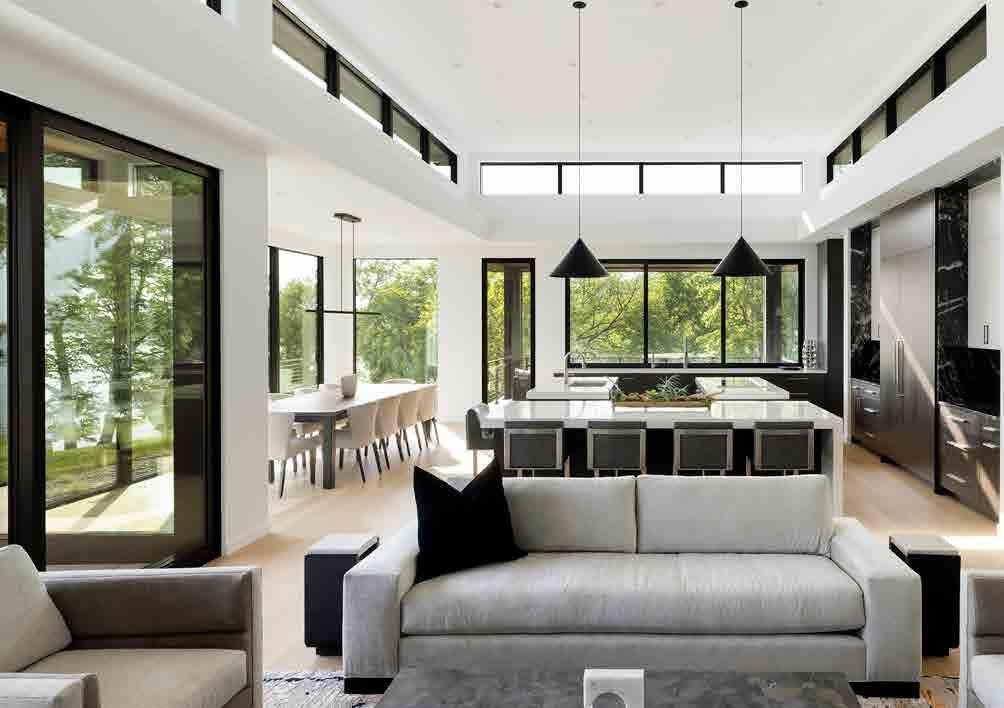
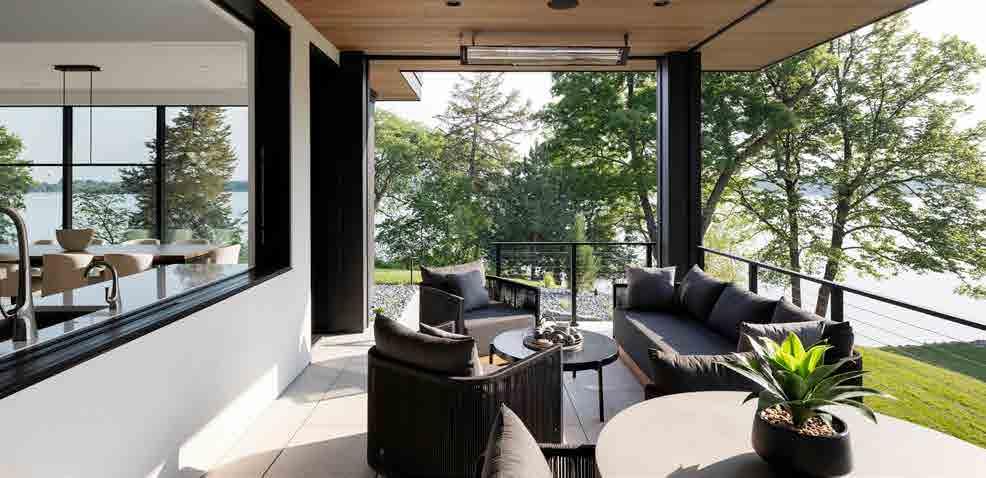
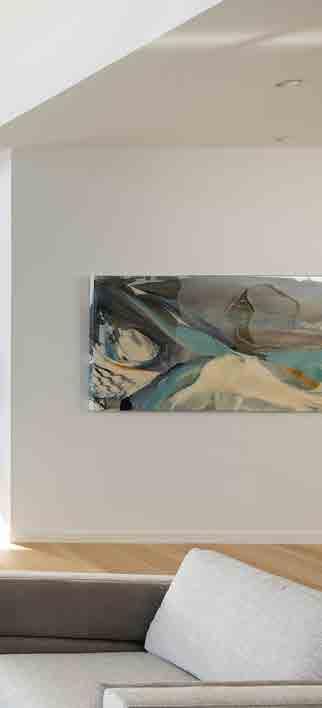
The most memorable homes are rarely the result of a single moment of inspiration. Instead, they emerge through relationships built over time, grounded in trust and shaped by thoughtful collaboration. For homeowners Paul and Judy Schmeling, their Lake Minnetonka residence is exactly that: a forever home constructed through a close partnership with Denali Custom Homes’ husband-and-wife team, David and Jodie Bieker.
The Schmelings first met the Biekers more than five years ago while touring what they call a Denali dream home. What began as a casual conversation with Jodie — who also holds her real-estate license with Wayzata-based Coldwell Banker — quickly evolved into a meaningful connection. At the time, the couple was living on Lake Minnetonka and beginning to imagine what their next chapter might look like.
With her deep knowledge of the area, including access to off-market opportunities, Jodie quickly uncovered a rare, triangular lot tucked into the treetops and wrapped by water on multiple sides. More than 700 feet of shoreline traced the property, including what Jodie refers to as the charming “enchanted channel” between Lake Minnetonka and Forest Lake Bay.
While the site spanned nearly an acre and a half, only a small portion was buildable, an inherent challenge that demanded thoughtful consideration. “From the very beginning, it was about listening closely and problem solving together,” says Bieker. “The Schmelings wanted main-floor living and a home that felt effortless, even though the site itself required highly intentional planning.”
To bring the home to life, architect Peter Eskuche of Eskuche Design Group and Studio M Interiors were carefully selected as part of a highly collaborative team. “The design process and team selection were very intentional,” explains Jodie. “We could clearly see a shared vision early on. David and I sit in on every architectural meeting to advocate for our clients and stay aligned with their preferences, and to collaborate with the architecture team to execute the thoughtful and beautifully executed design.”
That’s also where the creative ideas surfaced. Paul wanted a dedicated bourbon tasting room, and Judy was intent on creating a space for her art. While David was happy to help Paul with his man cave, Jodie and Judy connected over their mutual love of painting, as they are both members of the Minnetonka Center for the Arts. “It always makes it more fun to work with clients who have a creative vision for what they want,” says Jodie. That collaboration extended through every architectural meeting, design decision and construction milestone. The outcome is a 6,800-square-foot modern yet warm retreat where every room is thoughtfully oriented to capture lake views and natural light. The open-concept great room features soaring ceilings and clerestory windows, while the kitchen, with three separate islands, flows effortlessly into a heated screen porch featuring a large pass-through window connecting the kitchen and porch. The lower level includes a recreation room with a bar, billiards, a gym, a guest suite and Judy’s art studio, all designed with the same attention to flow and livability.
Personalized touches throughout the home reflect the Schmelings’ story, but it’s the overall cohesion that stands out most. “Denali helped us see the big picture while still caring deeply about the smallest details,” says Paul. “It never felt overwhelming; we always felt supported.”
Builder: Denali Custom Homes
Architect: Eskuche Design Group
Interior designer: Studio M Interiors
The home’s warm, modern design is complemented by personalized touches throughout. One standout example is the accent wall offering a touch of nostalgia in Paul’s bourbon room. As Judy explains, when she was young, she and her dad planted a black walnut tree in the backyard. When she went off to college, her mom grew tired of picking up all the acorns and asked her dad to chop the tree down. He obliged, but he saved the valuable lumber and dried it for future use.
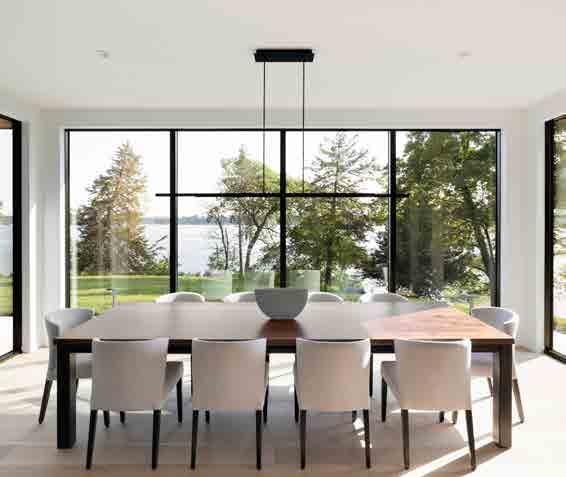
What began as a quiet memory grew into a meaningful design moment. “I said, ‘Dad, I have an idea for our new home and wondered if I might use some of that black walnut,’” Judy recalls. The result is a custom-designed 3D art wall, composed of black walnut planks in varied dimensions, each one personally planed, sanded and finished by Paul, Judy and her father.
Personal details are thoughtfully woven throughout, but the home’s greatest strength lies in its cohesion. Nothing feels overdone; everything feels considered. “Denali helped us stay focused on the big picture,” says Judy. “They cared about the details as much as we did, and that made all the difference.”
Completed in the fall of 2025 and unveiled on the Artisan Home Tour, the Schmelings’ Lake Minnetonka residence marked the culmination of a collaboration rooted in trust, patience and shared vision. As the seasons have shifted, the home continues to reveal new layers of beauty, most notably in late autumn, when falling leaves open up sweeping, unobstructed views of the lake beyond.
Thoughtfully designed to evolve with its surroundings, the home feels both grounded and expansive, equally suited to quiet moments and lively gatherings. More than simply a striking architectural achievement, it stands as a reflection of Denali Custom Homes’ philosophy: residences shaped not only by craftsmanship and design excellence, but by genuine partnership, where listening, collaboration and care are as integral as the materials themselves.












special shout-out to our women leaders!
Joan Hansen - Store Manager • Molly Miller - Store Manager • Jenny Mahoney - Deli Director • Rachael












As a women-owned business, we know the strength and value of women’s voices and achievements. Kowalski’s is proud to partner with many local businesses led by amazing, hardworking women – just a few of whom are highlighted here.

Perron - Culinary & Branding Director • Helena Mattera - Grocery, Dairy, Frozen Director • Tina Fournier - Human Resource Director • Emily Schultz - Catering Director • Teresa Curran - Gift & Floral Director • Laurie Bell - Marketing Director KOWALSKIS.COM






The region’s best and brightest.
BY KATIE DOHMAN
For the past 32 years, Adrienne Diercks has made it her mission to help students connect to their purpose. The Minneapolis-based nonprofit she founded, Project Success, provides experiential learning and enrichment programs for middle- and high-school students. Diercks’ commitment and passion come from her history not only as a Minneapolis native, a public-school graduate and an educator, but also from a profound understanding that every student already has what they need inside of them — and when given ongoing opportunities for excellence, they can realize their dreams.
A student recently shared that despite current hurdles, she “still wants to work on her bright future.” This stuck with Diercks as a reminder of just how important Project Success’ wide-ranging program offerings are, including college tours, cooking classes, musical theater productions and outdoor adventures in the Boundary Waters Canoe Area Wilderness, just to name a few.
“It’s not only about students connecting to who they are in this world, but connecting with and supporting each other as well,” says Diercks. The organization spends time guiding kids in a way that helps them develop a life full of potential and possibility — beyond just helping them identify what they want their career to be.
Project Success wouldn’t be what it is without deep community partnerships, including with the Minnesota Vikings and Minnesota Twins. Diercks also says that her relationship with Bridgewater Bank has allowed her to continue to build programs and partnerships without ever sacrificing on the organization’s values or quality.
“Our partnership with Bridgewater has continued to deepen,” she explains. “They believe in our mission, and when we need them, they’re there.”
That sense of belonging boomerangs back to the kids at Project Success. “Many of them say, ‘I feel like I belong here,’” Diercks says. “What we see students accomplish is incredible. It’s a privilege and an honor, because every young person deserves to have as many opportunities as possible to create the life and future they want. And there’s no better work than that.”
Kamal Mohamed’s first foray into entrepreneurship came early. In his teens, he bought gallons of vanilla ice cream and two-liter bottles of root beer so he could peddle root-beer floats at high-school sporting events. That first crack at it was a smash: He netted $60. “That was an aha moment,” he says. “Suddenly, I knew how to create value.”
Other early rewards continued to propel Mohamed forward For example, he worked for tips in college by serving up delicious snacks after bar time. Shortly after graduating, he learned an important lesson. He launched an ahead-of-its-time foodtruck festival that descended into operational chaos and received tough criticism due to long lines. “Sometimes you have to get punched in the mouth to get it right the next time,” he says with a laugh. But his persistence paid off; in the festival’s second year, he quintupled attendance and food truck fans went home full.
Mohamed says his concepts always start with an assumption: If he wants something — such as a top-shelf organic neighborhood spot serving nutrient-rich smoothies and high-protein breakfast burritos — most likely, other people probably do, too. That was the beginning for the wildly popular clean-eating cafe Parcelle, which first debuted in Northeast Minneapolis in 2024. Now, he’s on track to open three more locations this year: downtown Minneapolis, the North Loop and Wayzata.
There are two key ingredients to his entrepreneurial recipe. The first is understanding that ideas should be grounded in feeding a need, not an ego. “Whether you’re building a restaurant or a rocket ship, I always ask: ‘Is the idea from you or is it about you?’” explains Mohamed. “As long as it’s from you and not about you, you have a good chance of being successful.”
The second ingredient is knowing that the idea is just 5% of the plan. The other 95% of it is showing up. “The magic is in the work,” Mohamed says. And for eager Parcelle eaters, that magic happens on every plate and in every cup, every day.
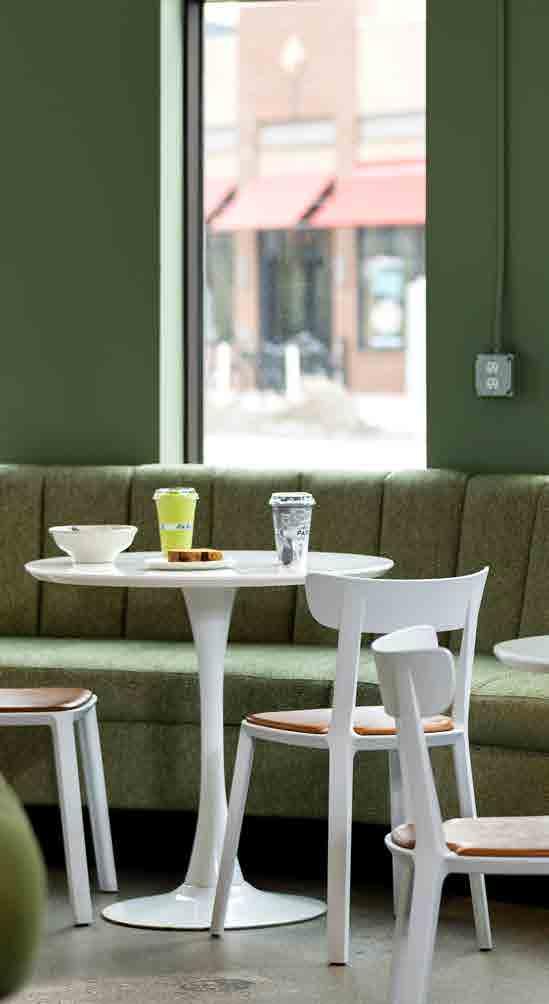

With everything going on in the world — the news, deadlines and full-to-the-brim days — I am looking forward to the literal and figurative breath of fresh air that is spring. The promise of optimism that this season holds is a feeling I yearn for each year and have vowed to never take for granted. Like the first evening when it’s warm enough for patio sips, a walk around the lake witnessing the thaw as our collective hibernation concludes, or (my favorite) that one magical week when the lilac and apple blossoms are in full bloom here in Minnesota, the season ahead is full of hope.
Spring’s product selections are a cornucopia of daily delights and tabletop treasures sure to give you that hit of dopamine that we all deserve after a long, cold winter.
Flamingo Estate’s seasonal subscription boxes are a treat for the senses and the soul. Opening one of these inspires instant joy. This edition is an ode to Mexico, a collection of curated products deeply rooted in the country’s people, land and craft. Included is a bottle of the Golden Vanilla Olive Oil infused with regeneratively grown vanilla beans, a banana leaf candle poured into a one-of-kind Oaxacan vessel, Dzidzilché Jungle Honey from the stingless Melipona bee endemic to the Yucatán, a 24-ingredient artisanal mole sauce and more.
For my dining table, I’ve been eyeing the Irina bowls from Jayson Home. Each one is hand painted by Romanian artisans with uniquely expressed marbled strokes in an earthy color palette. Their natural imperfections make them even more charming. They’re made to be filled generously and used frequently — another example of soulful rather than precious pieces for the home.
The new Rosemary Leave-In Hair Mask by Nécessaire is so good — like nothing I’ve ever experienced. Nutrients of rosemary, jojoba, vegan keratin and ceramides are deeply moisturizing yet ultra light for extra shine and resilience. My hair is fine and still growing back after the postpartum shed, and after using this mask, it’s downright bouncy.
Glasvin’s lightweight handblown stemware strikes the rare balance of being both beautiful and sensible, rivaling the finest brands in quality at an accessible price point. After breaking a few too many ultra delicate glasses (even when hand washing), I’ve switched to Glasvin. It’s my new go-to for impossibly thin yet resilient stems for spring gatherings.
My very best,

Emma Cutler Velez Publisher



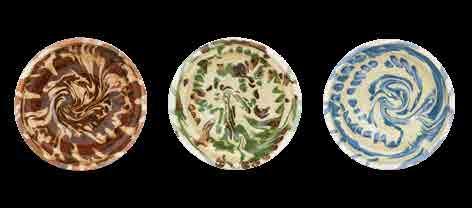
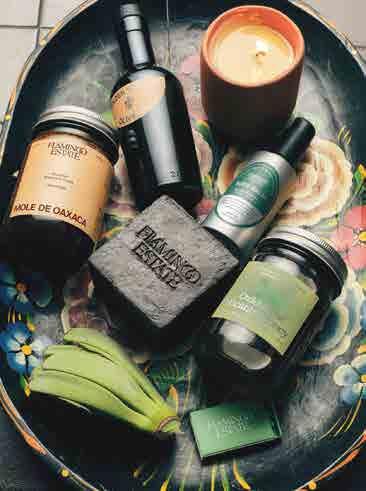

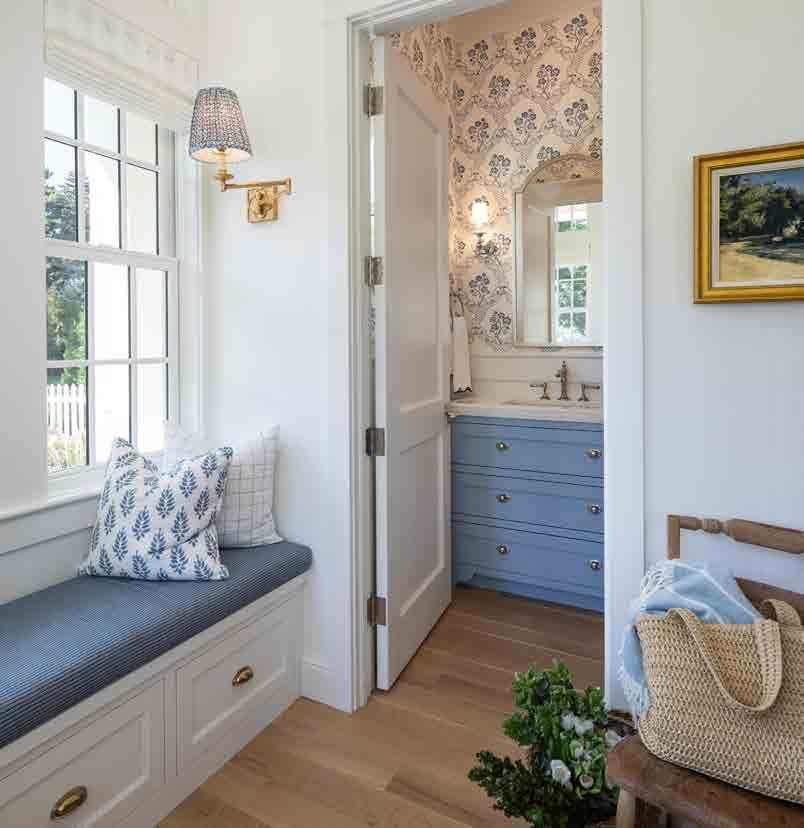
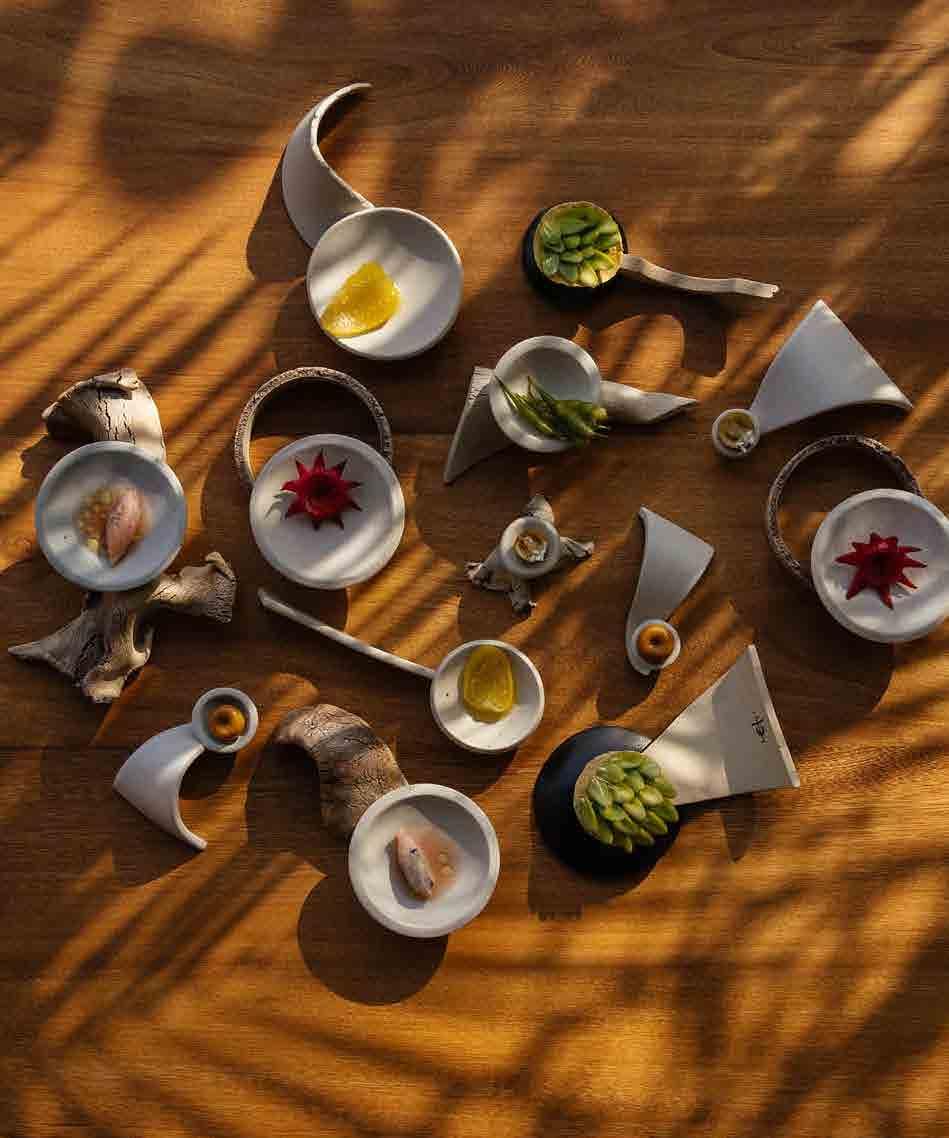
Relish the culinary journey at Rubra, where tropical Mexican flavor is shaped by matriarchal spirit, on page 186.