




weturnourgazetothelivesunfoldingbeside the wallsoffaith wherehopeispreached,yet homelessnesspersists.Thisadvocacy-drivenissue confrontsarealityoftenpassedby:individualsand familieslivingonpavementsnearQuiapoChurch, carryingdignityamidneglect,andfaithamidfailure. Throughstoriesrootedinlivedexperienceand groundedinsocialcontext,wepresenthow poverty,illness,age,andsystemicinaction pushpeopletothemargins andhow charityalonecannotsubstitutefor justice.Thisisnotaspectacleof resilience,butacallforresponsibility:forhousingthatshelters, systemsthatprotect,andpolicies thatrestoredignity.Maythese pagesmoveusbeyondsympathy towardaction,andremindus thatfaithwithoutstructuralcompassionleavestoomanyoutsideits doors.
ClarenzeJhianG.Dacillo Editor-in-Chief
Editor-in-Chief AssociateEditor ManagingEditor
JarynJoeL.Arriola
byJarynJoeL.Arriola
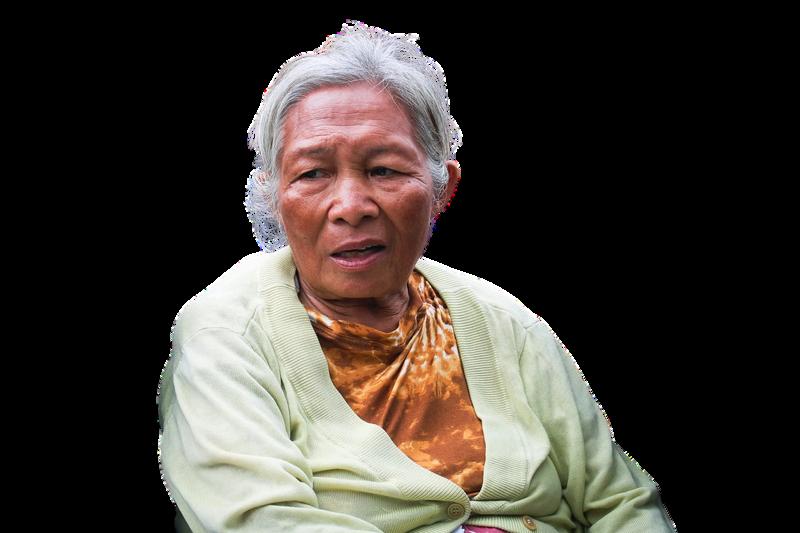
Still,Jenelynrefusestolosehope.Sheholdson tightlytothepromiseofhersister,theonlyfamilyshehas left,whotoldherthatonceshesellsenoughoftheir inheritedlandandcanbuyasmallhouse,shewilltake Jenelynhome Itisapromisethathaskepthergoing throughcountlessnightsoncoldpavementandendless daysunderthescorchingsun.Inalifefullofuncertainty, thisishersingleandunwaveringanchor.Sheimagines thedayshewillnolongerneedtobeg,thedayshewillno longerfearrescueoperations,andthedayshecansleep inarealbed,safeandwarm.Butafterlivingoutsidethe churchformorethanadecade,onecannothelpbutask: Whenwillthispromiseevercometrue?
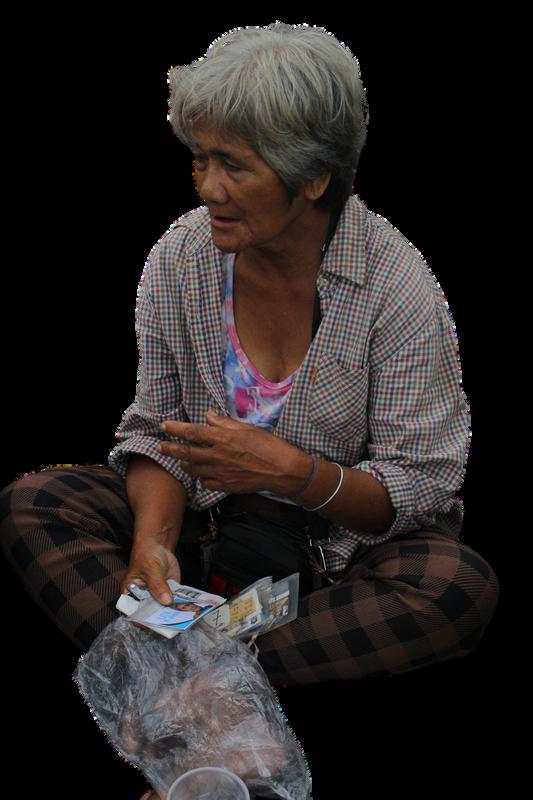
Herstoryrevealsatruththatiseasytooverlook: behindeverypersonaskingforalmsisalifeshapedby forcesfarbeyondlazinessorchoice Jenelynonce worked,oncehadafuturethatdidn’tinvolveapicnic chairorplasticcupsforcoins.Butagediscrimination, illness,andpovertyhavepushedherintoacornerwhere begging,whichissomethingsheneverimaginedfor herself,becomestheonlypathleft.Andyet,sheholds ontoherdignity,believingdeeplythataskingforhelpis stillmorehonorablethanharmingothers

“Masmarangalpamanglimoskaysamagnakaw.”
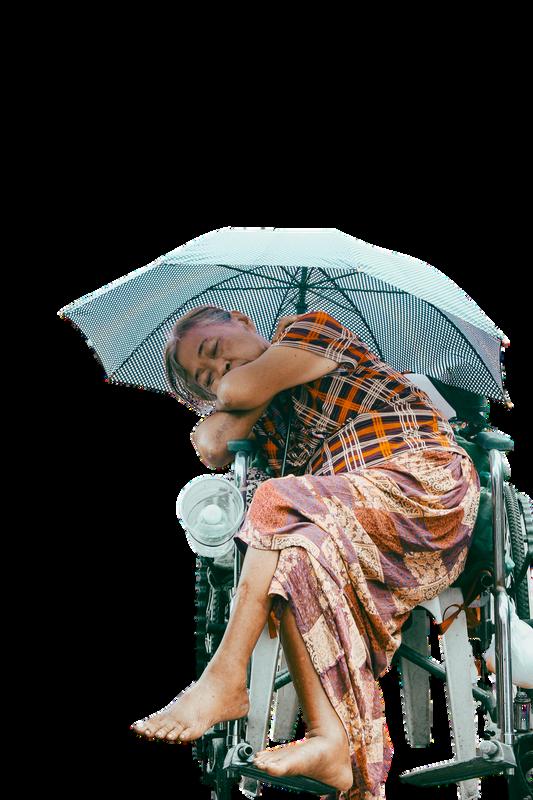
ThesearethewordsofJenelynDelaCerna,a69year-oldwomanwhohasmadethesidewalkoutside QuiapoChurchherhome Shesaysthemwithout hesitationandwithadignitythatrefusestobeerasedby thecircumstancesinwhichshelives.ForJenelyn, beggingisnotanactofshamebutalastresortfor survival,alastchoiceshechoosesbecauseeveryother optionhasbeentakenfromher.Toooldtobeaccepted forwork,toosicktostandforlongperiods,andbattling cancerwithnoaccesstotreatment,shesitsquietlyalong thebusyplazawiththehopesthatpassersbywillshowa bitofkindness
Eachdaybeginsthesameway:sheunfoldsher picnicchair,fixesherfadedclothes,andsettlesherself amongtheflowofpeopleheadingtopray.Herpresence oftenblendsintothenoiseofvendors,commuters,and worshippers,butherstoryisoneofprofoundendurance. Livingonthestreetsisdangerousforanyone,butfor someoneheragewhoisimmunocompromisedand physicallyfragile,itisaconstantgamblewithfate.Still, Jenelynchoosestostay,forreasonsthatarepainfully simplebutdeeplyhuman Quiapoistheoneplacewhere shefeelsseen.Shebelievesthatthepeoplewhocometo praycarrycompassionintheirpockets,thatfaithsoftens theheartenoughtoofferafewcoins,asmallmeal,or evenamomentofacknowledgment.
However,herlifeisshapednotonlybyhopebutby systemsthatoftenfailher.Therearedayswhen authoritiesfromtheDepartmentofSocialWelfareand Development(DSWD)conductoperationstogather streetdwellersandtransportthemtoshelters Though intendedas“rescue,”theexperiencefeelsmorelikebeing taken.Jenelynsayssheandotherscanleavetheshelter onlyifsomeoneredeemsthem,“kungmaymagtutubos,” shesays.Thewordsstingasiftheywereobjectsandnot people.Shewondersaloudwhytheymustbetreatedlike criminalswhentheydonothingbutaskforhelpina peacefulmanner.“Hindinamankaminagnanakawo nanggugulo,”shesayswithsadnesssettlinginhervoice. “Bakitkailangankaminghulihin?”Forawomanalready facingillnessandloneliness,beingforciblymovedfrom thespotshedependsonfeelslesslikecareandmorelike displacement
InacountrylikethePhilippinesthatpridesitselfon faithandcompassion,itisheartbreakingthatsomeone likeJenelynmustfightaloneagainstpoverty,illness,and neglect.Peoplepasshereveryday,somegenerousand someindifferent,butwhatshetrulyneedsisnotcharity alone Sheneedsagovernmentthatseesher,asystem thatcaresfortheelderlypoor,andopportunitiesforlongtermsafetyanddignity.Peoplelikeherdeservemedical care,stablehousing,andassistancethatupliftsrather thanpunishes
Jenelyn’slifeisnotaspectacleatthegatesofachurch Itreflectstheresiliencerequiredtosurviveina worldthatoftenoverlooksthevulnerable.Sheisnotjust beggingforcoins;sheisholdingontohope,faith,andthe promiseofhersister Apromisethat,oneday,mayfinally bringheraroofoverherhead,asafespacetohealfrom theyearsofhardship,andthestrengthtorecoverfrom theillnessandstrugglesimposedbythecircumstances. Herstoryisareminderthatsurvivalshouldnotdepend solelyonfaithorthekindnessofstrangers.Itisacallfor thegovernmenttoproviderealandsustainedsupport forthehomelessandelderlywholiveonthestreetsthat needsafehousing,accessiblehealthcare,andprograms thatrestoredignityandopportunity.
Letthesharedstrugglesandenduringcourageof SalvadorandLitastandasacallforconcreteactionto securetheirdignityandfuture,onethatisbothfirmin loveandaction
Inacountrylikethe Philippinesthat pridesitselfonfaith andcompassion,it isheartbreaking thatsomeonelike Jenelynmustfight aloneagainst poverty,illness,and neglect.
Perhaps the homeless around Quiapo Church have simply realized that streets are far more “comfortable” than homes, trading blaring jeepneys, sudden downpours, and the constant shuffle of strangers for the predictability of four walls and a roof, yet the bitter truth is that they endure scorching heat by day and freezing cold by night not because they want to, but because poverty has stolen every other option, leaving them to beg with whatever dignity remains.
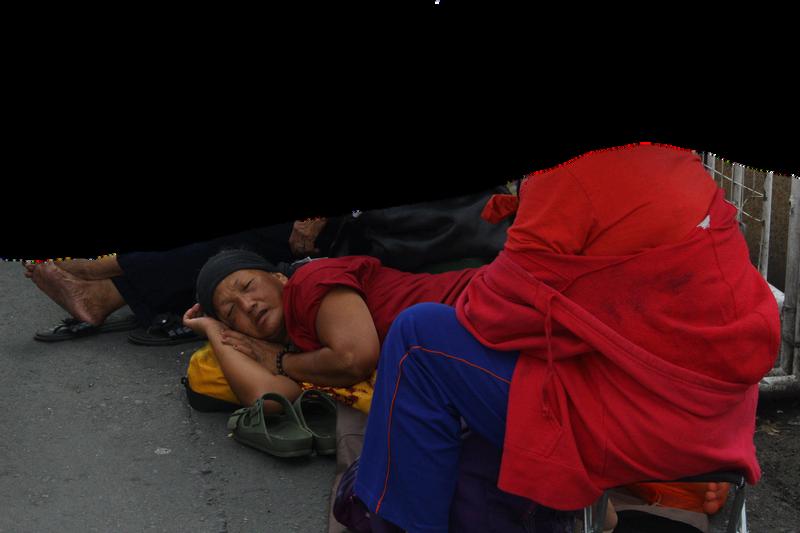
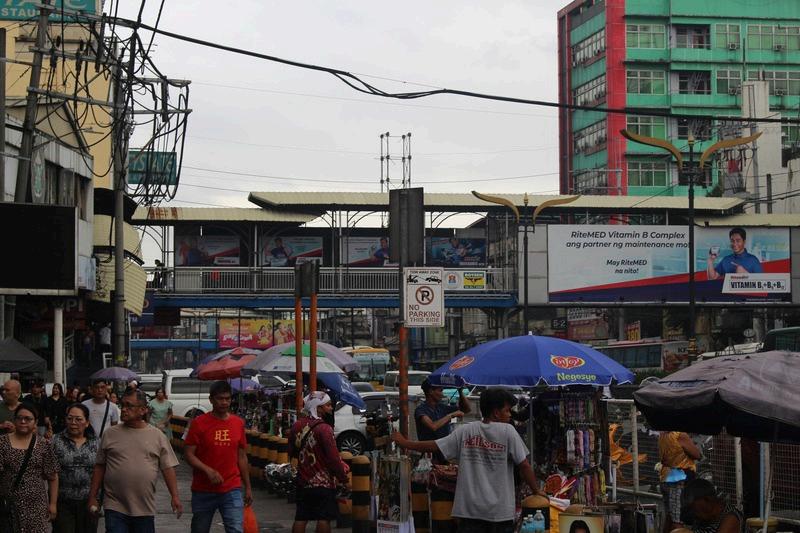
The scale of homelessness in the Philippines is staggering According to Joly Homes Foundation and Association Soeur Emmanuelle Philippines, 4.5 million individuals live without proper shelter nationwide, with roughly two-thirds concentrated in Metro Manila Millions sleep on pavements, under bridges, or in squatter settlements places that society passes by as if nothing is wrong Around Quiapo Church, the crisis is visible every night, yet largely ignored, as if faith alone should be enough to replace a home.
Being homeless beside a place of faith, hope, and sanctuary does not make life easier. It means constant exposure to weather, hunger, illness, and danger, while lacking even the simplest comforts like privacy or rest And yet, many choose to beg rather than steal not for generosity, but because maintaining integrity is sometimes the only thing left they can control Their survival is a daily act of courage that society pretends not to notice.
Some argue that homelessness is a personal problem that those living on the streets are responsible for their own fate, or that government aid should only go to those deemed “deserving ” But such thinking ignores the systemic reality With jobs scarce, wages low, and affordable housing nearly impossible to secure, begging is often the only way to survive without losing one’s dignity The problem is not the homeless; it is a government and society that have failed to guarantee the most basic human right: a safe and stable home
Homelessness is also a global concern. According to the United Nations, providing adequate housing is essential for reducing poverty and building inclusive communities. This aligns with SDG 11: Sustainable Cities and Communities, highlighting that streets and sidewalks should never replace proper homes These goals serve as a reminder that homelessness is not just a local issue, but part of a larger social and developmental challenge
The public cannot remain passive. Citizens must demand government action: invest in affordable housing, strengthen social services, and create programs that protect the homeless. Supporting NGOs, raising awareness, writing to policymakers, and joining initiatives addressing homelessness are ways to convert indifference into action Ensuring safe and stable shelter also relates to SDG 1: No Poverty, reinforcing the idea that housing is a basic human necessity, not a privilege
Homelessness around Quiapo Church is more than a social issue; it is a moral test Faith may give these individuals hope, but only action from society can give them homes. It is time for citizens to stop walking past the homeless with casual indifference, to call on the government, and to advocate for lasting solutions The sidewalks of Quiapo and the streets across the nation should not be anyone’s home It is time to build roofs, systems, and hearts that refuse to leave anyone behind
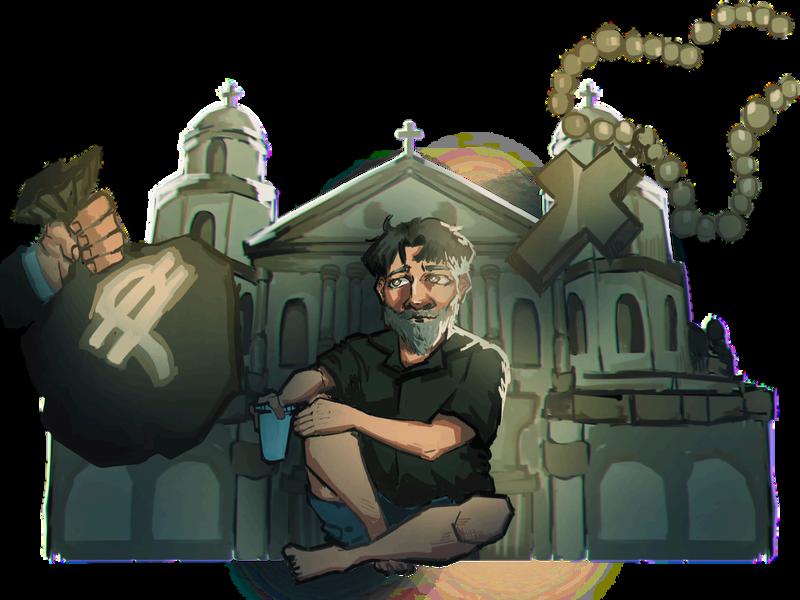

byJarynJoeL.Arriola


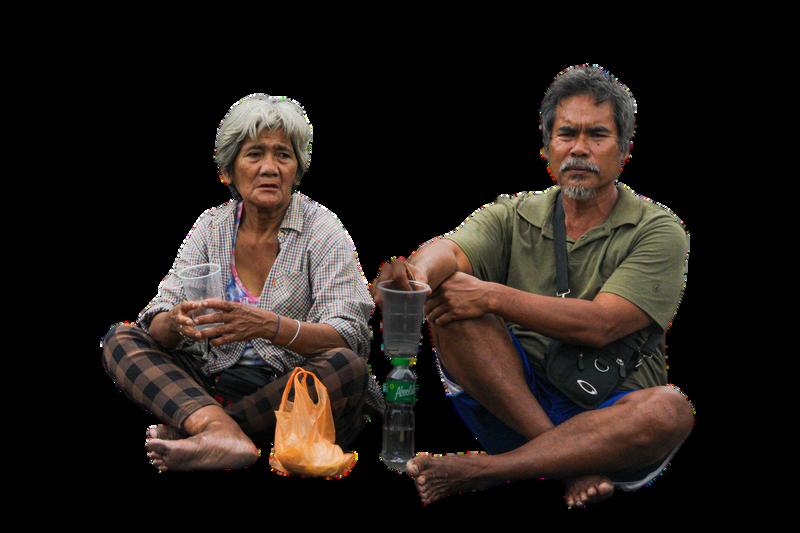
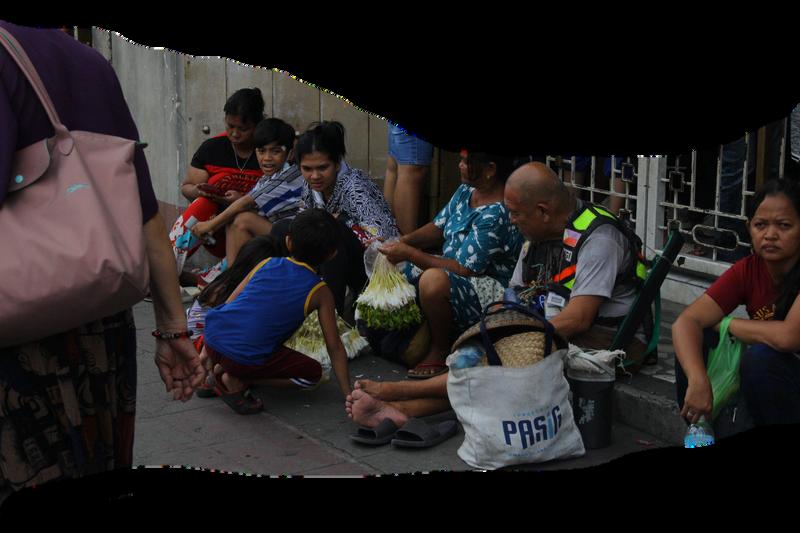
Sa hirap at ginhawa, Salvador Collado and Lita Javien have spent decades together on the streets of Quiapo. At 64 and 65 years old, they have shared more than forty years of life in this bustling corner of Manila, where life is shaped by scarcity, uncertainty, and the daily struggle to make ends meet. Yet, amidst the noise and chaos, their partnership has endured and reflects a quiet testament to love and resilience in the face of hardship.
Salvador spends his days navigating the crowded streets, peddling goods, and seeking opportunities to support their daily life Lita accompanies him with a steady presence by his side, even when the work is hard or the day’s earnings are minimal. For them, survival is a shared effort in which each step and each small success is taken together Moments of joy are rare but profound when a passerby gives them food or an item they can use in their daily life; it immediately becomes a source of genuine relief and gratitude
Yet life on the streets is never easy Typhoons, heavy rains, and the recent pandemic have left them with nowhere to go, and sometimes they are taken to temporary shelters by rescue teams These interventions, especially from the perspective of Salvador and Lita, disrupt their fragile routine and leave them with uncertainty and discomfort Their struggles highlight that temporary aid alone is insufficient; long-term solutions are necessary for homeless people, especially elders living on the streets
Through the decades, their bond has become a source of strength. Salvador and Lita find comfort in each other’s company, in shared memories, and in the faith that guides them through each day Their partnership illustrates how connection and love can sustain people even in the face of harsh external conditions Yet, love and faith cannot replace the structural support needed to live safely and live a life they truly deserve
Amid the lack of support and opportunities, faith remains the anchor both Salvador and Lita cling to Even after decades of hardship, they continue to hold onto their beliefs and find comfort in the small acts of kindness offered to them and remain grateful for any help, however insufficient it may be More than just surviving each day, they share a dream that has kept them going all these
years: to return to their home province in Quezon and finally have a house of their own For them, this home is more than a shelter; it is a symbol of peace, love, and the chance to finally rest after a lifetime of struggle. A dream they hold tightly despite the difficulties they face
Salvador and Lita’s story is a symbol of many homeless individuals living on the margins Their perseverance should not be romanticized; it is a survival born of necessity It is a reminder that society, and the government in particular, has an obligation to create sustainable programs that address the vulnerabilities of the homeless by providing both immediate assistance and long-term pathways to safety, health, and dignity
Sa hirap at ginhawa, Salvador and Lita continue side by side Their love sustains them and their faith guides them, but their lives are a call to action The government must ensure that elderly citizens, especially those who have been living on the streets for decades, have access to housing, healthcare, and meaningful opportunities to rebuild their lives Only then can their hope transform into reality, and their decades of endurance be met with the dignity they deserve
May the shared struggles and courage of Salvador and Lita be a loud voice to call for a solid plan of action for them
ThedecadesSalvadorandLita havespentsurvivingthestreets ofQuiaporevealnotromantic resilience,butapainfultruth: lovemaysustainthem,yetonly realstructuralsupportcangrant themthedignitytheyhavelong beendenied.
“Mas mahal ng Diyos ang mga dukha”
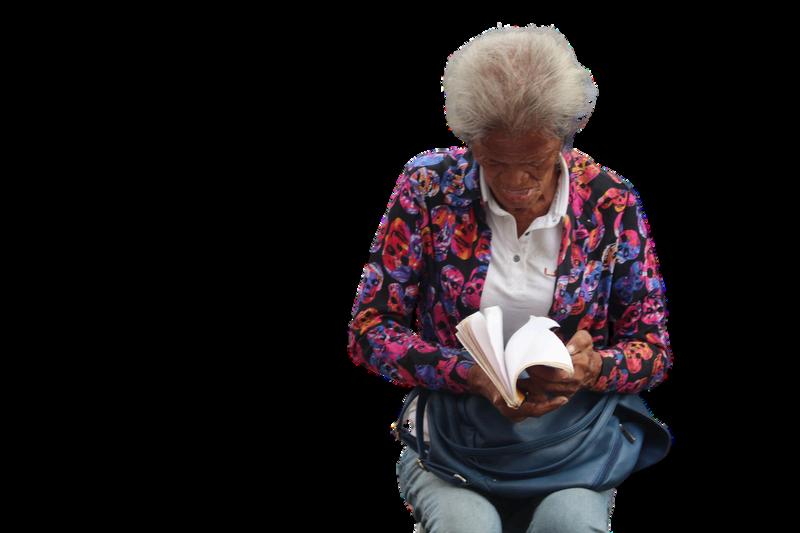
For forty-nine years, the Quiapo Church in Manila, Philippines, has been home to Kuya Gerry De Los Reyes, although not in the way most people imagine the word “home.” Now, sixty-one, he has lived near the outskirts of Quiapo Church since he was twelve After his family fell apart, he was left to navigate his life on his own, despite being very young Growing up in the margins, he has found a way to survive through “pangangalakal,” collecting and selling recyclables and scraps that he finds near the church to earn whatever he can spare each day His roots in the area are deep, formed not by stability but by the very endurance and familiarity with the streets that raised him Throughout these years, the Quiapo church has become both a landmark and a poignant reminder of his life
Despite the heavy weight of poverty, Kuya Gerry holds on to his memories, one of which is the community they have built, which the community cherishes the most and still warms him. He recalls sweet and genuine moments when people shared food or coins out of the goodness of their hearts, small acts that reminded him he was not invisible and was there not to be ignored, but a fellow human being. These simple, often overlooked gestures carry real meaning for someone who is frequently overlooked, especially by those who hold authority, power, and responsibility over them Even the act of having a steady way to earn, no matter how little, brings him somewhat of some sense of pride For him, joy is not abundance, but rather it is the dignity of being able to live yet another hard day, fulfilling for him
Still, life on the streets is never gentle Kuya Gerry shared that disasters and calamities are one of the hardest moments in their life near the Quiapo church As we all know, the Philippines is situated within the Pacific Ring of Fire, and its proximity to the equator, where ocean waters fuel the formation of storms, makes it particularly vulnerable to these events Quiapo Church occupies a large space, yet Kuya Gerry’s small space, which he calls “home,” can be washed away, blown apart, and rendered unsafe. On some days, the added fear comes from even the authorities, who clear the streets sometimes by force, sometimes through gentle verbal conversation, and sometimes even by apprehending people like him. Survival becomes more than a livelihood;
byKellyRafaelleC.Abayari
it becomes a daily negotiation with the dangers of the weather and the systems in our country that rarely consider people, especially those in their position These hardships shape them each day in ways most people never have to think about in their lives
Yet, even with everything he had faced, his faith did not dim Kuya Gerry firmly and deeply believes that God is closest to the poor His story is not spoken out of bitterness but with a quiet certainty. This belief sustains and makes him more resilient than any meal or coin ever could It is a kind of hope that refuses to die, even when the world seems indifferent and unfair
If we truly believe in human dignity, then stories like Kuya Gerry’s should push us beyond prayers and pity toward the urgent work of building systems that let our poorest not just survive, but live.
Now that he is growing older, Kuya Gerry dreams of something very simple. Kuya Gerry’s faith has never wavered despite everything he has endured during the many years he has been living near the Quiapo Church, holding to his quiet yet strong faith that God stays closest to the poor, a conviction that strengthens him more than any meal or coin ever could As his age weighs heavily on his body and life along the outskirts of Quiapo Church grows harsher as well, what he hopes for now is simple, to have a “bahay,” a place to rest, a home where fear does not follow him, a dignity that is no longer a luxury but given, and a place to call home. His longing reflects not only his own journey but also the realities of many others who turn sidewalks, pillars, walls, and scraps into makeshift shelters, the individuals that are often seen yet rarely acknowledged, whose stories, losses, labor, and persistence still continue to shape the very community that overlooks them.
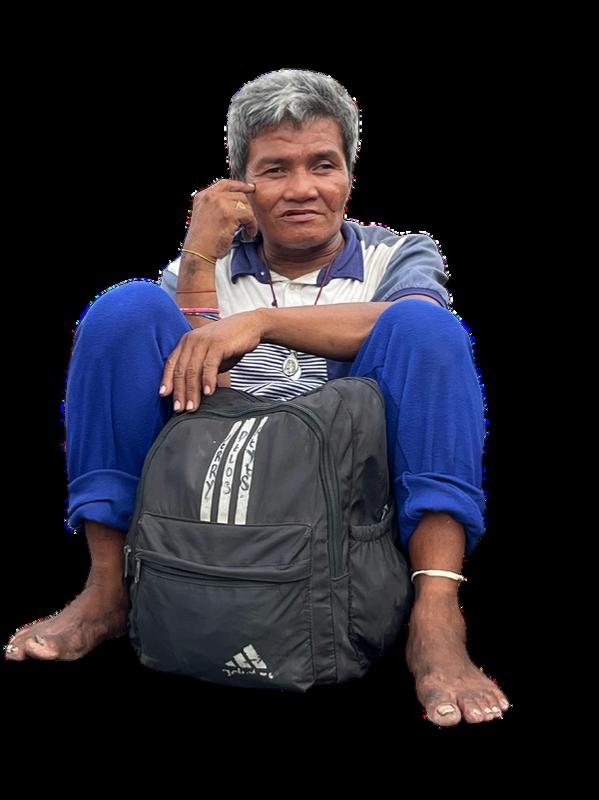
Beyond his immediate needs, Kuya Gerry still dreams, just like the rest of us. His dream is that one day he will have a permanent home, where, no matter what life brings, good or bad, he and the community they have built will always have a place to rely on He hopes that support from the church and the government could also come in the form of simple, honest work, something that is dignified enough to help him stand on his own feet and assist others who live the same reality For him, stability is not just about the physical aspect or the income but about creating a life where he can both endure and uplift, proving that even those pushed to society’s margins can still harbor to hope that is rooted in care for a wider community
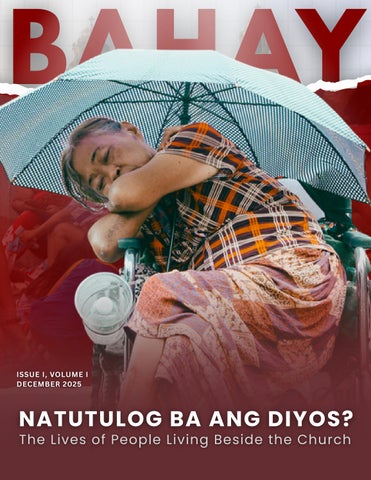
This is where our call to action firmly stands Both the Church and the government hold the power and should be responsible for transforming stories like Kuya Gerry with not just temporary aid or charitable works alone, but with concrete, meaningful, and long-term pathways, such as accessible housing, steady opportunities for dignified work, safe spaces, and consistent support systems The people who similarly live at the outskirts of what we deem our sacred and solemn places deserve more than just sympathy and prayers; they deserve structural compassion. Let us move beyond witnessing their struggles and take part in reshaping what “home” can mean for them. If we truly believe in human dignity, then the margins of our city should no longer be the margins of our concern Do you still believe “Natutulog ba ang Diyos?”
In these times, when our system operates behind our backs, it becomes essential to practice empathy, care for one another, and step into situations beyond our own so that we can truly understand the realities of the world. Charity for the common good is valuable, but glorifying the blind resilience of the marginalized is not; it shifts responsibility away from those who should be held accountable. Now, more than ever, we must demand accountability from those who perpetuate failures within our government. Filipino citizens are the ones suffering because of their neglect and systemic irresponsibility, especially the homeless individuals who have nothing left but a cup with some coins and a fragile sense of hope. This output is not just a project, but a call to shed light on those who remain in the shadows of the government’s priorities. May this serve as a bastion of hope for those who continue to hold on even when circumstances push them to let go of hope itself.
The people who sleep outside Quiapo Church expose a truth that this nation can no longer afford to ignore. No one chooses the sidewalk over a home unless poverty illness and the failures of our institutions have hunger, and dignity they heir suffering hould not be ment and the s. What must th long-term se who have nally act with ect the harsh ctive neglect.
ce of homelessness in our country is a quiet indictment of s meant to protect us. It’s not enough to admire their as well as their strive to push to survive on scraps, doing using the structures that allowed them to fall through in ce. What we need now is a clear demand for responsibility tions that promise service, from leaders who hold power, ommunities that often turn their gaze elsewhere. Every ping on cold pavements is a reminder that dignity has nly distributed. This work is our way of insisting that their uld be seen, their needs to be heard, and that their e acted upon. If we refuse to stay silent, we can help shift at has forgotten too many for far too long. “We break the glect the moment we decide that the unseen deserves to or.” This work goes beyond our student requirements, it on the lives our systems keep overlooking. I hope it small anchor of hope for those still fighting to hold on, the world keeps giving them reasons to let go.