DATA CENTER BLAST MITIGATION
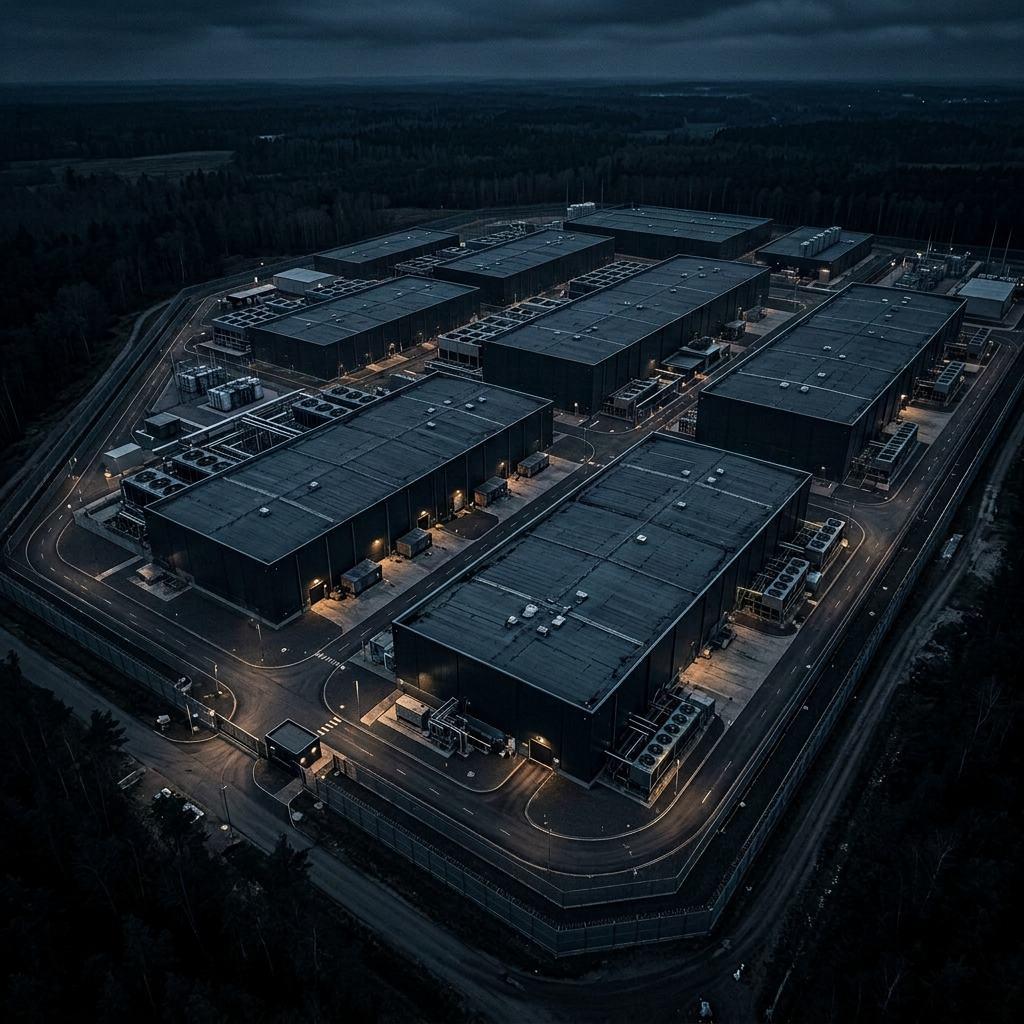
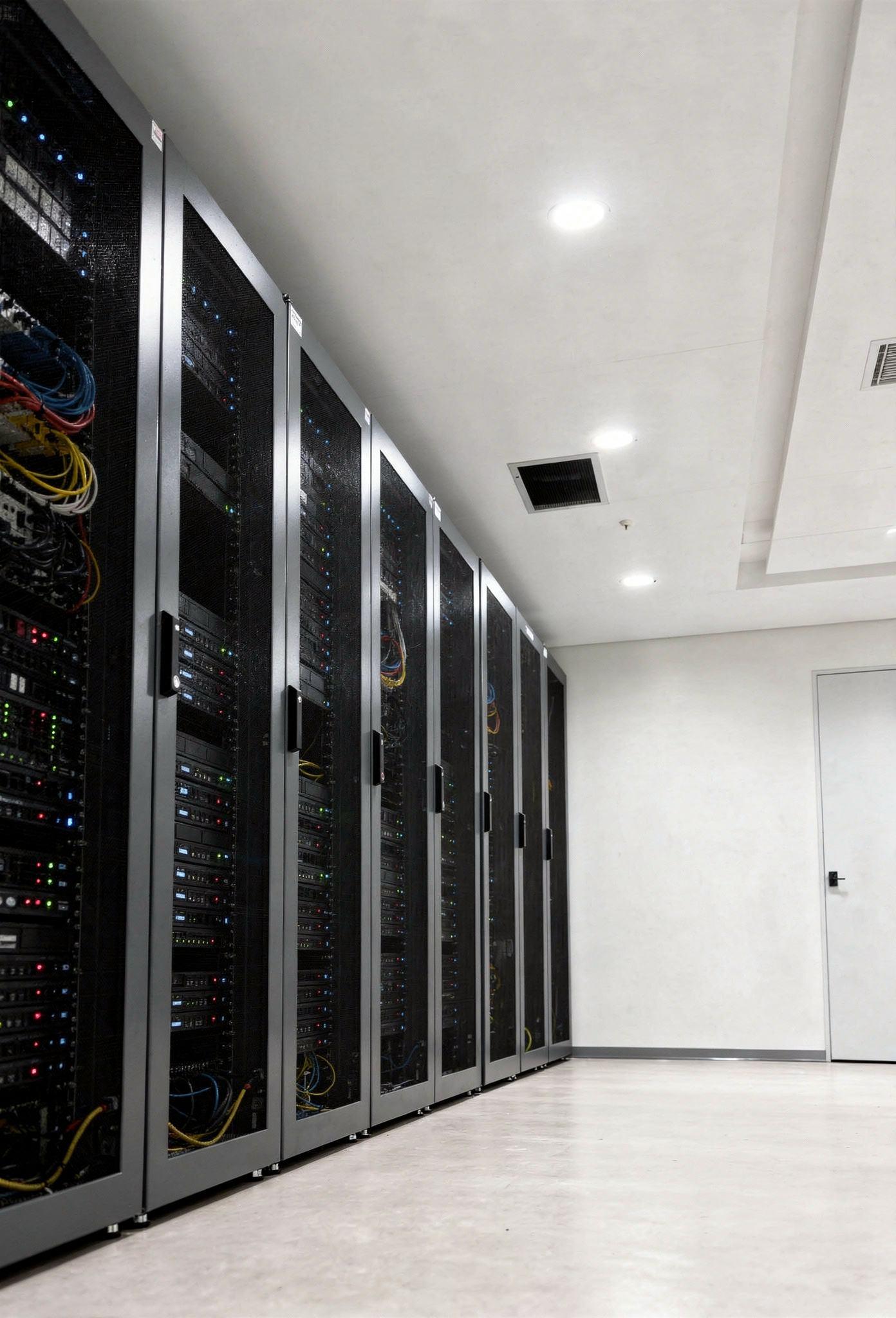
Your firewall can't stop a blast wave. Data centers are the new critical infrastructure. Servers, cables, and concrete — all of it is physical. All of it can be destroyed. The cloud always touches the ground
Your firewall can't stop a blast wave. Data centers are the new critical infrastructure. Servers, cables, and concrete — all of it is physical. All of it can be destroyed. The cloud always touches the ground
Vehicle-Borne IED (VBIED) — Most common physical attack on fixed infrastructure
Directed Explosive Device — Placed at generator enclosures or loading docks
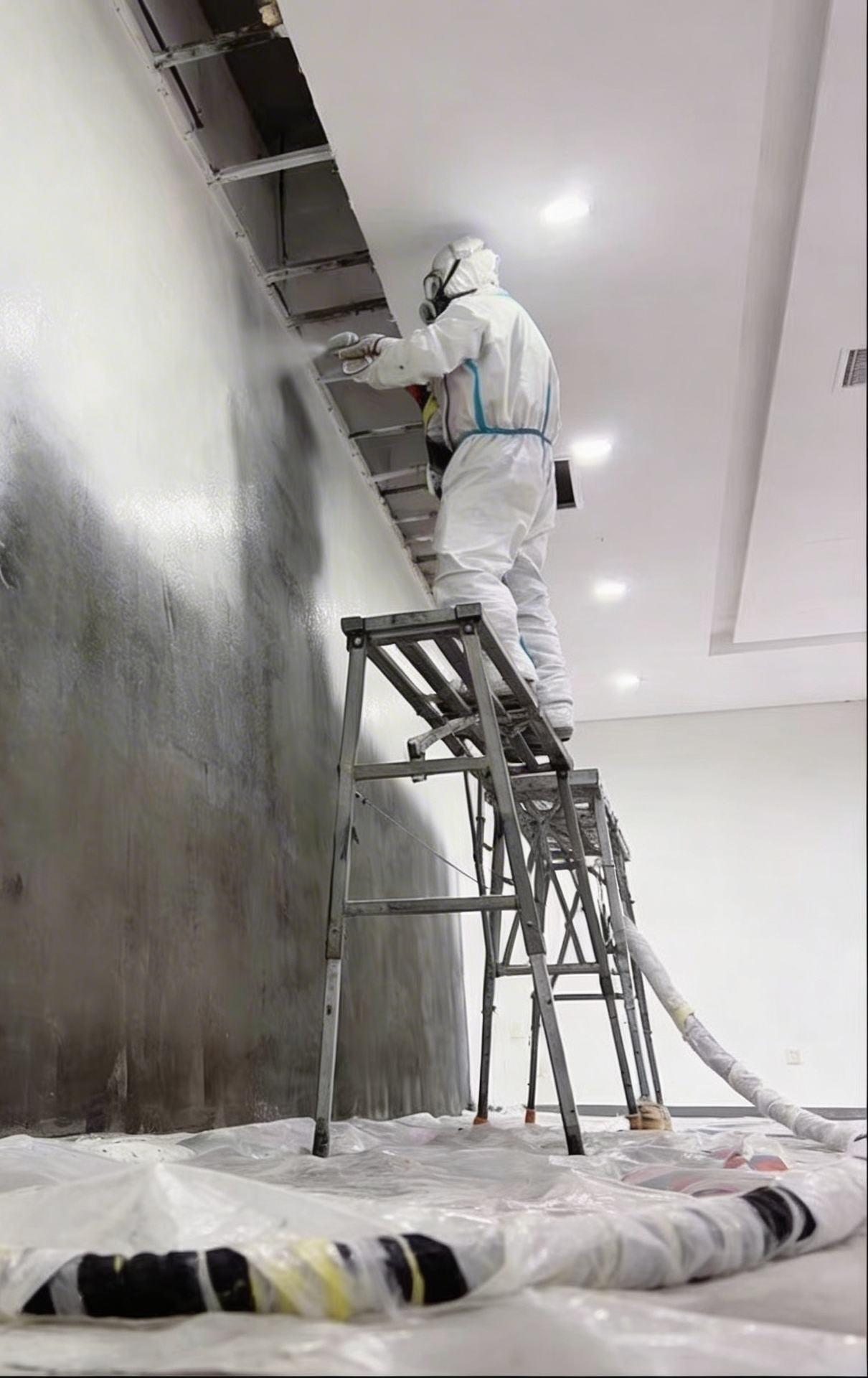
Fragmentation Cascade — Uncoated walls become the weapon. Debris kills.
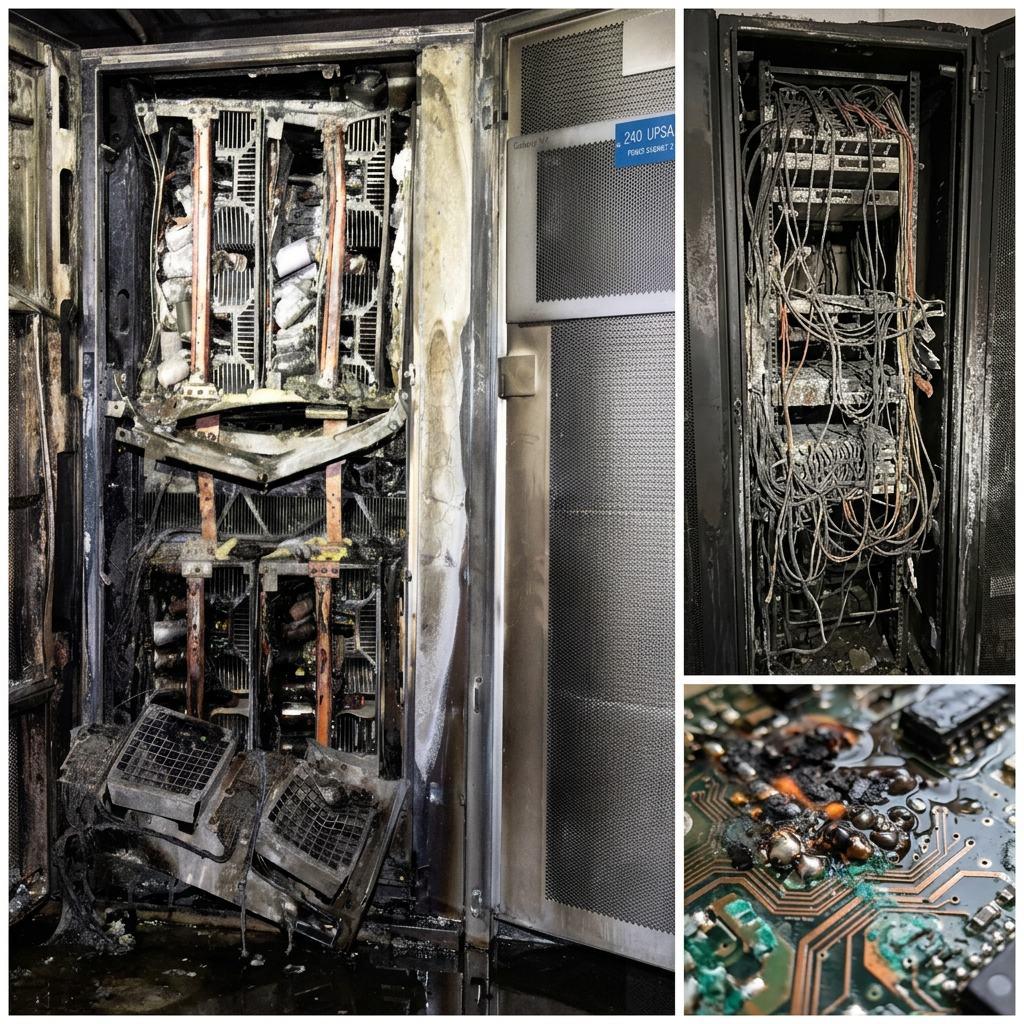
Once the wall fails, everything behind it fails too
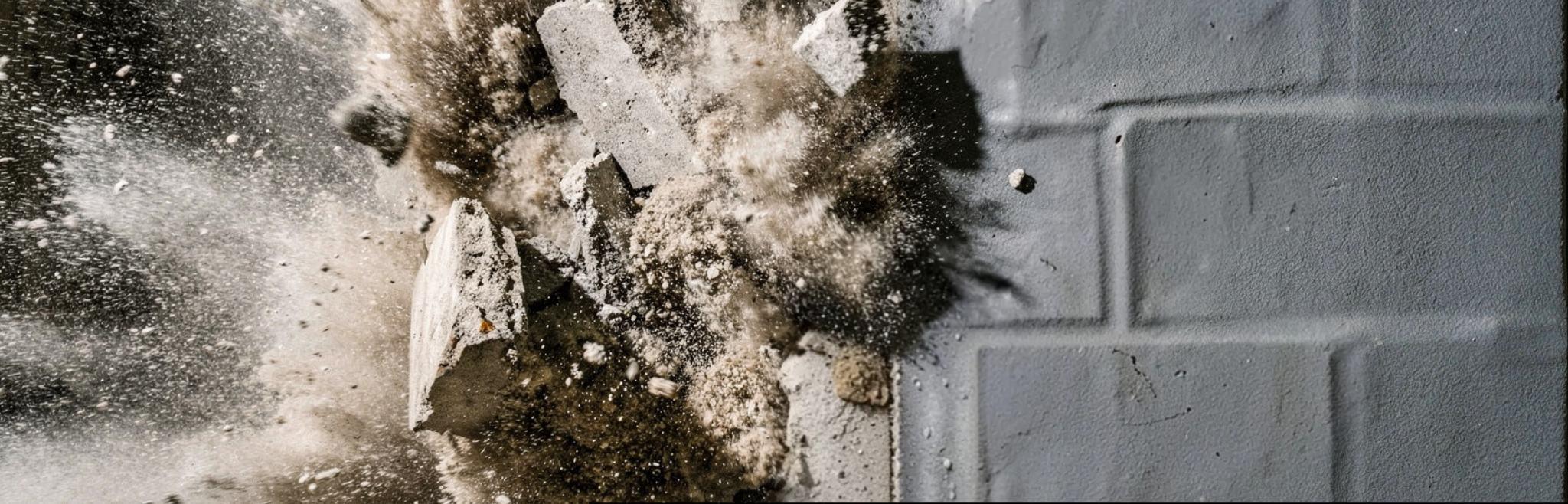
✗ Zero elongation — shatters under dynamic shock loading
✗ Fragments at mortar lines — turns the wall into projectiles
✗ No tensile recovery — once it cracks, protection is gone
Concrete compresses well. Blast waves don't push — they detonate
Deforms under pressure. Then recovers. The wall holds.
✓ 400%+ ELONGATION — Stretches where concrete shatters

✓ SETS IN SECONDS — Not 24-48 hours. Seconds.

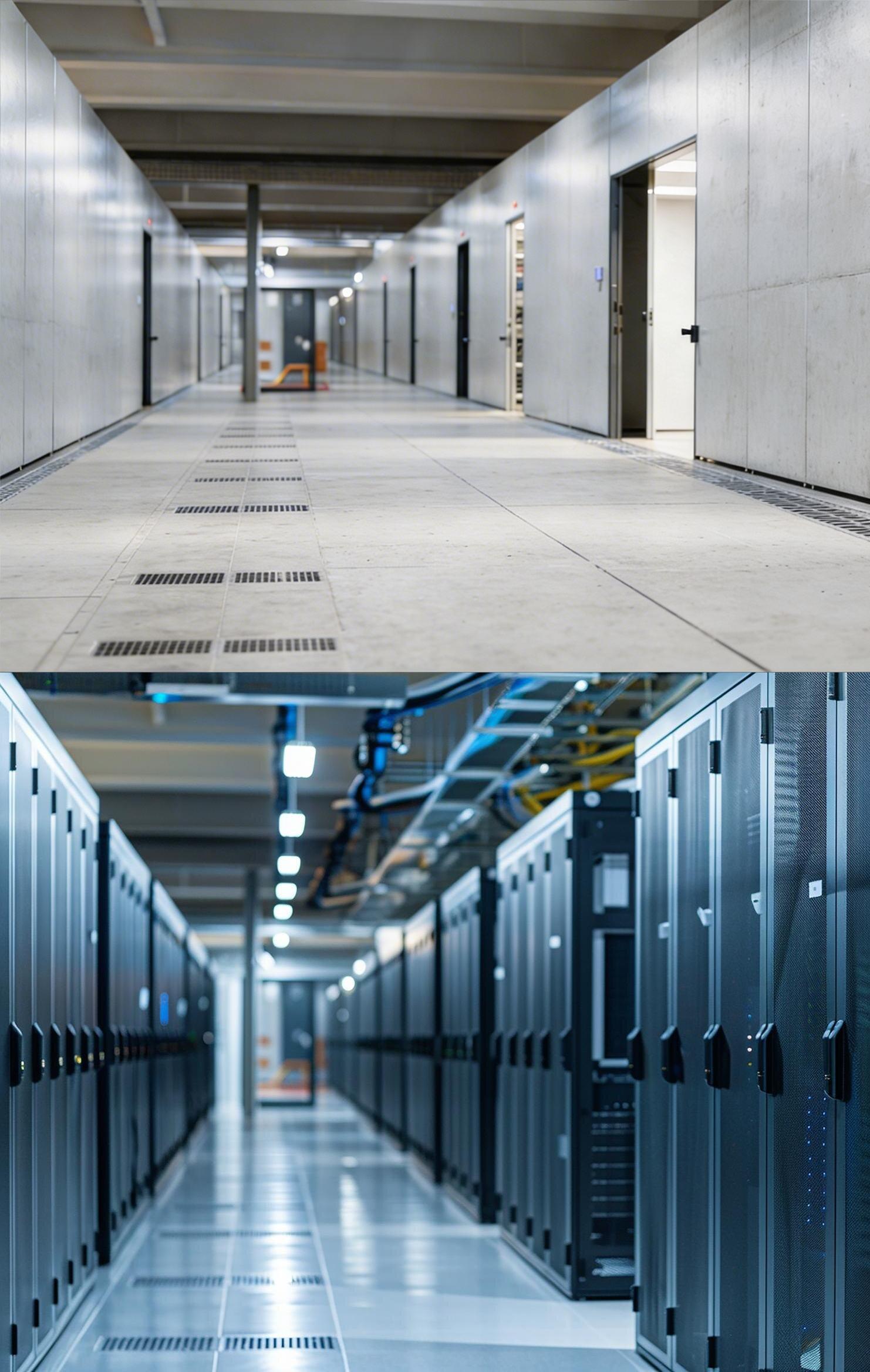
✓ SEAMLESS MEMBRANE — No joints, no failure initiation points

✓ TESTED — University of Missouri Explosion Lab. AFRL verified.

Flexibility Blast protection
400%+
Elongation at break (polyurea vs. 0% for concrete) 35% Max blast displacement reduction under TNT load
Containment AFRL certified 6mm
Minimum thickness for fragmentation containment 27 of 27 Only material to pass all AFRL bomb blast tests
Downtime cost
$9K/min
Average data center downtime cost Experience 35+ yrs ArmorThane blast mitigation experience
2-3x the protection. Immediate operational readiness
AFRL Force Protection Equipment Demonstration · MDPI Polymers · Uptime Institute