
MARKET INSIGHTS | 25 COMPANIES TO WATCH

MARKET INSIGHTS | 25 COMPANIES TO WATCH
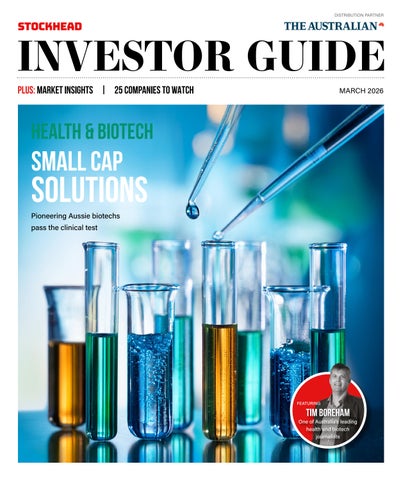
Pioneering Aussie biotechs pass the clinical test





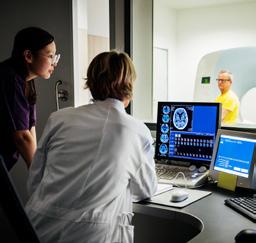
Patience, discipline and a tolerance for uncertainty separate winners from the rest


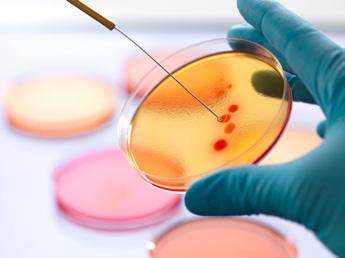
The performance of the ASX life sciences sector during the reporting season is a precautionary tale about not trusting statistics – or at least not relying on them at face value.
Ever since Donald Trump took the oath of office more than a year ago, harbingers of gloom have accentuated the tough capital-raising climate and regulatory uncertainties around tariffs, drug pricing and the conduct of the US Food & Drug Administration (FDA).
These adversities have affected company valuations, but it’s a case of healthcare becoming a ‘two-speed’ sector.
Locally, the ASX200 healthcare sector underperformed in calendar 2025, down 25%.
Amid a difficult February reporting season for the health leaders, the healthcare index has extended its decline.
But exclude the Big Four sector heavyweights CSL, Sonic Healthcare, Cochlear and Pro Medicus and a starkly different picture emerges. In the engine room of drug
discovery and device innovation, biotechs globally are holding their own.
In the 12 months to January 2026, the Nasdaq Biotech Index quietly gained 30%, while the broader techheavy Nasdaq has trod water.
True, ASX life science valuations have gone backwards across the board.
But it’s easy to find share price winners such as 4D Medical.
Go further down the market cap pecking order and more quiet achievers emerge: stocks such as Actinogen Medical, Imricor, Alcidion and Lumos Diagnostics.
Despite patchy results, underlying long-term fundamentals remain unchanged.
These include an ageing population and rising chronic disease, coupled with ongoing product innovation.
Love it or fear it – and many investors hold the latter view –artificial intelligence is pervading every aspect of life sciences, from drug discovery and trial recruitment to analysis and real-time disease diagnosis.
While big-ticket fundraising
remains difficult, ASX biotechs have not exactly been starved of capital.
The sector raised close to a record amount last year, including nine-figure efforts from Clarity Pharmaceuticals ($200 million) and Mesoblast ($260m).
This year, 4D Medical and Anteris Technologies have raised $150 million and circa $440m respectively.
Investors have voiced frustration at the slow pace of clinical development.
Indeed, drug approvals remain elusive. But the FDA last year granted device clearances to ASX-listed companies including PainChek, Artrya, EBR Systems, 4D Medical, Orthocell and Nanosonics.
Drug developers in phase III stage include Avecho, Recce, Immutep and Paradigm Biopharmaceuticals.
In cricketing terms, drug development is more about scoring prudent runs than the Bazball-style folly that left England’s recent tour in ashes.
But the sector should have the smarts and resources to navigate the adversities presented by the Trump administration’s quixotic tricky wicket. ■
Publisher: Stockhead
Co-Editor: Tim Boreham
Co-Editor: Rob Badman
Co-Editor: John Miller
Contributors: Nadine McGrath Scott Power E: advertise@stockhead.com.au

DISTRIBUTION PARTNER


Patent cliffs and low valuations are priming the sector for partnerships.
TIM BOREHAM
For ASX life science companies, 2026 is looming as the Year of the Deal as increasingly hungry big pharma houses eye their next ‘meal’ in a climate of subdued valuations.
History suggests, though, that acquirers will prefer strategic partnerships, rather than outright acquisitions.
Just over a year into Trump 2.0, the healthcare narrative has been dominated by speculation about the impact of tariffs, drug pricing and the US Food & Drug Administration’s (FDA’s) stance on new approvals.
But the underlying driver remains the same: the ‘patent cliff’ compelling big pharma to plug looming revenue gaps as blockbuster protections expire.
About 70 drugs are due to go off patent by 2030.
These include the cancer checkpoint inhibitor Keytruda, autoimmune therapy Stelara and immunosuppressant Humira.
Management consultant BCG estimates a US$150 billion revenue shortfall through to 2027 alone.
“Biopharma is about to feel squeezed,” the firm noted in a report.
“The current threat is sufficiently serious that the industry’s ability to unlock the next wave of innovations – and to continue its strong record of shareholder returns – is at risk.”
After a largely subdued 2025, big pharma has reopened the chequebook.
In January this year, Boston Scientific moved on vascular and neurovascular leader Penumbra in a US$14.5 billion ($21bn) deal.
Late last year Pfizer acquired GLP-1 obesity drug maker Metsera for US$10 billion.
Meanwhile, Abbott has offered US$23 billion in cash for the precision oncology and genetic testing specialist, Exact Sciences.
“There seems to be an increasing appetite for biotech in the US and pharma people are doing deals,” said Nyrada CEO Dr James Bonnar.
Daniel Martin, a senior investment analyst with the Brisbane-based Alvia Asset Partners,
said big pharma is “hunting the small cap space to backfill their pipeline” if they haven’t been able to develop it internally.
“We think it makes for an interesting sector,” he said.
“Expectations are quite low, but we feel there is a significant underallocation there and you can get a little bit more defensive and rotate into the sector.”
The local sector last year got a taste for offshore M&A when the North Carolina-based Cosette lobbed a $670 million bid for Mayne Pharma. The bid ultimately failed, but the interest was clear.
Before that, the last substantive takeovers took place in 2018.
Commercial-stage oncology radiation house Sirtex was acquired by Chinese interests for $1.9 billion, after a spirited three-way takeover battle.
More unusually, Merck & Co paid $500 million for immune oncology drug developer Viralytics, despite its lead asset Cavatak only being at phase II stage.
Four years later Merck abandoned the asset, highlighting the risks big

pharma is prepared to take. But it’s a different story with partnering deals that enable developers to back-end most of the cost to the advanced clinical or approval stages, while also delivering attractive upfront payments to partners.
Kidney drug developer Dimerix exemplified this approach with not one – but four – global distribution deals. These delivered $65 million of ‘real money’ up front and up to $1.4 billion of potential milestones and other payments.
Neuren’s successful rare disease drug Daybue is underpinned by a distribution deal with Acadia Pharmaceuticals, which saw the latter fund the trial and regulatory costs.
Not to be outdone, Lumos Diagnostics in July signed a US$317 million ($460m) distribution deal with Phase Scientific International. This is to distribute Lumos’ viralversus-bacterial rapid blood sample testing devices.
With the ‘patent cliff’ ever steepening, expect more deal activity in 2026. ■


There are reasons for optimism this year for this bruised sector.
There’s no doubt 2025 was a challenging year for the healthcare sector in Australia and globally.
The ASX 200 Health Care Index fell almost 24%, significantly underperforming the benchmark ASX 200, which gained more than 10%.
Globally, the US life science sector rallied roughly 8% in 2025 but still lagged the broader MSCI World Index, which was up about 20%.
Several headwinds weighed on the sector, including tariff concerns, drug pricing pressures and staffing changes at key regulatory and research institutions in the US.
However, in 2026 there are encouraging signs that these pressures are moderating.
creates attractive entry point
Periods of volatility have often been the best opportunities to accumulate quality healthcare stocks at
appealing valuations.
Many leading healthcare stocks on the ASX, including CSL, Sonic Healthcare and Ramsay Health Care, are trading at multi-year lows, creating attractive entry points for patient, long-term investors.
Despite a difficult year, the healthcare sector has historically delivered strong, consistent returns for long-term investors, driven by structural demand, innovation and the essential nature of the services and therapies it provides.
Looking longer term, there are reasons I remain optimistic about healthcare with three key themes driving growth including:
1. Operational efficiency and cost control – Artificial intelligence adoption, laboratory automation and consolidation of manufacturing facilities are improving margins.
2. Sustained R&D investment –
Gene therapies, GLP-1 indication expansion, rare diseases and central nervous system disorder treatments point to robust future pipelines.
3. M&A activity – Lower valuations after a tough year make strategic acquisitions more likely, particularly in high-growth biotech and medtech.
Furthermore, an ageing global population remains one of the most powerful long-term demand drivers for the healthcare sector.
As longevity rises, so too does the prevalence of chronic disease, placing sustained pressure on healthcare systems worldwide.
This dynamic is driving greater focus on earlier diagnosis, preventative care and more efficient treatment pathways, supporting long-term growth across a broad range of healthcare subsectors.
As of June 2025, 149 life science companies were listed on the

ASX with a combined market capitalisation of $268 billion, up from 147 companies valued at $236 billion a year earlier.
Capital markets are showing renewed signs of life with increased secondary raising activity and a gradual recovery in the IPO market, reflecting growing investor confidence.
Structural demand for healthcare remains firmly intact and with nearterm sentiment improving alongside potential interest rate stabilisation, the sector is well-positioned for a recovery in the second half of FY26. While the past year was disappointing, the combination of innovation, operational improvements and recovering capital market conditions provides me with confidence that the sector can once again deliver strong returns for patient investors. ■
Scott Power has been a senior analyst with Morgans for more than 28 years.
Patience, discipline and a tolerance for uncertainty separate winners from the rest.
Australia has a long history of investing in resources companies, and healthcare is not dissimilar – a sector where luck can play a role, but disciplined stock selection and rigorous due diligence can improve investor outcomes.
That’s the view of Canaccord’s Dr Shane Storey, a trained biochemical engineer and healthcare analyst of more than 18 years.
“At least in healthcare you can rely on there being a market if a product is successful, as it’s not subject to the price of a resource,” he said.
“The price of the commodity at the time it is mined may not be there to support you, whereas with most therapeutics there will be some form of reimbursement that gives you a chance of making money.”
Storey said that while resource companies on the ASX often raise millions of dollars for a single project, healthcare and life sciences companies frequently struggle to attract the same level of funding despite the high costs of clinical development.
“As a market, Australia has traditionally understood resources very well, whereas healthcare and life sciences can be harder for investors to get their heads around,” he said.
“It can require patience, specialist knowledge and a willingness to accept longer development cycles and regulatory risk, although the upside can be significant.”
Storey noted that it was important for investors to understand the differences in development pathways between medical devices and drugs, as these can influence timelines, risks, and potential returns.
Drugs go through a long, highrisk process of lab research, multiphase clinical trials and regulatory approval, often taking 10 to 15 years, but offering substantial upside if successful.
By contrast medical devices typically offer shorter development timelines, smaller clinical studies, and faster regulatory approval, particularly for lower-risk products, offering more predictable revenue but generally lower upside.
“By and large many devices have somewhat less arduous evidence hurdles to clear compared to a drug,” Storey said.
Platinum International Health Sciences Fund portfolio manager since 2007 and molecular biologist Dr Bianca Ogden said the drug development industry tends to fail more than succeed but investors should not be deterred.
“From idea to commercialisation, years go by and a lot of money has to be invested,” she said.
“Odds of success are gradually improving, and machine learning may further help, although this requires significant up-front investment.”
“Resilience is key, as are supportive,


patient investors to get to the finish line.”
Machine learning is increasingly used to improve efficiency across drug discovery and development, but clinical development remains complex and costly.
Rapid growth outside US begins rebalancing global healthcare
While the US remains the largest healthcare market in the world, Ogden said it was also where the deepest pools of biotech funding reside.
“US investors understand the odds, are familiar with long timelines and
“You should try and make sure that whatever you are investing in is going to offer patients that seismic difference”

the need for capital top-ups,” she said.
“The science in many countries outside the US is excellent, but the funding environment has historically lagged.”
Ogden said this was improving, however, with large investors such as Novo Holdings – the holding and investment company of the Novo Nordisk Foundation – taking the lead in Europe, supporting not only biotech companies but also venture firms.
“Governments, pension funds – including superannuation funds – family offices and investors like myself must work together to build funding ecosystems capable of sustaining a thriving biotech industry,” she said.
Approval by the US Food & Drug Administration (FDA) is widely regarded as a benchmark, often helping companies secure regulatory clearance in other major markets more efficiently.
Four key tips when investing in biotech
When investing in the healthcare sector, Storey and Ogden said they consider several factors, but four stand out as the most important.
Storey said investors should avoid incremental therapies that offer little improvement over the standard of care.
Radiopharmaceuticals are a good example – long used in diagnostics but transformed over the past decade by advances in molecular targeting.
“You should try and make sure that whatever you are investing in is going to offer patients that seismic difference,” he said.
Ogden said changing the standard of care is critical.
“The evolution in inflammatory diseases over the past 20 years is mind boggling,” she said.
“Diseases once treated symptomatically now have therapies that address underlying causes. There is much more to come.”
Experienced management team and
Both Storey and Ogden believe a capable leadership team with a proven track record is critical to navigating clinical, regulatory, and commercial challenges.
“We spend a lot of time trying to

imaging agent Zircaix received a Complete Response Letter requesting further data.
“Whenever there is something novel, there is pioneer risk,” Storey said.
“But that’s exactly the time to back your conviction.”
understand the background of key people in the company,” Storey said.
Ogden said as an investor it is crucial to understand the funding capability of a company and the clinical development expertise of the management and board.
“Those components are as important as the underlying science,” she said.
There are many moving parts in healthcare investing, and both Storey and Ogden say this uncertainty can be challenging for investors.
“Accept there will be a lot of unknowables,” Storey said.
“Companies can get trial results which on the surface look positive, yet they can come undone – even temporarily – if a regulator like the FDA takes a different view.
“There are steps they can take to minimise the risk of that occurring, but it can’t be eliminated completely.”
He cited radiopharmaceutical company Telix Pharmaceuticals (ASX:TLX) as an example.
In March 2025, the FDA approved Telix’s PSMA PET imaging agent Gozellix for prostate cancer imaging.
However, its kidney cancer
Ogden agreed.
“Any company pushing the status quo will encounter setbacks. The key is to learn from them.”
Catalysts such as clinical trial results or regulatory approvals can move a share price significantly.
As a long-term investor, Ogden prefers to call catalysts ‘data points’.
“They are more like a new puzzle piece to assess whether the original investment case still holds,” she said.
Questions Ogden considers include:
■ Has that data point added value?
■ Is the drug profile being achieved?
■ How do they design their clinical trials?
■ Is the drug target still relevant?
■ How are peers performing?
“At each data point, an investor must decide whether the original investment proposition still stands,” Ogden said.
“There are many times I do not invest because I had doubts. Discipline and not chasing are critical.” ■
From drug makers to medical devices to diagnostics, up-and-coming Australian life science companies are proving their mettle in difficult conditions for the sector globally. Don’t look away, because our next global biotechnology champion could be in the making.

Companies included in this Featured Companies section are advertising clients of Stockhead. The articles in this section have been developed in association with the companies featured. The views, information or opinions expressed in these articles do not represent the views of Stockhead. Stockhead does not provide, endorse, or otherwise assume responsibility for any financial product advice contained in these articles. *Figures for Market Cap and Share Price were sourced from asx.com.au
AdAlta (1AD)
Alcidion Group (ALC)
Alterity Therapeutics (ATH)
Aroa Biosurgery (ARX)
Avecho Biotechnology (AVE)
Chimeric Therapeutics (CHM)
CurveBeam AI (CVB)
Dimerix (DXB)
EBR Systems (EBR)
Entropy Neurodynamics (ENP)
Epiminder (EPI)
HaemaLogiX (pre IPO)
Mesoblast (MSB)
Neurizon Therapeutics (NUZ)
Neurotech International (NTI)
Optiscan Imaging (OIL)
PainChek (PCK)
Percheron Therapeutics (PER)
Proteomics International
Laboratories (PIQ)
QBiotics Group (pre IPO)
Racura Oncology (RAC)
Radiopharm Theranostics (RAD)
ReNerve (RNV)
Rhythm Biosciences (RHY)
TruScreen Group (TRU)
Asia has become a thriving hub of cell therapy research, but the hardest part is translating the work to a commercial drug for Western markets.
AdAlta CEO Tim Oldham noted that 40% of the world’s CAR-T therapy developers are in China, while the Middle Kingdom accounts for 60% of cell therapy clinical trials.
“Asia – China in particular – is rapidly becoming the world’s pre-eminent R&D laboratory,” he said.
One problem is that Western drug gatekeepers, such as the US Food & Drug Administration (FDA), prefer trials that reflect their own geography’s ethnicities. The therapy also needs to be manufacturable at scale, at the point of need.
To bridge this east-west divide, two years ago AdAlta created a subsidiary, AdCella, to acquire and develop Asian-sourced assets using third-party funding.
“There’s a pool of innovators with highly differentiated assets that have been substantially de-risked with clinical data,” Oldham said.
“We provide the pathway for those technologies to be available to Western patients.”
Based on supercharging T-cells to boost their cancer-fighting abilities, CAR-Ts have to date only been approved for blood cancers.
AdCella’s goal is to win trailblazing assent for a CAR-T drug for solid cancers.
On New Year’s Eve, AdCella acquired its first asset: a CAR-T therapy for mesothelioma, an aggressive cancer of membranes lining organs like the lungs.
The deal involves AdCella acquiring the exChina rights to the asset – dubbed BZDS1901 – from Shanghai Cell Therapy Group.
AdCella will establish a local manufacturing platform and carry out a phase I clinical trial. It has dibs on a big share of proceeds from any post-trial “commercialisation”.
AdCella plans to sign investors to fund the program’s cost, estimated at US$14-19 million.
Venture capital funds and high net worth individuals wait patiently in the wings.
“It was a chicken and egg thing,” Oldham said. “Investors were enthusiastic about the business plan, but weren’t going to sign on until AdCella had its first asset.”
AdAlta owns 100% of AdCella but this will reduce as investors contribute equity. The funding round will establish what its stake in AdCella is worth.
AdCella is kicking the tyres on 10 other assets with a similar profile to the initial deal.
“One or two are almost ready to go,” Oldham said. “They could involve an option to acquire an asset, without the full investment commitment.”
The company strives to have one asset entering a clinical trial annually, from 2027 onwards and could become self-funding after about four years.
“Over the next nine months investors should expect more China clinical data, FDA feedback, new partnerships and one to two AdCella funding rounds,” the CEO said.
AdAlta is also seeking a partner for its legacy asset, the anti-fibrotic agent AD-214.
“We may explore interesting new indications at very low cost,” Oldham said. “Given investors don’t appear to ascribe any value to AD-214, any deal would be pure upside.”


◾ AdAlta
◾ ASX: 1AD
◾ Key areas: Oncology (cellular immunotherapies), fibrotic diseases, malaria
◾ Key personnel: Tim Oldham, PhD, CEO & MD; Paul MacLeman, Chairman; Michelle Burke, Non-Executive Director; David Fuller, Non-Executive Director; Kevin Lynch, Consultant Chief Medical Officer
◾ Market cap as at 20/2/2026: $7.64M
◾ 52-week share price low/high: $0.002 - $0.013
◾ Website: adalta.com.au

SCAN THIS QR CODE TO LEARN MORE
The fictitious but oh-so-believable Sir Humphrey Appleby once said the most efficient way to run a hospital is to have no patients in them.
In reality, politicians face ratcheting pressures to glean healthcare efficiencies in the face of an ageing population and budget pressures.
A recent Grattan Institute report suggests Australian public hospitals could save $1.2 billion if the least efficient were brought to the middle of the pack.
Here and in the UK, hospital IT provider Alcidion is supporting healthcare systems to achieve this and eliminate ‘blockages’ plaguing the system. These include ongoing reliance on clipboards and paper methods more suited to the Florence Nightingale era.
Governments are demanding digitisation of the voluminous data – patient and administrative – that health systems generate.
Alcidion’s flagship Miya Precision integrates all this complex data into a single, user-friendly platform.
“We support clinicians and executives to make better decisions in the moments that matter most – delivering care,” Alcidion CEO Kate Quirke said.
“We have a best-in-class software capability with more than 100 implementations at home and abroad.”
Miya Precision creates a comprehensive record for every patient across every aspect of care. Targeted modules sit on top of the platform, covering functions such as emergency, bed management, community and mental health and remote patient monitoring.
This modular approach means users have the option of expanding according to needs.
Founded in Adelaide, Alcidion made its mark in local and NZ markets before tapping into the UK’s National Health Service (NHS), where its offerings are used by about one-fifth of the regional trusts that operate facilities.
Shortly after being elected in June 2024, Keir Starmer’s Labour government ordered a comprehensive review of the NHS resulting in a 10-year plan that, in part, demanded more
efficient use of hospital beds and reduced elective waiting lists.
“With many providers implementing an electronic patient record, digitising healthcare is moving into the optimisation phase,” Quirke said, “the sweet spot for us.”
In 2018-19, the UK accounted for 15% of Alcidion’s revenue of $16.8m. Last financial year it contributed 63% of the $40.8m turnover.
Alcidion doesn’t just sell to hospitals. Late last year it won a second, $12.5m contract extension from defence contractor Leidos, taking cumulative contract value to $43.5m.
Meanwhile, Alcidion is eyeing other markets, notably the Middle East and Canada. In the former, states are spending enormous petrodollars to upgrade health systems. The US remains an “opportunity” but requires sizeable investment.
Alcidion overcame a tough 2023-24, when the healthcare market slowed post pandemic.
Last financial year showed Alcidion’s resilience, returning to profitability and signing the largest contract in its 25-year history.
Quirke said 2026 would be about building on momentum. “We have got to the point where health providers ask, ‘why haven’t we got Miya Precision’, opposed to ‘why do we need something like that?’”


◾ Alcidion Group
◾ ASX: ALC
◾ Key areas: Smart technology for healthcare organisations to create a clinically relevant environment with digitally enabled care
◾ Key personnel: Kate Quirke, CEO & Group MD; Dr Paul Deffley, UK MD & Chief Medical Officer; Nick White, Chief Marketing Officer; Kaye Hocking, Chief Product Officer
◾ Market cap as at 20/2/2026: $141.01M
◾ 52-week share price low/high: $0.061 - $0.145
◾ Website: alcidion.com

KATE QUIRKE GROUP MANAGING DIRECTOR & CEO SCAN THIS QR CODE
ASX:ATH
When Melbourne restaurateur Teage Ezard lost balance on a travelator in 2019, he thought he might have been suffering from vertigo and pushed on.
After seeing a neurologist five times over 18 months, he was diagnosed with the understandable stress of running multiple eateries.
After seeing a second neurologist – and undergoing a battery of tests – he was finally diagnosed with Multiple System Atrophy (MSA) in late 2021.
A rare Parkinsonian disorder, MSA is a rapidly progressive disease marked by Parkinson’s-type symptoms including gait and mobility problems and blood pressure instability.
Unlike Parkinson’s, which can often be managed for many years, MSA typically is fatal within seven to eight years after symptoms appear.
MSA remains poorly recognised and widely misunderstood, which Ezard has sought to change by forming the Ezard Foundation.
“I believe my body was speaking long before anyone knew how to listen,” wrote Ezard on the foundation’s website, Combat MSA.
Of course, raising awareness is one thing; devising an effective treatment is another.
On that note, the ASX-listed Alterity Therapeutics is seeking an elusive diseasemodifying therapy for the progressive disorder.
“There’s an urgent need to identify new therapies to address this disease,” said Alterity CEO, Dr David Stamler.
Having reported promising phase II results for its lead compound ATH434, Alterity is eyeing a phase III trial aimed at US marketing approval. The program has received Fast Track designation from the US Food & Drug Administration (FDA), which supports expedited development and potential priority review.
The FDA also has granted ‘orphan’ disease status, conferring benefits such as seven years’ US marketing exclusivity. MSA affects up to 12 out of every 100,000 people, equating to around 50,000 patients in the US.

ATH434 targets the upstream pathway that interferes with normal alpha-synuclein protein function, critical for neurological signalling.
ATH434 zeroes in on the role of labile iron, the reactive form of the element crucial for energy production and enzyme activity.
“By distributing this excess iron, we remove the driving force behind the ongoing pathology and preserve neurons,” Stamler said.
In January 2024, Alterity reported “striking” results from its placebo-controlled, phase II study.
The trial showed improvement as per the Unified Multiple System Atrophy Rating Scale (UMSARS), which assesses 12 key measures including speech, swallowing and motor control abilities.
“We saw a response 30 to 50% better than placebo, which has never been observed before,” Stamler noted.
In 2026, Alterity expects to meet with the FDA to plot the design of a similar placebocontrolled phase III trial. The study is expected to recruit around 200 patients and adopt the same UMSARS endpoints.
“There is a lot of excitement about what this drug candidate can do,” Stamler said.
“Every time I hear about a new patient, it tugs at my heartstrings and makes me committed to do anything we can to bring a drug like ours to market to help them.”


DR DAVID STAMLER CEO
MANAGING DIRECTOR
◾ Alterity Therapeutics
◾ ASX: ATH
◾ Key areas: Multiple system atrophy, neurodegenerative diseases, rare diseases, small molecules
◾ Key personnel: Dr David Stamler, CEO & MD; Margaret Bradbury, PhD, Vice President, Research & Nonclinical Development; Julian Babarczy, Non-Executive Chair
◾ Market cap as at 20/2/2026: $87.00M
◾ 52-week share price low/high: $0.006 - $0.018
◾ Website: alteritytherapeutics.com

As Aroa Biosurgery closes out its March-end financial year, the Auckland-based, ASX-listed wound care house is tackling the all-important US market with renewed vigour.
Aroa founder and CEO Dr Brian Ward cited sales momentum across its two key product lines, as well as US public reimbursement changes that have breathed life into a third.
Following a robust third (December) quarter, Aroa this month affirmed revenue guidance of NZ$92-100 million ($76-83m) for the current year.
Management expects underlying earnings at the higher end of the foreshadowed NZ$58 million range – the company’s second consecutive year of profitability.
“We are through the stage where investors should be concerned about us raising further money to become profitable,” Ward said.
Aroa’s products are biological, sourced from ovine forestomach. Its “star product”, Myriad, is used for complex wounds including trauma and lower limb salvage.
The company also sells the hernia and breast reconstruction product Ovitex via its Nasdaqlisted partner TELA Bio.
While Myriad has performed “exceptionally well”, Aroa is eyeing a revival of its Symphony range for hard-to-heal wounds such as diabetic foot ulcers (DFUs).
This follows a major change to how the US Centers for Medicare and Medicaid Services (CMS) reimburses procedures.
CMS now pays a set rate of US$127.14 per square centimetre for skin substitute devices, including Symphony, in outpatient settings.
Ward noted the previous regime incentivised physicians to use the most expensive products because reimbursement was tied to price.
“Now that pricing is capped, the focus has moved to products with robust clinical evidence at an affordable cost. Symphony is very well positioned.”
Aroa recently concluded a randomised controlled study for Symphony in DFUs, with
results expected in the 2026-27 financial year.
Myriad is also in an ongoing prospective observational study, MASTRR, collecting data from up to 800 patients across 10 US sites, with 450 enrolled to date.
In January, the Journal of Trauma & Injury published data from a subset of 49 patients covering 61 defects.
“The study has found that Myriad gets good tissue coverage even where there’s not good blood supply, within two to three weeks with a single application,” Ward said.
While Ovitex sales via TELA Bio remain strong, Ward expects its contribution to ease over time as Aroa benefits from Symphony and Myriad growth.
“We are starting to become a lot stronger in our own right,” he added.
Ward said Aroa has taken time to assemble the “foundations” of success, such as showing clinical evidence and value.
“Everything is coming together. We are only scratching the surface in terms of the scale of the opportunity for us.”

◾ Aroa Biosurgery
◾ ASX: ARX
◾ Key areas: Wound care, soft tissue reconstruction
◾ Key personnel: Brian Ward, CEO; James Agnew, CFO; Dr Barnaby May, Chief Scientific Officer; Yasmin Winchester, Chief of Technical Operations; Rod Stanley, COO
◾ Market cap as at 20/2/2026: $241.83M
◾ 52-week share price low/high: $0.350 - $0.800
◾ Website: aroa.com


ASX:AVE
Folk are not just sleepless in Seattle: they are wide awake in Sydney, Singapore, Spain and Siberia.
According to Avecho Biotechnology, 10-30% of the global population have symptoms of insomnia, with 10-15% classified as chronic sufferers. That amounts to 237 million who fuel a market for sleep aids worth around $8 billion.
In Australia, as much as 60% of us have at least some symptoms of insomnia, draining the economy of almost $20bn annually.
Such is the extent of the problem, the federal government in 2023 declared sleep health a national priority.
The trouble is, besides suboptimal meds such as benzodiazepines (Xanax and the like) and counting sheep, the disorder is poorly serviced.
Avecho is striving to change this with its synthetic cannabidiol (CBD) therapy, which is in the advanced phase III trial stage.
Enrolling around 520 patients, the placebocontrolled study aims for local Therapeutic Goods Administration (TGA) approval as a registered pharmaceutical sold using the ‘over the counter’ route. This would allow for patient access directly from a pharmacy without a prescription - a significant commercial advantage.
“As far as we know, it’s the biggest randomised, placebo-controlled phase III trial in the world for CBD and insomnia,” Avecho CEO Dr Paul Gavin said.
Trial participants receive nightly doses of 75mg or 150mg of CBD, or a placebo for eight weeks. Enrollees will use validated questionnaires and daily sleep diaries to record the duration and quality of their sleep.
In a major validation of this approach, in March Avecho struck a 10-year development and licensing agreement with Sandoz Group, the world’s biggest generic drug maker, before phase III results are even available.
Sandoz obtained exclusive Australian rights to the treatment. In return, Avecho pocketed US$3m ($4.8m) upfront, with US$16m in development milestones and sales royalties of
14-19%.
Avecho has rights to commercialise the product in other geographies and Sandoz has first right of refusal.
“The idea is we get it approved here and build significant revenues that will help us take it around the world,” Gavin said.
Avecho plans an interim readout by June 2026, which will be a significant inflection point. A positive interim result is expected to lead to further licensing agreements for additional territories.
Gavin said that, with help of Sandoz’s statistical analysis team, there may be ways to satisfy registration requirements with fewer enrolled patients.
Avecho is supported by the clinical trials supporting Epidiolex, a CBD-based drug approved by the TGA for epilepsy. Druginduced sleepiness is a side effect.
“We’re not relying on ‘real world’ evidence,” Gavin said. “We’re looking at data from placebo-controlled trials that suggest we’re on to a good thing.”
Last October, Avecho bolstered its balance sheet with a $2.5m placement to institutional and sophisticated investors.
Funds will further the commercial manufacturing activities required for a future TGA marketing submission, as well as commercial supply.


DR PAUL GAVIN CEO
◾ Avecho Biotechnology
◾ ASX: AVE
◾ Key areas: Insomnia, mental health, drug absorption
◾ Key personnel: Dr Paul Gavin, CEO; Dr Roksan Libinaki, COO; Dr Greg Collier, Chairman
◾ Market cap as at 20/2/2026: $34.90M
◾ 52-week share price low/high:
$0.003 - $0.011
◾ Website: avecho.com.au

SCAN THIS QR CODE TO LEARN MORE
CEO Dr Rebecca McQualter’s motivation to go to work each day is a patient from the US, enrolled in the oncology cell therapy developer’s colon cancer trial.
The woman had stage four of the disease and had been given three months to live.
About a year ago she received a low dose of the company’s lead cell therapy asset, CHM CDH-17.
“Before she had our drug she was in and out of hospital and on chemotherapy,” McQualter said.
“She took our drug and now she hasn’t been to hospital since, apart from regular scans.
“She has quality time with her kids, she’s doing very well.”
The patient is one of 10 enrolled in a phase I/ II study across four US sites, targeting colorectal cancer and neuroendocrine tumours (the disease that killed Apple founder Steve Jobs).
CHM CDH-17 derives from CAR-T cells (chimeric antigen receptor T-cells), which McQualter dubs the “Wonder Women of the immune system” for their cancer-fighting abilities.
The therapy targets CDH-17, an antigen expressed on tumours, and aims to treat gastrointestinal cancers including colon cancer.
“The study shows the patients are indeed fighting the cancer and the cells are hanging around long enough to keep the cancer ‘baddies’ at bay.”
Beyond CDH-17, Chimeric has two other programs, with three trials underway – all in the US.
The second program, CHM CORE-NK, uses natural killer (NK) cells, among the immune system’s most potent cancer fighters.
Phase Ib trials are underway at MD Anderson Cancer Center in Texas and Case Western Reserve University in Ohio, targeting acute myeloid leukaemia and colorectal cancer.
CORE-NK is an allogeneic, off-the-shelf therapy derived from healthy donors, allowing it to be manufactured in batches.
So far, the trials have recorded three
complete responses – where the blood cancer disappeared – and one partial response.
Notably, CORE-NK has been used as a frontline therapy, not a last-ditch option after chemotherapy failure.
“Three patients are walking around without cancer, which is fantastic,” McQualter said.
Chimeric’s third, legacy program, CHM CLTX, uses chlorotoxin – a synthesised scorpion toxin – to target glioblastoma, an aggressive brain cancer.
Commercial focus, however, is firmly on CHM CDH-17. To date, the FDA has approved only seven CAR-T therapies, all autologous and all for blood cancers.
“The holy grail is for us to commercialise a product for solid tumours, which account for 90% of all cancers,” McQualter said.
“Only two companies have had phase II success with CAR-T in solid tumours. We are leading the way.”
Having been appointed CEO in November 2024, McQualter has navigated a brutal global fund-raising climate and board revamp after the departure of founder Paul Hopper as executive chairman at the latest AGM.
“We have navigated every possible scenario for a small biotech,” she said.

CEO
◾ Chimeric Therapeutics
◾ ASX: CHM
◾ Key areas: Biotechnology, cell therapy, CAR-T
◾ Key personnel: Dr Rebecca McQualter, CEO
◾ Market cap as at 20/2/2026: $11.04M
◾ 52-week share price low/high: $0.002 - $0.009
◾ Website: chimerictherapeutics.com
“But if I’m having a bad day, I’m motivated by the patient and her kids.” SCAN THIS QR CODE TO LEARN MORE


CurveBeam AI CEO Greg Brown has a personal connection to the company’s pioneering technology to aid orthopaedic surgeons, called weight-bearing computed tomography (WBCT).
Several years ago, Brown’s mother had what appeared to be a minor fall at a family barbecue. That incident resulted in a fragility fracture –the first indication she had an underlying bone health issue.
Clinicians identified her osteoporosis (bone weakness) only after the fracture occurred, rather than through proactive bone density testing beforehand.
CurveBeam AI’s flagship HiRise device enables orthopaedic surgeons to perform functional, in-office imaging of painful knees, hips, ankles and feet.
Unlike with conventional CT or MRI scans, patients are upright rather than lying down. By imaging joints as they function in everyday life, surgeons gain more accurate insight into osteoarthritis and can plan total joint replacement procedures with greater precision.
The same imaging can also address the co-existing conditions of osteoarthritis and osteoporosis. Osteoporosis frequently remains undiagnosed until a fragility fracture occurs, which can impact implant fixation and longevity.
Using HiRise with advanced, AI-driven bone density analysis, surgeons can simultaneously evaluate osteoarthritis and osteoporosis when assessing orthopaedic complaints. This eliminates the need for patients to be sent to separate imaging facilities, especially for bone density, which can delay surgery by two to three months.
Crucially, patients undergoing HiRise scans are exposed to up to two-thirds less radiation than with conventional imaging.
In the US, the company in 2023 launched HiRise via a distribution and co-marketing partnership with Stryker Corp, which Brown describes as the “900-pound gorilla in orthopaedics”.
Early HiRise sales were constrained because the system was incompatible with Stryker’s widely used Mako robotic platform, for hip and knee surgery.
The US Food & Drug Administration (FDA) recently cleared a revised version of HiRise that integrates with Mako workflows, expanding CurveBeam AI’s reach to around 8,800 US hip and knee surgeons once validation is complete.
Subject to FDA clearance, an add-on bone density module will enable orthopaedic surgeons to streamline workflow.
They also can generate additional revenue by billing for in-office CT scans and the bone density result separately.
While CurveBeam AI remains US-focused, the company last October signed a non-binding agreement with China’s Shandong Weiying Intelligent Medical Technology Co.
The medical device distributor operates as a joint venture with Wego Orthopedics.
The JV becomes CurveBeam AI’s distributor for China, Hong Kong, Taiwan and Macau over 10 years.
Brown notes that medtechs need to manufacture locally to access China’s public healthcare system, while also enabling entry into other Asian markets, including Japan.
“This agreement is a pivotal milestone,” Brown says. “It has the potential to significantly accelerate adoption of our platforms across multiple geographies.”
CurveBeam AI now is well positioned to deliver for its investors, which include mining entrepreneurs Brian Flannery and Andrew Forrest.
Given 700 million people globally live with osteoarthritis or osteoporosis, the potential rewards are enormous.

◾ CurveBeam AI
◾ ASX: CVB
GREG BROWN CEO & MANAGING DIRECTOR
◾ Key areas: Osteoarthritis, osteoporosis advanced imaging
◾ Key personnel: Rob Lilley, Chairman; Ura Auckland CFO; Arun Singh CTO, COO, President US & Europe; Dr Yu Peng CTO (AI)
◾ Market cap as at 20/2/2026: $32.96M
◾ 52-week share price low/high:
$0.063 - $0.175
◾ Website: curvebeamai.com

SCAN THIS QR CODE TO LEARN MORE
Focal segmental glomerulosclerosis (FSGS) is a rare and debilitating kidney disease, and diagnoses appear to be on the rise worldwide. One company, Dimerix, is determined to meet the growing global unmet need.
FSGS attacks the kidney’s filtering units, causing irreversible scarring and permanent damage, affecting an estimated 210,000 people globally.
There is a significant recognised medical need for a new or improved treatment; the disease progresses rapidly and results in kidney failure – typically within five years of diagnosis – and often requires dialysis or kidney transplantation.
FSGS diagnoses are also on the rise, Dimerix CEO Dr Nina Webster said.
“The market is likely to increase due to the rising use of biopsies leading to increased diagnosis, and improved kidney disease education.”
However, Webster said that after decades of limited progress in kidney disease treatment, momentum is building.
Dimerix’s lead asset, DMX-200, is currently being evaluated in a phase III clinical program known as ACTION3, having recently completed a major milestone with the recruitment and dosing of its 286th patient.
Regulatory progress is also building, with the US Food & Drug Administration (FDA) approving the use of ‘surrogate’ endpoints in kidney disease trials, allowing developers to measure disease markers rather than waiting for kidney failure events.
Crucially, the DMX-200 ACTION3 phase III trial is using proteinuria – a key indicator and surrogate marker of kidney disease.
The FDA has confirmed that the proposed primary endpoint of percentage reduction in proteinuria compared with placebo is suitable to support traditional approval if the trial is successful.
Dimerix is also planning further FDA discussions and data analyses to support a potential accelerated approval pathway.
The FDA classifies FSGS as an ‘orphan’ disease, reflecting its rarity, which provides benefits such as market exclusivity and regulatory incentives.
The ACTION3 trial is designed for global registration, with more than 200 clinical sites across 21 countries, and the completion of patient recruitment marking a key step towards potential approval.
Dimerix’s position is underpinned by four global commercial agreements in major markets, including partnerships with Fuso Pharmaceutical Industries in Japan and Amicus Therapeutics in the US, delivering $66 million in upfront payments and up to $1.4 billion in milestone payments.
While FSGS remains the near-term focus, Webster said DMX-200 may have potential applications in additional indications, expanding its development pipeline and total addressable market.
“We have built up a core competency in inflammatory, renal and rare diseases,” Webster said.
“In building our pipeline, it’s likely we will focus on our current core competencies.
“Our aim is simple. We want to get this product into the hands of as many FSGS patients as possible.”


◾ Dimerix
◾ ASX: DXB
DR NINA WEBSTER CEO & MANAGING DIRECTOR
◾ Key areas: Phase III clinical asset, kidney disease
◾ Key personnel: Dr Nina Webster, CEO & MD; Dr Robert Shepherd, Chief Operating Officer; Dr David Fuller, Chief Medical Officer
◾ Market cap as at 20/2/2026: $285.18M
◾ 52-week share price low/high: $0.340 - $0.785
◾ Website: dimerix.com

SCAN THIS QR CODE TO LEARN MORE
EBR Systems’ US-based CEO John McCutcheon believes a staged and methodical product rollout approach is important and dubs this as “going slow to grow fast”.
In April 2025, the US FDA approved EBR’s WiSE, the world’s first leadless device to pace the left ventricle. In October, EBR won US public funding.
A US$3.6 billion-plus market opportunity beckons, but EBR’s US rollout has been highly targeted, not a free-for-all.
“Historically, with medical devices similar to ours, companies that go out too quickly and try to go too broad, too early, can stumble,” McCutcheon said.
“Those that have done well take a more measured approach and ensure they have the systems in place and their people and doctors are trained properly.”
EBR tackles the shortcomings of lead-based and leadless pacemakers. In the case of the former, leads can fracture or move out of place or become infected.
Because of anatomical limitations, left ventricle leads must be outside the heart to avoid blood clots, potentially causing complications.
Wireless pacemakers are about the size of an AAA battery and too big for the left ventricle. The WiSE transmitter is the size of a grain of rice.
McCutcheon said EBR’s US rollout exceeded his expectations even ahead of the October 1 official launch, before reimbursement kicked in for inpatients and outpatients at a rate of US$63,300 per procedure.
“I’ve always been optimistic and committed to our strategy. Now we are executing, I couldn’t be more pleased with the progress.”
He stressed the need to persuade the hospitals’ medical and monetary gatekeepers to approve use of WiSE.
“We think about customers being the patient and the physician, but it is also the hospital.
“That can take time. But the physicians are
very motivated and using their energy to help us get through this more expeditiously.”
EBR’s trump card is that WiSE is the only device servicing a large cohort of overlooked patients, those with acute and chronic lead failures, or patients upgrading their leadless right ventricle pacemakers to be WiSE compatible.
Then there are high-risk upgrades: patients deemed too fragile for a conventional lead placement.
“For us, there is no substitute, and you can treat patients who couldn’t be treated before,” McCutcheon said.
While EBR is focused on its US rollout, the company targets the Australian market as the next port of call.
“We spend a lot of time there and have our investor base there,” he said.
“We also have a lot of clinical support.”
A Queensland study is trialing WiSE with leadless right-side pacemakers.
Regulatory shifts in Europe make the Continent hard to penetrate, but the FDA’s endorsement could pave the way for UK approval.
“It might look like we are moving slowly, but we want to take this all over the world,” McCutcheon said.

EBR Systems
ASX: EBR
JOHN McCUTCHEON PRESIDENT & CEO
Key areas: Medical devices
Key personnel: John McCutcheon, President & CEO ◾ Market cap as at 20/2/2026: $351.02M
52-week share price low/high: $0.700 - $2.080 ◾ Website: ebrwise.com

ASX:ENP
Entropy Neurodynamics CEO Jason Carroll describes psychedelic medication as a 'cottage industry' struggling for society’s recognition as a legitimate therapy.
But the landscape is fast changing, given a more conducive regulatory environment, burgeoning research activity and billion-dollar big pharma interest.
“Some of the emerging data is very exciting,” Carroll said.
“It shows how these treatments can be transformational in tackling conditions such as anxiety, depression and post-traumatic stress disorder.”
Formerly known as Tryptamine Therapeutics, the ASX-listed Entropy is a global leader in the use of infused psilocin, initially to tackle binge eating disorder (BED).
Psilocin is a component of psilocybin, which derives from ‘magic mushrooms’ in synthesised form.
Unlike psilocybin, psilocin does not have to be metabolised by the liver, so it can go directly to the brain for a quicker effect.
“Psilocybin is a ‘one size fits all’ dose,” Carroll said.
“It requires long, unpredictable and highly variable sessions, not just for the patient but also for the supervising clinicians.”
He added infusions were a superior delivery medium to oral delivery, because the attending clinicians can modify the dosage if needed.
“Once you swallow a capsule, you can’t stop or adjust the treatment,” he said. “Also, it’s so variable that up to 30% of patients don’t receive a therapeutic dosage.”
In a world first, the company is trialling psilocin for the hard-to-treat BED.
Conducted at Melbourne’s Swinburne University, the study aims to enrol six patients in phase I and then another six in a second stanza with a higher dosage.
Last month Entropy reported the first patient had been treated and assessed after four weeks.
“In post-treatment reflections, the patient described feeling calmer and more in control
around food, with a reduced urge to continue eating once satisfied”.
Carroll said the results should shed light on the use of brain biomarkers to measure efficacy.
“Biomarkers have driven oncology development for the last 20 years and I believe it will drive psychiatry for the next two decades,” he said.
One example is measuring entropy, which refers to brain connectivity, which is lower in those with depression or trauma.
Sufferers become ‘rigid’ in their thinking – a condition neuroplastic therapies seek to overcome.
“Eventually we will see someone’s brain analysis and be able to predict their treatment across multiple indications,” Carroll said.
“This would be a huge step in psychiatry.”
Also with Swinburne, Entropy plans to launch additional clinical trials in the near term, using biomarkers to identify how well a patient has responded.
“We are doing world-leading things and I think investors will start to value that,” Carroll said.
A 35-year healthcare sector veteran, Carroll has predicted the US Food & Drug Administration (FDA) will approve its first-ever psychedelic drug, filed by another drug developer.
“We’re seeing the transition of a product that’s been illegal for the past 50 years, to one that will lead neuropsychiatry for years to come.”


JASON CARROLL CEO
◾ Entropy Neurodynamics
◾ ASX: ENP
◾ Key areas: A clinical-stage biotechnology company focused on developing proprietary, novel formulations for the administration of psilocin in combination with psychotherapy to treat diseases with unmet medical needs.
◾ Key personnel: Herwig Janssen, Chairman; Jason Carroll, CEO; Chris Ntoumenopoulos, Executive Director; Dr Daniel Tillett, Non-Executive Director; Jim Gilligan, PhD, Chief Scientific Officer
◾ Market cap as at 20/2/2026: $56.48M
◾ 52-week share price low/high: $0.027 - $0.046
◾ Website: entropyneurodynamics.com

SCAN THIS QR CODE TO LEARN MORE
ASX:EPI
Epilepsy afflicts around 55 million globally, but there’s been little progress by way of monitoring and treating the neurological condition accurately.
Epiminder seeks to address this shortcoming with its trailblazing sub-scalp implanted device, Minder.
“Minder is a powerful tool to help clinicians ascertain what’s actually going on and objectively assess the seizure burden over a long period,” Epiminder CEO Dr Rohan Hoare said.
Currently, long-term management depends on patient diaries, which have been found to be incorrect 80% of the time.
Visits to epilepsy monitoring units span a week or less, which is inadequate given seizures tend to be unpredictable.
“If clinicians don’t see anything in that period, they need to use their best judgment as to what’s going on,” Hoare said.
Epiminder listed on the ASX in early December, having raised $125 million to further the US rollout of Minder.
The parallels with fellow Australian champion Cochlear are no coincidence, given the hearing implant innovator co-developed the device.
An implantable electro-encephalogram (EEG), Minder records brain activity through an electrode under the scalp. Data is transmitted via a processor to a mobile app and to the cloud where it is interpreted by EEG clinicians.
“Epilepsy is a tough disease and has a lot of ‘mimics’,” Hoare said. “Other things look like a seizure if you are not actually seeing the EEG.”
The US FDA approved the first-gen version, G0 Minder in April last year.
The next iteration, G1 Minder, leverages Cochlear’s advanced implant techniques and has add-ons such as Bluetooth compatibility and better cybersecurity.
In a local trial dubbed UMPIRE, Epiminder implanted 26 patients and 88% of them received better care thereafter, because neurologists no longer relied on guesswork.
To support gaining US reimbursement, Epiminder is recruiting 210 patients in a US study called DETECT across 24 sites. Clinicians at the University of Pennsylvania’s Perelman School of Medicine have implanted the first patient.
Minder has been assigned a US Medicare public reimbursement code, with an indicative payment of around US$28,000 per procedure.
But the DETECT trial is about convincing the nation’s 900 or so private and public payers of Minder’s clinical and economic benefits.
The FDA has approved the device for drugresistant epilepsy patients. In the US, that cohort consists of 1.1m patients out of 3m adult sufferers. But the company is targeting a much smaller group of epilepsy monitoring unit patients with inconclusive results.
“We’re still talking about a US$1 billion annual opportunity in this focused space”.
Epiminder expects the DETECT trial to complete in the first half of 2027.
Australian-born, Dallas-based Hoare has lived in the US for decades but proudly wears an Akubra. This is emblematic of Epiminder, which will remain Australian headquartered and carry out its R&D and manufacturing here.
“Australia created the technology so Australia should benefit from it,” Hoare said.


◾ Epiminder
◾ ASX: EPI
◾ Key areas: Neurology, epilepsy
◾ Key personnel: Dr Rohan Hoare, CEO; Mark McLellan, CFO; Prof. Mark Cook, Chief Medical Officer; Dr John Heasman, COO
◾ Market cap as at 20/2/2026: $195.00M
◾ 52-week share price low/high: $0.765 - $1.490
◾ Website: epiminder.com

SCAN THIS QR CODE TO LEARN MORE
New CEO Dr Chris Baldwin says HaemaLogiX’s potentially groundbreaking immunotherapies for multiple myeloma could become Australia’s next biotech success story.
“HaemaLogiX is an Australian story because in my mind, if it had happened in America, it would have either succeeded or failed very quickly,” he said.
“A lot of money would’ve been thrown at it and it would have been swallowed into a big pharma company very fast.”
However, Baldwin said because of the funding environment and sector structure in Australia, HaemaLogiX was still in the hands of a small team of clinicians who see patients every day and are focused on the quality of care they can deliver.
“Often in Australia we feel like we’re disadvantaged because we don’t swim with the big fish and the industry may not have an eye on what we’re doing here,” he said.
“But the flip side is that you can avoid the sharks and can focus on the science, safety and clinical effect.”
Multiple myeloma is the second most common blood cancer, with nearly 176,000 new cases diagnosed worldwide annually.
HaemaLogiX was built on the foundation of novel monoclonal antibodies targeting antigens found only on cancerous plasma cells, with research originating from its co-founder and chief scientific officer Dr Rosanne Dunn at the University of Technology Sydney.
“The company identified the potential of the two variants of the myeloma antigen – Kappa (KMA) and Lambda (LMA) – and developed antibodies against both,” Baldwin said.
“What is exciting is that binding to these antigens directs the patient’s immune system to induce cancer cell death.
“Many therapies require an additional mechanism to kill the cell, so they need additional components, like antibody-drug conjugates or bi- and tri-specific antibodies.”
HaemaLogiX’s monoclonal antibodies, however, engaged the immune system and
directly induced antibody-dependent cell death upon binding to KMA and LMA – a discovery Baldwin described as the company’s big “ahha!” moment.
The company has always focused on the specific KMA and LMA antigen targets, found on aberrant and malfunctioning plasma cells.
HaemaLogiX is preparing to launch two clinical trials in multiple myeloma, including a multi-site phase IIb study of its monoclonal antibody KappaMab, being led by international myeloma expert Professor Andrew Spencer.
“The clinical trial protocol is progressing through ethics committee review right now with the lead site being Melbourne’s The Alfred hospital,” Baldwin said.
A phase I trial is also set to begin, adapting KappaMab’s binding capability into a CAR-T cell therapy.
HaemaLogiX has earmarked an IPO on the ASX in 2026.
“During the IPO process there will be lots of opportunities to discuss what the company has to offer and what it could do for patients and that is incredibly exciting,” Baldwin said.

◾ HaemaLogiX
◾ Pre IPO
◾ Key areas: Blood cancer therapy, therapeutics, CAR-T cell therapy, multiple myeloma
◾ Key personnel: Dr Rosanne Dunn, Director & Chief Scientific Officer; Geoffrey Nichol, COO & Executive Director; Prof. Mohamad Hussein, Chief Medical Advisor; Kerem Kaya, CFO & Company Secretary; Tertia Dex, Chief Manufacturing & Development Officer
◾ Website: haemalogix.com


SCAN THIS QR CODE TO LEARN MORE
Mesoblast founder and CEO Dr Silviu Itescu notes that two years ago investors were more concerned about the stem-cell pioneer’s ability to survive. Now, they are focusing on revenue projections, margins and drug reimbursement.
For the world’s leading and largest stem cell developer, the turning point was the US Food & Drug Administration’s (FDA’s) December 2024 approval of the company’s Ryoncil mesenchymal stromal cell (MSC) therapy for paediatric graft-versus-host disease (GvHD).
This was not only the FDA’s first approval for a childhood GvHD therapy, but its first approval of an MSC treatment for any indication.
The breakthrough followed 15 years of development and two FDA knockbacks. Mesoblast quickly launched Ryoncil in the US, generating better-than-expected revenue now annualised at US$120 million ($170 million). This is based on the December quarter run rate.
GvHD results from bone marrow transplants and carries a high mortality rate. Aside from steroids, there have been no alternative treatments. Ryoncil is approved for steroidresistant GvHD, which accounts for about half of all cases.
Mesoblast is pursuing an “aggressive” expansion of Ryoncil’s label to adult GvHD, a market three to four times larger. Within months, the company expects to launch a phase III label extension trial across 35 US sites.
Half the patients will receive Ryoncil with the anti-inflammatory Jakafi (ruxolitinib), while the control group receives Jakafi alone.
“We are looking to put Ryoncil into a mainstream second line regimen for adults with this terrible condition,” Itescu said. Beyond GvHD, the company has ongoing programs for the potential blockbuster indications of chronic lower back pain (CLBP) and chronic heart failure. These deploy an even more potent product, Rexlemestrocel. With CLBP, opioids are often the only effective treatment. Of roughly 100,000
Americans who die from opioid overdoses annually, about half have back pain.
“Our first phase III trial not only showed substantial pain remission for up to three years, but a significant reduction in opioid use,” Itescu said.
Last December, the FDA agreed that Ryoncil offered superior pain reduction and supported opioid reduction for inclusion on the label.
Mesoblast has completed two phase III heart failure trials.
One in moderate to severe (class II/ III) patients showed a remarkable 60-80% reduction in heart attacks, strokes and mortality over three years, although it did not achieve the shortness of breath primary endpoint.
The other, involving 160 patients supported by artificial hearts, showed fewer mortalities, severe bleeding events and hospitalisations.
“We plan to file for approval as an orphan indication in the coming months,” Itescu said.
Mesoblast expects steady news flow over the next 18 months, including solid revenue growth, trial updates and several planned FDA submissions for additional approvals.
“We have had our fair share of down days, but thank goodness things are working well now,” Itescu said.
“Biotech is a rollercoaster, but resilience wins in the end.”


◾ Mesoblast
◾ ASX: MSB
◾ Key areas: Off-the-shelf allogeneic cellular medicines to treat serious and life-threatening inflammatory illnesses
◾ Key personnel: Dr Silviu Itescu, CEO; James O’Brien, CFO; Paul Hughes, Head of Corporate Finance, Strategy & IR; Marcelo Santoro, Chief Commercial Officer; Dr Eric Rose, Chief Medical Officer
◾ Market cap as at 20/2/2026: $3.10B
◾ 52-week share price low/high: $1.515 - $3.310
◾ Website: mesoblast.com

SCAN THIS QR CODE TO LEARN MORE
ASX:NUZ
If the cards fall right, Neurizon could have a potential therapy for motor neurone disease (MND) approved in the US in as little as two years.
The company’s well-characterised candidate NUZ-001, formerly known as monepantel, targets amyotrophic lateral sclerosis (ALS), the most common form of MND.
‘Celebrity’ sufferers include former AFL footballer Neale Daniher, late physicist Stephen Hawking and the late actor Eric Dane, who played Dr Mark Sloane (‘McSteamy’) in Grey’s Anatomy.
Despite growing research funding through initiatives such as Daniher’s Fight MND, an effective treatment remains elusive.
Originally developed as a veterinary drug, NUZ-001 has been found to induce autophagy –a process that clears toxic proteins in neurons.
In ALS, this process becomes compromised. NUZ-001 targets the protein TDP-43, the ‘bad actor’ implicated in around 97% of ALS cases.
“We have a way of refreshing neurons by turning on this natural cleaning mechanism to remove this toxic build-up,” Neurizon managing director and CEO Dr Michael Thurn said.
Neurizon has completed a phase I study in a small cohort, followed by an open-label extension. These demonstrated safety and what the company describes as encouraging efficacy signals, including slowing the loss of function and respiratory decline.
In December, Neurizon received clearance from the US Food & Drug Administration (FDA) to enter the Healey ALS Platform Trial.
Healey is a globally recognised adaptive phase II/III program run under the auspices of Massachusetts General Hospital.
Neurizon was one of 10 selected from more than 50 applicants in a competitive process.
“Healey was designed with FDA feedback to advance the most promising ALS drugs to the point where they could potentially receive accelerated approval,” Thurn said.
“In two years, we could be seeking FDA approval under an accelerated pathway.”

Healey has appraised seven drug candidates to date.
“All have different mechanisms of action,” Thurn said, “but NUZ-001 is among a small number focused on the downstream pathology, which is TDP-43 protein aggregation.”
The platform offers time and cost advantages, he said, partly because trials could share placebo groups, meaning more patients could be benefitting from being in the active cohort.
Patients are treated over nine months and Neurizon expects to deliver topline results in the second half of 2027.
The program aims to enrol around 160 patients across 70 US sites, with the first patient expected to be dosed in early 2026.
In July, Neurizon entered an exclusive global licensing agreement with New Yorklisted Elanco Animal Health, the original manufacturer of monepantel.
The deal provides Neurizon with global rights and access to extensive non-clinical, manufacturing and regulatory data, which Thurn said should reduce near-term development costs and accelerate timelines.
Neurizon believes it’s well positioned for expedited regulatory pathways in the US, designed to support earlier patient access and potential approval where clinical data demonstrates meaningful benefit.


DR MICHAEL THURN CEO & MANAGING DIRECTOR
◾ Neurizon Therapeutics
◾ ASX: NUZ & NUZOA
◾ Key areas: Neurodegenerative diseases
◾ Key personnel: Dr Michael Thurn, CEO & MD; Dan O’Connell, CFO; Sergio Duchini, Chairman & Non-Executive Director; Dr Katie MacFarlane, NonExecutive Director; Marcus Hughes, Non-Executive Director; Stefan Ross, Company Secretary
◾ Market cap as at 20/2/2026: $65.41M
◾ 52-week share price low/high: $0.079 - $0.185
◾ Website: neurizon.com

SCAN THIS QR CODE TO LEARN MORE
The developer of an oral cannabinoid drug for neurological conditions, Neurotech International has a simple reason for being, but its targeted diseases are stubborn and complex.
“We are developing therapies to treat both common and rare neurodevelopment disorders in children,” said CEO Dr Anthony Filippis.
Neurotech’s proprietary drug candidate NTI-164 contains only low amounts of the psychoactive agent THC.
The company’s lead program canvasses autism spectrum disorder (ASD), an increasingly diagnosed ailment that defies effective treatments.
Neurotech’s secondary programs target the rare PANDAS/PANS and Rett syndrome.
This month the company won local ethics approval to launch a phase III autism trial, Beyond Harmony.
The pivotal study will support potential approval applications to the local Therapeutic Goods Administration (TGA) and the US Food & Drug Administration (FDA).
Filippis said the study aimed to enrol 150 children with level two or three ASD.
“We want to ensure sufficient sample size to support robust efficacy and safety,” he said.
The company is preparing for site initiation and recruitment.
“The next milestone will be initiating clinical sites, as we target first patient dosing by mid-year.”
Beyond Harmony will be led by Professor Michael Fahey, an expert in paediatric neurology and neurodevelopmental disorders.
The study follows a phase II/III trial, which showed “statistically significant and clinically meaningful improvements” of ASD symptoms, as well as quality-of-life measures as reported by caregivers.
Filippis said the study was generating strong interest because current autism treatments were confined to repurposed anti-psychosis and antidepressant drugs.
“There’s a real need for treatment and there’s not a lot of hope out there for patients at the moment,” he said. “It’s a big, big problem.”
PANDAS/PANS refers to Paediatric Autoimmune Neuropsychiatric Disorders

Associated with streptococcal infections and Paediatric Acute-Onset Neuropsychiatric Syndrome (PANS).
These conditions result in sudden, severe behavioural changes such as obsessivecompulsive disorder and arrested development.
Last month the peer-reviewed journal Neurotherapeutics published 'mechanistic' data on the efficacy of NTI-164.
Affecting girls, the genetic Rett syndrome results in developmental difficulties and shorter life.
NTI-164 has ‘orphan’ drug designation for Rett syndrome in Europe and the US, as well as rare disease designation in the US. This regulatory status promises fast-track approval and other benefits.
While Neurotech’s $1.8 billion ASX peer Neuren Pharmaceuticals has commercialised a non-cannabinoid Rett therapy, Filippis said there was room for at least one more treatment.
More broadly, the Trump administration has liberalised the use of medicinal cannabis for research purposes in the US.
This enhances the prospect of the FDA approving another cannabinoid drug, having green-lit only a handful to date.
“We could be that next up and coming drug,” Filippis said.
“In the meantime, for investors Neurotech offers multiple short-term catalysts across its latestage programs.”
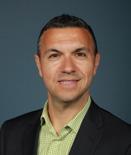
DR ANTHONY FILIPPIS CEO & MANAGING DIRECTOR
◾ Neurotech International
◾ ASX: NTI
◾ Key areas: Neurodevelopmental and neuropsychiatric disorders, including autism spectrum disorder and PANS/PANDAS and the rare neurodevelopmental disorder, Rett syndrome
◾ Key personnel: Dr Anthony Filippis, CEO & MD; Mark Davies, Non-Executive Chairman; Max Johnston, Non-Executive Director; Gerald Quigley, Non-Executive Director
◾ Market cap as at 20/2/2026: $18.14M
◾ 52-week share price low/high: $0.012 - $0.042
◾ Website: neurotechinternational.com

SCAN THIS QR CODE TO LEARN MORE
All fields of medicine rely on pathology, according to Optiscan Imaging CEO Dr Camile Farah. But given the delays in returning samples from labs, clinicians are flying blind and can’t make critical on-the-spot decisions.
Surgeons might guess whether they have caught all of a cancer by “putting in their finger and feeling around” – which is as haphazard as it sounds.
A leader in confocal laser endomicroscopy (CLE), Optiscan is developing InVue for realtime tumour imaging during surgery.
A variant, InForm, is designed for digital handling of tissue samples in pathology labs.
CLE provides surgeons with a real-time view of individual human cells via an optical fibre, magnified up to 1000 times.
In a pivotal year, Optiscan expects to lodge multiple approval applications with the US Food & Drug Administration (FDA).
To support these applications, the company is carrying out multiple trials in Australia and the US.
At the Royal Melbourne Hospital, a nondisruptive study is appraising both InVue and InForm, using the same tissue from breast cancer operations.
Optiscan experts help the surgeon image the cancer bed with InVue.
Post-surgery, InForm images the removed tissue. The findings are compared with the standard of care: the microscope-and-glass-slide method.
Optiscan’s images only need to be at least as good: the selling point is they are “much easier, quicker and cheaper”.
A study at Perth’s St John of God Murdoch Hospital is enrolling head and neck cancer (HNC) patients.
“These cancers are difficult because of the complex anatomy and they also have high recurrence and very poor failure rates,” Farah said.
At pathology chain Australian Clinical Labs, Optiscan’s collaboration partner, InForm is being road tested with hundreds of daily samples covering myriad tissue types.
“It could be inflammation, a cancer or benign,” Farah noted.
“The idea is to prove InForm’s robustness with any tissue that comes into a routine pathology lab.”
The FDA wants to see at least half of the clinical data to come from US studies.
The Minnesota-based Mayo Clinic is gearing up for similarly designed HNC and breast studies.
Mayo’s surgical throughput is many times that of the Australian hospitals, so recruitment should be faster.
“They operate like a well-oiled machine,” Farah said.
Optiscan also eyes approval of a third device, InSpecta, for veterinarians and their companion animal ‘clients’.
The company is collecting data from its partners, Arizona Animal Hospital and the University of Minnesota Vet College.
“Market research showed vets wanted a smaller, cheaper model,” Farah said.
“InSpecta produces the same quality image. But it’s compact so vets can put it in the back of a ute and take it to the farm.”
Confirming Optiscan’s place in the global digital pathology arena, the Mayo Clinic recently invited Farah to deliver a keynote speech to industry heavyweights.
“It was an honour and privilege and shows Mayo’s faith in a small Australian company,” he said.


DR CAMILE FARAH CEO & MANAGING DIRECTOR
◾ Optiscan Imaging
◾ ASX: OIL
◾ Key areas: Medical devices, digital pathology, precision surgery, confocal endomicroscopy
◾ Key personnel: Robert Cooke, Non-Executive Chairman; Dr Camile Farah, CEO & MD; Dr Sanchitha Fernando, CTO; Darius Ooi, CFO
◾ Market cap as at 20/2/2026: $100.24M
◾ 52-week share price low/high: $0.078 - $0.159
◾ Website: optiscan.com

SCAN THIS QR CODE TO LEARN MORE
According to the famed tagline from the sci-fi classic Alien, “in space, no-one can hear you scream”.
Sadly, the same applies to nursing home residents – typically those with dementia –unable to verbalise their pain.
The ASX-listed PainChek is alleviating this problem with its eponymous mobile app, which deploys AI to assess pain.
The process involves the carer capturing a three-second image of the resident’s face, which detects up to nine facial pain expressions.
Combined with other clinical resident observations, the tool produces an overall pain score and severity rating.
PainChek CEO Philip Daffas said the device competes with manual paper-based methods, which are subjective and unwieldy.
Healthcare regulators also demand digitisation of such observations, which PainChek facilitates.
PainChek is well beyond ‘promising concept’ stage. The tool has been rolled out in Australia, the UK and Canada, with 17 million assessments carried out on 200,000 residents to date.
Currently, 1900 nursing homes use PainChek, across 80,000 implemented licences (beds).
The company is in the early stages of entering the US market, after the US Food & Drug Administration (FDA) cleared the device in October last year.
Daffas dubbed the agency’s decision a “transformative achievement, uniquely positioning us to enhance pain assessment and management in the world’s largest healthcare market”.
He noted this clearance was via the harder ‘de novo’ (new device) channel.
“De novo is a new standard, a new category, a new ‘everything’,” he said.
“We will be unique, in a significant market with no competition.”
The US opens a market of up to three million nursing home beds – and an initial US$100m ($145m) annual opportunity.
The size of the home care prize is twice that:

a US$300m-a-year market.
The FDA’s hard-won imprimatur is not enough in itself – public reimbursement is vital, too.
The US Centers for Medicare and Medicaid Services is assessing a new reimbursement code for PainChek, with a decision due by April.
PainChek’s legal advice supports the device’s eligibility, under the Remote Treatment Monitoring protocol. This category provides for attractive reimbursement, expanding the potential market to US$3 billion-plus by 2030.
As well as building its own small US sales team, PainChek has an integration and distribution partnership with leading North American care management providers, PointClickCare and Eldermark.
Locally, PainChek accounts for around onethird of the Australian aged care sector.
In the larger UK market, the company has achieved around 10% penetration. So, opportunities still abound.
In a recent update, PainChek said it was generating annual recurring revenue (ARR) of $4 million, with another $1.9m of ARR under negotiation.
Other geographies beckon over time. These include Germany and Japan, the world’s secondbiggest aged care market with 1.1 million beds.
PainChek also is tackling the market for preverbal infants, via a variant called Infant App, launched locally via the Apple Store.
At both ends of life’s journey, PainChek looks to have the market covered.

◾ ASX: PCK
◾ Key areas: AI enabled medical device for pain assessment and management
◾ Key personnel: Philip Daffas, CEO & MD
◾ Market cap as at 20/2/2026: $41.80M
◾ 52-week share price low/high: $0.185 - $1.050
◾ Website: painchek.com

SCAN THIS QR CODE TO LEARN MORE

In pursuing a new drug program to replace its legacy neurological one, Percheron Therapeutics couldn’t be accused of cutting corners.
Percheron CEO Dr James Garner said the company kicked the tyres on more than 100 candidates, including neurological and skin diseases, alopecia, irritable bowel disease and reverse takeover proposals.
“It was an exhaustive process.”
The clear winner was an immunooncology program, acquired from Singapore’s Hummingbird Bioscience last June.
“This one was a little bit special because of how the data was looking,” Garner said.
Percheron acquired the exclusive rights to the HMBD-002 monoclonal antibody.
The molecule targets a protein called VISTA, a “V-domain immunoglobulin suppressor of T-cell activation”.
A novel target, VISTA could be a new mechanism to treat many tumours.
As with other immuno-oncology drugs, HMBD-002 targets the interaction between the tumour and the immune system. (For a tumour to establish, it needs to dampen down the immune system or it gets attacked).
“We had seen the early safety data during diligence, and it was phase II ready,” Garner said.
“If we had picked up an asset that was still in the lab or being tested on animals, it would have taken a long time to find out if it worked.”
In October the company released further data confirming the safety aspects, but also revealing hints of efficacy.
Garner said proving safety was crucial with oncology drug candidates, because half the time they turned out to be too toxic at phase I stage.
In truth, proving safety “doesn’t get the heart racing” for investors, who want to see efficacy signals.
To prove such, Percheron plans a phase II trial, possibly at local and US sites.
The program has open Investigational
New Drug status with the US Food & Drug Administration (FDA), which means preclinical data has been reviewed and the agency is comfortable with the drug undertaking human trials.
The company plans a ‘modular’ phase II study to test the drug in several cancers, starting with a small number of patients and expanding recruitment according to the data.
Percheron will prioritise breast, lung, oesophageal and endometrial cancers.
“We won’t be recruiting 500 patients for a three-year study, as is common with Big Pharma,” Garner said.
The endgame could be closer than people think, he said, given many cancer drugs were approved after phase II, meaning they could be marketed subject to a phase III confirmatory study.
“In cancer, phase II is not an academic exercise - often it’s a registrational study.”
Garner estimates Hummingbird spent US$25-30 million developing the asset.
Percheron paid Hummingbird US$3m ($4.6m) upfront, with contingent milestone payments of up to US$287m ($443m), plus royalties.
Hummingbird shares some commercial success with the back-ended milestone payments, but they “only make money if we make money”.

DR JAMES GARNER CEO & MANAGING DIRECTOR
◾ Percheron Therapeutics
◾ ASX: PER
◾ Key areas: Drug development, oncology, clinical stage
◾ Key personnel: Dr Charmaine Gittleson, Chair of the Board; Dr Gil Price, Non-Executive Director & Chair of Audit; Deborah Ambrosini, CFO & Company Secretary; Dr Gene Kennedy, Chief Medical Officer; Valentina Dubljevic, Chief Technical Officer
◾ Market cap as at 20/2/2026: $7.61M
◾ 52-week share price low/high: $0.006 - $0.015
◾ Website: percherontx.com

For diagnostics house Proteomics International, the growing burden on healthcare systems from poor diagnosis of chronic diseases is disturbing.
Diabetes provides a compelling example.
Globally, about 500 million people have the condition, with growth spurred by type 2 diabetes (usually linked to lifestyle factors).
About half of all diabetics will go on to develop diabetic kidney disease (DKD), leading to dialysis or the need for a transplant.
“The standard of care only picks up DKD once the kidney damage has become apparent and is chronic,” says Proteomics co-founder and managing director Dr Richard Lipscombe.
“At that point, you are on a path you don’t want to be on.”
Perth-based Proteomics is changing the paradigm with PromarkerD, its DKD assay that can predict the onset of the disease four years before it occurs.
PromarkerD is the first commercial iteration of the company’s Promarker platform which identifies protein biomarkers, a biological ‘fingerprint’ via a simple blood test.
The company has launched the test in Australia and the US (so far in California) under a ‘lab-developed test (LDT)’ mechanism.
Proteomics has also developed two other clinical tests that may exceed the market for PromarkerD.
These are PromarkerEso (for esophageal cancer detection) and PromarkerEndo (endometriosis).
The blood tests replace expensive surgical diagnostic procedures.
Often misdiagnosed, endometriosis is when tissue normally growing inside the uterus occurs outside the organ.
The painful condition affects about one in nine women and girls of reproductive age.
Current detection is with an invasive laparoscopy, costing close to US$5000.
Linked to gastric reflux, esophageal cancer is diagnosed via a US$2750 endoscopy.
In the US, the company expects to price

PromarkerEndo at about US$1000-1500 and PromarkerEso at about US$990.
Proteomics started selling PromarkerD in mid 2025 but struggled to convince patients to pay out-of-pocket.
As a result, the company has broadened its market route to GPs, telehealth and hospital systems.
“It’s a long education journey, but we are starting to get traction,” Lipscombe says.
The company is helped by the US Centers for Medicare and Medicaid Services establishing a reimbursement price of US$390.75 per PromarkerD test.
The next step is to secure this public US reimbursement while engaging private insurers.
The company launched PromarkerEso in Australia last year, with a US debut expected “imminently”. PromarkerEndo will be launched here initially.
“There’s a lot of excitement in the communities we are talking to,” Lipscombe says.
“Clinicians and specialists are keen to see our blood tests available.”
In 2001 – when the human genome had just been mapped – it took 24 hours to identify a single protein.
“Now, we can do it in one second,” he says.
After steering Proteomics for 25 years, Lipscombe retires in February – but that won’t stop the company’s commercial momentum from accelerating.


DR RICHARD LIPSCOMBE MANAGING DIRECTOR
◾ Proteomics International Laboratories
◾ ASX: PIQ
◾ Key areas: Medtech, diagnostics, diabetes, endometriosis, cancer
◾ Key personnel: Phillip Prather, Chief Commercial Officer; Jacqueline Gray, CFO; Dr Pearl Tan, Head of Product Development; Dr Scott Bringans, Head of Research; Dr Kirsten Peters, Head of Clinical Studies; Hitormi Lim, Laboratory Operations Manager; Dr Johan Conradie, Clinical Pathologist
◾ Market cap as at 20/2/2026: $61.94M
◾ 52-week share price low/high: $0.285 - $0.860
◾ Website: proteomics.com.au

SCAN THIS QR CODE TO LEARN MORE
Approximately 40% of pharmaceutical products are derived from natural sources, including plants, according to the World Health Organization.
Aspirin and chemotherapy drugs like paclitaxel highlight how nature has long served as a powerful engine for drug discovery – an approach that underpins QBiotics’ biodiscovery platform.
QBiotics was established in 2010 as a pharmaceutical development spin-out of EcoBiotics, before merging in 2017 to form the QBiotics Group.
EcoBiotics was founded in 2000 by former CSIRO research scientists Dr Paul Reddell and Dr Victoria Gordon.
Reddell, QBiotics’ chief scientific officer, built an international reputation in tropical forest ecology and management, while Gordon served as managing director and CEO for more than two decades before transitioning to an executive director role in 2023.
The company develops cell-signalling smallmolecule therapeutics, currently targeting oncology and wound healing – markets with high unmet medical need.
Its proprietary EcoLogic discovery platform identifies plant-derived small molecules with specific biological activity, generating first-inclass assets with lower development risk than conventional discovery models.
Interim CEO and managing director Ebru Davidson said the approach had produced a validated commercial product and clinical pipeline.
“We discovered our oncology compound tigilanol tiglate (EBC 46) from the seed of Fontainea picrosperma, commonly known as the blushwood tree, found in north Queensland rainforests,” she said.
The seeds contain bioactive chemicals that act as natural indicators of biological activity.
Tigilanol tiglate is approved as a veterinary formulation for treating canine non-metastatic mast cell tumours under the trade name STELFONTA in key jurisdictions, including the US, UK, Europe and Australia.
“Having a veterinary-approved drug was a

deliberate de-risking model by the company, showing the potential of our EcoLogic platform and that we can take a molecule from nature all the way to registration,” Davidson said.
The compound is in human phase II clinical trials for soft-tissue sarcoma and head and neck cancers.
In soft-tissue sarcoma, tigilanol tiglate has received US Food & Drug Administration (FDA) Orphan Drug Designation.
Data from the first stage of a phase IIa softtissue sarcoma study showed an 80% response rate in injected tumours.
The data also suggest tigilanol tiglate may deliver durable responses and activate the tumour immune microenvironment in challenging ‘cold’ tumours.
The second stage of the trial is currently recruiting patients at the Memorial Sloan Kettering Cancer Center in New York.
Final data from the head and neck cancer phase II trial is forecast later this year.
“There is huge potential for this drug beyond soft-tissue sarcoma and head and neck cancers,” Davidson said.
QBiotics’ second asset, EBC-1013, a woundhealing drug, is currently recruiting for a phase I trial in patients with venous leg ulcers.
Davidson said QBiotics continues to progress toward an ASX listing, hitting key milestones, and assessing market conditions to position the company for success.


Key areas: Biotechnology — clinical stage oncology and wound healing
Key personnel: Ebru Davidson, Interim CEO & MD; Simon Pollard, Interim Chairman; Dr Victoria Gordon, Executive Director, Chief Strategy Officer & Co-Founder; Dr Paul Reddell, Executive Director, Chief Scientific Officer & Co-Founder
Website: qbiotics.com

Racura Oncology CEO Dr Daniel Tillett is feeling positive about 2026 as the company looks to capitalise on key discoveries made last year for its lead drug candidate RC220.
Racura, which rebranded from Race Oncology, has identified the primary mechanism of action (MOA) of RC220’s active ingredient, (E,E)-bisantrene (RCDS1).
The breakthrough redefines how its cardioprotective anticancer drug can be used, offering advantages for clinical development, regulatory approval and future partnerships.
“We now know how our drug works, have really strong IP and have added two new clinical programs to our pipeline,” Tillett said.
Originally developed by Lederle Laboratories in the 1970s and ’80s, bisantrene showed effectiveness in treating acute myeloid leukaemia (AML), resulting in French approval in 1988.
Development was later halted due to poor blood solubility, limiting patient use.
However, a key discovery last year using modern scientific methods revealed that (E,E)-bisantrene binds to and stabilises DNA structures known as G quadruplexes, switching off the MYC gene.
This reduces activity of the MYC protein, a major driver of uncontrolled cell growth in around 70% of cancers.
“MYC has been a major target of the pharmaceutical industry for many decades but because of its structure, which has no binding sites for small molecule drugs, it has been considered undruggable,” Tillett said.
“It turns out that (E,E)-bisantrene can turn the MYC gene off, so it doesn’t produce the protein.”
Racura has reformulated bisantrene into a blood-soluble version, enabling RC220 to be safely administered while retaining its anticancer activity.
Racura’s pipeline is anchored by three clinical programs. An ongoing phase 1a/b study in advanced solid tumours combines RC220 with doxorubicin.

The trial aims to enhance chemotherapy efficacy while mitigating cardiac toxicity.
Two further studies will start soon, including a phase III registrational study in relapsed or refractory AML patients.
“The AML study is building on bisantrene’s clinical heritage with the opportunity for a pathway to approval, while further exploring the MYC activity of RC220,” Tillett said.
In EGFR-mutant non-small cell lung cancer, the HARNESS-1 phase 1a/b trial will evaluate RC220 in combination with tyrosine kinase inhibitor Tagrisso (osimertinib).
“Osimertinib can shrink the cancer away and works amazingly well if you have a particular type of lung cancer, but after 12 to 18 months the cancer develops resistance and comes back,” Tillett said.
“We are planning on using RC220 to try and delay or prevent this from occurring and we have lots of pre-clinical data to support this use case.”
Tillett said 2026 was all about delivering on the potential of RC220.
“It’s not like we will have to wait years and expect results early on this year with 2026 all about treating patients to see how RC220 can make a difference,” he said.


DR DANIEL TILLETT CEO & MANAGING DIRECTOR
◾ Racura Oncology
◾ ASX: RAC
◾ Key areas: Oncology, cancer research, biotechnology, cardiology, clinical trials
◾ Key personnel: Dr Daniel Tillett, CEO & MD; Dr Pete Smith, Chair; Dr Serge Scrofani, Independent NonExecutive Director; Dr Megan Baldwin, Independent Non-Executive Director
◾ Market cap as at 20/2/2026: $403.30M
◾ 52-week share price low/high: $0.920 - $4.900
◾ Website: racuraoncology.com

SCAN THIS QR CODE TO LEARN MORE
Radiopharm Theranostics CEO Riccardo Canevari believes 2026 is likely to be the most important year yet for the rapidly evolving nuclear medicine exponent.
“It’s the first time we have five molecules in the clinic at the same time,” he said. “All are at different stages of development, but all are delivering data.”
Since listing on the ASX in late 2021, Radiopharm has harnessed isotopes and targeting agents to detect (image) and treat tumours.
Diagnostics involves using low energy radioisotopes to allow physicians to ‘see’ and measure tumours. Treatment involves deploying high-energy particles.
“The company was created with the right strategy of bringing highly differentiated products to market,” said New Jersey-based Canevari.
“We don’t have any ‘me too’ programs, which makes us unique.”
Radiopharm’s most advanced program, RAD-101, is for detecting brain metastases (mets). RAD-101 involves combining an isotope called F18 with a radiotracer called pivalate to enhance conventional imaging.
Following earlier promising phase II results, Radiopharm is halfway to enrolling the targeted 30 patients for a single-arm US phase IIb study and expects to complete recruitment by the end of April.
If results stack up, the company plans to meet with the US Food & Drug Administration (FDA) to discuss the structure and endpoints of a phase III registrational trial.
Canevari said RAD-101 faced no competition after a rival ceased its phase III program. The US market for brain mets is around 300,000 patients a year.
Therapy-wise, Radiopharm’s most advanced programs are RAD-204 and RAD-202 for solid tumours including HER2-positive breast cancers and non-small cell lung cancer.
It’s hoped these agents can be better than the standard of care – usually chemotherapy – and with fewer side effects.
The company expects to complete phase I dose-escalation trials this year.
“We would like to see early signs of efficacy, particularly at higher doses,” Canevari said.
In a joint venture, Radiopharm and Texasbased MD Anderson Cancer Center run a program called RV-01 (Betabart). RV-01 targets an antigen called B7-H3 that’s highly expressed in many tumours.
The company also plans a phase I trial of a separate monoclonal antibody agent for prostate cancer, targeting the KLK3 prostatespecific antigen.
Also Nasdaq-listed, Radiopharm last year raised $35 million in a placement, which should enable the company to complete current trials to read-out stage.
Management is keeping an open eye on how to fund a phase III brain mets effort.
Canevari is happy for Radiopharm to be compared with the much larger ASXlisted peer Telix Pharmaceuticals, which has commercialised two prostate cancer radiodiagnostics in the US.
“If anything, we have more of a focus on therapies, but I’m happy to be called a ‘mini Telix’ any day,” he said.
“What really matters is bringing new hope to patients living with cancer and we are fully committed to advancing science and therapeutic options.”


◾ Key areas: Oncology solid tumors, radiopharmaceuticals imaging and therapies
◾ Key personnel: Riccardo Canevari, CEO; Dr Dimitris Voliotis, CMO
◾ Market cap as at 20/2/2026: $77.97M
◾ 52-week share price low/high: $0.017 - $0.040
◾ Website: radiopharmtheranostics.com
LEARN MORE ◾ Radiopharm Theranostics ◾ ASX: RAD

Comedian Billy Connolly once quipped that all Mexican food is the same, just folded differently.
The same applies to wound and nerve repair devices, which derive from the same flat sheet and are moulded for different purposes.
For ReNerve, that means the ability to leverage a core product to sell additional items without requiring explicit US Food & Drug Administration (FDA) approval.
“The company’s focus is on peripheral nerve repair – everything that makes us run, jump, talk and eat – anything outside the spinal column,” CEO Dr Julian Chick said.
ReNerve has four products on market, covering nerve cuffs and conduits, deep dermal repair for reconstructive and cosmetic surgery, and an amniotic range for biological wound dressings.
These are across two brands – NervAlign, sourced from porcine-derived biomaterial, and Empliq, from human tissue.
ReNerve first won approval for its NervAlign nerve cuff, a “Band-Aid” for damaged or transected nerves. Uses include breast reconstruction, orthopaedic and oral and maxillofacial surgery.
A variant is a cylindrical conduit to protect injured nerve repairs. The material is rolled, burrito-like, into a straw.
“The conduit is best used with small gaps of half a centimetre or so, but they both protect the nerve while it regenerates and prevent scarring and inflammation,” Chick said.
One example is when the vessel has been sliced through but can be fixed. The nerve may be too damaged and needs to be replaced, or the nerve may need to be exposed for scar tissue to be removed, as with carpal tunnel procedures.
ReNerve’s products are designed to be stored at room temperature with a multi-year shelf life, providing convenience and availability.
Developed with US manufacturer Berkeley Biologics, the Empliq range is derived from human tissue and addresses wounds associated
with nerve repairs.
“Surgeons have said that for every piece of nerve wrap used, they might use 30 pieces of amniotic tissue (an Empliq product),” Chick said.
“So why not sell both?”
The company has also worked with surgeons on the reinnervation of breast tissue, getting back sensitivity post mastectomy.
Chick said having multiple products improved the standing of the sales reps when selling to a hospital.
“The analogy is a potato chip maker asking Coles or Woolworths if they would stock their honey soy chips,” he said. “The supermarkets would laugh them out of the room.
“But if they also offer salt and vinegar, barbecue, chicken and sea salt flavours, that’s a complete range.”
ReNerve is also working on a potentially revolutionary device aimed at spinal nerve repair – “a true interface between the biologic nerve and a synthetic electric cable or wire,” Chick said.
“It’s an R&D project and in 2026 we hope to make some noise about that.”
With ReNerve’s ‘Mexican menu’ expanding, investors should expect revenue to ramp up.


◾ ReNerve
◾ ASX: RNV
DR JULIAN CHICK CEO
◾ Key areas: Biomaterial medical device focused company
◾ Key personnel: Dr Julian Chick, CEO; Maja McGuire, Chairperson; Dr David Rhodes, Executive Director & CSO; Dr Alex Adamides, CMO; Dr Paul Savage, Non-Executive Director
◾ Market cap as at 20/2/2026: $18.84M
◾ 52-week share price low/high: $0.094 - $0.220
◾ Website: renerve.com.au

SCAN THIS QR CODE TO LEARN MORE
ASX:RHY
Patient Rhythm Biosciences investors would attest that developing a bona fide diagnostic tool takes years of toil and many setbacks. But having finessed its bowel cancer detector ColoSTAT over more than a decade, Rhythm is now firmly in the groove with a transformative milestone.
“For the first time, we will be earning revenue from ColoSTAT this year,” said CEO Dr David Atkins. “It’s an important moment for the company. We go from being one with research and development risk, to talking about metrics such as turnaround times and cost of goods sold.”
A blood-based, non-invasive assay, ColoSTAT is an alternative to the common faecal immunochemical tests.
While the federal government funds the socalled ‘poo tests’ for over 45s, more than half of recipients throw them in the bin because they are distasteful to use.
In 2025, Rhythm acquired Genetype, a genetic test that assesses an individual’s predisposition to certain cancers.
“They are both incredibly valuable and complement each other,” Atkins said.
“Genetype is more about looking into the future for a patient, while ColoSTAT determines whether a symptomatic patient has bowel cancer. They play to our overall strategy of saving lives by detecting cancer earlier.”
Having passed a quality audit, Rhythm now has the right to sell ColoSTAT locally as a lab-accredited test, piggybacking off Genetype’s extant lab-accredited status and meaning the company didn’t have to start from scratch.
Atkins expects clinicians will use ColoSTAT to ‘triage’ the flow of colonoscopy patients.
There’s an economic – as well as clinical –benefit with 900,000 colonoscopies conducted annually, compared with close to 16,000 new bowel cancer cases.
“Many colonoscopies are unnecessary and impose a heavy burden on the system.”
With 99%-plus accuracy, ColoSTAT stands as a low-cost alternative and could prove a reliable test to regional patients without access

to a colonoscopy, or those precluded because of other health issues.
Rhythm plans a controlled ColoSTAT rollout, initially signing up 20 or so clinicians.
“If we make a mistake in the first three months we probably won’t recover, so I’m focusing on ensuring good clinical use and patient safety,” Atkins said.
ColoSTAT and Genetype addressed potential multi-billion-dollar markets, he said. While Genetype sales have been modest to date, they are expected to gain traction as Rhythm builds distribution partners.
“We took on a fledgling commercial asset, but have spent time and effort to improve turnaround times and engage with patients and customers.”
Atkins said investors often queried why ColoSTAT’s progress had taken so long – which highlights the complexity of getting a diagnostic test to market.
“Diagnostics is an interface between biology and engineering instruments and hardware,” he said. “The process has that extra dimension that sometimes investors don’t fully appreciate.”
But with Rhythm shares more than doubling over the past 12 months, investors are now listening as the company enters its transformational commercial era.

Rhythm Biosciences
ASX: RHY
◾ Key areas: Cancer clinical risk assessment testing and disease detection
◾ Key personnel: David Atkins, CEO & MD; Erika Spaeth, Director of Clinical & Scientific Affairs; Jackson Jones, Chief Commercial Officer
◾ Market cap as at 20/2/2026: $67.05M
◾ 52-week share price low/high: $0.047 - $0.280
◾ Website: rhythmbio.com

Cervical cancer screening innovator TruScreen uniquely focuses on developing geographies with huge unmet needs.
“We are the challenger, with a disruptive AI technology and a focus on the unmet need in developing markets” said CEO Martin Dillon.
The TruScreen Ultra device is a pen-like wand with a disposable single-use sensor, which gently probes the cervix in a two-minute procedure.
An AI-enabled algorithm interprets the lowlevel electrical and optical signals, delivering results in a few seconds.
In contrast, labs might take weeks or months to return results from standard Papilloma (Pap), liquid-based cytology (LBC) or human papilloma virus (HPV) tests.
TruScreen units are light and portable, easily deployed at the point of need, and results are consistent across geographies and ethnicities.
“For many women a screening centre is days away from where they live and work, or authorities can’t reach them,” Dillon said.
Chinese authorities approved TruScreen Ultra a decade ago and the device has been green lit in 14 countries, with nine approvals in process.
It’s used in three of the most populous countries, India, China and Indonesia. Others include Zimbabwe, Uzbekistan and Vietnam, where the company will undertake mass public screening with Ho Chi Minh City Public Health Association.
More than 230 devices have been used across 112 hospitals with 1000 professionals trained and more than one million women screened.
In March 2025 a distribution deal was struck with Chinese medtech Hangzhou Dalton Bioscience, which makes HPV tests and lab equipment for cervical cancer screening, with TruScreen marketing Dalton products in selected countries.
While selling on the merits of convenience and portability, the company said TruScreen was more accurate than the standard of care with a study showing sensitivity (ability to detect) of 83.3% compared with 66.7% for Pap smears and a specificity (ability to discount false
positives) of 95% versus 98.2% for standard of care.
Dillon said superior accuracy was accentuated in ‘real world’ conditions, in which LBC procedures may be compromised by improper laboratory handling and sample transportation.
Revenue derives from a mix of public and private hospitals and a move into public screening campaigns. TruScreen seeks to cap per-patient screen rates at around US$25 – in line with traditional assays.
Dillon said in contrast to major laboratory players in Western countries, developing markets needed non-laboratory-based solutions with low infrastructure costs, to maximise the value of their health spend.
“We go where the need is high and the competition is lower.”
The World Health Organization has targeted eliminating cervical cancer by the end of the century. To achieve this, one billion women need to be screened.
The global cervical cancer screening market was worth US$7.9bn last year and should hit US$14.5bn by 2033.
“We don’t need to take a big slice of the pie to be a profitable mid-sized company,” Dillon added.


◾ TrueScreen Group
◾ ASX: TRU
◾ Key areas: Cervical cancer screening
◾ Key personnel: Marty Dillon, CEO; Dr Jerry Tan, GM Commercial; Dr Carolina Velasquez, Manager, Clinical & Medical Affairs; Usharani Raji, Production Manager
◾ Market cap as at 20/2/2026: $11.95M
◾ 52-week share price low/high: $0.012 - $0.033
◾ Website: truscreen.com

SCAN THIS QR CODE TO LEARN MORE