INNOVATION IMAGINATION TECHNOLOGY FORESIGHT


This strategic foresight document is the result of a research project funded by the technology foresight program of armasuisse Science and Technology. It is a thematic research on the future of the Internet of Things at the technological level and its implications for security and defence.
The purpose is to get prepared to anticipate new technological solutions that might pop-up somewhere in the future, based on some of today’s knowledge. Great care has been taken to consider only unclassified public information, avoiding any intellectual property unauthorized disclosure.
Conflict of interest : The author declare that he has no known competing financial interests or personal relationships that could have appeared to influence the work reported in this document.
Federal Office for Defence Procurement armasuisse
Science and Technology
Feuerwerkerstrasse 39 3602 Thun
ISBN: 978-3-907717-05-9
contact : quentin.ladetto@armasuisse.ch
© armasuisse – Bern, 2025
This study explores emerging products, functions and business models that may, in the near future, amplify and transform the cognitive impact of many components within the Internet of Things.
It is part of an anticipative approach which, following the study The Future of IoT for Military Environments (1), pursues a clear objective: to anticipate future uses of technology by analyzing weak signals from patents, scientific publications, and academic research... with a business touch !
It also serves as a companion to the first season of the Deftech Podcast (2), dedicated to cognitive threats, a series that laid the foundation for understanding one of the defining security issues of our time: the battle for the human mind.
Today, many objects, services and systems are designed to enhance human performance, well-being, assistance, or communication. But what starts as a neutral, or even beneficial tool, can be repurposed, re-coded, and turned into an instrument of control, mental capture, or cognitive intrusion. This ambivalence is the core of cognitive warfare: altering perception, steering decision-making, silently, seamlessly, often without the target ever noticing.
We live in a time where thought manipulation is no longer science fiction. The human mind is now recognized as the sixth domain of warfare, alongside land, sea, air, space and cyberspace. Immersive technologies, physiological sensors, artificial intelligence and neurotechnologies are all potential levers for shaping cognition, undermining mental autonomy, or imposing narratives. We journey into this emerging domain guided by Olivier Desjeux, whose technical acuity and strategic curiosity open new paths into these electronic futures.
This document does not claim to provide definitive answers. Instead, it offers analytical angles, avenues of thought, weak signals and possible scenarios. It encourages us to think today about the risks of tomorrow, so that decisions and actions may be taken with full awareness.
So, fasten your attention, unlock your assumptions, and prepare for a high-voltage read... at the edge of the real.
Foresightly yours,
Dr. Quentin Ladetto Head of Technology Foresight armasuisse Science & Technology
https://deftech.ch | https://armasuisse.ch
"Reality exists only in the human mind, and nowhere else."
George Orwell, 1984
As IoT technologies evolve from passive data collectors to active shapers of human perception, cognitive resilience is becoming essential. Cognitive Resilience in the IoT Age explores how multi-sensor IoT ecosystems assess and influence cognitive states, with the potential to enhance, impair, or even manipulate human thought processes.
This project presents both the possibilities and risks of the analyzed technologies. Cognitive IoT can enable mental augmentation, adaptive learning, and real-time emotional support. At the same time, it raises ethical concerns about commercial persuasion, the erosion of individual agency and cognitive warfare. Can a hyper-connected world strengthen cognitive resilience, or does it create new vulnerabilities?
By taking a neutral stance, this project applies an engineer’s approach on how IoT technologies work and their implications. By raising the awareness, the purpose is to remain in control of our own judgment, recognizing both opportunities and threats.
Structured as a timeline, Cognitive Resilience in the IoT Age moves from historical influences on cognition to present-day applications and speculative future scenarios. Through a series of “What if...?” questions, it challenges readers to consider the consequences of perception engineering, from subtle nudges in advertising to large-scale societal influence campaigns.
As we stand at the threshold of a new digital frontier, one question remains: will we harness these innovations for empowerment, and will they redefine what it means to think freely?
The goal is not to resist technology but to remain sovereign in its presence.
Olivier Desjeux July 2025 olivier.desjeux@novensyx.com
"If you put your mind into it you can accomplish anything."
Doc Brown to Marty McFly
Generally speaking, a foresight study consists of exploring the fields of the future of an entity. The business ecosystem considers the entity, in the form of a company, a business unit or a product. The political ecosystem considers the legal framework in which citizens evolve. The military world considers the entities of its hierarchical structure, governed at the highest level by doctrine. With foresight, the decision-making system becomes nourished by a set of plausible scenarios that describe different options for the future. This decision-making centre will then be able to strengthen its strategy by selecting one or more of the options offered.
As part of a defense system, the construction of ambidextrous structures will provide decisive tools for understanding the occurrence of new threats. While some entities work on the conquest of power on the terrain of psychological warfare and ideological subversion, others are beginning to structure countermeasures.
Data is at the center of the decision-making variables. These data are necessarily built from measurements made in the past. Tactical choices are made by extrapolation of these data of the past, passed through a set of Boolean combinations, to prepare the next steps. If a proposition is true, then such and such a procedure must be applied, if not another. Note that the proposal in question can be made up of multiple combinations of known parameters. The simplified diagram below indicates that the structuring frameworks of tactics are on the side of certainty, where data is most often available and verified, there where the forces of change are still predictable. The quality of tactics results from the quality of the data and the relevance of the model.
The less the quality of the data reflects reality, the more the impact of the forces of change will become important. In this context, the strategy must be nourished by a maximum of diversity, in the form of projections, monitoring studies and reports, to best define the orientations.
It is common to designate these forces of change by using the PESTEL mnemonic. PESTEL is the acronym for Political, Environmental, Societal, Technological, Economical, Legal.
These forces of change have the unfortunate tendency to occur in ways that are difficult to predict, otherwise they would be part of the facts of the situation. Another of their characteristics is that of combining with each other. Finally, it should also be noted that the forces of change are not particularly connoted. While some are red to symbolize a brake, others are in green to symbolize a positive opportunity.
The above representation considers that time is not a relevant variable. Each system, each environment evolves in a combination of space-time that is unique to it, potentially influenced by the effects of other systems. It is in the part containing perceived data that become more and more uncertain that the question «What if...?» takes on its full importance. According to the adage that the answer is the reflection of the question, it will be necessary to orient these questions according to the axis to be favored. Here is already a form of cognitive manipulation.
The data in this document is contained in the patents as well as in the references cited in the appendix. Technology mainly refers to physical hardware, computational technologies and embedded artificial intelligence (AI), also referred to as edge computing. Distributed AI in networks plays also a key role in assessing the cognitive impact of the Internet of Things. For a precise description of the detection and action functions of IoT, refer to the publication « The future of IoT for military environments » (1).
Does a hyper-connected world strengthen cognitive resilience, or does it create new vulnerabilities?
1.1 Before
1.2 The diffusion era
1.3
1.4
1.5 The IoT in networks
2.1 Connected equipment and cognitive influence features
2.2 Cognitive influence clusters
2.3 Map your cognitive influence cluster
3.1
3.2
3.1.1
3.1.2
3.1.3
3.2.1
3.2.2
3.2.3
"Everything
CHAPTER I
Cognitive influence was already omnipresent long before technology invaded our daily lives. Many powers have been built by shaping individual and collective thought. The ability to shape perception was often an essential component of the exercise of power.
Without going into the details of the functioning of a particular civilization, the methods used generally used a more or less balanced combination of three vectors before sometimes resorting to coercion and force: rhetoric, symbols, beliefs.
From ancient rhetoric to imperial propaganda, the art of guiding perception through speech has shaped loyalty. The symbols intrinsically contained in hierarchies, allegories, and architecture confirmed the power of regimes. The dissemination of myths and beliefs gave them the legitimacy of its exercise.
The advent of the printing press introduced a decisive turning point in distribution information. Then radio, and then television, increased its speed. The transport of the voice by the waves, and then of the image, brought to the information, has increased powers of persuasion. Every technological advance has been accompanied by a change in the way people understood the truth, interpreted authority, and participated in public discourse. At the end of the twentieth century, the mass media saturated the fields of information. The border between reality and fiction faded in an increasingly uninhibited and apparent way.
In the age of dissemination, the content of information was unidirectional, from the knowledge to the public. The publication of documents followed codified processes, providing the recipients with an unambiguous record from the source of the information. Little by little, critical minds began to select their channels of information, strengthening their adherence to their own theses.
Then came the early internet, now referred to as Web 1.0. The World Wide Web would mark the way individuals accessed and interacted with information. Global knowledge was no longer going to be restricted from libraries, universities, editorial boards or national broadcasters. In principle, anyone with a connection could access a large number of publications. It was a phase characterized by static pages and read-only structures. The architecture, although distributed in its infrastructure, remained centralized in its operation. On the one hand, the websites came from organizations such as the universities, media groups or companies. On the other hand, the majority of users remained passive users, data consumers. Trust in this ecosystem was based on institutional credibility. The information, although freely available, retained the authority implicit in its source.
While Web 1.0 has democratized publishing in the technical sense, visibility was still constrained by search engines or link hierarchies. The infrastructure was not yet able to enhance or personalize content. Despite its limitations, Web 1.0 had laid a critical foundation. It introduced a new mode of influence, allowing content to cross the borders and bypass traditional intermediaries.
At this stage, the influence became linked to the screen. The system had already begun to stretch human being’s cognition. It accustomed users to live in a continuous flow of information and to select information without filters. The persistence of digital traces appeared. Quickly, the Web 1.0 turned into a slow-speed surveillance infrastructure. Every click, every search, every reading time silently generated patterns. These motives were soon to be exploited, interpreted, and converted into shares. Static in its code, Web1.0 became dynamic in its consequences. It marked the subtle setting in motion of systems that were not satisfied with more to serve our attention. This period of digital communitarianism has left its mark as the beginning of the erosion of critical thinking. The relays of scientific information have become a source of information among many others.
The emerging logic of content relevance marked the transition to distributed networks. The evolution began with the emergence of the first social media platforms. Friendster and MySpace, introduced the notion of a self-produced, socially reinforced digital identity. Those platforms innovated with feedback loops that have now become multidirectional.
With social networks, the internet evolved from a simple static repository information to an interactive and adaptive ecosystem. This shift, discreet at first, almost imperceptible to the common user, nevertheless had profound implications. With the convergence of behavioral psychology and digital infrastructure, the platforms were not satisfied with more than delivering information: they began to capture human attention, guide decisions and condition behaviors in ways that are not only measurable, but increasingly predictable.
The appearance of network communication has disrupted the model of vertical distribution to the benefit of a participatory, lateral and recursive system of influence. Truth, formerly linked to hierarchy and structure, has begun to spread through networks of peer interactions, reinforcements and algorithm-driven visibility.
A new discipline was born, captology, which proposes that digital systems can be designed not only to inform, but to intentionally alter the user’s behavior. These feedback loops, previously theoretical concepts, were now integrated into the everyday digital experience. Early variations included the use of points, badges and visual indicators to reward user engagement. The notifications were no longer there only to inform, but to interrupt, to capture attention, and to encourage action. The goal became no longer just to host content, but to monetize the time spent, the clicks made and the preferences induced. Platforms became environments of behavioral modification.
What makes this development unprecedented is not the use of influence per se. Advertisers, politicians and storytellers have been using it for centuries. It was his level of precision, scale and automation. Influence is no longer just activated; it is deliberately designed. The interface becomes an active player in the behavioral loop. It learns from every click, every pause, every abandonment, and re-calibrates accordingly. Gradually, the digital system ceases to be designed to serve the user but to adapt to him by modifying his habits by micro-interventions.
At this point, digital platforms have become responsive systems. They are not satisfied with no longer storing or disseminating: they observe, predict and modify behaviors with an increasing granularity. However, the influence remains linked to the screen, which has since become a touch screen.
if... ... search engines disappeared ?
What if... natural referencing became obsolete ?
While artificial intelligence algorithms are developing very quickly, the influence of search engines has already begun to fade.
It is this cognitive frontier that the Internet of Things is beginning to cross. The first connected objects, thermostats, bracelets, tracking rings or assistants are no longer simple sensors or actuators. They become contributors to reactions that span time, space, and ecosystems. They don’t wait for instructions: they shape the environment to guide behavior. Now lighting adjusts to your mood, and not just at the scheduled time; online stores subtly reconfigure themselves according to your biometric data; cars change their dashboards depending on your stress level. Thos are the first manifestations of a programmable reality.
We are now witnessing the beginnings of a new persuasive landscape, in which the interaction is not only with our actions and physical locations, but also with our physiological states and emotions. As the number of sensors and as algorithms become distributed, the principles of behavioral design migrate to the real world. The devices are now able to detect proximity, follow the gaze, measuring heart rate, and inferring emotional states from micro-expressions or tone of voice. In such an environment, the feedback loop becomes instantaneous and continuous. The intervention is not only in response to what we are doing, but in anticipation of what we might feel.
Cognition becomes observable, quantifiable, and modifiable in real time. The Cognitive Internet of Things has become a ubiquitous reality. The world in which networked systems do not observe more simply our behaviors is present. Connected systems orchestrate the networks. They do not analyze any longer just our cognition: they participate in it. And they no longer broadcast: they intervene.
The narrators are gone
The networks have matured
The algorithms are speaking It’s time we start realizing
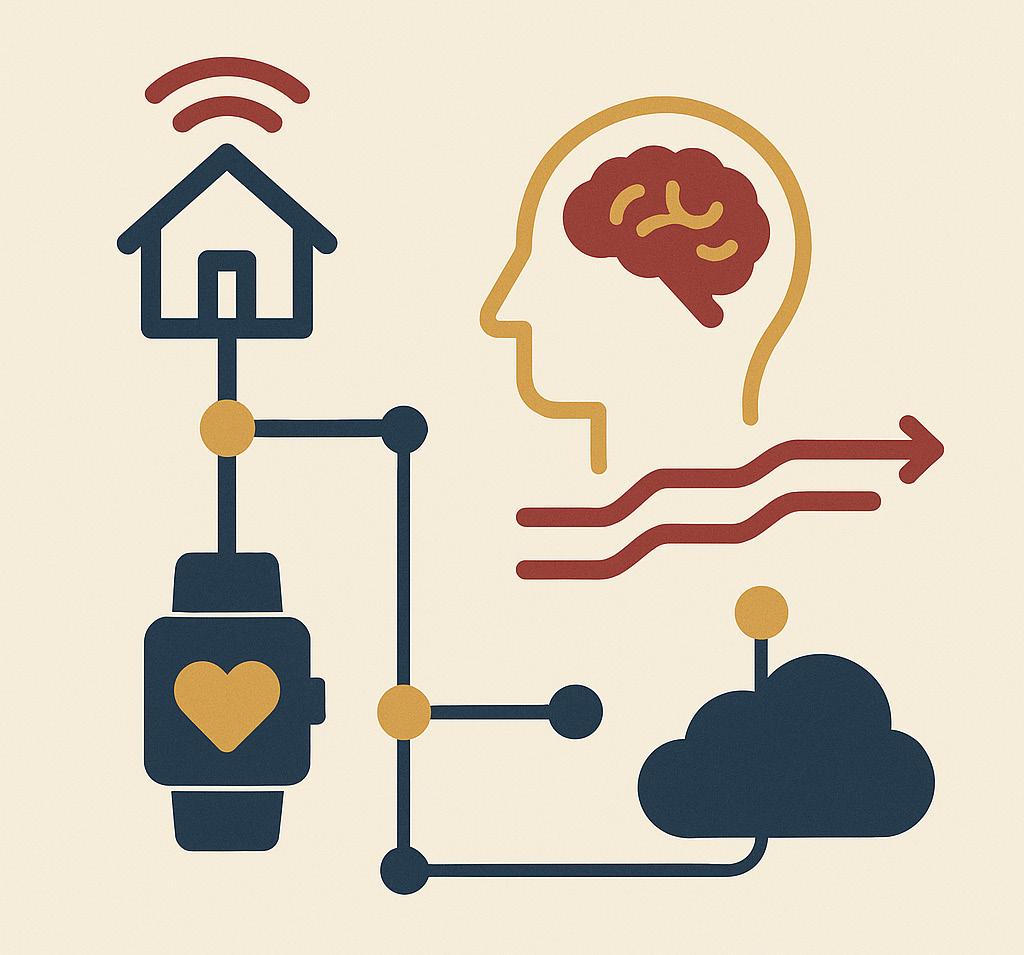
CHAPTER II
Sensors now watch, listen, and learn. What once required human judgment now runs on embedded logic. Data flows faster than thought. In this era, cognition is not only observed: it is predicted, nudged, and sometimes preempted.
Connected objects, from wearables to smart infrastructure, extend our nervous system into the environment. Devices are configured to track stress, emotion, sleep, movement, voice, eye focus and mind activity. Individually, they inform. Together, they begin to understand.
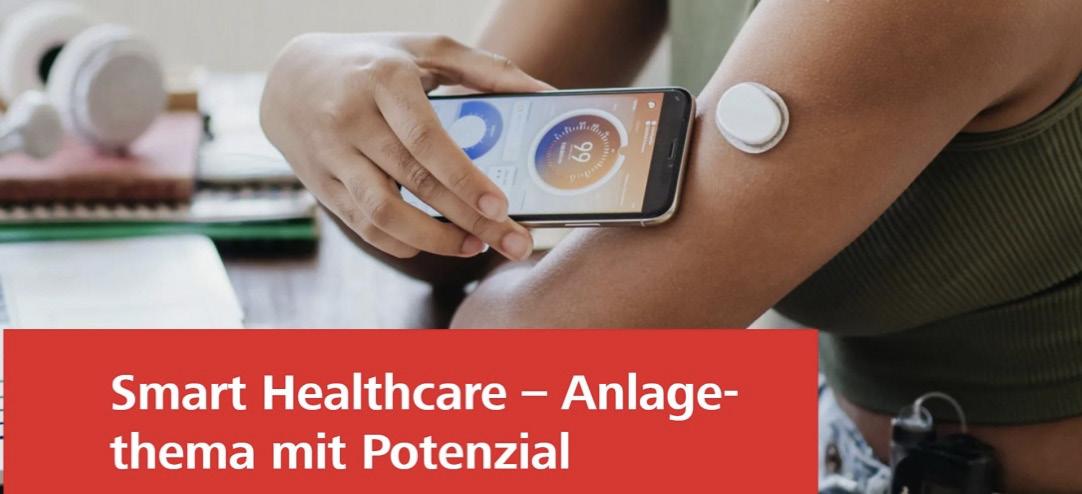
The encouragement of the use of IoT is always presented in its most benevolent facet. On an individual level, the use of this sensor is clearly beneficial for the user. As a group, an organization collects all the data of all users. Its objectives are twofold: 1) to retain the user to the point that this one can no longer detach himself from his service, and 2) to aggregate the sum of all the data to produce information of interest at least tactical, if not strategic.
Exercise
Embedded sensors inside a connected car
Embedded sensor Individual benefit Mandatory Collective benefit Subversive interest
Parking radar Parking driver assistance Yes / no ?
Localisation Driver navigation assistance Increasingly Traffic load management Precise territory/time occupancy patterns
Microphones Vocal Commands
Dash-cam
Lidar
The sensor list can be improved. Add more lines, think about the collective benefits.
What if... ... all the members of the government was fitted with the same make/model of connected car ? Which one ?
What if... ... The general staff’s chauffeurs would only consider their navigation with the same electronic assistance aid ?
if... ?
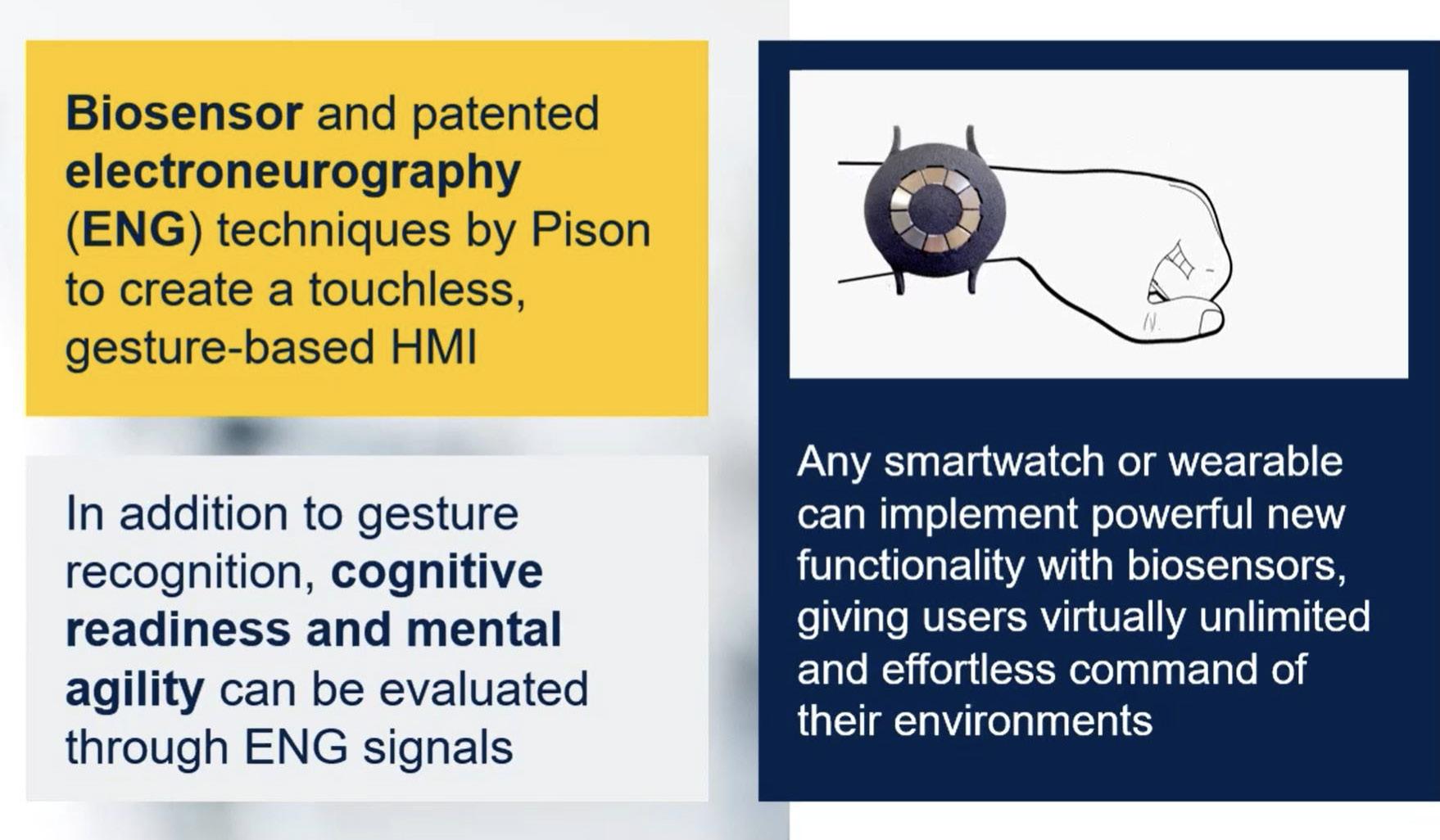
Source STMicroelectronics
Military doctrine long valued situational awareness. Before, spies were required to collect the data. Today, machines achieve it first. Commercial actors harvest signals in real-time to influence attention, preference, and belief. What was once a marketing strategy now mimics military doctrine: observe, orient, decide, act.
The battlefield is transformational. From terrain, to code, it becomes cognitive. Algorithms calibrate user state. Interfaces adapt. Messages shift tone, timing, and form. The system does not wait for the user to choose. It leads.
The architecture of modern cognitive IoT is based on a set of sensors and actuators. The taxonomy is illustrated in the table next page. This census shows how embedded systems, embedded software and AI, with distributed intelligence, enable a real-time interaction with human perception. It illustrates the leap that leads from collection data to behavioral influence.
The tools now exist to know the self, and the citizen, better than they know themselves. What if this knowledge is used to erode resilience, not reinforce it ? What if awareness becomes control ?
This is no longer science fiction. This is the present tense.
A wide array of connected equipment seamlessly integrates into our everyday environment: homes, vehicles, offices, and even our bodies are now connected.
These IoT equipment do more than automate tasks or entertain :
they
shape the way we think, feel, and act.
From smartphones that nudge our behavior with notifications, to smart TVs that tailor content, to wearables that monitor our physiology in real-time, technology has become a silent co-pilot of human cognition.
The list below identifies key connected technologies and categorizes them by their potential influence on cognitive functions: emotional, behavioral, environmental, and neurological.
It provides a view of how every unit interacts with human users and with other equipment, highlighting feedback loops, dependencies, and emerging patterns of influence.
It’s to be used as a reference for analyzing cognitive impacts in the sensor age (section 2.3).
Mobile phones
Smartwatches
Earbuds / Hearables
Connected glasses
Smart TVs
Connected gaming platforms
Game consoles & controllers
Home automation systems
Smart doorbells
Surveillance cameras
Voice assistants
Smart mirrors
Fitness wearables
Smart appliances
Connected vehicles
Smart desks & chairs
AR / VR headsets
Smart clothing
Smart toilets / bathrooms
Educational devices / Toys
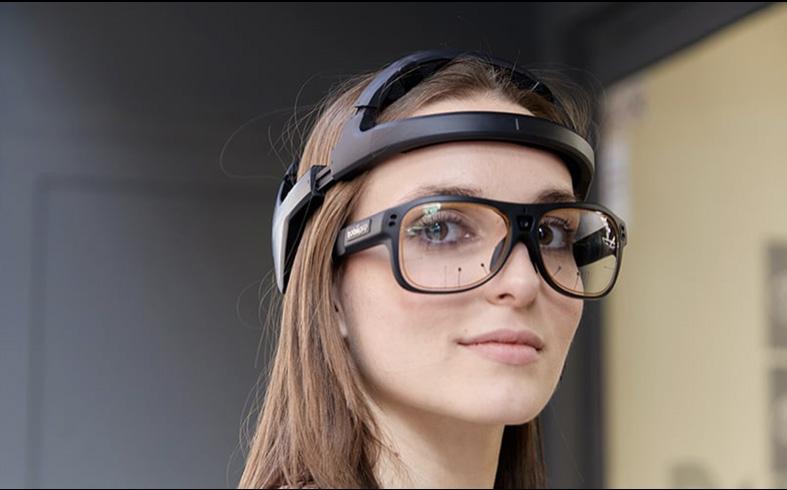
EEG headbands / Neurotech
Digital in-car assistants
Smart home hubs
Ambient environment sensors
Always-on sensors, biometric auth, app usage, location tracking
Wrist-worn sensors, biometric tracking, notifications
Voice input, head motion tracking, biometric sensing
Eye tracking, AR overlay, ambient cameras, voice command
Content recognition, voice control, camera integration
Haptic feedback, eye/motion tracking, adaptive difficulty, social integration
Multimodal input, immersive interfaces, biometric feedback
Device orchestration, ambient sensing, voice control
Facial recognition, motion detection, remote access
AI vision, gait/facial recognition, anomaly detection
Natural language interface, contextual memory, emotion detection
Facial emotion detection, body analysis, health feedback
HR monitoring, sleep & stress analysis, movement sensing
Routine learning, food inventory, predictive interaction
Eye tracking, biometric input, driving pattern monitoring
Posture feedback, productivity tracking, motion sensing
Spatial interaction, gaze tracking, haptic immersion
Integrated biosensors, posture and motion sensing
Biometric analysis, health signal detection
Adaptive response, learning analytics, voice input
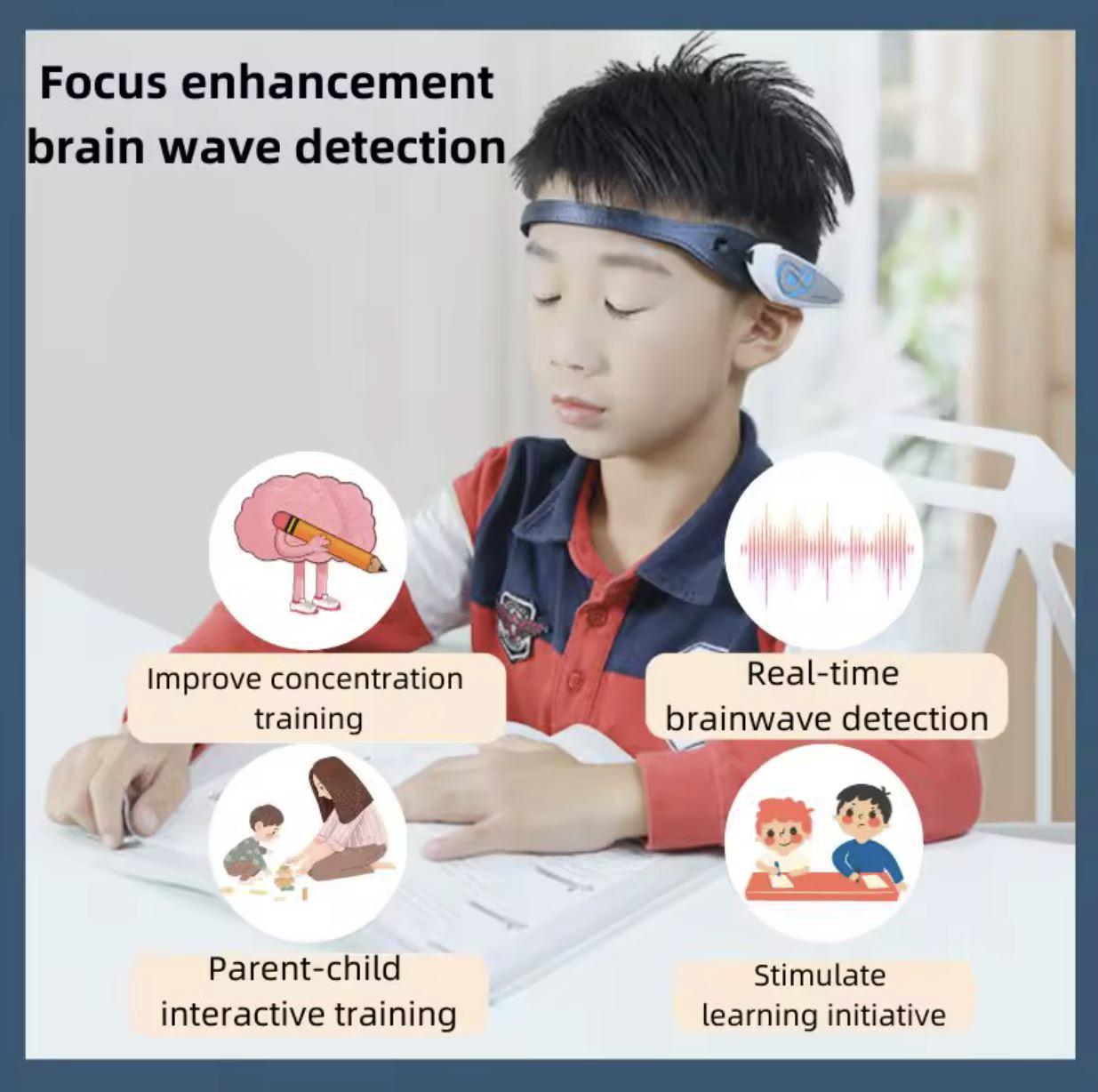
Brainwave sensing (focus, relaxation, stress)
Voice-based control, predictive interaction, cognitive state estimation
Multi-device orchestration, learning algorithms
CO2/light/sound/temp monitoring
Touch patterns, voice, location, screen time, app usage
HRV, sleep stages, activity levels, gestures, alert response
Voice tone, heart rate, ambient sound, head gestures
Gaze direction, context imagery, voice data
Viewing habits, emotional reaction, voice/facial data
Decisions, emotions interaction frequency, performance metrics
Gameplay habits, reaction speed, preference patterns
Room occupancy, behavioral routines, preferences
Visitor identity, frequency, time of visits
Facial expressions, movement trends, interaction mapping
Speech tone, command semantics, query patterns
Mood, expressions, health signs
HRV, steps, sleep patterns, oxygenation
Usage timing, frequency, consumption patterns
Fatigue, stress, driving style
Sitting behavior, usage cycles, micro-break detection
Attention span, engagement rate, stress markers
Muscle tension, fatigue, thermal changes
Metabolic waste markers, hydration, hormonal shifts
Learning progress, engagement levels, choice dynamics
Alpha/beta/gamma
EEG activity, attention metrics
Driving stress, urgency, voice tone
Behavioral patterns, device usage trends
Environmental triggers, circadian rhythm patterns
Personalized nudging, attention shaping, behavioral profiling
Habit reinforcement, micro-interruption shaping, physiological-cognitive linking
Emotion inference, auditory attention shaping, cognitive load estimation
Visual attention manipulation, emotion-aware display, real-time decision influence
Targeted content delivery, subconscious preference shaping, priming
Reward-loop conditioning, team behavior modeling, stress/engagement manipulation
Cognitive training, decision bias testing, attention-loop reinforcement
Anticipatory adaptation, mood-based environment change
Social behavior analysis, risk profiling, trust interaction modeling
Crowd behavior inference, emotional response estimation, predictive safety monitoring
Conversational nudging, language pattern shaping, dependency modeling
Self-image modulation, behavior reflection reinforcement
Wellness nudges, burnout detection, activity-based mood prediction
Habit reinforcement, subtle health guidance, decision simplification
Adaptive warning systems, emotion-aware navigation, calmness optimization
Ergonomic coaching, cognitive fatigue reduction
Immersive cognitive conditioning, perceptual re-framing
Wearables, earbuds, home devices, vehicles, and cloud AI
Phones, earbuds, wearables, voice assistants, fitness apps
Phones, connected glasses, voice assistants, gaming systems
Phones, earbuds, smart home, and location-aware services
Voice assistants, phones, game consoles, ambient sensors
Headphones, phones, glasses, smart TVs
Smart TVs, smart audio, gaming platforms, wearables for haptic/biometric feedback
Controlled via hubs, phones, speakers, and sensors
Phones, smart TVs, surveillance systems, and voice assistants
Doorbells, home hubs, smart mirrors, phones
Phones, TVs, appliances, wearables
Wearables, smart bathroom fixtures, phones, home hubs
Phones, health apps, AR/VR, digital mirrors
Hubs, voice assistants
Phones, wearables, voice assistants, AR glasses
Smart assistants, AR work environments
Gaming platforms, wearables, smart environments
Real-time body-cognition feedback, physical-cognitive state linking Fitness wearables, AR/VR
Health risk signaling, subconscious health behavior shaping
Individualized learning feedback, emotion-driven knowledge retention
Smart mirrors, home hubs, fitness apps
Phones, voice assistants
Neurofeedback loops, meditation assistance, state-dependent interface adaptation AR/VR, digital health dashboards
Adaptive instructions, emotional routing, mental state-aware suggestions
Habit formation steering, invisible cognitive feedback
Mood stabilization, attention optimization via environmental tuning
Vehicle systems, phones, voice interfaces
Smart devices: lighting, appliances, sensors, voice assistants
Smart home hub, thermostat, lighting, wearables
While connected IoT proliferate, their cognitive impact rarely arises in isolation. Instead, influence emerges through overlapping clusters that shape perception, decision-making, memory, or emotion in concert. By whom? To serve which purpose? We are aware of the commercial influence, what about other influences?
These clusters span across environments (home, work, public space), modalities (visual, auditory, tactile), and intents (entertainment, surveillance, productivity).
The combination of IoT technologies creates ambient cognitive fields that subtly guide human behavior. By identifying key groupings, such as attention capture systems, emotional modulation zones, or real-time feedback loops. Insight is brought into how influence becomes orchestrated, persistent, and difficult to detect.
Understanding these clusters is essential for anticipating the social, ethical, and neurological consequences of immersive, data-driven environments. The OODA loop of the Boyd cycle helps to structure these clusters.
Control what is seen, heard or perceived and focus attention on selected signals. The devices provide the raw data that influence the initial perception.
The stimuli collected are contextualized and interpreted. Algorithms, interface choices and presentations guide the understanding of the information.
Influence des orientations jugées possibles, cadrage des choix et incitation vers la décision souhaitée.
Direct reinforcement after an action by reward, reminder or automated response in order to reproduce or adjust behavior.
In the context of <Your activity>, to maximize the cognitive impact of <Your target>, for the purpose of reaching <Your goal> :
Which IoT category would you bring in (2.1) ?
How would you shape your cognitive cluster (2.2) ?
The examples below are intentionally simplistic. Feel free to combine several IoT devices to create more powerful interactional loops.
In the context of operational battlefield, to maximize the cognitive impact of our soldiers, for the purpose of reaching mental and physical health.
IOT CATEGORY
CONNECTED WATCH
COGNITIVE INFLUENCE CLUSTER
COGNITIVE LOAD MANAGEMENT
Delivers minimal-interruption notifications and detects overload through physiological data.
AMBIENT COGNITION INFLUENCE
Reinforces daily routines (e.g., movement, hydration) through prompts and reward-style feedback loops.
In the context of a political campaign, to maximize the cognitive impact of citizens, for the purpose of reaching chances of election.
IOT CATEGORY
SMART TV
COGNITIVE INFLUENCE CLUSTER
SUBCONSCIOUS STEERING
Directs visual and auditory focus through content sequencing, ad placement, or sound design.
BEHAVIORAL LOOP CREATION
Shapes user understanding of social or political narratives through repeated exposure and emotionally loaded framing.
In the context of civil defence training, to maximize the cognitive impact of trainees, for the purpose of reaching best operational results.
IOT CATEGORY
CONNECTED GLASSES
COGNITIVE INFLUENCE CLUSTER
BEHAVIORAL LOOP CREATION
The AR overlay alters what the user perceives in real time, blending digital elements into physical context to frame how situations or environments are interpreted.
SUBCONSCIOUS STEERING
Eye tracking and visual cues guide or redirect user attention (e.g., highlighting key objects or information).
III
Technology, by its very nature, does not pause. It advances without waiting for society’s ethical frameworks or institutional readiness. What begins as raw data swiftly evolves into actionable knowledge. That knowledge, in turn, becomes a lever of power, shaping economies, influencing governance, and transforming how conflicts are initiated or avoided. The next frontier in the evolution of the Cognitive IoT is no longer limited to passive sensing. It is about the active direction of perception, at scale and with unprecedented precision.
Artificial intelligence is no longer a distant horizon. Embedded and ubiquitous AI gets incredibly decisive. It is embedded, ubiquitous, and increasingly decisive in how environments respond to human presence. Advances in edge computing have enabled powerful AI systems to operate directly within the sensors and devices that surround us. What was once a centralized computational function is now diffused across a network that learns, adapts, and acts in real time. Neural interfaces, immersive augmented realities, and autonomous agents are reshaping the boundary between human intention and machine execution. These systems don’t merely respond to us, they anticipate us. Our cognitive states are treated as variables: sensed, interpreted, and, in some cases, influenced with surgical accuracy.
ARTIFICIAL INTELLIGENCE
MACHINE LEARNING
Multilayered neural networks, learn from vast amounts of data : Multilayer or Hopfield neural networkm Markov random fields Algorithms whose performance improve as they are exposed to more data : linear / logistic regression, k-nearest neighbor, decision tree, random forest
NEURAL NETWORKS
DEEP LEARNING
Feed forward networks, data flows from input to output layer without going backwards : Recurrent neuronal network, convolutional neronal network
In the commercial arena, this intelligence is marketed as convenience for comfort. Personalized experiences, tailored to mood, behavior, and context, promise efficiency and delight. But behind the interface, subtle shifts in habit formation and decision pathways are being engineered.
In political domains, narrative frameworks evolve dynamically. Messages, once broadcast in a one-sizefits-all model, are now algorithmically adapted in real time to align with belief systems, vulnerabilities, and emotional triggers. Influence becomes intimate, persuasive by design.
On the battlefield, a new dimension of conflict has emerged. Cognitive warfare still requires kinetic force. But most importantly, it seeks to erode trust, distort perception, and destabilize morale, often before a single shot is fired. In this contested cognitive space, the fight for attention becomes a proxy for the fight for autonomy itself.
History reminds us that transformative tools inevitably restructure power. Yet technological capability often races ahead of ethical regulation. In this gap, those who view cognition as territory, whether for persuasion, profit, or control, move quickly. The question is no longer whether these tools will shape the future, but who will be accountable for how they are used.
Without foresight,
Convenience can become dependency
Influence can become coercion
Resilience can become erosion of judgment.
The patent analysis highlights a strategic and foundational shift towards highly intelligent, cognitive, and adaptive systems across diverse domains. The analysis is split into three overarching global ideas: Autonomy and adaptability, Contextualized interaction, Proactive optimization.
The questions “What if …?” organized around the four poles suggested by Mr. Dator, are very first level questions. The principle is to suggest the next following question. Within the context of this analysis, it is expected that some questions may look alike.
The core of these innovations lies in the development of intelligent systems that can autonomously understand, learn, and adapt in real-time to complex interactions and dynamic environments. This is achieved through sophisticated cognitive AI platforms that mimic human brain functions, enabling electronic devices to determine user intent and adjust their behavior proactively. (P5) (P6) (P7) (P20)
These platforms are designed for distributed M2M/IoT environments, featuring hierarchical structures of Edge Controllers and Intelligent Service Management Hubs (ISMH) (40) (41) (46). This architecture supports the dynamic deployment of intelligent agents that collaborate and share knowledge continuously to resolve complex situations and achieve evolving goals.
They minimize communication latency by prioritizing localized processing (edge analytics) and using sophisticated machine learning algorithms, for continuous knowledge development and self-optimization. (P5) (P6) (P7) (P20)
Prospective scenario, possible consequence
... cognitive AI systems steadily improved over the next decades, becoming a seamless extension of human cognition and transforming every electronic device into a personalized assistant ?
... a critical failure or misuse of cognitive AI led to a global backlash, causing public distrust and regulatory crackdowns that halted further deployment of adaptive AI systems ?
... society chose to limit or abandon the use of cognitive AI due to cultural degradation, ethical concerns, or ecological strain, leading to a return to simpler, less intelligent technologie ?
... cognitive AI evolved into a fully symbiotic partner to humans, enabling not only proactive electronic devices but also unlocking new levels of creativity, empathy, and shared intelligence across humanity ?
These patents significantly advance human-machine interaction by making systems deeply aware of user context and individual preferences, leading to highly personalized experiences. (P9) (P10) (P13) (P15)
Systems interpret a wide range of inputs, including voice commands and physiological signals such as pupil dilation, heart rate, breathing rate, hand gestures, emotional status, and other biometrics. This allows them to predict user intentions, mood, or context, leading to dynamic adjustments of device behavior, content display, keyboard layouts, and notification settings. (P4) (P8) (P9) (P10) (P13) (P15)
... contextual and biometric-based interfaces became the norm, enabling devices to anticipate user needs with such precision that manual settings and input methods virtually disappeared from everyday life ?
... the overreliance on ultra-personalized interfaces led to cognitive passivity and cultural homogenization, prompting a societal shift back to simpler, less intrusive, and more manual technologies ?
... a major breach of biometric data used in personalized interfaces triggered global distrust in human-machine interactions, leading to strict bans on emotion-tracking and context-aware systems ?
... hyper-personalized systems evolved into empathetic digital companions that not only adapted to user mood and context, but actively supported mental wellbeing, learning, and emotional growth across a lifetime ?
This also includes the ability to learn from user reactions, preferences of user cohorts, and to manage privacy settings for personal data. The original intent is to build trust and reduce user cognitive load. (P11) (P12) (P14) (P21)
... intelligent systems continued to refine their ability to learn from individual and group behavior, resulting in trusted digital environments where cognitive effort is minimized and user experience is effortlessly optimized ?
... increasing user dependency on cognitive offloading and personalized filtering led to widespread disengagement and cultural stagnation, prompting a return to minimal-tech tools that require deliberate, conscious interaction ?
... a large-scale misuse of cohort-based preference learning and privacy manipulation shattered public trust, leading to a societal revolt against automated personalization and the dismantling of trust-based AI systems ?
... trust-driven AI evolved into ethical companions that transparently balance personalization with user autonomy, empowering individuals to reclaim attention, enhance mental clarity, and build meaningful digital relationships ?
It includes context-based multimodal predictions and dynamic device adjustment, content display, keyboard layouts, and notification settings like volume, content type or timing, to provide highly personalized and intuitive responses. The user preferences and privacy settings for personal data can be dynamically managed, ensuring trust and reducing cognitive burden on the user. (P4) (P10) (P13) (P14) (P21)
A significant focus across these patents is the application of intelligent systems for continuous monitoring, prediction, and proactive optimization across different critical domains. (P2) (P16) (P17) (P18) (P19)
The great focus is in health and wellness, where these systems leverage multi-modal data to detect changes in cognitive and physical states, predict risks such as depression, falls, pulmonary conditions or general health risks for employees, and suggest timely interventions or advice. (27) (30) (P16) (P17) (P18) (P19)
... intelligent health systems became widely adopted for continuous monitoring and early risk detection, enabling individuals and employers to proactively manage wellness and reduce healthcare costs through timely, personalized interventions ?
... failures or misuse of predictive health AI led to incorrect risk assessments, causing harm or discrimination against vulnerable populations and triggering widespread mistrust in automated health monitoring systems ?
... growing concerns about privacy, data security, and ethical use of health data caused a societal backlash that limited or reversed the deployment of proactive AI health systems, pushing healthcare back to more traditional, reactive models ?
... AI-driven health monitoring evolved into a holistic, integrated system that not only predicts risks but also fosters personalized well-being, mental resilience, and community health through realtime, empathetic guidance and support ?
The focus also extends to operational efficiency, such as calculating routing metrics based on driver cognitive load to reduce mental effort during navigation and optimizing content processing like generating enhanced image thumbnails or adapting content display to user characteristics and devices. (P1) (P2) (P3)
... defence systems integrated cognitive load-based routing and adaptive content display for soldiers and operators, enhancing situational awareness and decision-making in complex mission environments ?
... ethical concerns and mistrust in adaptive defence technologies caused a rollback to traditional command-and-control methods, limiting AI integration to preserve human judgment and reduce vulnerability ?
... overdependence on cognitive load management and automated content adaptation in defence operations led to system errors or operator overload, resulting in mission failures or compromised security ?
... defence systems evolved into fully integrated cognitive assistants that dynamically optimize operator workload and tailor mission-critical information, enabling unprecedented collaboration and resilience on the battlefield ?
Furthermore, intelligent notification systems monitor application usage and data traffic to improve user experience and identify unauthorized content, generating personalized alerts based on user data and schedules. These proactive measures aim to continuously enhance overall performance and well-being while mitigating potential risks. (P21) (P22)
... defence systems widely adopted intelligent notification platforms that monitor operator activity and data flow to deliver personalized alerts, enhancing mission performance and situational awareness without overwhelming users ?
... rising concerns about surveillance and information overload caused military organizations to limit the use of proactive notification technologies, reverting to simpler, manual communication methods to safeguard operator focus and privacy ?
... vulnerabilities in intelligent notification systems were exploited by adversaries to inject false alerts or overload operators with misinformation, leading to critical mission failures or security breaches ?
... next-generation defence notification systems evolved into adaptive cognitive partners that intelligently filter, prioritize, and contextualize information, empowering operators to maintain peak performance and well-being under extreme conditions ?
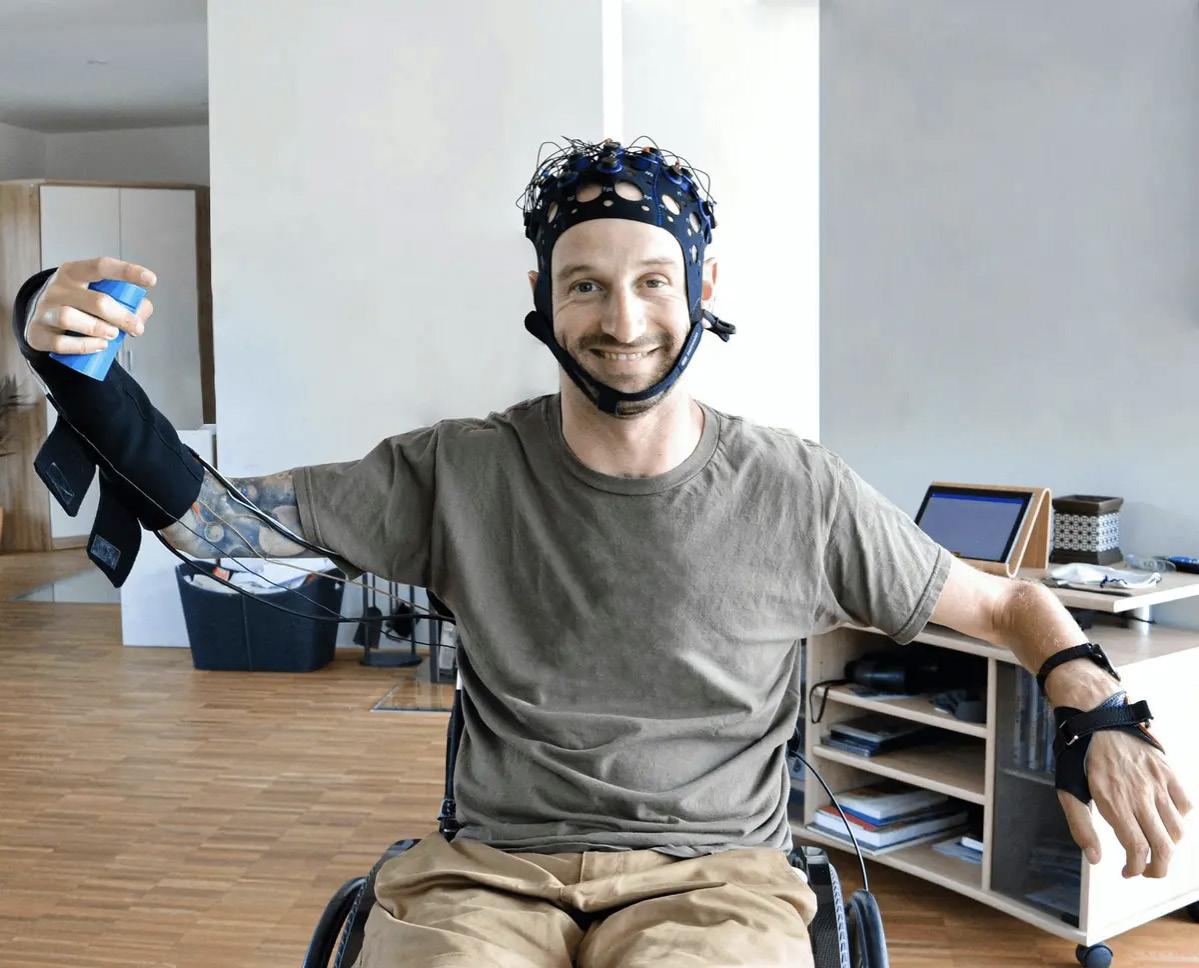
Brain-Computer Interfaces (BCIs) allow users to control devices and perform tasks using their thoughts or brain activity, providing a more intuitive and natural way for people to interact with technology. In addition to their potential to improve our understanding of the brain and how it works, BCIs also have the potential to provide a range of applications in fields such as healthcare, education, and entertainment.
The technology facilitates direct communication between the brain and external devices, bypassing conventional motor pathways. This rapidly advancing field is experiencing significant global investment worldwide. (BCI4)
This technology promises tremendous potential to transform civil sectors, like healthcare, automation, and human augmentation. Interestingly, the field of defence applications does not appear in the publications. (BCI2)
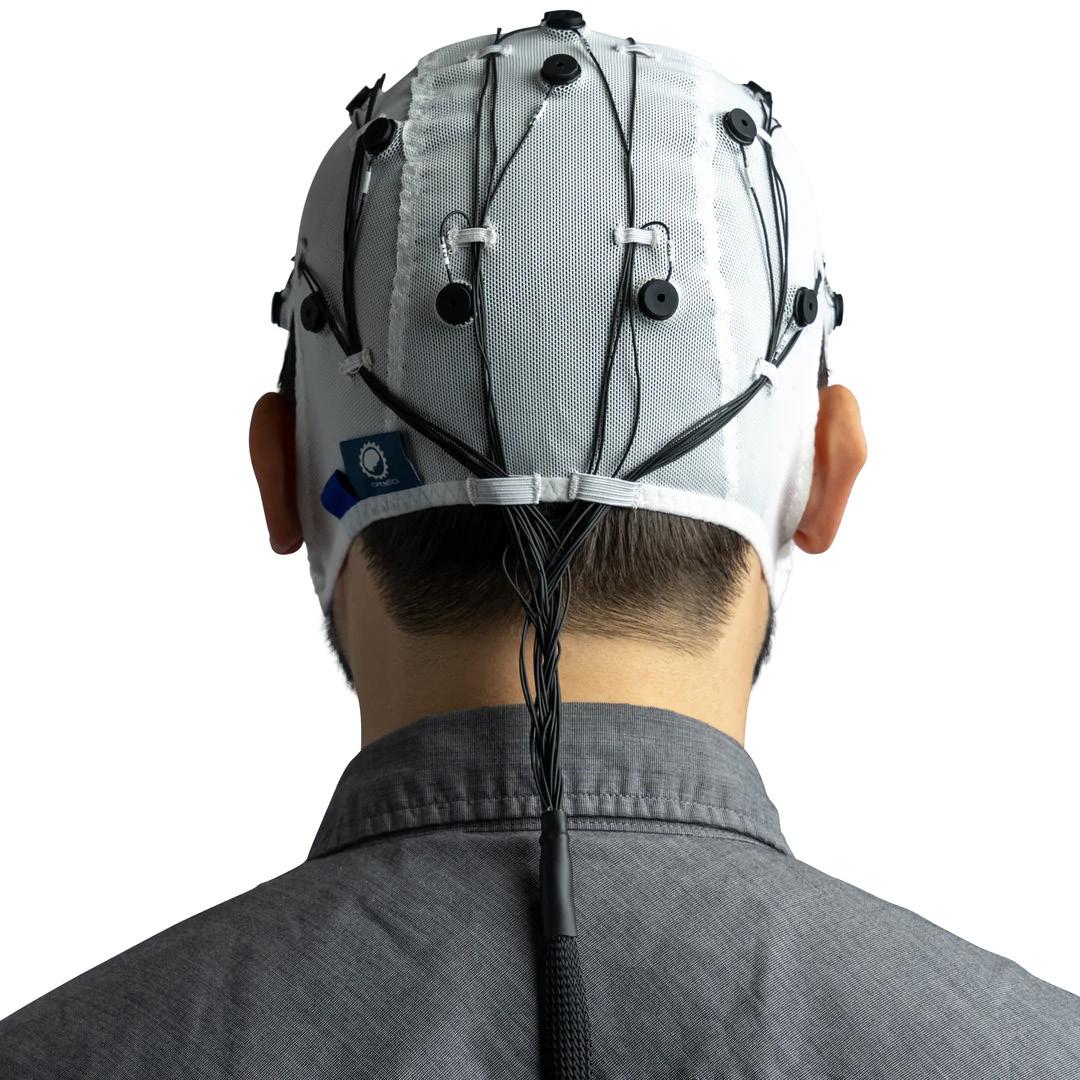
Non-invasive interfaces : These systems measure brain electrical activity using electrodes placed on the scalp, such as electroencephalography (EEG). While avoiding surgical intervention, non-invasive methods typically result in weaker signals and a lower signal-to-noise ratio, necessitating advanced signal processing techniques for effective interpretation. EEG-based systems are intended to be used for portable and user-friendly control and interaction. (BCI5)
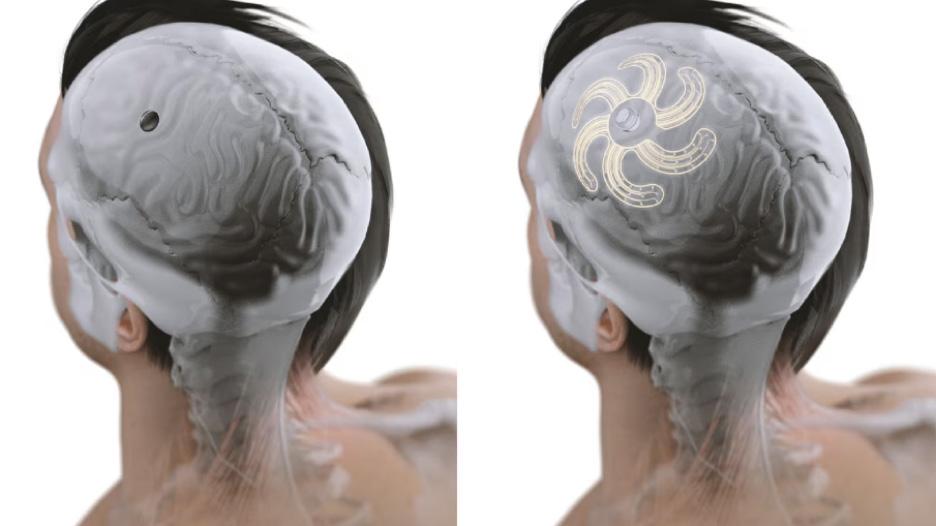
Invasive interfaces : These involve surgically implanting electrodes directly under the scalp or within brain tissue. They split in two families: electrocorticography (ECoG) or intracranial EEG (iEEG), and deep brain stimulation (DBS). This approach offers higher signal quality and greater spatial and temporal resolution for neural activity compared to non-invasive methods. However, it introduces significant risks, including nerve cell damage, infection, immune rejection (biocompatibility issues), and scar tissue formation. The natural defence system of the body may treat the implant as a foreign entity. The mechanical mismatch between rigid electrodes (e.g., silicon, platinum) and soft neural tissues can also induce micromotion-related damage and tissue scar formation. (BCI1)
Significant progress in the field is being driven by innovations in material science, microelectronics, and artificial intelligence :
Advanced Monitoring and AI Integration : The latest systems feature EEG brain and body sensor fusion monitoring. The design of innovative brain/body monitoring devices incorporates edge, or remote AI-driven software applications for processing physiological data. The purpose is to capture and interpret emotional, cognitive, and behavioral metrics. (BCI4)
Enhanced Performance through Brain Plasticity : Beyond optimizing signal decoding algorithms, research underscores the potential of leveraging brain plasticity to boost BCI performance. Cognitive training, for example, has been shown to enhance the brain’s temporal resolution in discriminating visual stimuli, leading to more discriminative EEG representations and significant improvements in system performance. (BCI6)
Includes restoring motor and sensory functions for individuals with neurological injuries, degeneration, or diseases such as spinal cord injury, cerebral palsy, amyotrophic lateral sclerosis (ALS), and Parkinson’s. Examples include controlling robotic arms for complex movements like grasping and drinking coffee. (BCI2)
... BCIs became standard tools in rehabilitation programs, enabling individuals affected by injuries or neurological diseases to regain independence and reintegrate into society through advanced robotic assistance ?
... technical failures or security breaches in BCIs used for restoring motor functions led to catastrophic malfunctions, undermining public confidence and halting widespread adoption in healthcare ?
... ethical concerns, high costs, or limited accessibility led to unequal distribution of BCI technologies, causing marginalized populations to be excluded from these restorative innovations and increasing social disparities ?
... BCIs evolved into seamless neuroprosthetic systems that not only restore lost functions but enhance human capabilities, transforming rehabilitation into a holistic empowerment platform for all affected individuals ?
Enhancing or restoring cognitive abilities such as learning, memory, attention, and consciousness in impaired individuals. This encompasses cognitive training games, neurofeedback, and communication assistance for those with disorders of consciousness. (BCI3)
... cognitive prosthetics became integral to defence personnel support, enhancing memory, attention, and communication to improve performance and resilience in demanding operational environments ?
... ethical, legal, or psychological concerns about cognitive enhancements caused military organizations to limit or abandon these technologies, maintaining traditional cognitive training methods instead?
... reliance on cognitive prosthetics led to unforeseen cognitive side effects or security vulnerabilities, compromising mission effectiveness and endangering personnel ?
... cognitive prosthetics evolved into fully integrated neural support systems that dynamically optimize mental capacities, enabling defence personnel to operate at unprecedented cognitive levels during complex missions ?
Utilizing Brain-Computer Interfaces for targeted treatment of neurological disorders and early diagnosis, including detection of brain signal influences related to conditions like alcohol abuse or autism ; Aiding in motor and cognitive neurorehabilitation, particularly for stroke patients, by monitoring and enhancing motor functions and addressing mental fatigue. (BCI2)
... brain-computer interfaces became common tools in public healthcare for early diagnosis and targeted treatment of neurological disorders, improving quality of life and reducing long-term care costs across society ?
... societal resistance and regulatory restrictions limited access to neuromodulation and BCI diagnostics, causing stagnation in neurological healthcare advancements and widening health inequalities ?
... misuse or overreach in neuromodulation technologies led to privacy violations or political abuse, triggering public backlash and widespread distrust in neurotechnology and government institutions ?
... neuromodulation and BCIbased diagnostics fostered a new era of personalized, preventive medicine and political transparency, empowering citizens and transforming public health and governance ?
Motor control assistance
Enabling individuals with physical disabilities or age-related motor impairments to control external devices such as robotic exoskeletons, smart wheelchairs, and smart home appliances. (BCI4)
... brain-computer interface-driven motor control assistance became standard in defence rehabilitation programs, helping injured soldiers regain mobility through robotic exoskeletons and smart devices, thus enhancing their quality of life and return-to-duty rates ?
... concerns about dependency on assistive neurotechnology led military organizations to restrict its use, relying instead on conventional prosthetics and rehabilitation methods, limiting advancements in soldier recovery ?
... technical glitches or cyberattacks on motor control assistive devices during critical military operations caused severe malfunctions, putting injured personnel at risk and jeopardizing mission success ?
... advanced motor control BCIs enabled not only rehabilitation but superhuman physical capabilities, such as augmented strength or precision, transforming the very nature of soldier performance and battlefield tactics ?
Providing non-muscular communication channels, including free communication systems for individuals unable to speak or move.
... non-muscular BCI communication systems became standard issue for battlefield personnel with injuries or incapacitations, enabling seamless, silent, and secure communication under combat conditions ?
... concerns about the complexity, reliability, or ethical use of BCI communication led military commanders to restrict their deployment, favoring traditional voice or gesture-based methods despite physical limitations ?
... adversaries developed ways to intercept or jam non-muscular BCI communication channels, causing critical information breakdowns and endangering troops relying solely on these systems ?
... advanced BCIs enabled direct brain-to-brain communication among soldiers, creating a covert neural network that enhances coordination, situational awareness, and decision-making in realtime combat scenarios ?
Beyond rehabilitation, these systems explore methods to boost cognitive performance in healthy individuals, such as improving temporal resolution in visual discrimination. (BCI6)
... cognitive enhancement technologies became widely accessible, allowing everyday citizens to improve visual perception and attention, leading to gradual boosts in productivity and learning outcomes ?
... fears about overreliance on cognitive enhancement devices led to strict regulations and cultural pushback, causing society to favor natural cognitive development and traditional education ?
... unequal access to cognitive enhancements created deep social divides and tensions, sparking conflicts over fairness, privilege, and the definition of human ability ?
... cognitive enhancements triggered a renaissance in creativity and problem-solving, unlocking unprecedented human potential and fundamentally reshaping education, work, and social interaction ?
Investigating the potential to accurately translate human thoughts into readable text, map imaginations into physical objects, or even store and retrieve human memories externally, although these remain areas of intensive scientific inquiry and ethical consideration. (BCI1)
... governments adopted thought-decoding technologies cautiously for political communication and policy consultation, enhancing citizen engagement while maintaining strict ethical oversight ?
... political regimes exploited thought-decoding to monitor and control dissenters, eroding privacy and freedom of thought, and triggering widespread civil unrest or authoritarian backlash ?
... public fears and ethical controversies stalled the development and deployment of thought-decoding technologies, reinforcing traditional political processes and limiting innovation ?
... externalized memory storage and thought-sharing platforms revolutionized political decision-making, enabling collective intelligence and unprecedented transparency in governance ?
Telepathy communication
Exploring direct brain-to-brain interfaces to enable communication without physical interaction or sensory channels. (BCI3)
... telepathic communication systems were integrated into elite military units, enabling faster, silent coordination in combat zones and giving a strategic edge without altering existing command structures ?
... brain-to-brain communication systems were hacked or manipulated by adversaries, leading to misinformation, psychological warfare, or loss of control within military ranks ?
... legal, ethical, and psychological concerns around mental sovereignty and cognitive intrusion led to a military ban on telepathy technologies, forcing reliance on conventional communication methods ?
... secure, high-bandwidth brainto-brain networks redefined military operations entirely, enabling swarm intelligence, shared intuition, and collective real-time decision-making beyond human limitations ?
Applying neuroscience principles to ergonomics and commercial marketing, including predicting consumer choices from brain signals. (BCI5)
... neuromarketing became a standard tool for companies, enabling them to fine-tune products and advertisements by directly reading consumer preferences, making marketing hyper-personalized yet subtly manipulative ?
... ethical concerns and regulatory constraints halted the adoption of brain-based commercial tools, forcing industries to return to traditional market research methods and intuitive design practices ?
... widespread use of neuro-based consumer profiling triggered a public backlash over mental privacy violations, leading to mass boycotts, lawsuits, or even neurological protection movements ?
... neuroergonomics and neuromarketing led to a future where workplaces, products, and digital environments adapt in real time to our mental states, minimizing stress, maximizing satisfaction, and creating a seamless human-machine experience ?
Hypothesizing the potential to harvest a portion of the brain’s energy for powering low-energy external devices.
... brain energy harvesting became a reliable method to power soldiers’ wearable electronics, such as communication gear, sensors, or HUD, reducing dependency on batteries and logistical resupply chains ?
... ethical and medical concerns about cognitive exploitation forced militaries to abandon brain energy technologies, reinforcing the use of external power sources and increasing battlefield logistical complexity ?
... prolonged use of brain energy harvesting in combat zones led to cognitive fatigue, decision errors, or neurological side effects, compromising both soldier health and mission success ?
... advances in brain energy harvesting led to self-powered neural combat systems, where each soldier became a biologically integrated energy hub for adaptive AI, autonomous drones, and shared combat intelligence ?
The advent of neurotechnology and Brain-Computer Interfaces (BCIs) marks a profound shift in our capacity to enhance human capabilities. BCIs, by facilitating direct communication between the brain and external equipment, offer transformative potential.
Currently, neurotechnology and BCIs demonstrate significant applications primarily within the healthcare and rehabilitation area, profoundly improving quality of life for individuals with neurological conditions. Beyond direct medical intervention, neurotechnology extends to research in human factors, ergonomics, and psychology, and will begin son to revolutionize entertainment, education, and neuromarketing.
Looking ahead, the future potential of neurotechnology and BCIs for human enhancement is immense and far-reaching. Imagine a world where BCIs lead to the decoding of thoughts directly into physical objects or readable text, enabling unprecedented forms of communication. The possibility of extending human memory by harvesting and storing brain signals in external devices or even introducing information into the brain provides the potential to revolutionize learning and information processing.
The real challenge is not simply to push the boundaries but to guide their development with responsibility.
Describe precisely the scenario (What, When, Where?)
Example : Despite numerous trainings, the troops frequently exhibit the same weaknesses when operating on the front. A neuroscientist suggests to adapt the environment perception during the training in order to inhibit the individual personal ethics that refrain troop’s involvement.
List the sensors and actuators already in use and their limitations
Select the appropriate combination of technological elements from chapter 2.1 to prepare the next Cognitive IoT. Try to stick with a simple concept.
Describe how this selection of sensors operates within the clusters of chapter 2.2.
Topic
Problem to solve
Purpose
Function
What’s distinctive
Success factors
Components
Characteristics
Recyclability
Upcyclability
Map the CIoT cluster, Cluster (section 2.3)
What, When, Where, Why, Who
My CIoT’s purpose is to …
It has the ability to …
Compared to …, it also …
To be successful, My CIoT shall …
It will consist of the following components …
Sensitivity, Protection, Lifetime, Range, Response time,
When done with its military purpose, it can be …
My CIoT can be done using existing …
Using this framework provides a way to map the potential of the future cognitive IOT.
Maximise his chance for it to become real.
Know where to go to avoid confusion
PLAN
Define how to activate a plan to avoid inertia
Ensure availability of resources to avoid frustration
Mobilize the right skills to avoid concerns
Incentivize with purpose to prevent resistance
Create 4 groups.
Assign one of Dator’s future to each group: continuity, disruption, decline, transformation .
Pick one of the Innovation / « What if …? » from section 3.
Allocate 15 minutes to generate a scenario.
Debriefing, lessons learned. The same theme leads to 4 different narratives.
Select your IoT category (section 2.2)
List its beneficial key feature
Apply the PESTEL force of your choice (p.8)
Describe the resulting feature
Ex : Fitness wristband
Health parameters permanently available for the user, better knowledge of its physiological limits.
Legal : an executive order signed by the president requires all the population to wear a fitness wristband to reduce the global health cost of a country.
Doubt on the usage of the data, loss of confidence in the equipment. Hackers propose to sell artefacts generating plausible data to allow the users to escape from mass surveillance.

CHAPTER V
Glossary
AI Artificial Intelligence
AR ugmented Reality
BCI Brain Computer Interface
CIoT Cognitive Internet of Things
ECoG Electrocorticography
EEG Electroencephalogram, measures electrical activity in the brain
iEEG Intracranial EEG
IoT Internet of Things
ISMH Intelligent Service Management Hubs
OODA Observe Orient Decide Action
VR Virtual Reality
(1) Olivier Desjeux (2024) ‘The future of Internet of Things for military environments’, armasuisse ISBN 978-3-9525890-8-3
(2) https://deftech.ch/deftech-podcast
(3) Laurence, R. (1999) ‘The Roads of Roman Italy: Mobility and Cultural Change’, Routledge
(4) Southern, R.W. (1995) ‘The Making of the Middle Ages’, Yale University Press
(5) Plato. (2007) ‘The Republic’, Translated by D. Lee, Penguin Classics
(6) Bacon, F. (1620/2000) ‘The New Organon’, Cambridge University Press
(7) Hatfield, G. (2002) ‘Descartes and the Meditations’, Routledge
(8) McLuhan, M. (1964) ‘Understanding Media: The Extensions of Man’, MIT Press
(9) Eisenstein, E.L. (1980) ‘The Printing Press as an Agent of Change’, Cambridge University Press
(10) Paine, T. (1776/2003) ‘Common Sense’, Penguin Classics
(11) Voice of America (2024) VOA Fast Facts, U.S. Agency for Global Media
(12) Baudrillard, J. (1995) ‘The Gulf War Did Not Take Place’, Indiana University Press
(13) Chomsky, N. and Herman, E.S. (1988) ‘Manufacturing Consent: The Political Economy of the Mass Media’, Pantheon Books
(14) Castells, M. (1996) ‘The Rise of the Network Society’, Blackwell
(15) Carr, M. (2021) ‘American Internet, American Platforms, American Values’, Centre for International Governance Innovation
(16) Navigating the Digital Revolution: From Web 1.0 to the Semantic Web (2024) Journalism and Society’
(17) Kirkpatrick, D. (2010) ‘The Facebook Effect’, Simon & Schuster
(18) Jesse, M. and Jannach, D. (2020) ‘Digital Nudging with Recommender Systems: Survey and Future Directions’, arXiv
(19) Fogg, B.J. (2003) ‘Persuasive Technology: Using Computers to Change What We Think and Do’, Morgan Kaufmann
(20) Smith, D.N. (2008) ‘Why We Love Amazon: It’s All About the Engine’, The Atlantic
(21) Zuboff, S. (2019) ‘The Age of Surveillance Capitalism’, Profile Books
(22) Shifman, L. (2013) ‘Memes in Digital Culture’, MIT Press
(23) Cinelli, M. et al. (2021) ‘The echo chamber effect on social media’, Proceedings of the National Academy of Sciences
(24) Verbeek, P.-P. (2009) ‘Ambient Intelligence and Persuasive Technology: The Blurring Boundaries Between Human and Technology’, NanoEthics
(25) Xu, S., Pirbhulal, S., Abie, H. (2025). An Architecture of Adaptive Cognitive Digital Twins for Resilient Healthcare Infrastructures and Services. In: Abie, H., Gkioulos, V., Katsikas, S., Pirbhulal, S. (eds) Secure and Resilient Digital Transformation of Healthcare. SUNRISE 2024. Communications in Computer and Information Science, vol 2404. Springer, Cham. https://doi.org/10.1007/978-3-031-85558-0_1
(26) Bhadra, P., Chakraborty, S., Saha, S. (2023). Cognitive IoT Meets Robotic Process Automation: The Unique Convergence Revolutionizing Digital Transformation in the Industry 4.0 Era. In: Bhattacharyya, S., Banerjee, J.S., De, D. (eds) Confluence of Artificial Intelligence and Robotic Process Automation. Smart Innovation, Systems and Technologies, vol 335. Springer, Singapore. https://doi. org/10.1007/978-981-19-8296-5_15
(27) Saghiri, A.M. (2022). Cognitive Internet of Things: Challenges and Solutions. In: Pal, S., De, D., Buyya, R. (eds) Artificial Intelligence-based Internet of Things Systems. Internet of Things. Springer, Cham. https://doi.org/10.1007/978-3-030-87059-1_13
(28) Pramanik, P.K.D., Pal, S., Choudhury, P. (2018). Beyond Automation: The Cognitive IoT. Artificial Intelligence Brings Sense to the Internet of Things. In: Sangaiah, A., Thangavelu, A., Meenakshi Sundaram, V. (eds) Cognitive Computing for Big Data Systems Over IoT. Lecture Notes on Data Engineering and Communications Technologies, vol 14 . Springer, Cham. https://doi.org/10.1007/978-3-31970688-7_1
(29) Sherratt, E. (2017). Intelligent Resilience in the IoT. In: Csöndes, T., Kovács, G., Réthy, G. (eds) SDL 2017: Model-Driven Engineering for Future Internet. SDL 2017. Lecture Notes in Computer Science(), vol 10567. Springer, Cham. https://doi.org/10.1007/978-3-319-68015-6_4
(30) Abie, Habtamu. Cognitive Cybersecurity for CPS-IoT Enabled Healthcare Ecosystems. International Symposium on Medical Information and Communication Technology (ISSN 2326-828X). 2019May doi: 10.1109/ISMICT.2019.8743670. 2019.
(31) Kurt, G.K., Cepheli, Ö. (2020). Physical Layer Security of Cognitive IoT Networks. In: Matin, M. (eds) Towards Cognitive IoT Networks. Internet of Things. Springer, Cham. https://doi.org/10.1007/978-3030-42573-9_8
(32) Midden, C.J.H. and Ham, J. (2010) ‘Ambient Persuasive Technology Needs Little Cognitive Effort: The Differential Effects of Cognitive Load on Lighting Feedback versus Factual Feedback’
(33)Ray Eldon Hiebert (2003). Public relations and propaganda in framing the Iraq war: a preliminary review. doi.org/10.1016/S0363-8111(03)00047-X
(P1) L. Wang, Q. Zhang, and B. Zhang, «Image Thumbnail Generation Method And Device, And Terminal», Publication WO 2015/100913 A1, Xiaomi, published July 9, 2015.
(P2) B. B. Han, D. Carlson, R. Gough, and E. Basile, «Cognitive Load Routing Metric For Vehicle Guidance», Publication WO 2018/057757 A1, Apple Inc., published March 29, 2018.
(P3) K. Hirobe, «Information Processing Method, Information Processing Device, Information Processing Terminal», Publication WO 2018/100797 A1, Sony Corporation, published June 7, 2018.
(P4) B. R. Kandur Raja, J. Sahul, W. Paul, A. Gupta, A. Hirankumar, V. Agarwal, and W. Dannebaum, «Method and System for Providing Cognitive Semiotics Based Multimodal Predictions and Electronic Device Thereof», Publication WO 2019/045441 A1, Samsung Electronics Co., LTD., published March 7, 2019.
(P5) P. Bhadra, «Cognitive Intelligence Platform For Distributed M2M/IOT Systems», Patent US 10,362,113 B2, Prasenjit Bhadra, published July 23, 2019.
(P6) P. Jaiswal, P. Jaiswal, R. Monge Nunez, C. A. Pickover, and L. G. Solano Enriquez, «Cognitive
Engine For Multiple Internet Of Things Devices», Publication US 2019/0347560 A1, International Business Machines Corporation, published November 14, 2019.
(P7) G. Bulacio et al., «Cognitive Computing Systems And Services Utilizing Internet Of Things Environment», Publication US 2019/0392328 A1, International Business Machines Corporation, published December 26, 2019.
(P8) A. Bar-Zeev, D. Chalmain, F. Rothkopf, G. Mullik, and H. Gerhard, «Pupil Modulation As A Cognitive Control Signal», Publication WO 2020/068447 A1, Apple Inc., published April 2, 2020.
(P9) S. Back, S. Yu, Y. Kim, S. Hwang, and H. Jung, «Electronic device and operating method for providing feedback information in response to user input», Publication EP 3 686 752 A1, Samsung Electronics Co., Ltd., published July 29, 2020.
(P10) Y. Sakai, «Information Processing Device, Information Processing Method, And Program», Publication WO 2020/213292 A1, Sony Corporation, published October 22, 2020.
(P11) H. Yoo, G. Agnoli, K. Chen, and C. Lee, «Restricted Operation Of An Electronic Device», Publication WO 2020/227330 A1, Apple Inc., published November 12, 2020.
(P12) I. R. Ildiz, S. Crispin, M. Miller, and G. Mullik, «Creation Of Optimal Working, Learning, And Resting Environments On Electronic Devices», Publication WO 2021/061588 A1, Apple Inc., published April 1, 2021.
(P13) A. Galuten and J. Isenberg, «Methods And Systems For Defining Emotional Machines», Publication WO 2021/127225 A1, Sony Interactive Entertainment LLC, published June 24, 2021.
(P14) N. Felton, M. Bodington, J. Crisp, A. Dryer, C. Du, R. Gilray, R. Gosnell, G. Mullik, A. Rezvani, T. Sankalia, and A. Udal, «User Interfaces For Health Applications», Publication WO 2021/247556 A1, Apple Inc., published December 9, 2021.
(P15) S.-w. Huh, J. Kim, S. Moon, K. Jeong, M. Kim, S. Lee, Y. R. Park, and J. Y. Choi, «Electronic Device And Control Method Thereof», Publication WO 2022/092729 A1, Samsung Electronics Co., LTD., published May 5, 2022.
(P16) K. Yatanparsar, M. Nath, A. Remesh, and M. M. Rahman, «Speech-Based Pulmonary Assessment», Publication WO 2022/019558 A1, Samsung Electronics Co., LTD., published August 18, 2022.
(P17) K. Yatanparsar, M. Nath, A. Remesh, and M. M. Rahman, «Speech-Based Pulmonary Assessment», Publication WO 2022/173215 A1, Samsung Electronics Co., LTD., published August 18, 2022.
(P18) U. Kim, T. Choi, and M. Kim, «Method And System For Mitigating Physical Risks In An IoT Environ-
ment», Publication WO 2023/243863 A1, Samsung Electronics Co., LTD., published December 21, 2023.
(P19) S. W. Jeon, I. Choi, J. Kang, S. Kim, H. Seo, S. Kim, S. Lee, Y. R. Park, and J. Y. Choi, «Corporate Health Management Device And Method», Publication WO 2024/025058 A1, Samsung Electronics Co., LTD., published February 1, 2024.
(P20) K. R. VanOoyen, T. He, Z. Hui, D. Phillips, and S. K. Daley, «Cognitive And Interactive Sensor Based Smart Home Solution», Publication US 2024/0078084 A1, International Business Machines Corporation, published March 7, 2024.
(P21) N. K. Kannan and M. A. Pugel, «Multi-Modal Approach to a Secure and Closed Solution For Providing Intelligent Notifications», Publication WO 2024/182675 A1, Thomson Licensing (IFR/FRI), published September 6, 2024.
(P22) D. Saadi and G. Lecuyer, «A Method For Monitoring Usage And Outgoing Traffic Of At Least One Application Executed Within An Operating System Of An Electronic Device», Publication WO 2024/213584 A1, Thomson Licensing (IFR/FRI), published October 17, 2024.
(BCI1) R. Heersmink. Embodied Tools, Cognitive Tools and Brain-Computer Interfaces. Neuroethics, vol. 6, pp. 207–219, Apr. 2013. doi: 10.1007/s12152-011-9136-2.
(BCI2) A. N. Belkacem, N. Jamil, J. A. Palmer, S. Ouhbi, C. Chen. Brain Computer Interfaces for Improving the Quality of Life of Older Adults and Elderly Patients. Frontiers in Neuroscience, vol. 14, p. 692, Jun. 2020. doi: 10.3389/fnins.2020.00692.
(BCI3) P. Kaimara, A. Plerou, I. Deliyannis. Cognitive Enhancement and Brain-Computer Interfaces: Potential Boundaries and Risks. In Adv. Exp. Med. Biol., vol. 1194, pp. 275–283, 2020. doi: 10.1007/9783-030-32622-7_25.
(BCI4) B. Maiseli, A. T. Abdalla, L. V. Massawe, M. Mbise, K. Mkocha, N. A. Nassor, M. Ismail, J. Michael, S. Kimambo. Brain–computer interface: trend, challenges, and threats. Brain Informatics, vol. 10, art. no. 20, Aug. 2023. doi: 10.1186/s40708-023-00199-3.
(BCI5) IEEE Xplore. Virtual Reality Brain–Computer Interfacing and the Role of Cognitive Skills. IEEE Xplore document (Partial Information, full metadata not available in provided excerpts). [Online]. Available: https://ieeexplore.ieee.org/document/10595042. (Accessed: [Date of Access]). (Copyright 2025 IEEE)
(BCI6) Z. Zhang, Z. Wang, K. Guo, Y. Zheng, M. Dong, J. Liang. Boosting brain-computer interface performance through cognitive training: A brain-centric approach. Journal of Information and Intelligence, vol. 3, no. 1, pp. 19–35, Jan. 2025. doi: 10.1016/j.jiixd.2024.06.003.
https://www.epfl.ch/labs/esl/research/systems-on-chip/ai-enabled-iot-devices/?
The Embedded Systems Laboratory (ESL) at EPFL is developing methodologies for the co-design of hardware and software in next-generation AI-enabled IoT devices. This research focuses on integrating machine learning capabilities directly into IoT devices to improve their intelligence and adaptability.
EPFL’s ESL is also investigating efficient strategies for distributing machine learning computations across edge, fog, and cloud environments. Emphasizing self-awareness, this research aims to optimize energy consumption, latency, and performance in IoT systems.
Professor Christoph Hölscher, a cognitive scientist at ETH Zurich, explores resilience across various disciplines. His work emphasizes how system, whether human or technical, can transition between normal and disrupted states, and how disruptions can be leveraged for positive change.
https://mindmaze.com/ https://neurosoft.com/
https://www.neurosoft-bio.com/ https://neuralink.com/
https://openbci.com/ https://www.bitbrain.com/
Illustrations for which the source is not cited were created by the author.
© armasuisse – Bern, 2025
Olivier Desjeux is the founder and CEO of Novensyx.
With an electrical engineering, an MBA and professional pilot flight instructor background, he served at strategic positions in different tech industries, including semi-conductor.
Back in 2005 he also grew his own IoT startup that successfully passed the 10 year threshold, before an exit to a private equity group.
Olivier sees environmental care and human wellbeing as inseparable. He is very passionate and committed to continuous education as well as foresight and innovative programs.

« Cognitive resilience in the age of the Internet of Things could not have been written without the impulse and support from Quentin and the entire Deftech ecosystem. We are very grateful to armasuisse who gave this opportunity to publish this research study. »
Olivier Desjeux
We believe that we’re able to make decisions by ourselves. But how about the influence of Cognitive Internet of Things ? Do we really exercise our full freedom of choice? Does our goodwill really belong to us or is it under control of other activities, outside of our intimate judgment ?
Are we really willing to explore new areas of interest or are we subconsciously trying to confirm our thoughts or bias on a topic that we believed to understand ? Are we willing to validate our beliefs or to genuinely challenge them ?
Those questions related to our private intimate freedom and privacy remain. Beyond “I think therefore I am”, the resilience of our intimate doubt is what keeps our consciousness alive. In a permanent accelerating world, where brief attention is advocated by the creators of new technologies, it would be very ill-advised to slow down at the risk of stepping aside of time and modernity. So what’s the trade-off ?
Exercising caution on the causes that tend to shape our discernment is the primary defence that everyone should exercise. Fasten your seat belts, we’re engaging in an intriguing road-trip… But of course, to read or not to read is your freedom of choice.