

Finding Balance in a Busy World
Fitness and Well-being
The Future of Space Travel
What Lies Ahead?

Pioneering Influential Personalities
Making Waves in 2025
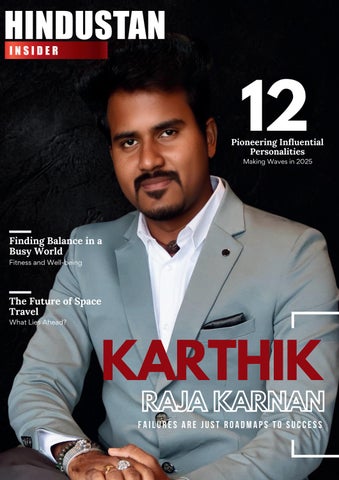
Failures Are Just Roadmaps to Success RAJA KARNAN



Finding Balance in a Busy World
Fitness and Well-being
The Future of Space Travel
What Lies Ahead?
Pioneering Influential Personalities
Making Waves in 2025
Failures Are Just Roadmaps to Success RAJA KARNAN
Space exploration has captivated human imagination for centuries, reflecting our innate curiosity about the cosmos and our desire to understand our place within it. As we look to the future, recent advancements in technology and a growing interest in commercial space travel are propelling us into an exciting new era. The landscape of space exploration is transforming, with private companies and government agencies embarking on ambitious missions that promise to expand our understanding of the universe. From commercial spaceflights to pioneering missions aimed at Mars and beyond, the future of space travel holds great promise for human discovery and adventure.
In recent years, we have witnessed significant strides in space exploration technology, largely fueled by innovative companies such as SpaceX, Blue Origin, and Virgin Galactic. These private enterprises are redefining the boundaries of space travel, making it more accessible than ever before. SpaceX, founded by Elon Musk, has achieved remarkable milestones with its Falcon 9 rocket and Crew Dragon spacecraft. The successful missions to the International Space Station (ISS) have not only demonstrated the viability of private-sector involvement in space exploration but have also paved the way for a new era of international collaboration in the field of space. SpaceX’s achievements have reinvigorated interest in space travel and highlighted the potential of commercial endeavors to complement government-funded missions.
NASA, alongside other global space agencies, is also making significant investments in ambitious missions aimed at returning humans to the Moon and eventually sending crewed missions to Mars. The Artemis program, one of NASA’s flagship initiatives, seeks to land the first woman and the next man on the Moon by the mid-2020s. This ambitious goal is more than just a return to lunar exploration; it serves as a crucial stepping stone for future Mars missions.



By establishing a sustainable human presence on the Moon, NASA aims to test technologies and gather data that will be essential for future endeavors on the Red Planet. The lessons learned from Artemis will undoubtedly shape the trajectory of human exploration of Mars, which has long been the focus of scientific curiosity due to its potential for colonization.
The implications of space tourism are rapidly unfolding as we stand on the brink of a new frontier in commercial space travel. Companies like Virgin Galactic and Blue Origin are developing suborbital flights that offer passengers the unique opportunity to experience a few minutes of weightlessness and take in breathtaking views of Earth from space. This burgeoning industry presents exciting possibilities for individuals eager to embark on a journey beyond our planet. However, the rise of space tourism also raises important questions regarding sustainability and the environmental impact of commercial space travel. As the industry grows, addressing these concerns will be crucial to ensure that space exploration is conducted responsibly and ethically. The last thing we want is to replicate the ecological damages that can occur on Earth in a new environment, which is why sustainable practices in the burgeoning space tourism industry are essential.


Mars has long captivated our imagination as the next frontier for human exploration and potential colonization. The Red Planet’s similarities to Earth, such as the length of its days and the presence of water ice, have fueled speculation about the feasibility of human settlement.

NASA's Perseverance rover, which landed on Mars in early 2021, is tasked with searching for signs of ancient life and collecting samples for future return to Earth. This mission is a critical part of our quest to understand whether life ever existed on Mars and to gather data that will inform future manned missions. Meanwhile, SpaceX's ambitious plans for the Starship spacecraft aim to transport humans to Mars, with aspirations for colonization. Elon Musk’s vision includes establishing a self-sustaining city on Mars by the 2050s, which, while audacious, reflects the growing belief that humans can expand their presence beyond Earth.
Moreover, sustainable life support systems that can recycle air, water, and food will be essential for long-term missions. Addressing these challenges requires international collaboration, technological innovation, and careful planning. The goal is not only to reach Mars but to ensure that astronauts can thrive and build a sustainable future there.


The future of space exploration extends beyond Mars, opening a myriad of exciting possibilities. The search for extraterrestrial life continues to capture the imagination of scientists and enthusiasts alike. Missions are planned to explore the icy moons of Jupiter and Saturn, such as Europa and Enceladus. These celestial bodies are thought to harbor subsurface oceans, providing environments that may be conducive to life. The upcoming Europa Clipper mission, set to launch in the 2020s, aims to study Europa's ice-covered surface and assess its potential habitability. Such missions represent the cutting edge of astrobiology and the ongoing quest to answer profound questions about life beyond Earth.
Advancements in observational technology are also revolutionizing our understanding of the universe. The James Webb Space Telescope (JWST), launched in late 2021, promises to provide unprecedented insights into the cosmos. With its powerful capabilities, JWST will allow astronomers to observe distant galaxies, study the formation of stars, and search for potentially habitable exoplanets. This next-generation telescope is poised to unveil the mysteries of the universe and deepen our understanding of fundamental questions about the origins of life and the structure of galaxies. The data collected by JWST may reshape our understanding of the universe and our place within it, offering tantalizing glimpses into the unknown.
As we look to the future of space travel, it is essential to consider the ethical implications of our endeavors. The prospect of human colonization on other planets raises questions about the rights of extraterrestrial environments and the potential impact of human activity on these pristine ecosystems. As we expand our reach into the cosmos, we must prioritize responsible exploration that respects the integrity of other worlds. Furthermore, as space tourism becomes a reality, it is crucial to ensure that access to space is equitable and inclusive. The democratization of space travel should be a priority, allowing people from diverse backgrounds to share in the wonder of exploration and discovery.
The future of space travel is also closely tied to advancements in propulsion technology, which will play a pivotal role in enabling faster and more efficient journeys to distant destinations. Current propulsion systems, while effective for missions within our solar system, may not be sufficient for interstellar travel. Research into alternative propulsion methods, such as ion propulsion and nuclear thermal propulsion, holds promise for revolutionizing space travel. These technologies could significantly reduce travel times, making journeys to Mars and beyond more feasible. The prospect of developing faster-than-light travel, while still in the realm of science fiction, captures the imagination and inspires ongoing research into the fundamental nature of space and time.

Moreover, the collaboration between nations in space exploration is becoming increasingly important. The International Space Station (ISS) has been a successful example of global cooperation in science and research. As we face the challenges of space exploration, international partnerships will be essential in pooling resources, sharing expertise, and fostering a collective vision for humanity’s future in space. Collaborative efforts can lead to more ambitious missions, enhance scientific research, and promote peaceful coexistence beyond our planet. The challenges of space exploration are vast, but together, we can achieve what once seemed impossible
As we stand on the brink of a new era of space exploration, it is essential to recognize that the journey is not just about technological advancements or reaching distant planets. It is also about fostering a sense of wonder and curiosity that drives us to explore the unknown. The stories of human ingenuity, perseverance, and the desire to understand our place in the universe are woven into the fabric of space exploration. As we embark on this journey, we must remember that the future of space travel is not solely in the hands of scientists and engineers; it is also a shared responsibility that invites the participation of individuals from all walks of life.
In conclusion, the future of space travel is filled with promise and excitement. As technology continues to advance and public interest in space exploration grows, the possibilities for human discovery are limitless. From commercial space tourism to ambitious missions to Mars and beyond, we stand on the brink of a new era of exploration that will deepen our understanding of the universe and inspire generations to come. As we look to the stars, we carry with us the hopes, dreams, and aspirations of humanity, united in our quest to explore the cosmos and unlock the mysteries that lie beyond our planet. The journey ahead may be challenging, but it is one that holds the potential to reshape our understanding of existence and forge a brighter future for all of humanity


Bangalore, known for its cosmopolitan culture and diverse culinary landscape, now has a taste of authentic Bengal, thanks to Abol Tabol by MasterChef Doyel. Founded by MasterChef India Season 3 Runner-Up, Doyel Sarangi Goswami, this restaurant is a heartfelt tribute to the rich heritage of Bengali cuisine, offering a unique blendoftraditionandinnovation.
Doyel Sarangi’s culinary journey began long before her rise to fame on MasterChef India 2013, where she secured a spot in the top three. Her passion for cooking was ignited in her childhood, growing up in Kolkata surrounded by the rich aromas and flavors of authentic Bengali dishes. With a vision to make Bengali cuisine accessible beyond Bengal, Doyel launched Abol Tabol in Bangalore, offering food that feels like home to the Bengalidiaspora.
A unique fusion dish showcasing rich Bengaliflavors.
A true celebration of aromatic spices andsucculentchicken.
Special festive platters that bring the essenceofBengaltoBangalore.
Named after the famous collection of Bengali children’s rhymes by Sukumar Ray, Abol Tabol reflects whimsy, nostalgia, and creativity. The restaurant serves as a cultural bridge, offering a variety of traditional Bengali dishes with a modern twist, appealing to both Bengalis andfoodenthusiastsfromdiversebackgrounds.
MasterChef Doyel believes in preserving Bengali culinary traditions while modernizing them to appeal to contemporary tastes. Dishes like Pagla Dashu’r Chicken Thali and Dhaba Style Roti Tadka reflect this philosophy, bringing an innovative touch toclassicrecipeswhileretainingtheirauthenticity.
In recent years, board games have experienced a remarkable resurgence, emerging as a cherished alternative to the digital entertainment that dominates modern life. This revival speaks to a deep-seated yearning for tangible social interactions and shared experiences that often feel lacking in a world increasingly defined by screens. Families and friends are gathering around game tables, rediscovering the joys of strategy, competition, and collaboration, all while enjoying the unique tactile experience that board games provide. This shift has redefined social gatherings, turning them into opportunities for connection and engagement that digital platforms, despite their conveniences, often fail to replicate.
The appeal of board games lies in their ability to foster genuine social interactions. Unlike digital games, which can often isolate players behind screens, board games invite face-to-face engagement. As players strategize, negotiate, and occasionally squabble over the best moves, laughter and camaraderie abound. The physical act of rolling dice, moving pieces, and sharing the same space creates an environment rich with social cues and emotional resonance. This interaction is not only enjoyable but also essential for developing and maintaining social bonds, especially in an age where many people find themselves craving meaningful connections.
Furthermore, the diversity of board games available today caters to a wide range of interests and skill levels. From classic games like Monopoly and Scrabble, which have stood the test of time, to modern masterpieces like Catan and Ticket to Ride, the variety is staggering. Each game offers a unique experience, whether it be strategic depth, cooperative play, or lighthearted fun. This broad spectrum allows players to explore different genres and discover what resonates with them, whether they prefer competitive environments or collaborative scenarios where everyone works toward a common goal. The availability of so many options ensures that there is something for everyone, making board gaming an inclusive activity that can bring together diverse groups of people.
The social benefits of tabletop play extend far beyond mere entertainment. Engaging in friendly competition encourages camaraderie, fosters communication, and strengthens relationships among players. In many cases, board games serve as a catalyst for deeper conversations, helping players connect on levels that digital interactions may overlook. As players share strategies, exchange banter, and navigate the challenges presented by the game, they develop critical thinking and problem-solving skills. This mental engagement sharpens cognitive abilities, as players must constantly adapt their tactics in response to the moves of their opponents. Consequently, board games become not only a source of enjoyment but also a platform for personal and intellectual growth.

Moreover, board games can be powerful tools for teaching essential social skills. They provide a safe and structured environment where players can practice turn-taking, patience, and sportsmanship. Children, in particular, benefit from these interactions, learning how to navigate both victory and defeat while developing a sense of empathy toward others. For adults, these games can rekindle lessons from childhood, reminding them of the importance of cooperation and mutual respect in social interactions. Through these shared experiences, players build relationships and learn vital life skills that extend beyond the game table.
Hosting a successful game night can be one of the most rewarding aspects of board gaming. Planning such an event requires thoughtful consideration to ensure that it is enjoyable for everyone involved. The first step is to choose the right games. It is important to consider the preferences and skill levels of your guests, as a mix of light-hearted and strategic games can cater to diverse interests. Including a variety of game types allows everyone to find something they enjoy, making the event more inclusive. For instance, starting with a quick and easy game to break the ice can set a positive tone before transitioning to more complex titles that require deeper strategic thinking.
Offering snacks and drinks can elevate the atmosphere of a game night significantly. Providing refreshments keeps players energized and enhances the overall experience. Finger foods and easy-to-eat snacks are ideal, as they allow players to keep one hand free for game pieces while enjoying tasty treats. Additionally, thematic snacks related to the game being played can add an extra layer of fun to the event. For example, serving “Settlers of Catan”-themed snacks during a game of Catan can create a memorable experience that players will appreciate. The social aspect of sharing food during gameplay further enriches the bonding experience.
Creating a comfortable space is another essential element of a successful game night. Arranging seating and table space to accommodate all players is key to ensuring everyone can participate comfortably. Good lighting is also important, as it helps players read cards and boards without straining their eyes. Minimizing distractions, such as turning off the television or silencing phones, can enhance the gaming experience, allowing players to immerse themselves fully in the game and enjoy each other’s company. The ambiance can greatly impact the enjoyment of the event, making it essential to consider how the environment can be optimized for gameplay.
Setting the mood with background music can also enhance the gaming experience. Playing music that complements the theme of the games being played can create a lively atmosphere, but it is essential to keep the volume low enough to allow for conversation and focus on the game. This balance ensures that players can enjoy the ambiance without feeling distracted. Music can serve as a powerful backdrop that adds to the excitement of the night, making the overall gathering more enjoyable and engaging.
In conclusion, the rediscovery of board games in the digital age highlights the enduring appeal of face-to-face interaction and shared experiences. As people seek alternatives to screen time, the resurgence of tabletop gaming reflects a collective desire for connection and engagement in an increasingly digital world. By hosting game nights and exploring new titles, individuals can foster social bonds, enhance critical thinking skills, and enjoy the simple pleasure of playing together. The experience of gathering around a game table offers an invaluable opportunity to reconnect with friends and family, creating lasting memories and enriching lives through the power of play
Research indicates that music therapy can be effective in treating a range of conditions, including depression, anxiety, PTSD, and even chronic pain. For individuals grappling with trauma, music therapy provides a safe space for self-expression and exploration. Through musical engagement, clients can process their emotions and experiences, gradually working toward healing and recovery. The therapeutic use of music creates a supportive environment where individuals can confront their feelings at their own pace, empowering them to take control of their healing journey.
One of the most intriguing aspects of music is its unique connection to memory. Music has the power to evoke vivid recollections of past experiences, often triggering emotions and sensations associated with those memories. This phenomenon is particularly evident in individuals with Alzheimer’s disease or dementia, where familiar songs can spark memories and improve cognitive function. Music therapy techniques, such as reminiscence therapy, utilize this connection to enhance communication and engagement among individuals with memory-related conditions. By tapping into the power of music, therapists can help individuals reconnect with their pasts, fostering moments of clarity and joy.
Moreover, learning to play an instrument can promote cognitive development and enhance memory skills in individuals of all ages. The practice of music engages multiple areas of the brain, fostering creativity, critical thinking, and problem-solving abilities. Research has shown that musicians often exhibit enhanced cognitive skills, including improved memory and attention. This cognitive engagement is not limited to professional musicians; even beginners can experience cognitive benefits from learning to play an instrument. The process of mastering an instrument encourages perseverance and discipline, valuable life skills that can translate to other areas of life.






Attending live performances or participating in musicmaking events can also foster a sense of community and connection, enhancing overall well-being. The shared experience of enjoying live music creates bonds among participants, promoting a sense of belonging and joy. Engaging with music in a communal setting can amplify its healing effects, as the energy and emotions exchanged among attendees contribute to a collective experience of joy and connection. Whether at concerts, festivals, or community events, participating in live music can be a source of inspiration and upliftment.

Exploring music creation, whether through songwriting or playing instruments, serves as a valuable form of self-expression. Creating music allows individuals to communicate their emotions and experiences in a unique way, providing a therapeutic outlet that promotes emotional well-being. Experimenting with songwriting can be particularly cathartic, allowing individuals to articulate their feelings and process life experiences through lyrics. Playing instruments, whether solo or in a group, fosters a sense of accomplishment and connection, contributing to an individual’s overall sense of fulfillment and joy.
In conclusion, the power of music to heal and uplift is undeniable. As a universal language, music connects us to our emotions and experiences, offering solace in times of distress and a means of celebrating joy. By exploring the therapeutic effects of music and incorporating it into our daily lives, we can harness its potential to enhance mental health and overall well-being. Embracing the healing power of sound encourages a deeper understanding of ourselves and our connection to the world around us, reminding us of the profound impact music can have on our lives.

Trivedi’s research identifies several factors that are pivotal to India’s successful transition to electric mobility. One of the key insights of his study is the role of advancements in battery performance. The research highlights how the next-generation solid-state batteries, with their higher energy density and faster charging capabilities, will be critical for increasing the driving range of electric two-wheelers. However, it also emphasizes the need for affordable battery solutions, which are essential to drive down the cost of EVs, making them accessible to a wider range of consumers.
A particularly innovative aspect of Trivedi’s research is the focus on smart mobility solutions and the role of data analytics in improving EV adoption. By analyzing real-time data from users and charging stations, Trivedi proposes a dynamic charging system that adjusts to demand, ensuring optimal service during peak hours. His research also explores how artificial intelligence (AI) and machine learning (ML) can be integrated into EV design and performance optimization, creating a more intelligent, self-learning EV ecosystem.
Trivedi’s work also calls for public-private partnerships to foster innovation, build infrastructure, and create a conducive policy environment. His research suggests that the key to India’s EV success lies in the collective effort of the government, automotive manufacturers, and academia working together to implement practical, scalable solutions.
Paurik Trivedi’s visionary research is not just about accelerating the EV market; it’s about creating a sustainable, scalable model that can serve as a blueprint for other nations transitioning to electric mobility. His work shows that with the right innovations and collaborations, India can lead the way toward a cleaner, greener, and more efficient future.
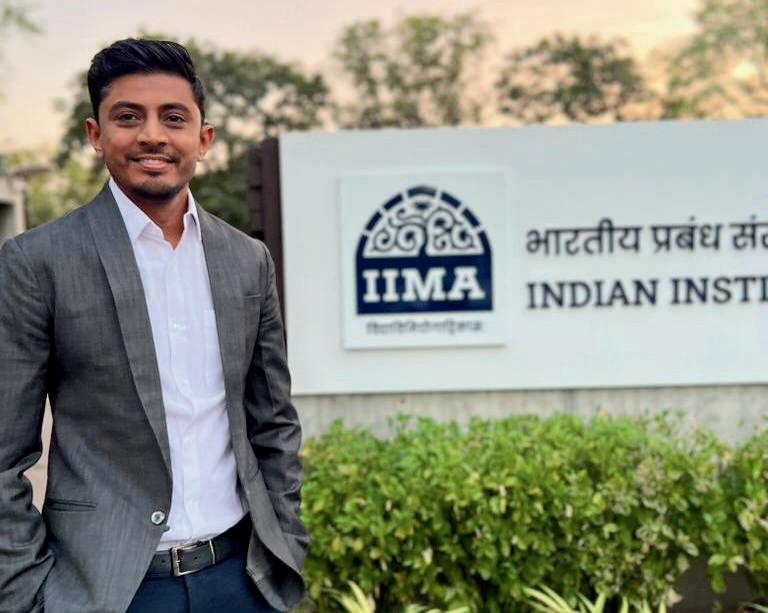
India’s electric vehicle (EV) revolution is on the horizon, and Paurik Trivedi, an outstanding student from IIM Ahmedabad, is at the heart of this groundbreaking movement. His research, conducted with Prof. Arnab Kumar Laha, is providing a roadmap for India’s electric two-wheeler market, focusing on everything from cutting-edge battery technologies to sustainable infrastructure solutions that are critical for wide-scale EV adoption.
Equally important is the expansion of charging infrastructure. Trivedi’s research advocates for a distributed network of charging points, including the integration of battery swapping stations that could alleviate the pressure on traditional charging stations. This, combined with a nationwide network of fastcharging hubs, could dramatically reduce waiting times and improve consumer confidence in EVs.



Arts education plays a pivotal role in the holistic development of students, offering far more than just the opportunity to create. It serves as a critical tool for cultivating creativity, enhancing critical thinking, and fostering emotional intelligence. In an age where the emphasis on STEM (science, technology, engineering, and mathematics) education is increasingly prevalent, the arts often find themselves on the chopping block. However, this underestimation of the arts can undermine the development of well-rounded individuals. Arts education is not merely about painting or music; it encompasses various disciplines, including visual arts, music, theater, and dance, all of which contribute uniquely to a student's overall education.
First and foremost, arts education encourages creativity. In a rapidly changing world where innovation is vital, the ability to think creatively is essential. Arts classes provide students with the freedom to explore, experiment, and express themselves without the constraints of right or wrong answers. Unlike traditional subjects that often have a clear path to solutions, arts education encourages open-ended exploration. This freedom fosters a mindset that values creative thinking and problem-solving, skills that are transferable to many other fields. As students engage with various mediums and techniques, they learn to approach problems from multiple angles, developing their capacity for original thought.
Moreover, arts education contributes significantly to the development of critical thinking skills. When students analyze a piece of artwork or critique a performance, they engage in reflective thinking that requires them to consider various perspectives. This critical analysis is crucial not just within the arts but in all academic disciplines and life situations. For example, when students participate in discussions about the themes and emotions conveyed in a play or painting, they practice articulating their thoughts clearly and defending their opinions. This process of evaluating and interpreting art helps to hone analytical skills, enabling students to approach complex problems with confidence and insight.


In addition to creativity and critical thinking, arts education plays a vital role in nurturing emotional intelligence. Engaging with the arts allows students to explore their emotions and those of others, fostering empathy and social awareness. Through storytelling, music, or visual expression, students learn to communicate feelings and experiences that may be difficult to articulate otherwise. This emotional exploration is particularly important in a society where mental health challenges are on the rise. Arts programs can provide students with an outlet for their emotions, helping them to process and understand their feelings in a supportive environment.
Furthermore, arts education can enhance academic performance in other subjects. Research has shown that students involved in the arts tend to have higher GPAs, better standardized test scores, and improved attendance. This correlation can be attributed to the skills learned through artistic engagement, such as discipline, focus, and the ability to work collaboratively. For instance, participating in a school musical requires students to practice diligently, collaborate with peers, and meet deadlines—all skills that are invaluable in any academic setting. Moreover, the confidence gained from performing in front of an audience can translate into greater self-assurance in classroom participation and public speaking.

Advocating for the preservation and enhancement of arts programs in schools is essential. With budget cuts and shifting educational priorities, arts programs often face elimination or reduction. This trend poses a significant threat to the holistic development of students. To counteract this, advocates for arts education must work to raise awareness about its numerous benefits. This can involve collaborating with community organizations, parents, and educational leaders to showcase the successes of arts programs and their impact on student achievement. Hosting art shows, performances, and community events can provide visibility for student artists and highlight the importance of arts education.
Ultimately, the importance of arts education cannot be overstated. It cultivates creativity, critical thinking, and emotional intelligence—skills that are essential for success in the modern world. By advocating for the preservation and enhancement of arts programs, educators, parents, and community members can ensure that future generations of students have access to the enriching experiences that the arts provide. As we look toward the future, it is imperative that we recognize the arts not as an ancillary part of education but as a fundamental component of a well-rounded academic experience.
In addition, it is crucial to integrate the arts into the broader curriculum. This interdisciplinary approach can enhance students’ learning experiences and demonstrate how arts education complements other subjects. For example, incorporating music into a history lesson can help students better understand cultural contexts, while visual arts can enhance comprehension in science by illustrating concepts. By bridging the gap between the arts and other disciplines, educators can foster a more comprehensive educational experience that reflects the interconnectedness of knowledge
Moreover, it is essential to engage policymakers in discussions about the value of arts education. By presenting research findings and testimonials from students, teachers, and parents, advocates can make a compelling case for increased funding and support for arts programs. Collaborative initiatives that involve local artists and organizations can also serve to enrich arts education, providing students with opportunities to learn from professionals and engage in real-world artistic practices


Founded in a small car shed, MADique Technologies emerged from Karthik's vision of designing affordable, efficient food automation machines. His innovation led to the creation of the world’s smallest automatic idiyappam machine, earning recognition in the Kalam Book of World Records. Today, MADique exports to over 30 countries, enabling 3,000+ entrepreneurs, including homemakers and differently-abled individuals, to build sustainable businesses.
Karthik's fascination with engineering and problemsolving began at a young age, often crafting his own toys from scraps. This passionled him to pursue a degree in Electrical and Electronics Engineering. Despitereceiving a lucrative job offer from Titanafter graduation, Karthik followed his entrepreneurial instincts, choosing toaddress the challenges faced by small businesses in food automation.
Founded in a small car shed, MADique Technologies emerged from Karthik's vision of designing affordable, efficient foo automation machines. His innovation led to the creation of the world’s smallest automatic idiyappam machine, earning recognition in the Kalam Book of World Records. Today, MADique exports to over 30 countries, enabling 3,000+ entrepreneurs, including homemakers and differentlabled individuals, to build sustainable businesses.

Karthik integrates social responsibility into MADique’s business model. The company offers a 10% discount to differently-abled individuals, ex-military personnel, and families of activeduty military members. Customers also receive a copy of Dr. A.P.J. Abdul Kalam’s biography and seed balls for afforestation, blending education and environmental sustainability into each purchase.
Karthik co-founded the Smiles of India Foundation, donating ₹500 from every machine sale to support underprivileged children. This initiative ensures that MADique’s success contributes to societal upliftment, making customers active participants in social change. From overcoming technical failures to building a global brand, Karthik’s journey exemplifies resilience and purpose. His mantra, “Defeat is a book; don’t throw it away without reading it,” reflects the essence of his inspiring story.
Karthik Raja Karnan is not just an entrepreneur but a visionary leader transforming challenges into opportunities.
In the entrepreneurial world, some individuals rise above the norm, not just by achieving business success but by creating a legacy of impact. Karthik Raja Karnan, founder of MADique Technologies, is one such individual. His journey from a humble background in Tamil Nadu to building a global brand is a story of innovation, resilience, and a deep commitment to social change.
Karthik’s upbringing in Salem was shaped by his parents, who worked tirelessly to provide him with opportunities they never had. His father, a laborer, and his mother, a homemaker, instilled in him the values of hard work, gratitude, and empathy.
As a child, Karthik displayed an innate curiosity. He would often dismantle toys to understand their mechanisms, reflecting an early inclination toward engineering. Growing up, his family faced financial struggles, but instead of viewing these as barriers, Karthik saw them as challenges to overcome.
“
“Defeat is a book; don’t throw it away without reading it” “
Born into a middle-class family in Salem, Karthik's life is a testament to the power of determination and vision. Let us take a closer look at his inspiring journey, the impact of MADique Technologies, and the profound lessons he offers the world.
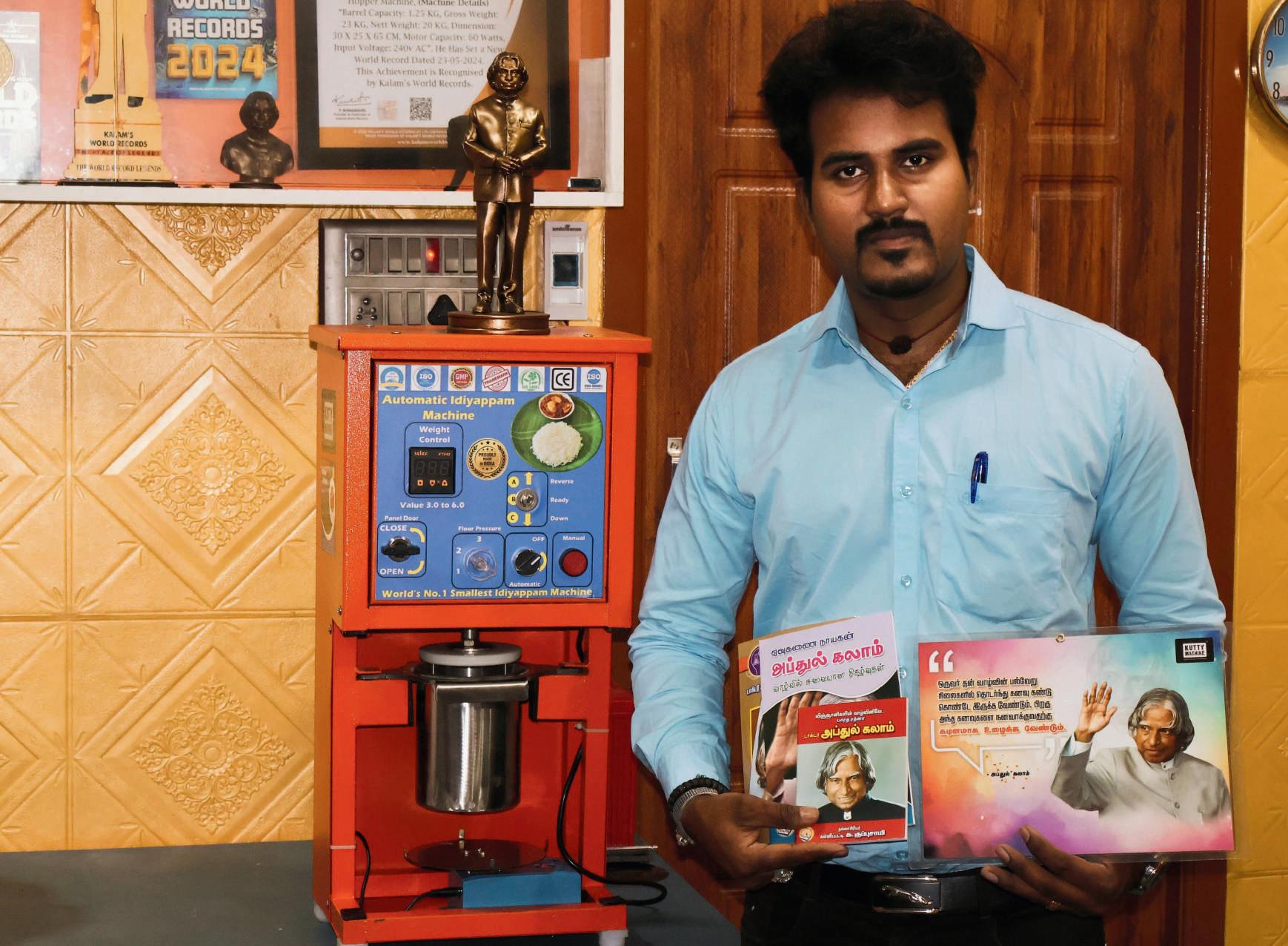
Karthik’s entrepreneurial journey was not without hurdles. From financial limitations and technical setbacks to societal skepticism, he faced numerous challenges. When the first batch of idiyappam machines failed, Karthik took responsibility, redesigned the product, and replaced all faulty machines for free. This act of integrity won over his customers, turning them into lifelong advocates for MADique.
The idea took shape when Karthik noticed the struggles faced by small-scale food vendors in maintaining efficiency and consistency. With limited resources but boundless determination, Karthik developed the world’s smallest automatic idiyappam machine. This groundbreaking innovation not only solved a longstanding issue but also earned him recognition in the Kalam Book of World Records.

In today's fast-paced society, the pursuit of fitness and wellbeing has become more critical than ever. As individuals juggle work, family, and personal commitments, finding a balance that promotes physical health and mental wellbeing can feel daunting. However, understanding various approaches to fitness and well-being can empower individuals to create sustainable habits that enhance their quality of life. Fitness is not merely about the absence of illness or achieving a specific body type; it encompasses a holistic approach that includes physical activity, mental health, nutrition, and emotional well-being.
Physical exercise is a cornerstone of fitness, and its benefits extend far beyond weight management. Regular physical activity has been shown to improve cardiovascular health, strengthen muscles, and boost the immune system. Engaging in exercise releases endorphins, often referred to as "feel-good" hormones, which can enhance mood and reduce feelings of stress and anxiety. Finding an exercise routine that aligns with individual preferences is crucial for sustainability. Whether through jogging, cycling, yoga, or team sports, the key is to choose activities that are enjoyable, making it easier to stay committed.
Incorporating mindfulness practices into fitness routines can further enhance overall well-being. Mindfulness involves being present in the moment and cultivating awareness of thoughts, feelings, and bodily sensations without judgment. Practices such as yoga and meditation promote mindfulness, allowing individuals to connect with their bodies and minds more deeply. These practices can help alleviate stress, improve focus, and foster a sense of calm, contributing to both physical and mental wellbeing. Engaging in mindful movement through activities like tai chi or Pilates can also improve flexibility, balance, and coordination while promoting relaxation.
Nutrition plays a vital role in fitness and well-being. A balanced diet rich in whole foods—fruits, vegetables, whole grains, lean proteins, and healthy fats—provides the essential nutrients needed for optimal health. Understanding the connection between nutrition and energy levels can empower individuals to make informed choices that support their fitness goals. Rather than focusing on restrictive diets or quick fixes, fostering a positive relationship with food is key. This involves listening to the body’s hunger cues, enjoying meals mindfully, and recognizing that nourishment comes in many forms.

To create a well-rounded approach to fitness and well-being, it is essential to prioritize self-care. In a world that often glorifies busyness, taking time for oneself can feel indulgent. However, self-care is not selfish; it is a vital component of maintaining physical and mental health. Engaging in activities that bring joy and relaxation—whether reading, spending time in nature, or practicing hobbies—can help recharge energy levels and enhance overall well-being. Establishing boundaries around work and personal time is also important, allowing individuals to cultivate a balanced lifestyle that honors their needs.
Moreover, community and social support play a significant role in promoting fitness and wellbeing. Engaging in group activities, whether in a fitness class or a recreational sports league, fosters connection and accountability. Building relationships with like-minded individuals can provide motivation, encouragement, and a sense of belonging. Participating in community events or joining clubs centered around fitness can create opportunities for social interaction and shared experiences, enhancing the overall enjoyment of physical activity.
Finding balance in a busy world also involves recognizing the importance of rest and recovery. The hustle culture often promotes the idea that productivity is paramount, leading many individuals to neglect their need for rest. However, adequate sleep and recovery are essential for overall health and well-being. Sleep plays a crucial role in physical and mental recovery, influencing mood, cognitive function, and immune health. Prioritizing restorative practices, such as relaxation techniques and quality sleep hygiene, is vital for maintaining a healthy lifestyle.
Rather than striving for perfection, focusing on incremental progress fosters a positive mindset. Celebrating small victories along the way can boost motivation and reinforce the commitment to a balanced lifestyle. Understanding that fitness is a lifelong journey rather than a destination encourages individuals to embrace the process and cultivate resilience in the face of challenges.
In conclusion, achieving fitness and well-being in a busy world requires a multifaceted approach that encompasses physical exercise, mindfulness practices, nutrition, self-care, and social support. By prioritizing a balanced lifestyle that honors individual needs and preferences, individuals can create sustainable habits that enhance their quality of life. Embracing the journey toward well-being is an empowering endeavor, and recognizing that fitness encompasses both physical and mental health is key to thriving in today’s fast-paced society.


As the global population continues to rise and environmental challenges mount, the future of food production is becoming increasingly critical. Innovations in agriculture are emerging to address issues such as food security, sustainability, and climate change. From vertical farming to lab-grown meat, these advancements are transforming how we grow, distribute, and consume food. Understanding the potential of these innovations is essential for ensuring a sustainable food system that meets the needs of future generations.





Vertical farming represents one of the most promising advancements in modern agriculture. This innovative approach involves growing crops in stacked layers, often utilizing controlled environments to optimize growth conditions. By utilizing vertical space, vertical farming can significantly increase food production in urban areas, reducing the reliance on large expanses of land. Furthermore, this method minimizes water usage and eliminates the need for pesticides, as indoor environments can be carefully monitored for pests and diseases. Vertical farms can also produce food yearround, providing a reliable source of fresh produce regardless of seasonal changes.
Lab-grown meat, or cultured meat, is another groundbreaking innovation poised to revolutionize the food industry. Produced by cultivating animal cells in a lab rather than raising livestock, lab-grown meat offers a more sustainable alternative to traditional meat production. This method reduces the environmental impact associated with livestock farming, such as greenhouse gas emissions, land degradation, and water usage. Additionally, lab-grown meat has the potential to improve animal welfare by minimizing the need for large-scale animal farming. As technology advances and production costs decrease, lab-grown meat could become a mainstream option for consumers seeking ethical and sustainable protein sources.
Sustainable practices are also gaining traction in traditional agricultural methods. Regenerative agriculture focuses on restoring soil health, increasing biodiversity, and improving ecosystem resilience. By incorporating practices such as crop rotation, cover cropping, and reduced tillage, regenerative agriculture can enhance soil fertility and sequester carbon, contributing to climate change mitigation. This holistic approach not only improves the sustainability of food production but also supports the livelihoods of farmers by fostering healthier ecosystems and reducing reliance on synthetic fertilizers and pesticides.

Moreover, food waste remains a significant challenge in the quest for food security. Innovations aimed at reducing food waste are emerging across the supply chain, from production to consumption. For instance, smart packaging technologies can extend the shelf life of perishable products, helping to minimize spoilage. Apps that connect consumers with surplus food from restaurants and grocery stores also promote food redistribution, reducing waste and supporting communities in need. By addressing food waste, we can enhance the efficiency of the food system and contribute to sustainability.

Innovative technologies such as precision agriculture are transforming how farmers manage their crops. Utilizing data analytics, sensors, and drones, precision agriculture enables farmers to monitor and optimize crop health, irrigation, and nutrient application. This targeted approach enhances resource efficiency, reduces waste, and improves yields. By leveraging technology, farmers can make informed decisions that contribute to sustainable practices while maximizing productivity.
Additionally, education and advocacy play crucial roles in shaping the future of food. Raising awareness about the environmental impact of food choices and promoting sustainable practices is essential for driving change. Engaging communities in discussions about food systems, sustainability, and nutrition empowers individuals to make informed choices that positively impact their health and the planet. Schools and organizations can play a pivotal role in providing education about sustainable food practices, helping to foster a generation that prioritizes environmental stewardship.
In conclusion, the future of food is filled with innovative possibilities that have the potential to address pressing challenges related to food security and sustainability. From vertical farming and lab-grown meat to regenerative practices and precision agriculture, these advancements are reshaping the way we produce and consume food. By embracing sustainable practices, promoting local food systems, and educating communities about the importance of food choices, we can work toward a more resilient and sustainable food future.
MAKING WAVES IN 2025



Dr. Kamal H. Muhamed, renowned for his autobiography Daring Prince Truth Revealed, has turned his personal experiences into a powerful humanitarian journey. His accolades , the prestigious Dadasaheb Phalke IM Award 2024, JCI Award, NCFC Award in Nepal, and multiple recognitions of India’s top 10 authors in 2024. He has won GK PILLAI Award for his Autobiography 2024, London Book of World Records,& Sahithya Sparsh Award 2025
Dr. Muhamed’s impactful contributions include "Operation Rahat", a mass evacuation initiative by the Indian government in 2015 during Yemen War. Despite facing immense personal challenges, including four years of unjust imprisonment, he emerged stronger, advocating for noble causes with humility and dedication.
His suggestion... “Stay away from negativity, strive hard, and be yourself.” Dr. Muhamed continues to inspire through his relentless efforts to influence positive change and promote humanity, making the world a better place for all living in peace.
Founded by Mr. Chaitanya Naidu, SV Techwave is a trusted provider of innovative technology solutions, specializing in Artificial Intelligence, Robotic Process Automation, Blockchain, Web Development, Software Development, Mobile App Development, UX/UI Design, IoT & Chatbots, and Cloud Computing. The company is dedicated to empowering businesses by transforming ideas into impactful digital experiences.
SV Techwave leverages cutting-edge technologies to deliver scalable, efficient, and future-ready solutions, helping businesses thrive in a rapidly evolving digital landscape. Their expertise in AI and IoT enables seamless automation and smart system integration for enhanced efficiency and innovation.
Beyond technical services, SV Techwave champions sustainability and community development by supporting initiatives that equip underprivileged youth with advanced technical skills. With a vision to lead in emerging technologies, SV Techwave fosters a culture of continuous learning and innovation, driving meaningful progress and building a better, technology-driven future.


Dr. Sudhanshu Raghuwanshi has emerged as a trailblazer in IT automation and business coaching. His journey is fueled by a passion for leveraging technology to simplify lives and unlock human potential. Sudhanshu's groundbreaking contributions include his patented innovations in IT and the transformative 7CE formula, a methodology integrating NLP, emotional intelligence, and leadership principles.
Recognized globally, he holds four innovation patents, has published in prestigious journals like IEEE and Elsevier, and was awarded Best Leadership and Productivity Coach of the Year 2024 by NIST.
Driven by his vision to empower 10 million individuals and businesses, Sudhanshu is committed to fostering sustainable growth through accessible AI solutions, global summits, and impactful mentorship. His advice: "Combine technical expertise with emotional intelligence to create meaningful impact."
Niranjan Kumar, founder of Smiling Success Enterprises, is a skilled digital marketing specialist with over four years of experience. Holding an MBA in Marketing from Chandigarh University and a certification from Digiperform (HT Media), he launched his agency in April 2021 to empower businesses with innovative marketing strategies.
Smiling Success Enterprises has successfully transformed the online presence of over 99 businesses, offering tailored solutions that deliver measurable results. Niranjan’s work has been featured on prominent platforms like Hindustan Metro, Google News, and Daily Hunt, highlighting his contributions to the digital marketing landscape.
With a vision to expand his agency, Niranjan remains committed to transparency, collaboration, and a client-centric approach. He advises aspiring marketers to embrace continuous learning and prioritize client needs to build trust and achieve long-term success.


Karthik Raja Karnan is the founder of MADique Technologies, a company specializing in affordable food machinery to empower small businesses worldwide. Driven by his passion for problem-solving and a desire to uplift communities, Karthik has created transformative innovations, including the world’s smallest Idiyappam-making machine. This machine, weighing 22 kg and priced at ₹41,300, has empowered over 3,000 businesses, particularly housewives and differently-abled entrepreneurs, by enhancing productivity and reducing costs.
Recognized with over 30 awards, including the FAST GROWING 500 CEO Award and Edison Award, Karthik remains committed to inclusivity, sustainability, and innovation. His advice to aspiring entrepreneurs: “Failure is a book that denotes the route for success. Don’t throw it away without reading it.” Through perseverance and a focus on meaningful impact, he continues to inspire and empower globally.
Abin Mathew, Chief Marketing Officer of Supertech Industries, is transforming Kerala’s plastic injection molding industry with visionary strategies and ambitious growth plans. Leading a family business group with a ₹160 Cr turnover, Abin aims to elevate Supertech Industries to a ₹100 Cr turnover by 2030.
Key achievements include establishing the company as Kerala’s leading custom injection molding partner and expanding operations across multiple states. By integrating Industry 4.0 technologies, sustainable practices, and cutting-edge digital marketing, Abin has positioned Supertech Industries for global recognition.
His contributions have earned prestigious awards such as the Best Entrepreneur Award from Shri P. Rajeev, Kerala’s Industries Minister, and the Green Excellence Award from Shri Roshi Augustine, Water Resources Minister. Supertech Industries is now poised to become a national leader in custom injection molding.


Dwijapada Pratihar, an accomplished Chemical Engineer with 28+ years in multinational companies, has redefined his life’s mission since 2013 by championing health through walking. With over 90 million steps and 72,364 km walked, he holds multiple world records, including accolades like the Bharat Gaurav Puraskar and Honorary Doctorate in Health & Wellness.
Dwijapada introduced the Step Bank of Health (SBH) concept, encouraging individuals to “deposit” physical activities as steps for lifelong wellness. This innovative approach integrates virtual travel challenges, making fitness engaging and impactful.
Committed to creating a healthier society, he promotes walking as a daily habit for physical, social, and environmental well-being. His advice: prioritize health, dedicate 40 minutes daily to physical activity, and remember “Walking is man’s best medicine by Hippocrates"
MasterChef Doyel Sarangi Goswami, a seasoned corporate chef and the runner-up of Amul-StarPlus MasterChef India Season 3, has over 12 years of experience in the culinary world. She opened Abol Tabol, a restaurant that honors Bengali cuisine, blending authentic flavors with modern techniques. Her signature dish, Paneer Gold Medley, showcases her creativity in reimagining traditional Bengali dishes.
Doyel's achievements include the Bharat Pratibha Samman Puraskar and the Best Women Chef of the Year award. Her vision is to preserve regional cuisines, empower women chefs, and promote sustainability within the industry. Through her work, she aims to elevate Indian food on a global scale. Doyel’s advice to aspiring chefs is simple: "Cook with passion, lead with vision." She believes in creating unforgettable experiences, not just meals.


Narayana Swaroop is a serial entrepreneur, angel investor, and startup mentor with a proven track record of building successful organizations and driving growth. Recognized for his strategic vision and operational expertise, he has consistently delivered results in organizational development, market expansion, and operational performance.
He is currently doing his 7th startup " Score10" India's first AI based Tenant Screening and Scoring platform As an innovative leader, he excels in strategic planning, market analysis, and fostering global business partnerships. His ability to streamline workflows, build highperforming teams, and enhance productivity has earned him a reputation as an out-of-the-box thinker. With expertise spanning sales, marketing, talent management, and cross-functional leadership, Narayana has helped numerous businesses thrive in multicultural and international markets.
Specializing in IT consulting, market research, financial advisory, and executive coaching, Narayana Swaroop continues to inspire startups and established enterprises alike with his leadership and mentorship.
Kanika Rana Fine Jewellery has rapidly established itself as a leading name in the jewellery industry, renowned for its exquisite craftsmanship and innovative designs. Founded by Kanika Rana in 2020, the brand seamlessly blends traditional elegance with contemporary style, offering a diverse collection of gold, silver, and polki jewellery. Every piece is meticulously handcrafted using highquality materials like Swarovski CZ, Moissanite, and semi-precious gemstones. The brand has garnered a loyal following, including celebrities such as Juhi Chawla, Jannat Zubair, and Purva Mantri, who frequently showcase its stunning creations. Kanika’s vision goes beyond jewellery, aiming to empower women to express their individuality through artistic, luxurious pieces. With a focus on personalized services and exceptional quality, Kanika Rana Fine Jewellery continues to redefine the jewellery landscape, making bold statements of elegance, sophistication, and modernity for women who value both beauty and craftsmanship.


Alok Kumar, CEO and Founder of Thore Network Pvt. Ltd., is reshaping the future of digital finance, AI, and education. His leadership has propelled Thore Network into the digital economy, with the launch of Thorecoin and its upcoming digital asset exchange in 2025. The platform aims to revolutionize cryptocurrency management by offering secure and user-friendly solutions. Kumar is also pioneering AI-driven road safety solutions, collaborating with Indian state governments to enhance traffic management and reduce accidents. His commitment to education is evident through the AI Education initiative, with plans to onboard 50,000 students by 2025, preparing them for careers in AI. With a focus on innovation, education, and safety, Alok Kumar is laying the groundwork for a transformative future in technology and digital finance.
Mr. Praveen P. Nandinervanda, a distinguished expert in ancient Indian occult sciences,also known as Vastu Praveen, has dedicated over 23 years to preserving and promoting Vastu Shastra and numerology. Born in Coorg, Karnataka, in 1972, his upbringing was shaped by values of discipline and resilience instilled by his family. Inspired by his grandfather, a revered astrologer, Praveen discovered his passion for ancient sciences early in life and pursued extensive education, including a postgraduate diploma in Vastu Shastra.
Praveen’s meticulous approach combines traditional practices with modern techniques, such as Resonant Field Imaging and Bio-Field Scanning, offering innovative and energy-driven consultations. His expertise extends to numerology, guiding clients toward harmony through personalized solutions. As an accomplished agriculturist, he integrates ancient wisdom into sustainable farming. With numerous accolades and affiliations, Praveen continues to inspire, bridging timeless traditions with contemporary needs.
In the past two decades, social media has revolutionized the way we connect, communicate, and maintain relationships. Platforms like Facebook, Instagram, Twitter, and TikTok have reshaped social dynamics, creating a new landscape where interactions occur in digital spaces. While social media has brought about significant advantages, such as increased connectivity and the ability to maintain relationships across vast distances, it has also introduced challenges that can complicate and sometimes undermine those very connections. Understanding the multifaceted impact of social media on modern relationships requires an exploration of both its positive aspects and potential pitfalls.
One of the most notable positive impacts of social media is the enhanced connectivity it offers. Individuals can now maintain relationships with friends and family, regardless of geographical barriers. For instance, a person can effortlessly share updates about their life with a close friend living thousands of miles away or reconnect with high school classmates after years of separation. This level of connectivity fosters a sense of closeness, enabling individuals to share significant life events—birthdays, graduations, and weddings—through real-time updates, photos, and videos.
Furthermore, social media platforms provide opportunities for new connections. Online communities centered around shared interests, hobbies, and goals allow individuals to meet like-minded people who might not otherwise cross their paths in daily life. These virtual friendships can lead to meaningful relationships, as shared passions often form the foundation for deeper connections. For example, gamers often build strong bonds through online multiplayer games, collaborating and communicating in ways that enhance their sense of belonging.


Social media has also transformed the way we communicate. Instant messaging features on platforms like Facebook Messenger, WhatsApp, and Snapchat facilitate real-time conversations, making it easier to stay in touch. Unlike traditional communication methods, which often require more time and effort, social media enables quick exchanges that can occur spontaneously throughout the day. This immediacy helps to strengthen relationships, as individuals can share thoughts, emotions, and experiences as they happen, fostering a sense of intimacy.
Moreover, social media's diverse communication tools—such as photos, videos, emojis, and GIFs— allow for richer expression. Visual communication can often convey emotions more effectively than text alone, making it easier for individuals to connect on a deeper level. The ability to share multimedia content enhances the quality of interactions, as it allows for storytelling and the sharing of experiences in a way that resonates emotionally.

Social media plays a crucial role in supporting long-distance relationships (LDRs). Couples separated by distance can maintain their connection through regular updates, video calls, and shared experiences, such as watching a movie together online. The ability to communicate frequently and creatively can help alleviate feelings of loneliness and isolation that often accompany long-distance relationships. Many couples find that social media enables them to cultivate emotional intimacy despite the physical distance. Additionally, social media allows individuals to establish and maintain friendships across different time zones. Friends can stay connected through shared posts, comments, and messages, fostering a sense of continuity in their relationship. Even when circumstances make in-person interactions challenging, social media provides a platform for maintaining these connections
Despite these advantages, social media also has potential pitfalls that can adversely affect relationships. One significant issue is the illusion of intimacy. While social media enables frequent communication, it can create a false sense of closeness. Individuals may feel connected to their friends and family through social media interactions, but these connections can be superficial. The depth of relationships often relies on face-to-face interactions, emotional vulnerability, and shared experiences, which may be lacking in online exchanges.
This superficiality can lead to feelings of loneliness and dissatisfaction, as individuals may crave deeper connections that social media cannot provide. When relationships are primarily maintained online, the absence of physical presence can make it challenging to build emotional bonds. Consequently, individuals may experience a disconnect between their online interactions and their real-world relationships, leading to feelings of emptiness.

The nature of communication on social media can also contribute to misunderstandings and misinterpretations. Written communication lacks nonverbal cues—such as tone of voice, facial expressions, and body language—that are essential for conveying meaning. As a result, messages can be easily misinterpreted, leading to unnecessary conflicts. For example, a seemingly innocuous comment may be perceived as criticism, or an emoticon may be misread, resulting in hurt feelings.
Furthermore, the permanence of online interactions can amplify conflicts. Posts, comments, or messages that are shared impulsively can lead to public disputes that escalate quickly. In some cases, individuals may engage in online arguments or passive-aggressive behavior, causing further damage to relationships. The ability to hide behind a screen can lead to uncharacteristic behavior, as individuals may feel emboldened to say things they would never express in person.

Social media often serves as a platform for individuals to showcase their lives, leading to social comparison and jealousy. Users frequently curate their online personas, sharing only the highlights and positive aspects of their lives. This selective sharing can create an unrealistic portrayal of life, causing others to feel inadequate or envious. In romantic relationships, this dynamic can be particularly damaging, as individuals may compare their relationships to the seemingly perfect ones presented on social media.

Jealousy can also arise from interactions that occur on social media. A partner might feel insecure if they see their significant other engaging with someone else’s content, leading to misunderstandings and conflicts. This jealousy, fueled by social media, can erode trust and intimacy in relationships, creating a cycle of suspicion and resentment.
The impact of social media on mental health is an important consideration when examining its influence on relationships. Excessive use of social media has been linked to anxiety, depression, and loneliness. Individuals may feel pressure to maintain an idealized online presence, leading to stress and feelings of inadequacy. This mental strain can spill over into personal relationships, as individuals may find it challenging to engage authentically when burdened by these pressures.
Moreover, the constant connectivity that social media provides can lead to burnout. Individuals may feel obligated to respond to messages or engage with content at all times, creating a sense of overwhelm. This digital fatigue can hinder meaningful interactions and lead to disengagement from relationships that matter most.

To mitigate the negative impacts of social media on relationships, it is essential to establish boundaries. Clear communication about online interactions can help partners and friends navigate potential pitfalls. For example, discussing expectations regarding social media usage—such as how often to check in or what is appropriate to share—can foster understanding and reduce misunderstandings.
Additionally, setting aside dedicated time for face-to-face interactions can help strengthen relationships. Engaging in activities that promote real-world connection—such as having dinner together, participating in shared hobbies, or simply enjoying each other’s company—can enhance intimacy and authenticity. By prioritizing in-person interactions, individuals can counterbalance the effects of social media and deepen their connections.
Ultimately, social media is a double-edged sword in the context of modern relationships. It offers remarkable opportunities for connectivity, communication, and the maintenance of relationships, but it also presents challenges that can undermine the quality of those connections. To harness the positive aspects of social media while mitigating its pitfalls, individuals must embrace a balanced approach.
Practicing mindful social media use—being intentional about when and how to engage—can lead to more fulfilling relationships. Recognizing the limitations of online interactions and prioritizing genuine, face-to-face connections can help individuals build deeper bonds. By cultivating awareness of how social media influences their relationships, individuals can navigate the complexities of modern connectivity while fostering meaningful connections.
The impact of social media on modern relationships is profound and multifaceted. While it has transformed the way we connect and communicate, it has also introduced challenges that can complicate those connections. By acknowledging both the positive aspects and potential pitfalls of social media, individuals can navigate their relationships with greater awareness and intention. Embracing a balanced approach to social media use, prioritizing in-person interactions, and fostering open communication can lead to healthier, more fulfilling relationships in this digital age. As we continue to navigate the evolving landscape of social connectivity, understanding and adapting to the role of social media will be crucial for cultivating meaningful connections in our lives.