

a healthy team makes a healthier Arkansas.




Our firm offers the state’s deepest and most experienced bench of attorneys serving the healthcare industry, providing strategic and comprehensive legal counsel to healthcare organizations, professionals and specialized practice groups across the region. WLJ’s Health Law Team is trusted by Arkansas’s healthcare leaders because we understand the unique challenges and increasingly complex regulatory environment facing the industry.
From malpractice defense and product liability litigation to employment matters and emerging technologies, WLJ’s advocacy makes us a valuable ally for our healthcare clients.






THE COST OF CARE

ARKANSAS HOSPITALS
To
Becca Bona, Editor in Chief
Katie Hassell, Graphic Designer
Roland R. Gladden, Advertising Traffic Manager
BOARD OF DIRECTORS
Greg Crain, Little Rock / Chairman
Michael Givens, Jonesboro / Chairman-Elect
Michelle Krause, MD, Little Rock / Treasurer
Ryan Gehrig, Fort Smith
Tommy Hobbs, Clarksville
Cody Walker, North Little Rock
Josh Conlee, Jonesboro
Eric Pianalto, Rogers
David Deaton, Clinton
Brian Thomas, Pine Bluff
Crystal Bohannan, Hot Springs
Sammie Cribbs Roberson, Harrison
Phillip Gilmore, Crossett
Matt Troup, Conway
Mary Catherine Propes, Heber Springs
Connie Castleberry, Camden
EXECUTIVE TEAM
Robert “Bo” Ryall / President and CEO
Jodiane Tritt / Executive Vice President
Tina Creel / President of AHA Services, Inc.
Lyndsey Dumas / Vice President of Education
Debbie Love / CFO

Resources and services for our insured hospitals include: Your Partner
Through medical professional and general liability insurance, LAMMICO supports Arkansas hospitals in managing risk and defending claims.
• Risk management education (complimentary online courses and webinars)
• Regulatory and compliance courses
• Cybersecurity education/ resource portal
• Dedicated hospital risk manager
• Experienced legal defense team
• Customized claim handling
• On-site risk management assessments and consultations

$10,000
The 2026-2027 LAMMICO Patient Safety Award and Grant topic is taming tricky transitions in care. Learn more about it at lammico.com/grant. Applications are due May 31, 2027.
Arkansas Hospitals: By the Numbers
Most Arkansans are feeling the financial squeeze of rising costs, from the gas pump to the grocery aisle. Today’s economic landscape creates challenges for every industry, and healthcare is no exception. For decades, Arkansas hospitals have done more with less, providing exceptional, around-theclock care to those who need it most. However, the time has come for us to speak up about a stark reality: our hospitals are absorbing unsustainable costs just to maintain the services our communities depend on.
To safeguard these services, the Arkansas Hospital Association (AHA) is helping our members tell their stories, highlighting their value to lawmakers and the communities they serve. In this Summer issue of Arkansas Hospitals magazine, our annual Hospital Statistics insert focuses on hospitals as vital economic anchors. In 2024 alone, Arkansas hospitals supported more than 94,000 jobs and delivered a staggering $18 billion in total economic impact to our state. In many smaller municipalities, the local hospital is the single largest employer. Without these
facilities, communities lose far more than access to life-saving care — they lose the very economic engine that allows Arkansas families to thrive.
Beyond measuring economic impact, the AHA’s analytics team plays a much larger role in supporting our hospitals. Born out of a direct member need to harness hospital discharge data, this department has grown to offer tools that empower our members in their strategic planning and executive decision-making. Today, data serves as the backbone for operational navigation, helping hospitals steer care delivery through an incredibly challenging financial landscape where compressed margins sit well below national averages.
Armed with this data, Arkansas leaders can more effectively advocate for real change. A recent Arkansas delegation traveled to Washington,

D.C., for the American Hospital Association annual meeting, giving our hospital leaders a vital opportunity to speak directly with lawmakers and federal policymakers about the deep financial constraints we face. But the work cannot stop there. If expenditure continues to outpace revenue across the board, hospitals will be forced to make difficult decisions regarding the services they can sustainably offer. Resolving this strain requires government and commercial payers to raise reimbursement rates to match the modern cost of delivering care. Even though the 2027 legislative session may seem far off, we must initiate crucial conversations today. We urge our members to leverage the insights and statistics contained in this issue to spark dialogues with local business leaders, community organizations and lawmakers. Establishing our groundwork now is the only way to protect local access and demand fairness for Arkansas doctors, hospitals and patients. Ultimately, our ability to secure a sustainable future depends entirely on our willingness to speak up together.

Bo Ryall President and CEO

We’ve Got Work to Do
As a newly minted, first-time mom, I am learning to survive on little sleep, a lot of caffeine, and a growing maternal instinct that I am learning to trust. In the early days of my daughter’s life (affectionately known as Bean), I would find myself filled with adrenaline over every new thing she did. Inevitably I would spiral at 3 a.m. when she would start ferociously grunting as if fighting an unseen phantom. In fact, if I could offer one piece of advice to fellow new moms, it’s to parent like it’s 1995: refrain from middle-of-thenight internet searches. Is your little one breathing? Great. Trust me when I say they are supposed to sound like tiny, overenthusiastic dinosaurs.
When the late-night panic sets in, I’m grateful to hear my own mother’s

voice in my head, providing a calm reset: “Nobody’s bleeding or dying, so we can solve this problem.” I asked her recently where she came up with the bleeding and dying portion of that phrase. Shocker: it goes back to her days on the hospital floor. My mom spent her decades-long career as a nurse in central Arkansas. She loves to tell the story of how she quickly realized she wasn’t cut out for the fast-paced, chaotic, and often dramatic emergency department (ED). Instead, she chose to channel her clinical skills into environments where she could nurture patients through recovery at a more deliberate pace. But that ED-honed ability to triage panic and strip a problem down to its core metrics never truly left her.
Growing up, my childhood was soundtracked by my mom’s stories detailing mishaps and wins from the day’s clinical schedule. Now, as I look at my own daughter and think about the reassurances I will pass down to her, my thoughts naturally drift to the broader healthcare landscape across our state. Like seasoned nurses, Arkansas hospitals are incredibly resilient. As someone who recently delivered via C-section, I am profoundly grateful for the top-quality care we received, ensuring Bean was born healthy and whole. I want every mother in Arkansas to have that same access to top doctors, nurses, and quality of care.
But that access is dwindling for multiple reasons. While my mom’s adage is perfect for triaging a panicked new parent, the reality for our healthcare infrastructure is glaring: financially speaking, our hospitals are bleeding. The economic strains of underfunding and rising costs are squeezing day-today operations to a critical degree. Diagnosing a financial crisis of this scale requires looking past the surface symptoms. This issue of Arkansas Hospitals offers insight into that effort by showcasing the work of our Arkansas Hospital Association (AHA) Analytics team, who labor behind the scenes to equip members with the data required to make strategic decisions for their organizations. You will also find our annual Hospital Statistics insert, which provides a quantitative illustration of both the immense economic impact our hospitals generate and the razor-thin financial margins they are operating in.
Numbers don’t lie, and right now, the data is telling us that survival requires collective action. Hospital leaders, advocacy teams, and the communities who rely on them — which is to say, every single Arkansan — must stand up and demand that the value of our hospitals be recognized. We have checked the monitors, analyzed the charts, and diagnosed the issue. To borrow one last line of nursing wisdom from my mom: “We’ve got work to do.”
Becca Bona Editor in Chief
2026 SUMMER EDUCATION CALENDAR

JULY AUG

Arkansas Hospital Association
ANNUAL MEETING

This year’s Opening Keynote will be six-time Olympic medalist Jackie Joyner Kersee. Our Closing Keynote will be Rebekah Gregory which will feature an ACHE 1.5 hour in-person panel.
Read Rebekah’s Story: Twelve years ago, I was standing at the finish line of the Boston Marathon with my 5-year-old son when a bomb exploded just feet behind us. In an instant, I became a human shield, my body absorbing the blast that could have taken both of our lives.
What followed was more than a headline. It was months in the hospital, 76 surgeries, and eventually the amputation of my left leg. I’ve had to relearn how to walk, how to parent through pain, and how to live in a body I didn’t recognize. And I’m still undergoing procedures to this day.
But I wasn’t supposed to survive — and I didn’t go through all of this to stay silent.
Over the last decade, I’ve shared my journey with audiences around the world. From Fortune 500 companies and hospital systems to women’s retreats and trauma summits, I speak about what it means to rebuild your life when everything has fallen apart — and how resilience isn’t just something we’re born with. It’s something we choose, over and over again.
Today, I’m not just a survivor. I’m a speaker, a mom, a wife, and the founder of Rebekah’s Angels Foundation, which provides mental health support for children and families navigating their own hard chapters. Because I know firsthand that trauma doesn’t end when the headlines do and healing doesn’t happen alone.
My story is messy, unfinished, and still being written, but it’s real.
And if I’ve learned anything, it’s this: you don’t have to be blown up to know what it feels like for life to explode. But you can still come back stronger than ever, even on your last leg.

SCAN FOR A HEAD START!
Scan this code to unlock an exclusive bonus entry for our Scan & Score competition. You’ll be entered in a special drawing for early prizes!
October 14-15,
Little Rock Marriott

Jackie Joyner-Kersee 6 Time Olympic Medalist and Philanthropist

Rebekah Gregory
Boston Marathon Bombing Survivor, Metal Health Advocate
HOSPITAL NEWSMAKERS
Delta Memorial Hospital in Dumas has completed a $2.4 million expansion of its obstetrics department to strengthen maternity care access across rural southeast Arkansas. The renovation adds four obstetric beds to the hospital's dedicated labor, delivery, recovery, and postpartum wing, positioning the unit closer to the primary operating suites for increased security and specialized emergency triage. The investment also supports a growing clinical team, with three family medicine physicians with specialized obstetrics training scheduled to join the medical staff through September 2027.
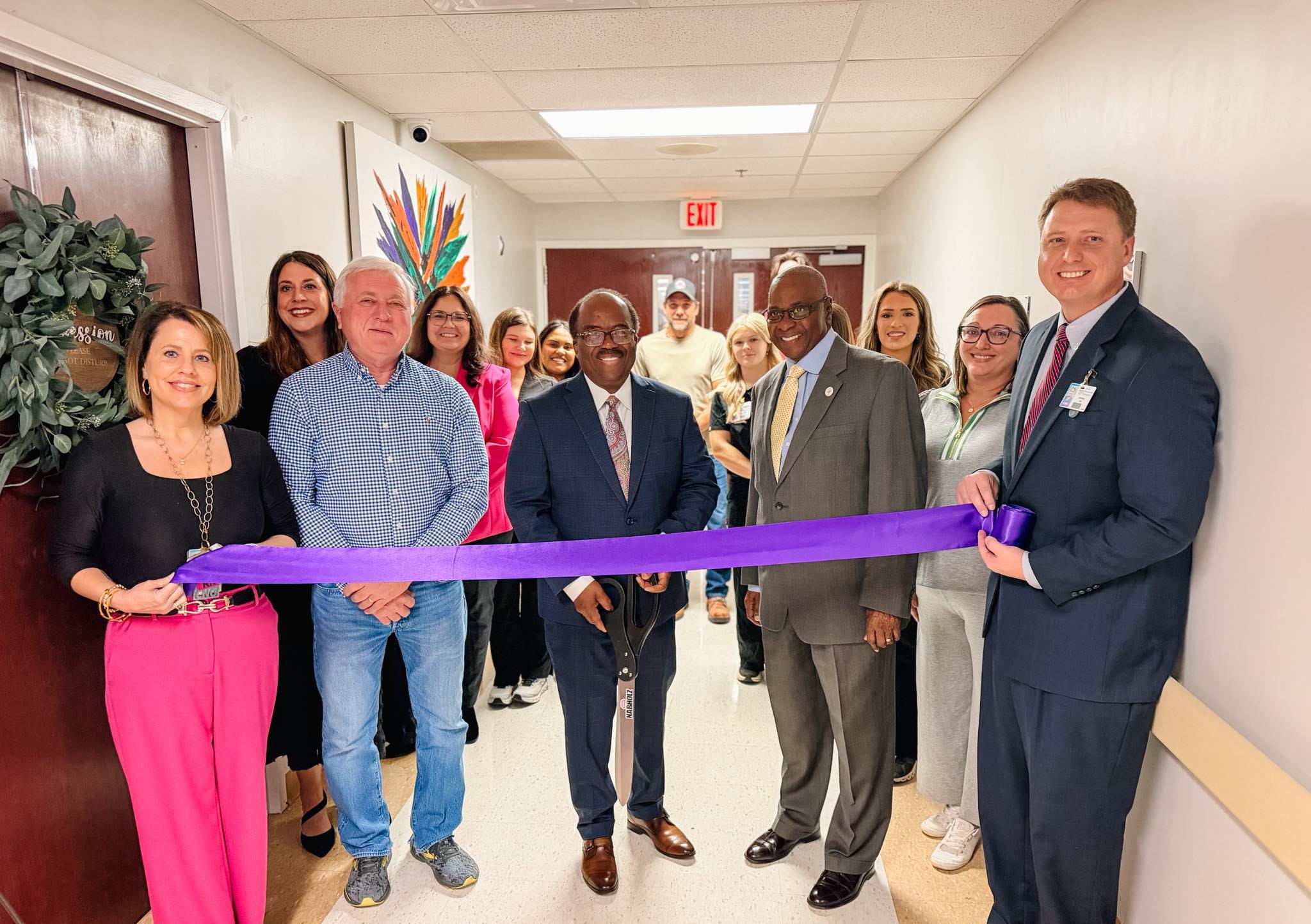
On March 2, 2026, Delta
Mississippi County Hospital System in northeast Arkansas has appointed Lacey Carter as its new CEO. Carter steps into the executive role with extensive rural healthcare leadership experience and a strong operational and clinical background in women’s health and regional obstetric services.
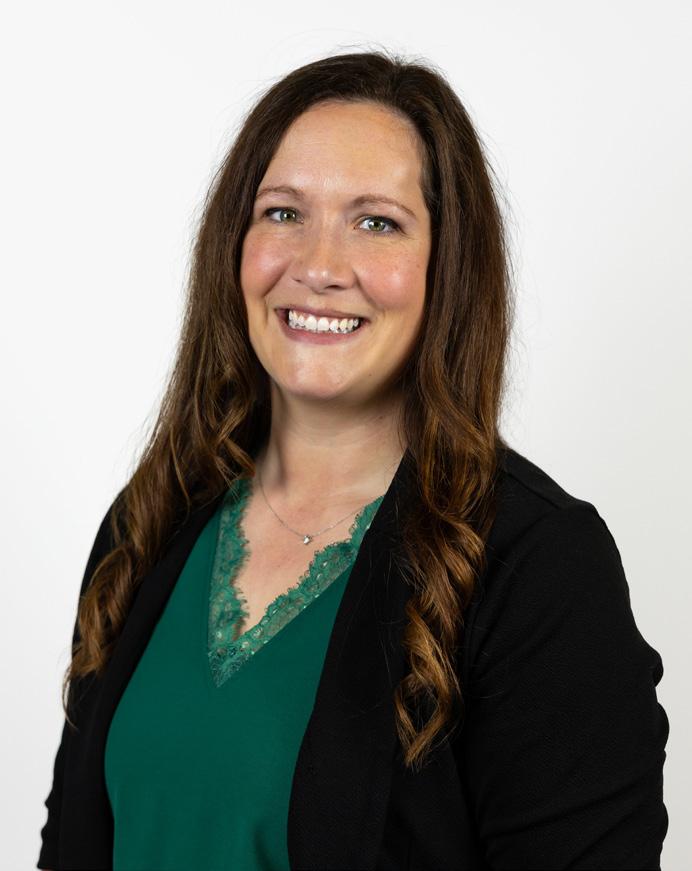
Lacey Carter
The University of Arkansas for Medical Sciences (UAMS) Institute for Community Health Innovation has launched the Advancing Doulas and Perinatal Teams (ADAPT) Toolkit to improve maternal health outcomes by strengthening collaboration between doulas and clinical care teams. The comprehensive resource provides evidence-based models to integrate doulas into hospital systems, building on recent state measures that made doula services reimbursable by Arkansas Medicaid. The Institute is currently piloting the toolkit with Mercy Hospital Northwest Arkansas, where 45 clinical staff members have completed the training, yielding a 47% increase in staff understanding of the doula scope of practice. Backed by the Arkansas Office of Skills Development, the broader initiative has trained more than 50 doulas with plans to train an additional 25 statewide this year to drive continuity of care and address maternal and infant mortality rates.
J. Larry Shackelford retired as President and CEO of Washington Regional Medical System following a 35-year career in Northwest Arkansas healthcare. Shackelford joined the system in 2010 and served as chief executive since 2017; he will transition into a role as a governmental affairs advisor for the health system. The Washington Regional Board of Directors has named Lucas Campbell, MD, as his successor. Dr. Campbell joined the system in 2023 and most recently served as Senior Vice President of Clinical Enterprise and Strategy. A practicing pathologist with over 17 years of local healthcare experience, Dr. Campbell previously served as President and CEO of Northwest Arkansas Pathology Associates and on Washington Regional’s board of directors.
Photos Provided
Memorial leadership, providers, staff, and community partners gathered to celebrate the opening of the newly expanded OB Department.
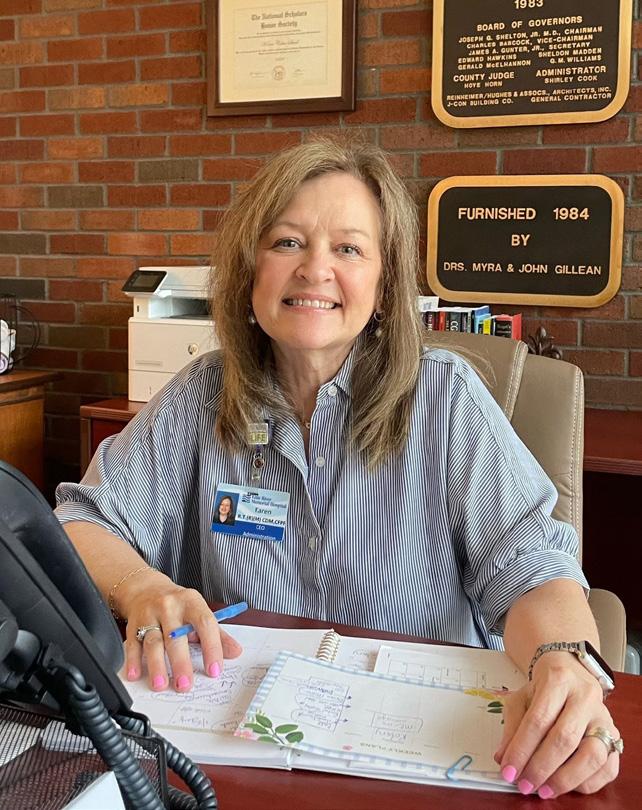
Little River Medical Center has named Karen Coker Steed as its new President and CEO. Steed brings deep institutional knowledge and a strong connection to the local community, having spent more than three decades serving the healthcare organization prior to her appointment to the chief executive role.
The Chartis Center for Rural Health has named two Arkansas-based Mercy facilities to its 2026 national list of Top 100 Critical Access Hospitals. Mercy Hospital Berryville and Mercy Hospital Paris were both recognized for demonstrating strong patient outcomes, high operational efficiency, and financial resilience. The rankings are determined by the Chartis Rural Hospital Performance INDEX®, an objective, datadriven industry assessment now in its 16th year. As Medicare-designated critical access facilities, both the Berryville and Paris locations are capped at 25 inpatient beds and maintain mandatory 24/7 emergency services to provide essential care to rural communities.

Mena Regional Health System has permanently appointed Paul Ervin as Chief Executive Officer and Chief Financial Officer, following a unanimous vote by the Mena Hospital Commission on June 3, 2026. Ervin, who has served as the health system's Chief Financial Officer since June 2020, took on the additional role of Interim CEO in January 2026 to guide the organization through a period of leadership transition. In his dual capacity as CEO and CFO, Ervin will lead the system's financial operations, strategic growth initiatives, and clinical care enhancements across its service area in western Arkansas and eastern Oklahoma.
The Arkansas Department of Health (ADH), in partnership with Governor Sarah Huckabee Sanders and the Department of Human Services , has launched "Claim Your Care," a coordinated, statewide campaign designed to connect women to prenatal and postpartum care. The initiative utilizes ADH’s network of 92 Arkansas Health Units across all 75 counties to serve as local entry points for pregnancy testing, clinical care coordination, and nutrition support, offering services at no out-of-pocket cost to uninsured individuals. This outreach effort aligns with the state's broader maternal health strategy under the Healthy Moms, Healthy Babies Act. Signed into law last year, the legislation directs $45 million toward maternal health initiatives, including the establishment of presumptive Medicaid eligibility for pregnant women, new reimbursement pathways for community health workers and doulas, and expanded coverage for remote patient monitoring.
Dallas County Medical Center has announced the retirement of David Mantz from full-time leadership, concluding a healthcare career that spanned more than 40 years. Mantz, who spent the last 20 years in executive roles including CEO, will transition into a strategic advisory role for the medical center. He is succeeded as Chief Executive Officer by Trapper Denton, MHA, who previously served for three years as the hospital’s Chief Financial Officer. Denton brings over 15 years of clinical and executive experience to the role, holds a Certified Healthcare Financial Professional (CHFP) credential, and will lead the facility's focus on sustainable growth and expanded care access.
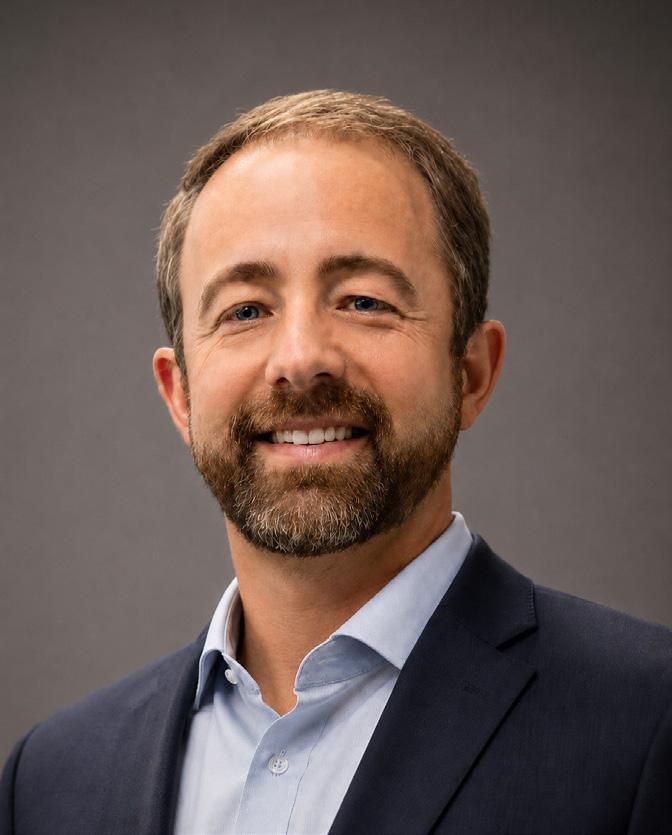
David Mantz, left, retired in May and is succeeded by Trapper Denton, MHA.
Karen Coker Steed

Inside AHA Analytics Meet the Director
Data is only as valuable as the person translating it, and for Arkansas hospitals, that person is Donald McCormick. While many AHA members already know Don as a trusted resource, this issue pulls back the curtain on his leadership of the AHA Analytics Department. Read on to discover the face behind the numbers and see how his team’s tools can empower your strategic planning.
Donald McCormick is the Director of Analytics and Financial Policy at the Arkansas Hospital Association (AHA). He joined AHA in May 2023, succeeding Melanie Thomasson, and brought with him a background in healthcare systems, economics, and data science. Prior to joining the AHA, he served as the founding director of the Health Informatics program at the Arkansas Department of Health, where he led data modernization initiatives and advanced the use of analytics to inform public health decision-making.
At the AHA, Donald leads the collection, curation, and development of data resources that support Arkansas hospitals in navigating an increasingly complex financial and regulatory environment. His work sits at the intersection of analytics and policy. On one hand, he oversees the technical infrastructure and reporting systems that equip hospital leaders with timely, relevant data. On the other hand, he authors and coordinates federal comment letters on financial, reimbursement, and cybersecurity policy issues that directly affect hospital operations and sustainability.
Under his leadership, the AHA Analytics program manages a comprehensive portfolio of data services. These include the Market Share and Care Optics dashboards, developed in partnership with the Hospital Industry Data Insitute (HIDI), which provide hospital leaders with actionable insights into utilization trends and competitive dynamics. In collaboration with DataGen, the program
produces the biannual Hospital Economic Impact Reports and the Financial Policy Impact Dashboards, equipping policymakers and stakeholders with clear evidence of hospitals’ economic contributions and the implications of proposed reimbursement changes.
Donald also oversees the distribution and collection of the AHA Annual Survey, ensuring that member hospitals’ data are accurately captured and translated into meaningful statewide insights. The Vitality Index, administered in partnership with Hyve Health, offers a structured framework for assessing hospital financial health and performance over time. In addition, he curates the information published in the Summer Statistics magazine and administers the Annual Compensation and Benefits Survey in partnership with Gallagher, providing members with benchmarking data for workforce planning and compensation strategy.
Beyond analytics, his role includes active engagement in federal regulatory processes. He responds to proposed rules released by the U.S. Department of Health and Human Services and its agencies, including the annual Inpatient and Outpatient Prospective Payment System rules, changes to Medicare reimbursement methodologies, cybersecurity requirements, and updates to HIPAA privacy and security regulations. Through technical analysis and coordinated feedback, AHA ensures that the voice of Arkansas hospitals is represented in national policy discussions.
THE PROGRAM IS
DESIGNED TO
EQUIP ARKANSAS HOSPITALS
WITH THE TOOLS AND TALENT
THEY NEED TO NAVIGATE UNCERTAINTY, ADVOCATE EFFECTIVELY, AND SUSTAIN ACCESS TO CARE.

In addition to strengthening existing services, the AHA Analytics program has expanded to meet emerging needs across the membership.
One of the most impactful additions has been the launch of structured one-on-one reimbursement and claims management meetings. Through this initiative, AHA Analytics works directly with individual hospitals on a monthly or quarterly basis to review revenue cycle management processes, payer mix trends, denial patterns, and reimbursement performance. These sessions are designed to be practical and solution-oriented by identifying operational opportunities, highlighting regulatory changes that may affect billing practices, and connecting hospitals with relevant data tools. By combining policy insight with operational analytics, these engagements help hospitals proactively address financial pressures rather than react to them.
Another major development is the AHA Data Hub, a public-facing dashboard application designed to increase transparency and strengthen data-informed advocacy. The Data Hub provides comprehensive information on hospital services across Arkansas, public payer enrollment volumes, and access-to-care metrics. Using drive-distance calculation and geospatial analysis, the platform illustrates how hospital services intersect with community needs and population distribution.
To further support AHA’s advocacy agenda, the Analytics program has also developed the Arkansas Tracking and Legislative Analysis System (ATLAS). ATLAS represents an innovative approach to state and federal advocacy by aligning hospital data with legislative tracking tools and dynamic dashboard features. The system integrates financial, utilization, and community impact data with proposed legislation and regulatory activity, enabling stakeholders to evaluate the real-time implications of policy proposals.
The Analytics program has also expanded its role in workforce development through a new fellowship program established in partnership with the University of Arkansas for Medical Sciences College of Public Health. Overseen by the Analytics team, the fellowship provides graduate students pursuing careers in healthcare policy and management and health administration with hands-on experience in applied analytics, financial policy review, and hospital operations. Fellows engage directly with real-world data, contribute to dashboard development and policy analysis, and gain exposure to the regulatory and financial landscape shaping hospital strategy in Arkansas. This initiative not only strengthens the next generation of healthcare leaders but also deepens the analytical capacity supporting AHA’s mission.
Together, these initiatives reflect a broader evolution of the AHA Analytics program. By combining data infrastructure, regulatory analysis, member-facing technical support, and workforce development, the program is designed to equip Arkansas hospitals with the tools and talent they need to navigate uncertainty, advocate effectively, and sustain access to care.
In the sections that follow, each of the major services provided by the AHA Analytics program will be described in greater detail, highlighting how these resources support our members and strengthen the healthcare landscape across Arkansas.

HIDI: Turning Data Into Insight and Insight Into Action for America’s Hospitals
How a 40-year legacy of trusted analytics is helping hospitals navigate today’s most complex challenges
For more than four decades, the Hospital Industry Data Institute has helped hospitals transform data into meaningful insights. Today, as a national hospital data and analytics company, HIDI provides intelligence hospitals need to strengthen operations, improve care and better understand the communities they serve.
A LEGACY BUILT ON BETTER DATA
Hospitals have always needed reliable information to make informed decisions. But as the healthcare landscape grew more complex, the need for standardized, trusted and actionable data became essential. That need is what led to the creation of HIDI more than 40 years ago.
Founded by the Missouri Hospital Association, HIDI began as a statewide data initiative. Over time, it expanded into a national analytics leader supporting nearly 2,400 hospitals and health systems across 15 states. Today, HIDI is the largest state hospital association data partner in the country.
WHY HIDI MATTERS TODAY
Healthcare leaders face unprecedented pressures: workforce shortages, shifting payer dynamics, rising financial risks and increasing demands for transparency. HIDI’s mission — to provide better data for better decisions — has never been more relevant.
HIDI’s strength lies in its role as a neutral convener of data, connecting information across providers, states and stakeholders. This unique position allows HIDI to deliver the following.
• Unparalleled methodological depth
• Advanced analytics from descriptive to predictive
• Custom studies and research support
• Visualization tools built for real-world hospital workflows
• Bench strength and expertise that smaller vendors cannot match
“What makes HIDI special is the trust we’ve built with hospitals over generations. We understand the responsibility that comes with stewarding healthcare
data, and we’re committed to helping leaders use that information to make thoughtful decisions for their patients, staff and communities.”
— Brandon Hutchison, Senior Vice President of Research, Data and Information Services, MHA and HIDI
THE TOOLS HOSPITALS RELY ON
As a core partner in the AHA Analytics program, HIDI offers strategic insights and visualizations through Market Optics and Care Optics dashboards within AHA Analytics — tools designed to support strategy, performance improvement and regulatory readiness.
MARKET OPTICS
Understanding your market, your patients and your opportunities
Market Optics helps hospitals understand where patients come from, where they go and how market share is shifting across service lines. For Arkansas hospitals, this includes valuable visibility into cross-border care patterns — such as tracking Arkansas residents who seek care in neighboring states like Missouri — helping leaders better understand out-migration and competitive dynamics.
Hospitals rely on Market Optics to:
• Identify growth opportunities
• Understand out-migration and patient flow patterns
• Track referral trends
• Support strategic planning and service-line development
CARE OPTICS
Improving quality, performance and patient outcomes
Care Optics provides comprehensive insight into quality, utilization and outcomes across inpatient and outpatient settings. Designed to align with national standards, the platform supports hospitals in meeting Centers for Medicare & Medicaid Services (CMS) and The Joint Commission (TJC) requirements while improving performance in value-based care programs.
Within the AHA Analytics subscription, Care Optics include robust measure sets and domains such as:
• Hospital-acquired conditions
• AHRQ quality and safety indicators
• 30-day readmissions
• Social determinants of health
Hospitals use Care Optics to:
• Compare performance against peers
• Identify drivers of variation in quality and safety outcomes
• Strengthen documentation and coding, including comorbidities and SDOH Z-codes
• Monitor clinical variation and target improvement efforts
“HIDI’s Market Share and Care Optics dashboards have become an important asset for the Arkansas Hospital Association’s advocacy and analytics work, giving our team and more than 200 active member users clear, actionable insights. Our hospitals value the ability to easily understand service-line market share, support planning and expansion decisions, monitor readmission rates, and benchmark quality performance against their peers.”
Don McCormick, Director of Analytics and Financial Policy, AHA
WHY HOSPITALS CHOOSE HIDI
Hospitals rely on HIDI because we offer the following.
• Decades of experience and deep industry expertise
• Trusted validated data that supports compliance and reporting
• Analytics built for hospital workflows
• Customizable solutions for unique state or system needs
• A collaborative approach grounded in long-term partnerships
Most importantly, HIDI helps hospitals focus on what matters most — delivering high-quality, effective, efficient care. As healthcare continues to evolve, HIDI remains committed to delivering deeper insights and better outcomes.
EXPLORE THE HIDI ADVANTAGE
HIDI’s full analytics suite — including Market Optics, Care Optics and Social Determinants dashboards — is available at hidiadvantage.org. Scan the QR code to learn more.
WHY HIDI? - HOSPITAL INDUSTRY DATA INSTITUTE


Hospitals’ Success Partnering with DataGen
Arkansas hospitals face a relentless volume of policy change, regulatory pressure and financial uncertainty. Making sense of it and doing something about it requires more than access to data. It requires data structured around the questions hospitals actually need to answer.
DataGen has been a partner for healthcare organizations across the country for more than two decades. The AHA has built its relationship with DataGen around that same premise: giving member hospitals the analytics, policy intelligence and operational tools they need to act, not just understand.
MEDICARE PAYMENT ANALYSIS: BUILT FOR ADVOCACY AND THE BOARDROOM
DataGen’s Medicare payment analysis tools give hospitals a clear financial picture of how enacted and proposed federal policy is affecting their bottom line. The enacted changes analysis covers more than 15 years of cumulative Medicare payment adjustments. It doesn’t just show what has already happened; it projects how current policy trajectories will affect reimbursement over the next 10 years if left unchanged.
That forward-looking view matters in planning. Hospital finance teams can use this analysis to build defensible budget assumptions, model reimbursement risk years out and document the case for adequate public investment when advocating before policymakers.
A companion analysis tracks proposed legislation and policy alternatives currently under review in Washington. Hospitals can model what different scenarios mean for their finances to provide a datadriven argument for or against certain policies, giving them a firmer foundation even in uncertain political conditions.
ECONOMIC IMPACT: THE STORY YOUR COMMUNITY NEEDS TO HEAR
Hospitals are anchor institutions. They create jobs, generate wages and keep local economies functioning in ways that extend well beyond clinical care. DataGen’s hospitalspecific economic impact analysis quantifies that contribution with data your community members, local officials and media can understand and act on: a documented, datagrounded case for the role a hospital plays in its community.
Hospitals that can clearly articulate their economic footprint are better positioned to build community support, protect their reputations and secure the public investment they’ve earned.
PATIENT SAFETY CULTURE: FROM SCORES TO ACTION
DataGen’s patient safety culture solution, DataGen CSI is built around the Agency for Healthcare Research and Quality Surveys on Patient Safety Culture. The goal isn’t benchmarking for its own sake. It’s giving quality and clinical teams the data infrastructure to identify where communication breaks down, where processes create risk and where targeted attention will drive measurable improvement.
Too many organizations collect survey results and stop there. DataGen’s approach connects the data to structured action planning so patient safety culture improves in practice, not just on paper.
COMMUNITY HEALTH NEEDS ASSESSMENT
Nonprofit hospitals are required to complete a triennial Community Health Needs Assessment under IRS 501(r) and rely on rigorous, current community-level data. DataGen supports that process with the analytics and structured methodology to produce a community health needs assessment that holds up to regulatory scrutiny and informs a genuine community benefit strategy, not just a compliance exercise.
VALUE-BASED CARE EXPERTISE WHEN THE STAKES ARE HIGHEST
HOSPITALS ARE ANCHOR INSTITUTIONS.
DataGen brings more than a decade of experience supporting hospitals in Medicare bundled payment programs, including eight years of direct work in the Comprehensive Care for Joint Replacement model. As CMS moves toward mandatory nationwide participation in CJR-X under the FY 2027 proposed rule, that depth of experience is immediately relevant to Arkansas hospitals assessing their exposure and building an operational response.
WHAT THE ASSOCIATION RELATIONSHIP MEANS FOR YOUR HOSPITAL
AHA members receive these DataGen resources through the association’s partnership. The analysis, the data and the expertise behind them are already working on your behalf.
DataGen’s commitment is that hospitals can put that work to use, with the support to act on it, not just read it.

Navigating the Digital Shift: Fresh Perspectives from the AHA GraduateAnalytics Fellow
By Hart Black, CPH, AHA Graduate Fellow
Arkansas hospitals face mounting regulatory, financial, and external pressures that challenge the work we do day in and out. Each generation of the healthcare workforce is met with a new challenge whether it’s the introduction of electronic health records, an industry-wide digital shift, or most recently, the infusion of artificial intelligence, or AI into our daily routine. It can be frightening, with concerns about the loss of entry level jobs or uncertainty about how to apply these novel technologies to best serve patients. On the flipside, we’re presented with the ability to adapt and educate our workforce, turning uncertainty into opportunity.
In my eighteen months with the Arkansas Hospital Association, I was witness to the adaptability and ingenuity of the entire team. Under the mentorship of Donald McCormick, Director of Analytics and Financial Policy, I took my passions for public health and strengthening the wellbeing of communities, applied them to complex projects, and built the foundation for what I hope to be an enriching and fulfilling career.
Artificial intelligence is fast-tracking the products and services offered by the association. As a fresh college graduate, I was eager but timid to dive into projects, yet on my first day, I was thrown into fresh opportunities, without a chance to think twice. Utilizing AI equipped me to take part in the development of the Arkansas Data Hub, a one-stop shop for all things Arkansas hospitals. The dashboard is flush with data on hospital services by region, highlighting gaps in access to care, and revealing trends in Medicaid, Medicare, and Medicare Advantage enrollment across the state. Since the application went live, the Hub has served as a go-to resource for stakeholders seeking timely, data-driven insight into Arkansas hospital services, illustrating the access to care risk posed, should service lines shutter.
Last fall, I was offered an opportunity to present our maternal and child health research at the American Public Health Association Meeting & Expo in Washington D.C. It was a proud moment representing the Association and the state on an international level, and our findings on the fiscal impact of adverse birthing outcomes represent the Association’s commitment to advancing the quality of care provided by members in all Arkansas communities. This commitment was only reinforced at the 2025 Annual Meeting. There, hospital leadership showcased their excellence in leading, navigating, and embracing changes to healthcare delivery.
Beyond research and data analytics, I learned an immense amount about the value of building relationships with government affairs stakeholders. Members trust AHA to carry their voices to the state Capitol to ensure Arkansas hospitals’ long-term health and sustainability. As new technologies and artificial intelligence continue to reshape how hospitals operate and deliver care, that leadership feels more important than ever. There is still work to be done, and as I close out my experience as AHA’s Graduate Fellow, I’m left with an overwhelming sense of gratitude for the time and resources the Association has invested in me. I also walk away knowing that AHA has the proper knowledge, skills, and direction to lead Arkansas hospitals through whatever the next era of healthcare demands.
THERE IS STILL WORK TO BE DONE, AND AS I CLOSE OUT MY EXPERIENCE AS AHA’S GRADUATE FELLOW, I’M LEFT WITH AN OVERWHELMING SENSE OF GRATITUDE FOR THE TIME AND RESOURCES THE ASSOCIATION HAS INVESTED IN ME.

Hart
Black, CPH, served as the inaugural AHA Graduate Fellow.



Calculated Impact: CFO JefferyJeremyLeads with Intention in Pine Bluff
By Becca Bona
Acentral Arkansas native, Jeremy Jeffery grew up in Mayflower, Arkansas. He’s spent two decades working as a “numbers guy” for Jefferson Regional, but if you’d asked him what he wanted to be when he grew up, his answer was far from the medical arena.
“When I was a little kid, I wanted to be a banker when I grew up,” he remembered, smiling. Growing up in a working-class family, the business nature of the banking world appealed to him, even though he didn’t yet have a specific affinity for numbers.
As it turns out, accounting isn’t just about math. “A lot of times folks associate accounting with math, and these are not the same thing. I think accounting is more about organizing financial information, and I’m very much an organized person. I plan with a tight calendar and task lists, and I like to bring order to the world however I can,” he said.
Because of that innate desire for order, Jeffery initially thought he’d end up in engineering or even law school after high school. With those goals in mind, he set
Jeremy Jeffery, Senior Vice President and Chief Financial Officer, Jefferson Regional

Stronger Hospitals, Smarter Solutions.
Connect with us
Chris Newkirk Area Vice President chris_newkirk@ajg.com (501) 485-3082
© 2025 Arthur J. Gallagher & Co. | GBSUS104196
Bill Birch Senior Area Vice President bill_birch@ajg.com (501) 614-1170


his sights on the University of Central Arkansas (UCA) in Conway. However, his uncle, a professor at UCA, advised him to major in a field that would give him a solid fallback plan should he decide against the legal route.
“I originally chose finance,” he remembered, “And then one of my accounting professors convinced me to change my major to accounting.”
Dr. Mike Moore noted that an accounting degree opens almost any professional door — an idea that appealed to Jeffery’s practical side. “I was ready to get out and start making a living,” he said. By then, he had ruled out law school and shifted his focus to finding a start to his career, a search that unexpectedly led him straight into healthcare.
FORMATIVE YEARS: CRUNCHING NUMBERS, FINDING PURPOSE
Jeffery happened to be in the right place at the right time during a recruiting event at UCA, where he was introduced to Susan Davenport with BKD, LLP (now Forvis Mazars).
“She was the partner that did the oncampus interviews at UCA,” he recalled. “I interviewed with Susan during two different UCA events. I guess the second time was the charm, because they invited me to their office for an interview where she and her partners offered me a job with the firm.”
Although BKD served multiple industries, Jeffery’s path into healthcare was set when Davenport called him during the summer between graduation and his start date to ask him to join that specific team. Even though he didn’t yet know the ins and outs of what serving healthcare clients would entail, he quickly accepted the opportunity. “It was a decision made in less than 30 seconds that set the rest of my career path.” AJG.com | The Gallagher Way. Since 1927.

More than a hospital, Jefferson Regional operates as a selfcontained ecosystem encompassing logistics, technology, hospitality, and financial services to provide vital healthcare access for Jefferson County and beyond.
Jeffery has remained in the healthcare finance sector ever since taking that initial job with BKD. He worked at the firm for about three years before moving to Hudson Cisne & Company, LLP (now HCJ CPAs & Advisors), a smaller firm located in West Little Rock. While still serving clients in the medical field, he was also able to explore the profession outside of the industry. He stayed there for two years before ultimately finding his way back to a focus on healthcare finance.
A former BKD colleague, Brock Holman (who now serves as Corporate Vice President of Finance at Baptist Health), happened to be working at Jefferson Regional at the time. He called Jeffery one day and asked him to consider a position as accounting manager.
“I had been able to work in some other industries and realized that working in healthcare was uniquely interesting,” Jeffery said. “It’s challenging but rewarding. I thought I might have some knowledge and experience that could be helpful in a hospital setting. Brock talked me into it, and I went to work for Jefferson Regional.”
IT WAS A DECISION MADE IN LESS THAN 30 SECONDS THAT SET THE REST OF MY CAREER PATH.
He joined the hospital in 2008 and steadily advanced into executive leadership, now serving as the Senior Vice President and Chief Financial Officer. Jeffery credits his longevity to a genuine love for the work and the community the hospital serves, but also to thriving within the internal culture.
“I started out as an accounting manager, and pretty much sat in my office all day, crunching the numbers and putting together reports and things,” he recalled. “Now I’ve got many other leadership responsibilities outside of the core of finance and accounting, ultimately, I help set direction and advise.”
University of Arkansas Online MSN Program a Top Choice for Nurse Leaders
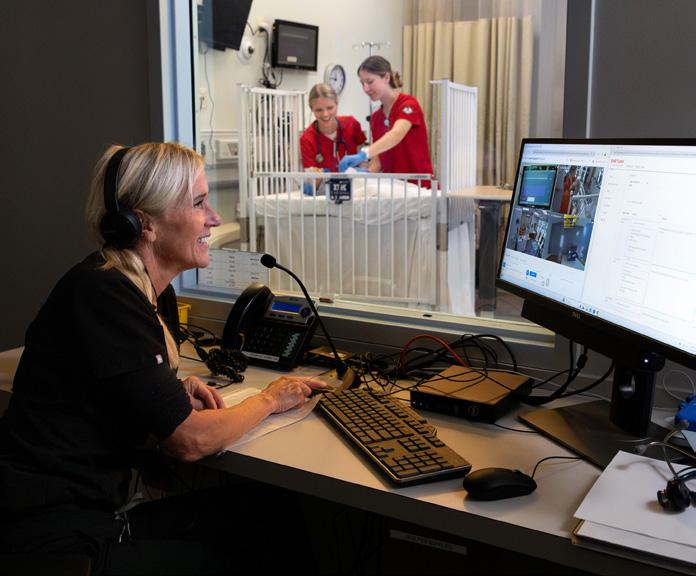
The online Master of Science in Nursing program at the University of Arkansas’ nationally ranked Eleanor Mann School of Nursing (EMSON) stands out for its supportive leadership and equipping nurses with the skills they need to excel in an evolving healthcare environment.
EMSON’s new executive director, Carrie McDermott, said that as healthcare and education continue to change, particularly with the growing influence of AI, the school’s MSN faculty remain committed to advancing the curriculum to reflect emerging technologies and to prepare graduates for the future of nursing education and clinical leadership.
“We are proud of the Eleanor Mann School of Nursing MSN program for its contributions to building the nursing workforce and strengthening academic nursing,” she said.
Michele Kilmer, assistant director for graduate programs at EMSON, said nursing is central to the future of healthcare, and preparing leaders who can adapt, innovate and drive meaningful change is critical to the school’s mission as a land-grant institution serving rural and medically underserved communities.
The MSN program is delivered in a flexible online format that supports nurses nationwide, ensuring that graduates are prepared to thrive in dynamic clinical and academic environments and to thoughtfully integrate innovation into learning and practice.
Learn more about EMSON’s programs at nursing.uark.edu.
Balancing high-level strategy with meticulous detail is exactly what keeps him engaged. Plus, the hospital setting perfectly aligns with Jeffery’s greater mission — his “why” behind going to work every day. “I need to be working on something that I know is serving some greater good, and that’s one of the unique things about healthcare,” he said. “Yes, we’re operating a business, but there’s a more important mission involved – we’re serving a community.”
In fact, Jeffery lives in North Little Rock but happily makes the commute to Pine Bluff because of Jefferson Regional's impact. “There’s something special about our hospital and the community that it’s serving. We've got such a great team of folks to work with. The healthcare access we are providing for Jefferson County and Pine Bluff, and really the whole region of the state, is vitally important” he said. “It makes it easier to stay motivated [...] knowing you’re working for a good purpose.”
About a decade ago, hospital leadership made a highly intentional push to shift the organization's culture toward a more patient-centered, accountable and collaborative environment. It is an effort that has clearly paid off. “I think we’ve got something special at Jefferson Regional. We built a great culture, and we’ve got an excellent team,” Jeffery said. “We’ve got strong patient satisfaction and employee engagement scores, we’re doing everything within our power to improve the financial picture, and we’ve got strong outcomes in other areas as well.”
BALANCING THE CRITICAL REALITIES OF RURAL HEALTHCARE
Jeffery couldn’t imagine working in any other field. He finds hospitals fascinating, describing them as unique, self-contained ecosystems. “In addition to providing direct patient care, we essentially operate a restaurant and catering business, a laundry business, a construction company, coordinate complicated logistics, and provide technology and financial services, among many other things.” Providing financial and strategic leadership for all of these distinct functions has propelled him to become a high-level subject matter expert on a wide array of subjects.
When looking to the future, his biggest concern comes down to the growing discrepancy between payer reimbursement rates and the actual cost of delivering modern, high-quality care. To explain, he offers a simple grocery store analogy that anyone can relate to: when the cost of milk goes up, a grocery store adjusts its prices and passes that cost onto the consumer.
“Then it’s up to the consumer – do you still buy the gallon of milk? [...] The consumer pays for it, and the grocery store sells the gallon of milk, and they’ve made the margin they need to make.”
But healthcare operates under entirely different rules. “Folks need healthcare regardless of whether they can pay for it or not,” he said. “And we really have no control over the prices.”
Most hospitals rely heavily on governmental payers like Medicare and Medicaid, alongside commercial health insurance, to cover the bills. Crucially, the reimbursement rates are largely dictated by those payers, not set by the hospitals. It is a complex reality that is notoriously difficult to communicate to the public. “I just don’t know if there is a simple way to distill it for your average non-healthcare finance person to truly wrap their heads around it, and until we can figure out a way to do that, they will never be in a position to put the right amount of influence on our on our policymakers to help make change in the community. That’s the quagmire we’re in.”
Q& A LEADERSHIP
WITH JEREMY JEFFERY
What’s on your music playlist?
A lot of folks say they listen to a little bit of everything, but you could browse my treasured vinyl record collection to prove I mean it. Recently, I have been listening to artists like Chris Stapleton and Tyler Childers, but there is usually some Stax soul, 90’s alternative, or yacht rock mixed in for balance. When my little boy is with me, we are probably rocking The Wiggles!
What is the best advice you were ever given?
My dad might not remember it, but he once said, “you gotta be smarter than the toys you play with.” That may sound silly, but for me it symbolizes something deeper. I strive to understand the origin, inner-working, and purpose of things — rarely accepting what I observe on the surface.
Do you have a favorite movie? Why do you like it?
While I would not consider myself a pop culture or sci-fi fan, the only movies I find myself regularly rewatching are the Star Wars films. Besides the comfort that comes from a story that you’ve known for so long, I appreciate the flawed but good-hearted humanity and subtle humor seen in the heroes, even when they face destruction at the hands of formidable forces.

What are you reading?
What do you like to do in your down time?
With a toddler in your life, there is not much down time. When I do find some, it tends to revolve around the water. I like to fish. We like to spend time playing on the lake during the summer. And, honestly, just taking a quiet moment to relax while looking out over the water with cup of coffee or a colder beverage is pretty hard to beat.
Do "Brown Bear, Brown Bear" and "Goodnight Moon" count? If not, I have recently started reading "Co-Intelligence: Living and Working with AI," which was recommended by Brent Beaulieu (CFO at Baptist Health). As bedtime reading fodder, I am re-reading George Orwell’s 1984.
What is something people don’t know about you? I have a creative side beyond the obvious analytical side. Several years ago, my band entered and was accepted into the Arkansas Musician’s Showcase contest, but we declined to participate and I don’t think we ever played together again! I read some of my poetry as part of the Arkansas Literary Festival several years ago. On occasion, I sketch and do linoleum relief printmaking.
Where would you travel, if you could go anywhere? While I do love a good road trip, I grumble at the hassle of air travel. I also like variety, so the time investment in a long trip to one far-off land is not super appealing. If I could snap my fingers and appear wherever I wanted around the globe, a few places I would like to see include Alaska, Scotland and Japan.
What’s a life-changing lesson COVID-19 has taught you? Like they say in the investment world, “past performance does not guarantee future results.” Things can change in the most unexpected ways. Much of the disruption from the pandemic was negative, but there were also positive changes that came about in response to the pandemic. We have to look for the good in whatever adversity we face.
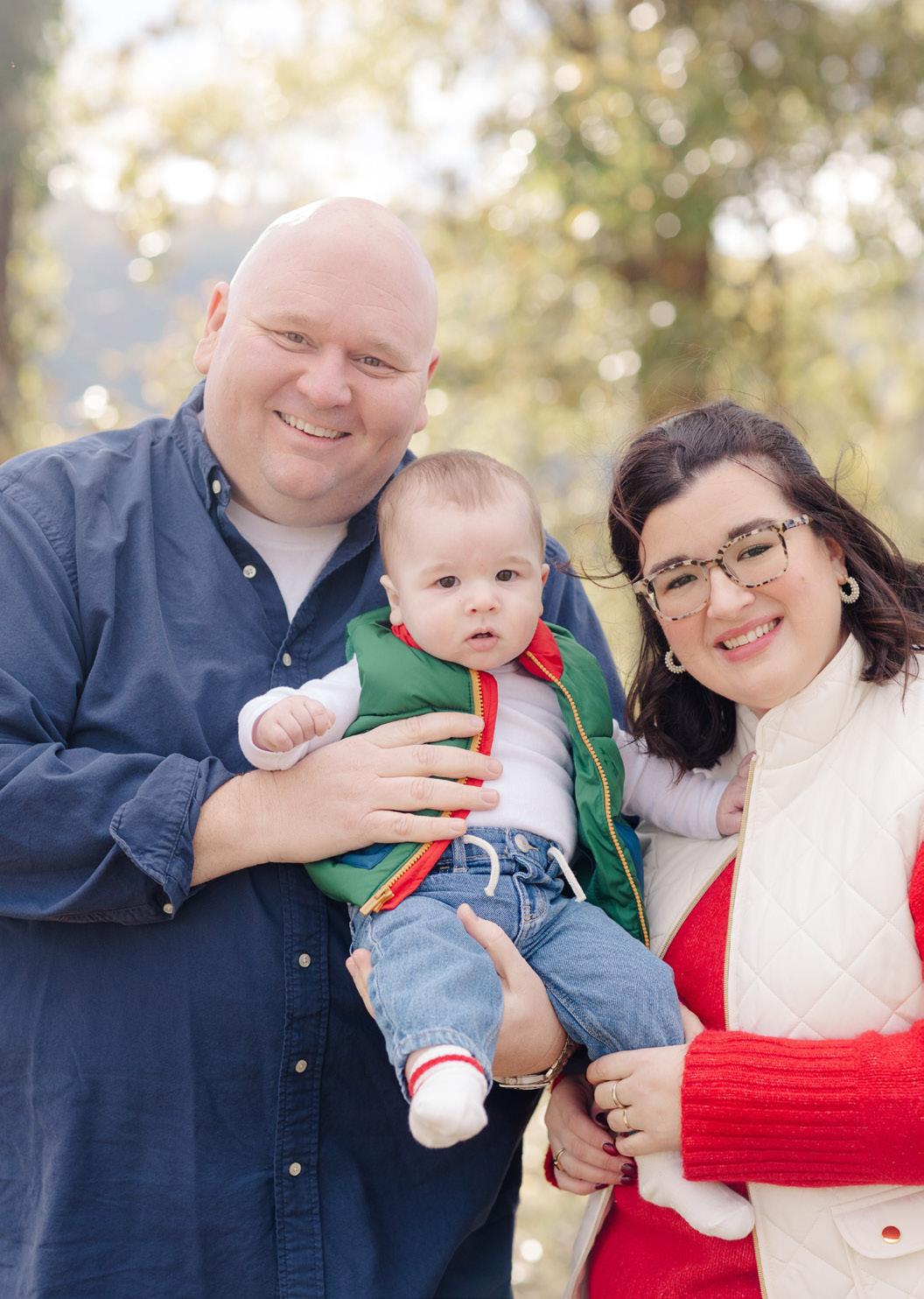
Jeffery also enjoys spending time with his wife Casey and their son every chance he gets. (Allison Maxwell Photography)
An outdoor enthusiast, in his free time Jeffery enjoys fishing for crappie.
While policymakers have grown accustomed to hearing hospitals talk about tight margins, Jeffery warns that these diminishing returns will have devastating, irreversible consequences if left unaddressed. For years, hospitals have been forced to squeeze out every ounce of inefficiency and pick and choose which services they can afford to keep offering. Eventually, those options will run out, and facilities will face closure.
“In some of these small towns in Arkansas, it’s not just about their healthcare. In a lot of these communities across the state, that hospital is the main economic driver of the community. It employs more people than anyone else does, so it’s not just a healthcare issue.”
Beyond trying to get more people attuned to the severity of the healthcare reimbursement problem, Jeffery sees emerging technologies, such as AI, creating opportunities but also significant challenges for hospitals. “The problem is technology costs money, and a lot of hospitals are not really in a position to make new investments in new technology hoping for the theoretical benefits. It is going to be a big challenge, probably not just for us, but for a lot of organizations,” he said.
Yet, Jeffery is able to remain positive because he knows just how vital it is to continue serving the community in Jefferson County. He also stays motivated by networking with his peers through Arkansas’s Healthcare Financial Management Association (HFMA) chapter.
“We have the opportunity to hear from folks in the industry through that organization,” he said. Hearing how others are navigating the same challenges helps keep him on track. Looking ahead, innovation is where he finds a silver lining for the industry. “We’re going to have to learn how to change and think innovatively,” he said. “Because if we keep trying to do the same thing the way we’ve always done it, we’re going to get the same outcomes, which are no longer sustainable.”
Ultimately, Jeffery has found his professional home at Jefferson Regional. For him, walking into the hospital each day is akin to being part of a big family. “Jefferson Regional’s culture is about accountability, striving for excellence, and working together for the benefit of our patients” he said. “We’re all working together as a family.” When he isn’t balancing the hospital's books, Jeffery enjoys spending time with his wife, Casey, and their 16-month-old child. They love to enjoy the great restaurants in central Arkansas and get outside together. When he gets a rare free moment, he likes to head to the lake to try his hand at crappie fishing.
IF WE KEEP TRYING TO DO THE SAME THING THE WAY WE'VE ALWAYS DONE IT, WE'RE GOING TO GET THE SAME OUTCOMES.
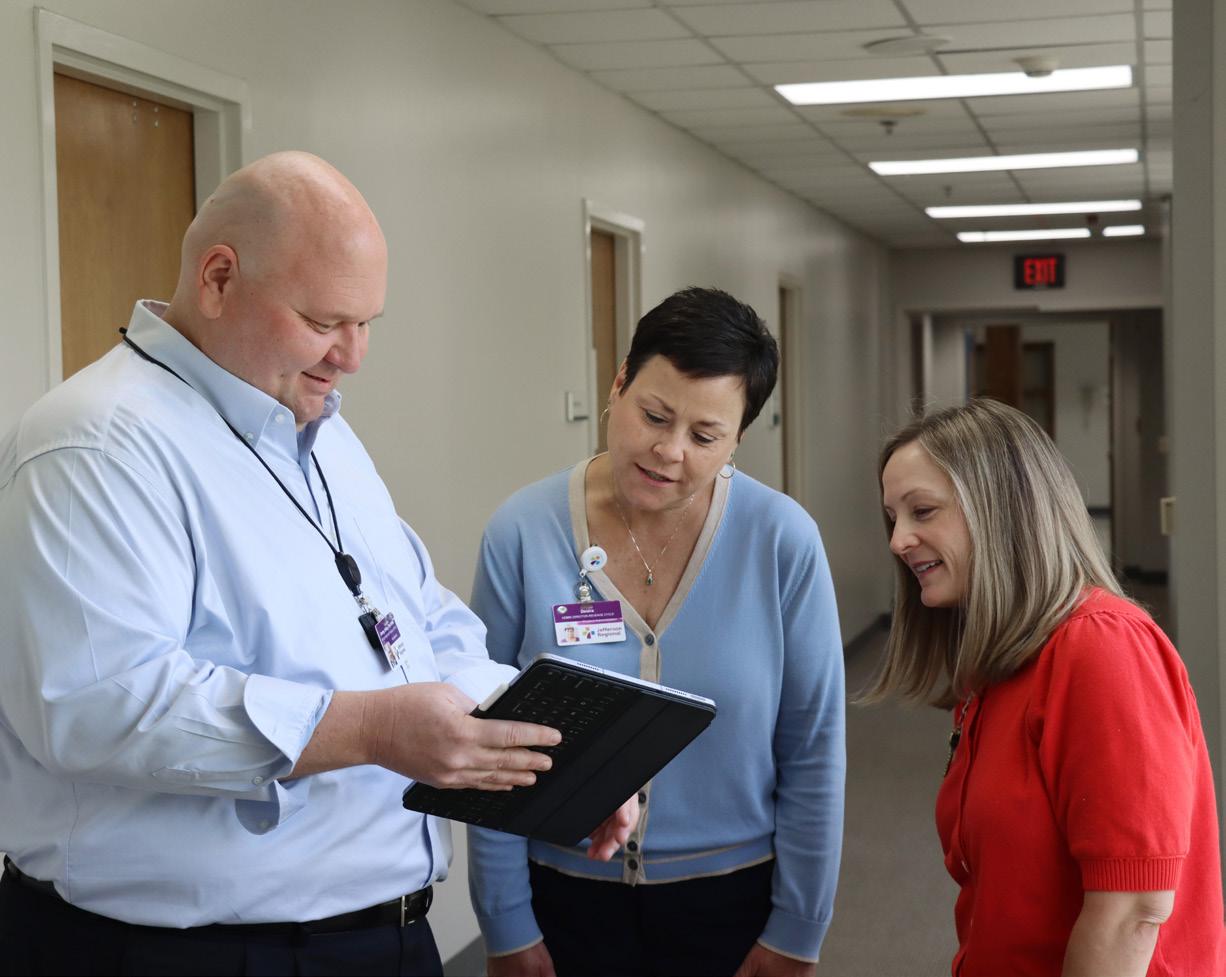
Jeffery confers with team members at Jefferson Regional. Jeffery emphasizes that balancing high-level strategy with meticulous internal collaboration is vital to navigating today's healthcare landscape.
STATISTICS ARKANSAS HOSPITAL 2026
KEY FINANCIAL INDICATORS
LOCAL TAX SUPPORT UNCOMPENSATED CARE COSTS
ARKANSAS HOSPITAL ASSOCIATION 2026 HOSPITAL STATISTICS
29 Arkansas Hospitals 2026 by the Numbers
30 Economic Impact of Arkansas Hospitals, 2024
31 Federal Policy Snapshot: H.R. 1
32 Hospital Funding Opportunity: Rural Health Transformation Program
33 AHA Members by City, Type, Size, and Services
36 AHA Members by Control and System Affiliation
38 Arkansas Hospitals Receiving Local Tax Support, 2026
39 AHA Member Organizations by Congressional District
40 Statewide Hospital Financial and Utilization Indicators, 2020-2024
41 Key Financial Indicators: Arkansas and Surrounding States, 2024
42 Comparative Financial Indicators: U.S. Community Hospitals
43 Inpatient and Emergency Department Discharges by Payer, 2024
00 Uninsured Inpatient Admissions and Costs, 2012-2024
44 Hospital Uncompensated Care Costs, 2020-2024
00 Top 20 Inpatient DRGs, 2024
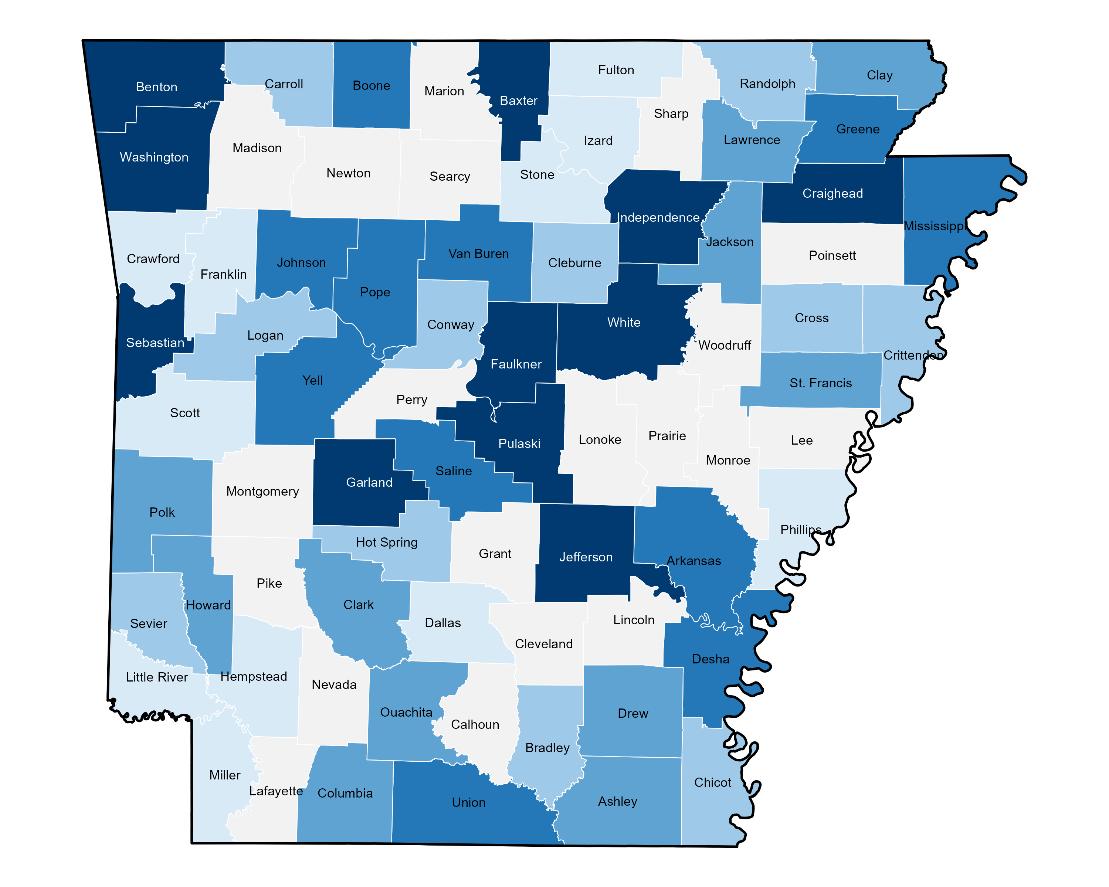
45 Hospital Access by County, 2026
46 Arkansas Hospitals, 2026
Hospitals Statistics Insert prepared by Donald McCormick, MSHI, AHA Director of Analytics and Financial Policy.
Hospital Statistics uses the latest data available. This edition includes utilization and financial data reflecting the periods during and following the public health emergency declaration for the COVID-19 pandemic. When comparing data from 2022-2025 to previous years, it is important to remember that hospitals experienced massive disruptions in 2020-21. Reductions in revenue due to deferred and delayed care, expenditures related to pandemic preparedness and response, supply chain issues, staffing shortages, and several major surges associated with COVID-19 during previous years can bias trends seen in post-emergency data. Financial and utilization measures included are reported based on hospital fiscal year, and not all 2023 data reflect the same 12-month period for each hospital.
ARKANSAS HOSPITALS 2026
BY THE NUMBERS
Newborns were delivered in Arkansas hospitals in 2024. Over 60% of those births were covered by Medicaid. 118 110 65 30 40 $19.73 BILLION
Hospitals of all types located in cities, towns, and communities throughout Arkansas.
Hospitals and other healthcare organizations are members of the Arkansas Hospital Association.
Community hospitals have fewer than 100 acute care beds.
Hospitals are designated by the federal government as critical access hospitals, having no more than 25 acute care beds.
Counties are served by a single hospital. Twenty-one of those counties are served by a single critical access hospital and two counties are served by a single rural emergency hospital.
Is contributed by hospitals toward Arkansas’s economy, through the impacts of well-paid, consistent employment, purchases of goods and services, and construction and capital spending.
Of Arkansas workers are employed by hospitals or other healthcare organizations.
Arkansas counties and cities believe their hospitals to be important enough that people in those areas have voted to provide local tax support for the hospital.
Arkansas counties – more than 25% of all counties in the state – do not have a local community hospital.
Of AHA member organizations are charitable, not-for-profit organizations, while 24% are operated by private, for-profit companies, and 12% are public hospitals owned and operated by a city, county, state, or federal government.
Hospitals offer labor and delivery services for birthing mothers in Arkansas.
Arkansans sought inpatient or outpatient care from the state’s hospitals each day in 2024, on average, for illnesses, injuries, and other conditions that require medical attention.
ECONOMIC IMPACT OF ARKANSAS HOSPITALS, 2024
Arkansas hospitals are economic powerhouses for our state. In 2024, hospitals directly employed 48,630 individuals with a total payroll of $4,768,254,000. Those payroll dollars, when spent on groceries, housing, and other goods and services, generated an additional $8,668,194,000 in economic activity and supported 47,940 more jobs across Arkansas. Hospitals also purchased $5,585,504,000 worth of supplies, utilities, and services, which rippled out to generate another $10,153,884,000 in the wider economy. Capital investments — $500,989,000 in building and equipment — created roughly $910,747,000 of economic impact. Altogether, Arkansas hospitals supported or created 96,570 jobs and delivered a total economic impact of $19,732,827,000.
Beyond the economic footprint, hospitals deliver lifesaving and lifeenhancing services around the clock. In 2024 alone, they cared for over 360,000 admitted patients and managed more than 6.7 million outpatient visits including 1.5 million visits to the emergency department. Surgeons in Arkansas performed over 300,000 inpatient and outpatient procedures, and 31,589 babies were welcomed into the world by our hospital staff. More than $690 million in charity care ensured that no one was turned away for inability to pay — all while hospitals provided high-quality, efficient care, served as safe harbors in emergencies, offered end-of-life comfort, educated communities on disease prevention, and fought to retain critical health services in their regions.
Arkansas hospitals generate tremendous economic value, but that impact is increasingly difficult to sustain. Across the state, hospitals are facing service reductions, facility transitions, emergency department closures, and growing financial instability that threaten access to care. These pressures are intensified by the nation’s lowest commercial reimbursement rates, continued losses in hospital-based delivery services, and looming federal policy changes that could increase uncompensated care while weakening key support programs. In a rural state where most communities already travel long distances for care, each lost service creates a broader strain on patients and neighboring hospitals. Protecting Arkansas hospitals means protecting access, jobs, and the economic foundation of communities statewide.

HR-1: Health Coverage and Hospital Finance Effects
The One Big Beautiful Bill Act (Public Law 119-21) changed Medicaid and Health Insurance Marketplace policy. For hospitals, the key effects center on eligibility verification, coverage loss risk, Medicaid financing constraints, and uncompensated care exposure.
131K
Arkansans estimated to lose health coverage over the next decade.
217K
Arkansans enrolled in ARHOME as of Feb. 2026 are impacted by HR-1.
What changes for eligibility?
HR-1 requires states to condition eligibility for many ACA Medicaid expansion adults on work or community engagements. In Arkansas, the Arkansas Department of Human Services announced a soft implementation beginning July 1, 2026, with penalties delayed until January 1, 2027. Covered ARHOME adults must work, volunteer, or attend school for at least 20 hours per week – 80 hours per month – unless they meet an exemption.
What hospital are watching
Eligibility and reporting changes can affect hospitals even when patients remain clinically eligible for coverage. Missed notices, documentation problems, or failure to verify exemptions can shift patients from Medicaid coverage to uninsured status, reducing payment for care already delivered and increasing uncompensated care.
Key Takeaways
$911B
Estimated 10-year federal Medicaid spending reduction nationally.
$326B
Estimated federal savings from work requirements over 10 years.
Arkansas hospital finance exposure
Nationwide models for selected Arkansas hospital groups show the expected direction impact: lower Medicaid revenue and higher uncompensated care. These figures do not represent the total impact of HR-1.
HR-1’s health provisions are expected to affect Arkansas hospitals through two linked pathways: fewer covered patients and more constrained Medicaid financing tools. The size of the impact will depend on federal rules, state implementation choices, and how many eligible residents remain enrolled.
Arkansas Rural Health Transformation Program
Arkansas’s Rural Health Transformation Program organizes the state’s rural health strategy around prevention, access, workforce, technology, and long-term sustainability. This strategy focuses on four initiatives: HEART, PACT, RISE AR, and THRIVE.
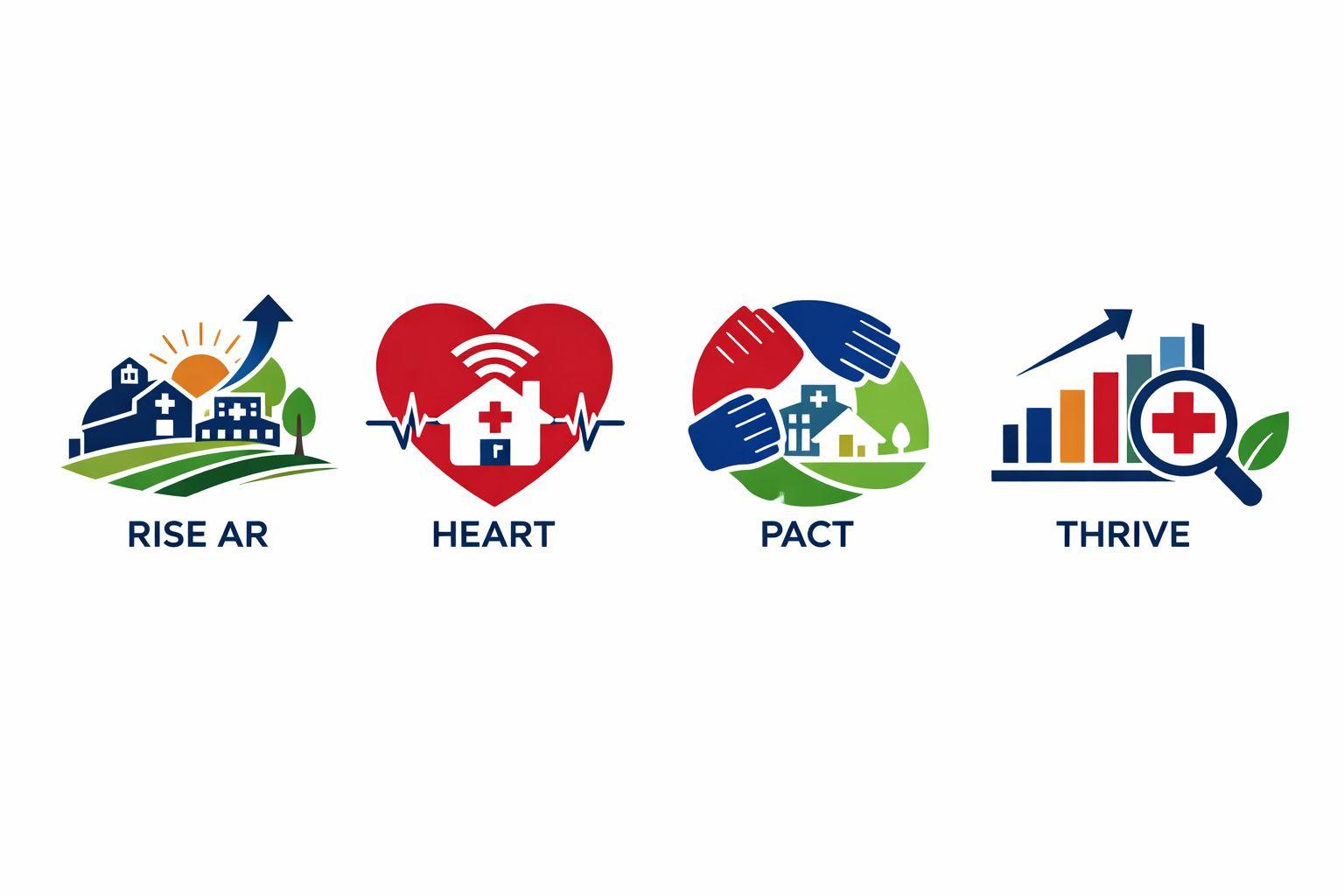
Healthy Eating, Active Recreation, and Transformation
• Improve population health through nutrition, physical activity, and chronic disease prevention initiatives
• Expand community-based partnerships and outreach, including faith-based and school-centered programs
• Integrated food-as-medicine, preventive care, and wellness infrastructure to reduce long-term disease burden
Promoting Access, Coordination, and Transformation
• Expand access to care through mobile services, telehealth, and regional care coordination networks
• Strengthen rural healthcare systems via clinically integrated networks, facility stabilization, and shared infrastructure
• Align workforce, transportation, and service delivery through data-driven regional planning and collaboration models
Recruitment, Innovation, Skills, and Education
• Build a sustainable rural healthcare workforce pipeline through expanded training, leadership development, and career pathways
• Recruit and retain providers in rural communities using incentives, mentorship, and long-term integration strategies
• Strengthen workforce capabilities through ongoing education, certification, and skill advancement programs.
Telehealth, Health-monitoring, and Response Innovation
• Build a sustainable rural healthcare workforce pipeline through expanded training, leadership development, and career pathways
• Recruit and retain providers in rural communities using incentives, mentorship, and long-term integration strategies
• Strengthen workforce capabilities through ongoing education, certification, and skill advancement programs. $150.5M $393.0M $161.55M $266.75M
Submit Rural Health Transformation Projects
As funding opportunities are released, facilities can submit proposals through the state portal.
FAYETTEVILLE
AHA MEMBERS BY CITY, TYPE, SIZE, AND SERVICES
General Medical-Surgical Hospitals (39)
HARRISON NORTH ARKANSAS REGIONAL MEDICAL CENTER
LITTLE ROCK CHI ST. VINCENT - INFIRMARY
AHA MEMBERS BY CITY, TYPE, SIZE, AND SERVICES
Critical Access Hospitals (30)
Inpatient Psych Hospitals (12)
AHA MEMBERS BY CITY, TYPE, SIZE, AND SERVICES
Inpatient Rehab Hospitals (8)
Rural Emergency Hospitals (5) Special Focus Hospitals
19TH MEDICAL GROUP
AHA MEMBERS BY CONTROL AND SYSTEM AFFILIATION
ADVANCED CARE HOSPITAL OF WHITE COUNTY
ARKANSAS CHILDREN'S HOSPITAL
ARKANSAS CHILDREN'S NORTHWEST
ARKANSAS HOSPICE INPATIENT HOSPICE
ARKANSAS METHODIST MEDICAL CENTER RURAL/RRC
ARKANSAS STATE HOSPITAL
ASHLEY COUNTY MEDICAL CENTER
BAPTIST HEALTH EXTENDED CARE HOSPITAL
BAPTIST HEALTH MEDICAL CENTER - ARKADELPHIA CAH
BAPTIST HEALTH MEDICAL CENTER - HEBER SPRINGS
BAPTIST HEALTH MEDICAL CENTER-CONWAY URBAN
BAPTIST HEALTH MEDICAL CENTER-DREW COUNTY RURAL/SCH
BAPTIST HEALTH MEDICAL CENTER-HOT SPRING COUNTY RURAL/MDH
BAPTIST HEALTH MEDICAL CENTER-LITTLE ROCK URBAN
BAPTIST HEALTH MEDICAL CENTER-NORTH LITTLE ROCK URBAN
BAPTIST HEALTH MEDICAL CENTER-STUTTGART RURAL/MDH
BAPTIST HEALTH REHABILITATION INSTITUTE
BAPTIST HEALTH-FORT SMITH
BAPTIST HEALTH-VAN BUREN URBAN
BAPTIST
BAXTER HEALTH FULTON COUNTY HOSPITAL CAH
BRADLEY COUNTY MEDICAL CENTER CAH
CENTRAL ARKANSAS VETERANS HEALTHCARE SYSTEM VETERANS AFFAIRS
CHAMBERS MEMORIAL HOSPITAL
CHI ST. VINCENT - INFIRMARY
CHI ST. VINCENT - MORRILTON CAH
CHI ST. VINCENT - NORTH URBAN
CHI ST. VINCENT HOSPITAL HOT SPRINGS URBAN/RRC
CHI ST. VINCENT HOT SPRINGS REHABILITATION HOSPITAL IRF
CHI ST. VINCENT SHERWOOD REHABILITATION HOSPITAL IRF
CHICOT MEMORIAL MEDICAL CENTER CAH
CHRISTUS ST. MICHAEL HEALTH SYSTEM URBAN (TX)
CONWAY BEHAVIORAL HEALTH IP PSYCH
CONWAY REGIONAL HEALTH SYSTEM URBAN
CONWAY REGIONAL REHABILITATION HOSPITAL IRF
CORNERSTONE SPECIALTY HOSPITALS - LITTLE ROCK LTCH
CROSSRIDGE COMMUNITY HOSPITAL
DEPARTMENT OF DEFENSE
DEPARTMENT OF VETERANS AFFAIRS LITTLE ROCK/NLR
HEALTH CHICAGO, IL
COMMONSPIRIT HEALTH CHICAGO, IL
HEALTH BIRMINGHAM, AL
HEALTH BIRMINGHAM, AL
LOCAL BOARD
HEALTH IRVING, TX
ACADIA HEALTHCARE FRANKLIN, TN
CONWAY REGIONAL HEALTH SYSTEM CONWAY
HEALTHCARE JONESBORO DALLAS COUNTY MEDICAL CENTER CAH
DARDANELLE REGIONAL MEDICAL CENTER CAH
ENCOMPASS HEALTH REHABILITATION HOSPITAL, A PARTNER OF WASHINGTON REGIONAL
EUREKA SPRINGS HOSPITAL
HOSPITAL CAH
IZARD REGIONAL HOSPITAL
JOHNSON REGIONAL MEDICAL CENTER RURAL/MDH
LAWRENCE MEMORIAL HOSPITAL
LITTLE RIVER MEDICAL CENTER CAH
MAGNOLIA REGIONAL MEDICAL CENTER RURAL/SCH
MCGEHEE HOSPITAL CAH
MENA REGIONAL MEDICAL CENTER CAH
MERCY HOSPITAL BERRYVILLE
MERCY HOSPITAL BOONEVILLE
MERCY HOSPITAL FORT SMITH
MERCY HOSPITAL NORTHWEST ARKANSAS
MERCY HOSPITAL OZARK
MERCY HOSPITAL PARIS
MERCY HOSPITAL WALDRON CAH
MERCY ORTHOPEDIC HOSPITAL FORT SMITH
MERCY REHABILITATION HOSPITAL FORT SMITH IRF
MERCY REHABILITATION SERVICES - NORTHWEST AR IRF
METHODIST CHILDREN'S BEHAVIORAL HOSPITAL - JONESBORO IP PSYCH
METHODIST BEHAVIORAL HOSPITAL
NATIONAL PARK MEDICAL CENTER URBAN/RRC
LIFEPOINT HEALTH BRENTWOOD, TN
METHODIST FAMILY HEALTH LITTLE ROCK
LIFEPOINT HEALTH BRENTWOOD, TN
NEA BAPTIST MEMORIAL HOSPITAL RRC Y BAPTIST MEMORIAL HEALTHCARE CORP. MEMPHIS, TN
NORTH ARKANSAS REGIONAL MEDICAL CENTER RURAL/SCH/RRC
NORTHWEST MEDICAL CENTER - BENTONVILLE URBAN
NORTHWEST MEDICAL CENTER - SPRINGDALE URBAN
LOCAL BOARD
Y FREEMAN HEALTH SYSTEM JOPLIN, MO
Y FREEMAN HEALTH SYSTEM JOPLIN, MO
OUACHITA COUNTY MEDICAL CENTER RURAL/SCH LOCAL BOARD
OZARK HEALTH CAH
OZARKS COMMUNITY HOSPITAL CAH
PERIMETER BEHAVIORAL HOSPITAL OF WEST MEMPHIS IP PSYCH
LOCAL BOARD
LOCAL BOARD
WOODRIDGE BEHAVIORAL CARE JACKSON, TN
PIGGOTT HEALTH SYSTEM CAH CITY
PINNACLE POINTE BEHAVIORAL HEALTHCARE SYSTEM IP PSYCH
Y
HEALTH SERVICES KING OF PRUSSIA, PA
REGIONAL ONE HEALTH URBAN (TN) Y REGIONAL ONE HEALTH MEMPHIS, TN
RIVENDELL BEHAVIORAL HEALTH SERVICES IP PSYCH
RIVERVIEW BEHAVIORAL HEALTH IP PSYCH
SAINT MARY'S REGIONAL MEDICAL CENTER RURAL/RRC
SALINE MEMORIAL HOSPITAL URBAN
Y UNIVERSAL HEALTH SERVICES KING OF PRUSSIA, PA
Y ACADIA HEALTHCARE FRANKLIN, TN
Y LIFEPOINT HEALTH BRENTWOOD, TN
Y LIFEPOINT HEALTH BRENTWOOD, TN
SEVIER COUNTY MEDICAL CENTER RURAL √ LOCAL BOARD
SILOAM SPRINGS REGIONAL HOSPITAL URBAN
Y FREEMAN HEALTH SYSTEM JOPLIN, MO
SOUTH ARKANSAS REGIONAL HOSPITAL RURAL/SCH LOCAL BOARD
SOUTH MISSISSIPPI COUNTY REGIONAL MEDICAL CENTER REH
SOUTHWEST ARKANSAS REGIONAL MEDICAL CENTER RURAL
SPRINGWOODS BEHAVIORAL HEALTH HOSPITAL IP PSYCH
ST. BERNARDS MEDICAL CENTER
ST. BERNARDS MEDICAL CENTER - FIVE RIVERS
ST. JUDE CHILDREN'S RESEARCH HOSPITAL
STONE COUNTY MEDICAL CENTER
COUNTY
PAFFORD MEDICAL SERVICES HOPE
Y UNIVERSAL HEALTH SERVICES KING OF PRUSSIA, PA
ARKANSAS HOSPITALS
RECEIVING LOCAL TAX SUPPORT, 2026
INDICATOR
ASHLEY COUNTY MEDICAL CENTER
BAPTIST HEALTH MEDICAL CENTER – DREW COUNTY
BAPTIST HEALTH MEDICAL CENTER – HOT SPRING COUNTY
BAPTIST HEALTH MEDICAL CENTER – STUTTGART
BAXTER HEALTH FULTON COUNTY HOSPITAL
BRADLEY COUNTY MEDICAL CENTER
CHI ST. VINCENT – MORRILTON
CHICOT MEMORIAL MEDICAL CENTER
CROSSRIDGE COMMUNITY HOSPITAL
DALLAS COUNTY MEDICAL CENTER
DELTA MEMORIAL HOSPITAL
DEWITT HOSPITAL AND NURSING HOME
GREAT RIVER MEDICAL CENTER
JOHNSON REGIONAL MEDICAL CENTER
LAWRENCE MEMORIAL HOSPITAL
LITTLE RIVER MEDICAL CENTER
MAGNOLIA REGIONAL MEDICAL CENTER (A)
MAGNOLIA REGIONAL MEDICAL CENTER (B)
MCGEHEE HOSPITAL
MERCY HOSPITAL BOONEVILLE
MERCY HOSPITAL OZARK
MERCY HOSPITAL PARIS
OUACHITA COUNTY MEDICAL CENTER
OZARK HEALTH
PIGGOTT HEALTH SYSTEM
SOUTH ARKANSAS REGIONAL HOSPITAL
SOUTH MISSISSIPPI COUNTY REGIONAL MEDICAL CENTER ST. BERNARDS MEDICAL CENTER – FIVE RIVERS
N/A=Information not available
Source: Self-reported information provided to the Arkansas Hospital Association
$798,000 $670,000 $1,600,000 $2,300,000 $634,000 $986,000 $1,498,000 $1,445,000 $3,519,000 $1,084,000 $1,117,000 $1,073,000 $3,676,000 $96,000 $2,590,000 $950,000 $2,755,000 $798,000 $895,000 $902,000 $320,000 $388,000
$318,000 $537,000
$1,607,000 $800,000
AHA MEMBER ORGANIZATIONS
BY CONGRESSIONAL
1st Congressional District
Arkansas Methodist Medical Center
Baptist Health Medical Center-Stuttgart
Baptist Memorial Hospital-Crittenden
Baxter Health
Baxter Health Fulton County Hospital
Chicot Memorial Medical Center
CrossRidge Community Hospital
Delta Memorial Hospital
DeWitt Hospital & Nursing Home
Forrest City Medical Center
Great River Medical Center
Helena Regional Medical Center
Izard Regional Hospital
Lawrence Memorial Hospital
Methodist Children’s Behavioral Hospital-Jonesboro
McGehee Hospital
NEA Baptist Memorial Hospital
North Arkansas Regional Medical Center
Perimeter Behavioral Health of West Memphis
Piggott Community Hospital
SMC Regional Medical Center
St. Bernards Five Rivers
St. Bernards Medical Center
Stone County Medical Center
Unity Health – Newport
White River Health System
Total = 26
2nd Congressional District
19th Medical Group
Advanced Care Hospital of White County
Arkansas Children’s Hospital
Arkansas Hospice
Arkansas State Hospital
Baptist Health Extended Care Hospital
Baptist Health Medical Center-Conway
Baptist Health Medical Center-Heber Springs
Baptist Health Medical Center-Little Rock
Baptist Health Medical Center-North Little Rock
Baptist Health Rehabilitation Institute
CARTI
Central Arkansas Veterans Healthcare System
CHI St. Vincent Infirmary
CHI St. Vincent Morrilton
CHI St. Vincent North
CHI St. Vincent Sherwood Rehabilitation Hospital, A Partner of Encompass Health
Conway Behavioral Health
Conway Regional Health System
Conway Regional Rehabilitation Hospital
Cornerstone Specialty Hospitals Little Rock
Methodist Children’s Behavioral Hospital-Maumelle
Ozark Health Medical Center
Pinnacle Pointe Behavioral Healthcare System
Rivendell Behavioral Health Services
Saline Memorial Hospital
The BridgeWay
UAMS Medical Center
Unity Health – Jacksonville
Unity Health – Searcy
Unity Health Specialty Care Campus
Total = 31
3
DISTRICT
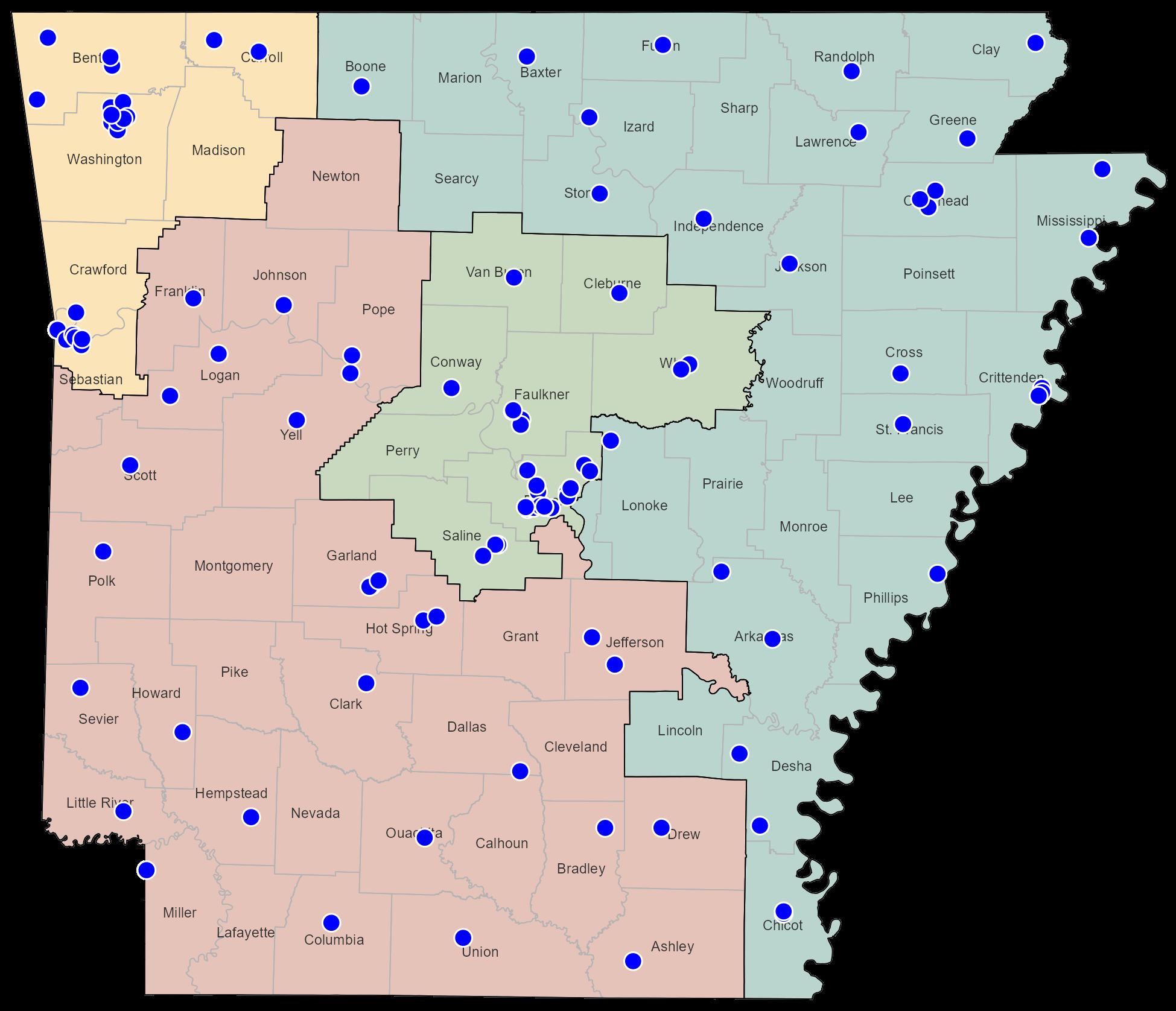
1
2
4
3rd Congressional District
Arkansas Children’s Northwest
Baptist Health-Fort Smith
Baptist Health-Van Buren
Encompass Health Rehabilitation Hospital, A Partner of Washington Regional
Eureka Springs Hospital
Mercy Hospital Berryville
Mercy Hospital Fort Smith
Mercy Hospital Northwest Arkansas
Mercy Rehabilitation Hospital Fort Smith
Mercy Rehabilitation Services-Northwest Arkansas
Mercy Orthopedic Hospital Fort Smith
Northwest Health Physicians’ Specialty Hospital
Northwest Medical Center Bentonville
Northwest Medical Center Springdale
Ozarks Community Hospital
Siloam Springs Regional Hospital
Springwoods Behavioral Health Hospital
Valley Behavioral Health System
Vantage Point of NWA
Veterans Health Care System of the Ozarks
Washington Regional Medical System
Willow Creek Women’s Hospital
Total = 22
Additional AHA Member
Hospitals Include: CHRISTUS St. Michael Health System, Texarkana, TX
Regional One Health, Memphis, TN
St. Judes Children’s Research Hospital, Memphis, TN
4th Congressional District
Ashley County Medical Center
Baptist Health Medical Center-Arkadelphia
Baptist Health Medical Center-Drew County
Baptist Health Medical Center-Hot Spring County
Bradley County Medical Center
Chambers Memorial Hospital
CHI St. Vincent Hot Springs
CHI St. Vincent Hot Springs Rehab Hospital, A Partner of Encompass Health
Dallas County Medical Center
Dardanelle Regional Medical Center
Howard Memorial Hospital
Jefferson Regional
Jefferson Regional Specialty Hospital
Johnson Regional Medical Center
Little River Medical Center
Magnolia Regional Medical Center
Mena Regional Health System
Mercy Hospital Booneville
Mercy Hospital Ozark
Mercy Hospital Paris
Mercy Hospital Waldron
National Park Medical Center
Ouachita County Medical Center
Riverview Behavioral Health
Saint Mary’s Regional Medical Center
Sevier County Medical Center
South Arkansas Regional Hospital
Southwest Arkansas Regional Medical Center
Total = 28
STATEWIDE
AND UTILIZATION INDICATORS, 2020 - 2024
INDICATOR
BEDS AVAILABLE
ADMISSIONS
PATIENT DAYS
AVERAGE LENGTH OF STAY
NON-EMERGENCY OP VISITS
OUTPATIENT VISITS
NON-EMERGENCY AS A % OF TOTAL OP VISITS
ADJUSTED PATIENT DAYS
OCCUPANCY RATE
INPATIENT SURGERIES
OUTPATIENT SURGERIES
TOTAL SURGERIES
OUTPATIENT AS % OF TOTAL SURGERIES
TOTAL FULL-TIME EQUIVALENT EMPLOYEES
FULL-TIME EQUIVALENT EMPLOYEES PER ADJUSTED OCCUPIED BED
GROSS REVENUE, INPATIENT
GROSS REVENUE, OUTPATIENT
GROSS PATIENT REVENUE
BAD DEBTS
CHARITY
MEDICARE, MEDICAID, & OTHER PAYER WRITEOFFS
TOTAL DEDUCTIONS
NET PATIENT REVENUE
OTHER OPERATING REVENUE
NONOPERATING REVENUE
TOTAL NET REVENUE
PAYROLL EXPENSE
TOTAL EXPENSE
PATIENT REVENUE MARGIN
TOTAL MARGIN
CHARGE PER ADJUSTED INPATIENT DAY
PAYMENT PER ADJUSTED INPATIENT DAY
EXPENSE PER ADJUSTED INPATIENT DAY
PAYROLL PER ADJUSTED INPATIENT DAY
PAYROLL AS % OF TOTAL EXPENSE
BAD DEBT AND CHARITY AS % OF TOTAL CHARGE
TOTAL DEDUCTIONS AS % OF TOTAL CHARGE
OUTPATIENT REVENUE AS % TOTAL PATIENT REVENUE
ADMISSIONS PER BED
PATIENT DAYS PER 1,000 POPULATION
ADMISSIONS PER 1,000 POPULATION
POPULATION (000'S)
$14,965,703,755
$16,733,703,930
$31,699,407,685
$503,958,456
$499,580,152
$22,706,699,474
$23,710,238,082
$7,989,169,603
$760,697,334
$164,859,866
$8,914,726,803
$3,122,035,492
$8,206,104,259
$7,519.32
$17,185,062,486
$18,570,833,303
$35,755,895,789
$512,576,407
$574,072,837
$25,738,880,672
$26,825,529,916
$8,930,365,873
$919,369,130
$246,467,868
$10,096,202,871
$3,542,564,965
$9,161,715,585 -2.59% 9.26%
$8,160.14
$2,038.07
$2,090.87
$16,766,340,537
$19,010,965,594
$35,777,306,131
$468,830,369
$466,432,386
$25,758,657,460
$26,693,920,215
$9,083,385,916
$1,143,477,147
($5,690,890)
$10,221,172,173 3,844,177,083
$10,093,617,469 -11.12% 1.25%
$8,033.36 $2,039.56 $2,266.40
$17,441,647,083 $19,507,152,300 $36,948,799,383 $520,657,399 $693,849,202 $26,055,024,370 $27,269,530,971 $9,679,268,412 $791,778,997 $230,969,958 $10,702,017,367 $3,689,381,915 $10,180,413,147 -5.18% 4.87% $9,206.51 $2,192.14 $2,305.64 $835.56
2024 9169 360,424 1,928,340 5.4 5,296,076 6,763,204 78.31% 4,775,653 57.62% 80,162 223,869 304,031 73.63% 52,013 5.7 $19,413,427,965 $21,165,106,471 $40,578,534,436 $597,957,006 $816,235,367 $28,866,113,339 $30,280,305,712 $10,298,228,724 $630,430,939 $217,527,232 $11,146,186,895 $3,718,413,198 $10,259,851,845 0.37%
$10,067.43
KEY FINANCIAL INDICATORS: ARKANSAS AND SURROUNDING STATES, 2024
Arkansas
Hospitals charged this amount for the inpatient and outpatient care they provided in 2024: But patients and payer groups didn't pay the full amount of billed charges for various reasons. Government programs like Medicare and Medicaid, workers' comp programs, and others never pay the full hospital bill. Managed care plans and other insurers typically pay discounted amounts only, and individual patients often can't afford to pay some or any of the out-of-pocket costs related to their hospital bills. For those reasons, hospitals had to forfeit this much of their billed charges:
As a result, actual payments to hospitals were:
"At the same time, hospitals spent this much providing patient care services… …to patients needing care for this many adjusted patient days while being served. So the revenue excess (loss) was: In other words, hospitals made (or lost) this much on each of the equivalent days of care they provided to intpatients and outpatients: Yielding a "patient service" margin of:
In addition, hospitals also received revenues from normal, day-today operations from services other than healthcare provided to patients, such as space rental, cafeteria and gift shop sales, and operating gains: Which raise total operating income to:
As a result, the "operating margin" rose to:
Hospitals also collected other types of revenue from sources including contributions, tax appropriations, and investments. Those amounted to: That resulted in total funds available to reinvest in new equipment, update facilities, expand programs and repay debt equaling: For a return on investment totaling:
Source: American Hospital Association, Hospital Statistics 2024
COMMUNITY HOSPITALS
REVENUES (BILLED
$31,699,407,685
$35,755,895,789
$35,777,306,131
$36,948,799,383
$40,578,534,436
REVENUES (AMOUNT COLLECTED)
$7,989,169,603
$8,930,365,873
$9,083,385,916
$ 9,679,268,412 10,298,228,724 28.90%
$760,697,334
$919,369,130
$1,143,477,147
$ 791,778,997
$630,430,939
REVENUE
$32,460,105,019
$36,675,264,919
$36,920,783,278
$37,971,548,338
$41,426,492,607
$8,206,104,259
$9,161,715,585
$10,093,617,469
$23,710,238,082
$26,825,529,916
$26,693,920,215
$27,269,530,971
$30,280,305,712
$503,958,456
$512,576,407
$468,830,369
$520,657,399 $597,957,006 18.65%
$499,580,152
$574,072,837
$466,432,386
$693,849,202 $816,235,637
$1,003,538,608
$1,086,649,244
$935,262,755
$1,214,506,601 $1,414,192,373
UNCOMPENSATED CARE COSTS
$238,120,014
$256,264,830.53
$243,811,319.81
$334,630,060 $357,563,535 50.16%
TOP 20 INPATIENT DRGS, 2024
DIAGNOSIS-RELATED GROUP
885 - PSYCHOSES
871 - SEPTICEMIA W/O MV 96+ HOURS W MCC
795 - NORMAL NEWBORN
807 - VAGINAL DELIVERY WITHOUT STERILIZATION OR D&C W/O CC/MCC
794 - NEONATE W OTHER SIGNIFICANT PROBLEMS
291 - HEART FAILURE & SHOCK W MCC
193 - SIMPLE PNEUMONIA & PLEURISY W MCC
788 - CESAREAN SECTION W/O STERILIZATION W/O CC/MCC
189 - PULMONARY EDEMA & RESPIRATORY FAILURE
872 - SEPTICEMIA W/O MV 96+ HOURS W/O MCC
392 - ESOPHAGITIS, GASTROENT & MISC DIGEST DISORDERS W/O MCC
897 - ALCOHOL/DRUG ABUSE/DEPENDENCE W/O REHABILITATION THERAPY W/O MCC"
806 - VAGINAL DELIVERY WITHOUT STERILIZATION OR D&C W CC
177 - RESPIRATORY INFECTIONS & INFLAMMATIONS W MCC
881 - DEPRESSIVE NEUROSES
057 - DEGENERATIVE NERVOUS SYSTEM DISORDERS W/O MCC
683 - RENAL FAILURE W CC
690 - KIDNEY & URINARY TRACT INFECTIONS W/O MCC
682 - RENAL FAILURE W MCC
065 - INTRACRANIAL HEMORRHAGE OR CEREBRAL INFARCTION W CC
$810,679,029.41
$1,044,277,867.48
$129,839,420.69
$287,250,297.32
$115,113,807.12
$345,834,864.54
$221,687,457.14
$155,406,206.69
$218,834,972.99
$132,214,332.62
$97,041,654.99
$95,545,523.41
$72,109,596.10
$187,193,619.31
$70,980,190.68
$167,847,930.58
$87,737,179.64
$76,262,653.55
$129,013,687.39
$99,845,950.67
$57,957.48
$22,534.32
HOSPITAL ACCESS BY COUNTY
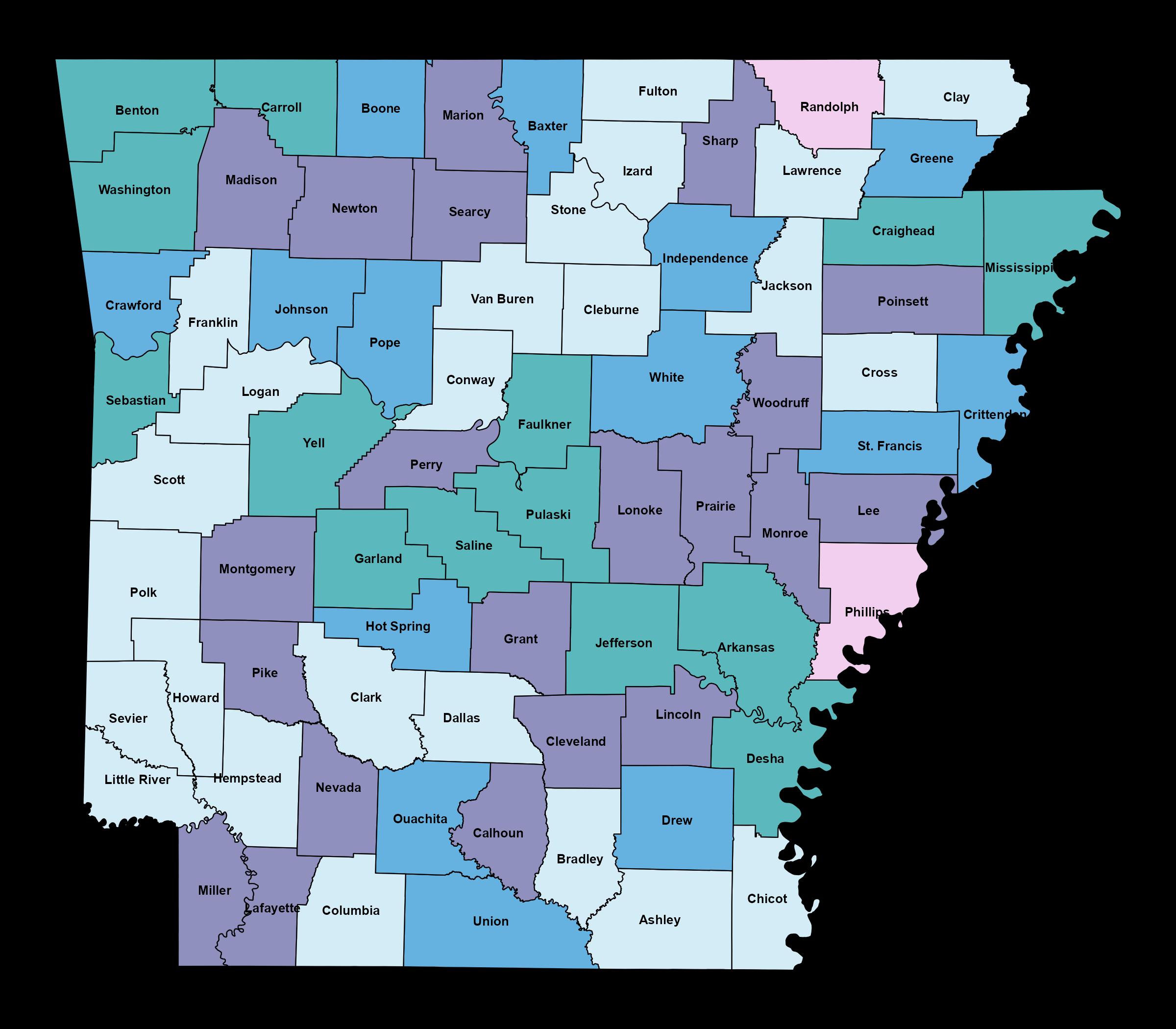
HOSPITAL TYPE
Multiple
Single Acute Only
Single CAH Only
None
Single REH Only
Arkansas Hospitals, 2026
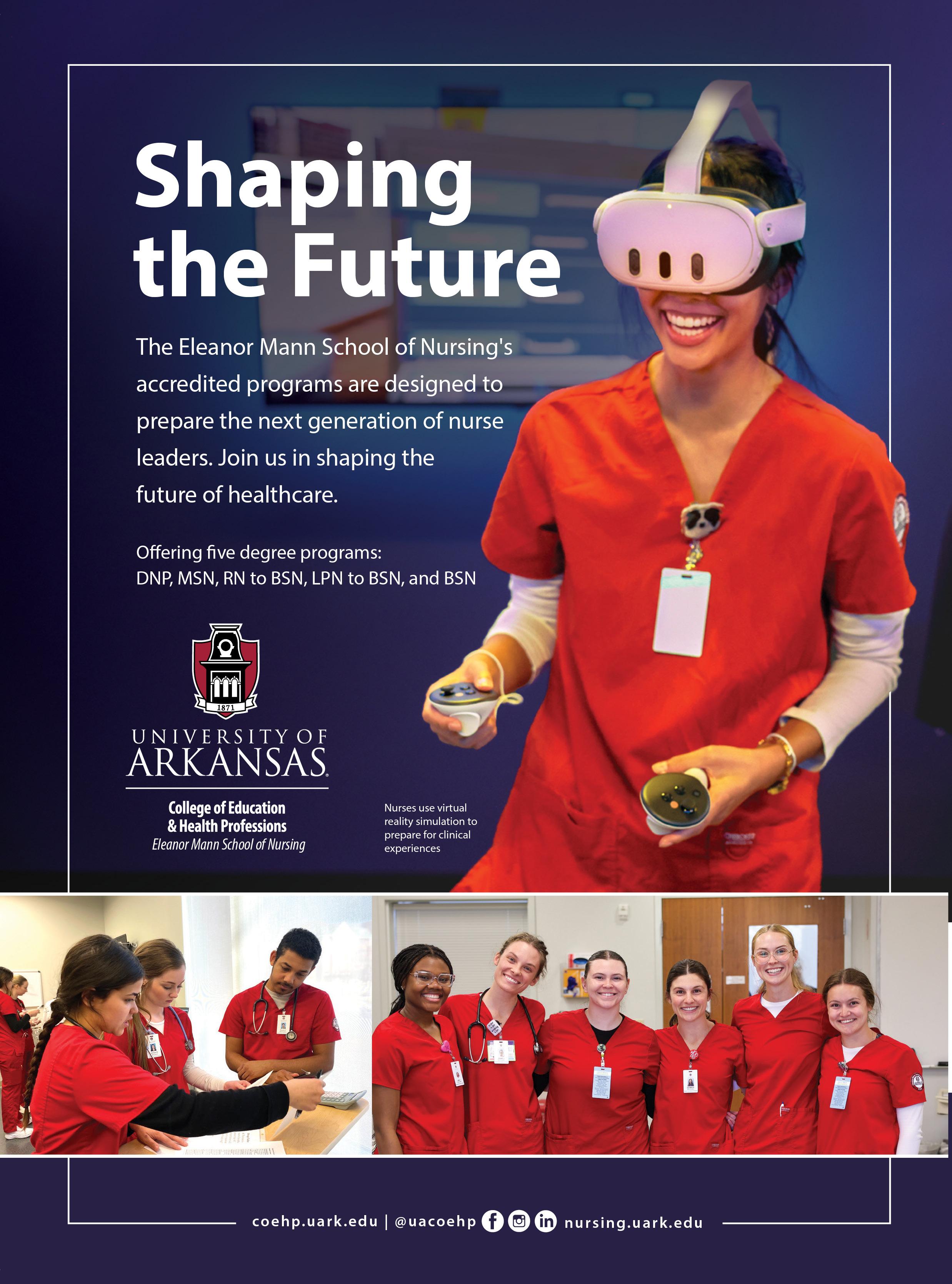

What does it mean to be taken care of?
At Arkansas Blue Cross and Blue Shield, it means providing peace of mind. We’ve been taking care of Arkansans for over 75 years, providing affordable, reliable health insurance … to keep Arkansans healthy and to help them heal. We’re investing in communities to keep this diverse and wonderful state strong. We’re committed to a whole person approach to health, including physical and behavioral well-being. And we recognize that total health is influenced by many factors, including medical history, genetics, lifestyle, environment, nutrition, safety and physical activity. We also realize that it will take all healthcare providers working together to ensure future generations of Arkansans can live their best life their whole life long. Let’s take good care, Arkansas.


Fighting for Every Dollar Arkansas Hospitals are Owed
Kandice Williams, MHSA, MSC
Arkansas Hospitals Are Leaving Millions on the Table — And Insurance Companies Are Counting on It
Every day, hospitals across Arkansas provide emergency care to patients who arrive without warning, without choice, and without the ability to select their provider. Surgeons answer the call. Anesthesiologists step in. Specialists show up. And when the dust settles and the bills go out, insurance carriers respond with payments that bear little resemblance to what that care was actually worth.
This is not an accident. It is a strategy.
Under the No Surprises Act, which took effect on January 1, 2022, out-ofnetwork providers treating patients in emergency situations are protected from balance billing, and insurance carriers are required to pay a fair rate. But "required" and "actually paid" are two very different things. Insurance companies have spent years perfecting the art of the lowball offer, anchoring payments to a figure called the Qualifying Payment Amount, or QPA, a number they calculate, control, and routinely manipulate to represent far less than what the market actually bears.
Most hospitals accept these offers. Not because they agree with them. Because they do not have the infrastructure, the legal firepower, or the time to fight back. That is exactly where Callagy Recovery comes in.
WHAT THE NO SURPRISES ACT ACTUALLY GIVES YOU
The No Surprises Act created a federal arbitration process called Independent Dispute Resolution, or IDR. When a hospital and an insurer cannot agree on a fair payment, either party can initiate IDR and bring the dispute before a certified federal arbitrator. That arbitrator reviews the evidence and selects the offer that best represents the appropriate out-of-network rate.
This is not a negotiation. It is a legal proceeding. And when you have the right team preparing your case, the numbers move significantly in your favor.
The challenge is that most hospitals are not equipped to run this process at scale. Filing IDR disputes requires precise documentation, strict adherence to federal timelines, and the ability to build a compelling case that goes beyond simply submitting a bill. Insurance carriers know this. They count on provider fatigue and administrative overwhelm to keep underpayments in place.
WHY CALLAGY RECOVERY IS DIFFERENT
Callagy Recovery was built specifically to solve this problem. Backed by the legal resources of Callagy Law, one of the most respected healthcare law firms in the country, Callagy Recovery combines deep legal expertise with proprietary artificial intelligence technology to identify, file, and resolve underpayment claims at a scale that no hospital could achieve on its own.
Our AI platform analyzes claims data to surface underpayments that would otherwise go undetected. It

THIS IS NOT AN ACCIDENT. IT IS A STRATEGY.
tracks every dispute through the IDR process in real time, giving hospital administrators full visibility into where each claim stands, what has been filed, what offers have been received, and what revenue is projected to land. There is no guessing. There is no chasing. There is a command center built for clarity and results.
THE ARKANSAS OPPORTUNITY
Arkansas hospitals serve communities that depend on them. Rural facilities, regional medical centers, and specialty providers across the state are absorbing underpayments that compound year over year. The No Surprises Act created a legal pathway to recover those funds. But that pathway requires expertise, technology, and the willingness to fight.
Callagy Recovery brings all three.
We have helped providers across the country recover funds that insurance carriers never intended to pay. We understand the IDR process at a level that most firms do not, and we have the track record to prove it. A significant portion of our claims resolve within one hundred eighty days, far ahead of the national average of thirteen months.
If your hospital is accepting what insurance carriers offer without question, you are not getting what you are owed. You are getting what they decided to give you.
That is a problem Callagy Recovery was built to fix.
To learn more about how Callagy Recovery can help your Arkansas hospital recover what it is rightfully owed under the No Surprises Act, contact Kandice Williams by phone at 601.416.7383 or email: kandice.williams@callagyrecovery.com

The Power of a Unified Voice: Why Advocacy is Our Strongest Medicine
By AHA Advocacy Team
As healthcare professionals, your primary focus is always on the patient in front of you. But outside the walls of our facilities, decisions are made daily in the halls of government that directly impact your ability to provide that care. This is where advocacy matters. As the state’s most trusted authority on healthcare, the Arkansas Hospital Association (AHA) ensures our hospitals have a seat at the table for all major policy initiatives. Through the Association, Arkansas hospitals present a unified voice to lawmakers and regulatory agencies. Advocacy is not just an administrative duty; it is an essential tool to protect our industry, our workforce, and our patients.
ADVOCACY IS NOT JUST AN ADMINISTRATIVE DUTY; IT IS AN ESSENTIAL TOOL TO PROTECT OUR INDUSTRY, OUR WORKFORCE, AND OUR PATIENTS.
The AHA advocacy team works tirelessly year-round to monitor federal and state policy, draft legislation that improves patient care, and maintain vital relationships with legislators and regulators to ensure the hospital perspective remains a top priority. But our team cannot do it alone. True legislative success requires grassroots power, and our hospitals are currently facing an unprecedented financial crunch that demands our collective action.
The math simply does not add up: the current reimbursement rates from commercial insurers and government programs do not match the actual cost it takes for hospitals to provide care. When reimbursement rates lag severely behind inflation and the rising costs of labor, pharmaceuticals, and equipment, hospitals are forced to make devastating operational decisions. We are already seeing the fallout across our state.
When a hospital reduces services, it places an immense strain on remaining staff and directly threatens patient access to care in that community. This is not an isolated
incident; it is a symptom of a systemic funding crisis. If we do not secure fair, sustainable reimbursement structures, more Arkansas hospitals will be forced to scale back vital services, reduce staff, or close their doors entirely.
Lawmakers want to hear from the experts — and that means you. You do not need to be a political expert to be an advocate; you just need to share your story. First, keep a keen eye on VoterVoice, which is our primary tool for rapidresponse grassroots advocacy. When a critical bill is up for a vote, we will send out alerts with pre-drafted templates you can easily use to contact your local representatives. Second, stay informed by subscribing to the Legislative Bulletin newsletter to receive real-time updates on advocacy alerts and regulatory changes. Finally, engage with your lawmakers directly. Invite your local legislators to tour your facility, show them firsthand the incredible care your team provides, and clearly explain the economic realities of running a hospital under current reimbursement structures.
The 2027 session will be a defining moment for Arkansas healthcare. Together, we must ensure that lawmakers understand that supporting our hospitals is a direct investment in the health, safety, and future of all Arkansans. Please stay vigilant, stay engaged, and be ready to respond with actions YOU can take to help advocate for our hospitals.
For questions regarding our upcoming legislative agenda or to find out how to get more involved with the AHA Advocacy Team, please email bbona@arkhospitals.org.
LAWMAKERS WANT TO HEAR FROM THE EXPERTS — AND THAT MEANS YOU. YOU DO NOT NEED TO BE A POLITICAL EXPERT TO BE AN ADVOCATE; YOU JUST NEED TO SHARE YOUR STORY.

An Initiative for Safer Recovery: The Billion Pill Pledge
By Donald McCormick, MSHI & Cindy Crump, MBA, BSN, RN, CPHQ
Arkansas hospitals are taking a proactive approach to one of the state’s most persistent public health challenges through the Billion Pill Pledge program, an opioid first-dose prevention initiative designed to reduce unnecessary opioid exposure after surgery while supporting safer recovery, stronger patient outcomes, and high-quality surgical care.
Powered by Goldfinch Health and supported through opioid settlement funding distributed by the Arkansas Opioid Recovery Partnership, the Billion Pill Pledge recently launched in Arkansas as part of broader statewide opioid prevention efforts. The national initiative carries an ambitious mission: removing more than one billion unnecessary opioid pills from medicine cabinets across the United States each year.
Founded by leaders from rural communities and inspired by firsthand experience in rural healthcare, Goldfinch Health developed the program to help community and rural hospitals strengthen surgical recovery through evidence-based recovery protocols, patient education, and remote nurse navigator support. The model gives hospitals practical tools to modernize perioperative care, support evidencebased recovery, and reduce avoidable opioid exposure.
In Arkansas, our hospitals offer inpatient and outpatient surgeries to help patients recover from acute injuries, manage chronic conditions, restore function, and improve quality of life. For many years, opioids have been a common part of post-surgical pain management, even when other evidence-based recovery strategies may safely reduce or replace their use. The Billion Pill Pledge supports
hospitals in maintaining high-quality surgical care while helping patients recover safely, return home as quickly as possible, and achieve strong outcomes with fewer unnecessary opioids.
Arkansas faces a particularly urgent need for this kind of prevention strategy as it continues to experience one of the nation’s highest rates of opioid prescribing. In 2024, opioid prescriptions were written in Arkansas at nearly twice the national average, with approximately 68.8 prescriptions written for every 100 residents. Using an estimate of 40 pills per prescription, the Arkansas prescribing rate translates to more than 85 million opioid pills entering Arkansas communities in 2024 alone.
The concern is not limited to the number of prescriptions written. Prescription opioids can also become an early point of exposure for future misuse, particularly when unused pills remain in the home after an injury, illness, or surgical procedure. Research shows that nearly 75% of illicit opioid users were first exposed through a legitimate prescription, either prescribed directly to them or obtained from leftover medications in the home. In addition, nearly 7% of opioid-naïve surgery patients become long-term opioid users following surgical procedures.
That is where the Billion Pill Pledge changes the narrative. Rather than focusing only on reducing prescriptions after patterns of use have already been established, the program targets the first point of exposure: the initial postsurgical prescription and recovery plan. Through enhanced recovery protocols, multimodal pain management, patient education, nurse navigator support, and opioid stewardship, the
program helps hospitals preserve effective pain control while reducing unnecessary opioid use in both the short and long term.
The Arkansas Billion Pill Pledge program includes four fully participating hospitals: Baxter Regional Medical Center, Saint Mary’s Regional Medical Center, NEA Baptist Memorial Hospital, and St. Bernards Medical Center. Patient onboarding has already begun at St. Bernards Medical Center, Saint Mary’s Regional Medical Center, and Baxter Regional Medical Center, marking an important step as the program moves from implementation planning into direct patient support.
PROGRAM RESULTS:
READMISSION RATE 2% vs. historical 7%
While Arkansas implementation is still in its early stages, early results from the broader Billion Pill Pledge model demonstrate promising trends in quality, safety, and opioid stewardship. Participating sites have reported an opioid refill rate of just 2%, compared to traditional refill rates that often approach 25%. Readmission rates have also been lower, with participating sites reporting a 2% readmission rate compared to historical averages of nearly 7%. Patients enrolled in the program used an average of only 4.88 opioid pills following discharge. These outcomes represent more than reduced prescribing numbers. They reflect fewer opioids remaining in medicine cabinets, lower opportunities for diversion and misuse, reduced risk of complications, and safer recovery experiences for patients after surgery. As Arkansas hospitals continue onboarding patients, these same measures will help participating facilities evaluate progress, identify opportunities for improvement, and demonstrate how first-dose prevention can support safer surgical recovery across the state. REFILL RATE 2% vs. traditional 25% PATIENTS AVERAGE 4.88 PILLS AFTER DISCHARGE.
NEARLY 75% OF ILLICIT OPIOID USERS WERE FIRST EXPOSED THROUGH A LEGITIMATE PRESCRIPTION
The Billion Pill Pledge is built around a three-part implementation model: Engage and Discover, Educate and Support Patients, and Analyze and Report. Together, these components help hospitals evaluate current surgical recovery practices, support patients before and after surgery, and use real-time data to sustain improvements over time.
The process begins with direct engagement across the surgical care team, including hospital leaders, surgeons, anesthesia providers, nurses, pharmacists, and administrative staff. Rather than applying a one-size-fitsall mandate, Goldfinch Health works with each hospital to understand current perioperative workflows, painmanagement practices, prescribing patterns, and patient education processes. That collaborative approach helps hospitals adopt enhanced recovery strategies in ways that are practical, clinically appropriate, and sustainable.
Clinical protocols incorporated into the program emphasize multimodal pain management, which uses multiple evidencebased strategies to control pain while reducing reliance on opioids. These may include non-opioid medications such as acetaminophen and celecoxib, regional anesthesia techniques such as nerve blocks, non-medication comfort measures such as heat and cold therapy, and structured education to help patients understand what to expect during recovery. The initiative also supports optimized pre-surgery protocols, including updating traditional fasting practices where clinically appropriate with evidence-based hydration and carbohydrateloading approaches before surgery.
A major strength of the model is its direct support for patients before and after their procedures. Each participating patient receives access to a tech-enabled remote registered nurse navigator who provides education, advocacy, reassurance, and follow-up throughout the recovery process. Patients also receive a Prepared for Surgery Tool Kit with recovery resources, non-opioid painmanagement support items, medication tracking tools,

and opioid disposal systems that safely deactivate leftover medications before disposal.
Early patient feedback has emphasized the value of consistent communication, reassurance, and access to nurse support during recovery. For many patients, that connection helps bridge the gap between hospital discharge and recovery at home, providing a trusted point of contact when questions or concerns arise.
The final component of the model focuses on data collection, outcome monitoring, and reporting. Nurse navigators collect patient-reported recovery and painmanagement metrics after surgery, giving hospitals timely information on outcomes, opioid use, patient experience, and opportunities for improvement. These data help participating hospitals monitor progress, refine workflows, and sustain long-term changes in surgical recovery practices.
Operationally, the program aligns closely with valuebased care priorities. By supporting evidence-based recovery pathways, the Billion Pill Pledge helps hospitals reduce avoidable readmissions and complications, improve patient satisfaction, optimize pain management, reduce unnecessary opioid exposure, and support provider satisfaction through more standardized care processes.
As the Billion Pill Pledge continues expanding across Arkansas over the next two years, additional hospitals and surgical programs may have opportunities to participate through available opioid settlement funding. The initiative offers a scalable model for improving surgical recovery, strengthening patient safety, and reducing unnecessary opioid exposure before long-term use can begin. By shifting the focus from reactive addiction treatment to proactive first-dose prevention, Arkansas hospitals are helping establish a safer, more patient-centered model of perioperative care — one that supports effective pain management, strong outcomes, and recovery with fewer opioids when they are not clinically necessary.

Arkansas Healthcare Transparency Initiative: Supporting Data-Driven Decision-Making
By John Lyon, Strategic Communications Manager, Arkansas Center for Health Improvement
Informed decision-making that improves public health requires access to consistent, comprehensive health data. Recognizing this, the Arkansas General Assembly created a resource that has now been collecting health data in the state for the past decade: the Arkansas Healthcare Transparency Initiative (HTI).
The HTI was created under Act 1233 of 2015, the Arkansas Healthcare Transparency Initiative Act, which was sponsored by thenSen. David Sanders. In overwhelmingly approving the law, legislators acknowledged that establishing a centralized repository for state health data would benefit Arkansans by bringing transparency to the healthcare system and supporting analysis and research that would inform efforts to improve health and healthcare. The law placed the HTI under the authority of the Arkansas Insurance Department and designated the Arkansas
Center for Health Improvement (ACHI) to administer the initiative’s infrastructure. ACHI began collecting data from public and private payers in 2016.
Fundamental to the HTI is the Arkansas AllPayer Claims Database (APCD), which contains medical, pharmacy, and dental health insurance claims data and provider and enrollment files submitted by public programs and private insurers in the state. The APCD includes claims data for 80%-85% of all Arkansans who have some healthcare coverage, with personal identifiers removed to protect patient privacy. About half of the states have or are developing APCDs, but Arkansas’ HTI now encompasses much more than just the APCD.
Over the years, Arkansas lawmakers have authorized the HTI to incorporate several additional types of data, including birth and death records, medical marijuana cardholder data, cancer registry data, hospital discharge

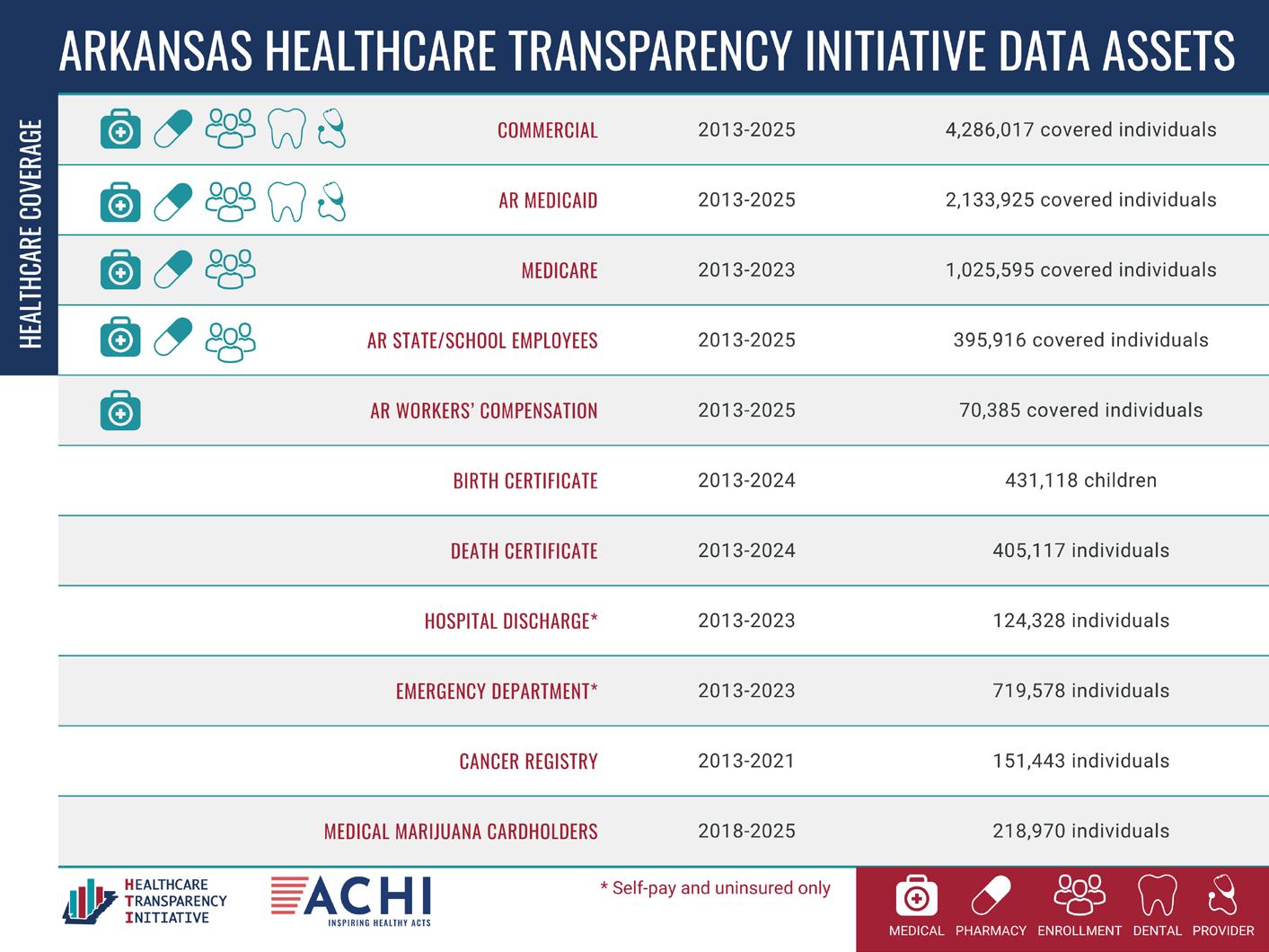
and emergency department utilization records for the uninsured, and workers’ compensation data. Efforts are in the works to expand the initiative further by adding data on non-claims-based medical payments, denied claims, and drug rebates. Once collected, the data from different sources are then connected by ACHI’s data team using an encrypted ID system so researchers and others can explore complex study topics over long periods of time. Those wishing to use HTI data for their projects can submit a request, which is then reviewed by a 13-member
TO $1 BILLION over five years in potential Rural Health Transformation Program funding. 80-85% of insured Arkansans covered in the APCD
board to ensure the projects align with the initiative’s objectives and privacy standards. ACHI has fulfilled more than 150 requests for HTI data from state agencies, universities, and private organizations around the country. Notably, of all the National Institutes of Health research projects using APCDs since 2012, nearly 20% originated in Arkansas. Projects by Arkansas researchers using HTI data have brought millions of research dollars into the state and informed countless state health policy decisions.
For example, a 2019 review of claims data by ACHI found that smokingrelated health issues cost the Arkansas Medicaid program $795 million a year and cost private insurance $542 million a year. Those findings helped motivate the Arkansas General Assembly to raise the legal smoking age in the state from 18 to 21, an action Arkansas took before Congress made the same change in federal law.
Because the HTI includes not only claims data for the insured but also hospital data for the uninsured, it enables detailed analyses of the health issues Arkansans are being treated for at the state’s hospitals. HTI data have been used to inform hospital community health needs assessments, and numerous research projects have used hospital data obtained from the HTI, such as a 2021 study published in the journal Pediatrics that assessed the impact of a home
visitation program for high-risk infants developed by the University of Arkansas for Medical Sciences. The study found that the Following Baby Back Home program increased needed hospital visits and decreased mortality among participating infants.
As healthcare leaders and policymakers work to address Arkansas’ maternal health crisis, HTI-supported research can help identify opportunities for intervention. In 2024, ACHI used HTI data to analyze behavioral healthrelated emergency department visits and inpatient stays among pregnant and postpartum mothers. ACHI found that fewer than half of the mothers included in the analysis had an outpatient followup visit within 120 days of an acute behavioral health event.
The HTI can also inform efforts to improve rural healthcare. Arkansas plans to use federal Rural Health Transformation Program funds — possibly as much as $1 billion over five years — for efforts targeting rural healthcare issues such as workforce development, transportation, and technology infrastructure. The HTI will make it possible to evaluate these initiatives to determine their impact on improving health outcomes and achieving long-term healthcare sustainability in Arkansas’ rural communities.
Healthcare in the U.S. is at a critical juncture, with costs soaring and many hospitals struggling to remain solvent. As health care leaders, policymakers, and researchers grapple with a host of healthcare challenges, they will continue to rely on the Arkansas Healthcare Transparency Initiative, one of the most robust resources for statelevel health data in the nation.

Engaging Your Workforce with Data
By Kay Kendall
Data can be a powerful tool in the quest for organizational improvement. In fact, “Management by Fact” is one of the Baldrige Excellence Framework’s Core Values and Concepts. And the Balanced Scorecard (introduced by Robert S. Kaplan and David P. Norton back in 1992) has long been acknowledged as a management best practice. So why do so many organizations and their leaders struggle with transparency in sharing data with their employees?
WHAT EMPLOYEES IMAGINE WITHOUT ACCESS TO DATA
In the absence of the truth, employees make up stories to fill the void. We’ve heard employees
speculate on the amount of profit their organizations make, sometimes guessing as high as 100%. Imagine trying to engage these employees in cost-saving measures and productivity improvements – they have no motivation, especially if their own wages are not competitive in the marketplace.
And in the absence of customer feedback in the form of data, it’s easy for employees to assume that their work on products and services is satisfactory. Once, as the head of Quality for an organization whose biggest selling product was experiencing a nearly 100% out-ofbox failure rate, I learned that our overseas distribution partners were fixing it before installing it at our customers’ factories. For nearly a year, our manufacturing and assembly
operations received no feedback and were recording 100% good at final test in our factory! Once they had the data, they began to address the problems before the customers experienced them.
THE POWER OF SHARING DATA
We have a large healthcare system for a client that was making limited progress on CAUTI and CLABSI until one of the hospitals used visual management when they started posting signs on each floor announcing how many days since the last infection. And then a very healthy competition set in between the units, and other hospitals in the system also adopted the practice. Dramatic progress ensued. Another hospital client, Mary Greeley Medical Center (a
2019 Baldrige Award Recipient) holds a 15-minute Safety Huddle every morning with every department reporting in –either in person or virtually – to address their #1 Strategic Objective of reducing patient harm, measured by a Patient Harm Index (PHI). Every employee knows how the hospital is doing on the PHI and how they can contribute to it.
BUT ISN’T SOME DATA “SENSITIVE?”
Yes, but not as much as many leaders imagine. Certainly Patient Health Information, individual employee performance data and related disciplinary actions are sensitive. But most leaders consider financial data to be sensitive, and therefore, they limit the employees’ ability to be stewards of the organization’s resources. I led Six Sigma and Lean initiatives in several organizations, and we initially had a difficult time quantifying the Return on Investment (ROI) in training, projects, and events. The problem was that the Black Belts and Green Belts and Lean Improvement Specialists didn’t have access to the real financial data. And then we discovered that most didn’t know how to interpret it. In one organization, in partnership with the Accounting Department, we created a training module called Finance 101. And almost overnight, we began to see real ROI that flowed to the bottom line and not just “soft” benefits.
EVALUATING YOUR PERFORMANCE IMPROVEMENT SYSTEM
In the Organizational Profile of the Baldrige Excellence Framework, Area to Address P.2.c asks organizations to describe their Performance Improvement System. In a related note, it says, “Excellence is not possible without robust evaluation and improvement of key processes, systems,
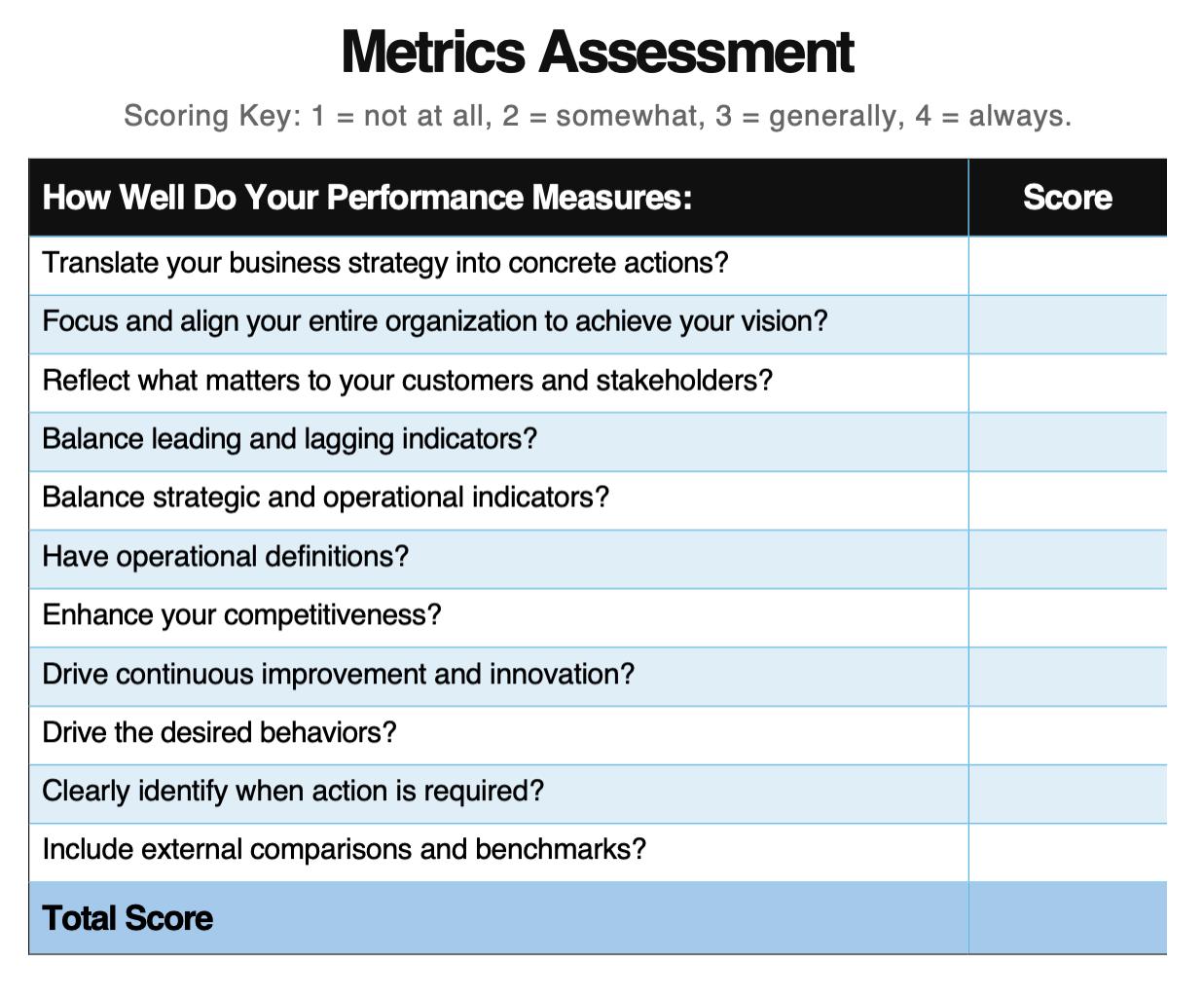
and organizational results.” And robust evaluation requires data indicating the effectiveness of each of those.
Use the assessment above to evaluate how well your organizational metrics support your improvement efforts and engage your workforce.
A score of less than 18 means that your measurement system is not helping you as a senior leader in managing by fact or engaging your employees in improvement. It is putting your organization at risk from a competitive standpoint. A score greater than 32 means that your measurement system is a strength in your organization.
Anywhere in between suggests additional room for improvement.
BACK TO DATA
Once you’ve assessed how effective your metrics are, it’s time to start using your data to inform your employees and get them involved in analyzing trends, patterns, and correlations. Many visual data display techniques don’t involve higher level math skills and can be mastered readily by front line staff. And once employees “own” their own data, they have authority and accountability to initiate improvements.

The team at BaldrigeCoach would be glad to help guide your hospital’s quest for process improvement. As CEO and Principal of BaldrigeCoach, Kay Kendall coaches organizations on their paths to performance excellence using the Malcolm Baldrige National Quality Award Criteria as a framework. Her team, working with health care and other organizations, has mentored 25 National Quality Award recipients. In each edition of Arkansas Hospitals, Kay offers readers quality improvement tips from her coaching playbook. Contact Kay at 972.489.3611 or Kay@Baldrige-Coach.com
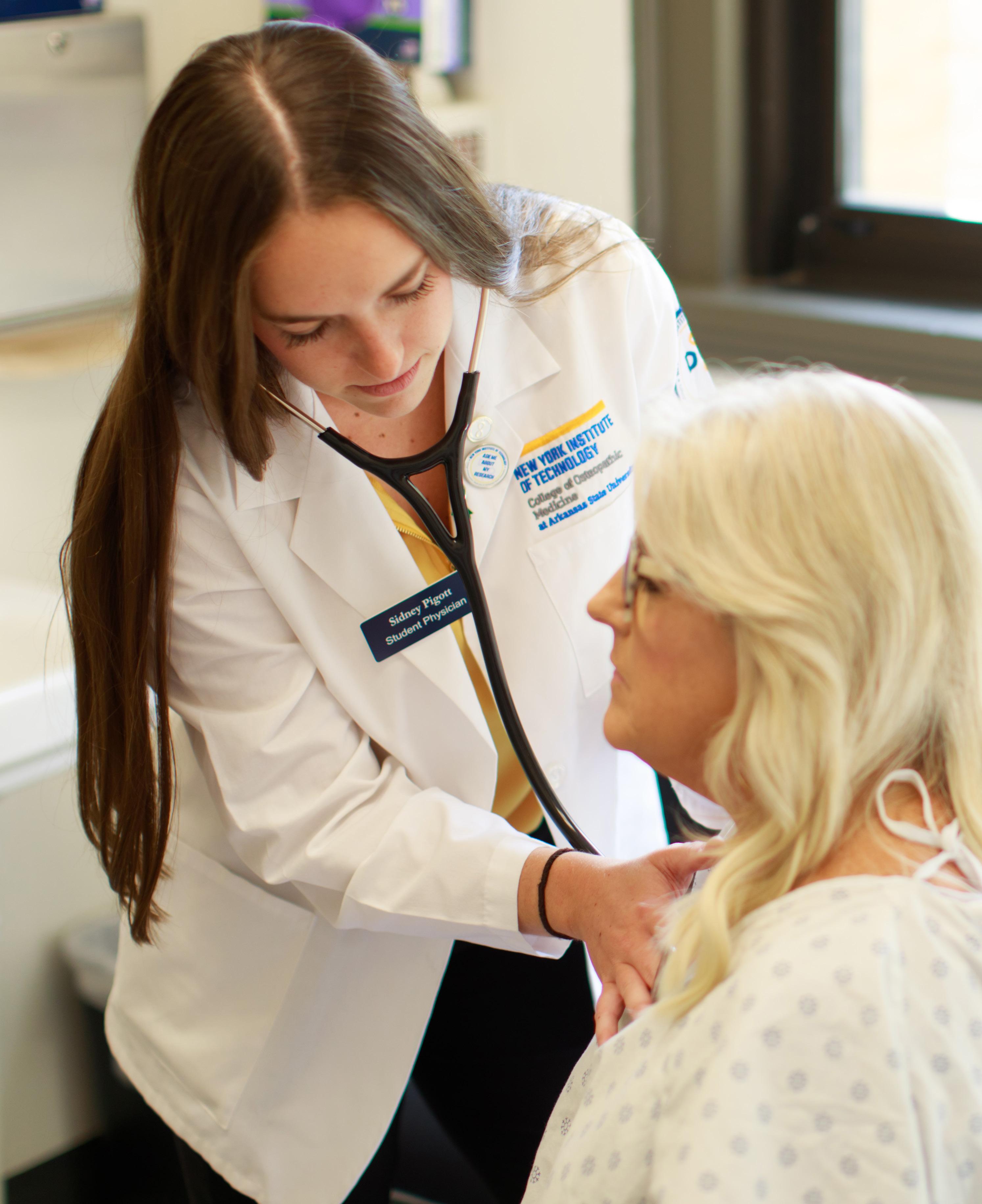


Incentive Program at Age 20 Improving Arkansans’ Health — One Measure at a Time
By Steven Chasteen, Ph.D., RN, CPHQ, Administrator of Research and EBP, AFMC
Over 20 years ago, health quality professionals from across Arkansas representing diverse organizations and disciplines, came together with a shared goal: to improve the health of Arkansans. Their collaboration led to the development of the Arkansas Medicaid Inpatient Quality Incentive (IQI) Program, an initiative that would later receive national recognition for its innovative, community-driven approach to quality improvement.
Today, two decades after its establishment, this milestone demonstrates that achieving quality improvement at scale is both feasible and sustainable. While challenges related to measure selection and data collection remain, as they have since the program’s inception, the evidence is clear — well-designed and effectively implemented quality improvement strategies lead to meaningful and measurable results.
A COLLABORATIVE MODEL FOR IMPROVEMENT
Since its official launch in 2006, the IQI Program has operated as a partnership among Arkansas Medicaid, the Arkansas Foundation for Medical Care (AFMC), the Arkansas Hospital Association (AHA), and hospital-based quality professionals. Governance continues through an advisory structure that includes hospital representatives and quality partners, ensuring the program remains grounded in real-world practice.
Although participation in the IQI Program is voluntary, Arkansas hospitals have consistently demonstrated strong engagement. The program aligns incentives with outcomes, offering performance-based bonus payments tied to measurable improvements in quality. Hospitals submit data on selected measures, and performance is evaluated based on both achievement and improvement thresholds, supported by a robust validation process.
EVOLVING MEASURES SUPPORT ARKANSAS PRIORITIES
In its early years, the IQI Program focused on conditions such as heart failure and pneumonia. However, as Medicaid priorities evolved, so did the program. Recognizing Medicaid’s significant role as a payer, particularly in maternal and child health, the IQI Program expanded its focus to areas with the greatest potential impact.
Over time, measures have included perinatal care, tobacco cessation, behavioral health, and care coordination across the continuum. This evolution reflects a deliberate strategy: align quality measures with the needs of Arkansas patients and use data to drive meaningful change.
ADVANCING PERINATAL CARE
Perinatal care has been a cornerstone of IQI efforts, with a focus on reducing early elective deliveries (EED) and low-risk cesarean sections. Hospitals across the state have implemented evidence-based policies, including stricter scheduling requirements, physician oversight, and patient education.
The results have been significant. Early elective deliveries declined from 25.7% in state fiscal year (SFY) 2011 to 3.43% in SFY 2025 — an 86.7% reduction. Similarly, cesarean rates among low-risk, first-time mothers dropped from 28.4% in SFY 2013 to 22.0% in SFY 2025.
Importantly, these improvements extend beyond Medicaid populations. Hospitals have universally adopted these practices, reinforcing the principle that evidence-based care
86.7% REDUCTION Early elective deliveries.
$84 million has been distributed to participating hospitals. at hospital admissions statewide. Tobacco screening
benefits all patients. Statewide trends show more births occurring after 39 weeks and fewer occurring at 37–38 weeks, contributing to healthier outcomes.
These changes have led to more than 3,000 fewer early-term births annually in Arkansas. The downstream impact includes fewer neonatal intensive care unit (NICU) admissions and substantial cost savings for hospitals and the broader health system.
ADDRESSING MATERNAL HEALTH
Building on perinatal improvements, the IQI Program has also contributed to reductions in severe maternal morbidity (SMM) — serious complications during labor and delivery that can have lasting consequences.
By implementing evidence-based practices and improving monitoring, Arkansas hospitals have reduced SMM rates from 1.52% in SFY 2020 to 0.55% in SFY 2025. These results underscore the importance of coordinated, data-driven approaches to improving maternal outcomes.
REDUCING TOBACCO USE
Tobacco use remains a leading cause of preventable disease and death. In response, the IQI Program introduced tobacco screening and treatment measures in 2012.
Today, screening occurs in approximately 99% of hospital admissions statewide. Patients identified as tobacco users are offered counseling and access to FDAapproved cessation therapies. These efforts demonstrate how consistent measurement and accountability can drive near-universal adoption of best practices.
STRENGTHENING BEHAVIORAL HEALTH
Behavioral health has also become a critical focus area. Suicide remains a significant public health issue, and hospitals play a key role in prevention. The IQI Program introduced suicide risk screening in emergency departments in 2018, followed by required follow-up protocols in 2019. These measures ensure that patients — particularly those seen in emergency settings — receive timely screening, risk assessment, and appropriate follow-up care. By standardizing these processes, hospitals are better equipped to intervene and potentially save lives.
INCENTIVES THAT DRIVE RESULTS
The IQI Program demonstrates that financial incentives, when aligned with evidence-based measures, can accelerate
improvement. In the past year alone, Arkansas hospitals earned nearly $6 million in performance-based bonuses. Since 2006, more than $84 million has been distributed to participating hospitals.
These incentives not only reward performance but also reinforce a culture of continuous improvement, encouraging hospitals to invest in systems, staff, and practices that improve patient outcomes.
LOOKING AHEAD
As the Arkansas Medicaid Inpatient Quality Incentive Program enters its third decade, it continues to demonstrate the power of sustained, statewide collaboration. The program’s success reflects more than strong partnerships; it highlights a shared commitment among Arkansas hospitals to use data, accountability, and evidence-based practices to drive better outcomes.
This milestone affirms that large-scale quality improvement is not only achievable but repeatable. The lessons learned over the past 20 years position Arkansas hospitals to meet emerging challenges with confidence and adaptability. As healthcare continues to evolve, the IQI Program serves as both a foundation and a catalyst — supporting continued innovation while keeping the focus where it matters most: delivering safer, higher-quality, and more patient-centered care for every Arkansan.
MATERNAL MORBIDITY (SMM): REDUCED FROM 1.52% IN SFY 2020 TO 0.55% IN SFY 2025.
Hospitals, 2026
Fast Facts on U.S. Hospitals, 2026
Fast Facts on U.S. Hospitals,
Fast Facts on U.S. Hospitals, 2026
Fast Facts on U.S. Hospitals, 2026
Fast Facts on U.S. Hospitals, 2026
Fast Facts on U.S. Hospitals, 2026
Fast Facts on U.S. Hospitals, 2026

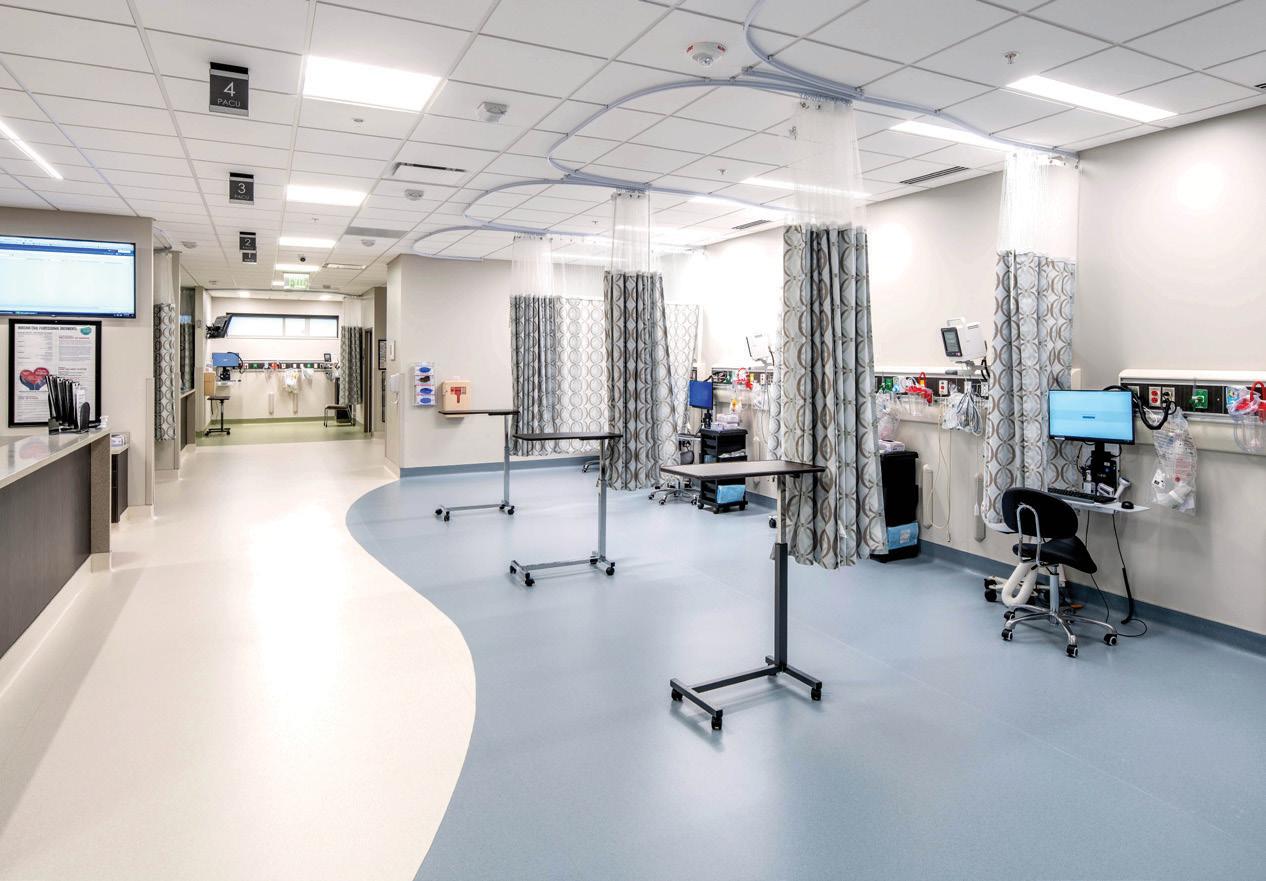

WE BUILDPlaces for Healing
Founded as a small construction company over 75 years ago, Nabholz has grown into a strong team of professionals serving our clients, communities, and each other. With a wide range of healthcare projects under our belt, we have the experience to deliver your project successfully — regardless of size.