With 50+ years of experience and expertise, our dedicated team has a successful history of delivering exceptional value to Arkansas providers.
• AFMC EngageSM: Comprehensive Contact Center Services
• Data Sciences: Better Data for Better Health Care
• Outreach Services: A Lifeline to the Provider Community
• Practice Transformation: Your Guide to Value Based Care Success
• Security Risk Analysis: Because Patient Trust Starts with Secure Data
• Event Planning Services: Memorable Events, Minus The Stress
Visit afmc.org to find out more.
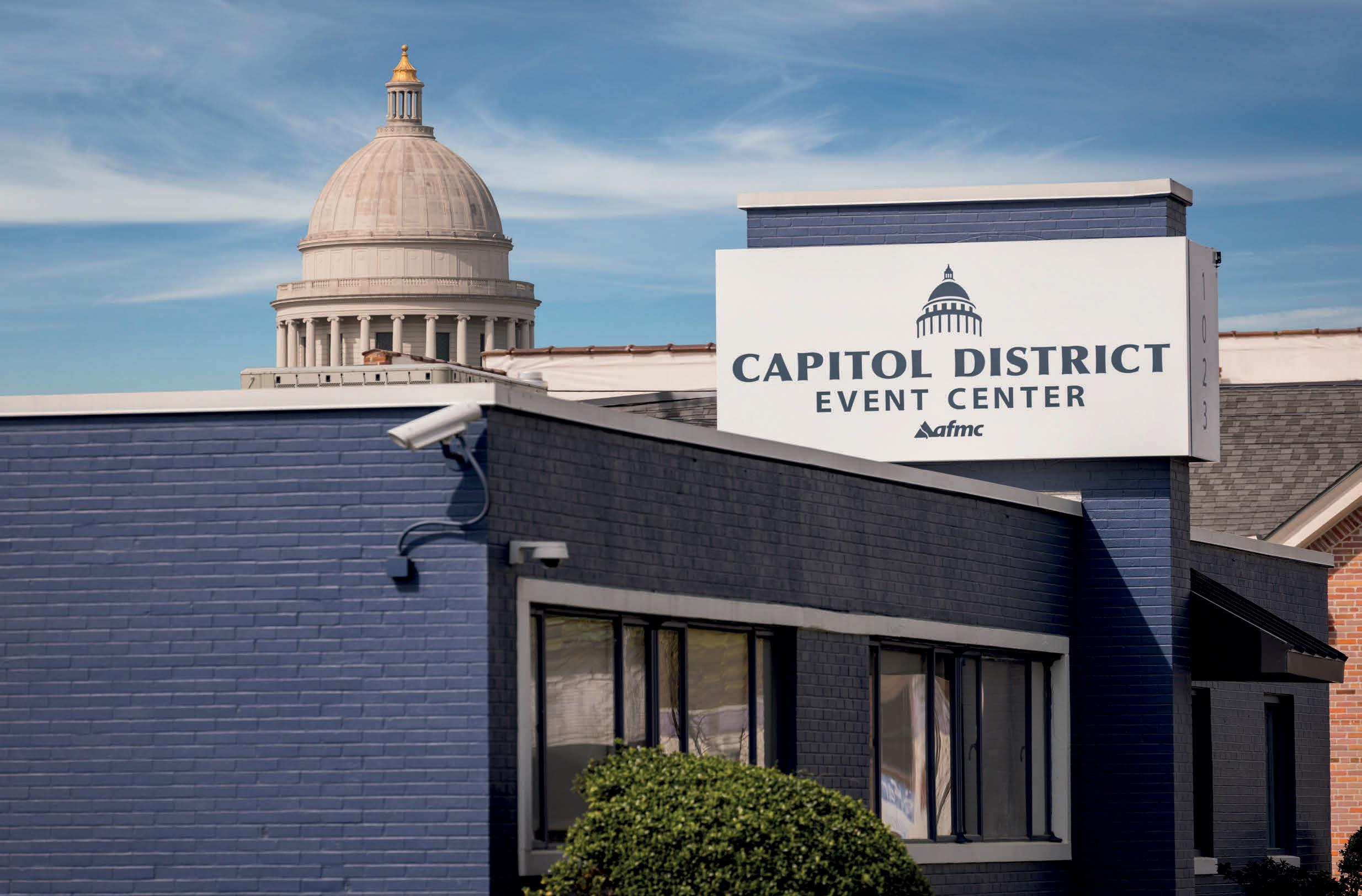
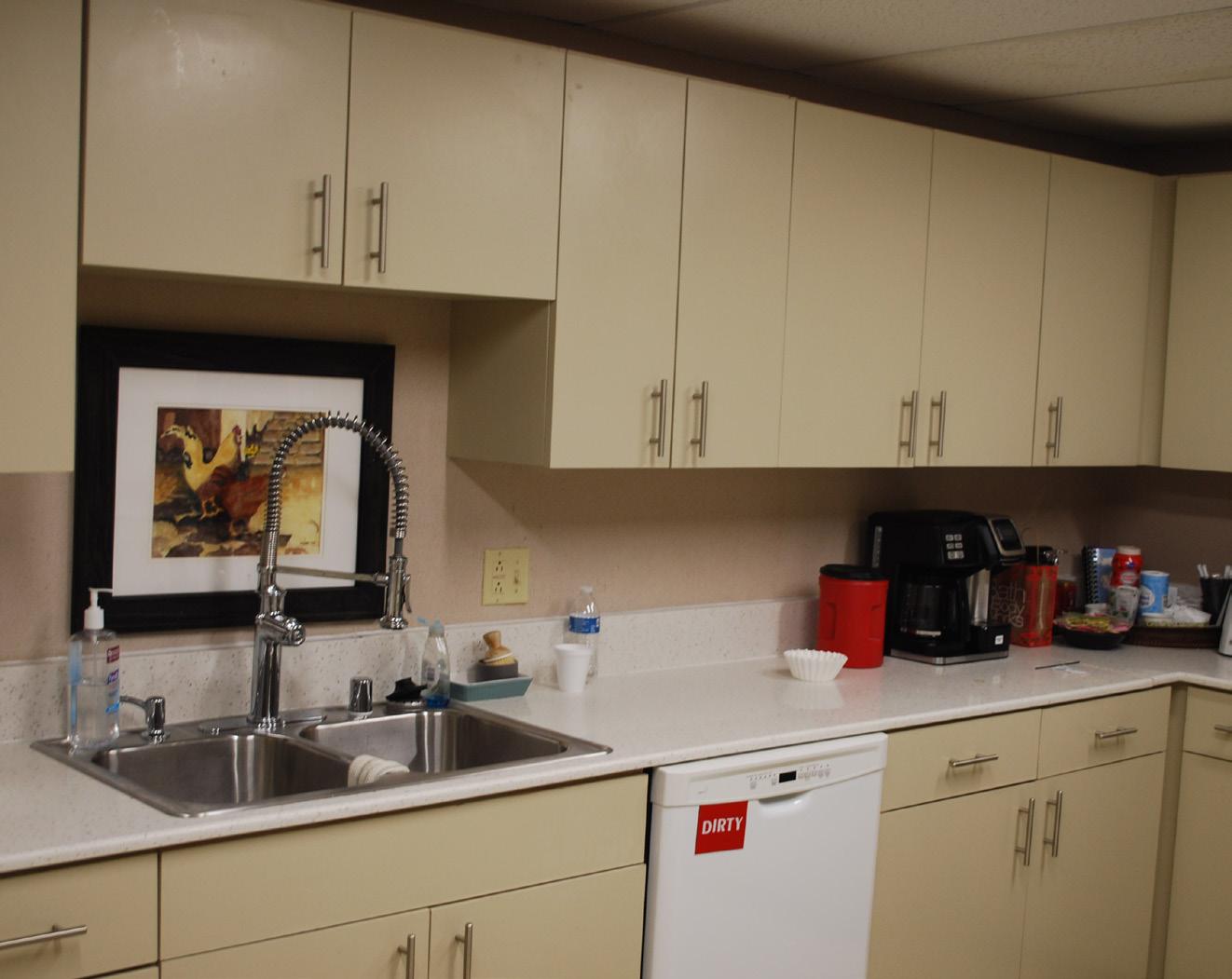
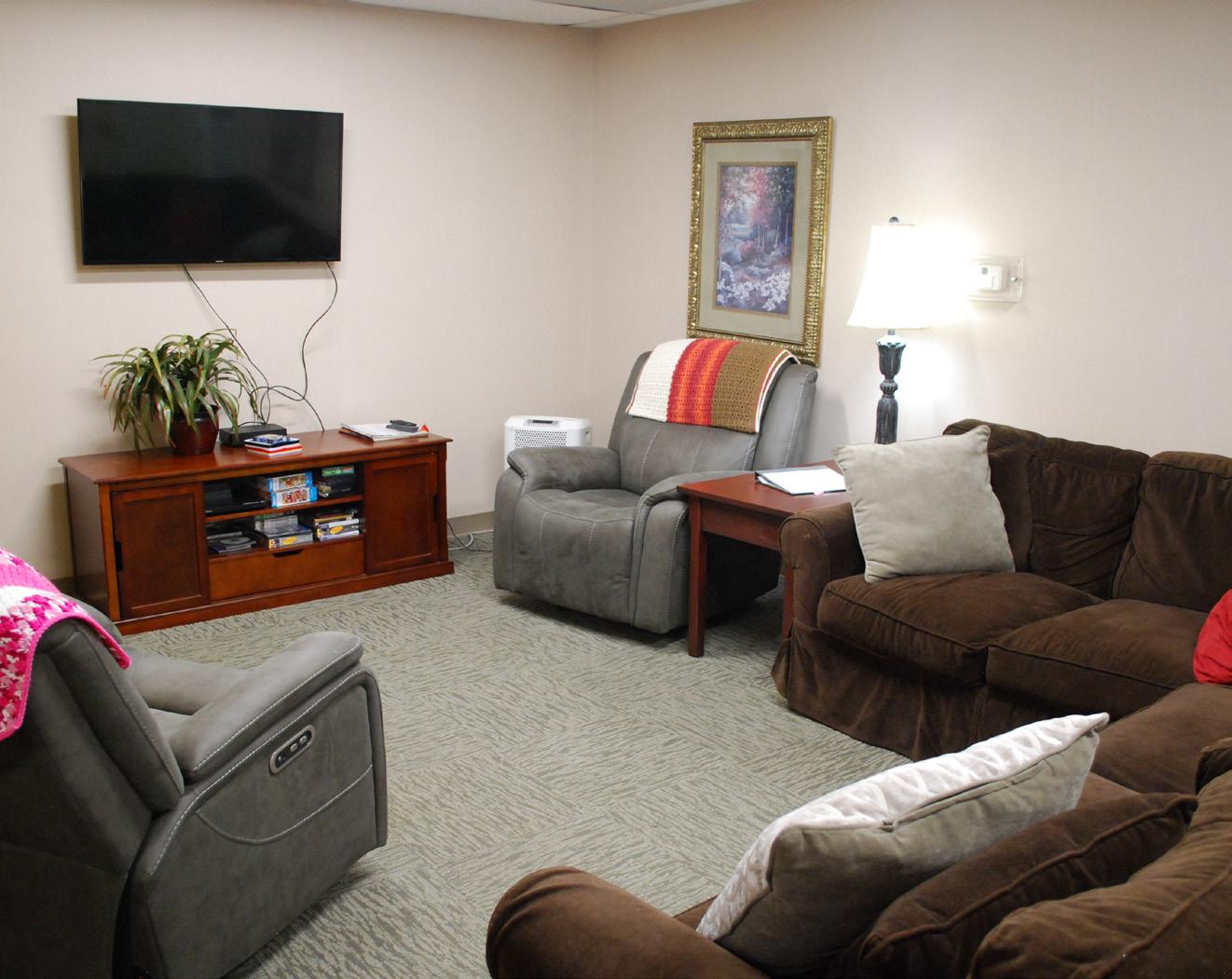
Conveniently located in downtown Little Rock, our newly renovated event space offers free parking, seating for up to 100 attendees, a state-of-the-art A/V system, virtual conferencing options, and a fully equipped catering kitchen.
Let us help you plan your next conference, meeting, or community event – contact us to reserve your spot! Visit afmc.org/events for more information.
ARKANSAS HOSPITALS
Arkansas Hospitals is published by
To advertise, please contact Brooke Wallace magazine@arkhospitals.org
Becca Bona, Editor in Chief
Katie Hassell, Graphic Designer
Roland R. Gladden, Advertising Traffic Manager
BOARD OF DIRECTORS
Greg Crain, Little Rock / Chairman
Michael Givens, Jonesboro / Chairman-Elect
Michelle Krause, MD, Little Rock / Treasurer
Larry Shackelford, Fayetteville / Past-Chairman
Ryan Gehrig, Fort Smith
Tommy Hobbs, Clarksville
Cody Walker, North Little Rock
Josh Conlee, Jonesboro
Eric Pianalto, Rogers
David Deaton, Clinton
Brian Thomas, Pine Bluff
Crystal Bohannan, Hot Springs
Sammie Cribbs Roberson, Harrison
Phillip Gilmore, Crossett
Matt Troup, Conway
Mary Catherine Propes, Heber Springs
Connie Castleberry, Camden
EXECUTIVE TEAM
Robert “Bo” Ryall / President and CEO
Jodiane Tritt / Executive Vice President
Tina Creel / President of AHA Services, Inc.
Pam Brown / Vice President of Quality and Patient Safety
Lyndsey Dumas / Vice President of Education
Debbie Love / CFO
Resources and services for our insured hospitals include: Your Partner
Through medical professional and general liability insurance, LAMMICO supports Arkansas hospitals in managing risk and defending claims.
• Risk management education (complimentary online courses and webinars)
• Regulatory and compliance courses
• Cybersecurity education/ resource portal
• Dedicated hospital risk manager
• Experienced legal defense team
• Customized claim handling
• On-site risk management assessments and consultations
$10,000
The 2025-2026 LAMMICO Patient Safety Award and Grant topic is skin and pressure injury reduction. Learn more about it at lammico.com/grant. Applications are due May 31, 2026.
Embracing the Grow Your Own Mentality
If there’s one thing that levels the playing field for all of us, it’s our health. It doesn't matter if you’re in the Delta or the Ozarks — when you need care, you need it close to home. At the Arkansas Hospital Association, we know that a strong state starts with healthy citizens, and our hospitals serve as the essential link in making that a reality for every community we call home.
The ability to provide that care depends on a stable and qualified workforce, yet hospitals across the state face mounting difficulties in recruiting and retaining essential personnel. While these challenges are not new, the COVID-19 pandemic shifted the landscape from a local struggle to a national competition for talent. Today, Arkansas hospitals are competing against a national market of traveling nurse roles and remote clinical positions that draw professionals away from our communities. Workforce pressures – combined with rising costs and a heavy administrative burden – remain significant hurdles as the industry looks toward the future.
In this issue of Arkansas Hospitals, we examine the energy and momentum currently building within the four medical schools across our state. At the directive of our board, the Arkansas
Hospital Association is prioritizing a closer dialogue with higher education partners to ensure the needs of member hospitals are central to the conversation. Collaborative efforts like these are about building a roadmap for the future – one where health care leaders can align clinical training with the specific realities of providing care in Arkansas.
Hospital administrators recognize that long-term talent retention is inseparable from the unique qualities of our communities. While the Natural State’s quality of life is a powerful tool for recruitment, sustaining a workforce requires reaching into the educational pathway much earlier. Reaching students at the elementary level creates a foundation of interest that can eventually lead to a career in medicine, ensuring the next generation of providers is homegrown and invested in our local communities.
Sustainable funding and financial stability are critical to our continued progress. As health care leaders work on quality of delivery, securing more robust support for the programs to increase the number of physicians, nurses, and other health care workers is essential to identifying where gaps exist and finding ways to supplement those resources. Administrators are deeply plugged into their communities; they see firsthand which specific service lines require support and where an expanded scope of practice is needed to meet patient demand. Focus remains on providing the right care, in the right place – whether it is ensuring a patient can see a specialist without driving to a metropolitan hub or maintaining emergency services in a rural setting.
We cannot solve today’s workforce challenges with yesterday’s isolated strategies. The path forward requires a unified front — where hospital leaders, educators, and community anchors move as one. By turning this “Grow Your Own” mentality into collective action, we do more than just adapt to a changing landscape. We are building a foundation that ensures quality care remains local, permanent, and personal. The commitment we show today is the bedrock for a healthier Arkansas tomorrow.
Bo Ryall President and CEO
Maris, M.D. Past President, Arkansas Academy of Family Physicians
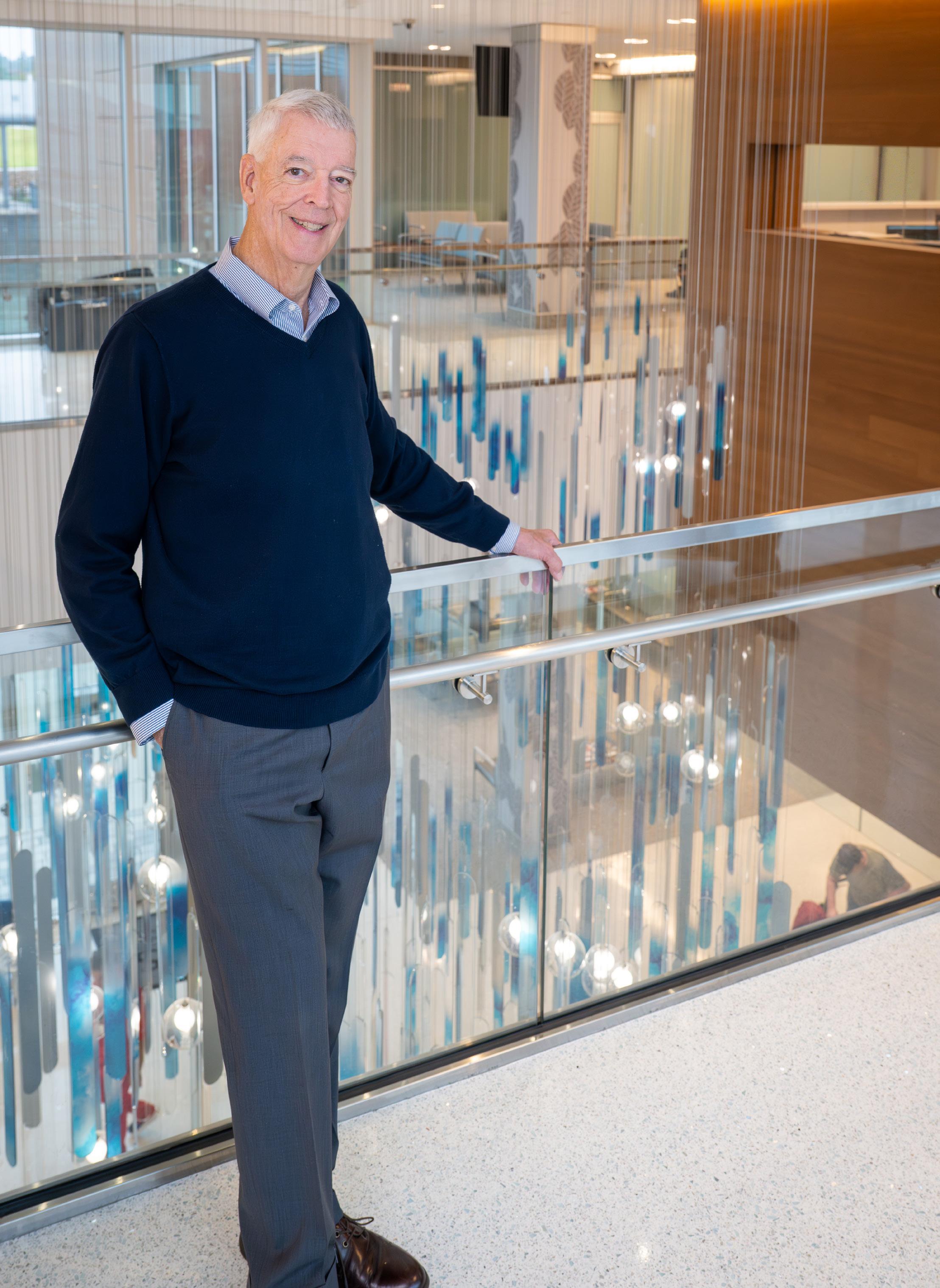
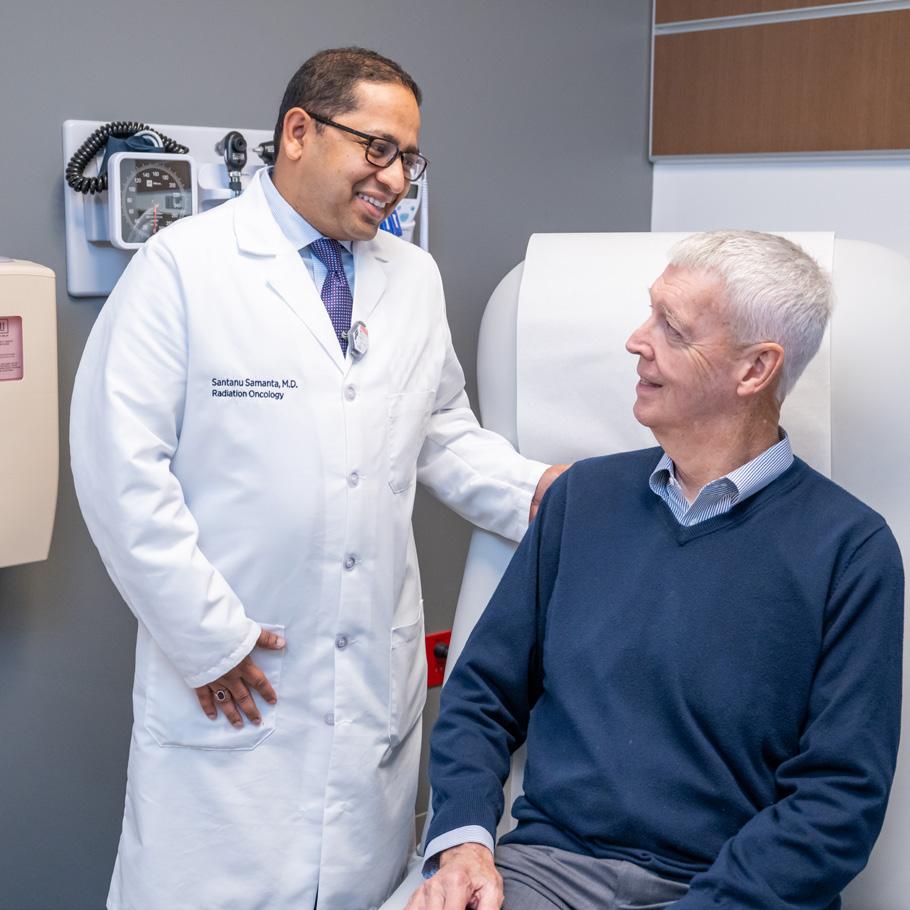
Why Proton Therapy Was the Right Choice
When Dr. Mahlon Maris, a retired family physician, was diagnosed with stage 3 larynx cancer, his treatment options came with serious risks. Surgery would have cost him his voice. Standard X-ray radiation risked permanent nerve damage and difficulty swallowing.
To avoid those risks, Dr. Maris chose the Proton Center of Arkansas, where cutting-edge proton therapy successfully treated his cancer while protecting surrounding critical structures.
The Proton Center of Arkansas is the state’s first and only proton therapy center and a collaboration of UAMS Health, Baptist Health, Arkansas Children’s and Proton International.
your patients today.
Mahlon
Synergy: The Backbone of Progress
There are so many stories that create the backdrop of the fabric woven together that is what we know as the Natural State. I have had the pleasure, before joining the team at the Arkansas Hospital Association, of interviewing many business owners all across the state to really delve into their “why” — why do business here, why live here, and why continue to call the Natural State home. Through these conversations, a recurring theme emerged: no matter the industry, success is rarely a solo act. It is the result of a complex, often invisible web of support and local interdependence.
One entrepreneur who was in his early 20s at the time was able to start an eco-friendly lawn service
that focused on servicing homes and commercial properties. He likely wouldn’t have succeeded in a vacuum, but in tandem were the outcropping of farmer’s markets, urban foodways, and education surrounding green practices that give the everyday consumer the choice to use their wallet to impact the environment. His success was tied to a cultural shift in the community, a synergy between his specific service and a broader public interest in sustainability.
This example, plus countless others — the small urban farmer who is able to get his business off the ground thanks to a few steady local restaurant contracts; the adventure guide who succeeds in the Ozarks because of their relationships with local breweries; the tech startup that finds its footing through a local incubator program — all have one thing in common. There is synergy. No one succeeds in a vacuum. We are a state of hand-shakers and bridge-builders, where a conversation at a local coffee shop can lead to a partnership that sustains a business for a decade.
Training, recruitment, and workforce in the health care industry will likely always be buzzworthy, hotbutton topics because they are so closely intertwined with both the economy and education. Because
everything is interconnected, the impact is cyclical: doctors cannot practice without a robust medical education system, yet that education system cannot effectively serve rural areas if residency programs never reach those corners of the state — and the list of these dependencies goes on. If a hospital in a rural county struggles to recruit, it isn't just a medical issue; it's an educational and economic one.
In this issue, we talk to the four deans of our medical school institutions across the state. We talk about what they know from their unique perspective, and what they wish health care leaders knew about the pipeline from the classroom to the clinic. By understanding the challenges faced by our medical schools, we can better align our clinical environments to support the next generation of providers.
Like every other step forward for progress in Arkansas, there is only one way to succeed — and that is through innovative, intentional partnerships. It’s about finding those points of connection and strengthening them until they form a safety net for our communities. At the end of the day, we are all part of the same fabric, and when one thread is strengthened, the entire tapestry is more resilient.
Becca Bona Editor in Chief
Arkansas Hospital Association 20 26 Annual Meeting
October 14-15, Little Rock Marriott
This Year’s Keynote: Jackie Joyner-Kersee
Having been dubbed “The Greatest Female Athlete of the 20th Century” by Sports Illustrated, Jackie Joyner-Kersee’s athletic accomplishments are literally second to none. By the conclusion of her career in the heptathlon and long jump events, she had amassed six Olympic medals (3 gold, 1 silver, 2 bronze) and four World Champion titles over four consecutive Olympic Games. Jackie was the first woman in history to earn more than 7,000 points in the heptathlon and today, over 20 years later, she still holds the world heptathlon record of 7,291 points. She continues to hold the Olympic and national records in the long jump, and her 1994 performance in the long jump remains the second longest in history.
In addition to heptathlon and long jump, Jackie was a worldclass 100m and 200m runner and, after a decorated All-American career in basketball at UCLA, she eventually played professional basketball for a short time.
Jackie’s athletic accomplishments have been well documented and remain some of the best ever across all sports. Less well known are her tireless efforts and remarkable accomplishments off the field as a philanthropist and an advocate for children’s education, health issues (in particular asthma, from which she has suffered throughout her life), racial equality, social reform, and women’s rights.
Jackie Joyner-Kersee 6 Time Olympic Medalist and Philanthropist
SCAN FOR A HEAD START! Scan this code to unlock an exclusive bonus entry for our Scan & Score competition. You’ll be entered in a special drawing for early prizes!
2026 Spring Education Calendar
MARCH
March 17
AHA 340B Monthly Meeting Virtual
March 30
Women in Leadership Series Autonomy & Job Crafting Virtual
APRIL
April 14
AHA 340B Monthly Meeting
Virtual
April 17
Society for Arkansas Healthcare Purchasing and Materials Managers (SAHPMM)
2026 Annual Meeting & Trade Show
The DoubleTree By Hilton Hot Springs, Arkansas
April 19
American Hospital Association 2026 Membership Meeting Washington D.C.
April 24
Arkansas Association for Medical Staff Services (ArkAMSS) 2026 Spring Conference
AHA Classroom & Zoom
April 29
Women in Leadership Series Show Up, Be Bold, Play Big! Virtual
MAY
May 5
2026 Revenue Cycle Solutions Summit
AHA Classroom
Preparedness Forum Wyndham Riverfront Little Rock, North Little Rock, Arkansas
May 19
AHA 340B Monthly Meeting Virtual
HOSPITAL NEWSMAKERS
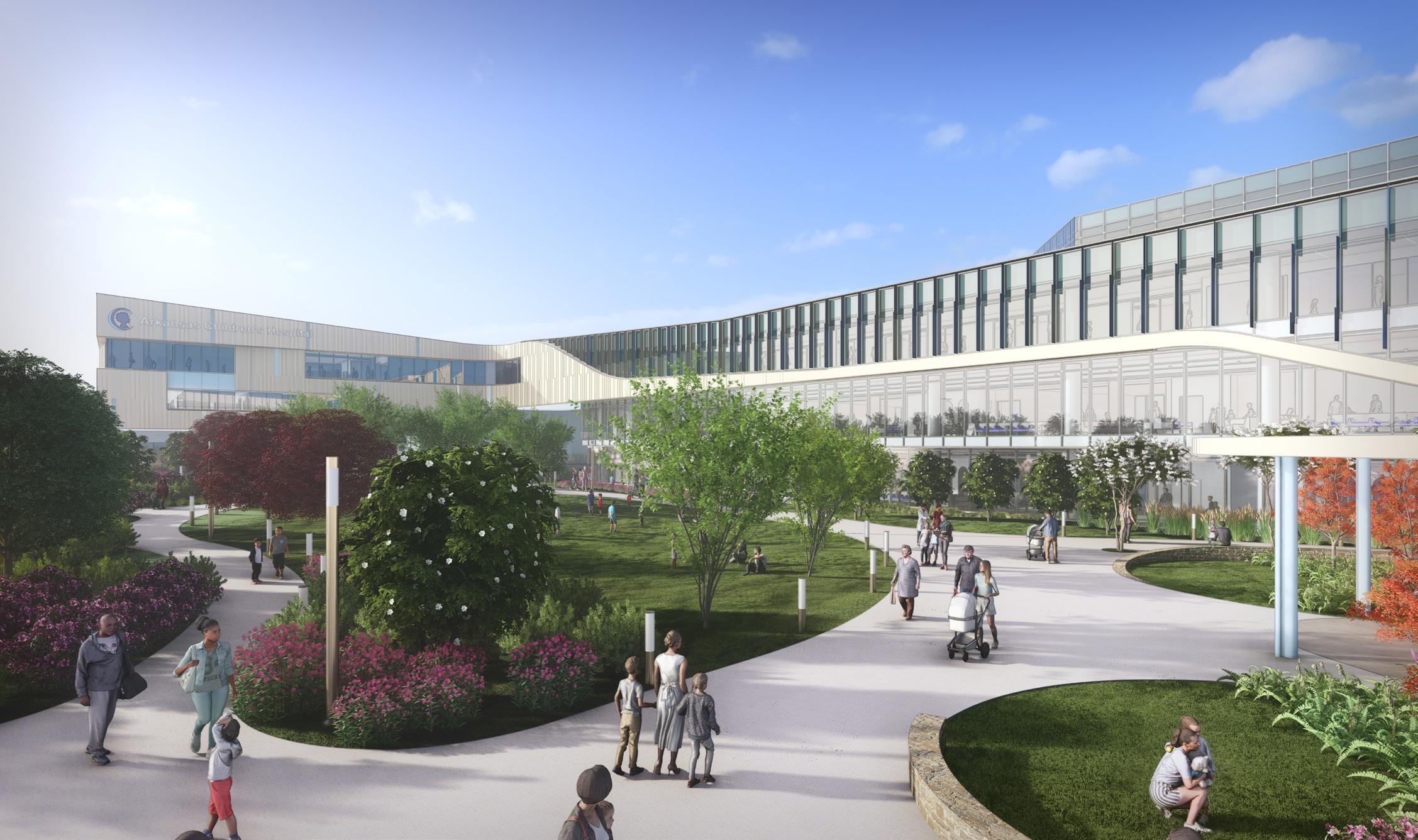
Arkansas Children’s Hospital is advancing its $371-million, 10-year systemwide expansion plan, the largest in the organization’s history. This historic growth initiative, which focuses on facility upgrades, workforce recruitment, and enhanced pediatric access, has recently been bolstered by several significant investments. A landmark $50-million gift from philanthropist B. Thomas Golisano has resulted in the Little Rock campus being renamed the Arkansas Children’s Golisano Campus and integrates the system into the Golisano Children’s Alliance. Momentum continues with a $1.5-million gift from Katie and Miles Stephens to further transform pediatric care. Additionally, the expansion is supported by $55 million from Arkansas Attorney General Tim Griffin for the National Center for Opioid Research and Clinical Effectiveness and $25 million from the Willard and Pat Walker Charitable Foundation for the Pat Walker Campus in Springdale. As an independent pediatric system, Arkansas Children’s continues to strengthen its nationally-ranked health system to meet growing regional needs.
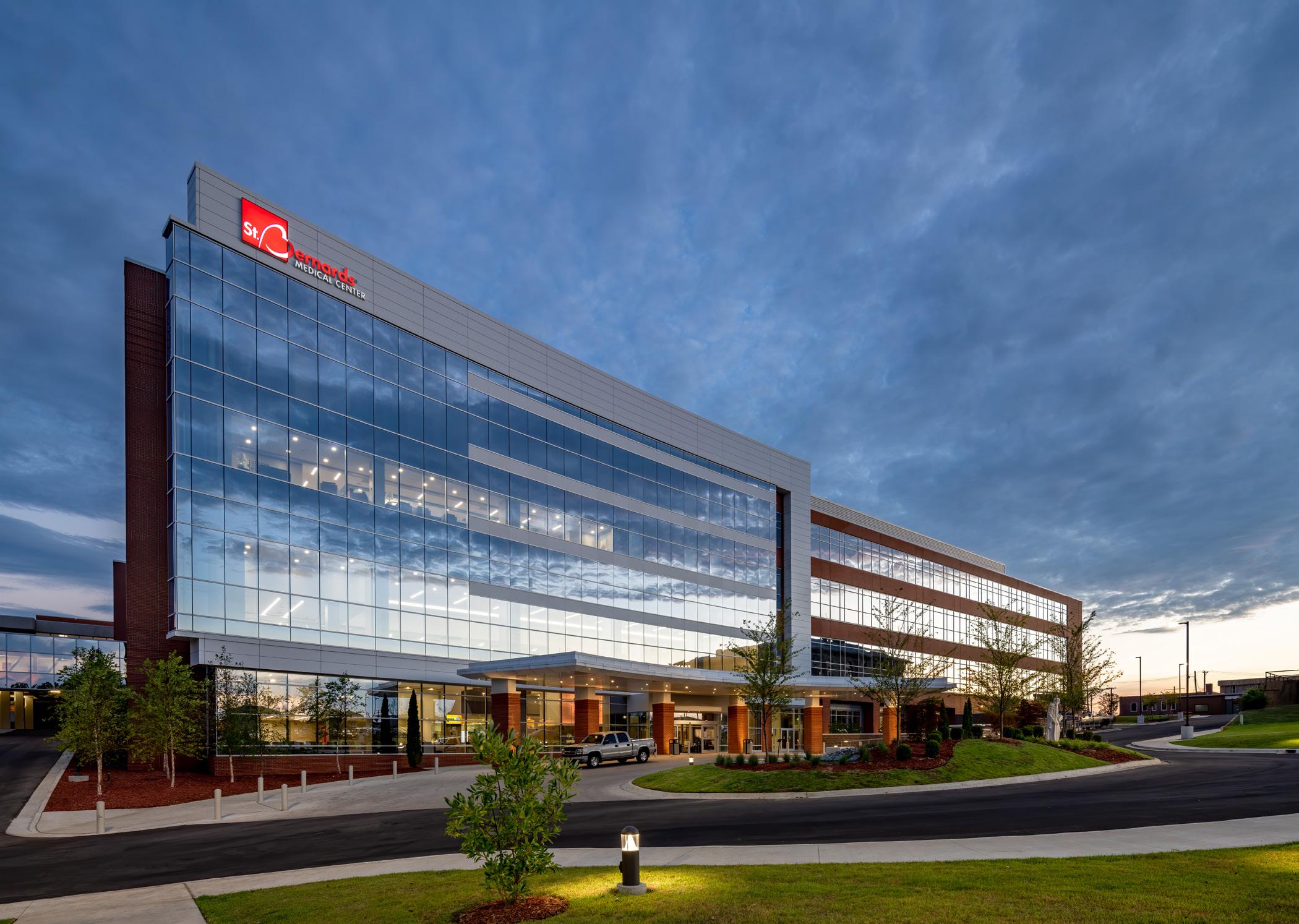
St. Bernards Healthcare has expanded its Maternal Life360 HOME program into Lawrence County, marking the third such site for the health system following launches in Craighead and Greene counties. In partnership with the Arkansas Department of Human Services and Parents as Teachers, the program provides comprehensive in-home prenatal and postpartum care for women enrolled in Medicaid who experience high-risk pregnancies. The initiative is a direct response to Arkansas’s maternal and infant health challenges, addressing both clinical and social needs, such as food security and housing, to improve outcomes for families for up to two years after birth. St. Bernards joins Baptist Health and White River Health as participating systems in this state-funded safety net program.
Provided
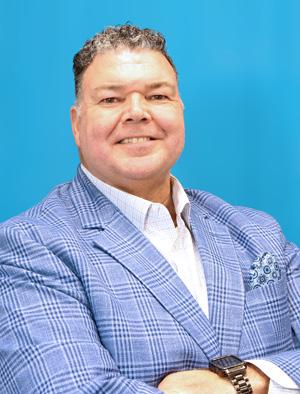
Methodist Family Health has opened Methodist Children’s Behavioral Hospital–Jonesboro , a new 70-bed acute psychiatric facility. Located at 3024 Red Wolf Blvd., the hospital began seeing patients in January to provide short-term inpatient mental health care for those under 18. Led by Administrator Kayla Beamon, the facility also serves as a training resource for Arkansas State University students.
Photos
Arkansas Children’s Hospital Expansion Rendering
White River Health appointed David Fox as Vice President and Administrator of Stone County Medical Center in Mountain View, effective Jan. 5, 2026. Fox, who previously served at Summit Management Group, succeeds Kathy Thomas, who will retire in December 2026. A Fellow of the ACHE and AHRA, Fox brings extensive experience in hospital operations and strategy.
U.S. Senator John Boozman (R-AR) has championed the passage of Fiscal Year 2026 funding bills that deliver historic investments to the state’s health care landscape. Focused heavily on improving maternal health outcomes and building the next generation of medical professionals, the package includes:
• $40 Million for UAMS: Dedicated to expanding labor and delivery capacity, maternalinfant education, and translational research.
• $15 Million for UAFS : To construct the Center for Mother and Infant Healthcare in the River Valley.
• $16.7 Million for ASU Systems: Funding a new Healthcare Simulation Building in Jonesboro and a Health Science Center at ASU-Newport to address rural workforce shortages.
• Statewide Policy: The reauthorization of the PREEMIE Act through 2030, which funds federal research to identify the causes of premature birth and provides grants for evidence-based clinical interventions. This includes screening and treatment for maternal chronic conditions, depression, and substance use disorders to improve long-term outcomes for Arkansas infants.
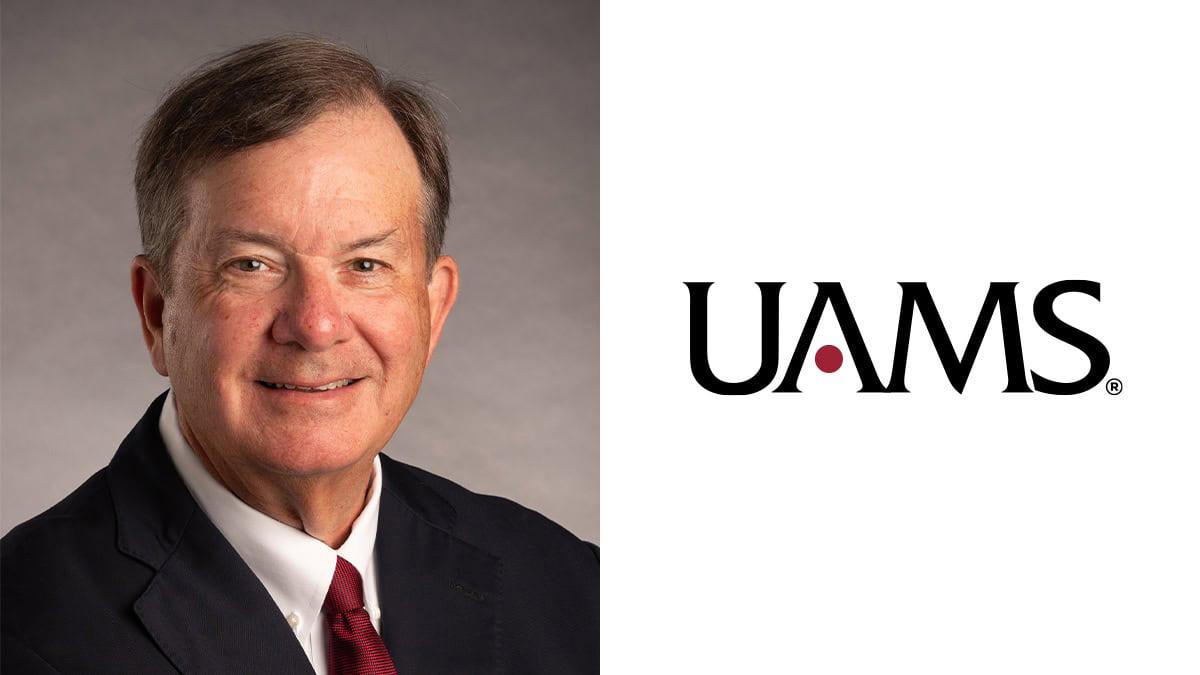
C. Lowry Barnes, M.D. , has been named Chancellor of the University of Arkansas for Medical Sciences (UAMS). Dr. Barnes, who has served as interim chancellor since July, previously chaired the UAMS Department of Orthopaedic Surgery and was the founding director of The Orthopaedic and Spine Hospital. A worldrenowned joint replacement expert and Harvard-trained surgeon, he joined the UAMS faculty in 2014.
AR Senior Medicare Patrol (SMP)
We empower Medicare beneficiaries, their families, and caregivers to prevent, detect, and report healthcare fraud, errors, and abuse through education, outreach, and PERSONALIZED ASSISTANCE.
The Arkansas SMP helps identify and correct billing errors found on Medicare Summary Notices (MSNs) and works to recover funds to Medicare and to beneficiaries.
Suspected fraud is promptly referred to the U.S. Office of Inspector General for further investigation.
OUR WORK IS IN THREE MAIN AREAS:
1. Conduct Outreach and Education
2. Engage Volunteers
3. Receive Beneficiary Complaints
The AR SMP project is 100% funded by Grant #90MPPG0088 of the Administration for Community Living (ACL), U.S. Department of Health and Human Services (HHS). The contents are those of the author(s) and do not necessarily represent the official view of, nor endorsement by, ACL/HHS, or the U.S. government.
Arkansas Department of Health Honors Health Care Providers for Excellence in Stroke Care
On Jan. 9, 2026, the Arkansas Department of Health (ADH) recognized 48 hospitals and 38 ambulance services for excellence in stroke care performance from July 2024 through June 2025. Awards were categorized into Diamond (95%+ adherence), Ruby (90%–94.99%), and Pearl (85%–89.99% or 75th percentile) classes based on the Arkansas Stroke Registry’s performance measures.
Defect-Free Care Diamond awards went to NEA Baptist, Washington Regional, and Mercy Springdale. Ruby recipients included CHRISTUS St. Michael, Conway Regional, Mercy (Northwest Arkansas and Bella Vista), St. Bernards, and Mercy Paris. Pearl honors were given to Baptist Health (North Little Rock and Hot Spring County), Mercy Fort Smith, Siloam Springs Regional, Northwest Medical CenterBentonville, St. Bernards Five Rivers, and White River Medical Complex.
For Door to CT Times, Diamond honors were awarded to Mena Regional, Chicot Memorial, Eureka Springs Hospital, Izard County, Lawrence Memorial, Mercy (Booneville, Ozark, and Waldron), Sevier County, South Mississippi County, and St. Bernards Five Rivers. Ruby winners included Baptist Health (Drew County and Stuttgart), Great River, and Mercy (Bella Vista and Springdale). Pearl recipients included CHI St. Vincent Hot Springs, Conway Regional, Jefferson Regional, National Park, Saint Mary’s, South Arkansas Regional, Washington Regional, Baptist Health Hot Spring County, Bradley County, Dardanelle Regional, Ozarks Community Hospital, and Unity Health-Newport.
Stroke Band Documentation Diamond awards were earned by Baxter Regional, Mercy (Fort Smith, Booneville, and Waldron), Saline Memorial, White River (Batesville and Complex ER), CHI St. Vincent North, Dardanelle Regional, Izard County, and St. Bernards Five Rivers. Ruby recipients included Baptist Health (Little Rock and North Little Rock), Conway Regional, Helena Regional, NEA Baptist, North Arkansas Regional, St. Bernards, Washington Regional, Mena Regional, Chambers Memorial, and South Mississippi County. Pearl honors went to Baptist Health (Fort Smith and Hot Spring County), Ouachita County, Lawrence Memorial, Mercy Bella Vista, and Ozarks Community Hospital.
Pipeline to Practice: A Special Report on the Medical Education Landscape
Workforce stability remains a critical operational priority for hospitals across Arkansas. As the health care landscape becomes increasingly competitive on a national scale, the ability to recruit and retain highquality clinicians has shifted to a primary strategic necessity. The pipeline from medical education to clinical practice is central to addressing these shortages, particularly in rural and underserved communities where the need for consistent, local care is most acute.
Successful workforce development requires alignment between medical education and the clinical environments where care is delivered. Developing a sustainable pipeline involves strategies that begin long before a student enters residency. Efforts to increase the number of physicians in the state rely on intentional, collaborative partnerships between higher education institutions and hospital administrators. Without this integration, the bridge between classroom instruction and the practical realities of a clinical setting remains difficult to cross.
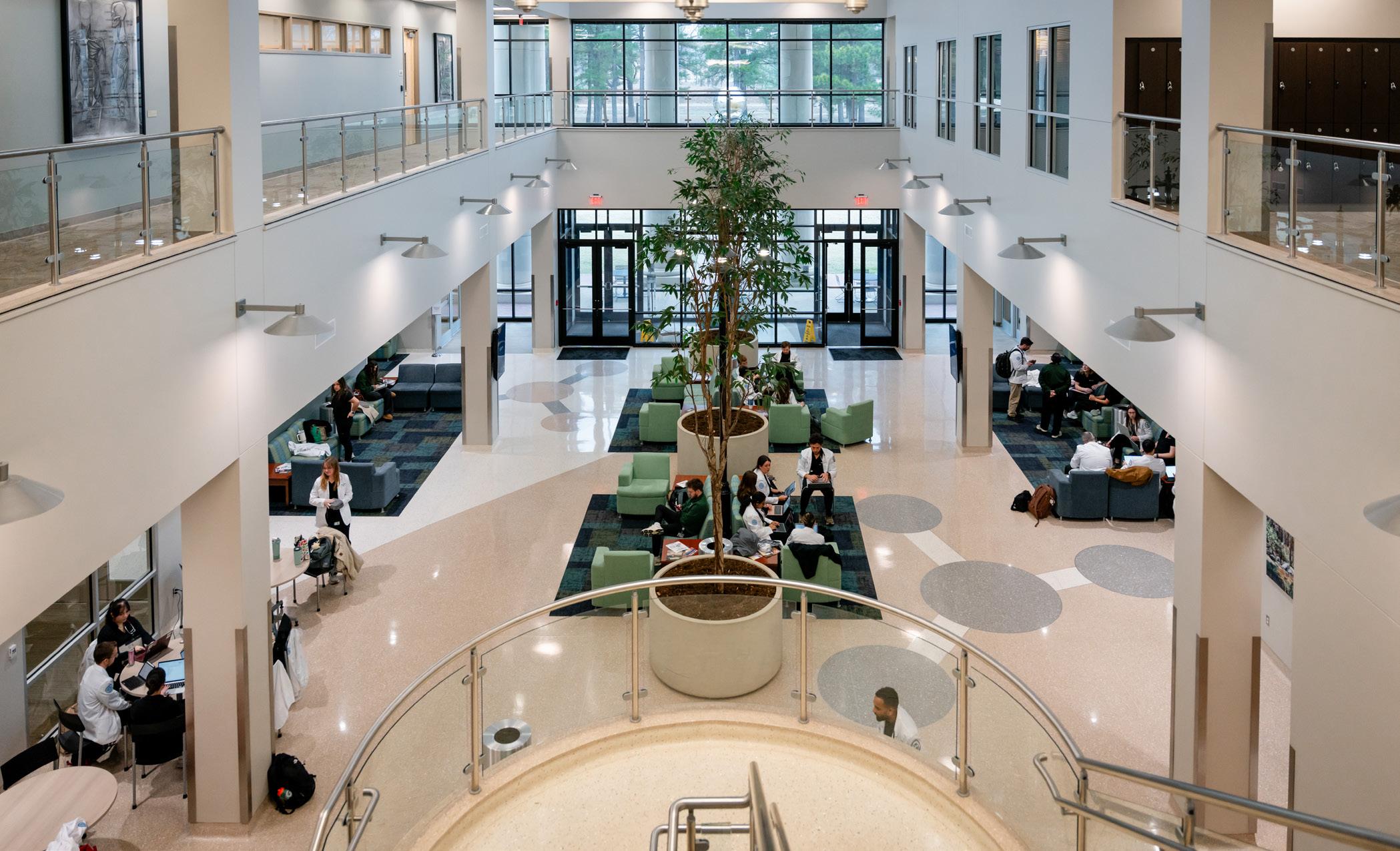
This special section features interviews with the leadership of the four medical colleges currently operating in Arkansas: the University of Arkansas for Medical Sciences (UAMS), the NYIT College of Osteopathic Medicine at Arkansas State University, the Arkansas College of Osteopathic Medicine
(ARCOM), and the Alice L. Walton School of Medicine (AWSOM). Each institution plays a vital role in training the next generation of providers, yet each approaches the challenges of recruitment and retention through different methodologies and regional priorities.
The following profiles examine how these programs are addressing specific barriers to physician retention. Key topics include the implementation of academic pathway programs designed to support local undergraduate students, the expansion of Graduate Medical Education (GME) residency slots, and the design of clinical rotations that expose students to the unique rewards of community medicine. Data from these institutions suggests that geographic exposure during training is one of the strongest predictors of long-term retention.
Ultimately, these conversations highlight the momentum building within Arkansas’s medical schools — and the practical ways they are working to connect students with the hospitals that need them most. By strengthening the ties between the classroom and the clinic, Arkansas is moving toward a more sustainable, homegrown workforce. This collaborative approach offers a clear path forward — one where the next generation of providers is not only trained in Arkansas but remains here to serve as long-term anchors for their communities.
Viewpoint : Future Physician Workforce in Arkansas and the Impact of Undergraduate and Graduate Medical Education
Steven A. Webber, MD, Executive Vice Chancellor and Dean, Molly M. Gathright, MD, Executive Associate Dean, GME
John J. Spollen, MD, Associate Dean, Academic Affairs
College of Medicine, University of Arkansas for Medical Sciences
Productive discussions are occurring among stakeholders statewide regarding how the physician workforce can be developed to meet the long-term needs of Arkansans. This brief review addresses key questions and outlines potential strategies to advance that goal.
Does Arkansas have enough doctors?
Arkansas has fewer physicians per capita than the national average (approximately 225/100,000 compared to approximately 297/100,000 nationally), but it exceeds the national rate for family medicine/general practice providers (49/100,000 versus 37/100,000 nationally). However, many states and countries with similar physician-to-population ratios achieve substantially better health outcomes. Improving the health of Arkansas is far more complex than simply increasing the number of physicians. It is well established that many ‘non-medical’ factors drive health of the population, including educational level, family income, and food security. Nonetheless, access to preventive health care and chronic disease management is critical.
Subspecialty distribution is also important. Many rural communities in Arkansas remain health care ‘deserts,’ which worsens with ongoing rural hospital closures. Many mediumsized towns lack key subspecialty services, with declining access to obstetric services posing particular concern.
Are we training enough doctors in Arkansas?
UAMS opened its doors to medical students in 1879 and now educates approximately 700 medical students across its Little Rock and Northwest Arkansas campuses. Approximately 90% of admitted students are Arkansans, and to date, the College of Medicine (COM) has trained over 11,000 physicians — remaining the primary source of physicians practicing in the state. In recent years, two osteopathic medical schools (DO-granting) and a new allopathic medical school have opened, bringing the total in-state medical school matriculation to approximately 500 students annually. Arkansas now offers sufficient capacity for well-qualified Arkansas students to attend medical school
within the state. At this juncture, access to undergraduate medical education (UME) does not appear to be the principal factor limiting the Arkansas physician workforce.
Do Arkansas medical students stay in state after medical school?
Approximately 45% of our UAMS medical students remain in Arkansas for residency training, and some who leave for residency ultimately return to practice in the state. About 40% of our GME programs are filled by graduates of Arkansas medical schools. According to AAMC, 40.1% of UAMS medical school graduates from 2011-2015 are practicing in Arkansas, outperforming 85% of US medical schools for in-state retention. Statewide longitudinal data would be valuable to better assess retention trends over time.
How robust are Arkansas Graduate Medical Education (GME) programs?
Arkansas has approximately 1,525 Accreditation Council for Graduate Medical Education (ACGME)-approved GME positions, of which 1,168 (77%) are sponsored by UAMS. Our GME programs, established in 1949, are administered through three ACGME Sponsoring Institutions, including a consortium with Baptist Health. We support 88 training programs, including 100% of the state’s 46 ACGMEaccredited fellowships. In addition, we support multiple non-ACGME accredited fellowships for advanced subspecialty training. Our GME programs span all corners of the state, with strong emphasis on rural communities, including designated Rural Track programs. While most programs outside of Little Rock focus on family medicine and internal medicine, two new residency programs in emergency medicine and neurology have been developed in collaboration with Washington Regional Medical Center in NWA. Partnerships with non-UAMS hospitals and clinics are a hallmark of our UAMS GME enterprise, with more than 40 active collaborations statewide, many serving rural areas. Additionally, there are seven non-UAMS affiliated ACGME Sponsoring Institutions in Arkansas (two from
institutions based out of state) that collectively train several hundred physicians annually, primarily focused on training in primary care specialties. UAMS provides training for approximately 250 of these non-UAMS residents each year, totaling 721 weeks of clinical rotations at UAMS facilities.
While the state has robust primary care GME capacity, training opportunities are limited in certain specialties such as obstetrics-gynecology and general surgery. To address this gap, we have recently launched a non-ACGME accredited Family Medicine-Obstetrics (FM-OB) training program in El Dorado and are actively exploring expansion of FM-OB training to other rural communities.
Do GME trainees stay in state?
Although there is robust retention of our medical students into GME programs across Arkansas, post-training retention of residents and fellows is lower. Primary care residents are significantly more likely to remain in Arkansas than subspecialty fellows, especially if they were long-term Arkansas residents prior to training. Approximately 65% of our graduating primary care residents enter practice in-state, compared to less than 25% of subspecialty fellows. State-wide data for all GME programs is currently not publicly available. Strategies focused on in-state retention are at least as important as expanding the total number of GME positions.
What are the key hurdles to optimizing the physician workforce?
The recent expansion of medical schools in Arkansas has increased the total number of medical students trained in the state. The greater challenge is improving in-state retention of medical students, residents, and fellows following training. Sustaining and strengthening the physician workforce in Arkansas will depend heavily on retaining these trainees. Expansion of GME positions has merit but must be strategically aligned with the state’s specific workforce and subspecialty needs.
Funding for additional trainees and programs must be robust and sustainable and not limited solely to start-up expenses. Within our UAMS College of Medicine (COM) Sponsoring Institution alone, institutional support for trainee salaries and ACGME-required protected time for program directors and coordinators exceeds $20 million annually. Federal GME funding caps established in 1997, no longer reflect current workforce realities.
Financial considerations, while significant, are not the only barrier. High-quality training requires substantial infrastructure, trained preceptors, sufficient patient volumes, appropriate case complexity, and compliance with detailed ACGME program requirements. Most hospitals within Arkansas lack the capacity to meet these standards, particularly for subspecialty training in high-need areas such as obstetrics-gynecology and general surgery.
Are there solutions with high likelihood of strong impact?
Solutions must reflect the complexity of the challenges. First, Arkansas needs comprehensive, reliable state-wide
data that longitudinally tracks all medical students and GME trainees to better understand in-state retention and factors that influence it. UAMS has developed a comprehensive tracking system and would be willing to expand it to include all Arkansas medical schools and GME programs to inform coordinated, data-driven workforce planning. Sustainable funding is essential and must cover both start-up and ongoing operations. A state-run endowment
"Many states and countries with similar physicianto-population ratios achieve substantially better health outcomes.
Improving the health of Arkansas is far more complex than simply increasing the number of physicians."
(or private-public partnership) of $250-500 million would create meaningful, lasting impact. Academic medical centers cannot continue expanding GME positions indefinitely under federal funding caps established three decades ago. Program expansion must strategically target high-need specialties and subspecialties. However, for reasons discussed above, new programs must meet all ACGME requirements. Select regional partnerships, such as the UAMS collaborations with
Washington Regional Medical Center and Baptist Health, offer viable models for expanding training capacity outside of traditional academic medical centers.
Expanding rural clinical exposure for medical students and primary care residents has been a sustained priority across Arkansas medical schools. Increased exposure to rural practice settings may help encourage more trainees to enter practice in these communities.
Financial support for students and trainees will be required given the very high indebtedness of many of our students. Loan forgiveness programs can be effective if linked to a long-term commitment to stay in state. UAMS recently launched a Chancellor Scholars’ program, providing full tuition support to selected medical students who commit to serving Arkansas after completion of GME training. The governorappointed Arkansas Rural Medical Practice Student Loan and Scholarship Board is another important program that supports students and residents who commit to primary care practice in Arkansas’ rural communities. With the average debt among our students nearing $225,000 at the completion of medical school, the program’s impact could be significantly enhanced by increasing available funding and expanding support to a greater number of trainees. Consideration might also be given to extending support for those wishing to practice subspecialty medicine in medium-sized communities outside of Little Rock and Northwest Arkansas.
Conclusions
In summary, a robust conversation is emerging among key stakeholders in Arkansas regarding how to best develop the physician workforce to meet the needs of Arkansans, especially in rural communities. While innovative ideas are being generated, external constraints — including ACGME program requirements — must be recognized. Ultimately, workforce expansion efforts will only be meaningful if physicians are retained in Arkansas long-term.
CENTRAL AR
NORTHWEST AR
MID-ATLANTIC
EUROPE
Advertise to Hospitals Across Arkansas
Alice L. Walton School of Medicine
The "Whole Health" Advantage: AWSOM is unique for its focus on integrating the arts, humanities, and whole health principles into medical education. How does this holistic approach specifically prepare your inaugural class to meet the complex needs of Arkansas’s patient populations?
• Whole-person lens from day one: We integrate arts, humanities, and behavioral health with the biomedical sciences so students learn to treat the person, not just the condition.
• Art-based learning helps medical students develop empathy, communication, observation, clinical reasoning, cultural sensitivity, and trust-building. Faculty take advantage of AWSOM's location on the Crystal Bridges Campus to engage students in structured visual-thinking and narrative medicine exercises in the gallery spaces around campus.
• Health systems science as a core thread: Students learn social drivers of health, value-based care, and team-based practice alongside clinical skills, so they can navigate realworld constraints (coverage, transportation, health literacy).
• Early, longitudinal patient contact: Clinical exposure begins within the first months, not the third year, tethering classroom insights to community realities across urban, rural, and frontier settings.
Addressing the Physician Shortage: With Arkansas facing a critical shortage of providers, what is AWSOM's strategy for encouraging the physicians you train to remain in Arkansas to practice long-term?
• Recruit to retain: Roughly one-third of our inaugural class is from Arkansas, 15 percent are from rural areas, and 20 percent from surrounding states. We intentionally recruit students with ties to the region because location affinity predicts practice location.
• Tuition-waiver cohorts: Full-tuition scholarships for the first five cohorts reduce debt pressure, which is a key factor in specialty and practice-location decisions. The goal is to make rural and community-based careers more attainable.
• Train-where-you’ll-serve model: Rotations and longitudinal placements with Mercy and community health centers build relationships that translate into residencies and career options.
• Pipeline continuity: Collaborative work to expand GME capacity in the region (outpatient and community-based training) so students can complete the full pathway — including medical school, residency, and practice — all in this region.
Provided
Photos
Innovation in a New School: As a new institution, you aren't bound by "how things have always been done." What is one specific innovation in your curriculum that you believe should become a future standard for the medical workforce?
• Technology and AI in the curriculum: Beyond tool training, we teach students to vet, validate, and ethically apply any emerging technology (AI today, something else tomorrow): bias detection, data quality, privacy, workflow fit, and outcomes measurement. This creates physicians who are safe early adopters, not passive end-users.
Resiliency and Retention: Physician burnout is a major hurdle. How is AWSOM teaching mental resilience and "self-care" to students now so they can sustain long careers in high-pressure environments?
• Embedded well-being: Required curriculum on sleep, stress, moral injury, and reflective practice; coaching and peer support are normalized, not remedial.
• Well-being-centered campus design: Access to green spaces, wellness studios, and reflective arts experiences that reinforce healthy habits.
"Arkansas can retain the physicians it trains and create a workforce that is clinically excellent, community-rooted, and future-ready."
Partnership with Hospitals: For our readership of hospital CEOs and board members, what does an ideal partnership between a health system and AWSOM look like?
• Co-designed clinical education: Shared objectives, feedback loops, and faculty development to align rotations with system priorities (access, quality, throughput, patient experience).
• Promote interprofessional education experiences: Work with clinical partners to build clinical training capacity (clerkship, sub-internship, and elective training sites) and develop and implement interprofessional collaborative skill experiences.
• Joint pipeline planning: Early commitments for subinternships, residencies, and first-job pathways, especially in primary care, OB/GYN, psychiatry, and hospital medicine.
• Innovation testbeds: Structured pilots for documentation support, remote monitoring, or AI triage with mutually agreed safety/quality metrics and a defined ROI/ROH (return on health).
• Workload realism: Early exposure to clinical environments, team-based care, delegation, and workflow optimization (including scribing and ambient documentation tools) to prevent “hidden curriculum” burnout.
• Leadership skills for sustainability: Training in health system structures, quality improvement, and change management so graduates can fix broken processes, not endure them.
Economic & Community Impact: Beyond producing doctors, how do you see the school serving as a catalyst for economic development and community health in the state over the next five years?
• Local workforce multiplier: New physician jobs plus clinical, research, and administrative roles tied to rotations, residencies, and ambulatory growth.
• Care access gains: More clinicians practicing in rural and underserved counties, improving preventive care uptake, and reducing avoidable ED use.
• Innovation corridor: Partnerships with health systems and employers to pilot whole health and digital health solutions relevant to the Heartland.
• Civic & cultural capital: Expanded community programming that links art, health literacy, and wellbeing while building trust in care.
A Message to the Industry: If you could leave Arkansas’s hospital leadership with one takeaway regarding the future of the medical pipeline, what would it be?
• Build the pipeline with us, end-to-end. If we co-design clinical education, expand GME where it’s needed, and align on well-being and workflow innovation, Arkansas can retain the physicians it trains and create a workforce that is clinically excellent, community-rooted, and future-ready.
Founded in 2021, Alice L. Walton School of Medicine (AWSOM) is a nonprofit, four-year MD program that enhances traditional medical education with the arts, humanities, and whole health principles. AWSOM has been granted preliminary accreditation status by the Liaison Committee on Medical Education.
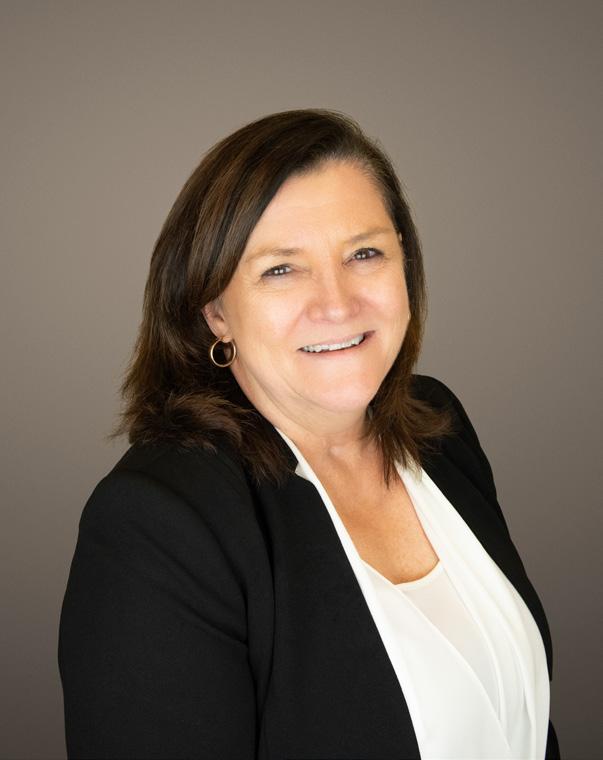
ARCOM: A Conversation with Interim Dean Dr. Sherry Turner
By Becca Bona
ABOUT THE PROGRAM
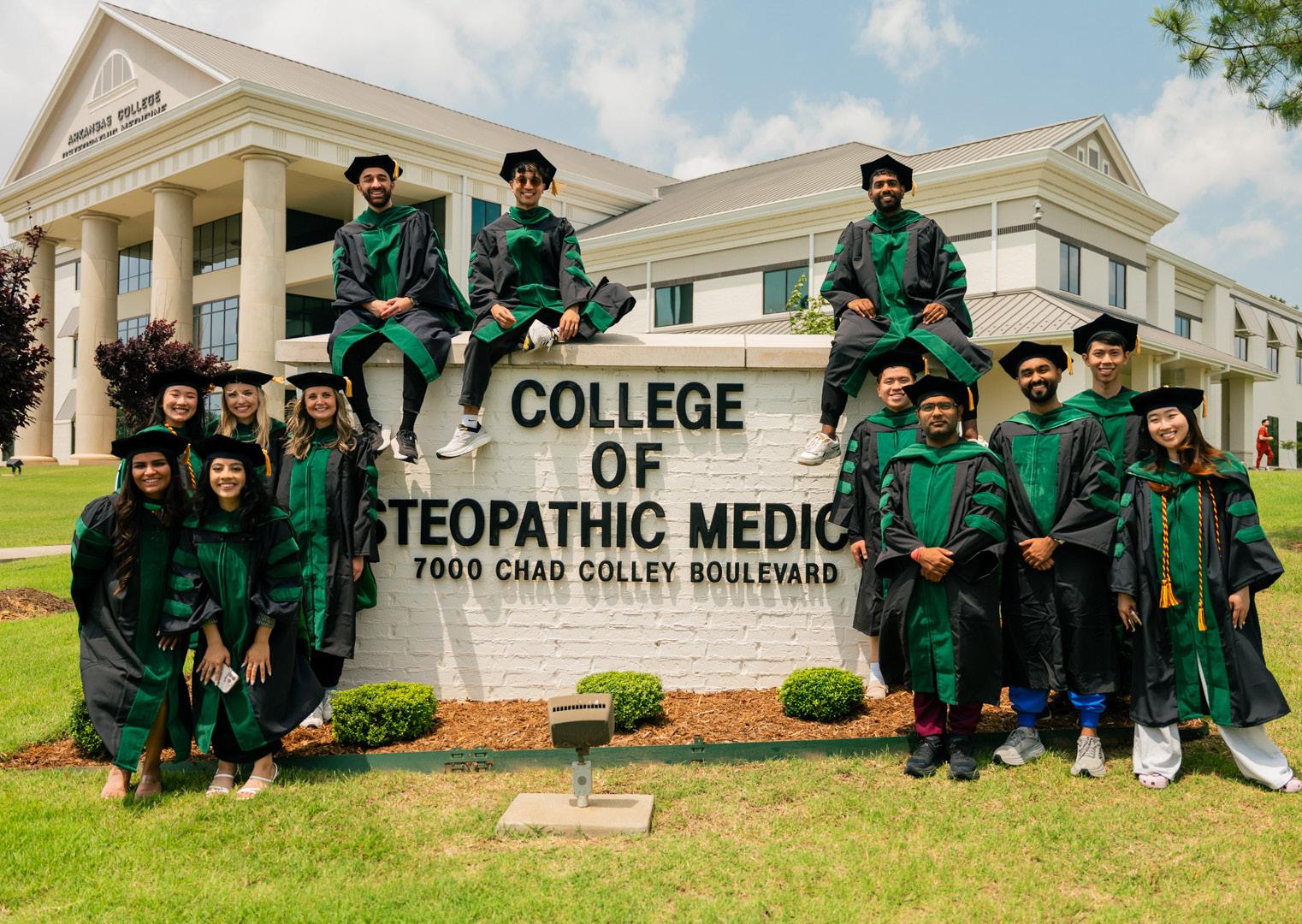
The Arkansas College of Osteopathic Medicine (ARCOM) in Fort Smith operates a 102,000-square-foot facility dedicated to training compassionate osteopathic physicians. Since 2017, ARCOM has focused on patientcentered science and service to underserved populations. The program continues to expand its offerings to maximize impact for rural health and underrepresented minorities throughout Arkansas.
COMING TOGETHER TO PUSH THE NEEDLE FORWARD
For Dr. Sherry Turner, DO, Interim Dean at ARCOM, the future of the state’s health care workforce hinges on collaboration. Dr. Turner believes the health care ecosystem has reached a critical crossroads. “If we don’t move health care out of the old paradigm and start thinking outside of the box, the system is going to collapse,” she warned. To prevent this, she suggests a fundamental shift in philosophy. “Health care and medical school, like every other business in the world, has always been an ‘us versus them’ mentality. We have to start treating everybody together and share the wealth.”
Dr. Turner advocates for a statewide regional approach in which Arkansas medical schools more readily share resources. “I think we also have to look at some collaborative regional training sites so that what we have is not associated with only one medical school,” she said. “We have to universally look at the state and the resources we have, because every trained physician is a boon for the state.”
STRATEGIC FUNDING AND COMMUNITY COLLABORATION
To address the financial barriers of medical education, ARCOM created the Adopt-A-Scholar program. “If it’s a student from Arkansas, an organization can guarantee that over that four year period, they’ll pay $100,000, and the student will get more than half their tuition for each year that they’re in med school,” Dr. Turner explained. Beyond tuition, housing often prevents students from accepting rural residency slots. Dr. Turner sees the incoming Rural Health Transformation Program (RHTP) funds as a potential solution. With many rural hospitals facing vacated space due to closed service lines, there is an opportunity for facility maximization. “What if we went to
The Arkansas College of Osteopathic Medicine in Fort Smith operates a 102,000-square-foot facility dedicated to training osteopathic physicians.
Photos Provided by
The Arkansas College of
Osteopathic Medicine
every hospital in this state and said, if you have two empty rooms, could we remodel them and make them small studio apartments for rotating students inside the hospital facility?” Dr. Turner asked.
Dr. Turner also urges hospital leaders to act as the connective tissue in their communities to capture available grants. While certain USDA grants are only available to municipalities, hospitals often possess the necessary grant-writing expertise. Dr. Turner could see the coming together of resources through collaboration. “Knowing that the hospital knows how to write the grant and the community needs the money lends itself to figuring out how to partner and having the foresight to establish partnerships,” she explained.
(Top)
Success requires engaging a diverse group of stakeholders — educators, judges, bankers, and safety net institutions. “Arkansas has a lovely history of engaged nonprofits with a lot of activity and support, but everybody works in a silo. If we could bring them all together, imagine the impact of that,” she said.
INNOVATION BEYOND TRADITIONAL GME
Recruitment is often a numbers game dictated by narrow pathways. While Graduate Medical Education (GME) is the traditional route, Dr. Turner notes that other disciplines produce professionals vital to rural areas if the landscape embraces them. Encouragingly, the ACGME has begun recognizing models that suit rural settings over urban ones. “Some of what they’re starting to accept includes methods to look outside the classic major hospital teaching institutions,” she noted.
Dr. Turner believes the hub and spoke model is key. “We have big programs here in Fort Smith — Baptist and Mercy, for example — that could be that anchor hospital for the critical care, mass volume that you need for certain specialties,” she said. Under this model, students could complete foundational requirements at anchor facilities before transitioning to a rural site for their final two years. This requires a creative approach to scheduling — especially where specialists visit periodically. “You would do a rotation for your residents in a longitudinal pattern, so that instead of spending a month in cardiology, they just spend every time they come to that hospital in cardiology,” Dr. Turner said. “There’s a lot of innovative ways that rural education can occur.”
Ultimately, Dr. Turner and her team are focused on active partnership with hospital institutions. She extends an open invitation to the health care community to share expertise. “If any of the Arkansas Hospitals readership wants any advice on GME, or if they'd like to talk to me about their cost report, all they have to do is contact me,” she said. “We need to capture that window of training in Arkansas. It’s not my residency or UAMS’s residency […] it’s all of Arkansas’s residencies.”
Since 2017, the Arkansas College of Osteopathic Medicine (ARCOM) in Fort Smith has focused on patient-centered science and service to underserved populations. (Right) ARCOM Interim Dean Dr. Sherry Turner, DO
NYITCOM-Arkansas: A Conversation with Dr. Shane Speights
By Becca Bona
ABOUT THE INSTITUTE
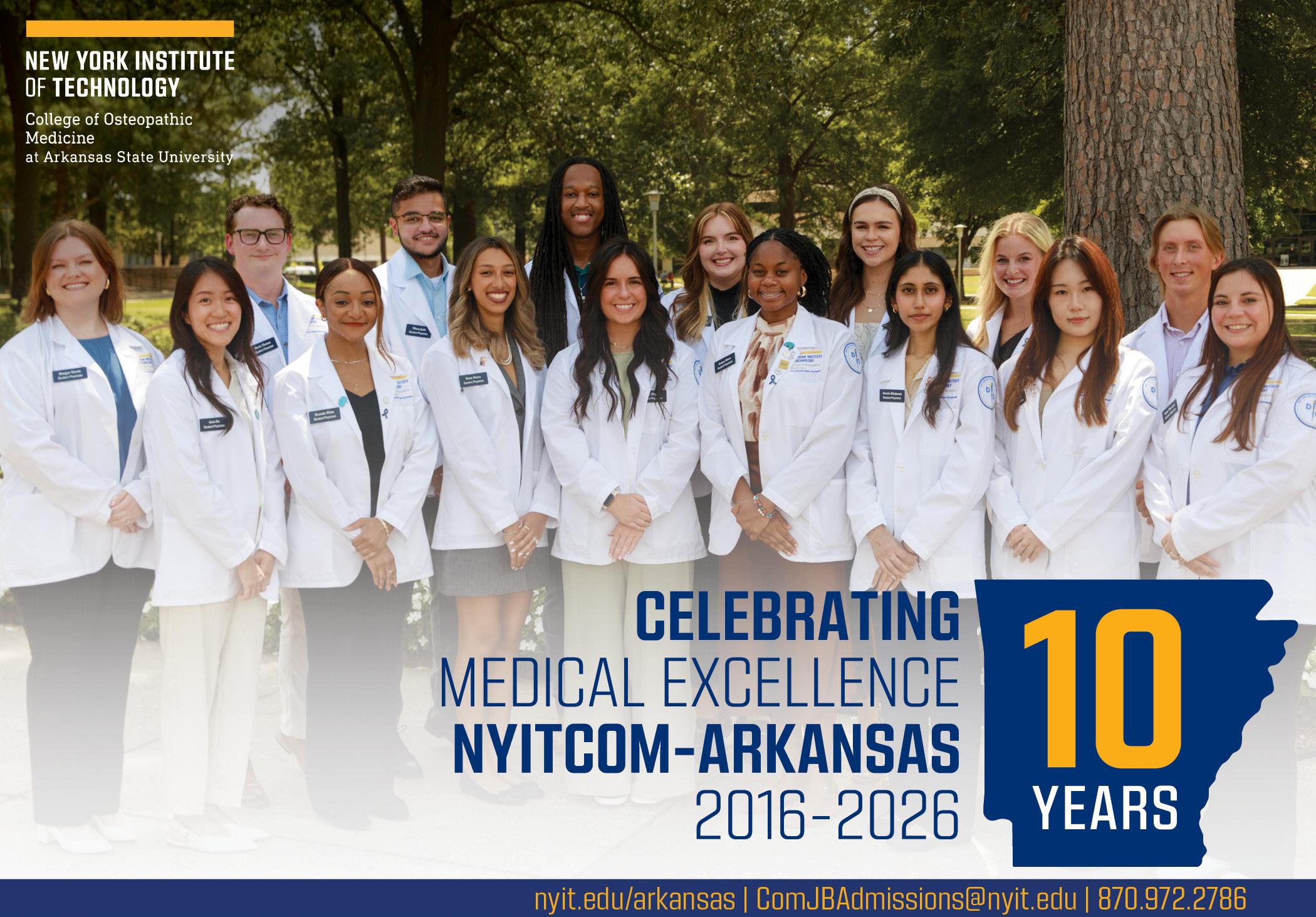
Celebrating a decade of operation and six graduating classes, the New York Institute of Technology College of Osteopathic Medicine at Arkansas State University (NYITCOM-Arkansas) remains steadfast in its mission. The program trains osteopathic physicians for a lifetime of practice rooted in evidence-based knowledge and critical thinking. Above all, the Jonesboro-based campus is dedicated to expanding health care access for underserved and rural populations throughout Arkansas and the Mississippi Delta.
Dr. Shane Speights, an Arkansas native and Dean of the program, identified retention as the most significant hurdle facing the state’s medical workforce pipeline. Since its inception, NYITCOM-Arkansas has leveraged a proven national data point: physicians trained in high-need areas are far more likely to remain there. “The best recipe is to recruit students from Arkansas, and train them in Arkansas in the needed areas. Then you are more likely to keep those physicians in Arkansas,” Dr. Speights explained.
The program’s clinical rotations were intentionally designed with this philosophy in mind, placing students in communities such as Mena, El Dorado, Camden, Paragould, and Batesville.
“We have students that never would have visited those areas, that are saying, ‘You know what? This wouldn’t be a bad place to have a practice or to raise a family,’” Dr. Speights said. “By spending two years of their medical training in these areas, they become a part of that community.”
MEDICAL SCHOOL READINESS: AN INNOVATIVE, COLLABORATIVE APPROACH
To further bolster retention, NYITCOM-Arkansas is tackling a specific barrier: the competitive gap between local students and out-of-state applicants. Dr. Speights noted that undergraduate institutions often lack a formal feedback loop with medical schools to evaluate student readiness and long-term success. To bridge this gap, the college launched “pathway programs” with several Arkansas institutions, including Henderson State (est. 2024) and Arkansas State University (est. 2025). These contractual agreements allow for direct dialogue between the medical school and the university. As an incentive to keep local talent in-state, students in these pathways are not required to take the MCAT to enter the NYITCOMArkansas program.
“The MCAT is something we use as a national equalizer,” he said. “It’s not that great at being able to predict how well
Photos Provided NYITCOM-Arkansas
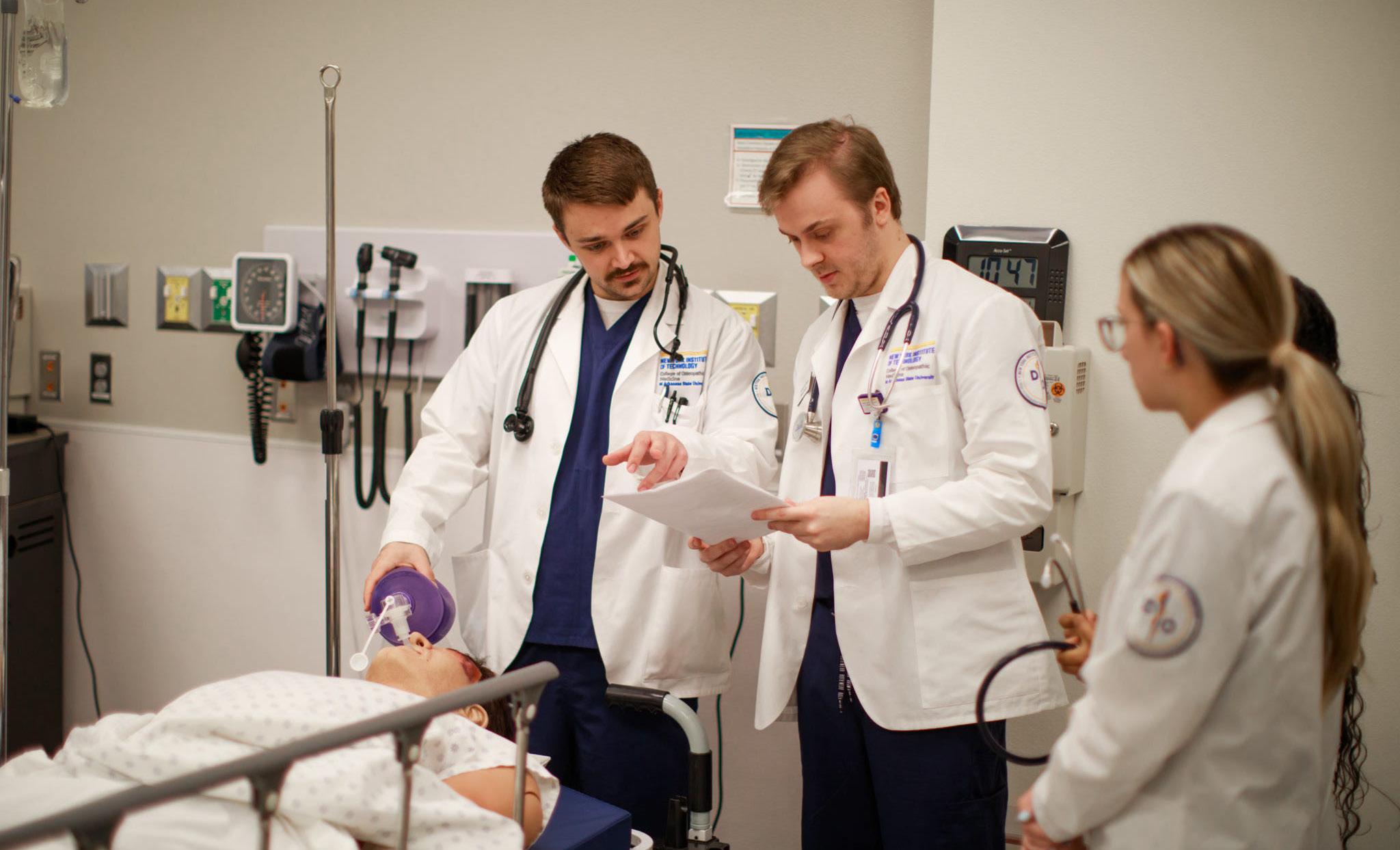
Student doctors Nicholas Knott, Jackson St. Pierre, and Jacey Scott perform an exercise in the NYITCOM-Arkansas medical simulation lab.
a student does past the first year of medical school. It certainly cannot tell who will be a good physician. We really need to know if the student is prepared for medical school, and this program does that.”
Dr. Speights hopes this collaborative model will eventually trickle down to the K-12 level. “This shouldn’t be a program unique to medical school,” Dr. Speights said. “Why aren’t universities intentionally working with K-12 on how to better prepare their students for college? There is a real potential for us to impact the educational system in Arkansas.”
HOW HOSPITAL LEADERSHIP CAN FUEL THE PATH FORWARD
For hospital executives looking to impact the recruitment landscape, Dr. Speights offers a clear directive: Clinical Clerkships and Graduate Medical Education (GME). Supported by the Blue Cross Foundation, he has previously traveled the state to advise CEOs on establishing residency programs.
“We need hospitals to encourage and support medical education at their hospitals. That comes in different forms. For some hospitals it is GME in partnership with a medical school,” he said. “For some hospitals it is accepting medical students for clerkships.”
The data supports his plea: 98% of NYITCOM-Arkansas students who are from Arkansas and complete their residency in-state remain here to practice. Among all NYITCOM-Arkansas graduates who attend residency in the state, 75% remain in Arkansas to practice regardless of their hometown. These figures compare to a 57% retention rate for the total population of Arkansas physicians who completed their residency in-state.
THE ECONOMIC RIPPLE EFFECT
Beyond the clinical benefits, the presence of a physician acts as a powerful economic engine for the local community. Dr. Speights encourages hospital leadership to view physician recruitment as a collaborative effort with community stakeholders, noting that the infrastructure of a local economy often hinges on the health of its medical workforce.
The economic impact of bringing a single family physician into a community is estimated at $900,000 to $1.2 million annually.
“Many times a new physician brings in new dollars that didn’t exist — these are Medicare dollars, these are Blue Cross dollars. These are new dollars coming into the community to help support the community, not just in jobs, but now, suddenly, the physician writes a prescription that goes to the pharmacist down the road, or the medical supply company, or now I can support the physical therapy group that just opened,” Dr. Speights explained.
Ultimately, retention is about more than just a contract; it is about integration. “Whether through medical student clinical rotations or GME, once you spend several years in a community, the physician knows the area and understands what it would be like to practice there. They have relationships with other hospital staff, local physicians, community leaders, etc.,” Dr. Speights said. “Ultimately, the health care organizations in our state need to adopt a ‘Grow Your Own’ mentality and be intentional about ensuring that growth occurs in our needed areas in Arkansas.”
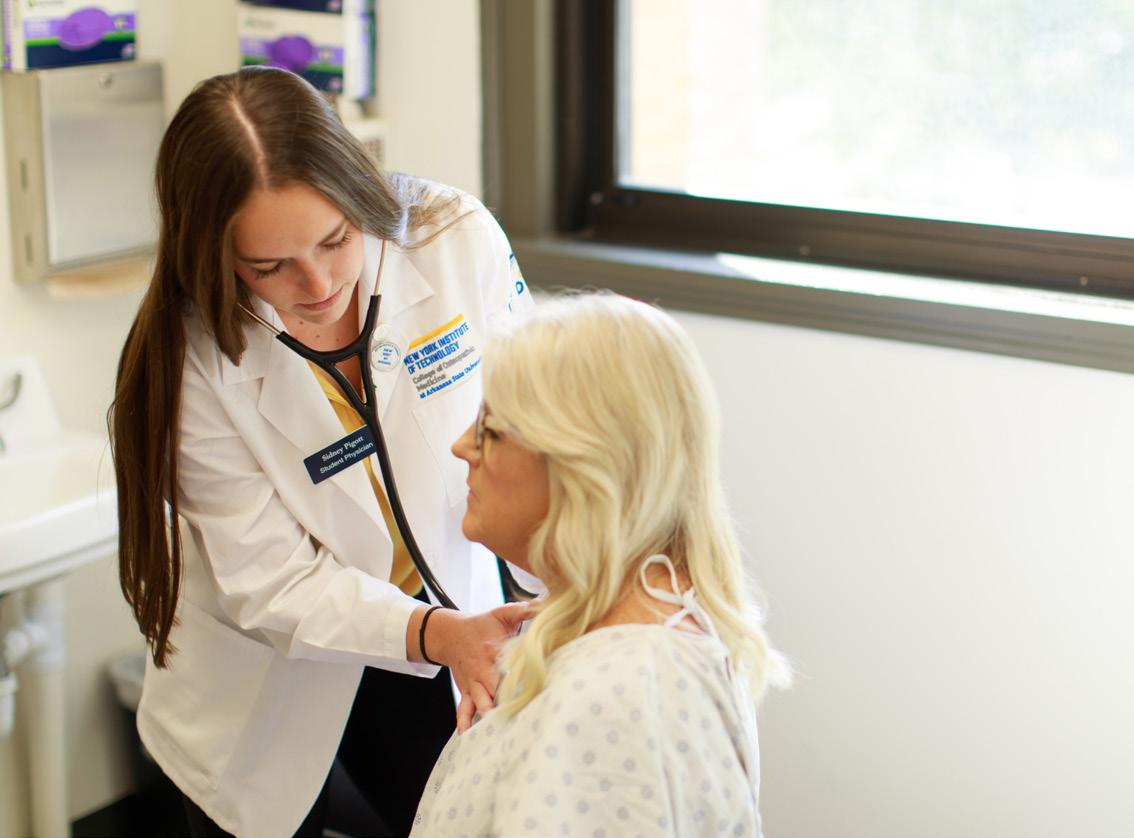
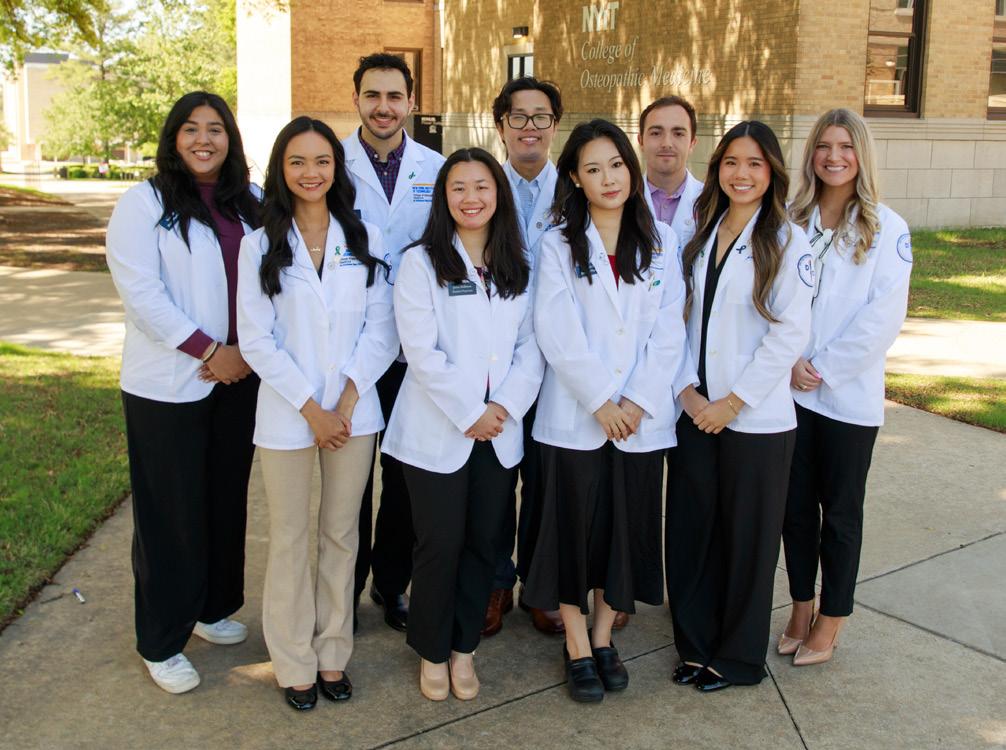
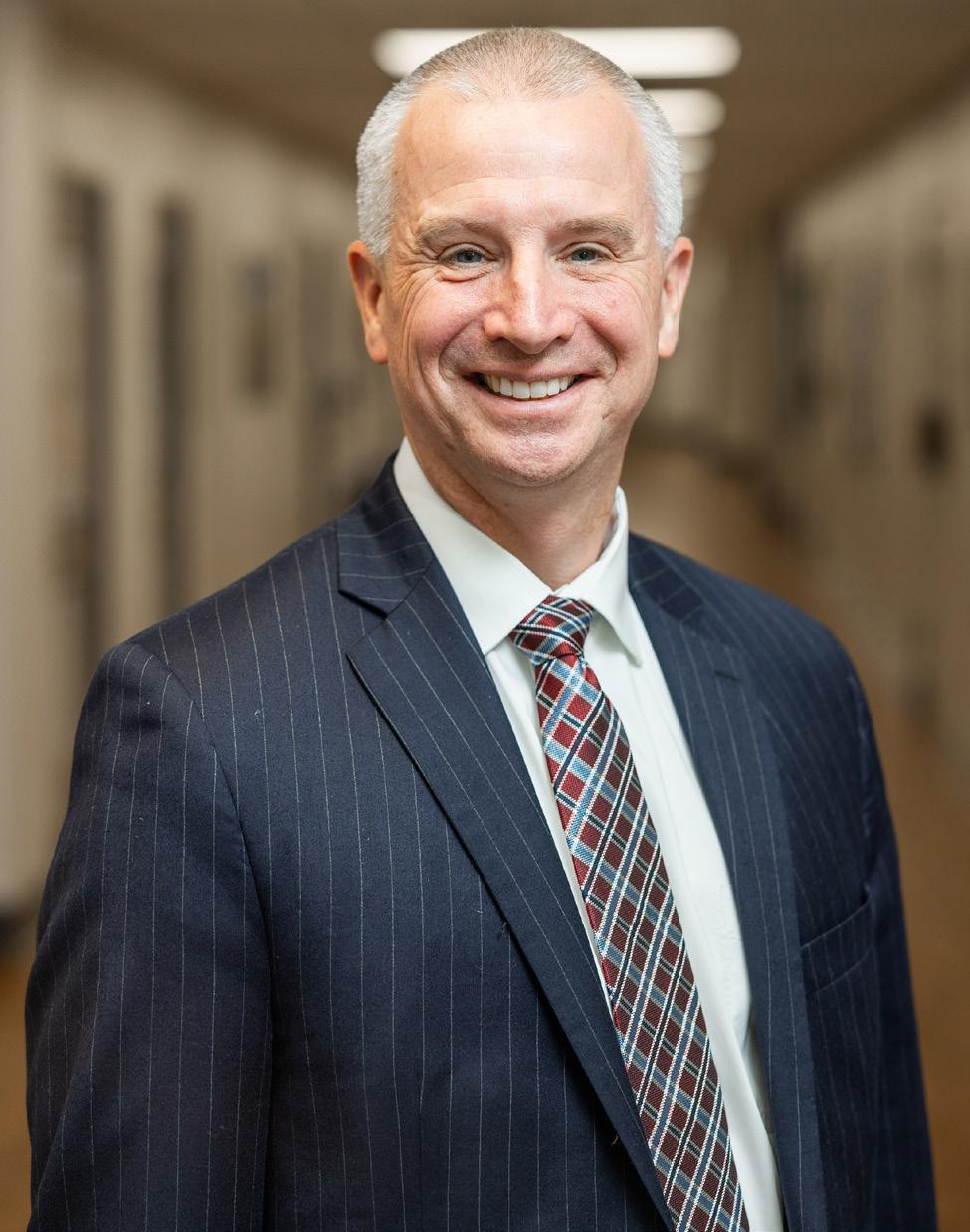
From top: Student Doctor Sidney Pigott examines standardized patient Jodi Dent in NYITCOM's medical simulation clinic; 2025-26 NYITCOMArkansas Student Government Association, (l to r) student doctors Inaara Ali, Yasmine Arabella De Joya, Michael Hayek, Jenna Holliman, Tyler Pham, Heather Alias, Brett Balzraine, Karen Nguyen, and Lily Figgins; NYITCOM-Arkansas Dean Dr. Shane Speights
The Full-Circle Perspective: Cultivating a Passion for Rural Medicine in South Arkansas
The transition from a practicing physician to a residency program director is often a natural evolution, but for Dr. Donya Watson, it was a homecoming. After running her own clinic for over 25 years, Dr. Watson returned to the very halls where she completed her own residency in 1997. Now serving as the Program Director for the UAMS South Regional Campus’ Family Medicine Rural Track Residency Program in El Dorado, she is tasked with a mission that is as much about heart as it is about health care: training the next generation of physicians to serve the unique, often underserved, populations of South Arkansas.
THE CHANGING LANDSCAPE OF RURAL CARE
The medical landscape in South Arkansas has shifted significantly since Dr. Watson was a resident nearly 30 years ago. Today, the physician workforce is aging,
with many providers entering the final decade of their careers. This creates a vacuum, particularly in demanding fields like obstetrics — a service line Dr. Watson describes as "work really for young people."
The challenge is not just the age of the workforce, but the density of the medical community. In rural hubs like El Dorado, the medical staff is small, meaning the same individuals often serve on every committee and board, which can lead to a lack of fresh engagement. "Anybody can learn the medicine — it’s in the books," Dr. Watson said. "It’s about finding people with the passion for the rural community, who have that true heart to serve the people and who understand the barriers our patients face."
THE "RURAL TRACK" ADVANTAGE
The Rural Track residency model is a vital response to a stark reality: the majority of physicians choose to practice within 30 to 45 minutes of where they train. Because many
Photos Provided by UAMS
young physicians are ready to plant roots by the time they reach residency, they often gravitate toward metropolitan areas, making recruitment to rural Arkansas a difficult sell.
To combat this, the El Dorado program offers an elevator pitch centered on a close-knit, supportive medical community that has physically and financially invested in the residency’s success. Because El Dorado is geographically isolated — often hours away from specialty services — the training is necessarily "full scope."
"We can’t refer everything to a specialty," Dr. Watson noted. "We have a unique opportunity here for residents and students to see everything." This includes managing a very sick patient population and handling an extremely high volume of obstetrics, a need exacerbated by the closure of four surrounding rural hospitals in recent years. The closures have forced women in neighboring areas like Lake Village and Eudora to face drive times of over an hour for unpredictable obstetric needs.
THE OBSTETRICS CRISIS AND LOCAL SUPPORT
In rural Arkansas, obstetrics is often a service line that loses money due to reimbursement structures, yet it is essential for the survival of the community. Dr. Watson credits partners like South Arkansas Regional Hospital’s Danna Taylor for doing what it takes to keep these services open, asking simply, "Where would these women go?"
The financial strain on rural hospitals is immense; they often operate at a loss not due to a lack of volume, but because of the high cost of recruiting qualified staff. In El Dorado, the community has even turned to a controversial half-cent sales tax to keep the lights on and units staffed. It is within this gritty, high-stakes environment that residents learn the true meaning of full-scope care.
MENTORSHIP THROUGH ACTIVE PRACTICE
Dr. Watson balances her administrative role as Program Director with an active practice at the South Arkansas Women’s Clinic, providing her the ability to mentor. She believes that during residency, building bonds with patients — and their children and grandparents — is where the true reward of the profession lies.
"I hope the residents find that same balance," she said. "It’s worth the hours and late nights for serving an entire family and getting that whole family experience." The program prioritizes this personal touch by developing individualized learning plans for each resident, ensuring that in a small program, no one is just a number.
A VISION FOR THE NEXT DECADE
Looking five to ten years down the road, Dr. Watson’s vision is to create a self-sustaining pipeline of providers who fall in love with rural medicine and choose to stay in places like Magnolia, Crossett, Warren, or De Queen. These residents emerge with extensive experience in critical care, prenatal care, and the operating room — skills that set them apart in the Arkansas workforce.
By training family physicians who are comfortable managing pregnant women and working as ER doctors, the program aims to close gaps in care and reduce morbidity rates. "Family physicians that we train close those gaps," Dr. Watson explained, noting the goal is to send young doctors out in small groups to provide much-needed call coverage in rural towns.
The success of the UAMS South Regional Campus in El Dorado is a testament to the partnership between UAMS leadership and local hospital partners. While training residents is not a profitable venture for hospitals, the long-term workforce impact is invaluable. As Dr. Watson looks toward the end of her career, she is focused on passing the torch. "I want to find young physicians, recruit them, and help them remember where our patients are," she said. "That passion is what gets us where we need to go."
The success of the UAMS South Regional Campus in El Dorado is a testament to the partnership between UAMS leadership and local hospital partners.
Graduate Medical Education
Washington Regional is helping grow the number of physicians in Arkansas through the UAMS/ Washington Regional Graduate Medical Education Program. The program was established in 2021, after a study commissioned by the Northwest Arkansas Council in 2019 identified a shortage of physicians in Northwest Arkansas. The study recommended expanding graduate medical education programs in the region to increase the number of doctors and expand access to health care. To increase the number of federally funded residency slots at Washington Regional, the hospital elected to accept a geographic wage reclassification from the Center for Medicare and Medicaid Services. Residents receive training at Washington Regional Medical Center in Fayetteville under the supervision of faculty members who are dedicated to providing excellent patient care while training the next generation of health care specialists.
“For decades, Arkansas has produced more medical students than there are residency positions available in the state,” said Larry Shackleford, Washington Regional Medical Center president and CEO. “Around 200 medical students that graduate from Arkansas schools leave the state each year
for residencies in other states, and that number is projected to grow. We know that most physicians choose to stay and practice in the area where they complete their residency. By increasing the number of medical residencies available in our state, we can help keep those physicians in Arkansas.”
The first residency program created through the partnership, the UAMS/Washington Regional Internal Medicine Residency Program, will celebrate a landmark achievement this year as the inaugural class of residents completes its final year of training in June. One of the biggest benefits of the UAMS/Washington Regional Internal Medicine Residency Program is its size. The program is currently structured to support eight residents per class for a total of 24 residents but will grow to 10 residents per class by 2027. This class size allows for individualized support, mentorship, and graded autonomy. Residents work with the same core group of faculty members through all three years of the program. Residents care for a diverse patient population in both the hospital and ambulatory settings and see patients at the transitions-of-care clinic, which provides care to patients after they have been discharged from the hospital.
The UAMS/Washington Regional Graduate Medical Education Program is also preparing for another milestone.
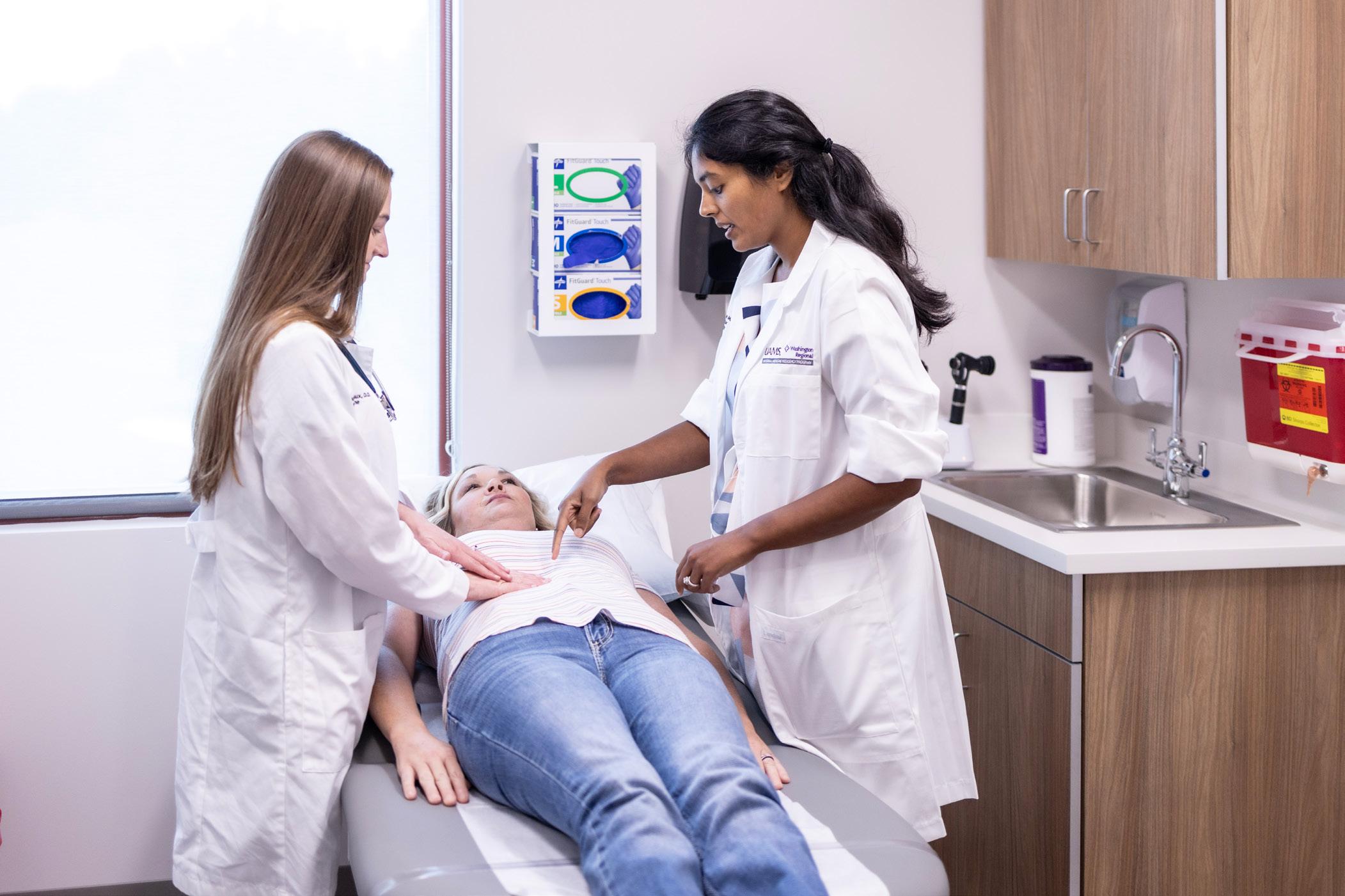
Program Director Sheena CarlLee, MD, observing internal medicine resident Alyssa Mondeaux, DO, examine a patient.
This summer, Washington Regional will welcome its first classes of emergency medicine and neurology residents. In April 2025, UAMS and Washington Regional Medical Center received initial accreditation from the Accreditation Council for Graduate Medical Education to establish residency programs in both neurology and emergency medicine. These are the first non-primary care residencies accredited in Northwest Arkansas. The initial two neurology residents and six emergency medicine residents will begin in July. When full, the four-year neurology program will have a total of eight residents, and the three-year emergency medicine program will have a total of 18 residents.
“The partnership between the UAMS and Washington Regional provides residents with the benefits of being part of a health sciences university and opportunities to practice in a community hospital while caring for a diverse patient population,” said Shackleford. “Neurology residents will work alongside the multidisciplinary team at Washington Regional’s J.B. Hunt Transport Services Neuroscience Institute, which offers the region’s highest level of neurosciences care, while residents in the emergency medicine program will care for patients in one of the busiest emergency departments in the state as well as the region’s only Level II Trauma Center.”
Washington Regional will be the primary clinical site for both residency programs. Other required rotation sites for neurology residents are Arkansas Children’s Northwest, UAMS Psychiatric Research Institute Northwest, Encompass Health, and MANA Sleep Medicine Clinic. The emergency medicine residents will also do pediatric rotations at Arkansas Children’s Northwest, an EMS rotation with Central EMS in Northwest Arkansas, and a pediatric intensive care unit rotation at Arkansas Children’s Hospital in Little Rock.
UAMS and Washington Regional plan to add additional graduate medical education programs in the coming years to further improve access to quality health care for patients in Northwest Arkansas. Since 2021, the Graduate Medical Education Program has established 56 residency slots in internal medicine, neurology, and emergency medicine. Washington Regional Medical Center and Washington Regional Eureka Springs Family Clinic also serve as clinical training sites for the UAMS Family Medicine Rural Training Program, which accepts two residents a year for the threeyear program that began in 2023. Additionally, Washington Regional continues to provide clinical rotation opportunities for the 27 residents in the UAMS Family Medicine Residency Program.
To learn more about the UAMS/Washington Regional Graduate Medical Education Program, visit wregional.com/GME.
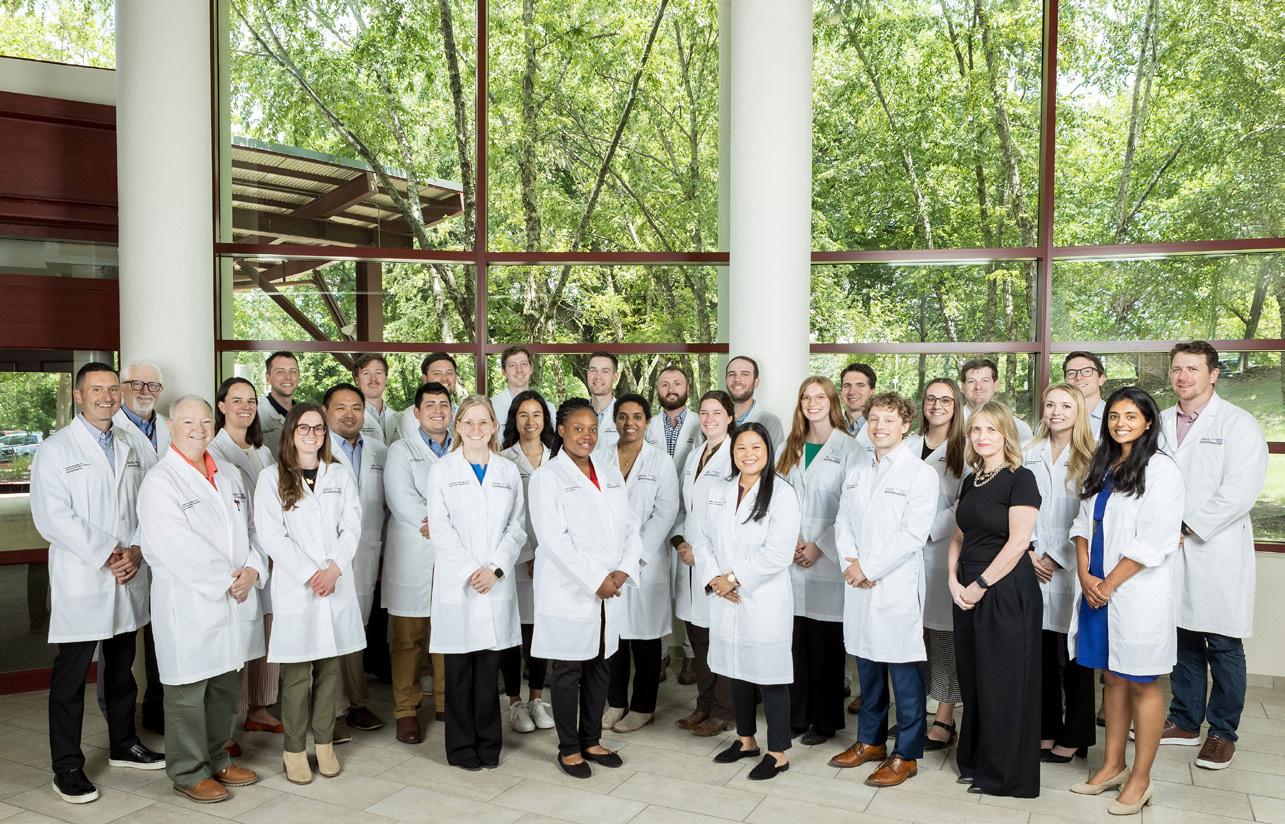
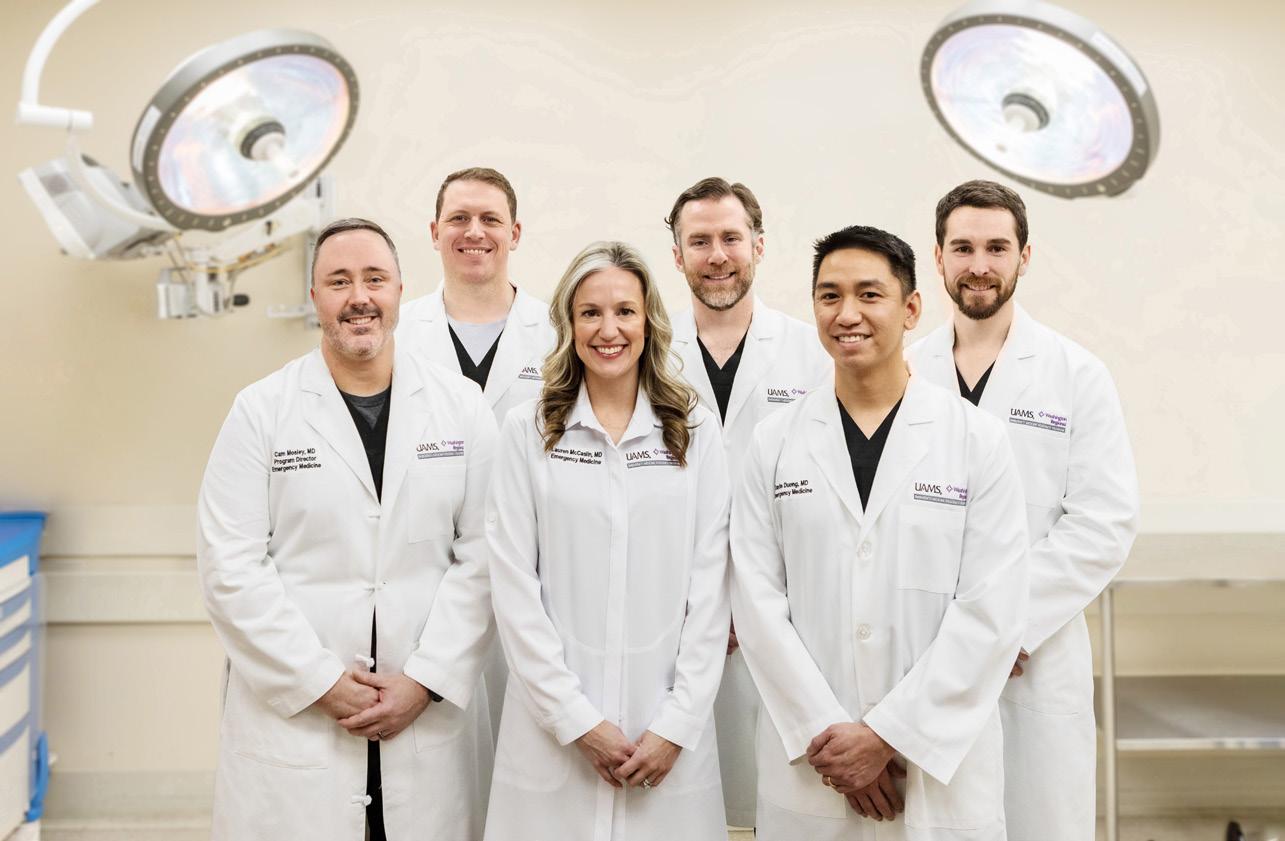
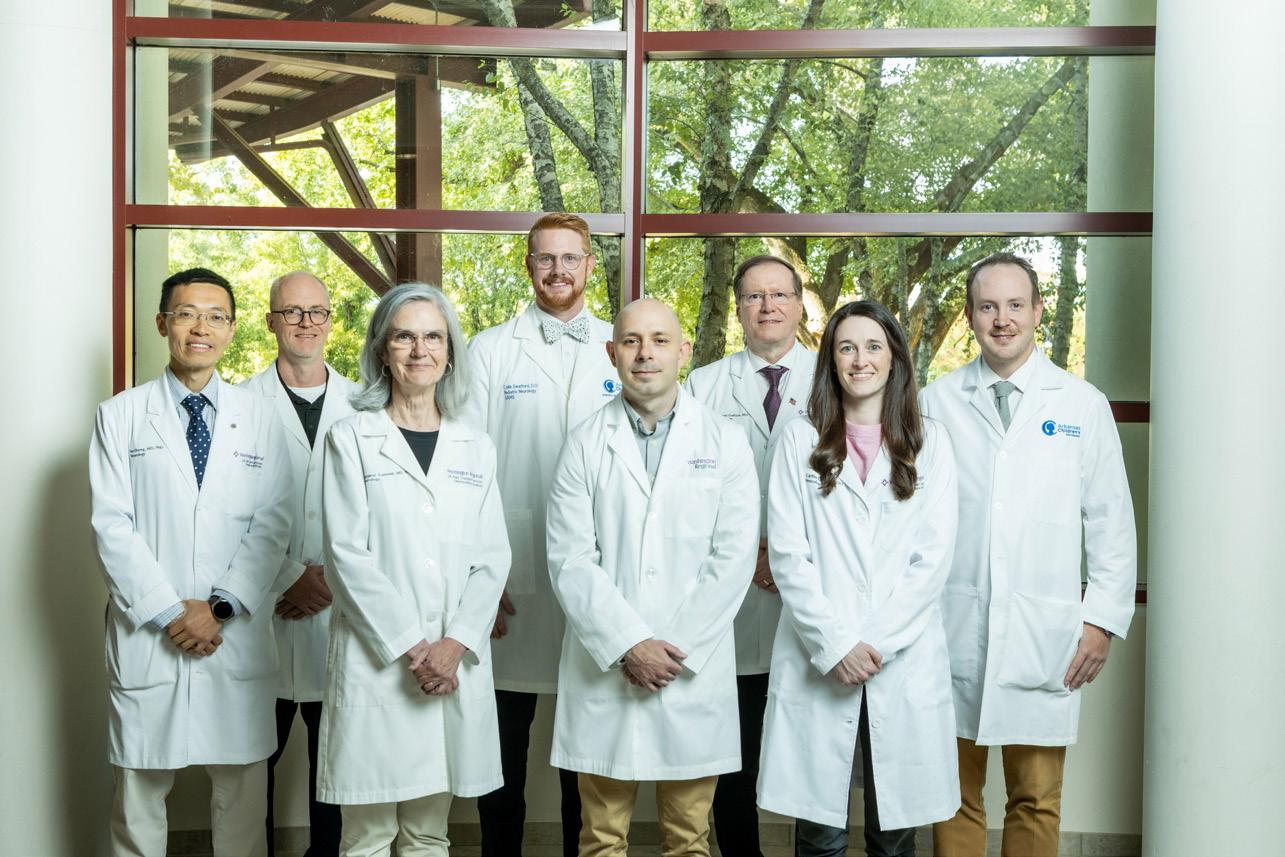
(From Top) UAMS/Washington Regional Internal Medicine Residency Program. Photo includes faculty and PGY1-3 residents (Middle) UAMS/Washington Regional Emergency Medicine Residency Program faculty: Joel “Cam" Mosley, MD; Burdge Green, MD; Lauren McCaslin, MD; Jess Daniel, MD; Davis Duong, MD; Ryan Mantooth, MD
Not pictured: Stephanie Pereira, MD, and Nhan “Marc” Phan, MD (Bottom) UAMS/Washington Regional Neurology Residency Program faculty: Sen Sheng, MD, PhD; Alan Diamond, DO; Margaret Tremwel, MD, PhD; Collin Swafford, DO; Jay Hinkle, MD; Steven Graham, MD; Caitlin Campbell, DO; Stephen Jones, MD
JFrom Animal Science to Rural Health Care: Josh Conlee’s MissionDriven Path
By Becca Bona
osh Conlee describes himself as a “mutt of the South,” a native of North Louisiana and East Texas whose journey to Northeast Arkansas was paved by a series of unexpected pivots. Born in Monroe, Louisiana, and raised in the familyoriented atmosphere of Longview, Texas — a city of 80,000 that he jokingly thought was a "small town" until he saw the rest of the world — Conlee didn’t necessarily set out for a leadership position in one of Arkansas’s most historic health systems. However, his career has been defined by a deep-seated belief that geography should never dictate the quality of care a patient receives.
THE FORMATIVE YEARS: A PIVOT FROM ANIMAL SCIENCE
Like many health care leaders, Conlee’s initial path was scientific, though it was originally geared toward a different set of patients. While earning a biology degree from Millsaps College, he spent several years as a vet tech, working at his hometown veterinarian clinic. He even cared for chimpanzees and pigs in a research setting alongside several vets at the University of Mississippi Medical Center in Jackson. “I have a biology degree and was pre-vet,” he explained. “I’ve always wanted to be in health care, but in the beginning, I was focused on helping animals.”
During his time at the University of Mississippi Medical Center, he worked under veterinarians to monitor protocols for animal testing, gaining a unique perspective
Photos Provided
on the intersection of medicine and research. This period was formative, providing him with a strong scientific foundation that many health care administrators might lack. “I could have taken an easier path than genetics or organic chemistry,” he joked, reflecting on the academic hurdles he cleared before ever considering the business of hospitals.
The shift from animals to people came after a mentor back home — the veterinarian he worked for — planted a seed about the business side of medicine. Conlee’s interest in the patient experience was further solidified by his own history as an athlete. While playing baseball at Millsaps, he underwent two shoulder and elbow surgeries. Navigating the recovery process as a patient gave him a firsthand look at the mechanics of the health care system and the importance of a seamless patient journey. Wanting to be prepared to one day own his own practice, he decided to stay for a fifth year of college to pursue an MBA.
During graduate school, the career counselor asked if he had ever considered health care administration. Conlee responded with, “What’s that?” However, through connections at Millsaps, he began exploring the field and eventually landed a transformative internship at St. Dominic Hospital, a Catholic hospital in Jackson, Mississippi. He immediately felt drawn to the work, sensing a calling to help communities by ensuring providers have the resources they need. First, he needed to enroll in a Master of Health Services Administration program, and he began searching for the right one. With grandparents living on Petit Jean Mountain and a lifetime of visits to the state, the University of Arkansas for Medical Sciences (UAMS) became the natural destination for his graduate studies.
THE RURAL "AHA!" MOMENT
While earning his MHSA at UAMS, Conlee found his true calling at the Center for Rural Health. It was there that his personal mission statement began to crystallize: “It doesn’t matter where you live, you should be able to get appropriate, high quality health care.” He acknowledged that while a town of 2,000 might not have a resident neurosurgeon, every citizen deserves proximity to primary care, emergency services, high-quality imaging, and laboratory services.
Provided
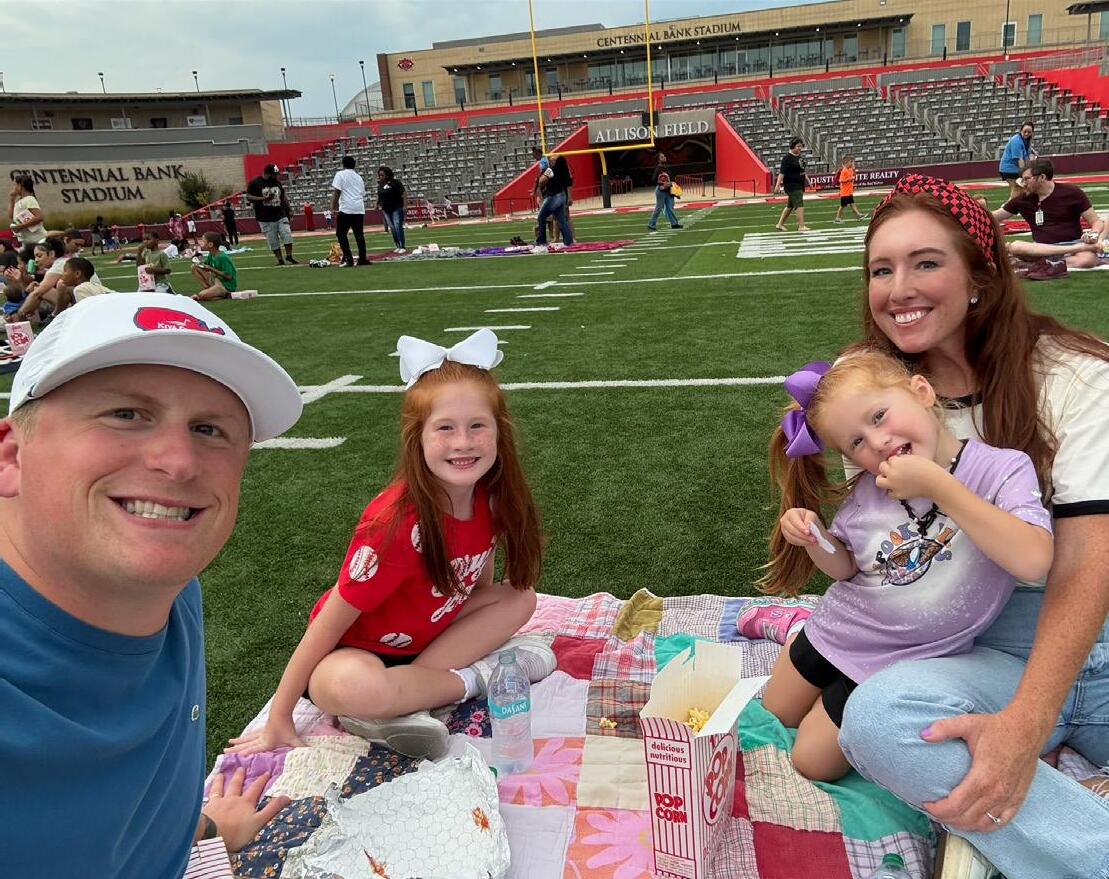
Josh Conlee with his wife, Kailey, and their two daughters, Avery and Stella (left to right).
Photos
It doesn't matter where you live, you should be able to get appropriate, high quality health care.
His first major leadership test came as the President of Lawrence Healthcare, overseeing operations of a 25-bed critical access hospital and its attached 110-bed long-term care facility in Walnut Ridge. The transition from the resource-rich environment of UAMS to a small, rural facility proved eye opening. “You have to innovate and steward resources wisely,’” he said. “Creativity is always required, and you often solve problems with limited information.”
In Walnut Ridge, Conlee learned that rural health care requires forging and maintaining strong partnerships. For example, close ties with the St. Bernards Healthcare system were invaluable for Lawrence Healthcare to provide local, specialized care services. Doing so freed Lawrence to invest in other longterm needs, like facility upgrades and imaging technology.
Meanwhile, as Lawrence Healthcare made strides, the community responded in kind with its own support. On August 8, 2023, more than 90 percent of county voters renewed a long-standing onecent sales tax that benefits hospital operations. To Conlee, it was evidence that rural communities, like Walnut Ridge, want access to high quality, local health care, and they will invest in it if the final product yields dividends.
As such, leading in a small town meant being more than just an executive; it meant being a visible pillar of the community. “The life of a rural
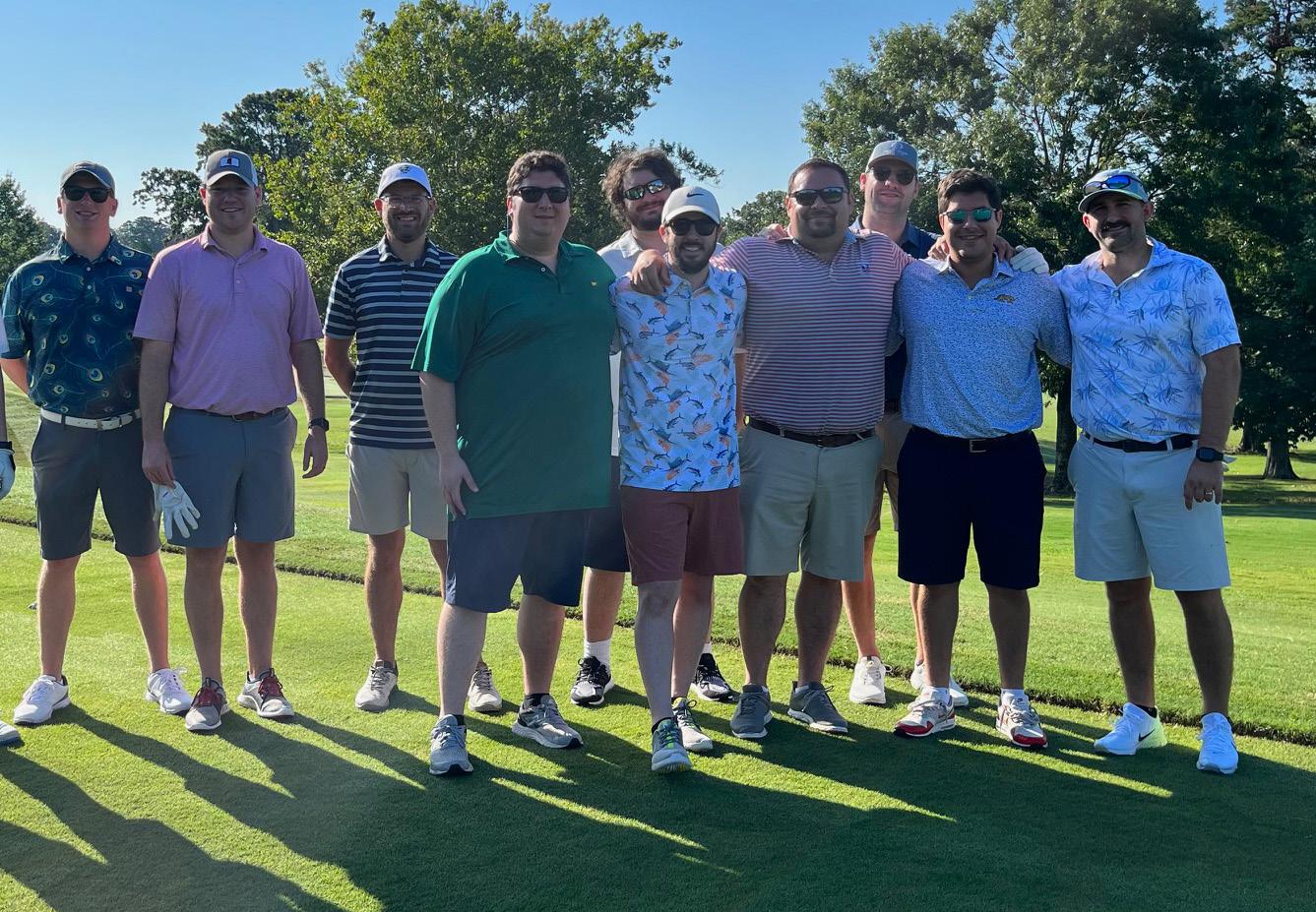
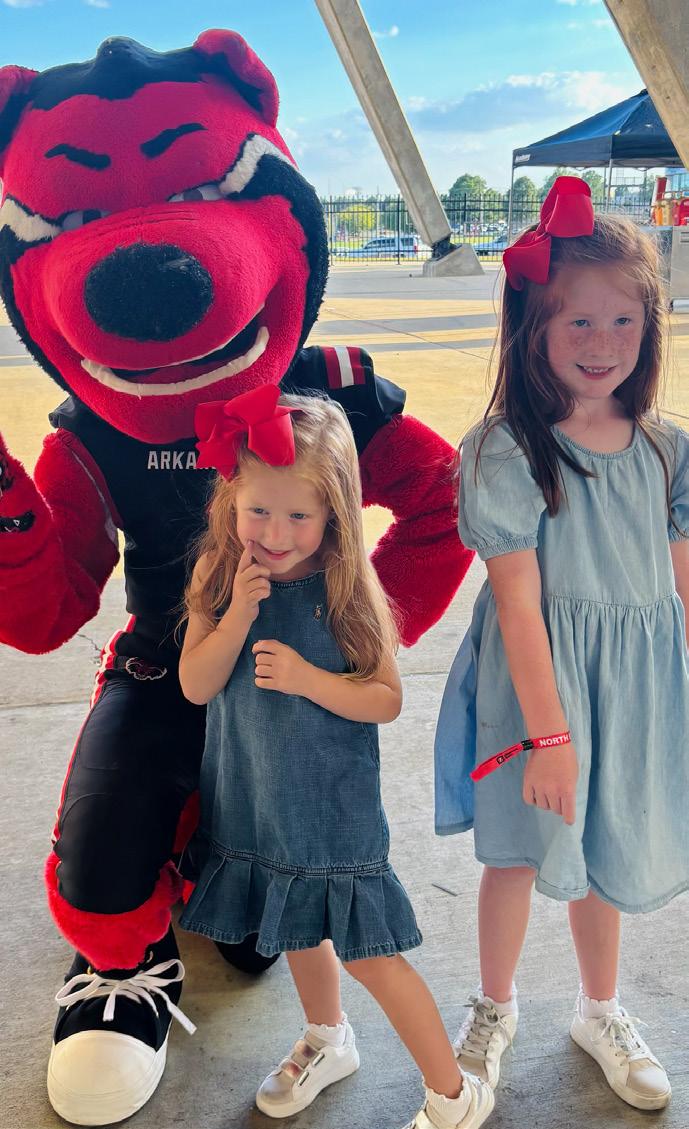
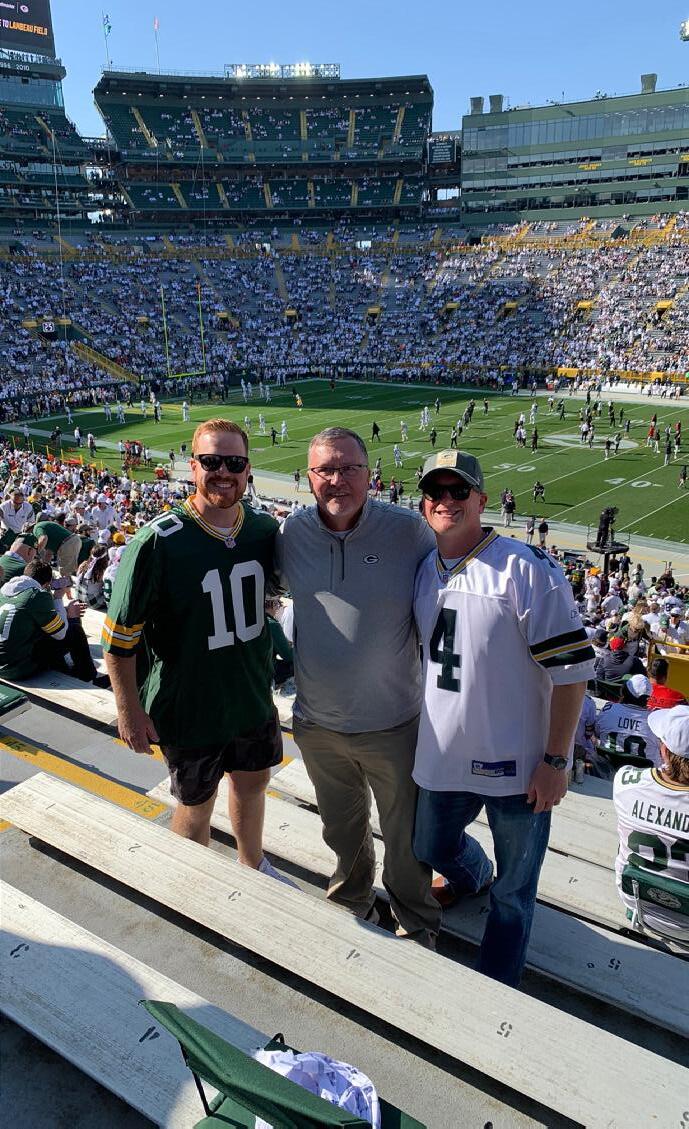
Clockwise from top: Josh Conlee and friends from Millsaps College get together each year to golf and hold a fantasy football draft; Kody Pinson, Randy Pinson, and Josh Conlee (left to right) at Lambeau Field in Green Bay, Wisconsin; Conlee’s daughters, Avery and Stella (left to right) with Arkansas State University mascot, Howl.
admin — well, you are part of the town. There’s no other choice,” Conlee noted. He described the role as being a "semipolitical figure," where every trip to the gas station or the drive-through is an opportunity for feedback. During the height of the COVID-19 pandemic, this visibility carried heavy responsibility. Conlee educated himself on the latest virus research and public health initiatives, feeling it was vital to "walk the walk" by wearing a mask at the local Walmart, knowing that the community looked to him to set a standard.
A CULTURE OF "GROWING OUR OWN"
Now at St. Bernards, Conlee finds himself aligned with a 125-year-old mission to provide Christ-like healing. The system’s faith-based heritage resonates with his innate desire to provide access to underserved communities. He views his current role as a liaison, ensuring regional hospitals have the leadership, coaching, and resources they need to thrive in a challenging economic climate and help set the strategic vision for the health care system.
As the health care industry grapples with historic workforce shortages, Conlee is focused on a “growing our own” strategy in Northeast Arkansas. This involves partnering with local schools to introduce students to the spread of health care careers — both
Q& A WITH
JOSH CONLEE
What’s on your music playlist?
I’ll listen to almost anything. My playlists have classic rock, classical, blues, country, and everything in between. Nowadays, it feels like I listen to either a podcast or whatever Disney song my daughters want to play.
What is the best advice you were ever given?
I had a mentor who said, “All you can control in life is your attitude and your effort.” That’s stuck with me, and I try to keep a positive attitude and always give my best effort. If I do, I can react much better to what the day brings.
Do you have a favorite movie? Why do you like it?
The Lord of the Rings trilogy. The characters, the battles, the suspense, and good vs. evil…what is there not to love?
Who is someone you greatly admire, and why?
My grandfather, Sam Lasuzzo III. I always admired his positive attitude, love of family, laughter, and faith. He also taught all of us the value of a dollar and what it meant to save and live a happy life.
What would you be doing if you weren’t in health care?
Since being a veterinarian would be considered health care, I’d hope my fantasy football analyst career would take off.
What is something people don’t know about you?
I own one share of the Green Bay Packers.
What do you like to do in your down time?
Spend time with my wife and two daughters (7 and 4). We like to be active and outside, and my daughters are starting to love fishing like I do.
What’s on your desk right now?
I try to keep my desk clean. Right now, a cup of coffee and a few folders of “to-do” projects.
What are you reading?
I just finished book three of the Red Rising saga by Pierce Brown. Three more to go!
Where would you travel, if you could go anywhere?
Greece. I have always been fascinated by ancient Greece and other ancient civilizations. I even took Classical Mythology in college as an elective. I’d love to see the Parthenon and all the tourist traps as well as visit the Grecian coast and enjoy all the Greek and Mediterranean food I could eat.
clinical and non-clinical — as early as junior high and middle school. “Health care needs more than doctors or nurses alone. Countless clinical and non-clinical roles also help serve others,” he emphasized, noting that showing students the financial and economic viability of these paths is key to long-term retention.
His strategy goes beyond just inspiration; it is built on functional partnerships with local technical colleges, four-year institutions, and medical schools like NYITCOM-Arkansas. He believes hospitals must provide the clinical training ground to complement the classroom. By maintaining a daily "back and forth" with educators, it ensures that the curriculum matches the actual needs of the industry. For instance, if there is a shortage of radiology or medical lab technicians, a hospital should work directly with the college to develop or enhance programs that bridge the gap.
Looking toward the future, Conlee sees technology as the next great frontier for workforce development. He advocates for training students in AI and virtual hybrid care, setting up the next generation of graduates to succeed on day one. He believes that the right skillset can help these students keep up with the rapid advances in modern medicine and health care operations. He also views the relationship between hospitals and education as a shared responsibility, where one cannot succeed without the active participation of the other.
INNOVATION AND REGIONAL EXPANSION
Conlee is particularly excited about the future of health care delivery in the upper Delta. St. Bernards recently entered a management agreement with Mississippi County Hospital System, an initiative Conlee is leading as interim CEO. He views this as an opportunity to create a new type of rural health model that prioritizes local access and incorporates new residency tracks to keep physicians in the area.
Conlee is championing a regionalized clinically integrated network of hybrid care that combines in-person local care at rural facilities with advanced virtual care throughout Northeast Arkansas. The goal is to build a sustainable rural health network that increases regional hospitals’ capacity and capabilities. This network focuses on the preservation and expansion of local care while also improving the overall quality of care. From the business side, hospitals streamline operations, share resources, develop physician workforce pipelines, modernize physical plant and technology infrastructure, and innovate through strategic regional partnerships.
It’s complex processes to meet an important goal: patients get the right care they need, where and when they need it, leading to better health.
He believes Jonesboro’s growth — with projections suggesting it could reach 100,000 residents in the coming years — provides a unique opportunity to recruit and retain young families. By offering a high quality of life and a family-oriented atmosphere, Northeast Arkansas is becoming a destination for those who might have previously looked toward Little Rock or Memphis. He notes that the development in the area has created a personality and community culture that draws people back.
TEAMWORK AND THE FUTURE
In 2023, the Arkansas Hospital Association recognized Conlee’s efforts by naming him the C.E. Melville Young Administrator of the Year. While he appreciates the nod from his peers, he views the award as a reflection of the hard work of everyone he has worked with. “Health care is definitely very much a team sport,” he insisted. “There’s no one individual that succeeds alone.”
His leadership philosophy is rooted in trust and empowerment. “My goal is to create good leadership teams who foster environments of trust and collaboration. I want to support capable leaders who know they have my backing and understand the shared goals within our organization,” he said. He also believes that just as clinicians practice at the "top of their license," administrators, at all levels, must do the same. Effective leaders must know what task only they can do and what they can effectively delegate to advance the organization's mission.
Whether he is navigating the hallways of a regional medical center or the aisles of a local grocery store, Conlee remains focused on the mission that brought him north to Arkansas. With a wife from Jonesboro and a deep appreciation for the culture of St. Bernards, he has truly found his home. He identifies himself as a transplant who has fully embraced the state's unique identity.
“Everything we’ve accomplished has been a team effort,” he concluded, echoing the same teamwork-first philosophy that has guided his journey from the research lab to the baseball field to the C-suite. From a pre-vet student monitoring chimpanzees in Mississippi to an award-winning executive in Arkansas, Josh Conlee continues to prove that with a bit of ingenuity and a lot of heart, high-quality health care can — and should — reach every corner of every state.
How to Reframe Physician Retention as Loyalty: 3 Steps to Get Started
In the years since warning flags were first raised about a looming physician shortage, health care leaders have come to understand that the best way to minimize physician recruitment problems is to retain the physicians they already have on staff. Despite this, according to an MGMA Stat poll, only 15% of medical groups have a formal physician retention program in place.
At Jackson Physician Search , we regularly help clients who are feeling the consequences of this oversight. They hired someone out of residency, only to lose them just a few years later. This story is not unique. According to a new joint study from Jackson Physician Search and Medical Group Management Association, 59% of early-career physicians left their first jobs within three years. What could have been done differently to change this outcome?
Scan here for the MGMA Stat poll
Scan here for the Jackson Physician Search
STOP FOCUSING ON RETENTION
Everyone agrees that physician retention is critical, and yet, when it comes to improving the metric, no one seems to know where to start. Fortunately, the new research sheds some light on the topic which we’ll get to. However, the biggest takeaway is this: It’s time to move beyond the transactional thinking that the word “retention” typically evokes. Instead of asking how we can make physicians stay, let’s ask ourselves how we can earn their loyalty .
Reframing physician retention as loyalty changes our focus from preventing departures to cultivating long-term commitment. This shift is more than semantics. Retention strategies are often centered around monetary rewards that can feel like “traps.” Loyalty, on the other hand, is a mindset. It’s about building relationships with physicians and creating an environment where they feel valued and respected so that staying isn’t a contractual obligation but a natural choice.
3 WAYS TO BUILD LOYALTY AMONG PHYSICIANS
What does this look like in practice? How do we build lasting, authentic relationships with physicians? The study mentioned above and the resulting report, “From Contract to Connection: How Authentic Relationships Foster EarlyCareer Loyalty and Retention, ” is packed with actionable strategies and tactics, including a loyalty formula and a sample 180-day preboarding roadmap. If that seems overwhelming, we’d like to offer three simple ways to get started. Keep reading for three ways to stop fixating on retention and start building loyalty among physicians.
• Let go of the monetary traps
Physician compensation will always be of utmost importance. Past studies have shown it to be the most critical factor in physicians’ first-job decisions. While it’s true that compensation may initially attract physicians to the organization, it isn’t necessarily what makes them stay — nor is it what makes them leave. According to the survey, two-thirds of physician respondents said that a higher base salary might influence their decision to stay. However, when examining the reasons
physicians say they left, leadership and culture were the leading factors in giving notice.
Bottom line: in a highly competitive market, pay is “table stakes.” That is, physicians expect a competitive, transparent compensation plan that rewards both productivity and retention. However, no matter how competitive the compensation (and how many strings you attach to it), it will rarely be enough to keep them if you are missing the mark in other areas.
• Focus on building relationships — at all levels
From the very first interaction with a candidate, employers lay the foundation for a relationship that will ultimately determine how long the physician stays with the organization. According to the research, physicians most value relationships with peers (68%), support staff (54%), and physician leaders (48%). Administrators, by contrast, placed more weight on ties with administrative leaders.
The research also reveals the importance of nurturing those relationships during the time between signing the contract and starting the job. In addition to clear, consistent communication about the logistics of starting the job, introductions should be made and mentors assigned. The physician should start the job already recognizing familiar faces and knowing whom to turn to with questions, both big and small.
Bottom line: building relationships is an ongoing process that begins with the first interaction and continues through preboarding, onboarding, and throughout a physician’s tenure. The relationships physicians have with peers, support staff, and physician leaders are what tie them to the organization. Physicians are not loyal to jobs; they are loyal to people.
• Improve the physician experience
Building loyalty means treating physicians well. Physicians don’t expect their jobs to be easy, but they do expect — and deserve — to have leaders who are working to minimize friction. When asked what factors make them less likely to stay at a job, the most common responses were excessive bureaucracy, excessive workload, poor work-life balance, and poor leadership interaction. Focus on lightening the administrative burden that prevents them from spending more time with patients. Streamlining the most common annoyances demonstrates that you value them and are willing to go above and beyond to enhance their experience.
Scan here to read "From Contact to Connection."
Scan here to read the Recruiting & Retention Playbook
Physicians are not loyal to jobs; they are loyal to people.
Consider businesses renowned for their exceptional customer service and brand loyalty, such as the Ritz-Carlton. The Ritz is famous for offering an elevated experience that earns the loyalty of their customers. They differentiate themselves from other hotels by creating an exceptional experience, reportedly allowing any employee at the hotel to use up to $2,000 to solve a problem for an individual guest. The Ritz knows that eliminating friction and making life easier for guests will earn their lifetime loyalty.
Now consider the increasingly popular business model of opting new customers into an auto-renewal of whatever service they happen to sell. Instead of providing a service that customers want to renew, the business makes it difficult for them to cancel. Which model do you think will see more brand loyalty over the course of a customer’s lifetime? Which company do you want to emulate?
Bottom line: if organizations can actively improve the overall physician experience, like guests of the Ritz Carlton, physicians will feel a sense of loyalty to the employer.
THE LOYALTY DIVIDEND
Ultimately, physician retention is not about programs or perks — it’s about people. Fair compensation and flexible schedules may get physicians in the door, but it’s relationships that keep them there.
When physicians feel valued, supported, and connected, they not only stay in their roles longer but also perform more effectively. They engage more deeply, contribute more fully, and become ambassadors for your organization. Their loyalty not only strengthens your workforce but also enhances the care you deliver to your community.
Retention truly does begin with recruitment. But it doesn’t end there. Every interaction, from the initial phone call to the first day on the job and beyond, is an opportunity to build a lasting relationship. For health care administrators, the challenge — and the opportunity — is to approach physician retention not as a checklist, but as a commitment to authentic, human connection.
Ultimately, the power of relationships lies in their ability to keep physicians where they are needed most: caring for patients, strengthening teams, and building healthier communities.
For more details on reframing retention as loyalty and building authentic relationships with physicians, download the new report from Jackson Physician Search and MGMA, “From Contract to Connection: How Authentic Relationships Foster Early-Career Loyalty and Retention.”
If your organization is seeking its next clinician, the Jackson Physician Search team is eager to leverage our vast network and expertise to help you find the best candidate for your organization. Reach out today to learn more.
COMMUNITY
Home for Healing
Breaking Health Barriers: Home for Healing Serves the Underserved
By Becca Bona
Nestled back from one of Little Rock’s busiest east-west thoroughfares, Home for Healing resides on Markham Street. The spacious 13,500 square-foot facility can go unnoticed from the street, as a passersby might mistake it for a neighborhood home. This particular “house” has been quietly serving patients and their families for over two decades now. “When they built the building, they made the facade intentionally look like the front of a home,” Executive Director Kristin Trulock said. “Because we are in the neighborhood, and as decreed by the Hillcrest Neighborhood Association’s stipulation, we had to look like a home.”
There are many local and regional nonprofits serving a mission to provide housing, advocacy, and support for patients who travel to receive care. But Home for Healing sets itself apart by working to keep people from falling through the cracks. “Our mission is that we provide comfortable, safe, and free lodging for cancer patients and their caregivers, ICU family members, and NICU parents,” Trulock said. While the mission is clearcut, Home for Healing goes above and beyond for that extra level of support. “We catch that gap of people that normally would not be eligible to stay at a similar facility,” added Trulock. A large part of the nonprofit’s success goes back to the community that supports it.
Nestled back from Markham Street in Little Rock, Home For Healing blends perfectly into the Hillcrest neighborhood.
Photos Provided by Home for Healing
FROM EARLY BEGINNINGS TO TWO DECADES
Home for Healing was born over 23 years ago out of an identified need for a dedicated cancer support center. At the time, UAMS’s Dr. Kent Westbrook spoke with Sam Perroni, one of Ronald McDonald House’s leaders, to explore the collaborative idea of creating an affordable housing facility for cancer patients and their caregivers. Shortly thereafter, 501(c)3 Parents and Friends of Children and Adults, Inc., was formed in 1999 with a mission to establish an environment like Ronald McDonald House, but housing would be available to patients affected by cancer as well as parents of newborns in intensive care. Over time, the nonprofit has served its mission well, forming relationships with various hospitals and cancer centers in Little Rock and beyond.
Recently the nonprofit has buckled down and focused on expanding partnerships. When Trulock signed on as the executive director five years ago, one of her main goals was to get the word out around the state that Home for Healing is a resource and option for those traveling for care. For Trulock, it’s personal, as she knows the value of resources when battling uncertainty firsthand. Her son was diagnosed with Chron’s Disease at 11 months old. “Thank goodness God blessed us with the means that we could travel for treatment,” she said. “ACH could not figure out how to address him. They’d never seen it this young before — he had symptoms starting at three weeks old.”
Trulock took it upon herself to learn all she could about the disease and over time built an unexpected career in the medical nonprofit space. With a background in human resources, she found herself working for the Crohn’s and Colitis Foundation before long. “I wanted to learn everything that I could about the disease. Even though my mom had it too, I didn't know that much about it,” she said.
The Crohn’s and Colitis Foundation knew about Trulock from her involvement in so many walks across the country and reached out to her about doing a walk in Little Rock in 2009. She agreed to get involved, but on the caveat that they had to let her organize the event. Her goal was to have 300 participants and raise $30,000. That first year, she had 1,300 participants and raised $120,000. “I landed myself a full-time job without wanting one,” she said, smiling. Over time, she worked for the Crohn’s and Colitis Foundation, the Parkinson Foundation, and the Susan G. Komen Foundation in development and fundraising.
Each piece of art adorning the walls of Home for Healing has a story.
Stronger Hospitals, Smarter Solutions.
Gallagher is a global leader in insurance, risk management and consulting for healthcare organizations. We provide innovative, cost-effective solutions to help hospitals and health systems thrive. Our comprehensive approach protects assets, optimizes operations, and supports workforce and community wellbeing.
Partner with a Gallagher consultant to navigate the complexities of today’s healthcare landscape.
Connect with us
Chris Newkirk Area Vice President chris_newkirk@ajg.com (501) 485-3082
Bill Birch Senior Area Vice President bill_birch@ajg.com (501) 614-1170
YOUR PARTNER IN BEHAVIORAL CARE YOUR PARTNER IN BEHAVIORAL CARE
The Centers provides a comprehensive array of behavioral health care services to meet diverse community needs.
We accept most private insurance, Medicare and Medicaid, and are committed to helping our healthcare partners connect patients of all ages to vital resources and access the care they need.
During the height of COVID-19 she became aware of the job opening with Home for Healing. The nonprofit, like many at the time, was struggling to serve its mission and stay in the black. “I was blessed that I had many job offers,” she recalled. “I picked the one that had the biggest challenges that spoke to my heart the most.” Since signing on to the organization, Trulock has intentionally focused on ensuring and reassessing how Home for Healing can best serve people who need support while seeking medical treatment.
FUELED BY COMMUNITY
Home for Healing serves its mission to two distinct groups across different wings — the second story which is set up for cancer patients and their caregivers, and the NICU area for new parents and ICU families on the first floor. Each wing has its own communal kitchen, laundry room, and gathering areas. In the cancer wing, caregivers can get together and find community, whereas on the first floor, there is a space with a commercial grade breast pump tucked away for new mothers.
Services :
Intentionality fuels processes. For instance, the cancer floor is equipped with cancer-safe cleaning supplies. Both kitchens are also stocked with donated items to help those fighting food insecurity, and the nonprofit works with other nonprofits to help with food by providing items that can be frozen and heated for guests. “We rely on our community to donate these things,” Trulock said. “We’ll put it out there on social media and say, ‘Hey, we need more snacks, and some BOOST or Ensure for our cancer patients.’”
Over time the staff has identified, collected, and documented different partners and groups that work with Home for Healing to best serve guests. “Everybody has a different barrier, and there is somebody in our community that can help me break that barrier,” Trulock explained. “No matter what it is — clothing, food, transportation, support systems. We pride ourselves on
getting to know everybody and figuring out what their barriers are and how we can help.” The information is all contained in a “Resource Book” that staff have curated to ensure guests can find what they need during their stay.
Home for Healing works in conjunction with all local hospitals, and there is not a cap on maximum guest stay length. The nonprofit, unlike other local groups, has worked with unhoused individuals in the past. All guests must have a referral and undergo a background check, and often times, the nonprofit is at capacity with every single room full. However, every unhoused individual who has stayed at the Home for Healing was rehabilitated back into the community, in part thanks to that community of resources. Trulock works with local partner Our House to help transition patients into jobs: “It’s a great working partnership.”
In a perfect world, Trulock said, each hospital or doctor’s office would have a resource book of their own which included Home for Healing and the referral process. “Let’s say you’re in Harrison, Arkansas, and you’re told you need treatment in Little Rock. Ideally, that doctor up in Harrison knows about us, and the doctor’s office can refer the patient to us directly,” she said. Trulock has a great relationship with various entities across the city, but the nonprofit also services individuals who have traveled far and wide to receive treatment in Little Rock. It’s helpful for the patient to have a doctor, provider, or social worker who is aware of the facility to fuel that referral process. Even as she works to get awareness statewide, Trulock is always happy to take a phone call. “Doctors, social workers, and providers can pick up the phone and call me,” she said. “I’m happy to work with them.”
Funded by donations, fundraising, and volunteer time and talent, Trulock said Home for Healing is as much of a testament to the hardworking staff and board as the local community. Since her time as executive director, she continues to find ways to invite the community in. From having volunteer groups come cook through the Taste of Home Program to the 4300 Club and the new high school junior and senior program – Diamonds and Studs – there are ample ways for the community to get involved. “If it wasn’t for our community, this home would not be here,” she said.
Perhaps the reason the community is so willing to get involved is the patients themselves. Each piece of art adorning the walls has a story, and every patient who comes through Home for Healing leaves their mark. “Everyone who comes through here is like my family, and we take it very personally,” Trulock said. “We’ll continue to catch that gap of people that would not have been eligible for lodging elsewhere.”
Home for Healing’s mission is to provide housing, advocacy, and support for patients who travel to receive care.
Retention and Recruitment in Health Care Today
By Kay Kendall
According to The Resource, the health care industry continues to experience significant workforce turnover, with average annual turnover rates reaching 22.7% across all health care roles in 2025. Nursing positions have the highest turnover at 27.1%, while support staff positions have relatively lower turnover at 18.4%. How does your organization compare?
Many organizations with an employee retention problem try to address it after the fact, when the employees have already begun to mentally part company with their employer. What these organizations fail to understand is that the foundation for high employee retention is built during the recruitment process.
BEST PRACTICES FOR RECRUITMENT
Over the years working with 25 Baldrige Award recipients, we have learned many best practices for recruitment that fosters a highly engaged workforce and results in high retention. First and foremost, these recipients treated every job opening as a critical factor in building a strong organization. You would never hear, “Any warm body will do.” They would hold out until they identified a candidate who could thrive in their environment. During the interview process, they talked about their mission, vision, and values and assessed how well the candidate would fit in their culture.
Health care turnover reached 22.7% in
2025, WITH NURSING POSITIONS CLIMBING TO 27.1%
— a reminder that effective recruitment is the foundation of long-term retention.
Many of these organizations conduct behavioral interviews and include future peers in the process. One of the reasons this is so powerful is that if the candidate is hired, there are already other employees invested in their success. They look for candidates capable of doing the job they are being hired for, but they also look for people who have the potential to move up into a higher-level position, someone who could serve on someone else’s succession plan. They are building in career development while they are hiring.
Other best practices include a significant focus on new employees in their first 90 days. In long-term care, the highest turnover often occurs during this initial period. It’s a phenomenon known as, “Quick Quits.” These are especially costly in a variety of ways: the investment in onboarding and follow-on training; the impact on their team of colleagues; the impact on the residents and patients; and now another round of costs involved in recruiting, interviewing, and hiring. One of the root causes of quick quits is that the new employee doesn’t feel sufficiently trained before they are put out on the floor and expected to deliver high-quality care. And if they don’t receive frequent “check-ins,” they don’t feel comfortable in telling their supervisor that they are not ready for all of their assigned tasks.
BEST PRACTICES FOR RETENTION
Other best practices we’ve seen in fostering retention is the senior leaders’ focus on helping every employee connect with the organization’s mission and vision — the purpose. This focus extends beyond the clinical staff so that supporting departments — Accounting, Environmental Services, IT, and others — know how their work contributes to the greater good of the organization. This becomes a source of pride in the employees and a commitment to the organization.
Another emphasis is engaging the middle managers who are often overlooked in change management, but they play a vital role: Helping middle managers understand
the importance of their roles, providing them with training to develop the necessary skills to engage employees, and ensuring that they are recognized and rewarded for successfully reducing turnover. The generally accepted wisdom is that people don’t leave organizations; they leave bad bosses.
RECRUITMENT AND RETENTION IN THE BALDRIGE EXCELLENCE FRAMEWORK
Beginning with the Organizational Profile, the Baldrige Excellence Framework asks for a workforce profile that includes the key segments or employee groups and their drivers of engagement. Do you know what those are for your workforce? The Framework also devotes an entire category, Category 5, to Workforce. Answering the questions in Item 5.1, Workforce Environment, and Item 5.2, Workforce Engagement, may provide new insights into addressing recruitment and retention in your organization. Where will you start?
The team at BaldrigeCoach would be glad to help guide your hospital’s quest for process improvement. As CEO and Principal of BaldrigeCoach, Kay Kendall coaches organizations on their paths to performance excellence using the Malcolm Baldrige National Quality Award Criteria as a framework. Her team, working with health care and other organizations, has mentored 25 National Quality Award recipients. In each edition of Arkansas Hospitals, Kay offers readers quality improvement tips from her coaching playbook. Contact Kay at 972.489.3611 or Kay@Baldrige-Coach.com
CONVENING LEADERS FOR EMERGENCY AND RESPONSE Strategies for Medical Surge Management During Public Health Emergencies
From American Hospital Association
Hospitals and health systems play a vital role in safeguarding public health during natural and humancaused disasters, pandemics, and other large-scale public health emergencies. Strengthening the ability to plan for and manage medical surge — the rapid expansion of capacity to meet increased demand for health care services and to accommodate large numbers of patients — is essential for maintaining quality and continuity of care during a public health emergency.
This guide created and designed by the American Hospital Association is designed to support hospitals and health systems in strengthening their planning for a medical surge during a disaster or public health emergency. This resource is organized using four key domains called the "4S" framework: staffing, supply, space, and systems. Informed by insights from the health care field, the guide outlines strategies for:
Staffing: Implement flexible staffing.
Supply: Secure and conserve critical supplies.
Space: Optimize space for patient care.
Systems: Strengthen organizational systems for coordination, communication, and resource management. By adopting a structured and proactive approach across all four key domains, health care organizations can better anticipate and plan for medical surge during or following a public health emergency.
STAFFING
Implement flexible staffing.
Staffing plays a critical role in a hospital's or health system's ability to manage a medical surge during a natural or human-caused disaster or other public health emergency. Without sufficient, trained personnel, hospitals cannot safely expand capacity, maintain quality of care or respond to increased patient volumes. Effective surge staffing requires flexible plans that include cross-training staff, rapidly mobilizing additional personnel, and supporting workforce resilience under prolonged stress. Proactive and flexible staffing strategies ensure hospitals can adapt quickly, sustain operations, and protect patients and health care workers during a disaster or emergency.
ACTION STRATEGY: Implement tiered staffing models to extend clinical oversight.
During medical surge conditions, traditional nurse-to-patient ratios — especially in critical care — may not be sustainable. Tiered staffing allows hospitals to stretch limited expert resources while maintaining safe oversight of high-acuity patients. For example, consider assigning experienced intensive care unit nurses to lead small teams composed of float pool staff or redeployed noncritical care nurses.
This team-based model helps maintain a line of clinical supervision for complex patients, maximize workforce capacity by integrating various experience levels, and reduce burnout risk for seasoned clinicians by distributing workload strategically.
ACTION STRATEGY: Create a competency matrix to rapidly align staff with surge needs. A competency matrix is a visual tool that maps staff skills, certifications, and cross-training status, enabling quick, informed staffing decisions during a medical surge resulting from a disaster or public health emergency. The matrix helps identify who can float between units, who is trained for critical roles, and who may need just-in-time training. It can allow team leads to deploy the right people to the right roles quickly, supports dynamic reassignment based on realtime needs, highlights skill gaps, and informs targeted just-in-time training. A competency matrix can be especially effective when it's digitized and integrated into staffing platforms. Preparing a competency matrix in advance of a public health emergency will help inform broader cross-training efforts that can be leveraged during a surge.
ACTION STRATEGY: Use float pool staffing for real-time flexibility. Float pool staffing provides an adaptable workforce that can be rapidly deployed to units experiencing high demand. These on-call or rotational staff members are essential during a surge, allowing hospitals and health systems to shift resources efficiently without overburdening core teams.
Suggestions:
• Define clear float pool activation triggers and deployment protocols in advance.
• Ensure float staff are cross-trained and up to date on unit policies and procedures.
• Assign experienced float team leads to facilitate quick onboarding and provide on-the-ground support. A well-prepared float pool strengthens surge resilience by providing flexible, ready-to-go coverage where it's needed most.
SUPPLY
Secure and conserve critical supplies.
Organizing and maintaining medical supplies, equipment, and medications is important for hospitals and health systems to effectively manage a medical surge during a disaster or public health emergency. With adequate and timely access to critical supplies, hospitals can maintain patient quality and safety as demand for such supplies rapidly increases. Surge success depends on advance planning to stock, conserve, and replenish key supplies, as well as having flexible procurement and distribution systems in place.
ACTION STRATEGY: Practice consistent inventory readiness and management of critical supplies and equipment. Effective inventory management is essential to sustain quality patient care during a disaster-related surge. Hospitals and health systems must have reliable systems in place to monitor, maintain, and replenish essential supplies.
Suggestions :
• Use digital tracking tools — such as radio-frequency identification, barcode scanners, and inventory dashboards — to monitor supply and equipment usage in real time.
• Set periodic automatic replenishment levels for critical items like personal protective equipment, ventilators, and medications, with restock processes to prevent shortages.
• Conduct regular audits to verify stock accuracy, remove expired items, and ensure data integrity. These practices help maintain supply readiness, support rapid response during demand spikes, and reduce the risk of critical supply shortages. The Critical Medical Device List, released by the U.S. Department of Health and Human Services, identifies and categorizes devices that are critical to patient care during public health emergencies, disasters, and other large-scale incidents.
SPACE
Optimize space for patient care.
ACTION STRATEGY: Organize and maintain emergency stockpiles of supplies in modular, ready-to-use kits. Emergency stockpiles should be organized for rapid access by grouping supplies into clearly-labeled, preconfigured kits based on clinical use, such as personal protective equipment, airway equipment, and burn kits.
Suggestions :
• Establish preconfigured kits for specific clinical needs. Each kit should include all essential items required for the identified scenario.
• Inventory the kits consistently and perform regular checks to review expiration dates and readiness.
• Store kits in high-access areas or place them in a centralized location such as central stores, consolidated service centers, or triage zones. Modular kit design eliminates the need to pick individual supplies and helps ensure emergency supplies are available for immediate use when time is essential.
For the Complete Guide Visit:
For the Complete Guide Visit:
Physical space is a critical factor in a hospital’s or health system’s ability to manage a medical surge during a natural or human-caused disaster or other public health emergency. Hospitals and health systems must quickly expand or adapt care areas to accommodate a sudden influx of patients while also prioritizing safety, infection control, and operational efficiency. Effective surge response includes identifying spaces like recovery rooms or alternate care sites in advance so they can be repurposed during a public health emergency and ensuring those spaces meet basic regulatory and clinical standards.
SYSTEMS
Strengten organizational systems for coordination, communication, and resource management.
Systems are organizational processes and frameworks, coordination mechanisms, surge policies, communication protocols, and real-time data tracking that hospitals and health systems use to manage a medical surge during a disaster or public health emergency. These systems — whether within the organization or across organizations — support coordinated and efficient patient care, resource allocation, and staff mobilization. Well-developed systems allow hospitals to work seamlessly with partners, balance patient loads across regions, and adapt rapidly as conditions evolve.
ACTION STRATEGY: Define patient movement protocols as part of disaster surge capacity plans. By integrating structured patient movement protocols into medical surge plans, hospitals and health systems can optimize care, reduce delays, and ensure timely treatment for patients.
Suggestions:
• Develop emergency plans and protocols for internal transfers, decompression, and external evacuations.
• Assign roles, such as patient flow coordinator and transport lead, within the incident command structure to manage patient movement.
• Establish coordination protocols with emergency medical services teams, regional health care coalitions, and public health agencies.
• Set criteria for initiating patient movement and transfer pathways.
• Ensure the surge plans address the needs of pediatric patients, patients with behavioral health disorders, patients on dialysis, patients with mobility issues, and other patients with special needs.
ACTION STRATEGY: Use near realtime patient tracking systems. Near real-time patient tracking systems can optimize hospital capacity during a disaster-related surge by improving decision-making and resource management.
Suggestions:
• Deploy integrated tracking platforms for near real-time visibility of patient locations, bed availability, and care status.
• Consider interoperability between the hospital’s or health system’s EHR system and the systems used by EMS teams, regional transfer centers, and response partners.
• Incorporate patient tracking into surge and disaster response plans, and test the plans during drills.
• Designate trained staff to manage tracking systems, and facilitate timely patient placement and discharge.
ACTION STRATEGY: Conduct a space utilization assessment and predesignate surge care areas.
By assessing and predesignating clinical and nonclinical spaces that can be rapidly activated during a declared public emergency, hospitals and health systems can help ensure safe, efficient care expansion while minimizing delays.
Suggestions:
• Inventory and assess spaces to map out potential surge areas and note their infrastructure capabilities.
• Predesignate surge zones or units, including identifying triage areas for rapidly sorting patients, designating expansion units for patient care, and determining alternate care sites.
• Plan for zoning and isolation by developing layouts to separate clean and contaminated zones, which will support infection control and patient grouping if needed for infectious disease scenarios.
By planning ahead, hospitals and health systems can quickly activate surge spaces — on-site and off-site — to expand capacity across the care continuum during a public health emergency.
ACTION STRATEGY: Evaluate infrastructure readiness in surge and overflow care areas.
By evaluating and preparing the physical infrastructure of traditional and alternate care spaces, hospitals and health systems can work to ensure teams can safely and effectively support patient care during a medical surge following a disaster or other public health emergency.
Suggestions :
• Ensure Wi-Fi and electronic health record connectivity access in all surge spaces.
• Confirm access to restrooms, HVAC systems, waste disposal, and infection control measures like air filtration or negative pressure, as needed.
• Anticipate other appropriate measures for patient safety and security.
Assessing infrastructure readiness helps ensure that patient care is seamless, efficient, and safe, whether care is delivered in a traditional or nontraditional space.
68% of physicians say AI is an advantage patient care.
PHYSICIANS’ PERSPECTIVE
PHYSICIANS’ PERSPECTIVE
57% of physicians believe the biggest area of opportunity for AI is addressing administrative burdens.
WORKFORCE
AI USE CASES FOR ADMINISTRATIVE BURDEN
AI USE CASES FOR ADMINISTRATIVE BURDEN
68% of physicians say AI is an advantage in patient care.
1. Documentation of billing codes, medical charts or visit notes
2. Creation of discharge instructions, care plans and/ or progress notes
3. Automation of insurance pre-authorization
TOP 3 AI USE CASES THAT PHYSICIANS BELIEVE ARE MOST RELEVANT TO THEIR PRACTICE
TOP 3 AI USE CASES THAT PHYSICIANS BELIEVE ARE MOST RELEVANT TO THEIR PRACTICE
1. Documentation of billing codes, medical charts or visit notes
Augmented Intelligence Research: Physician sentiments around the use of AI in health care: motivations, opportunities, risks, and use cases,” American Medical Association, February 2025
68% of physicians say AI is an advantage in patient care.
57% of physicians believe the biggest area of opportunity for AI is addressing administrative burdens.
HEALTH CARE PROFESSIONALS ARE LOSING TIME WITH PATIENTS
57% of physicians believe the biggest area of opportunity for AI is addressing administrative burdens.
39% spend less time with patients and more on administrative tasks compared to 5 years
1. Documentation of billing codes, medical charts or visit notes
2. Creation of discharge instructions, care plans and/ or progress notes
3. Automation of insurance pre-authorization
AI SCRIBES SHOW PROMISE IN REDUCING CLINICIAN
2. Creation of discharge instructions, care plans and/ or progress notes
3. Automation of insurance pre-authorization
BURNOUT
“AMA Augmented Intelligence Research: Physician sentiments around the use of AI in health care: motivations, opportunities, risks, and use cases,” American Medical Association, February 2025
“AMA Augmented Intelligence Research: Physician sentiments around the use of AI in health care: motivations, opportunities, risks, and use cases,” American Medical Association, February 2025
HEALTH CARE PROFESSIONALS ARE LOSING TIME WITH PATIENTS
“Building trust in healthcare AI: United States report,” The Future Health 2025 report commissioned by Philips, 2025
HEALTH CARE PROFESSIONALS ARE LOSING TIME WITH PATIENTS
39% spend less time with patients and more time on administrative tasks compared to 5 years ago.
NURSES’ PERSPECTIVE
39% spend less time with patients and more time on administrative tasks compared to 5 years ago.
“Building trust in healthcare AI: United States report,” The Future Health Index 2025 report commissioned by Philips, 2025
3 AREAS OF NURSING THAT CAN BENEFIT FROM AI
• Passive documentation of clinic visits using AI-drafted notes was linked to reduced burnout and improved well-being at two academic medical centers.
AI SCRIBES SHOW PROMISE IN REDUCING CLINICIAN BURNOUT
Henderson, Jennifer. “AI-Driven Scribes Tied to Reduced Clinician Burnout, Improved Well-Being,” MedPage Today, Aug. 21, 2025
VIRTUAL NURSING
“Building trust in healthcare AI: United States report,” The Future Health Index 2025 report commissioned by Philips, 2025
NURSES’ PERSPECTIVE
Nursing education
NURSES’ PERSPECTIVE
Telehealth and remote monitoring
TOP 3 AREAS OF NURSING THAT CAN BENEFIT FROM AI
Administrative tasks
AI SCRIBES SHOW PROMISE IN REDUCING CLINICIAN BURNOUT
• Passive documentation of clinic visits using AI-drafted notes was linked to reduced burnout and improved well-being at two academic medical centers.
• Passive documentation of clinic visits using AI-drafted notes was linked to reduced burnout and improved well-being at two academic medical centers.
Henderson, Jennifer. “AI-Driven Scribes Tied to Reduced Clinician Burnout, Improved Well-Being,” MedPage Today, Aug. 21, 2025
Virtual nurses, remote nurses who support bedside staff via audio-video technology, commonly take on admissions, discharges, patient education, safety monitoring, rounding/check-ins, triaging calls, documentation and mentoring tasks. By performing these activities remotely, they reduce bedside nurse workloads and enhance patient care.
Henderson, Jennifer. “AI-Driven Scribes Tied to Reduced Clinician Burnout, Improved Well-Being,” MedPage Today, Aug. 21, 2025
VIRTUAL NURSING
VIRTUAL NURSING
1. Nursing education
TOP 3 AREAS OF NURSING THAT CAN BENEFIT FROM AI
1. Nursing education
concern: Patient safety
2. Telehealth and remote monitoring
Virtual nurses, remote nurses who support bedside staff via audio-video technology, commonly take on admissions, discharges, patient education, safety monitoring, rounding/check-ins, triaging calls, documentation and mentoring tasks. By performing these activities remotely, they reduce bedside nurse workloads and enhance patient care.
MAJORITY OF LEADERS SEE VIRTUAL NURSING AS
Virtual nurses, remote nurses who support bedside staff via audio-video technology, commonly take on admissions, discharges, patient education, safety monitoring, rounding/check-ins, triaging calls, documentation and mentoring tasks. By performing these activities remotely, they reduce bedside nurse workloads and enhance patient care.
3. Administrative tasks
2. Telehealth and remote monitoring
3. Administrative tasks
Top concern: Patient safety
Top concern: Patient safety
“Nursing in Transition: Workplace Changes, Challenges and Solutions,” AMN Healthcare, 2025
Nursing in Transition: Workplace Changes, Challenges and Solutions,” AMN Healthcare, 2025
AHA resources that showcase virtual nursing case examples.
AHA Resource
View AHA resources that showcase virtual nursing case examples.
View AHA resources that showcase virtual nursing case examples.
MAJORITY OF LEADERS SEE VIRTUAL NURSING AS
HOSPITAL LEADERS SEE VIRTUAL CARE IMPROVING KEY
“2024 Virtual Care Insight Survey Report: Inpatient virtual care adoption still emerging, pace expected to accelerate,” AvaSure,
WE BUILDplaces for healing
For the past 75 years, Nabholz has spent every day looking forward. Our extensive work on healthcare facility projects reflects our dedication to the future by giving medical professionals and the surrounding communities the tools they need to succeed.