

Derek Lemke

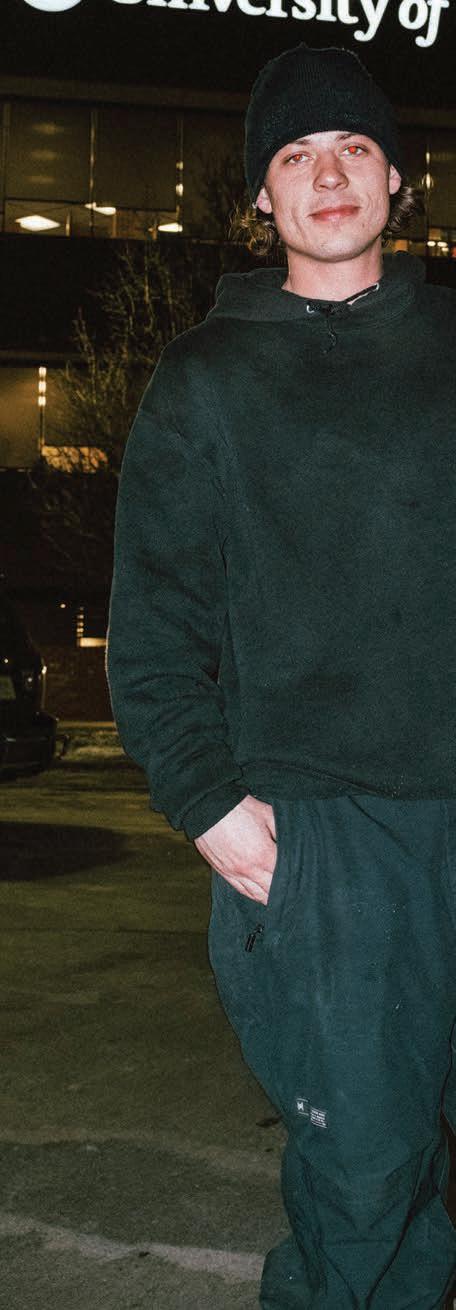
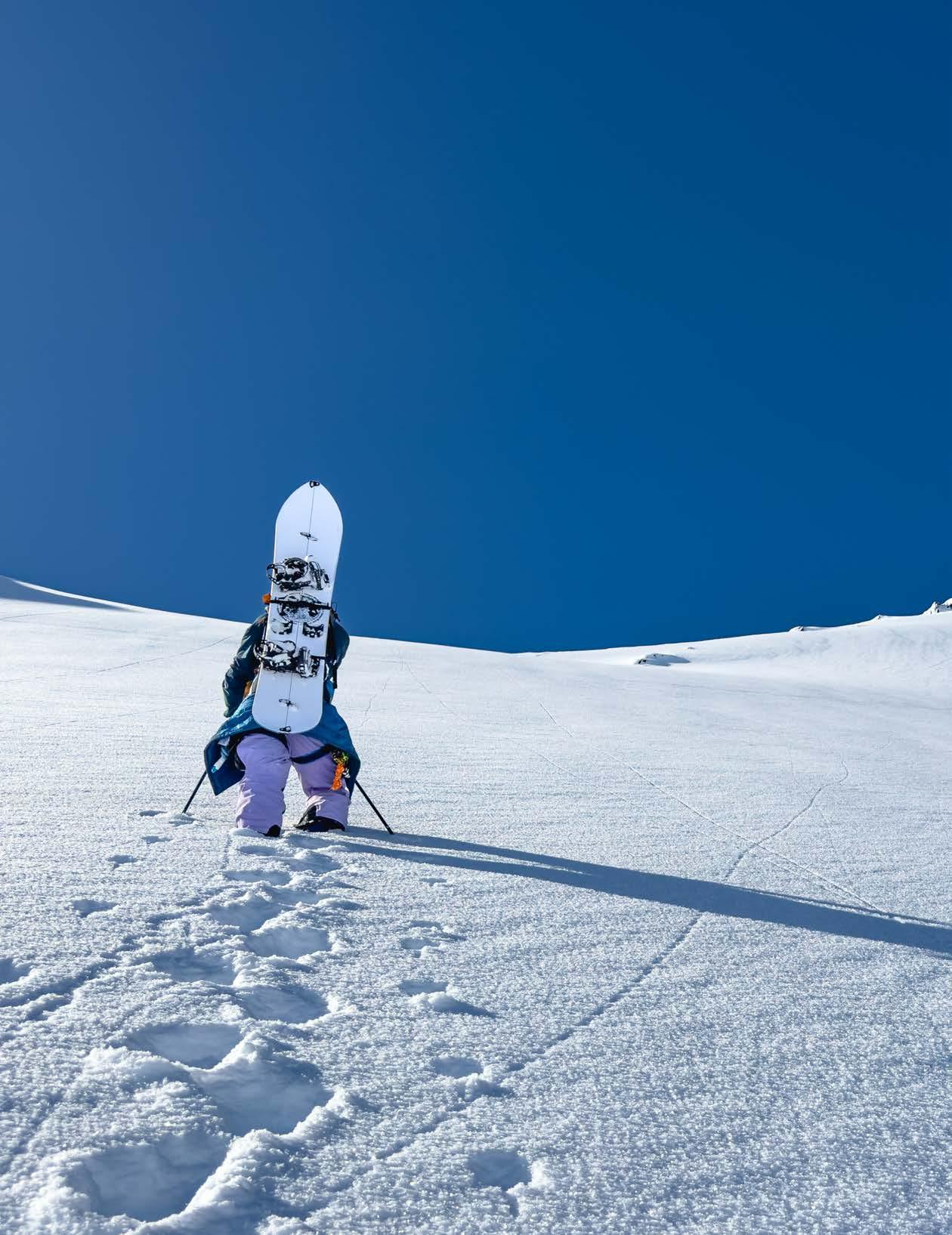
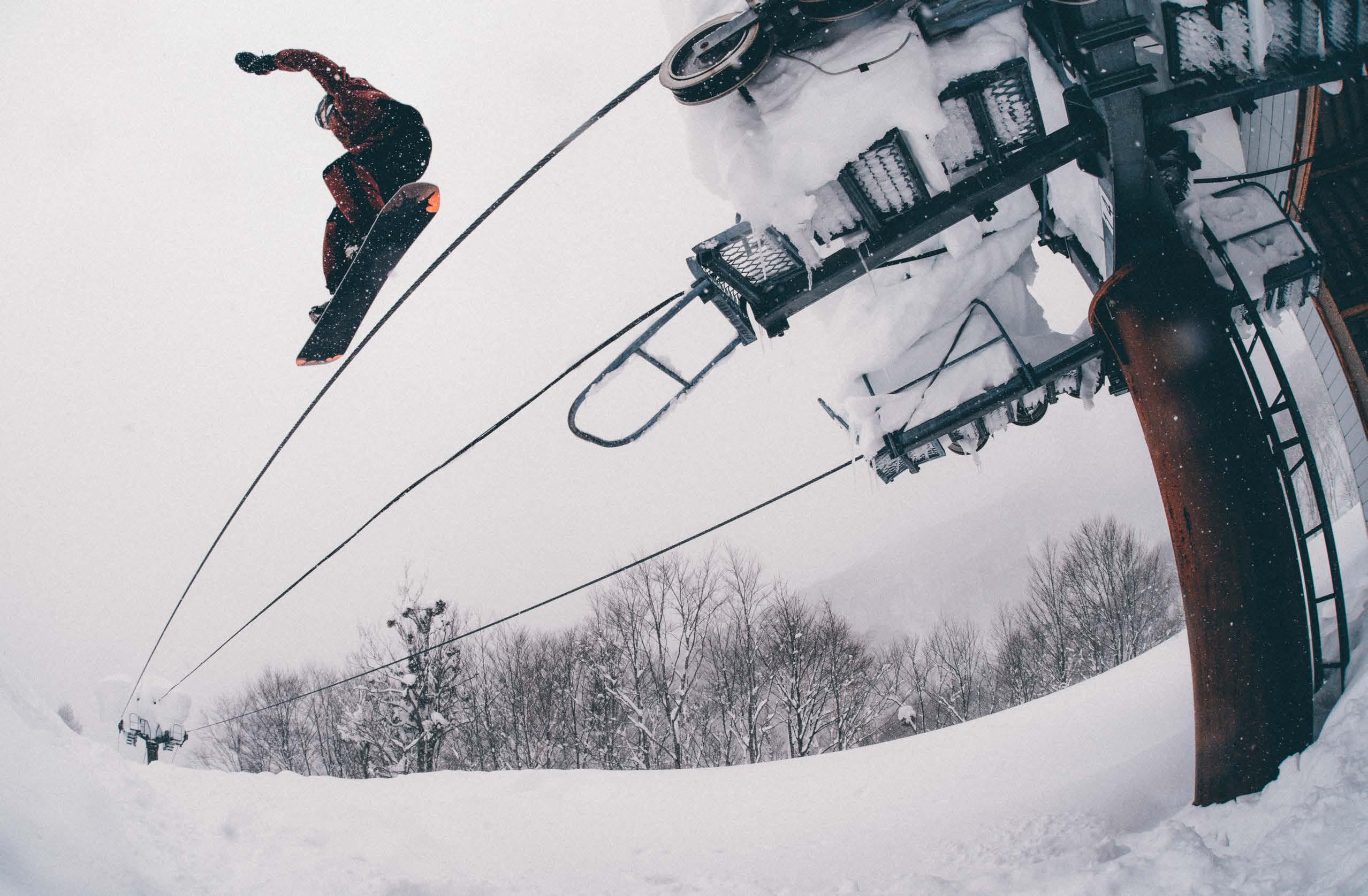
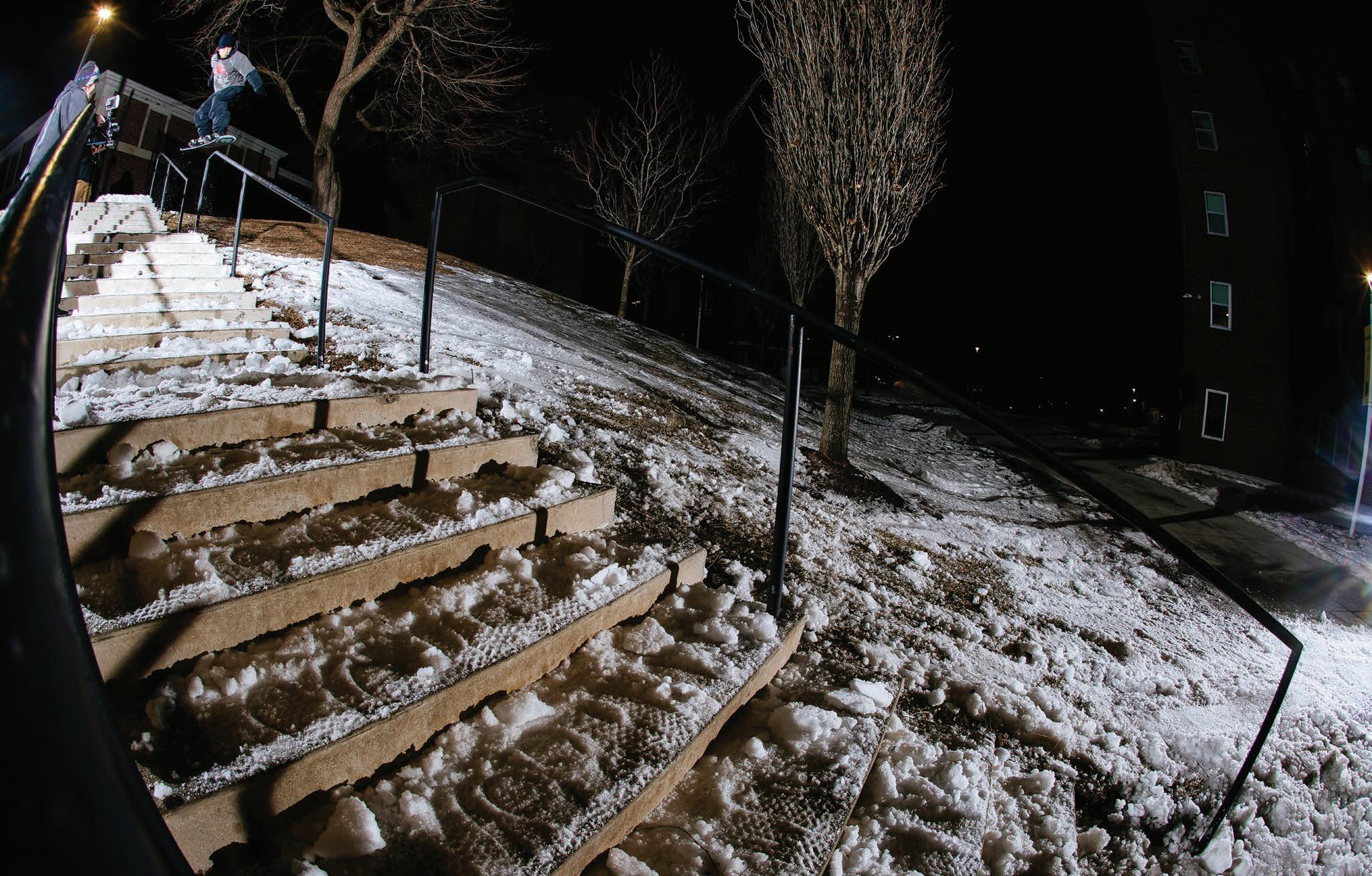
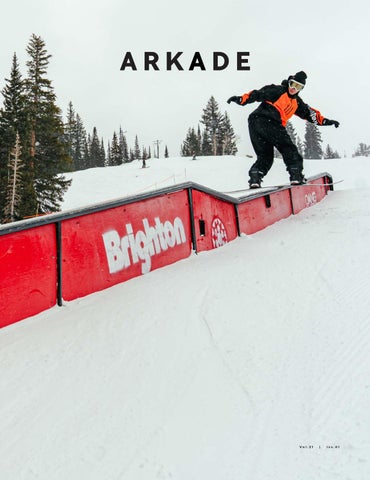
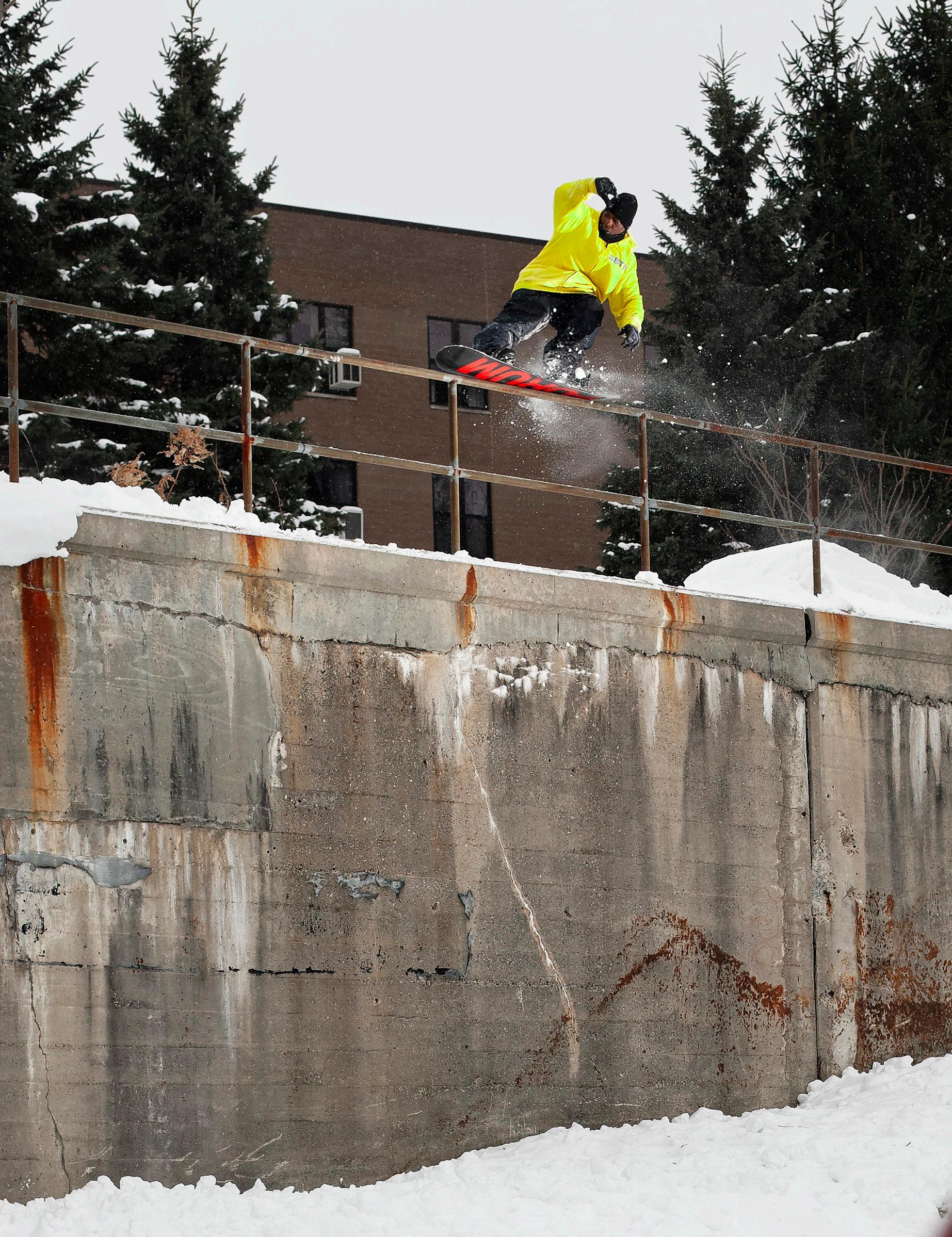
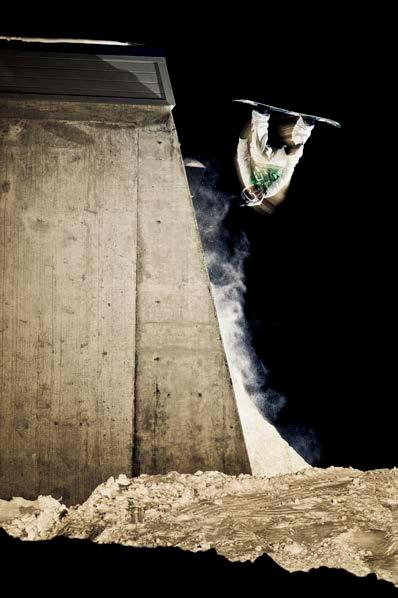
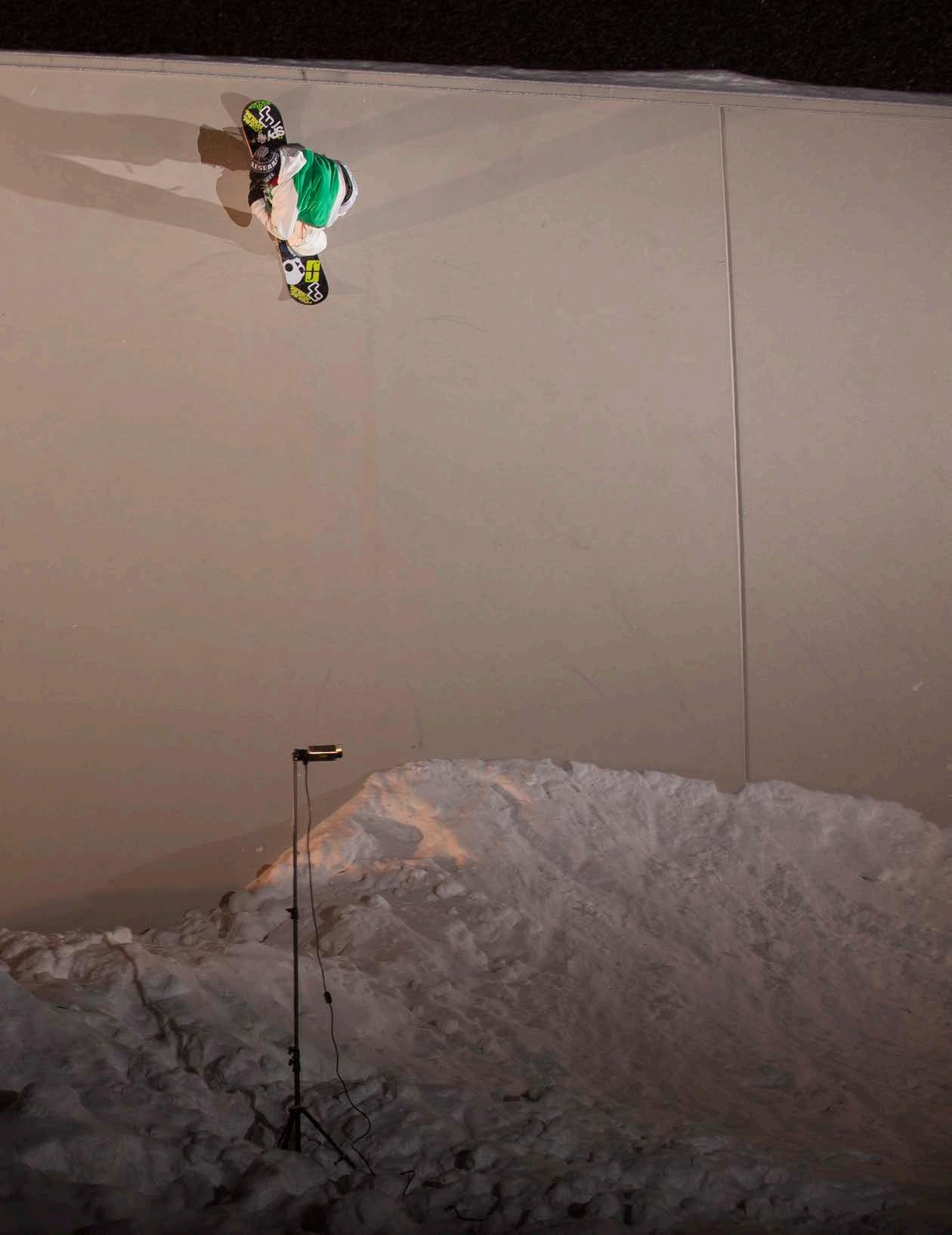
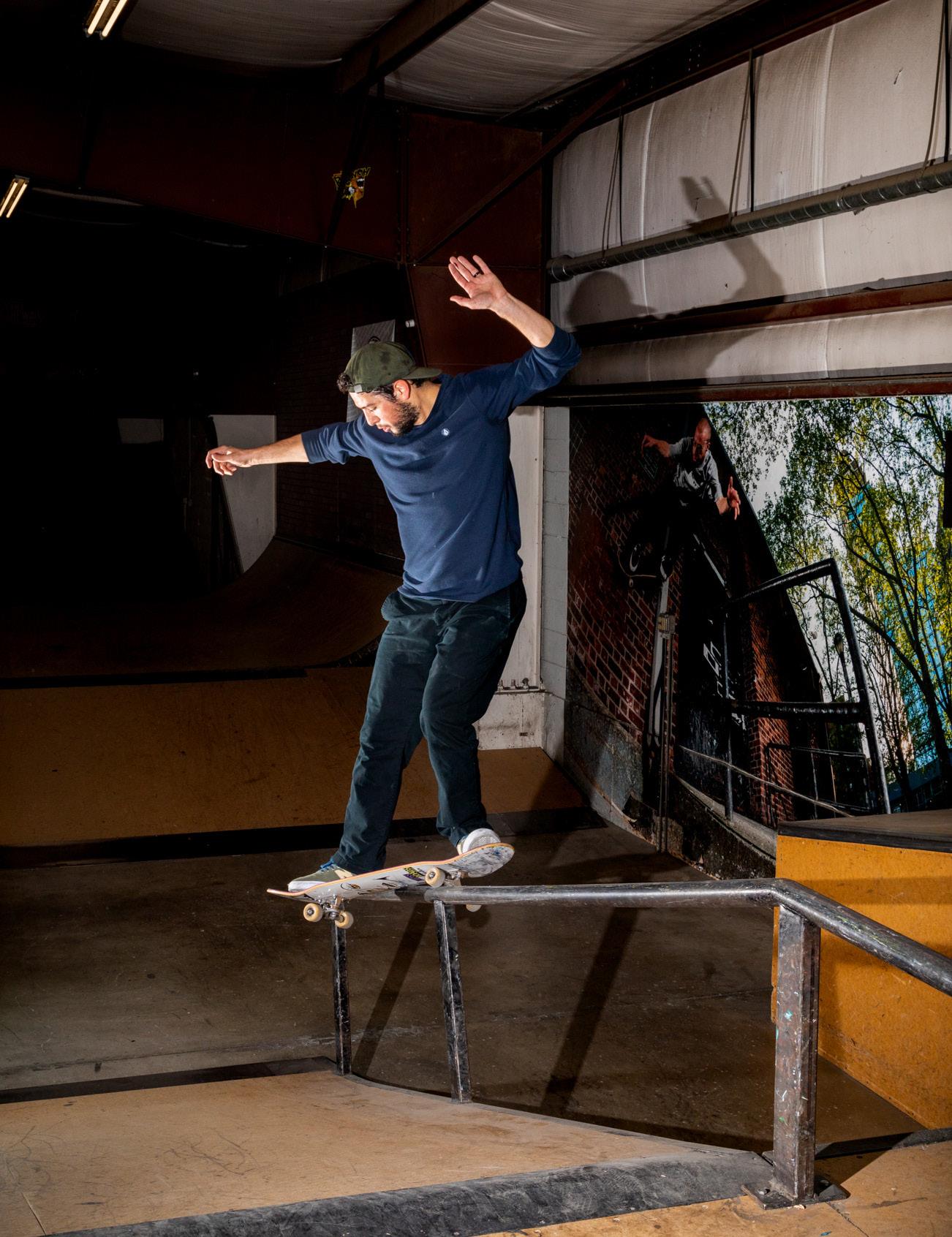
PHOTO: Patrick Phiser
RIDER: Tanner Crow
Derek Lemke
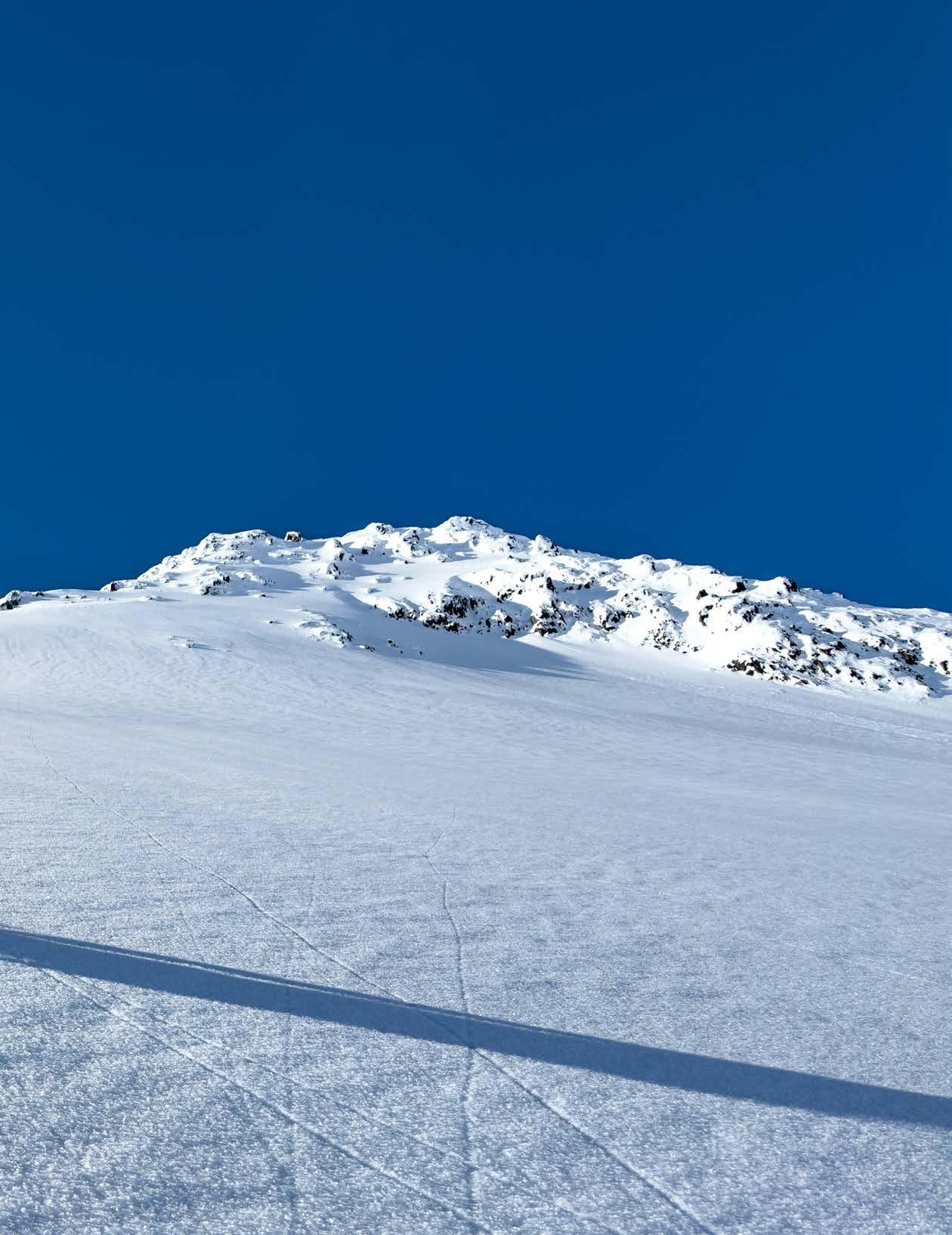
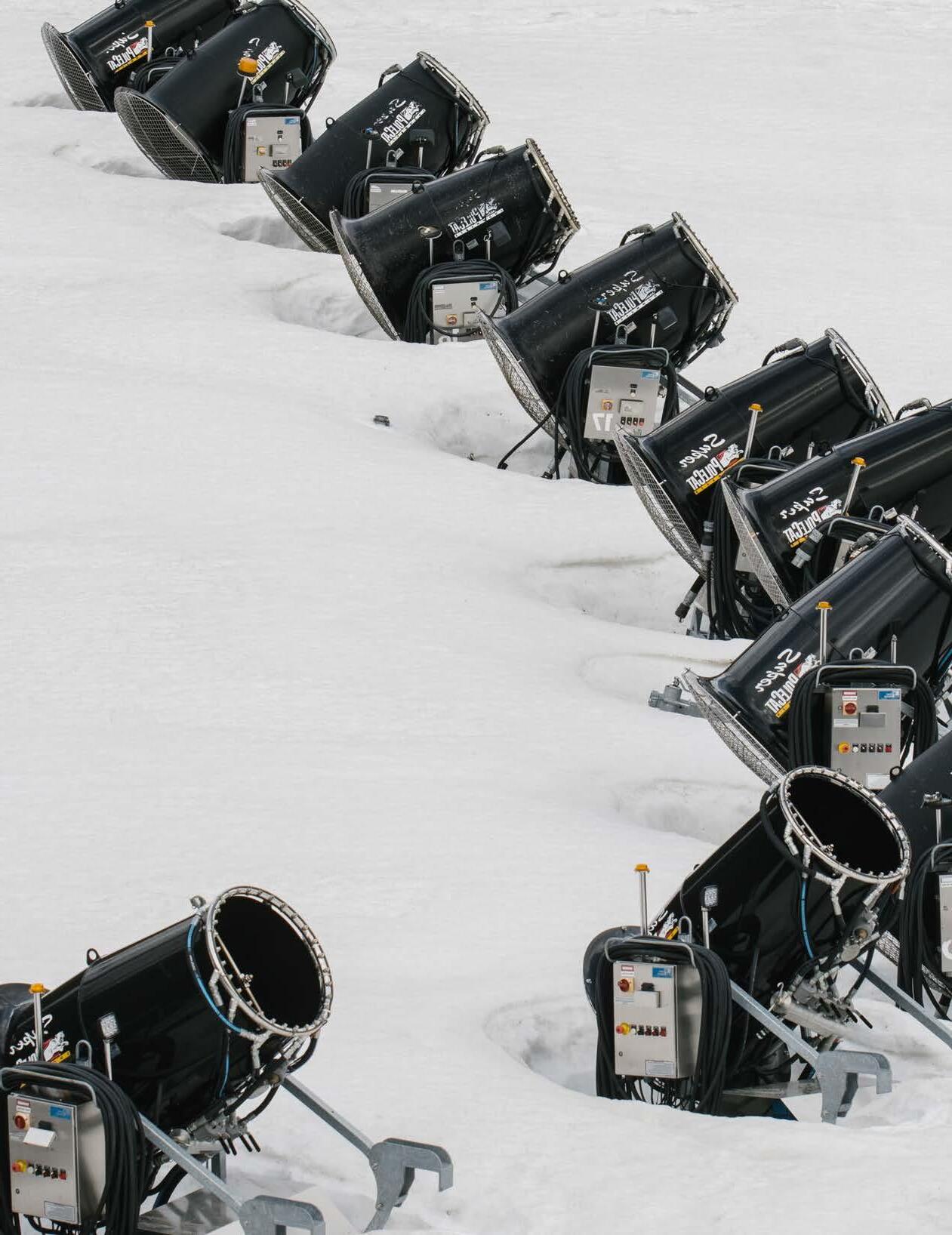
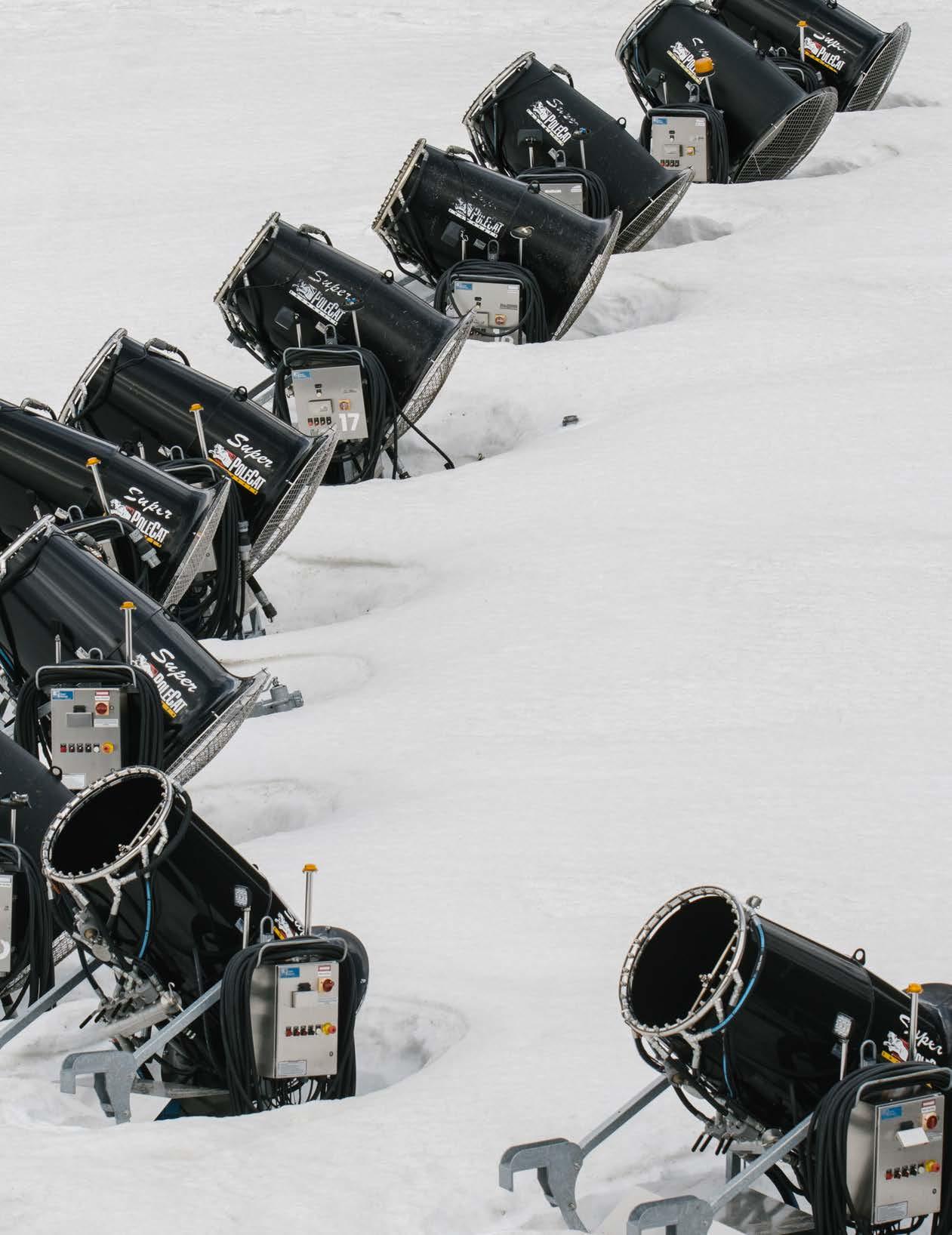
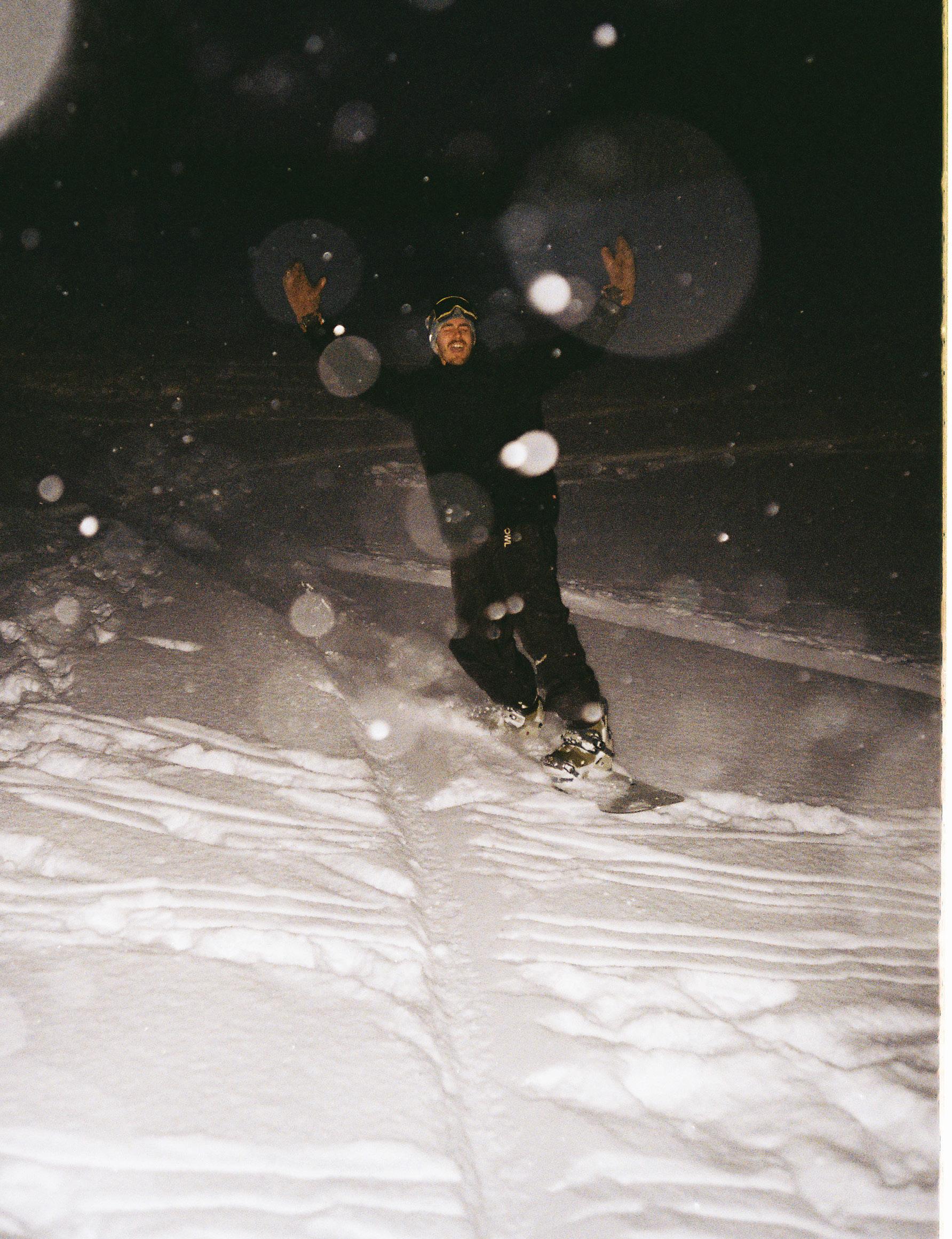
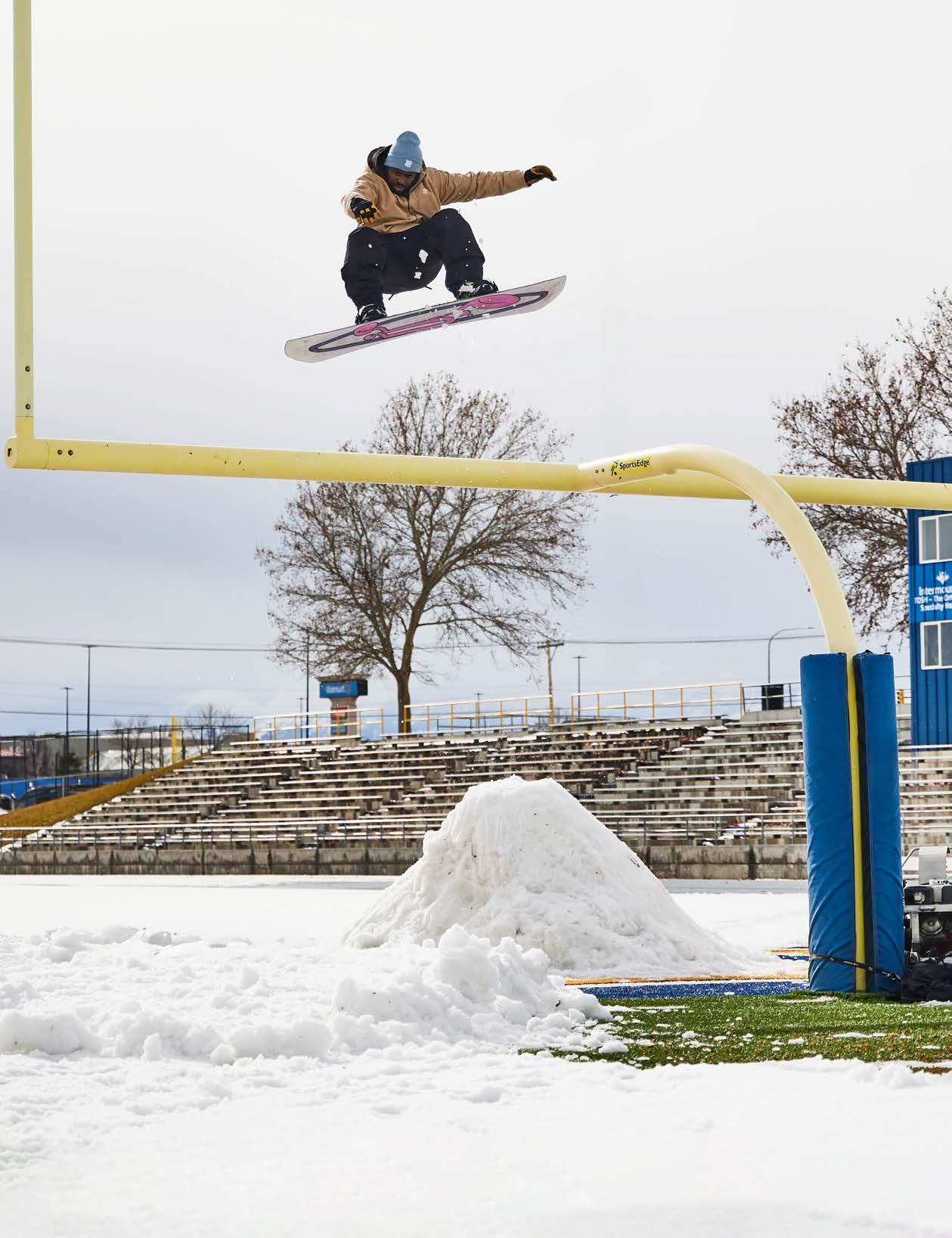
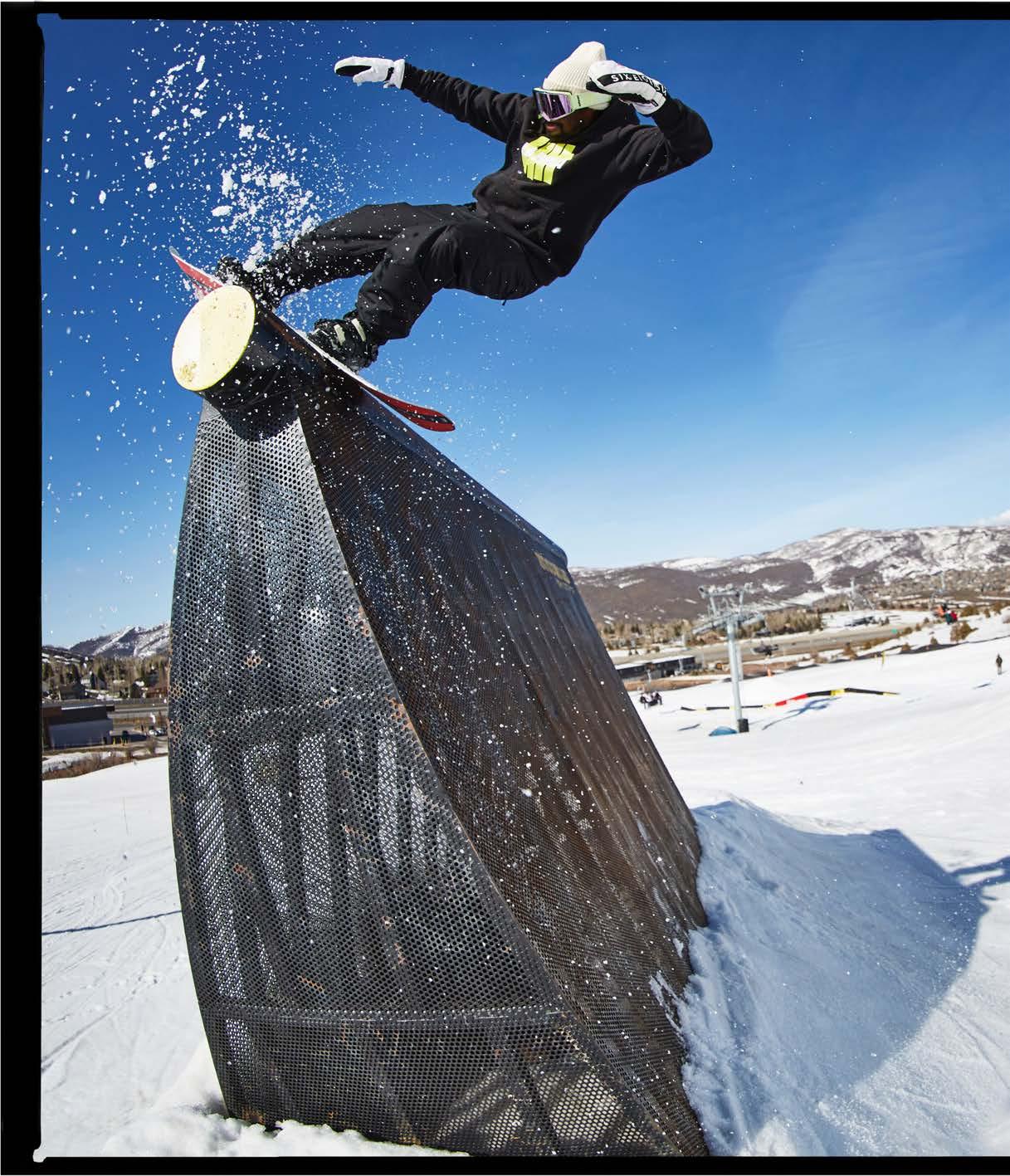
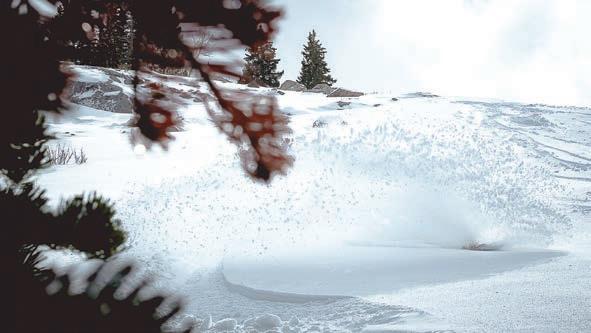
Thin coverage, low tide, whatever you want to call it, the American west is undeniably struggling to find a good storm track this season. Pushing into February, the season’s not young but it’s also far from over. We’ve had less snow than we wanted, no doubt. With seasons like these it’s not about waiting for perfect, it's about just getting out there and riding what we’ve got. If you’ve been up to the mountain, you’ve seen the stoke isn’t any different, coverage be damned.
It’s a season that’s been about showing up, not counting inches. That said, when (emphasis on WHEN) the big storms hit, you know we’ll have those pow boards waxed and ready.
the
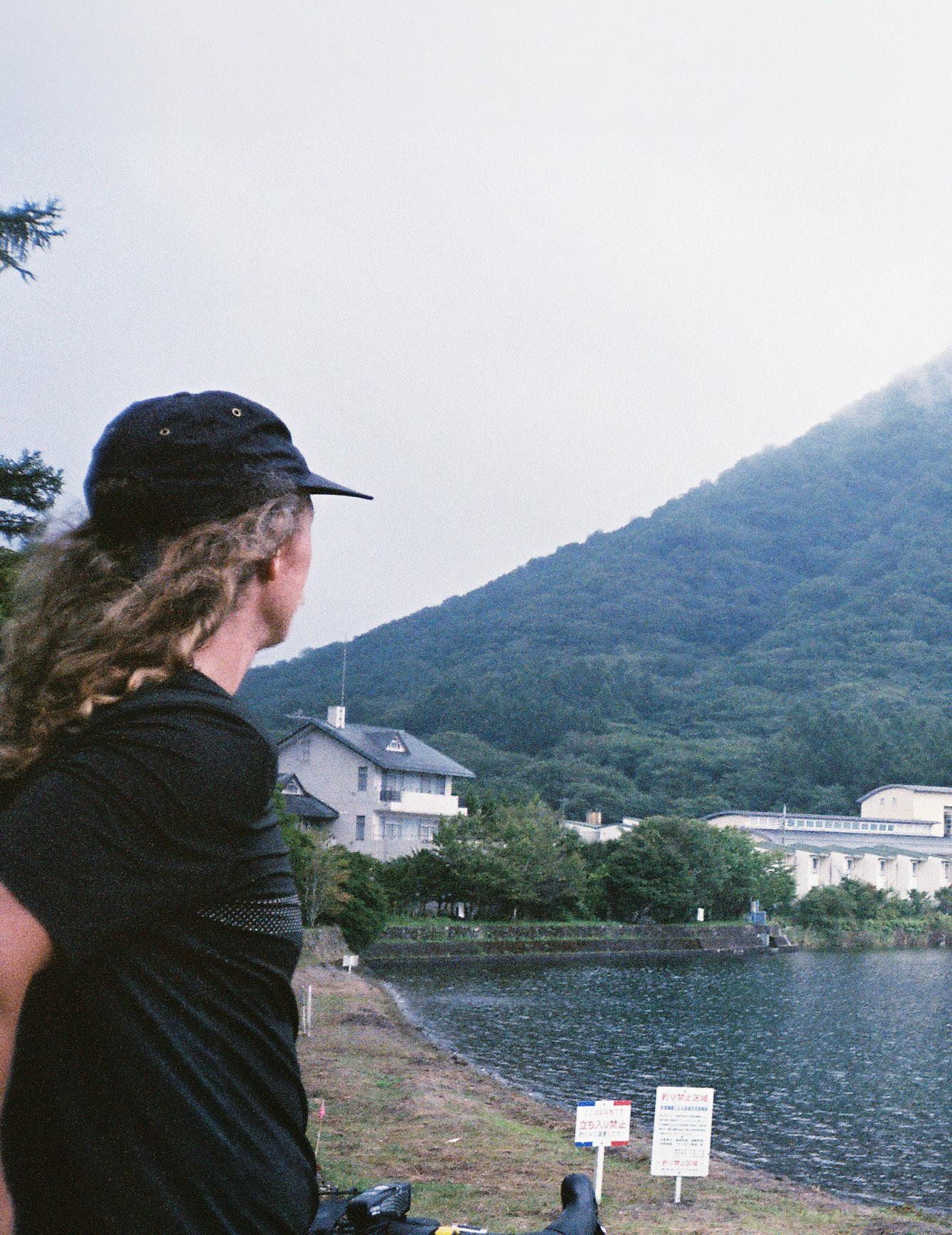
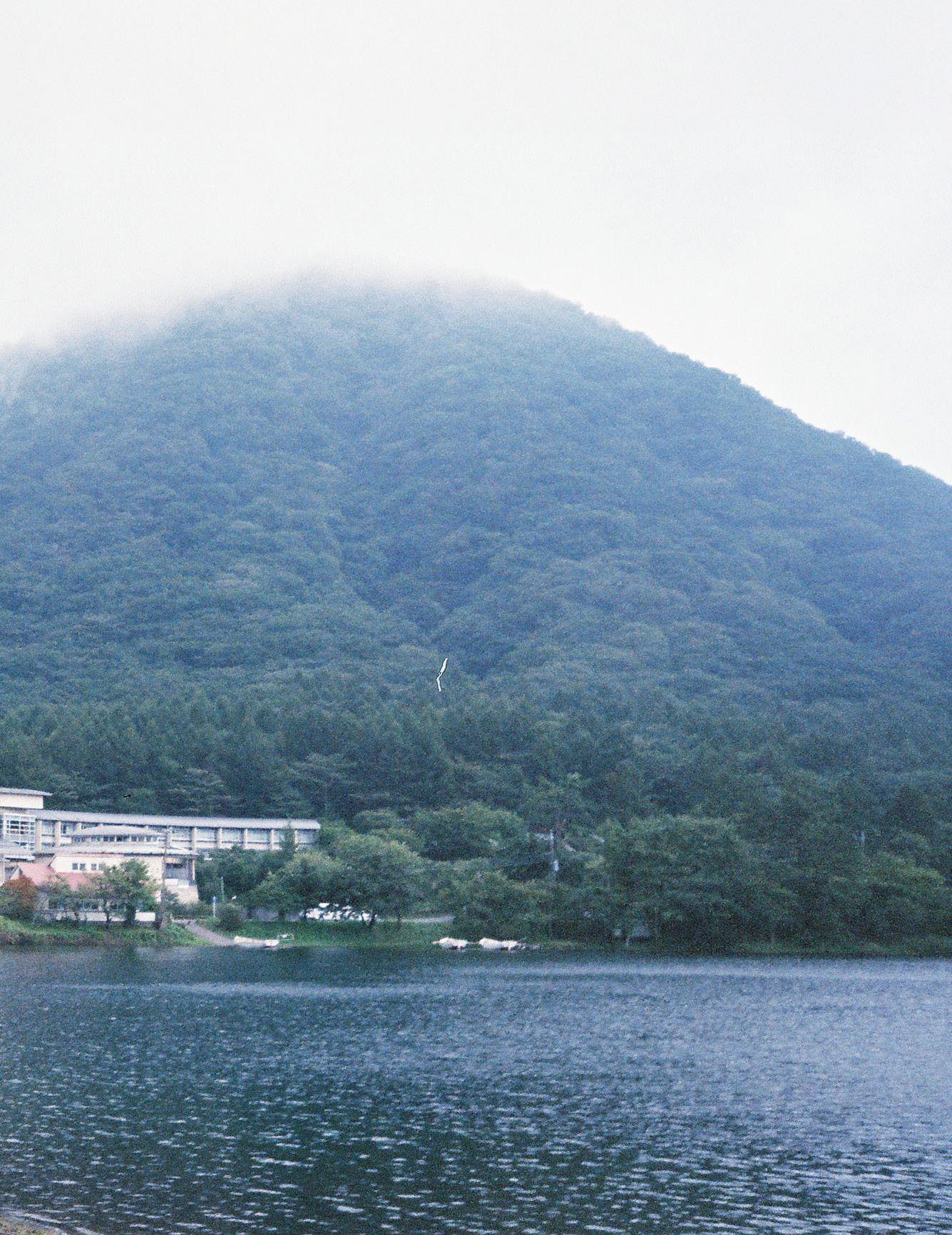
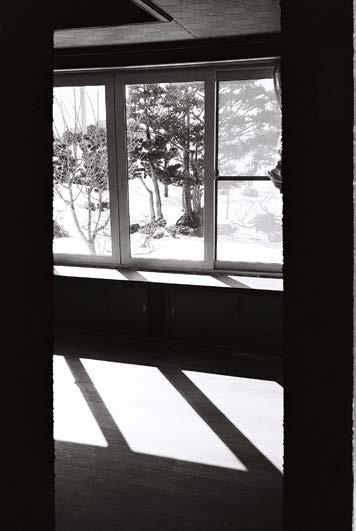
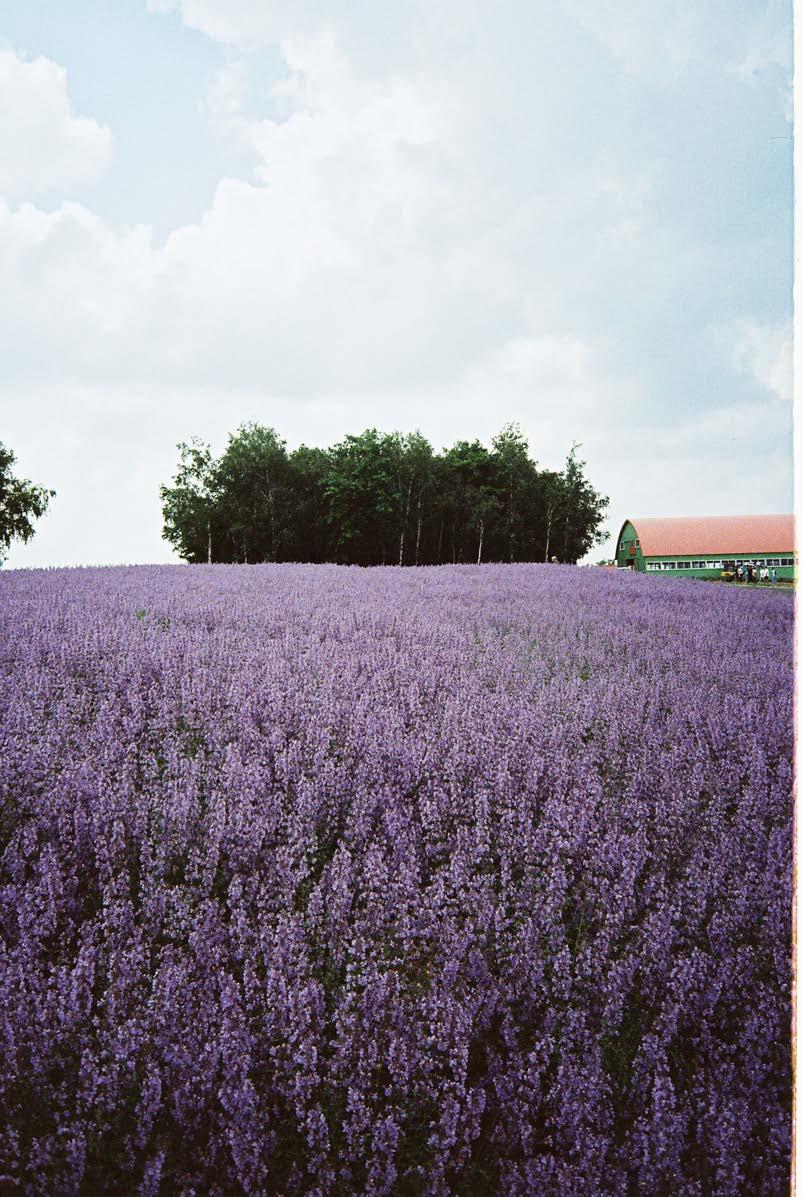
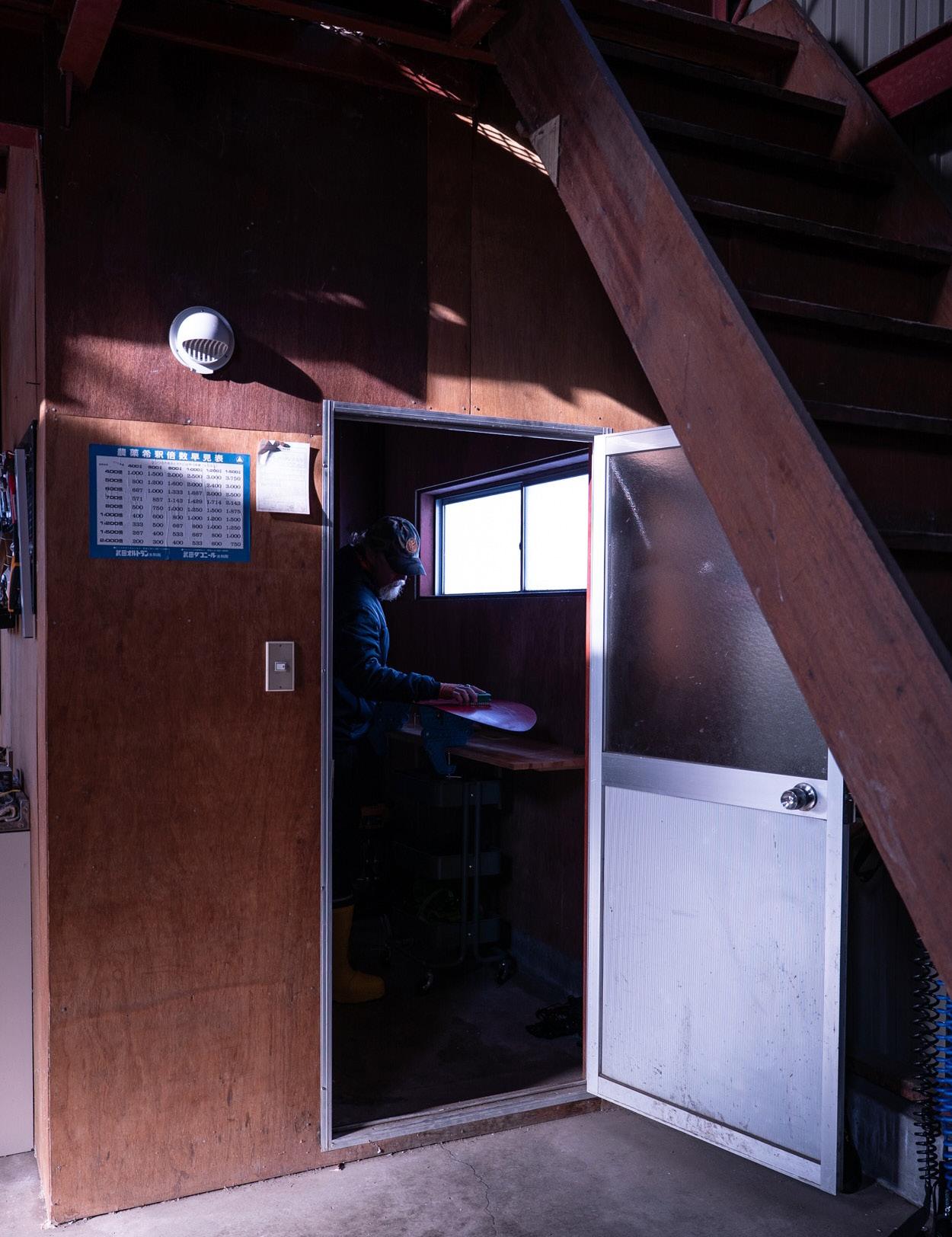
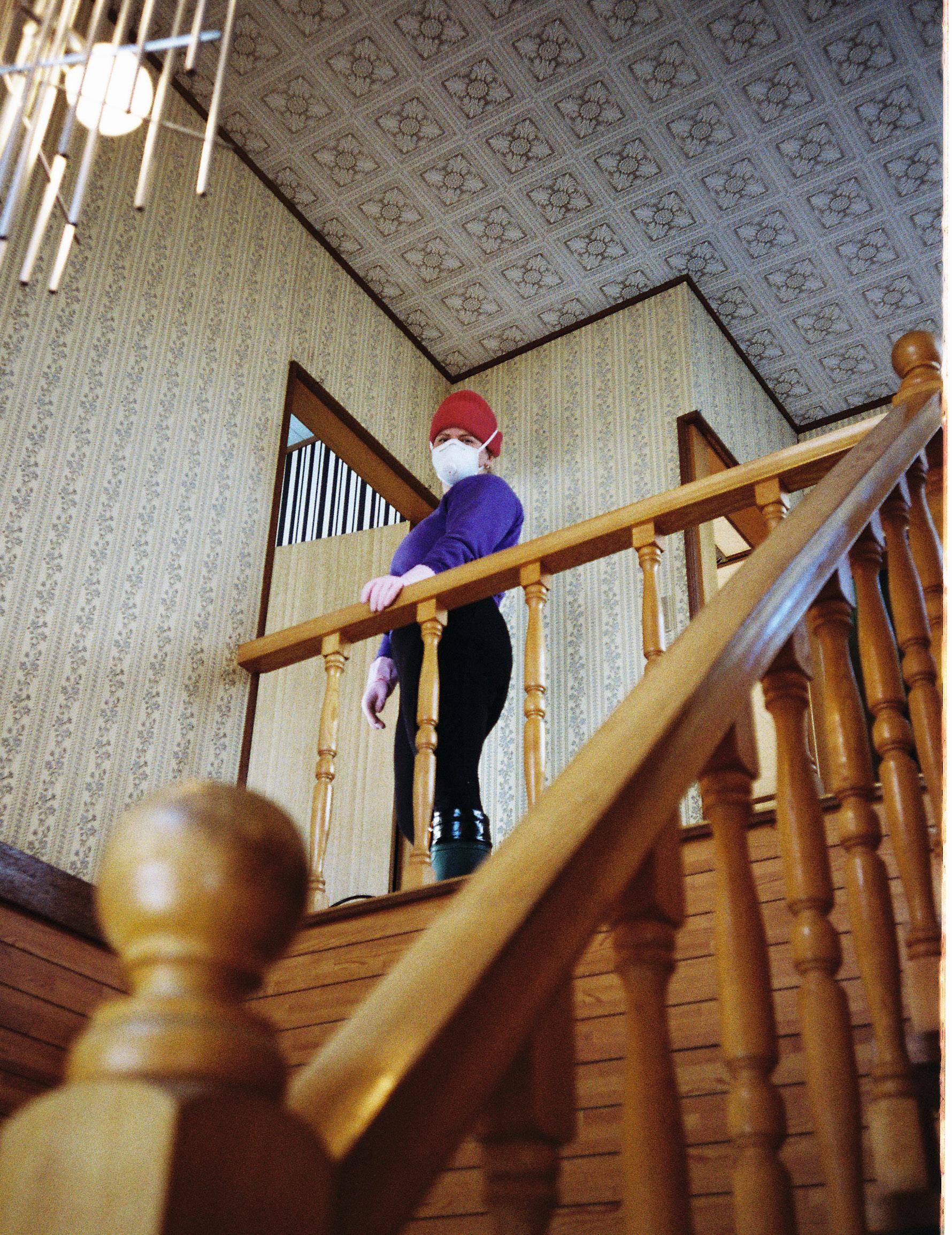
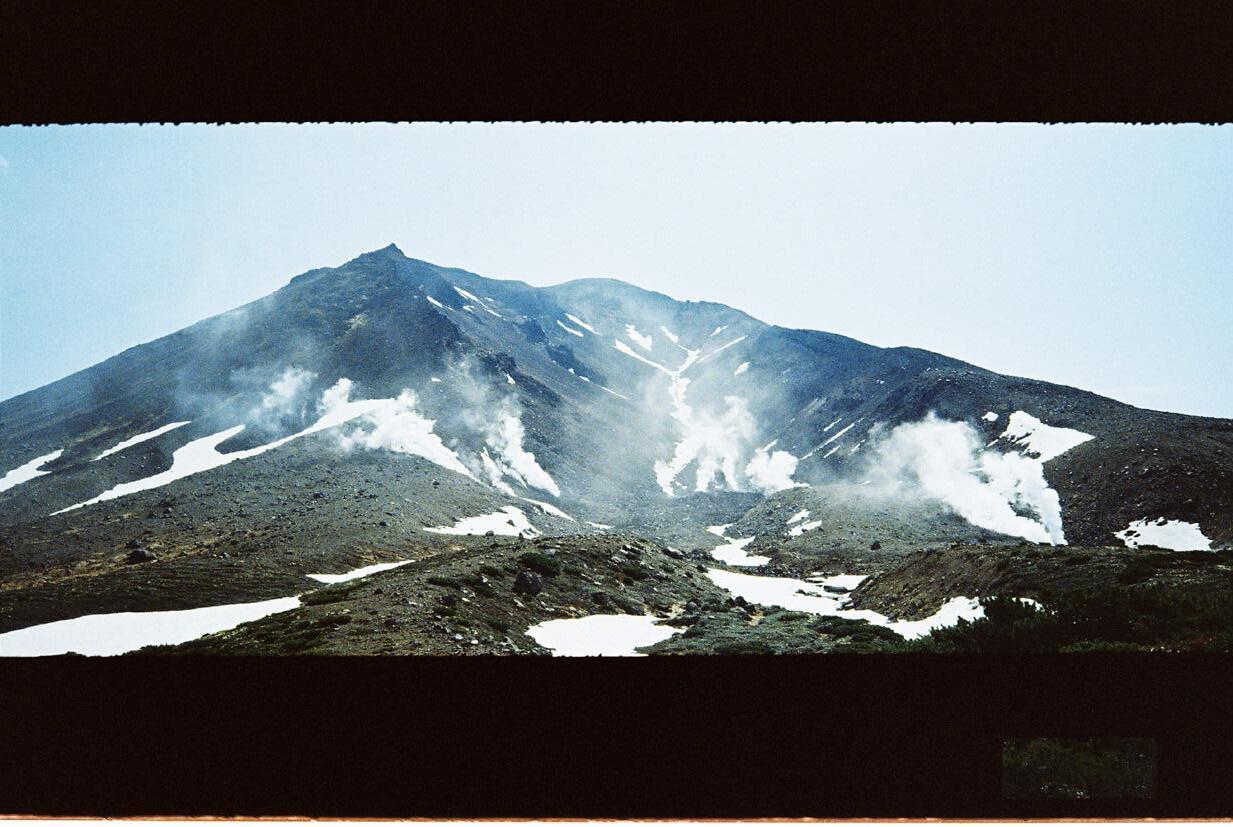
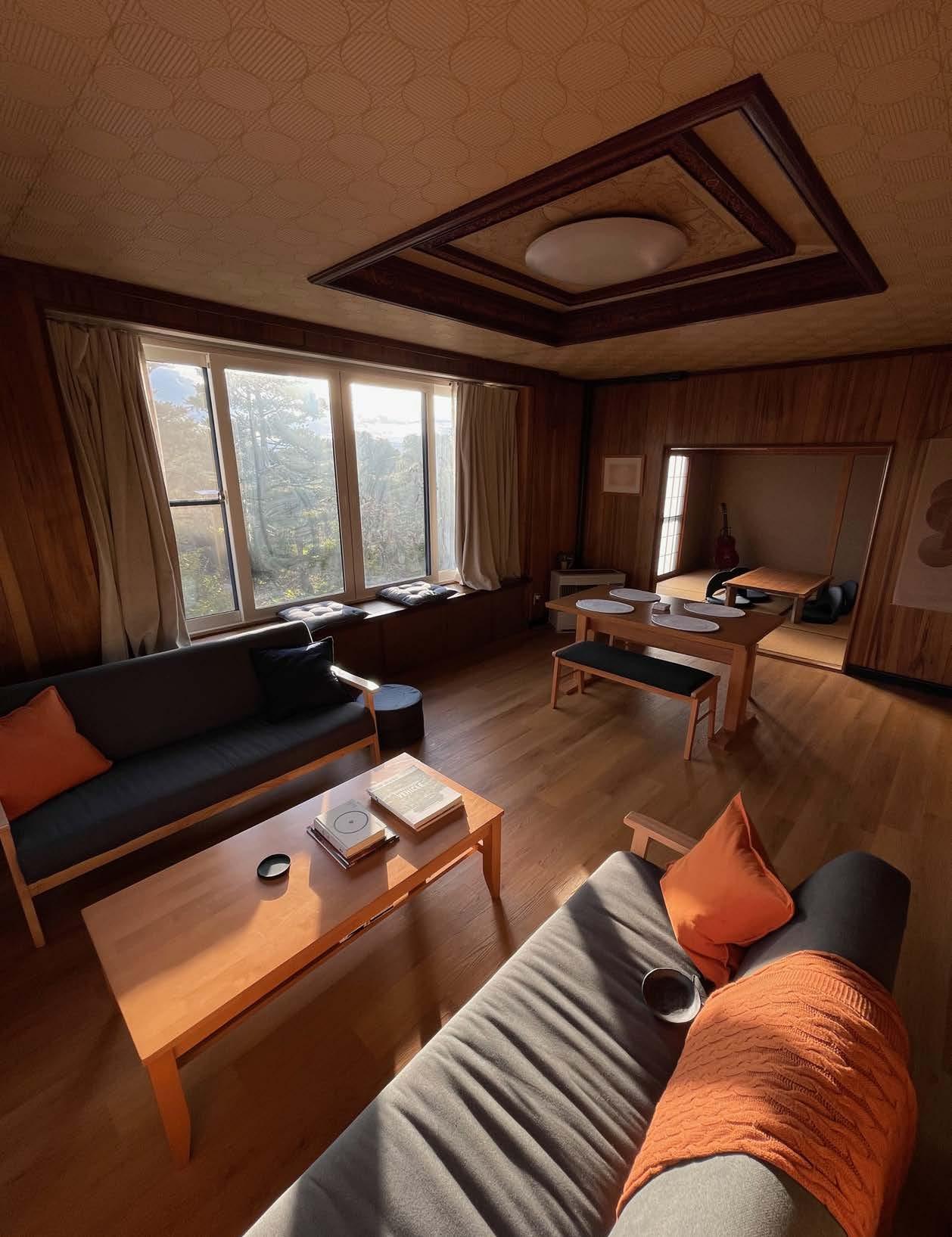
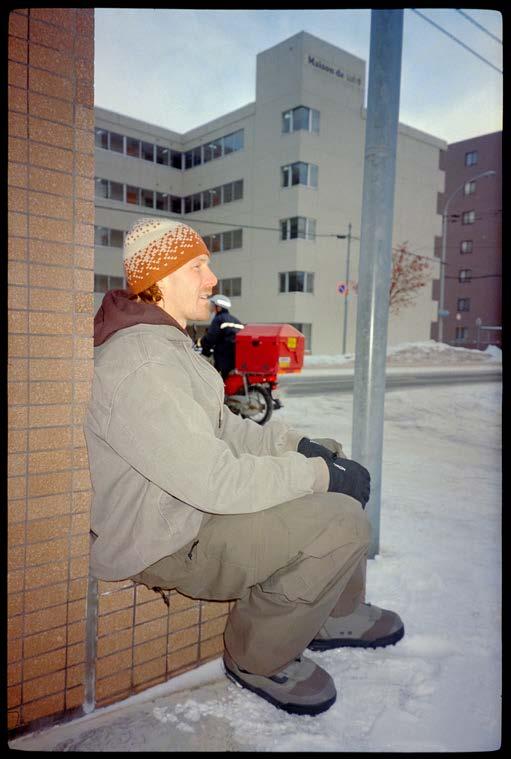
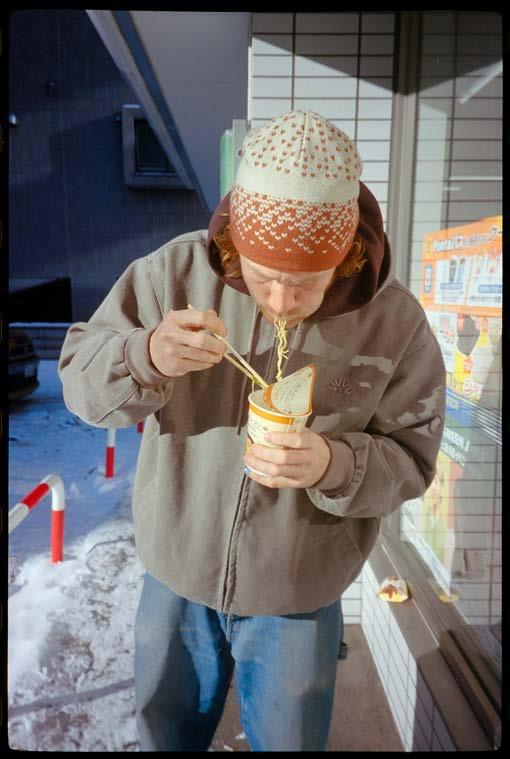
The farmhouse is quiet in a very specific version of silence. Not empty. Not still. Just balanced. Nobody’s there, but it’s not alone; not abandoned. In a matter of weeks that won’t be the case, however. Chase Burch will be there, again. Back in Hokkaido. Back in a place that, a few years ago, existed only as a feeling he couldn’t quite explain. Something deeper than a trip and heavier than a visit. Now it’s real. A tangible dwelling in a rural community, neighbors who know his name, and responsibilities that don’t pause just because he flies back home to America.
Don’t get it twisted, this isn’t a profit-maximizing AirBnB type of situation. There’s no branding. No relentless rotation of raucous guests cycling through for content or clout.
That’s the point.
The farmhouse is something of a culmination of a long pattern in Chase’s life: seeing where people gather, understanding what makes a place or situation special, and finding a way to foster connection without bulldozing the vibe. His journey to Japan didn’t change that instinct, it is honing it further.
Understanding how he arrived here means looking at where he has been.
Chase didn’t set out to become a “community builder.” He just kept ending up as the person who made things happen. During high school, it looked like backyard parties. Nothing over the top wild, just a place where friends showed up because someone had taken the initiative to create the setting for rad times. More instinctual than strategic, Chase simply knew if people wanted to be together, someone had to make the space for it.
It’s not something I consciously choose to do, it’s just what I do. I see an opportunity to get people together, to rise the tide for the community, and I feel compelled to step into it."
"It's not something I consciously choose to do, it's just what I do. I see an opportunity to get people together, to rise the tide for the community, and I feel compelled to step into it. "
That pattern followed him.
When he landed in Ogden years later, that mindset flowed to a more practical outlet. Lucky Slice Pizza might have paid the bills for Chase, but also it became a platform. As the brand grew, so did Chase’s role in shaping how it interacted with the community. Snowboard film
premieres and local gatherings that again felt organic rather than forced. The pizza being mouth-watering helped, but the real draw was how people felt when they came together for good food and immaculate vibes.
Snowboarding has always been there for him as well. Deeper than just pow turns, it’s a passion that relies on things humans can’t dictate. When snow conditions are rough, you adapt and temper expectations or you miss out. That mindset, control what you can and respond honestly to what you can’t, bled into everything else he touched.
“You can’t control the conditions, but you can control how you react to them. Just choosing to keep showing up is important.”
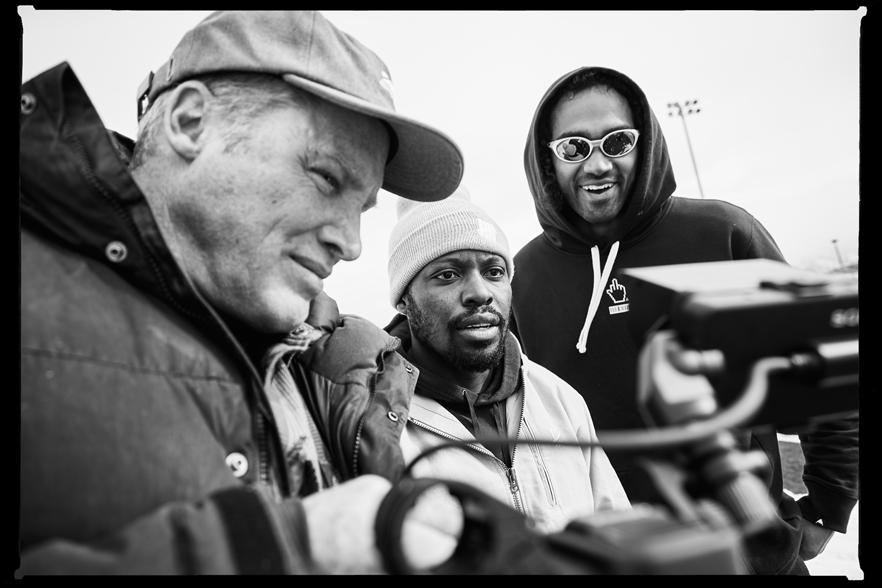
So when the snowboard industry found itself in a strange limbo after COVID, Chase was already wired for the moment. As the major trade shows fractured, something became obvious: snowboarding needed its own room. Not a louder one, a dedicated one. When asked to help
make it happen, Chase said yes. Knowing how to pull together venues, people, schedules, and energy made him a natural fit to get it off the ground. Five years later, Interlude is still rolling thanks to hearing and understanding what the current moment in time needs, and responding accordingly.
That same instinct to listen and build would eventally help him put down some landing gear somewhere far from Utah.
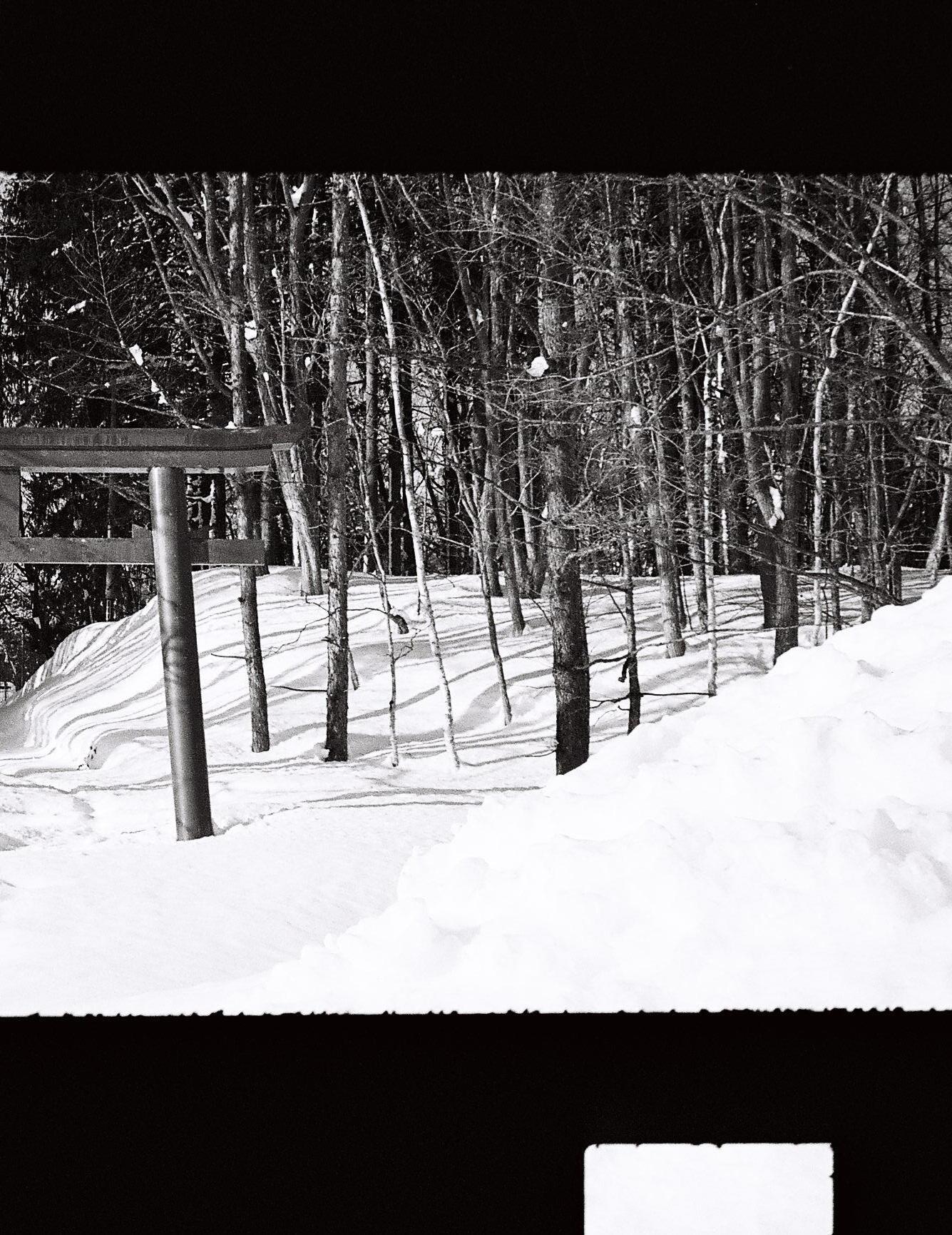
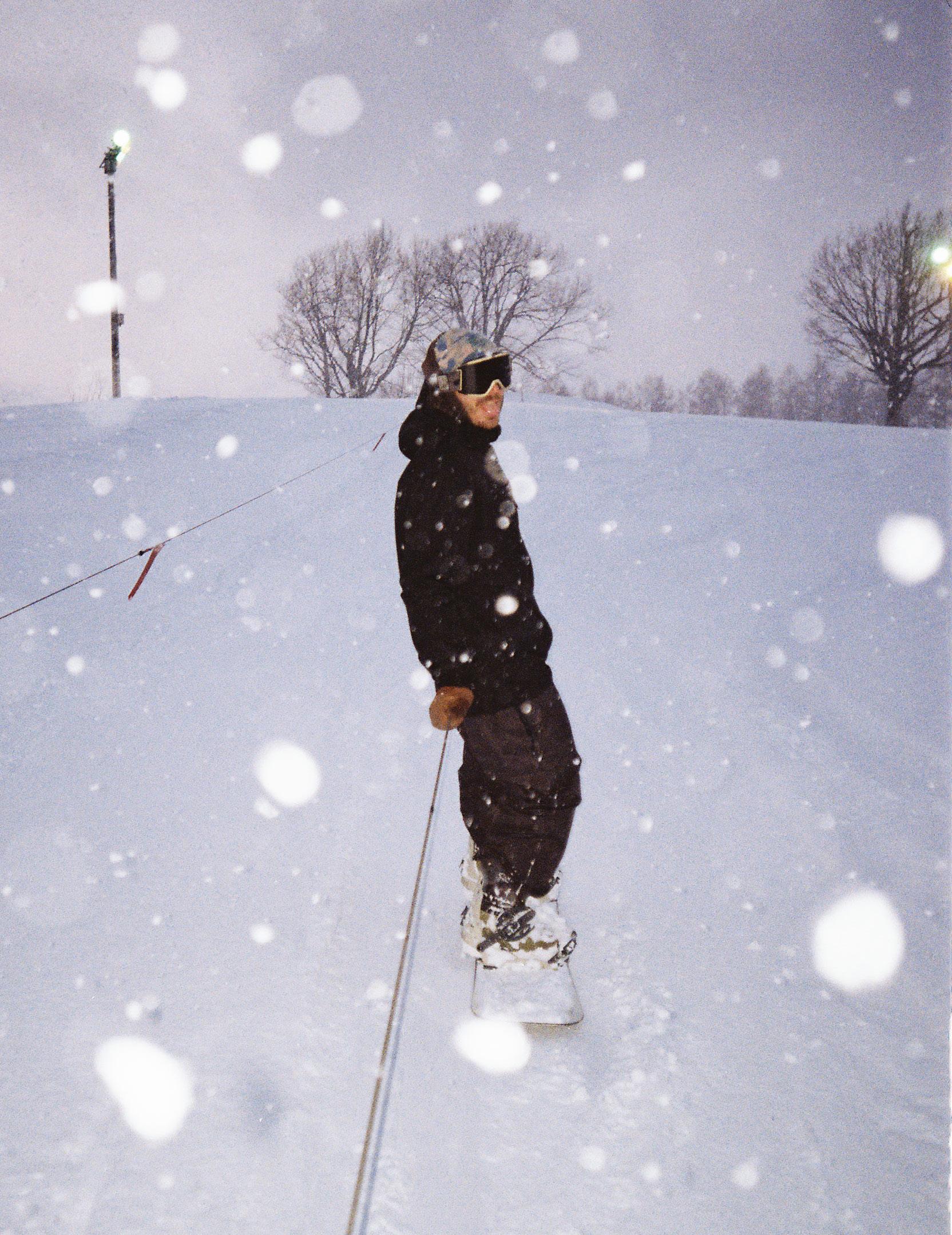
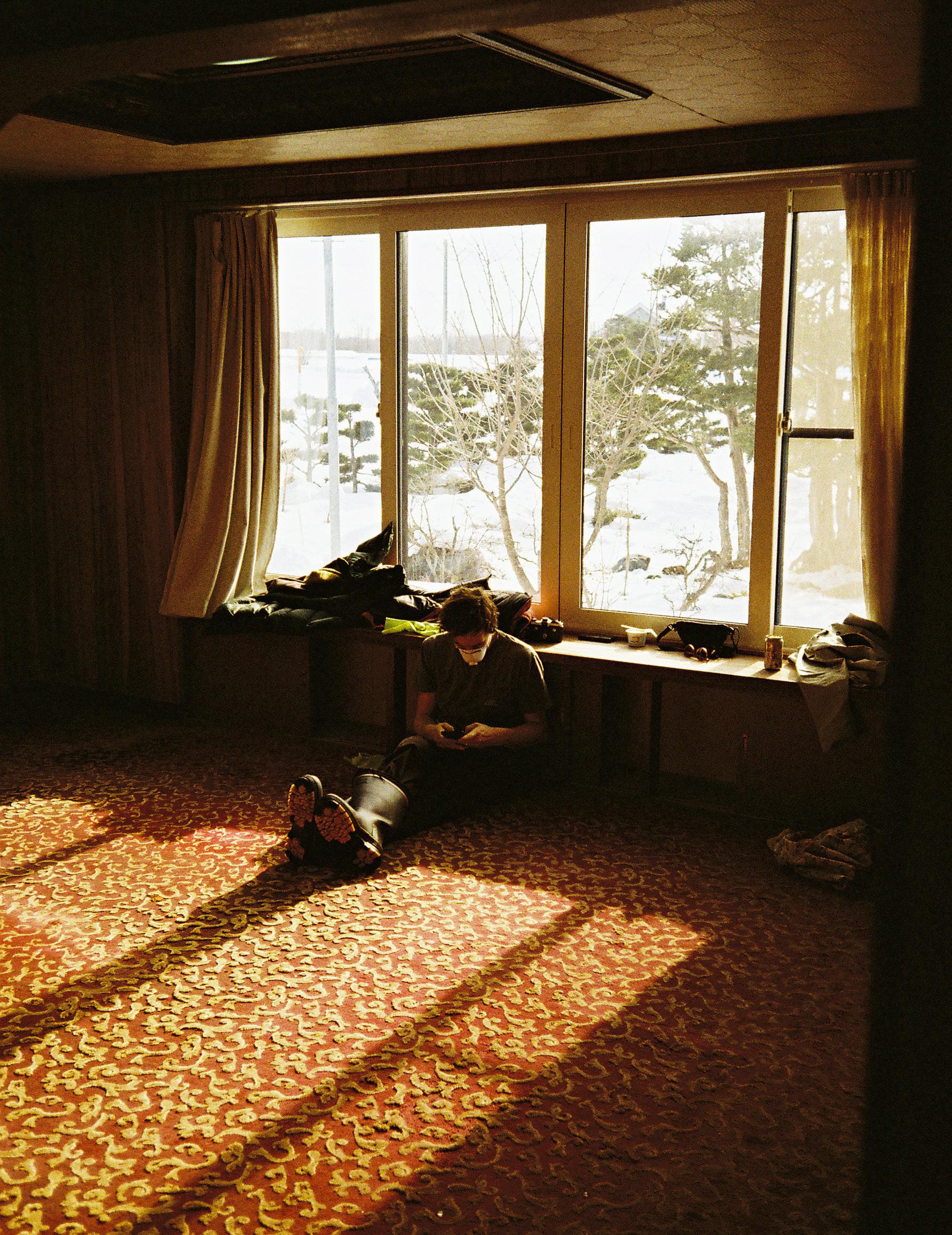
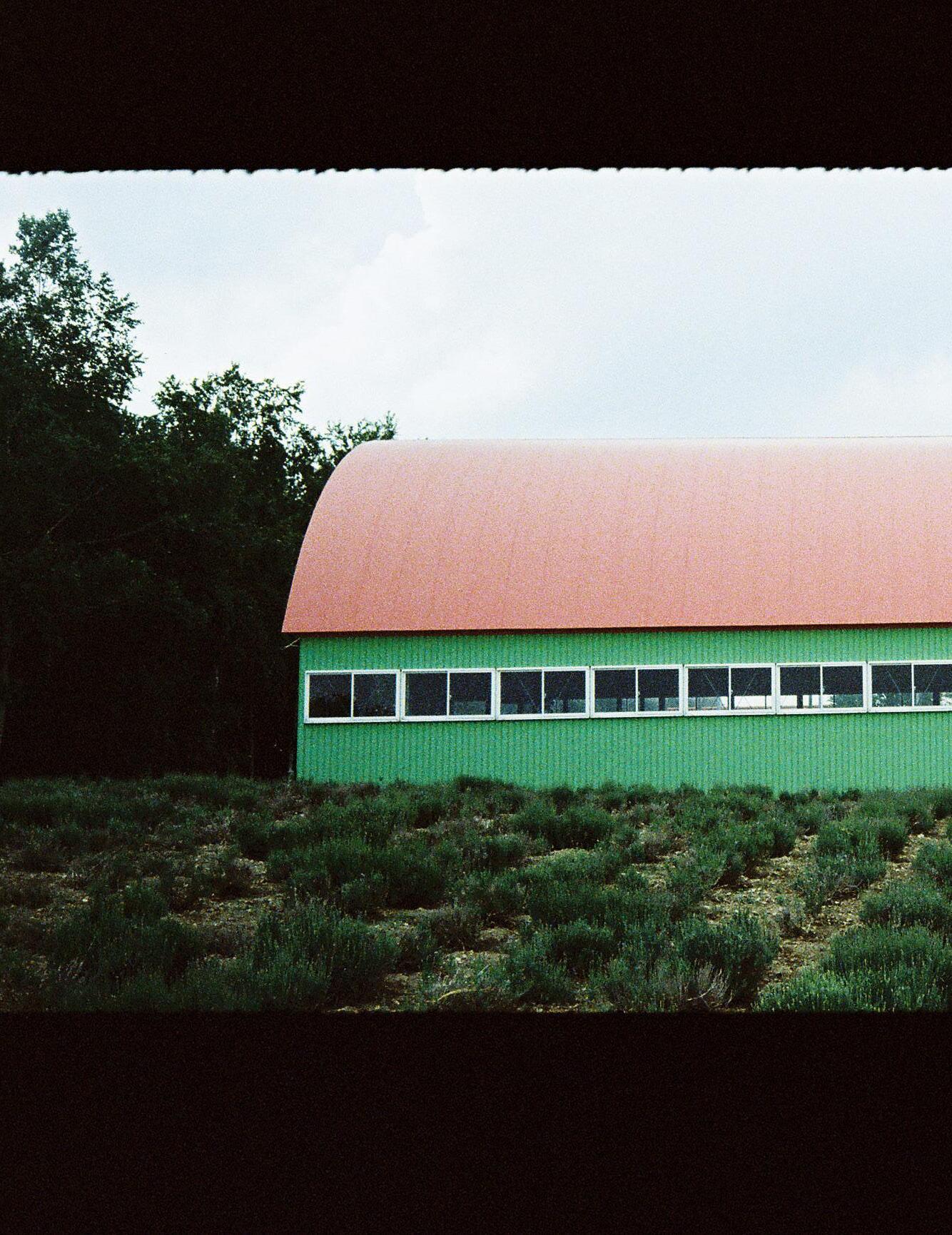
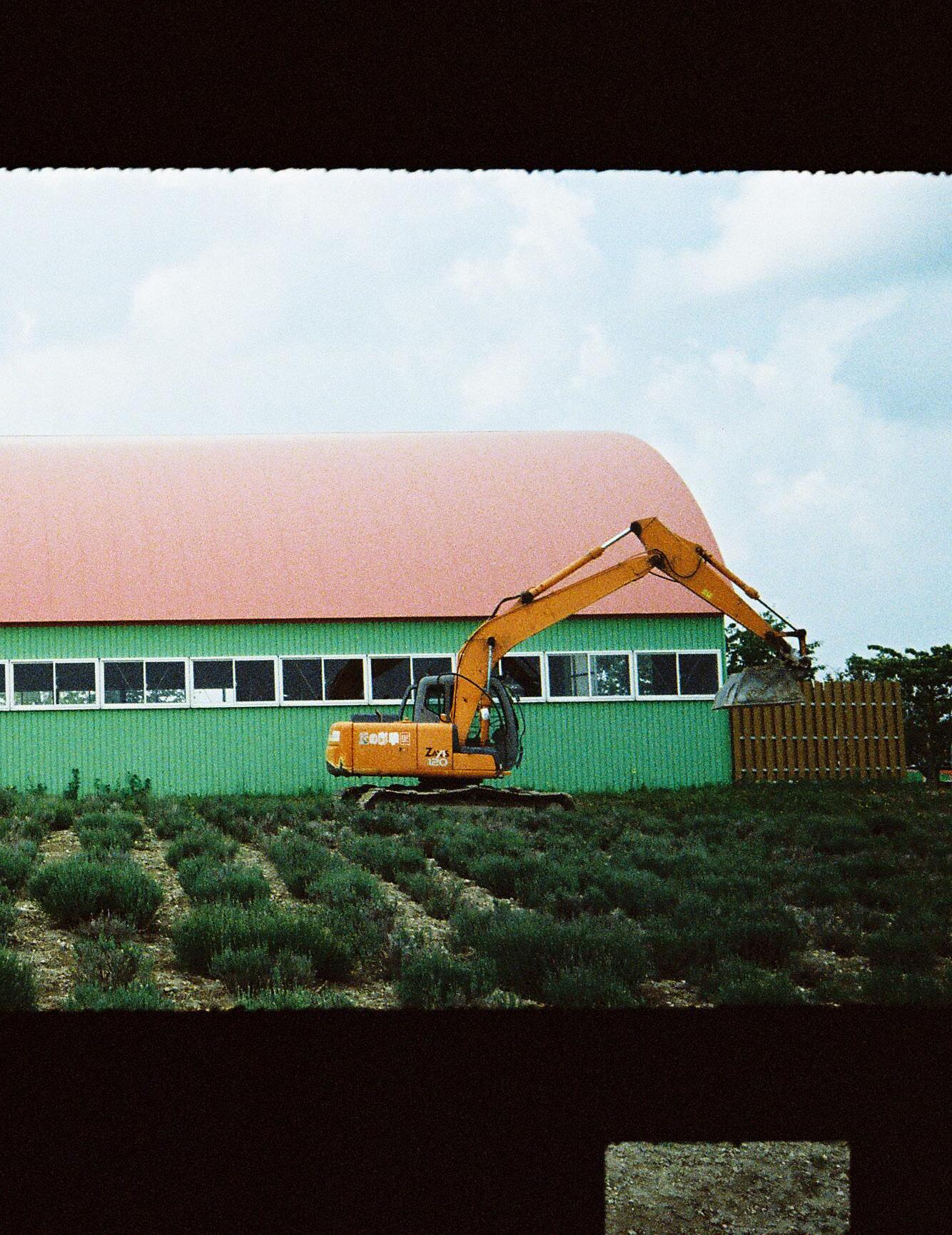
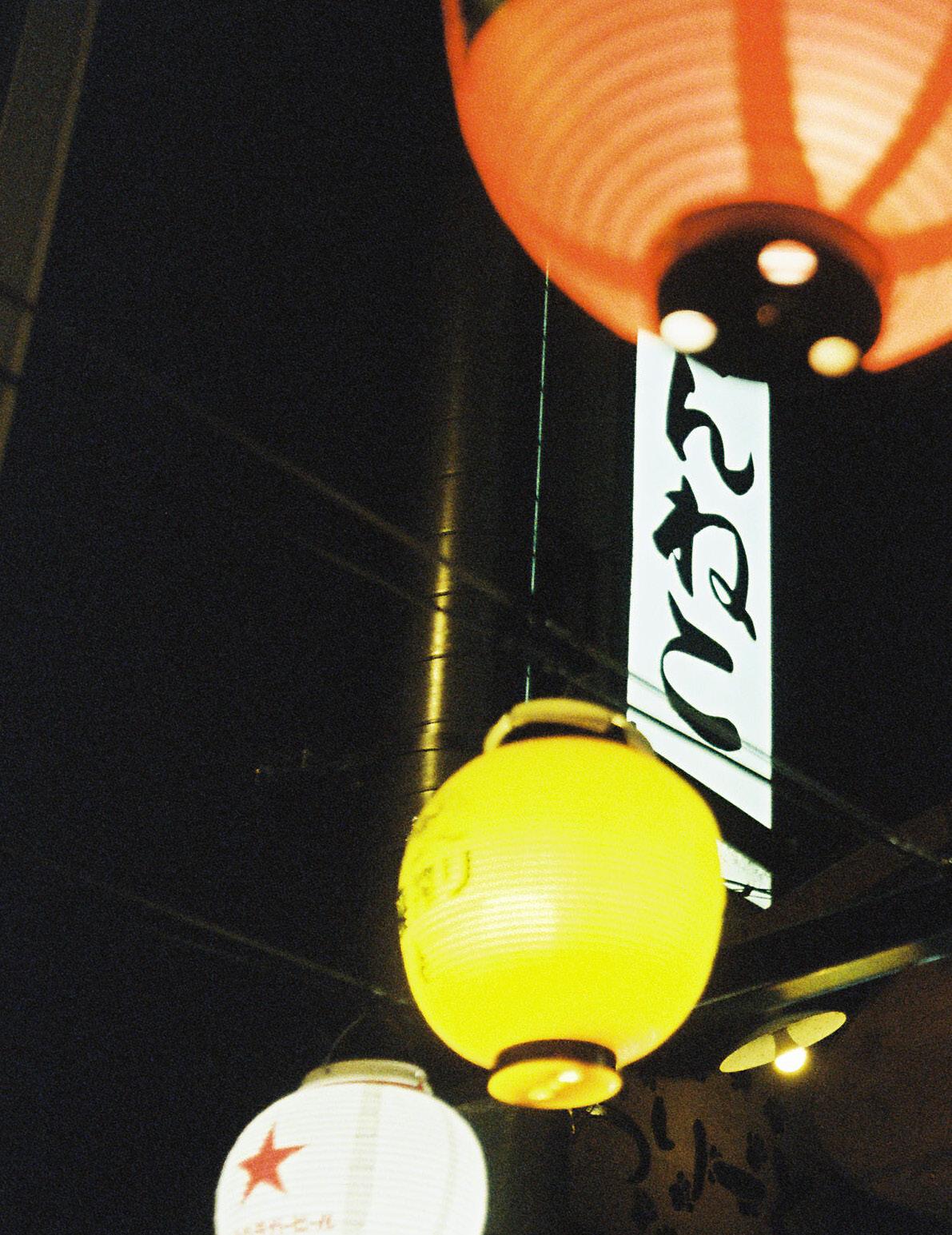
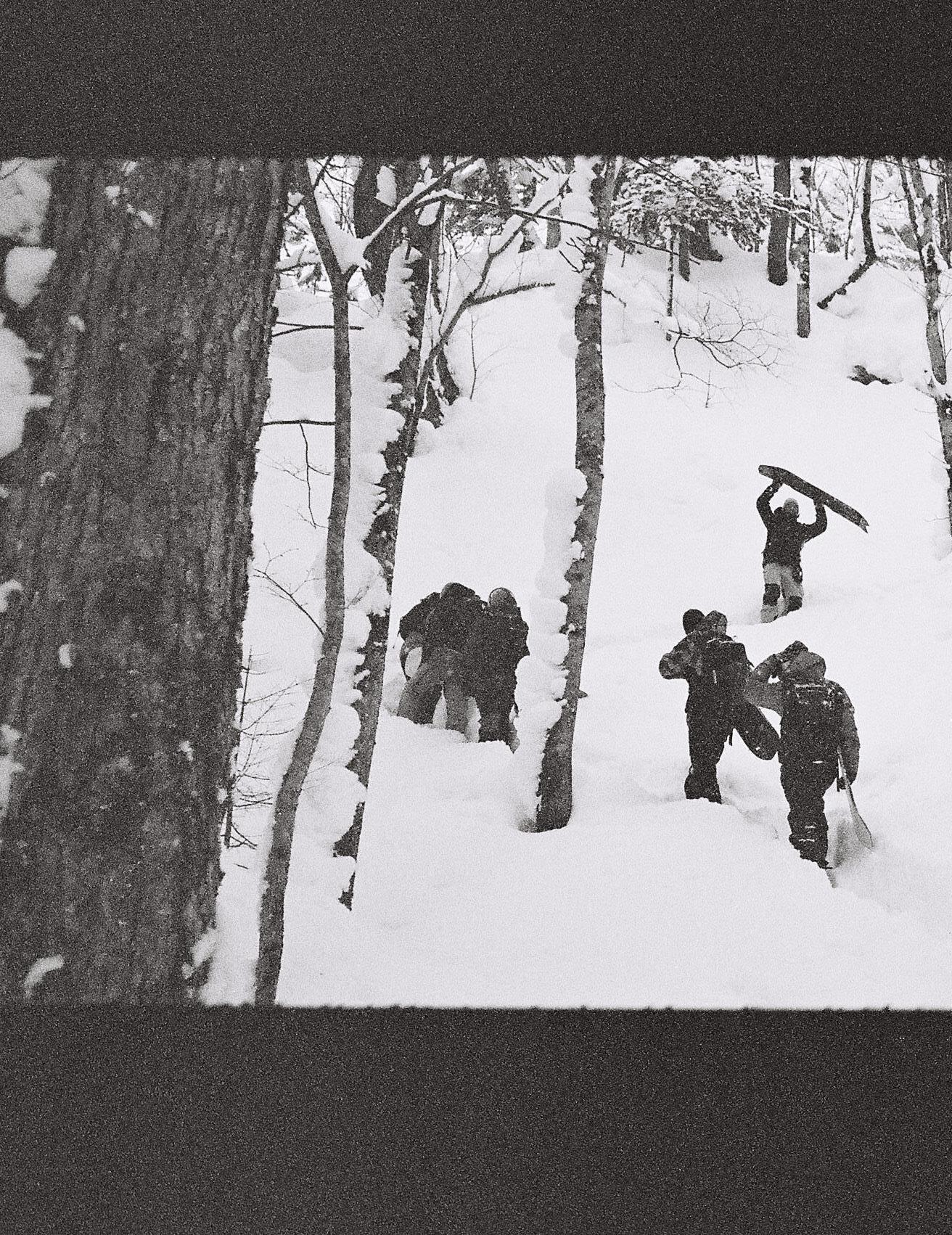
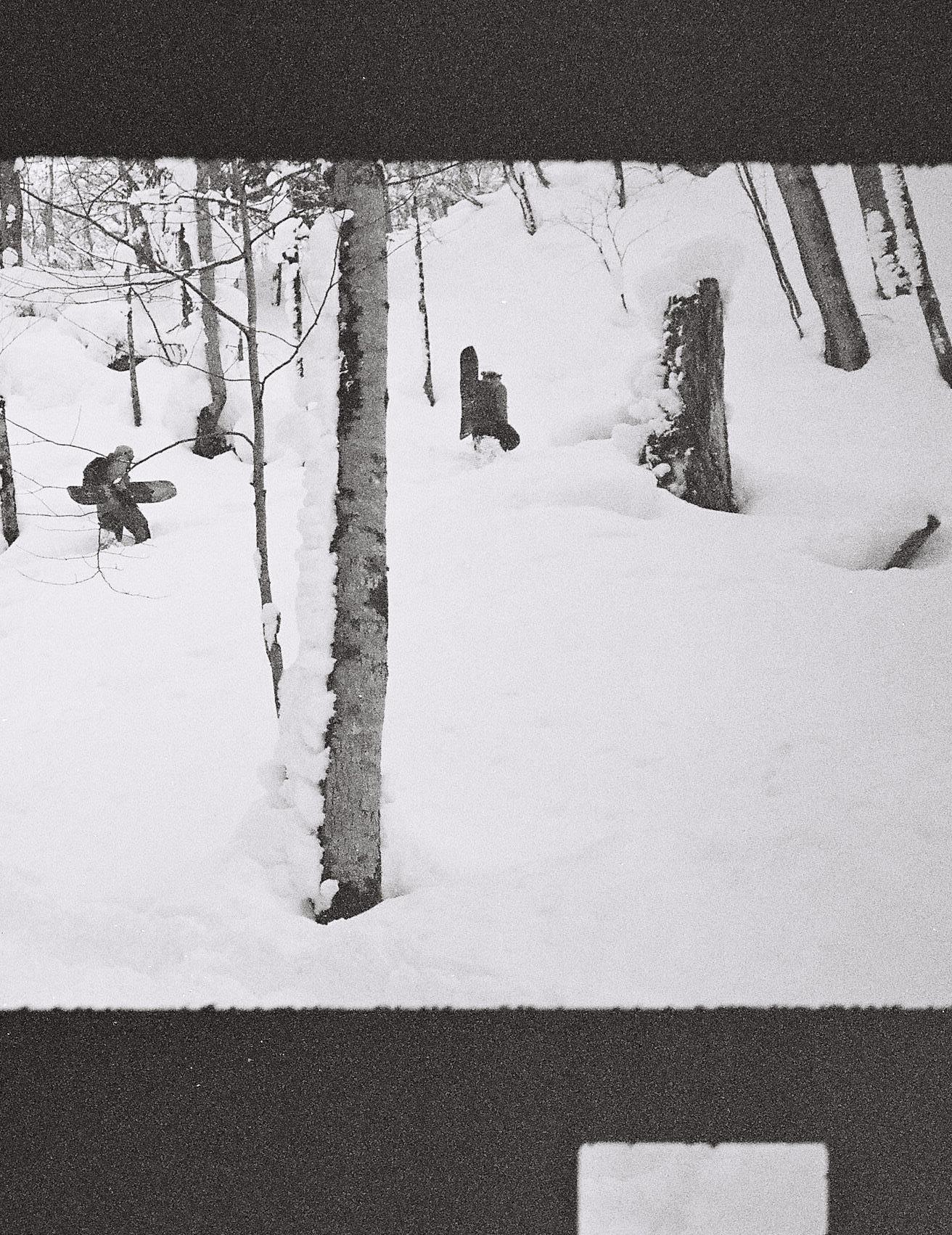
Chase’s first trip to Japan wasn’t intentional in any grand sense. A close friend, Evan Wilcox, took a job at a shop in Hokkaido around 2014. Chase asked if there was a couch, booked his flight, and before he knew it, he was riding Japanese powder. No real agenda outside of snowboarding, just hanging with Evan or wandering around a new place to see what it had to offer.
Japan has a way of revealing itself slowly. For snowboarders, the snow is the hook, but it’s rarely the reason people keep returning. Chase noticed the layers beneath the obvious: how it functioned, how communities moved, how respect was embedded in daily life and it simply aligned with his values.
He kept going back.
Each trip longer than the last. Gaining confidence he drove farther from the resorts and spent time in places that weren’t necessarily curated for visitors. Japan stopped feeling like an experience and started feeling like a place he wanted to understand.
At some point, the question shifted from "when can I go back" to "what would it look like to stay".
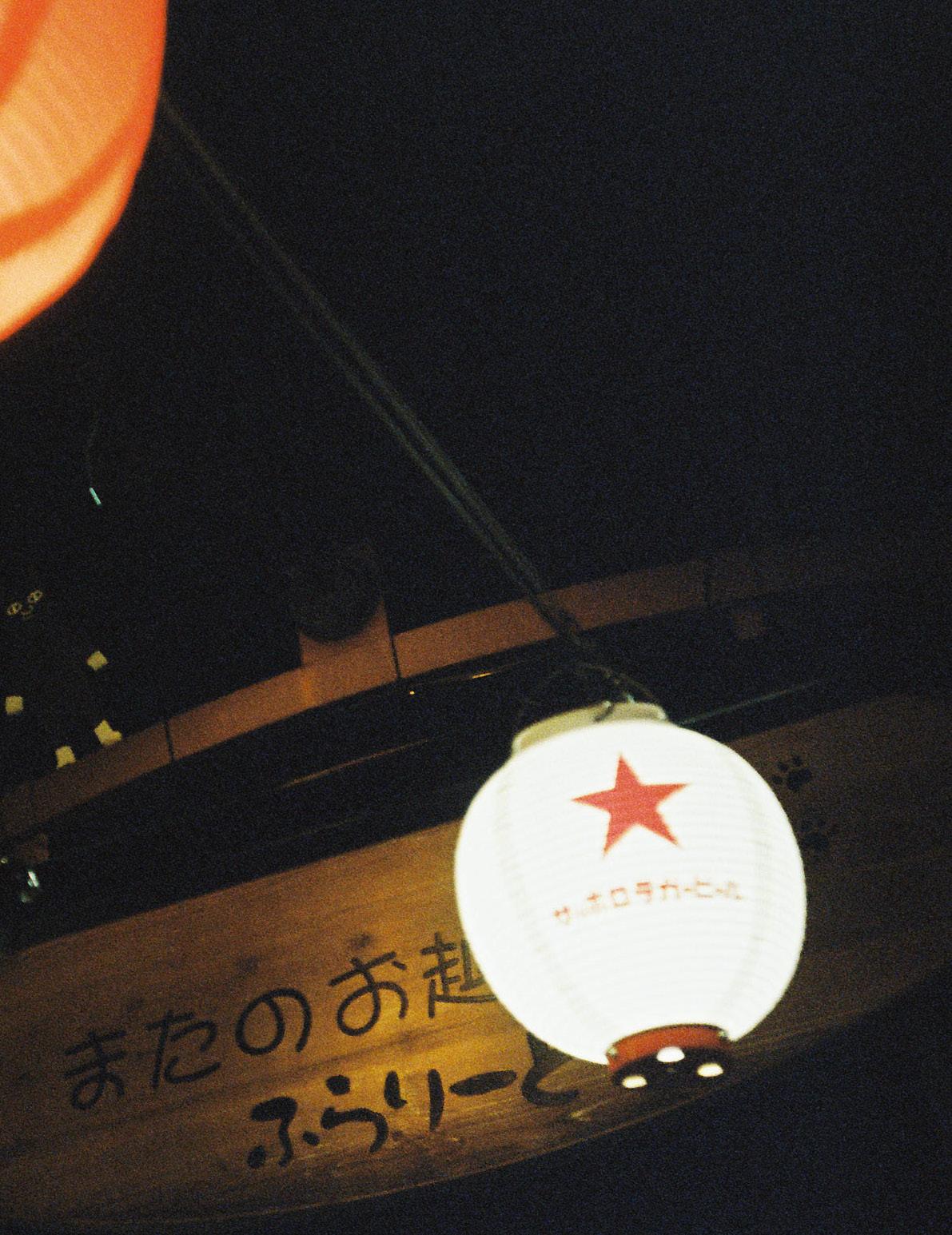
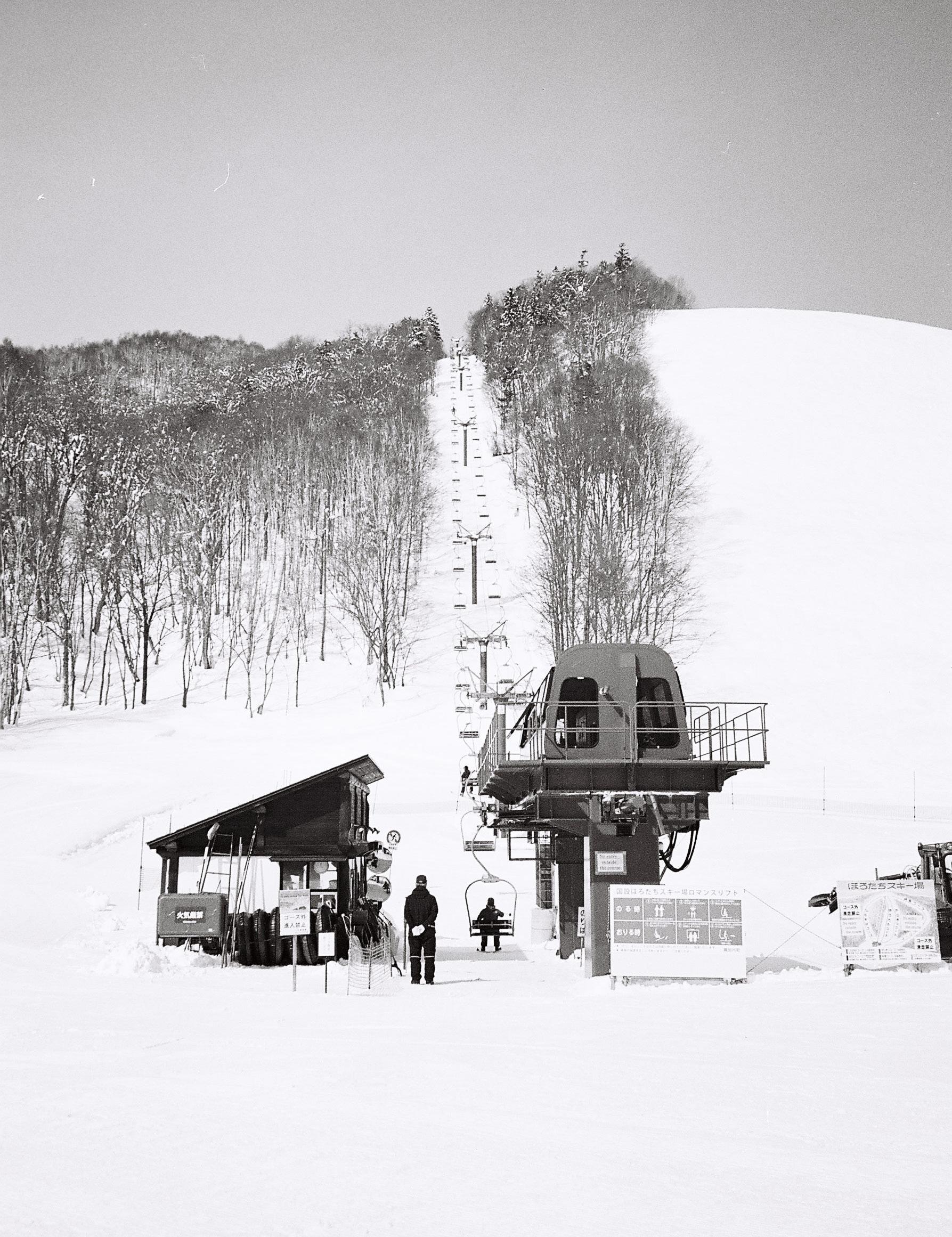
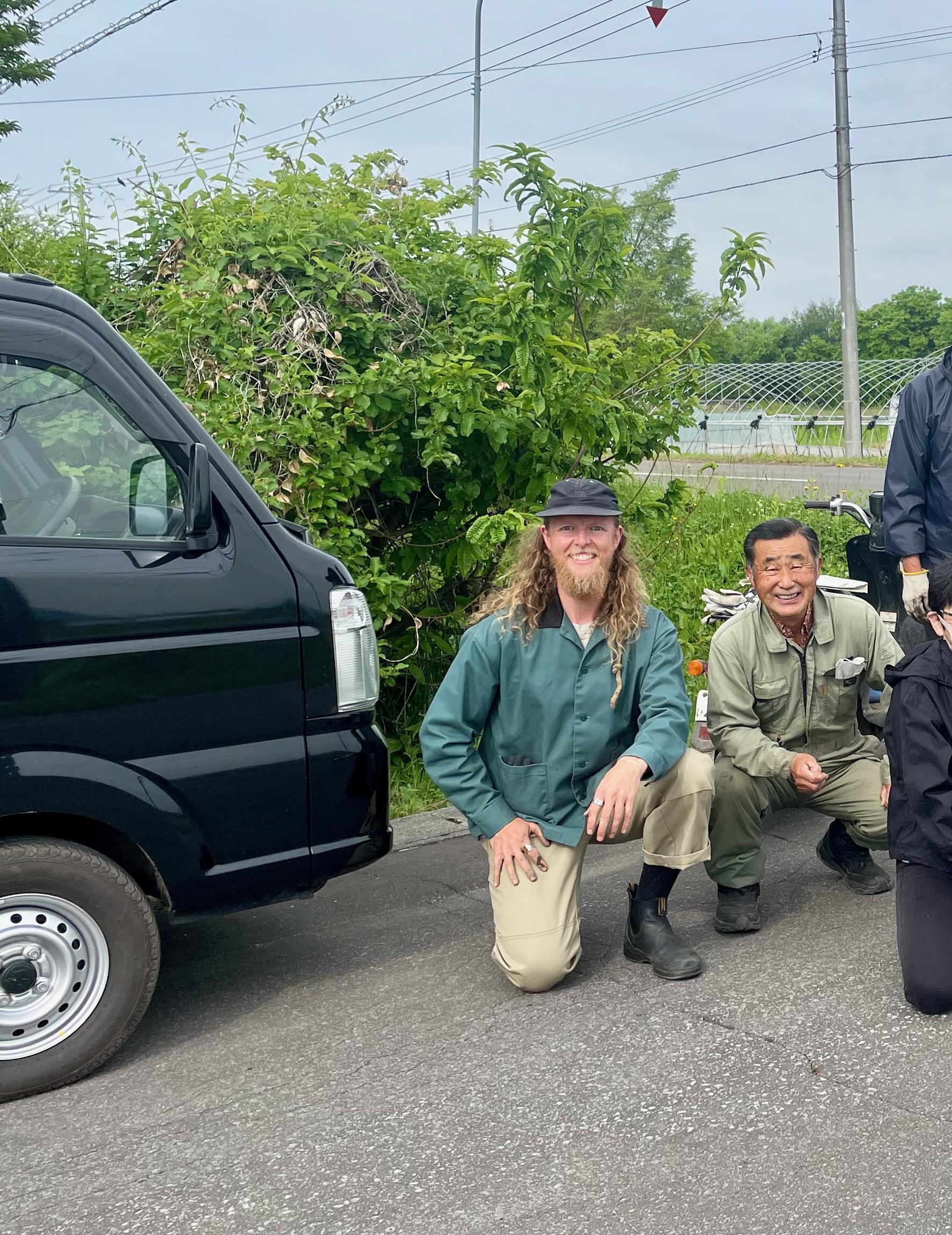
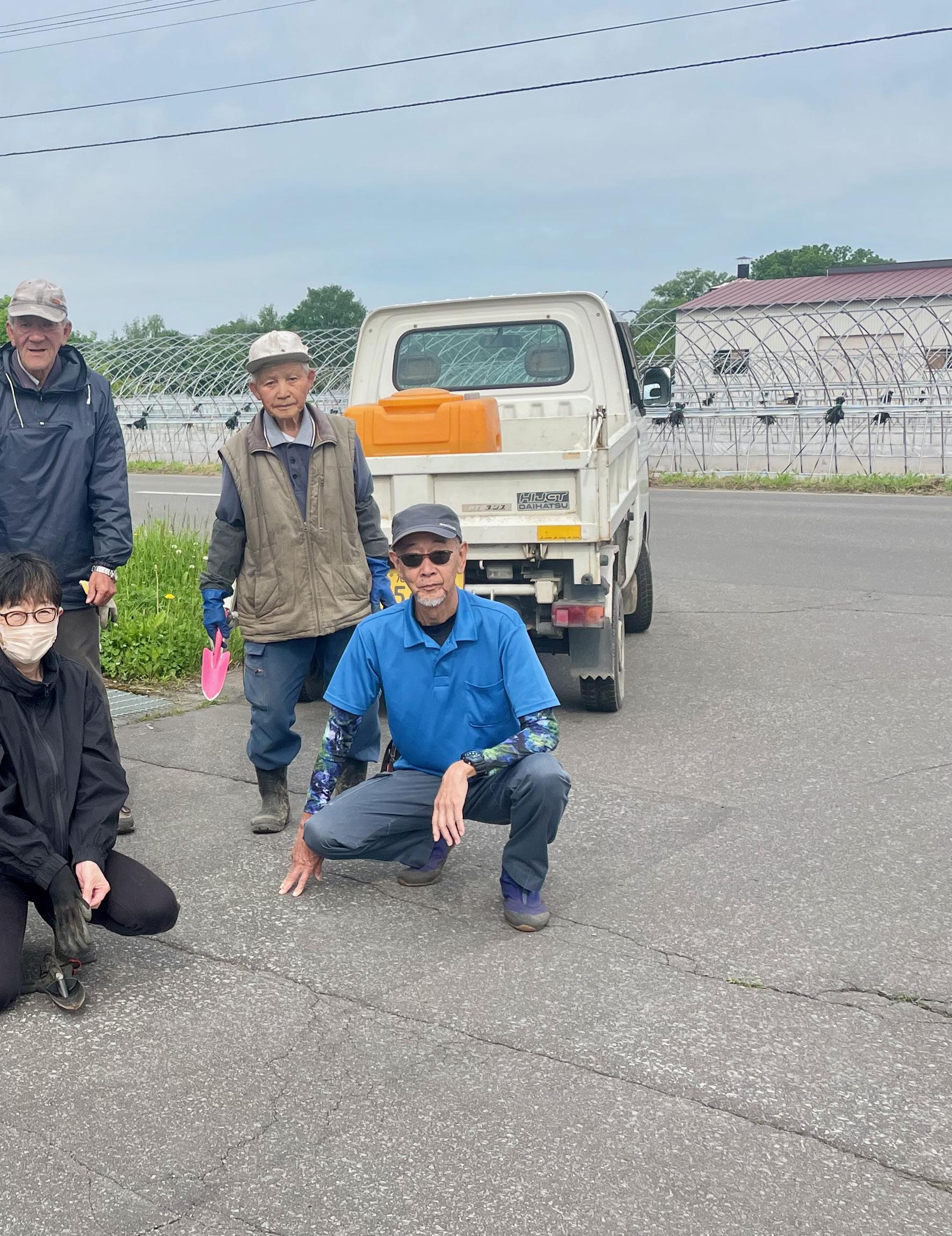
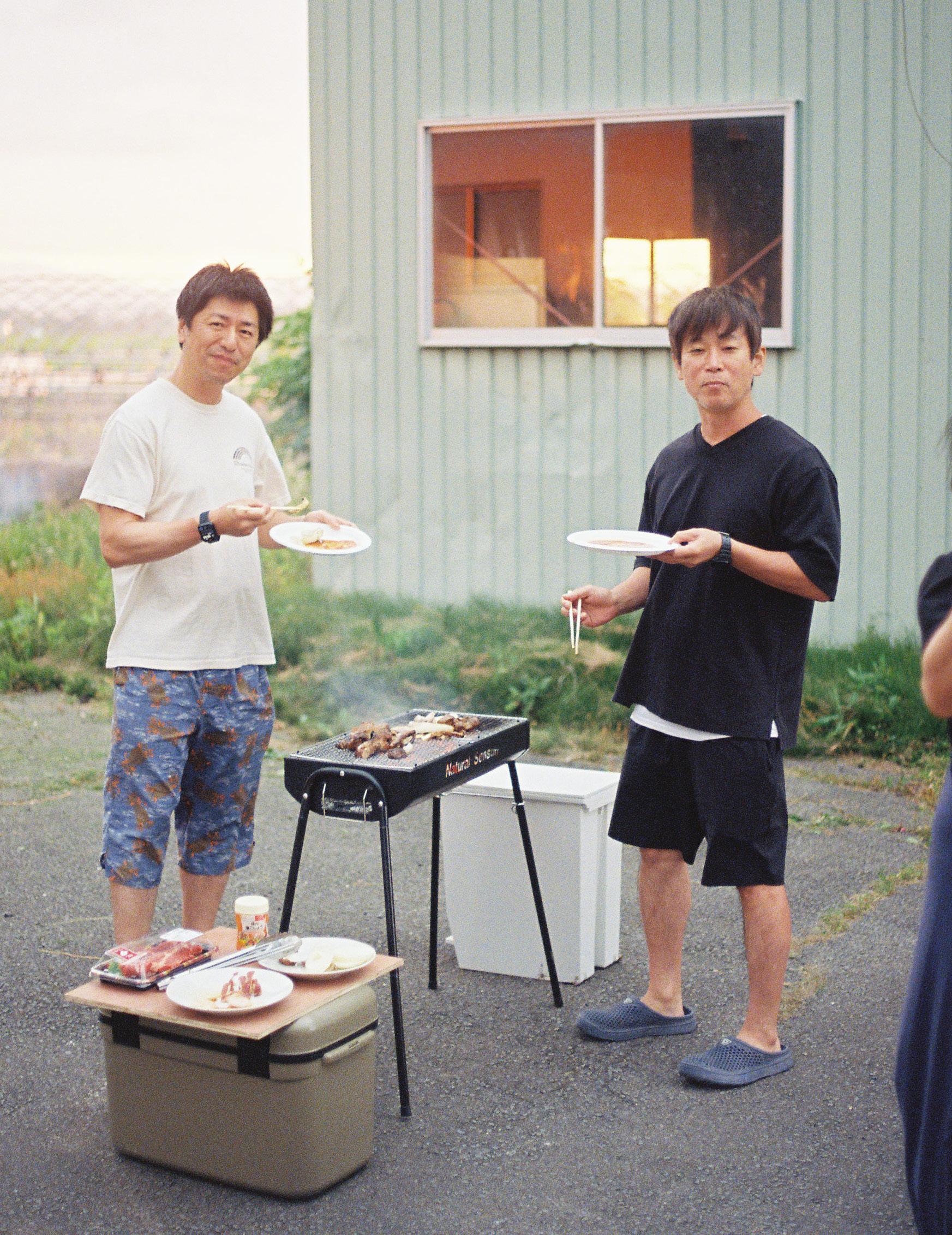
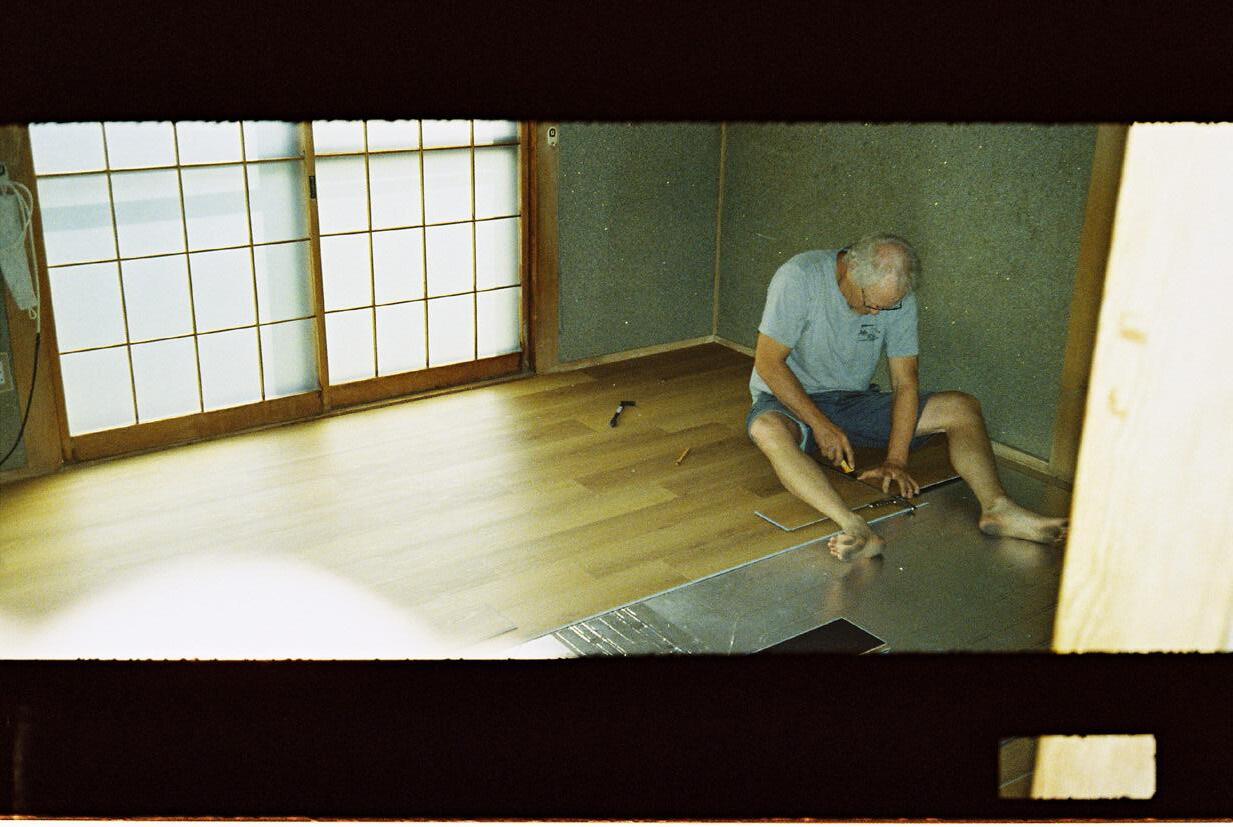
Buying a house in Japan isn’t something done on an impulse, even if the draw to do so feels intuitive. Language alone is a barrier, but Chase’s friend Kaz helped guide the process, from translating legal jargon to helping with expectations. The transaction took patience, humility, and trust. When Chase and his partners (close friends Jack and Sammy) took ownership, the work began immediately. The farmhouse was structurally sound but needed updating. Chase went back repeatedly, not simply to snowboard or check on progress at the house, but to actually do the work himself. Something he would find that mattered more than he knew at the time.
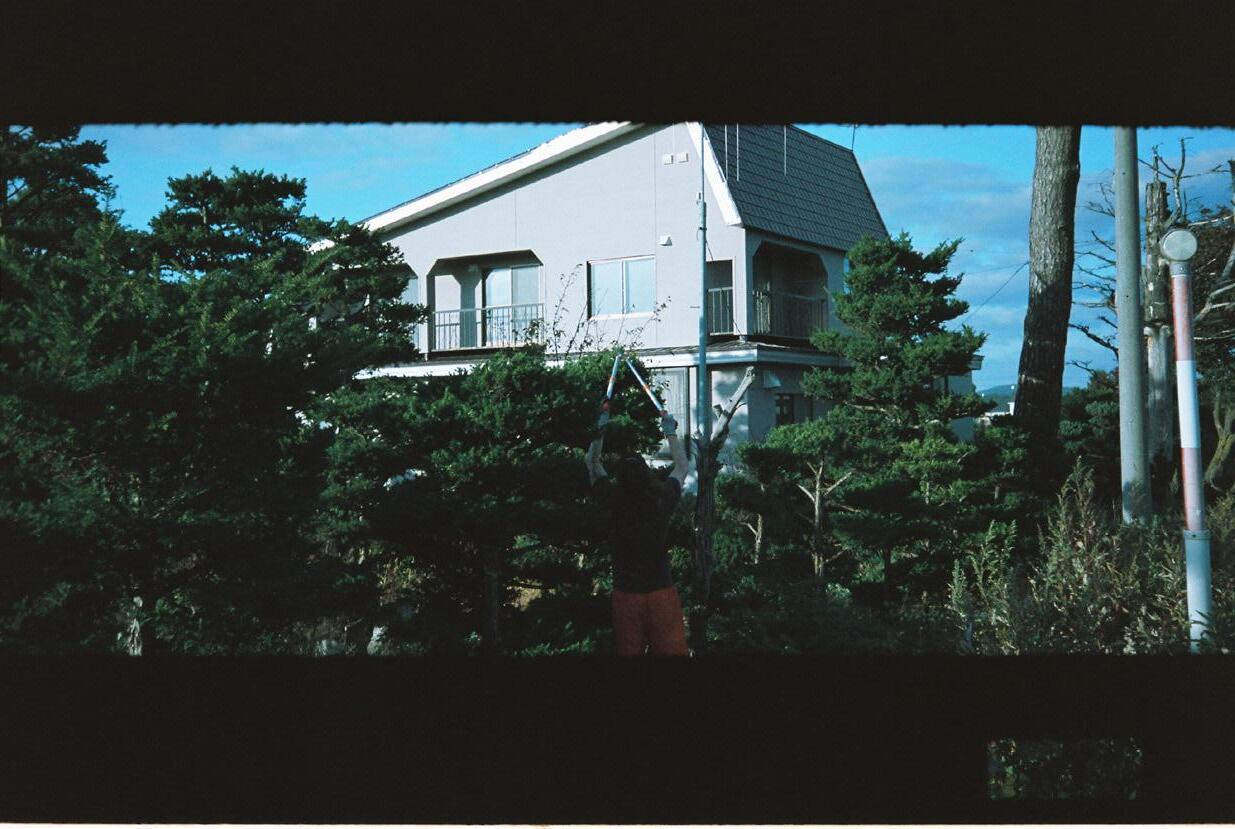
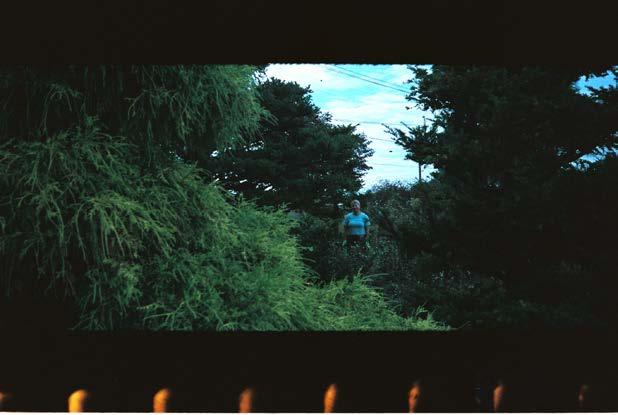
Their farmhouse sits in a rural community. Their neighbors are mostly older, with long memories and the culture of respect runs deep. On his second day there, Chase volunteered with the neighborhood association. In communities like this, participation isn’t optional if you want to show with actions that you can belong.
“I was sure there was some skepticism about a young American moving into the farmhouse, so I made it my personal vendetta to outwork everyone to show that I had the same values as them.”
Chase understood instinctively that purchasing a house didn’t buy him local credibility, so he earned it the only way that counts, by showing up and putting in the effort.
This was not born out of ego, but out of respect. He wanted it to be unmistakably clear that he valued the same things his neighbors did: care for the land, care for each other, and showing he bought into the shared responsibility of his new community. The response was quiet but meaningful. This effort endeared him to his neighbors to the point that they even help look after the property when Chase isn’t in Japan.
In Utah, Chase is often the organizer. The connector. The person people call when something needs to happen. In some ways, Japan stripped that away. Here, he’s the minority. The language barrier slows everything down. Simple tasks require patience. He can’t lead solely on confidence because confidence doesn’t translate.
“It’s humbling to move into a place where you’re the minority and you can’t communicate with emotion the way you want to. It’s a really good ego check.”
That humility forced a shift. Taking more of a “back seat” role can be a rare and humbling change for someone used to steering the situation, but that’s where the learning happens. That’s where you notice the subtleties: how people communicate without words, how decisions are made collectively, how restraint carries as much weight as action. His journey to owning a home in Japan didn’t dull his instincts. It disciplined them.
" I kinda went in guns blazing at first, but once I understood the place, I put them back in the holster. I didn't want to exploit it."
Originally, Chase and his partners imagined the farmhouse as a place to host at a large scale. Anything from friends from the States, snowboarders curious about Japan, people who wanted to experience something deeper than a resort trip. As he got to know the situation he had entered, that idea didn’t disappear, it simply matured. Once he felt the rhythm of the community, the approach had to change.
“I kinda went in guns blazing at first, but once I understood the place, I put them back in the holster. I didn’t want to exploit it.”
Hosting too aggressively would disrupt the very thing that made the place special. The American instinct to maximize: more people, more energy, more activity, could very likely disrupt the quiet balance that defined the area. So, they adjusted. Friends still show up and have a great time, but this isn’t Aspen, or a party house. It’s a living community with its own pace and values. Chase loves to share what he has discovered, and he does so without compromising what makes the place special. In doing so, he has found a way to create community for his American friends without imposing it on his Japanese friends and neighbors.
Chase splits his time between Utah and Japan, with the bulk of his time in the shadow of the Wasatch. Utah still needs him; his at-home institutions like Lucky Slice and Interlude still evolve. After all, community requires hands-on maintenance.
But the farmhouse in Hokkaido isn’t simply an escape anymore. It’s a continuation. It’s proof that community building isn’t about volume or visibility. It’s about restraint. About knowing when to step forward and when to step back. About creating space where people can belong without demanding that a place bend to them.
Chase didn’t arrive in Japan with a blueprint. He arrived with a habit: show up, do the work, get to know people and to listen longer than you talk.
The farmhouse reality exists because of that habit; not as some grand destination, not for influencers, but as a place that functions quietly and respectfully without compromising what came before.
What is the long way in? For Chase Burch it is a steady, relentless burn, the kind that turns a house into a home and a visitor into a neighbor.

BY JOSH RUGGLES
As kids run through yellow leaves and dying grass at a Murray park in October, a mom and dad watch their two daughters scramble up the plastic playground structures. The dad is on the phone, keeping his eyes on the kids as he answers questions about his life and career. To the other parents and kids at the park, he’s just a dad doing his dad thing.
He doesn’t mind. In fact, he likes it that way—because right now, he is just doing his dad thing.
They probably don’t know that he visited more countries before he could rent a car than most of them will see in a lifetime. They definitely don’t know about the $50,000 hotel bill he racked up in Sweden. They also don’t know he helped define an era.
To everyone at this park, he’s just another dad. To snowboarding, he’s Stevie Bell.
And right now, he’s entering a chapter where those two identities feel like one.
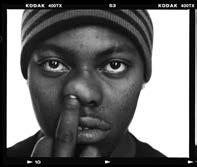
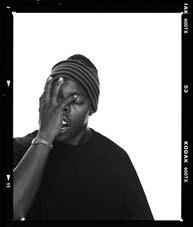
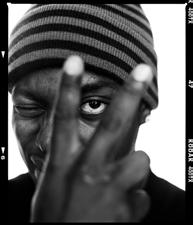
"
FORUM WAS LIKE GOD TO ME. THAT'S ALL I KNEW WHEN I STARTED SNOWBOARDING. SO BEING A PART OF THAT LEGACY — THAT WAS EVERYTHING."
THE RISE OF R II

Stevie wasn’t supposed to become a pro snowboarder—not based on timing, background, or even initial interest. He didn’t start riding until around sixteen, which in snowboard years is practically senior-citizen status for a beginner.
“I skated a lot growing up, but there wasn’t much to do in the winter in Utah,” Stevie says. “My friends tried to get me into snowboarding for a while, but I wasn’t really into it at first. Once I tried it, I was like, ‘Okay, I get it.’”
The window to huck yourself into a pro career is brutally short. Some kids have raw talent but lack discipline; others work harder than anyone but never develop the finesse or style to stand out. Then there’s the massive middle—riders with solid ability who can put down clean tricks but can’t push into the territory where you have to silence the screaming voice in your head telling you that if you miss the landing, you might be riding home on a stretcher.
But Stevie was built different. He was hungry. He was possessed. People noticed.
“Once I was hooked, that was it. I put everything I had into snowboarding,” he says.
Within three years he was filming. Within four he got the call every kid dreams about: Forum. In the early 2000s, Forum wasn’t just influential—it was iconic. Cultural. Untouchable.
“Forum was like God to me,” Stevie says. “That’s all I knew when I started snowboarding. So being part of that legacy—that was everything.”
At nineteen, Stevie was inducted into the team at its peak of influence and stepped straight into one of the heaviest scenes imaginable. After the original Forum 8 cemented the brand as one of the greatest shred teams ever assembled, Stevie now held the torch—and everything around him was big. The crew. The budget. The hype. The pressure. The lifestyle.
But mostly: the standard.
“You couldn’t hit anything small. Everything had to be huge or scary or borderline stupid,” he laughs. “Death-defying. That was the expectation.”
His video parts were loaded with risk and dripping with style—heavy rails, big gaps, and clips replayed in shops, basements, and dorm rooms for years. He was doublecorking in the backcountry before double corks were even fully understood. He still remembers the battles that shaped him: a switch back lip through a kinked rail that took two full sessions, and the backside tail in his THAT video part.
Behind the clips were the injuries—the kind that end careers. He racked them up for years until a trainer finally taught him how to prevent them.
“We were always one trick away from never snowboarding again,” he says.
At nineteen, you feel invincible. Back then, he didn’t even fully understand the stakes. At thirty-nine, he watches as his daughters take their first turns, and his perspective—on snowboarding and on life—comes through an entirely new lens.
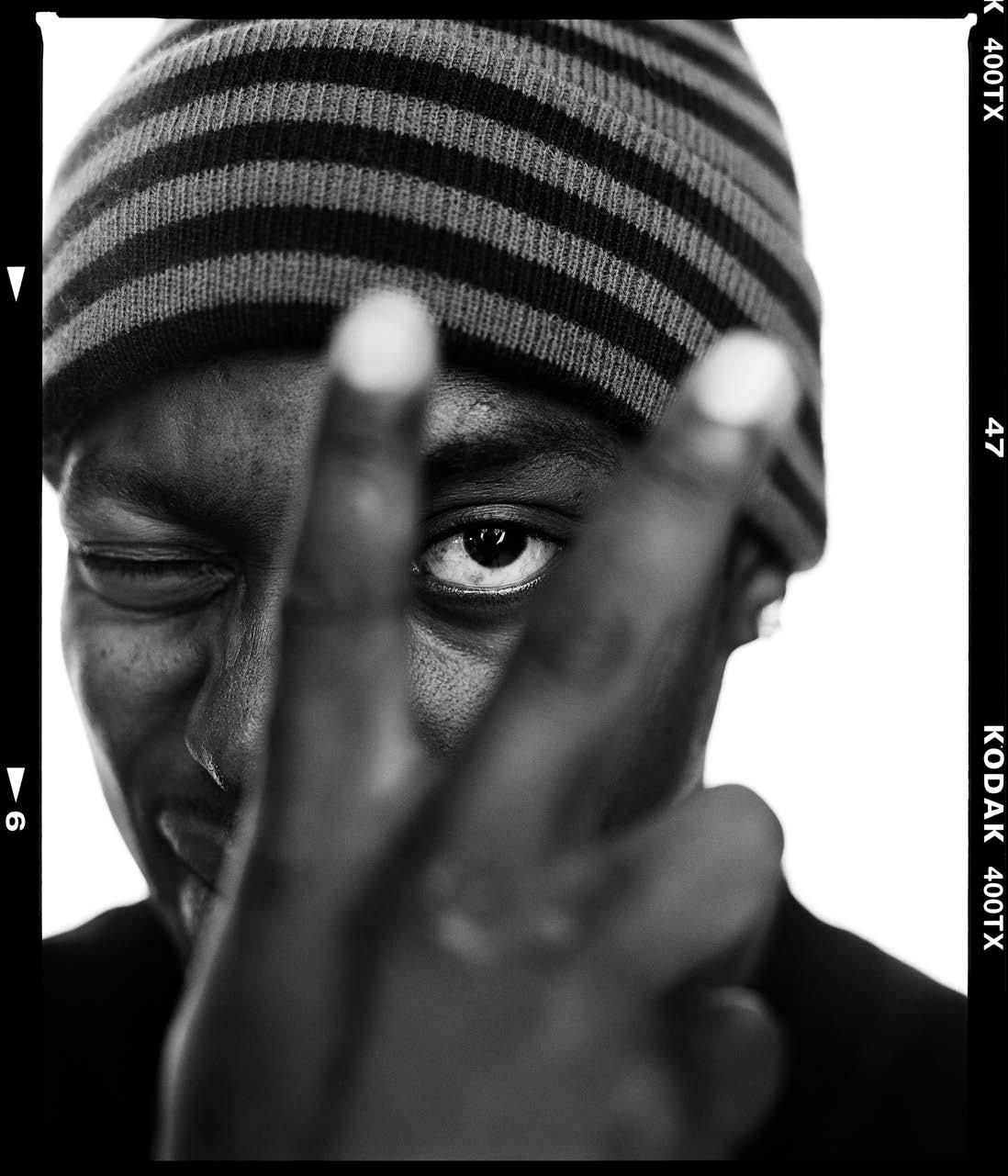
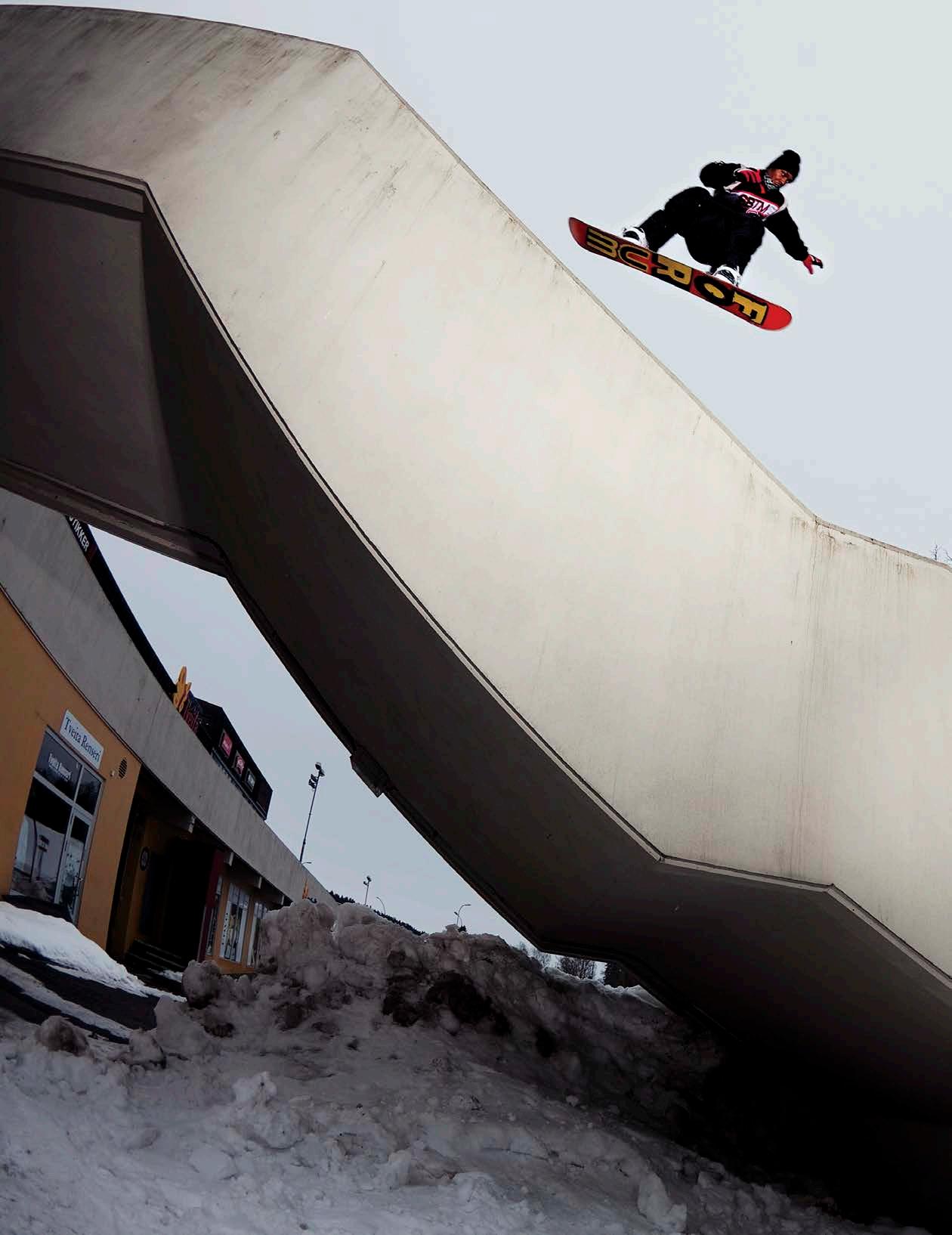
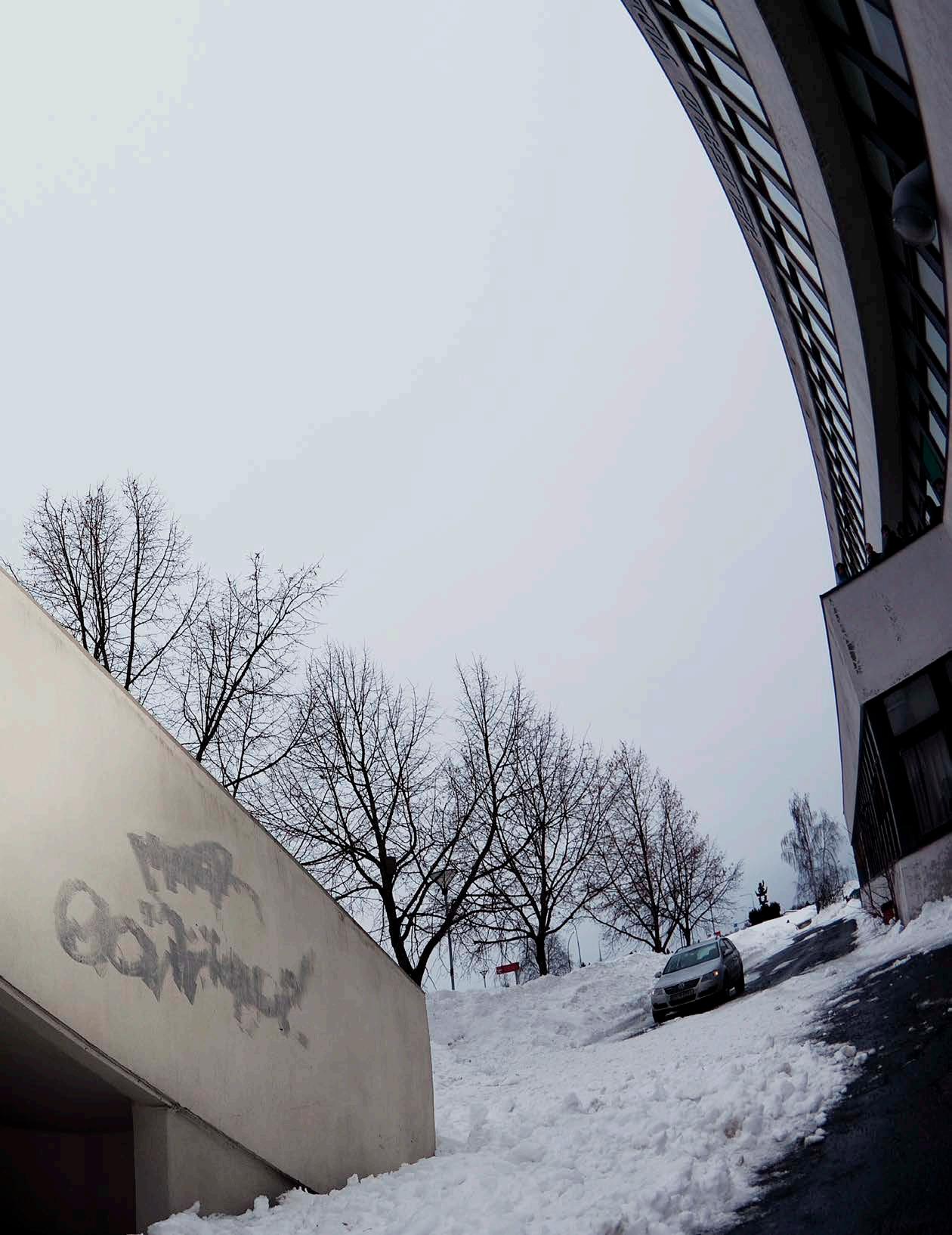
" M ERA FELT INFINI
THE FORUM ERA FELT INFINITE. LEGENDARY. A CULTURAL THROUGLINE SO STRONG THAT RIDERS BUILT ENTIRE IDENTITIES ON IT."
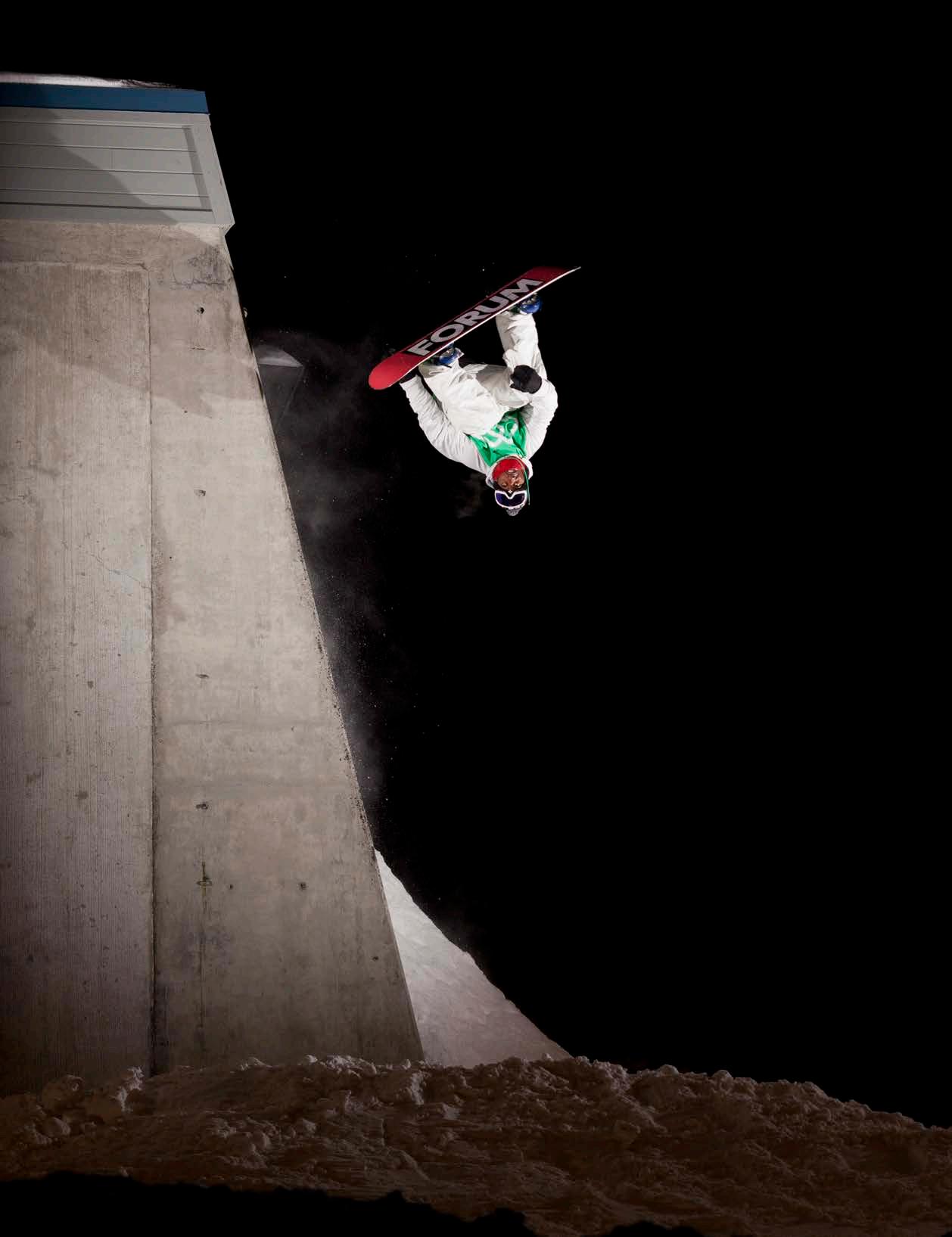

The Forum era felt infinite. Legendary. A cultural throughline so strong that riders built entire identities on it.
Then came the shift.
Burton bought Forum. The budgets shrank, videos disappeared, and the system that was built by and for riders began to evaporate almost overnight.
“It all changed so fast,” he says. “That era we were in—those big crews, those movies—it was gone.”
He filmed for several more years, battled through injuries, but eventually the writing was on the wall. The golden age of the industry had come to a close, and the thing he had dedicated his life to was something different—unrecognizable.
He stepped away.
Six years off snowboarding as a job. Six years of life reshaping him in ways the industry never could. He settled down. He became a father. Twice. And he is no longer defined by just being Stevie Bell from the snowboard videos.
“I look back and I know I made a positive impact,” he says. “That means something to me.”
And at the park in Murray, as his daughters barrel down slides, you can feel it in how he talks—Stevie isn’t looking back with regret or disappointment. He’s looking back at his early career with clarity — like someone who seized his moment and is much more interested in what’s ahead than what’s already happened.


When Forum—and the industry around it—finally crumbled, Stevie didn’t just step away from snowboarding. He stepped into a fuller version of himself. He built a coaching business centered on mindset and personal growth. He developed a philosophy of treating people with love, care, and respect—because that’s the mark he wants to leave, not a list of tricks.
“Being inspirational,” he says. “Not because of my snowboarding, but because of how I treated everyone I came across.”
As his daughters got older, he started teaching them how to skate and snowboard. The conversations weren’t about landing tricks—or even trying them. What stands out most to him now is teaching them how to fall.
“Don’t fight the fall,” he tells them. “Go with it. Slide. Get back up.”
There’s a metaphor in that. It’s hard to miss. It’s also hard to picture the nineteen-year-old Forum-era Stevie—the Europe party animal, the shred video star—offering advice like that.
But the man watching his girls at the park in October?
He’s different. He’s taken falls—literal and otherwise. And now he’s teaching his daughters the art of falling with wisdom earned the hard way.
Just like all the other parents and kids at the park, his daughters don’t know who he is in the larger world. They don’t know he used to be running night missions and pow lines across the planet. They just know he’s Dad.
That seems to be the title Stevie’s most proud of.



Snowboarding today runs on a different engine: Clips. Algorithms. Branding. Personality metrics. Riders blow up overnight from a single viral shot. But staying relevant? That’s harder than ever.
“It’s easier to get noticed,” Stevie says. “Harder to be seen.”
And he’s right. The market is fragmented. Attention is scarce. Authenticity can feel like a currency few know how to earn.
What matters now, he says, isn’t just riding: it’s personality. It’s how you treat people. It’s what you bring to the culture—not just the clip. He believes the industry can still change for the better—but only if it rethinks how it defines itself.
“If I could fix one thing, it’d be how we decide what’s cool and how the industry is run,” he says. “There’s so much potential.”
This perspective hits differently when you picture him standing at that park—someone who went through snowboarding’s machine, survived the collapse, and came out with a clearer understanding of what matters.

Stevie’s comeback to snowboarding wasn’t planned. It was an invitation.
In 2022, Russell Winfield asked him to come ride at Big Bear. Stevie didn’t even own gear anymore. He borrowed a setup, took a few laps, and felt the old spark flicker back to life. By the end of the trip, he knew he’d ride again the following season. Ride Snowboards helped keep that flame burning.
And then Peter Line called.
The first time, Stevie said no. Life was stable, and the past felt like the past. But the second time Peter called, his answer changed.
“Forum was my foundation,” he says. “Being part of bringing it back—it just feels right.”
Now he rides Forum boards with Ride boots and bindings—a hybrid setup for his hybrid era. He’s helping rebuild a brand that was never just a company to him. It was a crew. A culture. A way of being. And now he gets to carry that torch into a new generation. That desire to pass things on naturally led to his coming podcast called Switch Board.
“Sharing rad stories, giving people an inside view of the athletes they follow—that’s the goal,” Stevie says. “It’s less about fame, more about connection. Less about tricks, more about people.” Stevie’s aim is more about preserving a culture that shaped him—even when the industry sometimes failed to protect its own. He knows snowboarding’s next shift won’t come from one massive video part, but from community, storytelling, and sharing knowledge.
Stevie Bell is still a rider. A cultural figure. A name spoken with respect.
But the man at the park?
He’s something bigger—a reminder that the wildest chapters of life don’t mean as much as the quiet ones that follow. The limelight might be smaller now, but the meaning is bigger than ever.
This is Stevie Bell, full circle: father, mentor, storyteller, Forum rider.
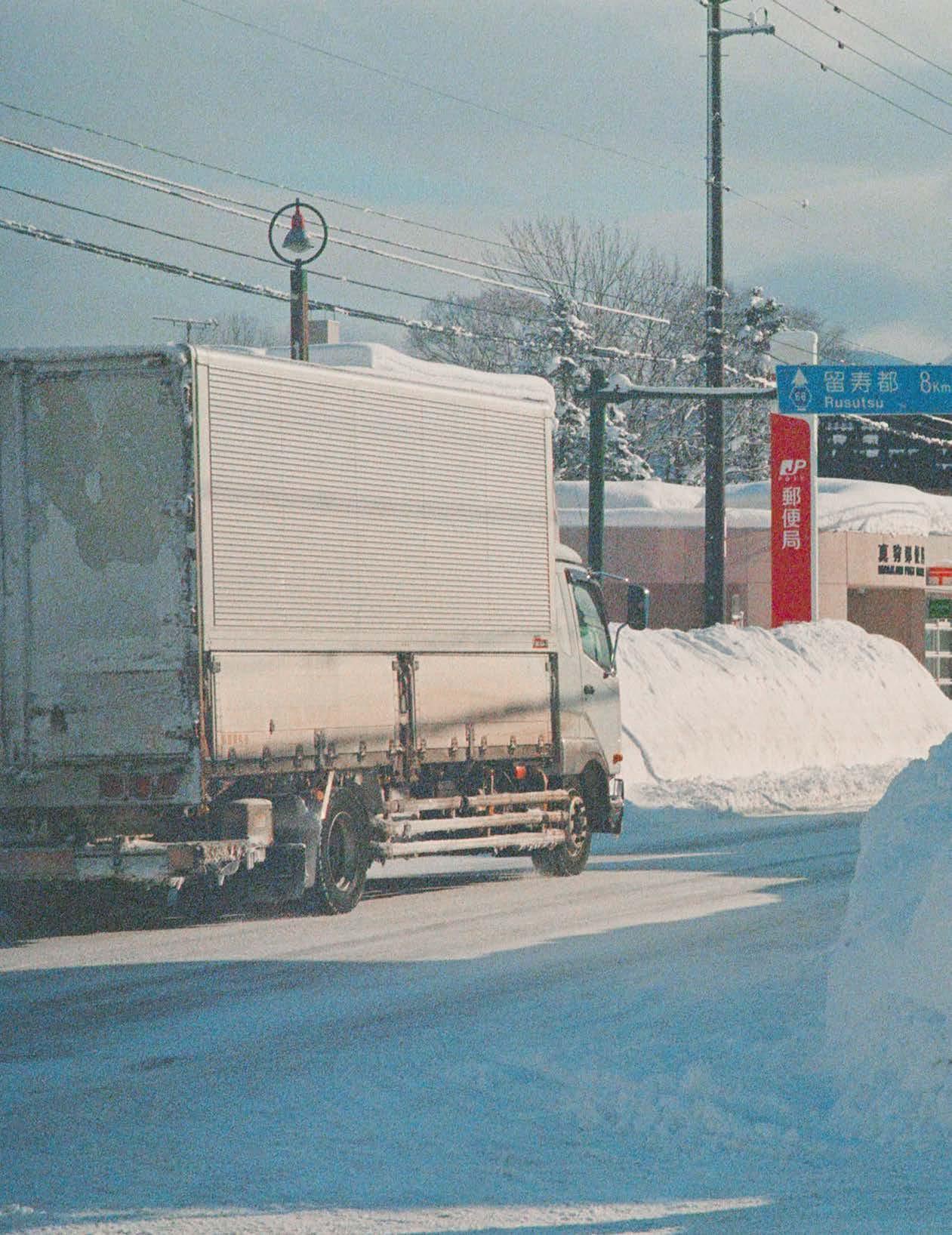
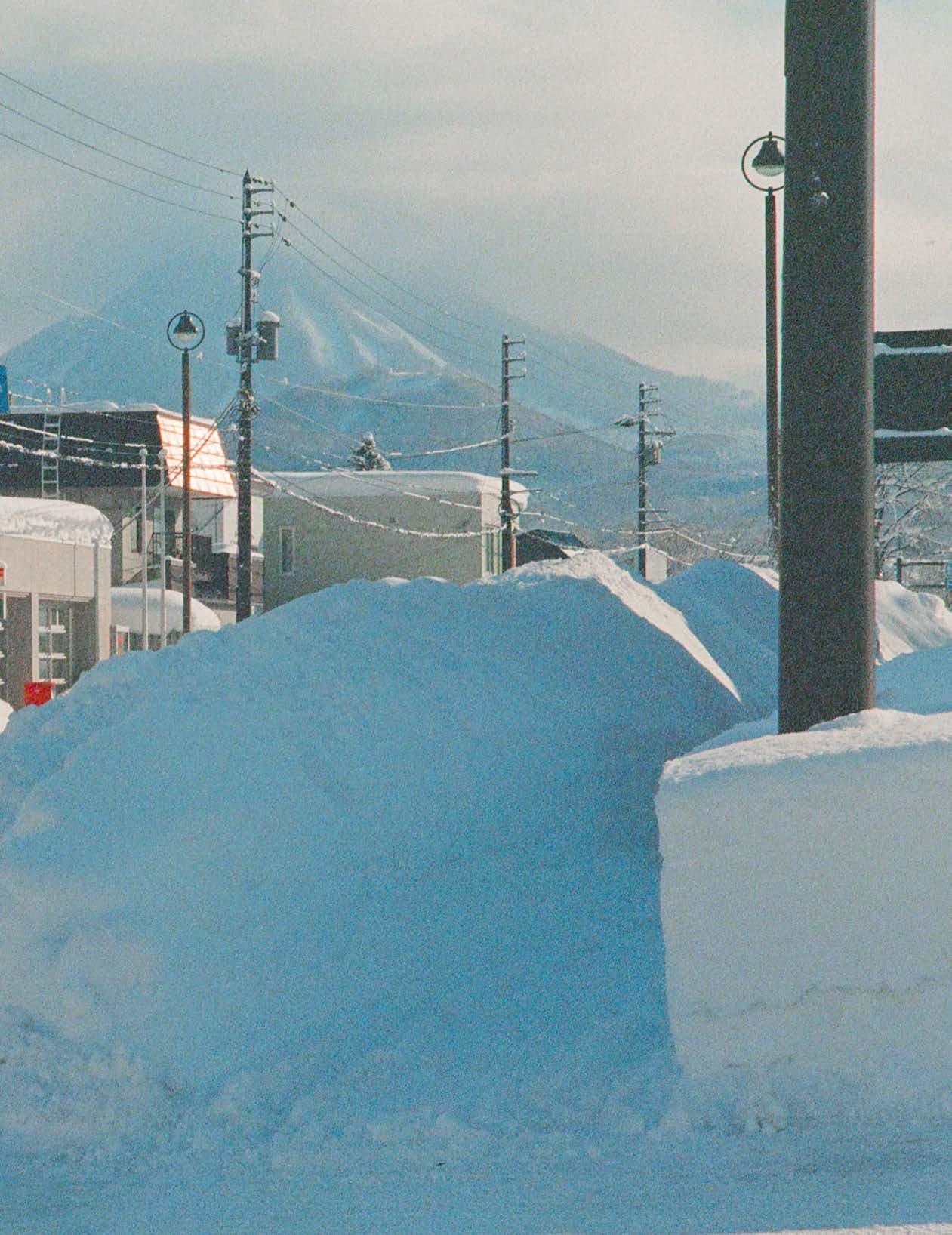
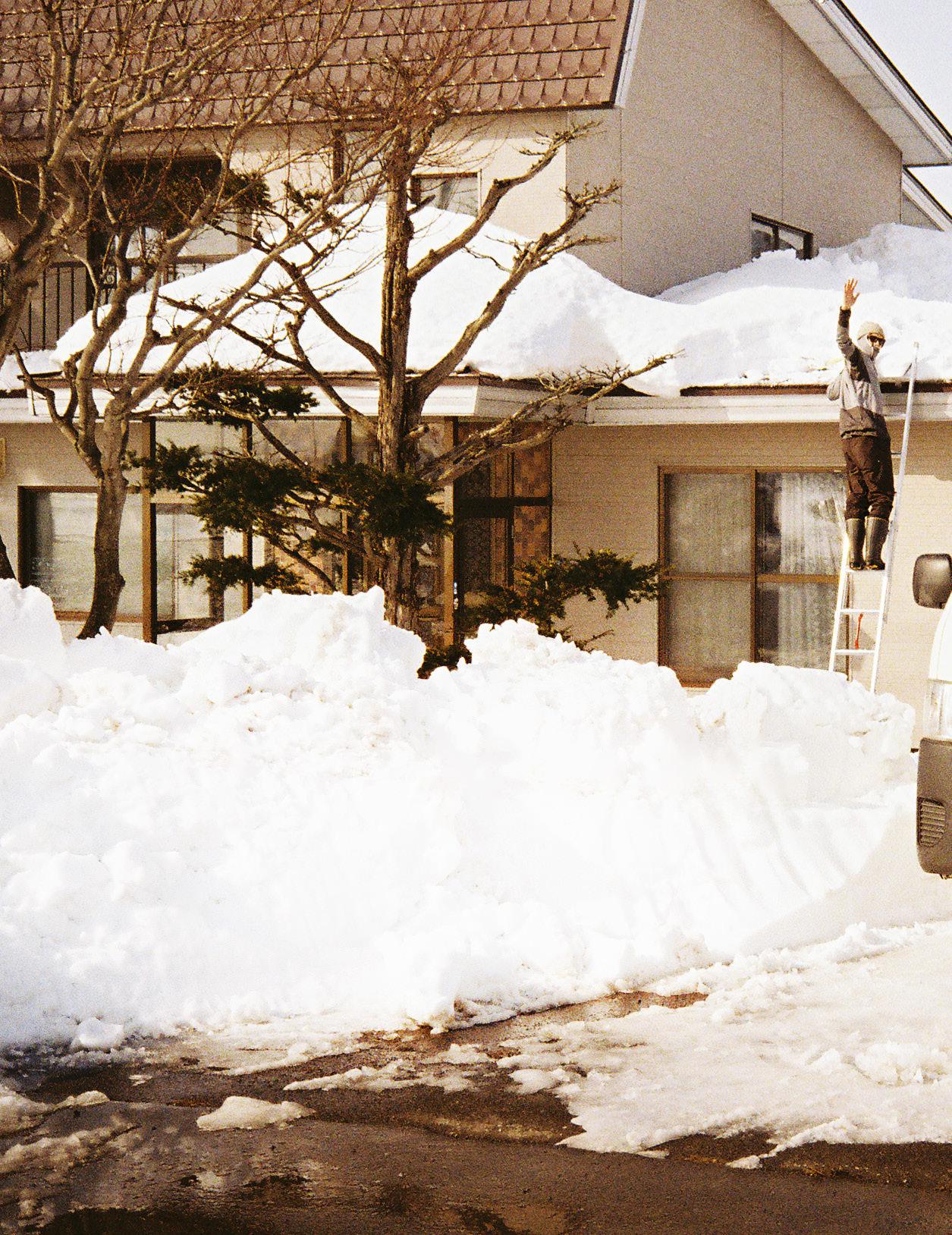
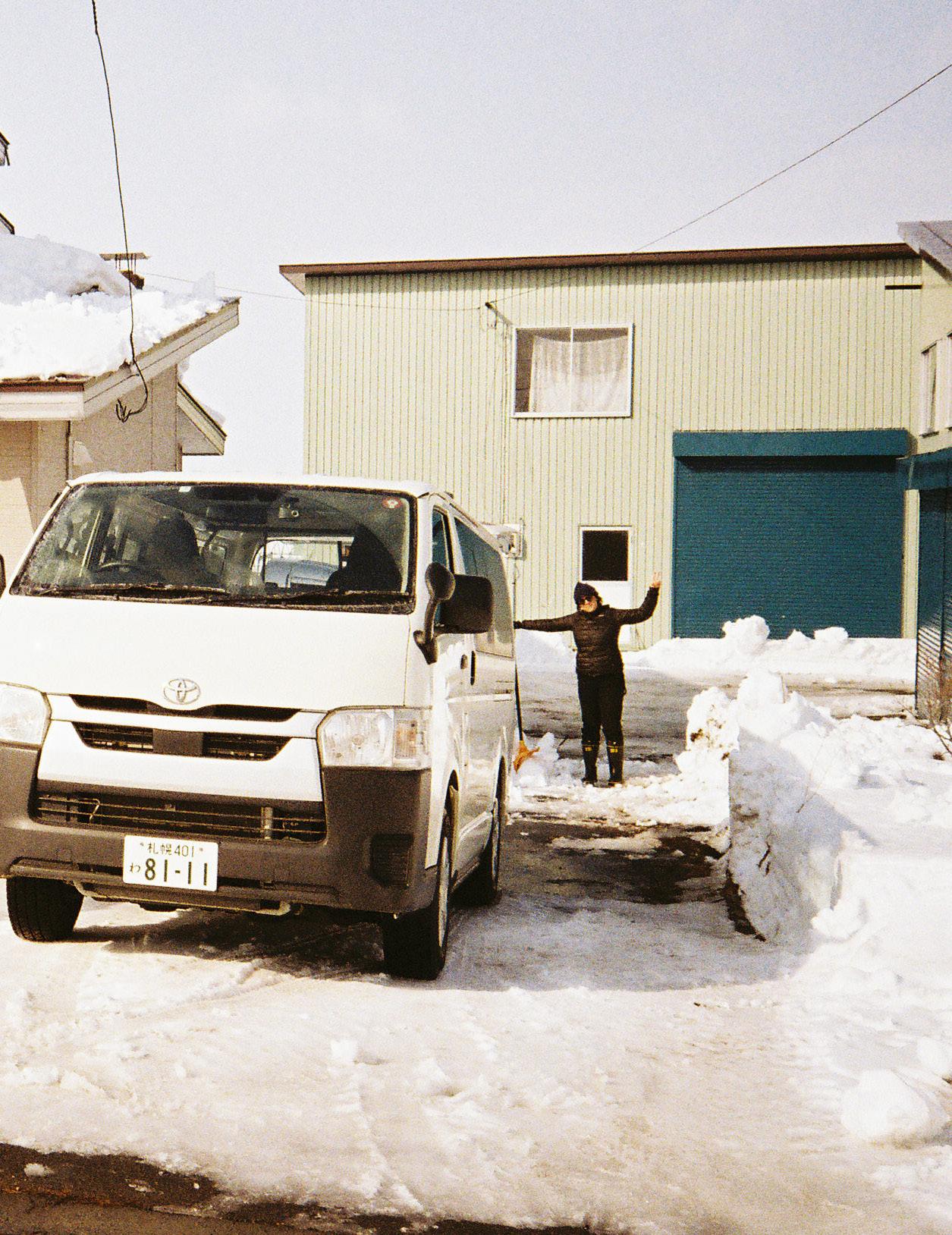
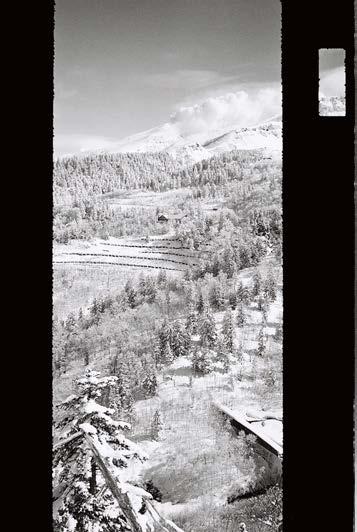
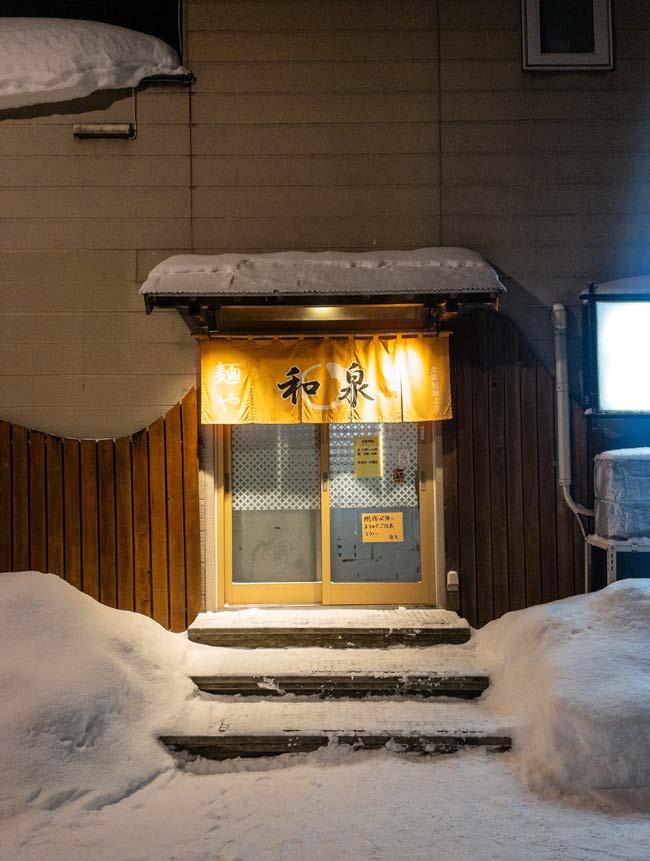
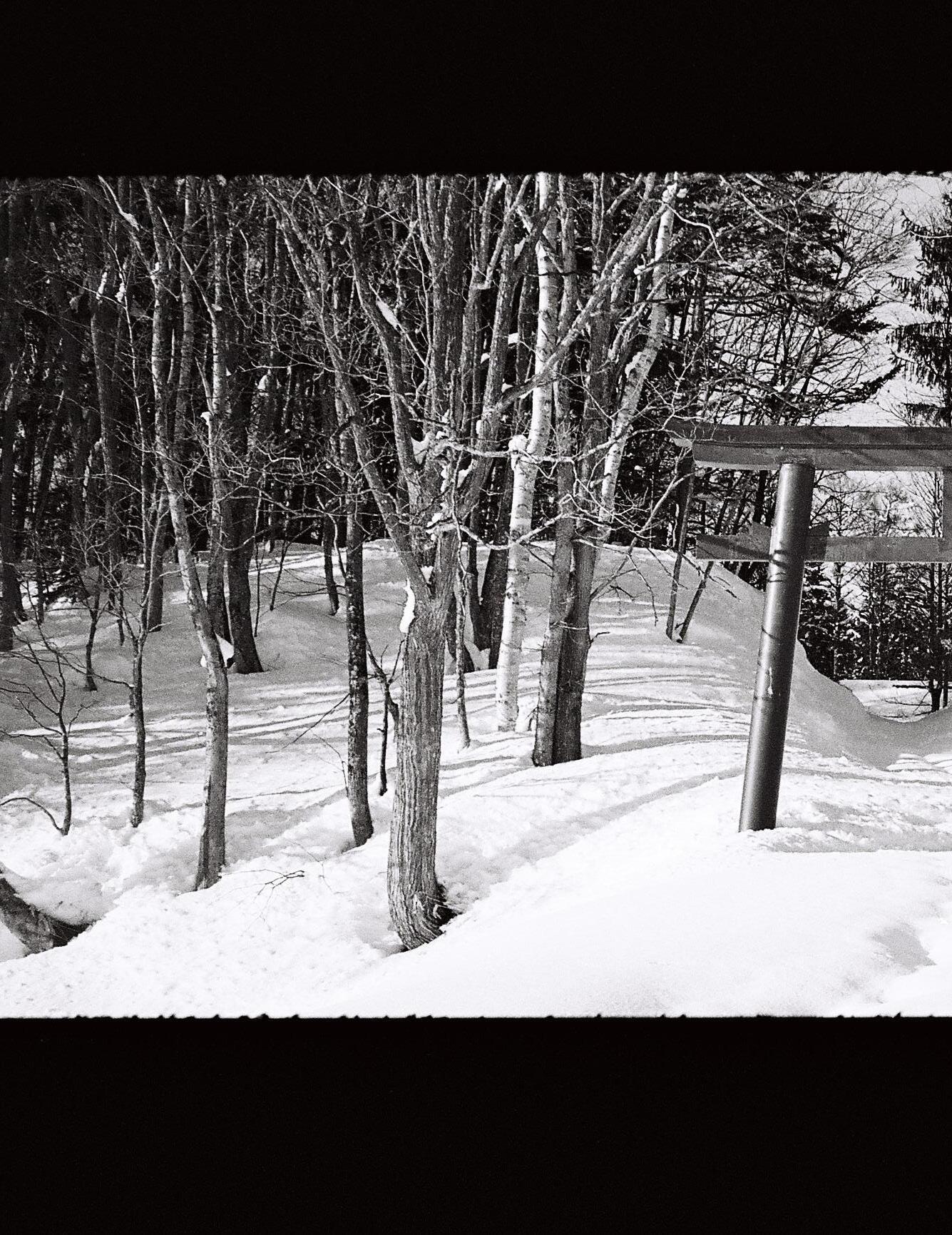
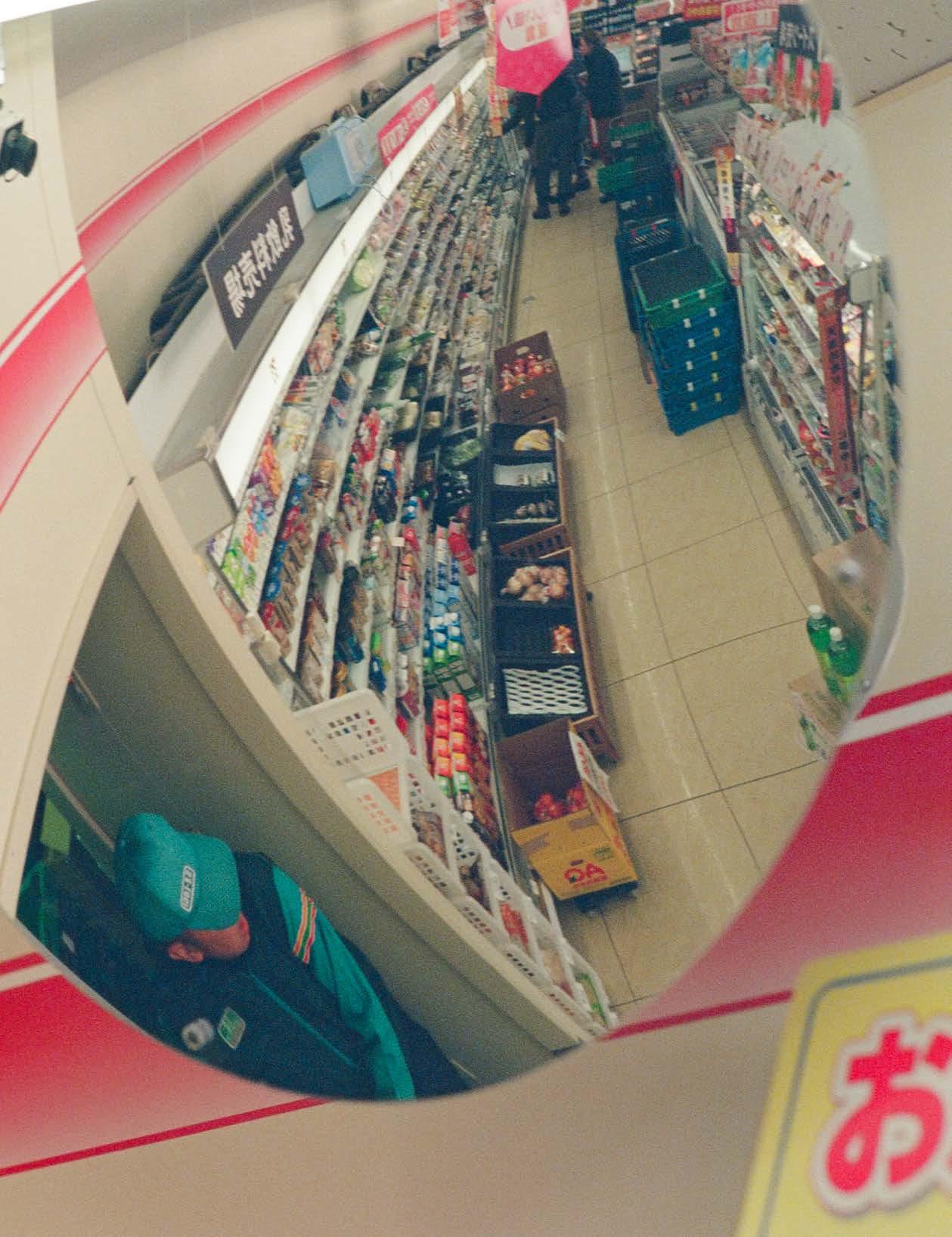
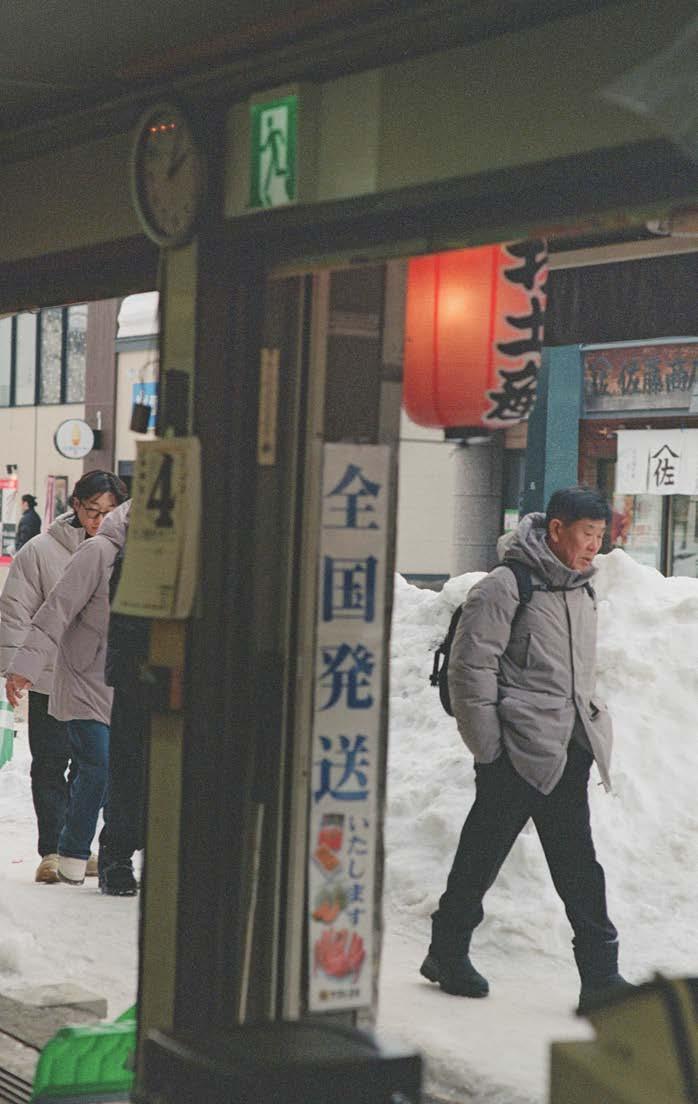
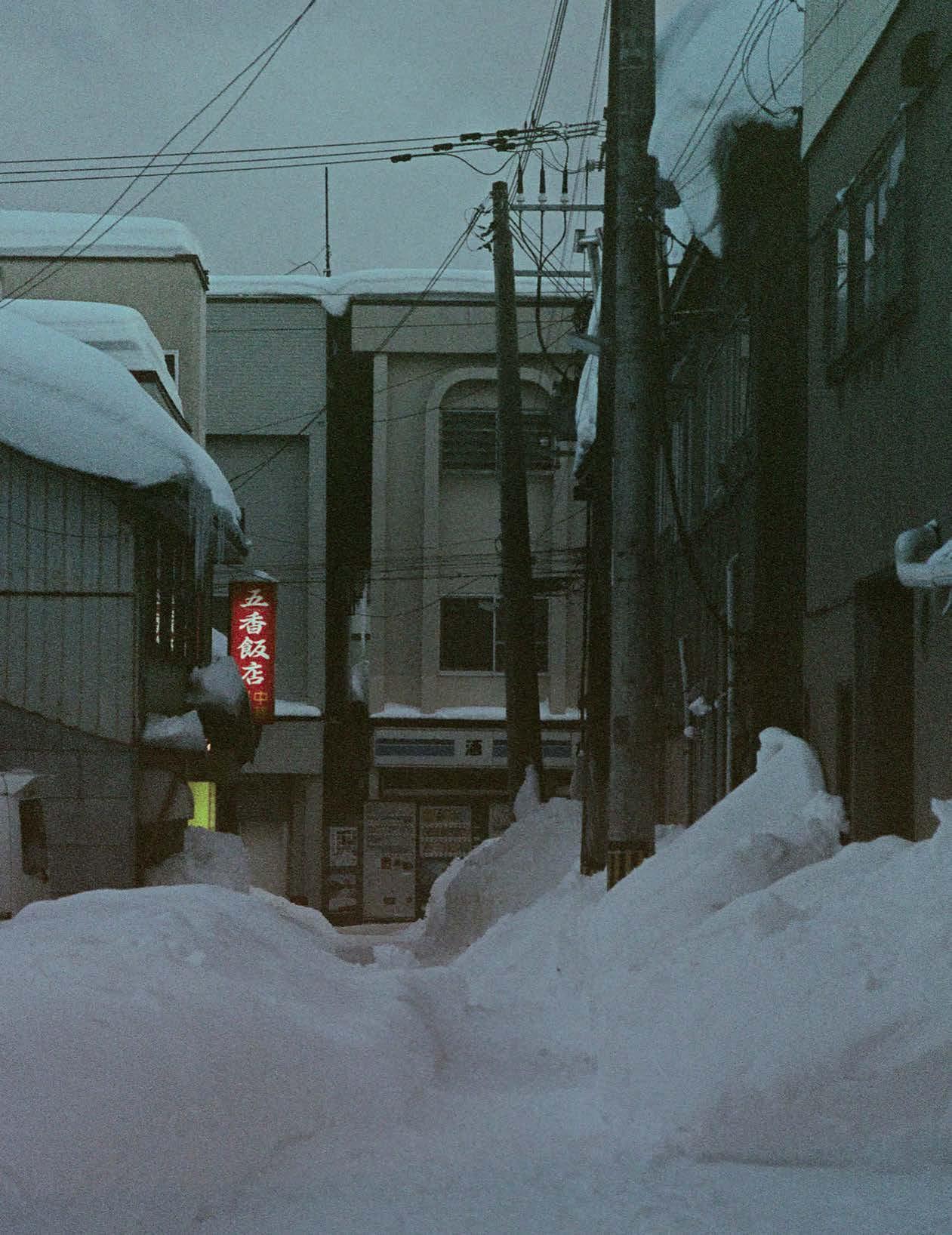
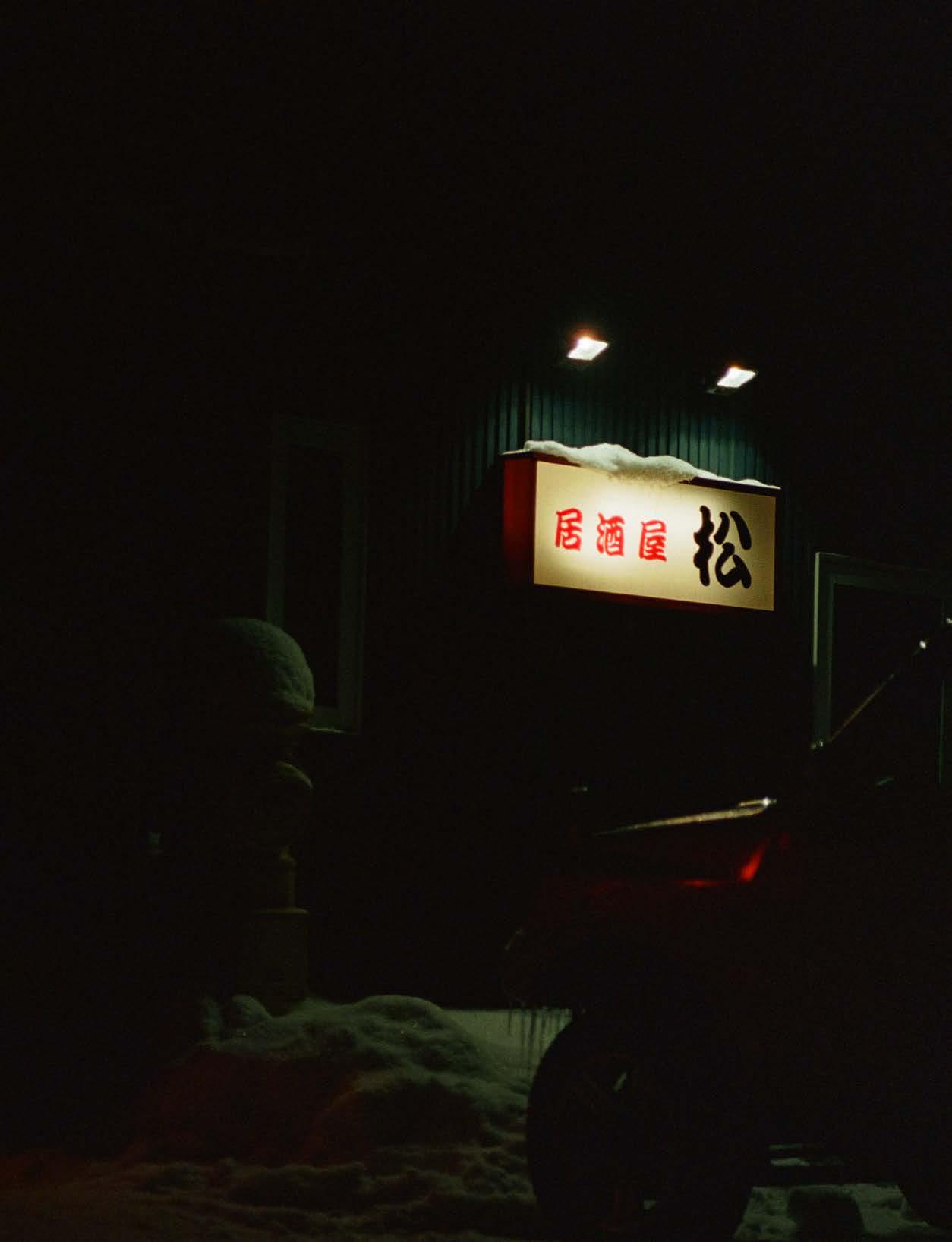
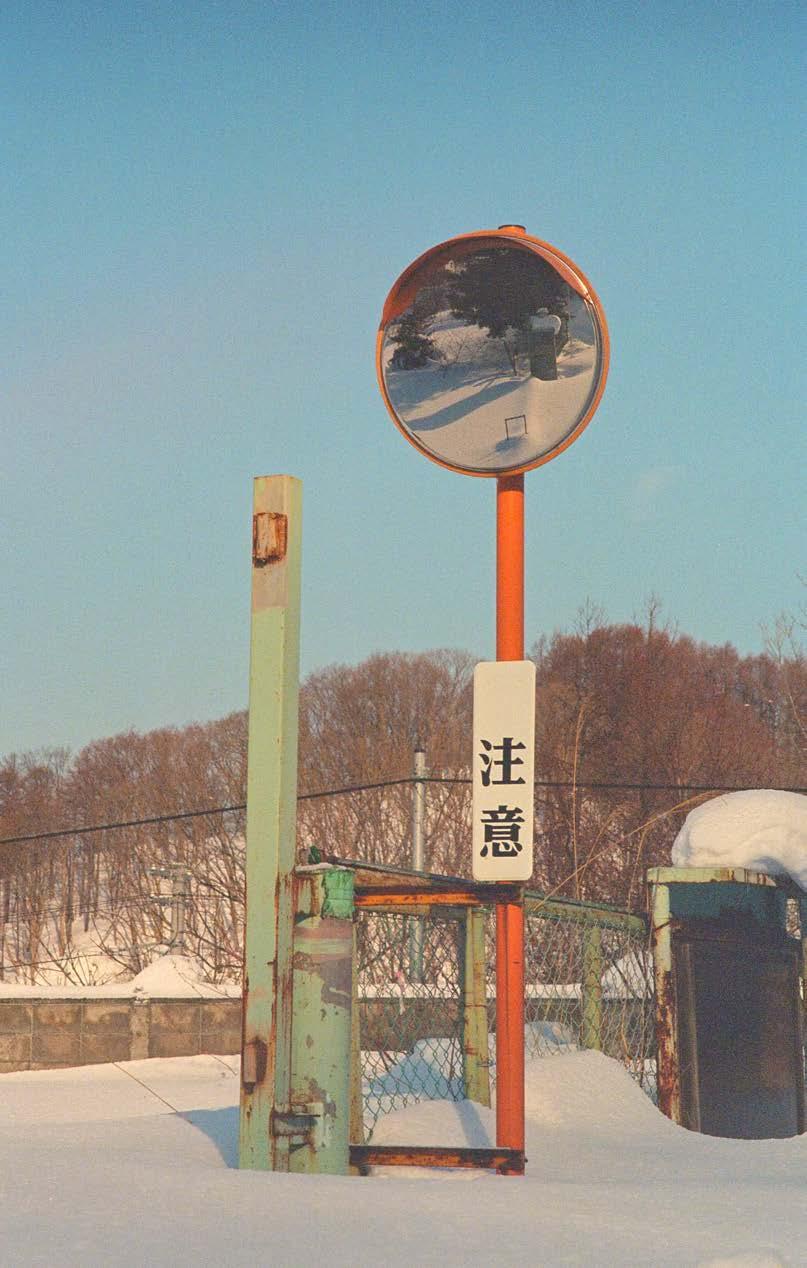
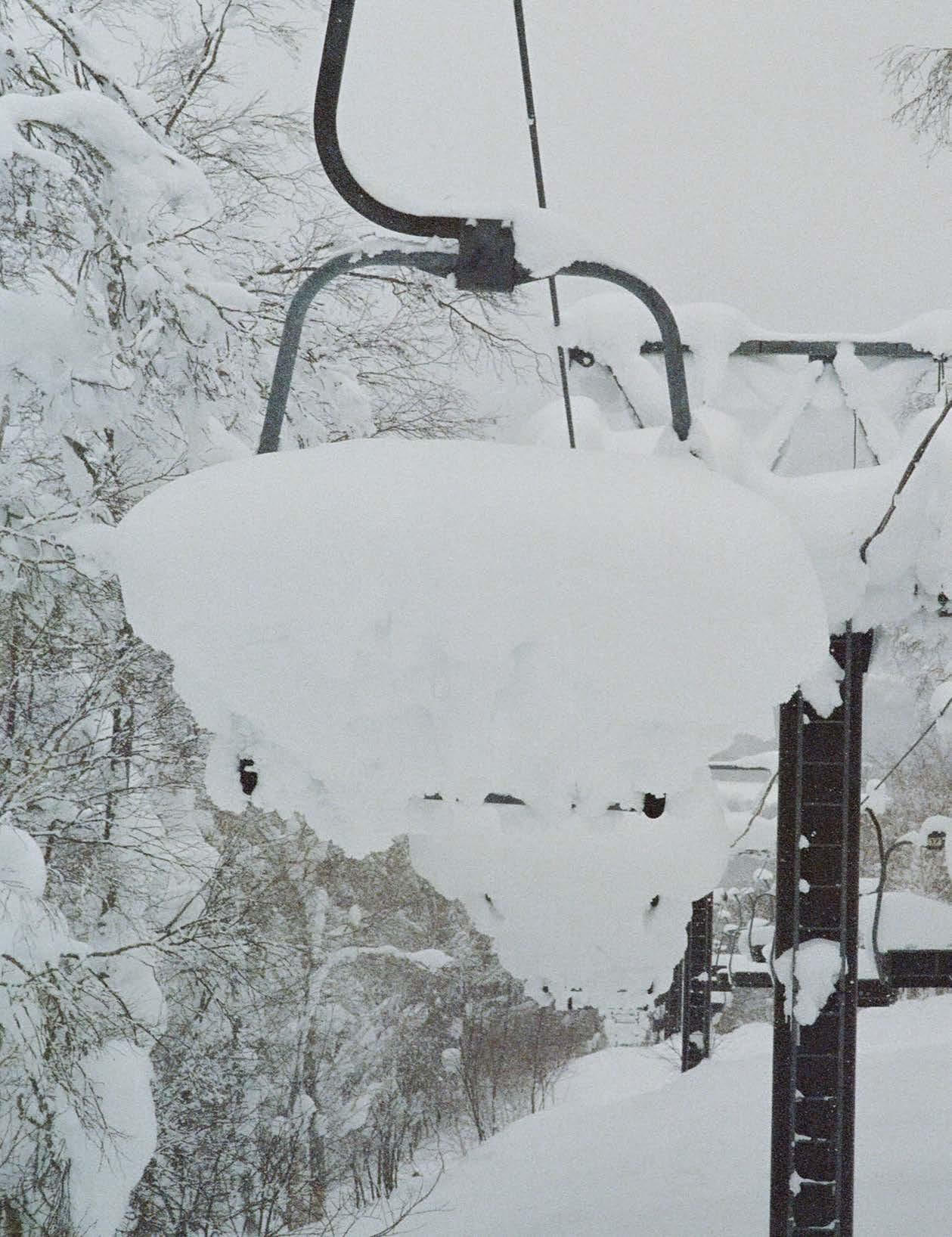
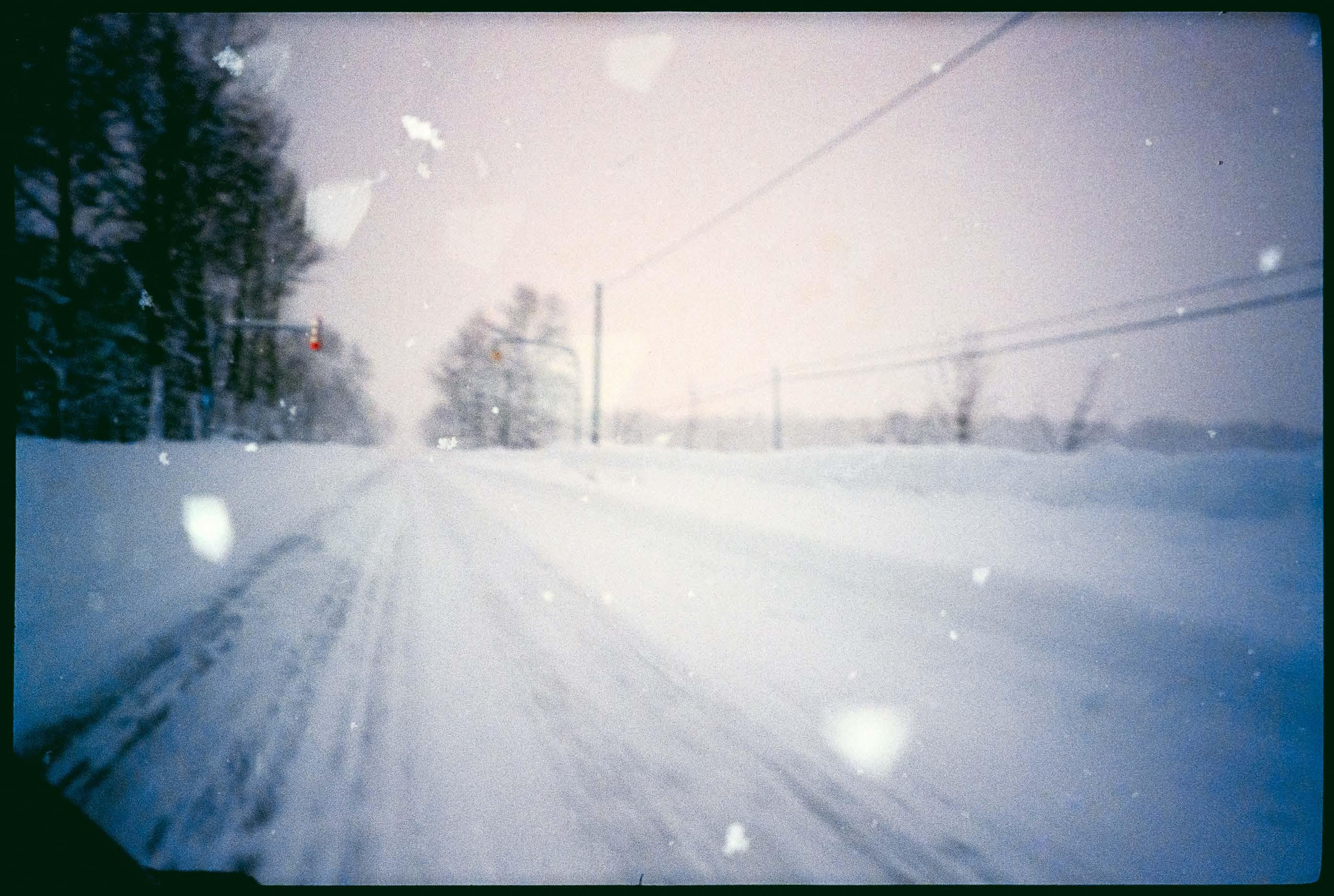
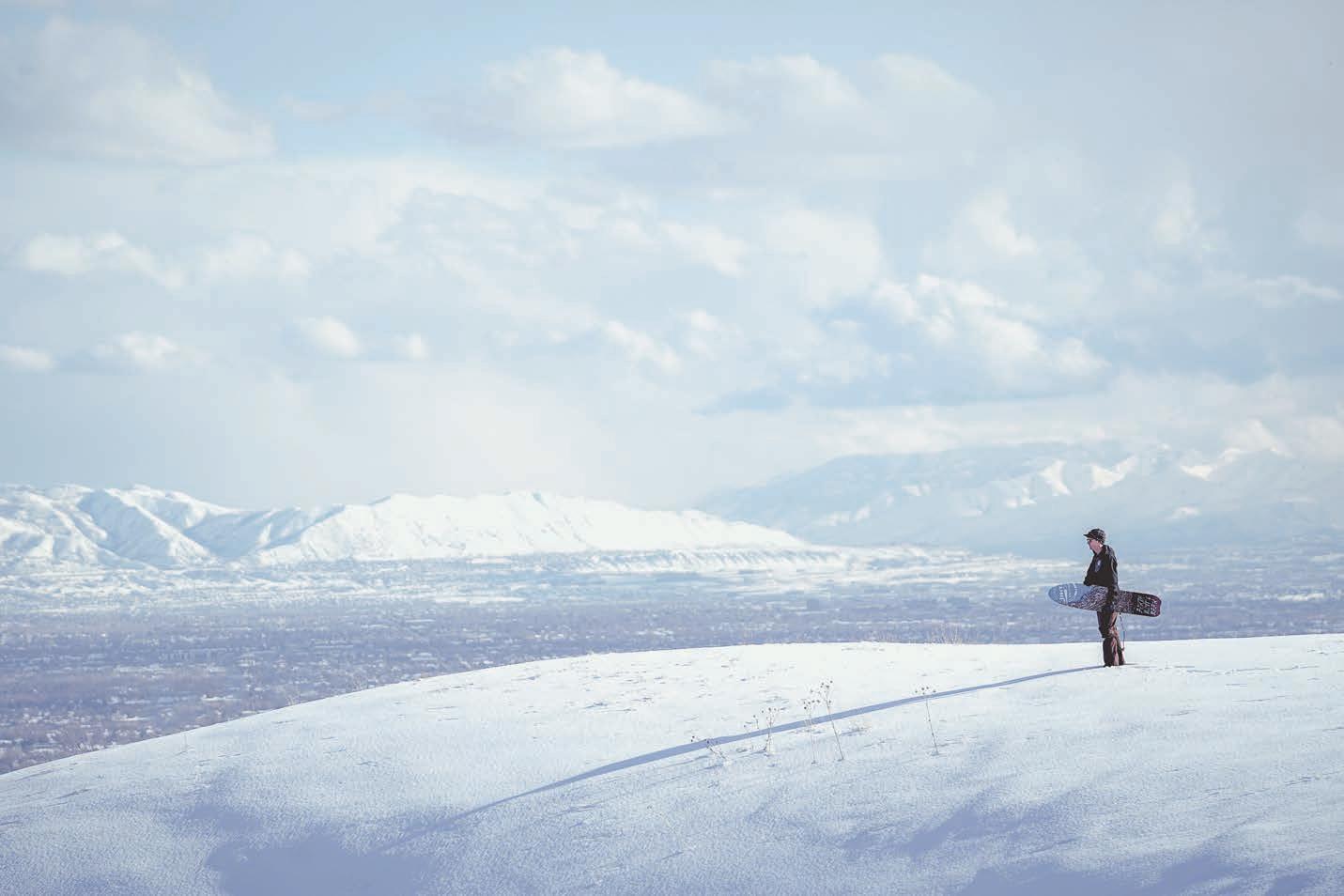
Back In November I was wandering the streets of New York when a friend called to catch up. She told me she was planning a trip to Japan to ride and I jumped at the chance to join. Little did I know, considering the record low conditions we've had in Salt Lake, it would be one of the first times I got to ride deep powder this season. Yes, of course the riding was unmatched (there's a reason everyone is itching to ride in Japan), but I found myself entranced by the towns that were blanketed in snow.
Written by Mark Seguin
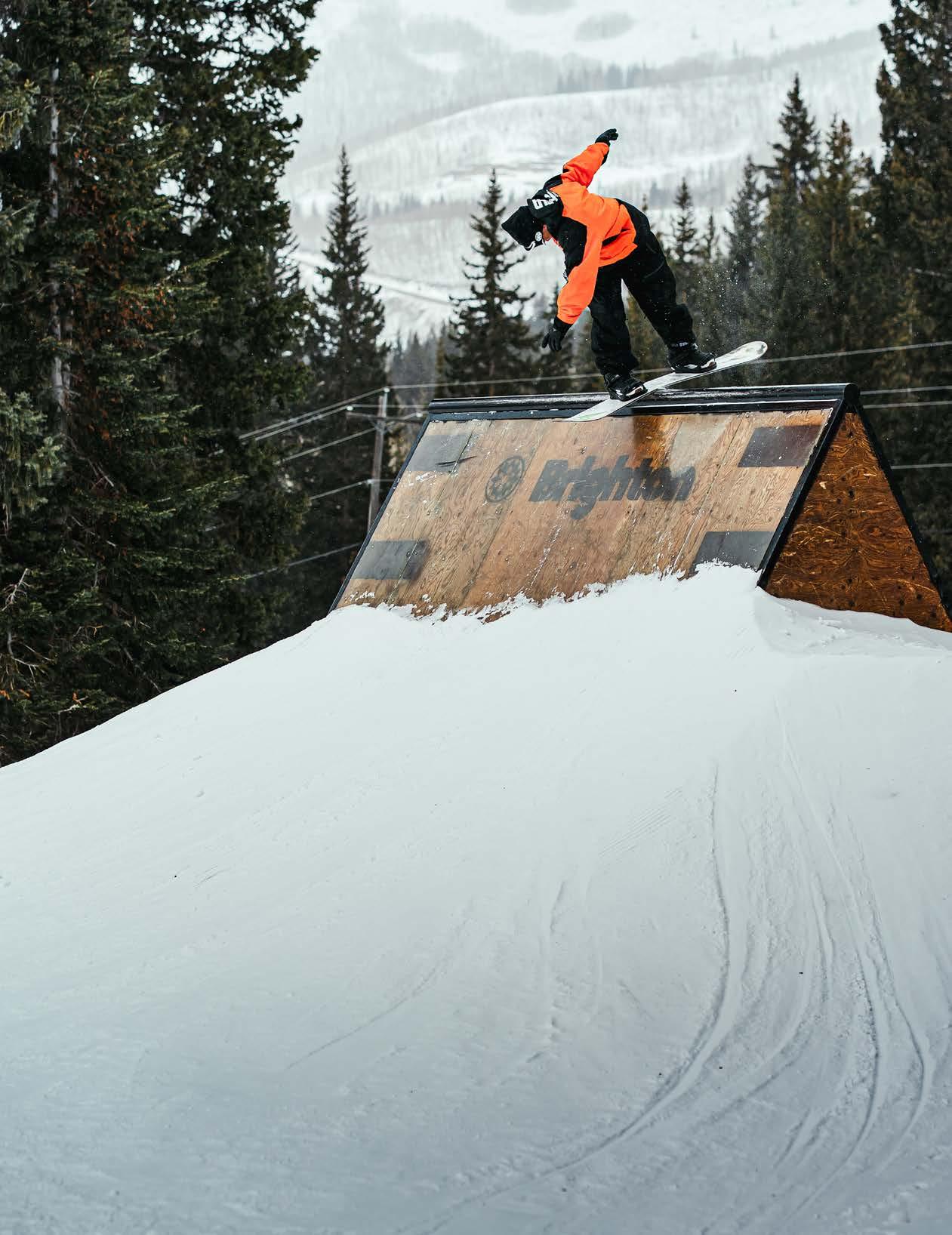
A snowboarder from the Southeast, shaped by a rural upbringing, icy park laps, and tight-knit crews, Kaden Rusinko’s snowboarding is rooted in grit, gratitude, and community. Kaden cut his teeth riding places like Beech Mountain where sunny days are a rare gift, and the rope tow provides seemingly endless opportunities to dial in your tricks and hype up the homies.
That foundation followed him west. At just 17, fresh out of high school, he loaded up his car and drove cross-country to Salt Lake City with intentions of snowboarding as much as possible. He ended up at Brighton. Not only working with the park crew, but also keeping the riding going even when he wasn’t on the clock. Kaden put in the time both on the mountain and finding his place in the SLC snowboard community. That has paid off not only for his actual snowboarding, but also in the form of friendships and connections made.
A snowboarding career with rope tow laps as an origin story isn’t unusual. However, when that foundation is paired with a humble dedication to time on snow, building the culture, and staying grounded, you end up with someone like Kaden. A kid from Black Mountain, North Carolina who knows the value of humble hard work, staying connected to his roots, and is an absolute technician on snow. Most recently in Bode’s project “When Doves Cry”, he’s got more on the horizon and we can’t wait to see it.
Name:
Nickname:
Age:
Hometown/Home Mountain:
Years Snowboarding/On Snow:
Sponsors/Hookups:
Moment of Pride:
Other Hobbies:
Heroes/Idols/Role Models:
Best Advice Given to You:
Favorite Trick:
Currently Working On:
Plans for the Future:
Park or Pow:
Black Mountain, North Carolina. Beech Mountain, NC
Recess, ThirtyTwo, Dang Shades, Coal Headwear
Getting invited to Redbull Heavy Metal and having the opportunity to showcase my boarding in front of thousands of people. Boarding alongside my idols has been pretty surreal.
Fly-Fishing
My dad, first and foremost! Local shop owner JP Pardy, along with all my friends. Also Tommy Gesme, my favorite boarder!
Go out of you way every day to make someone else's life easier. Also, don't lie, don't cheat, don't steal.
Back 50 back 3, or back nose press back one.
Filming for a Planet Zebulon video in Wisconsin.
Filming some stuff for ThirtyTwo, filming with Zeb and his squad, and chucking some carcass at Brighton Pow!
Written by Mark Seguin
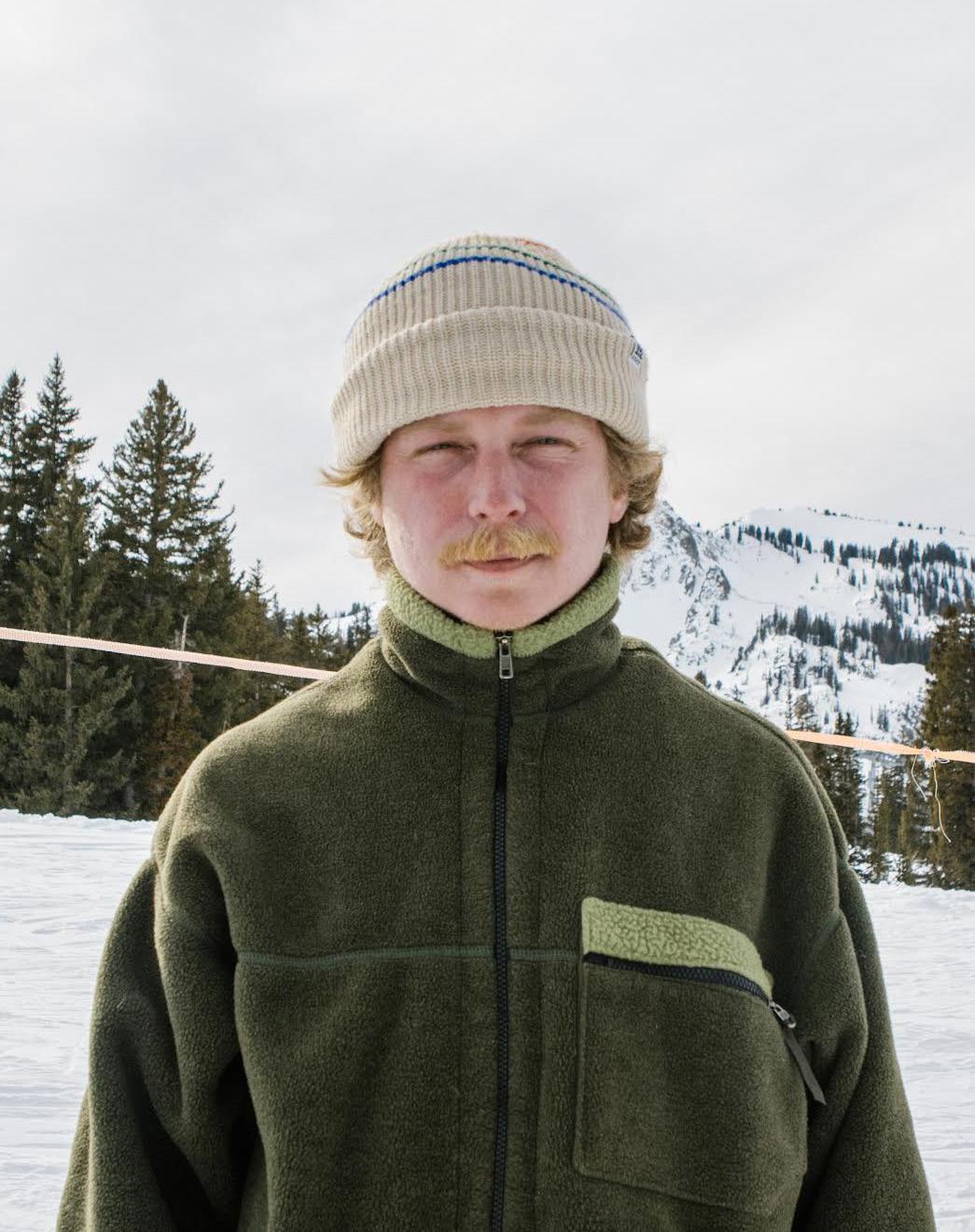
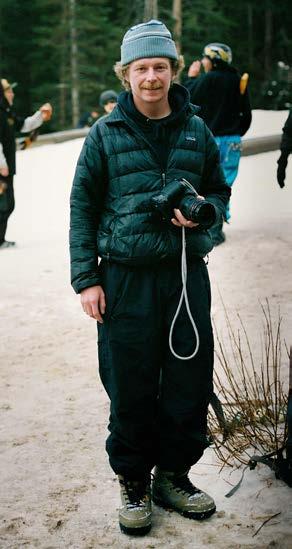
Circumstances in life are rarely ideal. For example, the West Coast winter of 2025 limping out of the gates had so many people feeling down on the slow start. There are some folks, however, who don’t let less-than-perfect situations deter their stoke for life. While I’ve only ever spoken with Simon over the phone, I can tell just through that conversation that he is certainly a person cut from that cloth. I also learned that this is actually Simon’s second stint in Utah after his first go in the Beehive State involved an unfortunate accident with a table saw requiring multiple surgeries, which were better handled at home. Luckily, his shutter finger survived, and being at Brighton seemingly 24/7, Simon has been capturing some stellar moments of riders who aren’t afraid of the White Ribbon of Death.
Name:
Nickname:
Age:
Birthplace:
Hometown/Home Mountain:
Years Snowboarding/On Snow:
Sponsors/Hookups:
Moment of Pride:
Other Hobbies:
Heroes/Idols/Role Models:
Best Advice Given to You:
Favorite Trick:
Currently Working On:
Plans for the Future:
Park or Pow:
Simon Berghoef
None that have stuck
27
Grand Rapids, Michigan
Grand Haven, MI. Mulligans Hollow and Cannonsburg. Recently moved to SLC, so home mountain now is Brighton.
16
Autumn Headwear, Brighton
Every time I get a photo published. It just blows my mind and gets me stoked.
Gravel biking/bikepacking. Camping, Surfing. I'm starting to get into fly fishing and cooking, to name a few.
Tim Zimmerman, Oli Gagnon, Tyler Ravelle, Cameron Strand
Keep fucking going.
Back one, a proper method, and stalefish. A classic front board.
Right now, just shooting as much as I can and documenting the scene at Brighton. Hopefully some projects for Snowboard Mag, Autumn, and some comps. I'd really like to get on a brand project to document a whole movie.
Really just boarding and shooting. Keep pushing it as far as I can. I'd love to do it full time. Either get on staff for a company or continue freelancing.
I've spent most of my life shooting park, so that's what I'm most comfortable with, but I'd really like to pivot to shooting pow and backcountry. My personal favorite to ride is pow.
Three months in, what's the best part about living in Salt Lake?
Just the access to Brighton. It's like a blink of an eye, and you're there, and then you get home so fast. I actually did live here a couple of years ago, but I ended up having a table saw accident.
Yeah, I still have all my fingers, but one is fused, and then one got nicked pretty good. It was like my left index finger was about 80% cut off, and then it hit part of my thumb. So I just ended up moving back to Michigan, where I had another surgery. Then I was like, well I'm not gonna just dump all my money into rent. So, kind of did a reset and then hit a point where it's like, all right, time to go back. This time we're staying. No more table saws.
What is keeping your time occupied besides being at Brighton everyday, and then I imagine you've got to be processing your photos and organizing and all that, but is there anything else you're working on?
Yeah so I actually had a job for a few weeks, and then they laid me off. I was like, okahy, that really blows, and I don't have a ton of money, but I'm just going to fully lean into the photography stuff. I have a good amount of contacts out here, so I just started sending emails out. I figured I already have a season pass from Brighton, so let's just go there every single day. And that's kind of what I've been doing now.
What types of of things do you provide on the mountain, in regard to photography, that you feel like are kind of a signature thing for you?
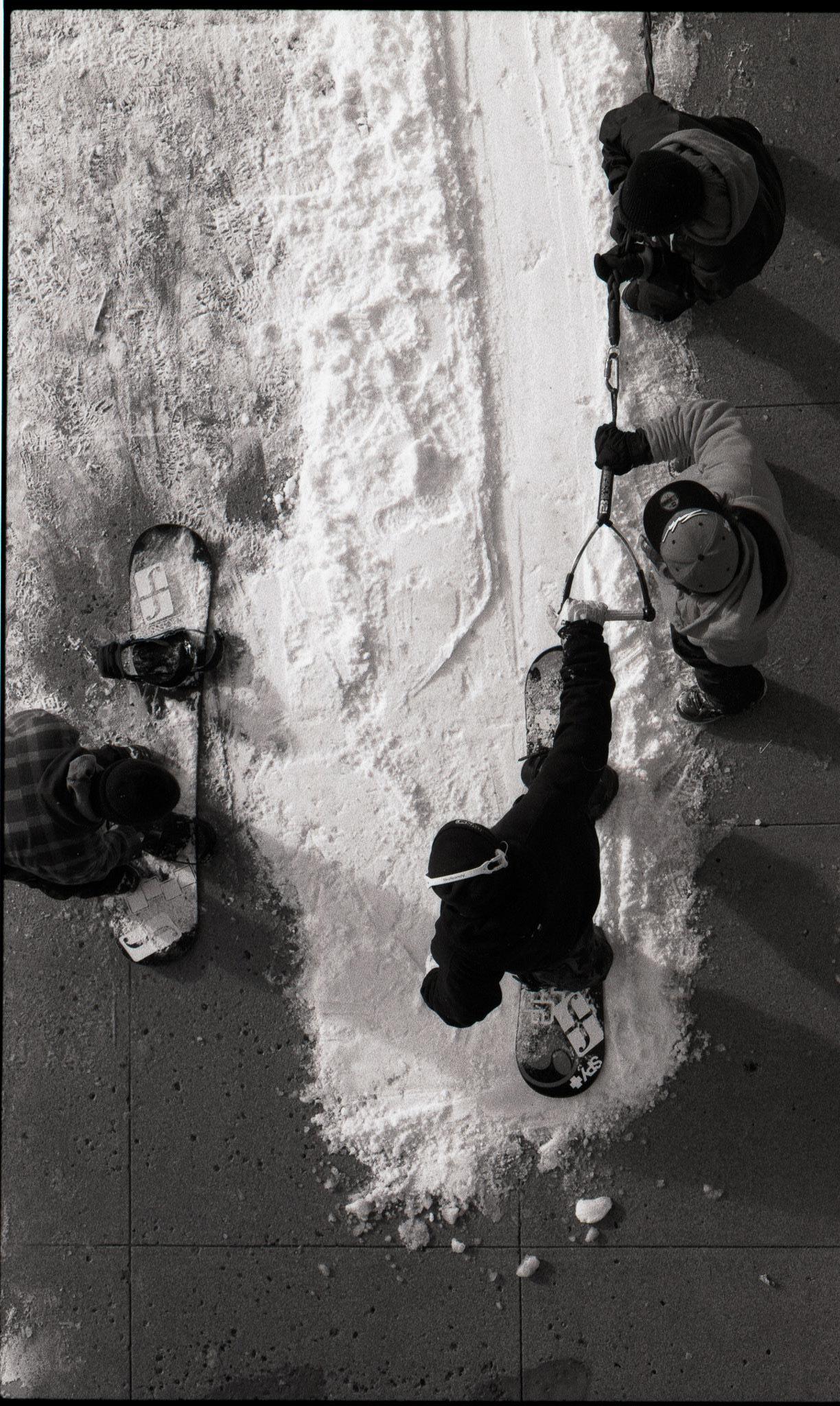
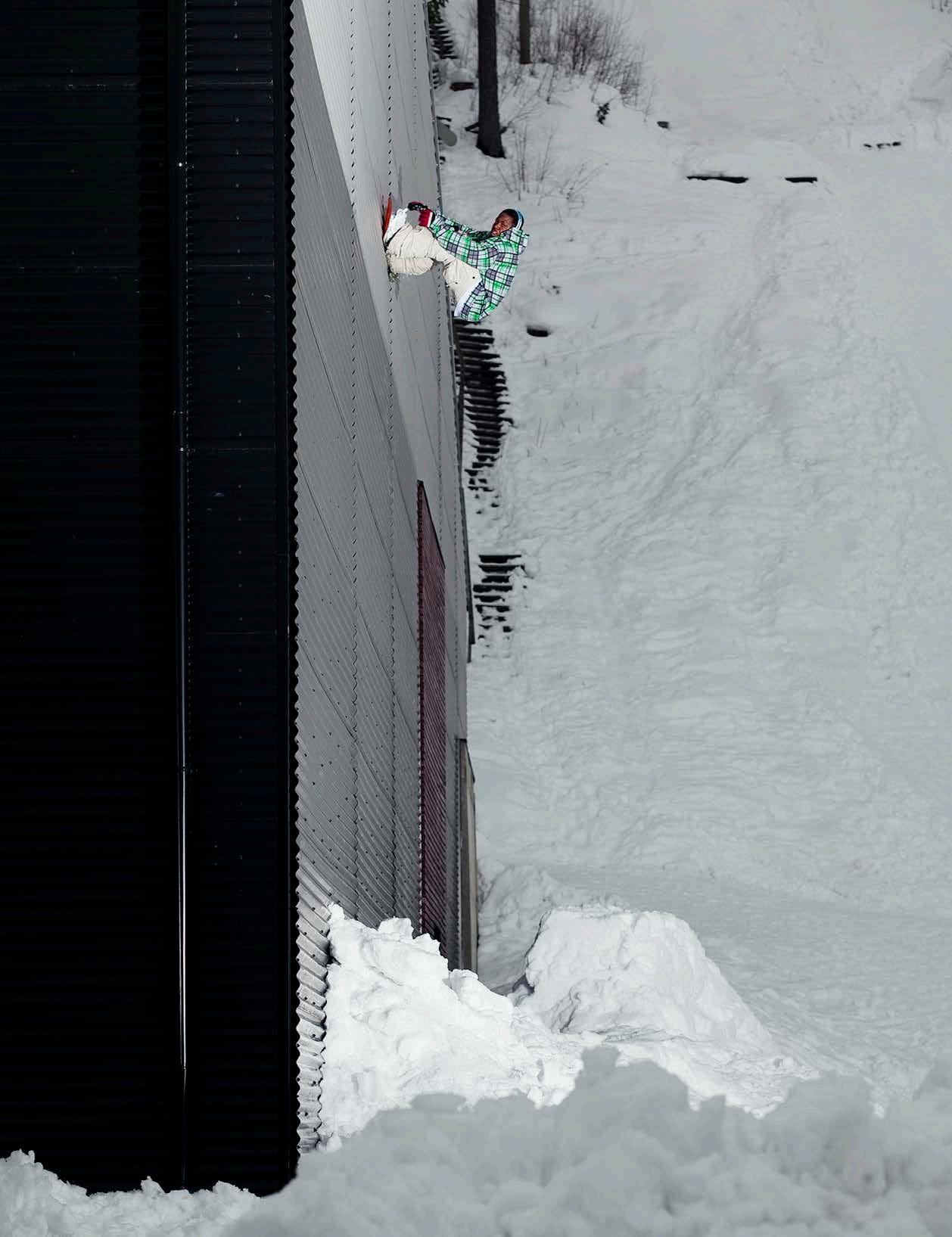
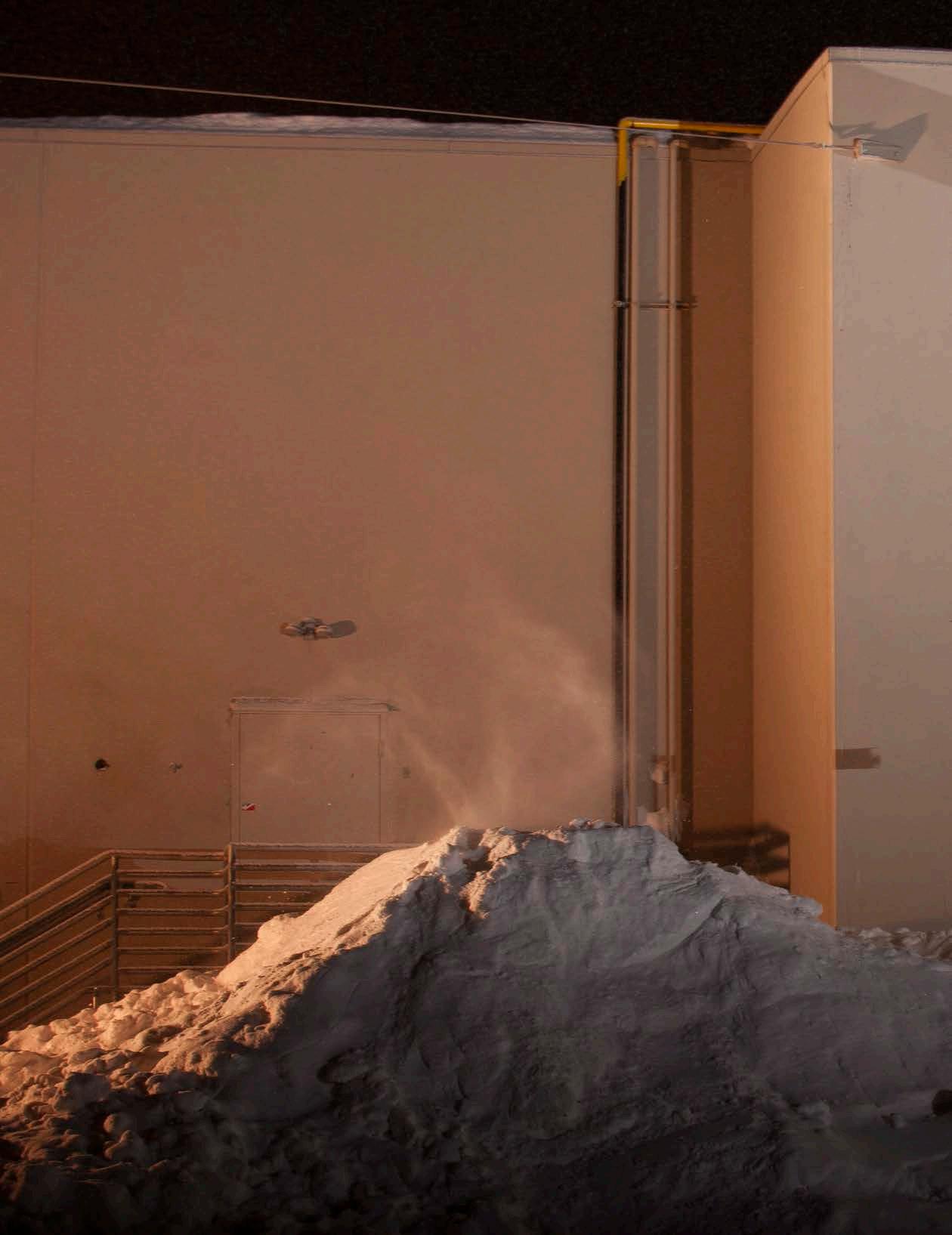
I try not to repeat myself. I try to keep everything fresh and new. Different angles, creative shots, slow shutter follow. Obviously, if the light is good, I'm going to shoot it straight on. I feel like not a lot of people devote a lot of time to just documenting park like that. Like they'll go out and get a few. What I did last winter was I shot every single day I went to the rope tow park and I got some of my favorite photos. I was bringing my strobe out, and I was getting as creative as possible, like turning it into my own studio. I feel like a lot of people don't want to put in the effort into doing that. Now I can look at something and kind of know that it'sgoing to work with this, or like, this is a fish eye type of feature, you know?
Dedication to the craft.
I do a lot of visualizaton before hand and just talking with the riders, I'll ask them, "What do you like to hit right now? What is really comfortable for you? What are you stoked on? Do you have any ideas?" I really like to keep the communication flowing and collaborative. I see it all is a team effort in essence. I don't like to stage shots, but if I see someone do something, I will be like, "Hey, you should run that back and i'll get a photo of it." If I'm not in the right angle or I'm not ready or whatever.
What do you feel like you've pulled from some of your role models that you incorporate into your approach?
I would say with Tim, his lighting and a lot of his angles. I definitely like looking at his stuff, especially street spots. As I get into backcountry, I'm sure I'll start pulling more, but his angles and how he shoots stuff with flashes. Oli, because he obviously shoots a lot of film, and I do what I can, but that is insanely expensive. Then, ever since I started picking up a camera, Cameron Strand as well. His shadows and the angles that he uses are very unique to him, very close up. Going for like the human emotion and textures and just hues in the shadows, everything like that. He is a master.
What do you feel like Michigan gave you that you wouldn't have been able to get somewhere else?
I think the countless hours in the park and having guys hitting these rails so often. Because they have the rope tow. they can hit a rail 300 times in an hour. So I just had endless time to experiment and see what works and what doesn't work. Using flashes and kind of figuring out what tricks look the best at what point on the rail, or in the air. Also where I have to be to get their face in the frame without their arms or board covering it. So, I think just the amount of practice I was able to get.
We have to get a proper rop tow somewhere here in Utah.
I think it would be awesome if they had one in the lower section of Majestic, maybe at the upper section too.
We can dream! Thanks Simon. See you at Brighton.


Daniel Cochrane


The Organ were an all female band from the Vancouver area with a twangy and melodic sound that stood out in a time marked by a darker post-punk revival led by bands such as The Strokes, Interpol, (early) The National, and The Editors. Their success and ultimate collapse are a testament to how talent and promise are not always enough to overcome timing, interpersonal difficulties, and, for lack of a better term, luck. A recipe and story not unfamiliar to many artists, including those within the world of snow and skating.
Forming in 2001, the band received general acclaim from early performances. Setting out to capture the moment, The Organ quickly signed a deal with Canadian indie 604 and entered the studio to record their debut. Production and mixing issues plagued and delayed the sessions, leading to most of that material to be scrapped in favor of a second round of studio sessions. The delays pushed thor album’s release to 2004, a full three years after its beginnings. Despite the setbacks the debut entitled, Grab That Gun captured the band's initial fire and became a moderate indie success. The album is both a quintessential snapshot of 2000s indie and an outlier within the zeitgeist of the day. It was this faint familiarity, while simultaneously living on the fringe, that helped The Organ solidify their place in a crowded indie-music renaissance. The band was anchored by vocalist Katie Sketch's lyrics, which were exceptionally wise for her years. Guitarist Debora Cohen's piercing rhythms (and strong Johnny Marr influence), were every bit as emotive as Sketch's lyrical content and helped form the band's musical backbone. Grab That Gun was one of my favorites twenty plus years ago, and remains one of my all time favorites.
Following the release, the band toured North America and Europe, with shows selling well. Unfortunately, despite overcoming the initial recording issues, they could not overcome their quick rise to notoriety and interpersonal problems. Bassist Ashley Webber left and rejoined the band multiple times, and substance issues also infiltrated the group. Eventually, at the end of 2006, travel-weary and in various states of chaos, the band inevitably succumbed to difficulties and announced its breakup via MySpace (oh MySpace). In 2008, there were hopes of a reunion when members reconvened to finish a batch of songs originally recorded for a second album. The resulting Thieves EP proved bittersweet when no further reunion occurred, leaving fans with a second output of songs that showed creative progression from The Organ's debut and offered a taste of what could have been. In the years since, there have been no rumors and no reissues. Only a great, yet very sporadic, solo project entitled Lovers Love Haters from Debora Cohen from 2013 to 2018 marked any output from members of The Organ. Though the outlook is bleak here's to keeping fingers crossed, and never saying never.
Case Oats
Last Missouri Exit LP
Merge Records 2025
Case Oats is a Chicago, Illinois-based Alt Country band formed by writer/poet Casey Gomez Walker and multi-project veteran drummer Spencer Tweedy. The two began collaborating in the late 2010s but only released their debut full-length this past summer. Crafting homey melodies reminiscing primarily
on personal relationships that range from the heart-warming (Wishing Stone) to the gut-punching (Kentucky Cave), Oats' Last Missouri Exit is one of my favorite debuts of 2025. It is one of those special albums you'll listen to repeatedly, with each track occasionally being your current favorite. Highly recommended.
The Ropes are a precursor band to the indie dark wave band R. Missing.Much like R. Missing, The Ropes produced nihilistic dark wave synth music. "I don't like to get dirty" and "Black all day, bright all night" are direct examples of the sound the duo would eventually perfect for their next project. However, within The Ropes discography, are many gems that are quite different from R. Missing, most notably post-punk-inspired Love is a Chain Store (sampled by Tricky in 2013) and one of my favorites, Addicted to Morals. With not much more than a thousand combined listeners across all streaming platforms, The Ropes are not only an interesting glimpse into a band finding itself but also a must for R. Missing fans.
Failure is your favorite 90s band's favorite band, yet most likely a group many readers have yet to discover. The band's original three LP’s were hard-hitting grunge-era masterpieces. The original members went their separate ways after 1996’s Fantastic Planet yet their legend slowly and steadily continued to grow in the underground scene. Re-releases, a B-sides/unreleased tracks compilation, and a tribute album stoked the fire, and in 2013, when the band announced its first show in over 15 years, tickets sold out in 5 minutes. Since the reunion, Failure has used both crowdfunding and Bandcamp to produce multiple EPs, LPs, and live albums independently, the latest of which should be hitting Bandcamp just as you read this. Check them out.
Tunde Adebimpe
Thee Black Boltz LP Sub Pop 2025
Despite this impressive list of acting, voice over and multimedia art credits, readers most likely know Tunde as one of the primary voices for TV On The Radio. In 2025, at the young age of 50, Tunde added solo recording artist to his resume with his debut, Thee Black Boltz. The album is an homage to the comforts of age but also the inevitable existential dread that comes with it. Tunde's lyrics on album opener Magnetic, "I've been thinking about my time in space, I've been thinking about the human race, in the age of tenderness and rage, had me kicking through the end of days," are both a powerful opening statement and summation of the album wholistically. This is a fantastic pop album from one of the greatest artists of the past few decades. Highly recommended on its own merits and a must for TVOTR fans.
brewed by beer drinkers, for beer drinkers.
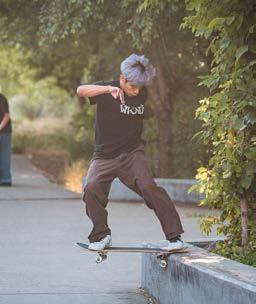
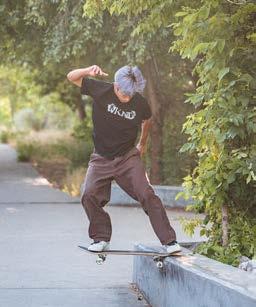
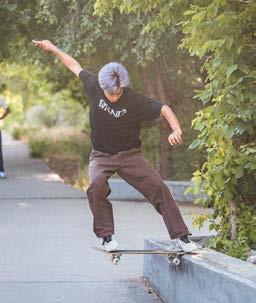
Words by Mark Seguin
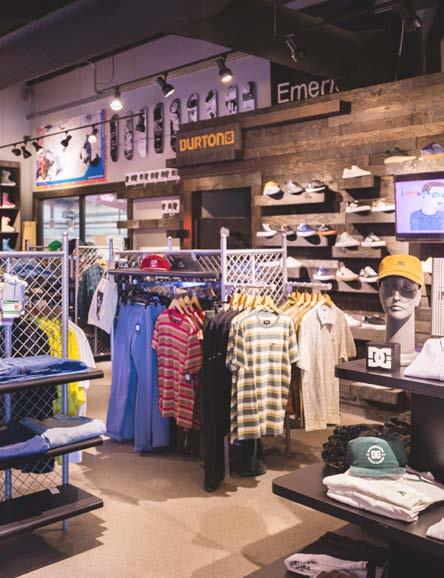
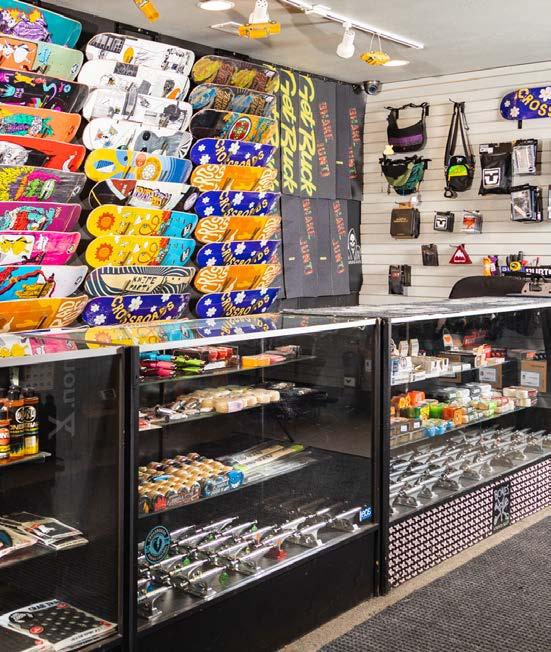
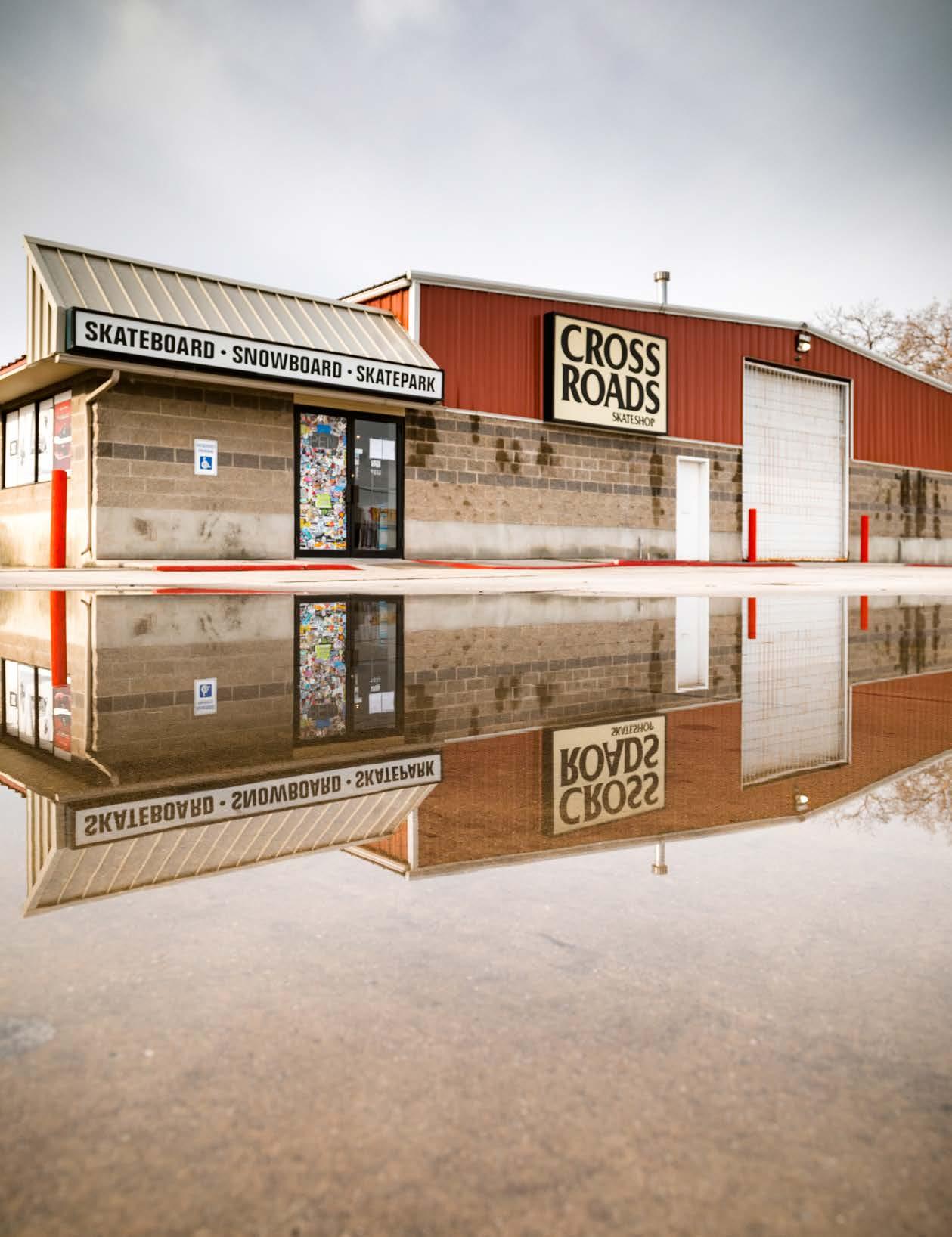
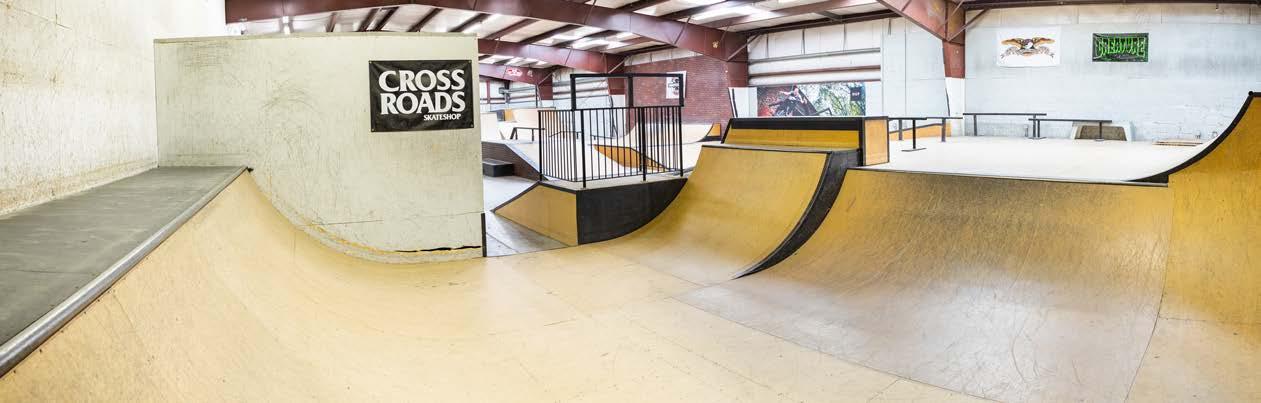
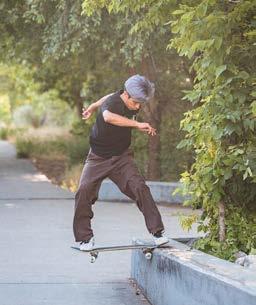
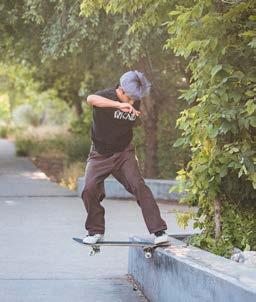
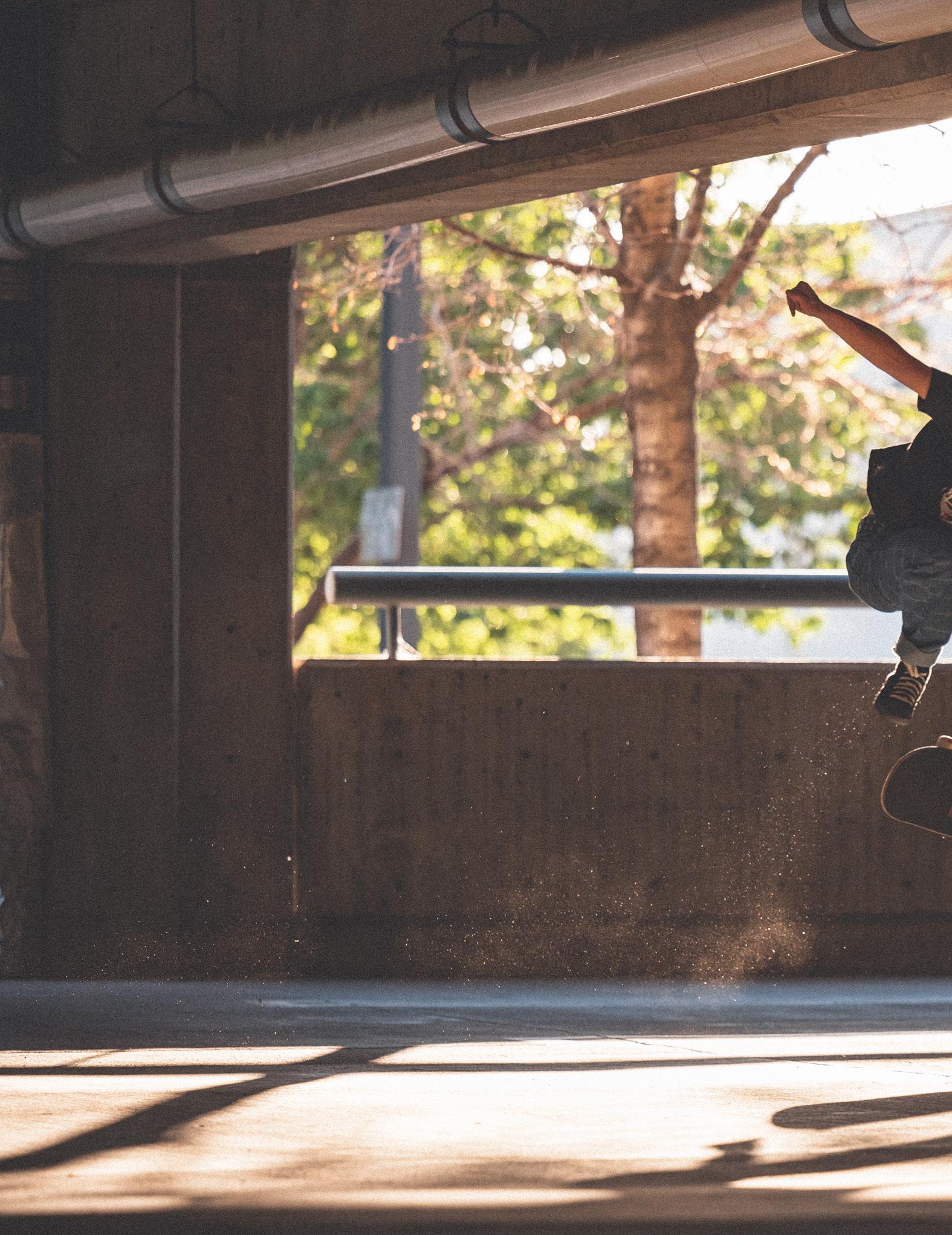
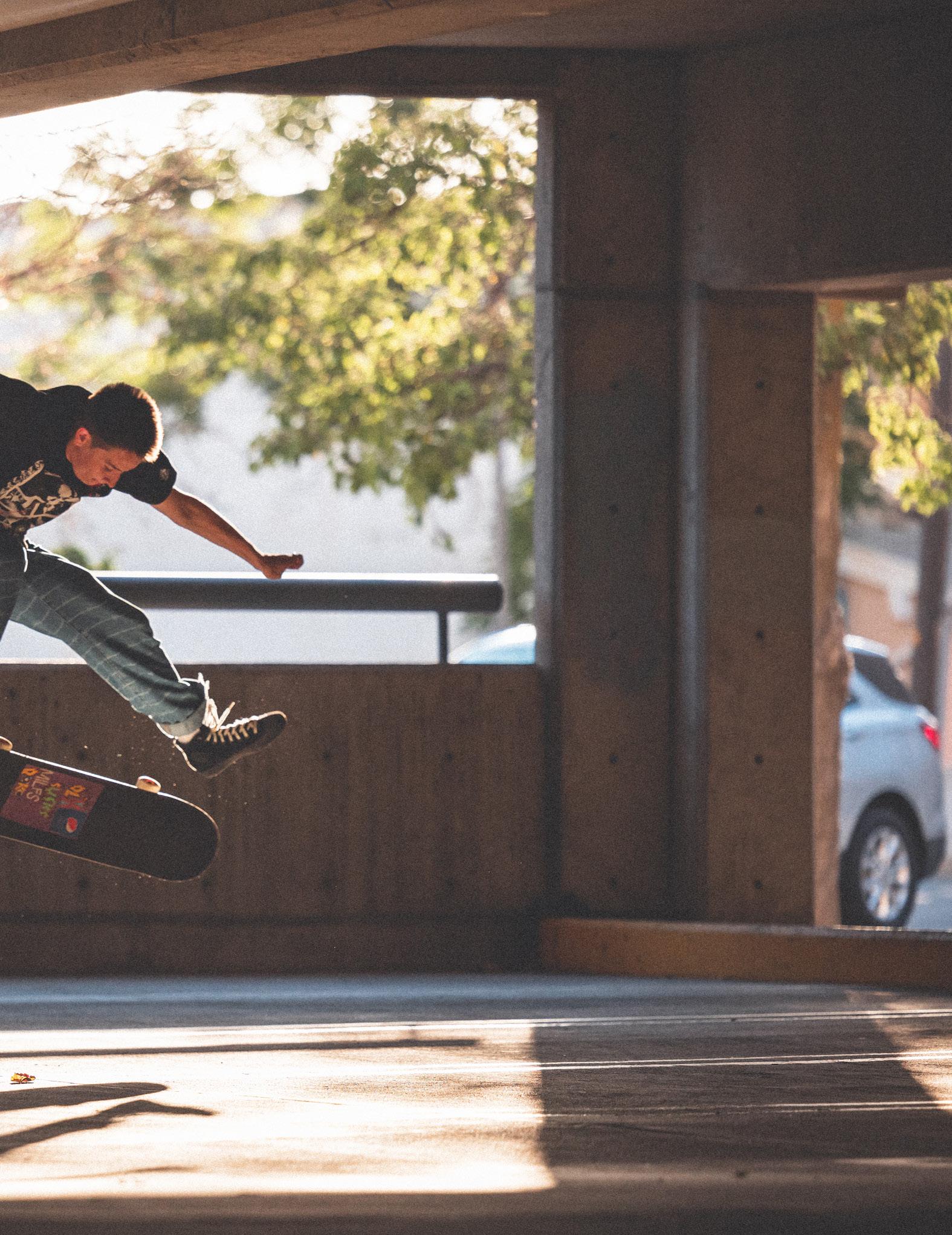
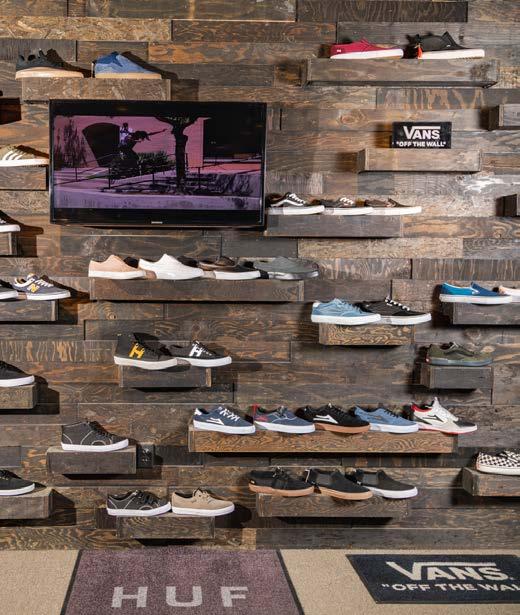
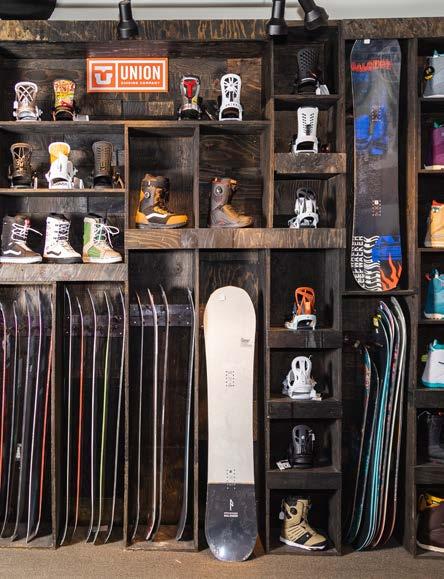
For years, Crossroads was more than a retail space. It was a gathering point. A place where people could spend time, ask questions, and feel connected to something larger than themselves. New snowboarders and skaters found their footing there, and longtime locals found consistency in a scene that is always changing.
The closing of a shop like Crossroads isn’t a sign that snowboarding or skateboarding is fading. It’s a reflection of how much the landscape around them has shifted. The way people shop, connect, and discover culture looks different now than it did even a decade ago. Still, the absence is felt, because physical spaces create something digital platforms cannot fully replace.
As Crossroads shifts into memory, its impact remains visible in the community it helped shape. The conversations, friendships, and progression that happened there don’t disappear simply because of a locked door.
The challenge now is simple and ongoing: to support the spaces that still exist, to value local effort, and to recognize that scenes survive when people choose to participate in them.
Crossroads may be closed, but the role it played reminds us that culture is sustained by the places and people willing to build it.


arkademagazine.com
info@arkademagazine.com facebook.com/arkademagazine
Instagram: @arkademagazine
Twitter: @arkademagazine
Editor & Adversiting Daniel Cochrane daniel@arkademagazine.com
R.C. Llewelyn cory@arkademagazine.com
Editor
Cred-
Editor
Mark Seguin mark.seguin19@gmail.com
Editor
Peter Harvieux theipproject@yahoo.com
Layout & Design Editor Brittany Lovegrove belgrove830@gmail.com
Contributing Photographers
Jake Snider, Patrick Phiser, Simon Berghoef, Chase Burch, Austin Lamoreaux, Tim Peare, Willy Nevins, Tristan Sandler, Brittany Lovegrove
Contributing Writers
Mark Seguin, Josh Ruggles, Brittany Lovegrove
Proudly Printed in Salt Lake City, Utah Arkade Magazine 117 S 800 E Ste #37 SLC, UT 84101